Engineers found the remaining debris and suspected human remains from the Titan submersible, which was destroyed during a tragic journey to the Titanic, according to the US Coast Guard.
The boat got broken when they went underwater to explore the shipwreck in June.
Everyone on board died.
The search for the submarine caused a big search around the world and got a lot of attention from the public until some parts of it were found a few days later.
Coast Guard officials announced on Tuesday that they found more parts of the boat at the bottom of the sea last week. They brought the parts to a port in the US. Doctors will study the leftover parts of the body.
The Titan submersible, which was made by OceanGate, went on many dives to the Titanic wreck. The wreck is located 3,800m (12,467ft) under the sea in the North Atlantic Ocean.
The boss of the company, Stockton Rush, was on the sinking boat, which crushed under the strong pressure of the water.
Four other people died on the plane. Their names were Shahzada Dawood, Suleman Dawood, Hamish Harding, and Paul-Henry Nargeolet.
Documents from a court in the US, found after a collapse, revealed that Mr. Rush did not pay attention to warnings about the submersible’s safety. OceanGate, a company that arranged underwater exploration trips in different places worldwide, stopped all activities after the tragic event occurred.
The outside structure of the Titan ship was built using a strong material called carbon fibre. It also had special metal pieces called titanium end plates and a small window at one end. Carbon fibre is not as expensive as titanium or steel and it is very strong. However, it hasn’t been used much before for deep sea dives with people.
Scientists from around the world are still investigating the tragedy, and the Coast Guard has announced that a meeting will be held for everyone to attend at a later time.
Tag: Titan
-
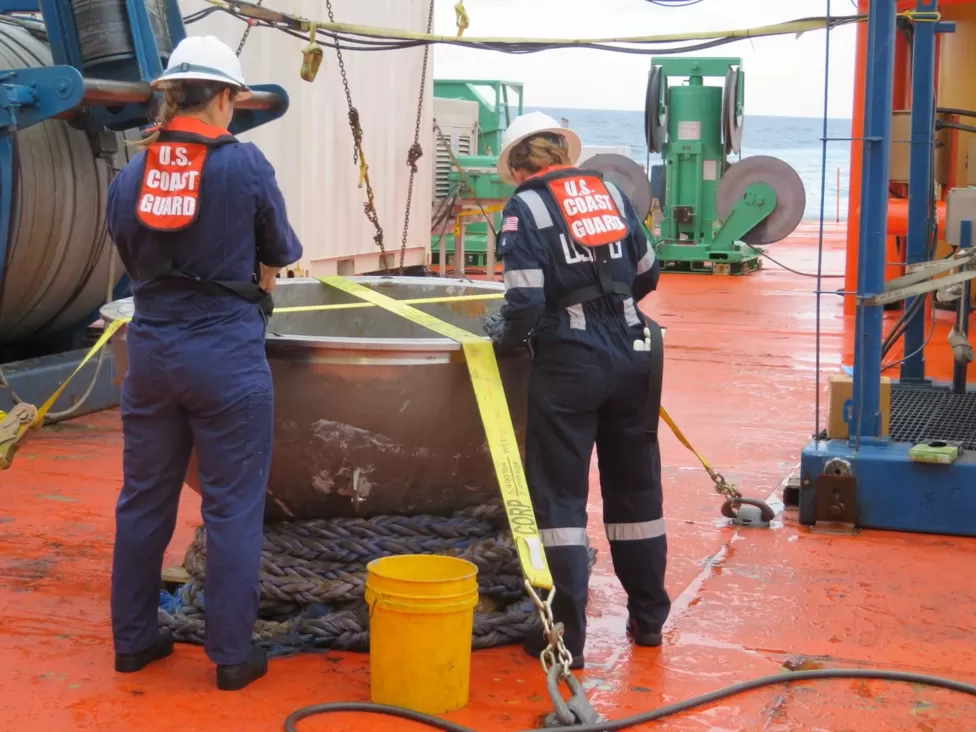
Titan sub wreckage’s last pieces discovered on Atlantic seabed
-
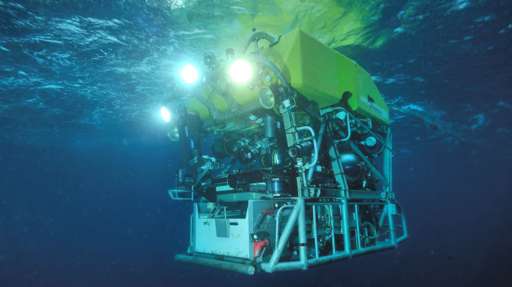
Deep-sea search equipment joins hunt for missing Titan
A French vessel equipped with a submersible capable of reaching the ocean floor and transmitting images to the surface has arrived in the designated search area.
The vessel, named Victor 6000, is also equipped with two mechanical arms capable of delicate maneuvers like cutting or removing debris.
The search area, which is being scoured by aircraft, ships, and remotely operated vehicles, has been expanded to cover approximately 10,000 square miles of the ocean.
Efforts are underway to locate the missing submarine, which lost contact on Sunday while descending to the Titanic wreck. The US Coast Guard reported hearing additional noises in the search area, but their nature remains unclear.
The Victor 6000, carrying a crew of five, will play a crucial role in the search operation, utilizing its advanced capabilities to explore the depths of the ocean floor and potentially gather valuable information.
Deep-sea explorer Dr David Gallo believes it would take a miracle to rescue those trapped in Titan, but he remains optimistic.
He told ITV’s Good Morning Britain that the noises coming from underwater are “credible and repeatable” meaning teams need to assume they are coming from the submersible and move quickly to locate it.
“We have to, at this point, assume that that’s the submarine and move quickly to that spot, locate it and get robots down there to verify that is where the submarine is,” he said.
“They’ve got to go fully ready as if that was the sub because to locate it and get it up to the surface – it takes hours.”
Dr Ken Ledez – a hyperbaric medicine expert has said that running out of air isn’t the only danger now.
The vessel may have also lost electrical power, which plays a pivotal role in controlling oxygen and carbon dioxide levels.
As oxygen levels fall, the proportion of carbon dioxide being breathed out by those inside will rise, causing potentially fatal consequences.
“As levels of carbon dioxide build up, then it becomes sedative, it becomes like an anaesthetic gas, and you will go to sleep,” Dr Ledez tells the BBC.
Hypothermia – where the body gets too cold to function – is another risk.