Tag: tuberculosis

  • Tuberculosis cases soar in Ghana: Health experts call for urgent action

    Tuberculosis cases soar in Ghana: Health experts call for urgent action

    Ghana recorded 19,000 tuberculosis cases in 2023, a significant rise from the 16,500 cases in 2022 and the previous years, according to the National TB Control Programme, Ghana Health Service.

    The country had been registering about 14,000 to 15,000 cases annually from 2014 to 2019, far below the 44,000 cases expected to be detected each year.

    Programme manager of the National TB Control Programme, Dr Yaw Adusi-Poku, revealed that out of the 19,000 cases, 5% were children, falling short of the World Health Organization’s target, which suggests that Ghana needs to enhance its diagnostic efforts, aiming for 8 to 10% of diagnoses in children.

    Speaking at a training session for journalists in Accra organized by the Ghana National TB Voice Network, Dr Adusi-Poku explained that the increased number of cases in 2023 was attributed to the availability of Gene-Xperts and Cartridges, essential for effective TB diagnosis.

    These interventions, including stool testing for children, contributed to identifying more cases.

    Dr Adusi-Poku emphasized the importance of continued support for additional cartridges, especially highlighting the need for government, individual, and institutional support.

    Despite the current availability of cartridges from 2023, concerns arise about their sufficiency for the years ahead, emphasizing the necessity for governmental support.

    Addressing the shortage of Gene-Xperts in districts, Dr Adusi-Poku called for expansion and accessibility, advocating for a swift diagnosis process without extensive travel.

    He urged media, teachers, and parliament to play a role in monitoring children’s health charts, supporting procurement law amendments, and building health worker capacity to combat TB.

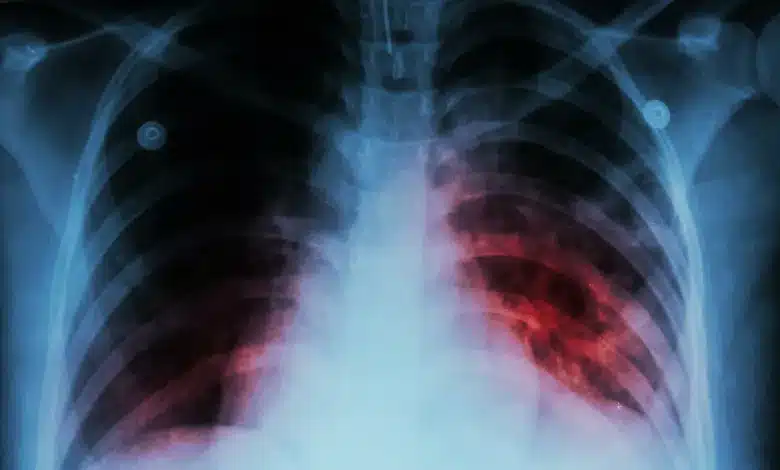
    Tuberculosis, an infectious disease primarily affecting the lungs, is a bacterial infection transmitted through the air. Symptoms include prolonged cough, chest pain, weakness, fatigue, weight loss, fever, and night sweats.

    Samuel Hackman, executive secretary of the Global Fund Country Coordinating Mechanism, stressed the importance of domestic funding for TB interventions, highlighting the need for urgent attention to procurement and financial laws hindering advanced purchases.

    Jerry Amoah-Larbi, coordinator of the Ghana National TB Voice Network, emphasized the media’s crucial role in advocacy, awareness, and activism initiatives to achieve UNHLM TB 2023 targets.

  • NTP reveals less medication for TB patients from October

    NTP reveals less medication for TB patients from October

    Starting in October, the National TB Programme (NTP) in Ghana is set to introduce a new treatment regimen for Multi-Drug Resistant (MDR) tuberculosis care.

    This new regimen, endorsed by the World Health Organization (WHO), consists of Bedaquiline, Pretomanid, and Moxifloxacin (BPaLM), and offers patients a shorter treatment duration of six months, as opposed to the previous regimen that spanned nine to 18 months.

    Additionally, this updated approach will reduce the pill burden on patients, shifting from the current requirement of seven groups of medicines with over 14 tablets to just three medicines daily.

    The decision to implement this new regimen was made after the National TB Advisory Board expressed satisfaction with the WHO’s implementation plan. This approval came through the Ghana Health Service, facilitated by its implementing body, the TB Programme.

    The Programme Manager for NTP, Dr. Yaw Aduse-Poku, informed the Ghana News Agency (GNA) in an interview that the newly recommended BPaLM regimen promises better treatment outcomes, notably shortening the treatment duration and substantially enhancing the quality of life for individuals dealing with MDR/RR-TB.

    To initiate the plan, the Programme intends to hold national, regional, and district consultations, seeking external technical assistance to devise a tailored implementation approach for the country. The drugs, Dr. Aduse-Poku mentioned, are expected to arrive in the country by September 30, 2023.

    He said a national guideline, training manual and desk aide were being developed adding “logistics in terms of the new drugs have been quantified and procured, and they are scheduled to be in country by September 30, 2023.” 

    Dr. Aduse-Poku clarified that the new WHO DR-TB treatment regimen, which comprises Bedaquiline, Pretomanid, and Moxifloxacin (BPal M), offers a reduction in side effects compared to the old regimen.

    The previous regimen was associated with common side effects such as gastritis, vomiting, decreased appetite, peripheral neuropathy, depression, and suicidal tendencies. The new regimen is designed to be less burdensome for patients, their families, and healthcare workers.

    According to the World Health Organization (WHO), tuberculosis (TB) ranks among the top 10 causes of death worldwide. In Ghana, it is estimated that approximately 30 individuals lose their lives to TB each day, while 125 people become ill daily due to the disease.

    On a global scale, it is estimated that every day, more than 4,000 people succumb to TB, and nearly 30,000 individuals fall ill with TB disease.

    “Currently, Ghana has 169 GeneXpert, 79 digital x-rays in 260 districts and there should be deliberate efforts to provide diagnostic tools for TB diagnosis.” 

    According to the WHO Report, 2022, Ghana recorded 12,000 TB mortality with 45,000 TB incidence with childhood TB recording 6,500 cases.  

     “The Programme is currently involved in contact tracing, diagnosing and treating Paediatric TB, intensifying case finding in all facilities, embarking on community outreach programmes, actively involved in TB prevention and treatment, as well as embarking on active screening at mining and prisons to increase detection cases in the country,” Dr Aduse-Poku noted. 

    Tuberculosis (TB) is primarily transmitted through droplet infection, typically occurring when an individual with TB coughs, sings, or sneezes. Inhalation of these infected droplets by a person without the infection can lead to TB transmission.

    While TB commonly affects the lungs, it can also impact other organs within the body, including the pleural cavity, liver, scrotum, kidney, intestines, and womb, a condition referred to as extrapulmonary tuberculosis. Furthermore, TB can affect animals like cattle, known as bovine TB.

    TB presents with various symptoms, including cough, weight loss (particularly seen as poor weight gain in children), fever, fatigue, night sweats, chest pain, and coughing with blood-stained sputum. It’s important to note that TB is both preventable and curable. Diagnosis and treatment for TB are readily available at no cost in all public and accredited private healthcare facilities.

  • Man defiles 14-year-old, infects her with HIV, TB

    Man defiles 14-year-old, infects her with HIV, TB

    A man in his 40s, believed to be working as a contractor on the Gushegu town roads, is currently in police custody in Yendi, following allegations of defiling a 14-year-old girl.

    The suspect reportedly threatened the young girl, coercing her into silence by warning her of dire consequences if she disclosed the incident to anyone.

    In an interview with the media the victim’s father, Awuni Tia, revealed that after the incident, the girl’s health began to deteriorate.

    “After they bailed him out about six months now, no one cares and we realised that this boy is going to cheat us because when we went to Tamale again after going through the report, first was tuberculosis second was HIV. But they put her on drugs and the stomach was the most complicated thing and they could not identify the problem,” he stated.

    It was discovered later that she had contracted tuberculosis and HIV as a result of the traumatic experience.

    The family was devastated by the news and sought medical attention, but the girl’s condition proved challenging to diagnose.

    Despite reporting the incident to the police and the subsequent arrest of the suspect, he was later bailed out, which left the family feeling neglected and uncertain about the pursuit of justice.

    The young girl’s health struggles persisted, and the family decided to take matters into their own hands, seeking the truth and accountability for the alleged crime.

    The victim’s father stated, “So when we approached him, he also accepted that it was a mistake. We reported to the police station, and they arrested the boy and finally, they bailed him out.”

    The incident has caused immense distress to the victim and her family, highlighting the urgency of addressing such cases and ensuring that justice is served. Authorities are now investigating the matter to ensure a fair and just resolution for the young girl.

    “There was a day the girl was having a problem and we didn’t know what the problem was which was she was bleeding every day. So we got to find out that she is seriously sick so when we sent her to the hospital, they did a lot of tests and they could not find anything.”

    “So we came home after a week and she got malaria again for two months. So from that we realised that she was defiled by a man called Alhassan Kambala. So when we approached him, he also accepted that it was a mistake. We reported to the police station and they arrested the boy and finally, they bailed him out,” Mr Tia indicated.

  • Prison in-mates nine times prone to catching TB – Report

    Prison in-mates nine times prone to catching TB – Report

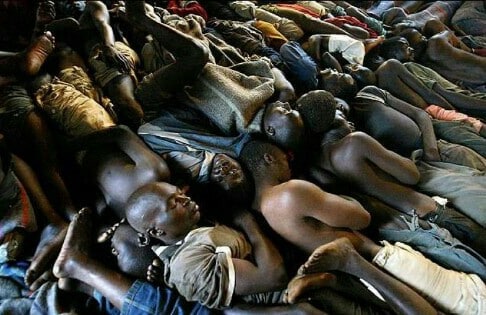
    Prison populations globally face a nine-fold higher risk of tuberculosis (TB) compared to the general population.

    TB is an infectious disease primarily affecting the lungs, transmitted through the air when infected individuals cough, sneeze, or spit.

    A recent study, analyzing data from nearly all countries worldwide between 2000 and 2019, reveals that approximately 125,105 of the 11 million incarcerated individuals developed TB in 2019.

    This represents a rate of 1,148 cases per 100,000 people per year, significantly higher than the global incidence rate of 127 cases per 100,000 people.

    The study also highlights a strong correlation between tuberculosis rates and prison overcrowding.

    Leonardo Martinez, study lead from the School of Public Health, Boston University, USA, said: “This connection between TB and overcrowding suggests that efforts to limit the number of people who are detained may be one potential public health tool to combat the TB epidemic in prisons.”

    Martinez said, “The high incidence rate globally and across regions, low case detection rates, and consistency over time indicate that this population represents an important, under-prioritised group. Continued failure to detect, treat, and prevent tuberculosis in prisons will result in the unnecessary disease and deaths of many incarcerated persons.”

    “And, of course, when incarcerated persons are released from prison, they can take this infectious disease back into the communities in which they live, further contributing to the spread of tuberculosis globally. Greater focus and resources for addressing the tuberculosis epidemic in prisons are needed to protect the health of incarcerated people and their communities.”


    The risk of tuberculosis (TB) among incarcerated populations surpasses that of other health conditions such as diabetes, alcohol use disorders, smoking, and undernourishment.

    Researchers from various countries conducted a study and discovered significant regional variations in prison TB rates in 2019, with the highest incidence observed in the African region at 2,242 cases per 100,000 people annually—almost double the global estimate for this population.

    The Americas region, particularly Central and South America, had the largest absolute number of TB cases among incarcerated individuals, reaching 30,509.

    Factors contributing to the increased TB burden in the Americas may include the significant rise in mass incarceration, leading to overcrowding.

    The study also highlighted the strong association between crowding and TB incidence, suggesting it plays a crucial role in the rising TB rates in prisons, particularly in Central and South America.

    Anthony D Harries, senior adviser at the International Union Against Tuberculosis and Lung Disease, said: “These findings give us a much clearer picture of tuberculosis in prisons than we’ve ever had before. The high rate of tuberculosis and low rate of detection indicates that current control measures are insufficient for preventing the spread of the disease in prisons globally. Therefore, further research is vital to identify and implement the most effective interventions.”

    Karabo Rafube, who developed TB in a South African prison, said: “There was no screening when you entered, and we were crowded into small spaces, so it was no surprise that I caught TB. I was very sick, but it took a long time to find out that I had TB. I took treatment for six months and luckily fully recovered. Some people would sell their medicines to other inmates. “After recovering I was appointed as a TB teacher in the prison. Ever since I left, I’ve been supporting others with TB in prison.

    “It is important to break the silence of TB. Prisoners have the right to be screened and have access to medicines, but they are often neglected. We can’t end TB without treating everyone – that includes prisoners.”

    The International Union Against Tuberculosis and Lung Disease (The Union) officially sponsored the four-year project, providing TB research expertise, logistical and operational support and accountability for success.

  • Stop TB partnership Ghana urges increased efforts in mobilising resources to eliminate the disease

    Stop TB partnership Ghana urges increased efforts in mobilising resources to eliminate the disease

    Chairman of Stop TB Partnership Ghana David Kwesi Afreh is pushing for more resources to be channeled towards eliminating Tuberculosis.

    He is urging presidential action and commitment to effectively combat tuberculosis (TB) in the country.

    This call comes ahead of a High-Level United Nations High-Level Meeting on TB in September.

    In an interview on JoyNews’ The Pulse, Mr Afreh highlighted the urgency and significance of Ghana’s participation in this global platform.

    “It’s important to note at this point that in 2018, we had the United Nations high-level meeting with tuberculosis. Where, our own president, his Excellency Nana Addo Danquah Akufo Addo was present to sign onto certain commitments and targets for Ghana. In fact, given this target, we were expecting that by 2022 ending, he would have brought in a lot of energy and that is putting TB on his own political agenda, to be able to drive resources towards ending TB by 2030.”

    He further stressed the need for strong leadership and prioritisation to accelerate efforts in ending TB, a disease that continues to affect countless lives in Ghana.

    For him, the crucial role of the President in championing the cause and allocating the necessary resources to fight against TB cannot be underestimated.

    “About three people die everyday of tuberculosis in this country. We have not bought all the logistics that need to that we need to cover the whole country for easy access to diagnosis. Sometimes there are shortages of cartridges that are used to do this diagnosis. So it is critically important for him to bring his own political accent onto the fight against tuberculosis.”

    The chairman of the stop TB Partnership Campaign also noted there’s the need for Ghana to reset it’s priorities to focus on resource provision for TB control programs including increased funding and sustainable financing mechanisms to strengthen healthcare systems, enhancing diagnostic capabilities, and the provision of quality treatment and care to all those affected by TB.

    “It is screening we need to do. Once you have diagnosis, logistics, cartridges and X-ray machines that can diagnose childhood TB is diagnosed in adults. And you have it all over the country and you are empowering civil society to watch in collaboration with the Ghana Health Service and the district levels, you are able to have the situation.”

    The call by the partnership echoes the global commitment to end TB by 2030, as outlined in the Sustainable Development Goals (SDGs). By prioritizing TB control, Ghana can make significant strides towards achieving this goal, saving lives, and ensuring a healthier future for all.

    As Ghana prepares to participate in the upcoming UN High-Level Meeting on TB, the Chairman of Stop TB Partnership Ghana remains hopeful that the government will seize this opportunity to showcase its dedication to ending TB and contribute to the global efforts in eradicating this preventable and treatable disease.

    “So we need government, we need the president to come. If we are talking about resources, we need presidential action. Can the President call a business forum for TB where we bring the oil players, media players and banks, so that we all play to the country, the situation we have on hand and the resources that are needed? Let’s see how we can galvanise everybody around the table to the retail.” He told Blessed Sogah.

    Many civil society groups under the umbrella of the partnership have held several engagements and contributed significantly to the TB campaign. David Afreh however fears all the gains made may come to a knot if government does not step up its efforts.

    “We have worked with most of the partners around on TV on radio and there are house-to-house education that go on. That is what the civil society partners in the country coming from the Stop TB Partnership Ghana do. We have community-level radios, you have even community information centers that are being used. Maybe what is important is how much resources can we pump into strengthening these community-based organisations and that is what is also deficient because as we speak, the government by itself is not able to push money into TB. It is a global fund that has been supporting us and that is why we are not able to achieve the target that we are supposed to achieve.”

    Stop TB Partnership has therefore extended an invitation to the President to attend the upcoming UNHLM indicating that;

    “The time for action is now, and with the presidential commitment, renewed priorities, and adequate resources, Ghana can pave the way for a TB-free future.”

  • About 30 people die from tuberculosis every day – Health expert

    About 30 people die from tuberculosis every day – Health expert

    According to Isaac Opoku Asamoah, a senior technical official at the Greater Accra Regional TB Control, Ghana has 125 new cases of tuberculosis (TB) and 30 fatal cases each day.

    He said tuberculosis is a silent killer, and adults in most parts of the developing world, including Ghana, are unknowingly exposed to TB bacteria.

    Asamoah, who was speaking with the Ghana News Agency, mentioned that the progression from latent to active TB disease depends on the individual’s immunity.

    He said among people with a higher risk of progressing to the disease are smokers, alcoholics, prisoners, people living in crowded and poorly ventilated rooms, mineworkers and individuals exposed to silica.

    The technical officer said individuals with lowered immunity caused by medical conditions such as HIV, diabetes, cancer, kidney failure and malnutrition are also at higher risk.

    Asamoah said the 2023 World TB Day in Ghana was commemorated with a series of activities, including nationwide screening, especially in densely populated communities, intensifying advocacy and sensitisation, among others.

    He said that the Ghana Paediatric Society had offered a webinar to paediatricians to increase their awareness of childhood TB and enable them to screen more children in all facilities.

    He said, “This is because TB in children is difficult to diagnose, and research done last year in Komfo Anokye [Teaching Hospital] found 50 TB cases among severely ill children on admission from January to June.”

    Asamoah stressed that TB is a preventable and curable disease and said free diagnosis and treatment are available at all public and accredited private health facilities.

  • First-of-its-kind in UK: Tricycle-mounted “fold-out health clinic” to treat homeless people while they cycle

    First-of-its-kind in UK: Tricycle-mounted “fold-out health clinic” to treat homeless people while they cycle

    A tricycle-mounted “fold-out health clinic,” the first of its kind in the UK, will be used by doctors to treat homeless people as they cycle around London.

    The “Find and Treat” team at University College London Hospital aims to screen thousands of the capital’s most at-risk, homeless, and high-risk individuals each year for diseases like tuberculosis, HIV, and COVID-19.

    As a result of their inability to access a GP because of a lack of documentation, many homeless people are forced to go to A&E for treatment or endure lifelong illnesses that are incapacitating.

  • Tanzania overwhelmed by rising TB infections

    Tanzania is overwhelmed by high cases of tuberculosis with limited capacity and resources for treatment and care and the situation is made worse by ignorance among the victims who report late to health centres for treatment and care.

    About 7,800 people in Kagera Region contract Tuberculosis (TB) every year, but the only 2,300 patients were treated, according to the Regional Tuberculosis and Leprosy Coordinator (RTLC), Dr Paschal Peter.

    Dr. Peter, who is based at Bukoba Regional Referral Hospital, calls for concerted efforts to curb the spread of the disease. Compared with other diseases caused by a single infectious agent, Tuberculosis is the second biggest killer, globally,” he said.

    He says it is crucial for people to report to health facilities early for testing noting that of the 7,800 cited cases, only 2,300 patients were treated due to limited capacity and resourced. At the national level about 154,000 patients contract TB each year.

    Lack of knowledge and delays in reporting to health facilities for early detection limit efforts to curb the spread of the disease. TB, as it’s commonly called is a contagious infection that usually attacks the lungs. It can also spread to other parts of the body, like the brain and spine.

    Dr Peter says the number of TB patients increased from 1,732 cases detected in 2014, to 1,934 cases in 2015 and 2,121 in 2016. Figures for 2017 and 2018 were 2,158 and 2,214, while between January and April 1, this year 441 TB were detected. The prevalence of Tuberculosis in the country is 269/100,000.

    This shows that TB is still a major burden in the country and this calls for renewed efforts by all to strengthen the current health delivery system and programme interventions for Tuberculosis in Tanzania.

    Between January and March, this year nine patients were confirmed to have contracted Multi-Drugs Resistant (MDR) TB. Compared to 10 patients last year, he said adding that about 100 Accredited Drugs Dispensers (ADOs) and 20 registered traditional healers from Muleba, Missenyi, Ngara and Karagwe Councils were recently trained on TB management skills while efforts were being made to mobilise funds to conduct more sensitization seminars in controlling TB.

    The region allocated one Genexpert TB testing machine to each of the district councils as more efforts were being made to control the spread of the disease as there were indications that the preventable disease was on the increase.

    World Tuberculosis Day (WTD) celebrated annually on March 24 is marked to create public common awareness about efforts to combat one of the deadly diseases that is curable with the right administered drugs.

    Furthermore, results have shown that TB is more prevalent in males than in females while the prevalence of HIV infection among TB suspects is 4.8 percent and 6.5 percent among TB patients.

    There was considerable regional variation as in the previous years with 50 per cent of cases being contributed by only 6 regions – Dar- es-Salaam, Mwanza, Mbeya, Morogoro, Arusha and Tanga. Data indicated that 15 regions notified below the national average of 129 cases per 100,000 people.

    The notification rate of new and relapses TB cases was 129 cases per 100,000 population which was slightly higher compared to that of 2015 that was 125 per 100,000 population. Since 1980, Tuberculosis patients have been on the rise up to 65,000 cases detected in 2013, compared to 11,000 cases reported in 1983.

    In the past five years 63,000 people have been recorded by health facilities to be TB patients and each year securing treatment. Tuberculosis is an infectious disease that usually affects the lungs. Tanzania is the first country in the world to successfully combine the control of TB and Leprosy into a single programme.

    The National Tuberculosis and Leprosy Programme (NTLP), which works to eradicate the disease as well as Leprosy, has been in the forefront in laying emphasis on early detection and treatment services to stop its spread.

    Epidemiologists hint that several factors contribute to the spread of the disease in the country including HIV/AIDS scourge, which reduces the body’s immunity to become susceptible to be invaded by the bacteria. They also point failure by TB patients to report to health facilities on time for diagnosis, treatment as well as poor housing and over-crowding in stuffy places.

    The Mycobacterium Tuberculosis bacterium causes TB. It is spread through the air when a person with TB (whose lungs are affected) coughs, sneezes, spits, laughs, or talks. TB is contagious, but it is not easy to catch. The chances of catching TB from someone you live or work with are much higher than from a stranger.

    Most people with active TB who have received appropriate treatment for at least 2 weeks are no longer contagious.

    Since antibiotics began to be used to fight TB, some strains have become resistant to drugs. Multidrug-resistant TB (MDR-TB) arises when an antibiotic fails to kill all of the bacteria, with the surviving bacteria developing resistance to that antibiotic and often others at the same time.

    MDR-TB is treatable and curable only with the use of very specific anti-TB drugs, which are often limited or not readily available.

    Source: allafrica.com