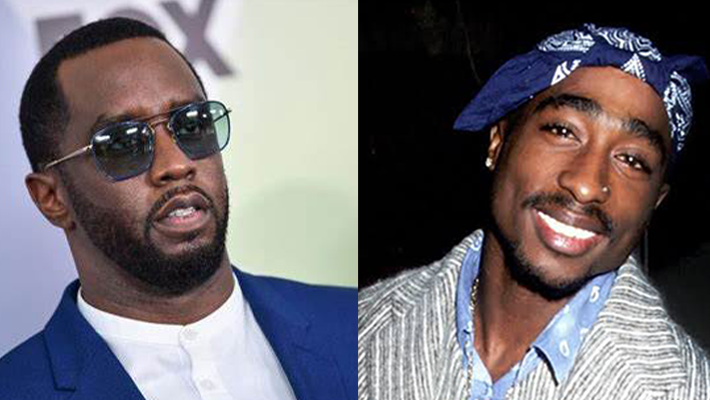
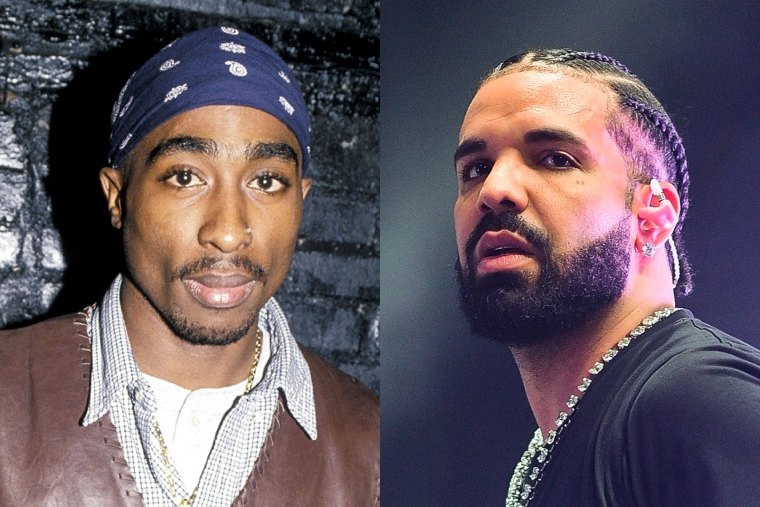
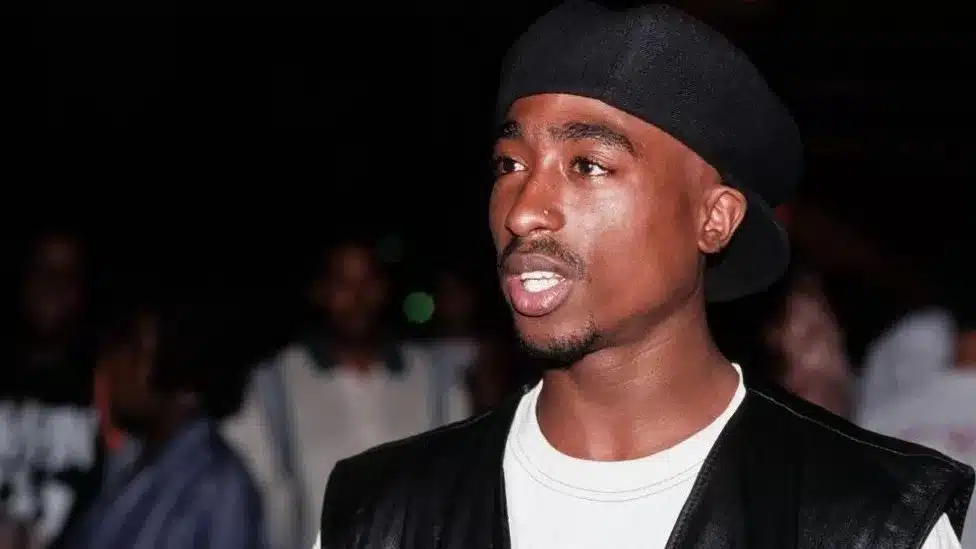
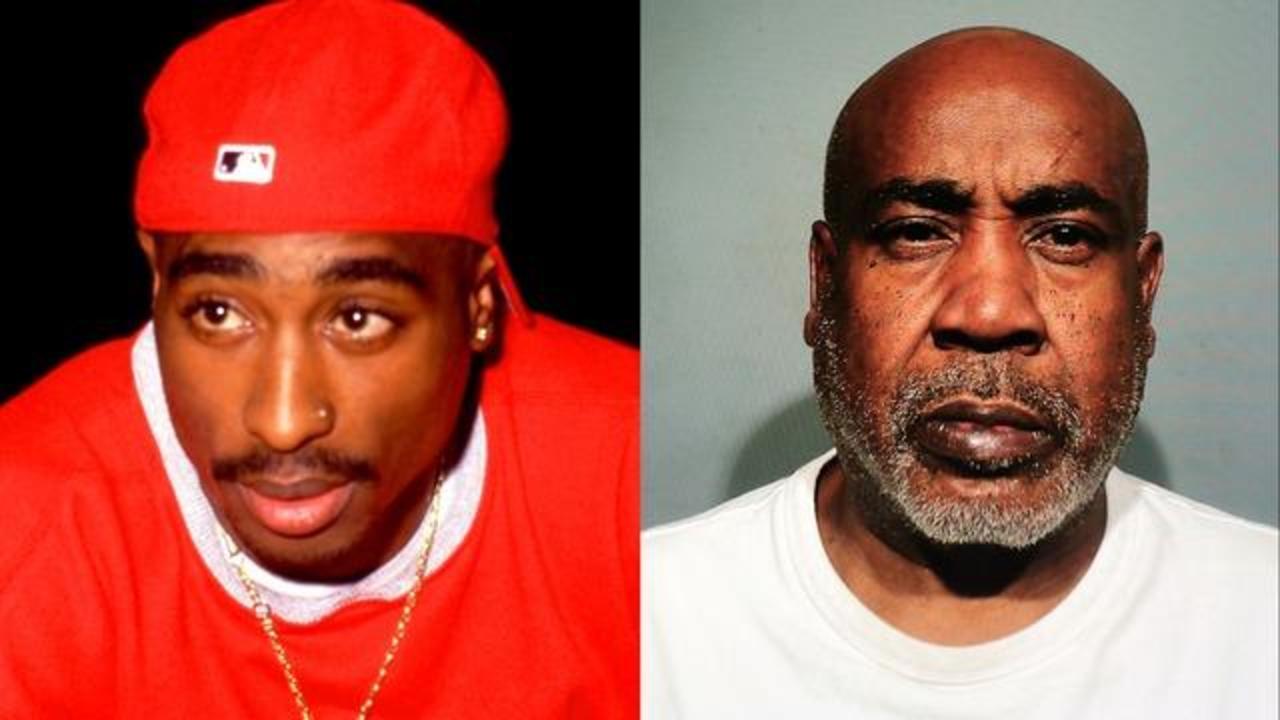
The murder of Tupac Shakur, which has remained a defining tragedy in hip-hop for over 25 years, has seen a significant development. Duane Keith Davis, who has openly claimed his involvement in the drive-by shooting of Tupac Shakur, was indicted on a murder charge, according to Las Vegas prosecutors.
Duane Keith Davis, also known as “Keffe D,” has publicly stated in interviews and in his memoir that he was in the front passenger seat of the white Cadillac that approached Tupac Shakur’s vehicle after a 1996 prizefight in Las Vegas. The rapper was shot four times and passed away in the hospital less than a week later.
A grand jury in Clark County has indicted Mr. Davis on one count of murder with the use of a deadly weapon, along with a gang enhancement. He is currently in custody without bail.
Despite extensive speculation, evidence, and reporting over nearly three decades, no charges had been filed in the shooting of Tupac Shakur, who was one of the most prominent artists of the 1990s, known for his tracks that added poetic depth to confrontational gangster rap. The case was reignited in July when the Las Vegas police executed a search warrant at a residence in Henderson, Nevada, linked to Mr. Davis. This recent development reopens the investigation into the murder that has haunted the music industry and hip-hop community for decades.
Marc DiGiacomo, a chief deputy district attorney in Clark County, said in court on Friday that Mr. Davis was the “on-ground, on-site commander” who “ordered the death” of Mr. Shakur and the attempted murder of Marion Knight, the rap mogul known as Suge, who was driving the car holding the rapper.
It was not immediately clear whether Mr. Davis had a lawyer.
In his 2019 memoir, Mr. Davis, who goes by the name Keffe D, recounted a gang dispute that escalated after Mr. Shakur and his associates beat up Mr. Davis’s nephew, Orlando Anderson, following the boxing match at the MGM Grand hotel.
“Them jumping on my nephew gave us the ultimate green light to do something,” Mr. Davis said in the memoir, “Compton Street Legend.” “Tupac chose the wrong game to play.”
According to a copy of the indictment filed in Clark County District Court, prosecutors have accused Mr. Davis of obtaining a gun with the intent of seeking retribution against Tupac Shakur and Marion “Suge” Knight. The indictment also alleges that he passed the weapon to either his nephew or another person in the Cadillac with the intent of committing the crime. Notably, Mr. Davis is the sole surviving occupant of the vehicle.
Prosecutor Marc DiGiacomo acknowledged in court that the basic details of what transpired that night were known to the police as early as 1996. This indictment sheds new light on the long-standing case and may finally bring about a resolution to the tragic murder of Tupac Shakur, an event that has captivated the music industry and hip-hop community for decades.
“What was lacking was admissible evidence to establish this chain of events,” the prosecutor said, noting that Mr. Davis then began to describe his role publicly. “He admitted within that book that he did acquire the firearm with the intent to go hunt down Mr. Shakur and Mr. Knight.”
At a news conference on Friday, the Las Vegas police confirmed that Mr. Davis’s own words reinvigorated their case, starting with a television appearance he made in 2018. “We knew at this time that this was likely our last time to take a run at this case,” Lt. Jason Johansson of the Las Vegas Metropolitan Police Department said.
Mr. Davis had avoided directly naming the person who opened fire in recent interviews. But in a taped confession released by a former Los Angeles Police Department detective who investigated Mr. Shakur’s murder, Mr. Davis told the police that it had been Mr. Anderson, his nephew, who was known as Baby Lane.
Mr. Anderson was questioned by officers investigating Mr. Shakur’s death but was killed in a shooting in 1998.
In his memoir, Mr. Davis, who has also been known as Keefe D, said that after the shooting, the men abandoned the car and walked back to the hotel, picking the vehicle up the next day and taking it back to California. It was cleaned and painted before it was returned to the rental agency days later, Mr. Davis said. By that point it was “too late for any forensics to be accurate and reliable,” he noted.
Duane Keith Davis,