Tag: TVET

  • Govt did not snub Free SHS in budget allocation; programme to be funded through GETFund – Education Minister

    Govt did not snub Free SHS in budget allocation; programme to be funded through GETFund – Education Minister

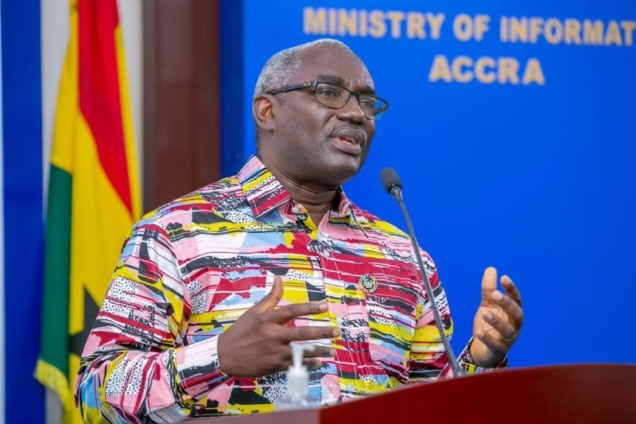
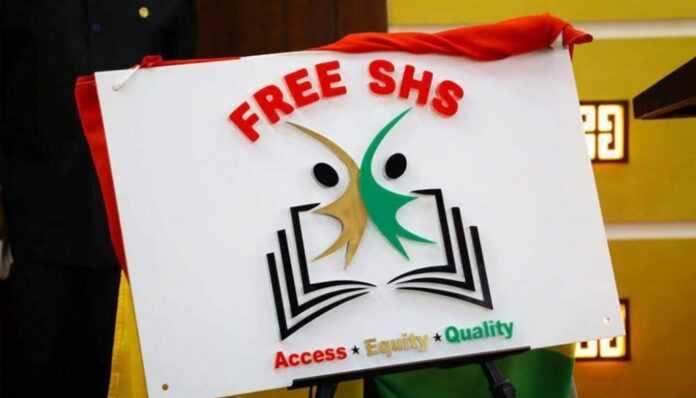
    Education Minister  Haruna Iddrisu has rebuffed claims that the government did not allocate a budget for the Free Senior High School (SHS) programme. 

    During the Finance Minister’s budget presentation on the floor of Parliament on Thursday, November 13, he mentioned that the Free SHS will be funded through GetFund as about a billion cedis has been allocated to the Education support fund.

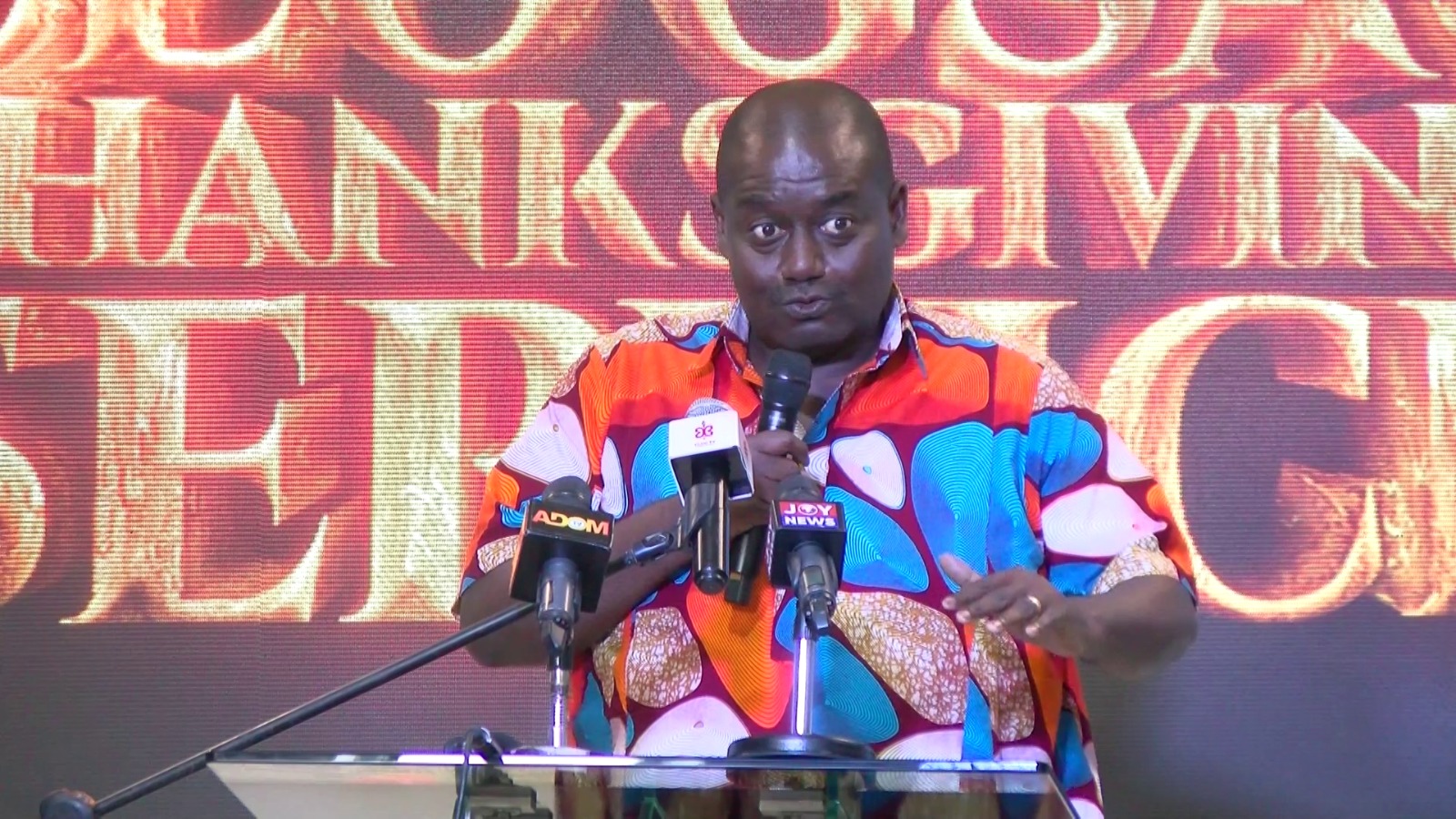
    Mr Iddrisu, on Wednesday, November 19, at a press conference held in Accra, where the Minister provided clarity on the education sector allocations in the 2026 Budget, explained that the misconceptions surrounding the Free SHS allocation are practically impossible.

    “The Ghana Education Fund has been allocated 9.9 billion, including 4.2 billion earmarked for Free Senior High School and free TVET infrastructure and services. I’ve heard commentaries suggesting that there is no allocation for Free SHS. That is not practically possible,” he explained.

    There were claims from the Minority in Parliament and some civil society groups that the government did not make a direct budgetary allocation for the Free SHS programme in the 2026 Budget. The Minority Caucus argued that while the government highlighted GSLIP and infrastructure expansion, it failed to earmark explicit funds for Free SHS in 2026. They claimed this omission suggested the government was outsourcing Free SHS financing to donor support rather than sustaining it with domestic resources.

    The Minister said, “The budget is always done for and on behalf of the President of the Republic, which was his first budget. When the GETFund formula gets to Parliament, you will see the actual numbers,” the Minister added.

    He stated that President John Mahama, in the 2025 Budget Statement, outlined a significant policy shift, moving the financing of Free SHS from petroleum revenue to GETFund.

    “From 2018 to 2024, Free SHS was largely financed from the country’s petroleum revenue. The shift now is that GETFund will provide the financing. When the GETFund formula gets to Parliament, you will see the actual numbers,” he said.

    The Minister added that the allocation will also cover student feeding and support the rollout of free tertiary education for persons with disability.

    He noted that the Student Loan Trust Fund and the soon-to-be-established Ghana Scholarship Authority will collaborate on disbursement processes to ensure the initiative is effectively implemented.

    The Free Senior High School policy was introduced in 2017 by the Akufo-Addo-led government to make secondary education accessible to all eligible students without financial barriers.

    The policy was aimed at helping students who struggled to pay tuition, boarding, and other school-related expenses. However, the policy came with its challenges, such as overcrowding and congestion in schools, pressure on infrastructure and facilities, and increased pressure on teachers.

    This increased the number of enrollments in the senior high schools that were listed under the Free SHS policy. About 3.5 million students have benefited from the Free Senior High School (Free SHS) program since its launch.

    The immediate-past government revealed that it had spent over GH¢12 billion on the implementation of the Free SHS policy since its inception. Meanwhile, Asantehene Otumfuo Osei Tutu II has urged a reassessment of Ghana’s Free SHS initiative, recommending that households with sufficient means contribute financially so that government support can be directed toward students in real need.

    During a meeting with Education Minister Haruna Iddrisu, the Asantehene suggested a shared funding model, akin to previous arrangements where financial aid was granted to bright but disadvantaged students, while those with the ability to pay covered their own expenses.

    “Those who can afford to pay, let’s have a second look at the policy. If someone can afford it, let’s allow them to pay. In the old times, when you passed, the bursary would look for good but needy students and award them scholarships, and those who could afford to pay did so.”

    Otumfuo Osei Tutu II has recognised the positive impact of the Free SHS policy but stressed the importance of a national discussion to tackle its shortcomings and secure its future.

    “This Free SHS we are talking about, although we have implemented it, if we have a dialogue and find out that it will result in students coming home now and then because there is no food, then it is not fit for purpose.”

    He also pointed out several pressing concerns affecting secondary schools, including overcrowded dormitories, a lack of well-equipped science and ICT laboratories, irregular food supplies, and insufficient school buses.

    “Our dormitories are overcrowded and lack science and ICT labs. Sometimes, PTA makes contributions to support. The lack of school buses and the shortage of food should all be looked at. Let us implement it well so that students will stay in school and have enough to eat.”
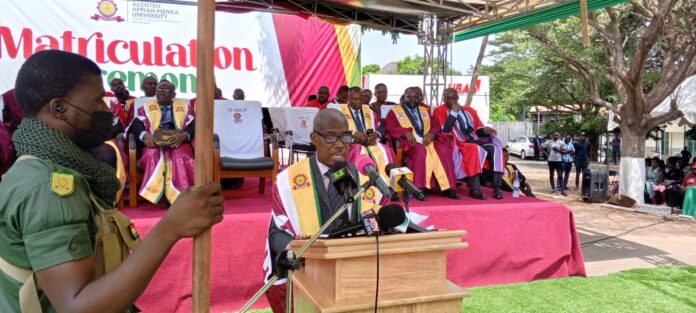

  • AAMUSTED cites infrastructure deficit for low admission

    AAMUSTED cites infrastructure deficit for low admission

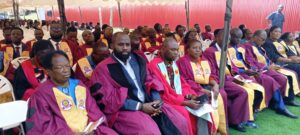
    The Akenten Appiah-Menka University of Skills Training and Entrepreneurial Development (AAMUSTED) has raised concerns about a lack of infrastructure, which has made it difficult to admit more students.

    Vice-Chancellor Prof. Frederick Kwaku Sarfo revealed that out of 20,280 applications received for the 2025-2026 academic year, the university was only able to admit 13,066 students at both undergraduate and postgraduate levels.

    More than half (51%) of the admitted students are female, marking an increase in female enrollment compared to last year.

    Speaking at the matriculation ceremony in Kumasi, Prof. Sarfo said with government support and assistance from corporate organizations, the university could admit more students, especially to promote Technical and Vocational Education and Training (TVET).

    “The university remains committed to adding to its resources annually to increase the number of admissions every year. We can assure you that the number will increase next year,” he said.

    He also encouraged students to apply for financial aid from sources such as the Ghana Education Trust Fund, the Scholarship Secretariat, and local assemblies to help cover their educational expenses.

    Additionally, he advised them to stay focused on their studies, develop a positive mindset, and avoid procrastination.

  • CLOGSAG advises Mahama to scrap TVET and COTVET

    CLOGSAG advises Mahama to scrap TVET and COTVET

    The Civil and Local Government Staff Association (CLOGSAG) has urged President Mahama to abolish agencies like the Technical and Vocational Education Training (TVET) and the Commission for Technical and Vocational Educational Training (COTVET), arguing that they duplicate the roles of the Civil Service.

    CLOGSAG stated that the Civil Service already handles technical and vocational training as part of its duties, but the creation of these agencies has weakened some ministries.

    Isaac Bampoe Addo, Executive Secretary of CLOGSAG, shared this view in an exclusive interview with labour affairs correspondent Daniel Opoku, following President Mahama’s recent announcement about merging some ministries.


    “The President should also look at services that are being hived off from the Civil Service, I think it is wrong is a duplication, is just creating roles so those two must be halted,” he said.


    According to Mr Bampoe Addo the agencies are a waste of government resources.
    “…TVET and COTVET they are really unnecessary, just to create another bureaucracy…these are institutions that did not exist they have their mandate but the whole thing was done haphazardly no recourse to the councils involved,” Mr Bampoe Addo added.


    In a related development, Mr Bampoe Addo has appealed to President Mahama to re-introduce the general orders policy.
    “Let’s bring back the general orders, we used to have a system we call general orders. It will give the processes on any transaction and in the Service, there is nothing like discretion.


    “But these general orders have been thrown out and is like people are doing things with their discretion, let’s bring back the general orders” he noted.

  • Ghana has the second highest education quality in Africa – Bawumia

    Ghana has the second highest education quality in Africa – Bawumia

    Dr. Mahamudu Bawumia, flagbearer of the New Patriotic Party (NPP), has proudly declared that Ghana now ranks as having the second highest education quality in Africa.

    Speaking at the Ghana CEO Presidential Gala on Thursday, 7 November, at the Movenpick Hotel, Bawumia highlighted the NPP government’s policy innovations, particularly in the education sector, which he believes have significantly contributed to this achievement.

    “In education for example, we implemented a free senior high school and free TVET policy despite the odds. The records show that Ghana has the second highest education quality in Africa.”

    Bawumia emphasized the government’s commitment to tackling the country’s most pressing challenges through modern, innovative solutions, including digitalisation, infrastructure development, and economic growth.

    He pointed to initiatives such as the free senior high school and free TVET policies, which have helped transform the educational landscape despite various challenges. According to Bawumia, these efforts have propelled Ghana to a top position in Africa in terms of education quality, with the country now ranked second in the continent.

    “This is why I am proposing to upgrade Ghana through innovative BOLD SOLUTIONS. It is important to note that the NPP government has demonstrated policy innovation in tackling some of the most challenging issues in our country in the last few years.

    Reiterating his vision for the country’s future, Bawumia expressed his readiness to further leverage digital tools and innovation to advance sectors such as education, healthcare, and finance, ensuring sustainable growth and improved livelihoods for all Ghanaians.

    He emphasized that his administration would continue to focus on digitalisation and innovation as critical components of Ghana’s development strategy, positioning the nation as a competitive force on the global stage.

  • 2024 SHS placement results released – Education Ministry announces

    2024 SHS placement results released – Education Ministry announces

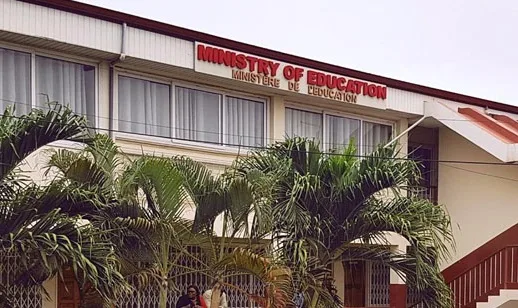
    Ministry of Education has announced that the 2024 Computerised School Selection and Placement System (CSSPS) results for Senior High Schools (SHS) and Technical and Vocational Education and Training (TVET) Institutions are now accessible.

    This announcement signals the start of the placement process for students nationwide, following the release of exam results by the West African Examinations Council (WAEC).

    The Ministry revealed that of the 563,339 candidates who sat for the exams, 553,155 are eligible for school placement.

    “Out of the 563,339 results received from WAEC, 553,155 candidates qualified to be placed. A total of 447,698 (80.93%) qualified candidates have automatically been placed in one of their choices. However, 104,918 qualified candidates could not be matched to any of their choices.

    “Out of this number, 73,390 (13.27%) qualified candidates have been placed in schools similar to those they selected, and such students are at liberty to accept or reject the offer.

    Once a student rejects the recommended school, he/she can select a school of their choice from the Self-Placement platform,” a press statement from the ministry said.

    The statement advised students who have not yet received placements to use the self-placement platform to select a school of their choice.

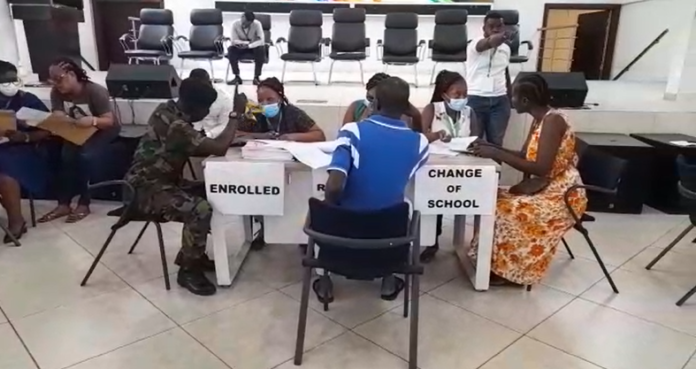
    Schools chosen through the self-placement option can be changed multiple times until the enrolment process is complete.

    “The students who were not placed must visit the self-placement platform to select a school of their choice.

    “Note: Schools Selected on the Self-Placement Portal can be changed as many times as the candidate wishes until they ENROL in a school.

    “To access the placement platform, students are to follow the steps below: log on to the site www.cssps.gov.gh or www.cssps.org. Enter the ten-digit index number and add 24 as the year of completion. E.g., 123456789024,” the statement added.

  • SHS freshers to enjoy free access to SHS/TVET placement results

    SHS freshers to enjoy free access to SHS/TVET placement results

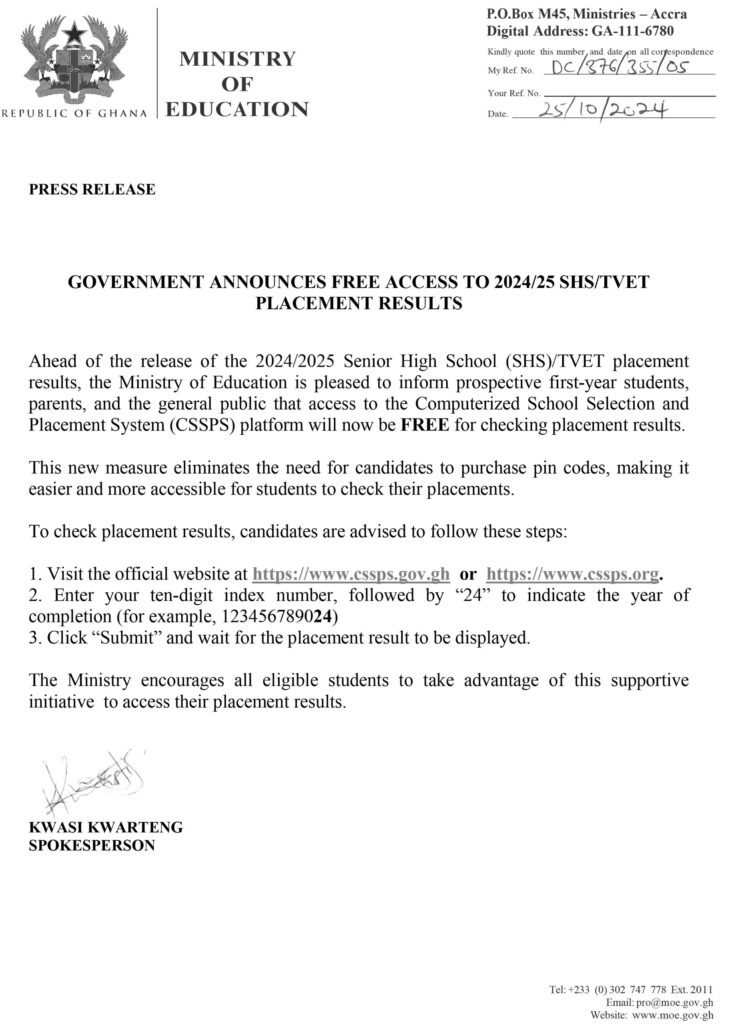
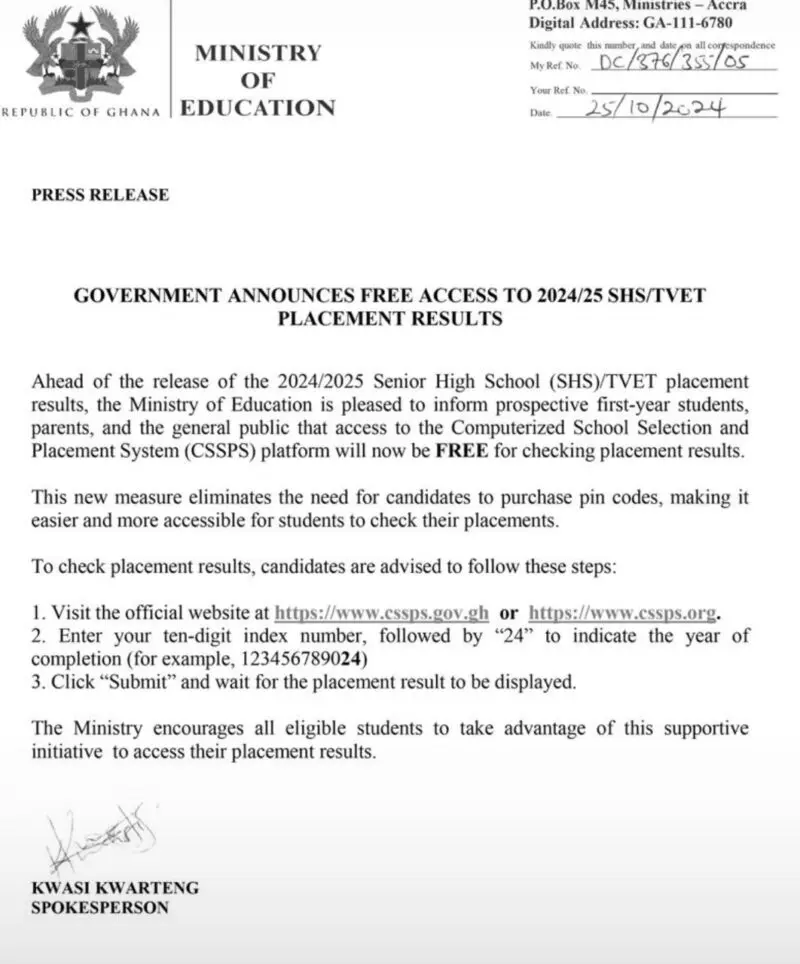
    The Ministry of Education has declared that for the upcoming 2024/2025 academic year, all candidates will have free access to the Computerized School Selection and Placement System (CSSPS) platform.

    This change is particularly significant as it allows students to check their placements in Senior High Schools (SHS) and Technical and Vocational Education and Training (TVET) without the financial burden of purchasing pin codes.

    This new initiative, announced just prior to the release of placement results, is expected to simplify the process for hundreds of thousands of prospective first-year students and their families.

    Steps to Access Placement Results

    To check their results, students can follow these easy steps:

    1. Go to the official CSSPS website at cssps.gov.gh or cssps.org.
    2. Input your ten-digit index number and the year of completion (e.g., 123456789024 for those completing in 2024).
    3. Click the “Submit” button to view your placement results.

    The Ministry strongly encourages all eligible students to utilize this free service, ensuring they receive their placement information without any financial obstacles.

    Advancing Educational Equity

    In the announcement, spokesperson Kwasi Kwarteng emphasized the government’s dedication to enhancing access to education for all Ghanaians. By eliminating the need for pin codes, the Ministry aims to ease the financial strain on families, especially those from lower-income backgrounds, while also streamlining the placement process.

  • Access to 2024/25 SHS and TVET placement results made free – Education Ministry

    Access to 2024/25 SHS and TVET placement results made free – Education Ministry

    The Ministry of Education has announced a significant change for the upcoming 2024/2025 academic year, revealing that access to the Senior High School (SHS) and Technical and Vocational Education and Training (TVET) placement results will be free of charge.

    This move aims to ease the process for prospective first-year students, parents, and the general public by removing the requirement to purchase pin codes for checking placements.

    To access their placement results, candidates are encouraged to follow these simple steps:

    1. Visit the official CSSPS websites: https://www.cssps.gov.gh or https://www.cssps.org.
    2. Enter your ten-digit index number, followed by “24” to represent the year of completion. For example, if the index number is 1234567890, you would enter it as 123456789024.
    3. Click “Submit” and wait for the placement result to be displayed.

    In a statement, the Ministry urged all eligible candidates to take full advantage of this new policy, emphasizing its commitment to making quality education more accessible for all Ghanaian students.

  • Teachers in TVET being maltreated – NAGRAT

    Teachers in TVET being maltreated – NAGRAT

    The National Association of Graduate Teachers (NAGRAT) has expressed grave concerns over what they describe as the continuous maltreatment of professional teachers in Technical and Vocational Education and Training (TVET) institutions.

    The association claims that the establishment of TVET by the Ghana Education Service (GES) has introduced significant challenges for teachers, particularly those who were previously employed in technical schools that have now been converted into TVET facilities.

    In a statement issued by Angel Carbonu, the President of NAGRAT, the association criticized the Ministry of Education for failing to provide a smooth transition period for affected teachers, arguing that educators were not given a choice to either remain under the GES or transfer to TVET. This, according to NAGRAT, has created confusion and a sense of neglect among teachers.

    “One surprising thing is that the management of TVET has come out with a Scheme of Service for teachers in TVET without discussions with the representatives of the teachers. One wonders what the hidden motive of the management of TVET is, in developing a scheme without the representatives of the unions the teachers belong to,” the statement read.

    NAGRAT reminded TVET authorities that the institutions they are managing today were not created from scratch but were formerly technical schools, with teachers who have long been members of unions. The association believes that these teachers should have been considered in decision-making processes, especially when their future employment status is at stake.

    The union further condemned the unilateral decision to transfer teachers from the GES to TVET without obtaining their consent. They also raised alarms about the removal of teachers from their respective unions, particularly in cases where teachers on study leave have been removed from the payroll due to a lack of accountability by both the GES and TVET services.

    “If the management of TVET does not want to regard its teachers as professional educationists, it is up to them. Some teachers who were on study leave from the GES have had their names taken off the payroll since both GES and the TVET Service could not account for them,” NAGRAT said.

    NAGRAT has issued a stern ultimatum to the Ministry of Education, giving them until September 30, 2024, to address the mounting concerns of teachers in TVET institutions. The union insists that teachers should be given the option to choose between remaining with GES or transitioning to TVET, and they also demanded negotiations on service conditions in line with labour laws.

    “If these processes are not set in motion by the 30th of September 2024, the union has no other option than to embark on an industrial action in solidarity with our members working with TVET,” NAGRAT warned, signaling the possibility of strikes if their grievances are not addressed.

    The union’s concerns have highlighted the ongoing tension between teachers and the TVET management, raising questions about how educational reforms are being implemented and the welfare of the professionals who deliver them.

  • GES reveals school selection dates for 2024 BECE candidates

    GES reveals school selection dates for 2024 BECE candidates

    Ghana Education Service (GES) has set the dates for the 2024 school placement process for Basic Education Certificate Examination (BECE) candidates.

    The selection period will run from August 28 to September 4.

    Prince C. Agyemang-Duah, Acting Director of the Schools and Instruction Division at GES, has called on parents and guardians to actively participate in this year’s school selection to ensure an efficient and effective placement process.

    Candidates will be able to confirm their preferred school choices via a designated short code, with details to be shared soon. This step will precede the final placement process.

    This announcement follows the conclusion of the 2024 BECE, which saw 570,461 students sitting for the exams from July 8 to 15 across Ghana.

    The selection phase will enable students to choose their preferred Senior High Schools or Technical and Vocational Education and Training (TVET) institutions.

    Regional Education Directors have been directed to communicate the selection dates to relevant stakeholders, including local education authorities and exam officials, to facilitate a smooth process.

    GES will also deploy officers from its headquarters to monitor the selection process across the country, ensuring compliance with all guidelines and maintaining transparency throughout.

  • Gov’t to tackle unemployment by increasing investment in TVET

    Gov’t to tackle unemployment by increasing investment in TVET

    The government has announced its intention to increase the proportion of students pursuing Technical and Vocational Educational Training (TVET) to 50% of all learners, as part of efforts to address the country’s unemployment rate.

    According to the Commission for Technical and Vocational Educational Training, there has been a significant increase in the number of Junior High School students pursuing TVET programmes at Senior High Schools. However, more efforts are needed to make the sector more attractive, especially to young people.

    Dr. Fred Kyei Asamoah, Director-General of the Commission, stressed the importance of Ghana embracing TVET, citing examples from countries like Germany, where 65% of learners pursue TVET.

    He highlighted the significance of dual training, which involves students combining workplace experience with traditional lectures.

    “The perception about TVET is international, it’s not only in Ghana. When we came first into government, the percentage of learners going into TVET in Germany was close to 70 percent. Now is about 65 so the Germans are looking for a new approach, advanced dual TVET, so you want to go to the university, that’s fine but it has to be dual training, so you go to the workplace three days and go for lectures two days because whether we like it or not, the TVET approach is what’s going to happen.”

    ”So, it’s about product. If you look at what we’ve done, moving from below 20,000 learners from junior secondary schools going to TVET to over 60,000 it is something significant. But have we gotten there yet? No! We are expecting that at Keats about 50 percent of our learners should be opting for TVET.”

    Janet Abobigo, Entrepreneur and CEO of Unijay Company Limited, welcomed the government’s initiative, noting that it will enhance Ghana’s TVET sector and create more job opportunities for the youth.

    She emphasized the significance of technical knowledge in industries and the potential for exporting goods to countries like the US.

  • Ghana received €55m from EU Member States for vaccine manufacturing – Report

    Ghana received €55m from EU Member States for vaccine manufacturing – Report


    In 2023, European Union Member States collectively contributed almost 55 million euros to facilitate Ghana’s transformation into a vaccine manufacturing hub in Africa.

    Additionally, they have inaugurated a new solar power plant in Upper West, supporting Ghana’s energy diversification efforts, financed by Germany and constructed by Spain.

    During the 2024 Europe Day Reception in Accra, Irchad Razaaly, the European Union Ambassador to Ghana, hailed these initiatives as prime examples of the “Best of Team Europe” collaborations.

    Europe Day, commemorated annually on May 9, celebrates peace and unity in Europe, marking the anniversary of the historic ‘Schuman declaration’ that laid the groundwork for a new era of European political cooperation, ultimately leading to the formation of the European Union.

    This year’s Europe Month theme is “Youth and Skills,” emphasizing the EU’s commitment to empowering Ghanaian youth through Technical and Vocational Education Training (TVET) and supporting young entrepreneurs.

    Ambassador Razaaly reaffirmed the EU’s unwavering belief in Ghana’s future, pledging sustained support for its youth and endeavors towards sustainability.

    Acknowledging the fruitful collaboration with Ghanaian Ministries, Departments, and Agencies, he lauded the successful partnerships and anticipated even greater cooperation in the future.

    He emphasized the EU’s keenness to strengthen its partnership with Ghana, highlighting upcoming milestones such as the opening of Austria’s embassy and the exploration of further collaborations.

    He said, “We share an interest in building a sustainable future for the next generations in Ghana, as a partner, this is what sets us apart, the EU believes in your future, and we are here to stay.”

    These developments underscore the strong EU-Ghana relationship, characterized by shared priorities, interests, and values, including a commitment to upholding the rule of law and democracy.

    Furthermore, they reflect Ghana’s steadfast support for Ukraine’s territorial integrity amid the ongoing Russian aggression.

    Security cooperation has emerged as a cornerstone of the EU-Ghana partnership, with significant investments in military equipment and security programs.

    The Global Gateway initiative has transitioned from planning to implementation in Ghana, driving substantial and transformative investments.

    Kobina Tahir Hammond, Ghana’s Minister of Trade and Industry, underscored the enduring ties and shared values between Ghana and the EU, emphasizing their mutual respect and commitment to common goals.

    He hailed the EU’s instrumental role in supporting Ghana’s development across various sectors over the years, fostering a meaningful partnership that continues to benefit both sides.

  • TVET schools to receive 1.2m textbooks from govt

    TVET schools to receive 1.2m textbooks from govt

    The government plans to distribute 1.2 million Technical and Vocational Education and Training (TVET) learning materials covering 24 trade areas to both government and private TVET institutions nationwide.

    The distribution of these textbooks is set to commence within the next two weeks, following proposed delivery schedules tailored for the various TVET schools.

    “These books are going to be distributed to the students for free in fulfilment of the President’s promise of providing free TVET for all,” Dr Fred Kyei Asamoah, Director General, Commission for Technical and Vocational Education and Training (CTVET) said at a media engagement.

    Dr. Fred Kyei Asamoah, Director General of the Commission for Technical and Vocational Education and Training (CTVET), highlighted that these books will be provided to students free of charge, fulfilling the President’s commitment to offering free TVET education for all.

    Dr. Asamoah also noted that the government has completed the implementation of the initial five-year strategic plan (2018-2022) and is now in the process of developing a TVET policy and the subsequent five-year strategic plan (2025-2029).

    He further outlined the significant strides made, including the upgrade of all 34 former NVTI institutions, the establishment of new workshops for Technical Universities, and the modernization of Technical Institutes with industry-standard equipment.

    Additionally, he announced the construction of four new District TVET centers of excellence in Anyinam, Poky No. 2, Assin Jakai, and Akumadan, funded by 25.7 million Euros.

    “Our appeal to the media will be to support us in promoting these achievements and to also support us in making TVET the number one choice among the youth of Ghana,” he said.

    Dr. Asamoah emphasized the importance of media support in promoting these achievements and making TVET the preferred choice among Ghanaian youth.

    He highlighted the adoption of Competency Based Training (CBT) curriculum as a key reform strategy to enhance the quality of teaching and learning.

    As part of this approach, existing curricula have been standardized, and over 8,000 TVET instructors have undergone training in the CBT methodology.

    Furthermore, he mentioned ongoing efforts in curriculum development to address skills gaps, with collaboration between the Commission and Sector Skills Bodies (SSBs) playing a vital role in tasks such as occupational standards generation and curriculum development.

    He revealed an increase in the number of economic sectors identified from 22 to 24, with a total of 12 established SSBs as of 2023.

    The Commission, in conjunction with SSBs, has developed 108 CBT curricula at various levels, with an additional 115 CBT programs currently in development as of January 2023.

  • Student interest in vocational and technical education on the rise – Commission

    Student interest in vocational and technical education on the rise – Commission

    The Commission for Technical and Vocational Education (TVET) has reported a significant increase in student interest in vocational and technical education.

    Deputy Minister for Education, Gifty Ampofo Twum, revealed a notable rise in TVET enrollment from 17,000 to 50,000 during a media forum.

    As Africa, and specifically Ghana, faces a crucial need for a proficient workforce in various economic sectors, the surge in TVET enrollment is seen as a positive development. Deputy Minister Gifty Ampofo Twum emphasized the growing interest exhibited by students in the TVET industry.

    Director-General of the Commission for Technical and Vocational Education and Training (CTVET), Dr. Fred Kyei Asamoah, stressed the importance of fostering collaboration between skilled sectors to meet the dynamic demands of the economy.

    Sebastian Wenz, Senior Project Manager at GIZ, urged the active participation of the private sector in shaping the curriculum, emphasizing the alignment of educational outcomes with industry requirements to prepare graduates for the field.

    The increased interest in Technical and Vocational Education and Training (TVET) in Ghana signifies a positive shift in addressing skills gaps and building a skilled workforce that will contribute to the country’s economic growth.

  • Young individuals eager to pursue careers in agriculture,  TVET – Study

    Young individuals eager to pursue careers in agriculture, TVET – Study

    A recent study has unveiled that a significant majority of young individuals hold a favorable outlook on agriculture and Technical and Vocational Education and Training (TVET).

    According to the study, over 91 percent of the respondents expressed their willingness to work in these sectors provided they receive the requisite training and acquire the necessary skills.

    This research was commissioned as a part of the Ghana Grows Programme, a collaborative effort involving the Mastercard Foundation, the Springboard Road Show Foundation, and Lyme Haus. Its primary objective is to alter the negative perceptions surrounding agriculture and TVET.

    During the program’s launch, Mrs. Comfort Ocran, the Executive Director of the Springboard Road Show Foundation, explained, “Ghana Grows is a three-year initiative encompassing a series of comprehensive interventions designed to inspire young people aged 15 to 35, particularly young women, to explore opportunities and actively pursue rewarding careers in agriculture, agribusiness, and TVET.”

    The survey, which gathered the opinions of more than 1,100 randomly selected young individuals aged 15 to 35 from all 16 regions of Ghana, revealed that 46 percent of those surveyed were currently unemployed, with 36 percent holding tertiary degrees.

    Mrs. Ocran highlighted that the findings showcased the commendable awareness among young people about the agriculture and ATVET sectors. Over 80 percent of them recognized that these fields encompassed professions beyond traditional farming, including economists, scientists, and engineers. However, only 40 percent were aware of the programs and opportunities available to youth, 33 percent were informed about initiatives for women, and 24 percent were aware of programs for individuals with disabilities.

    She emphasized that the Ghana Grows Programme was focused on reshaping young people’s perceptions of agriculture, agribusiness, and TVET. It also aimed to engage with policymakers in these sectors.

    Recognizing the positive attitude young individuals hold toward these sectors, the organizers stressed the importance of leveraging this positivity, improving their perceptions, and establishing an enabling environment with clear pathways for their participation in agriculture and ATVET.

  • Unequal dissemination of resources affecting quality of basic level education – Kofi Asare

    Unequal dissemination of resources affecting quality of basic level education – Kofi Asare

    The Executive Director of Africa Education Watch, Kofi Asare, has attributed the challenges faced at the basic education level to inadequate budget allocation and a disparity in resource distribution across different education tiers.

    Speaking to the media, Mr. Asare commended the government for the positive strides made with the Free SHS initiative.

    However, he expressed concern that an excessive focus on and disproportionate investment in higher education had led to neglect of the foundational level of education.

    “If resources are deployed inequitably, you will have a situation where some part of the three segments of the system will be more developed than others. If you look at the pre-tertiary budget of the Ministry of Education, you realise that Basic education is taking about 4 percent and the remaining 96 percent is going to Senior High School and TVET. That 4% is the reason you’ll hear capitation grants not being released in two years among others.

    “It has been declining from 2016 when we started investing in Senior High Schools which was 19% all the way to right now which is 4%.

    “So far as we maintain the Free Senior High School programme in this way, that basic education share of the Ministry of Education budget will continue to decline… it’ll be the reason why we’ll not be seeing adequate textbooks,” the Africa Education Watch director explained.

    He highlighted a decline in the budget allocation for basic education, which had decreased from 19% in 2016 (when investment in Senior High Schools began) to the current 4%.

    Mr. Asare further explained, “As long as we continue with the Free Senior High School program in this manner, the allocation for basic education within the Ministry of Education’s budget will continue to dwindle. This will inevitably lead to insufficient provision of textbooks and other resources.”

    He urged the government to reconsider its budget distribution across different education levels in order to reinforce the fundamental aspects of basic education.

    The overarching theme of the National Education Dialogue is “Free SHS in Perspective: Problems, Progress, and Prospects.”

  • Adverse perceptions still impacting TVET

    Adverse perceptions still impacting TVET

    Programme Director of INVEST, Appiah Wiafe Adofo, has stated that despite recent investments and renewed endeavors to align Technical Vocational Education and Training (TVET) with the nation’s industrial goals, the persisting issue of perceiving TVET as suitable only for those with weaker academic inclinations remains a significant obstacle.

    In addition to this, a significant challenge identified three years into the implementation of the Innovation in Non-Traditional Vocation Education and Skill Training (INVEST) project, a five-year initiative by the World University Service of Canada (WUSC) aimed at training 5000 young women in TVET nationwide, is the lack of synchronization between government and private sector involvement in curriculum development and student training.

    Asked what the missing links are in the quest to transform the TVET space, she said: “I think there are two main challenges. One of them is the negative perception of TVET in general in the country. Most people still think TVET is for people who did not perform well in school, meanwhile you need to be strong in Mathematics and Science to venture into TVET. So, I think the perception of the TVET is one of the huge plots”.

    “The second thing is the lack of coordination between the public sector and the private sector. There is an avenue for bringing in industry to contribute to the development of curriculum and training. So far, this has not been done in the most practical way,” Ms Wiafe Adofo stated.

    With title or no involvement of industry in the development of curriculum and the training of students, she lamented that there continues to exist a gulf between TVET education – classroom lessons and the needs of industries, a situation which has the potential to derail the industrial aspirations of the country if not addressed urgently.

    “What I’m basically saying is that you can make the curriculum relevant and train students to the best you want; but if you are not training in skill areas that industry needs, then it is still not useful. This is the other major disconnect,” she told the B&FT during an INVEST project review workshop in Accra.

    Way forward

    To make TVET education align with the industrialisation goals of the economy, Ms. Wiafe Adofo called for a change in how society views TVET education and profession, emphasising the need for more technical hands in the country’s development.

    In addition to this, she underscored the significance of industry and decision-makers working hand in hand to tailor curriculum and TVET training to the current and future needs of industry.

    Apart from this, she advocated increased sensitisation for young people to enable them to understand the available opportunities and the kind of training required to take advantage of them.

    “There are a whole number of young people who are not informed about opportunities and the kind of training they need to take advantage of these opportunities,” she further noted.

    Workshop

    The INVEST project by WUSC – an international non-governmental organisation, aims to facilitate women entry into the labour market, particularly male-dominated disciplines, utilising technical vocational education and training at zero cost to beneficiaries.

    So far, Madam Wiafe Adolfo disclosed at the workshop that more than half – 2,900 – of the 5000 target has been achieved, with its organisers confident that the set number will be realised by the March 2025 deadline. “We targeted 5000 young women to be reached through different pathways, including access to skills training, access to financial support, access to business supporting services like entrepreneurship as well as mentorship and coaching.”

    She expressed appreciation for the support from industry and other key stakeholders, adding that the project has been hugely successful. “We have received resounding support from the industries that we work with and we hope to continue creating an enabling environment for women to thrive,” she said.

    The five-year project will end in March 2025.

  • BECE candidates assured of enough spaces in SHS

    The Deputy Minister for Education, Rev. John Ntim Fordjour, has officially confirmed that there are ample spaces available to accommodate the entire cohort of 600,714 candidates participating in this year’s Basic Education Certificate Examination (BECE) across more than 900 Senior High Schools (SHS) and Technical and Vocational Education and Training (TVET) institutions.

    Emphasizing the significance of success in the BECE, the Deputy Minister stressed that meeting the requirements of the examination would grant students access to the Free SHS program, a progressive initiative aimed at supporting their educational journey.

    This affirmation was made during an interactive session with BECE candidates while they were engrossed in their examination at St. Thomas Aquinas Senior High School in Accra.

    Rev. Ntim Fordjour, joined by Mr. Stephen Bamfo, the Director of Education for Greater Accra, reassured the candidates of the government’s unwavering commitment to furnishing them with optimal educational assistance.

    “Free SHS/Free TVET awaits you, so work hard to benefit from this novel policy and shape your future dreams,” he said.

    He encouraged the students with a powerful message, stating, “Free SHS/Free TVET awaits you, so work hard to benefit from this groundbreaking policy and mold your aspirations for the future.”

    The Member of Parliament for Assin South additionally advised the candidates to concentrate solely on their own assessments and avoid seeking external aid, as each candidate was presented with a distinct set of questions, despite sharing the same examination environment.

    Following a post-monitoring press briefing, the Deputy Minister took the opportunity to dispel unfounded speculations regarding the potential cancellation of the BECE, firmly asserting, “There is no intention or policy to terminate the BECE now or in the near future. Such notions should be dismissed.”

    Furthermore, Rev. Ntim Fordjour clarified the crucial role played by the West African Examinations Council (WAEC) in Ghana’s educational advancement, highlighting the continuous allocation of resources to WAEC to facilitate its mandated responsibilities.

    Reflecting on WAEC’s supportive contributions, he emphasized, “We consistently allocate funds to WAEC based on their requirements and ongoing initiatives.”

    Expressing dismay over a few isolated incidents of misconduct observed at specific examination centers across the nation, the Deputy Minister condemned such actions and pledged strict consequences for those implicated. He believed that the apprehension of some educators underscored the stringent measures enforced to eradicate all forms of exam malpractice.

    Rev. Ntim Fordjour’s confidence in the ongoing efforts to maintain the integrity of the examination process was evident in his remarks, showcasing the government’s commitment to upholding educational standards and promoting a fair and equitable testing environment.

  • Give much attention to Technical and vocational training – Dr Kofi Amoah urges govt

    Give much attention to Technical and vocational training – Dr Kofi Amoah urges govt

    CEO of Progeny Ventures, Dr. Kofi Amoah, has urged government to prioritize technical and vocational education as that is the key to national development.

    Dr. Amoah emphasized that it is imperative to recognize the pivotal role of technical and vocational education in shaping the future.

    According to him, technical and vocational education cultivates entrepreneurship and self-sufficiency, nurturing an environment of innovation and creativity.

    “Firstly, technical and vocational education equips individuals with practical skills and knowledge that directly meet the demands of industries and the job market.

    It forms a strong foundation for specialized careers like engineering, manufacturing, agriculture, healthcare, and information technology. By nurturing technical expertise, we empower our youth to lead the charge in our nation’s industrialization, giving real meaning to the call for jobs as a catalyst for societal progress.”

    “In today’s rapidly evolving global economy, adaptability and innovation are paramount. Embracing technical education enables individuals to establish enterprises, create employment opportunities, and contribute to our nation’s economic growth.”

    “Thirdly, technical and vocational education bridges the gap between theory and practice. It emphasizes experiential learning, providing hands-on experience through internships, apprenticeships, and practical training. This practical exposure not only enhances skills and knowledge but also instills responsibility, discipline, and work ethic – qualities of great value in the professional world,” he stated.

    Dr. Amoah shared these insights as a special Guest of Honour at the Ghana Technical Universities Eminence Awards, held on August 5th.

    He emphasized that while there has historically been a misconception that technical and vocational training is for those perceived as less academically inclined, the demand for skilled labor is rapidly rising, challenging this misconception.

    He called for concerted efforts by the government, educational institutions, industries, and society as a whole to create an ecosystem that nurtures technical education.

    This includes investment in infrastructure, curricula updates, teacher training, and strong partnerships between academia and industry. Through collaborative efforts, a robust technical education system can be built to empower youth and propel nations toward industrialization and economic prosperity.

  • Ghana UNESCO Commission Bill passed

    Ghana UNESCO Commission Bill passed

    The Ghana Commission for UNESCO Bill, 2022, has been passed by Parliament to aid the nation in achieving the objectives of UNESCO.

    This bill aims to establish the Ghana Commission for UNESCO, tasked with carrying out UNESCO’s goals, which include promoting peace, eradicating poverty, sustainable development, and intercultural dialogue.

    UNESCO employs National Commissions as cooperating bodies within member states to accomplish its objectives.

    Article VII of UNESCO’s Constitution mandates member states to create National Commissions, ideally representative of government and principal bodies, to engage with educational, scientific, and cultural matters related to the organization’s work.

    Deputy Minister for Education overseeing Technical, Vocational Education and Training (TVET), introduced the motion for Parliament to pass the Ghana Commission for UNESCO Bill.

    Chair of the Parliamentary Committee on Education, Mr Kwabena Amankwa Asiamah, reported that the bill’s passage would elevate the Ghana Commission for UNESCO to a full-fledged government agency, funded by the Consolidated Fund and other sources per Section 38 of the bill.

    The Commission’s finances are designated for various purposes, including the payment of annual UNESCO-assessed contributions, which are obligatory for member states.

    The assessment scale aligns with United Nations contributions, adjusted for membership differences.

    Additional funding considerations involve running the Secretariat of Ghana’s Permanent Delegation to UNESCO in Paris, encompassing office space, compensation, services, and capital expenses.

    The committee stressed the importance of funding for building capacity, orienting government agencies, implementing UNESCO projects, and covering costs for Ghana’s delegation to UNESCO intergovernmental meetings.

    The committee emphasized that prioritized and protected funding is crucial for Ghana to fulfill its international obligations under the UNESCO Convention.

    Ghana National Commission for UNESCO (Ghana NATCOM) originated as a UNESCO Affairs Committee in 1953 during Ghana’s Associate Membership. Full membership was achieved on April 11, 1958.

    Cabinet sanctioned the committee’s reformation under the new name “Ghana National Commission for UNESCO.”

  • World Bank, govt roll out $60m to support skills development

    World Bank, govt roll out $60m to support skills development

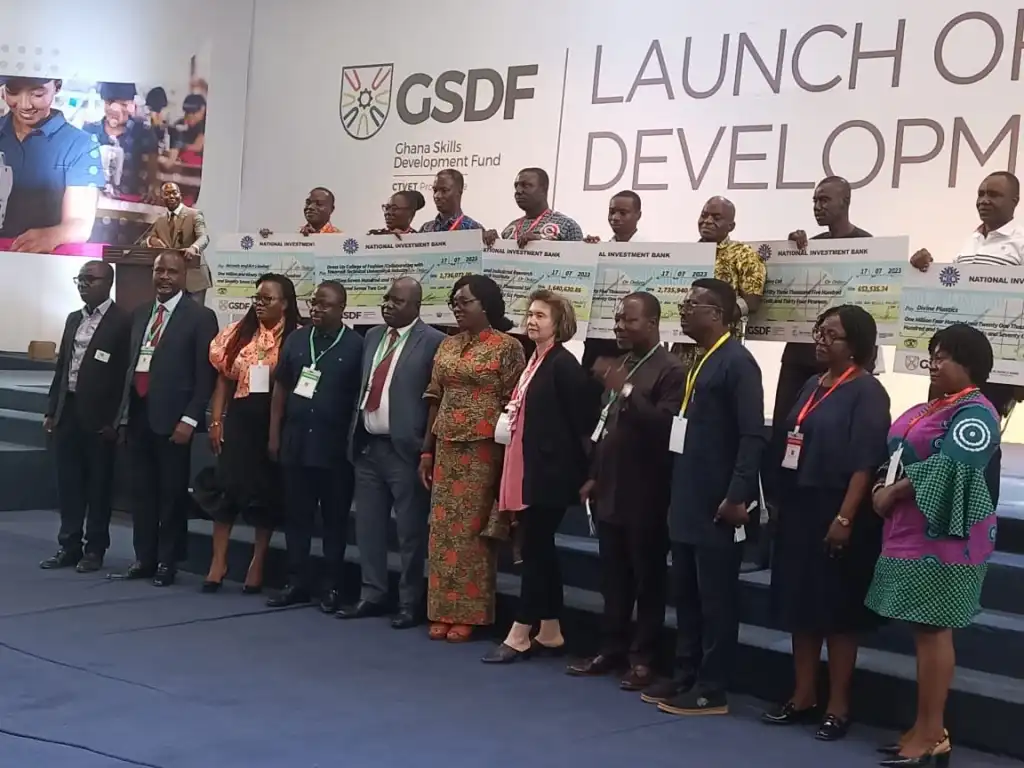
    Around 700 micro and small enterprises, both in the formal and informal sectors, focused on skills development and job creation, are set to benefit from the newly established $60 million Ghana Skills Development Fund (GSDF).

    The fund is part of the $200 million Ghana Jobs and Skills Project, supported by the World Bank, with the aim of enhancing productivity, promoting competitiveness, and increasing income-earning capacities, particularly among women and low-income groups.

    The five-year GSDF Project, which aligns with the government’s strategic plan to revamp technical and vocational education and training (TVET), is being implemented by the Commission for Technical and Vocational Education and Training (CTVET) under the Ministry of Education, in collaboration with the International Development Association of the World Bank.

    The initiative was launched by Ms Gifty Twum-Ampofo, Deputy Minister of Education in charge of TVET, during a ceremony in Accra.

    The fund began implementation in August 2022, with the first call for applications receiving approvals and disbursing funds to 105 enterprises.

    The second call for applications is scheduled for August 1 to August 31, 2023, and is expected to benefit approximately 200 enterprises.

    Chairperson of the GSDF Steering Committee, Mr. Kwasi Asamoah-Baffour, noted that new enterprises and those operating for less than three years would not be eligible for the grant.

    Additionally, enterprises in sectors with high employment growth potential and those with a significant representation of female employees and individuals with disabilities would have an advantage in the selection process.

    Ms. Twum-Ampofo emphasized that the GSDF support would not be in the form of a loan and beneficiaries would not be required to repay the funds received. The initiative aims to stimulate job creation, enhance skills development, and contribute to the overall economic growth and competitiveness of Ghana.

    “However, implementation of grantee projects will need to result in desired outcomes of the GSDF, which include increased productivity, quality, competitiveness, job creation, and increased incomes,” she said.

    According to Ms. Twum-Ampofo, the Government’s objective is for the Ghana Skills Development Fund (GSDF) to support the skills upgrading of employees in beneficiary enterprises and companies, enabling them to improve productivity and adapt to emerging technologies. The Fund is also expected to contribute to the enhancement of skills among master craftspeople and self-employed graduate apprentices.

    Ms. Elena Glinskaya, Lead Economist at the World Bank and Co-Task Leader of the Ghana Jobs and Skills Project, praised the GSDF as an innovative initiative and expressed the World Bank’s commitment to supporting Ghana in building its human resource base for sustainable development.

    Dr. Fred Kyei Asamoah, the Director General of CTVET, emphasized that the selection of organizations to benefit from the Fund would be based on merit. He further stated that the GSDF would serve as a platform to mobilize financing for technical and vocational education and training (TVET), aligning with the government’s commitment to using TVET as a tool to develop essential skills and provide decent employment opportunities.

  • Proposed formula for GETFund distribution approved

    Proposed formula for GETFund distribution approved

    The proposed methodology for allocating the Ghana Education Trust Fund (GETFund) for the year 2023 has been accepted by Parliament.

    Under the formula, GH¢1.87 billion will be allocated to the fund, a reduction of over 28 per cent of the GH¢2.60 billion allocated to the fund in 2022.

    The money will be distributed for the promotion of Technical and Vocational Education Training (TVET), completion of senior high school (SHS) projects, provision of basic schools, computer studies and technical education, among others.

    Per the report of the Committee of the Whole signed by its Chairman, Andrew Asiamah Amoako, who is also the Second Deputy Speaker of Parliament, a total of GH¢97.54 million (4.5 per cent) has been allocated to the Ministry of Education and institutions and agencies within the education sector, including allocations for the GETFund’s operations, Youth Employment Agency and the Scholarships Secretariat.

    Allocation

    For the period under review, the tertiary sub-sector has been allocated GH¢170 million, 7.84 per cent of total expected inflow from the national budget for this year to support a range of activities and interventions.

    The secondary education sub-sector has also been allocated GH¢167 million, 28.44 per cent of the total spending from the budget.

    Besides, GH¢88.5 million (4.08 per cent) has been made for funding various projects and programmes in basic education, mostly for the procurement of basic education textbooks.

    It was proposed that members of Parliament will receive support from the GETFund to enable them to undertake and monitor projects in their constituencies.
    To that effect, GH¢31.62 million, representing 1.46 per cent of total spending, has been allocated for that purpose. 

    Abandoned projects

    The report said the committee observed that in 2022, the GETFund put in place a three-year project aimed at completing all of its abandoned projects.

    It said as of December 31, 2022, a total of 2,405 projects had been completed during the period under review.

    “These projects were financed mainly from the disbursements of the bond proceeds and the enhanced monitoring activities undertaken,” it said.

    Fund’s bond after DDEP

    The report said the committee was informed that out of a total of GH¢2.62 billion being the total bonds in the Register, a total amount of GH¢1.35 billion has been exchanged, leaving the total outstanding bonds of GH¢1.26 billion.

    It said the Fund informed the committee that the remaining outstanding bonds  were expected to be exchanged within the shortest possible time.

    “The committee was, however, informed that the ambitious goal of completing abandoned projects, cannot be achieved within the three-year time frame.

    “Cost escalation as a result of rapid increase in prices due to the depreciation of the cedi against the major foreign currencies, coupled with high interest rates, continue to impact negatively on project costs,” it said. 

    Pending committed projects

    The report said the committee was also informed that the Fund had earmarked GH¢619.69 million required for pending projects to which contract was either awarded or committed.

    “The Fund informed the committee that insufficient funding is adversely affecting its efforts to complete its programmes and projects across the country.

    “The Fund, therefore, requested Parliament to urge the Ministry of Finance to make more resources available to the Fund to complete its programmes and projects,” the report said. 

    Debt service account  

    The committee observed that GH¢545.20 million was allocated for the servicing of the Daakye Bonds issued by the Fund for 2023, the report said.

    It said the committee noted that as part of the debt restructuring programme as agreed with the International Monetary Fund, the Daakye Bonds had now been classified as a public debt and now formed part of the Government of Ghana debts.

    “As a result, the GETFUND is no longer responsible for the service of the debt and, therefore, ought not to be a part of activities for the Fund for 2023,” it said.

    Recovery of shortfall for 2022

    The committee observed that under the proposed distribution formula, GH¢619.69 million had been earmarked as recovery of 2022 shortfall.

    The amount, the Fund explained, was in respect of 2022 arrears which when released would be used to clear all outstanding commitments.

    Digitalisation of teaching and learning systems

    The report said the committee observed that GH¢550 million was provided under the distribution formula for 2023 for the digitalisation of teaching and learning systems for SHS and TVET students.

    The Fund informed the committee that they entailed the provision of tablets fully loaded with all recommended e-textbooks, the full syllabus, past questions and examiner reports as well as other teaching aids.

    “The goal of the programme is to reduce the cost of procuring textbooks and to prepare students for the ICT driven world.

    “The tablets are cloud-based, making it easy for updates to be effected and come with solar packs to enable easy charging irrespective of location,” the report said. 

    Funding gap

    Per the report, the committee observed that for the year 2023, GH¢1,869,563,000 was allocated to the Fund in the 2023 budget statement presented to the House and approved by Parliament.

    It said the committee further noted that the total cost of the programme and activities contained in the proposed distribution formula amounted to GH¢2,169,563,000, leaving a shortfall of GH¢300,000,000.

    “The Fund informed the committee that it engaged the Ministry of Finance over the issue and that the Fund had been assured that GH¢300,000,000 would be provided to the Fund to meet the gap,” the report added.

  • TVET Director-General urges Ghanaians to be more generous

    TVET Director-General urges Ghanaians to be more generous

    To ensure the less privilege in society are well catered for, the Director-General of the Ghana Technical and Vocational Education and Training Service (TVET), Mawusi Nudekor Awity, has made a passionate appeal to Ghanaians to inculcate the habit of giving.

    Awity, reflecting on her own achievements, attributed them to the support she has provided to numerous individuals over the years. With a Christian background, she believes that giving is a pathway to receiving more blessings.

    During an interview on Joy Prime’s morning show, Awity shared her success journey and highlighted the significance of extending a helping hand to those in need.

    “I’m a giver, and if I’ve given you something, you may think I have more, but that’s my last I’ve given to you because I feel that the Lord will touch somebody to give me. So Ghanaians must be a lot more philanthropic. They must learn to touch the lives of the critical matters because there are many people whose lives must be touched,” she suggested.

    In the face of potential unappreciation, the social entrepreneur urges individuals who lend a helping hand not to cease their generosity.

    Mawusi Awity, sharing her personal journey, revealed that her empathy towards vulnerable individuals stems from her own upbringing. She recounts how her high school education was made possible by the kind support of her Junior High School headmistress.

    Despite her father holding a prominent position as a superintendent, she faced difficulties in pursuing her studies in high school due to her father’s lack of support.

    Nonetheless, these experiences have fueled her commitment to making a positive impact and encouraging others to extend compassion to those in need.

    “… My father said he was never going to allow me to go to secondary school, but he told me to go and learn a trade. I used to write common entrance, but I won’t go to school,” she revealed.

    However, she turned the challenge into an opportunity and persevered to further her education.

    Asked whether the mother was available or not to help. She said, “My mother left the marriage many years ago.”

    Mawusi Awity is the first female director-general of the Ghana Technical Vocational Education and Training (TVET) Service. She was officially appointed by President Nana Addo Dankwa Akufo-Addo in 2021.

    Due to her contribution to society, she has gained prestigious awards, including the 7th Best Performing CEO in Ghana (2019); MTN 2019 Heroes of Change Award; Leading Innovative Women Honorary Award (2013) by the Global Women Innovative Network, UK, and Government of Ghana; Recognition of Outstanding Service to Mankind and Womanhood by Methodist University College, Ghana (2013), among others.

  • Hisense Ghana donates to Accra TVET

    Hisense Ghana donates to Accra TVET

    The Technical and Vocational Education Training (TVET) Greater Accra Regional office has received home appliances from the electronics business Hisense Ghana.

    The donation which was done on Friday, April 28, 2023, included five new Hisense refrigerators, three Hisense television sets, and Hisense microwaves. 

    According to Hisense’s Marketing Coordinator, Renee Quaye, the company’s aim is to assist the regional office in operating efficiently in their day-to-day activities. 

    Quaye stated that the donation was made in response to a request for support, and that the high-quality items provided would be of significant help to the offices. 

    The Acting Regional Director of Greater Accra TVET, Eng. Juliana Nkrumah, and her deputy, Philip Aheto, expressed their immense gratitude to Hisense Ghana for the generous gesture. 

    They acknowledged the donation as being extremely helpful to their operations and extended their appreciation to the company.

  • Licensure examination to begin soon – Deputy Director for TVET

    Licensure examination to begin soon – Deputy Director for TVET

    All teachers employed by the Service will start taking the Ghana Teacher Licensure Examination (GTLE), according to Mr. David Prah, the Deputy Director General of the Technical and Vocational Education and Training (TVET) Service Ghana.

    Mr Prah, speaking at the National Teaching Council’s Research Dissemination event on the rollout of GTLE, said the examination was essential to note the characteristics of a good teacher  “Teacher Licensure Examination is critical to teacher professionalism, and a good teacher is expected to exhibit certain professional characteristics, and so these characteristics are put in the Teacher Licensure Examination,” he said. 

    Mr Christian Addai-Poku, Registrar of the National Teaching Council (NTC), said the teacher reforms put in place had made the country “more competitive”.  ”Ghana was selected by the UK government as one of the four countries in Africa whose teachers are exempt from Qualified Teachers Status (QTS) assessment should they apply to teach in the United Kingdom,” he said. He said the examination was a professional one to assess the people venturing into the occupation without living it out in the training institutions. 

    Mr Addai-Poku said seven editions of the GTLE had been written, and that the Council saw the need to conduct a study that would help understand the issues surrounding the policies and influence further reforms.

    The research was done on four editions: 2018, twice in 2019; and once in 2021. The research was on, “An Evaluation of the Ghana Teacher Licensure Examination, Quality and Trend Analysis of the Ghana Teacher Licensure Examinations, and Teacher Professionalism and Professional Practice in Ghana”. Section 59 of the Education Regulatory Bodies Act, 2020 (Act 1023) mandates the National Teaching Council to regulate teaching in Ghana.

    Also, in-service teachers, on the other hand, are required to undergo continuous professional development to improve their skills and to accrue the needed points to renew their license upon expiry.  

    The GTLE was introduced in 2018 with the aim of ensuring that prospective teachers after graduating from the teacher education institutions were filtered through the license exams.

  • NDPC calls for a revamp of Ghana’s educational system

    NDPC calls for a revamp of Ghana’s educational system

    Director General of the National Development Planning Commission (NDPC) has called for an overhaul of Ghana’s education system.

    According to Dr. Kodjo Essiem Mensah-Abrampah, the current system has failed to adequately prepare students to meet current industry standards thus contributing to the wave of unemployment in the country.

    Speaking on PM Express Business Edition, he said the NDPC has partnered some select technical universities to rollout a precision quality standard policy to train students to meet the demands of the job market.

    “We need to look at the kind of training we’re offering for these young people. So you’d realize that for the last three or four years, the emphasis has been on skills related to C-Tech and then TVET, the vocational technical engineering focusing on mathematics and others. These are technical skills which you acquire.

    “And once you’re able to do that, because that is what the industry is not having, it’s not just running them through, but providing it for them with a change in attitude, a change in mindset, and these are the things the private sector is looking for.

    “Once you enter without any of these skills you become a liability, the private sector doesn’t want it. And therefore we need to change our whole educational system and training and we’re not just talking about it,” he said.

    He added that “Embedded in this whole policy is identifying institutions which have turned into real pilots for this practical process. So when you go to some of our technical universities which we’ve been working for some time now, these are churning out entities and individuals for our industrial activities.”

    Source: Myjoyonline

  • Government bridges the gap between industry and TVET

    Government bridges the gap between industry and TVET

    The Akufo-Addo government has closed the gap between industry and TVET over the last five years, according to the director general of the Commission for Technical and Vocational Education and Training (TVET).

    Dr Fred Kyei Asamoah explained that the establishment of Sector Skills Bodies which are made up of industry players and academia and groups of related industries that come together under a common structure to drive growth and competitiveness across the sector by focusing on the exploration of business opportunities, innovation and capacity needs within the sectors had led to bridging the gap in the sector.  

    Dr Fred Asamoah made the announcement on Tuesday during a press briefing in Accra.

    He described the establishment of the Sector Skills Bodies as crucial since it played a lead role in the development of TVET curriculums and standards generation in the TVET sector.

    Again he stated that the government conducting Skills Gap Analysis and Audit for the sector led to the identification of challenges in the sector which have been resolved bringing about the upgrading, restructuring and provision of the needed resources to boost effective teaching and learning in all TVET institutions leading to improved standards within the Competency-Based Training (CBT) Framework. 

    The Director General indicated that developing 100 Curriculum or Competency Based Training (CBT) packages from level one (proficiency) to level five (higher national diploma) of the national TVET qualification framework as part of the Ghana Jobs and Skills Project was also part of the reforms being implemented by the Government.  

    He mentioned that that was in addition to the already existing 47 curriculums which have already been developed by the Commission since 2017 under the new leadership.

    Dr Asamoah further indicated that, although one of the biggest drawbacks to the provision of quality TVET in the past was the poor state of training facilities and equipment and lack of linkage to the industry, the government has the past five years invested massively in the TVET sector to change the story.  

    Upgrading and modernization

    The Director General said the upgrading and modernization of all the erstwhile 34 National Vocational and Technical Institutes (NVTIs) have been completed and inaugurated.

    “We are also constructing 5 new District TVET centres of excellence ongoing with that of Anyinam and Pakyi No. 2 near completion whiles that of Assin Jakai, Manso Abore, and Akomadan at various stages of completion”, he said. 

    “The Ghana-China Project for the rehabilitation and upgrading of Technical Universities and Technical Institutes which includes the construction of new workshops/laboratories and supply and installation of equipment fit for disciplines in Electrical and Electronics Engineering, Welding technology, Automotive maintenance, Civil Engineering, and Mechanical Engineering was completed and inaugurated last year”. Dr Asamoah added.

    The Director General spoke about the first phase of the construction of 32 state-of-the-art TVET institutions amounting to some $158 million, which commenced last year (2022) in nine regions which has infrastructural projects containing industry-standard equipment and can be found in all the Technical Universities and selected Technical Institutes across the country.

    Commendation 

    The Director General used the occasion to thank industry players for their support of the Government’s reforms so far and called on them (Association of Ghana Industries (AGI), Federation of Professional Trade Association of Ghana (FEPTAG), Private Enterprise Foundation-PEF, Ghana Employers Association and the individual industries) to continue their support to the Government, through the Ministry of Education and the Commission’s vision of transforming Ghana’s Economy through a robust TVET system.

    Dr Asamoah also used the opportunity to draw the attention of all TVET providers and institutions who are yet to be accredited by the Commission that, by law, which is; Section 43 of Act 1023, Education Regulatory Bodies Act,2020 and the Pre-Tertiary Act,2020 (Act 1049), every training institution in the TVET space needed approval from the Commission by way of accreditation to operate and entreated all those who are yet to comply with this law to contact the Commission for modalities on how they can be registered and accredited.

  • Abuakwa Noth MP Gifty Twum-Ampofo supports constituents with foodstuffs

    Deputy Minister for Education, In-charge of TVET and MP for Abuakwa North constituency in the Eastern Region, Hon. Gifty Twum-Ampofo has donated foodstuffs to over 35,000 people in the area.

    The donation forms part of her annual contribution of sharing foodstuff to the constituents.

    She said the global economic crisis has made things very difficult for many people to get money to purchase foodstuffs for their various families for the Christmas festive, hence the need to support them.

    The Deputy Minister also appealed to Ghanaian traders especially those from her constituency to reduce their items so people to patronize them in this period of economic hardship.

    Nothing’s changed, except I’ve been driven out of the country, says Azeem Rafiq

  • Government to build €‎175 million STEM campus at Nsoatre

    The government is to establish a 175 million Euros new campus to promote Science, Technology, Engineering and Mathematics (STEM) education at the University of Energy and Natural Resources (UENR) Nsoatre site at Sunyani West Municipality of the Bono Region.

    Ms. Gifty Twum-Ampofo, a Deputy Minister in-charge of Technical, Vocational Education and Training (TVET) made the announcement in an address at a durbar to climax a week-long educational festival and celebration of the 5th anniversary of Obrempong Professor Kyem-Amponsah II as the chief of Fiapre in the Sunyani West Municipality.

    It was on the theme “Promoting and Sustaining Quality Education, the Legacy of a Progressive Chief”.

    The project, she said was being funded by the Standard Chartered Bank of the United Kingdom, saying “we are at the stage of value for money audit, because we have already gone through Parliament and the Ministry of Finance”.

    Ms. Twum-Ampofo explained the project would comprise laboratories, information, communication and technology (ICT) centres, lecture rooms and hostel facilities, saying it would be completed in 28 months to motivate and create access for more students to acquire STEM education.

    Barima Minta Afari II, the Chief of Chiraa and the Benkumhene (chief of the left-wing division) of the Dormaa Traditional Area who presided said provision of formal and quality education was a collective responsibility that required the support of all stakeholders to achieve the desired results.

    He therefore commended Obrempong Prof. Kyem-Amponsah for his effort in promoting education in the area, particularly with the establishment of the education endowment fund to finance the provision of educational facilities like a library complex and an ICT centre for the benefit of pupils and students.

    Source: Myjoyonline

  • Government releases feeding funds to Buffer Stock Company, SHSs

    The government has said it has released funds to the National Food Buffer Stock Company and the Senior High and TVET Schools across the country for feeding.

    In a statement, the government said GH¢126,000,000 had been released to the National Food Buffer Stock Company for non-perishable food items.

    GH¢72,106,603 was released to the Senior High and TVET Schools across the country to cover perishable food items & recurring expenditures.

    The statement said the money was released over the last four weeks.

    “The Public is therefore assured of the Ministry’s commitment to ensuring the timely supply of adequate and quality food items to all second cycle institutions,” the statement noted.

    “The Ministry further reiterates Its dedication to ensuring smooth and effective distribution of other resources in its quest to improve and sustain quality education in Ghana.”

    The Conference of Heads of Assisted Secondary Schools had been complaining about the delays in releasing the funds for feeding.

    It also warned that many food suppliers had threatened to suspend supplies, while others had withheld the food supplies due to the non-payment of their monies.

    Some headteachers had even threatened to close down their schools because of these feeding challenges.

    Find below the full statement


  • Free SHS will unleash potentials of youth – Education Minister

    Education Minster, Dr Yaw Osei Adutwum, has noted that the Free Senior High, Technical and Vocational Education will help to unleash the potentials of the youth for development.

    According to him, said the two programmes had essentially provided a huge opportunity for every Ghanaian youth to access quality education.

    Dr Adutwum said this in Sunyani when he interacted with the members of the Bono Regional House of Chiefs during a working visit to the region.

    “The Government is investing hugely in TVET education not only to fetch direct jobs for graduates, but also push rapid industrialisation,” he said.

    Science, Technology Engineering and Mathematics (STEM) centres had been put up in many schools in the region to ensure effective implementation.

    He cited the SHSs at Jinijini in the Berekum West District and Koase in the Wenchi Municipality as well as the St. James Seminary/SHS at Abesim, near Sunyani as the locations of some of the centres.

    “For a country to develop in this modern age, education, particularly STEM, should remain at the forefront and that is exactly what the Government is committed to doing”, the Minister said.

    He said the nation’s gross tertiary education enrolment was low, hovering around 25 per cent, and called on all stakeholders to contribute to ensure that more students pursued higher education for the country to have a quality human resource base for development.

    Osagyefo Oseadeeyo Dr Agyeman Badu II, the Paramount Chief of Dormaa Traditional Area, and the President of the Bono Regional House of Chiefs, implored the Government to expand infrastructure at the University of Energy and Natural Resources, the Sunyani Technical University, and second cycle institution to facilitate teaching and learning.

    He expressed concern over the abandonment of construction works on the Bono Regional Library project and appealed to the Minister to intervene for work to resume.

    Source: GNA

  • Stella Gymaah Larbi, 34, adjudged Ghana’s Most Outstanding Teacher

    Madam Stella Gyimaah Larbi, a 34-year-old English Language Teacher from Adenta Community Junior High School (JHS) in the Greater Accra Region has been adjudged Ghana’s Most Outstanding Teacher at the 2022 Ghana Teacher Prize held in Tamale on Wednesday.

    For her Prize, Madam Larbi will receive a three-bedroom worth GHc300,0000.00, as well as an educational trip to Dubai, promotion out of turn and a GETFund scholarship to study abroad.

    Madam Fati from Buipe Girls’ Model School in the Central Gonja District of the Savannah Region emerged First Runner-up, and her prizes were a double cabin pick-up vehicle and promotion out of turn, whilst Mr David Harrison Mensah, from Sefwi Bekwai SDA JHS in the Bibiani-Anhwiaso-Bekwai District of the Western North Region, emerged Second Runner-up and his prizes were a saloon car, and promotion out of turn.

    There were four other teachers at the Kindergarten, Primary, JHS and Senior High and Technical Schools (SHTS) levels who were also awarded.

    They included Madam Enyo Adzo Dey from Dzelukope EP Basic School in the Anlo (Keta) District of the Volta Region, who emerged Best Kindergarten Teacher, Mr Samuel Yeboah from Asanteman ‘B’ D/A Primary and Kindergarten in the Bia West District of the Western North Region was awarded the Best Primary School Teacher category.

    Mr Maclean Kwabena Owusu-Boateng from Naylor SDA Basic School in the Tema Metropolis won the Best JHS Teacher Award, and Mr Joseph Kwaku Agbevanu from Kinbu SHTS in the Greater Accra Region won the Best SHTS Teacher Award.

    The Best Primary, JHS and SHTS Teachers received GHc8,000.00 as their prizes, while the Best Kindergarten Teacher received GHc6,000.00 as her prize.

    There were also awards for non-teaching staff, where Mr Forster Oteng Kwadwo Amoako from Nkoranza SHTS in the Bono East Region emerged as the Best.

    Mr Emmanuel Boye Ashitey, from Dzorwulu Special School in the Greater Accra Region, was the First Runner-up, and Mr Shamuna Mohammed Ahmed from Bono East Regional Education Office picked the Second Runner-up award, where they all received GHc15,000.00 while the Second Runner-up received GHc10,000.00.

    In the Teacher in Leadership and Administrative Category, Madam Ivy Asantewa Owusu, Acting Bono Regional Director of Education was adjudged Best, while Mr Eric Boadi Sarpong from Atta Ne Atta D/A Basic School in the Kwahu East District of the Eastern Region emerged First Runner-up, and Madam Gifty Andoh from Accra Girls’ SHS took the Second Runner-up position.

    They all received GHc15,000.00 each, while the Second Runner-up received GHc10,000.00.

    Vice President Dr Mahamudu Bawumia, joined by Dr Yaw Osei Adutwum, Minister for Education, decorated and presented the award to Madam Larbi, Ghana’s Most Outstanding Teacher at the 2022 Ghana Teacher Prize ceremony, which was attended by stakeholders in the education sector including development partners.

    Madam Larbi expressed delight at the award and thanked the organizers and all the teachers who taught her, for their support, which helped to shape her life.

    The National Best Teacher Award, instituted in 1995 and later christened Ghana Teacher Prize, is to motivate Teachers for higher performance and restore the respect the profession should enjoy.

    It also aims to retain qualified teachers and improve their work performance and overall effectiveness in the classroom.

    Dr Bawumia, in an address, said “The government remains committed to our teacher first policy in ensuring that our teachers, who are central to any education reform, are fully tooled, skilled and supported to deliver quality learning outcomes to support our development aspirations.”

    He said the government acknowledged the value of education to human development and nation building, hence the massive investment in the education system including investing in teachers.

    He said, “However, the massive investment in education will come to nothing if our teachers do not rise to the occasion and respond positively to the great vision of transforming our nation through education.”

    Dr Bawumia spoke about the TVET sector and said “We have strategically created the Ghana TVET Service to focus on skills training and development. The government has equipped a lot of TVET institutions with state-of-the-art equipment to provide 21st-century skills to our learners. With the construction of 32 TVET institutions coupled with the introduction of free TVET, our nation is on the way to the fourth industrial revolution with more jobs to be created for the youth.”

    Source: GNA 

  • 70 ladies undergo skills training conducted by Central Region CNC

    The Central Regional Centre for National Culture (CNC) has organised a graduation ceremony for more than 70 ladies who enrolled to take part in a year’s C-Carl Oparebea Annual Marketable Skills Training held in Cape Coast, the Central Regional capital.

    The programme provided hands-on training for the women to acquire skills in bead making, crocheting, basic sewing, decoration, facial makeup, painting, hair dressing, dreads locking, hair braiding and fascinator making.

    This year’s event, the sixth to be organised under the C-Carl Oparebea Skills Training was on the theme: “Promoting Economic Growth and Development Through Arts and Culture.”

    The acting Regional Director of the Centre for National Culture (CNC), Ms Salamatu Alhassan, in her address, noted that the skills training was part of the Centre’s contribution towards reducing unemployment in the Cape Coast metropolis.

    She indicated that the training was in line with the core mandate of the National Commission on Culture under which the CNC falls in implementing government policies and programmes.

    “The responsibilities of the Centre for National Culture with regard to promoting youth in the arts arena cuts across all spheres of education,” she said.

    The practical aspect offered as part of the training, she said, was imperative in providing an opportunity for people to acquire employable skills to operate their own businesses.

    Ms Alhassan indicated that, past trainees from the programme, were excelling in their respective businesses and were also impacting the lives of individuals by training them, saying, “However, some of them are facing challenges of funding as a start-up.”

    He appealed to the government to resource the centres across the country in order for them to function effectively.

    The Central Regional Minister, Mrs Justina Marigold Assan, in an address read on her behalf, commended the CNC for initiating and sustaining the programme aimed at identifying, developing and rewarding creative talents in the region.

    “The flagship programmes are highly commendable as they are in line with government’s realignment of Technical and Vocational Education and Training (TVET) under the supervision of the Ministry of education,” she stated.

    She further said: “The government has been working to promote skills training and development for industrialisation and generate greater awareness of the importance of TVET.

    Mrs Assan expressed the readiness of the Regional Coordinating Council (RCC) in supporting the CNC as it strives to make an impact and supports the growth of the region and the nation in general.

    She called on residents in the region to assist in creating a congenial atmosphere that would ensure steady growth and development of their societies.

    “This will help to compliment the government’s efforts to extend development to every part of the country,” she said.

    Source: The Ghanaian Times


  • 100,000 people will enroll in TVET by 2025 – Education Minister

    Following the completion of the ongoing construction projects for seven TVET colleges, the Minister of Education has hinted that enrollment in tertiary Technical and Vocational Education and Training (TVET) institutions in the nation could shortly reach 100,000 by 2025, up from the current 62,000.

    The minister claims that this will accelerate the development of artisans’ abilities and the study of TVET programs in the tertiary education sector.

    Dr. Yaw Osei Adutwum, the Minister of Education, claimed that the new Colleges would give students the chance to improve their tertiary-level abilities and increase their production.

    He adds that the new location of TVET colleges will be Abrankese in the Ashanti region, Boako in the Western North Region, Kenyasi in the Ahafo Region, Patuda in the Bono East Region, Dambai in the Oti Region, Salaga in the Savannah region, Guabuliga in the North-East Region and Tolibri in the Upper West region.

    Dr Adutwum announced this when he launched the maiden edition of the “Ghana TVET report 2021” put together by the Commission for TVET in Accra on Friday.

    The 132-page report gives a background to the TVET agenda, TVET Governance, Access to TVET, Quality TVET delivery system, TVET Financing, Industry Engagement and International Cooperation among others.

    The launching brought together various players in the education sector and the TVET space as well as partners from the international platform.

    Dr Adutwum also announced that the country would soon become an industrial hub of Africa which stood the chance of turning the economic fortunes of the nation leading to an improved standard of living for the people. According to the Minister, looking at the policies, support, acceptability and the huge investment being made by the government in the Technical and Vocational Education and Training (TVET) space would bring about the transformation of the industrial sector leading to the socio-economic gains for the country.

    The Education Minister commended Nana Addo Dankwa Akufo-Addo for the tremendous resources and support he had provided in order to make a more vibrant TVET regime and an ecosystem to make the TVET system to thrive amid the economic challenges like the Covid-19 and the Russia Ukraine war confronting the country and the rest of the world.

    He cited for instance that despite all the challenges confronting the nation’s economy seven new Colleges focussing on TVET were under construction at various locations across the country to help train much youth to support industrial growth in the country.

    Dr Adutwum who is also the Member of Parliament for Bosomtwe hinted again that with effect from the next academic year, some selected TVET institutions in the country would begin operationalizing the “German Dual System”.

    He explained the Dual System is a process whereby students would be granted the opportunity to study at school and also take part in industrial attachment to sharpen their skills to boost their training at school in turns.

    “This would see TVET students spending some days in school and some days with industry to enhance their learning skills and this would help create more employment to make the sector more relevant to the society and the nation as a whole”. Dr Adutwum said. All these training and skills sharpening he said were being done in partnership with industry who would allow students to use their facilities and equipment for training which could lead to creating employment opportunities mostly for the youth. The Director General of the Commission TVET, Dr Fred Kyei Asamoah, in his welcome address lauded the various partners and all stakeholders who helped put together the maiden report.

    He stated that the TVET sector was very crucial for the training and recruitment of the right skills needed to boost the nation’s socio-economic development of the country. The Director General was upbeat that the sharpening of the skills of people as it was very crucial in poverty reduction in the country as well as empowering the people to be self-dependent.

    He was not happy with the general bias people had for the general education in the country at the expense of TVET which provided the right skills needed to create a job to support the nation’s gross domestic product.

    Dr Asamoah indicated that the TVET sector is positioning itself to train those skills in short supply in the job market for the industry in the country and the rest of the sub-region.

  • Chief builds TVET centre to train youth

    In a bid to promote Technical and Vocational Education and Training (TVET) and make the youth employable at Akwasiso, a mining community in the Amansie South District of the Ashanti Region, the chief of the area has built a multi-purpose vocational center to train at least 100 females in various trades and save them from indulging in social vices.

    For a start, the chief, Nana Kwakye Gyimah Yeboah II, has recruited 41 females, mainly school dropouts and young mothers to undergo training in hairdressing and dressmaking.

    The facility is also to serve as a practical training center for TVET students within the catchment area to build their capacities with employable skills.

    Plans are also afoot to introduce some male-dominated programs including plumbing to engage some male youth.

    Subsequently, a mining firm, Asanko Gold, has lent a helping hand with the provision of industrial sewing machines, tabletop sewing machines, hair driers, and accessories valued at hundreds of Ghana cedis.

    Already the company has built similar facilities at Manso Nkran and Bontefufuo in the Amansie South and West districts of the region respectively training about 500 youth.

    Stakeholder engagement and external relations of Asanko, Jerry John Dua, said the training of the youth was to make them competitive in getting employment in the mines.

    He said the chief’s initiative tied into the vision and policy of the mines in reducing unemployment in its catchment areas.

    The chief, Nana Yeboah II, called for more collaboration between the mine and the communities to duplicate such facilities to save the youth in indulging in unacceptable behaviors.

    He said 61 females initially applied to be trained but only 41 showed up to begin the first phase with the hope of achieving its targets in the coming years.

    Source: graphiconline.com

  • School Placement: 93.4% placed, 61.84% enrolled in all SHS and TVET

    A total of 518,717 students out of the 555,353 who qualified for placement have successfully been placed into various Senior High and Technical, Vocational Education and Training (TVET) institutes as of last Friday.

    The number of placed students represents 93.4 per cent of those who qualified for placement. Of the number who qualified, 320,773 have enrolled on various SHS and TVET schools placed representing 61.84 per cent of the schools they were placed in.

    The Minister of Education, Dr Yaw Osei Adutwum, who announced this at a press briefing in Accra, lauded the various stakeholders and urged them to continue working hard to ensure that all qualified candidates were enrolled.

    On TVET specific, as of Friday evening, 51,267 students had been placed in only TVET schools of which 25,941 had also enrolled.

    The Education Minister lamented why parents and students refused to follow laid down processes that had been communicated to all stakeholders before the commencement of the placement exercise.

    He cited for instance that parents whose children were not placed in any school were asked to do self-placement, but these parents rather stormed the resolution centres meant for those who have been placed but had challenges with boarding or day status due to their location, change of courses among others, leading to a seaming congestion.

    “I am surprised some parents waited till schools reopened before they started rushing to do either self-placement or rushing to the resolution centres across the country which were virtually empty during the first week of the placement exercise.” Dr Adutwum said.

    He stated that reports received from all regions across the country indicated that the first week of their operations at the resolution centres saw only a few people.

    The Coordinator of the Free SHS Secretariat, Mr William Darkwah, on his part, said the secretariat was now poised to embark on an enrolment drive to ensure that all placed students were enrolled.

    He called on various stakeholders in communities to complement the Government’s effort by assisting local brilliant but needy students to acquire basic items to enrol.

    Mr Darkwah urged Municipal, Metropolitan and District Assemblies to take a keen interest in the education of people in their areas.

    Source: GNA

  • NDC has better proposal for Technical Education Prof Naana Jane

    The running mate of former President John Dramani Mahama contends the National Democratic Congress has the best blueprint for comprehensive technical education in Ghana.

    According to Professor Jane Naana Opoku Agyemang, the conversion of Polytechnics into Technical Universities under her watch as then Education Minister was part of a larger industrialization plan for Ghana.

    Speaking on Abusua Nkomo on Kumasi based Abusua FM, Prof. Naana Jane Opoku Agyemang pointed out that the NDC government undertook the most rigorous research and audit of the technical education infrastructure before rolling out the Technical University Program.

    “We did a good technical audit of the schools, conducted a capacity audit of its staff and assessed a resource audit before sending it to parliament. It was not just drafted and sent to be assented,” She explained.

    She pointed out that the bigger plan was to ensure that persons with technical acumen studied their technical courses from the basic through to high school to the tertiary level to be able to attract jobs in high earn businesses.

    “It breaks my heart that when industries set up their factories, oil rakes et-cetera in Ghana, they had to go out to bring carpenters and welders from outside Ghana because our welders and carpenters did not have advanced knowledge in the very technical aspects of their work,” she stated.

    She said the country was fashioning itself to model the German system where technical skills constituted the mainstay of their economies.

    She told host Kojo Marfo, “If you go to Germany, the mainstay of their economy is their technical skill. Importing tables will just employ persons transporting it but manufacturing it will involve a whole chain of processes that will employ several others.”

    She indicated that the NDC will continue its technical education program which saw an upgrade of some 13-second cycle technical schools; build the capacities of technical education teachers, equip technical labs and provide all the resources that the technical schools will need to realize their full functionalities.

    Source: Kasapa FM