King Charles got a big round of applause for his speech to the French Senate. In his speech, he urged Ukraine to win the war against Russia’s horrible invasion.
The speech talked about the serious problem of climate change and had parts in both French and English.
People were waiting to see if the King would respond to Prime Minister Rishi Sunak’s decision about achieving net zero.
However, the speech carefully chosen words to prevent any indirect criticism.
The King said that while the problem our planet is facing is big and serious, it is encouraging to see that our governments, people, and private companies are taking action.
Kings and queens listen to their advisors, so when they give a speech, they are expected to stay neutral on political issues.
However, it was definitely uncomfortable timing to have the prime minister suddenly change his stance on achieving net zero emissions at the same time as a state visit that prioritized environmental protection.
So it is possible that people will be watching closely for any disagreement on climate change between the government and the royal family.
In his speech, the King expressed his desire to strengthen and maintain the good relationship between France and Britain. He also wanted this relationship to focus on preserving the environment and supporting lasting development.
The King, who glanced around the fancy meeting room and appeared touched by the long clapping, mentioned how Britain and France came together during war as an inspiration for working together in current battles.
In addition to climate change, he mentioned the conflict in Ukraine as a fight for democracy and freedom because of the unexpected aggression happening on our continent.
The King said in French that we are united and determined for Ukraine to succeed and for our cherished freedoms to win.
The King mentioned that his mother, who has passed away, really loved France. He talked about the strong friendship between France and our country.
The speech was serious and didn’t have many jokes, but people liked it, especially because the King used a lot of French.
Malcolm Massey, a French language expert from the Babbel app, said that the King’s French pronunciation was good and he had a decent accent.
In a rainy Paris, he will later go to another famous place called Notre Dame. He will see how they are fixing the cathedral after it was badly damaged in a fire.
There was a meeting with famous sports players like Didier Drogba from Chelsea football team. Queen Camilla started a prize for literature between England and France.
At a gathering in the French national library, she informed the attendees that she had been a student in Paris 60 years ago.
On the last day of the three-day trip, the King and Queen will be going to see environmental projects in Bordeaux.
Tag: UK
-
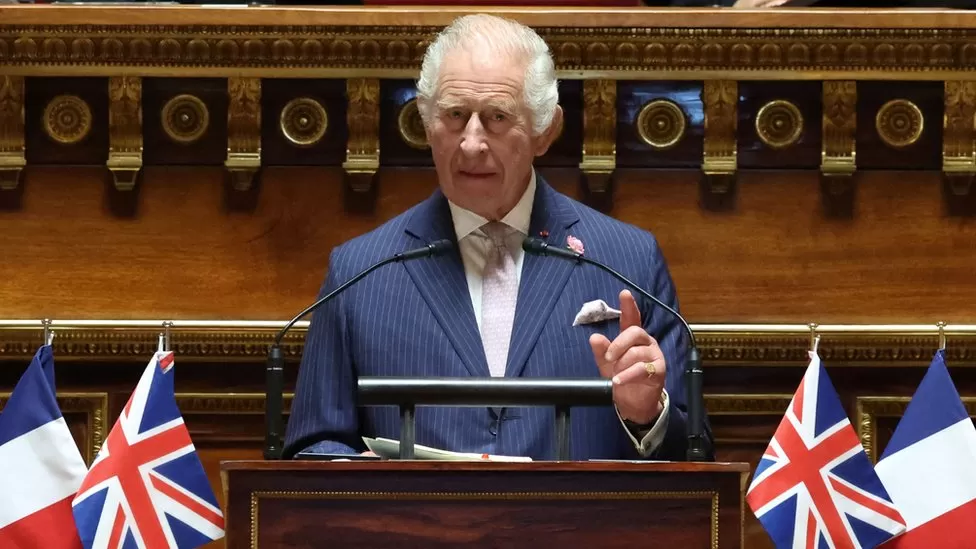
King Charles receives standing ovation after urging Ukraine to win war against Russia
-
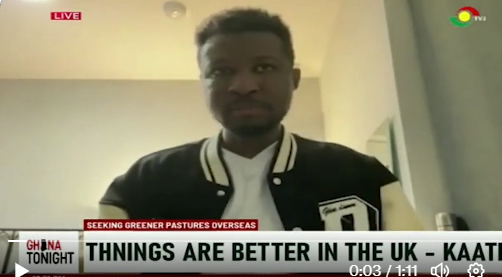
I have saved more money in the UK in 3 months than I did after working for 4 years in Ghana – Ghanaian nurse in UK
Ghanaian Nurse based in the United Kingdom (UK), Gordon Kaati, has affirmed the assertion that employment abroad offers significant advantages compared to working in Ghana.
According him, he has worked in the Ghanaian health sector for 4years but has not been able to save as much as he has after working for just 3 months overseas.
He concedes that taxes payed in the western world are somewhat higher, however, there is still a greater chance to save significant amounts of money within the shortest interval.
“Per the system here. You are paid every hour. So obviously it paids more than it pays in Ghana. In most of the countries in Europe, America and other parts of the world, you are paid every hour and you are paid for overtime. In Ghana it doesn’t even matter if you decide to work for extra shifts, You are paid the same salary. But in UK if you decide to work for extra hours you are paid more. Obviously we pay more tax than we pay in Ghana. But I still make more money than in Ghana. I worked in Ghana as a registered nurse for almost 4 years and I can say that I have saved more money in UK within 3 months than I saved for 4 years in Ghana,” Gordon Kaati explained to the media during an interview on September 13, 2023.
He made a further statement that he considers his entire working period in Ghana wasted and nothing to write home about.
“I can say I have made impacts in my life when i moved to UK. Sometimes I feel like I have wasted all my years in Ghana,” the Ghanaian nursed based in the UK stated.
More Ghanaian nurses are in the process of securing visas to practice abroad, a situation most of them say is born out of poor working conditions in the country.
Over the past year, there have been increased cases of Ghanaian-trained nurses and other health professionals travelling outside the country.
A general nurse, who wishes to be known as Alawani, last month secured a job and visa to the United Kingdom. Prior to the new appointment, she had been practicing at a hospital in the Eastern Region for over seven years.
Asked why she chose to leave, she indicated that she has nothing to show for the years she has been working in Ghana as a nurse. She lamented the meagre salary, poor conditions of service, and risks nurses have to endure in Ghana’s health facilities.
Source: The Independent Ghana | Amanda Cartey
-

Here is a comprehensive list of new UK visa fees set to be implemented in October
The United Kingdom government has disclosed an upcoming increase in immigration and nationality fees for essential services, which will come into effect on October 4, 2023.
The UK government has outlined that the updated fees will include a rise in the cost of visit visas for durations less than six months, which will now go from £15 to £115. Additionally, the fee for applying for a student visa from outside the UK will experience an increase of £127, resulting in a new fee of £490.
The government has clarified that these fee adjustments align with the charges applied for in-country applications. Furthermore, a bill has already been presented before the UK’s Parliament on September 15, 2023, pending approval.
“In July, the government announced a 15% increase in the cost of most work and visit visas, and an increase of at least 20% in the cost of priority visas, study visas, and certificates of sponsorship,” the UK government said on its official website; gov.uk.
“Income from fees charged plays a vital role in the Home Office’s ability to run a sustainable immigration and nationality system,” it added.
Here is the full list of the current fee and the expected increase from October 4
*Visit visa – short up to 6 months: £100 to £115
*Visiting academic – more than 6 months but no more than 12 months: £200 to £200
*Private medical treatment visa – more than 6 months but not more than 11 months: £200 to £200
*Visit visa – long up to 2 years: £376 to £400
*Visit visa – long up to 5 years: £670 to £771
*Visit visa – long up to 10 years: £837 to £963
*Visitor Extension – main applicant and dependants: £1000 to £1000
-

Ghana plans to build a lithium refinery in the West
Preparations are underway to establish a lithium refinery in the Western Region of the country. Lithium Resources Ghana Limited, a joint venture between UK-based CAA Mining Ltd and local company Empire Rare Earth and Metals Group Ltd, is currently assessing potential and strategic locations for the refinery.
Justice Amekudi, the Geographic Information System (GIS) and Data Manager of Lithium Resources Ghana Limited, made this announcement during a presentation at Ekumfi Assaman in the Ekumfi District of the Central Region. The presentation took place as the company’s team offered assorted items and cash to the chiefs and residents of Enyan Abaasa during the Akwanbo festival celebration.
The company also made a similar donation during the Akwanbo festival celebrations in three communities: Attakwaa, Ekumfi Ekrawful, and Otabanadze in the Ekumfi District of the Central Region.
Amekudi explained that the company’s strategy involves an integrated approach of exploring, mining, and refining lithium chemicals within Ghana. This approach aligns with the Ghanaian government’s new policy and strategy for strategic minerals, including lithium.
He noted that the company is currently conducting reconnaissance and exploration activities for lithium in the country as part of feasibility studies to assess the commercial viability of lithium deposits in the area.
Amekudi further emphasized that discovering a lithium deposit is just the initial phase of a multifaceted supply chain with various opportunities that can contribute to the nation’s development. The company’s agenda is to produce a lithium mineral concentrate within the country, thereby addressing the critical missing downstream steps in the African battery supply chain.
He stated that the company aims to change the prevailing narrative of processing or refinery facilities being located outside Africa by establishing a lithium refinery within the country.
-

UK raises visa fees, now £115 from £15
The UK government will raise immigration and nationality fees for essential services starting October 4, 2023.
The new charges involve a notable increase for services such as a visit visa for less than six months, going from £15 to £115, and an application for a student visa from outside the UK, increasing by £127 to £490.
This rise is equivalent to the fees charged for in-country applications. A bill for these changes was presented to the UK Parliament on September 15, 2023, awaiting approval.
“In July, the government announced a 15% increase in the cost of most work and visit visas, and an increase of at least 20% in the cost of priority visas, study visas and certificates of sponsorship,” the UK government said its on official website; gov.uk
“Income from fees charged plays a vital role in the Home Office’s ability to run a sustainable immigration and nationality system,” it added.
They emphasized the crucial role fee income plays in maintaining a sustainable immigration and nationality system within the Home Office.
While these changes are aimed at reducing the funding contribution from British taxpayers, the UK government ensures that the service remains attractive to those seeking to work in the UK and supports overall prosperity.
Notably, these changes do not encompass the planned increment to the Immigration Health Surcharge (IHS), which will be introduced later in the Autumn.
The fee adjustments will encompass various aspects, including visit visas for different durations, entry clearance fees, applications for leave to remain, indefinite leave to enter and remain, travel documents, health and care visas, certificates of sponsorship, confirmation of acceptance for studies, priority services, citizenship applications, and the User Pays Visa Application service.
-
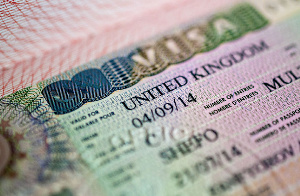
Cost of visa increased from £15 to £115 by UK govt, student visa now costs £490
The UK government has declared an upcoming adjustment in immigration and nationality fees, set to take effect on October 4, 2023, for essential services.
Under the new fee structure, the cost of a visitor visa for stays of less than six months will rise from £15 to £115, while the fee for applying for a student visa from outside the UK will increase by £127 to £490.
This modification aligns the fees for out-of-country applications with the charges applied for in-country applications. A bill related to these fee changes has already been presented to the UK Parliament on September 15, 2023, awaiting approval.
“In July, the government announced a 15% increase in the cost of most work and visit visas, and an increase of at least 20% in the cost of priority visas, study visas and certificates of sponsorship,” the UK government said its on official website; gov.uk
“Income from fees charged plays a vital role in the Home Office’s ability to run a sustainable immigration and nationality system,” it added.
The UK government however pointed out that “careful consideration is given when setting fees to help reduce the funding contribution from British taxpayers, whilst continuing to provide a service that remains attractive to those wishing to work in the UK and support broader prosperity for all.”
Additionally, it was emphasized that the adjustments do not include the anticipated rise in the Immigration Health Surcharge (IHS), which is expected to go into effect later this autumn.
Meanwhile the fee changes will include the following below:
• Fees for up to 6 months, 2, 5 and 10 year visit visas.
• The majority of fees for entry clearance and certain applications for leave to remain in the UK including those for work and study.
• Fees for indefinite leave to enter and indefinite leave to remain.
• Convention travel document and stateless person’s travel document.
• Health and Care visa.
• Fees in relation to certificates of sponsorship and confirmation of acceptance for studies.
• The in and out of country fee for the super priority service and the out of country fee for the priority service. The settlement priority service will reduce so it is aligned with the cost of using the priority service.
• Applications to Register and Naturalise as a British Citizen.
• The fee for the User Pays Visa Application service.
-
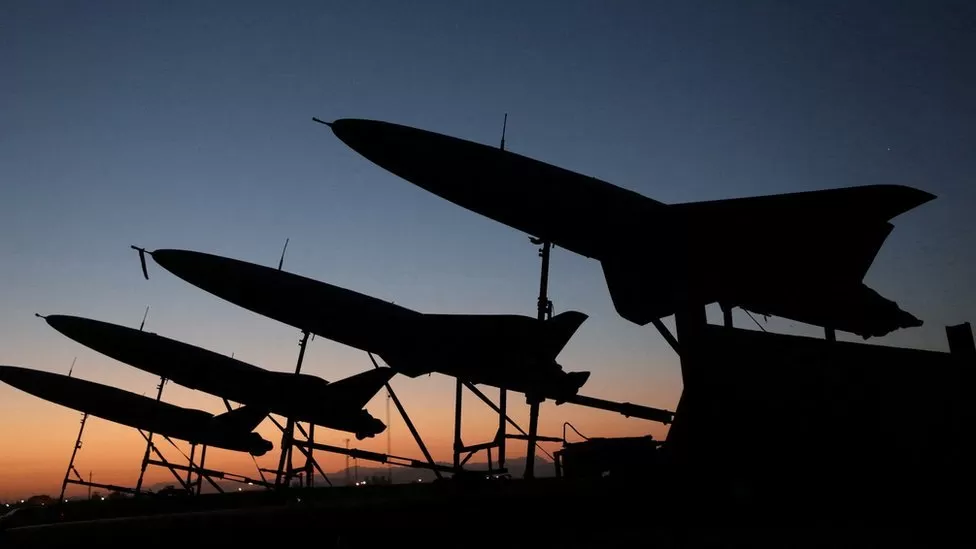
Nuclear sanctions against Iran upheld by UK, France and Germany
The UK, France, and Germany have decided to maintain sanctions on Iran in an effort to dissuade Tehran from selling drones and missiles to Russia.
Iran had agreed to a nuclear deal in 2015, and some sanctions were scheduled to be lifted next month. However, the European nations believe Iran violated the deal by enriching and storing uranium.
Iran counters that this move is “illegal and provocative” and “clearly violated” the deal’s terms. The European powers, collectively known as E3, aim to incorporate expiring UN sanctions into their own laws.
These sanctions target nuclear proliferation-related measures, as well as arms and missile embargoes. Despite these sanctions, Russia has utilized many drones produced in Iran in its war against Ukraine.
In a separate move, the UK has imposed sanctions on officials responsible for Iran’s mandatory hijab legislation ahead of the first anniversary of Mahsa Amini’s death. Her death after being arrested for allegedly breaking hijab rules sparked protests.
Iran entered into the Joint Comprehensive Plan of Action (JCPOA) with several world powers, known as the P5+1, eight years ago.
Under the 2015 accord, Iran agreed to limit its nuclear activities and allow international inspectors in exchange for the lifting of economic sanctions.
The JCPOA prohibits the purchase, sale, or transfer of drones and missiles to and from Iran. The agreement envisioned a “transition day” when remaining sanctions on Iran related to ballistic missiles and nuclear activities would be lifted.
Russia and China will no longer be bound by these restrictions if they do not adopt sanctions similar to those of the UK, France, and Germany before October 18.
The E3 stated that the sanctions would persist until Iran fully complies with the JCPOA. Iran argued that the decision violated the E3’s obligations under the JCPOA and UN Security Council Resolution 2231.
-
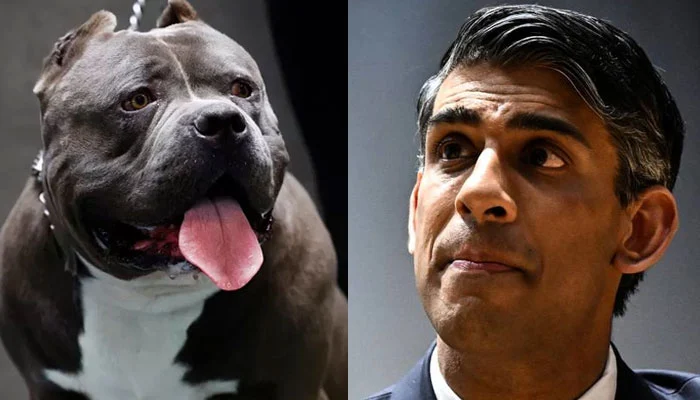
UK PM to ban American bully XL dogs
Prime Minister Rishi Sunak says he will ban American bully XL dogs as they are a “danger to our communities.”
He says they first need to be defined as a breed but will then be banned under the Dangerous Dogs Act by the end of the year.
This comes after a 52-year-old suffered multiple injuries in Stonnall, near Walsall, as police say their investigation into the “horrendous” attack continues.
Ian Price has been named as the man killed in an attack by two dogs, thought to be American bully XLs, in Staffordshire.
A man, 30, from Lichfield has been arrested on suspicion of manslaughter and having dogs dangerously out of control.
But a coalition of animal groups, including the RSPCA and Kennel club, say a ban will not stop attacks.
The UK has the authority, granted by Section 2 of the Dangerous Dogs Act 1991, to potentially expand the list of banned dog breeds, a decision that falls under the jurisdiction of the secretary of state.
In this process, it is mandatory to consult with individuals and organizations possessing pertinent expertise. Moreover, there exists a provision for granting exemptions.
As for the existing exemption framework for the four currently banned dog breeds, it permits exemptions on the condition that a court is convinced that these dogs do not pose a threat to public safety, and their owners are considered suitable to own such a breed. Prior to receiving an exemption, dogs must undergo neutering, microchipping, and be covered by third-party insurance.
Furthermore, stringent conditions include always keeping the dog on a lead and muzzle when in public, and these conditions apply for the dog’s entire life.
-

UK bans Wagner Group as terrorist organisation
The United Kingdom has formally designated Russia’s Wagner paramilitary group as a terrorist organization, a move that comes weeks after the death of its founder, Yevgeny Prigozhin. This decision, approved on Friday, renders membership in or support for Wagner illegal.
Individuals found guilty of assisting the paramilitary group could be subject to significant fines and penalties, including up to 14 years in prison. Home Secretary Suella Braverman, who proposed the order, described Wagner as a “threat to global security.”
“Wagner‘s continuing destabilising activities only continue to serve the Kremlin’s political goals,” Ms Braverman said.
“They are terrorists, plain and simple – and this proscription order makes that clear in UK law.”
The newly implemented order makes it a criminal offense to provide support to the Wagner paramilitary group, which encompasses activities such as arranging meetings to advance its objectives, expressing endorsement of its aims, and displaying the Wagner flag or logo.
Individuals convicted of supporting Wagner could face sentences of up to 14 years in prison or substantial fines.
Wagner will now be added to the list of 78 other banned organizations in the UK, which includes groups like Hamas and Boko Haram.
Founded around 2014 by Yevgeny Prigozhin, Wagner rapidly evolved into a significant instrument of Russian state power during President Vladimir Putin’s tenure. The group has played a role in supporting Putin’s allies in countries such as Syria, Libya, Mali, and the Central African Republic.
Since the invasion of Ukraine, Wagner fighters have been actively involved in the conflict in eastern Ukraine, contributing to some of Russia’s limited successes in cities like Soledar and Bakhmut.
However, Wagner’s future became uncertain earlier this year when Prigozhin led a failed mutiny against Russia’s military leadership. His mysterious death in a plane crash on August 23, along with other Wagner figures, further clouded the group’s fate, and he was subsequently buried in St Petersburg.
On Friday, Kremlin spokesperson Dmitry Peskov denied that an investigation into the causes of the crash had been too slow, claiming that it was “not a simple investigation, not a simple incident”.
“The investigation is ongoing, that is why giving some kind of commentary would be absolutely premature,” he told reporters.
Senior MPs in the UK have been calling on the government to proscribe Wagner for months.
Earlier this year parliament’s foreign affairs select committee produced a report condemning the government’s “remarkably complacent” approach to the group and criticised its “dismal lack of understanding of Wagner’s hold beyond Europe, in particular their grip on African states”.
Last month, experts told the BBC that rival private military companies were seeking to take over Wagner, in the absence of Prigozhin’s dominating leadership.
On Thursday, Alicia Kearns – chair of the UK parliament’s foreign affairs select committee – urged the government to take “a more strategic approach towards [private military companies] operating across all conflict zones”.
And the UK Labour Party’s shadow Foreign Secretary David Lammy accused the government of being too slow to act and of “failing to keep up with changing threats to our national security”.
It has been reported that Russia has created numerous new private military companies, each with different allegiances.
Anton Mardasov, a non-resident scholar associated with the Syria Program at the Middle East Institute, disclosed to the BBC last month that one of these groups, PMC Redut, is actively trying to compete with Wagner in Syria.
-
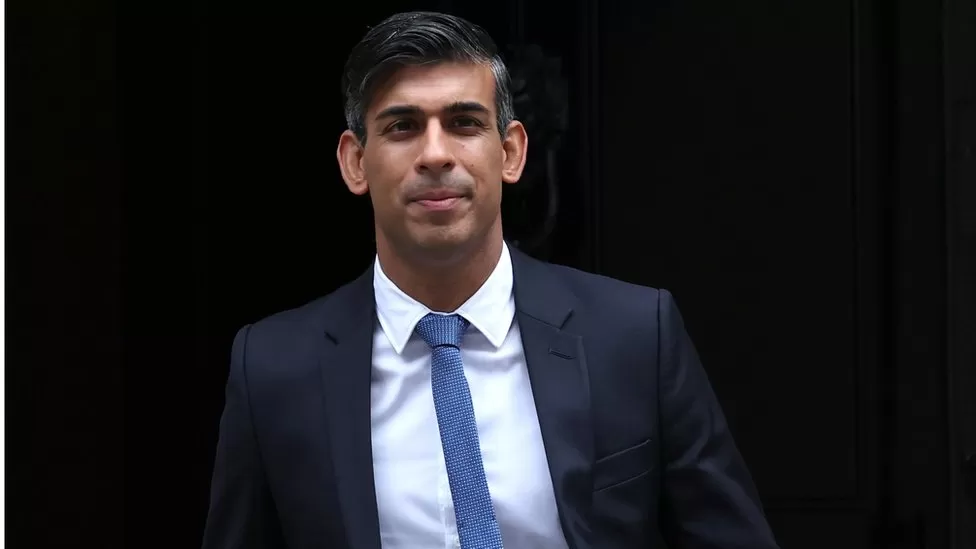
China danger to way of life in UK – Rishi Sunak
The Communist government in China, according to Rishi Sunak, poses a “special threat to our open and democratic way of life.”
In his remarks, the prime minister addressed a report that the Intelligence and Security Committee of Parliament had issued in July.
He promised that ministers will take “all necessary steps” to defend the UK from foreign state interference.
Some of Mr. Sunak’s own MPs have been pressuring him lately to formally classify China as a “threat.”
The prime minister has refrained from doing this, instead referring to China as a “epoch-defining and systemic challenge” while accepting the necessity of engaging the superpower.
The ISC report was used by Labour leader Sir Keir Starmer on Wednesday to accuse the PM of ignoring warnings about China and leaving the UK “desperately playing catch up” in terms of security. He demanded an investigation into UK-China relations.
Earlier this week, reports surfaced that police had detained a researcher working for Parliament on suspicion of espionage for China under the Official Secrets Act.
In a statement sent through solicitors, the researcher—whom the BBC is not naming—debunked the allegations. The Official Secrets Act led to the arrest of two persons, one of which was him.
In response to the report from the committee, which was written before the arrest became public, Mr. Sunak stated that he was “particularly conscious” of the necessity for a “robust approach to any and all state threat activity.”
The ISC had issued a warning that China would “successfully penetrate every sector of the UK’s economy” using its “size, ambition, and capability.”
“While seeking to exert influence is a legitimate course of action, China oversteps the boundary and crosses the line into interference,” the cross-party committee of parliamentarians continued.
China has been particularly successful at buying academic institutions with its money and influence to advance its international narrative and quell criticism of it.
‘Sabotage’
Along with Mr. Sunak’s declaration, the entire administration responded, agreeing that “some Chinese action crosses the line from influence into interference.”
Recognising that China had “tried to headhunt British and allied nationals in key positions and with sensitive knowledge and experience, including from government, military, industry, and wider society,” it claimed that China had “tried to headhunt these individuals.”
Additionally, it stated that targeting of current and former civil workers was something British intelligence was “acutely aware and vigilant” about.
However, it said that the UK intelligence community’s amount of resources allocated to China had grown “significantly” in recent years.
Using new authority to examine foreign investment, the government reportedly vetoed eight investment deals last year when the buyer had ties to China.
In addition, the government noted that it had taken control of CGN’s former ownership of a share in the Sizewell C nuclear power facility and barred Huawei from the UK’s 5G telecom network.
To be able to meet the challenge, the government understands that “further investment” would be required.
It declared that it was increasing money for activities and training in the Mandarin language in order to broaden knowledge.
The UK will become a “harder target” because of the National Security Act, which was approved in July and “introduces a range of new offences for foreign interference, assisting a foreign intelligence service, sabotage, and theft of trade secrets,” according to Mr. Sunak.
And he claimed that this year’s Higher Education Act included measures to defend colleges against attacks to free expression.
‘Glacial’
The ISC’s chair, Conservative MP Julian Lewis, refuted Mr. Sunak’s assertion that the committee’s report was out-of-date.
Given the glacial pace at which the government’s China policy proceeded, he stated, “We observed all important changes and highlighted them throughout the report up until two months before publication.
According to the government, its approach to China is determined by the need to safeguard the UK’s prosperity and security, by uniting with friends to address Beijing’s challenges, and by engaging with China itself to seek out stable and positive ties.
According to the administration, cooperation is essential in many areas, from shared economic interests to the need to combat climate change.
Foreign Secretary James Cleverly justified his meeting with Chinese officials in Beijing last month, the first such encounter by a foreign secretary in five years, by saying it would not be “credible” to end relations with China.
-
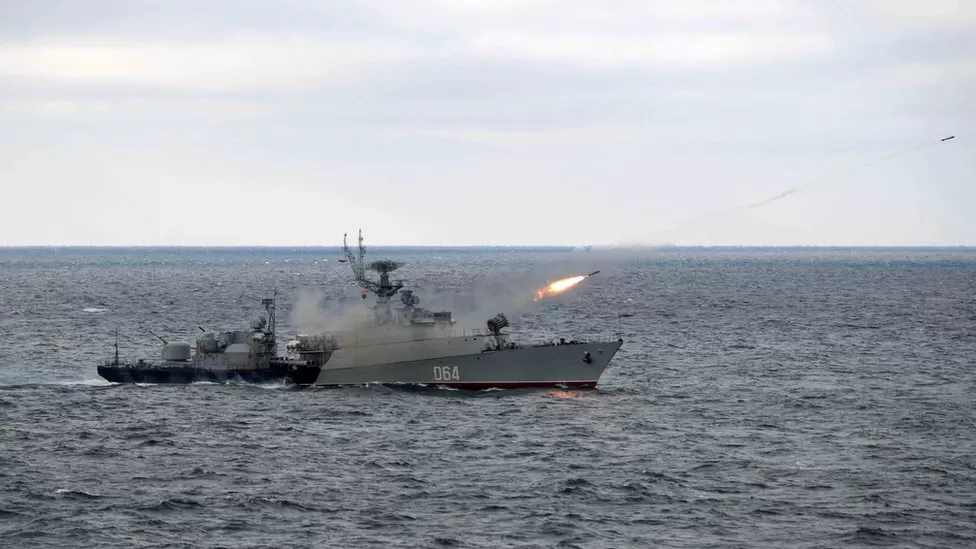
Russian missile fired UK-flagged civilian cargo ship – UK
The UK says that Russia attacked a civilian cargo ship with many cruise missiles while it was in the Ukrainian port of Odesa last month.
The attack happened on 24 August but was stopped by Ukraine’s air defenses, according to the UK’s foreign office.
The ship from Liberia was attacked by missiles shot from a Russian carrier, it said.
In July, Russia said that ships going to Ukraine’s ports through the Black Sea could be attacked by the military.
The warning came after Moscow backed out of an important grain agreement supported by the United Nations. This agreement allowed civilian cargo ships to export Ukrainian grain through the Black Sea.
President Vladimir Putin was upset because there were too many rules and limits on his country’s farm products.
Moscow wanted a big Russian bank to join a worldwide payments system, restrictions to be removed on Russian fertilizer companies, and for its ships to have complete access to insurance and foreign ports.
What was the Ukraine grain deal about.
It started attacking ports in southern Ukraine not long after it withdrew from the deal, even though it promised not to do such attacks in the agreement.
On Monday, the UK Prime Minister Rishi Sunak spoke to parliament and said that the failed attack on the grain ship only showed how desperate Putin is.
Mr Sunak said that Ukraine has the legal right to sell their goods to other countries using the oceans, and they also have a moral right to transport and sell grain that helps in feeding people all over the world.
Russia has not said anything about the attack yet.
Recently, Moscow has been focusing more on damaging ports in Ukraine after they withdrew from the grain agreement. Kyiv said that someone has made a sneaky plan to hurt its grain exports and weaken global food safety.
The Foreign Office said that Russia destroyed 280,000 tonnes of grain after leaving the deal. They accused Russia of using food and trade to harm the rest of the world.
Officials also said that Russian attacks have caused damage to 26 port infrastructure facilities in Odesa, Chornomorsk, and Reni since July.
In July, officials from Kenya said that Russia’s decision to withdraw from the deal was a betrayal to countries suffering from drought.
Korir Sing’Oei, a high-ranking official in Kenya’s foreign affairs ministry, said that if there is an increase in the amount of food available worldwide due to this action, it will affect the countries in the Horn of Africa more than other places because they are already suffering from drought.
President Vladimir Putin has promised to give free grain to six African countries that have shown support for Russia at international meetings.
The foreign office said that the Russian strikes destroyed more grain than they promised to give to African countries. This grain could have fed about a million people for a year. -
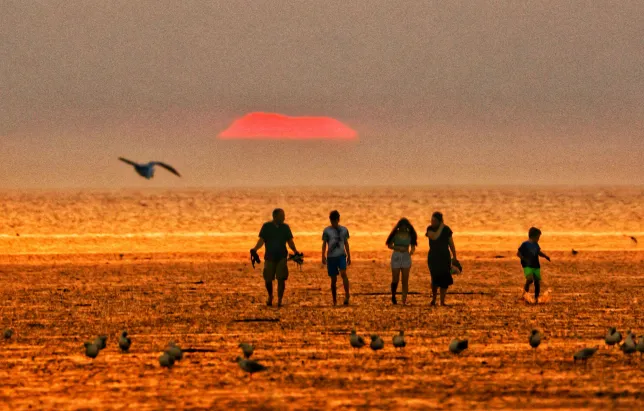
UK may experience six days of heat records-breaking 30°C in September
Forecasters predict that in September, the UK may experience six days where the temperature reaches 30°C or higher, which has never happened before.
Yesterday, the weather was very hot. It was the hottest day of the year so far, with a temperature of 32. 6°C recorded in Wisley, Surrey. This information was reported by the Met Office.
It was a little hotter than the highest temperature in 2023, which was 32. 2 degrees Celsius in June. This was the fourth day this month when the temperature was above 30 degrees Celsius.
This is better than the previous record of three days that happened four times before, with the most recent one being in September 2016.
Simon Partridge, a weatherman from the Met Office, said that if the temperature stays at 30°C all the way until Sunday, which seems likely, it will be the sixth day in a row that we have reached that temperature.
In September, we had three consecutive days where the temperature didn’t go higher than 30°C.
So even though this isn’t the hottest weather we’ve had in September, it has been hot for a longer time than before, twice as long.
The hottest temperature in September in the UK was 35. 6°C in 1906 in South Yorkshire, according to the Met Office.
Mr Partridge said it was impossible for the record to be beaten this year.
“He said that it might get a little warmer over the weekend, not a lot, but enough to be the warmest day of the year so far. ”
‘It will always be about 32 degrees Celsius, with the highest temperature reaching close to 33 degrees Celsius. ‘
The UK Health Security Agency gave a warning until 9pm on Sunday for most places in England. This warning is important for older people and those with certain health problems because they are more likely to be harmed.
Mr Partridge said that the biggest problem right now is the overnight temperatures. On Wednesday night, many places in southwest England and Wales didn’t go below 19°C, which is quite warm.
‘At nighttime, we will keep experiencing temperatures in the range of 15 to 19 degrees Celsius. ‘ Some places may not get colder than 20°C, so the nights can be warm and humid.
On Monday, the temperature will decrease a little bit, with London expected to be around 27 degrees Celsius. It will then drop to 23 degrees Celsius on Tuesday.
The remaining days of next week will have temperatures in the early 20s in the southeast and in the late teens towards the west and north. -
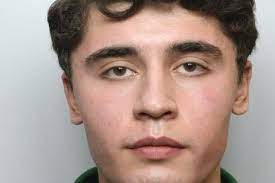
UK police search largest park in London over escaped terrorist suspect
Police in London are searching the city’s biggest park for a runaway suspect who escaped from jail by attaching himself to the bottom of a truck.
The police are looking for something in Richmond Park, which is in southwest London. This is because they saw the van that Daniel Khalife used to leave Wandsworth prison nearby.
Khalife, pretending to be a chef, planned and carried out a daring escape from Wandsworth prison on Wednesday morning. According to the UK’s PA Media news agency, a 21-year-old person who is currently in the British military is waiting for a trial on terror charges. They are accused of putting fake bombs at a military base.
A spokesperson from the Met Police said that the police activity in Richmond Park is connected to the search for Daniel Khalife when asked by the media.
There were a lot of police officers in the park all night and into Friday morning.
Richmond Park is the biggest of London’s Royal Parks. It is also called a National Nature Reserve. The park covers an area of 2,500 acres. This park is loved by families and people who want to get away from the city. It is well-known for having lots of deer living there.
The Metropolitan Police announced on Friday that they are investigating whether someone from Wandsworth prison assisted Khalife in his escape.
Mark Rowley, the head of the Metropolitan Police, said on a radio station called LBC that the escape from prison was clearly planned in advance.
“He mentioned that there are obviously some things to consider when strapping himself to the bottom of the wagon. The police will examine everything as part of their investigation. ”
Rowley said he was very worried that Khalife, who is accused of terror and Official Secrets Act crimes, is free and asked people in southwestern London to report any sightings of him.
On Thursday, the British government promised to find Khalife. This happened on the second day of the search.
On Thursday, the police explained step by step how Khalife managed to escape.
The soldier was reported as missing at 7:50 a. m, according to what they said. The police got a call 25 minutes later, and they found the delivery van at 8:37 a. mJust two miles to the east of the prison, located on a street in Putney, which can be found in southwest London.
At that time, Khalife had left and the only thing left from his escape was the strong belts found under the van.
British Justice Secretary Alex Chalk announced that the government will start a separate inquiry into the event. Speaking to the UK parliament on Thursday, Chalk mentioned that he had already requested an internal investigation regarding the choice to transfer Khalife to a less secure prison.
Opposition Members of Parliament in Britain criticized the ruling Conservative government after a prison escape. They accused ministers of causing serious problems for the judicial system because of years of financial cutbacks. -

UK rejoins EU’s Horizon science research programme
The government of the UK has announced that they will be joining the European Union‘s main scientific research program, called Horizon.
Scientists and schools in the UK can now request funds from the £81 billion (€95 billion) fund starting today.
Associate membership was accepted as a part of the Brexit trade deal when the UK officially exited the EU in 2020.
However, for the last three years, the UK has not been a part of the scheme because of a disagreement related to the Northern Ireland Protocol.
The Prime Minister, Rishi Sunak, said that we have made a deal that allows UK scientists to participate in a big international research program with confidence.
We have worked with our European Union partners to ensure that this agreement is favorable for the United Kingdom. It will open up exceptional research possibilities and is also beneficial for British taxpayers.
The announcement made on Thursday says that the UK will be a part of Copernicus, which is the EU’s Earth observation program worth £8bn (€9bn). Britain will not be joining a nuclear research group called Euratom R&D. However, they will still cooperate with them on nuclear fusion.
The European Commission said that the decision would be good for both parties involved. They also stated that the UK will give around €2. 6bn (£22bn) every year on average for its involvement in both Horizon and Copernicus.The scientific and academic community is happy about the Horizon association news.
Vivienne Stern, the leader of Universities UK, said scientists will feel very relieved, as they will be able to work together in different countries and receive funding from a shared source.
I was studying a huge project that maps the human brain. It involves 500 scientists from 16 different countries and has been happening for 10 years. The projects are too big to be funded by the country’s funding methods.
And Sir Paul Nurse, who won the Nobel Prize and has been one of the strongest advocates for joining again, said: “I am very happy to see that collaborations with scientists from the EU can still happen. ” This is a very important step in improving and making our global scientific reputation stronger. ”
The UK’s connection to Horizon was approved as a general idea as part of the Brexit Trade and Co-operation Agreement (TCA), but the matter then got stuck in the argument over the Northern Ireland Protocol.
The European Commission said no to letting the UK join the science and Earth observation programs until they did everything they promised to do.
Last February, Brussels and London agreed on the Windsor Framework to resolve their issues regarding Northern Ireland. This also allowed the associations to be accessed. Over the past six months, both parties have been discussing and making agreements about the money-related aspects of being part of a group.
These requirements have not yet been fully revealed, but they mean that the UK will have to give money to the EU-27 bloc based on the size of its economy. If UK scientists win a lot or very few grants, there are rules in place to evaluate their performance. However, these rules are similar to the ones already established in the TCA, according to officials from Brussels who spoke to the BBC.In the past, UK scientists often won the most grants in the Horizon programmes. They would compete with and sometimes beat Germany, which is another strong European country in terms of scientific research.
The application numbers from UK scientists to work on European projects supported by UK government funds have decreased due to the delays and uncertainty in reaching an agreement.
The situation also caused some people from EU countries who were working in the UK to bring their studies back to their own countries or to other countries in the European Union. Furthermore, British researchers who held important positions in large, ongoing projects were obligated to resign.
Ministers and science officials want the new deal to give a boost to the science sector and motivate UK researchers to regain their leading position in European science.
Sue Ferns, who is from a place called Prospect and represents workers in research, said: “It’s good that the UK is joining Horizon again, but it should have happened a long time ago. We are now trying to catch up because we wasted a lot of time. ” Ministers now have to make sure there is enough money spent on the scientific sector for a long time – having experts in science is very important for solving the big problems we are facing now and in the future.
The Copernicus association helps UK scientists stay ahead in studying the climate and allows the aerospace industry in Britain to compete for satellite contracts worth a lot of money.
Nuclear fusion
The UK could have been a part of a European Union program called Euratom R&D, but they have decided not to pursue it anymore.
This involves studying and teaching about keeping nuclear materials safe, protecting against radiation, and managing waste.
Although it was allowed, the London government did not think that association was worth the cost.
Instead, the UK will create its own program that will focus on nuclear fusion. This is a scientific method of trying to get energy by bringing light atomic nuclei together.
It will involve working together with people from different countries. In simpler terms, the UK still has Europe’s top fusion lab called the Joint European Torus (Jet), located in Oxfordshire.
The UK government plans to support the alternative programme with £650m until 2027.
What the associations cannot change are the rules for EU or other foreign scientists who want to come to the UK for their research, and the same applies in reverse.
There is not the ability to move around freely. Scientists who want to come to the UK need special permission called visas. These visas can be really expensive and cost more than visas in other countries in the G8 group.
Michelle Donelan, who is in charge of science, innovation, and technology for the government, spoke out in support of the government’s stance on immigration on BBC Radio 4’s Today program.
“We need to prioritize the needs of the British taxpayer by making decisions that help us regulate immigration. ” “We promised in our plan, and we should be committed to keeping that promise and working diligently to make it happen,” she said.
However, we also want to attract highly skilled individuals from different countries to work here specifically in the fields of science and technology. This is because we aim to become a leading force in these areas by the year 2030.
The UK’s Labour leader, Sir Keir Starmer, was glad that the country had rejoined the Horizon program. However, he was sad about the time it took for this to happen.
“He said during his visit to Macclesfield that we feel like we’ve wasted two years and this should have happened earlier, which is a big setback. ” -

UK anticipates to rejoin Horizon science programme
A statement about the UK’s re-admission to the EU’s flagship research programme, Horizon, is anticipated shortly.
After an agreement was reached on post-Brexit arrangements for Northern Ireland earlier this year, discussions on the UK becoming a full member of the EU’s €100 billion (£85 billion) programme reopened.
There has been progress in the EU-UK negotiations, according to sources in Brussels.
However, neither party has made any official announcement of a signed agreement.
The Brexit Trade and Cooperation Agreement included an agreement in principle for the UK to be an associate member of Horizon, but the matter was stymied by the conflict over the Northern Ireland Protocol.
-
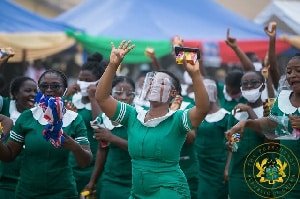
Ghana, 2 others to benefit from UK’s £15m commitment to strengthen health workforce
The United Kingdom government has announced a £15 million financial commitment aimed at supporting healthcare personnel recruitment and retention in Ghana, Kenya and Nigeria.
The amount from the dedicated Official Development Assistance (ODA) budget for the 2022–2025 period will be allocated to enhance, build, and reinforce the healthcare workforce in the aforementioned countries.
According to the UK government’s official website, this funding recognizes the vital role of the healthcare workforce in low- and middle-income countries in improving health outcomes and achieving universal health coverage. The goal is to ensure that individuals in Kenya, Nigeria, and Ghana have access to a comprehensive range of healthcare services when needed.
It has been emphasized that the COVID-19 pandemic has underscored the need for the UK to collaborate closely with international partners to address global health threats. This has put significant pressure on the UK’s National Health Service (NHS), and the pandemic has exacerbated challenges related to retaining healthcare workers worldwide, all while the demand for healthcare personnel has surged.
Furthermore, it was highlighted that effectively addressing critical workforce issues is essential for strengthening healthcare systems and improving global preparedness for future pandemics. This is crucial to ensure the safety and well-being of people worldwide, including those in the UK.
The World Health Organization (WHO) has projected a shortage of 10 million healthcare workers globally by 2030. This shortage poses a threat to achieving universal health coverage on a global scale and has the potential to worsen health inequalities worldwide.
According to the UK’s Health Minister, Will Quince, highly skilled and resilient healthcare staff are the backbone of a robust healthcare service.
“So I’m delighted we can support the training, recruitment and retention of skilled health workforces in Kenya, Nigeria and Ghana.”
Mr Will clarified that the main goal of the funding is to make a meaningful difference in bolstering the efficiency of healthcare systems within each of the participating countries. This, in effect, will play a part in enhancing global preparedness for pandemic response and reducing disparities in healthcare access.
“The pandemic showed us that patients in the UK are not safe unless the world as a whole is resilient against health threats, and this will help us in delivering on that ambition.”
As part of this endeavor, the Department of Health and Social Care will administer a competitive grant scheme totaling £9 million over two years, designated for a non-profit organization. This organization will oversee partnership efforts in these countries, facilitating connections between UK institutions and local healthcare systems, promoting skill exchanges, and enhancing educational curricula, regulations, and guidelines within the mentioned African nations.
The selected organization to manage and fund these initiatives is the Tropical Health and Education Trust (THET). Their responsibility will be to drive enhancements in the quality and retention of healthcare personnel in Kenya, Nigeria, and Ghana, ultimately aiming to deliver improved healthcare outcomes for patients.
This funding builds upon a prior commitment of £5 million in Ghana, Uganda, and Somaliland, geared towards enhancing health workforce planning, offering training opportunities for refugees and displaced individuals, and fostering collaborations between NHS institutions and local healthcare establishments.
These countries were chosen for funding due to the substantial challenges they face in their healthcare workforce, including high mortality rates and shortages of adequately trained healthcare professionals, leading to unemployment among qualified health practitioners.
This initiative is part of the broader £15 million Global Health Workforce Programme, introduced on May 19, 2023, designed to address these issues and elevate healthcare systems in these countries.
-
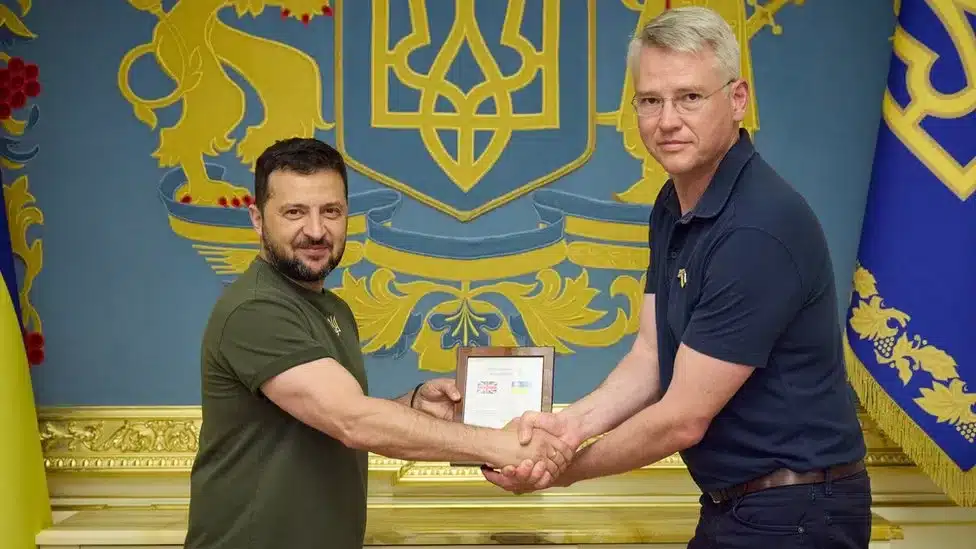
UK weaponry trade to Ukraine ‘negative’ – Russian
Russia has announced that it will closely watch the company established by UK defense company BAE systems in Ukraine.
BAE has agreed to sell more weapons and equipment to Kyiv, and they will also start making light artillery there.
The Kremlin spokesperson, Dmitry Peskov, said that the Russians did not view the move in a positive way.
BAE is proud of the weapons that the UK and other countries have sent to Ukraine.
Ever since Russia attacked Ukraine in February 2022, Britain has been providing a lot of weapons and military equipment to Ukraine.
The BBC knows that BAE hasn’t started a office or a factory in Ukraine yet, but they are talking about the possibility of doing it.
The company said that by making this change, they will be able to work closely with Ukraine to find and create potential partners and manufacture weapons in the country.
“The most important goal for us is to prioritize the creation of our own weapons,” wrote Ukrainian President Volodymyr Zelensky on X, a social media platform previously called Twitter.
Mr Zelensky told everyone after meeting with BAE’s boss, Charles Woodburn.
Mr Woodburn said that signing agreements and creating a legal organization in Ukraine strengthens our current trust and support. This will enable us to work together and offer more direct assistance to the Ukrainian armed forces.
However, Peskov expressed his disapproval of the decision, saying that they see it in a bad way. He also mentioned that any places that produce weapons, especially if those weapons are used against their country, will be closely watched by their military.
Interfax news agency reported that the spokesperson for the Kremlin said that foreign weapon manufacturing in Ukraine will not greatly alter the current circumstances.
“He also mentioned that it cannot have any effect on the already planned success and completion of the special military operation. ”
Ukraine and Sweden agreed to work together more closely on making, using, training, and repairing CV90 armored vehicles. These vehicles are currently made by BAE Systems’ Hägglunds company in Sweden.
Mr Zelensky mentioned in May that Kyiv and BAE were collaborating on a plan for the company to establish an office in Ukraine.
Kyiv wants to increase its weapons and military equipment, and also create jobs because the war has hurt its economy a lot.
Since February 2022, the share price of BAE has gone up by over 75%. They are now giving training and repair services to Ukraine’s military.
The international weapons, defense, and aviation company has 93,000 employees in approximately 40 countries across the globe.
This company is the largest defense contractor in Europe. They made over £23bn in sales and almost £2. 5bn in profits last year. -
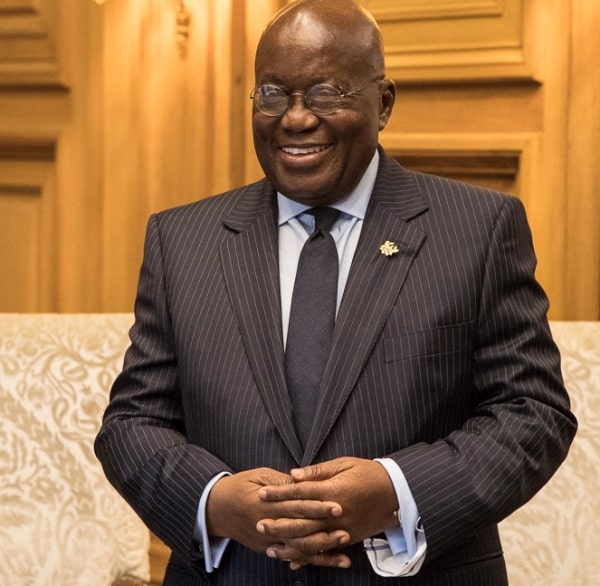
Ghana will gain from UK support of $210m to combat antimicrobial resistance
Ghana is among the 25 nations earmarked to receive a share of £210 million in funding from the United Kingdom Government over the next three years to combat the critical issue of antimicrobial resistance (AMR).
The UK Government intends to collaborate closely with countries in Asia and Africa in a unified effort to address antimicrobial resistance and mitigate the menace it poses to both the UK and the global community.
This funding marks the most substantial investment ever made by any nation towards global AMR surveillance.
The Foreign, Commonwealth & Development Office of the UK High Commission in Ghana released a statement on Wednesday, conveying this information. The statement was also shared with the Ghana News Agency in Accra.
This announcement coincides with the UK’s Health Secretary of State, Steve Barclay, traveling to India for his inaugural participation in a G20 Health Ministers’ meeting.
The financial allocation from the UK Government’s aid budget will support the endeavors of the Fleming Fund in tackling AMR across various Asian and African countries. This support aims to alleviate the threat AMR poses to these nations.
The initiative will strengthen surveillance capabilities in approximately 25 countries with the highest levels of AMR impact and concern. These include countries such as Indonesia, Ghana, Kenya, and Papua New Guinea. The plan involves upgrading over 250 laboratories, equipping them with cutting-edge facilities.
The investment will encompass novel genome sequencing technology, aiding in the monitoring of bacterial transmission among humans, animals, and the environment, as mentioned in the statement.
“It will also strengthen the international health workforce by supporting 20,000 training sessions for laboratory staff, pharmacists and hospital staff, and over 200 Fleming Fund scholarships to boost expertise in microbiology, AMR policy and One Health – which recognises the connection between humans, animals and the environment.”
The UK’s Secretary of State for Health and Social Care, Steve Barclay, was quoted as saying: “Antimicrobial resistance is a silent killer, which poses a significant threat to people’s health around the world and here in the UK, and will be an important topic here at the G20 in India.”
“It’s vital it is stopped in its tracks and this record funding will allow countries most at risk to tackle it and prevent it from taking more lives across the world, ultimately making us safer at home.”
“It also builds on work the Government is doing to incentivise drug companies to develop new antibiotics – a model which some G20 countries are looking to implement.”
Antimicrobial resistance, in which bacteria have changed so much that antibiotics and other conventional treatments are no longer effective against infections, causes around 1.27 million fatalities worldwide annually, with one in five of these deaths occurring in children under the age of five.
Between 7,000 and 35,000 deaths were attributed to AMR in the UK alone in 2019.
The UK’s Special Envoy on AMR, Dame Sally Davies, said: “I am proud and delighted that the UK’s Fleming Fund will continue to create real impact to tackle AMR and build pandemic preparedness on the ground across the world, using data to drive action and catalyse investment.”
“This world-leading investment in AMR laboratories, workforce and systems is a vital contribution to realise our vision of a world free of drug-resistant infection.”
This investment is poised to usher in the second phase of the UK-India Fleming Fund collaboration, working in conjunction with India’s Ministry of Health and Family Welfare.
Valued at up to £3 million, this allocation will expedite cooperative efforts in antimicrobial resistance (AMR) surveillance across healthcare domains, aiding both nations in fulfilling their respective 2030 agendas.
As part of his official visit to India, the Secretary of State will visit India’s National Centre for Disease Control, where the Indian Government and the Fleming Fund are forging an alliance to combat antimicrobial resistance.
Additionally, he will participate in an exhibition showcasing cutting-edge health technology, featuring participants from artificial intelligence and digital health enterprises in both the UK and India. This exhibition is intended to further bolster the technological partnership, which is already revolutionizing healthcare in both nations.
-
UK commits £210M to address Antimicrobial Resistance in Ghana, other nations
Ghana has been selected as one of the 25 nations to be granted £210 million in funding by the United Kingdom (UK) government. This funding is aimed at tackling the pressing challenge of antimicrobial resistance (AMR) in the next three years.
This substantial funding will be utilized through collaborative efforts between the UK Government and countries in Asia and Africa, aiming to combat AMR and mitigate the threat it poses both globally and to the UK.
This landmark investment stands as the largest ever contribution to global AMR surveillance by any nation.
The Foreign, Commonwealth & Development Office of the UK High Commission in Ghana released a statement confirming this initiative.
The announcement coincides with the visit of the UK’s Health Secretary of State, Steve Barclay, to India for his inaugural G20 Health Ministers’ meeting.
Allocated from the British Government’s aid budget, this funding will aid the activities of the Fleming Fund to address AMR in Asian and African countries, ultimately reducing the menace it presents to societies.
This effort will fortify surveillance capabilities in around 25 nations that confront the highest levels of AMR risk and burden. These countries include Indonesia, Ghana, Kenya, and Papua New Guinea. Over 250 laboratories will be upgraded and equipped with cutting-edge technology.
The funding will also incorporate new genome sequencing technology, facilitating the tracking of bacterial transmission across humans, animals, and the environment.
The statement highlights, “It will also strengthen the international health workforce by supporting 20,000 training sessions for laboratory staff, pharmacists, and hospital personnel, and over 200 Fleming Fund scholarships to enhance expertise in microbiology, AMR policy, and One Health – which acknowledges the interrelation between humans, animals, and the environment.”
Steve Barclay, the UK’s Secretary of State for Health and Social Care, emphasized the significance of addressing AMR, noting that the substantial funding would enable countries at highest risk to combat this issue, enhancing global safety.
Antimicrobial resistance leads to the deaths of approximately 1.27 million people worldwide each year, as antibiotics and current treatments become ineffective against infections. The alarming statistic includes one in five deaths among children under five.
The investment is also designed to support the UK-India Fleming Fund partnership, valued at up to £3 million. This partnership aims to accelerate collaboration on AMR surveillance within the health sectors of both nations and facilitate the realization of their shared roadmap for 2030.
As part of his India visit, Steve Barclay will visit India’s National Centre for Disease Control, where joint efforts between the Indian Government and the Fleming Fund are targeting antimicrobial resistance.
The visit will also involve a showcase of innovative health technology, promoting collaboration between UK and Indian artificial intelligence and digital health firms to further transform healthcare in both nations.
-
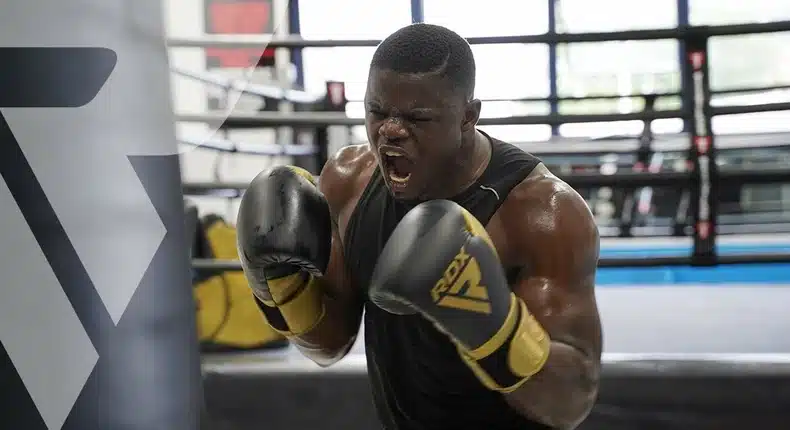
Freezy Mcbones to compete for Ghana in 2024 Olympic Games qualifying matches
Ghanaian-British boxing sensation Seth Gyimah, widely known as ‘Freezy Macbones’,has made a significant decision to support Ghana’s quest for qualification in the 2024 Paris Olympic Games.
‘Freezy Macbones’ gained prominence with his remarkable four-round knockout victory over a seasoned UK boxer at London’s Copper Box Arena.
Having faced a dilemma regarding which nation to represent at the international level since his move in 2012, the 33-year-old has ultimately chosen to compete for Ghana.
In an official statement released on Monday, August 14, the boxer confirmed his commitment to represent Ghana by joining the country’s amateur boxing team, commonly referred to as the Black Bombers.
“I have been called on to represent my country, Gahan, at the upcoming 2024 Olympic Games in Paris, France. This will commence after the African qualification bouts next month in Dakar, Senegal,” Freezy Macbones stated.
The boxer, who has commenced training ahead of the qualifiers, noted that it would be a dream come true if he could qualify for the Olympic Games and win gold for the country.
“I am currently training hard to make it past the qualifiers and bring back the Gold next year. This opportunity to represent my home country at the world’s biggest sporting event is a dream come true,” he added.
The path to becoming a boxer for Freezy Macbones started during his time as a mason in Ghana, and his story has served as a source of inspiration for numerous individuals in the nation.
Often likened to the iconic boxer Mike Tyson, Freezy Macbones has openly voiced his ambition to secure a world title in the near future.
-
Notorious fraudster Mark Acklom released from Spanish prison – court told
A court has learned that a serial fraudster who was sentenced in the UK after defrauding his ex-girlfriend of £300,000 has been freed from a Spanish prison.
After being released from a term of almost six years for defrauding Carolyn Woods of Gloucestershire out of her life savings, Mark Acklom was extradited to Spain two years ago.
In 2016, midway through a three-year sentence, he had already left Spain.
The British man was located in Switzerland and returned to his country of origin.
However, it has since been revealed to a UK court that the 50-year-old was released from a Spanish prison after spending an additional two years.
There have been several sessions at Bristol Crown Court over the past four years to determine how much money Acklom gained from his crimes and his assets in relation to the fraud against Ms. Woods, which started in 2012.
The Proceeds of Crime Act has been used by the prosecution to attempt to recoup the funds taken from his ex-girlfriend.
Acklom pretended to be an MI6 spy and Swiss financier while dating Ms. Woods.
He asserted that he knew fashion designer Karl Lagerfeld, was friends with celebrities Nicky Clarke and Chris Evans, and was involved in MI6 missions. He also claimed to have communicated with Hillary Clinton.
Acklom received a four-year prison sentence in 1991 for committing a £466,000 mortgage scam while pretending to be a City stockbroker. He was 16 years old at the time.
He allegedly used his father’s credit card to make purchases totaling £11,000, conned a former teacher out of £13,000, and racked up a £34,000 account with a charter-jet firm.
A four-day hearing to assess his financial responsibility in connection with Ms. Woods’ romantic fraud was scheduled to take place in November, but it has been postponed owing to the judge’s unavailability and will now take place in 2019.
The court was informed that Acklom’s solicitors had filed fresh motions with the court alleging abuse of the legal system; the Crown will have time to respond.
The prosecutor, John Hardy KC, told the court that he was pleased with the decision to push back the entire hearing until 2024.
Reading between the lines, Mr. Hardy remarked, “I understand Acklom has been released from his Spanish detention. We do not anticipate that he will seek to attend the hearing in person, but he may try to attend remotely.”
Judge Martin Picton set a four-day administrative hearing that would commence on April 16, 2024, for the 10th of November.
There was no information provided regarding Mr. Acklom’s whereabouts, despite the fact that his wife and two children reside in Spain.
-
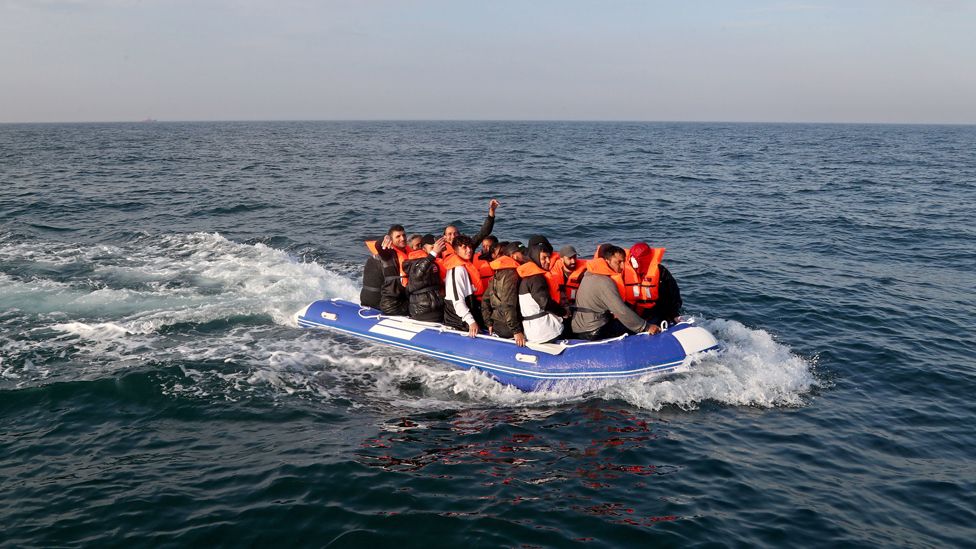
UK and Turkey join forces against ‘people-smuggling gangs’
The UK and Turkey have reached a new agreement to combat people-smuggling networks as well as address illegal migration.
The partnership involves establishing a “centre of excellence” in Turkey to enhance collaboration and intelligence-sharing between law enforcement agencies.
The deal aims to disrupt the supply chain of parts for small boats used in illegal crossings through Europe.
However, the agreement does not include provisions for returning failed Turkish asylum seekers.
The centre of excellence, to be set up by the Turkish National Police, will facilitate the rapid sharing of intelligence, enabling swift actions based on information received.
Additional officers will be deployed to Turkey to facilitate cooperation between the UK’s National Crime Agency, Home Office staff stationed in the country, and their Turkish counterparts.
A memorandum of understanding will also expedite the exchange of customs data and intelligence.
The Home Office emphasized that small boats and their components play a crucial role in smuggling operations, with hundreds of parts estimated to be transported across Europe each year for this purpose.
While there has been an increase in the number of Turkish nationals crossing the English Channel to the UK in recent months, Turkey and the UK lack a formal returns agreement.
However, there are indications that progress might be made in this area during the upcoming UK-Turkey Migration Dialogue meeting scheduled for the autumn in London.
The European Union has a returns agreement with Turkey, which facilitates the return of migrants crossing into the EU from Turkey.
Since Brexit, the UK is no longer part of such arrangements between EU countries and other nations.
Immigration Minister Mr. Jenrick stated that the UK’s previous experience with returns arrangements within the European Union was not satisfactory.
While the UK desires to collaborate with the EU, there is a recognition that previous arrangements had shortcomings.
In response, Yvette Cooper, Labour’s shadow home secretary, advocated for a fresh and all-encompassing agreement involving the European Union, France, and neighboring countries.
Cooper emphasized the need for enhanced security cooperation with European partners to effectively address the challenges posed by people-smuggling networks.
Home Secretary Suella Braverman reiterated the UK’s commitment to combating people smuggling and illegal migration.
She emphasized the necessity of dismantling people-smuggling gangs and preventing illegal crossings, echoing the government’s stance on prioritizing efforts to address these issues.
The UK aims to strengthen its security cooperation with European partners and combat the activities of people-smuggling gangs in collaboration with Turkey and other countries.
“As I’ve made clear, we must do everything we can to smash the people smuggling gangs and stop the boats,” said Home Secretary Suella Braverman.
Our law enforcement agencies will be able to collaborate on this global issue and address the small boat supply chain thanks to our collaboration with Turkey, a close neighbour and ally.
-

Fameye captivates fans at debut headline concert in UK
Ghanaian afrobeats singer Fameye captivated the audience during his inaugural headline concert in London, UK, leaving fans in awe.
The concert, held in collaboration with Bizzle Entertainment, occurred on August 5, 2023, at Broadway Barking Theatre, and proved to be a remarkable triumph.
Fameye’s commanding stage presence and impressive vocal abilities immediately entranced the audience from his first note. His knack for establishing a personal connection with his fans was palpable, as the entire crowd enthusiastically sang along to every lyric.
The concert not only showcased Fameye’s musical prowess but also underscored the unifying influence of music. Attendees from various backgrounds and cultures converged, united by their admiration for the artist and his music.
The event was musically supported by the talented Minor Seven Production, Fameye’s songs came to life with captivating instrumentals and arrangements, enhancing the overall experience and leaving the crowd wanting more.
The synergy between Fameye and the band was evident, creating a harmonious blend that elevated the concert to new heights.
Adding to the excitement of the night, Fameye also treated the crowd to a special performance of his new single, titled ‘Not God.’ The song struck a chord with the audience, receiving an enthusiastic response from the patrons.
The uplifting and resonant message of ‘Not GOd’ seemed to have connected deeply with the attendees, further enhancing the overall experience of the concert.
-

Refugee from Ukraine to go home to live with his family
A refugee from Ukraine who had been residing in the UK for nine months announced that she was going back since there was no sign of the war coming to an end.
Since November, Maryna Nesterenko, 38, and her daughter, 3, have resided with a host family in Rendlesham, Suffolk.
She said, however, that she did not wish to remain apart from her husband and family any longer.
No one is certain when the battle will finish, she said.
From Chernihiv, which is about a two-hour drive north of Kyiv, Ms. Nesterenko left.
She admitted that returning to the Ukraine was a “really difficult” decision, but she needed her spouse and her family’s support.
She claimed, “If there was someone close by, I would stay here longer and be able to rent a flat or a house, but I don’t have the support.”
She claimed that it had been “heart-breaking” for her spouse to miss out on watching their kid grow up.
“It’s a really tough decision; I can’t decide whether to stay or leave, but I believe this is the right choice,” the speaker said.
“The entire family will be reunited, my husband will assist me, I’ll go to work, and I’ll have extra hands,” she said.
“It’s obvious that the war won’t end this year, as everyone in the world sees,” she remarked.
-

Ghanaian nurses share experience after moving to UK
Life is renowned for its unpredictability, encompassing moments of joy, hardship, and adversity.
While some individuals experience a smooth journey towards success, others must navigate a rough path before reaping the benefits of their labor.
In Ghana, a group of nurses is voicing their discontent over unfavorable working conditions and inadequate salaries, among other concerns. One Ghanaian nurse, having relocated to the United Kingdom (UK), shared her remarkable transformation after opting to work within the UK’s National Health Service.
During an appearance on the Citi Breakfast show on August 3, 2023, this Ghanaian nurse, now based in the UK, revealed that the combination of meager wages and other factors heavily influenced her decision to exchange Ghana’s healthcare system for that of the UK.
She explained that since her move to the United Kingdom, her income has substantially increased, even after accounting for tax deductions. Nurses in the UK are compensated based on the shifts they work, resulting in earnings determined by the hours they dedicate to their roles.
Elaborating further, she stated, “Payment is tied to shifts. Even if your hourly wage is 15 pounds, working a 12-hour shift four times a week multiplies your earnings. If my monthly income amounts to 2800 pounds, after deducting around 500 pounds for taxes and rent, I can still save approximately 800 pounds.”
Encouraging Ghanaian nurses aspiring to practice abroad, she emphasized that such a move could lead to higher earnings compared to working in Ghana.
Meanwhile, a growing number of Ghanaian nurses and trained healthcare professionals are securing visas to work overseas, a trend they attribute to unfavorable working conditions in their home country. According to a report by the BBC, as many as 1,200 nurses departed Ghana to join the UK workforce in 2022.
Consequently, Ghana’s healthcare system is grappling with significant shortages of medical professionals, placing immense strain on hospitals across the nation. Coupled with soaring inflation, the country’s economy is facing considerable challenges, resulting in a higher cost of living.
In essence, the narrative showcases the allure of better opportunities abroad for Ghanaian nurses, stemming from their dissatisfaction with local conditions and echoing the strain this has placed on Ghana’s healthcare system and economy.
-

The explorers! A woman, 12 men embark on 10,000km road journey from Accra to London
Labeling it as bold, audacious, or even outright insane might not be too far from the truth when considering the endeavor being undertaken, especially when it involves a team of more than a dozen individuals.
However, this seemingly wild idea is already in motion, as a group comprising 12 men and one woman has embarked on an extraordinary journey from Accra, Ghana’s capital, to London, the administrative hub of the United Kingdom.
The objective of this daring adventure? To drive a distance of 10,000 kilometers from Accra to London, all while enjoying the experience.
Their target is to reach London by Sunday, August 6, or Monday, August 7, 2023.
During an interview with Kwami Sefa Kayi, a member of the team known as Saka, who was speaking from Spain, explained that their inspiration stemmed from hearing numerous tales of people traveling from foreign countries to Ghana and other African nations.
Additionally, he highlighted that they are undertaking this journey primarily as a lighthearted and enjoyable activity.
“We are explorers and we are doing this for fun. We read about people driving from Europe to Ghana all the time, and we also planned to do it and we are almost there,” one of the explorers told Kwami Sefa Kayi,” he said.
Fascinated by their adventure and their ability to navigate through several borders, Kwami Sefa Kayi asked the expeditioners whether they had visas and how they were able to go through the borders.
Saka then told him that their journey from Accra to Mauritania was purely with the use of their Ghana Car.
“We used our Ghana Card to travel all the way to Mauritania,” he explained.
Saka also told Kwami what their intention is after they make it to London as scheduled.
The expeditioner told the broadcaster that their idea is to sell their respective businesses to the Ghanaian communities in the city before they return him.
He also added that their plan is to attempt a journey from Accra to Cape Town, South Africa, in 202.
The Ghana Card, apart from its primary use as a national identification, is also certified by the International Civil Aviation Authority (ICAO) as an international travel identity card.
Currently, the Ghana Card can be used to travel into Ghana from all countries and can also be used to travel to countries with no visa requirements with Ghana such as West African countries.
-

Majority of Britons feel their country is getting worse to live in – Study
More than 75% of respondents claim that longer wait times for the NHS, higher taxes, and inflation make Britain a worse place to live.
According to an Ipsos poll done for the Evening Standard, the cost of living crisis has significantly lowered voter support for the Conservatives.
Nearly 90% of those polled expressed discontent with the government, and nearly 50% of respondents said they planned to support Labour in the upcoming general election.
The lowest rate of dissatisfaction for Rishi Sunak as prime minister yet was just over 60%.
Management of the economy, taxation, and public spending were three areas of concern for people who gave the Conservative government a low rating.
It was also discussed how to improve the delivery of services by the NHS, the education system, policing, and immigration management while addressing the cost of living crisis.
Actually, the only area in which Sunak’s administration received high marks was for its handling of the war in Ukraine.
Just 10% felt a government led by Sir Keir Starmer would perform well, whereas almost 60% think the Tories are managing support for Ukraine and taking a stand against the Putin administration successfully.
Ipsos UK’s Gideon Skinner stated that although Labour has a distinct advantage when it comes to the cost of living and public services like the NHS, there are still some concerns, notably about general perceptions of economic ability.
He continued by saying that dissatisfaction with the performance of the Conservatives “is outweighing reservations about the prospects of change at the next election.”
-
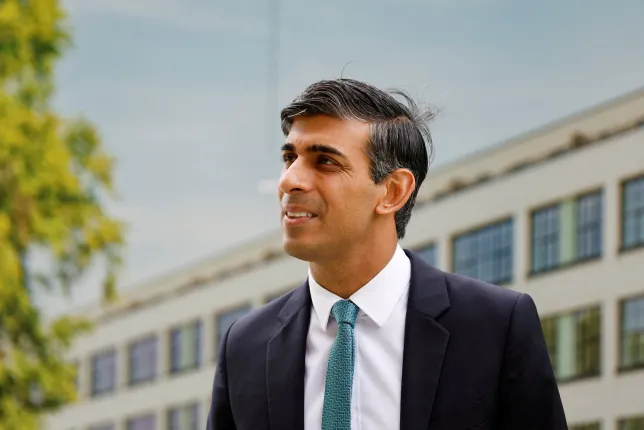
Rishi affirms UK will issue hundreds of new oil and gas licences
In order to increase funds for carbon capture, the government has awarded hundreds of new oil and gas licences in the North Sea.
In advance of his visit to Aberdeenshire later today, Rishi Sunak made the announcement.
Additionally, he declared that the Acorn carbon capture project would receive millions of pounds in support and stressed the importance of enhancing our energy security.
The Government promised to invest up to £20 billion in early carbon capture, utilisation, and storage (CCUS) deployment, and the Acorn project and the Viking project in the Humber are now receiving support.
These projects are now the third and fourth of their kind to receive government support.
Future licencing will still be subject to a climate compatibility test, according to the government and the North Sea Transition Authority (NSTA).
Greta Thunberg and other environmental activists, however, are already adamant that the Rosebank oil and gas field, which is located to the west of Shetland, should not be developed.
To have new licencing rounds, Mr. Sunak argued, was “absolutely the right thing to do.”
Shell UK and other businesses collaborated on the project.
“We have all seen how Putin has manipulated and weaponized energy, disrupting supply and stalling growth in nations all over the world,” Rishi Sunak said in a statement.
More than ever, it’s crucial that we increase our energy security and take advantage of our independence to provide British households and companies with more reasonably priced, clean energy.
Even when we reach net zero in 2050, oil and gas will still provide a fifth of our energy demands. However, some people want it to originate from adversarial nations rather than our own resources.
Instead of relying on more carbon-intensive petrol imports from abroad, “We’re choosing to power up Britain from Britain and invest in crucial industries such as carbon capture and storage, which will support thousands of skilled jobs, unlock further opportunities for green technologies and grow the economy,” the statement reads.
According to Energy Security Secretary Grant Shapps, the commitment to new oil and gas licences will “drive forward our energy independence and our economy for generations.”
Our energy security is more crucial than ever in the wake of Putin’s heinous invasion of Ukraine, according to Mr. Shapps.
In order to prevent dictators like Putin from ever again using energy as a tool to blackmail us, the North Sea is at the centre of our strategy to power up Britain entirely from within the country.
“Today’s decision to move forward with new oil and gas licences will advance our economy and energy independence for generations.”
providing a domestic fuel for our economy that, for domestic gas production, has about one-fourth the carbon footprint of imported liquefied natural gas while maintaining vital jobs in every region of the UK.
As we carry out our aim of expanding the economy, “our next steps to develop carbon capture and storage, in Scotland and the Humber, will also help to build a thriving new industry for our North Sea that could support as many as 50,000 jobs.”
According to Downing Street, Mr. Sunak would use the trip to call Scotland the “cornerstone” of the government’s plans for energy security.
Additionally, No. 10 gave the impression that the PM would be expected to emphasise initiatives to “boost the capability” of the North Sea industry in the move to net zero.
Amid a government focus on the problem, Energy Security Secretary Grant Shapps will also meet with leading executives from the oil and gas, renewable energy and nuclear businesses over the course of the week.
After Mr. Sunak had been criticised for days on worries that the government’s commitment to important net zero initiatives and environmental promises was waning, the focus has now turned to British energy projects.
Some Tory MPs have argued for a change in the Government to draw a new line with Labour in light of the party’s victory in the Uxbridge by-election, which was motivated by resentment over London’s ultra-low emission zone (Ulez).
Although Sir Keir Starmer has previously stated that a Labour administration would not interfere with current licences, the party would prohibit new North Sea oil and gas drilling.
“Every family and business is paying the price, in higher energy bills, of 13 years of failed Tory energy policy,” said Ed Miliband, the shadow climate minister.
“It is ludicrous that the Conservative Party is urging the public to think they can solve it after leaving our country so exposed.
And it’s telling that Rishi Sunak veers frantically towards a culture war on climate change to placate his divided party, losing track of what he believes from day to day, depending on which faction he’s met with. While Labour focuses on lower costs and good jobs.
It’s a bad way to run a government, and it costs the working class.
However, Mr. Sunak and his ministers have emphasised the necessity of using the fossil fuel resources of the North Sea, particularly in light of the Russian invasion of Ukraine.
Climate activists are alarmed by these actions, and the government is already up against opposition to any development of Rosebank, an area 80 miles to the northwest of the Shetland Islands.
In an apparent effort to secure motorist support for the Conservatives, the prime minister ordered a review of the deployment of low-traffic districts, which raised concerns about his environmental credentials over the weekend.
The Financial Times also reported that the Government was moving to alter the UK’s post-Brexit carbon trading regime, giving companies additional allowances and making it less expensive to pollute.
‘We’ve taken substantial steps to increase the ambition of the UK Emission Trading Scheme, and recently announced a reduction in the cap of 30% – to bring the scheme in line with our net zero aspirations,’ a spokesperson for the Department for Energy Security and Net Zero said.
“We want to ensure a seamless transition to the net zero cap, giving the market and participants time to adapt, while ensuring that the strength of overall ambition is not affected,” the statement reads.
After some backbenchers encouraged Mr Sunak to revisit the timeframe for the 2030 ban on the sale of new petrol and diesel vehicles, not all Conservative MPs want the Prime Minister to soften net zero pledges.
“To take the chance of frying the planet is not conservative.” Senior Conservative lawmaker Damian Green stated on Sunday’s Westminster Hour on BBC Radio 4 that “if you fry the planet you’ve got nothing to conserve.”
-

Met Office issues nine-day soggy warning as UK battles rainy summer
Based on the most recent UK weather forecast, people should be prepared for a soggy week because nine days of rain are expected.
Forecasters have issued a warning to those who are currently spending their summer vacations at home, saying they may experience a washout.
The heatwave that has triggered wildfires and droughts around the world is still going strong, so while the UK faces heavy rain showers, Europe will continue to experience blistering temperatures.
Beginning on Sunday, July 30, Britain can anticipate showers and a chilly wind for nine straight days.
Greece and Italy‘s temperatures will continue to climb in the meanwhile.
The arrival of this weather coincides with the recent summer break for millions of kids from school.
The inclement weather may prevent thousands of families from taking planned excursions to the beaches and national parks in the UK.
The end of August is expected to bring ‘sometimes warmer’ weather, according to the Met Office.
A protracted dry and hot spell, it was noted, seemed improbable.
The driest weather is expected to be in sections of the West and South, while the North and North East will likely have cloudier skies and more frequent showers.
It will frequently be windy, more so than normal, and there may even be significant gusts. Most temperatures will be below average.
In the meantime, flames have been raging around Greece for more than two weeks, including outside the capital Athens and in Rhodes.
Fires have claimed the lives of five persons, including two firefighting pilots. The mercury has surpassed 40C.
-

Ex-Nigeria governor’s lawyer ordered by UK court to pay $36 million
A London court has ruled that the lawyer of a former Nigerian governor must pay around $36 million (£28 million) as a result of his involvement in concealing illicit funds.
Back in 2010, Bhadresh Gohil was convicted of money laundering for his role in helping James Ibori, the former governor of the oil-rich Delta State, to hide the proceeds obtained through criminal activities.
Both Gohil and Ibori had previously served prison sentences in the UK for their roles in the money laundering scheme.
In addition to the lawyer’s penalty, the court directed Mr. Ibori, who currently resides in Nigeria, to surrender $130 million of embezzled funds .
The London court issued a strong warning that both men would face further prison terms if they failed to comply with the orders to make the required payments.
-
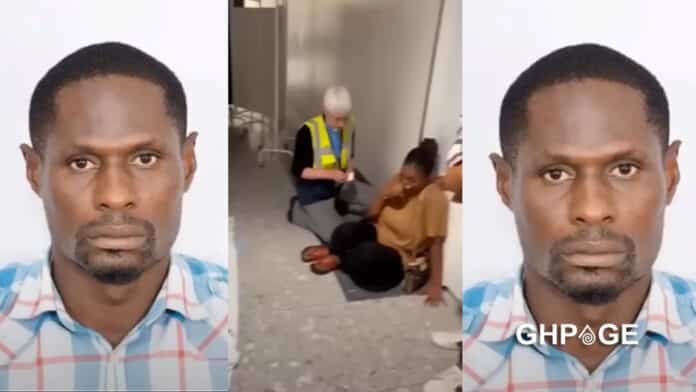
Ghanaian man allegedly dies at UK airport upon arrival
An unnamed Ghanaian married man, who had left his home country in search of better opportunities abroad, has tragically been reported dead upon arrival.
Hailing from Brong Ahafo in southern Ghana, he had completed all the necessary procedures to obtain a passport and a travel visa for the United Kingdom (UK).
Reports indicate that he traveled with a student visa and was heading to the UK as a dependent.Passing through checks at Kotoka International Airport without any issues, he embarked on a long journey that eventually led him to Heathrow Airport.
Upon arrival in the UK, after going through the customs and immigration process, with all his documents properly verified and stamped, he seemed poised to start a new life in this foreign land.However, fate had other plans, as he collapsed and passed away before he could even step past the airport’s exit doors.
It’s important to note that he was in good health before his journey, as confirmed by reports.
This shocking news has left many people bewildered, unable to comprehend how a physically fit individual could travel such a long distance without any assistance, only to meet such a tragic end.A friend of the deceased’s wife has shared the details surrounding this distressing incident in the video below.
-
Zelensky fires Ukrainian ambassador to UK after criticism
Ukrainian President Volodymyr Zelensky has removed Vadym Prystaiko from his position as the country’s ambassador to the UK.
Reports suggest that the dismissal came after Prystaiko publicly criticized President Zelensky’s handling of a dispute over expressing gratitude for British military aid.
Prystaiko had referred to Zelensky‘s commitment to thanking the UK defense minister daily as “unhealthy sarcasm.”
Despite no official reason being given by Kyiv for the dismissal, it has been confirmed that Prystaiko is no longer serving as the ambassador.
Earlier this month, British Defense Minister Ben Wallace cautioned Ukraine, stating that its allies were not a retail platform like Amazon.
He emphasized the importance of Kyiv showing appreciation for the weapons it receives, as this could influence Western politicians to provide further assistance. Wallace’s comments came after President Zelensky criticized the military alliance, NATO, for the delays in granting Ukraine membership.
“How else can we show our gratitude? We can wake up in the morning and thank the minister. Let him write to me and tell me how to thank him,” Mr Zelensky said of the defence minister’s comments.
Mr Prystaiko told Sky News there was a “little bit of sarcasm” in his president’s response, which he believed was “unhealthy”.
“We’re not expecting anybody to fight for us, we only ask for equipment,” he said, adding “Ben can call me and tell me anything he wants”.
-

Ex-governor of Nigeria to return millions of cash stolen
According to a report from Reuters news agency, the lengthy process of retrieving money stolen by a Nigerian ex-state governor, James Ibori, is reaching its conclusion in the United Kingdom.
A British prosecutor has requested the court to seize $129 million (£100 million) from Ibori, who was previously accused of embezzling around $165 million from the oil-rich Delta state in southern Nigeria.
Back in 2019, the UK had already returned $5.8 million that Ibori had taken. He was extradited from Dubai to the UK in 2012 and subsequently found guilty of 10 counts of fraud.
After serving a portion of his sentence in prison, Ibori returned to Nigeria in 2017.
In response to the impending confiscation order, Ibori has stated that he intends to appeal the decision. The order is expected to be issued on Friday or shortly after, as per Reuters’ information.
-

UK imposes sanctions on Wagner leaders for their work in Africa
The UK government has imposed sanctions on 13 individuals and businesses associated with Wagner Group’s activities in Mali, Sudan, and the Central African Republic.
Wagner mercenaries have been involved in providing security services in various African nations.
One of the individuals sanctioned is Konstantin Aleksandrovitch Pikalov, often referred to as the “right-hand man” of Wagner’s leader, Yevgeny Prigozhin. Pikalov faces accusations of human rights abuses.
Furthermore, Wagner fighters have been accused by the US of engaging in illicit gold deals on the African continent to enrich themselves.
In the past, Wagner fighters played a significant role in Russia’s invasion of Ukraine until a recent attempted mutiny last month.
“The Wagner Group is committing atrocities in Ukraine, as well as acting with impunity in countries like Mali, Central African Republic and Sudan,” UK Development Minster Andrew Mitchell said.
“These sanctions expose despicable individuals who have commissioned violations of international humanitarian law, holding them to account for the severe harm they are inflicting on innocent civilians for financial gain.”
-

Workers at McDonald’s speak up about allegations of sexual assault
More than 100 current and former UK employees of the fast-food business McDonald’s have made allegations about a poisonous culture of sexual assault, harassment, racism, and bullying.
The BBC was informed that groping and harassment of employees, some of whom are as young as 17, occurs frequently.
The UK equality watchdog announced the opening of a new email hotline after expressing “concerned” over the BBC’s results.
McDonald’s said it had “fallen short” and it “deeply apologised”.
The importance of a safe, respectful, and inclusive workplace for all employees was emphasized.
In February, the BBC initiated an investigation into the working conditions at McDonald’s following the company’s commitment to protect its staff from sexual harassment through a legally binding agreement with the Equality and Human Rights Commission (EHRC).
Despite McDonald’s previous claims of having a strong track record in this area, our investigation has uncovered a starkly contrasting reality.
Over a period of five months, we reached out to McDonald’s employees to gather information about their experiences working there. Among the more than 100 allegations brought forth by the employees we spoke to, 31 were related to sexual assault, and 78 were related to sexual harassment.
Furthermore, we received reports of 18 allegations of racism and six instances of homophobia.
Claims the BBC has heard include:
A 17-year-old current employee in Cheshire who says a colleague 20 years older than her called her a racial slur word and asked to show her his penis, and said he wanted to make a “black and white” baby with her
A former worker who was 17 when a senior manager at a Plymouth restaurant choked her and grabbed her bottom. A shift manager also sent her sexually explicit images
A manager in Hampshire who suggested a 16-year-old male worker perform sexual acts in exchange for vapes
A manager who preyed on 16-year-old new female starters in a Cheshire restaurant, trying to pressurise them into having sexA woman who said she was called a slur word and subject to racist jokes at an Aberdeen branch
A current worker in Essex who says she faced antisemitic abuse
A current worker in Oxfordshire, originally from India, who says crew members spoke in “gibberish” to imitate her and called a Pakistani colleague a terrorist
Male managers and crew members at a branch in Wales making jokes about putting cash bets on which of them could sleep with a new recruit first
An outbreak of gonorrhoea at a branch in Northern Ireland where sexual relationships between staff members were commonplace
Multiple workers told us that McDonald’s managers at the outlets across the UK were responsible for the harassment and assaults.
All too often, senior managers are said to have failed to act on complaints.
Staff have also told the BBC of sexual relationships between managers and more junior members of staff, which is against company policy.
Young women have described feeling constantly judged about how they looked.
One current worker said she was seen by her male colleagues as “fresh meat” when she started at her branch in Nottingham. Other female workers told us they were forced by managers to wear uniforms that were too tight for them.
“There is a saying at McDonald’s, “tits on tills” – boys in the kitchen, girls on the counter. The idea is to put attractive people at the front,” said Lucy, who’s 22 and worked in Norwich.
“It’s the expectation that if you work at McDonald’s, you will be harassed,” added Emily, who’s 20. She left her branch in Brighton last year, after a male colleague in his 60s kept stroking her hair in a sexually suggestive way and making her feel uncomfortable.
McDonald’s is one of the UK’s largest private sector employers. The fast food giant has more than 170,000 people working in 1,450 restaurants.
Its staff are also one of the country’s youngest workforces. Three quarters of its employees are aged between 16 and 25. For many, it is their first job.
Most workers are not directly employed by the company as McDonald’s uses a franchise system, which means individual operators are licensed to run the outlets and employ the staff.
‘I went to work in fear’
Shelby was just 16 when she started working at a McDonald’s restaurant in Berkshire last year.She said older male colleagues would use the cramped layout in the kitchen as an excuse to touch junior female staff inappropriately.
“They’d grope stomach, waists, bums,” she said. “Every shift I worked, there would be at least a comment being made, or I’d be brushed, a hand brushed across me, or it would be a more severe thing, like having my bum grabbed, hips grabbed.”
There was one man in his 50s, in particular, that managers “warned” young staff members to stay away from, Shelby said.
Would you report or try to stop sexual harassment?
One day last summer, she said she was standing at the front counter when he came up behind her and grabbed her onto him, pulling her onto his groin.“I just froze,” she said. “I felt disgusted.”
Shelby says she told senior management about what was going on in the store, but nothing was done. In her resignation email, she said it was a “toxic work environment”.
McDonald’s said it was “deeply sorry” to hear about what Shelby went through. It added that it was investigating why any issues that she raised were not formally escalated at the time.
Managers turning a blind eye
We do not know how many of the workers we spoke to made formal complaints. But a number of them told us they did – only for them to be ignored.

Chinyere says she was harassed by a much older male colleague. In the case of 17-year-old Chinyere in Cheshire, who was sexually and racially harassed by a much older man, she initially raised it with a female colleague who was responsible for staff wellbeing. She told her to ignore the man’s behaviour and go back to work. After months of harassment, Chinyere confided in her stepfather who wrote to the franchise, to corporate headquarters and the police.
The man was then fired. Chinyere believes if her stepfather hadn’t intervened, nothing would have happened. McDonald’s described her experiences as “abhorrent and unacceptable” and apologised unreservedly. It said it took swift action as soon as the issue came to its attention and that the man was dismissed within three days. They added: “It takes a great deal of courage to speak up and as soon as we were made aware of the situation the individual in question was offered both internal and independent external support.”
Another worker in Birmingham, who says she was smacked on the bottom by a male colleague when she was 19, reported it immediately to her manager. But despite it being caught on camera and her having a visible bruise, she was forced to continue working with him, which made her so uncomfortable that she eventually quit.
Several workers also said that when complaints were made about managers, they were then moved from one McDonald’s restaurant within the franchise to another, rather than being fired.
Other employees said they didn’t complain as they couldn’t risk losing work. Young staff at McDonald’s are often on zero hours contracts – it means their hours are flexible, but also that they are at the mercy of shift managers who decide their rotas.
-
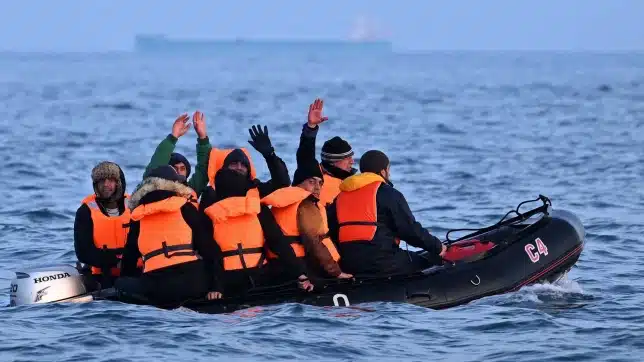
Small boats bill expected to become law once administration overcomes remaining obstacles
After being defeated in the House of Lords in the wee hours of the morning, the government‘s contentious proposals to restrict small boats from crossing the English Channel are about to become law.
A number of amendments to the Illegal Migration Bill, which would prevent anyone who entered the UK illegally from claiming asylum, were being sought by peers at Westminster.
The five attempts to change the law, however, were all defeated by the Tory frontbench, with at least one additional vote being abstained.
Archbishop of Canterbury Justin Welby, who has been among the most strident critics of the Bill, also dropped his demand for a statement on tackling the refugee problem and human trafficking to the UK, after a similar proposal was rejected by MPs.
Mr Welby said he understood the need to end the small boat crossings, but added: ‘I fail to see how this [the Bill] does it and I have not heard anything to convince me.
‘But that is the view of the other place [the House of Commons]. I agree that in the end on most things except the most essential that this House must give way to the other place.’
As agreement between the two Houses has now been reached, the Illegal Migration Bill moves on to the final stage in the legislative process: royal assent.
The immigration reforms are a key part of Prime Minister Rishi Sunak’s agenda as he tries to reduce the tens of thousands of people now arriving in the UK on small boats each year.
But opposition MPs and refugee groups have said the plans will not succeed in driving down the numbers, and will only make an already complex asylum system more costly and chaotic.
Home Office minister Lord Murray of Blidworth told peers it was costing taxpayers £6 million a day to provide accommodation for the arrivals.
He said: ‘With over 45,000 people making dangerous Channel crossings last year this is simply no longer sustainable.
‘If people know there is no way for them to stay in the UK, they won’t risk their lives and pay criminals thousands of pounds to arrive here illegally.
‘It is therefore only right that we stop the boats and break the business model of the criminal gangs exploiting vulnerable people, ultimately enabling the government to have greater capacity to provide a safe haven for those at risk of war and persecution.’
The House of Lords debate came as a barge set to house 500 migrants began its journey from Falmouth, Cornwall, to Portland Port in Dorset, a month behind schedule.
Asylum seekers are expected to board the Bibby Stockholm for the first time later this month.
Another pillar of the government’s immigration proposals, the Rwanda deportation scheme, was dealt a blow late last month when the Court of Appeal overturned a High Court ruling which deemed the east African nation a ‘safe third country’.
The legal challenge over the scheme continues.
-
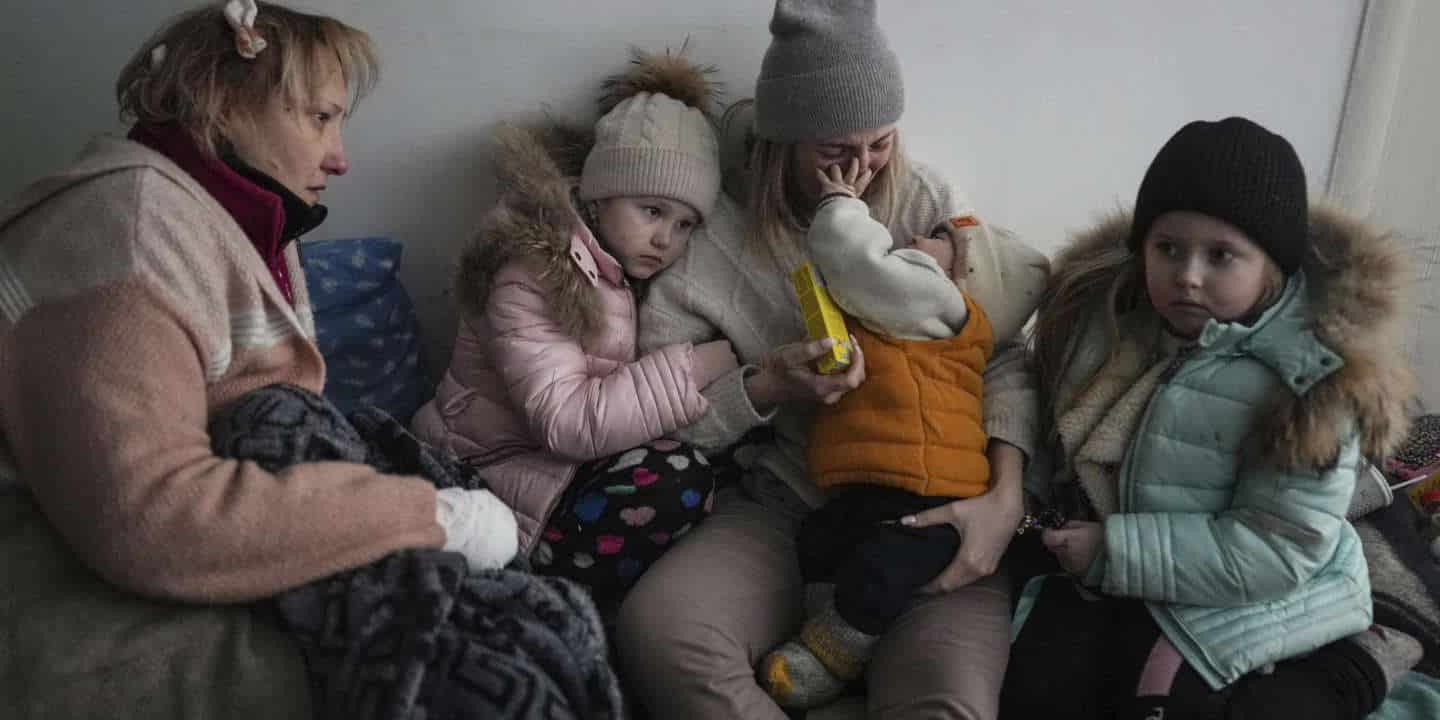
UK responds to Russia’s deportation of Ukrainian children
The Foreign Secretary, James Cleverly has today, July 17, announced 14 new sanctions in response to Russia’s attempts to destroy Ukrainian national identity, including 11 against those involved in the forced deportation of Ukrainian children.
Today’s announcement comes ahead of the Foreign Secretary’s speech at the UN Security Council (UNSC), where he will highlight the far-reaching implications of Russia’s war, call on Russia to renew the Black Sea Grain Initiative, and outline the need for a just, lasting peace in Ukraine.
Among the designations announced today are Russian officials Ksenia Mishonova, Commissioner for Children’s Rights in the Moscow Region, and Sergey Kravtsov, Minister of Education of Russia.
These individuals have played an insidious role in Russia’s calculated programme of deportation, designed to erase Ukrainian cultural and national identity. Over 19,000 Ukrainian children have been forcibly deported to Russia or temporarily Russian controlled territory by Russian authorities.
Many deported children are relocated to a network of re-education camps in illegally annexed Crimea and mainland Russia, where they are exposed to Russia-centric academic, cultural, patriotic, and military education.
This latest package of designations follows the UK’s sanctioning of Russian Children’s Rights Commissioner Maria Lvova-Belova in June 2022 for her alleged involvement in the forced transfer and adoption of Ukrainian children.
Also sanctioned today are 2 Russian propagandists responsible for spreading abhorrent propaganda designed to incite violence and hatred towards Ukraine and its people, including Anton Krasovsky, a former Russia Today presenter, who claimed live on air that Ukrainian children should be drowned and burned.
Olga Lyubimova, the Russian Culture Minister, is additionally targeted for using her position to support the Russian state’s damaging anti-Ukrainian policies.
Foreign Secretary, James Cleverly, said:
“In his chilling programme of forced child deportation, and the hate-filled propaganda spewed by his lackeys, we see Putin’s true intention – to wipe Ukraine from the map.
“Today’s sanctions hold those who prop up Putin’s regime to account, including those who would see Ukraine destroyed, its national identity dissolved, and its future erased.”
The UK and international partners have implemented the most severe package of sanctions ever imposed on a major economy.
Over 1,600 individuals and entities have been sanctioned since the start of the invasion, including 29 banks with global assets worth £1 trillion, over 130 oligarchs with a combined net worth of over £145 billion, and over £20 billion worth of UK-Russia trade.
Later today, in New York, the Foreign Secretary will use his speech during a UK-chaired session of the UNSC to call for a just, lasting peace in Ukraine and highlight Russia’s barbaric forced deportation of Ukrainian children.
He is expected to say:
Ukraine wants peace. We want peace. The whole world wants peace.
Peace will bring home Ukraine’s lost children – and feed the hungry of the world.
The devastating effects of Putin’s aggression can be felt in every corner of the globe. Vital grain supplies from Ukraine will be cut off and millions will face exacerbated food insecurity if Russia does not agree to a renewal of the Black Sea Grain Initiative today.
-

UK to raise £1b by increasing visa application fees, according to PM Sunak
In an effort to earn over a billion pounds to make up for revenue deficits, British Prime Minister Rishi Sunak has stated that visa application fees will be dramatically increased.
In a speech in Downing Street on July 13, Sunak outlined several government aims during a recession, including halving inflation, expanding the economy, and reducing debt.
He also mentioned a significant pay raise for teachers as a means of averting a planned strike.
He said of the pay award: “This is a significant pay award and it is costing billions of pounds more than the government budgeted for.”
“We are going to increase the charges for migrants when they are applying for visas to come to this country and indeed something called the Immigration Health Surcharge, which is the levy that they pay to access the NHS,” he told the press.
He said payments arising from the two tax measures will come up to over billion pounds in revenue, before emphasizing his point and justifying the planned hike in both fees.
“So, across the board, visa application fees are going to go up significantly… none of these fees have been increased recently and we think it is appropriate given that cost of everything has gone up,” he added.
The Foreign Office will be expected in the coming days and weeks to roll out the said increases.
The United States recently announced hikes in certain visa categories for non-migrant visas. Visa fees have traditionally been criticized as a means of fleecing applicants as Embassies make huge sums from even rejected applications.
-
UK visa application fees to increase – UK Prime Minister
Prime Minister for the United Kingdom (UK), Rishi Sunak, has announced the increase in visa application fees as part of efforts to address revenue shortfalls.
In an address at Downing Street on July 13, Sunak outlined government priorities, including reducing inflation, economic growth, and debt reduction.
He also mentioned a substantial pay award for teachers to prevent a potential strike.
To bridge the revenue gap, Sunak announced two measures targeting migrants as a means of generating necessary funding.
“We are going to increase the charges for migrants when they are applying for visas to come to this country and indeed something called the Immigration Health Surcharge, which is the levy that they pay to access the NHS,” he told the press.
The charges for visa applications and the Immigration Health Surcharge, which grants access to the NHS, will both be increased. These tax measures are expected to generate over a billion pounds in revenue.
“So, across the board, visa application fees are going to go up significantly… none of these fees have been increased recently and we think it is appropriate given that cost of everything has gone up,” he added.
Sunak justified the fee hikes by stating that they hadn’t been increased recently and that the cost of living has risen.
“So, across the board, visa application fees are going to go up significantly… none of these fees have been increased recently and we think it is appropriate given that cost of everything has gone up,” he added.
The Foreign Office will roll out the increases in the coming days and weeks. It’s worth noting that the United States recently raised visa fees for certain non-immigrant visa categories, a practice criticized for potentially exploiting applicants even in the case of rejected applications.
UK visa application fees are about to increase “significantly,” says PM Rishi Sunakpic.twitter.com/2FUT430oqg
— Larry Madowo (@LarryMadowo) July 13, 2023 -

Kojo Funds features Hajia4Real in new song
A Ghanaian musician based in the United Kingdom, Kojo Funds, is poised to release a new banger featuring Ghanaian phenomenal talent, Mona Moutrage, well known in the entertainment business as Hajia4Real.
The song will be released on Thursday, July 13, 2023.
On Saturday, July 8, 2023, Kojo Funds shared a photo of himself and Hajia4real in a car with the caption “Be a good person and spread love”, “be you, not someone you’re not”.
Following the claims of Hajia4Real’s $2 million romance fraud, the rapper wishes to encourage people to be themselves and to be optimistic in their pursuits.Hajia4Real, on the other hand, appears to be taking her music profession seriously and ensuring that she continues to make fresh and thrilling melodies for her following.
Kojo Funds first gained international prominence with his track “Dun Talkin” two years ago and has been riding high ever since.
The rapper from the United Kingdom is noted for using life-related lyrics and melodies in his music.
He rose to prominence with his album “Golden Boy,” which included Giggs, Abra Cadabra, Bugzy Malone, Yxng Bane, RAYE, Kranium, Maleek Berry, and Masicka.
Nonetheless, fans are eager to hear Hajia4Real’s debut song following her romance hoax.
Kojo Funds conveys Ghanaian culture to the diasporas through his choice of words in order to foster unity among British and African artists.
-

Stakeholders deliberate Ghana’s aviation workers joining a union
A group of interested parties gathered in Accra, Ghana, met a week ago to discuss ways to work together to support Ghanaian aviation industry workers in joining different labor unions that will advance their interests.
There are many unions that represent different types of workers in the aviation industry, including pilots, cabin crew, ground staff, maintenance workers, and air traffic controllers.
The Flight Attendants Association of Australia (FAAA), Service Employees International Union (SEIU) – United States and Canada, Transport Workers Union (TWU) – United States and Australia, and UNITE – UK and Ireland are a few major unions in the aviation industry throughout several regions.
Union representation and power might differ from one nation to the next depending on regional dynamics of the aviation sector, cultural norms, and local labor legislation.
All employees in Ghana have the legal right to unionize, which is protected by labor legislation.
-

18-year-old killer sentenced to 100 years in prison
An 18-year-old murderer who severely beat his 8-month-old newborn daughter to the point that her skull was completely fractured received a 100-year sentence.
After admitting to killing newborn Raija Straight in July 2018 in Des Moines, Iowa, Jayden Straight was given the life sentence on Friday.
At the time of the murder, the murderer, who was 17 years old, left his kid with severe internal wounds, including multiple skull fractures, broken ribs, a burst spleen, and significant retinal haemorrhaging.
Straight’s partner Ri Bambino left him in the care of their tiny daughter on the afternoon she was fatally injured to go and run errands.
Bambino returned to find her baby horrifically injured, with Straight subsequently going on the run.
After handing himself in the next day, he was unable to provide any explanation for the wounds inflicted on Raija, and has since failed to provide any motive for his daughter’s death.
A doctor who treated the baby in hospital before she died said the injuries were ‘from a deliberate assault and could not be explained as unintentional or accidental.’
Are there great white sharks in the UK? Experts say there soon could be
The Des Moines Register reported that Straight was jailed for 50 years for second-degree murder.
He was handed a further five decade-long sentences for three counts of willful injury and two counts of child endangerment resulting in serious injury.
All six sentences will run consecutively, meaning Straight will not be released from jail before 2119.
Paying tribute to Raija, the infant’s great-grandma Robin Head said: ‘When I saw this child’s face and what she has brought to me for the last eight months of her life.
‘I can’t never explain that feeling of holding her, laughing with her, touching her, walking with her, crawling with her.’
-

You cannot resist Jesus when he calls you – Eugy discovers Christ, undergoes baptism
MOBO Awards nominee, renowned for his chart-topping track “Dance For Me,” Eugy, took to Instagram on Wednesday, July 5, to announce a transformative decision.
Eugy revealed through a heartfelt video of his baptism, accompanied by a caption which said that he couldn’t have predicted embarking on such a life changing journey.
“If someone asked me at the beginning of 2023 what my year would look like I don’t think this is what I would’ve said. That’s how powerful the Lord is.
“When Jesus calls you there’s nothing you can do about it. You must heed and answer. I’ve always said that I know God loves me but l’ve also always tried to manoeuvre using my own might & strength and let’s be honest I wasn’t living righteously – but there comes a point when you realise you must submit to the almighty father and allow his will to be done.
The singer added that he is not perfect and he is not better than anyone else but the grace of God found him.
Eugy, an influential figure in the Afrobeats genre both in the UK and beyond, recently expressed his profound transformation after being baptized and embracing his newfound faith in Christ. With a renewed sense of purpose, he eagerly anticipates the promising journey that lies ahead in the future.
“I vow to move forward purposefully and with a clean heart. I got baptised last Sunday and I was blessed enough to have my Dad, Pastor Joe (white t-shirt) and Uncle, Pastor Joshua (Grey t-shirt) usher me into this new life. I give God all the praise. Looking forward to what the future holds. Love always,” he added.
To signify the start of a new era, Eugy has also cleared every memory of his “old life” on his social media pages.
-
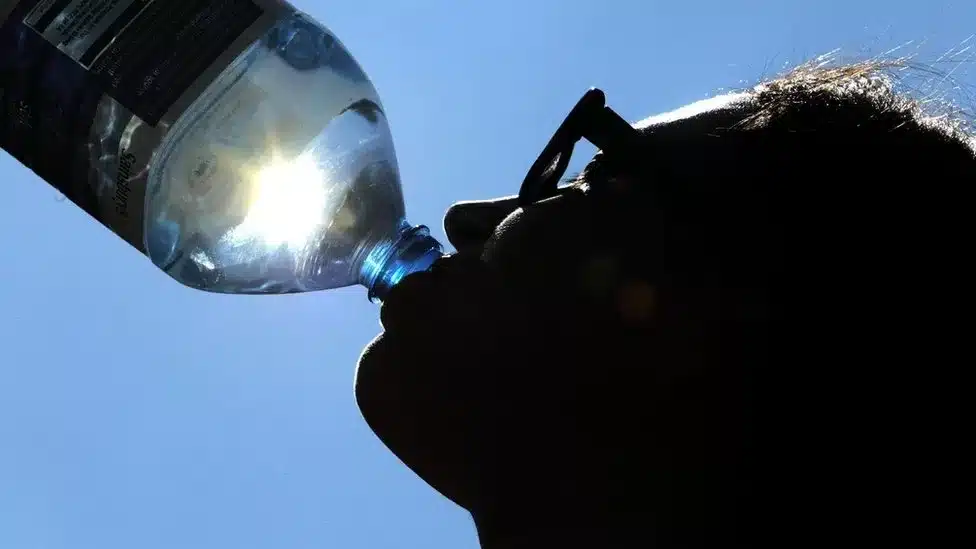
UK Met Office recorded hottest June this year
The Met Office has officially confirmed that the UK experienced its hottest June on record.
With an average monthly temperature of 15.8 degrees Celsius, this surpassed the previous highest average June temperature from 1940 and 1976 by 0.9 degrees Celsius.
Scientists have attributed the increased likelihood of breaking the previous record to climate change, stating that it made the occurrence at least twice as probable.
Temperature records were broken in 72 out of the 97 areas in the UK where temperature data is collected. Furthermore, England, Scotland, Wales, and Northern Ireland all recorded their warmest June since the Met Office began collecting data in 1884.
“It’s officially the hottest June on record for the UK, for mean temperature as well as average maximum and minimum temperature,” said Met Office’s Climate Science Manager Mark McCarthy.
“An increase of 0.9C may not seem a huge amount, but it’s really significant because it has taken the average daytime and the night time temperature for the whole of the UK,” Paul Davies, Met Office Climate Extremes Principal Fellow and Chief Meteorologist, told BBC News.
“That’s significant in a warming climate and because of the consequential impacts on society,” he added.
In addition, the Met Office highlighted that the distinction in the hottest June on record was not solely based on a single high temperature, such as the 40.3 degrees Celsius reached last summer. Instead, the notable aspect of last month’s record-breaking June was the sustained heat experienced both during the day and night.
Furthermore, rainfall was significantly below average throughout much of the month, with only 68% of the typical June precipitation recorded. Wales, in particular, experienced exceptionally dry conditions, receiving just over half of its average monthly rainfall.
To assess the impact of climate change on the weather patterns, the Met Office utilized a powerful supercomputer to analyze the temperatures and identify the characteristic features associated with climate change.
-

Rwanda defends safety record over UK asylum ruling
Rwanda has strongly asserted its commitment to providing care for refugees and expressed its disagreement with a recent legal ruling in the UK that deemed it unlawful to deport asylum seekers to Rwanda.
According to Rwandan government spokeswoman Yvonne Makolo, the judges’ assertion that there were insufficient guarantees against the return of refugees to their home countries was an overly narrow perspective on the issue.
Makolo emphasized that Rwanda, as a signatory to the UN refugee convention, adheres to policies and practices that ensure refugees are not sent back to perilous situations.
Makolo further highlighted Rwanda’s track record in refugee care, pointing out that the country is currently hosting approximately 140,000 refugees.
Additionally, Rwanda has been actively collaborating with the UN refugee agency since 2019 to evacuate migrants facing danger in Libya.
“We know what it is to flee and seek safety. Many of us have lived outside the country, we’ve been forced to leave… and come back. So we empathise with those in this situation,” she said.
She said the information being given about Rwanda was “not sufficient or has been misunderstood”, adding that the country had been ranked one of the safest in the world.
“If there are issues that come up in this [asylum] programme and on the distorted views of what Rwanda is and how we govern this country, we are happy to explain – a lot of it is unjustified”.
-

‘Everyone should have a safe and secure home’ – Prince William committed to tackling homelessness
Prince William is embarking on a significant five-year campaign to eradicate homelessness, firmly believing that it has no place in a modern and progressive society.
To kickstart this endeavor, the Prince of Wales’s charitable foundation is committing £3 million in initial funding to help make homelessness a rare, brief, and non-recurring occurrence.
To test innovative approaches to combat homelessness, six locations across the UK will serve as experimental sites.
Prince William’s vision for the “Homewards” initiative stems from the fundamental belief that “everyone should have a safe and secure home and be treated with dignity.”
This ambitious undertaking is poised to become one of the Prince of Wales’s defining projects, albeit one that carries the risk of being accused of delving into political matters.
In preparation for the launch, Prince William has engaged in conversations with notable figures such as Labour leader Sir Keir Starmer, Levelling Up Secretary Michael Gove, and the first ministers of Scotland and Wales.
There are more than 300,000 people currently homeless across the UK, which includes those who are stuck in hostels and temporary accommodation, living in cars and sofa-surfing, as well as people who are rough sleeping.
As well as preventing homelessness, there is an aim to change attitudes and show how many people can be affected. Recently the prince opened an affordable housing project for young people with jobs, but who still needed help with accommodation.
Prince William’s plan is to bring together local coalitions of housing experts, charities and private industry to develop housing projects and support services, addressing different ways that homelessness occurs, whether in big cities or coastal towns.
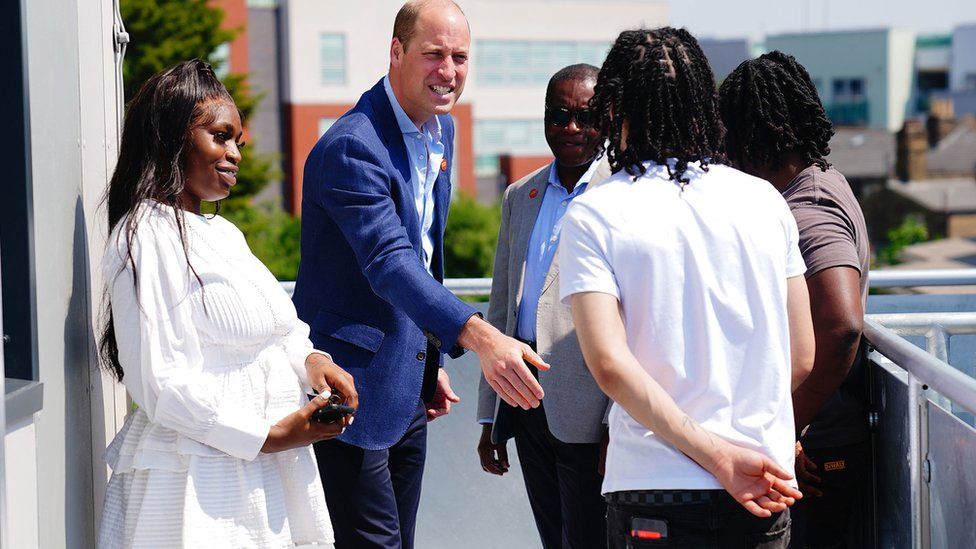
Image caption,Prince William this month visited an affordable housing project in London for people who are in work or training He will be holding a two-day whistle-stop tour of the UK revealing the locations for the initiative, which is backed by charities such as Shelter, Centrepoint, Crisis and The Passage.
A media briefing was told that success would be measured in terms of lowering homelessness in those places – and finding approaches that could be replicated elsewhere.
He has also drawn international inspiration from Finland, seen as a model for reducing homelessness to very low levels.
The campaign has published opinion polling from Ipsos of more than 3,000 adults in the UK, which suggests the level of public concern and support for an intervention.
- 85% think homelessness is a very or fairly serious problem
- 72% think homelessness has got worse in the past year
- 73% think ending homelessness is not given enough attention
- 22% have had a personal experience of homelessness, whether themselves, family or friends
But Prince William will also face challenges about how someone with such wealth and extensive property holdings can make such calls over homelessness.
“The last thing we need is for William to get involved in this issue, a man who has three huge homes and a vast estate gifted to him by the state,” says Graham Smith, of the anti-monarchy group, Republic.
He says homelessness is about government policy and investment and will not be “resolved by charity or royal patronage”, accusing Prince William of being “hypocritical”.
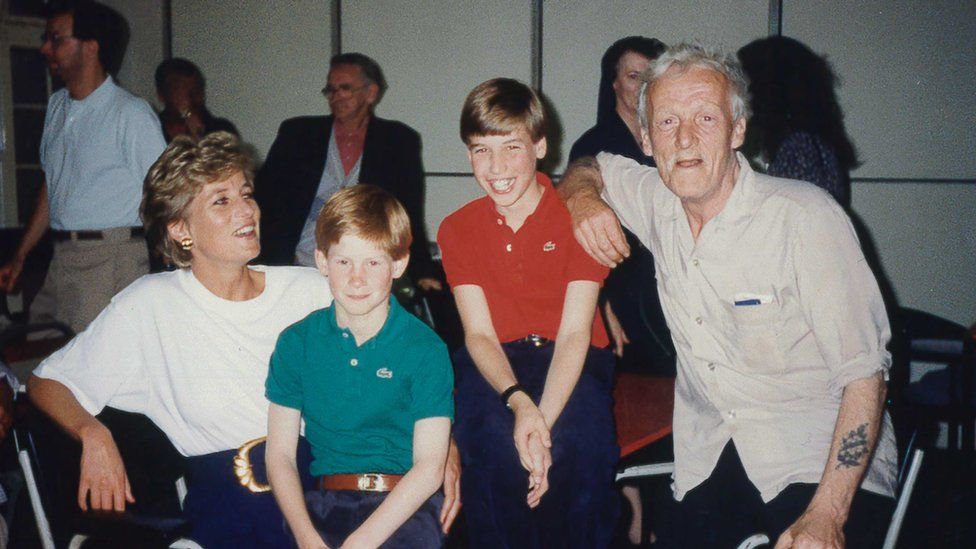
Image caption,Prince William with his mother and brother at The Passage homelessness charity in 1993 But a Kensington Palace spokesman said it was about the prince using his public platform to make a positive difference.
“This isn’t about a PR stunt. This is about trying to change the way that we as a society think about homelessness,” said the spokesman.
Matt Downie, chief executive of the charity Crisis, said he had personally spoken to the Prince of Wales about the project and endorsed the authenticity of his commitment.
“People who are experiencing homelessness can smell when someone’s not authentic. I certainly can see the difference between people who want to associate for PR purposes in this issue and people who are genuinely driven by righting one of society’s wrongs, and I saw that deeply there,” said Mr Downie.
Royal author and academic Prof Pauline Maclaran said such an activist approach was likely to go down well with a younger generation, who were more likely to question the value of the monarchy.
But she said it would need the prince to be seen to make a personal contribution. His Royal Foundation is providing £500,000 in seed funding at each of the six regional centres for the project, but so far there has been no confirmation of earlier reports of social housing plans for his Duchy of Cornwall estate.
Historian Sir Anthony Seldon said Prince William’s initiative showed how royal interventions could look beyond short-term political cycles at wider issues such as “the mental health and welfare of the population, the physical and built environment, and the economic condition of the people”.
But he said it meant the prince was “squarely in the space normally reserved just for elected politicians”.
Political parties are already sparring over the response to rising mortgage and rent costs and a lack of affordable housing.
Cllr Darren Rodwell, housing spokesperson for the Local Government Association, said councils feared a “national homelessness crisis” – and there were 1.2 million people on council waiting lists for housing in England.
He said there was a perfect storm of “depleting housing stock and an unaffordable and overly-competitive private rented market” and renters facing eviction – and he called for councils to be able to build 100,000 new social rent homes each year.
But Prince William said he was confident about the ambition to fundamentally reduce homelessness.
“I want to make this a reality and, over the next five years, give people across the UK hope that homelessness can be prevented when we collaborate,” he said.
A spokeswoman for the Department for Levelling Up, Housing and Communities welcomed the prince’s initiative.
“We are giving councils £2bn over three years, to help them tackle homelessness and rough sleeping, targeted to areas where it is needed most,” she said.
-

UK issues warning about potential unrest throughout Russia
In the aftermath of moves by Russia’s Wagner Group of mercenary forces, the British Foreign Office has updated its travel advice to include a warning about the possibility of disruption across all of Russia.
“There are reports of military tensions in the Rostov region and a risk of further unrest across the country,” the ministry said.
“Additionally, there is a lack of available flight options to return to the UK,” the ministry added.
Britain’s government continued to advise against all travel to Russia.
-

UK mortgage rates likely to rise for some homeowners
On Thursday, the Bank of England is anticipated to increase interest rates from 4.5% to 4.75% as part of its efforts to curb inflation.
UK’s inflation to drop in May and was stuck at 8.7%.
However, there are speculations among economists that the Bank may opt for a more significant increase of 0.5%.
Should the rates rise, it is expected that mortgage rates will also go up for individuals seeking to re-mortgage or those with variable-rate mortgages. Approximately 800,000 individuals are projected to re-mortgage next year.
As of today, a typical two-year fixed mortgage deal carries an interest rate of 6.15%. Meanwhile, the standard variable rate, effective from 1 June 2023, stands at 7.52%, as reported by financial data firm Moneyfacts.
In recent weeks, mortgage lenders have been withdrawing mortgage deals and swiftly raising rates.
Additionally, Chancellor Jeremy Hunt announced yesterday that there will not be a major scheme implemented to provide assistance to homeowners facing financial difficulties.
-
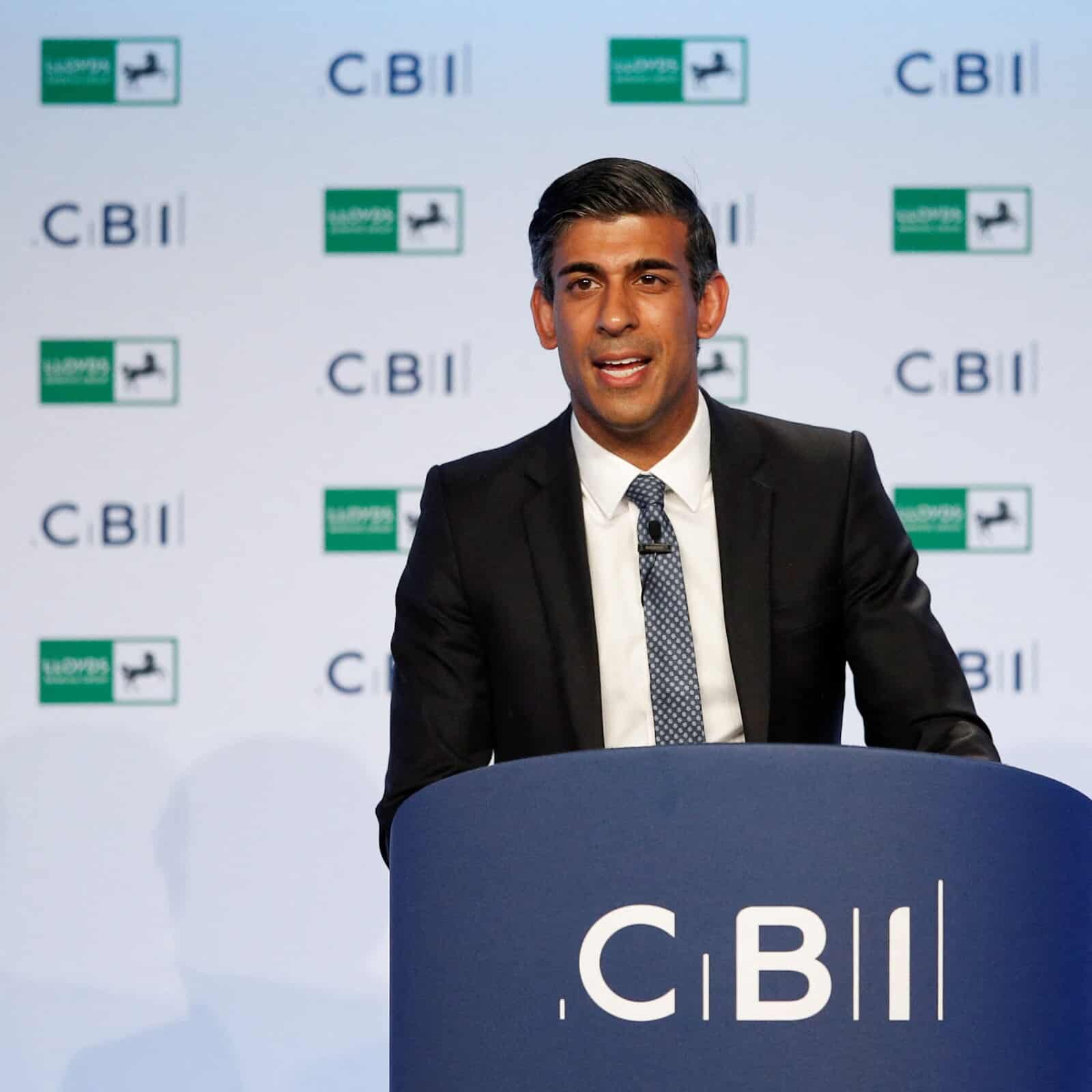
UK inflation stays at 8.7%
In May, the inflation rate in the UK remained steady at 8.7%, the same as in April.
This halts the previous trend of declining inflation figures, which had been decreasing from a peak of 11.1% last year.
The Office for National Statistics attributes the high inflation to increasing prices in sectors such as air travel, recreational activities, and cultural goods.
On the other hand, the largest downward contribution to inflation came from falling motor fuel prices.
While prices for food and non-alcoholic drinks did rise in May, the increase was lower compared to May 2022. Additionally, “core” inflation, which excludes energy and food costs, reached its highest rate since 1992.
Furthermore, separate data reveals that UK debt now exceeds the annual GDP, a situation not seen since 1961.
Prime Minister Rishi Sunak has made a commitment to reducing inflation by half this year.
-
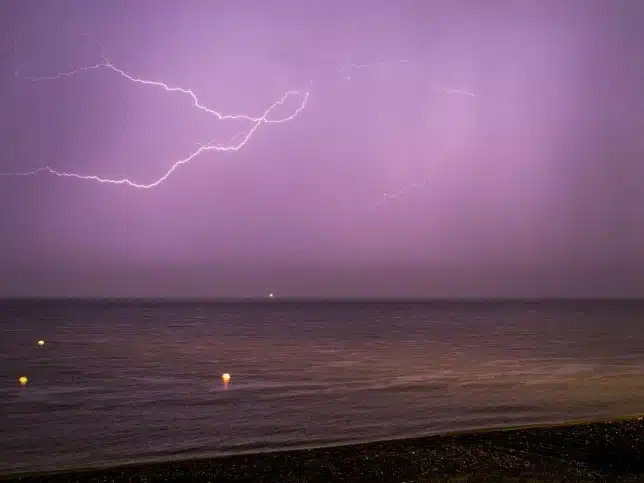
UK to experience flash floods and thunderstorms today
Today, there will likely be floods in several areas of the country as well as thunder, lightning, and heavy rain.
Nearly the entire country of England and Wales is under a yellow weather warning for thunderstorms from the Met Office.
The alert is in effect from 12 p.m. to 12 a.m., while another one issued for Northern Ireland is in effect from 9 p.m. to 9 p.m.
In the worst-affected areas, up to 80mm of rain could fall in just three to six hours.
There is also the potential for frequent lightning, strong winds and hail – which could cause flooding, travel issues and power cuts.
Some will have heard thunder last night already, while others can expect the same in a few hours.
Storms are predicted to form just above London before moving towards the Midlands, then east England, east Wales and into the southern areas of northern England.
Meteorologists predict that most of England will experience isolated rainfall at some point today.
The Met Office’s Grahame Madge told the MailOnline yesterday: ‘Some of the storms have the potential to be quite intense, with high rainfall rates.
‘Some locations may well miss them all together but all we can do now is indicate that there is a risk across both countries.’
Forecaster Marco Petagna said yesterday: ‘The average rainfall for the UK in June is 77mm and for England it is just 65mm.
‘But it is possible that 60mm could fall in six hours, which is not far from a month’s worth of rain. And we could even see 30mm in one hour, which is the equivalent to a couple of weeks.’
However, Brits who have been lapping up the long-awaited sunshine over the past few days do not need to panic as temperatures will stay around the mid-20s despite the wet weather.
Heavy rain and thunder will continue into tonight for northern parts of the country but things will start to dry up elsewhere.
Those in the east might want to enjoy today’s break from the heat as they can expect a warm and humid night.
By tomorrow, the rain in the north will have slowed down with any leftover clouds in the south clearing up.
While the week will start sunny and humid, there will still be some rain and possibly even thunder at times.
The rest of week will see ‘a mix of very warm sunshine and scattered showers’ in the northwest and drier, warmer and often humid days in the south east.