Tag: UNICEF

  • INTERPOL-Ghana joint operation lead to arrest of 68 suspected scammers in Ghana

    INTERPOL-Ghana joint operation lead to arrest of 68 suspected scammers in Ghana

    Ghana Police, in a joint operation with the International Police (INTERPOL), have cracked down on scammers in the country, arresting sixty-eight suspected individuals involved in romance scams and sextortion.

    In a release shared by INTERPOL on its official website, the international security agency revealed that the operation, dubbed Operation Contender 3.0 and funded by the United Kingdom’s Foreign, Commonwealth and Development Office under the African Joint Operation against Cybercrime project, discovered that these criminal syndicates caused USD 450,000 in financial losses, with USD 70,000 recovered in cash.

    “Ghanaian authorities arrested 68 individuals, seized 835 devices and identified 108 victims. Their investigations revealed USD 450,000 in financial losses, with USD 70,000 recovered,” excerpts of the statement revealed.

    According to INTERPOL, the operation was targeted at criminal networks exploiting social media and dating platforms to carry out romance scams and sextortion.

    “The crackdown targeted transnational criminal networks exploiting digital platforms, particularly social media, to manipulate victims and defraud them financially. Specifically, the operation focused on romance scams, where perpetrators build online relationships to extract money from victims, and sextortion, in which victims are blackmailed with explicit images or videos,” the statement said.

    INTERPOL explained: “…For romance scams, the suspects had used fake profiles, forged identities and stolen images to deceive victims. The scammers extracted payments using a range of schemes, including fake courier and customs shipment fees. In sextortion cases, offenders secretly recorded intimate videos during explicit chats and used them for blackmail.”

    On the continent level, these syndicates have caused an estimated $2.8 million in losses to 1,463 identified victims.

    During the operation, police identified IP addresses, digital infrastructures, domains and social media profiles linked to members of the scam syndicates. These leads and the subsequent arrests also resulted in the seizure of USB drives, SIM cards, and forged documents, as well as the takedown of 81 cybercrime infrastructures across Africa.

    The operation, which ran from July 28 to August 11, 2025, resulted in the seizure of 1,235 electronic devices continent-wide.

    Acting Executive Director of Police Services at INTERPOL, Cyril Gout, highlighted the growing threat, stating, “Cybercrime units across Africa are reporting a sharp rise in digital-enabled crimes such as sextortion and romance scams. The growth of online platforms has opened new opportunities for criminal networks to exploit victims, causing both financial loss and psychological harm.”

    He emphasised that collaboration between INTERPOL, its member countries, and private sector partners like Group-IB and Trend Micro was crucial to the operation’s success, enabling enhanced data sharing and swift enforcement actions that led to the takedown of 81 cybercrime infrastructures.

    “The transnational operation was strengthened by collaboration with private sector partners Group-IB and Trend Micro, resulting in enhanced data sharing and operational capabilities. The exchange of INTERPOL cyber activity reports facilitated swift enforcement actions from participating countries, underscoring the value of international cooperation in combating cybercrime,” INTERPOL highlighted.

    Aside from Ghana, the operation also uncovered syndicates in other African countries such as Angola, Côte d’Ivoire and Senegal.

    “In Senegal, police arrested 22 suspects, uncovering a network that impersonated celebrities and used emotional manipulation on social media and dating platforms to defraud 120 victims of approximately USD 34,000. A total of 65 devices, forged identification documents and money transfer records were seized during the operation.

    “Police in Côte d’Ivoire dismantled a cybercrime ring that created fake profiles online to manipulate vulnerable individuals into sharing intimate images. Once in possession of compromising material, the criminals blackmailed victims, demanding payments to prevent public exposure. Police arrested 24 suspects, seized 29 devices and identified 809 victims.

    “In Angola authorities arrested 8 individuals and identified 28 domestic and international victims, primarily targeted via social media. Offenders used fraudulent documents to create fake identities, facilitating financial transactions and concealing their real identities while engaging victims,” the statement added.

    According to INTERPOL’s 2025 Africa Cyberthreat Assessment Report released in June, “two-thirds of surveyed African member countries said cyber-related offences make up a medium-to-high proportion of all crimes.”

    Other countries that participated in the operation include Benin, Burkina Faso, Gambia, Guinea, Kenya, Nigeria, Rwanda, South Africa, Uganda and Zambia.

    Ghanaian law enforcement officers, in partnership with counterparts from 11 other West African countries, played a pivotal role in an international crackdown on vehicle crime that uncovered about 150 stolen vehicles and led to the seizure of more than 75.

    The joint effort, spearheaded by INTERPOL and dubbed Operation Safe Wheels, aimed at curbing the trafficking of stolen vehicles in the region.

    It was executed between 17 and 30 March and saw law enforcement teams establish an average of 46 checkpoints daily, inspecting around 12,600 vehicles and cross-checking their details with INTERPOL’s Stolen Motor Vehicle (SMV) database.

    The operation, supported by INTERPOL’s SMV Task Force, unearthed the involvement of two organized crime groups and sparked 18 fresh investigations. It was part of Project Drive Out – a new initiative funded by the Government of Canada to tackle auto theft and the illegal spare parts market.

    INTERPOL revealed that the majority of the vehicles identified during the operation had been smuggled from Canada, with others reported stolen in European countries such as France, Germany, and the Netherlands.

    Toyota was the most frequently recovered brand, followed by Peugeot and Honda. Smuggling was carried out via both land and sea routes.

    In Nigeria’s port city of Lagos, for instance, customs officials discovered six suspicious vehicles—Toyota and Lexus models—hidden in freight containers from Canada.

    Four showed signs of forced entry, and checks later confirmed that all had been stolen in Canada in 2024. Collaborative investigations between Nigerian authorities and Canada’s INTERPOL bureau are underway.

    INTERPOL deployed nine experts, including a vehicle examiner from Canada, across several countries, including Ghana, to support on-the-ground activities. Their efforts proved vital in tracking and verifying stolen vehicles.

    David Caunter, INTERPOL’s Director of Organized and Emerging Crime, highlighted the broader implications of vehicle theft:“Each year, hundreds of thousands of vehicles are stolen around the world, yet the initial theft is often only the beginning of a vehicle’s journey into the global criminal underworld.

    Stolen vehicles are trafficked across the globe, traded for drugs and other illicit commodities, enriching organized crime groups and even terrorists.

    INTERPOL’s SMV database is the strongest tool we have to track stolen vehicles and identify the criminals involved in this global trade.”

    In 2024 alone, nearly 270,000 stolen vehicles were identified worldwide using the SMV database.

    Participating countries in Operation Safe Wheels included Benin, Burkina Faso, Cabo Verde, Côte d’Ivoire, Gambia, Ghana, Guinea-Bissau, Mali, Mauritania, Niger, Nigeria, and Togo.
  • Pneumonia claims more children’s lives than any other infectious disease – UNICEF

    Pneumonia claims more children’s lives than any other infectious disease – UNICEF

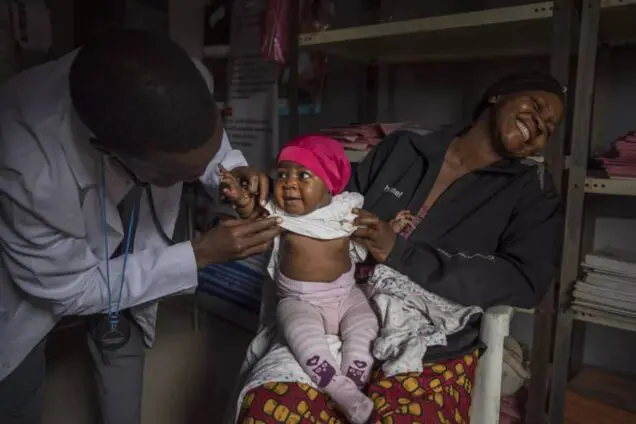
    Pneumonia remains the leading infectious cause of death among children globally, according to the United Nations International Children’s Emergency Fund (UNICEF).

    Every year, it claims over 725,000 lives of children under five, with 190,000 of these deaths occurring in newborns who are particularly vulnerable.

    UNICEF reports that a child dies from pneumonia every 43 seconds, and all of these deaths are preventable. The organization has expressed outrage over the fact that many children lack access to the vital health services and treatments that could save them.

    The recent UNICEF publication calls for urgent actions to prevent pneumonia-related deaths, change the course of the disease, and protect every child. One of the primary steps is to prioritize and strengthen routine immunization, especially for Pneumococcal (PCV), Measles, and Diphtheria-Tetanus-Pertussis (DTP) vaccines, aiming to increase their coverage to over 90%.

    This will help ensure that children are protected from pneumonia.

    The organization also highlighted the importance of improving basic oxygen access for children suffering from severe pneumonia, stressing that no child should be left struggling to breathe.

    Additionally, UNICEF emphasized the need to invest in the treatment of severe acute malnutrition, which contributes to pneumonia deaths. The need for better-trained health workers and improved healthcare infrastructure was also stressed to ensure essential services are within reach of families.

    Pneumonia, which affects the lungs and is caused by various pathogens such as bacteria, viruses, or fungi, presents with symptoms like fever, coughing, and breathing difficulties.

    Children with pneumonia may show rapid breathing or chest retractions. It is highly contagious, spreading through airborne particles or bodily fluids.

    Diagnosis of pneumonia involves physical examination, often checking for abnormal breathing patterns. In areas with limited healthcare resources, health workers may rely on measuring the child’s breathing rate to identify pneumonia. In more advanced settings, tests such as chest x-rays and blood tests are used.

    Treatment for pneumonia depends on its cause. In many developing nations, bacterial pneumonia is the most prevalent form, and it can typically be treated with inexpensive antibiotics. Oxygen therapy is crucial for severe cases, especially for children and newborns, whose lungs struggle to provide enough oxygen to their bodies.

    However, access to oxygen is limited in many low-resource countries, often available only in higher-level health facilities or hospitals. The COVID-19 pandemic has exacerbated this issue by straining already weak healthcare systems.

    Prevention of pneumonia can be achieved through measures such as early breastfeeding, vaccination, access to clean water, good nutrition, and reducing exposure to air pollution. Research has shown that improved hygiene practices, like washing hands with soap, can also reduce the risk of pneumonia.

    Despite the availability of vaccines like the Pneumococcal (PCV) vaccine, 40% of children worldwide remain unprotected. Other vaccines, such as those for Diphtheria-Tetanus-Pertussis, Measles, and Haemophilus Influenzae type B (Hib), also offer protection against pneumonia.

    Sub-Saharan Africa and Asia have the highest rates of pneumonia-related child deaths, particularly in the poorest regions where the most disadvantaged children suffer the most.

  • Millions of children going hungry in Sudan – Unicef

    Millions of children going hungry in Sudan – Unicef

    Head of Unicef, Catherine Russell, has described Sudan as one of the most dire places for children globally.

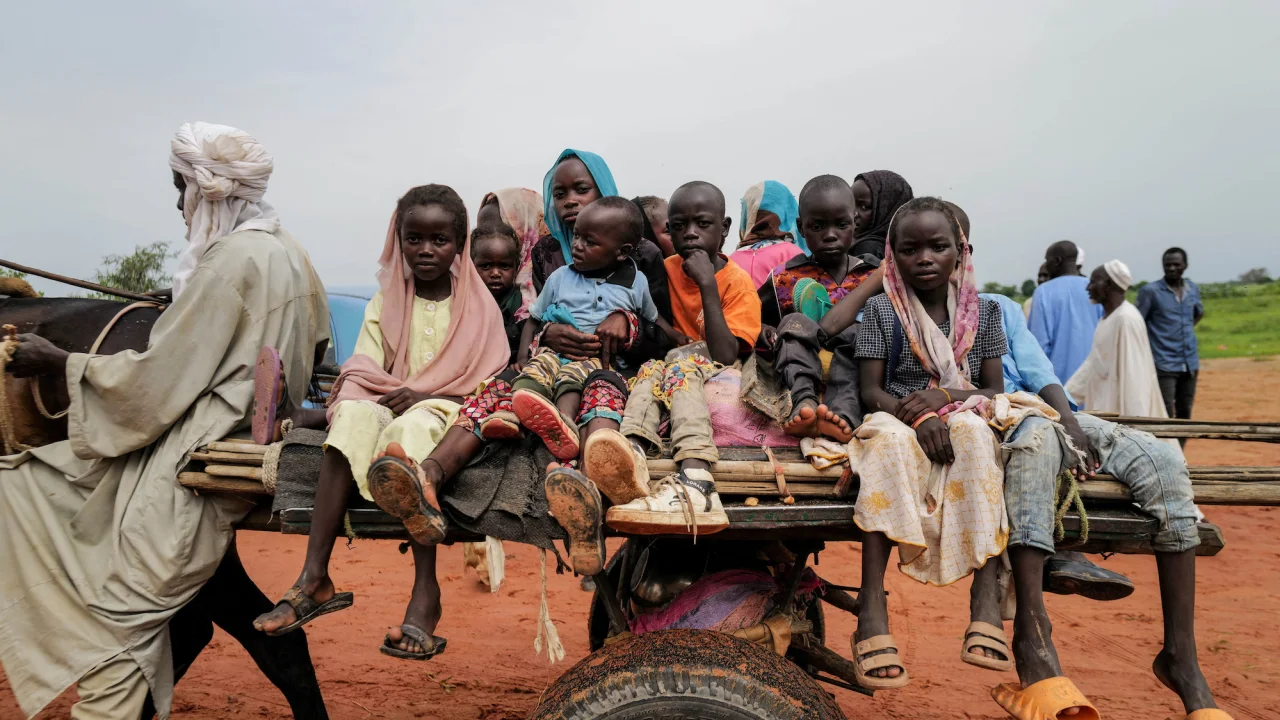
    She highlighted that Sudan currently hosts the largest number of displaced children worldwide, with millions suffering from malnutrition and the majority lacking access to education.

    Russell is on her way to the war-torn country, which has been ravaged by over a year of intense civil conflict, amidst escalating warnings of an impending famine.

    Sudan’s agricultural and food distribution systems have collapsed, exacerbated by restrictions imposed by both the Sudanese army and the Rapid Support Forces (RSF) on humanitarian aid deliveries.

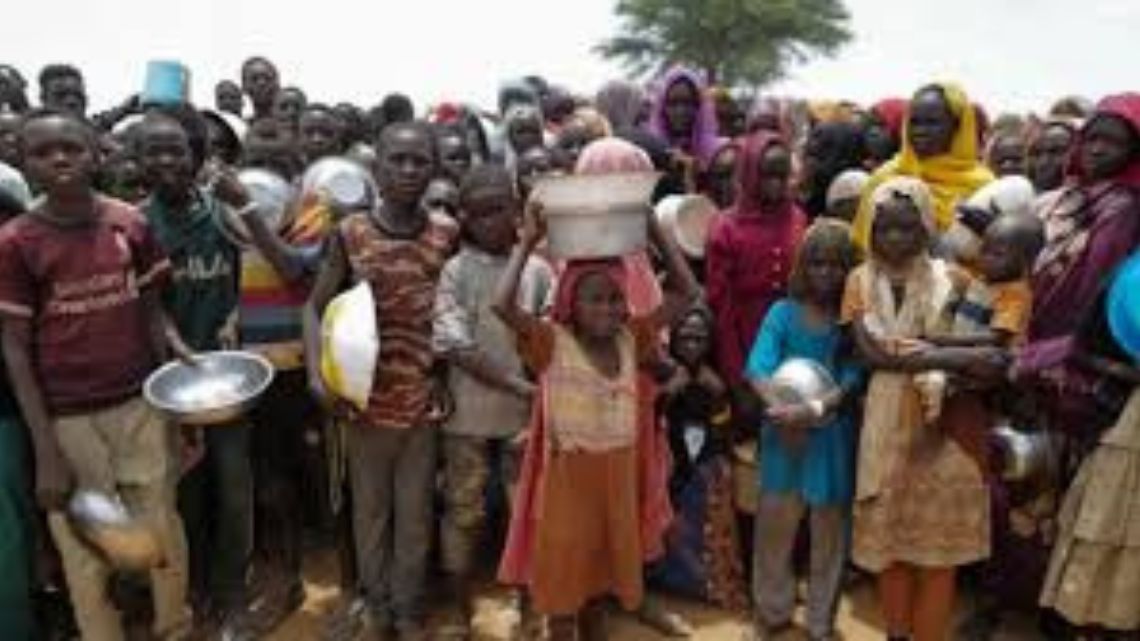
    Speaking from Nairobi, Russell emphasized the devastating impact of hunger on Sudanese children, noting that nine million children face chronic food insecurity, and nearly four million are experiencing severe malnutrition.

    “We’re long past time where we need to act, we need to act now or it’s just going to get worse,” she said.

    “You can always eventually make progress on something, so nothing is completely impossible. But for individual babies, for children, who are starving now, who are hungry, who are now severely malnourished, it will be too late for them.”

    Earlier this month, the BBC spoke to a food security expert who said that by September, 70% of Sudan’s population will be extremely hungry.

    “That could lead to two-and-a-half million deaths, or more” Timmo Gaasbeek said. “It could be as many as four million. There is just not enough food.”

    The Sudanese military and RSF have effectively partitioned the nation, precipitating a humanitarian disaster.

    Food deliveries are severely curtailed by the military in areas under RSF control.

    The RSF stands accused of rampant resource looting and has maintained a month-long siege on El Fasher, a city housing nearly two million residents.

    Ms Russell said she couldn’t speak to whether they were using hunger as a weapon of war. But she said the crisis was “100% man made.”

    “The challenge for us is not that we don’t have the food, it’s that we can’t get it to the people who need it. And that is really a crisis.”

    Ms Russell said Sudan had the highest number of displaced children in the world – five million – and nearly all of its children were out of school, in danger of becoming a lost generation that could contribute to future instability.

    “It’s hard to re-teach them, because that’s a lot of lost learning. But it’s also hard, in many cases, to get them back into the classroom,” she said.

    “So in that sense, they can become lost… And if you lose that, what do we think the future is going to be like? It’s going to be unstable.”

    She will add her voice to the chorus of demands for an end to the fighting. But a recent UN appeal for calm in El Fasher was ignored, and US efforts to restart peace talks have so far failed.

    “There’s limited bandwidth” she said when asked about the lack of persistent international engagement to wrest order from the growing chaos in the strategic African country, citing the conflicts in Gaza, Ukraine and Haiti.

    “That’s really the reason I’m going, to try to draw some attention to it and say, we need to focus on this right now. This is quite dire.

    “And if we don’t do something, it’s hard to imagine how bad it will be.”

  • UNICEF is yet to deliver $81.8m worth of COVID-19 drugs to Ghana – Dafeamekpor

    UNICEF is yet to deliver $81.8m worth of COVID-19 drugs to Ghana – Dafeamekpor

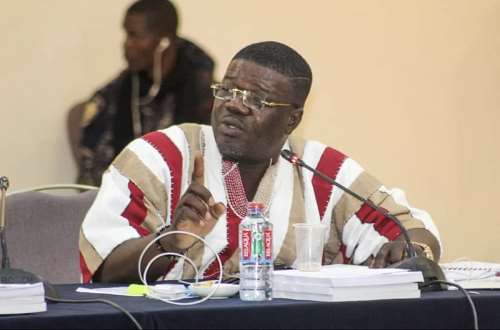
    The Member of Parliament for South Dayi, Rockson-Nelson Dafeamekpor, has accused UNICEF of failing to deliver COVID-19 medications, leaving Ghana with a substantial debt of US$81,870,379.80.

    Speaking to the media, Mr Dafeamekpor expressed frustration at the apparent loss of funds and the failure to hold UNICEF accountable.

    According to him, the Ministry of Health paid US$120,192,379.80 to UNICEF for COVID-19 vaccines, but only a fraction of the ordered vaccines were delivered, leaving a substantial outstanding amount.

    “That is why people like me don’t attend any programmes organized by UNICEF. I cannot understand why UNICEF would take our money with the intention of supplying us with COVID-19 drugs, yet they are unable to supply the entire order and retain the rest of the funds. We’ve organized several press conferences, but nothing has come out of it. We need to hold multinational agencies like UNICEF accountable. This behaviour is unacceptable.”

    He cited paragraph 76 of an audit report, which highlighted the discrepancy between the funds paid and the vaccines delivered.

    “Reading from Page 21, paragraph 76 of the audit report we noted that the Ministry of Health, on behalf of the Government of Ghana, paid US$120,192,379.80 to UNICEF/AVAT for the supply of 16,025,650 vaccines under the agreement. However, only 5,109,600.00 doses of vaccines valued at US$38,322,000.00 were supplied to the National Cold Room, resulting in an outstanding amount of US$81,870,379.80 with UNICEF/AVAT.’”

    Further details from paragraphs 77 to 80 of the audit report stated the following.

    1. This discrepancy could lead to financial loss if the contract is not renegotiated to recover the outstanding amount.
    2. The Chief Director of the Ministry of Health explained that the payment was made in anticipation of receiving all the vaccines within a short timeframe for vaccination in the country. However, unexpected vaccine donations, limited vaccine storage capacity, and slow uptake by Ghanaians for vaccination made it impossible to receive the Janssen vaccines that had been paid for.
    3. We recommended that the Chief Director of the Ministry of Health renegotiate with UNICEF/AVAT to recover the outstanding amount.
    4. Management responded that the Ministry has initiated its own renegotiation process with the World Bank. A meeting has been held between the Minister and the Bank, followed by a letter to the Bank to commence the renegotiation process.

    “What should Parliament do? We have summoned the Minister several times. His responds are neither here nor there. It is the government that must demand its money back. When I say government, I mean the executives who made the payment. They must seek a refund from the UNICEF headquarters.”

    The audit report recommended renegotiating with UNICEF to recover the outstanding amount, acknowledging the risk of financial loss if not addressed.

    Mr Dafeamekpor criticized the government’s handling of the situation, expressing disappointment at the lack of concrete action to recover the funds.

    He emphasized the need for accountability and urged the government to demand a refund from UNICEF headquarters.

    Regarding parliamentary action, Dafeamekpor questioned the effectiveness of summoning the Minister and suggested that it is ultimately the government’s responsibility to seek reimbursement.

  • More than 230 million women have undergone female genital mutilation globally – UNICEF

    More than 230 million women have undergone female genital mutilation globally – UNICEF

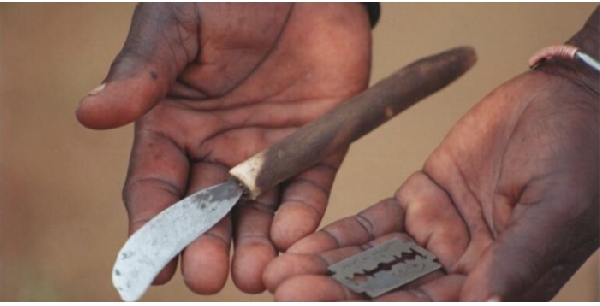
    A recent report by the United Nations Children’s Agency has revealed that over 230 million women and girls have undergone female genital mutilation, with the majority residing in Africa.

    Within the past eight years alone, approximately 30 million individuals have been subjected to this harmful procedure, which involves the partial or complete removal of external genitalia.

    Despite a decline in the percentage of women and girls affected by female genital mutilation, UNICEF cautioned that efforts to eliminate the practice are progressing too slowly to match the rapid growth of populations.

    “The practice of female genital mutilation is declining, but not fast enough,” the report said.

    Female genital mutilation, a practice erroneously thought to regulate women’s sexuality, poses severe risks, including excessive bleeding and fatalities. Girls undergo this procedure at various stages, from infancy to adolescence.

    Over time, it can result in urinary tract infections, menstrual issues, discomfort, reduced sexual fulfilment, and childbirth difficulties. Additionally, it may lead to psychological effects such as depression, diminished self-esteem, and post-traumatic stress disorder.

    “We’re also seeing a worrying trend that more girls are subjected to the practice at younger ages, many before their fifth birthday. That further reduces the window to intervene,” said UNICEF Executive Director Catherine Russell.

    The report highlights that Africa has the highest number of women and girls subjected to female genital mutilation, with approximately 144 million affected. Asia and the Middle East follow, with 80 million and 6 million cases, respectively.

    Somalia stands out as the country with the highest prevalence, with 99% of females aged 15 to 49 having undergone the practice.

    However, Burkina Faso has made significant strides, reducing the percentage of circumcised women in the same age group from 80% to 30% over a thirty-year period.

    Additionally, the report notes that 4 out of every 10 survivors reside in conflict-affected regions with rapid population growth rates, highlighting how political instability hampers efforts to combat the practice and assist victims.

    “Ethiopia, Nigeria and Sudan account for the largest numbers of girls and women who have undergone female genital mutilation in conflict-affected countries,” the report said.

    While the report acknowledged advancements achieved in certain nations, it cautioned that the global community is not on track to fulfill the United Nations’ objective of eliminating the practice entirely by 2030.

    “In some countries, progress would need to be 10 times faster than the best progress observed in history to reach the target by 2030,” said the report.

    Nimco Ali, CEO of the Five Foundation, a UK-based charity that fights female genital mutilation, said the UNICEF estimates were “shocking” and “devastating,” and more funding is urgently needed to end the practice.

    “We must use the last six years of this decade to finally get to grips with this abhorrent abuse of a girl’s human rights and save the next generation from the horrors of FGM,” the Somali-born activist, author and female genital mutilation survivor said in a press release.

  • 230 million women undergo female genital circumcisions Globally – UNICEF

    230 million women undergo female genital circumcisions Globally – UNICEF

    More than 230 million women and girls in Africa have had female genital mutilation, according to a report from the United Nations.

    In the past eight years, around 30 million people have had their private parts partly or completely removed, according to a report by UNICEF released on International Women’s Day.

    UNICEF said that the number of women and girls experiencing female genital mutilation is going down, but they are worried that the efforts to stop this practice are not happening fast enough to keep up with the growing population.

    The report said that the number of girls getting a certain harmful surgery is going down, but it needs to go down even faster.

    Some people incorrectly think this practice controls women’s sexuality. It can make women bleed a lot and even die. Girls from babyhood to teenage years have to go through this procedure. In the long run, it can cause problems with peeing, periods, pain, sex, and having babies. It can also make you feel sad, have low confidence, and get stressed easily.

    “We are noticing that more young girls are being forced to undergo this practice before they turn five years old, and it’s concerning. ” UNICEF’s Catherine Russell said that it makes it harder to help when the time to act is even shorter.

    Around 144 million women and girls in Africa, 80 million in Asia, and 6 million in the Middle East have experienced female genital mutilation, according to the report. In Somalia, 99% of girls and women between 15 and 49 years old have had the practice of female circumcision.

    In Burkina Faso, the number of women who have been circumcised decreased a lot in the last thirty years.

    The report said that 4 out of 10 survivors of abuse live in countries with a lot of fighting and a lot of people. It also said that problems with politics make it hard to stop the abuse and help the victims.

    The most girls and women who have been cut live in Ethiopia, Nigeria, and Sudan during times of war, according to the report.

    The report said that some countries are making progress, but it also warned that the world is not doing enough to stop the practice by 2030, as the UN wants.

    The report said that in some countries, they need to make progress 10 times faster than ever before to reach their goal by 2030.

    Nimco Ali, the leader of the Five Foundation, a charity in the U.K, said that the UNICEF estimates were very surprising and sad. She also said that we need more money quickly to stop female genital mutilation.

    “We need to work hard over the next six years to stop the terrible abuse of girls’ human rights and protect the next generation from FGM,” said the activist, author, and survivor of female genital mutilation in a press release.

  • Deputy Minister emphasizes importance of early childhood education in Ghana

    Deputy Minister emphasizes importance of early childhood education in Ghana

    Deputy Minister for Education, Rev. Ntim Fordjour, has underscored the critical need to prioritize Early Childhood Education (ECE) in Ghana, highlighting significant strides made by the government to enhance the ECE subsector.

    Rev. Ntim Fordjour’s remarks came in response to statements made by the MP for Tamale North, Alhassan Suhuyini, during a parliamentary session, where the latter referenced the Ghana Education Service (GES) Lively Minds Programme as a case study for Early Childhood Education.

    Addressing parliament, Rev. Ntim Fordjour emphasized the collaborative efforts between the government and various organizations, including the Ghana Education Service, Lively Minds, Sabre Education, IPA, Right to Play, and UNICEF, in implementing the standard-based curriculum. 

    He highlighted the incorporation of play-based pedagogies into the curriculum, stressing its effectiveness in engaging learners optimally, as supported by research indicating that children learn best through play.

    “We see so many NGOs operating in silos and therefore the kind of harmonized impact we ought to gain in their interventions is not maximized. Taking a cue from that, we have managed to harmonize all of the players within the play-based sector,” Rev. Ntim Fordjour remarked, emphasizing the importance of coordination among stakeholders to maximize the impact of ECE interventions.

    Rev. Ntim Fordjour also commended the GES Lively Minds Programme for its innovative approach, which involves engaging 90,000 rural parents in classrooms to support their children’s learning. Additionally, he highlighted the launch of the KG INSET Manual last year, aimed at training 48,000 kindergarten teachers nationwide, as a significant step towards improving ECE standards.

    In recognition of the commitment demonstrated by ECE NGOs in Ghana, Rev. Ntim Fordjour reiterated the ministry’s dedication to collaborating with global partners to secure funding and support for further advancements in Early Childhood Education.

    The deputy minister’s remarks underscore the government’s commitment to enhancing ECE in Ghana, aiming to provide a solid foundation for the educational development of young learners and combat learning poverty. As efforts continue to improve ECE standards nationwide, stakeholders remain optimistic about the positive impact on Ghana’s educational landscape.

  • Baby born via caesarean section after mother killed by Israeli artillery

    Baby born via caesarean section after mother killed by Israeli artillery

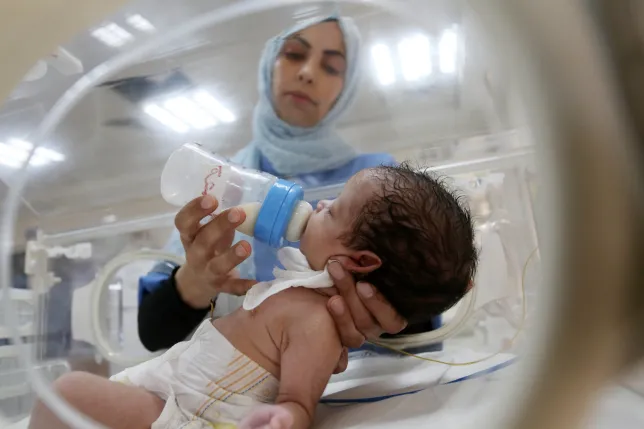
    A baby was born by C-section after its mother died in an Israeli bombing in Gaza.

    The doctors quickly tried to help the child after its mom, Hanadi Abu Amsha, died from her injuries.

    The baby is getting special care in the intensive care unit at Al-Aqsa Hospital in Deir al-Balah city.

    Officials said the child was orphaned before it was even born because its whole family is thought to have been killed.

    UNICEF said that Gaza is the most dangerous place for children because of the fighting between Israel and Palestinians.

    After coming back from the Strip, Ted Chaiban, who is the deputy executive director, said that the situation there has become very bad.

    UNICEF said that the Gaza Strip is the most dangerous place for children in the world. “We have said that this is a fight against children,” he said.

    However, it seems like people are not understanding these truths. Almost 25,000 people have been killed in Gaza. About 70% of them are women and children.

  • USAID, UNICEF partner Education Ministry to provide school items worth $500,000 to students in flood-affected communities

    USAID, UNICEF partner Education Ministry to provide school items worth $500,000 to students in flood-affected communities

    The United States Government, through the United States Agency for International Development (USAID), is partnering with UNICEF and the Ministry of Education to provide $500,000 worth of school supplies to children in the flood communities.

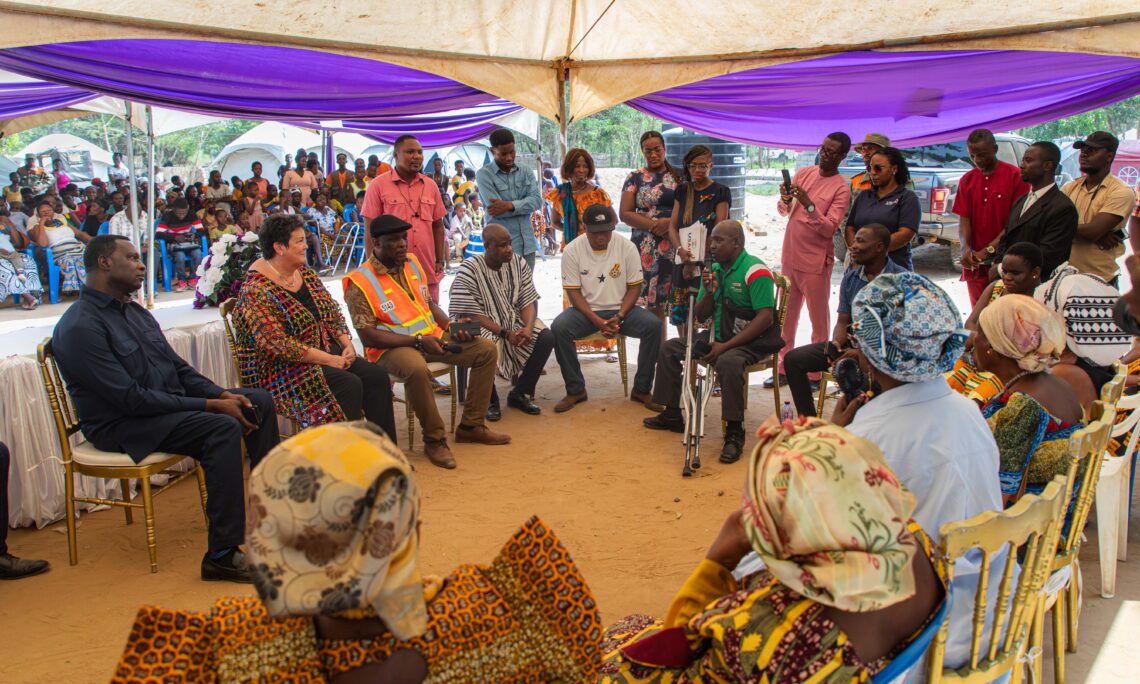
    This was revealed by the US Ambassador to Ghana, Madam Virginia Evelyn Palmer at Battor in the North Tongu District of the Volta Region, when she visited some of the impacted towns to gain first-hand knowledge of the situation.

    The Ambassador interacted with flood survivors, including teachers, parents, students, the chiefs and queens of the areas, and was impressed by their deep bravery and resilience in the face of the adversity.

    She also met with government officials and the Member of Parliament (MP) of the area to discuss sustainable ways of supporting these communities and expressed solidarity with the affected people, and the country.

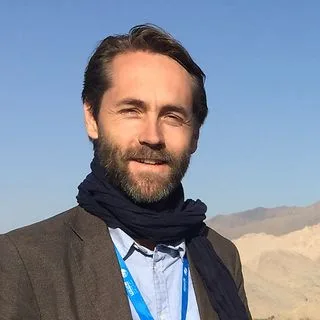
    The Ambassador was accompanied by Mr Fiachra McAsey, the UNICEF Deputy Country Representative, Barbara Clemens, the World Food Programme, Country Director, and other officials. Madam Palmer stated that in the face of adversity collective dedication would light the way to recovery.

    “We must stand together, united in our resolve to support you to rebuild and recover,” she said, adding that the assistance would aid in the restoration of education and learning in the impacted towns.

    The Ambassador disclosed that the US donated $100,000 in October 2023, to help save lives, lessen suffering and facilitate the recovery of flood victims.

    She said USAID also worked with the World Food Programme and the National Disaster Management Organisation, to set up temporary shelters, water, sanitation and hygiene services to the victims and send one-time cash donations to 700 affected families.

    “Today we are scaling up that support with $500,000 of additional support, with the focus specifically, to help schools return to normalcy and for students to continue to learn. This will help restore teaching and learning in communities affected by the floods,” she said.

    The Ambassador said through the Akosombo Safe Activity the USAID and UNICEF were supplying temporary school tents and necessary supplies like recreational kits and “schools-in-a-box,” which included teaching and learning materials.

    Madam Palmer said the US was Ghana’s biggest bilateral development partner and the decades of collaboration had saved thousands of lives and pledged its dedication to helping the people of Ghana, particularly in times of humanitarian need. She used the visit to donate some educational materials to the affected communities.

    Barbara Clemens, the World Food Programme Country Director praised the US and the Government of Ghana for the successful collaboration and support from others in handling the crisis.

    Dr Yaw Osei Adutwum, the Minister for Education, said to prevent the truncation of children’s education in the affected areas, they redistributed some of them to other schools and provided them with guidance and counseling.

    He said they had also carried out school health awareness campaigns aimed at ensuring that the children remained healthy to continue with their education and commended the children for their determination so far.

    Dr Archibald Yao Letsa, in an address delivered on his behalf by Mr Divine Osborn Fenu, the District Chief Executive for North Tongu, thanked the US Ambassador for the visit.

    He expressed his gratitude for the ongoing support and collaboration between Ghana and the USA, saying the Ambassador’s visit highlighted the strong and enduring friendship between the two nations.

    Mr Samuel Okudzeto Ablakwa, the MP of North Tongu, also commended the Ambassador for her visit and for the US’s ongoing assistance to the flood-affected areas.

  • Usman Khawaja to contest Gaza message ruling

    Usman Khawaja to contest Gaza message ruling

    Australian cricket player Usman Khawaja says he will not accept the decision to stop him from speaking out in support of Palestinians during a game, and is ready to challenge it.

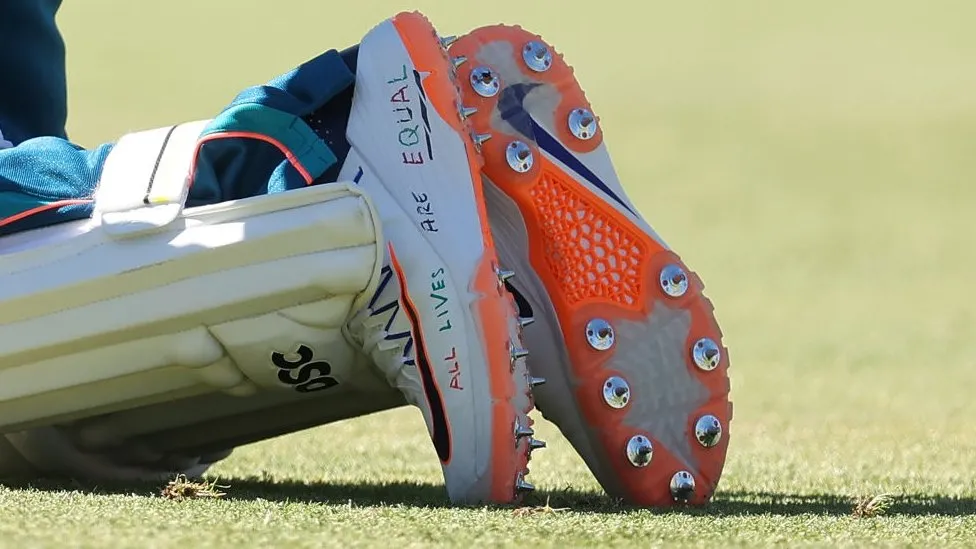
    The batter had planned to wear shoes with the words “all lives are equal” and “freedom is a human right” at a Test match with Pakistan.

    The International Cricket Council said they couldn’t do it because they thought the statements were “political,” Khawaja explained.

    In a video, he said that the message was a “plea for help for people in need”.

    In the Instagram video, the 36-year-old said that he’ll listen to the International Cricket Council’s decision, but he’ll still try to get them to agree with him.

    According to ICC rules, Khawaja might not be allowed to play in the match if he wears the shoes without permission. Team captain Pat Cummins had said earlier that Khawaja won’t do this.

    Khawaja, who is a follower of Islam, was seen wearing the shoes earlier this week while practicing for the next Test match in Perth. He has shown his support for people in Gaza on social media before.

    “Nobody gets to pick where they are born. ” When I was growing up, I felt like my life wasn’t as good as other people’s lives. “But I’m lucky because I’ve never had to live in a world where unfair treatment could kill me,” he said in the video.

    Before, Khawaja shared a video from Unicef on Instagram about Gaza. In the comments, he asked if people don’t care about innocent humans being killed, or if their skin color or religion makes them less important. He said these things shouldn’t matter if we really believe that everyone is equal.

    Cricket Australia said it is okay for their players to share their own opinions, but they need to follow the rules of the ICC.

    Cummins said he thought Khawaja didn’t know the rules, but still publicly backed what he said.

    He said he doesn’t think the person meant to cause any trouble.

    “I think he believed that everyone is equal. ” I don’t think that would cause disagreements. I don’t think anyone can have too many problems with that.

    Anika Wells, the Sport Minister, supports the batter and doesn’t think his shoes break the ICC rules.

    Usman Khawaja is a talented sports player and a proud Australian. He should be allowed to talk about things that are important to him. “He did it quietly and politely,” she said.

    But ex-Australian cricket players Rodney Hogg and Simon O’Donnell said that the sports field is not the right place to make political statements.

    “I completely respect Usman Khawaja’s beliefs, but when he’s playing for Australia, he shouldn’t try to push his beliefs onto others,” O’Donnell said on local SEN radio.

    According to ICC rules, players and officials need permission to display anything on their clothing or equipment. Messages that could cause problems or are political are not allowed.

    The rules also allow referees to make players stop playing if they are wearing things that don’t follow the rules.

    In 2014, a cricketer from England named Moeen Ali was told to stop wearing wristbands that showed his support for Gaza during a Test match with India.

  • Nobody feels secured as bombs fall every ten minutes – Unicef

    Nobody feels secured as bombs fall every ten minutes – Unicef

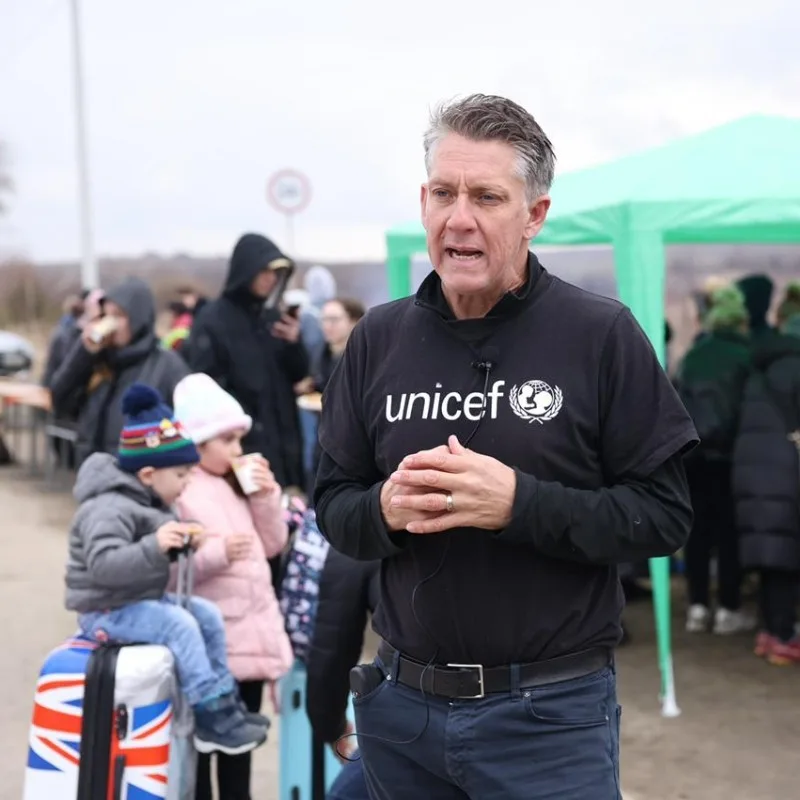
    James Elder, who speaks for an agency that helps children, says he is worried about how the Israeli military action in southern Gaza will affect the people who live there.

    “Important people are saying that the terrible things that happened in the north should not happen in the south. ” “Yes, that’s definitely true,” Elder said.

    He guessed that bombs drop “every 10 minutes”.

    People in southern Gaza are not only in danger, but they are also very tired. They have been forced to leave their homes multiple times because of bombings. This has made them feel very worn out and they are trying their best to stay strong for their children, but they don’t have anywhere else to go.

    “I see a lot of children being brought in on stretchers with their parents screaming because they got hurt in the war. It makes me think that hospitals and shelters are not safe for them. ” He said

    “I don’t feel safe, and no one else does either. “

  • Israel claims its military is extending its reach throughout Gaza

    Israel claims its military is extending its reach throughout Gaza

    The Israeli military is now attacking more areas in Gaza where they believe Hamas is located. This is according to their spokesperson Rear Admiral Daniel Hagari.

    Hagari said that soldiers were meeting Palestinian fighters directly.

    This morning, the Israeli military told people in Gaza to leave 20 areas in the middle of Gaza. They put up a map on social media to show which areas to leave.

    With arrows pointing to places in the south where people should go.

    A person who speaks for Unicef, the group that helps children all over the world, said he’s having a hard time finding new words to describe how bad things are for children in Gaza because the fighting there keeps going.

    “Right now in south Gaza, this is the worst attack of the war,” said James Elder.

  • ‘War wounds shocking’  – UNICEF worker

    ‘War wounds shocking’ – UNICEF worker

    UNICEF spokesperson James Elder talked to our reporters about the terrible damage he saw in Gaza while delivering supplies during the ceasefire.

    “I spend my days in places where many people have been forced to leave their homes. ” The effects of war on children are very bad and can cause lasting pain.

    Yesterday I traveled north with a group of very important help. The places, buildings, and people’s faces are full of distress and trauma. This could be from the damage and destruction or from the anxiety of people who have lost everything.

    He said that lots of people from Gaza are still going south because they were told to leave, even though they don’t know where they’re going.

  • Unicef ready to help in case of ‘humanitarian ceasefire’

    Unicef ready to help in case of ‘humanitarian ceasefire’

    Toby Fricker from Unicef says they would like it if Hamas and Israel would agree to stop fighting, so hostages can be set free.

    Even though we don’t know all the details yet, a Hamas official told Al Jazeera that they have been talking about how long the agreement would last, bringing aid into Gaza, and trading prisoners and hostages.

    Fricker, speaking from Amman, Jordan, told the BBC that if there is a ceasefire for helping people in Gaza, supplies should be brought in quickly to shelters and to people in need all over the area.

    Fricker said the help would be very important for saving lives and stopping another disaster with diseases spreading in the winter.

  • Over 1m children out of school in Burkina Faso – UNICEF

    UN’s children’s agency, Unicef, reports that safety concerns in Burkina Faso have led to the closure of one in four schools, leaving over one million children without access to education.

    Burkina Faso is facing one of the world’s most neglected crises, according to humanitarian experts, as the military junta’s promises to address Islamist militants have gone unfulfilled.

    These militants still control significant parts of the country, resulting in over two million people being displaced from their homes due to violence.

    Unicef is actively collaborating with the government to provide support to children in regions severely affected by Burkina Faso’s security crisis, including Nord, Centre-Nord, Boucle du Mouhoun, Est, Centre-Est, and Sahel.

    However, Unicef reveals that only 13% of the necessary funds have been allocated for this crucial mission, and an additional $227 million (£187 million) is urgently required.

  • Morocco’s earthquake: The whole community was destroyed ‘in just 10 seconds’ – victim

    Morocco’s earthquake: The whole community was destroyed ‘in just 10 seconds’ – victim

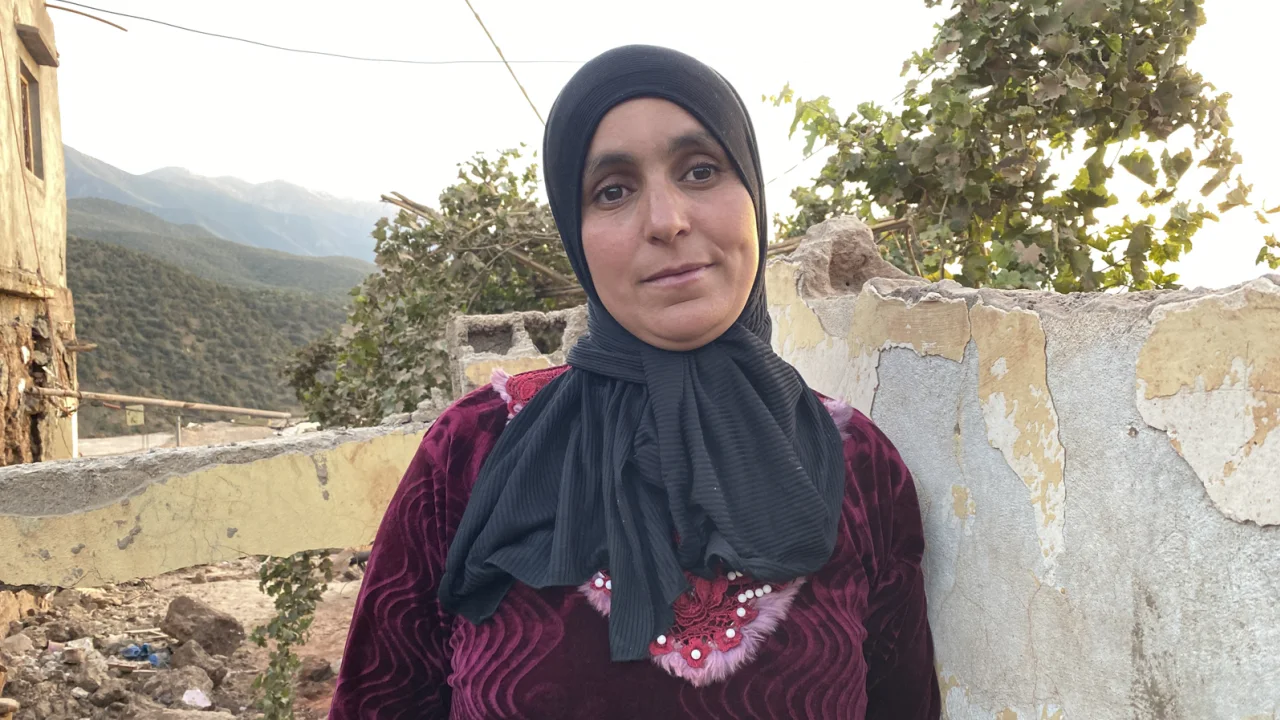
    Rajaa Acherhri was famous in her village for being very smart at math. When she was just six years old, she enjoyed solving difficult problems that were meant for older students. Her sister Sanaa also had large aspirations. She wanted to be a doctor, her mother, Fatema, told CNN.

    On Friday night after eating dinner, the girls were relaxing and sitting close together in their house. Rajaa is sleeping after a tiring day at school. Sanaa, who is 12 years old, is using her phone to play.

    All of a sudden, the Earth began to shake really hard. Fatema was cleaning in the kitchen when her house suddenly started falling apart. She said she jumped towards her daughters, but was heartbroken when she saw them being crushed by a falling piece of the ceiling. Both disappeared immediately.

    The day after, she laid them to rest with 19 others who also died in Tinzert, a small village high up in the mountains of Morocco.

    2M, a news channel, reported that according to the Moroccan government, over 2,900 people died in the disaster.

    According to UNICEF, initial reports suggest that about 100,000 children were affected by the earthquake.

    The earthquake has destroyed Tinzert and turned it into a huge heap of broken buildings and debris. The destruction is so severe that it is hard to see where one house begins and another ends. The houses in this place were old and made in the traditional manner, using mud and straw. They were not built to resist an earthquake, and they didn’t have to be. This place doesn’t usually experience earthquakes, and there hasn’t been a severe one in over 120 years.

    “The entire village vanished in just 10 seconds,” said Hakim Idlhousein to CNN.

    The earthquake split his house in two, making it look like a broken toy house. The front of the thing is all gone, and some parts of the back are still there, like a kitchen cabinet with stuff in it that’s still standing while everything else is destroyed.

    On Monday afternoon, Idlhousein and his family had a basic meal together. They put bread, oil, and coffee with sugar on a tray outside. They have been staying in a flat area since the earthquake. Their home is completely ruined and they are scared that there might be more earthquakes.

    A bunch of people who live near each other came over, they all gave each other hugs and kisses, talked to make each other feel better, and drank coffee. Tinzert is a very small place with only 300 people, so everyone here knows each other’s names. Everyone here has experienced the death of a loved one.

    The path to Tinzert is very thin and goes up at a steep angle. It is now difficult to drive to many parts of the village.

    The villagers are moving through the wreckage by climbing over it. The children are also helping by carrying things and jumping from one large piece of debris to another.

    After three days of living like this, everyone learns the paths through the ruins. The streets are no longer there. They have been replaced by dangerous paths on the pile of debris.

    Assistance has been delayed in reaching the mountains, and for now, it mostly involves volunteers from all over Morocco driving their private cars with supplies of food and water.

    A lot of people are getting more and more mad and annoyed because the government isn’t giving them enough assistance. Several people living in the area told CNN that they no longer believe the thing they were hoping for will happen.

    Tinzert is located in a hilly area called Al Haouz province. In this province, there are small villages spread out in the hills. Around 1,500 people have lost their lives in the earthquake just in this area, as reported by Moroccan authorities.

    A government official from Morocco told CNN on Monday that the damaged roads in mountainous areas like Tinzert are causing difficulties in delivering assistance to the regions that have been most severely affected.

    The people over there don’t have any option except to wait.

    For AbdelHaq Edabdelah, who is 17 years old, waiting became very hard. The pain in his shoulder was very strong, and it made it difficult for him to think clearly.

    The young construction worker got hurt when his house in a faraway village called Ifghan fell down. Abdeltif Ait Bensoli, his neighbor, told CNN that Edabdelah was trapped under a lot of rubble and only his head was visible.

    The people living nearby were able to help him out, but his shoulder was twisted and had bruises. He was hurting very badly and no one in the town knew how to make him feel better. There are no medicines to relieve pain and no tools to provide immediate medical assistance.

    He stayed outside with the rest of the village and slept there for two days, hoping someone would come to help. When nobody arrived, his neighbors decided to try and take him to see a doctor.

    The way is closed with big stones. Ait Bensoli said it is impossible to go through in a car.

    Edabdelah lives with his grandparents who are old. They couldn’t go with him, so Ait Bensoli had to take Edabdelah to the hospital.

    One of their neighbors gave them a ride to the part of the road that was blocked. They got out and had to walk for about 20 minutes over the big rocks and debris that were blocking the way.

    After passing through that area, they were able to get a ride to Asni, a town located about two hours southwest of Marrakech. On Monday morning, a field hospital was set up there.

    Edabdelah had a hard time talking when they arrived. The long and exhausting trip made him feel very painful and uncomfortable. He couldn’t use his arm and his face looked twisted every time he tried to move it.

    The doctors in Asni put a brace on Edabdelah’s shoulder to keep it still and gave him very strong medicine to help with the pain. They told him he would start to feel better in about two weeks, then let him go, focusing on the next person in line to be treated.

    Fatema Acherhri and her husband were both born in Tinzert. They both grew up with each other, got married and became parents to Rajaa and Sanaa. Acherhri said that her second time giving birth was very hard and she didn’t think she could have any more children.

    Acherhri said that she and her husband do not know what will happen in the future. Their daughters’ graves are the only reminder of their life in the village. The graves are located only a short distance from where their home used to be.

    Winter is coming soon and, in these mountains, it can be very cold and difficult.

    Acherhri gets emotional when she talks about her daughters and how happy they were with their new school supplies when school started last week. They enjoyed playing outside with their dad, while she was preparing couscous for them.

    Sanaa, the young child, really wanted to go to the hammam, a special bath in Morocco, on Friday. Her dad is a builder in Marrakech and he only comes back home on weekends.

    Acherhri, with tears in her eyes, told CNN that she just wanted to look clean and beautiful when he came.

    She said that she felt something odd when Sanaa asked her to apply henna on her feet last week.

    “I told her she was too young to get henna, but she insisted that she wanted to look beautiful and visit Ourika,” she said.

    Ourika is a pretty place in the Atlas Mountains, with lots of plants, waterfalls and big trees. People who live there think the place is absolutely amazing.

    “She believed something bad was going to happen, and she believed she was going to a better place,” she said.

  • Ghana’s online safety for children recognized by UNICEF

    Ghana’s online safety for children recognized by UNICEF

    Ghana’s efforts to lead child internet safety initiatives have been compared to a shining example for Africa and the rest of the world.

    Afrooz Kaviani Johnson, the global chief child protection specialist at UNICEF’s headquarters in New York, applauded Ghana for establishing a legal framework to safeguard the rights of Ghanaian children online.

    “I am happy Ghana has been able to put the fundamental structures in place for public education, social welfare, and awareness creation on child online protection. We really do look to Ghana as a case study example,” she said.

    Afrooz Kaviani Johnson, leading a team from UNICEF Ghana, praised the Cyber Security Authority (CSA) Management during their visit to Accra. As part of her visit, Johnson participated in a stakeholder consultative meeting concerning the development of a Legislative Instrument (L.I.) related to the Cybersecurity Act, 2020 (Act 1038), focusing on Child Online Protection.

    Since 2016, Ghana has collaborated with UNICEF and other stakeholders to address Online Child Sexual Exploitation and Abuse (OCSEA) and integrate targeted interventions into the National Child Protection systems.

    During their visit to the CSA, the UNICEF team engaged with civil society organizations and other relevant state institutions to contribute to the development of the Legislative Instrument.

    Ms. Johnson commended Hon. Ursula Owusu Ekuful, the sector Minister, and Dr. Albert Antwi-Boasiako, the Director-General of the CSA, for their leadership in safeguarding children against harmful online content. She also highlighted their collaboration on child online protection and cybersecurity issues.

    Johnson stressed the importance of protecting vulnerable children, who make up a significant portion of the population in many African countries, from consuming inappropriate online content.

    Dr. Antwi-Boasiako acknowledged UNICEF’s support in Ghana’s cybersecurity efforts. He cited the significant progress Ghana has made in cybersecurity readiness, attributing it to UNICEF’s collaboration and support. He praised Mrs. Ursula Owusu-Ekuful, the Minister for Communications & Digitalisation, for her dedication to child protection, which led to the establishment of Child Online Protection systems in Ghana.

    The Director-General proposed that the collaboration between the CSA and UNICEF be expanded and institutionalized in various areas, including awareness creation, research on child online protection, support for criminal justice responses, and victim support services.

    He commended UNICEF for its humanitarian efforts and described the staff at UNICEF Ghana as “faithful servants and advocates of children in Ghana” for their dedication to child online protection.

    Johnson was accompanied by Miho Yoshikawa, Hilda Mensah, Joyce Odame, and Benjamin Kobina Amoah Dadson from UNICEF Ghana Country Office during the visit.

  • 14 million Sudanese children in urgent need of humanitarian assistance – UNICEF

    14 million Sudanese children in urgent need of humanitarian assistance – UNICEF

    The UN children’s agency said on Friday that 14 million children in Sudan are in “dire need” of humanitarian assistance as the country’s hunger crisis is being exacerbated by a deadly conflict there.

    “The figures are astounding. According to Ted Chaiban, deputy executive director of UNICEF, “nearly 14 million children, or roughly every child in Colombia, France, Germany, or Thailand, are in urgent need of humanitarian assistance.”

    According to him, more than 1.7 million children in Sudan have been ejected from their homes and are now at risk of famine, disease, violence, and family division.

    The 1.9 million children who were previously displaced in Sudan prior to this most recent crises are added to by this.

    “Three million children under the age of five are underweight, and 700,000 of them are at serious danger for severe acute malnutrition and death. Chaiban continued, “1.7 million infants under the age of one are at risk of skipping important immunisations, increasing the likelihood of disease outbreaks.

    According to UNICEF, at least 435 children have died and more than 2,025 have been injured in the Sudan violence since it started in the middle of April.

    The UN issued a warning on Thursday that over 20 million people in Sudan are suffering from extreme hunger, a number that has nearly doubled since last year.

  • Let’s support breastfeeding at work – UN agencies urge

    Let’s support breastfeeding at work – UN agencies urge

    World Breastfeeding Week begins with UN agencies highlighting the importance of greater breastfeeding support in workplaces.

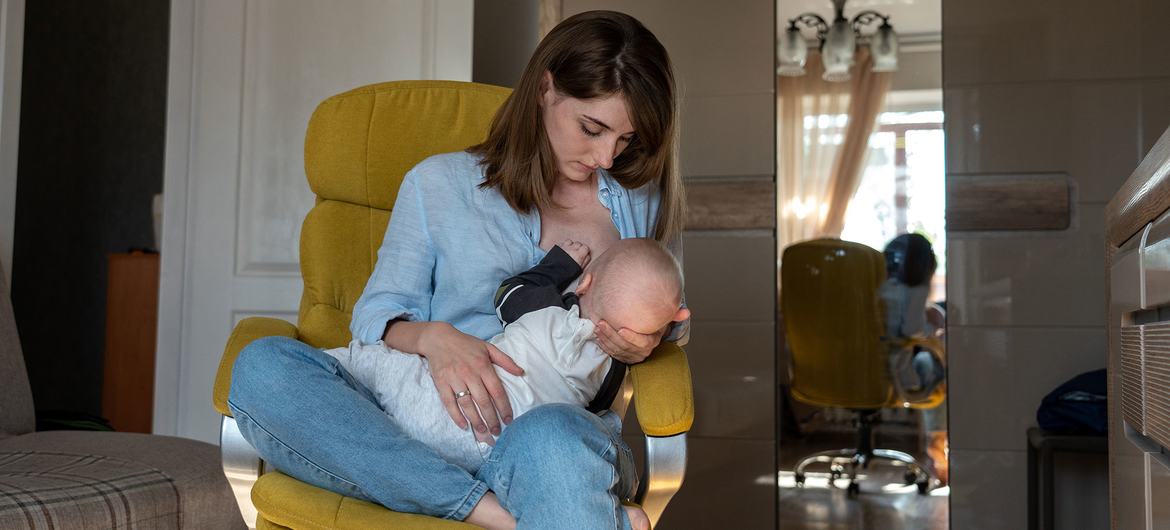
    In the past decade, exclusive breastfeeding rates have risen by an impressive 10 percentage points, reaching 48% globally, according to UNICEF and WHO.

    Encouraging and assisting breastfeeding in workplaces can drive progress towards the global target of 70% by 2030. Evidence shows that supportive workplaces play a crucial role in reversing the drop in breastfeeding rates when women return to work.

    “Supportive workplaces are key. Evidence shows that while breastfeeding rates drop significantly for women when they return to work, that negative impact can be reversed when workplaces facilitate mothers to continue to breastfeed their babies,” Catherine Russell, UNICEF Executive Director, and Tedros Adhanom Ghebreyesus, WHO Director-General, said in a statement.

    Family-friendly workplace policies, including paid maternity leave, breastfeeding breaks, and designated breastfeeding spaces, benefit working women, their families, and employers. Such policies generate economic returns by reducing absenteeism, retaining female workers, and cutting the costs of hiring and training new staff.

    UNICEF and WHO urge governments, donors, civil society, and the private sector to support all working mothers, including those in the informal sector or on temporary contracts, and to provide sufficient paid leave for parents and caregivers to meet their young children’s needs.

    Breastfeeding is a scientifically-proven ultimate child survival and development intervention, offering numerous health benefits. It protects babies from common infectious diseases and supports their immune systems, providing essential nutrients for optimal growth and development.

    Both UNICEF and WHO recommend initiating breastfeeding within the first hour of birth and continuing exclusively for the first six months.

    After six months, children should receive safe complementary foods while continuing to breastfeed for up to two years or more.

  • Bono Health Directorate receives  cold room from UNICEF

    Bono Health Directorate receives cold room from UNICEF

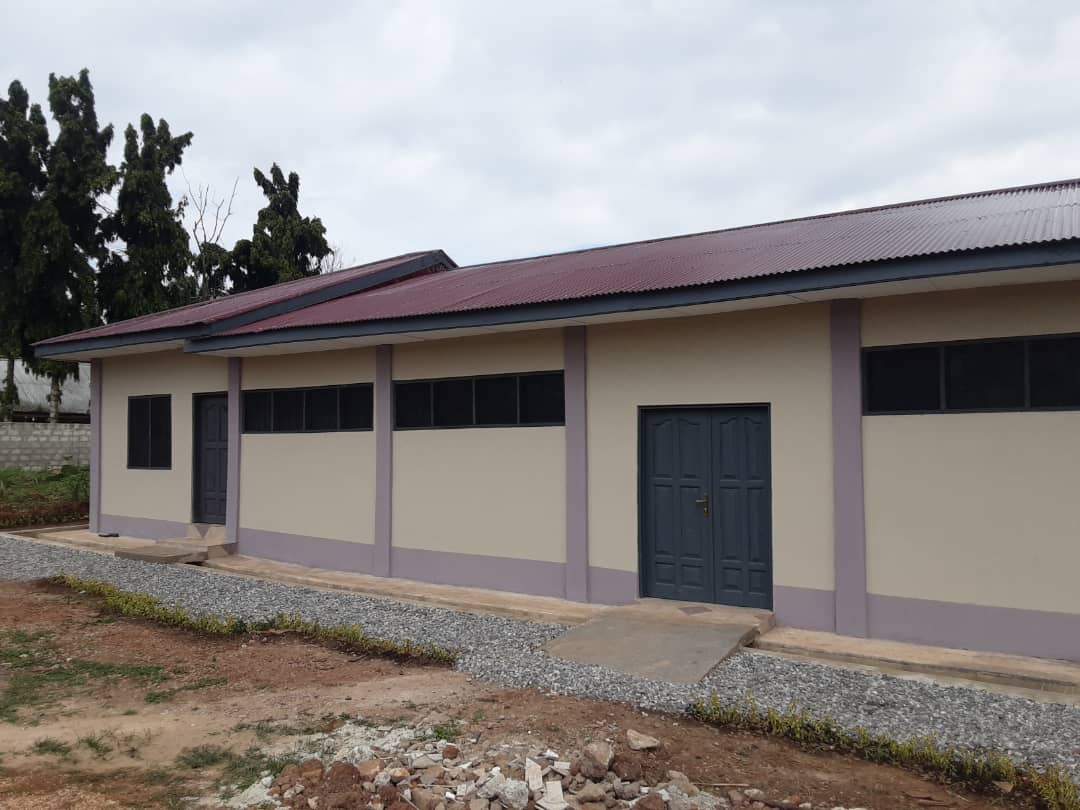
    The Bono Regional Health Directorate in Sunyani has received a walk-in cold room, worth GH¢320,000, funded by the United Nations International Children’s Emergency Fund (UNICEF).

    The facility, equipped with two large cold room refrigerators, is located at the Disease Control Unit premises.

    The Bono Regional Director of Health, Dr. Kofi Amo-Kodieh, expressed gratitude to UNICEF and highlighted the region’s enhanced capacity for vaccine storage and distribution within the region and the West Africa Sub-Sahara region.

    “We now have the capacity to store and preserve vaccines for onward delivery to neighbouring countries, including Togo, Burkina Faso and Ivory Coast”.

    With Ghana’s pursuit of vaccine development and production, the Bono Regional Director of Health expressed optimism that the Bono Region would play a crucial role in the distribution of those vaccines.

    Dr. Amo-Kodieh also expressed concern over the lack of maintenance culture among Ghanaians. However, he reassured that the directorate had implemented plans to ensure regular maintenance of the facility.

  • UNICEF StartUp Lab graduates 20 innovative young entrepreneurs

    UNICEF StartUp Lab graduates 20 innovative young entrepreneurs

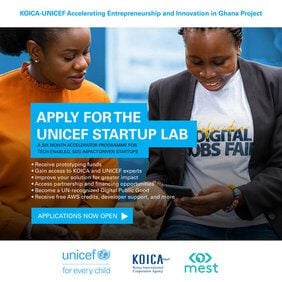
    Approximately 20 innovative young entrepreneurs in the country have successfully completed the United Nations International Children’s Emergency Fund (UNICEF) StartUp Lab program.

    This intensive six-month accelerator program focused on business and product development aimed to support businesses dedicated to advancing the United Nations Sustainable Development Goals (SDGs) for children and young people.

    Led by UNICEF in Ghana and supported by KOICA through the “KOICA-UNICEF Accelerating Entrepreneurship and Innovation in Ghana” initiative, the program aimed to enhance the skills and capabilities of participating entrepreneurs, strengthen their products and businesses, and amplify their social impact.

    During the graduation ceremony held in Accra, Fiachra McAsey, the Deputy Representative of UNICEF in Ghana, commended the talented startups for their dedication and innovative use of digital technology and business acumen to address the pressing challenges faced by young people in Ghana.

    McAsey emphasized that UNICEF will continue to be inspired by this new cohort of entrepreneurs and their commitment to creating new products and services that contribute to positive change. The 20 startups represent a group of resourceful, dedicated, and talented individuals from various regions of the country.

    “It has been our pleasure to accompany them over the past six months through the UNICEF StartUp Lab Accelerator Programme, and we look forward to supporting them further, as they join our Alumni network, and continue to make a difference for children and young people in Ghana, and beyond,” he said.

    Transformative power

    The Acting Country Director of KOICA Ghana, Seungmin Oh, said KOICA firmly believes in the transformative power of entrepreneurship and innovation.

    He said KOICA recognise the importance of creating an enabling environment that fosters creativity, provides necessary resources, and encourages collaboration.

    He said KOICA was proud to have been a part of the journey of the 20 startups, and for that reason remain committed to supporting the growth of entrepreneurship and innovation in Ghana.

    “We will continue to invest in programs that empower young entrepreneurs and equip them with the skills, resources, and networks needed to thrive in today’s competitive landscape,” he said.

    Nurturing entrepreneurs

    The Korea Ambassador to Ghana, Lim Jung-Taek, said Korea was honoured to have been a part of this transformative initiative, which has nurtured the seeds of entrepreneurship and paved the way for a brighter future for these talented individuals.

    He said, “Korea has long been a testament to the power of technology-driven progress which has seen it invest more than four per cent of its GDP in research and development, fuelling groundbreaking discoveries and fostering an environment that thrives on innovation.”

    He added that this commitment to technological advancement has yielded incredible results, giving rise to global companies that have left an indelible mark on various industries.

    Significant guidance

    The startups also gained valuable access to a network of experts from UNICEF, KOICA, and MEST, offering significant guidance and fostering networking and investment opportunities.

    Moreover, qualified companies were given dedicated assistance towards achieving recognition as an UN-recognized Digital Public Good.

    Throughout the programme, each selected startup was provided with up to GH¢25,000 in prototyping funding, in addition to immersive and hands-on business acceleration support.

    Now in its third year, the UNICEF StartUp Lab has accelerated over 50 startups from across Ghana, including by investing over $100,000 in prototyping funding to support the development and impact of these businesses.

    The UNICEF StartUp Lab has been instrumental in equipping Ghanaian startups with the necessary skills, resources, and support to address pressing challenges faced by children and young people in the country.

  • Cash grants for LEAP beneficiaries to be increased by government

    Cash grants for LEAP beneficiaries to be increased by government

    Effective Monday, June 19, the Livelihood Empowerment Against Poverty (LEAP) program will begin distributing cash awards around the country on behalf of the government through the Ministry of Gender, Children, and Social Protection.

    A press release, signed by the Minister of Gender, Children and Social Protection, stated that the grants have been increased by 100% in response to the escalating global socio-economic crisis.

    The release outlined the new grant amounts: households with one eligible member will now receive GH₵128, up from GH₵64; households with two eligible members will receive GHS 152 instead of GH₵76; households with three eligible members will receive GH₵176, up from GH₵88; and households with four or more eligible members will now receive GH₵212, compared to the previous GH₵106. These adjustments apply to the 83rd and 84th cycles of the social protection programme, which aims to alleviate poverty by providing bi-monthly cash grants to the most vulnerable households in Ghana. The programme also seeks to improve human capital development and enhance consumption patterns among beneficiaries.

    The Minister, Hajia Lariba Zuweira Abudu, highlighted the worsening impact of the global economic crisis on the lives and livelihoods of the poor and vulnerable. The release emphasized the government’s commitment to addressing these challenges and mitigating their effects on the vulnerable population. “As a responsible government, we are taking the necessary steps to resolve the current challenges and as well reduce the effects of the shocks on the poor and vulnerable,” stated the release.

    The government has allocated GH₵109,031,160.00 for the 83rd and 84th cycles, enabling the payment of cash grants to approximately 350,000 households. These households encompass over 1.5 million individuals who are beneficiaries of the LEAP Programme.

    The amount received by each household depends on the number of eligible individuals within the household, including orphans and vulnerable children, elderly individuals without support, persons with severe disabilities, and extremely poor pregnant women and mothers with infants under one year.

    The Ministry urged all stakeholders involved in the LEAP payment process, including the Department of Social Welfare and Community Development, the LEAP Community Focal Persons, the Payment Service Provider (the Ghana Inter-bank Payment and Settlement Systems), and the Participating Financial Institutions, to ensure the successful distribution of the grants.

    The Ministry expressed gratitude to the LEAP Programme’s supporters, including The World Bank, UNICEF, and the World Food Programme, for their valuable assistance.

  • Safe School logo launched by GES

    Safe School logo launched by GES

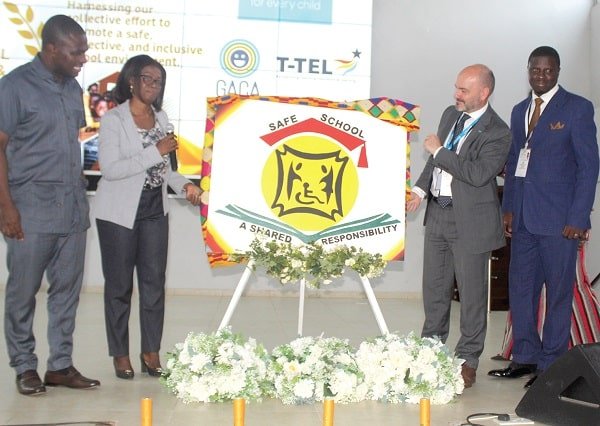
    The Safe School campaign, which was started in 2018 to address the issues of the incidence of violence in schools, has had its logo outdoored by the Ghana Education Service (GES).

    Held in Accra last Thursday, the outdoor also saw the launch of the Safe School Annual Awards scheme, which is to recognise and reward schools, teachers and students who demonstrate attitudes and behaviours consistent with the Safe Schools implementation in schools at the district, regional and national levels to motivate other schools and individuals.

    The launch, on the theme “Harnessing our collective effort to promote a safe, protective and inclusive school environment”, brought together some stakeholders in the education sector, students and representatives from the Ghana Education Service (GES).

    Awards

    Awards were given to some students who won the National Safe Schools Logo Competition, which was geared towards creating an identity and visibility for the Safe Schools Programme.

    The overall winner, from the Fomena T.I Ahmadiya Senior High School in the Ashanti, Ofori Enock Jibril, went away with Gh¢ 7,000.

    Hannah Egbenya from the Volta School for the Deaf in the Volta Region, Abdul Rahman Mohammed Fayad of Nyohini Presbyterian Junior High School “B” in the Northern Region and Yasmin Alidu Zendin of the Early Childhood Development Centre at Agona Swedru in the Central Region, received GH¢ 4,000 each.

    Safe environment

    The Chief Director of the Ministry of Education, Mamle Andrews, who read a speech on behalf of the Minister for Education, Dr Yaw Osei Adutwum, said for the country to achieve inclusive and quality education, there was a need for the child to have a safe environment devoid of neglect, abuse and maltreatment to have successful outcomes.

    “It is for this reason that the ministry and the GES launched the Safe School Programme in 2018 to eradicate all forms of violence in schools,” he said.

    Dr Adutwum added that the ministry would continue to support the guidance and counselling units through the GES to intensify the localisation of the Safe Schools programme by training staff, teaching students in schools and classrooms and continuous collaboration with parents, families, communities and relevant stakeholders to see to the programme’s success.

    According to him, leveraging individual and collective responsibilities and knowledge would help prevent and adequately respond to school violence and all forms of bullying, including cyberbullying.

    Violence-free

    The Director-General of the GES, Dr Eric Nkansah, also reiterated that the service believed that the attainment of violence-free schools was a collective responsibility, hence the tagline, “Safe school, a shared responsibility”.

    The tagline, he said, emphasised the fact that there was a need for all hands on deck to provide and promote a safe, secure and inclusive environment for learners

    “We say thank you to all our partners for your commitment to our quest to rid our schools of all forms of violence, including corporal punishment, sexual harassment and bullying. I am confident that through our collaborative efforts, the Safe School Programme will be a success,” he added.

    The United Nations Children’s Fund (UNICEF) Representative in the country, Fiachra McAsey, stated that for good quality education, it was important for children to have a safe environment where they could learn and achieve their goals.

  • Surge in prices of sanitary products a hidden canker

    Surge in prices of sanitary products a hidden canker

    Sanitary products such as pads, tampons and menstrual cups are essential for maintaining good menstrual hygiene.

    However, the high cost of these products in Ghana has led to many adolescent girls and women being unable to afford them, which can have negative effects on their reproductive health, primary health care and education.

    In this article, we will examine the impact of the hike in the prices of sanitary products on adolescent reproductive health, primary health care and education in Ghana, and provide statistical analysis to support our findings.

    Background

    Ghana has a population of over 30 million, with adolescent girls making up a significant percentage of the population.

    Menstrual hygiene management is a significant issue for adolescent girls in Ghana, as many cannot afford to purchase sanitary products.

    According to a report by the United Nations Children’s Fund (UNICEF), about one in ten girls in sub-Saharan Africa miss school during their menstrual cycle due to a lack of access to menstrual hygiene products.

    In Ghana, it is estimated that about 95 per cent of girls cannot afford sanitary products, which leads to poor menstrual hygiene management and an increased risk of reproductive health problems.

    Impact on Adolescent Reproductive Health

    The inability to afford sanitary products can have a negative impact on adolescent reproductive health.

    Poor menstrual hygiene can lead to infections such as bacterial vaginosis and urinary tract infections.

    According to a study conducted by SMART HUB, a youth-led group registered with the Volta Regional Youth Authority in Ghana, poor menstrual hygiene management was associated with an increased risk of vaginal discharge, itching, and bad odour.

    The study also found that adolescent girls who could not afford sanitary products were more likely to reuse pads, which can increase the risk of infection.

    Impact on primary health care

    The high cost of sanitary products can also have a negative impact on primary health care.

    Many adolescent girls and women in Ghana cannot afford to purchase sanitary products, which means they are more likely to miss appointments for check-ups and screening tests.

    This can lead to delayed diagnoses and treatment of reproductive health problems, which can have serious consequences.

    Impact on education
    The inability to afford sanitary products can also have a negative impact on education. Many adolescent girls in Ghana miss school during their menstrual cycle due to a lack of access to menstrual hygiene products.

    This can lead to poor academic performance and increased dropout rates.

    According to a study conducted by the United Nations Population Fund (UNFPA), girls who miss school during their menstrual cycle are more likely to drop out of school altogether.

    Statistical analysis

    To examine the impact of the hike in the prices of sanitary products on adolescent reproductive health, primary health care and education in Ghana, SMART HUB surveyed 500 adolescent girls aged between 10 and 19 years from different regions of Ghana.

    The survey was conducted between January and March 2022, and the data were analysed using SPSS version 27.

    The results of the survey showed that 80 per cent of adolescent girls in Ghana could not afford sanitary products, and 60 per cent of them reported missing in school during their menstrual cycle due to a lack of access to menstrual hygiene products.

    The survey also found that 70 per cent of the girls who could not afford sanitary products used old rags or clothes during their menstrual cycle, and 50 per cent reported experiencing infections such as bacterial vaginosis and urinary tract infections.

    Conclusion

    The high cost of sanitary products in Ghana has led to many adolescent girls and women being unable to afford them, which can have negative effects on their reproductive health, primary health care and education.

    The inability to afford sanitary products can lead to poor menstrual hygiene management, increased risk of reproductive health problems, delayed diagnoses and treatment of reproductive health problems, poor academic performance and increased dropout rates.

    It is, therefore, essential for the government and stakeholders to take action to reduce the cost of sanitary products and increase access to menstrual hygiene products for adolescent girls and women in Ghana.

    The writer is a Level 400 student physician assistant, (TEIN-UHAS General Secretary) email: mkleyram@gmail.com

    DISCLAIMER: Independentghana.com will not be liable for any inaccuracies contained in this article. The views expressed in the article are solely those of the author’s, and do not reflect those of The Independent Ghana

  • Lives of 78m children in danger over water-related crises in Nigeria – UNICEF

    Lives of 78m children in danger over water-related crises in Nigeria – UNICEF

    The United Nations Children’s Fund (UNICEF) have assessed that , no fewer than 78 million children in Nigeria are at the greatest risk from a confluence of three water-related risks.

    One-third of children in Nigeria do not have access to at least basic water at home, and two-thirds do not have basic sanitation services, according to Dr. Jane Bevan, Chief of Water, Sanitation and Hygiene for UNICEF Nigeria, who made this known in a statement on Monday in Abuja.

    Also, just a quarter of kids can wash their hands at home because there isn’t enough water or soap, she said, citing other issues with hand hygiene.

    She disclosed further that as a result, Nigeria is one of the 10 countries that carry the heaviest burden of child deaths from diseases caused by inadequate WASH, such as diarrhoeal diseases.

    The statement read in part: “Nigeria also ranks second out of 163 countries globally with the highest risk of exposure to climate and environmental threats.

    “Groundwater levels are also dropping, requiring some communities to dig wells twice as deep as just a decade ago. At the same time, rainfall has become more erratic and intense, leading to floods that contaminate scarce water supplies.

    “I believe we need to rapidly scale up investment in the sector, including from global climate financing, strengthen climate resilience in the WASH sector and communities, increase effective and accountable systems, coordination, and capacities to provide water and sanitation services and implement the UN-Water SDG6 Global Acceleration Framework.

    “If we continue at the current pace, it will take 16 years to achieve access to safe water for all in Nigeria. We cannot wait that long, and the time to move quickly is now. Investing in climate-resilient water, sanitation, and hygiene services is not only a matter of protecting children’s health today but also ensuring a sustainable future for generations to come.”

    The statement was released ahead of the UN 2023 Water Conference in New York, from March 22-24, 2023, co-hosted by Tajikistan and the Netherlands, called for urgent action to address the water crisis in Nigeria.

    The UN 2023 Water Conference, formally known as the 2023 Conference for the Midterm Comprehensive Review of Implementation of the UN Decade for Action on Water and Sanitation (2018-2028), will result in a summary of proceedings from the UN General Assembly President, Csaba Korosi, that will feed into the 2023 session of the UN High-level Political Forum on Sustainable Development.

  • Vaccines Shortage: Government paid  UNICEF $6.4m for supply of vaccines – Health Minister

    Vaccines Shortage: Government paid UNICEF $6.4m for supply of vaccines – Health Minister

    Minister of Health, Kwaku Agyemang-Manu, has disclosed that funds totaling $6.4 million had been given to UNICEF for the procurement of three essential infant immunizations.

    The Health Minister stated that several crucial shipping and procurement operations are part of the causes for the supply delay when he testified before Parliament on Thursday, March 9, to address concerns about the shortages.

    Taking a question on the amount paid for the vaccines from the Member of Parliament for the Okaikoi North constituency, Theresa Awuni, the Minister disclosed that “we have made payments of about $6.4 million of the Cedi equivalent to UNICEF who supplies us the vaccines.”

    He further disclosed that a large chunk of the funds for the vaccines was disbursed by the National Health Insurance Authority in tranches.

    “I have a template on how these monies were released; the NHIA transferred GH¢25 million in June 2022. We also had another GH¢10.5 million in October, we had GH¢13.1 in November and the last tranche was around GH¢23 million in December. All of these totalled GH¢71.8 million, and we budgeted this amount on the basis of GH¢6 to the dollar, but we are all aware that the Cedi was not trading at that amount, so we had shortfalls in the dollar equivalence and that is what caused the delays.”

    Ghana has been hit with acute childhood vaccine shortages since October 2022 which has left thousands of babies across the country unvaccinated.

    The Minister failed to give a definite timeline for the supply of the vaccines.

  • Despite vaccine shortages, Ghana ranked best best in immunisation coverage – MoH

    Despite vaccine shortages, Ghana ranked best best in immunisation coverage – MoH

    The Ministry of Health (MoH) contends that Ghana’s immunization performance coverage continues to rank among the best in the world, notwithstanding the obstacles associated with the country’s lack of access to some children vaccines.

    According to the report, in 2021, the nation’s rate of childhood immunization coverage was approximately 95%.

    At a news conference held on Tuesday (March 7, 2023) to refute claims that the Northern Region‘s measles outbreak is killing people because some vaccines are not available, the Ministry said “It is important to correct the erroneous impression that there have been deaths from Measles in Ghana recently.”

    The Minister of Health, Kwaku Agyeman Manu who addressed the press briefing explained that “For the avoidance of doubt, there have been no deaths from the recently recorded spike in Measles cases. Indeed there have been no deaths since 2003 though we have recorded cases annually.”

    Ghana has been experiencing shortages of some childhood vaccines, a situation that has attracted attention from different quarters, including Parliament and the Paediatric Society of Ghana.

    The MoH said it is working with UNICEF to fast-track the processes to obtain some of the vaccines as early as possible.

    “Working with UNICEF, we are fast-tracking the processes and it is expected that the vaccines would be supplied in the next few weeks All things being equal,” the minister said.

    He added, “the Ministry of Health will ensure that we stay on track with our immunisation record and quickly overcome this bottlenecks.” 

    Ministry of Health Statement on vaccines

    PRESS BRIEFING ON SHORTAGE OF SOME ROUTINE CHILDHOOD VACCINES IN THE COUNTRY AND THE OUTBREAK OF MEASLES IN THE NORTHERN REGION

    1.    Ladies and Gentlemen of the Press, thank you for this pleasant opportunity to address you on the shortage of some childhood vaccines in the country and matters arising, and the outbreak of measles in the Northern Region.

    2.    The Ministry of Health has been seriously concerned about the shortage of some childhood vaccines and their effect on the Vaccination Programme in the country. This is a major source of worry for the Ministry, Partners, caregivers, and population.

    3.    We are aware of the implications of the shortages including disease outbreaks, and effects on child survival

    4.    The Expanded Programme on Immunisation (EPI) has been a flagship disease control program in the country and arguably one of the best programmes if not the best in the sub-region with high coverage levels of over 95%. We have an established system for forecasting, procurement, supply and distribution of routine vaccines, and monitoring their use.

    5.    Ladies and Gentlemen, it is true we have had some vaccine shortages in the country since the last quarter of 2022. The vaccines in short supply are BCG, Measles-Rubella (MR), and Oral Polio Vaccine (OPV). This shortage is nationwide.

    6.    The recent shortage in Vaccines for measles, as regrettable as it is, is symptomatic of the steady global decline in measles vaccination since the beginning of the covid-19 pandemic. 


    7.    Permit me to quote from a WHO recent publication on the subject that puts the challenge we are dealing with into perspective:

    8.    Ghana’s Ministry of Health has been making efforts to ensure we secure adequate stocks of vaccines despite this global challenge.

    9.    We have made all necessary efforts to ensure that despite these challenges we secure adequate stocks within the next few weeks.

    10.    It is important to correct the erroneous impression that there have been deaths from Measles in Ghana recently. For the avoidance of doubt, there have been no deaths from the recently recorded spike in Measles cases. Indeed there have no deaths since 2003 though we have recorded cases annually. 

    11.    Finally, despite this challenge, Ghana’s immunization performance coverage remains among the best in the world. In 2021 we recorded 95% coverage.

    12.    Working with UNICEF, we are fast-tracking the processes and it is expected that the vaccines would be supplied in the next few weeks All things being equal. 

    13.    The Ministry of Health will ensure that we stay on track with our immunization record and quickly overcome this bottlenecks.

    14.    Ladies and Gentlemen of the Press, I thank you for your attention.

  • Zimbabwe establishes Health Resilience Fund to support Universal Health Coverage

    Zimbabwe establishes Health Resilience Fund to support Universal Health Coverage

    Under the Universal Health Coverage (UHC), everyone has access to the complete spectrum of high-quality medical treatments they require whenever and wherever they need them, without having to struggle financially to do so.

    It covers the full continuum of essential health services, from health promotion to prevention, treatment, rehabilitation, and palliative care. According to the latest UHC index Zimbabwe stands at 55% above the Sub-Saharan Africa average of 46%.

    To make health for all (UHC) a reality for all in Zimbabwe, His Excellency Honorable Vice President and Minister of Health and Child Care (MoHCC), Dr C.D.G.N Chiwenga recently launched the Health Resilience Fund (HRF), a pooled donor funding mechanism which seeks to accelerate progress towards achieving UHC. The fund was launched together with the National Health Strategy (NHS) 2021-2025, the NHS Investment Case and the National Health Sector Coordination Framework (HSCF). The priority interventions to be funded under the HRF will be informed by the NHS and the HSCF will enable stronger collaborations and coordinated response to the health issues in Zimbabwe.

    Three UN Agencies (UNFPA, UNICEF and WHO) together with the MoHCC will take leadership in the implementation of the HRF. The donors who have pooled the funding into the HRF include the European Union, the Government of Ireland, and the United Kingdom.

    Speaking during the launch of HRF and strategies, Dr Chiwenga emphasized on the importance of collaboration in the achievement of UHC. “As the name suggest the HRF is designed to ensure resilient and sustainable health system. The challenges and lessons learnt were critically analyzed to come up with health interventions which consider scarcity of resources and the need for improved efficiency in our programming,” he said.

    “The government remains focused on achieving the highest standard of health care and quality of life possible for all its citizens,” he added.

    The HRF is aligned with Zimbabwe’s National Development Strategy 1 (NDS1) and the National Health Strategy (NHS) 2021-2025. The HRF will contribute improving health care for vulnerable mothers, new-born, children, and adolescents in Zimbabwe under the coordination of the MoHCC with support from WHO, UNFPA, and UNICEF. The Fund with a budget of approximately USD 90 million will focus on three health pillars: ending preventable maternal, newborn, child, and adolescent deaths; global health security; and health systems strengthening. WHO will provide technical and operational support to MoHCC in strengthening public health emergency surveillance and response at all levels of the health system including community level under the HRF.

    The United Nations Resident and Humanitarian Coordinator for Zimbabwe Mr Edward Kallon noted,“the HRF and the result of partnerships among partners, will also impact positively on other sectors, Education, WASH, gender equality and equity, job creation, thus enabling the achievement of other SDGs, including strengthening the resilience of the people of Zimbabwe,” he said.

    Speaking during the HRF and strategies launch, European Union Ambassador to Zimbabwe Mr Jobst von Kirchman, highlighted “the EU committed $USD45 million towards the HRF. A healthy population is the engine of a country’s economy,” he said.

    The MoHCC developed NHS (2021–2025) to guide the implementation of programs to improve the health and wellness of the population. The NHS (2021-2025) focuses on building on a resilient and sustainable health system premised on UHC policies approach.  Given the considerable gap between the costs of the proposed set interventions and strategies of NHS 2021-2025 and resources available, the MoHCC developed the Investment Case to the National Health Strategy (2021–2025) to ensure mobilize required resources that will be directed towards prioritized high impact interventions. The need for collaboration and coordination remains key in accelerating the implementation of the NHS 2021-2025 as Zimbabwe progresses towards UHC.

    In addition, to strengthen the intra-ministerial and multi sectoral coordination MoHCC developed the Health Sector Coordination Framework (HSCF). The latter’s main objective is to coordinate shared effort by the MoHCC and all key stakeholders with a stake in financing, planning, and implementing health related interventions to maximize health outcomes and ultimately attaining UHC.

    Speaking on behalf of WHO Zimbabwe Country Representative a.i Professor Jean-Marie Dangou, Dr Lincoln Charimari (Emergencies Incident Manager) noted, “WHO remains committed to support Zimbabwe to achieve UHC. The HRF and new strategies are timely interventions that will significantly contribute towards building sustainable and resilient health systems which can adequately respond to public health emergencies and ensure health security.”

  • Health Ministry responds to Auditor-General’s $81m Covid vaccine report

    Health Ministry responds to Auditor-General’s $81m Covid vaccine report

    The Ministry of Health has responded to the Auditor-General’s latest report on the government’s COVID-19 expenditure.

    In the report, the Auditor General noted that the Ministry of Health on behalf of the Government of Ghana paid an amount of $120,192,379.80 to UNICEF/VAT for the supply of vaccines, “However, 5,109,600.00 doses of vaccines valued at $38,322,000.00 were supplied to the National Cold Room leaving a difference of US$81,870,379.00 with UNICEF/AVAT.

    The Auditor-General thus recommended to the Chief Director of the Health Ministry to renegotiate and recover the outstanding balance.

    This, according to the Auditor General must be done immediately to ensure the amount is recovered to the state.

    While acknowledging the delay in receiving the vaccines, the Ministry of Health in a statement, explained that government was yet to take hold of the products because of unexpected hesitancy, cold chain storage challenges, spontaneous donations, as well as manufacturer’s storage difficulties.

    “Due to the unexpected hesitancy, cold chain storage challenges, spontaneous donations, as well as manufacturer’s storage difficulties, the Ministry in June 2022, was compelled to agree on a delivery schedule for the remaining 11,052 million doses to be delivered from June to December 2022. According to the schedule, 1.6 million doses were to be delivered from June to December 2022 to complete the allocation. However, this process was delayed because of the aforementioned challenges.”

    The Ministry in the statement however assured that efforts are in place to review the contract.

    “Currently, the Ministry requested and has received the June allocation which was delivered in January 2023. In the meantime, the Ministry continues to work with the AVAT for a possible review of the contract and would want to assure the public of our commitment to work in the supreme interest of the public.”

    Source: Ghanaweb

  • COVID-19: 26 ambulances bought for $4m yet to be supplied – Auditor-General’s Report

    COVID-19: 26 ambulances bought for $4m yet to be supplied – Auditor-General’s Report

    The Auditor-General’s report on Covid-19 has disclosed that the Ministry of Health agreed to buy 26 Toyota Hiace Deluxe ambulances for US$4,049,460.12 in December 2021, but the ambulances were never delivered.

    The report on expenditures for Covid-19 between March 2020 to June 2022, indicated that a total of US$607,419.02 out of US$4,049,460.12 was paid for the ambulances to be delivered by January 15, 2022.

    According to details of the report, as of November 28, 2022, no ambulance had been delivered.

    In the report, the Chief Director explained that the supplier for the ambulances applied for an extension of delivery date to meet some technical specifications.

    The Auditor-General opined that, “under the current economic difficulties, the supplier could apply for price variation to unduly increase the cost of the contract which could have been avoided if the ambulances had been supplied as scheduled.”

    COVID-19: 26 ambulances bought for $4m yet to be supplied – Auditor-General’s Report
    Excerpts from the A-G’s report

    The contract has since been extended to March 2023 after a technical inspection by the World Bank and a recommendation for additional specifications.

    The Auditor-General has thus recommended that “the Chief Director should ensure that the ambulances are delivered no further than the extended date of March 2023.”

    The A-G also reported that $80m worth of vaccines paid for by government has not been delivered. 

    According to the A-G, government paid over $120m to the United Nations Children’s Fund (UNICEF) and African Vaccine Acquisition Trust (AVAT) but only $38m worth was delivered. 

    The Auditor-General has thus recommended to the Chief Director of the Health Ministry to renegotiate and recover the outstanding balance.

    Source: Myjoyonline.com

  • UNICEF issues $2.6 billion appeal for children in Middle East and North Africa

     UNICEF has made an appeal for $2.6 billion on Tuesday December, 13, 2022, to help children in the Middle East and North Africa with their expanding needs.

    These funds are intended to provide lifesaving assistance to more than 52.7 million children in need in the Middle East and North Africa in 2023.

    “With nearly half of the countries in the region in crisis or experiencing the ripple effects of conflict and war, children remain the most affected and in dire need of assistance,” said Adele Khodr, Regional Director of UNICEF for the Middle East and North Africa, quoted in the press release on Tuesday.


    Source: African News

  • Households without toilets to face prosecution soon – Health officials in Volta Region

    A Volta Regional Environmental Health Officer, Stella Kumedzro has urged households in the region to strive to own toilets as a grace period for doing so is about to end.

    The Environmental Health Department in the region is shifting the timelines for the implementation of a planned prosecutorial regime that would eliminate dependence on public toilets by ensuring each home had a decent facility.

    This had become important as the region advance in status with several districts being elevated into municipals, while its tag as a tourism hub continue to grow in prominence.

    The environmental health head, who was engaging the Ghana News Agency on the sidelines of the World Toilet Day Celebration, said household latrines would lose their pressure and be made more fitting and available for visitors.

    Madam Kumedzro said the Region, therefore, needed to do more to increase sanitation coverage beyond the present 54 per cent, and that lots would be cast in enforcing household latrine ownership.

    “The Regional Environmental Health Department advises the public, especially in the Volta Region, to use this grace period to construct and use household latrines. Enforcement and prosecutions will start soon.”

    She said the Department would clamp down on improper waste management and disposal, as it moved to protect water and other natural resources.

    “Cesspool emptiers discharging at unauthorized places would be dealt with. Landlords that construct sceptic tanks into public drains would be dealt with. We would be protecting our groundwater.

    ‘As a responsible landlord, father, citizen, we need household toilets. Household toilets come with handwashing facilities. Lets all use safe and hygienic toilets to stay healthy.”

    She noted the global daily death toll from poor sanitation, which stood at 4,500, while two thirds of worldwide OPD cases remained sanitation related.

    It also claims 58 per cent of deaths among children under five years globally.

    “If we can manage our excrement, cut down on our waste, and enhance healthy living and wellbeing… toilets mean safety, toilets mean security. Toilet is convenient and toilet is dignity. Own one and use one.

    This year’s World Toilet Day was held on the theme “Making the Invisible Visible,” and the regional office highlighted the celebration with the award of a certificate to the Mawuli Estates in Ho for becoming a first open defecation free community in the Municipality.

    The award comes under an Urban Sanitation Program by UNICEF, which supported Assemblies in three Regions- Tamale, Ashaiman and Ho, to enhance sanity outcomes.

    She said “Ho is the only one to produce an ODF community, and it is worth celebrating.

    The project, funded by the Government of the Netherlands, supported the Ho Municipality, regional capital, in the construction of a liquid waste treatment plant, which was also commissioned for use on the day.

    The REHO said series of engagement and numerous sensitisation activities would be undertaken going forward, while noting a highly engaging year as the Region worked to keep COVID-19 at bay.

    “The Office seeks to ensure the Region is rid of filth. We must promote health, protect lives, and prevent diseases,” she stressed.

  • Surge in poverty-stricken children in Eastern Europe, Central Asia

    The impact of the war in Ukraine and subsequent economic downturn on child poverty in eastern Europe and Central Asia, warns that ripple effects of the surge could result in a steep rise in school dropouts and infant mortality.

    Data from 22 countries across the region shows that children are bearing the heaviest burden of the economic crisis stemming from Russia’s 24 February invasion of Ukraine.

    While they make up only 25 per cent of the population, they account for nearly 40 per cent of the additional 10.4 million people forced into poverty this year.

    Children all over the region are being swept up in this war’s terrible wake”, said UNICEF Regional Director for Europe and Central Asia Afshan Khan.

    Rooted in war

    Sparked by the Ukraine war and a cost-of-living crisis across the region, Russia accounts for nearly three-quarters of the increase in child poverty – with an additional 2.8 million now living in households below the poverty line.

    Ukraine is home to half a million additional children living in poverty, the second largest share, followed by Romania, where there has been an increase of 110,000, the study notes.

    “Beyond the obvious horrors of war – the killing and maiming of children, mass displacement – the economic consequences of the war in Ukraine are having a devastating impact on children across eastern Europe and Central Asia”, said Ms. Khan.

    Beyond money woes 

    The consequences of child poverty stretch far beyond families living in financial distress.

    The sharp increase could result in an additional 4,500 babies dying before their first birthdays and learning losses could mean an extra 117,000 dropping out of school this year alone, the study says.

    “If we don’t support these children and families now, the steep rise in child poverty will almost certainly result in lost lives, lost learning, and lost futures”, warned the UNICEF official.

    Cycle of poverty

    The poorer a family is, the higher the proportion of income that must go towards food, fuel, and other necessities.

    When the cost of basic goods soars, the money available to meet other needs such as healthcare and education, falls, the study points out.

    The subsequent cost-of-living crisis means that the poorest children are even less likely to access essential services, and are more at risk of violence, exploitation, and abuse.

    And for many, childhood poverty lasts a lifetime, perpetuating an intergenerational cycle of hardship and deprivation.

    When governments reduce public expenditure, raise taxes, or add austerity measures to boost their economies, they diminish support services for those that depend on it.

    “Austerity measures will hurt children most of all – plunging even more children into poverty and making it harder for families who are already struggling”, said Ms. Khan.

    Plan for assistance

    The study makes recommendations to help those in financial distress, such as providing universal cash benefits for children; expanding social assistance to families with children in need; and protecting social spending.

    It also suggests supporting health, nutrition, and social care services to pregnant mothers, infants, and preschoolers as well as introducing price regulations on basic food items for families.

    Meanwhile, UNICEF has partnered with the EU Commission and several EU countries to pilot the EU Child Guarantee initiative to mitigate the impact of poverty on children.

    Strong response needed

    With more children and families being pushed into poverty, a robust response is essential, across the region.

    UNICEF is calling for expanded support to strengthen social protection systems in high and middle-income countries in Eastern Europe and Central Asia; and social protection programme funding for vulnerable children and families.

    “We have to protect and expand social support for vulnerable families before the situation gets any worse”, underscored the UNICEF Regional Director.

    Source: BBC

  • Hunger could kill huge numbers of Somali children – UN

    Drought in Somalia threatens to cause deaths of children on a scale not seen in half a century, the UN children’s agency, UNICEF, has warned.

    At least one child is being admitted in hospital for malnutrition in Somalia every minute, Unicef said.

    In August alone, more than 44,000 children were in hospital with severe malnutrition.

    Pressure is now mounting on the authorities to formally declare famine in order to facilitate an emergency response.

    The worst-affected parts of the country are largely occupied by militants from the al-Shabab group, who have curtailed the humanitarian response.

    The drought, which is linked to climate change, is the worst to hit the country for 40 years.

    Five failed rainy seasons have led to massive crop failure, livestock deaths and mass displacements.

    The UN is warning that 6.7 million people will need food aid in Somalia in the coming months – about 40% of the population.

    The current situation in Somalia already looks worse now than in 2011 when famine killed more than 250,000 people, many of them children under five, Unicef said.

    Source: BBC

  • Kasoa DOVVSU gets interview room for Women and Children

    The Criminal and Investigation Department (CID) of the Ghana Police Service has inaugurated the first interview room for Women and Children at the Kasoa Police Station to provide privacy to survivors of domestic violence, while they tell their stories.

    The interview room was fixed with support from UNICEF and Global Affairs Canada.

    Mr David Eklu, the Central East Regional Police Commander, commissioning the room said it would give protection and dignity to Children and Women, who survived domestic abuses.

    “Policing is not only about protecting adults, but children are critical in performing our duties. when they suffer abuse, they need a place, where they can have a peace of mind to settle down for our officers to attend to them,” he said.

    Chief Superintendent of Police Cecilia Arko, Deputy Director, DOVVSU at CID Headquarters said the Unit existed to safeguard the dignity and human rights of children, adults at risk in Ghana through the prevention of domestic violence.

    She said they also engaged the public in sensitisation programmes, investigation, arrest and prosecuting the perpetrators of abuse within the domestic system.

    She said DOVVSU had established an effective database for crime, detection, prevention, and prosecution, adding that the Unit referred survivors, who required medical attention and specialized health to the health facilities, clinical psychologist, social workers, and counsellors.

    Chief Supt. Arko said, over the years, the Unit had investigated and prosecuted cases of abuse, adding that it had also taken part in awareness creation on human rights.

    She said statistics from the DOVVSU unit indicated that most of the Unit had women and children reporting their cases and explained that Children, who reported to the Unit either as contact or in conflicts with the law, needed to be handled with extreme care.

    “Information Children provide needs to be obtained with caution,” she said.

    “Section 3 and 33 of the Juvenile Justice Act 653/203 and the Children’s Act 560/1998, stipulates that law enforcement agencies are to obtain credible information from Children,” she added.

    Chie Supt. Arko said there was the need for DOVVSU to dedicate a safe and convenient place to Children for them to open during their narrations.

    She thanked UNICEF and Global Affairs Canada, for their support to Ghanaian women and Children.

    Madam Lucia Soleti, UNICEF Chief, Child Protection said in Ghana 34 per cent of women and girls aged 15 to 49 years, who had ever been in a relationship experienced physical or sexual violence by an intimated partner while 94 per cent of children experiencing violent discipline.

    “Available data shows that less than 40 per cent of the women who experience violence seek help of any sort. Among those who do, most seek help from family and friends and only less than 10 per cent of those women seek help from the police,” she said.

    She said since the outbreak of COVID-19, reports of violence against women, and particularly domestic violence, had increased in several countries as security, health, and financial strains created tensions among relationships.

    Madam Soleti said the Police was the first point of contact for reporting any abuse but reporting and testifying about sexual and gender-based violence to the Police and subsequently in court could be daunting for Children and women.

    “Many survivors stop following up on their cases due to going through many processes at Police stations or the court during investigations and prosecution. They either decide to stop following up the cases at the police station level or the court level,” she said.

    Madam Soleti explained that improving the environment in which women and Children testify would help to improve the reporting and facilitate access to justice. “We must create conditions to support all children to realize this right without being additionally traumatized,” she added.

    The UNICEF Chief said the choice of Kasoa was strategic because it served a large constituency and received a lot of cases of survivors.

    Source: GNA 

  • UNICEF hosts football tournament for children with disability

    As part of the festivities marking World Children’s Day, UNICEF, a global humanitarian relief organisation, has organised a football competition among school children with disabilities.

    The competition was hosted at the Akropong School for the Blind in the Eastern Region, on the theme: “Unified Football for Inclusion Tournament, Celebrating World Children’s Day 2022.”

    Participating students were from the Sekondi Takoradi School for the Deaf, Wa Methodist School for the Blind, Wa School for the Deaf, Koforidua School for the Deaf, Demonstration School for the Deaf, Mampong Akuapem and the Akropong School for the Deaf.

    Ms Anne-Claire Dufay, the UNICEF Representative in Ghana, highlighted the importance of creating the opportunity and an inclusive, safe, and protected society for every child, irrespective of his or her ability to thrive.

    She said society must have equitable access to learning and social services, with stigma and prejudice replaced with care, support, and encouragement, adding; “Then we will be closer to realising the aim of equity for every child.”

    Ms Dufay said sports tournaments were fantastic opportunities to foster friendships while improving mental and physical health and well-being.

    “At UNICEF, we believe all children and young people should have a fair and equitable chance… every girl and boy should be able to enjoy their rights, no matter their abilities.”

    She said UNICEF and the United Nations Country Team in Ghana were committed to assisting the Government and stakeholders in rolling out programmes that promoted inclusion across many sectors.

    She expressed gratitude to the Norwegian Government for its assistance with the football event.

    Ms Francisca Atuluk, the Deputy Director at the Ministry of Youth and Sports (MOYS), said children with physical impairments were the world’s most vulnerable, especially in terms of ensuring their holistic development through the provision of appropriate infrastructure, services, support, and care at home and in the community.

    The Government was working hard to ensure inclusivity and non-discrimination in all its athletic events and other programmes.

    Considering that, she said the Ministry had established 10 Youth Resource Centres, which were in various states of construction across the then 10 regions, meant to foster inclusion for all people; able or disabled.

    “In addition, the Ministry is engaging with experts to identify how to make the existing sporting facilities disability-friendly,” she said.

    This is in line with the International Olympic Committee’s declaration that everyone had the right to participate in sports without discrimination and in a manner that respected their safety, health, and dignity.

    Mr Kurt Edwin Simeon-Okraku, the President of the Ghana Football Association (GFA), exhorted pupils to be visionary regardless of their circumstances since disability was all about capacity.

    He asked everyone to work together to create an inclusive platform for each child to achieve his or her goals.

    Mr Okraku gave 15 footballs to schools competing in the Unified Football for Inclusion event.

    Source: GNA

  • Teen mothers, adolescent girls in Volta trained in cassava flour processing

    In the Volta region’s Afadzato South, Central Tongu, and Akatsi North districts, 75 teenage mothers and adolescent girls from 15 communities have received training in cassava processing.

    The training was provided by BIDO Ghana, UNICEF, and NNEKA Youth Foundation.

    By providing the young women with business and life skills training, the four-day event seeks to address adolescent sexual and reproductive health education and rights by assisting them in finding alternate sources of income to satisfy their basic requirements.

    Mrs Fiaka Cecilia, Founder, NNEKA Youth Foundation, said the Foundation and BIDO Ghana were working to bring adolescent girls and young mothers out of poverty and become self-reliant.

    Mr Sulemana Abdul Karim, the Executive Director of BIDO Ghana, said the training would add value to the lives of the young women by empowering them to seek alternative livelihoods that would help reduce the rate of school dropout and unwanted pregnancy.

    Mrs Nikoi Charity, Social and Behaviour Change Officer, UNICEF Ghana, said income flow for the youth in rural areas was a major problem, adding that the programme would help keep the youth busy and bring them income to take care of themselves to abstain from sexual activities.

    She said the Team would keep an eye on the young women to ensure they made good use of what they learnt to help solve the challenges they might face.

    Mikel Worlator Cophy and Madam Alice Appah, the programme facilitators, were positive that the trainees would put into practice what they had been taught.

  • Zoomlion commits to expand recycling, compositing facilities from 3,000 to 10,000 tons per day

    Executive Chairman of the Jospong Group of Companies, Dr. Joseph Siaw Agyepong, has reaffirmed Zoomlion Ghana Limited’s commitment to provide specialized solutions for a national integrated waste management system.

    He stated that efforts were being made to increase the capacity of its recycling and composting facilities from 3,000 tons per day to 10,000 tons per day in order to meet this goal.

    He insisted that doing this would help the nation manage trash more effectively.

    He pledged that the private sector would continue to support the government in its efforts to improve upon sanitation in the country.

    According to him, the government had been instrumental in the construction of 16 state-of-the-art integrated recycling compost plants (IRECoP) in the16 regions, all in an effort to deal with waste.

    Dr SiawAgyepong was delivering a presentation at a two-day stakeholder engagement workshop organised by the Ministry of Sanitation and Water Resources (MSWR) with support from UNICEF on Friday, in Accra.

    In his presentation on Private Involvement in the Sanitation Sub-sector Performance 2018 -2021 and Outlook Performance for 2022-2025, he admitted that the 16 IRECoPs could not have been made possible without the “active involvement” of the Minister for Sanitation and Water Resources, Mrs Cecilia Abena Dapaah,

    He said the Sanitation Minister also played a crucial role in a 16-million Euro facility from Hungary which was used in the construction of waste management facilities in the 16 regions.

    The Minister of Sanitation and Water Resources also helped in the country’s fight against the COVID-19 pandemic in disinfection and distribution of one million bins, he added.

    However, to achieve greater results and sustain the gains made in the sector, DrSiawAgyepong reiterated the need for the involvement of all stakeholders in the sanitation space.

    “I’ll urge each and everyone to help maintain a serene environment adding that you cannot do away with poverty if you do not deal with water and sanitation,” he advised.

    MrsDapaah, strongly called for the protection of the country’s water bodies, especially in the light of the fact that the water bodies serve as sources of potable water for Ghanaians.

    According to the Minister, more public places of convenience would be built across the country as part of measures to stop the practice of dislodging faecal matter into water bodies.

    “It is my prayer that by 2030, Ghana would be where it’s supposed to be in terms of sanitation,” she said.

    She disclosed that the water policy was ready to be validated, and thus pleaded with the Ghana Water Company Limited (GWCL) to extend pipe-borne water to rural dwellers.

    On this score, Mrs Dapaah heaped praises on donor partners such as UNICEF for supporting her ministry.

  • Somalia Drought : About 1 million people displaced

    The number of people displaced by the record-breaking drought in Somalia has topped one million, with the United Nations warning of widespread famine if emergency needs are not soon met.

    The United Nations Office for the Coordination of Humanitarian Affairs, OCHA, said that during the month of July another 83,000 people were forced to flee their homes because of the drought, with the worst displacement coming in the Bay, Banadir and Gedo regions.

    Ishaku Mshelia, the deputy emergency coordinator for the U.N. Food and Agriculture Organization, told VOA via telephone Wednesday that people are migrating in search of food and other assistance.

    He said the FAO is trying to help.

    “Our ability as [a] humanitarian community is to be able to reach the affected people in their communities and provide the services that they need so that they … don’t feel pushed to migrate,” Mshelia said. “Unfortunately, previous droughts, what we have seen is that a lot of mortalities have been reported where people that, unfortunately, died on their way to open areas in search of assistance.”

    FAO Somalia said it needs $130 million to fully fund its famine prevention plan, designed to help about a million people in rural areas.

    A statement issued by the FAO on Wednesday said that if the funding gap is not addressed, widespread famine may be inevitable.

    Drought-related malnutrition has killed 500 children, according to the U.N. Children’s Fund, UNICEF.

    Authorities in Somalia’s Gedo region also confirmed to VOA more than 50 deaths of children due to suspected drought-related illnesses. The deaths were reported in the towns of Bardere and Beledhawo, which border Kenya.

    Ali Yusuf Abdullahi, the Gedo regional administration spokesman, said that the region is witnessing a “catastrophic” situation due to drought.

    He said that people are fleeing in search of a better life and have gathered in major towns including Dolow, near the Ethiopian border.

    As of today, Abdullahi said, Dolow has received more than 50,000 displaced people and there are people who are coming from the Ethiopian side who were affected by the drought there and settling in IDP camps in Dolow. He said the town administrators are doing their best to provide relief, but that is not enough.

    Somalia’s federal government declared the three-year drought a national emergency last year. The drought, Somalia’s worst in more than 40 years, has affected more than 7 million people.

    According to the Somali prime minister‘s office, the drought has also killed more than two million livestock.

  • WHO accuses firms of unethical marketing of baby formula

    The World Health Organization and UNICEF, accuse formula milk companies of targeting pregnant women and young mothers with unethical marketing practices, in a study released on Wednesday.

    Misleading and scientifically unsubstantiated messaging is used to convince mothers to give babies formula, instead of breast milk, according to the report. The industry was worth $55 billion in 2019.

    While breastfeeding rates have slightly increased in the last 20 years, the revenue of formula milk producers has almost doubled in the same time frame.

    There are around half a dozen large firms, Nigel Rollins from the WHO department responsible for maternal and child health told dpa.

    He said their practices are similar, but did not name individual companies.

    Only 25 countries have widely implemented a 1981 code of conduct on baby food marketing, the WHO reported in 2020.

    The report says companies started or infiltrated mothers’ groups on social media to promote baby formula, and provided health workers with dubious information at conferences or in brochures, which they then passed on to mothers.

    This false information included claims that babies sleep longer with formula, breast milk loses quality over time and that certain products could prevent allergies.

    According to the WHO, there are lifelong benefits to breastfeeding for the first months of life, including reducing the risk of cardiovascular disease, obesity and diabetes, as well as reducing the breast cancer risk in mothers.

    Source: GNA

  • A/R: GHS trains Journalists for accurate reportage on COVID-19

    The Ghana Health Service (GHS) in collaboration with UNICEF on Monday commenced a two-day workshop in Kumasi, to train selected Journalists across the country on Covid-19 reportage and Vaccine misinformation.

    The programme aims to equip the participants on ways to report on the pandemic appropriately and within the right context to avoid misleading the public.

    Dr Kwame Amponsa-Achiano, Programme Manager for the Expanded Programme on Immunisation, GHS, said the programme was expected to enhance the skills of the Journalists in covering issues related to the pandemic
    .
    This, he said, would enable them provide the public with the right and up-to-date information in order to make informed decisions on the ways they could protect themselves.

    Dr Amponsa-Achiano stated that the country had received over 7.3 million vaccines made up of various types such as AstraZeneca, Johnson and Johnson, Sputnik V, among others.

    He advised Ghanaians to take advantage of the ongoing vaccination exercise to get inoculated, saying they should discard the misconception about the vaccines.

    According to him, the only way to keep the citizenry out of danger was to get vaccinated.

    Dr Amponsa-Achiano called on the Journalists to be Ambassadors of Covid-19 by giving accurate information, adding, “Do not propagate disinformation, misinformation and rumours”.

    Madam Offeibea Baddoo, Communications Officer UNICEF, said the media outreach regarding the pandemic had guided and helped millions of Ghanaians to make informed decisions in their daily lives.

    She said they were happy to partner with the GHS to hold the programme to share information and ideas on misinformation on Covid-19 and its reportage.

    Madam Baddoo said misinformation in every way was devastating to everybody and that it was essential for the media to play its role of informing the public.

    Mr George Sabblah, the Head of Safety Monitoring, Food and Drugs Authority (FDA), said all the vaccines the Authority approved were safe for Ghanaians, adding, “We will not allow any vaccine that will be harmful to Ghanaians.”

    He added that the objective of the Authority’s Emergency Use Authorisation was to make medicines, vaccines and diagnostic available as rapidly as possible to address emergencies in the country, while adhering to stringent criteria of safety, efficacy and quality.

    Mr Sabblah said the FDA received about 30 serious adverse events following the ongoing immunization exercise, adding that most of the events were coincidental or known during clinical trials of the vaccines.

    He added that three adverse effects happened for every 1,000 and that the side effects were mild and resolved within a day or two.

    Source: GNA

  • UNICEF provides medical protective equipment for vaccination sites in Libya

    The United Nations Children’s Fund (UNICEF) said it has provided medical protective equipment for vaccination sites and health facilities in Libya in a bid to ensure the continuity of immunization schedules of local children.

    “In the aftermath of the emergence of the COVID-19 pandemic, vaccinations in Libya were halted in March 2020.

    This was mostly due to lack of preparedness and non-availability of personal protective equipment (PPE) such as masks and sanitizers at vaccination sites,” UNICEF said in a statement.

    “To ensure continuity of the critical Expanded Programme on Immunization, UNICEF procured PPE for targeted health facilities and vaccination sites,” the statement said.

    UNICEF will hold meetings and develop a plan with the Libyan National Center for Disease Control for the provision of masks and sanitizers to benefit 700 vaccination sites across Libya, an amount that is expected to be sufficient for four months, it said.

    UNICEF and the World Health Organization have recently expressed concern over the severe shortage of vaccines for children in Libya, urging local authorities to secure the immediate release of funds to replenish the country’s vaccine supply.

    Source: GNA