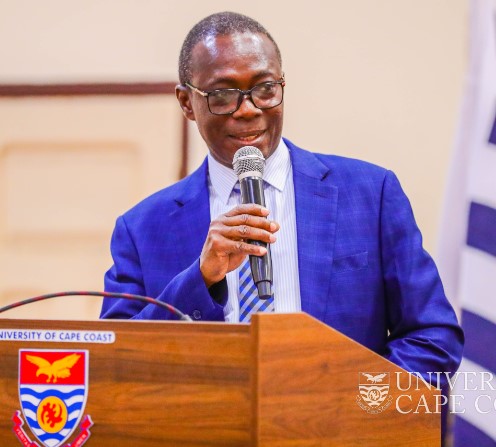
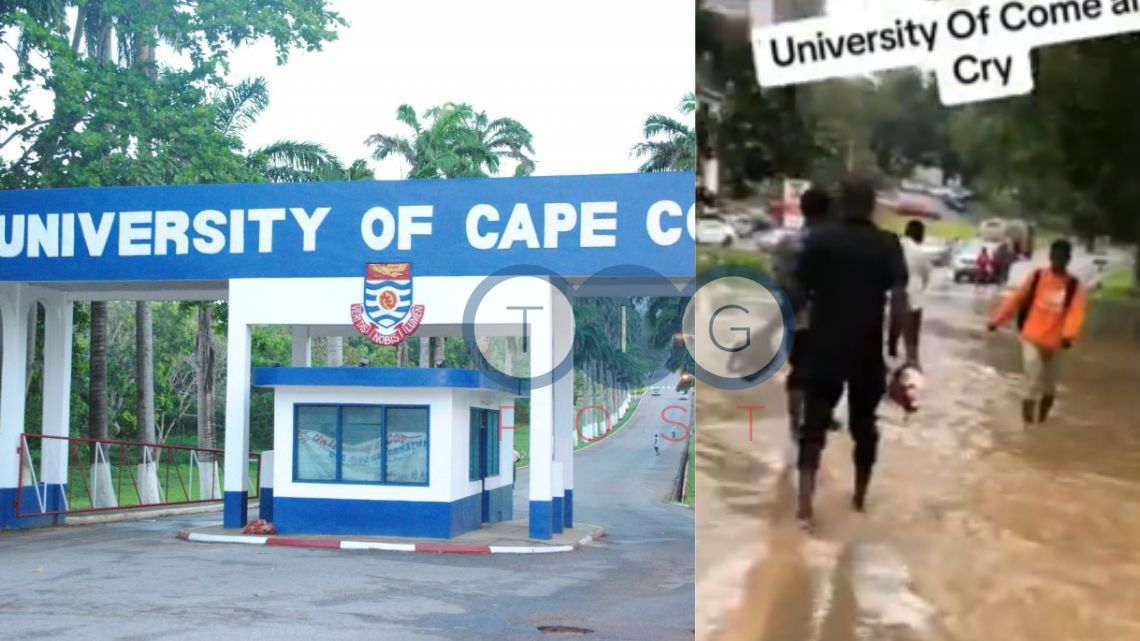
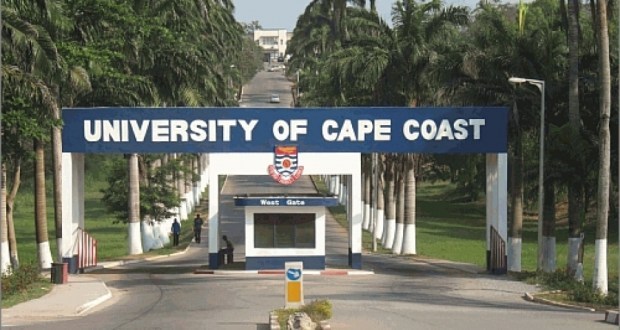
This move challenges a recent court order that granted an injunction against the Vice Chancellor.
The stay of execution was filed shortly after the High Court, on September 4, 2024, approved an injunction requested by John Mevemeo, a resident of Millennium City-Kasoa.
Mevemeo is contesting the university’s decision to extend Professor Nyarko-Boampong’s tenure until July 31, 2026, claiming that it contravenes the 1992 Constitution and should be invalidated.
The Vice Chancellor’s legal team argues that the trial judge erred in granting the injunction. They assert that the judge overlooked several key issues, including:
The plaintiff’s lack of legal standing concerning the contract between the University and the Vice Chancellor.
The plaintiff’s failure to demonstrate any potential harm that would result from denying the injunction.
The mootness of the application, given that Professor Nyarko-Boampong had already begun his renewed term prior to the injunction being issued.
Based on these arguments, the lawyers are seeking to overturn theHigh Court’s decision from September 4, 2024.
The Dean of the Business School at the University of Cape Coast, Prof. John Gatsi, Clarifies Delay in Second Tranche of IMF Funds Due to Unresolved Issues with External Creditors”
Prof. John Gatsi has provided insights into the delay in disbursing the second tranche of the International Monetary Fund (IMF) funds, attributing it to the protracted discussions with the country’s external creditors. He explained that the external creditors are hesitant to agree to the government’s proposed 30%-40% haircut.
Despite the government’s denial of missing a November 1 deadline, the crucial acceptance of the proposed haircut by external creditors is still pending.
“The delay is occasioned by the inability of the government of Ghana and the creditors to agree on what is required of them. The Government of Ghana is pleading with the creditors to accept the certain elongation of maturity of the debts and some cuts, about 30 to 40 percent on the interest or the coupons that they expect.
“That is where the disagreement is coming from. As things are it seems part of the creditors such as bilateral and multilateral are sort of very soft but it was also indicated that some creditors are excused from the debt exchange programs, they will not be affected,” John Gatsi was quoted by 3news.com.
The economist did note that creditors are currently stuck because it is hard to give up their interests.
“It is very difficult for commercial creditors to see a chunk of the interest wiped away, I believe that is where the disagreement is and they have not come to terms with it yet. That is why we couldn’t meet the target,” he insisted.
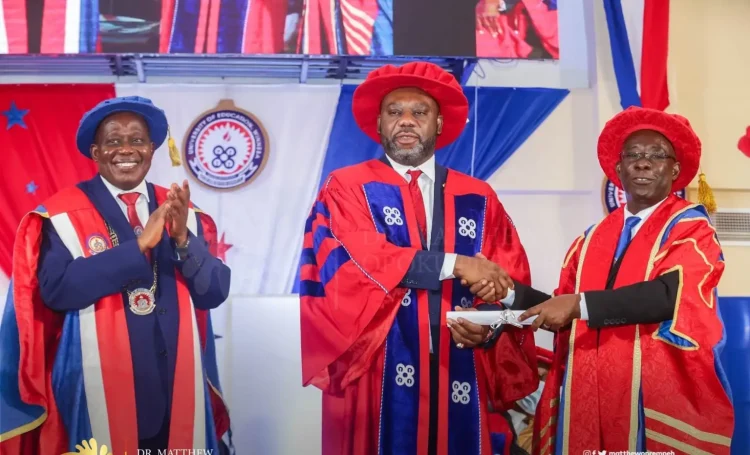
The Ghanaian Energy Minister, Dr. Mathew Opoku Prempeh, is set to receive yet another honorary Doctorate Degree from the esteemed University of Cape Coast (UCC).
This will mark the third such honor bestowed upon him in just two years, a testament to his outstanding contributions to the nation.
Affectionately known as ‘Napo’ in political circles, the hardworking minister has previously been awarded two Honorary Doctorate Degrees from other prestigious universities before this latest recognition by UCC.
The special ceremony, scheduled for Saturday, July 29, 2023, will be a momentous occasion where the Minister of Energy, along with other dignitaries, will be celebrated for their remarkable achievements.
Dr. Mathew Opoku Prempeh has left an indelible mark on Ghana’s development, particularly in his roles within the Energy and Education Ministries over the last six years.
As the Education Minister, he played a pivotal role in introducing the government’s flagship policy, the free Senior High School (SHS) program, which has had a significant impact on the country’s educational landscape.
His dedication and positive contributions to the country’s transformation have earned him numerous accolades, including recognition from international organizations like the United Nations (UN).
Notably, Dr. Prempeh has been instrumental in energizing the Ministry of Energy, bringing vitality to its operations under his leadership.
Apart from his academic honors, Dr. Mathew Opoku Prempeh has received recognition from various reputable international organizations, a testament to his exemplary work and dedication to public service.
On the same day, the University of Cape Coast will also honor other distinguished personalities, including Ehunabobrim Prah Agyensaim VI, Dr. K.K Sarpong, Prof. Harold Stwart Amonoo-Koufi, Dr. Deborah Rose, Dr. Yaw Adu-Agyei Gyamfi, and Prof. Daniel A. Wubah.
It promises to be a day of celebration and recognition of exceptional achievements in various fields.
On July 19, 2023, Supreme Court rejected an application attempting to halt the passage of the Promotion of Proper Human Sexual Rights and Ghanaian Family Values Bill 2021, commonly known as the anti-LGBTQ+ bill.
Chief Justice Gertrude Torkornoo presided over the nine-member panel, which unanimously dismissed the application filed by Dr. Amanda Odoi, a Research Fellow with the Centre for Gender Research, Advocacy, and Documentation (CEGRAD) at the University of Cape Coast (UCC), along with another individual.
The court’s ruling was based on the lack of sufficient reasons provided by the plaintiffs to compel parliament to suspend its proceedings on the anti-gay bill.
Below are the nine Justices who sat on the application:
1. Chief Justice Gertrude Torkornoo
2. Paul Baffoe-Bonnie
3. Gabriel Pwamang
4. Mariama Owusu
5. Henrietta Mensa-Bonsu
6. Yonny Kulendi
7. Barbara Ackah-Yensu
8. Samuel Asiedu
9. George Koomson
Dr. Amanda Odoi withdrew a contempt charge against Speaker of Parliament Alban Bagbin for allowing the House to proceed with the Bill despite a pending case before the courts.
On July 5, 2023, the Parliament of Ghana adopted the motion of the Constitutional, Legal, and Parliament Committee on the Promotion of Proper Human Sexual Rights and Ghanaian Family Values Bill (anti-LGBTQI bill) during its second reading.
Currently, the bill is at the consideration stage, where the House will review it clause by clause and address the proposed amendments made by the Constitutional and Legal Affairs Committee.
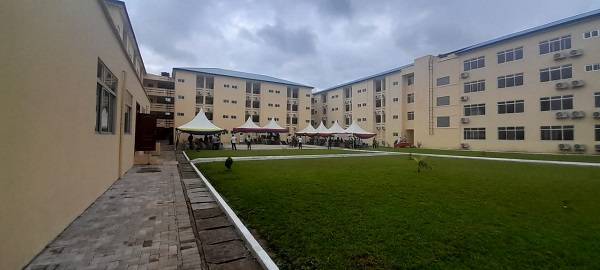
The University of Cape Coast (UCC) has inaugurated an ultra-modern training resort and conference center at Agona Nyakrom.
Situated on a 50-acre land, the facility will provide training for students and faculty, offer short courses, and host academic engagements.
It includes 162 standard bedrooms, 16 executive bedrooms, 10 seminar rooms, and various auxiliary facilities.
This development marks the first phase of an extensive educational project, with plans for future expansion and the establishment of a satellite campus.
The Minister of Education, Dr. Yaw Osei Adutwum, commended UCC for their commitment to education, emphasizing the importance of benefiting host communities.
He urged the university to extend its Neighbourhood Academic Initiative and highlighted the Ministry’s dedication to strengthening the public education system.
The Vice-Chancellor of UCC, Prof. Johnson Nyarko Boampong, emphasized the institution’s dedication to quality and inclusive education, as well as the economic opportunities and tourism promotion associated with the new facility.
The Paramount Chief of Agona Nyakrom Traditional Area, Okofo Okatakyi Nyarko Eku X, suggested considering distance education programs at the center to ensure accessibility for those seeking tertiary education.
He stated that: “I am aware that currently, the university runs distance education programme in Diploma in Education from a rented premises in Swedru and other places”.
After striking for a week, the University of Cape Coast Senior Staff Association of Universities of Ghanahas ended its industrial action.
SSA-UoG, UCC embarked on strike last Thursday, April 13, over management’s failure to implement negotiated and agreed conditions of services of its members.
NationalChairmanof the Senior Staff Association of Universities of Ghana, Isaac Donkor also in an interview with Eyewitness News on Citi FM on April 19 disclosed that the members of the Association were going to embark on a nationwide strike if the concerns and demands of the UCC chapter were not addressed.
But all that has been put to rest by the announcement by the UCC chapter to suspend its week-long strike.
Read the full statement below;
“SUSPENSION OF INDEFINITE STRIKE ACTION BY SSA-UOG, UCC LOCAL
Owing to the ruling of the National Labour Commission (NLC) on Wednesday 19th April, 2023 on a matter between the Senior Staff Association – Universities of Ghana, University of Cape Coast (SSA-UoG, UCC Local) and Management of the University of Cape Coast, the commission directed that SSA-UoG, UCC Local should call off its current strike action and equally directed Management of UCC to engage SSA-UoG, UCC Local to resolve the concerns and grievances raised and revert to the Commission on Wednesday 26th April 2023.
In light of the directive, Management has extended an invitation to the Leadership of SSA-UoG, UCC Local to begin engagements on Friday 21st April 2023. With this step taken by Management, SSA-UoG, UCC Local in respect for the Commission’s directive wishes to suspend its strike action declared on Thursday 13th April, 2023.
We direct members to report to work from Friday 21st April, 2023. We therefore, appeal to Management that members who may have traveled out of the jurisdiction of UCC campus during the period would report to work after the weekend.
We express great appreciation to all members for the continuous support and trust in leadership during this period.”
The University of Cape Coast‘s senior personnel have started an indefinite strike because their agreed allowances, conditions of employment, and promotions are taking too long to be implemented.
The local chapter of the Senior Staff Association of the Universities of Ghana at the University of Cape Coast says its members are not happy over delays on the part of management of the University to resolve certain pertinent issues regarding its members.
According to the group, issues and grievances such as negotiated allowances, issues of condition of service for its members have not been implemented, promotion of its members and the inclusion within theSenior Staffrank have been tabled before management since last year but have not seen the light of day hence the action.
Some members of the group who had red bands on their wrists and hands insisted that they will not work until their grievances are met.
“We are not going to resume work until they fix the situation,” they said.
The Association is also worried that the issues its members are fighting for have been negotiated and approved by other universities, but the situation is different at the University of Cape Coast.
The former vice-chancellor of the University of Cape Coast and minister of education, Prof. Naana Jane Opoku-Agyemang, will deliver a speech at Harvard Law School.
“Reimagining Africa’s Development on Our Terms” is the focus of the programme, which is organised by the African Caucus of the Kennedy School of Law and the Harvard African Law Association.
The running mate of NDC Presidential candidate in 2020 elections will speak on the topic: ” Rising to Africa’s Education Challenges and Opportunities post the COVID-19 pandemic”
Vice PresidentDr. Mahamudu Bawumiahas met the University of Cape Coast (UCC) medical school graduate, Nathaniel Codjoe, who swept 16 out of 22 honors during the university’s commencement ceremony held on March 30, 2023.
In a Facebook post shared on Monday, April 3, 2023, Dr. Bawumia disclosed that he met Nathaniel Cudjoe with his family to commend him for the feat he achieved.
He added that he was not surprised that Cudjoe was the best in his class after his interaction with him.
“Meet Nathaniel Codjoe, who graduated with a Bachelor of Science degree in medicine and surgery and swept 16 out of 22 awards at the just ended 2nd session of the 55th Congregation of the University of Cape Coast.
“Interacting with him and his parents today at my office in the Jubilee House, I was not surprised he garnered such awards. He is such a brilliant chap. I wish him all the best in his future endeavours.
“Congratulations Nathaniel. Reach for your dreams. It is possible,” parts of the post read.
Nathaniel Codjoe was the toast of the audience at the University of Cape Coast’s graduation ceremony on Thursday, March 30, 2023, emerging as the best student in his class.
He certainly earned the plaudits that came his way after sweeping 16 out of 22 available awards.
GhanaWeb checks show that Dr. Codjoe is an old student of St. Peter’s Secondary School, Nkwatia-Kwahu.
What UCC wrote about Dr. Codjoe’s feat:
Nathaniel Cudjoe, the freshly-graduated medical doctor from the School of Medical Sciences, picked 16 awards (out of 22) at the second session of the 55th Congregation Ceremony held for graduates from the College of Health and Allied Sciences.
According to S.Y. Mensah, a Former Dean of the School of Science at the University of Cape Coast, inadequate facilities and logistical support are factors to poor performance in public basicschools.
He said although public schools can boast of well trained and qualified teachers, lack of basic infrastructure contributes to the poor performance of both teachers and pupils.
At a durbar to climax the 70th anniversary celebration of the Konongo-Odumasi Senior High School, Mensah called on the government and other key stakeholders in education to pay serious attention to infrastructural development to help improve academic performance in public basic schools.
The celebration was on the theme, “enhancing quality education for national development under the free SHS policy” and was organised by the old students’ association of the school.
Mensah commended the school for raising high profile personalities who are contributing in diverse ways to national development.
Ntim Fordjour, the deputy minister of education, said the government is committed to improving quality education delivery in the country. That is why it has embarked on infrastructural expansion projects at all levels of education across the country.
He said the massive investment in infrastructure in senior high schools across the country is to ensure that each child has access to secondary education to enable him or her to contribute to the country’s transformation agenda.
Benjamin Kwaku Baah, headmaster of the school, appealed to the government and other stakeholders to come to the aid of the school to construct modern science laboratories to help improve science education in the school.
He said management of the school have strengthened discipline in the school to help curb deviant behaviour among students.
The Department of Forensic Sciences at the University of Cape Coast(UCC) has denied reports that exam questions for its police promotion exam were leaked before its conduction.
According to a statement from the school dated February, 27, the exams were written under the watchful supervision of the University’s skilled invigilators.
“The attention of Management of the University of Cape Coast (UCC) has been drawn to a news item aired on ADOM TV, Badwam show, on Wednesday 22nd February 2023, purporting that the questions for the Police Promotional Examination organised by the Department of Forensic Sciences of the University, leaked before the Exams were written.
“No part of the Ghana Police Promotional examination questions written on the 13th of February 2023, were leaked to any candidate,” parts of the statement read.
Additionally, the University denied claims that certain senior police officers acted as exam supervisors during the exams. The institution argued that it is unacceptable that there are reports circulating that some candidates are demanding their scripts be remarked, when the scripts have not yet been marked.
“The Examinations were written under the strict supervision of the University’s experienced Invigilators. The allegation that the exams were invigilated by some Senior Officers from the Police Service is false and should be treated with the contempt it deserves.
“The claim by the Host of the show that some candidates were calling for remarking of their scripts is not tenable because the results have not been released. The allegation of the supposed leakage, therefore, begs the question,” it said.
The Authorities further urged stakeholders and the general public to ignore the malicious publication as it could ruin the school’s reputation.
“The University of Cape Coast is an internationally acclaimed university with competent and credible professionals who have been in the business of conducting examinations since time immemorial.
“Management wishes to assure its cherished stakeholders and the general public that the University holds dear to its acclaimed brand as an excellent academic institution and for that matter, would not do anything untoward to tarnish it hard-won reputation,” it added.
The Police promotional exam measures one’s potential aptitudes for police related jobs. Individuals who pass the exams demonstrate that they are well-equipped to handle their new positions.
Reports that exam questions for theUniversity of Cape Coast‘s Department of Forensic Sciences’ Police Promotional Examination had been leaked prior to the exams’ administration have been refuted by the school.
The university in a statement disclosed that the examinations were written under the strict supervision of the University’s experienced Invigilators.
The university also refuted allegations that the exams were invigilated by some Senior officers from the Police Service.
According to the university, it is untenable that some candidates are calling for remarking of their scripts since the results have not yet been released.
Below is the full statement
GHANA POLICE PROMOTIONAL EXAMINATION CONDUCTED BY THE UNIVERSITY OF CAPE COAST DID NOT LEAK
Cape Coast February 27th, 2023:
The attention of Management of the University of Cape Coast (UCC) has been drawn to a news item aired on ADOM TV, Badwam show, on Wednesday 22nd February 2023, purporting that the questions for the Police Promotional Examination organised by the Department of Forensic Sciences of the University, leaked before the Exams were written.
The University wishes to refute the allegations as follows:
1. No part of the Ghana Police Promotional examination questions written on the 13th of February 2023, were leaked to any candidate.
2. The Examinations were written under the strict supervision of the University’s experienced Invigilators. The allegation that the exams were invigilated by some Senior Officers from the Police Service is false and should be treated with the contempt it deserves.
3. The claim by the Host of the show that some candidates were calling for remarking of their scripts is not tenable because the results have not been released. The allegation of the supposed leakage, therefore, begs the question.
4. The University is privy to the hand-written extract that was shown to viewers during the programme. A careful analysis of the material exhibited shows some inconsistencies in comparison with the test item that was administered to the candidates during the exams.
The purported material being shown around as a leaked paper, has no question attached to it.
Again, it is strange to note that the material in question appeared two days after the examination. How could this constitute a leaked question?
5. It is regrettable that the media house did not contact the University for its side of the story contrary to the ethics of Journalism.
6. The University of Cape Coast is an internationally acclaimed university with competent and credible professionals who have been in the business of conducting examinations since time immemorial.
7. Management wishes to assure its cherished stakeholders and the general public that the University holds dear to its acclaimed brand as an excellent academic institution and for that matter, would not do anything untoward to tannish it hard-won reputation.
In light of the above, management wishes to entreat stakeholders and the general public to disregard the malicious publication.
A “Trotro” (commercial vehicle) driver and his accomplice (conductor), as shown in a video making the rounds on social media, severely beat a police officer in Cape Coast.
The motorist and his friend were seen in the video dragging the police officer to the ground and severely hitting him.
A situational report following the incident indicates that on Monday, December 12, 2022, the police officer was directing traffic at the University of Cape Coast main gate, and the driver and his mate were on board a Mercedes Benz Trotro (commercial vehicle) from Elmina, heading towards Accra.
According to the report, on reaching the UCC gate, they were arrested by the officer for a motor traffic offence and were asked to drive the vehicle to the police headquarters at Pedu in the Central Region.
The aforementioned driver then notoriously drove the car past the police headquarters and stopped later at the Hacienda Hotel in Cape Coast, where he brought out the police officer who was inside the car and subjected him to severe beatings until he was rescued by passersby.
The incident was captured by an eyewitness who happened to be at the scene at the time of the incident, and it was circulated.
Close sources to the police say that the said driver, identified as Jephter Boateng, and his accomplice (mate), Sadick Arthur, are currently in custody and assisting the police with investigations.
A former national organizer for the National Democratic Congress (NDC), Yaw Boateng Gyan, has urged the NDC’s leadership to refrain from supporting candidates in elections.
He claims that supporting one’s favourite candidate has done more damage to the party than good and for that matter electorates should choose whom they want as their leader, and not personal ties to candidates should determine the outcome of elections.
“I will not allow them to seal my mouth, I will say what I feel will help the party… the elders should stop being behind and rooting for some candidates… we won’t allow anyone to take the party as their bonafide property,” he said in Twi.
Speaking on Okay FM’s ‘Ade Akye Abia’ show on Tuesday, December 13, 2022, the astute NDC member stated that the election’s credibility has been compromised if the national executives are endorsing the many candidates running in the various contests; especially the recent NDC national conference held at the University of Cape Coast. He advised the national executives to publicly refute the fact that they all had no involvement in the election.
“All the elders, from former President to former National Executives, they should all come out and defuse the notion that they support a particular candidate… Hanna Bissiw (Women’s Organiser) even tells me what is happening, the hatred is too much, how?” he added.
The National Youth Wing of the ruling New Patriotic Party (NPP) has denounced the violence displayed by some members of the National Democratic Congress (NDC) at the party’s Youth and Women Conference last Saturday, December 10, 2022, which was held at the University of Cape Coast (UCC), Cape Coast.
In a statement dated December 12, 2022, and signed by NPP’s National Youth Organiser, Salam Mustapha, he described the images and videos of the violence as both shocking and disturbing, adding that it is hard to understand the reason for the violence at a conference of that nature.
The statement also expressed disappointment that the leadership of the NDC has not condemned its members and apologized for the misconduct of its members.
“It is difficult to comprehend how a supposed-to-be conference to elect leadership for their wings, will witness a gathering of gun cum machete-wielding thugs and vigilantes at the precincts of UCC, an intellectual hub. Elections are about ballots and not bullets,” the statement said in part.
The NPP Youth Wing then called on the police to pursue and arrest all persons involved in the violence and prosecute them to deter others engaging in the same misconduct.
Videos of the violence at the conference in Cape Coast show people engaged in fights, hurling chairs and other objects at one another. Gunshots were also reportedly heard. Notwithstanding, the conference took place and the leadership for the youth and women of the NDC were elected.
The Chiefs and residents of some communities surrounding the University of Cape Coast, including Kwaprow, Amamoma, Akotokyir/Kakumdo in the Cape Coast Metropolis of the Central Region have staged a demonstration against the Vice-Chancellor of the University of Cape Coast (UCC) and the authorities of the university.
The demonstration was to register the displeasure of the chiefs and people of the communities over the encroachment of their lands by the university community.
The demonstration, was held on Wednesday, 30 November 2022, through some principal streets of Cape Coast with a petition presented to the Regional Minister and the UCC.
The demonstrators clad in red wielded placards some of which read: “VC is destroying our ancestors tombs, Autocratic UCC VC, UCC VC is destroying Cape Coast,” among others.
According to the demonstrators, the authorities of the university have taken over their lands, leaving them with nothing.
They are, therefore, calling for the removal of the VC whom, they claim is insensitive to their plight.
Speaking to Class FM’s Central Regional Correspondent, Nana Tawiah, some demonstrators explained their reason for joining in the protest.
A female demonstrator said: “The VC is saying our father Kwame Nkrumah acquired the land, Kwame Nkrumah did not pay for the town, Kwaprow was there before the university was built, he should give us our land.”
Another female demonstrator explained that: “When Kwame Nkrumah came for the land, he did not pay. This town was also there before the university was built, we want our land that’s all.”
The residents accused the university authorities of pulling down their buildings and structures while claiming the land as theirs.
“The VC has taken over our land, we can’t even get any to build, so we’re taking our thing, Kwame Nkrumah did not pay 1000, he did not pay anything, for the land, so VC, we’re pleading with you to release our lands,” an angry demonstrator stated.
They also indicated that the university authorities have served them notice to vacate the land.
“Now they claim they’re evicting us, we won’t understand, because our children are still alive,” a demonstrator bemoaned.
Addressing the media, following the demonstration, the Director of Public Affairs at the UCC, Major Rtd. Kofi Baah Bentum indicated that the university has no land dispute with the traditional rulers of the area.
Mr Baah Bentum, noted that, calling for the removal of the VC was unnecessary, since the VC had not played any role in the acquisition of the land and stressed the role of the university in the development of the communities surrounding it.
He also refuted claims that the university had encroached the lands of the people and stressed that the university is only constructing a fence wall to protect its boundaries.
He urged the general public to disregard the claims by the residents, as they are false.
The high incidence of cetacean bycatch must be taken into account in the Illegal, Unreported, and Unregulated (IUU) policy under the project to improve fisheries governance, so he urged a concerted effort from all stakeholders to stop the nuisance. He also emphasized the need for the Ministry of Fisheries and Aquaculture to streamline the Marine Fisheries Management Plan, which has not yet been gazetted.
Mr Donkris expressed these sentiments in an interview with the Ghana News Agency in Takoradi, as part of activities marking the celebration of this year’s International Fisheries Day,
Mr Donkris said the database must cover selected hot spots on the coast to afford Ghana the chance to access the number of mammals.
He said as part of the process, Oil Marketing Companies (OMCs) could access environmental management plans to avoid collision in terms of vessel trafficking and advised coastal dwellers using marine mammals as delicacy to halt the practice as they played a pivotal role in the resilience of the ocean and ecosystem.
He urged the government to expedite action on the marine mammals’ law.
A Project Officer with FoN, Eric Atiatorme also told the GNA that section 89 of the Fisheries law explicitly mandated fishers to release the mammals to sea during the bycatch and called for a robust enforcement regime to enforce the law.
He reminded fishers that the mammals were key to the food value chain as they protected the pelagic from big sea animals such as sharks and efforts were underway to reduce marine mammal bycatch by 50 percent at the end of 2022.
The project officer disclosed that FoN and its partners were in the process of reaching a Memorandum of Understanding with the Fisheries Ministry to inform regulators on a policy action plan.
Mr Atiatorme stressed the need to engender discussions on marine mammals as an Illegal, Unreported and Unregulated issue.
According to him, the Finance Minister is not more important than the 30 million citizens suffering under the prevailing economic hardship in the country.
“The most important thing is that his policies are not working which is the more reason why the cedi has depreciated against the dollar in an unprecedented manner in the Fourth Republic. Where inflation finds itself and so on and so forth, all because of the depreciation of the cedi. So, if you look at that and still you hear people still defending the finance minister then I don’t really know the reason. Is it that the finance minister as a person is more important than the 30 million people in this country?” Mr. Asante asked.
Jonathan Asante bemoaned that the adamant action of the President is causing international investors to back out of the country leaving us in excruciating poverty.
“So, speculatively as long as you keep such a person there, the international investors do not have confidence. They want a new face, want a new direction, and see whether credibility-wise they will be able to generate some kind of restructuring that the government in his power will abide by. These are some of the basic things that the President ought to understand,” he said.
“It’s equally making people speculate, what is it that is binding the two of you, is it that you guys have been involved in some gruesome transaction? Is it also the case that the President is still owing the Finance Minister in terms of his political financing?
“See, all these speculative pieces are being put together as it were. This has come to create a damning image for your political legacy in the future. Such that the way and manner the President has conducted himself in office for the past few years. If he is not careful, he will come out as the worst ex-president that Ghana will ever have. He will be very miserable because I foresee a situation where the NPP is likely to lose this 2024 election, owing to some of these detriments on the part of the President and a finance minister without honor and principle.”
The administration of the University of Cape Coast (UCC) has urged the general public to ignore social media posts that invite candidates to apply for teaching positions in a forthcoming distance learning program in nursing.
Therefore, management is advising the general public to disregard the information and seek out information from the university through its reputable media sources and authenticated social media handles.
Find below a copy of the release from the University
According to Seyram Kawor, a senior finance lecturer at the University of Cape Coast (UCC) Business School, inflation rises when more money is issued. This is a fundamental economic tenet.
He therefore believes that the production of the new GH 100 and GH 200 notes had a limited impact on the cost of goods and contributed to the country’s rising inflation rates.
“We want to transition to a cash-lite society in which nobody uses currency. Then all of a sudden, you’ve printed new GH100 and GH200 denominations.
Automatically, some items that may be purchased for GH95 may increase to GH100. It is normal for these things to occur, he said, as reported by myjoyonline.com.
“Once currencies are printed, we have prices going up. We have no justification for printing larger denominations. That is the price that we are paying for now,” he stressed.
“Those who give the idea that having a lot of debt is just a number are admitting that their approach to debt management was ineffective.
In the age of employment losses, having large debt, expensive interest payments, and low revenue mobilization are not just statistics.
He further stated “The burden of debt is seen in how much interest is being paid and how the interest cost is affecting investment in socio-economic infrastructure. It also reflects on how much buffer the economy is putting up such as contingency funds, sinking funds, and other financial savings to protect the economy. We have failed in all these areas. Referencing the high debt levels of Japan, France, and other major economies is no more reasonable because they are in a different class with robust export revenue to GDP, high tax revenue to GDP, well-planned interest payments, and good public investment culture.”
Dean of the Business School at the University of Cape Coast (UCC) Professor John Gatsi has dismissed comments by Finance Minister Ken Ofori-Atta suggesting that the projections made by the International Monetary Fund (IMF) regarding Ghana’s debt are merely statistical.
Ken Ofori-Atta told TV3’s Etornam Sey in an exclusive interview on Monday, October 26 that the government of Ghana was not too concerned about the debt because attention was focused on spending the funds to protect Ghanaians against the outbreak of the coronavirus pandemic.
The lives of the people, he said matter to the government more than debt.
He added, the government spent huge sums of money during the cleanup exercise in the banking sector which resulted in the collapse of nine domestic banks. A report from the IMF has projected that Ghana’s debt-to-GDP ratio which currently stands at 68.3% will hit 76.7% by the end of December this year.
But Mr Ofori Atta said “The IMF is expecting developed countries to have a 125% debt to GDP ratio. Countries like ours are doing about 65%.
“When you discount what was spent on the financial service and on the energy sector, that brings it back. I guess the question for any nation at this pandemic time is, what you put forward first.
“The lives of the people who then become productive or you stick to some statistical numbers as an issue from stopping you from saving lives. I think we have chosen the latter.”
But in a statement reacting to this development titled “High Debt -to- GDP cannot be mere statistics: Ghana is HIPC without debt relief and debt forgiveness” Professor Gatsi said “In an election year, flagbearers of political parties should be interested in the debt level, the obligatory interest payments and lower public investment expenditure.
“The reason for the above statement is that winning the December 7, elections means one’s readiness to shoulder a debt burden that needs strategic deployment of policies to reduce the debt to sustainable levels while investing in growth-enhancing policies and projects.
“Those who create the impression that high debt is a mere statistics are admitting the failure of the debt management strategy they embraced. High debt, high-interest payments and low revenue mobilization in the era of job losses is not mere statistics.”
He further stated “The burden of debt is seen in how much interest is being paid and how the interest cost is affecting investment in socio-economic infrastructure. It also reflects on how much buffer the economy is putting up such as contingency fund, sinking funds and other financial savings to protect the economy. We have failed in all these areas. Referencing the high debt levels of Japan, France and other major economies is no more reasonable because they are in a different class with robust export revenue to GDP, high tax revenue to GDP, well-planned interest payments and good public investment culture.
“Per the IMF’s more than 76% debt -to-GDP ratio with lower tax to GDP and rapid piling up of arrears with a reduced rate of access to water due to low investment and all year round pollution of water bodies, Ghana has thus been categorized as a HIPC country. The only difference now is that there will not be any debt forgiveness and debt relief with conditions to invest in programs to reduce poverty. The first time HIPC was introduced, it was a package meant to support highly indebted poor countries experiencing acute poverty, social exclusion and generally poor and abandonment of infrastructure programs. It, therefore, came with support and benefits structured by the IMF& World bank.
“In 2016 when the debt level was discussed pointing to HIPC, the World Bank praised the poverty-reducing efforts by the government but the discussion did not change. Today, we are discussing the high debt level and HIPC with the recollection of so many job losses from the banking and financial and small scale mining sectors.
“Interestingly, the debt level and HIPC were discussed extensively in 2016 when the investments in the energy sector ended the dumsor. Today, we want to pretend it all about Covid-19. At the end of 2019 and in March 2020, the IMF signalled the fiscal situation including the debt and interest payment burden on Ghana, even with published data with the Ghanaian authorities being the source, government officials still denied. Can you hide debt?.
“Recently, the former finance minister, Mr Seth Terkper challenged the government to show if the debt level has reduced since 2017. Nobody replied to him. The danger of this 77% debt – to- GDP ratio is that all the fiscal buffers such as the sinking fund, seed money for the Ghana infrastructure investment fund, stabilization fund, etc have all been depleted.
“The IMF only announced what the data says about public debt implications for Ghana. What the IMF did not say is that this 77% debt- to- GDP has benefited from rebasing of the economy in 2018 meaning without the rebasing you can imagine what should be the debt – to – GDP.
“The IMF did not tell us that the debt- to- GDP ratio after the rebasing ended 2018 with 57% meaning within one and a half years, it has deteriorated by 20%. This has huge implications for sustainable social investment, the fight against poverty and access to drinking water. It has effects on capital expenditure and growth.
“The announcement by the IMF has muted many voices in Ghana because they did not believe it is possible to have these records as part of our debt management again. The IMF advised that borrowing from Central banks by governments because of COVID-19 should be the last consideration. In Ghana, the government borrowed Ghc10billion from the Bank of Ghana as the priority source. The lesson is we need a new strategy.
“The attempt to trivialize the HIPC status without HIPC benefits should be a worry to everybody because it has serious negative implications for everybody. High debt is not a mere statistics, it is data with burdensome implications.”
On October 20, the business tycoon made the following remarks at the University of Cape Coast’s (UCC) 60th anniversary celebration:
“Many of the difficulties we are facing as a nation are at the heart of our voracious thirst and high demand for any and everything foreign,” he noted.
“Personally, I feel that unless and until concrete measures and actions are implemented to have an integrated economy, which has at its core, less dependence on foreign goods, I am afraid our economic challenges would be further exacerbated.
“Without a doubt, we should start with what we eat. I think it is unconscionable that most of the tilapia we consume comes from China. Our frozen chicken comes from the Netherlands and the US and, of course, we continue to rely on Burkina Faso for our onions and tomatoes.
“Now, I’m told China is exporting cassava and Gari and Yams. The cost of food is a major part of any nation’s economy and it behoves on all of us to do whatever we can to improve accessibility and affordability.”
The Chancellor of UCC during his speech noted that the University is supposed to lead in ensuring efficient implementation of the government’s agriculture policies.
Sir Sam Jonah said, “my charge to UCC is that we lead the national effort in ensuring that we use cutting-edge technologies and research to assist with the efficient implementation of government’s agriculture policies.
“Our School of Agriculture must lead the charge in the production of improved varieties of our local foodstuffs, better yielding crops, cheaper poultry and aquacultural feeds etc. We are entrusting you with the responsibility of ensuring we grow what we eat and eat what we grow.”
He continued: “In this regard, I expect you to establish and forge strong partnerships, bonds and collaborations with institutions such as the Council for Scientific and Industrial Research, Institute of Statistical, Social and Economic Research and other relevant local bodies pertinent to the development of our Agricultural sector.
“This urgency and scope of the current global challenges and our own, highlights the importance of cooperation. This is my charge to you and I believe that as a University the success in this endeavour will make us more relevant in the noble fight for our economic emancipation. We owe this to this country.”
UCC @ 60 durbar saw past and present officials of the University, including former Vice Chancellors and Chancellors, in attendance. President Nana Addo Dankwa Akufo-Addo was the Special Guest
Ghanaian businessman, Sir Samuel Esson Jonah, has indicated the current economic hardship should transform the Ghanaian economy from an import-driven and dependent kind to one that sees the people eat what they grow.
Speaking at the 60th anniversary of the University of Cape Coast (UCC), on Thursday, October 20, the Business magnate said:
“Our insatiable appetite and high demand for any and everything foreign is central to many of the challenges we are facing as a country,” he observed.
“Personally, I feel that unless and until concrete measures and actions are implemented to have an integrated economy, which has at its core, less dependence on foreign goods, I am afraid our economic challenges would be further exacerbated.
“Without a doubt, we should start with what we eat. I think it is unconscionable that most of the tilapia we consume comes from China. Our frozen chicken comes from the Netherlands and the US and, of course, we continue to rely on Burkina Faso for our onions and tomatoes.
“Now, I’m told China is exporting cassava and Gari and Yams. The cost of food is a major part of any nation’s economy and it behoves on all of us to do whatever we can to improve accessibility and affordability.”
The Chancellor of UCC during his speech noted that the University is supposed to lead in ensuring efficient implementation of the government’s agriculture policies.
SirSam Jonah said, “my charge to UCC is that we lead the national effort in ensuring that we use cutting-edge technologies and research to assist with the efficient implementation of government’s agriculture policies.
“Our School of Agriculture must lead the charge in the production of improved varieties of our local foodstuffs, better yielding crops, cheaper poultry and aquacultural feeds etc. We are entrusting you with the responsibility of ensuring we grow what we eat and eat what we grow.”
He continued: “In this regard, I expect you to establish and forge strong partnerships, bonds and collaborations with institutions such as the Council for Scientific and Industrial Research, Institute of Statistical, Social and Economic Research and other relevant local bodies pertinent to the development of our Agricultural sector.
“This urgency and scope of the current global challenges and our own, highlights the importance of cooperation. This is my charge to you and I believe that as a University the success in this endeavour will make us more relevant in the noble fight for our economic emancipation. We owe this to this country.”
UCC @ 60 durbar saw past and present officials of the University, including former Vice Chancellors and Chancellors, in attendance. President Nana Addo Dankwa Akufo-Addo was the Special Guest of Honour and an honorary alumnus.
The President Akufo-Addo, has stated that government is prepared to take the necessary steps in reclaiming all state lands including University of Cape Coast (UCC) lands that have been encroached on by developers across the country.
He explained that, one-third of the UCC’s legally acquired land for instance had been taken over by encroachers, saying, “This is unacceptable.”
President Akufo-Addo said this at a durbar held at the campus of the University of Cape Coast (UCC) to climax the 60th anniversary celebration of the establishment of the University.
He inaugurated a number of facilities namely, the School of Graduate Studies Building, a six-storey guest house and School of Medical Sciences Auditorium and adjoining facilities.
The anniversary was on the theme: “60 years of quality higher education: expanding the frontiers.”
President Akufo-Addo said: “I am saddened with this state of affairs especially because it is happening in Cape Coast of all places, the cradle of Ghana’s education system”
He, therefore, called on the chiefs and people of the area to ensure cessation of this unfortunate activities, saying, “We must begin to see the university not only as a national asset and asset of the Central Region but most importantly also as an asset of the people of Cape Coast in particular.”
Touching on the current economic challenges, he said, graduates of UCC and Ghanaians in general, should continue to be inspired by the patriotic endeavours showed by members of the Aborigines RightS Protection Society which was founded in Cape Coast which ensured indigenous ownership of landS as they were threatened by European colonialists.
“It is this same example of patriotic endeavour, this same spirit of determination and tenacity by the Aborigines that we must summon up today to enable us navigate the current difficult headwinds that have engulfed the economy of our country so that we must come out stronger and more empowered than we were before to continue our journey towards our destiny of prosperity and freedom,” he said.
President Akufo-Addo commended the UCC for the feat it had chalked over the years and therefore charged management to ensure that the institution remain pure and unadulterated un the provision of quality academic and intellectual discourse and in finding solution to complex and far-reaching problems across borders and disciplines.
He expressed anticipation of witnessing products of the University making positive impact and building a strong and distinctive workforce in Ghana, West Africa and across the world.
He further urged management, staff, students and stakeholders to put their shoulders to the wheel to ensure further development and transformation of the University.
He noted that the achievement of UCC over the years had been remarkable as it was reflected in considerable growth of faculty, students and infrastructure.
He gave an assurance of his commitment towards redeeming a pledge made last year of supporting the construction of students’ accommodation facility for the University.
“I acknowledge the need for further expansion of infrastructure to meet current demands and support for the free SHS initiative of this administration,” he said.
He said, the current administration would offer the needed support to expand its infrastructure for the benefit of the numerous senior high school graduates who now qualify to access university education yearly.
The government, he said, would not renege on its commitment in providing quality education and equal opportunities for future generations to have a good education.
“Regardless of the difficulties currently confronting our nation, government will continue to intervene and remain responsible for the provision of free and quality basic and secondary education for all,” he indicated.
He noted that education was the key to the development of any country and said his administration’s commitment to the Free SHS remains unshaken.
The Vice Chancellor of UCC, Prof. Johnson NyarkoBoampong, in his address, appealed to the government for financial clearance to recruit additional staff to compliment the efforts of the overstretched academic staff.
The University, he said, was currently pursuing international institutional accreditation exercise and said, it would ultimately enhance the process to increase the competitiveness of UCC.
He indicated that the University was pursuing a creative path to transform UCC into a world class competitive entrepreneurial university.
The Chancellor of UCC, Sir Sam Essuon Jonah, in his address, underscored the need for the University to be innovative in the training of students in order for them to meet the changing global demand.
He urged the School of Agriculture to lead the way in coming out with better yielding crop varieties in ensuring increase in crop production.
From time to time, there have been reports of how the government is working to restore lands in parts of the country that have been encroached on.
The arguments have continuously been that these lands belong to the state, and as such, they must be retrieved.
Situations like these have also usually come about because people take advantage of the inactivity on those lands and sell to others or build on them.
In this article, GhanaWeb takes a look at some of the reported lands that have been encroached upon, and for which reason the government has taken steps to retrieve them.
A number of these lands are located within the Greater Accra Region, although it must be stated that the region is not the only one faced with these issues.
Sakumono Ramsar Site:
In July 2022, the Greater Accra Regional Coordinating Council announced that it was set to demolish all structures within the core zone of the Ramsar site at Tema.
According to the Greater Accra Regional Minister, Henry Quartey, notices had already been served to owners of properties in the area.
The minister said the notice explained to the affected persons that their houses are being destroyed to clear the waterway leading to the lagoon as more than 4000 houses were said to have been constructed on the Ramsar site without permits.
The Ramsar Site also, known as the Sakumono Lagoon, is a wetland of international importance. It is the only wetland wholly-owned by the state and is meant for protecting Sakumono, Tema and their environs against floods and pollution, for the breeding of fish and other marine species for the Sakumono Lagoon, as well as recreational activities.
It covers an area of 1,364 hectares (3,500 acres) and is situated along the coastal road between Accra and Tema in the Greater Accra Region of Ghana, about 3km (1.9 mi) west of Tema.
The site also covers part of Tema Community 3, 5, 6, 11 and 12, through to the Sakumono village, Old Lashibi and Klagon. The site, which used to be a habitat for fishes and other water creatures as well as served as a stopover for migrating birds, currently has a large portion being encroached upon by individuals and estate developers.
The first phase of the demolition exercise commenced on Wednesday, October 19, 2022.
Adenta Katamanso lands:
The Minister for Lands and Natural Resources, Kweku Asomah-Cheremeh, stated in August 2020 that the government was working around the clock to reclaim the Adenta-Akatamanso lands encroached on by individuals and groups.
According to him, out of 7,000 acres of state lands at Adenta Katamanso, only 1000 acres have not been encroached on.
“All lands belonging to the state have been properly acquired under the executive instrument of which private developers ignore what the law states”, he said.
Mpehuasem lands:
The Lands Commission raised an alarm in April 2022 about lands at Mpehuasem in the Ayawaso West Municipal Assembly, that were being encroached on.
According to a statement to clarify the notion that the Commission was using its power to take lands from some people, it noted that the said land is government property and, hence, it is doing everything possible to safeguard the land and prevent private developers from encroaching on it.
“Indeed, the Commission has, previously, issued public notices alerting prospective developers that the said land is state land, managed by the Lands Commission, and cannot be alienated by any stool, clan, family or individual. Any such grant is unlawful, void and confers no title on the grantee of the land.
“Any person who claims to have an interest in any part of the Mpehuasem public land should approach the Commission with his/her documents,” portions of the statement said.
UCC School lands:
The Ghana Broadcasting Corporation reported in April 2021 that lands belonging to the University of Cape Coast (UCC) has been encroached on by private developers.
The situation, described as being at an alarming threat rate to the school, was said to have caused the school to put in place measures to end the problem.
The report added that the university had issued an S.O.S to the relevant bodies to help end the wanton encroachment on the school lands, especially when these actions were affecting the future expansion of the university.
The University of Cape Coast (UCC) was established in October 1962 on the recommendation of an international commission by Osagyefo Dr. Kwame Nkrumah’s government in December 1960.
In 1963, UCC enrolled its first batch of students, numbering one hundred and fifty -five. Land for the university was acquired under compulsory acquisition in 1969 under Executive Instrument EI 87.
The area stretches from the river Kakum between Cape Coast and Elmina, all the way to the DVLA junction to Cape Coast Technical Institute then to the new Cape Coast stadium area, almost to the Ankaful hospital and back to the Kakum river.
Pantang Hospital lands:
Angered by the situation of encroachment on their lands, the Staff of the Pantang Hospital in the Greater Accra Region embarked on a demonstration June 2021 to protest what they called “a threat to their security.”
They claimed that private individuals had encroached on the hospital, a situation that had brought land guards to the area, making them insecure.
They called on the government to, as a matter of urgency, act on the situation.
They also threatened to lay down their tools should the situation not be resolved.
GCAA lands at La Nkwantanang:
Workers of the Ghana Civil Aviation Authority also protested about what they said was the deteriorating state of aviation safety in the country, due to the encroachment of some of their lands.
A Spokesperson for the Workers Union of the GCAA, William Wilberforce Amoako, speaking in 2020, illustrated how the National Cathedral project and its attendant evacuation of judges from their residences at Ridge, was affecting them.
“The lands in question are for private development and the resettling of the judges. But since the area has been demarcated, the government has taken over a portion while another portion has been allocated to the people of La. But it is our portion that we are having challenges with. We expect that the GCAA belongs to the government, as such, whatever the government takes should be for the GCAAA and not for individuals.
“We have only been given fifteen out of the ninety acres which is not enough for the equipment that we have, and we plan to have in future. For the safety of flights, we need these lands for aviation development,” he is reported by gh-aviation.com to have said.
According to the aggrieved GCAA staff, the areas being encroached upon are the GCAA lands at La Nkwatanang, La TX at Cantonments, Ashalley Botwe, and an area around the East Legon Tunnel, all in Accra and ranging between 60 and 800 acres.
He claimed that while Ghana’s economy is not immune to the difficult times brought on by the severe global economic collapse, there are possibilities to find solutions.
According to him, Ghana’s obsession with imported goods is the main cause of the nation’s economic problems.
But, he believes implementing collaborative concrete measures and actions to have an integrated independent economy could help to salvage the situation, especially with food.
Bemoaning Ghana’s insatiable demand for foreign goods he said “the cost of food everywhere is a major compact of any country’s economy and it behooves on all of us to do whatever we can to improve accessibility and affordability.”
Sir Dr. Sam Esson Jonah in this regard, charged the University of Cape Coast specifically, the School of Agriculture to lead the charge in the production of improved varieties of the country’s local foodstuffs, better-yielding crops, cheaper poultry, and aqua cultural feeds among others.
“We are entrusting this school with the responsibility of ensuring that we grow what we eat and to a large extent we eat what we grow. I expect you to establish a faculty that is and form strong partnerships and bonds with collaborations and institutions and other relevant local bodies, pertinent to the development of our agricultural sector,” he said.
Sir Dr. Sam Esson Jonah was speaking at the UCC@ 60 Grand Durbar ceremony held on Thursday, October 20, 2022, to climax the UCC@60 Anniversary celebrations.
The UCC@60 anniversary was on the theme: 60 Years of Quality Education: Expanding the Frontiers.
On his part, the Vice Chancellor, Prof. Johnson Nyarku- Boampong indicated that though 60 years is a significant milestone, it is important to note that it is an age associated with longevity and a time to begin a new life.
He, therefore, said in his capacity as the vice chancellor he will work to ensure the university chalks many successes in the coming years.
He said, “As the Vice Chancellor of this great institution, I see this opportunity to lead the university to work on new challenges and create new goals. Goals that will motivate us to continue to build on the solid foundation that our predecessors have left.”
To that end, he emphasized that in order for the university to maintain its topmost rank globally, efforts must be made to improve the teaching and learning environment, strengthen internet superstructures, increase the proportion of graduate students and attract more international students.
The Vice-Chancellor, therefore, urged government “to give the universities financial clearance to recruit new academic staff in order to reduce the staff-student ratio to improve teaching and learning…recruiting new academic staff will therefore go a long way to lessen the burden on overstretched staff.”
He admonished all stakeholders to work collaboratively with the university and urged alumni to support the university.
The University of Cape Coast (UCC) has been ranked the best University in Ghana, first in West Africa and 4th in Africa in the 2023 Times Higher Education Rankings.
The announcement was contained in the 2023 Times Higher Education annual rankings.
In the 2022 ranking, the University earned the bragging right as the best university in Ghana, the best in West Africa, the 4th best university in Africa and the best university globally for research influence.
The Times Higher Education World University Rankings 2023 include 1,799 universities across 104 countries and regions, making it the largest and most diverse university ranking to date.
The table is based on 13 carefully calibrated performance indicators that measure an institution’s performance across four areas: teaching, research, knowledge transfer and international outlook.
This year’s ranking analyzed over 121 million citations across more than 15.5 million research publications and included survey responses from 40,000 scholars globally. Overall, about 680,000 points from more than 2,500 institutions that submitted data were collected.
Trusted worldwide by students, teachers, governments and industry experts, this year’s league table reveals how the global higher education landscape is shifting.
The University of Oxford tops the ranking for the seventh consecutive year. Harvard University remains in second place, but the University of Cambridge jumped from fifth last year to third.
The highest new entry is Italy’s Humanitas University, ranked in the 201-250 bracket.
The US is the most-represented country overall, with 177 institutions, and also the most represented in the top 200 (58).
Mainland China now has the fourth-highest number of institutions in the top 200 (11, compared with 10 last year), having overtaken Australia, which has dropped to fifth (joint with the Netherlands).
Five countries entered the ranking for the first time – all of them in Africa (Zambia, Namibia, Mozambique, Zimbabwe and Mauritius).
Harvard topped the teaching pillar, while Oxford leads the research pillar. Atop the international pillar is the Macau University of Science and Technology.
Overall, 1,799 universities are ranked. A further 526 universities are listed with “reporter” status, meaning that they provided data but did not meet the eligibility criteria to receive a rank, but agreed to be displayed as a reporter in the final table.
Faulty systems were the order of the day at the University of Cape Coast SRC week as musician KiDi abandoned his performance due to a malfunctioning microphone.
The Artiste was due to perform on Saturday night as part of the University of Cape Coast (UCC) SRC week activities at the Casford field.
However, upon mounting the stage and with students cheering him on while excitingly waiting for his performance, the microphone malfunctioned.
In a viral tweet, KiDi could be seen testing the microphone several times but the feedback and sound echoes from the microphone were poor which made it impossible for the musician to perform.
This has got netizens lambasting UCC SRC event organizers for their inability to provide a functioning microphone for the event.
Many users have described this as a disappointing and embarrassing display.
Dennis Nana Dwamena, a Ghanaian singer popularly known as KiDi, has apologized to his many fans for walking off stage at the just-ended Student Representative Council’s (SRC) week celebration at the University of Cape Coast.
The singer was billed to perform at the climax of the SRC week, which was scheduled for Saturday, October 9, but he had to walk off the stage due to some technical challenges.
This move, although understandable, was not welcomed by his fans as they expressed disappointment in the SRC executives for putting up a shambolic show.
Reacting to the turnout of events, KiDi explained that he waited for over three hours for the organizers of the event to fix all technical and sound issues so he could perform, but unfortunately, the problem persisted and he was compelled to walk off the stage.
“Sorry UCC, I waited 3 hours for the problem to be resolved. I really wanted to give you guys a show… but I couldn’t do that with a dysfunctional sound system…thank you for the love still,” KiDi wrote on his Instagram story.
KiDi was recently in the news after some negative posts he published on social media in the past resurfaced on the internet.
His posts largely attacked some notable faces in the country.
KiDi apologized for his past mistakes and stated that he is a transformed person.
In a competitive match yesterday at Accra’s National Theatre, the university, which was making its second consecutive appearance in the competition’s finals, easily defeated the University of Cape Coast (UCC), a two-time champion, and the University for Professional Studies, Accra (UPSA), a first-time finalist.
Ably represented by Lord Kelvin Kofi Atisu, a Level 400 Banking and Finance student; Vivian Nsiaa Nyantah, a Level 400 Accounting student, and the substitute, Eric Ofosu, a Level 300 Accounting student, KNUST, which demonstrated its determination to annex the trophy right from the start of the competition, won with 53.2 points, while the UCC followed with 47.7 points, with the UPSA in third with 30.2 points.
Prizes
For its prize, the KNUST, the pride of the Ashanti Region, received GH¢10,000 cash, four laptops, GH¢30,000 insurance cover for each contestant, free subscription to the Graphic Business newspaper, certificates of participation, internship opportunities with institutions of the sponsors and souvenirs from sponsors.
The UCC received GH¢6,000 cash, four tablets, GH¢30,000 insurance cover for each contestant, free three months’ subscription to the Graphic Business, certificates of participation, internship opportunities with institutions of the sponsors and souvenirs from sponsors.
The UPSA also got GH¢4,000 as its cash prize, GH¢30,000 insurance cover for each contestant, four smartphones, certificates of participation, internship opportunities with institutions of the sponsors and souvenirs from sponsors.
Dramatic moments
As early as 9 a.m., supporters of the three participating schools had gathered at the National Theatre, singing and dancing to celebratory (‘jamma’) songs as they awaited the call of the master of ceremonies for them to be seated.
Numbering more than their opponents’ supporters, students of the UCC who were determined to retain their crown constantly waved their school flag and moved in circles as part of their strategy to intimidate their rivals.
They did the same when they were finally invited into the hall for the contest to begin.
However, in spite of their smaller numbers, the KNUST and the UPSA students stuck to their plan by cheering their contestants on with songs.
In the first round, the KNUST indicated its intention, answering almost all the questions asked and also picking more than 90 per cent of the bonus points from its opponents.
In that round, the KNUST amassed as many as 25 points. The UPSA, after answering only one out of eight major questions, earned three points, while the UCC had 12 points.
The second round, which centred on calculations, was a tough one, as all the three school, struggled in getting their answers right.
However, out of the seven major questions for each school, the UPSA led the round with seven points, the UCC earned six points and the KNUST five.
In the third round, which was for students to make business arguments out of a case study, the UCC scored 7.7 points, the KNUST had 6.2 points and the UPSA 6.2 points.
In Round Four, which was the Graphic Business segment, the UCC led again with 19 points, after answering all its major questions and some bonus questions, while the KNUST earned 10 points, with the UPSA garnering seven points.
In the fifth and final round, the KNUST earned four points, the UCC had no point and the UPSA had four points.
TBSC here to stay
In his remarks before the contest started, the acting Editor of the Graphic Business, Charles Benoni Okine, said the contest, which was meant to create a platform for students in tertiary business schools across the country to demonstrate their knowledge in their fields of study, had come to stay.
He urged the students to keep reading the Graphic Business every Tuesday to obtain more information which could help them not only in future contests but also enrich their knowledge for the future.
Mr Okine commended the sponsors of the competition: MTN Ghana, CompuGhana, Accra Brewery Limited, PricewaterhouseCoopers (PwC), GOIL Ghana, McVities and GLICO Life.
He also praised companies that gave technical support, such as the Chartered Institute of Marketing, Ghana, with media support from the Daily Graphic, GraphicOnline, TV3 and Connect FM.
The University of Professional Studies Accra (UPSA), University of Cape Coast (UCC), and Kwame Nkrumah University of Science and Technology are the institutions competing to be named the finest business school in the nation (KNUST).
Sponsors
Accra Brewery Limited, MTN Ghana, CompuGhana, PwC, Goil Ghana, McVities, and Glico Life are among the sponsors of the TBSC Version 4.
Technical support for the competition is being provided by the Chartered Institute of Marketing, CIMA, with media support from the Daily Graphic, GraphicOnline, TV3 and Connect FM.
About TBSC
The TBSC is aimed at developing the minds of business students to be abreast of issues around business and the economy as a whole to help build successful business careers in the future.
The second edition saw the University for Development Studies (UDS) defeat the UCC in the final to win the contest.
Theme
The Version 4.0 of the TBSC is on the theme: “The Role of Business Students in Shaping National Economic Discourse”.
The event, which has grown to become one of the most sought-after competitions among tertiary business schools in the country, is meant to engender a healthy competition between the various tertiary business schools across the country.
It is also meant to enable students to keep abreast of the developments within the business industry and the economy as a whole, so they can make informed decisions in the near future.
The Students’ Representative Council (SRC) of the University of Cape Coast (UCC) says the circulating video suggesting a student has been stabbed to death on campus is fake.
It says no such incident has been recorded because adequate security measures have been instituted to foil any attack or robbery in the University.
A statement signed by the SRC Public Relations Officer, Pascal Korbla, urged students and the general to disregard the false information only meant to discredit the University.
“Students are to rest assured that the Office of the Dean of Students and the SRC have put in place robust measures to curtail any insecurity on campus.
“We, therefore, urge students to disregard any false information and go on with academic activities as measures are being put in place to ensure their safety,” the statement directed.
In the late hours of Thursday, September 29, videos and photos suggesting an attack on UCC campus were shared on social media.
In a particular video, a female student was said to have been attacked and stabbed to death after she struggled with some unidentified robbers.
SRC statement saying there has not been any incident of stabbing on campus
This left some students in fear as some recalled how they had been attacked in the past two weeks in their hostels and residences.
But “we are unequivocally making it clear to the members of the University that there has not been such an incident in the University and the Office of the Dean of Students and the SRC have put in pace security measures to combat any insecurity in the University.”
The SRC added that it has embarked on a security campaign led by the School’s diapora security chairperson to sensitise students on security issues.
Also, 55 more watchdogs have been added to the existing security personnel on campus.
“So far, 35 watchdogs have been deployed to Amamomma, Kwasipra, Apewusika and Ayensu communities.
“The SRC has sent 20 watchdogs to Kwapraw to intensify security. Currently, one of the perpetrators has been caught and is currently in police custody,” the statement added.
Be security conscious
The Office of the Dean of Students has asked students, especially those in the diaspora, to be security conscious in whatever they do.
It admitted in a notice that the last two weeks has witnessed daily attacks on students in the Amamoma area.
Two of these attacks resulted in the affected students being cut severely with cutlasses requiring major surgery.
“Students should guard against risky beaviours such as being out alone late at night or before day break; leaving doors unlocked no matter how brief the time period; returning to their hostels deep in night; walking and/or talking on phones late at night outside…
Statement from UCC Dean of Students
“…moving about at night with laptops and other electrical gadgets; studying alone deep into the night at academic areas, and boarding commercial vehicles of unknown particulars.
“Students are encouraged to heed these guidelines to minimise their chances of being victims of recent up-surge of crimes in the community,” the notice cautioned.
Captain Prince Kofi Amoabeng (Ret. ), the chairman of UT Holdings, stated that the UT Bank’s loan in less than 48 hours saved several firms, particularly Small and Medium Enterprises (SMEs).
He made these comments when discussing the financing possibilities available for start-ups at the 8th edition of the WIWIK conference.
“When we were able to decrease loan time to 48 hours, which most people didn’t believe, but we were able to achieve, it helped rescue a lot of enterprises,” stated Captain Prince Kofi Amoabeng (Rtd.).
He lamented the protracted wait times for loans from commercial banks.
He explained that “Even today, it takes about 3 months to raise loans from commercial banks if you are lucky. We did loans in less than 48 hours, even though we were expensive, we saved a lot of businesses, and we saved time for people and they appreciated it’’
The Chairman of UT holdings also highlighted how important it is for SMEs to receive funding or loans on time. He added that “When SMEs and entrepreneurs come to you and they say they are looking for loans, they need it now, the business is just outside waiting. If you wait one month to evaluate them, the business opportunity is gone!’’
Asked whether he has any grudges and is bitter due to the collapse of his bank, Captain Prince Kofi Amoabeng (Rtd.) stated that “I am not bitter, I hold no grudges against anyone. The worst that can happen to me is that I will die’’.
The renowned business executive also admonished young entrepreneurs and the youth to stay humble,
“If you have humility, you can withstand anything which is thrown at you. I remember after the bank was taken, I went to GCB banking hall to cash some money and the staff were surprised to see me in a queue in a banking hall. For some MDs if they lose their positions, they can’t go close to where they used to work. It doesn’t matter what you go through, with humility you will come out stronger,’’ he said.
The 8th edition of ‘What I Wish I Knew’ (WIWIK) Conference took place at the University of Cape Coast (UCC) on Friday evening, September 23. The conference was on the theme “Re-envisioning, looking ahead to emerging opportunities”
Other panelists on the day included Prof J. D. Owusu-Sekyere (Vice-Chancellor, Cape Coast Technical University), Franka Maria Andoh (CEO, Jossie’s Cuppa Cappuccino), Dr. Stephen Osei Tutu (Cluster Manager, Calbank Ltd), Myrah Caesar (CEO, PropelED) and Doris Ahiati (CEO, Crescendo Consult). The keynote address was delivered by Petra Aba Asamoah (Head, Sales & Marketing, Akosombo Textiles).
Watch the latest episode of The Lowdown below:
The Lowdown: Role of the diaspora in the development of Africa
CEO of the Aaron Manvel Foundation Millie Lorene Tucker and Gary Hope, the CEO of FLCC – Bring Back Hope Foundation underscore the need for the African diaspora to help develop the continent in this episode of The Lowdown on GhanaWeb TV. According to the women trying to make and create a change in Ghana, our forefathers were sold away and made to develop strange lands. Thus, coming back home and developing their home country is the best thing to do especially when resources are available.
A former Vice Chancellor of the University of Education, Winneba (UEW), Prof. Jophus Anamuah-Mensah has expressed worry about the inadequate number of science and mathematics teachers to champion the teaching and learning of the subjects in the schools.
“It is lamentable that after more than 50 years, many senior high schools do not have qualified science and mathematics teachers,” he said.
He, therefore, underscored the need to take a closer look at various programmes comprising; content, pedagogy, assessment and the need to use data in the training of teachers going forward.
Prof. Anamuah-Mensah, made the call at a lecture organised by the College of Education Studies of the University of Cape Coast (UCC) as part of activities being held to mark the UCC@60 anniversary celebrations.
It was on the theme: “College of Education Studies: past, present and future.”
Prof Anamuah-Mensah underscored the need for the college to take the initiative in strengthening Science, Technology Engineering, and Mathematics (STEM) education by introducing engineering and robotics in its partner basic education schools.
He indicated that with the introduction of STEM education in senior high schools and the construction of state-of-the-art STEM special schools, the college should be ready to offer STEM as an integrated programme with its accompanying engineering studies, aeronautics, biomedicine, coding and robotics as practically oriented subjects in the training of STEM teachers.
Prof.Anamuah-Mensah indicated that the College should not place emphasis on Internally Generated Funds (IGF) alone but also on producing quality human resource for the country.
He further called for the adoption of endogenous knowledge systems such as herbal medicine, traditional healing, blacksmithing, vulcanising, fishing practices, farming practices, food production, traditional stories and poems, extraction processes, traditional games and toys.
“These are the cultural heritage of our people and they are easily available resources that can support the teaching of a number of school subjects including science, mathematics, language, and history,” he said.
He further said: “robust research into these may yield valuable products for the country. A strong research base in this area is required to unearth this knowledge for our development.”
The provost of the College of Education, Prof Ernest Kofi Davis, in an address, stated that the College had supported the government’s agenda over the year, saying, “For example, the College through the Institute of Education is graduating the first batch of students on the new B.Ed. curriculum run at the Colleges of Education in Ghana.”
He explained that, the College developed a tailored Post Diploma programme based on the new B.Ed. curriculum run at the Colleges of Education to upgrade Diploma holders upon the request of the Ministry of Education and the Ghana National Association of Teachers (GNAT).
He indicated that the College was collaborating with schools within the Cape Coast metropolis and Regional and Metropolitan Education offices through the Adoption of Schools project.
“Through this project, departments within the College work closely with local schools to identify school level problems and work collaboratively with them to solve the problems,” he said.
He further said that: “This collaboration has brought the College and the Cape Coast Metropolitan Education officer closer in our bid to find ways to improve learning outcomes of students in the Metropolis.”
It identified that the difficulty was more prevalent in the five to 17 years age group as compared to children between two and four years.
The study further identified that the highest proportions of children with functioning difficulties were found in the Volta, Eastern and Upper West regions while the least were reported from Northern and Greater Accra regions.
Functioning difficulty
Children with functioning difficulties are those who are unable to function the way normal children do. In the classroom, such children are not active when a teacher is teaching and so are unable to contribute in class. They include children with speech, hearing and visual impairment.
The revelation were the findings of a desktop review conducted by the IEPA and presented by its Head of Research and Policy, Dr Wisdom K. Agbevanu, at the second Policy Dialogue on the Innovative Pedagogies Project (IPP) held in Accra on July 6.
The first policy dialogue came off in April this year and it was aimed at collecting information from the participants of the inclusive, engaging and adaptive pedagogies project.
The second dialogue, also organised by the IEPA in collaboration with the Education Commission, Ministry of Educationand the Ghana Education Service, was attended by various stakeholders in education.
Findings
Dr Agbevanu explained that the review was done using all the studies that had been done in the country regarding inclusive, engaging and adaptive (IEA) pedagogies and documents from the Ministry of Education on the subject, and the findings further revealed that 16 per cent of schools declared having at least one pupil with a disability.
He said it also revealed that lack of facilities in basic and senior high schools disproportionately affected children with disabilities with almost no regular basic schools having hand-rails and only eight per cent equipped with ramps.
On training, he said, the review showed that 40 per cent of teachers in public basic schools had been trained in effectively teaching learners with special education needs by 2020 and 2021 while 35 per cent of integrated basic schools provided with specialised teaching and learning materials for special education needs learners by 2020 and 2021.
On challenges impeding the implementation of innovative, engaging and adaptive (IEA) pedagogies in the country, Dr Agbevanu said the review identified them to include limited knowledge about childhood disabilities at all levels and inadequate support for children with differential learning needs to participate in general schools.
He added that a significant number of teachers implementing inclusive education policy in inclusive schools and regular classrooms lacked adequate understanding of the content and details of the policy, support to teach and how to attend to children with special education needs.
The Director-General of the IEPA, Dr Michael Boakye-Yiadom, remarked that the findings of the review would go a long way to identify the gaps in innovative, engaging and adaptive pedagogies in the education system of the country and provide solutions on how to deal with them.
“When we talk about inclusive education, it means the transformation must be inclusive, equitable and cover everybody, including children and those with disabilities,†he said.
The final year students of the College of Distance Education at the University of Cape Coast (UCC) in their final examination have demonstrated against the set of questions(Advanced Financial Reporting II) given them to complete their two years Bachelor of Commerce education.
The said paper was the final of a three-week examination which entails six courses to climax their stay at the school, but the final paper did not go well and the students are very angry at their examiner. This propelled a written petition to the management and the Governing Board of the school for the necessary action to be taken.
The Centre Rep for Zenith College-based students, Emmanuel Angmortey speaking after the exams assured his students that “we will ensure this time our petition reaches the highest and the right authorities for the right action to be taken and the issue rectified as soon as possible.
The University of Cape Coast (UCC) which is located in the Central Region has been chosen by the Ghana Police Management Board to train Investigators of the Criminal Investigations Department of the Service.
The Memorandum of Understanding (MoU) for the materialization of this initiative was signed yesterday, July 29 at the Academic Board Chamber at UCC.
This MoU will see the Police Detective Training Academy which trains Police Detectives; affiliated to the Department of Forensic Sciences of the the university.
The Inspector-General of Police (IGP), Mr. James Oppong-Boanuh and the Vice Chancellor of UCC, Prof. Joseph Ghartey Ampiah are the signatories of this MoU whose successful implementation the signatories said will lead to the setting of minimum quality standard for Police Investigators and expertise sharing.
Present at the short ceremony were the Central Regional Police Commander, DCOP Mrs. Habiba Akyem Tsumasi-Sarpong and members of the Police Management Board and that of the University of Cape Coast Management.
The police has picked up some students at the University of Cape Coast following the break out of violence during the Oguaa Hall week celebration Saturday dawn.
The cause of the violence on campus is not clear, but school authorities have given assurance that investigations have commenced into the case
Authorities said they have “observed with deep regret acts of violence and vandalism†which characterised the celebrations.
Calm has since been restored on campus as police protect lives and properties.