Tag: Upper East Region

  • U/W: Two critically injured after gunmen attacked bus in Walewale

    U/W: Two critically injured after gunmen attacked bus in Walewale

    Gunmen on Tuesday, December 16, opened fire on a bus travelling from Bolgatanga in the Upper East Region to the Ashanti Region’s capital, Kumasi, inflicting serious injuries on the driver and a passenger.

    The victims are receiving medical attention at the Walewale Hospital. The bus is reportedly operated by Great Imperial Express and bears the registration number GY 3199-21. The cause of the attack is yet to be known, but it is rumoured to be connected to local disputes in the area.

    Meanwhile, police have initiated a probe into the incident to bring the perpetrators to book. The Upper East Region has recorded a number of gun attacks this year. The Binduri District of the region was previously thrown into mourning following a shooting incident that resulted in the death of three individuals and left five others injured.

    According to reports, gunmen invaded the residence of the victims on Sunday, October 26, and shot them. Among the three deceased was a five-year-old child who died instantly. The Manager of Binduri-based Maxx Empire Radio and TV, George Bukari, is reported to be among those who sustained injuries in the incident.

    The attack has been linked to the long-running Bawku conflict. The conflict, which resurfaced in 2021, has claimed multiple lives and displaced several families. However, the government has initiated efforts to restore calm in the area. In July this year, the Ghana Armed Forces (GAF) deployed soldiers to conflict-prone areas, including Bawku, Binduri, Nalerigu, and Zebilla.

    This update comes less than a week after four individuals lost their lives in a deadly daylight attack at the district office of the National Health Insurance Authority (NHIA) in the region. The incident also left several others injured. The deceased included a bystander, an NHIA staff member, a mentally unstable man, and Yahaya Bukari, headmaster of Garu D/A Junior High School.

    According to eyewitness accounts, the Garu District Office of the NHIA was invaded by four armed men on two motorbikes, who subsequently fired shots indiscriminately. Two of the gunmen are said to have worn masks.

    “Around 10 a.m. thereabout, we heard gunshots. Initially, we thought it was coming from the rural bank area, but later we found out that the attackers had gone to the health insurance office,” a witness stated.

    Speaking to the media, the former Presiding Member of the Garu District Assembly and current Assembly Member for Kugri, Edward Ndebugri, recounted that the gunmen later targeted bystanders and fleeing residents.

    “There is a public school close to the health insurance office, and when the shooting started, the teachers and pupils began running helter-skelter. The gunmen chased them in the direction they fled, and when one of the teachers fell, they shot him dead,” he added.

    The assailants reportedly left the NHIA office with nothing. In response, heavily armed police and military personnel thronged key areas, including the District Health Insurance Office and the Presbyterian Hospital, as of 2 p.m. on Monday.

    “The whole town is in shock. This is the first time we are witnessing such an incident. People are living in fear, and we are pleading with the security agencies to investigate and bring the perpetrators to justice,” the Assembly Member for Kugri appealed.

    The injured are receiving treatment for gunshot wounds at the Garu Presbyterian Hospital. Meanwhile, police have launched investigations to determine the motive behind the attack.

    Earlier this month, an armed attack at the Gbintri inland checkpoint in the East Mamprusi Municipality of the North East Region reportedly left an Assistant Immigration Control Officer II (AICOII), Rafiq Mohammed, dead, while another officer, AICOII Oppong Daniel, sustained injuries.

    While details of the attack remain unclear, reports suggest it occurred at about 1:30 a.m. on Friday, October 3. AK-47 shell casings used by the attackers were retrieved by a joint response team led by Superintendent Francis Brobbey, Gambaga Municipal Police Commander, and DIS Moro Tanko Mohammed, North Regional Intelligence Officer of the Ghana Immigration Service.

    Meanwhile, AICOII Oppong Daniel is receiving treatment at the Baptist Medical Centre in Nalerigu after sustaining multiple gunshot wounds.

    In July this year, the lifeless body of an immigration officer identified as Stephen King Amoah, also known as Nana Kofi, was discovered in a drainage system near GBC Satellite, opposite Comet Estate, Accra.

    The deceased had reportedly gone missing for five days before his death. This was contained in a press statement issued by the Ghana Police Service on Thursday, July 10. Police disclosed that the perpetrators also set the body of the 38-year-old on fire.

    The remains were conveyed to the Police Hospital morgue after relatives positively identified the body.

    Preliminary investigations revealed that the deceased had gone to meet his debtor, Bright Aweh, who had promised to settle an outstanding debt on Thursday, July 3. However, he never returned home, and his phone remained switched off, raising concerns among family members.

    “Investigations revealed that on 3rd July 2025, at about 8:00 p.m., the deceased left his residence at Ashongman Estate after receiving WhatsApp images of cash bundles from one Bright Aweh, who requested to meet him at a spot at Ashongman Estate to settle an outstanding amount.

    “According to the complainant, the deceased never returned home that night, and his phone remained switched off thereafter,” the police said.

    Bright Aweh was arrested to assist with investigations. He admitted meeting the deceased and claimed he handed over GHS500,000, instructing him “to use part of the money to pay off some debts and hold the remaining amount for later collection.”

    However, police noted that “the suspect could not clearly explain the source of the funds and gave conflicting statements.”

    Subsequently, police announced the arrest of the prime suspect in the murder on August 4. During a press briefing, the Director-General of the CID, COP Lydia Yaako Donkor, disclosed that bloodstains were found at the suspect’s residence, including on a burnt carpet and a fufu pestle believed to have been used in the murder.

    “The Ghana Police Service wishes to assure the public that investigations are ongoing and every effort is being made to ensure that all perpetrators are prosecuted,” she added.

  • Bawku conflict: You’re one people; stop the instability – Otumfuo appeals to factions

    Bawku conflict: You’re one people; stop the instability – Otumfuo appeals to factions

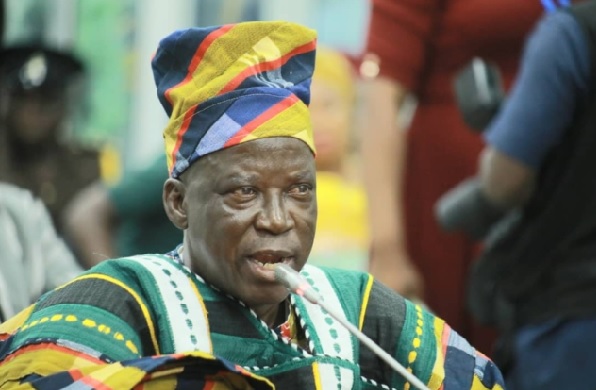
    Asantehene, Otumfuo Osei Tutu II, has urged the factions involved in the Bawku chieftaincy dispute to cease power struggles and work towards lasting peace.

    He made the call on Monday, December 1, at the Manhyia Palace Jubilee Hall in Kumasi while speaking to representatives of the Mamprugu and Kusasi.

    “Whatever the outcome of the mediation, you will still have to live together as brothers and sisters,” he added.  Otumfuo’s engagement with the groups was to find lasting solutions to end the ongoing feud, which resurfaced in 2024 in Bawku, Upper East Region.  

    The mediation talks began months ago. Bawku, which had remained relatively peaceful for a period, saw conflict erupt once more in late 2024. The resurgence of violence was largely sparked by the return of Alhaji Seidu Abagre, a Mamprusi chief who had been enskinned in 2022, only to be exiled later when his enskinment was ruled illegal.

    His return to Bawku followed the withdrawal of an arrest warrant against him by a Kumasi High Court in October 2024, reigniting tensions between the Kusasi and Mamprusi communities. The renewed violence has resulted in deadly confrontations, including attacks on both civilians and security forces.

    Otumfuo Osei Tutu II’s involvement in the peace process has been met with widespread approval, with many hopeful that his leadership will play a critical role in restoring peace and stability to the troubled Bawku region.

    Colonel Festus Aboagye (Retired), a distinguished security expert, has called for greater support for Otumfuo’s initiative, stressing the importance of embracing multi-track diplomacy to strengthen the peace process.

    Colonel Aboagye urged a more inclusive approach to the mediation, calling for the involvement of various national stakeholders such as diaspora leaders, youth advocates, and women’s peacebuilding networks.

    He believes that a broader, multi-dimensional strategy will result in a more sustainable and inclusive solution to the conflict.“Support Otumfuo Osei Tutu II’s mediation through multi-track diplomacy, incorporating diaspora leaders, youth influencers, and women’s peacebuilding networks,” he proposed.

    He also cautioned that traditional diplomatic efforts alone might not be enough to resolve the deep divisions that have fueled the protracted conflict.

    Meanwhile, the community of Binduri in the Upper East Region, along with surrounding districts, has recorded a series of murders in recent times, leaving residents in fear and panic.

    The victims were killed by unknown armed men, prompting the police to launch investigations to arrest the perpetrators. In a recent update, the Ghana Police Service has offered a one-million Ghana Cedis reward for information leading to the arrest of Mark Agingre, a native of Binduri who has been labeled the prime suspect in the ongoing killings.

    This announcement comes after a man, his wife, and their three children were murdered in Binduri, leaving another child in critical condition. The surviving child is currently receiving treatment at the Bolgatanga Government Hospital.

    Earlier, on October 27, an elderly man and his two children were also killed by unknown assailants. Preliminary police investigations have linked these incidents to Mark Agingre.

    The police have urged individuals with information on Mark Agingre’s whereabouts to contact 191, 18555, or report to the nearest police station.

    Authorities have assured the public that the prime suspect and all others involved in the gruesome murders will be brought to justice. Taking to Facebook on Saturday, November 8, the police wrote, “Suspect Mark Agingre, a native of Binduri, is wanted by the Police for his involvement in a series of brutal murders in the Binduri District and nearby communities in the Upper East Region.

    Suspect Agingre is wanted in connection with the murder of a man, his wife, and three children on 7th November 2025, which also left another child in critical condition at the Bolgatanga Government Hospital.”

    It added, “He is further suspected of the murder of an elderly man and his two children on 27th October 2025 at Binduri. Preliminary investigations indicate that he may be behind several other targeted killings.

    “A reward of One Million Ghana Cedis GH₵1,000,000.00 has been earmarked for anyone who is able to share relevant and credible information that will lead to the arrest of the suspect.

    The post concluded, “Anyone with credible information on his whereabouts is urged to contact the nearest police station or call 191, 18555 immediately. The Police assure the public that every effort is being made to track down the suspect and bring him to justice.”

    On Sunday, October 26, a shooting incident left three individuals dead and five others injured. Reports indicate that gunmen invaded the victims’ residence and shot them, including a five-year-old child who died instantly.

    George Bukari, Manager of Binduri-based Maxx Empire Radio and TV, is reported to have sustained injuries. The incident has been linked to the long-running Bawku conflict, where ethnic tensions have periodically sparked violence, making the area one of the most heavily monitored in northern Ghana.

    The government has, in several ways, sought to restore calm. In July, the Ghana Armed Forces (GAF) deployed soldiers to conflict-prone areas, including Bawku, Binduri, Nalerigu, and Zebilla.

    Four other individuals were killed in a daylight attack at the Garu District Office of the National Health Insurance Authority (NHIA), which also left several others injured on Monday, October 20.

    The deceased included a bystander, an NHIA staff member, a mentally unstable man, and Yahaya Bukari, headmaster of Garu D/A Junior High School.

    Eyewitnesses reported that four armed men on two motorbikes fired shots wildly upon arriving at the office.

    “Around 10 a.m., we heard gunshots. Initially, we thought it was coming from the rural bank area, but later we found out that the attackers had gone to the health insurance office,” a witness stated. Edward Ndebugri, former Presiding Member of the Garu District Assembly and current Assembly Member for Kugri, recounted that the gunmen targeted bystanders and fleeing residents.

    “There is a public school close to the health insurance office, and when the shooting started, the teachers and pupils began running helter-skelter. The gunmen chased them, and when one of the teachers fell, they shot him dead,” he added.

    The assailants reportedly left the NHIA office with nothing. In response, heavily armed police and military personnel patrolled key areas, including the District Health Insurance Office and the Presbyterian Hospital.

    “The whole town is in shock. This is the first time we are witnessing such an incident. People are living in fear, and we are pleading with the security agencies to investigate and bring the perpetrators to justice,” the Assembly Member for Kugri appealed.

    In April, the Ghana Police Service directed all regional commands to implement immediate protective measures for police officers and their families in the Upper East Region, particularly in Bawku, Pusiga, and Sindi.

    The directive followed intelligence suggesting that unknown operatives, potentially linked to names such as “King Doormathin” and “Nectwart Ermonnel,” may be targeting police officers and their relatives.

    “Recent developments suggest that police officers and their families, whether indigenous or non-indigenous, have become potential targets,” the internal message stated.

    It instructed that all movements in these communities must be carried out under armored escort and warned that strict compliance is non-negotiable.

    Although the identities and motives of the suspected individuals remain unclear, security analysts are actively investigating potential links to escalating unrest. Residents have been advised to remain vigilant and report any suspicious activity.

    “We’re working to ensure safety in these communities, but cooperation from the public is vital,” a senior police official, speaking on condition of anonymity, told the Independent Ghana.

  • U/E: Family of 5 killed by unknown gun men at Bunduri 

    U/E: Family of 5 killed by unknown gun men at Bunduri 

    Unknown gunmen have killed a family of five, including two children and a family head, believed to be in his nineties, in a night attack at Temgmasug, a farming community in the Koloku–Gumyoko Electoral Area in the Binduri District of the Upper East Region.

    According to graphic.com.gh which shared the report, Assembly Member for the area, Anaba Joseph, said the gruesome incident happened on Friday night, November 7, 2025, between 7 and 8 p.m.

    “I had a call around 7 to 8 p.m. yesterday that five people had been shot dead and another injured at Temgmasug under the Koloku–Gumyoko Electoral Area. Because of the ban on motorbikes, I couldn’t go there at night, so this morning I went there myself and saw it with my own eyes,” he recounted.

    According to him, the deceased family was in the compound of their house when the attackers struck. “When they heard the gunshots, they tried to run inside their room, but before they could enter, they were shot dead right at the doorstep.”

    However, one other person, also a relative, sustained gunshot wounds and was rushed to the hospital for medical attention, the Assembly Member added.

    Mr Anaba said about four gunmen on foot attacked the community, first shooting two cattle. The victims, alarmed by the shots, tried to take cover indoors but could not make it on time.

    More details revealed that after the killings, they picked up a motorbike belonging to the victims. They seemed to have difficulties starting it, so they pushed it away while others continued shooting.

    Confirming the incident, Presiding Member of the Binduri District, Samuel Azure, told Graphic Online that the frequent attacks and killings of innocent citizens has thrown the entire Koloku–Gumyoko Electoral Area into a state of fear and mourning. 

    However, “All five have been buried, and I was there myself. We are really traumatized by the turn of events in our community. It is very sad,” Mr. Anaba bemoaned.

    Residents have raised concerns over the rising insecurity in the area, calling for a stronger security presence to prevent further attacks. The Presiding Member has urged the District Security Council and the police to step up patrols to restore calm and reassure the community.

    As investigations continue, people in Temgmasug and neighboring communities remain anxious, hoping for swift justice and the return of peace in the Binduri District.

    Last month, the same Binduri District experienced a shooting incident that resulted in the death of three individuals and left five others injured.

    According to reports, gunmen attacked and invaded the residence of the victims on Sunday, October 26, and shot them. Among the three deceased individuals was a five-year-old child who died instantly.

    The Manager of Binduri-based Maxx Empire Radio and TV, George Bukari, was reported to be among those who sustained injuries in the aftermath of the incident.

    The incident was linked to the long-running Bawku conflict. The conflict, which resurfaced in 2021, has claimed multiple lives and displaced several families. However, the government has, in several ways, initiated efforts to bring calm to the area. In July this year, the Ghana Armed Forces (GAF) deployed soldiers to conflict-prone areas such as Bawku, Binduri, Nalerigu, and Zebilla.

    This update came in less than a week after four individuals lost their lives in a deadly daylight attack at the district office of the National Health Insurance Authority (NHIA) in the region. The unfortunate incident also left several others injured. The deceased individuals includeded a bystander, an NHIA staff member, a mentally unstable man and Yahaya Bukari, headmaster of Garu D/A Junior High School.

    According to eyewitness accounts, the Garu District Office of the NHIA was invaded by four armed men on two motorbikes, who subsequently fired shots wildly. Two of the gunmen were said to have been masked.

    “Around 10am there about, we heard gunshots. Initially, we thought it was coming from the rural bank area, but later we found out that the attackers had gone to the health insurance office,” a witness stated.

    Speaking to the media, former Presiding Member of the Garu District Assembly and now Assembly Member for Kugri, Edward Ndebugri, recounted that the gunmen later targeted bystanders and fleeing residents.

    “There is a public school close to the health insurance office, and when the shooting started, the teachers and pupils began running helter-skelter. The gunmen chased them in the direction they fled, and when one of the teachers fell, they shot him dead,” he added.

    The assailants reportedly left the NHIA office with nothing. In response to the incident, heavily armed police and military personnel thronged key areas, including the District Health Insurance Office and the Presbyterian Hospital as of 2 p.m. on Monday.

    “The whole town is in shock. This is the first time we are witnessing such an incident. People are living in fear, and we are pleading with the security agencies to investigate and bring the perpetrators to justice,” the Assembly Member for Kugri appealed.

    The injured individuals received medical attention for gunshot wounds at the Garu Presbyterian Hospital. The police have since launched investigations into the incident to determine the motive behind the attack.

  • U/E: Three killed, two injured by gunmen in Binduri

    U/E: Three killed, two injured by gunmen in Binduri

    The Binduri District of the Upper East Region has been thrown into mourning following a shooting incident which resulted in the death of three individuals and left five others injured.

    According to reports, gunmen attacked and invaded the residence of the victims on Sunday, October 26, and shot them. Among the three deceased individuals is a five-year-old child who died instantly.

    The Manager of Binduri-based Maxx Empire Radio and TV, George Bukari, is reported to be among those who sustained injuries in the aftermath of the incident.

    The incident has been linked to the long-running Bawku conflict. The conflict, which resurfaced in 2021, has claimed multiple lives and displaced several families. However, the government has, in several ways, initiated efforts to bring calm to the area. In July this year, the Ghana Armed Forces (GAF) deployed soldiers to conflict-prone areas such as Bawku, Binduri, Nalerigu, and Zebilla.

    This update comes less than a week after four individuals lost their lives in a deadly daylight attack at the district office of the National Health Insurance Authority (NHIA) in the region. The unfortunate incident also left several others injured. The deceased individuals include a bystander, an NHIA staff member, a mentally unstable man and Yahaya Bukari, headmaster of Garu D/A Junior High School.


    According to eyewitness accounts, the Garu District Office of the NHIA was invaded by four armed men on two motorbikes, who subsequently fired shots wildly. Two of the gunmen are said to have been masks.

    “Around 10am there about, we heard gunshots. Initially, we thought it was coming from the rural bank area, but later we found out that the attackers had gone to the health insurance office,” a witness stated.

    Speaking to the media, former Presiding Member of the Garu District Assembly and now Assembly Member for Kugri, Edward Ndebugri, recounted that the gunmen later targeted bystanders and fleeing residents.

    “There is a public school close to the health insurance office, and when the shooting started, the teachers and pupils began running helter-skelter. The gunmen chased them in the direction they fled, and when one of the teachers fell, they shot him dead,” he added.

    The assailants reportedly left the NHIA office with nothing. In response to the incident, heavily armed police and military personnel thronged key areas, including the District Health Insurance Office and the Presbyterian Hospital as of 2 p.m. on Monday.

    “The whole town is in shock. This is the first time we are witnessing such an incident. People are living in fear, and we are pleading with the security agencies to investigate and bring the perpetrators to justice,” the Assembly Member for Kugri appealed.

    The injured individuals are receiving treatment for gunshot wounds at the Garu Presbyterian Hospital. Meanwhile, police have launched investigations into the incident to determine the motive behind the attack.

    Earlier this month, an armed attack at the Gbintri inland checkpoint in the East Mamprusi Municipality of the North East Region has reportedly left an Assistant Immigration Control Officer II (AICOII), Rafiq Mohammed, dead and another officer, AICOII Oppong Daniel, also injured.

    While details of the attack remain unclear, reports suggest the incident took place at about 1:30 a.m. on Friday, October 3. However, AK-47 shell casings used by the attackers during the operation have been retrieved by the joint response team, led by Superintendent Francis Brobbey, Gambaga Municipal Police Commander, and DIS Moro Tanko Mohammed, North Regional Intelligence Officer of the GIS.

    Meanwhile, AICOII Oppong Daniel is receiving treatment at the Baptist Medical Centre in Nalerigu after sustaining multiple gunshot wounds in the incident.

    In July this year, the lifeless body of an immigration officer identified as Stephen King Amoah, also known as Nana Kofi, was discovered in a drainage system near GBC Satellite, opposite Comet Estate, Accra.

    The deceased is said to have gone missing five days (since July 3) before his tragic death. This was contained in a press statement by the Ghana Police Service on Thursday, July 10.

    Providing more details about the tragic incident, the police noted that the murderer(s) of the 38-year-old also set his body on fire.

    The deceased’s remains have been conveyed to the Police Hospital morgue after the relatives positively identified the body as Stephen.

    The police have disclosed that their preliminary investigations indicate the deceased had gone to meet his debtor, one Bright Aweh, who had promised to pay the outstanding debt owed on Thursday, July 3, in the evening.

    The victim never returned home that night, and his phone remained switched off throughout, raising concerns among family and friends who later reported him missing.

    “Investigations revealed that on 3rd July 2025, at about 8:00 p.m., the deceased left his residence at Ashongman Estate after receiving WhatsApp images of cash bundles from one Bright Aweh, who requested to meet him at a spot at Ashongman Estate to settle an outstanding amount.

    “According to the complainant, the deceased never returned home that night, and his phone remained switched off thereafter,” the police said.

    After the deceased’s family filed a complaint at the police station, Bright Aweh was arrested to assist with the investigation.

    He admitted that he met with the deceased and alleged that he gave a cash of GHS500,000 to the deceased, instructing him “to use part of the money to pay off some debts and hold the remaining amount for later collection.”

    But the police in their statement noted that “the suspect could not clearly explain the source of the funds and gave conflicting statements.”

    Meanwhile, the police pledged to get to the bottom of the case and ensure justice is served to the perpetrators.

    “The Regional Police Command strongly condemns such violent and criminal acts and assures the public that it is working diligently to uncover the full circumstances surrounding this incident and bring all responsible persons to justice,” it added.

    Subsequently, the Ghana Police announced the arrest of the prime suspect in the gruesome murder of immigration officer Stephen King Amoah, also known as Nana Kofi on August 4.

    This follows the discovery of weapons believed to have been used in the murder of Immigration Officer Stephen Amoah.

    During a press briefing on Monday, August 4, the Director-General of the CID, COP Lydia Yaako Donkor, revealed that bloodstains were found in the living room, on a burnt, blood-soaked carpet, and on a fufu pestle suspected to have been used in the murder by the suspect.

    According to the Police, the forensic conducted on Thursday, July 24, also exposed freshly sprayed walls, hinting at an attempted cleanup by the suspect.

    “The Kwabenya Teshie Police visited the suspect’s residence, and the forensic inspection revealed the following bloodstains in the living room and evidence of attempted cleanup, freshly sprayed walls, and an empty can of spray paint. A search of a secondary crime scene near the GBC satellite area also uncovered a burnt woolen carpet and partially burnt camouflage fabric.”

    “These items were photographed, retrieved and photocopied for forensic analysis. On 24th July, the police received a warrant to search a particular room in the suspect’s house. A search in the room revealed more bloodstains, which were photographed and samples collected for forensic analysis. A further search in the bushes about 100 metres from the suspect’s house also led to the retrieval of the…” the Police said.

    The Service has noted that in the coming days, undertake a DNA exercise on the bloodstains with samples from the deceased mother and son, aiding with the process.

    “I wish to say that the initial blood sample collected was positive for human blood. To aid the investigations, the deceased mother and son has provided sample for DNA profiling. In the face of these pieces of evidence the suspect who was initially charged with kidnapping has since been rearrested and formally charged with murder. He is currently on remand following his appearance with the Adabraka District Court and is scheduled to reappear on 8th August 2025.

    “A special operation is currently underway to identify and arrest his accomplices and we are following other vital leads to gather all necessary evidence against the suspect and his accomplices. The Ghana Police Service wishes to assure the public that the investigations is ongoing and every effort is being made to ensure that all the perpetrators are prosecuted,” she added.

    Meanwhile, recent reports suggested that the third suspect involved in the murder of Stephen King Amoah, an Immigration Officer, has succumbed to an illness.

    According to sources, the victim’s brother, Kwasi Amoako, revealed this information to the media.

    “Yesterday we went to court and I can confirm that the third suspect has passed on. I was told by the Police CID, the one who is in charge of the case. We thank God that our brother has started seeking justice for himself,” he is quoted to have said by MyJoyOnline.

    The police are yet to issue a formal statement on the suspect’s death.

    The Adabraka District Court on August 22, continued hearing the case after remanding the prime suspect into police custody for two weeks.

    The court has adjourned the case involving the murder of immigration officer, Stephen King Amoah, to October 9 following the police’s request for more time to gather the due evidence against the accused parties.

    The adjournment of the case was announced during the court hearing at the Adabraka District Court on Thursday, September 4, where the prosecutors prayed the court that the Ghana Police Service needed more time and specialised gadgets to advance investigations.

    According to them, a court order had been secured to facilitate the process and prayed that the suspects, Bright Aweh and Thomas Ziggah, remain in custody.

    However, Counsel for the suspects, Gordon Aboagye, expressed concerns about the state of his clients, who appeared visibly distressed, suggesting that they may have been held under harsh conditions while in custody.

    Referring to the need to uphold democratic principles, he prayed that the court reveal the detention location of the suspects in order for their families to visit them and check their well-being while in custody.

    “In line with democratic principles, families of the suspects should be aware of their location to enable visitation”

    “My Lord, my client has appeared in court limping and with bloodshot eyes. He has already been treated twice at the Police Hospital without improvement. We respectfully request that he be sent to Korle Bu Teaching Hospital for independent medical attention,” he argued.

    However, the prosecution objected, urging the defence to formally apply if it insists on the transfer of its client.

    He further appealed to the bereaved family to remain calm and allow the law to take its course. He commiserated with them for their loss.

    “We sympathise with the family of the deceased and plead with them to remain calm and allow the law to take its course,” he added.

    The court, on the other hand, admonished the family of the bereaved family to stay patient, assuring them that justice would be duly served.

    Meanwhile, a dramatic scene unfolded at the court when the aunt of the late officer performed rituals, breaking eggs and invoking curses on those she believes are responsible for his death.

    She reportedly said, “Anyone responsible for his death should also suffer the same fate. All your generation will suffer the same fate; the gods should deal ruthlessly with anyone responsible for his murder. The gods shouldn’t spare anyone involved.”

  • Over 2,000 mental health cases, 27 suicide deaths recorded between 2023, 2025 in Upper East Region

    Over 2,000 mental health cases, 27 suicide deaths recorded between 2023, 2025 in Upper East Region

    Data from the Upper East Regional Health Directorate suggest that mental health conditions account for over 2,000 outpatient visits annually.

    Over 2,000 mental health cases, 27 suicide deaths recorded between 2023, 2025 in Upper East Region

    The most worrying situation according to the directorates is suicide deaths, where in 2023, 7 deaths were recorded, 13 in 2024 and 7 in the first quarter of 2025 and attempted suicide from 2023 to 2025 were 269 cases.

    The District Health Management Information System (DHIMS), in the Upper East Region also recorded 210 depression cases in 2023, 137 in 2024 and 108 cases in the first quarter of 2025.

    Between 2023 and the first quarter of 2025, a total of 509 cases of mental disorders due to alcohol use, 557 cases of psychoactive substance use disorders, and 270 cases of bipolar disorders were recorded. In the region.

    The Upper East Region continues to grapple with major gaps in mental health service delivery, largely due to the absence of a state-owned psychiatric facility and the limited number of trained professionals, most of whom are concentrated in district hospitals. These challenges mean many mental health cases either go untreated or are poorly managed, while stigma and cultural misconceptions still portray mental illness as curses.

    To help address the situation, Public Health at Your Doorstep (Healing Wheels), an initiative founded by public health nurse and Mandela Washington Fellow, Gifty Atampugbire, is training nurses across the region in basic mental health care. The project, supported by the United States Government, is aimed at equipping frontline health workers with the skills to provide quality mental health services in the absence of state-owned facilities.

    So far, training sessions have been rolled out in several districts with growing participation from health professionals. The number of trainees has increased from 50 to 250, a development Mrs. Atampugbire attributes to the strong support of the U.S. government and the commitment of local stakeholders.

    “In all five northern regions, we do not have a single state-owned psychiatric hospital. Yet, the first point of contact for most patients is usually a nurse or a midwife, who often lack the basic skills to handle mental health cases,” she explained in an interview with 3News. 

    “While we wait for such a facility, why not build the capacity of nurses? I submitted a proposal, and the U.S. government funded it, providing consultants to help train on a critical aspect of mental health – mental health first aid.”

    According to her, the training empowers nurses to recognize early warning signs of mental health or substance-use challenges, engage patients in relevant conversations, offer immediate support, and provide referrals to specialists when necessary.

    Despite the progress, Mrs. Atampugbire expressed frustration over the difficulties of mobilizing resources for mental health interventions. “We can no longer look away. Rising cases of alcohol and substance abuse are destroying our young people and weakening our national workforce. This is why I brought the training to the people of the Upper East Region, where there is no state-level facility. We thank the U.S. Department of State and our partners for the support, but I call on government and regional leaders to invest in mental health because it is a neglected yet pressing public health issue,” she urged.

    Her call is timely, as the Ghana Mental Health Authority recently reported a 40 percent increase in suicide deaths nationwide in 2024, with 475 attempts recorded in the first half of 2025 alone.

    Felicia Mason-Edwards, Director of Mental Health Peer Support at Texas Health and Human Services, who traveled to Ghana to support the training, described the initiative as “an investment in dignity and the right to accessible mental health care.”

    She stressed that equipping every health worker, from CHPS compounds to regional hospitals, ensures individuals in crisis find safe, nonjudgmental support at their first point of contact.

    The program has also changed the perspectives of local health workers. Atanga Henrietta, a senior nursing officer at Talensi District, admitted that before the training, many health staff and families were hesitant to interact with mentally ill persons, often resorting to chaining or isolating them.

    “This program has opened my eyes to better ways of engaging and supporting them. I now understand the right approach is to get closer and provide care, not push them away,” she reflected.

    Currently, nurses and other frontline workers in nine districts and municipalities are benefitting from the training, which aims to bridge the treatment gap, reduce stigma, and strengthen mental health support systems in the Upper East Region.

  • Upper East Region discovers gold deposits in seven districts 

    Upper East Region discovers gold deposits in seven districts 

    Gold deposits have been found in seven out of the 15 District Assemblies and Municipalities in the Upper East Region, presenting new economic prospects for the area.

    Upper East Regional Minister, Donatus Akamugri Atanga, disclosed this development during an interaction with journalists at the proposed site for the Bolgatanga Airport on Saturday, March 29.

    “This region has suddenly discovered mineral deposits. Out of the 15 district assemblies, about seven have these deposits, which presents a significant business opportunity,” Atanga revealed.

    He highlighted the need for improved infrastructure to support mining activities, particularly in terms of secure and efficient transportation of gold to national markets.

    “Once mining begins, there will be a need for quicker transport to move the gold to national markets without the risk of armed robberies. We need to accelerate efforts to improve infrastructure. Upper East is a gateway to Burkina Faso and Togo, and our airport will be a valuable asset,” he stated.

    Atanga further emphasized that the construction of the Bolgatanga Airport would not only boost the mining sector but also facilitate trade and investment in the region. He called on stakeholders to support efforts to make the airport project a reality.

  • Rabies claims 7 lives in Upper East Region since Jan 2024

    Rabies claims 7 lives in Upper East Region since Jan 2024

    The Upper East Region has recorded seven fatalities due to rabies, with nine suspected cases reported in 2024, according to regional health authorities.

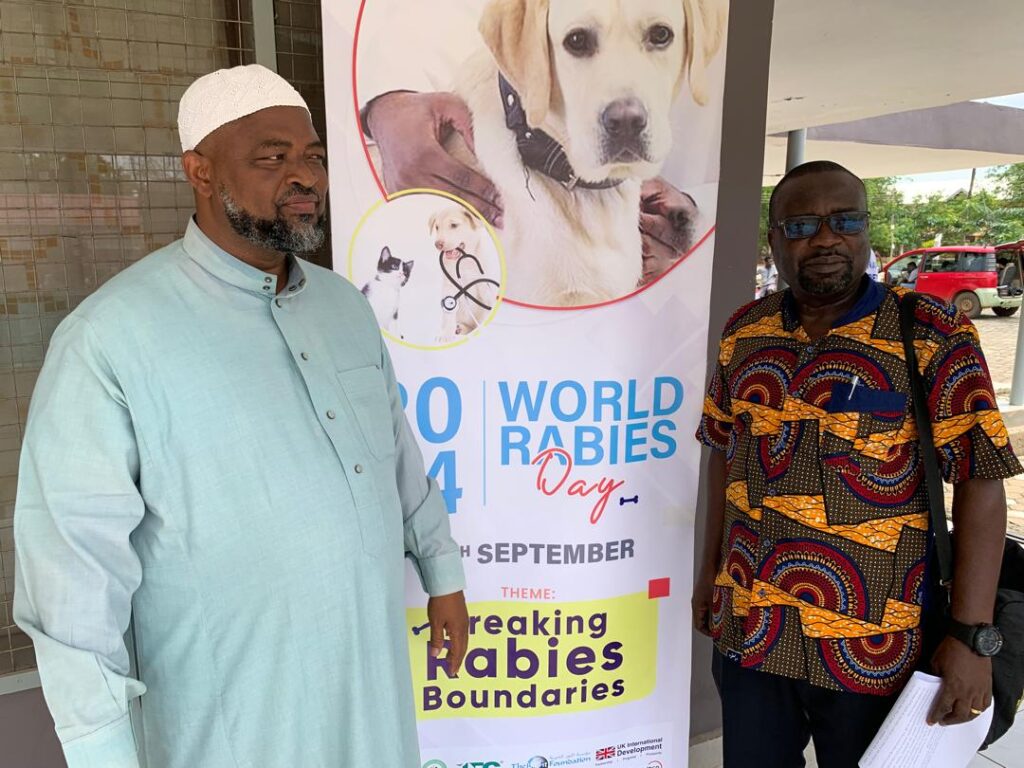
    These alarming statistics were shared during the World Rabies Day event held in Bolgatanga on Saturday, under the theme “Breaking Rabies Boundaries.”

    Collins Yin, a Health Promotion Officer at the Upper East Regional Health Directorate, indicated that the Bolgatanga Municipality had three suspected rabies cases, one of which resulted in death.

    In the Bongo District, all three suspected cases led to fatalities, while the Garu District reported two suspected cases, both proving fatal. Additionally, the Nabdam District documented one case of rabies that resulted in the individual’s death.

    Mr Yin emphasized the importance of vaccinating pets, especially dogs, to prevent further tragedies, stating, “We can prevent these unnecessary deaths if people ensure their dogs are vaccinated.”

    Dr. Henry Nii Ayi Anang, the Regional Veterinary Officer, shared that from January to September 2023, 5,410 dogs and 1,631 cats were vaccinated in the Upper East Region.

    However, he highlighted the urgent need for more action, noting that approximately 100,000 dogs in the region remain unvaccinated.

    “There is a need for concerted efforts to raise awareness and increase vaccination rates. Rabies is a deadly disease, and we must take every step to protect ourselves and our animals,” Dr. Anang said.

    The event, organized by The Light Foundation with the support of USAID and fhi360, brought together health and veterinary officials to discuss effective strategies for rabies eradication.

    Sheikh Ali Abubakar Napari, CEO of The Light Foundation, lamented the prevalent ignorance surrounding the significance of vaccinating pets.

    “Many pet owners do not understand how dangerous rabies is. We must do more to educate the public and ensure every dog, cat, and pet is vaccinated” he asserted, committing to his organization’s goal of eliminating rabies by 2030.

    “There is a need for concerted efforts to raise awareness and increase vaccination rates. Rabies is a deadly disease, and we must take every step to protect ourselves and our animals,” Dr. Anang said.

    Rabies, a viral disease transmitted through bites or scratches from infected animals, poses a serious public health threat. Without timely vaccination following exposure, the disease is almost always fatal.

  • Claims of militia training in Bawku false – Police

    Claims of militia training in Bawku false – Police

    The Ghana Police Service has stated that there is no evidence supporting recent claims of militia training in Bawku, Upper East Region.

    In a statement, the Police emphasized their commitment to maintaining peace and security in the region while denouncing the spread of false information.

    They also assured the public that they are actively working to identify and prosecute those responsible for these baseless allegations.

    “The Ghana Police Service has noted with concern a publication alleging the training of some militiamen at Bawku in the Upper East Region. We wish to state that our investigation has found no evidence of such training in the area or its environs.”

    “This is the second of such false publications within a week by some unpatriotic individuals intended to create unnecessary alarm and panic among the public. The Police are working to bring the perpetrators to book and the public should be assured that we will get them.”

  • ‘Wee toffee’ becoming a common snack for SHS students in Upper East Region

    ‘Wee toffee’ becoming a common snack for SHS students in Upper East Region

    The Executive Director of Life Out of Alcohol and Drugs Ghana (LOAD-Ghana) in the Upper East Region, Roger Atambire Abaa, has expressed deep concern over the increasing use of “wee toffee” among Senior High School (SHS) students.

    This substance, a local combination of marijuana, condensed milk, and sugar, has reportedly become a popular snack among students, raising serious concerns about its impact on their health and academic performance.

    Mr. Atambire described the situation as both alarming and widespread.

    “If you visit the various SHSs, it is bad. The wee toffee is common among the students. Where they get them, one can’t tell, but these learners are consuming these substances like there is no tomorrow, and I think authorities ought to strengthen efforts that can curtail this growing behavior amongst the learners,” he stated.

    Speaking on A1 Radio during a World Drug Day awareness segment, Mr. Atambire urgently called on school authorities and relevant stakeholders to take concrete steps to address this issue.

    He emphasized the need for increased vigilance and proactive measures to either eliminate or significantly reduce the production and consumption of these substances in and around school premises.

    Mr. Atambire’s comments highlight a critical issue facing many educational institutions in the region.

    The rising trend of “wee toffee” consumption among SHS students, he said, is a call to action for parents, educators, and policymakers to prioritize the health and safety of learners.

  • Ghana is not financially constrained to procure high and low voltage poles – Energy Minister

    Ghana is not financially constrained to procure high and low voltage poles – Energy Minister

    Ghana’s Energy Minister, Dr. Matthew Opoku Prempeh, clarified that the country is not facing financial constraints that would hinder the procurement of high and low voltage poles.

    He emphasized that Ghana has recently acquired poles to finalize ongoing projects in the Binduri District of the Upper East Region.

    Dr. Prempeh’s statement comes amidst discussions about delays in project completions due to funding shortages.

    Dr Prempeh stated, “Ghana is not broke that they cannot buy.”

    He reassured that Ghana has the financial capacity to continue investing in essential infrastructure.

    Dr Prempeh noted that the delay in completing the projects was due to inadequate funding to procure high and low voltage poles.

    He said these poles have now been procured, released, and installed in all communities of Binduri.

    The Energy Minister explained that when certain contractors are tasked with installations, the Ministry provides them with some materials.

    However, depending on the availability of these materials, there may be delays in the project timeline.

  • A course for worry – AIDS Commission on surge in HIV infections among adolescents in Upper East Region

    A course for worry – AIDS Commission on surge in HIV infections among adolescents in Upper East Region

    Upper East Region is facing a significant rise in new HIV infections among adolescents, prompting a call for intensified efforts to address underlying causes and provide targeted support to this vulnerable group.

    Sulemana Majeed, the Regional HIV/AIDS Focal Person, has expressed concern, stating that the HIV prevalence among adolescents ranges from 1.8 to 2.0 percent.

    Majeed emphasises that without pragmatic measures to reduce the prevalence rate, the future for adolescents in the region appears bleak.

    “The cause for worry is that the future generation, the adolescents whom we feel should stay negative and maintain their status because they are the productive force for the future, are those who are getting the new infection.”

    The worrying aspect, according to Mr. Majeed, is that “it is not even the late adolescents; it is early adolescents between 10 to 14 years who are getting infected with the virus.”

    The increasing trend of HIV infections among adolescents in the Upper East Region is attributed to factors such as a lack of HIV education, ignorance, and the vulnerability of young individuals to peer pressure for early sexual activity.

    The Regional HIV/AIDS Focal Person, Sulemana Majeed, highlighted that with a population exceeding 1 million, over 7,000 people in the region are estimated to have been infected with the virus.

    Approximately 5,000 individuals are still receiving medications at health facilities, while others have discontinued treatment for various reasons, such as feeling better, travel without informing facilities, or unfortunate deaths unrelated to HIV.

    Majeed conveyed these concerns to the media after a health walk held in commemoration of World AIDS Day, celebrated over the weekend due to the concurrent National Farmers Day on December 1.


    The theme for this year’s World AIDS Day celebration was “Let Communities Lead,” aiming to encourage individuals infected and most affected by HIV and AIDS to take on roles and initiatives that contribute to ending the disease as a public health concern by 2030.

    A health walk, organized by the Ghana HIV and AIDS Network (GHANET) in collaboration with the Network of Persons Living with HIV (NAP+) and other stakeholders, marked the occasion. The event served as an opportunity to raise awareness about HIV self-testing (HIVST) and address various aspects related to HIV and AIDS.

    The National Public Relations Officer of GHANET, Patrick Anamoo, said Ghana has now included blood-based methods of HIVST owing to the successful evaluations of the oral method. “CheckNOW is a blood-based method of HIVST that gives test results in just 15 minutes.

    It is based on 3rd generation HIVST technology, which detects HIV-1 and HIV-2 antibodies in a fingerstick blood sample,” he explained.

    Mr. Anamoo expressed confidence that the multiplication of HIVST testing options will help Ghana achieve the first 95 of the 95-95-95 UNAIDS targets. The Upper East Regional Chair of NAP+ says stigma remains a challenge to the fight to reduce the virus.

  • Chinese company to build airport in Upper East region


    A subsidiary of China’s Shandong Gold, Cardinal Namdini Mining Limited, has announced plans to construct an airport in the northern part of Ghana.
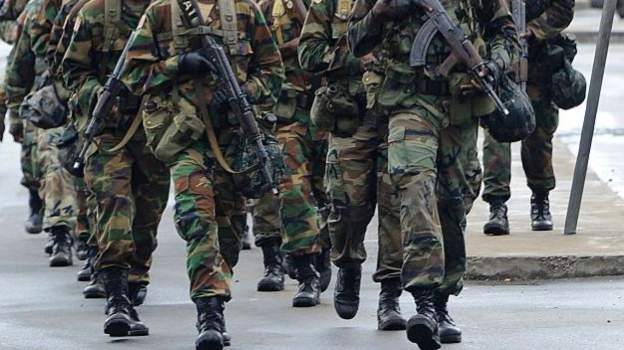

    The airport is expected to serve the needs of the locals and also aid in the operations of the mining company.


    It is reported that Cardinal has proposed the construction of an airstrip solely for its use in the Talensi District, where it intends to commence gold mining operations in the first quarter of 2024.


    However, the Ministry of Transport successfully persuaded the company to expand the project into a full-fledged airport, given that the people of the Upper East are without an airport.


    Cardinal Namdini’s project manager, Steve Ofori-Asamoah, shared the details during a tour of the mining site during an engagement with the Daily Graphic, accompanied by some dignitaries.


    This development holds the promise of not only bolstering the mining project but also enhancing connectivity and economic opportunities in the region.


    Ofori-Asamoah explained that the initial airstrip’s purpose was to streamline the transportation of employees from companies based outside the region.


    This would facilitate their engagement in activities in key cities like Kumasi, Accra, and Takoradi. Additionally, it would serve as a means to transport bullion.


    However, all these ambitions will be in vain without the government’s approval; hence, the company is looking forward to negotiations with the government in that regard.


    Securing a mining lease for a 15-year period in the Talensi District, the mining company aspires to extract a substantial 150 million metric tonnes of ore and this is expected to yield a hooping 5 million ounces of gold over the course of this timeframe.


  • Pastors arrested for assaulting priestess over refusal to give up her gods

    Pastors arrested for assaulting priestess over refusal to give up her gods

    The police have arrested three pastors who physically assaulted a priestess of the indigenous Traditional Religion in Wiaga, located in the Builsa North Municipality of the Upper East Region.

    The incident occurred when the pastors from the Jesus Family Church in Sandema attempted to forcibly convert the priestess to Christianity and take away her gods.

    The victim, Sakinatu Issahaku, who resides in the Sichaasa community of Wiaga, was brutally beaten by the pastors when she refused to surrender her deities and convert to Christianity. The assault left her hospitalized with injuries to her face, knees, and a dislocated arm.

    According to the victim, the pastors, led by Pastor Donatus Asekabta, initially offered to pray for her and convert her to Christianity, but she declined the offer. When she resisted their attempts to take her deities away, the pastors became enraged and resorted to physical violence. One of the pastors even brandished a pistol and threatened to kill her.

    The police took action following a complaint filed at the Sandema Police Station. The victim is seeking justice and hopes that the perpetrators will be punished for their violent actions.

    The incident has shocked local residents, who find it surprising that individuals claiming to be men of God would resort to unprovoked violence and threats.

  • Bolgatanga SHS receives innovative disability-friendly WASH facility

    Bolgatanga SHS receives innovative disability-friendly WASH facility

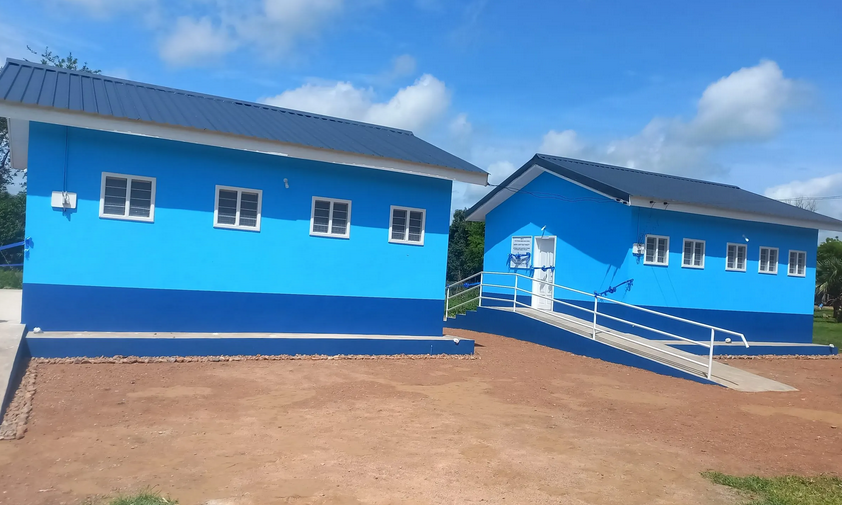
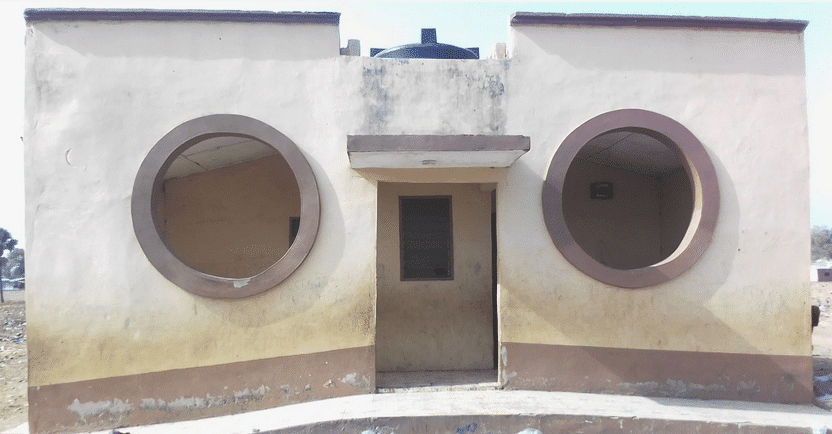
    An advanced Water, Sanitation, and Hygiene (WASH) facility, designed to accommodate ten individuals including those with disabilities, has been built and delivered to Bolgatanga Senior High School in the Upper East Region.

    This facility serves the purpose of enhancing sanitation and promoting hygienic practices within the school community.

    The aim is to enhance sanitation and hygiene practices within the school environment.

    This development brings considerable relief to both the school’s staff and students, offering a solution to the prevalent issues of open defecation and unsanitary practices.

    Remarkably, this facility, which cost 90,000 pounds (equivalent to GH₵1,291,483.00 at current rates), stands as the pioneering model of its kind in any senior high school within the region.

    Its creation was made possible by the dedicated efforts of WaterAid Ghana, a non-governmental organization committed to promoting Water, Sanitation, and Hygiene initiatives.

    Funded by the Zochonis Charitable Trust, a UK-based organization, this water closet toilet facility is part of the broader Sustainable Water, Sanitation, and Hygiene Services in Institutions (SWASH-I) project initiated by WaterAid Ghana.
    Notably, this endeavor not only involved infrastructure development but also focused on instilling valuable knowledge regarding proper hygiene behavior and sanitation practices among the school’s faculty and students.

    In addition to this educational aspect, essential cleaning and hygiene supplies were provided, along with sports equipment including jerseys and footballs.

    A brief commissioning ceremony marked the official inauguration of the facility. Mr. Sampson Tettey, the Head of Sustainable Services Programme at WaterAid Ghana, emphasized that this initiative holds great significance in improving the school’s hygiene and sanitation standards, thus enhancing the overall academic experience.

    He highlighted the symbolic importance of this climate-resilient and gender-sensitive structure, portraying it as a beacon of progress, empowerment, and a brighter future for every member of the school community.

    By advocating for proper hygiene practices and sanitation, Tettey stressed that this investment holds the potential to foster a healthy learning environment, subsequently contributing to the formation of responsible individuals who will play a pivotal role in the nation’s economic growth.

    In his view, these facilities not only serve as physical structures but also as the foundation upon which the students will construct a future filled with accomplishments, aspirations, and positive transformation.

    Mr. Ababu Afelbeik, the Headmaster of Bolgatanga Senior High School, expressed gratitude to WaterAid Ghana for their invaluable support. He recognized the substantial impact this facility would have on promoting proper hygiene and sanitation practices throughout the school.

    Given the school’s large student body and staff count, he acknowledged the need for additional facilities and appealed for further assistance, specifically from the Talensi District Assembly, to complete the ongoing construction of two additional toilet facilities.

    The Senior Prefect of the school, Mr. Gabriel Akuka Atanga, revealed that due to the lack of suitable toilet facilities, many students had resorted to open defecation in nearby bushes. He believes that the newly established facility will markedly enhance academic productivity.

    Addressing the issue of Water, Sanitation, and Hygiene (WASH) concerns, particularly within educational and healthcare institutions, Mr. Simon Alebega, the Talensi District Assembly Engineer, assured that the local leadership was actively working to tackle these challenges.

    This underscores the commitment of the assembly to prioritize these essential aspects of infrastructure and well-being.

  • NPP Primaries: Mathew Silas Amoah joins Bolgatanga East contest

    NPP Primaries: Mathew Silas Amoah joins Bolgatanga East contest

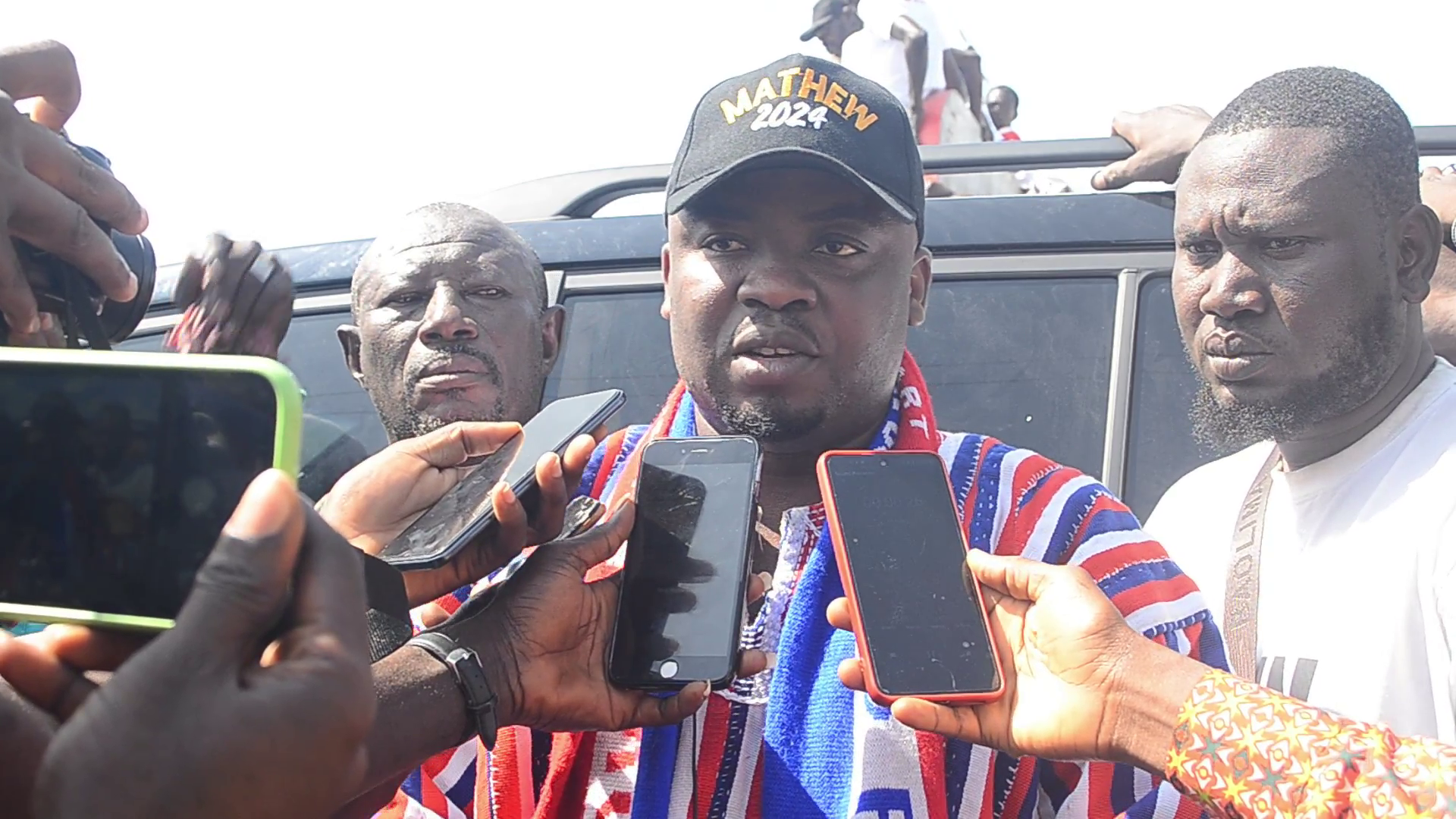
    A dedicated entrepreneur and philanthropist, Mathew Silas Amoah, has officially submitted his nomination to participate in the New Patriotic Party (NPP) Primaries within the Bolgatanga East Constituency, Upper East region.

    At the age of 34, he firmly believes that his dynamic youthfulness coupled with his extensive business experience positions him as the optimal choice to spearhead the NPP’s representation in the area.

    Amoah remains hopeful that his potential election would result in a successful acquisition of the seat currently held by the National Democratic Congress (NDC), reflecting his aspiration to contribute significantly to the political landscape.

    Meanwhile, the NPP’s upcoming presidential primaries, scheduled for August and November 2023, will involve ten candidates.

    An initial super delegate conference in August 2023 will narrow the field to five contenders, followed by the main primaries in November 2023 to select the party’s presidential nominee for the 2024 elections.

    The roster of candidates includes Vice President Dr. Mahamudu Bawumia, former Trade Minister Alan Kyerematen, energy expert Kwadwo Poku, Attorney General and Minister of Justice Joe Ghartey, former Minister of Food and Agriculture Dr. Owusu Afriyie Akoto, former General Secretary of the NPP Kwabena Agyei Agyepong, MP for Assin Central Kennedy Ohene Agyapong, former MP for Offinso North Dr. Kofi Konadu Apraku, and former Energy Minister Boakye Agyarko.

  • Bolgatanga schools receive 10,000 exercise books from BOST

    Bolgatanga schools receive 10,000 exercise books from BOST

    Bulk Oil Storage and Transportation company (BOST) has generously gifted 10,000 exercise books to seven government basic schools in Bolgatanga municipality, Upper East Region.

    This initiative falls under BOST’s Corporate Social Responsibility (CSR) program, aiming to enhance education in schools located near their depots nationwide.

    The donation benefited schools like Bolgatanga Anglican Kindergarten, Primary and Junior High Schools, Tindonsobligo 31st December Kindergarten, Kalbeo-Tindonsobligo Kindergarten School, and Kalbeo-Tindonsobligo Primary and Junior High Schools, where 1,998 pupils received five books each.

    Yaw Antwi Dadzie, BOST’s government relations, corporate social responsibility, and protocol manager, emphasized the company’s commitment to provide similar donations to other basic schools across the country as part of their initiative to distribute a total of one hundred thousand exercise books nationwide. So far, 60,000 books have been distributed in the Northern sector, including the Upper East, Savanna, and Northern regions.

    Dadzie also mentioned that BOST is supporting the university education of fifty brilliant but needy students through their scholarship program, with the aim of cultivating future leaders for the country.

    The headteachers of the beneficiary schools expressed their gratitude to BOST for the valuable donation. They shared the pressing needs of their schools, including the lack of essential facilities such as toilets and information communication technology centers.

    One headmistress urged the government and corporate entities to provide the school with IT tools, especially computers, to enhance teaching and learning in the modern era.

  • Death penalty ban may fuel mob justice – Avoka

    Death penalty ban may fuel mob justice – Avoka

    The Member of Parliament (MP) for Zebilla constituency in the Upper East Region, Cletus Apul Avoka, has voiced his disagreement with the calls to abolish the death penalty in Ghana’s legal system.

    Discussions among legislators have arisen following the report from the Constitutional, Legal, and Parliamentary Affairs Committee on the Criminal Offences Amendment Act, which proposes replacing the death penalty with life imprisonment.

    Speaking to the media, Avoka restated his position, expressing concerns that eliminating the death penalty could have negative consequences for the country’s justice system.

    He argued that without the deterrent of the law, there could be an increase in vigilante justice, where suspects are killed by civilians without proper judicial proceedings.

    “Where is the evidence that when the death penalty is taken out of our books, people will not commit murder? In fact, we are having fewer heinous crimes because of the existence of the death penalty. Already, people do not have confidence in the judicial system, and if you now go around telling people that if you kill somebody, you will not die, then you are inviting Ghanaians to take the law into their hands and do instant justice.”

    “Abolishing the death penalty has the tendency to increase mob justice.”

    Mr. Avoka refuted the notion that countries that have abolished the death penalty experience lower crime rates. He argued that each jurisdiction is unique and what may work elsewhere may not necessarily be effective in Ghana’s context.

    He emphasized the need to consider Ghana’s specific circumstances when evaluating the potential impact of abolishing the death penalty.

    “There is very little logical argument to the conversation that the peaceful countries in the world do not have the death penalty in their books. The jurisdiction is not the same and has different issues and so advancing that argument is a non-starter.

    “There is no empirical proof that in Ghana if we abolish the death penalty, people will not commit heinous crimes. There is nothing to support it.”

    While the death penalty was originally inherited from the colonial administration as a punishment for serious offenses, including murder, attempted murder, genocide, piracy, and smuggling of gold or diamonds, Ghana has not carried out any executions since 1993.

    In contrast to this, Archbishop Nicholas Duncan-Williams, the presiding archbishop and general overseer of the Action Chapel International ministry, supports the movement to abolish the death penalty.

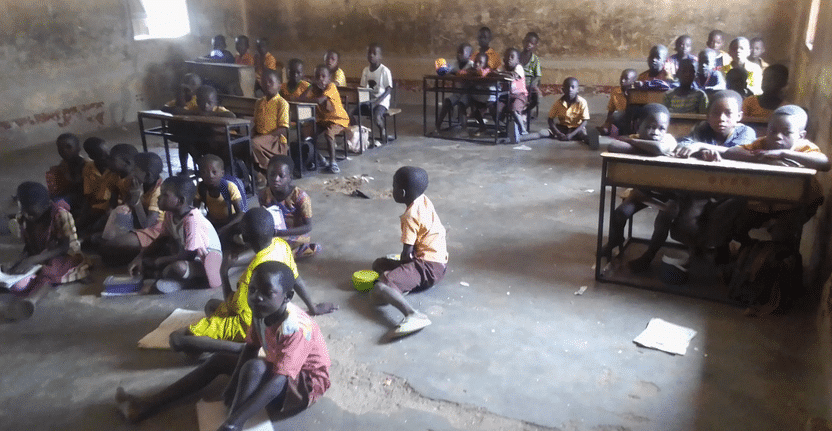
  • Binduri Day SHS closed due to food shortage

    Binduri Day SHS closed due to food shortage

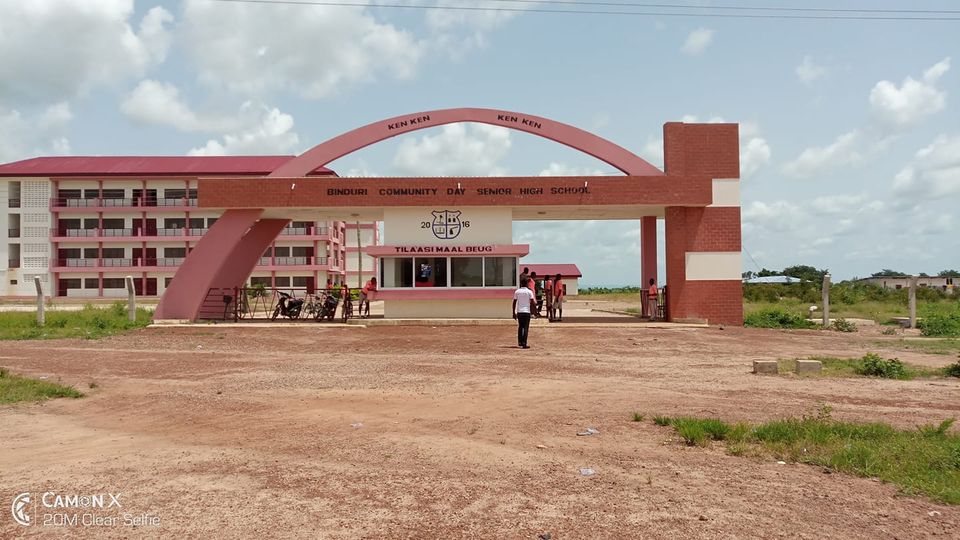
    The Binduri Community Day Senior High School in the Upper East Region has been closed due to student protests over a lack of food.

    On Tuesday, July 11, 2023, several upset students boycotted classes to protest and express their dissatisfaction with the school administration’s inability to serve them with the one hot meal each day for some time already.

    According to sources within the school, the caterer stationed at the school has been unable to cook for the children since May 29, 2023, leaving the pupils to their own fate.

    During the demonstration against the events at the school, some kids stated that they were suffering since they had been refused their daily food for more than a month.

    saying what is very worrying is that due to the shortage of food, we have been compelled one kind of food throughout the whole week”.
    One of the said “ it is very sad that we are sometimes forced to eat Banku and okro stew throughout the whole week” and therefore called on the ministry of education and the government to take immediate steps to address the issue to pave the way for the caterer’s return.

    A first year female student called on the government to provide them with their school uniforms and other attires since it was long overdue, saying “ we also demand the construction of a place of convenience  since we can no longer attend to nature’s call in bushes around the school”.

  • Ban on ruminants, others lifted in Upper East Region

    Ban on ruminants, others lifted in Upper East Region

    On Tuesday, July 11, 2023, the Upper East Region will no longer be subject to a prohibition on the transportation of ruminants and donkeys, as well as the slaughter, sale, and consumption of meat and animal products.

    The Ministry of Food and Agriculture stated this in a press release.

    In the Binduri district of the Region, the Ministry on May 31, 2023, put a prohibition on the movement of ruminants and donkeys, butchering, and sale among other things in response to complaints and verified instances of anthrax.

    The Ministry asserted that the problem has subsequently been under control and that the prohibition has been lifted because there have been no cases of the sickness reported after June 14, 2023.

    “On 31st May 2023, the Ministry of Food and Agriculture imposed a ban on the movement of ruminants and donkeys, slaughtering, sale, and consumption of meat and meat products in the Binduri district of the Upper East Region. This followed reports and confirmed cases of anthrax, an acute bacteria disease transferable from animals to humans.”

    “The situation has since been contained with no recorded case of the disease since 14th June 2023.
    In view of the above, and based on expert advice, the ban on the movement of ruminants and donkeys, slaughtering, sale, and consumption of meat and meat products in the Upper East Region is hereby lifted effective Tuesday, 11th July 2023,” the Ministry of Agric stated in its statement.

    Despite the restriction, the Ministry stated that tight procedures would still be implemented to make sure that animal slaughter was carried out under the careful observation of veterinary inspectors.

    “Notwithstanding this directive, the following measures will apply and be strictly enforced: the slaughter of all animals should be under close supervision of the veterinary and environmental health officers at designated abattoirs and slaughter slabs; food vendors/ restaurants and owners/butchers will be arrested and prosecuted for the sale of meat and meat products of animals whose slaughtering was not supervised by the veterinary or environmental health officers; all dead animals should be promptly reported to veterinary or environmental health officers as well as people in authority for immediate investigation; at all costs, the public is advised to desist from eating the meat of animals found dead,” the Ministry of Food and Agriculture mentioned.

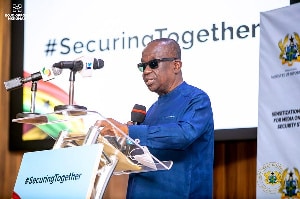
  • Vigilance soars as Kan Dapaah takes ‘See Something, Say Something’ campaign to

    Vigilance soars as Kan Dapaah takes ‘See Something, Say Something’ campaign to

    Sensitisation on the activities of terrorism has been beefed in the country as the National Security Ministry has extended the “See something, say something” campaign to the Upper East Region.

    As part of a series of regional initiatives, the ongoing campaign by the Ministry of National Security seeks to raise awareness among residents in the Upper East Region about personal security and activities that may pose a threat to community safety. The campaign aims to foster active participation from the community in safeguarding and maintaining national security.

    According to the ministry, na­tional security is a shared respon­sibility that requires the general buy-in of citizens to complement the effort of government.

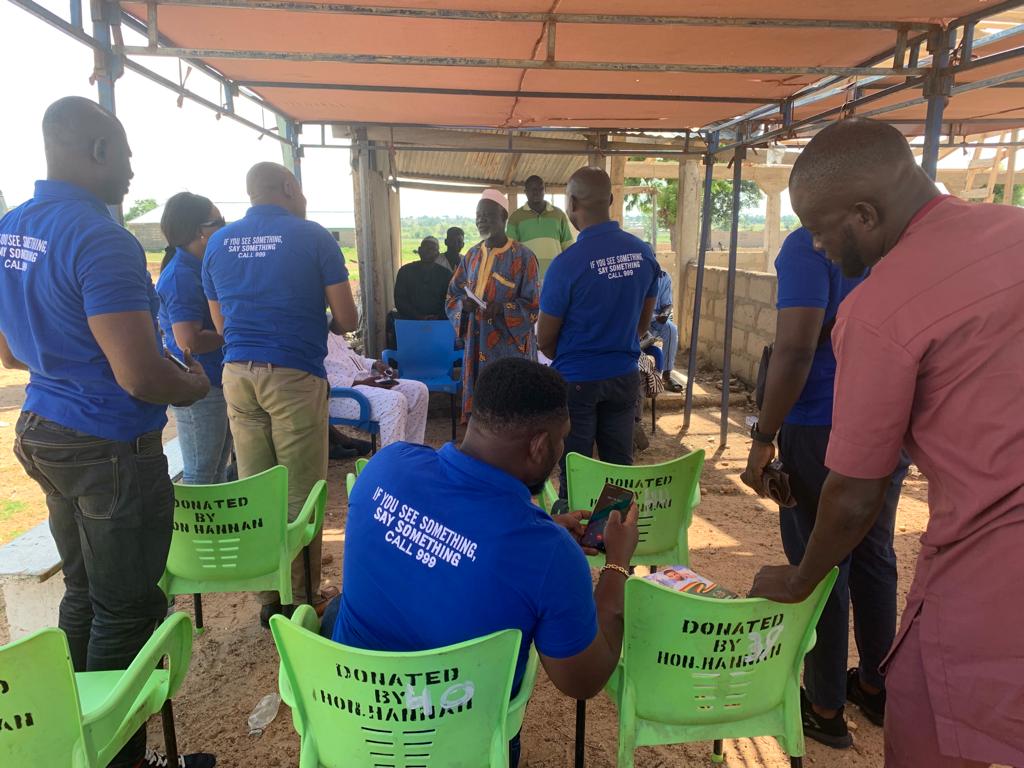
    Thus, the campaign in the region is to sensitize members of border communities to be vigilant at all times and share information with security agencies or call a toll-free number (999) on suspi­cious activities and characters to avert a possible mishap.

    The ministry said, the campaign, now more than ever, had become important given happenings in neighbouring countries, particular­ly Burkina Faso.

    Addressing a cross-section of residents in the respective districts in the region, Mrs. Akosua Dan­quah Ntim Sekyere, leader of the campaign team, indicated that the influx of refugees from Burkina Faso into the region required vigilance from the residents to identify and report suspicious characters, adding that “we can’t be sure of who is coming in, even though some come in with refugee status.

    You cannot look at a person’s face and tell their intentions; hence, public education is aimed at sensitising the citizenry to be aware of the dangers that come with the influx of refugees, as well as their roles as citizens to help safeguard national security.”

    Mrs. Ntim Sekyere further expressed concern at the rate of prank calls to the emergency call center (toll-free number 999) and admonished all to desist from the practise and only call to report suspicious activities or characters. According to her, “Out of the calls received at the call centre daily, prank calls outnumber valid calls, a very worrying trend.”

    She indicated that the campaign was a national assignment devoid of political affiliations and urged traditional leaders and members of the communities to contribute to safeguarding national security.

    Residents were also urged to maintain effective communication channels with community leaders and security agencies, promote openness, and share information by observing and reporting indi­viduals exhibiting signs of radical­isation or unusual behaviours.

    The traditional leaders across the border communities com­mended the government for the initiative and called for the improvement of border security measures, including unapproved routes.

    They also pledged their un­flinching support for the campaign as well as ensuring peace and sta­bility in their respective communi­ties and the region as a whole.

    The flagship campaign launched last year by the Ministry of National Security has been executed in the Eastern, Ashanti, and Volta regions.

    The campaign which is aimed at creating a safer environment by raising awareness and promoting proactive involvement in counter­ing potential security threats, will be replicated in the other twelve (12) regions.

  • ‘See-something-say-something’ initiative intensified

    ‘See-something-say-something’ initiative intensified

    The Ministry of National Security is actively promoting its “see something, say something” campaign in the Upper East Region‘s border communities to prevent the infiltration of violent extremists into the country.

    The campaign’s primary objective is to raise awareness and alertness among community members, encouraging them to report any suspicious individuals residing in their communities to security agencies. This collective effort aims to combat the threat posed by violent extremists.

    Head of Client Services at the Ministry of National Security, emphasized the importance of vigilance and security consciousness among community members in border areas. She encouraged the sharing of intelligence with security agencies as a means to effectively address the menace of violent extremism.

    “It has become important because of what is happening in our neighbouring countries—Togo, Burkina Faso, and the like. As we all know, about two weeks ago, we had an influx of refugees coming in. We can’t be sure who is coming in, even though some come in with the status of refugees. You can’t look at someone’s face and tell their intentions. That’s why we need to sensitize them to be aware of the dangers that come with this. And their roles as citizens to help safeguard national security.”

    Mrs. Sekyere voiced her concern about the high number of prank calls received by the Ministry and urged Ghanaians to contact them solely when they observe genuinely suspicious activities or individuals.

    “The whole idea of the campaign is for people to report suspicious activities. So, if you call without a valid report, it means you’re preventing someone else from getting through. Because sometimes the calls are queued. If you’re on the line and someone at the call center is attending to you, someone else will be waiting. You know how the system works. We’ve all heard the jingles.

    She added, “Patience will run out for whoever is calling to volunteer that information. So, we try to discourage people from calling when they don’t have anything valid to say. The system works, that point is emphasized. It’s not a trial-and-error system. The call center works 24/7 effectively, and we have people on night and day duty. So, there’s no point calling to find out if the call center is really operational or not. That’s why we’re pleading with Ghanaians to stop pranking by asking if they can get some call credit. It’s time we took this seriously. This is a national assignment. It has no political affiliation or anything like that. You owe it as a duty, and I owe it as a duty to help safeguard national security.”

  • NPA clamps down on 16 illegal ‘Gao Gao’ fuel stations in Upper East Region

    NPA clamps down on 16 illegal ‘Gao Gao’ fuel stations in Upper East Region

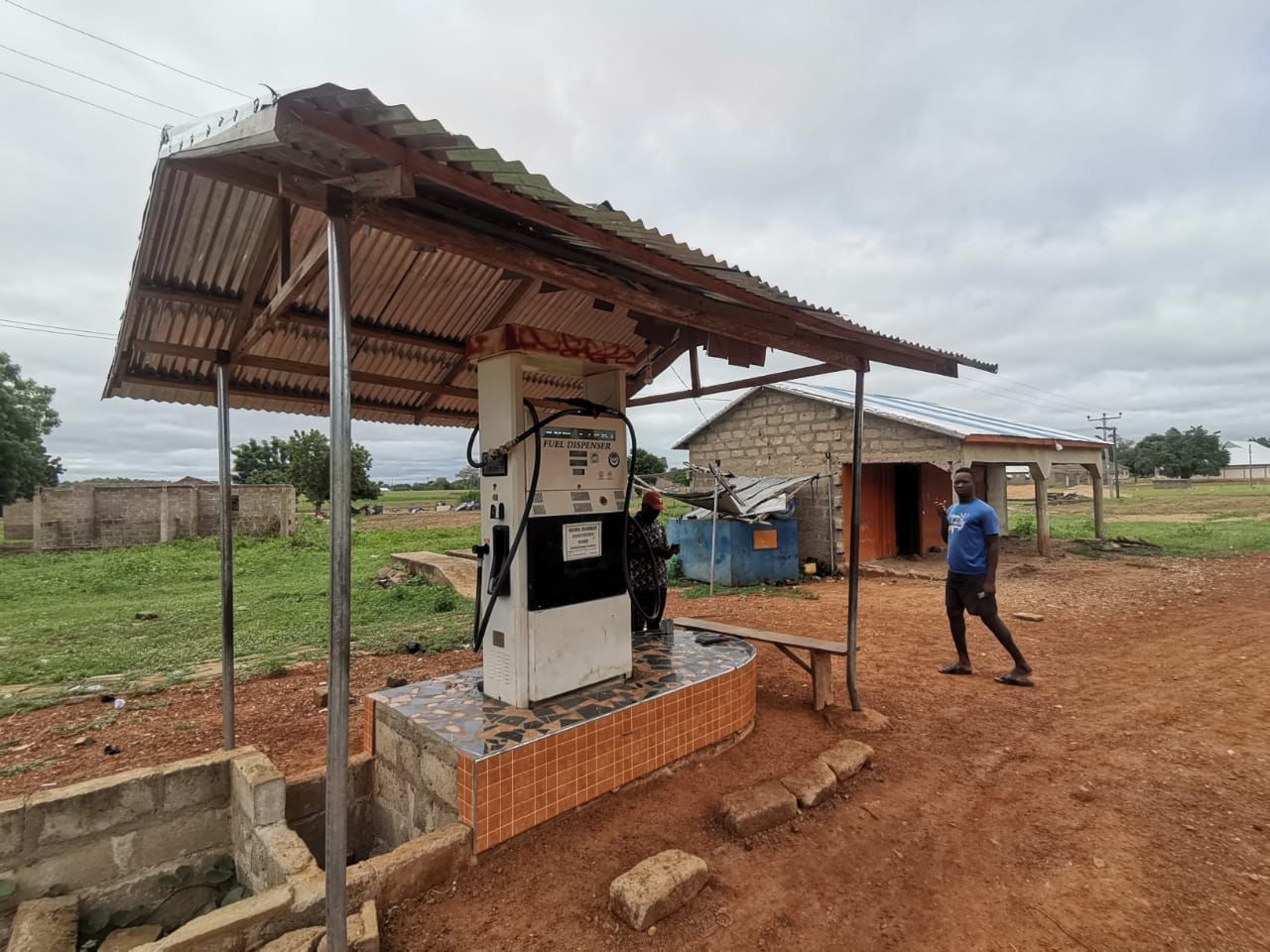
    The Upper East Regional office of the National Petroleum Authority (NPA) has initiated a campaign to crackdown on sixteen illicit reseller outlets commonly referred to as ‘gao gao’ in the region.

    There has been a concerning proliferation of these unauthorized reseller outlets in various locations including Pelungu, Duusi, Gbane Shiega, Tongo, Gaare, Chuchuliga, Bolga Soe, Sirigu, Bongo, Zonno, Namolga, Sakote, Zorko, and Kpale. These outlets have been engaging in the sale of petroleum products without the required authorization from the NPA.

    Mr. Bashiru Natogma, the Upper West Regional Manager of the NPA, disclosed this information during an interview with the media.

    Mr Bashiru Natogma, the Upper West Regional Manager of NPA

    He emphasized that the NPA Act strictly prohibits individuals, except those who possess a valid license under the Act, from being in possession of petroleum products in quantities that unreasonably exceed their immediate needs.

    He said those outlets lacked the necessary safety measures and infrastructure to handle and store petroleum products safely. 

    The Regional Manager enumerated that “some of them often operate in close proximity to public spaces, increasing the risk of accidents and fire outbreaks. The absence of proper or adequate fire prevention systems such as firefighting equipment and trained personnel further exacerbates these dangers.”

  • No need to panic, anthrax outbreak is under control – Ghana Veterinary Service assures

    No need to panic, anthrax outbreak is under control – Ghana Veterinary Service assures

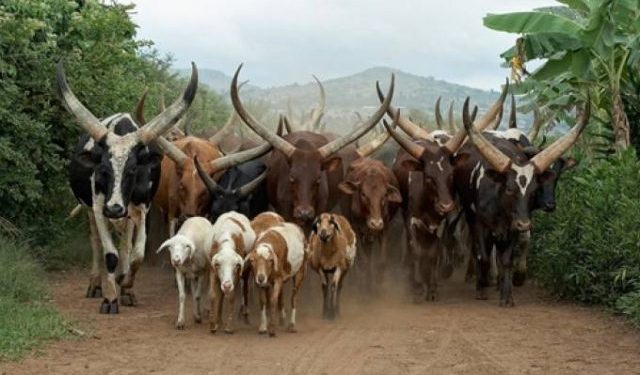
    Following an outbreak of anthrax in the Upper East Region, over 150,000 livestock have been successfully vaccinated as a preventive measure.

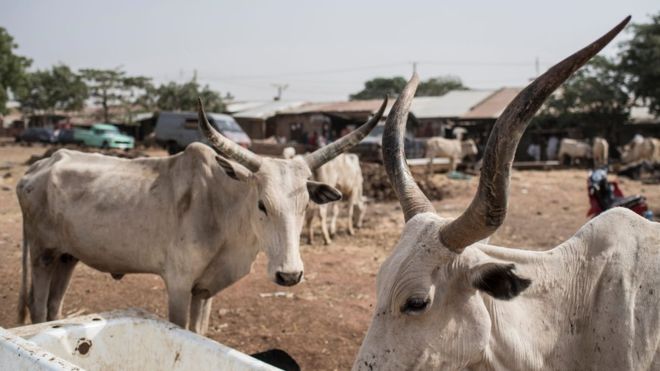
    To contain the spread of the disease, a temporary ban on the movement of ruminants, including goats, sheep, pigs, cattle, and dogs, was implemented in the affected region’s eastern corridor.

    The Risk Communications Manager at the Ghana Veterinary Service, Dr. Benjamin Kissi Sasu, confirmed that the situation has been effectively brought under control.

    The vaccination campaign has played a crucial role in mitigating the outbreak and safeguarding the livestock population in the region.

    “A total of 1,243,000 animals have been vaccinated in the Upper East Region. So far, so good. Looking at the data and the participation of the community, the various districts have now cooperated, and we have had a good number of animal vaccinations ongoing. Currently, we are not seeing any signs [of anthrax], and we hope it will keep up. So yes, we have been able to contain it in that way,” Dr. Benjamin Kissi Sasu assured.

    The Regional Health Directorate issued a press release on June 1, 2023, confirming the notification of two suspected cases of anthrax, one of which resulted in a fatality, in the Binduri District. The cases were reported after individuals consumed the meat of dead cattle.

    The incident involved the death of four cattle within the affected community. Furthermore, eleven additional suspected cases were identified, prompting the initiation of contact tracing measures in the community. The Regional Health Directorate is actively responding to the situation to contain any potential spread of the disease and provide necessary support to those affected.

  • Kasoa: ASEMA seizes cow meat allegedly infected with anthrax

    Kasoa: ASEMA seizes cow meat allegedly infected with anthrax

    The Environmental Health and Sanitation Unit of the Awutu Senya East Municipal Assembly (ASEMA) has seized some meat products suspected of anthrax contamination at the Kasoa market.

    The product included legs, ribs, tail, head and other parts of the cow.

    Following the outbreak of the disease in the Upper East Region, the Regional Public Health Emergency Management Committee (PHEMC) ordered the ban on sales and transportation of livestock, including cattle, sheep and goat.

    This measure is to control and avert the spread of the disease and its devastating impact on the lives of animals and human beings.

    Subsequently, through the vigilance of some Environmental officers at the Adam Nana/Kpometey Zonal Council Area, some suspected unwholesome smoked beef displayed on the market on Monday, June 12, were confiscated amid protests from owners.

    Mr. John Gavi, Environmental Health Officer in charge of the zone, said upon interrogation they realised that the meat was transported from Bawku and the police had to be called in to confiscate the product.

    According to the officer, documents covering the products was dated Wednesday, June 7, the very day the directive was issued with a total quantity of seven small sacks and was expected to be transported to Kumasi in the Ashanti Region.

    He said a veterinary officer conducted a test on the meat but because it was smoked the toxicity of the product could not be established.

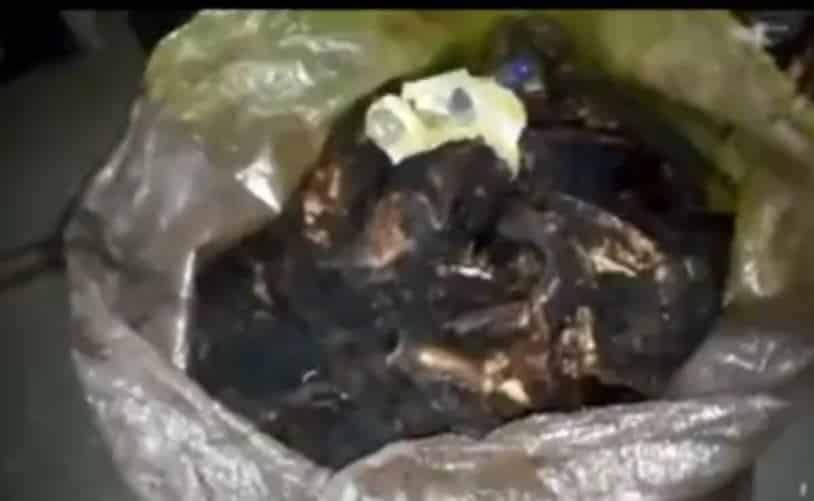
    However, he stated in view of the outbreak and subsequent ban on transportation of such meat, the environmental office was mandated to confiscate the product, which would be destroyed by burning.

  • Ban on sale, consumption of cattle extended in Upper East Region

    Ban on sale, consumption of cattle extended in Upper East Region

    The Upper East Regional Coordinating Council has expanded the existing one-month ban on the movement of cattle, sheep, goats, pigs, donkeys, and related products to cover the entire region.

    This decision was made in response to an anthrax outbreak that has affected certain parts of the region.

    Similarly, the ban on the slaughtering, sale, and consumption of meat and meat products derived from the aforementioned animals has been enforced throughout the entire region.

    To combat the outbreak, the vaccination of animals against anthrax has also been expanded to cover the entire region. The Upper East Regional Coordinating Council has stated that this vaccination service will be provided free of charge.

    The action follows the outbreak of anthrax in Binduri, Bawku West, Talensi, and Bolgatanga Municipality.

    As of Friday, 2nd June 2023, 7 cattle and 23 sheep and goats were confirmed dead in the Bansi and Sapeliga communities.

    As of June 5, 2023, 13 suspected human anthrax cases, including one death, have been reported from Bansi Community.

    Eleven (11) human samples have been sent to the Pong-Tamale Veterinary Laboratory and are awaiting laboratory results.

  • Police, GHS are indebted to VRA and NEDCo – VRA/NEDCo

    Police, GHS are indebted to VRA and NEDCo – VRA/NEDCo

    VRA/NEDCo’s Upper East Region management has warned the Ghana Police Service and Ghana Health Service (GHS) to pay their debts to the company or else be disconnected from the national grid.

    According to VRA/NEDCo, the Ghana Police Service and Ghana Health Service owe the company GH¢18 million and GH¢16 million respectively.

    Speaking to Citi News, VRA/NEDCo billing officer, Williams Asare, said, the indebtedness of the two-state institutions threaten their operations and warned that, VRA/NEDCo would not hesitate to disconnect their facilities if urgent measures are not taken to settle their indebtedness.

    “The health institutions in the Upper East put together are owing us (VRA/NEDCo) GH¢16 million, and we have engaged the regional health directorate and given them their entire bill. But we have seen documentation from the Director-General of the Ghana health service that, for those facilities that internally generate funds, we should have an arrangement for them to pay. As for the legacy debts before 2021, they will take up with the Ministry of Finance to pay”.

    “Some clinics and health facilities have come for us to have some payment agreements where they’re going to pay substantial amount to reduce the debt and commit to paying the current bills, and we’ll be following up on that. Our L.I. allows that, when we serve the bill, after 14 days, if the customer doesn’t pay, you are due to disconnect, so we’re going to ensure that we don’t come there”.

    “The police administration in the region are owing us GH¢18 million, we engaged the regional police commander and he has taken up the bill and is putting a covering memo to the police administration at the head office for them to pay. For certain category of officers, they’re supposed to pay their own bills so for those facilities we’re in the process of metering them with pre-paid meters so that they pay”.

    Mr. Asare disclosed that over GH¢5 million out of GH¢120 million have been retrieved from customer indebtedness to the company in the ongoing revenue mobilization and disconnection exercise.

    He reiterated that VRA/NEDCo will sustain its revenue mobilization efforts to ensure efficient power supply and value for money for its customers.

    Mr. Asare appealed to all customers of VRA/NEDCo to settle their outstanding bills or come to the office of the company to negotiate payment agreement plans to settle their indebtedness or risk disconnection.

  • Bawku to receive 500 soldiers

    Bawku to receive 500 soldiers

    Over 500 soldiers to be deployed to Bawku in the Upper East Region to assist with the region’s growing instability.

    The decision to deploy armed men was taken after a delegation, comprising National Security Coordinator, Edward Asomani; Major General Thomas Oppong-Peprah, Chief of the Army Staff, and other heads of state security and intelligence agencies paid a working visit to the area.

    The Municipal Chief Executive for Bawku, Amadu Hamza, in an interview with Citi News, the mandate of the task force will also help deal with the influx of Burkinabes entering the country as a result of the insurgency in that country.

    The deployment follows the death of one immigration officer in Bawku on April 3. The motive for the attack remains unclear; there have been no claims of responsibility yet.

    Bawku has since the beginning of the year experienced turbulent insecurity following renewed chieftaincy disputes.

    According to government, the state of confusion in Bawku can also be attributed to criminal activities.

  • Sickle cell disease detected in 100 children in Upper East Region

    Sickle cell disease detected in 100 children in Upper East Region

    The Navrongo Health Research Centre (NHRC) has diagnosed about 100 children with sickle cell disease in the Kassena-Nankana Municipality and the Kassena-Nankana West District of the Upper East Region.

    The children, who are below five years old, were screened using a new device called Gazelle, which was launched last year to enable faster and easier diagnosis of the disease.

    The NHRC has also introduced a new app called Vula, which allows health workers at the periphery to consult with doctors at the hospital online and get advice on how to manage and refer sickle cell patients.

    The app, which was sponsored by South Africa through Novartis, is expected to reduce sickle cell related mortalities and improve access to care.

    The Director of the NHRC, Dr Patrick Odum Ansah, told the media that the Centre had screened over 4,700 children so far and found that over 100 of them had sickle cell disease.

    He said this was a significant number and that the Centre was concerned about their health and well-being.

    He said the app would be implemented in ten selected health centres and CHPS compounds where the sickle cell project was being carried out.

    He said the app would help health workers to diagnose and manage sickle cell patients more effectively and avoid unnecessary referrals.

    He said the NHRC was committed to minimising the menace of sickle cell and the misconception about the disease in the area.

    He also appealed to parents and guardians to take their children for screening and treatment as soon as possible.

    Sickle cell disease is a genetic disorder that affects the red blood cells and causes them to become sickle-shaped.

    This can lead to various complications such as anaemia, infections, pain crises, organ damage and stroke. The disease is common in sub-Saharan Africa where malaria is prevalent.

    The NHRC is one of the leading health research institutions in Ghana and has been conducting various studies on diseases such as malaria, meningitis, tuberculosis and HIV/AIDS.

    The Centre also collaborates with other national and international partners to improve health outcomes in the country.

    Sickle cell disease (SCD) is a genetic disorder that affects the red blood cells and causes them to become sickle-shaped. This can lead to various complications such as anaemia, infections, pain crises, organ damage and stroke. The disease is common in sub-Saharan Africa where malaria is prevalent.

    SCD is a significant public health burden in Ghana. Recent studies indicate that 2% of Ghanaian newborns are affected by SCD; one in three Ghanaians has the haemoglobin S and/or C gene. The disease is more prevalent in the northern regions of the country, where malaria transmission is high and health facilities are scarce.
    The challenges in administering healthcare to sickle patients in Ghana include lack of awareness, stigma, discrimination, inadequate screening, diagnosis and treatment services, high cost of drugs and supplies, and poor referral systems. Many patients suffer from chronic pain, infections, organ damage and premature death.

    The government of Ghana and its partners have been implementing various interventions to assist the process of managing and preventing SCD. These include:

    • The establishment of a national newborn screening programme for SCD in 2010, which covers all 10 regions of the country and aims to screen all newborns within 28 days of birth.
    • The introduction of a new device called Gazelle, which was launched in 2019, to enable faster and easier diagnosis of SCD in children below five years old.
    • The introduction of a new app called Vula, which was launched in 2021, to allow health workers at the periphery to consult with doctors at the hospital online and get advice on how to manage and refer sickle cell patients.
    • The provision of hydroxyurea, a drug that reduces the frequency and severity of pain crises and other complications of SCD, to patients at a subsidised cost through the national health insurance scheme.
    • The promotion of public education and awareness campaigns on SCD, its causes, symptoms, treatment and prevention.

    These interventions have been yielding positive results in improving the quality of life and survival of sickle cell patients in Ghana, especially in the Upper East Region where the Navrongo Health Research Centre (NHRC) has been conducting various studies on SCD.

    Source: The Independent Ghana

  • Mahama to fight corruption in Ghana

    Mahama to fight corruption in Ghana

    Former President, John Dramani Mahama has pledged to wage a vigorous anti-corruption campaign when voted into power.

    Mr Mahama contends corruption is one of the channels through which state resources are wasted.

    Addressing NDC delegates at Garu in the Upper East Region, the NDC flagbearer hopeful stressed that any individual found engaging in corrupt practices under his administration will be dealt with regardless of his or her party affiliation.

    “NDC is going to come into office, and we are going to launch a strong fight against corruption because we all know that corruption is one of the waste pipes in this country. People who appropriate the money of the state must be brought to book and sanctioned and NDC is going to do that”.

    “It doesn’t matter whether the people are our own or from some other party, we will make sure that the sword is slammed equally and anyone who takes the people’s money must suffer for it.”

    Mr Mahama also promised to repair Akufo-Addo’s problematic Free SHS policy and the National Health Insurance Scheme if he is re-elected President in the 2024 elections.

    He said reviewing the two policies will ameliorate the plight of Ghanaians and enhance the policies.

    “Free SHS is not working properly, the benefit it is supposed to give the parents, they are not getting. I can tell you today that the money we are spending on our children to go to school is far more than when we used to pay school fees”.

    “We are going to repair the free SHS and make it better and create the situation when where school reopens, all the children will go together and when they vacate they all come home together.”

  • NGO presents 214 dual desks to schools in two Districts

    NGO presents 214 dual desks to schools in two Districts

    The Participatory Action for Rural Development Alternatives (PARDA), a Non-Governmental Organization (NGO), has presented 214 dual desks to basic schools in the Builsa North Municipality and the Kassena-Nankana West District of the Upper East Region.

    Out of the total number of desks valued about GHȻ100,000.00, the Chuchuliga Junior High School (JHS), received 45 pieces, the Alan JHS and Primary Schools received 35 and 55 respectively, while the Gbenia JHS received 79 pieces.

    At a brief ceremony to present the furniture, Dr Michael Wombeogo, the Executive Director of PARDA, said the furniture was provided under the core programme funds of the Builsa-Kassena Area Child Development Partnership programme between Children Believe (CB) and PARDA within planned activities for the 2023 financial year.

    “This will be the third time PARDA is providing furniture to schools in the Builsa North Municipality and the sixth time in the Kassena-Nankana West District within the past three years,” he noted.

    He said it was the desire of PARDA and CB to ensure that no child sat on the floor for academic work, especially children from rural communities in Ghana.
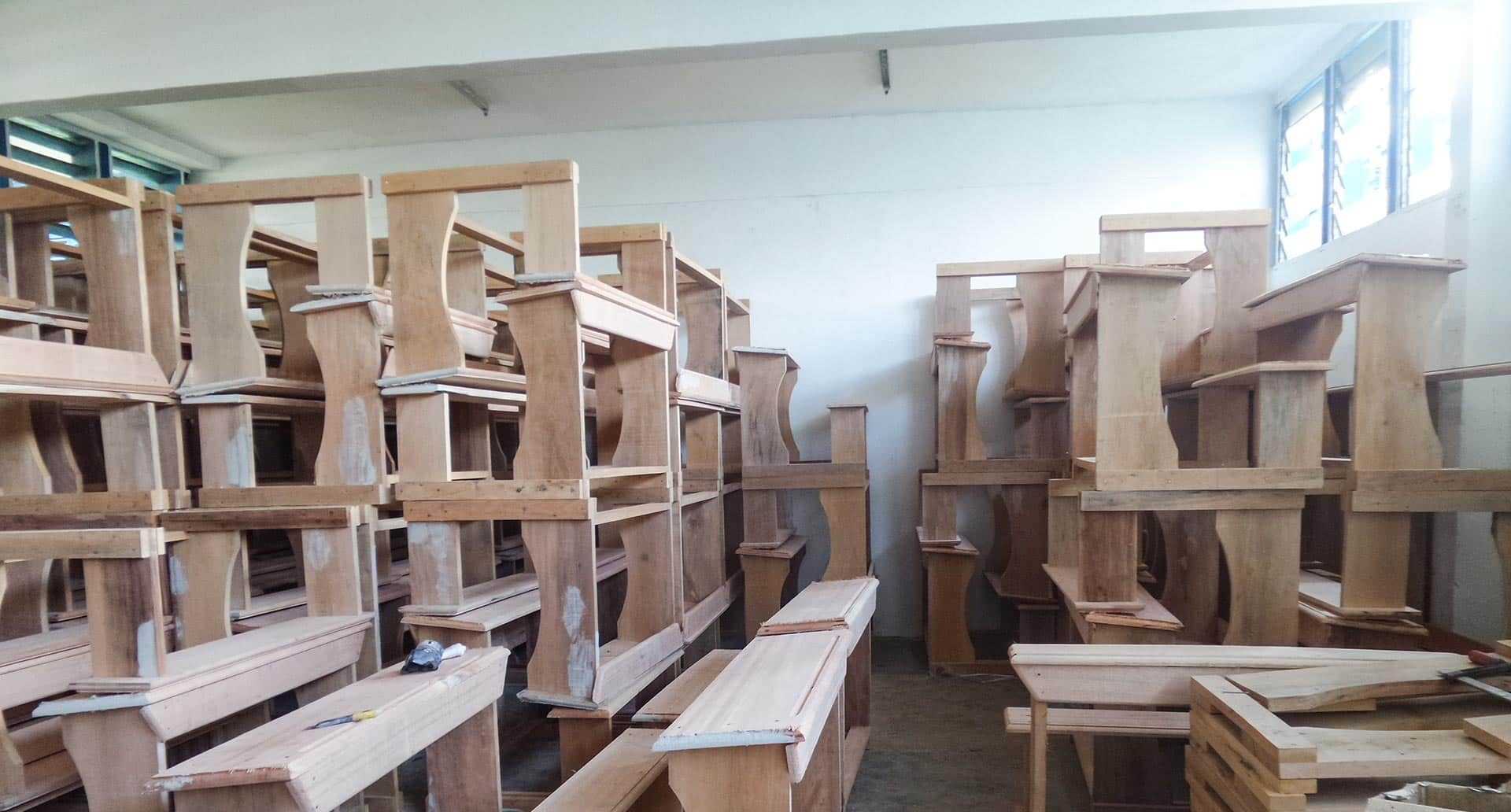
    “Clearly, PARDA frowns on inequality in standards of education for the very reason that the elite market must be competed for by all Ghanaians regardless of one’s location and point of learning.

    “It is in this consideration that PARDA and CB Ghana have offered to break the odds through the provision of quality teaching and learning materials for pupils within the Builsa North Municipality and the Kassena-Nankana West District,” he said.

    Dr Wombeogo said for the past two years, PARDA and CB had provided five Early Childhood Development centres, two Child Welfare Centres, nine boreholes and several varieties of teaching and learning materials in the Municipality and District.

    He admonished the beneficiary schools to take the pieces of furniture as their own property to last and continue to provide comfort for teaching and learning, “Taking care of these materials will attract further assistance from PARDA and her partners.”

    He thanked the CB team for the continuous funding, which enable it to provide comfortable learning environments for children within the Municipality and District, which are their operational areas in the Region.

    Mr Samuel Oppong Kwabiah, the Programmes Manager of CB, noted that furniture deficit was one of the numerous challenges in schools across the country and said stakeholders must take up the responsibility to ensure that pupils learnt in conducive environment.

    He urged School Management Committees to take proper care of the furniture and suggested that they could identify crafts men in the communities and engage them to maintain the

    furniture on termly basis to shift their support from provision of furniture to other important needs.

    “The problems are many, but if community members are able to maintain the little that we provide, it means we will be able to concentrate on other areas,” Mr Kwabiah said.

    Mr Felix Apochaab, the Planning and Statistics Officer at the Builsa North Municipal Directorate of the Ghana Education Service, said some of the schools in the Municipality had children lying on their stomachs in classrooms to write.

    He said the gesture from PARDA and CB would improve the furniture deficit in the Municipality and called for more support to improve quality education in the Municipality.

  • Woman escapes with children after reportedly killing husband

    Woman escapes with children after reportedly killing husband

    A lady, Bogpoka Banga is said to have murdered her 39-year-old husband, Agyei Abanga in their bedroom at Logre, Nabdam District, Upper East Region.

    A report by the Chronicles newspaper on April 18, 2023, stated that the deceased’s body was found by family members after his first child (daughter), who escaped from her mother, informed her grandmother and the rest of the family about the issue.

    The culprit is said to have run to nearby Walewale with three of their children.

    The newspaper reported that the daughter informed the extended family that her father was hit with an object, locked up and asked to leave for Walewale.

    Bawa Dagal-Kurug, head of the bereaved family, said, shortly after they received the news, they searched for her whereabouts.

    He gave an account of the issue to the newspaper.

    “He lives in his house with his wife alone, though he used to live in the extended family with us. He still has a room here. His name is Agyei, a contractor. He has four kids; the eldest among them came to the extended family to report that their mother woke them up early at dawn with them (the kids). The kids told her grandmother that she has seen the mother lock up their father in a room, with blood all over the place,” he said.

    He added that when she is found, she will be made to face justice for the crime committed.

    The police command in the Nabdam district, Inspector Amado Zakaria, said his outfit will work hand-in-hand with the family to ensure the culprit is arrested.

  • Police arrest famous anti-corruption activist in Bolga for extortion

    Police arrest famous anti-corruption activist in Bolga for extortion

    In an effort to blackmail a businessman in Bolgatanga, police in the Upper East Region have detained a self-described anti-corruption activist, Tii-roug Yaro Zuma.

    Tii-roug Zuma who doubles as secretary to a group called National Patriots Against Injustice and Corruption Ghana (NAPAIC-Ghana) is in the grips of the police for allegedly scheming to extort money from a businessman with claims of having in his possession a damming video that captured the businessman having sex with another man’s wife at a prayer camp which is close to a drinking spot.

    In what various actors in the matter have said is his modus operandi, Zuma proceeded to narrate such claims to a bar operator who then called a meeting between him and the businessman to get the matter discussed.

    Police in the Upper East Region have arrested a self-styled anti-corruption campaigner Tii-roug Yaro Zuma for attempting to blackmail a businessman in Bolgatanga.

    He would be arraigned before the Bolgatanga circuit court on Monday, April 17, 2023.

    Tii-roug Zuma who doubles as secretary to a group called National Patriots Against Injustice and Corruption Ghana (NAPAIC-Ghana) is in the grips of the police for allegedly scheming to extort money from a businessman with claims of having in his possession a damming video that captured the businessman having sex with another man’s wife at a prayer camp which is close to a drinking spot.

    In what various actors in the matter have said is his modus operandi, Zuma proceeded to narrate such claims to a bar operator who then called a meeting between him and the businessman to get the matter discussed.

    The said businessman who under the circumstance was Tii-roug Zuma’s target denied the allegations of having an affair with the said woman and called for the woman to be invited to the meeting together with her husband to watch the video Tii-roug claimed he had.

    Reports further disclosed that the self-acclaimed anti-corruption campaigner bolted from the meeting venue leaving behind his sandals and motorbike when he sensed a looming attempt by affiliates of the businessman to accost him at the meeting spot.

    Tii-roug demanded money from the businessman to prevent the video from being sent to the woman’s husband.

    He was arrested by the Upper East Regional police command on Friday, April 14, 2023.

    It will be recalled that the NAPAIC Secretary was interdicted by the Ghana Education Service on February 17, 2020, for fraudulently using his late brother Baba Zumah’s certificates to gain employment at Arigu D/A Junior High School in the West Mamprusi District of the North East Region.

    Concerns have been raised amongst discerning residents of the region over his integrity as he continues to hold himself out as an anti-corruption crusader, speaking for several groupings with the latest being the National Patriots Against Injustice and Corruption Ghana (NAPAIC-Ghana).

    Aside from his records of impersonation which led to his interdiction by the Ghana Education Service, one grave dark side which raises eyebrows is his several names on different documents which is believed to be used for questionable dealings.

    He bears the name Baba Zumah on his educational certificates, Baba Zumah Yaro on his National Health Insurance card issued in 2008, and Teroug Zongbil Yaro Zumah when registered to contest assembly member elections for Tindongo-Sheaga in 1998.

  • Navrongo SHS gets two mechanised boreholes from GRIDCo

    Navrongo SHS gets two mechanised boreholes from GRIDCo

    Two mechanized boreholes have been donated to the Navrongo Senior High School (NAVASCO) in the Kassena-Nankana Municipality of the Upper East Region by the Ghana Grid Company Limited (GRIDCo), Operator of the National Transmission supply, to improve the school’s water supply.

    This came as a relief to staff and students in the school from their daily struggle for potable water.

    The construction of the facilities which was started late 2022 under the GRIDCo’s Education Support Initiative and valued at GH₵100,000.00 have reservoir tanks with taps connected to the dormitories of the students and other major areas.

    At a handing over ceremony at Navrongo, Ms. Dzifa Bampoh, Manager, Corporate Communications, GRIDCo, said the support was part of one of the core values of the company in supporting stakeholders in its operational areas.

    “It is also in line with GRIDCo’s Sustainable Corporate Social Responsibility and the United Nations Sustainable Development Goals particularly goal six, to ensure the availability and sustainable management of water and sanitation for all,” she said.

    Ms. Bampoh said access to water was critical in fighting critical infections and diseases, especially as the country was recovering from COVID-19, which puts emphasis on the need to practice good hygiene and washing protocols.

    She said due to increasing challenges of climate change, water was becoming scarce especially in Northern Ghana and advised the management and students at the school to ensure maintenance of the facilities.

    Ms. Mercy Babachuweh, the Headmistress of the school, expressed gratitude to GRIDCo for the intervention and said the support came at the right time.

    She said before the intervention, the school had only two mechanised boreholes and four manual ones which were serving 2,034 students and 78 staff staying on campus, adding that this situation was putting lots of pressure on the boreholes leading to constant breakdown and increasing financial loss to the school.

    She said this also affects contact hours as many students have to move out of the campus in search of water.

    “And so, the provision of these two mechanised boreholes to the school is very timely. They are serving six dormitory blocks, that is, one borehole to three dormitory blocks. Students now spend less time searching for water. This will ultimately result in more contact hours for teaching and learning, hence, academic excellence, good personal hygiene and a disciplined student body,” she said.

    The Headmistress, however, appealed for more support to renovate and expand the school’s dining hall which has limited space and is in a dilapidated state with the roof leaking anytime it rains.
    GRIDCo mechanised boreholes Navrongo SHS

    Ms. Alice Ellen Abeere-Inga, the Kassena-Nankana Municipal Director of the Ghana Education Service, expressed optimism that the facilities would improve sanitation practices especially good hygiene among girls during their menstrual periods and advised the management and students to ensure that the facilities last to serve the purpose for which they were provided.

    Mr Simon Anyoka Nyaaba, the Senior Prefect of the school said due to difficulty in getting water on campus, some students took advantage of the situation to move out of the school to engage in unproductive ventures.

    He said the academic work would improve as a result of the support from GRIDCo and thanked them for the kind gesture.

  • Bongo-Soe community members demand the evacuation of fulani herdsmen in the area

    Bongo-Soe community members demand the evacuation of fulani herdsmen in the area

    The Fulani herders living in the Bongo-Soe community in the Bongo District of the Upper East Region have been given a month to leave by the chief and residents of the community.

    Mr Vitus Azeem, a native of the Bongo-Soe community and former Executive Director of the Ghana Integrity Initiative (GII), announced the warning on behalf of the Chief and people at a news conference.

    He said the residents, had complained that the nomadic herdsmen had illegally occupied their farmlands and were terrorising them.

    There was a violent clash between the community members and the Fulani headsmen on Tuesday, March 28, 2023, because a young man from Bongo-Soe who went fishing was allegedly beaten by some Fulani herdsmen in the community, he said.

    Mr Atiah Nsoh, the victim, had a fracture on his right leg while his motorcycle, mobile phone, and an undisclosed amount of money were taken from him.

    Mr Azeem said it was alleged that the Fulani herdsmen initially wanted to slaughter Mr Nsoh, but a more reasonable member of the trio objected to that, and they tried to castrate him, but he resisted, and they beat him up.

    “We wish to state that this is not the first time that some Fulani herdsmen have attacked a member of the community. There were instances where some women were raped, and some cattle stolen from the community”.

    In addition, an agent of the Bongo Rural Bank and some Mobile Money vendors in the village were robbed by persons suspected to be Fulani herdsmen, he added.

    Mr Azeem explained that several people from the Fulani settlement and the Bongo-Soe community sustained various degrees of injuries due to the clashes,

    following which 11 youth from the area were arrested and put in Police custody. He said nine out of the 11 people arrested had since been released.

    “We demand that the Police investigate and bring the perpetrators of the heinous crime to book; that the Assembly foots the medical bills of the injured young man and retrieve his motorcycle and mobile phone for him,” he stated.

    He said the residents were expecting the Fulani herdsmen to vacate the Bongo-Soe community in a month’s time because they had overstayed their welcome and were trying to take possession of the community.

    Mr Azeem said the disgruntled community members of Bongo-Soe were not happy that a Fulani chief who was enskinned by the paramount chief of the Bongo Traditional Area, Naba Baba Salifu Alemyaarum, regarded himself to be at the same level as the native community chiefs.

    “This Fulani chief has boasted that he and the chiefs in the village were all enskinned by the Paramount Chief and so they were not superior to him and cannot control him”.

    A petition that was sent to the Bongo District Security Committee in June 2021 and a follow up as a reminder in January 2022 “on the behavior of the Fulani herdsmen,” had not received any acknowledgment or response, he said.

    When the Ghana News Agency contacted Ms Rita Atanga, the District Chief Executive of Bongo, she said DISEC had visited the victim and the Fulani community after the clash.

    She said the “Assembly is not sleeping over the matter” and DISEC would work on their demands to find a lasting solution to the issue.

    She appealed for cooperation from both factions to ensure the issue was amicably resolved.

    The paramount chief of the Bongo Traditional Area, Naba Alemyaarum, when contacted, declined to speak on the issue, but admonished both factions to allow peace to prevail in the area.

  • Inadequate staff, hostels hindering Bolga Midwifery training college – Principal

    Inadequate staff, hostels hindering Bolga Midwifery training college – Principal

    The Bolgatanga Midwifery Training College in the Upper East Region has urged government to employ personnel as well as construct enough dormitories for the college’s students.

    The college has had to turn down 570 applicants for the 2022/23 academic year due to inadequate accommodation and low staff.

    Speaking at the college’s 17th matriculation in Bolgatanga, the Principal of the college, Christiana Amalba, bemoaned the situation and appealed to stakeholders to intervene.

    “Large numbers of prospective students apply to this college yearly and each time, we are faced with the painful decision of having to turn down many applicants who otherwise are well qualified but due to the challenges of low academic staff and inadequate facilities, most especially accommodation of students.

    Out of 792 applicants, only 222 students were admitted to undergo special training in this college”.

    “I want to use this medium to call on the support of all interested parties, investors, local entrepreneurs, alumni and all stakeholders in and outside of the region of the region to help construct hostel facilities to resolve this pressing issue of accommodation of students”.

    Mrs Amalba further assured the matriculants of her commitment to creating a conducive environment for enhanced academic work.

    She admonished the students to invest their energies into their studies and eschew all acts of indiscipline.

    She hinted that all matriculants shall sign a bond of good behaviour and abide by the rules and regulations of the college.

    For his part, the Upper East Regional Minister, Stephen Yakubu, reiterated the government’s commitment to addressing some challenges facing the college.

    He admonished the matriculants to take their studies seriously and refrain from all manner of social vices.

    He further cautioned them against the use of mobile phones on social media platforms that could bring the name of the institution into disrepute but rather use the to advance their course of study.

  • Western Togoland invasion fake – Festus Aboagye

    Western Togoland invasion fake – Festus Aboagye

    Retired Colonel Festus Aboagye, a security expert, has revealed that the commotion surrounding Western Togoland’s invasion of the country was fraud.

    Homeland Study Group wanted the Volta, Oti, and parts of the Upper East Region to be made an autonomous country to be known as Western Togoland.

    Some members of the separatist group were accused of causing mayhem in the Volta, arrested and later charged with treason felony, conspiracy to commit crime amongst others.

    Speaking on the Big Issue on Citi TV with Selorm Adonoo, the Retired Colonel, rubbished reports that some terrorists attempted to invade Ghana.

    “This hoax about Western Togoland, terrorists invading Ghana was a ploy. In the process, the Ghana Armed Forces were deployed and casualties occurred. People were arrested, and we saw them in the media. As of now, can any journalist tell us where those arrested persons are? What has been the outcome of that event?” he asked.

    Background

    The group made a number of attempts to push its agenda. In 2020, the group blocked some major roads that connect Volta Region to Ghana’s capital city, Accra.

    Members of the separatist group even declared independence for the imaginary Western Togoland country on May 9, 2019.

    In October 2020, the government of Ghana arraigned 78 of the alleged separatists suspected to be behind the violent attacks in the Volta Region.

    They were charged, variously, with; treason felony, conspiracy to commit crime, namely, treason felony, conspiracy to commit crime, namely, participating in a campaign of prohibited organization namely Western Togoland, conspiracy to commit crime, namely, causing unlawful damage.

    The activities of the group sparked some other incidents in the region including a raid by some secessionists on the Aveyime and Mepe police stations which led to the release of cell inmates and the theft of 10 assault rifles.

    Police officers were also injured in the ensuing confrontations, whilst two persons were killed.

    Security personnel also said they foiled a plan by the group to burn down the Ho Central Market and other key installations.

    The Homeland Study Group Foundation, however, denied any involvement in the violent incidents.

  • NDC primaries: 11 doctors vying for seats in parliament

    NDC primaries: 11 doctors vying for seats in parliament

    11 medical professionals have expressed interest in running for Parliamentary seats on the National Democratic Congress (NDC) ticket in the impending 2024 general elections.

    The 11 doctors, who work in some of the largest hospitals nationwide are eager to join the Legislature and contribute to the narrative of the nation’s progress.

    They are:

    Dr. Thomas Winsum Anabah, a former Administrator of the Greater Accra Regional Hospital for Garu Constituency in the Upper East Region;

    Dr. Grace Ayensu -Danquah, for Essikado-Ketan Constituency in the Western Region

    Dr Senanu Kwesi Djokoto for Keta Constituency in the Volta Region

    Dr Madison Adanusa for Gomoa Central Constituency in the Central Region

    , for Ho Central Constituency in the Volta Region

    and Dr. Titus Beyuo for Lambussie Constituency in the Upper West Region

    Others are Dr Abubakari Bawah Abdulai for Karaga Constituency in the Northern Region

    Dr Prince Arhin, for Mfantseman C.onstituency in the Central Region

    Dr. Roland Taylor, Essikado-Ketan Constituency in the Western Region

    Dr. Winfred Korletey Baah for Lower Manya Krobo Constituency in the Eastern Region

    and Dr. Kassim Abdallah for Sene West Constituency in the Bono East Region.

    Dr. Sodzi Sodzi-Tetteh, Vice President of Global Health, took to his Facebook wall to write the following words for his colleagues vying for the NDC’s ticket:

    “So exciting to see many social democrats in the medical profession step up and out to contest the upcoming NDC primaries.

    “A major boost for the fortunes of the National Democratic Congress and wonderful prospects for the country’s Parliament eventually.

    “The Ghana we want will need all hands on deck!

    “Knowing many of these colleagues personally, I am excited for the NDC!

    “Wishing you well in the primaries, guys! It is time indeed!”

  • Builsa South: Clement Apaak restores 29 boreholes in 18 Communities

    Builsa South: Clement Apaak restores 29 boreholes in 18 Communities

    29 boreholes in 18 Villages within the Builsa South Constituency in the Upper East Region have been fixed by Dr. Clement Apaak, Member of Parliament for Builsa South.

    The move was taken in compliance of Mr. Apaak’s promise to the constituents, according to a statement by the constituency’s communication officer, Adams Immurana Kambara.

    The Communication Officer further stated that the total cost of all the boreholes is Gh 55,800.

    “Water, they say, is life. In line with Sustainable Development Goal 6 (SDG 6), which states that “Ensure availability and sustainable management of water and sanitation for all,” the member of parliament for Builsa South Constituency, Hon. Dr. Clement Apaak, through his private funds, contracted a company name, AL-SHAA Company Limited to repair and fix all broken down and malfunctioning hand pump boreholes across the Builsa South Constituency.

    “This is in fulfillment of the pledges he made during his thank-you tour of the whole constituency, when he toured and thanked constituents for voting and retaining him as their member of parliament for Builsa South. Almost all communities in the constituency he visited complained about the broken-down boreholes and how they affected their livelihoods in diverse ways,” Mr. Kambara stated.

    He continued: “In a quick response to the plight of the constituents in this regard, he instituted a project known as “Operation Fix All Broken Boreholes in Builsa South. This benevolence of the Honorable MP had an overall positive impact on eighteen (18) communities.”

    He further indicated that in all a total of twenty-nine (29 broken boreholes) were repaired and returned to service.

    “Before this project, the MP had dug twenty- four (24) boreholes from 2021 to present, and repaired several malfunctioning ones to ensure that people had access to potable drinking water.

    “The MP stated that plans are well underway to drill ten (10) additional hand pump boreholes in the constituency to supplement the existing ones. The MP, on the other hand, warned assembly members and community leaders to take good care of boreholes and report any problems to him,” the Communication Officer stated.

  • One Doctor left to cater for 90,000 residents in Wa East as colleagues abandon post

    One Doctor left to cater for 90,000 residents in Wa East as colleagues abandon post

    The Wa East District of the Upper East Region has only one doctor, after other medical professionals posted to the area fled due to inadequate healthcare infrastructure.

    With a population of over 90,000 people, the district is served by approximately 10 health centers.

    Speaking to the media, the district director of the Ghana Health Service (GHS) in the region, Dr. Kingsley Pascal, said serious consequences may occur should the scenario persists.

    “Because of the nature of the district, the terrain as well as network challenges and the relatively deprived nature of communities, it is very difficult to attract doctors. The facilities there do not have teacher services so usually when they are posted and come around and see the place, they go and do not return. There is no guarantee that things will be addressed in the shortest time.”

    He added that although the District Chief Executive and Member of Parliament, have been informed about the issue, not much has been done to solve it.

    He adds that, while relevant stakeholders such as the District Chief Executive and Member of have been made aware of the situation, little has been done to address it.

    “The support is not coming as we expect. The stakeholders haven’t really prioritized what we are looking for. For more than six months we haven’t gotten that attention for things to be sorted out”, Dr Pascal added.

  • Zanlerigu Primary and JHS suffer furniture deficit

    Zanlerigu Primary and JHS suffer furniture deficit

    The Zanlerigu Junior High (JHS) and primary schools in the Nabdam District of the Upper East Region are faced with a furniture shortfall of 135, denying some of the pupils the opportunity of sitting on chairs to learn.  

    Some of the pupils are compelled to sit on the floor while others sit on broken furniture placed on cement blocks to read and write. 

    This inadequate furniture situation prompted the Parents Association (PA) of the schools to ask the parents to provide furniture for their wards, but some could not do so. 

     A visit to the Schools by the Ghana News Agency (GNA) revealed that only a small number of the students had mono desks while the majority used broken dual desks supported by cement blocks.   

    With a total population of 150 pupils at the Junior High School (JHS), JHS 3(A) only 28 pupils had twelve mono desks and three broken dual desks while JHS 3(B) with 21 pupils had nine mono desks and four broken dual desks for the pupils to sit on. 

    Exif_JPEG_420

    The story was similar at JHS Two and One as some of the pupils either paired with other pupils on their mono desks or sat on broken furniture placed on cement blocks. 

    Pupils of the primary school were not spared the ordeal, especially the lower primary as basic one pupils resorted to using furniture meant for Kindergarten (KG).  

    With a total population of 341 pupils in the primary school, basic one, made up of 50 pupils, shared three benches, basic two with 67 pupils used 12 dual desks while basic three, made up of 57 pupils shared 17 dual desks. 

    Most of the furniture was broken and some had no tables for the pupils to place their books on to write. 

    Mr Abaa Cletus Assibi, the Headteacher of the JHS, said the inadequate furniture was not only affecting teaching and learning but also contributed to absenteeism. 

    He said most of the pupils felt uncomfortable in class due to the limited furniture for them to sit on and that had created room for them to give excuses for not attending school regularly. 

    Mr Abaa said though the problem of furniture faced by the schools was made known to the District Education Service and the District Assembly, the school was yet to receive any help. 

    Mr Yenpusak Joseph Nyagre, the Public Relations Officer of the District Education Service, said the Directorate’s attention had been drawn to the furniture deficit faced by the schools and had accordingly reported the same to major stakeholders. 

    Ms Agnes Anamoo, the Nabdam District Chief Executive, told the GNA that the Assembly received complaints on the issue of furniture from the schools and was working to resolve it.  

    She, however, appealed to non-governmental organizations and individuals to help the assembly provide furniture for the schools to create an enabling environment to improve teaching and learning for the pupils to realize their potential. 

  • Benefit from the ready market to increase production of soybeans and other cereals – Elvis Kuudaar

    Benefit from the ready market to increase production of soybeans and other cereals – Elvis Kuudaar

    The National Fa­cilitator of Forest and Farm Facility of the Food and Agriculture Or­ganisation (FAO) of the United Nation in-charged of Ghana, Mr Elvis Kuudaar, has urged smallholder farmers in the Upper East Region to integrate sorghum, soya beans, maize, and fish farming which have ready markets into their farming activ­ities.

    The National Facilitator made the call when he paid a working visit to some of the Forest and Farm Facility project sites in the Upper East Region on Saturday.

    Addressing the Maltaaba Peas­ant Women Farmers’ Cooperative in their farm site at Yakort in the Nabdam District of the Upper East Region who are into vege­table farming and tree growing, the National Facilitator said there was a ready market for sorghum and soya beans and encouraged them to diversify their farming activities to such crops.

    He told the smallholder women farmers to become aggregators and build their capacities to engage in farming, buying, and selling to companies such as Gainliness Ghana which is in dire need of sorghum for the production of Guinness and other related drinks.

    He assured the farmers in the project areas that depending on their seriousness, his outfit was ready to support them with mechanised boreholes with solar powers with overheard tanks to go into such activities.

    Mr Kuudaar said the project was interested in getting the en­tire community to get involved in such farming activities to pro­duce in large quantities in order to attract companies who are in need of such produce.

    He stressed that he disagreed with the school of taught that share the opinion that the North­ern parts of the country were en­demic with poverty and indicated that one of the potentials of the area is its richness with under­ground water.

    He mentioned specifically that, majority of the landmarks in the five regions of the north namely; Northern, North-East, Savan­nah, Upper East and Upper West Regions were endowed with water which could be tapped for all-year -round farming activities instead of relying on One Village, One Dam, which many atimes have disappointed farmers.

    The leader of the of Maltaaba Peasant Women Farmers’ Coop­erative, Mrs Baninimah Touah thanked FAO for supporting the women who are mostly widows and single mothers and said through the intervention, majority of them have been able to sell the vegetables they harvested from their farm to help cater for their family including paying for their children’s school fees and Nation­al Health Insurance Premium.

    She however, appealed for overhead tank to help irrigate their large tracks of farms and also fencing materials to prevent animals from destroying their crops.

    Mrs Baninimah gave the assur­ance that they would integrate Sorghum, Soya beans and maize farming into their vegetable farming activities.

    The Executive Secretary of Maltaaba Peasant Women Farmers’ Cooperative, Ms Lydia Miyella, said the support the women farmers got from the facility had empowered them to procure a mechanised borehole for farming particularly during dry season.

    She added instead of using fertilisers, Weedicides and Pesti­cides which have their dangerous effects on the soil fertility, the plant and population of water sources, the project had addi­tionally built the capacity of the group to use alternative means such as using animal dropping, grass and plant stocks to make compost manure for framing.

  • Pelungu market women call on Assembly to complete toilet facility

    Pelungu market women call on Assembly to complete toilet facility

    Traders at the Pelungu Market in the Nabdam District of the Upper East Region, have called on the District Assembly to complete a deteriorating Toilet facility constructed in the market. 

    The toilet facility which was completed in 2018 except for the connection of water to the facility had since been locked up, compelling them to go far to attend to nature’s call, making them miss sales. 

    Mrs Kolpok Yenbon, a Trader, said the absence of a toilet facility in the market was affecting their businesses, while subjecting them to undue suffering 

    “The unavailability of a toilet facility in the market is a genuine issue that demands the attention of the President because we are suffering a lot as we must walk far to the bush to enable us attend to nature’s call, and this is affecting our businesses. 

    “I personally don’t know the benefit of the locked toilet facility here because it has not yielded the purpose for which it was built and has even started deteriorating because children have turned it into a playground ”  

    Mrs Azumah Saah, a trader at the market, noted that the Pelungu Market was the biggest in the Nabdam District and it was embarrassing for it not to have a toilet facility  

    “Pelungu Market which l can say is the biggest in the district without a toilet facility for us as traders is shameful to say the least, we pay taxes yet there is absolutely nothing to our benefit and we have been crying for years but the assembly has taken us for granted. 

    “Politics has disunited us and so we are unable to have a common voice that will   immediately draw the attention of duty bearers and l would like to use your medium to appeal to the Assembly once more to come to our aid because we are suffering”, she stressed. 

    Mr Clement Sobateng, the Assemblyman of the Pelungu electoral area, told the Ghana News Agency that he had on several occasions reported the concerns of the traders, about the stalled toilet facility to the District Assembly but had since not received a positive response.  

    He added that the absence of a functioning toilet facility in the market was a deterrent to traders and the community at large as it reduces productivity.  

    Ms Agnes Namoo, the Nabdam District Chief Executive, explained that the toilet facility in question was part of the Government’s Special Initiative projects embarked in the District and the Assembly was working to get a mechanized borehole to put the facility to use 

    She pleaded with the market women to exercise patience as the Assembly was currently engaging major stakeholders to complete the facility. 

  • Workers at Kassena Nankana Health Directorate to work from home due to stalled renovation work

    Workers at Kassena Nankana Health Directorate to work from home due to stalled renovation work

    Workers at the Kassena Nankana Municipal Health Directorate in the Upper East Region have alleged that they are forced to work from home since government is unable to finish the renovations to their building.

    The staff described the slow pace of renovation work on their office structure as worrying.

    In a statement copied to Citi News, the staff alleged that several complaints to ensure the contractor completed renovation works as scheduled have proved futile hence their decision to work from home until renovation work on their office facility is completed.

    “We wish to express our displeasure about the slow-paced nature of our office renovation since 2018 which is now a dangerous trap to our lives as staff and health commodities within our care. We have lodged several complaints and have had meetings with the building contractor and the Municipal Assembly team but have proven unsuccessful”.

    “We are by this letter informing you about our industrial disharmony (Work from home) due to; the slow-paced nature of the office renovation, overcrowding staff in a small space, and no proper office space to be used as a cold room or storage of life commodities”.

    The staff said they will only return to the office after the completion of the renovation work.

    “We will be working from our various homes, do our maximum best to function and deliver our core daily duties or responsibilities as prescribed in our job description as staff of the Ghana Health Service. We are sure that we shall be more productive if these issues raised above are addressed”.

    But Municipal Chief Executive of Kassena Nankana, Joseph Adongo, expressed surprise at the decision of the staff but assured them that the contractor will soon return to site to complete the work.

    Mr. Adongo explained that all outstanding variation concerns which resulted in the contractor abandoning site have been addressed and was hopeful works will soon resume on the office building.

    “The project was awarded in 2017 in two phases, however, phase one was completed and there were payments and variations. But we have all agreed to vary the prices of the project except for the wiring part that we are yet to consider and agree on. So, we are expecting the contractor to resume work soon and complete it for use”.

  • Desist from politicizing Bawku conflict – Queen mothers to political parties

    Desist from politicizing Bawku conflict – Queen mothers to political parties

    Political parties have been cautioned by the Queen Mothers Foundation of Ghana not to use the ongoing crisis in Bawku, in the Upper East Region, as a political tool for their own purposes.

    Bawku has recorded substantial instances of violence, and clashes between residents and the security deployed to the town in recent weeks.

    The town has been unstable for decades now following chieftaincy disputes between the Mamprusis and Kusasis leading to the loss of lives and the destruction of properties.

    The military was recently accused of killing ten residents which prompted 25 divisional chiefs in the area to petition the overlord of Bawku and the government.

    “The government must also endeavour to discharge its responsibilities to ensure the resolution of the conflict. Furthermore, we admonish political parties from politicizing the conflict or stoking the fire for political expediency. Rather, they must work together to douse the fire and restore peace”, the group said in a statement.

    The queen mothers, who expressed concern about the conflict’s negative impact on women, children, and economic activity in the area, urged factions in the renewed Bawku conflict to put aside their differences and allow peace to prevail.

    “The queen mothers foundation of Ghana appeals to the factions in the renewed clashes in Bawku to bury their differences and embrace peace to move the development of the area forward. We particularly, advise the people to refrain from acts of violence and not to allow themselves to be used as conduits to foment trouble.”

    They also urged security forces to work hard to keep the area law and order.

    “We also ask the traditional authorities to lead the processes of peace and reconciliation for the good of the people. We endeavour the security agencies to ensure peace and security in the area but in so doing, they must be cautious not to infringe on the human rights of the people”, the queen mothers added in the statement.

  • Establish an ad hoc committee to investigate alleged military attack on Bawku residents – Agalga

    Establish an ad hoc committee to investigate alleged military attack on Bawku residents – Agalga

    The minority party in parliament wants an ad hoc committee to be established to look into the recent killings of inhabitants of Bawku in the Upper East Region.

    Speaking on the floor of Parliament, the Ranking Member of the Defence and Interior Committee James Agalga stressed that setting up an ad-hoc committee will help investigate the incident as well as make recommendations to forestall future occurrences.

    “Given the nature of the allegation levelled against our armed forces, I believe that an ad-hoc committee with the core members of the defence and interior committee playing a lead role will suffice…to delve into the matter and come out with recommendations to ensure that such brutalities do not happen again,” he said.

    Bawku Central MP, Mahama Ayariga, has petitioned the Commission of Human Rights and Administrative Justice (CHRAJ) in connection with the recent killing of some civilians in the Upper East Region town allegedly by personnel of the Ghana Armed Forces.

    In his petition, Mr Ayariga said: “In my capacity as the Member of Parliament for Bawku Central, I, hereby lodge a complaint on behalf of some residents of Bawku under regulation 2(2)(a) and (b) of C.I. 67 pertaining to several acts of violation of the human rights of some residents of Bawku by members of the Ghana Armed Forces.”

    “Among the rights violated included the sacred right to life of 10 citizens of Bawku who were shot to death by members of the armed forces engaged in Operation Gongong in Bawku on Tuesday 31st January and Wednesday 1st February 2023. Children’s rights. Women’s rights and property rights were violated,” he noted.

    He continued: “The military does not deny shooting and killing these residents of Bawku. A statement issued by the military authorities on 2nd February 2023 admitting responsibility for the killings is attached.”

    He is demanding “compensation of GH¢500,000.00 for each and every one of those whose lives were taken, to be paid to their immediate families as punitive damage.”

    Further, he wants GAF to be retrained from “further acts of brutalities in Bawku in the exercise of their responsibilities to maintain peace in Bawku and adequate compensation to those who have suffered physical harm.”

  • Military and police deployment not an ideal solution to Bawku crisis – Peter Toobu

    Military and police deployment not an ideal solution to Bawku crisis – Peter Toobu

    Wa West MP, Peter Lanchene Toobu, has stressed the need for leadership in the country to consider the Bawku conflict as a national problem.

    According to Mr. Toobu, the protracted conflict is not only having a negative impact on Bawku in the Upper East Region but also on Ghana at large, therefore, calling for a national dialogue on the matter.

    Speaking on Anopa Bofo morning show, the security expert who served under three different successive Inspector General of Police (IGP), said the recent happenings there in relation to the matter, indicate a new measure is required to curb it.

    “I plead with Ghanaians to be awakened over this Bawku matter, it is not about Bawku, but it is Ghana… it can move from Bawku to Agbogbloshie, to Nima, and to Kumasi… and by the time we realise then the conflict has turned into a national conflict because we might had refused to act on it accordingly,” he told show host, Kojo Oppong Kyeremeh.

    The former Executive Secretary to the Inspector General of Police, also said the more the conflicts lasted, the higher the insecurity it brings to the country as it could provide a fertile ground for terrorists from neighboring countries to radicalise Ghanaian youth in the north.

    Peter Lanchene Toobu made the comments after the Interior Ministry beefed up security in Bawku with military presence following renewed clashes that claimed some lives.

    The security expert is of the view that the continuous deployment of security personnel would not be the ideal solution to the Bawku situation.

    “See, we can prefer to deploy about 5,000 military men and 5,000 policemen to Bawku but if we don’t find a lasting solution to the main issues at hand, this security personnel will continue storming the area but will end up not yielding any positive results on the matter,” he projected.

    The MP believes tackling chieftaincy issues demands some dynamism and approach beyond just security, particularly, the Bawku crisis owing to the fact that the issues had been in existence since time immemorial.

  • Terrorists can radicalise Bawku youth, plunge sub-region into turmoil – Toobu

    Terrorists can radicalise Bawku youth, plunge sub-region into turmoil – Toobu

    Wa West MP Peter Lanchene Toobu has voiced concerns that the ongoing chieftaincy crisis in Bawku, Upper East Region, could serve as a breeding ground for terrorists to enter the sub-region and radicalize Ghanaian youth in the north.

    The retired police officer’s concerns come after the recent killings of some civilians in the conflict-riddled area by the military.

    The army, however, says it merely “neutralised” the civilians, who he described as criminal suspects.

    Speaking to Nasaria Abdul Rahman on Class 91.3FM’s mid-day news 12Live on Friday, 3 February 2023, Mr Toobu said: “That issue in Bawku has the potential to engulf the whole region of West Africa,” warning: “Let’s rise up to it and say, ‘This is wrong, let’s stop it’ because it started in Mali and dropped down to Burkina Faso and it’s knocking on our door and we shouldn’t create that enabling environment to radicalise the youth and get them ready to join any group that can cause mayhem.”

    He said: “Apart from the deaths, it is disgraceful. What is it that we can’t solve? Somebody must be a chief and because of that somebody should die? This is unacceptable.”

    Meanwhile, the Upper East Regional Security Council has appealed to the ethnic factions in the Bawku conflict, “to desist from any attempt to engage the military in combat, since that will be catastrophic on the part of the civilians.”

    “We should, therefore, be charting a peaceful map for Bawku,” a statement signed by Alhaji Abubakari Inusah, Chief Director, on behalf of the Regional Minister, said.

    The Ghana Armed Forces (GAF) refuted allegations by some individuals in Bawku that soldiers deployed on Operation Gongong to restore calm in the area were killing innocent Kusasi youth and women in their homes and communities.

    The army also said allegations that military personnel have seized Zoogin, a Kusasi community, is false and unfounded.

    GAF, in a statement, explained that information received from the National Investigations Bureau (NIB) by its Operation Gongong Team early this week indicated that passengers on board a yellow KIA Grand Bird Bus with registration number AS 3672-21 travelling from Accra to Missiga were attacked by unknown gunmen around Kpawelga on the Bawku Highways.

    The gunmen fired through the tyre and engine compartment of the vehicle.

    The bus is currently parked at Asylum Down, Bawku Divisional Police Station, for an investigation to be conducted.

    Also, one KIA Rhino truck with registration number AS 7093-17 was hit and the driver of the truck, Alhassan Abdella, aged 40, from the Gonja ethnic group, sustained gunshot wounds on the left foot.

    He is currently receiving treatment at the Bawku Presbyterian Hospital.

    Again, GAF noted that on Wednesday, 1 February 2023, gunshots were heard around South Natinga in Bawku.

    A patrol team rushed to the general area of the shooting where a suspect, Abdul Malik Haruna, aged 35, from the Mamprusi ethnic group, was arrested.

    He has since been handed over to the Bawku Police for further investigation.

    GAF, in the statement, said it must be placed on record that based on a tip-off by the Bawku Police on the hideout of the suspects alleged to be involved in the firing incident at Bawku, troops conducted cordon and search operations together with the Bawku police at Pateleme General Area.

    Three suspects, Fatau Alhassan Binda, 42; Abubakar Iddrisu, 44; and Alhassan Mustapha Binda, 33; all from the Dagomba ethnic group, were arrested in a house at Pateleme.

    They were handed over to the Bawku Police for further investigations.

    In a separate incident, GAF further disclosed that sporadic firing was heard around the Sabongari General Area.

    A patrol team dispatched to assess the situation spotted unknown armed men at the Gozesi-Valley side in Sabongari wearing black t-shirts with black hoodies.

    Troops engaged them and neutralised six armed men.

    GAF said during the engagement, some armed men took cover in a mud house within the immediate vicinity to engage the team.

    One of the armed men attempted to attack troops with a cutlass but was disarmed in the process.

    During the operation, a local woman found with a gunshot injury on the left hand was sent to Bawku Presbyterian Hospital by troops for treatment.

    GAF said it is forced to disclose these outcomes in order to dispel false information and the wrong notion that a particular group is being targeted by troops in Bawku.

    GAF has assured the general public of its commitment to protecting the citizenry at all times.

    It is, therefore, soliciting the support of all peace-loving Ghanaians, especially indigenes of Bawku, to facilitate the process of bringing normalcy to the area and also to aid GAF in de-escalating tension in the interest of the needed peace and security for the socio-economic development of Bawku and the nation as a whole.

  • Your mother, father don’t determine your admission to law school – Lawyer

    Legal Practitioner, Lawyer Lamtiig Apanga, has refuted the perception by some individuals that there’s a need for one’s family members to be in the profession to have higher chances of being admitted to the law school.

    According to him, some people are holding back on their ambitions to pursue law because of this perception.

    He explained that one’s mother, and father don’t determine one’s admission to the Ghana Law School, rather, it depends on the individual’s intellect, confidence and ability to express themselves excellently.

    “…Those questions they ask if anybody in your family is a lawyer are not the reasons people are taken or not taken.

    “The perception that you need to be an extraordinary person to read the law you need to have some extraordinary qualities to read the law or some family relations has kept some people away, he said in an interview with dreamz FM in Bolga in the Upper East Region.

    Lawyer Lamtiig Apanga, who has declared his intentions to contest the parliamentary primaries on the ticket of the National Democratic Congress (NDC) in the Nabdam Constituency in the Upper East Region said he has an agenda to churn out 10 lawyers in 10 years.

    He believes this vision can be achieved because he is currently mentoring three of them who are currently in law school.

  • Clergy, critics of NDC always quiet when NPP is in power – Toobu

    The Member of Parliament (MP) representing the Wa West Constituency in the Upper East Region, Mr. Peter Lanchene Toobu, thinks the New Patriotic Party (NPPactual )’s nature is to create noise while it is in opposition and do little when it is in power.

    Mr. Peter Lanchene Toobu painted this picture of the NPP while speaking in an interview with Odehyieba Kofi Essuman, host of the Ghana Yensom morning show on Accra 100.5 FM on Wednesday, December 21, 2022.

    According to him, people who are not politicians, including pastors, find their voices when the NPP is in opposition.

    He said some of these pastors take the noise to the hilt by offering politically tainted prayers and preaching.

    He said that coupled with this, the party elements make all manner of noise, which turns out to be “much ado about nothing.”

    He noted that all these pastors artificially lose their voice when the NPP is in government.

    “When Ghana is quiet, you need nobody to be told that the NPP is governing,” he disclosed.

    “Yes! Look at what is happening with the construction of the National Cathedral yet these pastors are mute,” he added.

    He said when the National Democratic Congress (NDC) led by former President Mahama was in government, the NPP in opposition made all manner of allegations against the then government, only to come to power and repeat the same mistakes they spoke about.

    He then stressed that there is relative silence when the same NPP is in government.

    “This government has gone to the contingency vault to withdraw funds for the construction of the National Cathedral,” he charged, adding that funds cannot be withdrawn from the vault for projects that will last for four years and more.

    He predicted that this government will end up using GHS3 billion on the project and it will still be at the foundation levels.

    “This is not an era for building a cathedral for God when people are hungry,” he asserted.

  • Students of Sandema SHS burn dormitory over seizure of mobile phone

    In retaliation over the confiscation of their cell phones, some second-year students at Sandema Senior High School in the Upper East Region set fire to some of the dormitories at their school.

    According to Class 91.3 FM’s regional correspondent, Moses Appiah, the students were protesting against the head of the school’s cadet corps for seizing their mobile phones on campus.

    In the process of the violent protest, the students went ahead to burn a building that houses the cadet accoutrements of the school.

    The fire then escalated to other rooms including the school’s dormitory where the District Fire Service team came to the rescue.

    The Upper East Regional chapter of the Conference of Heads of Assisted Secondary School (CHASS), Richard Akumbasi, speaking after the incident noted that students’ indiscipline was becoming too much in the region.

    According to him, just a few days ago, students of Kusanaba Senior High School and management were at loggerheads over where to hold an examination.

    “It’s sad that each day we have to be talking about students and violence at the various schools.”

    “Indiscipline is a matter of concern, and I think parents and stakeholders involved ought to find a solution to this.”

    “What was it about with these students in Sandema Senior High School, just a seizure of a mobile phone?

    And the students think that burning school property was the way to go.

    Then, we are really in trouble as a society,” he noted.

    Touching on the action taken by the school management against the students, the chairman indicated that the caretaker of the Ghana Education Service (GES) in the region will soon set up a committee to investigate the matter.

    “Currently, the caretaker director of GES will hold a committee meeting whether today or tomorrow Friday, December 16, 2022, to see the way forward.

    “But for me, these students should be tasked to pay damage fees,” he suggested.