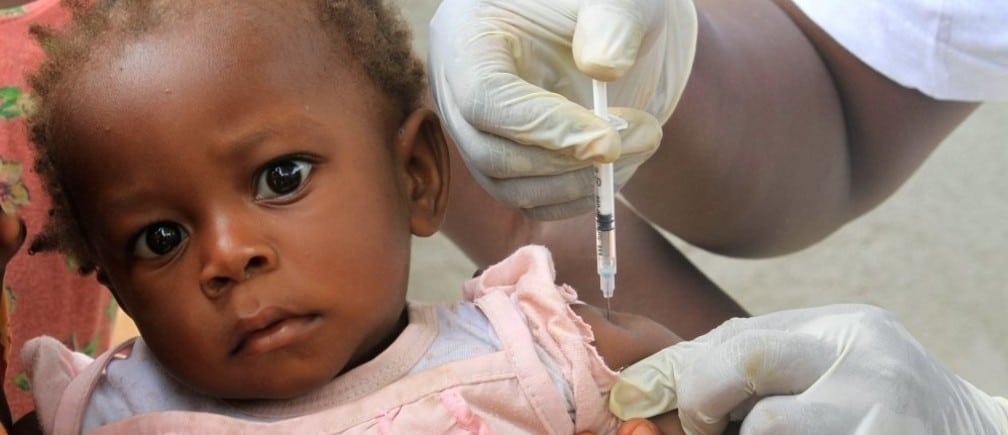
In an effort to combat the rising cholera outbreak, the Ghana Health Service (GHS) has commenced a mass vaccination drive in Accra, targeting over 300,000 residents.
The exercise, which began today [Friday, February 14], is part of a broader initiative to contain the spread of the disease, which has already affected over 4,000 people across five regions, including Greater Accra, Eastern, Central, Ashanti, and Western.
With more than 40 deaths recorded so far, health officials are racing against time to curb further infections and fatalities.
Cholera, a highly infectious disease caused by bacteria, spreads through contaminated food and water, leading to acute diarrhea and severe dehydration. Poor sanitation, unclean drinking water, and unhygienic food handling have been identified as major contributors to the current outbreak.
Experts caution that without immediate intervention, the crisis could escalate. As part of its emergency response, the Ministry of Health, in collaboration with GHS, is administering oral cholera vaccines (OCV) in high-risk areas.
These vaccines offer temporary immunity, serving as a critical measure to protect vulnerable communities, particularly those lacking access to clean water and proper sanitation facilities.
Ghana is set to roll out a nationwide Human Papillomavirus (HPV) vaccination exercise targeting girls aged 9–14 years in 2025, according to the Ghana Health Service (GHS).
HPV is a small, non-enveloped DNA virus that infects skin or mucosal cells, according to the World Health Organization (WHO). The virus is highly transmissible, with most individuals acquiring an infection at some point in their lives, particularly soon after the onset of sexual activity.
The Public Relations Officer (PRO) of the Ghana Health Service, Jacob Acquah Andoh, confirmed that the national exercise will commence next year, with a specific timeline to be announced in due course. He assured that comprehensive plans are being developed to ensure the smooth implementation of the vaccination exercise.
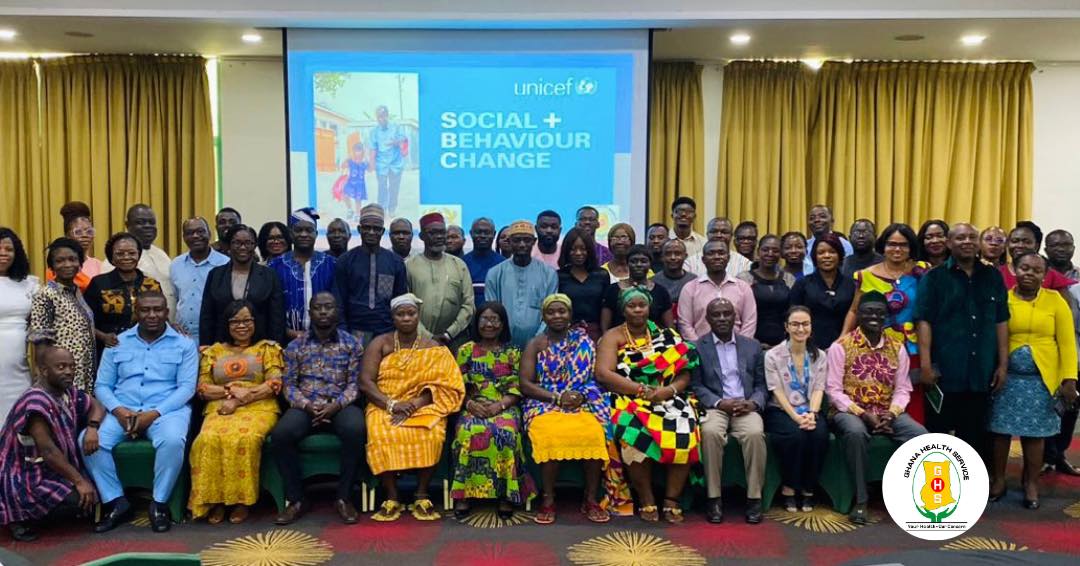
This was revealed during a stakeholder meeting held on Thursday, December 5, supported by UNICEF Ghana. The meeting focused on implementing effective Social and Behavior Change (SBC) strategies to ensure the successful rollout of the HPV vaccine.
Key discussions centered on addressing myths and misconceptions about the vaccine, which have been identified as potential barriers to its acceptance.
Dr. Kwame Amponsa-Achiano, Programme Manager for the Expanded Programme on Immunization (EPI), outlined the history and rollout process of the vaccine in Ghana. He noted that the HPV vaccine was piloted in two phases between 2013 and 2015. The initial phase targeted in-school children, while the second phase included both in-school and out-of-school girls.
Building on lessons learned from these pilots, the national rollout will adopt an age-based strategy focused on girls aged 9–14 years to ensure equitable coverage and protection.
Stakeholders and partners at the meeting pledged their support, including logistical and technical assistance, to ensure the success of the program.
HPV types 16 and 18, classified as “high-risk” genotypes, are responsible for approximately 70% of cervical cancer cases worldwide. Additionally, types 6 and 11, known as “low-risk” genotypes, cause genital warts, a condition that significantly affects quality of life.
Cervical cancer, the most serious clinical consequence of HPV infection, remains a leading cause of cancer-related mortality in women, with approximately 250,000 deaths recorded annually worldwide, according to the National Institute of Health.
To combat this, two prophylactic HPV vaccines—a bivalent and a tetravalent vaccine—have been available since 2006. The rollout of the HPV vaccination program in Ghana represents a critical step toward reducing the burden of cervical cancer and other HPV-related diseases, particularly in developing countries where the prevalence remains high.
The Disease Control Officer at the Tema Metropolitan Health Directorate, Ms. Linda Adjapong, has advocated for COVID-19 vaccination among residents, emphasizing the significant role it plays in mitigating the adverse impacts of the disease.
Speaking to the Ghana News Agency (GNA), she underscored the ongoing relevance of vaccination efforts, noting the endemic nature of the disease with new cases persisting throughout the year.
Despite a current absence of severe cases, Ms. Adjapong highlighted that Tema had reported instances of COVID-19 this year, emphasizing the importance of vaccination as a crucial component of the national strategy to minimize the spread of the virus.
“Currently, there are no severe or critically ill people, but we still have cases. Tema has recorded some cases this year,” she said.
She mentioned that while some individuals had received their initial vaccine dose, many were yet to complete the vaccination schedule, prompting the continuation of the ongoing vaccination campaign.
Updating on vaccination progress within the Tema metropolis, Ms. Adjapong revealed that approximately 76% of the local population had received at least one dose since the campaign’s inception in March 2021.
The campaign primarily targets individuals aged 18 and above who haven’t received any COVID-19 vaccine, including those awaiting their second dose of AstraZeneca, as well as individuals eligible for booster shots.
To ensure widespread coverage, vaccination teams are employing a multifaceted approach, including house-to-house visits and outreach at various community hubs such as markets, lorry parks, schools, and organized gatherings.
Vaccination centers have been established at key locations like the Tema General Hospital, Tema Health Centre at Community One, and the Manhean Polyclinic for easy access.
Ms. Adjapong highlighted the diverse methods employed to raise awareness about the campaign, ranging from radio discussions to social mobilization efforts and targeted engagements at marketplaces.
She also assured individuals experiencing any adverse reactions within 28 days of vaccination of free care at public health facilities and offered assistance for replacing lost or damaged vaccination cards through the Tema Metro Disease Control Unit at the Health Directorate.
Ghana Health Service (GHS) has declared a nationwideCOVID-19 vaccinationinitiative in response to escalating infections across healthcare facilities.
Scheduled from May 4 to May 10, 2024, the campaign aims to curb the surge in cases, particularly in the Greater Accra Region, where the highest numbers have been recorded.
Highlighting the virus’s high transmissibility, the GHS emphasized the criticality of adhering to safety protocols.
Dr. Franklin Asiedu-Bekoe, Director of Public Health at GHS, underscored the pivotal role of widespread vaccination in containing the spread. He urged all Ghanaians to actively engage in the campaign, as shared during a media briefing.
“We are getting a few cases reported in parts of Accra and a few other regions. And it brings to bear the fact that Ghanaians need to be vaccinated and so on the 4th to the 10th of May, we are going to do a nationwide COVID-19 vaccination campaign and we want to urge all Ghanaians to be part of the exercise.
“We plan to do about four or five before the end of the year. The thinking is that we need to get the necessary population immunity that will help us minimize the risk of getting infections in the country,” he stressed.
Stakeholders in the health sector have urged the government to provide free cervical cancer vaccinations as an effective measure to prevent the disease among women and encourage widespread participation, especially among younger women.
They emphasized that cervical cancer can be effectively treated if diagnosed at an early stage and treated promptly.
During a health advocacy initiative called “Your Health! Our Collective Responsibility,” stakeholders called for the government to make cervical cancer vaccination free to accelerate the elimination of cervical cancer in the country. The initiative aims to promote health-related communication and provide a platform for health information dissemination to improve health literacy.
Citing World Health Organization (WHO) data, stakeholders highlighted that cervical cancer is the fourth most common cancer in women, with 604,000 new cases reported in 2020. They urged the government to absorb the cost of cervical cancer vaccination to reduce the financial burden on women and encourage greater participation.
Dr. Yaa Akyaa Boateng, a family physician specialist at the International Maritime Hospital (IMaH), emphasized the importance of increasing public awareness and facilitating access to resources for preventing and controlling cervical cancer throughout a person’s life.
Dr. Boateng highlighted the efficacy of vaccination against human papillomavirus (HPV) between the ages of 9 and 14 as a highly efficient strategy to prevent HPV infection and associated malignancies.
She emphasized that screening around age 30 and prompt treatment can effectively prevent cervical cancer, and early identification and treatment of signs or concerns can lead to a cure at any age.
“If detected and treated in its early stages, cervical cancer is curable. A crucial first step is identifying symptoms and getting medical advice to address any concerns.
“If a woman notices unusual bleeding throughout her menstrual cycle, after menopause, or during sexual activity, elevated or malodorous vaginal discharge symptoms, such as recurrent pelvic, back, or leg pain; weariness; appetite loss; vaginal discomfort; and leg swelling, important diagnostic tests and clinical evaluations are typically followed.
Dr. Yaa Akyaa Boateng emphasized the importance of referrals for treatment services such as chemotherapy, radiation therapy, surgery, and palliative care, which offers pain management and supportive care.
She highlighted the significance of management pathways for invasive cancer care to ensure that patients are referred promptly and assisted in navigating the process of diagnosis and treatment decision-making.
Recognizing that women play a crucial role in families, society, and the nation, Dr. Boateng underscored the need to encourage women to undergo regular check-ups for early diagnosis.
Early detection enables women to maintain their health and continue their daily tasks. The emphasis on preventive health care for women aims to empower them with information and resources to make informed choices about their well-being.
The Ghana Health Service (GHS) has indicated that all kids who didn’t have their regular vaccinations are still entitled to get them when the vaccines arrive.
“We want to take this opportunity to advise the public against buying of these vaccines.
“The vaccines are free and can be obtained in designated health facilities and all Child Welfare Clinics across the country,” a statement issued by the Director-General of the Service, Dr Patrick Kuma-Aboagye, said.
The Ministry of Health and the Ghana Health Service took delivery of the first consignment of vaccines for Bacillus Calmette–Guérin (BCG), Measles-Rubella (MR), and Oral Polio Vaccine (OPV) on Saturday, March 11.
This comes days after the sector minister, Kwaku Agyemang-Manu, assured the nation on the floor of Parliament about shipment of the vaccines.
“Mr Speaker, it is a very serious public interest issue, the assurance I will give and I can give for the first time in the chamber here is that this will not happen again,” the Dormaa Central Member said on Friday, March 10.
“I will advise that you will help me in my advocacy to get adequate funding for vaccines, even the health insurance budget. So when we meet with committees, they have always been talking about it, and even in the chamber, it has come up that if Parliament approves adequately for us and we always have our budget well we will be able to supply. I assure you that whatever challenges happened I don’t think we are going to face these challenges any longer.
“I can stand here and assure the House that within two weeks or three weeks we will get vaccines, even probably before that. I can’t get my hands on a specific date but probably even before that, we may get the vaccines that we are talking about. Throughout the period we have made 6.4million dollars equivalent to UNICEF who supplies us the vaccines.”
On Saturday, March 11, the Director-General of the Service, Dr Patrick Kuma-Aboagye, was on the tarmac of the Kotoka International Airport (KIA), leading the delegation to welcome in the consignment.
“Distribution to various regions and facilities [are] underway,” a post on the Ministry of Information Facebook page said.
“More vaccines expected in Ghana in the coming weeks from multiple sources.”
The National Democratic Congress (NDC) Parliamentary Minority Caucus has urged the Government to treat the shortage of childhood vaccines in the country as a national emergency.
Mr Kwabena Mintah Akandoh, Ranking Member, Parliament Health Committee and NDC Member of Parliament (MP) for Juaboso, addressing the Parliamentary Press Corps on Tuesday in Accra said the shortage of vaccines for the six childhood killer diseases could best be described as a disaster, which was highly unacceptable.
“Let me state that every child in this country per the 1992 Constitution has the right to good Heathcare,” he stated
He said in some areas, it was even a crime for Government Officials in-charge of health to sit aloof to allow the shortage of vaccines in the country.
He said it was unacceptable for Government Officials in-charge of health to look on while vulnerable children were getting infected with diseases that could easily be prevented or avoided.
Mr Akandoh said there were two main ways of financing vaccines for children in Ghana, adding that of the 13 vaccines, the Global Alliance for Vaccines and Immunization (GAVI) was co-financing about 10 of them while the Government of Ghana was to finance the other three.
He said even with that, the Government of Ghana was still defaulting.
He said GAVI believed that the children could not be punished because of the mistakes of politicians and even though Ghana was owing, GAVI was still supplying those 10 vaccines.
“Now we as a country, we are supposed to 100 per cent procure about three of them (the vaccines), which include the vaccines against tetanus, poliomyelitis and measles and with these three we are defaulting.
“One very important thing we must all take note of is that GAVI, which is co-financing about 10 of these vaccines is considering withdrawing completely.
“So, if we cannot finance only three, can we finance 13 of them? GAVI is considering withdrawing from co-financing because we claim we are at a middle-income status. So, if we cannot finance only three, and it gets to a point where GAVI withdraws, we will be in deep troubles.”
He said Parliament passed the National Health Insurance allocation formula every year, and that there was an allocation in the National Health Insurance formula for the purchase of vaccines.
Mr Akandoh said when the formula was submitted to this House for 2022, an allocation of about GHS72 million was made to procure vaccines.
He said the Health Committee of Parliament invited the Minister responsible for Health and some other agencies, including the National Health Insurance Authority, and that at the said meeting, the Authority made it categorically clear that GHS72 million had been released.
“It beats my imagination that after the release of the GHS72 million, there are shortage of vaccines in this country,” he said.
“We started recording measles in this country around October, 2022, for about four clear months ago. This is an emergency situation, this is a clear failure of Government.”
He blamed the Health Minister and the Government for looking on over the past four months while the country still did not have vaccines in its system.
Adding that this was unpardonable, because in the planning for vaccines procurements and its deployment, and that they were supposed to plan.
Mr Akandoh mentioned that the House looked at the allocation for vaccines for 2024 in 2023, and that they looked at the vaccine’s allocations for 2023 in 2022, saying “so why have we run short of these vaccines”.
He said the shortage of vaccines in the country was highly unacceptable, especially so when these vaccines were not over-the-counter medications, where people could walk in and buy these vaccines.
He said the vaccines were sensitive and highly protected by organisations and states; “So, if you don’t have the vaccines, all the children in this country are at a very high risk”.
He noted that due to the instability in Ghana’s northern neighbor, Burkina Faso, there had been influx of refugees from that country into northern Ghana, and that children such as refugees who were not fully vaccinated against the six childhood killer diseases were likely to carry such diseases into Ghana
He said the issue of vaccines for the six childhood killer diseases was a sensitive matter and therefore a national emergency.
“What we are expecting at the end of the day is that the Minister announces that they have taken deliveries of the vaccines and for that matter tomorrow they are starting the distributions of these vaccines,” Mr Akandoh stated.
Kenya’s health ministry is set to launch a two-week measles vaccination campaign targeting 1.2 million children aged nine months to five years.
This comes after an outbreak in seven counties in which 90% of children under the age of five did not receive the two-dose vaccine.
Due to the movement of people from one location to another in search of food and water, health workers have found it difficult to administer this life-saving vaccine to children.
The ministry has not disclosed how many cases and deaths have been reported, but is urging parents and guardians to ensure their children get vaccinated to contain the outbreak.
Measles is a highly contagious disease characterised by a high fever and a rash. The vaccination coverage has steadily declined globally since the beginning of the Covid-19 pandemic.
Following a significant increase in diphtheria cases this month, a vaccine programme has been expanded in migrant processing centres. According to the immigration minister, public health is the government’s top priority, and they are going above and beyond to keep cases from spreading.
Fifty recent arrivals in the UK have been diagnosed with diphtheria, according to the immigration minister.
Robert Jenrick told MPs that the number of cases has risen from four on November 1st, when he first provided an update, to 50 on November 25th.
He said the UK Health Security Agency (UKHSA) found the cases, which were across different asylum accommodations, had developed before the migrants had entered the UK, either in their country of origin or on their journey through Europe.
“It’s important to emphasise that the UKHSA has been clear that the risk to the wider UK population from onward transmission of diphtheria is very low, thanks in no small part to our excellent childhood immunisation programme,” he told the Commons.
He said “public health is paramount” and the government will take all steps necessary to ensure that the public are protected”.
The UKHSA said of the 50 cases, two were severe and required hospital admission and treatment with diphtheria anti-toxin and antibiotics.
Earlier today the Home Office revealed 500 migrants at the Manston processing centre in Kent had been vaccinated against diphtheria before they were moved to further accommodation.
At the beginning of November, the centre was suffering from severe overcrowding, which is when reports of diphtheria cases were first made.
Sky News also revealed today a man who died after staying at Manston had the disease.
Mr Jenrick said initial tests on the man were negative but a subsequent PCR test showed he had diphtheria, however his cause of death is pending as the post-mortem results have not come through yet.
500 migrants vaccinated for diphtheria
The minister said migrants are being tested upon arrival in the UK and those with diphtheria are being isolated in a designated area.
People with symptoms are being tested, and also their close contacts, he said.
Mr Jenrick added that the measures “go beyond the baseline advice of the UKHSA because we want to take precautionary measures”.
All migrants who arrived at Manston this weekend took up the offer of the vaccine, which is voluntary, Mr Jenrick said.
When the government initially started offering the vaccine there was only around a 45% uptake but he said it is now 100%.
Mr Jenrick said the government will be liaising with the French to assess the diphtheria status in the migrant camps in northern France, where most stay before making the dangerous Channel crossing to the UK.
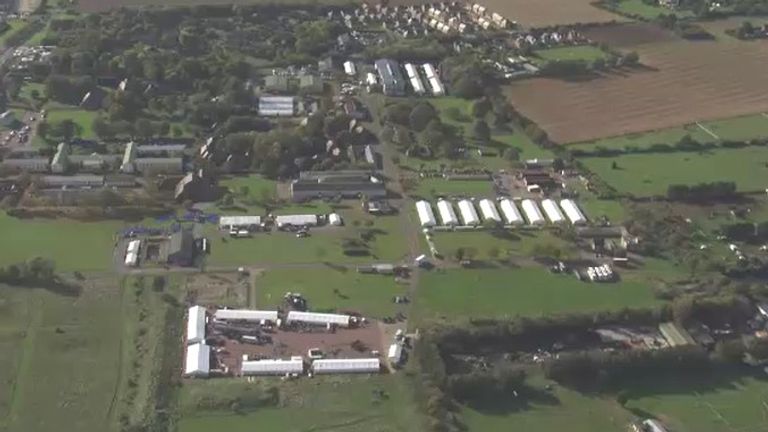
Image:The Manston processing centre in Kent was opened in February this year
Labour’s shadow home secretary Yvette Cooper asked what is happening with the “other several thousand” who have been moved on from Manston over the past month.
She raised concerns not enough has been done to stop diphtheria potentially spreading from those who have not been vaccinated as she said the public health recommendation to screen and vaccinate was made nearly three weeks ago “and that was already late”.
Ms Cooper also called on ministers to make sure all those with symptoms are given “precautionary antibiotics” to fight the disease”.
Mr Jenrick said the Home Office and the UKHSA are going to work with public health directors in areas where migrants are being sent to make they have the guidance to protect people from the disease.
Migrants who have been moved on and have diphtheria will be required to “isolate in their rooms within those hotels or other forms of accommodation”, he added.
They will get their food and laundry brought to their door until they are well again and if further measures are needed they will be implemented, he said.
The onset of the novel Coronavirus, also known as COVID-19,was perhaps, the one time in the world’s recent history where everything came to a standstill over something that not even the best of the earth’s scientists could immediately fully diagnose.
Economies were shattered and the wheels on which this world run grinded to halts in ways that were unprecedented and totally unplanned for.
But this was a challenge the world immediately got to work on, and when the dusts settled, and some headway had been made, the right processes begun into the production of vaccines that would reduce the threats of the virus, which until then, had caused many deaths across many nations of the world.
Soon, many countries had acquired the vaccines and with time, the majority of the world’s population had taken their shots; whether fully or partially. And then again, the wheels of the world’s economies begun to run once more, albeit a little slower than before the pandemic hit.
Vaccinating the billions of the world’s populations had to be done systematically, requiring the use of the right professionals for the job: a simple but technical job it was, but how well or not was it executed by the people who became known as the frontliners?
The case of Ghana and how its frontliners, including nurses and teachers, have and continue to play their roles in the execution of this global task is one that SEND GHANA, with funding from the Partnership for Transparency Fund (PTF), embarked on a comprehensive monitoring exercise to determine how well or not compliance to Ghana’s National Deployment and Vaccination Plan (NDVP) was like.
The monitoring exercise also focused on the experiences of citizens who participated in the vaccination for the COVID-19.
SEND GHANA, a reputable and credible national Non-Governmental Organisation specialised in policy research and advocacy on pro-poor policy and development program monitoring in Ghana, gathered some very interesting findings, a number of which have received the blessings of the likes of the World Health Organisation (WHO) and local health authorities.
So, what is the SEND GHANA monitoring report on compliance and citizens’ experiences all about? What are the revealing findings too?
With an overall aim of assessing compliance of Ghana’s National Deployment and Vaccination Plan (NDVP) and the equitable uptake of the COVID-19 vaccines, the monitoring exercise combined district monitoring and data collection approach as methodologies.
The survey was also carried out in two regions of the country: the Greater Accra and Ashanti Regions, across 37 vaccine centres of 8 districts (4 for each region).
In the Greater Accra Region, the districts surveyed were: Accra Metropolitan Assembly (Mamprobi Polyclinic, Kaneshie, and Obeweku Health Centre), Ashaiman (Community 22 Polyclinic, Lebanon Zone 3 Polyclinic, and Ashaiman Polyclinic), Tema (TMA Community One Polyclinic, Manhean Polyclinic, Tema General Hospital, and Tema Health Directorate), and La-Nkwantanang, Madina (Pentecost Hospital, Madina Polyclinic – Kekele, and Danfa Health Center).
In total, there were 720 citizens, with 677 of them representing 94% of the overall numbers were interviewed. By sex, the proportion of males interviewed was slightly higher (51%) than females (49%) in both regions. In the Ashanti region, interviewees encompassed 53% males and 47% females, while the Greater Accra region had less males (49%) compared with females (51%). It is interesting to note that the proportion of male and females interviewed in the Greater Accra region, mirrored the 2021 population and housing census.
A total of 653 responses were received from both teachers and health staff. Out of the 653 respondents, 443 (67.8%) were teachers while 210 (32.2%) comprised health care workers.
Regionally, 361 responses (55%) were from the Ashanti region with the remaining 292 (45%) from the Greater Accra region.
Highlights
According to the report, some of the highlights of it put together were:
– Vaccination posts at the health facilities monitored in the Greater Accra and Ashanti regions recorded an average vaccination of 10 persons daily.
– Vaccination coverage among marginalized or vulnerable groups looks encouraging.
– Friends and Family were the main transmitters of information about the vaccination exercise.
– Clients were satisfied with time spent at vaccination centers and the attitude of health staff.
– Majority of surveyed health workers (90%) and teachers (86%) have received at least a dose of the COVID-19 vaccines.
– The fear of exposing family and friends to the COVID 19 disease enhanced the uptake of vaccines among teachers, healthcare workers and the general populace.
– Aside protection for family and friends, uptake of the vaccines among health staff and teachers were influenced by four other factors as follows; prioritization; adequate information about safety of the vaccines; ease of access to vaccination centres and perceived effectiveness of the vaccines against COVID-19.
Citizens’ experiences, opinions, and motivations for vaccination
But the survey focused on the responses of some people and what they thought of the exercise.
What and how they thought about the monitoring exercise were summarized as follows:
“The overwhelming majority of the citizens interviewed indicated they had taken their vaccine at the center. Only 10 people (representing 1.5%) of the 676 interviewees who interacted with the vaccination process within the three days of monitoring at each center did not receive the jab. The two regions (Greater Accra and Ashanti) contributed an equal proportion to this finding.
“The dominant reason given by the respondents in this group (those who did not receive the jab on the day of the monitoring) relates to claims that the number of clients/persons required to use the requested vaccine vial was not adequate, the unavailability of cards at the time of vaccination and inability to provide their cards for entries to be made at the point where the vaccines were administered.”
Recommendations
The Ghana Health Service should convene refresher sessions for its staff on the NDVP.
Although the monitoring findings show compliance was generally good, this is necessary to enhance high levels of compliance with guidelines of the NDVP.
Health Directorates are encouraged to sustain the vaccine promotion efforts/campaigns to contribute to the attainment of the country’s herd immunity target. This is also necessary if set targets for the various districts are to be met. As of July 2022, for instance, the Accra metropolis had fully vaccinated 46.2% of its target population. Thus, vaccination promotion and/or information and education campaigns will contribute in no small way to encourage more people to vaccinate.
Health promotion efforts for the COVID-19 vaccination exercise and subsequent vaccination exercises should adequately address possible side effects and safety as these are key for uptake.
COVID-19 vaccination communication messages should focus on the protection of family members and friends from the disease and possible deaths and less on mandates restricting access to services and employment reasons.
The Ghana Health Service should commend its staff for exhibiting good attitude and professionalism during the vaccination exercise.
The Ministry of Health and the Ghana Health Serviceshould adopt steps to increase the availability of vaccine logistics across districts within the country.
As officials battleto control an outbreak that has claimed the lives of more than 117 people so far, the number of cholera cases in Malawi has more than tripled in the previous two months.
According to the UN, nationwide cases have increased from 1,000 to more than 4,200 since August.
The first case of cholera, which spreads mainly through contaminated food and water, was reported in March in southern Malawi.
But the disease has now spread to 22 of Malawi’s 28 districts. Experts have warned that the situation could be worsened by the onset of the rainy season in November.
The government has been conducting a mass cholera vaccination in the southern Africa nation, which is one of the poorest in the world.
Data from the World Health Organizationshow that this is the worst outbreak so far this year globally.
The country’s cholera response plan currently has a funding gap of more than $13m (£11.8m).
Malawi is currently facing one of its worst economic periods and has witnessed street protests sparked by shortages in fuel, electricity, and forex, as well as drugs and medical supplies.
Dog owners have been urged to vaccinate dogs against rabies and also keep them from straying.
This would help to completely eradicate rabies in the country.
Dr. Benjamin Kissi Sasu, Risk Communicator, Ghana Veterinary Service (GVS), said in an interview with the Ghana News Agency in commemoration of this year’s World Rabies Day.
“Dogs are helpful in many ways. We cannot do without them. What we need to do as humans is to be responsible care takers of our animals.”
He said as a dog owner or keeper of any other animals, one’s responsibility was to ensure that in addition to providing the animal with food and safe drinking water, it needed to be well sheltered, attended to medically and prevented from straying to prevent disease infection.
Dr. Sasu said while rabies destroyed dogs and all other animals as well, it could also affect and destroy humans.
He urged the public to be responsible towards the animals they kept, saying, “let us play our role to end rabies by 2030.”
For this year, the Head of Epidemiology of the Veterinary Service Directorate, Dr Fenteng Danso, said 27 cases of rabies had been recorded in the country, with ten of them coming from the Kpone Katamanso Municipality, in the Greater Accra region.
Rabies is a viral disease that is spread through infected saliva of an animal or human, coming into contact with an open wound of another animal or human, or the mucus membranes, such as the mouth or eyes.
Rabies is transmitted through the bite of an infected animal.
While dogs are mainly known as transmitters of rabies, horses, cats, cattle, bats and even humans are also potential carriers of the rabies virus.
Rabies is fatal and equally preventable.
Vaccinating animals against rabies, especially dogs and cats, and taking the complete anti rabies when bitten by any animal or human will prevent rabies completely.
Animal scratches should also be treated as seriously as bites.
Experts say, “once symptoms begin to show, a victim practically has no chance of survival.”
The rabies virus attacks the brain and spinal cord and takes a victim through painful symptoms such as convulsions, breathing difficulties, typically coma and finally death.
Every dog must be vaccinated once every one or two years to help Ghana achieve immunity by 2030.
The critical proportion of all dogs that ought to be vaccinated is 70 per cent in order to break the dog-to-dog transmission of rabies.
Dr Franklin Asiedu-Bekoe, Director of Public Health at Ghana Health Service, disclosed these ahead of this year’s World Rabies Day celebration at a press briefing in Accra yesterday.
He said mass vaccination of dogs should be preceded by evidence-based research of the dog ecology, population numbers and transmission in Ghana.
“After this, adequate planning in strategy and logistics informed by policy is needed. All these must be done as quickly as necessary, considering the exigencies of the times. Community engagement and participation is key in assuring success of set targets in mass dog vaccination,” he stated
Dr Bekoe said this year’s celebration would be held on the theme “One Health, Zero Deaths” to coincide with a recent record of cases of human rabies in the Ashanti Region of Ghana, saying “the one health approach is an intersectoral collaboration between institutions concerned with human health, animal health and environment health.”
“Rabies is considered a proxy for One Health because it has the human, animal and environmental components. This year, we want to remind ourselves of the One Health strategies and approaches, the systems, institutions and other resources we will fall on, and what our objectives ought to be from now till the next celebration” he stated.
He said from May 21 to 25, 2018, relevant stakeholders met to develop the current Ghana Rabies Control and Prevention Action Plan (2018-2030) whose goal was to use the ‘One Health Approach’ to control rabies in Ghana.
The plan he said highlighted prevention and control of rabies, data collection and analysis, laboratory diagnosis, dog population management, information, education and communication, intersectoral collaboration and legislation.
Dr Bekoe pleaded with all relevant stakeholders to collaborate to drive progress towards “Zero human deaths from dog-mediated rabies by 2030.”
Dr Patrick Abakeh, Acting Chief Veterinary Officer said human vaccines were expensive and that it was currently estimated to cost USD$4,087,970 annually.
For him, every exposed person who received a PEP vaccine, 50 dogs could have been vaccinated at the same cost, adding that in the hierarchy of importance of control of rabies , vaccinating dogs came first, followed by vaccinating exposed humans.
Dr Abakeh called for the resource of the Veterinary Service Directorate (VSD) to be able to deal with zoonotic diseases as Ghana, together with other countries in the sub region, were endemic to rabies which is a Neglected Tropical Zoonosis.
Dr Guyo Guracha , a representative from World Health Organisation, said his outfit regularly updated and disseminated technical guidance on rabies, for example epidemiology, surveillance, diagnostics, vaccines, safe and cost-effective immunisation , control and prevention strategies for human and animal rabies, operational programme implementation and palliative care for human rabies patients.
Benjamin M.Adjei, Assistant Food and Agriculture Organisation Representative of the United Nations, added that Rabies had a significant impact on lives and livelihoods, particularly in developing countries in Africa, Asia and Latin America and that the poor and marginalised communities were most heavily impacted as they often could not afford treatment or transport for care.
The Ghana Medical Association (GMA) and the Ghana Registered Nurses and Midwives Association (GRNMA) have attributed the surge in local COVID-19 infections to the high vaccine hesitancy and abandonment of the safety protocol.
Active local COVID-19 cases that reduced to 20 a few months ago rose to 1,064 as of June 13, 2022, and to 1,255 as of yesterday[June 20, 2022], with eight severe cases and one critical case.
At a joint news conference in Accra yesterday by the two associations on their perspectives on vaccine hesitancy, the President of the GMA, Dr Frank Serebour, said the observance of the safety protocol and the vaccination had been the combined game changer and the foundation for the successes in controlling COVID-19 infections in the country.
That, however, was being threatened by vaccine hesitancy and non-adherence to the safety protocols, he said.
Dr Serebour underscored the need for the public to return to strict adherence to the safety protocol, particularly the wearing of face masks in crowded places or enclosed places with other occupants.
He also appealed to persons eligible for COVID-19 vaccines and booster doses to get the jabs.
He reiterated that the vaccines deployed locally and internationally were safe and effective, providing adequate but varying levels of protection.
“That is the only way to keep the pandemic abated, prevent a fifth wave and a possible return to COVID-19 restrictions,†he stressed.
Hesitancy data
Dr Serebour bemoaned the high percentage of vaccine hesitancy among health workers, in particular, saying it had a ripple effect on the public.
“COVID-19 vaccine hesitancy remains a challenge for vaccine uptake in Ghana despite some gains made. The partnership for evidence-based response to COVID-19 report puts the overall vaccine hesitancy in Ghana at an average of 30 per cent, with people under 25 years leading the hesitancy score.
“Data from the Ghana Health Service (GHS) also indicates that 35 districts out of the 260 have less than 25 per cent of the eligible population vaccinated for COVID-19.
He reiterated that the vaccines deployed locally and internationally were safe and effective, providing adequate but varying levels of protection.
“That is the only way to keep the pandemic abated, prevent a fifth wave and a possible return to COVID-19 restrictions,†he stressed.
Hesitancy data
Dr Serebour bemoaned the high percentage of vaccine hesitancy among health workers, in particular, saying it had a ripple effect on the public.
“COVID-19 vaccine hesitancy remains a challenge for vaccine uptake in Ghana despite some gains made. The partnership for evidence-based response to COVID-19 report puts the overall vaccine hesitancy in Ghana at an average of 30 per cent, with people under 25 years leading the hesitancy score.
“Data from the Ghana Health Service (GHS) also indicates that 35 districts out of the 260 have less than 25 per cent of the eligible population vaccinated for COVID-19.
“Among health workers, it is estimated that 40 per cent have not received the second doses of vaccination, and less than one per cent have received booster doses.
“We see these developments as worrying, especially concerning health workers. This is because health workers, particularly doctors, nurses and midwives, are not only on the frontline of care, but remain the most trusted sources of information and access to vaccination,†he said.
Action
Dr Serebour said for that reason, the GMA, GRNMA and the Health Promotion Division of the GHS had come together to address the vaccine hesitancy among healthcare workers and the public.
He said they planned to transform about 2,000 health workers into vaccination champions and build their capacity in risk communication and community engagement to address issues of disinformation and misinformation regarding COVID-19 vaccination.
“We also will be collecting data on the reasons underpinning hesitancy among health workers to understand and address the concerns and misunderstandings that exist,†he said.
The President of the GRNMA, Perpetual Ofori-Ampofo, called on stakeholders, especially the media, traditional and religious leaders, and youth groups to encourage and advocate vaccine uptake.
Health promotion
The Director of the Health Promotion Division of the GHS, Dr Dacosta Aboagye, said the GHS, in partnership with key stakeholders, was increasing public education on vaccine uptake and the safety protocols.
He said if the public failed to get vaccinated and to adhere to the safety protocol and cases continued to surge, the state could be forced to impose restrictions.
“We beg you to get vaccinated. The disease is still with us. We appeal to the media to sustain their public education drive,†he said.
Ghana has received an extra 249,000 doses of the AstraZeneca vaccines from the United Kingdom government.
This was announced by the UK government through its official Twitter handle, @UKinGhana and retweeted by the Ministry of Health, Ghana, handle @mohgovgh.
“This morning 249,000 Flag of United Kingdom-donated #COVID19 vaccines arrived at #Kotoka Int. Airport, now they are being transported across Flag of Ghana to health workers, those most in need & those waiting for their 2nd dose. Thank you to our partners: @_GHSofficial, @UNICEF, @gavi, @CEPIvaccines & @mohgovgh,” the tweet read.
Retweeting this, the Ministry of Health page wrote, “AstraZeneca vaccine. Thank you @UK Government.”
On August 8, Ghana took delivery of its first batch of 177,600 Johnson & Johnson vaccines to augment the national vaccination exercise against the Coronavirus.
Ghana has received an extra 249,000 doses of the AstraZeneca vaccines from the United Kingdom government.
This was announced by the UK government through its official Twitter handle, @UKinGhana and retweeted by the Ministry of Health, Ghana, handle @mohgovgh.
“This morning 249,000 Flag of United Kingdom-donated #COVID19 vaccines arrived at #Kotoka Int. Airport, now they are being transported across Flag of Ghana to health workers, those most in need & those waiting for their 2nd dose. Thank you to our partners: @_GHSofficial, @UNICEF, @gavi, @CEPIvaccines & @mohgovgh,” the tweet read.
Retweeting this, the Ministry of Health page wrote, “AstraZeneca vaccine. Thank you @UK Government.”
On August 8, Ghana took delivery of its first batch of 177,600 Johnson & Johnson vaccines to augment the national vaccination exercise against the Coronavirus.
The Johnson & Johnson single-shot Coronavirus vaccines are the first of monthly supplies under an arrangement with the African Union, making the country one of the first in the region to receive the vaccines that were manufactured in Africa, the Minister of Health, Kwaku Agyeman-Manu, said in the statement.
Mr Kwadwo Owusu Ansah, the Director of Health Service in the Asene Manso Akroso District has stated that, “polio vaccine is not infected with corona virus” and called on parents to avail their children for the exercise to protect them against contracting the polio disease.
He said, the form of identification for the polio vaccination teams can be noticed through the vaccine carriers or containers, the health service apron and the tag they wear and also parents can report to officials at nearby health facilities, if they find anything unusual among members undertaking the vaccination exercise for immediate action.
He cleared the issue of concern raised by parents at a micro-planning meeting on polio vaccination and vitamin A supplementation held at Akroso in the district.
Polio is a highly infectious viral illness and disabling disease that largely affects children under 15 years of age.
Mr Owusu Ansah said, the Ghana Health Service in collaboration with the World Health Organisation (WHO) is undertaking the mass polio vaccination and vitamin A supplement campaign for target children under five years from October 8-11, 2020.
He noted that, the mass exercise was a response activity to the outbreak of polio detected by the service in a number of children and also to complement the routine vaccination activities.
Mr. Stephen Boakye the Officer at the Disease Control Unit in the district said, symptoms for polio include; headache, fever, pain or stiffness in the arms or legs and fatigue.
The preventive measures he said, were; avoidance of open defecation, improved hygienic practices and sanitation, provision of clean water, and immunisation.
The Director-General of the Ghana Health Service, Dr Patrick Kuma-Aboagye, has urged the public to continue hand hygiene practice and maintain a clean environment to ensure the country regains its polio-free status.
He was at the Jumapo Health Centre facility in the New Juaben North Municipality in the Eastern Region to monitor the ongoing polio vaccination.
The Service is undertaking the Oral polio immunization exercise in eight regions of the country.
Late last year, in August, to be precise, a polio case broke out in the Northern Region.
Fast forward, 30 cases have been recorded across the country, affecting the 2008 polio-free declaration status gains made.
The outbreak has been attributed to poor sanitation and gap in vaccination exercise coverage for children Under-five across the country.
Children Under-5 in the Northern Region and affected regions were vaccinated last year and early part of this year before the onset of COVID-19.
The oral polio vaccination would raise the immunity of children against the non-wild poliovirus.
Some 4.5 million children Under-five are being targeted with the Oral Polio Vaccine Two in the vaccination exercise ongoing in the eight regions of the country.
New Juaben North Municipality is targeting 15,000 children under five children to vaccinate.
“We have begun the exercise already, we have a wide catchment to reach,†Dr Kuma-Aboagye said.
“We began early and are targeting about 15,000 children under five. The only challenge is the ice packs that keep melting. We have to keep going to change and replacing.â€
The Director-General of the Service, who monitored the exercise at Jumapo with other health directors, pointed out that improved sanitation, improved access to latrine and hand hygiene practice were critical to ensuring a polio-free country.
“Personal hygiene, access to latrine, handwashing are critical to polio. We urge those building markets and other facilities to ensure latrine systems are improved.â€
He was confident of a paralysis free country after the vaccination exercise.
“We do not want any child to paralyse, reasons we are doing the vaccination in a very fast manner to bring to a halt the any possible outbreak. Regions that had initial cases have had their children under five been vaccinated for. We should be able to have a paralysis free county once the exercise has taken off.â€
He also urged caregivers to send children Under-five to nearby facilities for the vaccination exercise or grant access to health persons designated to homes for the exercise.
“We urge all caregivers to cooperate. They should bring the children for vaccination. Those at homes should also grant them access and not fear of Covid-19 infection.â€