Efforts to manage the spread of Cholera haveheightened following the deaths of five people in Sekondi-Takoradi.
There have been 161 suspected cases reported by the Metro Health Directorate, with 28 of them confirmed as cholera.
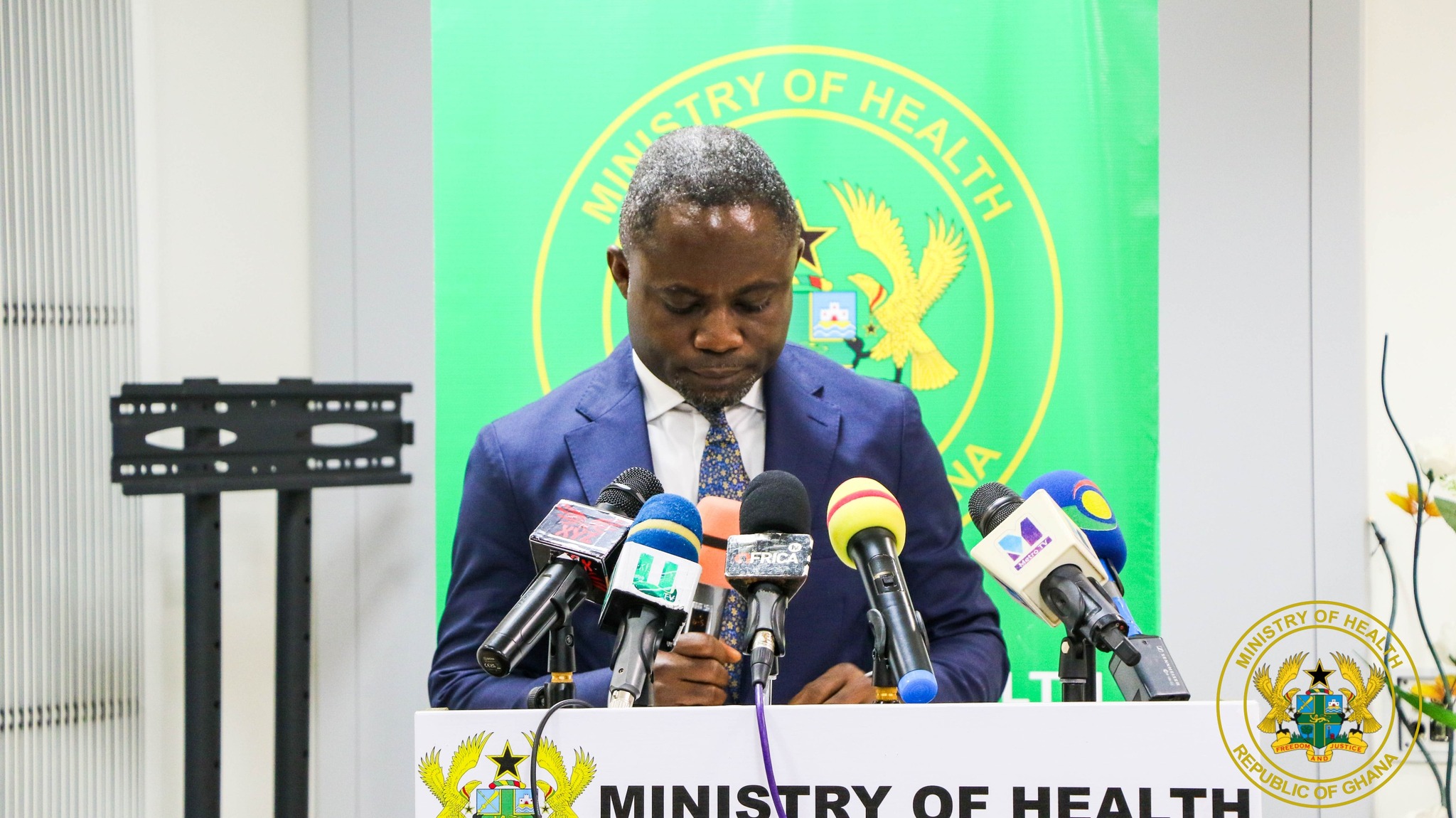
The Metro Health Director, Dr. Pious Mensah, at a press conference announced that the victims were between 9 and 40 years old, citing the seriousness of the outbreak.
He identified New Takoradi as the hardest-hit community, followed by Takoradi and Effia.
He urged private health facilities to offer free treatment for cholera patients, adding that reimbursement claims could be submitted to regional medical stores and district hospitals.
“This collaboration will encourage residents to report suspected cases early, ensuring timely medical intervention,” he explained.
Assembly Coordinating Director of Sekondi-Takoradi, Innocent Haligah, revealed plans to start a large-scale cleanup effort to address poor sanitation in the city.
“It’s time to intensify sensitisation about cholera.We need to educate the public on its rapid spread and encourage proper hygiene practices,” he said.
Mr. Haligah encouraged households to follow personal cleanliness practices similar to those used during the COVID-19 outbreak.
African leaders have teamed up with Europe and Western countries to push for a comprehensive strategic partnership to a new height, this time in the health sector.
At this crucial time of rising geopolitical tensions, the leaders reached an agreement to accelerate the rollout of vaccines in Africa, after the coronavirus pandemic exposed gaping inequalities in accessing them from advanced countries.
Many African countries learned invaluable lessons, witnessed discriminatory supplies and still have excellent memory of searching for vaccines during coronavirus pandemic 2019.
At a Global Forum for Vaccine Sovereignty and Innovation held in Paris, France, in June 2024, the launch of the African Vaccine Manufacturing Accelerator (AVMA) now provided financial incentives to vaccine manufacturers to step up production locally in Africa, which faces numerous health crises including rising cholera outbreaks.
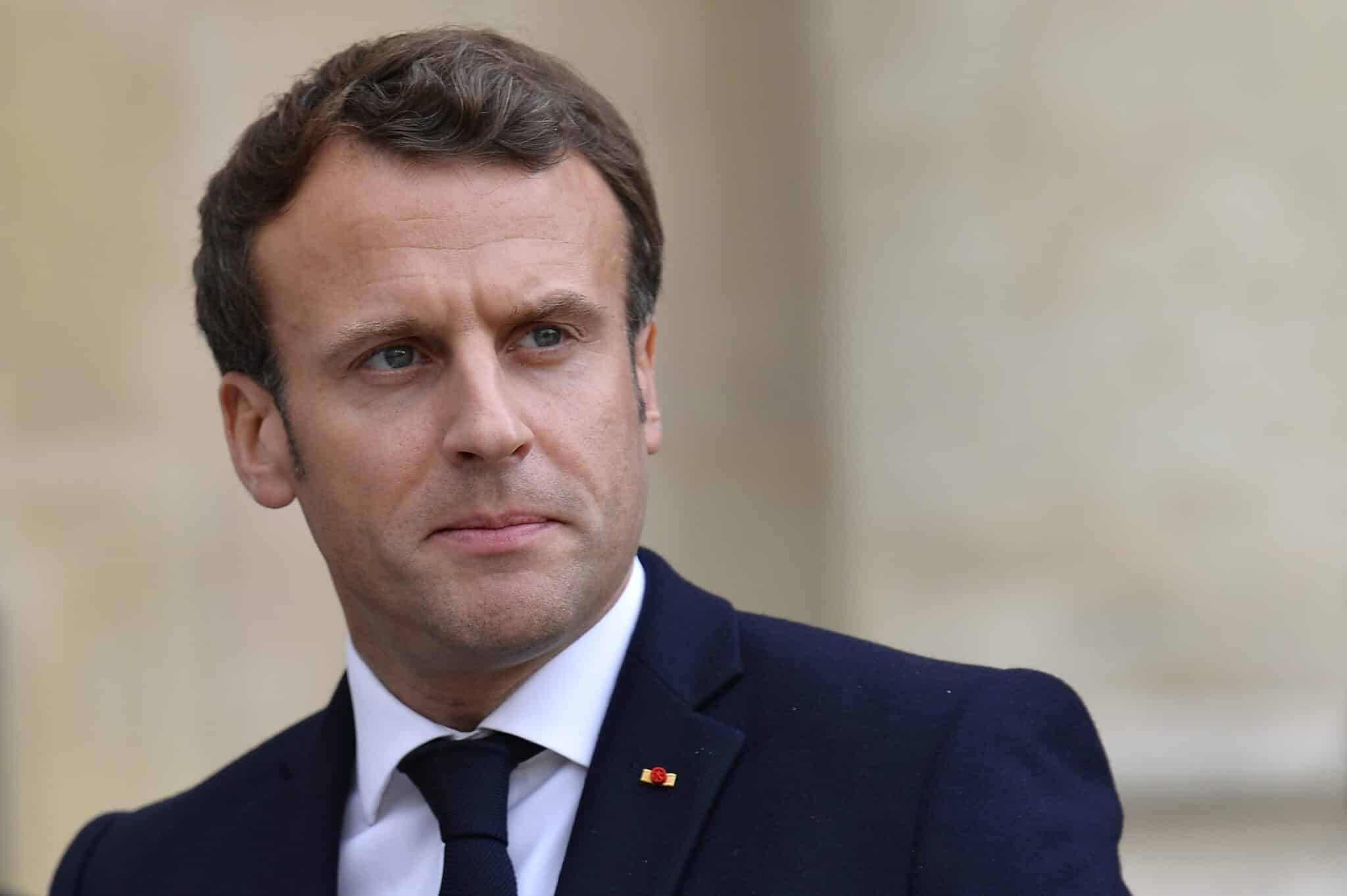
“Africa produces only 2% of the vaccines it uses, and the goal that we have set is that by 2040 the production is increased to reach 60%,” French President Emmanuel Macron said at the opening of the summit. “France and Europe have supported this ambition since 2021 with 1.2 billion euros (allocated), and we need to accelerate it.”
Macron announced at the summit that three-quarters of the funding will come from Europe. The summit, attended by leaders from Botswana, Rwanda, Senegal, Ghana, and various ministers, health organizations, and pharmaceutical firms, discussed this initiative.
German Chancellor Olaf Scholz, in a video message, revealed that Germany will contribute $318 billion to the scheme. France will provide $100 million, and the UK $60 million. Other donors include the United States, Canada, Norway, Japan, and the Gates Foundation.
Reports indicate that GAVI, the Vaccine Alliance, will make up to $1 billion available over the next decade. This funding aims to boost Africa’s vaccine manufacturing capabilities, improve global vaccine markets, and enhance preparedness and response to pandemics and outbreaks such as HIV, malaria, tuberculosis, and COVID-19.
The Geneva-based alliance states that the accelerator will fund African manufacturers once they meet supply and regulatory milestones, leveraging market forces to reduce prices and stimulate upstream investment.
Officials noted that the project will also address issues like technology transfer, which some Western countries with strong pharmaceutical industries have resisted. Additionally, the initiative will explore the creation of an African medicines agency and address regulatory challenges posed by Africa’s diverse legal systems.
The scheme “could become a catalyst for promoting the pharmaceutical industry in Africa and fostering collaboration between member states”, Chairperson of the African Union Commission (AUC), Moussa Faki Mahamat, told the summit. Africa imports “99 percent of its vaccines at an exorbitant cost”, he added.
The new scheme aims to move vaccine production to Africa to give the continent more sovereignty — and avoid history repeating. Macron called for cholera to be “consigned to the past” and noted that outbreaks were now affecting “half of Africa”. The expectation was that a production chain for cholera vaccines be launched in Africa by the South African biopharmaceutical firm Biovac.
At the Global Forum for Vaccine Sovereignty and Innovation forum, Gavi announced it is seeking to raise $9 billion to fund its vaccine programmes from 2036 to 2030. The United States will contribute $1.58 billion to the Gavi effort, first lady Jill Biden said in a video message, with more commitments later expected. GAVI chair Jose Manuel Barroso said that “one million children vaccinated since 2000 is an incredible achievement”.
According to the European Commission, the AVMA funds will purchase more than 800 million vaccine doses produced in Africa over the next decade. “The initiative will diversify the set of global vaccine suppliers with a target of at least four African vaccine manufacturers entering the market in a sustainable way,” the Commission said.
Many parts of Africa have recently seen deadly outbreaks of cholera, which has highlighted the need for more local vaccine producers. Only one firm in the world — South Korea’s EuBiologics — makes the cheap and effective oral vaccine doses for the deadly disease. Thanks to the new money, “we are sure that within two years, Africa will be producing the cholera vaccine,” said Jean Kaseya, head of the Africa Centres for Disease Control and Prevention.
The AVMA is a newly established financial mechanism set to provide nearly €1 billion over the next ten years to support African vaccine manufacturers. It was officially launched at a global forum co-hosted by France, the African Union, and the international vaccine organization GAVI.
These new funds aim to help the African Union achieve its goal of producing at least 60 percent of the continent’s required vaccine doses by 2040, according to GAVI. The African Vaccine Manufacturing Accelerator (AVMA) is an initiative developed by GAVI and the Centre for African Disease Prevention and Control (CDC-Africa), based in Addis Ababa, Ethiopia.
Health experts attribute the recent surge in COVID-19 cases to the incomplete vaccination status of most Ghanaians.
The full vaccination regimen, consisting of two jabs and a booster shot as recommended by the World Health Organization (WHO), is crucial for maximum protection against severe illness and death from the virus.
Dr. Bernard Okoe-Boye, the Minister Designate for Health, highlighted this during a visit to the Korle-Bu Teaching Hospital in his capacity as the President’s Representative at the Ministry of Health.
Dr. Okoe-Boye emphasized that while vaccination significantly reduces the risk of severe outcomes, the prevalence of only one dose among many Ghanaians may have contributed to the recent uptick in cases.
According to the Ghana Health Service (GHS), 18 new active COVID-19 cases have been recorded, with the potential for further increases.
As of December 2023, a total of 28,515,854 individuals had been vaccinated. Among them, 14,867,012 have received at least one dose, 11,782,609 are fully vaccinated, and 6,691,825 have received their booster dose.
Dr. Okoe-Boye underscored that COVID-19 remains a threat and urged those yet to complete their vaccination to do so promptly to mitigate the spread of the virus.
The GHS plans to conduct vaccination campaigns in May, June, July, and August to boost immunization coverage. Additionally, the public is urged to adhere toCOVID-19 safety protocolsto help curb the surge in cases.
The European Union (EU) has unveiled an additional €32 million investment to enhance Ghana’s vaccine manufacturing capabilities.
This initiative, termed the ‘special measure,’ aims to foster an enabling environment and a thriving ecosystem for developing a skilled workforce in the domestic vaccine production sector.
It also seeks to facilitate technology transfer and the exchange of best practices between Ghana and EU member-states.
Supported by €1 billion from the EU budget and European development finance institutions, such as the European Investment Bank (EIB), under the EU’s Global Gateway, this initiative is part of the Team Europe initiative on manufacturing and access to vaccines, medicines, and health technologies in Africa (MAV+).
The EU Ambassador to Ghana, Irchad Razaaly, highlighted the commitment to work together with Ghana to ensure optimal quality in vaccine production.
“This is one of several mechanisms the EU is rolling out in Ghana and across Africa to support local manufacturing of vaccines. The EU’s focus is to work together with Ghana to ensure optimal quality in the production of vaccines, and we have been delivering on this promise.”
The EU’s previous support includes a €5 million seed grant to the vaccine-manufacturing unit at DEK Vaccine Limited and a project, in collaboration with the German Development Cooperation, to upgrade the vaccine licensing capacity of the Food and Drugs Authority.
Razaaly emphasized the EU’s ability to adapt to emerging needs, showcasing the impact of strong government commitment in attracting additional support from development partners.
The EU plans to build on existing initiatives, support manufacturers, strengthen the regulatory environment, create partnerships on research and development, and facilitate the transfer of knowledge and technology.
He commended Ghana’s progress in achieving vaccination goals outlined in its ambitious roadmap, expressing optimism that, with the support of Team Europe and other key partners, the country’s goal to graduate from Gavi, the Vaccine Alliance, by 2029 will become a reality.
President Akufo-Addo is encouraging African leaders to sustain the momentum in the continent’s efforts to develop and manufacture vaccines domestically.
He has expressed optimism and described the progress made in the last year as encouraging, particularly in advancing the Partnerships for African Vaccine Manufacturing Project.
The President cited the successful initiation of technical work as a significant step forward in this endeavor.
President Akufo-Addo addressed a gathering of African leaders in Kigali, Rwanda, during the inauguration of a BioNTech Vaccine Manufacturing Site in the Central African country.
“Today is a reaffirmation of our commitment to the rest of the world that the construction of an end-to-end vaccine manufacturing facility – involving Rwanda, Senegal and my own country of Ghana – is truly underway,” he said.
President Nana Akufo-Addo said the import of the Partnerships for African Vaccine Manufacturing Project meant “we have to work together”.
“For us in Ghana, the Project fits perfectly with our roadmap for domestic vaccine development and manufacturing.
“Ghana is playing her role to this end, and I assure you once again of our determination to make the Project work successfully,” the President noted.
The development of the BioNTech Vaccine Manufacturing Site in Rwanda was funded by BioNTech, a German COVID-19 vaccine maker, at a cost of approximately US$150 million. BioNTech, known for developing one of the most widely used COVID-19 shots in collaboration with Pfizer, plans to enable African countries, including Rwanda, to produce its Comirnaty-branded vaccine under BioNTech’s supervision.
The mRNA vaccine factory in Rwanda, scheduled to begin production in 2025, will be the first of its kind established by a foreign company on the African continent. The facility is equipped to manufacture various mRNA-based vaccines tailored to the specific needs of African Union member states, encompassing vaccines such as the Pfizer-BioNTech COVID-19 vaccine and BioNTech’s experimental vaccines for malaria and tuberculosis.
This initiative is significant for Africa, where vaccine dependency is prevalent, and it addresses a crucial aspect of health infrastructure on the continent. The computational discovery and therapeutic drug platforms employed by BioNTech contribute to the rapid development of novel biopharmaceuticals.
Ghana’s research institutions are undergoing capacity-building efforts to enhance their readiness for the discovery and development of vaccines and other biologicals. President Nana Akufo-Addo highlighted the collaborative efforts of DEK Vaccines Limited with BioNTech-Rwanda and BioNTech-Germany to achieve the country’s goals in filling, finishing, and packaging essential drug products.
The President announced that Ghana’s Food and Drugs Authority (FDA) is on track to attain global benchmarking maturity level four, signifying a high standard in regulatory practices. Additionally, he mentioned the FDA’s support for Rwanda’s FDA in its pursuit of reaching the World Health Organization’s maturity level three, indicating a commitment to international regulatory standards.
President Akufo-Addo emphasized the strong collaboration between Ghana and Rwanda in research, citing a recent visit by a Rwandan team to research institutions in Ghana.
The Rwandan project follows President Nana Akufo-Addo’s groundbreaking ceremony in Accra, Ghana, for the DEK Vaccine Manufacturing Factory just eight months earlier. The DEK project, led by the European Union (EU) and DEK Vaccines Limited, a consortium of Ghanaian pharmaceutical companies, aims to enhance Ghana’s vaccine production capacity to 600 million doses annually, covering vaccines for diseases such as malaria, pneumonia, rotavirus, and cholera. The project encompasses the entire vaccine value chain.
Health authorities in Burkina Faso have granted approval for the use of a new malaria vaccine on young children, raising hopes for saving millions of lives.
The R21 vaccine has already received approval in Ghana and Nigeria.
Malaria remains the leading cause of infant mortality in Burkina Faso, making the introduction of this new vaccine a crucial step in the fight against the disease, according to Health Minister Robert Kargougou.
Successful trials involving 5,000 children have been conducted for the R21 vaccine.
This vaccine will be made available for children aged between five months and 36 months, and each dose is expected to cost a couple of US dollars.
The Serum Institute of India has the capacity to produce two million doses annually, and there are plans to establish a factory in Ghana, where the use of the vaccine has already been approved, along with Nigeria
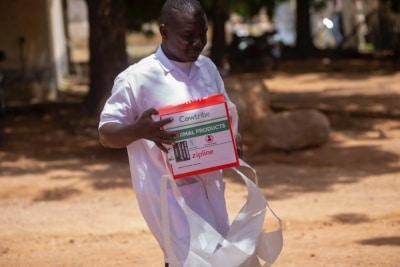
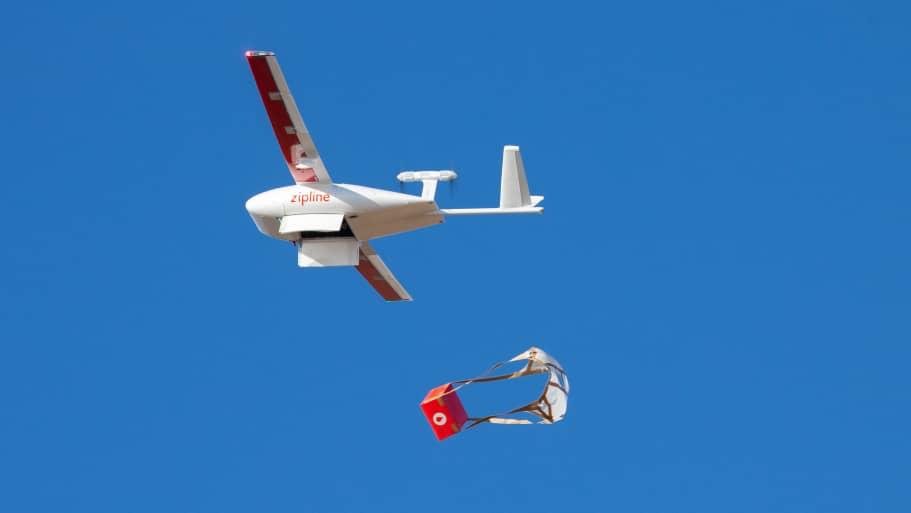
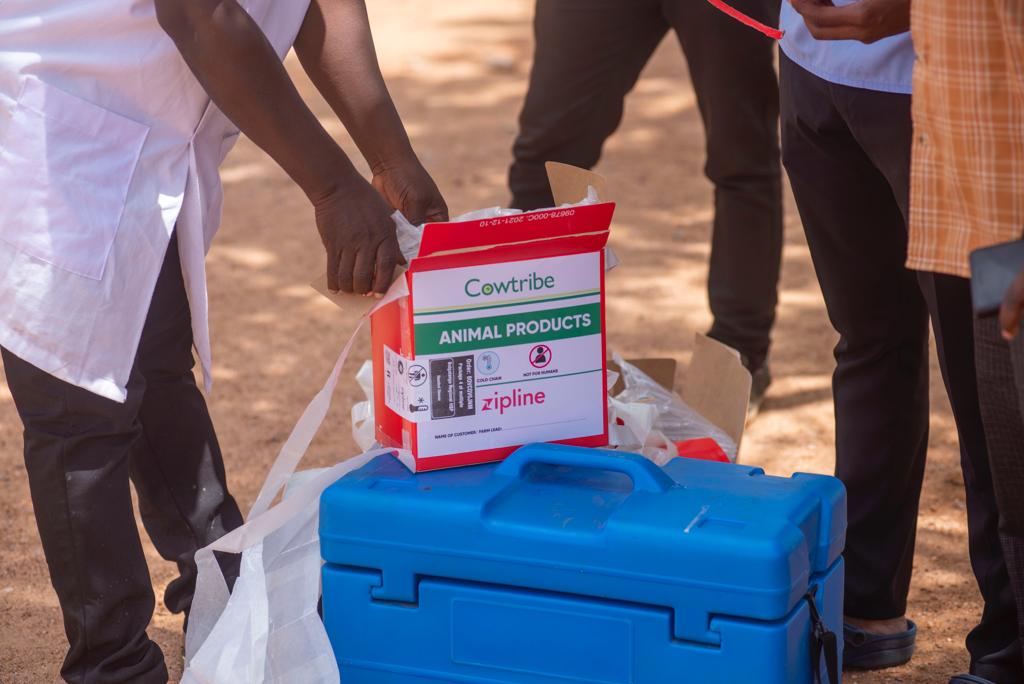
In a collaborative effort, drone manufacturer Ziplineand technology pioneer Cowtribe have joined forces to support Ghana’s Veterinary Service Department (VSD) in combating the recent anthrax outbreak.
Their collective effort is aimed at mitigating further losses and safeguard the health of livestock and the communities that depend on them.
Cowtribe is employing its groundbreaking vaccination and outbreak management system to support the VSD.
Their advanced technology enables the real-time collection of vital data, significantly enhancing the VSD’s surveillance capacity and informing strategies to manage and curtail the outbreak effectively. “In response to the devastating anthrax outbreak, we are extending the reach of our drone technology to deliver life-saving vaccines to the most remote locations,” said Mawuli Atiemo, General Manager for Zipline Ghana.
“This effort mirrors our previous collaboration with the government during the peak of the COVID-19 crisis, where we successfully delivered over two million vaccines to multiple dosing centers.”
Co-Founder and CEO of Cowtribe, Peter Awin, said “Cowtribe remains deeply committed to our farming communities, especially during such crises.”
“By funding the initial production of 100,000 anthrax vaccine doses, we aspire to alleviate the severity of the outbreak and fortify the livelihoods of our farmers.”
The Director of the Veterinary Services Directorate, Dr. Patrick Abakeh, lauded the public-private partnership.
He expressed optimism that the union of Zipline’s aerial logistics capabilities and Cowtribe’s data-driven expertise will expedite the containment of the anthrax outbreak.
With Zipline, Cowtribe, and VSD working collaboratively, the possibility of curtailing the anthrax outbreak becomes increasingly attainable.
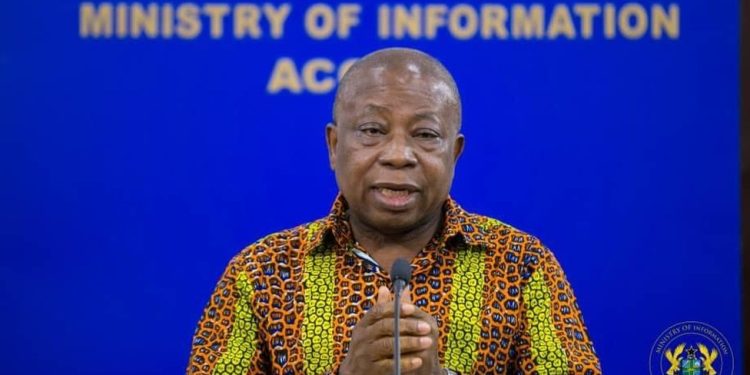
The Health Minister, Kwaku Agyemang-Manu, has revealed that Ghana will be taken from the list of beneficiaries of the Global Alliance for Vaccine and Immunization (GAVI) to cease supplying free vaccine to Ghana – Agyemang-Manu in the coming days.
According to Mr. Agyemang-Manu, the GAVI initiative will not supply Ghana with free vaccines following its attainment of lower middle-income status.
Gavi, or the Vaccine Alliance, is an independent public-private partnership and multilateral finance structure that aims at increasing worldwide access to the use of vaccines, particularly among vulnerable children.
Speaking at the commissioning of a new office complex of the Ghana Vaccine Institute in Accra, Mr. Agyemang-Manu said Ghana needs to be self-sufficient in the production of vaccines.
“While the GAVI alliance support is about 80 percent of Ghana’s vaccine, our attainment of a lower middle-income status means we will have to transition from GAVI support by the year 2027.”
Mr Agyemang-Manu added that the government has since developed the national vaccine policy to translate President Akufo-Addo’s vision of making Ghana a vaccine manufacturing hub into a reality.
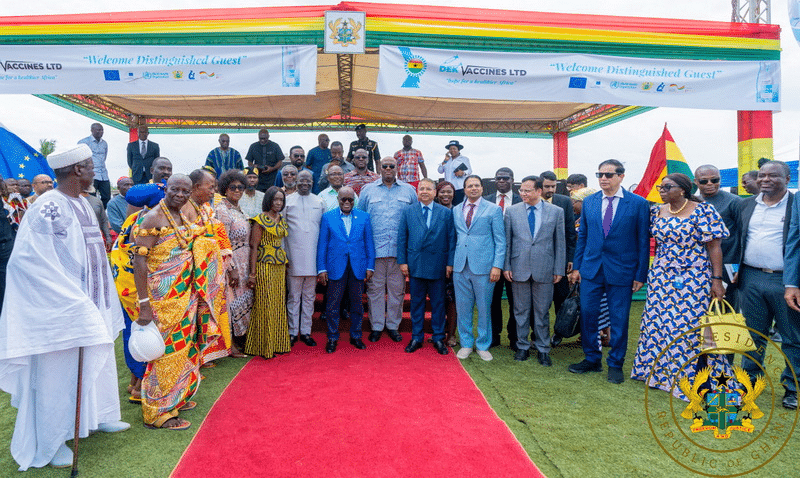
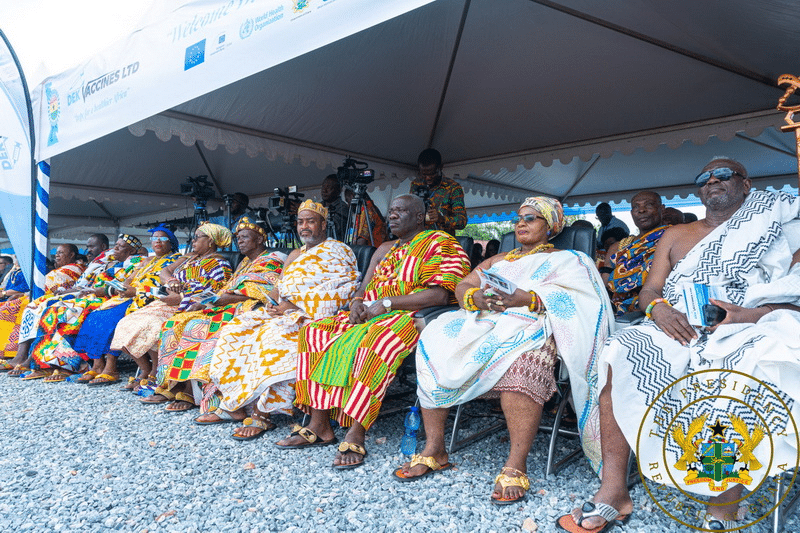
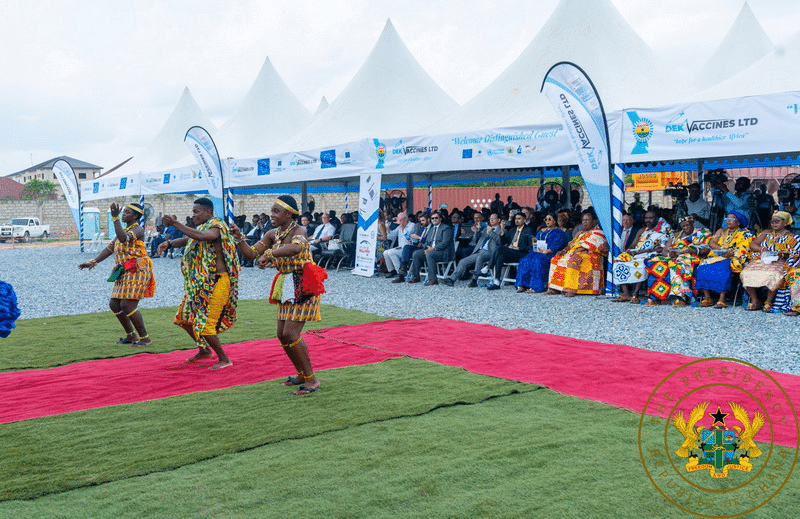
President Akufo-Addo has officially cut sod for the development of DEKs Vaccines Ltd, a group of Ghanaian pharmaceutical enterprises.
According to President Akufo-Addo, the construction of the vaccine manufacturing plant “will help our nation realise the dream of becoming self-sufficient in the production and manufacture of vaccines”.
Speaking at the sod-cutting ceremony on Tuesday, 18th April 2023, at Media, in the Ga West Municipality, the President indicated that the vision to manufacture vaccines in Ghana began on 28th February, 2021, in update 24 of what has come to be known as the “Fellow Ghanaians” series of addresses to the nation.
“The vaccine nationalism that was played out by the developed world, with the rollout of COVID-19 vaccines, meant that we had to take urgent, critical steps towards making sure that never again would we be victims or pawns of the international vaccine order. It was imperative that we took our destiny into our own hands,” he said.
To this end, President Akufo-Addo indicated that he established a committee, under the chairmanship of the former Minister for Environment, Science, Technology and Innovation, Professor Kwabena Frimpong-Boateng, to formulate a concrete plan of action towards domestic vaccine development and manufacturing.
This plan of action, he explained, culminated in the announcement of the establishment, in July 2021, of the National Vaccine Institute, with seed funding of $25 million from the European Investment Bank.
“Indeed, some two (2) months ago, on 14th February 2023, the National Vaccine Institute Bill 2022 was enacted by Parliament, for which I have given assent, and whose Board of Directors will soon be outdoored,” the President said. President Akufo-Addo cuts sod for vaccine manufacturing plant
He continued, “Its establishment has enabled the National Vaccine Institute work in unison with Ministries, Departments and Agencies in Ghana, to boost our country’s capacity to be self-reliant in the production of vaccines, and bring all of us to this gathering where work on the construction of DEKs Vaccines Ltd will soon begin.”
Whilst appreciating the COVAX, AU and AVATT in COVID-19 vaccine supply initiatives, President Akufo-Addo indicated that Ghana is also venturing into vaccine development and manufacturing with her sister African countries of Rwanda and Senegal, so as to become vaccine manufacturing hubs in sub-Saharan Africa.
“The National Vaccine Institute will co-ordinate and facilitate the capacity of DEKS Vaccines Ltd and other domestic pharmaceutical companies, such as Atlantic LifeSciences, a company operating under Government’s 1-District-1-Factory Programme, which I commissioned in April 2022, to fill, finish and package mRNA COVID-19 and other vaccines such as those against malaria and tuberculosis,” the President said.
He stated that, in the short term of two years, DEKs Vaccines Ltd will fill, finish, and package COVID-19 and the other vaccines for those against malaria and tuberculosis.
“In the medium-term, that is in five (5) years, the target is to continue the establishment of more domestic vaccine manufacturing plants in the country to manufacture vaccines to meet WHO GMP standards, with the long-term target being to produce a candidate vaccine in ten (10) years, using innovative technologies,” he added.
President Akufo-Addo thanked the German Government, its agency GIZ, the Consortium of International Partners, the European Investment Bank, which provided the five-million-euro (€5 million) grant to kickstart the project, and the European Union, which have been assisting Ghana in this endeavour.
He also thanked the chairperson and members of the Presidential Committee on Vaccine Manufacturing “for the excellent work they have done so far in bringing us to this point.”
The R21 malaria vaccine has been given FDA approval for use in immunizing infants between the ages of 5 and 36 months against malaria caused by Plasmodium falciparum.
The vaccine, according to the regulator, is a clear, colourless to mildly turbid solution for injection, which is stored between 2 and 8 °C (refrigerator) and has a shelflife of 24 months.
The Chief Executive Officer of the FDA, Dr. Delese Darko told journalists in Accra on Thursday, April 13 that “On March 28 this year, the FDA granted approval to R21 malaria vaccine manufactured by the Serum Institute of India which was submitted through the local agent, DEK Pharmaceuticals Ghana.
“The approval was granted following extensive series of reviews and peer reviews of the clinical, non-clinical, and quality parts of the vaccine development procedure.
“The vaccine has been approved for use for the immunization of children between five months to thirty-six months. It is a colourless to mild turbid solution for injection, and it is supposed to be stored in a refrigerator and has a shelf life of twenty-four months. Our evaluation indicated that the vaccine has the potential to reduce infant mortality caused by malaria in Africa.”
She added “Ghana was chosen because the FDA is a level three maturity national regulatory authority for medicines and vaccines and regulatory oversights and has extensive competencies in evaluating the quality of clinical and non-clinical parts of a product. We are also a regional centre of regulatory excellence with clinical trial oversights.”
Since the beginning of the year, health professionals and experts have lamented the nationwide shortage of childhood immunisation vaccines.
Even though the Ghana Health Service (GHS) has promised to restock the supply of vaccines soon, the situation doesn’t seem to be calming concerns. The necessity of the vaccines and the measles outbreak in some regions of the nation are to blame for this.
Dr. Hilda Manteybea Boye, president-elect of the Pediatric Society of Ghana, stated that the shortage “runs the risk of having children die” in an interview with JoyNews.
She has therefore pleaded with the Ghana Health Service to act quickly.
“It is the action that we are looking for. So whatever it will take for them to get us the vaccines like today, because every day we risk having children die from this shortage,” she said.
Currently, 16 districts in the Northern Region have recorded cases of measles.
Head of Pediatrics and Child Health at the Tamale Teaching Hospital, Professor Alhassan Abdul Mumin confirmed the measles outbreak, indicating that there is no district in the Northern Region, that has not recorded an outbreak of measles for most of the children who were born since 2022.
On his part, a Neurosurgeon and General Secretary of the Islamic Medical Association of Ghana, Dr. Hardy Abdullah says the shortage can affect the development of a child’s nervous system.
“The long-term effects, especially measles and Rubella could have an impact on the baby’s central nervous system. And so as a country, the fact that we can’t get the vaccine is unfortunate.”
The health experts and practitioners are therefore intensifying pressure on the government on the need to secure the three essential vaccines for babies.
The Paediatric Society of Ghana has disclosed that over 500 children have contracted measles due to the shortage of vaccines in the country.
The delay in the arrival of the vaccines has the potential to worsen the situation, according to Dr. Hilda Boye, the recently elected President of the Paediatric Society of Ghana.
“As we speak, we are looking at about 500 suspected cases of measles. So we are worried because we are just sitting and watching, and it is getting worse by the day and that is expected also because it is an infectious disease, and we really shouldn’t have come to this place in the first place.
“We know how bad these illnesses are, and we know that there is a solution and everybody had to sit up so that we don’t get to this point,” Dr Boye said.
Many regions of the nation have experienced a vaccination scarcity in recent months, despite assertions by the National Health Insurance Authority (NHIA) that more than GH70 million has been made available for the purchase of the vaccines.
Today, March 7, the Health Minister, Mr. Kwaku Agyemang-Manu, is expected to address the House on the measures taken to alleviate the nation’s lack of pediatric immunizations.
The Ghana Health Service (GHS) has blamed the depreciation of the Ghana Cedi for the lack of vaccinations required for routine infant immunization.
There is a chance that the lack of immunizations will make children more susceptible to the illnesses that the shots are meant to prevent.
It is reported that around 100 children in Ghana’s northern region have the measles.
This is according to Dr. Hilda Mantebea Boye, the Paediatrics Society of Ghana’s incoming president.
The figures come amid the shortage of baby vaccines nationwide. The Ministry of Health has been unable to secure the procurement of these vaccines since the year began, and as a result, Ghana ran out of crucial BCG and OPV vaccines.
In comparison to the OPV, the main purpose of the BCG vaccination is to protect infants against contracting tuberculosis.
Other essential vaccines to prevent diseases such as measles, whooping cough, etc. are also in short supply.
On the back of this, Dr Mantebea Boye while speaking on JoyNews said the cases is likely to increase if an intervention is not carried out immediately.
“At the last count in the northern region, we have more than a hundred children who we suspect have measles. And it is very worrying to us.
“This is something ongoing so data is still being collected and because of the shortage of vaccines we expect that many more children could be affected by this. So the infection is likely to rise as the days go by,” she said on Sunday.
A policy research and advocacy non-governmental organisation, SEND Ghana, has cautioned the public about a potential breakout of children diseases in the nation, if authorities do not take swift action to solve the current lack of vaccines for children.
In a statement signed by its Deputy Country Director, Emmanuel Ayifah, the organization stated that the current situation is “hindering the country’s goal of attaining Universal Health Coverage and Sustainable Development Goals more broadly.”
It has, therefore, called for urgent steps to be taken to ensure that this situation is redressed so as to take away the tag over Ghana as a ‘stubborn child’ among global immunization bodies.
“For about a month now, health authorities have been paying lip service to resolving the shortage. It is reported that 10 out of the 16 administrative regions in Ghana are currently battling shortages of vaccines and are now turning nursing mothers away. This is hindering the country’s goal of attaining Universal Health Coverage and Sustainable Development Goals more broadly.
“The government of Ghana over the years have not fulfilled its co-financing obligation with theGlobal Alliance for Vaccines and Immunization (GAVI). Ghana is now considered a ‘stubborn child’ among global immunization bodies. While we recognize the current economic crisis in the country, important needs such as vaccination for children cannot be compromised,” the statement said.
The SEND Ghana boss further suggested that the government uses funds from the management of COVID-19 to remedy this situation, while urging that this is done urgently.
They also commended parliament for taking bold steps at ensuring that the government pays attention to this.
“We recommend that government retrieves monies used to purchase Covid19 vaccines that were not delivered as cited in the Auditor General’s 2022 report to purchase vaccines for children.
“We commend the Health Committee of Parliament for inviting the sector minister, Kwaku Agyeman-Manu, to respond to questions regarding the shortage of the vaccine. We further appeal to parliament to use its powers to continue to sustain the pressure on the government until the vaccines are made available to all health centres across Ghana.
“We hope the government will speed up processes leading to the acquisition of vaccines to protect and guarantee the safety and well-being of children,” the statement added.
Earlier, the Ghana Health Service said a shortage of routine vaccines for children blamed for a measles outbreak that infected 120 would be resolved within weeks.
The authorities added that the shortage of vaccines against polio, hepatitis B, and measles, was caused by the depreciation of Ghana’s currency, with nursing mothers complaining for months of the shortage of vaccines meant for babies from birth to at least 18 months.
The situation became worse in February after major health facilities in 10 out of the 16 administrative regions of Ghana kept turning nursing mothers away due to erratic supply.
Rapid diagnostic testing for everyone residing within 100 meters of newly confirmed cases helped break transmission chains and greatly increased the uptake of COVID-19 vaccinations through reactive immunization as Liberia battled escalating COVID-19 cases in 2022.
The community-based testing strategy to decentralize COVID-19 response allowed health workers to conduct door-to-door community sensitization to tackle COVID-19 misinformation, including myths about vaccination. The approach helped the country reach 81% vaccination coverage of the population by the end of 2022.
With financial and technical support from World Health Organization (WHO), mobile health teams administered tens of thousands of rapid tests in Nimba, Margibi and Montserrado counties, which are home to nearly half of Liberia’s total population.
With polymerase chain reaction (PCR) tests mostly no longer mandatory for cross-border travellers, the community-based response initiative enabled surveillance and monitoring of epidemiological trends to augment virus control measures.
The initiative, which uses rapid tests to counter the challenge of identifying COVID-19 cases outside health facilities, was launched in Liberia in July 2022. By the end of last year, 74 000 rapid tests had been administered.
“Expanding testing in communities using the antigen tests is helping provide a better way for the country to respond to the pandemic,” says Chea Sanford Wesseh, Assistant Minister for Vital Statistics in Liberia’s Ministry of Health, adding that there are plans to broaden their use beyond the three counties.
In practice, the mobile teams target everyone living within a 100-metre radius of new confirmed COVID-19 cases, administering rapid tests to identify other potential cases. The technology is simple, making it suitable for use in all settings.
Anyone who tests positive and requires treatment is linked to their nearest health facility. In cases where patients are either experiencing mild symptoms or asymptomatic, they are managed under home- based isolation and care, receiving infection prevention and control materials, including information on COVID-19 risk factors and prevention measures such as vaccination and handwashing.
“With testing in communities, we are reaching both the asymptomatic and symptomatic cases. That way we are undertaking timely isolation of confirmed cases leading to a break in the chain of transmission,” explains Dr Monday Julius, the WHO team lead for health emergencies in Liberia.
The positive impact on vaccination uptake saw Liberia join Mauritius, Rwanda and Seychelles as the only fourAfricancountries to achieve the 70% global vaccination coverage target by December 2022.
Victoria Dekpah, a student at Nimba University in Liberia, was among those convinced to get vaccinated against COVID-19 when health workers visited her community.
“I didn’t think it was important to test. Many people were afraid of knowing their status and what would happen to them. But after listening to the health worker, I volunteered to take the test and it turned out positive. I isolated myself at home and the health worker visited me regularly until I tested negative again. I also got vaccinated thereafter,” she says.
Isaac Cole, County Surveillance Officer in Nimba, blames rampant misinformation surrounding COVID-19 for the reluctance among Liberians to accept testing and vaccination. But working with local leaders who are trusted by their communities, he says, is changing attitudes.
“The people now know that once they are tested and found to be positive, they will be taken care of either at the health facility or through the home-based care approach. When we go to communities, health workers also lead by example by being vaccinated first, as one of the ways of dispelling myths about vaccination and its effect on the body,” he adds.
WHO is supporting 18 other African countries to implement community-based COVID-19 response, with more than 400 000 rapid tests carried out to date. Across these countries, rapid testing currently accounts for at least 60% of all COVID-19 testing.
The first ever honey bee vaccine has been given the green light for use in the US.
It was developed to stop American foulbrood disease, a bacterial infection that is known to weaken colonies by attacking bee larvae, from killing people.
According to the biotech company responsible for its development, the US Department of Agriculture (USDA) approved a conditional licence for the vaccine this week.
Bees are important pollinators and are involved in many ecosystem processes.
The vaccine could serve as a “breakthrough in protecting honey bees”, Dalan Animal Health CEO Annette Kleiser said in a statement.
It works by introducing an inactive version of the bacteria into the royal jelly fed to the queen, whose larvae then gain immunity.
The US has seen annual reductions in honey bee colonies since 2006, according to the USDA.
The USDA says many, sometimes overlapping, factors threaten honey bee health, including parasites, pests and disease, as well as a phenomenon called Colony Collapse Disorder, which occurs when worker bees abandon a hive and leave behind the queen.
Pollinators such as bees, birds, and bats are responsible for about a third of the world’s crop production, according to the United Nation’s Food and Agricultural Organization.
American foulbrood disease poses a challenge for beekeepers as it is highly contagious and has no cure. The only treatment method requires burning the colony of infected bees along with the hives and equipment and treating nearby colonies with antibiotics.
The new vaccine contains an inactive version of the bacteria that causes American foulbrood disease, Paenibacillus larvae, according to Dalan Animal health.
According to the biotech company, which specializes in insect health and immunology, the bacteria are incorporated into the royal jelly feed given by worker bees to the queen bee, who then ingests the feed and retains some of the vaccine in her ovaries.
It says this gives bee larvae immunity to the disease as they hatch and reduces death from the illness.
The new vaccine could mark an “exciting step forward for beekeepers,” California State Beekeepers Association board member Trevor Tauzer said in a statement.
“If we can prevent an infection in our hives, we can avoid costly treatments and focus our energy on other important elements of keeping our bees healthy,” he said.
Dalan plans to distribute the vaccine “on a limited basis” to commercial beekeepers and said the product would probably be available for purchase in the US this year.
Ebola has taken almost everything and everyone dear to Joseph Singiringabo. The 78-year-old lost his wife, son, and newborn granddaughter tothe disease in a matter of weeks.
He is left to care for three grandchildren under the age of 13 after their mother fled the village to avoid the threat of Ebola. His livestock was stolen while he was incarcerated for the required 21 days, leaving him destitute and desperate.
“I’m not sure where they got the virus from because I went and got checked and I left the hospital with no problems with these children of mine,” he said, sitting on a log outside his modest house in Madudu, Uganda’s central Mubende district.
“The problem I am facing now is getting food. Secondly, I never went to school, but I want these grandchildren to continue and get educated.”
A deadly outbreak
Uganda is grappling with its deadliest Ebola outbreak in more than a decade, first detected in the Mubende district in late September.
The 2012 Ebola outbreak in the Kibaale district in the country’s western region, led to 17 deaths out of 24 confirmed cases but was declared over in less than 3 months.
Officials have launched aggressive contact tracing to track down relatives and friends who handled the bodies of first victims or attended funerals.
Some escaped from quarantine facilities, others traveled as far as the capital Kampala, and a few visited traditional healers and witchdoctors for treatment instead.
“Some of the patients are still hiding and they don’t know that they have Ebola so they’re out there in the community,” public health physician Dr. Jackson Amone told CNN.
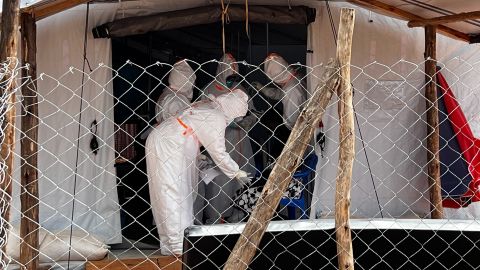
An Ebola treatment unit in Mubende, Uganda. Larry Madowo/CNN
He has been involved in every Ebola outbreak in Uganda as well as in Sierra Leone in 2017. “We need to do case investigation, a lot of contact tracing, and community engagement so that those who present with Ebola symptoms are brought for testing before we release them.”
Dr. Amone is leading the teams operating the Ebola Treatment Units in Mubende. The first was set up in a hurry on the edge of the Mubende Regional Referral Hospital.
A larger center operated by the medical non-profit Médecins Sans Frontières (MSF) is expanding with new ICU beds on the other side of town.
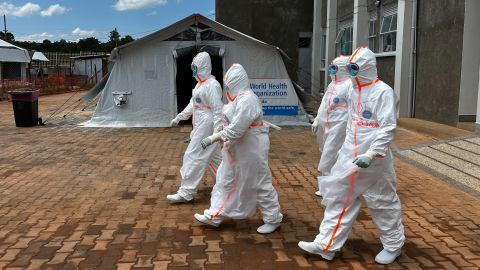
Health workers don extensive Personal Protective Equipment (PPE) to enter the red zones where patients are receiving treatment.
In one zone, a health worker cradles a three-month-old baby suspected of having been infected. Her mother and another sibling are undergoing treatment for Ebola and the disease has already claimed the life of her father.
It’s a cruel welcome to the world for the infant who is wrapped in a blanket as steady rain falls on the makeshift treatment center.
It’s a familiar story across this region as Ebola spreads despite the Ugandan government’s best efforts.
“This Ebola is much easier to deal with than either corona(virus) or AIDS. The main problem here is behavior change,” President Yoweri Museveni told the nation in a Tuesday night address, stressing the need to follow the government’s procedures for those who come into contact with the disease.
Vaccine trials offer hope
Ebola can spread from person to person through direct contact with blood or other bodily fluids such as saliva, sweat, semen, or feces, or through contaminated objects like bedding or needles.
“It doesn’t spread through the air like COVID-19and does not hide for some months before it shows itself like AIDS,” Museveni said in his televised address.
The country had so far recorded 55 deaths from Ebola, 141 confirmed cases and 73 people had recovered, he said.
Health minister Dr. Jane Ruth Aceng Ocero told CNN she expects Uganda to have the outbreak under control by April if communities cooperate with the government.
Health workers don extensive Personal Protective Equipment (PPE) to enter the red zones where patients are receiving treatment Larry Madowo/CNN
There are currently two licensed Ebola vaccines, according to the World Health Organization, but they were developed to be safe and protective against the Zaire strain of the Ebola virus.
Unlike the previous Zaire ebolavirus, the Sudan strain currently circulating in Uganda has no known effective treatment or approved vaccine. However, the country is about to roll out three trial vaccines that have been certified as safe by the World Health Organization (WHO) working group.
The WHO said the first doses would be shipped to Uganda next week and the country expects to expand the vaccine trials after reviewing results from the initial phase.
They are manufactured by the International Aids Vaccine Iniative (IAVI), the Sabin Vaccine Institute USA and a third developed by the University of Oxford and the Jenner Institute UK.
“Our further testing is about efficacy, and how long it protects. We are looking at 3,000 contacts of confirmed cases so we’ll be doing ring vaccination,” Aceng Ocero said, referring to a vaccine process that administers vaccines only to people in close contact with infected patients.
“If we have a confirmed case, then the contacts are the ones who are given the vaccine and they are followed up for 29 days because we want to see if they can quickly generate antibodies and can protect themselves from getting into full-blown disease,” Aceng Ocero added.
Obstacles of tradition and religion
Public health officials believe that cases are stabilizing due to increased vigilance, but tradition and religion are holding back progress. One community in Kassanda district, central Uganda, exhumed a body that had been buried safely by health workers to perform religious rites.
It led to “an explosion of over 41 cases within 5 days and 10 deaths,” President Museveni said in his address. He has now barred traditional healers and witchdoctors from taking clients during the Ebola outbreak.
Infections are also rising as it is hard to keep people apart in close-knit communal settings. Robert Twinamasiko, a 30-year-old driver is undergoing treatment after he helped an infected friend to an ambulance. The friend and one other person involved both died.
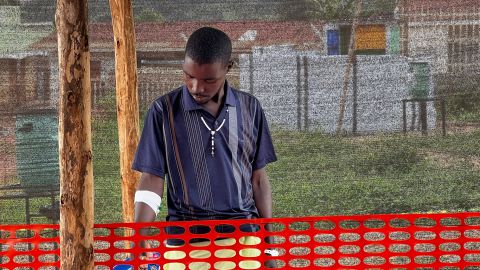
A 30-year-old driver, Robert Twinamasiko receives treatment for Ebola after helping an infected friend to an ambulance. Larry Madowo/CNN
Twinamasiko has spent 17 days in hospital but says he has no regrets. Although he looked frail, he was making a recovery and told CNN he was looking forward to going home.
“I’m just waiting for my blood work to be discharged but the world out there should know that Ebola is real,” he said from inside a red zone.
Uganda is also trying to contain the spread of the disease by closing the school term early to avoid an outbreak of Ebola in schools which could be hard to manage. “If you have one learner in a class testing positive, the entire class has to undergo quarantine. But also, you will not be 100% sure that that learner did not have contact with other learners outside that class,” Minister Aceng Ocero explained.
She said she was frustrated that Uganda wasn’t getting enough credit internationally for managing the Ebola crisis. “We have experience. This is our eighth Ebola outbreak. Every time we get an outbreak, our experience increases,” she said.
Researchers found a fall in confidence in nearly one in four participants since 2020, regardless of their age, gender, religious belief, education or ethnicity.
Confidence in vaccines has declined “significantly” since the start of the COVID pandemic, according to a new study.
Researchers from the University of Portsmouth carried out two anonymous surveys in the winters of 2019 and 2022 to gauge people’s attitudes to vaccinations and to look at what factors cause hesitancy and refusal.
After questioning more than 1,000 adults, they found that the post-pandemic group was considerably less confident in vaccines than the pre-pandemic group.
The paper, published in the medical journal Vaccine, showed a fall in confidence in nearly one in four participants since 2020, regardless of their age, gender, religious belief, education or ethnicity.
Dr Alessandro Siani, associate head of the School of Biological Sciences at the University of Portsmouth, said: “While vaccine hesitancy is not a new phenomenon, COVID-19 vaccines have been met with particular hostility despite the overwhelming scientific evidence of their safety and effectiveness.
Feb 2021: Why the vaccine hesitancy among BAME Britons?
“This isn’t just among conspiracy theorists though, but also those who don’t consider themselves ‘anti-vaxxers’ and had supported other vaccination campaigns in the past.”
Participants were asked how much they agreed with statements including “Vaccines are safe“, “I think vaccines should be a compulsory practice”, “I believe if I get vaccinated it would benefit the wellbeing of others” and “Vaccines are a necessity for our health and wellbeing”.
In both surveys participants who held religious beliefs were significantly more vaccine-hesitant than atheist and agnostic ones, and individuals from black and Asian backgrounds were more hesitant than those of white ethnicities.
However, the researchers say that gender showed no association with vaccine confidence.
Disparity between young and old
A university spokesman said: “While these overall trends remained largely similar between the two surveys, some noteworthy changes were observed in the post-pandemic survey.
“For example, the analysis revealed that while in 2019 middle-aged participants were considerably more apprehensive about getting vaccinated than younger groups, this was not the case in the 2022 survey.”
Dr Siani added: “This could be because COVID-19 infections notoriously lead to more severe outcomes in older patients.
“Young people who are infected rarely experience severe symptoms that lead to hospitalisation and death, so it’s possible that many have become complacent and don’t feel the need to get vaccinated.
“On the other hand, older people may have been more wary of the consequences of the infection, and more appreciative of the protection offered by the vaccine.”
Study limitations
Dr Siani said the analysis of the results was limited as different groups of people were sampled for the two surveys.
He said: “We didn’t expect a worldwide pandemic to break out only a few months after carrying out the 2019 survey.
“Because our findings don’t reflect the changing opinions of the same group of people over time, but rather a comparison of responses provided by two different cohorts, they should be interpreted with a grain of salt.
“However, the study is consistent with other observations suggesting thatvaccine confidence may be yet another victim of the COVID-19 pandemic.”
A total number of 20,359,448 Ghanaians have been vaccinated as at October 20, 2022, on the COVID-19 Situation data dashboard.
10,449,734 individuals have received the AstraZeneca vaccine, 18,368 individuals have received the Sputnik-V vaccine, 1,065,357 persons have also received the Moderna vaccine, with 5,534,776 individuals receiving the Pfizer-BioNtECH vaccine; and 3,291,213 persons vaccinated with the COVID-19 vaccine by Janssen.
According to the Covid-19 Situation Data dashboard, people who have received at least 1 dose of the vaccine are about 11,837,495, which is 37.3% of the total population.
People who have been fully vaccinated are 8,758,799, which is 27% of the total population. Individuals who received the first booster dose are 2,329,799.
COVID-19 vaccinations reveal that vaccinators spent not more than ten (10) minutes at vaccinations centres all over Ghana after accessing citizens’ experience.
Similarly, an investigation of Ghana’s compliance with the National Vaccination Deployment Plan (NVDP) reveals that access to COVID-19 vaccines among vulnerable groups and eligible individuals is promising but can be improved.
The monitoring, which was carried out by SEND Ghana with funding from the Partnership for Transparency Fund, also revealed that the uptake of COVID-19 vaccines among healthcare workers, teachers, and people with comorbidities was impressive.
According to Madam Anita Awuku, Programme Coordinator, SEND Ghana, who disseminated findings of the assessment in Accra on Thursday, October 27th, said the monitoring showed that generally, satisfaction with the vaccination process was very high.
However, there were some significant gaps in educating clients about the COVID-19 vaccine, potential side effects and how to deal with them, and screening for contraindications to the vaccine.
According to the assessment, the majority of vaccination centres provided hand hygiene facilities, such as alcohol-based sanitizers, and separate waiting areas for vaccine recipients to rest and be temporarily monitored for any immediate adverse effects.
It was discovered that vaccination centres strictly adhered to infection prevention and control measures during vaccination sessions and that all the centres were clean.
Vaccine carriers had enough conditioned ice packs, and most healthcare workers practised hand hygiene.
The assessment suggested that the Ghana Health Service (GHS) hold NDVP refresher sessions for its staff.
It stated that health directors should be encouraged to maintain vaccine uptake promotion efforts in order to contribute to herd immunity.
“Health promotion efforts for the COVID-19 vaccination exercise and subsequent vaccination exercises should adequately address possible side effects and safety, as these are key for vaccine uptake,” the monitoring report said.
The assessment requested that the Ministry of Health and the GHS increase Cold Chain Equipment (CCE) and vaccine logistics across districts.
Over 6.9 million children under five years are expected to be vaccinated in the second round of the National Polio Vaccination Campaign (PVC) from yesterday, October 6 to October 9, 2022.
The round is a follow-up to an earlier exercise that administered the novel oral poliovirus type 2 (nOPV2) vaccine to the targeted children, nationwide.
The Director-General of Ghana Health Service (GHS), Dr. Patrick Kuma-Aboagye at a news conference in Accra on Tuesday said the entire campaign was to halt the local transmission of the circulating vaccine-derived polio virus type 2, (cVDPV2), recorded in parts of the country.
“The vaccination would also maintain high population immunity, strengthen surveillance on polio disease, and prevent further polio outbreaks in the country,” he said.
Dr Kuma-Aboagye explained that, although the first round of the polio vaccination in September yielded impressive results, health authorities were not resting on their oars until all targeted children were vaccinated.
“The initial target for the first round was 6.3 million children but after the vaccination, we realised we had vaccinated nearly 6.6 million children meaning, we had more children than targeted and we must build on this achievement to do more during the upcoming second round of the PVC so that no child is left behind,” he added.
Further, the Director-General advised parents and caregivers to ensure their children complete all vaccinations by age two as well as patronise child welfare clinics dotted across the country in order to fully vaccinate and protect their children against vaccine-preventable diseases.
In a speech read on his behalf, the World Health Organisation (WHO) representative to Ghana, Dr Francis Kasolo underscored the need for enhanced polio surveillance to close the gap of the polio outbreak.
“WHO, the UN System in Ghana and other partners of the Global Polio Eradication Initiative (GPEI) will continue to support the Government of Ghana to respond to public health emergencies and accompany Ghana on the road to achieving universal health coverage,” he said.
The Expanded Programme on Immunisation(EPI) Programme Manager, Dr Kwame Amponsa-Achiano recalled some challenges faced during the first round of the PVC and advised parents and caregivers to make their children available for the vaccines to kick out polio from the country.
“Some children were sent to the farms and couldn’t partake. Other parents also denied their wards because of some religious beliefs and did not see it as necessary while some house markings were washed away by heavy downpours,” he highlighted.
Polio, or poliomyelitis, is a disabling and life-threatening disease caused by the poliovirus and spreads from person to person through faecal routes and may multiply in the intestines from where it subsequently invades the nervous system causing paralysis, most often in the limbs.
The disease affects both children and adults, but children under five years are most at risk.
Some signs and symptoms of polio may include fever, fatigue, headache, vomiting, and stiffness in the neck, pain and weakness in the limbs.
Treatment is mainly supportive and can be prevented through vaccination, improved sanitation and personal hygiene.
A malaria vaccine with “world-changing†potential has been developed by scientists at the University of Oxford.
The team expect it to be rolled out next year after trials showed up to 80% protection against the deadly disease.
Crucially, say the scientists, their vaccine is cheap and they already have a deal to manufacture more than 100 million doses a year.
The charity Malaria No More said recent progress meant children dying from malaria could end “in our lifetimesâ€.
It has taken more than a century to develop effective vaccines as the malaria parasite, which is spread by mosquitoes, is spectacularly complex and elusive. It is a constantly moving target, shifting forms inside the body, which make it hard to immunise against.
Last year, the World Health Organization gave the historic go-ahead for the first vaccine developed by pharmaceutical giant GSK to be used in Africa.
However, the Oxford team claim their approach is more effective and can be manufactured on a far greater scale.
Trial results from 409 children in Nanoro, Burkina Faso, have been published in the Lancet Infectious Diseases. It shows three initial doses followed by a booster a year later gives up to 80% protection.
The vaccination, according to ministers, will now be a part of the autumn booster program.
26 million people are eligible for some version of the booster, but Moderna estimates that just 13 million doses of its new vaccine will be made accessible this year.
According to health officials, people should receive any booster that is recommended because all vaccinations offer protection.
The initial pandemic vaccines were created to prepare the body to combat the virus’s first version, which appeared in Wuhan, China, at the end of 2019.
The Covid virus has since mutated substantially, with a stream of new variants emerging that can dodge some of our immune defenses. They have caused large surges in cases around the world.
The original vaccines still provide strong protection against becoming severely ill or dying, but companies are tweaking them to match the virus as it evolves.
Cases of coronavirus are currently falling in the UK. In mid-to-late July, around 2.5 million people tested positive for coronavirus.
‘Sharpened tool’
Moderna’s latest vaccine targets both the original strain and the first Omicron variant (BA.1), which emerged last winter. It is known as a bivalent vaccine as it takes aim at two forms of Covid.
Dr. June Raine, the regulator’s chief executive, said: “What this bivalent vaccine gives us is a sharpened tool in our armory to help protect us against this disease as the virus continues to evolve.”
Experiments on 437 people showed the updated vaccine was safe and gave better immune protection against newer variants.
Levels of antibodies that were able to stick to and disable Omicron (BA.1) were 1.7 times higher in people given the new vaccine. Tests against more recent Omicron variants (BA.4 and BA.5), which are causing the UK’s current wave, also showed higher levels of protection with the updated vaccine.
However, it is far from clear what that means in terms of preventing someone from becoming seriously ill.
Additionally, it is uncertain what variants we will be facing in the coming months and exactly how well the updated vaccine will perform against them.
“This represents the first authorization of an Omicron-containing bivalent vaccine; this bivalent vaccine has an important role to play in protecting people in the UK from Covid-19 as we enter the winter months,” he said.
The Joint Committee on Vaccination and Immunization (JCVI), which advises governments in England, Wales, Northern Ireland, and Scotland, has confirmed the following groups should be offered some form of booster in the autumn:
health and social care staff
everyone aged 50 and over
carers who are over the age of 16
people over five whose health puts them at greater risk, this includes pregnant women
people over five who share a house with somebody with a weakened immune system
Prof Wei Shen Lim, from the JCVI, said: “It is important that everyone who is eligible takes up a booster this autumn, whichever vaccine is on offer.”
Originally those aged 50-65 were not going to be jabbed. However, the immunization campaign has been expanded because of the rapid spread of variants, uncertainty about how the virus will mutate, and the expectation that we will are likely to be more social – and therefore give the virus a helping hand this winter – including at Christmas.
However, most people under 50 will not be boosted in the coming months. The focus remains on preventing those most at risk from becoming seriously ill, rather than stopping the young from passing the virus on to older relatives.
Moderna is not the only company updating its vaccines. Pfizer has also been developing vaccines that can target Omicron. The Oxford-AstraZeneca vaccine, however, is not being updated.
Health ministers have officially given the go-ahead for the bivalent vaccines. In England, Steve Barclay said “vaccines remain our best defense against Covid” and said the rollout would begin in September. In Wales, Eluned Morgan said vaccines “have saved countless lives” and urged everyone who was eligible to come forward.
A health official is being investigated for vaccinating 30 students with a single syringe in the central Indian state of Madhya Pradesh.
The incident took place in a school in the Sagar district where children were being given Covid-19 vaccines.
India‘s health ministry mandates a “one needle, one syringe, only one-time” protocol for Covid-19 vaccines.
India has administered over 2.03bn Covid-19 vaccines so far.
Single-use disposable syringes are widely used in India to avoid the spread of deadly diseases like HIV. However, there have been multiple incidents in the past where a single syringe has been reused in hospitals due to a shortage of equipment.
Jitendra Rai, who was vaccinating the children, told the media that he was only given one syringe by the health department and he was just following orders.
Parents who had accompanied their children spotted the issue and reported it to the school authorities.
When state officials reached the school, Mr. Rai was missing the school and his phone was turned off.
The state’s health department has registered a case of negligence against him. Meanwhile, it has also started an inquiry against the official responsible for dispatching equipment for the vaccination drive.
A spokesperson from the opposition Congress party has demanded that the state’s health minister should resign over the incident.
India is the second country after China to have crossed the two-billion Covid vaccines mark. In July, the government announced a 75-day free Covid booster dose program for all adults to mark India’s 75th independence anniversary.
According to India’s health ministry, 98% of adults have received at least one dose of the Covid vaccine, while 90% have been fully vaccinated.
On Wednesday, the country reported 18,313 daily cases for the past 24 hours and 57 Covid-related deaths.