Tag: Vaccines

  • Ghana to locally produce 60% of drugs, vaccines by 2030 – Health Minister

    Ghana to locally produce 60% of drugs, vaccines by 2030 – Health Minister

    Health Minister, Hon. Kwabena Mintah Akandoh, engaged with senior management from the World Bank on Tuesday, April 7, to discuss the government’s strategic priorities in the healthcare sector.

    During the meeting, the Minister outlined key health goals, including the local production of 60% of drugs and vaccines by 2030.

    This ambitious initiative aims to reduce Ghana’s dependency on imported pharmaceutical products, lower healthcare costs, and boost the country’s capacity to meet its own health needs.

    Hon. Akandoh highlighted the government’s efforts to improve healthcare infrastructure, expand access to essential services, and address financial barriers to healthcare.

    He emphasized the importance of long-term sustainability in the health sector, with a focus on ensuring that all Ghanaians can access affordable healthcare.

    The Minister also outlined plans for the introduction of the Ghana Medical Trust Fund, which will provide coverage for the treatment of chronic diseases not currently included in the National Health Insurance Scheme (NHIS).

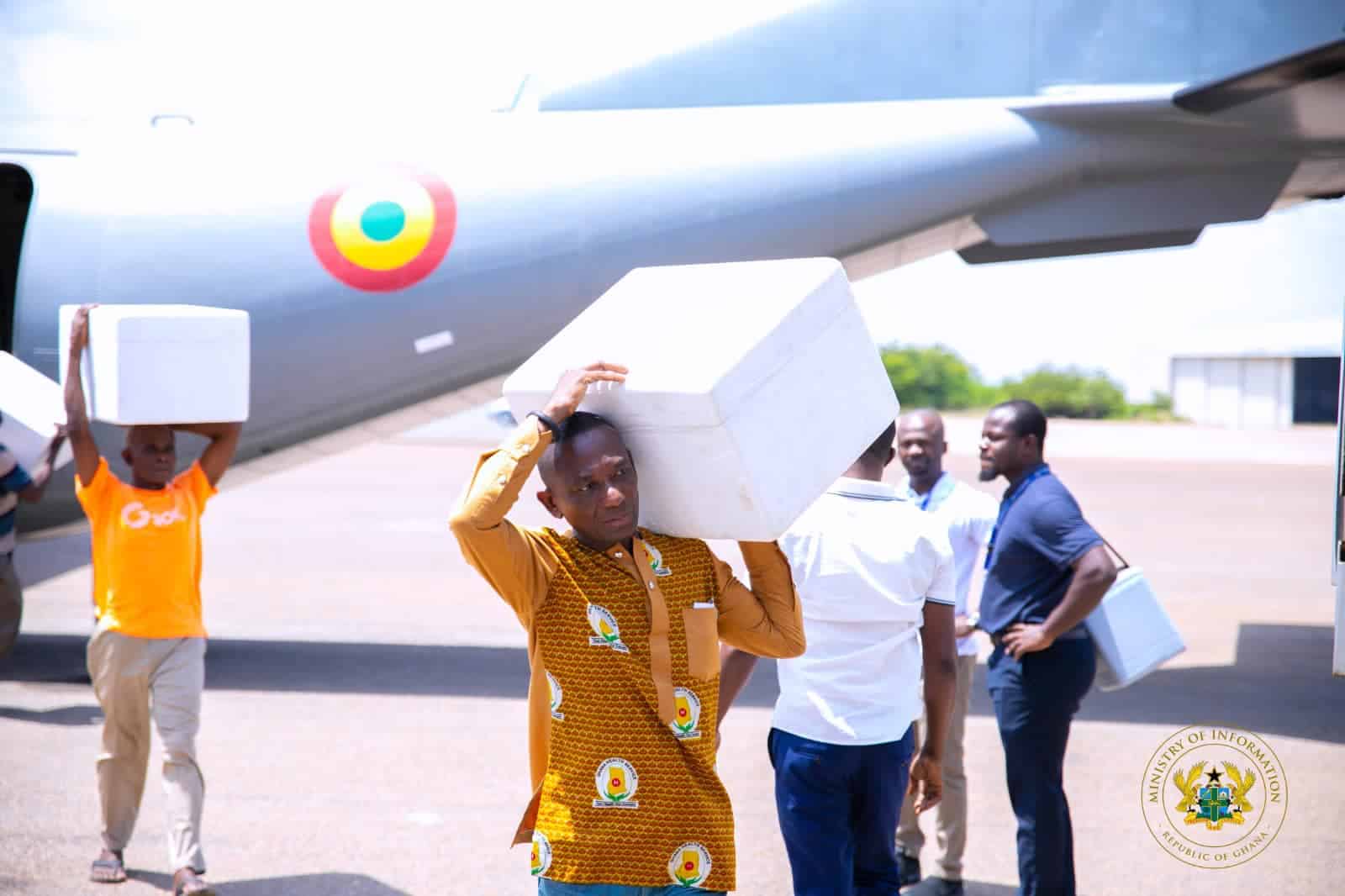
    Hon. Akandoh also addressed concerns regarding vaccine shortages. With vaccine stocks set to run out in the next three months, he revealed that the National Health Insurance Authority has allocated 5 million U.S. dollars to fund the procurement of new vaccines.

    “When I took over office, I realized that the level of the stocks we have for vaccines are very low and we will be running out of stock very soon. So, we have instructed the National Health Insurance to release an amount of about 5 million U.S dollars so that we can start the processes of purchasing new ones so that we don’t completely run out of stock in the country,” said the Minister.

    He emphasized the government’s long-term goal of financing its own vaccine needs by 2030. “By 2030, we will have to take up the full responsibility, so we are taking steps to be able to sustain the supply of these vaccines in the system without the assistance of Gavi or any foreign partner,” he stated.

    The Minister also underscored the role of local vaccine production in achieving this objective, noting that the country is already advancing in this direction with the establishment of the National Vaccines Institute and partnerships with local pharmaceutical companies.

    “So, one of the steps we have taken is to make sure that at least the ones we can manufacture locally we do that. Now, we have the National Vaccines Institute in place and we have other local pharmaceutical players who have also come on board and so we are at the very advanced stage and I think that when we collaborate with them, we may be able to produce some of these vaccines locally,” he added.

    Aichatou Cisse, Senior Country Manager for GAVI, The Vaccine Alliance, reaffirmed the organization’s commitment to supporting Ghana’s vaccine efforts.

    “We are partners, and we can support if we get offers that we need to do so. But it’s the decision of the government and they can come to us for support. Gavi has longer experience in vaccine procurement and working with vaccine manufacturers so we can build a partnership on this, but we will just follow the lead of Ghana,” she said.

    Since 2001, GAVI has played a crucial role in improving immunization access in Ghana, strengthening vaccination programs and enhancing child health outcomes.

    Hon. Akandoh also acknowledged the importance of continued international collaboration, emphasizing that partnerships with organizations like GAVI and the World Bank are essential to achieving Ghana’s health goals.

    He reiterated the need for innovative solutions and resources to meet the country’s evolving healthcare needs, ensuring that all citizens can access quality healthcare services.
  • GHS deploys 300 personnel to administer cholera vaccines in Effutu

    GHS deploys 300 personnel to administer cholera vaccines in Effutu

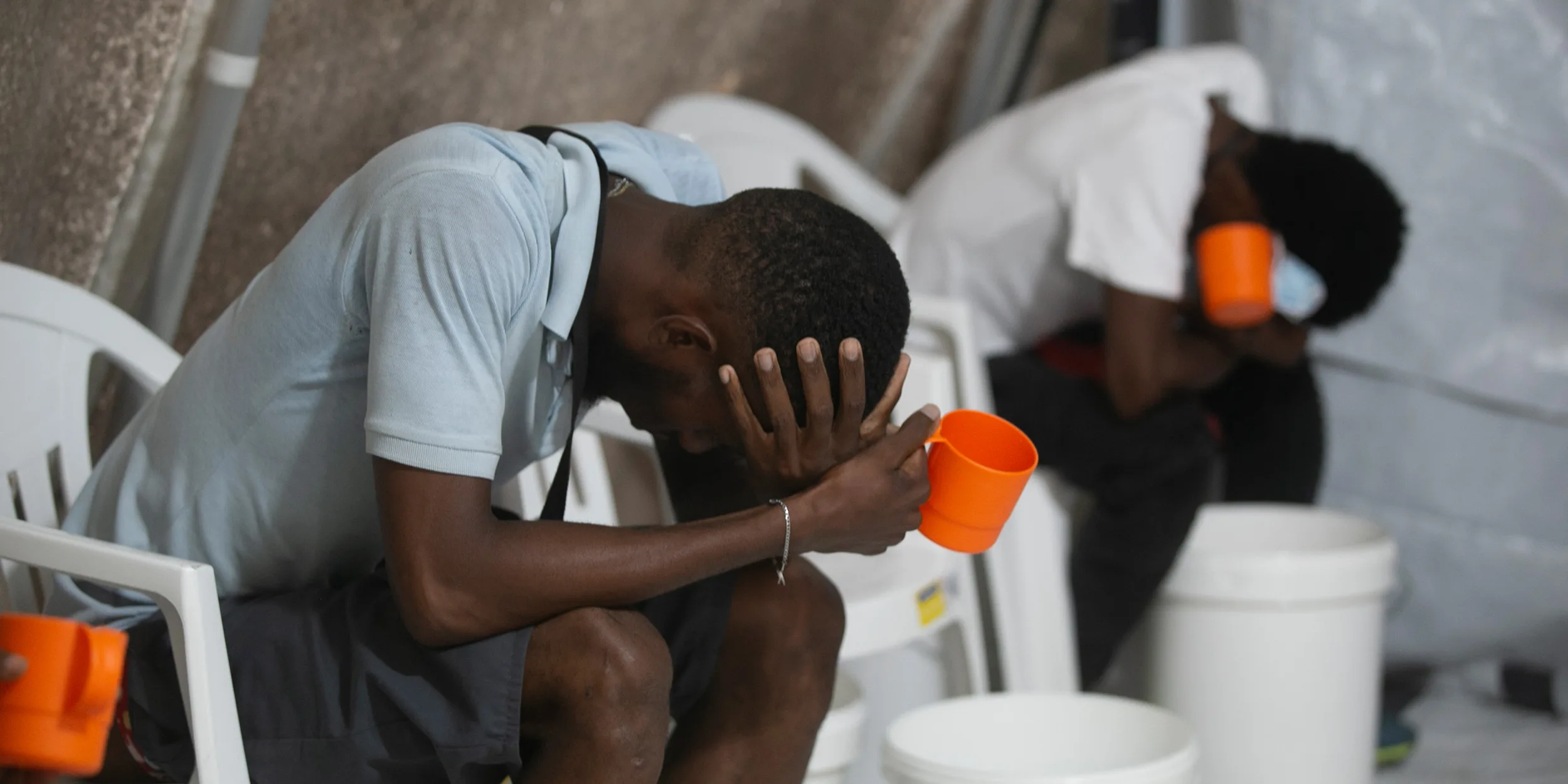
    The Ghana Health Service has assigned 300 health workers to Effutu in the Central Region to launch a cholera vaccination campaign.

    Additionally, 108 trained personnel in Agona Swedru have started administering vaccines, according to the Ghana Health Service.

    Professor Samuel Kaba Akoriyea, Director General of the Ghana Health Service, emphasized that while vaccinations help curb the outbreak, maintaining a clean environment remains crucial in preventing its spread.

    “It is not just about carrying vaccines and moving around, but we also move along doing health promotion. So that people understand it is not just about vaccines. Education is part of it so they know that prevention is better than cure,” he said.

    As part of efforts to sustain disease prevention, Central Regional Minister Ekow Panyi Okyere Eduamoah has introduced a compulsory monthly clean-up exercise across the region, set to begin on March 1, 2025.

    He called on local authorities to enforce sanitation laws and impose penalties on those who disregard the directive.

  • You imposed the vaccines on us, now find solutions to the side effects – Kwesi Pratt fumes

    You imposed the vaccines on us, now find solutions to the side effects – Kwesi Pratt fumes

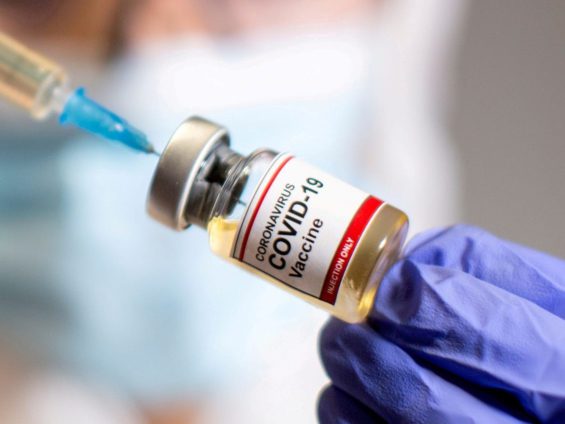
    Managing Editor of the Insight newspaper, Kwesi Pratt Jnr, has voiced criticism against Dr. Patrick Kuma-Aboagye, the Director-General of the Ghana Health Service, regarding his remarks concerning the withdrawal of the AstraZeneca COVID-19 vaccine.

    Pratt argued that the health ministry should prioritise transparency with the Ghanaian populace, clarifying that the vaccine’s withdrawal stems from identified side effects rather than commercial motives.

    He stressed the importance of Dr. Kuma-Aboagye and his team addressing strategies to alleviate the side effects experienced by vaccinated individuals instead of offering unnecessary justifications.

    During an appearance on Peace FM’s Kokrokoo Morning Show, the veteran journalist openly rebuked the health ministry’s handling of the vaccine withdrawal issue.

    “Those of us compelled to get vaccinated now face a medical risk. The ministry should be informing us about countermeasures for the side effects to prevent fatalities.

    The claim that the withdrawal is for commercial, not medical, reasons is unacceptable.

    “A superior vaccine constitutes a medical rationale. They must provide us with credible information, or we will be justifiably upset. They forced the whole population to take the vaccine; now they’re giving us irrelevant explanations,” he fumed.

    These remarks come in response to the Ghana Health Service’s (GHS) explanation for the removal of the AstraZeneca COVID-19 vaccine, citing commercial rather than medical reasons.

    During a press conference held as part of the COVID-19 Vaccination and Child Health Promotion Week/African Vaccination Week Campaign in Accra’s Ga East Municipality, Dr. Kuma-Aboagye clarified that the decision was driven by commercial factors.

    He highlighted the presence of superior vaccines on the market, rendering AstraZeneca non-competitive.

    “They are withdrawing for commercial reasons in the sense that there are superior vaccines on the market, and so if you are in a market and you will not be able to compete, why produce something when others will go for some other brand?” citinewsroom.com reported him as having said:

  • COVID-19 vaccines do not make men impotent and women infertile – Health official

    COVID-19 vaccines do not make men impotent and women infertile – Health official

    The Regional Director of Health Services,Dr. Fred Adomako Boateng, has dismissed rumors suggesting that COVID-19 vaccines could lead to impotence in men and infertility in women, stressing that such claims lack scientific credibility.

    He emphasized the importance of dispelling myths surrounding the vaccines and encouraged those who have not yet been vaccinated to do so.

    Dr. Boateng announced plans to streamline the vaccination process, allowing eligible individuals to receive their shots at any health facility.

    This initiative aims to bolster immunity against COVID-19, particularly with 40% of the targeted population still awaiting full vaccination.

    Expressing concern over the relatively low vaccination rate in the region, Dr. Boateng urged residents to embrace the vaccines and discard misconceptions, emphasizing their life-saving potential.

    He cited data indicating a significant decline in COVID-19 cases from 18 in 2023 to just two in 2024, detected through surveillance efforts.

    The primary goal, Dr. Boateng emphasized, is to encourage unvaccinated individuals to avail themselves of vaccination services at their convenience.

    He cited examples of vaccinated Ghanaians who did not experience the alleged side effects of infertility or impotence, urging others to follow suit.

    Furthermore, Dr. Boateng highlighted the significance of African Vaccination Week, observed annually during the last week of April, in conjunction with World Immunization Week.

    This event aims to prioritize immunization on national and regional agendas through advocacy and collaborative partnerships, facilitating the delivery of vital lifesaving interventions alongside vaccination efforts.

  • Ministers from Zambia receive cholera vaccines

    Ministers from Zambia receive cholera vaccines

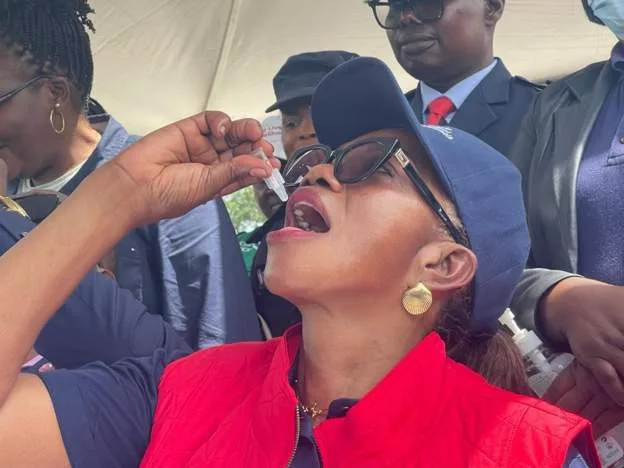
    Four government leaders in Zambia got the cholera shot to help stop the disease from spreading.

    Health Minister Sylvia Masebo and three others got the oral vaccine in George township, Lusaka, because the World Health Organization gave 1. 7 million doses

    Almost 400 people have died from the disease since October.

    “The number of cases is going down steadily, which is a positive sign. ” “Don’t try to help sick people at home, but take them to the hospital,” Ms Masebo said during the vaccination campaign launch. The main focus is on giving the vaccine to people in areas with lots of cholera in Lusaka, which has about three million people.

    In the last day, 23 people died in Lusaka, most of them were children under five years old and old people, according to Ms Masebo.

  • African pharmaceutical companies secure funding for development of new vaccines

    African pharmaceutical companies secure funding for development of new vaccines


    The Bill & Melinda Gates Foundation has awarded a combined sum of $40 million (£32 million) to support the endeavors of two African vaccine manufacturers and a Belgian biotechnology company in the creation of innovative mRNA vaccines.

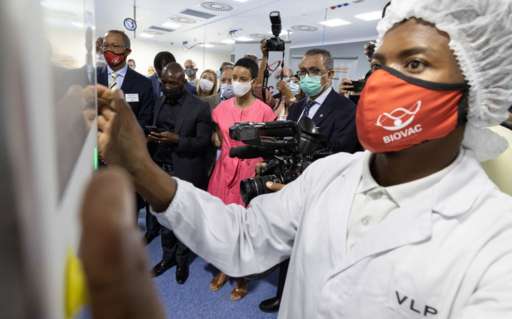
    This initiative encompasses the prestigious Institut Pasteur de Dakar in Senegal and the South African-based biopharmaceutical firm, Biovac.

    Each of these entities will be granted $5 million to procure mRNA vaccine research and manufacturing technology developed by the Belgian company Quantoom Biosciences.

    This technology is designed to enhance the efficiency and cost-effectiveness of mRNA vaccine production.

    Quantoom Biosciences itself has been allotted $20 million to further advance its research and manufacturing technology for vaccines, with the potential to further decrease the production costs of mRNA vaccines.

    The remaining $10 million is expected to be allocated to other vaccine manufacturers.

    As part of this funding arrangement, these organizations will engage in research and development efforts focused on vaccines for global diseases, including those that are prevalent in Africa.

    Dr. Amadou Sall, the Head of Institut Pasteur, has stressed that this funding marks a crucial and essential stride toward achieving vaccine self-sufficiency in the region.

  • Gates Foundation grants $40M for Africa’s access to mRNA vaccines

    Gates Foundation grants $40M for Africa’s access to mRNA vaccines

    The Bill & Melinda Gates Foundation is set to allocate $40 million to support the accessibility of mRNA vaccines for protection against various diseases in Africa.

    This funding will be directed towards a Belgian biotech company, as well as two prominent African vaccine manufacturers.

    Quantoom Biosciences, based in Nivelles, will receive $20 million to advance its work on enhancing the mRNA manufacturing platform, known as Ntensify.

    Simultaneously, the Institut Pasteur de Dakar in Senegal and Biovac in South Africa will each receive $5 million to acquire this technology.

    An additional $10 million will be made available to other vaccine manufacturers interested in utilizing this platform.

    mRNA vaccines played a pivotal role in revolutionizing the global response to the COVID-19 pandemic. However, access to these vaccines was severely unequal.

    In response, various initiatives have emerged to address this imbalance and harness this innovative technology to combat existing threats that disproportionately impact lower-income nations, such as malaria and tuberculosis.

    The World Health Organization initiated its mRNA vaccine technology hub in Cape Town in April of the current year. Notably, Afrigen Biologics, a member of this hub, has already developed Africa’s first mRNA vaccine for COVID-19 in the laboratory.

    Nevertheless, the production of mRNA vaccines remains costly, particularly when scaling up production to meet the demands of testing and deploying safe and effective vaccines.

    Quantoom’s Ntensify platform offers a solution by enabling more cost-effective and efficient production of mRNA batches at scale, as highlighted by a Gates Foundation spokeswoman ahead of the official announcement at the 2023 Grand Challenges Annual Meeting in Dakar on Monday.

    “(This) is an important and necessary step towards vaccine self-reliance in the region,” said Dr Amadou Sall, chief executive of the Institut Pasteur de Dakar.

    Ntensify originally received its funding from the Gates Foundation through its parent company, Univercells, back in 2016.

    Afrigen has already begun utilizing this platform, including its application in the development of vaccines for Rift Valley fever and gonorrhea. Gates and Afrigen have indicated that this platform has the potential to reduce vaccine development costs by half when compared to traditional mRNA technology.

    “The second generation (of mRNA) is to reduce the cost,” said Petro Terblanche, Afrigen’s chief executive, on a phone call from Dakar on Sunday.

  • Ghana borrowed childhood vaccines from Nigeria – Ablakwa alleges

    Ghana borrowed childhood vaccines from Nigeria – Ablakwa alleges

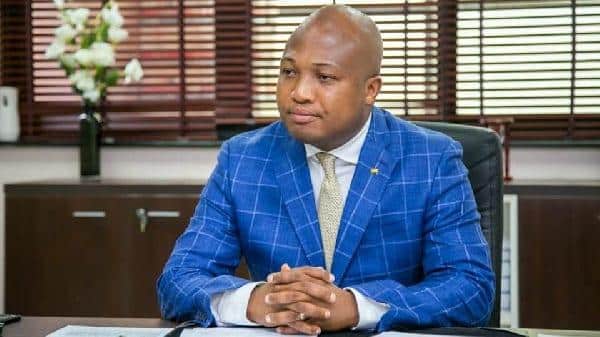
    Member of Parliament for North Tongu, Samuel Okudzeto Ablakwa, has alleged that the vaccines for childhood killer diseases procured by the government were borrowed from Nigeria.

    In a Facebook post on Monday, he noted that the consignment came as “a benevolent gesture which the Ghanaian government has promised to replace when it finally puts its house in order.”

    The Ministry of Health and Ghana Health Service on March 11, 2023, received the first consignment of Measles vaccines, BCG vaccines and Oral Polio Vaccines.

    The source of the vaccines was not disclosed by the Ghana Health Service when it made the announcement over the weekend.

    According to Mr Ablakwa, who believes the government is being secretive, the Akufo-Addo-led government “should not be embarrassed to admit that it reached out to Nigeria and Côte d’Ivoire for urgent bailout on Ghana’s avoidable and indefensible shortage of childhood vaccines.”

    Samuel Okudzeto Ablakwa, MP for North-Tongu

    “There is absolutely nothing wrong saying thank you to a neighbour who exhibits superior public health policies, better prioritization, and who responds positively and swiftly when you come begging.”

    “Ghanaian officials should not be concealing this fact and therefore appearing ungrateful within the comity of nations even though I acknowledge that an honest and transparent narrative from government will further expose false claims by President Akufo-Addo during his Message on the State of the Nation last week that childhood vaccine shortage was a global phenomenon,” he added.

    The North Tongu legislator insists that Ghana’s childhood vaccine crisis could have been prevented if the government had not ignored the World Health Organisation (WHO) stock-out warnings since July last year.

    Since Nigeria was allegedly able to supply Ghana with vaccines, he believes the “global phenomenon” claim by the president is a fabrication.

    “Ghanaians shall not accept fabrications, ineptitude, mediocrity & leadership failure.

    If there was truly a global shortage of childhood vaccines, how did Nigeria (despite their population) have excess supply to bail out Ghana? Why are others not in the same predicament as Ghana?” he quizzed.

    Mr Ablakwa further revealed that the Nigerian vaccines can only last for 6 weeks, hence the need for the government to find a permanent solution.

    Meanwhile, the Ghana Health Service has noted that more vaccines are expected in Ghana in the coming weeks from multiple sources.

    On the other hand, the Ketu South Municipality in the Volta Region has recorded 10 cases of measles.

    Acting Volta Regional Director of Health, Dr Kwasi Senanu Djokoto, made the revelation at a time when the government is working to address the shortage of vaccines.

    Source: The Independent Ghana

  • Vaccines Shortage: Government paid  UNICEF $6.4m for supply of vaccines – Health Minister

    Vaccines Shortage: Government paid UNICEF $6.4m for supply of vaccines – Health Minister

    Minister of Health, Kwaku Agyemang-Manu, has disclosed that funds totaling $6.4 million had been given to UNICEF for the procurement of three essential infant immunizations.

    The Health Minister stated that several crucial shipping and procurement operations are part of the causes for the supply delay when he testified before Parliament on Thursday, March 9, to address concerns about the shortages.

    Taking a question on the amount paid for the vaccines from the Member of Parliament for the Okaikoi North constituency, Theresa Awuni, the Minister disclosed that “we have made payments of about $6.4 million of the Cedi equivalent to UNICEF who supplies us the vaccines.”

    He further disclosed that a large chunk of the funds for the vaccines was disbursed by the National Health Insurance Authority in tranches.

    “I have a template on how these monies were released; the NHIA transferred GH¢25 million in June 2022. We also had another GH¢10.5 million in October, we had GH¢13.1 in November and the last tranche was around GH¢23 million in December. All of these totalled GH¢71.8 million, and we budgeted this amount on the basis of GH¢6 to the dollar, but we are all aware that the Cedi was not trading at that amount, so we had shortfalls in the dollar equivalence and that is what caused the delays.”

    Ghana has been hit with acute childhood vaccine shortages since October 2022 which has left thousands of babies across the country unvaccinated.

    The Minister failed to give a definite timeline for the supply of the vaccines.

  • GHS addresses press on vaccine shortage

    The Ghana Health Service, on behalf of the Health Minister, Kwaku Agyemang-Manu, on Tuesday addressed the press regarding measures taken to address the shortage of vaccines in the country.

    The minister was expected to show up in Parliament today, Tuesday, March 7 as well as Tuesday, February 28 but failed to show up.

    The Minority in Parliament have described his absence as unacceptable as the health of Ghanaian children is compromised.

  • Vaccine shortage: Health Minister ordered to appear before Parliament in the next 2 hours

    The Select Committee on Health of Parliament has given the Minister of Health, Kwaku Agyeman Manu, two hours to come before it and inform lawmakers of the lack of necessary vaccines.

    This morning, the committee was scheduled to meet with the Minister and representatives from the Health Ministry.

    But, despite sitting and waiting for hours, none of the invited officials appeared.

    Mohamed Muntaka Mubarak, a committee member, said the Minister’s actions were regrettable and insulting.

    Hospitals have had a hard time getting measles, polio, and tuberculosis vaccines.

    The situation has not improved despite the Ghana Health Service’s pledges that it will make every attempt to supply immunizations.

    Furthermore anticipated attendees include representatives from the Ghana Health Service, the Vaccine Control Programme, the Ministry of Finance, the National Health Insurance Authority, and the Global Fund.

    There has been a shortage of vaccines in the Northern Region and other areas of the nation for a number of months, and a solution has not been found.

    Experts have cautioned that if quick action is not done to obtain vaccinations for child immunization, Ghana risked seeing an outbreak of pediatric diseases.

    The Paediatric Society of Ghana for example added to this caution on the back of reports of vaccine shortages nationwide.

    According to the Paediatric Society of Ghana, the reports are just the tip of the iceberg since more facilities are recording an outbreak of measles.

    120 cases of measles were recorded in the Northern Region by end of December 2022 due to the shortage of essential vaccines.

    The Ghana Health Service (GHS) has acknowledged the vaccine shortages and attributed the situation to the free fall of the cedi against major trading currencies, especially the dollar.

    Source: The Independent Ghana

  • Some mothers beseech GHS for measles vaccines

    Some mothers beseech GHS for measles vaccines

    In the Sagnerigu municipality, some mothers have beseeched the Ghana Health Service (GHS) to supply measles vaccines and other vaccines as part of the expanded immunization campaign.

    According to the mothers, for over a month now, each time they visit the health centre for weighing, they are told there are no vaccines.

    One of the mothers told Citi News “we are scared because of the measles outbreak in the region. All attempts to get our children vaccinated have failed. We really need the vaccines to be made available. The lives of our children are at risk.”

    The Northern Region is currently facing a measles outbreak that started in October last year.

    The Acting Northern Regional Director of Health, Braimah Baba Abubakari has however denied reports of vaccine shortage in the region.

    Citi News checks at health facilities in Savelugu, Tamale, and Sagnerigu confirmed the non-availability of vaccines.

  • COVID-19: GHS records low turnout for vaccination exercise

    COVID-19: GHS records low turnout for vaccination exercise

    Following the announcement of the 6th National COVID-19 Vaccination Days, the Ghana Health Service (GHS) reports that it has barely reached 10% of its target.

    The Service designated January 20, 2023, through January 24, 2023, as immunization days due to an increase in COVID-19 infections in some countries, notably China.

    The service regrets that the attendance has not been very spectacular.

    However, Dr. Kwame Amponsa-Achiano, the Service’s programme manager for the Expanded Programme on Immunization, expressed optimism that turnout will increase in an interview with Citi News.

    “So far, it’s been fine, not exactly as we expected, but at least it made some inroads. We are happy that some people are taking some vaccines. It’s early days yet, we have data for only day one… If you look at data for day one, we are doing about 10% of our target.”

    “That is data from only thirteen regions, we haven’t had the reports from the other three regions yet, so we are still expecting,” Dr. Kwame Amponsa-Achiano stated.

  • Covid-19: $81m paid vaccines yet to be delivered – Auditor-General’s report 

    Covid-19: $81m paid vaccines yet to be delivered – Auditor-General’s report 

    The Auditor-General of Ghana, has in its recent report revealed that the government spent a colossal amount of $81 million on COVID-19 vaccines but failed to have them delivered.

    The African Vaccine Acquisition Trust (AVAT) and the United Nations Children’s Fund (UNICEF) received over $120 million in government funding, but only $38
    million of that was really delivered, according to the A-G.

    The Chief Director of the Health Ministry has been advised by the Auditor-General to renegotiate and pay the remaining balance.

    According to the A-G, this needs to be rectified with immediate effect in order to guarantee that the state gets its money back.

    “We noted that the Ministry of Health on behalf of the government of Ghana paid an amount of $120,192,379.80 to UNICEF/AVAT for the supply of vaccines.

    “However, 5,109,600.00 doses of vaccines valued at $38,322,000.00 were supplied to the National Cold Room leaving a difference of US$81,870,379.00 with UNICEF/ AVAT.

    “We recommend that the Chief Director of the Ministry of Health should renegotiate with UNICEF/AVAT recover the outstanding amount,” the report read.

    Again, the Auditor-General’s report discovered that only 25% (or $5.5) of the US$2.5 billion in funds raised for the fight against Covid-19 were allocated for health.

    The remaining funds, per the report, were used for government initiatives like LEAP and Free SHS, among others.

  • African continent finally to receive 1st monkeypox vaccines

     Africa’s leading public health organization in South Korea will donate the first round of monkeypox vaccines to the continent.

    The Africa Centers for Disease Control and Prevention said Thursday the 50,000 doses will be used first for health workers and people living in the hardest-hit areas. No timing was given for the doses’ arrival.

    The continent this year has recorded 202 deaths from monkeypox — formerly known as monkeypox — with a fatality rate of 19.3% across 13 countries, yet African health authorities for months have pursued vaccines mostly in vain as major outbreaks were reported in rich, Western countries for the first time.

    Acting CDC director Ahmed Ogwell noted 51 new monkeypox cases in Congo in the past week and said Ghana and Nigeria are the other most affected countries.


    Source: African News

  • COVID boosters: Vaccine available for over-50s as online bookings for NHS flu jabs trialled for first time

    After the success of the National Booking Service during COVID, the NHS in England is exploring whether people can schedule their flu vaccinations online.

    For 12 million individuals aged 50 to 64, reservations for the autumn COVID booster shot will be available on Friday.

    Appointments will be available to book online or by phone after the successful trial of the National Booking Service during the COVID vaccination program. Those who are unable to get online will be given alternative ways to book.

    The service is also testing whether flu jabs can be booked in a similar way, with people at 200 sites across the country offered the chance to book this way.

    People can still book flu vaccinations through their GP practice or by visiting a pharmacy delivering the jabs.

    Around 33 million people in England will be eligible for a flu vaccine this year, including some children who will be given the flu nasal spray.

    Since the COVID booster programme began a month ago, seven million people have come forward for their vaccine.

    Some 26 million people are eligible for the COVID booster and people have been urged to get the jab amid a warning of a potential twindemic of flu and COVID.

    Amanda Pritchard, chief executive of NHS England, said “the rollout is off to a flying start”, adding that it is vital to get protected against COVID and flu in what could be an “extremely challenging winter for the NHS”.

    Steve Russell, director for vaccinations and screening, said more than seven million autumn COVID boosters have been administered so far.

    He is urging people between the ages of 50 and 64 to log on and book an appointment.

    Dr Susan Hopkins, the chief medical adviser at the UK Health Security Agency, said: “The double threat of widely circulating flu and COVID this year is a real concern, so it’s crucial that you take up the free flu vaccine as soon as possible if you are offered it.

    “It will help protect you from severe flu this winter, and even save your life.

    “All those over 50 are now eligible for the jab, many of which will have low natural immunity due to COVID restrictions over the last two years.”


  • Polio virus in sewage : Booster vaccines recommended for children

    In response to the poliovirus being found in sewage in the British capital, health officials on Wednesday announced that children residing in London will be given an additional dosage of the polio vaccine.

    A targeted inactivated polio vaccine booster dose should be given to all kids in all London boroughs between the ages of 1 and 9, according to the UK Joint Committee on Vaccination and Immunization.

    “This will ensure a high level of protection from paralysis and help reduce further spread of the virus,” the UK Health Security Agency (UKHSA) said in a statement announcing the move.
    Around 1 million children of that age live in the London region, according to the most recent data from the UK Office for National Statistics.
    The UKHSA said a total of 116 virus isolates were identified in 19 sewage samples collected in London between February and July.
    While most of the samples contained a vaccine-like virus, some showed “sufficient mutations to be classified as vaccine-derived poliovirus.” The UKHSA said this was more concerning as such virus behaves more similarly to “wild polio and may, on rare occasions, lead to cases of paralysis in unvaccinated individuals.”
    The authorities stressed the vaccination drive is a precautionary measure.
    “No cases of polio have been reported and for the majority of the population, who are fully vaccinated, the risk is low. But we know the areas in London where the poliovirus is being transmitted have some of the lowest vaccination rates,” Dr. Vanessa Saliba, a consultant epidemiologist at UKHSA said.

    Vaccines are key as there’s no cure for polio

    Polio is caused by an enterovirus called the poliovirus. It was one of the world’s most feared diseases until Dr. Jonas Salk invented the polio vaccine and tested its safety in 1954.
    By 1988, reported cases of polio worldwide reached a peak of 350,000, according to the World Health Organization.
    About 1 in 4 infected people have flu-like symptoms including sore throat, fever, tiredness, nausea, headache, and stomach pain. As many as 1 in 200 will develop more serious symptoms that include tingling and numbness in the legs, an infection of the brain or spinal cord, and paralysis, according to the US
    Centers for Disease Control and Prevention.
    There is no cure for polio. Treatment to address symptoms may include medication to relax muscles and heat and physical therapy to stimulate muscles.
    However, any paralysis caused by polio is permanent.

    New York adult diagnosed with polio, first US case in nearly a decade

    New York adult diagnosed with polio, first US case in nearly a decade
    The last case of polio in the UK was in 1984, according to the UKHSA statement.
    “Decades ago before we introduced the polio vaccination program around 8,000 people would develop paralysis every year,” Saliba added.
    There are three strains of the virus, two of which have been eliminated in the world, according to the Global Polio Eradication Initiative, a WHO program. One type of wild poliovirus still circulates in Pakistan and Afghanistan. Transmission can also occur when not enough children are vaccinated in an area.
    Last month, a person from Rockland County, New York, was been diagnosed with polio, the first case identified in the United States in nearly a decade. The unvaccinated young adult began experiencing weakness and paralysis, county Health Commissioner Dr. Patricia Schnabel Ruppert said at the time.

    (more…)

  • Ghana amongst 2 African countries to gain further access to malaria jab

    The WHO and Gavi, the Vaccine Alliance, have invited developing countries like Ghana, Kenya and Malawi to apply for funding to access the RTS,S malaria vaccine.

    International support worth $160m (£133m) from 2022 to 2025 will be made available to Ghana and the aforementioned countries, which piloted the jab in 2019.

    Other countries which are affected by malaria can apply for the funding from September.

    It is thought one child dies from malaria each minute in Africa.

    The WHO recommended the widespread use of the RTS,S vaccine in October 2021, which has led to more countries expressing an interest in it.

    But the jab only provides 30% protection.

    To date, about 1.3 million children have received at least one of the required four doses of the vaccine since it was piloted in 2019.

    However, the supply remains limited in the continent.

    Africa needs at least 80 to 100 million doses annually, according to the WHO.

    The manufacturer GSK says it can only produce about 15 million doses every year until 2028.

    “Lives are at stake, every day,” said Dr Matshidiso Moeti from the WHO.

    Source: BBC

  • Egypt to provide 30m Covid jabs to African states

    The President of Egypt has promised to provide 30 million doses of coronavirus vaccine to African countries, in coordination with the African Union.

    Abdul Fattah al-Sisi made the announcement at the first pan-African health conference, which is being held in the Egyptian capital, Cairo.

    Around 400 health officials, along with medical companies working in more than 100 countries, are attending the event.

    President Sisi said that although Egypt had limited resources like other African countries, it was ready to cooperate with them all.

    Uganda Covid cases on the rise again

    Uganda’s health minister says the country’s Covid-19 cases have risen to levels last witnessed in June 2021 when the Delta variant was prevalent.

    In a tweet, Minister Jane Aceng did not reveal the latest figures on confirmed cases, but said the country was “well prepared to respond and save lives than before”.

    She also ruled out travel restrictions or lockdowns in any parts of the country under the current circumstances.

    “We will optimise the existing control and mitigation tools at personal and community levels.

    “These measures include: vaccination for all individuals, wearing of face masks at all times especially for the vulnerable population and hand washing,” she said.

    Uganda fully reopened the economy in January after imposing one of the world’s strictest lockdowns during the pandemic, which saw schools remain closed for almost two years.

    Source: BBC