Tag: Volta River Authority

  • Akosombo Dam spillage was inevitable – Ex VRA CEO

    Akosombo Dam spillage was inevitable – Ex VRA CEO

    Former Chief Executive Officer (CEO) of the Volta River Authority (VRA), Ing. Kirk Koffi, has noted that the devastating effects of the Akosombo Dam spillage cannot be blamed on any individual or group.

    Speaking to the media on Wednesday, May 21, he stated that the spillage was necessary to prevent disaster and not as a result of negligence.

    “No, no, it all depends… direct rainfall can impact what it comes from anywhere. It’s just a result of the inflow. You cannot hold them responsible because they would have died anyway.”

    According to him, the Volta River Authority (VRA) had to spill excess water to prevent damage to the Dam as well as ensure safety.

    “By September 2023, when we were to see a downward trend in the inflow, it picked up, which was an indication, and they had to spill a little bit more. Those who run the facility don’t bridge the dam; if you do, everybody downstream will go, and you will not save anybody. That is, if the water overflows. 2023 was an unusual year,” he explained.

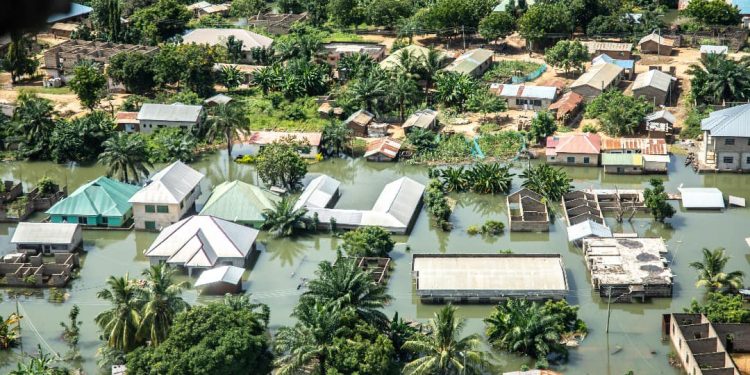
    The flood, caused the spillage, which began mid-September 2023 and lasted over six weeks, displaced approximately 38,624 residents and wreaked havoc on properties, schools, health centres and farmlands in communities such as North, Central and South Tongu, Ada, and Kpong.

    Nearly 1,247 homes, 94 schools, and 17 health facilities were destroyed, while agricultural losses were estimated at $78 million.

    The five-member committee, inaugurated by President John Dramani Mahama, spent two months investigating the causes and response to the spillage and submitted its 110-page report to the Minister for Energy and Green Transition, John Abdulai Jinapor, on May 7.

    While the committee acknowledged that the primary cause of the spillage was to protect the dam from destruction, it strongly criticized the weak emergency response mechanisms that followed.

    It noted that the VRA’s Emergency Preparedness Plan (EPP), though technical and shared with stakeholders, suffered setbacks.

    “While VRA had socialised the document with all stakeholders and conducted a simulation exercise for some selected communities before the spill, high turnout and divisions amongst some District Chief Executives (DCEs)/Metropolitan Chief Executives (MCEs) and Members of Parliament (MPs) could have derailed clear communication lines for implementing the plan and distribution of relief items,” the report noted.

    Central to the committee’s findings was the failure of effective coordination among key agencies. Moreover, the response from government institutions revealed worrying gaps.

    “While there were efforts to provide immediate assistance, gaps in communication, resource allocation, and community engagement were identified,” the committee reported. It added that “operational challenges, such as a lack of local disaster preparedness plans and inadequate evacuation resources, hampered the emergency response process.”

    According to the report, other challenges included failed resettlement attempts, cultural resistance, and lack of consultation. 

    “The people lament that their opinions were not sought in selecting the sites for the resettlement, and therefore, have refused to relocate and are requesting that the resettlement project be halted as the objective is not served,” the report said.


  • Danger looms over Barekese Dam as encroachers destroy 80% of forest cover

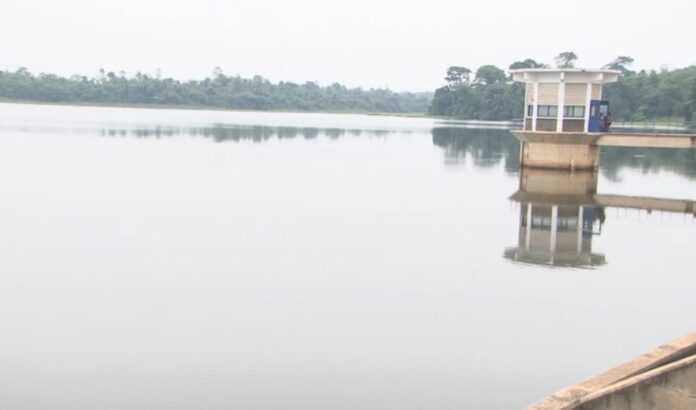
    Danger looms over Barekese Dam as encroachers destroy 80% of forest cover


    Officials from the Ghana Water Company have observed that eighty percent of the forest cover protecting the Barekese Dam has been destroyed, leaving the reservoir vulnerable to evaporation.

    Encroachment onto the dam’s buffer zone is escalating beyond control, resulting in disruptions to water distribution for eighty percent of Kumasi residents who rely on piped water from the dam.

    Ashanti Regional Chief Manager overseeing production, Dr. Hanson Mensah-Akutteh, highlighted the drastic reduction in the dam’s water volume due to farming activities and encroachment. This situation is already causing frequent water shortages in areas like Asokwa and Kwadaso.

    “The forest cover that is supposed to protect the catchment area has been reduced by 80 percent. In other words, almost all the trees are gone, and the cover has turned into a bare land where farming activities are ongoing”, Ashanti Regional Chief Manager in-charge of Production, Dr Hanson Mensah-Akutteh said.

    The dam’s siltation has also halved its original water capacity, posing a severe threat to water availability in Kumasi.

    Urgent action is needed to remove encroachers and protect the buffer zones.

    Efforts to reforest the buffer zones are being hampered by farmers clearing land for agriculture.

    The Ghana Water Company Limited is seeking support from local chiefs and the District Assembly to enforce laws against encroachment.

    Nana Kusi Obuodom of Barekese emphasized the importance of enforcing laws to prevent encroachment on buffer zones.

    Experts stress the necessity of maintaining forested riverbanks to prevent siltation and shrinkage. However, with ongoing encroachment on the Barekese dam buffer zone, the risk of water scarcity for Kumasi residents looms large.

  • VRA allegedly engaged in corrupt activities worth $52m dollars in 2022

    VRA allegedly engaged in corrupt activities worth $52m dollars in 2022

    Volta River Authority (VRA) was allegedly engaged in corrupt activities worth $52m dollars in September 2022, under the leadership of CEO Emmanuel Darkwa, according to a report by Ghana Crimes.

    The X user, Ghana Crimes, in a post on indicated that VRA submitted a formal request to the Public Procurement Authority (PPA) during the specified month, detailing their intention to procure specific equipment through a sole-source tender. 

    Ghana’s procurement regulations explicitly state that when a state institution, such as VRA, seeks approval for a sole-source contract award from the PPA, they are prohibited from including any additional third-party companies beyond those initially presented to the Public Procurement Authority.

    Notably, the request explicitly named a particular company with which VRA purportedly intended to engage in the procurement process.

    However, the situation took an unexpected turn when the approved procurement from the PPA revealed discrepancies.

    Contrary to the details presented in VRA’s request, it was disclosed that the specified company was not the exclusive entity with which VRA conducted business.

    This apparent deviation from the initial request raises serious concerns, as it constitutes a clear violation of Ghana’s procurement laws.

    “In September 2022, VRA, led by CEO Emmanuel Darkwa, submitted a request to the Public Procurement Authority, expressing their intention to acquire certain equipment through a sole-source tender, specifying the particular company with which they planned to engage. However, contrary to what was stated in their request, the approved procurement from the PPA revealed that the mentioned company wasn’t the sole entity with which VRA conducted business,” it stated.

    Adding complexity to this revelation is the fact that VRA, the entity in direct communication with the PPA, allegedly failed to reach out to the manufacturer explicitly mentioned in their initial letter as the intended partner for the procurement.

    The disclosed contract amount for this transaction is a substantial $52 million, further amplifying the gravity of the situation.

    “This is a clear violation to Ghana’s procurement laws which suggests that when a state institution writes to PPA to seek for approval for a sole source contracts award, they do not add up any other third party company to what has already been presented to the Public Procurement Authority. What makes this disclosure intriguing is that VRA, the entity that communicated with the PPA, did not reach out to the manufacturer explicitly mentioned in their letter as their intended partner. The contract amount stood at $52 million,” it added.

  • VRA reports drastic reduction in water level at Akosombo Dam spillage

    VRA reports drastic reduction in water level at Akosombo Dam spillage

    The Volta River Authority (VRA) has reported a significant reduction in the water inflow into the Akosombo dam.

    The VRA noted that the water level had reached a lower level as of Friday, October 27, mainly due to the closure of the gate and a reduction in the amount of water being spilled.

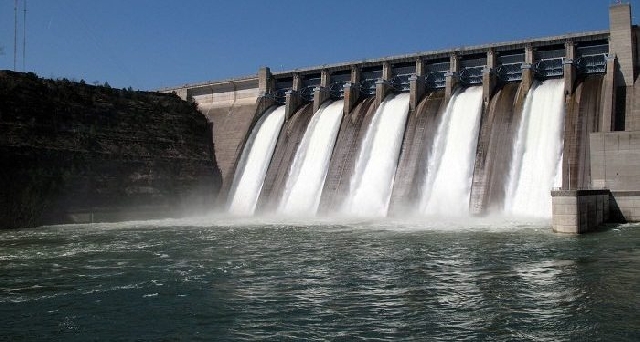
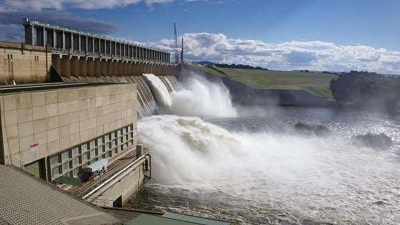
    Controlled water spillage from the Akosombo and Kpong Dams commenced on September 15, 2023, owing to a consistent increase in the inflow pattern and water level of the Akosombo reservoir.

    This inundation has affected thousands of residents in areas such as South Tongu, North Tongu, Central Tongu, Asuogyaman, and various other locations.

    During an interview with the the Deputy Chief Executive Officer of VRA, Ing. Edward Obeng-Kenzo, explained, “We started closing the gate and reducing the amount of water that we are spilling. That’s why the waters in the communities are receding back into the riverbanks. As of today, we have spilled about 20,000 volumes of water. The level is about 277.06, as of 12:00 PM today. The water level has reduced drastically; the level has been dropping over the period of time.

    He also mentioned a decrease in water levels and assured readiness to address any unexpected developments, saying, “If there are any surprises, we are sure we can contain them at the level we are at now. We are still observing in case there are any surprises”.

    https://www.youtube.com/watch?v=J01WGRGvHCs
  • Akosombo Dam Spillage: VRA supports victims with GHS10m

    Akosombo Dam Spillage: VRA supports victims with GHS10m

    The Volta River Authority (VRA) has taken a significant step to alleviate the challenges faced by individuals affected by the spillage from the Akosombo Dam.

    The VRA has pledged an initial GHS10 million to provide support in collaboration with the National Disaster Management Organization (NADMO).

    The assistance includes various relief items such as rice, cartons of mackerel, cooking oil, tomato paste, soft drinks, biscuits, powdered milk, mosquito coils, palm oil, toilet rolls, beans, gari, groundnut, and sachet water.

    In addition to relief items, the organizations has supplied medical items and personnel to address emerging health issues and provide medical treatment.

    To facilitate the transportation of people and goods, buses and pickups have been made available, and tankers have been deployed to ensure a consistent supply of water to those affected by the spillage. This coordinated effort is aimed at providing essential relief and support to the affected communities.

    A statement by VRA noted that the damaged water supply system in the North Tongu district has been successfully restored.

    The areas affected by the spillage from the Akosombo Dam include North Tongu, Central Tongu, South Tongu, Asuogyaman, Shail Osudoku, Anlo, Keta Municipal, Keta South Municipal, and Ada East. This significant event has impacted the lives of more than 26,000 individuals.

    The government has pledged to provide additional support to the victims to help them recover from the effects of the spillage and regain their stability.

  • VRA refutes accusation of placing blame on Ghana Meteorological Agency over flooding situation

    VRA refutes accusation of placing blame on Ghana Meteorological Agency over flooding situation

    The Volta River Authority (VRA) has explicitly stated that it never attributed the regrettable flooding that resulted from the release of water from the Akosombo and Kpong Dams to the Ghana Meteorological Agency (GMA).

    Deputy Chief Executive for Engineering and Operations, Edward Obeng-Kenzo, emphasized that the VRA has been collaborating with and depending on GMA’s data for the past six decades.

    “We can never ever blame GMA. It’s never possible. As I’ve always been saying, for the past 60 plus years we’ll be working with Ghana Meteorological Agency, they tell us how the rains will come how the weather will behave, and allows us to predict and project the water level,” he said.

    He said the GMA predicted more rains from August onwards and “that is what we are seeing and we also adjusted upon the data that is given so we can never blame them for it.”

    On September 15, 2023, the Volta River Authority began a controlled release of water from the Akosombo and Kpong Dams. This release was necessary because to the high amounts of rainfall in the Volta river catchment area, which caused the dam’s water levels to rise quickly.

    The VRA said that the overflowing was required to stop the dam from overtopping and to keep it from collapsing after it exceeded its 276-foot normal operational level.

    Communities downstream in the North, Central, and South Tongu districts were impacted by the leak.

    The National Disaster Management organization, the municipal and district assemblies, and the downstream villages were informed in accordance with the VRA disaster preparedness plan, and the officials were instructed to monitor the situation.

  • Tema and its environs cannot be saved should Akosombo Dam exceed its operational level – VRA

    Tema and its environs cannot be saved should Akosombo Dam exceed its operational level – VRA

    The Volta River Authority (VRA) has cautioned that if the water level of the Akosombo Dam surpasses its operational capacity, it could result in catastrophic consequences, with no lives or structures spared.

    To prevent any unforeseen disaster, the VRA has indicated that it might be necessary to continue releasing water from the dam if the water level continues to rise.

    Speaking to the media, Deputy Chief Executive of the VRA, Edward Obeng Kenzo, disclosed that the current water level of the dam stands at 277.26 feet, while its maximum operational level is 277.5 feet.

    Going beyond this operational level could jeopardize the dam’s integrity, potentially leading to a massive release of water that could engulf areas along the Volta River, causing extensive damage and loss of life.

    “We don’t want to spill any additional volume of water. We are tracking and with the data, we believe that we may not spill any volume of water. But if there should be any unexpected heavy rains into the dam, we’ll be compelled to spill. Where we are now, we are around 277.26 feet of water behind the dam. The dam’s operational level is 276, the maximum allowable operational level of the dam is 277.5 feet.”

    “So we are left with only about 0.24 feet to get to that maximum operational level of the dam. So any level beyond this, we are putting the dam’s integrity at risk. If the dam should break, the volume of water that will come out of the dam – all those along the banks of the river, all the way to somewhere around Tema will be wiped into the sea. No human being will be saved, no structure will be saved, nothing will be saved,” Mr Kenzo said.

    Mr. Kenzo emphasized that the VRA intends to avoid spilling additional water from the dam, and no such plans are in place for the coming days. However, he stressed the critical importance of staying below the operational level to prevent a dam breach.

    The controlled water spillage from the Akosombo and Kpong Dams commenced on September 15, 2023, due to a consistent rise in the inflow pattern and water level of the Akosombo reservoir.

    This has resulted in numerous homes in areas like South Tongu, North Tongu, Central Tongu, Asuogyaman, and other regions being submerged due to the spillage.

    This has resulted in numerous homes in areas like South Tongu, North Tongu, Central Tongu, Asuogyaman, and other regions being submerged due to the spillage.

  • Bagre Dam spillage in Burkina Faso sparks White Volta flood concerns

    Bagre Dam spillage in Burkina Faso sparks White Volta flood concerns

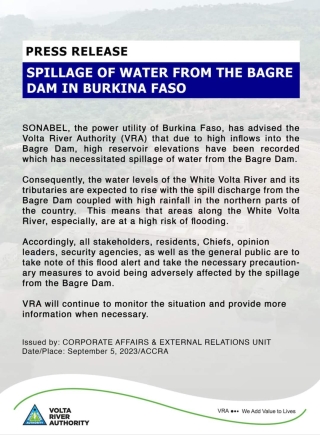
    SONABEL, Burkina Faso’s power utility, has issued a critical alert to the Volta River Authority (VRA) regarding ongoing water release from the Bagre Dam.

    This release is due to high water inflow, causing the dam’s reservoir levels to rise.

    To prevent potential dam overtopping and damage, excess water is being discharged from the Bagre Dam.

    As a result, the White Volta River and its downstream tributaries will experience a significant rise in water levels, exacerbated by heavy rainfall in northern Burkina Faso.

    Communities along the White Volta River now face an increased flood risk due to the dam’s release and adverse weather conditions.

    Given these concerns, SONABEL, the VRA, and local authorities strongly urge all stakeholders, including residents, community leaders, security agencies, and the general public, to maintain a high level of vigilance and take necessary precautions to protect lives and property.

    It is crucial for affected communities to stay informed about the developing situation and adhere to any guidance or directives issued by local authorities. Preparedness and swift responses can help reduce the consequences of flooding and ensure the safety of those in vulnerable areas.

    The Volta River Authority (VRA) has affirmed in a statement that they will closely monitor the situation and provide updates and additional information as necessary to ensure the well-being and safety of all concerned.

    This announcement serves as a reminder of the persistent challenges presented by seasonal floods in the West African region and underscores the significance of coordinated efforts to manage and mitigate the effects of such natural occurrences.

  • Government engages IPPs for energy sector debt relief

    Government engages IPPs for energy sector debt relief

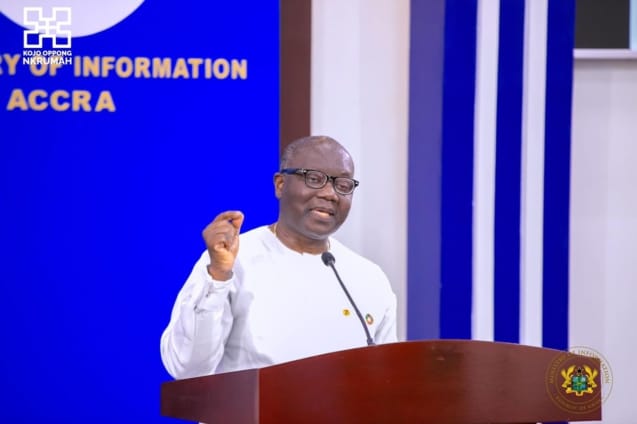
    The Minister of Finance, Ken Ofori-Atta, during the Mid-year budget review in Parliament, disclosed that the government is actively engaging with the Independent Power Producers (IPPs) to tackle the issue of debt relief in the energy sector.

    He emphasized the significance of resolving the challenge posed by IPP power payments, which has been affecting the economy.

    To address the impact of excess capacity on the economy, the government is working in collaboration with IPPs.

    One of the measures taken is restructuring the accrued outstanding balances and clearing arrears in the sector.

    Moreover, efforts have been made to reduce excess capacity commitments by renegotiating the Gas Sales Agreement between the Volta River Authority (VRA) and N-Gas.

    In the realm of alternative energy, the government is making progress towards establishing Ghana’s first nuclear power plant.

    Vendor companies and countries have been shortlisted for this development, and the goal is to identify an economically resilient nuclear power technology that will serve as a clean energy source for the nation.

    To alleviate the financial burden on the energy sector and ensure sustainable revenue collection, Mr. Ofori-Atta called for a collective effort to assist the Electricity Company of Ghana in its revenue collection exercise.

    The implementation of the Cash Waterfall Mechanism (CWM) and Natural Gas clearing has contributed to the equitable distribution of revenues in the sector.

    Looking ahead, the Minister emphasized the ongoing reforms of the CWM to ensure mandatory compliance, which will facilitate consistent cash flow to the IPPs and promote the stability of the energy sector.

  • 13 second-cycle schools in Eastern region receive 1000 books from GITFiC, VRA

    13 second-cycle schools in Eastern region receive 1000 books from GITFiC, VRA

    As part of its 60th anniversary celebration, the Volta River Authority (VRA) has initiated an educational program in selected schools in the Eastern Region.

    The programme, which is in collaboration with the Ghana International Trade and Finance Conference (GITFIC) is to educate students on the African Continental Free Trade Area(AfCFTA).

    To actualise their intentions, they have also distributed 1,000 books on AfCFTA to those educational institutions.

    A statement signed by Selasi Koffi Ackom, Chief Executive Officer of GITFiC and copied to the Ghana News Agency in Accra said the collaboration was to enhance the performance of students before they got to the tertiary level.

    The statement mentioned beneficiary schools as Adgyena Senior High Technical Schools, Anum Presby Senior High School, Akwamuman Senior High School, Boso Senior High School, Apeguso Senior High School, Krobo Girls Senior High School, Akro Senior High Technical School, Akuse Methodist Senior High Technical School and Manya Krobo Senior High School.

    The rest are Yilo Krobo Senior High School, Klo-Agogo Senior High School, Asesewa Senior High School and Akosombo International School.

    It said the sensitization and distribution were facilitated by a joint delegation including; Mr. Paul Seniagya (Director of Finance – VRA), Madam Tandy Chothia (Manager, Corporate Communications and Branding – VRA), Mr. Samuel Tettey (Director, Ghana Education Service – Lower Manya Krobo Municipality), Mr. Gerald Ekow Woode (Director, Research, Policy and Advocacy – GITFiC) among other dignitaries.

    The statement said the books would be kept in the libraries of each school for rotational reading by all students.

    “GITFiC remains steadfast in the pursuit of this endeavor as a supporting mechanism to the AfCFTA.”

  • Prioritise creativity and innovation to ensure business sustainability – VRA

    Prioritise creativity and innovation to ensure business sustainability – VRA

    .

    The Volta River Authority (VRA) has made it clear that companies must institutionalize creativity and innovation to ensure business sustainability

    At a Roundtable Panel discussion in Accra, on creativity and innovation as part of activities towards the 62nd anniversary of the VRA, the Chief Executive of Authority Emmanuel Antwi-Darkwa said the Authority has been traditional in the way it operates, therefore adjusting to new trends is critical in a rapidly competitive energy market.

    For decades, the VRA was the sole producer of electricity for the country.

    Presently, it has about 14 competitors who are also generating power.

    The competition continues to pose an existential threat to the Authority.

    For it to remain the market leader, Mr Antwi-Darkwa said the power producer cannot continue business as usual.

    He urged the workers to remind themselves of the overarching objective of sustaining operations and this can only happen when they all embrace new ways of doing things.

    “The world has changed and we also have to change. We have been traditional in the way we do things, COVID-19 has taught us a lot of things and we need to adapt to need trends.”Mr. Antwi-Darkwa stated.

    He emphasised the importance to leverage on the data that is generated in the Authority’s operations to enhance its relations with stakeholders and service delivery.

    “We invested in ICT, and we need to take advantage of that, and innovation must create value for the Authority. We have to innovate in a way that will reduce our costs. We also need to reduce waste. We have to lead by example, especially from management.” VRA CEO said.

    CEO of Phyto-Riker Pharmaceuticals, Madam Theresa Randolph spoke about processes and tools in innovating and getting complacency after innovation.

    The MD of Absa Bank Ghana, Madam Abena Osei Poku said it takes deliberate effort by leadership on an innovative journey to get workers’ buy-in to build a culture of creativity and innovation.

    Advisor to the Chief Executive of VRA, Dr. Stella Agyenim-Boateng said adjusting to new trends will help to improve VRA’s operations and service delivery in a rapidly competitive energy market.

    “VRA has been the benchmark in power generation and we must embrace new things to continue to lead”

    A second-panel discussion deliberated on enabling innovation through a transformed human resource management system.

    So, the authority says creativity and innovation are the anchor for sustainability.

    Impliedly, they cannot continue in a business-as-usual mindset as innovation is change that will unlock new value for the Authority.

  • Adjena VRA relocation villages claim host communities of persistent harassment

    Adjena VRA relocation villages claim host communities of persistent harassment

    There is brewing tension between occupants of some resettlement communities in the Asuogyaman District of the Eastern Region and the indigenes of Adjena and Adumasa.

    The residents of the communities including Pesse, Betensin, Akrobonsu, Besssekrom and Oscar who are mostly fisher folks say they are constantly under siege from the traditional authorities and people of their host communities to vacate the current location and are also being prevented from undertaking any developmental projects in the communities.

    The current occupants of the five resettlement communities who were originally located at Pawpawnya-Akwenor were relocated to their current location in 1963 during the construction of the Akosombo Dam.

    The affected residents say several engagements with the Volta River Authority (VRA) to intervene in the matter have so far proven futile.

    Dadematse of Akrobonsu, Dadematse Tettey Emmanuel Siaw in an interview said the chiefs and people of Adjena are claiming administrative ownership over the piece of land currently being inhabited by the settlers, a situation he said was creating boundary issues in the area.

    “Since the construction of the dam displaced our forefathers in 1963, we have been denied eight more buildings [for our settlement] …the people of Adjena have also planted a signpost indicating that where we currently occupy is part of their stool lands so we should vacate the place.

    “The Adumasahene, Nana Ansah Kwao II is also selling lands bordering the quarters to the people of Pesse and others in the Adjena Quarters, now we have nowhere to go to…the chief of Adumasa has authorized the piling of blocks on our land to put up buildings and I say we shall fight for our property and if the government fails to intervene, then it should be prepared for any outcome,” he warned.

    Dadematse Siaw also accused the chiefs and people of Adjena of preventing members of the settler communities from undertaking any projects in the community, adding that land guards were allegedly brought into the community to fire warning shots to intimidate them.

    They also accused the chiefs of Adumasa of outrightly claiming ownership of Akrobonsu and Oscar and accused him of selling portions of the lands to private developers.

    Assembly member for the Adjena-West Electoral Area, Honourable Justice Maxwell Awitor who lives in one of the settler communities said layouts were created during the allocation of the plot to the settlers to allow for expansion in the future.

    He stressed: “We’re facing a lot of challenges… the building that the government and VRA have given us, there are portions or layouts left so that in the future when our children grow up, they can also build on those layouts because the houses they gave us weren’t enough,” said the Assemblyman.

    He particularly accused residents of Adjena-East of harassing the settlers who are in Adjena-West by claiming ownership of the lands. “If we need such lands to do something with it, then our friends from Adjena-East will cross and come and tell us that the whole town belongs to them so we don’t have any lands to build on,” he expressed.

    Mr. Awitor said the houses built for the settlers were inadequate to contain entire families hence the need for more lands to accommodate the rising population.

    The Assemblyman, therefore, appealed to the government, the VRA and the Asuogyaman District Assembly to intervene to resolve the issue amicably as “defending ourselves and our lands may cause another thing which the government may not like.”

    However, responding to the allegations, Secretary to the Adjena Lands Management Board, Mr. Onisephorous Owiredu denied that the settlers were being harassed to quit their present location and accused them of encroaching on lands that are not part of the lands allocated to them by the VRA.

    He explained that the traditional authorities at Adjena were only safeguarding their lands from illegal owners who sold the properties to developers. “Nobody can take your settlement houses from you but rather adjoining properties and lands that are being sold by unrightful sellers, that is the ones that we have to put a mark on…our grandfathers saw the wisdom in letting them stay with us all this while, would it be now that we’d sack them to go away, to where?” quizzed Mr. Owiredu.

    He admitted that some youths in the Adjena community had prevented the settlers from undertaking some developmental projects outside their space but insisted that these were not sanctioned by the traditional authorities.

    Chief of Adumasa, Nana Ansah Kwao II on his part called for a meeting between his side and the settlers for an amicable settlement of the impasse adding that previous efforts on his part to meet with the elders of the settler communities proved futile.

    Petition

    The affected communities have in a petition addressed to the management of the Volta River Authority (VRA) and copied to the DCE for Asuogyaman, the Adjenahene, Adumasahene, the chairman of the Town Development Committee (TDC) of Adjena amongst others and sighted by Ghanaweb allege that the layout of the settlement boundaries outlined by the VRA was being contested by the landlords, leaving no room for community expansion and called on the Authority to intervene.

  • Fix our power issues else we will vent our anger  -Youth to VRA/NEDCO

    Fix our power issues else we will vent our anger -Youth to VRA/NEDCO

    The Bono regional office of the Volta River Authority and its partners have been urged to take prompt action to resolve the power crisis the Drobo community is currently experiencing, according to a group, Droboman Network for Development in the Jaman South municipality.

    In a statement co-signed and issued by Godfred Kwasi Kwang and Boabeng Clarence who are Secretary and Public Relations Officer respectively, the group indicated that the Drobo residents have been dealing with erratic power supply for months, a situation that is crippling their businesses and other power-dependent activities.

    Meanwhile, efforts to get authorities to intervene or speak concerning the problem to abate the anger of the affected community have proven futile.

    “We also find pretty frustrating the seeming disrespect to the people and the wanton disregard for acceptable Customer Care practices. This is because these unbearable experiences mostly occur without even a word from the VRA-Nedco predating it or post-scripting same” the statement said in part.

    Below is details of the group’s statement:

    For Immediate Release:

    THE RECENT ERRATIC POWER SUPPLY TO THE PEOPLE OF JAMAN SOUTH PLAGUING BUSINESSES AND DERAILING MODERNITY – THE DROBOMAN NETWORK FOR DEVELOPMENT DEMANDS SWIFT INTERVENTION FROM THE MANAGEMENT OF VRA-NEDCO, BONO REGION

    The Droboman Network For Development has observed with the utmost displeasure the erratic nature of the Electricity Power being supplied to the people of Drobo and its environs in recent times.

    It is quite disheartening to note that almost no single day passes without a disruption in the electricity supply to either parts of or the whole of the Jaman South Municipality in the last couple of months.

    We also find pretty frustrating the seeming disrespect to the people and the wanton disregard for acceptable Customer Care practices. This is because these unbearable experiences mostly occur without even a word from the VRA-Nedco predating it or post-scripting same.

    We are equally concerned about the threatening health issues that may accompany this phenomenon, especially in this season of the year, where rooms are warm to result in the outbreak of CSM and other health issues.

    The Association, besides the above, is also very worried about the devastating effects that this unreliable energy is having on the economic development of the area. We note with extreme frustration that this unreliable power supply to the people of Jaman South and its neighborhood is posting unimaginable threats to the small and medium-scale businesses in the area. Operation of Health Facilities which need constant electricity supply for their work is grievously affected in the storage of certain essential drugs and the performance of some crucial services.

    The Sachet Water Producers, Printing firms, Cold Store Operators, Corn and flour Mill Operators, Filling Stations, Wood Processing firms, Welders, barbering and dressmaking shops, and the likes in the Jaman South are having it extremely difficult to operate as a result of this unannounced regular outages.

    It is also essential to point out that almost all similar calls made to authorities in the area before this release have received little or no attention.

    Bearing the foregoing observations, the Droboman Network For Development is urgently calling on all stakeholders especially the Bono Regional VRA/Nedco branch to find lasting solutions to whichever problem there is, either technical or mechanical before the patience of their teeming customers in and around the Jaman South Municipality run out.

    Long live Droboman.

    Signed
    Godfred Kwasi Kwang
    Secretary
    (0249366296)

    Signed
    Boabeng Clarence
    P. R. O.
    0246421415

  • Efforts in place to address impasse with NEDCo, VRA – UDS

    Efforts in place to address impasse with NEDCo, VRA – UDS

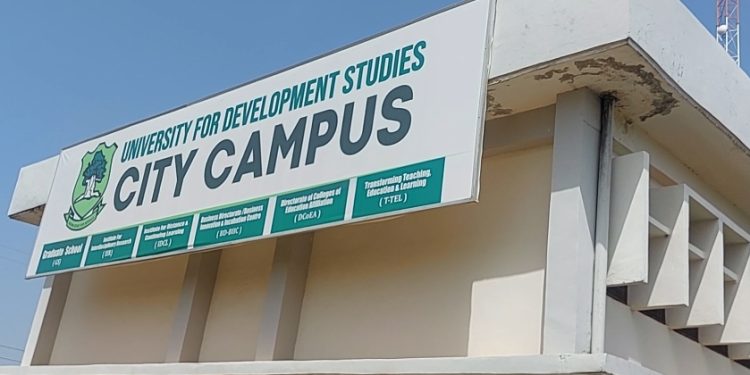
    The administration of the University of Development Studies – Tamale Campus has said it is taking action to resolve any unresolved issues with the Volta River Authority.

    Staff of the Northern Electricity Distribution Company (NEDCo) accused security officers of UDS of detaining them for cutting supply to the institution.

    NEDCo explained that the institution is in arrears of over GH¢447,000 hence the disconnection exercise.

    The Head of Communication at UDS Tamale Campus, Abdul Hayi Moomen, explained to Citi News that security officers were unaware of the exercise by NEDCo hence the scuffle.

    “What we were told was that they will be replacing the postpaid meters and replace them with prepaid meters, but the security on duty did not know about the exercise NEDCo had come to perform. So they wanted to confirm from management of the school before they were allowed to do anything and that is what caused the scuffle.”

    “When they proceeded to take out the fuse that supply light to the school, it prompted the security to stop them and a scuffle ensued when officials of NEDCo wanted to leave with the fuse.”

    “It is a scuffle. It is an unfortunate incident which happened. Management has taken notice of that and in recognition of the cordial relationship we have with VRA, UDS is putting measures in place to remedy the situation. Let us not create a storm in a teacup”.

  • PAC complains about ECG’s $600m debt to Bui Power Authority

    PAC complains about ECG’s $600m debt to Bui Power Authority

    The Public Accounts Committee of Parliament is complaining about the Electricity Company of Ghana‘s (ECG) indebtedness to the Bui Power Authority amounting to over $600 million.

    The Auditor General’s report revealed that ECG failed to comply with its monthly payment plan thereby resulting in the outstanding debt as of December 31, 2022.

    The report said the cash flow of the Authority could negatively be impacted if ECG continues to breach the agreed payment terms.

    Speaking at the Public Accounts Committee sittings, the Chief Executive Officer of the Bui Power Authority, Kofi Dzamesi said efforts are being made to recover the money.

    “I think that what the auditors say is very true, and we are taking steps to ensure that ECG pays us. But it’s becoming very difficult. But I’m happy to say that many times the Minister of Energy [Dr. Mathew Opoku Prempeh] does well by asking the finance ministry to come to our aid sometimes.

    “So we will continue this negotiation and with the support of our minister, I think we will be able to handle this matter. But it’s really a problem,” Mr. Dzamesi stated.

    The committee members recommended to the ministry of finance to ensure that ECG settles its debt to Bui and Volta River Authority (VRA).

  • VRA receives trash skimmer vessels for removal of aquatic weeds at Kpong Dam

    The Ghana Maritime Authority (GMA) has given the Volta River Authority (VRA) two trash skimmer boats to help with the removal of aquatic weeds at the Kpong Dam’s Headpond.

    Following a facility tour to see the equipment in action on the Headpond of the Kpong generating station, Mr. Ben Arhin Sankey, Director, Environment and Sustainable Development, VRA, praised GMA for the gesture.

    The Authority, according to him, has a mandate to produce electricity from the Volta River and to lessen any unintended negative effects on impacted populations and the environment.

    He said since the appearance of aquatic weeds on the Volta River, VRA had implemented several actions to ensure their management and control, including mechanical control, chemical control, biological control, and manual weed harvesting.

    Mr Sackey said the VRA had received help from several state institutions whose responsibilities have a bearing on managing inland waters and the environment.

    He stated that two transport barges and two weed harvesters were handed over to VRA by the Environmental Protection Agency in 2012 as the first in a series of supports to help with the weed harvesting on the Kpong Headpond.

    The EPA’s weed harvesters, he said, had reached the end of their useful lives, and there was a need for the new trash skimmer vessels to control the menace of aquatic weeds on the Volta River.

    He said the presence of the weeds on the Headpond had affected the free flow of water and led to the shutting down of the turbines .

    The acquisition of the vessels, he said, would help ensure efficient free flow of the water and generate the needed power for the country.

    He said VRA was having discussions with companies about turning the waste into manure for agricultural activities and generating power as well.

    Captain William Thompson, Director in charge of Inspection and Survey at GMA, expressed satisfaction about the collaboration to ensure that water bodies were free from filth.

    He said prior to the tour, the two Authorities signed a Memorandum of Understanding to hand over the vessels to aid in the efficient removal of weeds at the river.

  • Engineers can contribute to the growth of the nation – Ing Adams

    According to Ing. Rev. Prof. Charles Anum Adams, President of the Ghana Institution of Engineering (GhIE), Ghana will function if engineers are acknowledged and given the opportunity to lead in the building of the nation’s infrastructure.

    When he gave his remarks at the GhIE 2022 Engineering Excellence Awards on Thursday, November 24, 2022, at the Engineers Centre in Accra, Ing. Anum said this.

    Ing. Prof. Rev. Charles Anum Adams said, “Ghana is where it is due of the work of Engineers; hence if we put more efforts into placing engineering first in Ghana, the country will develop.”

    The GhIE president added that the institution insists on upholding standards so that this country builds infrastructure to last and coming generations benefit from what we have built.

    The Special Guest of Honour, Ing. Emmanuel Antwi-Darkwa – Chief Executive-Volta River Authority (VRA), said he is proud to be part of GhIE and has no doubt that the institution’s quest to build and develop a strong world-class professional body by promoting integrity, accountability and excellence in the practice of engineering in Ghana is very much on course. He acknowledged how greatly he had benefitted from the mentorship and coaching of some outstanding engineers and non-engineers who helped shaped his career.

    On the theme for the 2022 Engineering Excellence Awards, the VRA boss said the awards’ theme, ‘Engineering, Resilience in the Face of Climate Change & Pandemic’, is one that is not only timely and relevant but also thought-provoking. He called on engineering professionals to strategically position themselves to weather current and future challenges and other uncertainties.

    On the Excellence awards, Ing. Prof. Elsie Effah Kaufmann of National Math & Science Quiz fame received the Distinguished Woman in Engineering Award.

    Other award winners included: Ing. Dr. William Ackaah and Ing. Prof. Samuel K. Tulashie, recipients of Research (Academic-Industrial) awards; Augustina Nyarko Amoateng, received the Engineering Craftmanship award; while Associated Consultants received the Engineering Business Management awards. Ing. Dr. William Ackaah again received the Most Published Author in Engineering Award.

    Amandi Investment Limited received the Implementation of Engineering Solutions Award, while SAYeTech and Ing. Prof. Samuel K. Tulashie received two separate awards for being winners of the Engineering Concepts and Innovations Awards.
    Prince Dumevor also received the Engineering Craftsmanship Award, while Clement Adu-Addae and Ing. Benedict Atta Poku got two separate awards in the Outstanding Engineering Knowledge & Exemplary Achievement in the Young Innovators category.

    In the Public Works category, Ing. Yaw Osafo Marfo – Senior Minister of the ruling NPP government – received the Distinguished Public Official Award. Ing. Kwabene Agyei Agyepong received the Outstanding Contribution and Service to the Ghana Institution of Engineering Award. Ing. Emmanuel Wireko Brobby received the Outstanding Engineering Innovation Award, while Emmanuel Kwasi Debrah, a journalist of Multimedia Group, received the Engineering Evangelism Award.

    On Public Schools, Methodist Girls SHS received a public award for winning the 2020 Coderz Robotics and Coding Competition; while Our Lady of Grace SHS also received an award for winning the 2021 National Robotics Inspired Science Education Competition.

    Present at the ceremony were Past Presidents of the GhIE, Council members, President-Elect of GhIE, Ing. Kwabena Bempong, Executive Director of GhIE, Ing. David Nyante, officials from VRA, Bui Power Authority, Fabrimetal, who were official sponsors of the GhIE 2022 Engineering Excellence Awards.

  • Dissolve NPA if it cannot regulate fuel prices – Dr. Wereko-Brobby

    A former Chief Executive Officer of the Volta River Authority (VRA), Dr. Charles Wereko-Brobby has called for the dissolution of the National Petroleum Authority (NPA) if it can’t regulate fuel price hikes to protect consumers.

    Dr. Wereko-Brobby in an interview on Eyewitness News on Tuesday, November 1, added that the NPA must control the Oil Marketing Companies (OMCs) to follow the laws on deregulation.

    “There is a jungle market going on in fuel pricing. Deregulation works because we have set up windows for which price changes will be announced. There are two windows for every month. The NPA as the regulator is supposed to ensure that it announces what is known as maximum retail prices, so no consumer gets cheated by the Oil Marketing Companies.”

    “But NPA has reneged on its duty and given it to COPEC which ironically is supposed to be representing the interest of the consumer… COPEC is now the chief cheerleader for marketing companies who keep announcing prices willy-willy. That is not the way deregulation was set up to go, it just keeps piling the pressure on [consumers],” Dr Wereko-Brobby told host Umaru Sanda Amadu.

    Dr. Wereko-Brobby who is also a chief policy analyst at the Ghana Institute of Public Policy Options added that “yes Russia-Ukraine war is causing trouble, it has made oil prices go up, but the problem is that the government passes all the cost onto us consumers, so prices are adjusted to reflect the current global prices but the windfall profits nobody wants to talk about it and then somebody says I feel your pain, you cannot feel the pain of Ghanaians when you ride 60 strong SUVs to travel round the country.”

    “NPA is the regulator, why do you call them regulators if you can’t do anything? Then dissolve them. Why do we call them regulators, they are to make sure that the interest of the consumer and the business are both protected, you can’t have it one way.”

    Fuel prices shot up again on Tuesday, November 1, with diesel hitting GH¢23.49 per litre, while petrol jumped to GH¢17.99 per litre with Kerosene also selling at GH¢14.70.

    The new prices took effect on Tuesday, November 1, 2022.

    Source: Citi News

  • COPEC now cheerleader for OMCs instead of fighting for fuel users – Wereko-Brobby

    The Chief Policy Analyst at the Ghana Institute of Public Policy Options Dr. Charles Wereko-Brobby has lashed out at the Chamber of Petroleum Consumers (COPEC) for doing little or nothing in fighting for petroleum users in the wake of consistent rise in fuel prices.

    Dr. Wereko-Brobby accusedof currently being the chief cheerleader for Oil Marketing Companies (OMCs) in announcing annoying increases in the prices of petroleum products.

    An incensed Dr. Wereko -Brobby in an interview on Eyewitness News wondered why COPEC has refused to fight for the interest of consumers, who are bearing the brunt of price increases and taxes slapped on the products.

    The former Chief Executive Officer of the Volta River Authority (VRA) said COPEC is now singing National Petroleum Authority’s songs instead of fighting to ensure that fuel prices are brought down.

    Consumers were slapped with fuel prices again on Tuesday, November 1, 2022, with petrol leapfrogging to GH¢17.99 per litre, Kerosene GH¢14.70, while diesel now sells at GH¢23.49 per litre at various pumps.

    Speaking in an interview with Umaru Sanda Amadu on Eyewitness News, the former VRA boss asserted, “NPA has reneged on its duty and given it to COPEC which ironically is supposed to be representing the interest of the consumer… COPEC is now the chief cheerleader for oil marketing companies who keep announcing prices willy-willy. That is not the way deregulation was set up to go, it just keeps piling the pressure on [consumers]”.

    He blasted the Akufo-Addo-led government for always being seen jolly-joying in 60 strong SUVs to with his entourage around the country when hardships stare in the faces of Ghanaians.

    He said the government’s sloganeering of feeling the pains of the ordinary Ghanaians cannot be accepted.

    “…So prices are adjusted to reflect the current global prices but the windfall profits nobody wants to talk about it and then somebody says I feel your pain, you cannot feel the pain of Ghanaians when you ride 60 strong SUVs to travel round the country,” Mr Wereko-Brobby fumed.

    Source: Citi News


  • VRA signals possible controlled spillage of Akosombo, Kpong Dams

    The Akosombo reservoir elevation has been steadily rising over the past few weeks, according to the Volta River Authority.

    Should the current scenario continue, the VRA may be forced to dump the Akosombo and Kpong dams starting on November 1, 2022.

    The management believes that a potential controlled spill will contribute in preserving the integrity of the aforementioned dams.

    According to a statement from the Chief Executive Officer of the VRA, Emmanuel Antwi-Darkwa, the reservoir elevation of the Akosombo dam was 273.70 feet as of yesterday, October 25, and if the current rate of inflow continues, it will reach the maximum operational level of 276 in the following eleven days.

    He said management will continue to monitor the inflow situation and keep the public updated on events via its emergency phase notification forms including its website info@voltaregion.gov.gh and WhatsApp line 0244310422.

    Read below the full statement from VRA

    Press Statement: Spillage of Water from the Akosombo and Kpong Dams


    The Volta River Authority (VRA) wishes to inform the general public that due to consistent rainfall and the consequent rise in the level of the Akosombo Reservoir over the past few weeks, the Authority may commence controlled spillage of water from the Akosombo and Kpong Dams in the next few days.

    As of Tuesday, October 25, 2022, the reservoir elevation stood at 273.70 feet and is expected to reach the maximum operating level of 276 feet in the next week or two if the current rate of inflow continues.

    In line with the requirement of our Emergency Preparedness Plan (EPP) and Standard Operating Procedures, the Authority has duly notified its key stakeholders of the intended spillage.

    The Authority therefore wishes to caution all residents, especially farmers along the Volta River and downstream of our Dams, to be on high alert.

    The VRA will continue to monitor the situation, work with our key stakeholders and issue regular updates to ensure a prompt response to any emergency situation that may arise.

  • Ghana Energy Awards 2022: Nominations close October 18

    Nominations into the 2022 Ghana Energy Awards (GEA) come to an end close of day 18th of October, after a ninety-day window since the official opening at the Media Launch on July 14.

    GEA’22 is under the theme, “Global Decarbonisation: A Just and Equitable Energy Transition in Ghana”.

    This year’s event features 23 categories in all. Competitive categories include the prestigious Energy Personality of the Year (Male and Female), Chief Executive of the Year (Power and Petroleum), Visionary Leadership Award, Eco-Innovation Business Award, Outstanding Energy Management Award, and Sustainable Energy Partnership of the Year.

    Others are the Energy Institution of the Year, Energy Company of the Year, Brand of the Year, Rising Star Award, and Energy Reporter of the Year, among others.

    The Ghana Energy Awards scheme is an industry-accepted initiative put together to recognise excellence and innovation in the country’s energy sector, and as well as acknowledge deserving players striving in various aspects and industries of the sector.

    It is organised by the Energy Media Group, in partnership with GP Business Consulting, with endorsement from the Ministry of Energy, and the World Energy Council, Ghana.

    Before the main event in November, the Awards Secretariat has lined up a number of activities, including Courtesy Calls on industry partners; Nominees’ Announcement; Site Visitation to Prospective Nominees’ Project Sites to ascertain the accuracy of claims made by nominees on the ground.

    This makes the GEA one of few award schemes which insist on field verification to ensure awards won by players at the close of the review period are duly deserved.

    Industry partners for this year’s GEA include the Volta River Authority, Ghana Gas, Bui PowerAuthority, COPEC-Ghana, National Petroleum Authority, Meinergy Technology, Sunon Asogli Power, GOIL, Energy Commission, PURC, ECG, Tullow Ghana, BOST, and Hendan Transport and Logistics.

    Prospective candidates should send their nomination applications to GhanaEnergyAwards

  • Breast Cancer: Over 70 percent diagnoses in advanced stages

    Over 70 per cent of breast cancer cases diagnosed are in advanced stages, resulting in limited treatment success and high death rates, Dr Winfred Ofosu, Eastern Regional Director, Ghana Health Service, has said.

    Dr Ofosu said it was disheartening that many women lost their lives through breast cancer, though they could be saved when detected early.

    The Eastern Regional Director of Health Services was speaking at a ceremony to commission a mammogram machine at the Volta River Authority (VRA) Hospital at Akosombo in the Easter region.

    It was on the theme: “Early detection of breast cancer saves lives-get screened with a mammogram.”

    The commissioning is part of efforts to increase breast cancer awareness as Ghana joins the world this month to create awareness of breast cancer for early detection and treatment.

    The mammogram machine will serve the staff of the Authority and all women within the catchment area.

    Dr Ofosu said Non-Communicable Diseases (NCD) such as breast cancer, cervical cancer, hypertension and diabetes were now pervasive and a hidden epidemic killing women one at a time, adding that the VRA’s decision to support a mammogram machine was in the right direction.

    According to the 2020 Globocan report of the World Health Organisation (WHO), breast cancer is the commonest cancer among all sexes and obviously the commonest among female cancers in Ghana. And every year, over 4,000 cases of breast cancer are diagnosed, out of which almost half die from the disease.

    Dr Kwabena Omari Yeboah, Medical Director, VRA Health Service Limited, said statistics indicated that six people died every day in Ghana from breast cancer.

    He, therefore, called for the need for self-breast examination and medical screening regularly.

    Dr Joyce Aryee, VRA Board Member, described breast cancer as debilitating, hence the acquisition of the mammogram machine to save lives and called on women above the age of 40 to patronise the services.

    Dr Joyce Aryee, VRA Board Member

    Mr Emmanuel Antwi-Darkwa, Chief Executive, VRA, said the Authority’s decision to acquire the equipment was an affirmation of the resolve to prioritise the health of women and bring the needed changes to communities.

    He said: “It is unfortunate that some people are so heavily driven by superstition that they attribute medical conditions like breast cancer to spiritual attacks without seeking medical attention.

    “We need all hands on deck to educate our daughters, wives, mothers, sisters and friends to take advantage of the facility to know their status.”

    Nana Boafo Ansah Prem IV, Chief of Akosombo, encouraged the locals to make good use of the facility and charged religious bodies to educate their followers on breast cancer.

    Source:GNA 

  • AfCFTA must rally members to harness nuclear energy – Experts

    The African Continent Free Trade Area (AfCFTA) countries have been urged to cooperate in order to forge a competitive front in nuclear power, which has emerged as the new energy trend for industrialization, by energy experts at the Africa Energy Conference 2022.

    Speaking on the topic of “Sustainability and the Role of Nuclear Power in Enabling Africa’s Energy Ambitions,” Sophia Abena Tijani, Director of the Volta River Authority (VRA) Training School, advocated for African nations to cooperate and pool resources through the AfCFTA and economic blocs like ECOWAS in order to advance the continent rather than relying solely on the West.

    “If we always go begging from the foreign donors, then obviously they will dictate to us because those funding agencies are also into business and do not give free money,” Sophia Abena Tijani stated.

    She added that once Africa is committed to having a united front and commanding stance on what the continent wants and how its resources should be used, the funding agencies cannot dictate to the continent.

    Energy expert Ing. Charles K. Boakye also cautioned that Africa needs to be careful in always soliciting for funds from the Western world, following the recent global energy crisis.

    He admitted that Ghana cannot entirely scrap international loans and grants support to develop the energy sector; however, it can be reduced by first assessing the resources which can be locally generated to support the project.

    “Ghana needs to strategise and implement a comprehensive plan to boost the manufacturing capacity of industries in order to internally supply material for the nuclear energy project, rather than looking to foreign donors to fund everything – for which we may not even get the revenue to repay,” he said.

    The energy experts and industry players mentioned that African countries need to take leadership of their own affairs, and make progress within the AfCFTA environment to achieve sustainable development in the energy sector.

    With so much pressure on electricity and the world’s aim to gear toward sustainable energy, there have been global discussions on considering nuclear power as an alternative.

    The concern for sustainability and climate change has also sprung up in many environmental and developmental discussions, and nuclear power has become a resilient, secure and sustainable option for Africa’s energy ambitions.

    Ghana has relied on hydro-power for many years as the major source of electricity for both domestic and industrial purposes.

    However, in the past decade reports have shown that the country’s electricity demand has been estimated to be growing at a higher rate of 7 percent annually as a result of increasing population, industrialisation and expansion of electricity supply to rural communities.

    Even though there are other sources of electricity like wind and solar, they cannot be produced on a larger scale to supply sustainable energy to the growing population and industries in the country.

    Nuclear energy can contribute immensely to development of the country as it provides eco-friendly and clean energy, improved agriculture, advanced medical treatment and clean water.

  • VRA records GH¢112.76 million profit in 2021

    The Board Chairman of the Volta River Authority (VRA), Mr. Kofi Tutu Agyare, revealed that the agency made a net profit of GH112.76 million last year.

    He stated at the VRA Stakeholder interface in Accra on Thursday that the COVID-19 pandemic’s troubles as well as other issues in the energy industry did not prevent the company from generating a profit for the second year in a row.

    VRA can communicate its operational performance and commercial activities from the previous year with stakeholders at the annual event and solicit their input.

    It was attended by representatives from stakeholder institutions, including the Ministries of Energy and Finance, the State Interest and Governance Authority (SIGA), the Public Utilities Regulatory Commission (PURC), the Electricity Company of Ghana, the Select Committee on Mines and Energy of Parliament.

    Mr Agyare attributed the achievement to the VRA’s Financial Recovery Programme (FRP) and a Sustainability Plan instituted to significantly reduce the cost of operations, improve revenues and ensure reliable and efficient generation.

    He noted that the effective leadership of the Board and the Management team coupled with the commitment of the staff significantly ensured the strong position VRA found itself in irrespective of COVID-19 and energy sector challenges.

    Aside from the profit, Mr. Agyare said, the Authority this year increased its generation footprints with the coming on stream of the 13MWp Kaleo Solar PV Power Plant in the Upper West Region.

    By 2025, he said, VRA planned to increase its renewable footprint to 200 MegaWatts (MW) with renewable projects soon to be rolled out including a 60MW Bongo Solar Power project in the Upper West Region and a 75MW Wind Power Project at Anloga in the Volta Region.

    He said the Authority was also working with the Ministry of Energy to relocate the 250MW Ameri Plant from the VRA Aboadze Power Station to Kumasi in the Ashanti Region and rehabilitate and operationalise its 132MW T3 Power Plant in Aboadze within the 2023 to 2024 time frame.

    According to Mr. Agyare, two of VRA’s Simple Cycle Power Plants in Tema and Kpone in Accra would also be converted into Combined Cycle Plants for generation efficiency.

    The Stakeholders lauded the company’s impressive operational performance for the past five years, which has resulted in a significant turnaround in its fortunes.

    They recognised the efforts of the Board, the Chief Executive, the Management, and the Staff for managing a public sector organisation to rise from heavy losses in 2015 and 2016 to posting profits in 2020 and 2021.

    “A state institution moving from a negative to positive deserves a standing ovation. VRA you have done very well! You deserve applause,” said Samuel Atta Akyea, Chairman of the Parliamentary Select Committee on Mines and Energy.

  • VRA bounces back; records GH¢112 million profit in 2021

    After six years of losses, the Volta River Authority (VRA) has effectively reversed the company’s fortunes. In 2021, it made a profit of GH112,76,000,000, and the management is prepared to maintain the trend.

    The Authority, the largest producer of electricity in the nation, has generated a profit for the past two years in a row, with a net profit of GH156 million in 2020.

    Presenting last year’s performance to VRA stakeholders – including representatives from the Ministries of Energy and Finance, State Interest and Governance Authority (SIGA), the Public Utilities Regulatory Commission (PURC), Electricity Company of Ghana and the Select Committee on Mines and Energy of Parliament – at a stakeholder interface in Accra, its Board Chairman, Kofi Tutu Agyare, attributed the achievement to VRA’s Financial Recovery Programme (FRP) and a sustainability plan.

    He noted that despite challenges posed by the COVID-19 pandemic and other difficulties in the energy sector, these initiatives along with cost-reduction measures, technology and an aggressive export strategy, as well as the effective leadership of the board and the management team coupled with commitment of staff, have significantly ensured the strong position VRA finds itself in.

    The stakeholders commended VRA for the significant turnaround in its operations, noting that efforts of the board, the chief executive, management and staff in transforming the company, are rare in the public sector.

    “A state institution moving from a negative to positive deserves a standing ovation. VRA, you have done very well! You deserve applause,” Samuel Atta Akyea, Chairman of the Parliamentary Select Committee on Mines and Energy, said at the event.

    Diversification and expansion

    In a bid to diversify and expand its operations, the Authority increased its generation footprints with the coming onstream of the 13MWp Kaleo Solar PV Power Plant in the Upper West Region.

    By 2025, VRA hopes to increase its renewable footprint to 200MW. Among the renewable projects soon to be rolled out are included a 60MW Bongo Solar Power project in the Upper East Region and a 75MW Wind Power Project at Anloga in the Volta Region.

    Meanwhile, the Authority is also working with the Ministry of Energy to relocate the 250MW AMERI Plant from the VRA Aboadze Power Station to Kumasi in the Ashanti Region, and also rehabilitate its 132MW T3 Power Plant in Aboadze within the 2023 to 2024 time-frame.

    Two of its simple cycle power plants in Tema and Kpone in Accra will also be converted into combined cycle plants for generation efficiency.

  • Hydro potential in the country is limited – Mr Wahab

    According to Mr. Abdul Noor Wahab, Manager of Generations and Systems Planning, Volta River Authority, Ghana has transitioned from having a 100% hydro capacity to having a mix that is currently 63% thermal sources.

    He claimed that as of the end of 2021, natural gas continued to be the leading cost factor for Ghana, followed by hydro, liquid fuel, and other sources.

    Speaking at the Gas Accountants Business Summit, which was put on by the Energy Sector Recovery Programme (ESRP), Mr. Wahab claimed the potential of hydro was constrained. His topic was “Ghana’s Energy Generation Mix and the Future Outlook.”

    He explained that after Pwalugu’s 60 megawatts, Juale-90MW, and Western River’s about 340MW, available hydro potential in the country was limited.

    He said there was potential for solar in almost every part of the country adding that its potential on average was at 15 to 18 percent capacity factor without battery storage.

    Mr Wahab however noted that the cost of generation would increase significantly when four to six hours of battery storage was added.

    He said wind potential was limited as the best wind speeds were along the coast, noting that the cost of generation from wind could be 10 US cents/kWh if funding at five percent or lower were available.

    Mr Wahab said thermal had the highest prospect, easy to deploy, had combined cycles that required water for cooling, and could now be cooled by air, in addition to having competitive cost.

    He said nuclear also had the potential to play an important role but has a high capital cost which was likely to affect its quantity in the future generation mix and thermal generation would dominate by 2040 with a component of about 88 per cent of the mix.

    The Gas Accountants’ Business Summit was organised to discuss the natural gas business in Ghana and its related issues to achieve a financially sustainable energy sector.

    The summit was on the theme; “The Role of Natural Gas on Ghana’s Sustainable Future,” which brought together accountants, lawyers, commercial experts, and other professionals within the energy sector.

    Other presentations during the summit covered the Cash Waterfall Mechanism’s concept, accounting and implementation, Public Utility Regulatory Commission (PURC), natural gas prospects for economic transformation, the future of Africa Gas in the global economy, and the outlook of ECG’s billing processes, and many others.

  • Hydro potential in the country is limited – Mr Wahab

    Ghana has moved from 100 per cent hydro capacity to a mix that is currently dominated by thermal sources of 63 per cent, Mr Abdul Noor Wahab, Manager of Generations and Systems Planning, Volta River Authority has stated.

    He said Ghana’s generation at the end of 2021 was dominated by natural gas followed by hydro, liquid fuel, and others adding that the country’s major cost driver remained natural gas.

    Speaking on the topic: “Ghana’s Energy Generation Mix and the Future Outlook,” at the Gas Accountants Business Summit organized by Energy Sector Recovery Programme (ESRP), Mr Wahab said the potential of hydro was limited.

    He explained that after Pwalugu’s 60 megawatts, Juale-90MW, and Western River’s about 340MW, available hydro potential in the country was limited.

    He said there was potential for solar in almost every part of the country adding that its potential on average was at 15 to 18 per cent capacity factor without battery storage.

    Mr Wahab however noted that the cost of generation would increase significantly when four to six hours of battery storage was added.

    He said wind potential was limited as the best wind speeds were along the coast, noting that the cost of generation from wind could be 10 US cents/kWh if funding at five per cent or lower were available.

    Mr Wahab said thermal had the highest prospect, easy to deploy, had combined cycles that required water for cooling and could now be cooled by air, in addition to having competitive cost.

    He said nuclear also had the potential to play an important role but has a high capital cost which was likely to affect its quantity in the future generation mix and thermal generation would dominate by 2040 with a component of about 88 per cent of the mix.

    The Gas Accountants’ Business Summit was organised to discuss the natural gas business in Ghana and its related issues to achieve a financially sustainable energy sector.

    The summit was on the theme; “The Role of Natural Gas on Ghana’s Sustainable Future,” which brought together accountants, lawyers, commercial experts, and other professionals within the energy sector.

    Other presentations during the summit covered the Cash Waterfall Mechanism’s concept, accounting and implementation, Public Utility Regulatory Commission (PURC), natural gas prospects for economic transformation, the future of Africa Gas in the global economy, and the outlook of ECG’s billing processes, and many others.

    Source: GNA

  • We dont work with recruitment agencies VRA cautions general public

    The Volta River Authority has cautioned the general public to desist from engaging the services of some unscrupulous persons purporting to work with the VRA.

    According to the VRA, they do not liaise with any agency to recruit potential job seekers for them.

    This comes on the back of several complaints made by potential job seekers to the authority on how one Bishop Mensah has been issuing fake appointments letters to them in the name of the Volta River Authority.

    In a statement issued by the VRA, it urged the public to disregard the activities of these persons and/or send a WhatsApp to the number 0501620439 for verification.

    “The VRA wishes to wish to caution the unsuspecting public to be cautious on their dealings with such fraudulent person(s) and for further advise, they should contact the VRA,” portions of the statement said.

    Source: www.ghanaweb.com

  • Volta River Authority calls for competitive priced electricity tariff regime

    The Volta River Authority (VRA), Ghana’s premier electricity power generator, has asked for a competitive priced electricity tariff regime that incorporates financial compensation for its various ancillary services.

    Mr. Kweku Andoh Awotwi, Board Chairman at the VRA’s Annual General Meeting (AGM) on Tuesday, stated: “We are of the considered opinion that the time has come for the mandated institutions to consider and incorporate the provision of ancillary services in the tariff methodology”.

    The issue of non-cost reflective tariff and inadequate liquidity, he said, continued to affect the Company’s finances, adding, “It is our expectation that the Government will address these critical issues through its ongoing initiatives.”

    Cybercrime poses threat to major sectors of economy Kweku Awotwi

    The AGM, dubbed the Ninth Stakeholders Interface, updated the Stakeholders on the Company’s operations for the year, looked at the critical issues, including the financial statements and the way forward.

    Mr Awotwi said a key priority of the Authority was to collaborate with Government and other interested stakeholders to develop and convert their simple cycle plants into combined-cycle operations.

    The target plants include the Kpong Thermal Power Station and the Tema Thermal One Power Plant.

    It also aims to transfer ownership of the T3 Power Plant to VRA to enable it to re-tool it and operate it in a combined cycle mode with a private sector partner.

    Mr Awotwi said generation from their hydro sources increased marginally from 5,034GWh in 2017 to 5,044GWh, contributing 37 percent to the National power generation.

    “Though we could not achieve our thermal plant availability targets, we successfully restored the second unit of the Takoradi Thermal plant (32G2)making available to the system over 100 MW of power which has been unavailable due to prolonged maintenance activity”.

    The Authority’s decision to operate on natural gas led to a 30.5 percent increase in the use of the resource, he said, pointing out that the completion of the Takoradi-Tema Interconnection project would enhance the thermal operations in the Tema enclave.

    Gas price reduction will make a big difference Awotwi

    He said the VRA had a commitment to expand its portfolio of renewable energy projects and was in collaboration with the Ministry of Energy, the Ghana Atomic Energy Commission and the Nuclear Power Institute to support the development of Nuclear power in Ghana.

    Mr Emmanuel Antwi-Darkwa, Chief Executive of the VRA, said the Authority was on the path to financial sustainability and had since 2018 not received financial support from the Ministry of Finance.

    “VRA is restructuring into a new era in 2021 and has put plans in place to ensure development in a sustainable manner, sustain our position as a market leader, improve operational and project implementation efficiencies, advance internal and external business processes and build, nurture and develop their human capital,” he said.

    Mr Steven Asamoah-Boateng, Chief Executive Officer at the State Interest in Governance Authority, (SIGA) commended the VRA, saying, they had provided a very hopeful financial outlook.

    “We are looking beyond the PDS/ECG era,” he said, and pledged SIGA’s support to the VRA’s transformational efforts.

    Source: www.ghananewsagency.org