Renowned Nigerian comedian Anita Asuoha, popularly recognized as Real Warri Pikin, has shared insights into her extraordinary journey of shedding weight, touching on the rationale behind her deliberate choice.
In a candid social media update, she openly admitted to opting for weight loss surgery with the goal of enhancing her health and holistic wellness.
Real Warri Pikin recounted the challenging phase she navigated, grappling with health concerns linked to her weight and contemplating the notion of undergoing weight loss surgery.
She explained how her excessive weight caused her to constantly feel out of breath, exhausted, and weak, as well as experience muscular and joint pain, severe migraines, and other related complications.
The comedian admitted that while debating between surgery and natural weight loss methods, she went through a period of emotional turmoil. Despite working out and eating well, she struggled to lose the extra weight, which led to a number of health issues.
Her husband, Ikechukwu, expressed concern for her health and encouraged her to consider the surgery.
According to Real Warri Pikin, she has experienced significant improvements in her health since undergoing the weight loss surgery, including the disappearance of knee pains and migraines.
To inspire others who might be struggling with weight-related problems or similar health challenges, she shared her journey.
However, she clarified that the surgery was not intended to seek validation from society or to simply improve her appearance.
The Aga Khan Hospital in Dar es Salaam has achieved a significant milestone in the treatment of obese patients, eliminating the need for them to seek treatment abroad.
Recently, the hospital successfully performed four weight-loss surgeries between July 24 and 28, signaling the beginning of more similar surgeries in the upcoming months.
In the past, the lack of such specialized services had compelled many Tanzanians and individuals from neighboring countries to incur substantial expenses by traveling abroad for treatment.
In Tanzania, Muhimbili National Hospital’s Mloganzila branch introduced the intragastric balloon placement service in November 2022 as one of the methods to address overweight and obesity. This weight-loss procedure involves placing a saline-filled silicone balloon in the patient’s stomach, helping them lose weight by limiting food intake and inducing a sense of fullness quicker.
The Aga Khan Hospital’s progress aligns with the government’s ambition to position Tanzania as a hub for medical tourism.
According to a report published in the BMC Endocrine Disorders journal, a considerable burden of diseases in Tanzania, including 14 percent of heart failure, 23 percent of ischemic heart disease, 44 percent of diabetes, 70 percent of hypertension, and up to 41 percent of cancer cases, can be attributed to excess body weight.
The report further highlights that Sub Saharan Africa (SSA) is experiencing a rapid shift from a predominantly underweight population to an overweight one. Currently, around 35 percent of SSA inhabitants are affected by excess body weight, with the World Health Organization (WHO) estimating a prevalence of up to 50 percent in urban areas.
According to the International Diabetic Federation (IDF), there were 897,000 reported cases of Diabetes
“Community studies from urban Tanzania have revealed escalating overweight and obesity rates from 24.1 to 34.5 percent and 19.2 to 23.4 percent respectively,” it reads in part.
Dr Mandela Makalala, Internal Medicine Specialist at the hospital said: “Bariatric surgery has shown to be a revolutionary game changer in the field of medicine.”
“Recent studies have shown that bariatric surgery could actually be a long-awaited cure for those people with Type 2 diabetes, and for those who are suffering from obesity, with no diabetes, it could reduce the risks of getting diabetes.”
The hospital attributed its achievements to a successful collaboration with Dr. Syed Tanseer Asgher, a renowned Bariatric surgeon from Pakistan, who possesses more than fifteen years of experience in the field. Dr. Asgher has performed over 3,000 successful bariatric procedures.
Dr. Athar Ali, the Head of Surgery at the Aga Khan Hospital, explained that weight loss surgery encompasses various procedures, including gastric bypass, which involves modifying the digestive system to facilitate weight loss in individuals.
He emphasized that the surgery is a specialized minimally invasive procedure, conducted through laparoscopic (keyhole surgery) techniques, with a primary focus on assisting individuals struggling with severe obesity to achieve significant weight loss while enhancing their overall quality of life and holistic health.
“Obesity increases the risk for various non-communicable diseases such as Type 2 diabetes, heart disease (from high cholesterol levels and high blood pressure), sleep apnea and asthma (from breathing problems), osteoarthritis, and cancer,” he said.
Shedding excess weight is often more challenging than it appears. Achieving this goal requires engaging in rigorous workout routines, maintaining unwavering commitment to long-term objectives, reducing consumption of beloved foods or treats, and, above all, consistently prioritizing self-care by showing up daily.
It requires a lot of undeterred spirit within you to achieve your health goals.
However, to reach the end goal in the weight loss game, most people end up starving themselves and cutting down on everything, even the essential vitamins.
Most weight-loss diet plans press on dividing meals into smaller portions instead of feeding yourself sumptuously with three big meals a day.
Surely, weight loss demands you eradicate some foods from your diet, but in-between hunger pangs need to be fed mindfully with healthy foods.
While you are trying to stick to a weight-loss diet, you need to make smart choices for snacking in between meals. Here are some foods that can satiate your in-between hunger pangs and are satisfying and low in calories while supporting your weight loss goals. Check what experts recommend below:
Fruits and vegetables
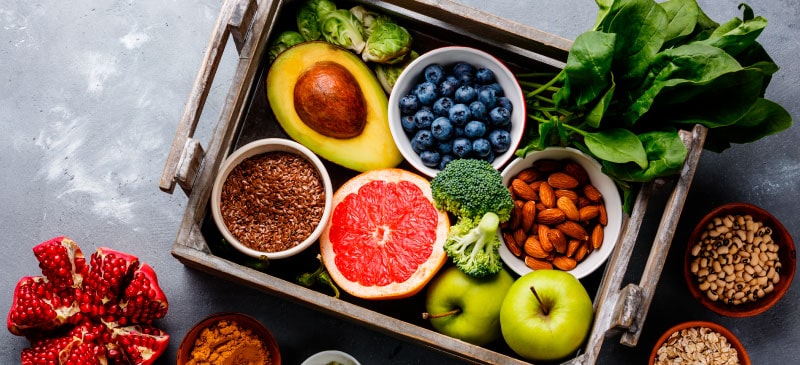
These foods are high in vital nutrients, antioxidants, and fibre while being low in calories. Go for options such as apples, berries, carrots, cucumber, and celery. It always goes without saying how nutrient-rich fruits and vegetables are, for they help make up for any deficiency in your body healthily.
Hard-boiled eggs
Eggs are a good source of protein, which can help curb increased appetite. Hard-boiled eggs make an easy and portable snack.
Nuts and seeds
Almonds, walnuts, chia seeds, and flaxseeds are top choices as they provide healthy fats, fibre, and protein. Remember to consume them in moderation because of their higher calorie content.
Numerous weight loss “do’s” have probably been mentioned, but what about weight loss “don’ts”? Weight loss don’ts are just as important to focus on as weight loss do’s if you’re serious about losing weight because they can seriously jeopardise your efforts!
Almost 70% of the American population is considered to be overweight or obese. Additionally, 1 out of every 3 American children are overweight or obese.
Sadly, this generation is the first in history that is expected to die younger than their parents.
The thing is, we can change this. We just need to make the appropriate lifestyle changes. “Eat healthy and exercise is the classic advice” but while it’s true, it’s not always that easy. Losing weight is damn hard!
1. Not Having A Big Enough Motivator
Like most goals in life, it’s important to have a “why” that’s bigger than your “why not” if you want to be successful at losing weight. This will help to ensure that your excuses don’t stop you from getting in that early morning gym session or evening run.
Money has been proven to be a simple yet powerful and effective motivator. Think about it – it’s what makes you keep on showing up to work each day even if you’d rather just stay in bed!
2. Skipping breakfast
Breakfast is the most important meal of the day.
Eating a healthy, nutritious breakfast will help to restore our glucose levels, provide energy for the day, and reduce the risk of type-2 diabetes and heart disease.
In addition to this, a study published in the American Journal of Epidemiology reported that people who skip breakfast are more likely to be obese.
However, eating breakfast won’t provide any of these health benefits if it’s full of junky carbs and trans-fats, and loaded with sugar. (Doughnuts, unfortunately, fall under this category.)
3. Weekend bingeing
While it’s usually ok to have the occasional treat, all of your weekday progress can be completely thrown out of the window if you binge over the weekend.
A study in the Journal of the Academy of Nutrition and Dietetics found that the typical non-chain restaurant meal contained 1205 calories.
American, Italian and Chinese cuisine fared even worse, with the average meal containing 1495 calories.
The amount of calories you need to consume varies based on age, gender, activity level and weight-related goals. However, it’s generally recommended that the average female consume about 2000 calories to maintain weight and 1500 calories if weight-loss is the goal.
A 1495 calorie meal leaves just 5 calories for the entire day, which is neither healthy, nor realistic.
4. Drinking your calories
In a study by the American Journal of Clinical Nutrition, it was reported that the energy (i.e.) calorie intake from beverages “represents 21% of of total daily energy intake in the general American population.”
What exactly does this mean?
This means that 21% of the calories that you’re consuming every day are coming not from the food you’re eating, but the drinks you’re consuming.
And a large amount of this is from artificially sweetened beverages like soda, fruit juices, energy drinks, and alcohol.
These types of drinks contain no nutrients and provide next-to-no satiety, meaning that you are left feeling hungry, despite consuming a large amount of calories.
So, what should your beverage of choice be?
Water. If you’re not a fan of the taste of water, try flavoring it with lemon, fresh berries, or cucumber. You can get this infusion water bottle for cheap on Amazon.
5. Not getting enough sleep
Experts recommend for optimal cognitive function, adults should get between 7-9 hours of sleep every night.
But a 2013 Gallup poll found that 40% of Americans get less than 7 hours sleep, with the average amount of shut-eye being just 6.8 hours.
In addition to impaired cognitive function, a lack of sleep can also contribute to weight gain.
A study in the American Journal of Clinical Nutrition found that when participants were sleep-deprived, they consumed more calories (but expended the same amount) than when they received 9 hours of sleep.
A lack of sleep can also slow digestive function and increase cortisol levels, which can lead to overeating.
Here are some tips for getting a good night’s sleep:
Set a reasonable time to go to bed, and stick to it
Unplug – don’t lay in bed on your iPhone or laptop
Meditate – meditation has proven relaxation benefits and a wonderful way to wind down before bed
Set the room temperature to 60-67 degrees, which is considered optimal for sleeping
Make sure you have a good, supportive mattress and pillow
If you’re unsure of the quality of your sleep, then I recommend investing in a smartwatch with a sleep tracker like this Fitbit one or like this Apple one, which monitor how long and how well you sleep.
6. Going “fat-free”
Fat has long been considered the devil when it comes to weight loss. Walk down any aisle in the grocery store and you’ll see “fat-free” advertised on everything from milk to mayonnaise.
But not all fats are created equal. While you definitely want to be avoiding hydrogenated fats, other fats like monounsaturated and polyunsaturated fat are both beneficial to overall health and can contribute to weight loss. Healthy saturated fats such as what’s found in coconut oil is also beneficial for weight loss.
Monounsaturated fats help to lower cholesterol and reduce the risk of coronary heart disease while the polyunsaturated fats found in avocado’s contains essential omega-3 fatty acids, and may lower your risk of heart disease and Type-2 diabetes.
And because fat is highly satiating, it keeps you feeling full for longer, making you less likely to snack on empty calories.
7. Too much cardio, not enough weight-training
Regular cardio is important for weight-loss and essential for building a healthy heart, lungs, and cardiovascular system. Cardio also helps to boost your metabolism, which aids in weight loss.
But there can be too much of a good thing. Spending hours and hours sweating it out on the treadmill does not a lean, fat-burning body make.
In fact, overdoing it on the cardio can actually have the opposite effect. Too much cardio can cause your body to start using your lean muscle mass as a source of fuel (NOT a good thing!)
Less lean muscle mass = lower metabolism and less fat burning.
It’s incredibly important to not only maintain the lean muscle mass that you have, but to also increase your lean muscle mass.
This can be done by making sure you don’t overdo it on the cardio and by incorporating weight-training in to your exercise regime.
Regular weight training will help to build lean muscle mass which means that your calorie burning will increase, even when you’re not exercising.
A personal trainer can help you with setting up a weight training routine, but if that’s not in your budget, check out Aaptiv. I love Aaptiv because it’s like having your own personal trainer with you 24/7, at a fraction of the cost. There are so many excellent workouts, so whether you’re into weights, yoga, running, cycling, elliptical etc., then Aaptivwill likely have an awesome routine!
8. Avoiding carbs
There’s a common belief that carbs are the devil when it comes to weight loss. This is simply untrue.
Carbohydrates are not the devil – simple, “junky” carbohydrates are the devil.
Our bodies need carbohydrates to function properly – they’re the bodies main source of fuel. The key is to make sure you don’t overeat carbohydrates and that the carbs you do eat are the right kind, not the junky kind.
There are two types of carbohydrates:
Simple carbohydrates are sugars, and they’re the type you want to avoid.
Simple carbs are low in fiber and rapidly absorbed into the bloodstream which can causes major spikes in blood sugar levels.
Some examples of simple carbohydrates that you should avoid are candy, refined white bread, pasta, and white rice, soda and sugar.
Complex carbohydrates are “good carbs” – they type you want to eat more of.
Unlike simple or “junky” carbs, complex carbohydrates contain fiber and they take longer for the body to break down. Complex carbs provide more sustained energy for the body and don’t cause rapid spikes in blood sugar.
9. Starving yourself
One of the absolute worst things you can do to lose weight is starve yourself.
When you drastically reduce the amount of food you eat, you’re missing out on vital nutrients that your body needs to function optimally.
Females need a minimum of 1200 calories/day and males need 1500 calories/day just to function (that means breathe, pump blood around your body, repair cells, etc.)
Anything below this seriously jeopardizes your health, and long-term, can cause organ failure and even death.
Starving yourself will also put your body into starvation mode, which means that the body stores fat and starts breaking down muscle for fuel. This is the exact opposite of what you want your body to be doing.
And while you may initially lose a couple of pounds, you will immediately gain them back when you start eating again.
In a nutshell, starving yourself is an incredibly bad idea.
Instead, eat a diet consisting of fresh, whole foods, with an abundance of fruits, vegetables, and lean protein – food that fuels your body.
10. Eating hidden sugar
Sugar is one of those nasty guys that is lurking around every corner, using a variety of different aliases –
You’re probably doing a great job at avoiding the obvious sugar-bombs, like cakes, candy bars, pop-tarts, etc. But what you might not realize is that almost every processed, pre-packaged food you buy probably has added sugar in it.
Some common foods that contain high-levels of hidden sugar are:
Soda
Non-fat fruit yoghurt
Condiments like BBQ sauce and ketchup
Salad dressing
Granola bars
Bread
Pasta sauce
Fruit juice
Flavored coffee drinks (the type you buy at Starbucks)
Here are some healthier alternatives to those sugar-bombs:
Water
Greek yoghurt sweetened with fresh berries
Mustard
Olive oil, avocado oil
Fruit (contains natural sugars, but also contains fiber)
Sugar-free 100% whole grain bread
Homemade pasta sauce
Water, flavored with berries, lime, lemon, cucumber or mint
Black coffee or herbal tea
11. Not drinking enough water
Our bodies are composed of 60% water – almost every single cell in the human body requires water to function.
Additionally, water contains exactly zero calories.
By replacing one Starbucks frappuccino with a bottle of water, you’ll save around 480 calories and avoid 70 grams of sugar (which is almost THREE DAYS worth of the recommended daily sugar intake for a female.)
Drinking water flushes toxins from your body, can help to boost your metabolism, increase your energy output (cold water is especially good for this) and help to transport nutrients around your body.
A Chinese woman required emergency surgery to have half of her kidney removed after a rough weight loss massage session.
The 41-year-old woman referred to only as Ms. Miao (a pseudonym) reportedly wanted to lose some weight with help of massage, so she went to a salon in Hangzhou, China’s Zhejiang province for a session. Midway through the special weight loss massage, the woman could barely stand the pain in her abdomen, but when she told the masseuse about it, she said that it was just the fat leaving her body. That apparently reassured Ms. Miao and she gritted her teeth through the rest of the session, but the pain in her abdomen only got worse after she got home.
Hours after the weight loss massage, the middle-aged woman started experiencing symptoms like vomiting and diarrhea, and by the time her family took her to a local hospital, she was already in a semi-comatose state. After hearing that she had been complaining of abdominal pain, doctors performed an abdominal CT scan which revealed a ruptured angiomyolipoma in her left kidney.
Renal angiomyolipoma is a benign tumor in the kidney, which doesn’t usually have any symptoms and doesn’t pose any danger. The usual course of action after discovery is active surveillance to ensure the tumor doesn’t grow or start to bleed.
After examining the angiomyolipoma, doctors concluded that, judging by its size, the tumor wouldn’t have bothered Ms. Miao, had it not been for the weight loss massage. Apparently, the session had been so rough that it had caused the growth to rupture, creating a massive hemorrhage.
After performing a renal artery embolization, doctors operated on the woman, removing the bleeding tumor and half of her left kidney in the process, leaving it unable to perform its normal function. Ms. Miao is reportedly still under observation in the intensive care unit at a hospital in Hangzhou.
A South African woman allegedly wired her mouth shut with “slimming wires” in a desperate attempt to lose weight for a breast reduction surgery.
Aviwe Mazosiwe has been trying to lose weight and reach a certain BMI to qualify for breast reduction surgery that she hopes will improve her quality of life. She had managed to lose 12 kilograms with intermittent fasting, but after reaching a plateau on her weight-loss journey, the South African woman decided to take more drastic measures. In June of this year, she had slimming wires fitted on her teeth. These are orthodontic brackets with wires wrapped through them that are attached to the wearer’s teeth to keep the jaw shut. It’s a controversial weight loss device that has attracted a lot of criticism online after Aviwe started sharing her experience on TikTok.
“I had so many negative comments but I can’t remember them all because I tried my best not to focus on those,” Aviwe told British tabloid The Sun.
“I was still very new to the app itself when I started sharing my journey and the negative comments made me want to shut down the whole thing,” Mazosiwe added. “But I decided to keep going because it somehow felt like something I needed to share. Besides, the good comments made up for all the negativity.”
Aviwe had the slimming wires installed at the end of June and kept them on for 7 weeks, during which time she lost a whopping 14.3 kilograms (31.5 lbs). Because her jaw was wired shut, she relied on liquid foods like smoothies, soups, and yogurt for sustenance, and claims that the savory taste of the soups kept her cravings in check.
After having the slimming wires removed, the woman did indulge in one guilty pleasure, a jalapeño burger from her favorite place, but she did have to wait a day, because her jaw muscles needed time to adjust after seven weeks of being stuck in the same position.
“I get that it’s a bit extreme but it really helped me as I struggled with self-discipline and sticking to ‘clean eating’ over a long period,” Aviwe Mazosiwe explained, adding that she understands slimming wires aren’t for everyone.
“Only do this when you’re ready and in a good space mentally, especially if you’re an emotional eater,” she added.
These slimming wires reminded us about a very similar and equally controversial weight-loss device we featured last year – the DentalSlim Diet Control. It was designed to allow wearers to open their mouths only about 2mm, thus making them unable to chew while making breathing and speaking possible.
A quick google search reveals that Aviwe’s story is not uncommon. Apparently, slimming wires are very popular in South Africa, and there are hundreds of videos on YouTube by people documenting their experiences.
The Food and Drugs Authority (FDA)has issued an alert to Ghanaians about a weight loss product that has proven unsafe through testing.
The FDA has determined that, Ascot Diet weight loss products produced by the Ascot Diet Clinic, do not meet FDA approval standards and may cause severe side effects on patrons who use them.
“The FDA wishes to inform the public that Ascot Diet weight loss products, produced by the Ascot Diet Clinic have not been registered by the Authority and its use could cause severe allergic reactions..,” the FDA declared in a statement dated October 28, 2022.
Ascot Diet involves the use of injections, appetite suppressants, and a meal plan for weight loss.
According to the FDA, the use of such products could cause severe allergic reactions like “itching, hives, shortness of breath, wheezing, swelling of the tongue, throat, or mouth, stomach cramps, nausea.”
Consumers may also suffer from “diarrhoea, dizziness, or faintness due to the sudden boost in minerals and nutrients.”
The FDA has thus advised members of the public to desist from patronizing medicinal products that are not registered, as their safety, quality, and efficacy cannot be guaranteed.
The FDA warned that those who put such products on the market would face harsh penalties if discovered because “Sections 99 and 118 of the Public Health Act, 2012, Act 851 prohibit the importation and sale of unregistered products.”
Meanwhile, the FDA has encouraged everyone to work with the agency and report any unregistered regulated products on the market.
The FDA, an agency under the Ministry of Health, is mandated under the Public Health Act, Act 851 to provide and enforce standards for the sale of food, herbal medicinal products, cosmetics, drugs, medical devices, and household chemical substances.
In executing its responsibilities, the FDA has halted the provision of some products to the market.
In mid-October this year, the Authority warned the public about some two tainted sausage brands; AIA Wudy and Pavo, which reportedly contained listeria bacteria, which causes fever and diarrhoea.
The Authority also confiscated and destroyed some inferior and unapproved medications worth GH¢10 million on the market.
2,600 bottles of bynillin nicotine, 100 cartons of Postinor-2, a female oral contraceptive, cosmetics, medical equipment, Chinese herbal remedies, and certain aphrodisiacs were listed among the seized items.
The Food and Drugs Authority has warned against the use of a weight loss regimen known as Ascot Diet.
Ascot Diet involves the use of injections, appetite suppressants and a meal plan for weight loss.
The FDA in a statement said “Ascot Diet weight loss products, produced by the Ascot Diet Clinic have not been registered by the Authority and its use could cause severe allergic reactions like itching, hives, shortness of breath, wheezing, swelling of the tongue, throat or mouth, stomach cramps, nausea, diarrhea, dizziness, or faintness due to the sudden boost in minerals and nutrients.”
The FDA wishes to advise the public to desist from patronizing medicinal products that are not registered by the Authority since their safety, quality and efficacy cannot be guaranteed. Importers of such weight loss products are to note that Sections 99 and 118 of the Public Health Act, 2012, Act 851 prohibit the importation and sale of unregistered products.
It warned further that “offenders would therefore be severely sanctioned when found.”