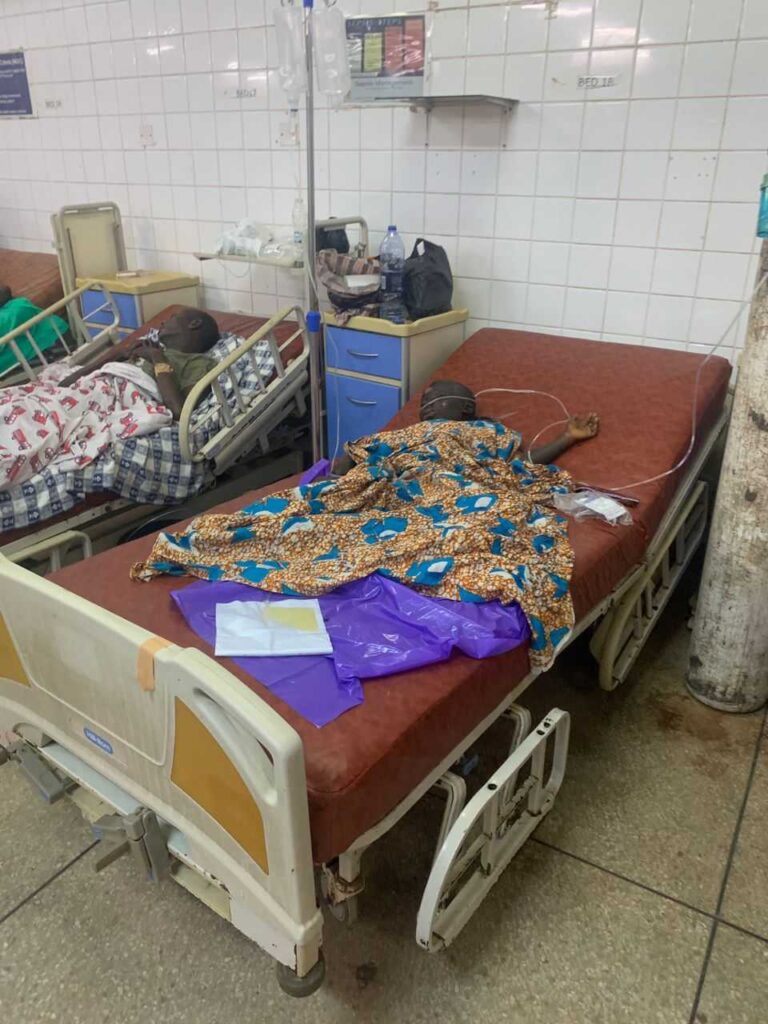
The Western Region is experiencing a sharp rise in Monkeypox (Mpox) infections, according to the Regional Health Director.
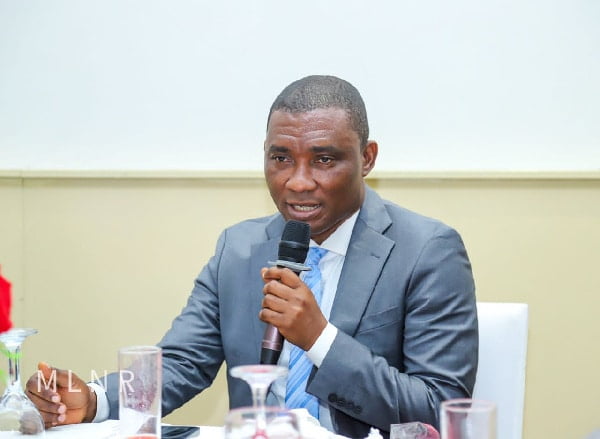
Addressing attendees at a Regional Development Retreat at Western Region, Essipong on Saturday, June 21, Kwadwo Okyere Apenteng revealed that the area makes up for 71% of all confirmed Monkeypox infections nationwide.
“Monkeypox is also in the country, and currently, the Western Region is number one; we have taken over. 71% of the cases in the country are coming from the Western Region. As it stands, we have 187 suspected cases and 43 confirmed cases,” Mr Apenteng stated, highlighting the dramatic shift in the geographical distribution of the disease within Ghana.
Ghana recorded the first Mpox case in June 2022, with five cases, and by November 2023, health authorities had confirmed a total of 34 cases. Despite the increase in cases, Ghana has not recorded any Mpox-related deaths.
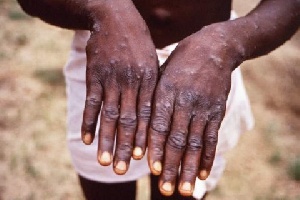
Mpox is a viral illness similar to smallpox. It typically causes fever, swollen lymph nodes, and a rash. The virus spreads through direct contact with an infected person’s skin or bodily fluids, including through sexual contact.
To reduce your risk, avoid close contact with symptomatic individuals, maintain proper hand hygiene, and refrain from sharing personal items.
Symptoms may include fever, rash or lesions, tiredness, headaches, muscle and back pain, and swollen glands.
The Ghana Health Service (GHS) has reported seven new cases of monkeypox (Mpox), bringing the total number of confirmed cases to 98 as of June 16.
In a circular on Wednesday, June 18, the Service indicated that all patients had been discharged, with no individuals remaining hospitalized.
As of June 12, the number of confirmed cases rose to 91 from 79 reported as of June 6, with no reports of fatalities.
Meanwhile, the Ghana Health Service has assured that the country will soon experience relief in response to the surging cases.
The government is engaging international organizations for assistance in procuring vaccines to be able to curb the surging number of cases being reported.
Speaking to the media on Saturday, June 7, Director for Public Health at the Ghana Health Service (GHS), Dr. Franklyn Asiedu Bekoe, stated, “We’re engaging WHO and the Africa CDC so that we get the vaccines. Somewhere last year, Ghana didn’t have any established human-to-human transmission, so we do not qualify. Now that we have human-to-human transmission. The idea is that we will be able to identify a clear group who will benefit from the vaccine.”
The Government of Ghana has assured its commitment to safeguarding public health by implementing appropriate measures to protect the health and well-being of all residents.”