Tag: WHO

  • Mozambique to vaccinate 720 000 people against cholera

    Mozambique to vaccinate 720 000 people against cholera

    As the nation takes up control efforts against an epidemic that has so far resulted in 5260 illnesses and 37 fatalities since September 2022, Mozambique today launched a cholera vaccine campaign that would reach around 720 000 people in eight districts.

    People aged one year and older will be vaccinated in the five-day campaign, which started just 10 days after the country took delivery of vaccine doses. Alongside the vaccination campaign, health authorities are also reinforcing disease surveillance, prevention and control measures, treatment as well as raising public awareness to curb the spread of the disease and end the outbreak.

    “The vaccination campaign will be crucial in stemming the spread of cholera and help save lives,” said Dr Severin von Xylander, World Health Organization (WHO) Representative in Mozambique. “We are also working with the health authorities to bolster key outbreak response measures and have deployed staff in the three most affected provinces to support the provincial health authorities to detect, prevent and halt cholera this outbreak.”

    WHO has also disbursed US$ 856 000 to support the response in Mozambique and provided medical supplies and medicines. Mozambique recorded a sharp increase in cases since mid-December 2022. Cholera has so far been reported in five of the country’s 11 provinces. The northern Niassa, Sofala and Tete provinces are the worst affected.

    During the vaccination campaign vaccinators will use a mixed approach of vaccinating patients in health centres, through mobile teams and by door-to-door visits. Oral cholera vaccines will be used in conjunction with improvements in water and sanitation to control cholera outbreaks and for prevention in areas known to be high risk for the disease.

    “We celebrate the launch of this vital immunization campaign alongside the Government of Mozambique and our Alliance partners.” said Thabani Maphosa, Managing Director, Country Programmes Delivery at Gavi, the Vaccine Alliance. “The recent rise in disease outbreaks and the risks they present demonstrate the importance of our work in funding the Global Oral Cholera Vaccine Stockpile, cholera response campaigns and access to outbreak response vaccines for diseases such as cholera, measles, yellow fever and polio.”  

    Despite a global shortage of cholera vaccines and increased demand due to a rise in outbreaks globally, WHO and its partners, including Gavi, the Vaccine Alliance and the Africa Centres for Disease Control and have been able to supply vaccines to countries most affected by cholera in the southern Africa. Mozambique received around 720 000 doses of the oral cholera vaccine.

    The strain on the availability of vaccines prompted the International Coordinating Group (ICG) on Vaccine Provision to temporarily suspend the standard two-dose vaccination regimen in cholera outbreak response campaigns, using instead a single-dose approach. The ICG is an initiative which aims to manage emergency supplies of vaccines and is a partnership of the International Federation of the Red Cross and Red Crescent Societies, Médecins sans Frontières United Nations Children’s Fund and WHO.

    Cholera is an acute, extremely virulent infection that can spread rapidly and cause dehydration resulting in high morbidity and mortality. However, the disease is easily treatable. Most people can be treated successfully through prompt administration of oral rehydration solution or intravenous fluids.

    The disease is endemic in Mozambique and, together with other diarrhoeal diseases, is a major cause of infant death. There are yearly outbreaks in the country’s northern provinces.

    Cholera transmission is closely linked with poor sanitation and inadequate access to safe drinking water. Extreme climatic events such as droughts and floods are worsening the cholera risks. In Mozambique, floods due to the current rainy season have affected over 39 000 people, claimed nine lives and caused extensive damage to infrastructure, including roads, bridges, health centres and 76 000 homes.

  • Community-based response boosts Liberia’s COVID-19 detection, others

    Community-based response boosts Liberia’s COVID-19 detection, others

    Rapid diagnostic testing for everyone residing within 100 meters of newly confirmed cases helped break transmission chains and greatly increased the uptake of COVID-19 vaccinations through reactive immunization as Liberia battled escalating COVID-19 cases in 2022.

    The community-based testing strategy to decentralize COVID-19 response allowed health workers to conduct door-to-door community sensitization to tackle COVID-19 misinformation, including myths about vaccination. The approach helped the country reach 81% vaccination coverage of the population by the end of 2022.

    With financial and technical support from World Health Organization (WHO), mobile health teams administered tens of thousands of rapid tests in Nimba, Margibi and Montserrado counties, which are home to nearly half of Liberia’s total population.

    With polymerase chain reaction (PCR) tests mostly no longer mandatory for cross-border travellers, the community-based response initiative enabled surveillance and monitoring of epidemiological trends to augment virus control measures.

    The initiative, which uses rapid tests to counter the challenge of identifying COVID-19 cases outside health facilities, was launched in Liberia in July 2022. By the end of last year, 74 000 rapid tests had been administered.

    “Expanding testing in communities using the antigen tests is helping provide a better way for the country to respond to the pandemic,” says Chea Sanford Wesseh, Assistant Minister for Vital Statistics in Liberia’s Ministry of Health, adding that there are plans to broaden their use beyond the three counties.

    In practice, the mobile teams target everyone living within a 100-metre radius of new confirmed COVID-19 cases, administering rapid tests to identify other potential cases. The technology is simple, making it suitable for use in all settings.

    Anyone who tests positive and requires treatment is linked to their nearest health facility. In cases where patients are either experiencing mild symptoms or asymptomatic, they are managed under home- based isolation and care, receiving infection prevention and control materials, including information on COVID-19 risk factors and prevention measures such as vaccination and handwashing. 

    “With testing in communities, we are reaching both the asymptomatic and symptomatic cases. That way we are undertaking timely isolation of confirmed cases leading to a break in the chain of transmission,” explains Dr Monday Julius, the WHO team lead for health emergencies in Liberia.

    The positive impact on vaccination uptake saw Liberia join Mauritius, Rwanda and Seychelles as the only four African countries to achieve the 70% global vaccination coverage target by December 2022.

    Victoria Dekpah, a student at Nimba University in Liberia, was among those convinced to get vaccinated against COVID-19 when health workers visited her community.

    “I didn’t think it was important to test. Many people were afraid of knowing their status and what would happen to them. But after listening to the health worker, I volunteered to take the test and it turned out positive. I isolated myself at home and the health worker visited me regularly until I tested negative again. I also got vaccinated thereafter,” she says.

    Isaac Cole, County Surveillance Officer in Nimba, blames rampant misinformation surrounding COVID-19 for the reluctance among Liberians to accept testing and vaccination. But working with local leaders who are trusted by their communities, he says, is changing attitudes.

    “The people now know that once they are tested and found to be positive, they will be taken care of either at the health facility or through the home-based care approach. When we go to communities, health workers also lead by example by being vaccinated first, as one of the ways of dispelling myths about vaccination and its effect on the body,” he adds.

    WHO is supporting 18 other African countries to implement community-based COVID-19 response, with more than 400 000 rapid tests carried out to date. Across these countries, rapid testing currently accounts for at least 60% of all COVID-19 testing.

  • Accra’s air quality reaches hazardous levels

    Accra’s air quality reaches hazardous levels

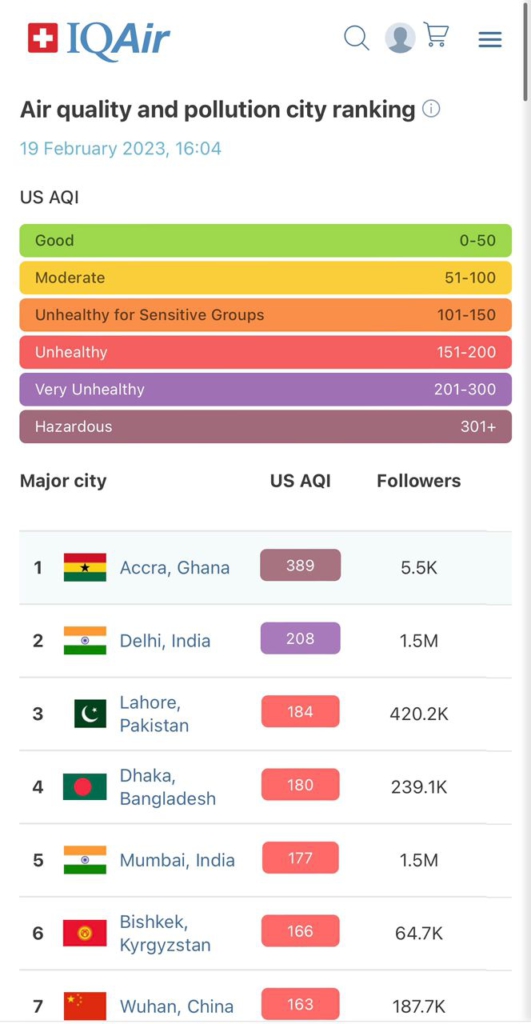
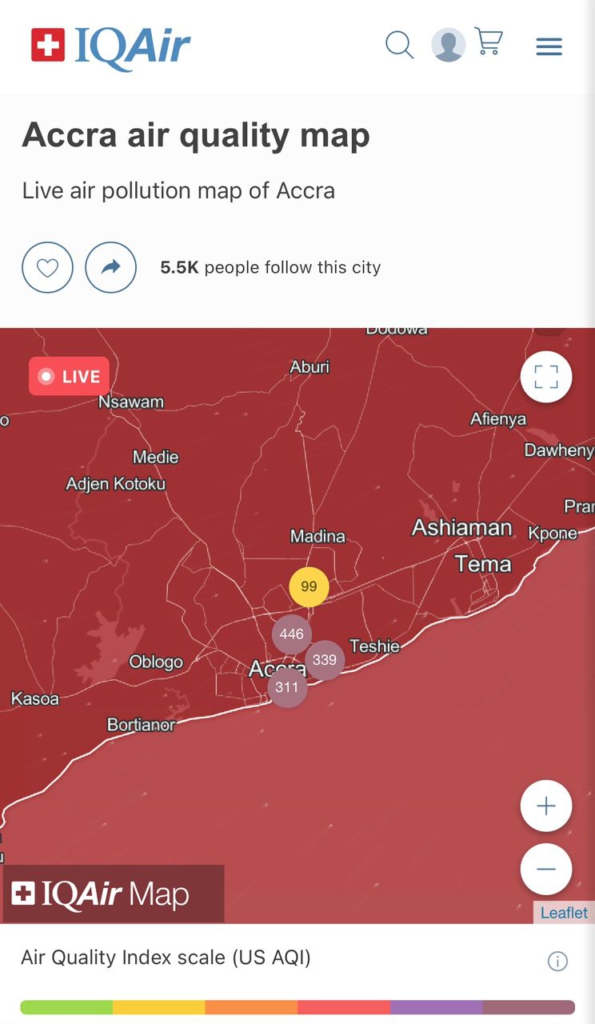
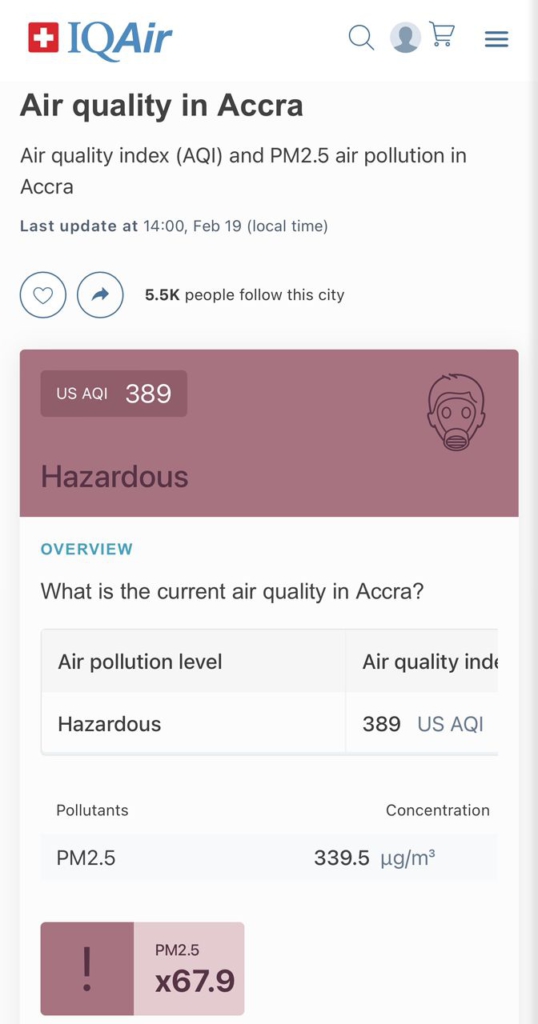
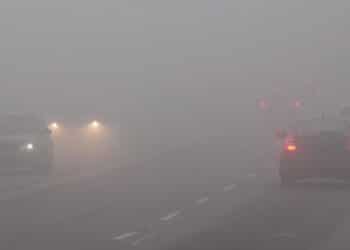
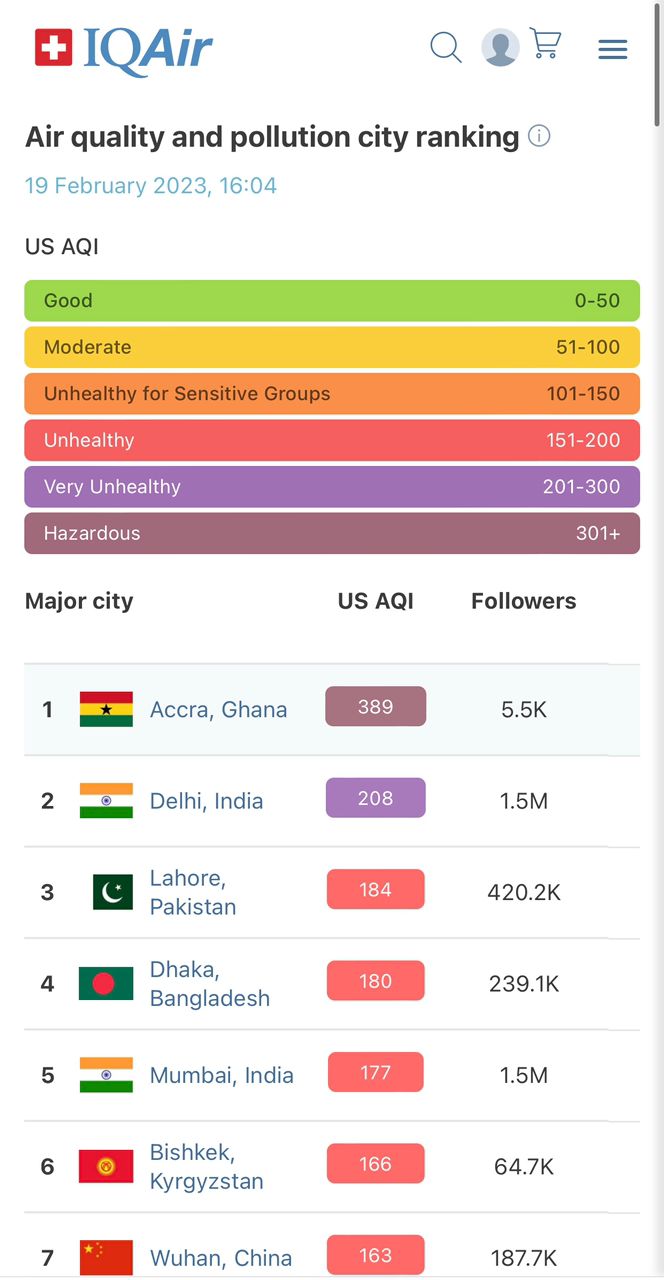
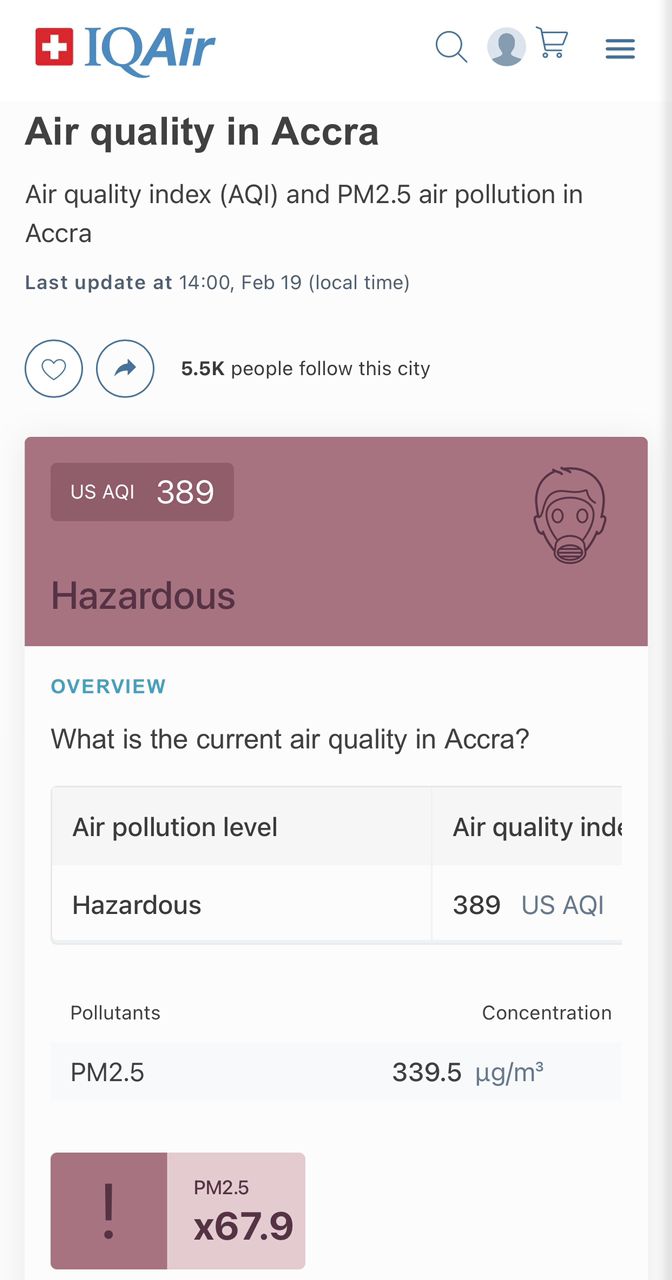
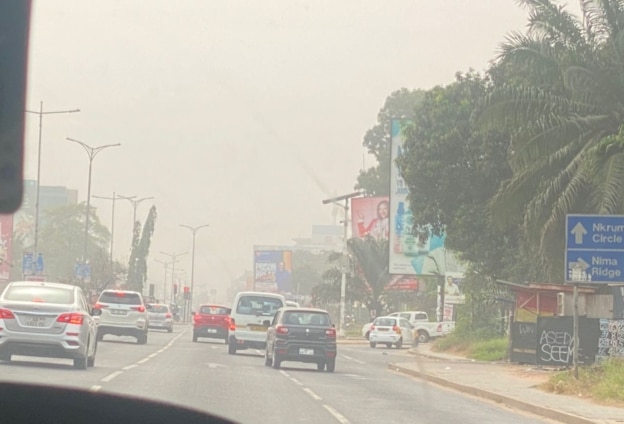
    IQAir’s AirVisual, a real-time air quality information platform, says Ghana’s air quality is currently 49.6 times the WHO annual air quality guideline value.

    This, the site, attributes to the high concentration of PM2.5 in Accra’s atmosphere.

    PM2.5 refers to particles found in the air, including dust, soot, dirt, smoke and liquid droplets with a diameter of 2.5 micrometres or less.

    Accra's air quality reaches hazardous levels
    Data as of 16:04 on Sunday, February 19, 2023

    These particles are so small they can get deep into the lungs and into the bloodstream and cause havoc to one’s organs.

    Accra's air quality reaches hazardous levels

    It is believed the high concentration of PM2.5 in the air has been compounded by the resurgence of the Harmattan as a result of regional dust storms pushing into Southern Ghana.

    Accra's air quality reaches hazardous levels

    Due to the highly damaging effects of pollution exposure on vulnerable members of society, i.e. young children and the elderly, pregnant women, those with heightened sensitivity towards pollution, as well as those with pre-existing illnesses or compromised immune system, the population is advised to wear a mask outdoors, run an air purifier, close windows to avoid dirty outdoor air and avoid outdoor exercise.

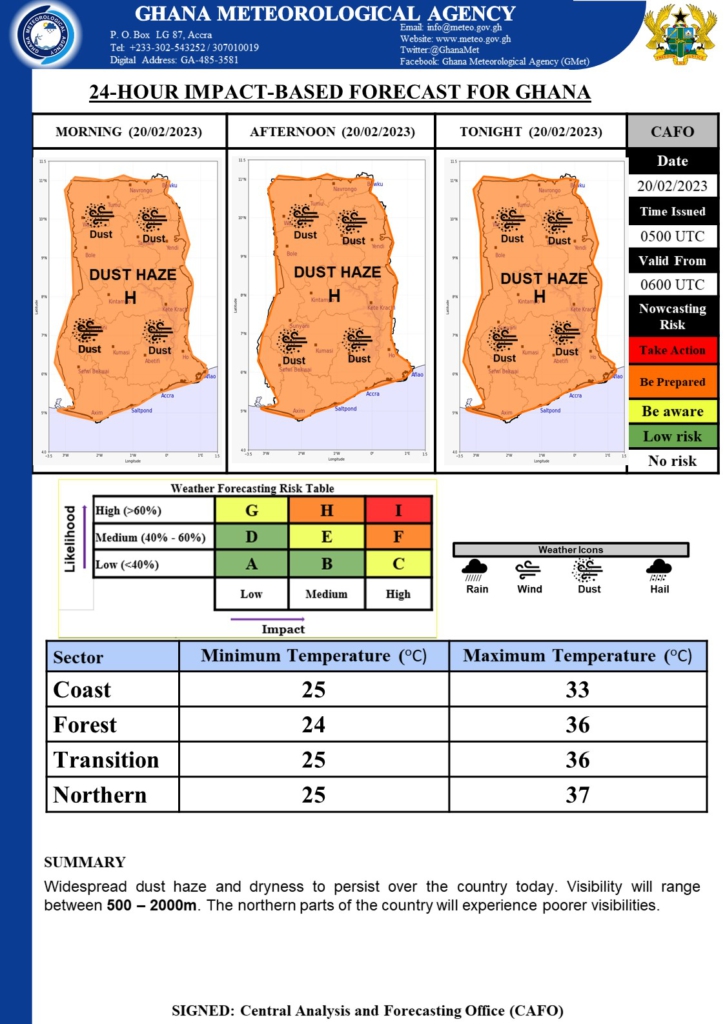
    Meanwhile, the Ghana Meteorological Agency has forecasted widespread dust haze and dryness across the country on Monday.

    Accra's air quality reaches hazardous levels

    This has the propensity to affect visibility, especially in Ghana’s northern parts.

    You can read more here; iqair.com

    Source: Myjoyonline.com

  • Accra’s air has reached toxic levels – IQAir’s AirVisual

    Accra’s air has reached toxic levels – IQAir’s AirVisual

    Ghana’s air quality is 49.6 times worse than the yearly WHO guideline value, according to AirVisual, a real-time air quality information platform from IQAir.

    IQAir’s AirVisual attributes this to the high concentration of PM2.5 in Accra’s atmosphere.

    It says the current PM2.5 concentration in Greater Accra is 11 times above the recommended limit given by the WHO 24-hour air quality guidelines value.

    It is believed the high concentration of PM2.5 in the air has been compounded by the resurgence of the Harmattan as a result of regional dust storms pushing into Southern Ghana.

    “Due to the highly damaging effects of pollution exposure on vulnerable members of society, i.e. young children and the elderly, pregnant women, those with heightened sensitivity towards pollution, as well as those with pre-existing illnesses or compromised immune system, the population is advised to wear a mask outdoors, run an air purifier, close windows to avoid dirty outdoor air and avoid outdoor exercise.”

    PM2.5 refers to particles found in the air, including dust, soot, dirt, smoke, and liquid droplets with a diameter of 2.5 micrometres or less.

    These particles are so small they can get deep into the lungs and into the bloodstream and cause havoc to one’s organs.

    Meanwhile, the Ghana Meteorological Agency has predicted an intensification of dry and dusty weather conditions during the week.

    It attributed the phenomenon to dust lifted around Chad, Sudan, and Niger. This dust was transported into the country by strong winds at lower levels of the atmosphere.

    “These conditions are expected to persist at varying intensities over the next few days. However, it is expected that there will be a relaxation in the intensity during the week and consequently.”

  • Victim of sexual misconduct criticizes WHO’s response as “shameful”

    Victim of sexual misconduct criticizes WHO’s response as “shameful”

    A woman who claims that a World Health Organization (WHO) doctor sexually assaulted her during the most recent Ebola outbreak in the Democratic Republic of the Congo has expressed shock that no senior officials has been held accountable for the allegations of sexual abuse and exploitation involving numerous women in the country beset by conflict.

    On Monday, the AP reported on a confidential U.N. report that excused senior staffers for their mishandling of another case due to a “loophole” in how WHO defines victims of such behavior.

    Anifa, a young Congolese woman who worked at an Ebola treatment center in Beni during the outbreak, said she could not understand WHO’s seeming excusal of misconduct.

    “It is a shame for WHO to give work to the kinds of men who do not respect women,” she said, declining to share her full name, for fear it could hurt her future job prospects. Anifa said she had been offered a job by a WHO doctor in exchange for sex during the Ebola epidemic, but refused. The AP does not identify victims of sexual abuse.

    “Perhaps WHO does not consider us because we are Africans?” she asked. “As long as I am alive, I will hate the entire World Health Organization until (the perpetrators) are charged and punished.”

    Paula Donovan, co-leader of the Code Blue campaign, which seeks to hold the U.N. accountable for sexual offenses, said WHO member countries looked the other way on the agency’s sexual misconduct charges because they could not afford to weaken the institution during the coronavirus pandemic.

    “Countries could not go after WHO because it was doing what the U.S. and other rich countries would not do during COVID, which is trying to figure out how to get vaccines to the poor.”

    She said donor countries had likely made a disturbing calculation about the costs of responding to global health crises.

    “It is very depressing, but officials have essentially concluded this is the price that has to be paid, that some women are going to be sexually exploited.”

    The U.N. report was focused on a case first reported by the AP in May 2021, involving Dr. Jean-Paul Ngandu, who worked on the Ebola response in northeastern Congo in 2019. Shortly after his arrival, Ngandu met a young woman at a local restaurant. The two had sex later that evening, but the relationship soured, and the woman and her aunt complained to WHO that Ngandu had impregnated her.

    AP obtained a copy of a notarized agreement between Ngandu and the woman, signed by two WHO staffers, in which he agreed to cover her health care costs and buy her land.

    After concerns about the Ngandu case were raised to WHO’s Geneva headquarters, “a decision was made not to investigate the complaint on the basis that it did not violate WHO’s (sexual exploitation and abuse) policy,” the U.N. report said. The report said this was because the woman was not a “beneficiary” of WHO, meaning she didn’t receive any humanitarian aid, and thus, did not qualify as a victim under WHO policy.

    WHO chief Tedros Adhanom Ghebreyesus has said repeatedly he is “outraged” by reports of sexual misconduct. But to date, no senior staffers linked to the sexual abuse allegations in Congo’s 2018-2020 Ebola outbreak — where more than 80 workers under the direction of WHO and other agencies were found to have abused or exploited women — have been fired.

    A panel appointed by Tedros to investigate the Congo sex abuse claims found numerous allegations of sexual assault by WHO staffers, including women forced to have abortions by their attackers and a 13-year-old girl who said a WHO driver took her to a hotel where she was raped.

    Tudi Diane Tumba, a coordinator at a Congolese organization that advocates for women’s rights, said they were still assessing complaints from young women and girls who alleged they were sexually abused or exploited by WHO officials during the Ebola epidemic.

    “It is very shameful if the WHO will not sanction Dr. Ngandu,” Tumba said. “I encourage women to denounce and shout louder so that these sexual abuses end.” Ngandu was not fired; his contract was not renewed, but he was not reprimanded by WHO.

    Some global health experts were unconvinced by Tedros’ professed indignation.

    “It undermines the complete integrity of WHO that no one has lost their job over this,” said Sophie Harman, a professor of international politics at Queen Mary University in London. “If WHO is serious about gender equality, then it is time for Tedros to go.”

    WHO’s director of communications insisted the agency was committed to addressing sexual misconduct.

    Source: African News

  • Turkey-Syria earthquake: WHO warns of a possible 20,000 death toll rise

    Turkey-Syria earthquake: WHO warns of a possible 20,000 death toll rise

    The World Health Organization (WHO) has issued a warning that 20,000 people may die as a result of the earthquakes that struck Turkey and Syria.

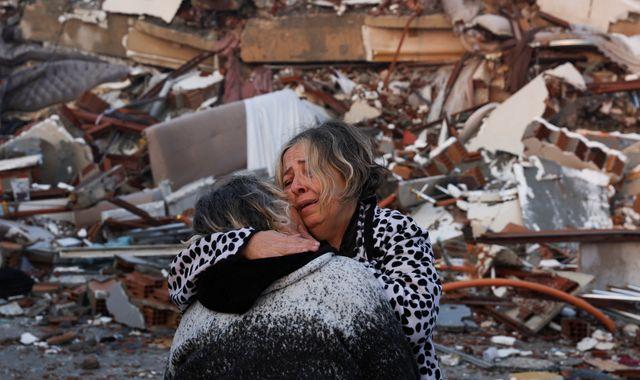
    Since the early hours of Monday morning, when a 7.8 magnitude earthquake struck south-eastern Turkey close to the Syrian border, at least 5,000 people have died. Both nations have experienced strong aftershocks in the hours that have followed, and thousands are believed to be trapped under the debris of collapsed buildings.

    Rescuers have been working all night to save as many people as they can, but the region’s bitterly cold weather is making it harder for them to find survivors. According to the most recent data, injuries have been reported among more than 13,000 people in Turkey.

    Turkey has declared a state of emergency in affected areas and has urged people not to use their mobile phones in order to allow rescuers to coordinate. As well as Turkey and Syria, millions of people in Cyprus, and Israel also felt the earthquake.

    European leaders are promising to help the worst hit regions in any way they can, including UK Prime Minister Rishi Sunak. He tweeted: “My thoughts are with the people of Turkey and Syria this morning, particularly with those first responders working so valitanty to save those trapped by the earthquake.

    “The UK stands ready to help in whatever way we can.”

    Turkey and Syria earthquake: What we know so far. 

    The first 7.8 magnitude earthquake hit the Pazarcik district of southern Kahramanmaras province at 4.17am. This was followed by a magnitude 6.4 quake in the southern Gaziantep province at 4.26am.

    On Monday morning, as rescuers worked to save those trapped in the rubble, south east Turkey felt another significant 7.5 magnitude earthquake. Overnight, more powerful tremors hit Turkey with a 5.4 magnitude quake in the eastern side of the country.

    Overall, there have been around 285 aftershocks since the first earthquake was felt. It is reported that over 5,000 buildings have collapsed in Turkey alone.

    WHO Senior Emergency Officer for Europe, Catherine Smallwood, said: “We always see the same thing with earthquakes, unfortunately, which is that the initial reports of the numbers of people who have died or who have been injured will increase quite significantly in the week that follows.”

    The UK has confirmed it will send 76 specialists, equipment and rescue dogs to Turkey. The EU is also set to send search and rescue teams to the country.

  • China records 60,000 COVID-related deaths in just a month

    China records 60,000 COVID-related deaths in just a month

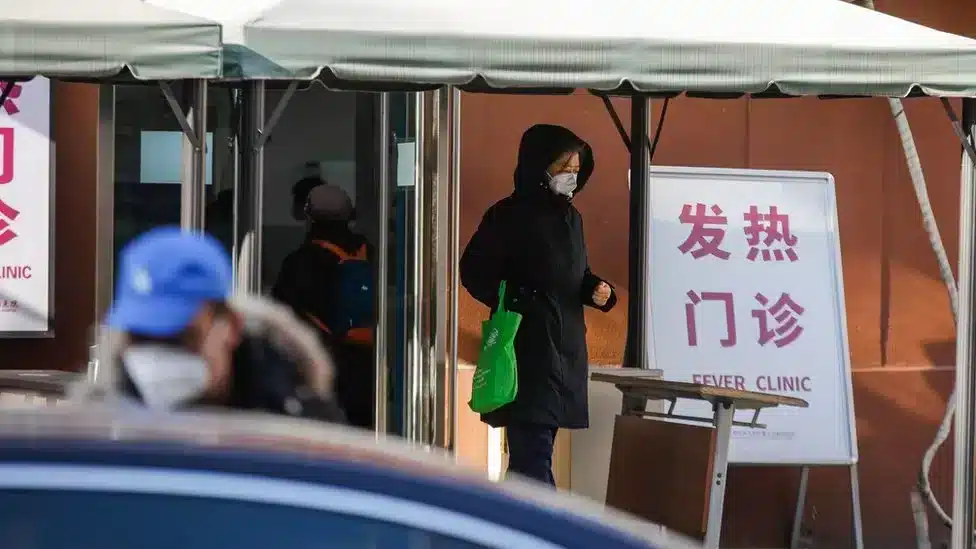
    In less than a month, China has reported 60,000 COVID-related fatalities, the first significant death toll since the country abandoned its zero-COVID policy.

    China reported 59,938 COVID-related deaths between December 8 and January 12, according to officials.


    Despite there being evidence of hospitals and crematoriums being overrun, China has frequently been accused of underreporting coronavirus deaths.

    Most of those who passed away were older than 80 and had underlying medical conditions.

    The figures, include 5,503 deaths caused by respiratory failure directly due to the virus, and 54,435 caused by underlying conditions combined with the virus.

    The real total is likely to be higher because which the figures refer only to deaths recorded at medical facilities.

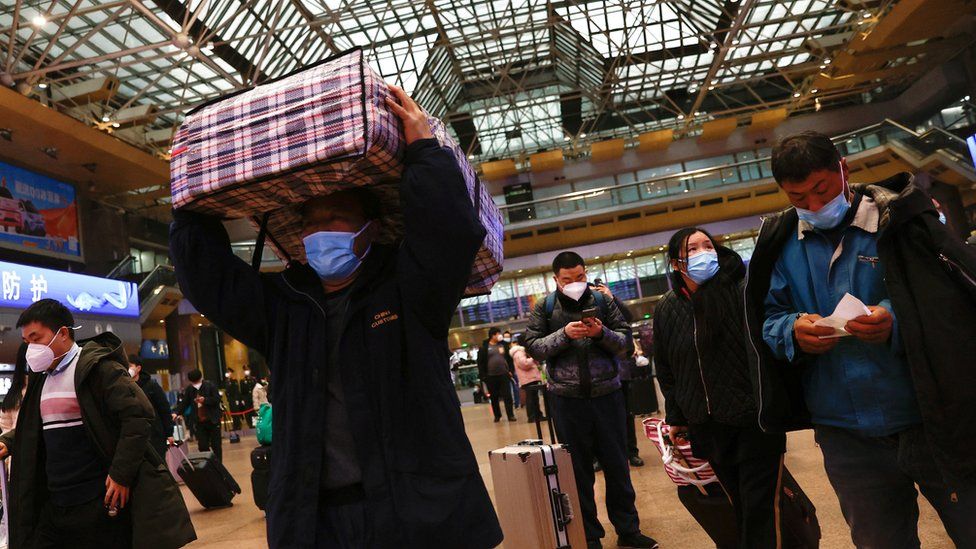
    People walk with their luggages at a railway station during the annual Spring Festival travel rush ahead of the Chinese Lunar New Year, as the coronavirus disease (COVID-19) outbreak continues, in Beijing, China January 13, 2023

    Last month, Beijing changed the way it categorises Covid deaths, only counting towards its total those who died of respiratory failure directly induced by the virus.

    The World Health Organisation criticised the definition, describing it as “too narrow”.

    Beijing has always contended that its figures are accurate, calling on the WHO to “uphold a scientific, objective and just position”.

    Officials said that the peak of patients hospitalised with severe Covid was in early January, although the number subsequently remained high.

    They said that they would continue to monitor the situation in rural areas, focusing on early detection and prioritising treatment of the most vulnerable.

    Source: BBC.com
  • Bolgatanga Municipal exceeds COVID-19 vaccination target for festive season

    Bolgatanga Municipal exceeds COVID-19 vaccination target for festive season

    The Bolgatanga Municipal Health Directorate of the Ghana Health Service has exceeded its COVID-19 vaccination target for the Christmas and New Year festivities. 

    With a target of 6,599 people to vaccinate, the Municipal Health Directorate vaccinated 10,482 people to exceed its target.

    The Ghana Health Service, in collaboration with partners and with funding from the World Health Organisation (WHO), declared a nationwide COVID-19 vaccination campaign during the yuletide. 

    The move was to combat the spread of the virus and the emergence of new strains from other countries, particularly China.  

    Mr Stephen Bordotsiah, the Bolgatanga Municipal Health Director, told the Ghana News Agency in an interview that cumulatively, 78.1 per cent of the area’s population had been fully vaccinated while 97.3 per cent had received at least a single dose. 

    He reiterated staff commitment to ensuring that the Municipality attained the target of 80 per cent fully vaccinated population and head immunity to help fight any spread of the virus. 

    “We are not doing badly at all as a municipality, we hope to achieve head immunity by the end of January 2023, hoping that at least we will cross the 80 per cent full vaccination rate,” he said. 

    Mr Bordotsiah noted that vaccination, coupled with laid down precautionary measures, are key in combating the spread of the virus and encouraged stakeholders to support demystifying the vaccination process. 

    That, he said, would enable more people to avail themselves to be vaccinated against the disease. 

    COVID-19 is an infectious disease caused by the SARS-CoV-2 virus. It can spread from an infected person’s mouth or nose in small liquid particles when the person coughs, sneezes, speaks, sings or breathes. These particles range from larger respiratory droplets to smaller aerosols. 

    One can be infected by breathing in the virus if near someone who has the disease. 

    Source: myjoyonline

  • Monkeypox name changed after racism complaints

    The World Health Organization (WHO) has announced a new preferred name for the monkeypox virus, saying it would refer to it as mpox.

    The WHO said it had received complaints the current name was “racist and stigmatizing” and that, after consultations with experts, mpox would be used simultaneously with monkeypox for one year.

    Thereafter, monkeypox would be phased out.

    The WHO urged other medical organisations and the media to adopt the new name as well.

    Source: BBC

  • Diabetes killed 416,000 people in Africa in 2021 – WHO

    Diabetes mellitus took the lives of 416,000 people on the African continent last year, thus becoming one of the leading causes of death in Africa by 2030.

    The World Health Organization (WHO) Representative to Ghana, Mr. Francis Kasolo who disclosed this in a statement read on his behalf at Ghana’s commemoration of the 2022 World Diabetes Day, said 24 million adults in Africa are currently living with the condition.

    The number was, however, predicted to swell by 129 percent to 55 million by 2045.

    Diabetes is a chronic metabolic disease typically characterised by high sugar in the blood. Types are ‘Type 1’, affecting usually children with little or no insulin, ‘Type 2’, usually occurring after 18 years with poor response to insulin and ‘Gestational Diabetes’, one that is caused by pregnancy among women.

    Mr Kasolo said Diabetes is the only major non-communicable disease for which the risk of dying early is increasing, rather than decreasing.

    The commemoration, organised by the Ministry of Health, was on the theme: “Access to Diabetes Care”.

    He said epidemiological trends were reflected in Ghana as Type-2 Diabetes affected approximately six per cent of adults, a percentage that is expected to rise.

    The WHO Representative said the known factors include family history and increasing age, along with modifiable risk factors such as overweight and obesity, sedentary lifestyles, unhealthy diets, smoking and alcohol abuse.

    When left unchecked and without management and lifestyle changes, Diabetes, he said, could lead to several debilitating complications like heart attack, stroke, kidney failure, lower limb amputation, visual impairment, blindness, and nerve damage.

    To enhance controlling of the condition, Mr Kasolo appealed to governments of WHO member states to prioritise investment in essential products like insulin, glucometers and test strips, explaining: “This is critical to ensure equitable accessibility for everyone living with diabetes, no matter where on the continent they are”.

    Dr Efua Commeh, Acting Programme Manager, Non-communicable Diseases, Ghana Health Service, said Diabetes affected a significant number of children, many of whom were not recognised.

    “Children with this condition will live with it for very long time and it will affect productivity. Moreover, there are many who walk around with the condition without knowing about it,” she noted.

    In Ghana, she said Diabetes prevalence is between six and seven per cent, adding: “Obesity, hypertension, unhealthy diet and lifestyles are rising and it’s therefore, not surprising that diabetes is also rising among the public”.

    Dr Commeh said more than 200,000 people passed through the Out Patient Department of health facilities every year with diabetes, including gestational conditions.

    Deputy Minister of Health, Tina Mensah who launched the commemoration, said rate of Diabetes infection is beyond the government health system and called on health development partners to join hands with the government to control the condition in Ghana.

    Mr. Steven Arthur, a representative of Roche, a biotech company, who said Diabetes is a lifestyle disorder, encouraged the public to acquire a certified glucometer to check their sugar levels every morning before breakfast and two hours after lunch.

    He also asked those with Diabetes to engage in physical activities at least 150 minutes per week, spread within three discontinuous days.

    Mr Arthur admonished the public to consume only low, good quality calories, as bad ones affected sugar levels with sweetness and unhealthy fats.

    “There are a lot of apps that can help you to track your sugar and calories levels and also try to visit your Diabetes Specialists regularly to enable them modify your treatments accordingly,” he said.

    Source: Complex.com

  • Ghana’s energy transition to prevent over 48,000 premature deaths annually – Dr Opoku Prempeh

    Energy Minister, Dr Matthew Opoku Prempeh, has revealed that the implementation of government’s energy transition plan will help save the lives of over 48,000 Ghanaians, who on the other hand would have died prematurely due to air pollution.

    According to the Minister, the energy transition plan will, among other things, “mitigate 200 million tonnes of carbon dioxide from greenhouse gas emissions, minimising energy-related indoor air pollution and associated diseases.”

    With the expected improvement in air quality, he said, “it is estimated that forty-eight thousand, two hundred and eighteen (48,218) premature deaths will be avoided annually.” 

    Using 2012 data, the World Health Organisation (WHO) estimated the annual health impacts of ambient air pollution in Ghana (approximately 28 million people) to be 5,729 premature deaths.

    Dr Matthew Opoku Prempeh disclosed this information in a Facebook post on Wednesday when he announced that Ghana’s framework on energy transition was showcased at a High-Level Event organised by Bloomberg Philanthropies on Sustainable Energy for All on the sidelines of the ongoing COP27 in Sharm el-Sheikh, Egypt.

    The Minister also indicated he and the National Energy Transition Committee were “delighted to witness the outdooring of the framework” done by President Akufo-Addo on November 8, 2022.

    In his address, the President noted that it has become imperative for Ghana to develop plans and strategies toward the creation of a net-zero energy sector while aggressively pursuing the nation’s economic development.

    Ghana is required to reduce her carbon dioxide emission levels as she is a signatory to the Paris Agreement and other international conventions.

    The Energy Minister has assured the public that in preparing the energy transition plan, all existing policies and programmes that are being implemented towards achieving Ghana’s nationally determined contributions were considered.

    According to Dr Opoku Prempeh, the Energy Ministry “will continue to work hand-in-hand with other stakeholders to ensure  that we are able to meet our energy transition targets and help improve the quality of life of Ghanaians.”

    The National Energy Transition Committee was instituted in December 2021, by the Energy Minister, to engage all relevant and related stakeholders across the length and breadth of the country.

    Since its establishment, the Committee, led by Dr Matthew Opoku Prempeh, has engaged the National House of Chiefs, Judicial Service, Council of State and National Union of Ghanaian Students (NUGS), among others on the country’s energy transition plan.


    Source: The Independent Ghana

  • Food and medicine not reaching Tigray yet – WHO

    The World Health Organization says no food or medicine has reached the Ethiopian region of Tigray despite the signing of a ceasefire last week.

    The United Nations has accused Ethiopia of using starvation as a weapon of war in Tigray, where it says a humanitarian blockade put 90% of the population at risk.

    “Nothing is moving,” said WHO head Dr Tedros Adhanom Ghebreyesus.

    “I was expecting food and medicine to start flowing immediately after the ceasefire. That’s not happening.”

    He said people were dying from starvation and treatable diseases.

    Dr Tedros, who comes from Tigray, called for the restoration of telecom, banking and other basic services.

    He said six million people had been shut off from the rest of the world for two years as if they didn’t exist.

    An Ethiopian official said Dr Tedros was trying to undermine the peace agreement – and that food and medicine were reaching Tigray.

    He said electricity and telecom services had been restored in some areas.

    Source: BBC

  • Covid-19 vaccination stagnate in Africa – WHO

    Covid-19 vaccination coverage has stagnated in half of African countries, while the number of doses administered monthly declined by over 50% between July and September, a World Health Organization (WHO) analysis has established.

    Although Africa is far from reaching the year-end global target of protecting 70% of the population, modest progress has been made in vaccinating high-risk population groups, particularly the elderly.

    The WHO analysis shows that the percentage of people with complete primary vaccination series (one dose for Johnson and Johnson and two doses for other vaccines) has barely budged in 27 out of 54 African countries in the past two months (17 August – 16 October 2022).

    In addition, in September, 23 million doses were given, 18% less than the number registered in August, and 51% less than the 47 million doses administered in July. The number of doses provided last month is also about one-third of the peak of the 63 million doses reached in February 2022. However, there are signs of improvement this month, with 22 million doses given as of 16 October 2022, representing 95% of the total administered in September.

    Overall, as of 16 October 2022, just 24% of the continent’s population had completed their primary vaccination series compared with the coverage of 64% at the global level. Liberia has now joined Mauritius and Seychelles as one of three countries to surpass 70% of people with full vaccination coverage. Rwanda is on the verge of achieving this milestone as well.

    Other small signs of progress are that the number of countries with less than 10% of people completing their primary series has dropped from 26 in December 2021 to five now. Despite these achievements, at the current pace of vaccination, Africa is expected to meet the global target of 70% of people with complete primary vaccination series by April 2025.

    “The end of the Covid-19 pandemic is within sight, but as long as Africa lags far behind the rest of the world in reaching widespread protection, there is a dangerous gap which the virus can exploit to come roaring back,” said Dr Matshidiso Moeti, WHO Regional Director for Africa.

    “The biggest priority is to shield our most vulnerable populations from the worst effects of Covid-19. On this front, we are seeing some progress as countries step up efforts to boost coverage among health workers, the elderly and those with compromised immune systems.”

    Based on data from 31 countries, by 16 October 2022, 40% of African health workers had completed their primary series. This latest data uses country estimates of population size instead of previous figures which used International Labour Organization estimates of the health workforce. In 15 of these countries, more than 70% of health workers have been fully vaccinated compared with 27% at the beginning of the year. Thirty-one per cent of older adults (between 50 and 65 years and older depending on country set age limits) have been fully vaccinated according to data from 27 countries, an increase from 21% in January 2022.

    While difficult access to doses undermined vaccination efforts in 2021, these issues have been largely resolved with countries on average receiving 67 doses per 100 people compared with 34 doses per 100 people at the end of 2021 and 13 doses per 100 at the end of September 2021. The continent has received 936 million vaccine doses, 62% of which came from the COVAX Facility.

    “After a bumpy start, the COVAX partnership has assured a steady pipeline of Covid-19 vaccines to Africa,” said Dr Moeti. “Now, we are a victim of our own success. As vaccines have helped bring the number of infections down, people no longer fear Covid-19 and so few are willing to get vaccinated.”

    Mass vaccination campaigns have been instrumental in boosting Covid-19 vaccine coverage, contributing to 85% of total doses administered in the African region. However, in the past few months, the number of people vaccinated has dropped significantly while the operational costs per person keep increasing. This decline in effectiveness is due to sub-optimal planning and preparations, especially at the sub-national levels.

    “Covid-19 vaccination campaigns are quick operations and are only effective with good planning,” said Dr Moeti. “I urge countries to make our goal of reaching every district a reality by improving preparations for vaccination campaigns.”

    Vaccine hesitancy and a low-risk perception of the pandemic, notably with the recent decline in cases are also dampening uptake. Over the past 12 weeks, Africa has recorded the lowest case numbers since the start of the pandemic. In the week ending on 16 October, 4281 new cases were reported, representing 1.3% of the peak of the Omicron-fuelled surge reached in December 2021. No country is currently in resurgence or on high alert and deaths remain low across the region, with a case fatality rate of 2.1%.

    The response to multiple public health emergencies is also affecting Covid-19 vaccine rollout. Outbreaks of polio, measles, yellow fever and now Ebola have shifted priorities in the affected countries.

    To assist countries to intensify vaccination efforts, WHO in Africa has embarked on a raft of measures including supporting countries to assess the preparedness for vaccination campaigns at provincial and district levels, tracking vaccination among priority groups, carrying out high-level advocacy to boost uptake, helping countries integrate Covid-19 vaccines in other planned mass vaccination campaigns as well as deploy surge missions to countries to improve quality of vaccination drives.

    Dr Moeti spoke on Thursday during a virtual press briefing. She was joined by Dr Wilhelmina Jallah, Minister of Health, Liberia; and Ms Aurelia Nguyen, Special Adviser, Gavi, the Vaccine Alliance.

    Also on hand from the WHO Regional Office for Africa was Dr Modjirom Ndoutabe, Polio Programme Coordinator; Dr Phionah Atuhebwe, Vaccines Introduction Medical Officer; and Dr Patrick Otim, Health Emergency Officer, Acute Events Management Unit.

  • Guterres calls for ‘sustained political commitment’ for a healthier world

    To accomplish this, “wealthier countries and international financial institutions need to support developing countries to make these crucial investments”, said UN Secretary-General António Guterres.

    In an address to the opening of the World Health Summit in Berlin, via a video message, he began by noting how poorly prepared most of the world is, for crises. The annual gathering is being hosted by the presidents of Germany, France and Senegal, alongside WHO Director General Tedros Adhanom Ghebreyesus.

    Women’s burden

    “Women have been among the hardest hit. They are shouldering an increased burden of care, in families and as frontline workers”, he said. But at the same time, many women has lost income due to job loss, and inadequate safety nets.

    He said COVID and now the food, energy and financial shocks spinning out from Russia’s invasion of Ukraine, are threatening the 17 Sustainable Development Goals, and poverty reduction efforts.

    To advance the SDGs, “we must recalibrate multilateralism and strengthen global cooperation”, he added.

    Failing the developing world

    Too little is being invested in health and well-being and the “unbalanced global financial system is failing the developing world”, he declared.

    “This must change. All people need inclusive, impartial and equitable access to health services, to deliver universal health coverage”, including neglected mental healthcare services.

    Combined, good health is the foundation, for peaceful and stable societies, he said.

    Paradigm shift away from ‘sick care’: Tedros

    In his remarks at the opening ceremony, WHO chief Tedros said to fulfill the theme of “taking global health to a new level” in the year ahead, this translated into three key priorities.

    First, the new pandemic accord being negotiated by countries, and for countries, was key, so the world can truly come together as one in the face of further pandemics on a par with COVID-19.

    “It will not give WHO any powers to do anything without the express permission of sovereign nation States”, he reassured.

    Second, a new “global architecture” is needed “that is coherent and inclusive.” The fractured COVID response made it clear that new and better tools are needed to shore it all up.

    Thirdly, a new global approach must be taken which prioritises promoting health and preventing disease, not just treating the sick. Too many health systems “do not deliver healthcare, they deliver sick care”, he said.

    Healthcare needs to be no longer just about one ministry or sector, but “of the whole of government, and the whole of society.”

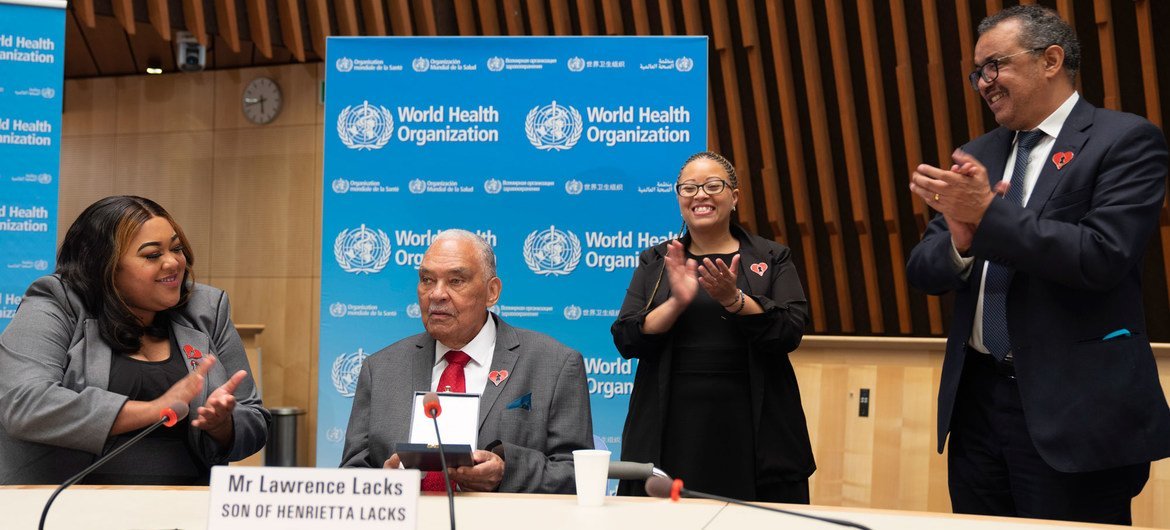
    Dr. Tedros Adhanom Ghebreyesus welcomes the family of Henrietta Lacks for a special dialogue at WHO headquarters in Geneva.

    Dr. Tedros Adhanom Ghebreyesus welcomes the family of Henrietta Lacks for a special dialogue at WHO headquarters in Geneva.

    Lacks family in new Goodwill Ambassador role

    In another development on Sunday, WHO chief Tedros announced the appointment of the Lacks family, as WHO Goodwill Ambassadors for Cervical Cancer Elimination.

    Henrietta Lacks, an impoverished African-American woman, died in 1951 from the disease, but left behind an extraordinary legacy through the unique properties of her cancer cells, which became the first “immortal” cell line, able to replicate outside the human body, providing countless medical breakthroughs since then.

    The so-called HeLa cells were taken from her without her knowledge or consent: “Much like the injustice of Henrietta Lacks’ story, women all over the world from racial and minority ethnic groups, face disproportionately higher risks from cervical cancer”, said Tedros.

    Cervical cancer elimination

    “WHO’s goal is to eliminate cervical cancer, which means the innovations created”, with her cells, “must be made available equitably to all women and girls. We look forward to working with the Lacks family to raise awareness on cervical cancer and advance racial equity in health and science.”

    Speaking at a ceremony during the World Health Summit, Alfred Lacks Carter Jr. said the family was accepting the honour to serve as Goodwill Ambassadors, “in the spirit of my mother, Deborah Lacks, who lost her mother, Henrietta, to cervical cancer, and worked to make certain the world recognizes her impact.”

    Source: news.un.org

  • Dr. Michael K Obeng begins free reconstructive surgeries in Ho

    Barely three months after performing free reconstructive surgeries in Yaounde Cameroon, R.E.S.T.O.R.E. Worldwide Inc., the Foundation for Reconstructive Surgery led by renowned plastic surgeon Dr. Michael K. Obeng is currently in the Volta Regional Capital, Ho on a humanitarian mission.

    The team of selfless and dedicated health officials arrived in Ghana on October 8 and are expected to conduct some 120 free reconstructive surgeries within the one-week period.

    Screening of patients at the Ho Teaching Hospital began Sunday, October 9.

    The mission will be the team’s third medical mission this year after successful programs in Gambia and Cameroon early in the year.

    This will be the 15th year that the R.E.S.T.O.R.E. team has embarked on such a humanitarian mission. The team of selfless volunteers has visited and performed reconstructive surgeries in Gabon, Ghana, Guatemala, Laos, Mexico, Nigeria, Senegal, and Vietnam.

    CEO of the Ho Teaching Hospital Dr. John Tampuori expressed gratitude for R.E.S.T.O.R.E.’s medical mission.

    He pledged his full commitment to the initiative and called on other Non-Governmental Organisations to emulate such humanitarian initiatives.

    R.E.S.T.O.R.E. at 15

    Dr. Michael K. Obeng recently announced that R.E.S.T.O.R.E. Worldwide Inc., The Foundation for Reconstructive Surgery reached its 15th anniversary this year.

    As founder and CEO, he looks back at those years with nostalgic fondness and is proud of the continuous expansion and growth, all made possible with the assistance of a strong donor base that helped RESTORE reach the milestone.

    Since its inception in 2007, R.E.S.T.O.R.E. and its dedicated group of admirable volunteers have completed missions in 11 different countries on three continents. The team has performed over 1,600 surgeries all free of charge, with a great humanitarian aim to change people’s lives, and was not afraid to tackle complex reconstruction cases.

    The monetary value of surgeries performed has exceeded well over $80 million USD. Moreover, a countless number of patients of all ages have indirectly benefited from the foundation’s work through non-surgical management and the education and training of local doctors.

    As R.E.S.T.O.R.E. races towards its 15th anniversary, Dr. Obeng states he is not only keen on replicating the same success, but also envisions reaching new horizons with a goal of raising $2.5 Million USD in a year to make even greater impact. He says it is no secret that there is strong demand and constant requests for R.E.S.T.O.R.E. missions in new regions and countries, all unfulfilled because of the heavy weight of logistical costs associated with providing medical and surgical supplies and transporting the team. While some donors provide value by donating time and volunteering, the non-profit needs donors to provide crucial financial support.

    This past June, R.E.S.T.O.R.E. completed a mission to Cameroon and has upcoming trips that include the Volta Region of Ghana in October and Senegal in December. If RESTORE reaches its fundraising goal, it can envision expansion to Central and South America, as well as Southeast Asia, and grow to become one of the leading non-profit, charity organizations across the globe.

    Dr. Obeng says that any support, great or small, helps RESTORE to get closer to its very special goal to change lives and give hope, function, and aesthetic form to those in need. He is deeply grateful for everyone’s generosity and hopes it will inspire others to make the same move, by supporting R.E.S.T.O.R.E.’s noble cause.

    Dr. Obeng says that any support, great or small, helps RESTORE to get closer to its very special goal to change lives and give hope, function, and aesthetic form to those in need.

    He expressed dee gratitude for everyone’s generosity and hopes it will inspire others to make the same move, by supporting R.E.S.T.O.R.E.’s noble cause.

    He made special mention of Sam Okudzeto Ablakwa , Member of Parliament for North Tongu, the management of Volta Serene Hotel in Ho, Ms. Penelope M. Jones-Mensah, lawyer and founder of the 40 Roses Foundation, Labadi Beach Hotel, Accra and Mr. Yaw Boakye, CEO of West One Ghana Limited for their support and generousity of spirit.

    On his part, Okudzeto Ablakwa expressed excitement that the R.E.S.T.O.R.E mission is in the Volta Region this year. He applauded Dr. Michael K. Obeng and the team of volunteers for their humanitarian assistance to the people of the Volta Region and urged them to continue touching lives with their incredible benevolence.

    About R.E.S.T.O.R.E. Worldwide Inc.; The Foundation for Reconstructive Surgery

    RESTORE is an acronym that stands for Restoring Emotional Stability Through Outstanding Reconstructive Efforts. It is a 501 (c)(3) non-profit medical service organization that provides free reconstructive surgery and related medical services to children and adults with disfiguring deformities from birth, accidents, and diseases involving not only the head and neck region, but also the trunk, breasts, extremities, and genitalia. It was founded in 2007 by Dr. Michael K. Obeng.

    As part of its mission, R.E.S.T.O.R.E. also educates and trains local medical professionals on the latest techniques and safety measures in plastic and reconstructive surgery, effecting change long after the R.E.S.T.O.R.E. team leaves these communities.

    About Dr. Michael K. Obeng

    Dr. Michael K. Obeng, popularly known as The Surgeon’s Surgeon is a Harvard-trained, board-certified plastic surgeon.

    In March this year, Dr. Obeng reached an agreement with Sushen Medicamentos PVT LTD. to build a $50 million WHO GMP-certified first-class pharmaceutical plant in Akwamu in the Eastern Region of Ghana to curtail the importation of fake drugs into the country.

    He also runs Global Health Solution, a consulting firm that is bridging the gap between “morbidity and healthy living” in developing countries.

    Dr. Obeng is among the rare few plastic surgeons in the world to successfully reattach a limb and remove ribs to streamline the waist. He specializes in cosmetic surgery and complex reconstruction, hence the nickname, “The Surgeon’s Surgeon” as dubbed by his colleagues.

    The Ghanaian-born surgeon gained global recognition in 2021 after successfully removing Gorilla Glue from the hair of “internet sensation” Tessica Brown by using bio-friendly chemicals he put together in less than 48 hrs.

    He is a father, an award-winning motivational speaker, a philanthropist, a humanitarian, and a global health strategist.

    Dr. Michael K. Obeng was named among “America’s Top Plastic Surgeons” by the Consumer Research Council of America in 2011 and 2014.


  • 250 women undergo breast screening at Kaneshie Market Complex

    About 50 to 60 percent of suspected cases of breast cancer has been recorded during a breast cancer screening for over 250 women at the Kaneshie Medical Centre(KMC) during the breast cancer month-long campaign.

    This was disclosed by the Medical Officer of the Kaneshie Medical Centre, Dr Obed Boamah,in an interview with the Ghanaian Times in Accra on Friday.

    Organised by the New Times Corporation (NTC) in partnership with other organisations such as Kaneshie Medical Centre, Unichem Ghana Group, World Health Organisation (WHO) and the Kaneshie Polyclinic, the exercise was to create awareness about breast cancer, leading to low mortality rate.

    When the Ghanaian Times got to the Medical Centre at the Kaneshie Market Complex, it observed that some women who had made their way to the place were seated patiently waiting to go through the screening process.

    The women were also educated on the disease by the nurses who were attending to them while ensuring that the screening process went on smoothly.

    According to Dr Boamah, those who had suspicious cases were recommended to visit scanning centres depending on their proximity and later report back to the Medical Centre.

    Additionally, he said the screening would also afford the Medical Centre the opportunity to determine who needed urgent attention based on the medical report after the scan had been done.

    Dr Boamahnoted that illiteracy was proving a challenge in the fight against the disease as he asserted that through his interaction with the women,it came to light that most of them had little or no knowledge about the disease.

    This, Dr Boamah indicated, called for intensified awareness creation by showing images of the disease on various media platforms including broadcast, print and online media and the use of a language that would be understood by the women.

    Heappealed to government to include breast cancer screening such as mammogram and ultra-sound screening to the National Health Insurance Scheme (NHIS) as most clients found it costly.

    For his part, the Acting Head of Clinical Service at the KMC, Dr Seth KwabenaMawuena, lauded NTC and its associate partners for the exercise, describing it as impressive considering the enthusiasm with which it had been received by the women.

    He said through the exercise, breast cancer cases and other health-related cases that would have gone unnoticed had been detected with the appropriate medical assistance being offered.

    Dr Mawuena noted that early detection was key in the fight against breast cancer, saying “early detection is very important because when there is late detection it becomes complicated and there is a high chance of death.”

    He, therefore, urged the public, especially women, to take advantage of breast cancer screening in order to know their status.

    Some women whom the Ghanaian Times spoke to expressed high level of satisfaction about the whole exercise and called for intensified awareness creation about the disease.

    They also urged women not to wait until the cancer became severe before visiting the health centre for treatment but rather make frequent check-up a habit.

  • India-made cough syrups: WHO alert over deaths in The Gambia

    Four cough syrups have been the subject of a global alert after the World Health Organization (WHO) issued a warning that they may have contributed to the deaths of 66 children in The Gambia.

    According to the report, the syrups “may be related to severe renal damage and 66 child fatalities.”

    The products were manufactured by an Indian company, Maiden Pharmaceuticals, which had failed to provide guarantees about their safety, the WHO added.

    The firm has not yet commented.

    The BBC has contacted Maiden Pharmaceuticals for comment.

    The WHO identified the medicines as Promethazine Oral Solution, Kofexmalin Baby Cough Syrup, Makoff Baby Cough Syrup, and Magrip N Cold Syrup.

    The four products had been identified in The Gambia, but “may have been distributed, through informal markets, to other countries or regions”, the WHO added, in the alert published on its website.

    It warned that their use may result in serious injury or death, especially among children.

    The WHO’s intervention came after medical authorities in The Gambia – a popular tourist destination – detected an increase in cases of acute kidney injury among children under the age of five in late July.

    The Gambia’s government has since suspended the use of all paracetamol syrups and has urged people to use tablets instead.

    The WHO said that laboratory analysis of samples of the products “confirms that they contain unacceptable amounts of diethylene glycol and ethylene glycol as contaminants.”

    The substances were toxic, and their effects “can include abdominal pain, vomiting, diarrhoea, inability to pass urine, headache, altered mental state and acute kidney injury which may lead to death,” it added.

    The Gambia’s health officials said last month that dozens of children had died, without giving an exact number.

    Speaking in Geneva on Wednesday, WHO chief Tedros Ghebreyesus said: “The loss of these young lives is beyond heart-breaking for their families.”

    The WHO said that India’s Central Drugs Standard Control Organisation indicated that the manufacturer may have only supplied the contaminated medications to The Gambia, AFP news agency reports, quoting an email from the UN health agency.

    But the WHO said that “global exposure” was possible as the “manufacturer may have used the same contaminated material in other products and distributed them locally or exported” them, the agency reports.

  • German government is being sued for toxic air pollution

    German citizens are suing their government over “dangerously” high levels of air pollution.

    They contend that the government is failing to safeguard their health and that their right to breathe clean, healthy air is being violated.

    Like many countries, Germany’s air pollution levels often far exceed World Health Organization limits.

    Globally, air pollution is associated with seven million premature deaths a year.

    It is the first time individuals in Germany have taken such action citing human rights legislation.

    The case comes after one of the EU’s top lawyers, the advocate general to the European Court of Justice, said in May that citizens could take such action to try to win compensation.

    The group of seven claimants, which includes parents acting on behalf of children, say their health is at risk and politicians are failing to protect them. A number of them have asthma.

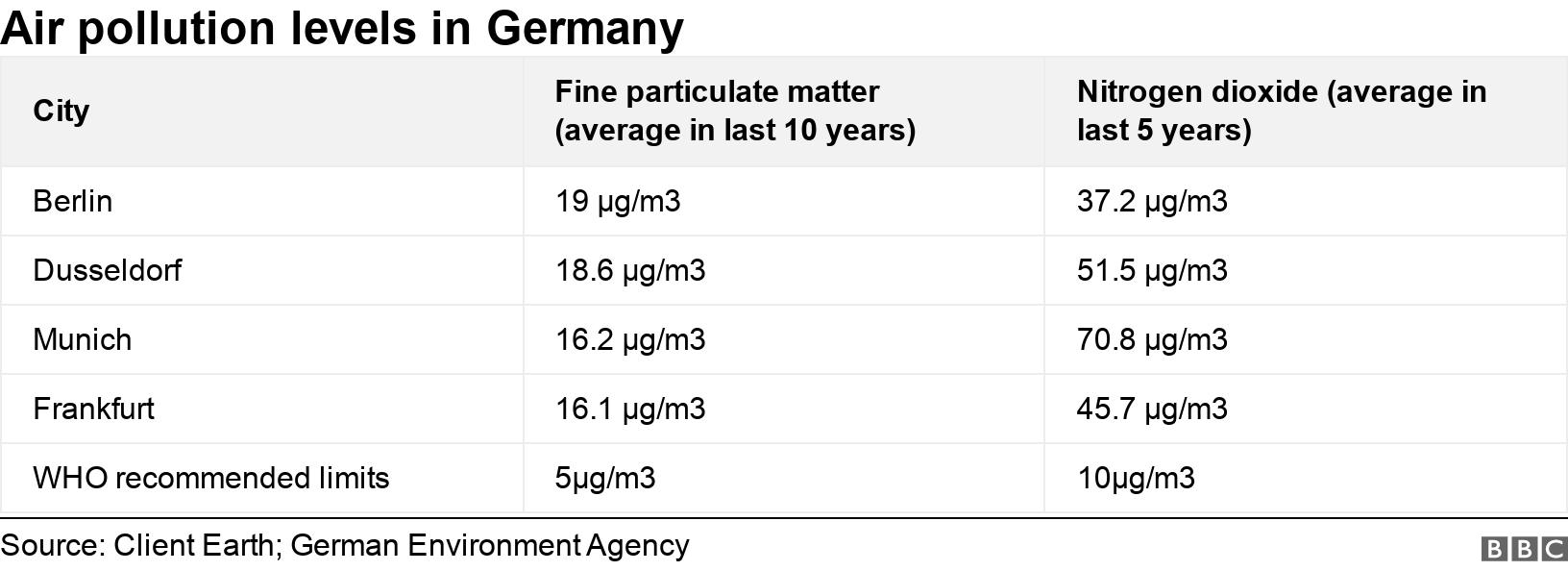
    They live in Berlin, Munich, Frankfurt, and Dusseldorf – four of German’s seven biggest cities- and claim they are breathing air with concentrations of pollution four to five times higher than the WHO’s acceptable limits.

    Volker Becker-Battaglia lives in Munich, on one of Germany’s most polluted streets. “Air pollution is a problem you can’t see. It’s not in people’s minds, but it’s a killer,” he told BBC News.

    “About 150,000 people drive their cars in front of our house every day, it’s horrible. We flee the city whenever we can,” he explains.

    Constanze, from Düsseldorf, who prefers to use her first name only to protect her privacy, said she is taking part in the case for her two children.

    “They deserve to grow up healthy. Living in a city should not condemn them to get sick because of air pollution, and carrying its impacts with them for the rest of their lives.”

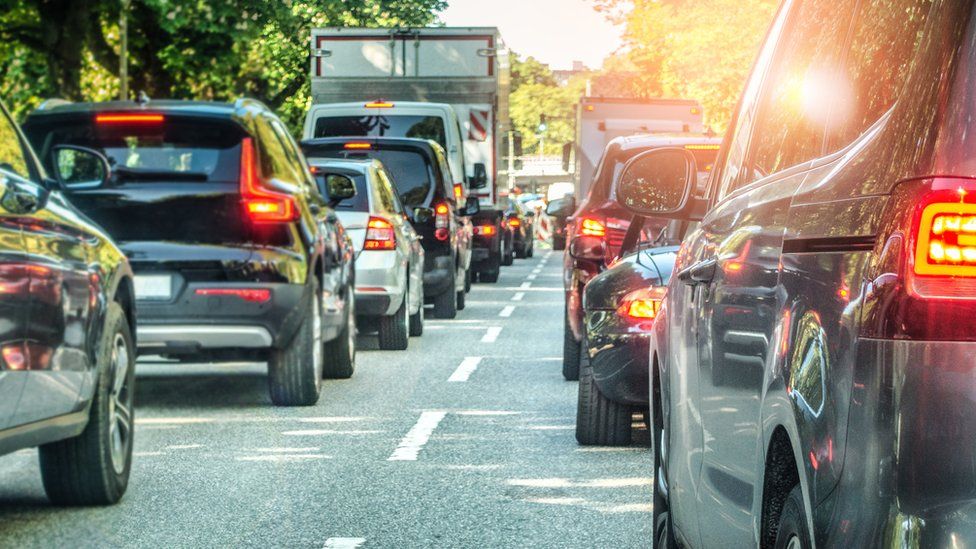
    Cars are a major source of air pollution
    IMAGE SOURCE, GETTY IMAGES Image caption, Cars are a major source of air pollution

    Germany’s air pollution levels are in line with the country’s own law, but the claimants say the law must change to reflect growing scientific consensus.

    The WHO slashed the recommended limits in 2021, as more evidence became available about the dangers of toxic air.

    Germany’s Environment Agency said that the federal states are responsible for assessing air quality, and taking action if limits are breached.

    “The WHO guide values are recommendations that do not have the legally binding character of the limit values of the EU Air Quality Directive,” a spokesperson said.

    Air pollution levels in Germany. . .

    Research published this month suggests how breathing in car fumes can lead to lung cancer by awakening dormant cells.

    About one in 10 cases of the disease is attributed to air pollution.

    The German court could compel the government to take action to reduce it.

    The case is supported by environmental organisations ClientEarth and Deutsche Umwelthilfe.

    “Protection from air pollution is a human rights issue. Many people are starting to understand how much their life and their children’s lives can improve if governments start implementing better controls,” Irmina Kotiuk, a human rights lawyer with ClientEarth, said.

    Germany could act as a leader in improving air pollution, prompting other countries to do the same, she suggests.

    The claimants are also asking that the German government educates the public about dangerous levels of air pollution based on WHO advice.

    The case is filed in Germany’s constitutional court which protects citizens’ fundamental human rights. The claimants are not suing for financial compensation, but for the government to take action.

    A ruling in their favour would apply nationwide.

    It comes after a series of cases and rulings in Europe on air pollution.

    In 2020, nine-year-old Ella Adoo-Kissi-Debrah became the first person in the UK to have air pollution listed as a cause of death. She lived near a busy road in London and died of an asthma attack.

    France’s government was ordered to pay a €10m (£8.9m) fine in 2021 over failures to improve air quality

  • ‘Ukraine is under constant stress’ – First Lady Olena Zelenska

    Ukraine’s First Lady Olena Zelenska has told the BBC that the whole of the country is “under constant stress”.

    Her comments come hours after a number of rocket attacks were reported in the country, including in the Kyiv region.

    “We have been under constant stress from 24 February and that does not relent,” she said.

    Ms. Zelenska says the government is implementing support to help Ukrainians get help for their mental health and is being assisted by the WHO.

    “We need expert help and that’s why we’ve approached the WHO who are helping us with psychological help.”

    Ms. Zelenska, who is known for being quite private, also discussed her recent appearance in Vogue. She said it was a massive opportunity to speak about Ukraine.

    “Millions read Vogue and speaking to them directly was my duty. And that was an interesting experience,” she said.

    “In peaceful life, I’m not used to the attention. Everyone is fighting on a front line and it’s work and I have to do that work,” she added.

    Last week Ms. Zelenska hosted a First Lady summit, attended by the spouses of a number of world leaders. During the meeting, they discussed the Ukraine war and the assistance needed.

    “First ladies have no opportunities to influence politics but we have an emotional influence. We understand each other, we feel each other,” she said.

    Ms. Zelenska also said that the need for the country to keep working and for people to keep going is very important.

    “The country has to survive, the country has to preserve some form of normality. Even soldiers are saying to their friends to go and have a coffee, see a film, enjoy the peace that you have. We are here on the front line to give that peace for you.

    “It’s a very delicate balance. So if someone might say Kyiv is a completely peaceful city, that would be an illusion. We had several rocket attacks but the country has to keep working. Businesses have to keep working. The country is working and it shouldn’t stop. There is no life without development – we have to keep developing.”

    Source: bbc.com

  • Don’t impose travel restrictions over Marburg virus, observe COVID-19 safety protocols WHO

    The World Health Organization (WHO) has said, although some cases of the Marburg virus have been recorded in Ghana, there is no need to impose a travel restriction.

    Ghana and Guinea have recorded fresh cases of the deadly virus, putting other West African countries on red alert.

    The WHO Country Representative, Dr. Francis Kasola urged Ghanaians to observe COVID-19 safety protocols in order to prevent the spread of the Marburg virus.

    “We are not recommending any travel restrictions. There will be no cause for alarm as long as people follow the advice we have given, particularly the COVID-19 prevention protocols; washing of hands, among others.”

    Two cases have so far been recorded in the country.

    One case was a 26-year-old male who checked into a hospital on 26 June 2022 and died on 27 June. The second case was a 51-year-old male that reported to the hospital on 28 June and died on the same day.

    Marburg Virus Disease is a rare but severe haemorrhagic fever that affects both humans and non-human primates.

    It is caused by the Marburg virus. It is transmitted by infected persons or animals from direct contact with body fluids, blood, and other discharges from the affected person/animal. The incubation period for the disease is two (2) to twenty-one (21) days. Treatment is symptomatic. There is currently no vaccine available.

    Prospective cases may present with fever, bloody diarrhoea, bleeding from gums, bleeding into the skin, bleeding into eyes, and, bloody urine.

    Source: Citinews

  • Monkeypox to get a new name, says WHO

    The World Health Organization says it is working with experts to come up with a new name for monkeypox.

    It comes after more than 30 scientists wrote last week about the “urgent need for a non-discriminatory and non-stigmatising” name for the virus and the disease it causes.

    Continued reference to the virus as African is both inaccurate and discriminatory, they said.

    Some 1,600 cases of the disease have been recorded globally in recent weeks.

    While 72 deaths have been reported in countries where monkeypox was already endemic, none have been seen in the newly affected 32 countries, such as the UK.

    At the latest count, as of 12 June, there were 452 confirmed cases in England, 12 in Scotland, 2 in Northern Ireland and 4 in Wales.

    The World Health Organization says it will hold an emergency meeting next week to determine whether to classify the outbreak as a public health emergency of international concern – the highest alarm the UN agency can sound.

    The only other diseases this has happened for in the past are Swine flu, polio, Ebola, Zika and Covid.

    World Health Organization chief Tedros Adhanom Ghebreyesus said: “The outbreak of monkeypox is unusual and concerning.

    “For that reason I have decided to convene the Emergency Committee under the international health regulations next week, to assess whether this outbreak represents a public health emergency of international concern.”

    What is monkeypox?

    Monkeypox is caused by the monkeypox virus, a member of the same family of viruses as smallpox, although it is much less severe.

    One new name for it that’s been suggested by scientists is hMPXV, but we’ll need to wait to hear what the WHO thinks of that.

    Infections are usually mild and the risk to the general population is low, but the UK government has bought stocks of smallpox vaccine to guard against more cases.

    The virus has been spreading in an unusual manner around the world in recent months. Previous outbreaks have been mainly confined to parts of Africa where rodents – not monkeys – are thought to be the main animal host.

    The infection causes a rash that looks a bit like chickenpox. The virus can be spread when someone is in close contact with an infected person.

    It has not previously been described as a sexually transmitted infection, but it can be passed on by close contact.

    Anyone with the virus should abstain from sex while they have symptoms.

    Source: BBC

  • WHO Looks Into Reports of Monkeypox Virus in Semen

    The World Health Organisation is looking into reports that the monkeypox virus is present in the semen of patients, exploring the possibility that the disease could be sexually transmitted, a WHO official said on Wednesday.

    Many cases in the current monkeypox outbreak, largely centred on Europe, are among sexual partners who have had close contact, and the agency reiterated that virus is mainly transmitted via close interpersonal contact.

    In recent days, scientists say they have detected viral DNA in the semen of a handful of monkeypox patients in Italy and Germany, including a lab-tested sample that suggested the virus found in the semen of a single patient was capable of infecting another person and replicating.

    Catherine Smallwood, monkeypox incident manager at WHO/Europe, said it was not known whether recent reports meant the monkeypox virus could be sexually transmitted.

    “This may have been something that we were unaware of in this disease before,” she told a press briefing.

    “We really need to focus on the most frequent mode of transmission and we clearly see that to be associated with skin to skin contact.”

    More than 1,300 cases of the viral disease have been reported by about 30 countries since early May. Most cases have been reported in men who have sex with men.

    The outbreak has triggered concern since the virus is rarely seen outside of Africa, where it is endemic, and the majority of the European cases are not related to travel to the continent.

    As the outbreak spreads, the WHO has recommended targeted vaccination of close contacts, including healthcare workers, but has warned it is already seeing a rush to stockpile vaccines.

    “Once again, a ‘me first’ approach could lead to damaging consequences down the road,” said Hans Kluge, WHO’s regional director for Europe.

    “I beseech governments to tackle monkeypox without repeating the mistakes of the pandemic and keeping equity at the heart of all we do.”

    Source: https:?//www.usnews.com

  • Monkeypox virus not foreign, we can contain the outbreak – WHO

    The World Health Organisation has determined that the virus causing the monkeypox outbreak is no foreign virus, therefore, can be contained.

    Rosamund Lewis, the Head of Smallpox Secretariat at WHO, shared the information in a video shared by DW on its Twitter account on Thursday.

    Addressing the press, Rosamund Lewis noted that monkeypox is an emerging disease which has been surfacing for the last two or three decades.

    She noted that the outbreak of the virus can be contained by enhancing contact tracing and isolating affected persons.

    “The WHO is putting up guidance also on vaccines and immunization considerations, but the important thing right now is to realize that this outbreak can be contained due to/ with contact tracing and isolation.

    “This is an emerging disease, it has been emerging for the last 20/30 years, it’s not unknown, it’s very well described.”

    Currently, the WHO is putting up guidance also on vaccines and immunization considerations. The WHO earlier reported that vaccination against human smallpox is also effective against monkeypox. 

    Both species are related but human smallpox is a lot more dangerous, DW reports.

    Although the WHO says the outbreak can be contained, its findings have shown a concern. The virus has begun to spread among population groups, Rosamund Lewis noted.

    “But we have a new situation of this emerging disease which has now appeared, and has begun to spread among population groups which normally would not have this, and so this is why we are treating this as a concerning situation although individuals remain at very low risk.

    “So what we are seeing is a number of cases that are higher in certain countries where they have been gatherings recently and we are advising folks to be very mindful and very careful in the gatherings that are coming in the days ahead.”

    The UN Health agency has revealed that monkeypox is caused by a larger group of viruses known as the Orthopoxviruses Smallpox.

    The virus is said to cause rash and fever. Over 100 cases of the virus have been confirmed in Europe, America and Australia.

    Germany has ordered up to 40,000 doses of the Imvanex vaccine to be ready in case the outbreak worsens.

    But BBC reports that the virus is most common in remote parts of Central and West Africa.

    The United Arab Emirates (UAE), Czech Republic and Slovenia reported their first cases on Tuesday.

    Meanwhile, the Ghana Health Service (GHS) has rejected claims that the Western Region has recorded its first case of monkeypox.

    This comes after an individual in the Ahanta West Municipality reported to a health facility with blisters.

    The Western Regional Director of Health Services, Dr Yaw Ofori Yeboah, has noted that the said individual is not suffering from monkeypox.

    Source: The Independent Ghana


  • WHO accuses firms of unethical marketing of baby formula

    The World Health Organization and UNICEF, accuse formula milk companies of targeting pregnant women and young mothers with unethical marketing practices, in a study released on Wednesday.

    Misleading and scientifically unsubstantiated messaging is used to convince mothers to give babies formula, instead of breast milk, according to the report. The industry was worth $55 billion in 2019.

    While breastfeeding rates have slightly increased in the last 20 years, the revenue of formula milk producers has almost doubled in the same time frame.

    There are around half a dozen large firms, Nigel Rollins from the WHO department responsible for maternal and child health told dpa.

    He said their practices are similar, but did not name individual companies.

    Only 25 countries have widely implemented a 1981 code of conduct on baby food marketing, the WHO reported in 2020.

    The report says companies started or infiltrated mothers’ groups on social media to promote baby formula, and provided health workers with dubious information at conferences or in brochures, which they then passed on to mothers.

    This false information included claims that babies sleep longer with formula, breast milk loses quality over time and that certain products could prevent allergies.

    According to the WHO, there are lifelong benefits to breastfeeding for the first months of life, including reducing the risk of cardiovascular disease, obesity and diabetes, as well as reducing the breast cancer risk in mothers.

    Source: GNA

  • 25% Ghanaians could suffer stroke by 2040 – WHO

    One in four Ghanaians will suffer stroke in the next 10 to 20 years if nothing is done to control the conditions that induce the ailment.

    Presently, the World Health Organisation (WHO) estimates that 94,000 people suffer stroke annually in the country.

    These were made known at the project launch on trans-fatty acid at a forum dubbed “High-Level Engagement on the Elimination of Trans-fatty Acids (TFA) in Ghana,” in Accra.

    The project was launched by the Institute of Leadership and Development (INSLA) and christened “Making Ghana TFA free to improve Heart Health”.

    What is TFA?

    Trans-fatty acids are manufactured fats created during a process called hydrogenation — the process of combining fat, typically vegetable oils, with hydrogen in order to make it more saturated.

    They may be particularly dangerous for heart health and may pose a risk for certain cancers.

    Trans-fats are a form of unsaturated fats associated with a number of negative health effects.

    Artificial trans-fats are created during hydrogenation, which converts liquid vegetable oils into semi-solid partially hydrogenated oil.

    Trans-fats can also be found naturally in meat and dairy.

    National concern

    The Director of INSLA, Mr Benjamin Anabila, said the problems associated with trans-fatty acid were a potential national disaster, which could “surpass the devastation caused by COVID-19 in the country”.

    He said TFA had been identified as the leading cause of cardiovascular diseases and stroke.

    According to him, cardiovascular diseases, stroke, peripheral arterial diseases and aortic disease had assumed significant importance in the global public health arena, with cardiovascular diseases now regarded as the number one cause of death.

    Mr Anabila said in 2012, an estimated 17.5 million people died from cardiovascular diseases globally, representing 31 per cent of all global deaths.

    He said the first phase of the 18-month project would seek to create awareness of the negative impact of TFAs and advocate their elimination from the country.

    He said currently, only South Africa and Kenya had been able to eliminate TFAs from their food chain.

    A lecturer at the University of Health and Allied Sciences (UHAS), Dr Phyllis Addo, said TFAs — unlike saturated fats which increased bad cholesterol — also reduced one’s good cholesterol and increased the risk of heart diseases.

    Presently, she said, there was no policy in the country regarding the need to eliminate TFAs, and, therefore, manufacturers had capitalised on the loop-hole to dump foods and oils that contained TFAs such as snacks, baked and fried foods in the country.

    She called on the public to ensure that they read labels on whatever they bought for consumption so as to avoid foods that were high in fatty acids.

    The acting Head, Public Health and Health Promotion, of the Ministry of Health, Mr Mark Atuahene, said the ministry was ready to partner stakeholders to generate a policy on TFAs in the country.

    A representative of WHO, Dr Elise Kodjoe, said the world body was spearheading a global initiative to eliminate trans-fats in the world by 2030.

    Source: graphic.com.gh

  • Travel bans hit Britain as WHO says new virus strain can be contained

    Dozens of countries around the world have imposed travel bans on Britain, where a more infectious variant of the coronavirus has gained a foothold, stranding passengers at airports and generating queues on motorways after France shut its border.

    India, Pakistan, Saudi Arabia, Hong Kong and Canada, along with a host of European nations, joined the growing list of countries restricting travel with Britain in the hope of preventing the variant’s arrival.

    British experts say the new strain is 70 per cent more transmissible, with London and the south-east of England especially hard hit.

    Yet the World Health Organization said on Monday that the new virus strain is controllable.
    “This situation is not out of control but it cannot be left to its own devices,” WHO health emergencies chief Mike Ryan told a press conference in Geneva, urging countries to implement tried-and-tested health measures.

    According to the WHO, people who catch the new variant infect 1.5 other people on average, compared to a reproduction rate of 1.1 for previously known variants in Britain.

    There is also a widespread consensus among virologists that COVID-19 vaccines would be effective against the variant.

    The head of German company BioNTech, Ugur Sahin, told DPA the company has already tested the vaccine against 20 other virus variants and saw a successful immune response that deactivated the virus.

    The new variant is a stronger mutation and the vaccine will be tested against it over the next two weeks, Sahin said.

    British scientists are still trying to find out how much of this increase is due to changes in the virus, and how much is related to behavioural factors among the population, the WHO’s chief Covid-19 scientist Maria Van Kerkhove said.

    There is no evidence so far that the new strain causes more severe or deadly diseases, she stressed.

    The variant found in Britain has also been seen in single individuals in Australia, Iceland, Italy and the Netherlands, as well as a few cases in Denmark, the WHO said.

    The European Union was trying to work toward a coordinated response amid a flurry of travel restrictions announced separately by the bloc’s 27 countries.

    In a meeting under the umbrella of the EU’s Integrated Political Crisis Response mechanism (IPCR), delegates “stated their support for rapid action towards a coordinated EU approach in relation to measures applied to connections with the UK … and called for guidelines from the Commission,” an EU official told dpa.

    “Given the experience at the beginning of the pandemic, member states also stressed the importance of keeping the borders open within the Schengen area,” the official said, referring to Europe’s passport-free travel zone.

    The issue will next be discussed on Tuesday, when EU ambassadors convene.

    British Prime Minister Boris Johnson said Monday evening that after speaking with French President Emmanuel Macron he was hopeful the issues surrounding the blocked border between France and Britain could be resolved “in a few hours.”

    On Sunday night France imposed a ban on travel from Britain by land, sea, rail and air to last at least 48 hours. Only unaccompanied cargo was allowed through to France.

    The restrictions triggered travel chaos at crossing points and ports.

    Eurotunnel access linking Britain and Calais, France was suspended while lorries carrying goods to Europe were brought to standstill on motorways.

    Britain’s Press Association said at one point 170 freight trucks were stuck in the city of Kent after being barred from travelling across the Channel, although Johnson said the traffic situation was easing up by Monday evening.

    Air travellers were also caught up in the growing net of travel bans and mandatory quarantines stem the spread of the variant.

    For example, about 120 passengers from Britain had to spend the night in a transit area of Frankfurt Airport on Sunday after German authorities suspended travel to and from Britain over the weekend. Similar scenes were repeated in airports in Berlin and Munich.

    Some countries expanded their travel bans beyond Britain.

    Turkey has also suspended flights from Denmark, the Netherlands and South Africa, on the orders of President Recep Tayyip Erdogan, because of the coronavirus variant, Health Minister Fahrettin Koca tweeted.

    Israel went even further, saying it would ban entry to foreigners from all countries in a bid to prevent the spread.

    Source: GNA

  • WHO warns of high Coronavirus cases at Christmas

    The World Health Organisation (WHO) has called for high alertness indicating that there is a possibility of a surge in COVID-19 cases as families prepare for the festive season.

    Dr Matshidiso Moeti, the WHO regional director for Africa, said Africa has been experiencing a rise in cases since October.

    “We are now nearing the time of year when people travel to spend their holidays together. These end-of-year get togethers are a key part of African life, but they can increase the risk of Covid-19 transmission. Greater mobility and large gatherings can lead to new clusters of cases in parts of Africa that might previously have been spared,” Dr Moeti said.

    According to WHO, a rise in new cases in most of the affected African countries is coming from workplaces and family gatherings as people are letting their guard down among colleagues and loved ones.

    Dr Moeti said the upcoming holiday season may exacerbate this situation.

    WHO has advised the population to meet outdoors where possible, avoid mass gatherings, continue physical distancing, practice frequent handwashing, wearing facemasks, particularly around older people and those with diabetes or hypertension. Mr Emmanuel Ainebyoona, the Ministry of Health spokesperson, said plans are underway on how they will prevent the surge in cases ahead of the festive season.

    The Christmas season is always known as a period of festivity or as some refer to as the best time of the year. However, the celebration will be unusual this year because of COVID-19.

    As people travel to the village for the celebrations, it could pose a danger in contracting the virus if guidelines are not followed. When it comes to attending church service or mass, churches will be expected to adhere to Covid-19 rules on gatherings to avoid infections.

    Source: monitor.co.ug

  • WHO Africa chief condemns ‘sex abuse’ by aid staff

    The World Health Organization’s regional director for Africa, Matshidiso Moeti, has said allegations that aid workers sexually abused women while tackling an Ebola outbreak in the Democratic Republic of Congo are “heartbreaking”.

    She said she will ensure a “timely, fair and transparent investigation” and that those found to have been involved will face serious consequences.

    Dr Moeti said she would ensure mechanisms of reporting such acts are corrected:

    A year-long investigation by two agencies revealed that aid workers who identified themselves as WHO staff sexually abused women in the Democratic Republic of Congo.

    The New Humanitarian and the Thomson Reuters Foundation spoke to 50 local women who were allegedly plied with drinks, “ambushed” in hospitals, forced to have sex, and two became pregnant.

    The allegations cover the period between 2018 and March this year.

    Source: bbc.com

  • Record rise in weekly Covid-19 cases, but deaths down: WHO

    The coronavirus pandemic appears to be accelerating worldwide, with new cases soaring last week to a new seven-day high of almost 2 million even as new deaths decreased, World Health Organization (WHO) statistics show.

    In its latest global update late on Monday, the UN health body said 1,998,897 new cases of the novel coronavirus had been registered around the world during the week ending on September 20.

    That marked a 6-percent increase from the week before and “the highest number of reported cases in a single week since the beginning of the epidemic,” the WHO said.

    Since the novel coronavirus first surfaced in China late last year, it has infected more than 31 million people globally, while nearly 965,000 have died, according to the latest figures released on Tuesday.

    Nearly all regions of the world saw new cases rise last week, WHO said, with Europe and the Americas seeing new cases swell by 11 and 10 percent respectively.

    In countries such as the United Kingdom and Spain, restrictions were announced this week in fears of another outbreak as cases surged back to levels seen earlier in the year.

    The United States continued to have the highest number of cases in the world, with more than 6.8 million infections, followed by India and Brazil

    Only Africa, which has remained relatively unscathed by the pandemic, dodged the upward trend, reporting a 12-percent drop in new cases from a week earlier.

    Deaths declining

    Even as cases shot up across much of the world, the number of deaths is going down, the WHO statistics showed.

    Last week, some 37,700 new deaths linked to the virus were recorded worldwide, marking a decline of 10 percent compared with the previous week.

    The decline was driven by the Americas, long the hardest-hit region, where new deaths were 22 percent lower than a week earlier, and by Africa where new deaths dropped 16 percent.

    The Americas, however, still account for half of all reported cases and 55 percent of global deaths. The drop in new deaths in the region was driven mainly by decreases in Colombia, Mexico, Ecuador and Bolivia.

    The US and Brazil continued to report the highest number of deaths, each reporting more than 5,000 new deaths in the past week.

    Meanwhile, parts of Europe, experiencing a second wave of infections, saw the new death count shoot up to more than 4,000 for the seven-day period, a 27-percent hike compared with the week before.

    France, Russia, Spain and Britain reported the highest number of new cases in the past week, while Hungary and Denmark saw the highest relative increase in deaths.

    Britain continues to count the highest number of cumulative deaths on the continent at nearly 42,000 since the beginning of the pandemic.

    Source: Aljazeera

  • Coronavirus pandemic could be over within two years – WHO head

    The head of the World Health Organization (WHO) says he hopes the coronavirus pandemic will be over in under two years.

    Speaking in Geneva on Friday, Tedros Adhanom Ghebreyesus said the Spanish flu of 1918 took two years to overcome.

    But he added that current advances in technology could enable the world to halt the virus “in a shorter time”.

    “Of course with more connectiveness, the virus has a better chance of spreading,” he said.

    “But at the same time, we have also the technology to stop it, and the knowledge to stop it,” he noted, stressing the importance of “national unity, global solidarity”.

    The deadly flu of 1918 killed at least 50 million people.

    The coronavirus has so far killed almost 800,000 people and infected 22.7 million more.

    Dr Tedros also responded to a question about corruption relating to personal protective equipment (PPE) during the pandemic, which he described as “criminal”.

    “Any type of corruption is unacceptable,” he answered.

    “However, corruption related to PPE… for me it’s actually murder. Because if health workers work without PPE, we’re risking their lives. And that also risks the lives of the people they serve.”

    Although the question related to allegations of corruption in South Africa, a number of countries have faced similar issues.

    On Friday, protests were held in the Kenyan capital Nairobi over alleged graft during the pandemic, while doctors from a number of the city’s public hospitals went on strike over unpaid wages and a lack of protective equipment.

    he same day, the head of the WHO’s health emergencies programme warned that the scale of the coronavirus outbreak in Mexico was “clearly under-recognised”.

    Dr Mike Ryan said the equivalent of around three people per 100,000 were being tested in Mexico, compared to about 150 per 100,000 people in the US.

    Mexico has the third highest number of deaths in the world, with almost 60,000 fatalities recorded since the pandemic began, according to Johns Hopkins University.

    In the US, meanwhile, Democratic nominee Joe Biden has attacked President Donald Trump’s handling of the pandemic.

    “Our current president’s failed in his most basic duty to the nation. He’s failed to protect us. He’s failed to protect America,” Mr Biden said, and pledged to introduce a national mandate to wear masks if elected.

    More than 1,000 new deaths were announced in the US on Friday, bringing the total number of fatalities to 173,490.

    What’s happening elsewhere?

    On Friday, a number of countries announced their highest numbers of new cases in months.

    South Korea recorded 324 new cases – its highest single-day total since March.

    As with its previous outbreak, the new infections have been linked to churches, and museums, nightclubs and karaoke bars have now been closed in and around the capital Seoul in response.

    A number of European countries are also seeing rises.

    Poland and Slovakia both announced record new daily infections on Friday, with 903 and 123 cases respectively, while Spain and France have seen dramatic increases in recent days.

    In Lebanon, a two-week partial lockdown – including a night-time curfew – has come into effect as the country saw its highest number of cases since the pandemic began.

    Infections have doubled since a devastating blast in the capital Beirut killed at least 178 people and injured thousands more on 4 August.

    The disaster left an estimated 300,000 people homeless and placed massive strain on medical facilities.

    Source: bbc.com

  • COVID-19: WHO warns there might not be a silver bullet solution

    The head of the World Health Organization (WHO) said that there is a possibility that a “silver bullet” answer to defeating the virus might never happen.

    Director-general Tedros Adhanom Ghebreyesus told a virtual press conference: “There is no silver bullet at the moment and there might never be”.

    It comes just days after the WHO warned that the pandemic was likely to be “lengthy”.

    A number of trials are taking place around the world to help try and find a vaccine to fight the virus.

    Last month, an Oxford University announced that its vaccine appeared safe and triggered an immune response. More than 10,000 people will take part in the next stage of the trial.

    Source: www.bbc.com
  • WHO warns African nations on easing virus restrictions

    The World Health Organization (WHO) has warned that easing of Covid-19 restrictions could lead to a resurgence and has asked African governments to strengthen testing and contact tracing.

    WHO’s regional director Dr Matshidiso Moeti said African countries should remember that “no-one is safe until we are all safe”.

    The continent’s total number of recorded infections currently stands at around 900,000 cases and some countries have begun easing restrictions.

    Others, like Morocco, have reintroduced restrictions after a resurgence of cases.

    “As Africa approaches one million cases, the continent is at a pivotal point,” Dr Moeti said at a press conference on Thursday.

    She noted that five countries accounted for nearly 75% of all cases in Africa.

    According to the Africa Centres for Disease Control and Prevention, about three out of four of all the reported cases and deaths on the continent were reported in South Africa, Egypt, Nigeria, Algeria and Sudan.

    Source: bbc.com

  • Coronavirus ‘most severe health emergency’ WHO has faced

    Covid-19 is easily the most severe global health emergency ever declared by the World Health Organization (WHO), its leader has said.

    Dr Tedros Adhanom Ghebreyesus said he would reconvene the WHO’s emergency committee this week for a review.

    There have been five other global health emergencies: Ebola (two outbreaks), Zika, polio and swine flu.

    More than 16m cases of Covid-19 have been reported since January, and more than 650,000 deaths.

    “When I declared a public health emergency of international concern on 30 January… there were less than 100 cases outside of China, and no deaths,” Dr Tedros said.

    “Covid-19 has changed our world. It has brought people, communities and nations together, and driven them apart.”

    The total number of cases, he added, had roughly doubled in the past six weeks.

    Although the world had made a huge effort in fighting the virus, there remained “a long hard road ahead of us”, he said.

    In other developments:

    US President Donald Trump’s national security adviser, Robert O’Brien, has tested positive for coronavirus. He is the highest-ranking official in the administration known to have tested positive

    Spain insists recent outbreaks of new cases were isolated and the country is safe for tourists to visit, after the UK introduced new measures requiring visitors from Spain to quarantine for 14 days

    Vietnam has closed the coastal city of Da Nang to tourists, after 15 new locally transmitted coronavirus cases were recorded there – the first in the country since April

    US biotech company Moderna has begun the final phase of clinical trials for a potential Covid-19 vaccine. Some 30,000 volunteers are taking part in the third and last phase of testing before the vaccine can be submitted to a regulatory authority for evaluation and possible approval

    Belgium is tightening restrictions to try to avoid another lockdown because of a worrying rise in the number of its cases. From Wednesday, Belgians will be allowed to see a maximum of five people outside of their families. Currently a Belgian individual can meet 15 people in a “social bubble”

    At Monday’s briefing in Geneva, Switzerland, the WHO also said travel restrictions could not be the answer for the long term, and countries had to do more to halt the spread by adopting proven strategies such as social distancing and wearing masks.

    “It is going to be almost impossible for individual countries to keep their borders shut for the foreseeable future. Economies have to open up, people have to work, trade has to resume,” WHO emergencies programme director Mike Ryan said.

    WHO officials acknowledged however that further lockdowns in countries experiencing renewed outbreaks may be necessary, but suggested they should be as short as possible, and confined to as small a geographic area as possible (ie local lockdowns).

    “The more we understand about the virus, the more surgical we can be in controlling it,” said Mr Ryan.

    Source: BBC

  • WHO reports record daily increase in global coronavirus cases for second day in a row

    The World Health Organization reported a record increase in global coronavirus cases for the second day in a row, with the total rising by 259,848 in 24 hours.

    The biggest increases reported on Saturday were from the United States, Brazil, India and South Africa, according to a daily report. The previous WHO record for new cases was 237,743 on Friday. Deaths rose by 7,360, the biggest one-day increase since May. 10. Deaths have been averaging 4,800 a day in July, up slightly from an average of 4,600 a day in June.

    Total global coronavirus cases surpassed 14 million on Friday, according to a Reuters tally, marking another milestone in the spread of the disease that has killed nearly 600,000 people in seven months.

    The WHO reported 71,484 new cases in the United States, 45,403 in Brazil, 34,884 in India and 13,373 in South Africa.

    India on Friday became the third country in the world to record more than 1 million cases of the new coronavirus, behind only the United States and Brazil. Epidemiologists say India is still likely months from hitting its peak.

    Cases in Brazil crossed the 2 million mark on Thursday, doubling in less than a month and adding nearly 40,000 new cases a day. A patchwork of state and city responses has held up poorly in Brazil in the absence of a tightly coordinated policy from the federal government.

    The United States, which leads with world with over 3.7 million cases, has also tried to curb the outbreak at the state and local levels with only limited success.

    Source: reuters.com

  • WHO, UNICEF warn against drop in vaccinations due to coronavirus outbreak

    Levels of childhood immunisations against dangerous diseases such as measles, tetanus and diphtheria have dropped alarmingly during the COVID-19 pandemic, putting millions of children at risk, United Nations agencies said on Wednesday.

    “The avoidable suffering and death caused by children missing out on routine immunisations could be far greater than COVID-19 itself,” World Health Organization (WHO) director general Tedros Adhanom Ghebreyesus said in a joint report with UNICEF.

    Three-quarters of the 82 countries that responded to a survey for the report said they had suffered coronavirus-related disruptions to their immunisation programmes as of May 2020.

    Most problems were linked to a lack of sufficient personal protection equipment (PPE) for health workers, travel restrictions, and low health worker staffing levels all of which led to immunisation services being curbed or shut down.

    At least 30 measles vaccination campaigns have been or are at risk of being cancelled, threatening new outbreaks of the contagious viral disease this year and beyond, the report said.

    Measles outbreaks were already on the rise, infecting nearly 10 million people in 2018 and killing 140,000 of them mostly children, according to WHO data.

    For diphtheria, tetanus and pertussis, preliminary data for the first four months of 2020 “points to a substantial drop” in the number of children getting all three doses of the DTP vaccine that protects against them, the report said the first time in 28 years that the world could see a fall in coverage for this routine childhood immunisation.

    Data for 2019 showed that nearly 14 million children worldwide missed out on life-saving vaccines. Most of these children live in Africa and are likely to lack access to other health services, the report said.

    It said progress on immunisation was already stalling before the new coronavirus emerged and spread around the world, but the pandemic made a bad situation worse.

    Source: africanews.com

  • World can win war against coronavirus if leaders do their part – WHO

    The coronavirus pandemic is worsening, due largely to failures outside of Europe and parts of Asia. But World Health Organization director Dr. Tedros Adhanom Ghebreyesus says it’s not too late to get in the fight.

    Without calling out anyone or any place by name, Ghebreyesus said some countries were responsible in their handling of the outbreak and are getting back to business safely. He also said several countries are going in the wrong direction. There are different scenarios playing out worldwide, the WHO director said at a press conference in London.

    “The first situation is countries that were alert and aware,” Ghebreyesus said. “They prepared and responded rapidly and effectively to the first cases.”

    He said the Mekong region, the Pacific, the Caribbean and parts of Africa fell into that category. The doctor also credited much of Europe, where “strong leadership” following an initial outbreak helped manage a situation that could have been worse.

    Then there were the other two categories.

    Another situation playing out is in countries that initially reacted to the outbreak then began pushing to reopen too soon.

    A final situation is “those countries that are in the intense transmission phase of their outbreak,” he said. “We’re seeing those across the Americas, South Asia and several countries in Africa.”

    He called the Americas the “epicenter of the virus,” noting that more than half of the world’s cases have been discovered. According to Ghebreyesus, the Western Hemisphere should look east for guidance.

    “We know from the first two situations that it is never too late to bring the virus under control, even if there has been explosive transmission,” he said.

    WHO believes that even in places where numbers are spiking, putting reopening restrictions back in place will help combat the deadly virus. Ghebreyesus made clear that WHO is “committed to working with all countries” to end the global scourge that has infected nearly 13 million people worldwide, according to Johns Hopkins University.

    “Let me be blunt,” Ghebreyesus said, after again emphasizing the importance of steady leadership. “Too many countries are headed in the wrong direction. The virus remains public enemy number one, but the actions of many governments and people do not reflect this.”

    He blamed “mixed messages” from some world leaders for undermining the efforts of the global community and”It does not have to be this way,” Ghebreyesus said, calling on “every single leader, every single government and every single person” to do their part.

    The U.S. notified the United Nations last week of the Trump administration’s intention to leave the WHO. The U.S. owed WHO nearly 200 million dollars in unpaid membership dues going into July, according to NPR.

    President Donald Trump has accused WHO of being slow to react as well as showing favoritism to China, where coronavirus is believed to have begun. Trump, too, has been targeted for his handling of the pandemic, by critics at home and abroad.

    An ABC News poll published last week shows 67 per cent of Americans disapprove of the president’s response to the pandemic.

    Source: GNA

  • COVID-19: Airborne transmission cannot be ruled out – WHO

    The World Health Organization (WHO) has acknowledged there is emerging evidence that the coronavirus can be spread by tiny particles suspended in the air.

    The airborne transmission could not be ruled out in crowded, closed or poorly ventilated settings, an official said.

    If the evidence is confirmed, it may affect guidelines for indoor spaces.

    An open letter from more than 200 scientists had accused the WHO of underestimating the possibility of airborne transmission.

    The WHO has so far said that the virus is transmitted through droplets when people cough or sneeze.

    “We wanted them to acknowledge the evidence,” Jose Jimenez, a chemist at the University of Colorado who signed the paper, told the Reuters news agency.

    “This is definitely not an attack on the WHO. It’s a scientific debate, but we felt we needed to go public because they were refusing to hear the evidence after many conversations with them,” he said.

    Another signatory – Professor Benjamin Cowling of Hong Kong University – told the BBC the finding had “important implications”.

    “In healthcare settings, if aerosol transmission poses a risk then we understand healthcare workers should really be wearing the best possible preventive equipment… and actually the World Health Organization said that one of the reasons they were not keen to talk about aerosol transmission of Covid-19 is because there’s not a sufficient number of these kind of specialised masks for many parts of the world,” he said.

    “And in the community, if we’re thinking about aerosol transmission being a particular risk, then we need to think about how to prevent larger super spreading events, larger outbreaks and those occur in indoor environments with poor ventilation, with crowding and with prolonged close contact.”

    WHO officials have cautioned the evidence is preliminary and requires further assessment.

    Benedetta Allegranzi, the WHO’s technical lead for infection prevention and control, said that evidence emerging of airborne transmission of the coronavirus in “crowded, closed, poorly ventilated settings that have been described, cannot be ruled out”.

    A shifting position?
    Imogen Foulkes, BBC News in Geneva

    For months, the WHO has insisted that Covid-19 is transmitted via droplets emitted when people cough or sneeze. Droplets that do not linger in the air, but fall onto surfaces – that’s why handwashing has been identified as a key prevention measure.

    But 239 scientists from 32 countries don’t agree: they say there is strong evidence to suggest the virus can also spread in the air: through much tinier particles that float around for hours after people talk, or breathe out.

    Today the WHO admitted there was evidence to suggest this was possible in specific settings, such as enclosed and crowded spaces.

    That evidence will have to be thoroughly evaluated, but if it is confirmed, the advice on how to prevent the virus spreading may have to change, and could lead to more widespread use of masks, and more rigorous distancing, especially in bars, restaurants, and on public transport.


    Source: BBC 

  • WHO has revised recovery policy to enable more persons to be discharged – Akufo Addo

    President Nana Addo Dankwa Akufo-Addo says more persons are being discharged from COVID-19 isolation and treatment centres due to the adoption of the revised patient discharge and recovery policy of the World Health Organization (WHO).

    Ghana as at Saturday, June 20, 2020, discharged a significant 10,473 persons from isolation centres across the country out of 14,154 positive cases, leaving 3,449 active cases being managed by health authorities.

    President Akufo-Addo in a televised address Sunday night to give an update on measures being taken to curb the spread of the disease, explained that Ghana’s approach to dealing with the pandemic was science and data-driven.

    He pointed out that the initial handling of clinical care of COVID-19 patients was driven by the recommendation of the scientific community and the WHO which recommended two main criteria for declaring someone who had tested positive as having recovered from the disease.

    “The first is that you no longer have symptoms, and the second is that you are no longer capable of infecting others. Initially, the scientific thinking was that, as long you continue to test positive, you are capable of infecting others. Hence, the requirement for the two consecutive, negative tests before you are declared as having recovered, “he said.

    However, the President held that with new scientific evidence and the WHO updating its clinical pathway of COVID-19 patients, and advising that after ten to 14 days, a person, with no symptoms, is unlikely to transmit the virus to others, even if the person continues to test positive, Ghana had to change its policy to reflect the recommendation.

    According to WHO, asymptomatic patients, i.e. those who have tested positive for the virus, but are not exhibiting any symptoms after 14 days, are not likely to be infectious, and, therefore, are unlikely to be able to transmit the virus to another person.

    President Akufo-Addo said that government, after 3 weeks of analysing and studying WHO’s revised policy, discharged some 5,925 persons who had recovered from the disease.

    He said the new policy would inform the actions that government would undertake in the management of the pandemic, as some countries in the European Union, Singapore, India, Malaysia, Hong Kong, and in Dubai had done.

    The President was however not happy that persons discharged from isolation and treatment centres were being stigmatised.

    He said the development was “adding further dimensions to the already difficult problem of the pandemic, insisting that stigmatisation of persons with the disease was fuelling the increase in COVID-19 cases in country.

    “Part of the reason for the spread of the virus is the reluctance of some persons to admit they have tested positive, and go into quarantine for fear of being stigmatised, and, in the process, continue to be agents of the spread of the virus.

    “Persons, who test positive for the virus, once they recover, do not pose any danger whatsoever to anyone, because the scientists tell us that they can no longer spread the virus.

    “As I have said before, there is nothing shameful about contracting the virus, and, consequently, we do not have to lose our sense of community because of this pandemic,” he stated.

    President Akufo-Addo assured that in line with the policy of providing optimal care for the sick, and reducing COVID-19 related deaths, government will continue to mobilise holding-bay, quarantine, isolation and treatment centres across the country to ensure that health facilities are not unduly burdened.

    He said approval had been given additional Intensive Care Unit bed facilities in the Greater Accra Region and a new treatment centre for the Ashanti Region. Both regions had recorded the highest number of cases.

    Additionally, more laboratories are set up to strengthen clinical care to allow for real time results, as well as the arrangement for a pool of specialist health professionals to complement the respective resident multi-disciplinary health teams at various treatment centres.

    The President urged all and sundry to observe the enhanced protocols on social distancing and hygiene.

    He reminded the that the wearing of masks was mandatory, warning, “Leaving our homes without a face mask, a face covering, or a face shield on is an offence.”

    “The Police will conduct random checks in the enforcement of this directive. If you are arrested by the police defying this directive, your sanction could be severe. So, please, let us, at all times, wear our masks. I appeal to each and every one of you to take this as a personal challenge, and help rid Ghana of the virus.”

    “Even though, we now have a better understanding of the dynamism of the virus in our country; even though the majority of people who contract the virus do not show any symptoms at all; and even though Ghanaians are not dying in the hundreds and thousands that were originally anticipated, we cannot afford to be complacent, and let our guard down.

    “Let us remain focused, and adhere to the enhanced hygiene, social distancing and mask-wearing protocols, that have, and must, become part and parcel of our daily lives for the foreseeable future. We can do it, if we work at it,” he said.

    There are currently.24 persons severely ill, six persons critically ill, with four (4) persons on ventilators in hospitals and isolation centres. Eighty-five persons have died from the disease.

    Source: GNA

  • Pakistan defends ‘holistic’ approach against the WHO

    Pakistan says it is following a “holistic” strategy when it comes to battling coronavirus in response to the WHO’s recommended that it reimpose a strict, intermittent lockdown.

    The comments from the country’s top medical expert, Dr Zafar Mirza, came on Wednesday – a day after Pakistan recorded its highest daily spike with more than 5,300 new infections. Total cases have crossed 113,000 with the death toll at 2,255.

    “We have to make tough policy choices to strike a balance between lives and livelihoods,” Mirza added.

    Earlier, the WHO said that Pakistan did not meet any of its six criteria for easing a lockdown, which the country did in May. Prime Minister Imran Khan had removed restrictions at various points throughout May, but eased most of them at the end of the month, saying Pakistan would have to “live with the virus” as the lockdown was devastating its economy.

    The global body also urged Pakistan to increase daily testing to at least more than 50,000 a day. It is currently testing around half of this figure – 23,799 people were tested on Tuesday, Al Jazeera reported, quoting government data.

    Source: bbc.com

  • Pandemic ‘accelerating’ in Africa – WHO

    The World Health Organisation (WHO) has warned that the spread of the coronavirus pandemic is “accelerating” in Africa, which has so far been the least affected continent.

    The outbreak is being driven by 10 countries, which accounted for two-thirds of about 200,000 confirmed cases on the continent, WHO Africa head Dr. Matshidiso Moeti said.

    South Africa was the worst hit, with the situation in the Western Cape looking similar to Europe.

    Most of the continent’s COVID-19 cases are concentrated in and around capital cities, but infections are now also spreading outside major urban areas, Dr Moeti added.

    She warned that the availability of key supplies, particularly test kits, remained one of the biggest challenges for the region.

    Source: bbc.com

  • WHO head urges world not to let up on Coronavirus battle

    The World Health Organization (WHO) urged countries on Monday to press on with efforts to contain the novel coronavirus, noting the pandemic was worsening globally and had not peaked in central America.

    “More than six months into the pandemic this is not the time for any country to take its foot off the pedal,” WHO Director-General Tedros Adhanom Ghebreyesus told an online briefing.

    His top emergency expert, Dr Mike Ryan, said cases of infection in central American countries were still on the rise.

    “I think this is a time of great concern,” he said, calling for strong government leadership and international support for the region.

    Maria van Kerkhove, a WHO epidemiologist, told the briefing a “comprehensive approach” was essential in South America.

    Ryan said the need now was to focus on preventing second peaks of COVID-19, the respiratory disease caused by the coronavirus that has infected more than 7 million people and killed more than 400,000.

    “This is far from over”, Van Kerkhove said.

    Source: reuters.com

  • Don’t panic over rising cases – WHO to Zimbabweans

    There is no need for Zimbabweans to panic over the spike in confirmed Covid-19 cases, but citizens must continue observing basic hygiene and social distancing recommended by public health experts, the World Health Organisation (WHO) has said.

    The lockdown will continue at level 2, although President Mnangagwa keeps this under review and will modify it as circumstances change, the government has stressed.

    Zimbabwe’s confirmed cases crept up to 178 yesterday with four more cases, three among returnees from South Africa and one a returnee from Mozambique, to conclude a week that saw the cumulative total of patients rising by over 100, almost all from those living in quarantine centers on their return to Zimbabwe with only a small fraction of the new patients infected within Zimbabwe.

    WHO country representative Dr Alex Gasasira told ‘The Herald’ yesterday that the surge in confirmed cases called for enhanced responses towards combating Covid-19.

    “There is no need to panic. What we would say is that there is need for enhanced vigilance, enhanced compliance with the prevention measures that the Ministry of Health and Child Care and its partners have been sharing with the public,” said Dr Gasasira.

    He said following the spike in cases, particularly from quarantine facilities, WHO was sure that government had started contact tracing and isolating those that tested positive to prevent further spread within the facilities and beyond.

    Zimbabweans needed to comply with guidance given by public health experts, as opposed to what can now be seen, especially in high density areas, where people have started congregating in large numbers, without face masks and not observing the required social distance.

    Said Dr Gasasira: “Every individual must continue to have the highest level of hand hygiene, to keep physical distance from others, to wear a mask whenever one is going to a public place, to look after that mask properly, and to ensure that when you are sick or someone close to you is sick, they report for proper assessment. This is what is supposed to be done and that is what we would highly recommend.”

    People with relatives coming in from other countries must also tell their relatives of the need to go into quarantine, be screened and get tested for Covid-19 before joining the rest of the family so that their families and the returning residents remain safe.

    Zimbabwe will continue under level 2 lockdown until President Mnangagwa announces a review and any changes, Information, Publicity and Broadcasting Services Minister Monica Mutsvangwa has said.

    In an interview with The Herald after the periodic review meeting of the Mashonaland West Provincial Taskforce on Covid-19 in Chinhoyi yesterday, Minister Mutsvangwa said, “The review of the lockdown is under President Mnangagwa’s purview and he is going to do so when he addresses the nation.”

    Until the President, after considering the facts, makes any changes, the lockdown would continue at its present level because the disease was still spreading with no cure yet.

    Minister Mutsvangwa criticised those grumbling each time President Mnangagwa extends the lockdown, under the pretext that informal traders and others out of employment would continue to struggle to provide for their families. It was more important to ensure that every citizen was safe from the disease ahead of anything else.

    In terms of schools re-opening, Minister Mutsvangwa said Cabinet continued to assess the situation but emphasized that schools would only re-open when measures to protect pupils, teachers and parents were in place.

    “My grandchildren asked me to talk to the President so that he instructs the opening of schools but I explained to them that the schools will only resume once it is safe for school-children and their parents from the pandemic,” she said.

    Pupils will continue to learn from home for now.

    Since most of the positive cases being recorded at the moment are among the returning citizens, the strict 21-day quarantine will remain in place but returning citizens were in the priority group for PCR tests, the certain diagnostic test. More food, bedding and water was being availed at the quarantine centres, said Minister Mutsvangwa

    The minister is a member of the Inter-Ministerial Taskforce on Covid-19 chaired by Vice President Kembo Mohadi.

    Government has warned the country that there may well be more patients as more return home, with a majority of them coming from countries that have recorded high numbers of confirmed cases.

    Disclaimer : “Opinions expressed in this article are the sole responsibility of the author(s) and do not in any way reflect those of backend.theindependentghana.com.

    Source: allafrica.com

  • Coronavirus could impede Africa’s malaria fight – WHO

    The World Health Organization (WHO) has raised concerns that Covid-19 might impact negatively on Africa’s fight against malaria.

    WHO team leader for malaria Dr Akpaka Kalu told the BBC’s Focus on Africa radio programme that anyone exhibiting fever should seek medical care.

    He said that some patients are afraid of seeking treatment during the ongoing coronavirus pandemic yet fever is also a symptom for malaria.

    “Malaria is a very dangerous disease. It is so common but it kills. Malaria is a very dangerous disease. It is so common but it kills. If you have fever go and get tested, if it’s positive you will be treated for malaria, the medicines are effective.

    If you have fever go and get tested, if it’s positive you will be treated for malaria, the medicines are effective. It is an individual responsibility to ensure you don’t become part of the statistics, part of the dead from malaria. It is an individual responsibility to ensure you don’t become part of the statistics, part of the dead from malaria,” he stated.

    Source: bbc.com

  • WHO suspends coronavirus hydroxychloroquine trial

    The World Health Organization (WHO) has temporarily suspended testing of the malaria drug hydroxychloroquine as a potential treatment for COVID-19 as a precautionary measure, WHO Director-General Tedros Adhanom Ghebreyesus said during a news conference on Monday.

    Meanwhile, Mike Ryan, head of the WHO emergencies programme, warned in the same virtual news conference that, despite countries easing lockdowns, the world is “right in the middle of the first wave” of the outbreak, and a there could be a second peak within the wave.

    The statements come days after US President Donald Trump announced he had been taking hydroxychloroquine as a preventive measure against the virus. The president, who has said he has since stopped taking the drug, had long touted its benefits as a possible treatment for COVID-19, the disease caused by the novel coronavirus, even as health experts warned it might not be safe.

    “The executive group has implemented a temporary pause of the hydroxychloroquine arm within the Solidarity trial while the safety data is reviewed by the data safety monitoring board,” Tedros said in the online briefing.

    The WHO had previously recommended against using hydroxychloroquine to treat or prevent coronavirus infections, except as part of clinical trials.

    Ryan added the decision to suspend trials of hydroxychloroquine had been taken out of “an abundance of caution”.

    Other arms of the WHO’s so-called “Solidarity Trial” – a large international initiative to hold clinical tests of potential treatments for the virus – would continue, the officials said.

    Source: aljazeera.com

  • WHO ‘fears silent virus epidemic’ in Africa

    The World Health Organization is worried Africa could face a “silent epidemic” if its leaders do not prioritise testing of coronavirus, an official is quoted as saying by Reuters news agency.

    “My first point for Africa, my first concern, is that a lack of testing is leading to a silent epidemic in Africa. So we must continue to push leaders to prioritise testing,” special envoy Samba Sow is reported to have told a news conference on Monday.

    There have been almost 3,400 deaths and almost 115,000 infections across Africa according to the Africa Centres for Disease Control – so far much lower rates than in parts of Europe and the US.

    Source: bbc.com

  • WHO calls for universal access to coronavirus vaccine

    World Health Organisation (WHO) member states have signed a resolution that calls for COVID-19 vaccines to be classified as a global public good for health in order to bring the pandemic to an end.

    This follows China’s commitment made by President Xi Jinping during the two-day World Health Assembly to make the vaccine a global public good, once one is available.

    “The landmark resolution underlines WHO’s key role in promoting access to safe, effective health technologies to fight the pandemic,” said WHO Director-General Tedros Ghebreyesus.

    In addition to a vaccine, the resolution highlights three other critical points. It calls for countries to ensure the fair distribution of all quality essential health technologies required to tackle the COVID-19 pandemic.

    Second, that relevant international treaties should be harnessed where needed, including the provisions of the Trade-Related Aspects of Intellectual Property Rights (TRIPS) agreement.

    The third point encourages collaboration to promote both private sector and government-funded research and development. This includes open innovation across all relevant domains and the sharing of all relevant information with WHO.

    The historic consensus resolution on COVID-19 and the way ahead comes as 106 000 cases were reported.

    “In the last 24 hours, there have been 106 000 cases reported to WHO – the most in a single day since the outbreak began. Almost two thirds of these cases were reported in just four countries,” said Ghebreyesus on Wednesday.

    But, in good news, it has been particularly impressive to see how countries like the Republic of Korea have built on their experience of the Middle East Respiratory (MERS) outbreak to quickly implement a comprehensive strategy to find, isolate, test and care for every case, and trace every contact.

    This was critical to the Republic of Korea curtailing the first wave and now quickly identifying and containing new outbreaks.

    At the assembly, WHO expressed concern about the rising numbers of cases in low- and middle-income countries.

    Governments in the assembly outlined their primary goal of supressing transmission, saving lives and restoring livelihoods.

    As the world continues to battle COVID-19, Ghebreyesus called on governments to ensure that health systems continue to function to avoid the risk brought on by the suspension of essential services, like child immunisation.

    Source: allafrica.com

  • WHO lists African countries with less coronavirus cases

    The World Health Organisation on Tuesday reported that COVID-19 cases in Africa increased to about 86,000 on Tuesday.

    WHO Regional Office for Africa in Brazzaville, Congo, gave the update on its official Twitter account, @WHOAFRO.

    WHO also said Lesotho, Comoros, and Seychelles were countries currently with the lowest confirmed cases in the region.

    It said that Lesotho had only one confirmed case with zero death; Comoros had 11 reported cases and one death, while Seychelles recorded 11 confirmed cases with no death.

    “There over 86,000 confirmed COVID-19 cases on the African continent with more than 33,000 recoveries and 2,700 deaths,” it said.

    The figures showed that South Africa, Algeria, and Nigeria had the highest reported cases in Africa.

    According to the report, South Africa had 16,433 cases and 286 deaths followed by Algeria with 7,201 cases and 555 deaths, while Nigeria had 6,175 confirmed cases and 191 deaths.

    It added that Ghana had 5,735 reported cases and 29 deaths, while Cameroon recorded 3,529 confirmed cases, and 140 deaths.

    Source: punchng.com

  • Coronavirus: World Health Organization members agree response probe

    World Health Organization (WHO) member states have agreed to set up an independent inquiry into the global response to the coronavirus pandemic.

    The resolution, approved without objection by the WHO’s 194-member annual assembly meeting virtually in Geneva, also allows for the inquiry to look into the health body’s own role.

    The United States in particular has been highly critical of its response.

    The EU presented the resolution on behalf of 100 nations.

    What is in the resolution?

    It calls for an “impartial, independent and comprehensive evaluation” of the international response.

    This will also focus on the WHO’s “timelines pertaining to the Covid-19 pandemic”. The body has faced criticism that it was late to declare a health emergency.

    The resolution also calls for the world to ensure “transparent, equitable and timely access” to any treatments or vaccines, and pushes for the WHO to investigate the “source of the virus and the route of introduction to the human population”.

    “As I see no requests for the floor, I take it that there is no objection and the resolution is therefore adopted,” declared the assembly’s president, Keva Bain, the Bahamas ambassador.

    Why is the WHO under pressure?

    President Donald Trump has labelled the organisation a “puppet” of China and suspended funding for the WHO. The US is the largest donor.

    He has also accused China of trying to cover up the outbreak – something it strongly rejects – and said the WHO had failed to hold Beijing to account.

    The president on Monday published a letter he sent to WHO head Dr Tedros Adhanom Ghebreyesus outlining specific issues the US has.

    Source: bb.c.om

  • WHO states agree to coronavirus response probe

    WHO member states have agreed on an independent review of the global pandemic response at a virtual meeting of the World Health Assembly.

    China has accused the United States of smearing Beijing and shirking responsibilities to the World Health Organization (WHO) after President Donald Trump threatened to pull out of the UN health body.

    Unemployment claims in Britain jumped by 69 percent last month as the coronavirus pandemic took hold and hit the labour market.

    The US has set aside $11bn to ramp up coronavirus testing as the country reopens.

    Globally, there have been more than 4.8 million confirmed cases of COVID-19 and more than 318,800 people have died, according to Johns Hopkins University. Nearly 1.8 million people have recovered.


    Source: Aljazeera  

  • US attacks WHO at World Health Assembly

    After a good four hours of countries pledging their support for the World Health Organization, the US took just three minutes to launch a scathing attack on the UN’s health agency.“We must be frank… There was a failure by this organisation to obtain the information that the world needed, and that failure cost many lives”, was one of the brutal opening lines from US Health Secretary Alex Azar. It didn’t get any prettier…

    He didn’t specifically name China, but talked about “at least one member state’s apparent attempt” to “conceal this outbreak”, and said the WHO “must become far more transparent and far more accountable”.

    Source: bbc.com