Tag: women

  • Women have been misled about menopause

    Women have been misled about menopause

    The WHI study measured the most severe, life-threatening outcomes: breast cancer, heart disease, stroke, and blood clots, among others. But for a woman who is constantly losing hair, who has joint pains, who suddenly finds that her smell has changed (and not for the better), or who is depressed or exhausted — for many of these women, the net benefits of taking hormones are day-to-day Experiencing an improved quality of life day after day may be worth accepting the additional risks of hormone therapy even after the age of 60. Hormones can also be useful for women like me, whose symptoms are not as severe but whose risks are low. “I’m not saying every woman needs hormones,” says Rubin, “but I do believe in your body, your choice.”

    Talking about menopause, among so many other things, lacks the language that helps us make those decisions. Some women sail happily into motherhood, but there’s a term for the extreme anxiety and depression that other women experience after childbirth: postpartum depression. Some women menstruate every month without major upheavals; others experience mood swings that disrupt their daily functioning and suffer from what is known as premenstrual syndrome (PMS) or, in more severe cases, premenstrual dysphoria. A significant proportion of women experience no symptoms at all during menopause. Others suffer near-systemic collapses with brain fog, recurring hot flashes, and exhaustion. Others feel different enough to know they don’t like what they’re feeling, but they’re hardly incapacitated. Menopause—that vague term—is too big, too overdetermined, and creates a confusion that makes it particularly difficult to talk about.

    No symptoms is more closely associated with menopause than hot flashes, a phenomenon often reduced to a comedic expression — the middle-aged woman angrily waving a fan in front of her face and tossing ice cubes into her shirt. Seventy to 80 percent of women experience hot flashes, yet they’re almost as mysterious to researchers as they are to the women who experience them — a reflection of how much we still have to learn about the biology of menopause. Scientists are now trying to figure out if hot flashes are just a symptom or if they trigger other changes in the body.

    Curiously, a woman’s searing heat is not reflected in a significant increase in her core body temperature. Hot flashes originate in the hypothalamus, an area of ​​the brain rich in estrogen receptors that is both vital to the reproductive cycle and acts as a thermostat. Without estrogen, his thermostat is now jiggling, and the hypothalamus is more likely to misinterpret small increases in core body temperature as too hot, triggering sweating and widespread dilation of blood vessels to cool the body. This also drives up the temperature on the skin. Some women experience these misfires once a day, others 10 or more, each lasting from seconds to five minutes. On average, women experience them for seven to ten years.

    What hot flashes can do for a woman’s health is one of the main questions Rebecca Thurston, director of the Women’s Biobehavioral Health Laboratory at the University of Pittsburgh, is trying to answer. Thurston helped lead a study that followed a diverse cohort of 3,000 women over the age of 22 and found that about 25 percent of them were what are known as superflashers: Their hot flashes began well before their periods became irregular, and the women continued to experience them until then to 14 years of age, which turns the notion on its head that hot flashes are an irritating but short-lived inconvenience for most women. Of the five racial and ethnic groups Thurston studied, it was found that black women experienced the most hot flashes, found them the most annoying, and endured them the longest. In addition to race, low socioeconomic status has been linked to the duration of hot flashes in women, suggesting that living conditions may affect how the body copes with menopause years later. Women who were abused in childhood were 70 percent more likely to report night sweats and hot flashes.

    Could these symptoms also indicate harm beyond the impact on a woman’s quality of life? In 2016, Thurston published a study in the journal Stroke that showed women who had more hot flashes — at least four a day — tended to show more signs of cardiovascular disease. The association was even stronger than the association between cardiovascular risk and obesity or cardiovascular risk and hypertension. “We don’t know if it’s causal,” Thurston warns, “or in which direction. We need more research.” There might even be some women for whom hot flashes accelerate physical damage and others who don’t, Thurston told me. At the very least, she says, reports of severe and frequent hot flashes should prompt doctors to take a closer look at a woman’s heart health.

    While Thurston was attempting to determine the effects of hot flashes on vascular health, Pauline Maki, a professor of psychiatry at the University of Illinois at Chicago, made connections between hot flashes and mild cognitive changes during menopause. Maki had already found a clear correlation between the number of hot flashes a woman had and her memory performance. Maki and Thurston wondered if they would be able to discover a physical representation of this association in the brain. They started with a study published last October that found a strong correlation between the number of hot flashes a woman has while sleeping and signs of damage to the brain’s tiny vessels. At a Pittsburgh lab that has one of the most powerful MRI machines in the world, Thurston showed me an image of a brain with tiny lesions shown as white dots, ghostly absences on the scan. Both their number and placement, she said, are different in women with high numbers of hot flashes. But whether the hot flashes caused the damage or the changes in the cerebral vessels caused the hot flashes, she couldn’t say.

    Source: New York Times

    DISCLAIMER: Independentghana.com will not be liable for any inaccuracies contained in this article. The views expressed in the article are solely those of the author’s, and do not reflect those of The Independent Ghana
  • DR Congo flogs women wearing short skirts

    DR Congo flogs women wearing short skirts

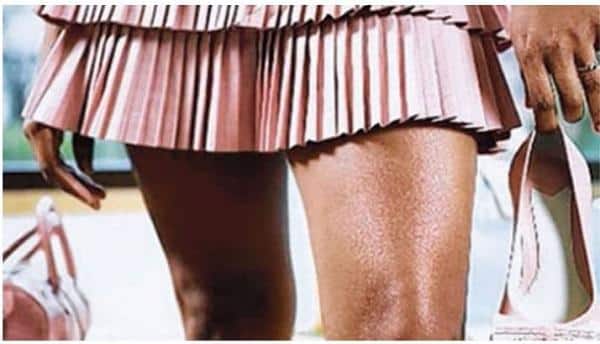
    Militiamen in the eastern Democratic Republic of Congo have flogged women and girls for wearing short skirts or trousers.

    The was announced by the government on Saturday and have vowed to punish the offenders.

    Prime Minister Jean-Michel Sama Lukonde “condemned the degrading and inhuman abuses by the militiamen” from the armed Malaika group, according to a readout of a cabinet meeting published on Saturday.

    Lukonde said the militia, who are imposing Islamic sharia punishments in the area under their control, had “recently flogged girls and women dressed in short skirts and trousers”.

    A government delegation would be dispatched to the area — Salambila, in the eastern province of Maniema — and report back so the perpetrators could be punished, Lukonde said.

    The Malaika militia, which claims to represent the interests of the local people, wants the government to hand over a bigger share of the revenue from the Salamabila gold mines.

    It is one of several armed groups that operate freely in the volatile, mineral-rich east of the vast Central African country.

    Source: thecitizen.co.tz

  • Women told to develop, commercialise skills to be financially independent

    Women told to develop, commercialise skills to be financially independent

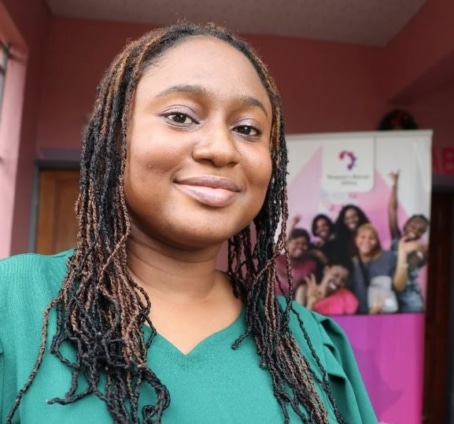
    The Executive Director of Women’s Haven Africa, Adwoa Fosua Owusu Ofori, wants women to develop their skills and commercialise them.

    She believes it is crucial in achieving financial independence.

    “The majority of individuals think that becoming financially independent requires being a millionaire or billionaire.

    “To become financially stable as a woman, you need to consider the income you earn and your expenses, you must consider and develop your skills and commercialise them,” she said.

    She was speaking on Luv in the Morning with David Akuetteh.

    Ms. Adwoa Fosua believes in addition to having mentors, women need to adopt a new mindset of being capable of accomplishing anything.  

    “What do you bring to the table? And when you cannot tell, you are not listened to, not just in the home but the society at large. Leave abusive partners, and not rely on anybody else entirely because violence often results from overdependence.

    “Women should have the mindset that they can accomplish anything,” she emphasised.

    Ms. Adwoa Fosua emphasised the importance of confidence and self-esteem in achieving financial independence.

    “People do not just look at you for being a woman but your competence and what you can bring on board,” she said.

    Ms. Adwoa Fosua also advised that women should go in for men who don’t feel intimidated by the success of women in order not to be limited and suppressed.

    Source: Myjoyonline

  • Kidnapped women and children freed in Burkina Faso

    Kidnapped women and children freed in Burkina Faso

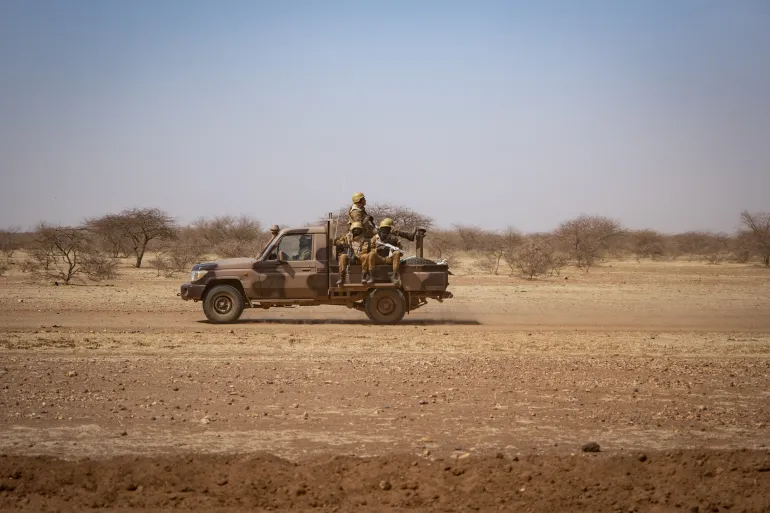
    Security forces have rescued 66 women and children who were kidnapped by armed fighters in northern Burkina Faso last week.

    Armed men seized the women and their children on January 12 and 13 outside two villages in the district of Arbinda, in the Sahel region’s Soum province.

    Security forces conducted a rescue operation and freed 27 women and 39 babies, children and young girls in the adjacent Centre-Nord region, national broadcaster Radiodiffusion Television du Burkina (RTP) said on Friday.

    “They have found freedom after eight long days in the hands of their kidnappers,” an RTP presenter said.

    In its main evening news bulletin, RTB, referring to the army “operation”, showed images of the women freed and brought to the capital, Ouagadougou.

    Several government and security officials confirmed the news, Reuters and AFP news agencies reported.

    The abduction prompted alarm from the United Nations, while the country’s military government warned of a rise in attacks on civilians.

    Burkina Faso is one of several countries in West Africa battling a rampant armed uprising with links to al-Qaeda and ISIL (ISIS).

    Armed rebels have occupied territory in the country’s arid and mainly rural north, executing hundreds of villagers and displacing thousands more in the process.

    They have also blockaded certain areas in recent months and made it increasingly dangerous to deliver supplies to trapped citizens.

    Faced with acute food shortages, many villagers have resorted to picking wild fruit, leaves and seeds to feed their families. They say venturing into the bush makes them vulnerable to attacks.

    On Thursday, two suspected attacks in the country’s north and northwest killed at least 18 people, including 16 vigilantes supporting the army.

    Captain Ibrahim Traore, leader of the military government that seized power last September, said in December that his aim was to take back territory occupied by “hordes of terrorists”.

    Last week, he said the armed rebels were switching tactics to “focus on civilians”.

    Source: Algazeera

  • 5 sex issues women often lie about

    When it comes to sex, women aren’t always transparent with their thoughts and feelings.

    When you are being dishonest with someone, then you are essentially denying that person the privilege of the truth. Whether it’s an effort to spare another person’s feelings or protect yourself, lies are lies and must not be encouraged.

    Successful relationships are always built on the bedrock of honesty. It is a symbol of trust.

    While both men and women are capable of being untruthful to their significant other, they may not always do it for the same reasons.

    It is not always wise to keep secrets but sometimes women can’t help but keep some things to themselves.

    Let’s take a look at some of the secrets women lie about or perhaps never tell their partners:

    • Sex with their exes

    Women avoid telling their husbands about how sex was, with their previous partners. Women feel that their husbands may get very insecure regarding how the sex was with their wife’s previous partners. Insecurity regarding sex can be a real issue.

    • Performance in bed

    Sometimes, women do not like how their husbands or partners perform in bed. They keep their desires a secret to avoid creating a ruckus or an issue. Men also get pretty insecure when they can’t perform sexually in bed such as premature ejaculation or erectile dysfunction.

    • Orgasm

    Women often fake their orgasms just to get it over with. Women take a lot of time to climax, compared to men. They require foreplay, lots of kissing and grabbing that most men are unaware of. And most wives do not tell their husbands about this so that the latter doesn’t feel bad.

    • High sex drive

    Some women have a very high sex drive that their husbands do not realise. Women fear being judged about the amount of sex they like. They like to keep their sexual desires and sexual drive a secret.

    • Masturbation

    Not every woman is comfortable with telling their husband about masturbating. Most wives like to keep this a secret. Masturbation in women is largely considered to be a taboo, even though the world is becoming more aware of it, day by day.

    Source: Pulse

  • UN chief praises women, youth and indigenous people

    It has been a long few days, and years some would argue, to get this deal over the line.

    And UN Secretary General António Guterres has praised the work of those who have been working and pushing from the sidelines.

    In a tweet he said he wanted: “to pay tribute to the women, youth, indigenous people and all members of civil society“.

    Despite praise for their role, BBC analysis conducted earlier this week, found that the participation of women in the negotiations still remains very low and was down on last years’ summit in Glasgow.

    Of the 110 world leaders that attended at the beginning of week one – just seven were women.

    Source: BBC

  • Women and children suffer a great deal from South Sudan’s dehumanizing crimes

    Conflict Related Sexual Violence (CRSV) has been a problem in South Sudan. In 2021, the United Nations Office for Coordination of Humanitarian Affairs estimated at least 3,414 civilian deaths, injuries, abductions, or sexual violence related to the CRSV in South Sudan. A report published by the United Nations Mission in South Sudan (UNMISS) and the Office of the United Nations High Commissioner for Human Rights (OHCHR) stated that 87 per cent of rape survivors experienced rape from multiple perpetrators.

    South Sudan needs to improve the assessment and treatment of CRSV victims. It is also imperative that a free and fair justice system exists. In addition, there needs to be public education campaign about sexual violence.

    Government and military leaders instrumentalize CRSV against women as a weapon of war. Military men, warring parties, and small armed groups carry out sexual violence to mete out retribution against perceived enemies and their people. Over time, the usage of CSRV as a weapon of war has served to destroy the fabric of personal relationships, families, and communities. Measures targeted against the vices have failed due to bad leadership.


    An inclusive meeting is the first step in the right direction. A national conference involving government officials, civil society representatives, traditional rulers, and religious leaders is necessary. In this meeting, the purpose should be to identify the root causes of CRSV, such as systemic impunity and inefficient legislation. Understanding South Sudan’s root causes of sexual violence, therefore, can provide insight into why it has lasted so long. The leaders can, then, determine what course to take based on understanding the origins of the problem. Moreso, such a conference would strengthen the momentum for action.

    Access to a free and fair justice system is critical. There is a need for a fairer justice system since many CRSV perpetrators get away with punishment for their crimes. The South Sudanese government needs to amend its legislation to meet international law standards against sexual violence. Currently, in the South Sudan constitution, there is a lack of clarity in the definition of rape and a lack of specific rules on consent for rape. There also exists a lack of protection for rape victims. The amendment needs to, therefore, target these areas and prioritize zero tolerance for sexual violence crimes.

    Education is key to curbing the long-standing sexual violence against women and children in South Sudan. South Sudan’s Ministry of General Education and Instruction can set up schemes to educate children, teenagers, and young adults. Information campaigns about CRSV, especially in conflict areas, will further sensitize the people in South Sudan. Such an educational scheme will encourage more sexual violence victims to speak out. Furthermore, security personnel needs to undergo second-level education on how to tackle sexual violence. Specialized investigative training on health-related cases needs to follow too.

    According to Borgenproject, in South Sudan, less than half of the population has access to health care. There is an urgency to tackle the latter since women in this country have severe post-traumatic stress disorder (PTSD) due to sexual violence. The provision of rapid medical assessment and treatment of sexual violence victims can adequately alleviate this health crisis. Rapid medical assessment can be done by setting up an emergency health system, including mobile hospitals and clinics near localities. Such medical intervention will allow victims to receive swift and adequate medical care. Quick treatment for CRSV victims in the early stages will prevent not only primary health issues but also Sexually Transmitted Infections (STIs).

    In South Sudan, CSRV against women and children now sits alongside the uncertainties of everyday life. Over time, sexual violence has become increasingly damaging to the right of every human. It will take a concerted effort from all sectors to end this epidemic of violence. However, it is achievable with commitment and determination.

    Muyiwa Adekojede is a writing fellow at the African Liberty.


    Source: face2faceafrica

    DISCLAIMER: Independentghana.com will not be liable for any inaccuracies contained in this article. The views expressed in the article are solely those of the author’s, and do not reflect those of The Independent Ghana
  • ‘Come back to us when Labour’s had a Jewish, woman and Asian PM’: Sajid Javid hits back at criticism of lack of women in cabinet

    Former home secretary Sajid Javid has responded to criticism about the number of women in Rishi Sunak’s cabinet by drawing attention to the party’s diversity.

    Earlier today, shadow women and equalities secretary, Anneliese Dodds, criticized the lack of women in the top jobs, pointing out that just one in five members of the cabinet were women.

    She said: “This isn’t a fresh start, it’s just jobs for the boys.”

    In response, Mr Javid said Ms Dodds should “come back to us” when  Labour had seen a Jewish, Asian, and female prime minister.

    Source: Skynews.com


  • Ph.D. Women likely not to find men to Marry –Studies

    Education has been identified as one of the major factors that affect the marital decisions of women. Most women are caught between acquiring higher education and getting married early and they have to decide to choose one or find themselves being forced to be married (Coontz, 2012). Hence, there used to be a huge trade-off between choosing education and a husband. Three-quarters of the total number of women who graduated from College before 1900 in the United States remained unmarried (Coontz, 2012). This shows that those women have forgone marriage to pursue their educational aspirations Coontz (2012).

    Though there is a debate about educated women intentionally choosing to be single, there is also the belief that others do not consciously delay or reject marriage.  For this group of women, their achievements including higher educational attainment intimidate men. The educated woman is viewed in some communities as an intimidating figure to men and so unconsciously drives away prospective suitors. This belief or perception is linked to the assumption that the educated woman develops an assertive, independent character that makes it impossible for her to love, honor and “obey” a man as “real” wives should do (Coontz, 2012).

     Some people even joke that when they meet a woman with a Ph.D., they need not find out what her area of specialization is. This is because, they assume that Ph.D. means “Putting Hubby Down” (Coontz, 2012). University education is considered a factor associated with later and fewer marriages for most women. Hence, there is the perception that higher education is negatively related to marriages (Raymo, 2013).

    These have led some Ph.D. supervisors on African continents to even advise black women pursuing their Ph. Ds to marry before completing their degrees. This is because they feel their chances of finding a suitable suitor decline after completion. They feel black men feel uncomfortable marrying such women, probably due to ego issues. Other studies also explained the market is slim for such Ph.D. black women as they turn to also marry men in their class with a higher portfolio. Besides, men with PhDs or Professors would want to marry women who are not in their class. Singh and Samara (1996) argue that the level of education of a woman tends to influence the time and age at which she will commit to marriage.

    I have also read numerous studies suggesting that the higher our black women acquired terminal degrees the higher their chances of not getting married.  It is interesting how acquiring a terminal degree will affect their chances of getting a suitable spouse as compared to white women who also acquire a terminal degree.   For instance, (Boyd et al. 2020) found an unavailability of partners for educated black women as men prefer women of other races with similar education. This leads black women to compromise more to acquire their wants if they have the means to get their wants and deem that it is valuable enough to take a risk.

    For highly educated Black women, their negotiation of partner scarcity can directly influence their engagement in or acceptance of compromising behaviors. Given that there is an acknowledgment within the research that educated Black women perceive a lack of ideal available partners, it is asserted that these women may perceive that they must compromise some aspect of their partner selection criteria and ensuing expectations and beliefs. As such, these women may be less likely to leave unsatisfying relationships or renegotiate personal values or perceptions of an ideal partner to “fit” what is currently available. This could happen at various stages of the relationship and could directly shape the power dynamics within the couple. This also has implications for negative outcomes, depending on the degree to which a woman perceives herself as having power in the relationship.  Also, research from Yale University suggests that highly educated black women are twice as likely to have never been married by the age of 45 as white women with similar education.

    Niambi Carter, 31, has a Ph.D. and is an assistant professor of political science at Purdue University, admits that she has been hard-pressed to find a black mate with a similar level of education. A similar study(Muntari-Sumara, B, 2015) from Ghana also revealed that the majority of educated women prefer marriage to singlehood and cohabitation. Companionship and societal expectations were identified as the major influencers of women’s marital decisions. Also, education was found to affect the marriage preferences of women to some extent. There was a direct relationship between higher educational aspiration and marriage desire.

    The Pew Research Center, also reports that College-educated adults are more likely to be married than less-educated adults. Among those who were ages 25 and older in 2014, 65% of those with a bachelor’s degree or more were married, compared with 53% of adults with less education, according to a Pew Research Center analysis.

    While the research does not address reasons these marriages last longer, we do know that college-educated adults marry later in life and are more financially secure than less-educated adults.

    Though such women struggled to find suitors, research also found that such women who finally marry have lower divorce rates ( McLanahan, Sara. 2004. “Diverging Destinies: How Children Fare Under the Second Demographic Transition.” Demography. 41(4): 607-627.) There are several reasons for this. Less educated individuals typically marry at an earlier age, which is associated with higher divorce rates.  Additionally, the lower incomes and greater economic insecurity of those with less education increase stress, affecting divorce.

    A previous study found a different association( Casey et al. 2012) and estimate that 78% of college-educated women who married for the first time between 2006 and 2010 could expect their marriages to last at least 20 years. But among women who have a high school education or less, the share is only 40%.


    England and Bearak(nd) found that early in the life cycle, those who ultimately get more education are less likely to have married than their less educated counterparts.  This is because those staying in school longer also delay getting married longer.  But by age 40, the well-educated have caught up with the less educated and even surpassed them in the percentage that has married.  The education differences in whether people ever marry are small for whites, but quite large for blacks, owing partly to the very low marriage rates of the most disadvantaged blacks—those without a high school or less.


    Living together and Divorce


    The Pew Research Center also reports that couples who lived together before getting married had a slightly lower chance of having a long-term marriage than those who did not live together.

    Among women who did not live with their spouse before getting married for the first time, 57% can expect to still be married after 20 years. For women who lived with their spouse before marriage, the probability of being married for at least 20 years is somewhat lower – 46%. Whether the couple was engaged when they lived together didn’t make a difference in women’s chances of long-lasting marriages.

    For men, the patterns are slightly different. In this case, it matters whether men are engaged to a partner they lived with before getting married. Men who lived with their future spouse without being engaged had a slightly lower chance of having a long-term marriage (49%) than those who were engaged first (57%). Men who didn’t live with their partner before getting married had a 60% chance of celebrating their 20th anniversary.


    Marriage longevity by Race

    Marriage survival is also dependent on race and ethnicity. Some of these differences could be related to educational differences among adults with different racial or ethnic backgrounds. The Pew Research Center also found that Asian women, who are among the most educated, are more likely than any other racial or ethnic group to have a long-term marriage.  “For Asian women who were married for the first time between 2006 and 2010, the chance that they may celebrate their 20th wedding anniversary is nearly 70%. By contrast, about half of Hispanic and white women may see their marriages last that long. And for black women, the chance is 37%.

    Among men, Hispanics have the highest likelihood of being in a long-lasting marriage (findings about Asian men are not included because the sample size was too small to be nationally representative). For those who married for the first time between 2006 and 2010, about six-in-ten Hispanic men (62%) could expect their marriages to last at least 20 years, compared with 54% of white men and 53% of black men”.


    Take Home

    Studies have found that the higher a woman, especially a black educated herself, the less she is to get a suitor. For instance, Frazier et al. (1996) found out that more educated and financially secure women exhibit less desire for marriage. Singh and Samara (1996) found different reasons in their study. Others such as Goldscheider and Whaite, (1986) and Oppenheimer (1988) likewise argue that women who have a college education and have strong work orientation or relatively high income may delay their time of marriage but that does not interfere with their desire for marriage. They also state that this category of women has stronger marriage desirability but may delay marriage because they need to build the capability in helping to reduce some of the economic burdens that are borne primarily by their partners.

    Hayward et al. (1995) and Botkin et al. (2000) also found that women with a college education have classless marriage role expectations and this keeps increasing as they further their education because increasing education allows the women more time in searching and choosing their desired marriage partners. The findings of Hayward et al. (1995) and Botkin et al. (2000) have been downplayed by researchers like Gordon (2003).

    Gordon (2003) argues that highly educated women’s lower desire for marriage may be highly linked to the perceived lack of high-quality mates desired by these women and not necessarily their educational level.   Bledsoe, (1990) also centered on women’s fertility issues and education and found that fertility is somehow lower among educated women in Africa as young women who manage to get more education to tend to avoid pregnancy. Bledsoe (1990) also found out from Brandon’s 1984 survey that educated women in Freetown have the longest marriage delays.

    This Might Surprise You.  This means that our women pursuing PhDs and other higher education; have limited suitors but when they get married, they have higher chances of lasting marriages according to studies.

    By  Prof. Raphael Nyarkotey Obu


    The writer is a Professor of Naturopathic Healthcare, President, of Nyarkotey College of Holistic Medicine & Technology (NUCHMT)/African Naturopathic Foundation. E-mail: collegeofholisticmedicine@gmail.com.

    DISCLAIMER: Independentghana.com will not be liable for any inaccuracies contained in this article. The views expressed in the article are solely those of the author’s and do not reflect those of The Independent Ghana


  • Girls must be at the forefront of change initiatives – Director

    Dr Charity Binka, Executive Director, Women, Media, and Change (WOMEC), says girls must be at the forefront of change initiatives to ensure their inclusion in decision-making.

    She said while investments in girls continued to be scarce, the COVID-19 pandemic and other global crises had negatively affected them, making life harder for them.

    She said girls faced unknown challenges, including threats to their physical, and mental well-being, access to safety and life without violence.

    Dr Binka stated in a speech read on her behalf by Ms Dulcie Delali Attipoe, WOMEC Programmes Coordinator, at an empowerment programme to commemorate the 2022 International Girl Child Day at Kpone.

    The WOMEC International Girl Day commemoration was used to highlight the GTP Turning Point Programme Mentorship and Leadership Forum and adopted the global theme “Our time is now – our rights, our future.” The event was used to equip girls to rise above the status quo.

    The beneficiaries were selected from Kpone Methodist Basic School, Casmin International School, Kpone Presby Basic School, and KKMA Basic school.

    Dr Binka mentioned that through the interventions of WOMEC over the years, about 500 girls in the Kpone-Katamanso Municipality have been empowered to fight for their rights.

    She noted that empowerment, however, was a process that must be nurtured by the girls themselves.

    Dr Binka urged the girls to share the information with their peers who were not privileged to be part of the activities.

    “As we mark the International Day of the Girl Child, WOMEC adds its voice to the call from UNICEF for more resources, and action to support adolescent girls’ leadership,” she said.

    Ms Thecla Wricketts, Lawyer and facilitator at the programme, said the girl child was the greatest asset the world had for the progress of tomorrow hence the need to unyoke them to become who God created them to be.

    She said it was time parents prioritized the needs of their children and stir them up to achieve their goals.

    She urged the girls to rise above all odds to become vital instruments of development in the country.

    Ms Josephine Eva Arthur, Zonal Head, Retail Banking, Access Bank, who did a presentation on ” Managing your finances for a better future” urged girls to inculcate the habit of saving to be financially independent.

    Source:GNA

  • “Women are not their own enemies” – Dzifa Gomashie

    Madam Abla Dzifa Gomashie, Member of Parliament (MP) for Ketu South has disagreed with the ‘women are their own enemies’ claim.

    She said in most cases, the men counterparts were the architects of the rivalry and the unhealthy competitions among women, and asked the men to stop causing hindrance to the progress of women.

    Madam Gomashie said this in her closing remarks at a Gender Advocacy to Parliament (GAP) town hall meeting at Aflao, Ketu South.

    The event was organised by Parliamentary Network Africa (PNAfrica), a civil society parliamentary monitoring organisation working across the continent with funding support from the French Embassy.

    The meeting, the first under the GAP project for women and women group organisations was to discuss the gender angles to the parliamentary meeting and to ensure that women MPs received feedback from these groups to inform their work on the floor of Parliament.

    Participants identified challenges to women’s involvement in politics and other fields, and suggested ways to addressing them.

    “Women are not their own enemies. It is the culture that determines how to think. The patriarchal system, the socialisation process – assigning gender roles to boys and girls pulled women back early in life.” Madam Gomashie said.

    The first-ever female MP in the entire southern Volta: Akatsi North and South, North, Central and South Tongu, Ketu North and South, and Keta and Anlo Constituencies since the Fourth Republic encouraged women to conquer the fears, discrimination, perceptions and all other obstacles to attain their aspirations.

    She used herself as an example saying, she defied all odds, closed her ears to discouraging comments and soldiered on, and noted she would not have made history as the first female MP from the area if she had given up.

    Mr Gilbert Borketey Boyefio, Programmes Manager, PNAFRICA said Ghana must be seen to be making efforts to attain the Sustainable Development Goal 5 on gender equality, and empowerment of women and girls, and the best way to do that was to retain the current number of female MPs and vote more women to the next Parliament to advocate for women issues.

    Participants at the meeting identified cultural limitation, lack of resources, stigmatisation and right education among others as setbacks to women’s involvement in politics and progress in other fields.

    They proposed creation of a fund by women caucus in Parliament to empower other women to join politics, female-child empowerment and finding ways to deal with teenage pregnancy to remove some of the barriers to girls/women’s progress.

    Source: GNA

  • Residents of Boayini to boycott 2024 elections if their road is not fixed

    Chief, community elders, and youth of Boayini, a farming community in the West Mamprusi Municipality of the North East Region are demanding immediate action from the government to fix their deplorable road network in the area.

    The community which has over 3,000 inhabitants says they cannot access the West Mamprusi Municipal capital, Walewale, without passing through Langbinsi in the East Mamprusi Municipality due to the inaccessibility nature of the road linking Walewale.

    The residents who organized communal labor to fix some dangerous potholes on the road are lamenting the negligence of the government to get the road fixed over the past years.

    The residents reiterated that pregnant women and people with other health complications are bearing the brunt of the unmemorable state of the road whenever they want to access quality healthcare in any of the hospitals in the region.

    In an interview during the communal labor organized by the residents, the spokesman for the Chief of the community, Mba Kadri Kofi declared that they will boycott the upcoming 2024 national elections if the road is not constructed.

    “I will like to be on my knees to appeal to the government to come to our rescue. We have been neglected. They promised to provide us with electricity but they have failed. Look at the poles erected there. The abandoned footbridge is about washing away. We will like to declare our intention to boycott the 2024 elections unless our road is fixed. So we will not vote again unless our demands are materialized,” he lamented.

    The recent rains have eroded the road making it difficult for road users to use unless they apply wisdom. The residents say the situation has been an opportunity for armed robbers to be attacking them.

    The Assemblyman for the Mimima electoral area, Hon Aziz Adingana says the MCE and MP promised to fix it but have failed them.

    “I met with the MCE and the MP as of 2021 December, if you check into our executive committee meeting it was a recommendation that Boayini road should be worked on but when we met this year, I consulted and they said there are no funds so we decided to organize a communal labor,” he said.

    The women were helping their husbands to fill the potholes by carrying head pans after fueling a tractor to dig the gravel for them.

  • 70 ladies undergo skills training conducted by Central Region CNC

    The Central Regional Centre for National Culture (CNC) has organised a graduation ceremony for more than 70 ladies who enrolled to take part in a year’s C-Carl Oparebea Annual Marketable Skills Training held in Cape Coast, Central Regional capital.

    The programme provided hands-on training for the women to acquire skills in bead making, crocheting, basic sewing, decoration, facial makeup, painting, hair dressing, dreads locking, hair braiding and fascinator making.

    This year’s event, the sixth to be organised under the C-Carl Oparebea Skills Training was on the theme: “Promoting Economic Growth and Development Through Arts and Culture.”

    The acting Regional Director of the Centre for National Culture (CNC), Ms Salamatu Alhassan, in her address, noted that the skills training was part of the Centre’s contribution towards reducing unemployment in the Cape Coast metropolis.

    She indicated that the training was in line with the core mandate of the National Commission on Culture under which the CNC falls in implementing government policies and programmes.

    “The responsibilities of the Centre for National Culture with regard to promoting youth in the arts arena cuts across all spheres of education,” she said.

    The practical aspect offered as part of the training, she said, was imperative in providing an opportunity for people to acquire employable skills to operate their own businesses.

    Ms Alhassan indicated that, past trainees from the programme, were excelling in their respective businesses and were also impacting the lives of individuals by training them, saying, “However, some of them are facing challenges of funding as a start-up.”

    He appealed to the government to resource the centres across the country in order for them to function effectively.

    The Central Regional Minister, Mrs Justina Marigold Assan, in an address read on her behalf, commended the CNC for initiating and sustaining the programme aimed at identifying, developing and rewarding creative talents in the region.

    “The flagship programmes are highly commendable as they are in line with government’s realignment of Technical and Vocational Education and Training (TVET) under the supervision of the Ministry of education,” she stated.

    She further said: “The government has been working to promote skills training and development for industrialisation and generate greater awareness of the importance of TVET.

    Mrs Assan expressed the readiness of the Regional Coordinating Council (RCC) in supporting the CNC as it strives to make an impact and supports the growth of the region and the nation in general.

    She called on residents in the region to assist in creating a congenial atmosphere that would ensure steady growth and development of their societies.

    “This will help to compliment the government’s efforts to extend development to every part of the country,” she said.


  • CHRAJ calls on women to insist on their matrimonial right

    The Tema Regional office of the Commission on Human Rights and Administrative Justice (CHRAJ) has advised women to insist on their right to matrimonial property.

    Senior Principal Investigator of CHRAJ at the Tema Regional Office, Mr John Ato Breboh, said women have the right to matrimonial property when their spouse dies, and they should not allow the families of their husbands to deprive them of that right.

    He said this when speaking with the Ebenezer Society of Tema Community one on the topic: “Matrimonial Property Right,” as part of a comprehensive citizen sensitization programme started by CHRAJ Tema Regional Office.

    The citizen engagement was to educate them on specific issues of human rights, child marriage, domestic abuse, violence, and other functions of the Commission and empower the public to seek redress in case of infractions on their rights.

    Mr Breboh explained that for polygamous marriages, surviving spouses were entitled to equal shares of 50 per cent of the estate, the children, 40 per cent, five per cent to the parent(s), and five per cent to customary devolution.

    “A spouse shall have equal access to property jointly acquired during marriage; assets which are jointly acquired during marriage shall be distributed equitably between the spouses upon dissolution of the marriage,” he said.

    However, a wife is not legally entitled to her husband’s self-acquired property and can only enjoy her husband’s self-acquired property till her husband’s death; “a wife cannot claim her husband’s property before or after divorce at most, a wife can only claim money for her maintenance or alimony”.

    The Senior Principal Investigator said CHRAJ wanted to expose residents, especially women to the 1992 Constitution Article 22, “which states that a spouse shall not be deprived of a reasonable provision out of the estate of a spouse whether or not the spouse died having made will or not”.

    He stressed that upon divorce, a spouse shall have equal rights to the share of the property that they had acquired.

    Mr Breboh advised couples, especially women, to ensure that their marriages were registered and attended by the relatives of both the man and the woman.

  • Women urged to ensure effective management of businesses

    Head potters and women engaged in small businesses have been advised to keep proper records and to manage their activities well to ensure a continuous stay in business.

    They should build their capacities to improve their economic status and livelihoods.

    Madam Esther Matey, the Project Coordinator for ‘No Business as Usual’ Project, who made the call, said the economic empowerment of women help in poverty reduction and improvement in the socio-economic lives of people.

    She was speaking at a capacity building workshop for head potters and women engaged in small businesses in Kumasi.

    The workshop which was under the theme “Promoting equal rights and economic empowerment for women in Ghana,” was organized by the Commonwealth Human Rights Initiative (CHRI) in collaboration with Africa Centre for Human Rights and Sustainable Development.

    It aimed at advocating for equal rights and economic empowerment for women, especially head potters and those engaged in small businesses.

    It also created a platform for the participants to acquire administrative and management skills that would help them manage their businesses effectively and increase their incomes.

    Madam Matey said empowering women economically was critical, especially in the era of COVID-19, which had posed serious economic challenges to all businesses, making women in small businesses and head potters more vulnerable.

    She advised the women to take advantage of every problem, tap into their talents and build opportunities out of them.

    Madam Matey also appealed to women to desist from unnecessary expenditures and save money to expand their businesses.

    Source: GNA

  • It’s not in the nation’s interest that women are not empowered – Samira Bawumia

    The second lady of Ghana, Samira Bawumia says it is not in the interest of the country that women are not empowered.

    According to her, 51 percent of the country’s population are women and therefore there is a need to empower them to adequately contribute to the growth of the country.

    Speaking on Asempa FM on Monday, March 9 to mark International Women’s Day, Samira Bawumia said the NPP government has put in place a lot of interventions to help empower women.

    She believes the Planting for Food and Jobs initiative, for example, has helped most women in the north who are predominately farmers.

    Commenting on her work as a second lady, Samira Bawumia said her NGO has so far trained over 1,400 people to be able to have the needed skills to provide for themselves.

    She stated that four factories are being constructed by her NGO to support cashew production in the country, she said they have provided logistics for the locals to help them in the cashew industry.

    On the funding sources for her projects and how sustainable the NGO will be after her office as the second lady, Samira Bawumia explained that they are looking at diverse sources of funding.

    She explained that they are building the right networks and partnerships which will help the NGO with it works even after she exits office.

    Samira Bawumia noted that the NGO will outlive her position.

    She acknowledged that the position has given her a bigger platform to do more things but was quick to add that the position did not transform her because all the things she is doing now are things she is passionate about.


    Source: primenewsghana.com

  • Men who maltreat women live under turbulent curses – Lady Preacher

    Maame Grace, a Christian preacher has said that men will forever live under tyrannical curses if they continue to put women through difficult situations.

    According to the leader of the Global Eagle Revival Outreach, the power of a woman makes her an agent of both blessings and curses — therefore, it’s the attitude of men that determines which of these outcomes will befall their destiny.

    “A woman does not have to openly curse a man after maltreatment. Even her sigh of dispair will unleash dreaded and most turbulent curses on the man” — Maame Grace said in a video sighted on social media.

    According to Maame Grace, these curses may come in many forms through financial, marriage, diseases or death.

    In an era where gender parity advocates are having a difficult task driving home the agenda of equality, Maame Grace’s words of caution come as a testament of the divine responsibility of the male gender to respect and dignify the female.

    The preacher quotes several Bible verses to support her assertion and teachings about the hidden prowess of the woman.

    Maame Grace is a mother of six children and head pastor at the Global Eagle Revival Outreach Ministry. She runs a YouTube channel that helps her to reach out to more people with her teachings.

    Watch the full video below:

  • Ghana Diaspora Women calls on government to intensify support for special schools

    Mrs. Agnes Wiafe Oteng, Global Coordinator of Ghana Diaspora Women (GDW) has asked government to intensify its support for special schools in the country.

    She said there was the need for government to commit more funds to give educational, emotional and physical assistance to children with disabilities.

    Mrs. Oteng who spoke to the Ghana News Agency (GNA) after a donation by the Ghana Diaspora Women (GDW) to the Gbi Special School in the Hohoe Municipality of the Volta region said there was the need for government to also intensify education on children with learning disabilities to reduce the stigma associated with it.

    She noted that before the society could embrace children with disability without any stigma, the citizenry especially teachers needed to be enlightened and educated to eliminate the stigma.

    Mrs. Oteng said the organisation was championing educational needs for children in the country and added that “no child should learn under trees but in a conducive learning environment.”


    Source: GNA

  • The Ladies Circle airs on TV3 from Feb. 15th

    Over the years, there has been a lot of talk on women empowerment and feminism. Giving women the voice they deserve and in essence a right of theirs back to them. When you see a program like “The Ladies Circle” even by mere mention of the name gives a strong sense to these empowerment issues. A place, women can have the voice to speak on issues not only concerning their fellow women but a platform that gives the voice to contribute to issues of importance – politics, governance, health, rights, entertainment, social issues among others.

    TV3 has for more than 20 years been a station trusted by its viewers. An all-female program on a station like this will not only give credence to issues going to be discussed on the program but will stir up a lot of talk and discussions on the issues. These issues will give the people and viewers of the program the information they need to ask the right questions, to seek their welfare when needed and consequently lead to the development of the people. Knowledge is said is power, the more they know, the less vulnerable they are to abuse of power to those who know.

    All work and no play indeed makes jack…., for such, the segment such as video of the week will put some entertainment spice into the program which will attract the viewers to stay on and enjoy the program. The program will also see some celebrities passing through. At the end of the 58 minutes there is something to interest everyone watching. There are questions asked not only by the host but also the viewers and questions answered. When all is said, the purpose of a program like this is achieved as knowledge is impacted, entertainment is given, information is put out there and women are empowered, in fact the society is empowered. The beauty of this is that women are at the center of this circle.

    “The Ladies Circle” will be hosted by four intelligent and dexterous ladies: Chrystal Kwame – Aryee: The bubbly, beautiful communications specialist, marketing consultant and professional master of ceremonies, is known as one of the best event hosts, hosting ceremonies, cooperate events etc. Chrystal is currently a TV and radio host at Media General.

    Anita Akuffo: The pretty affable host is known for her fashion statements and hosting of fashion and entertainment shows. A trained journalist, she is also known as a fashion police. She is an award winning host and has also been seen hosting many read carpet events.

    Dr. Vanessa Aseye Atikpui: The stunning, pleasant and smart doctor is a qualified and practicing medical doctor with over 4 years experience in the profession. The award winning doctor has interest in photography, make up and fashion designing.

    Nana Abena Korkor Addo: Another bubbly, charming host, is the project coordinator for mental health society of Ghana. She is the founder of Psychosocial African MH Support Group and CEO of Lencyonfire cocktails and ushering agency. Very affable and assertive, she has championed many mental health activities, creating awareness for the condition.

    The ladies circle is the start of something new.

    Source: Chris Koney, Contributor

  • To end female genital mutilation, economically empower women

    Female genital mutilation (FGM) will not be eradicated unless women are economically empowered to make their own decisions, an activist stressed today, as the United Nations released data warning that the ancient practice may take centuries to eliminate.

    Despite world leaders promising to eradicate the practice by 2030, FGM remains as common today as it was 30 years ago in Somalia, Mali, The Gambia, Guinea-Bissau, Chad and Senegal. “Some countries are not moving at all, and those that are moving are not moving fast enough,” said Claudia Cappa, an analyst at the United Nations Children’s Fund (UNICEF).

    Estimated to affect at least 200 million girls and women globally, FGM causes multiple mental and physical health problems. A 12-year-old girl recently died in Egypt after undergoing FGM. The practice typically involves the partial or total removal of the external genitalia. Sometimes the vaginal opening is sewn up.

    Jaha Dukureh, a survivor of child marriage and FGM, said that while it is “not unrealistic” to make the promise to end the practice by 2030, people must “put their money where their mouth is” and stop wasting funding on ineffective aid programmes.

    “The best way women can stand up for themselves and their rights is if they are able to earn a little more,” said Dukureh, who in 2013 founded the advocacy group Safe Hands for Girls, which works in The Gambia, Sierra Leone and the United States.

    She said that all too often, politicians shy away from the sensitive topic of FGM, with the responsibility falling on charities to do the work. What is more concerning is that foreign donors often fund international organisations that do not understand local customs and practices.

    “I don’t know why anyone expects change if that’s the way the development sector is going to continue funding these issues,” she said.

    FGM is most closely linked to 30 predominantly African countries, but UNICEF said it may be practised in about 50 countries including those in Asia, the Middle East, Latin America and Eastern Europe.

    Although no high-prevalence country is on track to meet the 2030 goal, Cappa said attitudes are changing in many places.

    In countries affected by FGM, seven in 10 women think the practice should end, and half of women who have themselves been cut would like to see it stop, according to the report published on Thursday, February 6 – the International Day of Zero Tolerance for Female Genital Mutilation.

    The most dramatic decline in recent decades has been in the Maldives, a chain of islands in the Indian Ocean, where FGM used to affect nearly 40 percent of girls and women, but has now been virtually eradicated.

    UNICEF also voiced concern about increased “medicalisation” of FGM hampering global efforts to end the practice.

    About a quarter of girls and women who have undergone FGM were cut by a doctor, midwife or other health worker as opposed to a traditional circumciser, UNICEF said.

    “Doctor-sanctioned mutilation is still mutilation. Trained healthcare professionals who perform FGM violate girls’ fundamental rights, physical integrity and health,” said UNICEF executive director Henrietta Fore

    Source: aljazeera.com