Zambian President Hakainde Hichilema has called on people to consider relocating from urban areas to villages in the aftermath of a cholera outbreak that has claimed the lives of approximately 300 individuals.
President Hichilema highlighted poor sanitation in densely populated urban zones as conducive to cholera outbreaks. To alleviate congestion in major towns, he urged residents to consider moving to rural areas where there is ample space and “perfect sanitation.”
The cholera outbreak, with over 7,500 reported cases since last October, remains a pressing concern. In the last 24 hours alone, there have been more than 500 new cases and 17 deaths, prompting the health ministry to postpone the reopening of schools as part of preventive measures.
Eight out of Zambia’s ten provinces have now been impacted by the cholera outbreak.
The World Health Organisation (WHO) is preparing to dispatch approximately one million doses of the cholera vaccine in the coming days to aid in controlling the disease’s spread.
In response to the crisis, President Hichilema visited the Heroes Stadium Cholera Treatment Centre in the capital, Lusaka, on Wednesday, where over 1,000 patients are currently undergoing treatment.
He said the government would take some “hard to swallow” measures in an effort to eradicate the waterborne disease.
He appeared to blame some Zambians who moved to towns “without a clear objective” for the mushrooming of poorly planned informal settlements.
Some young people were “hanging around and doing nothing” in towns instead of moving to rural areas to farm, the president said.
“There is so much land in the villages; there is clean water. We can build nice homes in the villages, which are not polluted,” Mr Hichilema said.
President Hakainde Hichilema has announced plans to improve existing slums in towns and prevent the formation of new ones as part of efforts to address thecholera outbreak in Zambia.
In neighboring Mozambique and Zimbabwe, heightened surveillance is in place to prevent cross-border transmission of the disease. Zimbabwe has been grappling with its own battle against cholera for months, primarily due to a lack of access to clean water.
Cholera, a bacterial disease transmitted through contaminated water or food, leads to severe dehydration from vomiting and diarrhea. If left untreated, it can result in death within hours. The Zambian authorities are taking measures to curb the spread of the disease and enhance living conditions in urban areas.
The World Health Organization (WHO) has declared a new Commission on Social Connection, unveiling an urgent response to the escalating health threat of loneliness worldwide.
Co-chaired by U.S. Surgeon General Dr Vivek Murthy and African Union Youth Envoy Chido Mpemba, the Commission, consisting of 11 influential figures, aims to tackle the widespread lack of social connection affecting people of all ages globally. Running for three years, it will scrutinize the role of social connection in health and propose solutions to foster social connections at scale.
Contrary to common perceptions that loneliness primarily impacts older people in affluent nations, WHO Director-General Dr Tedros Adhanom Ghebreyesus highlighted its global reach: “High rates of social isolation and loneliness around the world have serious consequences for health and wellbeing.”
Research findings indicate that one in four older people faces social isolation, and adolescents, between 5–15%, experience loneliness, though these figures are likely underestimations.
The WHO emphasizes the severe consequences of insufficient social connections, with increased risks of stroke, anxiety, dementia, depression, and suicide. The lack of social connection is equated, or even greater, to well-known risk factors such as smoking, excessive drinking, physical inactivity, obesity, and air pollution. Studies show that social isolation is linked to anxiety, depression, and a 30% increased risk of cardiovascular disease.
The new WHO Commission aims to define a global agenda on social connection, raising awareness and building collaborations to drive evidence-based solutions for individuals, communities, and nations. The impact of the COVID-19 pandemic, which exacerbated social and economic repercussions, underscores the timeliness of this agenda.
U.S. Surgeon General Dr Vivek Murthy emphasized the profound health and societal consequences of loneliness and isolation, stating, “We have an obligation to make the same investments in rebuilding the social fabric of society that we have made in addressing other global health concerns.”
Social disconnection’s impact on education and economic outcomes is also emphasized, with lonely high school students more likely to drop out of university, and disconnected individuals experiencing poorer job satisfaction and performance.
Chido Mpemba, African Union Youth Envoy, highlighted the need to redefine the narrative around loneliness, stating, “Investments in social connection are critical to creating productive, resilient, and stable economies that promote the well-being of current and future generations.”
The Commission on Social Connection, supported by a Secretariat based at WHO, will commence its first leadership-level meeting from 6 to 8 December 2023, with a flagship report expected by the mid-point of the three-year initiative. The list of Commissioners includes global leaders and advocates, reflecting a collaborative effort to address the growing global loneliness epidemic.
The World Health Organization (WHO) has launched a new Commission on Social Connection, to tackle loneliness as a serious health problem and promote social connection as a priority for all countries.
The Commission, co-chaired by U.S. Surgeon General Dr Vivek Murthy and African Union Youth Envoy Chido Mpemba, will work for three years to analyse the role of social connection in improving health and well-being for people of all ages and backgrounds. It will also recommend solutions to build social connections at a large scale and in different settings.
The Commission consists of 11 policy-makers, leaders and advocates from various countries and sectors. They will produce a flagship report by the mid-point of their term and define a global agenda on social connection.
Social isolation and loneliness are widespread and affect the health and well-being of people of all age groups and regions. One in four older people experience social isolation and between 5–15% of adolescents experience loneliness, according to research findings. However, these figures are likely to be underestimations.
“High rates of social isolation and loneliness around the world have serious consequences for health and well-being. People without enough strong social connections are at higher risk of stroke, anxiety, dementia, depression, suicide and more,” said WHO Director-General Dr Tedros Adhanom Ghebreyesus. “This WHO Commission will help establish social connection as a global health priority and share the most promising interventions.”
Lack of social connection can also lead to poorer education and economic outcomes, as well as lower social development and innovation. It can also increase the risk of violence, conflict and extremism.
The COVID-19 pandemic and its social and economic impacts have worsened the situation of social isolation and loneliness for many people, especially those who are already vulnerable or marginalized.
“I am thrilled to work closely with an outstanding group of Commissioners on advancing social connection – a vital component of well-being. Together, we can build a world that is less lonely, healthier, and more resilient,” said U.S. Surgeon General Dr Vivek Murthy. “Given the profound health and societal consequences of loneliness and isolation, we have an obligation to make the same investments in rebuilding the social fabric of society that we have made in addressing other global health concerns, such as tobacco use, obesity, and the addiction crisis.”
The Commission will also highlight the importance of tolerance and respect for diversity among different religions, cultures and beliefs. It will showcase examples of how social connection can enhance the well-being of communities and societies and foster peace and harmony.
“Young people are not immune to loneliness. Social isolation can affect anyone, of any age, anywhere,” said Chido Mpemba, African Union Youth Envoy. “Across Africa and beyond, we must redefine the narrative around loneliness. Investments in social connection are critical to creating productive, resilient and stable economies that promote the well-being of current and future generations.”
The Commission on Social Connection, supported by a Secretariat based at WHO, will hold its first leadership-level meeting from 6 to 8 December 2023. More Commissioners may be confirmed at a later date.
The World Health Organization (WHO) has in a significant move, unveiled the establishment of a groundbreaking Commission on Social Connection, aimed at addressing loneliness as a severe health threat on a global scale.
The Commission, co-chaired by U.S. Surgeon General Dr Vivek Murthy and African Union Youth Envoy Chido Mpemba, comprises 11 influential policy-makers, thought leaders, and advocates. Operating over three years, it will scrutinize the pivotal role of social connection in enhancing health across all age groups and propose solutions to foster social connections universally.
Social isolation and loneliness, affecting people worldwide, have prompted the WHO to prioritise the issue as a global health concern. WHO Director-General Dr Tedros Adhanom Ghebreyesus emphasized, “High rates of social isolation and loneliness around the world have serious consequences for health and wellbeing.”
Contrary to common perceptions, loneliness impacts all age groups globally. Research indicates that one in four older people faces social isolation, with adolescents experiencing loneliness at rates between 5-15%, according to findings, likely underestimated.
Dr Vivek Murthy stressed the severe consequences of loneliness, stating, “People without enough strong social connections are at higher risk of stroke, anxiety, dementia, depression, suicide, and more.”
Loneliness is highlighted as a risk equivalent to or greater than well-known factors like smoking, excessive drinking, physical inactivity, obesity, and air pollution. The new WHO Commission aims to define a global agenda on social connection, raising awareness and fostering evidence-based solutions for individuals, communities, and nations.
The impact of the COVID-19 pandemic on social connections underscores the urgency of addressing loneliness. Dr Vivek Murthy asserted, “Given the profound health and societal consequences of loneliness and isolation, we have an obligation to make the same investments in rebuilding the social fabric of society that we have made in addressing other global health concerns.”
The Commission’s agenda includes redefining the narrative around loneliness and emphasising investments in social connection as crucial to creating productive, resilient, and stable economies.
Chido Mpemba, African Union Youth Envoy, emphasized the relevance of addressing loneliness across all age groups: “Young people are not immune to loneliness. Social isolation can affect anyone, of any age, anywhere.”
The Commission, supported by a WHO-based Secretariat, will convene its first leadership-level meeting from 6 to 8 December 2023, with a flagship report expected midway through the three-year initiative.
The Commission’s diverse list of commissioners includes global leaders and advocates from various countries, indicating a collaborative effort to tackle the global loneliness crisis.
President Nana Addo Dankwa Akufo-Addo says the country remains focused on the agenda to develop and manufacture vaccines locally.
“At the height of COVID-19, I declared to the Ghanaian people my determination to help manufacture vaccines here in Ghana,” the President recalled while commissioning the National Vaccine Institute Secretariat in Accra, on Wednesday and reiterated commitment to the agenda.
The Secretariat is designed to facilitate the work of the Institute.
The Institute is expected to coordinate and facilitate the capacity of domestic pharmaceutical companies to fill, finish and package messenger ribonucleic acid (mRNA), COVID-19, malaria and tuberculosis vaccines, and, ultimately, to manufacture them here in Ghana.
“The vaccine nationalism that was played out by the developed world, with the rollout of COVID-19 vaccines, meant that we had to take urgent, critical steps towards making sure that never again would we be victims or pawns of the international vaccine order.
“It was imperative that we took our destiny into our own hands,” President Nana Akufo-Addo said.
Prior to commissioning the Secretariat, he inaugurated the Governing Board of the Institute, which is chaired by Dr. Anarfi Asamoa-Baah.
The other members are Prof. William Ampofo, Dr. Baffuor Awuah, Mr. Mustapha Tawiah Kumah, Dr. Daniel Gyingiri Achel, Ms Frederica Sala Illiasu, Dr. Delese Darko, Prof. Alex Dodoo, Dr. Patrick Kuma-Aboagye, Mr. Kofi Nsiah-Poku, Prof. Kofi Opoku Nti, Prof. Gordon A. Awandare, and Prof. Rita Akosua Dickson.
President Nana Akufo-Addo, set-up, on 28th February 2021, the Vaccine Manufacturing Committee, which, by Act of Parliament, has now been transformed into the National Vaccine Institute.
The move was necessitated by the Government’s determination to see the country building its own capacity to develop and manufacture vaccines locally, following the COVID-19 pandemic, which exposed the inadequacies developing nations faced in their healthcare delivery systems.
The World Health Organisation (WHO) estimates that less than one per cent of all vaccines used on the continent are produced locally.
President Nana Akufo-Addo pointed out the need for Africa to work assiduously to overcome the region’s intense vulnerability and overdependence on foreign medical supplies.
The commissioning of the National Vaccine Institute Secretariat comes in the wake of the recent ground-breaking ceremony for work to commence on the DEK Vaccine Manufacturing Factory, at Medie-Kotoku, in the Greater Accra Region,
The project, being spearheaded by the DEK Vaccines Limited, a private sector-led consortium of Ghanaian pharmaceutical companies, on completion, will build the country’s capacity to manufacture 600 million doses of vaccines annually.
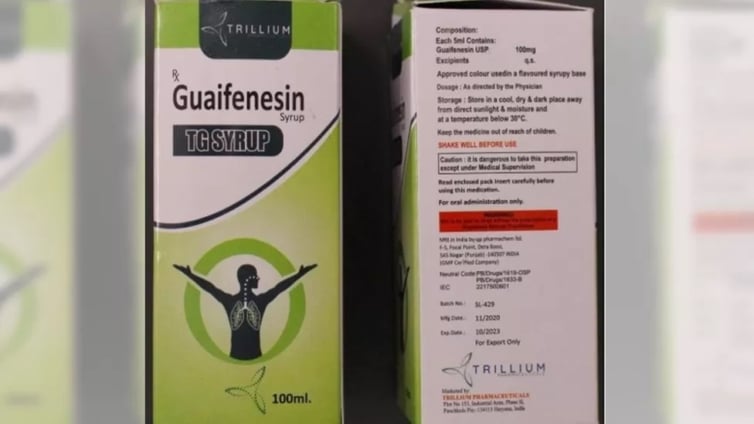
World Health Organization has flagged an Indian-made cough syrup over contamination.
WHO said that the batch of contaminated India-made cough syrup has been found in the Marshall Islands and Micronesia.
The WHO said that the tested samples of Guaifenesin TG syrup, made by Punjab-based QP Pharmachem Ltd, showed “unacceptable amounts of diethylene glycol and ethylene glycol”.
Both compounds are toxic to humans and could be fatal if consumed.
The WHO statement did not specify if anyone had fallen ill.
The latest alert comes months after the WHO linked other cough syrups made in India to child deaths in The Gambia and Uzbekistan.
Sudhir Pathak, managing director of QP Pharmachem, told the BBC that the company had exported the batch of 18,346 bottles to Cambodia after getting all due regulatory permissions. He said he didn’t know how the product had reached the Marshall Islands and Micronesia.
“We did not send these bottles to the Pacific region, and they were not certified for use there. We don’t know under what circumstances and conditions these bottles reached the Marshall Islands and Micronesia,” he said, adding that his company has sent a legal notice to the firm that exported the batch of medicines to Cambodia.
The WHO statement said that the product, which is used to relieve chest congestion and cough symptoms, was tested by Australia’s drug regulator, the Therapeutic Goods Administration.
The syrup was marketed by Trillium Pharma, based in Haryana state. The BBC couldn’t reach a Trillium representative on the phone. The Indian government has not reacted to the latest alert.
The statement added that “neither the stated manufacturer nor the marketer have provided guarantees to WHO on the safety and quality of these products”.
India is the world’s largest exporter of generic drugs, meeting much of the medical needs of developing countries.
But in recent months, many Indian firms have come under scrutiny for the quality of their drugs, with experts raising concerns about the manufacturing practices used to make these medicines.
In October, WHO had sounded a global alert and linked four cough syrups made by Maiden Pharmaceuticals to the deaths of 66 children from kidney injuries in The Gambia.
Both the Indian government and the company, Maiden Pharmaceuticals, had denied the allegations.
In March, India cancelled the manufacturing licence of a firm whose cough syrups were linked to 18 child deaths in Uzbekistan. Earlier this month, the FDA said it had found that the Indian manufacturer of eye drops linked to three deaths and serious infections in the US had violated several safety norms.
The World Health Organisation (WHO), has revealed that Ghana is among 55 countries in the world losing its health workers due to international migration.
A WHO Health Workforce Support and Safeguards List 2023 also identified 36 African countries including Nigeria as vulnerable to the availability of health workers required to achieve the UN Sustainable Development Goal Target for Universal Health Coverage by 2030.
The Director Responsible for Health Worker Policy at WHO, Jim Campbell, said the health worker shortages is a threat to the chances of achieving Universal Health Care by 2030.
The WHO further scrutinised the actions of the developed countries who constantly engage in recruitment. It insisted that the ‘suffering’ countries require priority support for health workforce development and health system strengthening, along with additional safeguards which will limit active international recruitment.
The Director General of Ghana Health Services (GHS), Dr. Patrick Kuma-Aboagye, has emphasized that cost-effective tools are needed to reverse malaria death trends in the country.
He said such measures would complement the existing interventions by the GHS in the malaria fight.
He revealed that 5.7 million malaria cases were confirmed in Ghana in 2021, with 275 deaths. This, he said, includes 1.6 million cases involving children under age five, with 125 deaths.
Speaking at the National launch of the Expansion of the Malaria Vaccine Implementation Program (MVIP) in Sunyani in the Bono Region, Dr. Kuma-Aboagye said the GHS has targeted a 90% reduction in malaria mortality and a 50% reduction in malaria incidence by 2025.
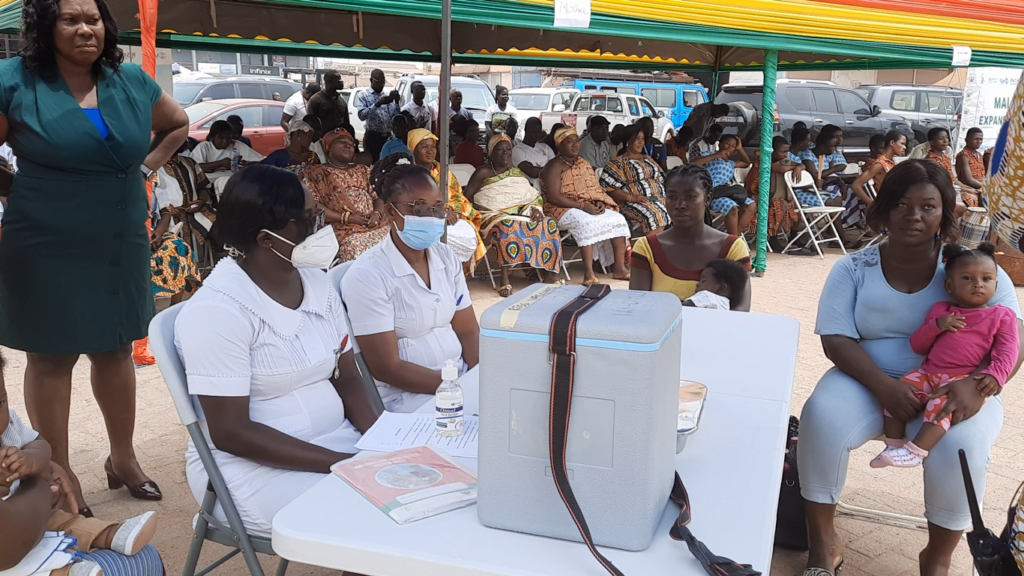
Some eligible children waiting to be vaccinated
He emphasized that they are working to achieve the target through prevention and control interventions such as “the Mass distribution of Long-Lasting Insecticidal Nets, Indoor Residual Spraying, Larval source management, Intermittent Preventive Treatment for pregnant women, Seasonal Malaria Chemoprevention, Case Management, and the latest tool on the block – Malaria Vaccine.”
Since 2019, the GHS has administered a total of 1,359,199 doses of malaria vaccines as part of the piloted MVIP.
The phased vaccination in 42 districts in seven regions is said to have recorded substantial progress toward reducing childhood morbidity and mortality.
The Director General of Ghana Health Services, Dr. Kuma-Aboagye, said: “The Service, together with the Food and Drugs Authority, through its robust pharmacovigilance system, has established that the malaria vaccine is safe, feasible to deliver and reduces deadly or severe malaria”.
He said on the evidence of the progress and the recommendations by the National Immunization Technical Advisory Group (NITAG) and their partners, including WHO, the MVIP has been expanded from the current 42 districts to 93 districts in Ahafo, Bono, Bono East, Central, Oti, Upper East, and Volta regions.
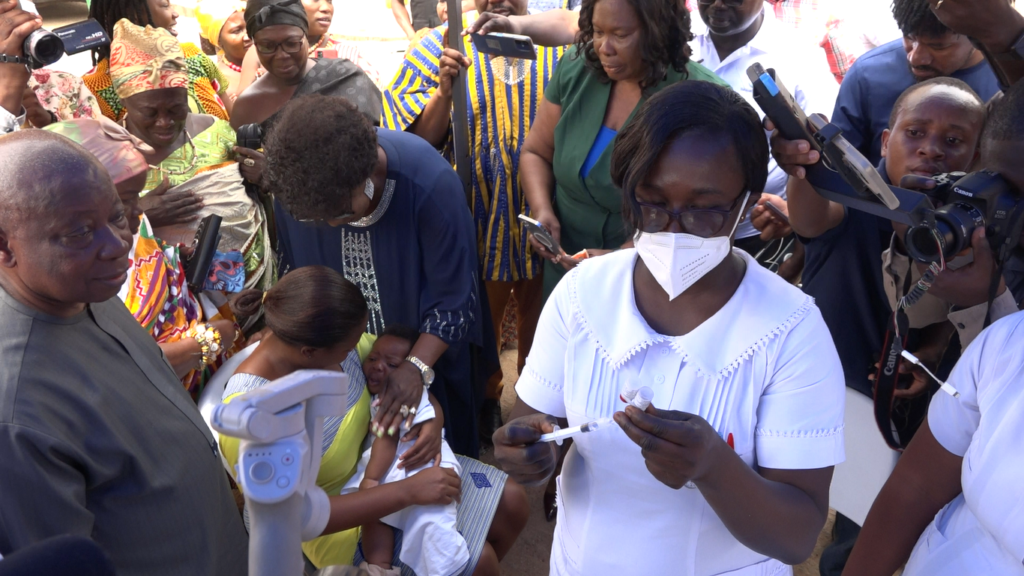
Health Minister, Kwaku Agyemang Manu observing the vaccination
According to the GHS, the expansion would further help in the reduction of the number of children hospitalized due to malaria and an overall decrease in children under-five deaths.
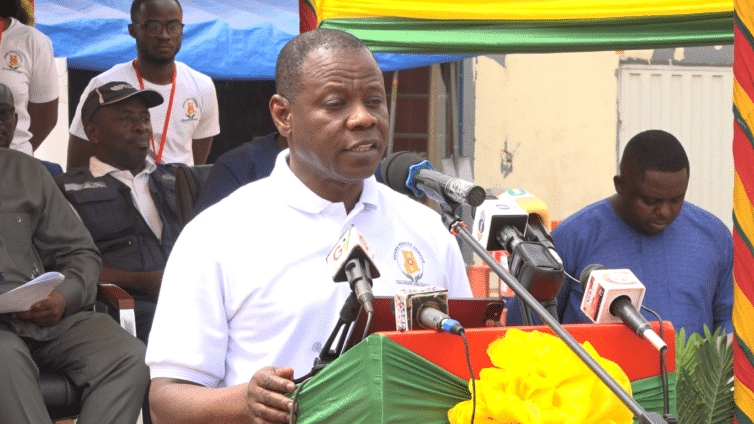
The Minister of Health, Kwaku Agyemang Manu, who performed the launch, said eligible children would receive the malaria vaccine at 6 months, 7 months, 9 months, and 18 months.
He emphasized the need for children to receive all four doses of the malaria vaccine for the best protection while sustaining all other existing malaria interventions, such as sleeping under insecticide-treated nets.
Mr. Agyemang Manu urged all parents, relatives, caregivers, community leaders, religious leaders, and civil society organizations to ensure that all eligible children are vaccinated against the deadly childhood disease.
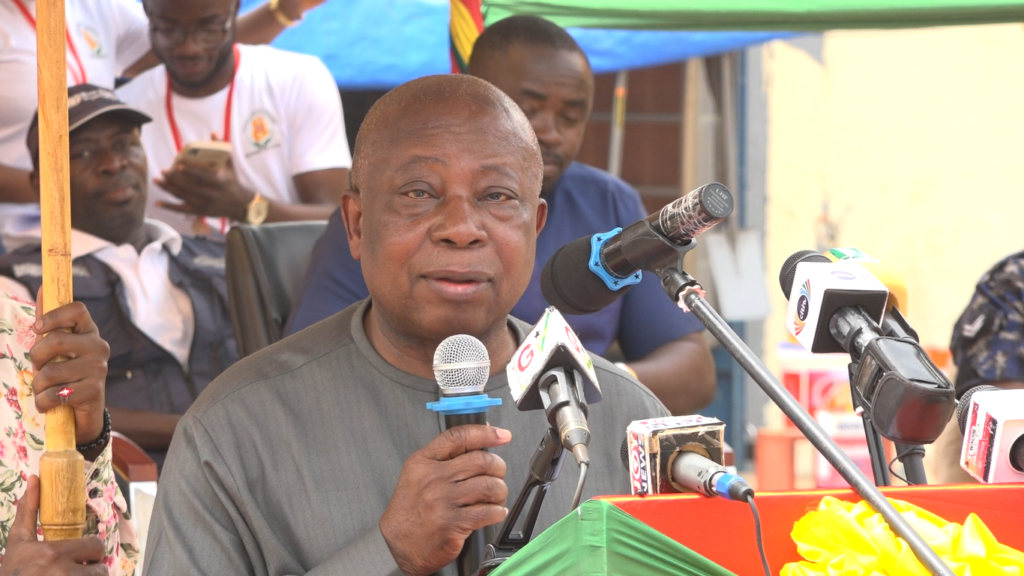
The Minister of Health, Kwaku Agyemang Manu
Dr. Kuma-Aboagye further called for the support of the media and other stakeholders for a successful exercise.
He said, “It is, therefore, necessary to provide accurate information from credible sources, including the GHS and other health partners. In addition, the country relies on using your media platforms to assist in generating demand for all doses, including the 4th dose given when a child turns 18 months.”
The national launch of the expansion of the MVIP had in attendance religious leaders, students, and some health partners, including the WHO, PATH, and Gavi, among other stakeholders from the national, regional, and district levels.
The Health Minister and the Director General of the GHS also observed the vaccination of some eligible children at the launch.
The Neglected Tropical Diseases (NTDs) Programme of the Ghana Health Service (GHS) has called for a sustained financing and cross-sectoral approaches to fight the menace in the country.
The lack of resources, the Programme notes, has become a significant barrier to the control, elimination, and eradication of NTDs in the country.
What are NTDs?
The term NTDs is used to describe a group of 20 communicable diseases that prevail in tropical and subtropical countries and affect more than one billion people globally, according to the statistics by the World Health Organisation (WHO).
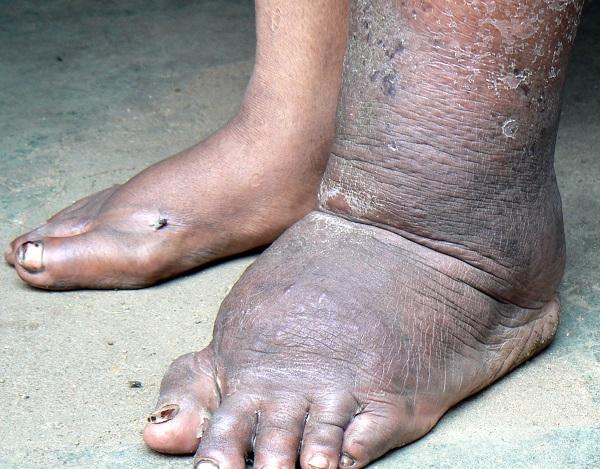
The 20 NTDs are: Buruli ulcer; Chagas disease; dengue and chikungunya; dracunculiasis; echinococcosis; foodborne trematodiases; human African trypanosomiasis; leishmaniasis; leprosy; lymphatic filariasis; mycetoma, chromoblastomycosis and other deep mycoses; onchocerciasis; rabies; scabies and other ectoparasitoses; schistosomiasis; soil-transmitted helminthiases; snakebite envenoming; taeniasis/cysticercosis; trachoma; and yaws.
Of the 20 NTDs identified by the WHO, 14 are found in Ghana, prominent among them being Trachoma; Buruli ulcer; Yaws; Leprosy; Human African trypanosomiasis (HAT or sleeping sickness); Leishmaniases; Lymphatic filariasis; Onchocerciasis (river blindness); Schistosomiasis, and Soil-transmitted helminthiases.
NTDs mainly affect populations living in poverty and in close contact with infectious vectors— viruses, bacteria, parasites, fungi and toxins.
The disease cause devastating health, social and economic consequences to those affected by it.
Financing NTDs
Explaining why the Programme is calling for a sustained financing and investment on NTDs, the Deputy Programme Manager, Dr Joseph Kwadwo Larbi Opare, said ending NTDs will make our health systems more resilient and our world a more equitable and safer place.
For him, by bringing renewed attention to NTDs, building political will and mobilising resources, and putting individuals and communities at the centre of the response, “we can collectively generate the attention and resources needed to deliver against the targets outlined in the WHO 2030 NTD road map and SDG3.”
“That is why, together and united, we will make the case for investment, and push for concerted action and financing on World NTD Day 2023,” Dr Opare noted.
He explained that investing in NTD programmes would create a ripple effect in society, adding that “it leads to better education, health, and employment outcomes, and transforms lives and communities.”
In addition, he observed, investing in NTD programmes would equally help to reduce gender inequity, stigma, and preventable mortality and morbidity, pointing out that “the case for investment is clear.”
He further observed that addressing NTDs requires cross-sectoral approaches that span from bringing medicines to the ‘end of the road’ – thus making universal health coverage a reality, relieving the associated mental health burden, and tackling fundamental human rights issues.
Dr Opare said investing in NTDs is a global health and development success story, noting that so far, 46 countries including Ghana have eliminated an NTD, showing that progress is possible towards elimination and eradication of the disease.
Currently, he noted, every district in Ghana has at least two of the NTDs, calling also for a sustained awareness on the disease in order to reduce its impact on people, saying “the disease keep children out of school and parents out of work.”
In addition, he explained, NTDs are endemic in poor communities and promotes poverty and intense stigma.
Action now!
Dr Opare called on all stakeholders, particularly duty bearers to join the fight in their various capacities to help the country to become free from NTDs.
“Everyone has a key role to play,” he noted, saying “This year, we invite you to ask our leaders to act now, act together and invest in neglected tropical diseases.”
World NTDs Day
This year’s World NTD day, which falls today, January 30, 2023, is on the theme “Act now. Act together. Invest in neglected tropical diseases.”
The day is celebrated to raise awareness on the need to address issues on Neglected Tropical Diseases.
According to the report, the virus is present in 64% of the nation’s population.
The provinces with the highest infection rates are Gansu (91%), Yunnan (84%), and Qinghai (80%), in that order.
A leading Chinese epidemiologist has also issued a warning that cases will rise during the lunar new year in rural China.
The peak of China’s Covid wave is expected to last two to three months, added Zeng Guang, ex-head of the Chinese Center for Disease Control.
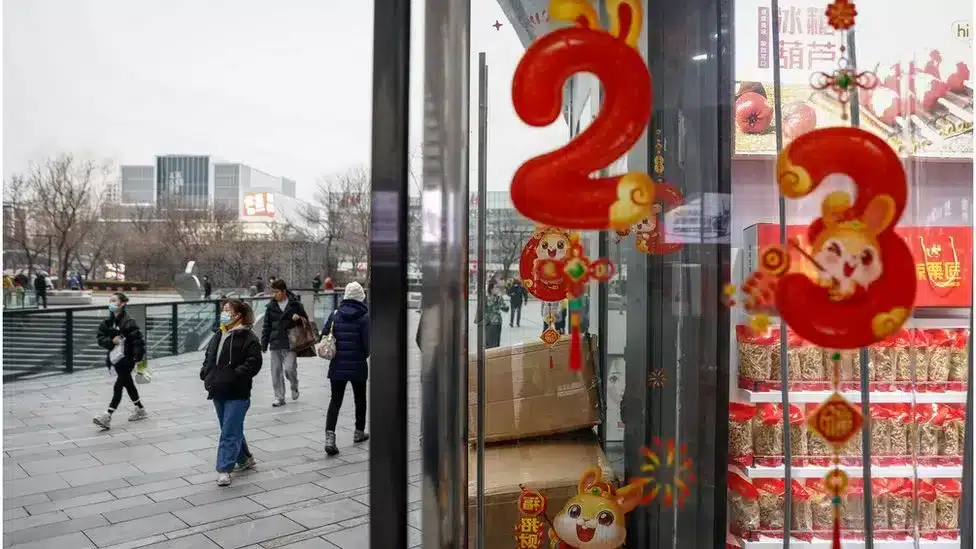
Hundreds of millions of Chinese are travelling to their hometowns – many for the first time since the pandemic began – ahead of the lunar new year on 23 January.
China has stopped providing daily Covid statistics since abandoning zero-Covid.
But hospitals in big cities – where healthcare facilities are better and more easily accessible – have become crowded with Covid patients as the virus has spread through the country.
Speaking at an event earlier this month, Mr Zeng said it was “time to focus on the rural areas”, in remarks reported in the Caixin news outlet.
Many elderly, sick and disabled in the countryside were already being left behind in terms of Covid treatment, he added.
China’s central Henan province is the only province to have given details of infection rates – earlier this month a health official there said nearly 90% of the population had had Covid, with similar rates seen in urban and rural areas.
However government officials say many provinces and cities have passed the peak of infections.
Some two billion trips are expected to be made in total, and tens of millions of people have already traveled.
Last month, China abruptly abandoned its zero Covid policies. It also reopened its borders on Sunday.
Official data shows five or fewer deaths a day over the past month, numbers which are inconsistent with the long queues seen at funeral homes and reports of deaths on social media.
In December Chinese officials said they planned to issue monthly rather than daily updates on the Covid situation in the country.
The World Health Organisation (WHO) said China, which stopped reporting COVID fatalities on Tuesday, was heavily underreporting Covid deaths.
In response, Foreign Ministry spokesman Wang Wenbin stressed again at a regular press briefing on Thursday that Beijing has been sharing Covid data in “a timely, open and transparent manner in accordance with the law”, having held technical exchanges with the WHO over the past month.
International health experts have predicted at least a million COVID-related deaths in China this year. Beijing has officially reported just over 5,000 deaths since the pandemic began, one of the lowest death rates in the world.
In light of uncertainty regarding the true scope of the disease’s effects, China has described how it counts Covid-19 deaths.
According to the statement, the number only accounts for fatal respiratory conditions like pneumonia.
Only five Covid deaths were reported officially on Tuesday, two on Monday, and none in the two weeks prior.
The method of counting contravenes World Health Organization (WHO) recommendations, and as a result, the number of deaths is much lower than in many other nations.
According to the WHO, countries use various testing and reporting procedures for Covid-19 deaths, making cross-national comparisons challenging.
It is why many countries record Covid-19 deaths as excess mortality – how many more people died than would normally be expected based on death figures before the pandemic hit.
These calculations also take into account deaths which were not directly because of Covid but were caused by its knock-on effects – including people being unable to access hospitals for the care they require.
By contrast, China has strict criteria for confirming Covid-19 cases, which include evidence in patients of lung damage caused by the virus. This must be confirmed in a scan.
But, the country is currently experiencing a surge in cases since the lifting of its most severe restrictions earlier this month.
Official figures show a relatively low number of new daily cases and deaths. This has led to fears the numbers are an underestimate due to a recent reduction in Covid testing.
In a bid to address the concerns the State Council held a news conference on Tuesday.
Infectious disease expert Prof Wang Gui-qiang clarified that only pneumonia and respiratory failure caused by the coronavirus were counted as Covid deaths.
Deaths caused by underlying diseases are not included in the official count, state-owned China News Service reported.
Strict lockdowns are said to account for China’s official death toll staying so low since the start of the pandemic – the official figure is just over 5,200.
This is equal to only three Covid deaths in every million in China, compared with 3,000 per million in the US and 2,400 per million in the UK.
China has faced challenges with vaccines being used and particularly getting them to the most vulnerable people.
Overall, China says more than 90% of its population has been fully vaccinated. However, less than half of people aged 80 and over have received three doses of vaccine. Elderly people are more likely to suffer severe Covid symptoms.
China has developed and produced its own vaccines, which have been shown to be less effective at protecting people against serious Covid illness and death than the mRNA vaccines used in much of the rest of the world.
Prof Wang’s comments come as hospitals in the capital Beijing and in other cities struggle to cope with the latest Covid surge.
The latest wave has also hit postal and catering services hard.
Meanwhile, China’s largest city, Shanghai, has ordered most of its schools to take classes onlineas cases soar.
After India claimed that four cough syrups linked to child deaths in TheGambia passed inspection in-home tests, the WHO reaffirmed its decision to take action.
In October, the WHO issued a warning, advising authorities to halt sales of the syrups, which were produced by an Indian company.
According to a representative of the Indian government, the WHO’s accusation of the syrups was “presumptuous.”
But the health organisation claimed that it was only carrying out its mandate.
“WHO’s mandate is to issue global alerts about potential risks. WHO stands by the action taken,” an official told the BBC over email.
The health body added that the “contaminated syrups are dangerous and should not be in any medicine, ever”.
In late July, medical authorities in The Gambia detected an increase in cases of acute kidney injury among children under the age of five. The government later said around 69 children had died from these injuries.
In October, the WHO said these deaths may be linked to the four cough syrups made by Maiden Pharmaceuticals, an Indian company.
The WHO said it had tested samples of the syrups – Promethazine Oral Solution, Kofexmalin Baby Cough Syrup, Makoff Baby Cough Syrup and Magrip N Cold Syrup – and found that they contained “unacceptable amounts of diethylene glycol and ethylene glycol as contaminants”.
Diethylene glycol and ethylene glycol are toxic to humans and could be fatal if consumed.
India then said that it was investigating the products and ordered Maiden Pharmaceuticals to stop production at its main factory in the northern state of Haryana.
On 13 December, Dr VG Somani, India’s drugs controller general, wrote a letter to the WHO saying that the samples it tested at a government laboratory “were found not to have been contaminated” with the compounds.
“As per the test reports received from [the] government laboratory, all the control samples of the four products have been found to be complying with specifications,” he added.
The test results are being further examined by a panel of Indian experts.
A senior adviser to India’s information and broadcasting ministry told the BBC that the WHO had been “presumptuous” in blaming the cough syrups for the deaths of the children.
“Subsequent inspections, tests and studies by Government of India’s notified bodies and technical team have shown that WHO’s presumptuous statement was untrue and incorrect,” said Kanchan Gupta, adding that the health body had “[jumped] the gun without valid scientific reasons”.
“When many children die of mysterious sickness, it’s a tragedy that means WHO had to act quickly,” the agency told the BBC.
“WHO-contracted laboratories in Ghana and Switzerland tested the suspected cough syrups products from The Gambia and confirmed excess levels of ethylene glycol and diethylene glycol,” it said, adding that it immediately shared the results with authorities in The Gambia and India, as well as with Maiden Pharmaceutical officials.
In his letter, Dr Somani also said that the panel had requested “specific information” from the WHO on “further details essential to establish the causality” but had not received this yet. The letter did not specify what information the committee had asked for.
When contacted, Dr Somani’s office asked the BBC to get in touch with India’s health ministry. The BBC has emailed the ministry for comment.
India produces a third of the world’s medicines, mostly in the form of generic drugs.
Home to some of the fastest growing pharmaceutical companies, the country is known as the “world’s pharmacy” and meets much of the medical needs of African nations.
Dr Somani said in the letter that the WHO’s statement, which was “amplified by the global media”, had damaged the reputation of the Indian pharmaceutical industry.
Malawihas reduced malaria deaths by half, from 23 deaths per 100,000 in 2016 to 12 deaths per 100,000 in 2021, according to ministry of health officials.
Dr. Charles Mwansambo, Secretary of Health, announced the extension of vaccination spots at a launch in Mchinji.
“We have reduced malaria mortality through mass and routine distribution of nets, indoor residual spraying, and case management, among other things.”
“For this reason, we have added another intervention (malaria vaccination exercise) we have launched today which on its own can reduce malaria disease by 33 percent.
“However, all these measures need to be followed so that we can eliminate the disease by 2030,” Mwansambo said.
The project is being promoted and funded by the Malawi Government in conjunction with UNICEF, WHO, PATH, and others.
At least 330,000 under-five children in 11 districts will benefit from the exercise. WHO recommended wide vaccination against the infective disease in African countries after a successful pilot phase in Ghana, Malawi, and Kenya.
The documents tagged, “The 2021 Malaria Indicator Survey Report,” as well as the Advocacy, Communication and Social Mobilisation (ACSM) Strategy and Implementation Guide,” was formally unveiled by the Federal Ministry of Health in Abuja.
Minister of Health, Dr. Osagie Ehanire, who flagged off the programme said the 2021 NMIS report provided the country and partners the necessary baseline information with which the achievements of the current anti-malaria intervention effort would be benchmarked.
The onset of the novel Coronavirus, also known as COVID-19,was perhaps, the one time in the world’s recent history where everything came to a standstill over something that not even the best of the earth’s scientists could immediately fully diagnose.
Economies were shattered and the wheels on which this world run grinded to halts in ways that were unprecedented and totally unplanned for.
But this was a challenge the world immediately got to work on, and when the dusts settled, and some headway had been made, the right processes begun into the production of vaccines that would reduce the threats of the virus, which until then, had caused many deaths across many nations of the world.
Soon, many countries had acquired the vaccines and with time, the majority of the world’s population had taken their shots; whether fully or partially. And then again, the wheels of the world’s economies begun to run once more, albeit a little slower than before the pandemic hit.
Vaccinating the billions of the world’s populations had to be done systematically, requiring the use of the right professionals for the job: a simple but technical job it was, but how well or not was it executed by the people who became known as the frontliners?
The case of Ghana and how its frontliners, including nurses and teachers, have and continue to play their roles in the execution of this global task is one that SEND GHANA, with funding from the Partnership for Transparency Fund (PTF), embarked on a comprehensive monitoring exercise to determine how well or not compliance to Ghana’s National Deployment and Vaccination Plan (NDVP) was like.
The monitoring exercise also focused on the experiences of citizens who participated in the vaccination for the COVID-19.
SEND GHANA, a reputable and credible national Non-Governmental Organisation specialised in policy research and advocacy on pro-poor policy and development program monitoring in Ghana, gathered some very interesting findings, a number of which have received the blessings of the likes of the World Health Organisation (WHO) and local health authorities.
So, what is the SEND GHANA monitoring report on compliance and citizens’ experiences all about? What are the revealing findings too?
With an overall aim of assessing compliance of Ghana’s National Deployment and Vaccination Plan (NDVP) and the equitable uptake of the COVID-19 vaccines, the monitoring exercise combined district monitoring and data collection approach as methodologies.
The survey was also carried out in two regions of the country: the Greater Accra and Ashanti Regions, across 37 vaccine centres of 8 districts (4 for each region).
In the Greater Accra Region, the districts surveyed were: Accra Metropolitan Assembly (Mamprobi Polyclinic, Kaneshie, and Obeweku Health Centre), Ashaiman (Community 22 Polyclinic, Lebanon Zone 3 Polyclinic, and Ashaiman Polyclinic), Tema (TMA Community One Polyclinic, Manhean Polyclinic, Tema General Hospital, and Tema Health Directorate), and La-Nkwantanang, Madina (Pentecost Hospital, Madina Polyclinic – Kekele, and Danfa Health Center).
In total, there were 720 citizens, with 677 of them representing 94% of the overall numbers were interviewed. By sex, the proportion of males interviewed was slightly higher (51%) than females (49%) in both regions. In the Ashanti region, interviewees encompassed 53% males and 47% females, while the Greater Accra region had less males (49%) compared with females (51%). It is interesting to note that the proportion of male and females interviewed in the Greater Accra region, mirrored the 2021 population and housing census.
A total of 653 responses were received from both teachers and health staff. Out of the 653 respondents, 443 (67.8%) were teachers while 210 (32.2%) comprised health care workers.
Regionally, 361 responses (55%) were from the Ashanti region with the remaining 292 (45%) from the Greater Accra region.
Highlights
According to the report, some of the highlights of it put together were:
– Vaccination posts at the health facilities monitored in the Greater Accra and Ashanti regions recorded an average vaccination of 10 persons daily.
– Vaccination coverage among marginalized or vulnerable groups looks encouraging.
– Friends and Family were the main transmitters of information about the vaccination exercise.
– Clients were satisfied with time spent at vaccination centers and the attitude of health staff.
– Majority of surveyed health workers (90%) and teachers (86%) have received at least a dose of the COVID-19 vaccines.
– The fear of exposing family and friends to the COVID 19 disease enhanced the uptake of vaccines among teachers, healthcare workers and the general populace.
– Aside protection for family and friends, uptake of the vaccines among health staff and teachers were influenced by four other factors as follows; prioritization; adequate information about safety of the vaccines; ease of access to vaccination centres and perceived effectiveness of the vaccines against COVID-19.
Citizens’ experiences, opinions, and motivations for vaccination
But the survey focused on the responses of some people and what they thought of the exercise.
What and how they thought about the monitoring exercise were summarized as follows:
“The overwhelming majority of the citizens interviewed indicated they had taken their vaccine at the center. Only 10 people (representing 1.5%) of the 676 interviewees who interacted with the vaccination process within the three days of monitoring at each center did not receive the jab. The two regions (Greater Accra and Ashanti) contributed an equal proportion to this finding.
“The dominant reason given by the respondents in this group (those who did not receive the jab on the day of the monitoring) relates to claims that the number of clients/persons required to use the requested vaccine vial was not adequate, the unavailability of cards at the time of vaccination and inability to provide their cards for entries to be made at the point where the vaccines were administered.”
Recommendations
The Ghana Health Service should convene refresher sessions for its staff on the NDVP.
Although the monitoring findings show compliance was generally good, this is necessary to enhance high levels of compliance with guidelines of the NDVP.
Health Directorates are encouraged to sustain the vaccine promotion efforts/campaigns to contribute to the attainment of the country’s herd immunity target. This is also necessary if set targets for the various districts are to be met. As of July 2022, for instance, the Accra metropolis had fully vaccinated 46.2% of its target population. Thus, vaccination promotion and/or information and education campaigns will contribute in no small way to encourage more people to vaccinate.
Health promotion efforts for the COVID-19 vaccination exercise and subsequent vaccination exercises should adequately address possible side effects and safety as these are key for uptake.
COVID-19 vaccination communication messages should focus on the protection of family members and friends from the disease and possible deaths and less on mandates restricting access to services and employment reasons.
The Ghana Health Service should commend its staff for exhibiting good attitude and professionalism during the vaccination exercise.
The Ministry of Health and the Ghana Health Serviceshould adopt steps to increase the availability of vaccine logistics across districts within the country.
In a statement, the agency said Africa is home to six of the 10 countries with the highest suicide rates globally.
The continent is said to have one psychiatrist for every 500,000 inhabitants – 100 times less than the WHO recommendation.
Around 11 people per 100,000 per year die by suicide in the African region, higher than the global average of nine per 100,000 people, the WHO says.
Mental health problems account for up to 11% of the risk factors associated with suicide, it continued.
The agency added that mental health workers are mostly located in urban areas on the continent.
The WHO Regional Director for Africa, Matshidiso Moeti, said suicide was a major public health problem, although prevention is rarely a priority in national health programs.
The World Health Organization’s four identified substandard medicinal products in The Gambia are not registered In Ghana, says the Food and Drugs Authority (FDA).
The medicines are Promethazine Oral Solution, Kofexmalin Baby Cough Syrup, Makoff Baby Cough Syrup and Magrip N Cold Syrup.
The FDA in a statement issued in Accra on Thursday following the WHO’s alert, said the products according to Who, were substandard because laboratory analysis of samples of each of the four products confirmed that they contained unacceptable amounts of diethylene glycol and ethylene glycol as contaminants.
It said the manufacturer of the products, Maiden Pharmaceuticals Limited (Haryana, India), had also not provided guarantees to WHO on the safety and quality of the products as of 5th October 2022.
The statement said Diethylene glycol and ethylene glycol were toxic to humans when consumed and could prove fatal.
Toxic effects of the identified substance include abdominal pain, vomiting, diarrhoea, inability to pass urine, headache, altered mental state, and acute kidney injury, which may lead to death.
“These products have not been registered by the FDA and are not expected on the Ghanaian market, however, they may have been distributed illegally,” the FDA said.
The FDA advised all healthcare professionals to report suspected falsified medicinal products by completing the Adverse React Form online using the link http://adr.fdaghana.gov.gh or call Mobile no: 024431 0297 or send an email to drug.safetv@fdaghana.gov.gh.
The statement said the FDA had strengthened its post market surveillance activities at the borders and across the country with the view to identify and withdraw any unregistered product on the Ghanaian Market.
As of 1 October, travellers will also no longer need to provide proof of Covid vaccination, undergo any testing, or isolate and quarantine.
The mask mandate on planes and trains will also be lifted.
The ArriveCan app – used to upload health documents when entering Canada – will become optional.
Federal health minister Jean-Yves Duclos said in an announcement on Monday that Canada is “in a much better position” than it was earlier in the pandemic, in part due to the availability of Covid-19 vaccines and treatment options.
The country’s high vaccination rate – with around 82% of the population having received two doses – and a falling death rate are also factors.
Around 32 Canadians are currently dying each day from the virus.
Covid-19 cases are slowly rising in Canada and signs point to a resurgence ahead of autumn, Mr Duclos said, but he added this is “largely explained by the domestic transmission of the virus”.
He said Ottawa is open to reintroducing measures, especially if a new, highly-transmissible variant emerges.
Vaccine mandates for travellers entering the US remain in place, and some American lawmakers have urged President Joe Biden to drop the remaining restrictions.
Other countries, including the United Kingdom, dropped Covid entry requirements earlier this year.
Covid-19 mandates were opposed by some in Canada and were the subject of the ‘Freedom Convoy’ protests in Ottawa, which were held in support of truckers who refused to get vaccinated to cross the US-Canada border.
The February protests gridlocked Canada’s capital for two weeks.
The protests were eventually cleared after Prime Minister Justin Trudeau invoked the never before used Emergencies Act, which gives the government additional powers in times of national crisis.
The World Health Organisation declared in early September that Covid-19 deaths have hit their lowest point but experts have warned about the ongoing threat of the virus, especially if new variants emerge.
Despite the end of the restrictions, Mr Duclos urged people to get their booster shots and encouraged people to continue wearing masks in public.
It has emerged that about 300,000 of the Ghanaian populace is epileptic.
This was revealed by an epileptologist at the University of Ghana, Legon, Prof. Patrick Adjei, at an intersectoral global action plan on epilepsy, neurological disorders and strengthening public health approach to epilepsy in the country.
According to Professor Patrick Adjei, victims of the disorder are oblivious to the condition due to a lack of proper diagnosis.
What is epilepsy?
Epilepsy is a brain disorder in which nerve cell activity in the brain is disturbed, causing seizures.
During a seizure, a person experiences abnormal behaviour, symptoms and sensations, sometimes including loss of consciousness.
It occurs as a result of a genetic disorder or an acquired brain injury, such as a trauma or stroke. Symptoms of the disorder include uncontrollable jerking and shaking, called a “fit”, losing awareness and staring blankly into space, among others.
It is estimated that, globally, about 50 million people suffer from the disorder. The World Health Organisation (WHO) has indicated that 80 percent of this number live in low and middle-income countries.
Meanwhile, WHO Representative in Ghana, Dr Francis Kasolo, has revealed that efforts are being put in place to reduce the gap in epilepsy treatment in the country.
According to him, over 2,700 people have been provided with care and treatment since the ‘Fight against epilepsy’ initiative was rolled out in the country between 2012 and 2016.
Focus
According to Prof. Adjei, although health authorities were focusing on convulsive epilepsy, there were other forms of epilepsy which were non-convulsive, including staring, repetitive blinking, chewing, swallowing and automatism.
Others were coma, prolonged apnea, cardiac arrest, dementia and higher brain dysfunction he said.
Non-convulsive epilepsy, he added, represented a considerable burden in prevalence which, if not treated, interfered significantly with a person’s functioning.
He said there were two principal deficits in the knowledge of the burden of the disease in the country — seizures, because they were easy to detect, and no data on the prevalence of the disease in the urban environment.
He said those placed a huge burden on the country which had little capacity to care for people with mental health and neurological disorders.
Pro. Adjei is also a team member of the country’s Epilepsy Pathway Innovation in Africa (EPInA) project which aims to improve the quality of life of people with epilepsy in sub-Saharan Africa by addressing all aspects of treatment pathway: prevention, diagnosis, treatment and awareness.
Between 2019 and 2024, the EPInA team is working in Accra, Nairobi, Kilifi and Mahenge to improve prevention, diagnosis, treatment and awareness of epilepsy.
He said so far there had been some awareness creation and diagnosis programmes in the Shai-Osudoku and the Ningo-Prampram districts in the Greater Accra Region.
He added that they were also working at improving care and the reduction of stigma of people with epilepsy within the two districts.
The WHO Regional Advisor on Mental Health and Substance Abuse, Dr Florence Baingana, said 85 per cent of the epilepsy burden in the world was in sub-Saharan Africa.
She said stroke was the largest contributor to neurological disability-adjusted life year (DALY) globally and in all African regions where meningitis ranked second in three out of four countries.
She said access to service and support, including essential, cost-effective medicines for neurological disorders, was insufficient, especially in low and middle-income countries.
The Head of the Health Unit of the WHO, Dr Tarun Dua Brain, said neurological disorders were the leading cause of DALY and also the second leading cause of death — 16·5 per cent or nine million deaths annually.
She said one in three persons worldwide had a neurological disorder at some point in his lifetime, while 78.5 per cent of deaths and 77.3 per cent of DALY due to neurological disorders were also in low and middle-income countries.
WHO Ghana
The WHO Representative in Ghana, Dr Francis Kasolo, said the organisation would continue to partner the government to work towards reducing the epilepsy treatment gap in the country.
He said a ‘Fight against epilepsy’ initiative rolled out in the country between 2012 and 2016 provided treatment and care for more than 2,700 people.
According to him, the WHO had expanded its work on epilepsy treatment and care with the introduction of a flagship programme, the Health Gap Action Programme (mhGAP), which he said was aimed at training non-specialist health workers to diagnose and manage mental, neurological and substance use conditions.
This follows the successful discharge from the hospital, of the only survivor among those who contracted the virus.
The announcement was made by the Director-General of the Ghana Health Service, Dr. Patrick Kuma-Aboagye at a press briefing on Friday, September 16.
“On this day, the 16th day of September 2022, I Dr. Patrick Kuma-Aboagye, Director-General of the Ghana Health Service on behalf of the Minister of Health, Kwaku Agyeman Manu together with our partners do hereby declare the initial outbreak of Marburg virus is over.”
He also said the only survivor has been reunited with his family.
“The only survivor of the three has since recovered from the disease following two negative tests carried out 48 hours apart on the 3rd and 6th of August 2022 respectively, by the Noguchi Memorial Institute for Medical Research (NMIMR). Ghana, therefore, has no case of MVD,” he added.
Ghana recorded its first case of the disease on Monday, July 4.
In all, 198 contacts were identified in four districts (Adansi North and South, Prestea Huni Valley, and Sawla-Tuna-Kalba) of which 118 of them have completed the 21 days of mandatory follow-up and have since been discharged.
In line with World Health Organisation (WHO) guidelines, the outbreak will be declared over 42 days after the last negative test if there are no new cases.