Tag: Yamuna River

  • Taj Mahal  submerged in floodwaters as northern India struggles to cope with  severe downpour

    Taj Mahal submerged in floodwaters as northern India struggles to cope with severe downpour

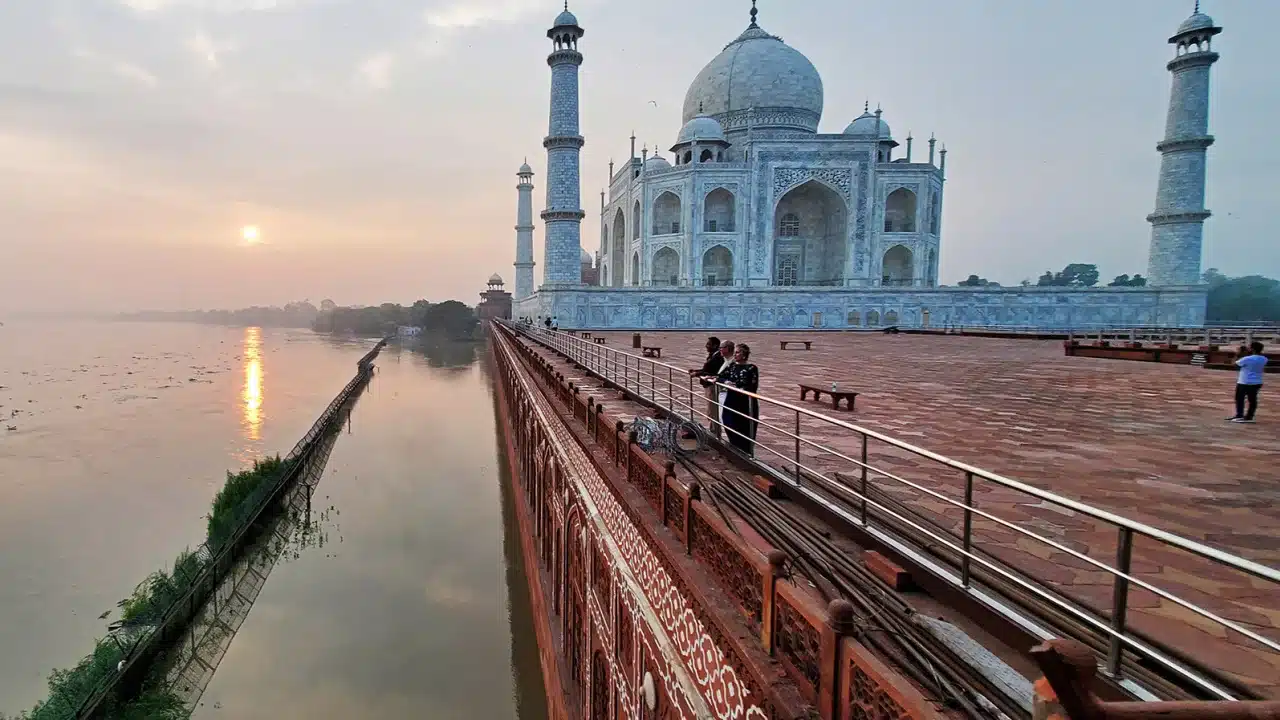
    The famed Taj Mahal has been affected by devastating floods ravaging northern India, a once-in-a-lifetime occurrence that experts fear may turn into the norm as the climate crisis delivers even more extreme weather.

    On Tuesday, as seen in videos and pictures posted on social media, floodwaters from the Yamuna River lapped at the compound walls of the monument, a popular tourist destination.

    There were also floodwaters visible in a garden that was placed behind the Taj Mahal. The heritage site is not threatened by the present floods, according to the Archaeological Survey of India (ASI), which looks after it, CNN affiliate CNN-News 18 reported.

    Experts said it is rare for floodwaters to reach the outer walls of the complex, which was built near the city of Agra in the northern state of Uttar Pradesh in the 17th century by a Mughal emperor to honor his wife who died in childbirth. Millions of tourists visit the site each year.

    While floods occur regularly in the area during India’s monsoon season from June to September, experts say climate change is increasing their frequency and severity.

    The Yamuna River – a tributary of the Ganges – has reached its highest level on record, authorities said last week, prompting mass evacuations as northern states report dozens of deaths from the heavy flooding.

    The Yamuna, which flows about 855 miles (1,376 kilometers) south from the Himalayas through several states, rose to 208.57 meters (about 684 feet) as of last Thursday, officials said.

    India, the world’s most populous nation, is one of the countries worst affected by the climate crisis, according to the Intergovernmental Panel on Climate Change (IPCC) – potentially affecting 1.4 billion people nationwide.

    Several parts of northern India, including Agra, remain at high risk of flooding in the coming weeks due to continuous heavy rainfall and water being released from barrages, according to Indian authorities.

    Scientists have long warned about the damaging impacts of climate change, which has brought deadly combinations of extreme erratic weather – scorching summer heat followed by record rainfall resulting in severe floods and landslides across much of Asia.

    “There is no stronger sign that climate breakdown is here,” NASA climate scientist Peter Kalmus told CNN.

    “The rest of this summer should serve as a huge wake up call – everything gets worse from here and every summer will be worse than the one before. Billions of lives remain at risk.”

    The Taj Mahal has already endured years of air pollution, insects and tourist crowds that have damaged its iconic mausoleum and caused parts of its exterior to turn yellow-green.

    Meanwhile, dozens of World Heritage sites face the risk of floods and erosion as extreme weather becomes more intense and frequent.

    Ancient Buddhist cave murals and statues along China’s Silk Road, dating back to the 4th century, are under “direct threat” from extreme rainfall brought by climate change, researchers found. Artworks in some caves are already showing signs of deterioration and some artifacts could be gone in a few years, they warned.

    And in South Korea, heavy rain has damaged dozens of cultural heritage sites, the country’s Cultural Heritage Administration (CHA) said Tuesday.
  • Yamuna River breaks height record as catastrophic floods grip northern India

    Yamuna River breaks height record as catastrophic floods grip northern India

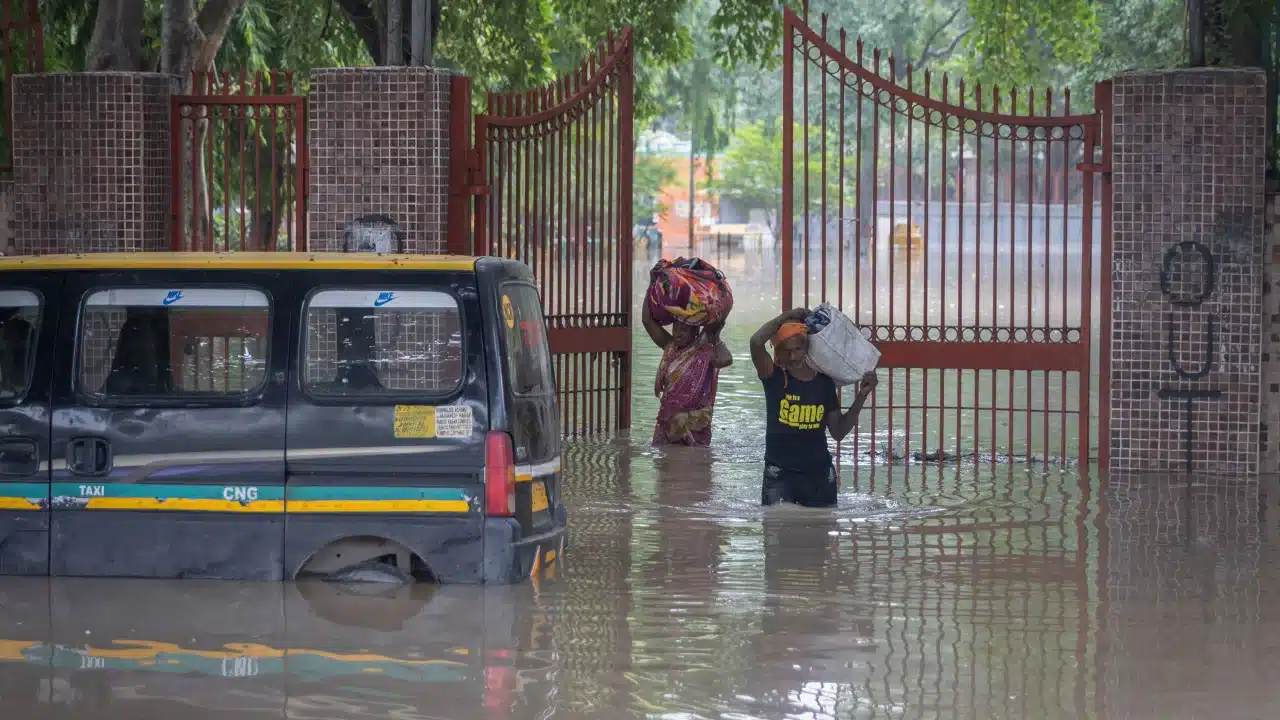
    Authorities said that a major river that is overflowing close to the capital of India has reached its highest level ever, forcing widespread evacuations and destabilising water supplies while northern regions report an increase in fatalities from severe flooding.

    According to the Central Water Commission, the Yamuna River, a tributary of the powerful Ganges River, crossed the “high flood level” threshold on Wednesday for the first time in 45 years.

    The Yamuna reached 208.57 metres (approximately 684 feet) on Thursday, the highest level ever, according to officials. The Yamuna runs through multiple states and travels nearly 855 miles (1,376 km) south from the Himalayas.

    Public Works Department Minister Atishi Marlena said about 30,000 people were evacuated along the river banks and urged residents to stay with relatives or seek shelter at relief camps.

    “We are monitoring the water levels but right now there is so much water that we cannot stop it. Our focus right now is on evacuating,” she said Thursday, calling the situation “unprecedented.”

    Complicating matters, Haryana state neighboring Delhi released water from a barrage – which could cause the Yamuna water levels to rise further, Marlena added.

    India’s National Disaster Response Force told CNN on Thursday it had 12 teams working to help evacuate residents in affected areas.

    The river overflowing has also led to school and office closures, along with likely water shortages, Delhi Chief Minister Arvind Kejriwal said.

    Speaking to reporters Thursday, he said schools in affected areas have been ordered shut through Sunday, and non-essential public and private employees have been asked to work from home.

    The overflowing has also impacted three water treatment plants in Delhi, Kejriwal said, warning that people will likely have to ration water supplies for several days due to shortages.

    Transport has also been impacted, with some roads closed due to waterlogging, and heavy goods vehicles restricted from entering flood-affected areas.

    Delhi metro trains, which serve millions of passengers each day, must travel at slower speeds when crossing bridges over the river, with the Yamuna metro station closed.

    India is in the midst of monsoon season, which can last from April to September.

    A week of heavy rains in the north of the country has caused flash floods, landslides, evacuations and sparked rescue efforts across much of the region. The death toll has climbed to at least 67 people, according to authorities.

    The mountainous state of Himachal Pradesh has been hardest hit so far with at least 31 deaths, its chief minister said Tuesday.

    More than 50,000 tourists were evacuated from Himachal Pradesh within 48 hours, according to the state’s Information Department – including in towns popular with travelers for their Himalayan backdrops and scenic forests.

    In neighboring Uttarakhand state, three people drowned on Wednesday after a car lost control and fell into a river in Khoh River Pauri district, according to CNN affiliate CNN-News 18.

    Meanwhile 11 people have died in Punjab state, 12 in Uttar Pradesh, and 10 in Haryana, CNN News-18 reported, citing officials.