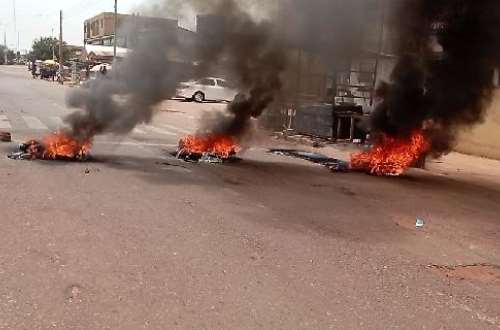
Tag: Youth

  • “Youths will lead the future, but who is training them now?”

    “Youths will lead the future, but who is training them now?”

    I had a conversation with an old man recently who had given birth to 13 children, and I was intrigued by it and wanted to know why such a man would give birth to that number of children in this world, where small families are most attractive to many couples. He responded that “the youth are the roots of a strong family and the architects of a thriving nation”

    He mentioned how countries like Japan, South Korea, where a large portion of the population is aged, and  has a low birthrate, are currently giving incentives for childbirth and running free preschool just to encourage more births for a youthful population because “a country without youth is like a lantern without a flame.”

    The foundation of a strong family is the number of youth they have; this is no different from a country, as families come together to build every empire.

    Ghana’s “Greatest asset”

    With an estimated population of 35.4 million, about 57% of Ghanaians are reported to be youth based on Ghana’s age distribution. Though the term youth is defined differently in different contexts, in Ghana, youth is typically defined as individuals aged 15 to 35 years, according to the African Youth Charter and the national policy frameworks. Due to the country’s youthful population, Ghana is described as one of the youngest populations globally.

     During the World Population Day 2025 celebration, Tourism Minister, Hon. Abla Dzifa Gomashie and Mrs. Angelina Kodua Nyanor emphasised that Ghana’s greatest asset is its youth. Gomashie called for systems that “enable young people to take charge of their lives,” while Nyanor described youth development as a national emergency. The United Nations Population Fund (UNFPA) highlighted that Ghana’s greatest natural resource may not be gold or cocoa, but the potential of its young people. Having emphasised that the youth is the future, the question remains, Who is training them now, and what are the challenges they are facing that threatens their future?

     Just like a prince in a monarchy is identified as an heir to a throne, and groomed right from infancy to fit the role which he is expected to fit in the future, what training or education is the youth in Ghana being given currently to build them for a better future? And who is giving them this training? Several institutions including the family, the education system, government agencies and policies, private and civil society groups all play a role in modelling the youth for the future.

    Who is training the youth now?

    Of all the training that an individual could get, the first place where an individual gets their training from is the family. The role of family cannot be overemphasised as the youth’s grooming cannot be discussed without emphasis on their immediate informal institution, i.e. the family. It is the family that trains an individual in the anchors of character, morality and integrity. Individuals who grow up in families that are particular on moral values such as humility, honesty, and a sense of communal living and responsibility tend to carry these traits into adulthood, which helps them become responsible adults and leaders.

    Findings from a collaborative research by three Chinese researchers that was published in May last year in the Journal of Youth and Adolescence titled “Leadership Blossoms in Parental Warmth: Positive Parenting Practices Shape Adolescent Leader Emergence via Intrapersonal and Interpersonal Mechanisms” revealed that children who grow up with available and supportive parents often become leaders later in their lives. This cements the undeniable role of family in the training of the youth. Our education system also remains a major training system for the youth. Our education system serves as the formal sector to acquire the requisite skill set.

    Over the years, our education system has gone through a major overhaul. With the changing world order where academic excellence is measured by skill set and value addition, several youth-centred programs focusing on Technical and Vocational Education and Training (TVET), Science, Technology, Engineering, and Mathematics (STEM), mentorship, and personal development seminars have been introduced to equip the youth with employable and problem-solving skills.

    The government, through agencies such as the Youth Employment Agency (YEA) and the National Youth Authority (NYA), have rolled out programs which offer free fashion, agricultural, ICT, and other vocational programmes to serve the youth in preparing them for the future. The current government is also focused on training approximately one million youth in digital skills by 2030, starting with the training of around 560 trainees out of the 90,000 Ghanaian youth who have applied for the training. Other institutions that train the youth in Ghana include civil society organisations. These groups mostly give youth opportunities to explore leadership opportunities within their circles, offering them a platform to learn advocacy, patriotism and instil in them a sense of responsibility.

    The internet also has a way of training the youth. Online youth programs, free courses such as the Kectil Leadership Programs and MTN Skills Academy, contribute to providing relevant skills for the youth to be able to match up to future job opportunities in the digital space. A 2024 study by Sarah Akosua Ampong involving 350 Ghanaian youth found that having digital skills and reliable internet access significantly boosts their chances of getting a job. Digitally literate young people are more confident navigating online job platforms and adapting to tech-driven workplaces. The research showed a clear link between digital competence and employability in both formal and informal sectors. It also highlighted that internet access helps youth explore broader career options and remote work opportunities. Overall, digital literacy acts as a bridge between education and meaningful employment for Ghanaian youth.

    Challenges and recommendations


    Meanwhile, despite the training programmes, policies, and family contributions in training and shaping the youth, Ghana still faces some challenges in fully realising the results of investments made in the modelling of its youth. The economic pressures and parents’ search for money cause limited parent-child engagement, which leaves the youth at the mercy of other training channels, including unhealthy social media content, negative peer influence, among others. Also, changing family structures with ballooning single-parent homes tend to limit the shared supervisory role played by both parents (mother and father) in the grooming of the young ones.

    However, some of the recommendations that could help resolve the current challenge include the introduction of flexible work policies for parents, particularly during the formative years of children. Also, the extension of maternity leave to a year, just like it is done in developed countries and expedited action for the passage of the bill that includes a minimum of 7 days paid leave and a maximum of 4 weeks. Though not enough, a passage of the bill and an amendment to give fathers about 6months to a year leave will go a long way in their children’s upbringing.

    Aside from the mismatch in education and real job skills needed, there are concerns about the absence of a long-term policy plan for the future of education in Ghana, leaving the sector to changing administrations and their consistent change in approaches, which affects stability and consistency in delivery at various levels in our education system. Some students also struggle with access to vocational training and the private sector, making it harder for them to transition into relevant jobs after graduation. Also, a support system such as seed capital for graduate of TVET, among others and job opportunities should be readily available to be given to the youth who receive training in various fields be readily available for their employment.

    While the internet or digital ecosystem trains many Ghanaian youth, those particularly in rural areas struggle with poor internet access and unreliable connectivity, which limits their ability to take advantage of digital opportunities. The high cost of data and devices like smartphones and laptops makes it difficult for many young people to participate fully in the digital world.

    A suggested recommendation that could go a long way in dealing with this challenge includes investing in expanding affordable, reliable internet infrastructure and providing subsidies for digital devices to improve access for all youth. Also, the organisation of digital literacy and online programs will help prevent the negative impact of social media

    In summary, the family, education system, and the internet are among the key institutions shaping the training of Ghana’s youth. While each has made important contributions toward preparing the next generation of leaders, significant challenges remain. Addressing these obstacles will be crucial to ensuring Ghana develops a well-equipped and capable generation of leaders for the future.

    DISCLAIMER: Independentghana.com will not be liable for any inaccuracies contained in this article. The views expressed in the article are solely those of the author, and do not reflect those of The Independent Ghana
  • Gov’t rolls out youth internship scheme in police, other security agencies

    Gov’t rolls out youth internship scheme in police, other security agencies

    A new Youth Internship Scheme has been launched by the government, following an agreement between the Ministry of the Interior and the Ministry of Youth Development.

    In the coming days, interns will be deployed across key institutions, including the Ghana Police Service, Ghana Prisons Service, and Ghana National Fire Service.

    These agencies are expected to receive the first batch of the selected interns on Wednesday, July 16.

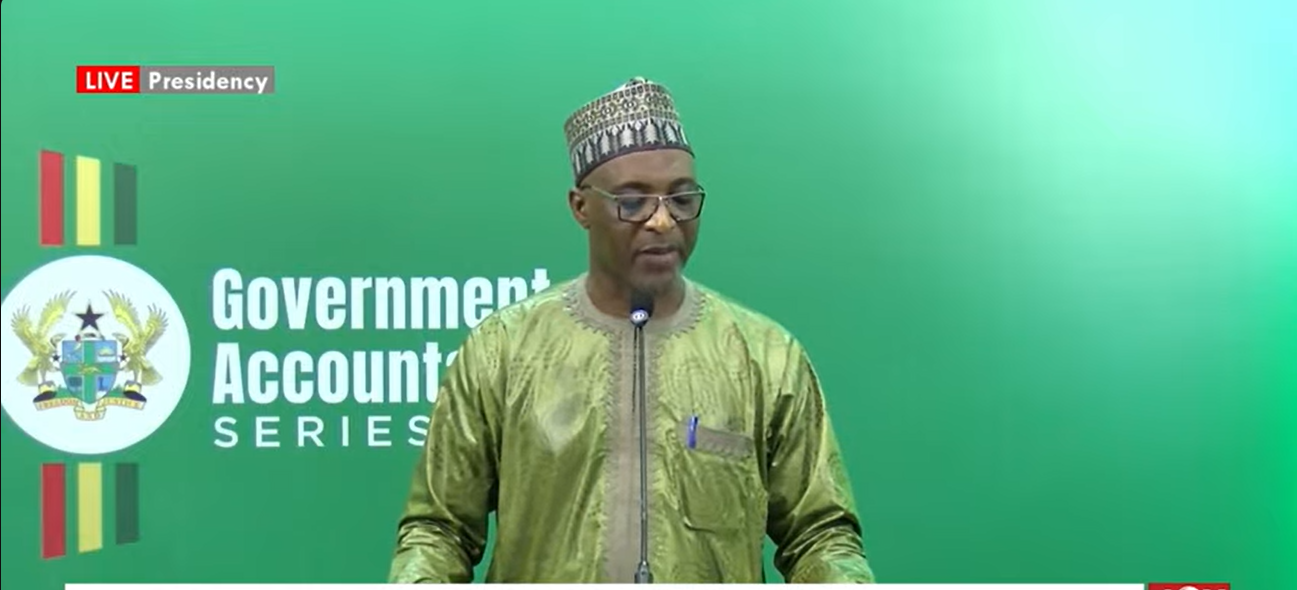
    This was disclosed by the Minister of Interior, Mr. Mohammed-Mubarak, at the maiden edition of the Government Accountability Series in Accra on Monday, July 14.

    “We have signed a memorandum of understanding with the Ministry of Youth Development for security agencies internship, enhancing youth employability.

    “The first batch of these interns will commence on the 16th of this month,” he added.

    The initiative, aside from decreasing the unemployment rate, is expected to provide selected Ghanaian youth with the opportunity to acquire hands-on experience.

    In April, the government through the Youth Employment Agency (YEA) entered a one-year agreement with SoccaBet Ghana to create 500 job placements. Also, the Agency, in partnership with the Ghana Fire Service, will recruit 5,000 young Ghanaians as Fire Assistants across the country.

    Speaking at the signing ceremony on Monday, May 19, at the Ministry of Interior, the Chief Executive Officer (CEO) of YEA, Malik Basintale, noted that the government’s priority is not solely about creating job opportunities but “involving our youth in building safer communities.”

    “We are here today because we have found some 12,000 jobs within the Ghana Police Service. Every day and anytime I wake up, the first thing that comes to mind is where I can find jobs for young people out there,” he added.

    In May, the Agency and the Police Service signed a Memorandum of Understanding (MoU) to recruit 12,000 young individuals across the country to serve as Community Police Assistants (CPAs).

    Unemployment in Ghana has been on the rise despite numerous government interventions.A report from the Ghana Statistical Service (GSS) reports that youth unemployment rose to 14.7 percent in the first three quarters of 2023.

    But according to a UK-based firm, Fitch Solutions, “Over 2024, we forecast unemployment to hold at 4.0%, and if accompanied by easing inflation, will see a rise in real wages for many households”.

  • Gov’t to transform youth empowerment with unified digital platform – Opare Addo

    Gov’t to transform youth empowerment with unified digital platform – Opare Addo

    The government is set to introduce an all-in-one digital platform aimed at providing young entrepreneurs easy access to information about available programs, funding options, and investment opportunities.

    The platform, which will integrate all 21 ministries, aims to streamline access to government-backed initiatives, driving youth-led economic growth.

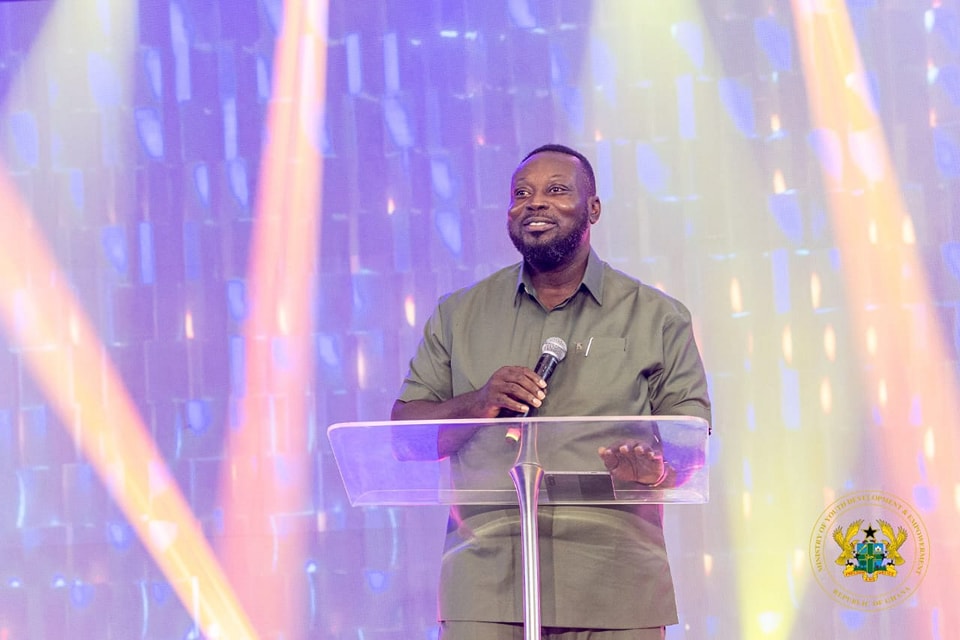
    The announcement was made by the Minister of Youth Development and Empowerment, George Opare Addo, at the AgriBiz Youth and Women Dialogue held in Accra.

    He highlighted the platform’s potential to help young people make informed decisions about where to invest and how to grow their businesses.

    “We are creating a digital platform where all ministries will showcase their programs and funding opportunities. This will enable young people to make informed decisions about where to invest and how to develop their businesses,” Opare Addo stated.

    The initiative comes at a time when Ghana’s youth unemployment rate is 19.7%, with 57% of the population under the age of 25. Experts believe that targeted interventions are crucial to equipping young people with the tools needed to succeed in business and entrepreneurship.

    Executive Director of Africa Skills Hub, Daniel Antwi, also spoke at the event, emphasizing the importance of agribusiness in driving economic development.

    He stressed the need for bold leadership and strategic investments to empower youth and women-led agribusinesses by facilitating access to land, capital, and technology.

    “This is not just a conversation; this is a defining moment. We must reimagine agribusiness as a catalyst for growth and ensure young people and women have the resources, capital, and access they need to thrive,” Antwi asserted.

    He further highlighted the potential of innovation in food production, processing, and trade to boost the economy and create sustainable livelihoods for youth and women in agribusiness.

    Afua Ansre, the UN Women Ghana Country Representative, also reinforced the urgency of engaging young people in agribusiness, particularly through technology-driven solutions.

    She pointed out that innovations such as drone-assisted irrigation, AI-driven soil analysis, and digital marketplaces are opening up new economic opportunities across Africa.

    “We must change the perception of agribusiness and ignite passion among our youth. Across Africa, young entrepreneurs are leading agritech innovations, from drone-assisted irrigation to AI-driven soil analysis and digital marketplaces. These advancements are unlocking new economic opportunities,” she said.

    Africa Skills Hub, a leading enterprise support organization, continues to drive youth and women’s economic empowerment through skills development, entrepreneurship training, and business incubation.

    Its programs have impacted thousands of young entrepreneurs across Ghana, providing them with the expertise to build sustainable businesses and contribute to national development.

  • I won’t discriminate; I’ll serve the Ghanaian youth – George Opare Addo vows

    I won’t discriminate; I’ll serve the Ghanaian youth – George Opare Addo vows

    George Opare Addo, Minister-designate for Youth Development and Empowerment, has pledged to lead with fairness and inclusivity, promising to prioritize the needs of Ghanaian youth without bias or favoritism.

    During his vetting before Parliament’s Appointments Committee on January 22, the National Democratic Congress (NDC) Youth Organiser assured the committee of his dedication to the newly established ministry’s objectives.

    “I started by saying that the day His Excellency nominated me, I put out a statement urging every Ghanaian youth to believe in the kind of leadership I bring on board. I am not going to be discriminatory. I’m here to serve the Ghanaian youth and no other person,” Opare Addo stated confidently.

    He also added that “I don’t care about your political party. Bring me a proposal that creates jobs for the youth, and I’ll work with you.”

    His assurances come at a time when expectations are high for the newly created Ministry of Youth Development and Empowerment, which aims to address the pressing challenges faced by Ghana’s youth, including unemployment and limited opportunities for personal and professional growth.

    The African Development Bank (AfDB) has reported that Ghana’s youth unemployment rate reached 7.16% in 2023, with the issue being particularly severe among those aged 15 to 24.

    This information comes from the AfDB’s updated 2024 Africa Economic Outlook, which underscores a significant gender disparity in youth unemployment rates.

    According to the report, unemployment is notably higher among young women than their male counterparts. Female youth unemployment reached 36.7%, while the rate for males was 29.3%.

    The Speaker of Parliament, Alban Bagbin, has expressed deep concern about the escalating issue of youth unemployment in Ghana. He called for a united front to address the situation urgently, warning of severe consequences for the country if effective measures are not promptly implemented.

    “The joblessness, the homelessness and the hopelessness of the youth cannot be taken lightly. We must act together and now to prevent a journey to calamity or a journey of no return,” he stated.

    As the vetting process concludes, Opare Addo’s passion for youth development and his pledge to serve with integrity are likely to remain key factors in the evaluation of his nomination.

  • I am ready to lead Ghana’s youth to prosperity – Opare Addo

    I am ready to lead Ghana’s youth to prosperity – Opare Addo

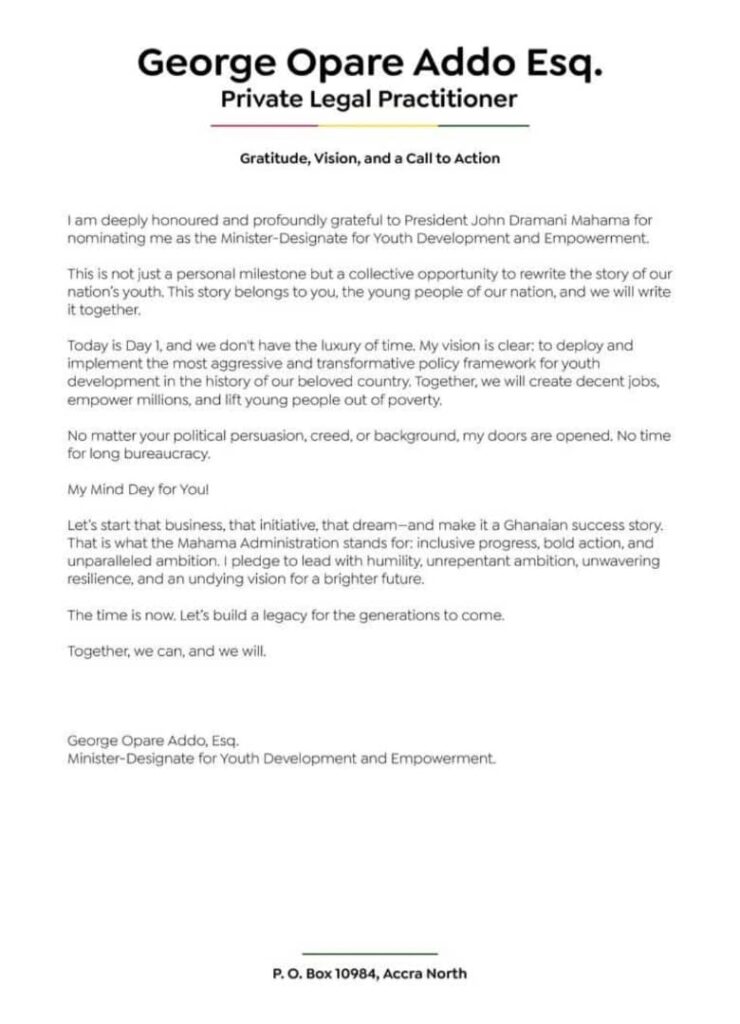
    George Opare Addo, who has been designated as the Minister for Youth Development and Empowerment, has conveyed his heartfelt thanks to President John Dramani Mahama for the prestigious nomination.

    He expressed his commitment to leading with humility, integrity, and a focused vision to secure a brighter future for the nation’s youth.

    In a statement following his appointment, which was revealed on Thursday, January 16, Mr. Opare Addo conveyed that this new responsibility symbolizes a collective opportunity to transform and reframe the trajectory of Ghana’s young generation.

    “This is not just a personal milestone but a collective opportunity to rewrite the story of our nation’s youth. This story belongs to you, the young people of our nation, and we will write it together. Today is Day 1, and we don’t have the luxury of time.

    “I pledge to lead with humility, unrepentant ambition, unwavering resilience. and an undying vision for a brighter future.”

    He vowed to introduce a bold and transformative policy framework aimed at revolutionizing youth development, emphasizing that his approach will be inclusive, welcoming individuals from all walks of life and political affiliations.

    “My vision is clear: to deploy and implement the most aggressive and transformative policy framework for youth development in the history of our beloved country. Together, we will create decent jobs, empower millions, and lift young people out of poverty. No matter your political persuasion. creed. or background, my doors are opened. No time for long bureaucracy.

    “My Mind Dey for You! Let’s start that business, that Initiative, that dream-and make it a Ghanaian success story. That is what the Mahama Administration stands for: inclusive progress, bold action, and unparalleled ambition.”

  • There will be decent and well-paying jobs – Mahama tells Ghanaian youth

    There will be decent and well-paying jobs – Mahama tells Ghanaian youth

    President John Dramani Mahama has assured Ghanaian youth of his administration’s commitment to creating decent and well-paying jobs by partnering with the private sector to drive economic opportunities.

    Delivering his inaugural address at the Black Star Square on January 7, Mahama emphasised that inclusivity, accountability, and innovation would be central to his government’s approach in transforming the lives of citizens, particularly the younger generation.

    Addressing an audience of dignitaries, government officials, and thousands of enthusiastic supporters, Mahama highlighted his dedication to empowering young Ghanaians with opportunities for personal growth and national development.

    He acknowledged the vital role the youth played in his electoral success, affirming that their aspirations would guide his policies moving forward.

    “My administration, along with my Vice President, will prioritise inclusivity, accountability, and innovation, forging pathways that will lead to the upliftment of all of our people. I am profoundly grateful for this moment, a cornerstone in the journey towards a brighter future for Ghana,” Mahama declared.

    Describing his victory in the December 7, 2024, general election as a “powerful affirmation” of the youth’s desire for progress, Mahama further stressed the importance of placing their interests at the heart of national policies.

    “In this resounding victory, I see a clarion call, particularly from the youth of Ghana, and this moment is a powerful affirmation that your voices matter and that your future must be our priority. Our policies will be tailored to sustain innovation and foster an industry that engages today’s young minds. We will create decent and well-paying jobs in collaboration with the private sector and captains of business,” he assured.

  • Invest more in the youth – Agri-Impact Limited CEO tells gov’t

    Invest more in the youth – Agri-Impact Limited CEO tells gov’t

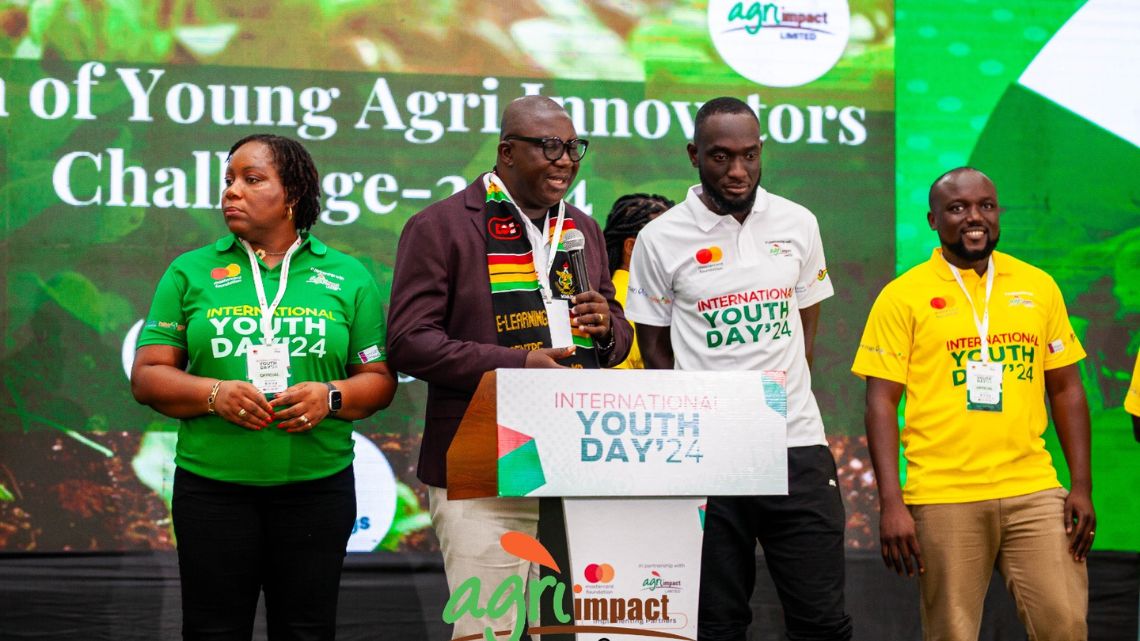
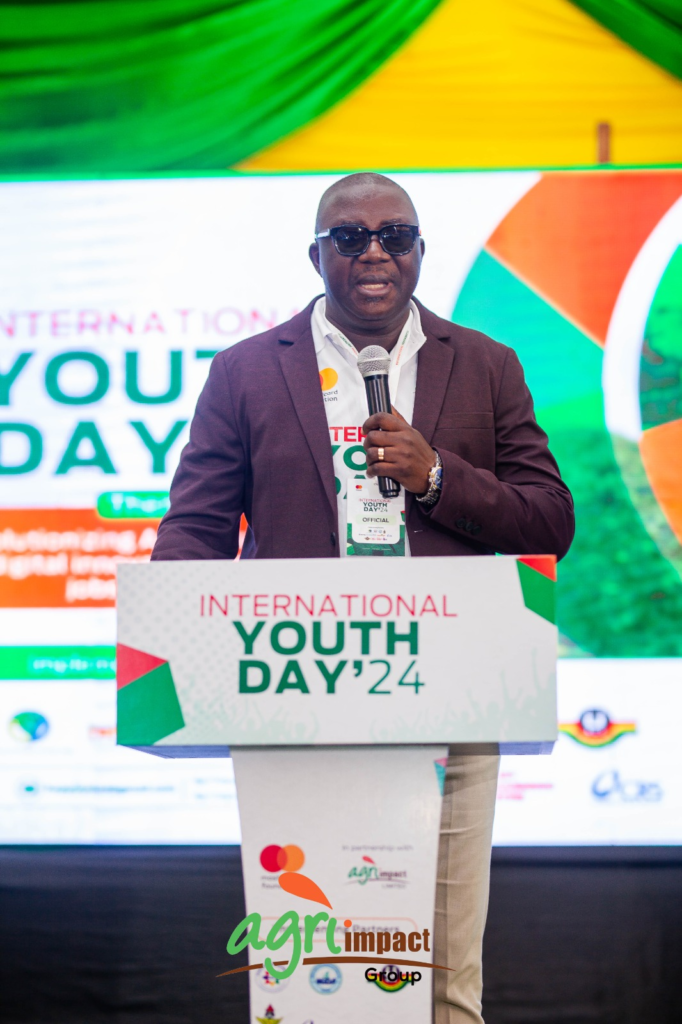
    The Chief Executive Officer (CEO) of Agri-Impact Limited, Daniel Fahene Acquaye, has strongly advocated for increased investment in Ghana’s youth to unlock their full potential and drive national development.

    He made this appeal during an event at the Kwame Nkrumah University of Science and Technology (KNUST) on Monday, August 12, 2024, to mark International Youth Day.

    Speaking on the theme, “Revolutionizing Agriculture through Digital Innovations to Create Jobs for Youth,” Mr. Acquaye emphasized the importance of empowering young people through substantial investments.

    “Let us remember that the power of youth is unparalleled,” he stated. “They are not just the leaders of tomorrow; they are the change-makers of today, and we must make the necessary investments to fully unearth their potential.”

    He urged the youth to seize opportunities in the agricultural sector, highlighting their role as Ghana’s greatest resource. “Investment in their creative minds, innovation, energy, boldness, determination, and resilience will undoubtedly lead to economic transformation,” Mr. Acquaye added.

    He also called on the youth to pursue their passions and use their talents to contribute to the nation’s progress.

    “To all the young people, this day is for you. It is an opportunity to celebrate your achievements, share your stories, ideas, and connect with one another. Be inspired by today’s event, pursue your passion, use your talents to build a better world,” he encouraged.

    The event, attended by over 700 youth from various educational institutions, also saw the launch of the Young Agri-Innovators Challenge, a $20,000 competition aimed at supporting young people aged 15 to 25 in launching businesses or solutions within Ghana’s agricultural sector.

    In addition to Mr. Acquaye’s remarks, the event featured a keynote address by Nana Owusu-Achau, Chief Farmer at AgroKings, who highlighted the dominance of foreign companies in Ghana’s food systems.

    “We have a real issue at hand. In this country, our food systems are controlled by foreigners, and that is a problem,” he stated, urging Ghanaians, particularly the youth, to take control of the nation’s food production.

    Nana Yaw Sarpong Otuo Siriboe I, Akyempimhene of the Juaben Traditional Area and CEO of Siriboe Farms, also addressed the youth, encouraging them to consider agriculture as a sustainable means of livelihood. He urged them to think big but start small, sharing his own experience of success through farming.

    The Vice Chancellor of KNUST, Prof. Rita Akosua Dickson, commended the efforts of Agri-Impact and the Mastercard Foundation in supporting youth initiatives.

    She emphasized the need to focus on agriculture and agribusiness, coupled with digital innovation, to address the challenge of youth unemployment in Ghana.

    “Unemployment remains a challenge across the globe,” Prof. Dickson noted. “It therefore calls for an all-hands-on-deck approach to solving the problem.”

    Prof. Dickson further suggested that school farms should be seen as opportunities for students to explore their creativity and develop skills that could lead to future startups, rather than as a form of punishment.

    The event highlighted the critical role of youth in shaping Ghana’s future and underscored the need for targeted investments to harness their potential for the nation’s economic transformation.

  • Take advantage of gov’t’s skills training programmes – Napo tells youth

    Take advantage of gov’t’s skills training programmes – Napo tells youth

    Vice-Presidential candidate of the governing New Patriotic Party (NPP), Dr. Matthew Opoku Prempeh, has called on the youth of Ghana to take full advantage of the government’s skills training programmes to secure their futures.

    This appeal was made during the annual church conference and the unveiling of a new constitution of the Kristo Asafo Mission of Ghana on Sunday, July 14.

    Addressing the congregation, Dr. Opoku Prempeh also known as Napo, highlighted the importance of practical skills in today’s rapidly evolving job market.

    He underscored the significance of the government’s Technical, Vocational Education and Training (TVET) programmes, which are tailored to provide young people with industry-relevant skills necessary for sustainable livelihoods.

    He encouraged the youth to enroll in these TVET initiatives, emphasizing their potential to improve employment opportunities and foster economic independence.

    “The NPP government has invested heavily in TVET. Between 2017 and 2020, we invested over US$700 million in upgrading, retooling, and refurbishing TVET facilities at both pre-tertiary and tertiary levels to make them fit for purpose in order to deliver quality skills training that are critical for our industrial agenda as a nation. It is essential that you take advantage of these opportunities,” Dr. Prempeh stated.

    Dr. Opoku Prempeh pointed out that equipping oneself with practical skills not only empowers individuals but also contributes to national development by addressing skills gaps in various sectors.

    He highlighted Ghana’s advantage of having a youthful and energetic population, willing to be trained and ready to work, which can effectively address youth unemployment and help young citizens lead sustainable lives.

    “Ghana is blessed with a youthful and energetic population, willing to be trained and ready to work, which can address our youth unemployment challenges and help our young citizens live sustainable lives. With the right skills, you’ll be empowered to start your own businesses, create jobs, and contribute meaningfully to our nation’s development,” he added.

  • Furious Keta residents urge IGP to probe demise of neighbour in police custody

    Furious Keta residents urge IGP to probe demise of neighbour in police custody

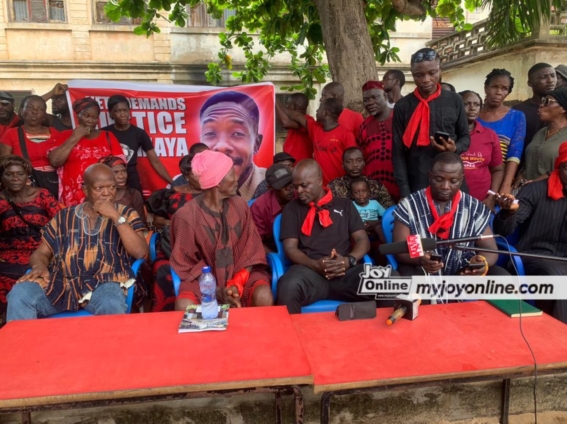
    A family, supported by fellow residents and a youth association in Keta in the Volta Region, is urging the Inspector General of Police (IGP) to investigate the circumstances surrounding the passing of a community member, Jerry Kpesenu.

    Jerry Kpesenu reportedly passed away while in the custody of the Keta police following his arrest.

    The collective asserts that the deceased was mistreated and unlawfully killed due to his refusal to comply with police directives.

    During a press briefing on Monday, June 10, spokesperson for the youth group, Forceman Doe William, stated, “Our immediate plea is for the IGP to promptly, as an urgent measure, suspend, I reiterate and emphasize, suspend the officers involved.

    “Set up a five-member committee to include an appointed member from the deceased’s family and another from the Keta youth, and we request an independent autopsy in a highly professional pathology centre in Ghana at the cost of the police,” he said.

    Mr. William contended that had the authorities summoned the deceased to the police station in a respectful manner, he would still be alive today.

    As reported by the Daily Graphic on June 6, the individual in question prevented their tenant from installing an air conditioner in their rented space, asserting that the tenant required their consent to proceed.

    This resulted in a heated confrontation between them, prompting the tenant to report the incident to law enforcement.

    The family spokesperson recounted that two law enforcement officers, one in uniform and the other in plain clothes, arrived at his residence and commenced assaulting him before escorting him to the Keta Divisional Police Command, where he purportedly succumbed to the inflicted mistreatment.

    Nevertheless, law enforcement authorities maintain that the 45-year-old individual fell ill while under detention and was swiftly transported to the Keta Municipal Hospital, where he was pronounced deceased upon arrival.

  • Don’t be used as agents of disruption this election year – Sheikh Aremeyaw warns youth

    Don’t be used as agents of disruption this election year – Sheikh Aremeyaw warns youth

    The spokesperson for the National Chief Imam, Sheikh Aremeyaw Shaibu, has called on politicians to refrain from inciting the youth towards violence ahead of the 2024 general elections.

    Speaking at a National Commission for Civic Education (NCCE) press briefing, which announced the commencement of work for its Inter-Party Dialogue Committees, Sheikh Aremeyaw appealed to the youth to remain vigilant and resist being manipulated by politicians to instigate unrest.

    “I speak to the youth of our country. No politician is worth the blood of another. This year, let no blood spill on our land because of politics. Politicians, make sure you avoid preparing the minds of our young people for violence. The recent voter registration gives credence to our fear and anxiety of possible violence in December,” he admonished.

    Sheikh Aremeyaw expressed deep concern over the numerous violent incidents recorded during the ongoing limited voter registration exercise, noting that these acts contribute to widespread fear and anxiety regarding the upcoming December elections.

    He highlighted that the recent spate of violent incidents in the voter registration process has alarmed stakeholders, raising concerns about the feasibility of conducting peaceful elections.

    He urged politicians to stop conditioning the youth for violence and emphasized the need for a non-violent approach to the electoral process.

    He stressed the importance of maintaining peace and stability during the electoral period.

  • Embrace businesses in agriculture, its still attractive – Ghanaian youth urged

    Embrace businesses in agriculture, its still attractive – Ghanaian youth urged

    An expert in agribusiness, Abraham Dwuma Odoom, is urging Ghanaian youth to prioritize agriculture and recognize it as a lucrative entrepreneurial opportunity capable of transforming their lives.

    Addressing attendees at the 2024 Youth in Agribusiness Festival in Kumasi, Mr. Odoom emphasized the importance of seizing agricultural initiatives and economic opportunities created by both the government and private firms.

    He highlighted that these initiatives often provide essential resources for farming, such as land, water access, modern equipment, and planting materials, which are typically barriers for youth entering the sector.

    By leveraging existing resources and policy initiatives, interested individuals can access the necessary support to launch successful agricultural ventures without starting from scratch.

    The two-day programme, which was held under the theme “Agribusiness Modernisation: Tool for Sustainable Youth Employment in Ghana,” was organised by the John A. Kufuor Foundation.

    Mr. Odoom emphasized that if a significant portion of Ghanaians ventured into modern agriculture, it would lead to a more stable economy and lessen the country’s dependence on imported goods.

    He also used the platform to advocate for consensus on the prudent use of pesticides in Ghanaian farms, cautioning against excessive usage due to its detrimental effects on health. He stressed the need for deliberate efforts to regulate pesticide usage.

    Expressing concern, Mr. Kwasi Nyamekye, Ashanti Regional Chairman of the Association of Ghana Industries (AGI), highlighted the growing preference for foreign products among Ghanaians. He cited the poultry industry as an example, noting that although it provides significant employment opportunities, locals tend to favor imported poultry products, often citing cost as a deterrent.

    Professor Baffour Agyeman-Duah, Chief Executive Officer of the John A. Kufuor Foundation, outlined the program’s objective of creating platforms for Ghanaian youth to capitalize on the abundant opportunities in the agricultural sector. He emphasized the urgent need for young people to take up roles in agriculture as the elderly, who have traditionally dominated the sector, retire.

    Prof. Agyeman-Duah stressed the importance of embracing modern farming technologies to tackle unemployment and drive Ghana’s socio-economic development.

  • Video: Political rivals in Savannah regional engage in dance battle

    Video: Political rivals in Savannah regional engage in dance battle

    Leaders of the two main political parties (NPP and NDC) in the Savannah region captivated attendees at a youth gala festival.

    Both political rivals showcased spirited dance moves during a dance competition at the youth gala festival, a highlight of the 48th Gonjaland Youth Diaries.

    NPP Savannah Regional Chairman, Alhaji Iddrisu Sulemana, sported a white tracksuit paired with an ‘NPP-Bawumia inscribed shirt’ and matching sneakers.

    His NDC counterpart, Alhaji Imoro Seidu, donned a black tracksuit with an NDC shirt and coordinated sneakers.

    The duo grooved to Daddy Lumba’s ‘Aben Waha,’ drawing cheers from the enthusiastic crowd.

    Background

    The dance competition, a highlight of the youth gala festival, sought to foster reconciliation between the two primary political parties in the region.

    The ‘galafest,’ attended by locals, aimed to cultivate a harmonious atmosphere in anticipation of the upcoming celebration of the first anniversary of Yagbonwura Bii-Kunuto Jewu Soale I.

  • Drug abuse linked to 25% of Youth deaths – Study finds

    Drug abuse linked to 25% of Youth deaths – Study finds

    A recent study recommends making specific plans to reduce harm after finding that one out of every four deaths in the 20s and 30s age group was caused by opioids in 2021.

    Researchers at the University of Toronto found that the number of people who died from opioids in Canada each year increased to 6,200 between 2019 and 2021.

    They found that the number of 30-year-olds in Manitoba is five times higher now, in Saskatchewan it has almost tripled, and in Alberta, it has increased by more than two and a half times.

    Scientists noticed that the increase happened at the same time as the pandemic rules made it harder to get help for using drugs safely and increased the possibility of dangerous drugs coming across the border.

    Tara Gomes, the main writer, says that the big increase shows that provinces need to work quicker to stop overdose deaths.

    Scientists studied how many people died from accidentally taking opioids in different parts of Canada. They looked at British Columbia, Ontario, Quebec, New Brunswick and Nova Scotia, along with the Northwest Territories.

    The research was released today in a medical journal from Canada.

  • Increasing number of jobless youth a threat to Ghana’s security – Fmr Cal Bank MD to govt

    Increasing number of jobless youth a threat to Ghana’s security – Fmr Cal Bank MD to govt

    The former Managing Director and Shareholder of Cal Bank, Frank Adu Jnr., has expressed concern about the potential impact of youth unemployment in the country.

    He emphasized his worry about the actions unemployed youth might take if they are not provided with immediate job opportunities.

    When questioned about his concerns regarding the governance of the country, Mr Adu stated that his primary fear lies in the consequences of youth unemployment and what could happen if viable opportunities are not created for them.

    Adu projected that Ghana might need to seek another bailout from the International Monetary Fund (IMF) after the current $3 billion program, attributing this potential necessity to leaders prioritizing personal political ambitions over national interests.

    He criticized the government’s decision-making, citing examples such as the Domestic Debt Exchange Programme (DDEP) and the failure to prioritize the national interest in economic decisions.

    Regarding the DDEP, Adu advocated for a more compassionate approach, suggesting that the government should have excluded certain groups, such as prisoners and pensioners, from the program.

    He highlighted the adverse impact of the DDEP on established financial theories related to pension planning and expressed concern for pensioners who had invested in bonds.

    Adu also criticized the government’s handling of the situation, suggesting that they missed an opportunity to reset interest rates and ease the financial burden caused by the DDEP.

    He proposed a more considerate approach that would have isolated and exempted certain vulnerable groups, such as pensioners, from the program.

  • The youth are dying due to economic hardship – NDC

    The youth are dying due to economic hardship – NDC

    The Eastern Regional Youth Organizer of the National Democratic Congress (NDC), Richard Etornam Nyarko, has linked the rising number of premature deaths among the youth to the country’s economic downturn.

    Nyarko highlighted that economic mismanagement has resulted in elevated unemployment rates, escalating costs of healthcare services and medications, and challenges affording nutritious meals. Some youth, facing economic hardships, have resorted to a practice termed “zero-one-zero,” wherein they eat only once a day.

    He underscored the overwhelming economic pressure on the youth, emphasizing that many are succumbing to these challenges.

    Mr Nyarko voiced his concerns, noting, “Social media is filled daily with news of the deaths of young people. Economic pressure is causing the demise of the youth. Unemployment is rampant, and some can’t afford even one square meal a day, resorting to Zero–one–zero. The youth struggle with rent payments, and inflation has driven medicine prices through the roof. Akufo Addo and Bawumia have destabilized the economy, leading to these avoidable deaths among the youth.”

    These remarks came after Nyarko addressed NDC supporters following a Unity Walk in the Upper West Anymore constituency, as reported by Starr News.

    Richard Nyarko, also known as Commander Bilibo, assured the youth that John Dramani Mahama’s proposed 24-hour economy policy would generate more job opportunities and foster economic prosperity.

    He criticized the government for neglecting the $48-million Jute Factory at Adeiso, the largest in Africa, situated on a 12-acre land in the Upper West Akyem District, with a monthly capacity of 600,000 sacks and the potential to employ over 3000 workers.

    Nyarko pledged that President John Mahama would ensure the completion and commissioning of the factory, saving millions spent annually on importing sacks.

    He urged voters to support the NDC parliamentary candidate, Emmanuel Drah, to help the party regain the seat from the NPP.

    Shirley Naana Ampem, the Eastern Regional Women’s Organizer, urged women in the country to take a keen interest in the upcoming elections to address issues such as corruption, hardship, and skyrocketing food prices that disproportionately affect them.

  • The youth is the most important resource in Ghana – Independent presidential candidate

    The youth is the most important resource in Ghana – Independent presidential candidate

    Independent presidential candidate for the 2024 general elections, Dr. Sam Ankrah, has underscored the significance of prioritizing the well-being and development of the country’s youth over natural resources like oil, gas, or gold.

    In a meeting with media practitioners at his campaign office in Accra, Dr. Ankrah, a global business strategist and development economist, stressed the need for creating a system that harnesses the untapped potential of the younger generation.

    He emphasized that if the youth are deemed more valuable than the country’s mineral resources, efforts should be directed towards preparing them for future responsibilities, and the government should take on this responsibility.

    “If our youth are more valuable than our oil, gas, or gold we are mining then let’s create a system to harness these untapped resources as a country,” he added.

    Discussing his Affordable Ghana campaign, focused on transparent and accountable leadership, Dr. Ankrah urged young people to support his initiative and actively engage in holding political candidates accountable.

    He promised to present a youth policy document encompassing a comprehensive scheme catering to every young person in the country, with a commitment to ensuring full-time employment, apprenticeship, or education for every young person above 18 by his second year in office.

    As a seasoned economist and investment banker, Dr. Ankrah highlighted the importance of active civic responsibility and engagement for a thriving democracy.

    He emphasized that achieving an empowering atmosphere for Ghanaian citizens requires adherence to the rule of law, efficient government institutions, and a robust fight against corruption.

    Dr. Ankrah encouraged the younger generation to maintain optimism for the nation’s future and be innovative in supporting his ten-point plan, which aims to challenge the political duopoly of the National People’s Party (NPP) and the National Democratic Congress (NDC) in Ghana’s governance history.

  • Tamale: NDC addresses youth rampage over vice chairman’s arrest

    Tamale: NDC addresses youth rampage over vice chairman’s arrest

    The National Democratic Congress (NDC) has addressed the situation involving youth who locked up the party’s office in the Northern Region after the arrest of its suspended vice chairman, Alhaji Abdul Hamid.

    Following Alhaji Abdul Hamid’s arrest and subsequent release, he was suspended from the party for assaulting the NDC Northern Regional Treasurer, Hajia Shamima Yakubu, during a party executive meeting at the regional office last week.

    In an interview with Citi News, Mustapha Gbande, the deputy general secretary of the NDC, explained that the party office has now been reopened.

    Mr Gbande noted that some youth may not have fully grasped the implications of the decision, leading to their reaction. The party engaged with these individuals, clarifying the reasons behind the decision and the involvement of the police.

    Mr Gbande emphasized that the issue was solely related to the assault and not reflective of the NDC as a whole. Consequently, Tamale has remained calm, the party office has reopened, and normalcy has been restored.

    “Some of the youth did not understand the implication and import of the decision that has been taken, and so that was the reason they were reacting. We have engaged some people and explained why we took the decision and why the police came in. It has nothing to do with the NDC, and it was about the assault that had taken place. So, Tamale remains very calm, and I am told the party office has been opened, and things have normalized.”

  • Fetish priest in Upper West assaulted by youth over alleged money doubling scam

    Fetish priest in Upper West assaulted by youth over alleged money doubling scam

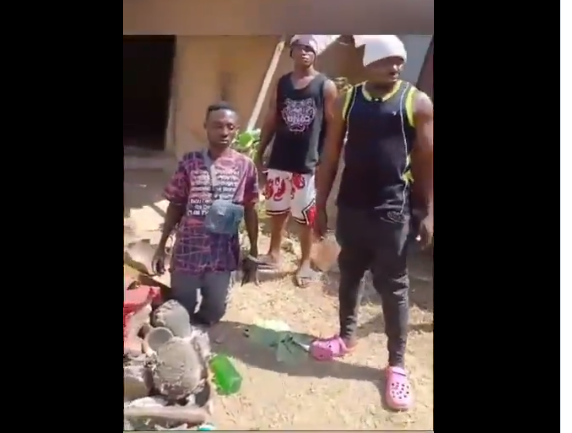
    In the Upper West Region of Ghana, self-proclaimed fetish priest Nana Godspower faced a barrage of ear-damaging slaps from outraged youth who accused him of scamming them with promises of money doubling.

    The tipping point occurred when Nana Godspower reportedly took GHS 5,000 from an individual, guaranteeing to double the amount but failed to deliver.

    Frustrated by the deception, the incensed youths confronted him at his residence and subjected him to multiple ear-damaging slaps, compelling him to open his shrine.

    As a form of retribution, the priest was then made to gather all his deities, which were subsequently set on fire by the angered youth.

  • Youth empowerment is vital for sustainable growth –  GFZA’s deputy CEO

    Youth empowerment is vital for sustainable growth –  GFZA’s deputy CEO

    Youth empowerment, as emphasized by Kate Djankwei Abbeo, Deputy Chief Executive Officer of the Ghana Free Zones Authority (GFZA), is the most reliable strategy for ensuring sustainable economic development.

    Recognizing that the youth represent the nation’s future, she underlined that genuine economic growth can only be achieved by enabling young people to seize opportunities within the economy.

    Speaking at the 2023 Ghana Economic Forum (GEF) in Accra during a panel discussion on the topic of ‘Looming global recession?

    A myth or an awakening reality considering present challenges facing the financial sector and the business environment,’ Ms. Abbeo called for comprehensive policy measures and interventions aimed at harnessing the productive potential of the country’s youthful population.

    “We have a very skillful, trainable, agile and youthful population. And it is truly a rich resource that we have not actually exploited,” she said.

    “I think for a long time our economy has been carried to where it is by cocoa farmers. We need to have innovative ways of earning the hard currencies,” Mrs. Djankwei Abbeo stated, emphasising that the country’s future rests on intentionally supporting youth-led ideas.

    Importance of SMEs

    Mrs. Djankwei Abbeo also emphasized the pivotal role of robust small and medium-sized enterprises (SMEs) in capitalizing on the opportunities arising from the African Continental Free Trade Area (AfCFTA).

    Over 90 percent of the country’s private sector enterprises fall under the SME category.

    In light of this, she stressed the need for authentic engagement with these enterprises, understanding their specific requirements, and acknowledging that funding isn’t the sole solution for all.

    Some SMEs may simply require improved access to markets.

    She underscored the importance of recognizing that Ghana has made a commitment to the African Continental Free Trade Agreement, which has its headquarters in the country.

    “How are we taking advantage of this new-found market access? We should leverage this position by actively engaging with our SMEs to understand their real needs. Some will indeed require funding, while others may need guidance and support to capitalise on the available market opportunities,” she added.

    The initiation of AfCFTA establishes the largest global free trade zone, connecting 55 nations with a combined population of 1.3 billion people and a total gross domestic product (GDP) valued at US$3.4 trillion.

    Furthermore, it carries the potential to elevate 30 million people out of extreme poverty. Yet, unlocking its complete potential relies on the execution of significant policy adjustments and the facilitation of trade.

    2023 Ghana Economic Forum

    This year’s GEF included three sessions with the themes “Building Back Better: IMF Support, Strategies to Build a Sustainable Economy, and Dynamic Business Environment,” each intended to emphasize the important areas of focus in the country’s efforts to restore economic development and stability.

  • 60% of my ministers will be between the ages of 25 and 45 – Alan

    Leader of the Movement for Change, Alan Kyerematen, has announced that the majority of ministerial positions within his government will be occupied by the youth.

    He revealed that those between the ages of 25 and 45 years will make up 60 per cent of his ministers.

    In an interview on TV3’s New Day show on Wednesday, September 27, he said; “The commitment I want to make it that at least 60 percent of ministerial appointments will be made for young people between the ages of let’s say 25 or 23 to 40, 45.”

    According to the former Trade Minister, it is his dream to have a cabinet dominated by young people.

    “That is the kind of cabinet I’ll like to have,” he said.

    Also, Mr Kyerematen announced his plans to consolidate some of the ministries to enable him to run a lean government.

    He assures that his government will be one that comprises all competent individuals, irrespective of whatever political party they affiliate with.

    In a Twitter post on Tuesday, September 26, the former Trade Minister pledged that “when I am elected as President, Ministers and other key Government officials will be appointed from ALL PARTIES, and shall also include individuals who are APOLITICAL but have a demonstrable and proven track record of performance, in their field of specialization.”

    He also noted that he will promote the establishment of a Government of National Unity, “which will include people from all walks of life, irrespective of their political, religious, and ethnic affiliations: rich or poor, able-bodied or physically challenged, young or old, women and men.”

    Mr Kyerematen has therefore called on every Ghanaian citizen to join him in his movement.

  • Youth in Afforestation issues 1 month ultimatum for govt to settle unpaid allowances

    Youth in Afforestation issues 1 month ultimatum for govt to settle unpaid allowances

    The Youth in Afforestation, a part of the Forestry Commission and operating under the Ministry of Lands and Natural Resources, has issued a strict one-month deadline to the government, demanding the prompt settlement of their outstanding allowances spanning over a year.

    This group has accused the government of displaying satisfaction in the achievements of the tree planting initiative, all the while failing to fulfill its obligation of disbursing their entitled allowances.

    In a press release shared with GhanaWeb, the Youth in Afforestation revealed that they have successfully planted over 67 million trees across the nation since the commencement of the program in 2018.

    They lamented the elevated cost of living, underscoring that some members have been compelled to borrow money merely to cover their work-related expenses.

    “We the Youth In Afforestation (YIA) under the Forestry Commission, Ministry of Lands and Minerals Resources are demanding our unpaid allowance for over one year and four months from the government and we are giving the government up to this month of August to clear all allowances due us,” part of the release read.

    “We were over 60,000 when we began the Youth In Afforestation (YIA) program introduced by the government in 2018 under the leadership of late Hon. Kwaku Owusu Afriyie popularly known as Sir John, since the program started we have planted over 67million trees across the country,” it added.

    The Youth in Afforestation (YIA) are demanding the settlement of their outstanding unpaid allowances spanning one year and four months, with a deadline set for the end of August.

    As members of the Youth in Afforestation (YIA) program under the oversight of the Forestry Commission and the Ministry of Lands and Minerals Resources, we are urging the government to promptly address our grievances concerning the overdue allowances that have accumulated over the course of more than a year and four months. We hereby give the government until the conclusion of August to ensure the full disbursement of all the allowances owed to us.

    When we initially embraced the Youth in Afforestation (YIA) initiative introduced by the government in 2018 under the leadership of the late Hon. Kwaku Owusu Afriyie, commonly known as Sir John, we numbered over 60,000 participants. Throughout the program’s tenure, we have successfully planted over 67 million trees across the entirety of our nation.

    Nonetheless, due to extreme dissatisfaction and the neglect of our rightful remunerations, we have tragically lost valuable members of our community (May their souls rest in peace).

    At present, a staggering count of over 25,000 Youth in Afforestation members have decided to withhold their support for the current ruling government and have indicated their intention to cease their participation unless our concerns are promptly addressed.

    It is with great distress that we, the Youth in Afforestation (YIA), find ourselves in this plight. The need for us to struggle for the stipends that are rightfully ours before receiving them is an unfortunate reflection of both the Government and the Forestry Commission Ghana.

    It is crucial to remember that we have families to support, and our suffering arises from the absence of payment. We are constantly plagued by hunger and endure immense challenges.

    The agonizing reality is that many of us must endure considerable hardships before even reaching our workplaces. Numerous individuals resort to borrowing simply to make it to work, and a significant number among us arrive on the job with empty stomachs, yet our plight seems to be ignored by those in power.

    Our unwavering dedication to our country has driven us to endure these hardships, all for the sake of our beloved Mother Ghana. However, it is disheartening to witness the Minister of Land and Natural Resources celebrating the accomplishments of the Afforestation program while neglecting to acknowledge the crucial role played by us, the Youth in Afforestation (YIA), in its success.

    The minister has unfortunately turned a deaf ear to our predicament and has taken no significant steps towards resolving our longstanding allowance issues.

    It is essential for those in positions of authority to realize that the collective struggles and challenges faced by the Youth in Afforestation are also a reflection of the larger responsibilities of our government. The consequences of the suffering and difficulties experienced by all those who have been negatively affected by the non-payment of our allowances will ultimately fall on your shoulders. For as of now, we have not received our deserved allowances for an extended period of one year and four months.

    While the government seems to take pride in the achievements of the program, it has fallen short in fulfilling its duty to ensure the timely and complete disbursement of our allowances.

    We wish to express our deep disappointment with both major political parties, NPP and NDC, for neglecting us in their agendas despite the hardships we endure.

    As the 2024 elections approach, we, the Youth in Afforestation (YIA), will take it upon ourselves to consider the actions and commitments of these political parties.

  • Coral Reef, Intel launch AI Youth Programme in Accra

    Coral Reef, Intel launch AI Youth Programme in Accra

    A National AI for Youth program has been developed to provide students with access to modules that may be used to build answers to problems in health, agriculture, and climate change.

    The program, which is being spearheaded by Coral Reef Innovation Hub in collaboration with Intel, is also expected to assist kids in addressing challenges such as education, finance, and others.

    Ghana is the continent’s second country to implement this initiative, following South Africa.

    Dr. Kwabena Tandoh, Deputy Director-General of Ghana Education Service (GES), spoke during the launch at the Association International School in Accra, emphasizing the importance of students, staff, and parents leveraging technology to help make work easier.

    The GES reveals intentions to introduce technology to every student in the country, emphasizing the importance of understanding technology and AI’s advantages.

    Dr. Bienvenu Soglo, Africa and IGA CTO Liaison for Intel, highlights modules designed to provide accurate A.I. knowledge and its societal impact. These modules aim to empower students to responsibly use A.I. tools and methodologies to create purposeful solutions for local and global challenges.

    Mr. Richard Anim, Managing Partner at Coral Reef Innovation Hub, announces extensive plans, including training 1,400 teachers, deploying AI smart labs in 700 schools with 45,000 devices, and ultimately reaching one million students nationwide.

    The call is made for government, groups, schools, and individuals to collaborate and turn the National AI For Youth Programme into a reality.

    The program will be implemented in schools nationwide, leading to The National AI For Youth Competition, where winners will represent Ghana at the prestigious Intel AI Global Impact Festival.

    Prominent speakers, including David A. Ofori, Director of Innovation at NEIP; Lady Fatima Alimohammed, Founder & CEO of African Brand Warrior; and Lady Omega, CEO of Ampersand Technologies, stress the significance of embracing Artificial Intelligence as a transformative tool for the continent.

  • Help our young people see a much brighter future – Mahama appeals to Korea

    Help our young people see a much brighter future – Mahama appeals to Korea

    Former President John Dramani Mahama wants enormous investment for Ghanaian youth who are keen on making strides in the business industry.

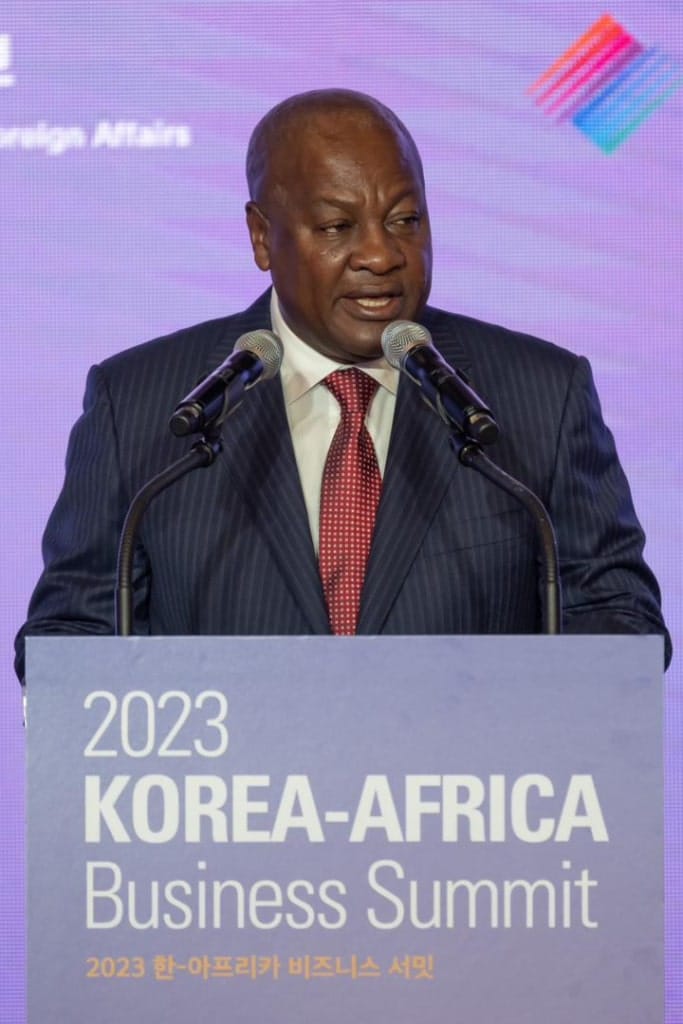
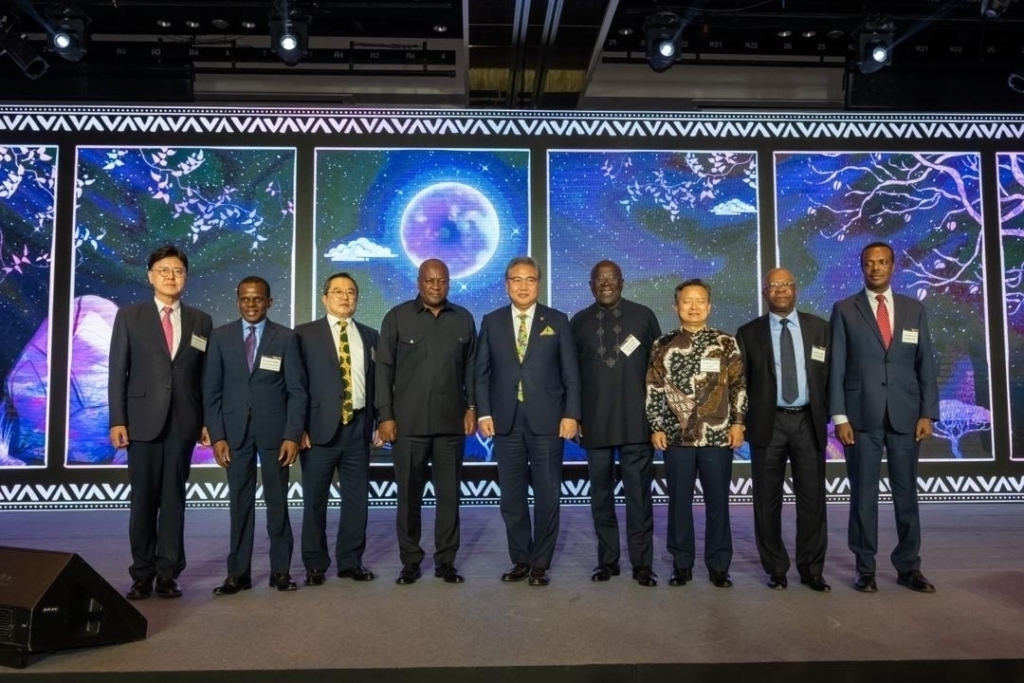
    As a keynote speaker at the just-ended Korea-African Business Summit in Seoul, Mr Mahama noted the relevance of Korea in the development of Ghanaian youths.

    He said to elevate the youth out of the dire unemployment situation in the country, “Korea can help us nudge our young innovators and entrepreneurs to realize their dreams.”

    “Our young people must see a much brighter future ahead, and they are willing to put in the shift to make it a reality,” he stressed.

    Help us to extricate our young people from underemployment trap - Mahama to Korea

    The former president boasted of the talent and skills possessed by the Ghanaian youths, adding that “despite the lamentable situation, come through with impressive feats and achievements.”

    He therefore charged Ghanaian and international leaders to “unlock and unleash” the untapped potential.

    Organised by the Korea- African Foundation, the two day summit coincided with the 2023 commemoration of Africa Day.

    Ghana’s unemployment situation is a significant concern for the country. Like many other nations, Ghana faces challenges in providing adequate employment opportunities for its growing population, particularly among the youth.

    The unemployment rate in Ghana has been fluctuating over the years.

    1.76 million persons were unemployed in the third quarter of 2022 per The Ghana Statistical Service’s (GSS) 2022 Annual Household Income and Expenditure Survey (AHIES) Third Quarter Labour Statistics.

    Source: The Independent Ghana

  • Airtel Africa: ‘Reason to imagine’ brand campaign launched to inspire Africa’s youth

    Airtel Africa: ‘Reason to imagine’ brand campaign launched to inspire Africa’s youth

    A leading provider of telecommunications and mobile money services in 14 African nations, Airtel Africa, has launched a new advertising campaign aimed at developing a stronger emotional connection with Africa’s youth.

    The campaign includes a new strapline for Airtel Africa: ‘Reason to Imagine’. It is driven by the insight that in Africa, imagination is the only qualification that matters and showcases Airtel Africa’s role in harnessing this potential by delivering relevant solutions to consumers that enhance digital and financial inclusion.

    The ‘Reason to Imagine’ campaign highlights Airtel Africa’s status as an enabler of young people’s dreams and ambitions, whatever these might be. To this end, the campaign seeks to celebrate the energy, creativity, and innovation of Africa’s young people.

    Airtel Africa’s Group Chief Commercial Officer, Anthony Shiner said, “It’s a well understood fact youth are central to achieving Africa’s potential. More than 60% of Africa’s population is under the age of 25 – and empowering this new generation is transformative for the future of the continent.

    “Through this campaign, we are reaffirming Airtel Africa’s commitment to advancing the progress of Africa’s young people by providing the connectivity to turn every situation into an opportunity.” The ‘Reason to Imagine’ brand campaign is Airtel Africa’s most ambitious yet. It comprises a series of television commercials and a combination of market-specific print, online, outdoor and mobile creative executions.

    The current title sponsorship of The Voice Africa is an example of how Airtel Africa is giving the youth a reason to imagine by partnering with The Voice to bring the show to the continent. The Voice Africa showcases exceptional African musical talent in a show that also features a high-profile panel of coaches and TV hosts. One of the 100 selected talents will eventually be crowned ‘The Voice Africa’ in a live show that is currently airing on free to air TV stations across the continent and Airtel TV.

    This is one of the initiatives that Airtel Africa has invested in to promote youthful talents and expertise in education, sports, and the innovation sectors.

    Airtel Africa is a leading provider of telecommunications and mobile money services, with a presence in 14 countries in Africa, primarily in East Africa and Central and West Africa. Airtel Africa offers an integrated suite of telecommunications solutions to its subscribers, including mobile voice and data services as well as mobile money services both nationally and internationally.

    The Group aims to continue providing a simple and intuitive customer experience through streamlined customer journeys.

  • Women share deepest regrets in relationships

    Women share deepest regrets in relationships

    Some elderly women between the ages of 50 to 60 have recounted some regretful experiences they encountered in their youth.

    In an interview with The Independent Ghana, they spoke about some lifestyles they lived that didn’t go well with them. They further adviced the youth to be focused in order to achieve their goals.

  • A 60-year-old woman advises young ladies

    A 60-year-old woman advises young ladies

    The aged have taken it upon themselves to help the younger generation have a successful romantic relationship that does not contradict Ghana’s social values.

    In an interview with The Independent Ghana, 60-year-old Aunty Araba (not her real name) talks about the dos, and don’ts, sex, and everything that goes into a relationship.

  • Forestry Commission urges govt to employ more youth as field staff

    Forestry Commission urges govt to employ more youth as field staff

    The Western North Region Forestry Commission has urged govt to employ more youth as forest guards and field staff.

    The Commission laments the fact that the majority of its personnel in charge of such operations are now of retirement age, rendering them unable to effectively carry out their mandate.

    Meanwhile, beneficiaries of the Forestry Commission’s Youth In Afforestation program have been complaining about the non-payment of their locked-up allowances.

    Speaking to journalists, Reverend Edward Opoku Antwi, Deputy Regional Manager for the Forestry Commission in the Western North Region, stated that there is an urgent need for young people to man the forest reserves.

    “We still need more staff members especially the field staff because the technical officers are very old so we need some of the youth to do the field work.”

  • Amansie South: One person shot dead after youth clash with miners

    Amansie South: One person shot dead after youth clash with miners

    At least one person is has been shot dead after an altercation between workers at the Asanko Gold Mine and youth from the Amansie South District in the Ashanti Region.

    According to a news report by UTV, the person shot was one of the youth of Amansie South, and this resulted in further clashes between the miners and the youth.

    The District Chief Executive of Amansie South, Clement Opoku Gyamfi, who confirmed the incident in an interview with UTV that was monitored by GhanaWeb, said that the youth who was shot had been taken to the hospital.

    “Some of the youth enter one of the pits of Asanko Gold to mine in order to find something to eat. And they were confronted by the security of the mining company, which led to a clash and some gunshots being fired.

    “One of the youths was hit by a gunshot, and he is now in the hospital getting treatment. The news of one of the youth being shot resulted in reprisal attacks, which led to one of the trucks of Asoka Gold being completely burned, and other vehicles and facilities of the company being damaged,” he said in the Twi dialect.

    Opoku Gyamfi called on the youth to remain calm as the incident is being investigated.

    The General-Manager of Asanko Mines, Ahmed Muhadeeni Yahaya, also said the youth who entered the mining pit were illegal miners.

    He added that the policemen protecting the pit only opened fire on them because they (the youth) started attacking them with cutlasses.

  • West Mamprusi MCE escapes youth attack

    West Mamprusi MCE escapes youth attack

    Some Youth in the West Mamprusi Municipality in the North East Region believe to be supporters of the ruling New Patriotic Party over the weekend nearly attacked their Municipal Chief Executive (MCE), Aremeyaw Somo Lucky, who was at a radio station upon the invitation of the morning show host to discuss development issues confronting his municipality.

    The angry mob gathered while the programme was ongoing, mobilized themselves, and besieged the forecourt of Tizaa Radio Station to protest against the MCE about some utterances they claimed he made on the show.

    According to reports, two members of the group then walked into the studio and ordered the live programme to be truncated before chasing out the MCE.

    They reportedly dragged the MCE from the studio to face the angry youth who were chanting violently and demanding permission from their leaders to “teach him a lesson”.

    The MCE was however saved from being lynched by the timely intervention of some elders of Nalerigu after a long deliberation with the leaders of the NPP youth group.

    Reports further indicated that the angry youth accused the MCE of defending the Regional Minister, Yidana Zakaria, who they have accused of diverting development projects meant for Nalerigu, the regional capital to Walewale, his home district.

    Since 2021, tension has continued to increase between the youth of Nalerigu and the Regional Minister.

    The minister is being blamed by the youth for the government’s decision to site some of the Regional Departments outside the capital town, Nalerigu.

  • 35-year-old farmer allegedly stabbed to death over missing mobile phone

    Isaac Godiga, a 35-year-old farmer has met his untimely death after he was stabbed several times in the chest and stomach at Assin Akropong in the Assin Fosu Municipality of the Central Region.

    Information gathered by Kasapa News, Yaw Boagyan revealed the deceased confronted the suspect over his missing Samsung Galaxy mobile phone after he received information that the suspect and his friends had gone out looking for a buyer of the same missing mobile phone.

    A serious altercation broke out between them in the process and the suspect who was already wielding weapons including a knife inflicted deep wounds on the deceased.

    He died while being transported to the hospital for treatment. The body has since been deposited at the St. Francis Xavier Hospital Morgue pending investigations.

    The deceased is said to have earlier made an official complaint to the Assin Akropong Police Command after he received intel that the phone was with the suspect and his friends, but the police officer on duty ordered the complainant, now deceased to get the suspect arrested since the police officers on duty at the time were not enough to go out of the station.

    Consequently, the Assin Fosu Divisional Commander Chief Superintendent Edith Gaanu including the Divisional Crime Officer, DSP Daniel Darko, and the District Police Commander, Chief Superintendent Cephas Arthur, and a team of police officers paid a visit to commiserate with the bereaved family and assured them that the circumstances surrounding the death of their relatives will be probed transparently and professionally.

    They also called on the youth to remain calm and not to resort to violence as the police are forever ready to address their concerns.

    Meanwhile, one of the suspects has been arrested and is in police custody assisting with the investigation.

  • UN chief praises women, youth and indigenous people

    It has been a long few days, and years some would argue, to get this deal over the line.

    And UN Secretary General António Guterres has praised the work of those who have been working and pushing from the sidelines.

    In a tweet he said he wanted: “to pay tribute to the women, youth, indigenous people and all members of civil society“.

    Despite praise for their role, BBC analysis conducted earlier this week, found that the participation of women in the negotiations still remains very low and was down on last years’ summit in Glasgow.

    Of the 110 world leaders that attended at the beginning of week one – just seven were women.

    Source: BBC

  • Prioritise youth empowerment; stop giving them money for votes – African leaders told

    Ghanaian politician, entrepreneur and philanthropist, Samuel Aryeequaye has told African leaders to make youth empowerment their focus instead of giving them ‘peanuts’ for votes.

    Speaking at this year’s edition of the Africa Humanitarian Actions Conference which took place in Abuja, Nigeria over the weekend, the Best Diplomat United Nation Simulation’s representative to Ghana said, the only way to see Africa get better is by having leaders who pay more attention to youth empowerment.

    Research has shown that among all the continents on the globe, Africa has majority of its population being youth — more than 60% of its population is under the age of 30 — and many of them are desperate and have no or little hope.

    According to him, most African leaders instead of educating the youth and creating jobs for them to be independent, rather hoard monies and share to electorates which he believes is a bad practice.

    The central regional chairman of the Liberal Party of Ghana and 2020 parliamentary candidate for Agona East mentioned that, there is a higher rate of unemployment in Africa because majority of African Leaders hardly empower the youth, create enabling environment for them to create jobs for themselves and others.

    According to him, as a politician and philanthropist, one of his major priorities is to see the African youth get better and by so doing, while other politicians are sharing money for votes, he chooses to give young people in his constituency vocational training — a  great way of reducing the ‘galloping’ rate of unemployment.

    He cited in his speech at the said conference that, in the constituency where he lost an election, he organized a skills training session for over two thousand young people of which majority of them are making a living out it.

    Revealing one of his happiest moments in life, he gave an account on how some of the young people he trained walked up to him to say thank you and how the training is contributing to the betterment of their lives.

    Samuel Aryeequaye is the brain behind ‘Saye Foundation’ — an Advocacy for change and growth.

  • Youth urged not to wait on Government for employment 

    The Greater West Youth Ministry Director of the Assemblies of God, Ghana, Reverend Nana Kumi-Manu, has entreated the youth to pursue careers in artisanship and entrepreneurship.

    He said the Government could not employ every individual in the country, hence the need for the youth to find some work to do on their own.

    Rev Kumi-Manu made the call in an interview with the Ghana News Agency at the just ended 2022 youth camp for the Greater Accra West Youth Ministry of the Assemblies of God church in Kumasi.

    He said: “The Bible says, the hand that does not work must not eat, and when you sit down and wait for the Government to employ you, the truth is, the Government cannot solve everyone’s problem.”

    “I, therefore, encourage everybody to do something and as you work, God will bless your work because the Lord says, I will bless the work of your hands,” Rev Kumi-Manu said.

    He encouraged the youth not to despise skilled jobs like fashion design, beads making, hairdressing and carpentry, and asked them to be professional in such fields, look for mentorship and always upgrade themselves.

    “Find something to do; it may be little but it’s God who multiplies, so, start no matter how small, and God will multiply and make it fruitful,” the Youth Director encouraged.

    He spoke on the involvement of the youth in the work of God and charged the Christian youth to live exemplary life by being pure in their daily lives, as God expected the youth to “be eager and enthusiastic to see His work revived.”

    Rev Kumi-Manu said the works of God may not be admirable, alluring, classy, captivating and enticing, nonetheless, the Christian youth must focus on prayers, Bible studies, fasting, and evangelism to be able to impact their communities.

    The weeklong programme was filled with moments of intense prayer, fasting, praises and worship and workshop in various fields, including music, marriage, academic excellence, skills development and entrepreneurship.

    Other activities at the camp included Bible quiz competition (won by the Motorway District), football competition (won by Ngleshie Amanfrom District) and rep your jersey – which saw the youth wore the jerseys of their favourite football teams to church.

    Source: GNA  

  • 21 Nigerian youth repatriated

    The Economic and Organised Crime Office (EOCO) yesterday repatriated 21 Nigerian youth who were rescued from a group of Nigerian human traffickers that was operating in the country.

    The rescued youth, aged between 15 and 20 years, were picked up by EOCO last month during a swoop to arrest some people allegedly involved in cyber crime.

    However, after investigations, it was established that they were rather victims of human trafficking going on in the country, hence the decision by EOCO to send them back to their country.

    At a press conference, the Deputy Executive Director in charge of Operations at EOCO, Nana Antwi, said the arrangement for the repatriation exercise was a collaborative work among EOCO, an NGO and the Nigerian High Commission.

    The swoop

    He disclosed that the swoop was organised on September 26 through an intelligence-led operation at a location in Accra.

    The victims and seven suspects, he said, were picked up in a house where all the Nigerians had been housed by the suspected human traffickers and were being trained in Internet cyber fraud.

    Relating what had happened, Nana Antwi said: “On that day, 28 people were arrested. We had the firm conviction that the arrest covered both the victims and the organisers of the trafficking. Subsequent investigative processes revealed that, in actual fact, of the number, 28 young males whose ages were not above 20 years were trafficked from Nigeria and brought to Ghana, housed, given computers and other accessories and were being trained on how to conduct criminal activity with the gadgets.”

    The seven suspects, he said, had since October 3 been put before court to answer charges related to the crimes of which they had been accused.
    “As a result of the sorting and critical analysis, we found it prudent to separate the victims from the suspects,” he said.

    Security Agencies support

    Nana Antwi commended the security agencies whose support led to the successful operation and subsequent deportation of the victims.

    “In fact, an hour from now, they will start the journey towards their home country, Nigeria. There has been close collaboration with the Nigerian anti-human trafficking authorities and other relevant agencies.

    “The Ghana Immigration Service too is in this exercise and all local related agencies are also involved, just as our police counterparts who gave us a very good backing during the September 26 operation,” he said.

  • There is a gap between what is taught in schools and the employment market – Zanetor Rawlings

    Member of Parliament for Klottey Korle, Dr. Zanetor Agyeman Rawlings, in a presentation on the topic, Peace Building and Security Among the Youth, during the celebration of the International Youth Day recently, lamented the disconnect between the subjects being offered in tertiary institutions and the job market.

    She indicated this as one of the factors contributing to unemployment as well as some unemployable graduates, at the Youth Day event held at the Anagkazo Campus in Mampong Akwapim.

    Dr. Agyeman Rawlings indicated as unfortunate the phenomenon of students being forced to take subjects they have no interest in after they applied for their preferred subjects.

    “This has an added consequence of demotivating the individuals and taking away their passion for their career choice, she noted.

    The Klottey Korle Parliamentarian stated that it was unfortunate that available data was not translating into information available to secondary school students as they selected their elective subjects and subsequent courses at the tertiary level.

    “Nation building and development are not about guesswork. We have a National Development Planning Commission; we have the Ghana Statistical Service; we have the census that was undertaken in the year 2021. We know how many young people there are; we know the breakdown of their ages, we know how many medical schools there are, we know what the doctor-patient ratio should be. We do not have to invent the wheel. There are international standards.

    “We know what the teacher-student ratio should be so that we can make sure we are delivering on optimum health care and optimal education. Why is it not translating into the quota for students entering the various faculties in our tertiary institutions? Dr. Agyeman Rawlings questioned.

    The Member of Parliament said if traditional rites of passage were no longer compulsory, then our formal education needed to provide a suitable substitute for the cultural orientation.

    “If your sense of belonging and identity are strong, no one can radicalize you because you have no ambiguity about who you are as a citizen of your country,” Dr. Agyeman Rawlings stated.

    She indicated that issues relating to the youth are urgent, important, and crucial to our national security and indeed our survival as a nation as such must be addressed accordingly.

    Touching on the National Security Strategy of Ghana and the National Framework for Preventing and Countering Violent Extremism and Terrorism in Ghana, Dr. Zanetor Agyeman Rawlings, who is also the Deputy Ranking member of the Select Committee on Defence and Interior in Parliament, said one of the most important and recurrent references in those documents is the youth.

    On terrorism, the Klottey Korle legislator said free and fair elections without the pillars of good governance, including the protection of the rights, equitable opportunities for citizens and adequate provision of services and amenities such as potable water and electricity make it easy for a group of people with ulterior motives to usurp the role of government by providing these services and amenities, with the ultimate intention of taking control of our territories.

    Dr. Agyeman Rawlings also mentioned the International Law of the Sea, the Anti-Terrorism Act and the Anti-Money laundering Act as some of the legal instruments in place to prevent terrorism as most of these groups are involved in transnational crime.

    She cited the fact that the violent extremists in the region in landlocked countries seek access to the sea. She said that is the reason why proper laws are necessary to govern matters such as money laundering because terrorism is transnational and such laws monitor all monetary transactions to ensure that money made through foul means is not used to fund violent extremism and terrorism elsewhere.

    The Member of Parliament who holds a Master of Arts in Conflict, Peace and Security from the Kofi Annan International Peacekeeping Training Centre (KAIPTC) in Accra, also expressed worry about the porous borders which allow for easy transfer of terrorist armed groups and violent extremists.

    She also stated that ethnic conflicts within our countries are easy avenues for the infiltration of terrorists.

    “If you look at the map of Ghana, the number of chieftaincy disputes that we have, the number of spots of inter-ethnic conflicts that we have is quite alarming. It only needs someone who decides which of those spots that they want to capitalize on and that could be a problem. So, peacebuilding is important. Let us not take entrenched positions in our various communities to the extent that people who do not mean us well can take advantage of those conflicts to disrupt our lives as a people,” she cautioned.

    Dr. Agyeman Rawlings also called for the need to confront factors such as chieftaincy disputes, corruption, unemployment especially in the youth, inequitable distribution of resources, personal grievances, and lack of accountability, as these help to drive radicalization and violent extremism.

    “Youth and sports, cultural and religious tolerance and integration, creation of opportunities for economic integration, education, critical thinking, and sensitization, are key to creating greater harmony and understanding, as well as elevated awareness in preventing violent extremism, Dr. Rawlings stated.

    Souce: angelonline.com

  • Curfew in Bawku reviewed effective September 5

    The curfew imposed in Bawku and its surroundings to reduce insecurity in the municipality has been reviewed by the Interior Ministry, Ambrose Dery.

    In a statement, the Ministry said that based on the advice of the Upper East Regional Council, the review begins today, Monday, September 5, 2022.

    The present curfew time of 8:00pm has been changed to 6:00am, 6:00pm, and 6:00am.

    “The review of the curfew has been as a result of threat to security in the communities concerned”, the statement added.

    The administration is also urging local citizens and youth to put their energy toward constructive endeavors rather than violence, which is endangering the peace.

    The release further announced that, “there is a total ban on all persons in the aforementioned communities and its environs from carrying arms, ammunition or any offensive weapon and any person found with any arms or ammunition will be arrested and prosecuted.”

    Bawku is a hotspot for clashes between residents of various ethnic groups.

    The government has on several occasions imposed a curfew on the town to calm tensions and maintain law and order.


  • Ghana youth star Samuel Obeng pens two-year contract extension with Real Ovi

    Real Oviedo striker Samuel Obeng has signed a two year contract extension with a club option for an additional one year, Ghanasoccernet.com can exclusively reveal.

    The 23-year-old Ghana youth international has massively impressed Los Azules in the just 2019/20 season.

    He scored three goals in 17 league appearances for the First Team in the second-tier.

    Obeng also recorded four goals in 13 appearances for Real Oviedo II in the Segunda B (third division).

    Ghanasoccernet.com understands there were several European sides were after his signature but he decided to extend his stay at the Carlos Tartiere Stadium

    Source: Ghana Soccernet

  • Yapei youth issue 3-day ultimatum to Ambulance Service

    Youth in Yapei in the Central Gonja District of the Savannah Region have given a three-day ultimatum to some seven newly posted staff of the Ghana Ambulance Service to return their new ambulance under the one constituency, one ambulance program, start work in the district or face their wrath.

    The ultimatum, which is being led by the Assemblymember for Yapei Electoral Area, Iddi Kamel, starts from Saturday, March 7 to Monday, March 9, 2020.

    In an interview with JoyNews’ Savannah Regional correspondent, Isaac Nongya at Yapei, the youth said the behaviour of the ambulance service staff was unacceptable.

    They accused the staff of making unreasonable demands including asking for a seven-bedroom apartment and an office accommodation before reporting to the district with the ambulance to work.

    They tell JoyNews, in spite of the difficulties, the community has managed to secure a three-unit bedroom self-contained quarters for three staff and a temporal office but the staff remain adamant to come and render service to the people.

    “We are very disappointed in the ambulance service because we have made everything possible for them to resume work here but unfortunately since they reported they haven’t returned to post. we want to make this very clear to them that whatever we have done is enough. by Monday if we don’t see the ambulance here we are going to storm the district office,” Iddi Kamel, the Assemblyman for Yapei Electoral Area said.

    Meanwhile, unconfirmed reports indicate the decision by the ambulance service staff is backed by the Savannah Regional Director of the Ghana Ambulance Services.

    According to sources, the Director is concerned about the working conditions of his staff and has refused to allow them work within a community that has not provided all their basic needs.

    But attempts by JoyNews to reach out to the Savannah Regional Director for the Ghana Ambulance Services for his comment have proved futile.


    Source: myjoyonlineÂ