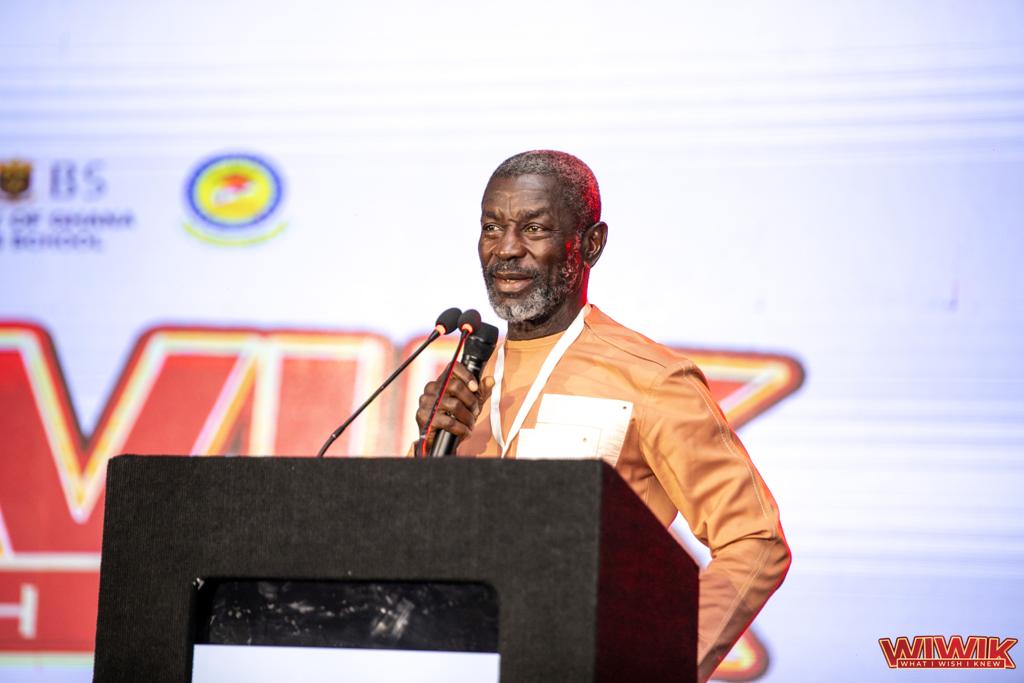
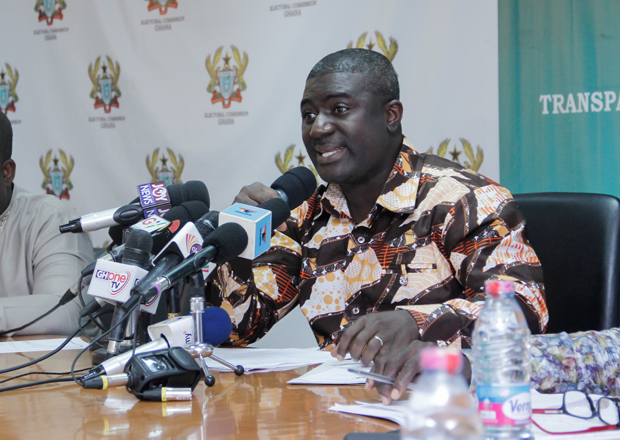
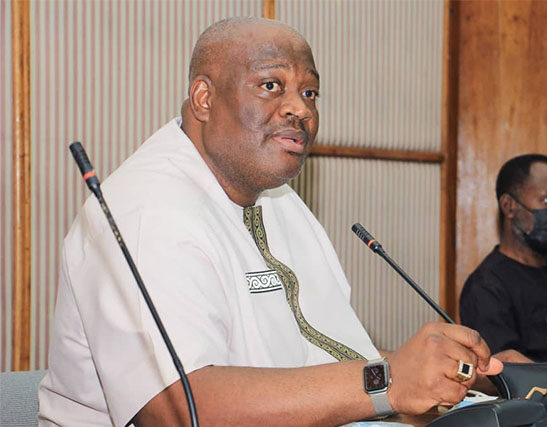
The President of the Renal Patients Association of Ghana, Mr. Baffour Kojo Ahenkorah, has called on the government to ensure that the National Health Insurance Scheme (NHIS) benefits all renal patients, not just a few.
Mr. Baffour Kojo Ahenkorah highlighted that almost all renal patients were financially strained and could no longer afford treatment, emphasizing the need for comprehensive coverage.
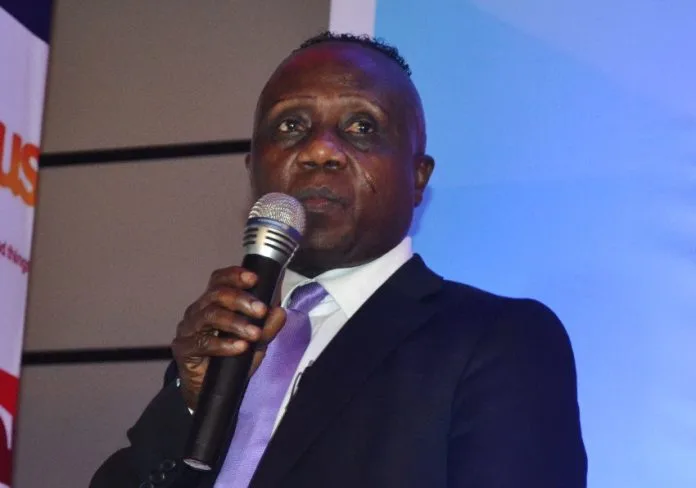
Dr. Aboagye Da-Costa, Chief Executive of the National Health Insurance Authority (NHIA), announced that the government would soon disburse GHC 2 million, approved by Parliament, to provide dialysis treatment for those in need. This funding, approved in March, was in response to renal patients’ plea for government support following the rise in dialysis costs.
Korle-Bu Teaching Hospital recently increased the cost of dialysis from GHC 380 to GHC 491, a move approved by Parliament. Dr. Da-Costa stated that the committee responsible for implementing the disbursement had finalized its report and would commence distributing funds to various hospitals within the next two weeks, hoping that the disbursement would alleviate some financial burden on patients.
In an interview with the Ghana News Agency, Mr. Ahenkorah expressed appreciation for the NHIS coverage but noted that providing support only to those in need was insufficient, as many patients were losing their lives due to financial constraints.
“Why is it for only needy patients since all of us under dialysis are needy. Can you imagine how I’ve been on the machine for the past nine years? I don’t even have GHC5 in my account and that is not needy?” he questioned.
Mr. Ahenkorah argued that the steep increase in dialysis fees was excessive and would further worsen the predicament of patients.
“We are looking at GHC 491.00 instead of the old fee of GHC380.00, which is not welcome at all because renal patients will not be able to pay,” he stated.
The Renal Unit at Korle-Bu Teaching Hospital was closed in May 2023 for partial renovation, reopening to patients in October with a higher treatment cost.
However, following protests from patients and the public over the hike in treatment cost from GHC 380 to GHC 765.42, the hospital was quickly shut down, although intensive care remained available for emergency cases.
Mr. Ahenkorah expressed concern that the price increase would render renal patients unable to afford treatment.
“Patients were not paying for the old price. A philanthropic organisation, First Sky Group had paid for renal sessions for almost 270 patients for the past seven years because most of the patients were vulnerable,” he said.
Mr. Ahenkorah emphasized that even if renal patients were asked to pay GHC 100 every week for the next ten years, they would be unable to afford it because dialysis is a lifelong requirement.
He stated that the Association planned to meet with the Parliamentary Select Committee on Health when the House resumed on May 17, 2024, to address the matter, as many lives were being lost due to the situation.