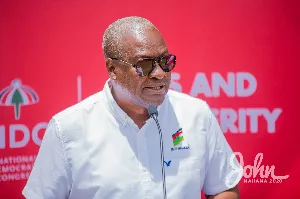
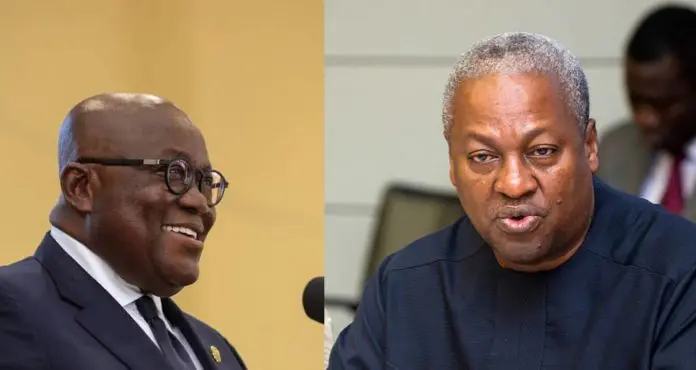
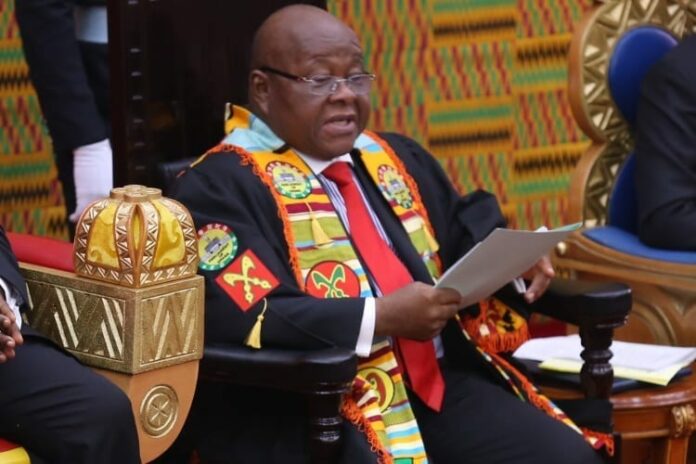
Former President John Mahama has stated that President Akufo-Addo is fond of making statements that are more aligned with the interests of a specific political group than being impartial or neutral.
Mr Mahama made this claim while expressing dissatisfaction with President Akufo-Addo’s recent statement suggesting intentional neglect of development in the Ekumfi constituency.
President Akufo-Addo conveyed his dissatisfaction with the voting pattern in Ekumfi during an interaction with traditional leaders from the constituency at the Jubilee House.
He mentioned that despite appointing Ato Cudjoe as Deputy Minister of Fisheries and Aquaculture to facilitate development in the area, the constituents voted him out, which displeased him.
In response, Mr. Mahama criticized President Akufo-Addo’s remarks, deeming them “unfortunate” and pointing out what he perceives as a tendency for the president to make partisan statements.
He also recalled the Mepe controversy, where President Akufo-Addo told Akosombo dam spillage flood victims that if it were based on those who voted for him during the elections, he would not be present.
Through a post on social media (referred to as X in the text), Mr. Mahama reminded President Akufo-Addo of his constitutional responsibilities outlined in Article 36, clause 2(d) of the 1992 Constitution of Ghana.
“President Akufo-Addo has a penchant for making such partisan statements, as we witnessed recently during his visit to flood victims in Mepe. His actions contradict the oath he swore as President to do justice to all manner of persons.”
“Let me also remind him of Chapter Six of our constitution, specifically Article 36, clause 2(d),” he posted on X.
The President's comment that he ignored the development of Ekumfi because they voted out his parliamentarian is most unfortunate. President Akufo-Addo has a penchant for making such partisan statements, as we witnessed recently during his visit to flood victims in Mepe. His…
President Akufo-Addo’s comments regarding intentional neglect of development in the Ekumfi constituency have faced criticism, with many expressing the view that they are unnecessary and unbecoming of a presidential figure.
The remarks, perceived by some as divisive and partisan, have sparked disapproval from individuals who believe that a president should refrain from making statements that may be interpreted as casting blame on specific constituencies or communities based on their voting patterns.
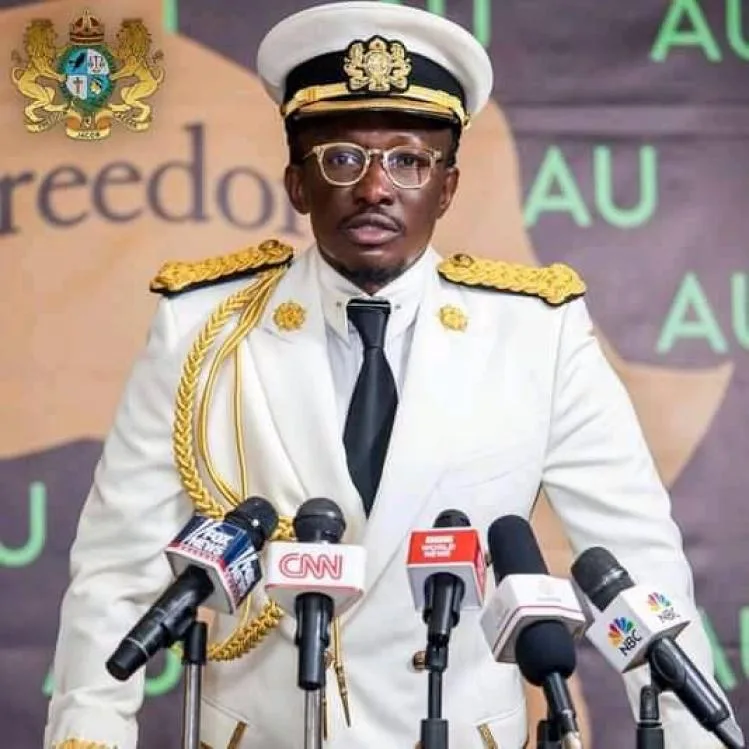
Founder of the New Force, Nana Kwame Bediako, also known as Cheddar, has countered accusations of tax evasion made by the Ghana Revenue Authority (GRA) while alleging that the government is attempting to undermine him due to his presidential ambitions in the 2024 elections.
The GRA had imposed a fine of GH¢50,000 on Bediako, claiming he failed to file personal income tax returns from 2013 to 2016. Despite settling an amount of GH¢209,171 between 2018 and 2020, a January 18 publication reported that Bediako allegedly neglected to file returns for the post-2020 period.
In rejecting the tax evasion claims, Bediako has asserted that these allegations are part of a deliberate effort by the government to sabotage his political aspirations.
The GRA further estimated tax assessments for Bediako at GH¢2,088,228 and GH¢5,096,536 for the years 2021-2022, respectively, along with penalties for his failure to file his personal income tax returns.
Bediako, also known as Cheddar, has vehemently denied these accusations, suggesting that the GRA aimed to disgrace him and tarnish his reputation. He expressed the belief that he was being targeted despite being one of the few individuals consistently fulfilling his tax obligations.
In response to the tax evasion claims, Nana Kwame Bediako took to social media on January 18, 2024, to defend himself and address the situation.
Speaking in local parlance he said “ I woke up this morning, only to see my pictures on the front cover of multiple publications alleging that I have evaded taxes. I have dedicated almost 22 or 23 years in this country. When it comes to taxes, I have consistently fulfilled my obligations and continue to do so.”
He emphasized that, given his regular importation of goods into the country, it would have been impossible for him to evade taxes without detection up to the present date.
Emphasizing his commitment to fulfilling tax obligations, Nana Kwame Bediako, popularly known as Cheddar, pointed out that despite his consistently high income, he has consistently ensured the timely payment of taxes.
Expressing bewilderment at the situation, Cheddar questioned the motives behind the Ghana Revenue Authority’s (GRA) choice to publish his pictures in connection with the tax evasion allegations.
He suggested that this move by the government was a deliberate tactic to embarrass him. However, he noted that such actions would prove futile.
“If we consider the state of the economy and the hardship we face as citizens, it appears the government was doing nothing to alleviate our difficulties.
“The government intends to disgrace me, so it published my pictures in the papers. No, you cannot disgrace a man whom God has graced,” he said.
He argued that if the GRA had concerns about his tax payments, they could have opted for a more diplomatic approach, such as scheduling a meeting with him, rather than resorting to the publicized method they employed.
Taking advantage of the situation, Cheddar used the opportunity to make a broader appeal to the government. He called on authorities to focus on creating more job opportunities to address the issue of unemployment, emphasizing that it’s crucial to have a larger portion of the population gainfully employed rather than relying on a few individuals.
He pointed out his observation that the government, in his view, has struggled to meet its responsibilities. If elected, he pledged to provide transparency by furnishing evidence of how tax revenues are utilized, differentiating his approach from what he perceives as shortcomings in the current government’s accountability.
Founder of the New Force, Nana Kwame Bediako, also known as Cheddar has reacted to allegations of tax evasion made by the Ghana Revenue Authority (GRA) against him.
The GRA accused Mr Bediako of failing to file personal income tax returns from 2013 to 2016, resulting in a fine of GH¢50,000.
In a publication dated January 18, it was reported that despite settling a sum of GH¢209,171 between 2018 and 2020, Bediako had once again neglected to file his returns for the post-2020 period. The GRA further estimated tax assessments for Bediako at GH¢2,088,228 and GH¢5,096,536 for the years 2021-2022, respectively, along with penalties for his failure to file his personal income tax returns.
Mr Bediako has vehemently denied these accusations, suggesting that the GRA aimed to disgrace him and tarnish his reputation. He expressed the belief that he was being targeted despite being one of the few individuals consistently fulfilling his tax obligations.
In response to the tax evasion claims, Nana Kwame Bediako took to social media on January 18, 2024, to defend himself and address the situation.
He argued that if the GRA had concerns about his tax payments, they could have opted for a more diplomatic approach, such as scheduling a meeting with him, rather than resorting to the publicized method they employed.
Expressing bewilderment at the situation, Cheddar questioned the motives behind the Ghana Revenue Authority’s (GRA) decision to publish his pictures in connection with the tax evasion allegations.
“If we consider the state of the economy and the hardship we face as citizens, it appears the government was doing nothing to alleviate our difficulties.
“The government intends to disgrace me, so it published my pictures in the papers. No, you cannot disgrace a man whom God has graced,” he said.
Speaking in local parlance he added “ I woke up this morning, only to see my pictures on the front cover of multiple publications alleging that I have evaded taxes. I have dedicated almost 22 or 23 years in this country. When it comes to taxes, I have consistently fulfilled my obligations and continue to do so.”
He emphasized that, given his regular importation of goods into the country, it would have been impossible for him to evade taxes without detection up to the present date. He highlighted that despite his consistently high income, he has always made sure to promptly fulfill his tax obligations.
Taking advantage of the situation, Cheddar used the opportunity to make a broader appeal to the government. He called on authorities to focus on creating more job opportunities to address the issue of unemployment, emphasizing that it’s crucial to have a larger portion of the population gainfully employed rather than relying on a few individuals.
He pointed out his observation that the government, in his view, has struggled to meet its responsibilities. If elected, he pledged to provide transparency by furnishing evidence of how tax revenues are utilized, differentiating his approach from what he perceives as shortcomings in the current government’s accountability.
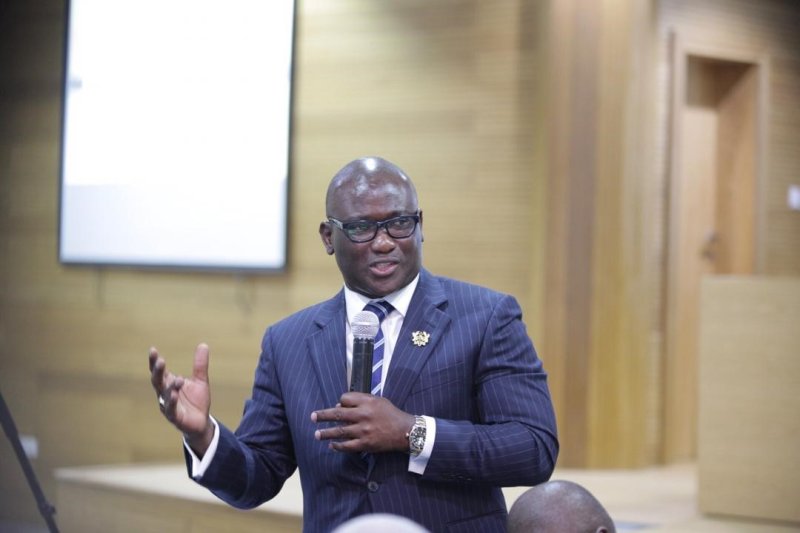
Former President and presidential candidate for the opposition National Democratic Congress (NDC), John Mahama, has expressed dissatisfaction with President Akufo-Addo’s recent statement suggesting intentional neglect of development in the Ekumfi constituency.
President Akufo-Addo conveyed his dissatisfaction with the voting pattern in Ekumfi during an interaction with traditional leaders from the constituency at the Jubilee House.
He mentioned that despite appointing Ato Cudjoe as Deputy Minister of Fisheries and Aquaculture to facilitate development in the area, the constituents voted him out, which displeased him.
In response, Mr. Mahama criticized President Akufo-Addo’s remarks, deeming them “unfortunate” and pointing out what he perceives as a tendency for the President to make partisan statements.
Through a post on social media (referred to as X in the text), Mr. Mahama reminded President Akufo-Addo of his constitutional responsibilities outlined in Article 36, clause 2(d) of the 1992 Constitution of Ghana.
“President Akufo-Addo has a penchant for making such partisan statements, as we witnessed recently during his visit to flood victims in Mepe. His actions contradict the oath he swore as President to do justice to all manner of persons.”
“Let me also remind him of Chapter Six of our constitution, specifically Article 36, clause 2(d),” he posted on X.
The President's comment that he ignored the development of Ekumfi because they voted out his parliamentarian is most unfortunate. President Akufo-Addo has a penchant for making such partisan statements, as we witnessed recently during his visit to flood victims in Mepe. His…
President Akufo-Addo’s comments regarding intentional neglect of development in the Ekumfi constituency have faced criticism, with many expressing the view that they are unnecessary and unbecoming of a presidential figure.
The remarks, perceived by some as divisive and partisan, have sparked disapproval from individuals who believe that a president should refrain from making statements that may be interpreted as casting blame on specific constituencies or communities based on their voting patterns.
Jordan Henderson has decided to terminate his contract with the Saudi Pro League club Al-Ettifaq and has made a permanent move to Ajax.
The former Liverpool captain’s stint in the Middle East has come to an end after just six months, concluding a three-year deal that began in July of the previous year.
The 33-year-old midfielder has now signed a two-and-a-half-year contract with Ajax, one of the prominent football clubs in the Netherlands.
While Henderson departs Al-Ettifaq, the Saudi Pro League team has extended the contract of their manager, Steven Gerrard, until 2027. Gerrard, who played a crucial role in bringing Henderson to the Middle East, will continue his managerial role with the club.
During his time with Al-Ettifaq, Henderson played 19 games and provided five assists across all competitions under the management of his former Liverpool captain, Steven Gerrard.
Henderson’s move to Ajax comes at a time when the Dutch club is experiencing a resurgence, currently sitting in fifth place in the Eredivisie after winning five of their last six league matches.
Ajax is delighted to announce the signing of Jordan Henderson 🏴
Boss John van ‘t Schip said: “We wanted an experienced midfielder with leadership qualities.
“Partially due to injuries in the team, we were looking for someone who could step in immediately. Henderson is that type of player.
“His arrival means a huge enhancement for our squad. both on and off the pitch. Afootball player of this calibre is important for our many young players.
“He’s an England international and has won the Champions League and many other prizes with Liverpool.
“I am happy he’s here and I think it’s very good for our club.”
Jordan Henderson’s contract has been terminated following a mutual agreement 🟢🔴
After ending his short stay in Saudi, Henderson said: “I’d like to thank the club, the fans and all involved for the opportunity and wish them the best for the remainder of the season.
“A lot of hard work is going in, which I know will pay off in the future.”
With Henderson back in European football, his focus will no doubt be to secure his place in the England squad for Euro 2024.
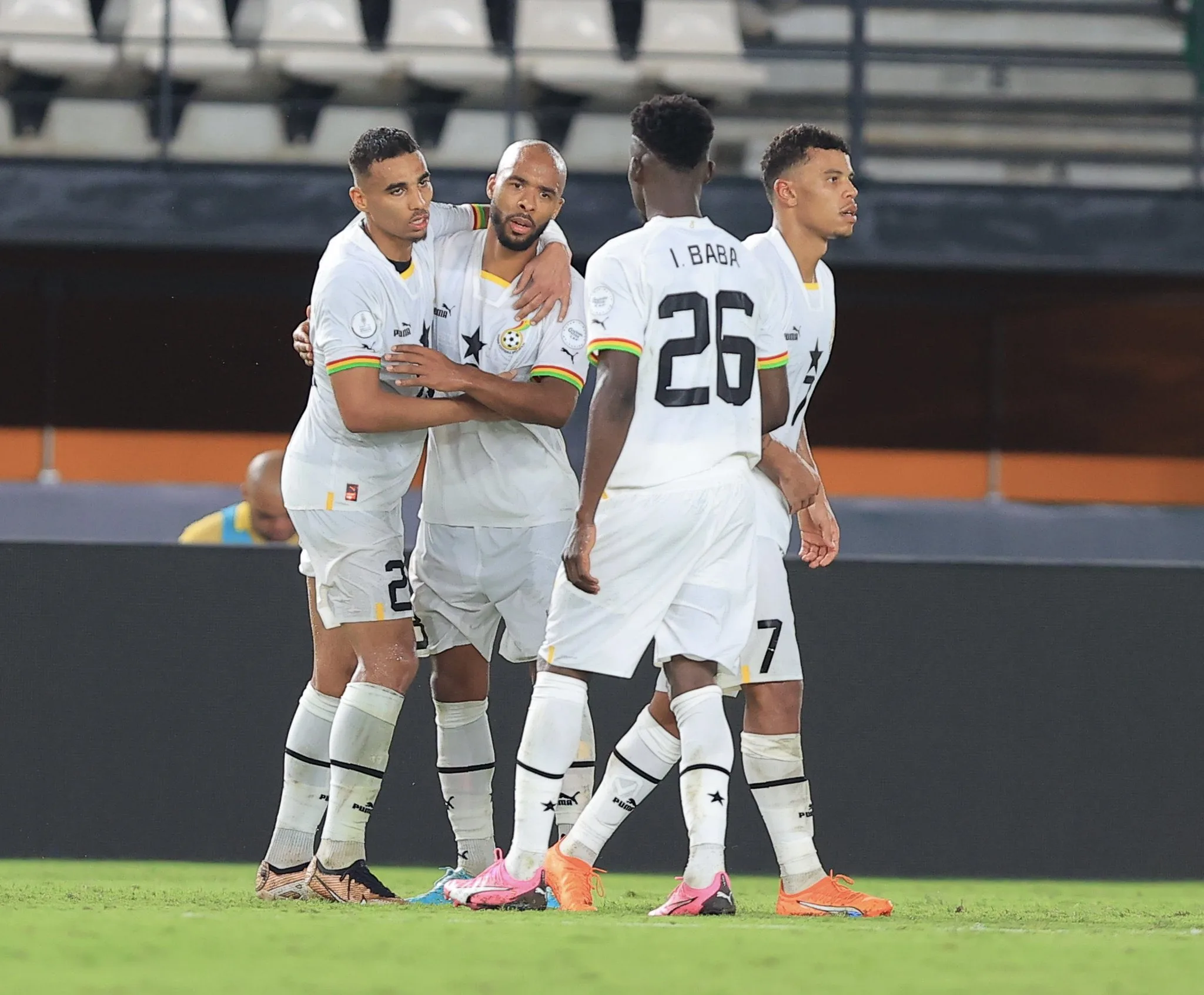
West Ham United’s standout player, Mohammed Kudus, scored two goals as Egypt and Ghana settled for a 2-2 draw.
Despite the shared points, Rui Vitoria’s team climbed to the second position in the Group B standings, amassing two points from two matches.
In contrast, Ghana finds itself in the last position, with only one point earned from two games. Both teams have yet to secure a victory in their initial two group-stage matches of the tournament.
The result adds to Egypt’s earlier 2-2 draw with Mozambique, while Ghana suffered a 2-1 defeat against Cape Verde in their respective opening matches.
With the competition unfolding, both sides will be eager to secure victories in their upcoming group-stage clashes to enhance their prospects of advancing to the next stage of the tournament.
Former Speaker of Parliament and member of the governing New Patriotic Party’s (NPP) Council of Elders, Professor Aaron Michael Oquaye, has expressed concerns regarding the potential negative consequences of the upcoming general elections if the Electoral Commission (EC) proceeds with its proposal to eliminate the use of indelible ink.
Professor Oquaye emphasized the need for caution on the part of the Electoral Commission, indicating that the decision to abandon indelible ink should be approached carefully.
The EC Chairperson, Jean Mensa, had announced in a press conference that the Commission is contemplating discontinuing the use of indelible ink, citing confidence in the verification systems they have implemented.
In an exclusive interview with 3News’ Beatrice Adu, Professor Michael Oquaye highlighted the importance of the Electoral Commission exercising caution in this matter, underscoring the principle that nobody is above the law.
“Definitely, when we are used to something and you want to change it, you must change it cautiously….and in fact, I have had the opportunity to tell the Electoral Commissioner this and that is a personal feeling and especially in an atmosphere where we don’t trust each other very much, I will go cautiously….otherwise people might think that there is something untoward being planned,” he explained.
Professor Aaron Michael Oquaye cited a previous case that occurred before the 2016 general election. At that time, Charllotte Osei served as the Chairperson of the Electoral Commission.
Professor Oquaye claimed that he had warned her about the possibility of facing legal consequences, including the prospect of imprisonment, if she attempted to recount votes in violation of the provisions laid out in the law.
“In the last election that brought President Akufo Addo to power, I was the chairman of the Constitutional and Legal Committee of the NPP, Madam Charlotte announce on TV… that if she saw that the voting was that close, she would ask for a re-count to determine all controversies; I in my capacity wrote her a letter …….that ‘you have no such power….‘the laws are clear…….so I advised the young woman, you dare not do that. If you do it, you’ll go to jail. Nobody is above the law, whether you are EC chairman or whatever or even a Minister. In fact, even the President. You can be found liable and jailed…..we are under the law….if you want to be beyond the law, go and live in the wilderness, alone ”
He further advised the EC Chair to allow the use of indelible ink until the country has built enough trust around our electoral systems.
”If I had my own will, unless the trust is built and there’s consensus on it, the little money that we’ll spend on the ink,….Afterall, in our local parlance, we say that plenty fish don’t spoil the soup.”
Both the governing New Patriotic Party (NPP) and the opposition National Democratic Congress (NDC) have voiced their opposition to the Electoral Commission’s proposal to eliminate the use of indelible ink.
During a parliamentary debate, Rockson Nelson Dafeamekpor, the Member of Parliament for South Dayi, representing the opposition NDC, argued that the use of indelible ink is mandated by the 1992 Constitution for the proper and smooth conduct of elections. He contended that removing the use of indelible ink would constitute a breach of the constitution, specifically citing Article 51.
Article 51 of Ghana’s 1992 constitution states “51 The Electoral Commission shall, by constitutional instrument, make regulations for the effective performance of its functions under this Constitution or any other law, and in particular, for the registration of voters, the conduct of public elections and referenda, including provision for voting by proxy. 52 There shall be in every region and district a representative of the Electoral Commission who shall perform such functions as shall be assigned to him by the Commission“.
Founder of the New Force, Nana Kwame Bediako, also known as Cheddar, has accused the government of attempting to sabotage him over his intention to run for president in the 2024 elections.
He made this claim while dismissing allegations of tax evasion made by the Ghana Revenue Authority (GRA).
The GRA had accused Bediako of failing to file personal income tax returns from 2013 to 2016, resulting in a fine of GH¢50,000.
In a publication dated January 18, it was reported that despite settling a sum of GH¢209,171 between 2018 and 2020, Bediako had once again neglected to file his returns for the post-2020 period.
The GRA further estimated tax assessments for Bediako at GH¢2,088,228 and GH¢5,096,536 for the years 2021-2022, respectively, along with penalties for his failure to file his personal income tax returns.
Bediako, also known as Cheddar, has vehemently denied these accusations, suggesting that the GRA aimed to disgrace him and tarnish his reputation. He expressed the belief that he was being targeted despite being one of the few individuals consistently fulfilling his tax obligations.
In response to the tax evasion claims, Nana Kwame Bediako took to social media on January 18, 2024, to defend himself and address the situation.
Speaking in local parlance he said “ I woke up this morning, only to see my pictures on the front cover of multiple publications alleging that I have evaded taxes. I have dedicated almost 22 or 23 years in this country. When it comes to taxes, I have consistently fulfilled my obligations and continue to do so.”
He emphasized that, given his regular importation of goods into the country, it would have been impossible for him to evade taxes without detection up to the present date.
He highlighted that despite his consistently high income, he has always made sure to promptly fulfill his tax obligations.
Expressing bewilderment at the situation, Cheddar questioned the motives behind the Ghana Revenue Authority’s (GRA) decision to publish his pictures in connection with the tax evasion allegations. He opined that this was a tactic by government to embarrass him but he noted that such actions would be futile.
“If we consider the state of the economy and the hardship we face as citizens, it appears the government was doing nothing to alleviate our difficulties.
“The government intends to disgrace me, so it published my pictures in the papers. No, you cannot disgrace a man whom God has graced,” he said.
He argued that if the GRA had concerns about his tax payments, they could have opted for a more diplomatic approach, such as scheduling a meeting with him, rather than resorting to the publicized method they employed.
Taking advantage of the situation, Cheddar used the opportunity to make a broader appeal to the government. He called on authorities to focus on creating more job opportunities to address the issue of unemployment, emphasizing that it’s crucial to have a larger portion of the population gainfully employed rather than relying on a few individuals.
He pointed out his observation that the government, in his view, has struggled to meet its responsibilities. If elected, he pledged to provide transparency by furnishing evidence of how tax revenues are utilized, differentiating his approach from what he perceives as shortcomings in the current government’s accountability.
Founder of the New Force, Nana Kwame Bediako, also known as Cheddar has refuted allegations of tax evasion made by the Ghana Revenue Authority (GRA).
The GRA had accused Bediako of failing to file personal income tax returns from 2013 to 2016, resulting in a fine of GH¢50,000.
In a publication dated January 18, it was reported that despite settling a sum of GH¢209,171 between 2018 and 2020, Bediako had once again neglected to file his returns for the post-2020 period. The GRA further estimated tax assessments for Bediako at GH¢2,088,228 and GH¢5,096,536 for the years 2021-2022, respectively, along with penalties for his failure to file his personal income tax returns.
Bediako, also known as Cheddar, has vehemently denied these accusations, suggesting that the GRA aimed to disgrace him and tarnish his reputation. He expressed the belief that he was being targeted despite being one of the few individuals consistently fulfilling his tax obligations.
In response to the tax evasion claims, Nana Kwame Bediako took to social media on January 18, 2024, to defend himself and address the situation.
Speaking in local parlance he said “ I woke up this morning, only to see my pictures on the front cover of multiple publications alleging that I have evaded taxes. I have dedicated almost 22 or 23 years in this country. When it comes to taxes, I have consistently fulfilled my obligations and continue to do so.”
He emphasized that, given his regular importation of goods into the country, it would have been impossible for him to evade taxes without detection up to the present date. He highlighted that despite his consistently high income, he has always made sure to promptly fulfill his tax obligations.
Expressing bewilderment at the situation, Cheddar questioned the motives behind the Ghana Revenue Authority’s (GRA) decision to publish his pictures in connection with the tax evasion allegations.
“If we consider the state of the economy and the hardship we face as citizens, it appears the government was doing nothing to alleviate our difficulties.
“The government intends to disgrace me, so it published my pictures in the papers. No, you cannot disgrace a man whom God has graced,” he said.
He argued that if the GRA had concerns about his tax payments, they could have opted for a more diplomatic approach, such as scheduling a meeting with him, rather than resorting to the publicized method they employed.
Taking advantage of the situation, Cheddar used the opportunity to make a broader appeal to the government. He called on authorities to focus on creating more job opportunities to address the issue of unemployment, emphasizing that it’s crucial to have a larger portion of the population gainfully employed rather than relying on a few individuals.
He pointed out his observation that the government, in his view, has struggled to meet its responsibilities. If elected, he pledged to provide transparency by furnishing evidence of how tax revenues are utilized, differentiating his approach from what he perceives as shortcomings in the current government’s accountability.
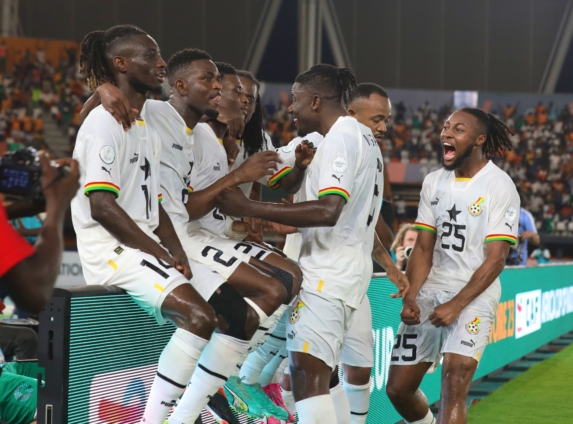
In their second group-stage match at the 2023 Africa Cup of Nations (AFCON), the Black Stars faced Egypt and experienced a rollercoaster of events, ultimately settling for a 2-2 draw despite initially holding a lead.
The encounter saw Mohammed Kudus shine with a brilliant performance, netting two goals for Ghana. However, lapses in concentration and individual errors proved costly for the Black Stars, leading to them relinquishing their advantage and sharing points with the Pharaohs.
Ghana started the game with an aggressive approach, pressing the Egyptians, but struggled to break through their solid defense. Kudus had an early attempt from outside the box, easily dealt with by the opposing goalkeeper.
Throughout the first half, both teams created few scoring opportunities, with Egypt dominating possession. The dynamic of the match shifted when Liverpool forward Mohamed Salah had to be substituted due to a suspected hamstring injury, forcing Ghana’s coach Rui Vitoria into a first-half change.
Shortly after Salah’s departure, Kudus seized the opportunity to make a significant impact. The West Ham United player received a well-timed pass from Salis Abdul Samed and skillfully maneuvered past his marker to score a sensational debut goal in the AFCON, giving Ghana the lead with a sublime curling shot.
In the second half, Egypt nearly clawed their way back into the game, but their goal from a setpiece was disallowed due to an offside decision. Ghana’s goalkeeper, Richard Ofori of Orlando Pirates, was then called into action, making a crucial save to deny the Egyptian side.
The Pharaohs eventually found the equalizer when Marmoush seized an opportunity created by a back pass from Inaki Williams. Marmoush rounded off the goalkeeper and calmly slotted the ball into an empty net, leveling the score.
However, Ghana quickly responded, with Kudus showcasing his scoring prowess once again. This time, he received a well-timed pass from Denis Odoi and efficiently restored the Black Stars’ lead. Unfortunately, Ghana struggled to hold on to their advantage for the second time in the match.
Trezeguet made a decisive play by dispossessing substitute Osman Bukari and setting up a teammate for the equalizing goal, making it 2-2. Despite late attempts from both sides, neither team could secure a victory by the end of full time, and the match concluded with the points being shared.
With the drawn result, the Black Stars now face a crucial situation, relying on their upcoming match against Mozambique to secure qualification to the next round of the competition. The outcome of this final group-stage game will play a pivotal role in determining Ghana’s fate in the 2023 Africa Cup of Nations.
Co-host of Joy FM’s Super Morning Show, Kojo Yankson has expressed curiosity about the government’s actions related to financial matters, particularly those associated with Nana Kwame Bediako, widely known as Cheddar.
His concern comes after reports that Cheddar is embroiled in a series of tax evasion controversies, according to documents obtained from the Ghana Revenue Authority (GRA).
The records reveal that he has incurred substantial penalties for the non-filing of income tax, raising concerns about his commitment to financial transparency, especially in light of his aspirations to lead the nation.
The disclosed documents expose a recurring pattern of tax evasion. From 2013 to 2016, Cheddar faced penalties of GHC15,222, GHC14,492, GHC13,760, and GHC6,526 for neglecting to submit personal income tax returns. While he seemingly complied for the tax years 2018, 2019, and 2020, the troubling trend of non-compliance resurfaced in 2021 and 2022.
According to the leaked document, the estimated evaded taxes for these two years are staggering, reaching GHC2,088,228 for 2021 and GHC5,096,536 for 2022.
Reacting to the news, Kojo Yankson, despite supporting the payment of tax by Cheddar, noted that it was suspicious of the GRA to come after Cheddar days after revealing his intentions to run for the 2024 presidential elections.
According to Mr Yankson, he has heard of instances where government comes after individuals it finds as a threat.
He is, however, puzzled as to why other political contenders such as leader of Movement for Change, Alan Kyerematen not been targeted. He wants to find out why Cheddar is allegedly on government’s radar.
“This is Ghana. The GRA’s job all day long is to remind people of their tax they have to pay. They send adverts fir us to read to remind people to file their tax return and that if you file it late, there is a penalty.
“But suddenly Cheddar is their target. All through out the 7 years, I’ve been hearing about how people who speak against this government suddenly become targets of the GRA.
“It hasn’t happened to me yet but maybe after this video, it will. It will be an interesting thing. On one side I’m in favour of people paying taxes. It has to happen. But I also know that in reality sometimes people don’t pay it all at once.
“I don’t know what the idea of this story is about. Is it just to malign a political opponent. Why are they taking this particular opponent seriously. What are they so afraid of. What exactly is it that they are worried he will do.
“I don’t see them do this to Alan Kyerematen, Sam Ankrah. I don’t see it but somehow Cheddar is a threat. He should pay his tax,” he said.
In response to the evolving curriculum and educational systems, the Ghana Education Service (GES) has provided clarity on the procedures for teachers in basic and high schools regarding lesson notes.
In the past, teachers were required to submit lesson plans every Monday, with potential disciplinary action for non-compliance. However, recent modifications have led to confusion.
In a statement on January 17, the GES clarified that lesson notes can be either handwritten or electronically prepared, and they can be submitted physically or via email.
The GES urged regional directors to communicate this information to district, municipal, and metropolitan directors of education.
Teachers in Ghanaian schools traditionally used dedicated Teacher Lesson Note Books provided by the school to create lesson plans and notes. Headteachers documented and reviewed weekly subjects before implementation.
In the past, the Ghana Education Service (GES) mandated teachers to submit lesson plans every Monday, with potential disciplinary action for non-compliance. This practice had become ingrained in the GES system over the years, seen by many teachers as an essential part of their job.
However, recent modifications to the curriculum and educational systems presented new challenges. In a significant change for 2024, the GES directed district/municipal/metropolitan directors of education to accept lesson notes in both handwritten and electronically generated formats, either in print or via email.
The leader of the Movement for Change, Alan Kwadwo Kyerematen, has disclosed a prospective collaboration with the late iconic Ghanaian journalist, Komla Dumor, in his pursuit of the presidency.
Mr. Kyerematen mentioned that Komla Dumor would have been his Vice-Presidential nominee in a previous Presidential Primary bid.
In a social media post commemorating the 10th anniversary of Mr. Dumor’s passing, the former Trade and Industry Minister emphasized their shared birthdate, describing them as “soul brothers.”
“We shared common perspectives on many issues across various topics. Although he was much younger than me, we communicated as peers due to his maturity and depth of reasoning,” he said.
Mr. Kyerematen highlighted that he and Mr. Dumor were engaged in stimulating discussions about journalism, public service, and private-sector involvement.
“Komla, you fought a good fight at home in Ghana and around the world. You have left deep footprints that will always remain etched in history. Rest peacefully in the bosom of the Good Lord,” the Movement for Change leader said.
Mr Kyerematen exited the NPP in 2023 due to challenges with electoral processes among others during the selection of the party’s flagbearer for the 2024 general elections.
Prior to his exit, Mr Kyerematen contested for the party’s flagbearership position in 2010 and 2016 but lost to President Akufo-Addo, then an aspirant.
Komla would have been my Vice-Presidential Nominee in one of my earlier Presidential Primary bids.
He and I shared a common day of birth, 3rd October, and in that respect, we considered ourselves as “soul brothers”. We shared common perspectives on many issues across various… pic.twitter.com/3UpyrVhbGI
Komla Dumor was the presenter of Focus on Africa, the BBC’s first-ever dedicated daily TV news programme in English for African audiences.
Broadcast on BBC World News, which later merged with the BBC News Channel to create a single 24-hour TV news service. He was also one of the lead presenters for BBC World News’ European morning segment.
Joining the BBC in 2007 after a decade of broadcast journalism in Ghana, where he won the Ghana Journalist of the Year award, Dumor made significant contributions to the network. Between 2007 and 2009, he hosted Network Africa for BBC World Service, later joining The World Today programme.
In 2009, Dumor became the first host of the African business news programme on BBC World News, Africa Business Report. He traveled across Africa, meeting the continent’s top entrepreneurs and reporting on the latest business trends.
His impactful work led to his inclusion in New African magazine’s 2013 list of the 100 most influential Africans.
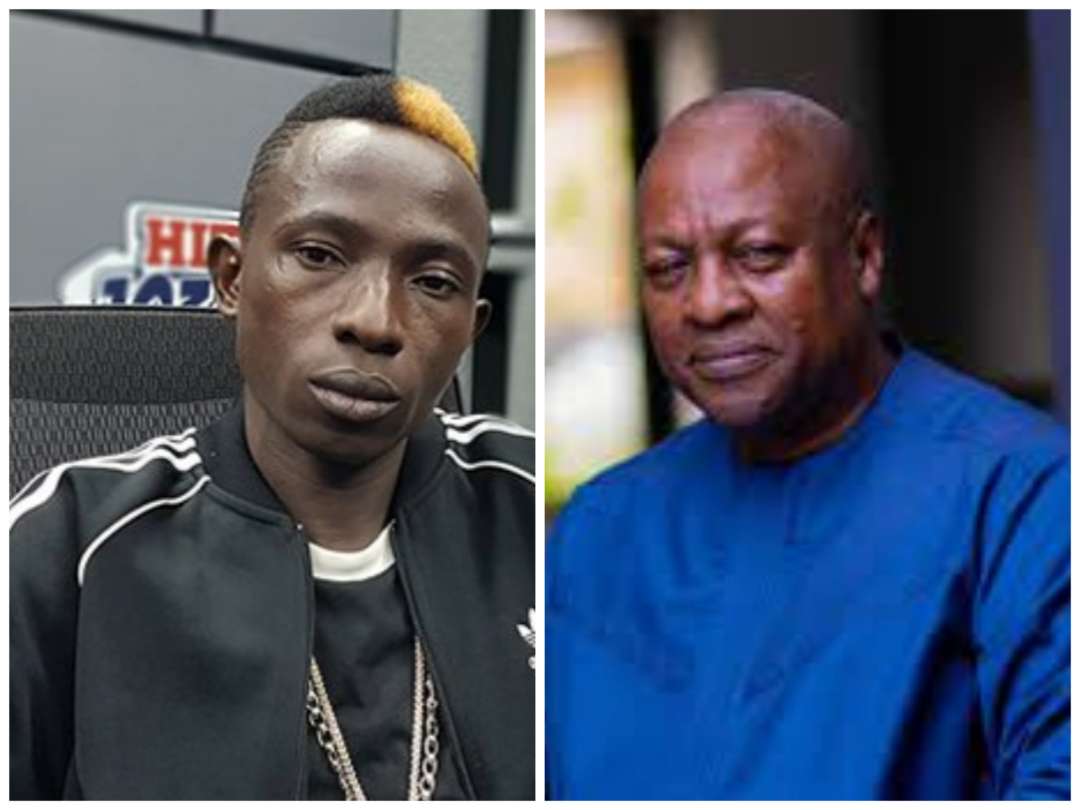
In an unexpected twist of events, Patapaa’s viral hit “One Corner” and former President Mahama’s unconventional political anthem “John 3:16” have somehow found their way to the Africa Cup of Nations (AFCON) tournament.
This was thanks to the disc jockey DJ at Stade Laurent Pokou. For some, One Corner is not out of context for a sports tournament, but a political track such as John 3:16, raises eyebrows.
Afro-pop artiste, Patapaa’s One Corner released in 2017 and John 3:16 was Mahama’s official anthem for his re-election in 2016.
The TotalEnergies CAF Africa Cup of Nations enters a pivotal new phase on Thursday with two mouthwatering clashes kicking off the second round of group games with some of the contient’s biggest stars expected to play in the two matches.
Immediately after this first match scheduled to start at 1700 GMT at the Olympique Alassane Ouattara Stadium in Ebimpe, all eyes will be on the Félix Houphouët-Boigny Stadium in Abidjan, where Egypt and Ghana face off in a decisive match in Group B, starting at 2000 GMT.
You won't believe what the DJ at Stade Laurent Pokou was playing after 🇿🇲📷.
Another sporadic shooting in Bawku, Upper East region, has claimed the life of an individual and left five others injured.
The unfortunate incident occurred around Zongo near the Bawku Police Station at 12:30 pm on Wednesday, according to police sources.
The motive behind the recent shooting remains unclear but the Police are investigating the matter to bring the perpetrators to book.
The deceased has been identified as 60-year-old Musah Seidu, who suffered a fatal chest injury from gunfire. Among those injured are Firdaus Abdulai (17), Sumaila Munira (38), Amidu Bugri (40), Bukari Seidu (50), and Kamal Sadat (19).
Firdaus and Munira are currently receiving medical attention at the Vineyard Hospital, while the remaining three are being treated at the Presbyterian Hospital.
Meanwhile, Musah’s remains have been released to the family and laid to rest per Islamic traditions. Security in the area has also been heightened following the recent attack which has caused widespread fear.
This is the first attack in Bawku reported to the media this year. In November 2023, two people were shot dead. Abdul Rahman Razak, 43 and Haruna Iddrisu, 31, the bus driver and bus conductor respectively, were pronounced dead upon arrival at the Presbyterian Hospital in Bawku.
In April of that same year, an immigration officer was shot dead. Two other colleagues sustained injuries. The three immigration officers were driving from Bawku to Missiga when their vehicle was shot at by unknown gunmen, resulting in the death of 42-year-old Philip Motey.
The insecurity in Bawku continues to worsen despite the tightening of security by the deployment of police officers to the area.
The National Executive Council (NEC) of the New Patriotic Party (NPP) has officially announced the list of aspiring candidates eligible to contest in the party’s upcoming parliamentary primaries.
Out of around 400 individuals who obtained forms to participate in the NPP Parliamentary race, 376 underwent the vetting process.
Seventeen aspirants have been disqualified, 326 candidates qualified for the parliamentary primaries, three aspirants withdrew from the race, 29 individuals went unopposed, and one aspirant’s application is currently under court review.
The decision comes after a thorough review of the reports submitted by the National Parliamentary Appeals Committee (NPAC) and the National Parliamentary Vetting Committee (NPVC) regarding the eligibility of aspirants.
During a critical meeting held on Wednesday, January 17, at the Alisa Hotel in Accra, the NEC, along with key party figures including the flagbearer, Vice President Dr Mahamudu Bawumia, Chairman Stephen Ayesu Ntim, former Chairman Freddie Blay, Chief of Staff Frema Osei Opare, and former General Secretary John Boadu, discussed and deliberated on the final list of qualified aspirants.
The NEC stressed that the decision to disqualify or approve candidates for the January 27 parliamentary primaries was made after careful consideration and in-depth discussions based on the reports received from NPVC and NPAC.
The disqualified aspirants are Portia Asante Danso (Afigya Sekyere East seat), Kwabena Addo Amankwah (Manhyia South seat), Arkoh Robert (Upper Denkyira East seat), Nathan Kobina Austin (Assin South seat), Joseph Afankwah (Agona West seat), Frank Aidoo (Akuapem South seat), Emmanuel Adjei Lartey (Okere seat), Dennis Obeng Agyei (Akim Oda seat), Ruth Yaa Ansaa Safori (New Juaben South seat).
The others include, Samuel Owusu Amankwah (Ayawaso West Wuogon seat), Richard Hagan (Okaikwei South seat), Sylvia Opoku-Manu (Ablekuma West seat), Edward Lincoln Addo (Trobu seat), Ahmed Zaruk Nuhu (Bimbilla seat), Alex Avoka Amolbugri (Binduri seat), Alois Kog Kyaakpier Mohl (Nandom seat), Appiah-Kubi Naidoo (Sefwi Akontombra seat).
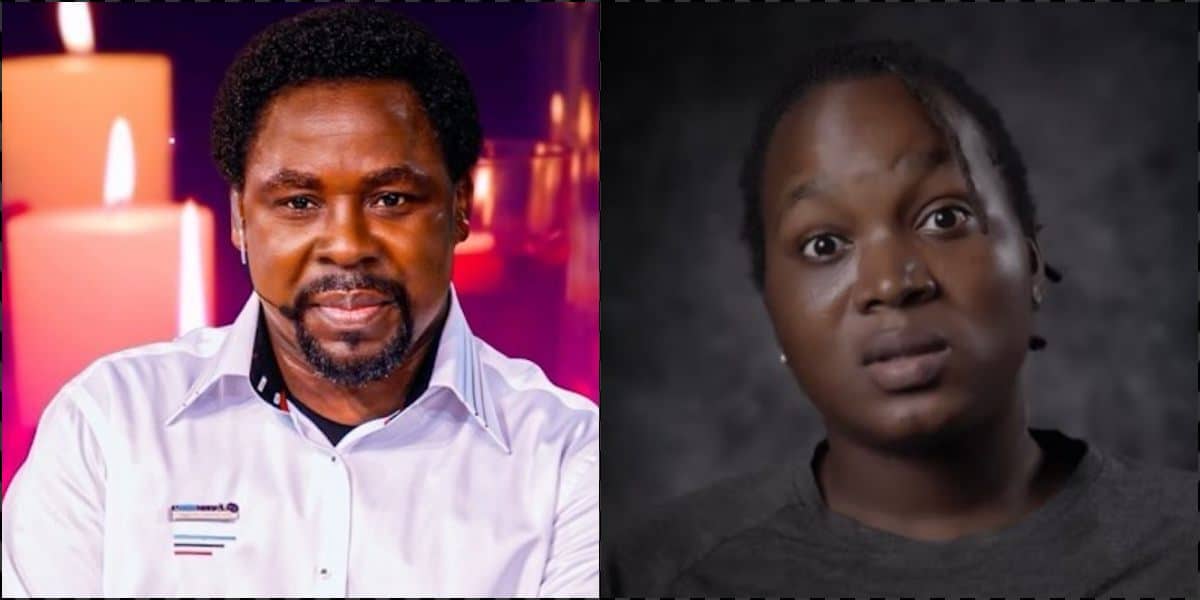
An old video has surfaced online featuring the late Nigerian televangelist T. B. Joshua sharing details of how he contributed to the upbringing of Ajoke God’swill Joshua—one of his daughters.
This video has emerged amidst recent reports by BBC identifying Ajoke as one of the first whistle-blowers who reached out to the news outlet about alleged abuse she witnessed at her father’s church, the Synagogue Church of All Nations (Scoan).
Ajoke was taken in by TB Joshua, as revealed in a Crime Diary extract from the Nigerian Police. She was abandoned at the age of one month beside the street opposite the Synagogue Church Egbe on May 12, 1995. Since then, she has been cared for by the church led by TB Joshua.
In the video, the late televangelist shared the challenges he faced in raising his adopted daughter, including her struggles in school at the British School of Lome.
“Do you know I paid huge money. Almost $50,000 and the time I withdrew her, they said they cannot refund the money. I overlooked. I returned her again and they said I should pay again, $40,000 wasted. I paid another money, $30,000 wasted. Now I withdrew her again.”
Apparently, Ajoke could not control herself from taking what did not belong to her.
“In the British School, there is a letter from the school where this girl stole money,” he added.
In a letter of plea reportedly drafted by Ajoke, she stole 41,000 CFA.
On the 4th of August 2015 one Mr Sunday Okojie of the Synagogue Church of All Nations, Ikotun Egbe Lagos, came to the Area ‘M’ Police Command Idimu Lagos and reported Ajoke Godswill.
The complainant stated further that on the 26th July, 2015, while the Church service was going on, Ajoke Godswill ” sneaked out of the Church service and absconded with a male friend of hers whose name was not known, but was seen with her in the church premises where she resides to an unknown destination. That every effort made so far to locate her whereabouts has proved abortive.
https://www.youtube.com/watch?v=3gzB_MdHlgU
TB Joshua, who died at the age of 57, was one of the most influential and controversial religious figures in Africa. He claimed to have the power to heal various diseases, including HIV/AIDS and cancer, and to prophesy about world events.
He was praised by some as a man of God and a philanthropist, but he was also criticized by others as a fraud and a cult leader. He faced several lawsuits and investigations over his practices and claims, and he was also accused of being involved in politics and corruption.
Now, a BBC documentary – “Disciples: The Cult of TB Joshua” – has reignited the debate over his legacy and the future of his church, as well as the wider issues of accountability and regulation in the Nigerian and African religious landscape.
Ajoke is one of the primary sources for BBC’s documentary.
Until the age of seven, Ajoke says she had a very happy childhood, going on holiday with the Joshua family to places like Dubai.
But one day everything changed. She was suspended from school for a misdemeanour, and a local journalist wrote an article referring to her as the illegitimate child of TB Joshua. She was pulled out of school and taken to the Scoan compound in Lagos.
“I was made to move to the disciples’ room. I didn’t volunteer to be a disciple. I was made to join,” she says.
The disciples were an elite group of dedicated followers who served TB Joshua and lived with him inside the maze-like structure of the church. They came from all over the world, many staying at the compound for decades.
“The disciples were both brainwashed and enablers. Everybody was just acting based on command – like zombies. Nobody was questioning anything,” she says.
BBC further recounts Ajoke narrative.
“Not long after arriving, aged seven, she remembers being beaten for wetting the bed and then being forced to walk around the compound with a sign around her neck saying “I am a bedwetter.”
“The message about Ajoke was that she had terrible evil spirits that needed to be driven out,” says one former female disciple.
“There was a time in the disciple meetings – he [Joshua] said people could beat her. Anyone in the female dormitory could just hit her and I remember just seeing people slapping her as they walked past,” she says.
“From the moment Ajoke moved to the church in the Ikotun neighbourhood of Lagos, she was treated like an outcast.
“She was, like, kind of labelled the black sheep of the family,” says Rae, from the UK, who spent 12 years living in the church as a disciple. Like most of the former disciples interviewed by the BBC, she opted to only use her first name.
“Rae remembers a time when Ajoke slept for too long, and Joshua shouted at her to get up,” BBC wrote.
The old videos of TB Joshua recounting the challenges he faced while raising Ajoke and the recent BBC interview has left many completely at sea as to what to believe.
Per BBC, Ajoke no longer goes by Joshua.
The wife of the late Nigerian megachurch leader and televangelist, Prophet TB Joshua, Pastor Evelyn Joshua, has urged members of his church to remain faithful and focused on Jesus Christ amid controversy sparked by a BBC documentary exposing alleged abuse and torture by the late prophet.
Pastor Evelyn Joshua, who assumed leadership of the Synagogue Church of All Nations (SCOAN) after her husband’s death in June 2021, addressed the congregation on Sunday, January 14, 2024, at the church’s headquarters in Lagos, Nigeria.
This marked her first public address to the church since the release of the BBC Africa Eye documentary titled “Disciples: The Cult of TB Joshua.”
An old video of the late Nigerian televangelist T. B. Joshua giving an account of how he contributed to Ajoke God’swill Joshua—one of his daughters’ upbringing—has surfaced online.
This video comes at a time when BBC identified Ajoke – one of the first whistle-blowers to reach out to its outfit about the alleged abuse she witnessed at her father’s church, the Synagogue Church of All Nations (Scoan).
Ajoke was taken in by TB Joshua and this information was provided by the Nigerian Police in a Crime Diary extract on Ajoke. She was abandoned at the age of one month old by an unknown person beside the street Opposite the Synagogue Church Egbe on May 12, 1995, at about 1535 hrs.
Since that tender age, she has been catered for by the church led by TB Joshua. During one of his interactions with his congregants, the late televangelist shared details of his struggles in bringing up his adopted daughter.
According to TB Joshua, Ajoke was a deviant in school, the British School of Lome, where he had her enrolled.
“Do you know I paid huge money. Almost $50,000 and the time I withdrew her, they said they cannot refund the money. I overlooked. I returned her again and they said I should pay again, $40,000 wasted. I paid another money, $30,000 wasted. Now I withdrew her again.”
“In the British School, there is a letter from the school where this girl stole money,” he added.
In a letter of plea reportedly drafted by Ajoke, she stole 41,000 CFA.
On the 4th of August 2015 one Mr Sunday Okojie of the Synagogue Church of All Nations, Ikotun Egbe Lagos, came to the Area ‘M’ Police Command Idimu Lagos and reported Ajoke Godswill.
The complainant stated further that on the 26th July, 2015, while the Church service was going on, Ajoke Godswill ” sneaked out of the Church service and absconded with a male friend of hers whose name was not known, but was seen with her in the church premises where she resides to an unknown destination. That every effort made so far to locate her whereabouts has proved abortive.
https://www.youtube.com/watch?v=3gzB_MdHlgU
TB Joshua, who died at the age of 57, was one of the most influential and controversial religious figures in Africa. He claimed to have the power to heal various diseases, including HIV/AIDS and cancer, and to prophesy about world events.
He was praised by some as a man of God and a philanthropist, but he was also criticized by others as a fraud and a cult leader. He faced several lawsuits and investigations over his practices and claims, and he was also accused of being involved in politics and corruption.
Now, a BBC documentary – “Disciples: The Cult of TB Joshua” – has reignited the debate over his legacy and the future of his church, as well as the wider issues of accountability and regulation in the Nigerian and African religious landscape.
Ajoke is one of the primary sources for BBC’s documentary.
Until the age of seven, Ajoke says she had a very happy childhood, going on holiday with the Joshua family to places like Dubai.
But one day everything changed. She was suspended from school for a misdemeanour, and a local journalist wrote an article referring to her as the illegitimate child of TB Joshua. She was pulled out of school and taken to the Scoan compound in Lagos.
“I was made to move to the disciples’ room. I didn’t volunteer to be a disciple. I was made to join,” she says.
The disciples were an elite group of dedicated followers who served TB Joshua and lived with him inside the maze-like structure of the church. They came from all over the world, many staying at the compound for decades.
“The disciples were both brainwashed and enablers. Everybody was just acting based on command – like zombies. Nobody was questioning anything,” she says.
BBC further recounts Ajoke narrative.
“Not long after arriving, aged seven, she remembers being beaten for wetting the bed and then being forced to walk around the compound with a sign around her neck saying “I am a bedwetter.”
“The message about Ajoke was that she had terrible evil spirits that needed to be driven out,” says one former female disciple.
“There was a time in the disciple meetings – he [Joshua] said people could beat her. Anyone in the female dormitory could just hit her and I remember just seeing people slapping her as they walked past,” she says.
“From the moment Ajoke moved to the church in the Ikotun neighbourhood of Lagos, she was treated like an outcast.
“She was, like, kind of labelled the black sheep of the family,” says Rae, from the UK, who spent 12 years living in the church as a disciple. Like most of the former disciples interviewed by the BBC, she opted to only use her first name.
“Rae remembers a time when Ajoke slept for too long, and Joshua shouted at her to get up,” BBC wrote.
The old videos of TB Joshua recounting the challenges he faced while raising Ajoke and the recent BBC interview has left many completely at sea as to what to believe.
Per BBC, Ajoke no longer goes by Joshua.
The wife of the late Nigerian megachurch leader and televangelist, Prophet TB Joshua, Pastor Evelyn Joshua, has urged members of his church to remain faithful and focused on Jesus Christ amid controversy sparked by a BBC documentary exposing alleged abuse and torture by the late prophet.
Pastor Evelyn Joshua, who assumed leadership of the Synagogue Church of All Nations (SCOAN) after her husband’s death in June 2021, addressed the congregation on Sunday, January 14, 2024, at the church’s headquarters in Lagos, Nigeria.
This marked her first public address to the church since the release of the BBC Africa Eye documentary titled “Disciples: The Cult of TB Joshua.”
Deputy Minister for Transport, Alhassan Tampuli Sulemana, has revealed plans to engage with transport operators to discuss the proposed increase in fares.
The minister explained that such discussions are part of an ongoing arrangement between the government and transport operators.
Factors contributing to a potential fare increase will be thoroughly considered during these discussions, taking into account the impact on lorry fares and other relevant considerations.
“Normally, you would bring all these things and we also look at them realistically. Is DVLA actually charging any new rate? As far as we know, no. Have the taxes kicked in? As far as we are concerned, the taxes have not kicked in”.
During the AM Show, he expressed the need to initiate discussions with Godfred Abulbire, the General Secretary of the Ghana Private Road Transport Union, using the appropriate channels.
He highlighted that such discussions typically take place at the Ministry of Transport, providing a platform for all stakeholders to come together and address relevant issues.
“It is even possible that all of these things put together will bring up the fare more than 20%. Is it likely that it would come down below 20%? Let’s have a conversation. This is not difficult,” he said on Thursday, January 18.
However, Godfred Abulbire clarified that the Ghana Private Road Transport Union had previously submitted a petition to Parliament in November of last year.
“We didn’t talk about the other taxes on the other one but these two components we heard. We were even to get it on the website and we printed it out before we submitted the petition but the minister is saying that, we should have as usual petitioned to the parliament through them.”
Mr. Alhassan Tampuli Sulemana stated that they have an excellent relationship with the transport operators, and this is not an issue that should break their bond.
The Minister said that despite the challenges facing the transport sector, he remained committed to maintaining a good relationship with transport operators.
He stated that this issue should not damage the bond between the government and the transport sector, and that a solution could be reached through open communication and collaboration.
“Let’s have an engagement like we have been doing in the past, let’s do it again.”
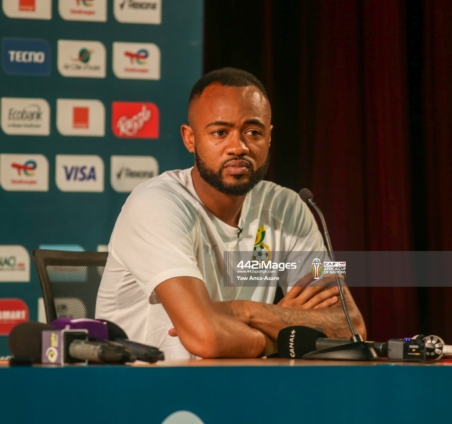
Following their 2-1 loss to Cape Verde in the opening match, there is significant pressure on the team to secure a victory in this crucial encounter.
“[Today] is going to be a tough game. The boys were ready. We put ourselves in this situation, so we need to come out of it and, you know, you never know in football,” he said at the team’s presser on Wednesday.
“So we’re ready. We’ll give our best, we’ll fight, we’ll represent Ghana as well as we can, put in a better performance as a team and hopefully tomorrow everyone will be happy.”
The game is at 8:00pm at Stade Félix-Houphouët-Boigny.
Glo Ghana is facing accusations of employing manipulative tactics as it ends its operations in the country.
Allegedly, over 70 workers are being coerced to accept meager redundancy packages under questionable circumstances.
Reports suggest that Glo has enlisted the services of a private recruitment agency, XL Management, to coerce workers into signing termination letters that protect the company from potential labor-related lawsuits.
This move is said to contradict Glo’s earlier assurances to the National Labour Commission (NLC) regarding compliance with labor laws.
The termination letters reportedly absolve the company and require workers to waive their right to legal action in exchange for severance packages unilaterally determined by Glo.
Workers claim to have faced subtle threats, with the company implying that refusal to sign would result in the forfeiture of severance packages.
The computation of severance packages is not clear, but reports suggest inconsistencies, with some individuals receiving significantly less than others.
By law, Glo was supposed to either negotiate the redundancy packages with workers or use established elements to determine the quantum of the package.
The four elements are:
a. 3 months net salary multiplied by the number of working years
b. Leave component
c. Transportation component
d. Handshake
Despite the expectation of a higher severance package, a Glo worker with a net salary of GHS2,050, who has worked with the company from 2010 to 2023, reportedly received only GHS22,000.
Workers believe they have been defrauded by Glo, as the severance package was not negotiated and falls significantly short of their minimum expectations.
Attempts to seek resolution at the Ministry of Communications and Digitalization and the National Communications Authority (NCA) have allegedly been unsuccessful.
Reports have it that, NCA, on the matter has indicated that it “has not received any formal complaint from former Ghanaian Glo workers; when we do, we will act on it accordingly.”
Mother of the late aide to Vice President Dr Mahamudu Bawumia, Kwabena Boadu, has revealed that she has been experiencing nightmares since her son was buried in 2016.
Late Kwabena Boadu died through electrocution at the Upland Hotel while on campaign duties in the Upper West Region with Vice President Dr Mahamudu Bawumia.
Years after his burial, the bereaved family has made accusations of spiritual activities against the Vice President.
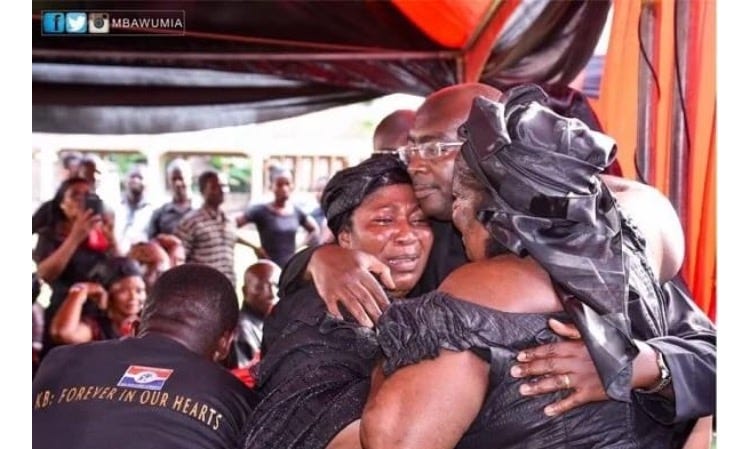
The mother of the deceased alleges that during her son’s wake, Vice President Dr Bawumia and his wife, Samira, cleared out the room where her son’s body was and spent 20 minutes alone.
Bawumia with late aide Kwabena Boadu (in blue)
“That fateful Friday, I was there with my mother and other family members. Then Dr Bawumia and his wife and some NPP bigwigs also came. My son was dressed in a coat. I was crying close to my son’s casket. He was exactly 30 years and 20 days. It got to a time, one of the big NPP boys came to tell us that he begs the family that we should go out because Dr Bawumia says he wants to be alone with his aide and his wife. So he begs us, we should move out. I didn’t understand so I was reluctant but my mother and other relatives told me to allow them. We got out. They locked the door with just Bawumia and his wife inside for about 15 to 20 minutes.
I don’t know what they did to my son, whether Islamic traditions or what,” she said.
Bawumia consoles bereaved family
The bereaved mother noted that since that fateful day, she has been having nightmares.
Recounting one of her many nightmares, she said, “I was moving somewhere and suddenly, I heard a noise in a room. I was quiet and wondered why. I saw an opened room. Something pushed me to go check what was happening inside. I told my sister this dream. When I entered, I saw my son Kwabena Boadu and he was just in shorts and shirtless. His upper body was inflicted with cutlass wounds and there was an Islamic inscription on his body. I then asked him what he is doing there. He told me this is where they placed me. He cried when he told me this,” she said in a video shared by Dada Boat TV.
It’s important to note that these are claims made by the family, and without verifiable evidence, they should be treated with caution.
The allegations by Kwabena Boadu’s mother comes at a time when Mumuni Fuseini, a staff member at the Office of Vice President Dr Mahamudu Bawumia Fuseini died in an accident involving a vehicle in the Convoy of the Second Lady, Hajia Samira at Ohene-Nkwata near Nobewam, a village in the Ejisu-Juaben Municipality of the Ashanti Region. It is located on the Kumasi-Accra Highway.
In a post on X, the Vice President eulogised Fuseini as a hardworking member. He expressed his condolences to the bereaved family and all who cared for the deceased.
“It is with deep sorrow that I announce the death of Mumuni Fuseini, a staff in my office. He died yesterday from an accident involving a vehicle in the Convoy of the Second Lady, Hajia Samira. Fuseini was a hardworking member of the Closed Protection Unit. He has since been buried according to Islamic traditions. My condolences to his family and friends. May Allah forgive Fuseini’s shortcomings and grant him Jannah,” he wrote.
Vice President of think-thank IMANI Centre for Policy and Education, Bright Simons, has questioned government over its celebration of an International Monetary Fund (IMF) agreement when the consequences will be damning on the ordinary citizen.
Mr Simons expressed concern following what he describes as “feel-good story” by the Finance Ministry and a report by Blomberg on Ghana’s debt restructure situation.
A portion of a recent Bloomberg report that spoke of a moratorium won by Ghana with official creditors on debt payments read “Ghana’s pact, finalized in just over a year, has been hailed as one of the quickest under the Group-of-20 Common Framework for Debt Treatment.”
In an opinionated article, he noted that while the Finance Minister continues to laud himself outside the shores of the country, in Ghana, Mr Ofori-Atta’s resignation has become topical again.
“Ghana’s Finance Ministry has been on a roll lately. Hardly a day goes by without them releasing another feel-good story about the country’s protracted debt restructuring effort or its three-year IMF program, now in its eighth month. The latest is this big Davos splash by Bloomberg.
At home, people seem to have tuned off. The trending Finance Ministry story is a ruling party grandee expressing the age-old hope in his circles that the Finance Minister will resign soon to lift the party’s image among the public, and, obviously, his party’s chances in the upcoming general elections (December 7th, 2024),” he wrote.
Mr Simons believes there is a disparity between international engagements and the tangible positive effects or celebrations within Ghana.
Shedding more light on this assertion, Mr Simons explained that “The IMF is desperate to hoist Ghana as evidence of the effectiveness of its treatments. The “international system” needs some success stories for development multilateralism, to vindicate programs like the Common Framework, which Ghana initially rejected (just as it earlier, flatly, refused to enter another IMF program) before jumping on board; Western powers, whose favour Ghana has curried more aggressively of late, need Ghana to preserve its “West African oasis” narrative; and global investors exposed to Ghana, such as Eurobond holders, are keen to see the value of their assets recover.”
“At home, on the other hand, the citizenry demands more than a “turnaround” story. Those abreast with the technical details are much too aware of the spin. Whilst the ordinary masses simply can’t square these jamborees about “moratoriums” and “IMF Board reviews” with their daily reality of a high cost of living, corruption scandals, and a clear turn for the worse on the basic infrastructure front,” he added.
In a tweet in reaction to his views on the matter, he asked Ghanaians in which part of the country will they be celebrating the IMF and debt restructuring initiatives which is to help save the dying economy.
“Ghana people, government heavyweights are being toasted in Davos for all the great news about the IMF program being churned out. And much lip-smacking is happening on account of another $600m tranche due. But at home, where the party at?” he quizzed.
President Akufo-Addo together with Minister for Foreign Affairs, Shirley Ayorkor Botchway; Minister for Finance, Ken Ofori-Atta; along with officials from the Foreign Ministry and the Presidency is in Davos for the 2024 World Economic Forum Annual Meetings scheduled from Tuesday, January 16, to Friday, January 19.
Ghana people, government heavyweights are being toasted in Davos for all the great news about the IMF program being churned out. And much lip-smacking is happening on account of another $600m tranche due. But at home, where the party at? 😉https://t.co/V9aExS39vi
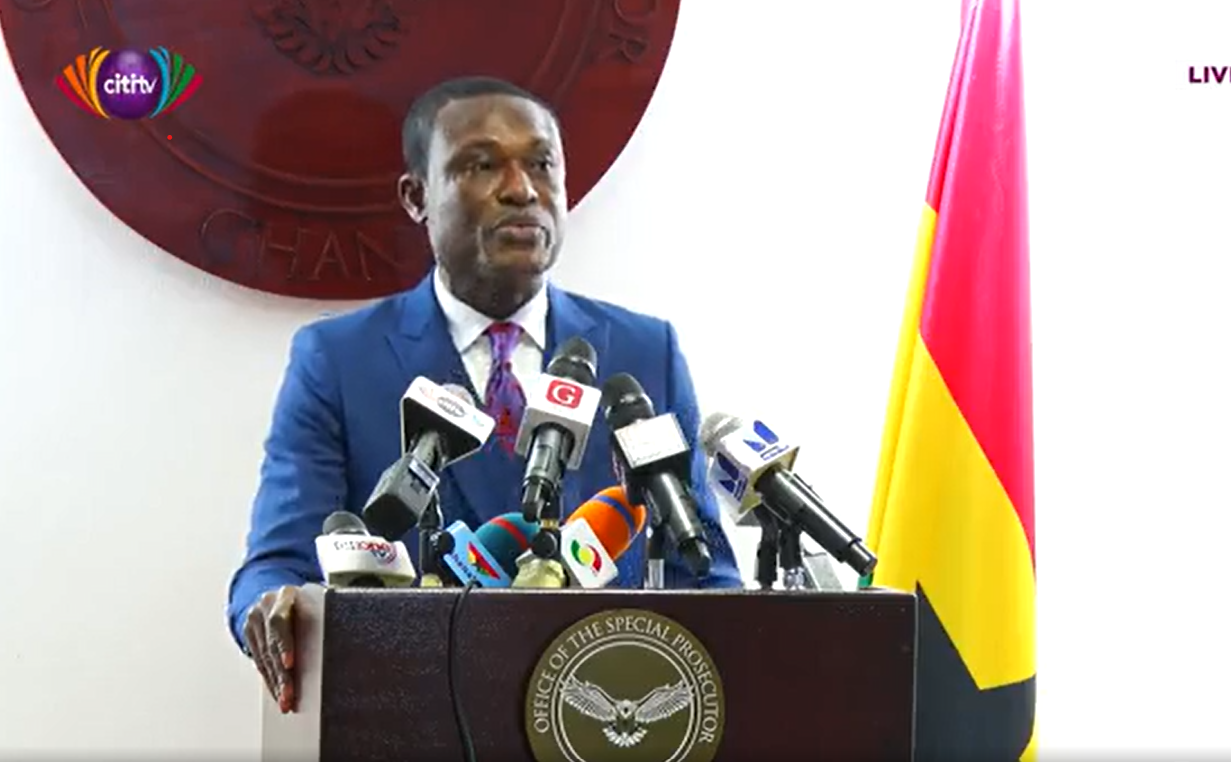
The Office of the Special Prosecutor (OSP) has released its second half-year report for 2023, revealing ongoing investigations into more than 150 cases related to corruption and corrupt practices nationwide.
One of the notable cases being investigated is the controversial contract between Strategic Mobilisation Ghana Limited (SML) and the Ghana Revenue Authority (GRA), focusing on possible procurement violations and alleged corruption or corruption-related activities.
The investigation was initiated in response to a complaint filed by The Fourth Estate, represented by three journalists.
Additionally, the OSP is addressing issues related to ghost names on the government payroll, aiming to identify and rectify non-existent names while reclaiming wrongly disbursed payments.
The Office of the Special Prosecutor (OSP) has initiated an investigation into the controversial contract between Strategic Mobilisation Ghana Limited (SML) and the Ghana Revenue Authority (GRA).
The focus of the probe is on potential breaches of procurement processes and allegations of corruption and corruption-related activities.
This investigative move follows a complaint filed on December 18, 2023, by The Fourth Estate, represented by journalists Evans Aziamor-Mensah, Adwoa Adobea-Owusu, and Manasseh Azure Awuni. The details of the investigation were outlined in the Office of the Special Prosecutor’s half-yearly report released on December 29, 2023.
“The Office has commenced a preliminary investigation into contractual arrangements between Strategic Mobilization Ghana Limited (a company registered in Ghana) and Ghana Revenue Authority for the stated objective of the enhancement of revenue assurance in the downstream petroleum sector, upstream petroleum production, and minerals and metals resources value chain.”
“The preliminary investigation is based on a complaint filed on 18 December 2023 by The Fourth Estate (a project of Media Foundation for West Africa) represented by three (3) journalists – Evans Aziamor-Mensah, Adwoa Adobea-Owusu, and Manasseh Azure Awuni. The complaint alleged possible corruption, including breaches of the Public Procurement Act, in respect of the contractual arrangements,” the OSP added.
In a December 2023 investigative report, The Fourth Estate implicated Strategic Mobilisation Ghana Limited (SML), the Ghana Revenue Authority (GRA), and the Ministry of Finance in a contentious contract.
The report alleged that GRA had granted SML a purported 10-year contract with an annual payment of $100 million, raising concerns about possible irregularities. SML refuted this claim, asserting that it had a five-year contract instead.
The GRA, in a statement on December 20, 2023, maintained that proper procurement procedures were followed. On January 3, 2024, SML welcomed President Akufo-Addo’s directive to suspend its ongoing revenue assurance operations and undergo an audit of its contract with the GRA and the Ministry of Finance.
President Akufo-Addo appointed KPMG, an audit, tax, and advisory services firm, to conduct an immediate audit. SML expressed confidence that the audit would provide a clear and accurate depiction of its operations.
Meanwhile, the Minerals Commission has stated that it did not play any role in the award of the contract to Strategic Mobilisation Ghana Limited (SML) for revenue assurance services in the gold production sector.
The CEO of the Minerals Commission, Martin Kwaku Ayisi, responded to a Right to Information (RTI) request, stating that the commission had no involvement in awarding the contract to SML.
Finance Minister Ken Ofori-Atta has announced that the anticipated $600 million second tranche of the International Monetary Fund (IMF) bailout package, expected next week, will be allocated for specific programs outlined in the 2024 Budget.
The IMF’s Executive Board is scheduled to convene on January 19, 2024, in Washington DC, USA, to conduct Ghana’s first review under the Fund program.
Upon approval by the board, the $600 million is set to be disbursed to Ghana within the following three working days. Mr Ofori-Atta emphasized that Ghana has fulfilled all the necessary requirements to secure the funding.
“We are very optimistic that Ghana will pass this review when the Executive Board of the IMF meets on January 19, 2024”, he expressed hope in an engagement with Joy Business.
The initially scheduled meeting for Friday, January 19, 2024, faced postponements due to challenges in Ghana securing necessary “financing assurance” from bilateral creditors via the official creditor committee on debt restructuring.
The board had rescheduled the meeting multiple times since November 2023, and it was eventually moved from January 18 to January 19, 2024. This adjustment allowed the board three working days to review documents submitted by the IMF staff.
Despite the earlier hurdles, the board proceeded with the meeting after Ghana reached an agreement with bilateral creditors on restructuring approximately $5.4 billion in debts. The board is expected to release a staff report detailing Ghana’s program status and government performance over the past month.
Finance Minister Ofori-Atta is optimistic that the “possible disbursement” of funds will unlock additional support from Ghana’s donors.
The World Bank Board is set to convene on January 25, 2024, to approve the disbursement of around $550 million. Of this, $300 million will be allocated to various projects in the budget, while $250 million will contribute to the Ghana Stability Fund, supporting institutions affected by the Domestic Debt Exchange Programme.
By the end of January 2024, Ghana anticipates securing over $1.1 billion from the IMF and World Bank to bolster its economy.
The family of the late aide to Vice President Dr Mahamudu Bawumia, Kwabena Boadu, who died in Wa in the Upper West Region in November 2016 during a campaign tour, has made a striking revelation of some activities that took place during their son’s wake.
According to the late aide’s mother, Dr. Bawumia and Samira allegedly cleared out the room where her son’s body was laid and spent approximately 20 minutes alone.
She has accused the Vice President of engaging in spiritual activities and is currently demanding answers from the Bawumia family.
Bawumia consoling the bereaved family
“That fateful Friday, I was there with my mother and other family members. Then Dr Bawumia and his wife and some NPP bigwigs also came. My son was dressed in a coat. I was crying close to my son’s casket. He was exactly 30 years and 20 days. It got to a time, one of the big NPP boys came to tell us that he begs the family that we should go out because Dr Bawumia says he wants to be alone with his aide and his wife. So he begs us, we should move out. I didn’t understand so I was reluctant but my mother and other relatives told me to allow them. We got out. They locked the door with just Bawumia and his wife inside for about 15 to 20 minutes.
I don’t know what they did to my son, whether Islamic traditions or what. Following that day, I have been having nightmares. In one of the bad dreams, I was moving somewhere and suddenly, I heard a noise in a room. I was quiet and wondered why. I saw an opened room. Something pushed me to go check what was happening inside. I told my sister this dream. When I entered, I saw my son Kwabena Boadu and he was just in shorts and shirtless. His upper body was inflicted with cutlass wounds and there was an Islamic inscription on his body. I then asked him what he is doing there. He told me this is where they placed me. He cried when he told me this,” she said in a video shared by Dada Boat TV.
Late Kwabena Boadu died through electrocution at Upland Hotel while on campaign duties in the Upper West Region.
In 2019, Vice President Dr Mahamudu Bawumia shared memories of his Late Special Aide, Kwabena Boadu on the occasion of his birthday, which falls on November, 05.
The Vice President in a Facebook post re-echoed the void created by his former Aide since his demise.
“Never to be forgotten. We are missing you on your birthday, Kwabena Boadu,” Dr Bawumia wrote.
The allegations by Kwabena Boadu’s mother comes at a time when Mumuni Fuseini, a staff member at the Office of Vice President Dr Mahamudu Bawumia Fuseini died in an accident involving a vehicle in the Convoy of the Second Lady, Hajia Samira at Ohene-Nkwata near Nobewam, a village in the Ejisu-Juaben Municipality of the Ashanti Region. It is located on the Kumasi-Accra Highway.
In a post on X, the Vice President eulogised Fuseini as a hardworking member. He expressed his condolences to the bereaved family and all who cared for the deceased.
“It is with deep sorrow that I announce the death of Mumuni Fuseini, a staff in my office. He died yesterday from an accident involving a vehicle in the Convoy of the Second Lady, Hajia Samira. Fuseini was a hardworking member of the Closed Protection Unit. He has since been buried according to Islamic traditions. My condolences to his family and friends. May Allah forgive Fuseini’s shortcomings and grant him Jannah,” he wrote.
The family of the late aide, Kwabena Boadu, who died in Wa in the Upper West Region in November 2016 during a campaign tour with the Vice President has accused Dr Mahamudu Bawumia of engaging in spiritual activities during the wake of their deceased relative.
Late Kwabena Boadu died through electrocution at the Upland Hotel while on campaign duties in the Upper West Region.
The mother of the deceased alleges that during her son’s wake, Vice President Dr Bawumia and his wife, Samira, cleared out the room where her son’s body was and spent 20 minutes alone.
Bawumia with late aide Kwabena Boadu (in blue)
“That fateful Friday, I was there with my mother and other family members. Then Dr Bawumia and his wife and some NPP bigwigs also came. My son was dressed in a coat. I was crying close to my son’s casket. He was exactly 30 years and 20 days. It got to a time, one of the big NPP boys came to tell us that he begs the family that we should go out because Dr Bawumia says he wants to be alone with his aide and his wife. So he begs us, we should move out. I didn’t understand so I was reluctant but my mother and other relatives told me to allow them. We got out. They locked the door with just Bawumia and his wife inside for about 15 to 20 minutes.
I don’t know what they did to my son, whether Islamic traditions or what,” she said.
The bereaved mother noted that since that fateful day, she has been having nightmares.
“In one of the bad dreams, I was moving somewhere and suddenly, I heard a noise in a room. I was quiet and wondered why. I saw an opened room. Something pushed me to go check what was happening inside. I told my sister this dream. When I entered, I saw my son Kwabena Boadu and he was just in shorts and shirtless. His upper body was inflicted with cutlass wounds and there was an Islamic inscription on his body. I then asked him what he is doing there. He told me this is where they placed me. He cried when he told me this,” she said in a video shared by Dada Boat TV.
It’s important to note that these are claims made by the family, and without verifiable evidence, they should be treated with caution
The allegations by Kwabena Boadu’s mother comes at a time when Mumuni Fuseini, a staff member at the Office of Vice President Dr Mahamudu Bawumia Fuseini died in an accident involving a vehicle in the Convoy of the Second Lady, Hajia Samira at Ohene-Nkwata near Nobewam, a village in the Ejisu-Juaben Municipality of the Ashanti Region. It is located on the Kumasi-Accra Highway.
In a post on X, the Vice President eulogised Fuseini as a hardworking member. He expressed his condolences to the bereaved family and all who cared for the deceased.
“It is with deep sorrow that I announce the death of Mumuni Fuseini, a staff in my office. He died yesterday from an accident involving a vehicle in the Convoy of the Second Lady, Hajia Samira. Fuseini was a hardworking member of the Closed Protection Unit. He has since been buried according to Islamic traditions. My condolences to his family and friends. May Allah forgive Fuseini’s shortcomings and grant him Jannah,” he wrote.
Morocco secured a convincing 3-0 victory over Tanzania in their Africa Cup of Nations opener, with goals from Romain Saiss, Azz-Eddine Ounahi, and Youssef En Nesyri.
Despite their total dominance, Morocco faced resistance from Tanzania until the latter was reduced to 10 men late in the second half.
The gulf in class between the two teams was evident, with Morocco boasting players like Paris Saint-Germain’s Achraf Hakimi and Manchester United’s Sofyan Amrabat, while Tanzania started with Tarryn Allarakhia of Wealdstone in attack.
Morocco took the lead in the 30th minute when Romain Saiss capitalized on a rebound following Aishi Manula’s save from Hakim Ziyech’s fierce free-kick.
Despite Morocco’s dominance, Tanzania managed to keep the score at 1-0 until halftime.
نهاية المقابلة بفوز منتخبنا الوطني أمام منتخب تنزانيا 👏🏻
🏁Full time !! 🇲🇦3-0🇹🇿 Our National Team take the three points in the first game at the 𝐓𝐨𝐭𝐚𝐥𝐄𝐧𝐞𝐫𝐠𝐢𝐞𝐬 𝐂𝐀𝐅 𝐀𝐟𝐫𝐢𝐜𝐚 𝐂𝐮𝐩 𝐨𝐟 𝐍𝐚𝐭𝐢𝐨𝐧𝐬, 𝐂𝐨𝐭𝐞 𝐝'𝐈𝐯𝐨𝐢𝐫𝐞 𝟐𝟎𝟐𝟑 💪🏻#DimaMaghrib 🇲🇦… pic.twitter.com/so6iMlbtO9
In the second half, Tanzania’s Novatus Miroshi received a second yellow card, reducing them to 10 men. Morocco took advantage of the numerical superiority, with Azz-Eddine Ounahi scoring the second goal after a slick one-two with substitute Amine Adli.
Youssef En Nesyri then sealed the victory by tucking in the third goal after Ounahi’s cross.
Ghana’s Finance Ministry has been on a roll lately. Hardly a day goes by without them releasing another feel-good story about the country’s protracted debt restructuring effort or its three-year IMF program, now in its eighth month.
The latest is this big Davos splash by Bloomberg:
At home, people seem to have tuned off. The trending Finance Ministry story is a ruling party grandee expressing the age-old hope in his circles that the Finance Minister will resign soon to lift the party’s image among the public, and, obviously, his party’s chances in the upcoming general elections (December 7th, 2024).
Ghana’s international goodwill is still understandably strong
It is not too difficult understanding this gap in sentiments between home and abroad. Ghanaian governments, especially the current one, tend to worry more about national image overseas than at home. Most international stakeholders share the government’s compulsive need for a good story.
The IMF is desperate to hoist Ghana as evidence of the effectiveness of its treatments. The “international system” needs some success stories for development multilateralism, to vindicate programs like the Common Framework, which Ghana initially rejected (just as it earlier, flatly, refused to enter another IMF program) before jumping on board; Western powers, whose favour Ghana has curried more aggressively of late, need Ghana to preserve its “West African oasis” narrative; and global investors exposed to Ghana, such as Eurobond holders, are keen to see the value of their assets recover.
Citizens are bored stiff of the talk
At home, on the other hand, the citizenry demands more than a “turnaround” story. Those abreast with the technical details are much too aware of the spin. Whilst the ordinary masses simply can’t square these jamborees about “moratoriums” and “IMF Board reviews” with their daily reality of a high cost of living, corruption scandals, and a clear turn for the worse on the basic infrastructure front.
Just about the time the Finance Ministry’s spin was winding through Davos, operators of Ghana’s under-pressure “public” transport system, composed (like much of Africa) of private mini-buses and saloons, announced an imminent rise in fares by 30%. The electricity utility in the populous urban south of the country (ECG) is about to add Value Added Tax (VAT) to bills, effectively hiking tariffs by up to 22%, depending on how the increasingly complicated VAT computation works out for a consumer (a small segment of the urban population consuming less than about $4 per month are exempted). Whilst inflation is falling, prices are still rising by more than 23% per annum. A sluggish rebound in growth has not fed through into the incomes of the vast majority of citizens, who ply various trades in the large informal economy.
Then, there are the scandals.
Just before 2023 closed out, word came that the government is dramatically expanding an opaque contract signed with a mushroom firm set up by a timber merchant in 2019 to audit tax compliance among distributors and marketers of refined fuel products, like gasoline and diesel. The company, SML, was entitled to receive 0.05 local currency units (5 GHP) for every litre of fuel sold. In 2019, that amounted to about $4 million a month.
The expansion of the contract in 2023 to cover the upstream petroleum and minerals sector now meant it would be entitled to 0.75% of all the country’s mineral proceeds and $0.75 for each barrel of oil exported by Ghana. The mind-boggling arrangement implies earnings for the company of nearly a billion dollars over the contract term under various reasonable scenarios. Not only was this contract awarded non-competitively to a company with zero track record in such a highly sensitive and technically complex domain as revenue assurance, but it has now come to light that the company’s interventions duplicate other revenue assurance programs set up at a considerable cost to the country. Worse, the evidence shows that no tax evasion whatsoever is being blocked by this upstart entity.
Growing disappointment
Taking all these together, the coolness at home towards the Finance Ministry’s efforts to ramp up enthusiasm becomes self-explanatory, but there is a need to return to the earlier point about why those technically abreast with the IMF and debt restructuring processes are also increasingly disinterested. Doing that requires a bit of a recap.
Repeating an earlier point, the Ghanaian government was totally opposed to an IMF program just two years ago. The political opposition and some elites strongly championed a return to the IMF. Within that group were some who felt that an IMF program will massively rein in certain conduct long blamed for the country’s economic woes. Some of us felt obliged to counsel caution by pointing to persistent governance lapses despite successive IMF programs (this being Ghana’s 17th program).
Eight months after the IMF program commenced, disappointment is growing. Much of the ennui stems from the arcaneness, opaqueness and seeming arbitrariness in the whole setup of IMF crisis resolution, as well as its accompanying macroeconomic reforms and debt management framework.
At the domestic level, it is not just that schemes like the SML deal continue to proliferate under the ostensible supervision of the Fund, it is also that spin often overtakes any serious reckoning with the facts of reform, seemingly with the IMF’s blessings.
Take the recent announcements about a major deal with bilateral creditors, for instance.
The recent announcement is the foundation of an upcoming meeting of the IMF’s board in two days during which Ghana’s performance so far will be reviewed, and the next $600 million tranche released.
Yet, everyone knows that the supposed “progress” is illusory and the facts of progress concerning the broader program do not relate seriously to the benchmarks in Ghana’s IMF program in terms of actual macroeconomic impact. Let us dive into the weeds.
When one compares the above Ghanaian announcement with the Zambian version issued in the middle of last year, some subtle differences emerge.
In simple terms, by the time the Zambian announcement was made, an actual “agreement in principle” was in place with bilateral creditors. So, Zambia could explain clearly what exactly was on offer. The resulting IMF “endorsing statement” echoed these details by mentioning the baseline and contingent elements agreed upon.
Nothing like that could be found in the Ghanaian case.
Why?
True, much of this is about ritual display. As we now know from the Zambian episode, the announcement was far from a conclusive agreement reached among creditors. However, in the case of Zambia, there was at least a holistic set of terms that had been agreed upon in principle and based on which macroeconomic projections could be made as part of, at least, a rigorous attempt at reviewing the pace of the IMF bailout program. In Ghana’s case, what existed was a draft term sheet.
Anticipating some of the pitfalls in the Zambian negotiations, the government of Ghana and the IMF had decided that a board review must be based on open-ended commitments rather than definite economic projections awaiting legal drafting. Considering that even after the MOU is signed, bilateral agreements are required with each creditor country, there is nothing conclusive about the current milestone. The “assurances” represented by the draft term sheet do not fundamentally change any calculus regarding the bilateral component of Ghana’s external debt.
The real issue in this whole dance would be the comparability of treatment analysis, through which the rich countries and China will ensure that private creditors, such as Eurobond investors, do not get a far nicer deal than they secure. Based on recent developments, it is safe to say that scaling that hurdle is the only one that matters as far as the official creditor committee process in the Common Framework is concerned.
Debt Relief is the real deal
At any rate, as everyone knows, Ghana’s bilateral debt constitutes just 4.2% of the total external debt stock. Servicing this small fraction of the country’s total debt is negligible. In fact, following the country’s default, external debt servicing has now fallen to ~5.4% of the total debt service burden, down from 12.3% in the pre-crisis period (looking at interest payments alone, the domestic component was 93.5% of the total between January and August).
And, as is evident from the charts above and below, the bilateral debt service burden was about 5% of 4% of the quarterly external debt service burden or roughly 0.2% of the total quarterly public debt service in Q2 2024. For rigour’s sake, we must acknowledge the historical practice of Ghana, like so many other African countries, piling up bilateral debt payment arrears, which probably explains why the IMF’s estimate of bilateral debt service for 2022 amounted to 20% of total external debt service (separately, the IMF is also more stringent in accounting for amortisation costs, a very important factor, for instance, in the case of Ghana’s China debt).
No reader can miss the serious dominance of domestic debt in all these calculations. Even in the second quarter of 2023, after the government announced the end of what it claimed was a highly successful domestic debt restructuring exercise, the domestic debt service burden was still 50% higher than a year ago (when, in relative terms, it constituted 81% of total debt service).
In typical fashion, most public macroeconomic statistics are now between 3 and 6 months behind schedule, but it is still possible to piece together a somewhat concerning picture.
In September 2023, total domestic debt stock stood at about $20 billion. The effective cost of local debt is climbing towards 25%, due to the government’s switch to the short end of the domestic debt market after being shut out of the international capital markets. And notwithstanding the coupon rate haircuts suffered by holders of restructured bonds. Meanwhile, annual domestic debt service, including amortisation, can be extrapolated at over 130 billion GHS presently (with cocoa bills alone racking up 15 billion GHS of this amount in 2023), in line with IMF projections. The focus on interest payments alone (about 25 billion GHS in 2023) in the budget could be falsely reassuring.
Clearly, in absolute terms, the debt servicing pressure has not truly abated, even though domestic debt restructuring is estimated to have shaved off about 60 billion GHS in 2023. In nominal terms, domestic debt service is effectively climbing higher at a faster rate today than it did in the pre-crisis period, after adjusting for the effect of the one-off restructuring episode. This is why even after a string of domestic debt treatments, the country is still refusing to pay holders of some domestic bonds, such as the old series of the benighted cocoa bills.
In these circumstances, the only real relief one can expect from even a successful conclusion later this year of negotiations to restructure the Eurobond debt, easily 75% of the total external debt service burden had Ghana not defaulted, is a continuance of the current lowering of pressure on the exchange rate. A welcome development for the country’s economic managers, but not the absolute game-changer some assume it is.
Honestly speaking, the bilateral debt relief does not even register in the actual budgetary scheme of things.
It bears emphasising that from a pure relief point of view, Ghana’s current situation is the most relieving: most obligations have simply been frozen. Any Eurobond deal, for instance, that does not result in a substantial moratorium will lead to an uptick in external debt service. Hence, the only real incentive for a government with just eleven months left in government to persist with the tough Eurobond negotiations towards a definite conclusion is the linkage to IMF disbursements.
This is why looseness in how progress is measured in triggering disbursements constitutes complicity of the IMF in efforts to keep postponing the real macroeconomic reckoning that Ghana must face.
When loose draft term sheets are branded as definitive, the ever-essential comparability of treatment tango is pushed farther away, into the future. Disbursements are consequently made based on illusory progress. Future governments are saddled with the fallout. But without the fat, juicy, carrots of bailout disbursements. If the current government realises its ambition of collecting 80% of the total IMF bailout package and continues to be successful in skirting around the tougher reforms, the next government will almost certainly relapse on key aspects of the program. How serious is this threat to the country’s near future?
We can start by looking at the key quantitative performance criteria in the IMF program.
Net International Reserves
Under the terms of the IMF program, Ghana’s Net International Reserves (a measure of foreign exchange held by the central bank) should have increased by at least $270 million in September of 2023, then a further increase by $655 million by December of the same year, and by March 2024, the net cumulative increase should have hit $107 million.
As usual, the public data of the Bank of Ghana is four months old so analysts can only draw inferences from projections based on the trend. From $6.25 billion at the end of December 2022, Ghana’s Gross International Reserves dropped to $5.15 billion in October 2023. By the end of the year, it was hovering a little above $4.7 billion. However, the government then came up with a nifty trick. It ramped up purchases of gold on the domestic market, so that even though reserves excluding pledged petroleum funds and other encumbered reserves, would have fallen to less than $1.5 billion by the end of 2023, and, when netted against current government forex liabilities, would have breached the program floor, the government is now happily announcing gross reserves (excluding pledged funds) of $2.5 billion, up from the $2.1 billion it reported in August 2023.
Given these acrobatics, the government does not need to cite the failure of expected funds from the World Bank and the IMF (which would not have counted towards the floor calculation anyway) as an excuse.
The thing though is that none of these acrobatics matter very much to Ghana’s ongoing inability to meet critical forex-denominated liabilities. It has defaulted on its Africa Trade Insurance Agency obligations, has resorted to pawn-shop arrangements to stave off action by independent power producers, to whom it owes more than $2 billion, and is trying to grab money belonging to the national oil company to sustain its candidacy to host the Afreximbank-promoted Africa Energy Bank. The irony is that the national oil company (GNPC) itself has become a persistent defaulter of its obligations. In fact, the street wisdom in Accra nowadays is that unless you have something to threaten the government in a pretty strong way, forget about getting paid.
Non-accumulation of external debt arrears
Under the IMF agreement, the government is to flat-out halt the fresh accumulation of external debt payment arrears (obviously excluding the Eurobond and export credit payments which the IMF advised the government to default on, as it is doing now in Ethiopia).
Since this measure is on a commitment basis, it is unclear how exactly the government has been winging it, given that the Ghanaian parliament has continued to approve various new foreign-financed commitments. Arrears continue to pile up on effectively restructured obligations arising from the infrastructure financing boom that attracted the likes of Commerzbank, Deutsche Bank and a raft of other European banks to Ghana in the very recent past.
On this scorecard measure, independent analysts are heavily constrained in their ability to track the government’s compliance due to the complete opacity of many arrangements. Since the reports the government shares with the IMF are not available to even the people’s representatives in Parliament, analysts have to rely on deep insider sources to keep abreast of developments. Moreover, even though the brackets in the IMF program related to this indicator are quite broad, capturing most of the key state-owned enterprises and public agencies, considerable room still exists for lax interpretation.
For example, the political opposition accused the government of sponsoring GNPC to pursue debt deals with Russian energy companies like Lukoil and was met with an aloof silence. Eventually, the government promised to bring the loan to Parliament. The country continues to pursue a $3.2 billion facility through Thelo DB of South Africa to revamp the western rail corridor even though it is clear that no tranche can be released without sovereign guarantees. Delays and operational challenges with the Indian EXIM – Afcons Infrastructure rail project mean that arrears on a commitment basis are already mounting.
It is hard to see how exactly the IMF and the government justify all the many such arrangements underway given the plain wording of the terms of the agreement.
Some targets have been met.
The program’s inflation target (central rate) for end-December 2023 was 29.4%. The rate recorded for the period was 23.2%.
The primary fiscal balance (cumulative floor) target, a measure highly sensitive to debt servicing, and which is the key fiscal anchor for the whole IMF deal, was set in the program document for December 2023 at 4.6 billion Ghana Cedis (cf. the comparative annual figures at end-2021 was 8.8 billion and 4.8 billion in 2022). By August 2023, the overall fiscal deficit had declined to 3% of GDP (compared to an annual figure of 3.6% of GDP for 2022), significantly better than the 4.6% target. The corresponding primary balance was a deficit of 0.7% (versus the -0.9% target). The provisional figures for December 2023 are a 0.5% primary balance and an overall 6% budget deficit (against the government’s projected 5.3% deficit).
The central bank’s zero financing of central government pledge also appears to be holding, except for a curious 3.85 billion GHS payment with a missing footnote in the public accounts. The picture is further complicated by the Gold for Oil program, where transactional losses could be interpreted as implicit financing of the state-owned fuel trading companies participating in the scheme.
The non-oil revenue floor of 116 billion GHS by end-December was met when after some back and forth, the Ghana Revenue Authority (GRA) demonstrated that the target of 122 billion GHS was more or less hit.
Deft handling of the political economy of the crisis
Credit must also go to the government for its skilled management of the IMF relationship and the strategic alignment with certain large countries with outsized influence on the IMF Board. The Ghanaian president’s consistent re-echoing of the western hemisphere’s talking points is unlikely to have been missed in Washington.
Shifting the pain
Above all else, though, it is the masterful shifting of as much pain as possible from the central government to diffused private interests that has done the most to contrive the current semblance of normalcy in Accra.
Unlike the previous government, the government has refused to accept some of the key hallmarks of austerity as part of the ongoing IMF program. At least, nothing that could reduce its patronage power. There has been no public sector hiring freeze or ceiling on wage increments. The Ministry of National Security, for instance, spent nearly 24% more on employees in 2023 than originally budgeted (at a time when the government intends to increase the VAT burden on consumers by 133% in 2024). Even more egregious is the case of the Ministry of Local Government, which saw its initial 2023 compensation budget revised upwards by nearly 100%. In the event, despite disbursement hiccups, it ended up spending 44% more than the original budget.
As deals like SML and planned expansions to the scope of government contracts with favoured Information Technology (IT) companies, like the operator of the vaunted Ghana Card, show, the government is not averse to spending hundreds of millions of dollars on politically beloved contractors, however dubious the merits.
Favouritism?
In previous commentary, this author has pointed out that the scorecard of this IMF program has been watered down, in comparison with previous programs, to downplay the criticality of structural reforms to any lasting recovery from the crisis.
The discrepancy between a strong, early, focus on such matters as public procurement, tax exemptions, auditing enhancements, and the like in some of Ghana’s previous programs, and in the programs of some of Ghana’s peers (like Zambia and Mozambique), on the one hand, and the relatively narrower emphasis on certain macroeconomic targets in the country’s current program, on the other hand, can raise charges of favouritism.
In respect of structural benchmarks, Zambia’s first review was stacked with eleven highly consequential reforms including a full legislative review of public procurement and wide-ranging public financial management shifts.
In comparison, Ghana’s seven structural benchmarks do not go as deep.
A charge of favouritism would, however, not amount to breaking any new ground. The IMF, like any tutor, is allowed to have teacher’s pets. Researchers like Princeton’s Grigore Pop-Eleches have long examined how such a situation might arise. After conducting a detailed examination of the issue of IMF favouritism in a 2009 survey of Latin American and East European programs, he concluded that the ideal of “technocratic impartiality” is routinely trumped by more powerful geopolitical and systemic factors.
He said, “[T]he Fund’s deviations from technocratic impartiality are no longer limited to severe crises as the Fund’s main shareholders have greater leeway to use IMF resources for narrower economic or political objectives.”
Ahead of Friday’s meeting of the IMF Board, some of Professor Pop-Eleches’ findings readily come to mind.
But his caution not to overegg the geopolitical dimension of the IMF’s crisis intervention is also important. In the end, there are operational reasons why an institution like the IMF would like to keep programs compact and super-focused, especially in the first year. After years of over-promising, some humility on the part of the IMF regarding how far its ability to change state conduct can go without resurrecting the old bogeys of neo-colonialist conditionality and imperialist paternalism is perhaps warranted.
The perils of short-term focus
It is of course not only the IMF that is narrowly incentivised in this matter, commercial creditors at home and abroad are too. It is in their interest for momentum to build behind the narrative of recovery as this directly affects the recovery rate they can hope to see when Ghana eventually exits the default. Even if, as some creditors do acknowledge, the post-exchange performance of the bonds they hold will be shaped by the credibility of Ghana’s new promises to pay when due.
Right now, too large a portion of the good narrative is a bit circular. Defaulting on debt will certainly improve the primary balance, for instance, which can help with central bank financing, and thus inflation, currency depreciation, and so on. At least, in the short term.
But cutting the budget deficit by failing to release committed funds is contingent on its real effects. For example, in 2023, the Ghana Audit Service decided not to audit Ghana’s overseas diplomatic missions. That is surely savings made (though one can speculate what that means for Public Financial Management (PFM) compliance down the line in the Foreign Ministry). Conversely, having local banks discount interim payment certificates for contractors and using the phantom fiscal space created to initiate more projects does not amount to savings. It is just kicking the can down the road. Or to the next government.
In a similar vein, powering ahead with a large number of new hospitals using declining oil revenue (even as current ones struggle under a tottering national health insurance scheme) that will require fresh budgetary commitments for operationalisation down the line, can be reconciled with freezing capex in the health budget. But only until the equipment bills for the brand new facilities come due.
In short
The IMF, Davos attendants at the receiving end of the Finance Ministry’s charm, and external creditors, all of whom can and will exit the Ghana story at various points in the years ahead, can be allowed some joy in light of the modest successes chalked under Ghana’s IMF program so far, and because of the impending IMF disbursements and bilateral creditor MOUs.
Citizens and domestic observers, on the other hand, have to be more real and less impressionable.
DISCLAIMER: Independentghana.com will not be liable for any inaccuracies contained in this article. The views expressed in the article are solely those of the author’s, and do not reflect those of The Independent Ghana
The Ministry of Trade and Industry (MoTI) and the Chamber of Cement Manufacturers, Ghana (COCMAG) have reached an agreement to conduct periodic consultative meetings with industry players.
These meetings aim to address developments in cement manufacturing, bagging, and distribution, particularly before the announcement of ex-factory price changes by individual companies.
According to a statement from the MoTI, the Minister, K.T. Hammond, convened the meeting to express concern about the increasing cost of cement at the retail end and its potential adverse economic impact.
The minister questioned the reasons behind the high retail prices, citing instances where a bag of cement was selling for ¢95.00 in certain parts of the country, including the Accra/Tema Municipalities.
“The Minister entreated the industry to take cognisance of the widespread effects of price escalation and the need to closely monitor and exercise control over the recommended ex-factory price margins of distributors and retailers of their respective grades of products across the country”.
According to the statement, the stakeholders have agreed on several measures for urgent implementation to stabilize cement prices in Ghana. These measures include:
Publication of Recommended Prices: Individual companies are required to publish the recommended distribution and retail prices for various grades of products sold in each of their respective distribution zones.
Enforcement of Quality Standards: Companies are urged to vigorously enforce quality standards and weights of cement products in the market to curb the production and distribution of substandard cement products.
Exploring Uniform Pricing Formula: Stakeholders are expected to collaborate on exploring the possibility of introducing a uniform cement pricing formula. This formula aims to ensure uniformity and consistency in retail pricing across the country, taking into account key cost variables.
“The Ministry would like to assure the consuming public that these and any other measures necessary will be implemented in collaboration with the Chamber of Cement Manufacturers, Ghana, to ensure price adjustments are justifiable and within reasonable limits”, the statement ended.
The head coach of the Ghana national football team, Chris Hughton, is reportedly planning to make changes to his starting eleven for the upcoming game against Egypt in the 2023 Africa Cup of Nations (AFCON).
The information, gathered from sources in Abidjan where the team is based, suggests that changes will be made following Ghana’s 2-1 loss to Cape Verde in their first Group B match.
The initial starting eleven against Cape Verde was missing key players Mohammed Kudus and Inaki Williams.
However, it is expected that Mohammed Kudus will return to the starting lineup after recovering from injury. Additionally, Alidu Seidu may come in to replace the experienced Denis Odoi at right-back.
Ghana needs a positive result against Egypt to enhance its chances of advancing to the knockout stage of the 2023 AFCON. The match is scheduled to kick off at 8 pm local time.
The Ghana Chamber of Mines anticipates that gold production in 2024 will surpass 4.5 million ounces.
Despite economic challenges in the nation, the mining sector experienced some expansion in 2023.
President of the Ghana Chamber of Mines, Joshua Mortoti, provided insights, stating that small-scale mining companies are projected to produce between 1.1 million and 1.3 million ounces of gold in 2024.
On the other hand, large-scale gold mining firms are expected to contribute significantly to the total, with a production estimate of 3.4 million ounces.
“The latter mines [Obuasi, Tarkwa] are approaching their end of life span. With a projected output range of 1.1 million ounces to 1.3 million ounces in 2024 from the small-scale sector, the national gold output is expected to exceed 4.5 million ounces in 2024. Including manganese production, the planned output for 2024 is 5 million tonnes,” he said.
Minister of Lands and Natural Resources, Samuel Abu Jinapor, expressed that the government and the Ghana Chamber of Mines had achieved significant successes together in the previous year.
Looking forward to 2024, he emphasized the opportunity to intensify and enhance cooperative efforts. The goal is to establish conditions that facilitate the efficient and profitable operations of large-scale mining firms.
“What I can assure you is that the government is fully committed to providing adequate security for your concessions. Because it is when your concessions are safe that you can work in peace to support the government. So, whatever we need to do to ensure that your concessions are safe, we will do it”, he stated.
“And in this regard, I will continue to count on the leadership of the Chamber. If there are specific or special cases, we need to deal with let us know and we will take the necessary steps to deal with them”, he added.
According to third-quarter data from 2023, production attributable to member businesses of the Ghana Chamber of Mines reached 2.14 million ounces. This figure is slightly lower than the 2.18 million ounces recorded during the same period in 2022.
In contrast, production from small-scale miners saw a significant increase from 0.66 million ounces in 2022 to 1.12 million ounces in 2023, reflecting a substantial growth of 70.6%.
The government’s drive to eliminate ghost names from the payroll system could receive a boost with the intervention of the Office of the Special Prosecutor (OSP).
As outlined in the OSP’s half-year report unveiled on December 29, 2023, their assessment and investigation are targeted at eradicating fictitious names and recovering payments made in error.
“The Office has commenced corruption risk assessment and investigation into suspected corruption and corruption-related offences in respect of the Government of Ghana payroll administration.
“The assessment and investigation are especially aimed at isolating and removing non-existent names, recovering wrongful payments, and the prosecution of persons suspected to be culpable for any offence(s).”
The collaboration between the Office of the Special Prosecutor (OSP) and the Controller and Accountant General’s Department signals a concerted effort to carry out a comprehensive investigation into the issue of ghost names and erroneous payments on the government payroll.
The OSP emphasized that the scope of this investigation extends to include all banks and employees enlisted on the government payroll.
By partnering with the Controller and Accountant General’s Department, which plays a pivotal role in managing public finances, the OSP aims to ensure a thorough and systematic assessment.
joint project team of selected staff of the two institutions has been formed for the purpose,” OSP stated in its report.
“The exercise is being carried out in two phases. Phase I covers the Ghana Education Service and the health institutions. Phase II covers all other Metropolitan/Municipal/District Assemblies, Ministries, Departments, and Agencies.”
In addition to its focus on the issue of ghost names and erroneous payments in the government payroll, the Office of the Special Prosecutor (OSP) is concurrently investigating 152 other cases at various stages of examination.
“These would be publicised if the Special Prosecutor determines that they are within the mandate of the Office and that they should be moved past the preliminary investigation stage.”
“This is a policy intended to protect the privacy of individuals and the business operations of institutions and companies, and to avoid unnecessary stigmatisation.”
Brentford forward Yoane Wissa played a crucial role in helping DR Congo secure a 1-1 draw against Zambia in Group F of the Africa Cup of Nations. Despite falling behind to Kings Kangwa’s goal, Wissa quickly leveled the score for DR Congo.
Zambia took the lead in the 23rd minute after a defensive lapse from DR Congo, with Kangwa capitalizing on a quick throw-in and an error from the goalkeeper.
However, DR Congo responded swiftly, with Cedric Bakambu breaking the offside trap and providing an assist for Yoane Wissa, who equalized from close range.
Although DR Congo had opportunities to take the lead, including a VAR-overturned penalty decision, they couldn’t find a winner. Silas missed a chance deep into added time, and the match ended in a 1-1 draw.
With both teams trailing Morocco in the Group F standings after the first round of games, the result sets the stage for an intriguing competition in the Africa Cup of Nations group stage.
CEO of Jocom Golden Hotel and Jocom Enterprise, Joseph Ayamga, has expressed his concern about the growing prevalence of drug abuse and alcoholism, particularly among musicians in the Upper East Region of Ghana.
Speaking at an end-of-year dinner party, Ayamga underscored the negative impact of these vices on the music industry and called for immediate action to address the issue.
Mr Ayamga, a prominent figure in the hospitality industry and a supporter of local talent, voiced disappointment at witnessing talented musicians succumb to substance abuse.
He highlighted the detrimental effects of drug abuse and excessive alcohol consumption, not only on individuals but also on the overall reputation of the music industry.
“The Youth unfortunately most of them are taking a lot of alcohol. That’s the other aspect I don’t like. I used to drink but not so much. Today’s youth will just drink hard liquor which is very bad. If we have a way of getting them out of alcoholism and getting strictly on entertainment.
“Alcoholism is not part of being an artiste or whatever. The two cannot match. If you want to go seriously into alcoholism, you become a useless person. My advice for them is to stay away from alcohol.
.. As an elderly person, I’m 57 years old, and I have never taken real beer before. The least I can do is Shandy. If I take Orijin Beer, I will go and sleep the whole day. My workers know. If you are young, you don’t need to drink alcohol for you to do anything. So my advice is to stay away from alcohol.…some of them (musicians ) even take hard drugs, weed, and so on.,” he said.
The CEO emphasized the significant role that musicians play in society, often serving as role models for young people. He expressed concern that the unhealthy habits of musicians could influence impressionable minds, potentially contributing to an increase in drug abuse among the youth.
“I’m trying to prevent people from smoking because those things can spoil human life. We know that people are already addicted and it is not through this hotel. This hotel will not allow anyone’s child to come and smoke weed.
Once you are playing music you have a lot of groups of these young men coming and sometimes the control is very difficult. Our parents too do not take care of these people very well. The characters begin from their various homes. They will leave it and come to blame event organizers “ he concluded.
Joseph Ayamga urged stakeholders within the music industry, including artists themselves, to take responsibility for their actions and set a positive example for their fans. He called for increased awareness campaigns on the dangers of substance abuse and encouraged musicians to seek help if they were struggling with addiction.
The CEO suggested that event organizers should prioritize hiring artists who promote a healthy lifestyle and refrain from booking those known for their involvement in drugs or excessive drinking. By doing so, he believes that event organizers can contribute to creating a more responsible music scene.
Furthermore, Ayamga proposed collaborations between local authorities, non-governmental organizations (NGOs), and musicians to develop programs aimed at rehabilitating those already affected by drug abuse or alcoholism.
He emphasized that providing support systems for struggling artists is essential in helping them overcome addiction and regain control over their lives.
In a positive and celebratory note, Mr. Joseph Ayamga invited and celebrated his bankers, partners, staff, and loyal customers to meet, Merry, and Greet on January 15th, 2024.
In a challenging week for Nottingham Forest, Chris Wood scored an extra-time winner to secure a 3-2 victory against Blackpool in their FA Cup replay at Bloomfield Road.
Nottingham Forest, charged with breaching financial regulations earlier in the week, faced a tough challenge as Blackpool fought back from 2-0 down.
Forest seemed in control with goals from Andrew Omobamidele and Danilo, but Blackpool mounted a comeback with Albie Morgan’s stunning strike and a header from substitute Kyle Joseph.
The thrilling match, marked by drama in the final half-hour, forced the game into extra time.
Yatesy fires a ball across goal and Woody taps home from close-range to regain our lead! 👊
Chris Wood scored the decisive goal in the 110th minute, turning in a cross from Ryan Yates. The win advanced Nottingham Forest to the fourth round of the FA Cup, where they are set to face Bristol City.
The victory provided a positive note amid a troubled week for the Premier League club.
The Senior Staff Association of Public Universities in Ghana (SSA-UoG) and the Federation of Universities Senior Staff (FUSSAG) have initiated an indefinite strike with immediate effect.
The decision to strike is a response to what they perceive as the government’s disregard for their welfare.
The strike is fueled by various issues, including the government’s alleged failure to address concerns related to pensions and the claimed illegal cancellation of their overtime allowance.
National Chairman of SSA-UoG, Isaac Donkoh, stressed the government’s responsibility for any consequences arising from their decision during a news conference held at the University of Ghana in Accra on Wednesday, January 17.
“As leadership, we are forced to declare indefinite strike action,” pointing to the fact that “government has failed to release our tier 2 pension to our fund managers since February 2023.”
He added, “So we are asking the government to as a matter of urgency release all the outstanding arrears to our fund managers and also pay the accrued interest with a three percent interest rate.”
“We are also again asking the government to do a recalculation on the accrued interest between the years 2010 and 2016 as we all agreed on July 25th 2022. We are also asking the government as a matter of urgency to pay all outstanding arrears to our staff who are on pension from 2020 to 2023. Then, lastly, we are calling on the Fair Wages and Salaries Commission, Ghana Tertiary Education Commission (GTEC) to withdraw the letter dated 7th November and 20th November respectively.”
He directed all members of the unions to stay home until reached out for further actions, stressing that “from today, nobody should go to work until further notice.”
NPP’s National Organiser, Henry Nana Boakye, also known as “Nana B,” is facing strong criticism for defending embattled Ashanti Regional New Patriotic Party (NPP) Chairman, Bernard Antwi Boasiako, known as Chairman Wontumi, in relation to the latter’s disrespectful comments against the overlord of the Ashanti Kingdom.
A group known as “Ashanti Youth” has expressed their displeasure, describing Nana B as a significant traitor and likening him to a modern-day “Kwame Tua” in the Ashanti Kingdom, a hated man within the Ashanti world over how he habitually fed the British with information about the Ashanti during the colonial era.
At a press conference held at the Ashanti Regional House of Chiefs-Manhyia on Wednesday, 17th January 2023, aggrieved members of the group said they are “highly disappointed in the National Organiser for the NPP in the person of Henry Nana Boakye (Nana B) for trying to cover up for Chairman Wontumi’s unguided remarks against the Golden stool”.
The spokesperson for the group, Amaning Kwarteng also noted that, “Nana B has denied on various radio stations in the country that Chairman Wontumi did not make such statements, only to be revealed by the Kokosohene that indeed Chairman Wontumi made such statement”.
During the media engagement, the group challenging NPP’s National Organiser, Henry Nana Boakye, asserted that he cannot prioritize his political interests over his identity as a member of the Asante Tribe.
The spokesperson for the group labeled Nana B, along with other Asantes within the NPP, as individuals who have subordinated their cultural and ethnic heritage for the sake of political pursuits.
Meanwhile, Bernard Antwi Boasiako has been accused of cursing the Kokosohene, Nana Kwaku Duah, with the ‘Antoa’ deity.
The alleged incident is said to be in response to accusations about Chairman Wontumi making derogatory remarks about Otumfuo Osei Tutu II, Asantehene.
The situation unfolded when Justin Kodua, concerned about reports of Chairman Wontumi’s alleged attack on Otumfuo, called the Kokosohene to verify the news. During the phone conversation, Justin Kodua added Chairman Wontumi on a conference call to get his input on the controversial issue.
Unexpectedly, Chairman Wontumi, upon hearing the voice of Kokosohene, became angry and started to curse him. In his alleged curses, Wontumi reportedly invoked the powerful ‘Antoa‘ deity and other river gods, praying for harm to befall the Kokosohene without any apparent provocation.
The Kokosohene has confirmed the incident, stating that Wontumi cursed him, praying for the river deities to strike him dead.
“I’m extremely surprised about Wontumi’s arrogant and weird behaviour. He just started to rain curses on me when he heard my voice on the phone.
“Justin Kodua had called me on phone to verify the authenticity of Wontumi’s attack on Otumfuo and also ask what steps he should take to plead on behalf of Wontumi at the Manhyia Palace. Surprisingly, Wontumi rather started to curse me with river deities when he heard my voice on the phone.
“He cursed me with about seven river deities, including ‘Antoa’ to strike me dead and use my wife and children as thanksgiving”, Nana Kwaku Duah claimed, adding “even Justin Kodua was speechless about Wontumi’s actions”.
Also, Chairman Wontumi has refuted allegations that he made derogatory remarks about Otumfuo Osei Tutu II, Asantehene.
He says that these reports are orchestrated by his opponents, the opposition National Democratic Congress (NDC) to create public discontent towards him.
In a press statement released on Thursday, January 11, Chairman Wontumi called on Ghanaians and NPP supporters to dismiss the propaganda.
Roy Hodgson faced criticism and discontent from fans for his decision to substitute Eberechi Eze during the 1-0 FA Cup loss to Everton.
Despite a valiant effort from Crystal Palace, they were eliminated from the competition due to an exquisite free-kick from Andre Gomes.
The discontent from travelling fans escalated when Hodgson opted to bring off Eze, who is considered the team’s talisman. The decision sparked a chorus of “you don’t know what you’re doing” from the disappointed supporters.
Despite the backlash, Hodgson stood firm on his choice to substitute Eze, a move that added to the frustration of fans witnessing their team’s exit from the FA Cup.
He said: “I appreciate for the fans it is a long way to come. I would’ve been disappointed to see Eze come off as he is one of our best players but I would have been equally disappointed if he had played another 35 minutes, got injured and put himself out for Arsenal.
“In the last 30 minutes of the game we had three or four goal chances. I thought this was a day when we deserved better than a defeat.
“The major point for us is that we get home at 2am and at 12.30pm we play Arsenal on Saturday so that was our problem.
“I was able to at least spare three of the very important players for the weekend after 60 minutes and another couple after 70 minutes.
“We should be in a slightly better position to confront Arsenal because that will be a vitally-important game.”
Crystal Palace has exited the FA Cup in the third round for the fifth time in eight years. Despite this disappointing trend, manager Roy Hodgson is not making any excuses for his players.
He added: “It’s our own fault. If we had wanted to progress in the cup serenely we would have won the game at home.
“We didn’t, we drew 0-0 which forced us into a replay.”
Northern Regional Police Command has granted bail to Alhaji Abdul Hamid, also known as Alhaji Gbewaa, the Northern Regional Vice Chairman of the National Democratic Congress (NDC).
He was detained over allegations of assaulting Hajia Shamima Yakubu, the NDC Northern Regional Treasurer, during a party executive meeting at the regional office.
Alhaji Gbewaa turned himself in at the Regional Police Headquarters in Tamale on Monday, January 15, after being declared wanted by the police. Following his detention, supporters of the NDC gathered at the police station to welcome him upon his release on Monday afternoon.
Prior to his release, a group of disgruntled NDC members in the Northern Region protested the arrest by locking up the party’s regional office.
Wearing red armbands, the group stormed offices at the regional headquarters with wood and padlocks, issuing a warning to lock down NDC offices in various constituencies until the Vice Chairman was released from police custody.
The Vice Chairman, arrested on January 15, faced accusations of assaulting the NDC regional treasurer, Hajia Shamima, during a regional executive meeting. The incident resulted in visible injuries to the treasurer, leading her to report the assault to the police and seek medical care.
In response to the incident, the NDC released a statement condemning the attack on the northern regional party treasurer and called for calm.
The manager of Gaso Filing Station, Sylvester Koomson, in Wassa Gyapa, Wassa Amenfi East district, has been arrested and remanded by the Tarkwa Circuit Court.
Koomson, who is also a cousin of the filing station owner, Mr. Collins Opoku, is accused of stealing and defrauding the company of over GhC1.2 million over a three-year period.
Collins Opoku entrusted the management of the filing station to Koomson based on trust and family ties. However, upon returning from other engagements and receiving tips from workers, Opoku conducted a financial audit.
The audit revealed that Koomson had allegedly diverted company funds meant for supplier payments into his own pocket, resulting in debts exceeding GhC1.2 million.
In a related development, Joseph Teye, a direct brother of Collins Opoku, was also arrested alongside Sylvester Koomson on charges of defrauding the company of millions of cedis.
Teye, responsible for general merchandise, allegedly defrauded Opoku through over-invoicing, over-pricing, non-payments, and underpayments of merchandise, costing millions of Ghana cedis. Teye is also accused of stealing construction materials, such as cement and wood, meant for projects and smuggling them to Takoradi.
The fraudulent activities of Koomson and Teye reportedly continued until company workers, fed up with their actions, blew the whistle, leading to their arrests.
The duo was arraigned before the Tarkwa Circuit Court, with the investigator ASP Oduro and prosecutor SUP Juliana Essel Dadzie securing their remand for further investigation, in collaboration with the Economic and Organized Crime Organization (EOCO).
Despite a plea for bail from the accused’s counsel, Agbota Esq., the Court, presided over by Her Ladyship Hattia Abena Manu, remanded Sylvester Koomson and Joseph Teye to Police custody. They are scheduled to reappear in court on January 19th, 2024.
Nana Kwame Bediako, widely known as Cheddar, is embroiled in a series of tax evasion controversies, according to documents obtained from the Ghana Revenue Authority (GRA).
The records reveal that he has incurred substantial penalties for the non-filing of income tax, raising concerns about his commitment to financial transparency, especially in light of his aspirations to lead the nation.
The disclosed documents expose a recurring pattern of tax evasion. From 2013 to 2016, Cheddar faced penalties of GHC15,222, GHC14,492, GHC13,760, and GHC6,526 for neglecting to submit personal income tax returns. While he seemingly complied for the tax years 2018, 2019, and 2020, the troubling trend of non-compliance resurfaced in 2021 and 2022.
According to the leaked document, the estimated evaded taxes for these two years are staggering, reaching GHC2,088,228 for 2021 and GHC5,096,536 for 2022.
Cheddar’s presidential ambitions, centered around promising a new era of development and change in Ghanaian politics, face a significant challenge with the revelation of consistent failures to fulfill basic civic duties, such as paying taxes.
This inconsistency raises questions about his credibility, especially considering his advocacy for positive change in recent political pronouncements and his declaration of intent to contest the presidency.
The GRA’s recent disclosure serves as a litmus test for Cheddar to address these tax evasion allegations transparently and with accountability. As the general election approaches, voters may find it challenging to reconcile his proclaimed commitment to change with perceived financial hypocrisy.
The Trades Union Congress (TUC) has asserted that they will not compromise their constitutional rights for the sake of a struggling economy.
The union emphasized its commitment to holding accountable any elected president to fulfill their legitimate demands.
This declaration comes in response to a statement by John Dramani Mahama, the flag bearer of the National Democratic Congress, who suggested that Ghanaians, including labor unions, should give him a “honeymoon” to address the economic challenges before making specific demands if he is re-elected.
In response to Mahama’s comments, Joshua Ansah, the Deputy General Secretary of the TUC, stated in an interview with TV3’s Daniel Opoku on January 16, 2024, that regardless of the election outcome, the incoming president must be prepared to engage with workers and ensure that their demands are met without hesitation.
“Workers in this country, for 66 years after independence, have suffered and sacrificed a lot and we think that anybody who wants to become the president must be ready to ensure that labour rights are not dealt with with a child’s gloves, we are going to demand what is our right or what is good for us.”
Meanwhile, Prof. Ransford Gyampo of the University of Ghana has also laid a condition under which Mahama’s plea would be granted.
During a ‘Campus Connect’ event in Hohoe as part of his ‘Building the Ghana we want Together Tour,’ John Dramani Mahama acknowledged that he is carefully considering and measuring his promises. He appealed to Ghanaians to give his government some leeway in terms of demands if he is re-elected, given the challenging state of the economy under the current ruling government.
Mahama explained that the economic conditions have compelled him to exercise prudence in making promises, as the means may not be readily available to fulfill grand commitments.
Chief Executive Officer (CEO) of the National Entrepreneurship and Innovation Programme (NEIP), Kofi Ofosu Nkansah, is scheduled to launch a campaign and fundraising ceremony for his parliamentary candidacy.
The event is slated for Sunday, January 21, at Kay’s Court in Low-Cost, Konongo.
Mr Ofosu Nkansah, determined to unseat the Chairman of Parliament’s Constitutional Legal Affairs Committee, Kwame Ayimadu, for the Asante Akyem Central seat, has entreated his well-wishers to support his campaign.
Engaging the media on Wednesday, January 17, he emphasized his goal of bringing development to the constituents and stressed that nothing would deter him from that mission.
He highlighted the abundance of human and natural resources in the constituency, which, in his view, should not be allowed to go to waste.
“I am for the people, and that is why they are calling me to come and serve them. Its family affair and I am not perturbed about the past but determined and focus for victory. I know by the grace of God and the support of the people, January 27, after the polls, I will be declared victorious and we will all work together for the constituency,” he said.
He has outlined comprehensive plans for the constituency’s development.
These include establishing an Educational Fund to support students, initiating a Credit Union for local businesses, conducting regular townhall meetings, setting up a call center, and implementing a community mining scheme.
Additionally, he aims to drive infrastructural development through effective lobbying, facilitate vocational and skills training programs, and ensure constituents benefit from various government opportunities.
Ghanaian musician, Okyeame Kwame, has advised electorates to tone down their criticism of government officials and those at the helm of affairs.
Politicians are most often regarded as the most corrupt. Okyeame Kwame does not debunk this assertion but believes there is more that meets the eye.
According to him, the behavior exhibited by politicians is a mirror image of what the voters themselves embody.
“The corruption in Ghana is not outside of me, all of it is inside me. I’m the one looking for boarding for my ward, nephew, I’m the same guy making a quick turn and the police catching me and I am the one saying take this money and let me go. I am the corruption that is inside Ghana and in the same way, I’m the same person that possesses the love to see development,” he said.
“Who voted the politicians into power? You and I. We did it. We choose are terrible leaders. We are terrible so the politician is the perfect reflect of the voter. (of course) we should be blamed. Not entirely. We need to blame the politician and hold him accountable but we need to first blame ourselves for our decisions so we don’t do that again,” he added.
The musician insists that there should be a sense of accountability and responsibility among citizens. He strongly asserts that self-reflection and active participation in the democratic process will bring about positive change.
The office of the National Chief Imam has welcomed the suggestions put forward by the Seventh Day Adventist Church (SDA), advocating for a reconsideration of the date for general elections in Ghana, currently set for December 7.
In their petition to the Electoral Commission (EC), the Seventh Day Adventist Church expressed concerns that their members might face disenfranchisement because the election day falls on a Saturday, a day observed for the worship of God according to their religious beliefs.
In addition to requesting a change in the election date, the church is calling for legislative measures to ensure that future elections in the country do not coincide with religiously significant days.
In an interview with JoyNews, Dr. Solace Asafo, the Director for Public Affairs and Religious Liberty for the Seventh Day Adventist Church, provided additional details on their efforts to address concerns related to the election date. Besides submitting a petition to the Electoral Commission (EC), Dr. Asafo mentioned that the church has engaged in discussions with the National Chief Imam on this matter.
As a potential solution, Dr. Asafo indicated that the church has proposed alternative dates for the election to the EC. One of the suggested alternatives is holding the election on the first Tuesday or any Tuesday in November or December of 2024.
“It’s still a conflict because sometimes you stand in the queue on election day for a long time before you get to cast your vote and so that’s why we are advocating for.
“We’ve met with the Chief Imam, we’ve written to all the religious major organizations, we’ve met with all the political parties as well. So it’s not just demanding a change for some of the Adventists, but we think that it should not be held on any religious day.
“And our choice of Tuesday is also because traditionally, along the coast, most fishers folks don’t go fishing on Tuesday. So we think that it caters for everybody’s interests,” she said.
The spokesperson for the National Chief Imam, in response, has affirmed support for the Seventh Day Adventist’s proposal to reconsider the election date, recognizing the potential challenges the Muslim community would encounter if elections were scheduled on a Friday—a sacred day of worship in Islam.
Highlighting the significance of respecting the sacred days of various religions, the spokesperson emphasized the importance of democratic processes that allow all citizens the opportunity to participate in voting without compromising their religious practices.
“The Holy Quran makes it very clear that whenever the call to prayer is made on Friday, it says to stop any other worldly activity and hasten the remembrance of God.
“You cannot sacrifice the prayer so that you go and cast your vote because, for us, it’s a law in Islam. Our challenge is just at the time of our prayer and no Muslim will sacrifice the Friday prayer to go and cast because it’s it is seen as a mundane activity.
“For us, if we succeed in really getting a compromised day in which nobody’s religious practice is compromised or nobody’s religious right is undermined, I think that it will go a long way to also continue to unify us as a nation,” he said.
In anticipation of the crucial match against Egypt, a video circulating on social media captures the sight of Ghanaian fans in the Ivory Coast engaging in open prayers, hoping for success for the national team.
Ghana is set to face Egypt in their second Group B match of the ongoing tournament after a disappointing loss to Cape Verde in their opening game.
The Black Stars are in need of a swift response to boost their chances of advancing to the knockout stages, as another defeat would be a significant setback.
Meanwhile, there have been reports that some Ghanaian supporters, who were transported by the government to the Ivory Coast for the AFCON, have been compensated with $400.
Ghana Black Stars supporters in Ivory Coast spotted praying for the Black Stars ahead of the game against Egypt.
Prayers work but when the team has bon, and they don’t put any effort don’t expect magic. Don’t the Egyptians pray as well? 👀