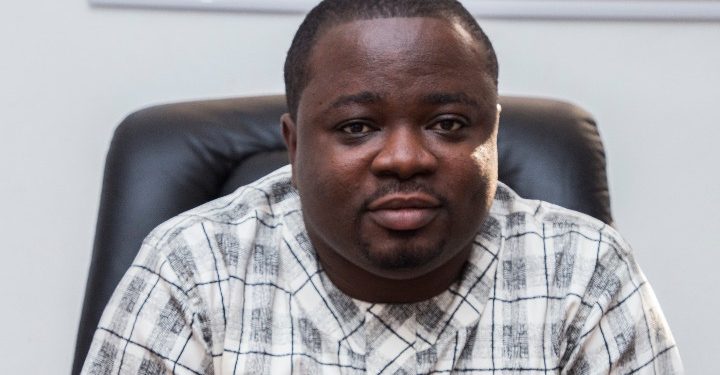
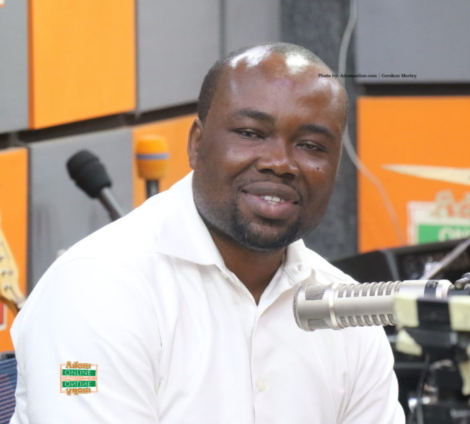
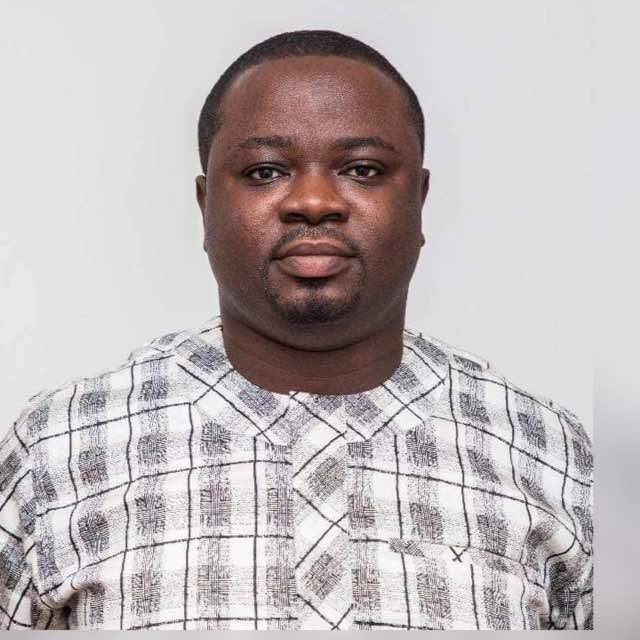
Former Railways Development Minister, Joe Ghartey, has addressed the National Investigation Bureau (NIB) over the controversial Accra Sky Train Project, asserting that the Railways Ministry adhered strictly to due process during his tenure.
Following his meeting with NIB officials on Monday, Mr. Ghartey clarified that the Sky Train initiative was structured as a Build, Operate, Transfer (BOT) project, meaning no financial transactions were executed by his ministry under his leadership.
He cited the 2021 Auditor-General’s report, which supported his claim of no payments being made during his term.
“We took all necessary steps to ensure that the Ministry bore no liability for feasibility studies on the project,” Mr. Ghartey stated, affirming that various clauses were embedded in the agreements to shield the Ministry from any financial obligations.
The former minister also expressed his full cooperation with the investigation, emphasizing that the Sky Train transaction was “above board.” Earlier, Prof. Ameyaw Akumfi, former Chairman of the Ghana Infrastructure Investment Fund (GIIF), had also been invited to share information on the project.
Background of the Sky Train Project
In 2018, Africa Investor Holdings Limited established Ghana Sky Train Limited, aiming to develop the Accra Sky Train Project through a Design, Build, Finance, and Operate model. The project proposed a 194-kilometre network consisting of five routes—four originating from a central terminal at Kwame Nkrumah Circle, with an additional intra-city loop also beginning from the same location.
The Akufo-Addo administration officially signed a concession agreement for the project in November 2019. At the ceremony, President Akufo-Addo hailed the deal as “a happy day for Ghana and her good people,” marking it as a pivotal step toward advancing the country’s urban transport infrastructure.
Audit Revelations and Financial Concerns
Despite the initial enthusiasm, a 2021 Auditor-General’s report revealed that the Ghanaian government had spent $2 million through the Ghana Infrastructure Investment Fund (GIIF) to acquire 10 ordinary shares in the project’s Special Purpose Vehicle (SPV), Ai Sky Train Consortium Holdings. However, the audit found that feasibility studies for the project remained incomplete, leaving the future of the initiative uncertain.
Ministerial Responses on the Sky Train Project
Joe Ghartey, who spearheaded the project’s launch, maintained that his ministry did not authorize or disburse any funds toward the initiative. He clarified, “The GIIF is the statutory corporation that has the power to make such payments, and so you can ask them.”
In January 2024, Mr. Ghartey attributed delays in the project to the COVID-19 pandemic, which caused key investors to withdraw. He explained on Joy News that South African backers had pulled out due to post-pandemic financial constraints, stating, “The South Africans pulled out after COVID… What they wrote to me was that because of COVID, things have changed, they can’t come.”
When asked whether the government should revive the project, he responded, “It depends on how much money you have. It [also] depends on whether the people are prepared to do it.”
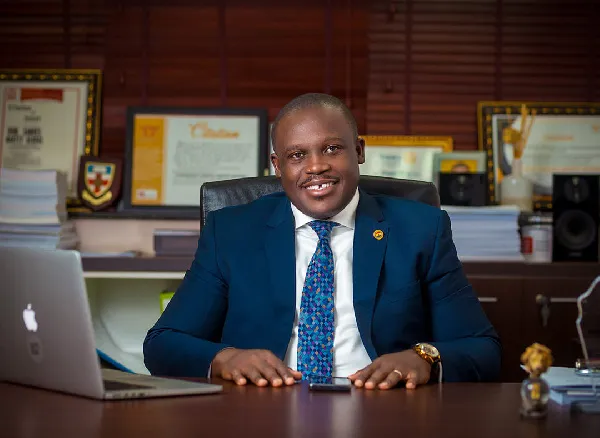
John Peter Amewu, who succeeded Ghartey as Railways Development Minister, later declared that the Sky Train project was no longer feasible due to its high capital demands. In an interview on City TV’s Face to Face, he stated, “I don’t see any Sky Train being done in the next three to four years. There is not going to be any Sky Train in the country. It is not possible.”
Amewu further highlighted the government’s fiscal challenges, noting, “Rail construction is capital-intensive. A kilometre of railway can cost four to five times more than building an asphalt road. Given our current debt-to-GDP ratio, it’s a significant burden for the government.”
The future of the Accra Sky Train Project remains uncertain as investigations continue and financial constraints persist.