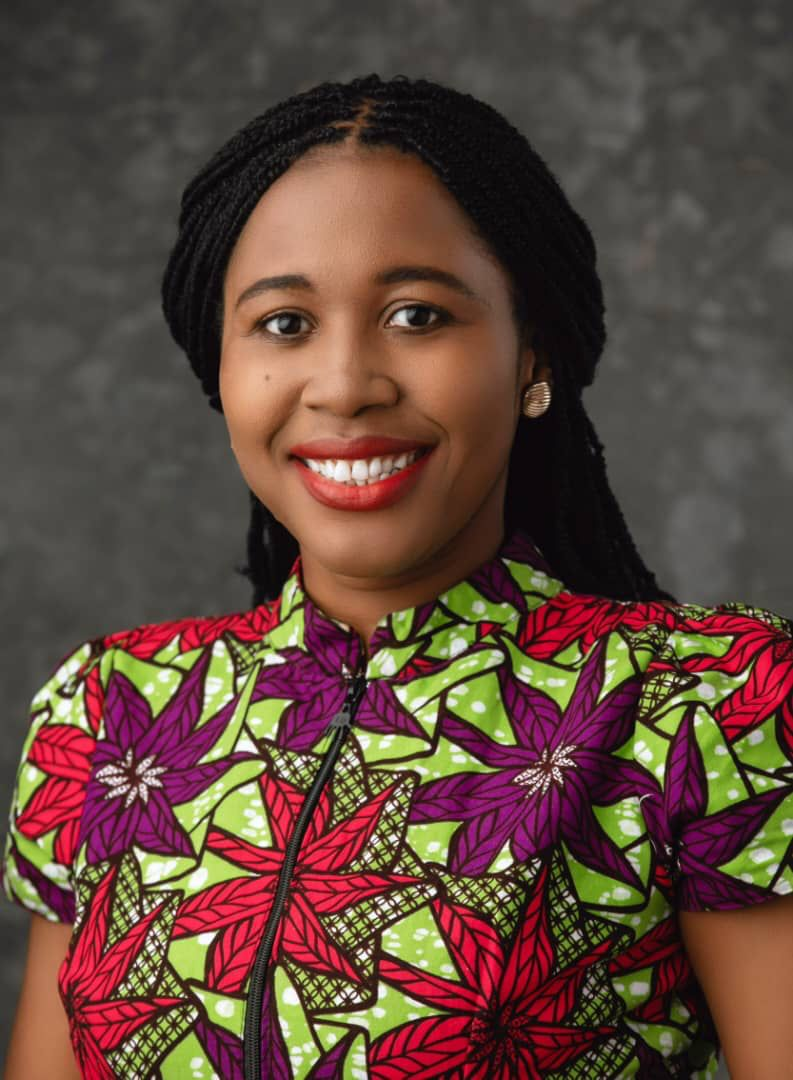
Author: Chris Kodo

  • NDC was never clueless about 2020 election results – William Ahadzi

    The Director of Research for National Democratic Congress (NDC), Dr William Ahadzi, has said the party was never clueless about the 2020 election results.

    According to him, the system the party used for the collation of results got jammed, they, therefore, turned their attention to the manual collation which intends delayed making them not able to submit full results to the court.

    His comments came after he was asked whether the NDC were clueless about the 2020 election results.

    Speaking on JoyNews The Probe on Sunday, the Research Director explained that “We were never clueless.

    “We introduced a system that got jammed when it was supposed to collect the data and so we switched quickly to the alternative which is manual collation.

    “But the speed with which you want to collect data is important if you want to go to court. And the manual data which takes a lot of time wasn’t complete before we went to court.”

    Mr Ahadzi continued that the party was having some of the results of the election when it went to court for an election petition even though it was not 100% results.

    He expressed that blame should not be apportioned on the immediate past executives of the party for the misappropriation of results since it was not their fault but the fault of the system.

    Recently, there has been a leaked tape in which the past General Secretary of the NDC, Johnson Asiedu Nketia revealed that the party did not have enough evidence to contest the 2020 general election results.

    In the tape, Asiedu Nketia was heard explaining to party faithful that the Director of IT failed to electronically collate the evidence the party needed to contest the outcome of the presidential election.

    This made the New Patriotic Party (NPP) demand an unqualified apology from the NDC to Ghanaians and the Supreme Court for wasting their time during the 2020 election petition.

    Meanwhile, NDC’s Director of Legal Affairs Abraham Amaliba has said the party will not apologise for the 2020 election petition.

    Mr Amaliba said the party’s decision to contest the 2020 election results was justified, thus the demand for an apology is unnecessary.

    Source: Myjoyonline

  • 2023 must be our comeback year – Ken Ofori-Atta

    In 2023, Finance Minister Ken Ofori-Atta anticipates a significant economic recovery.

    He is thus, pleading with Parliament to assist the government by approving the Appropriations Bill for the Fiscal Year 2023.

    Giving an update on the economy, “We also urge Parliament to support in particular new revenue measures outlined in the 2023 budget which aim to improve revenue mobilization. We cannot afford to repeat the mistakes of 2022.”

    “2023 must be our “comeback” year. A year in which we put in place stronger foundations that would allow us to change our country for the better and in a way that is enduring, inclusive and transformational,” he added.

    Mr. Ofori-Atta pointed out that the ensuing years will focus on building an entrepreneurial and export driven economy.

    He also added that Ghana cannot afford to lose this essential economic momentum as it moves toward stability, predictability, and prosperity.

    Mr Ofori-Atta All Ghanaians were asked by him to cooperate with the administration and support the numerous initiatives being carried out to jump-start the country’s economic recovery in a decisive, audacious, and brave manner.

    “Above all, I urge us all to maintain an unshakeable sense of optimism about Ghana in the days and years ahead. Indeed, “the LORD is the Lifter of our heads” (Psalm 3:4), as we all witness a new confidence in our currency and the prospects of the certainty of an IMF Board approval of our Staff Level Agreement”.


  • Treasury bills: Government records 98% oversubscription in last auction

    Results from the weekly auction by the Bank of Ghana showed that interest has started declining slightly.

    The interest rate for the 91-day bills was 34.92%, the 182-day bill was sold at 36.03% and the 365-day bill stood at 36.10%.

    According to data from the Bank of Ghana, the government secured a 98.1% oversubscription of its target Treasury bills sale that was held on December 16, 2022.

    The 91-day bill accepted GH¢2,393.02 million bids, the 182-day bill accepted GH¢691.43, and the 364-day bill accepted GH¢586.83 million bids.

    For the 91-day, 182-day, and 365-day bills, a total of GH¢3971.28 million was accepted.

    For three weeks running the treasury bill market experienced marginal patronage after the announcement of a debt exchange programme.

  • Miedema is “gutted” as she joins Mead on the Arsenal bench with a torn ACL

    Vivianne Miedema feels “gutted” to have ruptured her ACL after lightning struck twice for Arsenal, with the Netherlands striker suffering the same cruel knee injury as her partner Beth Mead.

    Arsenal and Miedema confirmed the striker’s setback on Monday, with the club saying the WSL’s all-time record goalscorer faces an “extended” lay-off, just like Mead who sustained the same blow in November.

    Both could now miss the Women’s World Cup, which will be hosted by Australia and New Zealand in July and August next year.

    Miedema appears to have counted herself out of the reckoning for that tournament, four days after the injury occurred in a European clash with Lyon.

    She said: “It was one of those moments, where I knew straight away. So many things going through your head: I won’t be able to help my team anymore this season, no World Cup, surgery and rehab for a long time.”

    She expects “plenty of difficult days” and said there had already been tears.

  • Cedi’s appreciation against dollar, others inspired by IMF Staff-Level Agreement – Seth Terkper 

    Former Finance Minister Seth Tekper has attributed the resurgence of the cedi to the Staff Level Agreement reached with the International Monetary Fund (IMF).

    In an interview on the sidelines of the NDC’s 10th National Delegates Congress in Accra on Saturday, he said the agreement has boosted investor confidence.

    “The Government must expedite action on its domestic and external debt restructuring Programme to sustain the gains, he said.

    The government announced Tuesday, December 13, 2022, that it had reached a Staff-Level Agreement on a three-year US$3 billion Extended Credit Facility (ECF), with the International Monetary Fund (IMF), to support the country’s economic policies and reforms.

    The agreement was reached after a visit by the IMF team led by Mr Stéphane Roudet, Mission Chief for Ghana, from December 1 to 13, 2022, to discuss with the Ghanaian authorities IMF support for their policy and reform plans.

    The loan support programme is aimed at restoring Ghana’s macroeconomic stability and debt sustainability, protecting the vulnerable, preserving financial stability, and laying the foundation for strong and inclusive recovery and growth.

    However, the staff-level agreement is subject to IMF Management and Executive Board approval and receipt of the necessary financing assurances by Ghana’s partners and creditors.

    Source: Myjoyonline

  • APN promotes Kwahu Summit at US-Africa Leaders Summit

    APN, the organization behind the “Kwahu Summit,” traveled to Washington, D.C. to promote the eagerly anticipated gathering of African political and economic leaders to work on the crucial single market initiative for the continent.

    At the US-Africa Leaders Summit, which was held at the Walter Washington Convention Center from Tuesday, December 13 to Thursday, December 15, 2022, organizers of the Africa Prosperity Dialogues—also known as the Kwahu Summit—met with invited African leaders.

    The maiden edition of the annual “Kwahu Summit” takes place in Ghana from Thursday 26 to Saturday 28 January 2023. It is being organised by APN and its partners, which include the Africa Continental Free Trade Area (AfCFTA) Secretariat, the Presidency of the Republic of Ghana (the host nation of AfCFTA), the United
    Nations Development Programme (Africa), the Africa Prosperity Fund, the Ghana Investments Promotion Centre (GIPC), and the Africa-America Institute.

    “It was an important platform for us, having all of the leaders in one space with a little over a month to the Kwahu Summit. It was important to reaffirm their commitment to the Africa Prosperity Dialogues. They are looking forward to this unique opportunity to have our business champions brainstorming with our heads of state and other decision-makers on how to prioritise the single market project for our 1.3 billion people,” said Yofi Grant, the CEO of GIPC and a member of the organising team.

    For Dr Nkiru Balonwu, director of APN, “it was also significant for us to secure the strong interest of the African-American business leadership, as well. As President Akufo-Addo told the gathering of global African business leaders in Washington, Africa’s prosperity must deliberately involve the direct commitments and
    contributions from the African diaspora.”

    Officials of APN who participated in the US-Africa Leaders Summit successfully made contact with all 49 African heads of state and governments who participated in the summit in the US, essentially to promote the “Kwahu Summit” and to firm up invitations extended to the heads of state ahead of the Kwahu Summit.

    As part of the promotional efforts by APN, its officials also participated in the Africa Soft Power (ASP)conference, organised alongside the US-Africa Leaders Summit.
    ASP is focused on harnessing the continent’s creative, cultural, and knowledge industries to propel itself forward, while championing the inclusion of African & diasporan voices, in global discourse.

    Ultimately, ASP seeks to showcase the continent and what its unique perspective can bring to the modern global economy at large.

    The ASP conference held at the conference room of the National Geographic in Washington DC, brought together African business leaders in the US and across the African continent.

    APN’s message was presented in the strongest terms, urging participants to plan their participation forthwith.

    The Kwahu Summit will be a platform where African leaders from diverse areas of national endeavour will gather each year to expedite the implementation of the agreed initiatives within the AfCFTA and shape the Africa Agenda for Action.

    The Summit will bring into practical focus the continent’s critical challenges and industrialisation priorities and advance aggressively the commercial and infrastructural interventions to achieve the vision of an Africa Beyond Aid.

    Global geopolitical issues in recent times have, yet again, exposed Africa’s over-reliance on the global supply chain, on natural resources export, and the imperative for Africa to seriously consider how to cushion herself against future economic shocks.

    The combined effects of Covid-19, the oil price war between Saudi Arabia and Russia in 2020, and the recent Ukraine-Russia war has seen a fall in commodity prices and the temporary breakdown of the global supply chain.

    The Africa Prosperity Dialogues will focus on developing a transnational stewardship of a common platform while also acknowledging the realities of instituting a common trade initiative.

    The Africa Prosperity Dialogues which will be part of the summit, will provide a dedicated platform for business and political leaders to think, plan and work together, with greater urgency, for the success of building the 3 world’s largest single market of 1.3 billion people, by fast-tracking the implementation of the all-important Africa Continental Free Trade Agreement.

    Hannah Awuku, the Executive Secretary of APN, explained the maiden event. “The two-part Summit will feature the Intra-Africa Trade Forum, a retreat for business executives and associations, senior public figures, thought leaders and technocrats, on 26th and 27th January, culminating in high-level discussions between Heads
    of State and business leaders on Saturday, 28th January 2023,” she said.

    Nana Addo Dankwa Akufo-Addo, the President of the Republic of Ghana will be joined by many of his colleagues, from across the 8 regional blocs of Africa, including Presidents of Senegal, South Africa, Tanzania, Kenya, Egypt, Rwanda, Togo, Cote d’Ivoire, DRC, Mozambique, and Angola for the summit. The great
    industrialists, economists, bankers, and other business gurus in Africa will also be there.

  • Ghana suspends payments on selected external debts, including Eurobonds

    The Government of Ghana has on Monday, December 19, announced it is suspending debt service payments on certain categories of external debt including Eurobonds, commercial loans and most bilateral debt.

    According to the government, this is aimed at bringing the country’s unsustainable debt level under control – a statement from the Ministry of Finance said.

    In the said release, the Ministry noted that debt payment suspension is “an interim emergency measure pending future agreements with all relevant creditors.”

    Ghana suspends payments on selected external debts, including Eurobonds
    Excerpts of the statement from the Finance Ministry

    However, this move will not affect debts contracted on or after December 19, 2022.

    “This suspension will not include the payments of our multilateral debt, new debts (whether multilateral or otherwise) contracted after 19th December 2022 or debts related to certain short term trade facilities.”

    Ghana suspends payments on selected external debts, including Eurobonds

    Meanwhile, the government has assured its external creditors that engagement on the move will be fair and transparent.

    “The Government stands ready to engage in discussions with all of its external creditors to make Ghana’s debt sustainable through a fair, transparent and comprehensive debt restructuring exercise in line with international best practices.

    “The Ministry of Finance will hold an investor presentation at a date to be announced at a later stage,” the statement concluded.

    Source: Myjoyonline

  • Hearts of Oak’s hierarchy don’t understand football business – Fatawu Mohammed

    Outgoing Hearts of Oak captain Fatawu Mohammed has taken a swipe at the club’s hierarchy as he believes they do not understand football business.

    According to him, both management and board lacks ideas when it comes to the business of football, hence the reason for missing out on big transfer deals.

    “The management doesn’t understand business, or they don’t do business, and they have no plans for the players, truth is bitter,” Fatawu Mohammed told Sports Obama TV.

    Meanwhile, the experienced right-back asserted he will face the wrath of God if he advises Daniel Afriyie Barnieh to stay at the club.

    The Phobians are currently sweating over Daniel Afriyie Barnieh to renew his contract with the FA Cup champions.

    Barnieh, whose contract expired on December 17 is yet to renew his deal with a chunk of clubs chasing him for his services.

    “I will not advise Afriyie to stay at Hearts of Oak. God will even punish me for that, Afriyie is my son but I will not advise him to stay God will not even forgive me,”

    Fatawu Mohammed, is reported to have been released by Hearts of Oak after years of captaining the Phobians.

  • Reduce prices now – Akufo-Addo appeals to traders

    President Akufo-Addo has asked manufacturers, traders, and transport operators in Ghana to reduce their prices as the Cedi stabilizes.

    There is some jubilation on the streets as the Ghana Cedi surges against the dollar.

    Interbank exchange rates announced by the central bank on Friday, October 16, 2022, saw the Ghana cedi continuing its steady appreciation on the forex market, selling at less than GH¢10 to the dollar.

    President Akufo-Addo says following the recent surge of the cedi against the dollar, this must reflect in the prices of goods and services.

    “I add my voice to those of GUTA, GRTCC and others, to appeal to manufacturers, traders and transport operators, that with the height of the cedi’s recent depreciation and increased prices of goods and services, to reduce their prices of goods and services now that the cedi is regaining much of its strength. I believe this is not only a fair request but also a just one.”

    Meanwhile, Akufo-Addo has said the appreciation of the cedi against all major trading currencies is a result of deliberate policy interventions introduced by Government over the last few months.

    According to President Akufo-Addo, “the strengthening of the cedi has not happened by chance, but through the implementation of deliberate policies by Government, in collaboration with the Bank of Ghana.”

  • Rotary Club of Accra La East donate items to Junior Girls Correctional Centre

    Rotary Club of Accra La East has donated items worth over ¢5,000 to the South Labone  Junior Girls Vocational Centre in Osu, Accra.

    The items donated to the Centre include cooking oil, bags of rice, flour, beans, gari, liquid soap, washing powder, toiletries, yam, and plantain, among others.

    President of the Club, Julia Asante Anim, explained the donation formed part of this year’s Rotary Christmas celebrations and that it was necessary for the club to have identified a facility and contribute its quota.

    Ms. Anim added that the provision of the food and other items was a knock on the door of the Centre to present other opportunities to them in terms of education and shelter.

    Rotary Club of Accra La East donate items to Junior Girls Correctional Centre

    ’’We are here today and have identified other focal areas and I can assure you that the Rotary Club of Accra La East will be back to support other areas of this facility. Over the last few years, the Club has supported various schools, orphanages and other social and community interventions and currently working with the Ministry of Health on a nationwide eye screening project,”

    “For us to collaborate with any other people interested in the welfare of people then it is okay with us. It doesn’t matter the denomination, once you are interested in helping other people, we are also interested in it, so to collaborate is not an issue,” She said.

    Rotary has six areas of focus Peace and conflict resolution, disease prevention and treatment, water and sanitation, maternal and child health, basic education and literacy, economic and community development, and so on are all covered by this donation.

    Source: Myjoyonline

  • Eco Index Agro Solutions donates over GH¢25K worth of fertilizer to Orange Growers

    Daniel Baisie Jr (L), country director of Eco Index Agro Solutions Limited, handing over 200 litres of begreen-F Organic Liquid Fertilizer to Sam Dokyi (R), farm manager of Orange Growers Association, Eastern Regional Chapter

    Multiple award-winning Ghanaian fully-owned agrochemicals supplier, Eco Index Agro Solutions Limited, has presented 200 litres of begreen-F Organic Liquid Fertilizer valued at GH¢25,200 to Orange Growers Association (OGA).

    Making the presentation in Accra on Thursday, December 14, 2022, the Country Director of Eco Index Agro Solutions Limited, Daniel Baisie Jnr, stressed that organically-sourced fertilisers are essential in farming practices especially when it comes to “quality healthy” yields and sustainability.

    “We have a cordial relationship with OGA as well as partnership in as far as orange plantations are concerned, supporting them with organic inputs like the organic liquid fertilizer. We also share some sustainable agronomic practices with the orange farmers which go a long way in solving challenges that might come their way in farming practices. We donated 200 litres of our high-quality liquid fertilisers which amount to GH¢25,200 to assist and subsidise their cost of production in terms of inputs and as usual give them abundant yields,” Mr. Baisie Jr. told the media.

    He also appealed to the Food and Agriculture ministry to focus much on sustainable inputs (organic fertilizers) and practices and develop the sector with the appropriate local stakeholders.

    “Ghana will have no reason to import any kind of food when the above is taken into consideration and eschew politics in Food and Agriculture. Creating markets for farmers and having our own seed banks is the core,” Mr. Baisie Jr intimated.

    Farm manager with the Eastern regional chapter of Orange Growers Association (OGA), Sam Dokyi, who received the 200 litres of begreen-F Organic Liquid Fertilizer thanked Eco Index Agro Solutions Limited for their continuous support in that regard and called for more of such and related support from stakeholders.

    Mr. Dokyi lamented the attack of fungal black spot disease on about 50% of their 1,500-acre (the largest in Ghana) orange farm in the Eastern region and reiterated the call from Orange Growers Association (OGA) on the Food and Agriculture ministry to intervene through periodic mass spraying exercise to save the country huge sums of cash to revive the crisis level economy.

    The Orange Growers Association (OGA) was instituted few years ago with the sole objective of assisting farmers with technical knowledge and up-to-date farming techniques to ensure rich yields and direct access to off-takers to purchase quality organic oranges at competitive prices to prevent post-harvest losses.

    The Orange Growers Association (OGA) has partnered Eastfield Foundation’s #OrangeWednesday (One Student, One Orange) initiative to ensure that every basic school child enjoys 1 free quality organic orange from the foundation’s parent company, Eastfield Farms.

    Five basic schools in the Eastern region and two in the Greater Accra region have been adopted in the on-going initiative to support the well-being of children.

  • I will face the wrath of God if I advise Afriyie Barnieh to stay at Hearts of Oak – Fatawu Mohamed

    Fatawu Mohammed, the outgoing captain of Hearts of Oak, claims he will incur God’s wrath if he suggests Daniel Afriyie Barnieh stay with the team.

    The FA Cup champions’ desire to have Daniel Afriyie Barnieh sign a contract extension has the Phobians worried.

    Barnieh, whose contract expired on December 17 is yet to renew his deal with a chunk of clubs chasing him for his services.

    Speaking in an interview with Sports Obama TV, Fatawu Mohammed, who played with Afriyie Barnieh at the club, stated that God will never forgive him if he ever advises his teammate to stay with the club.


    “I will not advise Afriyie to stay at Hearts of Oak. God will even punish me for that, Afriyie is my son but I will not advise him to stay God will not even forgive me,” Fatawu Mohammed told Sports Obama TV.

    He noted that the management and board at Hearts of Oak lacks ideas when it comes to the business of football, hence the reason for missing out on big transfer deals.

    “The management doesn’t understand business, or they don’t do business, and they have no plans for the players, truth is bitter,” he added.

    Fatawu Mohammed, is reported to have been released by Hearts of Oak after years of captaining the Phobians.

  • CETAG calls off one-month old strike

    The strike by the Ghanaian Colleges of Education Teachers Association (CETAG) has been called off.

    For a month, CETAG has been on strike in protest of poor working conditions.

    The strike affected the end-of-semester test as well as the academic schedule in several universities around the nation.

    The Minister of Education was forced to step in as a result and made a commitment to remedy the situation in two weeks.

    According to Prince Obeng-Himah Binghi, National President of CETAG, they still have a variety of alternatives at their disposal, including calling the government before the Labour Commission to make good on its promise.

    “CETAG’s one-month strike has been suspended effective today. The Minister of Education has appealed to GETAG on three different occasions so that it will pave the way for him to intervene personally and resolve the issue two weeks after suspension. So with effect from today, teachers in all the 46 Colleges of Education are going back to the classroom.”

    Should the Minister of Education’s pledge to resolve their working needs fail, CETAG warns that it may bring the Ministry of Education and, by extension, the government, before the National Labour Commission.

  • Ghana announces external debt payment suspension, slipping into default

    Ghana’s finance ministry said on Monday it was suspending debt service payments on certain categories of external debt including Eurobonds, commercial loans and most bilateral debt, amid the worst economic crisis in a generation.

    Ghana had already announced a domestic debt exchange programme and on Tuesday said it had reached a $3 billion staff-level agreement with the International Monetary Fund. The IMF has said a comprehensive debt restructuring is a condition of the deal.

    The west African cocoa, oil and gold producer was previously seen as a rising star among emerging economies, but is now struggling with soaring debt costs. Public debt stood at GHS467.4 billion ($55 billion) in September, according to the most recent central bank figures, 42% of which was domestic.

    The government “stands ready to engage in discussions with all of its external creditors to make Ghana’s debt sustainable”, the finance ministry said in the statement.

    Ghana’s external bonds, which are trading at a deeply distressed level of 31-37 cents in the dollar, slipped with the 2051 bond losing 0.4 cents, Tradeweb data showed.

    Ghana’s annual inflation was above 50% in November and the government has said it is spending between 70 and 100% of revenue on interest payments.

    ($1 = 8.5000 Ghanaian cedi)

    Source: Reuters

  • Man commits suicide at Kasoa

    A middle-aged man has committed suicide by hanging himself in a bush close to the Densu River on the Kasoa Toll Booth stretch.

    Some eyewitnesses say they saw the incident yesterday with the man hanging on a tree.

    The identity of the man is still unknown as police officers at the toll booth police station have began investigation into the death.

    “I was heading to work around 5:30am when I saw the man hanging on the tree. I quickly called the police, and they came in immediately. He had his identity cards on him but the SIM card in his phone had been taken away”, an eyewitness told Citi News.

    Some persons who sell along the stretch said this is not the first time someone has hung himself in the area.

    “This is the second time something like this is happening here. I believe some people come here and commit this crime”, another eyewitness added.

    Source: Citinews

  • Messi says he will not retire from Argentinian national team

    Argentina’s World Cup-winning captain Lionel Messi has quashed speculation and pledged to continue playing for his country, despite realising his lifetime ambition of winning the sport’s biggest prize.

    “I want to keep experiencing a few more matches as world champion,” the 35-year-old told Argentinian television following an epic penalty shoot-out victory over France in the World Cup final in Qatar on Sunday.

    “I was lucky to clinch every title in my career, this was the only one missing,” Messi said. “I want to take this one there [to Argentina] and enjoy it with everybody else.”

    Messi opened the scoring for Argentina with a 23rd-minute penalty and also found the net in extra-time for the 3-2 in the 108th.

    France’s 23-year-old superstar Kylian Mbappe completed his hat-trick to take the game to a shoot-out, in which he and Messi also scored.

    Messi, now indisputably one of the greatest players the game has ever seen, had said the tournament in Qatar would be his last World Cup.

    Source: Aljazeera.com

  • 2022/23 Ghana Premier League: Dreams FC vs King Faisal- Week 9 Match Preview

    Dreams FC will welcome King Faisal in matchday 9 of the Ghana Premier League on Wednesday as the domestic top-flight returns after World Cup break.

    The Ghana Premier League had to go on a one-month break because of the biggest soccer mundial which was hosted by Qatar, where Argentina emerged as winners on Sunday.

    The Still Believe lads will go into the game without their head coach Ignatius Osei Fosu who parted ways with the club last week.

    Osei Fosu is expected to travel to Europe in January to upgrade his coaching career.

    Dreams FC have been poor after eight matches into the Ghanaian top-flight and currently in the relegation drop.


    They sit 16th position with 8 points and will hope to change the narrative as the league returns this week.

    Before the break, the Dawu-based club shared the spoils with Hearts of Oak and be seeking for a win, knowing very well that they are playing at their favourite home grounds on Wednesday.

    Meanwhile, King Faisal who have had a season turn around in their last three games will be looking forward to maintaining their top form.

    The Isha Allah boys have managed three straight victories, including a 1-0 away win over Karela United.

    King Faisal are currently out of the relegation drop after eight matches, they sit 15th spot with 9 points.

    The teams outstanding performance in their last three games has seen coach Jimmy James Cobblah nominated for coach of the Month for November.

  • Fitch Solutions revises Ghana’s growth rate to 2.9% in 2023 

    UK based research and market institution, Fitch Solutions, has revised its growth rate forecast for Ghana in 2023.

    It is projecting a modest 2.9% Gross Domestic Product (GDP), the lowest since pre-Covid-19 pandemic in 2015.

    Its projection is however 0.1% higher than the government forecast of 2.8% in 2023.

    According to Fitch Solutions, subdued consumer spending will be the major cause to the slowdown in the economy in 2023.

    Senior Risk Analyst at Fitch Solutions, Mike Kruninger, said the projection is based on Ghana’s quest to secure a programme from the International Monetary Fund.

    “One of the main reasons why economic activity will slow down next year [2023] is the weak outlook of consumer spending, which typically is the engine of Ghana’s economy.”

    “What we expect is inflation to come down, starting early next year. This will be gradual, meaning for the large part of 2023, inflation will remain very elevated”, further eroding the purchasing power of households and this weighing on private consumption”, he pointed out.

    He added that the expected high inflation is backed by the Bank of Ghana’s consumer and business confidence indicators which show that private sector sentiment is indeed severely subdued.

    Fitch Solutions had surprisingly in October 2022 projected a 4.6% growth rate for Ghana in 2023.

    This was higher than the 2.8% forecast by the International Monetary Fund, and most institutions.

    In July 2022, it revised Ghana’s Gross Domestic Product (GDP) growth rate in 2022 to 2.6%, from an earlier forecast of 4.8%.

    However, it said in its Quarterly Sub Saharan Africa Macroeconomic Update that the economic growth forecast is premised on an expected deal with the International Monetary Fund before the end of 2022.

    Source: Myjoyonline

  • ECG embarks on fake meter education in Krobo areas

    The Krobo Office of the Electricity Company of Ghana Limited has embarked on a campaign against fake energy meters in a bid to protect customers from issues associated with use of such meters.

    The office has, for the past few weeks, displayed a number of these fake meters alongside original ones on a notice board at the office, where customers are constantly engaged and educated so as to become aware of the various types of fake meters in the system.

    This campaign was necessitated when, during routine monitoring exercises, it became apparent that a number of customers had fake meters installed at their premises.

    “Customers are being continually scammed by vendors of fake meters who pose as ECG workers, approach potential customers and then eventually give them these fake meters”, the Engineer in charge of the office, Tetteh Apan said.

    He added that “customers are usually caught unawares by these vendors of fake meters which are made to seem like they are from ECG”.

    He added that the nameplates of the meters are changed to often look like that of original meters.

    Some of these fake meters work alright but as they are not part of the ECG system, customers will often not get bills.

    However, once the meter is seen by the ECG, the total amount of energy it has consumed is determined and the user is billed accordingly. The energy supply of the user is also cut off and they are asked to report to the ECG office to start the process of acquiring a meter correctly.

    Potential customers of ECG and the public are being encouraged to ignore such fake meters to avoid issues.

    The public have shown interest in this campaign by engaging ECG officials and asking for the differences between the fake and original meters, as well as what to do in case they chance on some.

    On this, they are told to inform ECG so the necessary punitive and corrective measures can be put in place.

    Monitoring and auditing of energy meters and other equipment are part of the core activities undertaken by the ECG.

    These are done to ensure the integrity of these and to ensure that they are working as they should. In instances where fake meters are seen, they are seized by the ECG. ECG pleads with the public to help in informing them about such fake meters whenever they chance on some.

    Source: Graphic online

  • National Cathedral will help thank God for ‘sparing us the ravages of civil war’ – Akufo-Addo

    President Akufo-Addo has again justified his decision to construct the National Cathedral.

    He insists that the controversial project will signify an appreciation to God who he believes has spared the country from conflicts and plagues over the years.

    According to him, the project whose 2023 budgetary allocation approval has been suspended will be geared toward thanking God for “sparing us the ravages of civil war that have bedevilled the histories of virtually all our neighbours and the outbreak of deadly mass epidemics but also as a rallying point for the entire Christian community of Ghana, which represents seventy-plus per cent of the population.”

    He spoke during the centenary celebration of the Ga Presbytery of the Presbyterian Church of Ghana at the Black Star Square in Accra on December 18.

    Addressing the congregants, President Akufo-Addo further courted the support of Ghanaians to make the country a better place for all.

    “I need the support of every Ghanaian, together with the prayers of the church, to help me and my government carry out our mandate successfully,” he added on Sunday.

    Key among the clergy present at the event were the Moderator of the Presbyterian Church of Ghana, Rev. Prof. Joseph Obiri Yeboah Mante.

    On December 13, the Trades and Industry Committee of Parliament put on hold the approval of ₵80 million allocated for the construction of the National Cathedral.

    The allocation, which was made to the Ministry of Tourism (MoT), failed to receive endorsement by the Committee because members want more answers from the sector Minister.

    According to Tamale Central MP, Murtala Mohammed who disclosed this to JoyNews, until the Committee is satisfied, they will approve the Ministry’s estimates without the funds allocated to the National Cathedral.

    “What the Committee decided was that we cannot just approve this GH₵80 million, we must know how the other ¢339 million was spent. What did it constitute?

    “The ¢80 million you want us to approve, how did it find space in the budget line of the Ministry of Tourism when the Minister and the directors could not speak to the questions we were asking? What constitutes the ¢80 million, they should give us a breakdown,” he disclosed in an interview with JoyNews.

    In the wake of the economic downturn, many are asking why the construction of the National Cathedral remains the subject of big-ticket spending in the spending plans of the government.

    Already, some ¢339 million has been spent on the project, an edifice that President Akufo-Addo says is his personal pledge to God.

    But, the Okyehene, Osagyefuo Amoatia Ofori Panin II has pleaded support for the building of the National Cathedral so as not to bring shame to President Akufo-Addo.

    Source: Myjoyonline

  • Africa’s first photo library opens in Accra

    An ultra modern photo library and exhibition centre which is expected to boost photography and visual story telling that target at harnessing imagery resources across the continent has been commissioned at South La neighborhood in Accra.

    Known as Dikan Centre, the multi million dollar project which is an initiative of the Ghanaian-American trained documentary photographer, Paul Ninson has in stock over 30,000 photo books.

    It will offer a golden opportunity to facilitate photographic talent hunt and also be used as reference centre for the African photography industry.

    Apart from the library, the Dikan Centre has an art gallery, photo studio and editing department where editing of films and other productions take place.

    Africa’s first photo library opens in Accra

    In his welcome address at the commissioning, the Founder and CEO of the  Dikan Centre, Mr Paul Ampofo Ninson paid a glowing tribute to Mr Brandon Stanton, CEO of Creator of Humans of the United State of  America for making his dream come to fruition .

    He said the centre is poised to mobilise efforts to sharpen the identity of the African creative arts industry that has been left untapped, undeveloped and unattended to for centuries, adding that the centre  is gathering power and momentum to use the tools of visual education to bring into richness the continent’s creative –visual-arts industry into fine form and commercial viability.

    “We are determined never to leave behind any person, idea, history, culture, concept and facility necessary in re-imagining and firming the place of visual education in building a modernised African economy – If you know and have knowledge, see and/or hear, you are a storyteller Dikan will find you” said Mr Paul Ninson.

    Africa’s first photo library opens in Accra

    The centre offers  refresher courses and professional training programmes expected to attract photography students and visual story tellers from around the world.

    The centre teaches leadership skills, critical thinking and innovation as a complement to its interdisciplinary programme with a strong foundation crafted around the African context.

    He said for centuries, African history, culture and society lacked the central ingredients for transforming its potential into a commercially viable creative-visual-arts workforce.

    The Dikan journey pivots the very essence of the emerging African dream.

    Africa’s first photo library opens in Accra

    Mr Ninson expressed worry that the African continent is crippled by the enormous confrontations that undermine dreams of people while it is desperate to participate in the opportunities of this world.

    The ideas, fortitude, talent and skillsets of the bulk of this continent never gets materialised or amplified.

    According to him, the failure of private enterprises and the weaknesses of our institutions of government have fed into global terrorism and migration crisis.

    “Millions on the continent are surviving below the poverty line and our youth are desperate for new opportunities.

    “We cannot fail them,” he said.

    The Dikan Centre frameworks the urgency to accelerate the new African dream of providing real opportunities.

    Africa’s first photo library opens in Accra


    Africa’s first photo library opens in Accra

    The library started with Paul’s private collection during his studies in New York. He invested his income and savings in books on photography and filmmaking, hoping to bridge the gap between both the unavailability and inaccessibility of such books in Africa. Others were donated by institutions such as the International Center of Photography and the Howard Greenberg Gallery.

    After years of investing and collecting books in New York and other libraries across the world, Paul returned to Ghana in 2021 to start Dikan, a home to photographers and other creatives that tell impactful stories.

    Africa’s first photo library opens in Accra

    In the short-term Paul hopes to secure and make other visual instructional materials accessible both online and offline by securing iPads, and laptops at the Dikan library.

    One of Dikan’s marquee project is the Black book room, a space with resources documenting black visuals spanning generations. This project is to foster accessibility of books and other resources dedicated to Africans. The collection is envisioned to advance learning, teaching, research and support educational programme.

    Source: Myjoyonline

  • Pavo sausage linked to listeriosis outbreak in Italy impounded in Ho

    The Food and Drugs Authority (FDA) has impounded four cartons and 27 packs of expired Pavo Frankfurt II and Wurstsel DI Pollo E Trachino Congela, a sausage product, in Ho in the Volta Region.

    The items were impounded during an enhanced surveillance operation following an alert indicating the Pavo and AIA Wudy brands of frozen foods were contaminated.

    The products which were linked to an outbreak of listeriosis in Italy were found in the markets in Ho.

    Investigations have been launched to identify the importer and supplier of the red-alert product.

    Pavo sausage linked to listeriosis outbreak in Italy impounded in Ho
    The Indian made Simba rice,

    In a related development, border security agencies impounded 22 bags (50kg each) of the lead-contaminated Indian-produced SIMBA rice at the Aflao border.

    The red-alert products were identified during duty processing at the Customs unit in November.

    This was a joint operation between the Food and Drugs Authority, Customs division of the Ghana Revenue Authority and the Ghana Standards Authority.

    The importers upon interrogation said that they bought the products on the Togolese market at cheap prices, to be retailed in Ghana.

    The National Security issued an alert for enhanced surveillance following the interception of 1,000 bags of the led-contaminated SIMBA rice in Nigeria.

    Pavo sausage linked to listeriosis outbreak in Italy impounded in Ho
    Volta Regional Director, Gordon Akorogo

    Addressing the press on the developments, the Volta Regional Director of the FDA, Gordon Akorogo said consuming the rice would lead to brain damage, affect the nervous system and possibly cause death.

    “We can’t rule out that this product would find its way on to the market because of the porous nature of our borders”, he said.

    He said his outfit has intensified surveillance to remove the lead-contaminated products from the market.

    He also urged the public to be extra vigilant when purchasing items during the festive period and desist from picking items with cheap prices, check labeling and expiry details.

    “All we want the general public to know is to ensure that we don’t buy food this festive period that will harm our health, that will give us illness”, he stressed.

    Source: Myjoyonline

  • Black Stars require new technical direction – Kim Grant

    Following the Black Stars’ underwhelming showing in the 2022 World Cup, former Ghana international Kim Grant has pushed for a change in the team’s technical approach.

    After losing to Uruguay 2-0 in the opening round of the competition, the Black Stars were out.

    After defeating South Korea in their second group game, the Black Stars needed a draw or win against Uruguay to advance to the last 16 stage.

    But the team failed to negotiate for points against their ‘enemies’ Uruguay.

    “Black Stars need new technical direction, there should be a complete overhaul. There should a 5-10 years plan for development both local and international. Infrastructure, scouting, and sports science should be looked at, video also need to be looked at and how far we will go with everything.

    I think we can do a lot much better as you saw for Morocco, Senegal and Cameroon because there is a lot development going on and for that matter there should a strategic plan for the Ghana football for ten years”


    Meanwhile, the Black Stars have been ranked the 24th best team at the just ended 2022 FIFA World Cup in Qatar which was won by Lionel Messi inspired Argentina on Sunday.

    The four-time African champions failed to progress past the group stage after recording two defeats and a win.

    Otto Addo’s men lost 3-2 to Portugal, bounced back to beat South Korea 3-2 and lost 2-0 to Uruguay in an entertaining World Cup exit.

    Despite failing to go past the group stage, the African giants placed 24 in the index rankings after the tournament saw Argentina beating France in a nerve-racking final to clinch their third World Cup title.

    The Black Stars is currently without a coach following the exit of Otto Addo, who stepped down after early exit at the biggest soccer mundial in the Asian country.

  • 2 Regions to benefit from Korean primary healthcare grant

    Anne-Claire Dufay (arrowed), UNICEF Country Representative, and Moo Heon Kong (3rd from left) holding the signed poster with other officials after the signing

    The Korea International Cooperation Agency (KOICA) and the United Nations Children‘s Fund (UNICEF) Ghana have signed a $12million grant agreement for the implementation of a holistic primary healthcare delivery project in two regions.

    The project dubbed, “Comprehensive Community-Based Primary Health Care Strengthening Project” will be implemented in the Upper East and North East regions.

    Also known as the CHPS+ Phase Il Project, the project will be carried out in 15 districts in the Upper East Region and seven districts in the North-East Region in collaboration with the Ghana Health Service (GHS).

    MOU

    The memorandum was signed in Accra by the UNICEF Country Representative, Anne-Claire Dufay, and the Country Director of KOICA Ghana Office, Moo Heon Kong.

    The project, funded by the government of the Republic of Korea, will span over five years from 2022 to 2027.
    UNICEF will contribute $3.9million out of the grant.

    The Project is a continuation of the Government of Korea’s pledge to support the achievement of Universal Health Coverage (UHC) in Ghana.
    Ms Dufay said UNICEF would offer its assistance in terms of technical support and procurement through medical and non-medical equipment for various health facilities, capacity building on point of care and quality improvements.

    She explained that they would also pilot a low-cost innovative technology to track and manage hypertension and diabetes in partnership with Medtronic Labs.

    “Apart from establishing a primary healthcare system, the grant will equally support the ongoing demographic and health survey,” she said.

    CHPS+ Phase II Project

    The CHPS+ Phase II Project aims to improve service delivery at the community level through the capacity building of community health officers (CHO) and community health nurses (CHN).

    Mr Kong on the other hand said the project would also focus on enhancing and widening the coverage of the community tricycle ambulance which enabled community members to transport urgent cases such as emergency delivery, from their community to the next point of referral using the emergency transport system.

    “The project will enhance community engagement, improve quality of maternal, newborn and child health services and overall strengthening the health system environment,” he said.

    Outreach services

    Mr Kong explained that the day-to-day operation of the CHOs and CHNs would be supported by the provision of motorbikes for effective and efficient outreach services.

    “The project will empower the existing community health volunteers to fulfil their role as community health promotional agents through enhanced training, appropriate incentive, and supervision,” he added.

    Health service

    Touching on health service strengthening, Mr Kong said the project would equip CHPS zones, health centres and district as well as regional hospitals with various medical equipment.

    “For the purpose of health system strengthening, the overall supervision and governance in the aspect of leadership and management will also be enhanced through capacity building of personnel in the sub-district, district and regional health management team,” he stated.

    Source: Graphic online

  • 2020 election petition was to challenge EC’s poll figures – Alex Segbefia

    Chairman of the National Democratic Congress (NDC) planning committee, Alex Segbefia, has revealed that the NDC’s 2020 election petition was to challenge the poll figures from the Electoral Commission (EC).

    According to Mr Segbefia, there had been misconceptions among the citizenry about the case that the NDC took to court, and what was petitioned in court.

    He explained on JoyNews’ The Probe on Sunday, that both of the aforementioned issues were entirely different.

    “We didn’t go to court on our figures, we went to court challenging the figures that were from the EC,” he told host, Blessed Sogah.

    Mr Segbefia further emphasised that the problem was not based on the figures that various political parties believed they attained during the elections.

    Rather, the party’s lack of confidence in the results provided by the EC was the key focus of the election lawsuit.

    Although he agreed that the NDC needed figures to challenge the EC’s poll figures, he questioned the EC’s credibility by citing an instance where the figures recorded in a polling station’s pink sheet did not add up.

    “We had a pink sheet from the same polling station registered, all signed with different figures, what does that tell you about how many sheets were in circulation? Whose pink sheet were you going to rely on and what did that mean?”

    From this disclosure, Mr Segbefiah asserted that the 2020 election petition was lost because of a misconception about the case that the NDC took to court.

    Source: myjoyonline

  • Sawla District Police Commander’s home burgled

    Thieves have broken into the Sawla District Police Commander’s home and stolen his flat screen TV set at Sawla in the Sawla District of the Savannah Region.

    He discovered this after returning from patrol duties in the district.

    The incident left many residents shocked as to how the thieves broke into a District Police Commander’s residence to steal his TV set.

    Source: myjoyonline.com

  • There should be a five-ten year development plan for Ghana football – Kim Grant

    After Ghana’s early exit from the 2022 World Cup, former Ghanaian international Kim Grant has proposed a five- to ten-year growth plan for the country’s football.

    Following a 2-0 loss against Uruguay, the Black Stars fell out of the tournament after the first round.

    After defeating South Korea in their second group game, the Black Stars needed a draw or win against Uruguay to advance to the last 16 stage.

    But the team failed to negotiate for points against their ‘enemies’ Uruguay.

    In an interview, the former Hearts of Oak coach asserted there should be a five-ten year plan for development both local and international.

    “Black Stars need new technical direction, there should be a complete overhaul. There should a 5-10 years plan for development both local and international. Infrastructure, scouting, and sports science should be looked at, video analyst also need to be looked at and how far we will go with everything.

    I think we can do a lot much better as you saw for Morocco, Senegal and Cameroon because there is a lot of development going on and for that matter there should a strategic plan for the Ghana football for ten years”


    Meanwhile, the Black Stars have been ranked the 24th best team at the just ended 2022 FIFA World Cup in Qatar which was won by Lionel Messi inspired Argentina on Sunday.

    The four-time African champions failed to progress past the group stage after recording two defeats and a win.

    Otto Addo’s men lost 3-2 to Portugal, bounced back to beat South Korea 3-2 and lost 2-0 to Uruguay in an entertaining World Cup exit.

    Despite failing to go past the group stage, the African giants placed 24 in the index rankings after the tournament saw Argentina beating France in a nerve-racking final to clinch their third World Cup title.

    The Black Stars is currently without a coach following the exit of Otto Addo, who stepped down after early exit at the biggest soccer mundial in the Asian country.

  • Business enterprises expected to outstrip record numbers in ensuing years – GEA

    According to Kosi Yankey-Ayeh, CEO of the Ghana Enterprises Agency (GEA), the consistent liquidity support provided to small and medium-sized businesses under phase two of the COVID-19 Response Grant will eventually grow into “building giants” that will be able to compete on a global scale and increase the nation’s level of independence.

    288 recipients have received GH28 million from GEA as of yet as part of COVID-19 Response Grant phase two.

    The High Growth Technical Assistance Programme, which will exclusively support SMEs that wish to consistently try to accelerate their growth, will be introduced, according to the CEO, in the second week of the following month.

    Speaking at the grant contract signing ceremony of the sectoral expansion of the Covid-19 Response Grant Programme on Thursday, she told Business24 in an interview that “I think today’s event is very significant in terms of the numbers, this is the largest number of the three and in terms of the, amount of money we giving, and also in terms of the women -men ratio, so as much as possible we trying to improve the diversity of the funding we giving and also to support more diverse businesses, we are seeing a different uptake and a different types of businesses that are coming up based on the gender segregation and so today is very meaningful especially at a time now everyone is going through economic challenges, Ghana has not been spared, it is important for the SMEs to know they have hope in an institution such as GEA.

    It is our goal and our focus to ensure that we building giants and we are strengthening businesses, and that is the focus and direction of the work that we do.”

    Phase one success

    Mrs. Kosi Yankey-Ayeh, had said the new round of the stimulus package was based on the success of the phase one and two which reached 288 SMEs with GH¢28million

    She explained that the grant was part of the government’s initiative to promote private investments, sustain and create jobs, ensure business innovation, competitiveness and growth to support the economy.

    The project was to support the government agenda not only to promote private investments but also to encourage growth in non-resource-based sectors.

    On its impact, the CEO stated that the fund was expected to culminate into job creation and sustainability, business innovation, competitiveness and growth.

    She said it will help SMEs transition into the next stage of growth, thereby improving their ability to increase sales and incomes, and exports.

    A Deputy Trade and Industry Minister, Nana Ama Dokua Asiamah Adjei indicated that it was government’s hope that majority of the beneficiaries would disburse the funds as they promised in their application.

    “This is to ensure that their business will grow, cushion them a little bit, looking at how COVID-19 hit, smes were hardest hit from extra cost in production because of covid protocols and we want them to come out of the situation they went in, it is good government is supporting them.

    Grant details

    The grant is being implemented under the World Bank-funded Ghana Economic Transformation Project (GETP).

    It is targeting small businesses with employees between six and 100 and those with annual turnover between GH¢180,000 and GH¢21.6 million.

    To be able to access the fund, SMEs also need to have business operating certificates and submit financial statements or income statements between 2019 and 2021.

    The fund must be used to purchase machinery and equipment, or technology, equipment installation and repair costs, working capital expenses including purchase of raw materials and marketing costs and payment of rent.

    Special attention will also be given to women-owned enterprises and enterprises using green technologies.

  • Nigeria blocks over $500 million of airlines’ cash from being repatriated

    The International Air Transport Association (IATA) issued a warning that in the previous six months, the amount of airline money for repatriation that have been blocked by governments increased by more than 25% ($394 million).
    The total amount of frozen funds is already very close to $2 billion.

    In more than 27 countries and territories, airline cash cannot be repatriated.
    Nigeria ($551 million), Pakistan ($225 million), Bangladesh ($208 million), Lebanon ($144 million), and Algeria ($140 million) are the top five markets with blocked funds (excluding Venezuela).

    Willie Walsh, IATA’s Director General, noted that: “Preventing airlines from repatriating funds may appear to be an easy way to shore up depleted treasuries, but ultimately the local economy will pay a high price. No business can sustain providing service if they cannot get paid and this is no different for airlines. Air links are a vital economic catalyst. Enabling the efficient repatriation of revenues is a critical for any economy to remain globally connected to markets and supply chains.”

    Total airline funds blocked from repatriation in Nigeria are $551 million. Repatriation issues arose in March 2020 when demand for foreign currency in the country outpaced supply and the country’s banks were not able to service currency repatriations.

    Despite these challenges Nigerian authorities have been engaged with the airlines and are, together with the industry, working to find measures to release the funds available.

    “Nigeria is an example of how government-industry engagement can resolve blocked funds issues. Working with the Nigerian House of Representatives, Central Bank and the Minister of Aviation resulted in the release of $120 million for repatriation with the promise of a further release at the end of 2022. This encouraging progress demonstrates that, even in difficult circumstances, solutions can be found to clear blocked funds and ensure vital connectivity,” said Kamil Al-Awadhi as Regional Vice President for Africa and the Middle East.

    IATA , therefore, called on governments to remove all barriers to airlines repatriating their revenues from ticket sales and other activities, in line with international agreements and treaty obligations.

  • Indiscipline, arrogance affecting Black Stars – Dan Quaye

    Former Ghanaian defender Dan Quaye thinks that the Black Stars‘ lack of discipline and haughtiness is hurting them.

    Following a 2-0 loss against Uruguay, the Black Stars fell out of the tournament after the first round.

    After defeating South Korea in their second group game, the Black Stars needed a draw or win against Uruguay to advance to the last 16 stage.

    But the team failed to negotiate for points against their ‘enemies’ Uruguay.

    “Current players of the national team are indiscipline and arrogant and I think that is affecting the Black Stars. It has become even difficult to correct them from their mistakes. Ghana football has been destroyed” he told Koforidua-based Bryt FM in an interview.

    Meanwhile, the Black Stars have been ranked the 24th best team at the just ended 2022 FIFA World Cup in Qatar which was won by Lionel Messi inspired Argentina on Sunday.


    The four-time African champions failed to progress past the group stage after recording two defeats and a win.

    Otto Addo’s men lost 3-2 to Portugal, bounced back to beat South Korea 3-2 and lost 2-0 to Uruguay in an entertaining World Cup exit.

    Despite failing to go past the group stage, the African giants placed 24 in the index rankings after the tournament saw Argentina beating France in a nerve-racking final to clinch their third World Cup title.

    The Black Stars is currently without a coach following the exit of Otto Addo, who stepped down after early exit at the biggest soccer mundial in the Asian country.

  • FEATURE: Difficult year for boxing

    It’s been a year of not many promotions except the bi-weekly Professional Boxing League which was introduced by the Ghana Boxing Authority (GBA) early this year.

    The year has seen the activities of the sport dwindled with many promoters blaming the leadership of the GBA for killing the dreams of promotional outfits.

    The constant focus on the boxing league by the GBA led to the neglect of other promotions with securing dates for boxing shows becoming a problem to most of these promoters.

    I don’t think the GBA should take sides with any promoter and that is why the statute of the authority bars the sanctioning body from promotions.

    The primary duty of the GBA is to play a supervisory role in running the day-to-day activities of the sport and not to be involved in leading promotions.

    It was in this light that when the boxing league was launched, the Boxing Promoters Association of Ghana, led by Alex Ntiamoah Boakye, fought the decision of the GBA to partner IMAX Media to stage a bout.

    The promoters argued that the GBA was going contrary to its primary function which is to oversee the administration of boxing in the country by offering every player a fair opportunity to operate and not to be seen engaged in promotions.

    These arguments may be sound but surprisingly the introduction of the boxing league has gained momentum and received endorsement by people that matters in the sport’s administration.

    It is expected to climax by the end of December with the best boxing gym, fighters and trainers set to be rewarded for their efforts within the year.

    Despite the few promotions this year, there have been a few interesting bouts that lived up to expectation:


    George Ashie v Robert Quaye

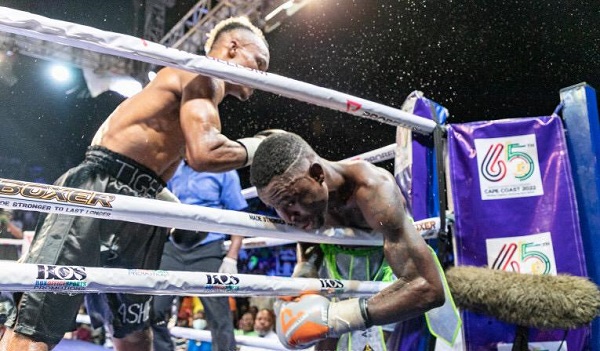
    Arguably the best fight of the year, Ashie and Quaye were able to fill the entire capacity of the Bukom Boxing Arena when they slugged it out in a grudge bout for the IBF Continental African title on Independence Day.

    Ashie managed an emphatic victory over his nemesis with a round eight stoppage win during a scheduled 12-round super lightweight championship.

    The pre-fight comments by both boxers drew a lot of attention to the clash with bragging rights up for grabs in the end.

    The turnout of the show proved that boxing events could be patronised, if the right matchups and marketing are done for bouts.

    Samuel Takyi v Kamaldeen Boyefio

    Much was expected from the Olympic bronze medalist when he decided to turn pro at the beginning of the year and was successful on his debut.

    Takyi quickly announced his readiness at the professional ranks when he knocked out the veteran in two rounds of their super featherweight contest.

    The 21-year-old has gone on to win two more bouts in South Africa and Nigeria with his final fight scheduled to come off on December 30 against Victor Kuwornu for the national lightweight championship.

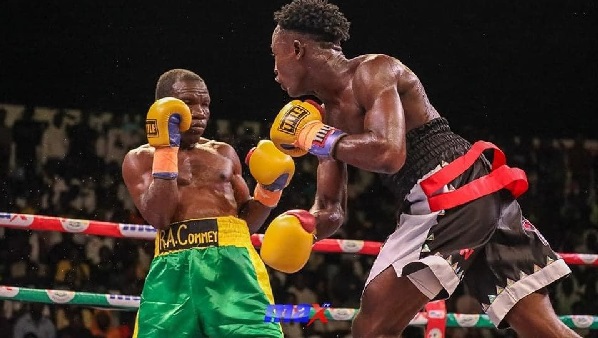
    Michael Decardi Nelson v Raymond Commey

    Nelson continued his quest to announce himself as one of the best in the country by snatching the vacant national bantamweight title when he unanimously beat Commey last October.

    Commey being an experienced opponent, he dragged the youngster to the distance to give Nelson a run for his money at the end of the bout.

    It was one of the most interesting fights of the year with Nelson proving that he is capable of making it big at the world stage when given the needed preparations.

    Nelson is looking forward to fighting one of the best in his division and has thrown a challenge to anyone who feels ready to face him at the bantamweight.

    Daniel Gorsh v George Krampah

    One of the prospects in the country, Gorsh went to war with his gym mate Krampah for the national super bantamweight championship and came out victorious.

    At age 22, the Bukom native is steadily improving under the tutelage of renowned trainer Lawrence Carl Lokko of the Bronx Boxing Club.

    Gorsh has invited Michael Decardi Nelson for a showdown next year but the latter said he would only be ready to face him at 118 pounds.

  • We remain committed to help bring relief to Ghanaians – IMF boss

    International Monetary Fund (IMF) Managing Director Kristalina Georgieva has reaffirmed her organization’s commitment to helping Ghana acquire an economic support program.

    This follows the Fund’s announcement on December 13 that it had reached an agreement with Ghana at the staff level for an extended credit facility worth US$3 billion over three years, among other things, to restore macroeconomic stability.

    On December 16, Kristalina Georgieva shared a video message on Twitter in response to their recent conversation. President Akufo-Addo was in the US for the just concluded US-Africa Leaders’ Summit.

    “Very good meeting with President @NAkufoAddo. I congratulated him on Ghana reaching a staff-level agreement for IMF support. We stand with Ghana and remain committed to helping deliver relief to Ghanaians,” the IMF boss wrote.

    Meanwhile, the Staff-Level Agreement secured with the IMF is subject to IMF Management and Executive Board approval and receipt of the necessary financing assurances by Ghana’s partners and creditors.

    “The economic program aims to restore macroeconomic stability and debt sustainability while laying the foundation for stronger and more inclusive growth,” the IMF said on its website on December 13.

    “The Ghanaian authorities have committed to a wide-ranging economic reform program, which builds on the government’s Post-COVID-19 Program for Economic Growth (PC-PEG) and tackles the deep challenges facing the country,” the statement read in part.

    “Key reforms aim to ensure the sustainability of public finances while protecting the vulnerable. The fiscal strategy relies on frontloaded measures to increase domestic resource mobilization and streamline expenditure. In addition, the authorities have committed to strengthening social safety nets, including reinforcing the existing targeted cash-transfer program for vulnerable households and improving the coverage and efficiency of social spending,” it added.

  • SEND Ghana assesses 2023 National Budget and Economic Policy

    SEND Ghana’s early evaluation and analysis of the 2023 National Budget Statement and Economic Policy have been made public.
    The assessment for this year examines 5 Ministries: Health, Education, Agriculture, Sanitation, and Water Resources, as well as Gender, Children, and Social Protection, throughout a 5-year period from 2019 to 2023.

    Some sector-specific and cross-sectoral issues were found by our investigation.
    In all of the aforementioned sectors, we notice inadequate budget implementation and an excessive reliance on donor funds.
    We are bringing these flaws to the government’s attention because they pose a risk to reaching the necessary developmental outcome and the Sustainable Development Goals (SDGs).

    Cross-sectoral observations

    Improve Budget Execution Rate

    We have identified a common theme of poor budget execution pertaining to ministries including Health, Education, and Sanitation. Budget execution rates are an indication of the credibility of the budget. Consistently high variations between budgetary allocations, amount released and actual expenditures (over or under-execution) points to issues bothering on the quality of budget planning and/or challenges in budget execution.

    Allotting less or more to certain budget lines could potentially impact the implementation of other itemized budget lines, ultimately undermining Ghana’s development agenda. A critical look at the performance reports of the various ministries (health, education, sanitation and water resources, gender, children and social protection) for the last three (3) years (2019 – 2021) demonstrates the government’s consistent weakness in budget execution.

    First, the Ministry of Sanitation and Water Resources (MSWR) has particularly and consistently experienced budget execution crisis, as far as actual disbursements are concerned. The 2019 and 2020 performance reports of the Ministry showed that only 6.32 percent and 18.9 percent of the approved budget were respectively released.

    This implies that Goods and Services and CAPEX suffered the most, and delivery of services to citizens was severely constrained. It is refreshing to note, however that in 2021 we saw a huge jump from the 2020 execution rate to 86.00 percent.

    Although the 2021 execution rate relative to the previous years’ is commendable, the general trend in poor budget execution raises deep concern about the government’s commitment to addressing the huge challenges facing the water and sanitation sector. To achieve goal six (6) of the SDGs, the Ministry of Sanitation and Water Resources must improve its’ budget execution rate in 2023 to enhance service delivery in the sanitation and water sector.

    In the same vein, similar sentiments can be expressed about the Ministry of Health’s budget. Expenditure allocations to the health ministry is the first step of government’s commitment to improving the health of the people of Ghana.

    However, poor execution of the budget through over or underspending of funds to some budget line items prevents health managers from providing quality health services and thus deprive citizens access to quality healthcare. The total amount of the health budget released in 2020 was 64.8 percent of the revised appropriation. The budget performance for 2021 was comparatively much better at 93 percent, and this is commendable.

    However, if we look at specific budget line items, capital expenditure budget execution leaves much to be desired. Even though for the past three years the health ministry received more than two-thirds of its budget allocations for salaries and Goods and Services, the yawning gap in the execution of the capex budget leaves much to be desired.

    The execution rate of the capex appropriation encountered a wider gap among the three line-items. Less than one-tenth of the appropriation was actually released in both 2020 and 2021.

    This means that the government could not honour its responsibility as planned and compromised on the provision of health care and infrastructure development during the peak of the covid-19 pandemic and beyond. Should such trends continue, in particular for capital expenditure, the construction of the numerous health infrastructure including the agenda 111 will be stalled.

    Again, analysis of the annual budget performance report for 2021 revealed a disparity between allocation and actual disbursement to the education ministry. Out of an approved budget of GH¢15.64 billion, the ministry received GH¢13.67 billion (86.3 percent).

    A further breakdown by economic classification revealed that capital expenditure received less than half of its total allocation. In specific terms less than half (42.2 percent) GH¢634.69 million out of the total allocation of GH¢1.5 billion was released to the ministry.

    This smack of governments commitment to providing educational infrastructure and development. We encourage the government to prioritize capital expenditure for the education sector by approving and releasing in full the allocated amount if human development is of uttermost importance.

    To honour its commitment of Restoring and Sustaining Macroeconomic Stability and Resilience through Inclusive Growth & Value Addition, as the theme for the 2023 budget statement and economic policy highlights, and to maintain citizens’ trust, the government through the Ministry of Finance should take the necessary steps to disburse the appropriated budget in full. Persistent low budget execution rate only points to bad fiscal practices and should not be encouraged.

    The implications of poor budget execution are dire and the adverse impact on the delivery of public goods and services cannot be glossed over. Poor budget execution erodes government’s commitment to SDG indicator 16.6.1, which assesses primary government expenditures as a proportion of original approved budget.

    Reduce Continuous Dependence on Development Partners to Fund Capital Expenditure

    Our analysis of the national budgets (2019-2023) shows that the government still relies heavily on Development Partners (DPs) to fund its capital investments for some major ministries. Investments in the provision of Water, Hygiene and Sanitation (WASH) services in the last four years have largely been donor driven.

    In the 2019 budget for the Ministry of Sanitation and Water Resources, 70.26 percent of projected allocation was sourced from DPs. In 2020, it increased to 82.39 percent.

    This trend continued in 2021 with projected funds from DPs, for purposes of capital expenditure, constituting 75 percent, while the GoG, Internal Generated Funds (IGF), and the Annual Budget Funding Amount (ABFA) collectively make up just about 25 percent. In the 2023 budget, a whopping 92.22 percent of the total allocation is expected to come from DPs while GoG’s contribution reduced from 8.48 percent in 2022 to 1.8 percent in 2023.

    Donor Partners support also accounts for a large portion of the agriculture sector budget. While we commend the government for the significant increase of ABFA contribution witnessing a meteoric rise from 2.99 percent in 2022 to 51.48 percent in 2023, DPs contribution on the other hand increased to 40.50 percent in 2023 from 26.57 percent in 2022.

    In the Agriculture sector, DPs were expected to contribute 88.9 percent of projected allocations in 2021 to finance capital expenditure (CAPEX) of the Ministry of Food and Agriculture (MoFA). While investment in CAPEX is critical in stimulating growth, over reliance on donor support, which is characteristically unpredictable, puts at risk the government’s drive in pursuing agricultural modernization and industrialization.

    With this trend, the government will most likely miss its target to reducing grants by 10 percent to finance Goods and Services and CAPEX by 2023 as envisioned in Ghana Beyond Aid strategy document.

    The government must therefore take concrete steps to reduce the over-reliance on aid from donor partners. It has become apparent that donor funds are gradually dwindling, hence over-reliance on external support is counterproductive and could prove problematic in the near future.

    Again, considering the global economic turbulence, the government runs the risk of not mobilizing the required funding from DPs which will in turn affect actual releases to finance Agriculture and WASH interventions for 2023. Therefore, overreliance on dwindling and unpredictable donor support has serious consequences on the implementation of key interventions in the agriculture sector.

    Cross-Sector Observations

    Gender, Children and Social Protection

    Ensure the Regular and Prompt Release of Funds for Social Protection Programmes

    The effectiveness of the flagship social protection programmes, such as the LEAP Programme, the Ghana School Feeding Programme (GSFP), and the National Health Insurance Scheme (NHIS), to address poverty and inequality is minimized by erratic, irregular, and frequent delays in fund disbursements. Since November 2019, LEAP payments have witnessed consistent delays multiple times for months, often resulting in disruptions of the livelihoods of the poor beneficiaries and vulnerable families.

    The GSFP, despite the meager grant size allocation per child, has long suffered recurring delays in releasing feeding grants and payments to caterers. Delays in paying caterers, in particular, have resulted in a series of strike actions by caterers, and the consequences thereof are dire, especially on child poverty and malnutrition as well as educational outcomes.

    When it comes to the NHIS, the government has literally ‘starved’ the scheme of money for several months due to its failure to transfer the full amounts realised from the NHIS levy and the SSNIT contribution to the National Health Fund. This situation has led to the indebtedness of health institutions to medical suppliers across the country, compelling some facilities to demand patients make out of payments (OOP) for medical commodities and services.

    The poor and vulnerable people are the worst hit by this unfortunate development. The increasing cost of living in the country, exacerbated by high inflation and worsening cedi depreciation, is projected to push more people into extreme poverty and widen the inequality gap.

    To reverse this trend, the government needs to implement concrete expenditure measures, including strengthening social protection systems. We urge the government to release funds timely in line with statutory commitments to accelerate efforts at attaining the Sustainable Development Goals (SDG) 1 (End Poverty), 2 (Zero Hunger), 3 (Good Health and Well-being), and 10 (Reduced Inequalities).

    The recent Ghana Living Standard Survey round 7 (GLSS 7) shows that the multidimensional poverty rate in Ghana is 45.6 percent, and more worrying is the fact that 73.4 percent of children in Ghana have been identified as multidimensionally poor.

    To reverse this trend, pragmatic and concrete expenditure measures are paramount, and this include strengthening social protection systems and prioritizing social service spending. We urge the government to increase social spending and release funds timely and fully.

    Government Should Clarify Intention to Double LEAP Grant from GH¢45.00 Per Household to GH¢90.00

    The government’s promise to expand the LEAP programme to attain universal coverage by 2024 is most welcoming. It is even more pleasing to note that the grant size, which currently falls below the extreme poverty line, will, in 2023 increase by 100 percent to mitigate the rising cost of living among beneficiary households.

    While we highly commend the government for this impressive development, the specific amounts as captured in the budget statement create a situation of ambiguity. According to the budget document, the “Government will double the amount of the LEAP grant from GH¢45.00 per household to GH¢90.00.”

    We find this problematic because the amount received by a household is determined by the number of eligible members, and presently, a single-member beneficiary household receives GH¢ 64 and not GH¢45 as presented by the finance minister.

    In the interest of transparency and accountability, the government ought to explain the amount stated in the budget and indicate the specific amount to be paid to the category of beneficiaries in accordance with the payment eligibility criteria, as well as the when exactly this increment in the grant size will take effect.

    Prioritize Social Services Spending and Ensure Equity in Budget Allocation for the Social Sector

    A five-year (2019-2023) analysis of budgetary allocation for the major social sector Ministries, Departments, and Agencies (MDAs), such as Health, Education, and Gender, Children, and Social Protection (MoGCSP) show inequity in expenditure allocation.

    The Education Ministry continues to receive the largest budget allocation as a portion of the social sector MDA budget, followed by the Ministry of Health, with the Ministry of Gender, Children, and Social Protection. Ministries receiving the least among the three MDAs.

    Although investment in the social sector as a whole is critical to building the country’s human capital development, the MoGCSP’s mandate in coordinating most of our social interventions and ensuring the protection of vulnerable populations, especially women and children, is even more imperative. However, our analysis over the years point to very low allocations to the MoGCSP relative to the other social sector MDAs.

    For instance, in the 2023 budget, the share of the MoGCSP allocations to the total social sector budget of GH¢40,382,965,377 is just 3.65 percent. A huge sum of the 6.85 percent is going into employee compensation (GH¢34,869,501) and the LEAP (GH¢395,070,000) and GSFP (GH¢969,000,000).

    Funding allocation to the Child/Human Trafficking and the Domestic Violence unit have remained low over the years, for example at GH¢1,000,000, each, adversely affecting the implementation of child and women-friendly programs, such as sexual and gender-based violence against women, child marriages, and abuse.

    We urge the government to ensure equitable allocation of resources to the social sector MDAs. The MoGCSP and its agencies, in particular, need more funding to enable it to provide welfare services for the poor and marginalized groups.

    Health

    Increase NHIA Receivable Budget from The National Health Fund

    The budget statement over the past five years shows increases in revenue from the NHIL and SSNIT contribution to the NHIF. However, only a percentage is transferred into the NHF with no information on what uses the remaining funds is put to. The introduction of the electronic renewal system has increased active membership of the NHIS to more than half of the population, thus requiring more funds to purchase healthcare for members.

    Yet, the ministry of finance since 2020 transfers less than 50 percent of allocations to the NHIA according to the MOH 2021 holistic report, thus affecting claims payment. Many accredited health facilities have in effect resorted to operating cash and carry along the NHIS where 42 percent of the poorest members are paying out of pocket for healthcare.

    In the current state of the economy of the country, this practice will increase the vulnerability of poor people such as the aged, LEAP beneficiaries and Persons With Disability by limiting their access to quality healthcare services.

    The ministry of finance must increase transfers from the NHIL into the NHF and ensure that not less than 90 percent is released from the NHF to the health insurance authority during the implementation of the 2023 budget.

    Lodge the COVID-19 levy into an identifiable Fund

    The Covid-19 outbreak revealed weaknesses in Ghana’s health system and proffer several lessons for building a resilient system. One of such lesson early in the pandemic was the establishment of the COVID-19 levy by an act of parliament to raise funds to combat the disease and its impact. Since its establishment in 2021, revenues generated have increased by 28.4 percent from GH¢889,07 million to GH¢1.141 billion in 2022 representing 10.4 percent of the health budget for both years.

    The levy is projected to raise GH¢2,533 billion in 2023 representing a 121.9 percent increase over 2022 and 16.6 percent of the projected health budget. Revenue from the covid-19 as with other levies is lodged into the consolidated fund and sometimes is not entirely used for its intended purpose. Even though the levy over the last three years reflects the revenue part of the budget, it is unclear to which expenditure line it can be traced.

    With governments intentions to sustain gains made “under COVID-19 to detect and respond to future pandemics and emergencies”– by embracing vaccination as its main prevention strategy among other interventions such as strengthening disease surveillance and response, establishing the National Vaccine Institute and Ghana Centre for Disease Control- this is the time for the government to channel revenues from the levy into a dedicated fund for health emergency preparedness and response and outline it uses and management to ensure efficiency. This will ensure the implementation of one of the country’s key policies on global health security.

    Increase Domestic Funding to Sexual and Reproductive Health/Family Planning through the NHIS

    DP support to the health budget will remain the least of revenues of the health budget should taxes, IGF and the oil funds be merged. With their contribution constituting 20percent of the budget, government seem to be on track of going beyond aid.

    However, DP’s on or off budget contribution constitutes a major source of funds for certain interventions such as SRH and immunization. With projections of dwindling funding inflows from DPs in coming years and to avoid reliance on external funding, government must ensure that the NHIS becomes the main domestic source of funding for the procurement of FP commodities and SRH services by releasing all funds in the NHF to the NHIS.

    Education

    Provide Education Infrastructure at the Basic and Secondary Levels to Augment the Infrastructure Deficit in the Education Sector.

    SEND Ghana’s assessment of the country’s education sector over the years has continually exposed the infrastructure deficit, especially at the basic and secondary levels without any significant improvement. Even though the government in the 2022 budget made mention of completing some projects (Page 149, item 766) such as classrooms, dormitories, and staff bungalows inter alia, there was no specific mention of any of such projects in the 2023 budget.

    Our analysis of the 2022 education sector budget revealed that some 5,403 schools were in critical condition with another 2,417 schools still under trees with GH¢3.5billion still required to fix the sector’s infrastructural gap.

    Our analysis of the 2023 budget revealed that 2.76 billion was allocated to capital expenditure which constitutes only 12 percent of the total education ministry’s budget. Government must commit to increasing the allocation of funds for infrastructural development in the education sector to overcome the persistent deficit.

    Sanitation and water resources

    Chanel Proceeds from Sanitation and Pollution Levy to Support Investment in Sanitation.

    In 2021 the government of Ghana instituted a Sanitation and Pollution Levy (SPL) of 10p per litter of petrol and diesel respectively, to support infrastructural investment in the Sanitation and water sector, with the view to ensure sustainable sanitation management, improve the quality of life and reduce the number of deaths and diseases from poor sanitation.

    The levies have accrued substantial sums of money but not everything is disbursed to support investments in their targeted sectors. According to 2023 budget, the Sanitation and Pollution Levy has provisionally accrued GH345,347,346 for Q1-Q3, and is projected to accrue GH 435,243,346 by the end of the year 2022.

    For the year 2023, the levy is projected to accrue about GH522,248,357. Notwithstanding the inflow, the country still experiences serious sanitation challenges.

    As indicated earlier, in the 2023 budget for the SWR Ministry, a whopping 92.22 percent of the total allocation is expected to come from Development Partners while GoG’s allocation has reduced from 8.48 percent in 2022 to 1.8 percent in 2023.

    This is inadequate, highly unsustainable, and bad practice considering the government of Ghana’s “Ghana beyond aid mantra” and dwindling donor support in recent years. We, therefore, call on government to demonstrate commitment by channeling proceeds of the SPL to finance WASH infrastructure as it will significantly reduce government’s over-reliance on donors to finance WASH infrastructure.

    Agriculture

    The Government Should Increase Its Allocation and Ensure Priority Investment in the Agriculture Sector.

    Allocation to the ministry in 2023 saw a nominal increase of 95.19 percent from GH¢1,103,171,000 in 2022 to GH¢2,153,234,369 in 2023. This translates in real terms to 80.18 percent increase in 2023 over the previous year’s allocation.

    Despite the steep rise in allocation, MOFA’s share of 1.13 percent is still far less than the 10 percent of government’s commitment in line with the Malabo declaration. This accounts for the inconsistent growth of the sector and the rising food insecurity among the vulnerable and low-income population in Ghana.


    Source: Ghanaweb

  • Cedi continues recent gains; 1$ now ¢9.2

    The Ghana cedi continued its recent gains against the US dollar and the euro today, December 19, 2022.

    This is coming after recording its biggest performance against the American ‘greenback’ and other major foreign currencies last week.

    Checks by Joy Business at some forex bureaus indicate that that the cedi is going for ¢9.20 to the dollar.

    Also, the cedi went for ¢9.30 pesewas against the euro, but remained at ¢1.80 to the pound, same as Friday December 16, 2022.

    The recent gains by the local currency has therefore narrowed its year-to-date loss to 24.9%, from the high of 54% to the US dollar recorded some three weeks ago.

    Now, the cedi is no more the worst-performing currency among top-performing currencies in Africa. Rather, the Egyptian pound is the worst-performing currency among the top African currencies on the continent.

    According to Goldman Sachs’ 2023 outlook, “markets are anxious for signs of a fundamental shift, and investors are increasingly fearful of missing out since corrections after a peak tend to be swift and steep”.

    Many analysts have cautioned that the cedi’s recent extraordinary performance may not be fundamentally supported.

    Rather, this is purely due to the staff-level agreement reached between the International Monetary Fund and the Government of Ghana.

    In this regard, they want government to ensure that an IMF programme is concluded by the first quarter of 2023 to sustain the performance of the cedi.

    Source: myjoyonline.com

  • Ofosu-Ampofo didn’t lose because of underperformance – NDC Deputy General Secretary

    Retained Deputy General Secretary of the National Democratic Congress (NDC), Barbara Serwaa Asamoah, doubts the incumbent NDC National Chairman, Samuel Ofosu-Ampofo, was voted out of office due to underperformance.

    She believes the party recognises the outgone chairman’s contribution adding that he “held the party very effectively.”

    ”Both have their strength in leading the party. One was very calm, the other one is fire-drunk so if party people believe that at this point where we find ourselves, it is a firebrand that we need to lead the party. I think it’s well accepted but I don’t think that the other person lost because he didn’t perform. Everybody knows that he’s played his role very well, he led the party very effectively,” she said.

    According to the politician, both individuals are strong leaders with different leadership styles.

    She also shared that the party will be channeling their support towards the new chairman Johnson Asiedu Nketia with the 2024 general elections as the goal.

    “We are all going to give him the necessary support; the support that we gave to the outgone national chairman for him to succeed, we are going to give the new chairman the same support,” she added.

    NDC delegates converged at the Accra Sports Stadium on Saturday, December 17, 2022, to elect new national executives.

    The outcome of votes as suggested by some experts and party people renders the NDC formidable to match the stalwarts of the New Patriotic Party in the 2024 elections.

    Source: myjoyonline

  • Period poverty: Menstruation should not be financial burden

    On Saturday, August 22, 2020, the Vice President, Dr Mahamudu Bawumia, gave an assurance that the New Patriotic Party (NPP) government would remove import duties on sanitary pads if its mandate was renewed for the next four years.

    Similarly in 2014, the then John Dramani Mahama-led government joined a World Bank pilot programme to distribute sanitary pads to school girls. That project was aimed at keeping girls in school during their menstrual period. However, the programme was not sustained due to misconception and perceived political opposition to the programme.

    Menstrual hygiene products are classified as luxury products and heavily taxed making it unaffordable for women and girls in low-income homes and deprived communities in the country. Ultimately, the most important thing is for government to remove the taxes to make the products more accessible for low-income consumers and then follow that with steps to supply girls in very deprived areas with sanitary pads.

    The Girls Excellence Movement has over the years donated sanitary pads to girls

    Despite the many calls and advocacy to have these taxes removed, nothing has been done. There was no mention of this waiver in the 2023 budget presented to parliament last month. Rather, an increase in VAT from 12.5 to 15 per cent which will further increase the prices of menstrual hygiene products and make them unaffordable was what featured.

    “For years, advocates on menstrual hygiene have been on the necks of governments to provide tax waivers on menstrual products. Government after government have come and gone. Yet the status quo has remained. Women and their reproductive health have been relegated to the list of unimportant issues to be handled,” said the Founder of Period Matters, Able Delalie.

    She noted that with the no mention of tax waivers on menstrual products in the 2023 budget, 2023 will most likely be as financially and psychologically draining as the years before.

    The Founder and Executive Director of Girls Excellence Movement (GEM), Juliana Ama Kplorfia, for her part said menstrual products were a necessity but because it was treated as luxury in the taxing system, it made it unaffordable for girls, especially in this economic crisis.

    “The current economic crisis has made the commodity more unaffordable because families now have to think about other more ‘important’ things and prioritise those basic needs above sanitary pads,” she said.


    Prices of sanitary pads

    As of June 2022, the prices of sanitary pads were as follows: A pack of Yazz – GH¢11; Propa GH¢11; Softcare GH¢8; Always GH¢ 12; Cute woman GH¢4.50.

    With the current economic crisis, the prices have shot up again and will see further increment next year when the new VAT comes into force. A pack of Yazz is between GH¢17 and GH¢22; Propa GH¢ 17; Softcare GH¢14; Always GH¢18 while the double pack sells at GH¢24; Cute Woman GH¢12 as of the time of filing this article.

    Period poverty

    Period poverty is not just for the poor and middle class. The increase in the price of sanitary pads has got everyone complaining.

    Francis Ametepey, Co-Lead of the Africa Youth Partnership – Ghana Youth Task Team

    Menstrual hygiene products are expensive and this is a shared sentiment from high, middle to low income earners. So you can imagine the plight of young girls and women in deprived communities. How are they managing their monthly flow? Even for women who do not experience period poverty, high-quality feminine hygiene products often also come with a high sticker price.

    “With all the issues these price hikes are causing, the biggest one to me is the price of menstrual pads! Period poverty is increasing right before our eyes and there isn’t enough being done! Can’t we start with the removal of the 20 per cent tax on pads? We need to reduce the cost!” popular Citi FM presenter, AJ Akuoku-Sarpong tweeted.

    For 16-year-old Odeibea, who lives at Suhum, buying sanitary pads has become “a problem and I sometimes use toilet roll during that time of the month”.

    Scrap 20 per cent campaign

    The World Bank estimates that 500 million women and girls globally lack access to adequate facilities for menstrual hygiene management. Research from Plan International UK, revealed that three in 10 girls and women aged 14-21 had issues either affording or accessing feminine hygiene products during the COVID-19 lockdown, and that more than 54 per cent of them had resorted to toilet paper as an alternative.

    There have been many advocacy, campaigns and petitions calling on government to remove the taxes on menstrual hygiene products to make them affordable.

    Recently, the Africa Youth Partnership – Ghana Youth Task Team, launched the ‘Scrap the 20 per cent Luxury Tax Off Menstrual Products in Ghana” campaign.

    The campaign appealed to government to remove taxes on menstrual products and also establish firms to produce menstrual products locally.

    According to the Co-Lead of the Ghana Youth Task Force, Francis Ametepey, the current economic state and the post COVID-19 era made menstrual products less affordable for the vast majority of consumers.

    “The menstrual product tax exacerbates period poverty and negatively impacts the quality of life of women by decreasing the accessibility of menstrual products,” he said.

    Mr Ametepey noted that sanitary pads and tampons were designed in commensuration with health and sanitary considerations making them safer to use than older methods and must, therefore, be safeguarded to reduce poor menstrual hygiene and menstrual-related infections.

    So far, the petition has garnered 11,948 signatures. The team has started stakeholder engagement by meeting policy makers to strategise on presenting the petition to the Speaker of Parliament and the Ministry of Finance.

    Downsides

    Apart from the myths and misconceptions about menstruation, when women and girls do not have access to menstrual hygiene products which negatively impacts on them. Some may resort to using unhygienic materials to collect blood which may lead to infections and other medical problems. Others may skip school which will negatively impact on their education. According to Action Aid, one in 10 girls in Africa missed school because they did not have access to menstrual products, or because there weren’t safe, private toilets to use at school.

    Teenage girls are most vulnerable during their menstrual cycle and it is important to help these girls not to be part of the statistics. Lack of access to menstrual products have led some teenage girls to do the unthinkable. Some engage in transactional sex for sanitary pads.

    Ms Kplorfia said in a situation where a girl could not totally afford the sanitary pad and there was no family member to help, she would look for benefactor(s) who sometimes took advantage of them because the constant demand for pads made them vulnerable. Some girls, she said, willingly offered sex in exchange for pads.

    The distress associated with period poverty is linked to the Sustainable Development Goals – 1 (No poverty); 3 (Good Health and Wellbeing); 4 (Quality Education), 5 (Gender Equality) and 6 (Clean water and sanitation)

    In order to achieve the SDGs, there is still more that can be done. First and foremost is for society to normalise menstruation.

    There is a need to remove the myths, misconceptions and taboos about menstruation. It is a natural phenomenon.

    Education is important and every child – male and female should be educated about periods, and given the right information in order to remove the stigma around it. Also, better toilet and sanitation facilities in schools and communities are essential to reduce the problem of girls missing school days.

     Menstrual hygiene products are classified as luxury products and heavily taxed

    Take action

    Ultimately, the most important thing is for government to remove menstrual hygiene to make the products more accessible for low-income consumers and then follow that with steps to supply girls in very deprived areas with sanitary pads.

    “Please take off the tax. It is unheard of, especially in this 21st century. In this economic crisis that families are struggling to provide three square meals, the tax makes sanitary pads, which is a basic necessity, a luxury that many cannot afford and it is affecting girls’ education. It is exposing girls to sexual abuse” Ms Kplorfia appealed.

    She said a girl not having access to menstrual hygiene products did not end with the girl soiling herself, but rather created more social crisis that government would then have to create interventions for later.

    There are countries that have taken the lead and shown that it is possible to remove tax on menstrual products. In 2020, Scotland became the first country in the world to offer free sanitary products to all women.

    Kenya became the first country in the world to remove taxes on imports of sanitary products in 2004. Canada, Australia, Kenya, India, Jamaica, Nicaragua, Nigeria, Lebanon, Malaysia, Colombia, South Africa, Namibia, and Rwanda have all put in measures to remove tax on period products.

    Period poverty is everyone’s business and it is important to reiterate the call on government to remove this unequal tax burden on women and girls. Menstruation is a natural phenomenon, a basic human right and women and girls should not be taxed for this.

  • My father’s performance has been ‘stellar’ despite economic woes – Gyankroma Akufo-Addo

    President Nana Addo Dankwa Akufo-Addo is one person who has received a lot of “heat” from Ghanaians lately, as he is widely regarded as the cause of the nation’s present economic instability.

    Ghana’s economy is in a somewhat precarious state as a result of recent inflation, cedi depreciation, price increases, and debt.

    While the president has come under fire for overseeing the work of Finance Minister Ken Ofori-Atta and keeping him in his job despite what many have called the administration’s obvious economic challenges, Ofori-Atta has been accused of mismanagement on his part.

    Amidst all this, the daughter of the President, Gyankroma Akufo-Addo had something to say, she disagrees with naysayers who believe her father is underperforming.

    When approached by JoyNews in an interview where she was asked her thoughts about her father’s performance so far, the CEO of the Creative Arts Agency had a simple response; ‘Stellar’.

    According to her, her father has outperformed in the face of these economic challenges, taking hard decisions to keep the country’s state steady.

    “Stellar!” she said, adding, “I think a lot of people do not understand the backroom pressures and responsibilities that are needed and the tolls that it takes but this is a leader who has taken it on effortlessly, and has steered the shift that we all feel safe within these times of economic unrest. So for me, and I’m sure a lot of people will say that I am biased but a lot of people who know me understand my objectivity, and I feel that he is leading us on a safe and steady course,” she added.

  • Africa’s first photo library opens in Accra

    The first photo library in Africa has been commissioned for use in Accra.

    This is an ultra modern photo library and exhibition centre which is expected to boost photography and visual story telling that target at harnessing imagery resources across the continent has been commissioned at South La neighborhood in Accra.

    Known as Dikan Centre, the multi million dollar project which is an initiative of the Ghanaian-American trained documentary photographer, Paul Ninson has in stock over 30,000 photo books.

    It will offer a golden opportunity to facilitate photographic talent hunt and also be used as reference centre for the African photography industry.

    Apart from the library, the Dikan Centre has an art gallery, photo studio and editing department where editing of films and other productions take place.

    Africa’s first photo library opens in Accra

    In his welcome address at the commissioning, the Founder and CEO of the  Dikan Centre, Mr Paul Ampofo Ninson paid a glowing tribute to Mr Brandon Stanton, CEO of Creator of Humans of the United State of  America for making his dream come to fruition .

    He said the centre is poised to mobilise efforts to sharpen the identity of the African creative arts industry that has been left untapped, undeveloped and unattended to for centuries, adding that the centre  is gathering power and momentum to use the tools of visual education to bring into richness the continent’s creative –visual-arts industry into fine form and commercial viability.

    “We are determined never to leave behind any person, idea, history, culture, concept and facility necessary in re-imagining and firming the place of visual education in building a modernised African economy – If you know and have knowledge, see and/or hear, you are a storyteller Dikan will find you” said Mr Paul Ninson.

    Africa’s first photo library opens in Accra

    The centre offers  refresher courses and professional training programmes expected to attract photography students and visual story tellers from around the world.

    The centre teaches leadership skills, critical thinking and innovation as a complement to its interdisciplinary programme with a strong foundation crafted around the African context.

    He said for centuries, African history, culture and society lacked the central ingredients for transforming its potential into a commercially viable creative-visual-arts workforce.

    The Dikan journey pivots the very essence of the emerging African dream.

    Africa’s first photo library opens in Accra

    Mr Ninson expressed worry that the African continent is crippled by the enormous confrontations that undermine dreams of people while it is desperate to participate in the opportunities of this world.

    The ideas, fortitude, talent and skillsets of the bulk of this continent never gets materialised or amplified.

    According to him, the failure of private enterprises and the weaknesses of our institutions of government have fed into global terrorism and migration crisis.

    “Millions on the continent are surviving below the poverty line and our youth are desperate for new opportunities.

    “We cannot fail them,” he said.

    The Dikan Centre frameworks the urgency to accelerate the new African dream of providing real opportunities.

    Africa’s first photo library opens in Accra
    Africa’s first photo library opens in Accra

    The library started with Paul’s private collection during his studies in New York. He invested his income and savings in books on photography and filmmaking, hoping to bridge the gap between both the unavailability and inaccessibility of such books in Africa. Others were donated by institutions such as the International Center of Photography and the Howard Greenberg Gallery.

    After years of investing and collecting books in New York and other libraries across the world, Paul returned to Ghana in 2021 to start Dikan, a home to photographers and other creatives that tell impactful stories.

    Africa’s first photo library opens in Accra

    In the short-term Paul hopes to secure and make other visual instructional materials accessible both online and offline by securing iPads, and laptops at the Dikan library.

    One of Dikan’s marquee project is the Black book room, a space with resources documenting black visuals spanning generations. This project is to foster accessibility of books and other resources dedicated to Africans.

    The collection is envisioned to advance learning, teaching, research and support educational programme.

    Source: myjoyonline

  • CHAN 2023:Black Galaxies coach Annor Walker is struggling ahead of tournament selection

    Ghana’s Black Galaxies coach Annor Walker has admitted facing selection headache over which players to select for the upcoming 2023 CHAN tournament in Algeria.

    The home-based national team is currently at the Ghanaman Soccer Centre of Excellence, Prampram preparing massively for the tournament.

    The Black Galaxies have been in camp for three weeks preparing for the competition which begin on January 13, 2023 in Algeria.

    In an interview, Annor Walker insisted he has been handed a huge task in selecting his final squad for the tournament in the North African country next month.


    “I’m having headache. I invited them here and I am watching all of them so at the end of it all I will come out with my final list. It’s not easy but very soon we will come out with our final squad”

    Ghana are paired in group C against defending champions Morocco, Madagascar and Sudan.

    The team ill open their account against Madagascar on January 15, 2023.

  • Engage CSOs on draft Energy Transition Plan for buy-in – Government urged

    Denis Gyeyir, the Africa Program Officer for the Natural Resource Governance Institute (NRGI), has urged increased stakeholder participation in the Energy Transition Plan (ETP).

    He claimed it would guarantee the support and approval of all ETP stakeholders.

    The announcement was made by Mr. Gyeyir last Thursday in Accra at the NRGI’s 2023 Budget – Civil Society Organizations (CSOs) Budget Forum and Post-Budget Analysis.

    The meeting gave the CSOs a chance to discuss the budget statement and economic policy for 2023 and provide recommendations for how to implement them.

    Mr Gyeyir also urged govern­ment and the Ministry of Energy to engage CSOs on the final draft energy transition plan for the inputs and comments.

    “We noted in the budget that Ministry of Energy had finalised the Energy Transition Framework which is to provide the path to achieving net zero emission by 2070, therefore it was import­ant for more engagements for sustainable utilisation of Ghana’s natural resources,” he advised.

    He said CSO inputs and com­ments would be crucial to come out with a document that would meet the needs and aspirations of the country.

    Ghana is developing an Energy Transition Plan as part of measures to diversify from hydrocarbons in order to combat climate change.

    Mr Gyeyir called on govern­ment to consider transferring Jubilee Oil Holdings Limited (JOHL) shares to Ghana National Petroleum Corporation (GNPC) and ensure proceeds of liftings go into the Petroleum Holding Fund (PHF).

    He lamented that government was still not prioritising enough in terms of allocation of Annual Budget Funding Amount (ABFA) funds, making it difficult to un­dertake legacy projects.

    “We proposed this but was conspicuously missing in the revenue measures proposed by the government, if this is done revenue stream would not be lost to some offshore company whose beneficial owners are unknown,” he said.

    The Programme Officer said spreading petroleum revenues thinly on so many projects was not helping the country and ensuring value for money for financial resources from the coun­try’s hydrocarbons.

    “Looking at the four prior­ity areas for government thus,

    agriculture, physical infrastructure and service delivery in education and health, roads, rails, other critical infrastructure and indus­trialisation, maximum impact for citizens needs to be ensured to realise the full benefits of the production of oil and gas in Gha­na,” he stated.

  • Marriage lessons from Michelle Obama

    Michelle Obama, the former US first lady has been the cause of the discourse around marriages in the last one month or so. Social media is awash with the videos she is doing to promote her new book and the think pieces that keep stirring internet wars particularly on twitter cannot stop coming.

    Her marriage has always been admirable to a huge percent of the world’s population. Men have wanted something that solid, and women too have coveted her life, and deeply so, because we have always only seen the fine print of the work that has gone into making it.

    To us it has always been a really good looking husband, who became the first black man with African roots to rule one of the world’s most powerful nation, and their two beautiful children, who grew up right before our eyes.

    We had never seen her marriage, and the things she has had to endure to stay with her man with a deeper perspective until now when she is being really candid with the uncomfortable truths about what it means to be a married woman.

    This discomfort she has stirred in women is what brings the question I am trying to answer. Can a marriage exist without taking too much from a woman? Are we eternally destined to always give more? To sacrifice more? And to endure the deep inequalities that Feminism has tried to eradicate?

    I might not have an answer because I have never been married but here are a few lessons I have picked from listening to the former first lady.

    Marriage Can Never Be Equal

    You can never negotiate for a feminist relationship with a heterosexual man. By Feminist here I mean an an equal relationship.

    Michelle Obama reacts to viral video of fan calling husband Barack fine

    The man may be willing and conscious about inequality but marriage as it is, is a patriarchal system that was built upon the subjugation of women, and until this system is completely dismantled women are always going to suffer inequalities in it. The only thing women can do at present is negotiate for less harm.

    Marriage Comes At A Cost To Women

    Many women wish to get married, and their frustration towards Michelle is rooted in the fact that they still hope that marriage can benefit them in the ways that it benefits men.

    Marriage though is a system that was borne out of the need of consolidating resources between families in an era when women were not anything more than mere vessels charged with the duty of child bearing.

    This is why despite being married to one of the most progressive men in the world, Michelle struggled with the same basic things that pain women of all social classes.

    That is being or of burdened with the labor raising kids alone while the man who is supposed to be an equal partner is out there chasing his career and personal ambitions.

    Her Lived Reality Is Quite Universal

    What Michelle has done is that she has revealed the truth of what marriage truly looks like. The truth we see everywhere across the world and that truth we are still trying so hard to resist.

    Barack would find time to go to that gym, and to golf while she was feeling totally overwhelmed by the labor that comes with taking care of two young children. According to her, they had a difficult ten years where she felt she was investing more into the marriage than he was.

    Our anger towards her is a resistance to the truth, and this shouldn’t be the case. The question we should be pondering upon at present is, what can we do to change the lived realities of women in marriage? How can we negotiate for less labor?

    Marriage Wouldn’t Be So Hard If Men Did Their Own Share Of Labor

    What caused the discomfort she endured for ten years in marriage was the reproductive labor she had to put in when the kids were younger with little help from her husband who always found time for rest at a time when she was sinking into the anxieties of motherhood.

    If men took up to doing their own share of labor in their households, there would be less resentment in marriage.

  • BoG to develop framework to regulate crypto currency – Dr. Addison

    According to Governor Dr. Ernest Addison of the Bank of Ghana (BoG), a thorough framework for regulating the digital asset sector is being developed.

    He claimed that the action was in keeping with the public’s rising interest in and use of digital and virtual assets, sometimes known as crypto currencies.

    Dr. Addison said this at the Chartered Institute of Bankers Ghana 2022 Annual Bankers’ Dinner Day, also known as Governor’s Dinner Day, which was held in Accra last week.

    Dr Addison who delivered the keynote address said having dom­inated global headlines for both innovation and calamity, crypto currencies were gaining grounds on the African continent.

    “Given the recent trends, the BoG initiated processes to active­ly study and monitor cryptocur­rency and related technologies and models such as blockchain, decentralised finance and stable­coins. The bank has subsequently gained institutional understand­ing of the concepts, monitored global market developments, and reviewed several regulatory and global standards setting bodies across various jurisdictions, includ­ing the Financial Action Taskforce, Financial Stability Board, the Basel Committee on Banking Supervi­sion,” the Governor stated.

    “In all these, the clearest take­away for the bank is the fact that, crypto currencies are digital assets and not currency, and in as much as cryptocurrency is associated with other key risks including volatility, cyber-theft, loss of funds with potential threat to financial stability, an outright ban of crypto­currency has proven ineffective, mainly due to its decentralised and borderless nature.

    Consequently, the bank intends to continue to allow blockchain in the regulatory sandbox, as the first step while we continue to explore a comprehensive regulatory frame­work for the digital asset industry, Dr Addison stated.

    He said notwithstanding the decision to develop a regulatory framework for cryptocurrency assets, the bank still stood by its caution statements to the public on the dangers associated with cryptocurrency transactions as contained in several notices issued in the past.

    “Interested parties need to be wary about potential losses that could occur when trading in crypto currencies. The bank equally stands by its directive as per the Notice issued on March 9, 2022, that all licensed institutions includ­ing banks, specialised deposit-tak­ing institutions, dedicated elec­tronic money issuers and payment service providers should refrain from facilitating cryptocurrency­transactions via their platforms or agent outlets,” Dr Addison stated.

    On the growing cyber security threat in the country, the Governor said as online business transactions had grown, so had the incidence of cyber-attacks, and mobile mon­ey and Automated Teller Machine fraud.

    He said to forestall such activi­ties from becoming embedded and weakening the digitisation drive, the bank established a Financial Industry Command Security Oper­ations Centre (FICSOC) in 2018.

    “In this regard, the bank has worked closely with the industry to complete a state-of- the-art FICSOC infrastructure, which is expected to be fully operational in the first quarter of 2023,” Dr Addison stated.

    The FICSOC, the Governor said would assist with identify­ing threats in the banking sector through proactive monitoring, strengthening the cybersecurity posture of member institutions, sharing cybersecurity threat intelligence to improve resilience and incident management, and conducting digital forensic investi­gation where necessary.

  • Forcefully renegotiate existing mining contracts to benefit Ghana – Mine Workers’ Union

    According to the Ghana Mine Workers’ Union (GWMU), the government has to take a bigger role in the mining sector and aggressively renegotiate current and future contracts for the benefit of the nation.

    According to the Union, doing so would aid in preserving more of the industry’s value for the benefit of the nation and its people.

    Abdul-Moom­in, the General Secretary of the GMWU of the Trades Union Congress of Ghana, made the call during the two-day National Executive Committee Meeting, which ended on Friday. He expressed concern about the mining industry’s foreign hegemony and the meager value that the nation derives from it.

    “After over 100 years of mining, Ghana’s mining industry continues to be dominated and controlled by foreign interest with over 99 percent of mining com­panies being foreign, owning 90 percent of the shares with gov­ernment left with a paltry 10 percent carrying interest. Without a doubt, the Government of Ghana has since the 80s shied away from the mining sector instead of con­fronting this sorry narrative of our over-dependence and reliance on a foreign-dominated sector,” he said.

    He said after the Structural Adjustment Programme in the 1980s, the government left the mining sector in the control of foreign companies.

    Mr Gbana said with the lessons the country had learnt over the years after extricating itself from mining, the govern­ment could enter into mining to improve its stake in the sector.

    “I believe in running our own mines and/or increasing our stake in these mining companies by forcefully renegotiating existing contracts as well as future con­tracts in order to create and retain greater value for the citizens of this country,” he said.

    Mr Gbana observed that the government over the years had chosen the ‘lazy man’s’ approach of over-relying on a “tax-royal­ty” fiscal regime, where the only source of its revenue depended on revenue generated from min­ing companies/activities in the country through taxes and royal­ties levied on revenue generated from production.

    “In fact, on dividend payment, the least said about it the better as the so-called 10 percent govern­ment carrying interests only exists on the books as many of these companies scarcely declared any dividends and in a few instances where some do, government’s share has been a minute fraction.

    Considering the generous fis­cal giveaways (including excessive repatriation of mining revenues by multinational businesses, signing of stability and develop­ment agreements, which contin­ues to deny Ghana its fair share of revenue under this so-called tax-royalty fiscal regime, we believe that the time has come for this narrative to change and ought to change quite swiftly, “ he stated.

    The GMWU Secretary Gen­eral added “To change however would require a change in the ownership structure of mineral assets thereby shifting from the aged-long comfort zone of over-dependence and reliance on a tax-royalty regime to active participation and control of production by negotiating/renegotiating a much greater stake in these mining companies in order to create and retain the needed value for the people of Ghana.”

    The General Secretary of the Socialist Movement of Ghana (SMG), Kwesi Pratt, Jnr, who was the guest speaker, said it was worrying that Ghana, the sixth largest gold producer in the world was wallowing in.

  • Danlad Ibrahim is optimistic Black Galaxies will excel at 2022 CHAN

    Black Galaxies goalkeeper Danlad Ibrahim is highly optimistic that the team will go to the finals with the support of Ghanaians at the 2022 Championship of African Nations tournament (CHAN) in Algeria.

    Ghana will be making a record fourth appearance at the tournament in January following previous appearances in 2009, 2011 and 2014.

    The Galaxies will be seeking to restore Ghana’s glory in the competition having played in two finals in 2009 and 2014.

    “I am always happy because when we came their words and the feeling in camp from the technical team to the playing body it was marvelous,” he told GFA

    Communications.

    “Everyone was very happy to see us back in camp and yesterday that we trained together you can see the feeling was very great.”

    “With all these good relationship between we and the playing body and the technical team as well, I think we can give a good performance in the upcoming tournament and I believe In Sha Allah with the support of Ghanaians we will go far.”

  • Domesticate international conventions on fisheries sector – Industrial Trawlers Association

    Nana Dr. Oyeman Ofori-Ani, the Board Secretary of the Ghana Industrial Trawlers Association, is urging the government to domesticate international fishing rules and agreements for the Ghana Maritime Authority’s simple execution.

    He maintains that all international treaties and laws guarantee the survival of the fishing sector, but in order to be enforceable, they must first be recognized as state laws.

    Speaking on the Eye on Port live show, he claimed that domesticating international norms will enable local governments to enforce them and assure industry participants’ compliance.

    The Board Secretary said this in relation to the Cape Town Agreement of 2012 and other international conventions by other establishments like the International Maritime Organization (IMO), the International Labour Organization (ILO), and the Food and Agriculture Organization (FAO).

    Also contributing to the discussion was the Deputy Director in charge of Surveys and Inspections at the Ghana Maritime Association (GMA), Captain William Eson Thompson, who commended the Minister of Fisheries, Mavis Hawa Koomson for her initiative in the issuance of licenses for vessel owners.

    “Until she sees a certificate from GMA, no more fishing license, and that is what is making our operations very effective”.

    Touching on the enforcement of safety regulations on fishing vessels to meet international practices, Captain Thompson emphasized that even though the safety standards of some fishing vessels have been low in the past, the GMA is doing all it can to raise those standards to acceptable levels.

    Nana Dr. Oyeman Ofori-Ani said the periodic surveys by the GMA have proven to be very useful in the sense that some safety issues that hitherto were ignored by the vessel owners are being taken seriously.

    “When they started the recent operations, we have been exposed to a lot more that we needed to have done that we weren’t even aware. Now we are not only talking about the condition of the vessel thus the safety equipment or machinery, we are now focusing even on the crew. So now crew welfare has become a major issue that we will take on board from next year,” he said.

    “We concentrated on our life-saving safety equipment first, and then we moved on to the other aspects of the vessel safety. So yes, the standards were low but right now, there is a program in place that is bringing the standard to the international level”.

    He advised that the consequences of not adhering to international best practices in the fisheries industry could have dire consequences for the sector. He said international bodies like the European Union where Ghana exports could impose sanctions.


  • Expedite approval of Diaspora Engagement Policy — Speakers

    International Migrants Day forum participants urged the government to complete the Diaspora Engagement Policy as soon as possible so that it can serve as a guide for all diaspora organizations operating in the nation.

    According to them, all Diaspora organisations were working in silos and in order to ensure that the appropriate synergies were created for effective engagement of the Ghanaian Diaspora and people of African descent for national development, it was urgent to finalise work on the single diaspora policy for guidance.

    The speakers include Ariana Gasparri from the the United Nations Capital Development Fund (UNFED); Eric Aksoyn from the International Organisation for Migration (IOM); Fatmata Lovetta Sesay from the United Nations Development Programme (UNDP); Mariana Lamptey from the Ghana Investment Promotion Centre (GIPC); Nadia Adongo from the Diaspora Affairs Office of the Office of the President, and Davisha L. Johnson from the African Diaspora Collective, USA.

    They discussed and made recommendations to issues centered on economic, human capital, social protection and other salient issues affecting the Diaspora as well as their potential for national development.

    IMD

    International Migrants day is observed every year on December 18, to bring attention to the social and economic realities of migrants around the world.

    The dialogue, which took place at the Accra International Conference Centre last Friday, was organised ahead of the day.

    It was on the theme: “Migration for the Benefit of All”.The dialogue was jointly organised by the Diaspora Affairs Office of the Office of the President, United Nations Network on Migration, and the European Union Delegation to Ghana.


    Roles

    A deputy Minister of Foreign Affairs, Kwaku Ampratwum-Sarpong, said although migrants across the world played critical roles in their countries of destination, many of them did not find jobs in their areas of expertise as they had in their countries of origin.

    In spite of this, the deputy minister said the government had repeatedly demonstrated its commitment and appreciation for the positive contribution the diaspora played. Giving updates on the status of the diaspora engagement policy, Mr Ampratwum-Sarpong revealed that the policy, which seeks to harness the human and material resources of the diaspora for the socioeconomic transformation of the country, was currently at the draft stage.

    He noted that the policy, when adopted, would provide for the leveraging of investment benefit through strategies that promoted Foreign Direct Investment to the country from the diaspora.
    He further assured the participants that the policy would soon be submitted to cabinet for approval and would be launched by 2023.

    Relationship

    The Chief of Mission of IOM Ghana, Fatou Diallo Ndiaye, urged the government to strengthen its mutual beneficial relationship with the Ghanaian diaspora. The IOM, she said, was providing technical support for the elaboration of the diaspora engagement policy.

    She added that her outfit had also worked with the government to facilitate the assignment of over 259 Diaspora experts in the area of health, education, food, security, among others, though its Connecting Diaspora for Development project.

    The Head Governance Sector, European Union Delegation to Ghana, Anna Lixi, said the EU firmly believed in strong partnerships to ensure migration was safe. In line with this, she said the EU had entered into a new partnership with government to strengthen the migration governance architecture and increase the impact of remittances in the country.She expressed the EU’s commitment to work with the government to facilitate orderly, safe, regular and responsible migration and mobility of people.

  • Former GIFF presidents defend importance of freight forwarders

    Former GIFF President Kwabena Ofosu Appiah has voiced concern that the industry movement that aims to eliminate freight forwarders as intermediaries while empowering the traders poses a threat to the freight forwarding fraternity.

    The seasoned freight forwarder has also recognized this as a chance for the sector to develop in the same manner.

    Mr. Ofosu Appiah made this statement in reference to the World Trade Organization’s initiative to help traders conduct business through the most practical and cheapest means possible, which has been gaining steam internationally.
    As a result, it is believed that clearing agents may be eliminated along with other kinds of middlemen.

    Speaking on the Eye on Port live program, he said while the fraternity’s activities are backed by legislation, clearing and forwarding agents should not be comfortable with the present insulation that it provides. Instead, Mr. Ofosu Appiah has called for clearing agents and freight forwarders to continue to explore ways they can provide value for traders.

    “Let us not allow let statutory demands shape us. But let’s get closer to the trader who is the prima donna and kingpin of our existence, and find more solutions that will wow the customer so that legislation or no legislation is valuable. We should plug ourselves into the trader’s supply chain architecture and offer solutions they can’t provide. That way we cut their cost, and stress to handle everything.”

    “For example, these big supermarkets, if their clearing and forwarding agents have the capacity to plug their inventory system, can you imagine how much load is taken off their heads and how much efficiency is introduced?” Mr. Ofosu Appiah quizzed.

    Also contributing to the discourse, another Former President of GIFF, Mr. Joseph Agbaga also supported the call for the evolution of the freight forwarding industry. He opined that modern freight forwarders in Ghana have been able to evolve to position themselves as third-party logistics service providers capable of doing beyond customs brokerage.

    “We have seen this coming, and we are becoming more sophisticated. We are aware of our customers knowing that global transport solutions do not lie in isolation but are a partnership between a customer and a freight forwarder. Against this backdrop, there has been the use of Information technology to make things happen,” he said.

    Both former presidents of the Ghana Institute of Freight Forwarders were like-minded in the emphasis that the freight forwarder is a key, indispensable component in international trading activities by virtue of the exposure the practice gives.

    Mr. Ofosu Appiah said with the freight forwarder serving as liaisons between shipping lines, government actors, and ports, they have been able to ascertain industry standards, especially pertaining to prices of goods and services, and are able to facilitate fair and cost-efficient trade processes.

    Mr. Agbaga added that freight forwarders by virtue of their work must be “a storehouse of knowledge” to assist traders go through the supply chain at the least possible level of hustle.

    “You should be able to understand the nuances of the trade like how to interpret a sales contract and another formal process,” he stated.

    The veteran freight forwarders nonetheless expressed dissatisfaction about how much government policies take into consideration the opinion of that particular industry.

  • GCAA committed to enforce drone directives

    The Ghana Civil Aviation Authority (GCAA) is cooperating with the security forces in order to improve drone directive enforcement in the nation.

    This is to ensure that Ghana’s aerospace is efficiently controlled and kept safe.

    The Director-General of the GCAA, Charles Kraikue, told the Daily Graphic on the sidelines of a stakeholders’ breakfast meeting held last Thursday that that had become necessary because while there were rules controlling the flying of drones, they were often overlooked.

    “There are rules that control the flying of drones, but these directives are often overlooked by drone operators, a route that needs to be cut short,” he said.

    “We are in continuous engagement with the National Security and relevant agencies to enforce the directives on drones. This includes the involvement of the police and the Ghana Air Force in enforcement actions.

    “Drones and aircraft fly in the same airspace and if that space is not regulated, it will pose a risk. Additionally, drones use technology, just as aircraft, and so if the airspace is not regulated, it may result in unpleasant stories,” he explained.


    Directives

    Some of the directives that control drone flying are the need for the flyer to be licensed by the GCAA, that the drones should not be flown within 10 kilometres (six miles) of airports or helipads, drone insurance is required, drones do not fly in restricted areas, among others.

    The seminar, on the theme: “Maintaining a healthy partnership with our stakeholders: Key for aviation growth”, was organised by the GCAA purposely to brainstorm with industry players on how to make the sector better.

    Some of the topics discussed were partnership benefits, collaborations and teamwork in the face of adversities and the pandemic.

    It brought together representatives from the security services, logistics firms, airline operators and aviation enthusiasts.

    New technologies

    Mr Kraikue further disclosed that the GCAA was working on new technologies that would be drone friendly.

    “The drone is also a technology that is useful, so we cannot completely do away with it. We are working on something new which will integrate the use of drones in our airspace, both commercial and non-commercial,” he noted.

    Apart from the enforcement and additions, he said, education on safe drone operations would also be intensified.

    New radar installations

    The GCAA Director-General said there had been some new radar installations, in line with improving the aviation industry.

    “The work of the air traffic controller is to communicate with the pilot and the radar system helps you to see to avoid collision of aircraft. Currently, we have one installed in Tamale, the northern sector of our airspace; we have one in Accra, dealing with the southern sector, as well as the oceanic airspace, and then there is one installed as a back-up in Kumasi.

    “This will serve both Accra and Tamale, so that our airspace will be safe in terms of communication and surveillance,” he noted.
    Touching on the high cost of domestic air fares, Mr Kraikue said talks were ongoing with the various airlines regarding that situation.

    High cost of air fares

    “We have had complaints about high cost of air fares, so we are discussing with the airlines to bring their cost breakdown, so that we know what it is they deal with. If there is a way in which we can help them reduce it, then we will do so,” he said.

    The Ghana Drone Delivery Service was launched on April 24, 2019 to deliver medical supplies within designated areas in Ghana with the use of drones.

    The first drone company, Zipline, in partnership with the Ghana Health Service, operates 24 hours a day.

    The Ghana Police Service has adopted drone technology to complement the work of officers on the ground. Drone technology will enable the police to detect and combat crime.

    By November 2020, five companies had been commissioned to provide drone services in the country — SKT Aeroshutter, Rocketmine Aerial Data Solutions, Zipline International, Rudan Engineering and Axis Drone Surveys.

    These were chosen out of 977 applications.

    Apart from being known mainly for medical deliveries, drones are also used in the entertainment industry, mainly by photographers for shooting.

  • Government urged to establish agricultural laboratories in rural districts

    The government has been asked to establish agricultural laboratories in rural areas so that smallholder farmers can access services for soil testing.

    The decision, made by Professor Osei-Agyeman Yeboah, a Lecturer at the North Carolina Agriculture and Technical University, will enhance farming and smallholder farmers’ access to advice on the best crops for their soil and the best local fertilizer recipes for good harvests, according to Professor Yeboah.

    He made the recommendation at a USDA-NIFA Projects farmer outreach event at Sanpebga in the Kumbungu District to highlight the top technological advancements to boost Northern Region production, food security, and nutritional health benefits.

    It was organized by CSIR-Savanna Agricultural Research Institute and supported by North Carolina Agriculture and Technical University and the University of Maryland East Shore.

    It was on feed harvesting, silage preparation, good livestock husbandry practices, commentary feeding, crop residue management, and compost preparation, and was conducted at the farm level to create awareness of integrated soil fertility management strategies, compost preparation, farm residue recycling, intercropping and improved varieties.

    Professor Yeboah, who is also the Project Leader for the United States Department of Agriculture (USDA) and National Institute of Food and Agriculture (NIFA) Project, said, “Soil is a critical part of thriving agriculture, which provides the necessary nutrients for crop growth. However, not all soils are suitable for growing crops.”

    He said regular soil testing could help improve soil health, which was typically inaccessible and too expensive for smallholder farmers.

    He stated that mostly the small farmers had limited access to correct information to remedy deficiencies leading to incorrect or insufficient agro-input use that adversely affected soil health, productivity, and local ecosystems.


  • Black Galaxies to train in Egypt prior to the CHAN competition in 2023

    Prior to the 2023 African Nations Championship in Algeria, the Black Galaxies are anticipated to camp in Egypt.

    The local team has been put together over the previous few weeks in preparation for the competition at the Ghanaman Soccer of Excellence in Prampram.

    Annor Walker’s side have already played Hearts of Oak and Legon Cities as part of preparations for the tournament.

    Ahead of the tournament, the team will camp in Egypt to prepare for the competition.


    Meanwhile, Hearts of Oak defender, Caleb Amankwah has been handed a late call-up to join the team ahead of the tournament.

    Ghana is drawn in Group H alongside holders Morocco, Sudan and Madagascar.

    The 2022 African Nations Championship [CHAN] commences on January 8, 2023.