Author: Phoebe Martekie Doku

  • Ghanaians want President Mahama to show results beyond promises  – IMANI Africa

    Ghanaians want President Mahama to show results beyond promises – IMANI Africa

    A recent report by think tank IMANI Africa has revealed that scores of Ghanaians are not pleased with the National Democratic Congress (NDC) administration’s efforts so far. IMANI Africa’s  the Public Understanding and Literacy for Sentiment and Election Analysis (PULSE) focused on comprehensive review of political sentiment in Ghana.

    The responses were generated from Facebook, X (formerly Twitter), YouTube, TikTok, podcasts, newsfeeds, and the wider web between January and June 2025.

    According to the results gathered majority of Ghanaians had confidence in the Mahama-led government prior to taking office. However, the narrative has changed in recent months, with rising scepticism fueled by governance controversies, policy contradictions on fiscal discipline and anti-corruption, and the lack of visible results.

     As per the report, the majority want the government to “address job insecurity head-on, create genuine opportunities, and rebuild trust through delivery”.

    “Public sentiment was strongly positive (65–70%) during the inauguration and the launch of the #ResettingGhana agenda. The swearing-in of Ghana’s first female Vice President, Jane Naana Opoku-Agyemang, reinforced hope for progressive governance. Civil society and independents adopted a “watchful optimism,” while the opposition maintained relative quiet,” part of the report noted.

    Read the report below:

    Meanwhile, President Mahama has called on African leaders and stakeholders to address the challenges facing Africa’s democracy with urgency, to sustain the rule of law, and make it attractive to the youth again.

    He made these remarks while delivering a keynote speech at the just-ended two-day Democracy Dialogue 2025 held at the Accra International Conference Centre under the theme “Why democracies die”. In his speech, he highlighted a 2024 survey conducted by Afrobarometer and released in July last year, which suggested that more of the youth prefer a military regime over democracy.

    President Mahama noted, “For those who attended my inauguration: if you were not on Black Star Square but were locked in a room and only heard the announcements of presidents coming up to greet me, you would have noticed that the loudest applause was for the countries that have overthrown democracy and are under military dictatorship. That should give us pause for thought. That should make us ask ourselves why democracy is dying.

    That’s why today’s topic is relevant: What are the things we need to do to sustain democracy? Democracy will not survive by itself if we don’t work for it. Surveys such as Afrobarometer show that many young people now say they would prefer to live under a military government. That should give us pause for thought”.

    He warned African leaders of the need to address the challenges faced by their citizens or risk losing their democracies to military rulers and other anti-democracy forces.

    In reference to the recent topplings, particularly in the Sahel, mostly referred to as the “Coup Belt”, President Mahama recommended the need to strengthen African institutions, including the judiciary, parliaments, and electoral bodies, adding the need to deliver development by providing proper roads, educational and healthcare facilities, as well as providing jobs for the youth.

    He said, “The first is that we must strengthen institutions; independent courts, parliaments, and our electoral bodies. The second is that we must deliver development, because democracy without development, democracy without roads, schools, hospitals, and jobs, will always be at risk. Third, we must educate our citizens.

    “As Thomas Sankara said, a soldier without political education or ideological training is a potential criminal. The same is true of leadership without ethical grounding.Fourth, we must protect media and civic space. A free press is democracy’s immune system. Finally, we must build regional solidarity, because the fall of democracy in one nation weakens democracy in all others”.

    He added, “Like Amadou Toumani Touré said: whatever system of government you have, autocracy, democracy, theocracy, if it does not deliver opportunities and prosperity to the people, it will not survive”.

    President Mahama outlined weak institutions, leadership deficits, exclusion and inequality as some of the challenges confronting Africa’s democracy in particular.

    After outlining the challenges confronting Africa’s democracy, President Mahama called for more forums like the ‘Democracy Dialogue’ to identify, discuss, and solve them to make democracy attractive to the youth.

    He said citizens have grown weary of corruption, tired of misgovernance, and tired of the lack of opportunity, hence the need for accountability among leaders.

    “That is why I said we need a reset of our democracy, our economy, and our governance. We need to make governance accountable. Anybody who wants to serve in public office must be prepared to account to the people. ….Those of us who believe in democracy must continue to use dialogues like this to see what is wrong with our implementation of democracy so that we can make a reset that makes the youth continue to have faith in democratic governance and not romanticise unconstitutional government,” he stressed.

    President Mahama also mentioned that it is for all the stated reasons why he has called for a reset. The Mahama-led administration assumed office with what he describes as a “reset agenda,” an economic recovery and social transformation move to help stabilise and ensure economic growth.

    Before he assumed power, one of the major highlights in his campaign message was to reset the country, and after just nine months in power. Many have lauded his efforts so far, despite challenges such as galamsey and other poor road networks marring his measures.

    In the educational sector, he announced free tuition for freshers entering university and other public tertiary institutions by allocating GH¢452.9 million via the Ghana Education Trust Fund (GETFund).

    In the transport sector, the Mahama-led administration has paid GH¢809 million to the contractor working on the Pokuase-Nsawam Road (Greater Accra to Eastern Corridor) for four interchanges planned for Amasaman, Pobiman, Medie, and Nsawam Junction.

    Also, the government, on September 16, cut sod for the construction of the Afienya road, promising a one-year completion.During the event, Roads Minister, Kwame Governs Agbodz, affirmed that “This is not a campaign promise, it’s a bold intervention. The contractor on this stretch can deliver in less than 24 months.”

    In the health sector, the government has invested GH¢2 Billion in Medical Equipment & Training between 2025 and 2028, as announced by the Ministry of Finance in April.Also, the Ga North Municipal Hospital (Accra) received $1.5 million worth of equipment in September 2025. The equipment includes anaesthesia machines, incubators, ECGs, sterilisers, delivery sets, and more.

  • Galamsey is a national death sentence – UTAG-UG

    Galamsey is a national death sentence – UTAG-UG

    The University Teachers Association of Ghana (UTAG), University of Ghana chapter, has called for decisive action to end the devastating impact of illegal mining, known locally as galamsey.


    Speaking to the media on Monday, September 15, Dr. Jerry Joe Harrison, General Secretary of UTAG-UG, warned that the growing menace could end the lives of citizens if the remain unchecked.


    “If we don’t do what we are supposed to do now, we will all die. The water situation is causing havoc in people’s homes. Many areas, including Kwanyako, don’t have access to clean water. People can’t even afford to buy water for their households,” he added.

    According to him, some citizens continue consume water which will eventually cause long-term health issues, such as cancers and neurological diseases.


    “People have had to consume these waters, and they are going to have cancers and neuro diseases by all means. Is that not an emergency enough for you?.So what do you prefer — that we sit down for 5%, 10% of the population to begin to have visible neurological symptoms before we take action? No,” he added.


    Meanwhile, the FixTheCountry movement will embark on vigil and march sessions on Sunday, September 21, and Monday, September 22, respectively, at Revolution Square in Accra, in response to illegal mining activities, locally known as galamsey, in the country.


    This information was disclosed by the group’s convenor, Oliver Barker-Vormawor, in a post on X (formerly Twitter) on Monday, September 15.
    “On Sunday 21st September, we will have a vigil at the Revolution Square, and on Monday 22nd (a holiday), there will be a march, calling attention to the urgency of our environmental crisis,” he wrote.


    In his post he stressed that the solution to end the menace requires collective efforts, hence, he called on all and sundry to participate in the upcoming protest.


    “The responsibility to protect and preserve the environment is by divine assignment, ours as a people,” he wrote, adding that the issue transcends electoral politics.Our responsibility to end galamsey does not end at elections. Nor does it begin after our party loses one. This is bigger than petty politics,” he emphasised.


    Illegal mining activities continue to retrogress the country’s development, as they lead to the loss of lives, destruction of properties and the environment, and water bodies, among others.For years, the country’s efforts to nip the canker in the bud have not yielded the needed results.


    Among measures taken to protect water bodies from illegal miners is the deployment of river guards. The river guards are selected from communities most affected by illegal mining, ensuring they have a deep understanding of the local landscape and challenges.


    Govt’s efforts to clamp down on illegal mining activities


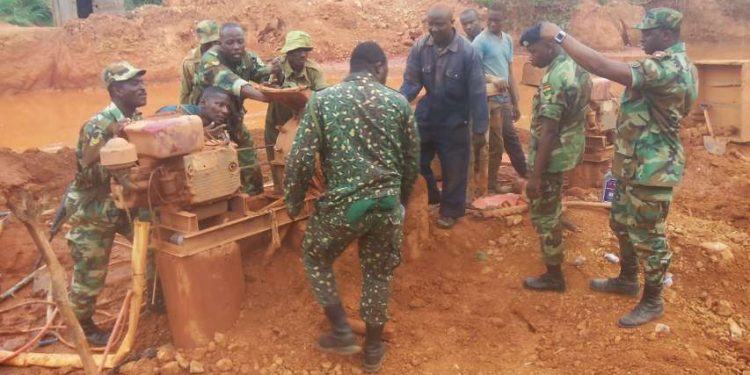
    The government has rolled out an official order requiring all machinery used in mining operations to be registered with the Driver and Vehicle Licensing Authority (DVLA) by 1st August.


    A statement issued by the Ministry of the Interior on Tuesday, July 15, states that the state will go ahead to confiscate unregistered mining equipment after the deadline.


    “The Government, as part of efforts to reform the mining sector in the country, requires that all machinery used in mining activities must be registered with the Driver and Vehicle Licensing Authority (DVLA) by 1st August 2025. Equipment that remains unregistered after this deadline will be confiscated by the State,” the Ministry stated on its website.


    Mr Mubarak has empowered the Ghana Police Service and DVLA to begin strict enforcement of the new rule from August 2. “The Ghana Police Service and DVLA have been directed to enforce this directive from 2nd August 2025 onward rigorously. The general public, especially those who use mining machinery, is advised to take note and comply with the directive,” he wrote.


    The Ministry reiterates its resolve to maintain national peace through effective internal security and law enforcement.

    Meanwhile, a similar directive came in months ago, where excavator owners and operators were asked to register their machines with the Driver and Vehicle Licensing Authority (DVLA) within two weeks or risk losing them to the state, as the government intensifies efforts to clamp down on illegal mining activities.


    The Chief Executive Officer (CEO) of the DVLA, Julius Neequaye Kotey, issued the directive in Accra, warning that effective June 1, any excavator not registered with the DVLA will be confiscated.


    Speaking at a press briefing, Mr. Kotey announced that the Ghana Police Service and the DVLA’s operational team commenced a nationwide enforcement after the deadline, arresting and impounding excavators being used at mining sites or for commercial purposes without proper documentation.


    “This exercise will help identify every excavator that enters the country and trace how it is being used. The goal is to ensure we can monitor and hold people accountable,” Mr. Kotey said.

    The directive fell in line with Section 38 of the Road Traffic Act, 2004 (Act 683), which mandates the registration of all motor vehicles and trailers, including farm and heavy-duty equipment.


    Despite the law, the DVLA found many unregistered excavators operating in mining areas, some of which have been used in illegal activities.


    Mr. Kotey emphasized that the DVLA, with its 34 offices nationwide, could register all excavators and farm machinery within two weeks and was ready to strictly enforce the directive.

    “Excavators in the hands of illegal miners have worsened the destruction of our environment. This is why we must act,” Mr Kotey said.


    To further control the situation, the DVLA, in collaboration with key agencies like the Minerals Commission, National Security, the Ghana Ports and Harbours Authority (GPHA), and the Customs Division of the Ghana Revenue Authority (GRA), commenced tagging all newly imported excavators.


    In addition to tagging new imports, the Minerals Commission was tasked with leading a team to tag all excavators already in the country. Legal small-scale mining sites have also been geo-fenced, with their site coordinates integrated into the Ghana Mine Repository and Tracking software for better oversight.


    The move is part of the government’s broader efforts to combat illegal mining. Three months ago, Lands and Natural Resources Minister Emmanuel Armah-Kofi Buah announced the rollout of a system to monitor excavator imports and usage, involving port tagging and digital tracking in partnership with several state agencies.


    According to the sector minister. The third most valuable item imported into this country is excavators, and it is worth GHC6.2 billion.


    Crack down on illegal mining activities


    In April, a total of 47 individuals were arrested for engaging in illegal mining activities along the Tano River and within the Aboi, Subri, and Nimiri forests in the Western Region. This followed a special four-day intelligence-led operation that commenced on April 17, within the Samreboi enclave.


    According to the Ghana Police Service, the suspects include 39 Ghanaians and 8 Chinese nationals. The Police indicated that a significant amount of equipment and materials believed to have been used for the mining operations were retrieved.


    These include seventeen excavators, one bulldozer, four motorbikes, two Toyota Hilux vehicles, one Rav4 vehicle, four pump-action guns, one single-barreled gun, fifty-four live BB cartridges, and eight pumping machines.


    Prosecution began for the arrested suspects. On Tuesday, 41 of them were arraigned, with 29 remanded into Police custody to reappear before the court on April 30, 2025. Twelve others were also remanded to return to court on May 2, 2025.


    The remaining seven were put before the court on April 23, 2025.Two coordinated operations conducted on Friday, June 20, at Nikanika and Adeade in the Central Region led to the arrest of 3 suspects and the seizure of several pieces of mining equipment.

    The operations were executed by the Ghana Police Service through its Special Anti-Galamsey Task Force. The task force proceeded to a mining site at Nikanika. Although no operators were found at the scene, the team retrieved a single-barrel shotgun loaded with a cartridge and three water-pumping machines.


    The task force extended its operation to Adeade, where three suspects—Prosper Quansah, Chrispin Nartey, and Owusu Gambra—were arrested with an excavator on a lowbed trailer.

    One SANY excavator, four unregistered Haojin motorbikes, and one lowbed vehicle with registration number GN 2136-24 were seized from the scene. All exhibits were secured in police custody.

    Some 12 accused persons standing trial for engaging in illegal mining activities at Tumetu near Princess Town in the Ahanta West Municipality of the Western Region have been remanded into prison custody. While 10 of the accused persons were arrested at a palm plantation, two were arrested at the Elluabo Chavene Ghana Rubber Estate Limited (GREL) plantation.


    This was due to a coordinated police intelligence-led operation within the Ahanta West Municipality. The accused persons are Lord Yankey, Caleb Adu Kwaw, Stephen Agyei, Ebenezer Barnes, Mathew Somagevi, Paa Grant, Bashiru Kaviru, Joseph Borney, Aminu Issah, Kofi Sogah, Albert Normah, and Robert Mensah.


    Four water pumping machines, one tricycle with registration number M-20-WR 1045, and two motorbikes were retrieved from the sites, according to the police.


    All twelve accused persons admitted to the offence during police interrogations. They were subsequently put before the Takoradi Harbour Area Circuit Court ‘A’, and were remanded into prison custody at Sekondi and reappeared before the court on Tuesday, July 8.


    Also, fifteen individuals are in police custody for engaging in illegal mining activities at Manso Adubia. They were arrested following a special intelligence-led operation at Watreso and Preacher Krom.

    The suspects include Tahiru Ibrahim (24), Shaibu Idrissu, (23), Boateng Emmanuel (27), Jamon Kwaku Samuel (21), Yaro Patrick (29), Kofi Boakye (21), Gubong Mathew (45), Fatawu Zackari Seidu (26), and Abdul Malik Seidu (22).


    The others are Dauda Tahiru (23), Sampson Grace (21), Boolangkpuo Freda (24), Arima Hagar (26), Kwarteng Vasco (30), and Kwame Adutwum (24).


    Two excavator control boards, two automatic pump-action guns, two Musler 12 firearms, 59 BB cartridges, three AA cartridges, one water pumping machine, two power generators, one vulcanizing machine, and one Apsonic motorbike were seized from the site.

  • Railway Workers Union to strike on Sept 30 over salary arrears

    Railway Workers Union to strike on Sept 30 over salary arrears


    The Railway Workers Union of Ghana, operating under the Trades Union Congress (TUC-Ghana), has declared it will commence a nationwide strike effective Tuesday, September 30.

    Explaining its decision to strike, the Union, in a letter dated September 15 and addressed to the Greater Accra Regional Police Commander, cited the non-payment of workers’ salaries and entitlements for the past 12 months.

    The statement indicated that the workers will converge at the Ministry of Transport in Accra, proceed to Parliament for the submission of a petition, continue to the Ghana Railway Development Authority, and conclude at the TUC-Ghana headquarters.

    According to the General Secretary of the Railway Workers Union of Ghana, Benjamin Essuman, the majority of workers have been left with deteriorating health conditions, broken homes, and other social challenges. He added that this situation is putting financial strain on their families.

    “If by Monday, September 22, 2025, no concrete measures are taken by the Ministry of Transport to address these issues, we shall proceed to act under Sections 160 and 171 of the Labour Act, effective September 30,” part of the release read.

    However, the Transport Minister Joseph Nikpe, who was speaking during the Government Accountability Series on Wednesday, September 17, 2025, assured that measures are underway to address the situation.

    “The railway industry has suffered neglect, and President Mahama has shown commitment to revitalise it to meet demand,” he said. “The Ghana Railway Company’s operations have declined over the years, affecting its capacity to generate internal revenue to pay staff and cover operations. We have engaged with the Ministry of Finance to find a more sustainable solution going forward.”

    According to Mr. Nikpe, the government is prioritising the welfare of the workers. “We feel for the workers, and we are getting close to getting them their salaries,” he added.

    In May, the Railway Workers Union commenced an industrial action over a 7-month unpaid arrears of 900 staff members if the Ghana Railway Company Limited fails to pay.

    This comes after the group issued a statement on Monday May 12, giving authorities until close of Tuesday on May 13 to pay them or explain the reason for the delay in payment of their salaries.

    During a media engagement, the Branch Secretary of the Accra division, Franklin Cobbinah, explained that the move has been necessitated as all efforts to engage government have proven futile citing that “…we learnt our management together with the union have been there but what comes out at the meeting we are told anything”.

    Responding to concerns of issuing a short notice of their action to the government, Mr Cobbinah insisted that; “For us, it’s not short because we have waited for quite a long ; 7 months so when should we tell them to bring us our salary again? The time is now. That is why we gave them by the close of yesterday.”

    “We started demanding this salary somewhere last year and we were told we are to wait till we get a sector minister so we continue from there. We are told there was no sector minister to talk about the Railway Ministry. We learnt our management together with the union and have been there but what comes out at the meeting we are told anything,” he added.

    The Ministry of Railway Development, according to the Branch Secretary of the Accra division, visited for a headcount promising to settle their salaries right after May Day however no news of their settlement for the past twelve days.

    “…the Ministry came to take particulars of ours and we were told just after May day we would receive our salaries and today is 13th (sic) we haven’t heard anything, nobody is telling us what is going on. So the only decision we the workers can take is to sit down and wait for the management to come and tell us why we haven’t been paid,” he added.

    In response to the union’s strike, Ghana Railway Development Authority (GRDA) issued a statement distancing itself from the industrial action by workers of the Ghana Railway Company Limited (GRCL). They said they have no connection to it and does not affect its operations.

    “We wish to assure the public that the GRDA remains fully operational and has not initiated or endorsed any form of public demonstration on any issue,” the statement said.

  • Ghana sued by 11 US deportees over alleged rights violations

    Ghana sued by 11 US deportees over alleged rights violations

    Eleven West African nationals have filed two ex-parte applications at the Labour Division of the High Court in Accra, challenging their alleged detention in Ghana after being deported from the United States (U.S).


    The eleven individuals include Nigerians Daniel Osas Aigbosa, Ahmed Animashaun, Ifeanyi Okechukwu, and Taiwo K. Lawson; Liberian national Kalu John; Togolese nationals Zito Yao Bruno and Agouda Richarla Oukpedzo Sikiratou; Gambian national Sidiben Dawda; and Malians Toure Dianke and Boubou Gassama.

    According to the applicants they were forcibly transported to Ghana without prior notice. They allege that they were secretly moved from the U.S detention centers between September 5 and 6 in shackles.

    They want the court to temporarily stop them from being deported back to their home countries until the court decides on their case. Their submission further revealed that Ghanaian authorities allegedly confined in military facility.

    They cited Article 14(1) of Ghana’s 1992 Constitution, which guarantees personal liberty, as well as Article 23, which protects the right to administrative justice.

    They are arguing that Ghana is violating international law by trying to send them back to countries where their lives or freedom could be at risk.

    As a result, they have demanded that the Attorney-General, the Chief of Defence Staff, and the Comptroller-General of the Ghana Immigration Service at the Human Rights Division of the High Court appear before the court with valid reasons.

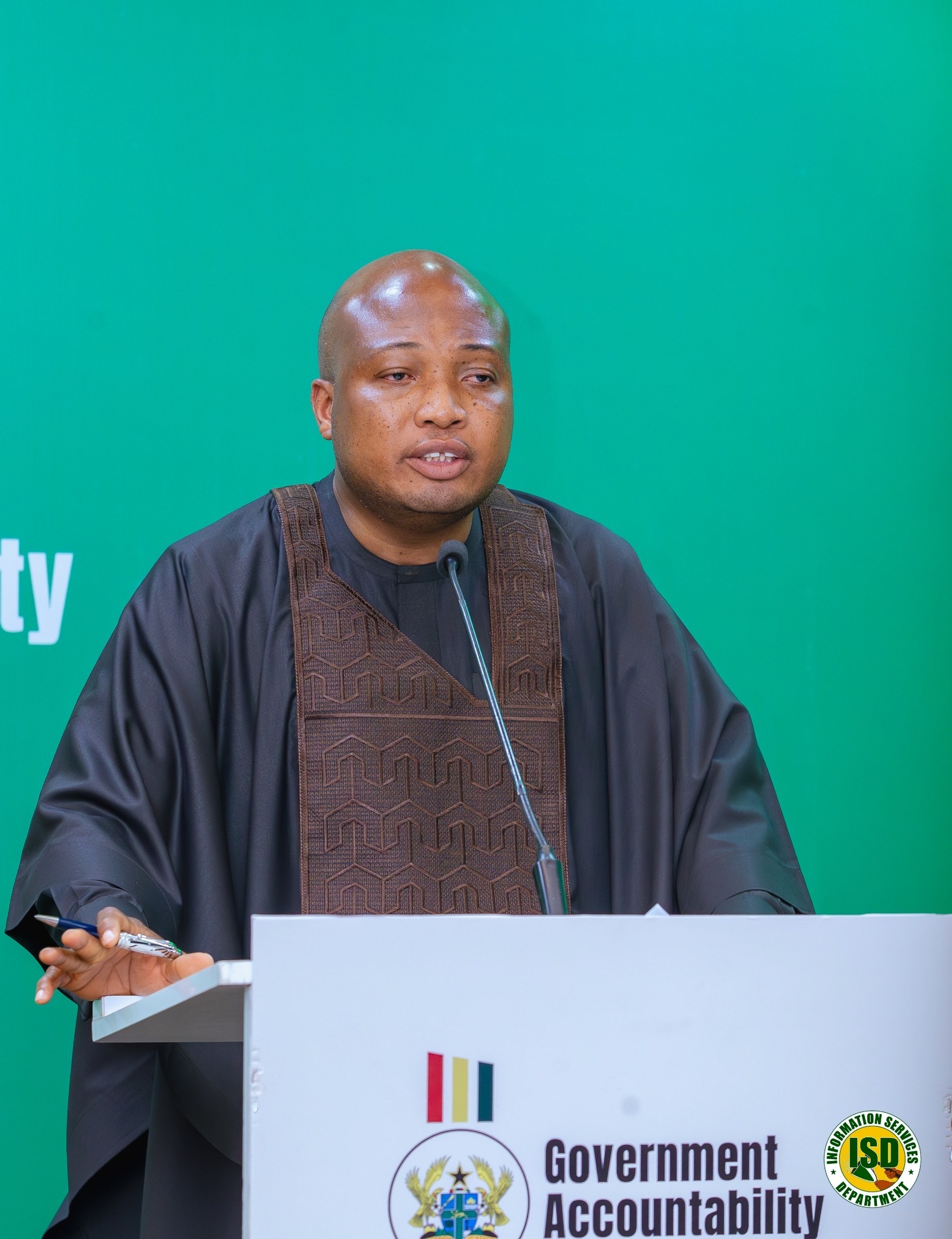
    The court has fixed Tuesday, September 23, to hear the case. In the meantime, Minister of Foreign Affairs, Samuel Okudzeto Ablakwa, has disclosed that Ghana is anticipating the arrival of forty (40) West African deportees from the United States of America.


    Speaking to Channel One TV on Wednesday, September 17, Mr Ablakwa noted, “I can reveal to you that we’re expecting another 40 in the next few days. We vet them before they come”.


    This revelation follows criticism from the Minority in Parliament, who accused the government of accepting 14 deportees without Parliamentary approval. Ablakwa, however, clarified that a Memorandum of Understanding (MoU) with the U.S., which does not require Parliamentary ratification, necessitated the arrangement.


    Opposition Member of Parliament (MPs) have argued that President Mahama’s deal with the U.S. was never ratified and therefore unlawful. The Minority cited Article 75 of Ghana’s Constitution, which dictates that an international agreement must be approved by Parliament.


    They pointed to previous Supreme Court rulings, such as the one involving the Gitmo 2 detainees, as precedent for why executive-only agreements are unconstitutional.


    “The deal should have been brought to Parliament. It’s the same President Mahama who entered into a deal for the relocation of the Gitmo 2 to Ghana. What’s in it for our beloved country, Ghana?” NPP MP for Abirem, Charles Owiredu, wrote.


    The opposition also accused Mahama of hiding behind the Economic Community of West African States (ECOWAS) protocol on free movement, describing it as misleading. They argued that those protocols apply to voluntary travel, not forced deportations orchestrated by non-member states like the U.S.


    “Accepting forced deportations orchestrated by non-ECOWAS states contradicts the spirit of regional integration protocols designed for voluntary movement,” stated the Minority Caucus on the Foreign Affairs Committee.


    But the Foreign Affairs Minister has explained that the decision was driven primarily by humanitarian concerns after observing the harsh treatment of deportees abroad.


    “We didn’t agree to this because we agree with President Trump’s immigration policies. We’re not doing the U.S. a favour. We’re doing our fellow Africans a favour; we’re offering them refuge, hope, and we want them to come back home and be comfortable.


    “We solidarised with them when we saw those images, the arrests, the violation of their rights, and their being detained against their will. It was purely on a humanitarian basis; we did not take any financial benefits. We’re doing this because we want to continue to position Ghana as the Mecca for Africans,” Ablakwa stressed.


    Responding to whether the deportees will remain in Ghana, Honourable Ablakwa said, “So the choice is theirs really. For 90 days, if they want to stay here, they can stay. But so far all of them have indicated that they want to go back after some time, and we have been facilitating that.”


    At the Government Accountability Series held at the Jubilee House on Monday, September 15, Ablakwa clarified that Ghana’s agreement with the United States to accept some West African deportees was not motivated by financial or material gain.

    “It is important to state that Ghana has not received any money, compensation, or any material benefit in relation to this understanding. Our decision is grounded purely on humanitarian grounds and principle,” he said.


    On Wednesday, September 10, the first batch of West African nationals arrived in Ghana following their deportation from the U.S. During a media encounter at the Jubilee House, President John Dramani Mahama said that the batch consisted of 14 individuals, mostly Nigerians, along with one Gambian national.


    “We were approached by the U.S. to accept third-country nationals who were being removed, and we agreed that West African nationals could be accommodated, since all our fellow West Africans do not require a visa to enter Ghana. So, if they travel from the U.S. to Accra, entry is not an issue. Bringing our West African colleagues back is therefore acceptable,” President Mahama explained.


    Mahama did not explicitly detail the deal of Ghana serving as a transit hub for West African nationals deported from the U.S. A federal judge, Judge Tanya Chutkan, has expressed concern that the arrangement suggested complicity on the part of the Ghanaian government in the deportation process.


    Judge Chutkan granted an emergency hearing after lawyers for the deportees argued that their clients expected to be returned to Nigeria and Gambia, and feared torture or persecution if sent home. She instructed the Trump administration to submit a report outlining measures to prevent Ghana from returning the deportees to their home countries.


    According to her, concerns about their safety were not speculative but “real enough that the United States government agrees they shouldn’t be sent back to their home country.”


    Judge Chutkan described the arrangement as appearing to have been designed by U.S. officials “to make an end run” around legal requirements barring the government from deporting migrants to situations of danger.

    The deportations, she noted, form part of President Donald Trump’s broader strategy of relocating migrants to “third countries” to expedite removals and pressure undocumented immigrants to leave the U.S.


    It later emerged, following a lawsuit filed on Friday, September 12, by the American Civil Liberties Union (ACLU) and Asian Americans Advancing Justice, that five of the nationals deported to Ghana had U.S. legal protections preventing deportation to their home countries. One of them, a bisexual man, was already sent to Gambia and is reportedly in hiding.


    The others were held in an open-air facility managed by the Ghanaian military, which was described as having squalid conditions. The complaint alleged that the migrants were taken from a Louisiana detention facility, shackled, and flown on a U.S. military aircraft without being told their destination. Some were reportedly restrained in straitjackets for 16 hours.


    The U.S. Department of Justice, responding to Judge Chutkan’s request, argued that it no longer had custody of the migrants and therefore the court lacked authority to interfere in matters of diplomacy. They cited a Supreme Court ruling allowing deportations to third countries.


    U.S. Department of Homeland Security spokesperson Tricia McLaughlin rejected the claim that straitjackets were used during the flight, but declined to comment on allegations of circumventing immigration law.


    In January 2016, President Mahama welcomed two Yemeni nationals, Mahmud Umar Muhammad Bin Atef and Khalid Muhammed Salih Al-Dhuby, who had been detained at Guantanamo Bay for about 15 years. They were linked to Al-Qaeda activities, and their transfer to Ghana formed part of a bilateral agreement with the U.S.


    The Mahama government explained that the move was a humanitarian gesture and that the two men would stay in Ghana for two years. However, the deal was never submitted to Parliament as required by the Constitution.

    In June 2017, the Supreme Court ruled that the Gitmo 2 agreement was unconstitutional, ordering the government to present it to Parliament within three months or return the detainees to the U.S.

  • Asantehemaa Nana Ama Konadu Yiadom III laid to rest

    Asantehemaa Nana Ama Konadu Yiadom III laid to rest

    The Asantehemaa, Nana Ama Konadu Yiadom III, has been laid to rest. The Queen Mother, who is also the sister of the Asantehene, Otumfuo Osei TuTu II, was laid to rest with a befitting burial on Thursday, September 18, at the Manhyia Palace in the Ashanti Region following three days of funeral rites.

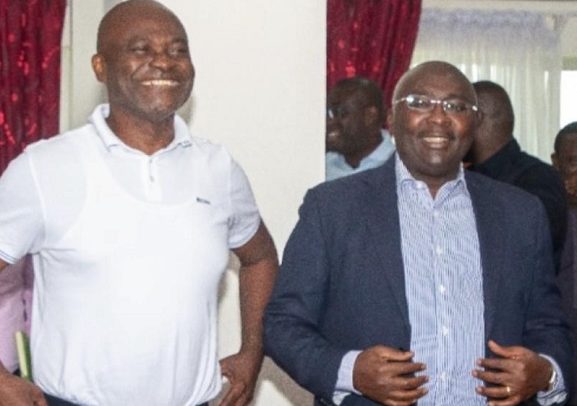
    President John Dramani Mahama, former Presidents John Kofi Agyekum Kufuor and Nana Addo Dankwa Akufo-Addo, former Vice President Dr Bawumia, and Chief of Staff, Frema Opare, government officials, and other dignitaries were spotted at the funeral grounds paying their last respects to Nana Ama Konadu Yiadom III.

    Shops, schools, banks, markets, and offices in Kumasi were closed on Thursday for the final funeral rites of the Queen Mother. Residents also remained indoors on Thursday evening as the procession moved from Bantama to Breman.

    Nana Ama Konadu Yiadom II passed away at age 98 as the 14th Queen of the Asante Kingdom. Her passing was announced on August 11 at an emergency sitting of the Asanteman Traditional Council, which was presided over by the Asantehene, Otumfuo Osei Tutu II.

    A one-week observation was held at the forecourt of the Manhyia Palace in Kumasi for the late Queen Mother on August 21. It followed a display of traditional Asante customs, with chiefs, queen mothers, and government officials.

    The ceremony was nothing short of star-studded, as it saw the presence of dignitaries, including both current and past presidents and government officials. Former presidents John Agyekum and Akufo-Addo, and Vice President Professor Naana Jane, who was accompanied by the Chief Justice, Julius Debrah.

    They paid respects to the Asantehene, Otumfuo Osei Tutu II, and signed the Book of Condolence as a gesture of sharing in his sorrow.

    The funeral rites for the Queen Mother began on Monday, September 15, and continued through to Thursday, September 18. Thursday was earmarked for the late queen’s “Dɔte Yie”, a day reserved for the most sacred rites.

    Traditional drumming, dirges, and musketry filled the air with various cultural displays. Fetish priests performed rituals to cleanse and protect the royal passage.

    Tributes from Otumfuo himself, President Mahama, the late queen’s grandchildren, as well as one from her sister in-law, Lady Julia, wife of Asantehene.

    A group of men, painted in red clay, signifying the pain of Asanteman, also came to display after the chief executioner was captured, tearing off the head of a live chicken in a cold-blooded sacrificial act, signifying that Asanteman is in mourning, and the ancestral spirits have been summoned to receive the soul of the departed Queen Mother.

    Manhyia Palace in Kumasi received Ghanaian sympathisers following the passing of Nana Ama Konadu Yiadom III.

    On Monday, September 15, religious groups, political parties, and corporate bodies paid their respects. The judiciary, security agencies, and financial institutions followed the next day. Asantehene, Otumfuo Osei TuTu II, received traditional leaders, ministers of state, diplomats, parliamentarians, and MMDCEs on Tuesday.

    On Wednesday, August 13, the Archbishop of Kumasi, Most Rev. Gabriel Justice Anokye, led a delegation to the Manhyia Palace to pray for the Asantehene and to express their condolences to the King, after the demise of the Asantehemaa.

    They also visited the late Ohemaa’s court to formally convey their sympathies to the family and offer prayers as well. Asantehemaa was named Nana Ama Konadu at birth and is also known by all as Nana Panin or Naa Panin. She later became Nana Konadu Yiadom III, after her enstoolment as the 14th Asantehemaa on February 6, 2016, following the demise of her mother, Nana Afia Kobi Serwaa Ampem II.

    Nana Konadu Yiadom III was born in 1927 at Benyaade Shrine at Merdan, a small town located at Kwadaso, Kumasi, in the days of the restoration of the Asante Confederacy. She was born to Nana Afia Kobi Serwaa Ampem II, Asantehemaa, who reigned from 1977 to 2016. Her father was known as Opanin Kofi Fofie, known popularly as Koofie or Keewuo, a carpenter by profession from Besease near Atimatim in Kumasi.

    At a very tender age, just when she was a little over a year old and being breastfed, Nana Konadu Yiadom III, Asantehemaa, was separated from her biological mother and given to her aunt (mother’s sister), Nana Afia Konadu, at Ashanti New Town (Ash-Town), a suburb of Kumasi.

    Nanahemaa never had any formal education, but she underwent a rigorous and quality informal education, learning a lot of things that were not taught in the classroom. She was initiated and underwent puberty rites together with her niece, Nana Abena Ansa, in their early teens. She married Opanin Kwame Boateng, a blacksmith by profession from Aduman in Kumasi.

    She was religious, kindhearted, calm, fair and firm, hardworking, very humble, unassuming, and accommodating. In the mid-1990s, Kwaku Firi Bosomfo, the priest of Kwaku Firi, prophesied through Baffour Akoto, a Senior Linguist of Asantehene, that Nanahemaa would be Queen of Asante someday, and surely, it came to pass.

    Nanahemaa achieved a lot and has been recognised as such. Through her constant generosity in doing God’s work, the Saviour Church named a school after her, Nana Konadu Saviour School. She exhibited a high level of equity, justice, and fairness, and all cases brought before her have been settled amicably to the satisfaction of both parties involved.

    In celebrating her 5th Anniversary as Asantehemaa, she made a huge donation to the mothers at the Mother-Baby Unit (MBU), Pediatric Emergency Care Unit (PICU), and Pediatric Emergency Unit (PEU) and paid for all the medical bills and expenses for new mothers at the Mother-Baby Unit (MBU) at Komfo Anokye Teaching Hospital and Manhyia Government District Hospital.

    Nanahemaa started a vigorous campaign and instituted an annual event to encourage mothers to breastfeed their young ones. The main reason she made a generous donation to the Mother-Baby Unit at Komfo Anokye Teaching Hospital and Manhyia Government District Hospital.

    During the commemoration of the 150th Anniversary of the Sagrenti War in a panel discussion on February 6, 2024, revelations emerged about the opposition faced by the decision to engage in war against the British, led by Sir Garnet Wolseley.
    Nana Afia Kobi, the Asantehemaa at that time, expressed reservations about the war, advising against it despite her son, Kofi Karikari, occupying the Golden Stool.


    Discussing the role of women in Asante’s war and diplomacy, Professor Eugenia Anderson, a historian at the Kwame Nkrumah University of Science and Technology (KNUST), recounted Afia Kobi’s stance.
    On November 20, 1873, at an Asanteman Nhyiamu gathering, she reportedly said, “From olden times, it has been seen that God fights for Asante if war is just. This one is unjust.”
    Despite her counsel, the decision of the military general prevailed, leading to the 1874 Sagrenti War, resulting in a significant defeat for the Asantes.
    The aftermath saw the dethronement of Kofi Karikari and the ascent of Mensa Bonsu, another son of the Asantehemaa.
    Afia Kobi deemed the war against the British unjust, a sentiment supported by Prof. Samuel.

  • Playback: Asantehemaa goes home

    Playback: Asantehemaa goes home

    The final funeral rite for the Asntehemaa, Nana Ama Konadu Yiadom III, is currently taking place at the Manhyia Palace in the Ashanti Region.

    Shops, schools, banks, markets, and offices in Kumasi have been closed today, Thursday September 18, for the final funeral rites of the Queen Mother.

    In the same vein, residents have been directed to remain indoors on Thursday evening as the procession moves from Bantama to Breman.

    Watch the livestream below:

    Addressing the media, the funeral committee announced that the directive is part of tradition to honor the Queen Mother.

    “On Thursday, as we bid a final farewell to the Queen Mother, we wish to give this important notice. The procession will move from Bantama to Breman, and we humbly ask everyone to remain indoors in the evening. In the past, when events involving the King took place, people would stand in respect even in the afternoon. In this case, since it will be held in the evening, we ask simply that you stay in your homes.”

    “With utmost humility, we remind all that Thursday is the funeral of the Asantehemaa. On that day, shops are to remain closed. Schools, banks, and offices will also be closed in observance of the occasion,” the committee announced at a press briefing.

    Here are some pictures below:

    Article image 1
    Article image 2

    The funeral rites for the Queen Mother began on Monday, September 15, and continued through Wednesday, and will be concluded today, Thursday, September 18.

    Article image 3

    Manhyia Palace in Kumasi has received Ghanaian sympathizers following the passing of Nana Ama Konadu Yiadom III.

    Article image 4

    On Monday, September 15, religious groups, political parties, and corporate bodies paid their respects. The judiciary, security agencies, and financial institutions followed the next day.

    Article image 5

    Asantehene, Otumfuo Osei TuTu II received traditional leaders, ministers of state, diplomats, parliamentarians, and MMDCEs.

    A one-week observation was held at the forecourt of the Manhyia Palace in Kumasi for the late Queen Mother on August 21. It followed a display of traditional Asante customs, with chiefs, queen mothers, and government officials.

    Article image 6

    On Wednesday August 13, the Archbishop of Kumasi, Most Rev. Gabriel Justice Anokye, led a delegation to the Manhyia Palace to pray for the Asantehene and to express their condolences to the King, after the demise of the Asantehemaa.

    Article image 7

    They also visited the late Ohemaa’s court to formally convey their sympathies to the family and offer prayers as well.

    Nana Ama Konadu Yiadom II passed away at age 98 as the 14th Queen of the Asante Kingdom.

    Her passing was announced on August 11 at an emergency sitting of the Asanteman Traditional Council, which was presided over by the Asantehene, Otumfuo Osei Tutu II.

    Article image 8

  • Photos: Asantehemaa’s final funeral rites underway

    Photos: Asantehemaa’s final funeral rites underway

    The final funeral rite for the Asntehemaa, Nana Ama Konadu Yiadom III, is currently taking place at the Manhyia Palace in the Ashanti Region.

    Shops, schools, banks, markets, and offices in Kumasi have been closed today, Thursday September 18, for the final funeral rites of the Queen Mother.

    In the same vein, residents have been directed to remain indoors on Thursday evening as the procession moves from Bantama to Breman.

    Addressing the media, the funeral committee announced that the directive is part of tradition to honor the Queen Mother.

    “On Thursday, as we bid a final farewell to the Queen Mother, we wish to give this important notice. The procession will move from Bantama to Breman, and we humbly ask everyone to remain indoors in the evening. In the past, when events involving the King took place, people would stand in respect even in the afternoon. In this case, since it will be held in the evening, we ask simply that you stay in your homes.”

    “With utmost humility, we remind all that Thursday is the funeral of the Asantehemaa. On that day, shops are to remain closed. Schools, banks, and offices will also be closed in observance of the occasion,” the committee announced at a press briefing.

    Here are some pictures below:

    The funeral rites for the Queen Mother began on Monday, September 15, and continued through Wednesday, and will be concluded today, Thursday, September 18.

    Manhyia Palace in Kumasi has received Ghanaian sympathizers following the passing of Nana Ama Konadu Yiadom III.

    On Monday, September 15, religious groups, political parties, and corporate bodies paid their respects. The judiciary, security agencies, and financial institutions followed the next day.

    Asantehene, Otumfuo Osei TuTu II received traditional leaders, ministers of state, diplomats, parliamentarians, and MMDCEs.

    A one-week observation was held at the forecourt of the Manhyia Palace in Kumasi for the late Queen Mother on August 21. It followed a display of traditional Asante customs, with chiefs, queen mothers, and government officials.

    On Wednesday August 13, the Archbishop of Kumasi, Most Rev. Gabriel Justice Anokye, led a delegation to the Manhyia Palace to pray for the Asantehene and to express their condolences to the King, after the demise of the Asantehemaa.

    They also visited the late Ohemaa’s court to formally convey their sympathies to the family and offer prayers as well.

    Nana Ama Konadu Yiadom II passed away at age 98 as the 14th Queen of the Asante Kingdom.

    Her passing was announced on August 11 at an emergency sitting of the Asanteman Traditional Council, which was presided over by the Asantehene, Otumfuo Osei Tutu II.

    Asantehemaa was named Nana Ama Konadu at birth and is also known by all as Nana Panin or Naa Panin. She later became Nana Konadu Yiadom III, after her enstoolment as the 14th Asantehemaa on February 6, 2016.

    She was born in 1927 at Benyaade Shrine at Merdan, a small town located at Kwadaso, Kumasi, in the days of the restoration of the Asante Confederacy.

    She was born to Nana Afia Kobi Serwaa Ampem II, Asantehemaa, who reigned from 1977 to 2016. Her father was known as Opanin Kofi Fofie, known popularly as Koofie or Keewuo, a carpenter by profession from Besease near Atimatim in Kumasi.

    At a very tender age, just when she was a little over a year old and being breastfed, Nana Konadu Yiadom III, Asantehemaa, was separated from her biological mother and given to her aunt (mother’s sister), Nana Afia Konadu, at Ashanti New Town (Ash-Town), a suburb of Kumasi.

    Nanahemaa never had any formal education, but she underwent a rigorous and quality informal education, learning a lot of things that were not taught in the classroom.

    She was initiated and underwent puberty rites together with her niece, Nana Abena Ansa, in their early teens. She married Opanin Kwame Boateng, a blacksmith by profession from Aduman in Kumasi.

    She was religious, kindhearted, calm, fair and firm, hardworking, very humble, unassuming, and accommodating. In the mid-1990s, Kwaku Firi Bosomfo, the priest of Kwaku Firi, prophesied through Baffour Akoto, a Senior Linguist of Asantehene, that Nanahemaa would be Queen of Asante someday, and surely, it came to pass.

    Nanahemaa achieved a lot and has been recognized as such. Through her constant generosity in doing God’s work, the Saviour Church named a school after her, Nana Konadu Saviour School. She exhibited a high level of equity, justice, and fairness, and all cases brought before her have been settled amicably to the satisfaction of both parties involved.

    In celebrating her 5th Anniversary as Asantehemaa, she made a huge donation to the mothers at the Mother-Baby Unit (MBU), Pediatric Emergency Care Unit (PICU) and Pediatric Emergency Unit (PEU) and paid for all the medical bills and expenses for new mothers at the Mother-Baby Unit (MBU) at Komfo Anokye Teaching Hospital and Manhyia Government District Hospital.

    Nanahemaa started a vigorous campaign and instituted an annual event to encourage mothers to breastfeed their young ones, the main reason why she made a generous donation to the Mother-Baby Unit at Komfo Anokye Teaching Hospital and Manhyia Government District Hospital.

  • 2025 SHS placement released, students to report on Oct 18

    2025 SHS placement released, students to report on Oct 18

    Prospective Senior High School (SHS) students can have access to their placement results online using the Computerised School Selection and Placement System (CSSPS) portal, the Ghana Education Service (GES) has announced.

    As per a circular dated Wednesday, September 17, signed by the acting Deputy Director-General for Quality and Access at the GES, Dr Munawaru Isshaque and addressed to all regional directors, freshers will report to their designated schools from October 18.

    The statement warned school authorities against enrolling students against the placement list generated by the CSSPS Secretariat, stressing the need for transparency and impartiality during the registration process.

    “Admission of students should strictly follow the placement list generated by the CSSPS Secretariat. No school is permitted to admit students outside the official placement without prior written approval from GES,” parts of the circular read.

    483,800 have been placed into various Senior High Schools across the country out of the 590,000 candidates.

    On Monday September 1, the school placement portal was opened for new entrants students to verify their school choices, biodata, and other relevant information ahead of the final placement. The deadline for the fact-checking exercise was brought to a close on Monday, September 8.

    Of this figure,248,038 are females (51.4%), and 234,783 are males (48.6%). However, 107,509 candidates (18.2%) could not be matched with their initial school choices due to high demand for certain Category A schools.

    There have been recent speculations that the Education Ministry solely depends on a rigid score system to place students in Senior High Schools. But the Ministry has described the claims as misleading and inaccurate. Deputy Education Minister, Dr Clement Apaak, has emphasized that multiple factors influence how students are assigned to specific Senior High Schools. 

    According to an official statement signed and issued by the Deputy Education Minister on Saturday August 30, the Ministry noted that the Computerised School Selection and Placement System used in designating SHS graduates to various schools considers the aggregate and raw scores of students, the availability of vacancies in schools, and the popularity of specific programmes.

    The statement added that the Ministry does not demand or accept rewards from parents or guardians to guarantee that students are placed in schools of their choice as speculated.

    “The Ministry confirms that this information is not only false but also maliciously misleading. The placement is based on a combination of factors, including aggregate and raw scores, availability of vacancies in the various schools and programmes of study. Limited vacancies and high competition can affect placement. The Ministry unequivocally states that no form of payment or inducement is required or solicited from parents, guardians, or their representatives for the purpose of securing placement.

    “All interactions with the Ministry and Ghana Education Service (GES) officials are expected to adhere to the highest standards of integrity and transparency. The public is advised to be cautious and report any cases of extortion or bribery attempts related to student placements. Stakeholders are encouraged to report miscreants to the nearest police station,” parts of the statement read.

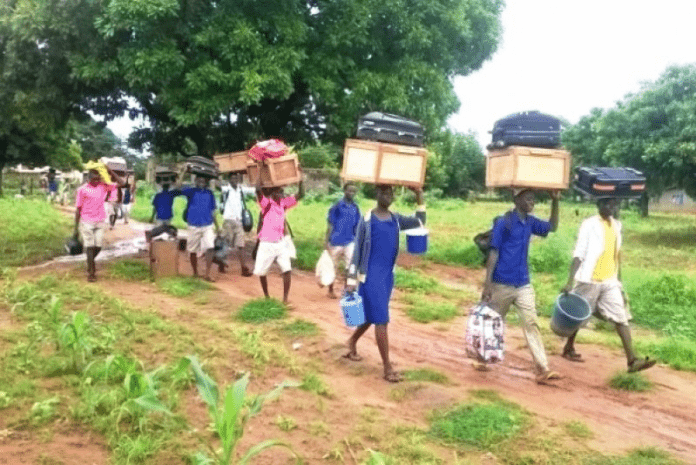
    Meanwhile, SHS 3 students will reopen on October 11,  and remain in school until February 27, 2026, covering 18 weeks. They will return on March 13, 2026, for a 14-week session ending June 21, 2026, ahead of the West African Senior School Certificate Examination (WASSCE) scheduled for April 20 to June 20, 2026.

    They will resume on May 4, 2026, for a 16-week session ending August 21, 2026, marking the close of the academic year. The Transitional Calendar refers to a temporary academic schedule designed to bridge the gap between the old double-track system and the new single-track system.

    Second-year students in transitional schools will reopen on January 5, 2026, and vacate on May 18, 2026, with five weeks of online learning. They will then resume from the vacation later in September for the final stretch of the academic year.

    Final-year students in transitional schools will begin on October 27, 2025, for a 14-week session before the Christmas break and resume in February for an 18-week preparation period before they sit for their West African Senior School Certificate Examination (WASSCE).

    Vacation for SHS 3 students is slated for February 27 to March 1, 2026, while SHS 1 and 2 students will break from August 21 to August 23, 2026. GES has also proposed September 11, 2026, as the start date for the 2026/2027 academic year.

    GES also highlighted some significant breaks in the new timetable. The Christmas break will begin on December 20, 2025, and end on January 4, 2026. Vacation for SHS 3 students is slated for February 27 to March 1, 2026, while SHS 1 and 2 students will break from August 21 to August 23, 2026.

    GES has also proposed September 11, 2026, as the start date for the 2026/2027 academic year.In an unrelated development, sixty (60) private schools have been included under the Free Senior High School (SHS) policy. Junior High School (JHS) graduates will be admitted into these private schools, which fall under Category E in the school selection process.

    These schools will be accepting applications starting from the 2025/2026 academic year. The new development aligns with the government’s efforts to ease congestion in public SHSs as well as promote quality education across the country.

    In a press release issued on Sunday, July 20, by the Ghana National Council of Private Schools (GNACOPS) and signed by its National Executive Director, Oberto Nana Kwasi Gyetuah, the council described the initiative as a historic and progressive move.

    “This progressive move marks a significant milestone in Ghana’s educational transformation journey. It underscores the Government’s commitment to inclusive, collaborative education delivery and reaffirms the important role of private schools in advancing national development goals,” part of the release read.

    The council further called on other private schools that are yet to be listed to remain patient, prepared, and compliant with regulatory standards. In May, Deputy Minister of Education Dr. Clement Apaak announced that the inclusion forms part of a broader plan to scale up capacity and gradually end the double-track system.

    “As part of our campaign promise, we have been working diligently to bring on board private senior high schools in the delivery of the Free SHS programme. Meetings have been held, engagements have been done, and we are very certain that with the diligence we expect from our side…” he noted.

    The double-track system was introduced in 2018 by the erstwhile government to accommodate the surge in student enrollment due to the Free SHS policy, addressing overcrowding in public schools.

    Under this system, students were divided into two groups: Green Track and Gold Track, attending school in shifts, with one track in session while the other was on break.

    The anticipated extension of the Free SHS policy, according to the Education Minister, Haruna Iddrisu, is a fulfillment of the government’s manifesto promise, adding that it is a step to ensure eligible students gain admission without delays.

    “We believe strongly that in fulfilling this manifesto campaign promise, this is going to serve as an artery in helping us bring an end to the double-track system,” the deputy minister said.

    According to him, the Education Ministry has received encouraging feedback from private schools, many of which have expressed readiness to meet the standards and requirements of the Free SHS framework.“… and the eagerness of the private schools to participate, the private schools will deliver in their participation,” he assured.

    He added that this collaboration would not only help expand capacity but also ensure a more equitable distribution of educational opportunities across the country.

    Attached below is a copy of the letter

    ANNOUNCEMENT OF RELEASE OF 2025 SCHOOL PLACEMENT

    The Ghana Education Service (GES) wishes to officially inform all Regional Directors of Education that the 2025 Computerized School Selection and Placement System (CSSPS) results have been released

    You are hereby directed to communicate this information promptly to all District Directors of Education and Heads of schools within your jurisdiction.

    1. Admission Process
      Admission of students should strictly follow the placement list generated by the CSSPS Secretariat.
      No school is permitted to admit students outside the official placement without prior written approval from GES.
    2. Reporting and Registration
      Placed students are to report to their schools from 18th October, 2025.
      Heads of Schools are to ensure that registration is conducted smoothly and in accordance with the guidelines provided.
    3. Compliance
      Any infraction, including unauthorized admissions, will attract the necessary administrative sanctions.

    Regional and District Directors are to monitor and provide the necessary supervisory support during the admission period.
    The GES counts on your cooperation to ensure a transparent and successful admission process for the 2025 academic year.

    Kindly treat this information with the urgency and importance it deserves.

  • Kumasi halts activities as Asantehemaa is laid to rest today

    Kumasi halts activities as Asantehemaa is laid to rest today

    Shops, schools, banks, markets, and offices in Kumasi, Ashanti Region, will be closed today, Thursday September 18, for the final funeral rites for the Asntehemaa, Nana Ama Konadu Yiadom III.

    In the same vein, residents have been directed to remain indoors on Thursday evening as the procession moves from Bantama to Breman.

    Addressing the media, the funeral committee announced that the directive is part of tradition to honor the Queen Mother.

    “On Thursday, as we bid a final farewell to the Queen Mother, we wish to give this important notice. The procession will move from Bantama to Breman, and we humbly ask everyone to remain indoors in the evening. In the past, when events involving the King took place, people would stand in respect even in the afternoon. In this case, since it will be held in the evening, we ask simply that you stay in your homes.”

    “With utmost humility, we remind all that Thursday is the funeral of the Asantehemaa. On that day, shops are to remain closed. Schools, banks, and offices will also be closed in observance of the occasion,” the committee announced at a press briefing.

    The funeral rites for the Queen Mother began on Monday, September 15, and continued through Wednesday, and will be concluded today, Thursday, September 18.

    Manhyia Palace in Kumasi has received Ghanaian sympathizers following the passing of Nana Ama Konadu Yiadom III.

    On Monday, September 15, religious groups, political parties, and corporate bodies paid their respects. The judiciary, security agencies, and financial institutions followed the next day.

    Asantehene, Otumfuo Osei TuTu II received traditional leaders, ministers of state, diplomats, parliamentarians, and MMDCEs.

    A one-week observation was held at the forecourt of the Manhyia Palace in Kumasi for the late Queen Mother on August 21. It followed a display of traditional Asante customs, with chiefs, queen mothers, and government officials.

    On Wednesday August 13, the Archbishop of Kumasi, Most Rev. Gabriel Justice Anokye, led a delegation to the Manhyia Palace to pray for the Asantehene and to express their condolences to the King, after the demise of the Asantehemaa.

    They also visited the late Ohemaa’s court to formally convey their sympathies to the family and offer prayers as well.

    Nana Ama Konadu Yiadom II passed away at age 98 as the 14th Queen of the Asante Kingdom.

    Her passing was announced on August 11 at an emergency sitting of the Asanteman Traditional Council, which was presided over by the Asantehene, Otumfuo Osei Tutu II.

    Asantehemaa was named Nana Ama Konadu at birth and is also known by all as Nana Panin or Naa Panin. She later became Nana Konadu Yiadom III, after her enstoolment as the 14th Asantehemaa on February 6, 2016.

    She was born in 1927 at Benyaade Shrine at Merdan, a small town located at Kwadaso, Kumasi, in the days of the restoration of the Asante Confederacy.

    She was born to Nana Afia Kobi Serwaa Ampem II, Asantehemaa, who reigned from 1977 to 2016. Her father was known as Opanin Kofi Fofie, known popularly as Koofie or Keewuo, a carpenter by profession from Besease near Atimatim in Kumasi.

    At a very tender age, just when she was a little over a year old and being breastfed, Nana Konadu Yiadom III, Asantehemaa, was separated from her biological mother and given to her aunt (mother’s sister), Nana Afia Konadu, at Ashanti New Town (Ash-Town), a suburb of Kumasi.

    Nanahemaa never had any formal education, but she underwent a rigorous and quality informal education, learning a lot of things that were not taught in the classroom.

    She was initiated and underwent puberty rites together with her niece, Nana Abena Ansa, in their early teens. She married Opanin Kwame Boateng, a blacksmith by profession from Aduman in Kumasi.

    She was religious, kindhearted, calm, fair and firm, hardworking, very humble, unassuming, and accommodating. In the mid-1990s, Kwaku Firi Bosomfo, the priest of Kwaku Firi, prophesied through Baffour Akoto, a Senior Linguist of Asantehene, that Nanahemaa would be Queen of Asante someday, and surely, it came to pass.

    Nanahemaa achieved a lot and has been recognized as such. Through her constant generosity in doing God’s work, the Saviour Church named a school after her, Nana Konadu Saviour School. She exhibited a high level of equity, justice, and fairness, and all cases brought before her have been settled amicably to the satisfaction of both parties involved.

    In celebrating her 5th Anniversary as Asantehemaa, she made a huge donation to the mothers at the Mother-Baby Unit (MBU), Pediatric Emergency Care Unit (PICU) and Pediatric Emergency Unit (PEU) and paid for all the medical bills and expenses for new mothers at the Mother-Baby Unit (MBU) at Komfo Anokye Teaching Hospital and Manhyia Government District Hospital.

    Nanahemaa started a vigorous campaign and instituted an annual event to encourage mothers to breastfeed their young ones, the main reason why she made a generous donation to the Mother-Baby Unit at Komfo Anokye Teaching Hospital and Manhyia Government District Hospital.

  • Torkornoo drags President Mahama to court over her removal as Supreme Court Judge

    Torkornoo drags President Mahama to court over her removal as Supreme Court Judge

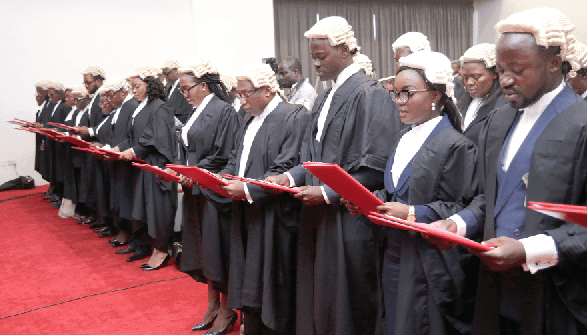
    An application for judicial review at the High Court has been filed by the Former Chief Justice, Justice Gertrude Araba Esaaba Sackey Torkornoo, following her removal as a Supreme Court Judge by President John Dramani Mahama.

    Her submission, through her counsel, stated that President Mahama did not act in line with the 1992 Constitution regarding her dismissal. She maintains that the Inquiry Committee, which looked into the matter, was not a legally recognized body.

    Justice Torkornoo has asked the High Court to:

    • Declare that the President has no authority to remove a Justice of the Superior Court without adhering to the constitutionally required process.
    • Declare that jurisdiction to hear any removal petition against a Justice of the Superior Court lies solely with a body established under Article 146(4).
    • Declare that the President’s warrant of removal is “unlawful, null, void, and of no effect.”


    On Monday, September 1, the President stripped Gertrude Araba Esaaba Sackey Torkornoo of the Chief Justice and Superior Court Justice titles. President Mahama cited recommendations from the committee that was probing petitions seeking the removal of Chief Justice Gertrude Araba Esaaba Sackey Torkornoo as a key reason for revoking her appointment.


    The committee on Monday, September 1, described the first petition submitted by a Ghanaian citizen, Daniel Ofori, which called for the Chief Justice’s removal as valid.


    Daniel Ofori’s petition was filed under Article 146 of the 1992 Constitution, which outlines the process for removing a Chief Justice on grounds such as “stated misbehaviour” and “incompetence.


    “I, the undersigned, respectfully petition Your Excellency for the removal of the Honourable Chief Justice of the Republic of Ghana, Her Ladyship Gertrude Sackey Torkonoo CJ on grounds of “stated misbehaviour” and “incompetence” under Article 146 (1) of the 1992 Constitution of the Republic of Ghana.


    “ I state below twenty-one (21) specific allegations of misbehaviour of the Honourable Chief Justice and four (4) allegations of incompetence, all of which relate to the Honourable Chief Justice’s discharge of her administrative roles and functions as head of the Judiciary, responsible for its supervision and administration,” part of his petition read.


    The committee found her guilty of stated misbehaviour, including unlawful expenditure of public funds, abuse of discretionary power, and interference in judicial appointments.

    These findings were tied not just to her role as Chief Justice, but also to her conduct as a Justice of the Supreme Court. Therefore, the committee recommended her complete removal from both roles, and President Mahama was constitutionally obligated to act on that recommendation.


    Outlining the charges against the Chief Justice on unlawful expenditure of public funds, the Committee’s report suggested that, “In the opinion of the committee, the travel expenses which the Chief Justice heaped on the Judicial Service when she travelled on holidays in September 2023, first to Tanzania with her husband and second, to the United States of America with her daughter, together with the payment of per diem to the spouse and daughter of the Chief Justice, constituted unlawful expenditure of public funds.”


    “Those acts… constitute avoidable and reckless dissipation of public funds and, in the view of the committee, to have been occasioned by the overall head of the Judiciary and the Judicial Service, whose duty is to guard public resources allocated by the Government, is caught within the spectrum of stated misbehaviour.”


    According to the Committee, she abused her powers as a Chief Justice in the transfer of one Mr Baiden, adding, “The committee also stated without fear or favour that the Chief Justice unjustifiably breached the provisions in Article 295 (a) and (b) of the Constitution, 1992, in the way and manner that she transferred Mr. Baiden. It said her conduct amounted to misbehaviour.”


    On interference in judicial appointments, the Committee highlighted the Chief Justice’s deliberate actions of bypassing the designated system of selecting Supreme Court Judges. Hence, the Committee labelled her as unacceptable and counted it as misconduct.


    “Justice Torkornoo… cannot lay claim to ignorance of the nomination process and procedure, even though the process and procedure are not spelled out in the Constitution but in case law. Therefore, to seek, wittingly, to outwit this known process and procedure for appointing Supreme Court Justices amounts to misbehaviour in the eyes of the Committee and the Committee finds it as such,” excerpts of the Committee report read.


    The committee, chaired by Supreme Court Justice Gabriel Scott Pwamang, includes Justice Samuel Kwame Adibu Asiedu, former Auditor-General Daniel Yaw Domelevo, Major Flora Bazwaanura Dalugo of the Ghana Armed Forces, and Professor James Sefah Dzisah of the University of Ghana further recommended that the Chief Justice be removed from office.


    The Chief Justice was earlier suspended by President Mahama on Tuesday, April 22, after a prima facie case was established, following separate petitions calling for her removal.

    A series of petitions filed against Chief Justice Torkornoo, beginning with one from a group known as Shining Stars of Ghana.


    The group alleges she violated Article 144 of the Constitution by personally recommending judges for promotion to the Supreme Court, and further claims she ruled on a case involving the Speaker of Parliament without granting him a hearing, despite his refusal to respond to the suit.


    Another petition from a police officer who is also a lawyer accuses the Chief Justice of manipulating evidence and abusing her authority, following an incident during a Supreme Court session where he was reportedly reprimanded, arrested, and detained.


    However, court records suggest the lawyer’s conduct during proceedings prompted a unanimous caution from the bench, not just the Chief Justice.


    A third petition, submitted by a private individual, lists 21 alleged misconducts and four claims of incompetence. Among the accusations is the misuse of public funds—specifically, that she spent over GH¢261,000 and $30,000 on a family trip abroad in 2023 and misused an additional GH¢75,580 and $14,000 during another foreign assignment without proper accountability.


    Subsequent reports indicate two more petitions have been added to the list, intensifying pressure on the judiciary. Chief Justice Gertrude Torkornoo, in her written response to President Mahama, strongly denied allegations of misconduct and abuse of office brought against her by a senior police officer, describing them as baseless and lacking grounds for her removal from office.


    In July, an application for review regarding an ‘abuse of court processes’ by the embattled Chief Justice, Justice Gertrude Torkornoo, was dismissed by the Human Rights Division of the Accra High Court.


    The court presided over by Justice Amoako on Thursday, July 31, revealed that several claims, such as illegal composition of the committee and wrongful conduct of adversarial proceedings, were already before the Supreme Court.


    Justice Amoako argued that relitigating these issues would result in duplication of litigation and abuse of court processes. As such, such claims were dismissed.


    The judge also dismissed reliefs such as an order of certiorari to quash the committee’s proceedings and nullify its sittings on the basis that the Chief Justice did not receive a fair hearing, on jurisdictional grounds.


    The judicial review application filed on June 9 this year sought nine reliefs, including a series of declarations that the Article 146 committee set up to investigate her removal from office had acted unlawfully.


    She wanted the court to prevent the committee from proceeding with its work without providing her with authenticated copies of the petitions seeking her removal and the subsequent responses to those petitions.


    The Chief Justice notes that the president’s purported prima facie determination contained no reasons or justification and was entirely devoid of the elements of judicial or quasi-judicial reasoning expected under the Constitution.


    As the proceedings of the Article 146 committee are to be held in-camera in accordance with Article 146(8) of the Constitution, the court noted that it could not inquire into matters raised by the suspended Chief Justice.


    In response, Justice Gertrude Torkornoo proceeded to the ECOWAS Community Court in Abuja, Nigeria, seeking compensation worth $10 million over her suspension from office by His Excellency President John Dramani Mahama.


    This forms part of 10 reliefs being requested. The Chief Justice’s recent suit follows several unsuccessful cases at the Supreme Court this year after her suspension.


    The former Chief Justice wanted the court to ensure she continues to enjoy the paraphernalia and entitlements of her office as the Chief Justice of Ghana pending the hearing and determination of the case.


    The former Chief Justice wanted the court to ensure she continues to enjoy the paraphernalia and entitlements of her office as the Chief Justice of Ghana pending the hearing and determination of the case.

    The applicant has also requested the ECOWAS Court to assign four precautionary measures to the country.


    On Thursday, August 14, the Bar Council of England and Wales and the Commonwealth Lawyers Association called for the immediate reinstatement of Ghana’s Chief Justice by President John Dramani Mahama and the Executive arm of government.


    “Immediately and without delay, reinstate the Chief Justice of Ghana to her Office. consistent with both the hitherto strong attachment to the rule of law demonstrated by Ghana and also, the constitutional duties incumbent upon them.


    “And afford the Chief justice due and fair process in the investigation and determination of the disciplinary matters brought against her, including but not limited to full and transparent access to that process by her legal representatives,” the group demanded in a joint statement issued on August 14.


    Additionally, the group asked the government for a proper and impartial investigation of the disciplinary charges against her, with her lawyers given full and transparent access to the proceedings.


    Also both groups demanded the establishment of transparent procedural rules to guide the disciplinary process, including a definite timeframe within which the investigative committee must conclude its work and communicate its decision.

  • Ghana’s public debt sees GHS15.8bn increase

    Ghana’s public debt sees GHS15.8bn increase

    The Bank of Ghana’s (BoG) latest summary of economic and financial data, released for September 2025, has revealed that Ghana’s public debt stock rose by GH¢15.8 billion in July 2025, bringing the overall debt to GH¢628.8 billion, which is equivalent to $59.9 billion.


    According to the report, the rise is equal to 44.9% of the country’s total economic output. This follows three consecutive months of declines and is partly attributed to the earlier appreciation of the Ghanaian cedi. Ghana recorded GH¢613 billion in June and GH¢769.4 billion in March.


    The fluctuations in the figures during that period were largely influenced by changes in the exchange rate of the cedi.

    Ghana’s external debt stayed mostly unchanged in July at $29.0 billion. However, domestic debt climbed to GH¢323.7 billion, or 23.1% of GDP, from GH¢312.7 billion in the previous month.


    The Bank of Ghana also announced a 6.3% Gross Domestic Product (GDP) growth in the second quarter of 2025. While acknowledging global financial pressures at the 126th Monetary Policy Committee (MPC) meeting held on September 15, BoG Governor Johnson Pandit Asiama stated that Ghana has seen a 1.0% increase in GDP from the previous 5.3% in the first quarter.


    “Ghana’s recovery is gaining momentum even as the global environment remains uncertain. Worldwide, growth is easing, and financial conditions are still tight amid trade tensions and geopolitical risks; yet domestically, improved fundamentals have strengthened confidence in our outlook.

    “Real activity has firmed. Provisional data show GDP growth accelerated to 6.3 percent in Q2 2025, led by services and agriculture, with non-oil GDP expanding by 7.8 percent,” Dr. Asiama stated.


    According to him, some short-term economic measurements, also known as high-frequency indicators, show that the economy is still growing. Among these, the Bank of Ghana’s Composite Index of Economic Activity was 6.1% higher in July than a year earlier.


    “High-frequency indicators confirm this momentum: the Bank’s Composite Index of Economic Activity was up 6.1 percent year-on-year in July, and recent PMI readings alongside our business and consumer surveys point to improving sentiment,” he added.


    In his update, he also touched on inflation, stating that it fell from 12.1% in July to 11.5% in August, marking a 0.6 percentage point drop in just one month, the eighth consecutive month of decline, and the lowest inflation rate since October 2021. He added that, even though there was a decline in remittance inflows, the cedi remains one of the strongest-performing currencies globally.
    “On the price front, headline inflation fell further to 11.5 percent in August, its lowest since October 2021, supported by a tight monetary stance, fiscal consolidation, and better food supplies; core measures and expectations continue to re-anchor. External buffers have strengthened. For the first eight months of the year, Ghana recorded a trade surplus of US$6.2 billion, underpinned by robust gold exports and higher cocoa receipts. Gross international reserves stood at US$10.7 billion in August, covering about 4½ months of imports. Despite seasonal pressures and a moderation in remittance inflows in recent weeks, the cedi remains among the strongest currencies globally year-to-date, appreciating by about 21 per cent as of September 12.


    “It now ranks alongside high performers such as the Russian ruble, Swedish krona, Norwegian krone, Swiss franc, Euro, and British pound. This outperformance reflects prudent monetary policy, effective liquidity management, fiscal consolidation, and increased foreign exchange inflows,” he stressed.


    The Bank of Ghana in late July projected that inflation was likely to decline further and fall within the medium-term target range of 6 to 10 percent during the third quarter of 2025, ahead of earlier expectations.


    According to a statement released by the Chairman of the Monetary Policy Committee (MPC) and Governor of the Bank of Ghana, Dr. Johnson Asiama, on July 30, 2025, macroeconomic conditions had significantly improved, inflation expectations were broadly anchored, external buffers were strengthened, and confidence in the economy was returning.


    “The July forecast also shows that headline inflation is expected to decline further in the third quarter of 2025 and trend within the medium-term target of 8±2 percent by the end of 2025, earlier than initial projections,” the statement indicated.


    It further explained that the external sector outlook was positive, anchored on favourable commodity prices and improved remittance inflows, despite the resumption of external debt service.

    The statement added that the cedi has further strengthened against major trading currencies on the back of strong external sector performance and increased reserve accumulation.


    Meanwhile, the BoG cautioned that there are upside risks to the inflation outlook, including potential supply chain challenges from global trade tensions and upward adjustments in utility tariffs. This notwithstanding, the central bank maintained that the impact of these risks on inflation is expected to be offset by an appropriately tight monetary policy stance and continued fiscal consolidation.


    The IMF has projected a decrease in global inflation while predicting slower 2025 economic growth in the U.S. and other regions. The Bretton Woods institution attributed this anticipated improvement to the debt restructuring programme implemented by the previous government, noting its positive impact in placing the country on a path toward debt sustainability.


    During the IMF press briefing held on September 11 in Washington, D.C., Director of Communications Julie Kozack responded to a journalist’s question on Ghana’s debt sustainability and the impact of the restructuring agreement. She explained that Ghana’s “debt service indicators” have improved significantly because of the restructuring.


    According to her, this development provides the country with greater space to recover economically and channel resources into key investments. “The recent restructuring agreement has significantly improved debt service indicators for Ghana, and that has created more space for economic recovery and also much-needed investments in the economy,” she stated.


    Kozack added that IMF research indicates Ghana’s public debt will decline from 82% of GDP in 2022 to around 60% in 2025, describing the trend as a “fairly steep reduction” that demonstrates progress toward fiscal stability.

    “According to our latest assessment, public debt is expected to fall fairly sharply from 82% in 2022. We estimate or project that it will reach 60% of GDP in 2025. That is a fairly steep reduction in public debt and marks a significant step toward durably restoring fiscal sustainability,” she said.

  • TikToker sentenced to 7 months for threatening to kill President Mahama

    TikToker sentenced to 7 months for threatening to kill President Mahama

    The Accra Circuit Court has sentenced the Ghanaian TikToker, David Kwodow Prah Afful, who threatened to kill President John Dramani Mahama and other government officials, to seven months in prison.


    He pleaded guilty to charges of threat of death and offensive conduct conducive to the breach of the peace when he appeared before the court on Wednesday, September 17.


    The Ghana Police Service on Saturday, September 13, arrested David Kwodow Prah Afful, who is believed to be in his thirties, over accusations of inciting violence against public officials. This was announced on the Service’s Facebook page last Saturday, disclosing the name of the suspect as one David Kwadwo Prah Afful.

    According to the police, Prah Afful was captured in a viral video inciting violence against public officials.

    “The Ghana Police Service, through sustained intelligence operations, has today, 13th September 2025, arrested suspect David Kwadwo Prah Afful, who was seen in a viral video calling for violence against public officials and other government workers,” part of the post read.


    The police added that, “The suspect is in custody and will be put before court.” The Bono Regional Chairman of the New Patriotic Party (NPP), Kwame Baffoe, popularly known as Abronye DC, is also facing similar charges. Abronye has been charged with offensive conduct conducive to the breach of the peace.


    He made his first appearance in court on Tuesday, September 9. On September 12, Circuit Court Judge Samuel Bright Acquah remanded Abronye DC for the second time.


    During the court proceeding, the NPP Bono Chairman’s legal team requested bail after the presiding judge scheduled his next appearance for the next three days.


    However, the presiding judge at the Accra Circuit Court denied their request. Abronye will return to court on Friday, September 19. Ghana Police, in an official statement shared on their Twitter page, confirmed the NPP member’s arrest on Monday, September 8.


    “The Ghana Police Service has today, 08/09/25, arrested Mr. Kwame Baffoe @ Abronye for Offensive conduct conducive to the breach of the peace”, confirming he is in their custody awaiting arraignment before the Court.


    He arrived in handcuffs, escorted by police officers from a black police van known as “Black Maria, sparking bitter concerns among members of the opposition NPP, including the party’s National Youth Organiser, Salam Mustapha.

    The court denying him bail visibly did not sit well with some members of the opposition NPP, who appeared in court in solidarity with their member.


    During a media engagement, he complained bitterly about how the Chairman’s case of misdemeanour was being treated like a criminal case when it is a civil case.

    He said Abronye wasn’t a criminal to be transported in handcuffs and in a Black Maria, citing it as a waste of taxpayers’ money and time of concerned individuals.


    He warned the government against what he described as the mistreatment of NPP party members, stating that, “Power has an end, the tables will turn, and we will all have our revenge”.


    Criticising the Ghana Police for bias, he announced an upcoming protest against the law enforcement agency in the coming days, which he will lead.


    Also, the lawyer of the accused Daniel Martey Addo, the Managing Counsel at Nkrumah & Associates, while commending the adherence to legal proceedings following his client’s arraignment in court, he, however, stated that, “it appears that the prosecution would just want him to be remanded.


    For whatever reason, you gave us an invite, and the charges levelled against my client were just misdemeanors, and in law, you would know that there are categories of offences, and misdemeanor is the basic one that shouldn’t be should not be the reason an accused person should be remanded.”


    Meanwhile, the court has granted him bail in the sum of GH¢50,000 with one surety. Last month, the Ghana Police Service apprehended another suspect as part of its investigation into a viral TikTok video where the lives of President John Dramani Mahama and First Lady Lordina Mahama were threatened.


    Two suspects, Prince Ofori and Yayra Abiwu, were imprisoned and made to assist with the investigation, including Emmanuel Kwakye, who was the third suspect. The lives of the first family were threatened after the Adansi Akrofuom helicopter crash on August 6, which claimed the lives of eight individuals, including two Ministers of State.


    In one of the videos, Yayra Abiwu accused the president of having a hand in the crash and threatened to end his life before the end of the year. The Police Service reiterated its unwavering commitment to ensuring the safety and security of all citizens by rooting out criminal elements and preventing the proliferation of illegal arms.

    “We urge the public to continue providing credible information to assist us in these crucial operations. Further updates will be provided as investigations progress, strictly adhering to due process,” the Police noted in a statement.


    The New Patriotic Party (NPP) condemned such comments and distanced itself from such individuals. “The NPP would never wish death on anyone, not even a worst enemy. These kinds of remarks are unhealthy for our democracy. Death is something that not even your worst enemy would wish upon you.”


    “Some are claiming that the NPP is behind these events, while others have gone so far as to say they expected more people to have died. Such remarks are dangerous and must be condemned by all well-meaning Ghanaians,” General Secretary of the party, Justin Frimpong Kodua, said.


    In September 2017, Frank Kwaku Appiah, popularly known as Appiah Stadium under President Nana Akufo-Addo (NPP Government), was arrested for calling President Akufo-Addo a “wee smoker.” His arrest sparked national debate over free speech and political bias.


    Also in May 2023, under the NPP government, Raphael Okoe Ankrah, also known as Okoe Killer, was arrested and remanded for posting a video on social media in which he used highly offensive language against President Akufo-Addo. He was charged with offensive conduct conducive to breaches of the peace.
    “Nana Akufo-Addo, this is me, Oko the Killer… We dey hung, your Excellency, in 2024, you won’t get anything,”… he said.

  • Including private schools in Free SHS programme can’t end double track – Dr Adutwum

    Including private schools in Free SHS programme can’t end double track – Dr Adutwum

    Former Education Minister, Dr Yaw Osei Adutwum, who served under the Akufo-Addo-led government, has opposed the current administration’s measure to include private schools under the Free Senior High School (FSHS) policy.

    Addressing the media on Monday, September 16, Dr Adutwum, now flagbearer of the NPP, questioned how such an initiative can be achieved given the heavy demand for certain schools.


    “I don’t understand the logic. The issue is not about lack of space in schools generally, but lack of space in the most desirable schools. So if you don’t get this right, you will prescribe the wrong solution. I don’t think private schools are the answer to the double-track system.

    “Parents have a right to select the schools they want, and everybody wants Category A. If you don’t have Category A private schools, parents are going to have nothing to do with it,” he said.

    The Mahama-led government’s plan to include private schools under the FSHS forms part of a broader strategy to expand capacity and gradually end the double-track system.

    In May, Deputy Minister of Education, Dr Clement Apaak, during a meeting with stakeholders, explained: “As part of our campaign promise, we have been working diligently to bring on board private senior high schools in the delivery of the Free SHS programme. Meetings have been held, engagements have been done, and we are very certain that with the diligence we expect from our side…”

    However, the former Education Minister argues that it is impossible for the National Democratic Congress (NDC) government to successfully roll out the policy, as it fails to address the real challenge.

    He believes that although the government’s intention is to reduce overcrowding in certain Senior High Schools, such an initiative would be a fiasco, since most students want to attend only the top-ranked schools.

    The Ghana National Association of Teachers (GNAT) has criticized the government’s intentions to include private schools in the Free Senior High School (SHS) policy.

    Speaking to the media on Tuesday, June 3, GNAT’s General Secretary, Thomas Musah, stressed that the proposed plans would place additional strain on public schools.

    He noted that the government must tread cautiously to prevent citing a lack of resources as a reason for discontinuing the programme.

    “We don’t want the situation where tomorrow the government will come and tell us that there are no resources to teach in the public schools, and so we are adding on to those that parents have to pay. Already we have been calling for parents who can pay fees to pay, or should be made to make some contributions.

    “We have not yet been able to get all these things done. So, to be adding on to the already existing burden will be serious, and I have some difficulty with it,” he stated.

    Sixty (60) private schools have already been featured under the Free Senior High School (SHS) policy. Junior High School (JHS) graduates will be admitted into these private schools that fall in category E in the school selection process.

    These schools will be accepting applications starting from the 2025/2026 academic year. In a press release issued on Sunday, July 20, by the Ghana National Council of Private Schools (GNACOPS) and signed by its National Executive Director, Oberto Nana Kwasi Gyetuah, the council has described the initiative as a historic and progressive move.

    “This progressive move marks a significant milestone in Ghana’s educational transformation journey. It underscores the Government’s commitment to inclusive, collaborative education delivery and reaffirms the important role of private schools in advancing national development goals,” part of the release read.

    The council further called on other private schools that are yet to be listed to remain patient, prepared, and compliant with regulatory standards. 

    The double-track system was introduced in 2018 by the Akufo-Addo government to accommodate the surge in student enrollment following the launch of Free SHS, helping manage overcrowding in public schools. Under this system, students were divided into two groups Green Track and Gold Track attending school in shifts, with one track in session while the other was on break.

    The anticipated extension of the Free SHS policy, according to Education Minister Haruna Iddrisu, is a fulfillment of the government’s manifesto promise, aimed at ensuring eligible students gain admission without delays.  “We believe strongly that in fulfilling this manifesto campaign promise, this is going to serve as an artery in helping us bring an end to the double-track system,” the deputy minister said.

    According to him, the Education Ministry has received encouraging feedback from private schools, many of which have expressed readiness to meet the standards and requirements of the Free SHS framework.  “… and the eagerness of the private schools to participate, the private schools will deliver in their participation,” he assured.

    He added that this collaboration would not only help expand capacity but also ensure a more equitable distribution of educational opportunities across the country.  The Free Senior High School (Free SHS) policy was introduced in 2017 by the Akufo-Addo government to make secondary education accessible to all eligible students without financial barriers.

    The policy was aimed at helping students who struggled to pay tuition, boarding, and other school-related expenses. However, it came with challenges, including overcrowding, congestion in schools, pressure on infrastructure and facilities, and increased workloads for teachers.

    Since its launch, about 3.5 million students have benefited from the Free SHS programme. The immediate past government revealed that it had spent over GH¢12 billion on implementation since its inception.

  • Cedi to stabilise at GHS13.5 –14 by December – Prof Bokpin

    Cedi to stabilise at GHS13.5 –14 by December – Prof Bokpin

    Ghanaian economist, Professor Godfred Bokpin, has projected the local currency to stabilise between the range of GH₵13.5 and GH₵14 per U.S. dollar by December this year.

    Speaking to the media on Tuesday, September 16, he explained that the recent fluctuations of the value of the cedi are a natural market phenomenon influenced by supply and demand dynamics. 

    He noted that increased government spending will keep the currency under pressure, urging Ghanaians to remain positive and hold on to the country’s core economic strengths (like productivity, revenue generation, exports, etc., which determine long-term stability.

    He stated, “We have our peak period and then we have our low period as well. In the peak period, when we experience what we call cash flow mismatch in terms of inflows and then outflows…businesses would import in anticipation of Christmas and all of that. So the demand will pick up.”   

    Ghana cedi’s strong performance was a central theme highlighted by President John Mahama during an interaction with potential investors in Singapore and Japan weeks ago.

    President Mahama emphasised the robust performance of the local currency to underscore Ghana’s macroeconomic stability and attractiveness as a destination for foreign capital.

    However, the cedi’s brief gains were short-lived after its rapid depreciation made it the worst-performing currency. According to Bloomberg’s recent report released on Thursday, September 4, the Ghana cedi is the worst-performing currency among all trading currencies, attributing the depreciation to a surge in demand for dollars by companies paying for imports.

    “A surge in demand for dollars by companies paying for imports has ended the Ghana cedi’s recent strong performance,” Bloomberg said.Bloomberg attributed the new development to the “strong gold prices,” while emphasizing that Ghana’s cedi has seen more than a ten percent (10%) depreciation in the current quarter.

    This, Bloomberg noted, has erased the fifty percent gain against the dollar in April and June. According to Bloomberg, the cedi traded 0.1 per cent weaker at GH¢11.9507 per dollar at 1:50 a.m. Despite the losses, it has gained 23 per cent so far this year.

    “Now, the currency, which had ranked first globally on the back of strong gold prices, has weakened by 13 per cent in the current quarter. Bloomberg data showed this was the steepest fall worldwide, erasing part of the 50 per cent gain recorded between April and June,” the report said.

    But Bloomberg has indicated that “Despite the losses, it has gained 23 per cent so far this year based on market data.” Reacting to Bloomberg’s report, the Bank of Ghana (BoG) noted, “The cedi should be stable within a reasonable range,” the central bank said in an emailed response.

    “Our role is to ensure fluctuations remain orderly, that they reflect fundamentals, and that they do not undermine confidence in the broader economy.”

    Bloomberg, in April this year, ranked the cedi as the best-performing currency with a sixteen percent (16%) gain against the dollar. What made the cedi earn the tag as the worst-performing currency is the steepest decline on the global level.

    The cedi’s appreciation in the last eight months helped ease inflationary pressures, pushing consumer inflation down to 21.2 per cent, the lowest in eight months at the time.

    Ghana’s import-dependent economy brings in a wide range of goods, from food to machinery, with demand typically rising toward the end of the year as businesses prepare for the Christmas season.

    The higher demand for dollars has piled pressure on the cedi, while the Bank of Ghana’s (BoG) limited supply of foreign exchange has added to the strain.

    Head of Market-Risk Management at UMB Bank, Mr. Hamza Adam, said banks that submitted dollar requests on behalf of clients to the Bank of Ghana last week received only half of what they asked for. “This week the central bank is trying to meet all demand,” he said by phone from Accra on September 3, 2025.

    Meanwhile, before Bloomberg reported on the cedi, BoG addressed the concerns of Ghanaians concerning the fast depreciation of the cedi, calling for calm. Bank of Ghana Governor, Dr. Johnson Asiama, during an interview with Joy Business, which was aired on Wednesday, August 27, mentioned that the current depreciation of the cedi was temporary, assuring a comeback soon.

    “The Bank of Ghana operates a managed floating system in terms of framework; therefore, these blips will happen. But the assurance is that this is a short-term issue, and the challenges are being addressed,” he assured.

    According to data from the Bank of Ghana, which was shared on 23rd August, the Ghana cedi had seen a five percent (5%) depreciation. Between August 23 and August 28, the Ghanaian cedi depreciated from GH¢10.43 to around GH¢11.00 per US dollar.

    The sharpest movement was between August 23 and 24, where the cedi depreciated from GH¢10.43 to GH¢10.90. The dollar was selling at GH¢10.43 on August 23, GH¢10.90 on August 24, and between August 25–27, it staggered between GH¢10.85–11.00.

    As of August 28, it had crossed GH¢11, sparking major concerns. On Dr. Johnson Asiama’s part, the current depreciation is a result of the temporary shortage of foreign exchange supply in the market, resulting from the effects of the currency appreciation coupled with other phenomena that, “…we are beginning to see those phenomena at play. Imports become a lot cheaper, so it’s just natural to begin to see pressure build up on the currency.”

    He said there is no need for panic as the economic indicators are obviously strong, giving signs of a cedi recovery soon enough. Dr. Asiama attributed the depreciating cedi to the decline in remittance inflows, sharp appreciation of the cedi, and limited interbank trading.

    “…what is happening is just because of the sharp appreciation, we are beginning to have some cash flow problems, specifically because we have seen some decline in terms of remittance inflows. Also, imports become a lot cheaper, so it’s just natural to begin to see pressure build up on the currency. Over the last two months, we have also seen very limited interbank trading,” he stated.

    The Ghana cedi saw a remarkable appreciation against major trading currencies worldwide over the past six months. During the presentation of the 2025 Mid-Year Fiscal Policy Review on July 24, the Minister for Finance, Dr. Cassiel Ato Forson, revealed that the cedi has recorded a remarkable turnaround in the first six months of 2025, appreciating by 42.6% against the US dollar.Dr. Forson described the cedi’s performance as “impressive” and the first of its kind in the history of Ghana’s economy. The cedi, which was initially always experiencing depreciation, is currently showing resilience against the dollar.

    He noted that the cedi, which was previously trading at about GH¢17.0 to the US dollar, had strengthened to GH¢10.4 as of July 23.

    “Mr. Speaker, the cedi’s performance in the first half of this year has been impressive! The Ghana cedi experienced significant appreciation against all major trading currencies in the first six months of 2025. I am happy to inform the House that our precious cedi, which once upon a time was trading at about GH¢17.0 to the US dollar, was trading at about GH¢10.4 as of yesterday, 23rd July, 2025,” he revealed.

    In high spirits, the minister adopted the catchphrase from Ghanaian highlife musician King Paluta’s energetic party anthem “For the Popping (Apicki),” released on December 27, 2024, and said, “This level of appreciation of the Ghana cedi has never happened in the history of our nation. Ghanafo, cedi no apicki! Apicki apicki apicki!”

    He continued that the strength of the cedi has not appreciated against just the US dollar but against the British pound as well. The cedi also gained 30.3% against the British pound and 25.6% against the euro during the same period.

    This marks a sharp contrast to the same period in 2024, when the cedi depreciated by 18.6% against the dollar, 17.9% against the pound, and 16.0% against the euro.

    “Similarly, the cedi, which was once trading at GH¢21.0 to the Great British Pound, was trading at about GH¢14.1 as of yesterday, 23rd July. Mr. Speaker, as of the end of June 2025, the cedi appreciated by 42.6% against the US dollar, 30.3% against the British pound, and 25.6% against the euro.

    With these gains over the past few months, Dr. Cassiel stated that all the losses in the previous years had been reversed. “Mr. Speaker, I repeat, so far, we have almost reversed all the cedi depreciation in 2022, 2023, and 2024,” he mentioned.

  • Soldiers to guard 44 galamsey hotspots, waterbodies – Felix Kwakye

    Soldiers to guard 44 galamsey hotspots, waterbodies – Felix Kwakye

    The Minister of State in charge of Government Communications and MP for Abura-Asebu-Kwamankese, Felix Kwakye Ofosu, has announced the government’s new strategy as part of efforts to eradicate illegal mining, also known as galamsey, in the country.


    Speaking to the media on Tuesday, September 16, Felix Kwakye Ofosu said the government will, in the coming days, the government will deploy soldiers to permanently guard 44 galamsey hotspots, including waterbodies.

    “All the 44 areas that are threatened by galamsey, there is going to be a permanent military presence,” he added.

    The government’s recent move is a response to mounting calls for the declaration of a state of emergency on galamsey.

    Meanwhile, the FixTheCountry movement will embark on vigil and march sessions on Sunday, September 21, and Monday, September 22, respectively, at Revolution Square in Accra, in response to illegal mining activities, locally known as galamsey, in the country.

    This information was disclosed by the group’s convenor, Oliver Barker-Vormawor, in a post on X (formerly Twitter) on Monday, September 15.“On Sunday 21st September, we will have a vigil at the Revolution Square, and on Monday 22nd (a holiday), there will be a march, calling attention to the urgency of our environmental crisis,” he wrote.

    In his post he stressed that the solution to end the menace requires collective efforts, hence, he called on all and sundry to participate in the upcoming protest.

    “The responsibility to protect and preserve the environment is by divine assignment, ours as a people,” he wrote, adding that the issue transcends electoral politics.Our responsibility to end galamsey does not end at elections. Nor does it begin after our party loses one. This is bigger than petty politics,” he emphasised.

    Illegal mining activities continue to retrogress the country’s development, as they lead to the loss of lives, destruction of properties and the environment, and water bodies, among others.For years, the country’s efforts to nip the canker in the bud have not yielded the needed results.

    Among measures taken to protect water bodies from illegal miners is the deployment of river guards. The river guards are selected from communities most affected by illegal mining, ensuring they have a deep understanding of the local landscape and challenges.

    Govt’s efforts to clamp down on illegal mining activities

    The government has rolled out an official order requiring all machinery used in mining operations to be registered with the Driver and Vehicle Licensing Authority (DVLA) by 1st August.

    A statement issued by the Ministry of the Interior on Tuesday, July 15, states that the state will go ahead to confiscate unregistered mining equipment after the deadline.

    “The Government, as part of efforts to reform the mining sector in the country, requires that all machinery used in mining activities must be registered with the Driver and Vehicle Licensing Authority (DVLA) by 1st August 2025. Equipment that remains unregistered after this deadline will be confiscated by the State,” the Ministry stated on its website.

    Mr Mubarak has empowered the Ghana Police Service and DVLA to begin strict enforcement of the new rule from August 2. “The Ghana Police Service and DVLA have been directed to enforce this directive from 2nd August 2025 onward rigorously. The general public, especially those who use mining machinery, is advised to take note and comply with the directive,” he wrote.

    The Ministry reiterates its resolve to maintain national peace through effective internal security and law enforcement.

    Meanwhile, a similar directive came in months ago, where excavator owners and operators were asked to register their machines with the Driver and Vehicle Licensing Authority (DVLA) within two weeks or risk losing them to the state, as the government intensifies efforts to clamp down on illegal mining activities.

    The Chief Executive Officer (CEO) of the DVLA, Julius Neequaye Kotey, issued the directive in Accra, warning that effective June 1, any excavator not registered with the DVLA will be confiscated.

    Speaking at a press briefing, Mr. Kotey announced that the Ghana Police Service and the DVLA’s operational team commenced a nationwide enforcement after the deadline, arresting and impounding excavators being used at mining sites or for commercial purposes without proper documentation.

    “This exercise will help identify every excavator that enters the country and trace how it is being used. The goal is to ensure we can monitor and hold people accountable,” Mr. Kotey said.

    The directive fell in line with Section 38 of the Road Traffic Act, 2004 (Act 683), which mandates the registration of all motor vehicles and trailers, including farm and heavy-duty equipment.

    Despite the law, the DVLA found many unregistered excavators operating in mining areas, some of which have been used in illegal activities.

    Mr. Kotey emphasized that the DVLA, with its 34 offices nationwide, could register all excavators and farm machinery within two weeks and was ready to strictly enforce the directive.

    “Excavators in the hands of illegal miners have worsened the destruction of our environment. This is why we must act,” Mr Kotey said.

    To further control the situation, the DVLA, in collaboration with key agencies like the Minerals Commission, National Security, the Ghana Ports and Harbours Authority (GPHA), and the Customs Division of the Ghana Revenue Authority (GRA), commenced tagging all newly imported excavators.

    In addition to tagging new imports, the Minerals Commission was tasked with leading a team to tag all excavators already in the country. Legal small-scale mining sites have also been geo-fenced, with their site coordinates integrated into the Ghana Mine Repository and Tracking software for better oversight.

    The move is part of the government’s broader efforts to combat illegal mining. Three months ago, Lands and Natural Resources Minister Emmanuel Armah-Kofi Buah announced the rollout of a system to monitor excavator imports and usage, involving port tagging and digital tracking in partnership with several state agencies.

    According to the sector minister. The third most valuable item imported into this country is excavators, and it is worth GHC6.2 billion.

    Crack down on illegal mining activities

    In April, a total of 47 individuals were arrested for engaging in illegal mining activities along the Tano River and within the Aboi, Subri, and Nimiri forests in the Western Region. This followed a special four-day intelligence-led operation that commenced on April 17, within the Samreboi enclave.

    According to the Ghana Police Service, the suspects include 39 Ghanaians and 8 Chinese nationals. The Police indicated that a significant amount of equipment and materials believed to have been used for the mining operations were retrieved.

    These include seventeen excavators, one bulldozer, four motorbikes, two Toyota Hilux vehicles, one Rav4 vehicle, four pump-action guns, one single-barreled gun, fifty-four live BB cartridges, and eight pumping machines.

    Prosecution began for the arrested suspects. On Tuesday, 41 of them were arraigned, with 29 remanded into Police custody to reappear before the court on April 30, 2025. Twelve others were also remanded to return to court on May 2, 2025.

    The remaining seven were put before the court on April 23, 2025.Two coordinated operations conducted on Friday, June 20, at Nikanika and Adeade in the Central Region led to the arrest of 3 suspects and the seizure of several pieces of mining equipment.

    The operations were executed by the Ghana Police Service through its Special Anti-Galamsey Task Force. The task force proceeded to a mining site at Nikanika. Although no operators were found at the scene, the team retrieved a single-barrel shotgun loaded with a cartridge and three water-pumping machines.

    The task force extended its operation to Adeade, where three suspects—Prosper Quansah, Chrispin Nartey, and Owusu Gambra—were arrested with an excavator on a lowbed trailer.

    One SANY excavator, four unregistered Haojin motorbikes, and one lowbed vehicle with registration number GN 2136-24 were seized from the scene. All exhibits were secured in police custody.

    Some 12 accused persons standing trial for engaging in illegal mining activities at Tumetu near Princess Town in the Ahanta West Municipality of the Western Region have been remanded into prison custody. While 10 of the accused persons were arrested at a palm plantation, two were arrested at the Elluabo Chavene Ghana Rubber Estate Limited (GREL) plantation.

    This was due to a coordinated police intelligence-led operation within the Ahanta West Municipality. The accused persons are Lord Yankey, Caleb Adu Kwaw, Stephen Agyei, Ebenezer Barnes, Mathew Somagevi, Paa Grant, Bashiru Kaviru, Joseph Borney, Aminu Issah, Kofi Sogah, Albert Normah, and Robert Mensah.

    Four water pumping machines, one tricycle with registration number M-20-WR 1045, and two motorbikes were retrieved from the sites, according to the police.

    All twelve accused persons admitted to the offence during police interrogations. They were subsequently put before the Takoradi Harbour Area Circuit Court ‘A’, and were remanded into prison custody at Sekondi and reappeared before the court on Tuesday, July 8.

    Also, fifteen individuals are in police custody for engaging in illegal mining activities at Manso Adubia. They were arrested following a special intelligence-led operation at Watreso and Preacher Krom.

    The suspects include Tahiru Ibrahim (24), Shaibu Idrissu, (23), Boateng Emmanuel (27), Jamon Kwaku Samuel (21), Yaro Patrick (29), Kofi Boakye (21), Gubong Mathew (45), Fatawu Zackari Seidu (26), and Abdul Malik Seidu (22).

    The others are Dauda Tahiru (23), Sampson Grace (21), Boolangkpuo Freda (24), Arima Hagar (26), Kwarteng Vasco (30), and Kwame Adutwum (24).

    Two excavator control boards, two automatic pump-action guns, two Musler 12 firearms, 59 BB cartridges, three AA cartridges, one water pumping machine, two power generators, one vulcanizing machine, and one Apsonic motorbike were seized from the site.

  • MASLOC gives loan defaulters until September 30 to settle their debts

    MASLOC gives loan defaulters until September 30 to settle their debts

    The Microfinance and Small Loans Centre (MASLOC) has directed all loan defaulters to settle their debts by Tuesday, September 30, else face strict sanctions. This information was revealed by the management of MASLOC on Monday, September 15, 2025, in a press release.


    It stressed, “Beneficiaries are cautioned that MASLOC funds are public resources intended to support the growth of small businesses across Ghana. Abuse or neglect of repayment obligations undermines this national effort and will be met with firm corrective measures”.

    MASLOC is an apex body responsible for implementing the Government of Ghana’s microfinance programmes targeted at reducing poverty. It was established in 2006 to grant loans to start-ups and small businesses to help them grow and expand as part of its core functions.

    Recently a collaboration between the Microfinance and Small Loans Centre (MASLOC) and the National Security operatives have resulted in the seizure of three out of five government vehicles which were in possession of the Ashanti Regional Chairman of the New Patriotic Party (NPP), Bernard Antwi Boasiako, popularly known as Chairman Wontumi.


    This information was disclosed by the Deputy Women Organizer for the National Democratic Congress (NDC), Abigail Elorm Mensah who also doubles as the CEO of MASLOC on Wednesday, September 10.


    Speaking to Citi News, the retrieval of vehicles from Wontumi is in line with a broader initiative to recover government loans and vehicles from defaulters.


    She noted that Chairman Wontumi adds up to one of the many individuals who receive loans and vehicles from the institutions but have refused to fulfill the terms of the agreement.


    According to the CEO of MASLOC, her outfit is working tirelessly to ensure Chairman Wontumi returns the two other government-owned cars.


    “I have gone with National Security operatives to the house of the Chairman of the NPP in Ashanti Region, Chairman Wontumi. Three cars. In fact, the cars were five. We’ve retrieved three. I have collected all from his house. We are still chasing him for the two.


    “He has to pay for them. What we do is that once I seize the cars, the agreement we have with you is that you would have to repay whatever has accrued, and we release the cars to you,” she said.


    The CEO of MASLOC mentioned that, “Between February and now, I have recovered roughly about GHS8 million, but that is not even up to 10% of what is in debt. We have in debt over GHS430m”.

    In the meantime, three radio stations owned by Chairman Wontumi and six others have been directed by the National Communications Authority (NCA) to halt operations.
    Their suspension was enforced under Regulation 54 of the Electronic Communications Regulations, 2011 (L.I. 1991), which prevents the operation without a valid Certificate of Compliance.


    In a press release by the National Communications Authority (NCA), the Authority explained that the affected radio stations, 95.9 FM in Accra, 101.3 FM in Kumasi, and 101.3 FM in Takoradi under the Wontumi Multimedia Company Limited, breached broadcasting regulations.


    According to the Authority, it served a 30-day grace period to the affected radio stations following an order by President John Dramani Mahama; however, the stations failed to adhere to the directive.


    “The National Communications Authority (NCA) has suspended the operations of nine (9) radio stations for various infractions. This action follows the expiration of the 30-day grace period granted by the President of the Republic of Ghana, His Excellency John Dramani Mahama for defaulting stations to remedy the violation of the laws and regulations governing FM radio broadcasting in Ghana.


    “Six (6) stations failed, refused, and neglected to comply with the regulatory amnesty by taking no action. Consequently, the operations of the following stations have been suspended; Donplus Multimedia Limited; Dreams Ghana Media Limited, Jam Multimedia Limited, Jewel Group Limited, Unique Gateway Communication Limited and Wontumi Multimedia Company Limited.


    “Whereas many of the violating stations took steps to remedy breaches during the amnesty period, three (3) stations failed to remedy some of the breaches including unauthorised use of Studio-to-Transmitter Link (STL) frequencies and unapproved transmitter locations. Consequently, the operations of the following stations have been suspended for operating without a Certificate of Compliance in violation of Regulation 54 of the Electronic Communications Regulations, 2011, L.I. 1991,” parts of the release read.


    Meanwhile, six other radio stations have been shut down in the same regard. The Authority has assured the general public that it remains dedicated to maintaining order in the broadcasting sector.


    The NCA warned that failure to comply with its recent directive shall constitute an affront to the prescribed conditions for FM broadcasting with grave consequences for their authorizations.
    On the other hand, in a letter dated August 12, Wontumi Multimedia insisted that it has met all regulatory requirements.

    According to Wontumi Multimedia, “We settled the outstanding regulatory and spectrum fees amounting to Twenty Two Thousand, Three Hundred and Thirty Ghana Cedis (GHC 22,330.00).


    “We invited the NCA for another inspection, which we facilitated as per the stipulated timeline. Given that all the issues highlighted in your previous letters have been addressed, we are currently working with our legal representatives to ensure that all matters related to our operations are handled appropriately.


    Earlier this month, Minister for Communications, Digital Technology and Innovation, Sam Nartey George revealed that a majority of the radio stations that were provided amnesty to meet regulatory requirements after being shut down have begun regularizing their paperwork.


    Providing an update to the public as part of the Government Accountability Series on August 1, the minister revealed that 58 out of the 64 radio stations are correcting their wrongs.


    “About five weeks ago, the ministry issued a directive to the NCA to shut down 64 radio stations. The President, H.E. John Dramani Mahama intervened and requested amnesty, which we granted—a 30-day amnesty.


    Of the 64 radio stations, 58 of them have written to the NCA and started the process of regularising their paperwork,” he said. He, however, noted that the 64 stations were just the first batch of the radio stations that were not complying with the laws.


    “However, you’d recall that I indicated that the total number of radio stations in default was 210. The 64 was just not one phase. We expect that the public sensitization with the first batch of 64 would have compelled the others to have taken steps to rectify their anomaly.”


    As such, the sector minister noted that “for all those who have failed to take any step, there will be no further public announcement on it. There will be simply enforcement in order to protect the public resource.”


    President John Dramani Mahama in June directed the Minister for Communications, Digital Technology and Innovation to liaise with the National Communications Authority (NCA) to immediately restore the broadcast of sixty-four (64) radio stations affected by the regulator’s action.


    The National Communications Authority (NCA) ordered a total of 62 FM broadcasting stations to immediately suspend operations on their respective frequencies due to persistent violations of regulatory requirements.


    The non-compliant stations violated Regulations 54 and 56 of the Electronic Communications Regulations, 2011 (L.I. 1991) and the Conditions of their FM Broadcasting Authorisations. In a statement by the Presidency on June 12, it was revealed that President Mahama thinks that regulatory compliance must take into account the need to uphold and enhance media freedom.


    Per the statement, “requiring radio stations to shut down while awaiting the regularisation of their authorisation could limit the space for expressing such freedoms.”


    The President thus requested the sector minister to work with the NCA on a reasonable timeframe within which the affected stations should regularise their authorisation. The Ministry for Communications complied with the directive.


    Founder of Asaase Radio, Mr Gabby Asare Otchere-Darko, confirmed the suspended operations of his radio station. In a post on X, Mr Otchere-Darko revealed that his uniform was supposed to renew its licence in October last year, but only did so in December. Asaase Radio was set to commemorate its 5th anniversary on Saturday, June 14.


    “Yes, it’s true. Asaase Radio 99.5, which celebrates its 5th anniversary Saturday, has been shut down. The General Manager informs me it’s because the station was delayed in renewing its licence last year. It was to be renewed by October, but only done in December 2024,” Gabby Otchere-Darko wrote on X.


    In response, the Communications Minister, Sam Nartey George, entreated Mr Otchere-Darko to take advantage of the 30-day clemency the President has given and act according to what the law states. “The action by the NCA is in conformance with the law. We all must respect the laws and act accordingly.

    Those affected are advised to take advantage of the 30-day clemency the President has given. For God and Country.” Per a statement issued by NCA, its action followed a directive issued by the Minister for Communication, Digital Technology, and Innovation, Sam Nartey George, mandating the authority to enforce applicable sanctions on stations found to violate the regulations in the recent audit conducted to ensure full compliance with licensing and operational requirements in the broadcasting sector.


    The NCA thus commenced enforcement of regulatory sanctions against the defaulting entities identified in the Frequency Audit Report in phases. The categorisation of infractions under the first phase includes 28 stations operating with expired authorizations.


    Some of these stations were ordered by the NCA in 2024 to cease broadcasting, but have persisted in the illegality. This represents a violation of Section 2 (4) of the Electronic Communications Act. 2008 (Act 775).


    Also, 14 FM stations that were issued Notices of Revocation for failure to set up within two (2) years from the date of their Authorizations subsequently requested inspection, but the process has not been completed due to various lapses they have to rectify; they are still on air.

    These stations violate Regulation 54 of the Electronic Communications Regulations, 2011. LI. 1991. Thirteen (13) FM stations that applied for authorization to continue operating and have been issued provisional authorization, but have not settled the provisional authorization fees in full, and hence do not have the valid authorization to continue operating.


    This represents a violation of Section 2(4) of the Electronic Communications Act, 2008 (Act 775). The NCA noted that it acknowledges the vital role radio stations play in national development; however, it is imperative that all authorization holders strictly adhere to the regulatory requirements and conditions of their authorizations.


    The Authority assured the general public that it remains dedicated to maintaining order in the broadcasting sector.
    In February this year, Minister for Communication, Digital Technology, and Innovation, Samuel Nartey George, ordered the closure of seven radio stations across the country for failing to comply with broadcasting regulations and national security requirements.


    Fire Group of Companies, I-Zar Consult Limited, Abochannel Media Group, Okyeame Radio Limited, Mumen Bono Foundation, and Osikani Community FM were operating without valid frequency authorizations, while one, Gumah FM in Bawku, was closed on security grounds.


    Announcing the decision in a Facebook post on Tuesday, February 18, the minister emphasized the need for strict enforcement of media regulations to ensure responsible broadcasting.


    The move sparked discussions on media freedom and regulation, with some welcoming the enforcement of broadcasting standards, while others questioned the potential impact on press freedom.


    The Media Foundation for West Africa (MFWA) highlighted the unconstitutionality of shutting down the radio stations without consulting major stakeholders such as the independent National Media Commission (NMC).

    The Minority in Parliament then demanded that the Minister must appear before the House to provide clarity over the matter, but the Majority objected.

  • GoldBod places GHS1m bounty on 4 wanted gold smugglers

    GoldBod places GHS1m bounty on 4 wanted gold smugglers

    The Police and the Ghana Gold Board (GoldBod) have announced a GHS1 million cash reward to persons who will aid in the arrest of four individuals suspected of smuggling gold.

    The wanted individuals include Abdul Karim, Sadique Abubakar, Muhammed Afsal Puth Puthalan, and Muhammed Nandoli Rafeeq.

    Speaking at a press conference in Accra on Tuesday, September 16, the Chief Executive Officer of the Ghana Gold Board disclosed that these suspects add up to seven individuals who are involved in illegal gold smuggling activities.

    According to him, three of the seven suspects;  Mr. Nkroma, Razak, and Arim Yao  are currently in the custody of the National Intelligence Bureau (NIB) following their arrests. However, the four continue to remain at large.

     “We have an arrest warrant for all of them; they are wanted by the police and the GoldBod. If you have any information about them, you can report to the nearest police station or the GoldBod head office. We have a bounty of GHC1 million on each of them,” he said.

    Revealing how their operations were uncovered, Mr. Sammy Gyamfi indicated that the group, which includes foreign partners, was being aided by licensed GOLDBOD traders to smuggle gold out of the country. He added that his outfit monitored the group for weeks after receiving a tip off.

    According to GoldBod’s CEO, a vehicle transporting gold from Tarkwa was intercepted at Winneba Junction on Wednesday, August 27, following intelligence received on Tuesday, August 26. The vehicle was being operated by a Guinean courier. 

     In response, the Guinean courier, Abdul Razak was arrested after authorities retrieved three packs of gold weighing a net 8.5 kilogrammes with a purity of 92.5 per cent. He noted that at the time, the seized gold was worth more than GH¢10.2 million.

    Sammy Gyamfi noted that Razak ventured into the illegal business through his cousin Abdul Karim and receives GH¢500 per trip. He revealed that in recent months, Razak had made about four trips to Tarkwa. As indicated by Sammy Gyamfi, the seized goldwas supplied by NK Benak Enterprise, owned by Bernard Nkroma, a licensed GoldBod trader.

    Sammy Gyamfi named the mastermind and sponsor of this whole gold smuggling syndicate a the shareholder of the company by name Rafik Mohammed Nandoli (Ramfoh) also known as Salam. He stated that between June and August 2025 Rafmoh, though not licensed by GoldBod, had bought no less than 100 kilogrammes of gold at more than GH¢120 million.

    “The shareholder of the company by name Rafik Mohammed Nandoli, Rafmoh for short, who is also called Salam, is the mastermind and sponsor of this whole gold smuggling syndicate we’ve been tracking for a couple of months now,” Mr Gyamfi said.

    As efforts to combating gold smuggling, the GoldBod have offered a special temporary bonus scheme to miners operating under valid mining license. 

    The licensed miners will enjoy an additional GH¢832 per pound of gold sold through the Ghana Gold Board. This information was contained in a statement issued by the GoldBod on Wednesday, August 27.

    “This novelty is in response to legitimate complaints from licensed miners about the significant reduction in the local price of gold in the last few months due to the continuous appreciation of the Ghana cedi.

    “The special bonus will ensure that licensed miners who have contributed immensely to the country’s increased gold output and foreign exchange earnings do not indirectly suffer as a result of the significant appreciation of the Ghana cedi that they have helped the country achieve,” the statement read.

    According to GoldBod, the recent development has been made possible as a result of the continuous appreciation of the Ghana cedi.

    On July 7, a task force was inaugurated with a special mandate with specific powers as police officers to wage war against smuggling and all forms of illegal gold trading activities in the country.

    According to the Acting Chief Executive Officer of the Goldbod, Sammy Gyamfi, this will save the government from any leakages in revenue mobilisation in the sector, helping to generate and invest revenue for economic development.

    “(This will) help the state combat and defeat the phenomenon of gold smuggling, the canker of illegal gold trading, and price disruptions that deprive the state of the needed revenue, profit, and the needed forex for our economy and the development of our country,” he announced.

    He thus cautioned traders to secure the appropriate licence to engage in any form of gold trading in the country, saying, “But for those who are hell bent on trading illegally without the licenses, we are serving notice that we are coming after you”.

    Earlier, the GoldBod CEO on June 5 also warned that persons who trade without licenses would be prosecuted, adding that his outfit takes no bribes before the said licenses are issued.

    During a meeting with the Chamber of Licensed Gold Buyers, Mr Gyamfi stated that “I don’t take or demand bribes before I issue a licence.”

    The acting CEO noted that the process for registering has been made seamless and is devoid of corruption. “We have removed the human interface element, and so there is no corruption, bribery, inducements, or favouritism. It is a very transparent and competitive process, and once you qualify, you get the license,” he added.

    Lauding his outfit’s results-oriented reforms and initiatives since his takeover as CEO, Sammy Gyamfi, during a media engagement, revealed that GoldBod has exceeded the $5 billion mark in gold export value for the first half of 2025, surpassing the $4.6 billion recorded for the entire year of 2024.

    He expressed optimism that GoldBod would hit the 60-tonne export mark by the end of July 2025, driven by stronger compliance, improved oversight, and the streamlined licensing regime under the Ghana Gold Board Act, 2025 (Act 1140).

    “In the whole of 2024, gold exports stood at 66 tons with an export value of $4.6 billion. We have done only six months, and yet we have crossed the $4.6 billion. We have gone beyond $5 billion, and in terms of volumes, we have done 50 tons and over, and we are optimistic that by the end of next month, we will have hit 60 tons,” he said.

    The Ghana Gold Board (GoldBod) is the sole authority with exclusive right to buy, sell, weigh, grade, assay, value and export gold and other precious minerals in Ghana. The Ghana Gold Board functions under the oversight and supervision of the Ministry of Finance of the Republic of Ghana.

    History of GoldBod

    The Ghana Gold Board (GoldBod) is a body corporate established by an Act of Parliament (ACT 1140) in the year 2025 to oversee, regulate and undertake the buying, selling, assaying, refining, exporting and other related activities in respect of Gold and other Precious Minerals in Ghana.

    The GoldBod per section 78 of ACT 1140, took over the rights, obligations, assets, liabilities and workforce of the Precious Minerals Marketing Company (PMMC) Limited, which is an offshoot of the Ghana Diamond Marketing Board.

    In 1963, the Ghana Diamond Marketing Board was established and charged with the responsibility of purchasing and marketing Ghana’s diamonds.

    In 1965, by a Legislative Instrument (LI) 401, the Ghana Diamond Marketing Board was incorporated as a State-Owned Enterprise (SOE).

    Upon the promulgation of the diamonds decree (NRCD 32) in 1972, LI 916 was enacted to change the company’s name to Diamond Marketing Corporation.

    In 1989, PNDC Law 219 was enacted to yet again change the Company’s name to the Precious Minerals Marketing Corporation with enhanced functions to grade, assay, value gold, diamonds and other precious minerals of the country.

    In the year 2000, the Corporation was converted by the Statutory Corporations Conversion to Companies Act (ACT 461) to a Limited Liability Company to operate under the Ghana Companies Code Act, (ACT 179) 1963, as Precious Minerals Marketing Company (PMMC) Limited with the same functions.

    In the year 2016, the PMMC was appointed the national assayer by the government of Ghana.

    To strengthen industry regulation and optimize national benefits, the Ghana GoldBod was established on 2 April, 2025 by the government of Ghana to restructure and streamline the precious mineral trading sector of Ghana.

    The GoldBod initiative is a product of extensive stakeholder consultations and aims at maximizing foreign exchange inflows, gold reserve accumulation and value addition for sustainable growth and transformation.

  • Fatal accident at Wakrom Junction leaves 5 dead, 12 injured

    Fatal accident at Wakrom Junction leaves 5 dead, 12 injured

    A fatal accident at Wakrom Junction near Yamoransa on the Cape Coast–Accra Highway has killed five people and left twelve others injured. One critically injured victim is currently receiving treatment.

    The unfortunate incident occurred on Monday, September 15, after a DAF truck loaded with 700 bags of rice, registration number AW 9548-13, collided with a Toyota Hiace passenger vehicle, registration number GC 9728-21.

    A rescue team from the Ghana National Fire Service (GNFS) at the Central Regional Headquarters arrived promptly at the scene to assist the accident victims.

    Ghana has recorded a series of road accidents this year. In just the past few weeks, an accident at Bechem in the Bono Region has claimed the lives of two individuals, including a church leader of the Seventh Day Adventist (SDA) Church.


    The fatal crash, which occurred on Sunday, August 10, left several others sustaining injuries, including children. According to reports, the victims who were close to Aburaso were coming from a camp meeting they attended in Kumasi. Reportedly, the trye of the bus carrying the individuals had a fracture, leading to a burst, hence, causing the vehicle to somersault.


    On Monday, July 28, a tragic road accident on the Atwedie stretch of the Kumasi–Accra Highway resulted in the deaths of sixteen members of the Saviour Church of Ghana. Days after, an accident at Asamankese in the Eastern Region on Wednesday, August 6, reportedly claimed the life of an individual. Officials have yet to confirm any casualties.


    The unfortunate incident occurred after a tipper truck veered off its road, crashing into shops around the Dukes Filling Station. According to sources, many other individuals sustained injuries. Reports have it that the tipper truck was overspeeding when it veered off the road.


    “It happened so fast—one moment the road was clear, the next, the truck was crashing into everything in its path,” an eyewitness recounted.


    Following the incident, it is said that emergency services went to the scene to rescue individuals who were trapped. Medical assistance was also provided, according to reports. Per reports, the Police Service has commenced investigations into the accident, with the driver of the tipper truck providing assistance.


    Local officials have reportedly given assurance of aiding the victims of the accident. The deceased were reportedly returning from the church’s annual programme in the Eastern Region.


    Their deaths were confirmed after their bus crashed with an oncoming fuel tanker. All 16 victims were laid to rest in a single large grave on Thursday, July 31, by the Obogu community and church leadership.


    Ghana has reported a surge in the number of fatalities recorded due to road crashes. In the first half of 2025, the National Road Safety Authority (NRSA) reported one thousand, five hundred and four (1,504) deaths, compared to one thousand, two hundred and thirty-seven (1,237) fatalities reported in the corresponding period in 2024, representing a 21.58 percent increase.


    According to provisional data released by the National Road Safety Authority in collaboration with the Police Motor Traffic and Transport Department (MTTD), a total of 7,289 road crashes were recorded between January and June this year.


    Per the data, a total of twelve thousand, three hundred and fifty-four (12,354) vehicles were involved in the road crashes. Owing to the road accidents, a total number of eight thousand, three hundred (8,300) individuals sustained injuries.


    Also, one thousand, three hundred and one (1,301) pedestrians were knocked down across the country. According to the recent data provided by the National Road Safety Authority, on average, eight (8) lives are lost every day due to road crashes.

    Each day, forty (40) road crashes are recorded, and forty-six (46) individuals sustain injuries. Daily, sixty-nine (69) vehicles and motorcycles are involved in road crashes. To aid in combating road crashes, the National Road Safety Authority has called for stern enforcement of traffic regulations and public education.


    The NRSA has called for stricter enforcement of traffic regulations and increased public education to help curb the rising number of road accidents across the country.


    The Road Traffic Act 2004, an Act to consolidate and revise the Road Traffic Ordinance, 1952 (No. 55), provides for a more comprehensive regulation of road traffic and road use, to ensure safety on the roads and to provide for related matters.


    A person who drives a motor vehicle dangerously on a road commits an offence and is liable on summary conviction, (a) where (i) a bodily injury does not occur, or (ii) a minor bodily injury does occur, to a person, other than the driver, to a fine not less than one hundred penalty units and not exceeding two hundred penalty units or to a term of imprisonment not exceeding nine months or to both the fine and imprisonment.


    (b) Where bodily injury of an aggravated nature occurs to a person, other than the driver, to a minimum fine of two hundred penalty units and not exceeding five hundred penalty units or to a term of imprisonment of not less than twelve months and not exceeding two years or to both the fine and the imprisonment; or (c) where death occurs, to a term of imprisonment for a term of not less than three years.


    (d) Where there is damage to state property, to a fine of not less than one hundred penalty units and payment for the damage caused in an amount determined by the Court.


    The Court may, on the conviction of a person under subsection (1), (a) order the payment of appropriate compensation to an injured person or to the estate of that person, or (b) order the withdrawal of the licence for a period of not less than three years and not more than five years.


    A person who drives a motor vehicle on a road without due care and attention, or without reasonable consideration for other persons using the road, commits an offence and is liable on summary conviction to a fine not exceeding two thousand penalty units or to a term of imprisonment not exceeding five years or to both the fine and the imprisonment.


    A person commits an offence if without lawful authority or reasonable excuse, that person, (a) causes anything to be on or over a road, (b) interferes with a motor vehicle, trailer or cycle, or (c) interferes, directly or indirectly, with traffic equipment, where that it would be obvious to a reasonable person that to do so would be dangerous.


    A person who commits an offence under subsection (1) is liable on summary conviction to a fine not exceeding two hundred and fifty penalty units or to a term of imprisonment not exceeding twelve months or to both the fine and the imprisonment.

  • More than 161k passports printed, 122k delivered so far – Ablakwa

    More than 161k passports printed, 122k delivered so far – Ablakwa

    Over 161,824 chip-embedded passports have been printed since the introduction of the Foreign Affairs Ministry’s new system, the sector minister, Samuel Okudzeto Ablakwa, has revealed.


    Speaking at the Government Accountability Series in Accra on Monday, September 15, Mr. Ablakwa indicated that as of September 10, the Ministry had delivered 122,895 of these to applicants.


    “These passports incorporate over 175 advanced security features, compared to 32 in the previous version, and fully meet International Civil Aviation Organisation (ICAO) standards. This has greatly enhanced the global credibility and security of Ghanaian travel documents,” he added.

    He noted that the new development marks significant progress in the country’s passport reform agenda. The reform initiatives surrounding the new passports also include 24-hour operations, e-tracking, and reduced application fees, all aimed at improving the overall experience for applicants.


    The ministry has emphasized that the passport overhaul is an integral component of a comprehensive initiative aimed at modernizing the system, eliminating intermediaries, and ensuring a more transparent and user-centric application process.


    In addition, the rollout will include several reforms throughout 2025, such as 24/7 passport processing, courier delivery to both home and office addresses, electronic application tracking, and a 30% reduction in processing fees.


    As an upgrade to the current biometric passport, the new chip-embedded passport also boasts an improved design that reflects Ghana’s rich cultural heritage. The passport design incorporates Adinkra symbols such as “Fawohodie” (Freedom and Independence) and “Funtunfunefu Denkyemfunefu” (Democracy and Cooperation).


    The new chip-embedded passport, which was rolled out on April 28, represents a major shift from the outgoing biometric system and brings Ghana in line with international travel standards. The updated document contains 175 security features and is embedded with nanotechnology to safeguard against fraud and damage.

    It also includes a compressed polymer-based biographical data page, which users are advised to handle carefully. Ghanaians still holding valid biometric passports can continue using them until 2030 in line with regulations set by the International Civil Aviation Organization (ICAO), though they may opt to upgrade to the new version at any time.


    Biometric Travel Solutions spearheaded the development of the new passport platform, with Troskit and Ghana Post leading courier services under a 24-hour operational model. In May, the minister announced that a total of 31,935 passports had been printed.

    As of the time, a total of 8,463 Ghanaians had received their new chip-embedded passports across the country. During that period, Mr Ablakwa saw to the first round of delivery of Ghana’s new chip-embedded passport. The minister joined Ghana Post on 9th May to personally hand over passports to clients at the addresses they provided.


    Applicants facing address challenges will be able to retrieve their passports from designated Ghana Post offices at no extra cost. The Ministry of Foreign Affairs has assured that Ghana Post will continue to ensure the timely delivery of passports across the country. Delivery packages have been designed with tamper-evident sealing to guarantee document integrity.


    Meanwhile, Director of the Accra Passport Office, Felix Nyarku, has expressed concerns over the inconsistencies in applicants’ identification documents, highlighting mismatches between names on Ghana Cards and birth certificates.


    During a visit by the Parliamentary Select Committee on Foreign Affairs last week, Mr Nyarku noted that this often delays the processing of chip-embedded passports.

    What not to do


    The new passport contains a biographical data-page composed of layers of polymer compressed into a solid substrate that must not be bent or kept in the pocket, especially the back pockets.
    It must be protected from heat and all forms of liquid.

    Holders are advised not to store other cards with chips embedded in them inside the passport, as it may interfere with encoded information on the RFID. inside the passport.
    Avoid attempting to split the biographical data page. This will permanently damage the passport.

    Meanwhile, the Ministry of Foreign Affairs has debunked reports that it is responsible for the United States government’s revision of the reciprocity schedule for a considerable number of African countries, including Ghana, reducing the B1/B2 visa validity from 5 years multiple entry to 3 months single entry.

    Ghanaian visa applicants can no longer access the 5-year visa and multiple-entry.

    It was reported that the Foreign Ministry had also limited the number of entries and duration given to US passport holders, hence the reciprocity by the US government.

    However, in a statement, the Ministry refuted this claim, noting that consistent with bilateral arrangements, US passport holders are entitled to a maximum visa validity of five years, and in most instances, five-year multiple-entry visas are issued upon request.

    “Some applicants, however, apply for single-entry visas owing largely to limited validity of their passports,” the statement read.

    Besides the maximum five-year multiple visas, Ghana also issues multiple-entry 6-month, one-year, two-year, three-year, and four-year visas based on various considerations.

    From January 2025 to date, 40,648 visas have been issued by Ghana’s missions in Washington, D.C., and New York. Out of this, 28,626 are multiple-entry visas to Ghana.

    The statement further indicated that “The official statistics clearly demonstrate that contrary to false narratives, Ghana has issued, on average, an impressive 70.42% of multiple long-term visas to US passport holders, consistent with our bilateral arrangements.”

    The Foreign Ministry noted that the present limitations imposed by the United States vary substantially from the prior reciprocal arrangements that Ghana has kept with the United States.

    The US’ decision has sparked concerns, and the Ministry has acknowledged the legitimate concerns of Ghanaian travellers to the United States for professional, business, educational, touristic, medical and family purposes inconvenienced.

    The Ministry has expressed its firm solidarity with all thoseGhana recognizes the sovereign right of every country to determine its visa regime.

    While the Government of Ghana studies the current developments more closely and considers its options, it remains committed to working expeditiously with its longstanding partner, the US Government.

    “We hope for an early resolution of the concerns that have led to the revision of the schedule which have been confirmed to be overstays, including by ensuring that the conduct of applicants align with the visa application procedures and requirements of the United States,” the statement added.

    Government has stated that it will, at its highest levels, sustain best efforts in strengthening relations with the United States in a manner that further enhances people-to-people relations in the mutual interest of both countries.

    The updated guidelines, published under the U.S. Visa, reveal that Reciprocity and Civil Documents by Country for Ghana also affect student visa applicants.

    F-1 visa holders, who are typically enrolled in full-time academic programmes in the U.S., will now be issued visas that allow for only one entry and expire after three months.

    Diplomats and government officials will, however, continue to receive multiple-entry visas with validity ranging from 24 to 60 months.

    The K1 visa, issued to the foreign-citizen fiancé(e) of a US citizen intending to marry within 90 days of arrival in the United States, and the K2 visa, provided to the unmarried dependent child (under 21 years old) of a K1 visa holder, are single-entry visas that will be valid for 6 months.

    The K3 visa, for the foreign-citizen spouse of a US citizen, and the K4 visa, for their unmarried dependent child (under 21 years old), are multiple-entry visas that will be valid for 24 months.

    All other visa applicants, including those applying for B-class visas, which cover business and tourism travel, will now be issued single-entry visas valid for just three months.

  • Court approves GHS50k bail for Abronye

    Court approves GHS50k bail for Abronye

    The court has granted bail in the sum of GH¢50,000 with one surety to the Bono Regional Chairman of the New Patriotic Party (NPP), Kwame Baffoe, popularly known as Abronye DC.


    This was revealed by his lead counsel, Daniel Mantey Addo, on Monday, September 15.


    According to Citi News’ report, his lead counsel noted that the recent development brings relief, given that Abronye’s health is deteriorating.


    Abronye has been charged with offensive conduct conducive to the breach of the peace. Abronye’s legal team is currently working to meet the bail conditions to secure his immediate release.


    He made his first appearance in court on Tuesday, September 9. On September 12, Circuit Court Judge Samuel Bright Acquah remanded Abronye DC for the second time.


    During the court proceeding, the NPP Bono Chairman’s legal team requested bail after the presiding judge scheduled his next appearance for the next three days.


    However, the presiding judge at the Accra Circuit Court denied their request. Abronye will return to court on Friday, September 19. Ghana Police, in an official statement shared on their Twitter page, confirmed the NPP member’s arrest on Monday, September 8.


    “The Ghana Police Service has today, 08/09/25, arrested Mr. Kwame Baffoe @ Abronye for Offensive conduct conducive to the breach of the peace”, confirming he is in their custody awaiting arraignment before the Court.

    He arrived in handcuffs, escorted by police officers from a black police van known as “Black Maria, sparking bitter concerns among members of the opposition NPP, including the party’s National Youth Organiser, Salam Mustapha.
    The court denying him bail visibly did not sit well with some members of the opposition NPP, who appeared in court in solidarity with their member.

    During a media engagement, he complained bitterly about how the Chairman’s case of misdemeanour was being treated like a criminal case when it is a civil case. He said Abronye wasn’t a criminal to be transported in handcuffs and in a Black Maria, citing it as a waste of taxpayers’ money and time of concerned individuals.

    He warned the government against what he described as the mistreatment of NPP party members, stating that, “Power has an end, the tables will turn, and we will all have our revenge”.

    Criticising the Ghana Police for bias, he announced an upcoming protest against the law enforcement agency in the coming days, which he will lead.

    Also, the lawyer of the accused Daniel Martey Addo, the Managing Counsel at Nkrumah & Associates, while commending the adherence to legal proceedings following his client’s arraignment in court, he, however, stated that, “it appears that the prosecution would just want him to be remanded.

    For whatever reason you gave us an invite, and the charges levelled against my client were just misdemeanors, and in law, you would know that there are categories of offences, and misdemeanor is the basic one that shouldn’t be should not be the reason an accused person should be remanded.”

    Armed police officers stormed the residence of former NPP Youth Organiser, Moses Abor, in search of Abronye on Sunday, September 8.
    Weeks ago, Abronye made headlines after he formally wrote to eight different countries, including Côte d’Ivoire, the United States, France, Italy, Canada, Spain, the United Kingdom, and Germany, seeking protection for his safety in Ghana.

    Defending his reason for seeking asylum, he added that “consistent, escalating political persecution, threats to my life, and systemic abuse of state security powers by the current Government of Ghana”.

    Abronye’s arrest comes days after the Economic and Organised Crime Office (EOCO) held into custody the presidential candidate and leader of the Liberal Party of Ghana (LPG), Kofi Akpaloo, for alleged financial misappropriation and other related misconduct.


    On Wednesday, September 3, Kofi Akpaloo was picked up at his residence in Kumasi by EOCO officials for interrogation. Mr Akpaloo vied for the presidency in the 2024 general elections.

    Before the election, Akpaloo expressed strong confidence in his chances for a decisive win, predicting victory over major contenders.
    However, he obtained 5,219, which is 0.09%. Recently, EOCO has given much attention to investigating high-profile political figures and business leaders.

    The Economic and Organised Crime Office was established by the Economic and Organised Crime Office Act, 2010 (Act 804) as a specialized agency to monitor and investigate economic and organised crime and, on the authority of the Attorney-General, prosecute these offenses to recover the proceeds of crime and provide for related matters.

    The EOCO has similar mandates to the Office of the Special Prosecutor (OSP). Recently, the OSP released a fifty-page report covering investigations and prosecutions carried out between January 1 and July 31 this year.

    The OSP’s Seventh Half-yearly Report is pursuant to Section 3(3) of the Office of the Special Prosecutor Act, 2017 (Act 959). The document also outlines key developments in the Office’s operations.

    According to the OSP, despite resistance from powerful interests, it stayed focused on executing its mandate during this period. As such, the Office successfully progressed significant corruption-related investigations to the stage of court proceedings, while also initiating new inquiries into suspected acts of corruption.

    “Then again, the Office, as one of three implementing partners of the new National Ethics and Anti-Corruption Strategy and Implementing Plan, is fashioning and molding anti-corruption structures that would stand the test of time. The task ahead remains formidable. Much more so is our resolve to perform.

    “This reporting period was characterized by intensification of the Office’s prosecutorial mandate. We advanced high-profile investigations to court and initiated bold inquiries into suspected corruption, often in the face of deep-seated resistance from entrenched interests.

    “Notwithstanding these expected challenges, the Office remains resolute and guided by the rule of law, fairness, firmness, evidence-based action, and the interest of the public. We recognise that the fight against corruption cannot be waged and won only through punitive action and incarceration,” parts of the report read.

    The legislative framework of the Office of the Special Prosecutor mandates the Authority to crack down on corruption, recover assets, and confiscate illicit property.

    “Indeed, the legislative set-up of the Office leans heavily on corruption-prevention and asset recovery and disgorgement of tainted property. Consequently, we proceed on sustainable anti-corruption outcomes by pairing enforcement with robust prevention and asset recovery, especially founded on our unique plea bargaining regime.

    “In this spirit, the Office scaled up its preventive mandate through active engagement with public institutions, private sector actors, civil society- and secured convictions and asset recovery through impactful plea bargaining.
    “We also reckon that the nation’s anti-corruption legal framework requires re-imagination, modernization, and retooling to address the immense scale and complexity of modern corruption in the context of our social, economic, and political constructs.

    “On this score, the Office has proposed the inclusion of a new chapter in the Constitution dedicated to the fight against corruption through definitive constitutional expression by the institution of proposed concrete measures to effectively and comprehensively suppress and repress corruption in public life as well as in the private sector chief among which include lifestyle audit non-conviction-based asset recovery, enhanced asset declaration and verification regime, and reverse onus presumption of corruption as the foundation of both anti-corruption criminal proceedings and civil asset recovery proceedings,” parts of the report added.

    The Office is also leading the charge in respect of the passage of a comprehensive Corrupt Practices Act and Conduct of Public Officers Act. Currently, sixty-seven(67) cases are being handled by the Office, all of which are undergoing comprehensive review.

    The corruption cases being investigated by OSP include: Minerals Income Investment Fund, Ghana Airports Company Limited, Ghana Education Service, National Commission on Culture, Ghana Revenue Authority/Tata Consulting Services, National Service Authority, Ministry of Health/Service Ghana Auto Group Limited, and National Cathedral.

    The others are: Tema oil refinery and Tema Energy and Processing Limited and the Electricity Company of Ghana Limited, State lands, Stool lands, and other Vested lands, Illegal Mining, National Sports Authority, Customs Division of Ghana Revenue Authority, Bank of Ghana, and Estate of Kwadwo Owusu-Afriyie, alias Sir John.

    It further hinted that “There were seven (7) convictions and one (1) acquittal in respect of the cases pending before the criminal courts during the period under review. The Office has filed an appeal in respect of the case in which the accused was acquitted.

    Additionally, one hundred and fifty-two (152) cases are at the preliminary investigation stage, with the OSP assuring that details will be made public once they progress to the next stage.

    The Office is also seized with one hundred and fifty-two (152) other cases at the preliminary investigation stage. These may be publicised if the Special Prosecutor determines that they are within the mandate of the Office and that they should be moved past the preliminary investigation stage.

    This is a policy intended to protect the privacy of individuals and the business operations of institutions and companies, and to avoid unnecessary stigmatization.

  • Ghana’s embassy in Iran will resume operations on Tuesday – Ablakwa

    Ghana’s embassy in Iran will resume operations on Tuesday – Ablakwa

    Minister of Foreign Affairs, Samuel Okudzeto Ablakwa, has disclosed that Ghana’s embassy in Iran will resume its operations tomorrow, Tuesday, September 16.

    Speaking at the Government Accountability Series at the Jubilee House on Monday, September 15, Mr Ablakwa indicated that all measures have been put in place to ensure the successful operations of the embassy.“I can announce that after three months of closure of our embassy in Iran, we shall fully reopen tomorrow, the 16th of September 2025.

    Measures have been put in place to guarantee the safety of our diplomatic staff,” the Minister stated.

    Heightened tensions between Iran and Israel forced the closure of the embassy in June. However, significant improvements in the security situation in Iran have influenced the resumption of operations in the area, according to a press statement issued on Tuesday, September 2, by the Ministry of Foreign Affairs.


    “The Ministry of Foreign Affairs wishes to inform the public that with the improvement in the security situation in Iran, a decision has been taken for the Embassy to resume its operations on Tuesday, September 16, 2025,” the statement read.


    Meanwhile, Meanwhile, President John Dramani Mahama has announced plans to end government funding for expensive rent at its diplomatic missions abroad. He explained that the move will save the country $15 million every year.


    Speaking at the induction ceremony for the 15 distinguished individuals, President Mahama emphasized that Ghana can no longer bear the cost of expensive properties rented by diplomatic missions abroad.


    He called the practice wasteful and one that can no longer be tolerated under the ruling National Democratic Congress (NDC) Reset Agenda.
    The President added that the Cabinet has given the nod to the government’s new initiative, Strategic Transition from Rental to Developing (STRIDE).

    However, the Ministers for Foreign Affairs and Finance to review the STRIDE policy that has already been approved by the Cabinet. The STRIDE policy is to reduce unnecessary losses the country absorbs on renting properties abroad for its diplomatic missions, hence, ensuring Ghana’s foreign missions are accommodated in state-owned properties.


    Meanwhile, the first batch of Ghana’s newly appointed envoys has been sworn in by President John Dramani Mahama. The induction ceremony was held at the Jubilee House on Thursday, September 4.


    The fifteen (15) appointees sworn in today include: Benjamin A. Quashie will oversee the operations of Ghana’s diplomatic mission in the Republic of South Africa, while Kojo Bonsu takes charge of the People’s Republic of China. Kulsoume Sinare Baffoe will head affairs in the Kingdom of Spain.


    Hammed Rashid Tunde Ali will the United Arab Emirates, Hon. Captain George Kofi Nfojoh in the Togolese Republic, and Grace El Mahmoud Marabe in Dubai, United Arab Emirates. Prof. Ohene Adjei will head the mission in the Federal Republic of Germany, and Abdul Nasiru-Deen in the Republic of Turkey.


    Theresah Adjei-Mensah in the Czech Republic, and Prof. Kwasi Obiri-Danso in India. Dora Francisca Edu-Buandoh, Ph.D., will serve in Canada, Dr. Margaret Miewien Chebere in Denmark, Labik Joseph Yaani in Equatorial Guinea, Nii Amasah Namoale in the Federative Republic of Brazil, and Dr. Felix Kumah Godwin Anebo in the Republic of Senegal.


    The remaining eight appointees yet to be sworn in are Alhaji Abdul-Rahman Harruna Attah, the Ambassador to the Republic of Namibia; Kojo Choi, Ambassador to the Republic of South Korea; Dr. Kwame Ampofo, who will represent Ghana in Hungary; Mona Helen Kabuki Quartey, who will serve as Ambassador to the Italian Republic; Magnus Kofi Amoatey, who has been appointed as Ambassador to the Democratic Republic of the Congo.


    Kenneth Akibate, who is Ambassador to Burkina Faso, Said Sinare, who is Ambassador to Saudi Arabia, and Paul Evans Aidoo, who will head Ghana’s mission in the Republic of Kenya.

    The twenty-three individuals are expected to promote Ghana’s foreign policy and protect the welfare of Ghanaians overseas. Speaking at the induction ceremony for the 15 distinguished individuals, President Mahama noted that their “appointment is a mark of the confidence reposed in you and a recognition of your years of dedicated service, sterling achievement, and exemplary contributions both in the public and private sectors”.


    He urged the envoys to uphold transparency in carrying out their duties. On Monday, September 1, Ghana’s historic five hundred (500) Key Performance Indicators (KPI) for heads of missions was launched by President John Dramani Mahama.


    The initiative is to provide heads of mission with a clear framework for assessing their work and supporting the President’s Reset Vision for the country.


    Delivering his keynote address, President Mahama stated that Ghana’s mission had advanced into paths of economic engagement, facilitating trade, attracting investment, and promoting innovation.


    Thus, he charged the heads of missions to promote investments in Ghana’s priority sectors, industrialization, renewable energy, digital services, agro-processing, infrastructure and tourism.


    “I charge you to expand our export markets, especially for value-added goods such as processed food, shea butter, textiles, crafts, and digital services. I charge you to move the life of our diaspora not only as remittance of money, but also as investors, innovators, and partners in Ghana’s development,” he said.


    The 500 KPIs cover areas such as securing scholarships and promoting exchange programmes with foreign institutions to build human capacity as well as increasing tourist arrivals by a least 10 per cent each year to create jobs and strengthen foreign reserves.


    They also require strict compliance with financial and procurement rules, enhancing national security through stronger intelligence sharing and partnerships with foreign agencies, navigating Permanent Joint Commissions for Cooperation (PJCC) with major partners, and shifting from renting office spaces to building permanent infrastructure to cut down rent costs.


    He stressed that the performance of the heads of missions will be judged not by ceremonial protocols, but by the level of investment, trade, and opportunities they can attract for the country.


    President Mahama explained that the Government’s Reset Agenda also focuses on governance, particularly restoring public trust through transparency and accountability.


    He added that as Ghana’s envoys abroad, the heads of mission are expected to reflect these principles, managing the nation’s missions with integrity, efficiency, and professionalism.


    “Our citizens abroad must experience fairness and respect, for our diplomacy’s credibility is inseparable from the credibility of our governments,” he added.

  • Ghana gains nothing from U.S. deportee deal – Ablakwa

    Ghana’s agreement with the United States to accept some West African deportees is not for financial or material benefit, Foreign Affairs Minister Samuel Okudzeto Ablakwa has clarified. 

    Speaking at the Government Accountability Series at the Jubilee House on Monday, September 15, he emphasised that the government’s decision to support the deal was grounded purely on humanitarian grounds and principle.

    “It is important to state that Ghana has not received any money, compensation or any material benefit in relation to this understanding. Our decision is grounded purely on humanitarian grounds and principle,” he said.

    The clarification is a response to claims that the government has ulterior motives in its agreement with the United States won the deportee arrangement.

    Among the critics are the Minority in Parliament, the opposition New Patriotic Party (NPP), which has questioned the legality of the deal, citing Article 75 of Ghana’s Constitution.

    The article dictates that international agreements, as such, should be approved by Parliament. Opposition MPs argue that Mahama’s deal with the U.S. was never ratified and is therefore unlawful.

    They cite previous Supreme Court rulings, like the one involving the Gitmo 2 detainees, as precedent for why executive-only deals are unconstitutional.“The deal should have been brought to Parliament. It’s the same President Mahama who entered into a deal for the relocation of the Gitmo 2 to Ghana. What’s in it for our beloved country, Ghana?,” wrote Charles Owiredu, NPP MP for Abirem.

    The opposition slammed Mahama for hiding behind the Economic Community of West African States (ECOWAS) protocol on free movement, calling it a misleading move. Those protocols apply to voluntary travel, not forced deportations orchestrated by non-member states like the U.S.

    “Accepting forced deportations orchestrated by non-ECOWAS states contradicts the spirit of regional integration protocols designed for voluntary movement,” stated the Minority Caucus on the Foreign Affairs Committee.

    President of Ghana, John Dramani Mahama, revealed during a media encounter held on Wednesday, September 10, at 8:00 PM at the Jubilee House, that the first West African nationals have arrived in Ghana following their deportation from the USA.

    The batch consisted of 14 individuals, mostly Nigerians, along with one Gambian national.

    “We were approached by the US to accept third-country nationals who were being removed, and we agreed that West African nationals could be accommodated, since all our fellow West Africans do not require a visa to enter Ghana. So, if they travel from the US to Accra, entry is not an issue. Bringing our West African colleagues back is therefore acceptable,” President Mahama explained.

    While President Mahama didn’t explicitly detail the deal of being a purported transit hub for the West African national sent from the US, the judge, until Trump’s government submits its report, suspects complicity on the part of the Ghanaian government in the full deportation process.

    Meanwhile, A federal judge, Tanya Chutkan, has questioned the Trump-led administration over its decision to deport West African nationals to Ghana instead of sending them straight to their home countries, describing the move as an apparent attempt to circumvent U.S. immigration laws.

    These laws say the U.S. government cannot deport or return a person to a country where they are likely to be tortured or persecuted.

    Her remarks come after the President of Ghana, John Dramani Mahama, revealed during a media encounter held on Wednesday, September 10, at 8:00 PM at the Jubilee House, that the first West African nationals have arrived in Ghana following their deportation from the USA.

    Judge Tanya Chutkan granted an emergency hearing after lawyers of the deportees contended that their clients, expected to be returned to their home countries, Nigeria and Gambia, feared they would be tortured or persecuted.

    For clarity, Chutkan instructed Donald Trump’s administration to submit a report by 9 p.m. on Saturday, detailing what efforts they are taking to prevent Ghana from sending the deportees back to their home countries.

    She explained that concerns about their safety in their home countries were not speculations or claims but real enough “that the United States government agrees they shouldn’t be sent back to their home country.”

    According to her, the arrangement appeared to have been designed by U.S. officials “to make an end run” around legal requirements that bar the government from sending migrants back to situations of danger.

    The controversial deportations form part of President Donald Trump’s strategy of relocating migrants to “third countries” to expedite removals and pressure undocumented immigrants to leave the U.S.

    The deportation of the West African Nationals and their conditionsIt emerged after a lawsuit filed on Friday, September 12, by the counsel of the migrants, the American Civil Liberties Union (ACLU) and Asian Americans Advancing Justice that five of the nationals deported from the US to Ghana had U.S. legal protections preventing deportation to their home countries over fear of danger or persecution. One of them, a bisexual man, has already been sent to Gambia and is reportedly in hiding.

    The others were held in an open-air facility managed by the Ghanaian military, described as having squalid conditions.

    The said migrants, according to claims, were taken from a Louisiana detention facility, shackled, and flown on a U.S. military aircraft without being told their destination. The complaint further alleges that some were restrained in straitjackets for 16 hours.

    Trump’s government responds to the Judge’s request for clarity in the deportation case

    The U.S. Department of Justice, in response to the judge’s request, stated that it no longer had custody of the migrants, challenging the court’s authority to interfere in diplomacy, citing a Supreme Court ruling that approves their deportations to third countries.

    U.S. Department of Homeland Security spokesperson Tricia McLaughlin, however, rejected claims that straitjackets were used during the flight, refusing to comment on the allegations of circumventing immigration law.

    About the Gitmo 2 deal

    In January 2016, President Mahama welcomed two Yemeni nationals, namely, Mahmud Umar Muhammad Bin Atef and Khalid Muhammed Salih Al-Dhuby, who had been detained at Guantanamo Bay (the U.S. military prison located in Cuba) for about a decade and a half, approximately.

    They were held there after being linked to Al-Qaeda activities, and their transfer to Ghana in January 2016 was part of a bilateral agreement between the U.S. and the Mahama-led administration.

    The Mahama government then explained that the move was merely a humanitarian gesture, and the two were to stay in Ghana for two years. This humanitarian deal, originally supposed to be approved by Parliament as the constitution demands, wasn’t hence, in June 2017, Ghana’s Supreme Court ruled that the Gitmo 2 deal was unconstitutional.

    The court ordered the government to submit the agreement to Parliament within three months or return the detainees to the U.S.
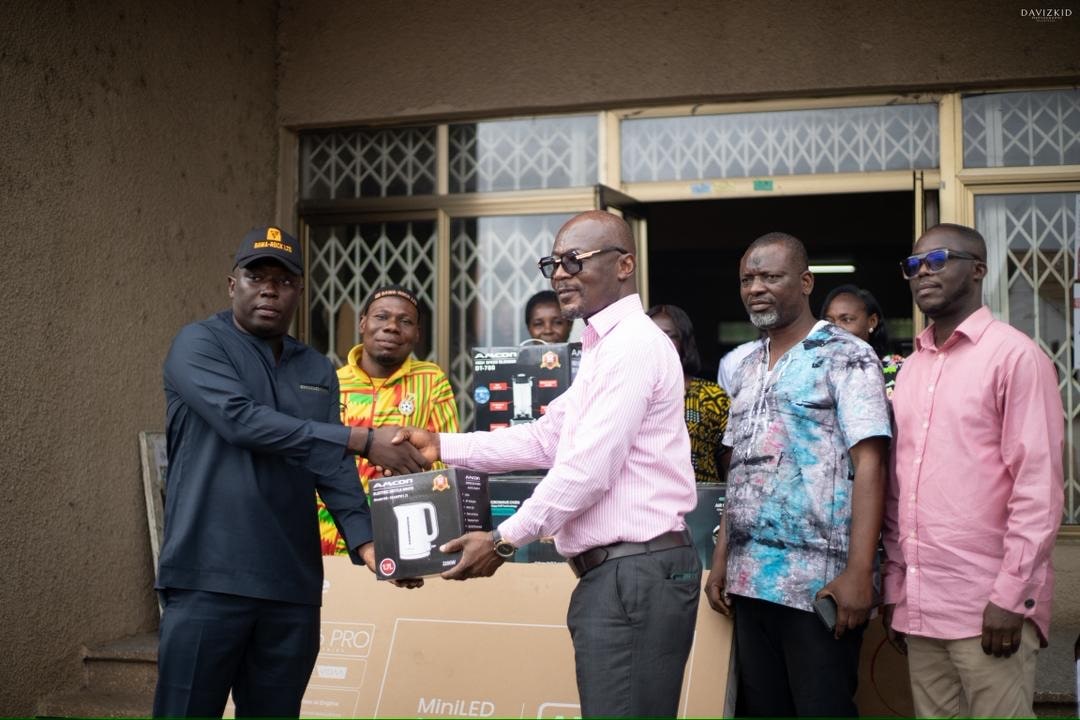
  • FixTheCountry movement to hold galamsey vigil,march on Sept 21-22

    FixTheCountry movement to hold galamsey vigil,march on Sept 21-22

    The FixTheCountry movement will embark on vigil and march sessions on Sunday, September 21, and Monday, September 22, respectively, at Revolution Square in Accra, in response to illegal mining activities, locally known as galamsey, in the country.


    This information was disclosed by the group’s convenor, Oliver Barker-Vormawor, in a post on X (formerly Twitter) on Monday, September 15.


    “On Sunday 21st September, we will have a vigil at the Revolution Square, and on Monday 22nd (a holiday), there will be a march, calling attention to the urgency of our environmental crisis,” he wrote.

    In his post he stressed that the solution to end the menace requires collective efforts, hence, he called on all and sundry to participate in the upcoming protest.


    “The responsibility to protect and preserve the environment is by divine assignment, ours as a people,” he wrote, adding that the issue transcends electoral politics.Our responsibility to end galamsey does not end at elections. Nor does it begin after our party loses one. This is bigger than petty politics,” he emphasised.
    Illegal mining activities continue to retrogress the country’s development, as they lead to the loss of lives, destruction of properties and the environment, and water bodies, among others.
    For years, the country’s efforts to nip the canker in the bud have not yielded the needed results. Among measures taken to protect water bodies from illegal miners is the deployment of river guards.
    The river guards are selected from communities most affected by illegal mining, ensuring they have a deep understanding of the local landscape and challenges.regress

    Govt’s efforts to clamp down on illegal mining activities


    The government has rolled out an official order requiring all machinery used in mining operations to be registered with the Driver and Vehicle Licensing Authority (DVLA) by 1st August.

    A statement issued by the Ministry of the Interior on Tuesday, July 15, states that the state will go ahead to confiscate unregistered mining equipment after the deadline.


    “The Government, as part of efforts to reform the mining sector in the country, requires that all machinery used in mining activities must be registered with the Driver and Vehicle Licensing Authority (DVLA) by 1st August 2025. Equipment that remains unregistered after this deadline will be confiscated by the State,” the Ministry stated on its website.


    Mr Mubarak has empowered the Ghana Police Service and DVLA to begin strict enforcement of the new rule from August 2. “The Ghana Police Service and DVLA have been directed to enforce this directive from 2nd August 2025 onward rigorously. The general public, especially those who use mining machinery, is advised to take note and comply with the directive,” he wrote.


    The Ministry reiterates its resolve to maintain national peace through effective internal security and law enforcement. Meanwhile, a similar directive came in months ago where excavator owners and operators were asked to register their machines with the Driver and Vehicle Licensing Authority (DVLA) within two weeks or risk losing them to the state, as the government intensifies efforts to clamp down on illegal mining activities.


    The Chief Executive Officer (CEO) of the DVLA, Julius Neequaye Kotey, issued the directive in Accra, warning that effective June 1, any excavator not registered with the DVLA will be confiscated.

    Speaking at a press briefing, Mr. Kotey announced that the Ghana Police Service and the DVLA’s operational team commenced a nationwide enforcement after the deadline, arresting and impounding excavators being used at mining sites or for commercial purposes without proper documentation.


    “This exercise will help identify every excavator that enters the country and trace how it is being used. The goal is to ensure we can monitor and hold people accountable,” Mr. Kotey said.
    The directive fell in line with Section 38 of the Road Traffic Act, 2004 (Act 683), which mandates the registration of all motor vehicles and trailers, including farm and heavy-duty equipment.

    Despite the law, the DVLA found many unregistered excavators operating in mining areas, some of which have been used in illegal activities.


    Mr. Kotey emphasized that the DVLA, with its 34 offices nationwide, could register all excavators and farm machinery within two weeks and was ready to strictly enforce the directive. “Excavators in the hands of illegal miners have worsened the destruction of our environment. This is why we must act,” Mr Kotey said.


    To further control the situation, the DVLA, in collaboration with key agencies like the Minerals Commission, National Security, the Ghana Ports and Harbours Authority (GPHA), and the Customs Division of the Ghana Revenue Authority (GRA), commenced tagging all newly imported excavators.


    In addition to tagging new imports, the Minerals Commission was tasked to lead a team that would tag all excavators already in the country. Legal small-scale mining sites have also been geo-fenced, with their site coordinates integrated into the Ghana Mine Repository and Tracking software for better oversight.


    The move is part of broader government efforts to combat illegal mining. Three months ago, Lands and Natural Resources Minister Emmanuel Armah-Kofi Buah announced the rollout of a system to monitor excavator imports and usage, involving port tagging and digital tracking in partnership with several state agencies.

    According to the sector minister. The third most valuable item imported into this country is excavators, and it is worth GHC6.2 billion.


    Crack down on illegal mining activities


    In April, a total of 47 individuals were arrested for engaging in illegal mining activities along the Tano River and within the Aboi, Subri, and Nimiri forests in the Western Region. This followed a special four-day intelligence-led operation that commenced on April 17, within the Samreboi enclave.


    According to the Ghana Police Service, the suspects include 39 Ghanaians and 8 Chinese nationals. The Police indicated that a significant amount of equipment and materials believed to have been used for the mining operations were retrieved.

    These include seventeen excavators, one bulldozer, four motorbikes, two Toyota Hilux vehicles, one Rav4 vehicle, four pump action guns, one single barrel gun, fifty-four live BB cartridges, and eight pumping machines.


    Prosecution began for the arrested suspects. On Tuesday, 41 of them were arraigned, with 29 remanded into Police custody to reappear before the court on April 30, 2025. Twelve others were also remanded to return to court on May 2, 2025.

    The remaining seven were put before the court on April 23, 2025.
    Two coordinated operations conducted on Friday, June 20, at Nikanika and Adeade in the Central Region led to the arrest of 3 suspects and the seizure of several pieces of mining equipment. The operations were executed by the Ghana Police Service, through its Special Anti-Galamsey Task Force.


    The task force proceeded to a mining site at Nikanika. Although no operators were found at the scene, the team retrieved a single-barrel shotgun loaded with a cartridge and three water-pumping machines.

    The task force extended its operation to Adeade, where three suspects—Prosper Quansah, Chrispin Nartey, and Owusu Gambra—were arrested with an excavator on a lowbed trailer.


    One SANY excavator, four unregistered Haojin motorbikes, and one lowbed vehicle with registration number GN 2136-24 were seized from the scene. All exhibits were secured in police custody.


    Some 12 accused persons standing trial for engaging in illegal mining activities at Tumetu near Princess Town in the Ahanta West Municipality of the Western Region have been remanded into prison custody.

    While 10 of the accused persons were arrested at a palm plantation, two were arrested at the Elluabo Chavene Ghana Rubber Estate Limited (GREL) plantation.


    This was due to a coordinated police intelligence-led operation within the Ahanta West Municipality. The accused persons are Lord Yankey, Caleb Adu Kwaw, Stephen Agyei, Ebenezer Barnes, Mathew Somagevi, Paa Grant, Bashiru Kaviru, Joseph Borney, Aminu Issah, Kofi Sogah, Albert Normah, and Robert Mensah.

    Four water pumping machines, one tricycle with registration number M-20-WR 1045, and two motorbikes were retrieved from the sites, according to the police.


    All twelve accused persons admitted to the offence during police interrogations. They were subsequently put before the Takoradi Harbour Area Circuit Court ‘A’, and were remanded into prison custody at Sekondi and reappeared before the court on Tuesday, July 8.


    Also, fifteen individuals are in police custody for engaging in illegal mining activities at Manso Adubia. They were arrested following a special intelligence-led operation at Watreso and Preacher Krom.
    The suspects include Tahiru Ibrahim (24), Shaibu Idrissu, (23), Boateng Emmanuel (27), Jamon Kwaku Samuel (21), Yaro Patrick (29), Kofi Boakye (21), Gubong Mathew (45), Fatawu Zackari Seidu (26), and Abdul Malik Seidu (22).

    The others are Dauda Tahiru (23), Sampson Grace (21), Boolangkpuo Freda (24), Arima Hagar (26), Kwarteng Vasco (30), Kwame Adutwum (24).

    Two excavator control boards, two automatic pump-action guns, two Musler 12 firearms, 59 BB cartridges, three AA cartridges, one water pumping machine, two power generators, one vulcanizing machine, and one Apsonic motorbike were seized from the site.

  • Accident on Koforidua-Nyamekrom stretch claims one life, four hospitalised

    Accident on Koforidua-Nyamekrom stretch claims one life, four hospitalised

    One person has died and four others hospitalized following a deadly crash on the Koforidua–Nyamekrom road in the Eastern Region. The fatal incident occured after an Opel Astra B taxi cab with registration number GS 4492-Z and a Honda Civic with registration number GR 5529-22 collided head-on.

    Speaking to the media, the Assemblyman for the Nyamekrom Electoral Area, Enoch Boahene, reported that the vehicles almost crashed into the motorcycle he was riding on near the Jehovah’s Witness Church in Nyamekrom. He added that the taxi driver was on top speed, causing the deadly crash.

    Ghana has recorded a series of road accidents this year. In just the past few weeks, an accident at Bechem in the Bono Region has claimed the lives of two individuals, including a church leader of the Seventh Day Adventist (SDA) Church.


    The fatal crash, which occurred on Sunday, August 10, left several others sustaining injuries, including children. According to reports, the victims who were close to Aburaso were coming from a camp meeting they attended in Kumasi. Reportedly, the trye of the bus carrying the individuals had a fracture, leading to a burst, hence, causing the vehicle to somersault.


    On Monday, July 28, a tragic road accident on the Atwedie stretch of the Kumasi–Accra Highway resulted in the deaths of sixteen members of the Saviour Church of Ghana. Days after, an accident at Asamankese in the Eastern Region on Wednesday, August 6, reportedly claimed the life of an individual. Officials are yet to confirm any casualties.


    The unfortunate incident occurred after a tipper truck veered off its road, crashing into shops around the Dukes Filling Station. According to sources, many other individuals sustained injuries. Reports have it that the tipper truck was overspeeding when it veered off the road.

    “It happened so fast—one moment the road was clear, the next, the truck was crashing into everything in its path,” an eyewitness recounted.


    Following the incident, it is said that emergency services went to the scene to rescue individuals who were trapped. Medical assistance was also provided, according to reports. Per reports, the Police Service has commenced investigations into the accident, with the driver of the tipper truck providing assistance.

    Local officials have reportedly given assurance of aiding the victims of the accident. The deceased were reportedly returning from the church’s annual programme in the Eastern Region.

    Their deaths were confirmed after their bus crashed with an oncoming fuel tanker. All 16 victims were laid to rest in a single large grave on Thursday, July 31, by the Obogu community and church leadership.


    Ghana has reported a surge in the number of fatalities recorded due to road crashes. In the first half of 2025, the National Road Safety Authority (NRSA) reported one thousand, five hundred and four (1,504) deaths, compared to one thousand, two hundred and thirty-seven (1,237) fatalities reported in the corresponding period in 2024, representing a 21.58 percent increase.


    According to provisional data released by the National Road Safety Authority in collaboration with the Police Motor Traffic and Transport Department (MTTD), a total of 7,289 road crashes were recorded between January and June this year.


    Per the data, a total of twelve thousand, three hundred and fifty-four (12,354) vehicles were involved in the road crashes. Owing to the road accidents, a total number of eight thousand, three hundred (8,300) individuals sustained injuries.

    Also, one thousand, three hundred and one (1,301) pedestrians were knocked down across the country.


    According to the recent data provided by the National Road Safety Authority, on average, eight (8) lives are lost every day due to road crashes. Each day, forty (40) road crashes are recorded, and forty-six (46) individuals sustain injuries.

    Daily, sixty-nine (69) vehicles and motorcycles are involved in road crashes. To aid in combating road crashes, the National Road Safety Authority has called for stern enforcement of traffic regulations and public education.


    The NRSA has called for stricter enforcement of traffic regulations and increased public education to help curb the rising number of road accidents across the country.


    The Road Traffic Act 2004, an Act to consolidate and revise the Road Traffic Ordinance, 1952 (No. 55), provides for a more comprehensive regulation of road traffic and road use, to ensure safety on the roads and to provide for related matters.


    A person who drives a motor vehicle dangerously on a road commits an offence and is liable on summary conviction, (a) where (i) a bodily injury does not occur, or (ii) a minor bodily injury does occur, to a person, other than the driver, to a fine not less than one hundred penalty units and not exceeding two hundred penalty units or to a term of imprisonment not exceeding nine months or to both the fine and imprisonment.


    (b) Where bodily injury of an aggravated nature occurs to a person, other than the driver, to a minimum fine of two hundred penalty units and not exceeding five hundred penalty units or to a term of imprisonment of not less than twelve months and not exceeding two years or to both the fine and the imprisonment; or (c) where death occurs, to a term of imprisonment for a term of not less than three years.

    (d) Where there is damage to state property, to a fine of not less than one hundred penalty units and payment for the damage caused in an amount determined by the Court.


    The Court may, on the conviction of a person under subsection (1), (a) order the payment of appropriate compensation to an injured person or to the estate of that person, or (b) order the withdrawal of the licence for a period of not less than three years and not more than five years.


    A person who drives a motor vehicle on a road without due care and attention, or without reasonable consideration for other persons using the road, commits an offence and is liable on summary conviction to a fine not exceeding two thousand penalty units or to a term of imprisonment not exceeding five years or to both the fine and the imprisonment.


    A person commits an offence if without lawful authority or reasonable excuse, that person, (a) causes anything to be on or over a road, (b) interferes with a motor vehicle, trailer or cycle, or (c) interferes, directly or indirectly, with traffic equipment, where that it would be obvious to a reasonable person that to do so would be dangerous.


    A person who commits an offence under subsection (1) is liable on summary conviction to a fine not exceeding two hundred and fifty penalty units or to a term of imprisonment not exceeding twelve months or to both the fine and the imprisonment.

  • Apostle Dr Kwadwo Safo ‘Kantanka’ dies at age 77

    Apostle Dr Kwadwo Safo ‘Kantanka’ dies at age 77

    Ghana’s renowned technological innovator, Apostle Dr. Kwadwo Safo, popularly known as “Kantanka,” has been confirmed dead. The announcement of his passing was made in a press release issued by the family on Sunday, September 14.

    The late philanthropist died at the age of seventy-seven (77) years. The agriculturist and industrialist was the biological father of New Patriotic Party (NPP) member Sarah Adwoa Safo, the former Member of Parliament (MP) for Dome Kwabenya Constituency.

    In the press release signed by Adwoa Safo, the family disclosed that Apostle Safo died peacefully on Thursday, September 11.

    “With profound sorrow and deepest grief, the Safo Family and the Kristo Asafo Church announce the peaceful passing of Ghana’s beloved man of God, the greatest technological icon, philanthropist, agriculturist, and industrialist popularly referred to as ‘Kantanka, the African Star.’

    “Our dearest Father passed away peacefully on Thursday, September 11, 2025. Romans 14:8 states: ‘For if we live, we live to the Lord and if we die, we die to the Lord,’” a portion of the statement read.

    Apostle Kantanka was described as a “gallant son,” a true genius, a beacon of hope for many, and a father to the fatherless. According to the family, “Ghana has indeed lost a gallant son and a true legend.”

    In the meantime, the family has noted that details of the late Apostle Kantanka’s burial will be announced in due course, while requesting privacy as they mourn their loss.

    Born on August 26, 1948, in Bom (near Kensere) in the Ashanti Region, Apostle Prof. Dr. Ing. Kwadwo Safo Kantanka was a revered man of God. His parents were Opanin Yaw Safo and Obaapanin Yaa Amoanimaa. He died at the age of 77.

    His son, Kwadwo Safo Kantanka Jr., is the CEO of Kantanka Group, a pilot, and an entrepreneur. His daughter, Sarah Adwoa Safo, is a politician, lawyer, and former MP and Gender Minister. His other children include Joche Safo (lawyer), Monarch Safo, among others.

    Apostle Kantanka gained recognition as a practical, self-taught innovator in electronics and mechanics. He studied engineering at the Ghana Technical Works Institute, now the Kumasi Technical University. At VALCO and West African Metals, he trained as a welder for three years. He also received honorary academic titles, including an Honorary Professorship (Emeritus) from Alfred Nobel University, Ukraine, in 2019, and an Honorary Doctor of Laws from the University of Ghana in 1999.

    He went on to establish Ghana’s largest indigenous technology conglomerate, spanning automotive manufacturing, electronics, agriculture, and pharmaceuticals. In 1994, he founded a Ghanaian-based automotive company that designs, manufactures, assembles, and sells luxury cars. The company produces vehicles tailored to African conditions, such as the Onantefo and pickups like the Omama. Some of his vehicles feature voice-activated systems and remote ignition.

    Beyond automobiles, he built impressive futuristic machines, many of which were exhibited at the Apostle Safo Technology Research Centre in Gomoa Mpota. He also established a religious movement, Kristo Asafo, an independent church, which began as a prayer group in 1969 and was transformed into a Church on 3rd February 1971.

    The church is a member of the Sabbath Association of Ghana. Within the church, both members and non-members have acquired diverse skills across different professions and trades, including carpentry, welding, and mechanics.

    See the full statement from his family below:

    FOR IMMEDIATE RELEASE

    THE PASSING OF APOSTLE DR. KWADWO SAFO

    With profound sorrow and deepest grief, the Safo Family and the Kristo Asafo Church announces the peaceful passing of Ghana’s beloved man of God, the greatest technological icon, philanthropist, agriculturalist and industrialist popularly referred to as “Kantanka, the African Star”.

    Our dearest Father passed away peacefully on Thursday 11th September, 2025.

    Romans 14:8 states; “For if we live, we live to the Lord and if we die, we die to the Lord”.

    Apostle Safo was a true genius, the beacon of hope for many, a father to the fatherless. Ghana has indeed lost a galant son and a true legend.

    His unique persona was shaped by his life struggles, dreams, resilience, courage, determination and dedication to His calling and conviction.

    During this time of grief, we humbly request that the general public respects the privacy of the family and loved ones.

    The burial and funeral arrangements shall be duly communicated in the coming days

    Signed

    Hon. Sarah Adwoa Safo (Esq)

  • Kumasi: 20 passengers robbed at gunpoint on Tweapease-Mfensi stretch

    Kumasi: 20 passengers robbed at gunpoint on Tweapease-Mfensi stretch


    A group of armed robbers have attacked at least 20 passengers at gunpoint in a Sprinter bus with registration number GG 4181-16 en route to Kumasi on the Sunyani road in the Ashanti Region.

    According to Citi News, the incident occurred around 1:00 a.m. on Friday, September 12, between Tweapease and Mfensi, near the Moments of Glory Prayer Army (MOGPA).

    Per a victim’s account, the armed men who were five in number ordered passengers to surrender their belongings, including money, mobile phones, and other valuables after blocking the road. 

    The passenger added that the victims were left severely traumatised; however, no one was physically assaulted during the robbery. Residents and commuters have since lamented over the deplorable state of that stretch.

    They have attributed the increasing spate of robberies in the area to the poor road. In recent years, the Police Service has made significant progress in tackling robberies and prosecuting offenders. 

    Currently, the police are on a manhunt for eight others allegedly involved in a gold shop robbery at Mpohor in the Western Region . The Ghana Police declared them wanted after they retrieve of items used by a gang of armed men during a gold shop robbery. 

    Weapons, ammunition, clothing, and other materials were among the exhibits. According to a Facebook post on Tuesday, August 19, the police stated that the retrieved items would aid in the ongoing investigation into the case.

    On Sunday, August 17, one person was arrested in connection with the robbery. The police explained that the retrieval was made possible after officers from the Kuntanase District in the Ashanti Region intercepted a suspicious white Toyota Sienta near the Aputuoagya–Bekwai road.

    According to the police, a search of the vehicle led to the recovery of an AK-47 assault rifle, a locally manufactured firearm, two AK-47 magazines loaded with 30 rounds of ammunition each, and other materials believed to have been used during the robbery.

    On July 30, a shootout between suspected armed robbers and police officers at Atebubu in the Bono East Region led to the death of two suspects.

    According to the Ghana Police Service, the patrol team encountered a robbery attack on commuters along the Atebubu Highway. The suspects opened fire on the officers upon sighting them.

    Those struck during the exchange were rushed to a hospital but were pronounced dead on arrival, while others escaped into nearby bushes.

    A search of the scene led to the retrieval of a shotgun loaded with two live cartridges, four spent cartridges, and a machete. Intensive efforts are still underway to apprehend the fugitives, police confirmed.

    On July 15, an intelligence-led operation by the Police Intelligence Directorate (PID) foiled a robbery attempt by five armed men targeting a foreign national at Cantonments. Police received credible intelligence that the men were lodging at a hotel in Labadi.

    While en route in a Toyota Yaris vehicle, the suspects opened fire on a police team after detecting surveillance. An officer sustained gunshot wounds, and in the ensuing shootout, two suspects died after being rushed to the Ghana Police Hospital.

    The injured officer, who suffered gunshot wounds to his arm and legs, has been hospitalized and is responding to treatment. Police retrieved two pump-action guns loaded with ammunition, live cartridges, three mobile phones, talismans, and other items from the scene.

    What the law says about robbery and stealing

    Section 149 of the Criminal Offences Act states that a person who commits robbery commits a first-degree felony. Per Section 150, “a person who steals a thing commits robbery (a) if in, and for the purpose of stealing the thing, that person uses force or causes harm to any other person, or (b) if that person uses a threat or criminal assault or harm to any other person, with intent to prevent or overcome the resistance of the other person to the stealing of the thing.”

    Section 124 of the Criminal Offences Act also indicates that a person who steals commits a second-degree felony. Where the court that finds a person guilty of stealing is satisfied that, on not less than two previous occasions, the accused was found guilty of stealing, the court shall order that the whole or a part of the term of imprisonment imposed shall be spent in productive hard labour.

    A person subjected to such an order is disqualified from election to Parliament or a District Assembly within the meaning of the Local Government Act, 1993 (Act 462), for up to five years. Productive hard labour refers to labour in a state farm, state factory, or any other public co-operative or collective enterprise specified by the Minister.

    Police efforts in combating robbery, in July, the Police secured a conviction in a four-year-old armed robbery case that occurred in Atonsu, Kuwait, Kumasi. The Kumasi Circuit Court sentenced two individuals to 15 years imprisonment for their role in the violent incident. The convicts, Abass Kasim (26) and Daniel Morro, alias “China” (25), were part of a gang of five that attacked a resident in Atonsu Kuwait on July 31, 2021, around 2:30 a.m.

    The gang, wielding a pistol and cutlasses, shot the victim in the abdomen, inflicted multiple cutlass wounds, and robbed him of valuables including an iPhone 11 worth GHS 5,500, a Samsung phone worth GHS 500, two Apple Watches valued at GHS 3,000, two ladies’ handbags, jewelry, $600, and an unspecified amount of Ghana cedis.

    Following investigations, Abass Kasim was arrested on August 12, 2021. During interrogation, he confessed and led police to arrest Daniel Morro. A pistol used in the attack was later retrieved.

    On August 19, 2021, the suspects were arraigned before Kumasi Circuit Court 4 and remanded into custody after pleading not guilty.

    They reappeared on Wednesday, July 9, 2025, when they were convicted and sentenced to 15 years imprisonment each on charges including conspiracy to commit robbery, robbery, unlawful entry, abetment of crime, and possession of firearms without authority.

    The sentences are to run concurrently. They have since been transferred to the Central Prisons in Kumasi. Meanwhile, three accomplices remain at large.

    The police also reported another success after an armed robber, Paul Avortide, was sentenced to 19 years with hard labour for robbery. The 25-year-old, on May 21 at about 4:00 a.m., attacked a pregnant Nigerian woman, Ogechi Chidiebere, at Tsikpota near New Housing, Ho.

    Armed with a machete, he robbed her of GHS 3,000 and a Tecno Spark 30c phone valued at GHS 2,500 as she made her way to antenatal care.On June 19, police arrested Harmony Nbonu at Ho Main Market with the stolen phone.

    He confessed that Avortide had sold it to him for GHS 850. A coordinated operation led to Avortide’s arrest at Matse, a suburb of Ho, as he attempted to flee.

    After investigations, Avortide was charged with robbery under Section 149 of the Criminal Offences Act, while Nbonu was charged with Dishonestly Receiving under Section 146.

    They were arraigned before Ho Circuit Court on Tuesday, July 1. Avortide pleaded guilty and was sentenced to 19 years in prison, while Nbonu was acquitted and discharged.

    Meanwhile, three individuals suspected in a robbery at Nyanikrom near Shama Junction on Wednesday, July 9, were apprehended. They are Francis Mensah, alias Francis Kwaw (34), Ebenezer Cofie (32), and Samuel Bentum (35).

    The Western Regional Police Command arrested them following targeted surveillance based on credible intelligence.

    Police revealed that the suspects, armed with insider information, planned to rob company officials returning from a bank in Takoradi with salary funds. On the said day, the suspects ambushed the company vehicle near Unique School Junction at Nyanikrom.

    They broke the vehicle’s window and made away with the cash. A swift police response led to the arrest of three suspects and the recovery of GHS 149,500.

    The suspects are currently in custody assisting with investigations. However, the company’s driver, Maxwell Kofi Yeboah, alleged to have conspired with them, is at large and being pursued.

    “The Western Regional Police Command assures the public that efforts are ongoing to apprehend the remaining suspect and bring all perpetrators to justice,” the police said.

    Despite these successes, the Police Service continues to suffer casualties in its fight against armed robbery. Several officers have lost their lives while on duty, though the exact number remains unclear.One such incident occurred in September 2024, when an officer was ambushed and killed by armed robbers at Kwame Peprakrom in the Central Region.

    In response, the government introduced a GHS 50,000 insurance scheme for officers who lose their lives while on duty.

  • Police arrest one for involvement in Accra Timber Market fire incident

    Police arrest one for involvement in Accra Timber Market fire incident

    One person has been arrested in connection with the devastating fire incident at the Accra Timber Market in the early hours of Saturday, September 13. This information was made public by the Greater Accra Regional Commander of the Ghana National Fire Service (GNFS), ACFO II Rashid Kwame Nisawu, during an interview with Channel One Newsroom.

    According to him, the suspect allegedly left a burning heap of rubbish unattended, which later spread and engulfed the Timber Market.

    “Indeed, through the firefighting, what we normally do is that during the firefighting, we also deploy some plainclothed officers to fish out for information. And what we gathered was that there is this gentleman who gathers some rubbish around and sets it on fire, goes to sleep, and this thing degenerated, and that is the result we are having,” he explained.

    He further noted that the police acted swiftly after receiving a tip-off. “The good thing is that this morning, the Police Commander came to report to the Chief Fire Officer — I was around — that they have been able to apprehend the gentleman and currently, as we speak, the alleged suspect is now in police custody at James Town Police Station,” he added.

    To contain the blaze, seven fire engines from stations across Accra, together with a GNFS water tanker and two others from the Accra Metropolitan Assembly and the Ablekuma Municipal Assembly, were deployed to the scene.

    Several shops selling wooden planks and hardware were razed as a result of the fire, which broke out near Aayalolo School at 1:17 a.m. on Saturday, September 13.

    Meanwhile, in an update on its official page on Sunday, September 14, the Ghana National Fire Service (GNFS) confirmed: “The flames were confined at 6:26 a.m., brought under control by 6:37 a.m., and fully extinguished by 11:44 a.m.”

    The GNFS added, “Two firefighters sustained injuries in the operation, one from an electric shock and another from burns to the left arm. Both were treated and discharged, and are reported to be in stable condition.”

    In a related development, several houses at Darkuman Kokompe in Accra were destroyed following a fire incident in the early hours of Sunday, August 31. Reports indicated that victims were unable to salvage their belongings as they awaited emergency response. The cause of that fire is yet to be established.

    Earlier this month, a fire destroyed a Benz cargo truck transporting over 2,500 bags of rice from Côte d’Ivoire to Kumasi on the Adugyama-Bechem highway, near the Star Oil Filling Station, on Monday, August 25.

    Similarly, a popular pub and food joint at Nogora Junction, near the Ho Technical University, was reduced to ashes following a fire outbreak on Wednesday, August 13.

    On August 4, a fire ravaged the first floor of the Accra Tourist Information Centre at Cantonments. According to the GNFS, the blaze destroyed the contents of the first floor, though the ground floor and about eight offices, including the East Wing section, were salvaged.

    The first fire engine from the GNFS Headquarters arrived at 01:04 hours to find a fully developed fire spreading rapidly in all directions, aided by strong winds. Five additional appliances from Flagstaff House, Circle, Accra City, and Ministries fire stations, as well as the Rapid Intervention Vehicle (RIV) from Headquarters, were swiftly mobilized to support firefighting operations.

    Although the blaze was brought under control at 03:32 hours, firefighting efforts continued until 06:35 hours to suppress the flames and prevent further spread to adjoining properties. No injuries were recorded, but the Service has launched an investigation into the cause.

    Another inferno destroyed several makeshift wooden and metal structures at the Madina Washing Bay near Redco Flats on Sunday, August 3. The blaze consumed utility poles, traders’ wares, personal belongings, and structures worth several thousand cedis. The GNFS reported that while battling the fire, one firefighter sustained a minor leg injury.

    The Service received the distress call at 12:36 hours, and the first crew from Madina Fire Station arrived within four minutes. Four additional fire engines from Legon, Abelemkpe, and GNFS Headquarters later joined to contain the blaze. Thanks to the swift response, the fire was confined at 13:42 hours and fully brought under control at 13:54 hours. Overhaul operations continued until 20:50 hours. An investigation into the cause is ongoing.

    Last month, a fire broke out at Madina Ritz Junction. Initial reports claimed that a two-month-old baby died in the incident, but the GNFS later clarified otherwise.

    “A verification team was dispatched to the scene this morning, and after engaging affected residents, particularly the women, and a Unit Committee Member of the area, the Service can confirm that no lives were lost. The Service has thus entreated the public and media outlets to disregard any reports suggesting otherwise, as they are inaccurate and misleading,” the GNFS posted on Facebook.

    The Service explained that the fire began after a gas explosion in one of the shops and quickly spread to adjacent containers. Firefighters from the Madina, Legon, and Abelemkpe stations responded promptly and contained the blaze.

    In April this year, another fire ripped through the Madina Redco Flats area, destroying more than 150 structures and claiming the life of a young Nigerian woman known as Beauty. The inferno, which started around 11:15 p.m., spread rapidly across 140 wooden kiosks and 20 metal containers. 

    Although firefighters arrived within minutes, the victim was trapped and could not escape. Her remains were handed over to the Madina Police. Last year, about 50 stalls were reduced to ashes after the Madina Market in Accra caught fire. Deputy Director of Operations at GNFS, D.O.1 Kofi Forson, who spoke to the media, recounted the challenges they faced.

    “It was not easy for us, and there was a lack of access to where the fire was spreading, and because it happened in the night, the shops were closed, and we had to break through, and that made it tedious,” he said.

    The GNFS has since provided statistics on fire outbreaks in the first half of 2025. The data shows a slight increase compared to the same period in 2024. Ghana recorded 3,595 fire cases between January and June this year, compared with 3,576 cases during the same period last year — an increase of 19 cases, representing a 0.53% rise.

    The monthly breakdown is as follows: January (964), February (678), March (619), April (483), May (457), and June (394).

    The Greater Accra Region recorded the highest number of incidents (628), followed by Ashanti (581) and Central (408). The North East Region had the lowest number, with just 10 cases.

    In an interview on Tuesday, July 8, the Head of Public Relations at GNFS, Desmond Ackah, revealed that due to their improved and swift response, the Service saved over GH¢203 million worth of property in the last two quarters of 2025.

    The GNFS listed the main causes of fire incidents as: electrical faults from illegal connections, poor wiring, and overloaded circuits; improper use of appliances such as overused extension cords and unattended devices; unattended cooking with gas, electric, or coal stoves; careless use of naked flames like candles, mosquito coils, lighters, and matches; gas leakages and poor handling of LPG cylinders; bush burning, especially in the dry season; vehicle fires due to poor maintenance or accidents; unsafe welding and other hot-work practices; and deliberate acts of arson.

    Meanwhile, the Service reported a significant improvement in its fight against prank calls.

    It recorded a 34.77% reduction, from 364,020 prank calls in the first half of 2024 to 237,470 in 2025. The GNFS attributed the decline to consistent public education campaigns and heightened awareness of the legal consequences of misusing emergency lines.

  • WAEC considering replacing traditional paper-based exams with computer-based testing to check cheating

    WAEC considering replacing traditional paper-based exams with computer-based testing to check cheating

    The West African Examinations Council (WAEC) is considering the introduction of computer-based testing (CBT) in response to malpractices in the West African Senior School Certificate Examination (WASSCE) and Basic Education Certificate Examination (BECE).


    Speaking on Channel One TV’s Breakfast Daily on Friday, September 12, 2025, WAEC’s Head of Public Affairs, Mr. John Kapi, revealed that the computer-based testing will replace the traditional paper-based format. According to him, the Council has already had discussions and will soon conduct a trial before its nationwide rollout.


    “Gradually, we are also thinking about computer-based testing, which is something that we have thought about. We have had a technical committee meeting. We want to pilot that with one of our small examination, the general and advanced business certificate examination.examinations

    “This is an examination that does not have a large candidature, so we can manage them at the regional capital, where we are sure of internet connectivity, and once we are able to do that, we believe we can begin the process, so that if that works, we can replicate,”Mr. Kapi said.

    The 2025 Basic Education Certificate Examination (BECE), a crucial entry point to secondary education, has been marred by what appears to be one of the most alarming cases of organised malpractice ever exposed.

    A JoyNews Hotline investigation, spearheaded by GH Probe’s Francisca Enchil, uncovered how officials of the Ghana Education Service (GES), together with supervisors, headteachers, and invigilators, turned the national assessment into a coordinated racket—sacrificing academic integrity for monetary gain.


    At both Derby Avenue RC Basic and St. George’s Anglican Basic in Accra, invigilators asked for GH¢60 daily, supervisors accepted GH¢400 cash envelopes, and candidates were told to contribute to an ‘Aseda Offertory.’


    Instead of upholding strict monitoring, supervisors doubled as guards for invigilators, tipping them off whenever WAEC or National Security officials approached. Teachers and headteachers, though prohibited from the premises, roamed exam centres, bribed their way through, and in some instances fed answers straight to candidates.


    The exposé has triggered outrage. The Acting Director-General of the Ghana Education Service, Prof. Ernest Kofi Davis, has warned that teachers face dismissal if caught. Civil society voices, such as Kofi Asare of Africa Education Watch, caution that Ghana is “teaching children corruption in basic schools”—a dangerous normalisation of dishonesty.


    Meanwhile, the West African Examinations Council (WAEC) announced that at least 14 individuals had been arrested across the country for their involvement in malpractice in the 2025 West African Senior School Certificate Examination (WASSCE).


    The victims, according to the Council, were teachers, students, and invigilators. Speaking to the media on Friday, September 5, Head of Public Affairs at WAEC, John Kapi, noted, “As part of our commitment to upholding the integrity and credibility of our examination, we have deployed—for we had to employ a number of staff, as well as our own specialized personnel—to monitor the examination centres. Our monitoring teams have observed irregular activity at a number of the examination centres.”


    Three of the convicts were sentenced to a combined 20 months behind bars, as declared by the Kasoa-Ofaakor District Magistrate Court. The convicts include a teacher at Ghana College SHS, Samuel Armah, and two university students, Kwame Oteng Nkansah and Amedeka James.


    Armah, an invigilator, was sentenced to eight months’ imprisonment with a fine of 80 penalty units. He was caught dictating answers from his mobile phone to candidates during the Social Studies Paper 1.


    Nkansah, a level 100 student of Accra Technical University, impersonated one Quayson Francis Atta of Ghana College SHS. He received a jail term of six months with a fine of 80 penalty units.


    A level 100 student of the University of Ghana, James, was also granted a six-month jail term after attempting to write the exam in place of his twin brother, Amedeka Justice.


    On Monday, August 25, authorities caught an invigilator at the Forces SHTS with a phone loaded with exam questions while the West African Senior School Certificate Examination (WASSCE) was in progress.

    His phone contained exam questions on Picture Making and Oral English.
    On Wednesday, August 20, WAEC commenced the 2025 WASSCE with a total of 461,640 candidates who sat for the Oral English exam.

    The practical papers commenced on August 4. The number of students who sat for this year’s exams saw a 0.22 percent increase from 2024, when a total of 460,611 candidates sat for the WASSCE. This year’s candidates comprise 207,381 males and 254,259 females.


    Ahead of the exams, the Ghana Education Service (GES) released funds to cater for the 2025 WASSCE practical examinations for all Senior High Schools (SHSs) and Senior High Technical Schools (SHTSs) across the country. An amount of GH¢15,849,920 was released, according to reports.


    According to GES, in a statement issued on Saturday, July 27, and signed by the Head of Public Relations, Daniel Fenyi, the funds were expected to provide all necessary materials and supplies for the practical exams.


    “The Management of the Ghana Education Service (GES) announces that funds had been released to all Senior High Schools (SHS) and Senior High Technical Schools (SHTS) across the country to cover the fees for the 2025 WASSCE practicals. This payment ensures that all practical examinations scheduled for the 2025 WASSCE are fully supported, including the provision of the required materials and other essential resources,” the Service noted.


    WAEC cancelled and withheld the subject results and entire results of some 2,228 candidates who sat for the 2025 BECE. The Council made this known after revealing that it had released provisional results of candidates who sat for the BECE for School Candidates, 2025.


    Following the completion of investigations into several cases of irregularity detected during the conduct of the examination and marking of scripts, the 36th Meeting of the Final Awards and Examiners’ Appointment Committee for the BECE, 2025, held on Friday, August 15, 2025, approved the cancellation of the subject results of 718 candidates and the entire results of 177 candidates.


    The committee also withheld the subject results of 1,240 candidates and entire results of 93 candidates. Meanwhile, the subject results of some candidates from 119 schools have been cancelled.

    In addition, the subject results of some candidates from 87 schools have been withheld for further scrutiny. The withheld results may be cancelled or released based on the outcome of investigations by September 6, 2025. WAEC has indicated that candidates whose results have been cancelled or withheld should visit their website for details and reasons for the withholding or cancellation of results.

  • Court remands NPP’s Abronye for seven days pending trial

    Court remands NPP’s Abronye for seven days pending trial

    The Bono Regional Chairman of the New Patriotic Party (NPP), Kwame Baffoe, popularly known as Abronye, has been remanded in prison custody after he appeared before the Accra Circuit Court today, Friday, September 12. He made his first appearance in court on Tuesday, September 9.

    Abronye will return to court on Friday, September 19. He has been charged with offensive conduct conducive to the breach of the peace.


    During the court proceeding, the NPP Bono Chairman’s legal team requested bail after the presiding judge scheduled his next appearance for the next three days; however, the presiding judge at the Accra Circuit Court denied their request.

    Consequently, Abronye has been held in custody by the police until his next appearance. Ghana Police, in an official statement shared on their Twitter page, confirmed the NPP member’s arrest on Monday, September 8.


    “The Ghana Police Service has today, 08/09/25, arrested Mr. Kwame Baffoe @ Abronye for Offensive conduct conducive to the breach of the peace”, confirming he is in their custody awaiting arraignment before the Court.


    He arrived in handcuffs, escorted by police officers from a black police van known as “Black Maria, sparking bitter concerns among members of the opposition NPP, including the party’s National Youth Organiser, Salam Mustapha.


    The court denying him bail visibly did not sit well with some members of the opposition NPP, who appeared in court in solidarity with their member.


    During a media engagement, he complained bitterly about how the Chairman’s case of misdemeanour was being treated like a criminal case when it is a civil case.

    He said Abronye wasn’t a criminal to be transported in handcuffs and in a Black Maria, citing it as a waste of taxpayers’ money and time of concerned individuals.


    He warned the government against what he described as the mistreatment of NPP party members, stating that, “Power has an end, the tables will turn, and we will all have our revenge”.


    Criticising the Ghana Police for bias, he announced an upcoming protest against the law enforcement agency in the coming days, which he will lead.


    Also, the lawyer of the accused Daniel Martey Addo, the Managing Counsel at Nkrumah & Associates, while commending the adherence to legal proceedings following his client’s arraignment in court, he, however, stated that, “it appears that the prosecution would just want him to be remanded.

    For whatever reason you gave us an invite, and the charges levelled against my client were just misdemeanors, and in law, you would know that there are categories of offences, and misdemeanor is the basic one that shouldn’t be should not be the reason an accused person should be remanded.”,

    Armed police officers stormed the residence of former NPP Youth Organiser, Moses Abor, in search of Abronye on Sunday, September 8.


    Last week, Abronye made headlines after he formally wrote to eight different countries, including Côte d’Ivoire, the United States, France, Italy, Canada, Spain, the United Kingdom, and Germany, seeking protection for his safety in Ghana.


    Defending his reason for seeking asylum, he added that “consistent, escalating political persecution, threats to my life, and systemic abuse of state security powers by the current Government of Ghana”.


    Abronye’s arrest comes days after the Economic and Organised Crime Office (EOCO) held into custody the presidential candidate and leader of the Liberal Party of Ghana (LPG), Kofi Akpaloo, for alleged financial misappropriation and other related misconduct.
    On Wednesday, September 3, Kofi Akpaloo was picked up at his residence in Kumasi by EOCO officials for interrogation. Mr Akpaloo vied for the presidency in the 2024 general elections.

    Before the election, Akpaloo expressed strong confidence in his chances for a decisive win, predicting victory over major contenders.


    However, he obtained 5,219, which is 0.09%. Recently, EOCO has given much attention to investigating high-profile political figures and business leaders.


    The Economic and Organised Crime Office was established by the Economic and Organised Crime Office Act, 2010 (Act 804) as a specialized agency to monitor and investigate economic and organised crime and, on the authority of the Attorney-General, prosecute these offenses to recover the proceeds of crime and provide for related matters.


    The EOCO has similar mandates to the Office of the Special Prosecutor (OSP). Recently, the OSP released a fifty-page report covering investigations and prosecutions carried out between January 1 and July 31 this year.


    The OSP’s Seventh Half-yearly Report is pursuant to Section 3(3) of the Office of the Special Prosecutor Act, 2017 (Act 959). The document also outlines key developments in the Office’s operations.


    According to the OSP, despite resistance from powerful interests, it stayed focused on executing its mandate during this period. As such, the Office successfully progressed significant corruption-related investigations to the stage of court proceedings, while also initiating new inquiries into suspected acts of corruption.


    “Then again, the Office, as one of three implementing partners of the new National Ethics and Anti-Corruption Strategy and Implementing Plan, is fashioning and molding anti-corruption structures that would stand the test of time. The task ahead remains formidable. Much more so is our resolve to perform.


    “This reporting period was characterized by intensification of the Office’s prosecutorial mandate. We advanced high-profile investigations to court and initiated bold inquiries into suspected corruption, often in the face of deep-seated resistance from entrenched interests.


    “Notwithstanding these expected challenges, the Office remains resolute and guided by the rule of law, fairness, firmness, evidence-based action, and the interest of the public. We recognise that the fight against corruption cannot be waged and won only through punitive action and incarceration,” parts of the report read.


    The legislative framework of the Office of the Special Prosecutor mandates the Authority to crack down on corruption, recover assets, and confiscate illicit property.


    “Indeed, the legislative set-up of the Office leans heavily on corruption-prevention and asset recovery and disgorgement of tainted property. Consequently, we proceed on sustainable anti-corruption outcomes by pairing enforcement with robust prevention and asset recovery, especially founded on our unique plea bargaining regime.


    In this spirit, the Office scaled up its preventive mandate through active engagement with public institutions, private sector actors, civil society- and secured convictions and asset recovery through impactful plea bargaining. We also reckon that the nation’s anti-corruption legal framework requires re-imagination, modernization, and retooling to address the immense scale and complexity of modern corruption in the context of our social, economic, and political constructs.


    “On this score, the Office has proposed the inclusion of a new chapter in the Constitution dedicated to the fight against corruption through definitive constitutional expression by the institution of proposed concrete measures to effectively and comprehensively suppress and repress corruption in public life as well as in the private sector chief among which include lifestyle audit non-conviction-based asset recovery, enhanced asset declaration and verification regime, and reverse onus presumption of corruption as the foundation of both anti-corruption criminal proceedings and civil asset recovery proceedings,” parts of the report added.


    The Office is also leading the charge in respect of the passage of a comprehensive Corrupt Practices Act and Conduct of Public Officers Act.


    Currently, sixty-seven(67) cases are being handled by the Office, all of which are undergoing comprehensive review.


    The corruption cases being investigated by OSP include: Minerals Income Investment Fund, Ghana Airports Company Limited, Ghana Education Service, National Commission on Culture, Ghana Revenue Authority/Tata Consulting Services, National Service Authority, Ministry of Health/Service Ghana Auto Group Limited, and National Cathedral.


    The others are: Tema oil refinery and Tema Energy and Processing Limited and the Electricity Company of Ghana Limited, State lands, Stool lands, and other Vested lands, Illegal Mining, National Sports Authority, Customs Division of Ghana Revenue Authority, Bank of Ghana, and Estate of Kwadwo Owusu-Afriyie, alias Sir John.


    It further hinted that “There were seven (7) convictions and one (1) acquittal in respect of the cases pending before the criminal courts during the period under review. The Office has filed an appeal in respect of the case in which the accused was acquitted.


    Additionally, one hundred and fifty-two (152) cases are at the preliminary investigation stage, with the OSP assuring that details will be made public once they progress to the next stage.


    The Office is also seized with one hundred and fifty-two (152) other cases at the preliminary investigation stage. These may be publicised if the Special Prosecutor determines that they are within the mandate of the Office and that they should be moved past the preliminary investigation stage.


    This is a policy intended to protect the privacy of individuals and the business operations of institutions and companies, and to avoid unnecessary stigmatization.

  • World Bank injects $360m into Ghana’s economy

    World Bank injects $360m into Ghana’s economy

    The World Bank has disbursed $360 million from its International Development Association (IDA) to Ghana. This funding was made possible through the Second Resilient Recovery Development Policy Financing operation, to support Ghana’s efforts to restore macroeconomic stability.


    Parliament gave the nod in July after the World Bank Board approved the facility in June. The World Bank Group is a family of five international organizations that provide leveraged loans to developing countries. It is the largest and best-known development bank in the world, serving as an observer at the United Nations Development Group.

    The Bank is headquartered in Washington, D.C., United States. Its objectives are to restore fiscal sustainability, support financial sector stability and private sector development, improve energy sector financial discipline, and strengthen social and climate resilience.

    The recent disbursement comes at a time when Ghana’s local currency, the cedi, has been ranked as the worst-performing currency in a recent report published by the global financial news outlet Bloomberg.


    Ghana cedi’s strong performance was a central theme highlighted by President John Mahama during an interaction with potential investors in Singapore and Japan weeks ago. President Mahama emphasised the robust performance of the local currency to underscore Ghana’s macroeconomic stability and attractiveness as a destination for foreign capital.


    However, the cedi’s brief gains were short-lived after its rapid depreciation made it the worst-performing currency. According to Bloomberg’s recent report released on Thursday, September 4, the Ghana cedi is the worst-performing currency among all trading currencies, attributing the depreciation to a surge in demand for dollars by companies paying for imports.


    “A surge in demand for dollars by companies paying for imports has ended the Ghana cedi’s recent strong performance,” Bloomberg said.
    Bloomberg attributed the new development to the “strong gold prices,” while emphasizing that Ghana’s cedi has seen more than a ten percent (10%) depreciation in the current quarter.


    This, Bloomberg noted, has erased the fifty percent gain against the dollar in April and June. According to Bloomberg, the cedi traded 0.1 per cent weaker at GH¢11.9507 per dollar at 1:50 a.m. Despite the losses, it has gained 23 per cent so far this year.


    “Now, the currency, which had ranked first globally on the back of strong gold prices, has weakened by 13 per cent in the current quarter. Bloomberg data showed this was the steepest fall worldwide, erasing part of the 50 per cent gain recorded between April and June,” the report said.


    But Bloomberg has indicated that “Despite the losses, it has gained 23 per cent so far this year based on market data.” Reacting to Bloomberg’s report, the Bank of Ghana (BoG) noted, “The cedi should be stable within a reasonable range,” the central bank said in an emailed response.

    “Our role is to ensure fluctuations remain orderly, that they reflect fundamentals, and that they do not undermine confidence in the broader economy.”


    Bloomberg, in April this year, ranked the cedi as the best-performing currency with a sixteen percent (16%) gain against the dollar. What made the cedi earn the tag as the worst-performing currency is the steepest decline on the global level.

    The cedi’s appreciation in the last eight months helped ease inflationary pressures, pushing consumer inflation down to 21.2 per cent, the lowest in eight months at the time.


    Ghana’s import-dependent economy brings in a wide range of goods, from food to machinery, with demand typically rising toward the end of the year as businesses prepare for the Christmas season.

    The higher demand for dollars has piled pressure on the cedi, while the Bank of Ghana’s (BoG) limited supply of foreign exchange has added to the strain.


    Head of Market-Risk Management at UMB Bank, Mr. Hamza Adam, said banks that submitted dollar requests on behalf of clients to the Bank of Ghana last week received only half of what they asked for. “This week the central bank is trying to meet all demand,” he said by phone from Accra on September 3, 2025.


    Meanwhile, before Bloomberg reported on the cedi, BoG addressed the concerns of Ghanaians concerning the fast depreciation of the cedi, calling for calm. Bank of Ghana Governor, Dr. Johnson Asiama, during an interview with Joy Business, which was aired on Wednesday, August 27, mentioned that the current depreciation of the cedi was temporary, assuring a comeback soon.


    “The Bank of Ghana operates a managed floating system in terms of framework; therefore, these blips will happen. But the assurance is that this is a short-term issue, and the challenges are being addressed,” he assured.


    According to data from the Bank of Ghana, which was shared on 23rd August, the Ghana cedi had seen a five percent (5%) depreciation. Between August 23 and August 28, the Ghanaian cedi depreciated from GH¢10.43 to around GH¢11.00 per US dollar.


    The sharpest movement was between August 23 and 24, where the cedi depreciated from GH¢10.43 to GH¢10.90. The dollar was selling at GH¢10.43 on August 23, GH¢10.90 on August 24, and between August 25–27, it staggered between GH¢10.85–11.00.


    As of August 28, it had crossed GH¢11, sparking major concerns. On Dr. Johnson Asiama’s part, the current depreciation is a result of the temporary shortage of foreign exchange supply in the market, resulting from the effects of the currency appreciation coupled with other phenomena that, “…we are beginning to see those phenomena at play. Imports become a lot cheaper, so it’s just natural to begin to see pressure build up on the currency.”


    He said there is no need for panic as the economic indicators are obviously strong, giving signs of a cedi recovery soon enough. Dr. Asiama attributed the depreciating cedi to the decline in remittance inflows, sharp appreciation of the cedi, and limited interbank trading.


    “…what is happening is just because of the sharp appreciation, we are beginning to have some cash flow problems, specifically because we have seen some decline in terms of remittance inflows. Also, imports become a lot cheaper, so it’s just natural to begin to see pressure build up on the currency. Over the last two months, we have also seen very limited interbank trading,” he stated.


    The Ghana cedi saw a remarkable appreciation against major trading currencies worldwide over the past six months. During the presentation of the 2025 Mid-Year Fiscal Policy Review on July 24, the Minister for Finance, Dr. Cassiel Ato Forson, revealed that the cedi has recorded a remarkable turnaround in the first six months of 2025, appreciating by 42.6% against the US dollar.

    Dr. Forson described the cedi’s performance as “impressive” and the first of its kind in the history of Ghana’s economy. The cedi, which was initially always experiencing depreciation, is currently showing resilience against the dollar.


    He noted that the cedi, which was previously trading at about GH¢17.0 to the US dollar, had strengthened to GH¢10.4 as of July 23.


    “Mr. Speaker, the cedi’s performance in the first half of this year has been impressive! The Ghana cedi experienced significant appreciation against all major trading currencies in the first six months of 2025. I am happy to inform the House that our precious cedi, which once upon a time was trading at about GH¢17.0 to the US dollar, was trading at about GH¢10.4 as of yesterday, 23rd July, 2025,” he revealed.


    In high spirits, the minister adopted the catchphrase from Ghanaian highlife musician King Paluta’s energetic party anthem “For the Popping (Apicki),” released on December 27, 2024, and said, “This level of appreciation of the Ghana cedi has never happened in the history of our nation. Ghanafo, cedi no apicki! Apicki apicki apicki!”


    He continued that the strength of the cedi has not appreciated against just the US dollar but against the British pound as well. The cedi also gained 30.3% against the British pound and 25.6% against the euro during the same period.


    This marks a sharp contrast to the same period in 2024, when the cedi depreciated by 18.6% against the dollar, 17.9% against the pound, and 16.0% against the euro.


    “Similarly, the cedi, which was once trading at GH¢21.0 to the Great British Pound, was trading at about GH¢14.1 as of yesterday, 23rd July. Mr. Speaker, as of the end of June 2025, the cedi appreciated by 42.6% against the US dollar, 30.3% against the British pound, and 25.6% against the euro.

    With these gains over the past few months, Dr. Cassiel stated that all the losses in the previous years had been reversed. “Mr. Speaker, I repeat, so far, we have almost reversed all the cedi depreciation in 2022, 2023, and 2024,” he mentioned.

  • NDC’s Sofo Azorka arrested, to appear before court on Sept 16

    NDC’s Sofo Azorka arrested, to appear before court on Sept 16

    Aide of the National Democratic Congress’ (NDC) Vice Chairman, Chief Sofo Azorka has been arrested by the Eastern Regional Police Command in connection with an alleged assault on Alhaji Masawudu Osman, the Third National Vice Chairman of the New Patriotic Party (NPP).


    The police, in a statement disclosed that Chief Sofo Azorka was arrested in Tamale on Wednesday, September 10. Alhaji Azorka has since been granted bail. He is expected to appear before the court on Tuesday, September 16.

    The police assured the public of a thorough investigation into the matter, while entreating all to remain calm as further development shall be communicated.


    During the by-election on Tuesday, September 2, Alhaji Masawudu Osman was reportedly slapped by Alhaji Sofo Azorka. Alhaji Osman Masawudu has reported that the scuffle began while he was monitoring the ongoing election, specifically at the Akwatia Zongo area.


    According to him, before the incident, the National Democratic Congress’s Vice Chairman’s aide had threatened to cane him.


    “I have been assigned to supervise and monitor the election at Akwatia Zongo. In fact, I was granting an interview when a national vice chairman of the NDC, Azorka — because of ignorance — came straight to where I was granting an interview to attack me.“This incident happened in the presence of the police. He said it clearly that today he will make sure that I will be caned here, myself and Afenyo-Markin,” Masawudu recounted.

    However, police personnel present at the scene managed to restore calm.

    In a viral video an individual was seen being carried into a police van after the police arrested him for reportedly destroying a poster of a contestant in the Akwatia by-election.

    The by-election did not witness a lot of chaos, unlike those that occurred during the Ablekuma-North rerun election.

    The EC on Tuesday, September 2, held a by-election for constituents in 119 polling stations of the Akwatia constituency to provide constituents a representative, following the sudden passing of their former MP, Ernest Yaw Kumi.

    Ernest Kumi was confirmed dead on Monday, July 7, 2025. At the time of his passing, Ernest Kumi had only served the constituency for six months.

    On Tuesday, September 2, more than 50,000 registered constituents in Akwatia cast their ballots to select an MP to represent the constituencyin Parliament.

    The NDC elected legal practitioner Bernard Bediako Baidoo to contest the election. The New Patriotic Party (NPP) on the other hand, selected the Chief Executive of Owuo Mining Company, Solomon Kwame Asumadu, as its parliamentary candidate for the by-election.

    However, David Ankomah, who sought to contest on the ticket of the Action People’s Party (APP), was disqualified by the Electoral Commission (EC) over failing to submit his tax clearance certificate. As a result, the disqualified candidate filed a lawsuit against the Electoral Commission.

    He has challenged the EC at the High Court for excluding him for failing to submit his tax clearance certificate. Ankomah argued that the Commission gave him too short a notice to produce the certificate through the Akwatia District Electoral Officer, which caused the delay to provide the required document.

    Additionally, he maintains that he completed all necessary processes needed to participate in the race. He further prayed the Court to suspend the by-election until the case is determined.

    Meanwhile, over 5,500 police personnel were deployed to Akwatia to ensure law and order during the by-election. The police grouped the constituency into nine security zones to ensure effective coverage.

    600 officers were fully armed to swiftly respond to any disturbances that may occur during the exercise.

    In the coming days, constituents of Tamale Central will vote to elect a representative in Parliament. The upcoming by-election is slated for Tuesday, September 30.

    This follows the death of its legislator, Alhaji Dr. Ibrahim Murtala Mohammed. He was among the eight individuals who lost their lives in the tragic helicopter accident on August 6. He was laid to rest on August 10.

  • South Africa’s top Court rules men can take their wives’ surnames

    South Africa’s top Court rules men can take their wives’ surnames

    Husbands in South Africa can now adopt their wives’ family name, if they wish, the South Africa’s highest court has ruled.


    The recent ruling by the Constitutional Court on Thursday, September 11, overturns a previous law enacted by a lower court last year.

    The law, which was introduced during the apartheid years of white-minority rule, allowed women to change their family name when they got married.


    However, the new development comes after two couples sued the Department of Home Affairs for gender discrimination. During court proceedings, Justice Loena Theron called the previous law a “colonial import” which treated men and women unequally in marriage.


    The Constitutional Court noted that “in many African cultures, women retained their birth names after marriage, and children often took their mother’s clan name” but this changed after the “arrival of the European colonisers and Christian missionaries, and the imposition of Western values.”


    “The custom that a wife takes the husband’s surname existed in Roman-Dutch law, and in this way was introduced into South African common law.


    This custom also came into existence as a result of legislation that was introduced by countries that colonised African countries south of the Sahara,” the court said.


    Meanwhile, the Minister of Home Affairs Leon Schreiber and the Minister of Justice and Constitutional Development Mamoloko Kubayi have supported the couples’ application, while arguing that the law was indeed outdated.,

  • Energy sector at risk if tariffs are not increased – IMF cautions Ghana

    Energy sector at risk if tariffs are not increased – IMF cautions Ghana

    The International Monetary Fund (IMF) has backed calls proposing a significant increase in Ghana’s tariffs.

    Addressing journalists in Washington, D.C., on Thursday, September 11, 2025, the IMF’s Director of Communications, Julie Kozack, described the proposed adjustments vital to saving Ghana’s energy sector.


    “What is essential from our perspective is that any tariff adjustments in the electricity sector aim to address longstanding inefficiencies in the sector, importantly, that they support much-needed investment in the electricity sector, and also that they are aimed at preventing the accumulation of arrears in the energy sector.

    “More generally, we are continuing to support broader sector reforms, including private sector participation in ECG operations,” she noted.

    On Tuesday, September 9, the Public Utilities Regulatory Commission (PURC) received proposals from eight utility companies calling for a significant adjustment in utility tariffs to ensure they can fully operate at their capacities.


    Proposals from the electricity distributors and the water provider for the 2025–2029 tariff period cite rising operational costs and the need to maintain efficient service delivery.


    The eight companies include the Electricity Company of Ghana (ECG), Volta River Authority (VRA), Northern Electricity Distribution Company (NEDCo), Ghana Water Limited (GWL), and the Ghana Grid Company (GRIDCo), Ghana National Gas Limited, among others.


    ECG is pushing for a massive 225% hike in its distribution service charge. For instance, a household consuming 150 kWh monthly would pay an additional GHS64, while a residence using 100 kWh per month would pay about GHS43 more in distribution charges.


    As part of ECG’s request, the current Distribution Service Charge (DSC) of 19 pesewas per kilowatt-hour should be raised to nearly 62 pesewas per kilowatt-hour.


    “The PURC will undertake the major adjustment in the 4th quarter of 2025 to reflect capacity charges, additional liquid fuel usage, and additional capex. The current charge is below industry benchmarks, and cedi depreciation has reduced its value. US$408m spent on network upgrades and smart meters,” parts of ECG’s petition read.


    ECG has emphasised that the adjustment has long been overdue, noting that in 2022 it proposed 39.95 pesewas, but only 19.04 pesewas was approved.


    According to ECG, it has invested $48 million in network upgrades and smart metering systems to enhance power reliability, reduce outages, and align tariffs with international industry standards, yet these efforts have not yielded the expected cost recovery.


    Furthermore, ECG has projected an annual revenue of GHS9.5 billion between 2025 and 2029 if the new charges are approved. The proceeds, according to the utility company, would be allocated to cover operational costs, depreciation of assets, staff salaries, and the recovery of recent capital expenditures.


    VRA is seeking a 59% increase to cover rising costs of producing electricity. If approved, the current tariff of 45.0892 Ghana pesewas per kilowatt-hour will be increased to 71.8862 pesewas per kilowatt-hour for the Bulk Generation Charge.


    Speaking during a public hearing on Tuesday, September 9, Senior Economic Analyst at VRA, Evans Somuah Mensah, said, “Over the years, VRA has not been compensated for doing this work to assist the national connectivity system. We are saying that on an annual basis, VRA should be given compensation $30.49 million for Akosombo power generation, and Kpone Thermal plant, a little bit of $30,000.


    “Justification for tariff increase, we are saying that we want to recover the cost of our power supply to the distribution companies, and recover the cost of transmission and also be compensated for the provisions of ancillary services. We are requesting the PURC to increase the existing tariff of BGC from 45.0892 Ghana pesewas per kilowatt-hour to 71.8862 Ghana pesewas per kilowatt-hour.”


    VRA has justified the increase as necessary to fully recover the cost of power generation supplied to distribution companies (DISCOs). It has noted that sustaining reliable electricity generation and meeting its operational and financial obligations will become increasingly difficult if its proposal is rejected.


    Ghana Water Limited has proposed a jump from GH¢5.28 per cubic metre to GH¢20.09 per cubic metre, seeking regulatory approval for a 281% increase in its water tariff.


    NEDCo has also called for its tariff to be increased to 153.03 pesewas per kilowatt-hour from the current 56.474 pesewas, representing a 171% rise. GRIDCo, meanwhile, is demanding that the current 5.6422 pesewas per kilowatt-hour on its transmission service tariff be raised to 12.9768 pesewas per kilowatt-hour.


    Ghana National Gas Limited is proposing to increase its tariff from US$1.10 to US$2.10 per million metric British thermal units (MMBtu)
    However, the onus lies on PURC to carefully review the requests, assess whether the increases are justified, and determine how the costs will be distributed.

    In July this year, electricity tariffs increased by 2.45% across the board, with no increase in water tariffs. The adjustments, according to PURC, were carried out in line with the Commission’s Quarterly Tariff Review Mechanism, which tracks and incorporates movements in key factors beyond the control of the Utility Service Providers (USPs).


    These factors include the exchange rate between the US dollar and the Ghana Cedi, the domestic inflation rate, the electricity generation mix, and the cost of fuel, mainly natural gas.


    According to the Commission, additional factors considered before concluding the hike in tariffs include outstanding debt of GHS488 million carried over from the previous three quarters, reserve capacity for grid stability and reliability, and the inclusion of 27% of the cost of alternative fuels such as Distillate Fuel Oil (DFO), Heavy Fuel Oil (HFO), and Light Crude Oil (LCO).


    The Commission expressed gratitude to stakeholders for their support as it continues to implement the Quarterly Tariff Reviews in accordance with its Rate Setting Guidelines to address changes in operational conditions of the service providers.


    Majority Leader Mahama Ayariga justified PURC’s decision to increase electricity tariffs. Speaking on the floor of Parliament on Friday, June 27, he noted that there is a need for ECG to be able to settle its growing debt.

    “You all know that the whole of last year and before that, there was an effort to prevent the PURC from adjusting the tariffs. So that whole period, there was no adjustment, and you know very well that bills were accruing; payments had to be made. ECG is accumulating huge [debt] and it has to be paid, so who is supposed to pay? Is it not the consumer?” he questioned.


    According to him, failure to address ECG’s indebtedness would render the company powerless in supplying power to its consumers.


    “And if you are not adjusting the tariffs to enable ECG to pay, ECG is going to collapse. They are no longer able to buy the input needed to keep the generators on, and we are going to have a power outage; the bills have to be paid.”


    “The bill has to be paid. So if PURC is doing its work, I do not think there is a basis for saying that because we have improved the economy, it doesn’t mean that the debt at ECG will just be whisked away. The bill has to be paid partly by consumers,” he asserted.

  • Oracle’s co-founder Larry Ellison overthrows Elon Musk to become world’s richest person

    Oracle’s co-founder Larry Ellison overthrows Elon Musk to become world’s richest person

    Businessman and entrepreneur, Elon Musk, has lost the title as the world’s richest person, according to wealth tracker Bloomberg. The longtime leader has been succeeded by Oracle’s co-founder, Larry Ellison.


    Elon Musk was overtaken after Ellison’s software giant posted stronger-than-expected quarterly profits, boosted by multibillion-dollar customer orders for its AI-related products and services.

    The 81-year-old tech billionaire now tops Musk with a net worth of $393 billion. Elon Musk is associated with companies such as Tesla, X (formerly Twitter), xAI, Neuralink, The Boring Company, PayPal, OpenAI, and many others.

    Larry Ellison is also associated with companies like Oracle Corporation, NetSuite, Tesla Sensei Holdings, Skydance Media, among others.


    Elon Musk had held the position for four consecutive years, first becoming the world’s richest man on January 7, 2021, when a surge in Tesla’s stock pushed his net worth past Amazon founder Jeff Bezos.


    At the time, Elon Musk’s fortune exceeded $185 billion, marking one of the fastest rises in the history of global wealth rankings. Since then, he has frequently swapped places with other billionaires due to fluctuations in the stock markets.


    Tesla, Elon Musk’s American multinational automotive and clean energy company, has been losing value this year. As of Tuesday, September 9, Tesla’s stock had dropped 14%.

    Meanwhile, Oracle’s shares continue to rise, driven by large orders for its AI products. In March, Elon Musk sold X to his AI firm, xAI, in a deal valued at $45 billion, slightly more than he originally paid for the company in 2022. The transaction includes $12 billion in debt, bringing the company’s current valuation to $33 billion.

    Musk announced on X that the transaction now places the company’s worth at $33 billion.

    “xAI and X’s futures are intertwined,” Musk said in a post on X. “Today, we officially take the step to combine the data, models, compute, distribution and talent. This combination will unlock immense potential by blending xAI’s advanced AI capability and expertise with X’s massive reach.”

    Elon Musk has not announced any immediate changes to X, though xAI’s Grok chatbot is already integrated into the platform. He stated that merging the two companies would create “smarter, more meaningful experiences” and revealed that their combined value is now $80 billion.

    Since buying X (formerly Twitter) in 2022, Musk has introduced major changes, including laying off 80% of the workforce, altering the verification system, and reinstating accounts that were previously banned. These decisions led to an advertiser exodus and a significant drop in the company’s value.

    Although X is now worth less than what Musk originally paid, it has regained some of its lost value. Investment firm Fidelity estimated in October that X had lost nearly 80% of its original worth, but by December, it had recovered to about 30% of its purchase price.

    Musk’s sale of X to xAI comes at a time when he is facing scrutiny for his role in the Trump administration’s Department of Government Efficiency, raising concerns about whether he is fully focused on his companies, particularly Tesla.

    Additionally, Musk has been positioning himself as a key player in artificial intelligence, an area of interest for both the tech industry and the Trump administration. Earlier this year, he led a group of investors in an attempt to buy OpenAI, the company behind ChatGPT, for nearly $100 billion, intensifying his long-running rivalry with OpenAI’s CEO, Sam Altman.

    While it is unclear how merging X with xAI will advance Musk’s AI ambitions, the integration could help xAI introduce its latest AI models and features to a wider audience more quickly.

    A significant reversal of X’s fortunesBig advertisers, who had largely abandoned X after hate speech surged on the platform and ads were seen running alongside pro-Nazi content, have begun to return. (X made several pro-Nazi accounts ineligible for ads following advertiser departures.) Amazon and Apple are both reportedly reinvesting in X campaigns again, a remarkable endorsement from two brands with mass appeal.

    The brand’s stabilization helped a group of bondholders, who had been deep underwater in their investments, sell billions of dollars in their X debt holdings at 97 cents on the dollar earlier this month — albeit with exceedingly high interest rates — according to several recent reports.

    Bloomberg in February reported that X was in talks to raise money that would value the company at $44 billion. It’s not clear what came of those talks and why xAI is valuing X at less than it could reportedly fetch from investors. X needs to pay down its massive debt load, which Musk on Friday said totals $12 billion.

    A big part of why X’s valuation has rebounded in recent months is xAI, which X reportedly held a stake in. Last month, xAI was seeking a $75 billion valuation in a funding round, according to Bloomberg.

    But the biggest factor in X’s stunning bounce-back is almost certainly Musk himself: Musk’s elevation to a special government employee under President Donald Trump has empowered the world’s richest person with large sway over the operations of the federal government, which he has rapidly sought to reshape.

    Investors putting their money into X may be relying more on Elon Musk’s leadership than the company’s actual business performance. Over the past year, Musk has reshaped X into a platform that strongly supports former President Donald Trump, frequently using it to promote his campaign.

    With an audience of 200 million followers, Musk has shared controversial views on immigration policies under the Biden administration and often speaks out against progressive movements, using the term “woke mind virus,” which some conservatives use to criticize liberal ideologies.

    Now that Trump is back in office and Musk holds a position in the government, X has once again become a major platform for tracking and engaging with the administration. Musk has also used X to communicate updates on policy changes within his Department of Government Efficiency.

  • NDC’s Prof. Seidu Alidu unopposed as PNC, LPG bow out from Tamale Central by-election

    NDC’s Prof. Seidu Alidu unopposed as PNC, LPG bow out from Tamale Central by-election

    The National Democratic Congress’ (NDC) Prof Seidu Alidu is now the sole contestant for the Tamale Central parliamentary by-election. This comes after the People’s National Convention (PNC) and the Liberal Party of Ghana (LPG) bowed out from the race on Wednesday, September 10.

    NPP had earlier declared its intention not to participate in the upcoming by-election. According to a statement signed by NPP’s General Secretary Justin Kodua Frimpong, the decision was taken by the Party at a National Steering Committee meeting held on Monday, August 11, at the Party Headquarters pursuant to Article 10(10)(1) of the Party Constitution.

    The statement indicated that their decision will be the party’s better way of honoring Dr. Murtala Mohammed and the other crash victims.

    In arriving at the decision, the Party considered many factors, including the circumstances under which the Tamale Central seat has become vacant and the possibility of a further polarization of the country at this critical time. The NPP is of the belief that it would be inhumane and unconscionable to subject the nation to competitive processes in search of a replacement for the departed MP.

    The Party believes that the tension and acrimony often associated with the conduct of by-elections in the country should be avoided.

    “It is the considered view of the Party that the greatest tribute that the NPP and the rest of the nation can pay in honour of the departed, is not only to win the fight against Galamsey but also to ensure a smooth and peaceful replacement for the good people of Tamale Central.

    “Consequently, the NPP hereby announces that when the Electoral Commission of Ghana opens nominations for the Tamale Central by-election in line with Article 112 (5) of Ghana’s Constitution, the Party will, in accord with the national interest, not take part in the contest,” parts of the statement read.

    Professor Alidu Seidu Mahama who is a senior lecturer at the University of Ghan’s ,Political Science Department, was elected by the NDC delegates as its candidate for the Tamale Central parliamentary primaries. 

    His victory was officially announced by Electoral Commission officials at the Alhaji Aliu Mahama Sports Stadium on September 6.

    According to the results, he secured 840 votes out of 1,511 valid ballots cast, beating 11 other contenders in what was a hotly contested race.

    His closest challenger, former Tamale Metropolitan Assembly Mayor Abdul Hanan Gundadoo, polled 536 votes, while the remaining candidates shared the rest of the ballots.

    A total of 1,511 delegates out of 1,551 registered cast their votes one ballot was rejected in an election where Prof. Alidu Seidu Mahama secured a commanding lead with 840 votes, followed by Abdul Hanan Gundadoo with 536.

    The remaining candidates received the following: Dr. Seidu Fiter Mohammed (44), Ing. Aliu Abdul Hamid (23), Alhassan Mbalba (10), Dr. Abdul Rahaman Rashid (9), Sadat Haruna (9), Alhassan Osman Gomda aka Naa Simani (7), Shamima Yakubu (5), Mariama Naana Salifu (5), Prof. Abdul Razak Abubakari (4), and Muleika Salisu (3).

    Following his declaration as winner, he expressed his gratitude to the delegates for their support and trust in his leadership.

    “I am deeply grateful to the party, the delegates, and my fellow aspirants for the clean and competitive campaign we all ran. This victory is not mine alone—it belongs to every member of this great party who believes in unity, progress, and service,” the UG Professor said.

    The upcoming by-election is slated for Tuesday, September 30. The upcoming by-election has become necessary following the death of its legislator, Alhaji Dr. Ibrahim Murtala Mohammed. He was among the eight individuals who lost their lives in the tragic helicopter accident on August 6. He was laid to rest on August 10. 

    On August 29, National Democratic Congress (NDC) cleared 12 out of 16 aspirants who picked up nomination forms to contest the Tamale Central parliamentary primary after the completion of the vetting process.

    The National Democratic Congress (NDC) opened nominations on August 21, for aspirants seeking to contest the Tamale Central Constituency primary.

    Nomination forms were made available at the Northern Regional Office of the party from Friday, August 22, to Sunday, August 24, 2025, between 8:00 a.m. and 5:00 p.m. each day.

    Prospective aspirants were expected to pay a non-refundable nomination fee of GH¢5,000 and a filing fee of GH¢40,000 to be paid in cash only into the party’s official account at UMB Bank, Adabraka Branch. No cheques or bankers’ drafts will be accepted, the party announced.

    There is a slash for …”female aspirants and persons with disabilities are entitled to a 50 per cent reduction on the filing fee. A certified copy of the delegates’ list will be made available to all aspirants after the vetting process.”

    A certified copy of the delegates’ list was to be made available to all aspirants after the vetting process.

    Aside from being a Political scientist, Mr Seidu Alidu once headed the Department of Political Science of the institution. At the Water Resources Commission, Seidu Alidu holds the position of Executive Secretary. In 2014, he received a scholarship from the Donahue Institute to study U.S. Political Thought at the University of Massachusetts. 

    Seidu Alidu has lectured at 12 universities across Africa, including the University of Lagos, University of Ibadan, University of Dar-es-Salaam, University of Nairobi and University of Botswana. Prof. Alidu is a respected scholar who has contributed research to many well-known journals in areas like peace, justice, politics, and African development. 

    He has consulted for organisations, including PASGR, the Centre for International Development Issues Nijmegen, IDS at the University of Sussex, the Friedrich-Ebert Stiftung, UNDP, the Varieties of Democracy Project, and the Social Science Research Council. Seidu Alidu is also a former MIASA Fellow on Parliaments and Democracy in Africa.

  • MASLOC retrieves state-owned cars from Chairman Wontumi for failing to meet loan conditions

    MASLOC retrieves state-owned cars from Chairman Wontumi for failing to meet loan conditions

    A collaboration between the Microfinance and Small Loans Centre (MASLOC) and the National Security operatives have resulted in the seizure of three out of five government vehicles which were in possession of the Ashanti Regional Chairman of the New Patriotic Party (NPP), Bernard Antwi Boasiako, popularly known as Chairman Wontumi.


    This information was disclosed by the Deputy Women Organizer for the National Democratic Congress (NDC), Abigail Elorm Mensah who also doubles as the CEO of MASLOC on Wednesday, September 10.

    Speaking to Citi News, the retrieval of vehicles from Wontumi is in line with a broader initiative to recover government loans and vehicles from defaulters.

    She noted that Chairman Wontumi adds up to one of the many individuals who receive loans and vehicles from the institutions but have refused to fulfill the terms of the agreement.


    According to the CEO of MASLOC, her outfit is working tirelessly to ensure Chairman Wontumi returns the two other government-owned cars.

    “I have gone with National Security operatives to the house of the Chairman of the NPP in Ashanti Region, Chairman Wontumi. Three cars. In fact, the cars were five. We’ve retrieved three. I have collected all from his house. We are still chasing him for the two.

    “He has to pay for them. What we do is that once I seize the cars, the agreement we have with you is that you would have to repay whatever has accrued, and we release the cars to you,” she said.

    The CEO of MASLOC mentioned that, “Between February and now, I have recovered roughly about GHS8 million, but that is not even up to 10% of what is in debt. We have in debt over GHS430m”.

    MASLOC is an apex body responsible for implementing the Government of Ghana’s microfinance programmes targeted at reducing poverty. It was established in 2006 to grant loans to start-ups and small businesses to help them grow and expand as part of its core functions.

    In the meantime, three radio stations owned by Chairman Wontumi and six others have been directed by the National Communications Authority (NCA) to halt operations.

    Their suspension was enforced under Regulation 54 of the Electronic Communications Regulations, 2011 (L.I. 1991), which prevents the operation without a valid Certificate of Compliance.

    In a press release by the National Communications Authority (NCA), the Authority explained that the affected radio stations, 95.9 FM in Accra, 101.3 FM in Kumasi, and 101.3 FM in Takoradi under the Wontumi Multimedia Company Limited, breached broadcasting regulations.

    According to the Authority, it served a 30-day grace period to the affected radio stations following an order by President John Dramani Mahama; however, the stations failed to adhere to the directive.

    “The National Communications Authority (NCA) has suspended the operations of nine (9) radio stations for various infractions. This action follows the expiration of the 30-day grace period granted by the President of the Republic of Ghana, His Excellency John Dramani Mahama for defaulting stations to remedy the violation of the laws and regulations governing FM radio broadcasting in Ghana

    “Six (6) stations failed, refused, and neglected to comply with the regulatory amnesty by taking no action. Consequently, the operations of the following stations have been suspended; Donplus Multimedia Limited; Dreams Ghana Media Limited, Jam Multimedia Limited, Jewel Group Limited, Unique Gateway Communication Limited and Wontumi Multimedia Company Limited.

    “Whereas many of the violating stations took steps to remedy breaches during the amnesty period, three (3) stations failed to remedy some of the breaches including unauthorised use of Studio-to-Transmitter Link (STL) frequencies and unapproved transmitter locations. Consequently, the operations of the following stations have been suspended for operating without a Certificate of Compliance in violation of Regulation 54 of the Electronic Communications Regulations, 2011, L.I. 1991,” parts of the release read.

    Meanwhile, six other radio stations have been shut down in the same regard. The Authority has assured the general public that it remains dedicated to maintaining order in the broadcasting sector.

    The NCA warned that failure to comply with its recent directive shall constitute an affront to the prescribed conditions for FM broadcasting with grave consequences for their authorizations.

    On the other hand, in a letter dated August 12, Wontumi Multimedia insisted that it has met all regulatory requirements. According to Wontumi Multimedia, “We settled the outstanding regulatory and spectrum fees amounting to Twenty- Two Thousand, Three Hundred and Thirty Ghana Cedis (GHC 22,330.00).

    “We invited the NCA for another inspection, which we facilitated as per the stipulated timeline. Given that all the issues highlighted in your previous letters have been addressed, we are currently working with our legal representatives to ensure that all matters related to our operations are handled appropriately.

    Earlier this month, Minister for Communications, Digital Technology and Innovation, Sam Nartey George revealed that a majority of the radio stations that were provided amnesty to meet regulatory requirements after being shut down have begun regularizing their paperwork.

    Providing an update to the public as part of the Government Accountability Series on August 1, the minister revealed that 58 out of the 64 radio stations are correcting their wrongs.

    “About five weeks ago, the ministry issued a directive to the NCA to shut down 64 radio stations. The President, H.E. John Dramani Mahama intervened and requested amnesty, which we granted—a 30-day amnesty.

    Of the 64 radio stations, 58 of them have written to the NCA and started the process of regularising their paperwork,” he said. He, however, noted that the 64 stations were just the first batch of the radio stations that were not complying with the laws.

    “However, you’d recall that I indicated that the total number of radio stations in default was 210. The 64 was just not one phase. We expect that the public sensitization with the first batch of 64 would have compelled the others to have taken steps to rectify their anomaly.”

    As such, the sector minister noted that “for all those who have failed to take any step, there will be no further public announcement on it. There will be simply enforcement in order to protect the public resource.”

    President John Dramani Mahama in June directed the Minister for Communications, Digital Technology and Innovation to liaise with the National Communications Authority (NCA) to immediately restore the broadcast of sixty-four (64) radio stations affected by the regulator’s action.

    The National Communications Authority (NCA) ordered a total of 62 FM broadcasting stations to immediately suspend operations on their respective frequencies due to persistent violations of regulatory requirements.

    The non-compliant stations violated Regulations 54 and 56 of the Electronic Communications Regulations, 2011 (L.I. 1991) and the Conditions of their FM Broadcasting Authorisations. In a statement by the Presidency on June 12, it was revealed that President Mahama is of the opinion that regulatory compliance must take into account the need to uphold and enhance media freedom.

    Per the statement, “requiring radio stations to shut down while awaiting the regularisation of their authorisation could limit the space for expressing such freedoms.”

    The President thus requested the sector minister to work with the NCA on a reasonable timeframe within which the affected stations should regularise their authorisation. The Ministry for Communications complied with the directive.

    Founder of Asaase Radio, Mr Gabby Asare Otchere-Darko confirmed the suspended operations of his radio station. In a post on X, Mr Otchere-Darko revealed that his uniform was supposed to renew its licence in October last year but only did so in December. Asaase Radio was set to commemorate its 5th anniversary on Saturday, June 14.

    “Yes, it’s true. Asaase Radio 99.5, which celebrates its 5th anniversary Saturday, has been shut down. The General Manager informs me it’s because the station delayed in renewing its licence last year. It was to be renewed by October but only done in December 2024,” Gabby Otchere-Darko wrote on X.

    In response, the Communications Minister Sam Nartey George entreated Mr Otchere-Darko to take advantage of the 30-days clemency the President has given and act according to what the law states. “The action by the NCA is in conformance with law. It is imperative we all respect the laws and act accordingly. Those affected are advised to take advantage of the 30-days clemency the President has given. For God and Country.”

    Per a statement issued by NCA, its action followed a directive issued by the Minister for Communication, Digital Technology, and Innovation, Sam Nartey George, mandating the authority to enforce applicable sanctions on stations found to be in violation of the regulations in the recent audit conducted to ensure full compliance with licensing and operational requirements in the broadcasting sector.

    The NCA thus commenced enforcement of regulatory sanctions against the defaulting entities identified in the Frequency Audit Report in phases. The categorisation of infractions under the first phase includes 28 stations operating with expired authorizations.

    Some of these stations were ordered by the NCA in 2024 to cease broadcasting but have persisted in the illegality. This represents a violation of Section 2 (4) of the Electronic Communications Act. 2008 (Act 775).

    Also, 14 FM stations that were issued Notices of Revocation for failure to set up within two (2) years from the date of their Authorizations subsequently requested inspection, but the process has not been completed due to various lapses they have to rectify but are still on air. These stations are in violation of Regulation 54 of the Electronic Communications Regulations, 2011. LI. 1991.

    Thirteen (13) FM stations that applied for authorization to continue operating and have been issued provisional authorization but have not settled the provisional authorization fees in full and hence do not have the valid authorization to continue operating.

    This represents a violation of Section 2(4) of the Electronic Communications Act, 2008 (Act 775). The NCA noted that it acknowledges the vital role radio stations play in national development; however, it is imperative that all authorization holders strictly adhere to the regulatory requirements and conditions of their authorizations.

    The Authority assured the general public that it remains dedicated to maintaining order in the broadcasting sector.

    In February this year, Minister for Communication, Digital Technology, and Innovation, Samuel Nartey George, ordered the closure of seven radio stations across the country for failing to comply with broadcasting regulations and national security requirements.

    Fire Group of Companies, I-Zar Consult Limited, Abochannel Media Group, Okyeame Radio Limited, Mumen Bono Foundation, and Osikani Community FM—were operating without valid frequency authorizations, while one, Gumah FM in Bawku, was closed on security grounds.

    Announcing the decision in a Facebook post on Tuesday, February 18, the minister emphasized the need for strict enforcement of media regulations to ensure responsible broadcasting.

    The move sparked discussions on media freedom and regulation, with some welcoming the enforcement of broadcasting standards, while others questioned the potential impact on press freedom.

    The Media Foundation for West Africa (MFWA) highlighted the unconstitutionality of shutting down the radio stations without consulting major stakeholders such as the independent National Media Commission (NMC). The Minority in Parliament then demanded that the Minister must appear before the House to provide clarity over the matter, but the Majority objected.

  • Trump undermining U.S. Congress’ power on tariff decisions – President Mahama

    Trump undermining U.S. Congress’ power on tariff decisions – President Mahama

    President John Dramani Mahama has lamented the United States (U.S) President Donald Trump’s refusal to allow the U.S Congress authority on tariff matters.

    Speaking during his first presidential media encounter of his second term in office, he noted that the power to set tariffs lies significantly with the U.S Congress; however, President Donald Trump oversteps the boundaries.

    “The power to impose tariffs is that of Congress, but in this case, the US president [Donald Trump] always pushes the limit,” President Mahama said.

    According to him, African countries are under pressure due to the United States (U.S) President Donald Trump’s interest in quick deals rather than a long-term partnership. President Mahama stated that the U.S President’s recent trade policies have resulted in the “technical” collapse of the African Growth and Opportunity Act (AGOA).

    He mentioned that “Countries like Africa enjoyed zero tariffs in the US because we were in the developing world. It was a concession that the US gave. In comes President Trump. He has a more transactional mindset.

    “He says the US has been taken for granted for a long time so even countries like Ghana in Africa, he slapped a 15% tariff on us from a zero tariff”.

    AGOA was established to give certain African countries special trade access to the U.S. market. It was enacted on May 18, 2000 by the 106th United States Congress and signed into law by President Bill Clinton.
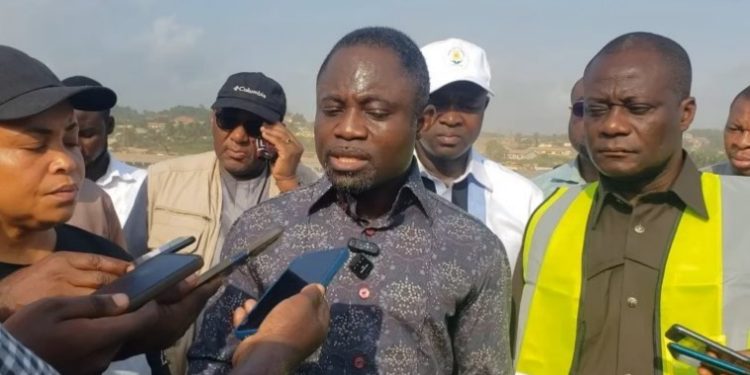
    Although AGOA was initially set to expire in 2008, the U.S. has extended it multiple times, with the current extension running through 2025.


    But President Mahama has emphasized that its renewal is uncertain following President Donald Trump’s steep tariff on goods exported to the U.S by African exporters.


    “AGOA is technically dead. It was due for renegotiation in September, but there is no way with this 15% tariff, AGOA is going to be renewed. We are just watching carefully,” he added.


    On Friday, July 31, imposes a fifteen percent (15%) ad valorem tariff on Ghana’s exports. This means that Ghanaian goods shipped to the U.S. will be charged a 15% tax based on their price.
    Thus, a product at $100, would be $115 as a result of the $15 tariff.

    The U.S. government explains that the new development forms part of the efforts to protect its economy, as the country buys more goods from other countries than it sells to them.


    According to the Executive Order, “These modifications shall be effective with respect to goods entered for consumption, or withdrawn from warehouse for consumption, on or after 12:01 a.m.”

    The policy is expected to impact Ghanaian goods entering the U.S. in the coming days, affecting many countries, including Nigeria, Zimbabwe, Zambia, Uganda, Mozambique, Mauritius, Malawi, Lesotho, and Madagascar.


    Also, countries such as South Africa and Libya face a 30 percent tariff, while Tunisia will face a 25 percent steeper duty. Meanwhile, the Ghana Export Promotion Authority (GEPA) and Ghana’s Trade Ministry are yet to react to the new tariff.


    The new tariff adjustment comes at a time when the Ghanaian government is implementing tax reforms to ensure the elimination of successive charges of taxation that increase the cost of goods and services.


    Although the measure is premised on the principle of reciprocity, President Trump insisted in the executive order that the United States had been unfairly disadvantaged by trade barriers erected by other countries.

    This policy affects numerous Ghanaian exports, notably those under the African Growth and Opportunity Act (AGOA), which previously allowed duty-free access to the U.S. market.


    Ghanaian officials have criticized the move, arguing that the U.S. cannot claim the tariffs are to protect domestic industries. Ghana is not facing the issue in isolation; as such, the African Union and the African Continental Free Trade Area (AfCFTA) are coordinating a collective response.


    Some African nations, such as Lesotho, could face import duties of up to 50 percent. The African Growth and Opportunity Act (AGOA), which was passed by the U.S. Congress in 2000 to provide duty-free access for African exports to the U.S. market, remains in effect but faces new scrutiny in light of the latest U.S. trade policy shift.


    In 2022, two-way trade between AGOA members and the US exceeded $46 billion, with $13.5 billion more in imports than exports. That year, AGOA recipients exported $30 billion worth of goods to the US, of which $10.2 billion were sold under the duty-free AGOA preference.


    However, with AGOA’s framework set to expire in September, there are growing concerns that the Trump administration’s stance may hinder any renewal.

    The U.S. government in May announced a new 10% tariff on exports, but the then U.S. Ambassador to Ghana, Virginia Palmer, insisted that the new global tariff adjustments could benefit Ghana, unlike other countries.


    In an interview with Citi News on Monday, May 26, she explained that the 10% tariff on exports to the U.S. is in favor of Ghana, as the nation’s key exports, oil and gas, are not affected, as it is imposed on rival countries.

    “There were 10% applied globally, which the new US administration has taken, that may in the short term [be] to Ghana’s advantage, vis-à-vis its competitors. Oil and gas, which is being [a] major exporter to the US, is not subject to the tariff. If Ghana faces a 10% tariff, Bangladesh and Vietnam face 47% and 63%,” she said.


    According to her, Ghana is currently in a better position in the U.S. market as compared to 60 countries that are facing a much higher rate of the 10% imposed tax.

    “There were 60 countries where tariffs were much higher than 10%, which may be an advantage for Ghana in the near term. I hope that Ghana will be the one making that point to the American legislature when it expires at the end of September [2025],” she added.


    Virginia Palmer therefore urged the country’s leadership to seize the advantage to persuade the U.S. government to renew a trade benefit before its expiry in September this year. She emphasized that Ghana remains a valued partner.
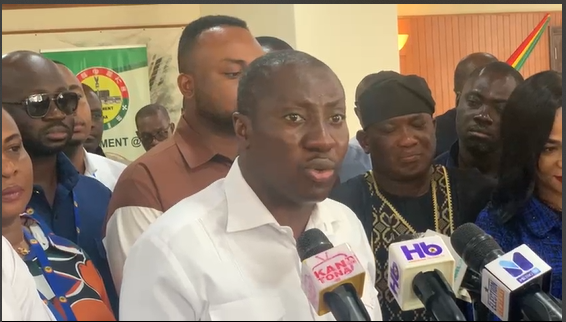

    Trade analysts, on the other hand, suggest the U.S. is unintentionally nudging African countries toward deeper engagement with China.
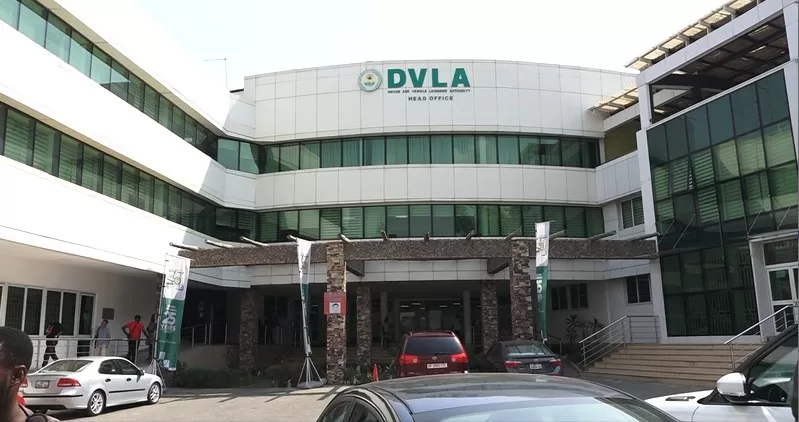

    In July, The U.S. Department of State-Bureau of Consular Affairs limited the number of entries and duration given under non-immigrant visa classifications.


    Ghanaian visa applicants, including those applying for B-class visas—covering business and tourism travel will be issued single-entry visas valid for just three months. They can no longer access the 5-year visa and multiple-entry.


    The updated guidelines, published under the U.S. Visa, reveal that Reciprocity and Civil Documents by Country for Ghana also affect student visa applicants.


    F-1 visa holders, who are typically enrolled in full-time academic programmes in the U.S., will now be issued visas that allow for only one entry and expire after three months.


    Diplomats and government officials will, however, continue to receive multiple-entry visas with validity ranging from 24 to 60 months.


    The K1 visa, issued to the foreign-citizen fiancé(e) of a US citizen intending to marry within 90 days of arrival in the United States, and the K2 visa, provided to the unmarried dependent child (under 21 years old) of a K1 visa holder, are single-entry visas that will be valid for 6 months.


    The K3 visa, for the foreign-citizen spouse of a US citizen, and the K4 visa, for their unmarried dependent child (under 21 years old), are multiple-entry visas that will be valid for 24 months.

    All other visa applicants, including those applying for B-class visas, which cover business and tourism travel, will now be issued single-entry visas valid for just three months.


    The Ministry of Foreign Affairs has debunked reports that it is responsible for the United States government’s revision of the reciprocity schedule for a considerable number of African countries, including Ghana.


    The ministry noted that, consistent with bilateral arrangements, US passport holders are entitled to a maximum visa validity of five years, and in most instances, five-year multiple-entry visas are issued upon request.


    “Some applicants, however, apply for single-entry visas owing largely to limited validity of their passports,” a statement released by the Ministry read.


    Besides the maximum five-year multiple visas, Ghana also issues multiple-entry 6-month, one-year, two-year, three-year, and four-year visas based on various considerations.


    From January 2025 to date, 40,648 visas have been issued by Ghana’s missions in Washington, D.C., and New York. Out of this, 28,626 are multiple-entry visas to Ghana.


    The statement further indicated that “The official statistics clearly demonstrate that, contrary to false narratives, Ghana has issued, on average, an impressive 70.42% of multiple long-term visas to US passport holders, consistent with our bilateral arrangements.”

  • Trump’s transactional mindset ‘biting’ African exporters – President Mahama

    Trump’s transactional mindset ‘biting’ African exporters – President Mahama

    President John Dramani Mahama has noted that African countries are under pressure due to the United States (U.S) President Donald Trump’s interest in quick deals rather than a long-term partnership.

    Addressing the media on Wednesday, September 8, during his first presidential media encounter of his second term in office, President Mahama stated that the U.S President’s recent trade policies have resulted in the “technical” collapse of the African Growth and Opportunity Act (AGOA).


    He mentioned that “Countries like Africa enjoyed zero tariffs in the US because we were in the developing world. It was a concession that the US gave. In comes President Trump. He has a more transactional mindset. He says the US has been taken for granted for a long time so even countries like Ghana in Africa, he slapped a 15% tariff on us from a zero tariff.

    “The power to impose tariffs is that of Congress, but in this case, the US president [Donald Trump] always pushes the limit”. 

    AGOA was established to give certain African countries special trade access to the U.S. market. It was enacted on May 18, 2000 by the 106th United States Congress and signed into law by President Bill Clinton.. Although AGOA was initially set to expire in 2008, the U.S. has extended it multiple times, with the current extension running through 2025.
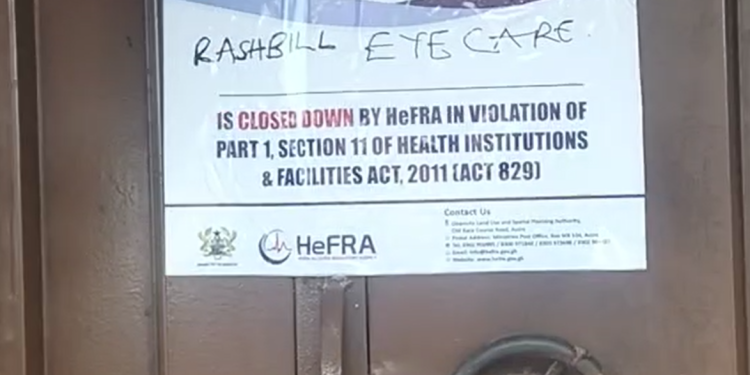
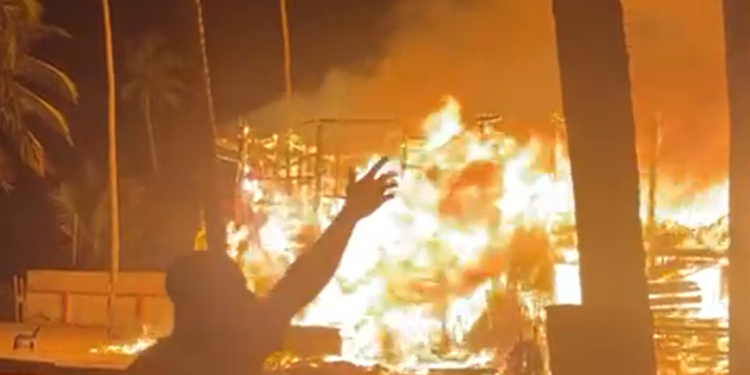
    But President Mahama has emphasized that its renewal is uncertain following President Donald Trump’s steep tariff on goods exported to the U.S by African exporters. 

    “AGOA is technically dead. It was due for renegotiation in September, but there is no way with this 15% tariff, AGOA is going to be renewed. We are just watching carefully,” he added.

    On Friday, July 31, imposes a fifteen percent (15%) ad valorem tariff on Ghana’s exports. This means that Ghanaian goods shipped to the U.S. will be charged a 15% tax based on their price.

    Thus, a product at $100, would be $115 as a result of the $15 tariff. The U.S. government explains that the new development forms part of the efforts to protect its economy, as the country buys more goods from other countries than it sells to them.

    According to the Executive Order, “These modifications shall be effective with respect to goods entered for consumption, or withdrawn from warehouse for consumption, on or after 12:01 a.m.” The policy is expected to reflect on Ghanaian goods entering the U.S. in the coming days, which will affect many countries, including Nigeria, Zimbabwe, Zambia, Uganda, Mozambique, Mauritius, Malawi, Lesotho, and Madagascar.

    Also, countries such as South Africa and Libya face a 30 percent tariff, while Tunisia will face a 25 percent steeper duty. Meanwhile, the Ghana Export Promotion Authority (GEPA) and Ghana’s Trade Ministry are yet to react to the new tariff.

    The new tariff adjustment comes at a time when the Ghanaian government is implementing tax reforms to ensure the elimination of successive charges of taxation that increase the cost of goods and services.

    Although the measure is premised on the principle of reciprocity, President Trump insisted in the executive order that the United States had been unfairly disadvantaged by trade barriers erected by other countries. This policy affects numerous Ghanaian exports, notably those under the African Growth and Opportunity Act (AGOA), which previously allowed duty-free access to the U.S. market.

    Ghanaian officials have criticized the move, arguing that the U.S. cannot claim the tariffs are to protect domestic industries. Ghana is not facing the issue in isolation; as such, the African Union and the African Continental Free Trade Area (AfCFTA) are coordinating a collective response.

    Some African nations, such as Lesotho, could face import duties of up to 50 percent. The African Growth and Opportunity Act (AGOA), which was passed by the U.S. Congress in 2000 to provide duty-free access for African exports to the U.S. market, remains in effect but faces new scrutiny in light of the latest U.S. trade policy shift.

    In 2022, two-way trade between AGOA members and the US exceeded $46 billion, with $13.5 billion more in imports than exports. That year, AGOA recipients exported $30 billion worth of goods to the US, of which $10.2 billion were sold under the duty-free AGOA preference.

    However, with AGOA’s framework set to expire in September, there are growing concerns that the Trump administration’s stance may hinder any renewal. The U.S. government in May announced a new 10% tariff on exports, but the then U.S. Ambassador to Ghana, Virginia Palmer, insisted that the new global tariff adjustments could benefit Ghana, unlike other countries.

    In an interview with Citi News on Monday, May 26, she explained that the 10% tariff on exports to the U.S. is in favor of Ghana, as the nation’s key exports, oil and gas, are not affected, as it is imposed on rival countries.

    “There were 10% applied globally, which the new US administration has taken, that may in the short term [be] to Ghana’s advantage, vis-à-vis its competitors. Oil and gas, which is being [a] major exporter to the US, is not subject to the tariff. If Ghana faces a 10% tariff, Bangladesh and Vietnam face 47% and 63%,” she said.

    According to her, Ghana is currently in a better position in the U.S. market as compared to 60 countries that are facing a much higher rate of the 10% imposed tax. “There were 60 countries where tariffs were much higher than 10%, which may be an advantage for Ghana in the near term. I hope that Ghana will be the one making that point to the American legislature when it expires at the end of September [2025],” she added.

    Virginia Palmer therefore urged the country’s leadership to seize the advantage to persuade the U.S. government to renew a trade benefit before its expiry in September this year. She emphasized that Ghana remains a valued partner.

    Trade analysts, on the other hand, suggest the U.S. is unintentionally nudging African countries toward deeper engagement with China.

    In July, The U.S. Department of State-Bureau of Consular Affairs limited the number of entries and duration given under non-immigrant visa classifications.

    Ghanaian visa applicants, including those applying for B-class visas—covering business and tourism travel will be issued single-entry visas valid for just three months. They can no longer access the 5-year visa and multiple-entry.

    The updated guidelines, published under the U.S. Visa, reveal that Reciprocity and Civil Documents by Country for Ghana also affect student visa applicants.

    F-1 visa holders, who are typically enrolled in full-time academic programmes in the U.S., will now be issued visas that allow for only one entry and expire after three months.

    Diplomats and government officials will, however, continue to receive multiple-entry visas with validity ranging from 24 to 60 months.

    The K1 visa, issued to the foreign-citizen fiancé(e) of a US citizen intending to marry within 90 days of arrival in the United States, and the K2 visa, provided to the unmarried dependent child (under 21 years old) of a K1 visa holder, are single-entry visas that will be valid for 6 months.

    The K3 visa, for the foreign-citizen spouse of a US citizen, and the K4 visa, for their unmarried dependent child (under 21 years old), are multiple-entry visas that will be valid for 24 months. All other visa applicants, including those applying for B-class visas, which cover business and tourism travel, will now be issued single-entry visas valid for just three months.

    The Ministry of Foreign Affairs has debunked reports that it is responsible for the United States government’s revision of the reciprocity schedule for a considerable number of African countries, including Ghana.

    The ministry noted that, consistent with bilateral arrangements, US passport holders are entitled to a maximum visa validity of five years, and in most instances, five-year multiple-entry visas are issued upon request.

    “Some applicants, however, apply for single-entry visas owing largely to limited validity of their passports,” a statement released by the Ministry read.

    Besides the maximum five-year multiple visas, Ghana also issues multiple-entry 6-month, one-year, two-year, three-year, and four-year visas based on various considerations.

    From January 2025 to date, 40,648 visas have been issued by Ghana’s missions in Washington, D.C., and New York. Out of this, 28,626 are multiple-entry visas to Ghana.

    The statement further indicated that “The official statistics clearly demonstrate that, contrary to false narratives, Ghana has issued, on average, an impressive 70.42% of multiple long-term visas to US passport holders, consistent with our bilateral arrangements.”

  • Suicide cases witnessed a 40% increase in 2024 – Mental Health Authority

    Suicide cases witnessed a 40% increase in 2024 – Mental Health Authority

    The Mental Health Authority (MHA) has reported that the number of individuals deliberately taking their lives increased significantly in 2024.


    Speaking at the commemoration of World Suicide Prevention Day 2025 in Accra on Wednesday, September 10, Chief Executive Officer of the Authority, Dr. Eugene Dordoye, revealed a 40% rise in suicide deaths during this period.

    According to him, about three hundred and thirty-four (134) suicide deaths were recorded in the previous year, adding that there are three to five individuals who attempt suicide but survive.


    “The reported lives lost in 2023 were about 134. But we know that for every life lost, three to five times more people attempt. And for every attempt, up to 10 people are affected by it. Unfortunately, we experienced up to a 40% increase in 2024, and the concern here is whether it could be the increase in awareness or reportage,” he stressed.


    He called for urgent interventions to tackle the growing public health crisis, emphasising that, “ We don’t have all the answers, but what we know is that we need to do more, we cannot afford to lose Ghanaians through a preventable cause of death”.

    With the amendments to Section 57 of the Criminal Offences Act (1960) (Act 29) and Section 95 of the Mental Health Act (2012) (Act 846), persons who attempt suicide are no longer subject to legal prosecution or conviction.


    Those who attempt suicide are now viewed as requiring medical and psychological intervention rather than legal punishment.
    Suicide cases have seen a surge in recent years.

    The Mental Health Authority (MHA) recorded 81 suicide cases and 543 attempts in the first half of 2024. This was against 48 suicide cases and 594 attempts recorded in the corresponding period in 2023.
    The Greater Accra Region is said to have recorded the highest number of deaths. The Eastern and Central Regions also recorded a significant number of cases.
    The youth are those most affected by suicide, particularly those between the ages of 15 and 29.
    The factors responsible for suicide are said to be numerous, but most cases hover around financial and psychological challenges, emotional difficulties, and security concerns.
    The Mental Health Authority called for nationwide education and awareness campaigns. The Authority noted the need for interpersonal skills and restricting access to the methods to commit suicide.
    In February this year, residents of Abuesi, located in the Shama District of the Western Region, could not comprehend the suspected suicide of 14-year-old John Yawson, who was found hanging in his father’s incomplete structure.
    The fifth-grade student at Alliance International School, a day before the unfortunate incident, is said to have been denied food by his mother.
    In April, a Level 100 student at the University of Education, Winneba (UEW) reportedly died by suicide, with social media reports suggesting the incident was linked to a relationship issue.
    Renowned Ghanaian playwright, James Ebo Whyte, has revealed how his stage productions managed to save the lives of two individuals who had contemplated suicide.
    During an interview on JoyPrime TV in May, he noted these individuals from Takoradi and Accra shared this information with him after patronizing a stage production he had overseen. He revealed that one of the individuals was deserted by his wife after losing his job.
    “I personally know two cases of people who came to our productions with the intent to commit suicide that day. One in Takoradi and the other in Accra. The one in Takoradi had lost his job, been thrown out of his house, his wife had left him, and he felt there’s nothing else to live for. So, he had actually gone to buy the poison that he was going to take on a Saturday night,” Ebo Whyte recounted.
    “He said, halfway through the show, ‘I told myself, if I can still laugh, then it’s not over yet.’ That’s beautiful. There is something to live for,” he narrated.
    This revelation reflects the profound impact of the arts in dealing with mental health issues.
    Suicide is a matter of grave concern globally and not just in Ghana. Reports from the World Health Organization (WHO) reveal 727,000 individuals commit suicide, with many more making attempts.
    In 2021, suicide was the third leading cause of death among individuals between ages of 15 and 29.
    “Suicide does not just occur in high-income countries but is a global phenomenon in all regions of the world. In fact, close to three quarters (73%) of global suicides occurred in low- and middle-income countries in 2021.”
    “Suicide is a serious public health problem that requires a public health response. With timely, evidence-based and often low-cost interventions, suicides can be prevented. For national responses to be effective, a comprehensive multisectoral suicide prevention strategy is needed,” the WHO reported.
    In high-income countries there is a positive correlation between suicide and mental disorders such as depression and alcohol use disorders. The WHO, however, noted that “many suicides happen impulsively in moments of crisis with a breakdown in the ability to deal with life stresses, such as financial problems, relationship disputes, or chronic pain and illness.”
    “Suicide rates are also high among vulnerable groups who experience discrimination, such as refugees and migrants; indigenous peoples; lesbian, gay, bisexual, transgender, intersex (LGBTI) persons; and prisoners,” the WHO added.
    The World Health Organization cites the lack of awareness of suicide and the taboo in many societies to openly discuss it as some of the many challenges fostering suicide cases.
    According to the WHO, the availability and quality of data on suicide and self-harm is nothing to write home about.
    “Only some 80 WHO Member States have good-quality vital registration data that can be used directly to estimate suicide rates. This problem of poor-quality mortality data is not unique to suicide, but given the stigma surrounding suicide – and the illegality of suicidal behaviour in some countries – it is likely that under-reporting and misclassification are greater problems for suicide than for most other causes of death,” it added.
    In 2021, the World Health Organization launched LIVE LIFE: an implementation guide for suicide prevention in countries.
    Also, the WHO Mental Health Gap Action Programme (mhGAP), provides “evidence-based technical guidance to scale up service provision and care in countries for mental, neurological and substance use disorders.”

  • Ghana’s economy grew by 6.3% from April to June 2025 – GSS

    Ghana’s economy grew by 6.3% from April to June 2025 – GSS

    A new data from the Ghana Statistical Service (GSS) has revealed that Ghana’s economy expanded by 6.3% from April to June this year as compared to the same period in 2024.

    According to the latest update, growth surged to 9.9%, up from just 2% in the same period last year.

    In 2024, a 5.7% was recorded in the same period. Additionally, the GSS disclosed that Ghana’s non-oil economy grew 7.8%, with agriculture and other sectors, which helped balance out the negative effect of declining oil production.

    In March this year, the Ghana Statistical Service (GSS) attributed the country’s 5.7% economic growth in 2024 to the strong performance of the services sector, particularly the increased use of data and SMS under the Information and Communication Services category.


    The first quarter’s growth represents a 0.4% increase from the 4.9% growth recorded during the same period last year. The services sector and the agricultural sector are responsible for the strong performance, according to the GSS.


    “All sectors recorded growth, apart from the Industry sector, which recorded a contraction. This is driven by oil and gas. Growth in the services sector was dominated by the ICT sector, followed by the Financial and Insurance sub-sectors”, Dr. Alhassan Iddrisu, the Government Statistician, told the media on Wednesday, June 11.


    Slow growth in the oil and gas sector led to the industry sector recording a rate of 3.4%. The non-oil growth rate, however, was 6.8%.


    Addressing Parliament on Wednesday, March 11, former Government Statistician Professor Samuel Kobina Anim emphasized that services contributed the most to the overall growth, surpassing other sectors.


    “Of the 5.7% growth rate that we saw in GDP, the services sector contributed the most, 2.51% of the 5.7% GDP growth rate that we saw for 2024.

    “Followed by the industry sector, which mining and quarrying is part of, which gold is part of, contributed to 2.24% of that. Within the service sector, what is driving the service sector is information and communication. And in this case, it’s data and SMS messages that we are using,” he stated.


    Meanwhile, Ghana’s economic outlook for 2025 has been slightly downgraded by the World Bank, with the institution forecasting a 3.9% Gross Domestic Product (GDP) growth—lower than both the government’s projection of 4.4% and the World Bank’s earlier forecast of 4.3%.


    The updated projection is contained in the April 2025 edition of the Africa Pulse Report, where the Bretton Woods institution also anticipates modest improvements in the country’s economic performance over the next two years, projecting a growth rate of 4.6% in 2026 and 4.8% in 2027.


    According to the World Bank, weather-related uncertainties remain a major concern, especially as they affect key export commodities such as cocoa in both Ghana and neighbouring Côte d’Ivoire.

    These climate disruptions have also had ripple effects on global cocoa stockpiles and pricing. However, the World Bank highlighted renewed optimism among businesses and improvements in sectors like manufacturing and services during the early months of 2025.


    Meanwhile, President John Dramani Mahama has expressed optimism about the growth of the Ghanaian economy after the Ghana Statistical Service (GSS) recorded a 5.3% economic growth for the first quarter of 2025.


    Engaging the Ghana National Association of Teachers (GNAT) on Wednesday, June 11, the president stated that the government’s policies are ensuring that the country’s growth is returning to normalcy.


    “The first quarter results have come in at around 5.4%, which indicates that the economy is returning to a normal growth path. This should be viewed as a good sign for us. If we close the year with a growth rate of around 5%, it would mean the economy is expanding rather than contracting,” he said.


    President Mahama highlighted the fiscal indiscipline by the erstwhile government led to economic imbalance and instability.
    “In the past, fiscal indiscipline has thrown the macro-economy off balance, creating instability, a depreciating currency, and other challenges. This affects all of us, as it impacts our quality and standard of living.”


    He, however, committed to ensuring “stability across all sectors and greater prosperity for our citizens.”


    “It is in our interest that the macro economy is stable, our currency is stable, and our economy is growing and delivering prosperity for our people,” the president added.

    Meanwhile, inflation for August 2025 dropped to 11.5% from 12.1% recorded in July this year, marking the eighth consecutive month of recorded inflation since October 2021.

    As of June, the country recorded a 13.7 percent rate, a 4.7 percent decline from the 18.4 percent rate reported in May. Food inflation fell by 6.5 percentage points to 16.3 percent, down from 22.8 percent in May, whereas non-food inflation dropped by 3 percentage points to 11.4 percent.

    The Upper West Region recorded the highest regional inflation of 32.3%, largely due to food inflation and utilities. The Bono region recorded the lowest of 8.4%.

    On a regional level, the Upper West Region once again recorded the highest inflation at 24.8%, though this was down from 32.3% in June. This figure is more than twice the national average of 12.1%. In contrast, the Central Region posted the lowest rate at 7.7%.

    Before the release of GSS’s recent data, an economic research firm, IC Research, projected that Ghana’s inflation rate would experience a significant decline, dropping to 16% by the end of June.

    According to IC Research, the projected improvement is partly driven by the appreciation of the local currency and a reduction in fuel prices, both of which are easing inflationary pressures.

    “The June 2025 CP [Consumer Price Index]I data window recorded a 29.5% month-on-month and 35.3% year-on-year appreciation of the Ghanaian cedi against the US dollar. This exerted downward pressure on prices of imported items, with notable declines in petroleum prices and transport fares.

    The announced 15.0% reduction in commercial transport fares will continue to restrain transport inflation with downside spillovers for other items.”

    “Additionally, we estimate that the lower transport cost likely eased the month-on-month pressure observed for vegetables & tubers last month, potentially sustaining food disinflation in June [2025].

    Consequently, we forecast a 240 basis points decline in the June 2025 annual inflation to 16.0% with the month-on-month rate at 0.8%”, IC Research added.

    Ghana ended the year 2024 with 23.8% inflation. In January 2025, inflation slightly declined to 23.5%. And since then, it has continued to ease. In February, inflation declined to 23.1%; it saw another decrease in March to 22.4% and declined again in April to 21.2%.

    Due to the consistent decline in the inflation rate and recorded progress with other macroeconomic variables, the Bank of Ghana’s (BoG) Monetary Policy Committee has reduced the monetary policy rate from 28 percent to 25 percent.

    Governor of the Bank of Ghana, Dr Johnson Asiama, noted that the deceleration was underpinned by the tight monetary policy stance, fiscal consolidation, easing food supply constraints, as well as the strong recovery of the cedi.

    In line with the easing underlying inflation pressures, the Bank’s main core inflation measure, which excludes energy and utility items, has declined markedly.

    “Similarly, inflation expectations by banks, consumers, and businesses are broadly anchored,” he added. He further revealed that “growth in monetary aggregates remained subdued during the first half of the year, primarily due to the tight monetary policy stance, strong liquidity management, and reduced government borrowing.”

    “In line with the disinflation process and easing inflation expectations, interest rates at the short end of the money market have declined sharply, and in turn, reduced the cost of government borrowing,” the BoG Governor added.

    According to Dr Asiama, data on budget execution indicated a strong commitment to fiscal consolidation as expenditures adjusted within set targets to accommodate the revenue shortfalls during the first half of 2025.

    As a result, the overall fiscal deficit on a commitment basis was 0.7 percent of GDP, outperforming the budget target of 1.8 percent of GDP.

    “The external sector has improved markedly, with a record current account surplus of US$3.4 billion in the first half of 2025, supported mainly by higher prices and increased production volumes of gold and cocoa.

    “The current account surplus, together with the outturns in the capital and financial accounts, culminated in an overall balance of payment surplus of US$2.2 billion, significantly higher than the US$588.5 million recorded in June 2024.

    “On this score, Gross International Reserves stood at US$11.1 billion at end-June 2025, equivalent to 4.8 months of import of goods and services, compared to US$8.9 billion (4.0 months of import cover) as at end-December 2024,” he added.

    Overall, the Committee noted that macroeconomic conditions have significantly improved, “inflation expectations are broadly anchored, external buffers have strengthened, and confidence in the economy is returning.”

    The cedi has rebounded strongly against the major trading currencies. The cedi has recorded a remarkable turnaround in the first six months of 2025, appreciating by 42.6% against the US dollar.

    The cedi also appreciated by 30.3% against the British pound and 25.6% against the euro during the same period.

    Meanwhile, the Bank of Ghana has projected that inflation is likely to decline further and fall within the medium-term target range of 6 to 10 percent during the third quarter of 2025, ahead of earlier expectations.

    “The July forecast also shows that headline inflation is expected to decline further in the third quarter of 2025 and trend within the medium-term target of 8±2 percent by the end of 2025, earlier than initial projections,” the Governor noted.

  • 1,000 babies found on National Service Authority payroll – Acting Director-General

    1,000 babies found on National Service Authority payroll – Acting Director-General

    The Acting Director General of the National Service Authority (NSA), Ruth Seddoh, has made a shocking revelation following a recent audit by her outfit.

    Speaking to JoyNews on Tuesday, September 9, she revealed that the audit exposed more than 1,000 babies, some less than a year old, listed as National Service Personnel on NSA’s payroll.


    She explained, “If the system were foolproof, we wouldn’t have had children under one year without a Ghana Card being on our payroll. We had almost 1,000 kids under one year on our payroll, on our system.

    “But we were thinking that if the system were to be foolproof, the system would have detected that these people were minors. Because it is done, and it can be done. To the extent that the system can determine that these ones are below the age of 18, but that was not done.”


    According to her, about 3,000 individuals beyond the age of 80 were fraudulently receiving payments as National Service Personnel.

    “Meanwhile, the exit years for everybody is 40 years. So how come people above 40 years were found under the system?” she questioned.


    On June 18, the NSA’s Central Management System (CMS) was abruptly suspended by the Ministry of Youth Development and Empowerment following a directive from President John Dramani Mahama, due to suspicions of irregularities.

    This suspension delayed postings for the 2025/2026 national service personnel. However, the Acting Executive Director of the National Service Authority has hinted that postings for 2025/2026 will be released on November 1.


    “The transition team has been put in place and the framework for the new system has been set up… I can assure any prospective personnel to calm down, as by November 1 posting will be done,” the Acting Director General noted.


    The Authority is among the many institutions being probed by the Office of the Special Prosecutor (OSP) for alleged irregularities. A recent report by the non-profit investigative body, The Fourth Estate, alleges that the former Director-General (D-G) of the NSA, Osei Assibey Antwi, was listed as a volunteer within the NSA while in office.


    According to the report, the former Director-General of the NSA was enlisted with the 2022/2023 service year batch, which was a year after assuming the D-G position. Osei Assibey Antwi was assigned an EZWICH card with the number 1177042059 and posted to the Greater Accra region as a volunteer.

    However, The Fourth Estate reported that an Auditor-General’s investigation traced the former Director-General, listed as an NSA volunteer, to his company, Kumawu Farms, in the Ashanti Region, where he was paid GH¢516,000 every month for 16 months, amounting to GH¢8,256,000 in total.


    This revelation aligns with an earlier statement by the Attorney-General and Minister of Justice, Dr. Dominic Ayine, while providing an update on investigations by Operation Recover All Loot (ORAL) into financial irregularities within the Authority on Friday, June 13.


    “In the 2022/2023 service year, a total of eight million, two hundred and fifty-six thousand Ghana Cedis (GH¢8,256,000.00) was deposited into EZWICH account number 1177042059, which is registered in the name of suspect Osei Assibey. Investigations showed that he personally received these funds,” Dr. Ayine said.


    In July, Dr. Dominic Ayine revealed that eight individuals, including three former officers of the National Service Authority (NSA), have admitted to their involvement in the misappropriation of funds at the National Service Scheme (NSS).


    Providing an update on the case as part of the Government Accountability Series on Monday, July 28, Dr. Ayine disclosed that eight individuals want to plead guilty in exchange for lighter punishment.


    He explained that the office intended to file formal charges last week; however, this has been postponed following new revelations regarding the ongoing case.

    The new evidence, he noted, is tied to a Bank of Ghana account linked to former NSA Director-General Osei Assibey, suggesting potential embezzlement involving public funds.


    According to him, a total of GH¢189 million was deposited into the account of Mr. Osei Assibey; however, GH¢80 million cannot be accounted for. Furthermore, nearly GH¢2 million was allegedly withdrawn using two cheques that carried Mr. Assibey’s name and account information.


    The A-G stated that the office has reached out to the Bank of Ghana, the Ministry of Finance, and the Controller and Accountant-General’s Department for further information and documentation. The National Service Authority scandal case was due to be filed last week.


    “However, we stumbled upon evidence of malfeasance involving an account at the Bank of Ghana. Out of the GH¢189 million transferred, GH¢80 million cannot be traced. Two cheques linked to the former Director-General were used to withdraw just under GH¢2 million,” Dr. Ayine stated.


    He added that some of the accused have shown readiness to provide testimony against their fellow accused, with several vendors and service providers also reportedly willing to support the prosecution as witnesses.


    Earlier this year, a non-profit investigative body, The Fourth Estate, released a report into payroll records from 2017 to 2023 and the 2024 National Service Year.

    The findings revealed serious irregularities within the NSA, uncovering how a 72-year-old Kenyan, Kwame Donkor, was wrongly listed as a beneficiary. Mr. Donkor was enlisted on the payroll with a photo but not an official ID card, which is unusual.

    However, the photo belonged to Emmanuel Mutio, a Human Resource Manager at a private IT company in Kenya. The 72-year-old Kenyan’s name appeared on the payroll 226 times as a registered beneficiary.


    The Fourth Estate initially uncovered the issue in November 2024, but the NSA obtained a court order preventing them from publishing the findings. After the court lifted the injunction, the report was finally released. In response, President John Dramani Mahama ordered a probe into the matter.


    The NIB, upon the President’s directive, interrogated the former Deputy Director of the NSA, Gifty Oware-Mensah, and Kwaku Ohene Djan, a former Deputy Executive Director of the NSA.


    The payroll fraud reportedly cost Ghana GH¢50 million monthly. In May, the Authority interdicted two of its officials in the Birim North District, Eastern Region.


    During a press briefing on Monday, March 24, the A-G provided an update on the progress of the investigations, revealing significant findings, particularly regarding financial irregularities within the National Service Scheme.

    He disclosed that investigators had gathered substantial evidence pointing to corruption and financial mismanagement within the scheme.


    “I can confirm that investigation will conclude in the National Service and Sky Train scandals by the middle of April for prosecutions to proceed,” he said during the briefing.

    Dr. Ayine further indicated that authorities had traced suspicious financial transactions involving senior officials.


    “In the National Service scandal, eight suspects have been interrogated, and a good number of them have started ‘singing’ literally. We will give you details of their songs at the appropriate time,” he stated.


    Also in June, the office of the A-G revealed that a whopping GHC548,333,542.65 was lost to the criminal enterprise perpetrated by executives, directors, and staff at NSA.


    Providing a breakdown during a press briefing on June 13, the A-G stated, “In the 2022/2023 service year, 350,926,977.12 was lost to the state. For the 2023/2024 service year, 32,881,157.07 was lost to the republic.”

    He further added, “The criminal enterprise that resulted in this colossal loss of money involved the creation of ghost names in the NSA payroll system by some directors and staff, which was subsequently exploited to misappropriate state funds for their gain.”


    Former Deputy Executive Director of the NSA, Gifty Oware-Mensah, has been named as one of the suspects who will be charged and prosecuted. In May, two NSA officials in the Birim North District, Eastern Region, were interdicted by the Authority. An official release by the NSA on Wednesday, May 14, found the culprits guilty of their involvement in a “well-orchestrated act of systemic fraud” within the area.


    The NSA explained that the culprits falsified records to approve and process monthly allowances for 78 personnel: at least 29 in the 2024/2025 service year and 49 in the 2023/2024 service year.

    The Authority has noted that the suspension of the district manager and the MIS manager remains in effect pending the outcome of investigations.


    “The Management of the National Service Authority (NSA), through a collaboration with a whistleblower, has uncovered a well-orchestrated act of systemic fraud involving the District Manager and the MIS Manager in the Birim North District of the Eastern Region.

    “During a meeting convened this morning, both individuals were presented with substantial evidence of their misconduct. In further discussions, the two officers admitted to their direct involvement in the fraudulent activity. As a result, the Management of the Authority has interdicted the two officers, pending further investigations,” parts of the release read.


    The Attorney-General has pledged to uphold justice by ensuring that all individuals involved are held accountable and made to answer before the law.

  • 8 utility companies including ECG, GWL, push for tariff increment

    8 utility companies including ECG, GWL, push for tariff increment

    The Public Utilities Regulatory Commission (PURC) has received proposals from eight utility companies calling for a significant adjustment in utility tariffs to ensure they can fully operate at their capacities.


    Proposals from the electricity distributors and the water provider for the 2025–2029 tariff period cite rising operational costs and the need to maintain efficient service delivery.

    The eight companies include the Electricity Company of Ghana (ECG), Volta River Authority (VRA), Northern Electricity Distribution Company (NEDCo), Ghana Water Limited (GWL), and the Ghana Grid Company (GRIDCo), Ghana National Gas Limited, among others.


    ECG is pushing for a massive 225% hike in its distribution service charge. For instance, a household consuming 150 kWh monthly would pay an additional GHS64, while a residence using 100 kWh per month would pay about GHS43 more in distribution charges.

    As part of ECG’s request, the current Distribution Service Charge (DSC) of 19 pesewas per kilowatt-hour should be raised to nearly 62 pesewas per kilowatt-hour.


    “The PURC will undertake the major adjustment in the 4th quarter of 2025 to reflect capacity charges, additional liquid fuel usage, and additional capex. The current charge is below industry benchmarks, and cedi depreciation has reduced its value. US$408m spent on network upgrades and smart meters,” parts of ECG’s petition read.


    ECG has emphasised that the adjustment has long been overdue, noting that in 2022 it proposed 39.95 pesewas, but only 19.04 pesewas was approved.

    According to ECG, it has invested $48 million in network upgrades and smart metering systems to enhance power reliability, reduce outages, and align tariffs with international industry standards, yet these efforts have not yielded the expected cost recovery.


    Furthermore, ECG has projected an annual revenue of GHS9.5 billion between 2025 and 2029 if the new charges are approved. The proceeds, according to the utility company, would be allocated to cover operational costs, depreciation of assets, staff salaries, and the recovery of recent capital expenditures.


    VRA is seeking a 59% increase to cover rising costs of producing electricity. If approved, the current tariff of 45.0892 Ghana pesewas per kilowatt-hour will be increased to 71.8862 pesewas per kilowatt-hour for the Bulk Generation Charge.


    Speaking during a public hearing on Tuesday, September 9, Senior Economic Analyst at VRA, Evans Somuah Mensah, said, “Over the years, VRA has not been compensated for doing this work to assist the national connectivity system. We are saying that on an annual basis, VRA should be given compensation $30.49 million for Akosombo power generation, and Kpone Thermal plant, a little bit of $30,000.


    “Justification for tariff increase, we are saying that we want to recover the cost of our power supply to the distribution companies, and recover the cost of transmission and also be compensated for the provisions of ancillary services. We are requesting the PURC to increase the existing tariff of BGC from 45.0892 Ghana pesewas per kilowatt-hour to 71.8862 Ghana pesewas per kilowatt-hour.”


    VRA has justified the increase as necessary to fully recover the cost of power generation supplied to distribution companies (DISCOs). It has noted that sustaining reliable electricity generation and meeting its operational and financial obligations will become increasingly difficult if its proposal is rejected.


    Ghana Water Limited has proposed a jump from GH¢5.28 per cubic metre to GH¢20.09 per cubic metre, seeking regulatory approval for a 281% increase in its water tariff.

    NEDCo has also called for its tariff to be increased to 153.03 pesewas per kilowatt-hour from the current 56.474 pesewas, representing a 171% rise. GRIDCo, meanwhile, is demanding that the current 5.6422 pesewas per kilowatt-hour on its transmission service tariff be raised to 12.9768 pesewas per kilowatt-hour.

    Ghana National Gas Limited is proposing to increase its tariff from US$1.10 to US$2.10 per million metric British thermal units (MMBtu)


    However, the onus lies on PURC to carefully review the requests, assess whether the increases are justified, and determine how the costs will be distributed. In July this year, electricity tariffs increased by 2.45% across the board, with no increase in water tariffs.


    The adjustments, according to PURC, were carried out in line with the Commission’s Quarterly Tariff Review Mechanism, which tracks and incorporates movements in key factors beyond the control of the Utility Service Providers (USPs).

    These factors include the exchange rate between the US dollar and the Ghana Cedi, the domestic inflation rate, the electricity generation mix, and the cost of fuel, mainly natural gas.


    According to the Commission, additional factors considered before concluding the hike in tariffs include outstanding debt of GHS488 million carried over from the previous three quarters, reserve capacity for grid stability and reliability, and the inclusion of 27% of the cost of alternative fuels such as Distillate Fuel Oil (DFO), Heavy Fuel Oil (HFO), and Light Crude Oil (LCO).


    The Commission expressed gratitude to stakeholders for their support as it continues to implement the Quarterly Tariff Reviews in accordance with its Rate Setting Guidelines to address changes in operational conditions of the service providers.


    Majority Leader Mahama Ayariga justified PURC’s decision to increase electricity tariffs. Speaking on the floor of Parliament on Friday, June 27, he noted that there is a need for ECG to be able to settle its growing debt.

    “You all know that the whole of last year and before that, there was an effort to prevent the PURC from adjusting the tariffs. So that whole period, there was no adjustment, and you know very well that bills were accruing; payments have to be made. ECG is accumulating huge [debt] and it has to be paid, so who is supposed to pay? Is it not the consumer?” he questioned.


    According to him, failure to address ECG’s indebtedness would render the company powerless in supplying power to its consumers.


    “And if you are not adjusting the tariffs to enable ECG to pay, ECG is going to collapse. They are no longer able to buy the input needed to keep the generators on, and we are going to have a power outage; the bills have to be paid.”


    “The bill has to be paid. So if PURC is doing its work, I do not think there is a basis for saying that because we have improved the economy, it doesn’t mean that the debt at ECG will just be whisked away. The bill has to be paid partly by consumers,” he asserted.

  • Gbeniyiri conflict: Over 65% of displaced residents return home – Interior Minister

    Gbeniyiri conflict: Over 65% of displaced residents return home – Interior Minister

    More than 65% of Gbeniyiri residents who fled to neighboring Ivory Coast for shelter have returned to their communities, according to the Minister for the Interior, Mohammed Muntaka Mubarack.

    Addressing the media in Accra on Tuesday, September 9, the Minister indicated that the recent development is due to the restored calm in the area. He explained that the calm follows the ongoing peacebuilding efforts by the government and traditional authorities.

    “I can tell you today that more than 65% of the people have returned home. Our biggest concern, however, remains those still outside the borders. Many are already coming back, but we want to facilitate the process to make it even faster.


    “We are receiving strong cooperation from the chiefs and the youth. We have set ourselves a target: by the end of the month, when the committee completes its work, we should be able to bring almost everyone back home,” he said.


    Additionally, the Minister reiterated the government’s commitment to finding a lasting solution to end the tension in Gbeniyiri and the surrounding communities.

    Properties have been destroyed, with more than 50,000 individuals displaced due to the tension in the area. The ongoing conflict in Gbenyiri stems from a land dispute between a Gbenyiri resident and the chief’s son, which began on Saturday, August 23.

    The unresolved conflict is spreading to Kalba and other parts of the district. Despite the deployment of 400 police personnel to the area to ensure law and order, clashes between the rival groups persisted.

    Unknown assailants shot a middle-aged man to death near Kalba, a suburb of the Sawla-Tuna-Kalba District in the Savannah Region, on Sunday, September 7. The gunmen ambushed the deceased person and opened fire as he rode his motorcycle.

    According to the police, the deceased, whose identity is yet to be revealed traveled from his community, Uro to Kalba to charge his mobile phone due to the lack of power in his area.


    The body of the deceased has since been deposited at the St. Anne’s Catholic Hospital in Damongo by the Ghana Police Service. The incident is amid the ongoing protracted conflict in Gbenyiri, which has claimed multiple lives. The latest death brings the official toll from the conflict to 32.

    Residents have however, expressed fear over the security situation. Speaking to the media a resident noted “With this killing, who do you think will trust the system again? Some of us suspected this to happen because the guys are still around in Kalba town, and if you deceive yourself and go there, they will just end your life like this farmer.To me, this reaffirms the fears and mistrust in the system. The authorities need to do more than just talk and go”.

    Meanwhile, a seven-member mediation committee has been established by the Interior Ministry in response to the ongoing land conflict in Gbenyiri in the Savannah Region.


    The committee has been tasked with a one-month mandate to assist the government in finding a lasting solution to the tension in the area. During the inauguration ceremony at the Interior Ministry in Accra, the sector Minister, Mubarak Mohammed Muntaka, noted that the establishment of the committee was a recommendation from the National Security Council.

    The Inspector General of Police (IGP), Christian Tetteh Yohunu, alongside senior officials from the Armed Forces, Prisons Service, and Immigration Service, have already visited Kalba, Sawla, and other affected communities in efforts to bring calm to the area.

    In a related development, President John Mahama has initiated steps to restore peace in the Sawla-Bole area of the Savannah Region following renewed tensions between the Gonja and Brifor communities.


    Upon his return from a state visit to Singapore, the President received a full briefing from the National Security Coordinator and the Minister for the Interior on the latest developments in the conflict.


    While abroad, Mr. Mahama held a telephone conversation with the King of Gonja, Yagbonwura Jira Bikunuto Jewu Soale I, during which they discussed measures to end the clashes and foster lasting peace in the area.


    As part of efforts to de-escalate the situation, the President has dispatched a government delegation led by the Minister for the Interior, Hon. Muntaka Mohamed-Mubarak, to engage the Yagbonwura and other key stakeholders.


    Meanwhile, security has been reinforced with the deployment of additional police and military personnel to the conflict zone. President Mahama has urged all parties to support the peace initiatives being rolled out, stressing the importance of dialogue in resolving outstanding disputes.


    He has further directed the government delegation to work closely with the Regional Security Council, traditional authorities, and community leaders to ensure calm is restored and law and order upheld.


    Minister for the Interior, Muntaka Mohammed-Mubarak, has assured the Overlord of Gonja, Yagbonwura Bii-Kunuto Jewu Soale I, that the government will take every necessary step to restore peace in the Sawla-Bole area.


    “We have taken note of all the concerns, and we have also assured him that we will do everything humanly possible to ensure that peace will be restored. But we need his cooperation and the cooperation of all others. Surely, what talking can solve, dance cannot solve,” he stated.


    “Surely, what talking can solve, dance cannot solve, so we are hoping that after all the lengthy discussion and the conclusion that we have come to, we will go and implement our part, we are hopeful that they will also listen to us and also adhere to whatever agreement that we’ve had,” he noted.


    Less than a week ago, the sector minister imposed a curfew on the Sawla-Tuna-Kalba township and its surrounding communities in the Savannah Region. The curfew is in effect from 6:00 p.m. to 6:00 a.m., commencing on Wednesday, August 27, 2025, and remains in place until further notice.

    This measure was taken in response to the recent outbreak of conflict in the area. In addition to the curfew, there is a total ban on the possession of firearms, ammunition, or any offensive weapons. Any individual found with such items will be arrested and prosecuted.

    Furthermore, no two or more persons are permitted to ride on motorbikes throughout the day, and the wearing of war regalia has also been prohibited.


    Last year, intense security measures were implemented in the Bole and Sawla districts of the Savannah Region due to the chieftaincy dispute between the Bolewura and the Jahori clan.

    This heightened security response followed a ruling by the Tamale High Court concerning the dispute between the Jahori and Bolewura factions.


    In response to the court ruling, youths from Bole set fire to houses belonging to members of the Jahori community residing in both Bole and Sawla districts.

    The devastating fires resulted in significant property losses for the affected individuals, leaving many tenants in despair and tears. In recent years, the country has witnessed a number of casualties and destruction of property arising from chieftaincy disputes.


    The Minister for the Interior, Muntaka Mubarak, has also reviewed the earlier curfew hours imposed on Bawku and Nalerigu townships following recent attacks. The previous curfew, which ran from 6 a.m. to 2 p.m., has been revised to 6 p.m. to 6 a.m. The minister took this decision after receiving advice from the National Security Council.


    The Bawku Municipality in the Upper East Region and the East Mamprusi Municipality in the North East Region are affected by the new directive.

    The curfew has created an environment conducive for the evacuation of students from educational institutions in the affected areas, some of whom had unfortunately been targeted during the conflict.


    In a statement issued on July 27, the government announced that it is stepping up its approach from peacekeeping to peace enforcement in Bawku and other affected areas due to the recent escalation of violence, which threatens to derail the peace-building process.


    These heightened tensions and conflicts have had an impact on the country’s global peace ranking. Ghana has been ranked 61st out of 163 countries in the 2025 Global Peace Index (GPI), marking a continued decline in its standing on peacefulness.

    The latest ranking follows a downward trajectory from 55th in 2024, 51st in 2023, and 40th in 2022.
    Despite the decline, Ghana still ranks ahead of several of its West African neighbors, including Senegal (69th), Liberia (70th), and Nigeria (148th).


    The Global Peace Index, compiled annually by the Institute for Economics and Peace (IEP), measures the peacefulness of nations based on 23 indicators across three broad domains: societal safety and security, ongoing domestic and international conflict, and militarization.

  • Small-scale gold exports hit $6.3bn between January and August 2025

    Small-scale gold exports hit $6.3bn between January and August 2025

    Small-scale gold exports carried out by the Ghana Gold Board (GoldBod) and the Bank of Ghana between January and August 2025 totaled 66.7 tonnes with an estimated export value of approximately $6.3 billion.

    This was revealed by the Chief Executive Officer (CEO) of the GoldBod, Sammy Gyamfi while delivering a speech at the Mining and Minerals convention on Tuesday, September 9.

    “Since January up to the end of August 2025, small-scale gold exports undertaken by or through the GoldBod, working closely with the BoG, have hit a record high of 66.7 tonnes with an export value of approximately $6.3 billion.”

    “What this means is that the volume and value of small-scale gold exports from January to August 2025 alone have exceeded the total small-scale exports outturn for the whole of the year 2024. That is from January to December, which stood at 63 tonnes with a value of about $4.6 billion, ” he added.

    Additionally, Sammy Gyamfi disclosed that effective October, the Ghana Gold Board will process raw gold within Ghana instead of exporting it in its unrefined form. He explained that the move is of a new collaboration with the Bank of Ghana and local refineries.

    “It is a national shame that, as a long-standing continental leader in production, Ghana continues to export doré, that is, raw gold instead of bullion. The Ghana Gold Board, which I lead, is determined to change this narrative as a matter of urgency.

    “As part of the reset agenda of President Mahama, the GoldBod, in conjunction with the BoG, is partnering with local refineries such as the Gold Coast Refinery to begin the local refining of gold purchased and exported by the GoldBod and this will begin next month, October 2025,” he added.

    In August this year, GoldBod offered a special temporary bonus scheme to miners operating under valid mining license. In its announcement, the GoldBod emphasised that the licensed miners will enjoy an additional GH¢832 per pound of gold sold through the Ghana Gold Board. This information was contained in a statement issued by the GoldBod on Wednesday, August 27.

    “This novelty is in response to legitimate complaints from licensed miners about the significant reduction in the local price of gold in the last few months due to the continuous appreciation of the Ghana cedi.

    “The special bonus will ensure that licensed miners who have contributed immensely to the country’s increased gold output and foreign exchange earnings do not indirectly suffer as a result of the significant appreciation of the Ghana cedi that they have helped the country achieve,” the statement read.

    According to GoldBod, the recent development has been made possible as a result of the continuous appreciation of the Ghana cedi. On July 7, a task force was inaugurated with a special mandate with specific powers as police officers to wage war against smuggling and all forms of illegal gold trading activities in the country. Sammy Gyamfi, noted that, this will save the government from any leakages in revenue mobilisation in the sector, helping to generate and invest revenue for economic development.

    “(This will) help the state combat and defeat the phenomenon of gold smuggling, the canker of illegal gold trading, and price disruptions that deprive the state of the needed revenue, profit, and the needed forex for our economy and the development of our country,” he announced.

    He thus cautioned traders to secure the appropriate licence to engage in any form of gold trading in the country, saying, “But for those who are hell bent on trading illegally without the licenses, we are serving notice that we are coming after you”.

    Earlier, the GoldBod CEO on June 5 also warned that persons who trade without licenses would be prosecuted, adding that his outfit takes no bribes before the said licenses are issued.

    During a meeting with the Chamber of Licensed Gold Buyers, Mr Gyamfi stated that “I don’t take or demand bribes before I issue a licence.”

    The acting CEO noted that the process for registering has been made seamless and is devoid of corruption. “We have removed the human interface element, and so there is no corruption, bribery, inducements, or favouritism. It is a very transparent and competitive process, and once you qualify, you get the license,” he added.

    Lauding his outfit’s results-oriented reforms and initiatives since his takeover as CEO, Sammy Gyamfi, during a media engagement, revealed that GoldBod has exceeded the $5 billion mark in gold export value for the first half of 2025, surpassing the $4.6 billion recorded for the entire year of 2024.

    He expressed optimism that GoldBod would hit the 60-tonne export mark by the end of July 2025, driven by stronger compliance, improved oversight, and the streamlined licensing regime under the Ghana Gold Board Act, 2025 (Act 1140).

    “In the whole of 2024, gold exports stood at 66 tons with an export value of $4.6 billion. We have done only six months, and yet we have crossed the $4.6 billion. We have gone beyond $5 billion, and in terms of volumes, we have done 50 tons and over, and we are optimistic that by the end of next month, we will have hit 60 tons,” he said.

    The Ghana Gold Board (GoldBod) is the sole authority with exclusive right to buy, sell, weigh, grade, assay, value and export gold and other precious minerals in Ghana. The Ghana Gold Board functions under the oversight and supervision of the Ministry of Finance of the Republic of Ghana.

    History of GoldBod

    The Ghana Gold Board (GoldBod) is a body corporate established by an Act of Parliament (ACT 1140) in the year 2025 to oversee, regulate and undertake the buying, selling, assaying, refining, exporting and other related activities in respect of Gold and other Precious Minerals in Ghana.

    The GoldBod per section 78 of ACT 1140, took over the rights, obligations, assets, liabilities and workforce of the Precious Minerals Marketing Company (PMMC) Limited, which is an offshoot of the Ghana Diamond Marketing Board.

    In 1963, the Ghana Diamond Marketing Board was established and charged with the responsibility of purchasing and marketing Ghana’s diamonds.

    In 1965, by a Legislative Instrument (LI) 401, the Ghana Diamond Marketing Board was incorporated as a State-Owned Enterprise (SOE).

    Upon the promulgation of the diamonds decree (NRCD 32) in 1972, LI 916 was enacted to change the company’s name to Diamond Marketing Corporation.

    In 1989, PNDC Law 219 was enacted to yet again change the Company’s name to the Precious Minerals Marketing Corporation with enhanced functions to grade, assay, value gold, diamonds and other precious minerals of the country.

    In the year 2000, the Corporation was converted by the Statutory Corporations Conversion to Companies Act (ACT 461) to a Limited Liability Company to operate under the Ghana Companies Code Act, (ACT 179) 1963, as Precious Minerals Marketing Company (PMMC) Limited with the same functions.

    In the year 2016, the PMMC was appointed the national assayer by the government of Ghana.

    To strengthen industry regulation and optimize national benefits, the Ghana GoldBod was established on 2 April, 2025 by the government of Ghana to restructure and streamline the precious mineral trading sector of Ghana.

    The GoldBod initiative is a product of extensive stakeholder consultations and aims at maximizing foreign exchange inflows, gold reserve accumulation and value addition for sustainable growth and transformation.

  • VRA petitions PURC for 59% increase in electricity tariffs

    VRA petitions PURC for 59% increase in electricity tariffs

    The Public Utilities Regulatory Commission (PURC) has received a proposal the Volta River Authority (VRA) requesting a significant adjustment in its Bulk Generation Charge (BGC).

    VRA is seeking a 59 percent increase to cover rising costs of producing electricity. If approved, the current tariff of 45.0892 Ghana pesewas per kilowatt-hour will be raised to 71.8862 pesewas per kilowatt-hour.


    Speaking during a public hearing on Tuesday, September 9, Senior Economic Analyst at VRA, Evans Somuah Mensah, said, “Over the years, VRA has not been compensated for doing this work to assist the national connectivity system. We are saying that on an annual basis, VRA should be given compensation $30.49 million for Akosombo power generation, and Kpone Thermal plant, a little bit of $30,000.


    “Justification for tariff increase, we are saying that we want to recover the cost of our power supply to the distribution companies, and recover the cost of transmission and also be compensated for the provisions of ancillary services. We are requesting the PURC to increase the existing tariff of BGC from 45.0892 Ghana pesewas per kilowatt-hour to 71.8862 Ghana pesewas per kilowatt-hour.”


    The Authority has justified the increase as necessary to fully recover the cost of power generation supplied to distribution companies (DISCOs). It has noted that sustaining reliable electricity generation and meeting its operational and financial obligations will become increasingly difficult if its proposal is kicked out.


    Other distribution utilities, such as the Electricity Company of Ghana (ECG) have proposed a charge of 55.7671 pesewas per kilowatt-hour, the Northern Electricity Distribution Company (NEDCo) is seeking 92.7333 pesewas per kilowatt-hour, while the Enclave Power Company Limited (EPCL) has submitted the highest request, proposing 147.1775 pesewas per kilowatt-hour.

    The proposed hikes, if approved, would raise electricity tariffs for households and businesses. The ECG’s proposal for the 2025–2029 tariff period demands a massive 225% hike in its distribution service charge, citing currency depreciation and rising operational costs.


    As part of the ECG’s request, the current charge Distribution Service Charge (DSC) of 19 pesewas should be raised to nearly 62 pesewas per kilowatt-hour. The adjustment, if approved, will be implemented in October this year.


    “The PURC will undertake the major adjustment in the 4th quarter of 2025 to reflect capacity charges, additional liquid fuel usage and additional capex. The current charge is below industry benchmarks, cedi depreciation has reduced its value. US$408m spent on network upgrades and smart meters,” parts of ECG’s petition read.


    As a result, the more electricity consumers use, the greater the additional cost they will bear under the proposed increase. For instance, a household consuming 150 kWh monthly would pay an additional charge of GHS64, while a residence using 100 kWh per month would pay about GHS43 more in distribution charges.


    ECG has emphasised that the adjustment has long been overdue, noting that in 2022 it proposed 39.95 pesewas, but only 19.04 pesewas was approved. According to ECG, it has invested $48 million in network upgrades and smart metering systems to enhance power reliability, reduce outages, and align tariffs with international industry standards, yet these efforts have not yielded the expected cost recovery.

    Furthermore, ECG has projected an annual revenue of GHS9.5 billion between 2025 and 2029 if the new charges are approved. The proceeds, according to the utility company, would be allocated to cover operational costs, depreciation of assets, staff salaries, and the recovery of recent capital expenditures.


    In the meantime, the onus lies on the PURC to carefully review the request, assess whether the increase is justified, and determine how the cost will be distributed. In July this year, electricity tariffs increased by 2.45% across board with no increase in water tariffs.


    The adjustments according to PURC, was carried out in line with the Commission’s Quarterly Tariff Review Mechanism, tracks and incorporates movements in key factors which are beyond the control of the Utility ServiceProviders (USPs), namely the exchange rate between the US$ and the Ghana Cedi, domestic inflation rate, the electricity generation mix, and the cost of fuel, mainly natural gas.


    According to the Commission, the factors it took into consideration before concluding the hike in tariffs include the exchange rate, inflation rate, price of natural gas, electricity generation mix, outstanding debt of GHC488 million carried over from the previous three quarters.


    The others are reserve capacity for grid stability and reliability, as well as inclusion of 27% of the cost of alternative fuels such as Distillate Fuel Oil (DFO), Heavy Fuel Oil (HFO) and Light Crude Oil (LCO).


    The Commission expressed gratitude to stakeholders for their support as it continues to implement the Quarterly Tariff Reviews per its Rate Setting Guidelines to address changes in operational conditions of the service providers.


    Majority Leader Mahama Ayariga justified the Public Utilities Regulatory Commission’s (PURC) decision to increase electricity tariffs. Speaking on the floor of Parliament on Friday, June 27, the Majority Leader noted that there is a need for the Electricity Company of Ghana (ECG) to be able to settle its growing debt.


    “You all know that the whole of last year and before that, there was an effort to prevent the PURC from adjusting the tariffs. So that whole period, there was no adjustment, and you know very well that bills were accruing; payments have to be made.ECG is accumulating huge [debt] and it has to be paid, so who is supposed to pay? Is it not the consumer?” he questioned.


    According to him, failure to address ECG’s indebtedness would render the company powerless in supplying power to its consumers.


    “And if you are not adjusting the tariffs to enable ECG to pay, ECG is going to collapse. They are no longer able to buy the input needed to keep the generators on, and we are going to have a power outage; the bills have to be paid.”


    “The bill has to be paid. So if PURC is doing its work, I do not think there is a basis for saying that because we have improved the economy, it doesn’t mean that the debt at ECG will just be whisked away. The bill has to be paid partly by consumers,” he asserted.

  • ECG proposes 225% increase in power distribution charges

    ECG proposes 225% increase in power distribution charges

    Ghanaians risk paying significantly more for power consumed if the Public Utilities Regulatory Commission (PURC) approves a recent proposal submitted by the Electricity Company of Ghana (ECG).


    According to the power distribution company’s proposal for the 2025–2029 tariff period, the company is pushing for a massive 225% hike in its distribution service charge, citing currency depreciation and rising operational costs.


    As part of the ECG’s request, the current charge Distribution Service Charge (DSC) of 19 pesewas should be raised to nearly 62 pesewas per kilowatt-hour. The adjustment, if approved, will be implemented in October this year.


    “The PURC will undertake the major adjustment in the 4th quarter of 2025 to reflect capacity charges, additional liquid fuel usage and additional capex. The current charge is below industry benchmarks, cedi depreciation has reduced its value. US$408m spent on network upgrades and smart meters,” parts of ECG’s petition read.


    As a result, the more electricity consumers use, the greater the additional cost they will bear under the proposed increase. For instance, a household consuming 150 kWh monthly would pay an additional charge of GHS64, while a residence using 100 kWh per month would pay about GHS43 more in distribution charges.


    ECG has emphasised that the adjustment has long been overdue, noting that in 2022 it proposed 39.95 pesewas, but only 19.04 pesewas was approved.

    According to ECG, it has invested $48 million in network upgrades and smart metering systems to enhance power reliability, reduce outages, and align tariffs with international industry standards, yet these efforts have not yielded the expected cost recovery.

    Furthermore, ECG has projected an annual revenue of GHS9.5 billion between 2025 and 2029 if the new charges are approved. The proceeds, according to the utility company, would be allocated to cover operational costs, depreciation of assets, staff salaries, and the recovery of recent capital expenditures.

    In the meantime, the onus lies on the PURC to carefully review the request, assess whether the increase is justified, and determine how the cost will be distributed. In July this year, electricity tariffs increased by 2.45% across board with no increase on water tariffs. 

    The adjustments according to PURC, was carried out in line with the Commission’s Quarterly Tariff Review Mechanism, tracks and incorporates movements in key factors which are beyond the control of the Utility ServiceProviders (USPs), namely the exchange rate between the US$ and the Ghana Cedi, domestic inflation rate, the electricity generation mix, and the cost of fuel, mainly natural gas.

    According to the Commission, the factors it took into consideration before concluding the hike in tariffs include the exchange rate, inflation rate, price of natural gas, electricity generation mix, outstanding debt of GHC488 million carried over from the previous three quarters.

    The others are reserve capacity for grid stability and reliability, as well as inclusion of 27% of the cost of alternative fuels such as Distillate Fuel Oil (DFO), Heavy Fuel Oil (HFO) and Light Crude Oil (LCO).

    The Commission expressed gratitude to stakeholders for their support as it continues to implement the Quarterly Tariff Reviews per its Rate Setting Guidelines to address changes in operational conditions of the service providers.

    Majority Leader Mahama Ayariga justified the Public Utilities Regulatory Commission’s (PURC) decision to increase electricity tariffs. Speaking on the floor of Parliament on Friday, June 27, the Majority Leader noted that there is a need for the Electricity Company of Ghana (ECG) to be able to settle its growing debt.

    “You all know that the whole of last year and before that, there was an effort to prevent the PURC from adjusting the tariffs. So that whole period, there was no adjustment, and you know very well that bills were accruing; payments have to be made.ECG is accumulating huge [debt] and it has to be paid, so who is supposed to pay? Is it not the consumer?” he questioned.

    According to him, failure to address ECG’s indebtedness would render the company powerless in supplying power to its consumers.

    “And if you are not adjusting the tariffs to enable ECG to pay, ECG is going to collapse. They are no longer able to buy the input needed to keep the generators on, and we are going to have a power outage; the bills have to be paid.”

    “The bill has to be paid. So if PURC is doing its work, I do not think there is a basis for saying that because we have improved the economy, it doesn’t mean that the debt at ECG will just be whisked away. The bill has to be paid partly by consumers,” he asserted.

  • Gov’t sets up mediation committee to resolve Gbenyiri conflict in a month

    Gov’t sets up mediation committee to resolve Gbenyiri conflict in a month

    A seven-member mediation committee has been established by the Interior Ministry in response to the ongoing land conflict in Gbenyiri in the Savannah Region.

    The committee has been tasked with a one-month mandate to assist the government in finding a lasting solution to the tension in the area.

    During the inauguration ceremony, at the Interior Ministry in Accra, the sector Minister, Mubarak Mohammed Muntaka, noted that the establishment of the committee was a recommendation from the National Security Council.

    Unknown assailants shot a middle-aged man to death near Kalba, a suburb of the Sawla-Tuna-Kalba District in the Savannah Region, on Sunday, September 7. The gunmen ambushed the deceased person and opened fire as he rode his motorcycle.

    According to the police, the deceased, whose identity is yet to be revealed traveled from his community, Uro to Kalba to charge his mobile phone due to the lack of power in his area.

    The body of the deceased has since been deposited at the St. Anne’s Catholic Hospital in Damongo by the Ghana Police Service. The incident is amid the ongoing protracted conflict in Gbenyiri, which has claimed multiple lives.

    Properties have been destroyed with more than 50,000 individuals displaced due to the tension in the area. The latest death brings the official toll from the conflict to 32. The ongoing conflict in Gbenyiri is stemmed from a parcel of land dispute between a Gbenyiri resident and the chief’s son which began on Saturday, August 23.

    The unresolved conflict is spreading to Kalba and other parts of the district. Despite the deployment of 400 police personnel to the area to ensure law and order, clashes between the rival groups persisted.

    Meanwhile, the Inspector General of Police (IGP), Christian Tetteh Yohunu, alongside senior officials from the Armed Forces, Prisons Service, and Immigration Service, have already visited Kalba, Sawla, and other affected communities in efforts to bring calm to the area.

    Residents have however, expressed fear over the security situation. Speaking to the media a resident noted “With this killing, who do you think will trust the system again? Some of us suspected this to happen because the guys are still around in Kalba town, and if you deceive yourself and go there, they will just end your life like this farmer.To me, this reaffirms the fears and mistrust in the system. The authorities need to do more than just talk and go”.

    In a related development, President John Mahama has initiated steps to restore peace in the Sawla-Bole area of the Savannah Region following renewed tensions between the Gonja and Brifor communities.

    Upon his return from a state visit to Singapore, the President received a full briefing from the National Security Coordinator and the Minister for the Interior on the latest developments in the conflict.

    While abroad, Mr. Mahama held a telephone conversation with the King of Gonja, Yagbonwura Jira Bikunuto Jewu Soale I, during which they discussed measures to end the clashes and foster lasting peace in the area.

    As part of efforts to de-escalate the situation, the President has dispatched a government delegation led by the Minister for the Interior, Hon. Muntaka Mohamed-Mubarak, to engage the Yagbonwura and other key stakeholders.

    Meanwhile, security has been reinforced with the deployment of additional police and military personnel to the conflict zone. President Mahama has urged all parties to support the peace initiatives being rolled out, stressing the importance of dialogue in resolving outstanding disputes.

    He has further directed the government delegation to work closely with the Regional Security Council, traditional authorities, and community leaders to ensure calm is restored and law and order upheld.

    Minister for the Interior, Muntaka Mohammed-Mubarak, has assured the Overlord of Gonja, Yagbonwura Bii-Kunuto Jewu Soale I, that the government will take every necessary step to restore peace in the Sawla-Bole area.

    “We have taken note of all the concerns, and we have also assured him that we will do everything humanly possible to ensure that peace will be restored. But we need his cooperation and the cooperation of all others. Surely, what talking can solve, dance cannot solve,” he stated.

    “Surely, what talking can solve, dance cannot solve, so we are hoping that after all the lengthy discussion and the conclusion that we have come to, we will go and implement our part, we are hopeful that they will also listen to us and also adhere to whatever agreement that we’ve had,” he noted.

    Less than a week ago, the sector minister imposed a curfew on the Sawla-Tuna-Kalba township and its surrounding communities in the Savannah Region. The curfew runs from 6:00 p.m. to 6:00 a.m., effective Wednesday, August 27, 2025, until further notice. This measure was taken in response to the recent outbreak of conflict in the area.

    In addition to the curfew, there is a total ban on the possession of firearms, ammunition, or any offensive weapons. Any individual found with such items will be arrested and prosecuted. Furthermore, no two or more persons are permitted to ride on motorbikes throughout the day, and the wearing of war regalia has also been prohibited.

    Last year, intense security measures were implemented in the Bole and Sawla districts of the Savannah Region due to the chieftaincy dispute between the Bolewura and the Jahori clan. This heightened security response followed a ruling by the Tamale High Court concerning the dispute between the Jahori and Bolewura factions.

    In response to the court ruling, youths from Bole set fire to houses belonging to members of the Jahori community residing in both Bole and Sawla districts. The devastating fires resulted in significant property losses for the affected individuals, leaving many tenants in despair and tears. In recent years, the country has witnessed a number of casualties and destruction of property arising from chieftaincy disputes.

    The Minister for the Interior, Muntaka Mubarak, has also reviewed the earlier curfew hours imposed on Bawku and Nalerigu townships following recent attacks. The previous curfew, which ran from 6 a.m. to 2 p.m., has been revised to 6 p.m. to 6 a.m. The minister took this decision after receiving advice from the National Security Council.

    The Bawku Municipality in the Upper East Region and the East Mamprusi Municipality in the North East Region are affected by the new directive. The curfew has created an environment conducive for the evacuation of students from educational institutions in the affected areas, some of whom had unfortunately been targeted during the conflict.

    In a statement issued on July 27, the government announced that it is stepping up its approach from peacekeeping to peace enforcement in Bawku and other affected areas due to the recent escalation of violence, which threatens to derail the peacebuilding process.

    These heightened tensions and conflicts have had an impact on the country’s global peace ranking. Ghana has been ranked 61st out of 163 countries in the 2025 Global Peace Index (GPI), marking a continued decline in its standing on peacefulness. The latest ranking follows a downward trajectory from 55th in 2024, 51st in 2023, and 40th in 2022.

    Despite the decline, Ghana still ranks ahead of several of its West African neighbors, including Senegal (69th), Liberia (70th), and Nigeria (148th).

    The Global Peace Index, compiled annually by the Institute for Economics and Peace (IEP), measures the peacefulness of nations based on 23 indicators across three broad domains: societal safety and security, ongoing domestic and international conflict, and militarisation.

  • President Mahama reassigns Acting NSA boss Felix Gyamfi to Finance Ministry – Report

    President Mahama reassigns Acting NSA boss Felix Gyamfi to Finance Ministry – Report

    The Acting Director-General of the National Service Authority (NSA), Felix Gyamfi, has reportedly been assigned to a new role at the Finance Ministry by President John Dramani Mahama.

    The new development which has sparked debate comes just seven months after his appointment in January this year. Meanwhile, the President is yet to release an official communique regarding the matter.


    Mr Gyamfi’s appointment in January complied with Article 195(1) of the Constitution and the stipulations of the National Service Authority Act, 2024 (Act 1119).


    According to the letter, the appointment is contingent on the constitutionally required recommendation of the Authority’s governing Board, provided in consultation with the Public Services Commission. Mr. Gyamfi was directed to confirm his acceptance of the position within 14 days.


    The National Service Authority is a pivotal institution dedicated to equipping Ghanaian youth with the tools needed for national progress, career readiness, and meaningful service to the nation.

    The Authority is amongst the many institutions being probed by Office of the Special Prosecutor (OSP) for alleged irregularities. A recent report by a non-profit investigative body, The Fourth Estate, allege that the former Director-General (D-G) of the National Service Authority (NSA), Osei Assibey Antwi, was listed as a volunteer within the NSA while at post.

    According to the report by the former Director-General of the NSA was enlisted with the 2022/2023 service year batch, which is a year after assuming the D-G position.


    Osei Assibey Antwi was assigned an EZWICH card with the number 1177042059 and posted to the Greater Accra region as a volunteer. However, The Fourth Estate has reported that an Auditor-General’s investigation traced the former Director-General, listed as an NSA volunteer, to his company Kumawu Farms in the Ashanti Region where he was paid GH¢516,000 every month for 16 months, amounting to GH¢8,256,000 in total.


    This revelation aligns with an earlier statement by the Attorney-General and Minister of Justice, Dr Dominic Ayine, while providing an update on the investigations by Operation Recover All Loot (ORAL) into financial irregularities within the Authority on Friday, June 13.


    “In the 2022/2023 service year, a total of eight million, two hundred and fifty-six thousand Ghana Cedis (GH¢8,256,000.00) was deposited into EZWICH account number 1177042059, which is registered in the name of suspect Osei Assibey. Investigations showed that he personally received these funds,” Dr Ayine said.


    In July, Dr. Dominic Ayine, revealed that eight individuals, including three former officers of the National Service Authority (NSA), have admitted to their involvement in the misappropriation of funds at the National Service Scheme (NSS).


    Providing an update on the case as part of the Government Accountability Series on Monday, July 28, Dr. Ayine disclosed that eight individuals want to plead guilty in exchange for lighter punishment in this regard.


    He explained that the office intended to file formal charges last week; however, it has been postponed following new revelations regarding the ongoing case.


    The new evidence, he noted, is tied to a Bank of Ghana account linked to former NSA Director-General, Mr. Osei Assibey, suggesting potential embezzlement involving public funds.


    According to him, a total of GH¢189 million was deposited into the account of Mr. Osei Assibey; however, GH¢80 million can not be accounted for.


    Furthermore, nearly GH¢2 million was allegedly withdrawn using two cheques that carried Mr. Assibey’s name and account information.


    The A-G has stated that the office has reached out to the Bank of Ghana, the Ministry of Finance, and the Controller and Accountant-General’s Department for further information and documentation.The National Service Authority scandal case was due to be filed last week.


    “However, we stumbled upon evidence of malfeasance involving an account at the Bank of Ghana.Out of the GH¢189 million transferred, GH¢80 million cannot be traced. Two cheques linked to the former Director-General were used to withdraw just under GH¢2 million,” Dr. Ayine stated.


    He added that some of the accused have shown readiness to provide testimony against their fellow accused, with several vendors and service providers also reportedly willing to support the prosecution as witnesses.


    Earlier this year, a non-profit investigative body, The Fourth Estate, released a report into the payroll records from 2017 to 2023 and the 2024 National Service Year.


    The finding revealed serious irregularities within the NSA, uncovering how a 72-year-old Kenyan, Kwame Donkor, was wrongly listed as a beneficiary. Mr Donkor was enlisted on the payroll with a photo and not an official ID card, which is unusual.


    However, the photo belonged to Emmanuel Mutio, a Human Resource Manager at a private IT company in Kenya. The 72-year-old Kenyan had his name appear on the payroll 226 times as a registered beneficiary.


    The Fourth Estate initially uncovered the issue in November 2024, but the NSA obtained a court order preventing them from publishing the findings. After the court lifted the injunction, the report was finally released. In response, President John Dramani Mahama ordered a probe into the matter.


    The NIB, upon the President’s directive, interrogated the former Deputy Director of the National Service Authority (NSA), Gifty Oware-Mensah, and Kwaku Ohene Djan, who is also a former Deputy Executive Director of the National Service Authority.


    The payroll fraud reportedly cost Ghana GHȼ50 million monthly. In May, the Authority interdicted two of its officials in the Brim North District, Eastern Region.


    During a press briefing on Monday, March 24, the AG provided an update on the progress of the investigations, revealing significant findings, particularly regarding financial irregularities within the National Service Scheme.


    He disclosed that investigators had gathered substantial evidence pointing to corruption and financial mismanagement within the scheme.


    “I can confirm that investigation will conclude in the National Service and Sky Train scandals by the middle of April for prosecutions to proceed,” he said during a briefing.


    Dr. Ayine further indicated that authorities had traced suspicious financial transactions involving senior officials.


    “In the National Service scandal, eight suspects have been interrogated, and a good number of them have started ‘singing’ literally. We will give you details of their songs at the appropriate time,” he stated.


    Also in June, the office of the A-G revealed that a whopping GHC548,333,542.65 was lost to the criminal enterprise perpetrated by executives, directors, and staff at NSA.


    Providing a breakdown during a press briefing today, June 13, the A-G stated that “In the 2022/2023 service year, 350,926,977.12 was lost to the state. For the 2023/2024 service year, 32,881,157.07 was lost to the republic.”


    He further added, “The criminal enterprise that resulted in the loss of this colossal loss of sum of money involved the creation of ghost names in the NSA payroll system by some directors and staff, which was subsequently exploited to misappropriate state funds for their gain.”


    Former Deputy Executive Director of the National Service Authority (NSA), Gifty Oware-Mensah, has been named as one of the suspects who will be charged and prosecuted.


    In May, two NSA officials in the Brim North District, Eastern Region, were interdicted by the Authority. An official release by the NSA on Wednesday, May 14, found the culprits guilty of their involvement in a “well-orchestrated act of systemic fraud” within the area.


    The NSA explained that the culprits falsified records to approve and process monthly allowances for 78 personnel: at least 29 in the 2024/2025 service year and 49 in the 2023/2024 service year.

    The Authority has noted that the suspension of the district manager and the MIS manager remains in effect pending the outcome of investigations.


    “The Management of the National Service Authority (NSA), through a collaboration with a whistleblower, has uncovered a well-orchestrated act of systemic fraud involving the District Manager and the MIS Manager in the Birim North District of the Eastern Region.


    “During a meeting convened this morning, both individuals were presented with substantial evidence of their misconduct. In further discussions the two officers admitted to their direct involvement in the fraudulent activity. As a result, the Management of the Authority has interdicted the two officers, pending further investigations,” parts of the release read.


    The Attorney-General has pledged to uphold justice by ensuring that all individuals involved are held accountable and made to answer before the law.

  • I never approved $5.2m contract for renovation of Benin embassy – Ablakwa

    I never approved $5.2m contract for renovation of Benin embassy – Ablakwa

    The Minister for Foreign Affairs and Regional Integration, Samuel Okudzeto Ablakwa, has shot down claims that he approved an amount of  US$5.2 million for the renovation for Ghana’s embassy in Benin.

    Taking to his official Facebook page, Mr. Ablakwa emphasized that  no such contract had been awarded under his tenure.

    “For the record, I have not awarded any embassy renovation contract anywhere in the world. Let me be clear — not a single embassy renovation or construction contract has been awarded by me since I became Foreign Minister,” he wrote.

    In an unrelated development, Ghana’s Embassy in Tehran, Iran, will fully resume its operations on Tuesday, September 16, after a temporary closure.

    Heightened tensions between Iran and Israel forced the closure of the embassy in June. However, significant improvements in the security situation in Iran have influenced the resumption of operations in the area, according to a press statement issued on Tuesday, September 2, by the Ministry of Foreign Affairs.

    “The Ministry of Foreign Affairs wishes to inform the public that with the improvement in the security situation in Iran, a decision has been taken for the Embassy to resume its operations on Tuesday, September 16, 2025,” the statement read.

    Meanwhile, Ghana’s historic five hundred (500) Key Performance Indicators (KPI) for heads of missions have been duly launched by President John Dramani Mahama. The initiative is to provide heads of mission with a clear framework for assessing their work and supporting the President’s Reset Vision for the country.

    The President was aided by Vice President Professor Naana Jane Opoku-Agyemang and Nii Tackie Teiko Tsuru, the Ghana Mantse, to perform the launch at the Ministry of Foreign Affairs in Accra, on Monday, September 1, 2025. Delivering his keynote address, President Mahama stated that Ghana’s mission had advanced into paths of economic engagement, facilitating trade, attracting investment, and promoting innovation.

    Thus, he charged the heads of missions to promote investments in Ghana’s priority sectors, industrialization, renewable energy, digital services, agro-processing, infrastructure and tourism.

    “I charge you to expand our export markets, especially for value-added goods such as processed food, shea butter, textiles, crafts, and digital services. I charge you to move the life of our diaspora not only as remittance of money, but also as investors, innovators, and partners in Ghana’s development,” he said.

    The 500 KPIs cover areas such as securing scholarships and promoting exchange programmes with foreign institutions to build human capacity as well as increasing tourist arrivals by a least 10 per cent each year to create jobs and strengthen foreign reserves. They also require strict compliance with financial and procurement rules, enhancing national security through stronger intelligence sharing and partnerships with foreign agencies, navigating Permanent Joint Commissions for Cooperation (PJCC) with major partners, and shifting from renting office spaces to building permanent infrastructure to cut down rent costs.

    He stressed that the performance of the heads of missions will be judged not by ceremonial protocols, but by the level of investment, trade, and opportunities they can attract for the country.

    President Mahama explained that the Government’s Reset Agenda also focuses on governance, particularly restoring public trust through transparency and accountability. He added that as Ghana’s envoys abroad, the heads of mission are expected to reflect these principles, managing the nation’s missions with integrity, efficiency, and professionalism.

    “Our citizens abroad must experience fairness and respect, for our diplomacy’s credibility is inseparable from the credibility of our governments,” he added.

    List of newly appointed envoys

    Twenty-three individuals have been appointed as ambassadors, high commissioners, and consul-generals following their nomination by President Mahama.

    Among the first fifteen appointees are Benjamin A. Quashie for the Republic of South Africa, Kojo Bonsu for the People’s Republic of China, Kalsoume Sinare Baffoe for the Kingdom of Spain, Hammed Rashid Tunde Ali for the United Arab Emirates, Hon. Captain George Kofi Nfojoh for the Togolese Republic, and Grace El Mahmoud Marabe for the United Arab Emirates–Dubai.

    The others are Prof. Ohene Adjei for the Federal Republic of Germany, Abdul Nasiru-Deen for the Republic of Turkey, Theresah Adjei-Mensah for the Czech Republic, Prof. Kwasi Obiri-Danso for India, Dora Francisca Edu-Buandoh, Ph.D., for Canada, Dr. Margaret Miewien Chebere for Denmark, Labik Joseph Yaani for Equatorial Guinea, Nii Amasah Namoale for the Federative Republic of Brazil, and Dr. Felix Kumah Godwin Anebo for the Republic of Senegal.

    The remaining eight appointees are Alhaji Abdul-Rahman Harruna Attah, the Ambassador to the Republic of Namibia; Kojo Choi, Ambassador to the Republic of South Korea; Dr. Kwame Ampofo, who will represent Ghana in Hungary; Mona Helen Kabuki Quartey will serve as Ambassador to the Italian Republic; Magnus Kofi Amoatey has been appointed as Ambassador to the Democratic Republic of the Congo; Kenneth Akibate is Ambassador to Burkina Faso, Said Sinareis, Ambassador to Saudi Arabia, and Paul Evans Aidoo will head Ghana’s mission in the Republic of Kenya.

    4th Made-in-Ghana Bazaar set for September 5

    In an unrelated development, the 4th Made-in-Ghana Bazaar is slated to commence on September 5 at the Accra International Conference Centre (AICC). The three-day event will run from 9:00 a.m. to 7:30 p.m. daily.

    Organized by the Ministry of Foreign Affairs under the theme “Championing Economic Diplomacy: Connecting Producers, Markets, and Opportunities,” the bazaar seeks to promote Ghanaian products and services globally through economic diplomacy. It will also connect Ghanaian producers with consumers, investors, diplomats, and foreign buyers.

    The event is being organized in partnership with institutions such as the Ministry of Trade and Industry, Ghana Export Promotion Authority (GEPA), Ghana Investment Promotion Centre (GIPC), Association of Ghana Industries (AGI), Ghana Free Zones Authority (GFZA), Ghana Chamber of Commerce, Ghana Enterprises Agency, and the Ghana National Chamber of Commerce & Industry.

    Sponsors include Green Coast, GRA, and Zonda, among others.

    The official media partners are The Multimedia Group and SP Agency. For inquiries, interested persons may contact 0538 062 264 or 0209 249 932, or email bazaar@mfa.gov.gh. Earlier this month, the Ministry of Foreign Affairs launched the 4th Made-in-Ghana Bazaar in Accra. At the launch, Minister for Foreign Affairs Samuel Okudzeto Ablakwa stated that the bazaar seeks to support micro, small, and medium-sized enterprises (MSMEs) and increase the country’s export of non-traditional goods.

    “We are not merely talking about Made-in-Ghana; we are institutionalising it through bold reforms and strategic action,” he said.

    He added that the initiative forms part of President Mahama’s vision to make Ghanaian businesses competitive on the international market and drive national self-reliance.

  • Newly recruited teachers to hit streets on September 23 over unpaid salary arrears

    Newly recruited teachers to hit streets on September 23 over unpaid salary arrears

    The aggrieved Newly Posted Teachers group has declared its intentions to hit the streets over salaries owed them on Tuesday, September 23.

    The group which includes graduates from Colleges of Education and universities have called on the government settle their 12 months and 8 months, respectively within the given ultimatum.

    Speaking to the media, the group’s Lead Convener, Simon Kofi Nartey urged President John Dramani Mahama to intervene to ensure they receive their salaries in the shortest possible time.

    “We know that His Excellency, John Dramani Mahama, the President of Ghana, is a listening president. We humbly call for his urgent intervention to ensure that the Ministry of Finance releases the necessary funds to pay our arrears and salaries without further delay.


    “We are hereby giving notice that if by the end of September 2025, we are not issued our staff ID numbers, validated, and paid our salaries and arrears, we will stage a massive demonstration on the principal streets of Accra to register our displeasure and the hardship we are going through,” he added.

    In August, the Ghana Education Service (GES) announced that qualified teachers and officers can now apply for promotion to higher ranks within the service. The ranks for which applications have been opened include Deputy Director, Assistant Director I, Assistant Director II, and Principal Superintendent.

    Applicants who meet the eligibility requirements are encouraged to submit their applications before the deadline on Friday, September 5, 2025. Application forms can be obtained from the Ghana Education Service’s website or by scanning the QR code provided online.

    Applicants have been advised to attach a clear and legible passport-sized photograph in JPEG, JPG, or PNG format, along with their last promotion, appointment, or upgrading letter, and their highest academic certificate when applying for promotion.

    The GES has emphasized that, except for the passport-sized photograph, all other documents must be in PDF format. This was contained in a press statement issued by the Ghana Education Service.

    “An applicant should upload the following documents: passport-size photograph (in jpeg, jpg, or png format), last promotion or appointment or upgrading letter, highest academic certificate used for applying for the promotion. All documents uploaded MUST be in PDF (except the passport picture) and should be clear and legible. Application window opens from Monday, 18th August to Friday, 5th September 2025. SCAN TO APPLY,” parts of the statement read.

    In detailing the eligibility criteria, the Service indicated that applicants for the Deputy Director rank must have held the position of Assistant Director I in or before 2020 and must have remained active in the service. Applicants for Assistant Director I must have been promoted to the rank of Assistant Director II in or before 2020 and remained continuously at post. Similarly, applicants for Assistant Director II should have been promoted to the rank of Principal Superintendent in or before 2020 and must have been consistently at post since then. For the Principal Superintendent rank, applicants must have attained the position of Senior Superintendent I in 2020 or earlier.

    “Deputy Director: An applicant should have been promoted to the rank of Assistant Director I in or before 2020 and should have been continuously at post since date (except for the periods of approved leave of absence).

    “Assistant Director I: An applicant should have been promoted to the rank of Assistant Director II in or before 2020 and should have been continuously at post since date (except for the periods of approved leave of absence).

    “Assistant Director II: An applicant should have been promoted to the rank of Principal Superintendent in or before 2020 and should have been continuously at post since date (except for the periods of approved leave of absence).

    Principal Superintendent: An applicant should have been promoted to the rank of Senior Superintendent I on or before 2020 and should have been continuously at post since that date (except for the periods of approved leave of absence). An applicant who has obtained an approved undergraduate degree will be automatically placed on this rank,” the statement added.

    Additionally, applicants who wish to apply with Master’s or Doctorate degrees must ensure their certificates are in courses recognized by the GES.

    “For the avoidance of doubt, applicants who wish to rely on Master’s/Doctorate degrees to join the interviews out of turn should note the following:Master’s/PhD programme should be on the approved GES course of study.”

    Additionally, applicants who wish to apply with Master’s/Doctorate degrees must ensure their certificates are in courses recognized by the GES and should have been acquired before their most recent promotion.

    “The Master’s/PhD certificate should not have been obtained before the previous promotion. Applicants who wish to use the Master’s/PhD certificate for ADI, ADII, and Deputy Director promotion should have obtained their certificate in or before 2022,” it concluded.

    Meanwhile, the Service continues to grapple with unresolved issues concerning newly trained teachers. On Monday, June 23, over 100 aggrieved teachers picketed at the GES headquarters in Accra, demanding the payment of several months of unpaid salaries.

    The intended peaceful protest turned chaotic, prompting police intervention. However, the teachers refused to disperse. The group’s spokesperson, Eric Darfuor, explained to the media that their decision to protest stemmed from unmet assurances by the GES that their outstanding salaries would be paid by the end of July.

    “The PRO said there has been an official communiqué from GES, so we have suspended our picketing for now, and we are hoping to receive our salaries by the end of July. The PRO said they are at the final stage of resolving our issue, so very soon we will receive our salary.

    “So we are waiting and waiting for the very soon, by the end of July, so when the time is due, and we do not hear anything from them, we will come back again stronger.”

    Defiant, the protesting teachers have vowed to intensify their actions. “We’ll be here overnight so that by morning, we can go to the Finance Ministry and then proceed to Parliament,” one protest leader said.

    “When MPs arrive, we’ll let them know what the government is putting us through. All we ask is for our staff IDs and the money owed to us.”

    In response, the Ghana Education Service (GES) has stated that it is working to resolve months of unpaid salaries and other concerns raised by newly posted teachers. This was revealed in a press release issued by the GES Public Relations Officer, Daniel Fenyi, on Tuesday, June 24. According to the Service, it has formally requested an extension of the expired financial clearance from the Ministry of Finance to enable the payment of outstanding salaries and the issuance of staff IDs.

    Out of the 12,807 graduates recruited from the Colleges of Education last year, about 2,113 are yet to receive their salaries due to the expiration of financial clearance. The Service has attributed this situation to inconsistencies in the affected teachers’ Ghana Card details, SSNIT numbers, and cases of self-reposting.

    Additionally, the GES disclosed that it has set up a technical committee to resolve the anomalies. In the meantime, the Service has called for calm, assuring teachers of its commitment to addressing the matter.

    “The present GES Management, upon assuming office, immediately undertook a nationwide staff validation exercise from 7th-14th March 2025 to confirm the genuinely recruited teachers and clean up recruitment anomalies.

    “It is important to note that significant progress has already been made. The Service assures all affected staff that every effort is being made to rectify the situation and ensure that all genuinely recruited teachers receive their due remuneration,” parts of the statement read.

    In a related development, the Office of the Special Prosecutor (OSP) has disclosed that it is investigating suspected corruption and corruption-related offences linked to the large-scale sale of appointment letters to prospective teachers and the laundering of proceeds from the unlawful enterprise.

    Article image 1
    Article image 2