Author: Phoebe Martekie Doku

  • U.S. reverses visa restrictions imposed on Ghana

    U.S. reverses visa restrictions imposed on Ghana

    The recent visa restrictions imposed on Ghanaian nationals by the United States (U.S.) have officially been lifted by the U.S. government. This information was contained in a post on the U.S. Embassy in Ghana’s official X (formerly Twitter) page on Saturday, September 27.


    Prior to this announcement, Foreign Affairs Minister Samuel Okudzeto Ablakwa, had written on the X platform that “I am really pleased that months of high-level diplomatic negotiations has led to a successful outcome. I am really pleased that months of high-level diplomatic negotiations has led to a successful outcome”.

    According to the U.S. Embassy in Ghana, B1/B2 visas, which cover business and tourism travel, are now valid for up to five years with multiple entries, while F1 student visas are valid for up to four years with multiple entries. For F1 student visas, the Consular stated that the maximum validity has changed from a single entry with three months expiration to four years with multiple entries.


    “The U.S. Embassy is pleased to announce that the maximum validity periods for all categories of nonimmigrant visas for Ghanaians have been restored to their previous lengths. The maximum validity allowed for the B1/B2 visitor visa is again five years, multiple entry. The maximum validity for the F1 student visa is again four years, multiple entry,” it indicated on X.

    It will be recalled that the US imposed visa restrictions on Ghana and other countries in July this year. The affected countries were slapped with a maximum three-month single-entry visa and other limitations. In the specific case of Ghana, the Trump Administration said they were reacting to many years of visa overstays, mainly by students.


    In July, the U.S. Department of State—Bureau of Consular Affairs limited the number of entries and duration given under non-immigrant visa classifications.


    Ghanaian visa applicants, including those applying for B-class visas covering business and tourism travel, will be issued single-entry visas valid for just three months. It emphasized that they can no longer access the 5-year visa and multiple-entry.

    The guidelines were published under the U.S. Visa, which revealed that Reciprocity and Civil Documents by Country for Ghana also affect student visa applicants.


    It noted that the F-1 visa holders, who are typically enrolled in full-time academic programmes in the U.S., will now be issued visas that allow for only one entry and expire after three months.


    Additionally, diplomats and government officials will, however, continue to receive multiple-entry visas with validity ranging from 24 to 60 months.


    The K1 visa, issued to the foreign-citizen fiancé(e) of a US citizen intending to marry within 90 days of arrival in the United States, and the K2 visa, provided to the unmarried dependent child (under 21 years old) of a K1 visa holder, are single-entry visas that will be valid for 6 months.


    The K3 visa, for the foreign-citizen spouse of a US citizen, and the K4 visa, for their unmarried dependent child (under 21 years old), are multiple-entry visas that will be valid for 24 months.


    All other visa applicants, including those applying for B-class visas, which cover business and tourism travel, will now be issued single-entry visas valid for just three months.


    In reaction to the US’ new policy that affects Ghana and Nigeria, the Vice President of IMANI-Africa, Bright Simons, quizzed whether or not Ghana and Nigeria can retaliate.


    “Given the scale and scope of the restrictions this time around now, citizen interest is likely to be much higher putting pressure on the government to openly discuss the measures it intends to take in response,” he noted while revealing how diplomatic channels resolved similar actions by the US in the past.


    He called on the government to provide statistics on whether or not US citizens coming to Ghana do not get long-term, multiple-entry visas as often as Ghanaian citizens visiting the US do.


    “Thus, they are trying to frame the issue as one of “reciprocity”. Something that, per policy, they ought to review regularly. Our governments should publish stats on this. Is it true or not?”

    “The visa regimes of some other places Ghanaians like to visit, like Europe, China, and the Middle-East, are not any more liberal. Getting long-term, multiple-entry visas for these places has been quite hard. It may be hard to justify retaliation against the US when visa rules for other places seem just as tight or even tighter. Except, of course, that there is no rule that says that retaliation must be symmetrical,” he added.

    The development comes at a time when U.S. President Donald J. Trump has imposed a fifteen percent (15%) ad valorem tariff on Ghana’s exports.

    This means that Ghanaian goods shipped to the U.S. will be charged a 15% tax based on their price. Thus, a product at $100, would be $115 as a result of the $15 tariff. The U.S. government explains that the new development forms part of the efforts to protect its economy, as the country buys more goods from other countries than it sells to them.

    According to the Executive Order, “These modifications shall be effective with respect to goods entered for consumption, or withdrawn from warehouse for consumption, on or after 12:01 a.m.” The policy is expected to reflect on Ghanaian goods entering the U.S. in the coming days, which will affect many countries, including Nigeria, Zimbabwe, Zambia, Uganda, Mozambique, Mauritius, Malawi, Lesotho, and Madagascar.

    Also, countries such as South Africa and Libya face a 30 percent tariff, while Tunisia will face a 25 percent steeper duty. Meanwhile, the Ghana Export Promotion Authority (GEPA) and Ghana’s Trade Ministry are yet to react to the new tariff. The new tariff adjustment comes at a time when the Ghanaian government is implementing tax reforms to ensure the elimination of successive charges of taxation that increase the cost of goods and services.

    Although the measure is premised on the principle of reciprocity, President Trump insisted in the executive order that the United States had been unfairly disadvantaged by trade barriers erected by other countries. This policy affects numerous Ghanaian exports, notably those under the African Growth and Opportunity Act (AGOA), which previously allowed duty-free access to the U.S. market.

    Ghanaian officials have criticized the move, arguing that the U.S. cannot claim the tariffs are to protect domestic industries. Ghana is not facing the issue in isolation; as such, the African Union and the African Continental Free Trade Area (AfCFTA) are coordinating a collective response.

    Some African nations, such as Lesotho, could face import duties of up to 50 percent. The African Growth and Opportunity Act (AGOA), which was passed by the U.S. Congress in 2000 to provide duty-free access for African exports to the U.S. market, remains in effect but faces new scrutiny in light of the latest U.S. trade policy shift.

    In 2022, two-way trade between AGOA members and the US exceeded $46 billion, with $13.5 billion more in imports than exports. That year, AGOA recipients exported $30 billion worth of goods to the US, of which $10.2 billion were sold under the duty-free AGOA preference.

    However, with AGOA’s framework set to expire in September, there are growing concerns that the Trump administration’s stance may hinder any renewal. The U.S. government in May announced a new 10% tariff on exports, but the then U.S. Ambassador to Ghana, Virginia Palmer, insisted that the new global tariff adjustments could benefit Ghana, unlike other countries.

    In an interview with Citi News on Monday, May 26, she explained that the 10% tariff on exports to the U.S. is in favor of Ghana, as the nation’s key exports, oil and gas, are not affected, as it is imposed on rival countries.

    “There were 10% applied globally, which the new US administration has taken, that may in the short term [be] to Ghana’s advantage, vis-à-vis its competitors. Oil and gas, which is being [a] major exporter to the US, is not subject to the tariff. If Ghana faces a 10% tariff, Bangladesh and Vietnam face 47% and 63%,” she said.

    According to her, Ghana is currently in a better position in the U.S. market as compared to 60 countries that are facing a much higher rate of the 10% imposed tax. “There were 60 countries where tariffs were much higher than 10%, which may be an advantage for Ghana in the near term. I hope that Ghana will be the one making that point to the American legislature when it expires at the end of September [2025],” she added.

    Virginia Palmer therefore urged the country’s leadership to seize the advantage to persuade the U.S. government to renew a trade benefit before its expiry in September this year. She emphasized that Ghana remains a valued partner. Trade analysts, on the other hand, suggest the U.S. is unintentionally nudging African countries toward deeper engagement with China.

    In July, The U.S. Department of State—Bureau of Consular Affairs limited the number of entries and duration given under non-immigrant visa classifications.

    Ghanaian visa applicants, including those applying for B-class visas—covering business and tourism travel—will be issued single-entry visas valid for just three months. They can no longer access the 5-year visa and multiple-entry. The updated guidelines, published under the U.S. Visa, reveal that Reciprocity and Civil Documents by Country for Ghana also affect student visa applicants.

    F-1 visa holders, who are typically enrolled in full-time academic programmes in the U.S., will now be issued visas that allow for only one entry and expire after three months. Diplomats and government officials will, however, continue to receive multiple-entry visas with validity ranging from 24 to 60 months.

    The K1 visa, issued to the foreign-citizen fiancé(e) of a US citizen intending to marry within 90 days of arrival in the United States, and the K2 visa, provided to the unmarried dependent child (under 21 years old) of a K1 visa holder, are single-entry visas that will be valid for 6 months.

    The K3 visa, for the foreign-citizen spouse of a US citizen, and the K4 visa, for their unmarried dependent child (under 21 years old), are multiple-entry visas that will be valid for 24 months. All other visa applicants, including those applying for B-class visas, which cover business and tourism travel, will now be issued single-entry visas valid for just three months.

    The Ministry of Foreign Affairs has debunked reports that it is responsible for the United States government’s revision of the reciprocity schedule for a considerable number of African countries, including Ghana.

    The ministry noted that, consistent with bilateral arrangements, US passport holders are entitled to a maximum visa validity of five years, and in most instances, five-year multiple-entry visas are issued upon request. “Some applicants, however, apply for single-entry visas owing largely to limited validity of their passports,” a statement released by the Ministry read.

    Besides the maximum five-year multiple visas, Ghana also issues multiple-entry 6-month, one-year, two-year, three-year, and four-year visas based on various considerations. From January 2025 to date, 40,648 visas have been issued by Ghana’s missions in Washington, D.C., and New York. Out of this, 28,626 are multiple-entry visas to Ghana.

    The statement further indicated that “The official statistics clearly demonstrate that, contrary to false narratives, Ghana has issued, on average, an impressive 70.42% of multiple long-term visas to US passport holders, consistent with our bilateral arrangements.”

  • COVID-19, Russia-Ukraine war weren’t cause of Ghana’s 2022 crisis – World Bank

    COVID-19, Russia-Ukraine war weren’t cause of Ghana’s 2022 crisis – World Bank

    In March 2022, former President of Ghana, H.E Nana Addo Dankwa Akufo-Addo blamed the country’s stagnant economy on the global pandemic, Covid-19 and the Russia-Ukraine war.

    At the 77th UN General Assembly, the former president argued that the Ghanaian economy was at the right timing before the unexpected shocks of COVID-19 and the Russia-Ukraine war.

    “As we grappled with these economic challenges, Russia’s invasion of Ukraine burst upon us, aggravating an already difficult situation.It is not just the dismay that we feel at seeing such deliberate devastation of cities and towns in Europe in the year 2022, we are feeling this war directly in our lives in Africa.Every bullet, every bomb, every shell that hits a target in Ukraine, hits our pockets and our economies in Africa. It is not just the dismay that we feel at seeing such deliberate devastation of cities and towns in Europe in the year 2022, we are feeling this war directly in our lives in Africa,” he added.

    However, that assertion has been shot down by the World Bank in a recent report released in September, 2025 titled Transforming Ghana in a Generation.  The Bretton Woods institution’s report indicated that the global challenges didn’t influence the crisis at the time but rather exposed “ an economy already beset with deep structural vulnerabilities and precarious macroeconomic conditions.”

    According to the World Bank, prior to the global shocks, Ghana was already under pressure existing pressures with spending more than it earned and structural inefficiencies. It added that the situation pushed the country into seeking support from the International Monetary Fund (IMF), making Ghana the first African country to run to IMF.

    The World Bank has further cautioned Ghana against repeating previous actions and move for a stable economy. “The deterioration of global conditions due to the COVID-19 pandemic and the Russian Federation’s invasion of Ukraine was not the cause of the 2022 macroeconomic crisis”, the policy note mentioned. 

    Following Akufo-Addo’s assertions, opposition figures like a member of the National Democratic Congress (NDC), Elvis Afriyie-Ankrah pointed to ignored warnings from credit rating agencies and fiscal indiscipline as factors for Ghana’s crisis.

    In a recent address, at the 80th United Assembly, President John Dramani Mahama, noted that the global pandemic, COVID-1,9, which plagued the world five years ago, foiled the hard-fought-for decades of poverty reduction policies which were implemented by African countries.

    He was highlighting some of the challenges of global progress and the fragility of development gains, which, in a general sense, affect development.

    President Mahama referred to the impact of the pandemic and how it led to a regression in progress made in bettering the livelihoods of citizens, particularly the less privileged.

    “In 1990, 36 per cent of the world lived in extreme poverty. By 2019, that figure had fallen to eight per cent. Global life expectancy had risen by nearly a decade in just one generation. Maternal mortality had declined by a third since the year 2000. And in global health since 2000 alone, more than 50 million lives had been saved through expanded access to vaccines, HIV treatment, and malaria prevention. The Global Fund and Gavi, born out of a new development consensus two decades ago, had provided life-saving tools to billions of the world’s population. This progress deserves recognition. It reminds us of what becomes possible when global solidarity rises to meet global challenges.”

    COVID-19, first recorded in China, was declared a Global Health Emergency in January 2020. The World Health Organisation (WHO) declared it a Public Health Emergency of International Concern (PHEIC).

    In early 2020, especially from March 2020 onward, as countries began enforcing lockdowns, travel bans, and social distancing measures, these affected work and production globally, affecting vulnerable countries like Africa, which were already struggling with healthcare, limited financial resources, inadequate infrastructure, and other constraints, the most from these health and safety-imposed restrictions.

    The unprecedented pandemic devastated global economies, leading to widespread job losses and a sharp rise in the cost of living.

    While the erstwhile Akufo-Addo government consistently attributed Ghana’s economic downturn between 2020 and 2022 to the pandemic, then-opposition leader Mahama and the National Democratic Congress (NDC) rejected that explanation.

    However, speaking at the United Nations General Assembly during a side event dubbed Accra Reset, President Mahama acknowledged that the pandemic had indeed negatively impacted Ghana, particularly its fight against poverty.

    “And yet, even as we celebrate these gains, the cracks in the global order are growing deeper… The COVID-19 pandemic erased two decades of poverty reduction in less than two years”, state broadcaster Ghana Television quoted the President as saying on its official Facebook page.

    Meanwhile, Also, President Mahama made calls for a permanent representation of Africa on the United Nations General Assembly, granting the continent the right to veto power.

    In his speech at the 80th United Nations General Assembly (UNGA) on Thursday, September 25, President Mahama explained that the long-standing tradition in which veto power is reserved for just five nations is outdated.

    The current arrangement, rooted in the post-World War II order, the President stressed, concentrates power in the hands of a few countries.

    He said, “Veto power should not be restricted to five nations, nor should it be absolute. There must be a mechanism for the General Assembly to challenge a veto. No single nation should be able to exercise an absolute veto to serve its own interests in a conflict.”

    Currently, five countries hold permanent seats on the United Nations Security Council (UNSC), which automatically grants them veto power. This allows any one of them to block substantive resolutions, even if all other members agree. Named the P5, they include the United States, the United Kingdom, France, Russia, and China.

    These countries were granted permanent status and veto rights in 1945, at the end of World War II, as part of the founding structure of the UN. Eight decades later, nothing has changed despite the shifting global order, President Mahama highlighted.

    He referred to Africa’s growing and youthful population, citing demographic projections that by 2050, Africa will be home to over a quarter of the world’s population and a third of its youth, hence, “the future is African.”

    He emphasised that it is time for the UN to grant Africa permanent representation on its council. He believes that just as Ghana is making adjustments, the UN must “reset” itself in light of the dramatic changes since 1945; however, the UN’s structures have not kept pace.

    “A continent as large as Africa, with its numerous UN member states, would have at least one permanent seat on the Security Council. Madame President, I believe that in honour of this milestone celebration, the United Nations should also embark on a process of serious recalibration and establish its own reset agenda. Since the organisation’s founding, the number of UN member nations has nearly quadrupled, and quite frankly, it is not the same world that it was back then when the UN was formed,” he stressed.

    He reiterated that if equality were truly upheld, Africa, with its 54 member states, would have at least one permanent seat on the Security Council.

    “The most powerful post-World War II nations are still being rewarded with an almost totalitarian guardianship over the rest of the world. And yet, the first sentence in Chapter 2, Article 1 of the UN Charter declares that ‘The Organisation is based on the principle of the sovereign equality of all its members,’” he said.

    Drawing on the words of Nelson Mandela, who in 1995 urged the UN to “reassess its role, redefine its profile, and reshape its structures,” President Mahama noted that little progress had been made three decades later.

    “Today, we African leaders are still making the same request: for a permanent seat on the Security Council, with the power of veto. So, I ask again: if not now, then when?” he declared.

    Another reform President Mahama urged the UN to pursue was gender equality, particularly empowering women and girls. He emphasised that women are indispensable in the world’s pursuit of development.

    He said the future must be one of inclusion and fairness. “Allow me to echo the Indian-American writer, Arundhati Roy, who wrote: ‘Another world is not only possible, she is on her way. On a quiet day, I can hear her breathing.’ I want to add that for the sake of Africa, and quite selfishly, for the sake of my 18-year-old daughter, I hope this new world that is arriving is a place of safety and equality for women and girls. To succeed, we must empower everyone, including women and girls, to reach their full potential,” he stated.

    He added that empowering women is not optional but essential for progress. “To succeed, we must empower everyone, including women and girls, to reach their full potential,” President Mahama said.

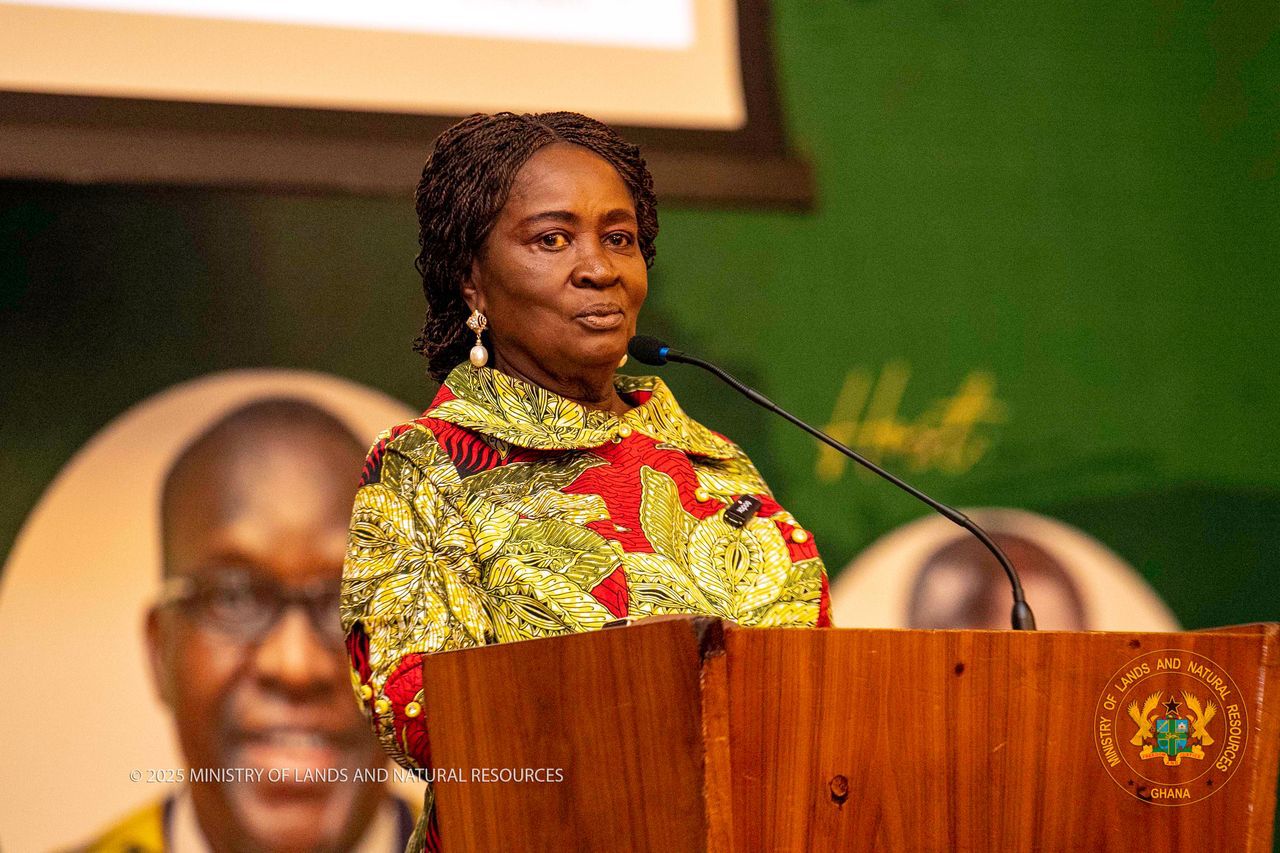
    President Mahama then congratulated Vice-President Naana Jane Opoku-Agyemang on becoming Ghana’s first female Vice-President, describing her rise as a milestone for women. “Now every Ghanaian girl knows the heights to which she can ascend,” he said.

  • Free SHS policy is my proudest contribution to Ghana’s progress – NAPO at Harvard

    Free SHS policy is my proudest contribution to Ghana’s progress – NAPO at Harvard

    Former Minister of Education, Dr Matthew Opoku Prempeh, popularly known as NAPO, has touted the New Patriotic Party’s (NPP) Free Senior High School Policy at the prestigious Harvard Ministerial Leadership Program, United States.


    Returning as a faculty member this year, and presenting on Ghana’s transformative Free Senior High School program as a case study, he noted that the policy is one of his proudest contributions to Ghana’s progress.


    Taking to Facebook on Friday, September 26, the Former Minister wrote, “After first participating in the Harvard Ministerial Leadership Program in 2017, and receiving the 2020 Harvard Ministerial Medal of Achievement for leading historic reforms in Ghana’s education sector, I was deeply honoured to return this year as a member of the faculty for the program”.

    https://web.facebook.com/share/p/1ZnSUBossj/?mibextid=wwXIfr


    Reflecting, the former Minister of Education noted that “This journey reminded me of the tremendous work we accomplished at the Ministry of Education by expanding access, breaking down barriers, and giving hope to a new generation of young Ghanaians. It is a legacy of service that continues to inspire”.

    The Free Senior High School (Free SHS) policy was introduced in 2017 by the Akufo-Addo government to make secondary education accessible to all eligible students without financial barriers.


    The policy was aimed at helping students who struggled to pay tuition, boarding, and other school-related expenses. However, it came with challenges, including overcrowding, congestion in schools, pressure on infrastructure and facilities, and increased workloads for teachers.


    Since its launch, about 3.5 million students have benefited from the Free SHS programme. The immediate past government revealed that it had spent over GH¢12 billion on implementation since its inception.

    Meanwhile, the Mahama-led government’s plan to include private schools under the FSHS forms part of a broader strategy to expand capacity and gradually end the double-track system.

    In May, Deputy Minister of Education, Dr Clement Apaak, during a meeting with stakeholders, explained: “As part of our campaign promise, we have been working diligently to bring on board private senior high schools in the delivery of the Free SHS programme. Meetings have been held, engagements have been done, and we are very certain that with the diligence we expect from our side…”

    But the Ghana National Association of Teachers (GNAT) has criticized the government’s intentions to include private schools in the Free Senior High School (SHS) policy.

    Speaking to the media on Tuesday, June 3, GNAT’s General Secretary, Thomas Musah, stressed that the proposed plans would place additional strain on public schools.

    He noted that the government must tread cautiously to prevent citing a lack of resources as a reason for discontinuing the programme.

    “We don’t want the situation where tomorrow the government will come and tell us that there are no resources to teach in the public schools, and so we are adding on to those that parents have to pay. Already we have been calling for parents who can pay fees to pay, or should be made to make some contributions.

    “We have not yet been able to get all these things done. So, to be adding on to the already existing burden will be serious, and I have some difficulty with it,” he stated.

    Sixty (60) private schools have already been featured under the Free Senior High School (SHS) policy. Junior High School (JHS) graduates will be admitted into these private schools that fall in category E in the school selection process.

    These schools will be accepting applications starting from the 2025/2026 academic year. In a press release issued on Sunday, July 20, by the Ghana National Council of Private Schools (GNACOPS) and signed by its National Executive Director, Oberto Nana Kwasi Gyetuah, the council has described the initiative as a historic and progressive move.

    “This progressive move marks a significant milestone in Ghana’s educational transformation journey. It underscores the Government’s commitment to inclusive, collaborative education delivery and reaffirms the important role of private schools in advancing national development goals,” part of the release read.

    The council further called on other private schools that are yet to be listed to remain patient, prepared, and compliant with regulatory standards.

    The double-track system was introduced in 2018 by the Akufo-Addo government to accommodate the surge in student enrollment following the launch of Free SHS, helping manage overcrowding in public schools. Under this system, students were divided into two groups Green Track and Gold Track attending school in shifts, with one track in session while the other was on break.

    The anticipated extension of the Free SHS policy, according to Education Minister Haruna Iddrisu, is a fulfillment of the government’s manifesto promise, aimed at ensuring eligible students gain admission without delays. “We believe strongly that in fulfilling this manifesto campaign promise, this is going to serve as an artery in helping us bring an end to the double-track system,” the deputy minister said.

    According to him, the Education Ministry has received encouraging feedback from private schools, many of which have expressed readiness to meet the standards and requirements of the Free SHS framework. “… and the eagerness of the private schools to participate, the private schools will deliver in their participation,” he assured.

    He added that this collaboration would not only help expand capacity but also ensure a more equitable distribution of educational opportunities across the country. The Free Senior High School (Free SHS) policy was introduced in 2017 by the Akufo-Addo government to make secondary education accessible to all eligible students without financial barriers.

    The policy was aimed at helping students who struggled to pay tuition, boarding, and other school-related expenses. However, it came with challenges, including overcrowding, congestion in schools, pressure on infrastructure and facilities, and increased workloads for teachers.

    Since its launch, about 3.5 million students have benefited from the Free SHS programme. The immediate past government revealed that it had spent over GH¢12 billion on implementation since its inception.

  • Only 539 of Ghana’s 763 licensed radio stations are operational – NCA

    Only 539 of Ghana’s 763 licensed radio stations are operational – NCA

    Acting Director of Engineering at the National Communications Authority, Bernard Amissah-Ocran, out of the seven hundred and sixty-three (763) licensed radio stations across Ghana, only five hundred and sixty-ninety (539) are operational. The remaining two hundred and twenty four (224), he said, are off-air.

    The 763 authorized FM include thirty-one (31) public stations, one hundred and fifty-five (155) community stations, 5 campus stations, five hundred and forty-eight (548) commercial stations, and twenty four (24) foreign-authorised stations.

    He made this information public during the Broadcasting at the Crossroads forum, hosted by the Africa Media Bureau in Accra on Friday, September 26. 

    Breaking down the distribution of FM stations across all sixteen (16) regions, he noted that the Ashanti Region has the highest number of authorised stations at one hundred and sixteen (116). However, only eighty-five (85) are operational while 31 remain inactive. In the Greater Accra Region, seventy-one (71) out of eighty-four (84) authorised stations are on air.

     The North East Region has the smallest number, with seven (7) out of thirteen (13) operating. The Western, Central, Eastern, Northern, and Volta regions also recorded a significant number of inactive stations.

    In the meantime, the Minister for Communication, Digital Innovation and Technology, Sam George, has hinted that the government will no longer bear the sole responsibility of covering the operational costs of Digital Terrestrial Television (DTT).

    Speaking at the “Broadcasting at the Crossroads” forum organised by the Africa Media Bureau at the Alisa Hotel on Friday, September 26, the Minister said the government is engaging broadcasters, private companies, and other partners to develop a new financing model. “The free ride bus is running out of gas, and we need to find a sustainable means of fueling the DTT bus,” he said.

    Ghana’s Digital Terrestrial Television platform was built on a cost-sharing strategy introduced in 2016 under the leadership of then Minister Edward Omane Boamah.

    It was aimed at allowing TV stations to use the service in the first year for free, with 50% of fees and 75% in the third year. After the third year, they were expected to pay the entire cost themselves. However, this changed after a previous administration attempted to introduce fees.

    According to him, more than 45 TV stations using Ghana’s Digital Terrestrial Television (DTT) platform have gone almost 10 years without contributing money toward the running and upkeep of the system.

    Earlier this month, Sam Nartey George revealed that a majority of the radio stations that were provided amnesty to meet regulatory requirements after being shut down have begun regularizing their paperwork.

    Providing an update to the public as part of the Government Accountability Series on August 1, the minister revealed that 58 out of the 64 radio stations are correcting their wrongs.

    “About five weeks ago, the ministry issued a directive to the NCA to shut down 64 radio stations. The President, H.E. John Dramani Mahama, intervened and requested amnesty, which we granted—a 30-day amnesty.

    Of the 64 radio stations, 58 of them have written to the NCA and started the process of regularising their paperwork,” he said. He, however, noted that the 64 stations were just the first batch of the radio stations that were not complying with the laws.

    “However, you’d recall that I indicated that the total number of radio stations in default was 210. The 64 was just not one phase. We expect that the public sensitization with the first batch of 64 would have compelled the others to have taken steps to rectify their anomaly.”

    As such, the sector minister noted that “for all those who have failed to take any step, there will be no further public announcement on it. There will be simple enforcement to protect the public resource.”

    President John Dramani Mahama in June directed the Minister for Communications, Digital Technology and Innovation to liaise with the National Communications Authority (NCA) to immediately restore the broadcast of sixty-four (64) radio stations affected by the regulator’s action.

    The National Communications Authority (NCA) ordered a total of 62 FM broadcasting stations to immediately suspend operations on their respective frequencies due to persistent violations of regulatory requirements.

    The non-compliant stations violated Regulations 54 and 56 of the Electronic Communications Regulations, 2011 (L.I. 1991) and the Conditions of their FM Broadcasting Authorisations. In a statement by the Presidency on June 12, it was revealed that President Mahama thinks that regulatory compliance must take into account the need to uphold and enhance media freedom.Per the statement, “requiring radio stations to shut down while awaiting the regularisation of their authorisation could limit the space for expressing such freedoms.”

    The President thus requested the sector minister to work with the NCA on a reasonable timeframe within which the affected stations should regularise their authorisation. The Ministry for Communications complied with the directive.

    Founder of Asaase Radio, Mr Gabby Asare Otchere-Darko, confirmed the suspended operations of his radio station. In a post on X, Mr Otchere-Darko revealed that his uniform was supposed to renew its licence in October last year, but only did so in December. Asaase Radio was set to commemorate its 5th anniversary on Saturday, June 14.

    “Yes, it’s true. Asaase Radio 99.5, which celebrates its 5th anniversary Saturday, has been shut down. The General Manager informs me it’s because the station was delayed in renewing its licence last year. It was to be renewed by October, but only done in December 2024,” Gabby Otchere-Darko wrote on X.

    In response, the Communications Minister Sam Nartey George entreated Mr Otchere-Darko to take advantage of the 30-day clemency the President has given and act according to what the law states. “The action by the NCA is in conformance with the law. We all must respect the laws and act accordingly. Those affected are advised to take advantage of the 30-day clemency the President has given. For God and Country.”

    Per a statement issued by NCA, its action followed a directive issued by the Minister for Communication, Digital Technology, and Innovation, Sam Nartey George, mandating the authority to enforce applicable sanctions on stations found to violate the regulations in the recent audit conducted to ensure full compliance with licensing and operational requirements in the broadcasting sector.

    The NCA thus commenced enforcement of regulatory sanctions against the defaulting entities identified in the Frequency Audit Report in phases.

    The categorisation of infractions under the first phase includes 28 stations operating with expired authorizations.Some of these stations were ordered by the NCA in 2024 to cease broadcasting, but have persisted in the illegality. This represents a violation of Section 2 (4) of the Electronic Communications Act. 2008 (Act 775).

    Also, 14 FM stations that were issued Notices of Revocation for failure to set up within two (2) years from the date of their Authorizations subsequently requested inspection, but the process has not been completed due to various lapses they have to rectify but are still on air.

    These stations violate Regulation 54 of the Electronic Communications Regulations, 2011. LI. 1991. Thirteen (13) FM stations that applied for authorization to continue operating and have been issued provisional authorization, but have not settled the provisional authorization fees in full, and hence do not have the valid authorization to continue operating.

    This represents a violation of Section 2(4) of the Electronic Communications Act, 2008 (Act 775). The NCA noted that it acknowledges the vital role radio stations play in national development; however, it is imperative that all authorization holders strictly adhere to the regulatory requirements and conditions of their authorizations.

    The Authority assured the general public that it remains dedicated to maintaining order in the broadcasting sector.In February this year, Minister for Communication, Digital Technology, and Innovation, Samuel Nartey George, ordered the closure of seven radio stations across the country for failing to comply with broadcasting regulations and national security requirements.

    Fire Group of Companies, I-Zar Consult Limited, Abochannel Media Group, Okyeame Radio Limited, Mumen Bono Foundation, and Osikani Community FM—were operating without valid frequency authorizations, while one, Gumah FM in Bawku, was closed on security grounds.

    Announcing the decision in a Facebook post on Tuesday, February 18, the minister emphasized the need for strict enforcement of media regulations to ensure responsible broadcasting. The move sparked discussions on media freedom and regulation, with some welcoming the enforcement of broadcasting standards, while others questioned the potential impact on press freedom.

    The Media Foundation for West Africa (MFWA) highlighted the unconstitutionality of shutting down the radio stations without consulting major stakeholders such as the independent National Media Commission (NMC).

    The Minority in Parliament then demanded that the Minister must appear before the House to provide clarity over the matter, but the Majority objected.

  • Govt alone can’t sustain Digital Terrestrial Television operations – Sam George

    Govt alone can’t sustain Digital Terrestrial Television operations – Sam George

    The Minister for Communication, Digital Innovation and Technology, Sam George, has stated that government will no longer bear the sole responsibility of covering the operational costs of Digital Terrestrial Television (DTT).


    Speaking at the “Broadcasting at the Crossroads” forum organised by the Africa Media Bureau at the Alisa Hotel on Friday, September 26, the Minister said the government is engaging broadcasters, private companies, and other partners to develop a new financing model. “The free ride bus is running out of gas, and we need to find a sustainable means of fueling the DTT bus,” he said.


    Ghana’s Digital Terrestrial Television platform was built on a cost-sharing strategy introduced in 2016 under the leadership of then Minister Edward Omane Boamah.

    It was aimed at allowing TV stations to use the service in the first year for free, with 50% of fees and 75% in the third year. After the third year, they were expected to pay the entire cost themselves. However, this changed after a previous administration attempted to introduce fees.


    According to him, more than 45 TV stations using Ghana’s Digital Terrestrial Television (DTT) platform have gone almost 10 years without contributing money toward the running and upkeep of the system.


    In the meantime, three radio stations owned by Chairman Wontumi and six others have been directed by the National Communications Authority (NCA) to halt operations.

    Their suspension was enforced under Regulation 54 of the Electronic Communications Regulations, 2011 (L.I. 1991), which prevents the operation without a valid Certificate of Compliance.
    In a press release by the National Communications Authority (NCA), the Authority explained that the affected radio stations, 95.9 FM in Accra, 101.3 FM in Kumasi, and 101.3 FM in Takoradi under the Wontumi Multimedia Company Limited, breached broadcasting regulations.


    According to the Authority, it served a 30-day grace period to the affected radio stations following an order by President John Dramani Mahama; however, the stations failed to adhere to the directive.


    “The National Communications Authority (NCA) has suspended the operations of nine (9) radio stations for various infractions. This action follows the expiration of the 30-day grace period granted by the President of the Republic of Ghana, His Excellency John Dramani Mahama for defaulting stations to remedy the violation of the laws and regulations governing FM radio broadcasting in Ghana.


    “Six (6) stations failed, refused, and neglected to comply with the regulatory amnesty by taking no action. Consequently, the operations of the following stations have been suspended; Donplus Multimedia Limited; Dreams Ghana Media Limited, Jam Multimedia Limited, Jewel Group Limited, Unique Gateway Communication Limited and Wontumi Multimedia Company Limited.


    “Whereas many of the violating stations took steps to remedy breaches during the amnesty period, three (3) stations failed to remedy some of the breaches, including unauthorised use of Studio-to-Transmitter Link (STL) frequencies and unapproved transmitter locations. Consequently, the operations of the following stations have been suspended for operating without a Certificate of Compliance in violation of Regulation 54 of the Electronic Communications Regulations, 2011, L.I. 1991,” parts of the release read.


    Meanwhile, six other radio stations have been shut down in the same regard. The Authority has assured the general public that it remains dedicated to maintaining order in the broadcasting sector.


    The NCA warned that failure to comply with its recent directive shall constitute an affront to the prescribed conditions for FM broadcasting with grave consequences for their authorizations.
    On the other hand, in a letter dated August 12, Wontumi Multimedia insisted that it has met all regulatory requirements. According to Wontumi Multimedia, “We settled the outstanding regulatory and spectrum fees amounting to Twenty Two Thousand, Three Hundred and Thirty Ghana Cedis (GHC 22,330.00).


    “We invited the NCA for another inspection, which we facilitated as per the stipulated timeline. Given that all the issues highlighted in your previous letters have been addressed, we are currently working with our legal representatives to ensure that all matters related to our operations are handled appropriately.


    Earlier this month, Sam Nartey George revealed that a majority of the radio stations that were provided amnesty to meet regulatory requirements after being shut down have begun regularizing their paperwork.


    Providing an update to the public as part of the Government Accountability Series on August 1, the minister revealed that 58 out of the 64 radio stations are correcting their wrongs.


    “About five weeks ago, the ministry issued a directive to the NCA to shut down 64 radio stations. The President, H.E. John Dramani Mahama, intervened and requested amnesty, which we granted—a 30-day amnesty.


    Of the 64 radio stations, 58 of them have written to the NCA and started the process of regularising their paperwork,” he said. He, however, noted that the 64 stations were just the first batch of the radio stations that were not complying with the laws.


    “However, you’d recall that I indicated that the total number of radio stations in default was 210. The 64 was just not one phase. We expect that the public sensitization with the first batch of 64 would have compelled the others to have taken steps to rectify their anomaly.”


    As such, the sector minister noted that “for all those who have failed to take any step, there will be no further public announcement on it. There will be simple enforcement to protect the public resource.”


    President John Dramani Mahama in June directed the Minister for Communications, Digital Technology and Innovation to liaise with the National Communications Authority (NCA) to immediately restore the broadcast of sixty-four (64) radio stations affected by the regulator’s action.


    The National Communications Authority (NCA) ordered a total of 62 FM broadcasting stations to immediately suspend operations on their respective frequencies due to persistent violations of regulatory requirements.


    The non-compliant stations violated Regulations 54 and 56 of the Electronic Communications Regulations, 2011 (L.I. 1991) and the Conditions of their FM Broadcasting Authorisations. In a statement by the Presidency on June 12, it was revealed that President Mahama thinks that regulatory compliance must take into account the need to uphold and enhance media freedom.
    Per the statement, “requiring radio stations to shut down while awaiting the regularisation of their authorisation could limit the space for expressing such freedoms.”


    The President thus requested the sector minister to work with the NCA on a reasonable timeframe within which the affected stations should regularise their authorisation. The Ministry for Communications complied with the directive.


    Founder of Asaase Radio, Mr Gabby Asare Otchere-Darko, confirmed the suspended operations of his radio station. In a post on X, Mr Otchere-Darko revealed that his uniform was supposed to renew its licence in October last year, but only did so in December. Asaase Radio was set to commemorate its 5th anniversary on Saturday, June 14.


    “Yes, it’s true. Asaase Radio 99.5, which celebrates its 5th anniversary Saturday, has been shut down. The General Manager informs me it’s because the station was delayed in renewing its licence last year. It was to be renewed by October, but only done in December 2024,” Gabby Otchere-Darko wrote on X.


    In response, the Communications Minister Sam Nartey George entreated Mr Otchere-Darko to take advantage of the 30-day clemency the President has given and act according to what the law states. “The action by the NCA is in conformance with the law. We all must respect the laws and act accordingly. Those affected are advised to take advantage of the 30-day clemency the President has given. For God and Country.”


    Per a statement issued by NCA, its action followed a directive issued by the Minister for Communication, Digital Technology, and Innovation, Sam Nartey George, mandating the authority to enforce applicable sanctions on stations found to violate the regulations in the recent audit conducted to ensure full compliance with licensing and operational requirements in the broadcasting sector.


    The NCA thus commenced enforcement of regulatory sanctions against the defaulting entities identified in the Frequency Audit Report in phases.

    The categorisation of infractions under the first phase includes 28 stations operating with expired authorizations.
    Some of these stations were ordered by the NCA in 2024 to cease broadcasting, but have persisted in the illegality. This represents a violation of Section 2 (4) of the Electronic Communications Act. 2008 (Act 775).


    Also, 14 FM stations that were issued Notices of Revocation for failure to set up within two (2) years from the date of their Authorizations subsequently requested inspection, but the process has not been completed due to various lapses they have to rectify but are still on air.

    These stations violate Regulation 54 of the Electronic Communications Regulations, 2011. LI. 1991. Thirteen (13) FM stations that applied for authorization to continue operating and have been issued provisional authorization, but have not settled the provisional authorization fees in full, and hence do not have the valid authorization to continue operating.


    This represents a violation of Section 2(4) of the Electronic Communications Act, 2008 (Act 775). The NCA noted that it acknowledges the vital role radio stations play in national development; however, it is imperative that all authorization holders strictly adhere to the regulatory requirements and conditions of their authorizations.


    The Authority assured the general public that it remains dedicated to maintaining order in the broadcasting sector.
    In February this year, Minister for Communication, Digital Technology, and Innovation, Samuel Nartey George, ordered the closure of seven radio stations across the country for failing to comply with broadcasting regulations and national security requirements.


    Fire Group of Companies, I-Zar Consult Limited, Abochannel Media Group, Okyeame Radio Limited, Mumen Bono Foundation, and Osikani Community FM—were operating without valid frequency authorizations, while one, Gumah FM in Bawku, was closed on security grounds.
    Announcing the decision in a Facebook post on Tuesday, February 18, the minister emphasized the need for strict enforcement of media regulations to ensure responsible broadcasting.
    The move sparked discussions on media freedom and regulation, with some welcoming the enforcement of broadcasting standards, while others questioned the potential impact on press freedom.
    The Media Foundation for West Africa (MFWA) highlighted the unconstitutionality of shutting down the radio stations without consulting major stakeholders such as the independent National Media Commission (NMC). The Minority in Parliament then demanded that the Minister must appear before the House to provide clarity over the matter, but the Majority objected.

  • Railway services set to resume after workers call off strike

    Railway services set to resume after workers call off strike

    Railway services are expected to resume in the coming days after the Railway Workers Union of Ghana called off its strike. This comes after the National Labour Commission (NLC) expressed its willingness to negotiate on the demands of the railway workers on September 30.


    The Railway Workers Union of Ghana had earlier declared its intention to strike on Tuesday, September 30, if the government does not pay the twelve months’ salary owed them. According to a press statement dated September 24, and addressed to the Greater Accra Regional Police Commander, the Union revealed, “We wish to inform your esteemed office that the National Labour Commission (NLC) has responded to our letter dated 16th September 2025, regarding our intended lawful strike and peaceful picketing action scheduled for 30th September.

    Parts of the statement read, “ The Commission has directed that we stay our intended action and appear for negotiations on 30th September 2025. We remain committed to this process and will honour the Commission’s directive in good faith.”


    However, the Union has warned that should the NLC go back on its words, it will have no option but to proceed with its industrial strike.

    It added,”The Commission has directed that we stay our intended action and appear for negotiations on 30th September 2025. We remain committed to this process and will honour the Commission’s directive in good faith.”

    Earlier, the General Secretary of the TUC, Joshua Ansah, had given the government a six-day window to settle the workers or expect an industrial action to drum home their demands following the failure of authorities to address them.


    According to him, the railway workers have been subjected to hardships in the last twelve months, and they are no longer going to take assurances without action from the government.


    “It’s been 12 solid months since the workers of the company were paid. Just imagine the situation of a worker and their family in today’s Ghana without a salary for 12 calendar months,” adding that all they have exhausted all avenues to get their grievances addressed; however, all efforts have proven futile.


    “We have written letters and engaged the government at the highest level. We will no longer settle for assurances. We have had enough of them already,” he said.


    Accordingly, Mr Ansah stated that “We have sent a notice to the government and the owner of the company that if by September 30 the 12-month outstanding salaries owed to our affiliate are not paid, TUC will embark on a strike”.


    While the state previously covered 70% of railway workers’ salaries, this support has been reduced, leaving the Ghana Railway Company and its staff in crisis. In light of that, Mr Ansah urged the government to “look for any means” to settle the 12-month debt immediately.


    “The state used to pay 70% of the salaries of the railway workers, but that support has been withdrawn,” he noted.


    Speaking on the planned commissioning of the Tema–Mpakadan Railway line on October 1, TUC admonished the government to abort it, as the operators, i.e., Ghana Railway Company Limited, have not been officially informed about it.


    “The Ghana Railway Company Limited, which is the operator, the ministry can’t purport to run the Mpakadan rail line and other lines without the operator. We will resist any attempt to sideline the Ghana Railway Company Limited,” he added.


    This follows the Railway Workers Union officially notifying the Greater Accra Regional Police Command of its intention to strike and picket on September 30 due to the government’s failure to pay salaries since October 2024.


    Reaffirming the TUC’s solidarity with the workers, Mr Ansah said: “The union itself was founded on railway land, and we have a duty to ensure fair treatment and timely pay for railway staff.”


    Barely five months ago, the Railway Workers Union declared an industrial action over a 7-month unpaid arrears of 900 staff members if the Ghana Railway Company Limited fails to pay.


    This comes after the group stated on Monday, May 12, that it was giving authorities until the close of Tuesday, May 13, to pay them or explain the reason for the delay in payment of their salaries.


    During a media engagement, the Branch Secretary of the Accra division, Franklin Cobbinah, explained that the move has been necessitated as all efforts to engage the government have proven futile, citing that “…we learnt our management together with the union have been there but what comes out at the meeting we are told anything”.


    Responding to concerns of issuing a short notice of their action to the government, Mr Cobbinah insisted that, “For us, it’s not short because we have waited for quite a long time, 7 months, so when should we tell them to bring us our salary again? The time is now. That is why we gave them by the close of yesterday.”


    “We started demanding this salary somewhere last year, and we were told we are to wait till we get a sector minister, so we continue from there. We are told there was no sector minister to talk about the Railway Ministry. We learnt our management together with the union and have been there, but what comes out at the meeting we are told anything,” he added.


    The Ministry of Railway Development, according to the Branch Secretary of the Accra division, visited for a headcount, promising to settle their salaries right after May Day; however, there has been no news of their settlement for the past twelve days.


    “…the Ministry came to take particulars of ours and we were told just after May day we would receive our salaries and today is 13th (sic) we haven’t heard anything, nobody is telling us what is going on. So the only decision we, the workers, can take is to sit down and wait for the management to come and tell us why we haven’t been paid,” he added.


    In response to the union’s strike, the Ghana Railway Development Authority (GRDA) has issued a statement distancing itself from the industrial action by workers of the Ghana Railway Company Limited (GRCL). They said they have no connection to it and that it does not affect its operations.


    “We wish to assure the public that the GRDA remains fully operational and has not initiated or endorsed any form of public demonstration on any issue,” the statement said.


    The Transport Minister announced on September 18 the opening of the Tema-Mpakadan railway. Speaking during the Government Accountability Series press conference held at the Presidency in Accra, Minister Joseph Bukari Nikpe announced that a test run of the Diesel Multiple Unit (DMU) train, which was freshly procured from Poland and was involved in an accident in 2024, has been successfully carried out on the railway, which is set to be opened in October.


    “The train that was involved in the accident during the test drive in 2024 has been repaired. A successful test run was carried out on September 16, “The 97km Tema to Mpakadan Railway Line, which is part of a multimodal system connecting Tema Port to Buipe Port via the Volta Lake, has been completed, and I am pleased to announce that the Tema–Mpakadan Railway will officially open on October 1,” he noted.


    He continued that the completion and soon-to-be-opened railway forms part of the government’s plans to broaden the rail infrastructure for goods and passenger services.


    “The Government plans to modernise and expand the railway infrastructure for fleet and passenger services, creating jobs, boosting local economies and fostering trade”, adding that “the viability of the rail line depends on fleet services but requires further investment in port infrastructure to facilitate the transfer of cargo between rail and the lake.”

  • Visa waiver signed between Ghana, Antigua and Barbuda

    Visa waiver signed between Ghana, Antigua and Barbuda

    A visa waiver agreement has been signed between Ghana and Antigua and Barbuda at the United Nations General Assembly. The deal was signed by Minister for Foreign Affairs and Regional Integration, Samuel Okudzeto Ablakwa, and Antigua and Barbuda’s Minister for Foreign Affairs, Trade, and Barbuda Affairs, H.E. E.P. Chet Greene.

    During the signing ceremony, Ablakwa noted that with the recent development, Ghana has successfully signed ten visa-free travel deals for its citizens under his leadership.

    He added, “The Mahama Administration is deliberate about adding more value to the Ghanaian Passport, projecting our image in the comity of nations and enhancing the travel experience of Ghanaians as we boost trade, tourism, and in this particular instance connect us to our brothers and sisters in the Caribbean”.


    In July, the Parliament approved the ratification of agreements to waive the visa requirements for holders of diplomatic, service and ordinary passports to four countries.


    These are Mozambique, Sao Tome and Principe, Colombia and the Commonwealth of Dominica. Chairman of the Foreign Affairs and Regional Integration Committee in Parliament, Hon. Alfred Okoe Vanderpuije, while speaking on the floor of the House on Wednesday, July 23, explained that the objective of the agreements is to encourage multilateral partnership in areas such as trade, tourism, energy, education, and agriculture.


    There are no anticipated direct revenue losses from the implementation of the agreements, Foreign Affairs and Regional Integration Minister, Samuel Okudzeto Ablakwa, said when he appeared before the House.
    He also confirmed that the visa waiver arrangements will contribute to a surge in trade, tourism, and other forms of bilateral cooperation for the countries involved.


    The government of Ghana has, in recent times, joined the many African countries waiving visa requirements to sister countries to enhance trade and boost economic growth.
    In March this year, Ghana and Morocco took a significant step toward enhancing diplomatic and economic relations by agreeing to introduce a visa waiver for all categories of travelers.

    The agreement, which is set to be presented to both nations’ parliaments for ratification, aims to facilitate seamless travel and boost cooperation in various sectors.


    The decision emerged from discussions between Minister of Foreign Affairs, Samuel Okudzeto Ablakwa, and the Moroccan Ambassador to Ghana, Her Excellency Imane Ouaadil, on March 23.

    During their meeting, Ambassador Ouaadil also addressed concerns over recent viral videos alleging violence against Africans in Morocco. She clarified that the footage in circulation was from a past border incident on June 24, 2022, which led to the deaths of 23 individuals but did not involve any Ghanaian casualties.


    Additionally, Morocco has announced a significant boost in educational support for Ghana, doubling scholarships for Ghanaian students from 90 to 180 this year.


    In March last year, the Ministry of Foreign Affairs and Regional Integration informed the public that the Republic of Ghana and the Republic of Malawi entered into an agreement on a visa waiver regime for holders of ordinary, diplomatic, and service passports, which took effect on 7th February 2024.


    The decision was taken to strengthen their bilateral relations and existing cooperation. In light of this, travellers transit through, depart from, and stay in the territory of both countries for a cumulative period of up to ninety (90) days without recourse to work within a calendar year.


    On November 1, 2023, Ghana and South Africa began the implementation of a 90-day visa waiver programme for holders of ordinary passports.For this number of days, there was no need for work permits.


    In reaction to the visa waiver agreements, at the Bi-National Committee meeting in Johannesburg, President Ramaphosa noted that the visa waiver has positively influenced bilateral ties.


    “We welcome you to the second session of the Bi-National Commission between the Republic of South Africa and the Republic of Ghana, we welcome you with warm hearts. One of the recent highlights in our bilateral relations was the signing of the reciprocal visa exemption for ordinary passport holders for a period of 90 days per annum, which entered into force on November 1, 2023. The surge in travellers between our nations has not only benefited tourism but has also strengthened our business connections, educational collaborations, and interpersonal relationships,” President Ramaphosa said.


    Following this, some Nigerians took to social media to question why the Tinubu-led government had not been able to secure similar arrangements.


    “Nigeria should asked itself, why is South Africa not extending this same visa regime to Nigeria? What has our fellow country done in the past that South Africa is not extending this 90 days free entry visa to Nigeria. We need to look at the mirror to answer this question,” one Omano Edigheji, PhD quizzed.


    Ghana kick-started a visa-on-arrival waiver strategically designed to ignite a surge in tourism through the government’s “Beyond the Return” drive, and this ran from December 22 to January 15, 2023.


    The policy is a prominent feature of the “Beyond the Return” initiative, a decade-long plan framed under the theme “A decade of African Renaissance—2020-2030.” “Beyond the Return” follows in the footsteps of the “Year Of Return” initiative launched in 2019, commemorating the 400th Anniversary of the arrival of the first recorded enslaved Africans in Jamestown, Virginia, in 1619. The aim is to beckon people of African origin to Africa, particularly Ghana.


    In 2021, Parliament approved a visa waiver agreement between the United Arab Emirates (UAE) and Ghana. A Memorandum of Understanding (MoU) signed by both parties was presented to the House by the then-Foreign Affairs Minister, Shirley Ayorkor Botchway.


    African countries that waived their visa requirements
    Effective January 2024, Kenya eliminated visa requirements, opening its borders to all foreign nationals. Kenyan President William Ruto, in his announcement on December 12, 2023, revealed that the country is transitioning to a visa-free status.


    President Ruto stated, “This is to echo a message to humanity to welcome everyone home…this is why the government of Kenya has abolished the requirements of visas for all visitors.”


    “To implement this policy, we have developed a digital platform to ensure that all travellers to Kenya are identified in advance on an electronic platform. Consequently, all travellers will obtain electronic travel authorization as they come to Kenya,” President Ruto added.


    Uganda is the third East African Community (EAC) Partner State to waive visa requirements for DRC citizens after Kenya and Tanzania.
    The decision was taken during the 8th Ordinary Session of the Joint Permanent Commission between the two Partner States in Kinshasa, DRC, on Saturday, 21st October, 2023.


    Ugandan President Yoweri Museveni who had been advocating for visa-free entry between the two nations, remarked, “Crossing in East Africa should be cost-free. You pay for a visa when going to America, or Europe, but a visa to DR Congo?! That is rubbish. If that is the case, I have removed it.”


    President Museveni commented two years ago in December when he launched the Mpondwe one-stop border post at Uganda’s border with DR Congo. The East African Community (EAC) applauded the decision by the Republic of Uganda and the Democratic Republic of Congo (DRC) to waive visa fee requirements for citizens travelling across their borders.


    In 2021, DRC joined the EAC as its seventh Partner State. The other partner states are the Republics of Burundi, Kenya, Rwanda, South Sudan, Uganda and the United Republic of Tanzania.

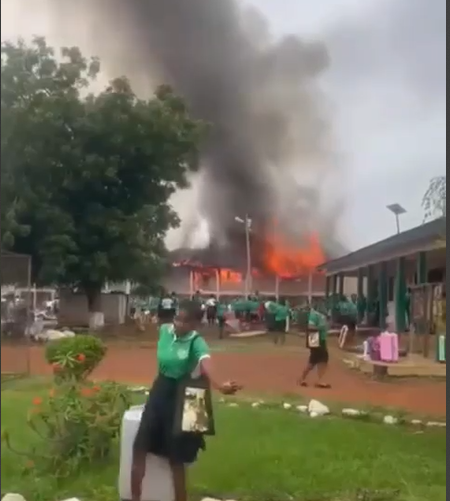
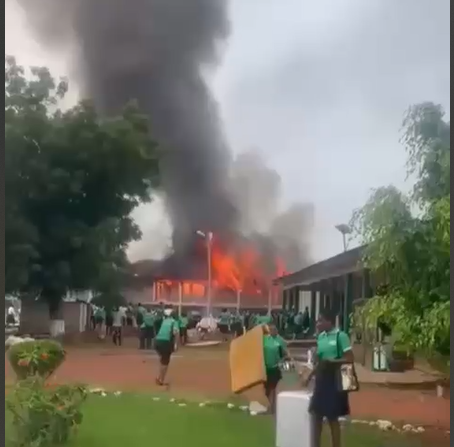
  • Alleged GHC15k bribe for Aburi Girls SHS admission under investigation – Education Ministry

    Alleged GHC15k bribe for Aburi Girls SHS admission under investigation – Education Ministry

    The Ministry of Education has intervened to investigate allegations that authorities at Aburi Girls’ Senior High School collect over GHC15,000 to admit students.

    Taking to social media, one Gertrude Adzo Borklo claimed that the Computerized School Placement System, the Basic Education Certificate Examination (BECE), is being manipulated by certain school authorities. However, in a statement issued on Thursday, September 25, and Deputy Minister for Education, Dr. Clement Abas Apaak, the Ministry described the claims as false and said they are based on a “conspiratorial narrative”.


    Additionally, the Ministry has noted that all efforts to reach out to the claimant have been futile, noting that Gertrude Adzo Borklo’s accounts appear to have been inactive for some time. Nonetheless, the Education Ministry is working with National Security, the Cyber Security Authority, and other agencies to track down and contact the individual.

    Other anonymous accounts, according to the Ministry, continue to circulate misleading claims about the school placement system. The statement emphasized that the placement process is entirely free of charge; therefore, it called on victims to complain to the Ministry through its numbers 054 154 8223 (Calls) and 024 490 8957 (WhatsApp).


    “At no point is payment required to access this service. We call on members of the public to provide any information or evidence of persons, whether Ministry officials or third parties, who demand money for placements. The Ministry assures swift and decisive action against any individual found culpable,” the statement read.


    The Ministry reaffirmed its commitment to safeguarding the integrity of Ghana’s school placement system. There have been recent speculations that the Education Ministry solely depends on a rigid score system to place students in Senior High Schools. But the Ministry has described the claims as misleading and inaccurate.


    In August, the Deputy Education Minister, Dr Clement Apaak, emphasized that multiple factors influence how students are assigned to specific Senior High Schools (SHSs).


    According to an official statement signed and issued by the Deputy Education Minister on Saturday August 30, the Ministry noted that the Computerised School Selection and Placement System (CSSPS) used in designating SHS graduates to various schools considers the aggregate and raw scores of students, the availability of vacancies in schools, and the popularity of specific programmes.


    The statement added that the Ministry does not demand or accept rewards from parents or guardians to guarantee that students are placed in schools of their choice, as speculated.


    “The Ministry confirms that this information is not only false but also maliciously misleading. The placement is based on a combination of factors, including aggregate and raw scores, availability of vacancies in the various schools and programmes of study. Limited vacancies and high competition can affect placement. The Ministry unequivocally states that no form of payment or inducement is required or solicited from parents, guardians, or their representatives for the purpose of securing placement.


    “All interactions with the Ministry and Ghana Education Service (GES) officials are expected to adhere to the highest standards of integrity and transparency. The public is advised to be cautious and report any cases of extortion or bribery attempts related to student placements. Stakeholders are encouraged to report miscreants to the nearest police station,” parts of the statement read.


    The Ministry’s clarification is a rebuttal to recent claims that the Ministry solely depends on a rigid score system to place students in Senior High Schools. Meanwhile, the Ministry has described the claims as misleading and inaccurate.


    Parents and prospective Senior High School students have lodged complaints over misplaced placements to difficulties in accessing schools of choice.

    Others have also raised concerns about being assigned to schools far from their preferred locations despite meeting the required grades. On September 19, the Deputy Education Minister, Dr. Clement Apaak, called for calm following reports of technical glitches in the placement process.


    During a visit to the Ghana National Association of Teachers (GNAT) Hall in Accra on Friday, September 19, the minister stated that the issue is being resolved and assured parents and students that all Senior High School placements would be finalized soon.


    He explained that the current challenge was anticipated and that measures have been put in place to address it promptly. “It’s a process. It has not ended. Be patient and be reassured that we anticipated a number of challenges, and that is why we decided to set a reporting date that gives you enough time and gives us enough time to address all the issues.


    “So be assured that by the time our wards are expected to report, which is around this same time next month, October 18, many of these issues, if not all, will be resolved,” he added.


    On Wednesday, September 17, the Ghana Education Service (GES) opened the Computerised School Selection and Placement System (CSSPS) portal to allow prospective Senior High School (SHS) students to access their designated schools.


    As per a circular dated Wednesday, September 17, signed by the acting Deputy Director-General for Quality and Access at the GES, Dr Munawaru Isshaque and addressed to all regional directors, freshers will report to their designated schools from October 18.


    The statement warned school authorities against enrolling students against the placement list generated by the CSSPS Secretariat, stressing the need for transparency and impartiality during the registration process.


    “Admission of students should strictly follow the placement list generated by the CSSPS Secretariat. No school is permitted to admit students outside the official placement without prior written approval from GES,” parts of the circular read.


    483,800 have been placed into various Senior High Schools across the country out of the 590,000 candidates. On Monday, September 1, the school placement portal was opened for new entrant students to verify their school choices, biodata, and other relevant information ahead of the final placement.


    The deadline for the fact-checking exercise was brought to a close on Monday, September 8. Of this figure,248,038 are females (51.4%), and 234,783 are males (48.6%).

    However, 107,509 candidates (18.2%) could not be matched with their initial school choices due to high demand for certain Category A schools.

  • Prof. Denis Aheto takes over as UCC’s interim Vice-Chancellor

    Prof. Denis Aheto takes over as UCC’s interim Vice-Chancellor

    The University of Cape Coast (UCC) has complied with a recent directive from the Ghana Tertiary Education Commission (GTEC), which called for a reshuffling of the institution’s leadership.

    In line with the directive, the institution has appointed its Pro Vice-Chancellor, Professor Denis Worlanyo Aheto, as interim Vice-Chancellor on Wednesday, September 24. According to a press statement from UCC, he assumes the role with immediate effect and serve until further notice.


    On Monday, September 22, GTEC declared its intention to ignore any requests from UCC that had to do with accreditation, salaries (government subventions), GETFund support, Book and Research Allowances, Post-Retirement Contracts, Financial Clearance for Recruitment, and any other related matters.


    According to GTEC, UCC has refused to take action on Prof. Johnson Nyarko Boampong’s appointment as Vice-Chancellor despite an earlier directive issued on October 8, 2024, to date.

    “Accordingly, the Ghana Tertiary Education Commission (GTEC) will, with immediate effect, not process any request from the University of Cape Coast (UCC) in respect of the following until there is full compliance with the directive and evidence of compliance is furnished to the Commission,” it added.


    GTEC on Friday, September 19 ordered the Vice-Chancellor of the University of Cape Coast (UCC) to step down over prolonged tenure. In a letter dated Friday, September 19, 2025, GTEC noted that Prof Nyarko has been in his current position beyond the compulsory retirement age of 60.


    This, it emphasized, violates Article 199(1) of the 1992 Constitution, which stipulates that public officers must retire at age 60 unless otherwise provided.“The Office of the Vice-Chancellor, being an office established under Section 7(1) of the University of Cape Coast Act, 1992 (PNDCL 278), is a public office under the meaning and intendment of Article 199(1).

    Hence, anyone acting in the office of the Vice-Chancellor is presumptively mandated to proceed on compulsory retirement upon attaining 60 years,” the letter stated.


    According to GTEC, the University of Cape Coast Statutes (2016), sets the Vice-Chancellor’s tenure at an initial four years; however, it can be extended to three years if the person hasn’t already reached the official retirement age set by law.


    In this regard, GTEC instructed Pro-Vice-Chancellor, Professor Denis Worlanyo Aheto, to act as Vice-Chancellor in the interim. Meanwhile, the Commission has asked the UCC Governing Council to put the hiring of a new VC on hold until the court or authorities settle the matter.


    In 2024, reports suggested that the Governing Council of the University of Cape Coast (UCC) removed Professor Johnson Nyarko Boampong from his position as Vice-Chancellor.

    Professor Johnson Nyarko Boampong officially assumed office in August 2020 after being appointed in June 2020 and was expected to end on July 31, 2024.Despite an earlier claim of a two-year extension to his term, the Governing Council declared this extension null and void, according to reports.

    In a statement signed by UCC’s Governing Council Chairman, Professor Harold S. Amonoo-Kuofi, it stated “Please note that the purported renewal/extension of your appointment as Vice-Chancellor at the Council’s meeting on the 28th of July 2023, for a term of two (2) years effective 1st August 2024, is void and consequently same is revoked as it breaches the University’s Statutes on renewal of appointment of the Vice-Chancellor.”
    The notice further explained that while extensions to Prof.

    Boampong’s appointment is permissible; no official extension decision has been made.“While your appointment may be extended by 2 years at a time up to a maximum of 5 years beyond your retirement age by contract, as provided in Article 199 clause (4) above, there has not yet been any such contractual extension.”And such extension applies only to your appointment as a member of the University in general, but not applicable to your position as the Vice-Chancellor, since the University’s Statutes has placed a limit on same in Statute 8.2.”


    Prof. Boampong has been encouraged to submit a formal application if he wishes to continue in his role.“You may, however, apply to Council for its consideration in line with laid down procedure for the purpose of renewing your term as Vice-Chancellor for a period not exceeding your retirement age and which does not breach the Constitution and the University’s Statutes,” he is reported to have stated.

    In an unrelated development, the Ghana Tertiary Education Commission has raised alarm over the increasing trend of individuals adopting honorary titles such as “Doctor” and “Professor” after receiving such recognitions from institutions in Ghana and abroad.


    GTEC noted that these titles, often used by awardees, tend to confuse and mislead both the public and academic communities.The Commission said it is compelled to clarify its stance on the matter to safeguard academic integrity.“In light of this trend, the Commission has observed the use of the titles Doctor (Dr) and Professor (Prof) by recipients of such awards.


    These practices are deemed misleading and serve to misinform both the academic community and the general public. In the meantime, the Ghana Tertiary Education Commission has been dragged to court by the Vice-Dean of the Faculty of Law at the University of Cape Coast (UCC), Dr Elijah Tukwariba Yin, over its decision to oust the school’s Vice Chancellor, Prof Johnson Boampong, from office.


    The plaintiff argues that GTEC violated a subsisting High Court injunction, issued arbitrary threats, and unlawfully withheld statutory services.

    Therefore, Dr Yin has demanded that the court ensure that GTEC withdraws letters calling for the removal of the VC and naming an acting VC and future declarations void. He has petitioned the court to bar Prof. Aheto from acting as VC. The University of Cape Coast is the second respondent to the suit.

  • Galamsey: Lands Minister reports 1,400 arrests in 8 months

    Galamsey: Lands Minister reports 1,400 arrests in 8 months

    1,400 persons have been arrested from January to August this year in the government’s efforts to crack down illegal mining (galamsey). This information was made known while the Minister for Lands and Natural Resources, Emmanuel Armah-Kofi Buah was engaging the media on Thursday, September 24.

    According to him, the achievement was attained through the government’s renewed efforts. He noted that the government has seized 440 excavators and more than 800 changfans.

    “We have seized 440 excavators and more than 800 changfans. We have mobilised Blue Water Guards in key regions, and they are making a difference,” Mr. Buah stated.

    Earlier this month, the government announced plans to deploy soldiers to permanently guard 44 galamsey hotspots, including waterbodies and areas threatened by galamsey activities.

    Speaking to the media on Tuesday, September 16, The Minister of State in charge of Government Communications, Felix Kwakye Ofosu, noted “All the 44 areas that are threatened by galamsey, there is going to be a permanent military presence,” he added.


    The government’s recent move is a response to mounting calls for the declaration of a state of emergency on galamsey. Illegal mining activities continue to regress the country’s development, as they lead to the loss of lives, destruction of properties and the environment, and water bodies, among others. For years, the country’s efforts to nip the canker in the bud have not yielded the needed results.


    Among measures taken to protect water bodies from illegal miners is the deployment of river guards. The river guards are selected from communities most affected by illegal mining, ensuring they have a deep understanding of the local landscape and challenges.


    The government has rolled out an official order requiring all machinery used in mining operations to be registered with the Driver and Vehicle Licensing Authority (DVLA) by 1st August.
    A statement issued by the Ministry of the Interior on Tuesday, July 15, states that the state will go ahead to confiscate unregistered mining equipment after the deadline.


    “The Government, as part of efforts to reform the mining sector in the country, requires that all machinery used in mining activities must be registered with the Driver and Vehicle Licensing Authority (DVLA) by 1st August 2025. Equipment that remains unregistered after this deadline will be confiscated by the State,” the Ministry stated on its website.


    Mr Mubarak has empowered the Ghana Police Service and DVLA to begin strict enforcement of the new rule from August 2. “The Ghana Police Service and DVLA have been directed to enforce this directive from 2nd August 2025 onward rigorously. The general public, especially those who use mining machinery, is advised to take note and comply with the directive,” he wrote.


    The Ministry reiterates its resolve to maintain national peace through effective internal security and law enforcement.
    Meanwhile, a similar directive came in months ago, where excavator owners and operators were asked to register their machines with the Driver and Vehicle Licensing Authority (DVLA) within two weeks or risk losing them to the state, as the government intensifies efforts to clamp down on illegal mining activities.


    The Chief Executive Officer (CEO) of the DVLA, Julius Neequaye Kotey, issued the directive in Accra, warning that effective June 1, any excavator not registered with the DVLA will be confiscated.


    Speaking at a press briefing, Mr. Kotey announced that the Ghana Police Service and the DVLA’s operational team commenced a nationwide enforcement after the deadline, arresting and impounding excavators being used at mining sites or for commercial purposes without proper documentation.


    “This exercise will help identify every excavator that enters the country and trace how it is being used. The goal is to ensure we can monitor and hold people accountable,” Mr. Kotey said.


    The directive fell in line with Section 38 of the Road Traffic Act, 2004 (Act 683), which mandates the registration of all motor vehicles and trailers, including farm and heavy-duty equipment.
    Despite the law, the DVLA found many unregistered excavators operating in mining areas, some of which have been used in illegal activities.


    Mr. Kotey emphasized that the DVLA, with its 34 offices nationwide, could register all excavators and farm machinery within two weeks and was ready to strictly enforce the directive.
    “Excavators in the hands of illegal miners have worsened the destruction of our environment. This is why we must act,” Mr Kotey said.


    To further control the situation, the DVLA, in collaboration with key agencies like the Minerals Commission, National Security, the Ghana Ports and Harbours Authority (GPHA), and the Customs Division of the Ghana Revenue Authority (GRA), commenced tagging all newly imported excavators.


    In addition to tagging new imports, the Minerals Commission was tasked with leading a team to tag all excavators already in the country. Legal small-scale mining sites have also been geo-fenced, with their site coordinates integrated into the Ghana Mine Repository and Tracking software for better oversight.


    The move is part of the government’s broader efforts to combat illegal mining. Three months ago, Lands and Natural Resources Minister Emmanuel Armah-Kofi Buah announced the rollout of a system to monitor excavator imports and usage, involving port tagging and digital tracking in partnership with several state agencies.


    According to the sector minister. The third most valuable item imported into this country is excavators, and it is worth GHC6.2 billion.


    In April, a total of 47 individuals were arrested for engaging in illegal mining activities along the Tano River and within the Aboi, Subri, and Nimiri forests in the Western Region. This followed a special four-day intelligence-led operation that commenced on April 17, within the Samreboi enclave.


    According to the Ghana Police Service, the suspects include 39 Ghanaians and 8 Chinese nationals. The Police indicated that a significant amount of equipment and materials believed to have been used for the mining operations were retrieved.


    These include seventeen excavators, one bulldozer, four motorbikes, two Toyota Hilux vehicles, one Rav4 vehicle, four pump-action guns, one single-barreled gun, fifty-four live BB cartridges, and eight pumping machines.


    Prosecution began for the arrested suspects. On Tuesday, 41 of them were arraigned, with 29 remanded into Police custody to reappear before the court on April 30, 2025. Twelve others were also remanded to return to court on May 2, 2025.


    The remaining seven were put before the court on April 23, 2025. Two coordinated operations conducted on Friday, June 20, at Nikanika and Adeade in the Central Region led to the arrest of 3 suspects and the seizure of several pieces of mining equipment.


    The operations were executed by the Ghana Police Service through its Special Anti-Galamsey Task Force. The task force proceeded to a mining site at Nikanika. Although no operators were found at the scene, the team retrieved a single-barrel shotgun loaded with a cartridge and three water-pumping machines.


    The task force extended its operation to Adeade, where three suspects—Prosper Quansah, Chrispin Nartey, and Owusu Gambra—were arrested with an excavator on a lowbed trailer.
    One SANY excavator, four unregistered Haojin motorbikes, and one lowbed vehicle with registration number GN 2136-24 were seized from the scene.

    All exhibits were secured in police custody. Some 12 accused persons standing trial for engaging in illegal mining activities at Tumetu near Princess Town in the Ahanta West Municipality of the Western Region have been remanded into prison custody.

    While 10 of the accused persons were arrested at a palm plantation, two were arrested at the Elluabo Chavene Ghana Rubber Estate Limited (GREL) plantation.


    This was due to a coordinated police intelligence-led operation within the Ahanta West Municipality. The accused persons are Lord Yankey, Caleb Adu Kwaw, Stephen Agyei, Ebenezer Barnes, Mathew Somagevi, Paa Grant, Bashiru Kaviru, Joseph Borney, Aminu Issah, Kofi Sogah, Albert Normah, and Robert Mensah.


    Four water pumping machines, one tricycle with registration number M-20-WR 1045, and two motorbikes were retrieved from the sites, according to the police.


    All twelve accused persons admitted to the offence during police interrogations. They were subsequently put before the Takoradi Harbour Area Circuit Court ‘A’, and were remanded into prison custody at Sekondi and reappeared before the court on Tuesday, July 8.


    Also, fifteen individuals are in police custody for engaging in illegal mining activities at Manso Adubia. They were arrested following a special intelligence-led operation at Watreso and Preacher Krom.
    The suspects include Tahiru Ibrahim (24), Shaibu Idrissu, (23), Boateng Emmanuel (27), Jamon Kwaku Samuel (21), Yaro Patrick (29), Kofi Boakye (21), Gubong Mathew (45), Fatawu Zackari Seidu (26), and Abdul Malik Seidu (22).


    The others are Dauda Tahiru (23), Sampson Grace (21), Boolangkpuo Freda (24), Arima Hagar (26), Kwarteng Vasco (30), and Kwame Adutwum (24).


    Two excavator control boards, two automatic pump-action guns, two Musler 12 firearms, 59 BB cartridges, three AA cartridges, one water pumping machine, two power generators, one vulcanizing machine, and one Apsonic motorbike were seized from the site.

  • Gov’t signed U.S deportee deal on hospitality grounds – Vanderpuye

    Gov’t signed U.S deportee deal on hospitality grounds – Vanderpuye

    The National Coordinator for the District Roads Improvement Programme (DRIP), Nii Lante Vanderpuye, has stated that the government accepted deportees from the United States (U.S.) out of sympathy.

    Speaking to the media on Thursday, September 25, he noted that the government was not coerced into signing the deal with the U.S., but acted in line with Ghana’s traditions and principles.

    “A lot of our folks prefer to stay over there, even if it’s in American prisons. They are displeased and angered against us for having received them. It is understandable, but we are also looking at the human factor. Would you allow your fellow human being to be dumped in Guantánamo Bay to be treated unjustly in an inhuman manner, or would you want to open your gates to them?.

    “As a person and from a Ga descent, I have been brought up to receive people no matter the situation. Once someone knocks on your door, you warmly receive the person and get them some water to drink as custom demands. I think that is what has informed the government and the minister in handling this matter,” he said.

    Also, the Foreign Affairs Minister, Samuel Okudzeto Ablakwa has explained that the decision was driven primarily by humanitarian concerns after observing the harsh treatment of deportees abroad.

    “We didn’t agree to this because we agree with President Trump’s immigration policies. We’re not doing the U.S. a favour. We’re doing our fellow Africans a favour; we’re offering them refuge, hope, and we want them to come back home and be comfortable.

    “We solidarised with them when we saw those images, the arrests, the violation of their rights, and their being detained against their will. It was purely on a humanitarian basis; we did not take any financial benefits. We’re doing this because we want to continue to position Ghana as the Mecca for Africans,” Ablakwa stressed.

    The Minority Caucus has demanded a thorough review of the deal in Parliament, while seeking clarity on the processes and safeguards that guided its approval.

    “We therefore reiterate our call on the Government to suspend, with immediate effect, the unconstitutional implementation of this agreement until Parliament has duly exercised its constitutional mandate to ratify same.

    “We urge Government to provide full clarity on the processes, safeguards, and other broader implications associated with receiving these deportees, including the measures, if any, that have been taken to protect Ghana’s security interests,” he added.

    The Minority cited Article 75 of Ghana’s Constitution, which dictates that an international agreement must be approved by Parliament.

    They pointed to previous Supreme Court rulings, such as the one involving the Gitmo 2 detainees, as precedent for why executive-only agreements are unconstitutional.

    “The deal should have been brought to Parliament. It’s the same President Mahama who entered into a deal for the relocation of the Gitmo 2 to Ghana. What’s in it for our beloved country, Ghana?” NPP MP for Abirem, Charles Owiredu, wrote.

    The opposition also accused Mahama of hiding behind the Economic Community of West African States (ECOWAS) protocol on free movement, describing it as misleading. They argued that those protocols apply to voluntary travel, not forced deportations orchestrated by non-member states like the U.S.

    “Accepting forced deportations orchestrated by non-ECOWAS states contradicts the spirit of regional integration protocols designed for voluntary movement,” stated the Minority Caucus on the Foreign Affairs Committee.

    On Wednesday, September 10, the first batch of West African nationals arrived in Ghana following their deportation from the U.S. During a media encounter at the Jubilee House, President John Dramani Mahama said that the batch consisted of 14 individuals, mostly Nigerians, along with one Gambian national.

    “We were approached by the U.S. to accept third-country nationals who were being removed, and we agreed that West African nationals could be accommodated, since all our fellow West Africans do not require a visa to enter Ghana. So, if they travel from the U.S. to Accra, entry is not an issue. Bringing our West African colleagues back is therefore acceptable,” President Mahama explained.

    President Mahama did not explicitly detail the deal of Ghana serving as a transit hub for West African nationals deported from the U.S. Meanwhile, the government of Ghana has sent back home the fourteen (14) West African migrants who arrived in the country after their deportation from the United States (U.S).

    This was made known today, Tuesday, September 23, after an Accra High Court struck out a human rights case filed by eleven (11) of the 14 West African nationals against the government.

    However, during court proceedings lawyer for the applicants, Oliver Barker-Vormawor, revealed that the individuals returned to their home countries over the weekend despite safety concerns.

    “We had before the court two applications-one for a writ of habeas corpus and the other for an interim injunction preventing repatriation. Unfortunately, the court adjourned the matter to this morning without granting interim relief. Over the weekend, the applicants were deported, and as such, our applications have become moot. This is precisely the injury we sought to prevent,” Barker-Vormawor told the court.

    The eleven individuals include Nigerians Daniel Osas Aigbosa, Ahmed Animashaun, Ifeanyi Okechukwu, and Taiwo K. Lawson; Liberian national Kalu John; Togolese nationals Zito Yao Bruno and Agouda Richarla Oukpedzo Sikiratou; Gambian national Sidiben Dawda; and Malians Toure Dianke and Boubou Gassama.

    According to the applicants, they were forcibly transported to Ghana without prior notice. They allege that they were secretly moved from the U.S detention centers between September 5 and 6 in shackles.

    They wanted the court to temporarily stop them from being deported back to their home countries until the court decides on their case. Their submission further revealed that Ghanaian authorities allegedly confined them in a military facility.

    They cited Article 14(1) of Ghana’s 1992 Constitution, which guarantees personal liberty, as well as Article 23, which protects the right to administrative justice.

    They are arguing that Ghana is violating international law by trying to send them back to countries where their lives or freedom could be at risk.

    As a result, they have demanded that the Attorney-General, the Chief of Defence Staff, and the Comptroller-General of the Ghana Immigration Service at the Human Rights Division of the High Court appear before the court with valid reasons.

    A federal judge, Judge Tanya Chutkan, has expressed concern that the arrangement suggested complicity on the part of the Ghanaian government in the deportation process.

    Judge Chutkan granted an emergency hearing after lawyers for the deportees argued that their clients expected to be returned to Nigeria and Gambia, and feared torture or persecution if sent home. She instructed the Trump administration to submit a report outlining measures to prevent Ghana from returning the deportees to their home countries.

    According to her, concerns about their safety were not speculative but “real enough that the United States government agrees they shouldn’t be sent back to their home country.”

    Judge Chutkan described the arrangement as appearing to have been designed by U.S. officials “to make an end run” around legal requirements barring the government from deporting migrants to situations of danger.

    The deportations, she noted, form part of President Donald Trump’s broader strategy of relocating migrants to “third countries” to expedite removals and pressure undocumented immigrants to leave the U.S.

    It later emerged, following a lawsuit filed on Friday, September 12, by the American Civil Liberties Union (ACLU) and Asian Americans Advancing Justice, that five of the nationals deported to Ghana had U.S. legal protections preventing deportation to their home countries. One of them, a bisexual man, was already sent to Gambia and is reportedly in hiding.

    The others were held in an open-air facility managed by the Ghanaian military, which was described as having squalid conditions. The complaint alleged that the migrants were taken from a Louisiana detention facility, shackled, and flown on a U.S. military aircraft without being told their destination. Some were reportedly restrained in straitjackets for 16 hours.

    The U.S. Department of Justice, responding to Judge Chutkan’s request, argued that it no longer had custody of the migrants and therefore the court lacked authority to interfere in matters of diplomacy. They cited a Supreme Court ruling allowing deportations to third countries.

    U.S. Department of Homeland Security spokesperson Tricia McLaughlin rejected the claim that straitjackets were used during the flight, but declined to comment on allegations of circumventing immigration law.

    In January 2016, President Mahama welcomed two Yemeni nationals, Mahmud Umar Muhammad Bin Atef and Khalid Muhammed Salih Al-Dhuby, who had been detained at Guantanamo Bay for about 15 years. They were linked to Al-Qaeda activities, and their transfer to Ghana formed part of a bilateral agreement with the U.S.

    The Mahama government explained that the move was a humanitarian gesture and that the two men would stay in Ghana for two years. However, the deal was never submitted to Parliament as required by the Constitution.

    In June 2017, the Supreme Court ruled that the Gitmo 2 agreement was unconstitutional, ordering the government to present it to Parliament within three months or return the detainees to the U.S.

  • Education Ministry enforces new PTA rules across all schools

    Education Ministry enforces new PTA rules across all schools

    A new framework aimed at strengthening collaboration between schools and families has been rolled out nationwide by the Education Ministry.

    This information was made known after the National Curriculum Review Committee paid a visit to the Education Minister, Haruna Iddrisu to submit final policy guidelines on the operationalisation of PTAs.

    According to the Minister admonished parents and teachers to adhere to the laid down guidelines. “PTAs are back. Now there is an established norm with guidelines to facilitate and support their work. Socialisation is a shared responsibility, particularly for young learners. While the child spends time at home, significant hours are spent in school, making both parents and teachers equally responsible for shaping the child. Ghana’s concept of socialisation must be shared,” he said.

    In July, a directive from President John Dramani Mahama has necessitated the reinstatement of Parent-Teacher Associations (PTAs) in pre-tertiary schools across the country. This was disclosed by the Head of Public Relations at Ghana Education Service (GES), Daniel Fenyi, on Thursday, July 17.


    The move, he explained, will ensure effective collaboration between parents and teachers for quality education for students. “All heads of public senior high schools, technical, and STEM schools are to operationalise the reinstatement with immediate effect.

    This move is aimed at strengthening the collaboration and involvement of parents, communities and teachers in the delivery of quality education to Ghanaian learners,” parts of the statement added.

    Under the Akufo-Addo-led administration, public second-cycle institutions observed a limited influence of PTAs in school management, particularly regarding financial assistance to augment the government’s efforts under the Free Senior High School (SHS) policy.


    In 2019, the GES ordered the suspension of PTA levies after reports emerged that some school heads were abusing the collection of dues and levies, undermining the administration’s objective of eliminating cost as a barrier to secondary education in Ghana.

    Consequently, teachers were exempted from the Parent-Teacher Association, and the organization was rebranded as the Parent Association (PA).


    According to the GES, the decision to rename PTA as PA aimed to create a more welcoming and inclusive environment for parents and guardians. This change, however, limited teachers’ roles in school management, as the PA lacked the level of engagement and decision-making authority that PTAs traditionally held.


    The decision to scrap PTAs faced criticism from various education stakeholders, with many citing reduced teacher involvement and a weakened support system for students. Although the GES clarified that teachers had not been excluded from Parent Associations, many argued that the shift rendered the association ineffective.

    In May, the Ministry of Education granted school heads at Senior High Schools (SHS) across the country the mandate to conduct searches on students. This was revealed by the Deputy Minister for Education, Clement Apaak on Saturday, May 24.

    Speaking to Citi News, Clement Apaak, noted that the action is a part of the government’s series of strategies to eradicate indiscipline in schools, specifically SHSs.

    The new development was ruled out under the previous New Patriotic Party (NPP)government.

    The instruction comes after the National Association of Graduate Teachers (NAGRAT) threatened to take matters in their hands should the GES fail to introduce drastic measures against notorious SHS students.

    NAGRAT, however, issued a May 31 deadline ultimatum emphasizing its decision to introduce tough disciplinary measures to protect teachers.

    In response, the Ministry of Education has directed the Ghana Education Service (GES) to implement a lasting solution in response to the rising cases of indiscipline in Senior High Schools (SHS).

    The Deputy Minister has also indicated that Parent Teachers Association (PTA) meetings will be reinstated to ensure teachers and parents collaborate as well as share concerns.

    He added that “The minister has directed the director general of education to work with the current Education Service council to provide immediate additional interventions towards addressing this canker which clearly doesn’t order well for teaching and learning even as we look forward to implementing recommendations as captured in the here yet to be published report of the national education forum”.

    However, the Deputy Minister explained that the decision to include corporal punishment would be made once the discussions with the stakeholders of education are finalized.

    “So we would not make an immediate pronouncement as to whether oral punishment should be one of the interventions until we see what is going to come out of the interaction between the director general and the council,” he added.

    Violence in SHSs has become a trend in the country. Between January and February this year, Ghana recorded five violent clashes in SHSs.

    These incidents have witnessed students possessing weapons, destroying properties and others engaging in brutal confrontations.

    Stakeholders on the other hand, have bemoaned the growing indiscipline and insecurity on school campuses, prompting calls for an immediate intervention.

    Recently, authorities at Sokode Senior High Technical School temporarily shut down the premises over a violent misunderstanding between students.

    Kinbu Secondary Technical and Accra Technical Centre School earlier this year were involved in a heated altercation.

    Away from Accra, Kumasi Technical Institute (KTI) and Kumasi Anglican Senior High School clashed after returning from an inter-school competition.

    One student sustained severe injuries as a result of the event; school properties and private cars belonging to teachers were also damaged.

    Salaga Senior High School in the Savannah Region, observed the most violent clashes.

    The confrontation left a student with multiple stab wounds with the police retrieving locally-produced pistol and ammunition from the scene.

    Students of Islamic Senior High School (ISSEC)also faced off with local youth, causing injuries and damages to multiple vehicles.

  • Ghana, 16 nations back World Bank, AfDB drive for 2030 electricity access initiative

    Ghana, 16 nations back World Bank, AfDB drive for 2030 electricity access initiative

    The World Bank and African Development Bank-led Mission 300 initiative has received massive support from Ghana. World Bank and African Development Bank-led Mission 300 initiative aims to ensure 300 African countries get access to electricity by 2030.

    Speaking at the Bloomberg Philanthropies Global Forum, President John Mahama expressed his support, stressing that under the National Energy Compacts every Ghanaian home, business, and community will have access to electricity.

    Additionally, he noted that the initiative will assist African countries in eradicating poverty as well as creating massive opportunities.

    “Ghana believes universal energy access is key to empowering businesses, reducing poverty, and creating equal opportunities.This goal can only be achieved through strong government–private sector partnerships, supported by an enabling environment for sustainable investment,” he added.

    The Energy Compacts are detailed guides that show how countries can attract investment, reforms and introduce new ideas to improve their energy sector.

    Ghana joins sixteen other African countries to endorse the National Energy Compacts. So far, 30 million individuals have gained access to electricity, with another 100 million expected to be connected soon.


    Meanwhile, the Electricity Company of Ghana (ECG) has launched the “Operation All Must Pay” initiative to facilitate the retrieval of outstanding debts owed by customers across the nation as well as prosecute offenders involved in illegal connection.


    The exercise, which will come to a close on September 30 after it began on September 9, targets residential, commercial, industrial, and government institutions, such as Ministries, Departments, and Agencies (MDAs).


    A statement released by the Electricity Company of Ghana states, “The exercise will include Bill distribution, Streetlight & SHEP meter capturing & reporting. This exercise will be monitored by special teams who will apprehend and prosecute customers who have connected electricity illegally, or attempt to interfere with the exercise, or undertake illegal self-reconnection after disconnection.”


    ECG further advised customers with arrears to pay their bills immediately to avoid disconnection, and payment of reconnection fees. It added that customers who are unable to access their bills should visit the nearest ECG Office for assistance.


    Customers have been entreated to use their regular channels including the ECG Mobile App to pay their bills. Persons who do not have the App have been directed to download it from Google Play Store, or call the ECG contact centre on 0302611611/Social Media handles, for assistance.

    In October last year, the Africa Centre for Energy Policy (ACEP) raised concerns over the Electricity Company of Ghana’s (ECG) monthly revenue losses, revealing that the company is losing approximately $67 million every month due to unpaid bills.


    ACEP attributed these losses to the ECG’s low revenue recovery rate. Kodzo Yaotse, Policy Lead for Petroleum and Conventional Energy at ACEP, emphasized that improving the ECG’s revenue collection must be a priority for both the government and the company itself.


    He warned that the continued failure to collect these revenues would only worsen Ghana’s growing energy sector debt and strain the Independent Power Producers (IPPs), who are already owed significant sums as part of the country’s legacy energy debt.
    According to reports, the ECG is drowning in debt, amounting to over GHC67 billion.

    The ECG has on numerous occasions embarked on revenue mobilization exercises but is yet to retrieve all the money owed the company.

    Effective Wednesday, October 1, electricity tariffs for all consumer categories will go up by 1.14 per cent, the Public Utilities Regulatory Commission (PURC) has announced. However, water tariffs will see no increase for the same period.


    According to a press statement by Acting Executive Secretary Shafic Suleman, the Commission indicated that the adjustment has become necessary due to factors such as the Ghana cedi–US dollar exchange rate, domestic inflation, the electricity generation mix, and fuel prices, especially natural gas.


    The review was in line with the Commission’s Quarterly Tariff Review Mechanism, which tracks key economic factors that affect the cost of delivering utility services.


    The PURC notes that the incoming hike will maintain the real value of tariffs and keep service providers financially stable. The Commission stated that it didn’t fully recover some costs in the previous quarter (Q3), due to currency changes or other factors.

    It added that it was short of 0.3980 GHS0.3980 per US$1 in the third quarter as such, it added this shortfall into the new tariff.
    Earlier in September this year, the Public Utilities Regulatory Commission (PURC) received proposals from eight utility companies calling for a significant adjustment in utility tariffs to ensure they can fully operate at their capacities.


    Proposals from the electricity distributors and the water provider for the 2025–2029 tariff period cited rising operational costs and the need to maintain efficient service delivery.


    The eight companies include the Electricity Company of Ghana (ECG), Volta River Authority (VRA), Northern Electricity Distribution Company (NEDCo), Ghana Water Limited (GWL), and the Ghana Grid Company (GRIDCo), Ghana National Gas Limited, among others.


    ECG is pushing for a massive 225% hike in its distribution service charge. For instance, a household consuming 150 kWh monthly would pay an additional GHS64, while a residence using 100 kWh per month would pay about GHS43 more in distribution charges.
    As part of ECG’s request, the current Distribution Service Charge (DSC) of 19 pesewas per kilowatt-hour should be raised to nearly 62 pesewas per kilowatt-hour.


    “The PURC will undertake the major adjustment in the 4th quarter of 2025 to reflect capacity charges, additional liquid fuel usage, and additional capex. The current charge is below industry benchmarks, and cedi depreciation has reduced its value. US$408m spent on network upgrades and smart meters,” parts of ECG’s petition read.


    ECG has emphasized that the adjustment has long been overdue, noting that in 2022 it proposed 39.95 pesewas, but only 19.04 pesewas was approved.


    According to ECG, it has invested $48 million in network upgrades and smart metering systems to enhance power reliability, reduce outages, and align tariffs with international industry standards, yet these efforts have not yielded the expected cost recovery.


    Furthermore, ECG has projected an annual revenue of GHS9.5 billion between 2025 and 2029 if the new charges are approved. The proceeds, according to the utility company, would be allocated to cover operational costs, depreciation of assets, staff salaries, and the recovery of recent capital expenditures.

  • Ghana, UK finalize 3rd debt restructuring deal exceeding US$256m

    Ghana, UK finalize 3rd debt restructuring deal exceeding US$256m


    The government of Ghana has formally signed a bilateral debt restructuring agreement with the United Kingdom (UK) as part of efforts with the External Creditor Committee, to unlock funds for  ‘The Big Push’ initiative and other government programs.

    Taking to the X platform on Wednesday, September 24, the Finance Minister Dr. Cassiel Ato Forson revealed that the  US$256 million deal signed between the two countries is a key step in managing Ghana’s debt better.

    “On behalf of the Republic of Ghana, I signed a Bilateral Debt Restructuring Agreement with the United Kingdom, represented by His Majesty’s Trade Commissioner for Africa, Mr. John Humphrey. The agreement covers about US$256 million and represents another important step in Ghana’s debt restructuring efforts,” he wrote. 

    According to the Finance Minister, the UK’s participation will motivate other lenders to act fast and finalize their part of the debt restructuring. 

    In addition, Ghana is working with UK Export Finance (UKEF) to reinstate financing for several priority projects, including the Bolgatanga–Bawku–Pulimakom Road Project, the Modernisation of the Komfo Anokye Teaching Hospital (KATH), the Obetsebi Lamptey Interchange and Ancillary Works Project Phase II, the construction of Phase 1 of the Tema–Aflao Road Project and the Redevelopment and Modernisation of Kumasi Central Market.

    The deal was sealed in Accra on Wednesday, September 24, after UK Export Finance, and His Majesty’s Trade Commissioner to Africa, John Humphrey paid an official visit to Ghana. Also present at the signing ceremony were the UK High Commissioner to Ghana, H.E. Christian Rogg; the Chief Director of the Ministry of Finance, Mr. Patrick Nomo; and other officials. 

    Parliament on July 30 unanimously endorsed the government’s proposal to divert all royalties that will be received from oil revenues and mineral royalties to support the implementation of the Big Push Programme.

    This comes after the government requested Parliament approve committing funds to assist in the construction of certain road projects. Mr Isaac Adongo, the Chairman of the Parliament’s Finance Committee, while presenting the report by the Budget and Finance joint committee to the plenary, said, “the Committee has carefully considered the Referral, and it is of the opinion that the request is in the right direction.”

    The Committee also noted that Parliament had already approved the policy and the allocation to the “Big Push” Programme in the 2025 Budget Statement. Granting the request would enable the Government to enter into multi-year contracts to execute the road infrastructure projects under the Programme.

    “The Committee accordingly recommends to the House to approve the Request for the multi-year commitments for the selected road projects under the “Big Push” Programme contained in the Mid-Year Fiscal Policy Review of the 2025 Budget Statement and Economic Policy of the Government of Ghana, in accordance with Section 33 of the Public Financial Management Act, 2016, (Act 921),” Mr Adongo said.

    The initiative aimed at improving road infrastructure across the country is estimated at GHC13.8 billion, and it is expected to be completed by 2028 with support from the country’s own financial resources. According to the 2025 budget, GH¢5.75 billion is owed by the Road Fund, with an allocation of GH¢2.81 billion programmed for road maintenance.

    This represents a 155.5% increase from the 2024 allocation of GH¢1.1 billion, underscoring the government’s emphasis on sustaining Ghana’s road network. The Minister for Roads and Highways, Kwame Governs Agbodza, on Wednesday, July 30, revealed that his ministry has undertaken studies and prepared comprehensive engineering interventions and cost estimates for road projects under the Big Push Programme.

    The Ministry of Finance has since issued commitment authorizations for some twenty-nine (29) road infrastructure projects under the Big Push Programme which include: Upgrading of Akosombo-Gyakiti-Kudikope Road, Road Dualization of Winneba-Mankessim Road, Rehabilitation of Mankessim-Ajumako-Breman Asikuma-Agona Swedru, Construction of nchi-Elubo Road, and Rehabilitation of Atimpoku-Asikuma Junction Road.

    The government has also selected a number of abandoned road projects, for which no dedicated funding was allocated by the previous administration. They include rehabilitation and upgrading of Kasoa-Winneba Road, construction of Suame Interchange and Local Roads, reconstruction of Navrongo-Chuchuliga-Sandema Road, and upgrading of Tumu-Chuchuliga-Navrongo, including construction of a 36m span reinforced concrete bridge over the Kanyibie River and a 24m span reinforced concrete bridge over the Bechelihu river.

    Meanwhile, the International Monetary Fund (IMF) has projected that Ghana’s total debt stock will decline to sixty percent (60%) of GDP by the end of 2025.

    The Bretton Woods institution attributed this anticipated improvement to the debt restructuring programme implemented by the erstwhile government, noting its positive impact in placing the country on a path toward debt sustainability.

    During the IMF press briefing held on September 11, 2025, in Washington, D.C., the Director of Communications, Julie Kozack, responded to a journalist’s question on Ghana’s debt sustainability and the impact of the restructuring agreement. She explained that Ghana’s “debt service indicators” have improved significantly because of the restructuring.

    According to her, this development provides the country with greater space to recover economically and channel resources into key investments.“The recent restructuring agreement has significantly improved debt service indicators for Ghana, and that has created more space for economic recovery and also much-needed investments in the economy,” she stated.

    Kozack added that IMF research indicates Ghana’s public debt will decline from about 82% of GDP in 2022 to around 60% in 2025, describing the trend as a “fairly steep reduction” that demonstrates progress toward fiscal stability.“According to our latest assessment, public debt is expected to fall fairly sharply from 82% in 2022. We estimate or project that it will reach 60% of GDP in 2025. That is a fairly steep reduction in public debt and marks a significant step toward durably restoring fiscal sustainability,” she said.

    She recommended that Ghana continue implementing reforms such as boosting domestic revenue, strengthening public financial management, and cutting unnecessary expenditure.“Now, to make this stick for the country, Ghana will need to continue on the path of reform. Some of the reforms needed to really entrench debt sustainability include boosting domestic revenue in the country, strengthening public financial management to ensure that expenditures are effective and efficient, and, of course, in a broader sense, maintaining overall fiscal discipline. These are all essential to lock in the recent gains,” she added.

    On the issue of cost-cutting and excessive spending, the current government has taken steps, including reducing the size of the Cabinet and scrapping DSTV subscription payments for diplomats and at the Jubilee House.

    President Mahama has ordered the discontinuation of all DSTV and other satellite TV subscription payments at the Presidency. This forms part of the government’s reset agenda to cut costs and save taxpayers’ money, according to the Minister of State for Government Communications, Felix Ofosu Kwakye.”I can reveal to you that if you come to this house, there’s no office in this house that is allowed to subscribe to DSTV or any satellite television,” he said.

    Speaking on JoyNews, Mr. Kwakye explained that the ban will eventually extend to all government agencies and institutions. While he admitted the decision may seem “trivial,” an internal review revealed that satellite TV subscriptions accounted for a notable share of operational expenses.“You would say that that is a trivial matter, but he has done that. Because when you computed the cost, it was a significant money. You can turn on the television that you see here, and you will find that I’m limited to local television stations. It is something that will be extended to all government agencies to ensure that we don’t waste the taxpayers’ money,” he added.

    He further disclosed that more cost-cutting measures are under discussion and will soon be announced. President Mahama, he said, remains committed to accountability, transparency, and eliminating unnecessary government spending.

    “This is a man deeply committed to making savings for the Ghanaian people. Governance necessarily involves taking tough decisions… but the citizenry must see corresponding levels of modesty on the part of government officials—and that’s what President Mahama is committed to doing,” he stressed.

    Earlier in September, President Mahama also announced plans to end government funding for costly rental properties at Ghana’s diplomatic missions abroad. This measure, he said, will save the country $15 million annually.

    Speaking at the induction ceremony for 15 distinguished individuals, the President emphasised that Ghana can no longer afford the financial burden of renting expensive accommodation for its missions overseas. He described the practice as wasteful and incompatible with the ruling National Democratic Congress (NDC) Reset Agenda.

    He disclosed that the Cabinet has already approved a new policy, the Strategic Transition from Rental to Developing (STRIDE), which will shift foreign missions into state-owned properties. However, the Ministers of Foreign Affairs and Finance will review the policy to ensure smooth implementation.

    The Mahama-led administration assumed office on what it describes as a “reset agenda”—an economic recovery and social transformation initiative designed to stabilise the economy and promote growth.

    Among the measures taken so far is a reduction in government size, with the President appointing 56 ministers, four fewer than his 60-minister cap. The STRIDE policy, in particular, is expected to eliminate the huge losses Ghana incurs annually on rent for diplomatic missions by securing permanent, state-owned accommodation.

    “From my latest briefing, a transaction advisor has been appointed, standard developments are being prepared, and funding mechanisms are already being negotiated. This shift will ensure that our missions abroad are housed in proper homes owned by the republic, reducing wasteful expenditure while safeguarding Ghana’s dignity on the international stage.

    “Ghana cannot continue spending more than $15 million every year on renting properties abroad for our diplomatic use. This is not a judicious use of taxpayers’ resources, and the Reset Agenda is an immediate reversal of this trend,” he stated.

    Presenting the 2025 mid-year budget review on July 24, Finance Minister Dr Cassiel Ato Forson noted that the government’s commitment to fiscal discipline, prudent debt management, and exchange rate appreciation has resulted in significant improvement in Ghana’s debt profile.

    He revealed that the public debt reduced from GH¢726.7 billion as of the end of December 2024 to GH¢613 billion as of the end of June 2025. Ghana’s public debt reduced by GH¢113.7 billion in six months.

    The sector minister noted that “for the first time in Ghana’s history, there is a negative 15.6% rate of debt accumulation.”

    Ghana’s public debt-to-GDP ratio as of the end of June 2025 was 43.8%, down from 61.8% at the end of 2024. Ghana’s public debt as a percent of GDP reduced by 18% in six months. The country’s foreign debt, as a percentage of total public debt, declined from 57.4% as of the end of December 2024 to 49% by the end of June 2025.

    “This has significantly improved Ghana’s debt sustainability,” the Finance Minister said while speaking on the floor of the House.

    Touching on Ghana’s programme with the International Monetary Fund (IMF), the Finance Minister noted that Ghana remains on track with the implementation of the Programme. He revealed that the government’s commitment to fiscal discipline, prudent debt management and exchange rates has paved the way for a 5th review scheduled for September.

    “The 5th Review, which is scheduled for September 2025, will be based on end-June 2025 data. Preliminary data shows that Ghana is on course to achieving most of the targets for the 5th Review. Mr. Speaker, our commitment to fiscal discipline, prudent debt management, and exchange rate appreciation has resulted in significant improvement in Ghana’s debt profile,” he added.

    On commercial debt restructuring, the Finance Minister stated that the Ministry has made two debt service payments of about US$700 million to Euro bondholders. Dr Forson disclosed that beginning in August, the Ministry of Finance will commence the building of cash buffers to support the repayment of Ghana’s domestic debt service obligations relating to the Domestic Debt Exchange Programme bonds, which will fall due in 2027 and 2028.

  • Confirmed Mpox cases in Ghana reach 583

    Confirmed Mpox cases in Ghana reach 583

    As of Thursday, September 18, the Ghana Health Service (GHS) reported an addition of 10 new monkeypox (Mpox) cases, which shot the total confirmed cases to five hundred and sixty-five (565).

    However, according to a Facebook post on Wednesday, September 24, the Service has recorded another 18 new cases, pushing the total to 583.

    This reflects a surge from 519 confirmed cases reported on Thursday, September 11. Currently, two affected individuals are on admission. On August 28, 21 new cases brought the total to 467, while on August 25, the Service reported 22 cases, which pushed the cumulative figure at the time to 446.


    On August 20, 15 new cases were recorded, making the number at the time 424. Currently, there’s no patient on admission. As of August 14, four hundred and nine (409) total cases were confirmed after thirty-seven (37) new cases were recorded.


    According to previous reports, twenty-six (26) new cases of infection were confirmed on August 11, increasing the total to 372, compared to 346 cases reported on August 7. However, the national death toll stands at two.


    Unfortunately, all 16 regions have recorded cases of the disease so far in the country. The increasing number of cases in the country continues to raise concerns. In the meantime, the country can breathe a sigh of relief as 33,600 vaccines have been secured by the Health Ministry to strengthen Ghana’s fight against the monkeypox (Mpox) virus.

    “This is another milestone in safeguarding the health and well-being of our citizens,” the ministry said in a Facebook post.

    Months ago, the Ministry of Health received a significant boost in its fight against the ongoing Mpox outbreak following the donation of essential medical supplies and public health materials from the World Health Organization (WHO).

    File photo: Mpox update


    During a brief ceremony held at the Ministry, the WHO Regional Director for Africa, Professor Mohamed Yakub Janabi, reaffirmed the organization’s commitment to supporting Ghana’s public health response and acknowledged the country’s commendable leadership in managing the outbreak.


    The donation, valued at USD 36,700, includes personal protective equipment (PPE) for frontline health workers, 780 GeneXpert cartridges to improve diagnostic capacity, and 9,000 risk communication posters along with 40 pull-up banners to support community sensitization efforts.


    The PPE will help enhance infection prevention and control, while the GeneXpert cartridges are expected to facilitate rapid and accurate testing, particularly at decentralized levels.


    The risk communication materials are aimed at promoting public awareness and behavioural change. The Minister for Health, Honourable Kwabena Mintah Akandoh, who received the items on behalf of the government, thanked the WHO for its continued support.


    He indicated that Ghana is keen to adopt vaccines as part of its response strategy and called on the WHO to expedite assistance in that regard. He also encouraged the public to maintain good hygiene practices and to seek prompt medical attention if they experience symptoms such as fever, cough, headache, or skin rashes.


    He noted that the Ministry remains committed to strengthening public health systems and working closely with partners to contain the outbreak and protect the health of all Ghanaians.


    Health officials explained that the Mpox disease primarily spreads through direct contact with an infected individual. Common signs include fever, skin rashes, and swollen lymph nodes.


    The Ghana Health Service is urging the public to avoid close interactions with symptomatic persons, maintain regular handwashing with soap and water, refrain from frequently touching the face, and use masks when caring for patients.


    The Service added that it is closely monitoring the outbreak, conducting contact tracing, and strengthening public education with the support of regional health directorates.


    Following the detection of twenty (20) new infections as of Wednesday, July 30, the Ghana Health Service (GHS) on Monday, July 27, reported the unfortunate demise of one of the individuals who had contracted the disease.


    Since Ghana recorded its first Mpox case in June 2022, with five cases, this is the first time any of the infected persons has succumbed to the disease. In its regular updates, the Ghana Health Service noted that as of July 22, twenty-three (23) new cases were recorded, pushing the total confirmed cases to 257 at the time.


    Ghana’s confirmed Mpox cases rose to 234 following the detection of sixteen (16) new cases as of July 18.The number of cases stood at 218 after twenty-one (21) new infections were detected as of July 14.


    The Ghana Health Service reported 197 confirmed cases following the detection of eleven (11) new infections as of July 11.The Service, while revealing this information, described the trend as a gradual yet manageable increase and called for sustained public vigilance.


    The country has seen a slight uptick in infections. Health officials, however, maintain that the overall situation remains under control. Although many cases are mild, early medical care is crucial to avoid complications.


    In light of the growing Mpox cases, the GHS is boosting nationwide information campaigns to ensure citizens remain aware and cautious. Preventive actions such as avoiding direct contact with sick individuals, practicing proper hygiene, and promptly seeking care when symptoms show are being emphasized.


    Officials stress the importance of swift case detection and notification, with field teams and community health workers diligently monitoring developments.


    The public is being encouraged to stay watchful, adhere to health precautions, and contribute to collective efforts to stop the virus from spreading.


    The government is engaging international organizations for assistance in procuring vaccines to help curb the rising number of cases being reported.


    The World Health Organization (WHO) in Ghana has provided laboratory PCR reagents to enhance the country’s diagnostic capacity. The donation was officially handed over to the Ghana Health Service (GHS) at the National Public Health Reference Laboratory.


    Receiving the supplies on behalf of the GHS, Acting Deputy Director General Dr. Caroline Reindorf Amissah expressed gratitude for WHO’s ongoing logistical and technical support. “We promise from our end to do our bit, collaborate, go out there, and look for the cases to make sure that this is really brought under control,” she stated.


    WHO Country Representative Dr. Fiona Braka emphasized that the organization hopes the reagents will enable rapid diagnosis and prompt public health responses. The supplies are capable of testing 3,400 suspected Mpox samples, and additional kits provided will allow clade determination for 625 confirmed positive cases.


    The monkeypox virus was first discovered in Denmark in 1958 in monkeys kept for research, according to the World Health Organization (WHO). A nine-month-old boy from the Democratic Republic of Congo in 1970 was the first person to contract the virus.


    According to the World Health Organization, following the eradication of smallpox in 1980 and the end of smallpox vaccination worldwide, Mpox steadily emerged in central, east, and west Africa.


    “Since then, mpox has been reported sporadically in central and east Africa (clade I) and west Africa (clade II). In 2003, an outbreak in the United States of America was linked to imported wild animals (clade II).


    Since 2005, thousands of cases have been reported in the Democratic Republic of the Congo every year. In 2017, mpox re-emerged in Nigeria and continues to spread between people across the country and in travellers to other destinations,” the WHO reports.


    In May 2022, an outbreak of Mpox appeared suddenly and rapidly spread across Europe, the Americas, and then all six WHO regions. Since 2022, there has also been an upsurge in Mpox cases and deaths in the Democratic Republic of the Congo.
    In some areas of the country, a new offshoot of clade I, called clade Ib, has been spreading person-to-person. As of mid-2024, the clade has also been reported in other countries.


    Over 120 countries have reported Mpox between January 2022 and August 2024, with over 100,000 laboratory-confirmed cases and more than 220 deaths among confirmed cases.


    Following the meeting of the International Health Regulations (2005) Emergency Committee regarding the upsurge of Mpox in 2024, held on June 5, 2025, the World Health Organization stated that “Over the past 12 months, the majority of mpox cases have continued to be reported from the African continent, largely driven by outbreaks of MPXV clade Ib in East African countries, including the DRC, where clade Ia is co-circulating.


    “Sierra Leone, however, is experiencing a rapidly evolving outbreak, which, based on available genomic sequencing results, appears to be driven by MPXV clade IIb.


    “Outside of the African region, there continues to be a steady report of monthly cases (between about 500 – 1000 monthly), from all regions, mostly reflecting ongoing circulation of MPXV clade IIb among men who have sex with men (MSM),” the WHO added.


    WHO Director-General Dr. Tedros Adhanom Ghebreyesus has declared Mpox a Public Health Emergency of International Concern (PHEIC) twice. The first was in May 2022, and the second time was in August 2024.


    The World Health Organization continues to work with member states and partners to prevent and respond to outbreaks of Mpox.


    This includes coordinating research on vaccines and treatments, strengthening country health systems, and working to facilitate equitable access to vaccines, therapeutics, diagnostics, and other tools.

  • GES opens promotion application portal for non-teaching staff

    GES opens promotion application portal for non-teaching staff

    Non-teaching staff can now submit their applications for promotion to senior grades for the 2024/2025 academic year, the Ghana Education Service (GES) has announced. The categories include Accounting, Internal Audit, Administration, Catering, Technical, Library, Supply, Laboratory Technician, Secretarial, and Driver.

    Positions available for promotion include Chief Accountant, Chief Internal Auditor, Chief Administrative Officer, Chief Domestic Bursar, Chief Technical Officer, Chief Librarian, Chief Supply Officer, Chief Laboratory Technician, Principal Private Secretary, and Chief Driver, among others. According to  a circular dated September 24, 2025, and signed by Prof. Smile Dzisi, Acting Deputy Director-General (MS), the Service directed applicants to submit their entries online through the GES website at https://bit.ly/GESPROMOTION25. 

    In detailing the eligibility criteria, the Service indicated that applicants must have remained active in the service and attained their current rank on or before 2021. Additionally, postgraduate qualifications such as a Master’s or PhD must have obtained them in or before 2022. The deadline for applications is October 10, 2025.

    In August this year, GES opened promotions for qualified teachers and officers for higher ranks within the service. 

    The ranks for which applications were opened include Deputy Director, Assistant Director I, Assistant Director II, and Principal Superintendent.

    Applicants who meet the eligibility requirements are encouraged to submit their applications before the deadline on Friday, September 5, 2025. Application forms can be obtained from the Ghana Education Service’s website or by scanning the QR code provided online.

    Applicants have been advised to attach a clear and legible passport-sized photograph in JPEG, JPG, or PNG format, along with their last promotion, appointment, or upgrading letter, and their highest academic certificate when applying for promotion.

    The GES emphasized that, except for the passport-sized photograph, all other documents must be in PDF format. This was contained in a press statement issued by the Ghana Education Service.

    “An applicant should upload the following documents: passport-size photograph (in jpeg, jpg, or png format), last promotion or appointment or upgrading letter, highest academic certificate used for applying for the promotion. All documents uploaded MUST be in PDF (except the passport picture) and should be clear and legible. Application window opens from Monday, 18th August to Friday, 5th September 2025. SCAN TO APPLY,” parts of the statement read.

    The Service noted that applicants for the Deputy Director rank must have held the position of Assistant Director I in or before 2020 and must have remained active in the service. Applicants for Assistant Director I must have been promoted to the rank of Assistant Director II in or before 2020 and remained continuously at post. Similarly, applicants for Assistant Director II should have been promoted to the rank of Principal Superintendent in or before 2020 and must have been consistently at post since then. For the Principal Superintendent rank, applicants must have attained the position of Senior Superintendent I in 2020 or earlier.

    “Deputy Director: An applicant should have been promoted to the rank of Assistant Director I in or before 2020 and should have been continuously at post since date (except for the periods of approved leave of absence).

    “Assistant Director I: An applicant should have been promoted to the rank of Assistant Director II in or before 2020 and should have been continuously at post since date (except for the periods of approved leave of absence).

    “Assistant Director II: An applicant should have been promoted to the rank of Principal Superintendent in or before 2020 and should have been continuously at post since date (except for the periods of approved leave of absence).

    Principal Superintendent: An applicant should have been promoted to the rank of Senior Superintendent I on or before 2020 and should have been continuously at post since that date (except for the periods of approved leave of absence). An applicant who has obtained an approved undergraduate degree will be automatically placed on this rank,” the statement added.

    Additionally, applicants who wish to apply with Master’s or Doctorate degrees must ensure their certificates are in courses recognized by the GES.

    “For the avoidance of doubt, applicants who wish to rely on Master’s/Doctorate degrees to join the interviews out of turn should note the following:Master’s/PhD programme should be on the approved GES course of study.”

    Additionally, applicants who wish to apply with Master’s/Doctorate degrees must ensure their certificates are in courses recognized by the GES and should have been acquired before their most recent promotion.

    “The Master’s/PhD certificate should not have been obtained before the previous promotion. Applicants who wish to use the Master’s/PhD certificate for ADI, ADII, and Deputy Director promotion should have obtained their certificate in or before 2022,” it concluded.

    Meanwhile, the Service continues to grapple with unresolved issues concerning newly trained teachers. On Monday, June 23, over 100 aggrieved teachers picketed at the GES headquarters in Accra, demanding the payment of several months of unpaid salaries.

    The intended peaceful protest turned chaotic, prompting police intervention. However, the teachers refused to disperse. The group’s spokesperson, Eric Darfuor, explained to the media that their decision to protest stemmed from unmet assurances by the GES that their outstanding salaries would be paid by the end of July.

    “The PRO said there has been an official communiqué from GES, so we have suspended our picketing for now, and we are hoping to receive our salaries by the end of July. The PRO said they are at the final stage of resolving our issue, so very soon we will receive our salary.

    “So we are waiting and waiting for the very soon, by the end of July, so when the time is due, and we do not hear anything from them, we will come back again stronger.”

    Defiant, the protesting teachers have vowed to intensify their actions. “We’ll be here overnight so that by morning, we can go to the Finance Ministry and then proceed to Parliament,” one protest leader said.

    “When MPs arrive, we’ll let them know what the government is putting us through. All we ask is for our staff IDs and the money owed to us.”

    In response, the Ghana Education Service (GES) has stated that it is working to resolve months of unpaid salaries and other concerns raised by newly posted teachers. This was revealed in a press release issued by the GES Public Relations Officer, Daniel Fenyi, on Tuesday, June 24. According to the Service, it has formally requested an extension of the expired financial clearance from the Ministry of Finance to enable the payment of outstanding salaries and the issuance of staff IDs.

    Out of the 12,807 graduates recruited from the Colleges of Education last year, about 2,113 are yet to receive their salaries due to the expiration of financial clearance. The Service has attributed this situation to inconsistencies in the affected teachers’ Ghana Card details, SSNIT numbers, and cases of self-reposting.

    Additionally, the GES disclosed that it has set up a technical committee to resolve the anomalies. In the meantime, the Service has called for calm, assuring teachers of its commitment to addressing the matter.

    “The present GES Management, upon assuming office, immediately undertook a nationwide staff validation exercise from 7th-14th March 2025 to confirm the genuinely recruited teachers and clean up recruitment anomalies.

    “It is important to note that significant progress has already been made. The Service assures all affected staff that every effort is being made to rectify the situation and ensure that all genuinely recruited teachers receive their due remuneration,” parts of the statement read.

    In a related development, the Office of the Special Prosecutor (OSP) has disclosed that it is investigating suspected corruption and corruption-related offences linked to the large-scale sale of appointment letters to prospective teachers and the laundering of proceeds from the unlawful enterprise.

  • You may run and hide, but we will surely get you – Police to criminals

    You may run and hide, but we will surely get you – Police to criminals

    The Ghana Police Service has given a stern warning to criminals operating in Ghana, emphasizing that the Police will apprehend them no matter how far they go in hiding.

    According to the Police, the operations of syndicates shall soon be brought to a close, and they shall face the full wrath of the law.

    The word of caution comes after the Police announced that it has in custody ten individuals in their efforts to crack down on a series of violent rural bank robberies across the country.

    Briefing the media on Wednesday, September 24, the Director-General of the Criminal Investigations Department (CID), Lydia Yaako Donkor, noted , “To the criminals out there, always remember that you may run and hide, but we will surely get you arrested to face the full rigours of the law. We are coming for you”.

    In recent years, the Police Service has made significant progress in tackling robberies and prosecuting offenders. The Police have revealed that a 15-member gang is behind a series of robberies in the Ahafo, Western, Central, Eastern, and Ashanti Regions. On Sunday, September 14, at 3:30 am, the ring invaded the Saint Martin’s De Porres Cooperative Credit Union with pump-action guns and AK-47 rifles.

    They escaped the premises with cash after holding the security guard and his wife hostage. One of their AK-47 rifles has been traced to one Corporal Francis Adu Yaw of the Tepa District. The said police officer was killed on November 29, 2024, by armed robbers on the Bibiani-Goaso highway.

    The items seized included three AK-47 assault rifles; one single-barrel gun with one AAA round; seven pump-action guns with 96 rounds of AAA ammunition; three Bruni pistols with 40 rounds of ammunition; one M&P pistol with four rounds of ammunition; cash amounting to GH¢18,845, $104, 190 Liberian dollars, ₦5,800, and CFA 31,000; a quantity of assorted Ghanaian coins; six vehicles; four motorbikes; and several mobile phones and pieces of jewellery.

    According to the Director-General of the Criminal Investigations Department (CID), the gang’s operations were successfully undercovered after six months of sustained intelligence operations.

    “Through sustained intelligence operations, the Ghana Police Service has successfully dismantled the notorious criminal syndicate who have been behind several robberies in various regions of the country,” she stated.

    In August this year, Service announced the retrieval of items used by a gang of armed men during a gold shop robbery at Mpohor in the Western Region over the weekend.

    Weapons, ammunition, clothing, and other materials were among the exhibits. According to a Facebook post on Tuesday, August 19, the police stated that the retrieved items would aid in the ongoing investigation into the case.

    On Sunday, August 17, one person was arrested in connection with the robbery. The police explained that the retrieval was made possible after officers from the Kuntanase District in the Ashanti Region intercepted a suspicious white Toyota Sienta near the Aputuoagya–Bekwai road.

    Currently, the police are on a manhunt for eight others allegedly involved in the heist. They added that two men who were standing by the vehicle fled upon seeing the approaching patrol team.

    According to the police, a search of the vehicle led to the recovery of an AK-47 assault rifle, a locally manufactured firearm, two AK-47 magazines loaded with 30 rounds of ammunition each, and other materials believed to have been used during the robbery.

    “The Ghana Police Service, in its ongoing investigation into the Mpohor gold shop robbery case, has recovered weapons, ammunition, clothing items and some other exhibits linked to the case. As part of intensified anti-robbery patrols, officers from the Kuntanase District in the Ashanti Region intercepted a suspicious white Toyota Sienta near the Aputuoagya–Bekwai road.

    “Two men who were standing by the vehicle fled into the bush upon seeing the approaching police patrol team. A thorough search of the vehicle uncovered an AK-47 assault rifle, a locally manufactured firearm, two AK-47 magazines loaded with 30 rounds of ammunition each, additional packets of ammunition, cowrie shells, a Huawei smartphone, identity documents, and some clothing items.

    “A careful examination of the recovered exhibits against the CCTV footage of the Mpohor robbery revealed a striking resemblance between the clothing items (hooded tops) and the Wellington boots that were used during the robbery. The recovery of these items marks a significant step in the ongoing investigation and manhunt for the suspects,” parts of the statement read.

    On July 30, a shootout between suspected armed robbers and police officers at Atebubu in the Bono East Region led to the death of two suspects.

    According to the Ghana Police Service, the patrol team encountered a robbery attack on commuters along the Atebubu Highway. The suspects opened fire on the officers upon sighting them. Those struck during the exchange were rushed to a hospital but were pronounced dead on arrival, while others escaped into nearby bushes.

    A search of the scene led to the retrieval of a shotgun loaded with two live cartridges, four spent cartridges, and a machete. Intensive efforts are still underway to apprehend the fugitives, police confirmed.

    On July 15, an intelligence-led operation by the Police Intelligence Directorate (PID) foiled a robbery attempt by five armed men targeting a foreign national at Cantonments. Police received credible intelligence that the men were lodging at a hotel in Labadi.

    While en route in a Toyota Yaris vehicle, the suspects opened fire on a police team after detecting surveillance. An officer sustained gunshot wounds, and in the ensuing shootout, two suspects died after being rushed to the Ghana Police Hospital.

    The injured officer, who suffered gunshot wounds to his arm and legs, has been hospitalized and is responding to treatment. Police retrieved two pump-action guns loaded with ammunition, live cartridges, three mobile phones, talismans, and other items from the scene.

    Section 149 of the Criminal Offences Act states that a person who commits robbery commits a first-degree felony. Per Section 150, “a person who steals a thing commits robbery (a) if in, and for the purpose of stealing the thing, that person uses force or causes harm to any other person, or (b) if that person uses a threat or criminal assault or harm to any other person, with intent to prevent or overcome the resistance of the other person to the stealing of the thing.”

    Section 124 of the Criminal Offenses Act also indicates that a person who steals commits a second-degree felony. Where the court that finds a person guilty of stealing is satisfied that, on not less than two previous occasions, the accused was found guilty of stealing, the court shall order that the whole or a part of the term of imprisonment imposed shall be spent in productive hard labour.

    A person subjected to such an order is disqualified from election to Parliament or a District Assembly within the meaning of the Local Government Act, 1993 (Act 462), for up to five years. Productive hard labour refers to labour in a state farm, state factory, or any other public co-operative or collective enterprise specified by the Minister.

    Police efforts in combating robberyIn July, the Police secured a conviction in a four-year-old armed robbery case that occurred in Atonsu, Kuwait, Kumasi. The Kumasi Circuit Court sentenced two individuals to 15 years imprisonment for their role in the violent incident. The convicts, Abass Kasim (26) and Daniel Morro, alias “China” (25), were part of a gang of five that attacked a resident in Atonsu Kuwait on July 31, 2021, around 2:30 a.m.

    The gang, wielding a pistol and cutlasses, shot the victim in the abdomen, inflicted multiple cutlass wounds, and robbed him of valuables including an iPhone 11 worth GHS 5,500, a Samsung phone worth GHS 500, two Apple Watches valued at GHS 3,000, two ladies’ handbags, jewelry, $600, and an unspecified amount of Ghana cedis.

    Following investigations, Abass Kasim was arrested on August 12, 2021. During interrogation, he confessed and led police to arrest Daniel Morro. A pistol used in the attack was later retrieved.

    On August 19, 2021, the suspects were arraigned before Kumasi Circuit Court 4 and remanded into custody after pleading not guilty. They reappeared on Wednesday, July 9, 2025, when they were convicted and sentenced to 15 years imprisonment each on charges including conspiracy to commit robbery, robbery, unlawful entry, abetment of crime, and possession of firearms without authority.

    The sentences are to run concurrently. They have since been transferred to the Central Prisons in Kumasi. Meanwhile, three accomplices remain at large.

    The police also reported another success after an armed robber, Paul Avortide, was sentenced to 19 years with hard labour for robbery. The 25-year-old, on May 21 at about 4:00 a.m., attacked a pregnant Nigerian woman, Ogechi Chidiebere, at Tsikpota near New Housing, Ho.

    Armed with a machete, he robbed her of GHS 3,000 and a Tecno Spark 30c phone valued at GHS 2,500 as she made her way to antenatal care.

    On June 19, police arrested Harmony Nbonu at Ho Main Market with the stolen phone.He confessed that Avortide had sold it to him for GHS 850. A coordinated operation led to Avortide’s arrest at Matse, a suburb of Ho, as he attempted to flee.

    After investigations, Avortide was charged with robbery under Section 149 of the Criminal Offences Act, while Nbonu was charged with Dishonestly Receiving under Section 146. They were arraigned before Ho Circuit Court on Tuesday, July 1. Avortide pleaded guilty and was sentenced to 19 years in prison, while Nbonu was acquitted and discharged.

    Meanwhile, three individuals suspected in a robbery at Nyanikrom near Shama Junction on Wednesday, July 9, were apprehended. They are Francis Mensah, alias Francis Kwaw (34), Ebenezer Cofie (32), and Samuel Bentum (35). The Western Regional Police Command arrested them following targeted surveillance based on credible intelligence.

    Police revealed that the suspects, armed with insider information, planned to rob company officials returning from a bank in Takoradi with salary funds. On the said day, the suspects ambushed the company vehicle near Unique School Junction at Nyanikrom.They broke the vehicle’s window and made away with the cash. A swift police response led to the arrest of three suspects and the recovery of GHS 149,500.

    The suspects are currently in custody assisting with investigations. However, the company’s driver, Maxwell Kofi Yeboah, alleged to have conspired with them, is at large and being pursued.

    “The Western Regional Police Command assures the public that efforts are ongoing to apprehend the remaining suspect and bring all perpetrators to justice,” the police said.

    Despite these successes, the Police Service continues to suffer casualties in its fight against armed robbery. Several officers have lost their lives while on duty, though the exact number remains unclear.

    One such incident occurred in September 2024, when an officer was ambushed and killed by armed robbers at Kwame Peprakrom in the Central Region. In response, the government introduced a GHS 50,000 insurance scheme for officers who lose their lives while on duty.Meanwhile, the Police has assured the public of its commitment to ensuring security, law, and order across the country.,

  • Asantehemaa’s passing is a huge loss – King Charles III

    Asantehemaa’s passing is a huge loss – King Charles III

    The reigning monarch of the United Kingdom (UK), King Charles III, has extended condolences to the Asantehene, Otumfuo Osei Tutu II, over the death of Asantehemaa, Nana Konadu Yiadom III. According to a letter dated August 14 and addressed from Buckingham Palace, King Charles noted that he was filled with sorrow after hearing the passing of the Asantehemaa.

    King Charles described the late Queen Mother as one who served as a role model for good leadership and decision-making.“Her Royal Majesty demonstrated a deep devotion to preserving the traditions and unity of the Ashanti throughout her life, and served as an exemplar of wise, fair, and gracious judgment and counsel,” King Charles wrote.

    The Queen Mother, who is also the sister of the Asantehene, Otumfuo Osei TuTu II, was laid to rest with a befitting burial on Thursday, September 18, at the Manhyia Palace in the Ashanti Region following three days of funeral rites.


    President John Dramani Mahama, former Presidents John Kofi Agyekum Kufuor and Nana Addo Dankwa Akufo-Addo, former Vice President Dr Bawumia, and Chief of Staff, Frema Opare, government officials, and other dignitaries were spotted at the funeral grounds paying their last respects to Nana Ama Konadu Yiadom III.


    Shops, schools, banks, markets, and offices in Kumasi were closed on Thursday for the final funeral rites of the Queen Mother. Residents also remained indoors on Thursday evening as the procession moved from Bantama to Breman.


    Nana Ama Konadu Yiadom II passed away at age 98 as the 14th Queen of the Asante Kingdom. Her passing was announced on August 11 at an emergency sitting of the Asanteman Traditional Council, which was presided over by the Asantehene, Otumfuo Osei Tutu II.


    A one-week observation was held at the forecourt of the Manhyia Palace in Kumasi for the late Queen Mother on August 21. It followed a display of traditional Asante customs, with chiefs, queen mothers, and government officials.


    The ceremony was nothing short of star-studded, as it saw the presence of dignitaries, including both current and past presidents and government officials. Former presidents John Agyekum and Akufo-Addo, and Vice President Professor Naana Jane, who was accompanied by the Chief Justice, Julius Debrah.


    They paid respects to the Asantehene, Otumfuo Osei Tutu II, and signed the Book of Condolence as a gesture of sharing in his sorrow. The funeral rites for the Queen Mother began on Monday, September 15, and continued through to Thursday, September 18.

    Thursday was earmarked for the late queen’s “Dɔte Yie”, a day reserved for the most sacred rites. Traditional drumming, dirges, and musketry filled the air with various cultural displays. Fetish priests performed rituals to cleanse and protect the royal passage.


    Tributes from Otumfuo himself, President Mahama, the late queen’s grandchildren, as well as one from her sister in-law, Lady Julia, wife of Asantehene.


    A group of men, painted in red clay, signifying the pain of Asanteman, also came to display after the chief executioner was captured, tearing off the head of a live chicken in a cold-blooded sacrificial act, signifying that Asanteman is in mourning, and the ancestral spirits have been summoned to receive the soul of the departed Queen Mother.


    Manhyia Palace in Kumasi received Ghanaian sympathisers following the passing of Nana Ama Konadu Yiadom III. On Monday, September 15, religious groups, political parties, and corporate bodies paid their respects. The judiciary, security agencies, and financial institutions followed the next day.

    Asantehene, Otumfuo Osei TuTu II, received traditional leaders, ministers of state, diplomats, parliamentarians, and MMDCEs on Tuesday. On Wednesday, August 13, the Archbishop of Kumasi, Most Rev. Gabriel Justice Anokye, led a delegation to the Manhyia Palace to pray for the Asantehene and to express their condolences to the King, after the demise of the Asantehemaa.


    They also visited the late Ohemaa’s court to formally convey their sympathies to the family and offer prayers as well. Asantehemaa was named Nana Ama Konadu at birth and is also known by all as Nana Panin or Naa Panin. She later became Nana Konadu Yiadom III, after her enstoolment as the 14th Asantehemaa on February 6, 2016, following the demise of her mother, Nana Afia Kobi Serwaa Ampem II.


    Nana Konadu Yiadom III was born in 1927 at Benyaade Shrine at Merdan, a small town located at Kwadaso, Kumasi, in the days of the restoration of the Asante Confederacy. She was born to Nana Afia Kobi Serwaa Ampem II, Asantehemaa, who reigned from 1977 to 2016. Her father was known as Opanin Kofi Fofie, known popularly as Koofie or Keewuo, a carpenter by profession from Besease near Atimatim in Kumasi.


    At a very tender age, just when she was a little over a year old and being breastfed, Nana Konadu Yiadom III, Asantehemaa, was separated from her biological mother and given to her aunt (mother’s sister), Nana Afia Konadu, at Ashanti New Town (Ash-Town), a suburb of Kumasi.


    Nanahemaa never had any formal education, but she underwent a rigorous and quality informal education, learning a lot of things that were not taught in the classroom.

    She was initiated and underwent puberty rites together with her niece, Nana Abena Ansa, in their early teens. She married Opanin Kwame Boateng, a blacksmith by profession from Aduman in Kumasi.


    She was religious, kindhearted, calm, fair and firm, hardworking, very humble, unassuming, and accommodating. In the mid-1990s, Kwaku Firi Bosomfo, the priest of Kwaku Firi, prophesied through Baffour Akoto, a Senior Linguist of Asantehene, that Nanahemaa would be Queen of Asante someday, and surely, it came to pass.


    Nanahemaa achieved a lot and has been recognised as such. Through her constant generosity in doing God’s work, the Saviour Church named a school after her, Nana Konadu Saviour School. She exhibited a high level of equity, justice, and fairness, and all cases brought before her have been settled amicably to the satisfaction of both parties involved.


    In celebrating her 5th Anniversary as Asantehemaa, she made a huge donation to the mothers at the Mother-Baby Unit (MBU), Pediatric Emergency Care Unit (PICU), and Pediatric Emergency Unit (PEU), and paid for all the medical bills and expenses for new mothers at the Mother-Baby Unit (MBU) at Komfo Anokye Teaching Hospital and Manhyia Government District Hospital.


    Nanahemaa started a vigorous campaign and instituted an annual event to encourage mothers to breastfeed their young ones. The main reason she made a generous donation to the Mother-Baby Unit at Komfo Anokye Teaching Hospital and Manhyia Government District Hospital.


    During the commemoration of the 150th Anniversary of the Sagrenti War in a panel discussion on February 6, 2024, revelations emerged about the opposition faced by the decision to engage in war against the British, led by Sir Garnet Wolseley. Nana Afia Kobi, the Asantehemaa at that time, expressed reservations about the war, advising against it despite her son, Kofi Karikari, occupying the Golden Stool.


    Discussing the role of women in Asante’s war and diplomacy, Professor Eugenia Anderson, a historian at the Kwame Nkrumah University of Science and Technology (KNUST), recounted Afia Kobi’s stance.

    On November 20, 1873, at an Asanteman Nhyiamu gathering, she reportedly said, “From olden times, it has been seen that God fights for Asante if war is just.

    This one is unjust.”Despite her counsel, the decision of the military general prevailed, leading to the 1874 Sagrenti War, resulting in a significant defeat for the Asantes.

    The aftermath saw the dethronement of Kofi Karikari and the ascent of Mensa Bonsu, another son of the Asantehemaa.Afia Kobi deemed the war against the British unjust, a sentiment supported by Prof. Samuel.

  • UCC’s accreditation reinstated by GTEC amid VC retirement dispute

    UCC’s accreditation reinstated by GTEC amid VC retirement dispute

    The Ghana Tertiary Education Commission (GTEC) has lifted the ban it placed on the University of Cape Coast (UCC) regarding the school’s accreditation status, following efforts to oust the Vice Chancellor (VC), Professor Johnson Boampong.

    In a statement signed by the Acting Director of Corporate Affairs on Wednesday, September 24, the Commission attributed the recent update to Prof. Boampong’s decision to contest the matter in court and the evidence provided by the school for complying with GTEC’s directive.

    “Following the evidence provided by the Registrar of the University of Cape Coast (UCC), complying with the directive issued by GTEC on September 19, 2025, as well as Prof. Johnson Boampong taking up the case in court, GTEC, with immediate effect, restores all services that were earlier withdrawn to UCC,” the statement said.

    On Monday, September 22, GTEC declared its intention to ignore any requests from UCC that had to do with accreditation, salaries (government subventions), GETFund support, Book and Research Allowances, Post-Retirement Contracts, Financial Clearance for Recruitment, and any other related matters. According to GTEC, UCC has refused to take action on Prof. Johnson Nyarko Boampong’s appointment as Vice-Chancellor despite an earlier directive issued on October 8, 2024, up to date.

    “Accordingly, the Ghana Tertiary Education Commission (GTEC) will, with immediate effect, not process any request from the University of Cape Coast (UCC) in respect of the following until there is full compliance with the directive and evidence of compliance is furnished to the Commission,” it added.

    GTEC on Friday, September 19 ordered the Vice-Chancellor of the University of Cape Coast (UCC) to step down over prolonged tenure. According to a letter dated Friday, September 19, 2025, GTEC noted that Prof Nyarko has been in his current position beyond the compulsory retirement age of 60.
    This, it emphasized, violates Article 199(1) of the 1992 Constitution, which stipulates that public officers must retire at age 60 unless otherwise provided.
    “The Office of the Vice-Chancellor, being an office established under Section 7(1) of the University of Cape Coast Act, 1992 (PNDCL 278), is a public office under the meaning and intendment of Article 199(1). Hence, anyone acting in the office of the Vice-Chancellor is presumptively mandated to proceed on compulsory retirement upon attaining 60 years,” the letter stated.
    According to GTEC, the University of Cape Coast Statutes (2016), sets the Vice-Chancellor’s tenure at an initial four years; however, it can be extended to three years if the person hasn’t already reached the official retirement age set by law.
    In this regard, GTEC has instructed Pro-Vice-Chancellor, Professor Denis Worlanyo Aheto, to act as Vice-Chancellor in the interim. Meanwhile, the Commission has asked the UCC Governing Council to put the hiring of a new VC on hold until the court or authorities settle the matter.
    In 2024, reports suggested that the Governing Council of the University of Cape Coast (UCC) removed Professor Johnson Nyarko Boampong from his position as Vice-Chancellor. Professor Johnson Nyarko Boampong officially assumed office in August 2020 after being appointed in June 2020 and was expected to end on July 31, 2024.
    Despite an earlier claim of a two-year extension to his term, the Governing Council declared this extension null and void, according to reports.
    In a statement signed by UCC’s Governing Council Chairman, Professor Harold S. Amonoo-Kuofi, it stated “Please note that the purported renewal/extension of your appointment as Vice-Chancellor at the Council’s meeting on the 28th of July 2023, for a term of two (2) years effective 1st August 2024, is void and consequently same is revoked as it breaches the University’s Statutes on renewal of appointment of the Vice-Chancellor.”
    The notice further explained that while extensions to Prof. Boampong’s appointment are permissible, no official extension decision has been made.
    “While your appointment may be extended by 2 years at a time up to a maximum of 5 years beyond your retirement age by contract, as provided in Article 199 clause (4) above, there has not yet been any such contractual extension.
    “And such extension is applicable only to your appointment as a member of the University in general, but not applicable to your position as the Vice-Chancellor, since the University’s Statutes has placed a limit on same in Statute 8.2.”
    Prof. Boampong has been encouraged to submit a formal application if he wishes to continue in his role.
    “You may, however, apply to Council for its consideration in line with laid down procedure for the purpose of renewing your term as Vice-Chancellor for a period not exceeding your retirement age and which does not breach the Constitution and the University’s Statutes,” he is reported to have stated.
    In an unrelated development, the Ghana Tertiary Education Commission has raised alarm over the increasing trend of individuals adopting honorary titles such as “Doctor” and “Professor” after receiving such recognitions from institutions in Ghana and abroad.
    GTEC noted that these titles, often used by awardees, tend to confuse and mislead both the public and academic communities.The Commission said it is compelled to clarify its stance on the matter to safeguard academic integrity.
    “In light of this trend, the Commission has observed the use of the titles Doctor (Dr) and Professor (Prof) by recipients of such awards.These practices are deemed misleading and serve to misinform both the academic community and the general public.
    In the meantime, the Ghana Tertiary Education Commission has been dragged to court by the Vice-Dean of the Faculty of Law at the University of Cape Coast (UCC), Dr Elijah Tukwariba Yin, over its decision to oust the school’s Vice Chancellor, Prof Johnson Boampong, from office.
    The plaintiff argues that GTEC violated a subsisting High Court injunction, issued arbitrary threats, and unlawfully withheld statutory services.
    Therefore, Dr Yin has demanded that the court ensure that GTEC withdraws letters calling for the removal of the VC and naming an acting VC and future declarations void. He has petitioned the court to bar Prof. Aheto from acting as VC. The University of Cape Coast is the second respondent to the suit.

  • Your deportation deal with U.S. unconstitutional, suspend it – Minority to govt

    Your deportation deal with U.S. unconstitutional, suspend it – Minority to govt

    The deportation agreement between the Government of Ghana and the United States has drawn massive scrutiny from the Minority in Parliament. Addressing the media on Wednesday, September 24, the Ranking Member on the Foreign Affairs Committee, Samuel Abu Jinapor, described the deal as unconstitutional, calling for its immediate suspension.

    The Minority Caucus has demanded a thorough review of the deal in Parliament, while seeking clarity on the processes and safeguards that guided its approval.

    “We therefore reiterate our call on the Government to suspend, with immediate effect, the unconstitutional implementation of this agreement until Parliament has duly exercised its constitutional mandate to ratify same.

    “We urge Government to provide full clarity on the processes, safeguards, and other broader implications associated with receiving these deportees, including the measures, if any, that have been taken to protect Ghana’s security interests,” he added.

    The Minority cited Article 75 of Ghana’s Constitution, which dictates that an international agreement must be approved by Parliament.

    They pointed to previous Supreme Court rulings, such as the one involving the Gitmo 2 detainees, as precedent for why executive-only agreements are unconstitutional.

    “The deal should have been brought to Parliament. It’s the same President Mahama who entered into a deal for the relocation of the Gitmo 2 to Ghana. What’s in it for our beloved country, Ghana?” NPP MP for Abirem, Charles Owiredu, wrote.
    The opposition also accused Mahama of hiding behind the Economic Community of West African States (ECOWAS) protocol on free movement, describing it as misleading. They argued that those protocols apply to voluntary travel, not forced deportations orchestrated by non-member states like the U.S.

    “Accepting forced deportations orchestrated by non-ECOWAS states contradicts the spirit of regional integration protocols designed for voluntary movement,” stated the Minority Caucus on the Foreign Affairs Committee.

    But the Foreign Affairs Minister has explained that the decision was driven primarily by humanitarian concerns after observing the harsh treatment of deportees abroad.

    “We didn’t agree to this because we agree with President Trump’s immigration policies. We’re not doing the U.S. a favour. We’re doing our fellow Africans a favour; we’re offering them refuge, hope, and we want them to come back home and be comfortable.

    “We solidarised with them when we saw those images, the arrests, the violation of their rights, and their being detained against their will. It was purely on a humanitarian basis; we did not take any financial benefits. We’re doing this because we want to continue to position Ghana as the Mecca for Africans,” Ablakwa stressed.

    On Wednesday, September 10, the first batch of West African nationals arrived in Ghana following their deportation from the U.S. During a media encounter at the Jubilee House, President John Dramani Mahama said that the batch consisted of 14 individuals, mostly Nigerians, along with one Gambian national.

    “We were approached by the U.S. to accept third-country nationals who were being removed, and we agreed that West African nationals could be accommodated, since all our fellow West Africans do not require a visa to enter Ghana. So, if they travel from the U.S. to Accra, entry is not an issue. Bringing our West African colleagues back is therefore acceptable,” President Mahama explained.

    President Mahama did not explicitly detail the deal of Ghana serving as a transit hub for West African nationals deported from the U.S. Meanwhile, the government of Ghana has sent back home the fourteen (14) West African migrants who arrived in the country after their deportation from the United States (U.S).

    This was made known today, Tuesday, September 23, after an Accra High Court struck out a human rights case filed by eleven (11) of the 14 West African nationals against the government.

    However, during court proceedings lawyer for the applicants, Oliver Barker-Vormawor, revealed that the individuals returned to their home countries over the weekend despite safety concerns.

    “We had before the court two applications-one for a writ of habeas corpus and the other for an interim injunction preventing repatriation. Unfortunately, the court adjourned the matter to this morning without granting interim relief. Over the weekend, the applicants were deported, and as such, our applications have become moot. This is precisely the injury we sought to prevent,” Barker-Vormawor told the court.

    The eleven individuals include Nigerians Daniel Osas Aigbosa, Ahmed Animashaun, Ifeanyi Okechukwu, and Taiwo K. Lawson; Liberian national Kalu John; Togolese nationals Zito Yao Bruno and Agouda Richarla Oukpedzo Sikiratou; Gambian national Sidiben Dawda; and Malians Toure Dianke and Boubou Gassama.

    According to the applicants, they were forcibly transported to Ghana without prior notice. They allege that they were secretly moved from the U.S detention centers between September 5 and 6 in shackles.

    They wanted the court to temporarily stop them from being deported back to their home countries until the court decides on their case. Their submission further revealed that Ghanaian authorities allegedly confined them in a military facility.

    They cited Article 14(1) of Ghana’s 1992 Constitution, which guarantees personal liberty, as well as Article 23, which protects the right to administrative justice.

    They are arguing that Ghana is violating international law by trying to send them back to countries where their lives or freedom could be at risk.

    As a result, they have demanded that the Attorney-General, the Chief of Defence Staff, and the Comptroller-General of the Ghana Immigration Service at the Human Rights Division of the High Court appear before the court with valid reasons.

    A federal judge, Judge Tanya Chutkan, has expressed concern that the arrangement suggested complicity on the part of the Ghanaian government in the deportation process.

    Judge Chutkan granted an emergency hearing after lawyers for the deportees argued that their clients expected to be returned to Nigeria and Gambia, and feared torture or persecution if sent home. She instructed the Trump administration to submit a report outlining measures to prevent Ghana from returning the deportees to their home countries.

    According to her, concerns about their safety were not speculative but “real enough that the United States government agrees they shouldn’t be sent back to their home country.”

    Judge Chutkan described the arrangement as appearing to have been designed by U.S. officials “to make an end run” around legal requirements barring the government from deporting migrants to situations of danger.

    The deportations, she noted, form part of President Donald Trump’s broader strategy of relocating migrants to “third countries” to expedite removals and pressure undocumented immigrants to leave the U.S.

    It later emerged, following a lawsuit filed on Friday, September 12, by the American Civil Liberties Union (ACLU) and Asian Americans Advancing Justice, that five of the nationals deported to Ghana had U.S. legal protections preventing deportation to their home countries. One of them, a bisexual man, was already sent to Gambia and is reportedly in hiding.

    The others were held in an open-air facility managed by the Ghanaian military, which was described as having squalid conditions. The complaint alleged that the migrants were taken from a Louisiana detention facility, shackled, and flown on a U.S. military aircraft without being told their destination. Some were reportedly restrained in straitjackets for 16 hours.

    The U.S. Department of Justice, responding to Judge Chutkan’s request, argued that it no longer had custody of the migrants and therefore the court lacked authority to interfere in matters of diplomacy. They cited a Supreme Court ruling allowing deportations to third countries.

    U.S. Department of Homeland Security spokesperson Tricia McLaughlin rejected the claim that straitjackets were used during the flight, but declined to comment on allegations of circumventing immigration law.

    In January 2016, President Mahama welcomed two Yemeni nationals, Mahmud Umar Muhammad Bin Atef and Khalid Muhammed Salih Al-Dhuby, who had been detained at Guantanamo Bay for about 15 years. They were linked to Al-Qaeda activities, and their transfer to Ghana formed part of a bilateral agreement with the U.S.

    The Mahama government explained that the move was a humanitarian gesture and that the two men would stay in Ghana for two years. However, the deal was never submitted to Parliament as required by the Constitution.

    In June 2017, the Supreme Court ruled that the Gitmo 2 agreement was unconstitutional, ordering the government to present it to Parliament within three months or return the detainees to the U.S.

  • 10 arrested, 3 killed as police foil rural bank robberies

    10 arrested, 3 killed as police foil rural bank robberies

    The Ghana Police Service has arrested ten individuals and shot three others dead in its efforts to crack down on a series of violent rural bank robberies across the country. Authorities allege that the 15-member gang has been behind a series of robberies in the Ahafo, Western, Central, Eastern, and Ashanti Regions.

    On Sunday, September 14, at 3:30 am the ring invaded the Saint Martins De Porres Cooperative Credit Union pump-action guns and AK-47 rifles. They escaped the premises with cash after held the security guard and his wife hostage.


    Briefing the media on Wednesday, September 24, the Director-General of the Criminal Investigations Department (CID), Lydia Yaako Donkor, said the police recovered a large cache of weapons, vehicles, and valuables following the operation.

    One of their AK-47 rifles has been traced to one Corporal Francis Adu Yaw of the Tepa District. The said police officer was killed on November 29, 2024, by armed robbers on the Bibiani-Goaso highway.


    The items seized included three AK-47 assault rifles; one single-barrel gun with one AAA round; seven pump-action guns with 96 rounds of AAA ammunition; three Bruni pistols with 40 rounds of ammunition; one M&P pistol with four rounds of ammunition; cash amounting to GH¢18,845, $104, 190 Liberian dollars, ₦5,800, and CFA 31,000; a quantity of assorted Ghanaian coins; six vehicles; four motorbikes; and several mobile phones and pieces of jewellery.


    According to the Director-General of the Criminal Investigations Department (CID), the gang’s operations were successfully undercovered after six months of sustained intelligence operations.


    “Through sustained intelligence operations, the Ghana Police Service has successfully dismantled the notorious criminal syndicate who have been behind several robberies in various regions of the country,” she stated.

    In recent years, the Police Service has made significant progress in tackling robberies and prosecuting offenders. In August this year, Service announced the retrieval of items used by a gang of armed men during a gold shop robbery at Mpohor in the Western Region over the weekend.


    Weapons, ammunition, clothing, and other materials were among the exhibits. According to a Facebook post on Tuesday, August 19, the police stated that the retrieved items would aid in the ongoing investigation into the case.


    On Sunday, August 17, one person was arrested in connection with the robbery. The police explained that the retrieval was made possible after officers from the Kuntanase District in the Ashanti Region intercepted a suspicious white Toyota Sienta near the Aputuoagya–Bekwai road.


    Currently, the police are on a manhunt for eight others allegedly involved in the heist. They added that two men who were standing by the vehicle fled upon seeing the approaching patrol team.


    According to the police, a search of the vehicle led to the recovery of an AK-47 assault rifle, a locally manufactured firearm, two AK-47 magazines loaded with 30 rounds of ammunition each, and other materials believed to have been used during the robbery.


    “The Ghana Police Service, in its ongoing investigation into the Mpohor gold shop robbery case, has recovered weapons, ammunition, clothing items and some other exhibits linked to the case. As part of intensified anti-robbery patrols, officers from the Kuntanase District in the Ashanti Region intercepted a suspicious white Toyota Sienta near the Aputuoagya–Bekwai road.


    “Two men who were standing by the vehicle fled into the bush upon seeing the approaching police patrol team. A thorough search of the vehicle uncovered an AK-47 assault rifle, a locally manufactured firearm, two AK-47 magazines loaded with 30 rounds of ammunition each, additional packets of ammunition, cowrie shells, a Huawei smartphone, identity documents, and some clothing items.


    “A careful examination of the recovered exhibits against the CCTV footage of the Mpohor robbery revealed a striking resemblance between the clothing items (hooded tops) and the Wellington boots that were used during the robbery. The recovery of these items marks a significant step in the ongoing investigation and manhunt for the suspects,” parts of the statement read.


    On July 30, a shootout between suspected armed robbers and police officers at Atebubu in the Bono East Region led to the death of two suspects.


    According to the Ghana Police Service, the patrol team encountered a robbery attack on commuters along the Atebubu Highway. The suspects opened fire on the officers upon sighting them. Those struck during the exchange were rushed to a hospital but were pronounced dead on arrival, while others escaped into nearby bushes.


    A search of the scene led to the retrieval of a shotgun loaded with two live cartridges, four spent cartridges, and a machete. Intensive efforts are still underway to apprehend the fugitives, police confirmed.


    On July 15, an intelligence-led operation by the Police Intelligence Directorate (PID) foiled a robbery attempt by five armed men targeting a foreign national at Cantonments. Police received credible intelligence that the men were lodging at a hotel in Labadi.

    While en route in a Toyota Yaris vehicle, the suspects opened fire on a police team after detecting surveillance. An officer sustained gunshot wounds, and in the ensuing shootout, two suspects died after being rushed to the Ghana Police Hospital.


    The injured officer, who suffered gunshot wounds to his arm and legs, has been hospitalized and is responding to treatment. Police retrieved two pump-action guns loaded with ammunition, live cartridges, three mobile phones, talismans, and other items from the scene.


    Section 149 of the Criminal Offences Act states that a person who commits robbery commits a first-degree felony. Per Section 150, “a person who steals a thing commits robbery (a) if in, and for the purpose of stealing the thing, that person uses force or causes harm to any other person, or (b) if that person uses a threat or criminal assault or harm to any other person, with intent to prevent or overcome the resistance of the other person to the stealing of the thing.”


    Section 124 of the Criminal Offenses Act also indicates that a person who steals commits a second-degree felony. Where the court that finds a person guilty of stealing is satisfied that, on not less than two previous occasions, the accused was found guilty of stealing, the court shall order that the whole or a part of the term of imprisonment imposed shall be spent in productive hard labour.


    A person subjected to such an order is disqualified from election to Parliament or a District Assembly within the meaning of the Local Government Act, 1993 (Act 462), for up to five years. Productive hard labour refers to labour in a state farm, state factory, or any other public co-operative or collective enterprise specified by the Minister.


    Police efforts in combating robberyIn July, the Police secured a conviction in a four-year-old armed robbery case that occurred in Atonsu, Kuwait, Kumasi. The Kumasi Circuit Court sentenced two individuals to 15 years imprisonment for their role in the violent incident. The convicts, Abass Kasim (26) and Daniel Morro, alias “China” (25), were part of a gang of five that attacked a resident in Atonsu Kuwait on July 31, 2021, around 2:30 a.m.


    The gang, wielding a pistol and cutlasses, shot the victim in the abdomen, inflicted multiple cutlass wounds, and robbed him of valuables including an iPhone 11 worth GHS 5,500, a Samsung phone worth GHS 500, two Apple Watches valued at GHS 3,000, two ladies’ handbags, jewelry, $600, and an unspecified amount of Ghana cedis.

    Following investigations, Abass Kasim was arrested on August 12, 2021. During interrogation, he confessed and led police to arrest Daniel Morro. A pistol used in the attack was later retrieved.


    On August 19, 2021, the suspects were arraigned before Kumasi Circuit Court 4 and remanded into custody after pleading not guilty. They reappeared on Wednesday, July 9, 2025, when they were convicted and sentenced to 15 years imprisonment each on charges including conspiracy to commit robbery, robbery, unlawful entry, abetment of crime, and possession of firearms without authority.


    The sentences are to run concurrently. They have since been transferred to the Central Prisons in Kumasi. Meanwhile, three accomplices remain at large.


    The police also reported another success after an armed robber, Paul Avortide, was sentenced to 19 years with hard labour for robbery. The 25-year-old, on May 21 at about 4:00 a.m., attacked a pregnant Nigerian woman, Ogechi Chidiebere, at Tsikpota near New Housing, Ho.


    Armed with a machete, he robbed her of GHS 3,000 and a Tecno Spark 30c phone valued at GHS 2,500 as she made her way to antenatal care.

    On June 19, police arrested Harmony Nbonu at Ho Main Market with the stolen phone.
    He confessed that Avortide had sold it to him for GHS 850. A coordinated operation led to Avortide’s arrest at Matse, a suburb of Ho, as he attempted to flee.


    After investigations, Avortide was charged with robbery under Section 149 of the Criminal Offences Act, while Nbonu was charged with Dishonestly Receiving under Section 146. They were arraigned before Ho Circuit Court on Tuesday, July 1. Avortide pleaded guilty and was sentenced to 19 years in prison, while Nbonu was acquitted and discharged.


    Meanwhile, three individuals suspected in a robbery at Nyanikrom near Shama Junction on Wednesday, July 9, were apprehended. They are Francis Mensah, alias Francis Kwaw (34), Ebenezer Cofie (32), and Samuel Bentum (35). The Western Regional Police Command arrested them following targeted surveillance based on credible intelligence.


    Police revealed that the suspects, armed with insider information, planned to rob company officials returning from a bank in Takoradi with salary funds. On the said day, the suspects ambushed the company vehicle near Unique School Junction at Nyanikrom.
    They broke the vehicle’s window and made away with the cash. A swift police response led to the arrest of three suspects and the recovery of GHS 149,500.


    The suspects are currently in custody assisting with investigations. However, the company’s driver, Maxwell Kofi Yeboah, alleged to have conspired with them, is at large and being pursued.

    “The Western Regional Police Command assures the public that efforts are ongoing to apprehend the remaining suspect and bring all perpetrators to justice,” the police said.


    Despite these successes, the Police Service continues to suffer casualties in its fight against armed robbery. Several officers have lost their lives while on duty, though the exact number remains unclear.

    One such incident occurred in September 2024, when an officer was ambushed and killed by armed robbers at Kwame Peprakrom in the Central Region. In response, the government introduced a GHS 50,000 insurance scheme for officers who lose their lives while on duty.

    Meanwhile, the Police has assured the public of its commitment to ensuring security, law, and order across the country.,

  • GTEC dragged to court over order for UCC’s Vice Chancellor to resign

    GTEC dragged to court over order for UCC’s Vice Chancellor to resign

    The Ghana Tertiary Education Commission (GTEC) has been dragged to court by the Vice-Dean of the Faculty of Law at the University of Cape Coast (UCC), Dr Elijah Tukwariba Yin, over its decision to oust the school’s Vice Chancellor, Prof Johnson Boampong, from office.

    The plaintiff argues that GTEC violated a subsisting High Court injunction, issued arbitrary threats, and unlawfully withheld statutory services.


    Therefore, Dr Yin has demanded that the court ensure that GTEC withdraws letters calling for the removal of the VC and naming an acting VC and future declarations void. He has petitioned the court to bar Prof. Aheto from acting as VC. The University of Cape Coast (UCC) is the second respondent to the suit.


    In a statement issued on September 19, 2025, GTEC said its attention had been drawn to the fact that Prof. Boampong continues to remain in office past the compulsory retirement age of 60, in contravention of Article 199(1) of the 1992 Constitution.


    GTEC on Friday, September 19 ordered the Vice-Chancellor of the University of Cape Coast (UCC) to step down over prolonged tenure. According to a letter dated Friday, September 19, 2025, GTEC noted that Prof Nyarko has been in his current position beyond the compulsory retirement age of 60.


    This, it emphasized, violates Article 199(1) of the 1992 Constitution, which stipulates that public officers must retire at age 60 unless otherwise provided.


    “The Office of the Vice-Chancellor, being an office established under Section 7(1) of the University of Cape Coast Act, 1992 (PNDCL 278), is a public office under the meaning and intendment of Article 199(1). Hence, anyone acting in the office of the Vice-Chancellor is presumptively mandated to proceed on compulsory retirement upon attaining 60 years,” the letter stated.


    According to GTEC, the University of Cape Coast Statutes (2016), sets the Vice-Chancellor’s tenure at an initial four years; however, it can be extended to three years if the person hasn’t already reached the official retirement age set by law.


    In this regard, GTEC has instructed Pro-Vice-Chancellor, Professor Denis Worlanyo Aheto, to act as Vice-Chancellor in the interim. Meanwhile, the Commission has asked the UCC Governing Council to put the hiring of a new VC on hold until the court or authorities settle the matter.


    In 2024, reports suggested that the Governing Council of the University of Cape Coast (UCC) removed Professor Johnson Nyarko Boampong from his position as Vice-Chancellor. Professor Johnson Nyarko Boampong officially assumed office in August 2020 after being appointed in June 2020 and was expected to end on July 31, 2024.


    Despite an earlier claim of a two-year extension to his term, the Governing Council declared this extension null and void, according to reports.


    In a statement signed by UCC’s Governing Council Chairman, Professor Harold S. Amonoo-Kuofi, it stated “Please note that the purported renewal/extension of your appointment as Vice-Chancellor at the Council’s meeting on the 28th of July 2023, for a term of two (2) years effective 1st August 2024, is void and consequently same is revoked as it breaches the University’s Statutes on renewal of appointment of the Vice-Chancellor.”


    The notice further explained that while extensions to Prof. Boampong’s appointment are permissible, no official extension decision has been made.


    “While your appointment may be extended by 2 years at a time up to a maximum of 5 years beyond your retirement age by contract, as provided in Article 199 clause (4) above, there has not yet been any such contractual extension.


    “And such extension is applicable only to your appointment as a member of the University in general, but not applicable to your position as the Vice-Chancellor, since the University’s Statutes has placed a limit on same in Statute 8.2.”


    Prof. Boampong has been encouraged to submit a formal application if he wishes to continue in his role.


    “You may, however, apply to Council for its consideration in line with laid down procedure for the purpose of renewing your term as Vice-Chancellor for a period not exceeding your retirement age and which does not breach the Constitution and the University’s Statutes,” he is reported to have stated.


    In an unrelated development, the Ghana Tertiary Education Commission has raised alarm over the increasing trend of individuals adopting honorary titles such as “Doctor” and “Professor” after receiving such recognitions from institutions in Ghana and abroad.


    GTEC noted that these titles, often used by awardees, tend to confuse and mislead both the public and academic communities.
    The Commission said it is compelled to clarify its stance on the matter to safeguard academic integrity.


    “In light of this trend, the Commission has observed the use of the titles Doctor (Dr) and Professor (Prof) by recipients of such awards.
    These practices are deemed misleading and serve to misinform both the academic community and the general public.


    Consequently, the Commission seeks to clarify its position on this matter for the benefit of the public and those affected,” the Commission said in a statement.


    According to GTEC, honorary degrees should be given sparingly to individuals who demonstrate extraordinary achievement and service that reflect the mission and values of the awarding institution.


    However, it emphasized that such honours must only come from institutions accredited and recognized under Ghana’s higher education system. The Commission warned that using honorary titles as part of one’s official name or professional identity is improper and violates sections of the Education Regulatory Bodies Act, 2020 (Act 1023), along with other relevant laws.


    “The Mandate of GTEC: Section 8 (3) d of the Education Regulatory Bodies Act mandates the Commission to regulate the use of higher education nomenclature and titles, including ‘university,’ ‘college,’ ‘Emeritus,’ ‘Professor,’ ‘Doctor,’ ‘Chartered,’ and related terms,” the statement pointed out.


    GTEC urged individuals to take personal responsibility by avoiding the misuse of honorary titles and cautioned stakeholders in the education sector to act with restraint when conferring such distinctions.


    Reaffirming its commitment to upholding academic standards, GTEC said it reserves the right to take regulatory action against anyone or any institution involved in practices that could erode the value of academic credentials or mislead the general public.

  • TEWU strike hits hard, union resists suspension calls

    TEWU strike hits hard, union resists suspension calls

    The Teachers and Education Workers Union’s (TEWU) strike continues to disrupt schools across the country, as the union resists calls to suspend industrial action. Despite mounting pressure from the National Labour Commission (NLC), the union insists it will only return to work after their demands are met.

     Addressing journalists on Tuesday, September 23, the National Chairperson of TEWU, Salamatu Mahamah Braimah, “Until we conclude and sign the conditions of service, we will not come to class. The NLC themselves know that we went by the rules, and this is never illegal. We have given them the chronology of events. So why is NLC writing to us?”.

    The Union began its nationwide strike on Friday, September 19, to protest the government’s inaction on addressing their long-standing concerns about conditions of service.

    Nearly a year ago, the Union embarked on a strike over non-implementation of agreed allowances such as vehicle maintenance and off-campus, delays in Tier Two pension deductions and general dissatisfaction with working conditions. They announced an indefinite strike action on September 29, 2024 and today Monday 8, they have issued a notice of an impending same on September 19, this year.

    In a statement dated September 5, and titled “Notice of industrial action due to delay in signing conditions of service”, the Union stated after several follow-ups and engagement with relevant stakeholders for the finalization of their conditions of service , nothing concrete has come out of it. This they mention has affected members.

    Consequently, “We hereby notify the Management of these Institutions of our intention to commence action with effect from 19 September to compel the relevant authorities to expedite the signing of the Conditions of Service.

    “Despite repeated engagements and persistent follow-ups, the delay in finalising and signing the Conditions of Service for these critical sectors remains unresolved. The prolonged inaction has severely impacted our members’ welfare and morale.

    “We have outlived our patience and can no longer contain the growing pressure from our rank and file. The continued postponement is unacceptable and leaves us with no alternative but to escalate the matter,” they clarified in the statement.

    Members of TEWU who intend to partake in this strike include “…Technical and Public Universities, Ghana Library Authority, and Ghana Museums and Monuments Board (GMMB)”.

    Anticipated impact of TEWU’s imminent strike action

    The industrial action by the Teachers and Educational Workers’ Union (TEWU) significantly disrupted academic operations across Ghanaian universities. Administrative and logistical functions such as registration, examination preparation, timetable coordination, and facility maintenance were delayed, throwing academic calendars off course.

    A case in point is the rescheduling of examinations and practical lab sessions. College of Basic and Applied Sciences had to postpone their lab sessions dur to absence of lab assistants. Administrative offices, including those handling student registration and exam coordination, were all involved in the strike disrupting academic schedules among others.

    Article image 1
    Article image 2

    TEWU’s absence at their post was heavily felt forcing the University Teachers Association of Ghana (UTAG) to send a public appeal to the government to intervene and resolve the crisis.

    In an interview on Citi FM’s Eyewitness News on September 27, 2024, UTAG National President Dr. Mamudu Akudugu stated: “I would appeal to the government to at least find ways of resolving whatever the issues are so that our colleagues can be assured and then come back to continue their work.”

    Meanwhile, about two months ago, The Tertiary Education Workers Union of Ghana (TEWU-GH) embarked on an indefinite strike, effective Thursday, July 3, following the expiry of a seven-day ultimatum issued to “relevant authorities” on June 24.

    The group’s strike was in protest of what they describe as the “egregious and unjustifiable” recognition of a smaller union, TEWU-TUC, to officially represent workers on the Governing Councils of public universities, a decision that disregards TEWU-GH’s majority membership and legitimate claim to representation.

    In a statement dated July 3rd and signed by the National Chairman, Suleman Abdul-Rahman, TEWU-GH, the disgruntled union, expressed its discontent and dissatisfaction with the authorities’ failure to provide any satisfactory explanation or resolution after multiple concerns were expressed over TEWU-TUC’s representation.

    The union cited that concerned authorities “blatantly disregarding democratic principles and the rights of the majority union” have forced them to take “drastic and immediate action” to uphold fairness, transparency, and democracy in tertiary education governance.

    Consequently, TEWU-GH demanded the immediate and unconditional withdrawal of TEWU-TUC’s appointment as workers’ representative on university governing councils.

    The union also wants the Ministers for Labour and Education to instruct the Chief Labour Officer to conduct a verification exercise, in line with Labour Regulations 2007 (L.I. 1833), to determine which union holds the majority membership among non-teaching staff in public universities. It further called for the establishment of a clear, credible, and democratic process for determining union representation on university governing councils. They argue this is essential to ensure that the voice of the majority is respected and reflected in governance structures.

    TEWU-GH also called for the establishment of “a transparent, democratic, and verifiable process” to determine union representation across tertiary institutions, ensuring that governance structures reflect the voice of the majority.

    Reaffirming its resolve, the union stated, “We remain committed to peaceful engagement with authorities but will not compromise on our demands or retreat in the face of adversity.”

    TEWU-GH appealed to fellow labour unions, stakeholders, and all well-meaning Ghanaians to stand in solidarity, emphasising that “only through collective support can the rights and interests of tertiary education workers be protected, safeguarding industrial harmony across the Traditional Public Universities.”

  • Electricity tariff to go up  by 1.14% from Oct. 1

    Electricity tariff to go up by 1.14% from Oct. 1

    Effective Wednesday, October 1, electricity tariffs for all consumer categories will go up by 1.14 per cent, the Public Utilities Regulatory Commission (PURC) has announced. However, water tariffs will see no increase for the same period.


    According to a press statement by Acting Executive Secretary Shafic Suleman, the Commission indicated that the adjustment has become necessary due to factors such as the Ghana cedi–US dollar exchange rate, domestic inflation, the electricity generation mix, and fuel prices, especially natural gas.

    The review was in line with the Commission’s Quarterly Tariff Review Mechanism, which tracks key economic factors that affect the cost of delivering utility services.


    The PURC notes that the incoming hike will maintain the real value of tariffs and keep service providers financially stable. The Commission stated that it didn’t fully recover some costs in the previous quarter (Q3), due to currency changes or other factors. It added that it was short of 0.3980 GHS0.3980 per US$1 in the third quarter as such, it added this shortfall into the new tariff.


    Earlier in September this year, the Public Utilities Regulatory Commission (PURC) received proposals from eight utility companies calling for a significant adjustment in utility tariffs to ensure they can fully operate at their capacities.


    Proposals from the electricity distributors and the water provider for the 2025–2029 tariff period cited rising operational costs and the need to maintain efficient service delivery.


    The eight companies include the Electricity Company of Ghana (ECG), Volta River Authority (VRA), Northern Electricity Distribution Company (NEDCo), Ghana Water Limited (GWL), and the Ghana Grid Company (GRIDCo), Ghana National Gas Limited, among others.


    ECG is pushing for a massive 225% hike in its distribution service charge. For instance, a household consuming 150 kWh monthly would pay an additional GHS64, while a residence using 100 kWh per month would pay about GHS43 more in distribution charges.


    As part of ECG’s request, the current Distribution Service Charge (DSC) of 19 pesewas per kilowatt-hour should be raised to nearly 62 pesewas per kilowatt-hour.


    “The PURC will undertake the major adjustment in the 4th quarter of 2025 to reflect capacity charges, additional liquid fuel usage, and additional capex. The current charge is below industry benchmarks, and cedi depreciation has reduced its value. US$408m spent on network upgrades and smart meters,” parts of ECG’s petition read.


    ECG has emphasised that the adjustment has long been overdue, noting that in 2022 it proposed 39.95 pesewas, but only 19.04 pesewas was approved.


    According to ECG, it has invested $48 million in network upgrades and smart metering systems to enhance power reliability, reduce outages, and align tariffs with international industry standards, yet these efforts have not yielded the expected cost recovery.


    Furthermore, ECG has projected an annual revenue of GHS9.5 billion between 2025 and 2029 if the new charges are approved. The proceeds, according to the utility company, would be allocated to cover operational costs, depreciation of assets, staff salaries, and the recovery of recent capital expenditures.


    VRA is seeking a 59% increase to cover rising costs of producing electricity. If approved, the current tariff of 45.0892 Ghana pesewas per kilowatt-hour will be increased to 71.8862 pesewas per kilowatt-hour for the Bulk Generation Charge.


    Speaking during a public hearing on Tuesday, September 9, Senior Economic Analyst at VRA, Evans Somuah Mensah, said, “Over the years, VRA has not been compensated for doing this work to assist the national connectivity system. We are saying that on an annual basis, VRA should be given compensation $30.49 million for Akosombo power generation, and Kpone Thermal plant, a little bit of $30,000.


    “Justification for tariff increase, we are saying that we want to recover the cost of our power supply to the distribution companies, and recover the cost of transmission and also be compensated for the provisions of ancillary services. We are requesting the PURC to increase the existing tariff of BGC from 45.0892 Ghana pesewas per kilowatt-hour to 71.8862 Ghana pesewas per kilowatt-hour.”


    VRA has justified the increase as necessary to fully recover the cost of power generation supplied to distribution companies (DISCOs). It has noted that sustaining reliable electricity generation and meeting its operational and financial obligations will become increasingly difficult if its proposal is rejected.


    Ghana Water Limited has proposed a jump from GH¢5.28 per cubic metre to GH¢20.09 per cubic metre, seeking regulatory approval for a 281% increase in its water tariff.


    NEDCo has also called for its tariff to be increased to 153.03 pesewas per kilowatt-hour from the current 56.474 pesewas, representing a 171% rise. GRIDCo, meanwhile, is demanding that the current 5.6422 pesewas per kilowatt-hour on its transmission service tariff be raised to 12.9768 pesewas per kilowatt-hour.


    Ghana National Gas Limited is proposing to increase its tariff from US$1.10 to US$2.10 per million metric British thermal units (MMBtu)
    However, the onus lies on PURC to carefully review the requests, assess whether the increases are justified, and determine how the costs will be distributed. In July this year, electricity tariffs increased by 2.45% across the board, with no increase in water tariffs.


    The adjustments, according to PURC, were carried out in line with the Commission’s Quarterly Tariff Review Mechanism, which tracks and incorporates movements in key factors beyond the control of the Utility Service Providers (USPs).


    These factors include the exchange rate between the US dollar and the Ghana Cedi, the domestic inflation rate, the electricity generation mix, and the cost of fuel, mainly natural gas.


    According to the Commission, additional factors considered before concluding the hike in tariffs include outstanding debt of GHS488 million carried over from the previous three quarters, reserve capacity for grid stability and reliability, and the inclusion of 27% of the cost of alternative fuels such as Distillate Fuel Oil (DFO), Heavy Fuel Oil (HFO), and Light Crude Oil (LCO).


    The Commission expressed gratitude to stakeholders for their support as it continues to implement the Quarterly Tariff Reviews in accordance with its Rate Setting Guidelines to address changes in operational conditions of the service providers.


    Majority Leader Mahama Ayariga justified PURC’s decision to increase electricity tariffs. Speaking on the floor of Parliament on Friday, June 27, he noted that there is a need for ECG to be able to settle its growing debt.”You all know that the whole of last year and before that, there was an effort to prevent the PURC from adjusting the tariffs. So that whole period, there was no adjustment, and you know very well that bills were accruing; payments have to be made. ECG is accumulating huge [debt] and it has to be paid, so who is supposed to pay? Is it not the consumer?” he questioned.


    According to him, failure to address ECG’s indebtedness would render the company powerless in supplying power to its consumers.


    “And if you are not adjusting the tariffs to enable ECG to pay, ECG is going to collapse. They are no longer able to buy the input needed to keep the generators on, and we are going to have a power outage; the bills have to be paid.”


    “The bill has to be paid. So if PURC is doing its work, I do not think there is a basis for saying that because we have improved the economy, it doesn’t mean that the debt at ECG will just be whisked away. The bill has to be paid partly by consumers,” he asserted.

  • Ghana expels 11 West Africans deported from U.S to their home countries

    Ghana expels 11 West Africans deported from U.S to their home countries

    The government of Ghana has sent back home the fourteen (14) West African migrants who arrived in the country after their deportation from the United States (U.S). This was made known today, Tuesday, September 23, after an Accra High Court struck out a human rights case filed by eleven (11) of the 14 West African nationals against the government. However, during court proceedings lawyer for the applicants, Oliver Barker-Vormawor, revealed that the individuals returned to their home countries over the weekend despite safety concerns.


    “We had before the court two applications-one for a writ of habeas corpus and the other for an interim injunction preventing repatriation. Unfortunately, the court adjourned the matter to this morning without granting interim relief. Over the weekend, the applicants were deported, and as such, our applications have become moot. This is precisely the injury we sought to prevent,” Barker-Vormawor told the court.


    The eleven individuals include Nigerians Daniel Osas Aigbosa, Ahmed Animashaun, Ifeanyi Okechukwu, and Taiwo K. Lawson; Liberian national Kalu John; Togolese nationals Zito Yao Bruno and Agouda Richarla Oukpedzo Sikiratou; Gambian national Sidiben Dawda; and Malians Toure Dianke and Boubou Gassama.


    According to the applicants, they were forcibly transported to Ghana without prior notice. They allege that they were secretly moved from the U.S detention centers between September 5 and 6 in shackles.


    They want the court to temporarily stop them from being deported back to their home countries until the court decides on their case. Their submission further revealed that Ghanaian authorities allegedly confined them in a military facility.


    They cited Article 14(1) of Ghana’s 1992 Constitution, which guarantees personal liberty, as well as Article 23, which protects the right to administrative justice.


    They are arguing that Ghana is violating international law by trying to send them back to countries where their lives or freedom could be at risk.


    As a result, they have demanded that the Attorney-General, the Chief of Defence Staff, and the Comptroller-General of the Ghana Immigration Service at the Human Rights Division of the High Court appear before the court with valid reasons.


    During a media engagement at the Jubilee House, President John Dramani Mahama said that the batch consisted of 14 individuals, mostly Nigerians, along with one Gambian national.


    “We were approached by the U.S. to accept third-country nationals who were being removed, and we agreed that West African nationals could be accommodated, since all our fellow West Africans do not require a visa to enter Ghana. So, if they travel from the U.S. to Accra, entry is not an issue. Bringing our West African colleagues back is therefore acceptable,” President Mahama explained.


    President Mahama did not explicitly detail the deal of Ghana serving as a transit hub for West African nationals deported from the U.S. A federal judge, Judge Tanya Chutkan, has expressed concern that the arrangement suggested complicity on the part of the Ghanaian government in the deportation process.


    But a federal judge, Judge Tanya Chutkan, expressed concern that the arrangement suggested complicity on the part of the Ghanaian government in the deportation process.


    Judge Chutkan granted an emergency hearing after lawyers for the deportees argued that their clients expected to be returned to Nigeria and Gambia, and feared torture or persecution if sent home. She instructed the Trump administration to submit a report outlining measures to prevent Ghana from returning the deportees to their home countries.


    According to her, concerns about their safety were not speculative but “real enough that the United States government agrees they shouldn’t be sent back to their home country.”
    Judge Chutkan described the arrangement as appearing to have been designed by U.S. officials “to make an end run” around legal requirements barring the government from deporting migrants to situations of danger.


    The deportations, she noted, form part of President Donald Trump’s broader strategy of relocating migrants to “third countries” to expedite removals and pressure undocumented immigrants to leave the U.S.


    It later emerged, following a lawsuit filed on Friday, September 12, by the American Civil Liberties Union (ACLU) and Asian Americans Advancing Justice, that five of the nationals deported to Ghana had U.S. legal protections preventing deportation to their home countries. One of them, a bisexual man, was already sent to Gambia and is reportedly in hiding.


    The others were held in an open-air facility managed by the Ghanaian military, which was described as having squalid conditions. The complaint alleged that the migrants were taken from a Louisiana detention facility, shackled, and flown on a U.S. military aircraft without being told their destination. Some were reportedly restrained in straitjackets for 16 hours.


    The U.S. Department of Justice, responding to Judge Chutkan’s request, argued that it no longer had custody of the migrants and therefore the court lacked authority to interfere in matters of diplomacy. They cited a Supreme Court ruling allowing deportations to third countries.


    U.S. Department of Homeland Security spokesperson Tricia McLaughlin rejected the claim that straitjackets were used during the flight, but declined to comment on allegations of circumventing immigration law.


    In January 2016, President Mahama welcomed two Yemeni nationals, Mahmud Umar Muhammad Bin Atef and Khalid Muhammed Salih Al-Dhuby, who had been detained at Guantanamo Bay for about 15 years. They were linked to Al-Qaeda activities, and their transfer to Ghana formed part of a bilateral agreement with the U.S.


    The Mahama government explained that the move was a humanitarian gesture and that the two men would stay in Ghana for two years. However, the deal was never submitted to Parliament as required by the Constitution.


    In June 2017, the Supreme Court ruled that the Gitmo 2 agreement was unconstitutional, ordering the government to present it to Parliament within three months or return the detainees to the U.S.

  • One dead as Ghana’s Mpox cases hit 565

    One dead as Ghana’s Mpox cases hit 565

    Another person who contracted the Monkeypox (Mpox) disease has been confirmed dead, the Ghana Health Service (GHS) has reported. This raises the total number of Mpox-related deaths to two.


    The first death was recorded in July this year. The total confirmed cases of monkeypox in Ghana now stand at five hundred and sixty-five (565). The current update by the Ghana Health Service (GHS) follows the confirmation of 10 new cases recorded as of Thursday, September 18.

    This reflects a surge from 519 confirmed cases reported on Thursday, September 11. On August 28, 21 new cases brought the total to 467, while on August 25, the Service reported 22 cases, which pushed the cumulative figure at the time to 446.


    On August 20, 15 new cases were recorded, making the number at the time 424. Currently, there’s no patient on admission. As of August 14, four hundred and nine (409) total cases were confirmed after thirty-seven (37) new cases were recorded.


    According to previous reports, twenty-six (26) new cases of infection were confirmed on August 11, increasing the total to 372, compared to 346 cases reported on August 7. However, the national death toll remains at one.


    Unfortunately, all 16 regions have recorded cases of the disease so far in the country. The increasing number of cases in the country continues to raise concerns. In the meantime, the country can breathe a sigh of relief as 33,600 vaccines have been secured by the Health Ministry to strengthen Ghana’s fight against the monkeypox (Mpox) virus.


    “This is another milestone in safeguarding the health and well being of our citizens,” the ministry said in a Facebook post.Months ago, the Ministry of Health received a significant boost in its fight against the ongoing Mpox outbreak following the donation of essential medical supplies and public health materials from the World Health Organization (WHO).


    During a brief ceremony held at the Ministry, the WHO Regional Director for Africa, Professor Mohamed Yakub Janabi, reaffirmed the organization’s commitment to supporting Ghana’s public health response and acknowledged the country’s commendable leadership in managing the outbreak.


    The donation, valued at USD 36,700, includes personal protective equipment (PPE) for frontline health workers, 780 GeneXpert cartridges to improve diagnostic capacity, and 9,000 risk communication posters along with 40 pull-up banners to support community sensitization efforts.


    The PPE will help enhance infection prevention and control, while the GeneXpert cartridges are expected to facilitate rapid and accurate testing, particularly at decentralized levels.


    The risk communication materials are aimed at promoting public awareness and behavioural change. The Minister for Health, Honourable Kwabena Mintah Akandoh, who received the items on behalf of the government, thanked the WHO for its continued support.


    He indicated that Ghana is keen to adopt vaccines as part of its response strategy and called on the WHO to expedite assistance in that regard. He also encouraged the public to maintain good hygiene practices and to seek prompt medical attention if they experience symptoms such as fever, cough, headache, or skin rashes.


    He noted that the Ministry remains committed to strengthening public health systems and working closely with partners to contain the outbreak and protect the health of all Ghanaians.


    Health officials explained that the Mpox disease primarily spreads through direct contact with an infected individual. Common signs include fever, skin rashes, and swollen lymph nodes.


    The Ghana Health Service is urging the public to avoid close interactions with symptomatic persons, maintain regular handwashing with soap and water, refrain from frequently touching the face, and use masks when caring for patients.


    The Service added that it is closely monitoring the outbreak, conducting contact tracing, and strengthening public education with the support of regional health directorates.


    Following the detection of twenty (20) new infections as of Wednesday, July 30, the Ghana Health Service (GHS) on Monday, July 27, reported the unfortunate demise of one of the individuals who had contracted the disease.


    Since Ghana recorded its first Mpox case in June 2022, with five cases, this is the first time any of the infected persons has succumbed to the disease. In its regular updates, the Ghana Health Service noted that as of July 22, twenty-three (23) new cases were recorded, pushing the total confirmed cases to 257 at the time.


    Ghana’s confirmed Mpox cases rose to 234 following the detection of sixteen (16) new cases as of July 18.The number of cases stood at 218 after twenty-one (21) new infections were detected as of July 14.
    The Ghana Health Service reported 197 confirmed cases following the detection of eleven (11) new infections as of July 11.

    The Service, while revealing this information, described the trend as a gradual yet manageable increase and called for sustained public vigilance.


    The country has seen a slight uptick in infections. Health officials, however, maintain that the overall situation remains under control. Although many cases are mild, early medical care is crucial to avoid complications.


    In light of the growing Mpox cases, the GHS is boosting nationwide information campaigns to ensure citizens remain aware and cautious.
    Preventive actions such as avoiding direct contact with sick individuals, practicing proper hygiene, and promptly seeking care when symptoms show are being emphasized.


    Officials stress the importance of swift case detection and notification, with field teams and community health workers diligently monitoring developments.


    The public is being encouraged to stay watchful, adhere to health precautions, and contribute to collective efforts to stop the virus from spreading.


    The government is engaging international organizations for assistance in procuring vaccines to help curb the rising number of cases being reported.


    The World Health Organization (WHO) in Ghana has provided laboratory PCR reagents to enhance the country’s diagnostic capacity. The donation was officially handed over to the Ghana Health Service (GHS) at the National Public Health Reference Laboratory.


    Receiving the supplies on behalf of the GHS, Acting Deputy Director General Dr. Caroline Reindorf Amissah expressed gratitude for WHO’s ongoing logistical and technical support. “We promise from our end to do our bit, collaborate, go out there, and look for the cases to make sure that this is really brought under control,” she stated.


    WHO Country Representative Dr. Fiona Braka emphasized that the organization hopes the reagents will enable rapid diagnosis and prompt public health responses. The supplies are capable of testing 3,400 suspected Mpox samples, and additional kits provided will allow clade determination for 625 confirmed positive cases.


    Global Data


    The monkeypox virus was first discovered in Denmark in 1958 in monkeys kept for research, according to the World Health Organization (WHO). A nine-month-old boy from the Democratic Republic of Congo in 1970 was the first person to contract the virus.


    According to the World Health Organization, following the eradication of smallpox in 1980 and the end of smallpox vaccination worldwide, Mpox steadily emerged in central, east, and west Africa.


    “Since then, mpox has been reported sporadically in central and east Africa (clade I) and west Africa (clade II). In 2003, an outbreak in the United States of America was linked to imported wild animals (clade II).


    Since 2005, thousands of cases have been reported in the Democratic Republic of the Congo every year. In 2017, mpox re-emerged in Nigeria and continues to spread between people across the country and in travellers to other destinations,” the WHO reports.


    In May 2022, an outbreak of Mpox appeared suddenly and rapidly spread across Europe, the Americas, and then all six WHO regions. Since 2022, there has also been an upsurge in Mpox cases and deaths in the Democratic Republic of the Congo.


    In some areas of the country, a new offshoot of clade I, called clade Ib, has been spreading person-to-person. As of mid-2024, the clade has also been reported in other countries.


    Over 120 countries have reported Mpox between January 2022 and August 2024, with over 100,000 laboratory-confirmed cases and more than 220 deaths among confirmed cases.


    Following the meeting of the International Health Regulations (2005) Emergency Committee regarding the upsurge of Mpox in 2024, held on June 5, 2025, the World Health Organization stated that “Over the past 12 months, the majority of mpox cases have continued to be reported from the African continent, largely driven by outbreaks of MPXV clade Ib in East African countries, including the DRC, where clade Ia is co-circulating.


    Sierra Leone, however, is experiencing a rapidly evolving outbreak, which, based on available genomic sequencing results, appears to be driven by MPXV clade IIb.


    “Outside of the African region, there continues to be a steady report of monthly cases (between about 500 – 1000 monthly), from all regions, mostly reflecting ongoing circulation of MPXV clade IIb among men who have sex with men (MSM),” the WHO added.


    WHO Director-General Dr. Tedros Adhanom Ghebreyesus has declared Mpox a Public Health Emergency of International Concern (PHEIC) twice. The first was in May 2022, and the second time was in August 2024.


    The World Health Organization continues to work with member states and partners to prevent and respond to outbreaks of Mpox.
    This includes coordinating research on vaccines and treatments, strengthening country health systems, and working to facilitate equitable access to vaccines, therapeutics, diagnostics, and other tools.

  • Ghana’s confirmed Mpox cases surge to 565

    Ghana’s confirmed Mpox cases surge to 565

    The total confirmed cases of monkeypox (Mpox) in Ghana now stand at five hundred and sixty-five (565). The current update by the Ghana Health Service (GHS) follows the confirmation of 10 new cases recorded as of Thursday, September 18.

    This reflects a surge from 519 confirmed cases reported on Thursday, September 11. On August 28, 21 new cases brought the total to 467, while on August 25, the Service reported 22 cases, which pushed the cumulative figure at the time to 446.

    On August 20, 15 new cases were recorded, making the number at the time 424. Currently, there’s no patient on admission. As of August 14, four hundred and nine (409) total cases were confirmed after thirty-seven (37) new cases were recorded.

    According to previous reports, twenty-six (26) new cases of infection were confirmed on August 11, increasing the total to 372, compared to 346 cases reported on August 7. However, the national death toll stands at two.

    Unfortunately, all 16 regions have recorded cases of the disease so far in the country. The increasing number of cases in the country continues to raise concerns. In the meantime, the country can breathe a sigh of relief as 33,600 vaccines have been secured by the Health Ministry to strengthen Ghana’s fight against the monkeypox (Mpox) virus.

    “This is another milestone in safeguarding the health and well being of our citizens,” the ministry said in a Facebook post.Months ago, the Ministry of Health received a significant boost in its fight against the ongoing Mpox outbreak following the donation of essential medical supplies and public health materials from the World Health Organization (WHO).

    During a brief ceremony held at the Ministry, the WHO Regional Director for Africa, Professor Mohamed Yakub Janabi, reaffirmed the organization’s commitment to supporting Ghana’s public health response and acknowledged the country’s commendable leadership in managing the outbreak.

    The donation, valued at USD 36,700, includes personal protective equipment (PPE) for frontline health workers, 780 GeneXpert cartridges to improve diagnostic capacity, and 9,000 risk communication posters along with 40 pull-up banners to support community sensitization efforts.

    The PPE will help enhance infection prevention and control, while the GeneXpert cartridges are expected to facilitate rapid and accurate testing, particularly at decentralized levels.

    The risk communication materials are aimed at promoting public awareness and behavioural change. The Minister for Health, Honourable Kwabena Mintah Akandoh, who received the items on behalf of the government, thanked the WHO for its continued support.

    He indicated that Ghana is keen to adopt vaccines as part of its response strategy and called on the WHO to expedite assistance in that regard. He also encouraged the public to maintain good hygiene practices and to seek prompt medical attention if they experience symptoms such as fever, cough, headache, or skin rashes.

    He noted that the Ministry remains committed to strengthening public health systems and working closely with partners to contain the outbreak and protect the health of all Ghanaians.

    Health officials explained that the Mpox disease primarily spreads through direct contact with an infected individual. Common signs include fever, skin rashes, and swollen lymph nodes.

    The Ghana Health Service is urging the public to avoid close interactions with symptomatic persons, maintain regular handwashing with soap and water, refrain from frequently touching the face, and use masks when caring for patients.

    The Service added that it is closely monitoring the outbreak, conducting contact tracing, and strengthening public education with the support of regional health directorates.

    Following the detection of twenty (20) new infections as of Wednesday, July 30, the Ghana Health Service (GHS) on Monday, July 27, reported the unfortunate demise of one of the individuals who had contracted the disease.

    Since Ghana recorded its first Mpox case in June 2022, with five cases, this is the first time any of the infected persons has succumbed to the disease. In its regular updates, the Ghana Health Service noted that as of July 22, twenty-three (23) new cases were recorded, pushing the total confirmed cases to 257 at the time.

    Ghana’s confirmed Mpox cases rose to 234 following the detection of sixteen (16) new cases as of July 18.The number of cases stood at 218 after twenty-one (21) new infections were detected as of July 14.

    The Ghana Health Service reported 197 confirmed cases following the detection of eleven (11) new infections as of July 11.The Service, while revealing this information, described the trend as a gradual yet manageable increase and called for sustained public vigilance.

    The country has seen a slight uptick in infections. Health officials, however, maintain that the overall situation remains under control. Although many cases are mild, early medical care is crucial to avoid complications.

    In light of the growing Mpox cases, the GHS is boosting nationwide information campaigns to ensure citizens remain aware and cautious.

    Preventive actions such as avoiding direct contact with sick individuals, practicing proper hygiene, and promptly seeking care when symptoms show are being emphasized.

    Officials stress the importance of swift case detection and notification, with field teams and community health workers diligently monitoring developments.

    The public is being encouraged to stay watchful, adhere to health precautions, and contribute to collective efforts to stop the virus from spreading.

    The government is engaging international organizations for assistance in procuring vaccines to help curb the rising number of cases being reported.

    The World Health Organization (WHO) in Ghana has provided laboratory PCR reagents to enhance the country’s diagnostic capacity. The donation was officially handed over to the Ghana Health Service (GHS) at the National Public Health Reference Laboratory.

    Receiving the supplies on behalf of the GHS, Acting Deputy Director General Dr. Caroline Reindorf Amissah expressed gratitude for WHO’s ongoing logistical and technical support. “We promise from our end to do our bit, collaborate, go out there, and look for the cases to make sure that this is really brought under control,” she stated.

    WHO Country Representative Dr. Fiona Braka emphasized that the organization hopes the reagents will enable rapid diagnosis and prompt public health responses. The supplies are capable of testing 3,400 suspected Mpox samples, and additional kits provided will allow clade determination for 625 confirmed positive cases.

    Global Data

    The monkeypox virus was first discovered in Denmark in 1958 in monkeys kept for research, according to the World Health Organization (WHO). A nine-month-old boy from the Democratic Republic of Congo in 1970 was the first person to contract the virus.

    According to the World Health Organization, following the eradication of smallpox in 1980 and the end of smallpox vaccination worldwide, Mpox steadily emerged in central, east, and west Africa.

    “Since then, mpox has been reported sporadically in central and east Africa (clade I) and west Africa (clade II). In 2003, an outbreak in the United States of America was linked to imported wild animals (clade II).

    Since 2005, thousands of cases have been reported in the Democratic Republic of the Congo every year. In 2017, mpox re-emerged in Nigeria and continues to spread between people across the country and in travellers to other destinations,” the WHO reports.

    In May 2022, an outbreak of Mpox appeared suddenly and rapidly spread across Europe, the Americas, and then all six WHO regions. Since 2022, there has also been an upsurge in Mpox cases and deaths in the Democratic Republic of the Congo.

    In some areas of the country, a new offshoot of clade I, called clade Ib, has been spreading person-to-person. As of mid-2024, the clade has also been reported in other countries.

    Over 120 countries have reported Mpox between January 2022 and August 2024, with over 100,000 laboratory-confirmed cases and more than 220 deaths among confirmed cases.

    Following the meeting of the International Health Regulations (2005) Emergency Committee regarding the upsurge of Mpox in 2024, held on June 5, 2025, the World Health Organization stated that “Over the past 12 months, the majority of mpox cases have continued to be reported from the African continent, largely driven by outbreaks of MPXV clade Ib in East African countries, including the DRC, where clade Ia is co-circulating.

    Sierra Leone, however, is experiencing a rapidly evolving outbreak, which, based on available genomic sequencing results, appears to be driven by MPXV clade IIb.

    “Outside of the African region, there continues to be a steady report of monthly cases (between about 500 – 1000 monthly), from all regions, mostly reflecting ongoing circulation of MPXV clade IIb among men who have sex with men (MSM),” the WHO added.

    WHO Director-General Dr. Tedros Adhanom Ghebreyesus has declared Mpox a Public Health Emergency of International Concern (PHEIC) twice. The first was in May 2022, and the second time was in August 2024.

    The World Health Organization continues to work with member states and partners to prevent and respond to outbreaks of Mpox.

    This includes coordinating research on vaccines and treatments, strengthening country health systems, and working to facilitate equitable access to vaccines, therapeutics, diagnostics, and other tools.

  • Six arrested as police, NACOC seize 1,195 boxes of Tramadol at Gbintri

    Six arrested as police, NACOC seize 1,195 boxes of Tramadol at Gbintri

    1,195 boxes of Tramadol Hydrochloride 120mg locally known as ‘Red’ have been confiscated, with six individuals arrested, following a joint operation by the Ghana Police Service and the Narcotics Control Commission (NACOC).

    The seizure took place at Gbintri, near Nalerigu in the North East Region on Thursday, September 18. 

    This information was contained in a statement signed by Deputy Superintendent of Police (DSP) Robert Anabiik Anmain of the Public Affairs Unit and issued by the North East Regional Police Command on September 21.

     The trucks with registration numbers GR 1712-16 and AW 4417-14 were loaded with Tramadol en route to Gbintri from Sankase in the Republic of Togo. The suspects, have been  identified as Alhassan Braimah, Yakubu Muntaka, Abdulai Shakur, Mumuni Iddrisu, Mumuni Yakubu, and Moses Ayorik. 

    “The North East Regional Police Command in collaboration with the Narcotics Control Commission (NACOC) in Nalerigu, has intercepted 1,195 boxes of Tramadol Hydrochloride 120mg, popularly known as “Red,” a restricted drug concealed in a truck and arrested six suspects at Gbintri near Nalerigu in the North East Region.

    “A search of the trucks uncovered the 1,195 boxes of Tramadol Hydrochloride 120mg, popularly known as “Red,” concealed among other goods in the truck with registration number GR 1712-16. The exhibits have since been secured for evidential purposes.During interrogation, the suspects admitted that the consignment was destined for Moses Ayorik at Gbintri for onward delivery to another individual at Gushegu,” part of the statement read. 

    According to the statement, the apprehended individuals are in police custody assisting investigations. In addition, efforts are underway to trace and arrest other individuals connected to the case.

    Officials of the Ghana Revenue Authority (GRA) at the Transit Terminal on Thursday, June 19, intercepted a shipment disguised as general merchandise and headed for Niger.

    The officials uncovered 100 cartons of Tramadol (50 of 250mg, 50 of 120mg), also known on the streets as “red.”

    The operation, led by CRO William Kpodo and the monitoring team, has now been escalated to the Tema Collection’s investigation unit in collaboration with Narcotics Board, Port Security and JPCU.

    In March, the Ghana Revenue Authority (GRA) Customs Division intercepted contraband goods at Tema Port.

    Boxes containing opioids were confiscated before noon today. There were 26 cartons of Rahol Tapentadol 250 mg, 160 cartons of Tafradol Tapentadol 120 mg, 40 cartons of Timaking Tapentadol 120 mg, 4 cartons of Timaking Tapentadol 250 mg, 190 cartons of Diazole Loperamide 2 mg, and 320 cartons of Chlorpheniramine Maleate.

    The drugs are worth approximately GH₵20 million. The shipment was en route to Niger, its final destination.

    Engaging the media, Health Minister Mintah Akandoh condemned the use of land borders to smuggle drugs and announced that the impounded consignment would remain in the safe custody of the Authority.

    “There are only two designated areas for the import and export of medication—Tema Port and Kotoka International Airport. Drugs are not imported through our land borders,” he said.

    He called on stakeholders and security agencies to confiscate any drugs brought in through the land borders.

    The Health Minister indicated that authorities would swiftly seek a court order for the proper disposal of the consignment. Following the court order, the consignment was disposed of.

    Ghana is witnessing a surge in drug consumption and addiction among young people.

    As such, the Ministry of Youth Development and Empowerment, led by George Opare Addo, has introduced an initiative to address the rising issue of substance abuse among young people through a campaign called “Ghana against Drugs (GAD) – Red Means Stop,” which aims to combat the problem effectively.

    In a recent interview, Minister for Youth Development and Empowerment, George Opare Addo, revealed that a survey conducted on tertiary students discovered that about 28 out of every 100 university or college students abuse codeine and cough syrup.

    On Thursday, August 28, he indicated that 12 in every 100 tertiary students are involved in cocaine abuse. The Minister for Youth Development and Empowerment further reported that 11% of the participants admitted to overusing heroin.

    “Codeine and cough syrups stand at 28%. And then you will be amazed to know that 12% of our university and tertiary students are abusing cocaine and 11% heroin,” he added.

    According to him, more than half of the respondents have admitted to consuming marijuana-infused products. In July, Minister for Health, Hon. Kwabena Mintah Akandoh, declared Opioid abuse a national emergency.

    During the induction of a new cohort of pharmacists who join the Pharmacy Council of Ghana, the inductees were charged to aid the government’s efforts in combating the opioid crisis, particularly the misuse of tramadol.

    Hon. Akandoh reminded the new pharmacists of their motto, “Amicus Humanis Generis” Friends of the Human Race, urging them to uphold it with compassion, ethics, and excellence.

    The ceremony, held under the theme “The Future is Now: Young Pharmacists at the Forefront of Preventing Opioid Misuse in Ghana”, highlighted both the promise and responsibility that lie ahead for the nation’s newest healthcare professionals.

    Hon. Akandoh described the event as a “special day” marking the beginning of a crucial professional journey. “You have reached this milestone through dedication, hard work, and perseverance,” he said.The Minister emphasised the critical and evolving role of pharmacists in Ghana’s healthcare landscape, describing them as “frontline healthcare providers, educators, patient advocates, and guardians of public health.”

    He noted that pharmacists’ work has a direct impact on health outcomes and the well-being of the public. The Minister highlighted how pharmacists are central to the government’s broader health agenda, including the MahamaCares and Free Primary Health Care initiatives.

    These programs, he said, rely on pharmacists to deliver accessible, quality healthcare and manage chronic diseases at the community level.

    The Ministry of Health has extended its heartfelt congratulations to all newly inducted pharmacists and commends the Pharmacy Council for its unwavering commitment to excellence in healthcare delivery.

    In April, the Ministry of Health destroyed a significant consignment of illicit opioid-containing drugs that had entered Ghana under questionable circumstances.

    The consignment, which consisted of 128 boxes of Tafrodol, 92 boxes of Timaking Tapertado, and 10 boxes of Rahol Tapentadol, totaling 230 boxes, posed serious risks to public health, particularly due to the potential for widespread misuse and addiction among the youth.

    The destruction of the drugs took place at Vigour-DW Enterprise, a waste management company based in Ashaiman, and was supervised by key regulatory and legal authorities.The operation was carried out in strict compliance with a court order. In a rare and highly symbolic gesture, the Ministry chose to publicly incinerate the drugs, sending a strong message to those involved in the illegal drug trade.

    Minister for Health, Hon. Kwabena Mintah Akandoh, emphasized that this action was only the beginning in the fight against illicit drug trafficking.

    “We will not stop here. After the safe disposal of this consignment, we will further investigate the clearing agent and the importer, and hand them over to the Attorney General for prosecution,” he stated firmly.

    A BBC Africa Eye investigation uncovered that Aveo Pharmaceuticals, based in Mumbai, has been producing unlicensed, highly addictive opioids that are illegally exported to West Africa.

    These drugs, packaged to resemble legitimate medications, contain a dangerous combination of tapentadol, a powerful opioid, and carisoprodol, a muscle relaxant banned in Europe due to its addictive properties.

    This combination, which is not licensed for medical use anywhere in the world, can cause severe side effects, including respiratory distress, seizures, and fatal overdoses. Despite these risks, the drugs have gained popularity as cheap, readily available street substances in Ghana, Nigeria, and Côte d’Ivoire.

    The Pharmaceutical Society of Ghana (PSGH) has condemned the illegal importation of dangerous opioids and called for a thorough investigation into the matter.

    The Society has urged multiple agencies—including the FDA, the Pharmacy Council, the Ghana Revenue Authority (GRA) Customs Division, the Criminal Investigation Department (CID) of the Ghana Police Service, the Narcotics Control Authority, and the National Intelligence Bureau—to probe the issue and hold those responsible accountable.

    “If any local pharmaceutical company is found to have breached regulatory protocols, appropriate sanctions should be enforced to maintain the integrity of the pharmaceutical supply chain in Ghana,” PSGH stated in a press release issued on February 24.

    Ghana’s Food and Drugs Authority (FDA) has revoked the Good Manufacturing Practices (GMP) certification of Aveo Pharmaceuticals, an Indian pharmaceutical company, after investigations linked it to the illegal distribution of opioid-based medications in West Africa.

    As part of the crackdown, the FDA has also directed Samos Pharma, a Ghana-based importer, to terminate all business relations with Aveo Pharmaceuticals and Westfin International. Additionally, the registration of six products from Masters Pharmaceutical Limited, which intended to use Aveo as a contract manufacturer, has been suspended.

  • Hundreds gather at GNAT Hall over school placement grievances

    Hundreds gather at GNAT Hall over school placement grievances

    The Ghana National Association of Teachers (GNAT) Hall in Accra is choked with hundreds of parents and their wards today, Tuesday, September 23, over challenges disrupting the 2025 Senior High School (SHS) placement process.

    They have lodged complaints over misplaced placements to difficulties in accessing schools of choice. Others have also raised concerns about being assigned to schools far from their preferred locations despite meeting the required grades. On September 19, the Deputy Education Minister, Dr. Clement Apaak, called for calm following reports of technical glitches in the placement process.


    During a visit to the Ghana National Association of Teachers (GNAT) Hall in Accra on Friday, September 19, the minister stated that the issue is being resolved and assured parents and students that all Senior High School placements would be finalized soon.


    He explained that the current challenge was anticipated and that measures have been put in place to address it promptly. “It’s a process. It has not ended. Be patient and be reassured that we anticipated a number of challenges, and that is why we decided to set a reporting date that gives you enough time and gives us enough time to address all the issues.


    “So be assured that by the time our wards are expected to report, which is around this same time next month, October 18, many of these issues, if not all, will be resolved,” he added.


    On Wednesday, September 17, the Ghana Education Service (GES) opened the Computerised School Selection and Placement System (CSSPS) portal to allow prospective Senior High School (SHS) students to access their designated schools.

    As per a circular dated Wednesday, September 17, signed by the acting Deputy Director-General for Quality and Access at the GES, Dr Munawaru Isshaque and addressed to all regional directors, freshers will report to their designated schools from October 18.


    The statement warned school authorities against enrolling students against the placement list generated by the CSSPS Secretariat, stressing the need for transparency and impartiality during the registration process.


    “Admission of students should strictly follow the placement list generated by the CSSPS Secretariat. No school is permitted to admit students outside the official placement without prior written approval from GES,” parts of the circular read.


    483,800 have been placed into various Senior High Schools across the country out of the 590,000 candidates. On Monday, September 1, the school placement portal was opened for new entrant students to verify their school choices, biodata, and other relevant information ahead of the final placement.


    The deadline for the fact-checking exercise was brought to a close on Monday, September 8. Of this figure,248,038 are females (51.4%), and 234,783 are males (48.6%). However, 107,509 candidates (18.2%) could not be matched with their initial school choices due to high demand for certain Category A schools.


    There have been recent speculations that the Education Ministry solely depends on a rigid score system to place students in Senior High Schools. But the Ministry has described the claims as misleading and inaccurate.


    Deputy Education Minister, Dr Clement Apaak, has emphasized that multiple factors influence how students are assigned to specific Senior High Schools.


    According to an official statement signed and issued by the Deputy Education Minister on Saturday, August 30, the Ministry noted that the Computerised School Selection and Placement System used in designating SHS graduates to various schools considers the aggregate and raw scores of students, the availability of vacancies in schools, and the popularity of specific programmes.


    The statement added that the Ministry does not demand or accept rewards from parents or guardians to guarantee that students are placed in schools of their choice, as speculated.


    “The Ministry confirms that this information is not only false but also maliciously misleading. The placement is based on a combination of factors, including aggregate and raw scores, availability of vacancies in the various schools and programmes of study. Limited vacancies and high competition can affect placement.


    “The Ministry unequivocally states that no form of payment or inducement is required or solicited from parents, guardians, or their representatives for the purpose of securing placement.


    “All interactions with the Ministry and Ghana Education Service (GES) officials are expected to adhere to the highest standards of integrity and transparency. The public is advised to be cautious and report any cases of extortion or bribery attempts related to student placements. Stakeholders are encouraged to report miscreants to the nearest police station,” parts of the statement read.


    Meanwhile, SHS 3 students will reopen on October 11 and remain in school until February 27, 2026, covering 18 weeks. They will return on March 13, 2026, for a 14-week session ending June 21, 2026, ahead of the West African Senior School Certificate Examination (WASSCE) scheduled for April 20 to June 20, 2026.


    They will resume on May 4, 2026, for a 16-week session ending August 21, 2026, marking the close of the academic year. The Transitional Calendar refers to a temporary academic schedule designed to bridge the gap between the old double-track system and the new single-track system.


    Second-year students in transitional schools will reopen on January 5, 2026, and vacate on May 18, 2026, with five weeks of online learning. They will then resume from the vacation later in September for the final stretch of the academic year.


    Final-year students in transitional schools will begin on October 27, 2025, for a 14-week session before the Christmas break and resume in February for an 18-week preparation period before they sit for their West African Senior School Certificate Examination (WASSCE).


    Vacation for SHS 3 students is slated for February 27 to March 1, 2026, while SHS 1 and 2 students will break from August 21 to August 23, 2026. GES has also proposed September 11, 2026, as the start date for the 2026/2027 academic year.


    GES also highlighted some significant breaks in the new timetable. The Christmas break will begin on December 20, 2025, and end on January 4, 2026. Vacation for SHS 3 students is slated for February 27 to March 1, 2026, while SHS 1 and 2 students will break from August 21 to August 23, 2026.


    GES has also proposed September 11, 2026, as the start date for the 2026/2027 academic year. In an unrelated development, sixty (60) private schools have been included under the Free Senior High School (SHS) policy.


    Junior High School (JHS) graduates will be admitted into these private schools, which fall under Category E in the school selection process.


    These schools will be accepting applications starting from the 2025/2026 academic year. The new development aligns with the government’s efforts to ease congestion in public SHSs as well as promote quality education across the country.


    In a press release issued on Sunday, July 20, by the Ghana National Council of Private Schools (GNACOPS) and signed by its National Executive Director, Oberto Nana Kwasi Gyetuah, the council described the initiative as a historic and progressive move.


    “This progressive move marks a significant milestone in Ghana’s educational transformation journey. It underscores the Government’s commitment to inclusive, collaborative education delivery and reaffirms the important role of private schools in advancing national development goals,” part of the release read.


    The council further urged other private schools that have yet to be listed to remain patient, prepared, and compliant with regulatory standards. In May, Deputy Minister of Education Dr. Clement Apaak announced that the inclusion forms part of a broader plan to scale up capacity and gradually end the double-track system.


    “As part of our campaign promise, we have been working diligently to bring on board private senior high schools in the delivery of the Free SHS programme. Meetings have been held, engagements have been done, and we are very certain that with the diligence we expect from our side…” he noted.


    The double-track system was introduced in 2018 by the erstwhile government to accommodate the surge in student enrollment due to the Free SHS policy, addressing overcrowding in public schools.


    Under this system, students were divided into two groups: Green Track and Gold Track, attending school in shifts, with one track in session while the other was on break.


    The anticipated extension of the Free SHS policy, according to the Education Minister, Haruna Iddrisu, is a fulfillment of the government’s manifesto promise, adding that it is a step to ensure eligible students gain admission without delays.


    “We believe strongly that in fulfilling this manifesto campaign promise, this is going to serve as an artery in helping us bring an end to the double-track system,” the deputy minister said.


    According to him, the Education Ministry has received encouraging feedback from private schools, many of which have expressed readiness to meet the standards and requirements of the Free SHS framework.“… and the eagerness of the private schools to participate, the private schools will deliver in their participation,” he assured.


    He added that this collaboration would not only help expand capacity but also ensure a more equitable distribution of educational opportunities across the country.

  • NPP to vet Bawumia and 4 other presidential aspirants today

    NPP to vet Bawumia and 4 other presidential aspirants today

    The vetting committee of the New Patriotic Party (NPP) will today, Tuesday, September 23, assess the former Vice-President Dr Mahamudu Bawumia and four other persons contesting to lead the party into the 2028 elections.

    Today’s session forms part of the party’s process to elect the party’s presidential candidate in 2026. Several prominent party figures have already publicly signaled their intent to contest, including Dr. Yaw Osei Adutwum (former Education Minister and Member of Parliament for Bosomtwe), Bryan Acheampong (Member of Parliament for Abetifi), former party General Secretary Kwabena Agyepong, and former Assin Central MP Kennedy Ohene Agyapong.


    On Tuesday, July 29, the NPP opened nominations for its 2028 flagbearer position. Dr. Mahamudu Bawumia, the party’s 2024 flagbearer and former Vice President, Kennedy Agyapong, Kwabena Agyepong, and Dr. Osei Adutwum have all picked up nomination forms.


    Former General Secretary of the NPP, Kwabena Agyei Agyepong, officially filed his nomination forms on Tuesday, August 26. Party executives received the nomination forms from former Assin Central MP and presidential hopeful Kennedy Ohene Agyapong on Wednesday, August 27. Former Food and Agric Minister Bryan Acheampong has also filed his nomination forms. Dr Adutwum is expected to file his nomination forms today.
    In the meantime, Dr. Mahamudu Bawumia has received strong backing from 268 former Metropolitan, Municipal, and District Chief Executives (MMDCEs), who paid him a visit in June to pledge their support.
    Former Energy Minister and running mate of the New Patriotic Party’s (NPP) 2024 presidential candidate, Dr Matthew Opoku Prempeh, has decided to throw his weight behind Dr Mahamudu Bawumia ahead of the party’s presidential primaries in 2026.
    In an interview on Asempa FM on August 26, the former minister noted that he remains grateful to the former Vice President who decided to make him his running mate despite the many individuals who advised him to do otherwise.
    According to Dr Opoku Prempeh, popularly known as Napo, Dr Bawumia was engaged countless times by some bigwigs in the party to pick someone else to be his running mate.
    “I am not ungrateful. Look at this big party and upon all the people who were praying for the running mate slot, he ignored all of them and made me his running mate.”
    “I know it was a difficult situation, but a lot of people don’t know. Some bigwigs in the party went to Dr Bawumia to tell him not to make me the running mate but he ignored them. There are some names that if I mentioned, you would be shocked. Some even took him to offices to advise him against me but still he chose me,” he remarked.
    He thus said; “So, I cannot be ungrateful to him… For those who stood in the flagbearership contest, everyone knows Kennedy Agyapong is my friend, but I am still for Bawumia.”
    The New Patriotic Party (NPP) has made room for new additions to its already approximately 220,000 delegates who are eligible to vote in its presidential primaries slated for Saturday, January 31, next year.
    In a statement dated August 26, signed and shared by the Secretary of the Presidential Elections Committee, Williams Yamoah, the party announced that registration has been opened for an additional 60,000 new delegates, which include nineteen new categories of people. This directive follows reforms adopted at the party’s National Annual Delegates Conference held in Accra on Saturday, July 19.
    The statement explained: “In accordance with Article 13(1)(11) of the Constitution of the New Patriotic Party (NPP), and pursuant to the motion on transitional provisions adopted at the National Annual Delegates Conference held in Accra on Saturday, July 19, 2025, the following new categories of Party officials and dignitaries have been included in the upcoming Presidential Primary voter register.”
    The updated voter register, also known as the party album, will now include several new categories of officials and dignitaries. These are: all former regional and constituency executives, members of the National Council of Elders, 30 members of the National Council of Patrons, all past national officers, former party-card-bearing MPs and parliamentary candidates, as well as former party-card-bearing ministers and deputy ministers.
    Other groups added to the list are external branch executives, former external branch executives, and key members of the Tertiary Students Confederacy (TESCON), including presidents of recognised institutions, the National TESCON Coordinator, regional coordinators, and one TESCON patron from each institution.
    Additionally, 10 members from each Regional Council of Elders, 10 patrons from each region, and five members and patrons from each constituency have also been included.
    The statement directed that “all officers that fall under the categories above are requested to register their names with their respective organisational structures, including the National Secretariat, Regions, Constituencies and External Branches, as applicable, with immediate effect.”
    To make the registration process easier, the statement clarified that a digital link would be circulated to External Branch Executives for online registration. All other qualified members were advised to liaise with their respective regions and constituencies to register.
    However, the forms are to be accessed via the party’s official website. “The registration form may be downloaded from the Party’s official website. For ease of reference, a sample copy is hereby attached,” excerpts of the statement read. The statement further warned that the registration was strictly for the aforementioned categories of people, with a deadline set for Friday, September 19.

    “The deadline for registration is Friday, September 19, 2025. Please be advised that this registration exercise is exclusively open to officers and members who meet the aforementioned criteria. The Presidential Elections Committee shall undertake a comprehensive verification and validation of the Party’s album to ensure that only an authentic and credible register is used for the conduct of the presidential election,” the party cautioned, while expressing confidence in members’ cooperation.

    “We count on your usual cooperation and adherence to this directive in furtherance of the Party’s commitment to fairness, inclusiveness, and transparency.”
    The NPP is on a journey of reset, reinforcement, and healing following its historic defeat in the 2024 elections. Dr. Bawumia lost the 2024 presidential election, with John Dramani Mahama of the National Democratic Congress (NDC) securing 6,328,397 valid votes, representing 56.55%, against Dr. Mahamudu Bawumia’s 4,657,304 votes, representing 41.61%.
    Since the beginning of this year, the party has undertaken several reforms to position itself strongly against its main opponent, the NDC, and to recapture power.
    Among these reforms is the abolition of the electoral college in favour of a broader base of delegates. The party has also added 19 new delegate categories and granted amnesty to suspended members.
    The NPP has announced that suspended members have been reinstated, and all charges against those facing the disciplinary committee have been dropped.
    This decision was taken by the National Council during an emergency meeting held on July 25. In a statement dated August 16 and signed by the Acting National Chairman of the Party, Mr. Danquah Smith Buttey, members were informed that as part of measures to ensure unity and cooperation, all banned members had been given the right to return.
    “This measure reflects the Party’s unwavering commitment to fostering internal cohesion, strengthening solidarity, and preparing collectively for the political tasks ahead.
    “I write to inform you that the National Council, at its Emergency Meeting held on Friday, July 25, 2025, resolved, in the interest of unity and reconciliation, to grant a General Amnesty to all Party members who have been suspended or whose disciplinary cases are currently pending before the appropriate disciplinary bodies,” parts of the statement read.
    The party further urged all relevant bodies, including Regional and Constituency Executive Committees, to reinstate suspended members in accordance with laid-down rules and guiding principles.
    “We hereby serve notice that this directive lifts all such suspensions and nullifies any ongoing proceedings against affected members,” the statement added.
    However, the party clarified that this recall does not apply to members who willfully forfeited their membership. In cases where such individuals wish to return, they are required to submit a formal reinstatement request to the party’s secretariat. Upon acceptance, a two-year ban will be imposed, preventing them from contesting in any internal elections.

  • Playback: NPP holds on ‘Yɛn Suro Ahunahuna’ march

    Playback: NPP holds on ‘Yɛn Suro Ahunahuna’ march

    The New Patriotic Party (NPP) has today, Tuesday, September 23, taken to the streets over the alleged “state-sponsored police” harassment by the John Dramani Mahama-led government.

    The protest, known as ‘Yɛn Suro Ahunahuna’, will begin at Obra Spot at 6:00 a.m., proceed to the Police Headquarters to present a petition to the Inspector General of Police (IGP)/National Security, and conclude at Jubilee House with a petition to the Office of the President.

    Earlier, the NPP fixed a Friday, September 23, for its protest.

    Taking to Facebook, the party’s National Youth Organiser, Salam Mustapha, wrote, “Tuesday, 23rd September, the National Youth Wing will organise a demo against the state-sponsored police harassment. From Obra Spot to police headquarters. 6 a.m. sharp!”.

    Watch the livestream below:

    The move, they say, is to protest what it calls state-sponsored harassment by the Ghana Police Service against its members. The protest comes after the Bono Regional Chairman of the New Patriotic Party (NPP), Kwame Baffoe, popularly known as Abronye, was arrested and remanded in prison custody for fourteen days until his appearance on September 19.

    He made his second appearance in court ( the Accra Circuit Court), Friday, September 12 and his first appearance in court on Tuesday, September 9. He is being held in custody for offensive conduct conducive to the breach of the peace.

    During his first appearance in court, the NPP Bono Chairman’s legal team requested bail after the presiding judge scheduled his next appearance for the next three days; however, the presiding judge at the Accra Circuit Court denied their request.

    Consequently, Abronye was held in custody by the police until his next appearance. The Ghana Police, in an official statement shared on their Twitter page, confirmed the arrest of the NPP member on Monday, September 8.

    “The Ghana Police Service has today, 08/09/25, arrested Mr. Kwame Baffoe @ Abronye for Offensive conduct conducive to the breach of the peace”, confirming he is in their custody awaiting arraignment before the Court.

    He arrived in handcuffs, escorted by police officers from a black police van known as “Black Maria, sparking bitter concerns among members of the opposition NPP, including the party’s National Youth Organiser, Salam Mustapha.

    The court’s denial of bail visibly did not sit well with some members of the opposition NPP, who appeared in court in solidarity with their member.

    During a media engagement, he complained bitterly about how the Chairman’s case of misdemeanour was being treated like a criminal case when it is a civil case.

    He said Abronye wasn’t a criminal to be transported in handcuffs and in a Black Maria, citing it as a waste of taxpayers’ money and time of concerned individuals.

    He warned the government against what he described as the mistreatment of NPP party members, stating that, “Power has an end, the tables will turn, and we will all have our revenge”.

    Criticizing the Ghana Police for bias, he announced an upcoming protest against the law enforcement agency in the coming days, which he will lead.

    Also, the lawyer of the accused Daniel Martey Addo, the Managing Counsel at Nkrumah & Associates, while commending the adherence to legal proceedings following his client’s arraignment in court, he, however, stated that, “it appears that the prosecution would just want him to be remanded.

    “For whatever reason, you gave us an invite, and the charges levelled against my client were just misdemeanours, and in law, you would know that there are categories of offences, and misdemeanour is the basic one that should not be the reason an accused person should be remanded”, he added.

    Armed police officers stormed the residence of former NPP Youth Organiser, Moses Abor, in search of Abronye on Sunday, September 8.

    Last week, Abronye made headlines after he formally wrote to eight different countries, including Côte d’Ivoire, the United States, France, Italy, Canada, Spain, the United Kingdom, and Germany, seeking protection for his safety in Ghana.

    Defending his reason for seeking asylum, he added that “consistent, escalating political persecution, threats to my life, and systemic abuse of state security powers by the current Government of Ghana”.

    Abronye’s arrest comes days after the Economic and Organised Crime Office (EOCO) held the presidential candidate and leader of the Liberal Party of Ghana (LPG), Kofi Akpaloo, for alleged financial misappropriation and other related misconduct.

    On Wednesday, September 3, Kofi Akpaloo was picked up at his residence in Kumasi by EOCO officials for interrogation. Mr Akpaloo vied for the presidency in the 2024 general elections.

    Before the election, Akpaloo expressed strong confidence in his chances for a decisive win, predicting victory over major contenders.

    However, he obtained 5,219, which is 0.09%. Recently, EOCO has given much attention to investigating high-profile political figures and business leaders.

    Meanwhile, the Ashanti Regional Chairman of the NPP, Bernard Antwi Boasiako, widely known as Chairman Wontumi, is also under investigation for alleged fraud, causing financial loss to the state, and money laundering.

    Several other party affiliates have reportedly been arrested in separate cases.

  • Petrol now selling at GHS13.38, diesel GHS14.20

    Petrol now selling at GHS13.38, diesel GHS14.20

    Petroleum product prices at the pumps have been adjusted by GOIL stations. The price of petrol is now selling at Goil stations for GH¢13.38 from GH¢12.99 per litre.

    While diesel is selling at GH¢14.20 per litre, from GH¢13.90. The second-largest player in the industry, GOIL, is the first to adjust prices. For about a week, most other oil marketing companies did not change their prices, even though experts had predicted that fuel prices should go up by around 6% per litre starting September 16. More than 200 OMCs nationwide have yet to effect the change.


    According to JoyNews’ report, as of September 2, Shell fuel stations were selling a litre of petrol at GH¢13.59, up from GH¢12.89. Market leader Star Oil was selling petrol at GH¢12.77 per litre and diesel at GH¢13.35. However, Star Oil had declared its intention not to change the prices of its fuel products until September 15.

    The Chamber of Oil Marketing Companies (COAMC) had projected a decline in diesel and petrol prices, with Liquefied Petroleum Gas (LPG) expected to increase at the pumps on Saturday, August 16.


    According to a report by the Chamber of Oil Marketing Companies, petrol at the pumps will increase by between 0.39% and 2.71% per litre.


    On the other hand, diesel and LPG prices have been projected to increase by up to 0.15% to 2.34% per litre.


    “Following the slight dip in crude prices, diesel fell sharply by 5.22%, while petrol and LPG rose marginally by 1.89% and 2.87%, likely due to product-specific demand and supply factors.
    “For 1st August 2025 pricing window (based on average exchange rates from 27th July to 12th Aug), the Ghanaian cedi experienced a slight depreciation against the US dollar. The rate shifted from GHS 10.68 to GHS 10.77, reflecting a 0.87% decline,” part of the statement read.


    However, over the weekend, some major Oil Marketing Companies kept prices unchanged to stay competitive and attract customers.


    COMAC has attributed the adjustment to the depreciation of the local currency, the cedi, against major foreign currencies, especially the US dollar.


    Some Oil Marketing Companies (OMCs) in June reduced prices of petroleum products at the pumps. Fuel prices have now dropped for the second time this week under the current pricing window for June.


    Leading the trend, Star Oil announced on June 19, 2025, that it had slashed its petrol price from GHS10.99 per litre to GHS10.80. Diesel prices at the same outlets have also been cut, moving from GHS12.77 to GHS12.13 per litre.


    Looking ahead, Allied Oil has indicated it will implement further reductions beginning June 20. Earlier this month, on June 16, Allied was selling petrol at GHS10.97 per litre, but the new price stands at GHS10.75.


    Joining the trend, Zen Petroleum has also reduced its petrol price to GHS10.75. Reports indicate that the reduction in petrol prices is being driven by heightened competition among major OMCs, sparking a price war in the sector.


    Introduced in 2015, the government’s Price Deregulation Policy aimed to encourage competition and help bring prices down, beyond global oil market dynamics.


    Meanwhile, some OMCs have hinted that pump prices could increase from July 1, 2025, if the conflict between Israel and Iran in the Middle East continues.


    Since tensions escalated in the region, crude oil prices have surged from $66 to about $76 per barrel. Despite this, some industry insiders argue that if the Ghanaian cedi strengthens further in the coming days, it could help absorb the projected 5 percent or more rise in crude prices.


    So far, petroleum prices have seen over six reductions this year, with industry data attributing much of the decline to the cedi’s appreciation.


    The escalating missile exchanges between Israel and Iran are contributing to rising global crude oil prices, posing a potential threat to Ghana’s fuel costs and overall economic stability.


    President John Dramani Mahama has directed the Ministers for Finance and Energy, Dr Cassiel Ato Forson and John Abdulai Jinapor, respectively, to closely monitor the unfolding conflict between Israel and Iran and provide proactive measures to safeguard the country’s recent economic gains from external shocks.


    However, the Chamber of Oil Marketing Companies (COMAC) has assured that the escalating geopolitical tensions between Iran and Israel will not affect the oil market.


    Speaking to the media, the Chief Executive Officer (CEO) of COMAC, Dr. Riverson Oppong, noted that when prices go up or down in the world market, it takes some time before those changes are seen in local prices.


    A week-old air war escalated with no sign yet of an exit strategy from either side as Israel bombed nuclear targets in Iran on Thursday and Iran fired missiles and drones at Israel after hitting an Israeli hospital overnight.


    The White House said President Trump would decide whether the United States would join the war or not in the next two weeks.


    “Based on the fact that there’s a substantial chance of negotiations that may or may not take place with Iran in the near future, I will make my decision whether or not to go within the next two weeks,” Press Secretary Karoline Leavitt told reporters on Thursday.


    The government has launched a new GHS1 Energy Sector Shortfall and Debt Repayment Levy on petroleum products.
    This move is to settle energy sector shortfalls, reduce legacy debts, and stabilize power supply across the country, following parliamentary approval.


    President John Dramani Mahama assented to the levy on June 5, under the Energy Sector Levies (Amendment) Act, 2025 (Act 1141). GRA had announced earlier implementation of the levy; however, it was postponed after strong opposition from oil marketing companies and transport operators.


    Initially set to take effect on Monday, June 9, it was rescheduled to start on Monday, June 16. It was then rescheduled again due to the tensions between Iran and Israel.


    According to Tariff Interpretation Order (TIO) No. 2025/003, issued by the GRA, the new levy affects several key fuel products. The levy on petrol (motor spirit, super) and diesel (gas oil) will rise from GHS0.95 and GHS0.93, respectively, to GHS1.95 and GHS1.93 per litre.


    Marine gas oil (local) will increase from 0.3 to 0.23, marine gas oil (foreign) from 0.93 to 1.93, and heavy fuel oil by 0.04. However, all cash-and-carry transactions where products are lifted on or after the effective date will attract the revised levies.

  • NPP takes to the streets over alleged “state-sponsored police” harassment by govt

    NPP takes to the streets over alleged “state-sponsored police” harassment by govt

    The New Patriotic Party (NPP) has today, Tuesday, September 23, taken to the streets over the alleged “state-sponsored police” harassment by the John Dramani Mahama-led government.


    The protest, known as ‘Yɛn Suro Ahunahuna’, will begin at Obra Spot at 6:00 a.m., proceed to the Police Headquarters to present a petition to the Inspector General of Police (IGP)/National Security, and conclude at Jubilee House with a petition to the Office of the President.

    Earlier, the NPP fixed a Friday, September 23, for its protest.

    Taking to Facebook, the party’s National Youth Organiser, Salam Mustapha, wrote, “Tuesday, 23rd September, the National Youth Wing will organise a demo against the state-sponsored police harassment. From Obra Spot to police headquarters. 6 a.m. sharp!”.


    The move, they said, is to protest what it calls state-sponsored harassment by the Ghana Police Service against its members.
    The protest comes after the Bono Regional Chairman of the New Patriotic Party (NPP), Kwame Baffoe, popularly known as Abronye, was arrested and remanded in prison custody for fourteen days until his appearance on September 19.


    He made his second appearance in court ( the Accra Circuit Court), Friday, September 12 and his first appearance in court on Tuesday, September 9. He is being held in custody for offensive conduct conducive to the breach of the peace.


    During his first appearance in court, the NPP Bono Chairman’s legal team requested bail after the presiding judge scheduled his next appearance for the next three days; however, the presiding judge at the Accra Circuit Court denied their request.


    Consequently, Abronye was held in custody by the police until his next appearance. The Ghana Police, in an official statement shared on their Twitter page, confirmed the arrest of the NPP member on Monday, September 8.


    “The Ghana Police Service has today, 08/09/25, arrested Mr. Kwame Baffoe @ Abronye for Offensive conduct conducive to the breach of the peace”, confirming he is in their custody awaiting arraignment before the Court.


    He arrived in handcuffs, escorted by police officers from a black police van known as “Black Maria, sparking bitter concerns among members of the opposition NPP, including the party’s National Youth Organiser, Salam Mustapha.


    The court’s denial of bail visibly did not sit well with some members of the opposition NPP, who appeared in court in solidarity with their member.


    During a media engagement, he complained bitterly about how the Chairman’s case of misdemeanour was being treated like a criminal case when it is a civil case.


    He said Abronye wasn’t a criminal to be transported in handcuffs and in a Black Maria, citing it as a waste of taxpayers’ money and time of concerned individuals.


    He warned the government against what he described as the mistreatment of NPP party members, stating that, “Power has an end, the tables will turn, and we will all have our revenge”.


    Criticizing the Ghana Police for bias, he announced an upcoming protest against the law enforcement agency in the coming days, which he will lead.


    Also, the lawyer of the accused Daniel Martey Addo, the Managing Counsel at Nkrumah & Associates, while commending the adherence to legal proceedings following his client’s arraignment in court, he, however, stated that, “it appears that the prosecution would just want him to be remanded.


    “For whatever reason, you gave us an invite, and the charges levelled against my client were just misdemeanours, and in law, you would know that there are categories of offences, and misdemeanour is the basic one that should not be the reason an accused person should be remanded”, he added.


    Armed police officers stormed the residence of former NPP Youth Organiser, Moses Abor, in search of Abronye on Sunday, September 8.


    Last week, Abronye made headlines after he formally wrote to eight different countries, including Côte d’Ivoire, the United States, France, Italy, Canada, Spain, the United Kingdom, and Germany, seeking protection for his safety in Ghana.


    Defending his reason for seeking asylum, he added that “consistent, escalating political persecution, threats to my life, and systemic abuse of state security powers by the current Government of Ghana”.


    Abronye’s arrest comes days after the Economic and Organised Crime Office (EOCO) held the presidential candidate and leader of the Liberal Party of Ghana (LPG), Kofi Akpaloo, for alleged financial misappropriation and other related misconduct.

    On Wednesday, September 3, Kofi Akpaloo was picked up at his residence in Kumasi by EOCO officials for interrogation. Mr Akpaloo vied for the presidency in the 2024 general elections.


    Before the election, Akpaloo expressed strong confidence in his chances for a decisive win, predicting victory over major contenders.


    However, he obtained 5,219, which is 0.09%. Recently, EOCO has given much attention to investigating high-profile political figures and business leaders.


    Meanwhile, the Ashanti Regional Chairman of the NPP, Bernard Antwi Boasiako, widely known as Chairman Wontumi, is also under investigation for alleged fraud, causing financial loss to the state, and money laundering.


    Several other party affiliates have reportedly been arrested in separate cases.

  • #StopGalamseyNow demo underway

    #StopGalamseyNow demo underway

    Scores of Ghanaians are marching through the streets of the capital today, Monday, September 22, in protest, demanding that the President Mahama-led government tackle the galamsey menace with strategic measures.

    They began the march from Spanner Junction, Accra, through  other areas of the Capital in the morning. The protest which is spearheaded by the Democracy Hub started with a vigil on Sunday, September 21 scores of Ghanaians gathered at the Revolution Square in Accra. 

    Taking to the X platform (formerly Twitter), on Monday, September 15, the group’s convenor, Oliver Barker-Vormawor, stressed that the solution to end the menace requires collective efforts, hence, he called on all and sundry to participate in the upcoming vigil and the march sessions.

    “On Sunday 21st September, we will have a vigil at the Revolution Square, and on Monday 22nd (a holiday), there will be a march, calling attention to the urgency of our environmental crisis.“The responsibility to protect and preserve the environment is by divine assignment, ours as a people,” he wrote, adding that the issue transcends electoral politics.Our responsibility to end galamsey does not end at elections. Nor does it begin after our party loses one. This is bigger than petty politics”.

    Illegal mining activities continue to retrogress the country’s development, as they lead to the loss of lives, destruction of properties and the environment, and water bodies, among others.For years, the country’s efforts to nip the canker in the bud have not yielded the needed results. Among measures taken to protect water bodies from illegal miners is the deployment of river guards.

    The river guards are selected from communities most affected by illegal mining, ensuring they have a deep understanding of the local landscape and challenges.

    The government has rolled out an official order requiring all machinery used in mining operations to be registered with the Driver and Vehicle Licensing Authority (DVLA) by 1st August.

    A statement issued by the Ministry of the Interior on Tuesday, July 15, states that the state will go ahead to confiscate unregistered mining equipment after the deadline.

    “The Government, as part of efforts to reform the mining sector in the country, requires that all machinery used in mining activities must be registered with the Driver and Vehicle Licensing Authority (DVLA) by 1st August 2025. Equipment that remains unregistered after this deadline will be confiscated by the State,” the Ministry stated on its website.

    Mr Mubarak has empowered the Ghana Police Service and DVLA to begin strict enforcement of the new rule from August 2. “The Ghana Police Service and DVLA have been directed to enforce this directive from 2nd August 2025 onward rigorously. The general public, especially those who use mining machinery, is advised to take note and comply with the directive,” he wrote.

    The Ministry reiterates its resolve to maintain national peace through effective internal security and law enforcement. Meanwhile, a similar directive came in months ago, where excavator owners and operators were asked to register their machines with the Driver and Vehicle Licensing Authority (DVLA) within two weeks or risk losing them to the state, as the government intensifies efforts to clamp down on illegal mining activities.

    The Chief Executive Officer (CEO) of the DVLA, Julius Neequaye Kotey, issued the directive in Accra, warning that effective June 1, any excavator not registered with the DVLA will be confiscated.

    Speaking at a press briefing, Mr. Kotey announced that the Ghana Police Service and the DVLA’s operational team commenced a nationwide enforcement after the deadline, arresting and impounding excavators being used at mining sites or for commercial purposes without proper documentation.

    “This exercise will help identify every excavator that enters the country and trace how it is being used. The goal is to ensure we can monitor and hold people accountable,” Mr. Kotey said.The directive fell in line with Section 38 of the Road Traffic Act, 2004 (Act 683), which mandates the registration of all motor vehicles and trailers, including farm and heavy-duty equipment.

    Despite the law, the DVLA found many unregistered excavators operating in mining areas, some of which have been used in illegal activities. Mr. Kotey emphasized that the DVLA, with its 34 offices nationwide, could register all excavators and farm machinery within two weeks and was ready to strictly enforce the directive.

    “Excavators in the hands of illegal miners have worsened the destruction of our environment. This is why we must act,” Mr Kotey said.

    To further control the situation, the DVLA, in collaboration with key agencies like the Minerals Commission, National Security, the Ghana Ports and Harbours Authority (GPHA), and the Customs Division of the Ghana Revenue Authority (GRA), commenced tagging all newly imported excavators.

    In addition to tagging new imports, the Minerals Commission was tasked to lead a team that would tag all excavators already in the country. Legal small-scale mining sites have also been geo-fenced, with their site coordinates integrated into the Ghana Mine Repository and Tracking software for better oversight.

    The move is part of broader government efforts to combat illegal mining. Three months ago, Lands and Natural Resources Minister Emmanuel Armah-Kofi Buah announced the rollout of a system to monitor excavator imports and usage, involving port tagging and digital tracking in partnership with several state agencies.

    According to the sector minister. The third most valuable item imported into this country is excavators, and it is worth GHC6.2 billion. In April, a total of 47 individuals were arrested for engaging in illegal mining activities along the Tano River and within the Aboi, Subri, and Nimiri forests in the Western Region. This followed a special four-day intelligence-led operation that commenced on April 17, within the Samreboi enclave.

    According to the Ghana Police Service, the suspects include 39 Ghanaians and 8 Chinese nationals. The Police indicated that a significant amount of equipment and materials believed to have been used for the mining operations were retrieved.

    These include seventeen excavators, one bulldozer, four motorbikes, two Toyota Hilux vehicles, one Rav4 vehicle, four pump-action guns, one single-barreled gun, fifty-four live BB cartridges, and eight pumping machines.

    Prosecution began for the arrested suspects. On Tuesday, 41 of them were arraigned, with 29 remanded into Police custody to reappear before the court on April 30, 2025. Twelve others were also remanded to return to court on May 2, 2025.

    The remaining seven were put before the court on April 23, 2025. Two coordinated operations conducted on Friday, June 20, at Nikanika and Adeade in the Central Region led to the arrest of 3 suspects and the seizure of several pieces of mining equipment. The operations were executed by the Ghana Police Service through its Special Anti-Galamsey Task Force.

    The task force proceeded to a mining site at Nikanika. Although no operators were found at the scene, the team retrieved a single-barrel shotgun loaded with a cartridge and three water-pumping machines.

    The task force extended its operation to Adeade, where three suspects—Prosper Quansah, Chrispin Nartey, and Owusu Gambra—were arrested with an excavator on a lowbed trailer. One SANY excavator, four unregistered Haojin motorbikes, and one lowbed vehicle with registration number GN 2136-24 were seized from the scene. All exhibits were secured in police custody.

    Some 12 accused persons standing trial for engaging in illegal mining activities at Tumetu near Princess Town in the Ahanta West Municipality of the Western Region have been remanded into prison custody.

    While 10 of the accused persons were arrested at a palm plantation, two were arrested at the Elluabo Chavene Ghana Rubber Estate Limited (GREL) plantation. This was due to a coordinated police intelligence-led operation within the Ahanta West Municipality.

    The accused persons are Lord Yankey, Caleb Adu Kwaw, Stephen Agyei, Ebenezer Barnes, Mathew Somagevi, Paa Grant, Bashiru Kaviru, Joseph Borney, Aminu Issah, Kofi Sogah, Albert Normah, and Robert Mensah.

    Four water pumping machines, one tricycle with registration number M-20-WR 1045, and two motorbikes were retrieved from the sites, according to the police.

    All twelve accused persons admitted to the offence during police interrogations. They were subsequently put before the Takoradi Harbour Area Circuit Court ‘A’, and were remanded into prison custody at Sekondi and reappeared before the court on Tuesday, July 8.

    Also, fifteen individuals are in police custody for engaging in illegal mining activities at Manso Adubia. They were arrested following a special intelligence-led operation at Watreso and Preacher Krom. The suspects include Tahiru Ibrahim (24), Shaibu Idrissu (23), Boateng Emmanuel (27), Jamon Kwaku Samuel (21), Yaro Patrick (29), Kofi Boakye (21), Gubong Mathew (45), Fatawu Zackari Seidu (26), and Abdul Malik Seidu (22).

    The others are Dauda Tahiru (23), Sampson Grace (21), Boolangkpuo Freda (24), Arima Hagar (26), Kwarteng Vasco (30), and Kwame Adutwum (24).

    Two excavator control boards, two automatic pump-action guns, two Musler 12 firearms, 59 BB cartridges, three AA cartridges, one water pumping machine, two power generators, one vulcanizing machine, and one Apsonic motorbike were seized from the site.

  • Newly recruited teachers to hit the streets on September 30 over unpaid salary arrears

    Newly recruited teachers to hit the streets on September 30 over unpaid salary arrears

    The aggrieved Newly Posted Teachers group will embark on a protest on Tuesday, September 30, if the government fails to settle the debts owed them.

    On September 30, the group, comprising graduates from Colleges of Education and universities, initially declared their intentions to hit the streets over salaries owed them on Tuesday, September 23.


    However, speaking to Citi News, the group’s Lead Convener, Simon Kofi Nartey, noted that the Ministry of Education and other relevant authorities are yet to respond to their earlier petitions.


    Simon Kofi Nartey called on the government to settle their 12 months and 8 months, respectively within the given ultimatum. According to him, the group will have no option than to hit the streets if the government does not treat their demands with urgency.


    “It is rather unfortunate that as we speak, nothing has been done about the concerns we raised at our press conference. We have no option but to take to the streets to let Ghanaians know what is happening. We have already met with the Greater Accra Regional Police Command and agreed on September 30 for the demonstration,” he said.,

    In August, the Ghana Education Service (GES) announced that qualified teachers and officers can now apply for promotion to higher ranks within the service. The ranks for which applications have been opened include Deputy Director, Assistant Director I, Assistant Director II, and Principal Superintendent.


    Applicants who meet the eligibility requirements are encouraged to submit their applications before the deadline on Friday, September 5, 2025. Application forms can be obtained from the Ghana Education Service’s website or by scanning the QR code provided online.


    Applicants have been advised to attach a clear and legible passport-sized photograph in JPEG, JPG, or PNG format, along with their last promotion, appointment, or upgrading letter, and their highest academic certificate when applying for promotion.


    The GES has emphasized that, except for the passport-sized photograph, all other documents must be in PDF format. This was contained in a press statement issued by the Ghana Education Service.


    “An applicant should upload the following documents: passport-size photograph (in jpeg, jpg, or png format), last promotion or appointment or upgrading letter, highest academic certificate used for applying for the promotion. All documents uploaded MUST be in PDF (except the passport picture) and should be clear and legible. Application window opens from Monday, 18th August to Friday, 5th September 2025. SCAN TO APPLY,” parts of the statement read.


    In detailing the eligibility criteria, the Service indicated that applicants for the Deputy Director rank must have held the position of Assistant Director I in or before 2020 and must have remained active in the service.

    Applicants for Assistant Director I must have been promoted to the rank of Assistant Director II in or before 2020 and remained continuously at the post.

    Similarly, applicants for Assistant Director II should have been promoted to the rank of Principal Superintendent in or before 2020 and must have been consistently at post since then. For the Principal Superintendent rank, applicants must have attained the position of Senior Superintendent I in 2020 or earlier.


    “Deputy Director: An applicant should have been promoted to the rank of Assistant Director I in or before 2020 and should have been continuously at post since date (except for the periods of approved leave of absence).


    “Assistant Director I: An applicant should have been promoted to the rank of Assistant Director II in or before 2020 and should have been continuously at post since date (except for the periods of approved leave of absence).

    “Assistant Director II: An applicant should have been promoted to the rank of Principal Superintendent in or before 2020 and should have been continuously at post since date (except for the periods of approved leave of absence).


    Principal Superintendent: An applicant should have been promoted to the rank of Senior Superintendent I on or before 2020 and should have been continuously at post since that date (except for the periods of approved leave of absence). An applicant who has obtained an approved undergraduate degree will be automatically placed on this rank,” the statement added.


    Additionally, applicants who wish to apply with Master’s or Doctorate degrees must ensure their certificates are in courses recognized by the GES.


    “For the avoidance of doubt, applicants who wish to rely on Master’s/Doctorate degrees to join the interviews out of turn should note the following:Master’s/PhD programme should be on the approved GES course of study.”


    Additionally, applicants who wish to apply with Master’s/Doctorate degrees must ensure their certificates are in courses recognized by the GES and should have been acquired before their most recent promotion.


    “The Master’s/PhD certificate should not have been obtained before the previous promotion. Applicants who wish to use the Master’s/PhD certificate for ADI, ADII, and Deputy Director promotion should have obtained their certificate in or before 2022,” it concluded.


    Meanwhile, the Service continues to grapple with unresolved issues concerning newly trained teachers. On Monday, June 23, over 100 aggrieved teachers picketed at the GES headquarters in Accra, demanding the payment of several months of unpaid salaries.


    The intended peaceful protest turned chaotic, prompting police intervention. However, the teachers refused to disperse. The group’s spokesperson, Eric Darfuor, explained to the media that their decision to protest stemmed from unmet assurances by the GES that their outstanding salaries would be paid by the end of July.


    “The PRO said there has been an official communiqué from GES, so we have suspended our picketing for now, and we are hoping to receive our salaries by the end of July. The PRO said they are at the final stage of resolving our issue, so very soon we will receive our salary.


    “So we are waiting and waiting for the very soon, by the end of July, so when the time is due, and we do not hear anything from them, we will come back again stronger.”


    Defiant, the protesting teachers have vowed to intensify their actions. “We’ll be here overnight so that by morning, we can go to the Finance Ministry and then proceed to Parliament,” one protest leader said.


    “When MPs arrive, we’ll let them know what the government is putting us through. All we ask is for our staff IDs and the money owed to us.” In response, the Ghana Education Service (GES) has stated that it is working to resolve months of unpaid salaries and other concerns raised by newly posted teachers. This was revealed in a press release issued by the GES Public Relations Officer, Daniel Fenyi, on Tuesday, June 24.

    According to the Service, it has formally requested an extension of the expired financial clearance from the Ministry of Finance to enable the payment of outstanding salaries and the issuance of staff IDs.


    Out of the 12,807 graduates recruited from the Colleges of Education last year, about 2,113 are yet to receive their salaries due to the expiration of financial clearance. The Service has attributed this situation to inconsistencies in the affected teachers’ Ghana Card details, SSNIT numbers, and cases of self-reposting.


    Additionally, the GES disclosed that it has set up a technical committee to resolve the anomalies. In the meantime, the Service has called for calm, assuring teachers of its commitment to addressing the matter.
    “The present GES Management, upon assuming office, immediately undertook a nationwide staff validation exercise from 7th-14th March 2025 to confirm the genuinely recruited teachers and clean up recruitment anomalies.


    “It is important to note that significant progress has already been made. The Service assures all affected staff that every effort is being made to rectify the situation and ensure that all genuinely recruited teachers receive their due remuneration,” parts of the statement read.


    In a related development, the Office of the Special Prosecutor (OSP) has disclosed that it is investigating suspected corruption and corruption-related offences linked to the large-scale sale of appointment letters to prospective teachers and the laundering of proceeds from the unlawful enterprise.

  • Ghana-US deportee case to be heard on Tuesday

    Ghana-US deportee case to be heard on Tuesday


    The Labour Division of the High Court in Accra will on Tuesday, September 23, hear the case of two ex parte applications filed by eleven West African nationals against the government of Ghana.

    The West African nationals are challenging their alleged detention in Ghana after being deported from the United States (U.S).

    The plaintiffs are Daniel Osas Aigbosa, Ahmed Animashaun, Ifeanyi Okechukwu, and Taiwo K. Lawson; Liberian national Kalu John; Togolese nationals Zito Yao Bruno and Agouda Richarla Oukpedzo Sikiratou; Gambian national Sidiben Dawda; and Malians Toure Dianke and Boubou Gassama.

    According to the applicants they were forcibly transported to Ghana without prior notice. They allege that they were secretly moved from the U.S detention centers between September 5 and 6 in shackles.

    They want the court to temporarily stop them from being deported back to their home countries until the court decides on their case. Their submission further revealed that Ghanaian authorities allegedly confined in military facility.

    They cited Article 14(1) of Ghana’s 1992 Constitution, which guarantees personal liberty, as well as Article 23, which protects the right to administrative justice.

    They are arguing that Ghana is violating international law by trying to send them back to countries where their lives or freedom could be at risk.

    As a result, they have demanded that the Attorney-General, the Chief of Defence Staff, and the Comptroller-General of the Ghana Immigration Service at the Human Rights Division of the High Court appear before the court with valid reasons.

    The court has fixed Tuesday, September 23, to hear the case. In the meantime, Minister of Foreign Affairs, Samuel Okudzeto Ablakwa, has disclosed that Ghana is anticipating the arrival of forty (40) West African deportees from the United States of America.

    Speaking to Channel One TV on Wednesday, September 17, Mr Ablakwa noted, “I can reveal to you that we’re expecting another 40 in the next few days. We vet them before they come”.

    This revelation follows criticism from the Minority in Parliament, who accused the government of accepting 14 deportees without Parliamentary approval. Ablakwa, however, clarified that a Memorandum of Understanding (MoU) with the U.S., which does not require Parliamentary ratification, necessitated the arrangement.

    Opposition Member of Parliament (MPs) have argued that President Mahama’s deal with the U.S. was never ratified and therefore unlawful. The Minority cited Article 75 of Ghana’s Constitution, which dictates that an international agreement must be approved by Parliament.

    They pointed to previous Supreme Court rulings, such as the one involving the Gitmo 2 detainees, as precedent for why executive-only agreements are unconstitutional.

    “The deal should have been brought to Parliament. It’s the same President Mahama who entered into a deal for the relocation of the Gitmo 2 to Ghana. What’s in it for our beloved country, Ghana?” NPP MP for Abirem, Charles Owiredu, wrote.
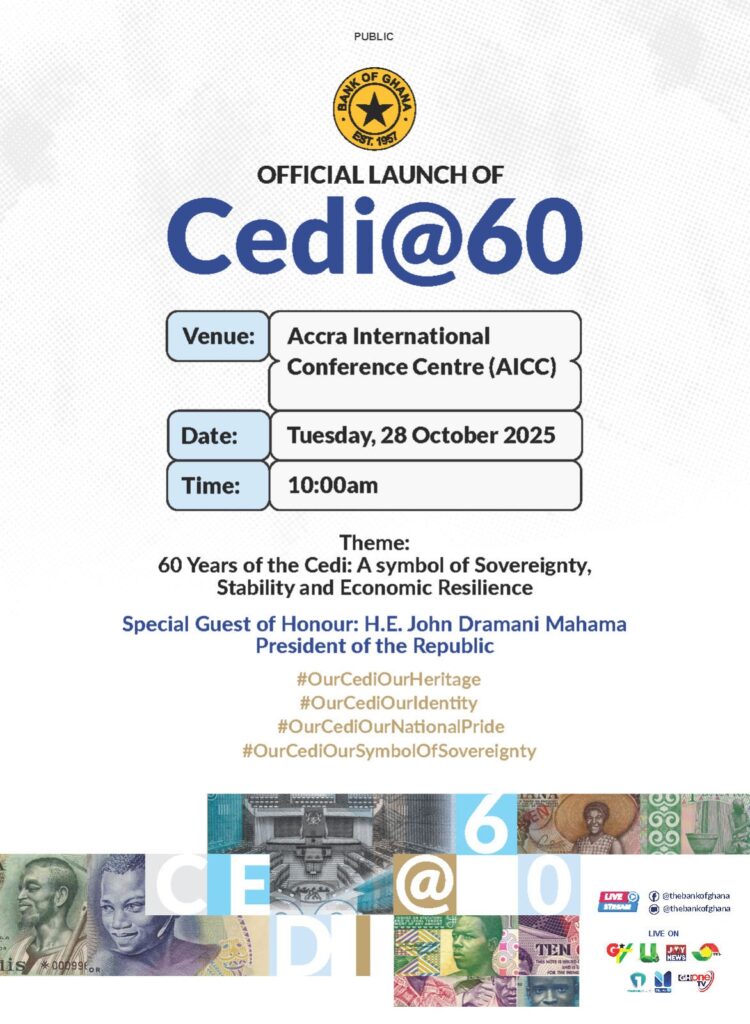
    The opposition also accused Mahama of hiding behind the Economic Community of West African States (ECOWAS) protocol on free movement, describing it as misleading. They argued that those protocols apply to voluntary travel, not forced deportations orchestrated by non-member states like the U.S.

    “Accepting forced deportations orchestrated by non-ECOWAS states contradicts the spirit of regional integration protocols designed for voluntary movement,” stated the Minority Caucus on the Foreign Affairs Committee.

    But the Foreign Affairs Minister has explained that the decision was driven primarily by humanitarian concerns after observing the harsh treatment of deportees abroad.

    “We didn’t agree to this because we agree with President Trump’s immigration policies. We’re not doing the U.S. a favour. We’re doing our fellow Africans a favour; we’re offering them refuge, hope, and we want them to come back home and be comfortable.

    “We solidarised with them when we saw those images, the arrests, the violation of their rights, and their being detained against their will. It was purely on a humanitarian basis; we did not take any financial benefits. We’re doing this because we want to continue to position Ghana as the Mecca for Africans,” Ablakwa stressed.

    Responding to whether the deportees will remain in Ghana, Honourable Ablakwa said, “So the choice is theirs really. For 90 days, if they want to stay here, they can stay. But so far all of them have indicated that they want to go back after some time, and we have been facilitating that.”

    At the Government Accountability Series held at the Jubilee House on Monday, September 15, Ablakwa clarified that Ghana’s agreement with the United States to accept some West African deportees was not motivated by financial or material gain.

    “It is important to state that Ghana has not received any money, compensation, or any material benefit in relation to this understanding. Our decision is grounded purely on humanitarian grounds and principle,” he said.

    On Wednesday, September 10, the first batch of West African nationals arrived in Ghana following their deportation from the U.S. During a media encounter at the Jubilee House, President John Dramani Mahama said that the batch consisted of 14 individuals, mostly Nigerians, along with one Gambian national.

    “We were approached by the U.S. to accept third-country nationals who were being removed, and we agreed that West African nationals could be accommodated, since all our fellow West Africans do not require a visa to enter Ghana. So, if they travel from the U.S. to Accra, entry is not an issue. Bringing our West African colleagues back is therefore acceptable,” President Mahama explained.

    Mahama did not explicitly detail the deal of Ghana serving as a transit hub for West African nationals deported from the U.S. A federal judge, Judge Tanya Chutkan, has expressed concern that the arrangement suggested complicity on the part of the Ghanaian government in the deportation process.

    Judge Chutkan granted an emergency hearing after lawyers for the deportees argued that their clients expected to be returned to Nigeria and Gambia, and feared torture or persecution if sent home. She instructed the Trump administration to submit a report outlining measures to prevent Ghana from returning the deportees to their home countries.

    According to her, concerns about their safety were not speculative but “real enough that the United States government agrees they shouldn’t be sent back to their home country.”

    Judge Chutkan described the arrangement as appearing to have been designed by U.S. officials “to make an end run” around legal requirements barring the government from deporting migrants to situations of danger.

    The deportations, she noted, form part of President Donald Trump’s broader strategy of relocating migrants to “third countries” to expedite removals and pressure undocumented immigrants to leave the U.S.

    It later emerged, following a lawsuit filed on Friday, September 12, by the American Civil Liberties Union (ACLU) and Asian Americans Advancing Justice, that five of the nationals deported to Ghana had U.S. legal protections preventing deportation to their home countries. One of them, a bisexual man, was already sent to Gambia and is reportedly in hiding.

    The others were held in an open-air facility managed by the Ghanaian military, which was described as having squalid conditions. The complaint alleged that the migrants were taken from a Louisiana detention facility, shackled, and flown on a U.S. military aircraft without being told their destination. Some were reportedly restrained in straitjackets for 16 hours.

    The U.S. Department of Justice, responding to Judge Chutkan’s request, argued that it no longer had custody of the migrants and therefore the court lacked authority to interfere in matters of diplomacy. They cited a Supreme Court ruling allowing deportations to third countries.

    U.S. Department of Homeland Security spokesperson Tricia McLaughlin rejected the claim that straitjackets were used during the flight, but declined to comment on allegations of circumventing immigration law.

    In January 2016, President Mahama welcomed two Yemeni nationals, Mahmud Umar Muhammad Bin Atef and Khalid Muhammed Salih Al-Dhuby, who had been detained at Guantanamo Bay for about 15 years. They were linked to Al-Qaeda activities, and their transfer to Ghana formed part of a bilateral agreement with the U.S.

    The Mahama government explained that the move was a humanitarian gesture and that the two men would stay in Ghana for two years. However, the deal was never submitted to Parliament as required by the Constitution.

    In June 2017, the Supreme Court ruled that the Gitmo 2 agreement was unconstitutional, ordering the government to present it to Parliament within three months or return the detainees to the U.S.

  • NPP terribly failed its fight against galamsey – UTAG-KNUST President

    NPP terribly failed its fight against galamsey – UTAG-KNUST President

    The President of the University Teachers Association of Ghana (UTAG) at the Kwame Nkrumah University of Science and Technology (KNUST), Professor Eric Avabare, has described the New Patriotic Party (NPP) as hypocritical over its recent interest in fighting illegal mining, popularly known as galamsey.


    Taking to Facebook on Monday, September 22, Prof. Avabare criticised the NPP for failing to address the menace during its tenure, only to now pretend to show concern. However, he was quick to jab the ruling National Democratic Congress (NDC) for slacking in its efforts to implement sustainable measures against illegal mining. He added that both political parties had failed the nation.


    “I am surprised the NPP suddenly appears concerned about the galamsey menace, but they were terribly worse than the devil himself. They passed the mining law LI 2462, oversaw the building of chanfangs, and issued more mining licenses than all previous administrations combined since independence.


    “These two destructive parties have destroyed Ghana in a literal sense because they are clueless about what they are doing. I blame Ghanaians squarely for knowing what they know about these two parties and still queuing to vote for them, while drinking poisoned water,” he added.


    He concluded that President John Dramani Mahama is confronting the menace with excuses rather than showing work. “President JDM looked into the eyes of Ghanaians and told them they had short memories, and yet when he returned promising to solve galamsey, they voted for him again. Instead, he gave weak excuses for why he could not stop the destruction of water bodies, forest reserves, and farmlands,” he wrote.


    The University Teachers Association of Ghana (UTAG), University of Ghana chapter, earlier called for decisive action to end the devastating impact of illegal mining, known locally as galamsey.


    Speaking to the media on Monday, September 15, Dr. Jerry Joe Harrison, General Secretary of UTAG-UG, warned that the growing menace could end the lives of citizens if the remain unchecked.


    “If we don’t do what we are supposed to do now, we will all die. The water situation is causing havoc in people’s homes. Many areas, including Kwanyako, don’t have access to clean water. People can’t even afford to buy water for their households,” he added.


    According to him, some citizens continue to consume water, which will eventually cause long-term health issues, such as cancers and neurological diseases.


    Democratic“People have had to consume these waters, and they are going to have cancers and neuro diseases by all means. Is that not an emergency enough for you?. So, what do you prefer — that we sit down for 5%, 10% of the population to begin to have visible neurological symptoms before we take action? No,” he added.


    Illegal mining activities continue to regress the country’s development, as they lead to the loss of lives, destruction of properties and the environment, and water bodies, among others.

    For years, the country’s efforts to nip the canker in the bud have not yielded the needed results. Among measures taken to protect water bodies from illegal miners is the deployment of river guards.

    The river guards are selected from communities most affected by illegal mining, ensuring they have a deep understanding of the local landscape and challenges.


    The government has rolled out an official order requiring all machinery used in mining operations to be registered with the Driver and Vehicle Licensing Authority (DVLA) by 1st August.


    A statement issued by the Ministry of the Interior on Tuesday, July 15, states that the state will go ahead to confiscate unregistered mining equipment after the deadline.


    “The Government, as part of efforts to reform the mining sector in the country, requires that all machinery used in mining activities must be registered with the Driver and Vehicle Licensing Authority (DVLA) by 1st August 2025. Equipment that remains unregistered after this deadline will be confiscated by the State,” the Ministry stated on its website.


    Mr Mubarak has empowered the Ghana Police Service and DVLA to begin strict enforcement of the new rule from August 2. “The Ghana Police Service and DVLA have been directed to enforce this directive from 2nd August 2025 onward rigorously. The general public, especially those who use mining machinery, is advised to take note and comply with the directive,” he wrote.


    The Ministry reiterates its resolve to maintain national peace through effective internal security and law enforcement. Meanwhile, a similar directive came in months ago, where excavator owners and operators were asked to register their machines with the Driver and Vehicle Licensing Authority (DVLA) within two weeks or risk losing them to the state, as the government intensifies efforts to clamp down on illegal mining activities.


    The Chief Executive Officer (CEO) of the DVLA, Julius Neequaye Kotey, issued the directive in Accra, warning that effective June 1, any excavator not registered with the DVLA will be confiscated.


    Speaking at a press briefing, Mr Kotey announced that the Ghana Police Service and the DVLA’s operational team commenced a nationwide enforcement after the deadline, arresting and impounding excavators being used at mining sites or for commercial purposes without proper documentation.


    “This exercise will help identify every excavator that enters the country and trace how it is being used. The goal is to ensure we can monitor and hold people accountable,” Mr Kotey said.


    The directive fell in line with Section 38 of the Road Traffic Act, 2004 (Act 683), which mandates the registration of all motor vehicles and trailers, including farm and heavy-duty equipment.
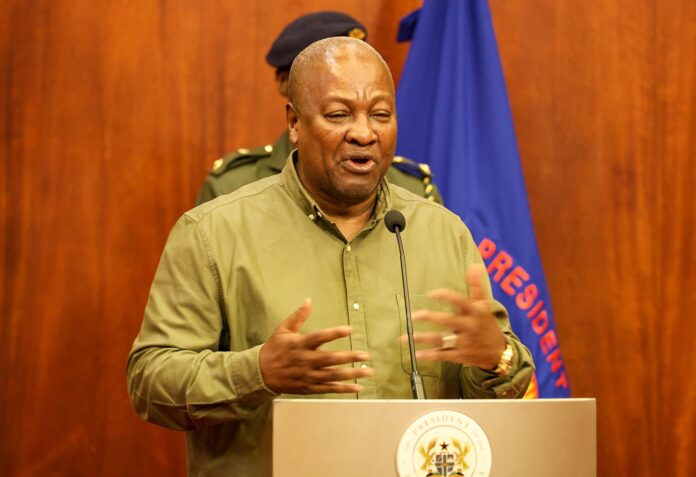

    Despite the law, the DVLA found many unregistered excavators operating in mining areas, some of which have been used in illegal activities. Mr Kotey emphasised that the DVLA, with its 34 offices nationwide, could register all excavators and farm machinery within two weeks and was ready to strictly enforce the directive.


    “Excavators in the hands of illegal miners have worsened the destruction of our environment. This is why we must act,” Mr Kotey said.
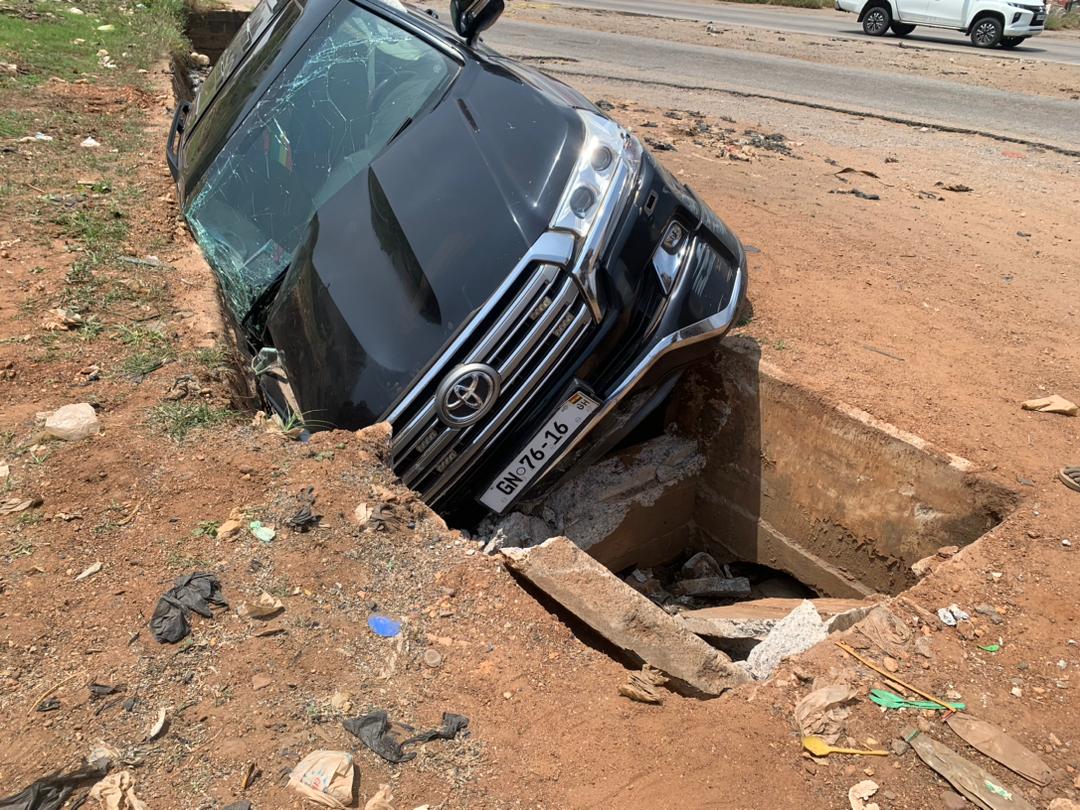
    To further control the situation, the DVLA, in collaboration with key agencies like the Minerals Commission, National Security, the Ghana Ports and Harbours Authority (GPHA), and the Customs Division of the Ghana Revenue Authority (GRA), commenced tagging all newly imported excavators.


    In addition to tagging new imports, the Minerals Commission was tasked with leading a team to tag all excavators already in the country. Legal small-scale mining sites have also been geo-fenced, with their site coordinates integrated into the Ghana Mine Repository and Tracking software for better oversight.
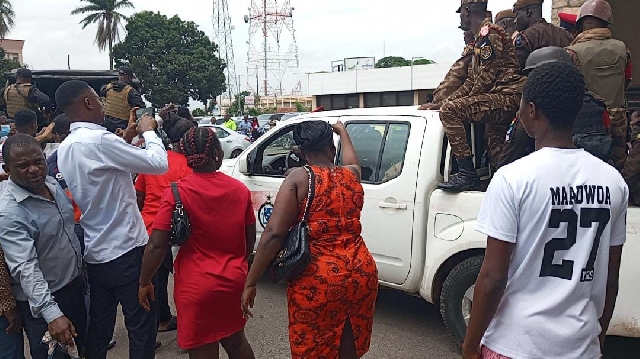

    The move is part of the government’s broader efforts to combat illegal mining. Three months ago, Lands and Natural Resources Minister Emmanuel Armah-Kofi Buah announced the rollout of a system to monitor excavator imports and usage, involving port tagging and digital tracking in partnership with several state agencies.
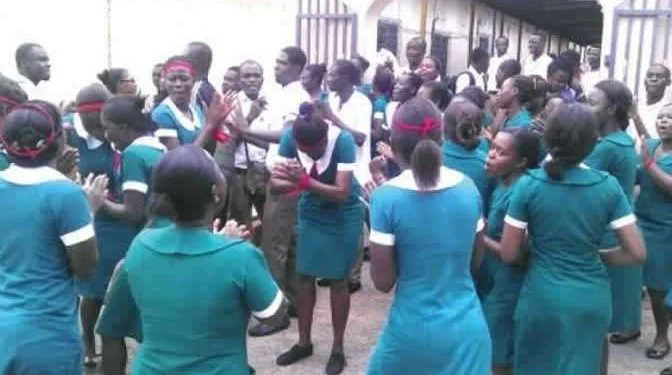

    According to the sector minister. The third most valuable item imported into this country is excavators, and it is worth GHC6.2 billion. In April, a total of 47 individuals were arrested for engaging in illegal mining activities along the Tano River and within the Aboi, Subri, and Nimiri forests in the Western Region.

    This followed a special four-day intelligence-led operation that commenced on April 17, within the Samreboi enclave. According to the Ghana Police Service, the suspects include 39 Ghanaians and 8 Chinese nationals.

    The Police indicated that a significant amount of equipment and materials believed to have been used for the mining operations were retrieved.

    These include seventeen excavators, one bulldozer, four motorbikes, two Toyota Hilux vehicles, one Rav4 vehicle, four pump-action guns, one single-barreled gun, fifty-four live BB cartridges, and eight pumping machines.


    Prosecution began for the arrested suspects. On Tuesday, 41 of them were arraigned, with 29 remanded into Police custody to reappear before the court on April 30, 2025. Twelve others were also remanded to return to court on May 2, 2025.


    The remaining seven were put before the court on April 23, 2025. Two coordinated operations conducted on Friday, June 20, at Nikanika and Adeade in the Central Region led to the arrest of 3 suspects and the seizure of several pieces of mining equipment.


    The operations were executed by the Ghana Police Service through its Special Anti-Galamsey Task Force. The task force proceeded to a mining site at Nikanika. Although no operators were found at the scene, the team retrieved a single-barrel shotgun loaded with a cartridge and three water-pumping machines.


    The task force extended its operation to Adeade, where three suspects—Prosper Quansah, Chrispin Nartey, and Owusu Gambra—were arrested with an excavator on a lowbed trailer.


    One SANY excavator, four unregistered Haojin motorbikes, and one lowbed vehicle with registration number GN 2136-24 were seized from the scene. All exhibits were secured in police custody.


    Some 12 accused persons standing trial for engaging in illegal mining activities at Tumetu near Princess Town in the Ahanta West Municipality of the Western Region have been remanded into prison custody. While 10 of the accused persons were arrested at a palm plantation, two were arrested at the Elluabo Chavene Ghana Rubber Estate Limited (GREL) plantation.


    This was due to a coordinated police intelligence-led operation within the Ahanta West Municipality. The accused persons are Lord Yankey, Caleb Adu Kwaw, Stephen Agyei, Ebenezer Barnes, Mathew Somagevi, Paa Grant, Bashiru Kaviru, Joseph Borney, Aminu Issah, Kofi Sogah, Albert Normah, and Robert Mensah.


    Four water pumping machines, one tricycle with registration number M-20-WR 1045, and two motorbikes were retrieved from the sites, according to the police.


    All twelve accused persons admitted to the offence during police interrogations. They were subsequently put before the Takoradi Harbour Area Circuit Court ‘A’, and were remanded into prison custody at Sekondi and reappeared before the court on Tuesday, July 8.


    Also, fifteen individuals are in police custody for engaging in illegal mining activities at Manso Adubia. They were arrested following a special intelligence-led operation at Watreso and Preacher Krom.


    The suspects include Tahiru Ibrahim (24), Shaibu Idrissu (23), Boateng Emmanuel (27), Jamon Kwaku Samuel (21), Yaro Patrick (29), Kofi Boakye (21), Gubong Mathew (45), Fatawu Zackari Seidu (26), and Abdul Malik Seidu (22).


    The others are Dauda Tahiru (23), Sampson Grace (21), Boolangkpuo Freda (24), Arima Hagar (26), Kwarteng Vasco (30), and Kwame Adutwum (24).


    Two excavator control boards, two automatic pump-action guns, two Musler 12 firearms, 59 BB cartridges, three AA cartridges, one water pumping machine, two power generators, one vulcanizing machine, and one Apsonic motorbike were seized from the site.

  • No one can dim Dr Kwame Nkrumah’s shine – NDC’s Sewoekpor

    No one can dim Dr Kwame Nkrumah’s shine – NDC’s Sewoekpor


    A member of the National Democratic Congress (NDC) National Communication Team, Delali Sewoekpor, has emphasized that no one can take the shine off Ghana’s first President, Dr. Kwame Nkrumah, adding that he will forever remain the country’s true founder.

    Speaking on Breakfast Daily on Channel One TV on Monday, September 22, Sewoekpor stated that  the New Patriotic Party (NPP)  in several ways tried to undermine the achievements of Dr. Kwame Nkrumah. 

    According to him, “Over the years, anytime the NPP has had the opportunity to rule this country, you realise that there is a deliberate attempt to obliterate, to undermine the achievement and the role of Dr. Kwame Nkrumah. And you see I think by now the NPP as a political party, with their tradition must come to appreciate the fact that nobody can obliterate the name of Dr. Kwame Nkrumah as the Founder of this country of ours”.

    He added, “But the fact of the matter is we’ve also read about a story where several attempts were made on the life of Dr. Kwame Nkrumah. We have read several articles where there was a deliberate orchestration to kill Dr. Kwame Nkrumah. And obviously any leader, any President of a country, where is obvious that your opponents were making anything possible to eliminate you, there are certain measures you put in place to address that”.

    Kwame Nkrumah was the first Prime Minister and first President of Ghana. Today, Monday, September 22, has been declared a public holiday to mark Founder’s Day by President John Dramani Mahama. The day would be observed throughout the country.

    The day, which commemorates the birthday of Dr Kwame Nkrumah, fell on Sunday, September 21. However, the Interior Ministry, through a press release on Thursday, September 17, indicated that “His Excellency, the President of the Republic of Ghana, has, by Executive Instrument (E.I), in accordance with Section 2 of the Public Holidays and Commemorative Days Act (Act 601), as amended, declared Monday, 22nd September 2025”.

    In 2019, the then Akufo- Addo-led government scrapped September 21, which was known as Kwame Nkrumah Memorial Day from the list of public holidays.

    The former administration replaced the day to August 4 for the celebration of Ghana’s founding fathers. But in July this year, the President Mahama government reversed that decision to the initial arrangement, hence, removing August 4 as a public holiday following the amendment of the Public Holidays and Commemorative Days Act (Act 601).

    The government noted that statutory holidays that fall on Tuesday, Wednesday, or Thursday will be commemorated on the preceding Monday or Friday.

    The passage of the bill followed the assessment by the Committee on Defence and Interior, along with the leadership of the Committee on Constitutional and Legal Affairs, who deemed the bill urgent.

    While presenting the motion for the adoption of the committee’s report, Interior Minister and Member of Parliament for Asawase, Mohammed Mubarak Muntaka, it was passed under a certificate of urgency after its first reading.

    Muntaka explained that the government had reviewed the number of public holidays in line with its earlier commitments to reform and streamline the holiday calendar.

    He emphasised that Republic Day holds great significance in Ghana’s history, which is why the government is reinstating it as a full public holiday.

    According to him, Ghana would continue to observe key holidays such as New Year’s Day on January 1, Constitution Day on January 7, Independence Day on March 6, Good Friday and Easter Monday in March or April for Christians, Labour Day on May 1, and Republic Day on July 1.

    In 2024, President John Dramani Mahama expressed regret over his predecessor, former President Akufo-Addo’s decision to abolish Republic Day as a public holiday, and pledged to reinstate it.

    He wrote on Facebook, “It is most regrettable that the current government has scrapped commemorating this important day as a public holiday. However, as we reflect on the significance of Republic Day, let us use this as a rallying call to rekindle the spirit of dedication and commitment that our forebears demonstrated. We must continue building a better, renewed Ghana, where opportunities are created for everyone to thrive”.

    During his Thank You tour in the Western Region on February 5, President Mahama revealed not only does he plan to declare July 1 a statutory holiday, but also a day Ghanaians will gather and pray.

    The day provides an opportunity for Ghanaians to reflect on and appreciate the country’s achievements and progress.

    “We will have the opportunity as a nation soon to pray and give thanks to the Almighty God, as enjoined by the Holy Book that says, ‘In all things, give thanks,’” he stated.

    Former President Nana Akufo-Addo called on Ghanaians to support President John Dramani Mahama’s declaration of July 1 as a National Day of Prayer and Thanksgiving.

    “All of us have to support this initiative. It is a worthwhile initiative that we have this one day where all of us come together to give thanks to the Almighty for the many, many blessings He has bestowed upon us,” former President Akufo-Addo said.

    To facilitate a seamless observance, President Maham established a committee of religious leaders responsible for coordinating the event’s preparations.

    Meanwhile, the amended Act grants an additional holiday for the Muslim community, Shaqq Day, a statutory public holiday to be observed the day after Eid-ul-Fitr.

  • FixTheCountry movement’s anti-galamsey march is today

    FixTheCountry movement’s anti-galamsey march is today

    The FixTheCountry movement will today, Monday, September 22, march from Spanner Junction, Accra, through to other areas of the Capital in response to illegal mining activities, locally known as galamsey, in the country.

    On Sunday, September 21, scores of Ghanaians gathered at the Revolution Square in Accra to hold a vigil protesting galamsey activities while urging the President Mahama-led government to address the menace with strategic measures.

    Taking to the X platform (formerly Twitter), on Monday, September 15, the group’s convenor, Oliver Barker-Vormawor, stressed that the solution to end the menace requires collective efforts, hence, he called on all and sundry to participate in the upcoming vigil and the march sessions.

    “On Sunday 21st September, we will have a vigil at the Revolution Square, and on Monday 22nd (a holiday), there will be a march, calling attention to the urgency of our environmental crisis.
    “The responsibility to protect and preserve the environment is by divine assignment, ours as a people,” he wrote, adding that the issue transcends electoral politics.Our responsibility to end galamsey does not end at elections. Nor does it begin after our party loses one. This is bigger than petty politics”.

    Illegal mining activities continue to retrogress the country’s development, as they lead to the loss of lives, destruction of properties and the environment, and water bodies, among others.
    For years, the country’s efforts to nip the canker in the bud have not yielded the needed results. Among measures taken to protect water bodies from illegal miners is the deployment of river guards.


    The river guards are selected from communities most affected by illegal mining, ensuring they have a deep understanding of the local landscape and challenges.

    The government has rolled out an official order requiring all machinery used in mining operations to be registered with the Driver and Vehicle Licensing Authority (DVLA) by 1st August.


    A statement issued by the Ministry of the Interior on Tuesday, July 15, states that the state will go ahead to confiscate unregistered mining equipment after the deadline.


    “The Government, as part of efforts to reform the mining sector in the country, requires that all machinery used in mining activities must be registered with the Driver and Vehicle Licensing Authority (DVLA) by 1st August 2025. Equipment that remains unregistered after this deadline will be confiscated by the State,” the Ministry stated on its website.

    Mr Mubarak has empowered the Ghana Police Service and DVLA to begin strict enforcement of the new rule from August 2. “The Ghana Police Service and DVLA have been directed to enforce this directive from 2nd August 2025 onward rigorously. The general public, especially those who use mining machinery, is advised to take note and comply with the directive,” he wrote.

    The Ministry reiterates its resolve to maintain national peace through effective internal security and law enforcement. Meanwhile, a similar directive came in months ago, where excavator owners and operators were asked to register their machines with the Driver and Vehicle Licensing Authority (DVLA) within two weeks or risk losing them to the state, as the government intensifies efforts to clamp down on illegal mining activities.


    The Chief Executive Officer (CEO) of the DVLA, Julius Neequaye Kotey, issued the directive in Accra, warning that effective June 1, any excavator not registered with the DVLA will be confiscated.

    Speaking at a press briefing, Mr. Kotey announced that the Ghana Police Service and the DVLA’s operational team commenced a nationwide enforcement after the deadline, arresting and impounding excavators being used at mining sites or for commercial purposes without proper documentation.

    “This exercise will help identify every excavator that enters the country and trace how it is being used. The goal is to ensure we can monitor and hold people accountable,” Mr. Kotey said.The directive fell in line with Section 38 of the Road Traffic Act, 2004 (Act 683), which mandates the registration of all motor vehicles and trailers, including farm and heavy-duty equipment.

    Despite the law, the DVLA found many unregistered excavators operating in mining areas, some of which have been used in illegal activities. Mr. Kotey emphasized that the DVLA, with its 34 offices nationwide, could register all excavators and farm machinery within two weeks and was ready to strictly enforce the directive.

    “Excavators in the hands of illegal miners have worsened the destruction of our environment. This is why we must act,” Mr Kotey said.


    To further control the situation, the DVLA, in collaboration with key agencies like the Minerals Commission, National Security, the Ghana Ports and Harbours Authority (GPHA), and the Customs Division of the Ghana Revenue Authority (GRA), commenced tagging all newly imported excavators.

    In addition to tagging new imports, the Minerals Commission was tasked to lead a team that would tag all excavators already in the country. Legal small-scale mining sites have also been geo-fenced, with their site coordinates integrated into the Ghana Mine Repository and Tracking software for better oversight.

    The move is part of broader government efforts to combat illegal mining. Three months ago, Lands and Natural Resources Minister Emmanuel Armah-Kofi Buah announced the rollout of a system to monitor excavator imports and usage, involving port tagging and digital tracking in partnership with several state agencies.

    According to the sector minister. The third most valuable item imported into this country is excavators, and it is worth GHC6.2 billion. In April, a total of 47 individuals were arrested for engaging in illegal mining activities along the Tano River and within the Aboi, Subri, and Nimiri forests in the Western Region. This followed a special four-day intelligence-led operation that commenced on April 17, within the Samreboi enclave.

    According to the Ghana Police Service, the suspects include 39 Ghanaians and 8 Chinese nationals. The Police indicated that a significant amount of equipment and materials believed to have been used for the mining operations were retrieved.

    These include seventeen excavators, one bulldozer, four motorbikes, two Toyota Hilux vehicles, one Rav4 vehicle, four pump-action guns, one single-barreled gun, fifty-four live BB cartridges, and eight pumping machines.

    Prosecution began for the arrested suspects. On Tuesday, 41 of them were arraigned, with 29 remanded into Police custody to reappear before the court on April 30, 2025. Twelve others were also remanded to return to court on May 2, 2025.


    The remaining seven were put before the court on April 23, 2025. Two coordinated operations conducted on Friday, June 20, at Nikanika and Adeade in the Central Region led to the arrest of 3 suspects and the seizure of several pieces of mining equipment. The operations were executed by the Ghana Police Service through its Special Anti-Galamsey Task Force.

    The task force proceeded to a mining site at Nikanika. Although no operators were found at the scene, the team retrieved a single-barrel shotgun loaded with a cartridge and three water-pumping machines.


    The task force extended its operation to Adeade, where three suspects—Prosper Quansah, Chrispin Nartey, and Owusu Gambra—were arrested with an excavator on a lowbed trailer. One SANY excavator, four unregistered Haojin motorbikes, and one lowbed vehicle with registration number GN 2136-24 were seized from the scene. All exhibits were secured in police custody.

    Some 12 accused persons standing trial for engaging in illegal mining activities at Tumetu near Princess Town in the Ahanta West Municipality of the Western Region have been remanded into prison custody.


    While 10 of the accused persons were arrested at a palm plantation, two were arrested at the Elluabo Chavene Ghana Rubber Estate Limited (GREL) plantation. This was due to a coordinated police intelligence-led operation within the Ahanta West Municipality.

    The accused persons are Lord Yankey, Caleb Adu Kwaw, Stephen Agyei, Ebenezer Barnes, Mathew Somagevi, Paa Grant, Bashiru Kaviru, Joseph Borney, Aminu Issah, Kofi Sogah, Albert Normah, and Robert Mensah.


    Four water pumping machines, one tricycle with registration number M-20-WR 1045, and two motorbikes were retrieved from the sites, according to the police.


    All twelve accused persons admitted to the offence during police interrogations. They were subsequently put before the Takoradi Harbour Area Circuit Court ‘A’, and were remanded into prison custody at Sekondi and reappeared before the court on Tuesday, July 8.


    Also, fifteen individuals are in police custody for engaging in illegal mining activities at Manso Adubia. They were arrested following a special intelligence-led operation at Watreso and Preacher Krom. The suspects include Tahiru Ibrahim (24), Shaibu Idrissu (23), Boateng Emmanuel (27), Jamon Kwaku Samuel (21), Yaro Patrick (29), Kofi Boakye (21), Gubong Mathew (45), Fatawu Zackari Seidu (26), and Abdul Malik Seidu (22).


    The others are Dauda Tahiru (23), Sampson Grace (21), Boolangkpuo Freda (24), Arima Hagar (26), Kwarteng Vasco (30), and Kwame Adutwum (24).


    Two excavator control boards, two automatic pump-action guns, two Musler 12 firearms, 59 BB cartridges, three AA cartridges, one water pumping machine, two power generators, one vulcanizing machine, and one Apsonic motorbike were seized from the site.

  • Govt declares today a holiday to mark Founder’s Day

    Govt declares today a holiday to mark Founder’s Day

    President John Dramani Mahama has declared today, Monday, September 22, a public holiday to mark Founder’s Day.


    The day, which commemorates the birthday of Dr Kwame Nkrumah, fell on Sunday, September 21. However, the Interior Ministry, through a press release on Thursday, September 17, indicated that “His Excellency, the President of the Republic of Ghana, has, by Executive Instrument (E.I), in accordance with Section 2 of the Public Holidays and Commemorative Days Act (Act 601), as amended, declared Monday, 22nd September 2025”.


    The day would be observed throughout the country. Dr Kwame Nkrumah was the first Prime Minister and first President of Ghana. In 2019, the then Akufo- Addo-led government scrapped September 21, which was known as Kwame Nkrumah Memorial Day from the list of public holidays.

    The former administration replaced the day to August 4 for the celebration of Ghana’s founding fathers. But in July this year, the President Mahama government reversed that decision to the initial arrangement, hence, removing August 4 as a public holiday following the amendment of the Public Holidays and Commemorative Days Act (Act 601).


    The government noted that statutory holidays that fall on Tuesday, Wednesday, or Thursday will be commemorated on the preceding Monday or Friday.

    The passage of the bill followed the assessment by the Committee on Defence and Interior, along with the leadership of the Committee on Constitutional and Legal Affairs, who deemed the bill urgent.

    While presenting the motion for the adoption of the committee’s report, Interior Minister and Member of Parliament for Asawase, Mohammed Mubarak Muntaka, it was passed under a certificate of urgency after its first reading.


    Muntaka explained that the government had reviewed the number of public holidays in line with its earlier commitments to reform and streamline the holiday calendar.


    He emphasised that Republic Day holds great significance in Ghana’s history, which is why the government is reinstating it as a full public holiday.


    According to him, Ghana would continue to observe key holidays such as New Year’s Day on January 1, Constitution Day on January 7, Independence Day on March 6, Good Friday and Easter Monday in March or April for Christians, Labour Day on May 1, and Republic Day on July 1.


    In 2024, President John Dramani Mahama expressed regret over his predecessor, former President Akufo-Addo’s decision to abolish Republic Day as a public holiday, and pledged to reinstate it.


    He wrote on Facebook, “It is most regrettable that the current government has scrapped commemorating this important day as a public holiday. However, as we reflect on the significance of Republic Day, let us use this as a rallying call to rekindle the spirit of dedication and commitment that our forebears demonstrated. We must continue building a better, renewed Ghana, where opportunities are created for everyone to thrive”.


    During his Thank You tour in the Western Region on February 5, President Mahama revealed not only does he plan to declare July 1 a statutory holiday, but also a day Ghanaians will gather and pray.


    The day provides an opportunity for Ghanaians to reflect on and appreciate the country’s achievements and progress.

    “We will have the opportunity as a nation soon to pray and give thanks to the Almighty God, as enjoined by the Holy Book that says, ‘In all things, give thanks,’” he stated.


    Former President Nana Akufo-Addo called on Ghanaians to support President John Dramani Mahama’s declaration of July 1 as a National Day of Prayer and Thanksgiving.


    “All of us have to support this initiative. It is a worthwhile initiative that we have this one day where all of us come together to give thanks to the Almighty for the many, many blessings He has bestowed upon us,” former President Akufo-Addo said.


    To facilitate a seamless observance, President Maham established a committee of religious leaders responsible for coordinating the event’s preparations.


    Meanwhile, the amended Act grants an additional holiday for the Muslim community, Shaqq Day, a statutory public holiday to be observed the day after Eid-ul-Fitr.

  • Tyler Robinson told roommate he would kill Charlie Kirk because of his “hate speeches” –  Prosecutors reveal

    Tyler Robinson told roommate he would kill Charlie Kirk because of his “hate speeches” – Prosecutors reveal

    Investigations conducted by authorities have revealed prior messages exchanged between Tyler Robinson, the suspect in the killing of the conservative influencer Charlie Kirk, and his roommate.

    On Tuesday, the officials noted that the duo exchanged messages two hours before the murder incident. 

    According to officials, the 22-year-old defendant is in a romantic relationship with the unnamed roommate, who is in the process of transitioning from a male to female. 

    Prosecutors say Robinson’s message to  his roommate read “I had the opportunity to take out Charlie Kirk and I’m going to take it.”

    Authorities have alleged that,  in response, his roommate asked “why” and Tyler Robinson wrote back. with “I had enough of his hatred. Some hate can’t be negotiated out.”

    Utah County prosecutor Jeff Gray in a Tuesday news conference, indicated that the police were able to retrieve their messages with the assistance of Robinson’s roommate.

    The prosecutor revealed that Robinson’s lover, after the former instructed him to delete their messages, gave those messages to the police as evidence.

    However, Robinson’s mother, in an indictment, has disclosed that her son had recently developed an interest in political views, especially those that are “pro-gay and trans-rights oriented”. She noted that her son accused Charlie Kirk of spreading hate through his comments before the shooting incident.

    Meanwhile, no-one else has been charged in connection with the case yet. But the FBI director Patel during Tuesday’s Senate hearing announced that several others are under investigation for their alleged involvement in the shooting.

    Many individuals, together with those affiliated with President Trump and Kirk’s Turning Point USA organisation, have linked the unfortunate incident to transgender activism sponsored by left-wing activists.

    President Donald Trump has called Charlie Kirk’s death a “heinous assassination”. In a tribute, President Trump praised Charlie Kirk as a patriot and martyr. President Trump ordered flags at half-staff, reaffirming Kirk’s legacy of faith and freedom.

    Charles James Kirk was an American right-wing political activist, entrepreneur, and media personality. He co-founded the conservative organization Turning Point USA in 2012 and was its executive director.

    He published a range of books and hosted The Charlie Kirk Show, a talk radio program. He was shot dead at Utah Valley University in Orem, Utah, on Wednesday afternoon, September 10, while engaging the audience as part of his“American Comeback Tour.”

    His death has drawn widespread attention and reignited debates about political violence in the U.S. Charlie Kirk is survived by a wife, Erika Kirk, and two children: a boy of a year and some months old, and a three-year-old girl.

    His wife has vowed to carry out his movement. According to her, “The movement my husband built will not die. It won’t I refuse to let that happen. It will not die. All of us will refuse to let that happen. No one will ever forget my husband’s name, and I will make sure of it”.

    She has emphasized that  her late husband’s organization wouldn’t back down on campus tours, adding”There will be even more tours in the years to come”.

  • Govt declares Monday holiday to mark Founder’s Day

    Govt declares Monday holiday to mark Founder’s Day

    President John Dramani Mahama has declared Monday, September 22, a public holiday to mark Founder’s Day.

    The day, which commemorates the birthday of Dr Kwame Nkrumah, falls on Sunday, September 21. Dr Kwame Nkrumah was the first Prime Minister and first President of Ghana. By Executive Instrument (E.I.), the president acted in accordance with Section 2 of the Public Holidays and Commemorative Days Act, 2021 (Act 601).

    The day would be observed throughout the country. This was contained a press statement issued by the Interior Ministry and signed by the Minister for Interior Muntaka Mubarak on Thursday, September 17.

    According to the statement, the initial day would have been Sunday, 21st September “However, in view of the fact that 21st September 2025 falls on a Sunday, His Excellency, the President of the Republic of Ghana, has, by Executive Instrument (E.I), in accordance with Section 2 of the Public Holidays and Commemorative Days Act (Act 601), as amended, declared Monday, 22nd September 2025, as Additional Public Holiday and should be observed as such throughout the country”.

    In July the government noted that statutory holidays that fall on Tuesday, Wednesday or Thursday will be commemorated on Monday or Friday.

    The passing of the bill followed the assessment by the Committee on Defence and Interior, along with the leadership of the Committee on Constitutional and Legal Affairs, who deemed the bill urgent.

    While presenting the motion for the adoption of the committee’s report, Interior Minister and Member of Parliament for Asawase, Mohammed Mubarak Muntaka, explained that the government had reviewed the number of public holidays in line with its earlier commitments to reform and streamline the holiday calendar.

    He emphasized that Republic Day holds great significance in Ghana’s history, which is why the government is reinstating it as a full public holiday.

    According to him, Ghana would continue to observe key holidays such as New Year’s Day on January 1, Constitution Day on January 7, Independence Day on March 6, Good Friday and Easter Monday in March or April for Christians, Labour Day on May 1, and Republic Day on July 1.

    The bill was introduced to Parliament by Mohammed Mubarak Muntaka in his capacity as Interior Minister last week and was passed under a certificate of urgency after its first reading.

    In 2024, President John Dramani Mahama expressed regret over his predecessor, former President Akufo-Addo’s decision to abolish Republic Day as a public holiday, and pledged to reinstate it.

    He wrote on Facebook, “It is most regrettable that the current government has scrapped commemorating this important day as a public holiday. However, as we reflect on the significance of Republic Day, let us use this as a rallying call to rekindle the spirit of dedication and commitment that our forebears demonstrated. We must continue building a better, renewed Ghana, where opportunities are created for everyone to thrive.

    During his Thank You tour in the Western Region on February 5, President Mahama revealed not only does he plan to declare July 1 a statutory holiday but also a day Ghanaians will gather and pray.

    This proposed day would provide an opportunity for Ghanaians to reflect on and appreciate the country’s achievements and progress.

    “We will have the opportunity as a nation soon to pray and give thanks to the Almighty God, as enjoined by the Holy Book that says, ‘In all things, give thanks,’” he stated.

    Former President Nana Akufo-Addo has called on Ghanaians to support President John Dramani Mahama’s declaration of July 1 as a National Day of Prayer and Thanksgiving.

    “All of us have to support this initiative. It is a worthwhile initiative that we have this one day where all of us come together to give thanks to the Almighty for the many, many blessings He has bestowed upon us,” former President Akufo-Addo said.

    To facilitate a seamless observance, President Mahama has established a committee of religious leaders responsible for coordinating the event’s preparations.

    Meanwhile, the amended Act grants an additional holiday for the Muslim community, Shaqq Day, a statutory public holiday to be observed the day after Eid-ul-Fitr. In the same vein, August 4 has been removed from the list of public holidays as Founders’ Day, and instead, September 21 will now be observed as Founder’s Day.

  • FixTheCountry movement to hold galamsey vigil tomorrow

    FixTheCountry movement to hold galamsey vigil tomorrow

    The FixTheCountry movement will hold a vigil tomorrow, Sunday, September 21, at Revolution Square in Accra, in response to illegal mining activities, locally known as galamsey, in the country.

    Taking to the X platform (formerly Twitter), on Monday, September 15, the group’s convenor, Oliver Barker-Vormawor, stressed that the solution to end the menace requires collective efforts, hence, he called on all and sundry to participate in the upcoming vigil.

    “On Sunday 21st September, we will have a vigil at the Revolution Square, and on Monday 22nd (a holiday), there will be a march, calling attention to the urgency of our environmental crisis.

    “The responsibility to protect and preserve the environment is by divine assignment, ours as a people,” he wrote, adding that the issue transcends electoral politics.Our responsibility to end galamsey does not end at elections. Nor does it begin after our party loses one. This is bigger than petty politics”.

    Illegal mining activities continue to retrogress the country’s development, as they lead to the loss of lives, destruction of properties and the environment, and water bodies, among others.

    For years, the country’s efforts to nip the canker in the bud have not yielded the needed results. Among measures taken to protect water bodies from illegal miners is the deployment of river guards.

    The river guards are selected from communities most affected by illegal mining, ensuring they have a deep understanding of the local landscape and challenges.

    The government has rolled out an official order requiring all machinery used in mining operations to be registered with the Driver and Vehicle Licensing Authority (DVLA) by 1st August.

    A statement issued by the Ministry of the Interior on Tuesday, July 15, states that the state will go ahead to confiscate unregistered mining equipment after the deadline.

    “The Government, as part of efforts to reform the mining sector in the country, requires that all machinery used in mining activities must be registered with the Driver and Vehicle Licensing Authority (DVLA) by 1st August 2025. Equipment that remains unregistered after this deadline will be confiscated by the State,” the Ministry stated on its website.

    Mr Mubarak has empowered the Ghana Police Service and DVLA to begin strict enforcement of the new rule from August 2. “The Ghana Police Service and DVLA have been directed to enforce this directive from 2nd August 2025 onward rigorously. The general public, especially those who use mining machinery, is advised to take note and comply with the directive,” he wrote.

    The Ministry reiterates its resolve to maintain national peace through effective internal security and law enforcement. Meanwhile, a similar directive came in months ago where excavator owners and operators were asked to register their machines with the Driver and Vehicle Licensing Authority (DVLA) within two weeks or risk losing them to the state, as the government intensifies efforts to clamp down on illegal mining activities.

    The Chief Executive Officer (CEO) of the DVLA, Julius Neequaye Kotey, issued the directive in Accra, warning that effective June 1, any excavator not registered with the DVLA will be confiscated.

    Speaking at a press briefing, Mr. Kotey announced that the Ghana Police Service and the DVLA’s operational team commenced a nationwide enforcement after the deadline, arresting and impounding excavators being used at mining sites or for commercial purposes without proper documentation.

    “This exercise will help identify every excavator that enters the country and trace how it is being used. The goal is to ensure we can monitor and hold people accountable,” Mr. Kotey said.The directive fell in line with Section 38 of the Road Traffic Act, 2004 (Act 683), which mandates the registration of all motor vehicles and trailers, including farm and heavy-duty equipment.

    Despite the law, the DVLA found many unregistered excavators operating in mining areas, some of which have been used in illegal activities.

    Mr. Kotey emphasized that the DVLA, with its 34 offices nationwide, could register all excavators and farm machinery within two weeks and was ready to strictly enforce the directive. “Excavators in the hands of illegal miners have worsened the destruction of our environment. This is why we must act,” Mr Kotey said.

    To further control the situation, the DVLA, in collaboration with key agencies like the Minerals Commission, National Security, the Ghana Ports and Harbours Authority (GPHA), and the Customs Division of the Ghana Revenue Authority (GRA), commenced tagging all newly imported excavators.

    In addition to tagging new imports, the Minerals Commission was tasked to lead a team that would tag all excavators already in the country. Legal small-scale mining sites have also been geo-fenced, with their site coordinates integrated into the Ghana Mine Repository and Tracking software for better oversight.

    The move is part of broader government efforts to combat illegal mining. Three months ago, Lands and Natural Resources Minister Emmanuel Armah-Kofi Buah announced the rollout of a system to monitor excavator imports and usage, involving port tagging and digital tracking in partnership with several state agencies.

    According to the sector minister. The third most valuable item imported into this country is excavators, and it is worth GHC6.2 billion.

    In April, a total of 47 individuals were arrested for engaging in illegal mining activities along the Tano River and within the Aboi, Subri, and Nimiri forests in the Western Region. This followed a special four-day intelligence-led operation that commenced on April 17, within the Samreboi enclave.

    According to the Ghana Police Service, the suspects include 39 Ghanaians and 8 Chinese nationals. The Police indicated that a significant amount of equipment and materials believed to have been used for the mining operations were retrieved.

    These include seventeen excavators, one bulldozer, four motorbikes, two Toyota Hilux vehicles, one Rav4 vehicle, four pump action guns, one single barrel gun, fifty-four live BB cartridges, and eight pumping machines.

    Prosecution began for the arrested suspects. On Tuesday, 41 of them were arraigned, with 29 remanded into Police custody to reappear before the court on April 30, 2025. Twelve others were also remanded to return to court on May 2, 2025.

    The remaining seven were put before the court on April 23, 2025.Two coordinated operations conducted on Friday, June 20, at Nikanika and Adeade in the Central Region led to the arrest of 3 suspects and the seizure of several pieces of mining equipment. The operations were executed by the Ghana Police Service, through its Special Anti-Galamsey Task Force.

    The task force proceeded to a mining site at Nikanika. Although no operators were found at the scene, the team retrieved a single-barrel shotgun loaded with a cartridge and three water-pumping machines.

    The task force extended its operation to Adeade, where three suspects—Prosper Quansah, Chrispin Nartey, and Owusu Gambra—were arrested with an excavator on a lowbed trailer.

    One SANY excavator, four unregistered Haojin motorbikes, and one lowbed vehicle with registration number GN 2136-24 were seized from the scene. All exhibits were secured in police custody.

    Some 12 accused persons standing trial for engaging in illegal mining activities at Tumetu near Princess Town in the Ahanta West Municipality of the Western Region have been remanded into prison custody.

    While 10 of the accused persons were arrested at a palm plantation, two were arrested at the Elluabo Chavene Ghana Rubber Estate Limited (GREL) plantation.

    This was due to a coordinated police intelligence-led operation within the Ahanta West Municipality. The accused persons are Lord Yankey, Caleb Adu Kwaw, Stephen Agyei, Ebenezer Barnes, Mathew Somagevi, Paa Grant, Bashiru Kaviru, Joseph Borney, Aminu Issah, Kofi Sogah, Albert Normah, and Robert Mensah.

    Four water pumping machines, one tricycle with registration number M-20-WR 1045, and two motorbikes were retrieved from the sites, according to the police.

    All twelve accused persons admitted to the offence during police interrogations. They were subsequently put before the Takoradi Harbour Area Circuit Court ‘A’, and were remanded into prison custody at Sekondi and reappeared before the court on Tuesday, July 8.

    Also, fifteen individuals are in police custody for engaging in illegal mining activities at Manso Adubia. They were arrested following a special intelligence-led operation at Watreso and Preacher Krom.The suspects include Tahiru Ibrahim (24), Shaibu Idrissu, (23), Boateng Emmanuel (27), Jamon Kwaku Samuel (21), Yaro Patrick (29), Kofi Boakye (21), Gubong Mathew (45), Fatawu Zackari Seidu (26), and Abdul Malik Seidu (22).

    The others are Dauda Tahiru (23), Sampson Grace (21), Boolangkpuo Freda (24), Arima Hagar (26), Kwarteng Vasco (30), Kwame Adutwum (24).

    Two excavator control boards, two automatic pump-action guns, two Musler 12 firearms, 59 BB cartridges, three AA cartridges, one water pumping machine, two power generators, one vulcanizing machine, and one Apsonic motorbike were seized from the site.

  • Kufuor’s  achievements and mine will win NPP victory in 2028 election – Akufo-Addo

    Kufuor’s achievements and mine will win NPP victory in 2028 election – Akufo-Addo

    Former President Nana Addo Dankwa Akufo-Addo has expressed optimism about the New Patriotic Party’s (NPP) comeback in 2028.

    Speaking at the commissioning of a newly constructed Bantama Constituency office of the NPP on Friday, September 19, he noted that achievements during his tenure and that of former President John Agyekum Kufuor will usher the party to victory in the 2028 general elections.


    He explained that the track record of development and governance under both his administration and Kufuor’s era is strong enough to convince Ghanaians to return the NPP to power in 2028.

    “The work the NPP did during my time and during former President Kufuor’s time is enormous, and it is that legacy we will build on to win back power in 2028. We have all seen what is happening you’ve all seen it. Things are not going well. But when we unite and do things right, I know that, with God’s help, we will reclaim power in 2028,” he added.

    Following the 2024 polls, the opposition party has gone into retrospection. A 12-member committee led by former Speaker of Parliament, Professor Mike Oquaye, investigated the factors behind the party’s failure.

    Although the report by the committee has been withheld from the general public, the General Secretary of the NPP, Justine Kodua, noted that the party’s downfall centered around its inability to focus on key projects in its strongholds, economic instability.

    Particularly, the worsening value of the cedi against major trading currencies, including the dollar arrogance displayed by previous government officials, internal conflict, among other issues. Meanwhile, the leadership of the NPP has directed its members to desist from discussing internal party matters on media platforms, citing Article 10(7)(5) of the NPP Constitution.

    But then Vice President Dr. Mahamudu Bawumia, under the Akufo-Addo government, believes the way forward for the party is to correct its errors and seize opportunities to reclaim power from the National Democratic Congres (NDC) government. “I believe that, by the grace of God, if we are given another opportunity, we will get many things right because we have learnt the lessons of where we are going.”

     During an engagement in London on Monday, May 19, Dr. Mahamudu Bawumia ook responsibility for the government’s shortcomings and issued an apology to Ghanaians on behalf of his former ministers.

    Reacting to this, the former Education Minister and the party’s flagbearer aspirant insisted he has no reason to apologise to Ghanaians, arguing that he delivered on the mandate entrusted to him under the Akufo-Addo government.

    He believes the former Vice President failed Ghanaians in his leadership of the economy and therefore should be the one to render an apology, rather than involving individuals who delivered in their respective sectors.

    “I am not a part of the apology. I came to the education sector, and many have said that if every other minister had worked like me… If you are working, you will certainly not please everyone. However, as the vice president who led the economic management team, if he wants to apologize, he should focus on the failed economy under him.

    “In education, we did not fail the people of Ghana. Mo Ibrahim ranked us second. The people of Ghana are in awe of what I did in the sector. People see me and hail me for the work that I did for the sector, and so I owe no apology,” Yaw Adutwum stated.

    He added that the former Vice President must own up and apologize for his failures in the sector that he led, and not just issue apologies en bloc.

    In April, the 2024 running mate of the Movement for Change, Kwame Danso, criticized the New Patriotic Party (NPP) during the party’s “Thank You Tour” agenda. Kwame Danso urged the party to launch an apology tour in response to growing public frustration.

    In an interview with Nana Jantuah on Nhyira FM’s Kuro Yi Mu Nsem, Mr. Danso described the NPP’s nationwide tour as “tone-deaf” and “misplaced,” particularly at a time when, in his view, economic hardships and poor policy decisions had contributed to the party’s electoral defeat.

    “Instead of a ‘Thank You Tour,’ the NPP should embark on an apology tour to Ghanaians,” he declared.

    He pointed to controversial initiatives such as the Electronic Levy (E-levy), the betting tax, and the National Cathedral project as examples of missteps that have alienated the public and damaged the party’s credibility.

    “To regain appeal, the NPP should apologize for the introduction of the E-levy, betting tax, and the National Cathedral, in which they invested so much, just to dig a manhole for Ghanaians. Your ‘Thank You Tour’ lacks purpose without reconciliation with the people of Ghana,” he stressed.

    Mr. Danso also called on the party to reposition itself as a responsible opposition in the current political climate, advising it to contribute constructively to national discourse rather than remain defensive.

    “They should focus on offering constructive ideas rather than obstructing efforts aimed at national progress,” he said.

    The NPP sought to “break the eight” and extend its governance for another four years under the leadership of Dr. Bawumia, who received the support of then-President Nana Akufo-Addo.

    Dr. Bawumia contested against the National Democratic Congress’ (NDC), John Dramani Mahama, and lost. At the end of the polls, the Electoral Commission (EC) declared that the NDC flagbearer polled 6,328,397 total valid votes, representing 56.55%, whereas Dr. Mahamudu Bawumia garnered 4,657,304 votes, representing 41.61%.

    Before the EC officially declared its results, the former vice president conceded defeat. The parliamentary election also saw the NPP fall drastically in terms of seats won. The NDC obtained an absolute majority in Parliament by securing 183 seats, while the NPP lost its majority, securing only 88 seats.

  • Sierra Leone considering to introduce GoldBod’s framework to check gold smuggling

    Sierra Leone considering to introduce GoldBod’s framework to check gold smuggling

    Sierra Leone’s Finance Minister, Sheku Fantamadi Bangura, paid a courtesy call to the Chief Executive Officer of the Ghana Gold Board (GoldBod), Sammy Gyamfi, on Thursday, September 18, in Accra, to discuss measures to curb gold smuggling and boost revenue in Sierra Leone.


    While praising GoldBod’s management framework, Sheku Fantamadi Bangura disclosed that Sierra Leone is considering adopting, as part of measures to its mining sector.

    He added, “Innovative steps to formalise and strengthen its gold sector play a key role in boosting Sierra Leone’s economy.”


    The Ghana Gold Board’s CEO emphazised the Gold Board’s readiness to share technical expertise, institutional experience, and best practices to support Sierra Leone’s vision and mission.

    The Ghana Gold Board (GoldBod) is the sole authority with exclusive right to buy, sell, weigh, grade, assay, value, and export gold and other precious minerals in Ghana.

    The Ghana Gold Board functions under the oversight and supervision of the Ministry of Finance of the Republic of Ghana. It is a body corporate established by an Act of Parliament (ACT 1140) in the year 2025 to oversee, regulate, and undertake the buying, selling, assaying, refining, exporting, and other related activities in respect of Gold and other Precious Minerals in Ghana.


    The GoldBod, per section 78 of ACT 1140, took over the rights, obligations, assets, liabilities, and workforce of the Precious Minerals Marketing Company (PMMC) Limited, which is an offshoot of the Ghana Diamond Marketing Board.


    In 1963, the Ghana Diamond Marketing Board was established and charged with the responsibility of purchasing and marketing Ghana’s diamonds. In 1965, by a Legislative Instrument (LI) 401, the Ghana Diamond Marketing Board was incorporated as a State-Owned Enterprise (SOE).


    Upon the promulgation of the diamonds decree (NRCD 32) in 1972, LI 916 was enacted to change the company’s name to Diamond Marketing Corporation.


    In 1989, PNDC Law 219 was enacted to yet again change the Company’s name to the Precious Minerals Marketing Corporation with enhanced functions to grade, assay, value gold, diamonds and other precious minerals of the country.


    In the year 2000, the Corporation was converted by the Statutory Corporations Conversion to Companies Act (ACT 461) to a Limited Liability Company to operate under the Ghana Companies Code Act (ACT 179) 1963, as Precious Minerals Marketing Company (PMMC) Limited, with the same functions. In the year 2016, the PMMC was appointed the national assayer by the government of Ghana.


    To strengthen industry regulation and optimise national benefits, the Ghana GoldBod was established on 2 April 2025 by the government of Ghana to restructure and streamline the precious mineral trading sector of Ghana.


    The GoldBod initiative is a product of extensive stakeholder consultations and aims at maximising foreign exchange inflows, gold reserve accumulation and value addition for sustainable growth and transformation.


    On July 7, a task force was inaugurated with a special mandate with specific powers as police officers to wage war against smuggling and all forms of illegal gold trading activities in the country.


    According to the Chief Executive Officer (CEO) of Goldbod, Sammy Gyamfi, this will save the government from any leakages in revenue mobilisation in the sector, helping to generate and invest revenue for economic development.


    “(This will) help the state combat and defeat the phenomenon of gold smuggling, the canker of illegal gold trading, and price disruptions that deprive the state of the needed revenue, profit, and the needed forex for our economy and the development of our country.


    He thus cautioned traders to secure the appropriate licence to engage in any form of gold trading in the country, saying, “But for those who are hell bent on trading illegally without the licenses, we are serving notice that we are coming after you,” he announced.


    Earlier, the GoldBod CEO on June 5 also warned that persons who trade without licenses would be prosecuted, adding that his outfit takes no bribes before the said licenses are issued. During a meeting with the Chamber of Licensed Gold Buyers, Mr Gyamfi stated that “I don’t take or demand bribes before I issue a license.”


    The acting CEO noted that the process for registering has been made seamless and is devoid of corruption. “We have removed the human interface element, and so there is no corruption, bribery, inducements, or favouritism. It is a very transparent and competitive process, and once you qualify, you get the license,” he added.


    Lauding his outfit’s results-oriented reforms and initiatives since his takeover as CEO, Sammy Gyamfi, during a media engagement, revealed that GoldBod has exceeded the $5 billion mark in gold export value for the first half of 2025, surpassing the $4.6 billion recorded for the entire year of 2024.


    He expressed optimism that GoldBod would hit the 60-tonne export mark by the end of July 2025, driven by stronger compliance, improved oversight, and the streamlined licensing regime under the Ghana Gold Board Act, 2025 (Act 1140).


    “In the whole of 2024, gold exports stood at 66 tons with an export value of $4.6 billion. We have done only six months, and yet we have crossed the $4.6 billion. We have gone beyond $5 billion, and in terms of volumes, we have done 50 tons and over, and we are optimistic that by the end of next month, we will have hit 60 tons,” he said.

  • Ghana offers strategic hub under AfCFTA – President Mahama woos UK businesses

    Ghana offers strategic hub under AfCFTA – President Mahama woos UK businesses

    President John Dramani Mahama has invited the United Kingdom (UK) business owners to establish operations in Ghana, as the country is a gateway to access the wider African market.

    President Mahama made the call during an engagement with the new British High Commissioner to Ghana, Christian Rogg, in Accra on Friday, September 19.


    According to him, Ghana’s environment is favorable for business, offering stability, strategic location, and access to a growing market. He emphasized that the government is committed to supporting investors in this regard.


    “We are encouraging more UK companies there are already so many of them but we are encouraging more to come and set up in Ghana, using Ghana as a hub and as a gateway to take advantage of the AfCFTA.


    “Because now, we are able to export duty-free, tariff-free into each other’s markets. So Ghana is positioning itself as the hub for manufacturing and processing into the other markets,” he stated.


    Meanwhile, the United Kingdom Development Minister, Jenny Chapman has disclosed that Ghana raised an additional £100 million in 2024 through a UK-supported tax partnership.


    She described the collaboration as proof of a thriving UK-Ghana relationship driven by innovation and expertise, creating new opportunities for both nations.


    “The UK is unlocking economic growth and trading opportunities in Ghana, as part of its modernised approach to international development,” Jenny Chapman said in a statement issued on Monday, September 15, 2025, after a three-day visit.


    Beyond tax revenue, she noted that the UK’s growth partnership with Ghana has also mobilised over £125 million to strengthen sectors such as automotive, pharmaceuticals, and garments, creating more than 5,000 jobs.


    According to her, this support has improved the production of advanced medicines and enabled Ghanaian textile exports across Africa and to the United Kingdom.


    She stressed that Ghana’s preference for trade over aid aligns with the UK’s development model, which prioritises investment and long-term partnerships.


    During her visit, the minister toured Atlantic Life Sciences, where UK expertise is advancing the production of essential medicines, and visited a garment company backed by British International Investment, which she described as a leading example of empowering women and boosting exports through ethical practices.


    She also held discussions with President John Dramani Mahama on ways to expand the United Kingdom’s growth and investment partnership.


    Trade between the UK and Ghana is valued at about £1.5 billion annually, with British firms such as Tullow Oil, Unilever, Standard Chartered, and Blue Skies operating in the country.


    Beyond trade, the government partnered the UK-Ghana Gold Programme to strengthen regulatory frameworks and curb illicit trade in March this year.


    Finance Minister Dr. Cassiel Ato Forson revealed that about 60 tonnes of gold were illegally exported from Ghana at the height of the country’s economic crisis. “Imagine the impact if that wealth had stayed in our economy,” he stated, emphasizing the urgency of addressing illegal mining and gold smuggling.


    During a meeting with officials from the UK-Ghana Gold Programme, Dr. Forson discussed strategies to “ensure Ghana benefits fully from its gold resources while combating smuggling and illegal trade.”


    One of the key measures being introduced is the establishment of the Ghana Gold Board (GoldBod), a regulatory body aimed at overseeing the gold sector and promoting responsible trade.


    Dr. Forson explained that through the partnership, the Economic and Organised Crime Office (EOCO) would be actively working to prevent gold smuggling at key border points, including Bole.

    Additionally, GoldBod is collaborating with the Precious Minerals Marketing Company (PMMC) to improve pricing mechanisms, introduce pre-financing for gold dealers, and encourage whistleblower reports to expose smuggling operations.


    To enhance the sector’s financial stability, the government has committed to funding GoldBod to “purchase three tonnes of gold every week,” a move aimed at bolstering the country’s foreign exchange reserves. In a major policy shift, the finance minister also announced plans to remove the 1.5% withholding tax on unprocessed gold as part of the 2025 Budget, describing it as a step towards “encouraging more legal gold trade and driving economic growth.”


    According to Dr. Forson, these reforms will help Ghana regain control of its gold industry, dismantle illegal networks, and ensure that the country’s natural resources contribute directly to national development.

    “This is just the beginning—together, we will build a stronger, more prosperous Ghana,” he affirmed.
    Of all UK exports to Ghana in the four quarters to the end of Q4 2024, £435 million (58.2%) were goods and £312 million (41.8%) were services.


    UK exports of goods to Ghana increased by 11.8% or £46 million in current prices, compared to the four quarters to the end of Q4 2023 while UK exports of services to Ghana decreased by 3.4% or £11 million in current prices, compared to the four quarters to the end of Q4 2023.


    Total UK imports from Ghana were £793 million a decrease of 15.2% or £142 million in current prices, compared to the four quarters to the end of Q4 2023.


    In the same period, UK imports of goods from Ghana decreased by 32.2% or £93 million in current prices, compared to the four quarters to the end of Q4 2023, while UK imports of services from Ghana decreased by 7.6% or £49 million in current prices, compared to the four quarters to the end of Q4 2023.


    This means the UK reported a total trade deficit of £46 million with Ghana, compared to a trade deficit of £223 million in the four quarters to the end of Q4 2023.


    The UK had a trade in goods surplus of £239 million with Ghana, compared to a trade in goods surplus of £100 million in the four quarters to the end of Q4 2023.


    Meanwhile, the UK reported a trade in services deficit of £285 million with Ghana, compared to a trade in services deficit of £323 million in the four quarters to the end of Q4 2023.


    Ghana has been ranked as the United Kingdom’s 80th largest trading partner, accounting for 0.1% of total UK trade. It was the UK’s 78th largest goods trading partner and the 71st largest services trading partner, both also representing 0.1% of trade in their respective categories.


    Ghana ranked 64th for goods exports and 83rd for services exports, both making up 0.1% of their respective totals.
    On the import side, Ghana was the UK’s 79th largest import market, also accounting for 0.1% of total imports. 83rd for goods imports, with a share of less than 0.1%, and 62nd for services imports, which made up 0.2% of UK services imports.


    Then United Kingdom (UK) High Commissioner to Ghana, Harriet Thompson, has emphasized the UK’s commitment to strengthening a lasting relationship with Ghana.


    “Our ambition is to increase the UK-Ghana economic partnership. So partly that is about trade, and it’s very much in two directions. I’m very pleased to say that even after the difficult economic issues we have all seen around the world since the pandemic, the UK-Ghana trade partnership has grown, and that stands at £1.5 billion,” she said during a media engagement on July 16.

  • ECOWAS has not given up on  Burkina Faso, Mali and Niger – President Mahama

    ECOWAS has not given up on Burkina Faso, Mali and Niger – President Mahama

    President John Dramani Mahama has disclosed that the Economic Community of West African States (ECOWAS) has not relented in efforts to have the three Sahelian nations, Burkina Faso, Mali, and Niger, back to the bloc.

    During a courtesy call by Germany’s newly appointed Ambassador to Ghana at the Jubilee House on Friday, September 19, President Mahama indicated that this is the time ECOWAS needs them, given that West Africa is in a state of tension.

    “We would like to continue that collaboration, especially now that the West Africa subregion is facing the threat of violent extremism. The AES countries have broken away from ECOWAS, but we are engaged in continuous dialogue because we believe the difficulties they face are not theirs alone. If we do not show solidarity, the threat could easily spill over into the rest of the region,” he said.

    In July this year, President John Dramani Mahama shared exciting developments following his efforts to resolve tensions between the Sahel countries and the Economic Community of West African States regional bloc.

    Addressing journalists on Friday, July 18, he disclosed that the three countries, Mali, Burkina Faso, and Niger, together with ECOWAS, have expressed willingness to rebuild their relationship.

    “We held an ECOWAS meeting barely three weeks ago, and happily, the whole mood has changed, and there is now an appetite for rapprochement between ECOWAS and the three countries,” the president said.

    In January 2025, Burkina Faso, Mali, and Niger formally broke away from the community due to diplomatic tensions after military takeovers and due to economic and social failures by past governments.

    The military juntas of these countries are led by Captain Ibrahim Traoré, General Assimi Goïta, and General Abdourahmane Tchiani, respectively.

    The trio accused the ECOWAS of failing to safeguard member states and deviating from founding principles and Pan-African spirit.

    In response to these claims, ECOWAS revealed that it did not receive formal notice before their withdrawal; therefore, it called for a dialogue to address their concerns. “The ECOWAS Commission remains seized with the development and shall make further pronouncements as the situation evolves,” it added.

    President John Dramani Mahama extended invitations to the military leaders of Mali, Burkina Faso, and Niger to participate in the official launch of ECOWAS’s 50th anniversary celebrations, which took place in Accra on April 22.

    The invitation to the Sahelian states was part of Ghana’s broader efforts to rebuild relations and enhance cooperation for a stable and united West African region.

    International Relations Analyst Dr. Yaw Gebe endorsed President John Dramani Mahama’s decision, describing the gesture as a positive step toward regional reconciliation.

    He, however, advised the ECOWAS to critically reflect on the underlying reasons behind the exit of the Sahel nations and emphasised the need for the bloc to adopt a more inclusive and problem-solving approach going forward.

    “My prayer and longing is that whatever the Nigerian President, Bola Tinubu or President John Mahama are doing, they should be conscious of the problems or challenges these countries are facing. The ECOWAS must be willing and ready to tackle those problems collectively. And that is a major shortcoming on the part of ECOWAS,” he said.

    Despite the formal withdrawal of Burkina Faso, Mali, and Niger from the Economic Community of West African States (ECOWAS) on January 29, citizens from these countries will still be able to use their national passports and identity cards bearing the ECOWAS logo for travel within the region.

    ECOWAS has assured that in the interest of regional cooperation and to prevent unnecessary disruptions, all relevant authorities within and outside the bloc’s member states should continue to recognize these travel documents until further notice.

    Additionally, trade and economic activities involving these three nations will not face immediate restrictions. Goods and services from Burkina Faso, Mali, and Niger will continue to receive the same treatment under the ECOWAS Trade Liberalization Scheme (ETLS) and investment policy.

    Citizens from the affected countries will also retain their right to visa-free movement, residence, and establishment across ECOWAS states, ensuring that travel and cross-border activities remain unhindered. Furthermore, officials from Burkina Faso, Mali, and Niger working within ECOWAS will be given full support and cooperation in carrying out their assignments.

    These measures will remain in place as ECOWAS leaders work on defining the future relationship between the bloc and the three nations. A special structure has been put in place to facilitate discussions on the next steps.

    The regional body emphasized that these transitional arrangements aim to maintain stability, minimize confusion, and support the people and businesses affected by the withdrawal.

  • We’re working to resolve school placement glitches – Deputy Education Minister

    We’re working to resolve school placement glitches – Deputy Education Minister

    Deputy Education Minister, Dr. Clement Apaak, has urged calm as technical glitches disrupt the Senior High School (SHS) placement process.

    During a visit to the Ghana National Association of Teachers (GNAT) Hall in Accra on Friday September 19, the minister stated that the issue is being resolved and assured parents and students that all Senior High School placements would be finalized soon.

    He explained that the current challenge was anticipated and that measures have been put in place to address it promptly. “It’s a process. It has not ended. Be patient and be reassured that we anticipated a number of challenges, and that is why we decided to set a reporting date that gives you enough time and gives us enough time to address all the issues.


    “So be assured that by the time our wards are expected to report, which is around this same time next month October 18 many of these issues, if not all, will be resolved,” he added.


    On Wednesday, September 17, the Ghana Education Service (GES) opened the Computerised School Selection and Placement System (CSSPS) portal to allow prospective Senior High School (SHS) students to access their designated schools.


    s per a circular dated Wednesday, September 17, signed by the acting Deputy Director-General for Quality and Access at the GES, Dr Munawaru Isshaque and addressed to all regional directors, freshers will report to their designated schools from October 18.


    The statement warned school authorities against enrolling students against the placement list generated by the CSSPS Secretariat, stressing the need for transparency and impartiality during the registration process.


    “Admission of students should strictly follow the placement list generated by the CSSPS Secretariat. No school is permitted to admit students outside the official placement without prior written approval from GES,” parts of the circular read.


    483,800 have been placed into various Senior High Schools across the country out of the 590,000 candidates. On Monday, September 1, the school placement portal was opened for new entrant students to verify their school choices, biodata, and other relevant information ahead of the final placement.

    The deadline for the fact-checking exercise was brought to a close on Monday, September 8. Of this figure,248,038 are females (51.4%), and 234,783 are males (48.6%). However, 107,509 candidates (18.2%) could not be matched with their initial school choices due to high demand for certain Category A schools.


    There have been recent speculations that the Education Ministry solely depends on a rigid score system to place students in Senior High Schools. But the Ministry has described the claims as misleading and inaccurate.

    Deputy Education Minister, Dr Clement Apaak, has emphasized that multiple factors influence how students are assigned to specific Senior High Schools.


    According to an official statement signed and issued by the Deputy Education Minister on Saturday August 30, the Ministry noted that the Computerised School Selection and Placement System used in designating SHS graduates to various schools considers the aggregate and raw scores of students, the availability of vacancies in schools, and the popularity of specific programmes.


    The statement added that the Ministry does not demand or accept rewards from parents or guardians to guarantee that students are placed in schools of their choice, as speculated.


    “The Ministry confirms that this information is not only false but also maliciously misleading. The placement is based on a combination of factors, including aggregate and raw scores, availability of vacancies in the various schools and programmes of study. Limited vacancies and high competition can affect placement.

    “The Ministry unequivocally states that no form of payment or inducement is required or solicited from parents, guardians, or their representatives for the purpose of securing placement.


    “All interactions with the Ministry and Ghana Education Service (GES) officials are expected to adhere to the highest standards of integrity and transparency. The public is advised to be cautious and report any cases of extortion or bribery attempts related to student placements. Stakeholders are encouraged to report miscreants to the nearest police station,” parts of the statement read.


    Meanwhile, SHS 3 students will reopen on October 11, and remain in school until February 27, 2026, covering 18 weeks. They will return on March 13, 2026, for a 14-week session ending June 21, 2026, ahead of the West African Senior School Certificate Examination (WASSCE) scheduled for April 20 to June 20, 2026.


    They will resume on May 4, 2026, for a 16-week session ending August 21, 2026, marking the close of the academic year. The Transitional Calendar refers to a temporary academic schedule designed to bridge the gap between the old double-track system and the new single-track system.


    Second-year students in transitional schools will reopen on January 5, 2026, and vacate on May 18, 2026, with five weeks of online learning. They will then resume from the vacation later in September for the final stretch of the academic year.


    Final-year students in transitional schools will begin on October 27, 2025, for a 14-week session before the Christmas break and resume in February for an 18-week preparation period before they sit for their West African Senior School Certificate Examination (WASSCE).


    Vacation for SHS 3 students is slated for February 27 to March 1, 2026, while SHS 1 and 2 students will break from August 21 to August 23, 2026. GES has also proposed September 11, 2026, as the start date for the 2026/2027 academic year.


    GES also highlighted some significant breaks in the new timetable. The Christmas break will begin on December 20, 2025, and end on January 4, 2026. Vacation for SHS 3 students is slated for February 27 to March 1, 2026, while SHS 1 and 2 students will break from August 21 to August 23, 2026.


    GES has also proposed September 11, 2026, as the start date for the 2026/2027 academic year. In an unrelated development, sixty (60) private schools have been included under the Free Senior High School (SHS) policy.

    Junior High School (JHS) graduates will be admitted into these private schools, which fall under Category E in the school selection process.


    These schools will be accepting applications starting from the 2025/2026 academic year. The new development aligns with the government’s efforts to ease congestion in public SHSs as well as promote quality education across the country.


    In a press release issued on Sunday, July 20, by the Ghana National Council of Private Schools (GNACOPS) and signed by its National Executive Director, Oberto Nana Kwasi Gyetuah, the council described the initiative as a historic and progressive move.


    “This progressive move marks a significant milestone in Ghana’s educational transformation journey. It underscores the Government’s commitment to inclusive, collaborative education delivery and reaffirms the important role of private schools in advancing national development goals,” part of the release read.


    The council further urged other private schools that have yet to be listed to remain patient, prepared, and compliant with regulatory standards. In May, Deputy Minister of Education Dr. Clement Apaak announced that the inclusion forms part of a broader plan to scale up capacity and gradually end the double-track system.


    “As part of our campaign promise, we have been working diligently to bring on board private senior high schools in the delivery of the Free SHS programme. Meetings have been held, engagements have been done, and we are very certain that with the diligence we expect from our side…” he noted.


    The double-track system was introduced in 2018 by the erstwhile government to accommodate the surge in student enrollment due to the Free SHS policy, addressing overcrowding in public schools.


    Under this system, students were divided into two groups: Green Track and Gold Track, attending school in shifts, with one track in session while the other was on break.


    The anticipated extension of the Free SHS policy, according to the Education Minister, Haruna Iddrisu, is a fulfillment of the government’s manifesto promise, adding that it is a step to ensure eligible students gain admission without delays.


    “We believe strongly that in fulfilling this manifesto campaign promise, this is going to serve as an artery in helping us bring an end to the double-track system,” the deputy minister said.


    According to him, the Education Ministry has received encouraging feedback from private schools, many of which have expressed readiness to meet the standards and requirements of the Free SHS framework.“… and the eagerness of the private schools to participate, the private schools will deliver in their participation,” he assured.


    He added that this collaboration would not only help expand capacity but also ensure a more equitable distribution of educational opportunities across the country.

  • Gomoa East: 15-bedroom house in Dominase destroyed by fire

    Gomoa East: 15-bedroom house in Dominase destroyed by fire

    A fire incident that occurred on the night of Thursday, September 18, at Dominase in the Gomoa East District of the Central Region has destroyed a 15-bedroom house, leaving several people displaced.

    The victims could not recover their personal belongings, including money, clothes, household appliances, and stored food items. However, there have been report on casualties.

     The country has recorded a number of fire incident this year. Just last Saturday, September 13 several shops selling wooden planks and hardware were razed as a result of the fire, which broke out near Aayalolo School. 

    One person was arrested in connection with the devastating fire incident at the Accra Timber Market. The suspect allegedly left a burning heap of rubbish unattended, which later spread and engulfed the Timber Market.

    Several houses at Darkuman Kokompe in Accra were destroyed following a fire incident in the early hours of Sunday, August 31. Reports indicated that victims were unable to salvage their belongings as they awaited emergency response. The cause of that fire is yet to be established.

    Earlier this month, a fire destroyed a Benz cargo truck transporting over 2,500 bags of rice from Côte d’Ivoire to Kumasi on the Adugyama-Bechem highway, near the Star Oil Filling Station, on Monday, August 25.

    Similarly, a popular pub and food joint at Nogora Junction, near the Ho Technical University, was reduced to ashes following a fire outbreak on Wednesday, August 13.

    On August 4, a fire ravaged the first floor of the Accra Tourist Information Centre at Cantonments. According to the GNFS, the blaze destroyed the contents of the first floor, though the ground floor and about eight offices, including the East Wing section, were salvaged.

    The first fire engine from the GNFS Headquarters arrived at 01:04 hours to find a fully developed fire spreading rapidly in all directions, aided by strong winds.

    Five additional appliances from Flagstaff House, Circle, Accra City, and Ministries fire stations, as well as the Rapid Intervention Vehicle (RIV) from Headquarters, were swiftly mobilized to support firefighting operations.

    Although the blaze was brought under control at 03:32 hours, firefighting efforts continued until 06:35 hours to suppress the flames and prevent further spread to adjoining properties. No injuries were recorded, but the Service has launched an investigation into the cause.

    Another inferno destroyed several makeshift wooden and metal structures at the Madina Washing Bay near Redco Flats on Sunday, August 3.

    The blaze consumed utility poles, traders’ wares, personal belongings, and structures worth several thousand cedis. The GNFS reported that while battling the fire, one firefighter sustained a minor leg injury.

    The Service received the distress call at 12:36 hours, and the first crew from Madina Fire Station arrived within four minutes. Four additional fire engines from Legon, Abelemkpe, and GNFS Headquarters later joined to contain the blaze.

    The fire was confined at 13:42 hours and fully brought under control at 13:54 hours. Overhaul operations continued until 20:50 hours. An investigation into the cause is ongoing.

    Last month, a fire broke out at Madina Ritz Junction. Initial reports claimed that a two-month-old baby died in the incident, but the GNFS later clarified otherwise.

    “A verification team was dispatched to the scene this morning, and after engaging affected residents, particularly the women, and a Unit Committee Member of the area, the Service can confirm that no lives were lost. The Service has thus entreated the public and media outlets to disregard any reports suggesting otherwise, as they are inaccurate and misleading,” the GNFS posted on Facebook.

    The Service explained that the fire began after a gas explosion in one of the shops and quickly spread to adjacent containers. Firefighters from the Madina, Legon, and Abelemkpe stations responded promptly and contained the blaze.

    In April this year, another fire ripped through the Madina Redco Flats area, destroying more than 150 structures and claiming the life of a young Nigerian woman known as Beauty. The inferno, which started around 11:15 p.m., spread rapidly across 140 wooden kiosks and 20 metal containers.

    Although firefighters arrived within minutes, the victim was trapped and could not escape. Her remains were handed over to the Madina Police. Last year, about 50 stalls were reduced to ashes after the Madina Market in Accra caught fire. Deputy Director of Operations at GNFS, D.O.1 Kofi Forson, who spoke to the media, recounted the challenges they faced.

    “It was not easy for us, and there was a lack of access to where the fire was spreading, and because it happened in the night, the shops were closed, and we had to break through, and that made it tedious,” he said.

    The GNFS has since provided statistics on fire outbreaks in the first half of 2025. The data shows a slight increase compared to the same period in 2024. Ghana recorded 3,595 fire cases between January and June this year, compared with 3,576 cases during the same period last year — an increase of 19 cases, representing a 0.53% rise.

    The monthly breakdown is as follows: January (964), February (678), March (619), April (483), May (457), and June (394).

    The Greater Accra Region recorded the highest number of incidents (628), followed by Ashanti (581) and Central (408). The North East Region had the lowest number, with just 10 cases.

    In an interview on Tuesday, July 8, the Head of Public Relations at GNFS, Desmond Ackah, revealed that due to their improved and swift response, the Service saved over GH¢203 million worth of property in the last two quarters of 2025.

    The GNFS listed the main causes of fire incidents as: electrical faults from illegal connections, poor wiring, and overloaded circuits; improper use of appliances such as overused extension cords and unattended devices; unattended cooking with gas, electric, or coal stoves; careless use of naked flames like candles, mosquito coils, lighters, and matches; gas leakages and poor handling of LPG cylinders; bush burning, especially in the dry season; vehicle fires due to poor maintenance or accidents; unsafe welding and other hot-work practices; and deliberate acts of arson.

    Meanwhile, the Service reported a significant improvement in its fight against prank calls. It recorded a 34.77% reduction, from 364,020 prank calls in the first half of 2024 to 237,470 in 2025. The GNFS attributed the decline to consistent public education campaigns and heightened awareness of the legal consequences of misusing emergency lines.

  • UCC Vice-Chancellor ordered to step down over retirement age

    UCC Vice-Chancellor ordered to step down over retirement age

    Professor Johnson Nyarko Boampong has been ordered by the Ghana Tertiary Education Commission (GTEC) to step down as Vice-Chancellor of the University of Cape Coast (UCC) over prolonged tenure.

    According to a letter dated Friday, September 19, 2025, GTEC noted that Prof Nyarko has been in his current position beyond the compulsory retirement age of 60.


    This, it emphasized violates Article 199(1) of the 1992 Constitution, which stipulates that public officers must retire at age 60 unless otherwise provided.

    “The Office of the Vice-Chancellor, being an office established under Section 7(1) of the University of Cape Coast Act, 1992 (PNDCL 278), is a public office under the meaning and intendment of Article 199(1). Hence, anyone acting in the office of the Vice-Chancellor is presumptively mandated to proceed on compulsory retirement upon attaining 60 years,” the letter stated.


    According to GTEC, the University of Cape Coast Statutes (2016), sets the Vice-Chancellor’s tenure at an initial four years; however, it can be extended to three years if the person hasn’t already reached the official retirement age set by law.


    In this regard, GTEC has instructed Pro-Vice-Chancellor, Professor Denis Worlanyo Aheto, to act as Vice-Chancellor in the interim. Meanwhile, the Commission has asked the UCC Governing Council to put the hiring of a new VC on hold until the court or authorities settle the matter.


    In 2024, reports suggested that the Governing Council of the University of Cape Coast (UCC) removed Professor Johnson Nyarko Boampong from his position as Vice-Chancellor. Professor Johnson Nyarko Boampong officially assumed office in August 2020 after being appointed in June 2020 and was expected to end on July 31, 2024.

    Despite an earlier claim of a two-year extension to his term, the Governing Council declared this extension null and void, according to reports.

    In a statement signed by UCC’s Governing Council Chairman, Professor Harold S. Amonoo-Kuofi, it stated “Please note that the purported renewal/extension of your appointment as Vice-Chancellor at the Council’s meeting on the 28th of July 2023, for a term of two (2) years effective 1st August 2024, is void and consequently same is revoked as it breaches the University’s Statutes on renewal of appointment of the Vice-Chancellor.”

    The notice further explained that while extensions to Prof. Boampong’s appointment are permissible, no official extension decision has been made.

    “While your appointment may be extended by 2 years at a time up to a maximum of 5 years beyond your retirement age by contract, as provided in Article 199 clause (4) above, there has not yet been any such contractual extension.

    “And such extension is applicable only to your appointment as a member of the University in general, but not applicable to your position as the Vice-Chancellor, since the University’s Statutes has placed a limit on same in Statute 8.2.”

    Prof. Boampong has been encouraged to submit a formal application if he wishes to continue in his role.

    “You may, however, apply to Council for its consideration in line with laid down procedure for the purpose of renewing your term as Vice-Chancellor for a period not exceeding your retirement age and which does not breach the Constitution and the University’s Statutes,” he is reported to have stated.

    In an unrelated development, the Ghana Tertiary Education Commission has raised alarm over the increasing trend of individuals adopting honorary titles such as “Doctor” and “Professor” after receiving such recognitions from institutions in Ghana and abroad.

    GTEC noted that these titles, often used by awardees, tend to confuse and mislead both the public and academic communities.

    The Commission said it is compelled to clarify its stance on the matter to safeguard academic integrity.

    “In light of this trend, the Commission has observed the use of the titles Doctor (Dr) and Professor (Prof) by recipients of such awards.

    These practices are deemed misleading and serve to misinform both the academic community and the general public.

    Consequently, the Commission seeks to clarify its position on this matter for the benefit of the public and those affected,” the Commission said in a statement.

    According to GTEC, honorary degrees should be given sparingly to individuals who demonstrate extraordinary achievement and service that reflect the mission and values of the awarding institution.

    However, it emphasized that such honours must only come from institutions accredited and recognized under Ghana’s higher education system.

    The Commission warned that using honorary titles as part of one’s official name or professional identity is improper and violates sections of the Education Regulatory Bodies Act, 2020 (Act 1023), along with other relevant laws.

    “The Mandate of GTEC: Section 8 (3) d of the Education Regulatory Bodies Act mandates the Commission to regulate the use of higher education nomenclature and titles, including ‘university,’ ‘college,’ ‘Emeritus,’ ‘Professor,’ ‘Doctor,’ ‘Chartered,’ and related terms,” the statement pointed out.

    GTEC urged individuals to take personal responsibility by avoiding the misuse of honorary titles and cautioned stakeholders in the education sector to act with restraint when conferring such distinctions.

    Reaffirming its commitment to upholding academic standards, GTEC said it reserves the right to take regulatory action against anyone or any institution involved in practices that could erode the value of academic credentials or mislead the general public.