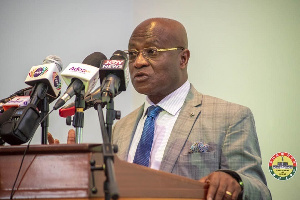
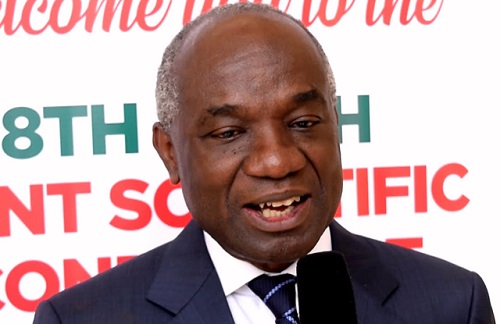
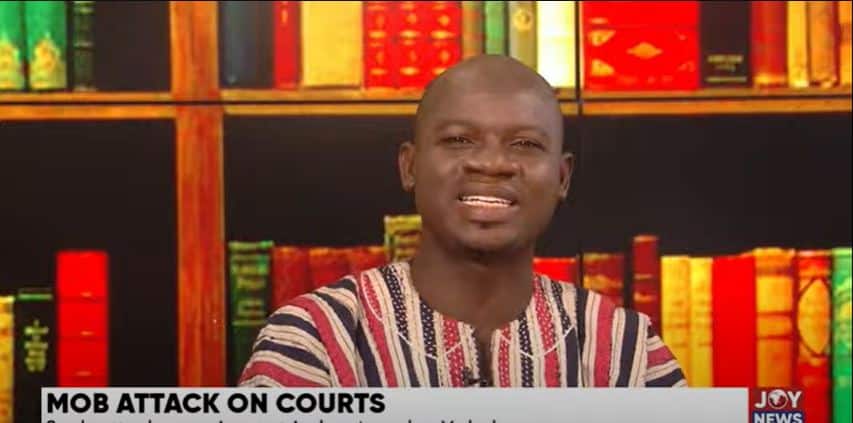
The Member of Parliament for Suame Constituency and the Majority Leader of Parliament, Osei Kyei-Mensah-Bonsu, has called upon the flagbearer aspirants of the New Patriotic Party (NPP) to step aside for vice president, Dr. Mahamudu Bawumia to lead the party in the 2024 elections.
In an interview with the media on September 4, 2023, Kyei-Mensah-Bonsu revealed that he had proposed this idea as early as 2020, suggesting Dr. Bawumia as the party’s presidential candidate with Alan Kyerematen as his vice-presidential running mate.
However, his proposal didn’t gain traction at the time, leading to multiple candidates entering the race for the party’s flagbearer position.
He explained that some party elders had cautioned against this course of action, expressing concerns about potential negative consequences.
Kyei-Mensah-Bonsu noted that Dr. Bawumia appears to be leading, given his substantial margin of victory in the party’s recent super delegates’ elections, where he secured over 68% of the vote, while the other candidates collectively received the remaining 32%.
When asked about the possibility of discouraging the other candidates, Kyei-Mensah-Bonsu emphasized the importance of following the party’s constitution. If the contenders choose to continue their campaigns, the contest must proceed in accordance with party rules.
Regarding advice for Alan Kwadwo Kyerematen, Kyei-Mensah-Bonsu clarified that he had not betrayed Alan. He had merely advocated for a different leadership arrangement in 2020, which did not materialize due to various factors and the advice of party elders.
Kyei-Mensah-Bonsu expressed his belief that, for the sake of party unity, some candidates might consider withdrawing from the race voluntarily.
However, he acknowledged that the party’s constitution remains supreme, and if the candidates decide to continue, the contest must proceed accordingly.
During the NPP super delegates election held on August 26, 2023, Bawumia emerged as the frontrunner with 68.15% of the votes, followed by Kennedy Agyapong with 14.30% and Alan Kyerematen with 10.29%.
This reduced the pool of contenders from 10 to five, and the final round, scheduled for November, will determine the NPP’s presidential candidate for the 2024 general elections.
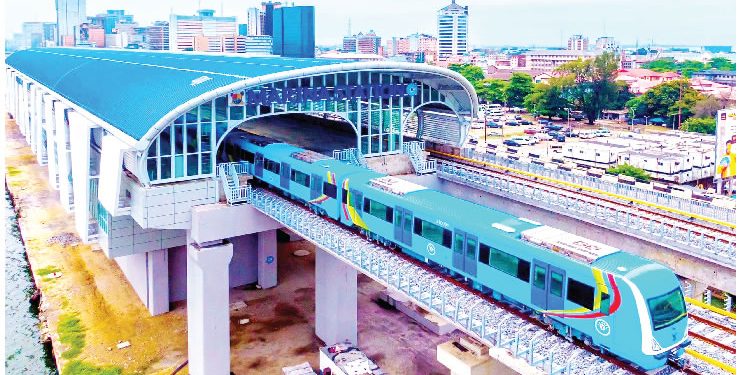
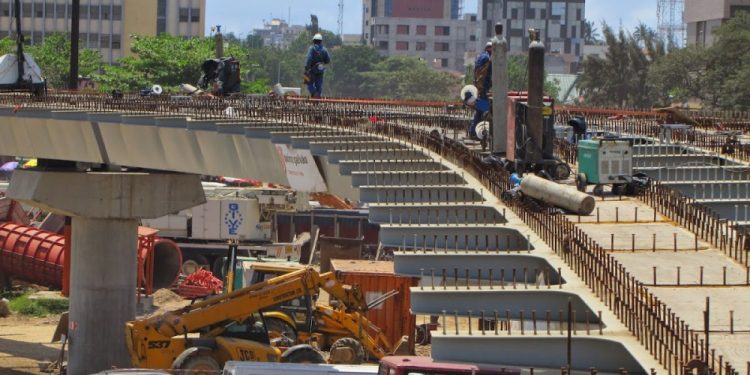
The Lagos Rail Mass Transit Blue Line System in Nigeria has finally commenced commercial operations after four decades.
The Governor of Lagos State, Mr. Babajide Sanwo-Olu, marked the occasion by becoming the first passenger to ride the train during its inaugural journey, which took place on Monday.
The train’s route took it from the Marina terminal to Mile 2, and then it made a return trip from Mile 2 to Marina.
The Managing Director of the Lagos Metropolitan Area Transport Authority, Mrs. Abimbola Akinajo, had earlier announced that commercial operations for the Lagos Blue Line Rail would start on Monday, September 4, with Governor Sanwo-Olu as the first passenger.
The concept of a metro line for Lagos State was first introduced in 1983 during the administration of the late Alhaji Lateef Jakande, the state’s first civilian governor. Despite initial preparations, the project was halted due to a military coup led by Major-General Muhammadu Buhari.
The project was revived in 2003 by former Governor Bola Tinubu, two decades after its initial proposal. The Blue Line rail construction, spanning 27 kilometers, began during the tenure of former Governor Babatunde Fashola. The project was planned in phases, with the first phase covering the Marina to Mile 2 section.
Subsequent administrations, including that of former Governor Akinwunmi Ambode, promised completion dates for the project, which were not met.
However, in January 2023, former President Muhammadu Buhari inaugurated the first phase, and it was announced that commercial operations would begin in March 2023, with the date later postponed to September 4, 2023.
Governor Sanwo-Olu expressed his excitement at the launch of the Blue Line rail and emphasized that it was a promise fulfilled. He announced that the Red Line rail was nearly complete and would be unveiled by the end of the year.
The governor also highlighted plans for the commissioning of various bridges and stations, as well as the opening of key transportation links in the coming months.
Head of Neurology and Child Service at Korle-Bu Teaching Hospital, Prof. Eben Badoe, has disclosed that approximately 22,000 individuals in the country are living with cerebral palsy.
Speaking at a Cerebral Palsy Awareness Conference in Accra, Prof. Badoe explained that while Ghana lacks precise statistics, conservative estimates suggest a prevalence of around one case per 300 live births, leading to an estimated population of 22,000 with cerebral palsy in Ghana.
The event, organized by the Afrakoma Foundation, aimed to raise awareness of cerebral palsy and its causes. Prof. Badoe highlighted jaundice as a contributing factor to cerebral palsy, emphasizing the need for careful consideration of this issue.
He also mentioned that premature birth significantly increases the risk of cerebral palsy.
Cerebral palsy is a common cause of physical disability globally, with its prevalence rising despite declining prenatal and neonatal mortality rates.
The Deputy Minister of Health, Tina Mensah, praised the foundation’s efforts in raising awareness and supporting individuals with cerebral palsy.
She emphasized the importance of continuous support for children with cerebral palsy and the government’s commitment to universal health coverage to achieve Sustainable Development Goal 3 by 2030.
The Founder of Afrakoma Foundation, Amani-Aminah Iddrisu, called on the government to subsidize healthcare costs for individuals living with cerebral palsy. She noted that the cost of healthcare for affected children, even in public healthcare facilities, was prohibitively high.
The Minister for Lands and Natural Resources and co-Chair of the Forests and Climate Leaders’ Partnership (FCLP), Samuel Abu Jinapor, has reaffirmed Ghana’s dedication to taking the lead in nature-based climate action.
He emphasized that the global climate crisis necessitates collaborative efforts from all nations, and Ghana stands ready to collaborate with countries worldwide to advance nature-based climate initiatives.
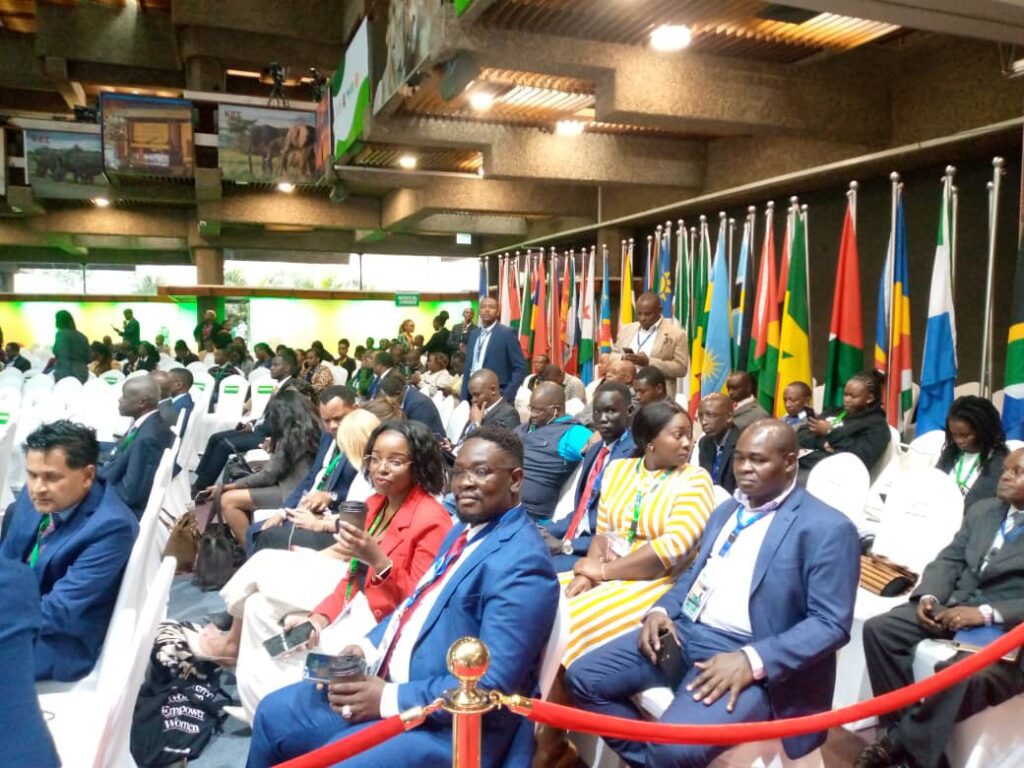
This commitment was reiterated during the launch of the FCLP working group focused on Strengthening Supply and Demand of High-Integrity Forest Carbon Credits, held on the sidelines of the Africa Climate Summit in Nairobi, Kenya.
The Africa Climate Summit is part of a series of regional climate summits leading up to the twenty-eighth Conference of Parties (COP28) of the United Nations Framework on Convention on Climate Change (UNFCCC).
During the launch event, attended by Secretary John Kerry, the United States Presidential Envoy on Climate and Co-Chair of the FCLP, Minister Jinapor stressed the timeliness of the Africa Climate Summit and its urgency in rallying stakeholders to address the climate crisis.
He highlighted the critical role of forests, which contribute one-third of global climate solutions, in achieving the target of limiting global warming to 1.5 degrees Celsius.
Minister Jinapor emphasized the FCLP’s commitment to halting and reversing forest loss and land degradation by 2030, aligning with the Glasgow Leaders’ Declaration on Forests and Land Use. He announced the formation of a working group, co-led by Ghana, Gabon, Guyana, and the United Kingdom, tasked with addressing issues related to High-Integrity Forest Carbon Credit Supply and Demand.
This working group is expected to unveil a roadmap and strategy for strengthening and expanding forest carbon credits by COP28 and COP30. It will also focus on implementing mid-term actions to bolster high-integrity forest carbon finance and announce forest carbon results-based finance transactions. Ghana intends to play a leading role in this working group and within the broader FCLP to accelerate nature-based climate action.
Minister Jinapor called upon all nations and stakeholders to join forces with Ghana in ushering in a new era of sustainable forest management and climate resilience, thereby contributing to global climate action.
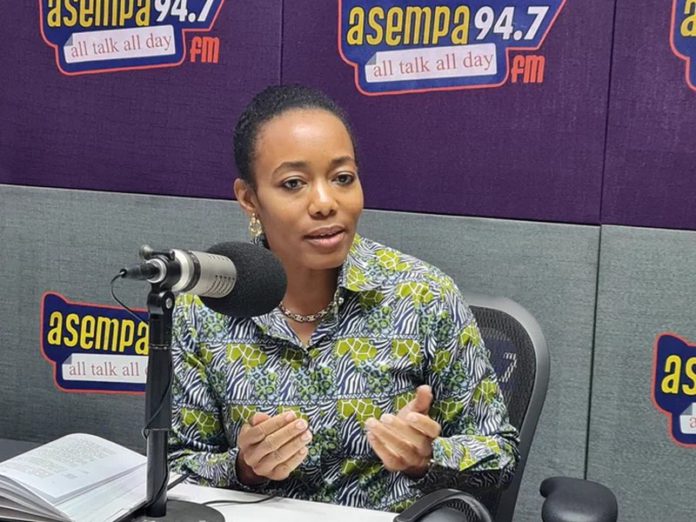
The Member of Parliament for the Korle Klottey constituency, Zanetor Agyeman-Rawlings, has expressed her unwavering commitment to prioritizing her service to her constituents.
According to her, she has encountered numerous reasons to consider from stepping down as MP, but her deep affection for her constituents is the driving force preventing her from taking such a step.
Speaking to the media she voiced her concern regarding the deliberate removal of her campaign posters within her constituency.
She pointed out that this unfair practice gives her opponents in both the National Democratic Congress (NDC) and the New Patriotic Party (NPP) an unfair advantage, as their posters remain untouched.
Dr. Agyeman-Rawlings revealed that this behavior is carried out by certain members of her own political party.
Despite facing such challenges, Dr. Agyeman-Rawlings remains undeterred and is not troubled by the intimidation, as she entered the political race fully aware that preferential treatment was not guaranteed.
She proudly mentioned her victory in the NDC primaries as evidence of her commitment to serving her constituency, even in the face of adversity.
During an interview with the media, she spoke out against the politics of insults, particularly those targeting women. She strongly condemned such derogatory comments, recognizing the harm they inflict on society.
“Despite facing external forces and adversity, I managed to secure victory in the primaries. I entered this journey with the understanding that preferential treatment was not guaranteed. Although there have been moments of challenge and doubt, I have never regretted my decision to serve my constituency. I have always found the strength to persevere and stay committed to my goals” she said.
Dr. Zanetor emphasized the additional challenges that women encounter when subjected to such insults, making it difficult for them to thrive in various spheres.
Zanetor called for a collective shift in mindset to create a safer and more inclusive environment for women, expressing her commitment to being a positive role model, especially for her daughters, and shielding them from the harm caused by such insults.
“I am committed to setting a positive example for our children, and I am determined to shield them from the harm caused by such insults” she stated.
She also highlighted the crucial role of the media in advancing gender equality, citing the Constitution’s recognition of the media’s societal function.
Despite numerous challenges and setbacks, Zanetor Agyeman-Rawlings remains steadfast in her determination to serve her constituents and contribute to positive change within her constituency and beyond.
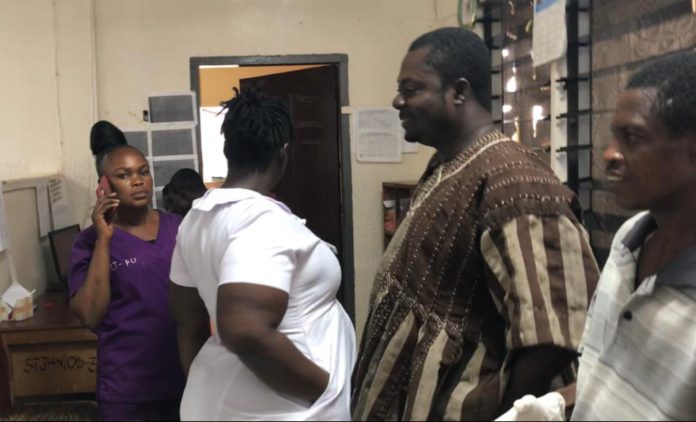
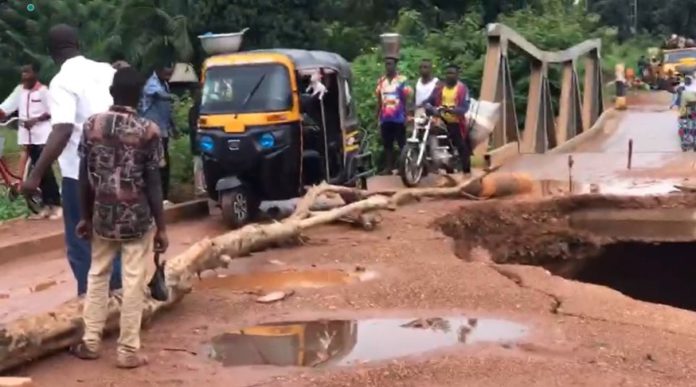
The Municipal Chief Executive (MCE) for Nkwanta South, Bright Lenwah, has announced that the local government will cover the medical expenses incurred by the victims who were involved in the collapse of the Dejebo bridge on Sunday evening.
The MCE personally visited the victims at the hospital and requested that all medical bills be provided to the assembly for settlement. Among the injured, two individuals are currently receiving treatment at Nkwanta St. Joseph Catholic Hospital.
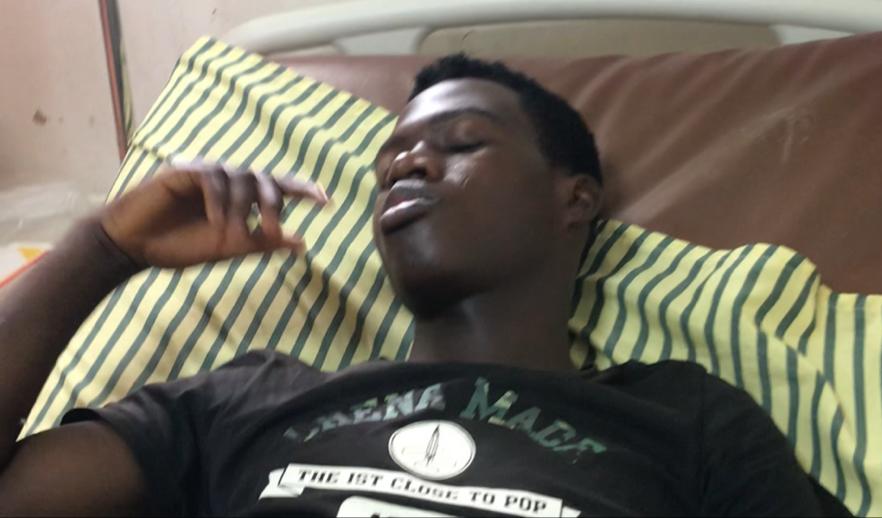
One of the victims, 21-year-old Paul Obimpeh, remains hospitalized.
He was traveling with his father from Tuobodom, a suburb of Nkwanta town, at the time of the incident.
In an interview with Adom News, the MCE revealed that an emergency meeting of the Municipal Security Council (MUSEC) has already been convened, and police personnel have been dispatched to the area to take control of the situation and prevent any potential future disasters.
He emphasized the growing danger the situation posed to residents and commuters and cautioned them against using the bridge until further notice.
The former Deputy General Secretary of the New Patriotic Party (NPP), Nana Obiri Boahen, has issued a challenge to two university professors who have suggested the possibility of Vice President, Dr. Mahamamudu Bawumia not securing the party’s flagbearer position.
In his capacity as a private legal practitioner, Obiri Boahen has confidently asserted his readiness to stake his legal career against the opinions of these two professors, firmly believing that Bawumia will emerge victorious in the NPP flagbearer race.
In an interview with the media he sated that “mark it at any permanent place, Prof Gyampo says Bawumia cannot win and I am insisting he will win. He should bet his position as UTAG president on it, I am also willing to bet my legal practice on it.
“Both Prof Gyampfo and Prof Asah Asante. I will stop being a lawyer, I won’t ever enter a court room again,”
Obiri Boahen specifically called out both Professor Gyampo and Professor Asah Asante, making a solemn commitment, stating, “I will cease to practice law, and I will never set foot in a courtroom again.”
The New Patriotic Party is scheduled to hold its national delegates congress on November 4, 2023, where they will select a flagbearer from the pool of five candidates elected by the party’s special delegates congress.
During the electoral college vote held by the party on August 26, 2023, to reduce the number of candidates from 10 to five, Dr. Bawumia received the highest number of votes, amassing over 600 votes, which accounted for approximately 68% of the total votes cast.
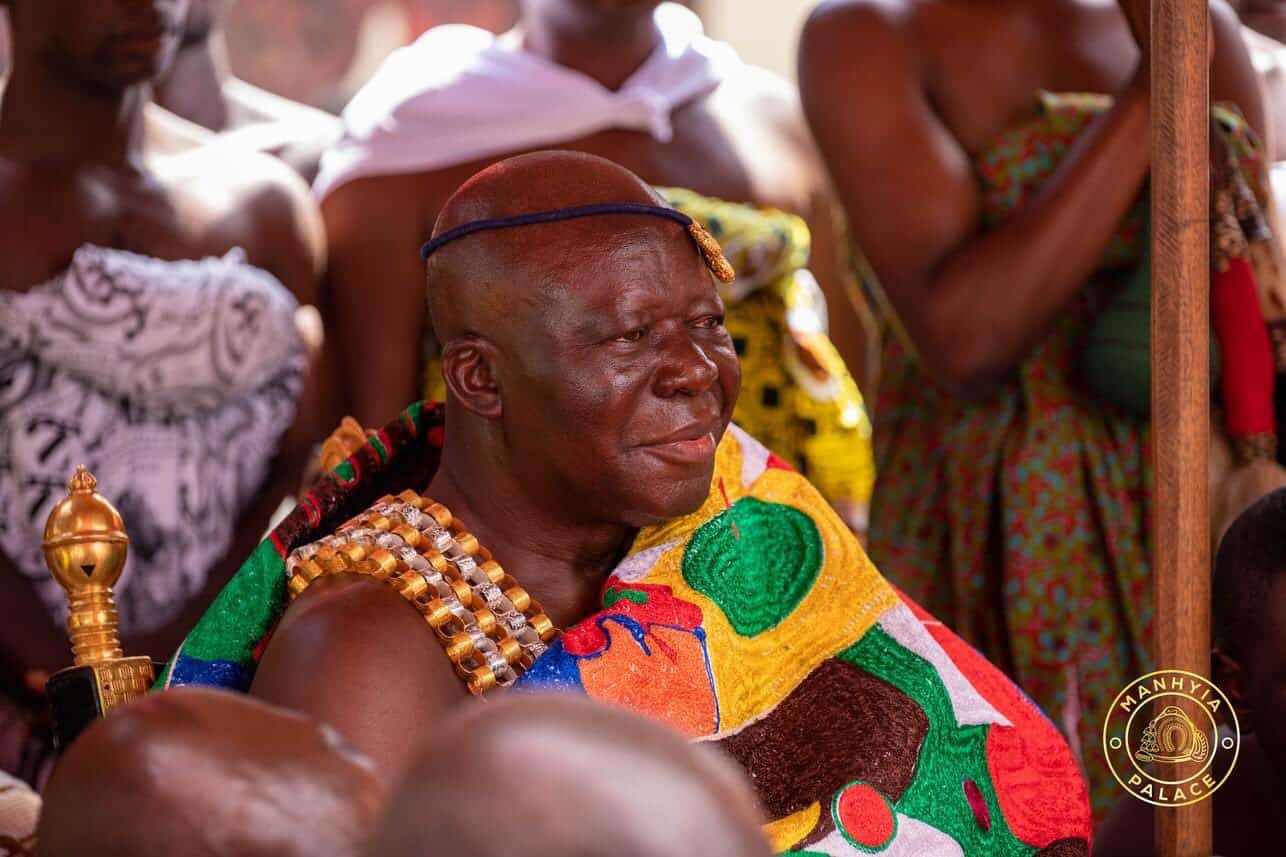
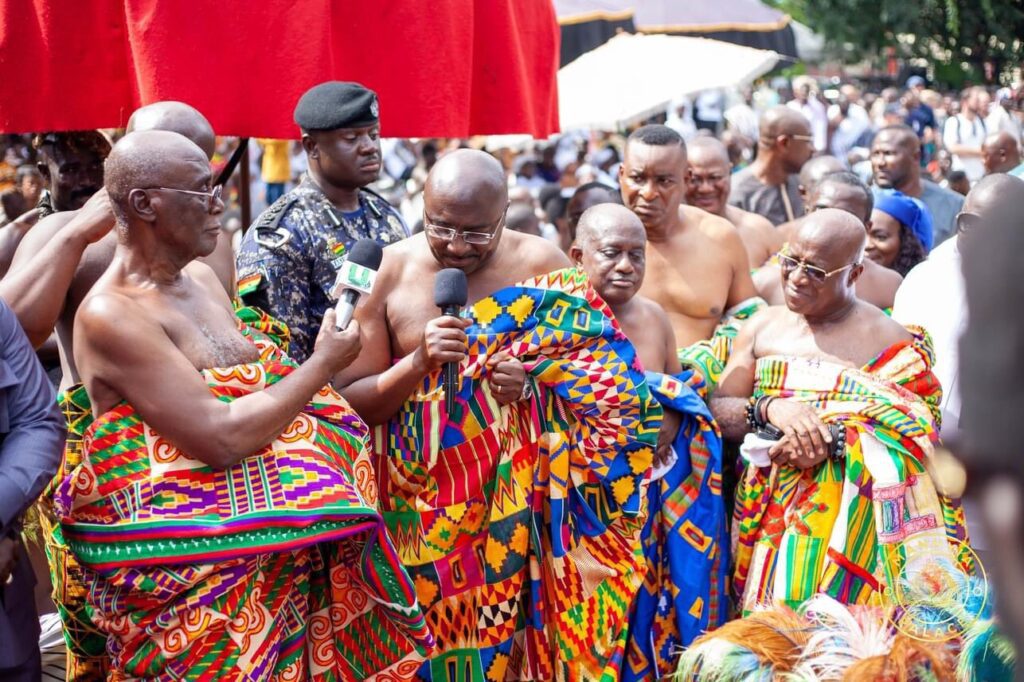
Commission on Human Rights and Administrative Justice (CHRAJ) has praised Asantehene Otumfuo Osei Tutu II for his efforts to combat illegal mining (galamsey).
According to him other traditional leaders must emulate Otumfuo in order to help stop the canker.
At a forum in Kumasi, Deputy Commissioner of CHRAJ, Mercy Larbi, commended the Asantehene’s practice of using his traditional authority to hold chiefs accountable for violations of their responsibilities and environmental laws related to galamsey.
Otumfuo Osei Tutu II has destooled several chiefs in public for their misconduct, including involvement in illegal mining activities and land disputes.
The destoolment of these chiefs reflects the Asantehene’s determination to address the issue of illegal mining, which has had devastating environmental and social consequences in Ghana.
Government of Ghana’s Spokesperson on Governance and Security, Palgrave Boakye-Danquah, has called on delegates to consider the future of the youth when selecting their parliamentary candidates.
Boakye-Danquah emphasized the importance of delegates considering candidates with long-term goals in mind for the upcoming NPP Parliamentary primaries.
The New Patriotic Party (NPP) in the Abuakwa North Constituency of the Eastern Region, made these remarks during the inaugural “Walk To Serve” event in the area, which took place on Saturday, September 2, 2023.
The “Walk To Serve” event aimed to mobilize grassroots members of the NPP in the constituency through exercise, socialization, advice, and counsel.
Boakye-Danquah pledged to serve diligently and with humility if elected and assured the delegates that he would prioritize equitable development distribution within the constituency.
He highlighted his ongoing development projects, such as the construction of mechanized boreholes in the constituency, and emphasized that leadership is about service.
Boakye-Danquah appealed to the delegates to vote for him in the upcoming NPP Parliamentary primaries to become the party’s Parliamentary Candidate for the Abuakwa North Constituency.
He also expressed his commitment to establishing one of the largest factories in the constituency to create job opportunities for the youth if elected as the Member of Parliament for the Abuakwa North Constituency on the NPP ticket.
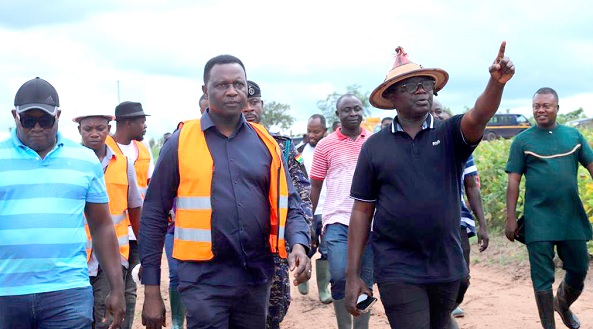
The Minister of Education, Dr. Yaw Osei Adutwum, has lauded the National Service Scheme (NSS) for its significant investment in large-scale commercial farming.
He emphasized the considerable benefits that can be reaped from such investments.
Dr. Adutwum made these remarks during a tour of the Sekyere Kumawu Economic Enclave Project (SKEEP), a 20,000-acre initiative established by the NSS in the Sekyere Afram Plains District of the Ashanti Region on September 1, 2023.
The tour included the Executive Director of the NSS, Osei Assibey Antwi, and other executives, including the Chairman of the NSS Board, Nii Odoi Tetteyfio.
During the visit, the team explored the extensive farmland and visited a warehouse where harvested maize was bagged and ready for supply to schools.
The Minister expressed his satisfaction with the project and highlighted its role in providing food support for the National Buffer Stock Company (NAFCO) to aid the free senior high school (SHS) program and the school-feeding program.
The SKEEP project has already yielded a 1,000-acre maize harvest, with the harvesting of 700 acres of rice underway.
Additionally, 500 acres of soybeans, 3,000 catfish, and 1,500 tilapias are set to be harvested for the first season, and 800 coconut seedlings have been planted.
SKEEP aims to promote food import substitution, enhance food and nutritional security, and attract and retain graduate youth in commercial agriculture and its value chains. It also seeks to boost production through improved productivity techniques and establish training and mechanization centers for youth.
The Kumawu Traditional Council granted the land for the project under the leadership of Omanhene Barima Sarfo Tweneboa Kodua.
Osei Assibey Antwi, the Executive Director of the NSS, explained that the initiative aligns with the NSS’s new strategic direction, focusing on creating a viable ecosystem for youth involvement in commercial farming, particularly in maize, soybean, rice, and poultry production.
Regarding job creation, he mentioned that the first batch of 50 students majoring in agriculture in tertiary institutions had been posted to SKEEP. After completing one year of service, they will be provided with land and resources to produce and sell to the government at subsidized prices.
Approximately 400 individuals from nearby communities are currently engaged in the project, with 50 of them serving as permanent workers.
Additionally, a new 12-bedroom self-contained accommodation with a conference room is nearing completion to house national service personnel.
The Ghana National Service Personnel Association (NASPA) is calling on the National Service Scheme (NSS) to promptly disburse the outstanding allowances owed to its members.
The NSS owes its personnel two months’ worth of allowances, causing significant financial strain for the affected individuals.
Although the NSS recently increased beneficiaries’ allowances from GHS 559 to GHS 713 to help them cope with economic challenges, the outstanding arrears remain unpaid, impacting service personnel nationwide.
Oppong Siaw, President of the La Nkwantanang group, expressed the difficulties faced by NSS personnel due to the delay in allowance payments.
He highlighted that despite assurances from the Executive Director of the NSS, Osei Assibey, that the arrears would be disbursed to their e-zwich accounts, the payments had not been received as promised.
Siaw emphasized the financial strain this delay has caused, as many personnel are forced to borrow money for daily expenses, including transportation and food. He noted that the delay has left personnel feeling frustrated and disheartened, given their dedication to their roles.
“On August 18, there was an event where the Executive Director, Osei Assibey, was present and some of the service personnel asked him when the arrears would be paid. He made it clear that permission had been granted for the arrears to be disbursed to our various e-zwich accounts and that we should be expecting it last week.”
“However, as of now, the personnel have still not been paid. The personnel are hungry and tired because they feel that their work has been in vain. Most of them are just borrowing money for transportation and food,” he said.
The Director of Legal Affairs for the New Patriotic Party (NPP), Gary Nimako, has criticized former President, John Dramani Mahama for his recent comments about the judiciary.
Mr Nimako cautioned Mahama against undermining the judiciary, saying that such comments could erode public confidence in the legal system.
Mahama had suggested that President Akufo-Addo had appointed judges with political bias, alleging that the judiciary was filled with judges inclined towards the NPP. He called on NDC members to “balance out” the bench.
Nimako rejected these claims, asserting that they demonstrated a misunderstanding of how the court system works.
He argued that the appointment of judges was necessary to staff courts across the country and that there was no evidence to suggest that the judges were partisan.
Nimako emphasized the importance of preserving Ghana’s institutions of state, particularly the judiciary. He warned against damaging the reputation of the judiciary, as it could lead to a loss of trust in the legal system and potentially encourage people to take the law into their own hands.
He also stressed the significance of presenting solid evidence when bringing a case to court and urged individuals to avoid politicizing the judicial process.
“It’s very unfortunate, it exposes their lack of understanding of how the court system works, they are making it appear as if the court deals with only political cases. President Akufo-Addo has built over 100 quarters across the country, shouldn’t they be staffed by human beings, judges, and staff? Who is saying that the judges are party people? What is the check to say those there are party people? There’s no appointee serving the interest of the president. It was the same courts that made former president Mahama the president, isn’t it? The same Supreme Court, in 2013, at that time was the court a political court?”
He emphasised, “Let’s be careful not to destroy our institutions of state. The judiciary is a very sensitive institution in the history of our country. I’m not comfortable at all with the way former president Mahama is running the judiciary down. Let’s be very careful as Ghanaians, else, people will lose interest and confidence in the judiciary and say well if that is the case, they will take the law into their hands and will not go to court. Let’s be very careful as a country. If we destroy the judiciary, it’s a very dangerous precedent we are doing for ourselves. It’s a very serious matter we must look at. How do you say that we should balance an equation? Even if what you are saying is true, we should pack the courts with NDC members when you get power. How do you say that?”
Nimako questioned whether the NDC would create new courts if they came to power, given their doubts about the credibility of the current judiciary.
In summary, Nimako criticized Mahama’s comments about the judiciary, defended the credibility of the courts, and highlighted the importance of evidence-based cases in court proceedings.
Former Trade Minister Alan Kyerematen is reportedly considering announcing his withdrawal from the upcoming November 4 Presidential Primary of the New Patriotic Party (NPP).
This decision follows a disappointing performance in the recently held Super Delegates Conference, where he placed third behind Vice President Dr. Mahamudu Bawumia and Kennedy Agyapong.
In the NPP Special Delegates Conference, Kyerematen garnered only 95 out of 961 votes, securing a distant third position. Vice President Dr. Mahamudu Bawumia received 629 votes (68.15%), while Kennedy Agyapong surprisingly secured 132 votes (14.30%) to claim the second spot.
Kyerematen, a three-time flagbearer aspirant, had been expected to perform well in the primaries, and his third-place finish, behind both Dr. Bawumia and Agyapong, has raised concerns within his campaign.
A source close to Kyerematen’s campaign revealed that they are considering several options, including withdrawing from the race altogether, forming an alliance with another candidate, or continuing the process despite the challenges.
The source stated, “We have had an extensive review of the Super Delegates election, and to be honest, the numbers we registered across the country in the Super Delegates were not what we expected.
Even though we have publicly expressed our displeasure with the process, the reality is that things are not so good on the ground, and we have to honestly admit and take bold decisions.”
Among these options, withdrawal appears to be a prominent consideration, with discussions about potential mergers with other candidates who performed poorly. However, no final decision has been made yet.
Kyerematen is expected to address these concerns in a speech scheduled for Tuesday.
The source added, “Chief will speak tomorrow, and all options are open, but don’t be surprised if he announces his withdrawal tomorrow.”
Many within Kyerematen’s camp, especially coordinators across the country, reportedly support the idea of withdrawal to protest the Super Delegates’ election process and avoid further humiliation in the November primaries.
However, some also believe that participating in the race, regardless of the outcome, may be politically necessary.
The final decision is expected to be made ahead of Kyerematen’s address.
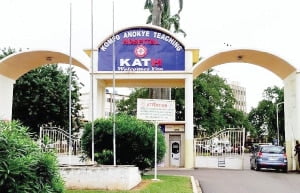
A man who was impersonating a medical doctor at the Komfo Anokye Teaching Hospital has been apprehended and turned over to the police.
The middle-aged individual, identified as Williams Cyril Kohen, faced questioning by hospital personnel during their routine rounds, during which their doubts were confirmed.
Subsequently, the suspect was handed over to the hospital’s police post, which then transferred the case to the Central Police Command for further investigation.
In response, the hospital’s Public Relations Officer, Kwame Frimpong, emphasized that the hospital has implemented security measures to prevent such incidents.
He explained, “At KATH, it is very difficult for people to come and claim that they are doctors and start working there because that is not how the thing works. We have a team-based system where all the team members are known, and also remember that it is a training institution, so most of the time, the people who join us are our former students, and so it is a very close-knit community, and the team members are known to each other. So you cannot just be part of the team out of the blue.”
He further highlighted the hospital’s electronic medical records system, which requires every medical staff member to have a specific password.
Without this password, individuals cannot attend to patients, review cases, or provide prescriptions for medication.
This stringent system ensures that only authorized personnel can interact with patients and their medical records.
Dr. Anarfi Asamoah-Baah has been honored as a Public Health Champion by the World Health Organization Regional Office for Africa (WHO AFRO) in recognition of his exceptional contributions to global public health.
This prestigious award was bestowed upon Dr. Asamoah-Baah and other distinguished figures in the field of public health during the WHO 75th anniversary awards ceremony held alongside the 73rd WHO Regional Committee for Africa Meeting in Gaborone, Botswana.
The citation presented to Dr. Asamoah-Baah by Dr. Matshidiso Moeti, the WHO Regional Director for Africa, expressed the award’s purpose: “This award is in recognition of your outstanding service to public health and promotion of the wellbeing of the people of Africa.”
In response, Dr. Asamoah expressed his gratitude for the recognition and praised the WHO as a force for good.
He shared his appreciation for the opportunity to serve the organization over many years and emphasized the importance of recognizing the roles of member states and staff as WHO celebrated its 75th anniversary.
Dr. Anarfi Asamoah-Baah, a Ghanaian public health professional, served the global public health sector for 19 years after joining WHO in 1998. He rose to the position of Deputy Director-General of WHO in 2007 before retiring in 2017.
His contributions include instrumental roles in establishing the 2005 International Health Regulations, elevating global visibility for Neglected Tropical Diseases, revitalizing Primary Healthcare, establishing the Pre-qualification program as part of the WHO Essential Medicines Program, and developing the first Global Strategy for Traditional Medicine.
The WHO Representative to Ghana, Prof. Francis Kasolo, commended Dr. Asamoah-Baah as a distinguished global public health expert deserving of the recognition.
Even in retirement, Dr. Asamoah-Baah continues to make valuable contributions to both national and international efforts to promote the health and well-being of people.
In 2020, Ghana’s President Akufo-Addo appointed Dr. Asamoah-Baah as the Presidential Coordinator for the government’s COVID-19 Response Program. After the COVID-19 pandemic, he was appointed as the chair of the National Vaccine Institute of Ghana and the interim head of the Ghana Health Security Center.
Dr. Asamoah-Baah received the award alongside former President of Botswana H.E. Festus Mogae and former Regional Directors of WHO in the Africa Region.
Traders at Kejetia market have expressed frustration with the management’s sluggish response to their ongoing electricity metering concerns.
They have long requested separate meters, citing high bills and detrimental impacts on their businesses due to the delay.
In an effort to pressure the management into action, the traders have announced plans to wear red bands starting on Tuesday, September 5, 2023. If their demands remain unmet by Monday, September 11, 2023, they have threatened to organize a large-scale demonstration.
Nana Akwasi Prempeh, President of the Federation of Kumasi Traders, voiced their concerns about escalating electricity bills and the lack of progress in addressing the metering issue. He emphasized the need for separate meters and questioned the reasons for management’s delay.
Prempeh stated, “Beginning tomorrow, September 5, we are hoisting red bands around the market and our shops to signify our intent to management. After that, if need be, we will tell management to close the market because we cannot continue to incur losses. We will use all necessary means to pursue that agenda, including staging a demonstration.”
Additionally, traders expressed disappointment with the Ministry of Local Government and Rural Development, the facility’s board, and management for their failure to disclose the committee’s report nearly six months after a fire damaged part of the market. They called for transparency and swift action regarding the committee’s recommendations.
Nathaniel Boamponsem, a spokesperson for the affected traders, expressed frustration and urged the authorities to take prompt action, stating that “all hope is lost” if their concerns continue to be unaddressed.
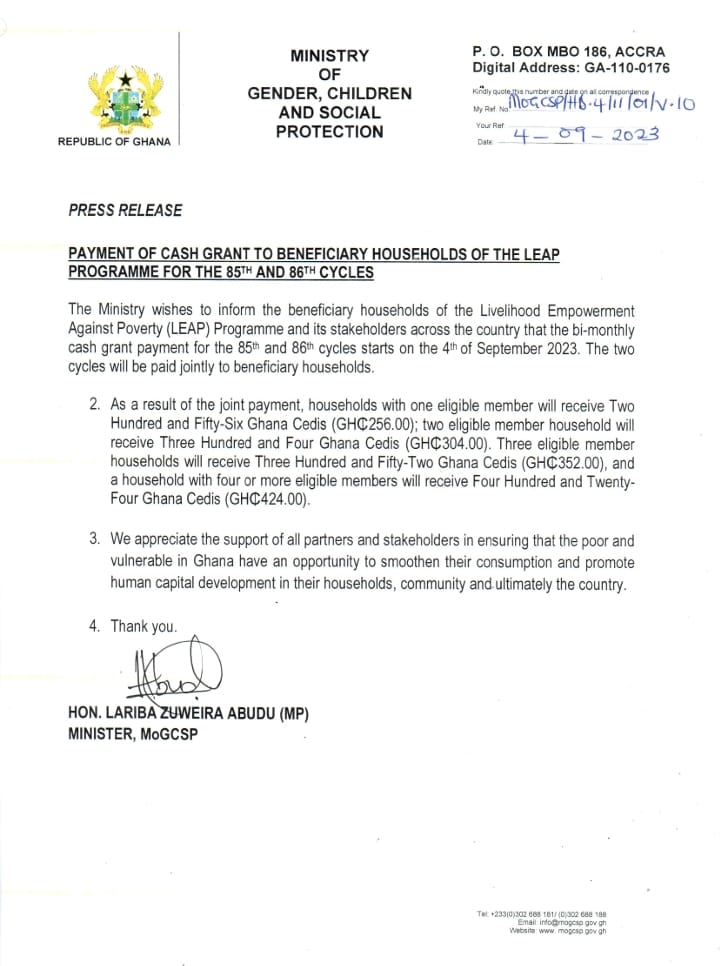
The Ministry of Gender, Children, and Social Protection (MoGCSP) has announced the commencement of payments to beneficiaries under the Livelihood Empowerment Against Poverty (LEAP) Programme on Monday, September 4.
Introduced in 2008 by the Government of Ghana, the LEAP Programme is a cash transfer initiative designed to assist individuals living in extreme poverty.
Its primary goals are to alleviate poverty by enhancing and stabilizing consumption levels and to facilitate access to services and opportunities for the most impoverished and vulnerable individuals.
According to a press release from the Ministry, both the 85th and 86th cycles of the LEAP Programme will be disbursed to beneficiaries simultaneously.
The statement reads, “The Ministry wishes to inform the beneficiary households of the Livelihood Empowerment Against Poverty (LEAP) Programme and its stakeholders across the country that the bi-monthly cash grant payment for the 85th and 86th cycles starts on the 4th of September 2023. The two cycles will be paid jointly to beneficiary households.”
Due to the combined payment, households with one eligible member will receive Two Hundred and Fifty-Six Ghana Cedis (GH¢256.00); households with two eligible members will receive Three Hundred and Four Ghana Cedis (GH¢304.00).
Three-member households will receive Three Hundred and Fifty-Two Ghana Cedis (GH¢352.00), while households with four or more eligible members will receive Four Hundred and Twenty-Four Ghana Cedis (GH¢424.00).
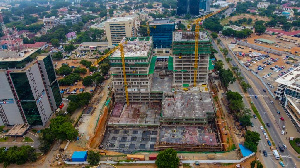
Member of Parliament for North Tongu, Samuel Okudzeto Ablakwa, has released documents alleging an ongoing legal dispute over the land where the new headquarters of the Bank of Ghana (BoG) is being constructed.
Ablakwa, who has been revealing information about the BoG building project, claims that the land was initially valued at approximately GH¢91 million, and at one point, the BoG offered GH¢100 million to the landowners.
However, the BoG eventually withdrew its interest in the land. In 2020, the state invoked a compulsory acquisition clause through an Executive Instrument (E.I), but the compensation, according to Ablakwa, remains unpaid.
Experts estimate that the amount, along with accrued interest, now stands at around 400 million cedis.
The land originally belonged to the State Insurance Company but became the subject of court action after ITALCONSTRUCT INTERNATIONAL LIMITED secured guarantees from SIC for a facility from IVORY FINANCE COMPANY but failed to meet the terms. The loan was contracted in 2013, and a consent judgment was issued in 2014.
Ablakwa further reveals that in August 2019, the Bank of Ghana, despite being aware of the ongoing litigation and consent judgment, approached both SIC and IVORY FINANCE and offered GHS100 million to acquire the land for their headquarters project. Surprisingly, the BoG did not pursue this offer and instead placed IVORY FINANCE under receivership. Subsequently, the E.I. of October 2020 was issued, yet compensation, as per Ablakwa’s sources, remains unpaid.
Considering the consent judgment, accrued interest, penalties, and inflation, experts confirm that the combined compensation is estimated to exceed a staggering GHS400 million, as stated in Ablakwa’s post on September 5, 2023.
A fatal collision occurred on the Bolgatanga-Navrongo highway in the Upper East Region on Sunday, resulting in one fatality and another person in critical condition.
The two individuals, both in their 30s, were riding motorcycles in opposite directions when the accident happened near Sumbrungu, a Bolgatanga Municipal suburb, around 1800 hours.
The deceased, riding a TVS Apache motorbike without a number plate, was heading towards Bolgatanga from Navrongo.
Meanwhile, the injured individual, riding a Haojin motorbike with registration number M-16-UE 3717, was traveling in the opposite direction from Bolgatanga to Navrongo.
The collision occurred as the injured motorcyclist, who had stopped at a nearby filling station to refuel, re-entered the main road at high speed, crashing into the other rider.
Despite efforts by onlookers to summon the National Ambulance Service, they were unsuccessful. A Good Samaritan passing by offered to transport the victims to the hospital but could only take the injured person, as the crowd believed the other individual had already passed away.
Later, the Navrongo Central constituency ambulance, returning from Bolgatanga, was called upon to assist, but upon examination by the ambulance personnel, the second victim was pronounced dead. The Ghana Police Service was subsequently contacted to convey the deceased’s body to the mortuary.
At present, the identities of the two victims remain unknown.
The University Students’ Association of Ghana (USAG) leadership has expressed serious concerns about the consistent delays in disbursing educational loans.
USAG has highlighted that these delays continue to disrupt students’ academic pursuits, as they heavily rely on these funds to finance their education.
The Association firmly believes that the ongoing delays in distributing student loans are undermining the primary purpose for which the loan scheme was established. They emphasize that, given the current economic conditions, the government’s role in financially supporting students for their education is of utmost importance.
Dr. Christian Ntsiful Addison, President of USAG, has called upon the government to allocate more dedicated funds to support the education of Ghanaian youth. He stated, “This year, we have encountered numerous issues with the disbursement of our student loans. Students can spend an entire academic year in school without receiving the funds until the following year, which defeats the intended purpose. Therefore, we have come to the conclusion that the best way to safeguard our students’ education is for the state to provide funding, enabling them to attend school and eventually find employment to repay after graduation.”
During its 22nd annual delegates’ congress in Kumasi, USAG also urged the government to create more employment opportunities for the increasing number of graduates.
Kwasi Agyeman Busia, the Chief Executive Officer (CEO) of the Driver and Vehicle Licensing Authority (DVLA), who served as a guest speaker at the event, discussed the collaboration between the DVLA and academia. He highlighted that the DVLA is implementing innovations to improve service delivery at its offices nationwide.
Furthermore, the DVLA aims to empower students with innovative solutions currently in development. The Congress revolved around the theme “Harnessing Student Potential for Economic Revitalization and National Progress.”
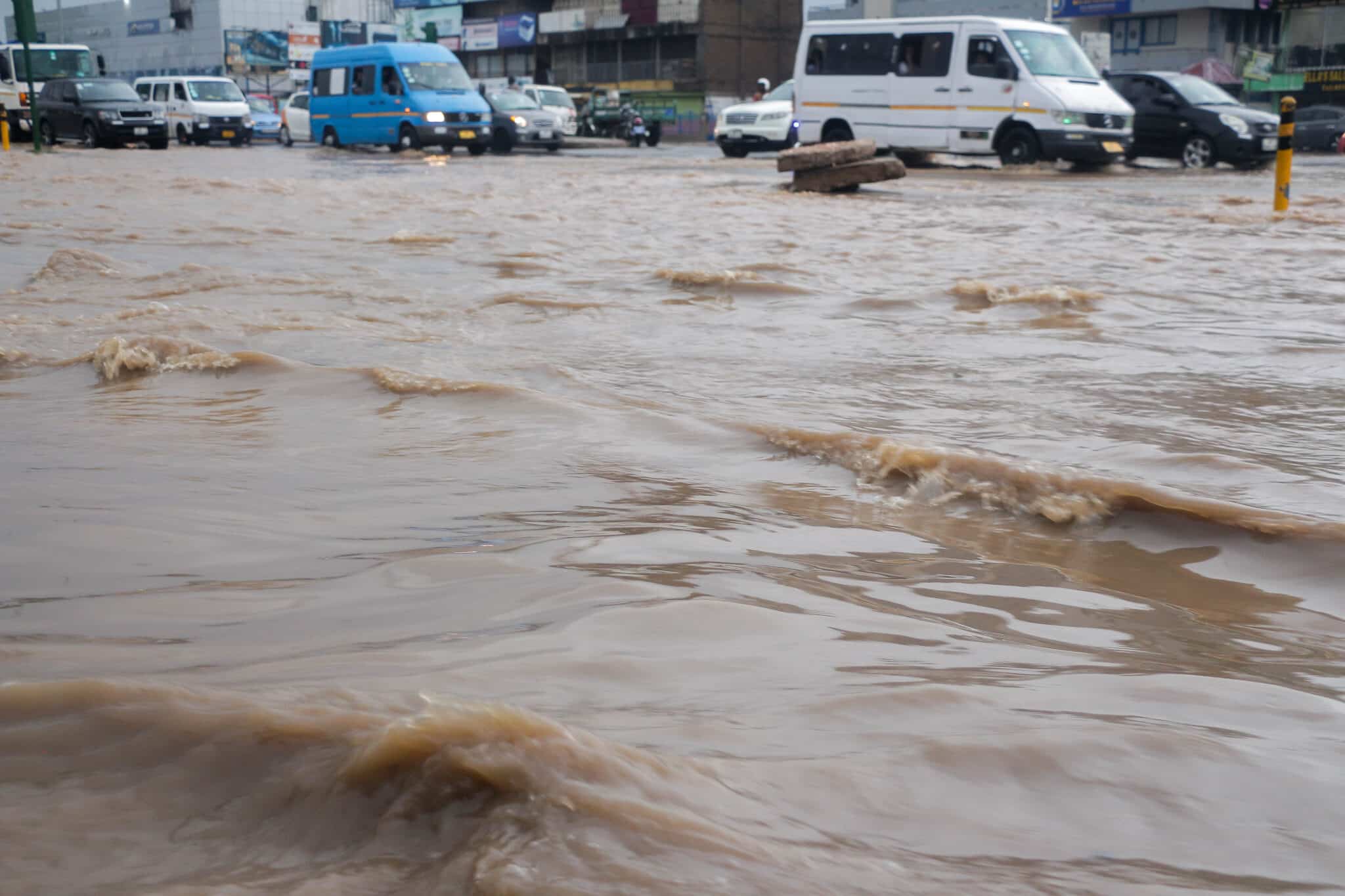
The Ghana Meteorological Agency (GMA) has advised Ghanaians to brace themselves for an anticipated increase in severe weather incidents, including heavy rains and lightning storms in the coming months.
Chief Forecaster Raphel Osei Boakye emphasized that despite being labeled a minor rainy season, the rainfall patterns are expected to be above normal for most regions, aside from specific areas such as Asankragwa and parts of the rainforest regions.
Boakye urged caution due to the likelihood of localized flooding in cities like Accra and Kumasi.
Public Education and Precautions in Place
Seth Kissi, the Director of Ga East Municipal National Disaster and Management Organisation (NADMO), disclosed that they are actively engaged in public education initiatives to enlighten residents on the adverse consequences of constructing near waterways.
Additionally, steps have been taken to dismantle structures along water bodies in the municipality. Kissi urged self-discipline among residents and emphasized the importance of refraining from dumping waste in drainage systems, which exacerbates flooding issues.
Relocation and Protection of Valuables
Residents in flood-prone areas are strongly advised to consider relocating to mitigate potential disasters.
NADMO is also encouraging residents to safeguard their valuable belongings to prevent damage during the rainy season.
The Port of Takoradi continues its efforts to foster positive relationships with stakeholders, particularly the communities surrounding its operational areas.
These initiatives align strategically with the distinct economic characteristics of these neighboring communities.
As a tangible demonstration of this commitment, the Port of Takoradi has inaugurated a state-of-the-art workshop for the Ghana Inshore Fishermen Association (GIFA) in New Takoradi within the Western Region’s Sekondi-Takoradi Metropolis.
This new workshop, equipped for boat repairs and maintenance, features essential amenities such as a tools and changing room, a machine and electrical shop, as well as a boat-pulling wrench. Additionally, it houses offices for the Ministry of Fisheries and Aquaculture (MOFAD) and the Ghana Inshore Fisheries Association (GIFA) to streamline administrative functions.
The workshop is envisioned to serve as a central hub for fishing activities, benefiting not only the fishers of New Takoradi but also fishers along Ghana’s coastline who require modern facilities for equipment upkeep.
Peter Amo-Bediako, Director of the Port of Takoradi, expressed the port’s dedication to enhancing the livelihoods of the local residents, particularly those in New Takoradi. He called for cooperation and support, noting that the port’s growth would further elevate the financial well-being of these communities.
Eric Kofi Otoo, a GIFA representative, highlighted how the workshop would boost productivity and alleviate the challenges faced by fishermen who previously had to travel long distances to the old workshop, known as “Boatase,” for repairs.
Mrs. Hannah Agyei-Boakye, a Director from the Fisheries Commission, commended the Port of Takoradi for its commendable project.
Western Region Minister Kwabena Okyere Darko Mensah recognized the timeliness of the new workshop’s construction, considering the state of disrepair of the old machine shop at Boatase. He suggested exploring commercial charges for its maintenance and urged the management of the Port of Takoradi to expedite Phase Two of the project.
Chief of New Takoradi, Nana Kwesi Abaka 1, praised the Port of Takoradi for its efforts and appealed to the beneficiary fishers to conduct their business responsibly and prioritize maintenance, encouraging further support and initiatives from the port.
Dr. Yaw Twerefour, the Registrar of the Mortuaries and Funeral Facilities Agency (MoFFA), has disclosed a critical issue regarding the operations of mortuaries and funeral facilities nationwide.
According to Dr. Twerefour, all these establishments are currently operating without the necessary licensing mandated for their operations.
This revelation came during an exclusive interview with Asaase Radio on Monday, September 4, 2023. Dr. Yaw Twerefour assumed the role of Registrar and Chief Executive Officer (CEO) of MoFFA on May 2, 2023.
Under the Health Institutions and Facilities Act, 2011 (Act 829), Section 43 grants MoFFA the authority to license mortuaries and funeral facilities across the country. The specific section titled “License of Facility” unequivocally states that no person is allowed to own or operate such a facility unless it holds a valid license under this Part.
Dr. Twerefour stressed the importance of establishing standardized licensing and inspection tools to ensure consistent standards for all mortuaries, regardless of their ownership status, whether government or private. He emphasized, “Our licensing and inspection procedures must be uniform, eliminating any form of discrimination, and maintaining consistent standards across all mortuaries.”
He also shared that MoFFA has enlisted the assistance of consultants from Korle-bu to develop these essential tools.
The agency is currently in the final stages of this process, having already tested the tools in a prominent funeral facility in Accra.
However, they encountered some challenges and are currently refining these tools. Dr. Twerefour expressed their intention to commence the licensing process for mortuaries and funeral facilities in Accra within the next two to three months.
Head of Legal Affairs for the National Democratic Congress (NDC), Godwin Edudze Tamakloe, has criticized the Ghana Police Service’s practice of independently seeking court injunctions against protests without the authorization of the Attorney General.
He expressed this viewpoint during a court hearing in which he filed a preliminary motion challenging the Ghana Police Service’s capacity to file an injunction application against a planned protest by the parliamentary minority group.
The protest aims to demand the resignation of the Governor of the Bank of Ghana, Dr. Ernest Addison.
The Police’s injunction application is based on security concerns related to the proposed routes for the protest, initially scheduled for September 5. However, before the injunction application could proceed on Monday, Godwin Edudze Tamakloe, the counsel for the protest organizers, presented the preliminary objection.
He contended that the act of Supt. Sylvester Asare, who signed the motion paper and is conducting the injunction case, violated section 9(1a) of the State Proceedings Act.
According to Tamakloe, in accordance with the State Proceedings Act, all civil proceedings by the Republic should be initiated by the Attorney General or an officer authorized by the Attorney General.
Since Lawyer Asare is neither the Attorney General nor an authorized officer, he cannot claim to sign the originating process on behalf of the Republic, Tamakloe argued in court.
The Head of NDC’s Legal Affairs further argued that even the fiat granted to the police by the Attorney General to handle criminal cases in certain instances would not provide a basis for the police to initiate this action without authorization.
He requested the court to dismiss the injunction application.
The Ghana Police Service, represented by Superintendent Sylvester Asare, opposed the motion. Asare first argued that the Ghana Police Service is a corporate body that can both sue and be sued. He further contended that although the motion reads “The Republic v. The Respondents,” the actual applicant is the Ghana Police Service. He asserted that filing the process does not render it defective and that identifying the Republic and the Respondent on the motion paper does not negate the police’s right to bring this application.
Asare also mentioned that the Supreme Court, through case law, has established that independent bodies like CHRAJ can independently initiate legal actions. He urged the court to consider these precedents.
Additionally, Asare cited provisions of the Public Order Act to support his argument that the Police have the capacity to file such applications without seeking authorization from the Attorney General.
He emphasized that the Public Order Act clearly grants the police jurisdiction to apply to the court for the prohibition of the proposed special event.
The case, presided over by Justice Edward Twum, was adjourned to September 8 for a ruling.
The Minority Caucus has postponed its originally planned protest against the Governor of the Bank of Ghana, Dr. Ernest Addison, and his deputies.
The new date for the protest is September 12, 2023.
This rescheduling was prompted by the legal proceedings held on September 4, 2023, where the court faced challenges in delivering an immediate ruling.
The court encountered substantial preliminary legal objections raised by the Minority’s parliamentary lawyers.
As a result, the court requested that the Minority Caucus await its ruling, which is expected to be issued on Friday, September 8, 2023.
The demand for the resignation of the Central Bank’s governor and his deputies has intensified following the Bank’s reported loss of GH¢60.81 billion in the 2022 fiscal year.
The purpose of the planned protest march is to call for the immediate resignation of Governor Ernest Addison and his two deputies due to their alleged mismanagement of the Central Bank.
This mismanagement has reportedly led to an unprecedented loss of GHS60.8 billion, a negative equity of GHSS5.1 billion, and accusations of illegal printing of over GHS80 billion.
Additionally, it has been noted that amidst this financial crisis, the bank’s leadership is proceeding with the construction of a new head office at a cost of over $250 million, despite the initial recommendation by the Public Procurement Authority for a budget of $81 million.
The Minority Caucus encourages all Ghanaians to stand firm in defending their constitutional right to demonstrate and affirms that the protest march to the Bank of Ghana will indeed take place on Tuesday, September 12, 2023.
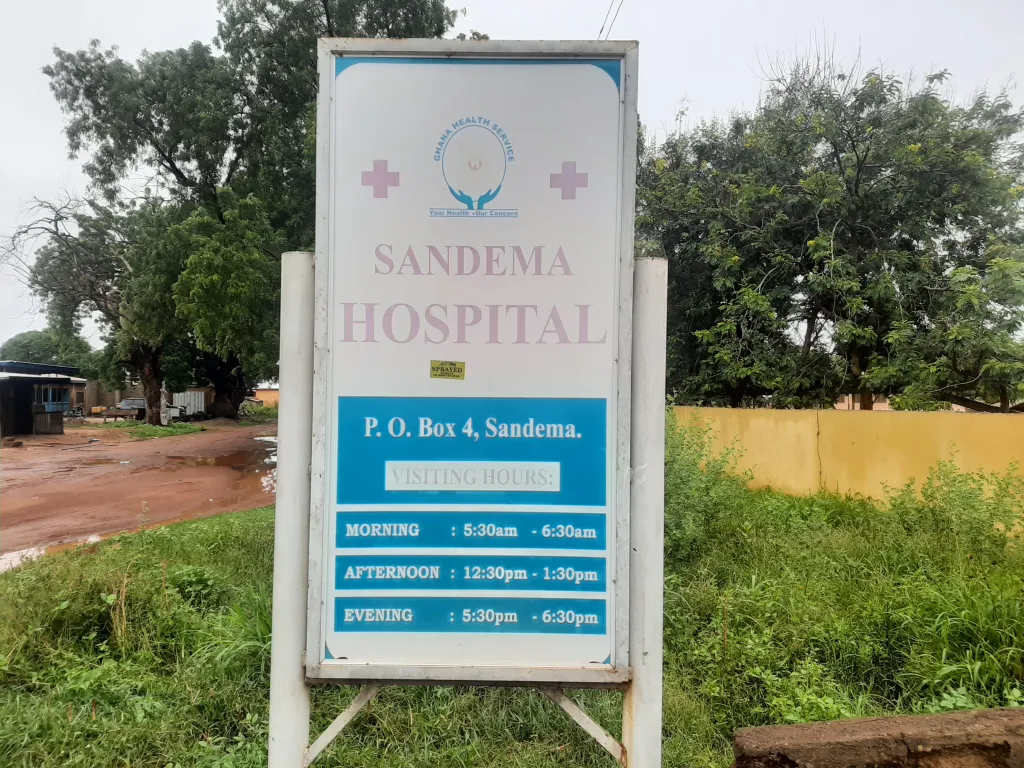
The Sandema Hospital, located in the Builsa North Municipality of the Upper East Region, has called on government to help replace the roofing of the facility due to severe leaks during rainfall.
With the exception of the Newborn Care Unit (NBCU), theater, and emergency ward, all other sections of the hospital, including the pharmacy unit, laboratory, dressing rooms, and the office of the Medical Superintendent, experience leaks.
The situation became particularly dire during a prolonged downpour on a recent Saturday night, lasting approximately nine hours.
The 21-bed maternity ward, already at full capacity with some patients even on the floor, suffered the most damage.
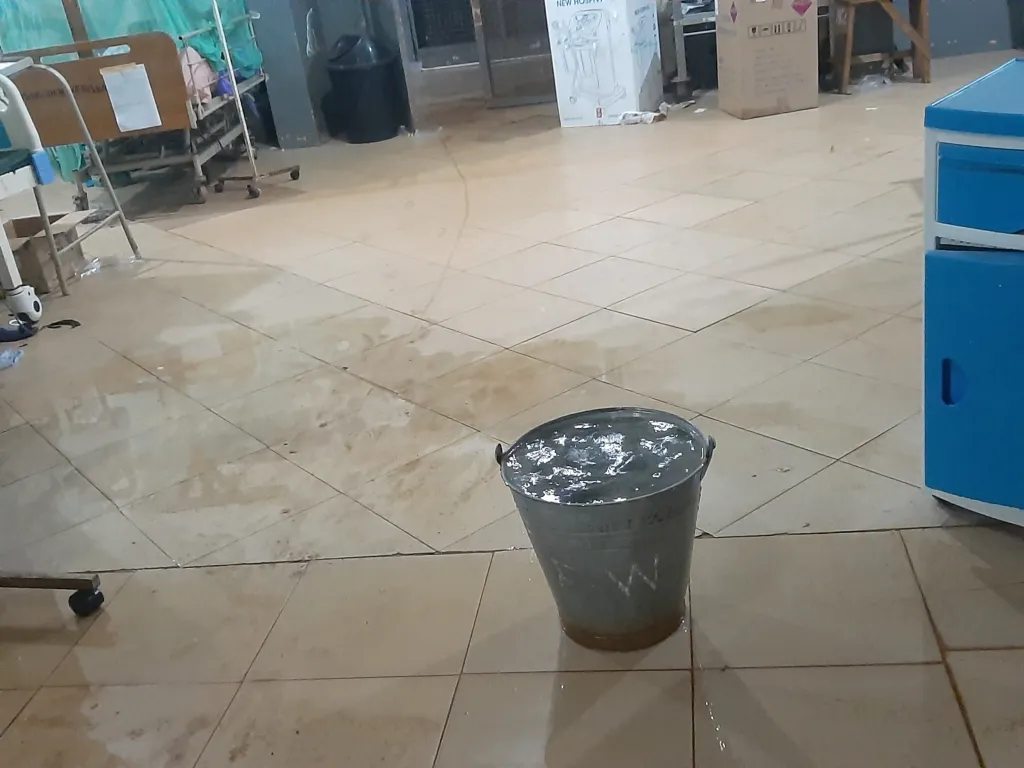
Quick-thinking midwives on duty had to employ buckets to continuously collect rainwater from the leaking roof to prevent the entire ward from flooding, which would have severely disrupted healthcare services.
Dr. Emmanuel Opoku, the Medical Superintendent of the Hospital, who had previously appealed for support through the Ghana News Agency (GNA) in the Municipality to renovate the facility, expressed frustration over the lack of assistance.
He emphasized the urgent need for re-roofing, acknowledging the financial challenge faced by the hospital in undertaking such a project.
The hospital’s children’s ward, male and female wards, pharmacy unit, dressing rooms, nurses’ station at the Out-Patient Department (OPD), and the laboratory all experienced leaks during the GNA’s visit.
Even the patient waiting area at the pharmacy unit was affected.
Staff members in the affected units were forced to move beds and equipment away from areas with water ingress to protect mattresses and medical equipment from damage. In addition to the leaks, the GNA observed broken louvre blades, faulty doors, exposed electrical cables, visible cracks in the walls, and damaged floor tiles throughout the facility.
A patient who had recently given birth in the maternity ward, requesting anonymity, expressed deep concern about the severe leakage issue, emphasizing the discomfort and safety concerns, especially for newborns.
She eagerly awaited her discharge, unable to tolerate the situation any longer.
Relatives of patients in the OPD and the female ward also voiced similar distress about the hospital’s deplorable condition, urging authorities to address the problem immediately.
Despite various appeals from stakeholders in the Municipality over the years for support to renovate the 93-year-old hospital, which serves as a referral center for the Municipality and beyond, there has been no response or action taken to address these critical issues.
The Head of Public Relations at the Ministry of Roads and Highways, Nasir Ahmed Yartey, has attributed the delays in completing various road interchanges across the country to the impact of both the International Monetary Fund (IMF) agreement and the Domestic Debt Exchange Programme (DDEP).
Among the significant interchanges affected by these challenges are the Obetsebi Lamptey interchange, Flower Pot Interchange, Tema Motorway interchange, Nungua Barrier Interchange, Kumasi Suame Interchange, and the Takoradi PTC interchange, which is currently approximately 75 percent complete.
In an interview with the media on Monday, Mr. Yartey explained, “the Flower Pot interchange is on schedule to be completed. The major hurdle now is the construction of the bridge over the motorway. We issued a press release on it this morning, and work is going on over there very seriously. Once we are done with the construction of the bridge over the motorway, what will be left will be the groundwork, road work, and other things.
“Those ones don’t take much time. The concrete ones don’t take much time, so once we are done with that one, we should be finishing that project on schedule. The project is scheduled to be completed early next year, so we are looking at somewhere by the end of the first quarter or the second quarter of next year”.
Mr. Yartey mentioned that the Flower Pot interchange is expected to be completed by the end of March 2024, with the primary challenge being the construction of the bridge over the motorway. Once this bridge is finished, the remaining tasks should be completed relatively quickly.
He stated, “The Flower Pot interchange is on track for completion. The main obstacle now is the construction of the bridge over the motorway. We issued a press release on this matter this morning, and work is progressing there diligently. Once the bridge over the motorway is completed, the remaining tasks such as groundwork and road work won’t take much time.”
Mr. Yartey added that concrete work typically progresses swiftly, and as such, the project is scheduled to be completed early next year, likely by the end of the first or second quarter of the year.
The Head of PR at the Ministry of Roads and Highways emphasized that the DDEP had impacted the progress of the Obetsebi-Lamptey interchange, Nungua, and PTC interchanges.
He mentioned that the government is presently engaged in negotiations with its financiers to find a way to resume these projects.
He concluded, “The Obetsebi-Lamptey interchange, along with Nungua and PTC in Takoradi, have been affected by the debt exchange program we’ve entered into. As I speak to you, the government is in discussions with its financiers to explore how we can revive these projects. We are hopeful that by the end of the year, we will have positive news and contractors back on site.”
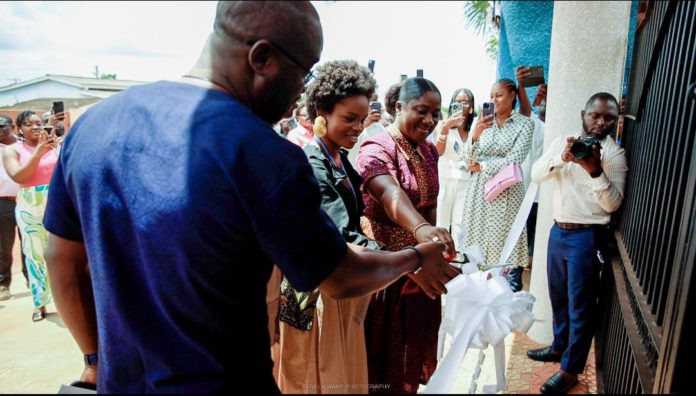
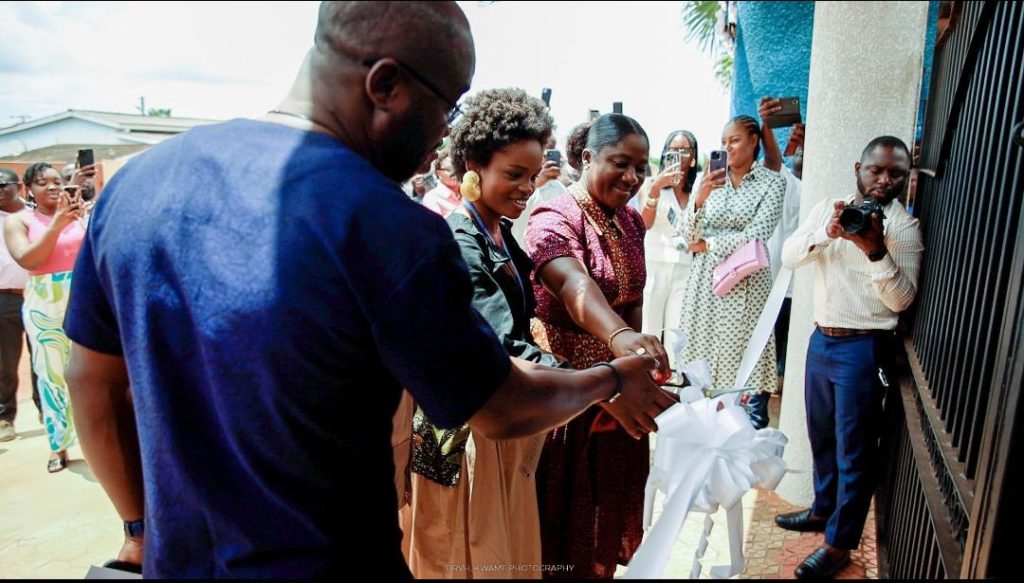
The African Centre for Technical Training (ACTT), a vocational skills training and development institute in Ghana, celebrated its official inauguration at the Adenta campus in Accra on August 31, 2023.
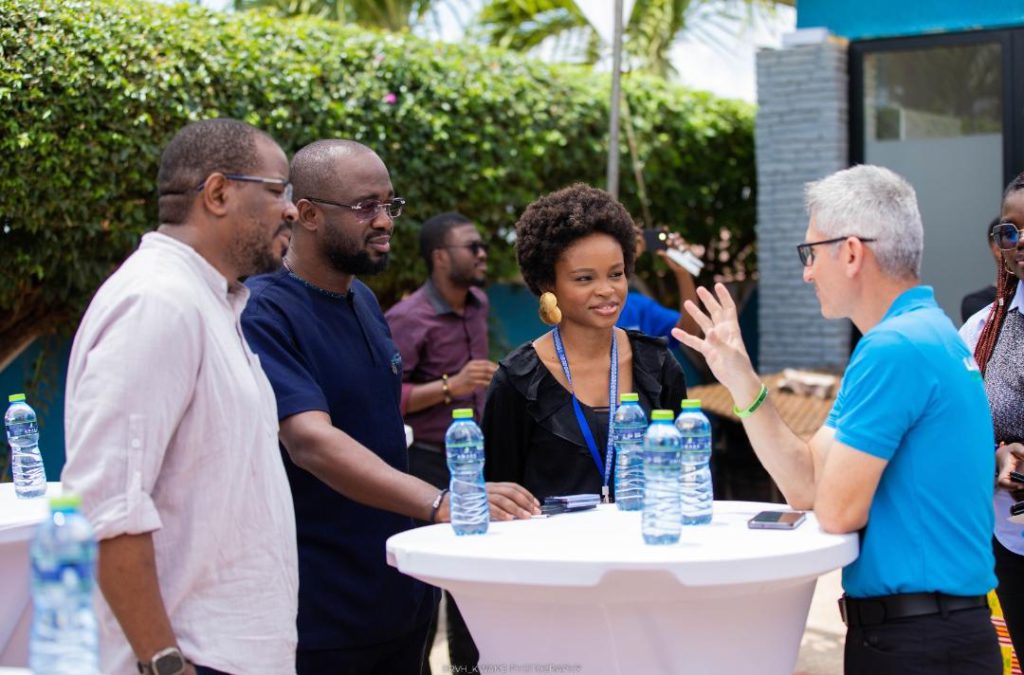
The event, themed “Introduction to the Plumbing Systems Design Program,” brought together key stakeholders from the education, industry, and development sectors, including organizations like BOSCH, GIZ, CAMFED, the German Embassy, and the Ghana Enterprises Agency (GEA).
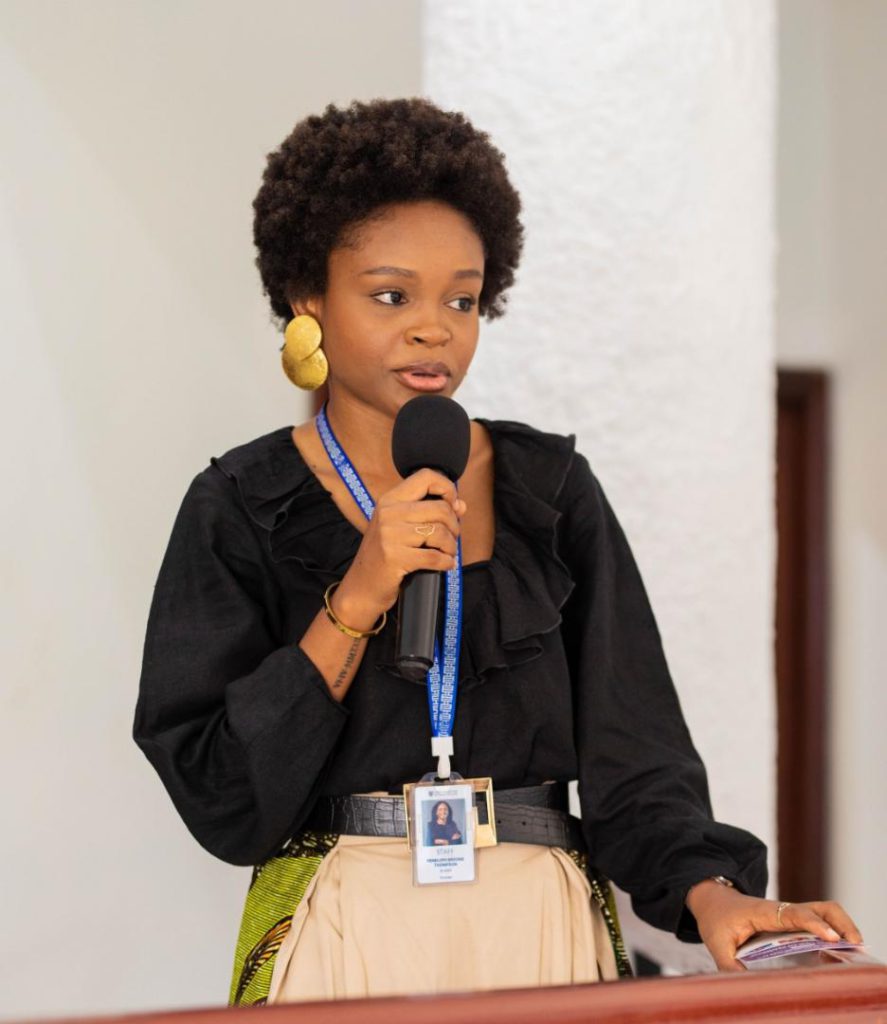
Penelope Brooke Thompson, the Founder and President of ACTT, delivered a keynote presentation highlighting the institution’s transformative journey, vision, and the groundbreaking Plumbing Systems Design Program.
Distinguished guests of honor participated in a symbolic ribbon-cutting ceremony and toured the state-of-the-art facilities on the campus, which include a modern plumbing workshop, lecture hall, computer lab, library, health center, cafeteria, auditorium, and conference room.
ACTT’s mission is to address the technical skills gap in various industries by offering high-quality technical and vocational training programs, artisan certification, mentorship initiatives, and job placement opportunities. The Plumbing Systems Design Program is a standout offering, providing comprehensive training in soft skills, theoretical foundations, and hands-on experience through workshop training and apprenticeships.
Richard Appiah Otoo, Chief Operating Officer at Ghana Water Company Limited, praised the project and emphasized the importance of skilled artisans in project execution.
He also highlighted the German two-tier track system for theoretical education and apprenticeships as a model for producing skilled craftsmanship.
Akosua Manu, Deputy CEO of the National Youth Authority (NYA), expressed her support for ACTT and its focus on excellence in technical and vocational education and training. She commended ACTT’s efforts to provide alternative pathways to gainful employment for young individuals.
ACTT, established in 2022, aims to redefine technical and vocational education and training while creating sustainable pathways to employment.
Following the success of its pilot program, the Artisanal Leadership Development Program, ACTT plans to introduce a series of construction-related programs, starting with the Plumbing Systems Design program in September 2023 in Accra, Ghana.
ACTT welcomes applications from a diverse range of individuals, including high school graduates, university graduates, school dropouts, master artisans, and aspiring apprentices.
For more information and applications, interested individuals can visit the ACTT website at www.actt.edu.gh or contact ACTT at +233 256556344 for personalized assistance.
Didi Dramani, who currently serves as the Assistant Coach of the Black Stars and is associated with Right To Dream Academy, is set to take the reins of the team throughout the qualifiers for the upcoming Championship of African Nations (CHAN) Tournament.
Dramani brings a wealth of experience, having led Ghana to victory in the 2012 FIFA U-17 Women’s World Cup in Azerbaijan and achieving a domestic double (Premier League and FA Cup) with Asante Kotoko in 2014.
Before transitioning to coaching, Didi Dramani had a notable playing career, representing teams like Bolgatanga Soccer Masters, Real Tamale United, and Cape Coast Mysterious Ebusua Dwarfs before retiring in 2000.
Assisting Didi Dramani in this CHAN qualifiers campaign will be Baba Nuhu and Samuel Boadu.
Ghana’s objective is to secure a spot in the CHAN tournament following their quarter-final exit in the previous edition held in Algeria earlier this year.
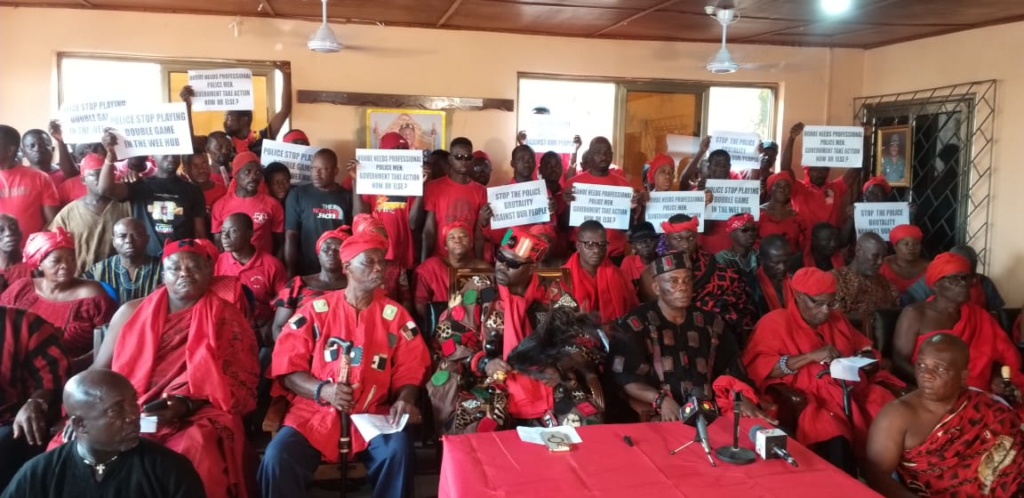
The Gbi Traditional Authority has called upon the government to establish a commission of inquiry to investigate alleged incidents of police brutality in the region.
The chiefs and residents of the Hohoe Municipality have accused the police of harassment, violence, and property destruction instead of safeguarding lives and property.
Torgbegah Gabusu VII, the Paramount Chief of Gbi, expressed concern about the escalating trend of police brutality in the area over the years.
He called upon President Akufo-Addo to form an independent commission of inquiry to investigate and address their grievances.
Gabusu stated that the findings of the inquiry should be made available to the Gbi state within 90 days.
The traditional authority highlighted instances of police brutality, including harassment, false arrests, intimidation, assault, and murder, particularly in Wegbe, Godenu, Kledzo, and Atabu.
They emphasized that these incidents have occurred with impunity, as past cases have not been thoroughly investigated or culprits prosecuted.
Torgbegah Gabusu recounted specific incidents, including the knocking down of a motorbike rider by a police vehicle, resulting in severe injuries, and the deaths of individuals due to police actions.
He also mentioned the shooting death of a taxi driver in Gbi-Wegbe.
“For unknown reasons, the incidence of police brutalities against civilians in the Gbi Traditional Area with particular reference to Wegbe, Godenu, Kledzo, and Atabu have become more frequent and more intense and has assumed high proportions with unwarranted and excessive brutalities ranging from harassment, false arrests, intimidation, assault, mayhem, and outright murder,” he said.
Gabusu called for swift action within the 90-day timeframe to prevent the recurrence of excessive use of force and unprofessional conduct by the police in the Gbi State. He urged the government to respond promptly and empathetically to their concerns.
The Municipal Chief Executive (MCE) for Hohoe, Noble Daniel Awume, received the petition and assured the public that the government would work to resolve the issue promptly.
He encouraged the public to remain calm while the matter is investigated.
The call for an inquiry comes in the wake of a violent clash between the police and civilians in Gordenu, resulting in casualties and property damage.
The incident followed a “violent disturbance” involving aggrieved youth and police officers, during which a police vehicle and a civilian’s motorbike were set on fire, according to the Ghana Police Service.
Former Executive Secretary of the National Identification Authority (NIA), Osei Kwame Griffiths, has raised concerns about the possible exclusion of eligible new voters in Ghana.
In a statement, he urged Ghanaians to call the Electoral Commission (EC) of Ghana to reconsider its plans for the limited voter registration exercise, which he believes could pose more challenges than benefits.
Griffiths highlighted an issue with the EC’s decision to hold registration exclusively in the 268 District Offices of the Commission, which includes the Guan District.
This means that eligible citizens living far from these District Offices would have to travel to the Constituency/District Capitals for registration, incurring significant transportation costs, often exceeding GHS 50.
Using practical examples, he illustrated how this centralized system could financially burden many people and urged citizens to demand a reconsideration of these arrangements.
Griffiths also pointed out what he viewed as inconsistencies in the approach of the New Patriotic Party (NPP) government, particularly regarding the NIA cards. He mentioned that while the NPP had previously opposed charging for the cards due to concerns about disenfranchisement, the current voter registration modalities appear to present a similar problem.
He questioned the government’s silence on the matter and compared it to the previous stance of the NPP on charging for essential cards.
The limited voter registration is scheduled to commence from September 12, 2023, to October 2, 2023.
Read the full statement by the former NIA boss below:
2023 LIMITED VOTERS REGISTRATION EXERCISE – GHANAIANS MUST CALL THE EC TO ORDER There has been a lot of commentary on the press conference held by the Jane Mensah-led NPP Re-election Commission since it was held on Thursday 17th August 2023. My intention is not just to add one to their number but to present a point of view as an expert in biometric technology and mass registration exercise and secondly to expose the misinformation that has been spewed.
Although the EC constantly gives anyone who doesn’t want to be a spectator course to speak up, some of us will not get tired exposing their incompetence and wicked intentions. Just like in the recent past, the EC is still taking the nation on a slippery slope. I recall that since 2020, the EC has not carried out any exercise to register new eligible voters. That means, Ghanaians in the 18-21 years bracket have not had the opportunity of getting their names on the voters register. One can imagine the sigh of relief these young men and women had when the EC finally announced the registration exercise. Unfortunately, most of these potential voters stand the risk of being disenfranchised if the EC is not called to order.
According to the EC’s modalities, the registration exercise; “will take place in all the 268 District Offices of the Commission including the Guan District. In other words, each District Office will serve as a Registration Center”.
This means eligible Ghanaians living far and near the Constituency/District capitals where the District offices are located, will have to travel from their place of abode to the Constituency/District Capital before they can register.
A quick scan through the non-urban constituencies in Ghana indicates that there are several places within the constituencies where eligible registrants will have to pay in excess of Fifty Ghana Cedis (GHS 50) in and out by means of transportation to get to the Constituency/District Capitals before they can register. Let me highlight on the transportation burden on such eligible registrants in some specific constituencies: Take the case of farmer Karim who lives in Bamboi in the Bole/Bamboi District. Karim will have to travel two and half hours to Bole and another two and half hours back at the cost of Eighty Ghana Cedis (GHS 80) in order to register per the EC’s modalities. If Karim does not have a Ghanacard, then per the NIA’s performance, he will have to make this trip several times first to get his Ghana Card and finally travel again for the EC registration. Oh wait, there is another option for Karim if he has no Ghana Card. He will have to bare the transportation cost of two guarantors in addition to his, a total cost of Two Hundred and Forty Ghana Cedis (GHS 240) just to get registered.
This is the story for many other places, hence the disenfranchisement will be widespread if the EC is allowed to go on the path it has decided. For instance, the Afram Plains has the largest land mass in the Eastern Region with 2,341.3 square kilometers. Out of the 31 electoral areas and 127 polling stations, 13 electoral areas and 54 polling stations are located on various islands.
Owing to how the topography of the constituency is, constituents are compelled to rely on boats, canoes and ferries as the only reliable means of transport. To this end, one has to travel several kilometers and long hours on water and commute by road to Donkorkrom to access the district capital at the cost of over a Hundred Ghana Cedis per person and over Three Hundred Ghana Cedis if guarantors are to be transported. This journey cannot be done in a day so accommodation will have to be arranged for the eligible registrant and his/her guarantors.
EC’S NEW UNCONSTITUTIONAL ELIGIBILITY CRITERIA The 1992 Constitution of Ghana states in Article 42 RIGHT TO VOTE as follows; “Every citizen of Ghana of eighteen years of age or above and of sound mind has the right to vote and is entitled to be registered as a voter for the purposes of public elections and referenda”.
The eligibility criteria to register and vote is therefore set per Article 42 as follows; To be eligible to register and vote you must; 1. be a Ghanaian 2. be 18 years and above and 3. be of sound mind However, per the modalities set by the EC for the Limited Registration, If you live in Afram Plains, eligibility to register and vote is being amended as follows; To be eligible to register and vote you must; 1. be a Ghanaian 2. be 18 years and above and 3. be of sound mind 4. be able to afford over GHS 100 transportation cost for yourself 5. be able to afford over GHS 200 transportation cost for your two guarantors 6. be able to afford overnight stay for yourself and your guarantors Okay folks, this is common sense. The fact that the EC does not see this as an unsurmountable roadblock for eligible Ghanaians to register and vote as guaranteed under Article 42 of the 1992 constitution is shocking. How many farmers, carpenters, teachers etc will be able to meet the additional three conditions the Electoral Commission is imposing on them? My emphasis!
THE HYPOCRISY OF THE NPP During the first 2 years of the Mills-Mahama administration, the Danquah Institute organized a workshop on the need to introduce biometric and electronic voting in our electoral process. The NIA presented a biometric system that was handed over by the Kufuor administration and proposed the way forward. The New Patriotic Party made a bizarre claim that the NDC was trying to charge Ghanaians for the cards although in building the system, President Kufour intended the cards to be free. At a point they quoted that Ghanaians would be required to pay GHS5 and at another point they claimed GHS10 would be collected from citizens before issuing them with the Ghanacard.
As a former staff and Chief Executive of the Authority, I wish to state categorically that there was no such intention to charge for the Ghanacard at any point. Interestingly, the reasons the NPP gave for their disagreement to any form of charge or cost to attaining the card is still relevant today. They held the view that the card was multi-functional and would be mandated for use in several services including elections. They thus indicated with emphasis that any Ghanaian who could not afford to buy the card for GHS5 or GHS10 would be disenfranchised. Hence, any attempt to charge for the Ghanacard was offensive to Article 42 of the 1992 constitution. As indicated supra, this provision confers on every Ghanaian who is 18 years and above and of sound mind the right to register and vote.
I am therefore amazed at the silence of the NPP when citizens of this country are being asked to transport themselves from various parts of the country to the EC district offices at the cost of GHS100/person in some cases. The smaller parties who until now have virtually supported the NPP to cheer the EC over the years have even kicked against EC’s current decision. They have all joined the NDC to condemn this move. They recognize that the EC will not achieve the inclusiveness that the continuous registration exercise is supposed to promote.
HOW DID JEAN MENSAH’S PREDECESSORS DO THIS? I have selected for comparison five registration exercises since 2012 when the Biometric Registration System was introduced in Ghana. The table below presents a summary of all five selected mass/limited biometric registration exercises, two under the leadership of Dr. Afari-Gyan, one under the leadership of Dr. Charlotte Osei and the last two under the leadership of Dr. Jean Mensah.
Dr. Kojo Afari Djan embarked on mass/limited registration of eligible voters twice using biometric technology. He organized a nationwide mass registration of voters between March 24 to May 5, 2012 where he projected to enroll 14 million registrable voters using 6000 centers across the country. In all 14,158,890 voters were provisionally registered. After data processing and biometric de-duplication 13,724,370 distinct records remained on the register representing 98.03% of projected enrollments. It is important to note that the projected enrollment figure of 14 million registrable voters were obtained professionally from statistical service.
Dr. Kojo Afari Djan again from 4th to 13th August 2014 embarked on a limited registration exercise which took place at 6,000 centers across the country. The objective was to enable persons who could not register during the 2012 mass registration exercise and those who turned 18 years after 2012 to register before the District Assembly Elections which was eventually held in 2015. 857,177 registrants were registered representing 85.72% out of the projected 1 million registrants to be registered. The projected enrollment figure of 1 million registrable voters were obtained professionally from statistical service.
Dr. Charlotte Osei, from 28th April to 8th May 2016 embarked on a limited registration exercise which took place at 6,000 centers across the country. The objective was to enable persons who could not register during previous registration exercises and those who turned 18 years after the last registration exercise to register before the 2016 General Elections. 1,069,365 registrants were registered representing 89.11% out of the projected 1.2 million registrants to be registered. The projected enrollment figure of 1.2 million registrable voters were obtained professionally from statistical service.
JUXTAPOSING WITH DR. JEAN MENSAH’S MEDIOCRE PERFORMANCE Dr. Jean Mensah, before the referendum which covered 47 districts, embarked on a limited registration exercise targeting just the 47 districts. The objective was to enable persons who could not register during previous registration exercises and those who turned 18 years after the last registration exercise to register before the referendum to create the new regions. Instead of obtaining projected registrable population from Ghana Statistical Service like her predecessors, Dr. Jean Mensah set for herself a very low target of 100,000 projected registrable population in the 47 districts. She insisted against wise council that the exercise “will take place in all the 47 District Offices of the Commission. In other words, each District Office will serve as a Registration Center”. The NDC cautioned her to no avail that registering only in the district centers will disenfranchise eligible registrants. At the end of the exercise, she was able to register only 47% of her low target of 100,000. In other words, she set for herself an extremely low target and failed to register half of the target. 47% is an F grade in any school in this country. You will think such an abysmal performer will learn from her mistakes and do everything to avoid another disaster right? Not Dr. Jean Mensah. She has proposed to register this time the whole country using the same modalities. Shocking right?
Dr. Jean Mensah again from 17th June to 7th July 2019 embarked on a limited registration exercise which she initially announced would take place at the EC’s District Offices throughout the country using the VMS (online) system. She first mentioned a projected registrable population of 300,000. A figure the NDC cautioned was too small as our internal checks with Ghana Statistical Service revealed a registrable population of 1.7 million. She later adjusted it to 500,000 and subsequently announced 700,000 at a press conference 2 days after the registration exercise had started. Secondly the NDC indicated that the VMS system (Online system) which were already fixed in the District offices of the EC throughout the country, were not designed for mass registration and for which reason any attempt to deploy them for that purpose would generate functionality challenges. This advice was also flatly ignored by Dr. Jean Mensah. At the end of the registration, the EC had registered 1.2 million registrants, 400% more than their initial projection of 300,000. Interestingly, the Dr. Jean Mensah’s EC said it was the effective PR campaign that brought out the numbers. Really? We all know PR campaign cannot make a person turn 18 years when they are not. They registrants existed but she failed the make the right projection, period. The aspect of the eventual outcome that should have humbled Dr. Jean Mensah was the fact that there was mass failure of the VMS (online) system nationwide. It was this same system the NDC had cautioned was not meant for mass registration. The VMS eventually registered just 7% of the 1.2 million voters that were eventually registered while the offline system which the NDC proposed and which Dr. Jean Mensah reluctantly accepted, registered as much as 93%.
Here we are again, Dr. Jean Mensah and her EC are determined to once more turn a deaf ear to wise counsel. It beats the minds of many Ghanaians what the EC stands to gain by disenfranchising Ghanaians in a nationwide exercise. This is what they would typically have done in the NDC strongholds. Why are most Ghanaians, especially Civil Society Organizations silent and sitting on the fence? I call on all well-meaning Ghanaians to stand up against this insensitive and incompetent actions coming from the EC. Jean Mensah must be called to order NOW!
Respected Krontihene of the Goaso Traditional Areas in the Ahafo Region, Nana Yenhyira Kojo Kuma, has been tragically discovered lifeless in a a remote forest.
According to reports Nana Yenhyira Kojo Kuma had been missing for the past six days before his lifeless body was found on the morning of Monday, September 4, 2023.
The discovery has raised suspicions of foul play and the possibility of murder.
Local law enforcement agencies have swiftly launched an investigation into this distressing incident, with the aim of uncovering the circumstances surrounding Nana Yenhyira Kojo Kuma’s untimely demise.
In response to this tragic news, friends and associates of the deceased have begun expressing their condolences and sharing their cherished memories of Nana Yenhyira Kojo Kuma on various social media platforms.
Journalist, Bridget Otoo, has shared a heartwarming story about how a school dropout came to her aid when she was in need of water and didn’t have any money.
Bridget recounted the story in a Facebook post dated September 3, 2022.
She explained that while driving home one day, she fell sick and desperately needed water, but she had no physical cash on her, only mobile money (momo).
She felt embarrassed to ask people in traffic for water, especially since she only had momo, which she thought people might not accept as payment for a small item like a 2 cedis bottle of water.
As her dehydration worsened, Bridget passed by several water sellers on the Kpone stretch. Then, she noticed a young lady and whispered to her that she wanted water but could only pay via momo.
To her surprise, the young lady gave her a bottle of water without accepting any payment.Grateful for this act of kindness, Bridget insisted on taking the young lady’s phone number so she could thank her later.
After drinking the water and refreshing herself, Bridget called the young lady the next morning to express her gratitude and sent her momo to show her appreciation.
During their conversation, Bridget learned that the young water vendor was a school dropout.
She shared that they had a meaningful conversation, and the young woman agreed to meet her. Bridget expressed her eagerness to see where this newfound connection might lead and hoped to make a positive impact on the young woman’s life.
In conclusion, Bridget Otoo’s story highlights the kindness of a stranger who came to her aid in a time of need and the potential for meaningful connections that can arise from such encounters.
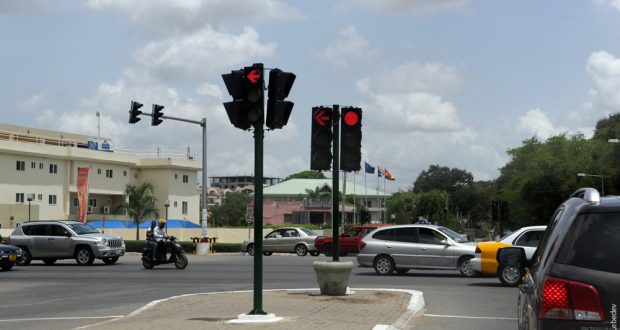
The National Road Safety Authority (NRSA) has identified the theft of essential components as the reason behind the non-functionality of traffic lights in many parts of the country.
This issue has led to chaotic situations at numerous intersections, particularly during peak hours, turning them into potential hazards for both motorists and pedestrians.
According to the Head of the Public Affairs Department at the NRSA, Pearl Satekla, thieves are stealing crucial elements like bolts, wires, and bulbs from traffic lights, especially when they are being maintained or installed.
She highlighted several contributing factors to this recurring problem, including the lack of effective measures to prevent theft, insufficient funds to compensate contractors responsible for maintaining the lights, and bureaucratic procedures for purchasing or importing replacement parts.
The NRSA has acknowledged the seriousness of the situation and is taking steps to address it.
They have engaged with the Department of Urban Roads, written to relevant authorities, and have received assurances that funds have been secured from the Ministry of Roads and Highways to repair the malfunctioning and non-functioning traffic lights across the country.
These repairs are expected to be carried out as swiftly as possible to enhance road safety and alleviate the chaos caused by malfunctioning traffic lights.
The Chief Executive Officer of the Ghana Tourism Authority (GTA), Akwasi Agyeman, has clarified that his organization does not provide financial funding to event organizers.
During an interview with the media, Mr. Agyeman emphasized that the GTA’s support to event organizers is typically in the form of endorsement and not financial backing.
He explained that while they do offer support to event organizers who wish to collaborate with them as part of the “December in GH” initiative, the idea that the GTA provides financial assistance is inaccurate.
According to him, the Ghana Tourism Authority’s logo serves as a confirmation that the state supports and endorses the events they are associated with.
“We are not a funding agency for events. What we do is give the people some confidence that this event will happen. For it to become an official December in GH event, we put our logo on it. You cannot just put our logo on your event.”
Mr. Agyeman acknowledged that there are instances where they provide resources to assist certain events facing last-minute emergencies.
For example, if event organizers encounter issues like sound problems, the GTA may facilitate solutions by bringing in appropriate vendors.
However, he emphasized that the GTA cannot financially support every event since it is not within their mandate to do so. He clarified that the funds used for such support are not sourced from state funds but rather provided on a case-by-case basis.
In summary, the Ghana Tourism Authority primarily offers endorsement and logo support to event organizers as part of their collaboration but does not serve as a financial funding agency for events.
Financial support, if provided, is done on a selective basis to address specific event-related emergencies or challenges.
The Ghana Education Service (GES) has revised the reopening date for Senior Secondary High (SHS) form one students to Monday, September 25, 2023.
This adjustment follows recommendations made subsequent to the release of a new academic calendar encompassing basic schools and senior high schools by the GES.
Initially, the students were scheduled to resume classes on September 18.
However, in the most recent announcement signed by Prince Agyemang-Duah, the Acting Director of the Schools and Instruction Division, GES has stated, “Regional Directors of Education are kindly requested to disseminate this information to all Head of Senior High and Senior High Technical Schools, instructing parents/guardians and students to take note of the new date and prepare accordingly.”
Background:
On February 8, 2023, the Ghana Education Service (GES) unveiled the 2023 academic calendar applicable to all educational levels, including Kindergarten, Primary, Junior High, Senior High, and Senior Technical schools.
Dr. Kwabena Bempah Tandoh, the Deputy Director of GES in Charge of Quality and Access, issued this statement to all Regional Directors of Education.
The announcement specified that the Basic Education Certificate Examination for this year would commence in September 2023. According to the statement, the academic calendar for Kindergarten, Primary, and Junior High Schools (JHS) would be structured into trimesters.
The first term was set to run from January 10, 2023, to March 24, 2023, with a vacation period from March 25, 2023, to April 02, 2023. The second term was scheduled from April 03, 2023, to June 15, 2023, followed by a break from June 16, 2023, to June 26, 2023.
The third term would span from June 27, 2023, to September 14, 2023.
Regarding the 2023 Transitional Academic Calendar for Double Track Senior High Schools (SHS) for Form Threes, the first term was set to commence from January 10, 2023, to April 05, 2023.
A break was scheduled from April 06, 2023, to April 16, 2023, with the second term starting on April 17, 2023, and ending on June 01, 2023. Students would then have a break from June 02, 2023, to June 08, 2023, with the third term scheduled from June 09, 2023, to September 15, 2023.
For Form Twos in the same category, the first term would start from January 10, 2023, to February 17, 2023, with a break from February 18, 2023, to April 10, 2023.
The second term would commence from April 11, 2023, to June 01, 2023, with a break from June 02, 2023, to August 11, 2023, and the third term resuming from August 14, 2023, to November 30, 2023.
Similarly, Form Ones in the same category were slated to have their first term from February 20, 2023, to April 13, 2023, with a break from April 14, 2023, to June 08, 2023.
The second term would begin from June 09, 2023, to August 10, 2023, with another break from August 11, 2023, to September 17, 2023. The third term would follow from September 18, 2023, to November 30, 2023.
The statement also detailed the single-track academic calendar for Senior High Schools. Form Threes were set to begin their first term from January 10, 2023, to April 05, 2023, with a break from April 06, 2023, to April 16, 2023.
The second term would run from April 17, 2023, to June 01, 2023, with a break from June 02, 2023, to June 08, 2023. The third term was slated from June 09, 2023, to September 15, 2023.
Form Twos in the same category would have their first term from January 10, 2023, to April 05, 2023, with a break from April 06, 2023, to April 16, 2023. The second term was set to start from August 17, 2023, to August 25, 2023.
Form Ones in this category would also follow a two-term structure, with the first term commencing from February 20, 2023, to April 05, 2023, and a break from April 06, 2023, to April 16, 2023. The second term would begin from April 17, 2023, to September 15, 2023.
On June 5, Lee Min-so* detailed her classroom anxiety in her diary, expressing her overwhelming fear.
By July 3rd, the primary school teacher confessed to feeling overwhelmed by her job’s stress, yearning for release.
Tragically, two weeks later, her colleagues discovered the lifeless body of the 23-year-old in her classroom storage, a victim of suicide.
This tragedy has sparked anger among South Korea’s primary school educators.
Tens of thousands went on strike, demanding better workplace protection, citing incessant harassment by demanding parents who complained at all hours, including weekends.
Min-so’s cousin, Park Du-yong, fights back tears as he tidies her now-empty apartment, home only to her goldfish. Her bed remains unmade, alongside a stack of drawings from her first-grade students expressing their love. Beneath, a collection of books on coping with depression.
Park reveals Min-so, a teacher for just over a year, had cherished her students and followed her mother’s teaching path. After her death, he became a detective, unearthing her diary, work logs, and messages.
They revealed months of parental complaints leading to her suicide, including a recent incident where one student injured another with a pencil. Min-so engaged in heated late-night phone calls and messages with parents.
For the past six weeks, tens of thousands of teachers have rallied in Seoul, claiming they are too afraid of being labeled child abusers to discipline or intervene as students turn violent.
Parents exploit a 2014 child welfare law, resulting in automatic suspensions for teachers accused of child abuse, even for minor incidents like restraining a violent child or giving a reprimand.
One teacher received a complaint for denying a parent’s request to wake their child with a morning phone call. Another faced allegations of emotional abuse for removing reward stickers from a child who had harmed a classmate with scissors.
One teacher, Kim Jin-seo, admitted to suicidal thoughts after aggressive complaints. She needed three months off work.
South Korea’s hyper-competitive society exacerbates this culture of complaints, where academic success is paramount. Students vie fiercely for top grades from an early age, creating immense pressure.
Professor Kim Bong-je notes that rising inequality and highly educated parents have led to a lack of respect for teachers.
Kwon, another teacher, recounted two periods of sick leave due to depression and panic attacks caused by parental and student stress. Disruptive students used to be sent out or to the back of the room, but parents started suing for child abuse.
Bullying and violence among students are known issues, further fueled by pressure on teachers to erase students’ wrongdoings from their records.
Shin Min-hyang, an advocate for student and parent rights, acknowledges the recent unacceptable behavior but asserts it’s not representative of all parents.
Still, parents admit to harassing teachers in group chats, exacerbating the issue.
Students may suffer as well, with fewer teachers opting for this profession. Less than a quarter of teachers are satisfied with their job, a significant decline from 68% in 2006. Most have considered leaving the profession.
The government has issued new guidelines allowing teachers to remove disruptive students and restrain them when necessary. Meetings with parents must be agreed upon in advance.
South Korea’s education minister, Lee Ju-ho, hopes these measures will restore schools to their proper role. However, many argue that the entire education system and society’s narrow view of success need reform. Success should not be solely defined by grades, as everyone benefits from a more balanced society.
*The name of the deceased has been changed at the family’s request.
In a remarkable achievement, Ghana has become the inaugural African nation to successfully manufacture a cholera vaccine, marking a significant milestone for vaccine production on the continent.
This groundbreaking vaccine was developed by DEK Vaccines Limited, a consortium of Ghanaian pharmaceutical companies led by the private sector, which includes Danadams, Ernest Chemists, and Kinapharma.
Dr. Kofi Nsiah-Poku, the Managing Director of DEK Vaccines Limited, revealed that this cholera vaccine is part of a series of six vaccines, including those for Malaria, HPV, Pneumonia, and Rotavirus, all slated for availability by 2026.
Speaking in Accra during a visit by Dr. Jerome Kim, Director General of the International Vaccine Institute, Dr. Nsiah-Poku expressed the consortium’s ambitious goal to produce 600 million vaccine doses annually when their newly established manufacturing plant reaches full capacity, estimated to be in approximately two years.
The company is also in the process of developing a typhoid vaccine, having completed the necessary tests and awaiting certification from the World Health Organization (WHO) to commence production.
Dr. Nsiah-Poku emphasized that their pursuit of local vaccine manufacturing follows a licensing and technology transfer agreement with the IVI (International Vaccine Institute), a non-profit international organization, designed to enable the production of vaccines’ crucial raw materials.
He stated that this initiative would help alleviate vaccine shortages in Ghana and the wider West African region, particularly for diseases like malaria, cholera, cervical cancer, and other life-threatening conditions.
Dr. Kim from the IVI highlighted the significance of transferring vaccine manufacturing technology to Ghana, stating that it would empower not only Ghana but all of Africa to produce its vaccines and respond effectively to future pandemics.
He emphasized the IVI’s commitment to assisting African countries in achieving the ambitious goal of manufacturing 60% of the vaccines required against various diseases on the continent by 2040.
Dr. Kim also praised Ghana for establishing essential structures, including laboratory and field testing capabilities, for effective vaccine manufacturing regulation to ensure quality. He urged Ghana to lend its expertise to strengthen regulatory bodies across Africa, facilitating sustainable vaccine production.
The CEO of the Food and Drugs Authority (FDA) in Ghana, Dr. Delese Mimi Darko, affirmed the FDA’s commitment to supporting vaccine development within the country and the broader African context.
She noted that other African nations like Mozambique and Senegal were already benefiting from clinical trials, market surveillance, and licensing systems.
Furthermore, the goal is to make Ghana the 41st member of the IVI, cementing its position as a key player in vaccine manufacturing and development.
The Ghana Meteorological Agency (GMeT) has issued a warning that this year’s September to November rainfall distribution could result in increased localized flooding in low-lying regions of Accra and Kumasi.
The agency also expressed concerns about the likelihood of heavy flooding in the northern region due to the expected high rainfall and the possibility of the Bagre Dam in Burkina Faso spilling over.
These warnings were detailed in this year’s September-October-November (SON) forecast, which was provided to the Daily Graphic.
Francisca Martey, Deputy Director and Head of Research and Applied Meteorology at GMeT, noted that the current rainfall pattern outlined in the forecast was not unusual.
According to the agency, this year’s SON rainfall is projected to be above normal for most regions in Ghana, except for specific areas in the southwestern parts, such as Asankragwa in the Western Region, and transitional zones like Kintampo and the surrounding rainforest regions to the north, where rainfall is expected to be normal.
The majority of the rainfall is anticipated to be in the form of light to moderate rain spread over several hours, with occasional heavy downpours.
The northern part of the country is also expected to experience above-normal rainfall during SON. At the peak of the season, there is a high probability of heavy rain accompanied by strong winds and lightning, potentially leading to localized floods, especially in low-lying areas of Accra and Kumasi in October.
To prepare for the rainy season, the agency has advised authorities in the disaster management sector to establish and activate integrated monitoring and early warning systems for flood risk.
Collaboration between agencies responsible for flood monitoring, disaster risk reduction, and humanitarian aid should also be enhanced. Additionally, residents in flood-prone areas are urged to consider relocating.
In areas with heavy rainfall, the risk of waterborne diseases like cholera, malaria, dengue fever, bilharzia, and diarrhea increases.
To mitigate this, the agency recommends intensifying public education on disaster risk reduction through national media and information vans. Collaboration between meteorological, hydrological, and disaster management organizations should also be strengthened.
For agriculture, especially in eastern coastal areas, the agency advises farmers to focus on short maturation crops due to the shorter rainy season. Farmers are encouraged to invest in improved seed varieties and yield enhancement techniques for both food and cash crops.
Diversifying income-generating activities and adopting farming practices like no-tillage, mulching, market gardening, and agroforestry are also recommended to offset potential production deficits caused by dry spells at the end of the season.
Farmers should also plan to protect their harvest from rain-related post-harvest losses.
Regarding climate change, Prof. Kwadwo Owusu, Director of the Centre for Climate Change and Sustainability Studies at the University of Ghana, stated that while climate change does impact rainfall patterns, the current situation is considered normal.
He emphasized that experiencing more rains from August to October is within the normal range, and there is no cause for alarm.
In a broader context, experts warn that changes in rainfall patterns due to global warming can have significant implications for agriculture, potentially leading to food insecurity, especially in developing countries reliant on seasonal rainfall.
These changes could also worsen issues like floods, droughts, and famines, further underscoring the importance of addressing climate change.
Two individuals have sustained injuries and undergoing treatment at Nkwanta St. Joseph Catholic Hospital in the Nkwanta South District, Oti Region.
These injuries were a result of them falling into a collapsed bridge over River Dejebo.
Rebecca Ann Vorvor, a nursing officer at the hospital, explained that the victims were brought in unconscious due to their heads hitting the iron rods on the collapsed bridge.
She provided reassurance that they are currently responding well to treatment.
One of the victims, 21-year-old Paul Obimpeh, who is still hospitalized, recounted the incident.
He mentioned that he was traveling with his father from Tuobodom to Nkwanta when they encountered the collapsed bridge.
The steel bridge, which serves as a vital connection between communities, became perilous after heavy rainfall washed away parts of it. Despite several reports seeking government intervention to repair the bridge, no action has been taken.
As a result, commuters, particularly women, are compelled to pay for assistance to transport their goods to the market center.
In light of these challenges and the evident risk to lives, there is a heartfelt appeal to the government to urgently address the situation by repairing the bridge to ensure the safety and well-being of the local residents.
Civil society organizations dedicated to promoting science have advocated for deliberate initiatives aimed at encouraging elementary and secondary school students to explore careers in Science, Technology, Engineering, and Mathematics (STEM).
Both the Alliance for Science Ghana and the Kenya-based Fun and Education Global Network (FEGNe) emphasize that children are unlikely to pursue STEM programs at the tertiary level unless proactive efforts are made to introduce them to these fields at a young age.
During a courtesy visit to officials of the University of Ghana, Joseph Opoku Gakpo, the Country Lead of Alliance for Science Ghana, along with FEGNe President Kenneth Monjero, expressed their commitment to this cause.
They met with Prof. Elsie Effah Kauffman, the Dean of the School of Engineering Sciences, and Prof. Eric Danquah, the Founding Director of the West Africa Centre for Crop Improvement (WACCI).
Gakpo shared his personal experience, explaining, “When I was a child, all I knew was that agricultural sciences equate to hoe and cutlass farming. Someone had to open my mind to the fact that other careers like plant breeding and genetics exist in agriculture. And that inspired me to pursue a BSc in Agricultural Biotechnology at KNUST. We must all be interested in doing such favors for today’s elementary and secondary school children.”
He emphasized the importance of individuals in STEM fields guiding and inspiring young minds, stating, “Children will not pursue courses they don’t know about. They will not venture into careers they have never heard of. Those of us in STEM today have a God-given assignment to show children the way so they have STEM options to choose from when deciding their career paths.”
Kenneth Monjero, who was in Ghana to conduct science shows at various senior high schools to ignite interest in STEM, conducted engaging science experiments for students. During the University of Ghana visit, Monjero expressed confidence that these shows would “inspire young minds to explore STEM while fostering a deep understanding of climate change and its global implications.”
Prof. Eric Danquah concurred with the need to introduce children to STEM at an early age, recognizing that such exposure could inspire them to pursue STEM careers. Prof. Elsie Effah Kauffman affirmed her commitment to supporting STEM promotion initiatives, revealing that the College of Engineering Sciences has an outreach team dedicated to this mission.
After establishing a presence in East Africa, Mr. Monjero announced the formation of the Ghana chapter of FEGNe, which will be led by science enthusiasts Dennis Baffour-Awuah and Makafui Gbate.
A member of the National Democratic Congress (NDC), Hon. Stephen Yeboah, has offered an advice to aspirants within the New Patriotic Party (NPP), specifically Alan Kyerematen and Ken Agyapong, who are vying for the party’s presidential seat.
Speaking to the media, he recommended that the duo consider withdrawing from the race.
Hon. Stephen Yeboah clarified that the magnitude of support rallying behind Dr. Bawumia is unmatched when compared to the level of support garnered by the other candidates.
He asserted that it would be in the best interest of Alan Kyerematen and Ken Agyapong to mutually support each other, as individually, they may find it challenging to compete with Dr. Bawumia.
Former DCE for Atima highlighted Dr. Bawumia’s strong position within the party, citing the 629 votes he initially garnered.
In light of the widespread institutional support for Dr. Bawumia, Hon. Stephen Yeboah concluded that it would be difficult for both Alan and Ken Agyapong to surpass his candidacy.
Therefore, he suggested that the two candidates consider uniting behind a common cause.
“Bawumia is the first he garnered 629 votes, so if you look at what is going on.. Every instituition is behind him. It will be difficult for both Alan and Ken Agyapong to defeat Dr. Bawumia. The only thing the two can do is to rally behind each other,” he added.
On Saturday, August 26, 2023, Dr. Bawumia achieved a significant victory in the New Patriotic Party’s Special Delegates Election. He secured a total of 629 votes, emerging as the clear winner.
His closest competitor, Kennedy Agyepong, Member of Parliament for Assin Central, received 132 votes, while Alan Kwadwo Kyerematen, the immediate past Minister of Trade, came in third with 95 votes.
The top four candidates who have been elected to compete for the party’s flagbearer position in the upcoming November 4 election are Dr. Bawumia, Kennedy Agyapong, Alan Kyerematen, and Dr. Owusu Afryie Akoto.
Additionally, the party has scheduled a runoff for next Saturday between Mr. Francis Addai-Nimo and Mr. Boakye Agyarko, both of whom received nine votes.
The winner of this runoff will join the top four candidates in the November Conference.
A Youth Activist, Ivan Kyei, has stated that the current political climate and leadership under President Akufo-Addo have hindered the effectiveness of certain anti-corruption efforts.
Speaking to the media , he argued that certain individuals who had gained recognition for their efforts in combating corruption in the country have seen limited results during Akufo-Addo’s presidency.
Mr Kyei pointed out an investigative journalist, Anas Amereyaw Anas, as one such individual who had garnered global attention for his work in exposing corruption prior to Akufo-Addo assuming office.
According to Kyei, President Akufo-Addo’s influence has had a detrimental effect on Anas’s mission and vision in the fight against corruption.
“There is no way President Akufo-Addo can produly boast of fighting corruption. When he came into power he had admitted corruption in his administration. It is an insult to the ordinaty Ghanaian for the president to say he has fought corruption.
“The reality is that the individuals who have gained recognition over the years in the fight of corruption is Anas. The president pledged to use Anas’s tactics to fight corruption,” he added.
He noted that Martin Amidu, the country’s inaugural Special Prosecutor, was once regarded as resolute against corruption.
However, his determination waned when he became close to the president.
Furthermore, Mr Kyei, found it astonishing that someone friendly with President Akufo-Addo would accuse him of being the source of corruption.
Similarly, the former Auditor-General of Ghana, Daniel Yaw Domelevo, who was appointed to combat corruption, lost his focus after affiliating with Akufo-Addo.
“Even Martin Amidu, once known for his anti-corruption stance, saw a change in his approach after becoming close to the president. It’s perplexing that Amidu would label the president as the ‘mother serpent of corruption.’ And when you look at Domelevo, the challenges he faced during his tenure under the president were significant,” he added.
The fight against corruption in the country remains an ongoing challenge, one that has not yet been decisively won.
In April 2023, Ghana came under scrutiny in an investigative documentary that delved into Zimbabwe’s gold smuggling and money laundering networks.
Titled ‘Gold Mafia,’ the documentary garnered significant attention.
In the documentary’s final installment, undercover journalists, disguised as Chinese gang members, engaged with a pivotal figure named Alistair Mathias, with the aim of facilitating the cleansing of allegedly ill-gotten funds.
Mathias described President Akufo-Addo as a close friend and went on to make the assertion that the president had served as his legal counsel.
“President Akufo-Addo of Ghana told us that he had no recollection of acting as a lawyer for Alistair Mathias or his company,” a text-on-screen by Al Jazeera read.
Meanwhile, the presidency has refuted claims of Akufo-Addo’s involvement in the allegations presented in the documentary.
“The president has not been in private practice since 2000, neither has the president nor his law firm, Akufo-Addo, Prempeh & Co, acted as a lawyer for this Alistair Mathias or Guldrest.
“The president does not know this Mathias or Guldrest. Ignore the spurious allegations,” legal counsel to the president, Kow Essuman added.
President Akufo-Addo, along with the Ministers of Lands and Natural Resources and Food and Agriculture, will participate in the Africa Climate Summit 2023, in Nairobi, Kenya this week.
This summit, occurring from September 4 to 6, 2023, presents a crucial opportunity for African leaders to endorse initiatives aimed at bolstering climate resilience, adaptation, and mitigation efforts.
The anticipated Nairobi Declaration, slated for adoption on the summit’s final day, is eagerly awaited by numerous stakeholders, who are looking for solutions and action-oriented goals.
In total, 24 heads of state from across the African continent are expected to engage in this week-long event.
Preceding the summit, Mohamed Adow, director of the energy and climate think tank Power Shift Africa, emphasized, “The reality of climate change is that Africa did not cause the crisis, but it is Africa that will determine whether humanity can fix it.”
He added, “How Africa develops over the next two decades will determine the fate of the planet. We have an abundance of clean, renewable energy, and it is essential that we use this to power our future prosperity.”
Mwandwe Chileshe, Global Policy Lead for Food Security and Agriculture at Global Citizen, stressed the importance of prioritizing discussions on adaptation finance. He noted, “The Africa Climate Summit in Nairobi presents a pivotal moment for the continent to not only set the tone but also shape the agenda for Africa’s sustainable future.”
Chileshe continued, “Africa is home to most people who are struggling with the weight of climate change, especially small-scale farmers. It is time to bridge the gap between the urgency of needs and the disparity in climate financing.”
Professor Patrick Verkooijen, CEO of the Global Center on Adaptation, highlighted Africa’s growing relevance to global prosperity. He cited the continent’s young population, abundant renewable energy and mineral resources, and vast uncultivated arable land.
Verkooijen emphasized that the Africa Climate Summit should establish the groundwork for increased financial resources to drive climate adaptation and advance the Sustainable Development Goals, ushering in a new era of growth for the continent.
On Sunday, September 3, 2023, Asantehene, Otumfuo Osei Tutu II participated in the Akwasidae festival held at the Manhyia Palace.
This event commemorated the sixth celebration of the year and drew a prominent gathering of dignitaries, including both local and international figures.
Among the notable attendees were Vice President Dr. Mahamudu Bawumia, Godfred Akolbila, the winner of the ‘Ghana’s Strongest’ reality show, and leaders from the Covenant United Church in the United States.
Vice President, Dr. Mahamudu Bawumia’s presence held particular significance, given his current candidacy in the New Patriotic Party (NPP)’s flagbearership race.
During the festivities, he seized the opportunity to seek the blessings of Otumfuo Osei Tutu II, ahead of the NPP delegate’s congress scheduled for November 4, 2023.
Expressing profound gratitude for the blessings previously bestowed upon him by Otumfuo during his political journey, Dr. Bawumia recounted, “I arrived in a spirit of peace, and today, on this auspicious occasion of Akwasidae, I have come to visit and celebrate with Otumfuo. Furthermore, I initially sought his blessing when I contested for the NPP flagbearership. His blessing, combined with divine favor, culminated in my victory on August 26, 2023.”
The Vice President underscored the paramount importance of the upcoming NPP flagbearership contest, emphasizing his ongoing need for Otumfuo Osei Tutu II’s blessings.
He stated, “We face another contest on November 4, where we will select our flagbearer, and I continue to seek his guidance. Therefore, I have come to request his blessings and inform him of my intentions, so that he may bestow upon me his blessings and guide me toward victory. I extend my heartfelt gratitude and may God bless you abundantly.”
The Communications Director of the ruling New Patriotic Party (NPP), Richard Ahiagbah, has expressed his disapproval of the Office of the Special Prosecutor (OSP) in its handling of the suspected corruption case involving former Minister of Sanitation and Water Resources, Cecilia Dapaah.
Ahiagbah has voiced his belief that the OSP appears to prioritize media attention over a thorough investigation to collect the necessary evidence for potential charges.
In an interview with the media on Saturday, September 2, the NPP’s Communications Director criticized the Special Prosecutor and urged him to focus on his official duties instead of unnecessarily tarnishing individuals’ reputations.
He stated, “I believe the Special Prosecutor has been rather disorganized in handling this entire case, excessively seeking public attention, which is affecting its approach to the matter. He should pay less heed to the media and concentrate on his responsibilities.”
On the same program, Mahama Ayariga, the NDC MP for Bawku Central, also criticized the OSP for what he perceived as negligence in handling the case. Ayariga argued that the OSP had not fully adhered to its legal obligations by failing to apply to the court for the confirmation of the seizure and freezing of Cecilia Dapaah’s accounts within the stipulated seven-day period.
He stated, “The law explicitly requires an application for confirmation of the seizure within seven days, and I assert that the Special Prosecutor did not fulfill this requirement. He has shown negligence, and his attempt to divert attention by issuing a lengthy statement is unfounded. The courts are accessible to everyone, so let’s not blame the court,” noted the opposition MP.
Previously, the Financial and Economic Division of an Accra High Court had directed the OSP to return all confiscated funds from Cecilia Dapaah, indicating an inability to confirm the freezing of her bank accounts and other assets.
In response, the OSP issued a statement acknowledging the court’s decision while expressing disagreement, citing a perceived error in calculating the time limitation and emphasizing the ongoing nature of its investigation.
The OSP is conducting an investigation into allegations of corruption and corruption-related offenses against Cecilia Dapaah after it was revealed that she had retained more than $1 million in her residence.
The Director of Research at the Institute of Economic Affairs (IEA), Dr. John Kwakye, has called for the removal of Article 71 from Ghana’s constitution, which pertains to the salaries and allowances of specific officeholders.
Article 71 outlines the remuneration and privileges for various positions, including members of parliament, justices of the superior court of Judicature, the Auditor-General, the Chairman and Deputy Chairman of the Electoral Commission, the Commissioner for Human Rights and Administrative Justice and their deputies, and the District Assemblies Common Fund Administrator, among others.
In a tweet, Dr. Kwakye expressed his view that Article 71 is an outdated provision that should be removed from the Constitution.
He made this statement following the inauguration of a committee by President Akufo-Addo on August 31, which is tasked with determining the emoluments and privileges of Article 71 officeholders.
Dr. Kwakye further emphasized that any proposed salary increases recommended by the committee should face public scrutiny and opposition.
He suggested that, given the state of the economy, the committee should recommend a freeze on emoluments and criticized the review of Article 71 emoluments as unnecessary.
The committee, chaired by former Public Services Commission Chairperson Dr. Janet Fofie, is also responsible for considering the salaries and allowances of political officeholders or any other offices as deemed appropriate by the Constitution.
The committee’s composition was advised by the Council of State.
President Akufo-Addo outlined the committee’s two-fold terms of reference: to make recommendations regarding emoluments and privileges for Article 71 officeholders and to explore other relevant approaches as the committee sees fit to fulfill its mandate.
He suggested that the committee might need to address concerns about the remuneration of public officers beyond Article 71 officeholders, given the economic challenges facing the country.
The Ghana National Fire Service (GNFS) has issued a statement urging the public to ignore recruitment notifications circulating on social media platforms.
The GNFS has clarified that it is currently not engaged in any recruitment processes, including calling for medical examinations, issuing appointment letters, providing attachments, or conducting training sessions for applicants.
In its official statement released on Saturday, September 2, the GNFS emphasized that it has not authorized any individual, organization, or third party to handle recruitment procedures or sell application forms on their behalf.
Consequently, all such announcements should be dismissed.
The statement also highlighted the GNFS’s commitment to combatting fraudulent recruitment activities on social media.
They called upon the general public to assist them in this endeavor by reporting any individuals, entities, or persons involved in such illicit schemes to the appropriate law enforcement agencies for swift and necessary action.
“Management is by this release urging the general public to help the Service in its resolute quest to fight this recruitment fraud on social media by reporting all individuals, persons and entities involved in this criminal venture to the appropriate law enforcement agencies for immediate and necessary action,” an excerpt of the release said.
Furthermore, the GNFS affirmed that they will announce and advertise official job vacancies as soon as they receive the necessary clearance to begin recruitment into the Service.
The former Chairman of the Electoral Commission (EC), Dr. Kwadwo Afari Gyan, has called on members of the opposition National Democratic Congress (NDC) to reconsider their withdrawal from the Inter-Party Advisory Committee (IPAC).
The NDC opted out of IPAC following allegations of EC bias in favor of the ruling New Patriotic Party (NPP) after the 2020 general elections, accusing the EC of election manipulation.
Dr. Afari Gyan highlighted the value of IPAC as a platform for political parties to influence EC decisions and contribute to subsidiary legislation during his address at the 3rd Annual Conference of the NDC Lawyers Association in Akosombo.
He encouraged the NDC to rejoin IPAC, emphasizing the importance of participating in electoral processes that promote free and fair elections within Ghana’s electoral system.
The NDC declined an invitation to an IPAC meeting scheduled for April 21, 2021, which aimed to review the December 7, 2020, general elections.
“The National Democratic Congress (NDC), declined an invitation by the Electoral Commission of Ghana to attend an IPAC meeting to review the 2020 Parliamentary and Presidential Elections which was scheduled for Wednesday 21st April 2021. The party took this decision because of the lack of candour, odious duplicity, and open bias that was displayed by the Jean Mensah-led Electoral Commission in favour of the New Patriotic Party in the conduct of the 2020 general elections,” the NDC said in a statement.
The party cited concerns about the EC’s alleged bias in favor of the NPP during the elections and expressed doubts about the impartiality of the EC’s leadership in facilitating discussions on the contested elections.
“It is the considered view of the NDC, that the current leadership of the Electoral Commission who supervised the manipulation of the 2020 general elections and the stolen verdict that resulted from same, lack the integrity, credibility and impartiality to lead any such discussions or review of the very elections they rigged,” it said.
The General Secretary of the Judicial Service Staff Association of Ghana (JUSAG) has cautioned the public, urging them to refrain from assaulting or undermining the integrity of the judicial system.
In an interview with the media on Sunday, Abdulai Yakubu emphasized that such assaults represent not only an affront to the courts but also a direct threat to the national security of the country.
He elaborated on the pivotal role of the judiciary as the third branch of government, highlighting that any disruption in its efficient functioning could erode trust and destabilize the nation’s constitutional balance.
Yakubu stressed that the term “judiciary,” as defined in Article 126 of the constitution, primarily pertains to the court system.
Consequently, any form of aggression against the courts constitutes an attack on the entire judicial apparatus and the administration of justice in Ghana.
He also underscored the adverse impact of such attacks on the morale and independence of judges.
Judges, he emphasized, are meant to carry out their duties impartially and without fear or favor.
However, these attacks have the potential to instill concerns about their safety and, consequently, influence their decision-making process while dispensing justice.
Abdulai Yakubu’s comments came in the wake of a recent incident where residents of Tamale engaged in a riot on August 28 at the Tamale Circuit Court during the trial of a suspected drug supplier.
This disturbance resulted in injuries to three individuals and a police officer, prompting the police to use force to disperse the crowd and make 13 arrests.
In response to this incident, JUSAG condemned the attack and called upon citizens to support the courts in carrying out their operations without fear of intimidation or violence.
They also appealed to respected community leaders, religious figures, political leaders, and opinion shapers in Tamale and the Northern Region to lend their support to the judiciary and security services, ensuring that they can serve the public effectively.
Yakubu also attributed the attack on the court to a prevalent misunderstanding among the public regarding how the justice delivery system functions. He noted that despite the existence of educational initiatives on legal matters, legal illiteracy remains a significant issue in the country.