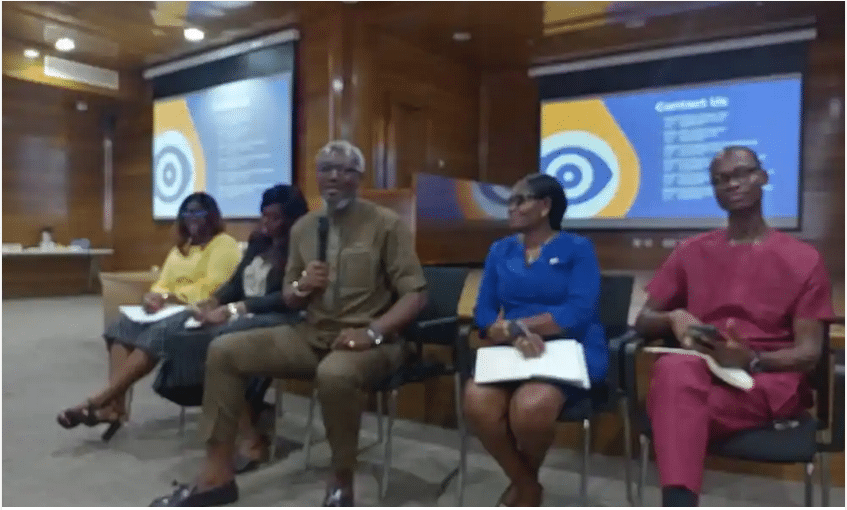
Health leaders and donors at the World Health Organization (WHO) Regional Committee for Africa have called for swift measures to increase access to vital services for timely detection, care, and prevention of cervical cancer.
The African region hosts 19 of the 20 countries globally with a high burden of cervical cancer.
To achieve the WHO’s global targets of eliminating cervical cancer as a public health issue by 2023, countries must vaccinate 90% of women and girls with the human papillomavirus (HPV) vaccine, achieve 70% cancer screening, and ensure 90% of women and girls with cancer receive treatment.
Currently, only 31% of girls aged 15 or younger in the African region received the first dose of the HPV vaccine in 2022, with 26 countries introducing the vaccine. Sixteen countries have introduced HPV-based screening at the sub-national level.
To meet the 2030 global targets, vaccination coverage should reach 90% of women and girls in 20 countries by 2024. Additionally, at least 10 countries should achieve a 25% national screening rate for women aged 30–49, along with a 25% treatment rate in these countries.
“The health and well-being of women is the health and well-being of our nations. Women are healthy when they feel valued, acknowledged, appreciated and empowered. In turn healthy women contribute to healthy families, communities and societies. It is for that reason that as African First Ladies we are committed to ensure cervical cancer elimination is achieved within one generation,” H.E. Mrs Neo Jane Masisi, First Lady of Botswana.
The low prioritization of cervical cancer control programs by governments, insufficient financial and human resources allocation, limited healthcare worker capacity, low disease awareness, and high supply and vaccine costs hinder effective control efforts.
Despite challenges, progress has been made, with nearly 40% of countries offering the first HPV vaccine dose to girls achieving 70% coverage.
“Cancer illness is painfully devastating and affects families profoundly. But through early detection, care and prevention with vaccines, women and girls in our region can be protected from cervical cancer,” said Dr Matshidiso Moeti, WHO Regional Director for Africa. “Scaling up the efforts for better access to cancer control services is a top priority for WHO in its support to national health priorities to defeat diseases and improve the health and well-being of the region’s population.”
Efforts are underway to address disparities in access to services among vulnerable populations, ensure affordable vaccines, and expand cancer control services through collaboration with communities, youth organizations, NGOs, and the private sector.
Cervical cancer, primarily caused by HPV, ranks as the fourth most common cancer among women worldwide, resulting in over 300,000 annual deaths.
The Bill & Melinda Gates Foundation expressed commitment to supporting the WHO African Region in establishing robust HPV vaccination programs and ensuring that these life-saving tools reach those who need them most, particularly in lower-income countries disproportionately affected by cervical cancer.