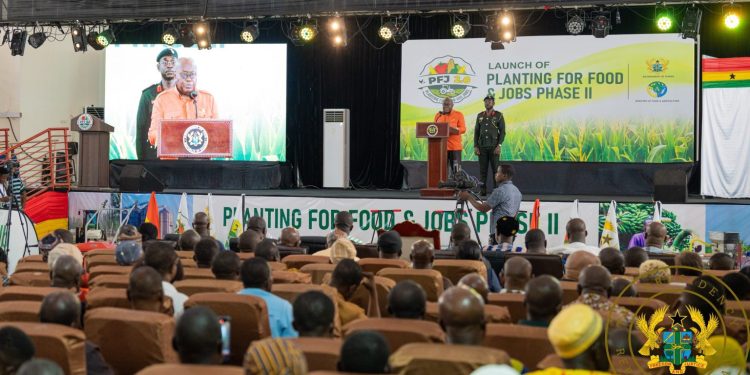
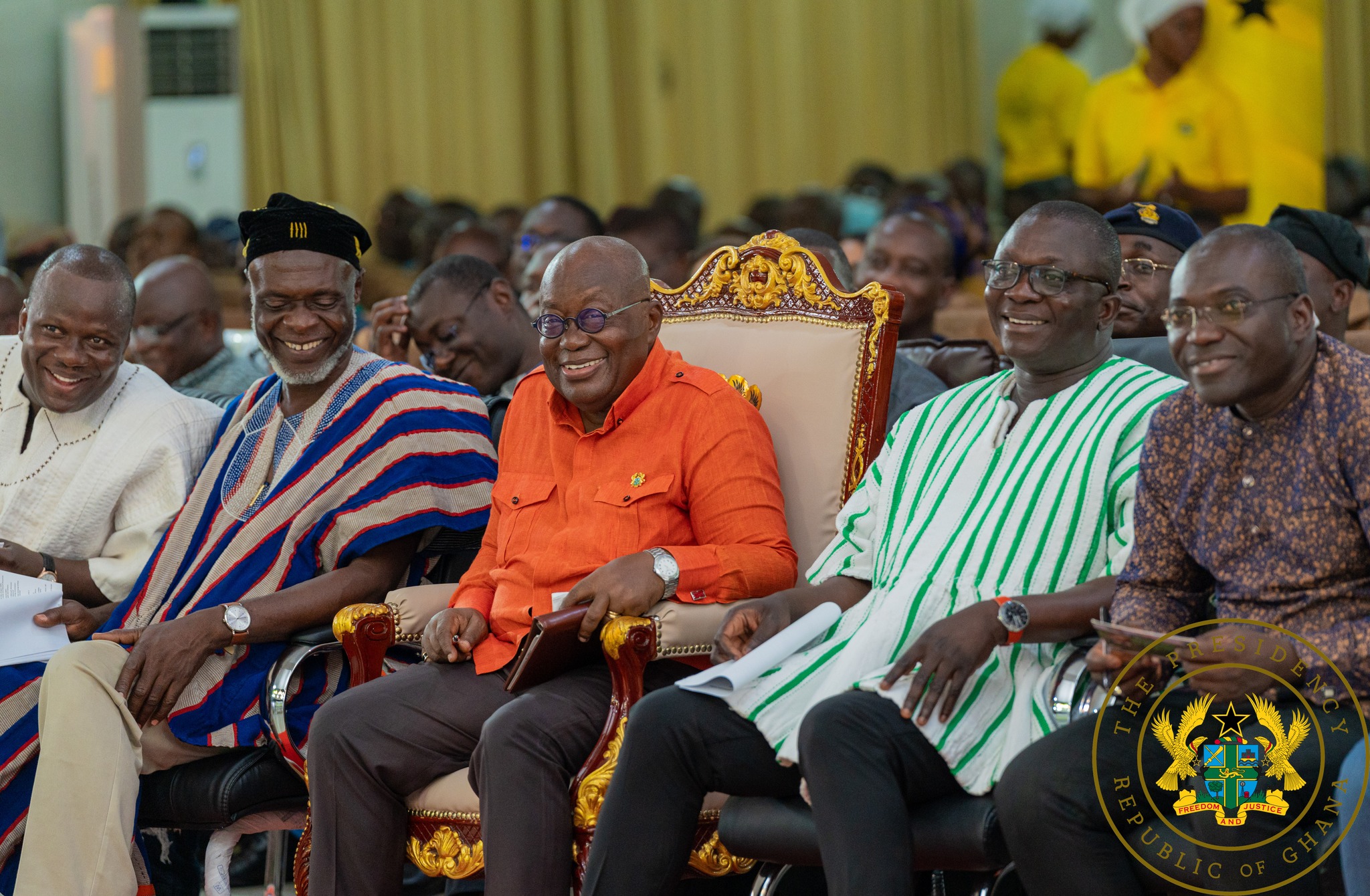
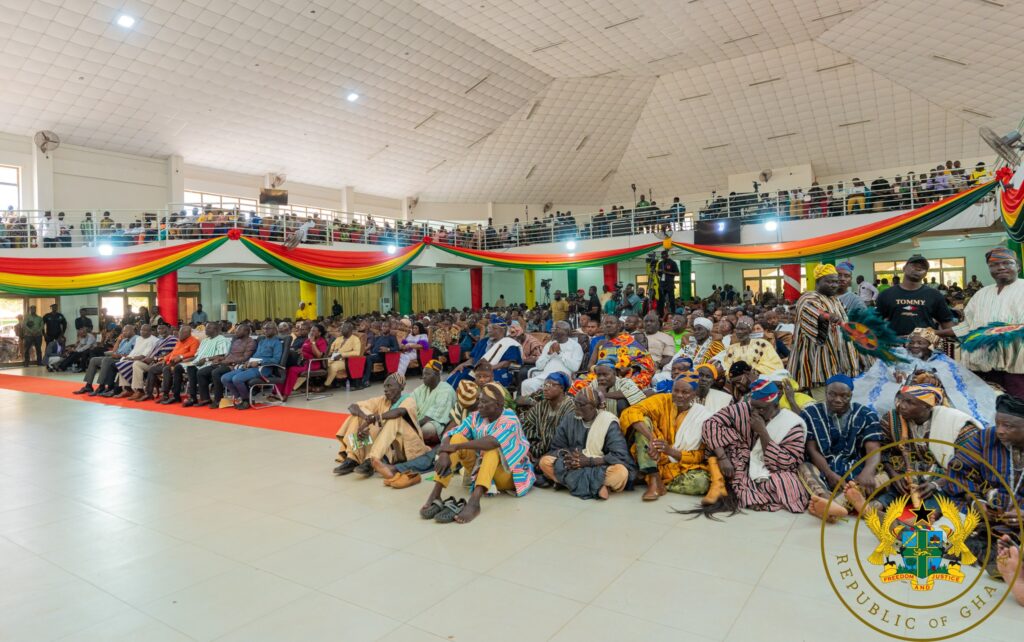
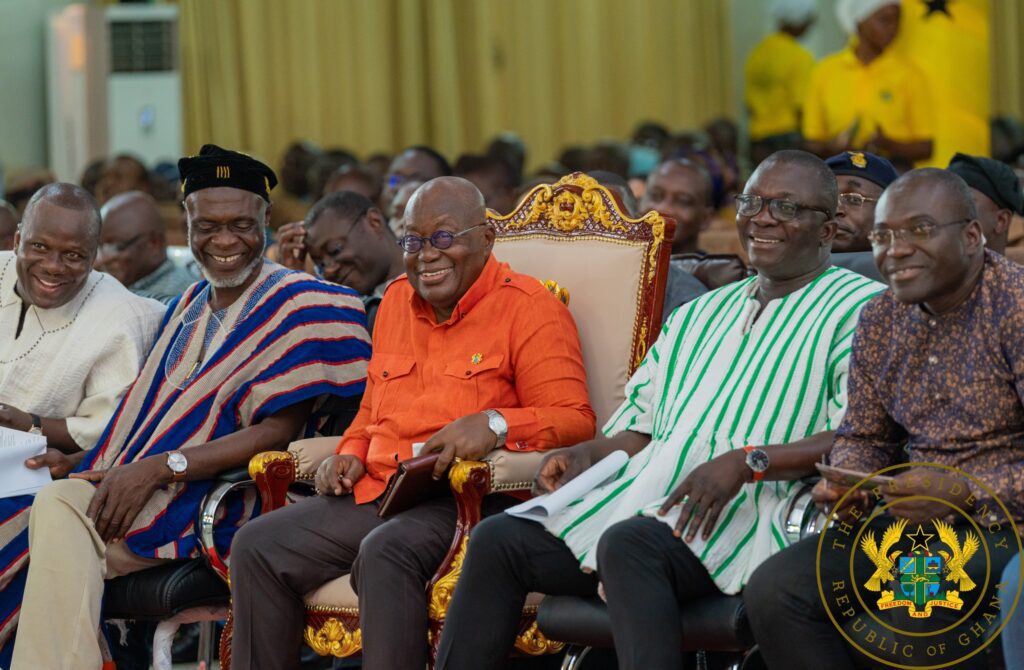
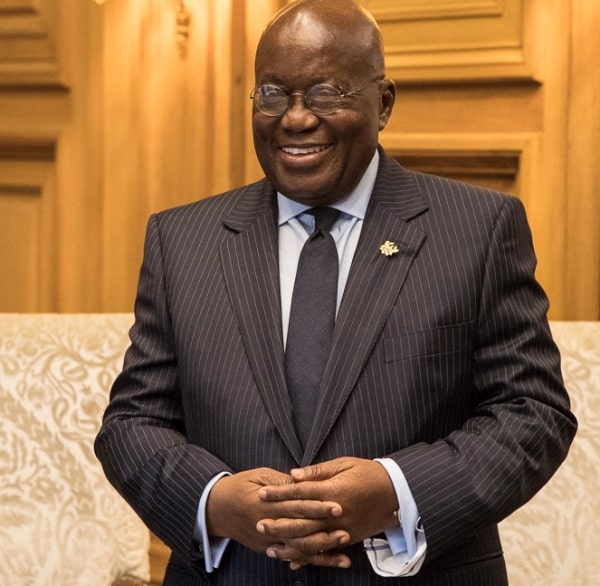
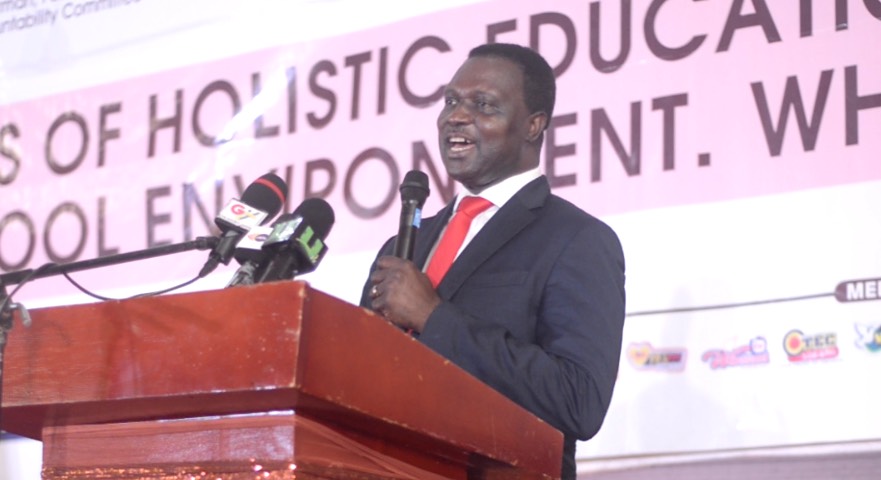
President Akufo-Addo has provided assurance that the second phase of the Planting for Food and Jobs (PFJ) initiative will generate an annual average of two hundred and ten thousand (210,000) new jobs related to farming.
The President emphasized that this projection specifically pertains to employment within the agricultural sector, excluding other roles along the broader agricultural value chains.
Speaking at the launch of the second phase of the Planting for Food and Jobs program in Tamale, President Akufo-Addo highlighted that this new phase is geared towards bolstering food security and job creation.
“The second phase, by design, takes a holistic view and places greater emphasis on value chain approaches by focusing on strengthening linkages between actors along eleven selected agricultural commodity value chains broadly categorised into grains, roots and tuber, vegetables and poultry.
President Akufo-Addo outlined that the second phase of the PFJ initiative is characterized by a comprehensive perspective, placing strong emphasis on the value chain approach.
This involves enhancing the connections and interactions among participants within eleven chosen agricultural commodity value chains, which are categorized broadly as grains, roots and tubers, vegetables, and poultry.
The President underscored that this new phase is also designed to improve service delivery, ultimately maximizing its overall impact.
Furthermore, the phase entails a shift from direct input subsidies to intelligent agricultural financial support, achieved through a comprehensive input credit mechanism that even includes provisions for in-kind payment.
President Akufo-Addo’s previous launch of the inaugural “Planting for Food and Jobs” program on April 19, 2017, in the Ahafo region, signified a pivotal step towards modernizing agriculture, enhancing production efficiency, ensuring food security, and promoting the prosperity of farmers. The program aimed to significantly elevate agricultural productivity and adopt a value-addition strategy, focused on expediting agro-processing and fostering new, stable markets.
A former flagbearer aspirant of the New Patriotic Party (NPP), Kwadwo Nsafoah Poku, has expressed contentment with the three votes he received during the Special Delegates Conference held on Saturday, August 26.
Initially confident in securing a position among the top five contenders for the presidential candidacy on November 4, Mr. Poku’s hopes were dashed when he garnered only three votes out of the 955 delegates who participated in the NPP’s special delegates conference.
This outcome has eliminated him from the flagbearership competition set for November.
During an interview with the media on Monday, Mr. Poku defended his satisfaction with the three votes, clarifying that some delegates voted more than once.
“You know some people voted twice…I don’t vote, So some of the candidates who voted for themselves and also had a proxy voted twice. So if you look at my three votes…that for me is a plus.”
“But for my first votes, I think I have done well and I am very happy with myself,” he added.
The party on Saturday, August, 26, 2023 delegates from the NPP gathered to cast their votes.
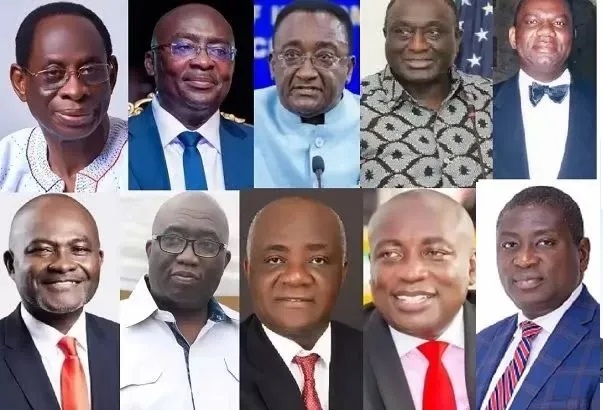
The purpose was to narrow down the field of ten presidential aspirants to a final selection of five candidates.
After the votes, the official results revealed a significant victory for vice president, Dr. Bawumia, positioning him favorably ahead of the main primary scheduled for November.
Dr. Bawumia secured a resounding win by amassing 629 votes, securing the top position.
In the same vein, Kennedy Agyapong secured the second position with a total of 132 votes, while Alan Kwadwo Kyerematen acquired 95 votes, placing him third.
Dr. Owusu Afriyie Akoto followed with 36 votes, securing the fourth position.
Both Mr. Boakye Agyarko and Francis Addai Nimoh shared the fifth spot with nine votes each.
The remaining results were as follows: Kwabena Agyei Agyepong secured six votes, Joe Ghartey gained four votes, Kwadwo Poku received three votes, and Kofi Konadu Apraku obtained zero votes.
The party is expected to its flagbearer for the upcoming 2024 general elections on November 4, 2023.
In the vicinity of Benso, situated in the Tarkwa-Nsueam Municipality of the Western Region, two armed robbers have fatally stabbed a gold buyer, identified as Alhaji.
The tragic event occurred at Subriso, where Alhaji was on his way to work around 4:30 a.m.
CCTV footage captured the incident, revealing the robbers approaching Alhaji and mercilessly stabbing him multiple times.
Afterward, the assailants fled the scene, but vigilant locals managed to apprehend one of them.
In response to their anger and frustration, the residents administered their own form of justice, leading to the death of the captured robber.
The other perpetrator remains at large.
Subsequently, the police have initiated a manhunt to locate the second robber.
The incident has instilled a sense of fear and distress among the community’s inhabitants, who are urgently urging the police to enhance security measures in the area.
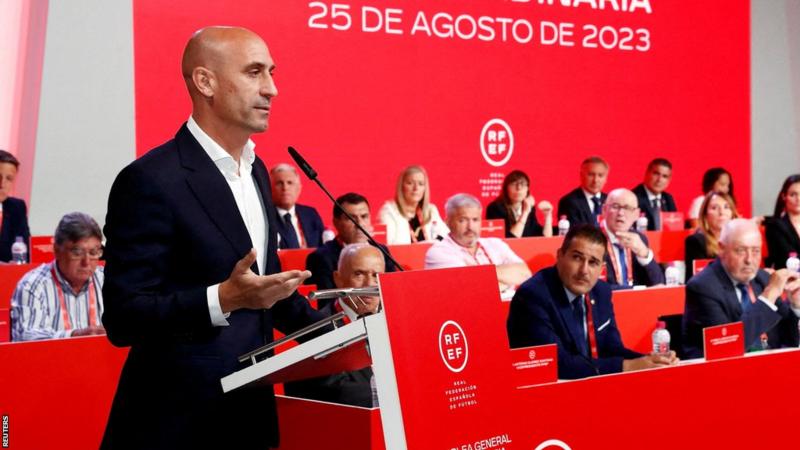
Spain’s primary criminal court has initiated a preliminary inquiry into the president of the country’s football federation, Luis Rubiales, following an incident where he kissed player Jenni Hermoso on the lips.
Prosecutors are examining whether this occurrence qualifies as a sexual assault offense.
The scrutiny comes in the wake of Spain’s Women’s World Cup final triumph and the subsequent controversy surrounding the incident. The 46-year-old Rubiales has faced widespread criticism for the encounter.
Jenni Hermoso, 33, has stated that the kiss was non-consensual, which has led to significant public attention and discussions.
In response to the situation, Fifa, the global governing body of football, suspended Rubiales on Saturday. The day before this decision, Rubiales had declared his intention not to step down from his position.
The court’s investigation stems from the unequivocal nature of Hermoso’s statements.
The court aims to ascertain the legal implications of the incident.
A statement from the court emphasized that, based on Jennifer Hermoso’s public remarks, the act she experienced from Luis Rubiales was not consensual.
“Given the public statements made by Jennifer Hermoso, the sexual act she was subjected to by Luis Rubiales was not consensual.
“To offer her the option of legal action, giving her the chance to contact National Court prosecutors within 15 days for information about her rights as a victim of an alleged sexual assault should she wish to file a complaint”.
“In order to proceed with a case for sexual assault, harassment or sexual abuse, it will be necessary for the injured party or their legal representative to file suit, or the public prosecutors’ office, it added.
Legal experts will also engage with Hermoso to present her with the opportunity to pursue legal action. She will have 15 days to connect with National Court prosecutors if she wishes to explore her rights as a potential victim of an alleged sexual assault.
To pursue a legal case concerning sexual assault, harassment, or sexual abuse, the affected party or their legal representative must initiate the process.
The Spanish government has called for the suspension of Rubiales by Spain’s Sports Tribunal (TAD). A meeting of the TAD on Monday will discuss this request.
The Spanish football federation (RFEF) has convened regional federations for an “extraordinary and urgent” meeting on Monday to assess the federation’s current situation.
Upon announcing Rubiales’ suspension, Fifa instructed him, the RFEF, and its officials and staff not to attempt to contact Hermoso. The RFEF had earlier threatened legal action against Hermoso on the same day.
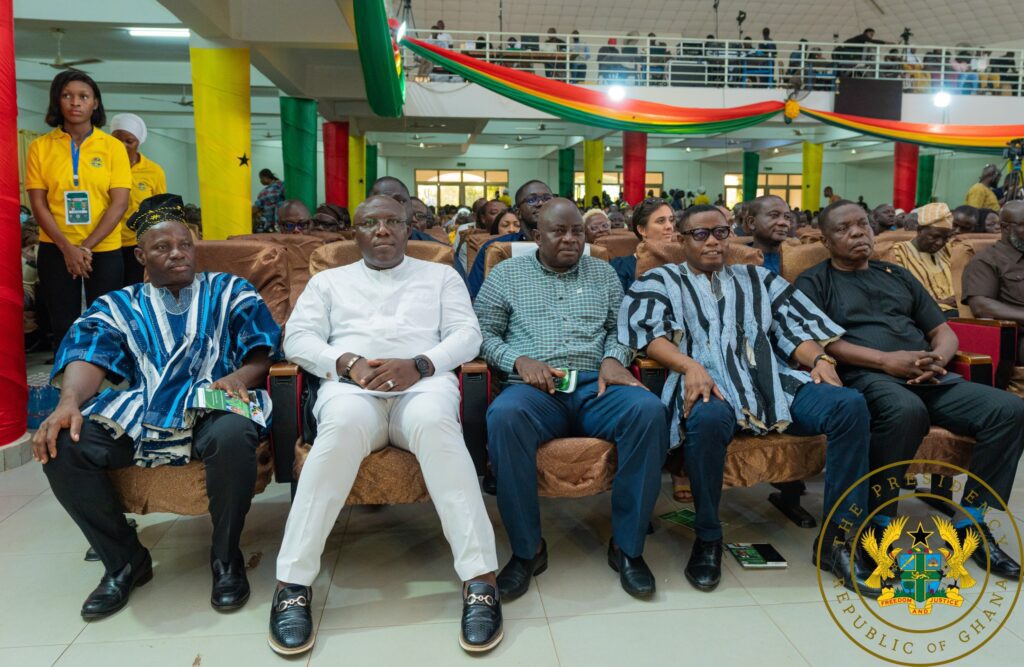
On Monday, August 28, 2023, President Akufo-Addo launched the Phase Two of the “Planting for Food and Jobs” flagship agricultural program at the University for Development Studies (UDS) in Tamale.
This second phase aims to build upon the achievements of the initial program and entails a comprehensive five-year plan to transform agriculture in Ghana.
The focus of this phase lies in modernization through the development of specific commodity value chains and active involvement of the private sector.’
This second phase aims to build upon the achievements of the initial program and entails a comprehensive five-year plan to transform agriculture in Ghana.
The focus of this phase lies in modernization through the development of specific commodity value chains and active involvement of the private sector.
President Akufo-Addo emphasized that the second phase adopts a holistic approach and places greater emphasis on value chain strategies.
It concentrates on strengthening linkages among actors within eleven chosen agricultural commodity value chains, including grains, roots and tubers, vegetables, and poultry.
This new phase of the program aims to enhance service delivery to maximize its impact. It replaces direct input subsidies with intelligent agricultural financial support, primarily in the form of comprehensive input credit.
The President also revealed that key elements of this phase encompass an input credit system that grants farmers access to essentials like seeds, fertilizers, and pesticides, along with support services to enhance productivity and yield.
Moreover, the plan includes the development of storage infrastructure and logistic hubs to reduce post-harvest losses and improve storage and distribution.
Furthermore, the second phase involves off-taker arrangements and commodity trading to provide farmers with improved market access and fair prices for their crops. It introduces a digitized platform for efficient management, monitoring, and coordination of the program.
President Akufo-Addo highlighted the expected impact of the program on job creation. Around 1.2 million farmers are projected to enroll in the first year, leading to an estimated annual average of 210,000 new farm-related jobs over the next four years.
This number excludes other employment opportunities along the agricultural value chains, estimated to average around 420,000 jobs annually over the same period.
Additionally, the President revealed that crucial components of this new phase encompass the implementation of an input credit system. This system empowers farmers with access to essential resources like seeds, fertilizers, and pesticides. It also extends to encompass various support services aimed at enhancing productivity and yield.
Moreover, the phase includes plans for developing storage infrastructure and establishing a logistic hub. These initiatives are designed to enhance the storage and distribution of agricultural produce, ultimately working to mitigate post-harvest losses.
“The impact of the Programme is expected to be in the area of job creation, with some one-point-two million (1.2 million) farmers to be enrolled in the first year. In the next four (4) years, the Programme is destined to record an annual average of two hundred and ten thousand (210,000) new farm-related jobs. This will exclude other jobs along the agricultural value chains estimated at an annual average of four hundred and twenty thousand over the same period,” President Akufo-Addo said.
Recalling that on Wednesday, April 19, 2017, President Akufo-Addo launched the inaugural “Planting for Food and Jobs” program in Goaso, Ahafo region, the initiative symbolized the government’s pivotal commitment to modernizing agriculture, optimizing production efficiency, achieving food security, and bolstering profitability for local farmers.
The program’s core objective revolved around achieving a substantial surge in agricultural productivity while concurrently implementing a value-addition strategy, strategically aimed at accelerating agro-processing endeavors and fostering the establishment of resilient, sustainable markets.
Highlighting the program’s achievements, the President underscored that the successful execution of the first phase yielded impressive outcomes. Over 2.7 million farmers and various value chain stakeholders were reached through the implementation of five modules.
Notably, this endeavor fostered a relatively stable food security landscape, particularly evident in the self-sufficiency achieved in major staples like maize, cassava, and yam. Furthermore, the agricultural sector’s growth rate surged from 2.7% in 2016 to an average of 6.3% spanning from 2017 to 2021.
Continuing to outline the achievements, the President emphasized that these accomplishments enabled the government to meet the annual growth target of six percent, as set under the Malabo Declaration—an agreement to which Ghana is a signatory.
This success was also reflected in the enhanced application rate of fertilizers, escalating from eight kilograms per hectare (8 kg/ha) in 2016 to twenty-five kilograms per hectare (25 kg/ha) in 2022.
Moreover, the distribution of certified seeds soared from two thousand metric tons (2,000 MT) in 2016 to an impressive thirty-six thousand metric tons (36,000 MT) in 2022. There was also a notable surge in private sector investment within the seed industry.
With enthusiasm, the President shared that recent events reinforced the need to review strategies for tackling agricultural sector challenges. Specifically, a United Nations Summit in September 2021 and the AU Dakar II Summit in January 2022 emphasized the importance of building effective country food systems.
In response, Ghana has demonstrated its commitment by taking action, as evidenced by the launch of the Second Phase of the “Planting for Food and Jobs” program. This resolute response showcases the country’s dedication to addressing the agricultural sector’s pressing issues and enhancing its overall resilience.
TV personality and actress, Selly Galley, and her husband, Steven Fiawoo, popularly known as Praye Tietia, are basking in overwhelming joy following the arrival of their twins.
After tying the knot in September 2015, the couple has been candid about their fertility challenges. Their arduous journey has now reached a joyful milestone with the announcement of the birth of their twins on August 27.
Selly Galley has taken to social media to express her profound gratitude, referring to her pregnancy and the birth of the twins as a “long and almost hopeless journey,” which she navigated with unwavering faith.
“Holding on to FAITH… that’s what brought me this far.
“It’s been a long and almost hopeless journey. But I wasn’t to decide that.
“WHAT THE LORD HAS DONE!, my tongue is heavy with praise and worship, our hearts are heavy with immense gratitude
“It’s just marvelous! 🤲🏻
“#MrsFiawoo #VENA #mytestimonyoffaith
📸 Sorce photography usa shot this 💜
“Thank you for this lovely lovely gown @kayzels_ 😌💜 (sic),” she posted.
Selly Galley extends her appreciation to those who have supported her during the trying times, acknowledging their presence during her moments of faith testing.
The news of Selly Galley’s twin birth initially surfaced last week, but skepticism surrounded it, given that this marked the third occasion where news of her giving birth to twins had circulated, only for it to be proven false each time.
However, Selly and Praye Tietia erased all doubts by officially announcing the arrival of their precious twins, putting an end to the speculation.
This announcement coincides with the anniversary of Praye Tietia’s revelation in an interview last year that his wife had miscarried twins in 2021.
KOA Impact Ghana Limited, a company with Swiss-Ghanaian origins, has inaugurated Africa’s largest cocoa fruit processing facility in Akim Achiase, situated within the Eastern Region of Ghana.
The Minister of Trade and Industry, Kobina Tahir Hammond, officiated the opening ceremony on behalf of President Akufo-Addo.
During the inauguration Mr Hammond stated that the state-of-the-art factory, valued at $10 million, is designed with advanced environmental sustainability principles.
Its primary purpose is to process cocoa pulp into export-quality fruit juice.
The Minister emphasized that this establishment stands as the most extensive of its kind across Africa under the banner of KOA.
He elaborated that the project’s significance lies in its capacity to convert what was once discarded cocoa pulp into high-value products, notably fruit juices – a practice known worldwide as up-cycling.
Hammond underscored how this initiative is a testament to the yet untapped potential of Ghana’s cocoa industry, showcasing the potential of cocoa beyond its beans, encompassing pulp and pod.
“I am equally enthused that besides the environmentally friendly juices and cocoa products to be produced and exported, the factory would also generate 250 new jobs in rural Ghana, help cocoa farmers to reduce on-farm food waste in the cocoa value chain, generate additional income and launch new unique ingredients into the food and beverage industry including the chocolate confectionery products, ice cream and drinks,” he stated.
Hammond also lauded the incorporation of advanced technology into KOA’s operations, noting that the blending of modern technology with traditional practices is commendable.
He emphasized that the government’s vision of comprehensive and sustainable industrial transformation is achievable through inclusive means. This approach prioritizes robust food safety standards, fostering considerable market access for Ghana-made brands.
Anian Schreiber, the Managing Director & Co-Founder of KOA, expressed confidence that these investments would amplify production capabilities, enabling collaborations with 10,000 more cocoa smallholders in Ghana. He hailed the unity of purpose that underpins the company and the factory’s inauguration, aiming to revolutionize the cocoa value chain and magnify the value of Ghana’s remarkable resource.
Schreiber affirmed, “This project stands as the result of a courageous international team that spanned vast distances to come to Ghana and bring this vision to fruition. Our business ethos, driven by the harmony of people, planet, and profit, is embodied in this factory.”
Meanwhile, the Trade Minister affirmed the President’s unswerving commitment to a self-sustained Ghana that relies on impactful investments to bolster manufacturing, especially within agro-industry. This strategy aims to enhance competitive trading and chart a self-reliant path away from aid dependency.
He also noted the factory’s timely emergence in the context of the African Continental Free Trade Area (AfCFTA) Agreement, which is gradually gaining momentum in terms of practical implementation for viable trading.
Hammond expressed optimism that more enterprises would seize the opportunities presented by AfCFTA.
Emphasizing quality and food safety, the Trade Minister commended the establishment for adopting the Hazard Analysis Critical Control Point (HACCP) system. This system ensures consistent adherence to stringent food safety and quality standards for its products.
The National Health Insurance Scheme (NHIS) has received $27.7 million in concessional funding from the World Bank to enhance services, particularly for the disadvantaged.
This funding aims to expand the scheme’s coverage, enroll more individuals from underprivileged backgrounds, and facilitate swift processing and settlement of claims for primary health care (PHC) providers.
The primary health care providers encompass community-based health planning services (CHPS) compounds, health centers, and maternity homes operating within the framework of the Primary Health Care Improvement initiative.
Known as the “Programme for Results” (PforR), the funding was allocated by the World Bank with additional backing from other donors associated with the Global Financing Facility consortium.
Enoch Oti Agyekum, a health economist at the World Bank, confirmed the funding during a claims management training event in Accra. He emphasized that while increasing the number of beneficiaries, especially among the marginalized, was vital, ensuring the quality of services provided was equally significant.
Agyekum noted that data from a public expenditure review conducted by the World Bank revealed that over 80 percent of the facilities under the National Health Insurance Authority (NHIA) were comprised of health centers, maternity homes, and CHPS compounds.
However, these facilities represented only 17 percent of claims made to the NHIA.
He explained that primary health care facilities faced challenges in processing claims efficiently, particularly because many patients seeking care were unable to afford co-payments due to their impoverished status.
Agyekum stressed that improving claims payment processes could foster trust between the NHIS and healthcare facilities across all tiers of care. He highlighted the NHIS’s pivotal role in upholding the social contract between the government and citizens.
Acting Corporate Affairs Director of the NHIS, Oswald Essuah-Mensah, disclosed that the NHIA would collaborate with the Ministry of Health, Ghana Health Service, and Health Facility Regulatory Authority (HeFRA) to enhance healthcare provider accreditation, monitoring, and financing for primary healthcare services.
Essuah-Mensah also highlighted ongoing collaboration between the NHIA and the Social Protection Directorate of the Ministry of Gender, Children and Social Protection to boost enrollment among vulnerable populations such as disabled individuals, orphans, widows, and women and children.
Under the leadership’s new vision, the NHIS aims to establish a resilient health insurance scheme that offers accessible, quality, and affordable healthcare services on a sustainable basis.
The strategy toward achieving Universal Health Coverage (UHC) involves adopting “pro-poor pathway” interventions within the legal framework, requiring all Ghanaians to register with the NHIS.
In pursuit of this goal, the NHIS Chief Executive, Dr. Bernard Okoe Boye, along with his deputies and directors, completed a nationwide tour to engage with staff and the public, discussing ways to strengthen the NHIS’s role in advancing UHC in Ghana.
The Asantehene, Otumfuo Osei Tutu II, will spearhead a campaign to raise $10 million for the renovation of inpatient wards at the Komfo Anokye Teaching Hospital (KATH) in Kumasi.
Despite its establishment in 1955, the hospital has not undergone significant renovation, which is negatively impacting the quality of inpatient care.
This revitalization effort will focus on renovating blocks A, B, C, and D, forming part of the legacy initiatives commemorating the 25th Anniversary celebration of the Asantehene’s enstoolment next year.
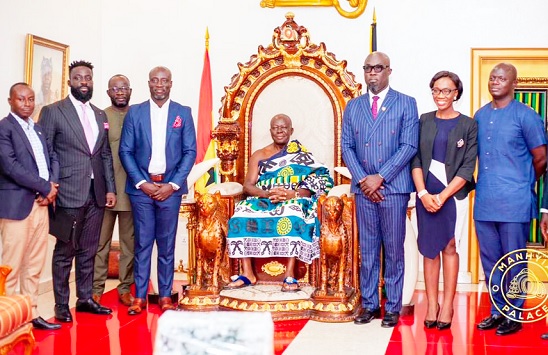
The commitment was made by Otumfuo during a meeting at the Manhyia Palace, where Prof. Otchere Addai-Mensah, the CEO of KATH, introduced the ‘Heal Komfo Anokye Project’ team to him.
This visit aimed to present a technical and financial proposal developed by the team to guide the renovation of the 70-year-old health facility. The team sought the Asantehene’s support for the initiative.
Strategically, Otumfuo Osei-Tutu II emphasized KATH’s pivotal role in the nation’s healthcare system, as well as its significance to the social, cultural, and historical heritage of the Asante kingdom.
He stressed the collective responsibility to not only preserve the institution but also provide the necessary support to ensure its effective and efficient functioning.
Given ongoing delays in the construction of other health facilities in the region, Otumfuo Osei Tutu II underscored the importance of maintaining KATH’s operational excellence in catering to healthcare needs both locally and beyond.
Highlighting the uniqueness of KATH’s role compared to other regions, he stated that the hospital serves as both a training center for medical students and a provider of specialized healthcare.
Commending the dedication of the “Heal Komfo Anokye Project” team, Otumfuo Osei Tutu II encouraged them to formally launch the fundraising campaign.
He called upon the public and corporate entities to contribute to the fundraising efforts, ensuring the successful realization of the renovation project.
Otumfuo also designated Hiahene, Nana Prof. Oheneba Boachie-Adjei Woahene II, as his representative on the project team.
Prof. Addai-Mensah, KATH’s CEO, expressed the urgency of providing the hospital with a fitting status and explained that while routine repairs were conducted over the years, comprehensive renovation was necessary due to the extensive wear and tear experienced over seven decades.
Samuel Adu-Boakye, the Chairman of the “Heal Komfo Anokye Project” team, outlined a comprehensive marketing and communication strategy to raise funds from the public and corporate Ghana. He highlighted the potential impact of even small individual contributions, aiming to rally one million Ghanaians to donate $10 each to meet the $10 million target swiftly.
The project’s lead architect, Kojo Darko-Asante, affirmed that the proposal was meticulously crafted by a team of technical and engineering experts.
The planned renovation is expected to transform the hospital’s wards into a world-class, patient-friendly facility upon successful implementation.
Daniel Bugri Naabu, the ex-Northern Regional Chairman of the ruling New Patriotic Party (NPP), has shed light on his engagements with high-ranking police officials who discussed their intention to replace the incumbent Inspector-General of Police (IGP), George Akufo-Dampare, from his position.
He directed them to seek assistance from spiritual practitioners known as “mallams,” as he believed that divine intervention played a significant role in leadership positions.
Bugri Naabu explained that if they aimed to secure the IGP position, seeking spiritual favor through these means was essential.
Bugri Naabu shared this information during his appearance before the Parliamentary Ad-Hoc Committee on August 28, 2023.
The committee has been established to investigate this issue.
The former NPP Northern Regional Chairman gained substantial attention when an audio recording surfaced, revealing senior police officers discussing a plot to remove the current IGP, George Akufo-Dampare.
Given the nature of the conversation involving high-ranking police officers, the leaked tape sparked a nationwide discussion.
In response to public concern, Parliament formed the Ad-Hoc Committee, chaired by Samuel Atta-Akyea, the Member of Parliament for Abuakwa South.
This committee’s mandate is to explore both the authenticity of the leaked tape and the intricate allegations that have captured the nation’s focus.
Renowned afrobeat music sensation, Kelvyn Boy has clarified accusations of assaulting the mother of his twins in 2022.er of his twins in 2022.
This comes in response to a video where a woman claiming to be Deborah Kponyi, his twins’ mother, detailed continuous abuse by the artist in a 2022 interview.
The woman presented evidence of wounds allegedly inflicted by the artist during these incidents.
Speaking out for the first time in an interview with the media, Kelvyn Boy stated that he has no knowledge of the woman in question.
He asserted that all reports and accusations against him were fabricated.
“It was when I heard and saw a picture of myself and some strange woman who had been beaten with marks and blood, and it was reported that it was me who beat up my baby mama like that. I was shocked; even my guys were like, ‘but this is not Debbie’,” he said.
Kelvyn Boy offered his perspective on the circumstances surrounding his arrest.
He clarified that he was taken into custody following a simple argument with his baby mama, rather than due to an assault.
Elaborating on the false accusations, he attributed them to the challenges of being a public figure.
He noted that people often manipulate his statements to “capture the attention of the public.”
When questioned about why he hadn’t previously addressed the issue, he explained that he was focused on promoting his hit single “Down Flat” and wanted to avoid distractions. Consequently, his camp chose to maintain silence.
A media personality, Nana Aba Anamoah, has shared her perspective on the upcoming NPP Super Delegate run-off elections scheduled for September 2, 2023.
She has expressed the view that dedicating media resources to cover the event would be an unnecessary expenditure.
Through her social media platform, Nana Aba opined that a runoff between Francis Addai-Nimoh and Boakye Kyeremanteng Agyarko wouldn’t attract significant media attention, warranting comprehensive coverage.
She advised the contenders to gracefully accept their setbacks and explore other avenues.
She conveyed, “No media house will spend resources to cover a run-off between Nimo and Agyarko. They should both go and sit somewhere and carry their L.”
Nana Aba’s remarks were prompted by the New Patriotic Party’s announcement of a runoff election between the two politicians on September 2.
Both candidates received an equal number of nine votes at the recent Super Delegates Conference held on August 26.
The Super Delegates Conference aimed to select five candidates from a pool of ten for the upcoming November 4 presidential primaries.
The tie-breaking runoff became necessary to determine which candidate would advance to the primaries, joining Dr. Mahamudu Bawumia, Kennedy Agyapong, Dr. Afriyie Akoto, and Alan Kyeremanten in the flagbearer race.
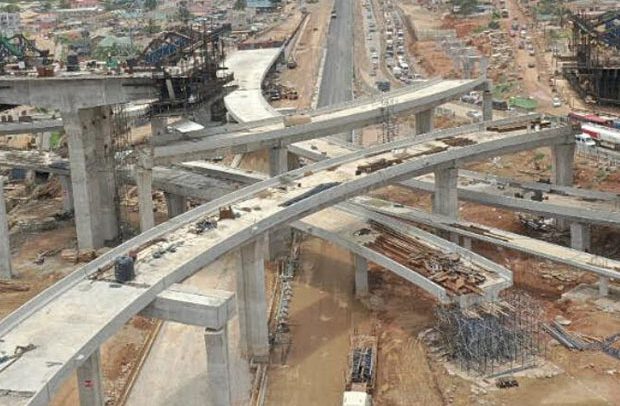
The resumption of work on the halted PTC Interchange in Takoradi is set to begin by the end of September this year, offering a sigh of relief to affected commuters.
This is reassuring for individuals whose daily lives were greatly affected by the halted interchange construction.
The announcement of the restart date emerged in response to a query about the project during a community engagement led by , Member of Parliament for Takoradi, Kwabena Okyere Darko Mensah.
“The halt in the project is a great source of worry to me as well because I also use it. I know how significant it is considering how close it is to the Central Business District of Takoradi and also in terms of vehicular flow. Ever since the project was stopped we have been in constant engagements with the financiers and relevant stakeholders. Some agreements have been reached and work will resume before September ends.”
Expressing his own concern and acknowledging the project’s significance to the region, he stated, “Some agreements have been reached and work will resume before September ends.”
Kwabena Okyere Darko Mensah, also serving as the regional minister, initiated these community interactions to foster closer connections with constituents and collaboratively address their challenges.
Amanful West was one of the areas he visited, where residents shared similar concerns about the delay in the interchange construction.
“We have been able to complete 83 percent of the works on the interchange and as you can see not much is left. So we will definitely complete it,” he assured.
Initially slated for a 30-month timeline with completion projected for July of the current year, the three-tier PTC Interchange is part of a larger project under the Master Project Support Agreement between Ghana and the Chinese government.
Sinohydro Corporation, under a barter trade agreement, undertakes the project.
However, the project had to be suspended in January of the same year to meet one of the IMF conditions for Ghana’s bailout. This stipulation required the halt of projects under barter agreements.
Residents present at the community engagement are hopeful that the minister’s commitment will come to fruition.
President Akufo-Addo is set to unveil the National Integrated Maritime Strategy (NIMS) on August 29, 2023, at Burma Hall in Accra.
This significant launch will take place as part of the opening ceremony of the 3rd Edition of the International Maritime Defense Exhibition and Conference (IMDEC) in Accra.
IMDEC serves as a platform for key players within the international maritime industry to convene and collaborate.
Below is a press statement on the launch:
Read below the statement on NIMS
FOR IMMEDIATE RELEASE
PRESIDENT AKUFO-ADDO TO LAUNCH NATIONAL INTEGRATED MARITIME STRATEGY OF THE REPUBLIC OF GHANA (NIMS) AT 3RD INTERNATIONAL MARITIME DEFENSE EXHIBITION AND CONFERENCE ON AUGUST 29, 2023
In his maiden address at the National Blue Economy Summit, held from 31 May -1 June 2023, H.E. President Nana Addo Dankwa AKUFO-ADDO, declared the National Integrated Maritime Strategy (NIMS) a strategic national document, highlighting its relevance and a need to expedite processes for its official launch.
2. Pursuant to this, the Joint Ministerial Committee on NIMS is happy to announce the launch of the much anticipated national maritime strategy on August 29, 2023 at Burma Hall, during the opening ceremony of the 3rd Edition of the International Maritime Defense Exhibition and Conference 2023 (IMDEC) in Accra. IMDEC brings together major stakeholders from the international maritime industry.
3. Developed jointly by the Ministries of Transport, National Security, Defence, Energy, Fisheries, Foreign Affairs, Interior, and Justice along with international and private sector partners, NIMS is a forward-thinking strategy designed to foster collaboration, innovation, and address challenges facing Ghana’s maritime sector.
4. Proceedings will commence at 8.00 am. There will be welcome remarks by the Chief of the Naval Staff, the Ministers for Transport, National Security and finally a keynote address by H.E. the President.
5. The Committee meanwhile wishes to acknowledge the immense contribution made by the following local and international organisations towards the realisation of the NIMS – the Ministry of Transport, Ministry of National Security, Ghana Maritime Authority, Ghana Navy, United States Embassy, Danish Embassy, Norwegian Embassy, UNODC, CSDS AFRICA, CEMLAWS, GOGMI, the Heyl Group, Lex Mundus & Cencla, and Tullow Oil.
CHAIRMAN, JOINT MINISTERIAL COMMITTEE ON NIMS 27 August, 2023
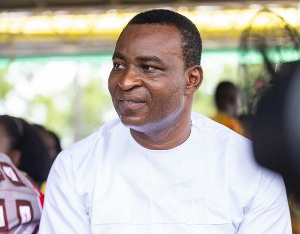
The Ashanti Regional Chairman of the New Patriotic Party (NPP), Bernard Antwi Boasiako, widely known as Chairman Wontumi, has underscored the importance of a prospective presidential candidate within the party, Kennedy Agyapong.
Addressing the media, Chairman Wontumi emphasized that Kennedy Agyapong’s role within the party is crucial, highlighting his significant value as an asset.
Wontumi believes that the party would experience a substantial setback if they are to lose Mr Agyapong, as his presence serves as a protective shield for the party’s interests.
Additionally, he disclosed that he and Kennedy regularly exchange ideas and provide each other with advice, referring to their relationship as that of brothers.
“Kennedy Agyapong and myself are the popular people, you can like it or not. I told Kennedy he will be second, I spoke to him today. He is my senior brother. Kennedy should have looked for running mates. Kennedy is an asset, I am telling you I mentioned his name before me,” he added.
He made these remarks after the just ended Super Delegates Conference of the party.
The party on Saturday, August, 26, 2023 delegates from the NPP gathered to cast their votes.
The purpose was to narrow down the field of ten presidential aspirants to a final selection of five candidates.
After the votes, the official results revealed a significant victory for vice president, Dr. Bawumia, positioning him favorably ahead of the main primary scheduled for November.
Dr. Bawumia secured a resounding win by amassing 629 votes, securing the top position.
In the same vein, Kennedy Agyapong secured the second position with a total of 132 votes, while Alan Kwadwo Kyerematen acquired 95 votes, placing him third.
Dr. Owusu Afriyie Akoto followed with 36 votes, securing the fourth position.
Both Mr. Boakye Agyarko and Francis Addai Nimoh shared the fifth spot with nine votes each.
The remaining results were as follows: Kwabena Agyei Agyepong secured six votes, Joe Ghartey gained four votes, Kwadwo Poku received three votes, and Kofi Konadu Apraku obtained zero votes.
The party is expected to its flagbearer for the upcoming 2024 general elections on November 4, 2023.
The former Northern Regional Chairman of the New Patriotic Party (NPP), Daniel Bugri Naabu, has disclosed that he enlisted the assistance of someone to record the conversation featured in the leaked tape, which allegedly discussed a scheme to remove the Inspector General of Police (IGP), Dr. George Akuffo Dampare.
While testifying before the Parliamentary Ad-Hoc Committee investigating the leaked audio on Monday, Bugri Naabu clarified, “I didn’t do it myself, but I requested somebody who knows how to do the recording to come and do it for me. I didn’t use a phone; I went to the mall and got this ordinary tape.”
Mr. Naabu explained that he deemed the conversation with the three high-ranking police officers to be of immense importance and therefore chose to record it as evidence to present to the president.
He also disclosed that he shared a copy of the leaked tape with President Akufo-Addo.
Bugri Naabu also affirmed the authenticity of the controversial leaked tape, which is said to capture discussions about a plan to remove the Inspector General of Police, Dr. George Akuffo Dampare, from his position.
In a straightforward admission, Bugri Naabu confirmed that the pivotal conversation, causing controversy, indeed took place between himself and three other high-ranking Police Officers.
He proceeded to identify these three Police officers as Commander Asare, COP Mensah, and Superintendent Gyebi.
Additionally, Bugri Naabu disclosed that the conversation occurred within the confines of his office located in Osu, near the Osu Police Station.
According to his account, the two senior officers approached him with a proposition to advocate for the dismissal of the IGP. They cited the perception that Dr. Akuffo Dampare’s actions were aligning more closely with the opposition NDC’s interests, potentially undermining the ruling party’s prospects in the upcoming 2024 elections.
Bugri Naabu further revealed that he felt unsettled by the request from these top officers, leading him to record the conversation as a preventative measure against potential denials.
Under the leadership of Samuel Atta Akyea, a respected Member of Parliament for Abuakwa South, the Ad-Hoc Committee includes Dr. Isaac Lartey Annan, a specialist in legal and human rights matters.
Endowed with the authority to investigate both the legitimacy of the leaked tape and the intricate accusations that have captivated the nation, this panel bears the responsibility of the inquiry.
Former Northern Regional Chairman of the New Patriotic Party (NPP), Daniel Bugri Naabu, has provided the names of three police officers he alleges are involved in the viral leaked audio that revealed plans to depose Inspector General of Police (IGP), Dr George Akuffo-Dampare.
Appearing before the Parliamentary Ad-Hoc Committee, established to probe the alleged conspiracy against the IGP, Chief Naabu identified the officers involved as Commander Asare, COP Mensah, and Superintendent Gyebi.
He revealed that the conversation occurred within his office, situated close to the Osu Police Station.
According to his testimony, the senior officers proposed advocating for the dismissal of the IGP, citing concerns about his perceived alignment with opposition NDC interests, which could potentially impact the ruling party’s electoral prospects in 2024.
Feeling uneasy about the request, Naabu claims to have recorded the discussion as a precaution against potential refutations.
The Ad-Hoc Committee, led by Samuel Atta-Akyea, an esteemed MP representing Abuakwa South, includes Dr. Isaac Lartey Annan, a specialist in legal and human rights matters. Tasked with authenticating the leaked recording and delving into the detailed allegations, this panel bears the responsibility of conducting the investigation.
On July 25th, the Speaker of Parliament appointed Samuel Atta-Akyea, the MP for Abuakwa South, to head a 7-member adhoc committee assigned to investigate a recently leaked controversial audio recording. The audio revealed undisclosed individuals secretly plotting to remove the Inspector General of Police.
This audio, which swiftly went viral, exposed a conspiracy involving a senior police officer and a prominent member of the ruling New Patriotic Party (NPP) aimed at ousting the Inspector General of Police (IGP), Dr. George Akuffo Dampare.This revelation ignited a spirited debate in Parliament, prompting the Minority to demand a forensic audit of the tape.
In response to these developments, the Speaker of Parliament, Alban Sumana Bagbin, suggested the establishment of the Special Committee to investigate the matter.
The former Northern Regional Chairman of the New Patriotic Party (NPP), Daniel Bugri Naabu, has affirmed the accuracy of the controversial leaked recording purportedly outlining a scheme to oust Inspector General of Police, Dr. George Akufo-Dampare, from his post.
Bugri Naabu confirmed this revelation during his appearance before the Parliamentary Ad-Hoc Committee, established to probe the alleged conspiracy against the IGP.
In a straightforward acknowledgment, Bugri Naabu verified that the pivotal conversation, causing a stir, did indeed occur between himself and three other high-ranking Police Officers.
He proceeded to identify these three Police officers as Commander Asare, COP Mensah, and Superintendent Gyebi.
Adding more detail, Bugri Naabu disclosed that the discussion unfolded within the confines of his office situated in Osu, near the Osu Police Station.
As per his account, the two senior officers approached him with a proposition to advocate for the dismissal of the IGP.
Their reasoning behind this proposal, as conveyed by the officers, was that Dr. Akuffo-Dampare’s actions were perceived to be aligning more closely with the opposition NDC’s interests, potentially undermining the ruling party’s prospects in the upcoming 2024 elections.
Bugri Naabu further shared that he felt apprehensive about the request from these top officers, which led him to record the conversation as a safeguard against potential denials.
Guided by Samuel Atta-Akyea, a respected Member of Parliament for Abuakwa South, the Ad-Hoc Committee includes Dr. Isaac Lartey Annan, a specialist in legal and human rights matters.
Empowered to scrutinize both the authenticity of the leaked recording and the intricate allegations that have captured the nation’s attention, this panel holds the responsibility of the investigation.
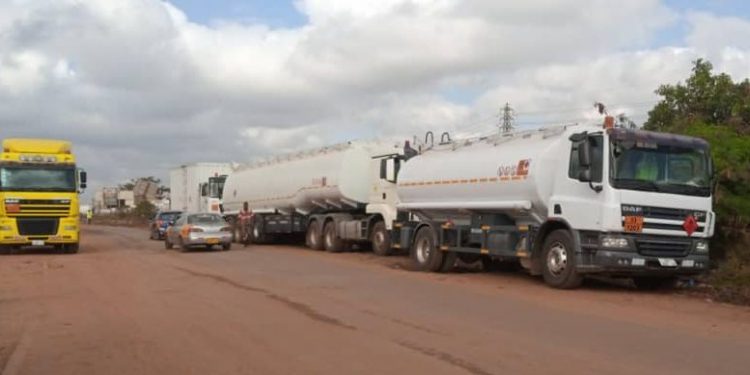
The Ghana National Petroleum Tanker Drivers Union has reiterated its concern over the abandonment of road maintenance projects near the country’s fuel depots by several contractors.
The Vice Chairman of the union, Sunday Alabi, stated that while some of the roads are currently usable, there remains a need for further enhancements.
In June, a nationwide strike organized by the tanker drivers nearly led to a fuel shortage across Ghana.
The strike aimed to draw attention to the deteriorating conditions of roads leading to the fuel depots.
During an interview with the media, Sunday Alabi cautioned that if the contractors do not resume their work, the union will be compelled to take action.
“As we speak now, the contractors are not on the road the way they started the work,” Alabi said.
“In Kumasi, there is no contractor now, and the same is true for Takoradi. They have made the roads passable, but they are not complete. Work has started, but for some time now, it has been slow. If you talk of the regional depots and Tema, it is true that the roads are passable, but they are not complete. We look forward to their promise of finishing it,” he said.
The strike by the tanker drivers led to shortages of gas at various Liquefied Petroleum Gas (LPG) outlets across Ghana. This situation resulted in long queues forming at LPG outlets and increased pressure on the limited outlets with available supplies, according to the LPG Marketers Association.
Nonetheless, business operations resumed at several petrol and gas depots situated along the Volta Aluminum Company (VALCO) Kpong road in Tema on June 30.
The Presidential Elections Committee of the New Patriotic Party (NPP) is preparing to present its findings to the party’s National Council following the recent Special Delegates’ Conference held on Saturday.
The committee’s report aims to offer valuable insights and recommendations for ensuring a smooth presidential election scheduled for November 4, 2023.
During the event, there were reports of isolated incidents of violence at certain polling centers. Allegations surfaced from both the camps of Kennedy Agyapong, the MP for Assin Central, and Alan Kyerematen, the former Trade Minister.
These allegations claimed that their representatives had been subjected to acts of aggression.
Additional candidates also raised concerns about the proceedings. Evans Nimako, the Director of Elections for the NPP, clarified that the National Council would address any disagreements that might have emerged during the election process.
Nimako stated, “Upon the conclusion of this overall process, which has so far been characterized by peace, fairness, and transparency towards all stakeholders, we will furnish the party’s National Council with a comprehensive report.
The National Council holds the prerogative to approve the findings assembled by the Elections Committee.”
Kennedy Agyapong issued a veiled threat to expose President Akufo-Addo and Vice President Dr. Mahamudu Bawumia in relation to the reported attacks on his representatives during the ongoing party super delegates congress.
In a video that gained widespread attention, Agyapong could be seen speaking with visible anger on the phone, invoking the names of the president and vice president. He claimed that his representative had been forced out of a voting center and asserted his intention to take action against them.
The former Director of Communications for the NPP and spokesperson for Alan Kyerematen’s campaign, Yaw Buaben Asamoa, also expressed dissatisfaction with alleged rule breaches during the ongoing super delegates conference in the North East Region.
Asamoa also criticized the assault on their representative.
Vice President Dr. Mahamudu Bawumia emerged victorious in the NPP super delegates conference with a total of 629 votes, representing 68.15% of the ballots cast. Kennedy Agyapong secured second place with 132 votes (14.30%), while former Trade Minister Alan Kyerematen secured third place with 95 votes (10.29%).
These results mean that Agyapong has successfully qualified for the NPP’s presidential primaries scheduled for November, alongside Bawumia. Notably, both Bawumia and Agyapong are first-time presidential contenders.
In contrast, Kyerematen has been a participant in the race since 2007 but has not yet secured the party’s nomination.
The upcoming November primaries will serve as a significant test for both Bawumia and Agyapong.
To become the NPP’s flagbearer, they will need to secure the support of over 200,000 delegates from various regions across the country.
The ultimate victor in the primaries will then face off against the National Democratic Congress’s John Dramani Mahama, the opposition’s candidate, in the broader December 2024 general election.
The Director of Elections and IT at the National Democratic Congress (NDC), Dr. Edward Omane Boamah, has likened the recent super delegates conference of the New Patriotic Party (NPP) to a conflict more intense than the Russia invasion of Ukraine.
This comparison comes as a response to the widespread violence that marred the elections in various regions of the country.
In a tweet, Dr. Boamah stated ” “NPP super delegates elections worse than Russia-Ukraine war”.
Former President John Dramani Mahama also weighed in on the matter, urging responsible and concerned Ghanaians to denounce the acts of aggression.
Former President Mahama voiced his astonishment at the escalation of violence within an internal competition. He connected this disturbing trend to the legacy of President Akufo-Addo and Vice President Dr. Mahamudu Bawumia.
Particularly, he recalled the Ayawaso West Wuogon by-election violence and the tragic election-related fatalities of eight Ghanaians in 2020.
Through a series of tweets following the ruling party’s polling to select five candidates out of ten aspirants for the upcoming November Presidential Primary, the 2024 flagbearer of the NDC underscored his concern.
The polling on August 26th was marred by attacks on opponents. For instance, in the North East Region, a polling station agent of Alan Kyerematen, Ali Zakaria, sustained injuries from an attack, resulting in swollen eyes.
Furthermore, an agent representing Ken Agyapong in the Upper West Region allegedly had to flee the voting center due to threats, provoking the ire of the Assin Central lawmaker.
These incidents prompted Mr. Mahama to call for condemnation, as the electoral process should have taken place peacefully.
He lamented that violence has become the norm within the NPP, and emphasized the importance of denouncing such aggression, especially within an internal contest among members of the same party.
The NPP is set to choose its 2024 flagbearer from candidates including Dr. Bawumia, Mr. Kyerematen, Mr. Agyapong, Dr. Owusu Afriyie Akoto, and Boakye Agyarko or Francis Addai-Nimoh.
The selected candidate will face off against John Dramani Mahama in the upcoming elections.
The Canadian Housing Minister, Sean Fraiser, has stated that Canada is now dealing with rising housing costs, and that the government may limit international student visas to address the issue.
According to Reuters, Fraiser told reporters this on the sidelines of a cabinet retreat in the Atlantic province of Prince Edward Island on Monday, August 21.
“We’ve got temporary immigration programs that were never designed to see such explosive growth in such a short period of time,” he added.
The increase comes as Canada has become a favorite destination for overseas students due to the ease with which a work permit can be obtained.
Fraser, the previous immigration minister, stated that the steep increase in the number of students was putting significant strain on some housing markets.
The official opposition Conservative Party, which is leading in polls for a federal election that must be held by October 2025, has stated Prime Minister Justin Trudeau’s Liberal government is not doing enough to address the housing crisis.
Canada, which has a population of approximately 39.5 million people, intends to accept a record number of new permanent citizens in 2025. Fraser stated that restricting the number of newcomers was not the solution.
A 24-year-old housewife, was detained by men from the Bauchi state police command for reportedly killing her four-day-old stepson at Bantu village in Bauchi State, Ningi Local Government Area.
The command’s spokeswoman, SP Ahmed Wakil, told reporters that preliminary inquiry revealed that the suspect is a co-wife to the nursing mother (victim’s mother).
Wakil added that the incident was officially reported to the Ningi Divisional Police Headquarters on August 19, 2023, which was four days subsequent to the baby’s birth.
He further stated that investigations are currently underway, and upon completion, charges will be filed against the suspect.
“The suspect entered the co-wife’s room with insecticide liquid (Gramalin) and applied it to the unhealed baby’s umbilical cord. The liquid which was suspected to be corrosively affected, led to the deterioration of the baby’s health and eventually led to his death,” he added.
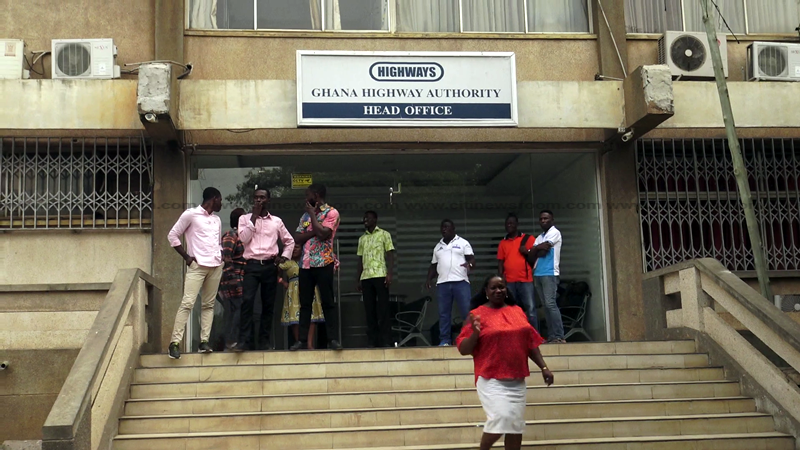
Director General of the Ghana Highway Authority, Mr. Christian Nti emphasized that the success of the African Continental Free Trade Area (AfCFTA) is linked to the quality of roads in participating nations.
Speaking at a business forum organized by the Ghana International Trade and Finance Conference (GITFiC) in Togo, he highlighted the importance of well-maintained roads for effective trade within Africa.
Nti addressed the forum, which brought together industry players from Ghana and Togo, in support of the AfCFTA secretariat’s efforts to establish a common market among participating African countries and beyond.
The AfCFTA is a significant initiative under Agenda 2063, aiming to enhance trade by eliminating barriers and promoting intra-African trade, value-added production, and economic integration.
Nti urged an investment of 80 percent of Africa’s resources into road infrastructure to facilitate efficient movement of goods and services, making trade more cost-effective than importing from other continents.
He noted that improved roads would benefit farmers by reducing post-harvest losses and encouraging increased agricultural production for both export and domestic use.
During discussions with Ghana’s Ambassador, Kofi Mensah Demitia, Nti encouraged Ghanaians to leverage the presence of the AfCFTA secretariat in Ghana to create opportunities for mutual benefit.
He emphasized that removing barriers and fostering collaboration between countries, such as Ghana and Togo, would lead to increased trade volumes and shared prosperity.
CEO of GITFiC, Mr. Selasi Koffi Ackom, stated that the organization’s main objective is to promote healthy trade among African countries. GITFiC has been actively raising awareness about the benefits of AfCFTA within the business community through engagements in various African countries.
Ackom also mentioned that GITFiC has published a book to support their promotional efforts, serving as a guide for achieving the goals of AfCFTA and beyond.
The government’s flagship Planting for Food and Jobs Programme (PFJ) is under review, marking the onset of phase two involving the private sector.
Consequently, government subsidies on fertilizer and other farming inputs have been temporarily halted, according to Dr. Hafiz Bin Salih, the Upper West Regional Minister.
Despite this, a substantial quantity of fertilizers and farming inputs has been introduced into the region and is readily available in the open market this year for farmers’ access.
In phase two of the PFJ programme, the government‘s focus, as highlighted by Dr. Bin Salih, will be on the private sector to distribute subsidized farm inputs.
Dr. Bin Salih shared this information during a gathering of the Upper West Regional Coordinating Council in Wa, attended by municipal and district chief executives, coordinators, presiding members, department heads, institutions, and agencies.
The meeting centered on crucial topics, notably government interventions and their effects on the populace’s welfare.
He noted that the Regional Directorate of the Department of Food and Agriculture revealed that adverse rainfall patterns had curtailed the planting window for many farmers who were cultivating extensive farmlands.
As a result, the cultivated land area for this year has diminished. However, close observation of crop performance assures food security.
Over the past four years, a significant number of agriculture extension officers have been recruited to enhance the department’s staffing situation.
These officers have been deployed to provide advisory services to every farmer in the fields.
According to Article 255 of the 1992 Constitution of Ghana, the Regional Coordinating Council is mandated to convene at least twice a year, fostering idea exchange, issue advice, and make appropriate decisions for the people’s benefit.
During the meeting, various assemblies presented reports concerning infrastructural development, security, and government interventions’ social and economic impact on community living conditions.
Minister of Education, Dr. Yaw Osei Adutwum, has stated that the New Patriotic Party‘s (NPP) educational change should motivate Ghanaians to vote for the party again in the 2024 general election.
According to him, the electorate must examine the NPP’s achievements in the education sector in order to retain the party in power for another eight years.
“So what I am saying to Ghanaians is that they should look at the educational sector and what we are doing. You might not be happy with other sectors of the government, but consider the progress in education,” he added.
Speaking to the media, the Member of Parliament for Bosomtwe in the Ashanti region stated that the implementation of initiatives like free senior high school education, free Technical and Vocational Education and Training (TVET), the promotion of Science, Technology, Engineering, and Mathematics (STEM), as well as the transformation of junior high school education, deserves recognition from the people.
“If other sectors haven’t done well, forgive us and consider education. Help us to continue to change Ghana,” Dr. Adutwum stressed.
In a bid to overcome the canker in Ghana, some governmental organizations have recently sacked their workers over bribery and corruption-related issues.
Interestingly, three governmental entities have fired employees for wrongdoing, notably in the field of corruption, in the month of August 2023.
The National Insurance Authority (NIA), the Electricity Company of Ghana (ECG), and the Passport Office in Accra are the three state institutions.
1. Passport Office
The expulsion began when Foreign Affairs Minister Shirley Ayorkor Botchway expressed her concern with the Passport Office’s rate of extortion and corruption.
The Minister criticized the fact that politicians are frequently accused for corruption, despite the fact that in most cases, civil servants initiate corrupt actions and politicians are held accountable for them.
Shirley Ayorkor Botchway ordered all those who had overstayed to leave the office on Monday, August 14, 2023.
She said, “Everybody who has been here for more than one year, from Monday on, please do not come back because you have been changed. We want to restore some sanity. Every time politicians are corrupt, meanwhile, it is some public civil servants who will do things that shouldn’t be done, and then they will be put on politicians,” She said.
2. National Identification Authority (NIA)
On Wednesday, August 16, 2023, the National Identification Authority (NIA) fired ten employees after they were found guilty of misbehavior and improper collecting of funds from some Ghana Card applicants.
According to asaaseradio.com, the workers were indicted after an inquiry by the Ghana Police Service’s (GPS) Criminal inquiry Department (CID) found them guilty of violating the authority’s policies.
“This decision was after a thorough investigation conducted by the Criminal Investigations Department (CID) of the Ghana Police Service.
“This included the interdiction of the affected officers, the appointment of a disciplinary committee of inquiry to provide a hearing for each officer in accordance with the law, and management’s subsequent acceptance of the disciplinary committee’s recommendations,” the report stated.
3. The Electricity Company of Ghana (ECG)
Electricity firm of Ghana (ECG) has asked 11 top executives to leave due to their suspected involvement in activities that resulted in financial losses for the firm.
According to dailyguidenetwork.com, among these executives are Treasury Executives, a Senior IT Assistant, an Assistant Accounting Officer, Artisans, and Customer Service Officers, among others.
According to the investigation, the implicated executives engaged in a variety of illegal activities that harmed the company’s finances.
The allegations against these individuals include record manipulation and forgery, unlawful changes to payment records, and improper payments and transfers, among other practices that caused the ECG financial loss.
“As of August 2023, 11 top executives of the ECG from the various regions have been sacked by management for causing financial loss to the company,” the source said according to the dailyguidenetwork.com.
The Economic and Organised Crime Office (EOCO) has successfully retrieved GH¢79 million in proceeds of crime by the end of June 2023.
In the previous year, EOCO had surpassed its target by recovering GH¢50 million compared to the intended GH¢30 million.
These illicit gains encompass funds acquired through tax evasion cases reported to the Ghana Revenue Authority (GRA) and wealth obtained unlawfully, detrimental to state institutions like the Gaming Commission and the National Pensions Regulatory Authority (NPRA).
EOCO operates under a five-year strategic plan to manage and recover proceeds of crime amounting to GH¢350 million by June 2028.
Its jurisdiction includes investigating financial losses, money laundering, human trafficking, cybercrime, tax fraud, and other serious offenses. Empowered by Section three of the EOCO Act, 2010 (Act 804), the office is authorized to take action to recover such ill-gotten gains.
Commissioner of Police (COP) Maame Yaa Tiwaa Addo-Danquah, the Executive Director of EOCO, highlighted that the office’s achievements extended beyond mere financial recovery.
These accomplishments include rescuing human trafficking victims, raising awareness about activities that make individuals susceptible to economic crimes, and collaborating with law enforcement agencies to combat and prevent criminal activities.
Emphasizing EOCO’s pivotal role in tackling economic and organized crimes, COP Addo-Danquah stated that a cornerstone of their five-year strategic plan was partnering with the media to educate the public about the office’s operations and sensitizing them to avoid criminal activities.
She expressed EOCO’s readiness to collaborate with the media in Ghana’s crime-fighting efforts, and also highlighted international partnerships to bring criminals who committed offenses abroad but could be traced to Ghana to face justice.
The President of the Ghana Journalists Association (GJA), Albert Kwabena Dwumfour, lauded EOCO‘s decision to collaborate with the media to achieve its five-year strategic objectives.
Dwumfour recognized the role of media as a development partner and welcomed the partnership to contribute to EOCO’s transformation agenda.
Highlighting the complex and dynamic nature of economic and organized crimes, Dwumfour stressed the importance of collaboration, particularly with the media, in contemporary crime fighting.
He urged EOCO to enhance the skills and knowledge of investigative journalists within the GJA to strengthen the country’s efforts against crime. Dwumfour assured support for EOCO’s mandate while maintaining the media’s accountability role.
Additionally, Stephen Raymond Dapaa-Addo, the Board Chairman of EOCO, announced EOCO’s intention to establish an award for the best crime story published in the media, which aligns with the office’s mission.
The National Democratic Congress (NDC), in a recent press release endorsed by the General Secretary of the party, Fifi Fiavi Kwetey, has implemented fresh appointments to strategic roles aimed at fortifying the party’s leadership and enhancing its efficacy.
The announcement, issued following the NDC’s National Executive Committee meeting convened on Thursday, August 24, 2023, highlights the unanimous approval received for these new appointments.
To bolster the NDC’s ranks, three capable individuals have been selected as Vice Chairmen: Professor Joshua Alabi, Dr. Samuel Sarpong, and Abdul Rauf Khalid.
Fifi Fiavi Kwetey remarked that these additions are poised to infuse the party’s leadership with a wealth of experience and specialized knowledge.
In preparation for the pivotal 2024 elections, the NDC has entrusted the role of Director of Elections and IT to Dr. Edward Omane Boamah, a former Minister of Communications renowned for his expertise.
Further enhancements include Godwin Kudzo Tameklo’s appointment as the Director of Legal Affairs, solidifying the party’s legal framework.
Additionally, Dr. Peter Boamah Otokunor, previously the Deputy General Secretary of the NDC, has been tasked with spearheading the party’s efforts in fostering relations with other political entities and civil society organizations.
This pivotal role centers on cultivating collaborative partnerships that extend across political boundaries and into civil society spheres.
Below is the press statement from the NDC
APPOINTMENTS TO NDC LEADERSHIP
At the close of its meeting today, the National Executive Committee (NEC) of the NDC approved the appointment of the following party members to incumber key positions in the party.
Vice Chairmen Prof Joshua Alabi Dr Samuel Sarpong Abdul Rauf Khalid
The party leadership at the same meeting gave approval for the following new directorates to be established to enhance the party’s administrative efficiency.
-Directorate for Conflict Resolution -Directorate for Logistics/Protocol -Directorate for Inter Party/CSO Relations -Directorate for Welfare
The following have also been appointed to be in charge of the following directorates:
1. Director- Administration Emmanuel Zumakpeh
2. Director- International Relations
Alex Segbefia
Deputies Karl Arhin Maame Efua Sekyi-Aidoo
3.Director-Communications Kakra Essamuah
Deputy Obobia Darko-Opoku
4. Director Elections/IT Edward Omane Boamah
Deputies(IT) Dr. George Atta Boateng Wisdom Yayra Deku
5. Director Legal Godwin Kudzo Tameklo
Deputies Baba Jamal George Loh
6. Director-Research Prof. Francis Dodoo
Deputies Prosper Hoetu Prof John Bright Aheto
7. Director- Special Duties Vincent Kwagbenu
Deputies Cesar Karle Brogya Genfi Mohammed Atta Natogmah
8. Director- Conflict Resolution
Abraham Amaliba
Deputy Daniel Amartey
9. Director-Inter party/CSO Resolutions Dr Peter Boamah Otokunor
Yaw Boateng, the spokesperson for a prospective flagbearer of the New Patriotic Party (NPP), Francis Addai-Nimoh, has exuded confidence that his candidate will secure a place among the top five contenders in the party’s special delegates conference scheduled for Saturday, August 26, 2023.
In an interview with the media on Friday, Mr Boateng conveyed the team’s unwavering certainty in their success, not only in the upcoming primaries in November but also in the immediate conference.
He emphasized their thorough preparation and readiness for the impending competition.
“We as a team in Francis Addai-Nimoh’s camp are resolute in whatever that we are doing, and we know that at the end of the polls, our candidate will emerge as one of the five people to be selected by the party to go into the major election to elect the ultimate person to become the flagbearer of which we know it will be Francis Addai-Nimoh at the end of the day.”
“So we are very certain and prepared towards that and everything is working in our way,” Mr Boateng stated.
Simultaneously, the prominent candidates who have garnered considerable support and are likely to secure prominent positions are the vice president, Dr. Mahamudu Bawumia, Kennedy Agyapong, the MP for Assin Central, former Minister of Trade Alan Kwadwo Kyerematen, former Energy Minister Boakye Kyerematen Agyarko, and Kwabena Agyei Agyapong, the former general secretary of the NPP.
The ruling New Patriotic Party (NPP) has taken measures to prepare for a potential run-off this Saturday, August 26, 2023.
Speaking to the media, the Director of Elections and Research, Evans Nimako, stated that in case the delegates are unable to choose the initial five candidates for the November 4th election, the party will hold a run-off on September 2nd.
“It has been agreed that in the event of the conference not being able to produce the first five, there will have to be a re-run and so September 2, 2023, has been slated for a possible run-off date.”
“The letter of our Constitution in Article 13 (1.9) indicates that there must be first five of the presidential candidates and so if it is the first three, then it means there will have to be another election for the two to be elected to add up to five,” he added.
On Saturday, August 26, 2023, NPP delegates will partake in a vote to trim the current pool of ten presidential aspirants down to a final selection of five.
This Special Electoral College event will serve as a precursor to the pivotal national conference set for November 4, 2023.
The party will then designate its flagbearer for the 2024 general elections.
This nationwide balloting process follows several months of intense campaigning by the aspirants, who traversed the entire country in an effort to secure the favor of the delegates, who hold the power to shape their fates.
A total of 956 delegates are expected to participate in the elections.
The super delegates conference, renowned for its significance in determining key decisions and selecting prominent leaders within the NPP, is poised to be an event of considerable influence.
Drawing together delegates from various regions and constituencies, the congress is a testament to the party’s commitment to participatory democracy and inclusivity.
In a statement, the NPP indicated that the delegates are expected to represent various constituencies from across the country.
“Nine hundred and fifty-six (956) delegates are expected to participate in this election. As per the NPP Constitution, the Special Electoral College comprises representatives from various Party entities, including: the National Council, the National Executive Committee, all Regional Executive Committees, all Members of the National Council of Elders, all the Party Members of Parliament, etc.” the statement said.
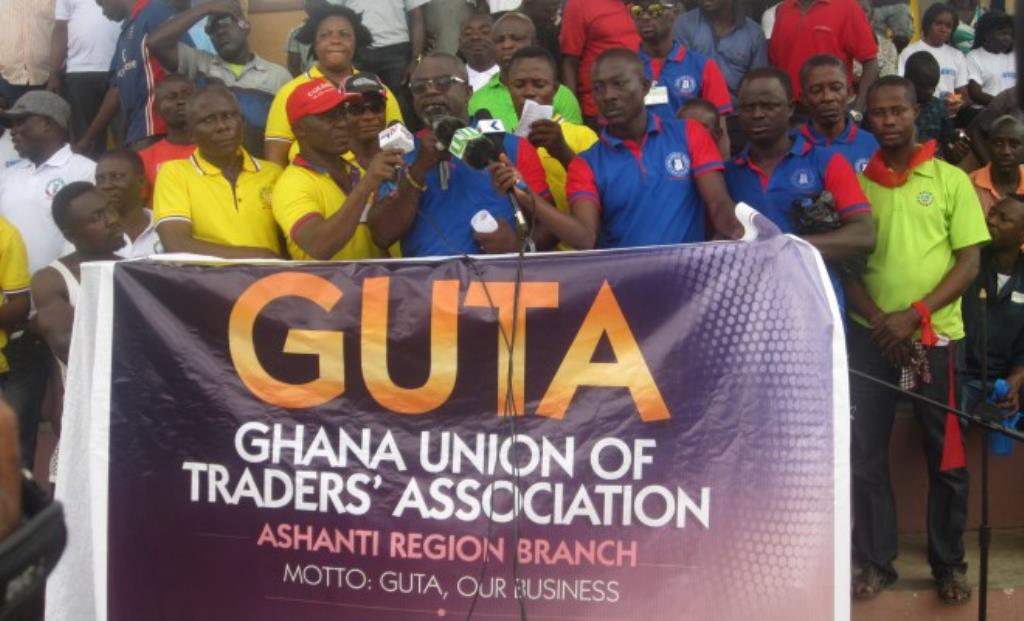
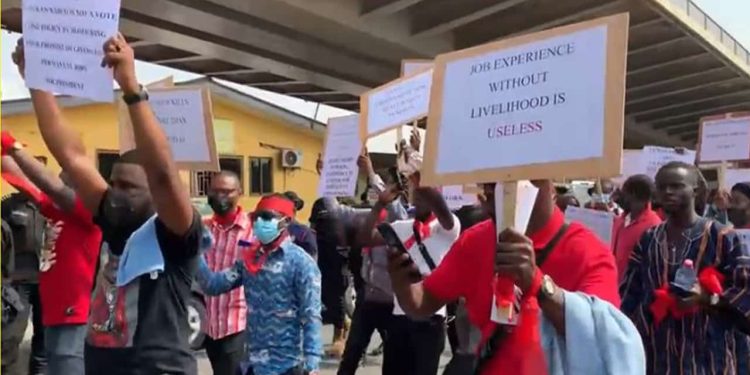
Members of the Ghana Union of Traders Association (GUTA) in the Ashanti region have threatened to stage a protest which would result in closure of shops within the area.
This is in response to what they call harassment and discrimination by customs officers about the payment of “exorbitant charges,” which their members in other locations do not face.
They claim that after clearing their goods at the port, they are forced to pay additional fees while transporting their goods to the Ashanti region. They go on to say that as a result of this, several of their members have been arrested and unfairly punished.
Speaking to the media, the Ashanti regional GUTA chairman, Mr. Anthony Oppong noted that:
“I am the third national GUTA president. We are in touch with all our members in the regions. None of them has complained about any arrests. Those people in Accra, after clearing their goods from Tema and we all come through the motorway, after Tetteh Quarshie, they go to Accra and we come to Kumasi. They are paying a lower transportation cost and we are paying a very high amount of money.
“So, if the government wants those of us in the Ashanti region to stop doing business, they should tell us. In that case, those of us who have the capital to relocate to Accra will go to Accra and Kumasi will become empty and there will be no businesses here. This is because it looks like as if there is a deliberate policy to destroy businesses in the Ashanti region. If not that, they should come and tell us.”
“This is because I have a forty-foot container and somebody taking it to Abossey Okai, nothing will happen to that person, but me, who is paying a higher transportation cost, has to contend with four custom barriers before I can get here (Kumasi). The worst part of it is that, in most cases, the container will go all the way to Suame Magazine and they will chase it and bring it to their yard. What is happening? So, we demand answers.
The traders are expressing that despite their interactions with the appropriate authorities regarding the issue, the situation continues to endure. Lately, the Ashanti region has increasingly transformed into an unfavorable setting for conducting business.
“The most annoying part of it and the most unfortunate part of it is that we have seen the regional minister on more than two occasions on this same issue. He gave us all assurances that he was going to call Accra and make sure he gets answers to what’s going on, but nothing has happened. We have seen the national security coordinator on numerous occasions, nothing has happened. We have visited the NIB director for the region, nothing has happened. The assistant commissioner since last January, we met three different assistant commissioners and put our case across and nothing is happening.”
“We have gone all the way to Accra to meet the commissioner himself, Mr. Seidu, and he gave us the promise that they are going to do everything possible to stop this and make sure that they do the checks and make sure that those who do not pay the right duties are the ones that they take the money from, which we accept because we are not condoning that. In fact, they are duties they are supposed to pay. We want to pay the duties, but after paying the duties, we don’t see why this harassment and intimidation should go on,” Anthony Oppong, the Ashanti regional GUTA chairman, stated.
“Tension is rising and if care is not taken, if nothing is done about it, from next week, something will happen here in Kumasi. We are planning to do a massive demonstration here to register our displeasure about what is going on. We cannot lose our capital because of what is going on, which we think the government is not even benefiting from. So, definitely, next week, we are holding a press conference, and after the press conference, if nothing is heard from the authorities, we are organizing a massive demonstration here in Kumasi. We will call for the closure of every shop and we will make sure we meet the right authorities and ensure that the right thing is done.”
The Ghana Catholic Bishops’ Conference (GCBC) has issued a plea to the leadership of the Economic Community of West African States (ECOWAS) to avoid employing force while seeking to reinstate constitutional governance in Niger.
Expressing their apprehensions, the GCBC acknowledged the military intervention that occurred in the Republic of Niger on July 26, 2023, leading to the ousting of President Mohamed Bozoum, who was democratically elected.
The Conference voiced deep concern over the recurring trend of coup d’états within the West African sub-region, noting the instances in the Republic of Mali (2020), Guinea (2021), Burkina Faso (2022), and the most recent occurrence in Niger (2023).
The President of the Conference, Most Rev. Matthew Kwasi Gyamfi, who also serves as the Catholic Bishop of Sunyani, emphasized the need for restraint in handling the crisis.
He implored both the Ghanaian government and fellow regional leaders to refrain from resorting to force in resolving the situation.
“The Ghana Catholic Bishops’ Conference (henceforward: Conference) notes with grave concern the military intervention in the Republic of Niger which occurred on 26th July 2023, leading to the overthrow of the democratically elected government of President Mohamed Bozoum in Niger.
“The Conference is further concerned that for the past three years, the West African Sub-region has been plagued with a series of coups d’état after years of the continent’s attempt to deepen democratic governance,” Catholic Bishop Of Sunyani & President, Most Rev. Matthew Kwasi Gyamfi stated.
“This situation started with the Republic of Mali in 2020, Guinea in 2021, Burkina Faso in 2022 and now Niger in 2023. The Conference further urges the Government of Ghana to refrain from the use of force and likewise urges its colleague leaders to do same,” he added.
A foreign resident living in Ghana has taken to the internet to vent her anger over what she perceives as the unfair financial burden placed on non-citizens seeking Ghana Cards.
In a viral video, the young woman passionately criticized the requirement for non-citizens to obtain Ghana Cards, labeling it as nonsensical.
She highlighted the paradox of paying significant amounts for resident permits, only to face the additional inconvenience of queuing for hours to acquire the Ghana Card.
Labelling the card as ‘absurd’, she questioned the government’s efforts to streamline the card acquisition process.
“Guys, I’m just coming from an NIA office, and I lack words to say how the government is extorting monies from us. Not even, Ghanaians as well. Why are we compelled to get a Ghana Card when we have resident permit and Ghanaians have voters ID cards when they have passport or birth certificate?
“What’s preventing them from using those things? And you are compelling us to get Ghana Card? We’re paying thousands of cedis for resident permit, we should come and pay huge sums of money again for some stupid Ghana Card. Look, and we spend hours; Ghanaians even spend days there getting a card,” she stressed.
The foreign resident further criticized the exorbitant fees imposed on her and fellow foreigners for obtaining the Ghana Card. Displaying a photo of the fees ($120 for issuance and $60 for renewal), she labeled the process as outrageous.
“So, what sense does it even make? What are you, as government, doing? It’s just arrant nonsense! Look, I’m going to add a picture of the real price at this moment that’s being paid by non-citizens. It is madness; it is money extortion and I’m going to make noise about it – noise, I will make,” she added.
The Ghana Card has been established by the government of Akufo-Addo as the primary identification card for key transactions.
Additionally, the Electoral Commission of Ghana has suggested considering the card as the exclusive identification for electoral purposes.
Watch video below:
A foreigner residing in Ghana has criticized the Government for requiring her to obtain a non-citizen Ghana card alongside her residence permit.
She referred to the Ghana card as stUp!d and expressed that the fees associated with obtaining these forms of identification are… pic.twitter.com/19BWPjZYaK
A mentally challenged man has lost his life after a speeding white Lexus sedan knocked him down on the Circle-Kaneshie road.
The victim met his unfortunate demise as the car, descending from the second tier of the interchange, tragically collided with him.
According to eyewitnesses, the incident occurred unexpectedly at approximately 7:30 am on Friday morning, August 25, 2023.
The vehicle, conspicuously lacking a registration number, was driven by an individual who was promptly taken to the nearest hospital for medical attention.
Meanwhile, the police have transported the victim’s body to the morgue.
The former Minister of Communications, Dr. Edward Omane Boamah, has embraced his new position as the Director of Elections and IT for the National Democratic Congress (NDC) in preparation for the 2024 elections.
The announcement of his appointment was made through a press release on August 24, 2023, and the communication was authorized by Fifi Fiavi Kwetey, the General Secretary of the NDC.
Dr. Omane Boamah takes the reins from Elvis Afriyie Ankrah, who held the role since 2019.
In an official statement, he conveyed his enthusiasm for the appointment and extended gratitude to the NDC‘s leadership for entrusting him with this responsibility.
He committed to contributing towards the party’s success in achieving political power.
Below is Dr. Omane Boamah’s acceptance press statement.
PRESS STATEMENT
“I accept to take charge of the NDC Elections and IT Directorate.”
I humbly accept my appointment as Director of Elections and IT for the National Democratic Congress (NDC). I am excited to work with an excellent election management and IT team. Our team has proven itself and demonstrated viability and promise in the recent NDC Presidential Primaries and the Assin North Constituency Parliamentary by-election.
To our Leader and 2024 flag bearer, President John Dramani Mahama, Chairman Johnson Asiedu Nketiah, and the entire NDC leadership and supporters, I promise to work tirelessly and contribute my best to secure victory for the party and all Ghanaians in the 2024 elections.
With my experience as the NDC’s Deputy Campaign Coordinator for the 2012 Presidential and Parliamentary Elections and my understanding of the impact of technology and unbiased research on modern-day elections, I commit to working loyally, cooperatively, strategically, meticulously, effectively, efficiently, and resiliently to help bring the NDC back to power on January 07, 2025.
We did it together in 2008 and came out of opposition. We must repeat it in 2024 to build the Ghana we want together.
Stakeholders at an MTN “momo” meeting in Accra have urged the government to further lower E-levy rates, which they claimed were a major impediment to digital payments in Ghana.
Speaking on the theme “Addressing Barriers to Digital Payments in Ghana,” Eric Kortey, General Manager of Cellulant Ghana Limited, stated that lowering transaction fees and instituting incentives for users will assist remove hurdles to digital payment uptake.
“This payment system provides such a volume-based business — you either keep the cost high and get less or you reduce it and get more.
“Since we want to increase digital adoption, reducing E-levy charges would help address such barriers.
“Although the country has made significant gains in creating access to digital financial services and smartphone penetration, a good proportion of the population are unable to access and participate in what is available,” he said.
As per the FinTech division at the Bank of Ghana, data reveals that the proportion of active mobile money accounts compared to the total registered accounts has decreased from 38.8% in June 2021 to 37.0% in June 2023.
Conversely, there has been a 40.7% surge in the total number of transactions from June 2022 to June 2023, accompanied by a notable 71.7% rise in transaction value.
Meanwhile, transactions saw a 17% rise between June 2021 and June 2022, albeit with a 7.6% decrease in transaction value.
The Head of FinTech and Innovation at the Bank of Ghana, Kwame Oppong, emphasized that the central bank remains unwavering in its commitment to collaborating with relevant stakeholders to overcome hurdles in the realm of digital payments within the country.
“When mobile money was growing, the banking ecosystem also grew.
Senior Lecturer at the Kwame Nkrumah University of Science and Technology’s (KNUST) School of Medicine and Dentistry, Dr. Yaw A. Amoako, has urged for stringent limits on the sale and usage of antibiotics in the country.
He stated that establishing severe controls on the sale and use of the medicine could assist to avoid antibiotic overuse in the country, which he regarded as a huge threat to public health.
“There should be restrictions on antibiotics,” he said, adding antibiotics should only be used when needed after appropriate tests.”
Dr. Amoako, a senior infectious diseases specialist and research scientist at the Kumasi Centre for Collaborative Research in Tropical Medicine (KCCR), was speaking at a virtual media roundtable organized by Pfizer Pharmaceuticals on Thursday, August 24, 2023, to raise antibiotic awareness in order to ensure patient safety and the future effectiveness of antibiotics.
He observed that the cost of antibiotic abuse was high, both in terms of health and the socioeconomic impact on society.
He voiced concern that many people had resorted to using antibiotics when they should not have, emphasizing that antibiotic usage “increases the length of stay of patients at the hospital.”
Antimicrobial resistance (abuse of antibiotics) is the inability of antimicrobial treatments to treat specific diseases.
It happens when bacteria, viruses, fungi, and parasites alter their properties (mutate) and stop responding to medications, making illnesses more difficult to cure and raising the risk of disease spread, severe illness, and death.
According to Dr. Amoako, the problem of antibiotic resistance should be taken seriously because it could lead to death.
He warned the people not to overuse antibiotics and urged the National Pharmacy Council to be strict about how such medications are administered through over-the-counter retailers.
He raised concern that many antibiotics medicines are not being properly stored and managed in various parts of the country, citing an example of antibiotics being found in market locations.
Dr. Amoako emphasized that, given the serious health consequences of antibiotic overuse, multi-sectoral and multi-disciplinary approaches to combating it were required.
As a result, he has urged all stakeholders, particularly the media, to help raise awareness about the hazards of antibiotic usage so that people are better informed about the risks.
The Minority in Parliament has dismissed suggestions that the Bank of Ghana (BoG) building is a security installation.
On September 5, 2023, the Minority intends to picket at the central bank in order to seek the resignation of BoG Governor, Dr. Ernest Addison, and his deputies.
However, following a meeting with police, the Accra Regional Police Command issued a statement expressing dissatisfaction with the routes chosen.
According to the police, the minority’s route choices could jeopardize public safety and order.
In the interest of public order, public safety, and the seamless operation of key services, the Police Service has asked the Minority to change the routes and destination of the picketing.
In an interview with the media, the MP for Bawku Central, Mahama Ayariga, described the police’s claims as “lies.”
“First and foremost, it is a big lie that the central bank building is a security installation. There has to be a law that defines it as a security installation. There is no such law. I do not recall any single law that defines the central bank building as a security installation. It is a big lie. Anyone who tells you it is a security installation is lying to you.”
“We are not asking to go into the central bank, not even the premises of the central bank. Our letter is specific. We are marching to the frontage of the central bank. We expect the Governor and his deputies to come out and receive our petition. So, once the central bank is not a security installation, we can march there because we have a democratic right to march there,” he added.
Mahama Ayariga also criticized the police for taking a “lazy approach” and called on them to “rise up to the task ahead of them.”
“We are going to the central bank to hold the Governor accountable. The police should also be held accountable, in terms of the standard of responsibilities of the police service. They are to make sure that when citizens have the right to exercise their democratic rights, they are there to police them to exercise that democratic right. Not to adopt a lazy approach and say that the central bank is a security installation, so you cannot go there. Where else can we go?”
He reiterated that they will demonstrate along the lines they have specified, emphasizing that the police do not have the ability to issue directions on their routes.
“The police have absolutely no power to give us directives in this regard. They cannot deny us the right to protest along the routes we have. If they do, it has to be a higher authority. It is just an attempt to frustrate the organization, but they will not succeed, because the demonstration will be along that route, and we will get to BoG’s frontage.”
A key member within Dr. Mahamudu Bawumia’s campaign team, Dennis Miracles Aboagye, has emphasized that the winner of the New Patriotic Party’s (NPP) special delegates’ conference will likely secure success in the impending primaries scheduled for November.
During an interview with the media, Mr Aboagye shared his perspective that the NPP’s historical pattern indicates a correlation between victory in the special delegates’ conference and triumph in the primaries.
Aboagye added, “The way our party is structured, whoever wins Saturday’s election will win the November primaries,” he stated, adding that “Dr Bawumia will win that election on Saturday by not less than 70 percent votes.”
He passionately called upon all dedicated NPP supporters to rally behind his superior, emphasizing that Dr. Bawumia symbolizes the party’s aspiration and holds the potential to shape the nation’s future.
Furthermore, Aboagye urged all delegates participating in the forthcoming special delegates’ conference, taking place at the regional level, to cast their votes in favor of the vice president.
This, he contended, would ensure the NPP’s triumph in the 2024 elections.
The NPP has organized this weekend’s special delegates’ conference with the aim of narrowing down the field of flagbearer contenders from ten to five, a strategic move in their preparations for the upcoming electoral campaign.
Former Deputy Minister for Communication, Felix Kwakye Ofosu, has termed the National Cathedral as “the most useless venture in Ghana’s history.”
Although the fact that the actual construction of the contentious project has yet to be seen by the public, the former minister stated that the government has already invested $58 million in the project at a time when Ghana is experiencing a recession.
Speaking to the media, the NDC Parliamentary candidate for the Abura Asebu Kwamankese constituency, indicated that he would never endorse the construction of a cathedral sponsored by state funds when the government fails to offer basic amenities for Ghanaians.
He stated that the government could not afford to pay caterers to feed basic school students across the country, but thought it prudent to “waste” monies on the construction of a cathedral whose impact would not be noticed by locals.
“I have said that I will never support the construction of the National Cathedral. I don’t know how you would want to describe me; You can call me a devil for saying that.
“There is no need to support this project. As we live in this country, is our priority a cathedral?” he quizzed.
He further alleged that the government is seeking $52 million in state funding to compensate the contractor working on the project solely for “constructing a whole on the site.”
Halle Berry will pay her ex-husband, Olivier Martinez, $8,000 a month in child support as part of their divorce settlement.
According to PEOPLE, the 57-year-old and Martinez reached a divorce settlement after nearly eight years of marriage.
The former couple was married for two years before deciding to divorce in 2015. As part of their divorce agreement, the couple will share legal custody of their 9-year-old son Maceo.
In addition, the Monster’s Ball star has promised to pay Martinez “4.3% of any income she receives above $2,000,000” as additional support. Berry will also cover Maceo’s private school tuition, uniforms, school supplies, and extracurricular activities. Martinez will also be reimbursed for such expenses incurred during their child’s 2023/2024 school year.
Berry and Martinez married on July 13, 2013 in France. However, they announced their divorce in 2015. “It is with a heavy heart that we have come to the decision to divorce,” they said at the time in a statement to PEOPLE.
“We move forward with love and respect for one another and the shared focus of what is best for our son. We wish each other nothing but happiness in life and we hope that you respect our and, most importantly, our children’s privacy as we go through this difficult period.”
Berry has a 15-year-old daughter with ex-boyfriend Gabriel Aubry, whom she is currently seeing. Similarly, the actress pays Aubry monthly child support. Berry won a legal battle with Aubry over child support in May, according to the Daily Mail Online. For a decade, the two had been entangled in a court battle.
Berry was initially ordered by the LA Superior Court in 2014 to pay Aubry $16,000 per month in child support and an additional $115,000. The actress afterwards referred to Aubry’s fees as “extortion.”
Berry, according to recent filings, has firmly limited the figure at $4.5 million. According to reports, the actress earns $10 million for a film. “Halle shall continue to pay Gabriel 4.3% of any income she receives above $1.95 million as and for additional child support for Nahla,” according to the filing. “However, any additional payments of child support pursuant to this paragraph shall not exceed $109,650 per year, which is the difference between 4.3% of $1.95 million and $4.5 million.”
“The parties agree that additional child support in excess of $109,650 per year would exceed Nahla’s reasonable needs.”
Felix Kwakye Ofosu, who previously served as a Deputy Minister for Communication in the Mahama administration, has leveled allegations concerning the construction of the National Cathedral in Ghana.
He claims that the government owes the contractor working on the National Cathedral project a $52 million for what he terms a “useless hole.”
In an interview with the media, Kwakye Ofosu criticized the Akufo-Addo government’s decision to fund the National Cathedral project.
He referred to the project as the most pointless endeavor in Ghana’s history.
“apart from the $58 million spent on the useless project, the government has to look for $52 million of state funds to pay the contractor working on the project just for digging a hole on the site.”
“Just the hole that has been created and not the main project, So if the contractor who has already issued a certificate for the work done decides to sue the government in court, he has to be paid,” he stated.
Despite the fact that the physical structure of the cathedral has not yet been erected, Kwakye Ofosu alleged that the government has already allocated $58 million of state funds to the project, which is taking place during a time of economic difficulty for the country.
Kwakye Ofosu further claimed that, aside from the $58 million already spent, an additional $52 million of state funds will be needed to pay the contractor who has worked on digging a hole for the project.
“I have said that I will never support the construction of the National Cathedral. I don’t know how you would want to describe me; You can call me a devil for saying that.
“There is no need to support this project. As we live in this country, is our priority a cathedral?” he quizzed.
He emphasized that this amount is specifically for the excavation work and not for the main construction of the cathedral. He raised the possibility of the contractor taking legal action against the government for payment.
In his criticism, Kwakye Ofosu highlighted the government’s inability to provide meals for basic school pupils across the country due to lack of funds, while seemingly allocating significant resources to a cathedral project that, in his view, would not have a meaningful impact on the citizens’ lives.
He expressed his opposition to the National Cathedral project, stating that he does not consider it a priority and questioned whether a cathedral should take precedence in a country with pressing needs.
There have been ongoing concerns about the National Cathedral project, including questions about accountability and its relevance in light of Ghana’s economic challenges. Even members of the Board of Trustees of the project, including Archbishop Duncan Williams and Reverend Eastwood Anaba, called for its suspension and a financial audit before continuing.
The controversy also led to a parliamentary motion to probe the National Cathedral Project, initiated by Minority Leader Cassiel Ato Forson and Deputy Minority Leader Emmanuel Armah-Kofi Buah, among others.
The motion seeks to investigate the use of state resources for the cathedral and to make subsequent recommendations based on the findings of the inquiry.
A hopeful contender for the flagbearer position in the New Patriotic Party (NPP), Dr. Owusu Afriyie Akoto, has urged the party’s 961 super delegates to place their trust in him by casting their votesin his favor.
His aim is to secure a spot among the top five candidates who will be shortlisted for the critical showdown on November 4.
In his pre-election message directed at the super delegates ahead of the upcoming polls on August 26, 2023, Dr. Akoto expressed the timeliness of the moment for the party’s key decision-makers to express their support for him.
He highlighted his substantial contributions to the party’s progress and called for acknowledgment of his efforts.
Dr. Akoto emphasized his visionary outlook for both the party and the nation. He underlined his capacity to rejuvenate the UP tradition and foster its growth, eradicating the hardships faced by party activists.
His proposal involves establishing commercial enterprises to generate revenue, thereby funding the party’s operations at all levels and simultaneously creating employment opportunities for the jobless.
“I am appealing to you, the super delegates, to vote for me. When you vote for me, I have envisioned two things to do; one for the party and the other for the country. All of us are aware of what happened in the 2016 general elections. In the Presidential, our then candidate, Nana Akufo-Addo beat the then incumbent President John Mahama with over 900,000 votes. But when we went to the 2020 general elections when everyone was expecting a wider margin between these two presidential candidates, the over 900,000 votes was cut down to a little over 500,000. We nearly lost the parliamentary majority seats. We are now pegged at 137 with the Independent Parliamentary candidate, Amoako Asiamah, declaring to do business with the NPP for us to become the Majority Group”, he noted.
He added “these happenings tell us that all was not well largely because our grassroots were abandoned. When you talk to them, almost everyone is complaining. This makes breaking the eight-year governance cycle very difficult, hence, my decision to contest for the flagbearer position to turn things around. So, I am appealing to you once again to show me some love and vote massively for me. I will ensure to work hard to reform the party for all to enjoy”, he underscored.
Dr. Akoto pledged a significant role for both women and youth in his prospective government, both within the NPP and across Ghana as a whole.
The flagbearer race within the governing New Patriotic Party features a total of 10 aspirants.
Among them are notable figures such as Dr. Owusu Afriyie Akoto, former Minister of Energy Mr. Boakye Agyarko, former NPP General Secretary and presidential spokesperson Mr. Kwabena Agyei Agyepong, former Member of Parliament (MP) for Mampong Mr. Francis Addai-Nimo, and former Minister of Trade and Industry Dr. Kofi Konadu Apraku.
The selection process involves a Special Delegates Congress on August 26, 2023, where five candidates will be chosen to proceed to the next stage.
This selected group will then compete for the coveted flagbearer position on November 4, 2023, ultimately determining the party’s leadership for the 2024 general election.
A former Member of Parliament for Obuasi East under the New Patriotic Party (NPP), Edward Ennin, has opened up about a regrettable incident from his political career.
According to him, his decision to prioritize his party’s interests above the greater good of the nation has resulted in personal repercussions that he now views as a form of divine retribution.
In an interview with the media on August 23, 2023, Mr Ennin shared a particular episode that took place in 2015.
At that time, he had been entrusted with the responsibility of overseeing a government contract for the construction of a constituency building in the Ashanti region. This contract had been awarded by the National Democratic Congress (NDC) government.
Ennin recounted that due to his unwavering allegiance to the NPP, he deliberately orchestrated a deliberate ten-month delay in the project’s implementation.
His primary motivation behind this delay was to prevent the NDC from utilizing the government facility as a campaign tool in the upcoming 2016 elections.
The former MP admitted that this deliberate delay had consequences, particularly on his personal financial situation, after the NDC lost the election.
He shared that following the election results, he had intended to express his support for his party by purchasing cement for the construction project directly from the NPP’s chairman, who now holds positions as both an MP and a deputy minister.
However, Ennin encountered numerous obstacles in his attempt to acquire the cement and faced challenges in obtaining the funds required for the purchase.
He attributed these setbacks to his failure to prioritize the nation’s welfare over political interests, a perspective he has since recognized as flawed.
The Aggrieved Nation Builders Corps (NABCo) Association has threatened to stage a protest if the Ministry of Finance fails to settle their 9 months’ arrears by August 31, 2023.
Despite numerous attempts to secure payment from the government, the group’s leadership claims their efforts have been in vain.
The National Convenor of Aggrieved NABCo Beneficiaries, David Petterson, communicated that their members’ lives have become unbearable.
He warned of upcoming demonstrations if the government doesn’t respond to their appeals, emphasizing that they have persistently sought payment since the previous year.
Petterson added that pleas have been directed to the Finance Minister and other relevant bodies, with no results.
He stressed the urgent need for payment, citing distressing member situations including hunger, medical challenges, disrupted households, and more.
The group’s message to the government is clear: pay by the end of August, or they will take to the streets in a nationwide demonstration.
“We started this last year, and we have been hitting on the doors of government and wrote to the Finance Minister on two occasions to pay us but to no avail. We have written to CHRAJ and others but still nothing happened so we are pleading with the government to release our monies to us else we will stage a nationwide demonstration.”“We are pleading with the government to pay us by the end of August else we are hitting the road because I have been receiving calls from members who complain of starvation, medical difficulties, broken homes, and a host of others.”
A female resident of a Witch camp, Kukuo, at a community outside of Bimbilla in the Northern region, Ghana has opened up about her experiences at the facility.
She recounted the distressing period when she found herself crying incessantly for three consecutive days in a documentary by a Nigerian atheist and content creator, Gbenga Adewoye, titled The Face of a Witch| Ghana Witch Camps.
She also revealed the dark thoughts that crossed her mind, contemplating the idea of ending her life through suicide.
Her presence there was a result of being accused of witchcraft by her community, following the unfortunate passing of a neighbour.
This accusation, she explained, arose due to the belief that she was responsible for her neighbour’s demise, leading to her being labelled as a witch.
In her account, she revealed that she spent a duration of four years within the camp.
“It’s been 4 years since I came, someone passed away in my community and I was accused of being a witch. I cried for three straight days. I wanted to commit suicide then I thought to myself how I would only be proving them right?
There are six “witches’ camps,” In the Northern part of Ghana, where women are compelled to take refuge due to being unjustly labelled as witches, often for offences they have no knowledge of committing.
Tragically, these women face severe mistreatment and harsh conditions within these camps, which persist until their unfortunate demise.
In July 2020, a tragic incident occurred in Kafaba near Salaga in the Savannah region, where Akua Denteh, a 90-year-old woman, lost her life under distressing circumstances.
She was falsely labelled a witch by a priestess and subsequently subjected to a horrifying fate. A furious mob within the community dragged her and ultimately lynched her.
Regrettably, this horrifying incident is not an isolated occurrence. Older women, and sometimes even older men, who find themselves accused of practicing witchcraft, face substantial dangers.
In local communities, various misfortunes such as failed crops, accidents, or deaths can trigger accusations of witchcraft.
Especially vulnerable are widowed women, who often face accusations of having caused their husbands’ deaths for personal gain.
Such accusations can lead to these women being unjustly branded as witches, subjected to mistreatment, and even facing threats to their lives.
In 2021, three Members of Parliament took a significant step by introducing a Private Members’ Bill.
The bill aimed to amend the Criminal and Other Offences Act of 1960 (Act 29) with the primary objective of prohibiting the activities of witch doctors and witchfinders.
The proponents of this bill were Francis-Xavier Kojo Sosu, who represents the Madina constituency, Hajia Laadi Ayii Ayamba, representing the Pusiga constituency, and Dr. Godfred Seidu Jasaw, who serves the Wa East constituency.
The National Democratic Congress (NDC) party has appointed a former Minister of Communications, Dr. Edward Omane Boamah, as its Director of Elections and IT in preparation for 2024 elections.
This appointment was officially communicated through a press release issued on August 24, 2023, bearing the signature of NDC’s General Secretary, Fifi Fiavi Kwetey.
The press release also reveals a roster of other key appointments for the approaching 2024 general elections.
Dr. Omane Boamah, a medical doctor and expert in health policy planning and financing, succeeds Elvis Afriyie Ankrah, who had held the position since 2019.
Having previously served as Spokesperson for former President John Dramani Mahama, the NDC’s flagbearer, Dr. Boamah’s professional achievements extend to his role as Vice Chairman of the United Nations Commission on Science and Technology for Development (UNCSTD) in Geneva.
An alumnus of prestigious institutions such as the London School of Economics (LSE), the London School of Hygiene and Tropical Medicine, and the University of Ghana Medical School, Dr. Boamah played pivotal roles in NDC’s electoral victories, including his roles as Deputy Campaign Coordinator in the 2012 presidential and parliamentary elections and his contributions to the NDC’s triumph in the 2008 elections.
The NDC’s other new appointments include:
Professor Joshua Alabi – Vice Chairman
Dr. Samuel Sarpong – Vice Chairman
Abdul Rauf Khalid – Vice Chairman
Godwin Kudzo Tameklo – Director of Legal Affairs
Dr. Peter Boamah Otokunor – Director of Inter-Party/CSO Relations
In a send-off event organized to honor the immediate past Executive Secretaries of the Lands Commission, Mr. James Dadson and Alhaji Sulemana Mahama, the newly appointed Acting Executive Secretary, Mr. Benjamin Arthur, stated that his commitment to upholding and building upon their contributions towards a robust land administration system.
Addressing the gathering on August 23, 2023, Mr. Arthur acknowledged the significance of the work undertaken by his predecessors and compared their efforts to clearing tree stumps from barren land, paving the way for his upcoming responsibilities.
Mr. Arthur expressed optimism that with many hurdles minimized and significant groundwork completed, his tenure would be smoother, benefiting from the achievements of his predecessors to fulfill the goals of the Lands Commission.
He expressed gratitude to Mr. James Dadson for the valuable guidance provided during their time together, and to Alhaji Sulemana Mahama for his continuous support and guidance over the years.
Outgoing Executive Secretary, Surv. James Dadson, expressed appreciation for the Commission’s recognition and support throughout his term. He especially thanked the Minister for Lands and Natural Resources, Hon. Samuel A. Jinapor, and the Deputy Minister responsible for Lands and Forestry for their unwavering assistance.
He hoped that the same level of support would continue for the new Executive Secretary to maintain the momentum of progress. In concluding his speech, Dadson acknowledged the challenges faced and the teamwork that carried them through, expressing gratitude for the journey.
Alhaji Sulemana Mahama, the retired Executive Secretary preceding Mr. Dadson, conveyed gratitude to the organizers of the event and offered counsel to the incoming Executive Secretary and other continuing staff, advising them to remain true to themselves, their beliefs, and the mission of the Lands Commission.
Mr. Alex Quaynor, National Chairman of the Commission, urged the Commission’s management and staff to brace themselves for upcoming challenges as the government endeavors to provide the necessary resources for an even more effective land administration system in the country.
Former Deputy Minister for Communication, Felix Kwakye Ofosu, has stated that President Akufo-Addo exhibits a lack of concern for events within his government.
According to him, previously, the president used to refute accusations of corruption, but now he disregards them.
In a Twitter post, the National Democratic Congress’ (NDC) Parliamentary Candidate for Abura Asebu-Kwamankese, stated that Ghanaians are navigating independently, suggesting the nation is on autopilot.
He criticized President Akufo-Addo, highlighting his apparent lack of concern for developments within his government, a departure from his earlier denial tactics.
“President Akufo-Addo does not appear to give a toss about anything that happens in his government.”
“Initially, he would always claim not to be aware. Now, he simply does not care!”
Kwakye Ofosu’s tweet follows the recent alleged stolen monies from the home of the former Sanitation Minister, Cecilia Dapaah.
In July, two domestic workers were brought before a court for purportedly stealing US$1 million, €300,000, and Ghanaian cedis from the former minister’s home.
Dapaah resigned following calls for her departure to allow investigations.
The Office of the Special Prosecutor (OSP) conducted a search at Dapaah’s residence after she was questioned about suspected corruption.
Another individual allegedly connected to the theft was granted bail, bringing the total number of those granted bail to three, including two who were released due to their status as lactating mothers.