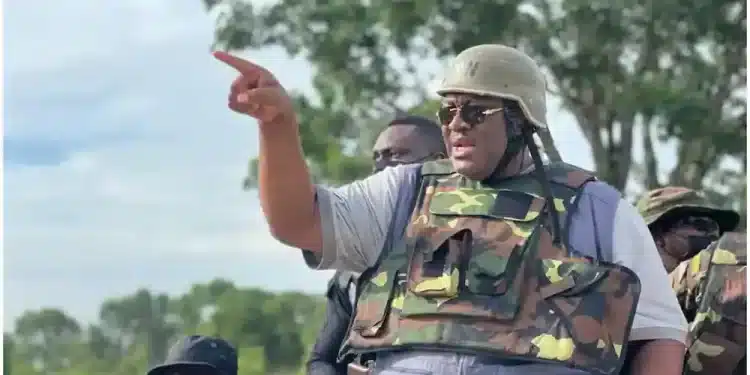
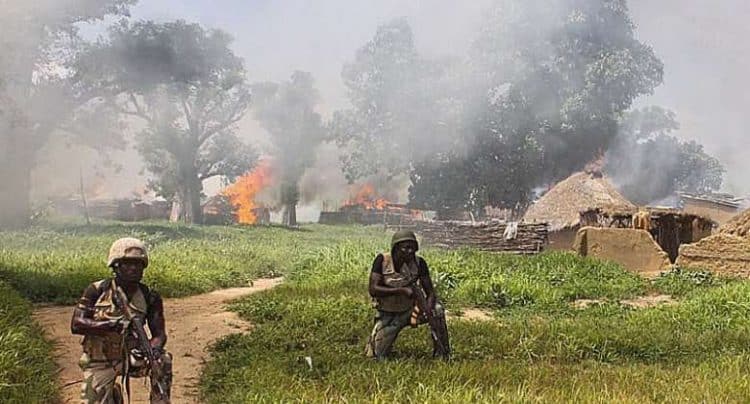
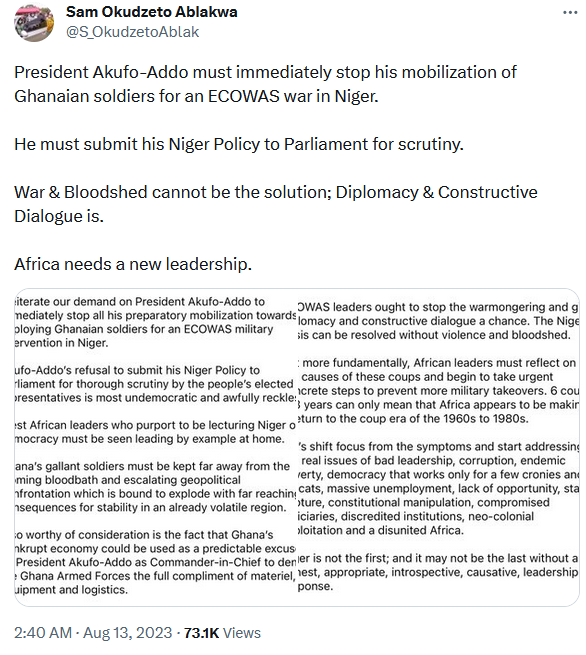
The Christian Council of Ghana has issued a warning to President Akufo-Addo regarding the deployment of Ghanaian troops to aid in countering the coup in Niger.
This deployment forms part of the ECOWAS standby force’s endeavor to remove the recently established military leadership in Niger.
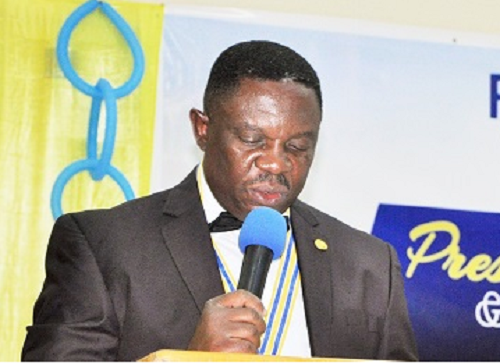
Addressing the media, General Secretary for the Council, Cyril G. K. Fayose, stressed the urgency for President Akufo-Addo to reconsider his current approach, urging him to halt and carefully consider the potential adverse consequences of the situation.
“The church is concerned because it a very delicate and complicated issue at this point. First of all any form of military intervension can have so many implications not only in Niger but the whole sub-regions. So it’s not only going to be go in there, get the military janta out and reinstating the president and then pack out,”he added.
Mr Fayose mentioned that proceeding without well-defined strategies could result in potential repercussions in the future.
The Council’s General Secretary emphasized their profound concern regarding the issue, highlighting its relevance to national interests.
“It is going to be a prolonged engagement, lives will be lost, there may be reprecurssions back here at home. People will flee the country and we will have to receive them etc. So I am in the opinion that we should explore all peaceful options before we can go in for a military intervention so the president…..”
He advocated for a renewed focus on peaceful approaches, acknowledging past unsuccessful attempts by the Economic Community of West African States (ECOWAS) to stabilize the situation.
Meanwhile, Parliament has reportedly summoned top military officials and heads of various security agencies within the country to address President Akufo-Addo‘s decision to deploy Ghanaian troops to Niger.
On August 10, 2023, ECOWAS held a meeting in Abuja, Nigeria, led by President of the Federal Republic of Nigeria, and Chair of the ECOWAS Authority, H.E. Bola Ahmed Tinubu.
This session was a continuation of a prior one on July 30, 2023, in response to the unlawful detention of President Mohamed Bazoum by the Presidential Guard in Niger on July 26, 2023.
During the meeting, ECOWAS reiterated its strong condemnation of the attempted coup d’état and the ongoing illegal detention of President Mohamed Bazoum, his family, and government officials.
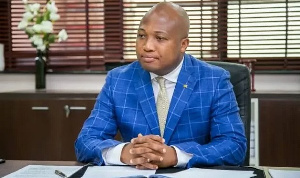
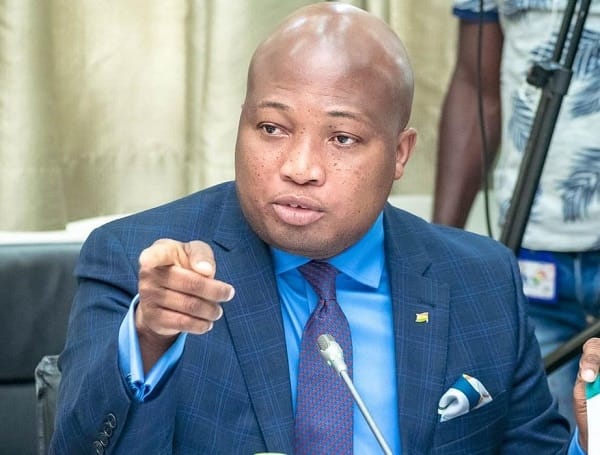
The Ranking Member on the Foreign Affairs Committee of Parliament, Samuel Okudzeto Ablakwa, has urged the Ministry of Foreign Affairs and Regional Integration to address the passport backlog as a way to combat the illicit acquisition of passports.
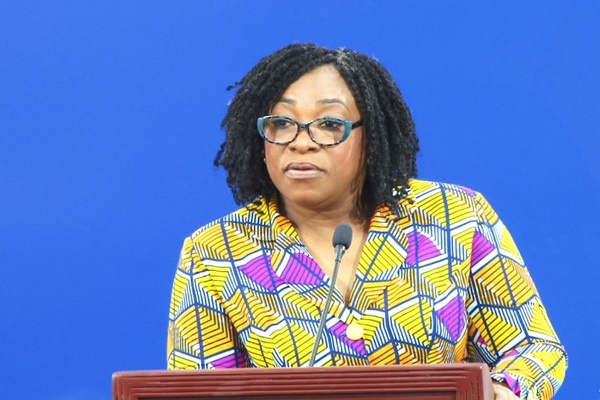
During an unannounced visit to the passport office in Accra, the sector minister, Shirley Ayorkor Botchwey, expressed concern over the activities of individuals known as “goro boys.”
Responding to this issue, the North Tongu MP acknowledged the minister’s efforts but emphasized the need for strengthened systems to address this ongoing problem.
While reflecting on the resurgence of “goro boys,” Ablakwa suggested a two-pronged approach: clearing the backlog of passport applications and implementing full automation to reduce human discretion.
“Sometimes we even thought that the phenomenon of goro boys was behind us. It is really regrettable that they have found their way back. So, it’s a clear matter. Let’s make sure that the backlog is dealt with then we take out the human discretion and bring in full automation because we have invested in that,” he said.
Ayorkor Botchwey, on the other hand, criticized passport office staff for alleged involvement in corruption-related activities, which has marred the office’s reputation. She expressed her frustration over applicants being extorted by both passport workers and “goro boys and girls” to expedite services.
The minister highlighted the need to cleanse the passport system, leading to the removal of certain staff members by August 21. She also underscored the importance of addressing corruption within the civil service and public sector.
Ayorkor Botchwey announced an ongoing investigation and promised consequences for the guilty parties. She further called for the dismissal of security service personnel stationed at the Passport Office in Accra who have overstayed their tenure.
The minister expressed her dissatisfaction with the high cost of obtaining a passport, emphasizing that it is unacceptable for Ghanaians to pay such excessive fees.
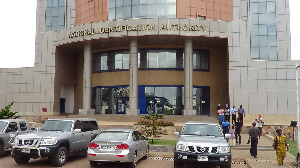
The National Identification Authority (NIA) has taken action by dismissing 10 employees due to their involvement in misconduct and unauthorized collection of fees from applicants for the Ghana Card. The NIA’s decision comes after an investigation conducted by the Criminal Investigation Department (CID) of the Ghana Police Service (GPS) revealed their violation of authority regulations.
The report by asaaseradio.com stated that the dismissal followed a comprehensive inquiry process, which included suspending the implicated officers, constituting a disciplinary committee of inquiry to provide a fair hearing in accordance with the law, and the management’s acceptance of the committee’s recommendations.
The dismissed employees were found to have engaged in activities such as soliciting and accepting unauthorized fees from Ghana Card applicants and manipulating the registration system for personal gain. These activities were confirmed to have taken place at various NIA offices including the head office in Accra, Subin Sub-Metro District Office in Kumasi, Western Regional Office in Takoradi, Registrar General’s Department Office at Accra Central, Adentan Municipal Office, and La-Nkwantanang Municipal Office.
Kenneth Agyemang Attafuah, the Executive Secretary of the NIA, emphasized the organization’s commitment to upholding the highest standards of professionalism, accountability, and ethical behavior. The dismissal of the staff members underscores the NIA’s dedication to both safeguarding the rights of its personnel and promptly enforcing the rule of law.
This move is in alignment with the NIA’s goal of establishing a robust, principled, adaptable, and competent national institution that fosters a sense of genuine national pride among its citizens. Attafuah pledged to implement additional measures to prevent such misconduct from recurring in the future.
The report reiterated that the NIA remains resolute in fulfilling its mandate of providing reliable, credible, and transparent identification services to citizens, all while maintaining the highest levels of professionalism and ethical conduct.
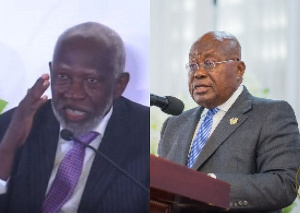
Former Chairman of the National Development Planning Commission (NDPC), Prof Stephen Adei, has urged President Nana Addo Dankwa Akufo-Addo to issue an apology to the Ghanaian populace for the nation’s current economic challenges.
While acknowledging that the circumstances surrounding Ghana’s economy may have been beyond the control of the ruling New Patriotic Party (NPP) government, Prof Adei emphasized the importance of apologizing for the deteriorating economic situation.
He remarked on the absence of a crucial aspect of governance – admitting failure. He noted that both the NPP and the National Democratic Congress (NDC) administrations have refrained from openly admitting mistakes.
In an interview on Asaase Radio’s TownHall Talk, Prof Adei stated, “We have a problem with governance in this country… People in government, whether National Democratic Congress (NDC) or the New Patriotic Party (NPP), do not admit fault. I think it is a bad practice.”
He emphasized the lack of explicit apologies from the President or the Finance Minister, Ken Ofori-Atta, despite the challenges faced by Ghana, including external factors such as the Ukraine-Russia conflict and the COVID-19 pandemic. Prof Adei suggested that the government should acknowledge the hardship faced by Ghanaians and apologize, even if some of the challenges were beyond their control.
Looking ahead, Prof Adei, who also served as the former rector of the Ghana Institute of Management and Public Administration (GIMPA), warned that Ghanaians should prepare for further difficulties after the 2024 elections.
He predicted that the next three years, regardless of the election outcome, would bring significant challenges, necessitating the mobilization of citizens to accept the realities ahead.
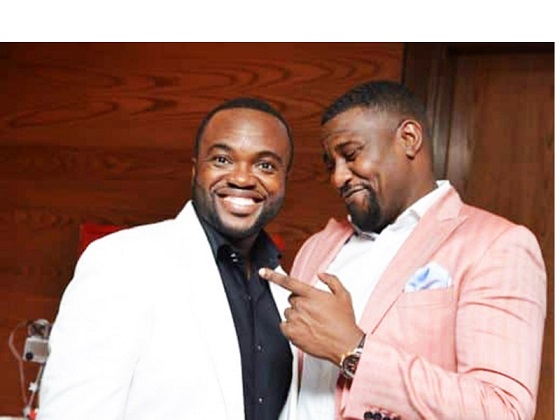
The candidate representing the National Democratic Congress (NDC) for the Ayawaso West Wuogon constituency, John Dumelo, has claimed that he did not lose the 2020 parliamentary election.
He maintained that he considers himself the winner, as he was not far from securing the constituency’s seat.
Dumelo emphasized that his party achieved the best results in the constituency’s history, leading him to refrain from terming it a loss.
He has also expressed his determination to secure victory in the upcoming 2024 elections, highlighting that although his team faced defeat in 2020, they have since formulated strategies to succeed.
“In my perspective, we emerged victorious in the 2020 election. We achieved unprecedented results in the history of Ayawaso West Wuogon. Progress is often marked by initial steps. Shortly after assessing the results, we analyzed and devised plans for winning the forthcoming election,” he elaborated.
Talent manager and entertainment pundit, Mr. Logic has stated that the actor will experience a second defeat in his bid against his contender Lydia Alhassan.
According to him John Dumelo’s demeanor appears to be marked by arrogance and excessive self-assurance, as he because he believes to be the preferred choice of the people.
Mr Logic added that Dumelo’s focus seems to be more on showcasing himself as a member of parliament to validate a certain perspective.
“I was happy Fred Nuamah was contesting John Dumelo, He is boastful and overconfident, he feels to be the people’s favorite and I wanted Fred to prove a point that the people can change. Fred’s withdrawal makes me think he is not confident, however, I personally love Fred Nuamah to John Dumelo”
“If I had the right to vote in that constituency, my choice was Fred Nuamah. Apart from John Dumelo being a hard worker, politically I feel his just hopeful to be an MP to prove a point and my research shows John Dumelo will lose for the second time. The people already have their candidates and my research shows John isn’t the favorite”.
In 2020, the actor-turned-politicia strived to assume leadership in the constituency through a heated parliamentary rivalry with the incumbent, Lydia Seyram Alhassan.
Mrs. Alhassan stepped into the role previously held by her deceased husband, Emmanuel Boakye Agyarko, when she participated in and triumphed in the parliamentary election in January 2019.
Based on preliminary results, Lydia Alhassan of the NPP secured 39,851 votes, while Dumelo of the NDC followed closely in second place with 37,778 votes.
Meanwhile, Mr Dumelo has issued a caution to his former 2020 advising her to brace herself for a defeat in the upcoming 2024 elections.
In a tweet he stated “Lydia Seyram Alhassan, your downfall is next!”
The candidate for the Ayawaso West Wuogon constituency under the National Democratic Congress (NDC) ticket, John Setor Dumelo, has revealed that residents who initially supported his opponent, Lydia Alhassan, have expressed regret over their decision.
Speaking to the media, he added that Mrs. Alhassan has disappointed the constituents by not fulfilling the majority of her commitments to them.
He further added that she lacks genuine concern for the well-being of the people, as her primary focus seemed to be securing the seat rather than serving the community.
“I haven’t seen works to be mentioned worthy by my opponent . People are attacking students everytime, she hasn’t done anything. I donated streetlights, I am still donating streetslights. I am concerned by the people. I don’t think she has shown any sympathy for the students.
“She promised to build a bolehole in 2019 and she’s now doing that, I think she’s speeding up with her projects because of me,” he added.
The Ayawaso West Wuogon constituency has been a pivotal battleground for both the New Patriotic Party (NPP) and National Democratic Congress (NDC).
In 2020, the actor-turned-politician was striving to assume leadership in the constituency through a heated parliamentary rivalry with the incumbent, Lydia Seyram Alhassan.
Mrs. Alhassan stepped into the role previously held by her deceased husband, Emmanuel Boakye Agyarko, when she participated in and triumphed in the parliamentary election in January 2019.
Based on preliminary results, Lydia Alhassan of the NPP secured 39,851 votes, while Dumelo of the NDC followed closely in second place with 37,778 votes.
Meanwhile, Mr Dumelo has issued a caution to his former 2020 advising her to brace herself for a defeat in the upcoming 2024 elections.
In a tweet he stated “Lydia Seyram Alhassan, your downfall is next!”
Former Chairman of the National Development Planning Commission (NDPC), Prof Stephen Adei, has urged President Akufo-Addo to issue an apology to the Ghanaian populace for the nation’s current economic challenges.
While acknowledging that the circumstances surrounding Ghana’s economy may have been beyond the control of the ruling New Patriotic Party (NPP) government, Prof Adei emphasized the importance of apologizing for the deteriorating economic situation.
He remarked on the absence of a crucial aspect of governance – admitting failure. He noted that both the NPP and the National Democratic Congress (NDC) administrations have refrained from openly admitting mistakes.
In an interview on Asaase Radio’s TownHall Talk, Prof Adei stated, “We have a problem with governance in this country… People in government, whether National Democratic Congress (NDC) or the New Patriotic Party (NPP), do not admit fault. I think it is a bad practice.”
He emphasized the lack of explicit apologies from the President or the Finance Minister, Ken Ofori-Atta, despite the challenges faced by Ghana, including external factors such as the Ukraine-Russia conflict and the COVID-19 pandemic.
Prof Adei suggested that the government should acknowledge the hardship faced by Ghanaians and apologize, even if some of the challenges were beyond their control.
Looking ahead, Prof Adei, who also served as the former rector of the Ghana Institute of Management and Public Administration (GIMPA), warned that Ghanaians should prepare for further difficulties after the 2024 elections.
He predicted that the next three years, regardless of the election outcome, would bring significant challenges, necessitating the mobilization of citizens to accept the realities ahead.
The National Identification Authority (NIA) has taken action by dismissing 10 employees due to their involvement in misconduct and unauthorized collection of fees from applicants for the Ghana Card.
The NIA’s decision comes after an investigation conducted by the Criminal Investigation Department (CID) of the Ghana Police Service (GPS) revealed their violation of authority regulations.
Per reports the dismissal followed a comprehensive inquiry process, which included suspending the implicated officers, constituting a disciplinary committee of inquiry to provide a fair hearing in accordance with the law, and the management’s acceptance of the committee’s recommendations.
The dismissed employees were found to have engaged in activities such as soliciting and accepting unauthorized fees from Ghana Card applicants and manipulating the registration system for personal gain.
These activities were confirmed to have taken place at various NIA offices including the head office in Accra, Subin Sub-Metro District Office in Kumasi, Western Regional Office in Takoradi, Registrar General’s Department Office at Accra Central, Adentan Municipal Office, and La-Nkwantanang Municipal Office.
The Executive Secretary of the NIA, Kenneth Agyemang Attafuah, emphasized the organization’s commitment to upholding the highest standards of professionalism, accountability, and ethical behavior.
The dismissal of the staff members underscores the NIA’s dedication to both safeguarding the rights of its personnel and promptly enforcing the rule of law.
This move is in alignment with the NIA’s goal of establishing a robust, principled, adaptable, and competent national institution that fosters a sense of genuine national pride among its citizens.
Attafuah pledged to implement additional measures to prevent such misconduct from recurring in the future.
The report reiterated that the NIA remains resolute in fulfilling its mandate of providing reliable, credible, and transparent identification services to citizens, all while maintaining the highest levels of professionalism and ethical conduct.
Head Pastor and Founder of Alabaster International Ministries, Prophet Kofi Oduro, has criticized specific types of churches that government should take immediate action to shutdown.
While not naming these churches, he highlighted their unchristian activities and behaviors, suggesting they deviate from true religious practices.
In a viral video, the outspoken preacher emphasized that certain churches engage in practices like creating concoctions from items such as pomades and fragrances, which they sell to people under the pretense of possessing special properties.
He pointed out that these actions reflect a lack of seriousness and a departure from genuine spirituality.
Prophet Kofi Oduro expressed concern over leaders of such churches who participate in absurd activities, such as lying on the floor and dancing to secular songs during worship.
He criticized the impact such behaviors have on people’s perceptions of church teachings and the implications for non-believers.
He further highlighted the display of items like Schnapps and fly whisks (bodua) within church premises as examples of these unorthodox practices.
He directed some blame towards the government for allowing such activities to persist and contrasted this with Rwanda’s stringent regulations on church establishment, which require formal education as a prerequisite.
In Rwanda, he noted, individuals must hold a first-degree qualification to start a church, as education is seen as enhancing critical thinking and reducing the likelihood of unscrupulous practices within religious institutions.
Parliament has reportedly summoned top military officials and heads of various security agencies within the country to address President Akufo-Addo‘s decision to deploy Ghanaian troops to Niger.
This deployment is part of the ECOWAS standby force’s effort to remove the newly established military leadership in Niger.
As per a report from JoyNews, the Defence and Interior Committee of parliament called upon the leaders of the Ghana Armed Forces and other security bodies to provide insights into the president’s alleged directive.
The meeting involved representatives from the Ghana Armed Forces, National Security, the Ministers of Defence and Interior, and leaders of the Ghana Police Service, among others.
The report highlighted that several issues were discussed, focusing on the constitutionality of Akufo-Addo’s choice to contribute troops to the ECOWAS standby force. It was also noted that Article 40 of the 1992 Constitution was a significant point of discussion during the meeting.
Article 40 outlines that the government shall, in its interactions with other nations:
(a) promote and safeguard the interests of Ghana; (b) pursue the establishment of a just and fair international economic and social order; (c) encourage respect for international law, treaty obligations, and the peaceful resolution of international conflicts; (d) uphold the principles of the Charter of the United Nations, the Charter of the Organization of African Unity, the Commonwealth, the Treaty of the Economic Community of West African States, and any other international organization of which Ghana is a member.
Samuel Okudzeto Ablakwa, a member of the Defence and Interior Committee and also the Member of Parliament for North Tongu, spoke with JoyNews after the meeting. He stated that specific details of the gathering would not be disclosed, but he indicated that the meeting was successful and part of a series of discussions.
Background: The Economic Community of West African States (ECOWAS) ordered the deployment of a standby force to Niger. This decision was made by ECOWAS leaders during an Extraordinary Session in Abuja, Nigeria on August 10, 2023. The summit was convened due to the alleged illegal detention of President Mohamed Bazoum by the Presidential Guard of Niger on July 26, 2023.
The communique issued by the ECOWAS Authority reiterated their strong condemnation of the attempted coup d’état and the ongoing unlawful detention of President Mohammed Bazoum, his family, and members of his government.
However, military leadership in Burkina Faso and Mali responded by warning that any forcible attempt to reinstate President Mohamed Bazoum in neighboring Niger would be viewed as a declaration of war against them.
Numerous security experts have cautioned against the potential disastrous consequences of proceeding with the decision to deploy troops to Niger within the ECOWAS framework.
The National Democratic Congress (NDC) candidate for the Ayawaso West Wuguon constituency, Mr John Setor Dumelo has stated that he was never intimidated by Fred Nuamah.
Mr Nuamah earlier declared his intentions to compete in the Ayawaso West Wougon constituency parliamentary primaries.
However, Mr Nuamah withdrew from the race, by pledging his support for his long time friend Mr. Dumelo.
But speaking to the media, Mr Dumelo stated that Mr Nuamah’s the presence in the competition would not have obstructed his victory in the election.
The actor-turned-politician explained that any potential decision to replace the candidate carried the risk of destabilizing the party’s position within the constituency leading up to the 2024 elections.
“I didn’t mind the contest, but I felt like a contest wasn’t needed. It wasn’t necessary because the party looked at Ayawaso West as a different case, because I had contested in 2020,” he candidly expressed.
He mentioned that the residents in the area rallied behind him, as they believed he possessed the necessary qualifications to represent them in Parliament.
This conviction, he said stemmed from his engagement in the 2020 elections.
“We did extremely well, we nearly won, and we lost by a small margin. So it would have been suicidal to change the candidate. So, in a democracy, a lot of negotiations had to go on,” he added.
On Sunday, August 13, 2023, John Dumelo was officially selected as the NDC’s representative for the Ayawaso West Wuogon Constituency, marking his second consecutive attempt at securing the position.
This decision followed successful efforts by the party to mediate an agreement between the two other contenders, one of whom is the CEO of the Ghana Movie Awards.
These candidates subsequently withdrew from the race and pledged their endorsement for Mr. Dumelo.
I didn’t mind contesting against Fred Nuamah – John Dumelo
Despite past disagreements, Mr Nuamah reaffirmed his dedication to the NDC’s unity and the overarching objective of the “President John Mahama project,” which seeks to rejuvenate the nation.
Fred Nuamah stated, “I wholeheartedly support and endorse my close friend and fellow compatriot, Mr. John Dumelo, as the NDC’s parliamentary candidate for the Ayawaso West Wuogon constituency.”
He encouraged his followers within the party to unite behind Dumelo, offering him the necessary support to cultivate a renewed sense of cohesion and purpose.
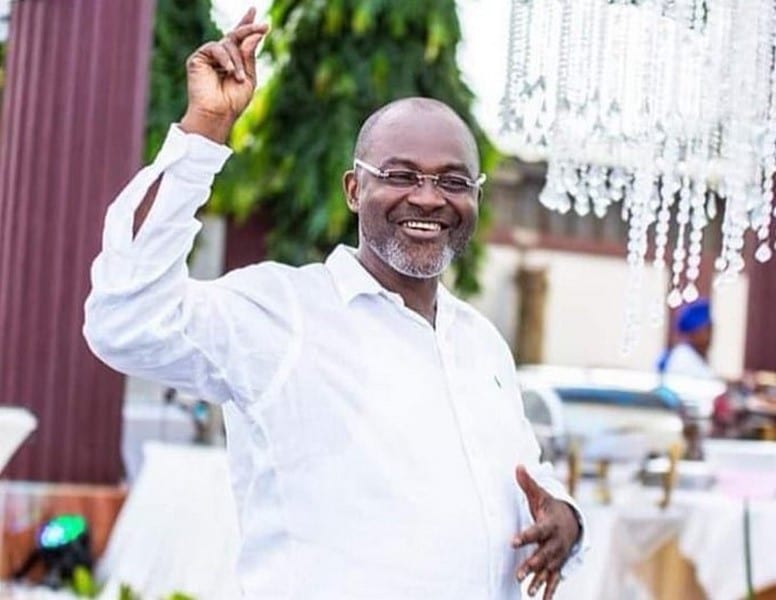
A presidential aspirant of the New Patriotic Party (NPP), Kennedy Ohene Agyapong, has raised alarm over the unfair categorization of individuals who speak the truth as arrogant.
During an interview with the media, the prominent business mogul expressed his distress about the unjust classification of truth tellers, asserting that this unjust label is deterring many from openly addressing crucial matters.
The Member of Parliament for Assin Central, added that this apprehension arises from the fear of being unfairly branded as arrogant.
“A lot of people in Ghana are afraid to speak the truth because they are afraid they will be called arrogant. When you speak the truth, they say you are arrogant, they say you are insulting,” noted the Assin Central lawmaker in a conversation with host Umaru Sanda Amadu.
Regarding his often perceived sharp commentary and responses on public media platforms, Agyapong emphasized, “I always reciprocate actions and before I come out, you would have done it for several times that I did not even say anything and one day, when I come out, because it is me, then the public begin to have problems with my response and I think that is unfair.”
He stressed the importance of confidence, boldness, honesty, sincerity, and discipline in the country’s development, pointing out the need for a change in this regard. He criticized the situation where those who respond to allegations and insults are reprimanded while the initial provocations are overlooked, deeming it unjust.
Agyapong concluded by defending himself, stating that he serves as a positive role model due to his significant accomplishments outweighing any perceived negative aspects.
The Ghana Revenue Authority (GRA) is aiming to generate approximately GH¢400 million through the recently introduced gaming tax.
This new tax imposes a 10 percent levy on winnings from bets and lotteries.
Spio Abedu, a member of the Gaming Committee at the GRA, revealed that the taxes will be deducted directly from the source.
He explained, “They are the withholding agent by law of the Commissioner General. So, they will withhold and pay same to the Commissioner General on the 15th of every month. The amount since 2021 was around 400, so it was suggested that it also includes the gross gaining revenues from the entities. We are looking at something that is close to more than 400 million.”
Effective from August 15, 2023, the GRA will begin implementing a 10% withholding tax on all gross gaming winnings.
This withholding tax will be applied to profits earned after each win, and the existing 15% Value Added Tax (VAT) on each stake will no longer be levied.
The GRA’s decision aligns with an amendment to the Income Tax Act 2023 (No.2), Act 1094.
Edward Gyamerah, the Commissioner for the Domestic Tax Revenue Division at the GRA, emphasized that gaming companies failing to comply with the new policy will face consequences, including the potential withdrawal of their licenses.
The Assin Central Member of Parliament, Kennedy Agyapong, has unveiled his visionary agenda, aiming to reshape the mindsets of Ghanaians should he be elected as president.
Speaking to the media, Agyapong shared his strategy, which involves collaborating with musicians from all corners of Ghana to craft an inspiring collection of heroic songs.
These diverse songs, spanning genres like R&B, Highlife, Reggae, and Gospel, are intended to act as catalysts for positive change in the attitudes of the Ghanaian populace.
Agyapong outlined his plan: “I will bring all musicians together to let them come up with heroic songs, and we will organize a concert like ‘we are the world.’ We will all come together to play these songs, and then we will distribute them to the media and schools, fostering patriotism, honesty, and discipline among Ghanaians.”
Agyapong envisions his collaboration with musicians as a powerful means of instilling positive values, aligning with his goal of cultivating a more united and ethically conscious Ghana.
Addressing the deeply ingrained corruption challenges that prompted the establishment of the Office of the Special Prosecutor, Agyapong stressed the necessity of active Ghanaian involvement as partners in tandem with government initiatives to combat corruption.
He argued that launching an effective fight against corruption requires first changing the mindset of Ghanaians to recognize their stakeholder role in the country’s development.
He emphasized, “We made a mistake by not changing the mindset of Ghanaians. If you want to fight corruption in this country, Ghanaians should be your partners.
You should educate Ghanaians to let them know this has gone wrong, and we have to correct it. If we don’t, it is not good for our country and development.”
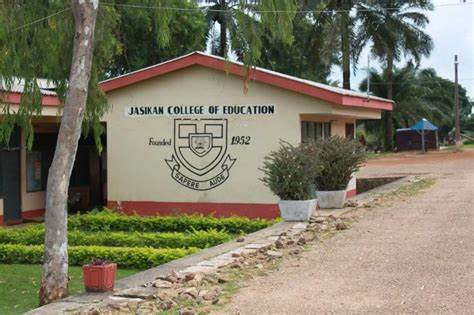
Students at Jasikan College of Education in the Oti region have raised concerns about the inadequate and unhealthy food they receive daily.
They have criticized the school’s management for providing them with plain porridge without essential accompaniments like sugar, milk, and bread.
Protesting against the poor quality of food, students clashed with police officers. The President of the Student’s Representative Council (SRC), Freeman Zokha, stated that GH¢51 has been deducted from their monthly allowances to supplement the allocated feeding grants.
Zokha revealed that students are dissatisfied with the breakfast they are receiving, emphasizing that no additives are included.
He mentioned that the students have been served plain porridge without sugar, bread, or groundnut, and at times, the porridge is even fermented.
The protest also addressed issues beyond food quality, including the disconnection of lights in the ladies’ dormitories.
Zokha indicated that despite complaints, the school management has not been responsive and denied allegations that feeding grants hadn’t been paid. He opposed the suggestion of discontinuing their feeding program.
The National Democratic Congress (NDC) youth wing has unveiled a series of strategies aimed at pressuring the government to retract the imposed 10% tax on betting.
The move follows concerns that this taxation policy disproportionately burdens the country’s youth and the wider betting industry.
The implementation of the 10% betting tax, intended to generate revenue, has faced criticism and opposition.
NDC youth activists assert that this tax places an unfair burden on young Ghanaians who engage in betting for entertainment and sometimes as a source of income.
The National Youth Organiser of the NDC, George Opare Addo, issued a press statement expressing the party’s discontent with the tax. He stated, “We are resolute in safeguarding the earnings that young people acquire through betting.
Through protests, advocacy, civic engagements, and demonstrations, we will ensure our concerns are heard and demand that the Akufo-Addo/Bawumia Government reverses its decision.”
The statement outlined their planned actions, which include staging protests at the Ministry of Finance and occupying government premises nationwide. They intend to initiate lawful demonstrations both conventionally and unconventionally, aiming to intensify the resistance against the tax.
The statement also mentioned efforts to mobilize young individuals to confront government officials and call for an end to perceived corruption and insensitivity within the Akufo-Addo-Bawumia administration.
Additionally, they plan to occupy the Parliament and other government agencies.
The Greater Accra Regional Security Council (REGSEC) has issued a stern ultimatum, giving a two-week notice to individuals unlawfully conducting trading activities within the premises of Tema Senior High School (TEMASCO) to vacate the area or face forced eviction.
REGSEC Chairman, Henry Quartey expressed concern about the rising number of kiosks surrounding the school during discussions with Metropolitan, Municipal, and District Chief Executives (MMDCEs).
He also directed a query to the Presiding Member of the Tema West Assembly regarding this worrisome trend.
Furthermore, Henry Quartey criticized the MMDCEs in Accra for their inadequate efforts in curbing indiscipline within the city.
Despite the implementation of policies under his “Let’s Make Greater Accra Work” initiative, aimed at addressing issues like road indiscipline, sanitation, and security, the desired results have not been achieved over the past two years.
The city’s condition has deteriorated, with persistent litter on streets and roads and tricycles continuing to operate on major routes.
During a meeting with the MMDCEs, Mr. Quartey expressed his disappointment with the state of affairs in the Greater Accra Region and questioned the dedication of those appointed to these positions.
A 28-year-old woman, Maame Mra, from Sefwi Dwinase-Akurase, Sefwi Wiawso municipality of the Western North Region, has tragically lost her life in a mysterious accident.
Initial reports suggested she was involved in a motorbike accident after visiting her police boyfriend in Sefwi Mpomam.
However, undisclosed sources claim the victim had a heated argument with her boyfriend after their return to Dwinase from Mpomam, which allegedly escalated to the police officer stabbing her.
Following this revelation, residents of Sefwi Dwinase clashed with the police when they went to visit the victim’s family.
Eyewitnesses reported that the police vehicle sustained severe damage as enraged residents threw stones at the police and their vehicles.
Both the motorbike rider and the police officer have been apprehended to aid in the ongoing investigation.
Nana Bafeli, a chief linguist of Sefwi Dwinase, recounted the incident to the media, describing the tense atmosphere and the need to pacify the angered residents.
The community’s familiarity with the deceased fueled their anger, but assurances were made to maintain patience and let the police conduct their thorough inquiry.
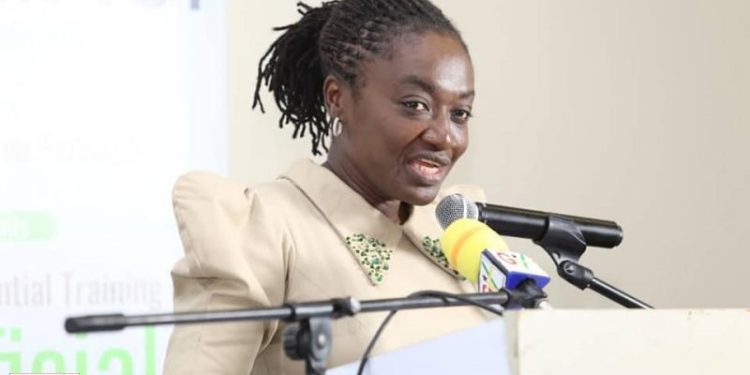
Deputy Minister for Communication and Digitalisation, Ama Pomaa Boateng, has announced collaborative efforts with technology agencies to ensure the widespread adoption of digitalization across Ghana.
The objective is to combat illiteracy while bridging gaps in the sector.
Speaking during the launch of the National ICT Week and the World Technology Forum, Boateng emphasized that the partnership aims to unite stakeholders from academia, students, public, and private sectors to address challenges and enhance the impact of IT skills on Ghanaians and the nation.
“The National Industrial Training Authority (NITA) in partnership with a group of ICT professionals has partnered to launch the national ICT week, which will start next week,” she said. “The focus of this program is to bring all institutions and people in the ecosystem together.”
“From academia to students, the public and private sectors, we want to bring everyone together and see what we can offer. We want to identify the challenges and how we can all work together to ensure that the IT skills we have have a greater impact on Ghanaians and the country,” she noted.
The National Industrial Training Authority (NITA) and a consortium of ICT professionals are partnering to launch the national ICT week, scheduled for the upcoming week.
Boateng highlighted the intention to gather diverse institutions and individuals within the IT ecosystem for collective discussions and collaboration.
In addition, Boateng revealed plans for cybersecurity awareness initiatives involving various relevant authorities, including NITA, the Ministry of Communications, Data Protection, Cybersecurity, Ghana Meteorological Agency, Ghana Post, and Rural Telephony.
These engagements will work to raise cybersecurity awareness and involve academia, media, and partners to ensure comprehensive understanding and preparedness.
“NITA and the Ministry of Communications and all our agencies, including the Data Protection, Cybersecurity, Ghana Meteorological Agency, Ghana Post, and Rural Telephony, will all be involved,” she said. “They will also raise awareness, and through our partners in academia, we will also do our part. We will also engage with the media to let everyone know that this is coming up.”
Ghana’s primary source of imports in 2022 was China, accounting for a value of approximately GH¢25 billion.
The Ghana 2022 Trade Vulnerability report, released by the Ghana Statistical Service (GSS) on August 15, 2023, revealed that no other country’s imports exceeded GH¢20 billion.
Import values from all African countries remained below GH¢5 billion.
The report highlighted China as the foremost country of import origin, contributing GH¢26.4 billion.
The top five import countries collectively represented GH¢74.3 billion, which is half of the total import value for 2022.
Following China were the United Kingdom, the Netherlands, the United States of America, and India.
Mineral fuels and oils formed the predominant trading commodities for the United Kingdom (84.1%) and the Netherlands (82.3%).
However, for the other countries in the top five, no single commodity accounted for more than half of the imports.
Vehicles and automotive parts constituted the leading import items from the United States of America (38.5%). Machinery and electrical equipment made up the highest share for China (25.1%), while other products (26.4%) were prominent for India.
Produced in collaboration with the Ghana Revenue Authority (GRA), the Ghana 2022 Trade Vulnerability Report utilized data for analysis.
The report also indicated that total imports in 2022 amounted to GH¢148.6 billion, while total exports stood at GH¢144.1 billion, resulting in a trade deficit of GH¢4.5 billion.
Researchers from the Global Health and Infectious Disease and the Kumasi Collaborative Centre for Research in Tropical Medicine (KCCR) have contributed by donating two ventilators valued at $30,000 and 13 boxes of medical supplies to the Komfo Anokye Teaching Hospital (KATH) in Kumasi.
These hospital consumables will aid the Emergency Medicine Unit of KATH in offering care to critically ill patients who seek treatment at the facility.
The team leader, Dr. John A. Amuasi, presented the items to KATH’s management. He mentioned that their team was part of the Anti-Cov Project that focused on COVID-19 research in Africa, with Ghana playing a central role.
Dr. Amuasi explained that although the ventilators were initially meant for research but went unused, they decided to donate them to KATH to support patient care.
The KATH facility had provided the highest number of participants for the research, which had over 200 patients benefiting from the studies.
The Chief Executive Officer of KATH, Prof. Otchere Addai-Mensah, expressed gratitude for the donation, which will help the hospital save funds for essential equipment. He also emphasized the importance of research collaborations for enhancing relationships and fostering more research projects.
Dr. Chris Oppong, Head of the Emergency Medicine Unit at KATH, thanked the team for the timely donation, as it will greatly assist in patient care.
The research, which delved into the immunological response to COVID-19, was deemed highly successful, involving Epidemiological studies with 160 and 274 participants respectively.
The Greater Accra Regional Coordinating Council (GARCC) has acquired 20,000 street lights for distribution and installation across various metropolitan, municipal, and district assemblies (MMDAs) within the Greater Accra Region.
This initiative aims to enhance both the lighting system and overall security in the region.
Currently, the council is compiling a comprehensive list of all electoral areas within the region.
This information will aid in devising a schedule for contractors to deploy and set up the new street lights.
Henry Quartey, the Greater Accra Regional Minister, announced this development during the annual GARCC meeting.
The meeting was convened in accordance with Section 191(I) of the Local Governance Act, 2016 (Act 936).
Quartey outlined the allocation plan for the street lights distribution: the Accra Metropolitan Assembly and Tema Metropolitan Assembly will each receive 600 lights, while various municipalities will receive 400 each. Additionally, district assemblies are set to obtain 300 street lights each.
The meeting convened metropolitan, municipal, and district chief executives (MMDCEs) from the region, along with their presiding members.
Discussions revolved around regional development and challenges faced by their respective areas, including sanitation, flooding, traffic congestion, road conditions, and chieftaincy issues.
MMDCEs provided updates to the minister on ongoing projects and their progress within their respective assemblies.
Quartey highlighted the influx of petitions and grievances submitted to his office, which should ideally have been addressed at the assembly level.
He urged MMDCEs to prioritize efficient service delivery, prompt resolution of complaints, and the establishment of effective feedback mechanisms.
This, he emphasized, would build trust and confidence in local governance, leading to better payment compliance with rates and fees.
Quartey also emphasized the importance of Internally Generated Funds (IGF) for capital projects, directing MMDCEs and presiding members to allocate a minimum of 30% of the total IGF for direct community benefit.
He stressed the need for enhanced waste management and environmental sanitation efforts, calling for integration of informal waste collectors through registration and regulation to improve solid waste collection and management.
The Ayawaso West Wuogon branch of the National Democratic Congress (NDC) has alleged that the incumbent Member of Parliament (MP), Lydia Seyram Alhassan, is diverting the district assembly’s common fund towards her political endeavors.
The party claims that this fund, intended for addressing local developmental challenges, is not being used as intended.
Bismark Aborbi Aryitey, the NDC chairman for Ayawaso West Wuogon, stated that Alhassan has not provided an account of the common fund’s utilization.
He noted that the fund appears to be directed toward NPP members in the constituency and questioned its allocation.
Concurrently, the NDC leadership in the Ayawaso West Wuogon constituency has officially endorsed actor-turned-farmer John Dumelo as their candidate for the upcoming 2024 general elections.
In a statement signed by constituency chairman Bismark Aborbi-Ayitey, it was revealed that fellow aspirants Fred Nuamah and Kojo Adu Owusu have withdrawn from the race to allow Dumelo to represent the NDC.
Fred Nuamah withdrew his candidacy on August 8 and pledged his full support to Dumelo. The NDC is urging its supporters and the public to unite behind Dumelo’s bid to win the seat from the New Patriotic Party (NPP) in the 2024 elections.
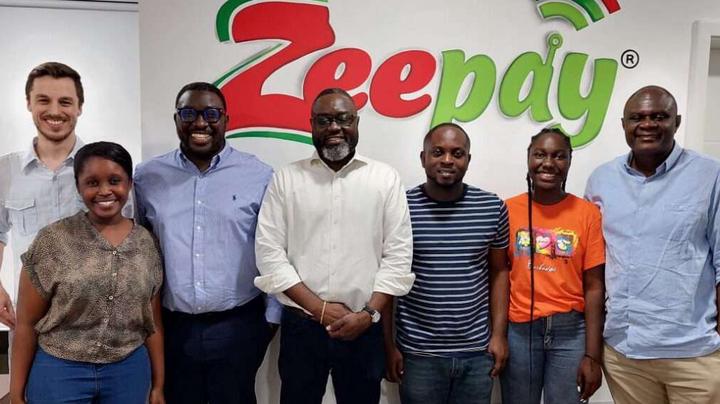
A rapidly growing FinTech company that focuses on digital channels to link various digital assets like mobile money wallets, cards, ATMs, bank accounts, and more, Zeepay, has announced impressive growth in both its total processed volume (TPV) and revenue.
This leading FinTech company in cross-border payments reported a remarkable increase in TPV, which rose from US$1.9 billion in 2021 to an impressive US$2.9 billion in 2022, just within a year.
This growth in TPV was accompanied by a significant rise in revenue, from GH¢39.4 million in the previous fiscal year to an outstanding GH¢96.4 million in 2022.
This remarkable achievement can be attributed to Zeepay’s diverse range of services, with remittance services being a driving force behind this notable expansion.
During the 2023 Annual General Meeting (AGM), Founder and Managing Director of Zeepay, Andrew Takyi-Appiah, credited the company’s success to its resilience during global economic challenges in 2022. He highlighted how Zeepay streamlined operations in various markets, particularly in Zambia and Barbados, obtaining mobile money licenses in four more markets: Gambia, Sierra Leone, Ivory Coast, and Guyana.
Mr. Takyi-Appiah outlined Zeepay’s strategic focus for 2023, emphasizing the operational readiness of these expanded markets.
This expansion initiative aligns with the company’s vision of becoming a premier global mobile money operator across Africa and the Caribbean.
Revenue breakdown by service type underscored the significant role of remittance services in Zeepay’s financial success. Local income from remittances increased to GH¢75.5 million in 2022, compared to GH¢31 million the previous year. This growth was driven by an expanding customer base and rising demand for remittance services in the local market.
Mobile money’s impact on local income also surged, reaching GH¢12.86 million, compared to GH¢4.4 million in 2021, attributed to the accessibility and convenience of Zeepay’s mobile money solutions.
The company’s revenue from foreign remittances reached GH¢8 million in 2022, showcasing its global reach and ability to provide seamless cross-border financial solutions.
Despite economic challenges, Zeepay’s post-tax profit stood at GH¢32.8 million, a significant improvement from GH¢8.76 million in the previous year. The company’s assets grew substantially from GH¢143.8 million in 2021 to GH¢406.8 million in 2022, reflecting its enduring strength and resilience. Dividends totaling GH¢1.89 million were declared and distributed.
Zeepay’s customer-centric approach, focus on remittance and mobile money services, and commitment to innovation have solidified its position as a prominent player in the financial services sector. The company’s strategic growth plans reflect its determination to continue providing tailored financial solutions and expanding its industry leadership.
Former Rector of the Ghana Institute of Management and Public Administration (GIMPA), Prof Stephen Adei, has formally resigned from his position on the advisory board of the Ministry of Finance.
Citing personal motivations for his decision, Prof Adei underlined the significance of harmonization and cooperation between the Ministry of Finance and the Bank of Ghana (BoG) in order to establish a coherent approach to economic policies.
Prof Adei reflected on his eight-year tenure on the advisory board, which spanned both the National Democratic Congress (NDC) regime and the initial term of President Akufo-Addo.
He recounted a specific incident involving the former governor of the BoG, who asserted the central bank’s autonomy during a board discussion.
In response, the board emphasized the importance of alignment between the two institutions while respecting their respective independences.
The advisory board, established under the Civil Service Act, plays a pivotal role in fostering communication between the Ministry of Finance and its stakeholders.
Its primary purpose is to provide insights into policy development and operational strategies, contributing to well-informed decision-making. Chaired by Finance Minister Ken Ofori-Atta, the board comprises accomplished members with diverse areas of expertise.
Prof Adei’s resignation highlights the intricate dynamics of collaboration and policy coordination among different branches of the Ghanaian government’s administrative framework.
Ghanaian economist and historian, Dr. Nii Moi Thompson, has stated that a key figure among the Big Six during Ghana’s pre-independence era, Joseph Boakye (J.B) Danquah, held the esteemed position of a doyen among Gold Coast politicians.
However, Dr. Thompson emphasized that this title was attributed to Danquah before Dr. Kwame Nkrumah entered the political arena.
The economist argued that the “doyen” accolade lose its significance when compared to Nkrumah’s unparalleled experience in political organization and electioneering, rendering Danquah incomparable.
This information is detailed in Dr. Nii Moi Thompson’s comprehensive article titled “Beware, the tribal supremacists: Myths of J.B. Danquah and the Big Six.”
Dr. Thompson pointed out that, unlike Nkrumah who excelled as an adept organizer, strategist, orator, and a cherished figure among the populace, Danquah lacked these qualities.
To buttress his point, he stated that Dr. Nkrumah embraced batakari attire while Danquah opted for formal three-piece suits, even under the scorching African sun, creating a sense of detachment from his fellow citizens.
“Danquah and Ofori-Atta again lost the 1956 elections, exposing the limits of Danquah’s purported doyenness. He was a novice when it came to political organization and electioneering, no match for Nkrumah, the consummate organizer, strategist, orator, and man of the people. While Nkrumah wore batakari, Danquah preferred his three-piece suit in the hot African sun, making him a stranger to his own people,” He added.
He revealed that Danquah’s political influence dwindled after his electoral defeats in 1954 and 1956 to the Convention People’s Party (CPP).
“The Watson Commission referred to him in this manner, acknowledging that Nkrumah’s presence changed the dynamics. In the 1951 election, Nkrumah secured over 95% of the votes while Danquah managed only 53% (with Ofori-Atta at 51%) in Abuakwa. In the 1954 election, despite threats from the Okyenhene to deport CPP voters, both Danquah and Ofori-Atta, running on Busia’s Ghana Congress Party (GCP) after the collapse of the United Gold Coast Convention (UGCC), lost to CPP newcomers. Out of 104 seats, the GCP secured only one, claimed by Busia with a narrow 11-vote victory in his Wenchi constituency over his CPP counterpart,” he added.
Read below full article:
Beware, the tribal supremacists: Myths of J.B. Danquah and the Big Six
As expected, the president’s recent suggestion that the University of Ghana might be renamed after his late uncle, Dr. J.B. Danquah, the Gold Coast lawyer and “nationalist,” has provoked a firestorm of criticism from a public that has clearly had enough of the tribal-supremacist agenda of the president and his kinsmen.
And none of them have articulated the rationale behind this agenda more brazenly than a relative of the president, lawyer Samuel Atta Akyea, who three years ago said the following on the television programme, Good Evening Ghana:
“If you remove the role of the Akyem people from the history of this country, we won’t have a history… The guy who named this country is from Akufo-Addo’s background. The one who wanted Ghana called Ghana… [was] J. B. Danquah….” Mr. Akyea went on to cite the Big Six, the leaders of the United Gold Coast Convention (UGCC) who were arrested by the British colonialists after the 1948 riots that accelerated the independence process, and reminded viewers that the president’s father, among the six, “was one of the individuals who are acclaimed as the pioneers of our independence.”
With this crude concoction of facts and fiction, they tend to believe that they own the country and can do as they please. Textbooks, for instance, have been doctored and Danquah given disproportionate prominence in Ghana’s history.
This peasant aristocracy sense of entitlement, especially among people occupying national offices, is a threat to social cohesion and national development. So let us demolish forthwith a few myths about J.B. Danquah and the Big Six, and tackle other aspects of Ghanaian history that the tribalists have bastardised to drive this dangerous ideology of tribal supremacy. (For the record, I condemn the term “Akyem mafia,” or any term that demonises an entire tribe for the folly of a few).
Myth No. 1: Danquah’s research linked the Akan of Ghana to the ancient Ghana Empire.
Fact: That credit goes to Rev. J. B. Anaman, of Anomabo and Sekondi, whose research took place in 1895, the year Danquah was born.
Myth No. 2: Danquah founded the United Gold Coast Convention (UGCC).
Fact: Danquah himself described George Alfred (Paa) Grant, the wealthy Gold Coast merchant, as the “architect and founder of the UGCC.”
Myth No. 3: UGCC was the first political party in the Gold Coast.
Fact: The earliest known political parties (for municipal, not national, elections) were mainly the Accra Rate Payers Association and the Ga Manbii (Ga Nationalist) Party of Kojo Thompson in the 1920s. Lesser-known parties, such as the Asene Koo Wulu Party, later emerged in Accra and other municipalities like Cape Coast and Sekondi in the 1930s; never in Abuakwa, Danquah’s hometown. By the time the UGCC was founded in Saltpond in 1947, there were already other (if generally inactive) parties, particularly, the Gold Coast People’s League and the Gold Coast National Party. As a result, the name originally proposed by the founders was changed from Gold Coast People’s Party (GCPP) to United Gold Coast Convention (UGCC), to rein in the other parties.
Myth No. 4: The Big Six were the architects of the 28th February 1948 demo that propelled Ghana’s independence movement.
Fact: George Padmore, Kwame Nkrumah’s political advisor, stated in his book, The Gold Coast Revolution, that the Big Six did “not” initiate the demonstration. Nkrumah was away from Accra on the 28th , and Danquah and the other four initially condemned the ex-service men for the violence that had been instigated by the reckless shooting of unarmed demonstrators by a trigger-happy British officer named Colin Imray. The British arrested the six politicians – Kwame Nkrumah, Ebenezer Ako-Adjei, Edward Akufo-Addo, J.B. Danquah, William Ofori-Atta, and Emmanuel Obetsebi-Lamptey – more for their UGCC work than any direct involvement in the events of 28th February.
Who then was the architect of 28th February? That credit goes mainly to Mr. B. E. A Tamakloe, general secretary of the Ex-servicemen’s Union, who negotiated the demonstration with the governor; to whom the governor addressed all letters; and in whose name the permit for the demonstration was issued. He was supported by five other people, according to the Watson Commission’s report, making them the Real Big Six, but the five were not named.
However, all eight executives of the Union who planned the demo were named, giving us the Big Eight: (1) B. E. A. Tamakloe; (2) S. A. Codjoe; (3) R. T. Dodoo; (4) J. S. Laryea; (5) R. P. Craig; (6) F. L. Adjei; (7) J. D. Ankrah; and (8) G. E. Lutterodt. We need a proper history of Ghana.
And then there were the 29 martyrs who died from the disturbances of the 28th and the days that followed, including Sgt. Cornelius Nii Adjetey; Corporal Patrick Attipoe, and Private Odartey Lamptey, who were murdered by Imray. The Big Six, as a group, were accidental beneficiaries of history, their individual contributions to the nationalist movement notwithstanding.
Myth No. 5: Ashantis did not play any role in the independence movement because they don’t appear in the Big Six.
Fact: Ghana’s history is bigger than the Big Six, despite efforts by Danquah’s descendants to make the Big Six (and, within the Big Six, their relatives) the alpha and omega of our history. Krobo Edusei of the Ashanti Youth Association (AYA) was the chairman of the Kumasi committee of the nation-wide Anti-Inflation Campaign that was organised by Mantse Nii Kwabena Bonne (a chief of both Osu and Techiman, then part of Ashanti) in 1948.
When the Big Six were incarcerated in Kumasi, AYA plotted to storm the prison and free them, prompting the governor to whisk them to the Northern Territories, under stricter security, for fear that the hard-nosed AYA members may still make their way up north. Edusei later served nine months in jail for his political activism alongside Nkrumah. The AYA, in its militancy, had also demanded “self-government within the next five years,” compared to the UGCC’s gradualist approach of self-government “in the shortest possible time”.
The AYA, the Osu Youth Association, and the Sekondi Youth Association were among the youth groups that dragged Nkrumah from the UGCC and forced him to form the Convention People’s Party (CPP), which led Ghana to independence. They were the original foot soldiers! The proposed name for their new party was Ghana People’s Party, but Nkrumah asked that “Ghana” be reserved for independence and replaced it with “Convention” to show continuity, at least in name, from the UGCC.
Myth No. 6: Danquah named the Gold Coast Ghana.
Fact: That was simply impossible, as by 1957 Danquah’s political career was effectively over (he and Ofori-Atta having lost their seats to the CPP in the 1954 and 1956 elections). Only Nkrumah as prime minister in 1957 was in a position to propose that name, and he did. Danquah and the others criticised Nkrumah for choosing the name Ghana, and in his autobiography Nkrumah was forced to defend his choice.
Danquah, however, had a weird obsession for naming places, like the president does today. He had proposed, without any consultations, that the Northern Territories be renamed Fergusonia, after Ekem Ferguson, the surveyor from Anomabo who had done much work in the North. The idea was rejected by the British, much like his previous suggestion to rename the Gold Coast Akanland, and later Akan-Ga, when he was reminded that there were more than Akans in the colony. (He, like the president today and his fellow tribalists, was married to a Ga woman).
His most “valiant” name-changing effort was his suggestion after the 1948 riots that he and his relatives be put in charge of the Gold Coast, under the name Ghanaland. The idea of course was laughed off by the British. He pioneered the tribalism that his inward-looking descendants are now perfecting with national resources. (Remember the president’s statement, “Yen Akanfo” during his desperate struggle to win power – and destroy the country?)
Myth No. 7: Danquah was the “doyen of Gold Coast politicians”.
Fact: The Watson Commission described him as such but suggested that this was before Nkrumah came on the scene. Thus, in the 1951 election, Nkrumah won over 95% of the votes (from prison!) whilst Danquah scraped through with only 53% (and Ofori-Atta with 51%) in Abuakwa. In the 1954 election, both Danquah and Ofori-Atta, running on Busia’s Ghana Congress Party (GCP) after the collapse of the UGCC in 1951, lost to CPP upstarts, despite threats from the Okyenhene to deport anyone who voted for the CPP. Of the 104 seats, the GCP won only one – by Busia, who squeezed through his Wenchi constituency with an 11-vote victory over his CPP rival.
Danquah and Ofori-Atta again lost the 1956 elections, exposing the limits of Danquah’s purported doyenness. He was a novice when it came to political organisation and electioneering, no match for Nkrumah, the consummate organiser, strategist, orator, and man of the people. Whilst Nkrumah wore batakari, Danquah preferred his three-piece suit in the hot African sun, making him a stranger to his own people.
Myth No. 8: Kwame Nkrumah hated Ashantis.
Fact: The opposite was true. Nkrumah loved Ashanti and Ashanti loved him (and the CPP) back. One of the most fanatical members of the CPP was an Asante woman from Bekwai (but lived in Kumasi) who named herself Ama Nkrumah (the female version of Kwame Nkrumah) and pledged support to Nkrumah and the CPP with her blood. The CPP swept five of the six seats in the 1950 Kumasi municipal elections (6,210 votes versus 50 for the opposition), and would have won the sixth seat had it not been for a technical disqualification.
Ashanti was the first to benefit from Nkrumah’s Accelerated Education Programme of 1951, with the establishment of the Kwame Nkrumah University of Science and Technology and Opoku Ware Secondary School in 1952, among others. Despite the terror attacks by the National Liberation Movement (NLM) in 1956 against CPP members, which led to an exodus of CPP refugees from Ashanti, the CPP won 8 seats in Ashanti, compared to 12 for the NLM in the 1956 election. The CPP won 43% of the total Ashanti vote and claimed NLM strongholds like Obuase and Asante Akyem hands down.
Suffice it to say that there is more to Ghana’s history than the Big Six, in whose shadow some now seek relevance and pre-eminence for their dead relatives. It appears that without the Big Six, they are nothing, unlike Nkrumah, whose legacy goes beyond the Big Six and stands on its own.
The public’s swift and no-nonsense rejection of the president’s loose talk about renaming UG after his uncle is a pointed reminder that Ghanaians would not tolerate the bastardisation of their history by any group or tribe, no matter how powerful or privileged they might feel.
Power, after all, in a democracy like Ghana’s, is fleeting. A word to the wise….
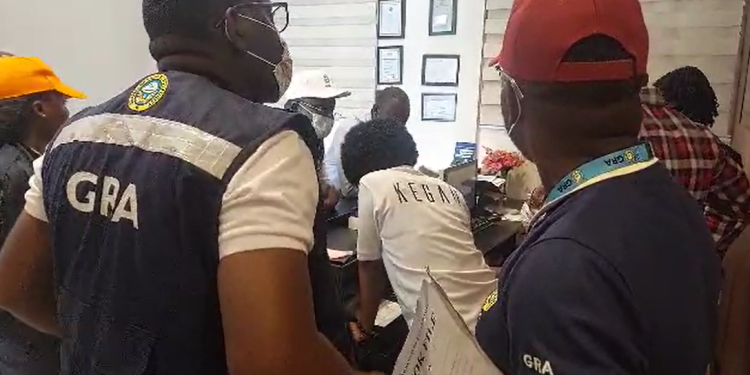
The managers of Regal Hotel in North Kaneshie and Kegali Hotel in Dansoman, Accra, have been apprehended by the domestic tax revenue unit of the Ghana Revenue Authority (GRA).
Their apprehension is a result of their failure to provide Value-Added Tax (VAT) invoices to their customers, a vital obligation according to tax regulations.
This enforcement action is a pivotal element of a broader initiative aimed at improving VAT compliance, which has been put into effect by the GRA.
In an interview with the media, the Accra Area Enforcement Manager, Joseph Annan, emphasized that the GRA is dedicated to bolstering tax compliance and revenue collection.
The authority aims to ensure that businesses meet their responsibilities to the government while simultaneously contributing to the nation’s financial stability and growth.
In 2022, Ghana encountered significant trade imbalance, evident in the inaugural Trade Vulnerability Report by the Ghana Statistical Service (GSS).
The report discloses a GH₵4.5 billion excess of imports over exports, signifying a substantial economic challenge. Notably, September marked the most pronounced contrast with imports surpassing exports by GHS4 billion.
“In 9 of 12 months, imports exceeded exports. The largest variation was in September (GH₵4.5 billion).”
Furthermore, the report highlights that Ghana’s imports span 209 countries, contrasting with the involvement of 161 countries in its exports.
Professor Samuel Kobina Annim, the Government Statistician, presented these findings, emphasizing their value for policymakers, economists, and stakeholders. The data offers crucial insights for shaping future strategies toward a balanced and resilient trade environment.
The report indicates Ghana’s primary exports are gold (37.5%), mineral fuels and oils (30.6%), and cocoa beans and products (12.4%), collectively comprising over 80.0% of exports.
Imports are dominated by mineral fuels and oils (26.8%), machinery and electrical equipment (13.3%), and chemical products (10.7%).
Ghana’s trade links, both exports and imports, are chiefly with Europe, constituting over a third of all exports (35.9%) and imports (39.2%). Asia follows with 28.5% of exports and 37.2% of imports.
The Ministry of Tourism, Arts, and Culture has revealed government’s intentions to transform the Osu Castle into a presidential and governance museum.
This museum will be dedicated to Ghana’s former presidents and will serve to deepen understanding of the nation’s political history.
The Minister of Tourism, Arts, and Culture, Dr. Ibrahim Awal Mohammed, shared this announcement in Accra.
This initiative aligns with the ministry’s goal of establishing a space that commemorates and honors Ghana’s past presidents.
Dr. Mohammed stated, “We are planning to establish new museums across the country. We’re starting with the heroes’ park for the big six. We will modernize circles like the Danquah circle, Busia circle at 37, in Saltpond, Tamale, Kyebi, and other regions next year.”
He added, “Once renovated and modernized, the Osu Castle will serve as a presidential museum dedicated to all former presidents of Ghana.”
Additionally, the ministry is seeking media support for the Destination Ghana Project, which aims to boost the tourism industry and enhance its contribution to the country’s Gross Domestic Product (GDP).
The project aspires to attract four million domestic and international visitors to various tourist sites across the country.
Dr. Mohammed shared these details during an Editor’s Forum, seeking media collaboration to foster industry growth. He emphasized that the project’s objective is to generate revenue surpassing $6 billion and create over 150,000 job opportunities within four years.
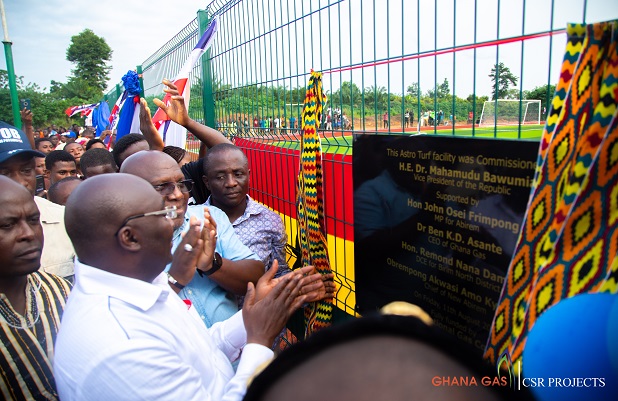
The Ghana National Gas Company has inaugurated a newly constructed artificial turf in New Abirem, located in the Eastern Region.
This astro-turf marks the first of its kind in the Abirem District and was handed over during a ceremony overseen by the Vice President of the Republic, Dr. Mahamudu Bawumia.
Situated in the Eastern Region of Ghana, New Abirem serves as the capital of the Birim North District.
The ceremony to present the astro-turf attracted various dignitaries, including the Omanhene, Obrempong Akwasi Amo Kyeretwie I, District Chief Executive (DE) Hon. Remond Nana Damtey, Member of Parliament John Osei Frimpong, New Patriotic Party (NPP) supporters, youth, community members, and football players.
Inaugurating the astro-turf, the Vice President expressed his satisfaction that Ghana Gas has provided this facility to New Abirem, acknowledging the community’s footballing talents and hoping they will make the most of the facility.
Omanhene Obrempong Akwasi Amo Kyeretwie I expressed gratitude for the standardized astro-turf and looked forward to the future development of the area into a sports complex.
Ghana Gas demonstrates commitment to Ghana’s development, particularly in areas such as education, health, sports, water, and sanitation across various communities. The company’s CEO, Dr. Ben Asante, is determined to fulfill the company’s mandate of supporting project-affected areas and the country as a whole.
A community leader mentioned, “The people of Abirem are so excited about this new astro-turf, and we thank Ghana Gas for more initiatives in the near future.”
He further added, “We have many talented footballers here in the community, and this facility will help us enhance our skills.”
Voicing his opinion, he also suggested that the government should encourage all energy sectors, including mining companies, to contribute positively to the country’s development.
Ghana Gas remains committed to providing support and assistance to various communities across Ghana.
Ghanaian economist and historian, Dr. Nii Moi Thompson, has disclosed that one of the Big Six figures in Ghana’s pre-independence era, Joseph Boakye (J.B) Danquah, along with his associates, opposed the late Dr. Nkrumah’s choice of the name Ghana.
This revelation follows assertions from certain members of the New Patriotic Party (NPP), including President Akufo-Addo, attributing undue credit to the Akyems within the United Gold Coast Convention for proposing the name Ghana.
Although it’s claimed that JB Danquah named the country, the economist refutes this, asserting that by 1957, Danquah’s political influence had diminished due to his electoral losses in 1954 and 1956 to the Conventional People’s Party (CPP).
Dr. Thompson contends that JB Danquah was indeed the most qualified person to decide on the nation’s name, but circumstances and timing didn’t align for him to do so.
“That was simply impossible, as by 1957 Danquah’s political career was effectively over (he and Ofori-Atta having lost their seats to the CPP in the 1954 and 1956 elections). Only Nkrumah as prime minister in 1957 was in a position to propose that name, and he did. Danquah and the others criticised Nkrumah for choosing the name Ghana, and in his autobiography Nkrumah was forced to defend his choice”.
This information was contained in Dr Nii Moi Thompson’s extensive in an article titled: ‘Beware, the tribal supremacists: Myths of J.B. Danquah and the Big Six.
Reports suggest that President Akufo-Addo intends to rename the University of Ghana (UG) in honor of J.B.Danquah, recognizing his unwavering dedication and pivotal role in inspiring the establishment of the university.
President Akufo-Addo conveyed this intention during the University of Ghana’s 75th Anniversary Thanksgiving Service.
However, some individuals have criticized the President’s motive to grant his predecessors a prominent spot in Ghana’s historical narrative during his tenure.
Read below full article:
Beware, the tribal supremacists: Myths of J.B. Danquah and the Big Six
As expected, the president’s recent suggestion that the University of Ghana might be renamed after his late uncle, Dr. J.B. Danquah, the Gold Coast lawyer and “nationalist,” has provoked a firestorm of criticism from a public that has clearly had enough of the tribal-supremacist agenda of the president and his kinsmen.
And none of them have articulated the rationale behind this agenda more brazenly than a relative of the president, lawyer Samuel Atta Akyea, who three years ago said the following on the television programme, Good Evening Ghana:
“If you remove the role of the Akyem people from the history of this country, we won’t have a history… The guy who named this country is from Akufo-Addo’s background. The one who wanted Ghana called Ghana… [was] J. B. Danquah….” Mr. Akyea went on to cite the Big Six, the leaders of the United Gold Coast Convention (UGCC) who were arrested by the British colonialists after the 1948 riots that accelerated the independence process, and reminded viewers that the president’s father, among the six, “was one of the individuals who are acclaimed as the pioneers of our independence.”
With this crude concoction of facts and fiction, they tend to believe that they own the country and can do as they please. Textbooks, for instance, have been doctored and Danquah given disproportionate prominence in Ghana’s history.
This peasant aristocracy sense of entitlement, especially among people occupying national offices, is a threat to social cohesion and national development. So let us demolish forthwith a few myths about J.B. Danquah and the Big Six, and tackle other aspects of Ghanaian history that the tribalists have bastardised to drive this dangerous ideology of tribal supremacy. (For the record, I condemn the term “Akyem mafia,” or any term that demonises an entire tribe for the folly of a few).
Myth No. 1: Danquah’s research linked the Akan of Ghana to the ancient Ghana Empire.
Fact: That credit goes to Rev. J. B. Anaman, of Anomabo and Sekondi, whose research took place in 1895, the year Danquah was born.
Myth No. 2: Danquah founded the United Gold Coast Convention (UGCC).
Fact: Danquah himself described George Alfred (Paa) Grant, the wealthy Gold Coast merchant, as the “architect and founder of the UGCC.”
Myth No. 3: UGCC was the first political party in the Gold Coast.
Fact: The earliest known political parties (for municipal, not national, elections) were mainly the Accra Rate Payers Association and the Ga Manbii (Ga Nationalist) Party of Kojo Thompson in the 1920s. Lesser-known parties, such as the Asene Koo Wulu Party, later emerged in Accra and other municipalities like Cape Coast and Sekondi in the 1930s; never in Abuakwa, Danquah’s hometown. By the time the UGCC was founded in Saltpond in 1947, there were already other (if generally inactive) parties, particularly, the Gold Coast People’s League and the Gold Coast National Party. As a result, the name originally proposed by the founders was changed from Gold Coast People’s Party (GCPP) to United Gold Coast Convention (UGCC), to rein in the other parties.
Myth No. 4: The Big Six were the architects of the 28th February 1948 demo that propelled Ghana’s independence movement.
Fact: George Padmore, Kwame Nkrumah’s political advisor, stated in his book, The Gold Coast Revolution, that the Big Six did “not” initiate the demonstration. Nkrumah was away from Accra on the 28th , and Danquah and the other four initially condemned the ex-service men for the violence that had been instigated by the reckless shooting of unarmed demonstrators by a trigger-happy British officer named Colin Imray. The British arrested the six politicians – Kwame Nkrumah, Ebenezer Ako-Adjei, Edward Akufo-Addo, J.B. Danquah, William Ofori-Atta, and Emmanuel Obetsebi-Lamptey – more for their UGCC work than any direct involvement in the events of 28th February.
Who then was the architect of 28th February? That credit goes mainly to Mr. B. E. A Tamakloe, general secretary of the Ex-servicemen’s Union, who negotiated the demonstration with the governor; to whom the governor addressed all letters; and in whose name the permit for the demonstration was issued. He was supported by five other people, according to the Watson Commission’s report, making them the Real Big Six, but the five were not named.
However, all eight executives of the Union who planned the demo were named, giving us the Big Eight: (1) B. E. A. Tamakloe; (2) S. A. Codjoe; (3) R. T. Dodoo; (4) J. S. Laryea; (5) R. P. Craig; (6) F. L. Adjei; (7) J. D. Ankrah; and (8) G. E. Lutterodt. We need a proper history of Ghana.
And then there were the 29 martyrs who died from the disturbances of the 28th and the days that followed, including Sgt. Cornelius Nii Adjetey; Corporal Patrick Attipoe, and Private Odartey Lamptey, who were murdered by Imray. The Big Six, as a group, were accidental beneficiaries of history, their individual contributions to the nationalist movement notwithstanding.
Myth No. 5: Ashantis did not play any role in the independence movement because they don’t appear in the Big Six.
Fact: Ghana’s history is bigger than the Big Six, despite efforts by Danquah’s descendants to make the Big Six (and, within the Big Six, their relatives) the alpha and omega of our history. Krobo Edusei of the Ashanti Youth Association (AYA) was the chairman of the Kumasi committee of the nation-wide Anti-Inflation Campaign that was organised by Mantse Nii Kwabena Bonne (a chief of both Osu and Techiman, then part of Ashanti) in 1948.
When the Big Six were incarcerated in Kumasi, AYA plotted to storm the prison and free them, prompting the governor to whisk them to the Northern Territories, under stricter security, for fear that the hard-nosed AYA members may still make their way up north. Edusei later served nine months in jail for his political activism alongside Nkrumah. The AYA, in its militancy, had also demanded “self-government within the next five years,” compared to the UGCC’s gradualist approach of self-government “in the shortest possible time”.
The AYA, the Osu Youth Association, and the Sekondi Youth Association were among the youth groups that dragged Nkrumah from the UGCC and forced him to form the Convention People’s Party (CPP), which led Ghana to independence. They were the original foot soldiers! The proposed name for their new party was Ghana People’s Party, but Nkrumah asked that “Ghana” be reserved for independence and replaced it with “Convention” to show continuity, at least in name, from the UGCC.
Myth No. 6: Danquah named the Gold Coast Ghana.
Fact: That was simply impossible, as by 1957 Danquah’s political career was effectively over (he and Ofori-Atta having lost their seats to the CPP in the 1954 and 1956 elections). Only Nkrumah as prime minister in 1957 was in a position to propose that name, and he did. Danquah and the others criticised Nkrumah for choosing the name Ghana, and in his autobiography Nkrumah was forced to defend his choice.
Danquah, however, had a weird obsession for naming places, like the president does today. He had proposed, without any consultations, that the Northern Territories be renamed Fergusonia, after Ekem Ferguson, the surveyor from Anomabo who had done much work in the North. The idea was rejected by the British, much like his previous suggestion to rename the Gold Coast Akanland, and later Akan-Ga, when he was reminded that there were more than Akans in the colony. (He, like the president today and his fellow tribalists, was married to a Ga woman).
His most “valiant” name-changing effort was his suggestion after the 1948 riots that he and his relatives be put in charge of the Gold Coast, under the name Ghanaland. The idea of course was laughed off by the British. He pioneered the tribalism that his inward-looking descendants are now perfecting with national resources. (Remember the president’s statement, “Yen Akanfo” during his desperate struggle to win power – and destroy the country?)
Myth No. 7: Danquah was the “doyen of Gold Coast politicians”.
Fact: The Watson Commission described him as such but suggested that this was before Nkrumah came on the scene. Thus, in the 1951 election, Nkrumah won over 95% of the votes (from prison!) whilst Danquah scraped through with only 53% (and Ofori-Atta with 51%) in Abuakwa. In the 1954 election, both Danquah and Ofori-Atta, running on Busia’s Ghana Congress Party (GCP) after the collapse of the UGCC in 1951, lost to CPP upstarts, despite threats from the Okyenhene to deport anyone who voted for the CPP. Of the 104 seats, the GCP won only one – by Busia, who squeezed through his Wenchi constituency with an 11-vote victory over his CPP rival.
Danquah and Ofori-Atta again lost the 1956 elections, exposing the limits of Danquah’s purported doyenness. He was a novice when it came to political organisation and electioneering, no match for Nkrumah, the consummate organiser, strategist, orator, and man of the people. Whilst Nkrumah wore batakari, Danquah preferred his three-piece suit in the hot African sun, making him a stranger to his own people.
Myth No. 8: Kwame Nkrumah hated Ashantis.
Fact: The opposite was true. Nkrumah loved Ashanti and Ashanti loved him (and the CPP) back. One of the most fanatical members of the CPP was an Asante woman from Bekwai (but lived in Kumasi) who named herself Ama Nkrumah (the female version of Kwame Nkrumah) and pledged support to Nkrumah and the CPP with her blood. The CPP swept five of the six seats in the 1950 Kumasi municipal elections (6,210 votes versus 50 for the opposition), and would have won the sixth seat had it not been for a technical disqualification.
Ashanti was the first to benefit from Nkrumah’s Accelerated Education Programme of 1951, with the establishment of the Kwame Nkrumah University of Science and Technology and Opoku Ware Secondary School in 1952, among others. Despite the terror attacks by the National Liberation Movement (NLM) in 1956 against CPP members, which led to an exodus of CPP refugees from Ashanti, the CPP won 8 seats in Ashanti, compared to 12 for the NLM in the 1956 election. The CPP won 43% of the total Ashanti vote and claimed NLM strongholds like Obuase and Asante Akyem hands down.
Suffice it to say that there is more to Ghana’s history than the Big Six, in whose shadow some now seek relevance and pre-eminence for their dead relatives. It appears that without the Big Six, they are nothing, unlike Nkrumah, whose legacy goes beyond the Big Six and stands on its own.
The public’s swift and no-nonsense rejection of the president’s loose talk about renaming UG after his uncle is a pointed reminder that Ghanaians would not tolerate the bastardisation of their history by any group or tribe, no matter how powerful or privileged they might feel.
Power, after all, in a democracy like Ghana’s, is fleeting. A word to the wise….
Minister of Foreign Affairs, Shirley Ayorkor Botchway, has expressed her frustration towards individuals within the passport administration who are facilitating illegal processes for obtaining travel documents.
Addressing the media, she referred these individuals as ‘gorro people,’ noting that they receive substantial backing within the office.
According to the minister, it disheartening and concerning that her ministry is being accused of endorsing unlawful activities while she strives to enhance its reputation.
“This cannot continue, I always say that there’s too much happening which should not happen in the passport acquisition system. If we talk about goro people, there goro people are outsiders because they do not work on their own because if the goro person collects somebody’s money they need to work with somebody from inside to change the date etc. The blame is always on the Minister of Foreign affairs meanwhile its the agency and some of our staff,” she added.
She emphasized that, with the assistance of Vice President Dr. Mahamudu Bawumia, the ministry introduced an online platform to streamline passport acquisition.
Nevertheless, certain persistent individuals have posed challenges to the process.
Foreign Affairs Minister lashes out at Passport Office workers over corruption
Video Credit: Joy News #INDNews Spain | Yvonne Nelson | University of Ghana | John Mahama | Saudi League | Suarez | Bawumia pic.twitter.com/f6hoHxOoGb
“The vice president has led the digitilization efforts with my support and all my officers to put in place an online system, now the online system is being manipulated so that people can make money.
“She further criticized public servants who should be providing services to Ghanaians, lamenting that despite the Vice President’s efforts to digitalize the system with her support, some individuals manipulate the online platform for personal gains,”she added.
She also threatened to take action against those caught engaging in such practices to prevent their recurrence.
The minister revealed that an ongoing investigation has identified names, including individuals from an external cartel collaborating with insiders.
“There’s an investigation going on and some names have been mentioned and there are people from outside a catel who are working with people from inside.
The Colleges of Education Teachers Association of Ghana (CETAG) has asserted that they will persist with their strike, even if it results in salary reductions.
The President of the association, Prince Obeng Himah, anticipates possible salary cuts during the strike but remains undeterred.
All 46 training colleges’ CETAG members have been striking since August 1. They point to the government’s failure to comply with the National Labour Commission (NLC)’s Arbitral Award Orders and negotiated service conditions since May 2, 2023, as the reason.
Despite notifications to the Ministry of Finance, the agreed negotiations remain unimplemented, perpetuating the deadlock.
Asked about the potential non-payment for strike duration, Himah replied, “No surprise. We’ve heard whispers of punitive actions. We’re aware of the consequences. How can we not be paid for absent attendance when it wasn’t part of our arrangement?”
He calls for open dialogue between CETAG and NLC concerning owed salaries.
“We’re discontented with this situation. We must fight for justice; otherwise, we won’t benefit. Documentation must result in payments. The economy is harsh, and people remain under expired 2021 service conditions. These issues demand attention.”
Regarding arrears from January 2023 onwards, he urges transparent discussions for a resolution.
Ofosu Asamoah, NLC’s Executive Secretary, urges the government to penalize CETAG for an unlawful strike.
“Defying Commission orders is unlawful. Court intervention might be needed to compel them back to classrooms. Employers can also punish them for this illegal action. Two wrongs don’t justify.”
The Greater Accra Regional Minister, Henry Quartey, has announced that the La General Hospital has been integrated into the government’s Agenda 111 initiative.
The appointed contractor is expected to initiate the project’s work before November.
This announcement follows Solomon Kotey Nikoi, the Municipal Chief Executive for La Dade-Kotopon, expressing concerns about the unresolved reconstruction of La General Hospital during a meeting with the Regional Minister.
The hospital’s reconstruction, which began two years ago, was halted, causing anxiety among residents.
The government had initially demolished the health facility to pave the way for an enhanced healthcare infrastructure. Nonetheless, construction hasn’t commenced.
Addressing these delays, Henry Quartey assured the community of his unwavering dedication to completing the project swiftly.
“On the issue of the La General Hospital, we have been following the matter and I know very well that a decision has been taken at Cabinet and Agenda 111 will move there soon to commence work. As to the time, I don’t know but let’s say that latest by November, the contractor should have moved to site.”
An alarming corruption report from 2022 has brought attention to the pervasive issue of bribery within Ghana’s public sector.
The findings reveal that police officers have shown the highest vulnerability to bribery among all public officials, with an alarming prevalence rate of 53.2 percent.
Conducted collaboratively by the United Nations Office on Drugs and Crime (UNODC), the Commission on Human Rights and Administrative Justice (CHRAJ), and the Ghana Statistical Service (GSS), the survey provides a troubling glimpse into the scope of corruption.
Ghana Immigration Service (GIS) Officers and Ghana Revenue Authority (GRA) customs officers also stand out with significant bribery rates of 37.4 percent and 33.6 percent, respectively.
Interestingly, elected government representatives exhibit notably lower involvement in bribery, registering a mere 2.9 percent.
Different forms of bribes are given to public officials. A striking 84.8 percent of bribes in Ghana are in the form of cash. While the exchange of a public service for another service and offering food and drink are less common, rural areas (17.8 percent) show a higher tendency to use food and drink bribes compared to urban areas (10.1 percent).
The cumulative value of cash bribes in Ghana nearly amounts to a third of the Ministry of Education’s 2021 budget.
Urban cash bribes are 1.5 times larger than rural ones, with the national average bribe standing at 348 Ghanaian cedi. Considering approximately 17.4 million bribes were paid in Ghana in 2021, the annual sum for cash bribes to public officials is around 5 billion Ghanaian cedi, equivalent to 32.9 percent of the Ministry of Education’s 2021 budget.
Dean of the University of Ghana’s School of Public Health, Prof. Kwasi Torpey, has raised concerns about the risk of HIV and blood-borne infections among individuals who inject drugs in Ghana.
In research conducted by Prof. Torpey’s team across four regions in 2022, it was found that HIV prevalence among drug users who also inject is 2.5%.
Notably, the prevalence was higher among women who injected drugs, with 12.7% among those who were solely drug users and 17.7% among those also involved in sex work.
“We found HIV prevalence of 2.5 percent among persons who used and injected drugs. Unfortunately, the prevalence was 12.7 percent among women who injected drugs and 17.7 percent among women who injected drugs and were also sex workers.
“These results point to a simple fact that the country is at the cusp of an outbreak of HIV and blood-borne infections among persons who inject drugs,” he said.
During an inaugural lecture titled “Ending HIV/AIDS in Africa: Reflections from the clinic, field, and classroom,” organized by the University of Ghana, Prof. Torpey highlighted his findings.
He emphasized that these results suggest a looming risk of an HIV and blood-borne infection outbreak among individuals who inject drugs.
Furthermore, Prof. Torpey stressed the vital need for intentional efforts to improve health service access for all populations, asserting that without such efforts, ending the AIDS epidemic in Africa would remain a distant goal.
Citing UNAIDS data, he highlighted the severity of the ongoing epidemic, with a life being lost to HIV every minute, 650,000 annual HIV-related deaths, and 4,000 new infections occurring daily.
The inaugural lecture was attended by various dignitaries, including the Vice-Chancellor of the University of Ghana, officials from the Ghana Health Service, the Bank of Ghana, and representatives from international organizations such as the World Health Organization (WHO) and USAID, as well as local health commissions and ministries.
A member of the National Democratic Congress (NDC)’s Legal Team, Godwin Edudzi Tameklo, has stated that the GH¢60 billion loss reported by the Bank of Ghana (BoG) would have been sufficient to fund the Nation Builders Corps (NABCO) for a span of six decades.
According to the Bank of Ghana’s 2022 report, the institution incurred a significant loss amounting to GH¢60 billion. The central bank attributed this substantial loss to the outcomes of the Domestic Debt Exchange Programme.
During an interview with the media, Edudzi Tamekloe, who also practices law privately, underscored the substantial impact of the lost GH¢60 billion on various governmental undertakings.
He criticized the government’s inability to sustain the NABCO program due to financial constraints, even in light of the reported GH¢60 billion allocation from the central bank.
“The Bank of Ghana is informing us that they have recorded a loss exceeding GH¢60 billion. This very loss would have sufficed to cover the NABCO beneficiaries’ expenses for a staggering 60 years. It means the annual payments could have been supported by this loss for six decades,” Edudzi Tamekloe explained.
He highlighted that the government’s challenges in upholding the NABCO initiative stem from financial limitations, despite the supposed GH¢60 billion inflow from the Bank of Ghana. This situation prompts inquiries into the utilization of such a significant sum of money and the government’s capability to allocate it appropriately.
Edudzi Tamekloe further voiced concerns about the transparency and accountability in managing such a substantial fund. He pointed out that the substantial amount could have been directed to fortify crucial government programs like NABCO.
“At this moment, the government of Ghana is indebted to NABCO trainees. Hence, the pressing question emerges: where has the GH¢60 billion disappeared to? Where is this substantial sum of money?” he posed.
A Cornea Specialist at Korle-Bu Teaching Hospital, Dr. Gladys Fourdjour, has revealed that a considerable portion of corneas utilized for eye transplant procedures in Ghana are procured from the United States.
However, the geographical distance between these overseas sources and Ghana has raised concerns about the viability and quality of these crucial tissues for transplantation.
During an interview on GhanaWeb’s Lowdown, Dr. Fourdjour shed light on the significant challenges that the medical community faces when obtaining corneas for transplant operations within the country.
“In the first half of this year, we performed 18 transplants. For the next month, we’ve received an email indicating that another individual will hand-carry a cornea for us,” she stated.
She further explained that medical professionals also reach out to eye banks in the United States to request corneas for transplant procedures in Ghana.
As a result, a substantial majority of the corneas used in these operations originate from the US. Recently, a cornea was acquired from Nepal, demonstrating the global scope of the procurement process.
However, Dr. Fourdjour pointed out that the considerable distance between the tissue sources and Ghana might impact the quality of the corneas.
Dr. Fourdjour emphasized that the optimal situation would involve having cornea tissues readily accessible within a short time frame for transplantation, as the current reliance on overseas sources introduces challenges related to the preservation and transportation of these delicate tissues.
This reliance on international sources for corneas has been a long-standing practice, with a notable proportion of transplant procedures occurring over the past five years.
“While this practice has been ongoing for some years, the majority of the transplants we’ve performed have taken place in the last five years,” Dr. Fourdjour added, underlining the growing dependence on overseas cornea sources and the need for improved accessibility to these tissues within the country.
Member of Parliament (MP) for North Tongu, Samuel Okudzeto Ablakwa, has alleged that the Deputy Commissioner of the Commission on Human Rights and Administrative Justice’s (CHRAJ) residence is one of the properties demolished in November 2018 to pave way for the construction of the National Cathedral.
According to him, the rent for the Deputy Commissioner of the Commission on Human Rights and Administrative Justice (CHRAJ) caused Ghanaians a whopping GHS900,000.
He revealed this in a Twitter post on Monday, August 14, 2023.
“I have only recently discovered that on the instruction of Prez Akufo-Addo, the official residence of a Deputy Commissioner of CHRAJ was also demolished to create more space for the construction of Akufo-Addo’s Cathedral.
“Thus far, taxpayers have spent over GH¢900,000.00 on rent for this Deputy Commissioner. (That is GH¢180,000.00 annually). CHRAJ is therefore one of the many institutions waiting to be compensated,” he added.
Earlier the MP had indicated that the Scholarship Secretariat, the Passport Office the Judicial Training Institute, the Waterstone Realty Apartment Complex.
The others : the residence of the Malian Ambassador, Offices of ComSys, a communication services provider and an economic research institute Offices of the African Centre for Economic Transformation (ACET) were part of the structures government destroyed for the Cathedral.
Meanwhile, the Minister for Lands and Natural Resources, Samuel Abu Jinapor, has indicated that the government has completely compensated all establishments whose structures were affected in relation of the construction of the National Cathedral.
He disclosed that these organizations were given substitute parcels of public land to facilitate their relocation.
He gave this information while addressing a parliamentary session on Thursday, 27 July.
“Mr Speaker, the land on which the National Cathedral is being constructed, measuring approximately 16.26 acres, forms part of a large tract of land acquired by the state in 1910 by a certificate of title dated 29 September 1910.
“Mr Speaker, apart from the public institution that occupied the area, four private institutions had interest in the land in addition to the Embassy of the Republic of Mali. All these institutions have been provided with alternative public lands. The Embassy of the Republic of Mali and Waterstone Realty Limited have been relocated to Airport,” he said.
“The Africa Center for Energy Policy (ACEP) has been relocated to Roman Ridge. Numo Logistics Limited has been relocated to Cantonment and Comsys Limited has been relocated to East Ridge, thus, Mr. Speaker, all persons, both public and private, who were affected by the construction have been adequately compensated by way of alternative properties,” he added.
Despite the fact that the National Cathedral project has been postponed due to lack of funds, yet, it continues to generate debate.
So far, the state has invested GHC339 million in the project, with Parliament rejecting a provision of GHC80 million in the 2023 budget.
Quick Credit Investment and Micro-Credit Limited, a prominent firm specializing in offering loans to clients with associated interest rates, has been singled out for allegedly contravening the provisions of the Data Protection Act of 2012.
The catalyst for the commission’s intervention stems from a customer’s formal grievance about privacy infringements attributed to the company.
Specifically, the focal point of concern revolves around the company’s alleged practice of disclosing the identities of customers who have defaulted on their loans to the general public, a breach explicitly prohibited by the Data Protection Act 2012 (Act 843).
In response to the allegations, the Data Protection Commission engaged with representatives from Quick Credit Investment and Micro-Credit Limited. The Commission has directed the company to make itself available for a meeting no later than the end of the working day on Monday, in order to address these allegations and explore potential remedies.
During a press briefing, Quinton Akrobeto, the Director for Regulatory and Compliance at the Data Protection Commission, emphasized the gravity of the situation. He disclosed that a complaint concerning the company’s illicit practices was brought to the Commission’s attention by a lawyer acting on behalf of one of the company’s clients.
“We are expecting them [the company officials] at the Police Headquarters for further questioning. We received a complaint about their non-compliance and how they are mishandling personal data related to their customers. We received this complaint from a lawyer representing one of their clients, and it’s based on this complaint that we have taken action.”
Mr. Akrobeto elucidated further, stating, “What these companies are doing is subjecting their customers to harassment by visiting their homes and places of worship, and making public their indebtedness, thereby violating their right to privacy.”
Additionally, authorities have taken into custody officials from two other companies on suspicion of potential privacy breaches.
Unauthorized individuals have allegedly gained access to the official website of the Ga North Municipal Assembly in the Greater Accra Region, leading to modifications in several parts of the site.
These illicit alterations have facilitated the insertion of advertisements for escort services, which involve prostitution.
The section of the website specifically affected is the Planning Unit, accessible via the URL gnma.gov.gh.
Within the content of this section, discreetly placed details regarding escort services have been incorporated, linking these services to Dubai.
A researcher, who exclusively shared this concerning discovery stumbled upon these changes while engaged in a project related to the websites of Metropolitan, Municipal, and District Assemblies (MMDAs) across the nation.
The researcher remarked, “Despite significant government investments in the development of websites, it appears that either the developers or unauthorized individuals have covertly replaced the content with prostitution advertisements over an extended period, without arousing suspicion.”
The content that has been tampered with reveals the following:
These sections are the Ga North Statistics Department and the Development Planning Unit, both accessible via the URL gnma.gov.gh.
Although the previous content of these sections is not immediately ascertainable, the current content within the Development Planning Unit has been altered to read as follows:
“Dubai stands as a hub for a diverse array of escort companions. From Brazilian enchantresses to Asian beauty icons, you can effortlessly locate an alluring partner to bring your sensual fantasies to life.
The captivating women of Dubai cater perfectly to those seeking to fulfill their most passionate desires.
These exotic ladies will undoubtedly captivate your senses. Whether you seek instant gratification or an evening of intimate pleasure, you will find a companion perfectly suited to your desires.
The Dubai escort girls exhibit elegance in both appearance and communication. They are proficient in English and excel in interpersonal interactions. Additionally, you can ascertain whether supplementary charges apply for specific Dubai escort services.
While availing of this particular service might involve additional costs, you are guaranteed an unforgettable experience with these stunning women.
Beyond the realm of companionship, these escorts also serve as excellent companions to establish meaningful connections with.
The hygiene standards of Dubai’s escorts are also noteworthy. The pricing of escort services may differ based on the individual’s ethnicity.
While such sessions may entail a considerable expense, Dubai escorts ensure the ultimate satisfaction for their patrons. You may also forge new acquaintances during your sojourn.”
It is evident that the Ga North Municipal Assembly’s website has been targeted by unauthorized parties with the intention of promoting escort services and prostitution-related content.
This intrusion raises concerns about cybersecurity and the safeguarding of official platforms from malicious activities.
The recent marriage of Ghanaian actor and movie producer Eddie Nartey, has sparked reactions on social media.
The actor has been criticised for moving on too quickly just after two years of the terrible death of his wife, Vida Obenewah Nartey.
The actor and his new love married in a traditional ceremony on August 12, 2023, in the presence of numerous renowned celebrities and industry major names.
Nonetheless, social media users have shown doubt regarding the recent marriage. Some are asserting that the timing of the union is too soon for such an event to take place.
Furthermore, there are those who are inquiring whether the newly introduced lady had a presence in his life prior to his wife’s passing.
Additionally, the matter of the appropriate duration for a widower to grieve his late wife before considering remarriage has also come to the forefront of the discussion.
Over 600 Kumasi Technical University (KTU) students have petitioned the university’s administration to recind its decision to postpone their programs due to their inability to register for their classes.
A total of 648 students who have not registered for their courses will be deferred from the ongoing end-of-semester assessment.
Despite admitting their failure to register for the courses, the impacted students are asking the University’s administration to temper punishment with kindness.
“I paid the fees late and I wasn’t able to do the registration. The day we were writing the exams, they said it was a deadline, we didn’t see any notice. After paying the fees, we were asked to pay the penalty which was GH¢100, we were told to go to IT for registration, we were told they had closed registration when we reached there. We reported to the registrar and he told us that there was nothing he can do about it. They later said they will have a meeting and get back to us, they later told us that we have to defer.”
Meanwhile, administration claims that the University’s Academic Board established multiple deadlines for students to register for classes.
Acting University Relations officer for the Kumasi Technical University, Joshua Appiah, in an interview with the media, “Students are supposed to register, and the university will know the number of students who have registered. This semester, that’s the 2nd semester of the 2022/2023 academic year, the registration period was for 2 weeks, which ended May 29. By May 24, the university sent a notice reminding them to register.
After the May 29 deadline, the deadline was extended to June 5, with a penalty for individuals who had not registered to do so and pay a penalty to register. There was another extension for them to register after June 5. It even continued into June and July, when the SRC came to plead with management despite the passage of time. The deadline was set for August 3.”
He refuted media reports that the number of students affected exceeded 2,000.
“For now about 648 students are affected not 2,000 as speculated, even with the 648, it might be lesser than that. If you defer your money hasn’t been lost, you can still come back next semester to continue your education. Nobody has been deferred from the university”.
Unknown assailants have burnt a Kia Rhyno transporting cattle with the registration number AC-1201-20 at Gbimsi in the West Mamprusi Municipality, North-East Region.
The attack has left the driver and one other person injured, who are currently receiving treatment at the Walewale Government Hospital.
The incident, which occurred at 11 p.m. on Saturday, August 12, 2023, is thought to be related to the Bawku chieftaincy dispute.
During the attack, one man in Gbimsi was shot in the abdomen. It was reported that the victim was with his coworkers when the gunmen opened fire on the vehicle.
The van was transporting cattle from the Upper East Region to the south of the country when it was attacked at Gbimsi, a few meters away from the forest when it entered the community.
After the car was set ablaze, two of the animals were killed.
According to sources, an articulated truck vehicle was also attacked at 8 p.m. on the same day, but the driver escaped unharmed and drove the vehicle to the police headquarters in Walewale for protection.
The Member of Parliament (MP) for North Tongu, Samuel Okudzeto Ablakwa, has claimed that the rent for the Deputy Commissioner of the Commission on Human Rights and Administrative Justice (CHRAJ) caused Ghanaians a whopping GHS900,000.
According to him, the deputy commissioner’s official residence was one of the properties razed in November 2018 to make way for the development of the National Cathedral.
In a Twitter post, the MP revealed the purported measures performed on the orders of President Akufo-Addo.
I have only recently discovered that on the instruction of Prez Akufo-Addo, the official residence of a Deputy Commissioner of CHRAJ was also demolished to create more space for the construction of Akufo-Addo’s Cathedral.
“I have only recently discovered that on the instruction of Prez Akufo-Addo, the official residence of a Deputy Commissioner of CHRAJ was also demolished to create more space for the construction of Akufo-Addo’s Cathedral.
“Thus far, taxpayers have spent over GH¢900,000.00 on rent for this Deputy Commissioner. (That is GH¢180,000.00 annually). CHRAJ is therefore one of the many institutions waiting to be compensated,” he wrote on Twitter.
Ablakwa’s allegations also included a list of other notable properties that were reportedly demolished for the project’s construction.
“Updated list of demolished properties: Judges’ Bungalows, Judicial Training Institute, Passport Head Office, Scholarship Secretariat, Malian Ambassador’s Residence, Comsys Ghana Limited, Waterstone Realty Apartment Complex and CHRAJ Deputy Commissioner’s Residence.
“Never again in our history should such presidential recklessness be tolerated. I really can’t wait for the Parliamentary probe to begin. Ghana First,” the tweet concluded.
Minister of Employment and Labour Relations, Hon. Ignatius Baffour-Awuah has stated that most Ghanaians have become fond of made-in-Ghana clothes as a result of president Akufo-Addo’s interest in them.
Speaking on Monday August 14, 2023 at the launch of ‘Youth in Garment and Textiles Module’ at the Prempeh Assembly Hall in Kumasi he said, until president Akufo-Addo assumed office the patronage of these clothes were low as a result of the lack of sentization.
He explained that the majority of Ghanaians now dorn the african print at every occasion, lauding the president for being the pioneer, in this regard.
To buttress his claims he stated that ” Do you when you go to villages no one wears suit, for 6 years 7 months I have not wore suit before. I am always in made in Ghana clothes even when I travel outside.
“I once inquired from my tailor why it takes them forever to complete assignments from clients. His response was that, before Akufo-Addo became president African print clothes had not dominated Ghana, but after the president started wearing them it drew people’s attention to it, making the patronage high,” he stated.
Patronage of made-in-Ghana clothes high under Akufo-Addo – Employment Minister.
He further called on all and sundry to throw their weights behind government’s initiative by wearing made in Ghana clothes often.
The Employment minister added that supporting the agenda can also bridge the gap of unemployment rate in the country as that will create job opportunities for individuals in these field.
“Support government by wearing made-in-Ghana clothes at least twice a week in other to grant employment to tailors and seamstresses.You can only support wear made-in-Ghana as well as grant employment,” he added.
On the other hand, Member of Parliament (MP) of Old Tafo Constituency, Vincent Ekow Assafuah stated that the Youth Employment Agency’s (YEA) module is to address skill gaps and establish lasting employment prospects for young individuals who have an interest in tailoring or dressmaking.
According to him, the goal is not to only enhance the industry itself but also contribute positively to the economy.
“The Garment and Textile industry is one of the largest across the globe providing thousands of jobs to both skilled and unskilled workers. It is one of the oldest industry dating back to creation,” he added.
Speaking at the launchChief Executive Officer (CEO) of YEA stated that the module has been crafted to provide beneficiaries with a chance to gain comprehensive understanding and practical experience in diverse facets of tailoring and dressmaking.
These include fabric selection, cutting techniques, sewing, garment construction, pattern making, and alterations.
The program also aims to actively involve pre-existing apparel start-ups in order to boost the implementation process and attain the intended goals.
Training for the diverse skill domains will be conducted in collaboration with chosen Garment and Textile partner firms.
Additionally, micro and small-scale seamstresses and tailors will play a vital role by offering apprenticeships to the youth within their local communities.
Approximately 200 individuals have lost their lives in the ongoing Bawku conflict spanning from November 2021 to August 2023, as revealed by Amadu Hamza, the Municipal Chief Executive (MCE) overseeing the region.
During an interview with the media on Monday, August 14, 2023, the MCE emphasized that while official records of casualties attributed to the conflict involving the police might be considerably lower, the actual situation on the ground far surpasses the figures reported by the police.
“Many have died and their bodies were never given to the police,” he said.
Discussing a recent incident where a shooting resulted in the demise of one person and left three others injured, the MCE pointed out that the conflict persists, claiming lives consistently, especially in areas that pose challenges for police accessibility.
Bawku has been grappling with chieftaincy disputes for an extended period, resulting in the unfortunate loss of numerous lives and significant destruction of property.
The Majority Leader, Osei Kyei-Mensah-Bonsu, has criticized the Minority Leader, Dr. Cassiel Ato Forson, over his demand for the resignation of the governor of the Bank of Ghana (BoG) and his deputies amidst allegations of financial mismanagement.
The Minority in Parliament is calling for the resignation of Dr. Ernest Addison and his deputies, leveling serious allegations of significant financial mismanagement within the Bank of Ghana.
The Minority asserts that Dr. Addison should step down from his position for overseeing the GHC60 billion loss that the Central Bank incurred in the year-ending 2022.
Among other claims, the Minority also contends that the Bank of Ghana failed to provide reports of its activities to Parliament.
In response to the Minority’s demand, Suame MP Osei Kyei-Mensah-Bonsu questioned the validity of the allegations and highlighted the political undertones of the dispute. He stressed that the issue should not be reduced to a partisan contest between the NPP and NDC, emphasizing the importance of a balanced and well-informed discussion.
He clarified that the Bank of Ghana is not legally obliged to report its daily activities to Parliament, contrary to Dr. Ato Forson’s claims. Kyei-Mensah-Bonsu pointed out that the law only mandates the Bank to report foreign exchange receipts to Parliament, a responsibility the Bank has consistently fulfilled.
“We should not make everything about NPP and NDC. Ato Forson should have known better because he has held the position of deputy minister of finance before and knows the operations of the Bank of Ghana. So, if you politicize issues of the BoG, it is not good for the country,” Osei Kyei-Mensah-Bonsu stated on Oman FM.
He further stated, “There is no law that mandates the BoG to report its daily activities to Parliament. The law only mandates the BoG to report foreign exchange receipts to Parliament, and the BoG has always complied with this provision. The BoG does not report directly to Parliament. The constitution says that if you pass any law that is inconsistent with the constitution, that law is null and void. It’s either the Minority are over exaggerating issues or have not had time to examine the facts of the matter.”
Minority Leader, Dr. Cassiel Ato Forson, has urged President Akufo-Addo to deliver a national address outlining the government’s strategies to revive the Bank of Ghana (BoG), which he characterized as facing an unprecedented collapse.
In a Facebook post, Forson emphasized the need for decisive actions to restore solvency to the central bank.
“Given the unprecedented collapse of our central bank, it is imperative for the President of Ghana to urgently address the nation. During this address, the President should outline the decisive actions that the government plans to implement in order to restore solvency to the Bank of Ghana,” Mr Forson said in a Facebook post on Monday.
Forson highlighted that when a regulated institution’s financials or liquidity position is compromised, the BoG typically enforces directives, including withholding dividend payments even in profitable situations.
“Granting of new loans will be put on hold; Appointment of new directors will be restricted; Capital expenditure will be temporarily suspended and staff recruitment will be paused, and other similar measures will be taken,” he added.
Other measures, such as suspending new loans, restricting director appointments, pausing capital expenditure, and halting staff recruitment, are also implemented.
Additionally, Forson dismissed claims by Richard Ahiagbah, Director of Communications for the New Patriotic Party (NPP), that Forson was a member of the BoG Board during the initiation of processes for the bank’s new head office construction.
Forson refuted these assertions in a press release, characterizing them as a “desperate attempt” by the NPP to defend their actions.
Forson clarified that during the Mahama/NDC administration, the Bank of Ghana never entered into a contract for the new head office’s construction nor purchased land in Accra for the building.
He criticized the decision to construct the new head office given the bank’s substantial loss and negative equity, deeming it a reckless and misguided priority.
Forson concluded by asserting that no attempt at equalization can absolve the current government and Governor Addison’s management from the historical collapse and mismanagement of the Bank of Ghana.
He maintained that the countdown to the resignation of the Governor and his deputies is ongoing.
“For the record, I was not part of the processes for the construction of this new Head Office building, and the Bank of Ghana Board never began such processes for the construction of this new Head Office building at Ridge. We maintain that the decision by the current Bank of Ghana Management and Board to construct an ultra-modern Head Office building at a time when the Bank of Ghana has recorded a loss of GhS60.8 billion and a negative equity of GHS55.1 billion; at a time when the ordinary Ghanaian is struggling to make ends meet, is a reckless and misplaced priority.”
“No attempt at equalisation can redeem the historical collapse and mismanagement of the Bank of Ghana by this Akufo-Addo/Bawumia NPP government, alongside Governor Addison and his management. The countdown to the resignation of the Governor and his deputies is still on,” Dr. Forson added.
Member of Parliament (MP), Samuel Okudzeto Ablakwa of North Tongu has hinted on President Akufo-Addo’s plans to deploy Ghanaian soldiers to fight against the ongoing coup in Niger.
According to him, president Akufo-Addo must halt his strategy and present his policy on Niger to Parliament for thorough debate and scrutiny.
However, he criticized the president’s refusal to do so, labeling it as undemocratic and reckless.
In a tweet, Mr Ablakwa said “President Akufo-Addo must immediately stop his mobilization of Ghanaian soldiers for an ECOWAS war in Niger. He must submit his Niger Policy to Parliament for scrutiny. War & Bloodshed cannot be the solution; Diplomacy & Constructive Dialogue is. Africa needs a new leadership.”
The Economic Community of West African States (ECOWAS) convened an Extraordinary Session on August 10, 2023, in Abuja, Nigeria, under the leadership of H.E. Bola Ahmed Tinubu, President of the Federal Republic of Nigeria and Chair of the ECOWAS Authority. This session followed a previous one held on July 30, 2023, in response to the unlawful detention of President Mohamed Bazoum by the Presidential Guard in Niger on July 26, 2023.
During the gathering, ECOWAS reaffirmed its strong condemnation of the attempted coup d’état and the ongoing unlawful imprisonment of President Mohamed Bazoum, along with his family and government officials.
ECOWAS also expressed deep concern about the conditions of President Bazoum’s detention and held the National Committee for the Salvation of the People (CNSP) accountable for his safety, as well as the safety of his family and government members.
In a subsequent communique, ECOWAS reiterated its commitment to the measures and principles previously agreed upon during the extraordinary summit held on Niger on July 30, 2023. As a response to the crisis, ECOWAS has taken decisive action, including enforcing border closures, imposing strict travel bans, and freezing assets of individuals or groups obstructing peaceful efforts aimed at restoring constitutional order in Niger.
“Warn member states who, by their action directly or indirectly, hinder the peaceful resolution of the crisis in Niger about the consequences for their action before the Community; Call on the African Union to endorse all the decisions taken by ECOWAS on the situation in Niger;
“Further call on all partner countries and institutions, including the United Nations, to support ECOWAS in its efforts to ensure a quick restoration of constitutional order, in conformity with its normative instruments;Direct the President of the Commission to monitor the implementation of the sanctions ;
“Direct the Committee of Chiefs of Defence Staff to immediately activate the ECOWAS Standby Force with all its elements;
“Order the deployment of the ECOWAS Standby Force to restore constitutional order in the Republic of Niger; Underscore its continued commitment to the restoration of constitutional order through peaceful means.”
Deputy Ranking Member on Parliament’s Education Committee, Dr. Clement Apaak, has criticized President Akufo-Addo‘s suggestion that the University of Ghana (UG) might be renamed after Joseph Boakye (J.B.) Danquah. Dr. Apaak finds this proposal unacceptable and has expressed his disapproval of the idea.
He claimed that the president has endeavored to give his forefathers a significant place in Ghanaian history during his reign.
This comes after the President hinted that the famous institution would be renamed after J.B Danquah in the future as an homage to his unshakable drive and vital role in rallying Ghanaians to create the university.
President Akufo-Addo made the remarks at the University of Ghana’s 75th Anniversary Thanksgiving Service.
Dr. Apaak, however, stated in an interview that renaming the university is not essential.
“Remember that JB Danquah belongs to the president’s family and this is not the first time that we have picked up signals that if the president has his way, UG will be named after JB Danquah.”
“I believe that that ought not to be the case. There is a general tendency that we are witnessing where President Nana Addo Akufo-Addo has tried to eulogise his ancestry and to give his forebears a prominent place in Ghana’s history,” he stated.
A total of twelve aspirants from the New Patriotic Party (NPP) have completed the nomination process, positioning themselves to vie for victory in the party’s upcoming parliamentary primaries.
These aspirants are seeking representation in the party’s orphan constituencies within the Western North Region.
Within this region, there are six orphan constituencies, which do not currently have an incumbent NPP Member of Parliament.
Notably, three constituencies—Bibiani-Anwhiaso Bekwai, Wiawso, and Akontombra—currently have sitting MPs.
In the Bodi constituency, a trio of aspirants—namely, Mr. Samuel Opoku Nyame, Mr. Francis Atta Owusu, and Mr. Nicholas Andoh—have officially filed their nominations to compete.
For the Juaboso constituency, Mr. Alex Ampaabeng and Mrs. Martha Kwayie Manu, who serves as the Deputy Chief Executive of the Forestry Commission, have presented their candidacies.
Additionally, Mr. Bernard Gyebi Blay, the District Chief Executive of Bia West, and Mr. Franklin Cudjoe, the constituency chairman of Bia West, have similarly entered the race in the Bia West constituency.
The Bia East constituency has seen Mr. Nicholas Kupog Yayin, the District Chief Executive, and Mr. Evans Amoah file for candidacy.
In the Aowin constituency, the contest features Mr. Abanga Yakubu Fusani and Mr. Isaac Brew, the Aowin constituency secretary.
The Suaman constituency, however, witnessed the submission of nomination solely by Mr. Frederick Addy, who held the role of the NPP’s parliamentary candidate in the 2020 elections. His submission marked the only nomination by the closing date on August 10.
Notably, Mr. Solomon Kelly Parku, an aspirant initially set to participate in the Juaboso constituency race, announced his withdrawal from contention through a press statement.
Citing unwavering political loyalty as a guiding principle, Parku conveyed his commitment to upholding this value, ultimately leading to his decision to step away from the competition.
In anticipation of the forthcoming parliamentary primaries, Mr. Felix Foster Ackah, the Regional Secretary of the party, emphasized that the aspirants would undergo a vetting process.
He also urged them to uphold a high standard of conduct, with the aim of fostering unity within the party after the primaries conclude.