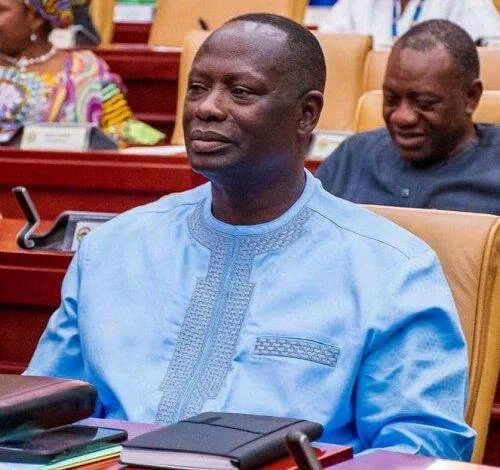
The government is set to implement a geotagging and geofencing system to track excavators imported into Ghana, according to Minister of Lands and Natural Resources, Emmanuel Armah Kofi Buah.
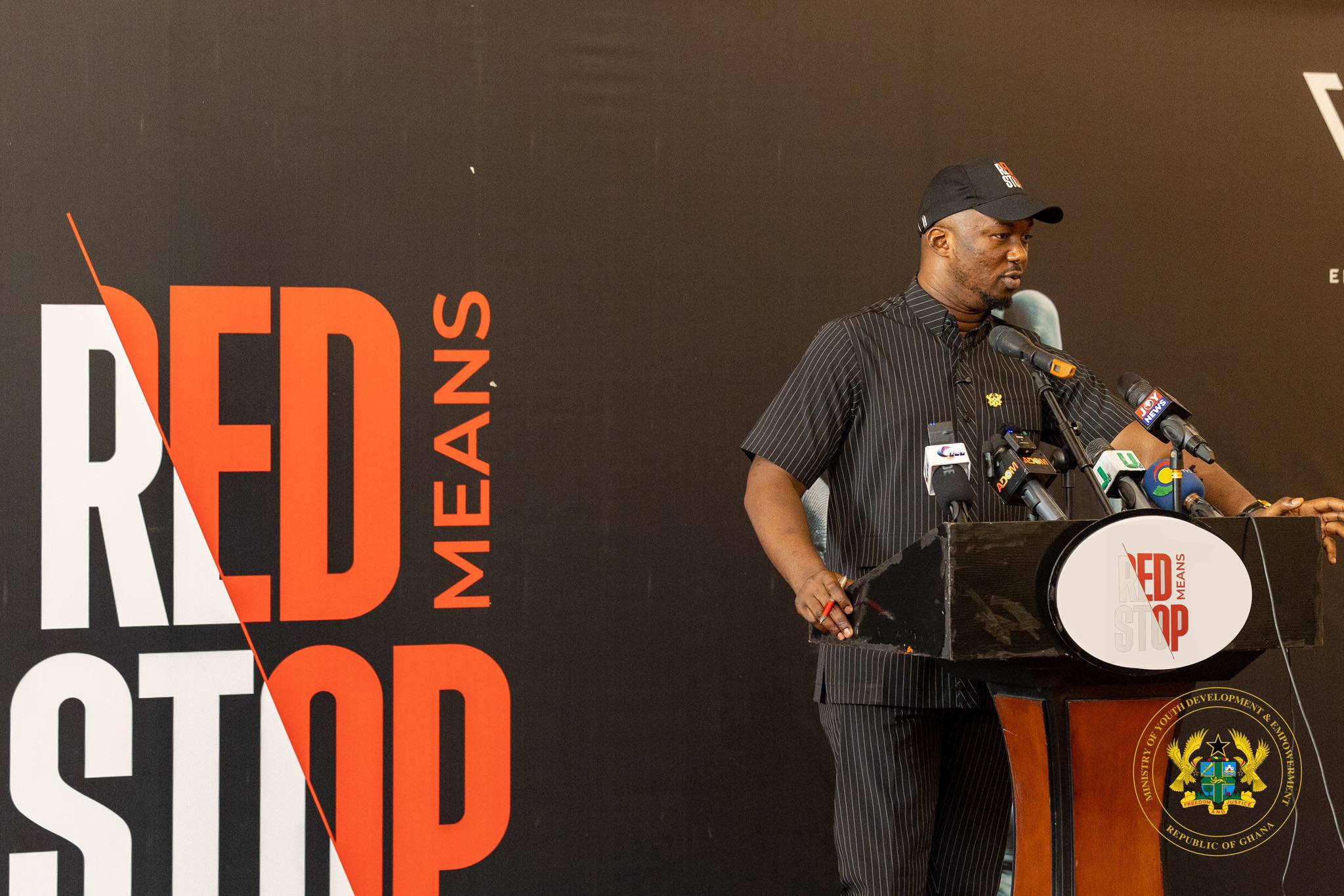
Speaking at a press briefing on April 3, he said the initiative will help monitor excavators from the moment they arrive at the country’s ports, ensuring better oversight of their use.
“We believe that this programme of geotagging and geofencing must be expanded to include excavators as soon as they arrive at the ports,” Mr. Buah stated, stressing the need for tighter regulation.
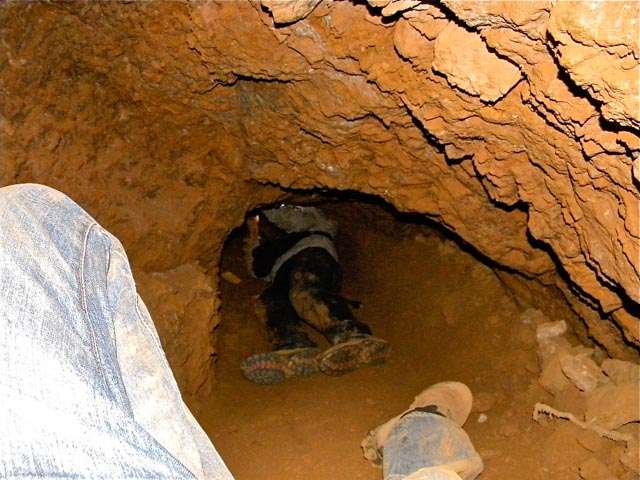
The move comes as illegal mining continues to pose a serious threat to the country’s environment, leading to widespread deforestation and water pollution.
Expressing concern over the high number of excavators being brought into Ghana, the minister said:
“It doesn’t make any sense that the third most valuable item we import into this country, worth 6.2 billion cedis, is excavators.”
He further criticized the role these machines play in the destruction of natural resources.
“These machines are brought here to destroy our forest reserves, pollute our water bodies, and harm our people. This must stop,” he declared.
While full details of the initiative are yet to be disclosed, Mr. Buah hinted that authorities are considering restrictions on the importation of excavators.
“We are focusing on discussions, but we believe the time has come to restrict the import of excavators into this country,” he said.
This effort forms part of the government’s broader strategy to combat illegal mining by ensuring excavators are properly tracked and accounted for.
Reiterating the government’s commitment, Mr. Buah assured, “we believe this effort is ongoing, and we are committed to stopping these destructive activities.”
Ghana’s fight against galamsey has been confronted with a number of initiatives by governments. Recognizing the destructive effects of illegal mining on the environment, public health, and economic stability, the current National Democratic Congress (NDC) has implemented to address the menace.
The fight has been guided by five key areas: reforming the licensing regime to improve regulation, strengthening law enforcement and regulatory frameworks, engaging stakeholders through education and awareness, reclaiming degraded and mined-out lands, and providing alternative livelihoods for communities impacted by mining activities.
This coordinated approach, carried out in collaboration with key stakeholders, has been essential in dismantling illegal mining networks while also focusing on restoring ecosystems that have suffered from years of mining-related damage.
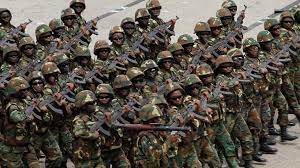
A joint task force comprising the Military and the Forestry Commission has carried out targeted operations in districts identified as high-risk across the Ashanti, Western, and Western North Regions. These operations have resulted in the seizure of 100 excavators, three bulldozers, and four vehicles.
Meanwhile, the Lands Minister has called on traditional leaders, local assemblies, and civil society to play an active role in protecting Ghana’s natural resources, emphasizing the need for collective action to preserve them for both current and future generations.