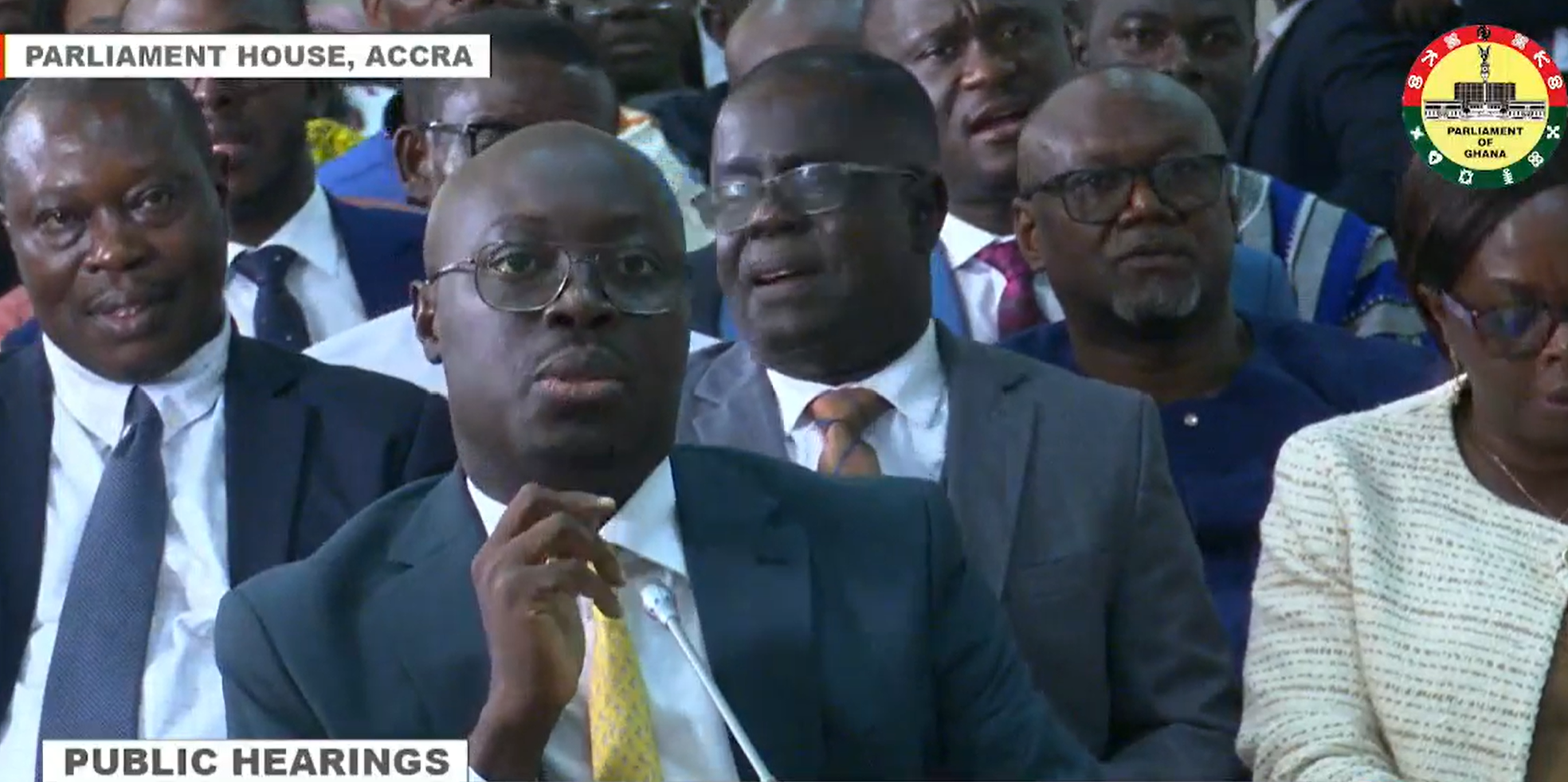
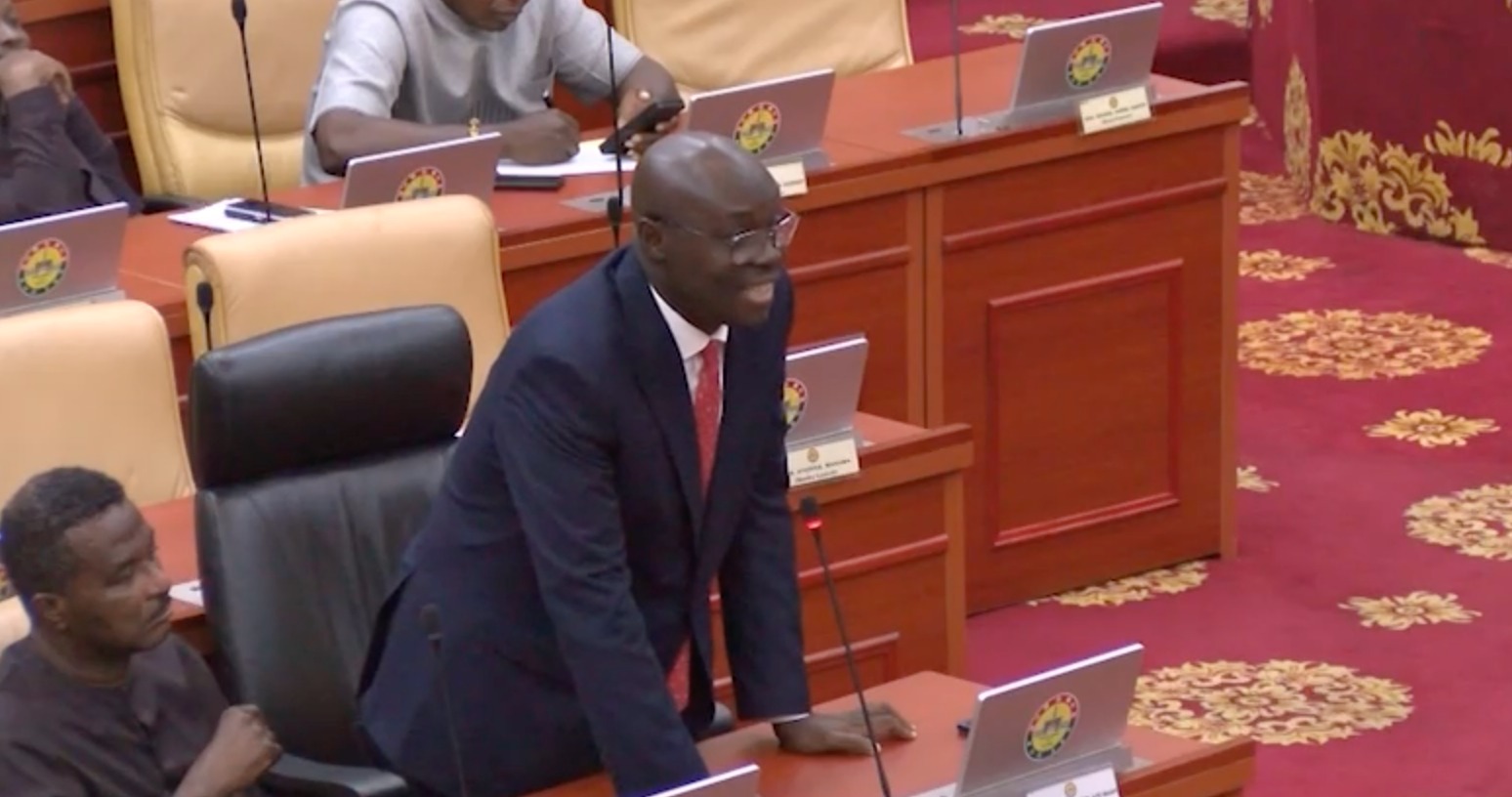
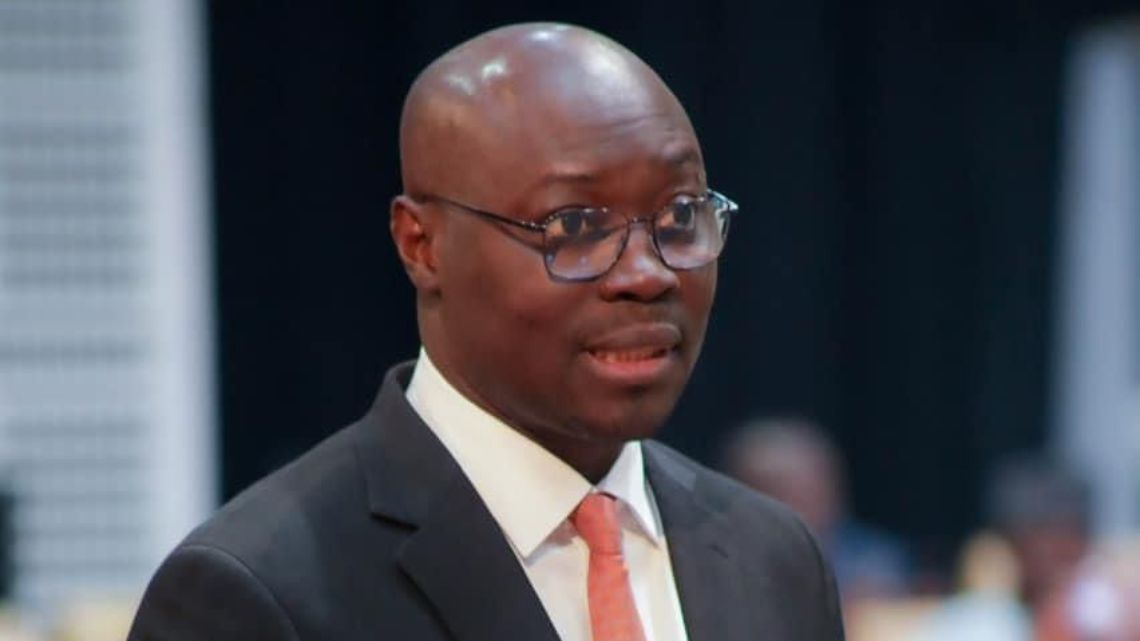
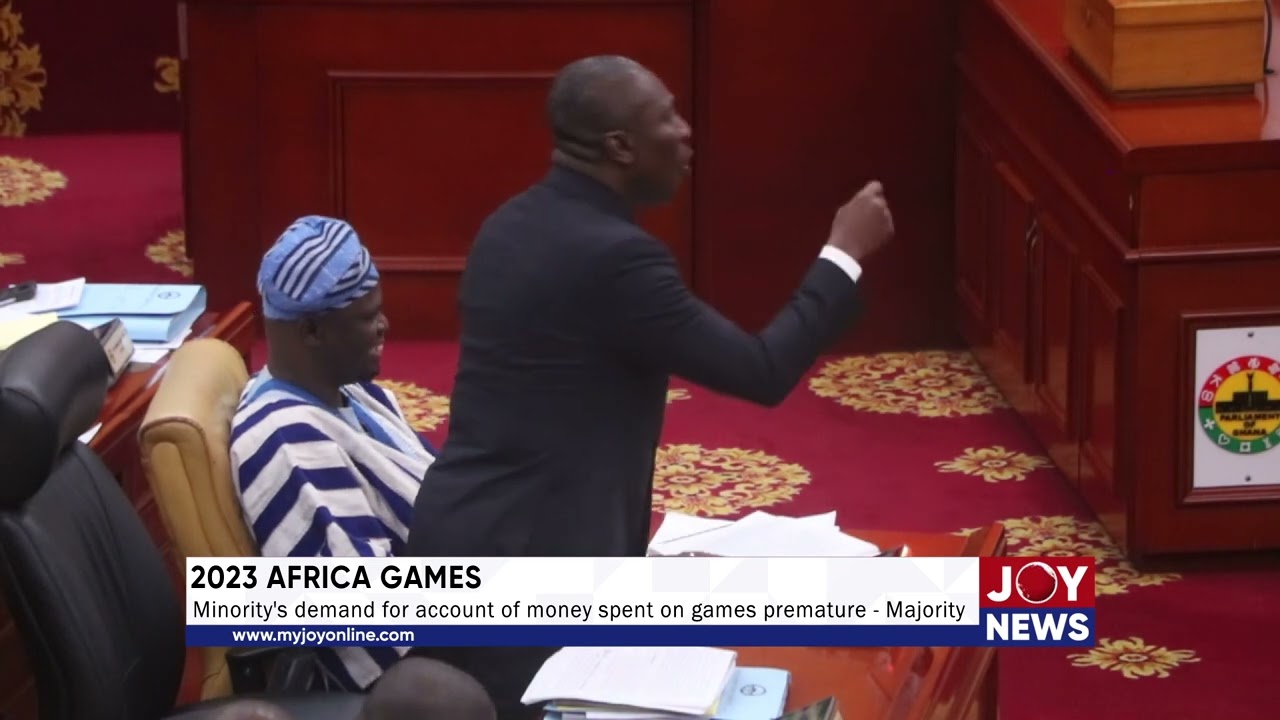
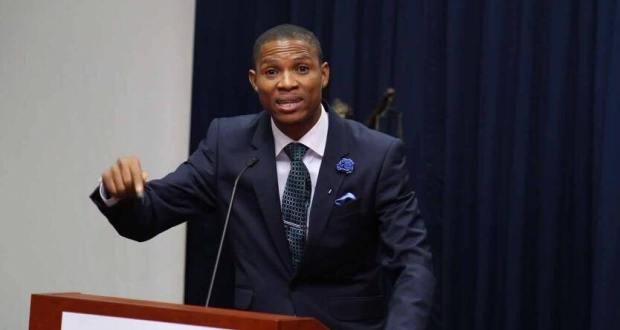
The Minority Leader in Parliament, Alexander Kwamina Afenyo-Markin, has underscored the significant role Dr. Joseph Boakye Danquah played in Ghana’s progress.
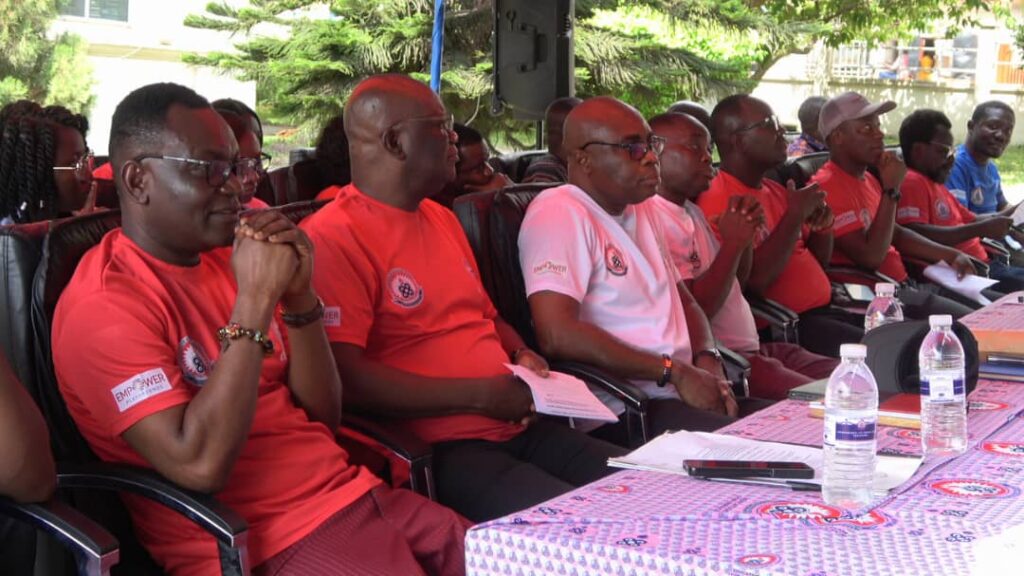
Speaking at an event on March 9, 2025, to honor JB Danquah’s legacy 60 years after his passing, Afenyo-Markin asserted that Ghana’s democratic foundation was built upon Danquah’s ideals and relentless pursuit of freedom.
He also pointed out that, as a key figure in the United Gold Coast Convention (UGCC), Danquah’s unwavering commitment to the country ultimately cost him his life.
“Today, we gather in solemn remembrance and profound reflection as we mark sixty (60) years since the passing of one of Ghana’s most remarkable patriots, Dr Joseph Boakye Danquah, who endured the ultimate sacrifice for his love for his country and the freedom of her people. His legacy is woven into the fabric of Ghana’s political, intellectual, and constitutional development.
The freedoms enshrined in Ghana’s 1992 Constitution, according to the Minority Leader and Effutu MP, are a result of the late statesman’s relentless struggle and dedication.
“Dr Danquah was more than a scholar, politician, statesman, and advocate. He was a poet, a playwright, and a chronicler of our history, customs, and norms. He was a visionary who dedicated his life to laying the foundational principles of our democracy,” he said.
JB Danquah, a key figure in Ghana’s nationalist movement, was born in December 1895 in Bempong and passed away on February 4, 1965, in Nsawam. As a staunch opponent of Kwame Nkrumah, he played a crucial role in the political landscape of the Gold Coast.
After studying law and philosophy in London, Danquah returned home in 1927 to establish a private law practice. He later founded the Times of West Africa newspaper in 1931, using it as a platform to advocate for political reforms. His activism extended to serving as the Secretary-General of the Gold Coast Youth Conference (1937–1947) and representing a delegation to the British Colonial Office in 1934.
A vocal proponent of constitutional reforms, he became a member of the Legislative Council in 1946 and later co-founded the United Gold Coast Convention (UGCC), which pushed for self-rule. Following the 1948 riots, he was arrested alongside Kwame Nkrumah, an event that heightened his political influence.
Though he won a seat in the Legislative Assembly in 1951, he was unsuccessful in subsequent elections in 1954 and 1956. In 1960, he ran against Nkrumah for the presidency but garnered only 10% of the vote. Danquah was imprisoned under the Preventive Detention Act in 1961, released in 1962, and later served as President of the Ghana Bar Association. However, he was re-arrested in 1964 and died in detention the following year.
His contributions to academia include notable works such as Gold Coast: Akan Laws and Customs and the Akim Abuakwa Constitution (1928) and The Akan Doctrine of God (1944).