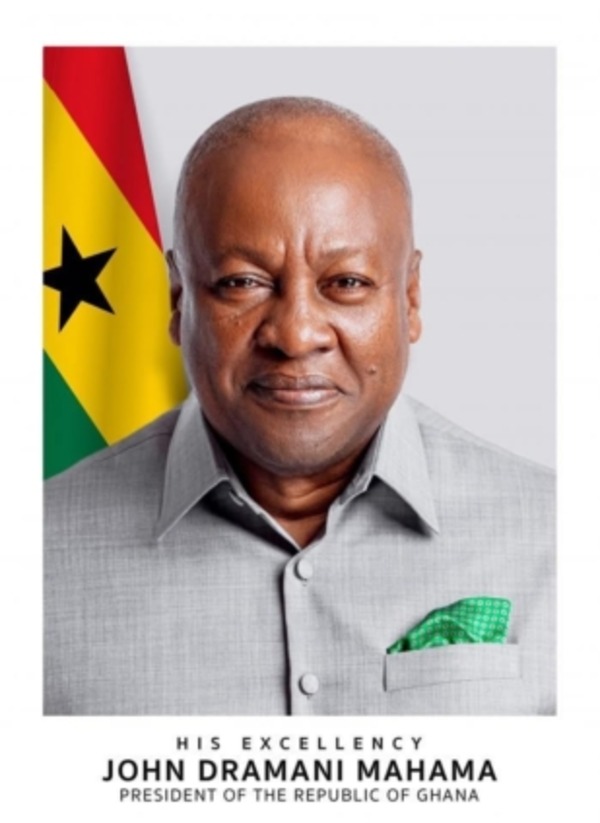
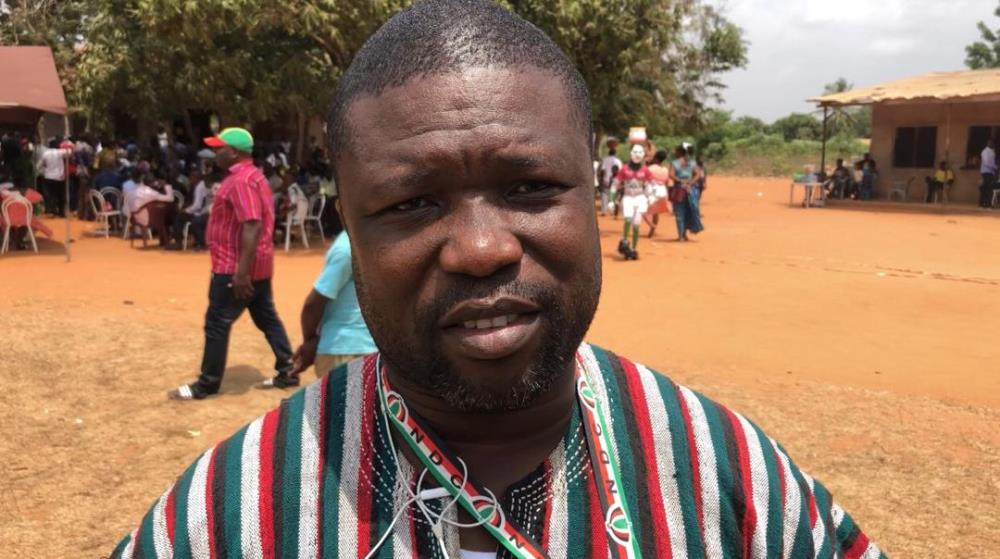
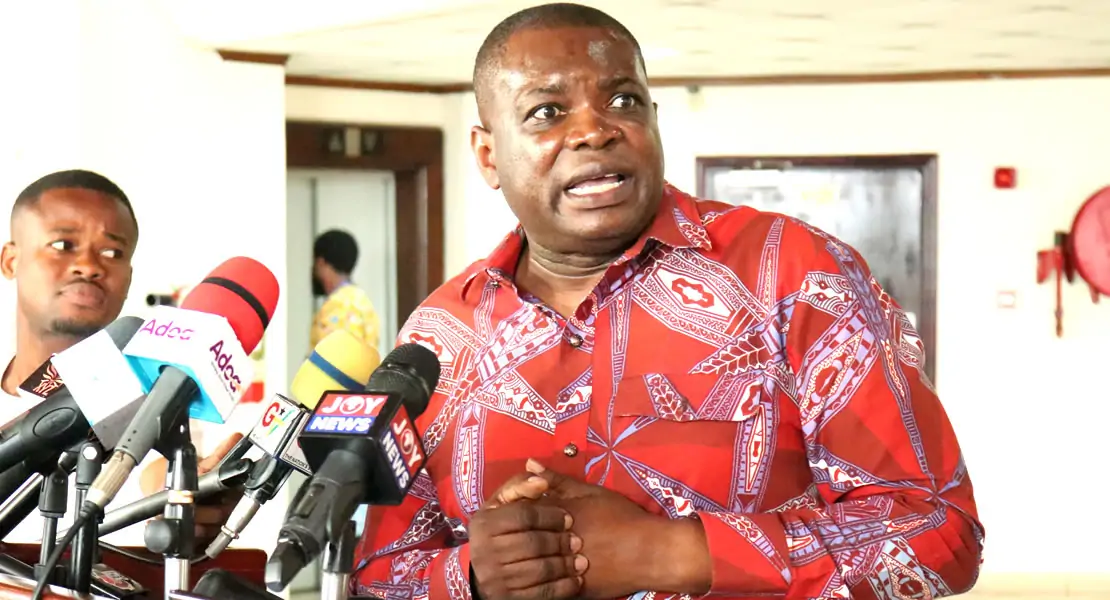
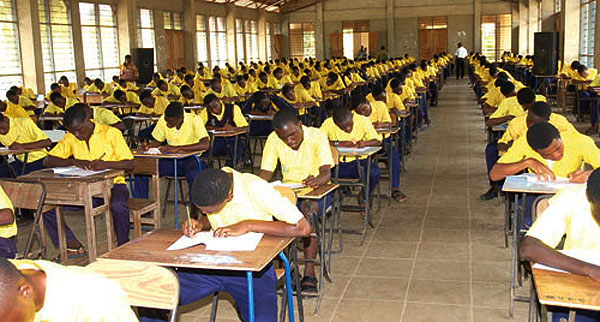
Former President John Dramani Mahama has reaffirmed his resolve to enhance the Free Senior High School (Free SHS) programme, promising to tackle its challenges and elevate educational standards.
During his ‘Thank You Tour’ in the Central Region on Thursday, February 6, 2025, Mahama stressed that education remains a fundamental pillar of his development agenda.
He outlined plans to improve the Free SHS system by establishing a reliable funding source and decentralizing food procurement to streamline operations.
“Education will remain a priority and we will work to provide the best possible learning environment for our children at all levels.
“And ensure that our youth have the skills needed to compete in the global economy. We plan to improve the Free SHS programme to secure dedicated funding and decentralised food procurement.”
He further announced plans to introduce a “no academic fees” policy to ease the financial strain on continuing students and expand tertiary education infrastructure to accommodate the increasing student population.
“Additionally, we will introduce a ‘no academic fees’ policy offering financial aid to continuing students and expand infrastructure for tertiary institutions.”
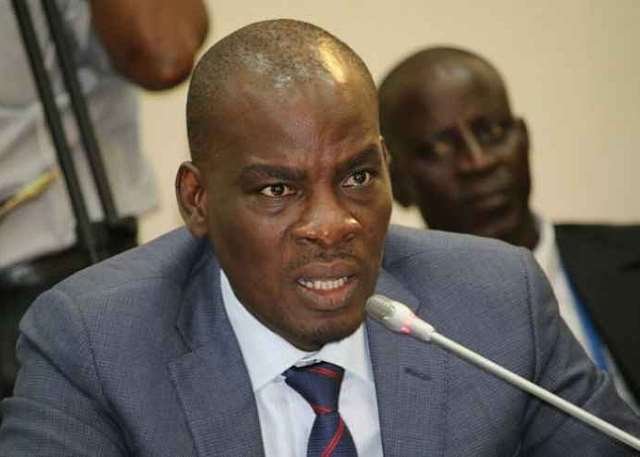
The Minority in Parliament is calling for the Ghana Health Service (GHS) leadership to be summoned over the recurring outbreaks of Cerebrospinal Meningitis in the country.
This appeal follows a statement by Dr. Sebastian Sandaare, MP for Daffiama Bussie Issa, who informed Parliament that 14 deaths have been recorded from 60 suspected cases in the Upper West Region in 2025.
Responding to the report, Minority Chief Whip Frank Annoh-Dompreh decried the fact that such preventable illnesses continue to claim lives and urged the Ghana Health Service to appear before Parliament to outline measures being implemented to curb the outbreak.
“The leadership of the Ghana Health Service should come and tell us why this matter is where it is. In this time and age, we can’t allow such basic aliments to take lives. Interestingly, the Upper East shares a border with the Upper West. And if we’re not careful, it will result in a calamity.
“This is an ailment that is taking the lives of people, innocent Ghanaians. And that part of the world, statistics have shown that poverty is so pronounced so they may not even have the wherewithal to procure the vaccines.”
The First Deputy Speaker, Bernard Ahiafor, meanwhile, suggested various strategies for the Ghana Health Service to implement to contain the spread of the disease.
“The Ministry of Health should take immediate action to create awareness, conduct contact tracing, intensify provision of medical care to the affected victims and consider the establishment of the public health emergency fund.”
President John Dramani Mahama has affirmed that the findings from the Operation Recover All Loot (ORAL) Committee will be turned over to the relevant investigative bodies to examine individuals suspected of misappropriating public resources.
He indicated that the committee is set to deliver its report next week.
Speaking during his ‘Thank You’ tour in the Central Region on Thursday, February 6, Mahama reiterated his administration’s resolve to combat corruption, both within his government and that of his predecessor.
He assured Ghanaians that his leadership is committed to serving the collective interest rather than favoring an elite few, emphasizing that integrity and accountability remain key pillars of his governance.
“Next week, the ORAL committee that I set up is going to present its report to me. And I will refer it to the investigative organisations to start their investigations against people who have misappropriated the resources of this nation,” he stated.
Mahama restated his commitment to establishing a comprehensive accountability system and a strict ethical code for individuals in positions of authority.
He emphasized that both former and serving officials would be subject to the same level of scrutiny.
“Even as we investigate those who have just left office, and we carry out our Operation Recover All Loot, those who are current office bearers should also know that they will be held to the same standard as we are holding the past regime,” he asserted.
The former president of the Ghana Bar Association (GBA), Sam Okudzeto, has voiced concerns over the escalating incidents of lawlessness in the country, particularly surrounding the December 7 elections.
In an interview with Beatrice Adu on TV3’s Agenda program on Wednesday, February 6, 2025, Okudzeto warned that these unlawful actions threaten the very foundation of Ghana’s democratic principles.
He argued that much of the election-related controversy stems from the behavior of political figures, rather than any fault of the Electoral Commission (EC).
The former GBA president also shared alarming accounts from the election period, where reports surfaced of EC officials being coerced, with some even facing gun threats to ensure specific candidates were declared victors, further highlighting the rise of lawlessness in the nation.
“It is not the EC’s job to fight political parties. They are trying not to give the impression that they are against any particular group. But how do people go and set fire to ballot boxes in an electoral office? What does that mean? It’s hooliganism.
“Now, we become a country of hooligans. How do people go and set up fire to the ballot boxes in an electoral office? What’s the meaning? It’s hooliganism when people felt that the CI127 kind of guided the elections”, he stated.
Mr Okudzeto stressed that any disagreements regarding electoral results should be addressed through the pink sheets, as they represent the definitive and authorized record of the elections.
“When there is confusion over who has won, let’s go to the pink sheets and see what they say. That is final. How can some claim not to have it? Were they not at the polling station? That is the lie of lies,” he added.
He urged political parties to take on more accountability and demonstrate a stronger commitment to upholding democratic peace.
The 2024 general elections were marred by a significant rise in electoral violence, with 76 incidents reported, according to a collaborative report by CDD-Ghana, CODEO, WANEP, and NERG.
Key electoral materials and Electoral Commission offices in Damango and Ayensuano were destroyed, raising alarms over the elections’ legitimacy.
The aftermath of the elections was also characterized by acts of arson, assaults, and attacks on political party offices, largely fueled by disillusioned supporters of the ruling party who were upset over delays in political appointments.
The Minority Chief Whip, Frank Annoh-Dompreh, has stated that the New Patriotic Party (NPP) will obstruct parliamentary activities until the Ablekuma North Constituency is appropriately represented in Parliament.
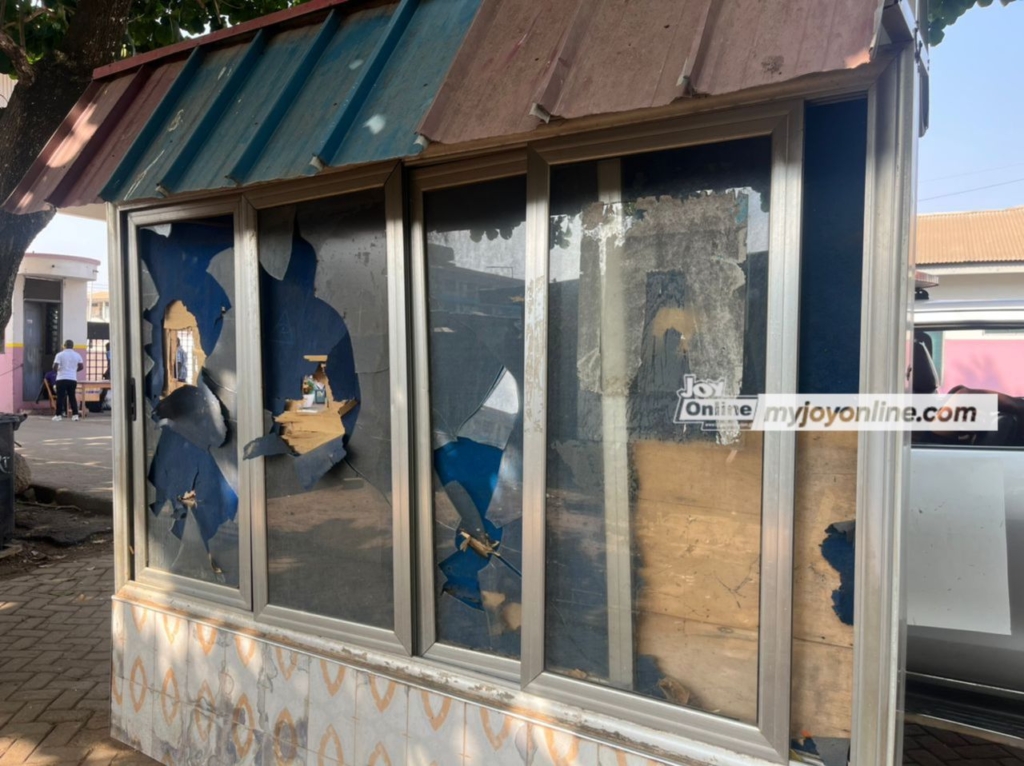
The processing of results for the constituency has been suspended for the past month due to ongoing disputes regarding the election outcome. One such disagreement resulted in the destruction of property at the Electoral Commission’s regional office.
Speaking to party supporters during a visit to the NPP’s Parliamentary Candidate for Ablekuma North, Ekua Afriyie, Annoh-Dompreh declared that the National Democratic Congress (NDC) would face unrest until the matter is settled.
“If the NDC, led by Mahama Ayariga, continues to deny that the NPP won the seat and distract the Electoral Commission’s process, they will never have peace in Parliament,” he said.
He further stated that if the Inspector General of Police (IGP) fails to hold accountable the NDC supporters from Ablekuma North who disrupted the collation process, the NPP members of Parliament will “persist with their demonstrations” to voice their dissatisfaction.
Annoh-Dompreh also set a seven-day ultimatum for the Electoral Commission (EC) to announce the winner for the constituency, underlining the need for a quick resolution.
“We are giving the EC one week; they must come and declare our candidate as the winner of the Ablekuma North election.”
In the meantime, both Ewurabena Aubyn of the NDC and Ekua Afriyie of the NPP have put up billboards asserting their victory in the contested election.
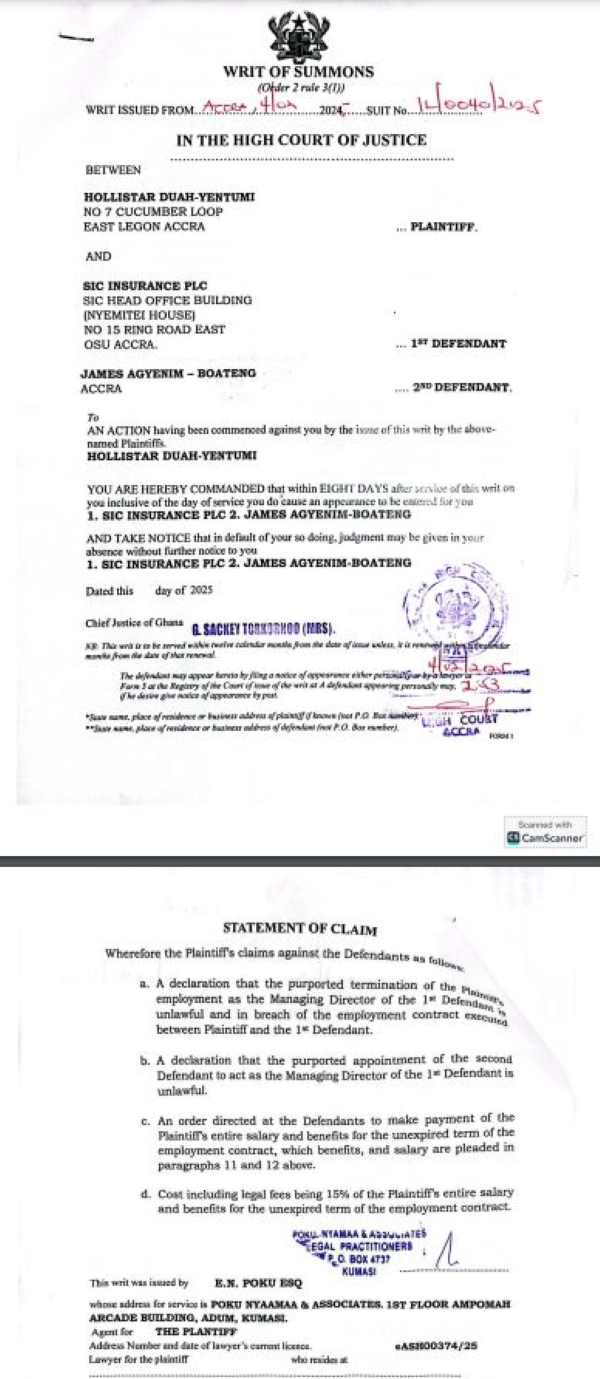
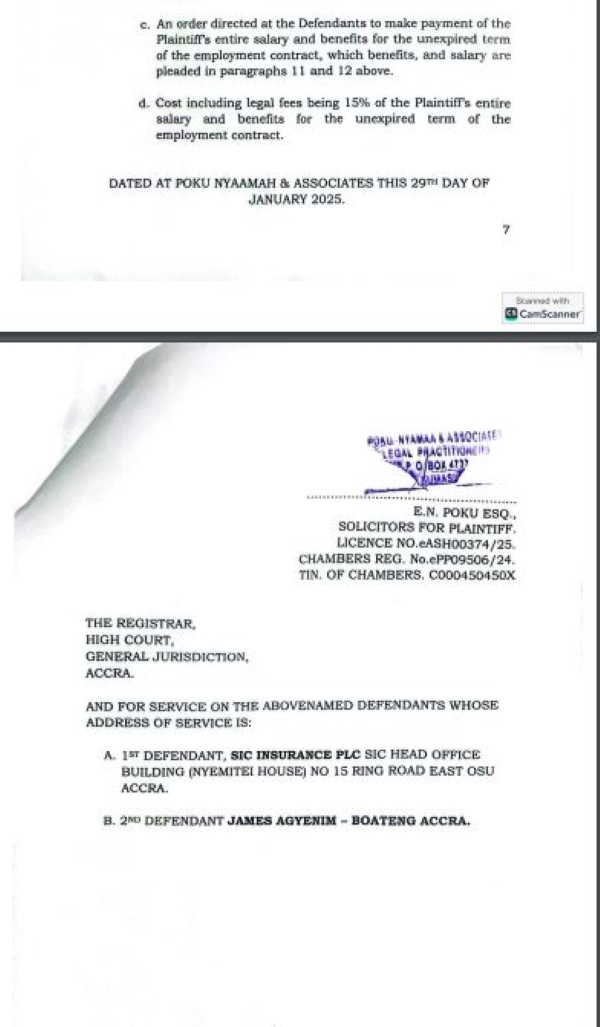
The former Managing Director of SIC Insurance PLC, Hollister Duah-Yentumi, has taken legal action against the company and her successor, James Agyenim-Boateng, who was appointed by President John Dramani Mahama.
Duah-Yentumi claims that her contract was unfairly terminated, despite it being set to last until January 1, 2028.
As part of her lawsuit, the former MD is requesting the court to mandate SIC Insurance to compensate her salary and benefits through to 2028.
She is seeking an annual salary of GH¢840,000, SSNIT contributions, GH¢200,000 for housing, and a clothing allowance worth 10% of her salary.
Additionally, she is demanding allowances for entertainment, meals, and professional expenses, alongside payment for utilities, taxes, and provisions for her household staff, security, and gardener. Duah-Yentumi is also asking for a company car and fuel benefits.
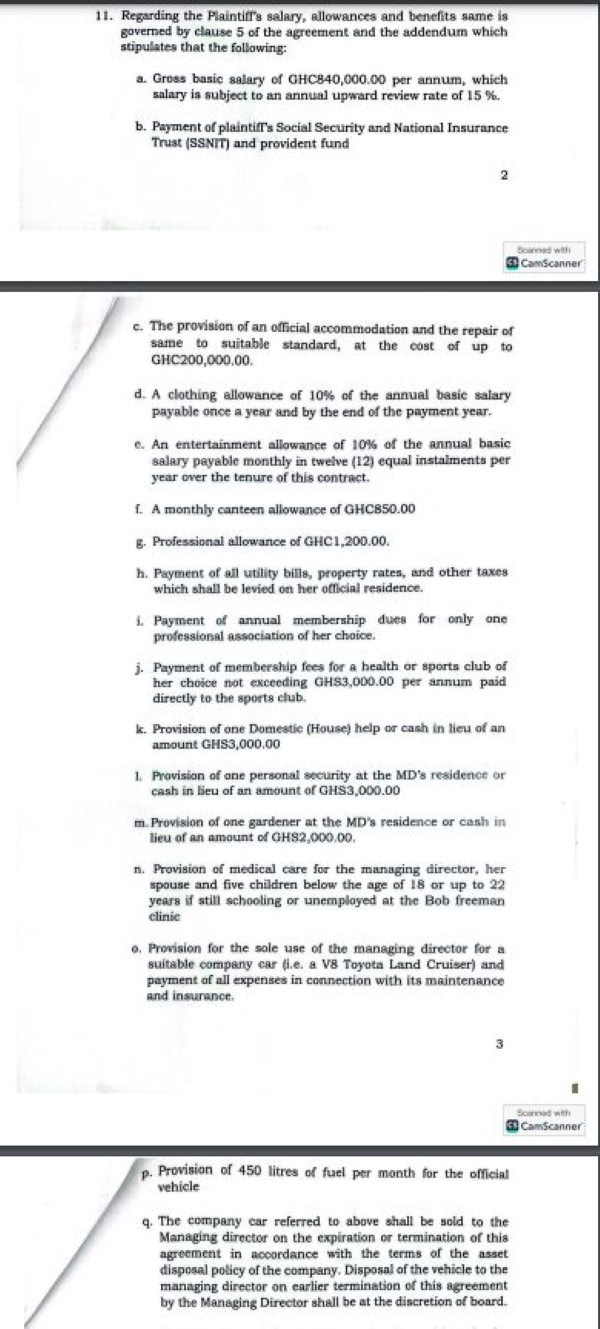
Below are her demands as stated in the writ of summons:
a. Gross basic salary of GH¢840,000.00 per annum, which is subject to an annual upward review rate of 15%.
b. Payment of the plaintiff’s Social Security and National Insurance Trust (SSNIT) and provident fund.
c. The provision of official accommodation and its maintenance to a suitable standard, at a cost of up to GH¢200,000.00.
d. A clothing allowance of 10% of the annual basic salary, payable once a year by the end of the payment year.
e. An entertainment allowance of 10% of the annual basic salary, payable monthly in twelve (12) equal instalments per year over the tenure of this contract.
f. A monthly canteen allowance of GH¢850.00.
g. A professional allowance of GH¢1,200.00.
h. Payment of all utility bills, property rates, and other taxes levied on her official residence.
i. Payment of annual membership dues for only one professional association of her choice.
j. Payment of membership fees for a health or sports club of her choice, not exceeding GH¢3,000.00 per annum, paid directly to the sports club.
k. Provision of one domestic (house) help or cash in lieu of GH¢3,000.00.
l. Provision of one personal security officer at the MD’s residence or cash in lieu of GH¢3,000.00.
m. Provision of one gardener at the MD’s residence or cash in lieu of GH¢2,000.00.
n. Provision of medical care for the managing director, her spouse, and five children below the age of 18, or up to 22 years if still schooling or unemployed, at the Bob Freeman Clinic.
o. Provision for the sole use of the managing director of a suitable company car (i.e. a V8 Toyota Land Cruiser) and payment of all expenses related to its maintenance and insurance.
p. Provision of 450 litres of fuel per month for the official vehicle.
q. The company car referred to above shall be sold to the managing director upon the expiration or termination of this agreement in accordance with the company’s asset disposal policy. Disposal of the vehicle to the managing director upon earlier termination of this agreement by the managing director shall be at the board’s discretion.
r. The managing director shall be entitled to thirty (30) working days of paid vacation (exclusive of statutory holidays) each year at such times as the board may approve.
s. The managing director shall be entitled to an annual familiarisation tour to any destination. SIC shall pay an amount not exceeding US$3,000.00 for an air ticket for the trip upon proof of undertaking the trip. The annual familiarisation benefit is a “use it or lose it” benefit.
t. The managing director’s annual familiarisation tour shall be considered part of her entitled paid vacation days each year and shall therefore be deducted from the total entitled days when taken.
u. The managing director shall be paid a per diem of US$810 for all international travels for seven (7) days towards the familiarisation tour referred to in section 5.3 (xiii). Payment shall commence before her departure.
v. Provision of a personal accident and life insurance cover in an amount equivalent to five (5) times the managing director’s annual basic salary.
w. In the course of her duties, the managing director shall be provided with a business-class airline ticket for official trips and be paid a per diem of US$810.00 per day.
x. Payment of an annual bonus shall be based on the achievement of set targets. The amount payable shall be determined in accordance with the Bonus Policy of the company.
y. Benefits and allowances that are not specified in this contract but to which the MD may be entitled will be paid at the current General Manager’s rate plus twenty (20) percent.
The plaintiff claims that the salary and benefits outlined are to undergo a 15% annual increase review.
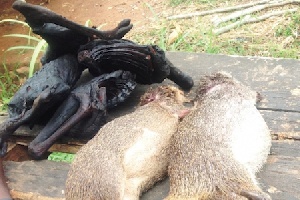
The Ghana National Fire Service (GNFS) has issued a warning about a looming shortage of bush meat, caused by the rapid depletion of wildlife in the country.
In an interview with the Ghana News Agency (GNA) in Sunyani, Kwame Adomako, the Assistant Divisional Officer Grade One (ADOI) and Bono Regional Public Relations Officer for the GNFS, highlighted that the loss of wild animals is accelerating this problem.
With the onset of the dry season, Adomako urged for a collective effort to safeguard wildlife, stressing the need for immediate action to protect animal populations.
He noted,“we don’t hunt for bush meat in the dry seasons”.
He reminded the public that the nationwide restriction on group hunting remains enforced and urged everyone to play a role in ensuring the ban is upheld.
ADOI Adomako pointed out that under PNDCL 229, penalties for violations are clearly outlined and cautioned that offenders would face legal action.
ADOI cautioned that the harmattan season is likely to be harsher this year and advised farmers, palm wine tappers, and smokers to refrain from carrying open flames into the bush.
The harmattan, usually occurring between late November and mid-March, is characterized by dry, dusty winds from the north-east.
To curb fire outbreaks, ADOI mentioned that the GNFS will deploy taskforces and fire volunteers to local areas for vigilance. He also warned that individuals responsible for starting fires would be prosecuted in accordance with Law 229.
“We don’t go hunting expeditions in the dry season because that is the period the animals also breed,” he stated.
Education Minister Haruna Iddrisu has appealed to the University of Ghana to revise accommodation fees, reducing them from GHC 3,000 to GHC 2,500 for both incoming and continuing students.
This recommendation was put forward during a discussion on February 6, 2025, with the university’s leadership, including Vice-Chancellor Prof. Nana Aba Amfo and the Student Representative Council (SRC), at the Ministry’s headquarters in Accra.
“I have asked the Vice Chancellor to reduce the residential facility fees by 25 percent and I have subsequently asked her to engage you (SRC) in the future on any fee announcement.”
In response, Vice Chancellor Prof. Nana Aba Amfo affirmed the University’s readiness to implement the Minister’s directive.
“We have listened to you our Minister and also our students, and we can afford to reduce it to 25 percent across the board, and going forward there will be adequate student engagement.”
The President of the SRC, Maradona Adjei Yeboah, expressed gratitude for the fee reduction but urged that students who had already paid the higher rates be refunded.
“We are thankful for the reduction at least it will reduce some sort of burden from our parents, there should be a refund for those who have already paid.”
University authorities confirmed that around 80 percent of students had already paid their residential fees.
The Volta Regional Minister, James Gunu, has announced that expanding Ho’s water supply infrastructure is projected to cost approximately $52 million, based on estimates from the Ghana Water Company Limited (GWCL).
During an interview on PM Express on JoyNews, Mr. Gunu underlined the necessity of implementing a long-term solution to address the city’s water shortages.
He acknowledged the hefty price tag but stressed that the expansion must be tailored to support Ho’s rapidly increasing population.
“In actual fact from the report that I stormed it is about 52 million dollars. That is a report from the Ghana Water Company but I told them we need to sit down and evaluate this properly because the expansion should be able to take care of the growing populace because we don’t want to do something whereby in the next 10 or 20 years we will face the same challenge.
“In 1992/1993, when this facility was constructed, Ho had a population of about 5,000 but today, it is over 250,000, and the demand is over 30,000 meters. If we are planning for the future, we must consider a population of over 500,000,” he said.
He highlighted that Ho’s growing population, fueled by an increase in universities, educational institutions, and other developments, underscores the need for a sustainable water supply system.
Acknowledging the high cost, Mr. Gunu expressed hope that international funding would be secured to support the expansion.
He stressed the importance of meticulous planning to prevent future water shortages and to fulfill the UN’s Sustainable Development Goal 6, which aims for universal access to clean water and sanitation.
“It is very expensive but we hope that other donor partners will come in, and let’s see whether we can get some grants to enable the Ghana Water Company to expand this facility so that we can have a sustainable supply of water to serve the growing population of Ho and its environs.
The technical experts in charge must help the government expand this facility so we can ensure a sustainable water supply for Ho and its surrounding areas,” he added.
In January, there were multiple instances of system failures, with the latest one stretching over a week. What began as sporadic pump malfunctions late last year has now escalated to a full shutdown.
The sole working pump at the intake station of the Ghana Water Company Limited’s Kpeve headworks in the South Dayi District has broken down beyond repair.
This pump is one of three that have become outdated after more than 30 years of service. At present, there are no functional pumps available at the intake station to draw water from the Volta River, which is then processed at the Kpeve plant and distributed to over 100,000 residents in the affected areas.
Water crisis: Cost of expanding water pump will be about 52 million dollars – James Gunu, Volta Regional Minister.#PMExpresspic.twitter.com/WozHdxYpgP
Ghana Grid Company Ltd (GRIDCo) has reassured the public that it has put in place steps to avert power failures, commonly known as “dumsor,” during the ongoing maintenance by the West Africa Gas Pipeline Company (WAPCo). The maintenance began on February 5 and is expected to conclude by March 2, 2025.
In a statement released jointly with the Electricity Company of Ghana Ltd (ECG), GRIDCo confirmed that, under the guidance of the Ministry of Energy and Green Transition, adequate supplies of liquid fuel have been secured to maintain operations at critical plants in Tema as an alternative energy source.
Speaking with Citi Business News, the executive Director of the Institute of Energy Security (IES), Nana Amoasi VII, praised the government’s foresight in securing fuel reserves to guarantee a continuous power supply.
“The postponement of the maintenance programme gives the government ample time to build up liquid fuel reserves. If the exercise proceeds and national gas flow to power plants in the Eastern enclave is disrupted, there will be enough liquid fuel to keep the plants operational,” he explained.
Amoasi also mentioned that plants like Asogli and the entire Tema power facility will stay operational, ensuring there is no decline in power generation capacity.
“This will allow the government to proceed with confidence, avoiding criticism, and ensuring consumers enjoy a steady and reliable power supply,” he added.
The Member of Parliament for Nsawam Adoagyiri, Frank Annoh-Dompreh, has suggested that the Minority caucus’ attempt to block the approval of Samuel Okudzeto Ablakwa as Minister of Foreign Affairs and Sam Nartey George as Minister of Communications, Digitalisation, and Innovation had the support of certain MPs from the Majority caucus.
During a parliamentary session on February 4, 2025, discussing the confirmation of ministerial nominees, the New Patriotic Party (NPP) Minority caucus called for a secret vote to decide the fate of Ablakwa and Sam George.
They argued that, due to disagreements over the nominations, a confidential ballot would be the most appropriate way to handle the matter.
Nevertheless, the Majority approved both nominees after the Minority caucus chose to abstain from the voting process.
In an interview on Asempa FM on February 5, 2025, Annoh-Dompreh revealed that some MPs from the National Democratic Congress (NDC) were reportedly ready to vote against Ablakwa and Sam George if the vote had been conducted secretly.
He also explained that the Minority caucus receives information from sources within the Majority, which is how they became aware of these internal dynamics.
“… At that time, if we wanted to assemble our members, we would have. We also had intel on their side. There are times you give in to the vote, and times you don’t because we had intel. Some of the people were grumbling that we were going to vote against them. There was pressure from their side, and the presidency telling them to make sure to attain their numbers,” he said.
The Minority Chief Whip further explained that these MPs ultimately withdrew their intentions due to supposed pressure from senior figures and their potential aspirations for future appointments.
When the host asked how they could have known which MPs voted against their party, Annoh-Dompreh explained, “If we had done the secret voting, we would have known because we know the number of NDC MPs, which is 187, including the independents. They may not know the individuals, but they have their intelligence and suspects.”
A speeding VIP bus with registration number GW 6575-21 has rammed into a 17-year-old motorcyclist, leading to his untimely death on the Borae Kete-Krachi Highway in the Oti Region.
The fatal accident occurred on the afternoon of Wednesday, February 5, 2025, leaving residents in shock and sorrow.
Eyewitnesses told Adom News that the bus, traveling from Dambai to Krachi at an excessive pace, struck the young rider as he navigated the road.
The victim, identified only as Unyimbe, suffered critical head injuries and succumbed to his wounds instantly.
Distraught residents have appealed for the installation of speed humps to curb reckless speeding in the area.
Police officers have since inspected the crash site and launched an inquiry.
Road users are being urged to adhere to speed regulations and exercise caution to prevent further mishaps.
A devastating fire broke out early Wednesday morning at the Kisseman Airways slum, tragically claiming the life of a four-month-old baby and causing significant property damage.
Eyewitnesses reported that the blaze was likely sparked by a candle that had been left burning unattended by the baby’s mother. The fire erupted while they were asleep, and upon hearing the infant’s cries, they rushed to the scene to find the wooden structure fully engulfed in flames.
Efforts by residents to save the child were unsuccessful.
The Ghana National Fire Service (GNFS) responded quickly, with teams from the Legon and Abelempke stations reaching the location at 04:24 am, just 12 minutes after the emergency call was made at 04:12 am. However, some residents have disputed this timeline, claiming the fire service arrived nearly an hour later.
Victims of the fire, speaking with Citi News, are urgently appealing for government aid, as they have lost all their belongings and have nowhere to turn.
Edna, an eyewitness, recounted, “I was asleep when I heard a child scream around 4 am. I came out only to find the whole place in flames. I screamed for help and then went into my room to bring my children outside.
“Some of the guys in the area came out. We tried to tend the fire but were unsuccessful. The majority of our things were burnt into ashes by the time the fire service got here,” Edna, a victim of the fire said.
“We tried our best to tend the fire but we couldn’t. All our properties are burnt. We are suffering, we have nowhere to go. A little support for us will be deeply appreciated,” Emmanuel, another victim said.
A fierce blaze engulfed a 13-bedroom house in the Oforikrom Gaoline neighborhood in the Ashanti Region, causing widespread destruction and leaving residents in shock.
The fire, which broke out around midday on Wednesday, obliterated valuable belongings and left multiple families without homes. In the aftermath, residents were seen desperately trying to salvage whatever they could from the charred remains.
According to onlookers, the fire continued to spread until the intervention of the KNUST fire team, who successfully contained the flames before they could reach nearby homes.
“We just heard noise that the building was on fire, so the boys in the area came around to control the spread before the fire service came in to bring it under control. Most of the children were in school and the adults were also out when the fire started,” an eyewitness narrated.
The victims are now left without shelter.
Madam Assana, whose sister was impacted, shared that they were unable to retrieve even a single item from the room.
“My twin sister is pregnant and hearing the news of the fire has really affected her. We couldn’t salvage much,” she said.
The fire was brought under control within two hours by the fire service, which has since initiated an investigation into the cause. In 2025 alone, the Ashanti Region has experienced 183 fire-related incidents. Notable markets, including Kejetia, Asafo, and Kwadaso wood market, have suffered the most damage.
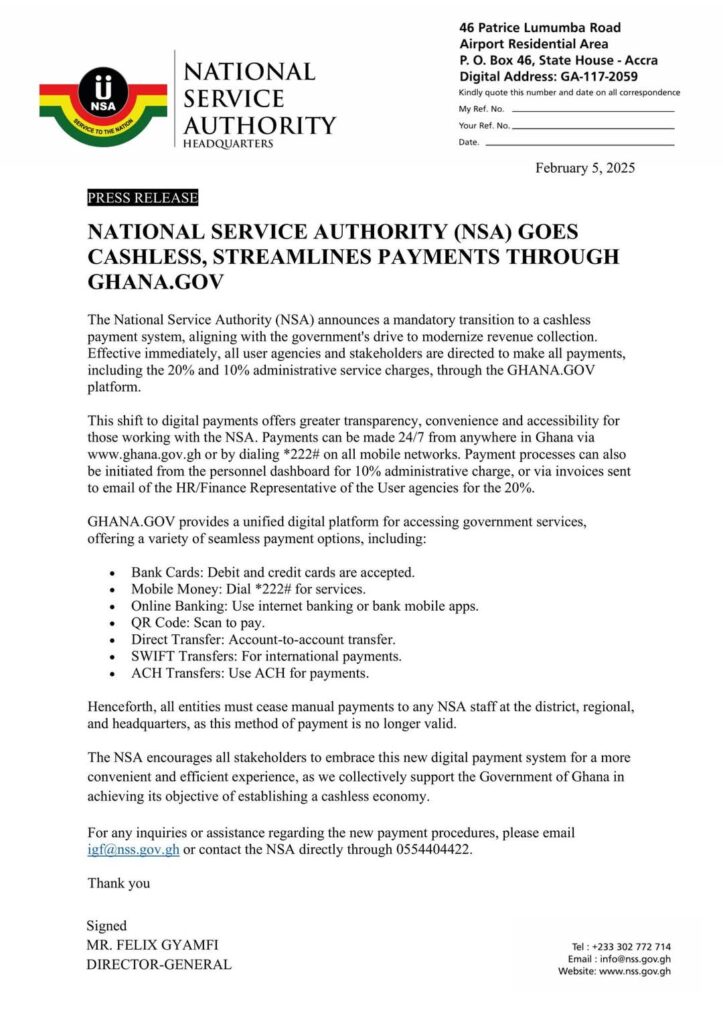
The National Service Authority (NSA) has officially moved to a fully cashless payment system via GHANA.GOV.
This step is part of the government’s broader initiative to streamline and modernize revenue collection.
In a recent statement, the NSA mandated that, with immediate effect, all users and relevant stakeholders must handle payments, including the 20% and 10% administrative fees, exclusively through the digital platform.
“Payments can be made 24/7 via www.ghana.gov.gh or by dialing *222# on mobile networks,” the statement said.
Payments can also be processed via user dashboards or by using invoices directed to HR or Finance officers.
GHANA.GOV supports a range of convenient payment methods, including debit and credit cards, mobile money, online banking, QR code payments, direct transfers, SWIFT, and ACH payments.
Furthermore, the NSA has firmly prohibited manual payments to staff at the district, regional, or headquarters offices.
“Stakeholders are encouraged to embrace this system to streamline processes and support Ghana’s cashless economy vision,” it added.
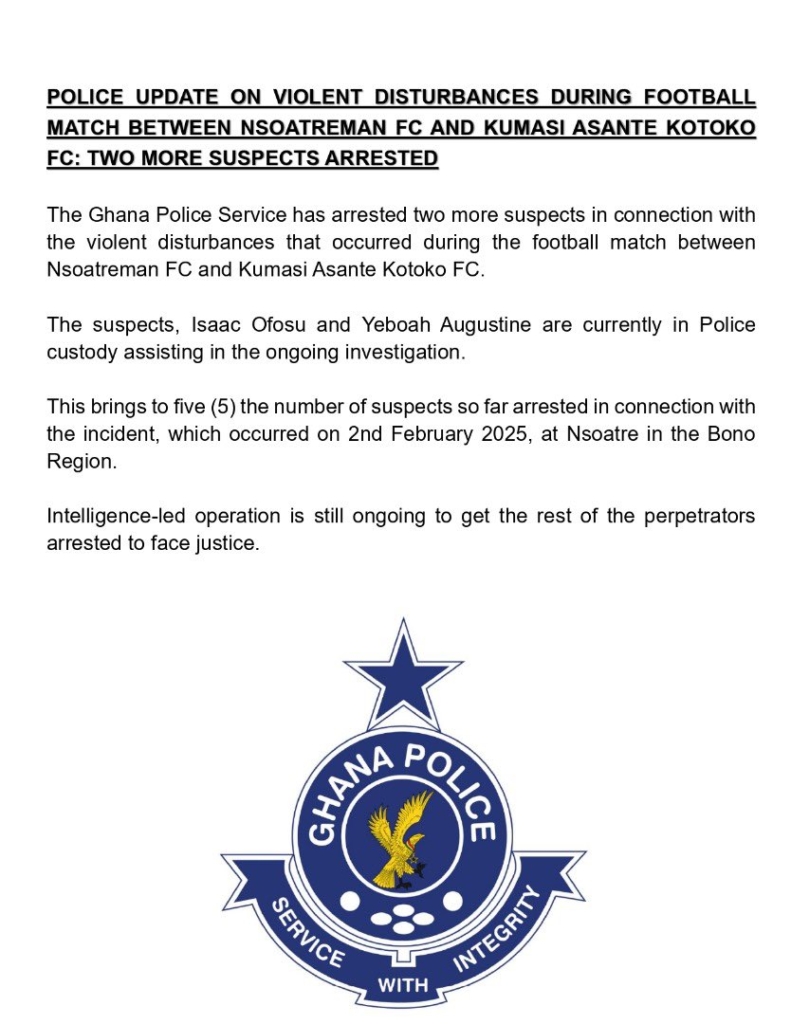
The Ghana Police Service has taken two more individuals into custody in connection with the violent outbreak during the Ghana Premier League match between Nsoatreman FC and Kumasi Asante Kotoko FC on February 2, 2025, in Nsoatre, Bono Region.
The new detainees, Isaac Ofosu and Yeboah Augustine, are currently under investigation and are cooperating with law enforcement.
This brings the total number of individuals arrested to five, as authorities continue their efforts to track down all those involved in the violence.
In a statement, the Police Service assured the public that a thorough, intelligence-driven operation is underway to identify and capture the remaining suspects.
The tragic incident, which resulted in one fatality, prompted the Ghana Football Association (GFA) to suspend all Premier League matches while investigations are ongoing.
Authorities have urged the public to provide any relevant information to assist in the ongoing pursuit of justice.
The First Deputy Speaker of Parliament and Chair of the Appointments Committee, Bernard Ahiafor, has offered insights into the events that led to the actions of the Minority during the turbulent ministerial vetting session.
Testifying before the committee probing the disturbances on February 5, Mr Ahiafor acknowledged that frustrations within the Minority played a key role in the disruptions, ultimately affecting the vetting process.
He emphasized that while efforts were made to secure agreements with the Minority, some of these understandings were later disregarded, further fueling tensions in the House.
Ahiafor’s remarks come at a time when discussions are ongoing about potential reforms to improve the vetting process and enhance collaboration between the Majority and Minority caucuses.
“I must say that sometimes I see frustration on the part of the minority. Because sometimes there was some external pressure on them and that has resulted in them doing certain things, which ordinarily should not happen.”
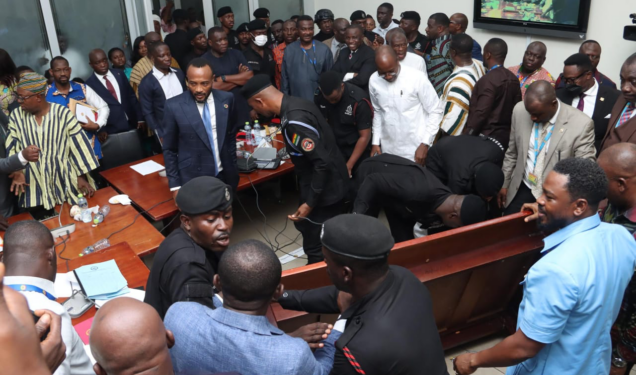
The disorder on January 30, 2025, erupted when the Minority strongly objected to the vetting of Okudzeto Ablakwa and Kwabena Mintah Akandoh. The situation quickly spiraled into a heated confrontation, leading to the destruction of parliamentary furniture and equipment.
Following the incident, four MPs were suspended, prompting the Minority to stage a walkout, which allowed the Majority to proceed with the vetting of Ablakwa and other nominees on January 31.
Notably, the standoff unfolded after Minority Leader Alexander Afenyo-Markin had already subjected Ablakwa to rigorous questioning.
The Chairman of Parliament’s Appointments Committee, Bernard Ahiafor, has expressed deep astonishment over the unexpected disturbances that disrupted last Thursday’s ministerial vetting session.
Appearing before the special committee probing the incident on Wednesday, February 5, Ahiafor stated, “I was so much surprised by the incident of that day; I was just sitting there, watching them.”
He acknowledged that despite his efforts to de-escalate tensions, the situation spiraled out of control.
Ahiafor, who also serves as the First Deputy Speaker of Parliament, called on the investigative committee to review available footage for a clearer understanding of his position during the fracas.
In response to the chaotic scenes, Speaker Alban Bagbin formed an ad-hoc committee to examine the issue after suspending four MPs involved in the altercation.
The disruption stemmed from a disagreement between the majority and minority regarding the continuation of ministerial vetting, culminating in a scuffle that led to property damage, including broken tables and microphones.
Following interventions from leadership on both sides, the Speaker later rescinded the suspensions, though the investigative process remains underway.
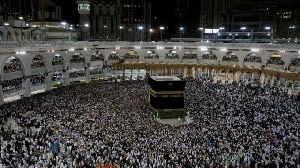
The head of the interim Hajj Taskforce set up by President John Dramani Mahama, Alhaji Collins Dauda, has revealed that the former New Patriotic Party (NPP) administration left an outstanding debt of Gh₵81,142,899.90 from previous Hajj trips.
At a press briefing on Wednesday, February 5, Dauda confirmed that this amount is owed to various service providers involved in organizing the pilgrimage.
Dauda, who also serves as the National Democratic Congress (NDC) Member of Parliament for Asutifi South in the Ahafo Region, highlighted that the government had successfully reduced the Hajj fare from Gh₵75,000 last year to Gh₵62,000 this year.
This fare reduction is a significant fulfillment of a promise made by President Mahama during his 2024 campaign. The move is expected to increase the number of Ghanaian Muslims able to make the pilgrimage.
“During the 2024 presidential electioneering campaign, John Dramani Mahama, the President of Ghana, pledged to the Muslim community that if he won the elections, he would do everything possible to reduce the hajj fare. That was to enable our Muslim brothers and sisters to perform the Hajj at a reduced fare. He also committed himself to making Hajj accessible and affordable. We will recall that last year, the fare was set at GH₵75,000.
“Today, I am pleased to announce that President Mahama has been able to honor this commitment. He set up a task force made up of four Muslims to participate in the Hajj conference which took place in January in Saudi Arabia and to also have the opportunity to engage our service providers in Saudi Arabia, specifically in Mecca and Madina.
“Through diligent negotiations and collaborations, the task force has successfully secured a significant reduction in the Hajj fare for 2025. Upon the advice of the president, the fare for 2025 Hajj has been set at GH₵62,000, which is equivalent to $4,130.”
Speaker Alban Bagbin has ordered a temporary suspension of the special committee investigating the disruption during the ministerial vetting process.
The directive takes effect immediately and will continue until further notice.
This update was shared by the committee’s chair, Emmanuel Bedzrah, as Gifty Jiagge-Gobah, the clerk who was on the receiving end of verbal abuse from Alexander Afenyo-Markin, was giving her testimony.
“The clerk of parliament has instructed that we should suspend the sitting until further notice, and therefore, I want everybody to be aware that it is not the committee that has decided to stop but the Clerk to Parliament of Ghana has requested that until he gets further instruction from the speaker, the Committee should the sitting. On that note, we want to discharge you,” he said.
The committee tasked began its public hearings today. The committee’s role is to scrutinize the events of January 30, which saw a standoff between the Minority and Majority over the vetting schedule and the destruction of parliamentary equipment.
The committee chaired by Ho West MP Emmanuel Bedzrah and includes members Kwame Anyimadu-Antwi, Gizella Akushika Tetteh-Agbotui, Abena Osei Asare, Zanetor Agyeman-Rawlings, Vincent Oppong Asamoah, and Bede Anwataazuma Ziedeng.
It has been tasked with presenting its findings and recommendations within 10 days.
Chairman of the Appointments Committee, Bernard Ahiafor, has accused the minority caucus of creating disturbances during the ministerial vetting on Thursday, January 31.
The altercation between the majority and minority members resulted in the destruction of public property, leading Speaker Alban Bagbin to establish an investigation and suspend four MPs.
While testifying before the investigative committee on Wednesday, February 5, Ahiafor stated that the minority’s actions were the main cause of the disruptions on that particular day.
“I perceived members on the minority side to be putting up an attitude that is very disruptive. For me, I find it very difficult to go back on my words having agreed with you this is what we are going to do,” he said.
He went on to elaborate on how events transpired during Thursday’s session, which ultimately led to the regrettable incident.
“Now, the whole thing started this way. We programmed the vetting, we would all agree on the numbers. Sometimes, on the day of the vetting, instruction would be given to the clerk that the minority would be engaged in doing one thing or the other…,” he explained.
The inquiry into the disturbance during the ministerial vetting, spearheaded by Emmanuel Kwasi Bedzrah, the MP for Ho West, is focused on collecting evidence via detailed investigations, with the intention of presenting a report to the Speaker for further measures.
The government has revealed a reduction in the cost of the Hajj pilgrimage from 75,000 Ghana cedis, as set by the previous administration, to 62,000 Ghana cedis.
This adjustment honors a pledge made by President John Dramani Mahama during his campaign to make the pilgrimage more financially accessible for Ghanaian Muslims.
On February 5, Collins Dauda, the Member of Parliament for Asutifi South and leader of the five-member task force, provided an update on ongoing talks with Saudi authorities.
He also discussed the government’s efforts to address existing challenges associated with the pilgrimage.
“During the 2024 presidential electioneering campaign, John Dramani Mahama, the President of Ghana, pledged to the Muslim community that if he won the elections, he would do everything possible to reduce the hajj fare.
“That was to enable our Muslim brothers and sisters to perform the Hajj at a reduced fare. He also committed himself to making Hajj accessible and affordable. We will recall that last year, the fare was set at GHc75,000.
“Today, I am pleased to announce that President Mahama has been able to honor this commitment. He set up a task force made up of four Muslims to participate in the Hajj conference which took place in January in Saudi Arabia and to also have the opportunity to engage our service providers in Saudi Arabia, specifically in Mecca and Madina.
“Through diligent negotiations and collaborations, the task force has successfully secured a significant reduction in the Hajj fare for 2025. Upon the advice of the president, the fare for 2025 Hajj has been set at GHc 62,000, which is equivalent to $4130.”
The Roads and Highways Minister, Kwame Governs Agbodza, has strongly rejected accusations that Foreign Minister-designate Samuel Okudzeto Ablakwa was “smuggled in” during the ministerial vetting on Thursday, January 30.
In his testimony before the committee investigating the disruption on Wednesday, February 5, Agbodza clarified that Ablakwa’s vetting had been set for January 30 all along.
The proceedings, however, faced a disruption after the vetting of nominees scheduled for Wednesday, January 29, had to be postponed due to the unanticipated appearance of social activist Oliver Barker-Vormawor.
Agbodza explained that on January 30, tensions escalated when the Majority insisted on moving forward with the vetting, despite opposition from the Minority.
The Minority objected to the vetting of both Ablakwa and Health Minister-designate Kwabena Mintah Akandoh, citing inadequate consultation.
This led to the suspension of four MPs, a decision that was later reversed by Speaker Alban Bagbin on Tuesday, February 4.
Agbodza dismissed claims of an eleventh-hour arrangement, emphasizing that Ablakwa’s vetting had been planned well ahead of time, with no intention to circumvent proper parliamentary procedures.
“I know Hon. Ablakwa wanted to be vetted a week before the incident happened. They couldn’t give him the opportunity to be vetted. So, originally, Hon. Ablakwa was supposed to be vetted on Thursday, January 30, so if anybody says Hon. Ablakwa was smuggled in on Thursday, that is not true.”
Agbodza further stated that the committee opted to move five nominees from January 29 to be considered alongside the three that were originally set for January 30.
“The spillover from Wednesday, January 29, 2025, where five nominees originally were scheduled to be vetted were added to the three. We had a situation of three plus five. That decision had to be made by the committee and have some leeway.
“If anyone says, we were originally to vet three, we give in and make it four and somebody is trying to make it five, that is not entirely the situation. The situation was the Appointments Committee elected not to vet on Wednesday, and they had made people know that there will be vetting of 8 people.”
The West African Gas Pipeline Company Limited (WAPCo), the operator of the West African Gas Pipeline (WAGP), is set to carry out major maintenance work from February 5 to March 2, 2025.
The activities will involve pigging and conducting in-line inspections along the 569 km offshore pipeline that spans from Ajido, Lagos State in Nigeria to Takoradi in Ghana’s Western Region. The project will also include replacing essential subsea valves in Tema and Cotonou to improve safety measures.
Due to this maintenance, certain services will be temporarily halted, including the reverse flow of natural gas from the Western Region to Tema, as well as gas transport from Nigeria to Cotonou, Lomé, and Tema. Nonetheless, some natural gas transportation from Nigeria to Takoradi will remain unaffected to support the pipeline’s cleaning and inspection procedures.
This detailed cleaning and inspection process is required by regulations and adheres to industry best practices to ensure the ongoing safe and effective operation of the WAGP.
The maintenance will occur in two phases. The first phase, which wrapped up in December 2024, addressed the onshore section of the pipeline in Nigeria. The second phase, which will begin on February 5, 2025, will focus on the offshore portion of the pipeline.
The newly appointed Minister for Communications, Digital Technology, and Innovation, Samuel Nartey George, has addressed the backlash from New Patriotic Party (NPP) Members of Parliament (MPs) following his nomination.
In a Facebook post shared soon after his appointment was confirmed in Parliament despite the boycott by the minority MPs, George suggested that the NPP was deeply displeased by his selection.
He wrote,”It is clear to me that the NPP is so hurt by my nomination as Minister for Communications, Digital Technology, and Innovations and would stop at nothing to fight it.”
The Ningo Prampram MP further claimed that the minority group had tried to persuade the NDC MPs to vote against his confirmation.
His remarks followed the circulation of images on social media, one allegedly showing him messaging on WhatsApp during an Appointments Committee meeting, and another suggesting he was viewing inappropriate content on his device.
George accused the NPP MPs of spreading false images and claims aimed at tarnishing his reputation, adding, “They have resorted to a smear campaign and cheap lies with fake photos.”
The Minister vowed to turn this situation into an opportunity to fight against misinformation during his time in office.
“I can assure them that the days of misinformation and cheap fabricated lies are coming to an end. The Ministry would tighten regulations on such illegal conducts of misinformation and disinformation in the coming weeks and sanitise our media space.”
A total of 155 individuals have officially entered the race to fill the upcoming Council of State seats, scheduled for Tuesday, February 11, across Ghana’s 16 regions.
According to the Daily Graphic, by the deadline for submitting nominations on Friday, 145 men and 10 women had filed their papers to contest for one of the positions allocated to each region.
Unlike general elections, members of the Council of State are selected through an Electoral College system rather than through direct public voting. This Electoral College consists of two delegates chosen from each District Assembly.
Greater Accra
Gladys Pinkrah, the Greater Accra Regional Director of the Electoral Commission (EC), informed the Daily Graphic that 13 candidates had been nominated for the region’s single Council of State position. Among the contenders are former Kpone-Katamanso MP, Joseph Nii Laryea Afotey-Agbo, traditional ruler Nene Drolor Bosso Adamtey I, and businessman Herbert Nii Aryee Annan, along with other notable figures.
Middle Belt
In a report from Sunyani, Biiya Mukusah Ali reveals that 27 men and two women have filed their nominations in the Bono, Bono East, and Ahafo regions. Bono has 10 candidates, while Bono East has 11, and Ahafo has 8.
Bono Region
Guggisberg Asirifi-Young, the EC Director for Bono Region, mentioned that candidates from diverse backgrounds are competing, including Omanhene of the Suma Traditional Council, Odeneho Dr. Affram Brempong III, and businessman Umar Adam Sulemana.
Bono East Region
In Bono East, several candidates have emerged, including the President of the Bono East Regional House of Chiefs, Pimampim Yaw Kagbrese, educators, clergy, and other professionals.
Ahafo Region
In Ahafo, the race is also wide open, with a mix of individuals vying for the position, including farmers, environmental experts, and health workers.
Northern Region
In the Northern Region, 32 delegates from the 16 District Assemblies will vote. Among the candidates is former Kumbungu MP Alhaji Mohammed Mumuni, according to reports from Abukari Alhassan Baba in Tamale.
Central Region
Shirley Asiedu Addo reports from Cape Coast that 10 candidates, including one woman, are in the running for the Central Region’s Council of State seat. These candidates bring a variety of educational and professional expertise.
Eastern Region
In the Eastern Region, 24 individuals, including three women, are competing for the seat, as noted by Yussif Wunpini Haruna.
Western Region
Korbla Dotsey Aklorbortu reports from the Western Region that 9 candidates have entered the race for the Council of State seat.
Upper West Region
In Upper West, Kwadwo Baffoe Donkor reports that 11 men are vying for the seat, with ages ranging from 38 to 68.
Upper East Region
From Bolgatanga, Gilbert Mawuli Agbey shares that 9 men are contending for the Upper East Region seat.
Volta Region
In the Volta Region, 13 candidates, including no women, have put themselves forward, as reported by Alberto Mario Noretti. Among them are teachers, a lawyer, and entrepreneurs.
Ashanti Region
In Kumasi, Emmanuel Baah reports that 12 candidates, including two women, are contesting for the Ashanti Region’s seat.
Western North Region
Three individuals—Nelson Ackah, Michael Aidoo, and Col (retd) Anthony Aduhene—are competing for the Western North seat, as reported by the Ghana News Agency from Sefwi-Wiawso.
Background
As stipulated by Article 89(1) of the 1992 Constitution, the Council of State provides advice to the President in carrying out his duties. Members of the council include prominent figures, such as the Chief Justice and Chief of Defence Staff, as well as regional representatives chosen through the District Assemblies. The President also appoints additional members, and their terms last until the end of the President’s term, unless they are removed for reasons of misbehavior or incapacity. The primary function of the Council is to offer counsel on matters requiring the President’s consultation, such as proposed laws and appointments.
Education Minister, Haruna Iddrisu has revealed the government’s decision to halt feeding allowances for teacher trainees in colleges of education nationwide.
During a meeting with college principals in Accra, he stated that the policy was financially unviable and inconsistent with international higher education standards.
He emphasized that funding meals for tertiary students should not be a government responsibility, as it is not a sustainable long-term measure.
To replace the feeding program, the government intends to introduce an improved student loan scheme, enabling trainees to cover their own living costs, including meals.
The Minister described this transition as essential for ensuring fiscal sustainability in the education sector while promoting self-sufficiency among teacher trainees.
“There is no way you should be feeding a student at the tertiary level so we have to work out a transition from the allowance into an enhanced student loan for them to feed themselves.
“But in the interim, they will still get the allowances. I cannot conceive of a student in a higher education institution being fed.”
Minority Leader Alexander Afenyo-Markin has assumed full accountability for the turmoil that unfolded during last week’s ministerial nominee vetting.
Speaking on the floor of Parliament on February 4, 2025, the Effutu legislator acknowledged the disturbances, noting the widespread public concern they generated.
He further urged Speaker Alban Bagbin to reassess his ruling and its repercussions, a departure from the Minority’s initial argument that the Speaker had overstepped the House’s Standing Orders.
“Mr Speaker, I take full responsibility as a leader on my side, on all actions that took place. I will therefore conclude by inviting you, Mr Speaker, to in the circumstance and with assurance given, consider a recession of the decision you communicated to the house, as well as all consequential matters there too,” he stated.
The Majority Leader advocated for a more harmonious resolution to the tensions that followed the contentious vetting process.
The proceedings, characterized by fiery exchanges and disruptions, led the Speaker to establish a special committee to investigate the incident.
As a result, four lawmakers—two from each political faction—were sanctioned with suspensions for their involvement in the fracas.
Those suspended include the Chief Whips of both the Majority and Minority caucuses, Frank Annoh-Dompreh and Rockson Nelson Dafeamekpor, alongside Alhassan Sulemana Tampuli and Jerry Ahmed Shaib.
Minority Leader Hon. Alexander Afenyo-Markin, on behalf of the minority caucus (NPP) in Parliament, apologized to the Speaker yesterday for their involvement in the disruptions that marred the ministerial vetting process on January 30, 2025#OYEREPApic.twitter.com/LLyII1kZoZ
Residents of Abuesi, located in the Shama District of the Western Region, are in disbelief following the suspected suicide of 14-year-old John Yawson, who was found hanging in his father’s incomplete structure.
The young boy, a fifth-grade student at Alliance International School, was discovered on Sunday, February 2, 2025.
According to local sources, John’s mother reportedly denied him food the day before the incident, a dispute that some believe could have played a role in his tragic decision.
The area’s Assembly Member, Enoch Arthur, confirmed the news to JoyNews on Monday evening, stating that neighbors initially attempted to save him.
“I was informed of the incident yesterday [Monday]. I quickly stopped all that I was doing and rushed to the place. Upon arrival, I was told some people tried saving the boy because per their assessment he wasn’t dead but he gave up the ghost while he was being rushed to the hospital”.
The Shama District Police have begun an investigation into the matter, and the body has been sent to the St. Edwards Morgue for a post-mortem examination.
The Speaker of Parliament, Alban Bagbin, has refuted allegations that he is acting in an authoritarian manner towards Members of Parliament (MPs) following his recent decision to suspend four MPs for misconduct.
In a statement to the House on Tuesday, February 4, Bagbin expressed his disagreement with these claims.
He highlighted the crucial need for strong leadership and order within Parliament.
“Some members of the House have referred to me as a headmaster, treating Honourable Members like students. I reject that assertion,” he stated.
He, however, assured that “where there are students, there must be a headmaster. If you don’t have a headmaster, you know what is going to happen to the school.”
He also quoted a Latin phrase to highlight the obligations of lawmakers.
“To whom much is given, much is expected,” adding that “you are not called Honourable for nothing. They expect so much from you. And don’t forget that there is life after Parliament.”
The Speaker’s remarks follow the suspension of four MPs, a move that has sparked intense discussions among fellow lawmakers and political analysts. Some have supported the decision, viewing it as essential for upholding order, while others believe it challenges the democratic principles of the House.
In contrast, the leaders of both sides of the House have urged the Speaker to reconsider his decision, citing the MPs’ apparent regret for their actions.
Upon considering the plea, the Speaker reversed the suspension.
Residents of Adidome in the Central Tongu District of the Volta Region have issued a 14-day ultimatum to the Electricity Company of Ghana (ECG), demanding the immediate restoration of power to their community.
They are among affected groups in the North, Central, and South Tongu districts of the Volta Region, as well as the Asuogyaman District in the Eastern Region.
In a press statement issued by the office of the Assembly Member for the area, Guggisberg Fiagbenu, on behalf of the affected residents and business owners expressed growing frustration over unreliable power supply and what they perceive as unjustified charges.
Many residents believe their electricity costs have been inflated since the flooding, making financial recovery even more difficult.
Residents are pressing ECG to issue timely notifications ahead of power interruptions, enabling businesses and households to make adequate arrangements.
Additionally, they are requesting awareness initiatives on ECG’s digital platforms and urging corrective action against personnel exhibiting unprofessional conduct.
“The disconnection exercise, which was carried out two weeks ago without prior notice to residents, has resulted in significant inconvenience and economic hardship for many households and businesses in the area.
As the elected representative of the people of Adidome Central Electoral Area, it is my duty to advocate for their rights and interests. Residents of Adidome have raised several concerns regarding the disconnection exercise, including: Lack of Actual Bills: Since the flood situations from the Akosombo and Kpong Dams, some residents have not received actual bills from ECG for due payment. Estimated Bills: Over 98% of residents, who were victims of the flood, were tasked to pay estimated bills. This is not helpful in remedying situations in the enclave,” parts of the statement read.
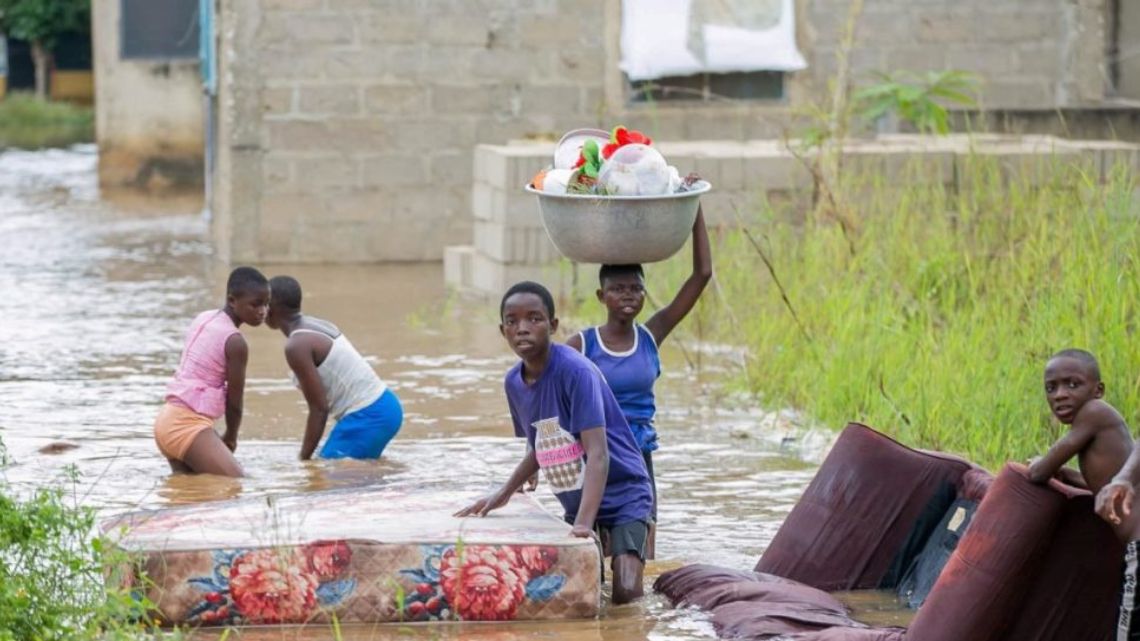
In 2023, spillage from the dam submerged homes, businesses, schools, hospitals, and farmlands, forcing thousands of residents to flee.
The controlled release of water severely affected Indigenous communities along the Volta River, with Mepe bearing the brunt of the devastation. Initially, reports estimated that 8,000 people across eight communities had been displaced. However, by October 19, this figure had surged to a staggering 31,000.
Many sought refuge with relatives in other areas, while others are confined to temporary shelters as floodwaters continue to engulf their communities due to the Volta River Authority (VRA) spillage.
The Akosombo Dam, with its vast storage capacity of 150 billion cubic meters and an optimal operating level of 276 feet, has been a vital provider of hydroelectric power in Ghana.
The West African Examinations Council (WAEC) is facing growing pressure to release the withheld results of certain students, with the National Union of Ghana Students (NUGS) leading calls for immediate action.
The controversy stems from allegations of malpractice during the 2023 WASSCE, which led WAEC to hold back some results.
However, on January 30, WAEC filed a stay of execution at the High Court, seeking to overturn an earlier directive to release the results.
NUGS President, Daniel Korley Botchway, has issued a stern warning, demanding that WAEC resolve the matter within a week. He argues that the council has had ample time to conclude its investigations.
“They should release all the results forthwith, within a week. Whatever investigations they are doing they should conclude within a week, because we went to them as far back as January 2, and from January 2 to now is over a month, they should have enough time to appeal all these results by now,” he said on February 4.
At a press briefing, Botchway cautioned that if WAEC fails to act within the given timeframe, NUGS will escalate its response through legal action and nationwide protests.
“They should release it within a week, failing which, we are going to commence a series of protests occupying their offices nationwide. And we’ll make sure that we are going to make it uncomfortable for them. If they cannot do the work, they should inform the government of Ghana, for the government of Ghana to employ a news examination body.”
The Ghana Stock Exchange (GSE) has revoked the membership of Worldwide Securities Limited (WSL) due to multiple regulatory infractions, preventing the firm from engaging in trading activities or managing client portfolios on the Exchange.
In an official notice, the GSE stated that WSL failed to renew its Broker-Dealer license with the Securities and Exchange Commission (SEC), violating Rule 9(2)(e) of the Exchange’s Dealing Membership Rules.
Additionally, the firm defaulted on financial obligations to the Exchange, breaching Rule 9(2)(b), and lacked the required personnel to operate efficiently, contravening Rules 6(j) and 6(k).
WSL also failed to meet the minimum transaction threshold necessary for broker-dealer operations, thereby violating Rule 6(L).
As a result of this termination, WSL is no longer authorized to execute securities trades, manage brokerage accounts, or represent itself as a member of the GSE.
The Exchange has urged affected investors to transfer their accounts and assets to other Licensed Dealing Members.
This decisive action reaffirms the GSE’s commitment to enforcing regulatory compliance and protecting investor trust within Ghana’s capital markets.
The Ghana Health Service (GHS) has disclosed that healthcare personnel engaged in the vaccination drive across cholera-affected areas in the Central Region will receive immunization before commencing their duties.
Dr. Samuel Kaba Akoriyea, the Acting Director-General of GHS, stated that this precautionary step is intended to shield frontline workers and curb the spread of the outbreak.
The cholera epidemic in the Central Region has resulted in 14 fatalities, prompting heightened public health concerns.
Dr. Akoriyea underscored the significance of contact tracing in containing the situation, noting that authorities have already identified households with direct connections to infected individuals.
Following a visit to cholera patients at the Winneba Municipal Hospital, has noted that a task force will soon be deployed to schools and marketplaces to educate the public on preventive and control measures.
“We need to boost the morale of the health workers and make sure that they keep offering their services without fear so we decided that we start vaccinating health workers and the families of those who have it already so that they don’t contract it and keep spreading it.
“It becomes difficult with the contact tracing and so the main important thing is to vaccinate so that we don’t have an escalation.”
A 25-year-old man, Kwame Asamoah, also known as Kwame Ketewa, has been shot and killed by an unidentified attacker while returning from his farm at Akyem Dokyi-Tetekasom, near Akyem Takyiman in the Kwaebibirem Municipality of the Eastern Region.
According to reports, Kwame had set out on Monday morning to gather palm fruits for his father.
Esther Adumea, a neighboring farmer, recalled hearing a sudden gunshot while she was preparing to transport her farm produce.
Out of caution, she and her son remained on the farm for some time before heading home.
Upon their return, they were met with the tragic sight of Kwame Ketewa lying motionless in a pool of blood, with no trace of the shooter.
Chief Inspector Godsway, the station officer at Akyem Takyiman, has transferred the body to the Kade Government Hospital for further examination.
Authorities have since launched an investigation to identify and arrest the culprit.
The legal obstacle to Anthony Kwasi Sarpong’s tenure as Acting Commissioner-General of the Ghana Revenue Authority (GRA) has been removed after a lawsuit contesting his appointment was withdrawn.
The case, initiated by private citizen Emmanuella Sarfowaah, sought to challenge President John Dramani Mahama’s decision to appoint Mr. Sarpong, citing alleged conflicts of interest.
However, court records confirm that the suit has been completely withdrawn, allowing Mr. Sarpong to continue his duties without legal uncertainty.
President Mahama appointed Mr. Sarpong on January 21, 2025, recognizing his vast experience as a Chartered Accountant and tax expert. Questions were initially raised about his previous role as a Senior Partner at KPMG, a firm with past consultancy agreements with the GRA.
The lawsuit argued that this connection presented a conflict of interest. However, Mr. Sarpong officially stepped down from KPMG on January 31, 2025, a move that significantly undermined the legal challenge and led to its eventual dismissal.
Legal experts suggest that his resignation eliminated any potential basis for the lawsuit, making it difficult to justify opposition to his appointment.
GRA employees have embraced Mr. Sarpong’s leadership, expressing optimism about his ability to modernize the institution and strengthen revenue collection efforts. Insiders at the authority report a positive atmosphere, with expectations of innovative reforms.
With the legal hurdle removed, Mr. Sarpong is poised to lead the GRA into a new era, emphasizing tax compliance, technological advancements for efficiency, and enhanced enforcement mechanisms to maximize revenue generation in line with the government’s economic strategy.
Akatsi South MP, Bernard Ahiafor, has disclosed that he has repeatedly declined invitations to engage in disputes over the ongoing ministerial vetting, emphasizing that his stance is guided by a clear grasp of the issues at hand.
During an appearance on Joy News’ PM Express on Monday, February 3, the Chairman of the Appointments Committee rejected claims that his limited visibility in the committee’s activities contributed to the recent controversies surrounding the vetting process.
“Well, in everything that you do, you get more experience along the line. But I will not say that that was the reason,” the First Deputy Speaker stated.
He responded to claims by Deputy Minority Leader Patricia Appiagyei, who argued that his limited tenure on the committee had contributed to the tense vetting proceedings.
The Adaklu MP, however, asserted that each of his decisions as chairman had been intentional and thoroughly evaluated.
“Sometimes I do things and take decisions from an informed point of view. The general public might not be aware of why certain decisions, certain postures, certain tolerance levels were coming from the chairperson of the appointments committee, but I know exactly what I’m doing at every point in time,” he stressed.
Mr. Ahiafor further disclosed that he has intentionally avoided being entangled in disputes, despite continuous pressure.
“I have, all alone, resisted many invitations to fight for a stated reason,” he disclosed.
To explain his reasoning, the legislator compared the scenario to being urged to engage in a fight on his father’s farmland.
“Look, I am a member of the NDC. My colleague NDC members have been vetted because NDC is in power. The president is like my father. Therefore, if I am invited by my opponent that we should go and fight on my father’s farm, knowing very well that if I engage the person in fighting, it is the crops on the farm that will be destroyed—if I take a decision not to fight, am I a weak person or a sensible person?” he quizzed.
The newly sworn-in Greater Accra Regional Minister, has identified security and sanitation as her primary focus for the capital.
During her first engagement with the management and staff of the Greater Accra Regional Coordinating Council on February 3, Ocloo announced plans to revive the Regional Sanitation Day initiative and launch an award for the cleanest city in a bid to enhance cleanliness in Accra.
She also shared her vision to empower local and municipal assemblies to achieve financial independence as part of the new government’s “Resetting Agenda.”
In addition, Ocloo expressed her commitment to working alongside traditional authorities and religious bodies to promote decentralization and foster participatory governance.
“I will closely work with traditional authorities, religious organizations, and other stakeholders to deepen decentralization and enhance participatory governance.”
She also added that, “MMDCEs and districts will be empowered to improve revenue generation to ensure sustainable development at the local level.
“Strengthening of the Zonal and the area councils will continue to monitor and provide technical backstopping to MMDAs as mandated by the Local Governance Act 936”
A group of researchers from Kwame Nkrumah University of Science and Technology (KNUST) has developed an innovative, eco-friendly technique for creating high-performance batteries using taro (Kooko or brobe) peels.
This cost-efficient and environmentally responsible process has the potential to transform the energy storage sector. The research, published in the Energy Storage journal, demonstrates how taro peels were converted into activated carbon, leading to improved battery performance.
The lead researcher and member of the KNUST Center for Engineering Materials Research (KCEMR), Dr. Daniel Nframah Ampong, explained the technique, “We used an environmentally friendly approach to synthesize activated carbon from taro peels. These waste materials contain some properties or functional groups that we believed at the time would enhance the performance of energy storage devices.”
“The commercially available activated carbons on the market are usually synthesized from chemicals and methods that are toxic, hazardous, and expensive. So, we decided to come down to our level and use the process of producing charcoal in our villages. We mimicked that process using crucibles, and at the end, we were able to synthesize the activated carbon, which had similar properties to the commercially available activated carbons,” he said.
The final product exhibited impressive performance in lab assessments.
Leveraging biomass and organic waste like taro peels helps address ecological issues while fostering the growth of sustainable energy solutions.
“The purpose of the research is to get some storage systems to store renewable energies when they are in excess so that when we need them, we would be able to utilize it effectively since the country is advocating for increasing renewable energy in our energy generation mix. We want to produce something that is eco-friendly with a cheap synthesis process, and the starting materials are locally available,” Dr Ampong added.
Professor Kwadwo Mensah-Darkwa, the research lead for the energy materials team and Dr. Ampong’s mentor, underscored the groundbreaking progress being made in the lab to leverage biowaste for environmentally-friendly energy alternatives.
“There has been a lot of development trying to use these biowaste materials mostly to drive our energy storage agenda. The plan is we want to get an eco-friendly way of creating materials for energy storage devices. This is what we are looking forward to at our lab.”
Prof. Mensah-Darkwa shared his enthusiasm about the potential of their research moving forward.
“While some tests had previously required travel, the recent establishment of a new materials laboratory through the KNUST Engineering Education Programme (KEEP) has made a major difference.”
We have equipment now where we can test these assembled cells. So now the output of our research is going to be quite effective, and we would be able to look at all other opportunities we have. However, the synthesized materials ought to be characterized by techniques to confirm the actual material properties needed for specific applications, which we currently lack as a department.”
He also spoke of the long-term potential of their work: “We know that there is opportunity in this area, and if we build on our expertise, then we can now look at how to scale it up and how to make an impact. We are a little bit far from building our own batteries, but we are close to understanding how we can do these things locally,” he explained.
Students from Kumasi Technical Institute (KTI) and Kumasi Anglican Senior High School (KASS) in the Ashanti region were involved in a violent confrontation that led to significant property destruction on both campuses.
The students retaliated by setting fire to tires, throwing stones, and causing widespread damage. Four private cars were vandalized on KASS’s grounds, and KTI’s gate, billboard, and notice board were also damaged.
Gabriel Kingsford Osei, the Principal of KTI, accused the Kumasi Anglican students of initiating the attack by throwing stones and using machetes to damage the KTI billboard late Thursday night.
“I pushed my students to the dormitory to prevent any chaos and went to talk to the students of KASS but they disobeyed me. In the midst of them was a security person with a catapult, leading them to cause destruction.
“When I went to the school to speak with the authorities to calm nerves, the KASS students were still throwing stones which led to the retaliation,” he alleged.
Rev Father Kenneth Collins Owusu, a teacher at KASS, speculates that the altercation could have arisen from disagreements during the current inter-school athletics competition in Kumasi.
“The least argument between our students and KTI often leads to these confrontations. When a group is provoked, they mobilize their colleagues for such attacks,” he stated.
The Ashanti Regional Education Directorate has called on the leadership of both schools to collaborate on finding a permanent resolution to the issue.
Police responded to restore order, but no arrests have been made as inquiries are ongoing.
Three individuals have been detained by the Ghana Police Service following violent disturbances during a football match between Nsoatreman FC and Kumasi Asante Kotoko FC at Nsoatre in the Bono Region.
The clash on February 2 resulted in one fatality.
The suspects—Ignatius Baffour Awuah, Agyemang Duah Owusu, and Kyeremeh Joseph—are currently in custody and assisting authorities with their investigation.
While searching Agyemang Duah Owusu’s home, police found two garments with potential bloodstains and an MP 23 pistol loaded with 15 rounds of ammunition, raising alarm over escalating violence at football events.
Inspector-General of Police, Dr. George Akuffo Dampare, has personally expressed his condolences to the deceased’s family and Asante Kotoko’s management, assuring them of a thorough investigation.
Kofi Adams, the Minister-designate for Sports and Recreation, has promised that security measures at stadiums will be enhanced nationwide.
As a result of the violence, the Ghana Football Association (GFA) has put all Premier League matches on hold pending further investigation.
Kofi Adams condemned the violent behavior, reiterating that those responsible will face legal consequences, emphasizing that the law applies to all.
The Criminal Investigation Department (CID) has dispatched a special team to support the Bono Regional Police in handling the case.
This violent incident has reignited calls for tighter security at football stadiums to protect players, fans, and officials.
The Police Service is urging the public to remain calm and assist with any information that may aid the investigation.
Minority Leader Alexander Afenyo-Markin has called on Speaker Alban Bagbin to reassess and revoke certain measures implemented following the disturbance during the Appointments Committee’s recent meeting.
He emphasized that this appeal is intended to safeguard procedural fairness and uphold the constitutional values of equity and justice.
In a memorandum submitted to the Speaker on February 3, Afenyo-Markin specifically requested the reversal of decisions made in the aftermath of the disruption.
“The suspension of the four MPs be reversed immediately, as it lacks the required procedural and legal foundation. The ad-hoc Committee constituted under Orders 5 and 20(4) be dissolved immediately.”
He also asked that “The Committee on Privileges and Immunities be urgently constituted in accordance with the Standing Orders and the matter be referred to this Committee for a full and proper investigation and subsequent action and Parliament formally reaffirms its commitment to procedural fairness to avoid setting a precedent that undermines due process”.
Afenyo-Markin’s plea comes in the midst of continued unrest in Parliament. He also claimed that the suspension of four MPs, including three from the minority, was an effort to suppress their voices.
Additionally, he urged the Speaker to facilitate a meeting between both caucuses to resolve the matter.
“I humbly request a formal meeting with you at your earliest convenience, preferably before Tuesday, 4th February 2025, to discuss these grave concerns, explore remedial actions, and chart a dignified path forward”.
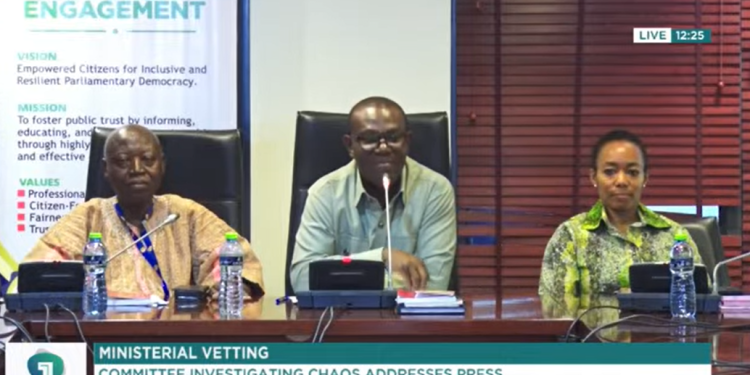
Emmanuel Bedzrah, who chairs the committee looking into the disruptions during the ministerial vetting, reassured the public that the investigation is not designed to unfairly target any Member of Parliament.
At a press briefing on February 3, 2025, alongside his fellow committee members, the Ho West MP highlighted the committee’s pledge to carry out a thorough and unbiased investigation.
Bedzrah encouraged all involved—Members of Parliament, the media, and participants at the vetting session—to provide any information that could contribute to restoring order and improving cooperation within Parliament.
“The committee would like to place on record that it is not part of its job to target or witch-hunt anyone. We’re not here to witch-hunt any of our colleagues or Members of Parliament. This work is to look for evidence of any Member of Parliament who may have flouted the rules of engagement in this house.”
The seven-member committee was set up by Speaker Alban Bagbin on January 31, 2025, following the violent clashes during the vetting process on January 30. The committee’s role is to determine who is responsible and recommend appropriate actions.
Minority Leader Alexander Afenyo-Markin has called for patience in assessing the new administration while cautioning against the increasing influence of social media on parliamentary affairs.
Addressing recent tensions, he highlighted internal disagreements within the Majority, observing that some members have taken to social media to openly challenge their leadership.
During an interview on GTV, he noted that some Majority MPs have been criticizing their chairman online, accusing him of lacking firmness and allowing Afenyo-Markin to assert control. He warned against allowing social media narratives to dictate governance.
Responding to claims that the opposition has been too accommodating toward the government, he dismissed such assertions, arguing that it is too soon for substantial critiques.
He stated that the administration has not even completed a month in office, emphasizing that at least 100 to 120 days are needed to properly evaluate its policies and decision-making approach.
He further acknowledged that the current parliamentary composition, with a dominant Majority, has contributed to escalating tensions.
He explained that the role of a Majority Leader requires strategic engagement and discreet negotiations to facilitate smooth deliberations, praising Cassiel Ato Forson’s efforts to encourage constructive dialogue.
However, Afenyo-Markin criticized certain members of the Majority, accusing them of exacerbating tensions with their confrontational tactics.
“They’ve been attacking their chairman on social media, saying he is weak and allowing Afenyo-Markin to dictate to him. We must be careful how we allow social media to dictate how we conduct our affairs,”
Addressing the issue of opposition oversight, he brushed off worries that his side had been too soft on the government, highlighting that it was still too early to offer substantial critiques.
“The government is not even a month old… At least a government needs 100 or 120 days. We need to see them roll out their policies and understand their thinking pattern before we can start.”
He also admitted that the current parliamentary arrangement, where one side holds a strong majority, has escalated tensions.
“I know that the work of a Majority Leader is to engage more, do behind-the-scenes talking so that the final outcome becomes smooth,” he stated, adding that he had observed Majority Leader Cassiel Ato Forson’s efforts to foster dialogue.
January 2025 witnessed a series of destructive fires that tore through key markets nationwide, raising pressing concerns about fire prevention and the urgent need for stronger safety protocols in trading hubs.
These frequent outbreaks led to extensive property damage and disrupted the livelihoods of numerous traders.
Below is a summary of the major market fires recorded during the month. Kantamanto Market, Accra
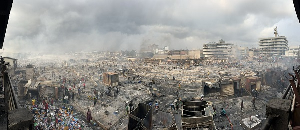
On January 2, 2025, a raging fire swept through Kantamanto Market, one of the nation’s busiest secondhand clothing hubs.
The inferno reduced multiple stalls to ashes, leaving many traders stranded and counting their losses.
Preliminary reports indicate that faulty electrical wiring may have sparked the blaze, leading to widespread destruction.
Authorities, charitable organizations, and the government have since extended relief to affected traders. Kwadaso Wood Market, Kumasi
Barely two days later, on January 4, 2025, another fire broke out at the Kwadaso Wood Market in Kumasi, destroying timber and sawmill structures.
Timely intervention by the Ghana National Fire Service (GNFS) prevented further escalation, but traders suffered significant financial setbacks.
The exact cause of the fire remains undetermined, with investigations ongoing.
Timber Market, Tamale
On January 6, 2025, a ferocious blaze erupted at the Timber Market in Tamale, consuming large sections of the marketplace.
Firefighters battled to contain the flames, but much of the market was already reduced to debris.
Efforts are underway to establish the cause of the disaster.
Techiman Market
A major fire engulfed the Techiman Central Market on January 12, 2025, gutting over 100 stalls and destroying goods worth millions of cedis.
Despite efforts by the GNFS, the fire caused massive destruction, leaving many traders in distress.
Kejetia Market, Kumasi
Later in the month, on January 24, 2025, a fire broke out at Kejetia Market in Kumasi, one of the largest trading centers in the Ashanti Region.
The flames consumed two shops, destroying valuable textiles and merchandise.
Reports suggest the fire originated in a closed shop that had been abandoned for over a year before spreading to an adjacent store.
The swift intervention of the GNFS helped contain the inferno before it could spread further.
In response to the rising number of market fires, the GNFS rolled out new fire safety protocols aimed at preventing future outbreaks.
In a January 14, 2025, press release, the service announced measures including the deployment of fire officers and equipment to key markets between 6:00 PM and 6:00 AM daily to ensure 24-hour fire surveillance.
Additionally, a specialized task force has been assigned to patrol markets and provide immediate response to potential fire incidents.
“The Chief Fire Officer, Julius A. Kuunuor, has instructed that fire personnel and appliances be stationed at major markets nationwide from 1800 hours to 0600 hours daily to maintain round-the-clock fire vigilance,” the statement noted.
The GNFS further disclosed plans to establish permanent fire units at key trading centers to intensify fire safety education, conduct frequent inspections, and enforce compliance with fire prevention regulations.
Chief Fire Officer Kuunuor emphasized the importance of cooperation among traders, market authorities, and the general public in strengthening fire safety measures and reducing the frequency of market infernos.
As January drew to a close, it became increasingly evident that prioritizing fire safety measures would be crucial in averting future disasters and preserving the nation’s commercial hubs.
President John Dramani Mahama has selected acclaimed economist Dr. Nii Moi Thompson to lead the National Development Planning Commission (NDPC).
In a statement released by Felix Kwakye Ofosu, the Acting Presidential Spokesperson, on February 3, 2025, it was announced that Dr. Moi Thompson, who previously held the role of Director-General at the commission, will now oversee the formulation of Ghana’s long-term development plans.
As the new chair, Dr. Thompson will also offer the Mahama-led government expert advice on economic matters.
The statement further disclosed that President Mahama has designated Albert Kwadwo Twum Boafo, former CEO of the Ghana Free Zones Authority, as the Acting Executive Director of the Financial Intelligence Centre (FIC).
“President John Dramani Mahama has also appointed Mr Albert Kwadwo Twum Boafo as the Acting Chief Executive Officer of the Financial Intelligence Centre (FIC) while awaiting the reconstitution of the Board.
“Mr Twum Boafo is a Civil Engineer, Finance expert, and former Chief Executive of the Ghana Free Zones Authority between 2009 and 2017. He holds a BEng in Materials Engineering from the University of Wales, an MSc in Civil Engineering from the Rensselaer Polytechnic Institute, Troy, New York, and an MBA in Finance and Investment Analysis from Stetson University, Deland, Florida, USA,” the statement concludes.
The committee tasked with probing the disruptions during the ministerial nominee vetting will kick off its public hearings on Wednesday, February 5.
Set up by Speaker Alban Bagbin, the committee’s role is to scrutinize the events of January 30, which saw a standoff between the Minority and Majority over the vetting schedule and the destruction of parliamentary equipment.
The committee is chaired by Ho West MP Emmanuel Bedzrah and includes members Kwame Anyimadu-Antwi, Gizella Akushika Tetteh-Agbotui, Abena Osei Asare, Zanetor Agyeman-Rawlings, Vincent Oppong Asamoah, and Bede Anwataazuma Ziedeng. It has been tasked with presenting its findings and recommendations within 10 days.
Speaker Bagbin highlighted the necessity of maintaining order in Parliament and stressed that these hearings are critical for regaining public trust and upholding Parliament’s integrity.
The outcome of the investigation could have far-reaching effects on Ghana’s parliamentary procedures and governance.
Member of Parliament (MP) for Old Tafo, Vincent Ekow Assafuah, has condemned Speaker Bagbin’s action of suspending four MPs, calling it a harmful precedent.
In a discussion on Kumasi’s Pure FM with Kwame Adinkrah on Monday, February 3, 2024, Assafuah expressed dissatisfaction with Speaker Alban Bagbin’s approach, likening his treatment of Parliament to a strict, authoritative figure in a school setting.
He further criticized Bagbin for applying subordinate rules to supersede the Constitution, labeling such actions as unjustifiable.
“Kwame, in Ghana, we practice constitutional supremacy, not Speakership supremacy. The Speaker’s suspension of four MPs sets a dangerous precedent and is alien to parliamentary processes. Order 130 of the new standing orders grants the House and not the Speaker with the power to pronounce suspensions.
“The Speaker has no authority to suspend a Member of Parliament. He is using subservient laws to overturn constitutional provisions, and he must be called out,” he stated.
The Minority Leader in Parliament, Alexander Kwamina Afenyo-Markin, has taken aim at the Majority Caucus, accusing them of disrupting government proceedings and attempting to bully the Minority.
At a press conference in Accra on Monday, February 2, 2025, he condemned Speaker Alban Bagbin’s move to suspend four Members of Parliament in the wake of the uproar during the ministerial vetting on January 30, 2025.
Afenyo-Markin asserted that the Speaker had overstepped his bounds by imposing suspensions without following due process.
“The Speaker was dealing with a disorderly conduct which took place at the committee level, where the chairman of the committee had a mandate to deal with the matters. He now says that he has, on his own, suspended these members without hearing them. The chair of the committee did not communicate anything to the Speaker, neither did the Speaker invite any of us in leadership for any discussion. In any event, even where there is punishment, our rules are clear. It can be for four days, eight days, or twelve days, according to Order 130,” he stated.
Afenyo-Markin additionally denounced the Speaker’s independent actions, drawing parallels to an unjust legal system.
“Can a judge shoot a thief on the streets merely because it is his view that the person has stolen without taking him through the process of evidence gathering? What becomes of the old saying that if all men find a man’s hand in the tail, his guilt must be proven?” he queried.
He further blamed the NDC Majority for ignoring established parliamentary protocols.
“We are aware that the NDC Majority itself has disrespected or disregarded Mr. Speaker’s orders. In fact, on the day, one of his consequential orders was to the effect that the selection committee must meet immediately and reconstitute the appointment committee”, he stated.
Afenyo-Markin appealed to the Majority Leader, Mahama Ayariga, to take action, stating, “Let me call on the Majority Leader, who I so much respect, who has demonstrated a top-notch diplomatic posture, to tame the wild dogs who are obstructing government business. There are some elements in the NDC, in Parliament, who are overly aggressive.”
Although critical, Afenyo-Markin affirmed that the NPP Minority would persist in engaging the Speaker of Parliament with respect, while also escalating the matter to their party’s leadership.
We believe that the right thing to do is to grant these affected members a hearing. We have also taken the matter up. We have escalated the matter to our party level. The NPP Minority caucus is the wing of the NPP in Parliament, so, we have communicated this matter to party headquarters. The National Chairman, the General Secretary, and the national executives have become aware of this and they take the matter seriously,” he added.
He further emphasised the Minority’s resilience, “These mighty few – these happy few, will not allow itself to be intimidated. We will never surrender to any intimidation. All the issues that are being thrown at us are aimed at cowardice. None of it will work. For the records, this is the first time in the history of our Fourth Republic that a Minority in Parliament is allowing a government to form appointed ministers in record time. We’ve been most cooperative with the NDC Majority but they are bullies. They bully, they intimidate, and if you don’t stand strong, they will bully you — and we will never be bullied. We’ve supported them.”
In an effort to address the situation, Bagbin has announced the formation of a seven-member special committee to conduct an in-depth investigation into the violent incidents that unfolded during the confirmation hearings.
“The committee shall identify all members involved in the disorder and submit its report with findings and recommendations within 10 days from yesterday. Any member found culpable shall face the appropriate disciplinary measures as prescribed by the 1992 Constitution, the Parliament Act of 1965, and the Standing Orders of Parliament,” the Speaker stated.
The MPs involved include the Majority Chief Whip and Member of Parliament for South Dayi, Rockson-Nelson Dafeamekpor; the Minority Chief Whip and MP for Nsawam-Adoagyiri, Frank Annoh-Dompreh; the MP for Gushiegu, Alhassan Sulemana Tampuli; and the MP for Weija-Gbawe, Jerry Ahmed Shaib.