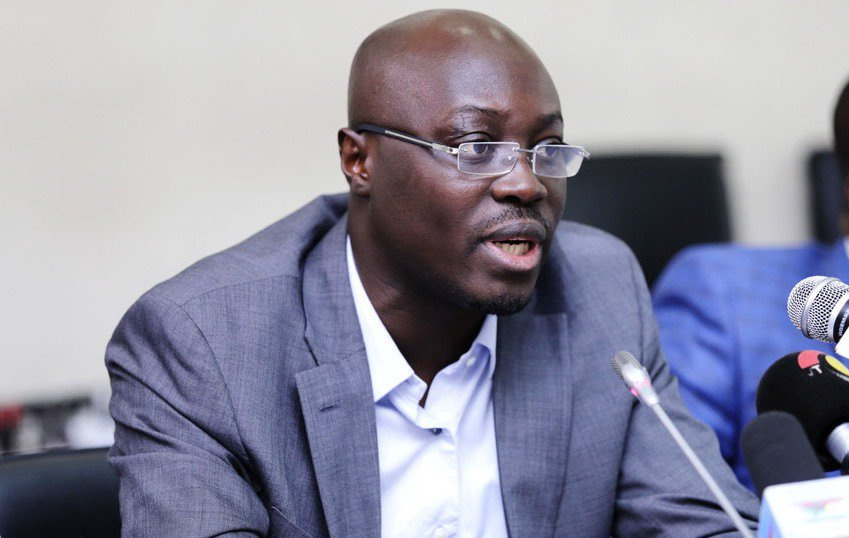
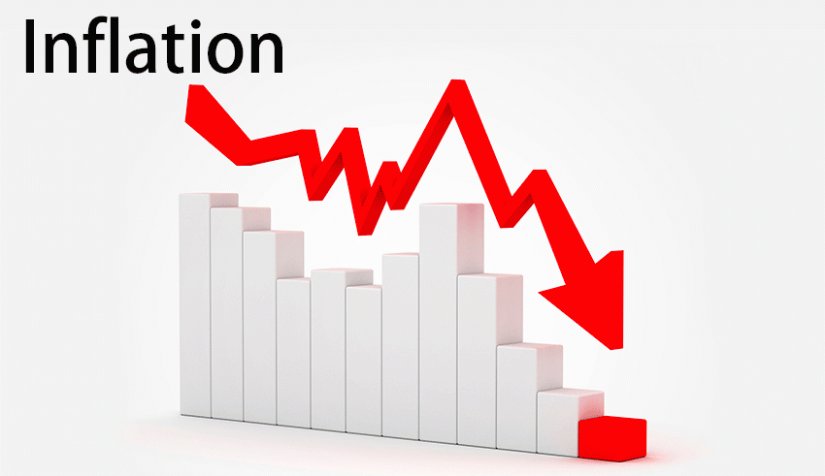
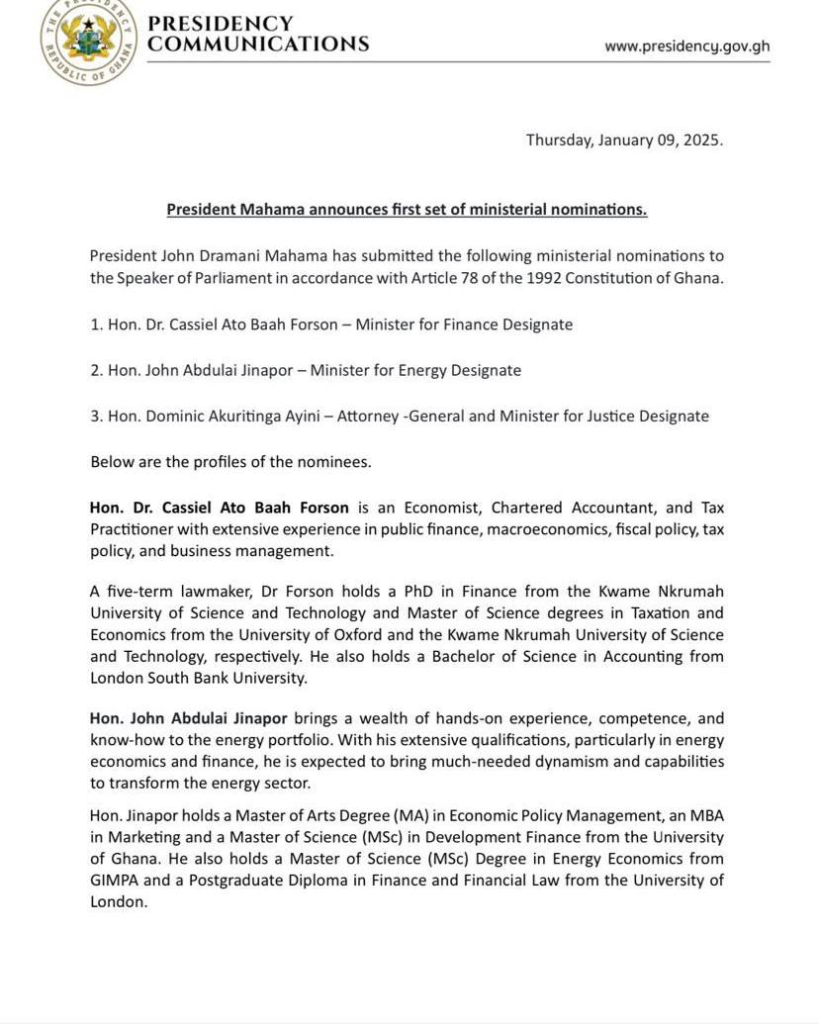
Ghana has saved approximately GH¢1 billion following a recent decline in Treasury bill (T-bill) rates, Finance Minister Dr Cassiel Ato Forson has disclosed.
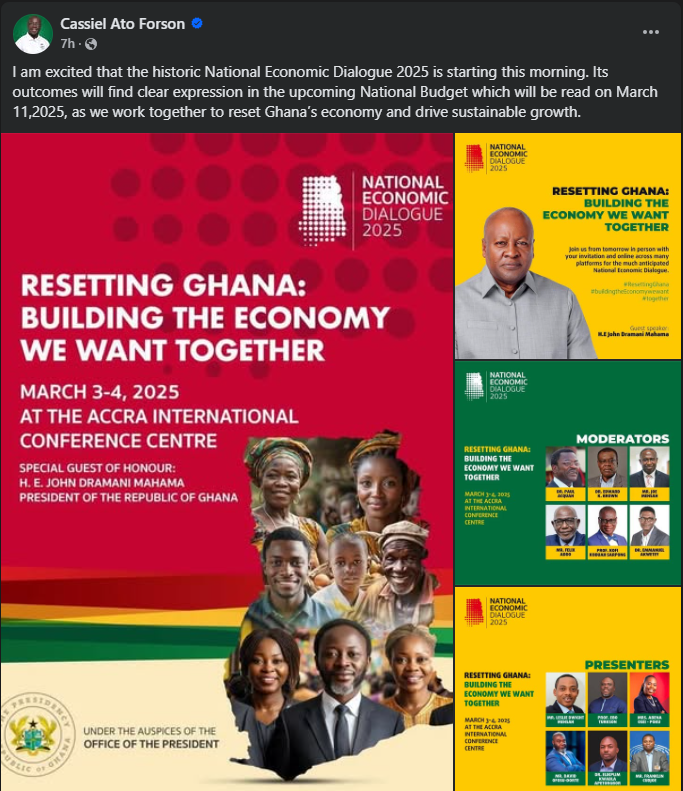
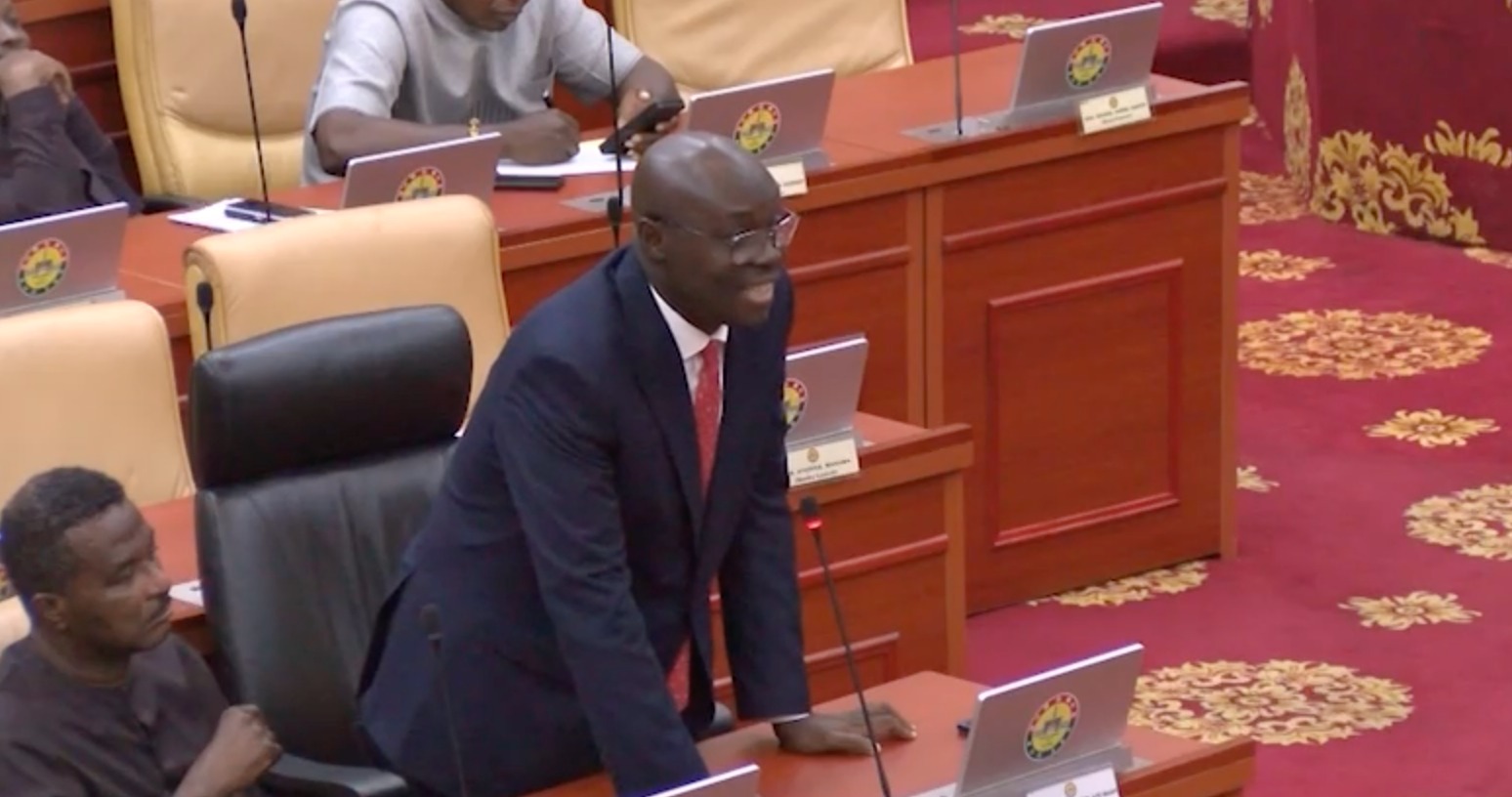
Speaking at the National Economic Dialogue on Monday, March 3, Dr Forson described the reduction as a significant financial relief, enabling the government to reallocate funds towards essential sectors of the economy.
“The recent reduction in T-bills alone is saving Ghana about one billion Ghana Cedis, and that money can be channelled to critical areas of the economy,” he stated.
He emphasised that lowering T-bill rates is part of broader fiscal management efforts aimed at reducing borrowing costs and ensuring economic stability. He further noted that responsible financial policies are necessary to ease the burden on the government and free up capital for productive investments.
Despite the progress, Dr Forson called for continued fiscal discipline and policy interventions to strengthen Ghana’s financial standing. He urged stakeholders to support ongoing economic reforms that are geared towards restoring macroeconomic stability.
Meanwhile, Ghana’s T-bill auction has recorded strong investor interest for the third consecutive week. The auction held on January 17, 2025, saw total bids of GH¢8.839 billion, exceeding the GH¢6.353 billion target by GH¢2.486 billion.
On January 20, 2025, the government secured GH¢5.688 billion for the 91-day bill, GH¢1.318 billion for the 182-day bill, and GH¢1.883 billion for the 365-day bill. However, not all bids were accepted.
Interest rates for the auction stood at 28.41% for the 91-day bill, 28.97% for the 182-day bill, and 30.28% for the 365-day bill.
With limited access to international capital markets, the government has relied heavily on domestic borrowing through T-bills. However, the administration has pledged to implement policies that will reduce dependence on short-term domestic borrowing and help Ghana regain access to international financial markets.