Tag: BoG

  • T-Bills made up 62% of banks’ investments in 2025 – BoG

    T-Bills made up 62% of banks’ investments in 2025 – BoG

    In 2025, banks invested more in treasury bills than in 2024. This is according to the Bank of Ghana’s January 2026 Monetary Policy Report.

    According to the BoG, its share increased from 40.3% in December 2024 to 62.3% in December 2025, whereas the share of long-term securities declined from 59.3% in December 2024 to 37.2% in December 2025, marking a 37.3% year-on-year decline.

    This was in line with the growth moderation recorded during the reference period. The report also stressed that the share of equity investments remained negligible but increased marginally from 0.4% percent in December 2024 to 0.5% in December 2025.

    Meanwhile, the share of deposits in banks’ liabilities and shareholders’ funds decreased to 72.8% in December 2025 from 75.1% in December 2024, reflecting the slowdown in deposit growth in 2025.

    The increase in borrowings, however, translated into an increased share of 8.5% in December 2025 from 7.6% in December 2024.

    The proportion of shareholders’ funds in banks’ total funding also improved to 13.1% in December 2025 from 10.8% a year earlier, while the share of other liabilities declined from 6.3% to 5.4% during the same comparative period.

    Investor interest and confidence in government treasuries remain high as the treasury bill auction exceeds the target by over 60%.

    In auction results posted by the Bank of Ghana, the government accepted GH¢12.8 billion in bids at the latest auction, above its GH¢9.8 billion target, although investors submitted bids worth GH¢15.9 billion.

    The reports also show that the majority of investors preferred the 364-day (one-year) treasury bill, for which they offered about GH¢7.4 billion, making up nearly half of all the money investors offered.

    Out of this amount, the government accepted just over GH¢5.0 billion.

    Also, for the 182-day (six-month) treasury bill, investors offered about GH¢4.29 billion, and the government accepted almost all of it, around GH¢4.28 billion.

    For the 91-day (three-month) bill, investors offered about GH¢4.1 billion, of which the government accepted about GH¢3.4 billion.

    On the other hand, interest rates continued to rise at the longer end of the yield curve.

    The yield on the 91-day bill remained at 11.19%.

    That of the 182-day bill, however, went up to 12.66% from 12.64% the previous week.

    Additionally, the yield on the 364-day bill increased by eight basis points to 13.06%.

    Meanwhile, the iversubscription has been a trend in the last few months.Government saw another significant oversubscription in its primary T-bill auction, the Bank of Ghana (BoG) announced, following its August 1 auction last year.

    This comes after demand surged 42.07 percent above the target.

    Reports from the Bank of Ghana indicated that the latest figures showed the government had planned to raise GHS 3.86 billion through Treasury bills, but it, however, accepted a total of GHS 5.48 billion. This was a result of investor interest exceeding expectations.

    Specifically, GHS 4.32 billion was taken from GHS 4.86 billion in bids for the 91-day bill, GHS 823 million from GHS 1.15 billion for the 182-day bill, and GHS 343 million out of GHS 774 million for the 364-day bill.

    Experts say the high demand happened because big investors, like banks and companies, wanted to buy Treasury bills then, while the interest rates were still high. They believe that interest rates and inflation might go down soon, so they want to secure the good returns before that happens.

    Interest rates on short-term government securities are still going down. The interest on the 91-day bill fell to 10.29%, which is 0.54% lower than before. The 182-day bill dropped from 13.22% to 12.35%, and the 364-day bill also went down by 1.06% to 13.24%.

    According to reports, the Ghanaian government announced plans to borrow GHS 8.58 billion through treasury bills that month. This figure was cited in a Bank of Ghana issuance calendar for August 2025, which outlined the government’s short-term borrowing strategy.

    This oversubscription adds to the recent oversubscription spree the government has recorded in the last three months consecutively.

    T-bill auction on Friday, July 25, recorded a massive 160% oversubscription.

    How was t-bill auction earlier in 2025?

    In early 2025, when the government assumed office, T-bill auctions were struggling, with eight consecutive weeks of undersubscription. Among some of the reasons for the undersubscription were investor liquidity constraints, where financial institutions and investors faced cash flow challenges, diminishing their interest in investing in government securities.

    Another reason for the undersubscription was other attractive competing investment options, such as the Bank of Ghana’s OMO bills, which were offering higher interest in comparison to T-bills and influencing institutions’ and the public’s preferences. The Bank of Ghana’s OMO bills were short-term debt instruments used in Open Market Operations (OMO), a key tool for managing money supply and interest rates in the economy.

    Market uncertainty was another undersubscription challenge. Due to the previous government’s Domestic Debt Exchange Programme (DDEP) and other concerns about inflation and fiscal discipline, investors treaded cautiously, closely monitoring fiscal decisions by the new government.

    Tight monetary conditions, with less money circulating in the system, also caused demand for short-term debt instruments to drop, accounting for the undersubscription.

  • Considering Ghana Gold Coin as an investment? How to get started safely

    Considering Ghana Gold Coin as an investment? How to get started safely

    There is always uncertainty in the economy. Which is why, investors often seek safe haven assets to protect their wealth.

    Historically, gold has served as a natural hedge against economic turbulence, and now, the Bank of Ghana (BoG) has a structured way for residents to tap into this market through the Ghana Gold Coin (GGC).

    Understanding the nuances of this asset, from its purity to the specific steps required for acquisition and resale is important for making an informed decision as an investor.

    What is the Ghana Gold Coin?
    The GGC is a financial asset manufactured from responsibly mined gold in Ghana, refined to a high purity of 99.99%. Unlike standard currency, the GGC is not legal tender. Rather, it is a specialised investment tool issued and guaranteed by the Bank of Ghana.

    The coin is available in three distinct sizes to accommodate different budget levels:

    1. 1 oz Coin: 34mm in dimension
    2. 1/2 oz Coin: 27mm in dimension
    3. 1/4 oz Coin: 22mm in dimension

    Each coin features the Ghana Coat of Arms on the front and the Independence Arch on the back. When you purchase a GGC, it comes in a wooden storage box with a transparent holder and a certificate of ownership.

    How is the price determined?
    The price of the GGC is not fixed but fluctuates based on global market standards. It is determined by the previous day’s London Bullion Marketing Association (LBMA) Auction afternoon (PM) price.

    To convert this to local currency, the United States Dollar rate against the Ghana Cedi is applied using the previous day’s Bloomberg REGN Mid-Rate.

    The Bank of Ghana publishes the official price on its website daily by 9:00 am.

    How to buy the Ghana Gold Coin
    For residents in Ghana, the process is handled entirely through the banking system to ensure security and transparency.

    1. Where to go: You cannot buy coins directly from the Bank of Ghana. Instead, commercial banks serve as the primary channel for buying and selling.
    2. Payment Method: Transactions must be conducted in Ghana Cedis. Notably, cash is not accepted; payments must be made through your bank account or mobile money.
    3. The Process: You must place an order at your commercial bank specifying the desired weight and quantity. You must have sufficient funds in your account to cover the purchase. The bank then places a buy order with the BOG on your behalf.
    4. Verification: To prevent money laundering, all buyers must undergo identity verification (KYC) and prove the source of their funds.

    Can you buy the coin from abroad?
    Currently, the GGC is designed for investors resident in Ghana. While the BOG is working on distribution platforms to allow trading outside of Ghana, these channels are not yet available.

    How to resell your Coin
    One of the most important aspects of any investment is liquidity. That’s how easily you can turn the asset back into cash.

    1. Selling back to the bank: To sell, you must check the current price on the BOG website and place a sale order with your bank.
    2. Authentication: Before the sale is finalised, the coin must be authenticated at the bank or a BOG-authorised institution.
    3. Guaranteed Buyback: The Bank of Ghana guarantees the GGC. If a commercial bank is unable to buy it back, the BOG stands ready to buy it back, though some discounts may apply.
    4. Fees: Be aware that commercial banks may charge a transaction fee for the resale of the coin.

    Verifying Authenticity
    To protect investors from counterfeits, the GGC includes several security features. Investors can verify their coins through:

    1. Physical Checks: Checking the specific dimensions, weight, and design details (the Coat of Arms and Independence Arch).
    2. Magnet Test: Since pure gold is not magnetic, any attraction to a magnet indicates a counterfeit.
    3. Veriscan Technology: The GGC uses Veriscan technology. Investors can download the “VERISCAN – Bullion Security” app (currently available on iPhone) to scan and authenticate the coin using the PAMP brand and Bank of Ghana design settings.

    Storage and Security
    Once purchased, you may choose to keep the physical coin yourself or deposit it with your commercial bank for safekeeping for a marginal fee.

    Because the BoG ensures the gold is sourced from traceable, responsibly mined locations, the GGC represents an ethically sound addition to a diversified financial portfolio.

    DISCLAIMER: Independentghana.com will not be liable for any inaccuracies contained in this article. The views expressed in the article are solely those of the author’s, and do not reflect those of The Independent Ghana

  • Ghana Card now sole identity document for banking, digital transactions nationwide – BoG

    Ghana Card now sole identity document for banking, digital transactions nationwide – BoG

    The Bank of Ghana (BoG) has issued a revised Supervisory Guidance Note on the use of the Ghana Card in banking and digital financial transactions across the country. In a 19-page document shared on January 8, the central bank announced the Ghana Card as the primary and, in most cases, sole form of identification for financial transactions nationwide.

    The new directives replace the June 2022 guidance, which introduced the Ghana Card as the primary ID for financial transactions. The October/November 2025 revision, however, makes the Ghana Card mandatory and exclusive, requiring biometric verification through the National Identification Authority (NIA) database and removing alternative identification options. The 2025 directive takes immediate effect, fully replacing the 2022 framework.

    BoG noted that, “This Guidance Note provides clarity to Bank of Ghana Notice Number BG/GOV/SEC/2025/36, issued 13th November 2025, and aims to ensure compliance with Know Your Customer (KYC) and Customer Due Diligence (CDD) requirements. This revised Supervisory Guidance Note on the use of the Ghana Card for Accountable Institutions, October 2025, comes into effect from the date of issue and replaces the Supervisory Guidance Note on the use of the Ghana Card for Accountable Institutions, June 2022.”

    Under the new directive, Accountable Institutions (AIs) are required to use only the Ghana Card to identify and verify all customers, including Ghanaian citizens living in Ghana and abroad, permanent residents, and ECOWAS nationals who are residents during onboarding. Foreign directors, shareholders, and non-residents who are signatories to accounts must also be verified using the Ghana Card. Institutions are required to verify customers biometrically using features embedded in the card and to update records directly from the NIA database. Any discrepancies in customer information must be handled carefully: primary data, such as name, date of birth, and nationality, must be corrected at the NIA, while secondary data, including phone numbers and addresses, may be updated through institutional procedures.

    The guidance also imposes stricter rules for mobile and internet banking, citing heightened risks of money laundering and terrorist financing. Financial institutions are no longer permitted to use a risk-based approach for identification at the onboarding stage and must conduct full biometric verification, including liveness checks, for all digital onboarding processes. 

    BoG emphasized that, “Given the inherent Money Laundering, Terrorist Financing, and Proliferation Financing (ML/TF/PF) risks associated with non-face-to-face technologies, identification and verification shall not be risk-based. AIs, during the onboarding of new customers on mobile banking applications and internet banking platforms, shall verify the identity of the customer using the Ghana Card, Non-Citizen Identity Card, or Refugee Identity Card in the case of non-Ghanaians, utilise a liveness check to biometrically verify the customer, collect all applicable KYC/CDD/EDD information in line with AML/CFT/CPF laws, and update customer KYC data using information from the National Identity Authority.”

    For existing customers and foreign nationals, banks are mandated to verify and update customer information using NIA data and biometrics. Customers without a valid national or refugee ID cannot conduct transactions. Those without a Ghana Card or an approved alternative identification for non-citizens and refugees are barred from all financial transactions. Short-term foreign visitors are only permitted to conduct limited transactions, with banks required to verify passports, collect risk-based information, and maintain detailed records of these transactions.

    Bank of Ghana (BoG) released a revised set of rules for the fast emergence of International Money Transfer Operators (IMTOs), who, through partnerships with licensed payment service providers and banks, play a critical role in facilitating the smooth and secure the flow of funds into Ghana.

    In a 16-page document shared on Friday, January 2, the central bank outlined new rules to “foster a secure and enabling environment for remittance services ” in Ghana.

    The document outlines a set of guidelines on legality, transparency, accountability, consumer protection, and robust data security for all remittance services for IMTOs in Ghana.

    The guidelines include, “Legality and Enforceability where all IMTO activities must comply with relevant laws, directives and notices as prescribed by the Bank of Ghana. Transparency: An IMTO shall provide accurate, timely, and complete information on services, fees, charges, and exchange rates to promote accountability and consumer trust. Accountability: An IMTO, including its board, management, and agent, shall be responsible for ensuring compliance with regulatory obligations and the safe conduct of inward remittance operations. 

    Also on consumer protection, “an IMTO shall uphold fair treatment, privacy, and effective mechanisms for complaint resolution to safeguard customer rights. Technology neutrality: An IMTO may utilise any technology or delivery channel, provided they comply with regulatory standards for interoperability, security, operational efficiency, and consumer protection. Data protection and privacy: An IMTO shall safeguard customer information, ensuring confidentiality, integrity, and compliance with the Data Protection Act, 2012 (Act 843) and relevant international standards.”

    Ghana’s Data Protection Act, 2012 (Act 843) establishes the legal framework for protecting personal data, regulates how organisations collect, store, and use it, and creates the Data Protection Commission to enforce compliance.

    Additionally, parties interested in operating IMTOs in Ghana must apply for registration with the Bank of Ghana, providing detailed documentation including proof of licensing in their home country, company ownership and management profiles, transaction flow processes, internal controls, and consumer protection mechanisms. The BoG will assess applications for completeness and compliance, granting or rejecting approval within 90 days, and may request additional information or third-party assessments as part of the process.

    IMTOs, according to BoG, are to desist from engaging in any other financial activities outside the scope of their license or risks loosing it.

  • BoG releases guidelines for IMTOs, mandates clear fees, customer protection and accountability

    BoG releases guidelines for IMTOs, mandates clear fees, customer protection and accountability

    Ghana’s remittances ecosystem is currently undergoing a rapid transformation, given its continued role contributing to the country’s socio-economic, the Bank of Ghana (BoG) has released a revised set of rules for the fast emergence of International Money Transfer Operators (IMTOs), who, through partnerships with licensed payment service providers and banks, play a critical role in facilitating the smooth and secure the flow of funds into Ghana.

    In a 16-page document shared on Friday, January 2, the central bank has outlined new rules to “foster a secure and enabling environment for remittance services ” in Ghana.

    The document outlines a set of guidelines on legality, transparency, accountability, consumer protection, and robust data security for all remittance services for IMTOs in Ghana.

    The guidelines include, “Legality and Enforceability where all IMTO activities must comply with relevant laws, directives and notices as prescribed by the Bank of Ghana. Transparency: An IMTO shall provide accurate, timely, and complete information on services, fees, charges, and exchange rates to promote accountability and consumer trust. Accountability: An IMTO, including its board, management, and agent, shall be responsible for ensuring compliance with regulatory obligations and the safe conduct of inward remittance operations. 

    Also on consumer protection, “an IMTO shall uphold fair treatment, privacy, and effective mechanisms for complaint resolution to safeguard customer rights. Technology neutrality: An IMTO may utilise any technology or delivery channel, provided they comply with regulatory standards for interoperability, security, operational efficiency, and consumer protection. Data protection and privacy: An IMTO shall safeguard customer information, ensuring confidentiality, integrity, and compliance with the Data Protection Act, 2012 (Act 843) and relevant international standards.”

    Ghana’s Data Protection Act, 2012 (Act 843) establishes the legal framework for protecting personal data, regulates how organisations collect, store, and use it, and creates the Data Protection Commission to enforce compliance.

    Additionally, parties interested in operating IMTOs in Ghana must apply for registration with the Bank of Ghana, providing detailed documentation including proof of licensing in their home country, company ownership and management profiles, transaction flow processes, internal controls, and consumer protection mechanisms. The BoG will assess applications for completeness and compliance, granting or rejecting approval within 90 days, and may request additional information or third-party assessments as part of the process.

    IMTOs, according to BoG, are to desist from engaging in any other financial activities outside the scope of their license or risks loosing it.

    BoG mandates that IMTOs stay away from “engaging in any other business other than those stipulated in (10.1) of these guidelines, and shall not engage in any activities beyond the defined scope. Engaging in any outbound international money transfer transactions, as well as engaging in deposit-taking, lending, or any other activities prohibited by the Bank of Ghana.”

    Other non-permissible acts stipulated by BoG in the new guiding principles include IMTOs,

    “Allowing the termination of inward remittances into business/corporate accounts, providing insurance, investment, or any other financial services unless expressly authorised by the Bank of Ghana or even act as authorised dealers in gold, precious metals, or any other commodities or even maintain current accounts or any other deposit accounts on behalf of customers,” among several others.

    These guidelines come at a time when remittances are expected to increase, as the world continues to celebrate the festive season. Families abroad often send money home to their loved ones to mark Christmas and the New Year.

    In an unrelated development, BoG The Bank of Ghana (BoG) on 9 December released its Exposure Draft of the Guideline for the Regulation and Supervision of Non-Interest Banking Institutions (NIBI).

    In the guidelines, the central bank announced a 60% convertible currency capital requirement for foreign banks under non-interest banking and deployed it strictly into Shariah-compliant financial instruments.

    The announcement was made publicly on the BoG’s official website.

    Parts of the guideline which are listed under the sub-topic, “Minimum Paid-Up Capital and Fees” in the 25-page document, read “In the case of foreign ownership of a NIBI, not less than 60% of the required capitalisation or contribution shall be brought into Ghana in convertible currency. The capital shall be invested in non-interest-bearing instruments,” while the central bank reiterated its authority to decide and announce, in an official notice, how much starting capital and what application fees Non-Interest Financial Institutions must have before they can operate.

    “Pursuant to its regulatory authority, the Bank shall determine and specify, through official notice, the requisite minimum paid-up capital and application fees for all Non-Interest Financial Institutions,” BoG added.

    Currently, Ghana has no operating non-interest bank. The first time an official proposal for the establishment of one was made was in 2017 by the then Governor of the Bank of Ghana, Dr Johnson Asiama. He announced that a proposal was being prepared for submission to Parliament to pave the way for implementation.

    Consequently, as the country moves to allow NIBIs, the central bank says this approach is to ensure stability, guard against currency and liquidity risks, and strengthen the resilience of operators within an industry that continues to attract new entrants.

    Also, before an entity can apply for a non-interest banking license, it is expected of it to write to the BoG governor indicating the type of license being requested.

    “An application for a NIB licence shall be made in writing to the Governor, Bank of Ghana. The application shall indicate the type of NIB licence being applied for (full-fledged or window). The application shall be accompanied by the documentation specified by the Bank. As part of the licensing procedure, NIBIs may have technical partners that shall be approved by the Bank.

  • GoldBod to fully take over ASM Gold Trading Programme from January 2026 – Sammy Gyamfi

    GoldBod to fully take over ASM Gold Trading Programme from January 2026 – Sammy Gyamfi

    The Ghana Gold Board (GoldBod) will assume full control of Ghana’s Artisanal and Small-Scale Mining (ASM) gold trading programme from January 2026, effectively taking over the purchasing, trading and sale of gold under the scheme.

    This was announced by the Chief Executive Officer, Sammy Gyamfi, in a statement shared on Facebook on December 24 2025.

    Under the new arrangement, GoldBod will operate independently, with no obligation to pay fees to the Bank of Ghana (BoG). This, Mr Gyamfi said, will bring to an end concerns about the impact of GoldBod’s fees and charges on the central bank’s financial records.

    “The GoldBod is set to fully takeover the ASM gold trading program effective January 2026. Under this new arrangement, the GoldBod will solely be responsible for both the purchasing, trading and sale of gold under the program, with no fee obligation to the BoG,” he stated.

    He explained that the transition would resolve long-standing issues linked to the accounting treatment of GoldBod-related charges on the BoG’s books, stressing that such matters would no longer arise from 2026.

    “The issue of GoldBod’s fees and charges and their impact on BoG’s books will thus, be a thing of the past in the year 2026,” Mr Gyamfi added.

    According to him, GoldBod is prepared to take on the expanded responsibility, having received revolving seed trade capital from the government to support its operations. He expressed confidence that the institution would use the funds effectively to generate positive returns for the country.

    “The GoldBod is ready to embrace this new challenge and use its revolving seed trade capital allocated to it by government to deliver positive returns for the Ghanaian people,” he said.

    Mr Gyamfi expressed optimism about the outlook of the sector under the new framework, describing the reforms as a step toward improved management of Ghana’s gold resources.

    Meanwhile, Mr Gyamfi has rejected the International Monetary Fund’s (IMF) report suggesting that the Bank of Ghana incurred losses of about 214 million dollars under the Gold-for-Reserves programme 

    He described the claims as inaccurate, adding that the IMF’s assertions are based on misconceptions and an inaccurate understanding of GoldBod’s operational framework.

    He wrote, “First and foremost, the Ghana Gold Board has made no losses. Rather, the GoldBod has made significant profit/surplus under its gold trading programs in the year 2025. Financial statements of the GoldBod (unaudited) published on its website bear this fact out and indicate that the institution is set to declare income surplus of not less than GH600 million for the year 2025.

    “The GoldBod has this year been responsible for only the local purchasing, assay and export of gold for the Bank of Ghana (BOG). The selling or trading of gold purchased by GoldBod to off-takers lies in the exclusive domain of the BoG.”

    The GoldBod, he added, is not aware of any loss of $214 million incurred by the Bank of Ghana under the Gold-for-Reserves Programme on account of “GoldBod offtaker fees,” noting that the financials of the Gold-for-Reserves and Gold-for-Forex programmes of the Bank of Ghana for the year 2025 are yet to be audited.

    According to him, for the record, there is nothing like “GoldBod offtaker fees” under the ASM gold trading programme, stressing that the assertion is incorrect. He explained that per its 2025 operations, the GoldBod does not deal with off-takers, neither does it charge any off-taker fees. All off-take agreements, he noted, are signed and implemented by the Bank of Ghana. Under these off-take agreements, discounts covering freight, insurance, refining charges, among others, are granted by the Bank of Ghana to off-takers.

    “The only fees the GoldBod takes from the BOG is a statutory Assay Fee of 0.25% and a Service Charge of 0.5%. These fees are not new. In fact, they were inherited by the GoldBod from a 2023 Gold Purchase Agreement between the BOG and the defunct PMMC,” he stated.

    In November, the Ghana Gold Board made significant strides in its operations during the third quarter of 2025, particularly in gold collection and export, reserve building, and regulatory compliance among miners.

    Its latest report shows that small-scale miners handed over 26,153.98 kilograms of gold, valued at approximately US$2.76 billion.

    According to the Chief Executive Officer of the Board, Sammy Gyamfi, “The Ghana Gold Board continued to demonstrate strong institutional performance and sectoral leadership during the third quarter of its operational year (July–September 2025). The period was marked by steady progress in regulatory enforcement, gold aggregation and export, licensing and compliance, and inter-agency collaboration aimed at formalizing Ghana’s gold value chain.”

    “The GoldBod’s operational and financial performance reflects its growing institutional maturity and alignment with the objectives of the Ghana Gold Board Act, 2025 (Act 1140), which mandates it to regulate, promote, and ensure transparency in the purchase, assay, and export of gold and other precious minerals,” Sammy Gyamfi stated.

    This growth, according to the institution, demonstrates that more small-scale miners are operating formally and under improved supervision.

    GoldBod also purchased 119.78 kilograms of gold from large mining companies to support the Bank of Ghana’s reserves, valued at approximately US$11.82 million. This forms part of the government’s broader strategy to strengthen Ghana’s gold reserves and support the economy.

    The Ghana Gold Board (GoldBod) also reported strong export figures for both small-scale and large-scale miners. Small-scale miners exported 25,780.60 kilograms of gold, valued at about US$2.71 billion, while large-scale miners exported 24,911.21 kilograms, worth US$2.43 billion.

    According to the Board, these exports underscore the continued importance of mining in revenue generation and foreign exchange inflows into the country.

    The report further highlighted progress under the new tiered licensing system, which aims to streamline operations and ensure compliance across the sector.

    During the period, a total of 577 licences were processed, comprising 432 Tier 2 licences, 123 Tier 1 licences, and 22 self-financed aggregator licences. Two licences were suspended, while several others were revoked for non-compliance, demonstrating GoldBod’s commitment to sanitising the sector.

  • Non-interest banking: BoG sets 60% convertible currency capital requirements for foreign banks

    Non-interest banking: BoG sets 60% convertible currency capital requirements for foreign banks

    The Bank of Ghana (BoG) on 9 December released its Exposure Draft of the Guideline for the Regulation and Supervision of Non-Interest Banking Institutions (NIBI).

    In the guidelines, the central bank announced a 60% convertible currency capital requirement for foreign banks under non-interest banking and deployed it strictly into Shariah-compliant financial instruments.

    The announcement was made publicly on the BoG’s official website.

    Parts of the guideline which are listed under the sub-topic, “Minimum Paid-Up Capital and Fees” in the 25-page document, read “In the case of foreign ownership of a NIBI, not less than 60% of the required

    capitalisation or contribution shall be brought into Ghana in convertible currency. The capital shall be invested in non-interest-bearing instruments,” while the central bank reiterated its authority to decide and announce, in an official notice, how much starting capital and what application fees Non-Interest Financial Institutions must have before they can operate.


    “Pursuant to its regulatory authority, the Bank shall determine and specify, through official notice, the requisite minimum paid-up capital and application fees for all Non-Interest Financial Institutions,” BoG added.

    Currently, Ghana has no operating non-interest bank. The first time an official proposal for the establishment of one was made was in 2017 by the then Governor of the Bank of Ghana, Dr Johnson Asiama. He announced that a proposal was being prepared for submission to Parliament to pave the way for implementation.

    Consequently, as the country moves to allow NIBIs, the central bank says this approach is to ensure stability, guard against currency and liquidity risks, and strengthen the resilience of operators within an industry that continues to attract new entrants.

    Also, before an entity can apply for a non-interest banking license, it is expected of it to write to the BoG governor indicating the type of license being requested.

     “An application for a NIB licence shall be made in writing to the Governor, Bank of Ghana. The application shall indicate the type of NIB licence being applied for (full-fledged or window). The application shall be accompanied by the documentation specified by the Bank. As part of the licensing procedure, NIBIs may have technical partners that shall be approved by the Bank.

    On licensing requirements, BoG detailed that only institutions formed under the Companies Act, 2019 (Act 992) will be granted the right to operate, while persons interested in operating the same will only be required to do so when approved by its outfit.

    “Pursuant to Act 774, Act 930, and Act 1032, a person who seeks to carry on a NIB business shall be a body corporate formed under the Companies Act, 2019 (Act

    992). No person shall carry on the business of NIB unless licensed by the Bank. A person who seeks to carry on a NIB business shall apply in writing to the Bank for a licence”, the document noted.

    The guideline, anchored in Act 930 and Act 1032, mandates that all non-interest operators conduct their financial, investment, trading, and commercial activities strictly in line with recognised non-interest financial principles.

    It also outlines governance standards, permissible financing contracts, and the operational framework for the Non-Interest Financial Advisory Council and the Non-Interest Banking Advisory Committee.

    BoG continued that licensing conditions for non-interest banking may be revised and could impact pending applications, adding that reliance on external agencies and verification requirements may also slow the approval process.

    It said, “The above conditions for non-interest banking licenses are subject to review and

    could affect the pending application. The Bank relies on other agencies, both local and external, in the processing of applications, and this could cause delays in the processing of applications.

    Where a document submitted to the Bank is not in the English language, the

    document shall be accompanied by a certified translation in English. The Bank may require that the information supplied can be verified, certified or otherwise authenticated in the manner that it may determine”.

    Final licences will only be issued after institutions settle the required licensing fees, and all operators will pay annual supervisory fees by January 31.

    The BoG will also reserve the discretion to impose additional capital buffers where necessary.

    For institutions that intend to run a fully fledged NIBI, BoG expounded that, “The name of the institution shall be a duly registered name under Act 992. In addition, the documentation shall comply with sections 13, 21 and 23 of Act 992. The names, addresses, occupation, curriculum vitae, including business and professional history, certified financial positions and corporate affiliations of the members. 

    “A list of all shareholders and ultimate beneficial owners of the applicant, and for each, their names, the respective values of the shares they hold in the applicant (and whether such shares are fully paid up), addresses, occupations (in case of individuals), authorised business (in case of corporate bodies), professional or business history, certified financial positions, Tax Identification Number (TIN), tax clearance certificate and corporate affiliations.”

    Meanwhile, about four months ago, BoG announced a ‘name and shame’ approach to promote responsible borrowing among wilful loan defaulters in a new directive. The financial institution announced this in a formal directive issued to all regulated financial institutions on August 14.

    In the new directive, the Bank of Ghana instructed all regulated financial institutions to publish the names of individuals who deliberately refuse to repay loans (wilful loan defaulters), despite having the means, twice a year in national newspapers and on their websites.

    “All banks and other regulated lenders will be required to publish the names of such defaulters twice a year, on June 30 and December 31, in at least two national newspapers and on their official websites, using a format provided by the BoG.”

    These measures form part of BoG’s latest regulatory actions to curb rising non-performing loans (NPLs) and reduce risks to the profitability, liquidity, and solvency of the banking sector. The central bank has already notified all regulated financial institutions of the directives and published explanatory notes for the public.

  • Total value of MoMo transactions hit GHS3.6 trillion by October 2025

    Total value of MoMo transactions hit GHS3.6 trillion by October 2025

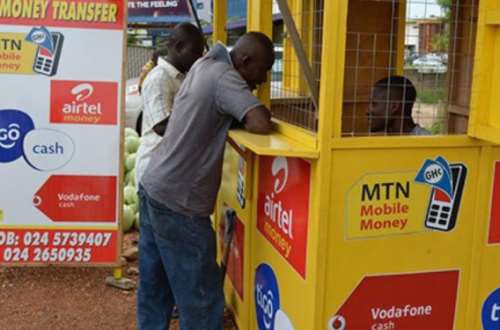
    Bank of Ghana (BoG) has announced that mobile money (MoMo) transactions have increased by GH¢137.4 billion in October year-on-year.
    As at the end of October, MoMo transactions had hit a record GH¢3.6 trillion. This was revealed in the Central Bank’s latest Economic and Financial Data released after last week’s Monetary Policy Committee meeting.

    The figure represents the total reported by telecom operators to the Bank of Ghana covering transactions from January to October 2025. The report also indicated a month-on-month increase in transactions, with a record GH¢406 billion increase from September to October, highlighting that more people are using mobile money and moving more money as the year goes on.

    In the first 10 months of 2024, the total value of mobile money transactions hit GH¢2.368 trillion.
    The 2025 figure, therefore, marks a significant jump over last year’s performance. For context, total transactions for the same period in 2023 stood at GH¢1.367 trillion. In the first eight months of 2024 alone, mobile money transactions amounted to GH¢1.775 trillion.

    This increase has been attributed to growing preference for MoMo among Ghanaians used for payments. Also, several institutions have now accepted MoMo as a mode of payment for goods and services, while BoG and other commercial banks have intensified efforts to promote a cashless economy with the introduction of their e-banking services, among others.

    Consequently, analysts have asserted that these developments have contributed to the surge in total transaction value. On the performance of MoMo, BoG’s data shows that as of October 2025, total registered mobile money accounts stood at 79.1 million, with 25.3 million active. The sector employs about 949,000 registered agents. Total transactions from January to October 2025 reached 893 million. Regarding mobile money interoperability, GH¢40 billion was transferred across platforms within the same period.

    BoG, in its latest Summary of Economic and Financial Data, reported that mobile money transactions for the month of August amounted to GH¢354.1 billion.
    Comparing the figure to the GH¢355.4 billion recorded in the month of June, there is a slight dip in what the month of August recorded.

    Nonetheless, the data underscores the progressive dominance of mobile money payments in the country’s financial ecosystem.
    The number of transactions climbed to 831 million in August, up from 778 million in July, reflecting the steady rise in the use of digital payment channels.

    Registered mobile money accounts also grew to 77.7 million, with 25.1 million active accounts, highlighting progress in financial inclusion across Ghana.
    Industry analysts say that although the overall value of transactions eased marginally, the consistent growth in transaction volumes and active users demonstrates deepening trust in mobile money for everyday payments, remittances, and business transactions.

    In the first two months of the year, the mobile money industry saw a strong start with transactions hitting GH¢649.2 billion.
    This marked a significant 64.68% increase compared to the same period in 2024, when mobile money transactions totaled GH¢394.2 billion.

    Data from the Bank of Ghana reveals that mobile money transactions in January 2025 amounted to GH¢333 billion. However, the figure dropped slightly to GH¢316.2 billion in February 2025.

    The surge in transactions comes despite the presence of the Electronic Transaction Levy (E-Levy), which was scrapped by the new government last week. Analysts predict that with the levy removed, mobile money transactions could see further growth, strengthening Ghana’s financial technology ecosystem.

    Meanwhile, mobile money usage continues to expand, with the number of registered accounts rising to 74.1 million, up from 66.9 million in early 2024. Despite this growth, only 411,000 out of 896,000 registered agents were actively processing transactions.

    In 2024, Ghana recorded an all-time high of GH¢3.0192 trillion in mobile money transactions, reflecting a year-on-year growth of 57.90%.

    Earlier this year, the Bank of Ghana (BoG) clarified that MTN Ghana’s MobileMoney Limited has not been authorised to facilitate cross-border transactions with MTN Nigeria.
    Contrary to reports suggesting otherwise, the Central Bank emphasized that no such licence has been issued for international money transfers between the two subsidiaries.

    In a statement addressing developments in Ghana’s fintech sector, the BoG explained that while MTN MoMo lacks approval for cross-border transactions, another regulated initiative is being piloted under its supervision. The initiative, BrijX, a B2B Currency Swap Platform developed by Brij Fintech Ghana, has been approved for testing within the BoG’s regulatory sandbox framework.

    “Bank of Ghana has taken note of media publications suggesting that MTN Ghana has been licensed to conduct cross-border transactions with MTN in Nigeria. The Bank hereby states that MobileMoney Limited, providers of MoMo from MTN, has not been licensed or authorised to conduct cross-border transactions,” the statement read.

    Unlike traditional remittance services, BrijX operates as a digital marketplace, allowing direct currency swaps between the Ghanaian cedi and the Nigerian naira without the need for forex transactions or the physical movement of funds. The platform integrates with banks, mobile money providers, and other licensed Payment Service Providers (PSPs) to enable seamless currency exchanges.

    The BoG noted that BrijX, which commenced live testing in February 2025, initially involves MTN MoMo users and will soon be extended to G-Money customers. The pilot is subject to stringent regulatory controls, including transaction limits, restricted participation, a defined testing period, and strict adherence to Anti-Money Laundering (AML) and Know Your Customer (KYC) protocols.

    Following the pilot phase, the BoG was to evaluate BrijX’s performance to determine its compliance with Ghana’s financial regulations and its potential for wider adoption.

    Reaffirming its commitment to secure and efficient financial services, the BoG assured stakeholders that it remains dedicated to fostering innovation while maintaining strong consumer-protection measures.

    General Secretary of the Mobile Money Agents Association of Ghana, Evans Otumfuo, has revealed that the introduction of the Electronic Transaction Levy (E-Levy) led to the collapse of nearly 17,000 mobile money businesses nationwide.

    In an interview with the media on Wednesday, Otumfuo stated that excessive taxation drained the working capital of many agents, ultimately forcing them out of business.
    Following an internal survey, the association discovered that numerous agents shut down their operations due to repeated deductions on transactions, whether conducted through banks or among fellow agents.

    “Momo agents at one point were subjected to various forms of levy deductions. We lost our working capital. It hasn’t been in the interest of our business so far. We received the cancellation of the E-Levy as good news, and we really look forward to its implementation,” he said.

  • Continue doing whatever you’re doing to keep the cedi respected – President Mahama to BoG

    Continue doing whatever you’re doing to keep the cedi respected – President Mahama to BoG

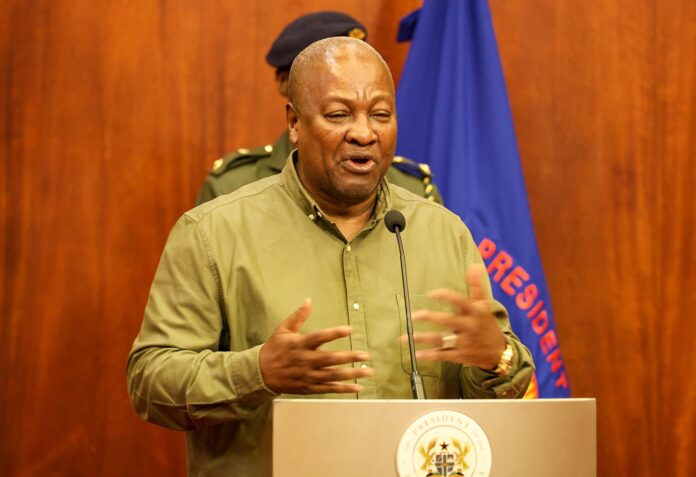
    President John Dramani Mahama has lauded the efforts of the Bank of Ghana (BoG) for ensuring that Ghana’s currency commands repect both locally and internationally.

    Speaking at the Cedi@60 commemoration by the Bank of Ghana in Accra, themed “Sovereignty, Stability, and Economic Resilience” on Tuesday, November 18, President Mahama expressed delight, adding that “Whatever you are doing, continue doing so, so that the cedi is respected”.

    He noted, “I just want to say that the governor and all your team at the BoG, the Ministry of Finance, Ghanaians are grateful to you for the management of our currency”.

    The Ghanaian cedi marked its 60th anniversary on, Tuesday, October 28, symbolizing the nation’s economic independence. To commemorate the milestone, the Bank of Ghana (BoG) held an official launch at the Accra International Conference Center under the theme, “60 Years of the Cedi: A Symbol of Sovereignty, Stability, and Economic Resilience.”


    The celebration represents Ghana’s economic journey and resilience over the past six decades. Vice President Jane Naana Opoku-Agyemang graced the occasion alongside other government officials.


    Since its introduction on July 19, 1965, the cedi has undergone several reforms and redesigns to reflect the nation’s evolving economic landscape.


    Speaking at the event, the BoG Governor, Johnson Pandit Asiama, noted that the celebration aims to rekindle public confidence in the national currency.


    Ghana cedi’s strong performance was a central theme highlighted by President John Mahama during an interaction with potential investors in Singapore and Japan weeks ago.


    President Mahama emphasised the robust performance of the local currency to underscore Ghana’s macroeconomic stability and attractiveness as a destination for foreign capital.


    However, the cedi’s brief gains were short-lived after its rapid depreciation made it the worst-performing currency. According to Bloomberg’s recent report released on Thursday, September 4, the Ghana cedi is the worst-performing currency among all trading currencies, attributing the depreciation to a surge in demand for dollars by companies paying for imports.


    “A surge in demand for dollars by companies paying for imports has ended the Ghana cedi’s recent strong performance,” Bloomberg said.Bloomberg attributed the new development to the “strong gold prices,” while emphasizing that Ghana’s cedi has seen more than a ten percent (10%) depreciation in the current quarter.


    This, Bloomberg noted, has erased the fifty percent gain against the dollar in April and June. According to Bloomberg, the cedi traded 0.1 per cent weaker at GH¢11.9507 per dollar at 1:50 a.m. Despite the losses, it has gained 23 per cent so far this year.


    “Now, the currency, which had ranked first globally on the back of strong gold prices, has weakened by 13 per cent in the current quarter. Bloomberg data showed this was the steepest fall worldwide, erasing part of the 50 per cent gain recorded between April and June,” the report said.


    But Bloomberg has indicated that “Despite the losses, it has gained 23 per cent so far this year based on market data.” Reacting to Bloomberg’s report, the Bank of Ghana (BoG) noted, “The cedi should be stable within a reasonable range,” the central bank said in an emailed response.


    “Our role is to ensure fluctuations remain orderly, that they reflect fundamentals, and that they do not undermine confidence in the broader economy.”


    Bloomberg, in April this year, ranked the cedi as the best-performing currency with a sixteen percent (16%) gain against the dollar. What made the cedi earn the tag as the worst-performing currency is the steepest decline on the global level.


    The cedi’s appreciation in the last eight months helped ease inflationary pressures, pushing consumer inflation down to 21.2 per cent, the lowest in eight months at the time.


    Ghana’s import-dependent economy brings in a wide range of goods, from food to machinery, with demand typically rising toward the end of the year as businesses prepare for the Christmas season.


    The higher demand for dollars has piled pressure on the cedi, while the Bank of Ghana’s (BoG) limited supply of foreign exchange has added to the strain.


    Head of Market-Risk Management at UMB Bank, Mr. Hamza Adam, said banks that submitted dollar requests on behalf of clients to the Bank of Ghana last week received only half of what they asked for. “This week the central bank is trying to meet all demand,” he said by phone from Accra on September 3, 2025.


    Meanwhile, before Bloomberg reported on the cedi, BoG addressed the concerns of Ghanaians concerning the fast depreciation of the cedi, calling for calm. Bank of Ghana Governor, Dr. Johnson Asiama, during an interview with Joy Business, which was aired on Wednesday, August 27, mentioned that the current depreciation of the cedi was temporary, assuring a comeback soon.


    “The Bank of Ghana operates a managed floating system in terms of framework; therefore, these blips will happen. But the assurance is that this is a short-term issue, and the challenges are being addressed,” he assured.


    According to data from the Bank of Ghana, which was shared on 23rd August, the Ghana cedi had seen a five percent (5%) depreciation. Between August 23 and August 28, the Ghanaian cedi depreciated from GH¢10.43 to around GH¢11.00 per US dollar.


    The sharpest movement was between August 23 and 24, where the cedi depreciated from GH¢10.43 to GH¢10.90. The dollar was selling at GH¢10.43 on August 23, GH¢10.90 on August 24, and between August 25–27, it staggered between GH¢10.85–11.00.


    As of August 28, it had crossed GH¢11, sparking major concerns. On Dr. Johnson Asiama’s part, the current depreciation is a result of the temporary shortage of foreign exchange supply in the market, resulting from the effects of the currency appreciation coupled with other phenomena that, “…we are beginning to see those phenomena at play. Imports become a lot cheaper, so it’s just natural to begin to see pressure build up on the currency.”


    He said there is no need for panic as the economic indicators are obviously strong, giving signs of a cedi recovery soon enough. Dr. Asiama attributed the depreciating cedi to the decline in remittance inflows, sharp appreciation of the cedi, and limited interbank trading.


    “…what is happening is just because of the sharp appreciation, we are beginning to have some cash flow problems, specifically because we have seen some decline in terms of remittance inflows. Also, imports become a lot cheaper, so it’s just natural to begin to see pressure build up on the currency. Over the last two months, we have also seen very limited interbank trading,” he stated.


    The Ghana cedi saw a remarkable appreciation against major trading currencies worldwide over the past six months. During the presentation of the 2025 Mid-Year Fiscal Policy Review on July 24, the Minister for Finance, Dr. Cassiel Ato Forson, revealed that the cedi has recorded a remarkable turnaround in the first six months of 2025, appreciating by 42.6% against the US dollar.

    Dr. Forson described the cedi’s performance as “impressive” and the first of its kind in the history of Ghana’s economy. The cedi, which was initially always experiencing depreciation, is currently showing resilience against the dollar.


    He noted that the cedi, which was previously trading at about GH¢17.0 to the US dollar, had strengthened to GH¢10.4 as of July 23.


    “Mr. Speaker, the cedi’s performance in the first half of this year has been impressive! The Ghana cedi experienced significant appreciation against all major trading currencies in the first six months of 2025. I am happy to inform the House that our precious cedi, which once upon a time was trading at about GH¢17.0 to the US dollar, was trading at about GH¢10.4 as of yesterday, 23rd July, 2025,” he revealed.


    In high spirits, the minister adopted the catchphrase from Ghanaian highlife musician King Paluta’s energetic party anthem “For the Popping (Apicki),” released on December 27, 2024, and said, “This level of appreciation of the Ghana cedi has never happened in the history of our nation. Ghanafo, cedi no apicki! Apicki apicki apicki!”


    He continued that the strength of the cedi has not appreciated against just the US dollar but against the British pound as well. The cedi also gained 30.3% against the British pound and 25.6% against the euro during the same period.


    This marks a sharp contrast to the same period in 2024, when the cedi depreciated by 18.6% against the dollar, 17.9% against the pound, and 16.0% against the euro.


    “Similarly, the cedi, which was once trading at GH¢21.0 to the Great British Pound, was trading at about GH¢14.1 as of yesterday, 23rd July. Mr. Speaker, as of the end of June 2025, the cedi appreciated by 42.6% against the US dollar, 30.3% against the British pound, and 25.6% against the euro.


    With these gains over the past few months, Dr. Cassiel stated that all the losses in the previous years had been reversed. “Mr. Speaker, I repeat, so far, we have almost reversed all the cedi depreciation in 2022, 2023, and 2024,” he mentioned.


    However, Ghanaian economist, Professor Godfred Bokpin, has projected the local currency to stabilise between the range of GH₵13.5 and GH₵14 per U.S. dollar by December this year.


    Speaking to the media on Tuesday, September 16, he explained that the recent fluctuations of the value of the cedi are a natural market phenomenon influenced by supply and demand dynamics.


    He noted that increased government spending will keep the currency under pressure, urging Ghanaians to remain positive and hold on to the country’s core economic strengths (like productivity, revenue generation, exports, etc., which determine long-term stability.


    He stated, “We have our peak period and then we have our low period as well. In the peak period, when we experience what we call cash flow mismatch in terms of inflows and then outflows…businesses would import in anticipation of Christmas and all of that. So the demand will pick up.”

  • Ghana’s forex reserves hit $12bn – BoG 

    Ghana’s forex reserves hit $12bn – BoG 

    Ghana’s forex reserves have seen a significant increase under the Mahama-led administration, the Bank of Ghana has announced.

    Between December 2024 to October 2025, the country’s reserve has seen a 33.63% increase, marking $ 3.02 billion in value. As of October 2025, the country’s reserves have hit $12billion.

    Speaking at the launch of the 60th anniversary of the Ghana Cedi in Accra on Tuesday, October 28, which was held at the Accra International Conference Centre (AICC), Governor of the Bank of Ghana (BoG) Dr Asiama, lauded the government for its tough, difficult, but well-coordinated policy measures, which have produced the required fiscal results.

    He noted that Ghana has made a decisive economic turnaround, which has been reflected in our forex reserves, boosting investor confidence and cushioning the local currency against the shocks of the market.

    Speaking at the launch of the 60th anniversary of the Ghana Cedi in Accra on Tuesday, October 28, Dr Asiama highlighted that coordinated and difficult policy measures have yielded tangible results for the country

    “Under the leadership of His Excellency John Dramani Mahama, and Her Excellency the Vice President, and through coordinated, difficult but necessary policy actions, I am happy to say that Ghana has turned a decisive corner, and indeed the evidence is compelling. Our gross international reserves are currently around $12 billion, which is providing a robust cushion against external volatility and restoring our investor confidence”, he stated.

    The BoG Governor also cited key indicators of the country’s improved economic position. He noted that headline inflation, which has been a major concern in recent years, stood at 9.4 percent as of September 2025, with expectations that it will fall even further by the end of the year.

    “Headline inflation now at 9.4% as of September 2025, and we expect it to end the year even further lower”, he continued, adding that the cedi, which was ranked as one of the worst-performing currencies in 2022 under the Akufo-Addo-led administration, has seen significant appreciation by 37% under the current government, serving as evidence of the positive impact of the fiscal policies implemented.

    The national currency, the cedi, Dr Asiama said, has also strengthened significantly, appreciating by 37 percent as of October 17.

    “The cedi has appreciated by 37% as of October 17, and according to the World Bank, it is the best-performing currency in sub-Saharan Africa for the first eight months of 2025. As of November 2022, the Cedi depreciated by over 50% becoming the World’s worst-performing currency in the world according to a Bloomberg report. Headline inflation spiralled to 54.1% and food inflation soared to an alarming 59.7% year-on-year in December 2022, distorting household budgets, shrinking incomes, and feeding public anxiety. 

    “These were not just numbers; they were lived experiences. They meant rising transport fares, shrinking working capital, unaffordable school meals, and sleepless nights for small business owners and salary earners alike. But they were not the end of our story,” he added.

    Dr Asiamah also announced a year-long programme of nationwide activities designed to educate, engage, and celebrate the Cedi’s history, resilience, and role in Ghana’s economic journey.

    He said, “As we officially launch the Cedi@60 anniversary, allow me to share a preview of what lies ahead. This celebration will not be confined to this hall. Over the next 12 months, we will embark on a nationwide and inclusive programme of activities, including: 

    “Currency exhibitions that tell the story of our monetary journey, from pounds to pesewas, from coins to QR codes, public lectures and school tours to engage students, professionals, and communities on the importance of monetary sovereignty. Diaspora engagements, highlighting the role of remittances and international trust in supporting the Cedi’s strength. And special publications and legacy projects to ensure this milestone leaves a lasting educational footprint,” he continued.

    Also, at the same event, Ghana’s Finance Minister and acting Defence Minister, Cassiel Ato Forson, urged business and consumers to end the widespread practice of quoting prices in dollars, highlighting that it undermines the cedi’s role as legal tender.

    Dr Forson declared, “The U.S. dollar isn’t our currency, let’s stop it now.” He charged all to help maintain the sanctity of the cedi, noting that it is  a collective responsibility, urging citizens to “preserve it with dignity and protect it jealously.”

    Meanwhile, not only has the country’s forex reserves seen a significant increase, but also its revenue in gold trading (small scale).

    Ghana GoldBoard (GoldBod) in mid-October reported a significant revenue accrued from small-scale gold export between January and October 15.

    The sector earned US$8 billion in foreign exchange within ten months, according to data from the Ghana Gold Board (GoldBod) and the Precious Minerals Marketing Company (PMMC).

    The data also reported that small-scale miners exported 81,719.23 kilograms of gold during the period, valued at US$8.06 billion. This marks a sharp increase from US$4.61 billion recorded in 2024 and nearly quadruples the US$2.19 billion achieved in 2023.

    Also, the data shows that gold export increased by 29% between 2024 and 2025, thus from 63,647 kilograms to 81,719 kilograms. When compared to 2023, GoldBod’s earnings have grown more than threefold.

    The data highlights a consistent upward trend in both gold volume and export value over the three years, reflecting improved regulation, transparency, and compliance within Ghana’s small-scale mining sector.

    The data also showed a robust month-on-month growth in the second quarter of the year, with a revenue of US$1.17 billion recorded in May, US$957.9 million in June, and US$897.6 million in April.

    The country’s official gold buying and distribution authority has linked its significant gains to its partnership with PMMC and strengthened oversight of small-scale gold exports and other related gold-purchasing and regulations. The GoldBod-PMMC collaboration has proved efficient since mid-April 2025, when the former began operations, absorbing the functions of the latter.

    The collaboration has been instrumental in curbing illicit trade and ensuring that proceeds from gold sales are properly repatriated into the Ghanaian economy.

    Meanwhile, GoldBod has been quite instrumental in dealing with leakages in Ghana’s gold trading by regulating the affairs of licensed traders.

  • Cedi strengthens by 37%, BoG pledges to sustain  performance

    Cedi strengthens by 37%, BoG pledges to sustain performance

    Governor of the Bank of Ghana, Dr. Johnson Asiama, has reiterated the central bank’s dedication to pursuing sound monetary policies aimed at maintaining exchange rate stability and building on recent economic gains.

    His assurance follows the continued strong performance of the Ghana cedi, which has appreciated by 37 percent against the US dollar as of October 17, 2025, driven by improved market confidence and strict monetary controls.

    Speaking at the launch of the Cedi@60 celebrations in Accra, Dr. Asiama stated;

    “The Cedi has appreciated by 37 percent as at October 17 and according to the World Bank it is the world’s best currency in Sub-Saharan Africa. This gain is not by accident. They are the result of hard and sometimes unpopular policies. Fiscal consolidation by government, tight monetary policy stance by the Bank of Ghana and renewed confidence in the investor community and the public. As we celebrate 60 years of the Cedi, as your central bank our mandate remains unchanged.”

    Already, the World Bank has ranked the cedi as the best-performing currency in Sub-Saharan Africa, highlighting the impact of sustained fiscal discipline and foreign exchange reforms.

    The Bank of Ghana however, remains focused on sustaining confidence in the local currency and strengthening the foundation for long-term economic stability.

    On the other hand, Ghana’s total foreign exchange interventions since the height of its economic crisis in 2022 have exceeded $7.4 billion, according to International Monetary Fund (IMF) data analysed by JoyNews Research.

    The data reveal that the Bank of Ghana (BoG) injected about $1.9 billion into the forex market in 2022, the year of the crisis. Interventions fell to $1.1 billion in 2023 but surged again to $3 billion in 2024.

    In just the first quarter of 2025, the Central Bank added another $1.4 billion, signalling continued efforts to stabilise the local currency.

    Earlier this month, the BoG announced plans to inject $1.15 billion through its Domestic Gold Purchase Programme (DGPP). The move, aimed at easing pressure on the cedi, will bring this year’s total forex support to over $2 billion. The Bank said the funds would be disbursed through twice-weekly, price-competitive spot auctions accessible to all licensed banks.

    Following the announcement, the cedi appreciated by 2.5%, reflecting renewed investor confidence in the Central Bank’s strategy. Analysts expect the local currency to maintain its strength against the US dollar through the final quarter of 2025, as offshore FX inflows and a liquid interbank market offset high dollar demand from the energy, services, and manufacturing sectors.

    Dollar interventions have surged sharply in the past two fiscal years, accounting for more than 60% of total injections over the last four years. These interventions have supported one of the strongest performances of the Ghana cedi in recent memory.

    According to the World Bank’s 2025 Africa Pulse Report, the cedi was the best-performing African currency against the US dollar during the first eight months of 2025, appreciating by more than 20% year-to-date.

    This strong showing is attributed to the BoG’s aggressive forex interventions, coupled with rising export earnings from gold and cocoa and steady remittance inflows.

    JoyNews Research data indicate that with the latest round of support, total interventions since 2022 could reach about $8.6 billion. The BoG attributes this year’s efforts to robust inflows from gold and cocoa exports and sustained remittance receipts.

    Gold has remained a critical lifeline for Ghana’s external sector, with prices hitting an all-time high of $4,000 per ounce this week. This surge has strengthened the Central Bank’s ability to generate foreign exchange without heavily depleting its reserves.

    Ghana is expected to retain its position as Africa’s top gold exporter, with projected export revenues surpassing $15 billion by the end of 2025, representing about 65% of total export inflows.

    This windfall has provided the BoG with the “forex muscle” needed to sustain interventions while keeping a strong reserve position. The IMF’s latest Staff-Level Approval report confirms that “in collaboration with the Fund, the BoG has developed a structured foreign exchange operations framework to intermediate FX flows and smooth excessive market volatility, while accumulating international reserves.”

    Ghana’s international reserves have now exceeded $10.7 billion, providing roughly 4.5 months of import cover. The IMF further noted that “international reserves accumulation continues to exceed the ECF-supported program targets, while the cedi appreciated markedly in the first half of the year.”

    Historical data show that most of the Central Bank’s forex interventions typically occur in the latter part of the year. In 2024, for example, about 67% of the $3 billion injected was recorded in the final four months, coinciding with the election period.

    While these consistent interventions have stabilised the cedi in the short term, they raise concerns about long-term sustainability. Analysts caution that Ghana’s reliance on gold-backed interventions exposes the economy to fluctuations in global commodity prices, underscoring the need for a more diversified foreign exchange framework.

    As it stands now, the Bank of Ghana’s decisive moves have given the cedi rare strength, but maintaining that momentum will depend on how effectively the country channels its export windfall, particularly from gold into lasting economic stability.

  • World Bank declares cedi as Africa’s best-performing currency in 2025

    World Bank declares cedi as Africa’s best-performing currency in 2025

    World Bank’s latest Africa Pulse Report has ranked the Ghana cedi as the best-performing currency since January until the eighth month of the year.

    Per the report, the cedi’s current status is a result of the gains in value since the beginning of the year, citing a twenty percent (20%)gain, making it the strongest performance among African currencies.

    The World Bank says the current performance of the cedi can be attributed to the government’s disciplined fiscal management, prudent monetary policy, rising export receipts, and renewed investor confidence following Ghana’s successful debt restructuring.

    The cedi’s appreciation, according to some analysts, has been remarkable given its heavy depreciation in the previous years. The pace of its recovery underscores the effectiveness of Ghana’s economic reforms and improved external conditions.

    While the cedi leads, the Zambian kwacha followed as the second-best performer, appreciating by 16 percent, strengthened by ongoing debt resolution efforts, lower oil import costs, and an improved supply of U.S. dollars.

    Currencies in Kenya, Tanzania, and Uganda also posted moderate gains, supported by stronger export growth and recovering capital inflows.

    According to the World Bank, the current performance of African currencies is a result of the weakening of the dollar, an increase in global commodity prices, and improved financial conditions. These factors have helped reduce inflation and brought more stability to markets across Africa.

    Despite the cedi’s current ranking by the global financial institution, it suffered a steep depreciation pressure in recent weeks, as businesses increased imports ahead of the festive season and election-related spending expectations rose.

    In response, the Bank of Ghana has announced plans to inject about $1.15 billion into the foreign exchange market to ease demand pressures and keep the cedi stable.

    It also announced that, effective October, it will begin selling portions of its gold reserves in exchange for foreign currency to banks and other market participants under its Domestic Gold Purchase Programme. This move is aimed at pumping some forex into the Ghanaian markets to salvage the fast-depreciating cedi.

    According to the BoG, only approved banks will be permitted to participate in the auctions, which are scheduled to take place every week.

    Speaking at a meeting with heads of commercial banks in Accra, the Governor of the Bank of Ghana, Dr. Johnson Asiama, said the exercise will be fair and transparent to ensure equal access for all market participants.

    “Beginning October 2025, the Bank of Ghana will commence foreign exchange (FX) intermediation under the Domestic Gold Purchase Programme, with plans to sell up to US$1.15 billion for the month. These sales will be conducted on a spot basis through twice-weekly, price-competitive auctions open to all licensed banks,” he said.

    This comes after the central bank recorded the biggest sale of dollars since the start of 2025, with $243m FX forward auction, as reported by Joy Business.

    Consequently, banks predicted a stronger cedi. The Central Bank, about three weeks ago, sold its largest amount of U.S. dollars so far this year, $243 million, to commercial banks through a (7) seven-day FX forward auction.

    According to the data, BoG offered US$300 million; however, the commercial banks just accepted US$243 million, with a price range of GHC 12.15-12.40.

    Market watchers, however, warn that sustaining the currency’s gains will depend on Ghana’s continued commitment to fiscal discipline, export diversification, and structural reforms aimed at consolidating macroeconomic stability.

    Ghana’s total foreign exchange interventions since the height of its economic crisis in 2022 have exceeded $7.4 billion, according to International Monetary Fund (IMF) data analysed by JoyNews Research.

    The data reveal that the Bank of Ghana (BoG) injected about $1.9 billion into the forex market in 2022, the year of the crisis. Interventions fell to $1.1 billion in 2023 but surged again to $3 billion in 2024.

    In just the first quarter of 2025, the Central Bank added another $1.4 billion, signalling continued efforts to stabilise the local currency.

    Earlier this month, the BoG announced plans to inject $1.15 billion through its Domestic Gold Purchase Programme (DGPP). The move, aimed at easing pressure on the cedi, will bring this year’s total forex support to over $2 billion. The Bank said the funds would be disbursed through twice-weekly, price-competitive spot auctions accessible to all licensed banks.

    Following the announcement, the cedi appreciated by 2.5%, reflecting renewed investor confidence in the Central Bank’s strategy.

    Analysts expect the local currency to maintain its strength against the US dollar through the final quarter of 2025, as offshore FX inflows and a liquid interbank market offset high dollar demand from the energy, services, and manufacturing sectors.

    Dollar interventions have surged sharply in the past two fiscal years, accounting for more than 60% of total injections over the last four years. These interventions have supported one of the strongest performances of the Ghana cedi in recent memory.

  • BoG has spent more than $7.4bn in ‘saving’ the cedi since 2022 – Report

    BoG has spent more than $7.4bn in ‘saving’ the cedi since 2022 – Report

    Ghana’s total foreign exchange interventions since the height of its economic crisis in 2022 have exceeded $7.4 billion, according to International Monetary Fund (IMF) data analysed by JoyNews Research.

    The data reveal that the Bank of Ghana (BoG) injected about $1.9 billion into the forex market in 2022, the year of the crisis. Interventions fell to $1.1 billion in 2023 but surged again to $3 billion in 2024.

    In just the first quarter of 2025, the Central Bank added another $1.4 billion, signalling continued efforts to stabilise the local currency.

    Earlier this month, the BoG announced plans to inject $1.15 billion through its Domestic Gold Purchase Programme (DGPP). The move, aimed at easing pressure on the cedi, will bring this year’s total forex support to over $2 billion. The Bank said the funds would be disbursed through twice-weekly, price-competitive spot auctions accessible to all licensed banks.

    Following the announcement, the cedi appreciated by 2.5%, reflecting renewed investor confidence in the Central Bank’s strategy. Analysts expect the local currency to maintain its strength against the US dollar through the final quarter of 2025, as offshore FX inflows and a liquid interbank market offset high dollar demand from the energy, services, and manufacturing sectors.

    Dollar interventions have surged sharply in the past two fiscal years, accounting for more than 60% of total injections over the last four years. These interventions have supported one of the strongest performances of the Ghana cedi in recent memory.

    According to the World Bank’s 2025 Africa Pulse Report, the cedi was the best-performing African currency against the US dollar during the first eight months of 2025, appreciating by more than 20% year-to-date.

    This strong showing is attributed to the BoG’s aggressive forex interventions, coupled with rising export earnings from gold and cocoa and steady remittance inflows.

    JoyNews Research data indicate that with the latest round of support, total interventions since 2022 could reach about $8.6 billion. The BoG attributes this year’s efforts to robust inflows from gold and cocoa exports and sustained remittance receipts.

    Gold has remained a critical lifeline for Ghana’s external sector, with prices hitting an all-time high of $4,000 per ounce this week. This surge has strengthened the Central Bank’s ability to generate foreign exchange without heavily depleting its reserves.

    Ghana is expected to retain its position as Africa’s top gold exporter, with projected export revenues surpassing $15 billion by the end of 2025, representing about 65% of total export inflows.

    This windfall has provided the BoG with the “forex muscle” needed to sustain interventions while keeping a strong reserve position. The IMF’s latest Staff-Level Approval report confirms that “in collaboration with the Fund, the BoG has developed a structured foreign exchange operations framework to intermediate FX flows and smooth excessive market volatility, while accumulating international reserves.”

    Ghana’s international reserves have now exceeded $10.7 billion, providing roughly 4.5 months of import cover. The IMF further noted that “international reserves accumulation continues to exceed the ECF-supported program targets, while the cedi appreciated markedly in the first half of the year.”

    Historical data show that most of the Central Bank’s forex interventions typically occur in the latter part of the year. In 2024, for example, about 67% of the $3 billion injected was recorded in the final four months, coinciding with the election period.

    While these consistent interventions have stabilised the cedi in the short term, they raise concerns about long-term sustainability. Analysts caution that Ghana’s reliance on gold-backed interventions exposes the economy to fluctuations in global commodity prices, underscoring the need for a more diversified foreign exchange framework.

    As it stands now, the Bank of Ghana’s decisive moves have given the cedi rare strength, but maintaining that momentum will depend on how effectively the country channels its export windfall, particularly from gold into lasting economic stability.

    Last month, Ghanaian economist, Professor Godfred Bokpin, projected the local currency to stabilise between the range of GH₵13.5 and GH₵14 per U.S. dollar by December this year.

    Speaking to the media on Tuesday, September 16, he explained that the recent fluctuations of the value of the cedi are a natural market phenomenon influenced by supply and demand dynamics.

    He noted that increased government spending will keep the currency under pressure, urging Ghanaians to remain positive and hold on to the country’s core economic strengths (like productivity, revenue generation, exports, etc., which determine long-term stability.

    He stated, “We have our peak period and then we have our low period as well. In the peak period, when we experience what we call cash flow mismatch in terms of inflows and then outflows…businesses would import in anticipation of Christmas and all of that. So the demand will pick up.”

    Ghana cedi’s strong performance was a central theme highlighted by President John Mahama during an interaction with potential investors in Singapore and Japan weeks ago.

    President Mahama emphasised the robust performance of the local currency to underscore Ghana’s macroeconomic stability and attractiveness as a destination for foreign capital.

    However, the cedi’s brief gains were short-lived after its rapid depreciation made it the worst-performing currency. According to Bloomberg’s recent report released on Thursday, September 4, the Ghana cedi is the worst-performing currency among all trading currencies, attributing the depreciation to a surge in demand for dollars by companies paying for imports.

    “A surge in demand for dollars by companies paying for imports has ended the Ghana cedi’s recent strong performance,” Bloomberg said.Bloomberg attributed the new development to the “strong gold prices,” while emphasizing that Ghana’s cedi has seen more than a ten percent (10%) depreciation in the current quarter.

    This, Bloomberg noted, has erased the fifty percent gain against the dollar in April and June. According to Bloomberg, the cedi traded 0.1 per cent weaker at GH¢11.9507 per dollar at 1:50 a.m. Despite the losses, it has gained 23 per cent so far this year.

    “Now, the currency, which had ranked first globally on the back of strong gold prices, has weakened by 13 per cent in the current quarter. Bloomberg data showed this was the steepest fall worldwide, erasing part of the 50 per cent gain recorded between April and June,” the report said.

    But Bloomberg has indicated that “Despite the losses, it has gained 23 per cent so far this year based on market data.” Reacting to Bloomberg’s report, the Bank of Ghana (BoG) noted, “The cedi should be stable within a reasonable range,” the central bank said in an emailed response.

    “Our role is to ensure fluctuations remain orderly, that they reflect fundamentals, and that they do not undermine confidence in the broader economy.”

    Bloomberg, in April this year, ranked the cedi as the best-performing currency with a sixteen percent (16%) gain against the dollar. What made the cedi earn the tag as the worst-performing currency is the steepest decline on the global level.

    The cedi’s appreciation in the last eight months helped ease inflationary pressures, pushing consumer inflation down to 21.2 per cent, the lowest in eight months at the time.

    Ghana’s import-dependent economy brings in a wide range of goods, from food to machinery, with demand typically rising toward the end of the year as businesses prepare for the Christmas season.

    The higher demand for dollars has piled pressure on the cedi, while the Bank of Ghana’s (BoG) limited supply of foreign exchange has added to the strain.

    Head of Market-Risk Management at UMB Bank, Mr. Hamza Adam, said banks that submitted dollar requests on behalf of clients to the Bank of Ghana last week received only half of what they asked for. “This week the central bank is trying to meet all demand,” he said by phone from Accra on September 3, 2025.

    Meanwhile, before Bloomberg reported on the cedi, BoG addressed the concerns of Ghanaians concerning the fast depreciation of the cedi, calling for calm. Bank of Ghana Governor, Dr. Johnson Asiama, during an interview with Joy Business, which was aired on Wednesday, August 27, mentioned that the current depreciation of the cedi was temporary, assuring a comeback soon.

    “The Bank of Ghana operates a managed floating system in terms of framework; therefore, these blips will happen. But the assurance is that this is a short-term issue, and the challenges are being addressed,” he assured.

    According to data from the Bank of Ghana, which was shared on 23rd August, the Ghana cedi had seen a five percent (5%) depreciation. Between August 23 and August 28, the Ghanaian cedi depreciated from GH¢10.43 to around GH¢11.00 per US dollar.

    The sharpest movement was between August 23 and 24, where the cedi depreciated from GH¢10.43 to GH¢10.90. The dollar was selling at GH¢10.43 on August 23, GH¢10.90 on August 24, and between August 25–27, it staggered between GH¢10.85–11.00.

    As of August 28, it had crossed GH¢11, sparking major concerns. On Dr. Johnson Asiama’s part, the current depreciation is a result of the temporary shortage of foreign exchange supply in the market, resulting from the effects of the currency appreciation coupled with other phenomena that, “…we are beginning to see those phenomena at play. Imports become a lot cheaper, so it’s just natural to begin to see pressure build up on the currency.”

    He said there is no need for panic as the economic indicators are obviously strong, giving signs of a cedi recovery soon enough. Dr. Asiama attributed the depreciating cedi to the decline in remittance inflows, sharp appreciation of the cedi, and limited interbank trading.

    “…what is happening is just because of the sharp appreciation, we are beginning to have some cash flow problems, specifically because we have seen some decline in terms of remittance inflows. Also, imports become a lot cheaper, so it’s just natural to begin to see pressure build up on the currency. Over the last two months, we have also seen very limited interbank trading,” he stated.

    The Ghana cedi saw a remarkable appreciation against major trading currencies worldwide over the past six months. During the presentation of the 2025 Mid-Year Fiscal Policy Review on July 24, the Minister for Finance, Dr. Cassiel Ato Forson, revealed that the cedi has recorded a remarkable turnaround in the first six months of 2025, appreciating by 42.6% against the US dollar.Dr. Forson described the cedi’s performance as “impressive” and the first of its kind in the history of Ghana’s economy. The cedi, which was initially always experiencing depreciation, is currently showing resilience against the dollar.

    He noted that the cedi, which was previously trading at about GH¢17.0 to the US dollar, had strengthened to GH¢10.4 as of July 23.

    “Mr. Speaker, the cedi’s performance in the first half of this year has been impressive! The Ghana cedi experienced significant appreciation against all major trading currencies in the first six months of 2025. I am happy to inform the House that our precious cedi, which once upon a time was trading at about GH¢17.0 to the US dollar, was trading at about GH¢10.4 as of yesterday, 23rd July, 2025,” he revealed.

    In high spirits, the minister adopted the catchphrase from Ghanaian highlife musician King Paluta’s energetic party anthem “For the Popping (Apicki),” released on December 27, 2024, and said, “This level of appreciation of the Ghana cedi has never happened in the history of our nation. Ghanafo, cedi no apicki! Apicki apicki apicki!”

    He continued that the strength of the cedi has not appreciated against just the US dollar but against the British pound as well. The cedi also gained 30.3% against the British pound and 25.6% against the euro during the same period.

    This marks a sharp contrast to the same period in 2024, when the cedi depreciated by 18.6% against the dollar, 17.9% against the pound, and 16.0% against the euro.

    “Similarly, the cedi, which was once trading at GH¢21.0 to the Great British Pound, was trading at about GH¢14.1 as of yesterday, 23rd July. Mr. Speaker, as of the end of June 2025, the cedi appreciated by 42.6% against the US dollar, 30.3% against the British pound, and 25.6% against the euro.

    With these gains over the past few months, Dr. Cassiel stated that all the losses in the previous years had been reversed. “Mr. Speaker, I repeat, so far, we have almost reversed all the cedi depreciation in 2022, 2023, and 2024,” he mentioned.

  • BoG to pump $1.15bn to stabilise falling cedi

    BoG to pump $1.15bn to stabilise falling cedi

    Effective October, the Bank of Ghana (BoG) will begin selling portions of its gold reserves in exchange for foreign currency to banks and other market participants under its Domestic Gold Purchase Programme.

    According to the BoG, only approved banks will be permitted to participate in the auctions, which are scheduled to take place every week. Speaking at a meeting with heads of commercial banks in Accra, the Governor of the Bank of Ghana, Dr. Johnson Asiama, said the exercise will be fair and transparent to ensure equal access for all market participants.

    “Beginning October 2025, the Bank of Ghana will commence foreign exchange (FX) intermediation under the Domestic Gold Purchase Programme, with plans to sell up to US$1.15 billion for the month. These sales will be conducted on a spot basis through twice-weekly, price-competitive auctions open to all licensed banks,” he said.

    The Ghana cedi’s strong performance was a central theme highlighted by President John Mahama in an interaction with potential investors in Singapore and Japan, barely a week ago. President Mahama emphasised the robust performance of the local currency to underscore Ghana’s macroeconomic stability and attractiveness as a destination for foreign capital.

    However, the cedi’s brief gains have proven short-lived, after its rapid depreciation made it the worst-performing currency in a latest report by a global financial news outlet, Bloomberg. According to Bloomberg’s recent report released on Thursday, September 4, the Ghana cedi is the worst-performing currency among all trading currencies, attributing the depreciation to a surge in demand for dollars by companies paying for imports. “A surge in demand for dollars by companies paying for imports has ended the Ghana cedi’s recent strong performance,” Bloomberg said.

    Bloomberg explained that the new development is attributed to the“strong gold prices”, while emphasizing that Ghana’s cedi has seen more than a ten percent (10%) depreciation in the current quarter. This, Bloomberg noted has erased the fifty percent gain against the dollar in April and June, Bloomberg detailed. According to the Bloomberg the cedi traded 0.1 per cent weaker at GH¢11.9507 per dollar at 1:50 a.m. Despite the losses, it has gained 23 per cent so far this year.

    “Now, the currency, which had ranked first globally on the back of strong gold prices, has weakened by 13 per cent in the current quarter. Bloomberg data showed this was the steepest fall worldwide, erasing part of the 50 per cent gain recorded between April and June”, the report said.

    But Bloomberg has indicated that “Despite the losses, it has gained 23 per cent so far this year based on market data. Reacting to Bloomberg’s report, the Bank of Ghana (BoG), noted “The cedi should be stable within a reasonable range,” the central bank said in an emailed response. Our role is to ensure fluctuations remain orderly, that they reflect fundamentals, and that they do not undermine confidence in the broader economy”.

    Bloomberg in April this year, ranked the cedi as the best-performing currency with a sixteen per cent (16%) gain against the dollar. What made the cedi earn the tag as the worst-performing currency is as a result of it seeing the steepest decline on the global level. The cedi’s appreciation in the last eight months helped ease inflationary pressures, pushing consumer inflation down to 21.2 per cent, the lowest in eight months at the time.

    Ghana’s import-dependent economy brings in a wide range of goods, from food to machinery, with demand typically rising toward the end of the year as businesses prepare for the Christmas season. The higher demand for dollars has piled pressure on the cedi, while the Bank of Ghana’s (BoG) limited supply of foreign exchange has added to the strain.

    Head of Market-Risk Management at UMB Bank, Mr Hamza Adam, said banks that submitted dollar requests on behalf of clients to the Bank of Ghana last week received only half of what they asked for.

    “This week the central bank is trying to meet all demand,” he said by phone from Accra on September 3, 2025.

    Meanwhile, before Bloomberg reported on the cedi, BoG addressed the concerns of Ghanaians concerning the fast depreciation of the cedi, calling for calm. Bank of Ghana Governor, Dr. Johnson Asiama, during an interview with Joy Business, which was aired on Wednesday, August 27, mentioned that the current depreciation of the cedi was temporary, assuring a comeback soon.

    “The Bank of Ghana operates a managed floating system in terms of framework; therefore, these blips will happen. But the assurance is that this is a short-term issue, and the challenges are being addressed,” he assured.

    According to data from the Bank of Ghana which was shared on 23rd August, the Ghana cedi had seen a five percent (5%) depreciation. Between August 23 and August 28, the Ghanaian cedi depreciated from GH¢10.43 to around GH¢11.00 per US dollar.

    The sharpest movement was between August 23 and 24, where the cedi depreciated from GH¢10.43 to GH¢10.90. The dollar was selling at GH¢10.43 on August 23, GH¢10.90 on August 24, and between August 25–27, it staggered between GH¢10.85–11.00.

    As of August 28, it had crossed GH¢11 cedis, sparking major concerns. On Dr. Johnson Asiama’s part, the current depreciation is a result of the temporary shortage of foreign exchange supply in the market, resulting from the effects of the currency appreciation coupled with other phenomena that, “…we are beginning to see those phenomena at play. Imports become a lot cheaper, so it’s just natural to begin to see pressure build up on the currency”.

    He said there is no need for panic as the economic indicators are obviously strong, giving signs of a cedi recovery soon enough. Dr Asiamah attributed the depreciating cedi to the decline in remittance inflows, sharp appreciation of the cedi and limited interbank trading.

    ”…what is happening is just because of the sharp appreciation, we are beginning to have some cash flow problems, specifically because we have seen some decline in terms of remittance inflows. Also, imports become a lot cheaper, so it’s just natural to begin to see pressure build up on the currency

    “Over the last two months, we have also seen very limited interbank trading, he stated.”

    The Ghana cedi saw a remarkable appreciation against major trading currencies worldwide over the past six months. During the presentation of the 2025 Mid-Year Fiscal Policy Review, July 24, the Minister for Finance, Dr. Cassiel Ato Forson, revealed that the cedi has recorded a remarkable turnaround in the first six months of 2025, appreciating by 42.6% against the US dollar.

    Dr Forson described the cedi’s performance as “impressive” and the first of its kind in the history of Ghana’s economy. The cedi, which was initially always experiencing depreciation, is currently showing resilience against the dollar.

    He noted that the cedi, which was previously trading at about GH¢17.0 to the US dollar, had strengthened to GH¢10.4 as of July 23.

    “Mr. Speaker, the cedi’s performance in the first half of this year has been impressive! The Ghana cedi experienced significant appreciation against all major trading currencies in the first six months of 2025. I am happy to inform the House that our precious cedi, which once upon a time was trading at about GH¢17.0 to the US dollar, was trading at about GH¢10.4 as of yesterday, 23rd July, 2025,” he revealed. In high spirits, the minister adopted the catchphrase from Ghanaian highlife musician King Paluta’s energetic party anthem “For the Popping (Apicki),” released on December 27, 2024, and said, “This level of appreciation of the Ghana cedi has never happened in the history of our nation. Ghanafo, cedi no apicki! Apicki apicki apicki!”

    He continued that the strength of the cedi has not appreciated against just the US dollar but against the British pound as well. The cedi also gained 30.3% against the British pound and 25.6% against the euro during the same period.

    This marks a sharp contrast to the same period in 2024, when the cedi depreciated by 18.6% against the dollar, 17.9% against the pound, and 16.0% against the euro.

    “Similarly, the cedi, which was once trading at GH¢21.0 to the Great British Pound, was trading at about GH¢14.1 as of yesterday, 23rd July. Mr. Speaker, as of end-June 2025, the cedi appreciated by 42.6% against the US dollar, 30.3% against the British pound, and 25.6% against the euro,” he added.

    With these gains over the past few months, Dr Cassiel stated that all the losses in the previous years had been reversed. “Mr. Speaker, I repeat, so far, we have almost reversed all the cedi depreciation in 2022, 2023, and 2024,” he mentioned.
  • Inflation expected to hit 8% target by December – BoG

    Inflation expected to hit 8% target by December – BoG

    The Bank of Ghana has projected that headline inflation will fall within its medium-term target of 8 ± 2% by the end of 2025.

    The Central Bank attributed this expected decline to tighter monetary policy, the strengthening of the cedi, and continued fiscal consolidation efforts.

    It added that supply-side pressures have eased, resulting in lower food and overall inflation, with risks now tilted to the downside.

    Nonetheless, the Bank warned that some upward risks persist, including supply chain disruptions, global trade tensions, a 2.5% increase in utility tariffs, and a new 1.0% energy levy on ex-pump prices, which could push inflation up.

    Looking ahead, the Bank expects exchange rate stability to continue, supported by a stronger external sector and a buildup of international reserves that have exceeded program targets under the IMF’s Extended Credit Facility.

    It noted that a tight monetary policy stance, fiscal discipline, and stable crude oil prices are likely to cushion the economy against inflationary pressures.

    Meanwhile, Inflation dropped to 9.4% in September 2025, marking the ninth consecutive monthly decline, driven mainly by a fall in food prices.

    Ghana Statistical Service attributed the development to the slowdown in food price increases. As of June, the country recorded a 13.7 percent rate, a 4.7 percent decline from the 18.4 percent rate reported in May.

    Food inflation fell by 6.5 percentage points to 16.3 percent, down from 22.8 percent in May, whereas non-food inflation dropped by 3 percentage points to 11.4 percent.

    The Upper West Region recorded the highest regional inflation of 32.3%, largely due to food inflation and utilities. The Bono region recorded the lowest of 8.4%.

    On a regional level, the Upper West Region once again recorded the highest inflation at 24.8%, though this was down from 32.3% in June. This figure is more than twice the national average of 12.1%. In contrast, the Central Region posted the lowest rate at 7.7%.

    Before the release of GSS’s recent data, an economic research firm, IC Research, projected that Ghana’s inflation rate would experience a significant decline, dropping to 16% by the end of June.According to IC Research, the projected improvement is partly driven by the appreciation of the local currency and a reduction in fuel prices, both of which are easing inflationary pressures.

    “The June 2025 CP [Consumer Price Index]I data window recorded a 29.5% month-on-month and 35.3% year-on-year appreciation of the Ghanaian cedi against the US dollar. This exerted downward pressure on prices of imported items, with notable declines in petroleum prices and transport fares.The announced 15.0% reduction in commercial transport fares will continue to restrain transport inflation with downside spillovers for other items.

    “Additionally, we estimate that the lower transport cost likely eased the month-on-month pressure observed for vegetables & tubers last month, potentially sustaining food disinflation in June [2025]. Consequently, we forecast a 240 basis points decline in the June 2025 annual inflation to 16.0% with the month-on-month rate at 0.8%”, IC Research added.

    Ghana ended the year 2024 with 23.8% inflation. In January 2025, inflation slightly declined to 23.5%. And since then, it has continued to ease. In February, inflation declined to 23.1%; it saw another decrease in March to 22.4% and declined again in April to 21.2%.

    Due to the consistent decline in the inflation rate and recorded progress with other macroeconomic variables, the Bank of Ghana’s (BoG) Monetary Policy Committee has reduced the monetary policy rate from 28 percent to 25 percent.

    Governor of the Bank of Ghana, Dr Johnson Asiama, noted that the deceleration was underpinned by the tight monetary policy stance, fiscal consolidation, easing food supply constraints, as well as the strong recovery of the cedi.

    In line with the easing underlying inflation pressures, the Bank’s main core inflation measure, which excludes energy and utility items, has declined markedly.

    “Similarly, inflation expectations by banks, consumers, and businesses are broadly anchored,” he added.

    He further revealed that “growth in monetary aggregates remained subdued during the first half of the year, primarily due to the tight monetary policy stance, strong liquidity management, and reduced government borrowing.”

    “In line with the disinflation process and easing inflation expectations, interest rates at the short end of the money market have declined sharply, and in turn, reduced the cost of government borrowing”.

    According to Dr Asiama, data on budget execution indicated a strong commitment to fiscal consolidation as expenditures adjusted within set targets to accommodate the revenue shortfalls during the first half of 2025.

    As a result, the overall fiscal deficit on a commitment basis was 0.7 percent of GDP, outperforming the budget target of 1.8 percent of GDP.

    “The external sector has improved markedly, with a record current account surplus of US$3.4 billion in the first half of 2025, supported mainly by higher prices and increased production volumes of gold and cocoa.

    “The current account surplus, together with the outturns in the capital and financial accounts, culminated in an overall balance of payment surplus of US$2.2 billion, significantly higher than the US$588.5 million recorded in June 2024. On this score, Gross International Reserves stood at US$11.1 billion at end-June 2025, equivalent to 4.8 months of import of goods and services, compared to US$8.9 billion (4.0 months of import cover) as at end-December 2024,” he added.

    Overall, the Committee noted that macroeconomic conditions have significantly improved, “inflation expectations are broadly anchored, external buffers have strengthened, and confidence in the economy is returning.”

    The cedi has rebounded strongly against the major trading currencies. The cedi has recorded a remarkable turnaround in the first six months of 2025, appreciating by 42.6% against the US dollar.

    The cedi also appreciated by 30.3% against the British pound and 25.6% against the euro during the same period. Meanwhile, the Bank of Ghana has projected that inflation is likely to decline further and fall within the medium-term target range of 6 to 10 percent during the third quarter of 2025, ahead of earlier expectations.

    “The July forecast also shows that headline inflation is expected to decline further in the third quarter of 2025 and trend within the medium-term target of 8±2 percent by the end of 2025, earlier than initial projections,” the Governor noted.

  • BoG announces surge in Non-Performing Loans across banks

    BoG announces surge in Non-Performing Loans across banks

    The Bank of Ghana (BoG) has announced a slight increase in Non-Performing Loans (NPLs). This was revealed in the central bank’s July 2025 Monetary Policy Committee (MPC) Report. 

    NPLs refer to loans that are in default, typically when borrowers have missed payments for between 90 and 180 days, and they pose significant risks to banks and the wider economy.

    According to the MPC report, as of June 2025,  NPLs in the banking sector had hit GH¢20.7 billion, representing a 1.3% increase compared to the GH¢20.4 billion recorded the previous year.

    NPLs refer to loans that are in default, typically when borrowers have missed payments for between 90 and 180 days, and they pose significant risks to banks and the wider economy.

    Despite this marginal increase in the value of NPLs, the data indicate an overall improvement in asset quality across the industry. The NPL ratio, which measures the proportion of total non-performing loans, declined to 23.1% in June 2025 from 24.2% in June 2024. This improvement occurred even as the share of foreign currency-denominated NPLs continued to fall, reflecting a gradual strengthening in loan performance within the sector.

    When the fully provisioned loan loss category is adjusted for, the industry’s NPL ratio falls further to 8.5 per cent from 10.8 per cent, reflecting a reduction in sub-standard non-performing loans.

    “The decline in the NPL ratio during the period under review is explained by the lower growth in the NPL stock relative to the growth in total loans,” the Bank of Ghana noted.

    According to BoG, the sector accounting for the bulk of non-performing loans remains the private sector. The proportion of NPLs attributable to the private sector rose slightly to 96.4 per cent in June 2025 from 95.6% in June 2024, while the public sector share declined to 3.6% from 4.4%.

    The commerce and finance, and the agriculture, forestry, and fishing sectors recorded increases in their NPL ratios, while the manufacturing sector’s ratio remained unchanged compared with June 2024.

    BoG also reported that the commerce and finance sector recorded the highest level of non-performing loans, with a 7.3%  increase in the NPL ratio, in June 2025, compared to 19.7% the same time last year. The services sector followed with an NPL ratio of 25.7%, marking a marginal gain from 26.6% recorded a year earlier.

    Industry watchers are expressing concern about the implications of rising NPLs on efforts to lower lending rates. Financial institutions often factor current NPL ratios or borrower payment delays into loan pricing. Some affected businesses told Joy Business they cannot be blamed for delayed loan repayments, citing government payment arrears as a contributing factor.

    In August, the Bank of Ghana (BoG) announced a ‘name and shame’ approach to promote responsible borrowing among wilful loan defaulters in a new directive. The financial institution announced this in a formal directive issued to all regulated financial institutions on August 14.

    In the new directive, the Bank of Ghana instructed all regulated financial institutions to publish the names of individuals who deliberately refuse to repay loans (wilful loan defaulters), despite having the means, twice a year in national newspapers and on their websites.

    “All banks and other regulated lenders will be required to publish the names of such defaulters twice a year, on June 30 and December 31, in at least two national newspapers and on their official websites, using a format provided by the BoG.”

    These measures form part of BoG’s latest regulatory actions to curb rising non-performing loans (NPLs) and reduce risks to the profitability, liquidity, and solvency of the banking sector. The central bank has already notified all regulated financial institutions of the directives and published explanatory notes for the public.

    Also, not only will the names of the defaulters be published, but they will also be barred from getting any loans from any accredited financial institution for up to about half a decade.

    “People in Ghana who deliberately refuse to repay loans… could soon be banned from borrowing from any licensed bank or financial institution for up to five years.” Borrowers who default on more than two occasions will face a five-year credit ban.

    “Borrowers listed as wilful defaulters on two or more occasions within ten years will face a mandatory five-year ban, or longer if the calculated prohibition period exceeds that duration,” it added. The restrictions also target directors of companies found to have engaged in fund diversion, misrepresentation, falsified accounts, or fraudulent transactions.

    “Directors of companies that are wilful defaulters, where RFIs have identified siphoning/diversion of funds, misrepresentation, falsification of accounts, and fraudulent transactions with the directors’ consent or connivance, shall also be deemed wilful defaulters and prohibited from accessing credit for the same period as the defaulting company,” it said.

    Who is a wilful defaulter

    According to the Bank of Ghana, “A wilful defaulter is defined as a borrower who deliberately breaks loan agreements… or obtains it through fake documents or false collateral.”

    According to the new directive, the BoG outlined the conditions under which an action will be classified as wilful default. BoG explained that a wilful default would be deemed to have occurred if any of the following events were noted:

    i. The borrower has defaulted on their repayment obligations to the RFI even when they have the capacity to honour the said obligation;

    ii. The borrower has defaulted on their repayment obligations to the RFI and has siphoned or diverted the funds for other purposes;

    iii. The borrower has defaulted on their repayment obligations to the RFI and has provided falsified or misrepresented collateral or any other documentation in support of the loan application, thereby securing the facility through fraudulent means;

    iv. The borrower has defaulted on their repayment obligations to two (2) or more RFIs concurrently. However, the borrower may be exempted as a wilful defaulter if evidence is provided to the RFI that their inability to meet repayment obligations is due to loss of employment, force majeure, or disability;

    v. The borrower has defaulted on their repayment obligations and has relocated without the RFI’s knowledge of the new address; or

    vi. The borrower has defaulted on their repayment obligations to the RFI and has, without the RFI’s knowledge or consent, disposed of or removed the movable or immovable assets pledged as security for the facility.

  • BoG records biggest sale of dollars since start of 2025 with $243m FX forward auction

    BoG records biggest sale of dollars since start of 2025 with $243m FX forward auction

    Banks are predicting a stronger cedi following the Bank of Ghana’s (BoG) largest auction of dollars since the beginning of the year.

    According to Bank of Ghana market data reported by JoyBusiness, the Central Bank last week sold its largest amount of U.S. dollars so far this year, $243 million, to commercial banks through a (7) seven-day FX forward auction.

    According to the data, BoG offered US$300 million; however, the commercial banks just accepted US$243 million, with a price range of GHC 12.15-12.40.

    In response to this, the banks have predicted that this sale has the potential to stabilise the cedi in its trade against the dollar with this intervention from the BoG.

    Even though trading between banks has increased since August, only about $4 million changed hands on Wednesday, so the market is still quiet.

    The intervention comes shortly after President John Mahama announced at a recent media engagement that the BoG had withdrawn routine interventions in the forex market, stressing the need to strike a balance between supporting exporters and not overburdening importers.

    At the Monetary Policy Committee press briefing held on Wednesday, September 17, Governor Dr Johnson Asiama assured that commercial banks have been adequately supplied with dollars to meet market demand.

    At the briefing, he stated: “Over the past weeks, there was no single demand that we have not met. I will be really surprised if businesses are still having problems getting dollars from the commercial banks.”

    Following this, reports indicate that the cedi’s depreciation on the market has slowed; however, it remains unclear whether BoG’s latest intervention could be linked to that.

    Meanwhile, the Bank of Ghana has expressed optimism that current pressures on the cedi will normalise soon, backed by new monetary measures aimed at boosting forex inflows for commercial banks.

    Director of Research Dr Philip Abradu-Otoo, during a media engagement, disclosed that the Central Bank’s directive requiring mining firms to channel their dollar inflows through local banks has already eased liquidity challenges.

    “We have also seen remittances pick up after recent regulatory intervention, and all of these should go a long way to improve supplies on the market,” Dr Abradu-Otoo stated.

    He added that cocoa inflows and expected donor disbursements in the coming months will further strengthen the forex supply.

    “All these inflows should go a long way to improve the supply situation when it comes to the forex market,” he stressed.

    Meanwhile, Bloomberg in April this year, ranked the cedi as the best-performing currency with a sixteen per cent (16%) gain against the dollar. What made the cedi earn the tag as the worst-performing currency is as a result of it seeing the steepest decline on the global level. The cedi’s appreciation in the last eight months helped ease inflationary pressures, pushing consumer inflation down to 21.2 per cent, the lowest in eight months at the time.

    Ghana’s import-dependent economy brings in a wide range of goods, from food to machinery, with demand typically rising toward the end of the year as businesses prepare for the Christmas season. The higher demand for dollars has piled pressure on the cedi, while the Bank of Ghana’s (BoG) limited supply of foreign exchange also adds to the strain.

    Head of Market-Risk Management at UMB Bank, Mr Hamza Adam, said banks that submitted dollar requests on behalf of clients to the Bank of Ghana the previous week received only half of what they asked for.

    “This week the central bank is trying to meet all demand,” he said by phone from Accra on September 3, 2025.

    Meanwhile, before Bloomberg reported on the cedi, BoG addressed the concerns of Ghanaians concerning the fast depreciation of the cedi, calling for calm. Bank of Ghana Governor, Dr Johnson Asiama, during an interview with Joy Business, which was aired on Wednesday, August 27, mentioned that the current depreciation of the cedi was temporary, assuring a comeback soon.

    “The Bank of Ghana operates a managed floating system in terms of framework; therefore, these blips will happen. But the assurance is that this is a short-term issue, and the challenges are being addressed,” he assured.

    According to data from the Bank of Ghana, which was shared on 23rd August, the Ghana cedi had seen a five percent (5%) depreciation. Between August 23 and August 28, the Ghanaian cedi depreciated from GH¢10.43 to around GH¢11.00 per US dollar.

    The sharpest movement was between August 23 and 24, where the cedi depreciated from GH¢10.43 to GH¢10.90. The dollar was selling at GH¢10.43 on August 23, GH¢10.90 on August 24, and between August 25 and 27, it staggered between GH¢10.85 and GH¢11.00.

    As of August 28, it had crossed GH¢11 cedis, sparking major concerns. On Dr. Johnson Asiama’s part, the current depreciation is a result of the temporary shortage of foreign exchange supply in the market, resulting from the effects of the currency appreciation coupled with other phenomena that, “…we are beginning to see those phenomena at play. Imports become a lot cheaper, so it’s just natural to begin to see pressure build up on the currency”.

    He said there is no need for panic as the economic indicators are obviously strong, giving signs of a cedi recovery soon enough. Dr Asiamah attributed the depreciating cedi to the decline in remittance inflows, sharp appreciation of the cedi and limited interbank trading.

    ”…what is happening is just because of the sharp appreciation, we are beginning to have some cash flow problems, specifically because we have seen some decline in terms of remittance inflows. Also, imports become a lot cheaper, so it’s just natural to begin to see pressure build up on the currency

    “Over the last two months, we have also seen very limited interbank trading, he stated.”

  • Ghana’s public debt sees GHS15.8bn increase

    Ghana’s public debt sees GHS15.8bn increase

    The Bank of Ghana’s (BoG) latest summary of economic and financial data, released for September 2025, has revealed that Ghana’s public debt stock rose by GH¢15.8 billion in July 2025, bringing the overall debt to GH¢628.8 billion, which is equivalent to $59.9 billion.


    According to the report, the rise is equal to 44.9% of the country’s total economic output. This follows three consecutive months of declines and is partly attributed to the earlier appreciation of the Ghanaian cedi. Ghana recorded GH¢613 billion in June and GH¢769.4 billion in March.


    The fluctuations in the figures during that period were largely influenced by changes in the exchange rate of the cedi.

    Ghana’s external debt stayed mostly unchanged in July at $29.0 billion. However, domestic debt climbed to GH¢323.7 billion, or 23.1% of GDP, from GH¢312.7 billion in the previous month.


    The Bank of Ghana also announced a 6.3% Gross Domestic Product (GDP) growth in the second quarter of 2025. While acknowledging global financial pressures at the 126th Monetary Policy Committee (MPC) meeting held on September 15, BoG Governor Johnson Pandit Asiama stated that Ghana has seen a 1.0% increase in GDP from the previous 5.3% in the first quarter.


    “Ghana’s recovery is gaining momentum even as the global environment remains uncertain. Worldwide, growth is easing, and financial conditions are still tight amid trade tensions and geopolitical risks; yet domestically, improved fundamentals have strengthened confidence in our outlook.

    “Real activity has firmed. Provisional data show GDP growth accelerated to 6.3 percent in Q2 2025, led by services and agriculture, with non-oil GDP expanding by 7.8 percent,” Dr. Asiama stated.


    According to him, some short-term economic measurements, also known as high-frequency indicators, show that the economy is still growing. Among these, the Bank of Ghana’s Composite Index of Economic Activity was 6.1% higher in July than a year earlier.


    “High-frequency indicators confirm this momentum: the Bank’s Composite Index of Economic Activity was up 6.1 percent year-on-year in July, and recent PMI readings alongside our business and consumer surveys point to improving sentiment,” he added.


    In his update, he also touched on inflation, stating that it fell from 12.1% in July to 11.5% in August, marking a 0.6 percentage point drop in just one month, the eighth consecutive month of decline, and the lowest inflation rate since October 2021. He added that, even though there was a decline in remittance inflows, the cedi remains one of the strongest-performing currencies globally.
    “On the price front, headline inflation fell further to 11.5 percent in August, its lowest since October 2021, supported by a tight monetary stance, fiscal consolidation, and better food supplies; core measures and expectations continue to re-anchor. External buffers have strengthened. For the first eight months of the year, Ghana recorded a trade surplus of US$6.2 billion, underpinned by robust gold exports and higher cocoa receipts. Gross international reserves stood at US$10.7 billion in August, covering about 4½ months of imports. Despite seasonal pressures and a moderation in remittance inflows in recent weeks, the cedi remains among the strongest currencies globally year-to-date, appreciating by about 21 per cent as of September 12.


    “It now ranks alongside high performers such as the Russian ruble, Swedish krona, Norwegian krone, Swiss franc, Euro, and British pound. This outperformance reflects prudent monetary policy, effective liquidity management, fiscal consolidation, and increased foreign exchange inflows,” he stressed.


    The Bank of Ghana in late July projected that inflation was likely to decline further and fall within the medium-term target range of 6 to 10 percent during the third quarter of 2025, ahead of earlier expectations.


    According to a statement released by the Chairman of the Monetary Policy Committee (MPC) and Governor of the Bank of Ghana, Dr. Johnson Asiama, on July 30, 2025, macroeconomic conditions had significantly improved, inflation expectations were broadly anchored, external buffers were strengthened, and confidence in the economy was returning.


    “The July forecast also shows that headline inflation is expected to decline further in the third quarter of 2025 and trend within the medium-term target of 8±2 percent by the end of 2025, earlier than initial projections,” the statement indicated.


    It further explained that the external sector outlook was positive, anchored on favourable commodity prices and improved remittance inflows, despite the resumption of external debt service.

    The statement added that the cedi has further strengthened against major trading currencies on the back of strong external sector performance and increased reserve accumulation.


    Meanwhile, the BoG cautioned that there are upside risks to the inflation outlook, including potential supply chain challenges from global trade tensions and upward adjustments in utility tariffs. This notwithstanding, the central bank maintained that the impact of these risks on inflation is expected to be offset by an appropriately tight monetary policy stance and continued fiscal consolidation.


    The IMF has projected a decrease in global inflation while predicting slower 2025 economic growth in the U.S. and other regions. The Bretton Woods institution attributed this anticipated improvement to the debt restructuring programme implemented by the previous government, noting its positive impact in placing the country on a path toward debt sustainability.


    During the IMF press briefing held on September 11 in Washington, D.C., Director of Communications Julie Kozack responded to a journalist’s question on Ghana’s debt sustainability and the impact of the restructuring agreement. She explained that Ghana’s “debt service indicators” have improved significantly because of the restructuring.


    According to her, this development provides the country with greater space to recover economically and channel resources into key investments. “The recent restructuring agreement has significantly improved debt service indicators for Ghana, and that has created more space for economic recovery and also much-needed investments in the economy,” she stated.


    Kozack added that IMF research indicates Ghana’s public debt will decline from 82% of GDP in 2022 to around 60% in 2025, describing the trend as a “fairly steep reduction” that demonstrates progress toward fiscal stability.

    “According to our latest assessment, public debt is expected to fall fairly sharply from 82% in 2022. We estimate or project that it will reach 60% of GDP in 2025. That is a fairly steep reduction in public debt and marks a significant step toward durably restoring fiscal sustainability,” she said.

  • Assets Under Management surge to GHS71.97 billion in 2024 – BoG

    Assets Under Management surge to GHS71.97 billion in 2024 – BoG

    The Bank of Ghana (BoG) has revealed that investment firms managing funds on behalf of individuals and institutions recorded strong growth in 2024, with a significant rise in the total value of assets under their management, estimated at GH₵71.97 billion.

    According to its 2024 Financial Stability Review, funds under management rose by nearly a third (31%) from GH₵55.05 billion in 2023.

    “The Funds Management sector witnessed robust growth. Underpinned by a strong performance in several key segments, total AUM on a MTM basis reached GH₵71.97 billion by the end of the year—an impressive 31 per cent year-on-year growth from GH₵55.05 billion at the end of 2023,” parts of the report read.

    The Bank of Ghana attributed the significant gains to the strong performance of key segments within the financial sector. It revealed that pension funds played the biggest role in increasing the total value of investments, as they continue to dominate the market. Out of the total money managed by investment firms, pension funds accounted for about 72%, which equals GH₵51.96 billion.

    The report noted that this figure represents a 32% year-on-year increase, reflecting a rise in overall investment activity. It also added that Collective Investment Schemes such as mutual funds and unit trusts bounced back strongly in 2024 by 25 per cent, reaching a marked-to-market value of GH₵6.58 billion, compared to a one per cent decline in 2023.

    “A major contributor to this expansion was the pension fund segment, which continued to dominate the market. Pension funds accounted for 72.0 per cent of the total AUM, amounting to GH₵51.96 billion, based on marked-to-market values and adjusted data from custodians. This represents a 32.0 percent year-on-year increase, highlighting the resilience and sustained growth of pension investments in the current economic climate.

    “Collective Investment Schemes (CIS) also demonstrated a notable turnaround from the 1 per cent year-on-year decline in 2023, rebounding by 25.0 per cent year-on-year, to reach marked-to-market values of GH₵6.58 billion for the year under review,” it added.

    Additionally, discretionary funds expanded by 24% compared to the previous year, reaching GH₵12.08 billion in assets. The Real Estate Investment Trusts (REITs) segment, described in the report as a new market category, recorded a total market value of GH₵545.56 million in 2024. Furthermore, private funds ended the year at GH₵802.94 million, reflecting a 5.9% increase compared to 2023.

    “Discretionary funds managed by fund managers similarly expanded by 24.0 per cent year-on-year to settle at GH₵12.08 billion. The Real Estate Investment Trusts (REITs) segment (new market segment) ended the year with a marked-to-market value of GH₵545.56 million, while Private funds experienced a gain of 5.9 per cent to end the year with AUM on a marked-to-market basis of GH₵802.94 million,” it added.

    The total value of assets managed in the investment industry measured on a Held-to-Maturity (HTM) basis—covering bonds and securities—increased by 26.9%, reaching GH₵85.62 billion. The report emphasised that these results highlight the industry’s capacity to attract investors despite economic challenges such as inflation, currency depreciation, and sluggish growth.

    “The AUM on Held-to-Maturity (HTM) basis expanded by 26.9 per cent to GH₵85.62 billion in 2024. Based on adjusted data from custodians, the pensions sector posted an HTM AUM of GH₵62.47 billion, discretionary and non-discretionary funds of GH₵13.83 billion, CIS of GH₵7.97 billion, REITs of GH₵0.55 billion, and Private Funds of GH₵0.80 billion. This broader growth on both the marked-to-market and HTM basis underscores the industry’s capacity to attract and retain capital, even when faced with macroeconomic headwinds,” it noted.

    Collective Investment Schemes also experienced a boost, driven by increased subscriptions. The report emphasised that this outcome reflects renewed investor confidence and early signs of market recovery.

    “The CIS industry experienced some recovery, with subscriptions rising sharply, signalling renewed investor confidence and improved market conditions. This contrasts with 2023, when both subscriptions and redemptions reached their lowest levels, reflecting a period of subdued market activity. Redemption payouts increased in 2024 after a sharp decline in the previous year, suggesting that improved liquidity facilitated greater investor payouts. The redemption percentage of Net Asset Value (NAV), which was at its lowest in 2023, also saw a modest increase in 2024, though it remained below historical levels,” it noted.

    The report further revealed that in 2024, major commodities such as maize, sesame, rice, and soybeans were actively traded compared to 2023. Maize transaction volumes, which stood at 2,311.78 metric tonnes in 2023, surged by 99.2% to 4,604.38 metric tonnes in 2024 due to increased demand, greater market access, and favourable pricing.

    “Trading volumes for major commodities recovered strongly partly due to increased demand and favourable pricing. Maize trading volumes grew by 99.2 per cent to 4,604.38 metric tonnes in 2024 from 2,311.78 metric tonnes in 2023, driven by increased demand, improved market access, and favourable pricing,” it noted.

    In 2024, maize prices rose by 34.2%, selling at GH₵4,396.00 compared to GH₵3,276.50 in 2023. Soybean prices surged by 107.1% to GH₵8,311.00 per metric tonne, up from GH₵4,012.50. Meanwhile, prices for sorghum, sesame, and rice remained stable within the same period.

    “During the period, commodities exhibited varying price trends compared to 2023. Maize prices increased by 34.2 per cent to GH₵4,396.00 from GH₵3,276.50. Soybean prices experienced the sharpest rise, surging by 107.1 per cent to GH₵8,311.00 per metric tonne from GH₵4,012.50 due to increased export demand and rising input costs. Sorghum, sesame, and rice prices remained unchanged, pointing towards stable supply and demand dynamics in those segments of the market,” it explained.

  • BoG’s operating loss drops by 28% to GH¢9.49bn in 2024

    BoG’s operating loss drops by 28% to GH¢9.49bn in 2024

    The Bank of Ghana (BoG) has reported an operating loss of GH¢9.49 billion for the 2024 financial year, reflecting a 28.27 percent reduction from the GH¢13.23 billion operating loss recorded in 2023.

    Key drivers of the operating loss include the cost of open market operations, GH¢8.60 billion; revaluation and exchange differences (losses) totaling GH¢3.49 billion; exchange losses of GH¢1.82 billion on the government’s Gold for-Oil (G4O) programme and currency issue expenses of GH¢1.01 billion for 2024, from GH¢0.69 billion in 2023.

    Also, the modification to the choice of accounting treatment of foreign exchange gains and losses resulting from revaluation of the bank’s assets and liabilities in gold, special drawing rights, and foreign securities resulted in the 2024 operating loss. 

    As of 31 December 2024, the Bank had committed seed capital amounting to GH¢44.69 billion towards the G40 programme. In view of the losses sustained, the bank has withdrawn from the program following the Board of Directors’ approval at its meeting held on March 13, 2025.

    Despite the loss, the central bank indicated in a statement that this marks a net gain of GH¢4 billion compared to the previous year’s financials, which recorded a total loss of GH¢9.19 billion.

    The Bank of Ghana’s total assets also grew from GH¢140.41 billion in 2023 to GH¢215.06 billion in 2024, representing a 53.19% increase.

    Summarizing the year’s performance, the Bank of Ghana stated that the 2024 financial year saw improvements in the bank’s financial performance and position.

    This, the bank says, was evidenced in the reported loss for the year of GH¢9.49 billion and the GH¢4.02 billion enhancement in its equity position to close the year at a negative value of GH¢61.32 billion.

    The central bank recorded a negative GH¢65.34 billion equity position in 2023, revealing an improvement of GH¢4.02 billion last year.

    The policy solvency outcome for 2024 is consistent with the view held in 2023 that the Bank will continue to operate efficiently and effectively on a going concern basis and achieve its policy mandates, despite the significant loss recorded at the time. 

    “From a macroeconomic perspective, as macroeconomic conditions continue to improve and inflation declines towards the medium-term target, interest rates will also decline, and as a result, the cost of Open Market Operation will reduce.”

    “A decline in inflation will support exchange rate stabilization. The two major expenditures items cost of open market operations and revaluation losses arising out of exchange rate valuation which have historically constituted over (68.67 percent) of the total operating expenses will reduce and further improve the financial position of the Bank of Ghana,” the Report and Financial Statements 31 December 2024 read.

    A central bank is said to be policy solvent when it is able to generate enough realized income to cover costs associated with the conduct of monetary policy operations.

    The release of the 2024 financial statement in accordance with Section 58(1b) of the Bank of Ghana Act, 2002 (Act 612) as amended, according to the BoG, demonstrates its adherence to statutory requirements and ongoing dedication to transparency, accountability, and sound financial management.

    It added, “The bank is committed to maintaining price and financial stability and creating an enabling environment for businesses and individuals to thrive.”

    The Bank of Ghana posted losses totaling GH¢60.81 billion for the 2022 financial year. This was compared to a profit of GH¢1.23 billion recorded in the 2021 financial year.

    The losses were as a result of the government’s domestic debt restructuring activities, the depreciation of the local currency, and others.

    The BoG’s audited financial statement for 2022 indicated that the total liabilities of the central bank and its subsidiaries exceeded its total assets by GHS54.52 billion.

  • You will soon see reduction in prices as cedi appreciates – BoG assures Ghanaians

    You will soon see reduction in prices as cedi appreciates – BoG assures Ghanaians

    Governor of the Bank of Ghana, Dr. Johnson Asiama, has assured that the positive impact of the cedi will reflect in the prices of goods and services in the coming days.

    Speaking at a press briefing following the Monetary Policy Committee (MPC) meeting on Friday, May 23, the BoG governor noted that the reduction will, however, take a gradual process.

    “You can understand that some people stock their goods at a higher exchange rate. So naturally, even with the appreciation – it takes a while for you to see that adjustment. However, rest assured that you will see the adjustment certainly so long as there is competition, so long as it is not a monopoly, and we will see that kind of phenomenon very soon.”

    On the other hand, the Minister for Trade, Agribusiness, and Industry, Elizabeth Ofosu-Adjare, has revealed that Ghanaian importers have expressed willingness to adjust prices on their items, following the stability of the cedi.

    While engaging with the Ghana Union of Traders Association (GUTA), Association of Ghana Industries (AGI), and the Food and Beverage Association of Ghana (FABAG) she clarified that price adjustments for goods and services are determined by traders and not the government, but the power to liaise between consumers, traders, and manufacturers.

    The cedi has appreciated by almost 24% since the beginning of the year. 

    The cedi is currently trading at around GH₵11.85 to the dollar, GH₵15.84 to the British pound, and GH₵13.34 to the euro, per the May 2025 Summary of Economic and Financial Data.

    Meanwhile, players in the business community have argued that the significant reduction in the prices of goods and services cannot occur over time, despite the cedi appreciating against the dollar.

    According to the Dean of the University of Cape Coast School of Business, Professor Gatsi, most traders and businesses are yet to sell off old stock that were bought at higher exchange rates.

    He added that the situation may delay the immediate price adjustment in goods and services.

    Minister for Finance, Dr Cassiel Ato Forson, has cited stringent monetary policy, complemented by aggressive liquidity sterilization, and disciplined fiscal stance anchored around prudent public finance management.

    “In fact, our foreign exchange reserves at the Bank of Ghana reached a record high in April 2025, surpassing targets set under the IMF-supported programme ahead of schedule,” he added.

    Bolstering these efforts, he said, included “enhanced foreign exchange inflows from gold, cocoa, and remittances, alongside a softening US dollar amid global uncertainties.”

    According to Forbes, the dollar has depreciated by 8% in 2025, whereas gold prices have hiked by 23%.

    This has been reported as investors seek safe-haven assets.

    They “have significantly driven the strength of the Ghana cedi,” the sector minister confirmed.

  • Investors shift focus from T-Bills to BoG bills as yields decline

    Investors shift focus from T-Bills to BoG bills as yields decline

    Investors are quickly moving their money from Treasury bills to Bank of Ghana (BoG) bills, which are offering returns of around 28%.

    This change is happening because the returns on Treasury bills have dropped sharply, leading to a low demand in the government’s recent auction.

    According to IC Insights, a 100-basis-point increase in the policy rate will likely keep demand high for Open Market Operations (OMO) securities, making Treasury bills less appealing.

    “However, the ongoing squeeze on public spending will ease the financing requirement and avert an upward reversal in T-bill rates, barring any foreign exchange shocks,” the report noted.

    In the last auction, the government rejected GH¢2.37 billion worth of bids that were too high, accepting only GH¢1.69 billion out of the target GH¢4.39 billion.

    This means they only accepted 40% of the GH¢4.22 billion in bills that were due, showing that there’s less money available in the market.

    As a result, the returns on Treasury bills dropped week by week: 6 basis points for the 91-day bills, 23 basis points for the 182-day bills, and 1 basis point for the 364-day bills, settling at 15.65%, 16.50%, and 18.84%, respectively.

    The government’s decision to reject many bids shows that investors are expecting higher returns than the government is offering, especially as the government plans to reopen the bond market.

    Looking ahead, the government plans to raise GH¢6.68 billion this week by selling 91-day, 182-day, and 364-day bills to refinance GH¢6.43 billion in bills that are due.

  • BoG, NIB hold discussions on strategic reforms and future growth

    BoG, NIB hold discussions on strategic reforms and future growth

    Managing Director of the National Investment Bank PLC (NIB), Dr. Doliwura Zakaria, has led a high-powered team from the bank to meet with the Governor of the Bank of Ghana (BoG), Dr. Johnson Pandit Asiama, as part of efforts to deepen collaboration and drive reforms.

    Joining the meeting were the First Deputy Governor, Dr. Zakari Mumuni, and other senior officials from the BoG, with discussions centered on governance improvements, operational efficiency, technological advancement, and the growth agenda for NIB.

    Dr. Zakaria, in his introductory comments, congratulated Dr. Asiama and Dr. Mumuni on their recent appointments, expressing confidence that their leadership would contribute significantly to the banking sector’s stability and innovation.

    He acknowledged the unique relationship between NIB and the BoG, noting that the central bank serves not only as NIB’s regulator but also as a shareholder — a dual role that, while complex, offers important opportunities for strategic alignment.

    Highlighting recent progress, Dr. Zakaria stated that NIB had made considerable strides toward profitability and reiterated the bank’s commitment to supporting national development goals. He emphasized the need for ongoing collaboration, especially in securing budgetary backing to fuel key projects.

    Among the major items on the agenda was the proposed relocation of NIB’s corporate headquarters to Cedi House. Dr. Asiama responded positively to the idea, indicating that further engagement would continue to facilitate a smooth transition.

    The meeting ended on a note of shared optimism, with both institutions reaffirming their commitment to fostering a stronger financial ecosystem.

  • BoG rejects any association with improper use of its currency containers

    BoG rejects any association with improper use of its currency containers

    Bank of Ghana (BoG) has issued a disclaimer following reports that its currency transport boxes are being misused by individuals for purposes unrelated to their intended official function, some of which may involve criminal activity.

    In a statement titled “Use and Misuse of Bank of Ghana Currency Transport Boxes,” the central bank clarified that while the wooden boxes used for currency import operations are exceptionally durable and occasionally repurposed after official use, any suggestion that the Bank is associated with criminal use of these containers is entirely false and damaging.

    “These boxes are robust, reusable, and well-suited to withstand wear and tear associated with logistics,” the statement read. It noted that commercial banks often return them empty or find alternative non-currency uses for them.

    “However, due to their durability, some members of the public have repurposed them for domestic and commercial uses, including storage and transport.”

    The Bank drew a clear line, stating that any misuse of these boxes, particularly for criminal activities, must be treated with the seriousness it deserves.

    “The BoG cannot be associated with any misuse of these boxes for criminal or unauthorized activities,” it stated.

    “Reports have emerged indicating that certain individuals are using these boxes to implicate the Bank or undermine public trust in its operations,” the statement continued.

    The central bank warned that such misuse could potentially damage its reputation and insisted that law enforcement agencies must take swift action.

    “Misuse of such boxes for criminal activities must be thoroughly investigated… and all persons found culpable prosecuted,” the Bank emphasized.

    In an era where appearances can lead to harmful conclusions, the Bank of Ghana clarified that a reused currency box does not represent or have the approval of the central bank.

  • Stop your followers from disrespecting me if you don’t support them – Obofour tells Adom Kyei-Duah

    Stop your followers from disrespecting me if you don’t support them – Obofour tells Adom Kyei-Duah

    Founder of Anointed Palace Chapel (APC), Rev. Obofour, has issued a strong caution to Rev. Stephen Adom Kyei-Duah, urging him to call his followers and affiliated bloggers to order over the consistent online attacks he has been receiving.

    According to Obofour, members of the Believers Worship Centre (Philadelphia Movement) — led by Rev. Adom Kyei-Duah — have been using social media to ridicule him, especially following a recent public appearance where both clergymen attended the funeral of IGP Christian Yohuno Tetteh’s mother. In videos from the event, the two were seen seated close to each other but not interacting — a moment bloggers quickly seized upon to stir conversation and mockery.

    Some of the videos, believed to have been shared by Adom Kyei-Duah’s supporters, were accompanied by demeaning captions and laughter overlays, which Obofour says are not only insulting but damaging to his image.

    “I’m calling on the elders of the church to address this. If they fail to speak to their bloggers, I’ll take it that they support the disrespect,” he warned. “Some of the captions circulating online are dangerous. If it were my team doing this to him, it would have become a national issue.”

    Rev. Obofour emphasized that he has no personal grudge with Adom Kyei-Duah, stating that he was equally surprised by the online insults.

    “Adom Kyei-Duah has done nothing to me, and I haven’t wronged him either,” he said. “I was exhausted when I got to the funeral — I had worked overnight and was still mourning my own mother.”

    He also warned that if the online ridicule continues without condemnation from Adom Kyei-Duah or his church leadership, it would be assumed that they endorse the behavior.

    Though both clergymen have previously been at odds with a public fallout in 2023 over allegations of exploiting congregants, Obofour insists that he is not in any form of conflict with his counterpart and only seeks mutual respect and peace..

    Watch the video below:

  • BoG plans to auction $120m to Bulk Oil Distribution Companies in Q2 of 2025

    BoG plans to auction $120m to Bulk Oil Distribution Companies in Q2 of 2025

    Bank of Ghana (BoG) plans to auction $120 million to Bulk Oil Distribution Companies (BDCs) in the second quarter of 2025 as part of efforts to ease the pressure on foreign exchange demand and stabilize the Ghana Cedi.

    The auctions will take place on six dates between April and June and are exclusively for BDCs to obtain dollars for importing petroleum, which is a major factor driving forex demand in the country.

    Each auction will offer $20 million, totaling $120 million for the second quarter.

    These auctions are part of the Central Bank’s strategy to reduce volatility in the foreign exchange market, particularly in the petroleum sector, where there is typically high demand for dollars.

    The first auction is scheduled for April 10, with additional auctions on April 29, May 14, May 28, June 12, and June 26.

    “The Bank of Ghana announces for the information of all Authorised Foreign Exchange Dealing Banks, the Bulk Oil Distribution Companies (BDCs) FX forward Auction Calendar for the second quarter of 2025. In accordance with the BDCs Forex Forward Auction guidelines, bids are invited as per the prescribed format to purchase United States Dollars against Ghana cedis, separately on each auction date and should be submitted via the dedicated email bogforwards@bog.gov.gh,” part of a statement issued the Central Bank read.

    Bids for the auctions must be submitted by authorized foreign exchange dealing banks on behalf of the BDCs during the specified hours on each auction day. The results will be announced later in the afternoon.

    The Bank of Ghana has reminded all authorized dealers to carefully follow the auction guidelines, which can be found on its website.

  • Average lending rate stood at about 30% in Jan, Feb – BoG

    Average lending rate stood at about 30% in Jan, Feb – BoG

    The average lending rate in Ghana remained steady at around 30% during the first two months of 2025, according to data from the Bank of Ghana (BoG).

    Figures from the central bank indicate that the average lending rate stood at 30.07% in January 2025 and inched up slightly to 30.12% in February 2025. This followed a rate of 30.25% recorded in December 2024, after fluctuating between 30.07% in October 2024 and 30.45% in November 2024.

    A review of lending rate trends over the past year shows a gradual decline. In January 2024, the average rate was 32.94%, which dropped to 32.77% in February and further to 32.35% in March. The downward trend continued in April 2024 at 31.25% before easing slightly to 31.10% in June. By July 2024, the rate had fallen to 30.71% but saw a marginal uptick to 30.79% in August.

    Meanwhile, the Ghana Reference Rate, which serves as a benchmark for lending, was recorded at 29.96% in December 2024.

    Policy Rate and Lending Variations

    Despite maintaining a policy rate of 27% in January 2025, the central bank attributed the decision to persistent inflationary pressures, particularly from rising food prices in the last quarter of 2024.

    Although the average lending rate hovers around 30%, actual rates charged by banks vary based on the sector and risk profile of borrowers. Some financial institutions offer loans close to the Ghana Reference Rate, while others impose interest rates as high as 39% depending on the perceived risk of the client.

  • State power must be exercised in good faith – Minority

    State power must be exercised in good faith – Minority

    The Minority in Parliament has raised concerns over what it describes as the misuse of state power for political purposes, cautioning that such actions threaten the principles of democracy and the rule of law.

    At a press briefing on March 24, 2025, Second Deputy Minority Whip, Jerry Ahmed Shaib, decried the recent security operations targeting former government officials, including the immediate past Governor of the Bank of Ghana, Dr. Ernest Addison.

    “State power must be exercised in good faith, not wielded as a weapon of political intimidation,” he stated, warning that heavy-handed tactics by security agencies were eroding public confidence in law enforcement.

    The Minority accused the Attorney-General of exceeding his mandate by assuming investigative and law enforcement powers rather than focusing on his constitutional role as the government’s chief legal officer.

    “Since when did we have an Attorney-General who himself orders arrests, conducts investigations, and examines his own evidence?” Shaib questioned.
    He emphasised that the Attorney-General’s responsibility lies in evaluating cases brought before him by investigative bodies, rather than leading the process from the outset.

    According to the Minority, such actions create the perception that the justice system is being used for political ends rather than ensuring fairness and accountability.

    The caucus also condemned the arrest and public display of the former Director of the National Signals Bureau, Kwabena Adu Boahene, as well as the raids on the homes of former ministers, including Ken Ofori-Atta and John Peter Amewu.

    “These arrests, detentions, midnight home raids, and threats are relics of the coup era and have no place in a functioning democracy,” Shaib asserted.

    He further criticised reports of excessive force used by security personnel, including the removal of CCTV cameras during the raid on Dr. Addison’s residence.

    Calling for an immediate halt to what it described as intimidation tactics, the Minority urged civil society, the media, and the general public to demand accountability from the government.

    “Ghana’s democracy cannot thrive under a climate of fear and selective justice,” Shaib warned.

    He insisted that law enforcement agencies must uphold their integrity by following due process, adding, “If you have evidence against someone, go to court. If you don’t, don’t malign people through press conferences.”

  • BoG Governor Dr Asiama chairs first MPC meeting

    BoG Governor Dr Asiama chairs first MPC meeting

    Governor of the Bank of Ghana (BoG), Dr. Johnson Asiama, is presiding over his first Monetary Policy Committee (MPC) meeting today, March 24, 2025, as the central bank reviews Ghana’s economic outlook.

    The three-day meeting, which concludes on Wednesday, March 26, will culminate in a press briefing on Friday, March 28, where the committee will announce its decision on the policy rate.

    At the heart of discussions will be the country’s inflation rate, currently standing at 23.1 percent, as the government works towards its ambitious year-end target of 11.9 percent. The committee is expected to evaluate measures to curb inflation and stabilize the economy.

    Analysts anticipate a potential hike in the policy rate, citing concerns over falling Treasury Bill rates in recent months. Some insiders suggest that the committee may consider increasing the rate to offer better returns to investors.

    Ahead of the meeting, Dr. Asiama outlined several reforms aimed at improving the transparency of the MPC’s operations. These include modifications to the Monetary Policy Framework, the publication of meeting minutes, and revealing how each committee member votes on decisions.

    Additionally, the Governor has pledged to engage directly with the private sector and the Ghana Union of Traders Association (GUTA) after the meeting, ensuring that key stakeholders are informed about the policy direction of the central bank.

    All eyes are on the MPC’s verdict this Friday, as businesses, investors, and policymakers await crucial decisions that could shape Ghana’s economic trajectory.

  • Addison fixed devices to spy on BoG at his home – Festus Aboagye claims

    Addison fixed devices to spy on BoG at his home – Festus Aboagye claims

    Retired Colonel Festus Aboagye has alleged that former Bank of Ghana (BoG) Governor, Dr. Ernest Addison, installed electronic surveillance devices in his residence to secretly monitor activities at the central bank.

    His claims follow a recent search of Dr. Addison’s home by National Security operatives—a move that has drawn criticism from Minority Leader Alexander Afenyo-Markin, who accused security personnel of stealing personal items, including jewellery and money belonging to Addison’s wife.

    Speaking in an interview with TV3, Rtd. Col. Aboagye asserted that intelligence gathered by the state indicated that the ex-Governor had wired his home with electronic monitoring devices linked to the Bank of Ghana.

    “What is coming out, unless contested, is that there was intelligence, I’m speaking on what it is that I have checked, that former Governor Addison when I got social information, checked from a source within National Security, certain individuals within the National Security, that he has wired his place with what we call back door electronic devices,” he claimed.

    He added that the operation to remove the alleged surveillance setup was misinterpreted as an attack on Dr. Addison’s property.

    “Since then, I have received multiple versions of it. He had devices in his house, wired to the Bank of Ghana, which enabled him to monitor what was going on. Monitoring is a very diplomatic word, this is spying, this is surveillance.”

    The retired military officer further argued that no former central bank head had the authority to conduct such surveillance on the institution.

    “And the state has not authorised anybody in the form of a former BoG [Governor] to mount surveillance on the premises of BoG. The naked wireless was wired into devices. As far as I’m concerned, that was the objective of that search,” he emphasized.

    Dr. Addison and his legal representatives have yet to respond to the allegations.

  • Parliament summons Interior Minister over search at former BoG Governor’s residence

    Parliament summons Interior Minister over search at former BoG Governor’s residence

    Parliament has summoned the Minister for the Interior, Muntaka Mubarak, to provide clarity on the search conducted at the residence of former Bank of Ghana Governor, Dr. Ernest Addison.

    The directive follows intense public debate and calls for transparency after heavily armed National Security officers reportedly stormed Dr. Addison’s Roman Ridge home on March 19, disabling CCTV cameras and searching the premises.

    The operation has sparked concerns over adherence to due process, with members of the Minority demanding accountability. They insist that Parliament must ensure government agencies operate within the bounds of the law.

    The Interior Minister is expected to explain the legal basis for the search warrant, the specific allegations that led to the operation, and the conduct of security personnel involved. Lawmakers are also keen to know whether similar actions are planned against other former government officials.

    However, Majority Leader Mahama Ayariga has stated that the Minister will not be available to appear before Parliament on March 25, promising that a new date will be announced in due course.

    He also rejected claims that the operation was a forceful raid, arguing that it was conducted legally.

    “Law enforcement officers lawfully went there to conduct a search, and it is perfectly lawful. And so using the word raid is clearly wrong,” he said.

    Meanwhile, sources close to Dr. Addison say he and his family remain shaken by the incident, describing it as an unnecessary and distressing ordeal.

    Deputy Attorney General Dr. Justice Srem Sai has confirmed that the National Security raid on the Roman Ridge residence of former Bank of Ghana (BoG) Governor Dr. Ernest Addison on March 19 was legally sanctioned by the Attorney General’s Office and conducted with proper warrants.

    During a media engagement on Thursday, March 20, he affirmed, “Every search you see is part of the government’s framework to fight corruption, and we take responsibility for the searches that are happening.”

    He also clarified, “Those searches and the mode in which they were done were carried out in accordance with the law. Warrants were procured, and warrants were used to conduct those searches.”

    In response to concerns raised by the Minority in Parliament over recent raids, the Deputy Minister disclosed that such actions are part of an ongoing investigation into alleged corruption during the previous administration.

  • BoG confirms MTN MoMo isn’t licensed to undertake cross-border transactions to Nigeria

    BoG confirms MTN MoMo isn’t licensed to undertake cross-border transactions to Nigeria

    The Bank of Ghana (BoG) has clarified that MTN Ghana’s MobileMoney Limited has not been authorised to facilitate cross-border transactions with MTN Nigeria.

    Contrary to reports suggesting otherwise, the Central Bank emphasized that no such license has been issued for international money transfers between the two subsidiaries.

    In a statement addressing developments in Ghana’s fintech sector, the BoG explained that while MTN MoMo lacks approval for cross-border transactions, another regulated initiative is being piloted under its supervision. The initiative, BrijX—a B2B Currency Swap Platform developed by Brij Fintech Ghana—has been approved for testing within the BoG’s regulatory sandbox framework.

    “Bank of Ghana has taken note of media publications suggesting that MTN Ghana has been licensed to conduct cross-border transactions with MTN in Nigeria. The Bank hereby states that MobileMoney Limited, providers of MoMo from MTN, has not been licensed or authorised to conduct cross-border transactions,” the statement read.

    https://twitter.com/thebankofghana/status/1902746436980146605/photo/1

    Unlike traditional remittance services, BrijX operates as a digital marketplace, allowing direct currency swaps between the Ghanaian Cedi and the Nigerian Naira without the need for forex transactions or the physical movement of funds. The platform integrates with banks, mobile money providers, and other licensed Payment Service Providers (PSPs) to enable seamless currency exchanges.

    The BoG noted that BrijX, which commenced live testing in February 2025, initially involves MTN MoMo users and will soon be extended to G-Money customers. The pilot is subject to stringent regulatory controls, including transaction limits, restricted participation, a defined testing period, and strict adherence to Anti-Money Laundering (AML) and Know Your Customer (KYC) protocols.

    Following the pilot phase, the BoG will evaluate BrijX’s performance to determine its compliance with Ghana’s financial regulations and its potential for wider adoption.

    Reaffirming its commitment to secure and efficient financial services, the BoG assured stakeholders that it remains dedicated to fostering innovation while maintaining strong consumer protection measures.

  • National Security denies taking money or jewelry from Dr. Addison’s home

    National Security denies taking money or jewelry from Dr. Addison’s home

    National Security has refuted claims that its operatives took cash or valuables during a raid on the residence of former Bank of Ghana Governor, Dr. Ernest Addison.

    The operation, carried out on Wednesday, March 19, led to the discovery of empty money storage boxes at his Roman Ridge home.

    According to National Security officials, the raid was conducted based on intelligence suggesting that Dr. Addison was in possession of funds belonging to the central bank. They stated that the operation was lawful, backed by a search warrant, and executed in line with standard procedures.

    As part of their investigative process, operatives also retrieved the hard drive from Dr. Addison’s CCTV system, a move they described as routine. Addressing allegations of theft, a National Security source firmly dismissed the accusations.

    “We did not take any money or jewelry from Dr. Addison’s home. We will, in due course, make public a full list of items retrieved during the search,” the source told 3News.com.

    The search has since sparked heated political reactions, with the Minority in Parliament condemning it as part of a disturbing pattern of security raids targeting former government officials.

    The controversy deepened with the reported arrest and subsequent release of journalist Okatakyie Afrifa Mensah on the same day. The raid on Dr. Addison’s home also follows a similar operation conducted by National Security at the residence of former Finance Minister Ken Ofori-Atta on February 11, 2025.

    In response, Minority Leader Alexander Afenyo-Markin has urged President John Mahama to put an end to what he calls politically motivated security actions.

    “President John Dramani Mahama, please leave a legacy. Let it be said that even if there were excesses in the exercise of executive power when you had the opportunity, you changed it for good. Own that legacy in your name. We are tired of the intimidation, the attacks, and the hypocrisy,” he stated.

  • BoG hasn’t licensed cross border payments by MTN – Communications Minister

    BoG hasn’t licensed cross border payments by MTN – Communications Minister

    Minister for Communications, Digital Technology, and Innovations, Sam George, has clarified that the Bank of Ghana has not granted any license for cross-border payments between MTN Ghana and MTN Nigeria.

    Recent reports suggested that the two telecom companies were rolling out cross-border payment services, triggering mixed reactions, particularly from fintech industry players.

    Concerns were raised about the potential impact on Ghana’s financial technology landscape.

    Addressing the issue in a social media post, he stated, “I have received several frantic calls from players in Ghana’s fintech ecosystem deeply worried about a statement circulating today that MTN Ghana and MTN Nigeria have commenced cross-border payments.

    “Despite our commitment to a seamless and inclusive financial ecosystem, there are regulations for the industry. My checks with the Bank of Ghana indicate that no such licence has been issued for cross-border payments.”

    He assured that the Ministry for Digital Technology would collaborate with relevant stakeholders to create a supportive environment for investment, technological advancement, and high-quality financial services.

    “We would work with all stakeholders as the Ministry for Digital Technology to ensure a favourable ecosystem that protects investments, supports innovation and offers the best products to our citizens,” he affirmed.

    As Ghana’s fintech sector continues to evolve, the government remains focused on ensuring that all developments align with national financial policies and regulatory standards.

    The Foreign Exchange Act, 2006 (Act 723) prohibits the pricing, advertising and receipt or payment for goods and services in foreign currency in Ghana. Such violations are punishable by summary conviction, a fine of up to seven hundred penalty units or a prison term of not more than eighteen months, or both. The sole legal tender in Ghana is the Ghana Cedi and Ghana pesewa.

  • Afenyo-Markin pays visit to ex-BoG Governor after raid at his residence

    Afenyo-Markin pays visit to ex-BoG Governor after raid at his residence

    Minority Leader Alexander Afenyo-Markin has visited former Bank of Ghana (BoG) Governor, Dr. Ernest Addison, following a controversial raid on his residence by National Security operatives.

    The early morning operation, which took place on Wednesday, March 19, at Roman Ridge, reportedly saw a team of heavily armed men storming Dr. Addison’s home while he was present.

    Sources indicate that around 5 a.m., about 15 soldiers arrived in three separate vehicles, forcefully entered the premises, and disabled the CCTV system before demanding access to alleged “vaults” within the house.

    Dr. Addison, however, firmly denied having any hidden vaults or cash on his property. Despite his denial, the operatives ransacked his home, leaving it in disarray. When their search proved fruitless, they called in National Security drivers to remove four of his vehicles, leaving only two behind. Before leaving, they also confiscated the CCTV monitor and control unit.

    Later in the evening, the family was reportedly instructed to retrieve the seized vehicles, which had been parked opposite Jokers Club in Labadi. The incident has left Dr. Addison and his family shaken, sparking widespread concern and condemnation.

    The operation is said to have been led by Richard Jakpa, Director of Special Operations at the National Security Secretariat. His involvement has further fueled discussions on the legality and intent of such operations.

    This development comes just weeks after a similar raid on the residence of former Finance Minister Ken Ofori-Atta on February 11, 2025. In that case, a group of 12 individuals, including nine military personnel and plainclothes officers, allegedly entered Mr. Ofori-Atta’s home without prior notice or a warrant while he was out of the country for medical treatment. He later described the incident as deeply distressing for his household staff and damaging to his reputation.

    With concerns growing over these high-profile raids, Afenyo-Markin’s visit underscores the political and legal implications of such operations. Many are now calling for further investigations into the motives behind these actions and the extent of National Security’s authority in conducting such operations.

    https://twitter.com/AfenyoMarkin/status/1902495494745595929

  • Finance Minister rules out taxpayer-funded bailout for BoG

    Finance Minister rules out taxpayer-funded bailout for BoG

    Finance Minister Dr. Cassiel Ato Forson has ruled out any government intervention to recapitalise the Bank of Ghana (BoG), stating that taxpayers cannot bear the burden of a ¢53 billion bailout.

    Following the presentation of the 2025 Budget Statement to Parliament on Tuesday, Dr. Forson addressed the central bank’s financial struggles in an interview on Joy News.

    He highlighted that under the previous administration led by Ernest Addison, an MoU had been signed for the government to inject ¢53 billion into the BoG.

    However, he made it clear that the institution must find internal solutions instead of relying on public funds.

    “I’ve asked the Bank of Ghana to look within, cut expenditure, because the taxpayer cannot afford ¢53 billion,” he said. “First of all, they have to look within. You know, you’ve seen their new Head Office, a very big building. They have a choice—a choice to sell and lease back if they want.”

    “They have to look within and cut expenditure and reduce events. The taxpayer cannot afford ¢53 billion. Giving ¢53 billion to the central bank will simply mean that we will have to deny the taxpayer some public good, like roads, like schools, like hospitals. Is that what we want? Can we afford it? At this stage, the answer is no. We cannot afford that. And so the central bank must look within,” he asserted.

    Dr. Forson suggested that the BoG explore alternative revenue sources, including the sale of non-essential assets such as hotels and guest houses, to generate funds for recapitalisation.

    He questioned why the central bank was still engaged in such businesses when it faced significant financial challenges.

    “If the central bank is able to come to me with a reasonable offer, we can have a conversation. But it must start from them. I have also said that they may have to consider winding back their profit over the next 10 years to recapitalise. That can also be an option,” he added.

    He also proposed a long-term recovery plan, indicating that the BoG could reinvest its profits over the next decade to strengthen its financial position.

    Meanwhile, the Governor of the Bank of Ghana (BoG) Dr. Johnson Asiama has pledged to restore the financial strength of the central bank.

    He assured that the Board of Directors will work hard to restore confidence and the integrity of the bank.

    While Mr Forson remains open to discussions on a sustainable recapitalisation strategy, he insists that the initiative must first come from the central bank.

  • ECG, COCOBOD and BoG drowning in debt – Ato Forson

    ECG, COCOBOD and BoG drowning in debt – Ato Forson

    Finance Minister Dr. Cassiel Ato Forson has revealed that the Bank of Ghana (BoG) is currently facing a negative equity of GHS55 billion, a financial burden inherited from the previous administration.

    He stressed the urgency of government intervention to restore stability to the central bank’s finances.

    Speaking on Channel One TV on Wednesday, March 12, Dr. Forson explained that the BoG’s financial position remains deeply in deficit.

    “The Bank of Ghana has a negative equity as we speak under the previous administration. They have a negative equity of GHS55 billion, and so their balance sheet is such that they will need the government to bail them out with some money so that they will be able to move from a negative equity to a positive equity,” he stated.

    Dr. Forson also highlighted the significant debts owed by key government agencies, including the Road Fund, COCOBOD, and the Electricity Company of Ghana (ECG).

    He revealed that the Road Fund has accumulated a debt of GHS5.5 billion, COCOBOD owes GHS32 billion, while ECG’s outstanding payments to suppliers amount to GHS68 billion, in addition to a $1.73 billion debt to Independent Power Producers (IPPs).

    “Road Fund owing about GHS5.5 billion, then you have the likes of GETFund, DACF they have their own debt. Then COCOBOD, ECG. COCOBOD owes GHS32 billion, ECG owes GHS68 billion. They owe contractors who have done work,” he stated

    He further pointed out that ECG’s financial struggles stem from its inability to fully remit collected revenue.

    Dr. Forson warned that if these mounting debts—particularly in the energy sector are not urgently addressed, they could have severe consequences on the country’s financial stability.

    “ECG’s situation is so bad that they are supposed to collect the power that they consume. Unfortunately, they buy the power they are supposed to sell to consumers like yourself, collect the money and pay, but the data we’ve seen so far shows ECG collects like GHS1.5 billion, keeps GHS500 million, and pays only GHS1 billion.

    “As a result, they are unable to pay IPPs, and as we speak, the government of Ghana through ECG owes IPPs $1.73 billion. Coupled with the $1.70 billion, they also owe suppliers another GHS68 billion,” stated Dr. Forson.

  • Court remands painter accused of stealing BoG’s electrical cables worth over GHc1,000,000

    Court remands painter accused of stealing BoG’s electrical cables worth over GHc1,000,000

    A painter working on the Bank of Ghana building at Ridge, Accra, has been remanded into police custody for allegedly stealing large quantities of assorted copper cables valued at GH¢1,035,500.

    Ahmed Mohammed Lawal was arrested after a review of CCTV footage reportedly captured him and two accomplices—who are currently at large—removing the cables from the site. He appeared before an Accra Circuit Court, where he pleaded not guilty to charges of unlawful entry and stealing.

    The court, presided over by Mrs. Sedinam Awo Kwadam, adjourned the case to March 19, 2025, while police continue efforts to apprehend Lawal’s accomplices.

    Prosecuting the case, Assistant Superintendent of Police (ASP) Augustin Kingsley Oppong told the court that the complainants, Samuel Nii Tettey and Davidson Mensah Otinkorang, are a safety officer and an electrical engineer, respectively, working on the new Bank of Ghana building, which is still under construction.

    According to ASP Oppong, on February 16, 2025, the complainants discovered that someone had broken into the Energy Farm—a section of the construction site—and stolen bundles of LC x 240 square and LC x 300 square copper cables, all valued at over GH¢1 million.

    This prompted a review of the site’s CCTV footage, which allegedly revealed Lawal and his accomplices cutting and removing the cables. Following this discovery, the accused was apprehended and handed over to the police.

    Investigations later uncovered that the suspects had gained access to the secured area by using a scaffold. “The accused person and his accomplices cut the copper cables with a sharp object and took them (the cables) away,” ASP Oppong told the court.

    Further inquiries revealed that the stolen cables were sold to an individual at Kwame Nkrumah Circle, with Lawal receiving GH¢2,000 as his share of the proceeds. However, he was unable to assist the police in locating his accomplices or the individual who purchased the stolen materials.

    Prosecution assured the court that investigations were still ongoing.

  • Discussions on new headquarters were had in 2011, 2016 – BoG Governor

    Discussions on new headquarters were had in 2011, 2016 – BoG Governor

    Governor of the Bank of Ghana (BoG), Dr. Johnson Asiama, has disclosed that conversations about the need for a new headquarters for the central bank date back to 2011, long before its construction began.

    Appearing before Parliament to address concerns surrounding the project, Dr. Asiama explained that the BoG’s board at the time had initiated discussions on acquiring land for a new facility. However, they were unable to agree on a suitable location before their tenure ended.

    “The discussions around a new headquarters for the Bank of Ghana date back to 2011 when the board at the time considered acquiring land for the project. However, the board at the time could not settle on a specific location until its tenure ended,” he stated.

    He further revealed that the issue resurfaced in 2016 during his tenure as Deputy Governor, yet once again, a final decision on the location was not reached.

    “Mr Speaker, even in 2016, when I was the Deputy Governor, the same issue was being considered, however, we could not settle on a specific location,” he noted.

    According to Dr. Asiama, it was not until 2019, under a new board, that a structural integrity audit was carried out on the existing headquarters, which had been in use since the late 1950s. The assessment revealed severe structural defects, making the facility unfit for purpose.

    “In 2019, under a new board of the Bank of Ghana, a structural integrity audit was conducted, and this showed that the existing headquarters, which was built in the late 1950s, had developed significant structural defects and was no longer fit for purpose,” he stated.

    The BoG’s new 21-story headquarters, located in Ridge, is set for completion in September 2024. The facility was officially inaugurated as part of the Bank Square by former President Nana Addo Dankwa Akufo-Addo on November 20, 2024.

    At the inauguration, Akufo-Addo underscored the importance of the new building in strengthening Ghana’s financial system and aligning it with global banking standards.

  • Procurement processes for new headquarters received PPA approval – BoG Governor

    Procurement processes for new headquarters received PPA approval – BoG Governor

    The Bank of Ghana (BoG) has assured that all procurement processes for its new headquarters were conducted in compliance with regulations and received approval from the Public Procurement Authority (PPA).

    Stephen Yankyera Amoh, a technical member of the team that accompanied BoG Governor Dr. Johnson Asiama to Parliament, made this clarification while addressing lawmakers regarding the project.

    “Mr Speaker, procurement approvals were sought for all the processes. One was the PPA approval to use the restricted tendering for the selected contractors who were perceived to be suited to build such an edifice,” he explained.

    His statement aimed to dispel concerns over the transparency of the project’s procurement procedures. The construction of the new headquarters has been a subject of public debate, with critics questioning its cost and necessity.

    Amoh emphasized that the selection of contractors followed due process to ensure the project adhered to the required standards and value-for-money principles.

    The BoG’s new 21-story headquarters, located in Ridge, is expected to be completed in September 2024. It was officially inaugurated as part of the Bank Square by former President Nana Addo Dankwa Akufo-Addo on November 20, 2024.

    During the inauguration, Akufo-Addo underscored the significance of the facility in enhancing Ghana’s financial infrastructure and ensuring the central bank operates at a level that meets international standards.

  • Your role is not to serve political interests – Afenyo-Markin to BoG Governor

    Your role is not to serve political interests – Afenyo-Markin to BoG Governor

    The Minority Leader, Alexander Afenyo-Markin, has cautioned Bank of Ghana (BoG) Governor, Dr. Johnson Asiama, to avoid political entanglements and uphold the independence of his office.

    Addressing Parliament on Wednesday, March 5, during Dr. Asiama’s appearance to discuss concerns over the cost of the BoG’s new headquarters, Afenyo-Markin warned against selective scrutiny of the central bank’s actions, stressing the need for balanced oversight.

    “I recall that in the 2015 State of the Nation Address, Mr. President [John Dramani Mahama] raised concerns about poor supervision of the banking sector by the Bank of Ghana. The governor today was the deputy governor then. Are we now picking and choosing which matters we want the governor to brief us on?” he questioned.
    “Mr. Governor, don’t make yourself a tool for political football. The role of the governor of the central bank is critical to the economy of this country. I do not want to politicise the office of the governor, and I urge others to do the same,” he added.

    Afenyo-Markin further advised the Majority in Parliament to handle economic discussions carefully, stressing that their approach could have far-reaching effects on Ghana’s financial stability.

    His statement came amid heated debates over the BoG’s new headquarters, with the Minority disputing the session’s legitimacy over procedural concerns, while the Majority insisted that due process had been observed.

  • BoG Governor Asiama confirms operating from new headquarters

    BoG Governor Asiama confirms operating from new headquarters

    Governor of the Bank of Ghana, Dr. Johnson Asiama, has confirmed that he is currently operating from the central bank’s newly constructed headquarters. He made this revelation while addressing Parliament on the status of the project.

    Dr. Asiama explained that his predecessor had already transitioned into the facility, as the project had reached an advanced stage of completion before he assumed office.

    “Yes, my predecessor moved into the new headquarters because it was allowed as the project is about 98% complete. It is almost done, and so my predecessor moved into it,” he stated.

    He further noted that upon taking office, it was only practical for him to continue using the building while final touches were being made.

    “When I took over, I had no choice but to also move into it while we continue all the other processes,” he added.

    The construction of the new BoG headquarters has sparked public debate, with concerns raised over its cost and necessity. Despite this, Dr. Asiama’s remarks indicate that the facility is already in use, even as the remaining work is completed.

    The headquarters, part of the newly developed Bank Square, was officially inaugurated on November 20, 2024, by former President Nana Addo Dankwa Akufo-Addo. The modern complex was designed to incorporate advanced technology and enhance the central bank’s ability to regulate Ghana’s financial system efficiently.

    At the inauguration, former President Akufo-Addo underscored the project’s importance in bolstering Ghana’s financial infrastructure and ensuring the central bank meets international standards.

  • BoG defends cost of new headquarters, cites market value

    BoG defends cost of new headquarters, cites market value

    The Bank of Ghana (BoG) Governor has justified the cost of its newly constructed headquarters, arguing that the price per square metre remains below both national and regional market averages.

    Governor Dr. Johnson Asiama provided this clarification while addressing Parliament on concerns over the project’s overall expenditure.

    He disclosed that the Bank’s Entity Tender Committee (ETC) approved a revised construction cost of $2,068 per square metre in December 2022, a figure he described as competitive compared to prevailing rates.

    “This figure is lower than the market value, with data from the Africa Property & Construction Cost Guide 2021/22 stating $2,658 per square metre and in 2022/23 at $2,720 per square metre, as average construction costs for prestige high-rise office spaces in Africa,” he stated.

    According to Dr. Asiama, the Central Tender Review Committee (CTRC) later endorsed this revised cost for the expanded scope of works without any additional adjustments.

    The approved rate ultimately brought the total construction expenditure to $222,799,760.58.

    He maintained that the BoG ensured the project adhered to international construction standards while delivering value for money.

    Dr. Asiama’s remarks come amid scrutiny over the cost of the new headquarters, with some lawmakers and sections of the public questioning whether the expenditure was justified.

    However, he assured Parliament that the central bank exercised financial prudence in executing the project, ensuring that it remained within reasonable cost benchmarks for high-rise office buildings in West Africa.

  • BoG to conduct independent audit of $261.8m new headquarters

    BoG to conduct independent audit of $261.8m new headquarters

    The Bank of Ghana (BoG) is considering commissioning the Architectural and Engineering Services Limited (AESL) to carry out a value-for-money audit on its $261 million new headquarters project.

    This decision follows growing public concern over the project’s cost.

    Speaking before Parliament on Wednesday, March 5, 2025, Governor Dr. Johnson Asiama stated that the audit is a key step in ensuring accountability and transparency in the project’s execution.

    “The reconstituted Bank of Ghana Board will be sworn in next week and the board will begin reviewing some of these legacy issues. We have scheduled for a board agenda of a detailed briefing of the new BoG building by the project management, and we intend to seek authorisation from the Board to engage AESL for a value for money audit into the new building.

    “We believe this will bring clarity to the matter and closure to the issues of our new Bank of Ghana Building”.

    As concerns grow among civil society and opposition groups over the cost of the new Bank of Ghana headquarters, an audit has been initiated to address transparency issues. The project is part of the central bank’s broader infrastructure upgrade initiative.

    To assess cost alignment with prevailing market rates, the state-owned consultancy firm AESL has been commissioned to conduct a thorough evaluation and propose measures for cost efficiency.

    Reaffirming its dedication to responsible financial management, the Bank of Ghana emphasized its commitment to price stability as the nation works toward economic recovery.

    “The Bank of Ghana remains committed to its responsibility which is to ensure financial sector resilience and foster economic growth. These are the priorities that guide our action. As an independent Central Bank, we recognise that public trust is fundamental to our operations and that trust is built on transparency, sound decision making and a demonstrated commitment to prudent financial management,” the Governor added.

  • New BoG Governor confirms old headquarters lacked structural integrity

    New BoG Governor confirms old headquarters lacked structural integrity

    Governor of the Bank of Ghana (BoG), Dr. Johnson Asiama, has confirmed that the central bank’s former headquarters was deemed structurally weak, necessitating the construction of a new facility.

    Addressing Parliament, Dr. Asiama provided insights into the decision-making process that led to the development of a new headquarters, stressing that discussions on the matter date back more than a decade.

    He revealed that initial considerations for a new building began in 2011 when the BoG board explored acquiring land for the project. However, the board was unable to finalize a location before its tenure ended.

    “Mr Speaker, even in 2016, when I was the Deputy Governor, the same issue was being considered; however, we could not settle on a specific location,” he stated.

    A comprehensive structural integrity audit was later conducted in 2019 under a new board, assessing the state of the existing headquarters, which was constructed in the late 1950s. The findings of this audit indicated that the building had deteriorated significantly over the years.

    “The existing headquarters had developed significant structural defects and was no longer fit for purpose,” he emphasised.

    Dr. Asiama’s remarks come amid scrutiny over the necessity and cost of the new BoG headquarters. However, he defended the decision, citing expert evaluations that underscored the need for a modern and structurally sound facility to support the bank’s operations.

    To facilitate the project, the BoG secured land at West Ridge, which was previously owned by the State Insurance Company (SIC). The government officially acquired the property through Executive Instrument 2020 (E.I. 304), designating the construction of the BoG headquarters as a national priority.

    The compulsory acquisition process began in 2019, and the Executive Instrument was published and gazetted in 2020. The site was subsequently handed over to the contractor in March 2021 to commence preliminary site works and designs.

  • BoG to pay $11.1m for furnishing of new headquarters – Dr Asiama

    BoG to pay $11.1m for furnishing of new headquarters – Dr Asiama

    The Bank of Ghana (BoG) is set to pay $11.1 million for the furnishing of its newly constructed headquarters at Ridge, Governor Dr. Johnson Asiama has revealed.

    Speaking before Parliament on Wednesday, March 5, Dr. Asiama detailed the financial commitments tied to the project after lawmakers from the National Democratic Congress (NDC) demanded a breakdown of costs, funding, and contract variations.

    He clarified that the entire project cost amounts to $261.8 million, of which $230 million had been paid as of February 2025, leaving an outstanding balance of $31.8 million.

    “Mr. Speaker, as of February this year, a total of 230 million dollars approximately has been paid towards the project with an outstanding balance of 31.8 million dollars to be paid to the contractor,” he said.

    Beyond the main structure, additional costs were incurred for essential infrastructure, including:

    • ICT systems and network infrastructure – $8.6 million
    • Integrated electronic security systems – $15.8 million
    • Furniture and furnishings – $11.1 million

    Explaining the necessity of these expenditures, Dr. Asiama stated:

    “These elements were included to ensure the Bank operates in a secure and technologically advanced environment in line with the needs of a modern central bank.”

    The headquarters, officially commissioned on November 20, 2024, by former President Nana Addo Dankwa Akufo-Addo, was designed to enhance the central bank’s operational efficiency with state-of-the-art technology and security systems. At the inauguration, Akufo-Addo emphasized its role in reinforcing Ghana’s financial infrastructure to meet global standards.

    OSP Investigates BoG Headquarters Project

    Meanwhile, the Office of the Special Prosecutor (OSP) is investigating potential procurement breaches in the project following a petition from Bawku Central MP Mahama Ayariga. The lawmaker raised concerns over cost escalations that allegedly lacked approval from the Public Procurement Authority (PPA).

    The investigation targets:

    • Former BoG Governor Dr. Ernest Addison
    • Former Deputy Governors Dr. Maxwell Opoku-Afari and Mrs. Elsie Addo Awadzi
    • Goldkey Properties Ltd (the project contractor)

    Ayariga disclosed that in response to his inquiries, Dr. Addison, in a letter dated August 22, 2023, refused to provide details on cost variations, citing “National Security” reasons.

    The OSP is yet to release its findings on the matter.

  • $48.3m paid in taxes and levies for new BoG headquarters – Governor

    $48.3m paid in taxes and levies for new BoG headquarters – Governor

    Governor of the Bank of Ghana (BoG), Dr. Johnson Asiama, has disclosed that $48.3 million was paid in taxes and levies related to the construction of the central bank’s new headquarters at Ridge.

    Appearing before Parliament on Wednesday, March 5, Dr. Asiama provided a financial breakdown of the project in response to inquiries from National Democratic Congress (NDC) MPs. Lawmakers had demanded clarity on the total cost, funding sources, and variations in expenditure.

    He explained that out of the total project cost of $261.8 million, an amount of $230 million had already been paid as of February 2025, with $31.8 million still outstanding.

    “Mr. Speaker, as of February this year, a total of 230 million dollars approximately has been paid towards the project with an outstanding balance of 31.8 million dollars to be paid to the contractor,” he stated.

    Beyond the main structure, additional contracts were awarded for key infrastructure, including:

    • ICT systems and network infrastructure – $8.6 million
    • Integrated electronic security systems – $15.8 million
    • Furniture and furnishings – $11.1 million

    Explaining the rationale behind these expenditures, Dr. Asiama said:

    “These elements were included to ensure the Bank operates in a secure and technologically advanced environment in line with the needs of a modern central bank.”

    The new BoG headquarters was inaugurated on November 20, 2024, under former President Nana Addo Dankwa Akufo-Addo. The facility was designed to integrate modern technology and security systems, enhancing the efficiency of Ghana’s financial regulatory framework. During the commissioning, Akufo-Addo emphasized its significance in strengthening Ghana’s financial system to meet global standards.

    OSP Probes BoG Headquarters Project

    Meanwhile, the Office of the Special Prosecutor (OSP) has launched an investigation into possible procurement irregularities related to the project. This follows a petition from Bawku Central MP Mahama Ayariga, who questioned cost escalations without approval from the Public Procurement Authority (PPA).

    The probe is focusing on:

    • Former BoG Governor Dr. Ernest Addison
    • Former Deputy Governors Dr. Maxwell Opoku-Afari and Mrs. Elsie Addo Awadzi
    • Goldkey Properties Ltd (the project contractor)

    Ayariga revealed that in response to his inquiries, Dr. Addison, in a letter dated August 22, 2023, refused to disclose cost variations, citing “National Security” concerns.

    The OSP has yet to publish its findings on the matter.

  • Govt to pay $31m to complete payment for new BoG headquarters – Dr Asiama

    Govt to pay $31m to complete payment for new BoG headquarters – Dr Asiama

    Governor of the Bank of Ghana (BoG), Dr. Johnson Asiama, has revealed that an outstanding amount of $31 million must be paid to cover the complete cost of the new Bank of Ghana headquarters located at Ridge.

    Dr. Johnson Asiama made this known when appeared before Parliament on Wednesday, March 5, to provide details on the construction of the central bank’s new headquarters following demands from National Democratic Congress (NDC) Members of Parliament (MPs) for a breakdown of the project’s financing, cost variations, scope, and timeline.

    He noted that out of the total cost at $261.8 million, an amount of $230 million was paid in February this year for the project commissioned last year.

    “Mr Speaker, as of February this year, a total of 230 million dollars approximately has been paid towards the project with an outstanding balance of 31.8 million dollars to be paid to the contractor,” he said.

    According to the Bank of Ghana Governor, “a total of 48.3 million dollars has been paid in taxes and levies that were related to the construction.”

    Beyond the core building, separate contracts were awarded for other infrastructure. These include ICT systems and network infrastructure which was awarded at a cost of 8.6 million dollars. Integrated electronic security systems which was also awarded at a cost of 15.8 million dollars and furniture and furnishing that was also awarded at 11.1 million dollars.

    “These elements were included to ensure the Bank operates in a secure and technologically advanced environment in line with the needs of a modern central bank,” Dr Asiama explained.

    The official inauguration of the Bank Square by former President Nana Addo Dankwa Akufo-Addo was held on November 20, 2024. The facility was designed to integrate advanced technology with modern architecture to enhance the BoG’s capacity in regulating Ghana’s financial system.

    During the inauguration, former President Akufo-Addo highlighted the significance of the new headquarters in strengthening Ghana’s financial infrastructure and aligning it with global standards.

    Meanwhile, the Office of the Special Prosecutor (OSP) is investigating potential corruption in the procurement process of the BoG headquarters. This probe was initiated in response to a petition from Bawku Central MP Mahama Ayariga, who raised concerns over cost escalations without approval from the Public Procurement Authority (PPA).

    The investigation targets former BoG Governor Dr. Ernest Addison, former Deputy Governors Dr. Maxwell Opoku-Afari and Mrs. Elsie Addo Awadzi, as well as the project contractor, Goldkey Properties Ltd.

    Ayariga disclosed that in response to his inquiries, Dr. Addison cited “National Security” as the reason for withholding details on project cost variations in a letter dated August 22, 2023. The OSP has yet to release its findings to the public.

  • Govt to pay $261.8m for new BoG headquarters first valued at $81m – Dr Asiama

    Govt to pay $261.8m for new BoG headquarters first valued at $81m – Dr Asiama

    Bank of Ghana (BoG) Governor, Dr. Johnson Asaima, has provided key insights into the cost of construction of the institution’s new headquarters, a project initiated under the Akufo-Addo administration.

    Appearing before Parliament on Wednesday, March 5, he disclosed that the budget of the project was first pegged at $81.8m and presented to the Public Project Authority (PPA) for further deliberation.

    However, he stated that following a re-evaluation by the Central Bank, the amount rose to $121.1 million. He further noted that the budget was later revised upward to $222.8 million, featuring redesign elements and other adjustments.

    “Mr Speaker the project was initially valued by the PPA at $81.8m but later increased to $121.1m after the Bank of Ghana requested for re-evaluation. This was revised again to $222.8m after the redesign and inclusion of building management system.

    “Mr Speaker there was also 33 requirements, security needs and sustainability consideration, as a result the total project cost increased to $261.8m,” he added.

    The new BoG’s headquarters site was formally handed over to the contractor in March 2021 for commencement of preliminary site works and designs.

    Later on, there was a review of the design, prompting the ETC of the Bank at its meeting held on 19th December 2022 to revise the project cost of USD2,068.00/m2.

    CTRC subsequently granted concurrent approval for the revised scope of works at cost of USD2,068.00/m2 on 17th January 2023.

    The land was compulsorily acquired by the Government of Ghana by Executive Instrument, 2020 E.I 304 for the New Bank of Ghana Headquarters, a building of national interest.

    The compulsory acquisition process started in 2019 and the Executive Instrument was published and gazetted in 2020.

    Former President Akufo-Addo officially inaugurated the Bank Square on November 20, 2024, before leaving office.


    previous government.

  • $230m was paid for new BoG headquarters in February 2025 – Governor Asiama

    $230m was paid for new BoG headquarters in February 2025 – Governor Asiama

    Governor of the Bank of Ghana (BoG), Dr Johnson Asiama, has revealed that in February, the government paid $230 million out of the total $261.8 million cost of the new BoG building, which had been constructed under the previous government.

    He made this revelation during a presentation in Parliament earlier today, Wednesday, 5, 2025, following demands from National Democratic Congress (NDC) Members of Parliament (MPs) for a breakdown of the project’s financing, cost variations, scope, and timeline.

    The projected cost of the project was pegged at $81.8 million, however it increased after multiple reviews and adjustments, Mr Asiama added.

    “Mr Speaker as of February this year, a total of 280 million approximately has been paid toward the project with an outstanding balance of 31.8 million dollars yet to be paid to the contractor” he said.
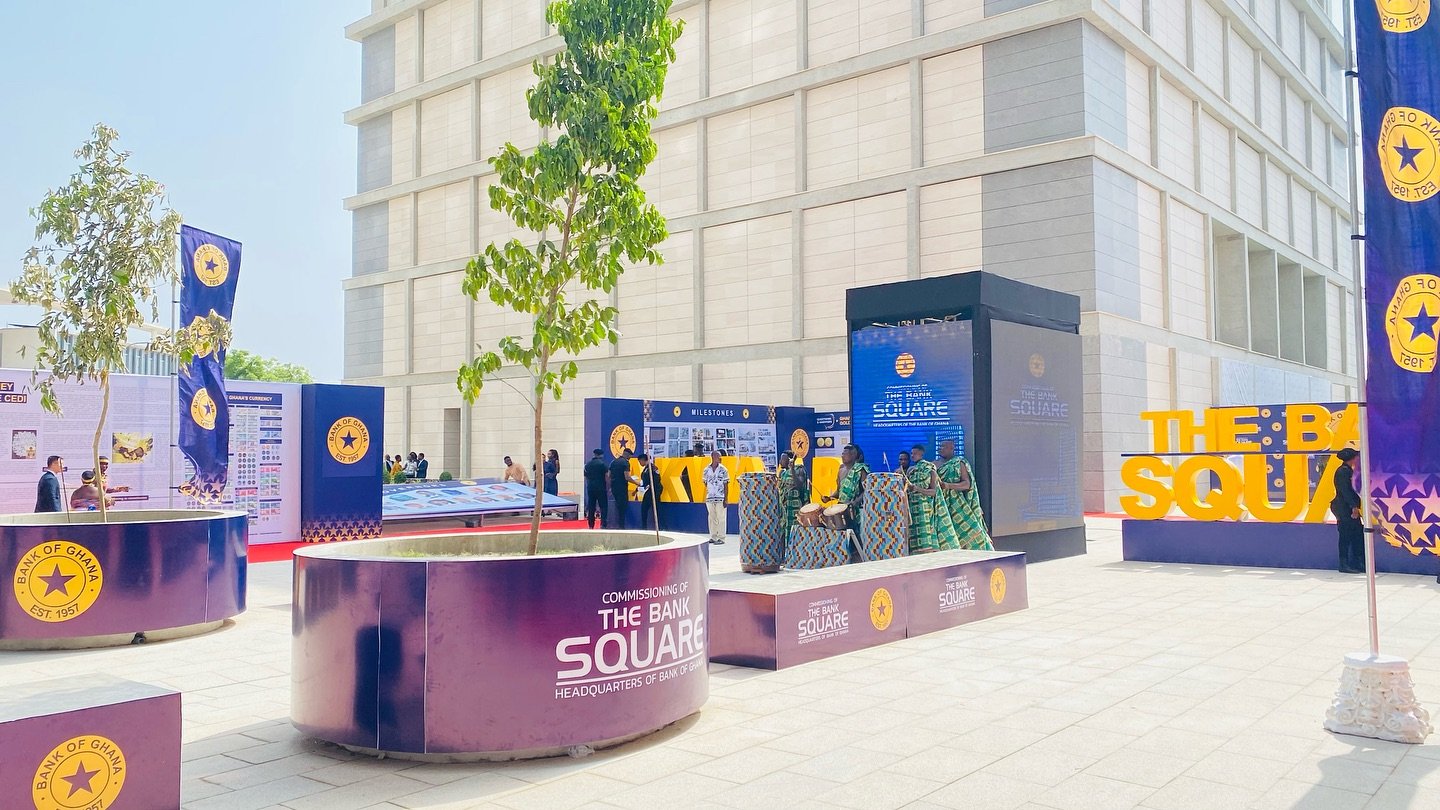
    The governor also noted that $48.3 million had been paid in taxes and levies, and separate contracts were awarded for supporting infrastructure, including ICT systems, integrated electronic security systems, and furniture.

    Meanwhile, the official inauguration of the Bank Square by former President Nana Addo Dankwa Akufo-Addo was held on November 20, 2024. The facility was designed to integrate advanced technology with modern architecture to enhance the BoG’s capacity in regulating Ghana’s financial system.

    During the inauguration, former President Akufo-Addo highlighted the significance of the new headquarters in strengthening Ghana’s financial infrastructure and aligning it with global standards.

    Meanwhile, the Office of the Special Prosecutor (OSP) is investigating potential corruption in the procurement process of the BoG headquarters. This probe was initiated in response to a petition from Bawku Central MP Mahama Ayariga, who raised concerns over cost escalations without approval from the Public Procurement Authority (PPA).

    The investigation targets former BoG Governor Dr. Ernest Addison, former Deputy Governors Dr. Maxwell Opoku-Afari and Mrs. Elsie Addo Awadzi, as well as the project contractor, Goldkey Properties Ltd.

    Ayariga disclosed that in response to his inquiries, Dr. Addison cited “National Security” as the reason for withholding details on project cost variations in a letter dated August 22, 2023. The OSP has yet to release its findings to the public.


  • LIVESTREAMING: BoG Governor briefs Parliament on cost, status of new headquarters

    LIVESTREAMING: BoG Governor briefs Parliament on cost, status of new headquarters

    Governor of the Bank of Ghana (BoG), Dr. Johnson Asiama, is set to appear before Parliament on Wednesday, March 5, to provide details on the construction of the central bank’s new headquarters, reportedly costing $250 million.

    His invitation follows demands from National Democratic Congress (NDC) Members of Parliament (MPs) for a breakdown of the project’s financing, cost variations, scope, and timeline.

    Majority Leader Mahama Ayariga emphasized the need for accountability and transparency in the project.

    The inquiry follows the official inauguration of the Bank Square by former President Nana Addo Dankwa Akufo-Addo on November 20, 2024. The facility was designed to integrate advanced technology with modern architecture to enhance the BoG’s capacity in regulating Ghana’s financial system.

    During the inauguration, former President Akufo-Addo highlighted the significance of the new headquarters in strengthening Ghana’s financial infrastructure and aligning it with global standards.

    Meanwhile, the Office of the Special Prosecutor (OSP) is investigating potential corruption in the procurement process of the BoG headquarters. This probe was initiated in response to a petition from Bawku Central MP Mahama Ayariga, who raised concerns over cost escalations without approval from the Public Procurement Authority (PPA).

    The investigation targets former BoG Governor Dr. Ernest Addison, former Deputy Governors Dr. Maxwell Opoku-Afari and Mrs. Elsie Addo Awadzi, as well as the project contractor, Goldkey Properties Ltd.

    Ayariga disclosed that in response to his inquiries, Dr. Addison cited “National Security” as the reason for withholding details on project cost variations in a letter dated August 22, 2023. The OSP has yet to release its findings to the public.