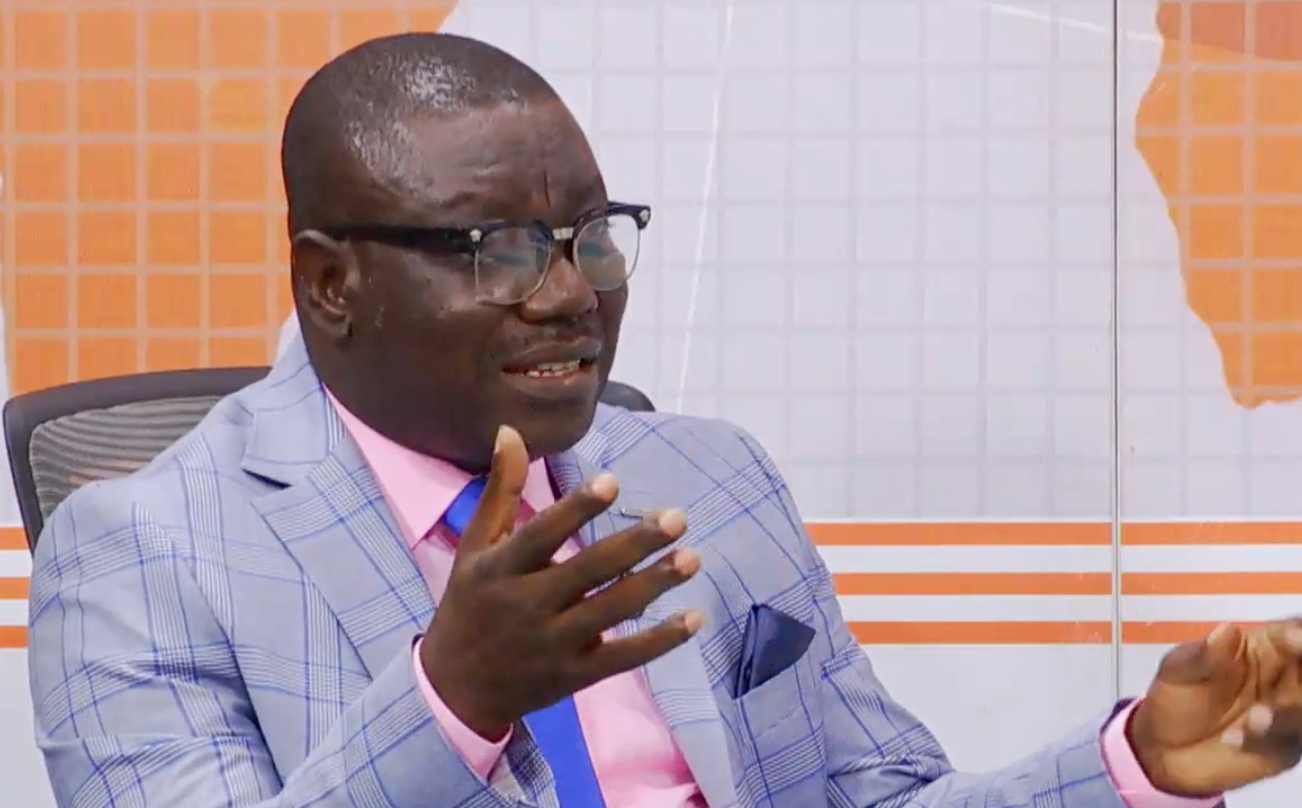
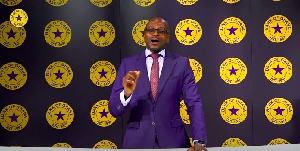
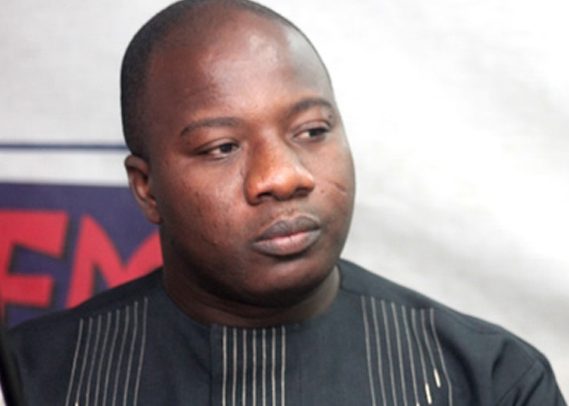
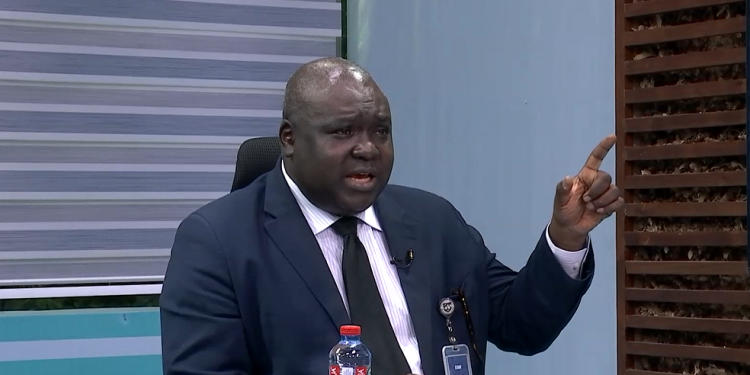
Finance expert at the think tank Centre for Social Justice (CSJ), Haruna Alhassan, has stated that the central bank will need to increase the minimum capital requirement for banks under the next government to strengthen the nation’s financial sector.
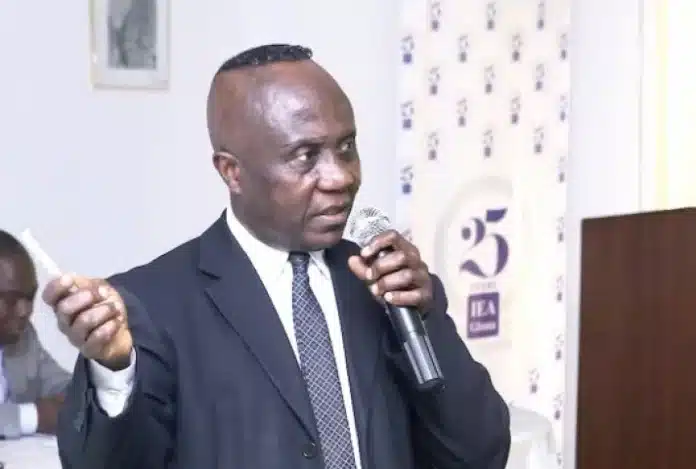
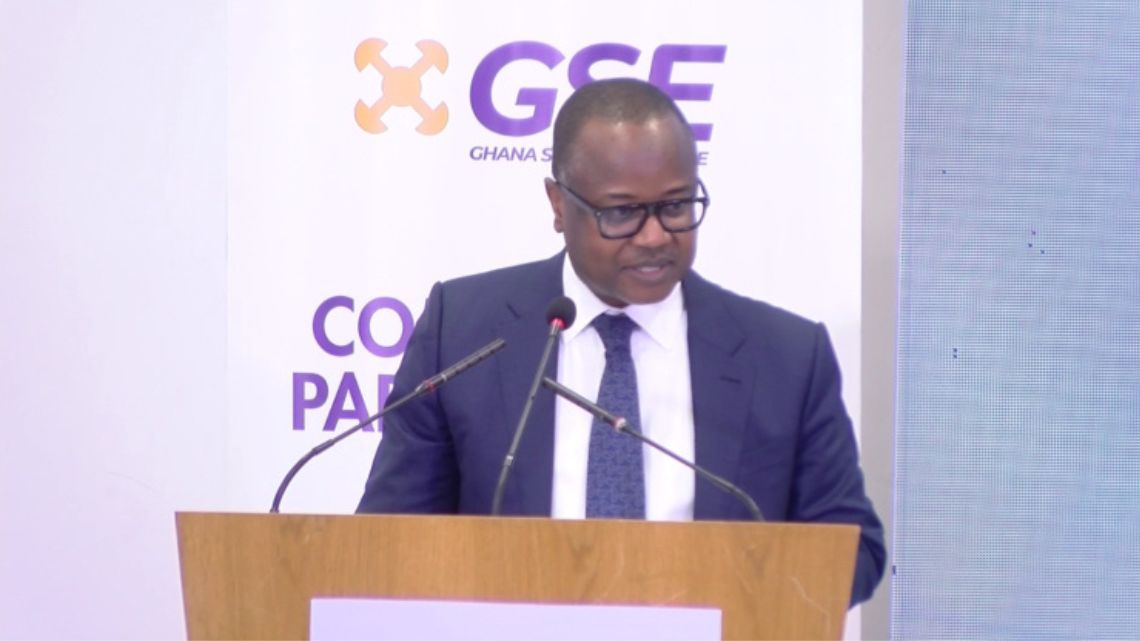
In his keynote address at the 13th Leadership Dialogue Series, “There are currently banks with minimum capital that really cannot finance impact-making projects on their own and sometimes even when they come together,” the Fellow of the CSJ Finance Pillar said.
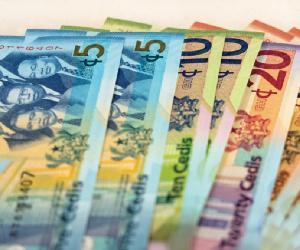
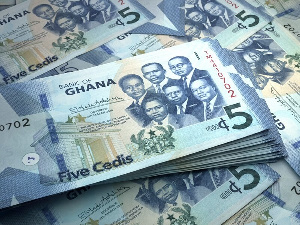
Between 2018 and 2019, the Bank of Ghana required banks to have a minimum capital of GH¢400 million, which was equivalent to $100 million at that time.
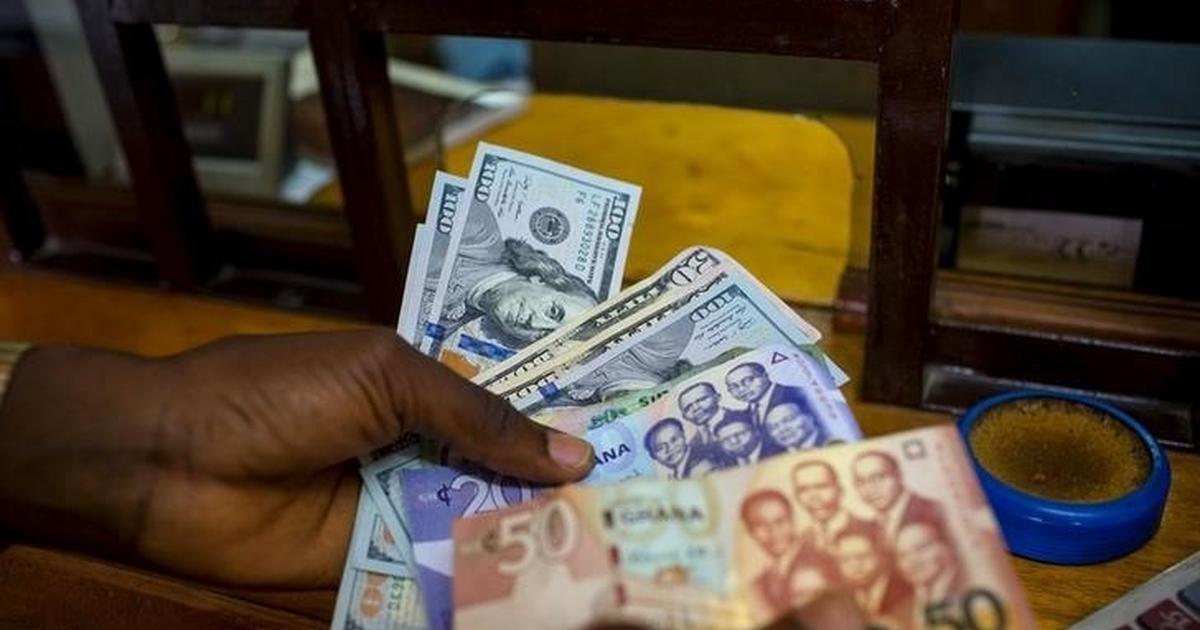
Due to the depreciation of the cedi, GH¢400 million now amounts to less than $40 million. Haruna Alhassan highlighted that this nearly 60% reduction in capital reflects substantial erosion of the banking sector’s capital in Ghana.
“For banks to be able to have that same strength as we envisaged in 2018 and 2019, we would need to look at raising the minimum capital requirements,” he stated.
He further noted that when a new minimum capital requirement is implemented, some banks might face difficulties, so the Bank of Ghana should avoid a “one-size-fits-all” approach.
The Leadership Dialogue Series, where Haruna Alhassan gave his address, is the premier civic education program of the CSJ, a left-leaning policy think tank. This annual event seeks to foster broad political participation and patriotic values through stimulating discussions with experts and prominent national figures.
In his informative virtual speech, Alhassan recommended that the Bank of Ghana limit the use of the country’s foreign exchange reserves to essential commodities or critical imports to mitigate the rapid depreciation of the cedi.
The Ghana cedi has been on a notable decline, worsening since last year. By May 2024, the cedi had depreciated by 14% against the dollar. Partly due to shortages in foreign exchange supply, the local currency, which was valued at GH¢11.97 to a dollar in January and GH¢12.33 in the retail market, had dropped to GH¢15.66 per dollar on the retail market by July 11, 2024.
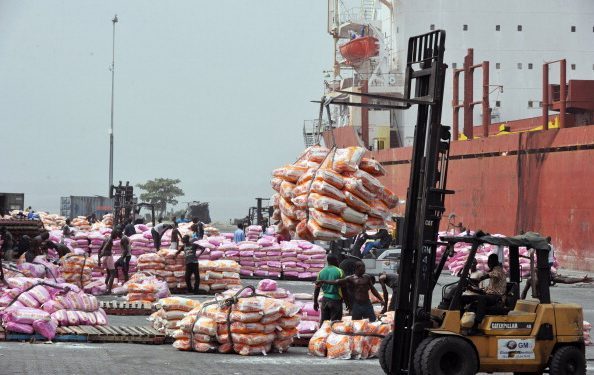
“I don’t see why we should be spending so much hard cash importing artificial and human hair when we need that money to import machinery…this is a situation where we don’t have enough money, we don’t have enough FX,” Alhassan said.
Prior to Haruna Alhassan’s keynote address at the virtual event, which was streamed live on Facebook, YouTube, and Zoom, Georgina Danso, a Ghanaian businesswoman, spoke about how businesses are managing challenges like high inflation, partly due to the depreciating cedi.
Danso noted that the current economic climate has led to a loss of optimism within the business community and urged the next government to inspire and rejuvenate confidence in the private sector.
“Not just with impressive oratory tossed around… we are talking about a government that will actually take action,” she reiterated.
Since 2019, President Nana Akufo-Addo’s administration has grappled with record-high inflation, exacerbated by a rapidly depreciating local currency and a sluggish economy.
Though excessive borrowing, corruption, poor economic decisions, and mismanagement are often cited as causes for the current issues, the government attributes the situation to the Russia-Ukraine war and Covid-19. Many independent analysts, however, dispute this justification.