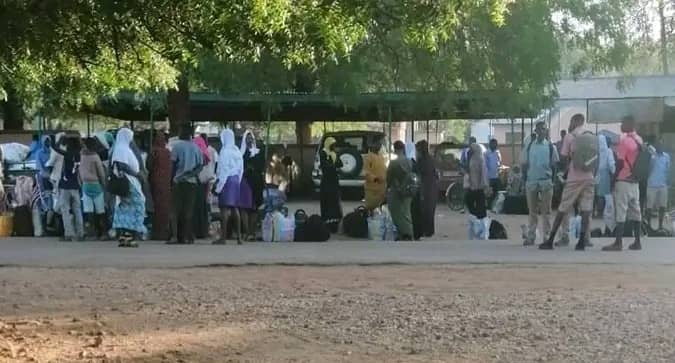
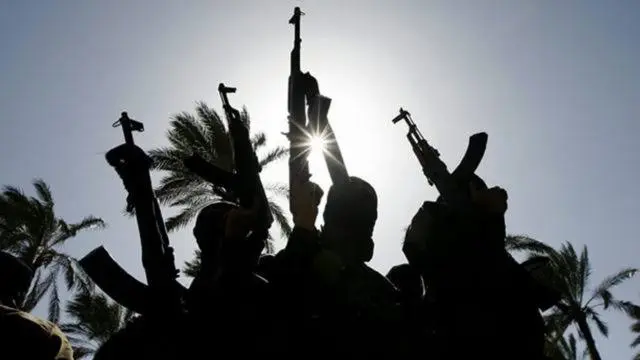
A bus traveling from Bawku to Bolgatanga in the Upper East Region came under attack by unidentified gunmen, leaving one passenger dead and five others critically injured.
Reports indicate that despite being under military escort, the bus was ambushed, leading to casualties. The injured victims were rushed to the Upper East Regional Hospital in Bolgatanga for urgent medical care.
While the motive behind the attack remains unclear, it is believed to be linked to the long-standing Bawku conflict.
This latest incident brings the death toll to 46 since the conflict escalated in October 2024.
Gunmen launched an assault on a bus en route from Bawku to Bolgatanga, claiming one life and leaving five others in critical condition.
Despite military personnel escorting the vehicle, the attackers ambushed the bus, but security forces managed to prevent further casualties.
The wounded passengers were swiftly transported to the Upper East Regional Hospital in Bolgatanga for emergency treatment.
While the attackers’ motives remain uncertain, the assault is believed to be connected to the ongoing chieftaincy dispute in Bawku.
This attack follows a recent incident in which armed assailants, disguised in military uniforms, invaded a residence and gunned down a woman along with her two children.
After a brief period of calm, hostilities have reignited, bringing the total number of fatalities in the conflict to 46 since its resurgence in October 2024.
Terrified residents are calling for heightened security measures to curb the violence and restore stability in the area.
Several people sustained injuries after gunmen ambushed a passenger bus at Pusi-Namoo, a suburb of Bolgatanga in the Upper East Region, on Saturday night.
The attack occurred around 8:00 PM while the bus was traveling from Garu in the Upper East Region to Kumasi in the Ashanti Region. The assailants opened fire on the vehicle, leaving numerous passengers with severe gunshot wounds.
Emergency services promptly transported the injured to the Upper East Regional Hospital in Bolgatanga for urgent medical care. However, the full extent of the injuries and the current condition of the victims remain undisclosed.
While the motive behind the attack has not been confirmed, some sources suggest a possible connection to the ongoing Bawku Conflict, which has contributed to rising tensions and sporadic violence in the area.
The police have secured the crime scene and launched an investigation to identify and apprehend the perpetrators. Authorities have called for public calm, assuring residents that efforts are underway to bring the attackers to justice.
Violent clashes in Bawku’s Daduri suburb on Tuesday, November 12, 2024, left two people dead and several others injured by gunfire.
The incident, which involved an exchange of gunfire, resulted in two homes being set ablaze, worsening the area’s ongoing security crisis.
This latest violence has raised Bawku’s recent death toll to 25, following the killing of an elderly man last week who was attacked after losing his way home from the hospital.
The intensifying conflict has led many residents to flee, with six buses escorted by the military seen transporting people from Bawku to Bolgatanga for safety.
The clashes have severely disrupted daily life, forcing the closure of schools and businesses, and posing a serious threat to local security and economic stability. Tensions have escalated further with the recent return of rival chief Alhaji Seidu Abagre, who had been in exile, as well as multiple ambushes targeting travelers in recent weeks.
In response, authorities have imposed a strict curfew from 6:00 am to 6:00 pm, enforced by security forces to help restore order and peace.
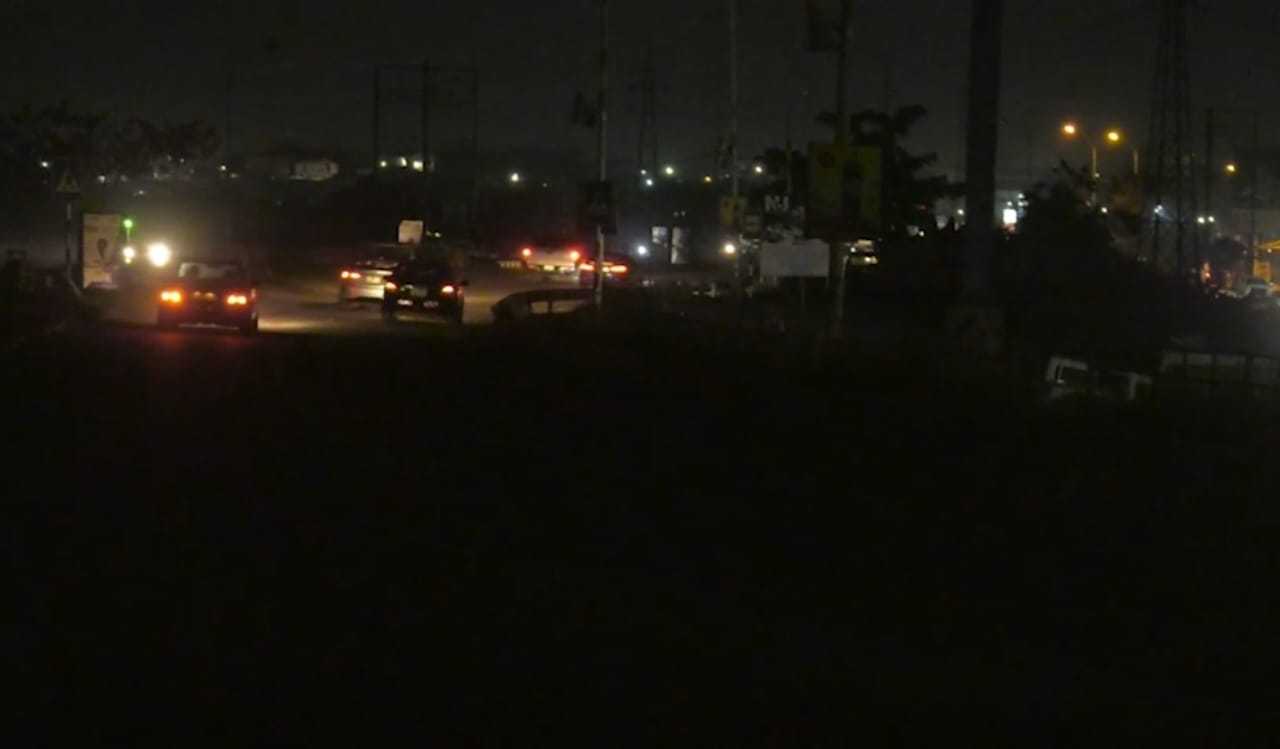
Residents of the Kaobion community in the Bolgatanga municipality have raised concerns about the absence of streetlights, which has severely impacted their daily lives.
The lack of streetlights has plunged the area into darkness, particularly along the main road that connects Bolgatanga township to Sirigu, Basingo, and Naga in the Kassena-Nankana municipality.
The situation has led to a surge in criminal activities, such as motorbike theft and armed robbery, especially on the main Kaobion road.
The community feels vulnerable, with several residents having already fallen victim to such crimes.
Assemblyman for the area, Ayariga Gasoni expressed deep concern about the worsening conditions, calling for urgent intervention.
He highlighted that the road itself is barely motorable, and the absence of streetlights only exacerbates the dangers.
“Those in authority who can help us and can come to our aid, people have lost their motorbikes, this is more or less a highway, this road connects several routes. The road is not ebven motorable talk less of a streetlight.”
Residents echoed his sentiments. Joseph Ayine Ateyure noted that installing streetlights at key points would greatly benefit the community by improving safety.
“The presence of streetlights at vintage point is something very positive which help the residents.”
Another resident, Moses Amogsone, described the situation as dire, stating, “The place is always in complete darkness. They steal our bikes; it’s really bad.”
The community is appealing to the government and relevant authorities for immediate assistance in installing functional streetlights to address the security concerns and improve safety along the road.
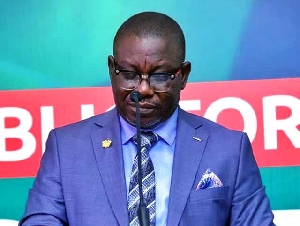
A member of the Parliament’s Finance Committee, Isaac Adongo, has advocated for a legal framework to govern Ghana’s domestic and external borrowing, as well as the utilization of such funds by governments.
Highlighting the necessity of prudent borrowing practices to address Ghana’s financing gap, Mr Adongo stressed the need for clear policies and regulations to guide borrowing activities towards sustainable forex generation.
“We must have a regime that allows us to be very prudent in our borrowing; there must be a clear signal, policy intervention and a legal regulation that compels countries, such as Ghana, when they borrow, to put it into areas that we can generate the forex sustainably,” he said.
This call for regulation follows Ghana’s debt restructuring under a US$3 billion loan-support program with the IMF, aimed at ensuring debt sustainability, economic recovery, and stability.
Mr Adongo, representing Bolgatanga Central in the Upper East Region, emphasized the importance of directing borrowed funds towards productive sectors of the economy through a legal framework.
He underscores the significance of positive loan investments to avoid unsustainable debt situations, necessitating loan-support programs and austerity measures.
Speaking at a conference on Africa’s debt crisis and financial architecture reform, Adongo proposes a legally binding mechanism to regulate debt levels and enforce compliance with established limits.
Moreover, he advocates for strategic investment of borrowed funds to enhance Ghana’s debt-carrying capacity and facilitate debt servicing.
Mr Adongo called for prudent management of Ghana’s abundant mineral resources, emphasizing the need to add value to key exports like cocoa, gold, and bauxite.
He emphasized the importance of political will in implementing measures to effectively manage resources and generate revenue to support sustainable development initiatives.
“Beyond that, [we must] look at where to invest the money in order to improve the debt carrying capacity of our country and be able to service our debts.
“You can’t go on the international capital market to borrow, knowing that your biggest problem is how to generate the forex, and you borrow for five years, and all that you do is to put it in the payment of salaries and goods and services,” he noted.
“We must be prudent in the way we manage our resources; it’s doable. It’s about having the political will to do it. We must build growth poles and generate the kind of resources that will allow us to pay for it,” he stated.
Member of Parliament for Bolgatanga Central and Ranking Member for the Finance Committee, Isaac Adongo, is set to deliver a lecture on Valentine’s Day at a forum organized by the Coalition For Restoration (CFR).
The lecture comes as a response to the recent public address by Vice President and New Patriotic Party Flagbearer, Dr Mahamudu Bawumia, where he outlined his vision for Ghana ahead of the 2024 General Elections, titled “Ghana’s Next Chapter”.
In Dr. Bawumia’s speech, he pledged to eliminate several taxes, including the E-levy, Emissions levy, and VAT on Electricity, while also committing to reducing the number of ministers to only 50.
However, the CFR, in a statement, criticized Dr. Bawumia’s address, calling it “riddled with errors, obvious inaccuracies, deliberate lies, deceptive, and misleading presentations”. In response, they have invited Isaac Adongo to use their platform to address what they perceive as distortions.
“I want to correct him and set the records straight once and for all. Ghanaians cannot be scammed again. The receipt cannot continue to the detriment of students,” Mr Adongo remarked, according to the statement.
The lecture, scheduled for February 14, 2024, will take place at the Chartered Institute of Bankers, East Legon in Accra, under the theme “Ghana’s Next Chapter: The Height of Clueless Leadership, Next Installment of Bold Lies, Hardship, and Aggravated Economic Mismanagement.”
The Deputy Registrar of Bolgatanga Technical University (BTU), Alhassan Azumah, has tragically lost his life in a fatal shooting by unidentified gunmen.
Having recently attained the position of Deputy Registrar just two months ago, he was attacked around 7:00 pm on Wednesday, January 17, 2024, outside his Sokabisi residence in Bolgatanga.
Two assailants on a motorbike shot him multiple times as he walked around his home, before swiftly fleeing the scene.
The shocking incident has left the university’s staff and students deeply disturbed.
BONABOTO, a non-partisan association representing citizens from Bolgatanga, Nangodi, Bongo, Tongo, Zuarungu, and adjacent areas, has issued a call to both the government and mining companies operating in the Upper East region to collaborate on the establishment of an airport for the region.
The association contends that such an endeavor would not only enhance accessibility to the Upper East Region but also foster economic growth and development.
Professor Samuel Awinkine Atintono, the National President of BONABOTO, stressed the critical need for collaboration between the government and mining companies to actualize the airport project.
Addressing the issue during the 13th Biennial Delegate’s Congress of BONABOTO at the Gbeogo School for the Deaf in the Talensi district, Prof. Atintono appealed to the government and development partners, especially mining companies, to provide support for the construction of the airport, which has been a long-standing aspiration of the region.
Despite past attempts, successive governments have failed to construct an airport for the Upper East region.
The president of BONABOTO urged feuding factions in the Bawku skin and the Bolgatanga chieftaincy dispute to embrace peace, facilitating the realization of developmental projects like the airport.
Upper East Regional Minister, Stephen Yakubu, assured that the government is committed to constructing an airport for the region by the end of 2024.
He called on BONABOTO to collaborate with other stakeholders to formulate a Regional Development Strategic Plan, leveraging the human and material resources available in the region.
Paramount Chief of the Talensi Traditional Area, Tongraan Kugbilsong Nanlebgtang, expressed concerns about illegal gold mining activities in the Talensi district.
He called for large-scale gold mining in his area and emphasized the need for corporate social responsibility from mining companies to ensure sustainable development for the district and the region.
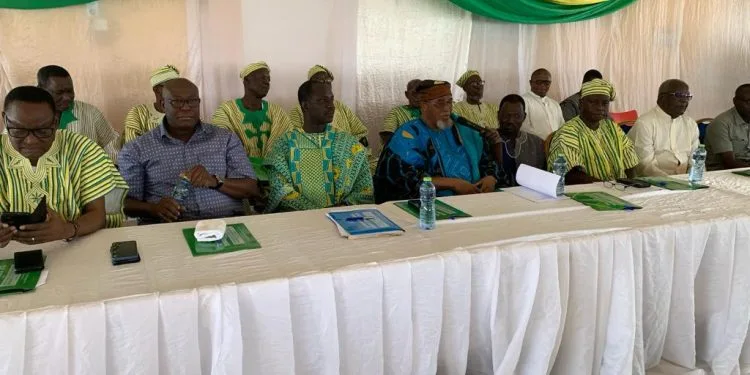
The Ghana Association of Certified Registered Anaesthetists (GACRA) has reported that more than 30% of its members have departed the country in pursuit of better opportunities in 2023.
It highlighted that beyond the concerning percentage, diligent, skilled, and experienced Certified Registered Anaesthetists (CRAs) have also left their positions.
“This has brought about undue stress on the few left,” he explained.
Mr. Nwisangra made this statement during the fifth Annual General Meeting (AGM) and Scientific Conference of the GACRA in Bolgatanga, which centered on the theme: “Sustaining the practice of anaesthesia in Ghana amidst the brain drain; policy direction and regulation.”
Mr. James Nwisangra, President of the GACRA, said the situation might be worse and affect the practice of anaesthesia.
“I am told many, including some present in the conference have intentions of leaving.”
He identified the lack of career progression, poor conditions of service, wrongful placement on the Single Spine Salary Scale, lack of scheme of service and regulatory challenges as factors which contributed to the exodus of the skilled workforce.
Mr Nwisangra said CRAs in Ghana numbered about 1200 serving over 32 million people.
“This gives us a ratio of 1:26, 650.43. This is an unfortunate situation which clearly shows the magnitude of work on the CRA.”
On the significance of their job in healthcare delivery, he said their specialty included resuscitation of the sick, injured, critically ill, the newborn and those in intensive care units.
“This can only be done by the trained anaesthesia provider that is the CRA or the Anesthesiologist and not any other person. All emergency situations in our health institutions are centred on the Anaesthetist,” he emphasized.
Mr Nwisangra, who was re-elected as the Association’s President for another four-year term at the conference, expressed concern about the poor conditions of service, including the lack of accommodation, and inadequate equipment at the workplaces among others.
He said the GACRA had submitted a comprehensive conditions of service document to the Fair Wages and Salaries Commission (FWSC) awaiting negotiations.
He said even though the rules of engagement had been signed by both parties, there was undue delay in the process of negotiations.
“FWSC, the employer and stakeholders should speed up the process to enable us to have improved conditions of service for the CRA.”
Mr Nwisangra further indicated that the Association had observed an upsurge of diseases, such as cancer, kidney and liver cases in Ghana which used not to be common among the populace.
He said research attributed the diseases to pollution and contamination of river and water bodies due to illegal mining activities and the use of uncontrolled chemicals on farms, abuse of substances and high consumption of alcohol and drugs by the youth.
The Association urged the government to make pragmatic efforts to control illegal mining and the use of toxic chemicals on farmlands to save the lives of citizens.
Dr Samuel Kwabena Boagye-Boateng, the Upper East Regional Director of the Ghana Health Service, in a speech read on his behalf, said the theme of the conference was most appropriate and timely, considering the exodus of health professionals abroad in search for greener pasture.
He said the trend, if not checked, would have dire consequences on the health status of the citizenry.
He appreciated the importance and invaluable roles of anaesthetists in quality healthcare delivery.
“The migration of anaesthetists and other health professionals to other countries in search of better conditions of service should be a cause of worry for all people living in Ghana and if this is not checked or minimized, will affect access to quality health care which will impact negatively on our health status,” he said.
Tragedy struck as three individuals lost their lives, and nine others sustained injuries in an indiscriminate gunfire attack on a Yutong bus with the registration number BA 860-21.
The incident unfolded during the bus’s journey to Zuarungu in the Bolgatanga East District of the Upper East Region.
The victims included two women, one estimated to be in her 30s, and a young man. Deputy Superintendent of Police (DSP) Charles Sampah, the Police Commander at the Bolgatanga East District Police Station, confirmed the incident, revealing that the Yutong bus, carrying passengers from Garu in the Garu district, was attacked by three unidentified armed men upon reaching Kongo in the Nabdam district.
DSP Sampah explained that the armed assailants emerged from the bushes and opened fire on the bus near Kong, where speed bumps were present.
Despite the attack, the driver bravely continued to the Zuarungu Customs barrier, where he promptly informed officers about the incident. The officers then relayed the information to the police.
Due to injuries sustained by passengers, the driver rushed to the Bolgatanga Regional Hospital for medical assistance. The regional CID was informed about the situation.
DSP Sampah suggested a potential connection to the Bawku conflict based on ongoing investigations. He assured that the police are diligently working to apprehend the perpetrators.
Earlier, the Regional Police Public Relations Officer, Assistant Superintendent of Police David Fianko-Okyere, indicated that more detailed information would be provided by the Police in charge at the Zuarungu district as the investigation progressed.
General Manager of Shandong Gold Group, the parent company of Cardinal Namdini Mining Ltd., Mr Hang Li, has announced the company’s plan to construct an airport in Bolgatanga to ease transportation to and from the Upper East region.
He noted that discussions are already underway with the relevant stakeholders, and hopefully, the project will come on stream.
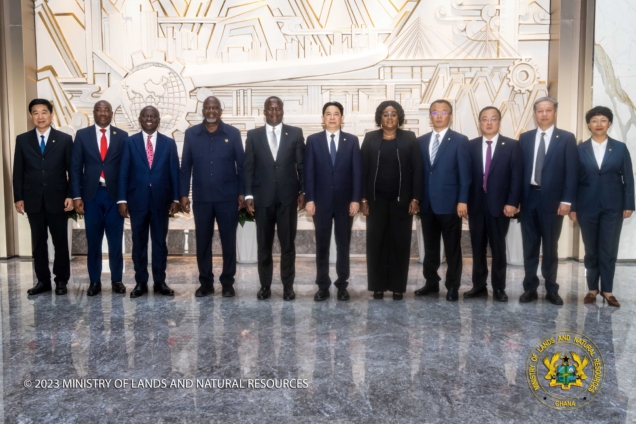
Mr Hang Li made this known on Wednesday, October 25, the Minister for Lands and Natural Resources, Samuel Abu Jinapor, paid a working visit to the head office of the Shandong Gold Group in Jinan, a city in the Shandong Province of China.
Mr Jinapor is in China at the invitation of China’s Minister for Natural Resources, Wang Guanghua, to participate in the 25th China Mining Conference and Exhibition, to be held in Tianjin, from October 26th to October 28th, 2023.
The Conference, said to be one of the largest mining events, brings together government’s investors and other industry players to discuss developments in the mining industry, including mining investment, green and innovative mining, as well as emerging practices in the industry.
Ahead of the conference, the Lands Minister called on the senior leadership of Shandong Gold Group to engage them on their operations in Ghana.
Shandong Gold Group has a project in Ghana, the Cardinal Namdini project, which is currently at the construction stage, following a relocation of affected communities last year.
It is projected that the mine will produce some 1.1 million ounces of gold in the first three years, becoming the third largest mine in the country.
Mr. Hang Li, while engaging the Lands Minister, assured of the company’s commitment to pouring its first gold at the Namdini project in Talensi, in the Upper East Region, before the end of next year.
He said the company’s strategic plan has always been to pour gold by the fourth quarter of 2024, and its management in China is working with the team in Ghana to ensure that they deliver on this commitment.
On his part, Mr. Jinapor said the government was willing to provide all the support the company needs to ensure that gold is poured early enough next year.
The minister said the Namdini project is crucial for the country to maintain her position as the leading producer of gold on the continent.
He added that the impact the project will have on the economy of the northern part of the country makes it imperative for the company to start production as soon as possible. He called on the management to give the necessary support to the team in Ghana to deliver on their promise.
Touching on the proposed airport at Bolgatanga, Mr. Jinapor said it will make the work of the company and the transportation of gold easy and urged them to expedite action on it.
He also called on the company to invest in other mining projects in the country, including investment in value addition, and work to become an example for Chinese investment in Ghana.
Ghana’s Ambassador to China, Dr. Winfred Hammond, lauded the commitments made by the company and pledged the Embassy’s unflinching support to ensure that the first gold is poured next year at the Namdini mine.
The Minister was also accompanied by the Chairperson of the Minerals Commission Board, Barbara Oteng-Gyasi, the Chairperson of the Parliamentary Select Committee on Mines and Energy, Samuel Atta-Akyea, and the Chief Executive Officer of the Minerals Commission, Mr. Martin Ayisi.
Cardinal Namdini Mining Ltd. is the largest mining company in China and has been ranked among the top ten global gold enterprises for two consecutive years, according to the Ministry of Lands and Natural Resources.
Didi Dramani, who currently serves as the Assistant Coach of the Black Stars and is associated with Right To Dream Academy, is set to take the reins of the team throughout the qualifiers for the upcoming Championship of African Nations (CHAN) Tournament.
Dramani brings a wealth of experience, having led Ghana to victory in the 2012 FIFA U-17 Women’s World Cup in Azerbaijan and achieving a domestic double (Premier League and FA Cup) with Asante Kotoko in 2014.
Before transitioning to coaching, Didi Dramani had a notable playing career, representing teams like Bolgatanga Soccer Masters, Real Tamale United, and Cape Coast Mysterious Ebusua Dwarfs before retiring in 2000.
Assisting Didi Dramani in this CHAN qualifiers campaign will be Baba Nuhu and Samuel Boadu.
Ghana’s objective is to secure a spot in the CHAN tournament following their quarter-final exit in the previous edition held in Algeria earlier this year.
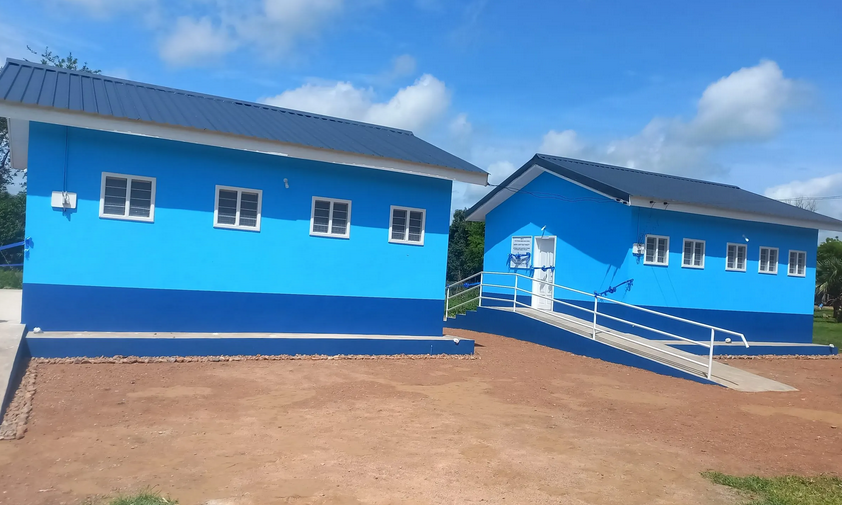
An advanced Water, Sanitation, and Hygiene (WASH) facility, designed to accommodate ten individuals including those with disabilities, has been built and delivered to Bolgatanga Senior High School in the Upper East Region.
This facility serves the purpose of enhancing sanitation and promoting hygienic practices within the school community.
The aim is to enhance sanitation and hygiene practices within the school environment.
This development brings considerable relief to both the school’s staff and students, offering a solution to the prevalent issues of open defecation and unsanitary practices.
Remarkably, this facility, which cost 90,000 pounds (equivalent to GH₵1,291,483.00 at current rates), stands as the pioneering model of its kind in any senior high school within the region.
Its creation was made possible by the dedicated efforts of WaterAid Ghana, a non-governmental organization committed to promoting Water, Sanitation, and Hygiene initiatives.
Funded by the Zochonis Charitable Trust, a UK-based organization, this water closet toilet facility is part of the broader Sustainable Water, Sanitation, and Hygiene Services in Institutions (SWASH-I) project initiated by WaterAid Ghana.
Notably, this endeavor not only involved infrastructure development but also focused on instilling valuable knowledge regarding proper hygiene behavior and sanitation practices among the school’s faculty and students.
In addition to this educational aspect, essential cleaning and hygiene supplies were provided, along with sports equipment including jerseys and footballs.
A brief commissioning ceremony marked the official inauguration of the facility. Mr. Sampson Tettey, the Head of Sustainable Services Programme at WaterAid Ghana, emphasized that this initiative holds great significance in improving the school’s hygiene and sanitation standards, thus enhancing the overall academic experience.
He highlighted the symbolic importance of this climate-resilient and gender-sensitive structure, portraying it as a beacon of progress, empowerment, and a brighter future for every member of the school community.
By advocating for proper hygiene practices and sanitation, Tettey stressed that this investment holds the potential to foster a healthy learning environment, subsequently contributing to the formation of responsible individuals who will play a pivotal role in the nation’s economic growth.
In his view, these facilities not only serve as physical structures but also as the foundation upon which the students will construct a future filled with accomplishments, aspirations, and positive transformation.
Mr. Ababu Afelbeik, the Headmaster of Bolgatanga Senior High School, expressed gratitude to WaterAid Ghana for their invaluable support. He recognized the substantial impact this facility would have on promoting proper hygiene and sanitation practices throughout the school.
Given the school’s large student body and staff count, he acknowledged the need for additional facilities and appealed for further assistance, specifically from the Talensi District Assembly, to complete the ongoing construction of two additional toilet facilities.
The Senior Prefect of the school, Mr. Gabriel Akuka Atanga, revealed that due to the lack of suitable toilet facilities, many students had resorted to open defecation in nearby bushes. He believes that the newly established facility will markedly enhance academic productivity.
Addressing the issue of Water, Sanitation, and Hygiene (WASH) concerns, particularly within educational and healthcare institutions, Mr. Simon Alebega, the Talensi District Assembly Engineer, assured that the local leadership was actively working to tackle these challenges.
This underscores the commitment of the assembly to prioritize these essential aspects of infrastructure and well-being.
A driver of a passenger bus (locally known as trotro) in the Ashanti Region has recounted how he lost his sight completely weeks after engaging in a verbal argument with a passenger who issued a threat, telling him to wait and witness the outcome.
Isaac Moro, also known as Atimbila, discussed his unfortunate situation on the “Sompa Asem Mp3 Nipa” program of Kumasi-based Sompa FM, during a broadcast earlier this week.
Atimbila, originally from Bolgatanga but currently living in New Suame, Kumasi, expressed that he was pleading with the individual he had a short argument with to forgive him and grant him the opportunity to recover from his blindness.
Narrating the sequence of events to the show host, he said: “I worked with my conductor early July picking passengers at Shell Station but because we are not running a regular station route we were headed for the Otumfuo roundabout, apparently, this elderly man was the only passenger yet to alight as he was heading for Kejetia.”
Atimbila said he saw the altercation between the man and his conductor but “I kept mute as he spoke with the mate.”
He stressed that his intervention came as the mate kept begging the man at a point he agreed to alight. “I intervened … and then he said we will see, so I appealed to him over his choice of words, he left the mate and told me to wait that I will see, when he got down.
“I said, what will I see, is he going to kill me or that I should wait and see what? He said he had given me until July ending, I will see what will happen and that as he leaves to Accra, I will not see him again.
“I called his bluff because we are always fighting passengers,” he added.
In recounting how the problem with his eye started, he said he had almost forgotten the episode and thought he was suffering an eye condition known as ‘apollo.”
“So, on 27th of July, I had one eye becoming watery as if I had apollo. The following morning it had worsened but I still went to work with my conductor because I could see clearly with the other eye, by 6pm I found that the other eye was problematic.
“I spoke to the station chairman and he also said it was a case of apollo. The following morning, I woke up and tried opening my eyes, I couldn’t see at all but I knew it was morning,” he submitted.
He said his old woman had been struggling with him since he went blind, which situation he believes is entirely because of the episode.
He extended an appeal to the public to try to find the aggrieved man to show mercy and allow me to be healed.
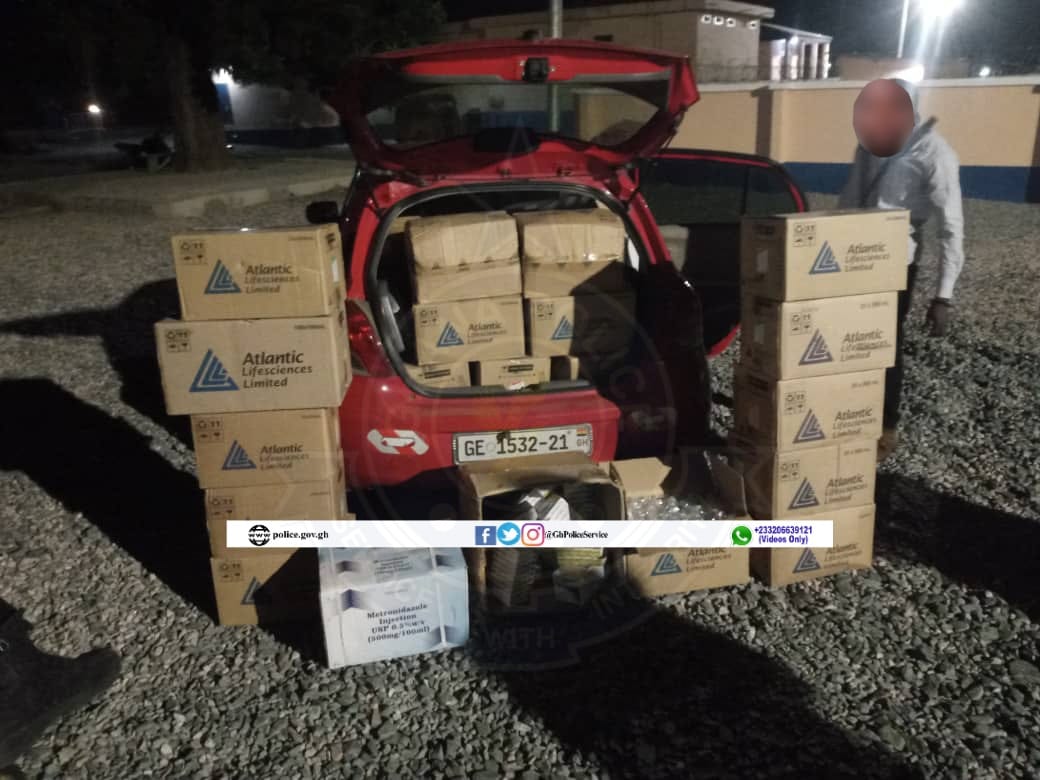
Three individuals employed at the Upper East Regional Hospital, who were apprehended last week for stealing 34 boxes of various government medications from the hospital, have been placed in custody by a Bolgatanga Circuit Court.
Journalist Edward Adeti’s investigation revealed the group responsible for the thefts, resulting in their individual arrests on Friday, August 4, 2023, and Saturday, August 5, 2023.
The trio of suspects—Raymond Asoke, a hospital driver, Fasilat Raheem, the drug storekeeper, and Bridget Noeyelle, an assistant at the hospital’s pharmacy—are facing charges of theft, aiding theft, and conspiracy.
They pleaded not guilty when they were arraigned on Monday, August 5, 2023. Their lawyers applied for their bail but the police prosecution team opposed the application.
Giving their reasons for opposing the bail application, the police said the suspects had declined to mention those who had been buying the stolen government drugs from them and argued that further investigations were needed to track their buyers.
The court presided over by His Honour Sumaila Amadu, considered the points made by the police prosecution team and accordingly remanded the three suspects into police custody for two weeks. The case was adjourned to Tuesday, August 22, 2023.
Edward Adeti launched the investigations in 2022, following public complaints about drug shortages at the regional hospital. The drug shortages are said to have resulted in untimely deaths of patients.
His months-long investigations uncovered a building in Bolgatanga, the regional capital, where the stolen drugs were always hidden in many boxes before they were transported to the Northern Region for resale. The building is situated outside the hospital’s premises.
Raymond Asoke (the hospital’s driver) was sent at night by Fasilat Raheem (the hospital’s drug storekeeper) on Friday, August 4, 2023, to relocate the stolen drugs from the building. But Adeti, knowing their move, led a team of police officers from the Divisional Police Command in Bolgatanga to the scene to effect the arrests of the perpetrators.
The building, where the drugs were being kept, belongs to Bridget Noeyelle, who is also a wife to an administrator of a Ghana Health Service (GHS) regional health directorate.
The stolen drugs were supplied to the regional hospital by the Ministry of Health (MoH). There is a notice on the boxes that says the drugs are not for sale. The stolen drugs were produced in 2023 and are due to expire in 2025.
Three members of the staff at Upper East Regional Hospital have been remanded by a Circuit Court in Bolgatanga for their involvement in the theft of 34 boxes of assorted government drugs from the hospital.
Investigative journalist Edward Adeti played a crucial role in exposing the theft and subsequent arrests.
The suspects include Raymond Asoke, a hospital driver, Fasilat Raheem, the hospital’s drug storekeeper, and Bridget Noeyelle, an assistant dispensary officer at the hospital’s pharmacy.
They are facing charges of stealing, abetment of stealing, and conspiracy.
The suspects pleaded not guilty during their arraignment on August 5, 2023. Their legal representatives applied for bail, but the police prosecution team opposed the application.
The police argued that the suspects had refused to reveal the buyers of the stolen government drugs, necessitating further investigation.
Considering the police’s arguments, the court, presided over by His Honour Sumaila Amadu, remanded the suspects into police custody for a two-week period. The case was adjourned to August 22, 2023.
Investigative journalist Edward Adeti initiated the investigation in 2022 following public complaints about drug shortages at the regional hospital.
His investigation revealed that stolen drugs were being hidden in a building in Bolgatanga before being transported to the Northern Region for resale.
In a specific incident, Raymond Asoke was caught attempting to move the stolen drugs from the hiding location, leading to the arrests.
The building where the drugs were stored belongs to Bridget Noeyelle, who is the wife of an administrator at a Ghana Health Service (GHS) regional health directorate.
The stolen drugs, supplied to the regional hospital by the Ministry of Health (MoH), were clearly marked as not for sale.
They were produced in 2023 and have an expiration date in 2025. The theft of these drugs has raised concerns about drug shortages and potential impacts on patient care in the region.
In an endeavor to combat illegal mining across the country, the government has taken significant measures.
68 excavators located in Tarkwa, Prestea, Obuasi, Bibiani, and Bolgatanga have been equipped with tracking devices.
Minister of Lands and Natural Resources, Samuel Abdulai Jinapor, disclosed this information while addressing questions in Parliament.
These tracking devices have the capability to automatically deactivate the excavators if they venture beyond their designated concession areas.
To reactivate them, authorized officials from the Minerals Commission are required to utilize a dedicated online application.
To oversee the operations of the excavators and other mobile equipment during the pilot phase of this initiative, the Minerals Commission has set up a dedicated control room.
Moreover, the Ministry and the Minerals Commission have been diligently collaborating to ensure the tracking of all earth-moving and tracking equipment, in strict accordance with the law.
In order to obtain necessary equipment for this purpose, the Public Procurement Authority’s approval has been sought for the acquisition of drones and tracking devices.
“The Ministry and the Minerals Commission have been working to track all earth-moving and tracking equipment in accordance with the law. The approval has been sought from the Public Procurement Authority for the purchase of drones and tracking devices. For this purpose, the Minerals Commission has however already established a control room to monitor the operations of excavators and other earth-moving equipment.”
“Some 68 excavators in Tarkwa, Prestea, Obuasi, Bibiani, and Bolgatanga have all been installed with tracking devices for piloting. Several other logistical support has been provided to the Minerals Commission to enable it effectively monitor mining operations, including vehicles, among others,” he stated.
However, the Minerals Commission has already taken the initiative to establish the control room as a preemptive measure to monitor the activities of excavators and other earth-moving equipment.
The implementation of tracking devices on the 68 excavators in the aforementioned areas marks the beginning of the pilot program. Additionally, the Minerals Commission has been provided with various logistical support, including vehicles, to effectively monitor mining operations.
This comprehensive effort by the government is part of a broader campaign to combat illegal mining, which has caused extensive environmental damage in Ghana.
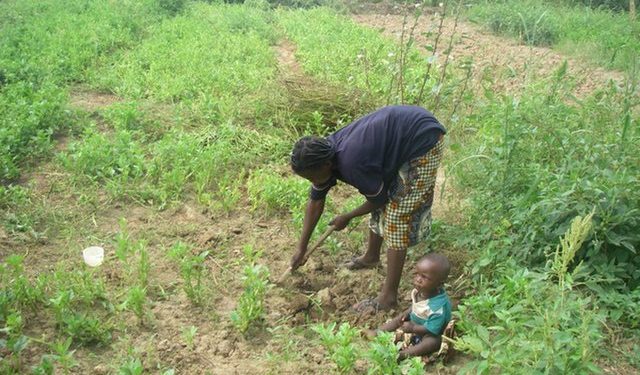
The Director of Climate Alternative Advocates, Mr. Agambila Nyaaba, has urged the Ministry of Agriculture to provide early-maturing seeds to farmers in the Upper East Region.
Late and early rains are affecting agriculture, necessitating a proactive response to climate change challenges.
At a meeting in Tindonmolga, Bolgatanga, Tindan Ayeta Ayinbire expressed disappointment with current maize seeds, as they fail to produce seeds for the next season.
Concerns over an impending food crisis arise due to the safety of hybrid seeds, leading to a plea for seeds that can be saved for future planting.
Mr. Nyaaba likened the climate change impact to a bereavement, emphasizing the seriousness of issues like flooding, cholera, malaria, and food grain loss in the Upper East Region. Survival plans must be developed by the community.
Mr. Dorzie John Baptist, the Regional Organizer for Climate Alternative Advocates, suggests tree planting along riverbanks to control erosion and preserve the region’s dams amid temperature rise and water scarcity.
Chapter 1 of Adjetey Anang‘s memoir, his mother narrates how he nearly lost his life at age one.
“We were all scared. I thought I had lost my son, by virtue of my husband’s work, we found ourselves in the Northern part of the country, Bolgatanga to be precise.
“Adjetey till then hadn’t shown any signs of illness or sickness. He was a healthy growing boy. And then one day, he suddenly fell ill,” she said.
She continued: “At that time, we had a domestic help who took care of Adjetey while we were both at work. We do not know what happened while we were away. I hadn’t noticed anything unusual in the morning, so it was very disturbing to see him looking so pale. What scared me even more was the fact that his pupils had disappeared and you could see the whites of his eyes.”
During Adjetey Anang’s health crisis, his mother vividly recalled the harrowing experience as he was rushed to the hospital.
Filled with worry and desperation, she couldn’t cease her fervent prayers, desperately hoping for a miraculous turnaround as his condition deteriorated.
The Deputy Ranking Member of the Financial Committee in Parliament, Isaac Adongo, has criticized President Akufo-Addo for blaming rating agencies for contributing to the country’s economic woes.
The Member of Parliament for Bolgatanga Central is of the view that the ratings of these international rating agencies have a great deal in borrowing from developed countries.
Isaac Adongo further described President Akufo-Addo as a dishonest man for enjoying the benefits of high financial ratings but having a problem with low ratings from the same bodies when their findings are nothing but the truth.
“You see the dishonesty, when the rating agencies were rating us high and we were going to the capital markets and showing them the rating of Ghana and collecting the $3 billion, were we in bed with them to deceive the investors? What have the rating agencies said that is not true?
“They should tell that man [Akufo-Addo] that rating is not a diplomatic manoeuvre, he should stop going around his peers and telling them stories. The rating agencies and the capital market predates his own life, and it is part of the global financial system that has come to be accepted. He has been a beneficiary of it,” Adongo said.
President Akufo-Addo during the 30th Africa Export and Import Bank annual meetings, took a swipe at rating agencies for their “reckless” downgrades of African economies during the COVID-19 pandemic and the Russia-Ukraine conflict.
He noted that these downgrades have led to countries, especially Ghana being shut out of the international capital market.
“I can comfortably and convincingly say this as the AU champion for African financial institutions and leader of a country, which recently had to deal with one of the most difficult periods in his post-independence history, difficulties which were exacerbated by the reckless behaviour of rating agencies that engaged in pro-cyclical downgrades shutting Ghana out of capital markets and turning it liquidity crisis into a solvency crisis.
“The country which had become the favourite child of bondholders, and had successfully gone to market at the height of the pre-Covid downturn was suddenly shut out of international capital markets,” Akufo-Addo said during his speech at the 30th annual meetings of Afreximbank.
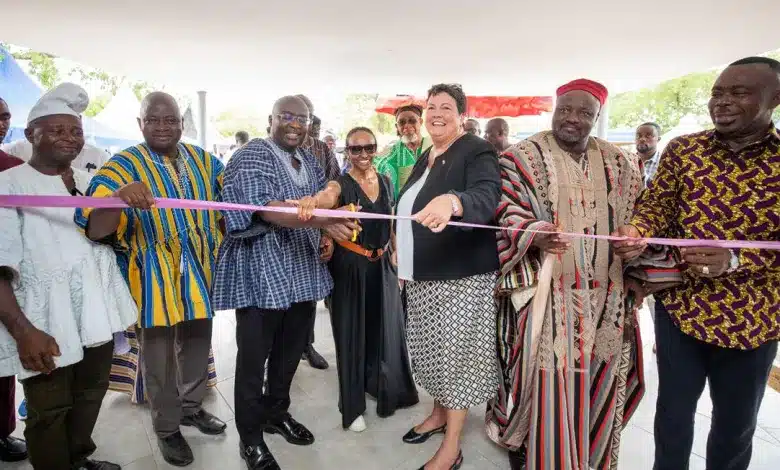
On Wednesday, Vice-President MahamuduBawumiaand US ambassador to Ghana Virginia E. Palmer opened tothe public the renovated Upper East Regional House of Chiefs headquarters in Bolgatanga.
Other dignitaries present at the inauguration includes the Upper East regional minister, Stephen Yakubu, and the Minister for Chieftaincy and Religious Affairs, Stephen Asamoah Boateng.
At the ceremony, ambassador Palmer said, “The U.S. government stands together with local partners in the Upper East to advance their goals of promoting peace, improving livelihoods, and increasing community well-being for more cohesive and resilient communities.”
The U.S. Agency for International Development provided more than US$140,000 of support to rehabilitate the Upper East House of Chiefsbuilding, which forms part of the commitment to promoting community cohesion and peace and stability in Ghana.
As part of her two-day trip, ambassador Palmer also met with women traditional leaders, U.S. Embassy grantees and partners, alumni of the Mandela Washington Fellowship, and other U.S. Government exchange programs.
About USAID
The United States Agency for International Development (USAID) is the lead U.S. Government agency that works to end extreme global poverty and enable resilient, democratic societies to realize their potential.
USAID’s activities and strategic partnerships support Ghana’s journey to self-reliance. Our work advances an integrated approach to development. It promotes accountability, sustainable systems, and inclusive development.
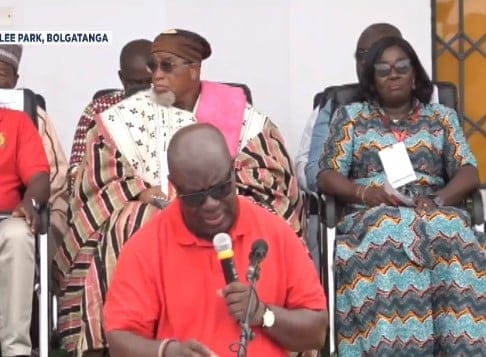
The 2023 May Day (Workers’ Day) celebration was held at the Jubilee Park in Bolgatanga, the capital of the Upper East Region.
Present at the event were President Akufo-Addo and a number of ministers as well as MPs.
Several personalities such as former President John Dramani Mahama and state institutions including the Ghana Police Service have wished Ghanaians a happy day.
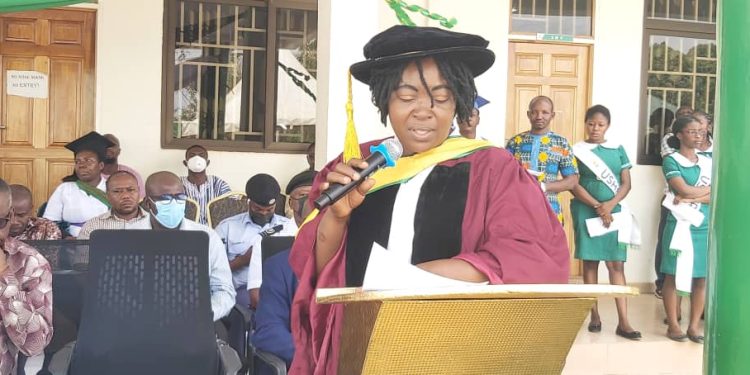
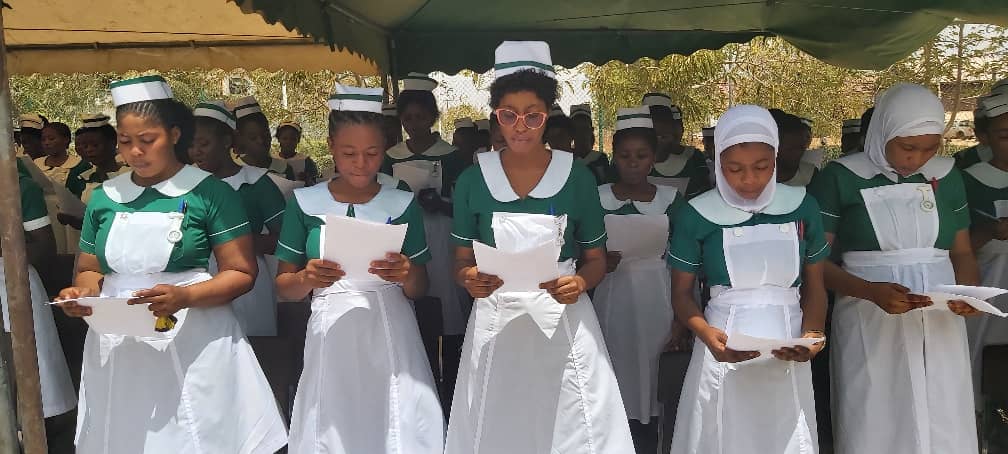
The Bolgatanga Midwifery Training College in theUpper East Region has urged government to employ personnel as well as construct enough dormitories for the college’s students.
The college has had to turn down 570 applicants for the 2022/23 academic year due to inadequate accommodation and low staff.
Speaking at the college’s 17th matriculation in Bolgatanga, the Principal of the college, Christiana Amalba, bemoaned the situation and appealed to stakeholders to intervene.
“Large numbers of prospective students apply to this college yearly and each time, we are faced with the painful decision of having to turn down many applicants who otherwise are well qualified but due to the challenges of low academic staff and inadequate facilities, most especially accommodation of students.
Out of 792 applicants, only 222 students were admitted to undergo special training in this college”.
“I want to use this medium to call on the support of all interested parties, investors, local entrepreneurs, alumni and all stakeholders in and outside of the region of the region to help construct hostel facilities to resolve this pressing issue of accommodation of students”.
Mrs Amalba further assured the matriculants of her commitment to creating a conducive environment for enhanced academic work.
She admonished the students to invest their energies into their studies and eschew all acts of indiscipline.
She hinted that all matriculants shall sign a bond of good behaviour and abide by the rules and regulations of the college.
For his part, the Upper East Regional Minister, Stephen Yakubu, reiterated the government’s commitment to addressing some challenges facing the college.
He admonished the matriculants to take their studies seriously and refrain from all manner of social vices.
He further cautioned them against the use of mobile phones on social media platforms that could bring the name of the institution into disrepute but rather use the to advance their course of study.
The second edition of ‘BolgaWeDey’, an exhibition that attracts local businesses and micro enterprises has been held in Bolgatanga, the Upper East Regional capital.
Organised by Offshore Events, an event planning and advertising company and a subsidiary of the Youth Network for Societal Transformation, a Non-Governmental Organisation, the ‘BolgaWeDey’ exhibition fair seeks to present local micro and small enterprises with the opportunity to showcase their products and network for market linkages.
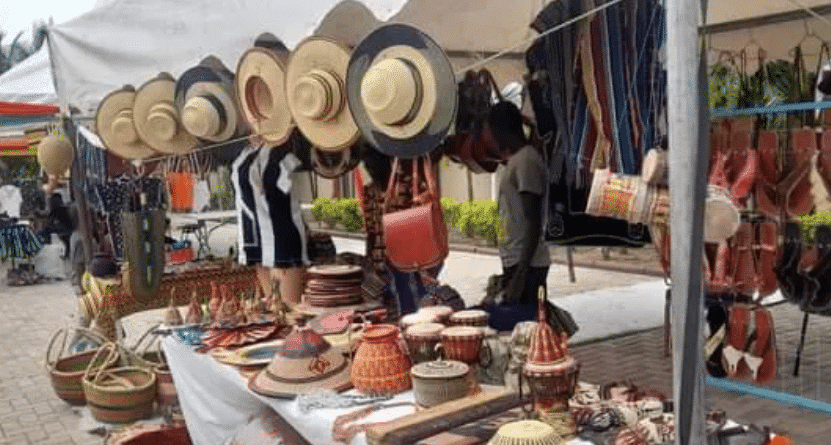
Dealers in various products including baskets, leather works, traditional food, local organic food products, traditional and Ghanaian wear such as smock among others converged at the GHANASS hotel to showcase their products.
The event was also part of efforts to mark Ghana Month which calls on all Ghanaians to patronise made in Ghana products to help boost local businesses and grow the economy.
Mr Christopher Kevin Asima, the Executive Director, Offshore Events, in an interview with the Ghana News Agency, noted that the ‘BolgaWeDey’ exhibition fair which was free was part of a bigger agenda to organise a festival in the coming year.
He said the idea was to give opportunity to people from the region who were producing local products using the local raw materials available in the region to exhibit their products and build linkages to grow their businesses.
“It is open to any product especially those who are producing things in the Upper East Region, that is, the production must be done here in the region but if your production is not done here but then the raw materials for whatever you are producing, hail from Upper East Region, you are allowed to exhibit,” he said.
Mr Asima explained that as part of the fair, the Offshore Event was targeting at identifying challenges and weaknesses including packaging, marketing and advertisement among other businesses and assist them to address them for improved patronage.
“Last year, we spoke to a number of them and connected them to people that could get companies to brand their products and we have achieved that because when you look at these products, you will see that the packaging has improved,” he said.
Going forward, he said, businesses would be supported to digitise their products especially with the use of social media to ensure that their products could sell on the international market and easily be accessed, adding “this will help get companies that can support them to expand their businesses”.
Mr Rex Asanga, the Chief Executive for the Bolgatanga Municipal Assembly, lauded the organisers of the exhibition and said it would help give exposure to the numerous potentials of the region to the international community.
He said the Assembly was working to create enabling environment for local businesses to thrive so as to contribute to the growth of the local economy and urged the business owners to take advantage of such opportunities to increase sales.
Mr Matthew Naamlebna Akayeti, the Founder of Hights Enterprise, who uses groundnuts, sesame, baobab seeds among others to produce oil, noted that some of the major challenges facing local small businesses were the issue of capital to expand and the bureaucratic nature of acquiring and renewing licenses from the Ghana Standards Authority and the Food and Drugs Authority.
He therefore called for support to help expand their businesses as well as appealed to the institutions to make acquiring of licenses flexible to help businesses to grow.
Former Deputy Interior Minister and MP for Builsa North, James Agalga, says the government had failed to anticipate the dire security consequences that was bound to arise in the face of attempts to arrest the Nayiri.
Armed soldiers deployed to Nalerigu to arrest the Nayiri clashed with the town’s youth on the night of February 19.
The attempt by the soldiers followed a warrant issued by a High Court in Bolgatanga for the arrest of the two traditional leaders for their involvement in the enskinment of a chief.
According to JoyNews correspondent, Eliasu Tanko, the military forces upon their arrival on Sunday night, however, could not carry out the arrest as they were met by the angry youth of the town.
However, following the incident the youth set up road blocks to prevent further incursions by the military.
Speaking on PM Express, James Agalga, says it appears the state was confused on how to handle the sensitive issue.
“Government was a little bit confused about how to proceed in the face of the enskinment that took place in Walewale. First of all, they failed to anticipate the very dire security consequences that were bound to arise in the face of any attempts to arrest the Nayiri in Nalerigu.
“I thought that as the managers of the country’s security they ought to have anticipated that an attempt to arrest the two in Nalerigu would create very serious problems for them,” he said.
He added that the state should have gathered intelligence on the ground before deciding whether to embark on such a risky undertaking or not.
According to him, following the incident, tempers in Nalerigu have flared, and there is a need to cool down the situation before it gets out of hand.
“My worry is that I don’t know what intelligence they got from Nalerigu and even in the North East region, because I had somebody who gave me firsthand account of what happened when the person tried to ply the highway between Bolga to Tamale, and he tells me the scene was very nasty and something very terrible could have happened.
“I don’t want to mention names, but this informant tells me that when the youth of the area mounted road blockades and intercepted him, some initially thought he was some other person. But when they realized that he wasn’t the person they were looking for, they told him in the face that he was very lucky. I am just wondering what would have happened if the youth had managed to intercept the very person they said they were looking for.
“And so I think that next time we need to be guided, some of these decisions we take must be informed by the intelligence we gather from the ground before we make such a move,” he said.
Meanwhile, the Mamprugu Traditional Council has demanded an unqualified apology from the government for “disrespecting their Kingdom.”
Following an unsuccessful attempt to apprehend the Nayiri and the recently skinned Bawku Naba atNalerigu, security analyst Adib Sani is urging government to use diplomatic means instead.
There’s uneasy calm in the area after the youth on Sunday night fiercely resisted moves by soldiers to arrest the two chiefs acting on the warrant issued by a High Court inBolgatanga in the Upper East Region.
Adib Sani in an interview with Starr News said the military arrest was dead on arrival and advised the government to resort to diplomacy to avoid an escalation of the already fragile situation in the enclave.
“…There absolutely no way, either the Nayiri or the enskinned Bawku Naba can be accessed without the use of brute force, and the people are not willing to back down. So what it means is that lives might be lost if they are to indeed access any of these chiefs.
“We are really in disturbing times but I’m hoping that immediately government engages the two sides. Inasmuch as we sometimes have to use force, for now, the government has run out of options and the only one there is the use of diplomacy so government should use this opportunity to meet the two sides and see how we can amicably come together and address the insecurity that is brewing.”
The Bolgatanga Municipal Health Directorate of the Ghana Health Service has exceeded its COVID-19 vaccination target for the Christmas and New Year festivities.
With a target of 6,599 people to vaccinate, the Municipal Health Directorate vaccinated 10,482 people to exceed its target.
The Ghana Health Service, in collaboration with partners and with funding from the World Health Organisation (WHO), declared a nationwide COVID-19 vaccination campaign during the yuletide.
The move was to combat the spread of the virus and the emergence of new strains from other countries, particularly China.
Mr Stephen Bordotsiah, the Bolgatanga Municipal Health Director, told the Ghana News Agency in an interview that cumulatively, 78.1 per cent of the area’s population had been fully vaccinated while 97.3 per cent had received at least a single dose.
He reiterated staff commitment to ensuring that the Municipality attained the target of 80 per cent fully vaccinated population and head immunity to help fight any spread of the virus.
“We are not doing badly at all as a municipality, we hope to achieve head immunity by the end of January 2023, hoping that at least we will cross the 80 per cent full vaccination rate,” he said.
Mr Bordotsiah noted that vaccination, coupled with laid down precautionary measures, are key in combating the spread of the virus and encouraged stakeholders to support demystifying the vaccination process.
That, he said, would enable more people to avail themselves to be vaccinated against the disease.
COVID-19 is an infectious disease caused by the SARS-CoV-2 virus. It can spread from an infected person’s mouth or nose in small liquid particles when the person coughs, sneezes, speaks, sings or breathes. These particles range from larger respiratory droplets to smaller aerosols.
One can be infected by breathing in the virus if near someone who has the disease.
Sales of sex enhancing and body enlargement products in the Bolgatangamarket is on rise despite warnings and confiscation of the products from such traders by the Food and Drugs Authority.
The different products which target both genders and aim to boost sexual drive of men, women and increase the size of the male organ and bodies of women, particularly their buttocks according to the dealers were cashing in sales.
A visit by the Ghana News Agency (GNA) to the market where the products were displayed revealed that prices of some of the aphrodisiacs ranged between GH₵50 to GH₵100.
Some have inscriptions as “Tundra Butt Sirop,’ “Anita Syrup,” “Suprem Maca Syrup,” “Ultimate Maca syrup,” “Yodi” “Sirop Dynewell” among others on them.
One of the dealers, a woman believed to be in her early 50s, and preferred to be called Adurowura, told the GNA that, business was booming, and the demand was high among the youth.
“The young women in particular want to entice their male partners with their curvy shapes,” she stressed.
According to her, each of the products worked according to what was inscribed on the package and users recommend it to their friends after seeing positive changes in their bodies and told the GNA that, at her age, she did not need such body enlarging product for use because her system will not respond to its use.
Mrs Afia Nyantakyi, another seller of the product told the GNA that she was neither aware of the main source of the medicine nor the consequences it may pose.
“What I know is that, it can enlarge your buttocks to give you a sexy or curvy shape but as to what the consequences are when using it, I cannot best tell because, no customer has ever reported to me of any complications,” she said. “I also buy them from someone, and I am not aware of where exactly they bring them from.” she stated.
Mr Sebastian Mawuli Hotor, Upper East Regional Director of Food and Drugs Authority (FDA), debunked the claims by the sellers of the body enlargement medicines and explained that such medicines had not been licensed because there was no scientific proof to the effect that it could provide such services.
According to him, the sellers lure their unsuspected customers with such claims.
He explained the Authority had on several occasions confiscated such medicines from the sellers.
He warned them to desist from the illegal trade of the medicine which had dire consequences on the users.
He said his outfit was committed to prosecuting sellers of such products to deter others and advised the public to be wary of such.
About 48 districts in six regions of the country will benefit from a US$450 million credit facility under the Gulf of Guinea Northern Regions Social Cohesion (SOCO) project, which was launched in Bolgatanga.
The project is intended to support the northern parts of the Gulf of Guinea countries, which suffer instabilities owing to food insecurity, climate change, conflict,
and violence.
It will be implemented in the Upper East, Northern, Upper West, North East, Savannah, and Oti regions. Other countries, including Côte d’Ivoire, Togo, and Benin, will also benefit from the credit facility.
Launching the project in Bolgatanga, the Upper East regional capital, Vice President Dr Mahamudu Bawumia noted that “the project has been conceived and designed to address the effects of the spillover of conflicts and extremism from the Sahel region with its vulnerability, because of the exposure to the impact of
climate change, strengthen local institutions, improve economic opportunities, and build public trust.”
He also indicated that out of the total amount, US$150 million would be used to implement development projects in the 48 districts across the six regions.
The Ministry of Local Government, Decentralisation, and Rural Development, in collaboration with relevant stakeholders, would ensure the implementation of the project in the districts.
Dr Bawumia said the project would focus mostly on communities in the Upper East Region, which has 15 municipalities and districts, and their residents, especially women and children, who are exposed to terrorist attacks.
“Thus the project focuses on dealing with issues relating to fragility, conflict, and violence. This is very significant as countries all over the world are pursuing strategies to address these challenges in view of the anticipated worsening of the situation if the necessary interventions are not promptly instituted,” he added.
While highlighting the relevance of this project, he cautioned the implementing agencies of the project both at the national and sub-national levels, stressing that implementation delays would not be tolerated.
He entreated implementers to remain committed to the due processes outlined in the project documents.
“Indeed, Ghana must ensure that the delivery of the project through the decentralised structures culminates in the outcomes and impacts contained in the
project appraisal document and implementation manual,” the Vice President said.
He also expressed profound gratitude to the World Bank for the credit facility, which is intended to complement the government’s efforts at building resilient humans.
On his part, the Country Director of the World Bank, Mr Pierre Frank Laporte, said the Bank was deeply committed to collaborating with the government through
the new Country Partnership Framework to address spatial and other inequalities, improve socio- economic and improve governance to promote inclusive growth and poverty reduction.
He further noted that the SOCO project has been designed to improve the livelihoods of vulnerable communities in the North to proactively prevent the
spread of conflict from the Sahel, reduce vulnerability to climate change, and strengthen local institutions.
The Minister of Local Government, Decentralisation, and Rural Development, Mr Daniel Kwaku Botwe, also pledged commitment to ensuring the project is properly supervised and completed in time.
“We will ensure that there is value for money and the aspirations of the people will be met. That is the assurance we can give,” he added.
In response to the emergence of extremism in the West African sub-region, the Ghana, Cote d’Ivoire, Togo, and Benin governments secured a $450 million multi-country credit facility project called the SOCO Project from the World Bank. The project aims to improve facilities and security in the northern regions and border towns of the four West African nations.
The government claims that more Ghanaians will be able to use the service as a result.
Launching the project in Bolgatanga on Friday November 25, 2022, Vice President Bawumia revealed that out of the total amount of $450m facility, the Government of Ghana has secured US $150Million to implement the Project in forty-eight (48) Metropolitan, Municipal and District Assemblies (MMDAs) in six regions of the country, distributed as follows: Northern – eight (8) District Assemblies, North East – six (6) District Assemblies , Upper East – all the fifteen (15) District Assemblies, Upper West – all the eleven (11) District Assemblies , Savannah – four (4) District Assemblies and Oti – four (4) District Assemblies.
Dr. Bawumia described the project as “a very important and timely intervention aimed at addressing some key emerging and recurring challenges in the northern part of Ghana.”
“The Project has been conceived and designed to address the effects of the spill over of conflicts and extremism from the Sahel Region; reduce vulnerability because of exposure to the impacts of climate change; strengthen local institutions; improve economic opportunities and build public trust,” he added.
“This is very significant as countries all over the world are pursuing strategies to address these challenges in view of the anticipated worsening of the situation if the necessary interventions are not promptly instituted,” said the Vice President.
“The project as conceptualised, takes cognisance of regional perspectives and impact of the issues that are common to the four countries, whilst enabling country led actions that respond to local needs. It also leverages experience sharing on prevention of the spill over effects from the Sahel, fragilities, climate-related risks in the four (4) participating Gulf of Guinea countries, as well as, conflict prevention by the affected countries,” he added.
The project will also prioritise the needs of communities and strengthen local institutions to give the citizenry, especially the vulnerable, a voice to take part, influence and play a vital role in prioritising local development investments, as well as, promote social cohesion and build trust in their communities.
For almost a decade, the living conditions of over sixteen million people living in the northern parts of Benin, Côte d’Ivoire, Ghana, and Togo have been threatened by the spread of conflict from the Sahel, which has led to increased vulnerability to the impact of climate change.
According to drivers in the Municipality, there had been a drastic reduction in the patronage of their services as it took a long time for vehicles to get enough passengers for a trip, from the various lorry stations on daily basis due to the increase in fares.
Mr Abomooh Francis Akanboe Yazieh, the Secretary of the Needle and Thread Transport Limited (N&T Transport), speaking in an interview with the Ghana News Agency said the effect of the high cost of fuel and low patronage of the services of drivers was so dire that some had practically folded up.
“The reality on the ground is that drivers are experiencing the worse times because some cars have been here for 24 hours and are still in the queue just to get passengers to Tamale and loading back is not assured because yesterday, we loaded only ten cars and only five were able to return with passengers and the others slept in Tamale.”
“It is very unusual, because in time past when fuel prices were manageable, we could load about 25 cars and even sometimes rely on other stations for cars but now, our drivers don’t get to load and some have practically folded up because they waste fuel and come here, only to be stranded,’’ he added
He said the fare for six-seater capacity vehicles moving from Bolgatanga to Tamale was presently GH¢80.00 while 12-seater capacity vehicles charged GH₵65.00 as against the previous fares of GH₵55.00 and GH₵45.00, respectively.
Mr Amadu R. Mohammed, alias Chukse, a driver at the Station said the inability of the government to reduce fuel prices would worsen their plight and negatively impact those who depended on them.
“We are much worried as drivers because it is not in our interest to make things difficult for our passengers because we survive on their patronage of our vehicles, but this has been the case.
‘’Our children and parents depend on us, so imagine if we come here and return home with empty hands,” he added.
The story at the Bawku lorry station was not different as vehicles were stationed without passengers. cheetah
Mr Mba Ambrose, a driver at the station said traders preferred to have agents at the markets in Bawku, Tamale, Kumasi, and Accra, who purchase their goods for them and that had relatively reduced the number of people who travelled to and from Bolgatanga each day.
The fare from Bolgatanga to Bawku presently ranges from GH₵35.00 to GH₵40. 00 as against the previous GH₵25.00 or GH₵30.00, depending on the type of vehicle.
At the State Transport Corporation (STC), fares from Bolgatanga to Accra, Kumasi and Techiman are Gh¢275, GH¢197, and GH¢ 140respectively, an increase from GH¢ 250.00, GH¢170 and GH¢110.00 respectively, in one week.
At the OA bus station, there was an increase of Gh¢ 20.00 on all the fares of the various buses, the Executive bus fares from Bolgatanga to Kumasi is GH¢200.00, Accra GH¢ 300.00 and Techiman, GH¢ 170.00 while the standard buses charged Gh¢ 240.00, GH¢170.00 and GH¢150.00 to Accra, Kumasi and Techiman, respectively.
A visit to some fuel pumps in Bolgatanga Township by the Ghana News Agency revealed that Petrol was sold at GH₵17.99 and Diesel at GH₵23.49 per litre by GOIL and NASONA oils while at the NAAGAMNI oil, petro was sold at GH₵17.80 and Diesel at GH₵22.99 per litre.
Increasing transport fares has reduced the rate at which people used to travel from Bolgatanga, the regional capital of the Upper East Region to other places.
According to drivers in the Municipality, there had been a drastic reduction in the patronage of their services as it took a long time for vehicles to get enough passengers for a trip, from the various lorry stations on daily basis due to the increase in fares.
Mr Abomooh Francis Akanboe Yazieh, the Secretary of the Needle and Thread Transport Limited (N&T Transport), speaking in an interview with the Ghana News Agency said the effect of the high cost of fuel and low patronage of the services of drivers was so dire that some had practically folded up.
“The reality on the ground is that drivers are experiencing the worse times because some cars have been here for 24 hours and are still in the queue just to get passengers to Tamale and loading back is not assured because yesterday, we loaded only ten cars and only five were able to return with passengers and the others slept in Tamale.”
“It is very unusual, because in time past when fuel prices were manageable, we could load about 25 cars and even sometimes rely on other stations for cars but now, our drivers don’t get to load and some have practically folded up because they waste fuel and come here, only to be stranded,’’ he added
He said the fare for six-seater capacity vehicles moving from Bolgatanga to Tamale was presently GH¢80.00 while 12-seater capacity vehicles charged GH₵65.00 as against the previous fares of GH₵55.00 and GH₵45.00, respectively.
Mr Amadu R. Mohammed, alias Chukse, a driver at the Station said the inability of the government to reduce fuel prices would worsen their plight and negatively impact those who depended on them.
“We are much worried as drivers because it is not in our interest to make things difficult for our passengers because we survive on their patronage of our vehicles, but this has been the case.
‘’Our children and parents depend on us, so imagine if we come here and return home with empty hands,” he added.
The story at the Bawku lorry station was not different as vehicles were stationed without passengers. cheetah
Mr Mba Ambrose, a driver at the station said traders preferred to have agents at the markets in Bawku, Tamale, Kumasi, and Accra, who purchase their goods for them and that had relatively reduced the number of people who travelled to and from Bolgatanga each day.
The fare from Bolgatanga to Bawku presently ranges from GH₵35.00 to GH₵40. 00 as against the previous GH₵25.00 or GH₵30.00, depending on the type of vehicle.
At the State Transport Corporation (STC), fares from Bolgatanga to Accra, Kumasi and Techiman are Gh¢275, GH¢197, and GH¢ 140respectively, an increase from GH¢ 250.00, GH¢170 and GH¢110.00 respectively, in one week.
At the OA bus station, there was an increase of Gh¢ 20.00 on all the fares of the various buses, the Executive bus fares from Bolgatanga to Kumasi is GH¢200.00, Accra GH¢ 300.00 and Techiman, GH¢ 170.00 while the standard buses charged Gh¢ 240.00, GH¢170.00 and GH¢150.00 to Accra, Kumasi and Techiman, respectively.
A visit to some fuel pumps in Bolgatanga Township by the Ghana News Agency revealed that Petrol was sold at GH₵17.99 and Diesel at GH₵23.49 per litre by GOIL and NASONA oils while at the NAAGAMNI oil, petro was sold at GH₵17.80 and Diesel at GH₵22.99 per litre.
They said the rising cost of food items on daily basis and the high cost of fuel vis-a-vis their stagnant salaries were making living conditions difficult.
According to them, the Cost-of-Living Allowance (CoLA), paid by government, was not sufficient to cushion them from the current economic hardship, insisting that salaries must be increased by 50 per cent across board.
The workers made the call in an interview with the Ghana News Agency (GNA) in the Bolgatanga Municipality and Talensi District to sample views on the current high cost of living.
Samuel Aniah Awuni, a Public sector worker, told the GNA that “The current economic situation is just unbearable. I bought a bucket of paint for GH₵600.00 and when I returned the following day to buy another bucket, the price had increased to GH₵700.00.
“Cost of fuel is not easy. I used to buy GH₵100.00 for a week just from my house to work and to church, but now I buy GH₵500.00 for the same one week period. There has to be an increment in salaries,” he said.
Ms Lawrenda Lardi Daameba, a student at the University of Ghana, Legon, said even though she was still under the care of her parents, she appreciated the financial burden on them, “My Dad takes care of me.
“I have had to manage with the little he provides; for instance, if I used to spend GH₵50.00 a day, now I have to adjust and make do with either GH₵30 or GH₵20,” she said.
Ms Daameba, who is on internship at the Regional Hospital in Bolgatanga, said she used to spend GH₵4.00 to, and from work, “But now I spend GH₵10.00. I am not working, am on internship, so you can imagine.”
Mr Samuel Adongo, a teacher, said, “We cannot even afford fuel for our motorbikes. I travelled from Winkogo to Tongo, I cannot buy fuel to return.
“Even to feed our children before they go to school is a problem. This is not about politics, ordinary citizens are feeling the economic hardship, so the government must do something to help us,” he said.
Mr Adongo said, “I will advocate for salary increment, in fact it should be up to 50 per cent because cost of items had doubled. A bag of cement is between GH₵93.00 and GH₵95.00.
“So assuming my salary is GH₵1000.00, today, how many bags of cement can I buy? Does that mean I have to keep staying in a rented room till I retire? We need 50 per cent salary increase so we can survive,” the teacher insisted.
Madam Augustina Ajuidiok, a shop owner in the Tongo Township, said the cost of buying provisions from Bolgatanga to Tongo had doubled, owing to the high cost of fuel.
“People are not buying items as they used to. Sometimes I see that they want the items, but they just cannot afford.”
The Ghana Medical Association (GMA) has expressed dissatisfaction with the unfair and unequitable distribution of medical doctors in the country, describing it as a discrimination against Northern Ghana.
Speaking at the 64th Annual General Conference of the GMA in Bolgatanga, Dr Frank Serebour, the National President, GMA, said the situation was having dire health consequences on the already deprived and underserved regions and posed threats to quality of healthcare delivery in those areas.
He stated for instance that the Upper East Region had a total of 89 medical doctors, out of which only 30 were currently at post due to further studies, depriving many vulnerable communities of quality healthcare.
“This number is equivalent to a single department in our teaching hospitals in Korle-Bu and Komfo Anokye, and the numbers are not different from other deprived regions in the country”.
According to Dr Serebour, many healthcare facilities in Northern Ghana in particular, were being served by one doctor while some doctors had spent all their working lives in the South particularly in Accra and Kumasi.
He described the situation as an indictment on the management of the healthcare system in Ghana and underscored the need for an open and honest discussion to resolve the skewed distribution of doctors.
“Until there is a total transparency and fair play in transfers based on the needs of institutions, there will always be brave people who would refuse postings to deprived areas,” he lamented.
Apart from urging the government to design incentive package to attract and retain doctors in rural and deprived areas, Dr Serebour urged the Ministry of Local Government and Rural Development, particularly the District Assemblies to provide basic structures for doctors and other health workers.
This, he said, coupled with improved condition of service, would not only motivate doctors and other health workers to work in deprived communities but would help prevent the brain drain of doctors which was on the ascendancy.
“These packages may include well-furnished accommodation, top up salaries up to the tune of 50 per cent of their total salaries, full scholarships for further training, either within or outside the country after three years of continuous and dedicated service,” he added.
Mr Stephen Yakubu, Upper East Regional Minister, indicated that shortage of doctors especially in the Upper East Region was worrying to stakeholders and needed collective approach to resolving the issue.
He said over the years, doctors had refused postings to the region and the Regional Coordinating Council had tasked the Municipal and District Assemblies to identify and sponsor students to pursue medicine and bond them to work in the region.
He said the region was benefitting eight district hospitals under the government’s agenda 111 project and there was the need to attract and retain more doctors.
Mr Mahama Sei Seini, the Deputy Minister of Health, lauded the efforts of the GMA for the continuous contribution towards ensuring quality healthcare in the country.
He said as part of the government’s to achieve Universal Health Coverage, the Ministry had set up a committee on rural incentive package to attract health workers to rural areas and added that the committee had finished and submitted its report.
The conference was on the theme, “Doctor distribution dilemma: the case of Ghana and its underserved areas”.
Maternal deaths have declined significantly in the Upper East Region within the first 10-months of 2022.
At the end of October 2022, the region recorded 22 deaths, compared to the 39 deaths recorded within the same period in 2021 and 42 deaths in the whole of 2021.
This is attributed to the many interventions being rolled out at the regional, district and community levels by the authorities of the Ghana Health Service(GHS) and partners in the region.
Dr Josephat Nyuzaghl, the Deputy Regional Director, Ghana Health Service in charge of Public Health, announced this in Bolgatanga at the launch of a STAR-Ghana Gender Rights and Empowerment Project (G-REP) organised by the Rural Initiatives for Self-Empowerment (RISE-Ghana), a Non- Governmental Organisation.
The three-year project with funding support from the Foreign, Commonwealth and Development Office is aimed at strengthening health committees and citizens groups to champion access to quality maternal health in the Talensi and Nabdam Districts.
Dr Nyuzaghl underscored the need for collective and sustained efforts from all stakeholders to consolidate the gains made in reducing maternal deaths.
He, however, said the Eastern corridor of the region, comprising the Bawku enclave had in recent years recorded high maternal deaths and noted that lack of district hospitals to serve as referral facilities and other critical health professionals contributed to that effect.
He expressed the hope that government’s agenda 111 and the move by the Upper East Regional Coordinating Council to task all the Municipal and Districts in the region to take measures to attract medical doctors to their respective areas would contribute to address the problem and improve upon maternal and child health.
“Last year, more than 50 per cent of the deaths came from Bawku, Pusiga, Tempane, Garu, Binduri and Zebilla enclave but a lot of work has gone on at the community level to try to encourage them to report early for antenatal care and get the minimum package for pregnant women,” he added.
Mr Awal Ahmed Kariama, the Executive Director, RISE-Ghana, said apart from the country’s agenda of achieving Universal Health Coverage by 2030, the Sustainable Development Goals called for the need to prioritise and improve healthcare delivery systems, especially at the health facility level for improved maternal health.
To this end, he said, the project sought to mobilise women, girls and citizen groups, including civil society organisations and the media to champion issues of maternal health financing and policy implementation to ensure that the service provided at the healthcare facilities were quality and accessible.
He said as part of the project, the facility health committees in 14 sub-districts and health facilities in the two districts would be strengthened to use the scorecard to help them develop action plans.
“We want to further use these action plans to influence the budget and plans of the local district assemblies in Talensi and Nabdam as well as engage the private sector actors.
“We want to create an enabling environment and local dialogue around increasing financing for maternal health service delivery,” Mr Kariama added.
The Principal of the Nursing Training College (NTC), Bolgatanga, Mr William Sebil, says most of the 800 Senior High School (SHS) applicants with excellent grades are unable to defend their results before the College’s admission interview panel.
“Crippling worrying trends that are emerging and seen to be very disturbing among the applicants is that, when they face the interview panel, they simply cannot express themselves. Some come with grade ‘A’ in all eight subjects but cannot defend the grade,” he said.
The Principal recalled that an applicant faced the panel and said, “For me, I was taught by my teacher in the examination hall. These types of applicants unfortunately are usually caught by the rigorous internal examination tools used by the College.”
Mr Sebil said this at a matriculation ceremony for fresh students of the College in Bolgatanga in the Upper East Regional capital.
He said when such students were demoted or dismissed, members of the public should bear with management of the College and not conclude that the examination board or management of the College were wicked or bad.
Mr Sebil said the College was noted for churning out intelligent, professional and properly trained nurses spread all over Ghana and outside the country, insisting that management would not in anyway compromise on its standards.
He encouraged trainees of the College to inculcate in themselves a sense of purpose, saying, “I urge you to find your purpose. Choosing your preferred choice of becoming a nurse is the first step in the right direction.
“Now comes the real work as we have in the nurses pledge; ‘My personal life shall all time bring credit to my profession.’ Set your sight on a noble cause from now and work tirelessly to achieve it,” Mr Sebil said.
He further admonished them to step out of their comfort zones, explore and learn new skills, make new friends and be deliberate about their personal growth.
The Principal urged them to make conscious efforts to apply themselves to learning; not just to pass their examinations but attain skills that would help them in the future.
He said there was the tendency for some students to be carried away by the freedom they enjoyed, and cautioned them that “The freedom you now have, means that you must take decisions on your own and act maturely because you will be held individually responsible for all your actions and omissions.”
He commended both teaching and non-teaching staff of the College for their sacrifices over the years despite all the infrastructural challenges, which had culminated in the upliftment of the enviable academic performances of the College.
The Upper East Regional Minister, Mr Stephen Yakubu, in a speech read on his behalf, acknowledged the sacrifices of the tutors and members of the Advisory Board of Governors of the College over the years.
He said their sacrifices were reflected in the milestone achieved by the College over the years, “When the name of the College is mentioned now and in the future, your names shall remain perpetually imprinted.”
The Ghana Registered Nurses and Midwives Association (GRNMA), has cautioned trainee nurses to desist from wearing their uniforms to attend political rallies and activities.
The Association’s Upper East Regional Chairman, Mr Thomas Lambon, who gave the caution, expressed concern that some student nurses were seen in uniform at political programmes, an act he said was unhealthy to the nursing profession.
According to him, “Once some members of the public see you in the uniform, they conclude you are a nurse, meanwhile you are still under training that is why the GRNMA is very concerned.”
Mr Lambon was speaking at the matriculation ceremony of first- and second-year trainee nurses of the Nursing Training College (NTC), Bolgatanga.
He said the Association was not against its members, nursing and midwifery trainee’s involvement in politics, but indicated that the uniform must not be worn for political activities.
He said the nature of the nursing and midwifery profession enjoined them to render care to every member of the public without any form of discrimination and must not be seen in uniform engaged in political activities.
“At least everyone has a Party they support, and the Association is not against that, but we do not want to see you in uniform at political programmes.
“If the politicians visit your school that is fine, because you are in school but we do not support the use of the uniform for political activities outside your campus,” he emphasized.
The Association’s Chair called on all Principals of Nursing Training Colleges to ensure that the nursing uniform was not used for political activities outside their campuses.
He urged the matriculants to concentrate on their studies and not rely on stakeholders, especially Chiefs and politicians, to intervene on their behalf if they failed to meet the required marks to be registered for their licencing examination.
The GRNMA Chairman said the Association was concerned about their training, and would continue to encourage them to learn, as that was the only way they could graduate successfully as professional nurses.
“Learn and pass well, so that you will be registered to write your final examination and pass out as a professional nurse and join the GRNMA, which is the mother Association for nurses and midwives in Ghana,” he said.
Mr William Sebil, the Principal of the Nursing Training College (NTC), Bolgatanga, has proposed the establishment of a fund by the Ministry of Healthto support the training of health personnel.
He said nursing training colleges across the country, especially those in deprived areas, had infrastructural deficits and their managements were compelled to use the meagre internally generated funds to bridge those deficits, adding that the Bolgatanga Nursing Training College was not an exception.
He said despite several appeals for infrastructural support for the College, it still lacked accommodation and educational infrastructure for both tutors and students.
Mr Sebil made the proposal at the matriculation ceremony of the College held in a rented facility of the Ghana National Association of Teachers (GNAT) Hall where management had to transport students to and from the venue.
“The ceremony is taking place outside the College premises, in a rented facility, and this is abnormal and creates disorientation for students….,” he said, and appealed to the Government, Non-Governmental Organisations, and philanthropists to assist in constructing an assembly hall complex for the college.
“I will also propose that the MoH could initiate and form a Health Fund in semblance of the GETFund to support the colleges, especially the deprived ones.”
Touching on admission for the 2020/2021 and 2021/2022 academic years, Mr Sebil said the college received 327 and 367 applications for the 2020/2021 and the 2021/2022 academic years, respectively.
Mr Sebil said at the end of the admission process, 403 students, comprising 217 first years and 186 second years were admitted to pursue a three-year diploma programme.
He told the matriculants that they were lucky to be chosen and advised them to remember that the distance between the matriculation and their final licensing examination was not long.
He urged them to work hard to complete successfully, adding: “For this to happen, you need to lectures regularly, carry out all your assignments, and shun deviant behaviour and other vices that can expose you and others to danger.”
Mr Stephen Yakubu, the Upper East Regional Minister, in a speech read on his behalf, said the students, after a successful training, were expected to save lives and admonished them to show compassion and treat patients with respect.
He emphasised that situations where nurses at the Out-Patients Department of hospitals sat unconcerned or fidgeted with their mobile phones when patients were brought in in critical conditions must stop.
He said the production of competent nurses to deliver quality health care was not just the business of government and the college authorities, but parents, communities and students themselves, as they played a critical role.
Mr Bernard Anankor, the Regional Chief Nursing and Midwifery Officer, who administered the Matriculation Oath to the students, cautioned them not to take the oath for granted, but abide by the words it contained.
The Presbyterian Church of Ghana (PCG), has inaugurated a 43,000 euros psychiatric hospital in Bolgatanga, capital of the Upper East Region to provide mental health care for patients in the 15 municipalities and districts.
It is the first of its kind in the region.
The facility which has come as a saviour to the region would help curtail the inconvenience and financial burden families of mental health patients bore in transporting patients to the southern parts of the country to seek treatment.
Speaking at the inaugural ceremony in Bolgatanga on Monday, the Moderator of the General Assembly of the PCG, Rt Rev. Prof. Joseph Obiri Yeboah Mante, explained that the facility was in response to government’s call to complement its effort in expanding health delivery services in the country.
He stated that the PCG has been the third major contributor to the development in health delivery, aside government and the Catholic Church.
“The dedication of this mental health facility is in line with the church’s readiness to support government expand and improve service deliveries in all parts of the country and this time mental health services,” the moderator stressed.
Rt Rev. Prof. Mante indicated that the county’s mental health policy made it clear that good mental health contributes positively to physical health, family life, education, social participation and economic development.
The moderator said the church had built over 59 health services registered under the Christian Health Association of Ghana (CHAG) in the 16 regions of the country.
He indicated that the PCG established the first mission healthcentre in the then Gold Coast, in 1885 at Aburi in the Eastern Region, stressing that, “since then the church has expanded to other countries including Cote d’Ivoire, Togo, Burkina Faso, Mali, Niger and Nigeria”
“While establishing hospitals, the church saw the need to also deliver Primary Healthcare Services (PHC) in rural areas. In collaboration with government, the first PHC programme was started at Asante Akyem and later on extended to Dormaa, Bolgatanga, Bawku, Salaga, Afram Plains, Sandema, Tamale and Enchi,” he stressed.
The Moderator noted that the PCG has also contributed to education by providing over 2,500 basic schools, 34 senior high schools, five colleges of education, two private chartered universities.
It also includes several community based rehabilitation centres, seven agricultural stations, relief services, four vocational schools, five lay training centres and water projects.
He stated that the Upper East, North East and Upper West regions are hosts to the largest number of these social intervention programmes.
He added that the church would monitor the growth of the mental health facility in region.
The Municipal Chief Executive (MCE) of Bolgatanga, Mr Rex Asanga, who represented the Regional Minister, Stephen Yakubu lauded the efforts of the PCG for initiating considerable number of social intervention programmes and projects in the region which, he noted, had contributed significantly to improving the lives of the people in the area.
The District Chief Executive of Bolgatanga East, M. David Amoah, has informed the traders in Zuarungu that the distribution of newly built market stores, which are anticipated to open shortly, will be transparent and free of any political affiliation.
He said that a committee established for the pre-allocation of the stores would make sure that fresh applications would be considered after those whose stores had already been demolished prior to construction.
The District Chief Executive said the committee had already prepared a list of such traders, whose stores were demolished for the construction, in an interview with the Ghana News Agency at Zuarungu, in the Upper East Region. He urged everyone to dispel any rumors that the allocation would be given to party officials.
“There are 50 lockable stores, and they will be allocated on a one-on-one basis and, therefore, if anyone had even more than one store before the demolishing took place, he or she cannot be served the same number of stores,” the DCE said.
Mr David Amoah said the Assembly would consult with stakeholders and the traditional authority, especially the Paramount Chief of the area, who is a member and leader of the committee, to help in the transparent allocation of the stores.
The DCE also noted that the engineering unit of the Assembly would soon complete the labelling of the stores for the allocations.
He said the district needed to improve on its internally generated funds (IGF) and the opening of the stores and provision of daily tickets will improve the income of the Assembly while other businesses would come up to boost development in the area.
There was an earlier controversy over the market projects between the last administration, particularly the former DCE and the Member of Parliament, (MP) for the area, Dr Dominic Akuritenga Ayine over the pricing and specifications of the stores.
The construction of the first phase of the market was awarded by the Ministry of Trade and Industry through the Bolgatanga Municipal Assembly in 2014 and construction work began in 2015, scheduled to be completed in 2017.
However, work was brought to a halt due to the preparation and commissioning of the district.
A retired officer of the Birth and Death Registry (BDR) in the Bolgatanga Municipality of the Upper East Region says efficient registering of births and deaths is important for socio economic development of the country.
Mr Somalia Mohammed said many people did not attach seriousness to registry of deaths until one required the certificate for the purpose of following up on benefits of a deceased family member.
Mr Mohammed, speaking in an interview with the Ghana News Agency in Bolgatanga said there were instances when an orphan would have to proof the death of a parent before getting some assistance, and, therefore, families should not only start looking for one when such needs arise.
He said the state was a key recipient of such data with regards to gathering information on some causes of deaths, adding, “Government needs to know the cause of certain ailments and deaths and that data can inform it to put in interventions to curb the incidents. The data would also help with timely statistics for planning purposes.”
He suggested that populous municipalities and districts be sectionalised by the Births and Deaths Registry to help in the collation of such data especially in the case of Muslims who had to be buried immediately after death. The BDR officer or volunteer he said would be readily available in the community to help in accessing a burial permit.
On birth registry, he stressed that births must first be registered even before death and all children zero to four years in Ghana should be registered.
The BDR was established by Act 301 of 1965, and was replaced by Registration of Births and Deaths Act, 2020(Act 1027) within the Ministry of Local Government and Rural Development to handle and develop the births and deaths registration system in Ghana with core mandate to provide accurate timely and reliable information on all births and deaths accruing within Ghana through certification for socio economic development of the country.
Mr Desmond Nana Amponsah, an Assistant Information Technology (IT) and Information Manager (IM) at the Bolgatanga Health Centre, said there had been improvement in the birth registry.
The improvement achieved has been made possible through weekly sensitisation programmes at the ante-natal clinics.
He noted that staff were always ready to make follow up to ensure the babies were registered and added that there were still challenges with deaths registration since communities in rural areas buried without permit.
He said the Bolgatanga Municipal annual target for birth registration was 32,021 for 2022 and noted that 14,269 births had been registered by June.
Among other challenges, the IT Officer mentioned rains disrupting operations especially when travelling to provide such services.
A new app system he said had been developed in collating information on registered births, which he described as quicker and faster and urged families to register their babies when they are born.
Not long ago, the Ghana Education Service (GES), through the National Council for Curriculum Assessment, approved 11 local languages to be taught at the basic level in schools.
Gurune, which is spoken by the Frafra peoplein the Upper East Region, happened to be one of these approved languages.
GhanaWeb’s Upper East Regional Correspondent, Sarah Dubure, engaged a section of Frafras in Bolgatanga to gather their thoughts regarding the initiative.
Madam Martha intimated that the directive is an opportunity for most children to learn Gurune since most parents speak English to their children.
“Our children don’t understand our language, especially when they are in school. Now that they want to introduce it in the schools, it will help them to understand it better,” she said.
She added that the initiative would increase the children’s understanding of the Gurune language.
Mr. Richard, who works with a Child Rights Organization, expressed disappointment that some parents were in the habit of speaking English to their children instead of their native language, Gurune.
“I’m so much disappointed in some parents in the sense that we have Gurune speaking people who are supposed to nurture and teach their children how to speak the language, rather speak English to them. These children will go to school and learn the English language,” he pointed.
A teacher, Mr. Junior Faith, expressed the hope that the initiative would help the children learn more about their cultural practices.
“It will enlighten the kids to know more about their culture – farming, funeral performance, marriage -. The children are amazed; they don’t know how we are able to pass all that from generation to generation,” he told the media
Madam Vivian Nyaaba expressed excitement for the initiative and recounted how they had attempted to establish a similar policy when they were students, but it was abandoned soon after being introduced.
She noted that if the directive is implemented with seriousness, it will go a long way towards helping most of the pupils at school.
According to her, though she dropped out of school many years ago, anytime someone mentioned a word, she applied the consonant and vowel sounds which aided her in spelling the words.
She noted with worry that most students in recent times had issues in spelling words.
She expressed the hope that the policy, when implemented, would go a long way in helping the children overcome this deficit.
Mr Joseph Nsobilla, a tricycle driver, bemoaned that communication has become difficult as incoming and outgoing calls are mostly affected.
“When you are in town and you call someone, and you are speaking to the person, you hear the person, but the person will not hear you”.
He noted that there had been many instances where the poor network issues had affected his sales because customers could not reach him.
Not only that, he added, drivers also have difficulties when their tricycles break down in the middle of a trip.
“Sometimes you can drive to a far place and you have a flat tyre or your motorcycle breaks down and you are calling a motor fitter. You won’t get them, so you will just be there,” he complained.
A dealer in shoes and bags at Atanfo Nye Nyame shop indicated that the lack of a mobile network affects the mode of payment of customers, especially those who prefer payment via MOMO.
“Our customers are many. Some are in Tumu, Wa, Bawku, and all the surrounding areas. They want to always call and describe or even send pictures of what they want, and due to the internet challenge, we are not able to hear from them,” he told GhanaWeb.
A phone dealer and repairer, Mr. Osbert, lamented that the situation was affecting their business because their customers mostly called them before coming around.
He explained that whenever they called and did not get him, that meant the end of the business with them as they were not certain of getting what they wanted when they came.
“It is affecting us because our customers call and they don’t get us. When it happens like that, they won’t come and buy anything or repair anything so it is reducing our work,” he said.
A mobile money operator Mr Moses Abindau, noted that the network issue was seriously affecting their business, as they could not operate without it.
“It is affecting our business because, without a network, you cannot do any transaction and our customers are always suffering because of that,” he bemoaned.
He added that they are running at a loss due to the situation.
A 70-year-old man is in the grips of the Ghana Police Service for defiling an eight years old girl.
Bolgatanga-based Dreamz FM reports that the man whose name is given as Bukari Baba alias Charles lives in the same neighbourhood in Kumbosgo as the girl.
He is said to have lured her into his room and slept with her after which he threatened her not to make what they have done known to anybody.
However, the young girl after the act could not stand the pain which in turn affected the way she walks.
When confronted by her parents when they noticed changes in her walking, she confessed that Charles had slept with her.
The family reported the to the Bolgatanga East District police and the girl was taken to the Upper East Regional Hospital for medical care.
The suspect has since been arrested and is assisting the Police with their investigation.
Usually, when girls are not able to further their education, they enroll as apprentices and learn skills like sewing, hairdressing, straw and smock weaving.
They take up these vocations in preparation to take up future responsibilities.
Most of them tend to prefer learning smock weaving to the other vocations.
Some of them shared their thoughts with GhanaWeb’s Upper East Regional Correspondent, Sarah Dubure.
An apprentice, Asana, noted that it was less costly for one to establish herself upon completion since one could even start up at home.
“When we complete and there is no money, we can at least start something small at home whiles waiting.”
She explained that with a vocation like hairdressing, when one failed to establish a classy saloon, customers would not patronise her service.
“If you learn a skill like hairdressing and you complete, your saloon will have to look very nice and you need to have everything if not, customers will not come there,” she said.
Another apprentice, Grace, indicated that she came from another region to learn the trade.
According to her, smocks weaved in Bolgatanga were different from those woven from other places, indicating that they were of better quality.
“The smocks from here are different from other places. You realise that the thread is very smooth in the cloth,” she observed
She also expressed the hope of attaching all the needed attention to the work and learning hard, so that she would go back to her home to teach the folks there.
“It is not easy coming all the way to Bolgatanga to learn but I just want to learn the job well, so that I can go back and teach others.”
Another apprentice, Asana, indicated that passion drove her into learning the vocation.
She added the fact that one would easily establish herself was also a factor.
Madam Asana who had developed a cut on her foot, however, indicated that learning the vocation came with some challenges for her.
She explained that one is required to wear boots to avoid injury since their work largely required movement of the feet on metal.
She also indicated that it was very difficult to afford the boots, as she was from a very deprived home.
Asana, who is on the verge of passing out stated that the machine used for weaving was very expensive and appealed for support to be able to purchase one to start up, upon completion.
The Bolgatanga Municipality in the Upper East Region remains a hotshot for HIV infection, health experts have said.
Sulemana Majeed, Regional HIV Coordinator, who disclosed this at a media briefing, said, “Bolgatanga has always been above the national figure, which calls for an increase sensitisation and education.â€
The media engagement was part of a series of activities by the GHS and the Ghana AIDS Commission to solicit the support of journalists to increase public awareness on HIV and help prevent, control and manage the spread of the virus among the public.
Mr Majeed said the Regional figure for HIV infection was 1.9 per cent and noted that the disease was gradually becoming more urbanised with lots of population influx with activities, including commercial sex activities at certain areas within the Bolgatanga township.
He emphasized that the HIV hotspot was not static and peculiar to certain areas in the Region but had over the years swung among the Districts, adding that Navrongo in the Kassena-Nankana Municipality used to be a hotspot.
“It moved to Sandema in the Builsa North Municipality for about five years and to the Bolgatanga Municipality. So if you go by the HIV Sentinel Survey (HSS) data, Bolgatanga will be considered as our hotspot,†the HIV Coordinator said.
He said per the HSS sites of HIV prevalence, the Bolgatanga Municipality recorded increases from 2.8 per cent in 2018 to 3.6 per cent in 2019, and indicated that though there was a decrease to 2.6 per cent in 2020, the prevalence rate was still high in the Bolgatanga Municipality.
He said Navrongo recorded a constant figure of 1.6 per cent in 2017 and 2018 respectively, with increases to 2.0 per cent in 2019, and 2.2 per cent in 2020, while the Builsa North Municipality saw a consistent increase from 1.0 per cent in 2017 to 1.1 per cent in 2018 and from 1.2 per cent in 2019 to 1.3 per cent in 2020.
The situation, he noted, was not different in the Bawku Municipality as it equally recorded increases from 0.4 per cent in 2017, to 0.6 per cent in 2018, 1.2 per cent in 2019, and 1.3 per cent in 2020.
On the number of positive HIV cases per population, Mr Majeed said the first five hotspot Districts were Nabdam, Bolgatanga East, Builsa North, Bongo, and Bolgatanga Municipality.
Nabdam District, he said recorded 214 HIV cases per population, “So per every 100,000 population in Nabdam, 214 of them would be HIV positive, Bolgatanga East is 175, Builsa North is 152, Bongo 149 and Bolgatanga Municipality is 112 per 100,000 population.â€
Dr Josephat Nyuzaghl, Deputy Regional Director of the GHS in charge of Public Health, called on journalists, especially broadcast journalists at various radio stations across the Region, to support the Health Directorate to educate and increase awareness of HIV among members of the public to curtail the spread.
The Public Relations Officer (PRO) of the Ghana Police Service in the Upper East Region, Assistant Superintendent of Police (ASP) David Fianko Okyere has called on the Bolgatanga Municipal Assembly to fix the street lighting system within the Municipality.
He said the malfunctioning street lights along major streets plunged the Municipality into darkness which affected their night patrols and created fertile grounds for criminals to operate.
In an interview with the Ghana News Agency (GNA) in Bolgatanga, the PRO said “We entreat the Municipal Assembly to ensure that the street lights are fixed for us. It will help us in the fight against crime.â€
The GNA observed that the street lights on the major highway, right from the Estate road towards Sumbrungu, and those around the Regional Hospital were usually off at night.
The situation was not different on the main road from the Municipality towards the Bolgatanga East District and along link roads in the township which plunged major portions of the Municipality into darkness.
Police Officers on night duties at check points on these roads risk in the dark as they stopped vehicles to inspect with their flash lights.
Apart from the street lighting system, some traffic lights, especially those at the Regional Hospital roundabout close to the offices of the Ghana Broadcasting Corporation (GBC) and at the main Mobile Telecommunication Network (MTN) office in the Municipality are broken down.
The Police PRO described the poor street lighting system in the Municipality as unfortunate, adding that “We made an effort to get to the Bolgatanga Municipal Assembly to fix the street lights, especially in the Estate area.â€
He indicated that “Light is a security measure, criminals will not like to operate under light except in rare cases when they operate in broad day light.â€
When the GNA contacted Mr Joseph Atuura Amiyuure, the Bolgatanga Municipal Chief Executive, he said the situation was of concern to the Assembly but “We lack the financial muscle to work on it.â€
An AK47 rifle with 10 rounds of ammunition that was snatched from a policeman by some criminals in Bolgatanga, the Upper East Regional capital has been abandoned.
The weapon with the number GHGPUERRHQOPS190017 was snatched from a duty officer at the Fire service snap check duty point by the suspected criminals at night
On Sunday, May 2, 2021, the District Day patrol team received a distress call to the effect that the AK47 rifle was lying in a garden at Daporetindogo a suburb of Bolgatanga.
The team proceeded to the scene and retrieved service rifle Number GHGPUERRHQOPS190017 and 10 rounds of ammunition.
Background
According to information gathered by MyNewsGh.com, a lot of unregistered motorbikes avoid passing through the checkpoint because they are either being smuggled into the region or stolen.
Policemen, therefore, divided themselves into two to cover the Bongo road junction which is notorious for such acts.
That whilst there, nine (9) people on separate unregistered motorbikes pulled up and the officer stopped them for checking and suddenly one of them snatched his service with 10 rounds of ammunition.
He immediately informed his other colleague officer who was armed and both of them took a private motorbike and gave them a hot chase to no avail.
The duty officer quickly informed the information room and all motorbike patrol teams were mobilised and activated and a search was conducted but yielded no results.