Tag: cholera

  • Gomoa East not experiencing diarrhoea outbreak – GHS

    Gomoa East not experiencing diarrhoea outbreak – GHS

    The Gomoa East District Health Directorate of the Ghana Health Service (GHS) has dismissed claims that the district is experiencing a diarrhoea outbreak.

    According to a recent press statement by the Service, media reports suggested the district had recorded 20 cases of diarrhoea due to a water crisis in the area, following the temporary shutdown of the Ghana Water Company Limited’s Headworks at Kwanyako.


    However, in a sharp rebuttal, the Service called these claims false and urged the public to remain calm.

    It stated that while it is accurate that the district is currently grappling with an acute disruption in potable water supply, this challenge has not culminated in any public health emergency.

    GHS noted that the confirmation follows a comprehensive review of health conducted within the district on Tuesday, September 23. It emphasised that “we can affirm that no such cases were reported at the Fetteh CHPS Compound on Friday, September 19, 2025, as erroneously stated. Moreover, all adjacent health facilities have not reported any incidences of diarrhoea disease during the period in question. The data currently available to the Directorate does not support any assertion of an outbreak or abnormal increase in diarrhoea conditions across the district”.

    The Service concluded that it continues to implement robust measures to uphold sanitation and hygiene standards within our health facilities and communities.

    Diarrhoea is a symptom of a specific bacterial disease, Cholera, characterized by frequent, loose, or watery stools. It can be caused by infections (bacterial, viral, or parasitic), food poisoning, medications, or other digestive issues.

    In the last quarter of 2024, Ghana recorded cholera outbreaks in five regions. A total of 6,405 suspected cases were reported in these regions, 719 epidemiologically linked probable cases, 561 confirmed cases, with 49 deaths. This information was revealed by the GHS’ Upper East Regional Director, Dr Braimah Baba Abubakari.

    In an unrelated development, authorities in the Oti Region have adopted a town-council-style sanitation enforcement approach following a sharp rise in typhoid cases in the first half of 2025. This decision follows a report by health authorities indicating 10,233 confirmed cases of typhoid within the period.
    Speaking on August 21 during the inauguration of a 21-member Regional Environmental Sanitation Taskforce in Dambai, Environmental Health Officer Cynthia Sekyere revealed that two out of every twenty people selected in Oti suffer from typhoid fever.
    “Just in the first and second quarters of typhoid, we have recorded 10,233 cases of typhoid, which is quite troubling. Deducing from the report of the Ghana Health Service, out of every 20 people selected in the Oti Region, 2 of them have typhoid,” she noted.
    She continued that as part of the measures to deal with this alarming surge, health authorities are set to roll out a task force to enforce strict community sanitation. She associated the task force’s role with that of what was previously called the town council, where personnel of the local government task force used to conduct house-to-house inspections to monitor hygiene standards in homes and surroundings. They ensured compliance with sanitation bylaws, issuing fines or warnings for poor conditions, among other responsibilities.
    However, the practice of the town council gradually became unpopular in the late 1990s and early 2000s, following changes in the local governance structure. Consequently, resource constraints and a lack of personnel to sustain regular inspections eventually phased it out. The Oti Region now intends to revive it.
    In addition, Oti Regional Director of Health Services, Dr. Bismarck Owusu, has attributed the spike in typhoid cases to poor sanitation practices such as open defecation, indiscriminate waste disposal, and contaminated water sources. He stressed that sanitation is not just an environmental problem but a health emergency requiring swift action.
    He commended the formation of the task force, describing it as a “timely intervention” and a “game-changer” in reducing the region’s outbreak burden. He also called on traditional leaders, assembly members, and youth groups to support the enforcement of sanitation bylaws and help drive behavioural change.
    Municipal Chief Executive for Krachi West and Dean of MMDCEs in the Oti Region, Prosper Addo, also expressed concern about the impact of the outbreak on vulnerable groups. He pledged that municipal and district assemblies would roll out initiatives to curb the spread while stressing the need for residents’ active participation.
    “The outbreak is hitting vulnerable populations the hardest. Community involvement is essential in promoting hygiene practices and supporting efforts to curb this public health challenge. We can only win this fight if communities themselves adopt good sanitation and hygiene practices,” Addo urged.
    Typhoid statistics in Oti in the last few years: progress or worsening cases
    The 2025 typhoid cases represent the highest since 2020. Since then, the Oti Region has recorded a disturbing rise in typhoid cases, with occasional declines between 2020 and 2025.
    In 2020, the region recorded 1,853 confirmed cases of typhoid fever. However, in 2021, the situation escalated sharply, with cases surging to 5,807—an increase of 3,954 cases, representing a staggering 213.4% rise compared to the previous year. This spike was largely attributed to deteriorating sanitation conditions and improved diagnostic capacity across health facilities.
    The upward trend continued into 2022, with 6,242 cases, an increase of 435 over 2021, representing a 7.49% rise. In 2023, the numbers showed some improvement after the huge rise in previous years, particularly in 2021. Data from January to June showed a slight decline with 4,935 cases reported in the first half of the year. This represented a decrease of 1,307 cases from the full-year total of 2022, amounting to a 20.94% drop.
    Following that decline, late 2024 saw a troubling escalation in typhoid cases in the Oti Region, though exact figures for the period were not publicly broken down. However, reports from early 2025 described the situation in Dambai, the regional capital, as “bad” and “scary,” with the disease spreading rapidly and claiming lives, including those of a traditional chief and a former Municipal Chief Executive (MCE).
    What is typhoid
    Typhoid fever is a life-threatening bacterial infection caused by Salmonella enterica serovar Typhi, commonly referred to as Salmonella Typhi. The disease is primarily transmitted through the ingestion of food or water contaminated with faeces or urine from infected individuals. It is mostly prevalent in areas with poor sanitary conditions, unsafe drinking water, and inadequate hygiene practices—conditions especially common in areas with limited financial, medical, or infrastructural resources.
    Symptoms of typhoid typically appear between one and three weeks after exposure. These include a high fever, persistent headache, and general fatigue. Patients may also experience gastrointestinal symptoms such as constipation or diarrhoea. In some cases, rose-coloured spots may appear on the chest, and the spleen and liver can become enlarged as the infection progresses.
    In severe cases, where the disease is left untreated or poorly treated, complications may occur, which can lead to death. Even after apparent recovery, approximately 2 to 5 per cent of individuals become chronic carriers of the bacteria. These carriers continue to shed Salmonella Typhi in their stool or urine, posing a risk of transmission to others and contributing to the persistence of the disease in affected communities.

  • Cholera claims 19 lives in Central Region

    Cholera claims 19 lives in Central Region

    The Central Regional Health Directorate has reported an increase in suspected cholera cases, now totaling 3,028, with 260 cases confirmed.

    The outbreak has claimed 19 lives, and four healthcare workers were infected in late 2024.

    Speaking at the Annual Health Sector Performance Review in Cape Coast on Wednesday, March 19, Regional Director of Health Services, Agnes Achiamaa Anane, provided these figures. She acknowledged the strain the outbreak has placed on healthcare services but assured that enhanced surveillance measures are being implemented to curb further spread.

    She further stressed the need for continued investment in healthcare infrastructure to effectively combat future outbreaks.

    Anane stated, “In the area of cholera, the total number of suspected cases as at Tuesday is 3,028 with 260 confirmed cases.

    “Additionally, four health workers were infected, and these health workers—it happened last year, 2024. I am sorry to state that out of these cases we’ve lost 19 from cholera.”

  • 77% of households in Ada East have no toilet facilities – Report

    77% of households in Ada East have no toilet facilities – Report

    A recent study by the International Organization for Migration (IOM) has highlighted the widespread issue of open defecation in the Ada East District, where 77% of 437 surveyed households lack access to proper sanitation.

    The study revealed that most households in the district do not have toilets or pit latrines, leaving them with no choice but to defecate in open spaces such as fields, bushes, and canals. In contrast, only 23% of the sampled homes have access to appropriate toilet facilities.

    Conducted as part of the IOM Ghana Mission’s Population Mobility Mapping for Cholera Response, the survey covered 10 communities, including Azizanya, Totope, Pute, Otrokpe, and Azizakpe.

    The findings indicated that areas along key trade routes and fishing hubs—such as Totope, Pute, and Azizanya are at higher risk of cholera outbreaks due to the frequent movement of traders, fishermen, and seasonal workers.

    The report further noted that large public gatherings, including markets and festivals, have contributed to the spread of cholera through contaminated food and water.

    Poor sanitation and inefficient waste disposal in highly mobile areas have worsened environmental contamination, increasing the risk of disease transmission.

    “Additionally, the presence of large gatherings, including markets and festivals, has facilitated the spread of cholera through contaminated water and food sources. Limited access to proper sanitation in these high-mobility areas further exacerbates the challenge, as open defecation and poor waste management contribute to environmental contamination,” the report stated.

    According to the IOM, climate-related vulnerabilities, economic hardships, and complex migration patterns are key factors intensifying the cholera crisis. Displacement from the October 2023 Volta Basin floods, the effects of the Sahel crisis, and commercial activities along the Abidjan-Lagos corridor have all played a role in worsening sanitation conditions.

    Among the communities surveyed, Pute had the highest proportion of households without toilet facilities at 17%, followed by Azizanya (12%), Otrokpe (11%), Kasseh (7%), and Foah Zongo (5%). Additionally, no households in Azizakpe, Azizanya, and Kewunor reported having access to latrines.

  • GHS deploys 300 personnel to administer cholera vaccines in Effutu

    GHS deploys 300 personnel to administer cholera vaccines in Effutu

    The Ghana Health Service has assigned 300 health workers to Effutu in the Central Region to launch a cholera vaccination campaign.

    Additionally, 108 trained personnel in Agona Swedru have started administering vaccines, according to the Ghana Health Service.

    Professor Samuel Kaba Akoriyea, Director General of the Ghana Health Service, emphasized that while vaccinations help curb the outbreak, maintaining a clean environment remains crucial in preventing its spread.

    “It is not just about carrying vaccines and moving around, but we also move along doing health promotion. So that people understand it is not just about vaccines. Education is part of it so they know that prevention is better than cure,” he said.

    As part of efforts to sustain disease prevention, Central Regional Minister Ekow Panyi Okyere Eduamoah has introduced a compulsory monthly clean-up exercise across the region, set to begin on March 1, 2025.

    He called on local authorities to enforce sanitation laws and impose penalties on those who disregard the directive.

  • Cholera vaccination in Effutu begins February 25

    Cholera vaccination in Effutu begins February 25

    The Effutu Municipal Assembly in the Central Region has declared its plans to launch a cholera immunization drive in the Effutu area, beginning February 25, 2025.

    As outlined by the Municipal Health Directorate, the program will first be rolled out in Effutu East and West, where the outbreak has been most severe.

    This vaccination exercise seeks to enhance people’s resistance to the infection and curb its transmission.

    Speaking on February 20, Municipal Health Director Paulette Brown highlighted the necessity of the campaign.

    Her comments followed a donation of 100 mattresses to medical centers in Effutu by Member of Parliament Alexander Afenyo-Markin.

    “The vaccines are already in the central region and it will start from February 25. For Effutu, most of the cases are in the Effutu West and East and we will start administering the vaccines from that side. I want to caution people against the myth surrounding the vaccines. They must know that it is only meant to build immunity and protect you for some time.

    “We will also continue with health talks around the community to sensitize residents. There are no new cases and we are praying that when we start the vaccines, the spread will quickly halt,” Paulette Brown the Municipal Health Director said.

    She acknowledged Alexander Afenyo-Markin’s generosity in providing mattresses to multiple healthcare centers in Effutu.

    She pointed out that limited personnel movement poses a major obstacle to effective contact tracing.

    “We still have difficulty with mobility issues and health professionals struggle with movement around the community doing contact tracing. The MP and the Directorate have done their best and we want other stakeholders to support us by providing vehicles so that we will be able to cover as much as we can. At this moment contact tracing we have only one car and we are struggling,” the Municipal Director said.

    Former Effutu Municipal Chief Executive, Kassim Zubeiru, who handed over the mattresses on behalf of Effutu MP Alexander Afenyo-Markin, described the donation as crucial and well-timed in safeguarding lives.

    “We understand that the facilities in Effutu are overwhelmed by the numbers and so the mattresses will help some of these challenges,” Kassim Zubeiru said.

  • CSM outbreak: 16 dead, over 129 cases recorded

    CSM outbreak: 16 dead, over 129 cases recorded

    The Minister of Health, Kwabena Mintah Akandoh, has given an update on the cerebrospinal meningitis (CSM) outbreak in the Upper West region, revealing that more than 129 cases had been reported as of Sunday, February 16.

    Regrettably, the outbreak has resulted in 16 fatalities, while 29 individuals are currently receiving care.

    CSM is a severe condition that causes inflammation of the membranes surrounding the brain and spinal cord.

    It can be caused by bacteria, viruses, fungi, or parasites, and requires immediate medical attention. Symptoms of the disease include headaches, fever, a stiff neck and back, vomiting, muscle and joint pain, drowsiness, light sensitivity, and seizures.

    Speaking in Parliament on February 18, Minister Akandoh highlighted the areas most affected, including Wa Municipal, Nanduli, Wa West, Jirapa, and Nandum.

    Despite the high number of cases and deaths, he assured the public and Parliament that measures are in place to control the outbreak.

    “Mr. Speaker, despite the substantial cases and unfortunate deaths, I wish to assure the House and the good people of Ghana that we have considerable efforts to keep the outbreak under control,” he stated.

    In a more positive update, Akandoh pointed out that the situation is improving, with a noticeable reduction in the number of new meningitis cases in the region.

    “Our efforts are paying off. Already, a wave of improvement is evident in the Upper West Region where new meningitis cases are decreasing,” he said.

    The Minister attributed this improvement to the Ministry’s swift actions, which included deploying experts to assist local teams, making an on-the-ground visit to evaluate the situation, and ensuring free medical treatment for all affected individuals.

    “This positive change follows the Ministry of Health’s swift and decisive actions, which included deploying experts to support local teams, conducting a high-level visit to assess the situation, and providing support and ensuring free treatment for all affected individuals,” he explained.

    Additionally, the Ministry set up an emergency operations center to coordinate the response and consulted with international experts to effectively address the situation.

  • Ramp up public education to stop the spread of cholera – Health Minister to health workers, media

    Ramp up public education to stop the spread of cholera – Health Minister to health workers, media

    Minister for Health, Kwabena Mintah Akandoh, has urged health professionals, religious leaders, media organizations, and local authorities to intensify public education on cholera prevention as Ghana continues efforts to contain the recent outbreak.

    During a working visit to the Winneba and Swedru municipal hospitals in the Central Region, the Minister observed a decline in cholera cases and expressed satisfaction with the establishment of isolation centers for affected patients.

    He noted that there have been no cholera-related deaths in the past three weeks, indicating that the measures in place are proving effective.

    Addressing residents of Winneba, he emphasized the importance of basic hygiene practices such as drinking clean water, eating hot meals, and washing hands frequently to curb the spread of the disease.

    He also announced the rollout of a free oral cholera vaccination program in high-risk areas, including Ablekuma, Awutu, and Cape Coast. To assure the public of its safety, he took his dose publicly in Ablekuma and encouraged citizens to visit designated health centers for their vaccinations.

    The Minister called on radio stations, religious organizations, local government bodies, and the Environmental Protection Agency (EPA) to actively support awareness campaigns on cholera prevention. He also highlighted the role of Community Health Planning and Services (CHPS) workers in educating market traders and community members on maintaining hygiene standards.

    Reassuring Ghanaians that the outbreak is under control, he cautioned against open defecation and indiscriminate waste disposal, warning that such practices contribute significantly to the spread of cholera.

    Accompanying the Minister on the visit were the acting Director-General of the Ghana Health Service, the WHO country representative, regional health directors, health workers, and the media, all of whom reaffirmed their commitment to supporting the nationwide cholera response.

  • Cholera fatalities rise as GHS launches nationwide vaccination, awareness initiatives

    Cholera fatalities rise as GHS launches nationwide vaccination, awareness initiatives

    The Ghana Health Service (GHS) is ramping up vaccination and awareness campaigns as a cholera outbreak claims 40 lives and affects over 6,000 people nationwide.

    The outbreak, which started in Ada East, Greater Accra, in October 2024, has since spread to coastal regions and parts of the Eastern and Ashanti regions.

    Dr. Kwame Amponsa-Achiano, Head of Prevention and Control at the Expanded Programme on Immunisation (EPI), told JoyNews that many victims passed away before reaching medical facilities.

    “Many victims died before they could be admitted to the hospital. They waited, hoping the diarrhoea would subside on its own,” he said.

    He detailed the spread of the outbreak: “We initially recorded cases in Ada East in October, which then spread to Ada West before returning to Ada East. We also noticed isolated cases in other parts of Greater Accra, including Ga South, Kasoa, and Katamanso,” he said.

    As the outbreak expanded, GHS responded by launching vaccination campaigns.

    “When the epicentre shifted from Ada East to Ada West, we had to intervene. That’s when the vaccination programme was initiated,” he added.

    The situation worsened around Christmas, with a sharp increase in cases in the Western Region, especially in Shama District and Takoradi.

    “During the Christmas period, we saw a notable rise in cases in the Western Region, particularly in Takoradi and Shama District. The number of confirmed cases has now exceeded 6,000,” he stated. “Although not all deaths have been confirmed as cholera-related, any outbreak with symptoms resembling diarrhoea is classified as cholera. Sadly, over 40 people have died.”

    Dr. Amponsa-Achiano also stressed the need to tackle the root causes of cholera, especially water and sanitation issues.

    “When an outbreak occurs, we conduct extensive investigations, including community engagement, health education, and communication,” he explained.

    “We are working closely with local authorities to enforce sanitation laws and ensure access to clean water. Vaccination is just one part of our response,” he noted.

    The key issue is water and sanitation, and once that is addressed, we can address the root cause of cholera,” he said.

    He confirmed that vaccination efforts have been intensified, especially in high-risk areas like Awutu Senya East in the Central Region.

    “Vaccination is crucial, but we must also address the underlying factors causing the outbreak. We’ve already started vaccination efforts in Awutu Senya East,” he concluded.

  • Cholera vaccination by GHS underway

    Cholera vaccination by GHS underway

    In an effort to combat the rising cholera outbreak, the Ghana Health Service (GHS) has commenced a mass vaccination drive in Accra, targeting over 300,000 residents.

    The exercise, which began today [Friday, February 14], is part of a broader initiative to contain the spread of the disease, which has already affected over 4,000 people across five regions, including Greater Accra, Eastern, Central, Ashanti, and Western.

    With more than 40 deaths recorded so far, health officials are racing against time to curb further infections and fatalities.

    Cholera, a highly infectious disease caused by bacteria, spreads through contaminated food and water, leading to acute diarrhea and severe dehydration. Poor sanitation, unclean drinking water, and unhygienic food handling have been identified as major contributors to the current outbreak.

    Experts caution that without immediate intervention, the crisis could escalate. As part of its emergency response, the Ministry of Health, in collaboration with GHS, is administering oral cholera vaccines (OCV) in high-risk areas.

    These vaccines offer temporary immunity, serving as a critical measure to protect vulnerable communities, particularly those lacking access to clean water and proper sanitation facilities.

  • Three lives lost as cholera outbreak worsens in Effutu

    Three lives lost as cholera outbreak worsens in Effutu

    The Effutu Municipal Health Directorate has reported an increase in the cholera death toll, now standing at three. Meanwhile, the number of suspected cases has surged to 400, though confirmed infections remain at 29.

    Health officials have expressed deep concern over the growing number of suspected cases, particularly among children, signaling the need for urgent intervention.

    Speaking to the media on Wednesday, February 12, following a GHC100,000 donation from Effutu MP Alexander Afenyo-Markin to support the fight against the disease, Municipal Health Director Paulette Brown condemned the continued prevalence of open defecation in coastal communities and urged residents to abandon the practice.

    “We all know that Effutu has been in the spotlight for a while because of the outbreak of cholera. But our MP has visited us and supported us with money to fight the disease. Now we have more than 400 suspected cases 29 positive cases and three deaths as of now. This is worrying because the deaths are uncalled for. These are children who are dying and they are defenseless.

    “The sad part is that the adults come early leaving the children behind. For some time now our shores have been infected with human excreta and it is not good. Most of the infection is coming from the fishing communities and it is about time we deal with it

    “Our MP gave us an amount of one hundred thousand cedis. This will help us in our outreach plus support us in buying medical items to save lives ” Paulette Brown Municipal Health Director for Effutu said.

    Brown also raised concerns about the unhygienic conditions along the coastline, pointing out that human waste contamination is a major driver of the outbreak.

    She acknowledged the MP’s financial contribution, stating that the funds would be directed toward public education initiatives and the procurement of essential medical supplies to contain the outbreak.
    Afenyo-Markin Backs Efforts to Combat Cholera

    Effutu MP Alexander Afenyo-Markin has extended financial assistance of GHC100,000 to the Municipal Health Directorate to strengthen efforts against the cholera outbreak.

    Former Municipal Chief Executive Kassim Zubeiru, who delivered the funds on behalf of the legislator, underscored the importance of a unified approach to tackling the crisis. He stressed that the donation was intended to bolster response efforts and alleviate the impact of the outbreak on affected communities.

  • Afenyo-Markin donates GHS 100k to Winneba Municipal Health Directorate in fight against cholera

    Afenyo-Markin donates GHS 100k to Winneba Municipal Health Directorate in fight against cholera

    Effutu MP, Alexander Afenyo-Markin, has donated GHC100,000 to the Winneba Municipal Health Directorate to support efforts in combating cholera in the constituency.

    The former Municipal Chief Executive, Alhaji Kassim Zubeiru, presented the donation on behalf of the legislator, reaffirming Afenyo-Markin’s commitment to eliminating the disease from Effutu.

    The contribution was made on February 12, 2025, with the leadership of the New Patriotic Party (NPP) in attendance, including local chiefs and other key figures.

    “This morning [February 12] we are here with some party executives, chiefs and people of Atekyedo to make a donation of one hundred thousand cedis [GHC100,000] to support the fight against cholera.

    The MP is ever ready to support in the fight against the disease although he is not in the constituency now,” former MCE Kassim Zubeiru said.

    The former Municipal Chief Executive also cautioned people living along the coastline of Effutu to keep their environment clean while avoiding open defecation which has been identified as one of the primary sources of the disease.

    “We must maintain sanity, and cleanliness and avoid open defecation. The MP has built many toilets in these communities and I urge them to use the facilities. This to a larger extent will bring down the spread. The MP, Afenyo-Markin is not happy about the spread and is working with health authorities to deal with the situation,” Kassim Zubeiru said.

    The directorate expressed its appreciation to Afenyo-Markin.

  • 29 cholera cases confirmed in Winneba

    29 cholera cases confirmed in Winneba

    Health authorities in the Effutu Municipality have confirmed 29 cholera cases out of a total of 356 suspected cases recorded in the area.

    Tragically, one person has succumbed to the outbreak, prompting an urgent response to curb further infections. Officials have launched a contact-tracing exercise to identify those who may have been exposed, with efforts focused on containing the disease’s spread.

    Medical experts disclosed that all confirmed cases originated from the same household in a specific part of Effutu, raising concerns about potential environmental or sanitation issues contributing to the outbreak.

    Dr. Douglas Amponsah, Acting Medical Superintendent of the Winneba Municipal Hospital, assured the public that an isolation centre has been established to manage affected patients. He emphasized that the hospital remains in control of the situation, with all infected individuals receiving the necessary medical care.

    “We have established a cholera isolation centre due to the outbreak. So far, 29 cases have been confirmed out of 356 recorded cases,” he explained.

    The doctor further disclosed that the majority of infections have emerged from a specific locality within Winneba, with children being the most affected.

    He confirmed two deaths related to the outbreak—one occurring in October 2024 and the other in early 2025.

    Despite these fatalities, he assured the public that most infected children were responding well to treatment, providing some hope amid the crisis.

    Authorities have urged residents to practise strict hygiene measures, including regular handwashing and proper sanitation, to help curb the outbreak.

    According to the hospital, one person has died as a result of the outbreak, prompting immediate efforts to trace contacts and contain the spread of the disease.

    Medical authorities have assured the public that proactive measures are being taken to prevent further infections.

    Health officials revealed that all 29 confirmed cases originated from the same family in a particular area within Effutu.

    This has raised concerns about possible environmental or sanitary conditions contributing to the outbreak.

    To prevent further spread, a contact-tracing exercise has commenced, focusing on identifying individuals who may have been exposed to the disease.

    Dr Douglas Amponsah, Acting Medical Superintendent of the Winneba Municipal Hospital, stated that an isolation centre has been set up to manage infected patients.

    He emphasised that the hospital remains in control of the situation and that all affected individuals are receiving the necessary treatment.

    “We have established a cholera isolation centre due to the outbreak. So far, 29 cases have been confirmed out of 356 recorded cases,” he explained.

    The doctor revealed that a significant number of cholera cases have been traced to a particular area in Winneba, with children being the hardest hit.

    He confirmed that the outbreak has resulted in two fatalities—one in October 2024 and another in early 2025. However, he reassured the public that most affected children were showing positive signs of recovery, offering a glimmer of hope in the midst of the crisis.

    Health officials have urged residents to prioritize hygiene practices such as frequent handwashing and proper sanitation to help contain the spread of the disease.

  • Residents in Cape Coast Municipality warned of potential cholera outbreak

    Residents in Cape Coast Municipality warned of potential cholera outbreak

    Health authorities in the Central Region have raised concerns over a looming cholera outbreak in Cape Coast Municipality, attributing the threat to a prolonged water shortage affecting several communities.

    The Central Regional Health Directorate has urged immediate action to prevent the potential spread of the disease, warning that a failure to address the crisis could put hundreds of residents at risk.

    Communities such as Amomoma, Bonkus, Apewosika, Ola, and Nkanfoa have been grappling with severe water shortages, leaving residents desperate for alternatives. Many now rely on expensive water tanker services, creating financial strain on households.

    “We haven’t had water in over three months,” a frustrated Nkanfoa resident shared. “We are forced to buy water from tanker services, and it’s really expensive. Not everyone can afford it.”

    The situation is particularly dire for students living in Amomoma, Bonkus, and Apewosika, as the crisis is disrupting their academic activities.

    “We sometimes have to walk long distances just to fetch water, and it’s affecting our studies,” said Doris Dorgu, a university student in Bonkus. “There are days we miss lectures because we have to prioritize getting water.”

    Dr. Joojo Cobinah, the Central Regional Deputy Health Director of Public Health, cautioned that the dire water situation could create the ideal conditions for a cholera outbreak if not urgently addressed.

    “If immediate interventions are not made to resolve this water shortage, more people will fall victim to the disease,” he warned.

    He urged residents to prioritize hygiene by ensuring they drink clean water and practice proper handwashing. Additionally, he called on authorities to implement alternative water supply solutions to prevent a potential health crisis.

    The warning comes amid an alarming rise in cholera cases across the region. As of January 26, 2025, 20 out of the 22 districts in the Central Region had recorded cases, resulting in 14 deaths. Out of 1,929 suspected cases, 180 have been confirmed.

    Dr. Cobinah stressed the importance of early medical intervention, revealing that many of the fatalities were preventable. He noted that several patients arrived at health facilities in critical condition, while others were already deceased upon arrival.

    In response to the escalating crisis, public health officials have intensified surveillance and monitoring efforts to contain the outbreak. Authorities are also emphasizing preventive measures similar to those used during the COVID-19 pandemic, urging residents to maintain hygiene and seek prompt medical attention if they experience symptoms like acute diarrhea and dehydration.

    With concerns mounting, health officials continue to push for immediate government intervention to ensure affected communities receive sustainable water solutions before the situation worsens.

  • Cholera: Three dead, several hospitalized in Agona

    Cholera: Three dead, several hospitalized in Agona

    An outbreak of cholera in Agona West Municipality has resulted in three fatalities in Agona Swedru and its neighboring areas in the Central Region.

    Out of 200 suspected cases, health authorities at the Swedru Municipal Government Hospital have confirmed 11 as cholera.

    During a stakeholder meeting held in Swedru, Mr. Simon Asare, the Agona West Municipal Coordinating Director, disclosed that the three individuals who lost their lives were among the confirmed cases, as reported by the Municipal Health Directorate.

    To contain the outbreak, the Assembly has swiftly implemented measures to curb its spread. Mr. Asare noted that Agona Nyakrom had reported a significant number of suspected cases, while Agona Nkum was identified as the epicenter of the outbreak.

    The meeting brought together chiefs, Assembly members, representatives of the ruling National Democratic Congress (NDC) and the opposition New Patriotic Party (NPP), market vendors, civil society groups, media personnel, and transport unions to strategize on the way forward.

    Mr. Asare reassured stakeholders that the Assembly is collaborating with health officials to eradicate the disease entirely from the municipality.

    In his role as acting Municipal Chief Executive, Mr. Asare also revealed that water tankers have been deployed to supply water to Agona Nkum and nearby communities due to a breakdown in the main pipeline from Agona Nyakrom.

    He added that the Assembly is pressuring the Swedru branch of the Ghana Water Company to expedite repairs on the damaged pipeline to restore water supply to the affected areas.

  • Cholera death toll surges to 40, 398 confirmed cases

    Cholera death toll surges to 40, 398 confirmed cases

    Cholera deaths in Ghana have risen to 40, with 398 confirmed cases recorded across five regions since the outbreak began in October 2024, according to the Ghana Health Service (GHS).

    Data from the GHS indicates that 41 people remain hospitalized as the disease has spread to La Dadekotopon in the Greater Accra Region, increasing the number of affected districts to 48. The current Case Fatality Rate (CFR) stands at 1.2%.

    Dr. Dennis Laryea, Head of Disease Surveillance at the GHS, reported that 4,850 suspected cholera cases have been recorded so far in the Greater Accra, Eastern, Central, Ashanti, and Western Regions.

    “Deaths are occurring because most of the patients who had cholera tried to self-medicate, some report to the hospital three days after the cholera infection,” Dr. Laryea explained in an interview with the Ghana News Agency.

    He further disclosed that 96 new suspected cholera cases, including 29 confirmed infections, were recorded between December 26 and 31, 2024.

    A recent Oral Cholera Vaccination campaign targeting four hotspot districts in the Western Region — Sekondi-Takoradi, Effia Kwesimintsim, Shama, and Ahanta West — successfully vaccinated 596,205 people, according to Dr. Laryea.

    He identified poor access to clean water, open defecation, and poor hand hygiene as significant contributors to the outbreak, urging the public to improve personal hygiene.

    “Frequent hand washing with soap under running water and the use of hand sanitizers where there is no access to clean water can help prevent the spread,” he advised.

    Ghana had not experienced a cholera outbreak between 2017 and 2023, apart from a few isolated cases. Dr. Laryea credited improved handwashing practices during the COVID-19 pandemic as an effective measure in curbing such infections during those years.

    Cholera, an acute diarrheal disease caused by ingesting food or water contaminated with Vibrio cholerae bacteria, can lead to severe dehydration and death if left untreated. Symptoms include frequent diarrhoea, vomiting, abdominal cramps, fever, headache, dry mouth, fatigue, and reduced urine output.

    The World Health Organization (WHO) describes cholera as a global health threat and an indicator of social inequality. Cholera transmission is often linked to poor sanitation, limited access to clean water, and overcrowded living conditions, such as peri-urban slums and camps for displaced persons.

    The GHS continues to urge the public to drink safe, treated water, consume properly cooked food, maintain good hygiene, avoid close contact with infected individuals, and seek prompt medical attention if experiencing diarrhoea and vomiting.

  • Cholera deaths in Ghana hits 37

    Cholera deaths in Ghana hits 37

    A cholera outbreak in parts of Ghana has claimed 37 lives as of December 26, 2024. Confirmed cases have increased from 346 to 359, while suspected cases have surged to 4,618, affecting 91 out of the country’s 276 districts.

    The Western Region reported two more fatalities, bringing its total deaths to five. Notably, some victims were brought to healthcare facilities already deceased. Following these developments, the Ghana Health Service (GHS) has begun mortality audits to examine the causes of death and improve response efforts.

    Additionally, the number of districts with confirmed cholera cases has grown from 44 to 46, reflecting the outbreak’s spread as of December 24, 2024. The GHS is intensifying efforts to curb the outbreak, including public health education and sanitation measures.

    New cholera cases have been reported in Agona East in the Central Region and La Nkwantanang Madina in the Greater Accra Region.

    In response, the Ghana Health Service (GHS) has activated multi-sectoral rapid response teams at the national, regional, and district levels. These teams are working to prevent further spread and offer crucial support to the affected communities.

    While the number of hospitalizations has decreased from 64 to 46, the Western Region still has the highest number of patients, with 37 people hospitalized. The Greater Accra Region has three hospitalized cases, and the Central Region reports six.

    The GHS continues to monitor the situation closely and take necessary measures to control the outbreak.

    Efforts to trace contacts have been effective, with 9,667 individuals identified, of which 8,667 have completed the required five-day follow-up period.

    The second phase of the Oral Cholera Vaccine (OCV) campaign took place from December 15 to 18, 2024, in areas of the Western Region most affected by the outbreak.

    Districts such as Sekondi-Takoradi, Effia Kwesimintsim, Shama, and Ahanta West were covered, and a mop-up operation was carried out on December 19.

    The campaign successfully vaccinated 596,205 people, achieving an impressive 92.9% of the target population.

    To help prevent further outbreaks, the Ghana Health Service (GHS) has also stepped up testing of food vendors and water sources in the affected districts.

  • Ghana’s cholera death toll hits 37 – Report

    Ghana’s cholera death toll hits 37 – Report

    The death toll from Ghana’s ongoing cholera outbreak has risen to 37, with confirmed cases climbing to 359 as of December 26, 2024, according to a report by JoyNews.

    The Ghana Health Service (GHS) recorded two additional fatalities in the Western Region, prompting a series of mortality audits to assess the situation.

    The outbreak has now spread to 46 districts, up from 44, with Agona East in the Central Region and La Nkwantanang Madina in Greater Accra reporting their first confirmed cases.

    Cumulatively, 4,618 suspected cases have been documented across 91 of the country’s 276 districts. Meanwhile, hospitalization rates have slightly declined, with 46 patients currently admitted—37 in the Western Region, six in the Central Region, and three in Greater Accra.

    Efforts to curb the outbreak include the completion of Phase 2 of the sub-national Oral Cholera Vaccine campaign in four hotspot districts in the Western Region, achieving a 92.9% vaccination rate.

    Additionally, GHS has intensified testing of food vendors and water sources in affected areas and deployed rapid response teams at national, regional, and district levels to contain the spread of the disease.

  • Cholera hits Ashanti Region; Sekyere South leads with three cases

    Cholera hits Ashanti Region; Sekyere South leads with three cases

    The Ashanti Region has recorded its maiden five confirmed cholera cases, distributed across three districts.

    The Sekyere South District stands out with three cases, while Kumasi and Bekwai have each reported a single case as of December 28, 2024. Of the 28 suspected cases, laboratory testing has validated five as positive.

    This unsettling development adds the Ashanti Region to the Western, Greater Accra, and Central Regions, which have been grappling with severe cholera outbreaks in recent months. On a national scale, 4,155 suspected cases have been reported since October 2024, leading to 35 fatalities by December 23, 2024.

    Regional health authorities have amplified their efforts to address the crisis. The Ashanti Regional Health Directorate convened a critical meeting at the Public Health Emergency Operations Centre, enlisting stakeholders such as the Food and Drugs Authority (FDA), environmental health units, water and sanitation agencies, and district health executives from metropolitan and municipal areas.

    Response measures include sanitizing the households of confirmed patients, isolating those infected, and initiating comprehensive contact tracing. Public health monitoring has been enhanced through collaboration with district teams, and emergency public health committees have been activated in the affected zones to accelerate containment efforts.

    Initial evaluations in the impacted areas of Bekwai and Sekyere South reveal that all confirmed cases are clustered within specific neighborhoods, with no indications that the individuals used shared sanitation facilities.

    Spearheaded by Dr. Fred Adomako-Boateng, the Regional Health Directorate has heightened public education campaigns and organized in-depth training for healthcare workers on cholera detection, diagnostics, and contact tracing to stem the outbreak.

    The cholera epidemic, first detected in the Western Region earlier this year, has resulted in over 100 confirmed cases and 15 deaths, emphasizing the urgency for a swift and coordinated national intervention.

  • Takoradi: Two water companies closed amid efforts to control cholera outbreak

    Takoradi: Two water companies closed amid efforts to control cholera outbreak

    The Food and Drugs Authority (FDA) has ordered the suspension of operations for two sachet water producers in the Sekondi-Takoradi area due to unsanitary practices.

    During a recent FDA inspection, it was revealed that the companies in Takoradi were neglecting regular maintenance of their water filters. This discovery comes as part of the FDA’s efforts to address factors contributing to the cholera outbreak in the region.

    The outbreak has already claimed 16 lives, with 103 confirmed cases. Dr. Martin Kusi, the FDA’s Western Regional Director, reaffirmed the agency’s commitment to protecting public health.

    In response, the FDA has given a two-week deadline for 86 sachet water producers to submit their water sources for testing at the Council for Scientific and Industrial Research (CSIR).

    “We are leaving no stone unturned in the fight against cholera,” Dr. Kusi stated. “Producers across the coastal belt—Ahanta West, Shama, Ekumfi, and Sekondi-Takoradi—must ensure their water sources are safe. We will shut down any producer whose water is found to contain faecal matter.”

    Dr. Kusi also recommended that food vendors set up Veronica buckets at their locations to promote frequent handwashing.

    With the festive season nearing, he urged the public to check expiry dates on food items, avoid purchasing rusty cans, and handle food and drinks carefully to reduce the risk of food poisoning.

  • Our businesses are on the verge of collapse – Takoradi vegetable traders protest ban

    Our businesses are on the verge of collapse – Takoradi vegetable traders protest ban

    Some vegetable vendors in Takoradi’s Central Business District are concerned about the recent ban on vegetable sales following the cholera outbreak in the Western Region.

    On December 10, the Western Regional Coordinating Council imposed the ban to curb the rising cholera cases, which investigations linked to food vendors, particularly those selling contaminated vegetables.

    The decision was made in response to findings that 96% of cholera infections were connected to food sold by vendors.

    While the vendors understand the health measures, they are frustrated by the impact on their livelihoods. Grace Ababio, a cabbage seller, shared that she had to stop selling her products but acknowledged that public safety is a priority.

    “Selling vegetables is my only means of survival, however, the lives and safety of individuals matter most, and so I have no choice than to adhere to the directive coming from the authorities.”

    Another vegetable vendor, Madam Fati Abubakar, urged the authorities to act quickly in addressing the cholera issue, stressing that the extended suspension of their sales is becoming increasingly difficult, particularly with the holiday season approaching.

    “Vegetables play a vital role during festive seasons, especially in food preparation, so we are calling on the authorities to reconsider their decisions and put measures in place for proper handling of this type of food item to help stem the spread of cholera in the region,” she added.

    The Western Region has reported over 910 cholera cases, with more than 10 fatalities.

    In reaction to the situation, the Western Regional Coordinating Council (WRCC) issued a statement on December 10, warning vendors not to defy the ban or face legal action under the Public Health Act, 2012 (Act 851).

    The council also called on residents to comply with the restrictions to help prevent the further spread of the disease.

  • Cholera deaths in Western Region climb to 14

    Cholera deaths in Western Region climb to 14

    The Western Region Director of Health Services, Dr. Yaw Ofori Yeboah, has reported 14 fatalities linked to the ongoing cholera outbreak, with the Sekondi-Takoradi Metropolis and Effia-Kwesimintsim Municipality identified as the main areas of concern.

    In an interview with Citi News in Takoradi, Dr. Yeboah explained that despite increased public health campaigns and measures such as prohibiting the sale of vegetables by food vendors, residents must remain vigilant and adhere to all preventive guidelines to curb the spread of the disease.

    “Currently, about 8 districts have reported cholera cases and I must say that up till now, the facilities within these 8 districts, have managed over 800 cases and that is a lot.

    “We have lost 14 people so far, currently, the epicentre is Sekondi-Takoradi and adjoining districts, Shama and Ahanta West. We’re appealing to everybody to take the basic precautions. It’s so important if we don’t do that we’re going to lose more people, so please personal hygiene is very important, we must wash our hands, and the food we eat must be warm. As soon as anybody gets these symptoms, he/she must report to the nearest health facility.”

    Dr. Yaw Ofori Yeboah reassured the public that cholera treatment is provided at no cost and that health facilities are fully equipped to manage cases. He stressed the importance of reporting any suspected cases quickly to healthcare providers to help contain the outbreak.

    The Deputy Director of Public Health, Dr. Gifty Amugi, also emphasized the availability of free cholera vaccines for children aged one and older. She encouraged parents to make sure their children receive the vaccine as part of efforts to curb the spread of the disease.

  • Stop purchasing vegetables from food vendors – WRCC directs public amid rising cholera cases

    Stop purchasing vegetables from food vendors – WRCC directs public amid rising cholera cases

    The Western Regional Co-ordinating Council (WRCC) has issued a public advisory urging residents to refrain from purchasing vegetables from food vendors.


    In a press release the Council also recommended thoroughly cleaning any vegetables intended for home use before consumption.


    The directive comes in response to the alarming rise in cholera cases across the region.

    “The Western Regional Coordinating Council (WRCC) has announced urgent measures to address the escalating cholera outbreak, which has reached critical levels in the region,” parts of the statement read.


    The WRCC has warned that anyone caught violating the ban on vegetable sales by food vendors will face legal action under the Public Health Act, 2012 (Act 851). The Council stressed the importance of following this directive to prevent the further spread of the disease.

    Ghana is grappling with a cholera outbreak, raising urgent concern among health officials and communities across the nation.


    As of December 7, 2024, health officials have recorded 789 suspected cholera cases, 8 deaths, and over 60 new cases each day. Sekondi-Takoradi and Effia Kwesimintsim Municipal areas account for about 95% of the infections.


    Research indicates that 96% of cholera cases are linked to food vendors, particularly those selling contaminated vegetables like leafy greens, salads, and peppers.


    Meanwhile, the Ghana Health Service (GHS) is urging the public to resume COVID-19 hygiene practices to help curb the spread of the disease.Dr.Dennis Laryea, Deputy Director of Disease Surveillance at the GHS, stressed that early medical intervention can prevent fatalities, noting that some patients delayed seeking care, resulting in avoidable deaths.

  • Stop purchasing vegetables from food vendors – WRCC directs public amid rising cholera cases

    Stop purchasing vegetables from food vendors – WRCC directs public amid rising cholera cases

    The Western Regional Coordinating Council (WRCC) has announced urgent measures to address the escalating cholera outbreak, which has reached critical levels in the region.

    The ban will remain in place until public health officials confirm the safety of such practices. The general public is strongly advised to avoid purchasing or consuming vegetables from food vendors for their safety.

    As of December 7, 2024, 789 suspected cases and 8 deaths have been recorded across various health facilities. Daily reported cases exceed 60, with Sekondi-Takoradi Metropolitan and Effia Kwesimintsim Municipal areas accounting for 95% of infections.

    Environmental Surveillance investigations reveal that 96% of infections are linked to food vendors, particularly through the sale of contaminated vegetables such as salads, leaves and green peppers.

    These findings have prompted immediate action to protect public health. The WRCC, through this communiqué, announces an immediate ban on the sale of vegetables by food vendors in the region. Offenders will face prosecution in accordance with the Public Health Act, 2012, Act 851.

    Meanwhile, vegetables purchased for domestic use should be treated properly before use.

  • South Sudan secures over 280,000 of oral vaccines to fight cholera

    South Sudan secures over 280,000 of oral vaccines to fight cholera

    The Ministry of Health of South Sudan, with support from the World Health Organization (WHO), has procured over 282,153 doses of oral cholera vaccine (OCV). These vaccines will be used in a mass vaccination campaign targeting cholera transmission hotspots in the country.

    The OCV has been supplied by the International Coordinating Group (ICG), which oversees the global stockpile of vaccines for cholera outbreaks. The vaccination campaign will initially focus on Renk and Malakal Counties in Upper Nile State. In the coming days, additional doses will be shipped to support efforts in other affected areas.

    UNICEF’s Supply Division, with backing from Gavi, the Vaccine Alliance, procured and delivered the vaccines, which will be deployed strategically in Upper Nile State and other priority locations. This initiative is part of a broader strategy aimed at preventing and addressing cholera, a preventable and severe diarrheal disease, particularly in vulnerable communities.

    Honorable Yolanda Awel Deng, Minister of Health for South Sudan, emphasized, “Cholera prevention is a priority in areas that have been prioritized for multisectoral intervention.” The OCV campaigns are seen as a critical step toward safeguarding vulnerable populations and setting the stage for long-term water, sanitation, and hygiene (WASH) interventions.

    In light of the country’s humanitarian crisis and limited access to safe drinking water and sanitation, the vaccination efforts will employ a ring vaccination strategy to maximize impact, alongside other key interventions such as enhanced cholera surveillance, patient care, and risk communication.

    Dr. Humphrey Karamagi, WHO Representative to South Sudan, noted, “Although cholera is endemic in South Sudan, this time WHO and partners, together with the Ministry of Health, are better prepared to contain the outbreak and reduce transmission through targeted interventions.”

    He further explained that these efforts include training rapid response teams (RRTs) at the state level, prepositioning diagnostic test kits and essential supplies, and improving surveillance to facilitate quick responses to suspected and confirmed cholera cases.

    Hamida Lasseko, UNICEF Representative, added, “Cholera remains a major health threat, particularly to vulnerable populations such as women and children. UNICEF is working closely with the Ministry of Health and partners to ensure increased access to life-saving vaccines, enhance WASH services, and promote behavioral change to address the root causes of this preventable disease.”

    The Ministry of Health will lead the vaccination campaigns in collaboration with WHO, UNICEF, Médecins Sans Frontières (MSF), and other health sector partners.

    Cholera continues to be a significant public health challenge in South Sudan. Other African countries such as Ghana are battling cases of cholera.

    Since the outbreak was confirmed on 4th October, Ghana has recorded 2,385 suspected cases, 196 confirmed, and 21 deaths.

    The Ghana Health Service and partners have procured 150,000 doses of oral cholera vaccines to control the ongoing cholera outbreak. Speaking at the press launch today, Dr. Patrick Kuma-Aboagye urged the public to maintain proper Water, Sanitation, and Hygiene (WASH) standards, drink safe water, and consume hot meals post-vaccination, as the vaccine offers additional protection, not a replacement for preventive measures.

    The first phase of the campaign runs from 30th November to 3rd December 2024 and targets individuals aged two years and above in three hotspot sub-districts of Awutu Senya East District: Akwelley, Kasoa North, and Odupong Kpehe.

  • Cholera Outbreak: 5 die in Sekondi-Takoradi; Health officials intensify control efforts

    Cholera Outbreak: 5 die in Sekondi-Takoradi; Health officials intensify control efforts

    Efforts to manage the spread of Cholera have heightened following the deaths of five people in Sekondi-Takoradi.

    There have been 161 suspected cases reported by the Metro Health Directorate, with 28 of them confirmed as cholera.

    The Metro Health Director, Dr. Pious Mensah, at a press conference announced that the victims were between 9 and 40 years old, citing the seriousness of the outbreak.

    He identified New Takoradi as the hardest-hit community, followed by Takoradi and Effia.

    He urged private health facilities to offer free treatment for cholera patients, adding that reimbursement claims could be submitted to regional medical stores and district hospitals.

    “This collaboration will encourage residents to report suspected cases early, ensuring timely medical intervention,” he explained.

    Assembly Coordinating Director of Sekondi-Takoradi, Innocent Haligah, revealed plans to start a large-scale cleanup effort to address poor sanitation in the city.

    “It’s time to intensify sensitisation about cholera. We need to educate the public on its rapid spread and encourage proper hygiene practices,” he said.

    Mr. Haligah encouraged households to follow personal cleanliness practices similar to those used during the COVID-19 outbreak.

  • Cholera kills 7 in Central Region

    Cholera kills 7 in Central Region

    Seven deaths have been reported from 47 confirmed cholera cases in the Central Region.

    As of yesterday, the Regional Health Directorate recorded 720 suspected cholera cases in the region.

    In a media briefing in Cape Coast, Dr. Agnes Achiamaa Anane, the acting Central Regional Health Director, revealed that cholera cases have been confirmed in eight districts: Cape Coast, Awutu Senya, Awutu Senya East, Gomoa East, Mfantseman, Hemang Lower Denkyira, Effutu, and Agona West.

    She added that four other districts—Komenda-Edina-Eguafo-Abrem (KEEA), Assin South, Assin North, and Gomoa Central—have suspected cholera cases that are yet to be confirmed.

    Dr. Anane explained that four of the deaths occurred in individuals who were already deceased when brought to health facilities.

    Describing the situation as “very alarming,” Dr. Anane expressed concern that some of the suspected cases might turn out to be positive.

    She emphasized the importance of maintaining good sanitation and hygiene practices to prevent the spread of the disease. Additionally, she urged Ghanaians to recommit to washing their hands with soap and running water, as was done during the COVID-19 pandemic.

    Dr. Anane also stressed that anyone experiencing diarrhea should seek immediate medical attention at the nearest health facility.

    “People should not die as a result of cholera since it can be treated,” she said.

    Dr Anane appealed to the media to support efforts by the health directorate in sensitising residents and Ghanaians in general towards adopting measures that would stop the spread of the disease.

    To that end, she urged radio stations to institute programmes and also support the playing of jingles aimed at supporting efforts at curbing the spread of cholera.

    The Central Regional Health Promotion Manager, Mathew Ah­wireng for his part, expressed con­cern about the practice of open defecation among some communi­ties within the Central Region.

    He, therefore, called for a halt in such practices since it contributed towards the outbreak of certain infections such as cholera.

    He stated that, the Regional Health Directorate and other stakeholders were working tire­lessly to eliminate cholera in the region.

    Other stakeholders and mem­bers of the Central Region Risk Communication committees under the health directorate at the programme, called for collabora­tive efforts towards addressing the problem.

    They called for the intensifica­tion of clean-up exercises as well as the enforcement of by-laws of the various assemblies on sanita­tion

  • Keep your surroundings clean- GHS warns public as cholera cases hit 56

    Keep your surroundings clean- GHS warns public as cholera cases hit 56

    Ghana Health Service (GHS) has urged Ghanaians to maintain a clean environment with the surge in cholera cases.

    The Director General of the Ghana Health Service (GHS), Dr. Patrick Kumah Aboagye, according to a citinewsroom.com report, called for WASH facilities to be made available in public places such as schools.

    “Let’s ensure that we keep a sanitary environment around us. We wash our hands all the time as we were doing in COVID time.

    “Schools must ensure that they have WASH facilities and running water to wash their hands with soap, workplaces must have that, and marketplaces must do all the needful to ensure that a sanitary environment is important so that even if someone has it you don’t get it,” he added.

    Following a stakeholder meeting in the Kasoa area on Monday, November 4, 2024, Dr. Patrick Kumah Aboagye provided an update on efforts to tackle a recent cholera outbreak.

    He announced that the Ghana Health Service (GHS) has implemented an action plan focused on both treating current cases and preventing further spread, particularly from healthcare facilities treating infected patients.

    Health service reports indicate a notable increase in cholera cases in Kasoa. Initially, five cases were recorded, but the number has now escalated to 56.

    Currently, 46 patients are hospitalised and receiving treatment, with their conditions improving, while the death toll remains at five. Of the recorded cases, 15 are from Kasoa, with the remaining cases coming from Gomoa East and Ga South.

    Dr. Aboagye highlighted that there has been progress in Ada, where the outbreak first emerged. He urged all regional health departments to stay vigilant, recommending preventive measures to help control the spread of the disease.

  • Cholera outbreak: 5 dead in Kasoa, 30 hospitalised

    Cholera outbreak: 5 dead in Kasoa, 30 hospitalised

    Five people have been confirmed dead while 30 others are still on admission at the Kasoa Polyclinic and Mother and Child Hospital after a cholera outbreak hit the area.

    According to the Municipal Chief Executive for Awutu Senya East Anita Love Obo Amissah, three of the victims died on Thursday, October 31, while two others also died Friday afternoon, bringing the death toll to five.

    The MCE expressed worry about the spread of the disease, calling on the people of Kasoa to be extra vigilant while ensuring that they keep the environment clean and eat healthy.

    The MCE explained that they have had referrals from other constituencies such as the Awutu Senya West and Gomoa East Districts and called for a collaborative approach in dealing with the issue.

    The MCE applauded the health authorities for their swift response in dealing with the outbreak cautioning residents to be on the lookout.

    “Five people have been confirmed dead after the outbreak. The Mother and Child Hospital and the Kasoa Polyclinic have done their best to manage the situation. What I want to ask from the people of Kasoa is to take good care of themselves by eating healthy food. I understand the hospital has called back staff who were on leave to help deal with the issue.

    have been referrals from Awutu Senya West and Gomoa East taking the total number of deaths to five. Thirty more people are still on admission as we speak,” MCE Anita Love Obo Amissah said.

    The Awutu Senya East Municipal Environmental Officer, Godson Lodo outlined some dos and dont’s residents particularly traders must adhere to prevent spread.

    “I want to get the market women to keep their environment clean, and the same goes for food sellers to also ensure that the food they sell is hot all the time. We must also keep our environment clean as residents to avoid the spread,” Municipal Environmental Officer Godson Lodo said.

  • Two die of cholera at Ada

    Two die of cholera at Ada

    A cholera outbreak in the Ada area has claimed two lives, with 43 cases reported to date, according to the Ghana Health Service (GHS).

    The outbreak, impacting both Ada East and Ada West districts in the Greater Accra Region, has led health authorities to take swift action to contain its spread and prevent additional fatalities.

    Dr. Frank Bekoe, Director of Public Health at the GHS, confirmed the numbers, noting that measures are being implemented to manage the cases and prevent the situation from worsening.

    “We have 37 confirmed cases from Ada East and six confirmed cases in Ada West. For us, we are looking at mortalities. Since the outbreak started, we have had two mortalities,” Dr. Bekoe stated. “We are working to identify cases early, track contacts, and follow them up,” he added.

    Cholera, an infectious disease caused by the Vibrio cholerae bacteria, spreads through contaminated food and water and often thrives in areas lacking adequate sanitation and clean water access.

    Symptoms include severe diarrhea, vomiting, and dehydration, which can be fatal if untreated.

  • Two cholera cases recorded in Kpone-Katamanso

    Two cholera cases recorded in Kpone-Katamanso

    The Kpone-Katamanso Municipal Health Directorate has issued a health alert after confirming two cases of cholera in the municipality, with additional suspected cases still under investigation.

    Dr. Esther Priscilla Biamah Danquah, the Municipal Health Director, shared this update during an interview with the Ghana News Agency (GNA) on Monday, revealing that the confirmed cases were identified late last week and that various communities have reported multiple suspected cases.

    Emphasizing the importance of public education on cholera prevention, Dr. Danquah highlighted the need for proper hygiene and environmental sanitation to combat the disease.

    “Cholera spreads primarily through contaminated water and food, so it’s crucial to educate residents about maintaining personal hygiene, ensuring food safety, and properly disposing of waste,” she stated.

    In light of the outbreak, the Municipal Health Directorate is implementing several measures, including distributing chlorine for water treatment and conducting public health campaigns in affected areas.

    Dr. Danquah mentioned that her team is collaborating closely with the Kpone-Katamanso Municipal Assembly to manage the situation and prevent the further spread of cholera throughout the municipality.

    She urged community leaders and the Assembly to support health officials in enforcing health protocols and promoting sanitation practices among residents. Additionally, Dr. Danquah advised individuals to seek prompt medical attention if they experience symptoms such as severe diarrhea or vomiting, which are common signs of cholera.

    This outbreak follows an announcement by the Ghana Health Service on October 11, 2024, regarding cases in the Ada East and Ada West Districts, where a total of nine cases had already been recorded.

  • GHS announces Cholera outbreak in Ada East, West; 9 cases recorded

    GHS announces Cholera outbreak in Ada East, West; 9 cases recorded

    The Ghana Health Service (GHS) has confirmed a cholera outbreak in the Ada East and Ada West districts of the Greater Accra Region, with nine cases recorded as of October 11, 2024.

    Cholera is an acute diarrhoeal infection caused by consuming food or water contaminated with the Vibrio cholerae bacterium.

    The outbreak, which was first reported on October 4, 2024, involved a patient in Ada West who presented symptoms of vomiting, diarrhoea, and abdominal pain after attending a funeral in Ada East. Soon after, confirmed cases emerged in Ada East as well.

    In response, the GHS has activated Public Health Emergency Management Committees (PHEMCs) at the national, regional, and district levels.

    According to the GHS, “A joint multi-sectoral Public Health Emergency Rapid Response Team (PHERRT) from the national, regional and district levels, along with representatives from the National Commission for Civic Education (NCCE), Ghana Education Service (GES), National Disaster Management Organisation (NADMO), and Environmental Health Units from the two affected districts has been activated.”

    Further measures include ongoing outbreak investigations and environmental assessments. An ‘Alert’ has been issued to all health facilities nationwide, and healthcare workers in the affected areas have been sensitized on cholera case definitions, sample management, and treatment protocols. The GHS also emphasized that “strict Infection Prevention and Control practices in all health facilities have been enforced.”

    In the affected districts, the GHS has set up an oral rehydration centre for mild cases and is conducting public education campaigns on cholera prevention, with a focus on promoting safe drinking water, sanitation, and hygiene practices. “Water sampling for microbiology and culture from all affected districts is being conducted,” GHS noted, adding that potable water is being distributed to affected areas.

    The Ministry of Health and GHS reassured the public that they are committed to early detection and a swift response to any public health emergency.

    Cholera remains a serious global public health concern, often highlighting issues of inequality and underdevelopment.

    This disease can lead to death within hours if untreated, as it predominantly affects populations lacking access to clean water and proper sanitation. Factors such as conflict, unplanned urbanization, and climate change further heighten the risk of cholera outbreaks.

    Each year, researchers estimate between 1.3 and 4.0 million cases of cholera globally, resulting in 21,000 to 143,000 deaths. Many people infected show either mild or no symptoms and can be treated effectively with oral rehydration solutions. However, severe cases require immediate treatment with intravenous fluids and antibiotics to prevent fatalities.

    To prevent and control cholera, access to clean water, proper sanitation, and good hygiene practices are crucial. In high-risk areas, oral cholera vaccines should be used alongside improvements in water and sanitation infrastructure to manage outbreaks and protect vulnerable communities.
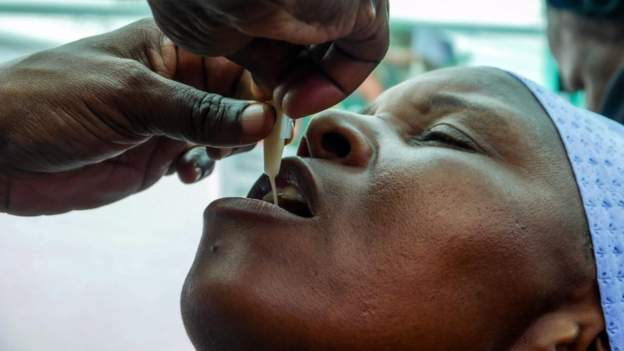
    In 2017, a global strategy, Ending Cholera: A Global Roadmap to 2030, was launched, aiming to reduce cholera deaths by 90%, marking a significant step toward tackling this preventable disease.

    In 2024, the cholera outbreak in the WHO African Region has impacted 14 countries, including Burundi, Cameroon, Comoros, the Democratic Republic of the Congo, Ethiopia, Kenya, Malawi, Mozambique, Nigeria, South Africa, the United Republic of Tanzania, Uganda, Zambia, and Zimbabwe, with Ghana being the most recent country affected.

    Since the beginning of the year 2024, the number of cholera cases and deaths reported to the WHO Regional Office for Africa (AFRO) as of 30 April was 82,215 and 1,507 deaths, respectively, with a case fatality ratio of 1.8%. 

  • Cruise ship banned from docking due to concerns over cholera outbreak within

    Cruise ship banned from docking due to concerns over cholera outbreak within

    The cruise ship en route to Mauritius cannot make a stop due to concerns about potential cholera cases among passengers.

    More than 3,000 people are stuck on a ship near East Africa. They are waiting for test results. If the results are negative, they can leave. If the results are positive, they have to stay in quarantine for more days.

    Esther Verdaas, a tourist from the Netherlands, said that we cannot get off the ship until February 27th.

    ‘But that might take more time. ‘ Someone on the boat might have cholera. If tests confirm this, they may have to stay another ten days.

    She said to BN DeStem that she and her family were on a trip to celebrate a sixtieth birthday, but it has become a very bad experience and they feel like they are just drifting on the sea with no direction.

    One British tourist got stuck in a bad situation on land. He was supposed to get on the ship this weekend, but had to cancel his trip. Now he might have to spend a lot of money to fly back to the UK.

    The 59-year-old man said his partner is too afraid to go on the ship because they are worried it might be contaminated.

    The captain said over the loudspeaker that there was an outbreak of cholera in South Africa and Zimbabwe. He also said that someone on the boat might have the stomach illness. Verdaas said this.

    They were told to be cleaner and more careful about germs. She also noticed that they were cleaning more, including spraying and vacuuming everywhere.

    Officials in Mauritius said they made the decision to prevent any problems with people’s health.

    We have taken samples from the people on the boat to test them, and we should know the results tomorrow.

    The boat was supposed to end its journey in Port Louis, Mauritius and pick up new people. It had 2,184 passengers and 1,026 crew members on it.

    It got to Mauritius one day before it was supposed to because it missed its stop at Reunion Island. But it’s not allowed to go into the port.

    Ms Verdaas said that the people on the plane were feeling anxious and unsure about when they could go home and if they would lose money on hotels they had already paid for but couldn’t stay in anymore.

    She said the amount of food at meals got smaller in case the ship couldn’t get more food for a while.
    The cruise company answered.

    A person who speaks for Norwegian Cruise Line said: “On February 13, 2024, during the South Africa trip of the Norwegian Dawn ship, a few guests felt a little sick with stomach problems. ”

    When the ship came back to Port Louis, Mauritius, the people in charge of the ship met with the local government to make sure everyone on board was safe and to discuss what steps were being taken to keep everyone healthy.

    The Mauritius government has delayed when the current cruise ship can let people off and when the next cruise can start because the local authorities need more testing before they can allow people to come into the country. The new date for both the current and next cruise is February 27th.

    “Plus, we’ve added more team members to help the guests getting on the Norwegian Dawn ship in February. ” On February 25, 2024, they will take a trip from Port Louis, Mauritius. They will also get a free place to stay in a hotel until they can get on the boat. Also, we are helping guests who are currently on the ship with their changed travel plans.

    ‘We care about the safety and well-being of our guests, crew, and the places we go to the most. ‘ We make sure to keep things clean and healthy, and we ask our guests to do the same. If you feel sick, tell the medical team right away.

    Furthermore, we have improved our cleaning procedures on the ship to make sure everyone stays safe. We will keep doing whatever is needed to protect our guests, crew, and the places we go to.

    The ship stopped in South Africa before, and some passengers got a little sick in their stomach, the company Norwegian Cruise Line said.

    The Mauritius Ports Authority said in a statement that they decided not to let the cruise ship come to the dock because they want to keep everyone healthy and safe.

    The authorities care a lot about keeping passengers and the whole country safe and healthy.

    It didn’t tell us what kind of risk to our health there is.

  • Nearly 700 people dead in Zambia cholera outbreak

    Nearly 700 people dead in Zambia cholera outbreak

    Médecins Sans Frontières (MSF) reports that the death toll from Zambia’s cholera outbreak has surged to nearly, marking the largest outbreak ever documented in the country.

    The outbreak initially emerged in the capital city of Lusaka back in October and has swiftly proliferated across all provinces of Zambia, affecting over individuals in its wake.

    According to MSF, cholera is highly treatable through rehydration therapy. However, in the absence of proper medical care, the disease can prove fatal within a matter of hours.

    Cholera is transmitted through contaminated water sources, underscoring the critical importance of access to clean drinking water as a pivotal measure to curtail its further spread.

  • Sadc refuses to declare health emergency due to cholera

    Sadc refuses to declare health emergency due to cholera

    Health ministers from Southern African countries have said no to a plan to say cholera is a big health problem in the area.

    Sylvia Masebo, who is in charge of the Africa Centre for Disease Control (CDC) board, said on Wednesday that each country should decide on its own if they want to call the cholera outbreak a health emergency or not.

    Speaking at a meeting in Ethiopia, Ms Masebo, who is Zambia’s health minister, asked countries to take action to stop the current outbreak from spreading.

    She said that the outbreak had impacted around 15 Sadc member countries.

    Zambia has been hit hard by a big outbreak of disease. Almost 600 people have died and over 16,000 people have gotten sick since last October.

    The country has had 30 cholera outbreaks since 1977. A charity called WaterAid says the most recent outbreak is the worst since 2017.

    The current outbreak of cholera has also affected Zimbabwe and Malawi.

    Sadc leaders will have a meeting on the computer on Friday to check how ready they are and how they are dealing with cholera outbreaks in the area.

  • Ministers from Zambia receive cholera vaccines

    Ministers from Zambia receive cholera vaccines

    Four government leaders in Zambia got the cholera shot to help stop the disease from spreading.

    Health Minister Sylvia Masebo and three others got the oral vaccine in George township, Lusaka, because the World Health Organization gave 1. 7 million doses

    Almost 400 people have died from the disease since October.

    “The number of cases is going down steadily, which is a positive sign. ” “Don’t try to help sick people at home, but take them to the hospital,” Ms Masebo said during the vaccination campaign launch. The main focus is on giving the vaccine to people in areas with lots of cholera in Lusaka, which has about three million people.

    In the last day, 23 people died in Lusaka, most of them were children under five years old and old people, according to Ms Masebo.

  • South Africa keeps track of “imported” cholera cases from Zimbabwe

    South Africa keeps track of “imported” cholera cases from Zimbabwe

    South Africans are being told to be careful after two people in northern Limpopo province got cholera.

    Two patients from Zimbabwe were in South Africa recently, the province’s health department said.

    The department found out about the first case when a 43-year-old man tested positive for the virus.

    A 27-year-old man went to Hellen Franz Hospital. The man is doing okay and both patients are alone in the hospital, the department said.

    Two cases were brought in from Zimbabwe, which is currently dealing with a disease outbreak.

    Cholera has killed over 200 people in Zimbabwe.

    “We ask people to stay calm but alert, and to quickly get medical help if they or anyone they know show symptoms of cholera,” the department said.

  • Cholera outbreak hits Limpopo

    Cholera outbreak hits Limpopo

    Deputy Minister of Health, Dr Sibongiseni Dhlomo, has advised the public to stay vigilant and uphold personal hygiene practices as the country registers two laboratory-confirmed cases of cholera in Limpopo, both imported from Zimbabwe.

    The first case, involving a 43-year-old male patient in the Musina sub-district, Vhembe District, has been discharged from Musina hospital after testing positive.

    The second case is a 27-year-old man, also from Zimbabwe, who reported symptoms at Hellen Franz hospital under Capricorn District Municipality.

    He has a stable health condition and remains in isolation since his return from Zimbabwe on January 10, 2024.

    The local outbreak response team is active in investigating and providing health education to contacts.

    South Africa remains on high alert for potential imported cholera cases from Zimbabwe, which is grappling with an outbreak claiming over 200 lives.

    Collaborating with the Border Management Authority, the Health Department has heightened health screening at Beitbridge border post to prevent cholera importation.

    Deputy Minister Dhlomo commends the honesty and cooperation of the suspected cholera patients, urging others with travel history to affected areas to follow suit.

    Travelers along the N1 are advised to avoid potentially contaminated surfaces in public places and practice thorough handwashing.

    Anyone experiencing cholera-like symptoms, regardless of travel history, is urged to seek immediate medical attention. The public is reminded to avoid drinking water from unsafe sources unless properly treated to prevent infection.

    Distributed by APO Group on behalf of Republic of South Africa: Department of Health.

  • Zambia cholera: Move to villages – President Hakainde Hichilema tells citizens

    Zambia cholera: Move to villages – President Hakainde Hichilema tells citizens


    Zambian President Hakainde Hichilema has called on people to consider relocating from urban areas to villages in the aftermath of a cholera outbreak that has claimed the lives of approximately 300 individuals.

    President Hichilema highlighted poor sanitation in densely populated urban zones as conducive to cholera outbreaks. To alleviate congestion in major towns, he urged residents to consider moving to rural areas where there is ample space and “perfect sanitation.”

    The cholera outbreak, with over 7,500 reported cases since last October, remains a pressing concern. In the last 24 hours alone, there have been more than 500 new cases and 17 deaths, prompting the health ministry to postpone the reopening of schools as part of preventive measures.

    Eight out of Zambia’s ten provinces have now been impacted by the cholera outbreak.

    The World Health Organisation (WHO) is preparing to dispatch approximately one million doses of the cholera vaccine in the coming days to aid in controlling the disease’s spread.

    In response to the crisis, President Hichilema visited the Heroes Stadium Cholera Treatment Centre in the capital, Lusaka, on Wednesday, where over 1,000 patients are currently undergoing treatment.

    He said the government would take some “hard to swallow” measures in an effort to eradicate the waterborne disease.

    He appeared to blame some Zambians who moved to towns “without a clear objective” for the mushrooming of poorly planned informal settlements.

    Some young people were “hanging around and doing nothing” in towns instead of moving to rural areas to farm, the president said.

    “There is so much land in the villages; there is clean water. We can build nice homes in the villages, which are not polluted,” Mr Hichilema said.


    President Hakainde Hichilema has announced plans to improve existing slums in towns and prevent the formation of new ones as part of efforts to address the cholera outbreak in Zambia.

    In neighboring Mozambique and Zimbabwe, heightened surveillance is in place to prevent cross-border transmission of the disease. Zimbabwe has been grappling with its own battle against cholera for months, primarily due to a lack of access to clean water.

    Cholera, a bacterial disease transmitted through contaminated water or food, leads to severe dehydration from vomiting and diarrhea. If left untreated, it can result in death within hours. The Zambian authorities are taking measures to curb the spread of the disease and enhance living conditions in urban areas.

  • Zambians advised to evacuate their towns to stop deadly cholera

    Zambians advised to evacuate their towns to stop deadly cholera

    Zambian President Hakainde Hichilema wants people to move from cities to small towns because about 300 people have died from a cholera outbreak.

    He said that in some crowded cities with dirty conditions, cholera could easily spread.

    MrHichilema said that to reduce traffic in big cities, people should move to the countryside where there is plenty of room and very good cleanliness.

    Over 7,500 people have gotten sick from cholera since last October all over the country.

    The health ministry said that in the past day, there were over 500 new cases of the sickness and 17 people died.

    Schools will open later than planned to help keep everyone safe.

    The sickness has spread to eight out of the ten areas in Zambia.

    The World Health Organization (WHO) will send one million doses of cholera vaccine soon to try to control the outbreak.

    On Wednesday, Mr Hichilema went to the Heroes Stadium Cholera Treatment Center in the city of Lusaka. There are over 1,000 sick people there.

    He said the government would take difficult measures to get rid of the disease that spreads through water.

    He seemed to be blaming Zambians who moved to towns without a clear goal for causing badly planned neighborhoods to spring up.

    The president said that some young people were not doing anything in towns and should move to rural areas to work on farms instead.

    “There is a lot of land in the villages and clean water. ” “We can make good houses in the villages that are clean,” Mr Hichilema said.

    The government plans to improve the old slums and stop new ones from forming in towns.

    Mozambique and Zimbabwe are watching the borders more carefully to stop the spread of the virus between their countries.

    For many months, Zimbabwe has been trying to stop cholera from spreading because there is not enough clean water in the country.

    The sickness caused by bacteria can spread from dirty water or food, and makes people very thirsty from throwing up and having diarrhea. It can cause death in just a few hours if not treated.

  • Misinformation about cholera causes deadly violence in Mozambique

    Misinformation about cholera causes deadly violence in Mozambique

    Health officials say that wrong information about a cholera outbreak in northern Mozambique has caused people to riot and some have died.

    The WHO said that false information about the disease has caused problems.

    We checked out some protests on social media and local news to see what caused the problems.

    Recently, a man was killed by a group of people in Gurue town in Zambezia province. The people wrongly thought he was spreading cholera. This was reported by health officials.

    A video seen by the BBC and shared on social media shows a large crowd watching a man’s body.

    In another protest, four people died when police fought a group attacking homes and property belonging to local officials in Nacala Porto in Nampula province.

    In Cabo Delgado province, police shot into the air to break up a group of people trying to attack a health centre in Meluco district.

    What do people think is true.

    We don’t know for sure what is causing the misinformation to spread, but we have some ideas from watching social media.

    Cholera grows where there is not enough clean water and good sanitation.

    Some people are saying online that things like adding chlorine to water and using purifiers are making the disease spread, but that is not true.

    The BBC reporter in Maputo says most violent cases of cholera are caused by wrong information.

    Also, they are going after the leaders who encourage people to use the purifiers. He says people wrongly think the leaders are part of the group that is spreading the water-borne disease.

    In a message with the video of the killing in Garue, it was said that the victim had given out harmful “dust” at a place in the neighborhood.

    The person from WHO in Africa in Mozambique, Severin von Xylander, says wrong information is bad because it can make people do things that spread disease.

    Mozambique has been fighting a disease outbreak since September of last year.

    It’s just one of several countries in the area dealing with more cases of cholera. Other countries include South Africa, Malawi, Zimbabwe, DR Congo and Kenya.

    “This makes people not trust the health experts, which makes it harder for them to respond to public health problems and makes outbreaks last longer. ”
    Graph showing 30,943 people have cholera and 135 have died.

  • Ethiopian cholera outbreak claims at least 23 lives – UN

    Ethiopian cholera outbreak claims at least 23 lives – UN

    Save the Children says that 23 people have died from cholera in eastern Ethiopia after flooding.

    The UK relief agency said that over 770 people have gotten cholera in the Somali region within the last two weeks. This area has been hit the hardest by the recent flooding and heavy rains.

    The heavy rain has affected 1. 5 million people in the country. 600,000 people have had to leave their homes because of the rain, according to the UN.

    However, only 10% of the people who need help are getting it because Ethiopia doesn’t have enough money to help everyone.

    Save the Children said that more than 90 districts in Ethiopia have cholera. They think that the situation could get worse because more rain is coming in at least three regions.

    The big rains in Ethiopia, Somalia, and Kenya happened because of two weather patterns called El Niño and Indian Ocean Dipole.

  • Unrest in Mozambique over cholera outbreak misinformation

    Unrest in Mozambique over cholera outbreak misinformation

    Health officials report that false claims regarding the spread of a cholera outbreak in northern Mozambique have resulted in violent protests and fatalities.

    The World Health Organization (WHO) has identified instances where misinformation about the disease has contributed to these acts of unrest.

    Examining the protests through social media posts and local media reports, we have gained insight into the underlying causes of the disturbances.

    In a recent incident in the town of Gurue, Zambezia province, a man was fatally beaten by individuals who falsely accused him of spreading cholera, as confirmed by health officials.

    A graphic video circulating on social messaging platforms, witnessed by the BBC, depicts the man’s body surrounded by a large crowd.

    A crowd gathers near where a man was killed outside a health centre in Gurue

    Image caption, The death of a man in Gurue was recorded in a video obtained by the BBC

    In another protest, four individuals were killed during clashes between police and a group that attacked homes and properties belonging to local officials in Nacala Porto, Nampula province.

    In Cabo Delgado province, located further north, police resorted to firing shots into the air to disperse a crowd attempting to assault a health center in the Meluco district. These incidents highlight the dangerous consequences of misinformation and the urgent need to address the dissemination of false claims during public health crises.

    It is unclear what is fuelling the misinformation – which is largely spreading through word of mouth – although our monitoring of social media has provided some insight.

    Cholera thrives in conditions where water sanitation is inadequate.

    Some online posts claim falsely that measures implemented by local health officials, such as adding chlorine to water supplies and the use of purifiers, are in fact spreading the disease.

    The BBC’s Jose Tembe in Maputo says almost all violent cases related to cholera stem from misinformation.

    “Also targeted are grassroots leaders who mobilise people to use the purifiers. The leaders are falsely thought to be part of the alleged group spreading the water-borne disease,” he says.

    In a caption accompanying the video of the killing in Garue, the victim was alleged to have distributed infected “dust” at a property in the area.

    The WHO Africa representative in Mozambique, Severin von Xylander, says misinformation is dangerous because it can fuel behaviour that drives the spread of disease.

    Mozambique has been battling an outbreak of the disease since September last year.

    It’s just one of many countries in the region facing rising cases of cholera, including South Africa, Malawi, Zimbabwe, DR Congo and Kenya.

    “This, in turn, undermines trust in health authorities, which hampers public health responses and ultimately prolongs outbreaks.”

  • Cholera outbreak in South Africa: 10 dead, 37 in critical condition

    Cholera outbreak in South Africa: 10 dead, 37 in critical condition

    Health officials have reported that a cholera outbreak in Gauteng, South Africa’s most populous province, has claimed at least 10 lives.

    At least 95 people have since last Monday visited hospitals showing cholera symptoms in Hammanskraal, an area north of the capital, Pretoria.

    Lab tests on Sunday confirmed at least 19 were cases of cholera, the Gauteng health department said in a statement.

    It added that 37 people were admitted in critical condition.

    The victims included a three-year-old child and nine adults.

    Nomantu Nkomo-Ralehoko, the provincial head for health, has urged the public to take extra precautionary measures and maintain proper hand hygiene.

    The city of Tshwane is warning residents of Hammanskraal and surrounding areas not to drink water from their taps, adding that water tankers were being supplied.

  • WHO assists Cross River State to fight cholera

    WHO assists Cross River State to fight cholera

    Nigeria has been battling cholera for so many years. It is highly contagious and occurs in places without safe water and proper sanitation. It causes profuse diarrhoea and vomiting, and without treatment can quickly lead to severe dehydration followed by death .

    At about 6:40 pm on 17 January 2023, Gift Sunday-James, (35 years) shouts for help as she approaches the Primary Health Centre (PHC) located in Ovomum, Obabura Local Government Area (LGA), in Cross River State. 

    Her brother Emmanuel Sunday-James, conveyed in a taxi, had been stooling and vomiting continuously and was now dehydrated and could not move. 

     “As a farmer, my usual practice was to drink water from the stream near my farm” says Mr Emmanuel.

    On that fateful day  Mr Emmanuel fell ill, he recalled drinking water from the stream. 

    “I was passing watery stool and vomiting for about four hours after getting home. I felt like I was dying, and I am grateful for the quick intervention I got at the health facility, he says.  

    At the clinic, Mr Emmanuel was placed on Intravenous Fluid (IVU) and subsequently on oral rehydration solution.

    Furthermore, a  Rapid Diagnostic Test (RDT) was conducted on his stool sample and it tested positive for cholera.

    Mr Emmanuel has since been discharged and  now advises people to drink purified water either by boiling or using water purifiers. 

    “I don’t want anybody to experience what I went through,” he says. 

    Interrupting the outbreak transmission

    Aside from Mr Emmanuel. many people have reported cases of stooling and vomiting in other LGAs (Abi, Biase and Obabura,  and Ikom,Etung).  While some got better after being hospitalized, some died from the disease particularly those who reported late for treament.   

    An epidemiological report from the State Ministry of Health shows that 638 suspected cases and 17 deaths have been reported between December 2022 and February 2023 in the affected LGAs.

    To stop further fatalities,  the state government, in collaboration with the World Health Organization (WHO) and its partners, set up a Rapid Response Team (RRT) comprising experts to coordinate the interruption of the disease,” says Dr Janet Ekpeyong, the Cross River State Commissioner of Health.

    “With support from partners, we increased the capacity of existing cholera treatment centres (CTC) in the hotspot LGAs. The government is committed to taking action to ensure residents of the state have access to safe drinking water and sanitation services to reduce the incidences of cholera and other waterborne infectious diseases. 

    Commending WHO for its prompt support, Dr Ekpeyong says “WHO is a dependable lead partner providing technical guidance,   coordination and also donated medical commodities for the emergency cholera intervention in the state. 

    Part of WHO’s support to the state included the donation of  Rapid Diagnosis Test (RDT) cholera kits, and Cary Blair medium for transporting stool samples for culture testing  for effective diagnosis of the patients. 

    In addition, 2000 intravenous fluids, cannula and oral rehydration salts and Infection Prevention Control (IPC) commodities were donated.

    “The donated medical commodities eased testing and case management, says the WHO State Coordinator in Cross River State, Dr Yewande Olatunde.

    Dr Olatunde explains that WHO further supported the replenishment of testing and treatment commodities at the 29 cholera treatment units (CTU) in three hotspot LGAs.

    “To enusure all cases receive prompt care at the facilities, WHO conducted an extensive training for health professionals on treatment, and increasing infection prevention and control (IPC) measures,” she adds.  

    Robust community engagement
    Further working with community leaders and volunteers from the affected communities, WHO partnered with the state to promote educational risk messaging on water, sanitation and hygiene (WASH) and conducted decontamination of homes of active and recovered persons, health facilities attending to cases and providing IPC materials to volunteering community members. 

      The WHO-trained volunteers from the affected communities conducted house-to-house (H2H) awareness campaigns to stop the spread of the disease. 

    From December to January, 4811 households were covered, and 88 607 residents were educated about WASH and IPC control measures in the three hotspot LGAs of the state. 

    Base on the integrated support and coordinated response, there has been a decline in the number of cases reported since January.  ( 69% decline between Epi-weeks 3 and 7, 2023).
    Other partners involved in the response are Nigeria Centre for Disease Control and Prevention (NCDC), UNICEF, Medicine San Frontier (MSF) and Save the Children, who donated commodities to strengthen the Cholera response.

  • 37 die from Cholera in Ethiopia drought-hit areas

    37 die from Cholera in Ethiopia drought-hit areas

    Thirty-seven individuals have died from cholera in the last six months, according to Ethiopia’s Public Health Institute (EPHI), mostly in areas most severely affected by a protracted ongoing drought.

    The UN reports that the greatest drought in 40 years is currently occurring in the Oromia and Somale regions, where the outbreak started in August 2022.

    The issue has been contained, according to authorities, by the establishment of treatment facilities.

    In its report, EPHI also says that a measles outbreak has claimed 148 lives in the past 18 months.

  • Mozambique to vaccinate 720 000 people against cholera

    Mozambique to vaccinate 720 000 people against cholera

    As the nation takes up control efforts against an epidemic that has so far resulted in 5260 illnesses and 37 fatalities since September 2022, Mozambique today launched a cholera vaccine campaign that would reach around 720 000 people in eight districts.

    People aged one year and older will be vaccinated in the five-day campaign, which started just 10 days after the country took delivery of vaccine doses. Alongside the vaccination campaign, health authorities are also reinforcing disease surveillance, prevention and control measures, treatment as well as raising public awareness to curb the spread of the disease and end the outbreak.

    “The vaccination campaign will be crucial in stemming the spread of cholera and help save lives,” said Dr Severin von Xylander, World Health Organization (WHO) Representative in Mozambique. “We are also working with the health authorities to bolster key outbreak response measures and have deployed staff in the three most affected provinces to support the provincial health authorities to detect, prevent and halt cholera this outbreak.”

    WHO has also disbursed US$ 856 000 to support the response in Mozambique and provided medical supplies and medicines. Mozambique recorded a sharp increase in cases since mid-December 2022. Cholera has so far been reported in five of the country’s 11 provinces. The northern Niassa, Sofala and Tete provinces are the worst affected.

    During the vaccination campaign vaccinators will use a mixed approach of vaccinating patients in health centres, through mobile teams and by door-to-door visits. Oral cholera vaccines will be used in conjunction with improvements in water and sanitation to control cholera outbreaks and for prevention in areas known to be high risk for the disease.

    “We celebrate the launch of this vital immunization campaign alongside the Government of Mozambique and our Alliance partners.” said Thabani Maphosa, Managing Director, Country Programmes Delivery at Gavi, the Vaccine Alliance. “The recent rise in disease outbreaks and the risks they present demonstrate the importance of our work in funding the Global Oral Cholera Vaccine Stockpile, cholera response campaigns and access to outbreak response vaccines for diseases such as cholera, measles, yellow fever and polio.”  

    Despite a global shortage of cholera vaccines and increased demand due to a rise in outbreaks globally, WHO and its partners, including Gavi, the Vaccine Alliance and the Africa Centres for Disease Control and have been able to supply vaccines to countries most affected by cholera in the southern Africa. Mozambique received around 720 000 doses of the oral cholera vaccine.

    The strain on the availability of vaccines prompted the International Coordinating Group (ICG) on Vaccine Provision to temporarily suspend the standard two-dose vaccination regimen in cholera outbreak response campaigns, using instead a single-dose approach. The ICG is an initiative which aims to manage emergency supplies of vaccines and is a partnership of the International Federation of the Red Cross and Red Crescent Societies, Médecins sans Frontières United Nations Children’s Fund and WHO.

    Cholera is an acute, extremely virulent infection that can spread rapidly and cause dehydration resulting in high morbidity and mortality. However, the disease is easily treatable. Most people can be treated successfully through prompt administration of oral rehydration solution or intravenous fluids.

    The disease is endemic in Mozambique and, together with other diarrhoeal diseases, is a major cause of infant death. There are yearly outbreaks in the country’s northern provinces.

    Cholera transmission is closely linked with poor sanitation and inadequate access to safe drinking water. Extreme climatic events such as droughts and floods are worsening the cholera risks. In Mozambique, floods due to the current rainy season have affected over 39 000 people, claimed nine lives and caused extensive damage to infrastructure, including roads, bridges, health centres and 76 000 homes.

  • Cholera kills over 1,200 in Malawi, WHO urges strong interventions

    Cholera kills over 1,200 in Malawi, WHO urges strong interventions

    Malawi’s deadliest cholera outbreak has killed at least 1,210 people, the World Health Organization announced Thursday (Feb. 09), urging for strong interventions to prevent the situation from worsening.

    The Southern African nation saw a 143-percent increase in the number of cases last month compared to December.

    Nearly 37,000 cases were reported since March 2022.

    Malawi has carried out two large vaccination campaigns, since the outbreak began. However, due to limited supplies, the authorities offered just one of the usually recommended two oral cholera vaccine doses.

     A health ministry spokesman said last month that all the doses had been used.

    The global stockpile of cholera vaccines co-managed by the WHO was “empty or extremely low” late last year, against a backdrop of surging cholera outbreaks worldwide.

    Confirmed cases have been reported in neighbouring Mozambique, while poor water, sanitation and hygiene pose risk to other bordering nations- the WHO assessed.

    The WHO said efforts were under way to improve sanitation and access to clean water, with house-to-house chlorination ongoing in affected communities and districts, among other interventions.

    WHO chief Tedros Adhanom Ghebreyesus told reporters Wednesday that there were currently 23 countries in the world experiencing cholera outbreaks.

    The institution’s chief, Tedros Adhanom Ghebreyesus, said Wednesday (Feb. 08) that 23 countries across the world were experiencing cholera outbreaks, with a further 20 countries that share land borders with them at risk.

    “In total, more than one billion people around the world are directly at risk of cholera,” he warned.

    Cholera, which causes diarrhoea and vomiting, is contracted from a bacterium that is generally transmitted through contaminated food or water.

    Source: African News

  • Climate crisis and cholera link must be studied – Malawi

    Climate crisis and cholera link must be studied – Malawi

    The president of Malawi has called for more studies into the link between cholera and climate change after the country was hit by record deaths.

    President Lazarus Chakwera told the BBC he did not doubt the link but wanted to be led by more research.

    About 1,000 people are reported to have died in the current outbreak.

    Mr Chakwera said there had been an unprecedented level of water-borne diseases since devastating floods last year which affected much of southern Malawi:

    Quote Message: We’ve never really had this type of outbreak in over 20 years, and even then, it wasn’t at this scale.

    We’ve never really had this type of outbreak in over 20 years, and even then, it wasn’t at this scale.

    Quote Message: But with all the flooding that took place last year, with water levels rising and with sanitation issues across the country that are dependent on pit latrines for example…

    But with all the flooding that took place last year, with water levels rising and with sanitation issues across the country that are dependent on pit latrines for example…

    Quote Message: And all of that being washed into streams and even where you have water pumps – because of those [water] levels, all of a sudden you saw outbreaks of water-borne diseases like cholera in a way that you’ve never seen before.

    And all of that being washed into streams and even where you have water pumps – because of those [water] levels, all of a sudden you saw outbreaks of water-borne diseases like cholera in a way that you’ve never seen before.

    Quote Message: So I would not doubt that all of this could be backed by more research.”

    So I would not doubt that all of this could be backed by more research.”

    Source: BBC

  • Stopping UN cross-border aid could make the cholera outbreak in Syria worse

    Stopping UN cross-border aid could make the cholera outbreak in Syria worse

    On Monday, the UN Security Council will vote to extend permission for the delivery of aid from Turkey.

    Humanitarian workers in the final pocket of Syria controlled by the opposition are concerned that if the UN is forced to halt aid deliveries from Turkey across the border, the cholera epidemic already ravaging the area will worsen.

    The four million residents of the region, who endure appalling conditions, are heavily reliant on the food and medical supplies that are transported across the border thanks to a 2014 UN Security Council resolution that permitted such shipments despite the Syrian government’s objections.

    The Security Council is due to vote on Monday, a day before the current authorisation expires, on renewing it for a further six months. Health workers in the zone, which comprises most of the province of Idlib and parts of Aleppo province in northwestern Syria, fear the consequences should Syria’s ally Russia veto it or place further restrictions on the programme.

    “The capabilities of the health sector are already very weak, and we suffer from an acute shortage of medicines, medical supplies and serums,” said Zuhair al-Qurat, the head of Idlib’s health directorate.

    “Stopping cross-border aid will have a multiplier effect on the cholera outbreak in the region,” he told Reuters.

    Though diplomats say Russia has indicated it will allow the authorisation’s renewal, uncertainty remains.

    Russia’s deputy UN ambassador Dmitry Polyanskiy told Reuters the implementation of the current resolution – adopted in July – was “far from our expectations” and a final decision would be made by Moscow on Monday.

    Catastrophic consequences

    Top UN officials, including aid chief Martin Griffiths, have warned that ending the operation would be “catastrophic”.

    Idlib has recorded more than 14,000 suspected cholera cases and Aleppo more than 11,000 since the outbreak began in September, making them the second and fourth worst-hit provinces in Syria respectively.

    They are particularly vulnerable because they rely on water from the Euphrates river to drink and irrigate crops, and because the health sector in opposition-held Syria has been battered by more than a decade of war.

    The UN authorisation allows agencies to bring in hygiene kits, chlorine tablets to disinfect water and equipment for eight cholera treatment centres with more than 200 beds. Non-governmental groups also truck safe drinking water to homes.

    Without it, international NGOs would not have international legal cover and could not keep up with the pace and quantities of aid needed, three aid workers told Reuters.

    That is in part because large donor countries trust that aid brought in through the UN will not be politicised, unfairly distributed or seized by hardline armed groups.

    The chlorine used to disinfect water presents a particular challenge. The chemical has been used in Syria as a weapon of war, prompting concerns among donors that would slow down its procurement for cholera treatment by humanitarian organisations other than the UN, the aid workers said.

    “These centres and health facilities would be suspended. Supplies … transhipped specifically for the cholera pandemic in the northwest would be interrupted – fluid, serums, injections, oral medications,” said Mohammad Jassim, the International Rescue Committee’s northwest Syria coordinator.

    Even if the resolution is renewed for another six months, health workers have already suffered from short-term renewals, leaving them unable to plan ahead, said Osama Abou el-Ezz, the head of the Syrian-American Medical Society (SAMS) in Aleppo.

    Source: Aljazeera.com
  • Malawi keeps its schools closed as cholera deaths rise

    Malawi keeps its schools closed as cholera deaths rise

    While cholera is an annual issue in Malawi from November to March, this outbreak is anticipated to be the worst yet.

    The health minister announced on Monday that Malawi has postponed the opening of public schools in its two largest cities, Blantyre and Lilongwe, in an effort to reduce an increase in cholera deaths.

    Since cases were first reported in March, the total number of cases has increased to 17,824 and the death toll to 595, with the mortality rate rising to 3.34 percent, according to the Ministry of Health.

    Cholera is an annual problem during Malawi’s rainy months from November to March, when the number of deaths is around 100 a year. But the current outbreak is expected to be the worst yet.

    “Due to the continuing increase of cholera cases and deaths in the cities of Blantyre and Lilongwe, primary and secondary schools in the two cities will not start on 3rd January as earlier advised,” Health Minister Khumbize Chiponda said in a statement.

    A new reopening date will be announced later, she said.

    The United Nations health agency says fatality rates are rising in about 30 countries around the world that reported cholera outbreaks in 2022, about a third higher than in a typical year.

    Cholera is spread by contaminated food or water and can cause acute diarrhoea. Many people have mild symptoms, but it can kill within hours if untreated.

    Victims in Malawi include medics at public health centres.

    Chiponda called on authorities to tighten control measures, including spraying chlorine to disinfect congested places such as markets and schools and stepping up inoculations.

    Source: Aljazeera.com