Tag: COVID-19

  • 2025 VAT Bill gets parliamentary approval

    2025 VAT Bill gets parliamentary approval

    The Value Added Tax (VAT) Bill 2025, expected to make Ghana’s tax system more equitable, transparent, and business-friendly, has received parliamentary approval. Members of Parliament (MPs) gave the nod on Wednesday, November 26. 

    Speaking on the floor of Parliament, Minority Leader Alexander Afenyo-Markin noted that businesses will be burdened with financial challenges as the VAT Bill will affect their operations. Reacting to Afenyo-Markin, the Deputy Finance Minister, Thomas Nyarko Ampem defended that the approved Bill will instead will simplify compliance.

    Presenting the 2026 Budget Statement and Economic Policy to Parliament on Thursday, November 11, Finance Minister Cassiel Ato Forson hinted that the government had completed the design of a modernised Ghana Value Added Tax (VAT) system fit for the country’s economic transformation agenda.

    He mentioned, “As the new VAT reforms will do the following, we will abolish the COVID-19 Health Recovery Levy, Mr Speaker; we will abolish the decoupling of GetFund and National Insurance Levies from the VAT tax base. The current VAT rate will be reduced from 21.9% to 20%.

    “In the 2025 budget, in the mid-year fiscal policy review, government made a firm promise to reform Ghana’s Value Added Tax (VAT) system to make it fairer, simpler, and more efficient. We pledged to remove distortions, address the cascading effects inherited in the VAT system, strengthen compliance, and create a tax regime that supports both businesses and fiscal stability. These distortions have negatively impacted overall welfare, increasing the deadweight loss in the economy and reducing VAT compliance.

    “Today, Mr Speaker, I am proud to report to this House that we have finally delivered on that promise. After months of detailed analysis and broad consultations with stakeholders, we have completed the design of a modernised VAT system fit for Ghana’s economic transformation agenda. Government is therefore submitting to this House today, for approval, a bold package of VAT reforms that will make our tax system more equitable, transparent, and business-friendly.

    “The new VAT reforms will do the following: we will abolish the COVID-19 Health Recovery Levy. We will abolish the decoupling of GetFund and National Insurance Levies from the VAT tax base. We will abolish VAT on the recognition of minerals. We will reduce the effective VAT rate from 21.9% to 20%. We will raise the VAT registration threshold from GH₵200,000 to GH₵750,000. 

    “We will extend VAT zero rating on the supply of local manufacturing textiles to 2028. Mr Speaker, for emphasis, we promised to abolish the COVID Levy, and with the support of this House, I am proud to say that today, the COVID Levy is accordingly abolished. By abolishing the COVID-19 Levy, the government is putting GH₵3.7 billion in the pockets of individuals and businesses in 2026 alone”.

    While delivering the 2025 Mid-Year Budget Statement to Parliament on Thursday, July 24, the Finance Minister assured Ghanaians that the VAT Act was undergoing a series of reforms to eliminate successive charges that increased the cost of goods and services. As such, the COVID-19 Levy, Ghana Education Trust Fund (GETFund), and National Health Insurance Scheme (NHIS) levies assented to by former President Akufo-Addo during the NPP-led government will be scrapped next year.

    He noted that his ministry would conclude the review process by the end of September, adding that the new bill would then be submitted to Parliament in October to be included in the 2026 Budget Statement. The new development is aimed at reducing financial burdens on Ghanaians, thus improving economic conditions. The current VAT flat-rate scheme, the minister asserts, should be replaced with a unified VAT rate for all businesses.

    Additionally, the VAT registration threshold will also be raised, a measure expected to exempt small and micro enterprises from registering for and paying VAT, as well as to encourage growth in the informal sector.

    To ensure compliance and transparency, the government plans to roll out fiscal electronic devices such as e-invoicing systems and electronic cash registers. Furthermore, public education campaigns and awareness programs will be implemented.

    “Rt. Hon. Speaker, the Ministry of Finance hopes to complete this process by September 2025, prepare a new VAT bill by October 2025, and submit it to Parliament as part of the 2026 Budget Statement. Mr Speaker, I would like to reassure Ghanaians that under the reforms, at a minimum, the COVID-19 levy will be abolished, the effective VAT rate will be reduced, and the punitive cascading effect of the GETFund and NHIS levies will be removed. 

    “VAT flat rates will be removed, and a unified VAT rate will be implemented; the VAT registration threshold will be increased to exempt small and micro businesses; and compliance will be improved through public education, awareness creation, and the introduction of fiscal electronic devices,” he said.

    Earlier this year, President John Dramani Mahama’s administration repealed the betting tax, emissions tax, and other levies. The Electronic Transaction Levy (E-Levy), introduced in 2022, imposed a 1.5% tax on electronic transactions. Although it was later reduced to 1%, the levy remained unpopular, drawing criticism from businesses, consumers, and political stakeholders who argued that it stifled digital transactions and disproportionately affected low-income earners. Many contended that it placed an unnecessary burden on citizens.

    The removal of this tax was a core pledge in the NDC’s manifesto, aimed at reducing the cost of living and encouraging business expansion. With the repeal bill now signed into law, many Ghanaians can breathe a sigh of relief.

    Supporters of the repeal argue that eliminating these levies will promote digital transactions, stimulate economic activity, and improve disposable income for households and businesses. Meanwhile, the government has officially scrapped the COVID-19 Health Recovery Levy introduced during the pandemic era.

    Introduced on 31 March 2021 under Act 1068 during the tenure of former President Nana Addo Dankwa Akufo-Addo, the levy applied a 1% charge on the supply of goods and services in Ghana, excluding certain items. and on imports of goods and services. According to the New Patriotic Party (NPP), the levy was intended to help the government raise funds to fight the pandemic and support recovery efforts.

    However, presenting the 2026 Budget Statement and Economic Policy to Parliament on Thursday, November 11, Finance Minister Cassiel Ato Forson disclosed that the government has abolished the levy with immediate effect.

    According to him, the move will save individuals and businesses GH₵3.7 billion in taxes, money that can instead be invested back into their businesses or personal ventures.
  • Ghana to lose over GHS2bn revenue in 2026 due to removal of COVID-19 levy – Economist

    Ghana to lose over GHS2bn revenue in 2026 due to removal of COVID-19 levy – Economist

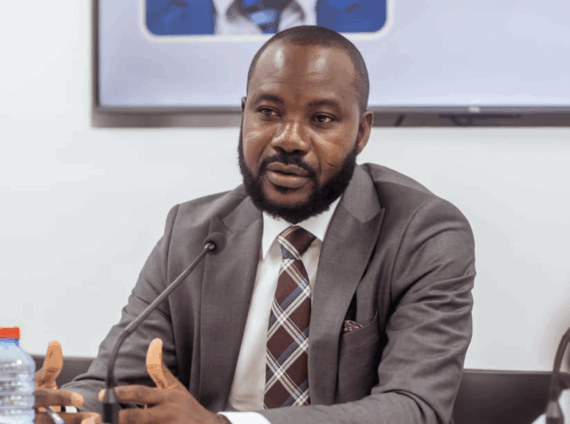
    The abolition of the COVID-19 Levy and removal of key taxes in the 2026 budget, as announced by Finance Minister Cassiel Ato Forson, is expected to create a significant revenue gap for the economy in 2026.

    According to Economist, Dr Adu Owusu Sarkodie on Joy News’ PM Express Business Edition, the government is placing its hope on compliance at a time when it has already abolished the E-Levy, which was fetching the government around 2 billion over a little over GH¢2 billion

    Adding that, the betting tax, which brought in “roughly about ¢300 billion,” has also been abolished.

    However, the most severe hit to government revenue comes from the removal of the COVID-19 levy, which was expected to bring in about ¢3 billion next year.

    “Covid-19 was giving us almost the same amount as the total royalties from oil and gas. This year, total royalties from oil and gas are estimated to be ¢2.9 billion. Covid-19 levy will be giving us ¢2.8 billion,” he stated.

    Finance Minister Cassiel Ato Forson has warned that removing the COVID-19 levy, on top of the ¢2 billion E-Levy, could slash government revenue by about ¢5 billion. He noted, however, that the government believes it can still raise funds by widening the tax base.

    “When you increase the base, if more people are paying, it’s better than a few people paying higher rates,” Dr. Sarkodie explained, highlighting the strategy shaping the fiscal outlook.

    The National Democratic Congress (NDC) government has honoured a promise it made before assuming office. In line with this, the government has officially scrapped the COVID-19 Health Recovery Levy introduced during the pandemic era.

    Introduced on 31 March 2021 under Act 1068 during the tenure of former President Nana Addo Dankwa Akufo-Addo, the levy applied a 1% charge on the supply of goods and services in Ghana, excluding certain items. and on imports of goods and services. According to the New Patriotic Party (NPP), the levy was intended to help the government raise funds to fight the pandemic and support recovery efforts.

    However, presenting the 2026 Budget Statement and Economic Policy to Parliament on Thursday, November 11, Finance Minister Cassiel Ato Forson disclosed that the government has abolished the levy with immediate effect.

    According to him, the move will save individuals and businesses GH₵3.7 billion in taxes, money that can instead be invested back into their businesses or personal ventures.

    The Finance Minister further added that, after months of detailed analysis and broad consultations with stakeholders, the Ministry has completed the design of a modernised Ghana Value Added Tax (VAT) system fit for the country’s economic transformation agenda.

    He mentioned that if approved by Parliament, the VAT reforms will make Ghana’s tax system more equitable, transparent, and business-friendly. “As the new VAT reforms will do the following, we will abolish the COVID-19 Health Recovery Levy, Mr Speaker; we will abolish the decoupling of GetFund and National Insurance Levies from the VAT tax base. The current VAT rate will be reduced from 21.9% to 20%,” he revealed.

    “In the 2025 budget, in the mid-year fiscal policy review, government made a firm promise to reform Ghana’s Value Added Tax (VAT) system to make it fairer, simpler, and more efficient. We pledged to remove distortions, address the cascading effects inherited in the VAT system, strengthen compliance, and create a tax regime that supports both businesses and fiscal stability. These distortions have negatively impacted overall welfare, increasing the deadweight loss in the economy and reducing VAT compliance.

    “Today, Mr Speaker, I am proud to report to this House that we have finally delivered on that promise. After months of detailed analysis and broad consultations with stakeholders, we have completed the design of a modernised VAT system fit for Ghana’s economic transformation agenda. Government is therefore submitting to this House today, for approval, a bold package of VAT reforms that will make our tax system more equitable, transparent, and business-friendly.

    “The new VAT reforms will do the following: we will abolish the COVID-19 Health Recovery Levy. We will abolish the decoupling of GetFund and National Insurance Levies from the VAT tax base. We will abolish VAT on the recognition of minerals. We will reduce the effective VAT rate from 21.9% to 20%. We will raise the VAT registration threshold from GH₵200,000 to GH₵750,000.

    “We will extend VAT zero rating on the supply of local manufacturing textiles to 2028. Mr Speaker, for emphasis, we promised to abolish the COVID Levy, and with the support of this House, I am proud to say that today, the COVID Levy is accordingly abolished. By abolishing the COVID-19 Levy, the government is putting GH₵3.7 billion in the pockets of individuals and businesses in 2026 alone,” he added.

    While delivering the 2025 Mid-Year Budget Statement to Parliament on Thursday, July 24, the Finance Minister assured Ghanaians that the VAT Act was undergoing a series of reforms to eliminate successive charges that increased the cost of goods and services. As such, the COVID-19 Levy, Ghana Education Trust Fund (GETFund), and National Health Insurance Scheme (NHIS) levies assented to by former President Akufo-Addo during the NPP-led government will be scrapped next year.

    He noted that his ministry would conclude the review process by the end of September, adding that the new bill would then be submitted to Parliament in October to be included in the 2026 Budget Statement. The new development is aimed at reducing financial burdens on Ghanaians, thus improving economic conditions. The current VAT flat-rate scheme, the minister asserts, should be replaced with a unified VAT rate for all businesses.

    Additionally, the VAT registration threshold will also be raised, a measure expected to exempt small and micro enterprises from registering for and paying VAT, as well as to encourage growth in the informal sector.

    To ensure compliance and transparency, the government plans to roll out fiscal electronic devices such as e-invoicing systems and electronic cash registers. Furthermore, public education campaigns and awareness programs will be implemented.

    “Rt. Hon. Speaker, the Ministry of Finance hopes to complete this process by September 2025, prepare a new VAT bill by October 2025, and submit it to Parliament as part of the 2026 Budget Statement. Mr Speaker, I would like to reassure Ghanaians that under the reforms, at a minimum, the COVID-19 levy will be abolished, the effective VAT rate will be reduced, and the punitive cascading effect of the GETFund and NHIS levies will be removed.

    “VAT flat rates will be removed, and a unified VAT rate will be implemented; the VAT registration threshold will be increased to exempt small and micro businesses; and compliance will be improved through public education, awareness creation, and the introduction of fiscal electronic devices,” he said.

    Earlier this year, President John Dramani Mahama’s administration repealed the betting tax, emissions tax, and other levies. The Electronic Transaction Levy (E-Levy), introduced in 2022, imposed a 1.5% tax on electronic transactions. Although it was later reduced to 1%, the levy remained unpopular, drawing criticism from businesses, consumers, and political stakeholders who argued that it stifled digital transactions and disproportionately affected low-income earners. Many contended that it placed an unnecessary burden on citizens.

    The removal of this tax was a core pledge in the NDC’s manifesto, aimed at reducing the cost of living and encouraging business expansion. With the repeal bill now signed into law, many Ghanaians can breathe a sigh of relief.

    Supporters of the repeal argue that eliminating these levies will promote digital transactions, stimulate economic activity, and improve disposable income for households and businesses.

  • Government abolishes COVID-19 Levy

    Government abolishes COVID-19 Levy

    The National Democratic Congress (NDC) government has honoured a promise it made before assuming office. In line with this, the government has officially scrapped the COVID-19 Health Recovery Levy introduced during the pandemic era.

    Introduced on 31 March 2021 under Act 1068 during the tenure of former President Nana Addo Dankwa Akufo-Addo, the levy applied a 1% charge on the supply of goods and services in Ghana, excluding certain items. and on imports of goods and services. According to the New Patriotic Party (NPP), the levy was intended to help the government raise funds to fight the pandemic and support recovery efforts.

    However, presenting the 2026 Budget Statement and Economic Policy to Parliament on Thursday, November 11, Finance Minister Cassiel Ato Forson disclosed that the government has abolished the levy with immediate effect.

    According to him, the move will save individuals and businesses GH₵3.7 billion in taxes, money that can instead be invested back into their businesses or personal ventures.
    The Finance Minister further added that, after months of detailed analysis and broad consultations with stakeholders, the Ministry has completed the design of a modernised Ghana Value Added Tax (VAT) system fit for the country’s economic transformation agenda.

    He mentioned that if approved by Parliament, the VAT reforms will make Ghana’s tax system more equitable, transparent, and business-friendly. “As the new VAT reforms will do the following, we will abolish the COVID-19 Health Recovery Levy, Mr Speaker; we will abolish the decoupling of GetFund and National Insurance Levies from the VAT tax base. The current VAT rate will be reduced from 21.9% to 20%,” he revealed.

    “In the 2025 budget, in the mid-year fiscal policy review, government made a firm promise to reform Ghana’s Value Added Tax (VAT) system to make it fairer, simpler, and more efficient. We pledged to remove distortions, address the cascading effects inherited in the VAT system, strengthen compliance, and create a tax regime that supports both businesses and fiscal stability. These distortions have negatively impacted overall welfare, increasing the deadweight loss in the economy and reducing VAT compliance.

    “Today, Mr Speaker, I am proud to report to this House that we have finally delivered on that promise. After months of detailed analysis and broad consultations with stakeholders, we have completed the design of a modernised VAT system fit for Ghana’s economic transformation agenda. Government is therefore submitting to this House today, for approval, a bold package of VAT reforms that will make our tax system more equitable, transparent, and business-friendly.

    “The new VAT reforms will do the following: we will abolish the COVID-19 Health Recovery Levy. We will abolish the decoupling of GetFund and National Insurance Levies from the VAT tax base. We will abolish VAT on the recognition of minerals. We will reduce the effective VAT rate from 21.9% to 20%. We will raise the VAT registration threshold from GH₵200,000 to GH₵750,000. 

    “We will extend VAT zero rating on the supply of local manufacturing textiles to 2028. Mr Speaker, for emphasis, we promised to abolish the COVID Levy, and with the support of this House, I am proud to say that today, the COVID Levy is accordingly abolished. By abolishing the COVID-19 Levy, the government is putting GH₵3.7 billion in the pockets of individuals and businesses in 2026 alone,” he added.

    While delivering the 2025 Mid-Year Budget Statement to Parliament on Thursday, July 24, the Finance Minister assured Ghanaians that the VAT Act was undergoing a series of reforms to eliminate successive charges that increased the cost of goods and services. As such, the COVID-19 Levy, Ghana Education Trust Fund (GETFund), and National Health Insurance Scheme (NHIS) levies assented to by former President Akufo-Addo during the NPP-led government will be scrapped next year.

    He noted that his ministry would conclude the review process by the end of September, adding that the new bill would then be submitted to Parliament in October to be included in the 2026 Budget Statement. The new development is aimed at reducing financial burdens on Ghanaians, thus improving economic conditions. The current VAT flat-rate scheme, the minister asserts, should be replaced with a unified VAT rate for all businesses.

    Additionally, the VAT registration threshold will also be raised, a measure expected to exempt small and micro enterprises from registering for and paying VAT, as well as to encourage growth in the informal sector.

    To ensure compliance and transparency, the government plans to roll out fiscal electronic devices such as e-invoicing systems and electronic cash registers. Furthermore, public education campaigns and awareness programs will be implemented.

    “Rt. Hon. Speaker, the Ministry of Finance hopes to complete this process by September 2025, prepare a new VAT bill by October 2025, and submit it to Parliament as part of the 2026 Budget Statement. Mr Speaker, I would like to reassure Ghanaians that under the reforms, at a minimum, the COVID-19 levy will be abolished, the effective VAT rate will be reduced, and the punitive cascading effect of the GETFund and NHIS levies will be removed. 

    “VAT flat rates will be removed, and a unified VAT rate will be implemented; the VAT registration threshold will be increased to exempt small and micro businesses; and compliance will be improved through public education, awareness creation, and the introduction of fiscal electronic devices,” he said.

    Earlier this year, President John Dramani Mahama’s administration repealed the betting tax, emissions tax, and other levies. The Electronic Transaction Levy (E-Levy), introduced in 2022, imposed a 1.5% tax on electronic transactions. Although it was later reduced to 1%, the levy remained unpopular, drawing criticism from businesses, consumers, and political stakeholders who argued that it stifled digital transactions and disproportionately affected low-income earners. Many contended that it placed an unnecessary burden on citizens.

    The removal of this tax was a core pledge in the NDC’s manifesto, aimed at reducing the cost of living and encouraging business expansion. With the repeal bill now signed into law, many Ghanaians can breathe a sigh of relief.

    Supporters of the repeal argue that eliminating these levies will promote digital transactions, stimulate economic activity, and improve disposable income for households and businesses.

  • COVID-19 thwarted 2 decades of poverty alleviation progress in just 2 years – President Mahama 

    COVID-19 thwarted 2 decades of poverty alleviation progress in just 2 years – President Mahama 

    President John Dramani Mahama says the global pandemic, COVID-1,9, which plagued the world five years ago, foiled the hard-fought-for decades of poverty reduction policies which were implemented by African countries.

    He was highlighting some of the challenges of global progress and the fragility of development gains, which, in a general sense, affect development.

    President Mahama referred to the impact of the pandemic and how it led to a regression in progress made in bettering the livelihoods of citizens, particularly the less privileged. In an Accra Reset keynote at UNGA80 on September 23, the President said,

    “In 1990, 36 per cent of the world lived in extreme poverty. By 2019, that figure had fallen to eight per cent. Global life expectancy had risen by nearly a decade in just one generation. Maternal mortality had declined by a third since the year 2000. And in global health since 2000 alone, more than 50 million lives had been saved through expanded access to vaccines, HIV treatment, and malaria prevention. The Global Fund and Gavi, born out of a new development consensus two decades ago, had provided life-saving tools to billions of the world’s population. This progress deserves recognition. It reminds us of what becomes possible when global solidarity rises to meet global challenges.”

    COVID-19, first recorded in China, was declared a Global Health Emergency in January 2020. The World Health Organisation (WHO) declared it a Public Health Emergency of International Concern (PHEIC).

    In early 2020, especially from March 2020 onward, as countries began enforcing lockdowns, travel bans, and social distancing measures, these affected work and production globally, affecting vulnerable countries like Africa, which were already struggling with healthcare, limited financial resources, inadequate infrastructure, and other constraints, the most from these health and safety-imposed restrictions.

    The unprecedented pandemic devastated global economies, leading to widespread job losses and a sharp rise in the cost of living.

    While the erstwhile Akufo-Addo government consistently attributed Ghana’s economic downturn between 2020 and 2022 to the pandemic, then-opposition leader Mahama and the National Democratic Congress (NDC) rejected that explanation.

    https://web.facebook.com/share/v/19nMpYz3Dx

    However, speaking at the United Nations General Assembly during a side event dubbed Accra Reset, President Mahama acknowledged that the pandemic had indeed negatively impacted Ghana, particularly its fight against poverty.

    “And yet, even as we celebrate these gains, the cracks in the global order are growing deeper… The COVID-19 pandemic erased two decades of poverty reduction in less than two years”, state broadcaster Ghana Television quoted the President as saying on its official Facebook page.

    Meanwhile, Also, President Mahama made calls for a permanent representation of Africa on the United Nations General Assembly, granting the continent the right to veto power.

    In his speech at the 80th United Nations General Assembly (UNGA) on Thursday, September 25, President Mahama explained that the long-standing tradition in which veto power is reserved for just five nations is outdated.

    The current arrangement, rooted in the post-World War II order, the President stressed, concentrates power in the hands of a few countries.

    He said, “Veto power should not be restricted to five nations, nor should it be absolute. There must be a mechanism for the General Assembly to challenge a veto. No single nation should be able to exercise an absolute veto to serve its own interests in a conflict.”

    Currently, five countries hold permanent seats on the United Nations Security Council (UNSC), which automatically grants them veto power. This allows any one of them to block substantive resolutions, even if all other members agree. Named the P5, they include the United States, the United Kingdom, France, Russia, and China.

    These countries were granted permanent status and veto rights in 1945, at the end of World War II, as part of the founding structure of the UN. Eight decades later, nothing has changed despite the shifting global order, President Mahama highlighted.

    He referred to Africa’s growing and youthful population, citing demographic projections that by 2050, Africa will be home to over a quarter of the world’s population and a third of its youth, hence, “the future is African.”

    He emphasised that it is time for the UN to grant Africa permanent representation on its council. He believes that just as Ghana is making adjustments, the UN must “reset” itself in light of the dramatic changes since 1945; however, the UN’s structures have not kept pace.

    “A continent as large as Africa, with its numerous UN member states, would have at least one permanent seat on the Security Council. Madame President, I believe that in honour of this milestone celebration, the United Nations should also embark on a process of serious recalibration and establish its own reset agenda. Since the organisation’s founding, the number of UN member nations has nearly quadrupled, and quite frankly, it is not the same world that it was back then when the UN was formed,” he stressed.

    He reiterated that if equality were truly upheld, Africa, with its 54 member states, would have at least one permanent seat on the Security Council.

    “The most powerful post-World War II nations are still being rewarded with an almost totalitarian guardianship over the rest of the world. And yet, the first sentence in Chapter 2, Article 1 of the UN Charter declares that ‘The Organisation is based on the principle of the sovereign equality of all its members,’” he said.

    Drawing on the words of Nelson Mandela, who in 1995 urged the UN to “reassess its role, redefine its profile, and reshape its structures,” President Mahama noted that little progress had been made three decades later.

    “Today, we African leaders are still making the same request: for a permanent seat on the Security Council, with the power of veto. So, I ask again: if not now, then when?” he declared.

    Another reform President Mahama urged the UN to pursue was gender equality, particularly empowering women and girls. He emphasised that women are indispensable in the world’s pursuit of development.

    He said the future must be one of inclusion and fairness. “Allow me to echo the Indian-American writer, Arundhati Roy, who wrote: ‘Another world is not only possible, she is on her way. On a quiet day, I can hear her breathing.’ I want to add that for the sake of Africa, and quite selfishly, for the sake of my 18-year-old daughter, I hope this new world that is arriving is a place of safety and equality for women and girls. To succeed, we must empower everyone, including women and girls, to reach their full potential,” he stated.

    He added that empowering women is not optional but essential for progress. “To succeed, we must empower everyone, including women and girls, to reach their full potential,” President Mahama said.

    President Mahama then congratulated Vice-President Naana Jane Opoku-Agyemang on becoming Ghana’s first female Vice-President, describing her rise as a milestone for women. “Now every Ghanaian girl knows the heights to which she can ascend,” he said.

  • Ban on social gatherings due to resurgence of COVID-19 at UG lifted

    Ban on social gatherings due to resurgence of COVID-19 at UG lifted

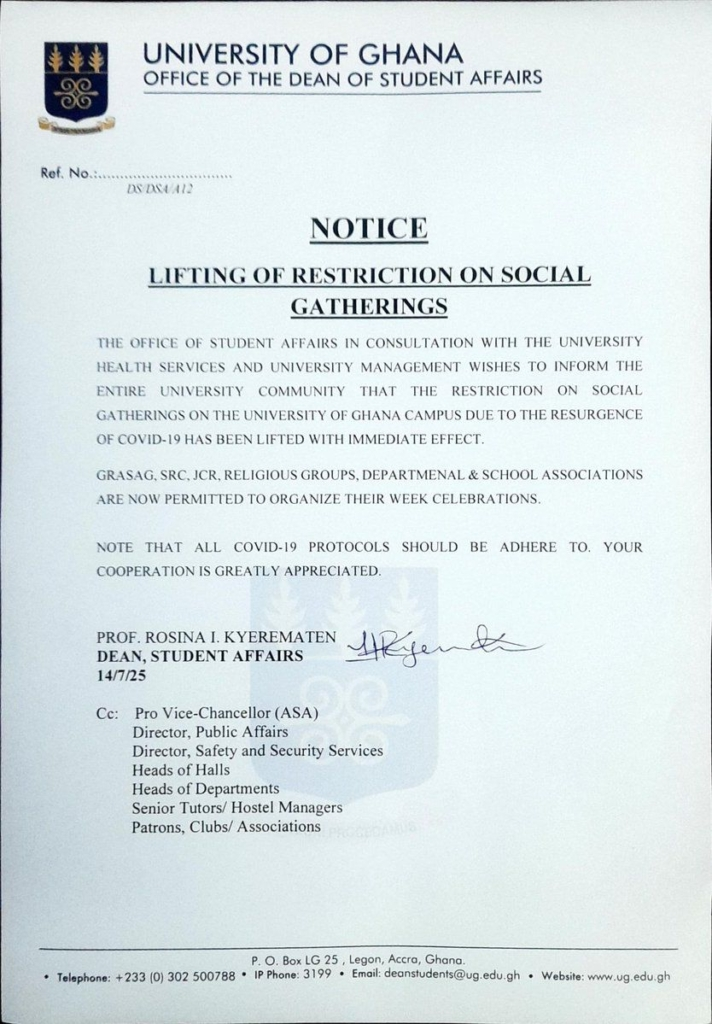
    The ban on social gatherings due to the resurgence of COVID-19 at the University of Ghana (UG), Legon has has ooficially been lifed.

    This was announced in a letter issued by the Office of Student Affairs and signed in consultation with the University Health Services and University Management on Monday, July 14.

    Students were made aware that the ban has been lifted with immediate effect.

    “The restriction on social gatherings on the University of Ghana campus due to the resurgence of COVID-19 has been lifted with immediate effect,” the statement read.

    The directive permits student bodies and campus-based organizations to resume their activities.

    Groups such as the Graduate Students’ Association of Ghana (GRASAG), Students’ Representative Council (SRC), Junior Common Rooms (JCRs), religious groups, as well as departmental and school associations, were specifically mentioned to comfortably go ahead with their weekly celebrations as well as other events.

    “GRASAG, SRC, JCR, religious groups, departmental and school associations are now permitted to organise their week celebrations,” the notice stated.

    Meanwhile, authorities have emphasized that students and event organisers are expected to comply with COVID-19 safety measures to prevent any new wave of infections.

    “Note that all COVID-19 protocols should be adhered to. Your cooperation is greatly appreciated,” the statement added.

    Read the letter below:

    In a recent report last month, the UG said it had taken drastic measures to quell the spread of COVID-19 cases that had resurged within its vicinity.

    As such, all student bodies, including the Graduate Students’ Association of Ghana (GRASAG), Students’ Representative Council (SRC), Junior Common Rooms (JCRs), and departmental and school associations, were directed to halt all week celebrations.

    In a statement dated June 23, the Health Services Directorate of UG confirmed a few suspected COVID-19 cases in the immediate vicinity.

    In light of this, the Health Services Directorate reactivated its COVID-19 Response Protocols, including screening and triage measures at health facilities.

    Subsequently, all staff, students, and visitors were strongly advised to remain vigilant and strictly adhere to recommended preventive measures to reduce the risk of infection and community spread.

  • Vaccination remains our best defence against COVID-19 – Virologist to Ghanaians

    Vaccination remains our best defence against COVID-19 – Virologist to Ghanaians

    Head of Virology at the Noguchi Memorial Institute for Medical Research, Professor Kofi Bonney, has called for collaborative efforts to curb the resurgence of COVID-19.

    As such, he has admonished Ghanaians to willingly take the COVID-19 vaccine shots should the government start administering them.

    “The vaccines boost immunity, but the efficacy reduces at a point. So people who have already taken the vaccines must do well to get the boosters to build the immune system.”

    “Ghana Health Service is working to secure the vaccines, and we must all try and take it when it comes,” he said.

    Meanwhile, the Minister for Health, Kwabena Mintah Akandoh, has allayed the fears of the general public over the resurgence of the COVID-19 virus, indicating that no cases have been recorded outside the country’s capital.

    The sector minister made this known when he appeared before Parliament to provide an update on the resurgence of COVID-19 in the country on Tuesday, July 1.

    In his delivery, the sector minister noted that as of July 1, 107 out of 316 suspected cases within the University of Ghana community have been confirmed as COVID-19.

    Currently, no deaths have been reported, and no individual is currently on admissions.

    Honourable Akandoh noted that the outbreak is limited to the University of Ghana community, adding that “it has not spread widely to other parts of Accra or the rest of the country.”

    He noted that these cases have been traced to a familiar variant—the Omicron sub-variant.The cases were detected through Ghana’s influenza surveillance system and confirmed by the Noguchi Memorial Institute for Medical Research.

    This national network of sentinel sites operates across all 16 regions.

    He therefore assured Ghanaians that, should there be any cases outside the university campus, “our surveillance system remains active and ready to detect and respond effectively.”

    The Ghana Health Service (GHS) has revealed that the current COVID-19 cases recorded in the University of Ghana are of mild magnitude.

    The Health Services Directorate of the University of Ghana has reactivated its COVID-19 Response Protocols, including screening and triage measures at health facilities.

    The preventive measures include wearing face masks properly, especially in enclosed or crowded spaces, and washing hands frequently with soap under running water or using alcohol-based hand sanitizers.

    Subsequently, all staff, students, and visitors are strongly advised to remain vigilant and strictly adhere to recommended preventive measures to reduce the risk of infection and community spread.

    In light of this, management of the University of Ghana, Legon, has suspended all social gatherings on campus, excluding official university activities and lectures, to quell the spread of COVID-19 cases

    Professor Kofi Bonnie, has warned that the rainy season could trigger the resurgence of COVID-19. Speaking to Joy News, the virologist explained that influenza-like illnesses surge during rainy days.

    COVID-19 is the disease caused by the SARS-CoV-2 coronavirus. It usually spreads between people in close contact.

    COVID-19 vaccines provide strong protection against severe illness and death. Although a person can still get COVID-19 after vaccination, they are more likely to have mild or no symptoms.

    According to the World Health Organisation (WHO), COVID-19 symptoms typically appear 5 to 6 days after exposure and can last between 1 and 14 days, ranging from common symptoms like fever, chills, and sore throat to less common ones such as muscle aches, severe fatigue, nasal congestion, headache, sore eyes, dizziness, a persistent cough, chest pain, shortness of breath, hoarseness, numbness, appetite loss, nausea, vomiting, abdominal pain, diarrhoea, altered taste or smell, and difficulty sleeping.

    In 2020, COVID-19 was declared a public health emergency of international concern. In March of the period in question, Ghana recorded its first case.

    In May 2023, the UN World Health Organization declared an end to COVID-19 as a public health emergency, stressing that it does not mean the disease is no longer a global threat.According to the Ghana Health Service (GHS), significant portions of the population remain either partially vaccinated or unvaccinated, posing ongoing vulnerability to the disease.

    In July 2024, the GHS initiated a nationwide COVID-19 vaccination campaign where it administered 500,000 doses of COVID-19 vaccines to all individuals aged 18 years and above, intensifying efforts to bolster vaccination rates.

    Vaccination teams operate at hospitals, clinics, and health centers, ensuring accessibility to COVID-19 vaccines.

    Additionally, teams conduct outreach activities at residences, markets, places of worship, workplaces, and other venues to facilitate widespread access.

    According to GHS, COVID-19 vaccination is now a routine for adults, available at all vaccination sites nationwide.

    As of 2023, the cumulative cases worldwide stood at 765,222,932, with nearly seven million deaths. As of 30 April, a total of more than 13.3 billion vaccine doses have been administered worldwide.

    According to data provided by the UN WHO, Europe recorded the highest number of confirmed cases, approaching 300 million, whereas Africa recorded the least. The highest number of deaths, exceeding 2.5 million, was recorded in Europe. Africa recorded the least number of death cases.

  • Health Minister to appear before Parliament over COVID-19 resurgence

    Health Minister to appear before Parliament over COVID-19 resurgence

    Minister for Health, Kwabena Mintah Akandoh, will appear before Parliament today, Tuesday, July 1, to provide an update on the resurgence of COVID-19 in the country.

    Parliament’s invitation is a response to the recent discovery of the coronavirus disease by the Health Services Directorate of the University of Ghana (UG).

    In light of this, the Health Services Directorate has reactivated its COVID-19 Response Protocols, including screening and triage measures at health facilities.

    Subsequently, all staff, students, and visitors are strongly advised to remain vigilant and strictly adhere to recommended preventive measures to reduce the risk of infection and community spread.

    The preventive measures include wearing face masks properly, especially in enclosed or crowded spaces, and washing hands frequently with soap under running water or using alcohol-based hand sanitizers.

    But the Head of Biology at the Noguchi Memorial Institute for Medical Research (NMIMR), Professor Kofi Bonnie, has indicated that the virus is not only on the UG campus but across several regions of the country.

    “It is not a localised resurgence. In fact, we have other regions reporting. So, if the university has come out with a circular cautioning the community in the university and its environs, it’s not just for us. I think the nation should take it up—everybody—especially during this time of the year,” he added.

    He has called on the government to take proactive measures to prevent a potential surge in infections.

    “It is not a localised resurgence. In fact, we have other regions reporting,” he said.

    “So, if the university has come out with a circular cautioning the community in the university and its environs, it’s not just for us. I think the nation should take it up—everybody—especially during this time of the year,” he added.

    COVID-19 is the disease caused by the SARS-CoV-2 coronavirus. It usually spreads between people in close contact.

    COVID-19 vaccines provide strong protection against severe illness and death. Although a person can still get COVID-19 after vaccination, they are more likely to have mild or no symptoms.

    According to the World Health Organisation (WHO), COVID-19 symptoms typically appear 5 to 6 days after exposure and can last between 1 and 14 days, ranging from common symptoms like fever, chills, and sore throat to less common ones such as muscle aches, severe fatigue, nasal congestion, headache, sore eyes, dizziness, a persistent cough, chest pain, shortness of breath, hoarseness, numbness, appetite loss, nausea, vomiting, abdominal pain, diarrhoea, altered taste or smell, and difficulty sleeping.

    In 2020, COVID-19 was declared a public health emergency of international concern. In March of the period in question, Ghana recorded its first case.

    In May 2023, the UN World Health Organization declared an end to COVID-19 as a public health emergency, stressing that it does not mean the disease is no longer a global threat.

    According to the Ghana Health Service (GHS), significant portions of the population remain either partially vaccinated or unvaccinated, posing ongoing vulnerability to the disease.

    In July 2024, the GHS initiated a nationwide COVID-19 vaccination campaign where it administered 500,000 doses of COVID-19 vaccines to all individuals aged 18 years and above, intensifying efforts to bolster vaccination rates.

    According to data provided by the UN WHO, Europe recorded the highest number of confirmed cases, approaching 300 million, whereas Africa recorded the least. The highest number of deaths, exceeding 2.5 million, was recorded in Europe. Africa recorded the least number of death cases.

    Meanwhile, Professor Kofi Bonnie has warned that the rainy season could trigger the resurgence of COVID-19. Speaking to Joy News, the virologist explained that influenza-like illnesses surge during rainy days.

  • Rainy season could trigger COVID-19 comeback – Virologist cautions

    Rainy season could trigger COVID-19 comeback – Virologist cautions

    Head of Biology at the Noguchi Memorial Institute for Medical Research (NMIMR), Professor Kofi Bonnie, has warned that the rainy season could trigger the resurgence of COVID-19.

    Speaking to Joy News, the virologist explained that influenza-like illnesses surge during rainy days.

    His warning comes after a recent discovery of the Coronavirus disease by the Health Services Directorate of the University of Ghana (UG).

    In a statement dated June 23, the Directorate noted that there are a few suspected and confirmed cases reported in the immediate vicinity.

    In light of this, the Health Services Directorate has reactivated its COVID-19 Response Protocols, including screening and triage measures at health facilities.

    Subsequently, all staff, students, and visitors are strongly advised to remain vigilant and strictly adhere to recommended preventive measures to reduce the risk of infection and community spread.

    The preventive measures include wearing face masks properly, especially in enclosed or crowded spaces, and washing hands frequently with soap under running water or using alcohol-based hand sanitizers.

    But the Virologist has indicated that the virus is not only on the UG campus but across several regions of the country.

    “It is not a localised resurgence. In fact, we have other regions reporting. So, if the university has come out with a circular cautioning the community in the university and its environs, it’s not just for us. I think the nation should take it up—everybody—especially during this time of the year,” he added.

    He has called on the government to take proactive measures to prevent a potential surge in infections.

    “It is not a localised resurgence. In fact, we have other regions reporting,” he said.

    “So, if the university has come out with a circular cautioning the community in the university and its environs, it’s not just for us. I think the nation should take it up—everybody—especially during this time of the year,” he added.

    COVID-19 is the disease caused by the SARS-CoV-2 coronavirus. It usually spreads between people in close contact.

    COVID-19 vaccines provide strong protection against severe illness and death. Although a person can still get COVID-19 after vaccination, they are more likely to have mild or no symptoms.

    According to the World Health Organisation (WHO), COVID-19 symptoms typically appear 5 to 6 days after exposure and can last between 1 and 14 days, ranging from common symptoms like fever, chills, and sore throat to less common ones such as muscle aches, severe fatigue, nasal congestion, headache, sore eyes, dizziness, a persistent cough, chest pain, shortness of breath, hoarseness, numbness, appetite loss, nausea, vomiting, abdominal pain, diarrhoea, altered taste or smell, and difficulty sleeping.

    In 2020, COVID-19 was declared a public health emergency of international concern. In March of the period in question, Ghana recorded its first case.

    In May 2023, the UN World Health Organization declared an end to COVID-19 as a public health emergency, stressing that it does not mean the disease is no longer a global threat.According to the Ghana Health Service (GHS), significant portions of the population remain either partially vaccinated or unvaccinated, posing ongoing vulnerability to the disease.

    In July 2024, the GHS initiated a nationwide COVID-19 vaccination campaign where it administered 500,000 doses of COVID-19 vaccines to all individuals aged 18 years and above, intensifying efforts to bolster vaccination rates.

    According to data provided by the UN WHO, Europe recorded the highest number of confirmed cases, approaching 300 million, whereas Africa recorded the least. The highest number of deaths, exceeding 2.5 million, was recorded in Europe. Africa recorded the least number of death cases.

  • Band business now evolving after decline during Covid-19 pandemic – Afro Harmony

    Band business now evolving after decline during Covid-19 pandemic – Afro Harmony

    Ghanaian musical band, Afro Harmony, has reflected on the difficulties they faced in the aftermath of the Covid-19 pandemic, highlighting how the demand for live band performances plummeted as DJs dominated the entertainment space.

    Speaking on the E Vibes Musical Band Series, the band’s deputy leader, Mac Hamlet, noted that the pandemic’s financial impact forced event organizers and venues to opt for DJs over live bands.

    This shift, he explained, resulted in a decline in bookings for bands, making it a tough period for musicians who relied on live performances for their livelihood.

    “From Covid time, it was not easy for bands, but right now it’s evolving. People and most companies now want to involve bands in their restaurants and clubs. Before, it was more about DJs, and that led to a decline in live bands. But now, it’s rising,” Hamlet stated.

    Despite the challenges, he emphasized that there is no rivalry between bands and DJs. Instead, he revealed that both groups are now collaborating more, performing together at events to create a more immersive musical experience.

    “After Covid-19, the need for bands declined a bit because of financial constraints. At some point, DJs were taking all the gigs, but lately, I can see that things are changing. We have been collaborating with DJs, playing gigs together, and it has been going well. There’s no bad blood between us,” he added.

    This season of E Vibes is focusing on music bands in Ghana under the theme #MusicalBandSeries.

    The program aims to celebrate and spotlight the journeys of Ghanaian musical bands, sharing their struggles, victories, and the unity that keeps them going.

  • Bill to abolish E-Levy, betting tax to be presented in Parliament today

    Bill to abolish E-Levy, betting tax to be presented in Parliament today

    The bill seeking to eliminate several taxes, including the Electronic Transaction Levy (E-Levy), the COVID-19 Levy, and the 10% tax on lottery winnings (betting tax), will be presented to Parliament today, March 13.

    Speaking on JoyNews on Tuesday, March 11, Finance Minister Dr. Cassiel Ato Forson revealed that the government plans to table the bills under a certificate of urgency to expedite their passage.

    “Tomorrow morning, I will be going to Parliament to submit the bills, and I expect Parliament to take them through a certificate of urgency,” Dr. Forson said.

    During the 2025 Budget Statement presentation on March 11, Dr. Forson proposed scrapping the Emissions Tax along with other levies.

    He remains optimistic that the repeal process will move swiftly, emphasizing the simplicity of the bills.

    “Repealing the taxes will be one clause each. Repealing the betting tax is very easy. The E-Levy and all of those things we are repealing are quite easy,” he noted.

    He pointed out that the Constitution provides for an expedited process for such bills.

    “It’s a revenue bill, and under the Constitution, you have any way to lay finance bills under a certificate of urgency,” he explained.

    Dr. Forson reassured that after Parliament’s approval, President John Dramani Mahama would immediately sign them into law.

  • COVID-19 tax poses a threat to Ghana’s transit traffic – GPHA

    COVID-19 tax poses a threat to Ghana’s transit traffic – GPHA

    The Ghana Ports and Harbours Authority (GPHA) has warned that Ghana risks losing a significant share of its transit trade to Togo and Côte d’Ivoire if the government does not reconsider the imposition of COVID-19 tax and VAT on transit cargo.

    The authority says the high cost of doing business at Ghanaian ports is pushing landlocked nations such as Burkina Faso and Mali to seek alternative routes through neighbouring ports that offer more competitive tariffs.

    Speaking during a working visit by Transport Minister Joseph Bukari Nikpe to the Tema Port, Brigadier General Paul Seidu Tanye-Kulono, Director General of GPHA, stressed the urgency of reviewing port charges to retain transit trade.

    “The transit market is highly competitive, and any disruption can lead customers to shift their business to neighbouring Lomé in Togo and Abidjan in Côte d’Ivoire,” he cautioned.

    He urged the government to reconsider VAT and other levies on transit cargo, emphasizing that removing these costs would enhance trade and create more jobs.

    Ghana has long been a key transit hub for West and Central Africa, but increasing port charges are making its ports less attractive compared to those in Togo and Côte d’Ivoire.

    Despite repeated pleas from traders and freight forwarders for a tax reduction, Ghana’s ports remain more expensive than their competitors. This pricing gap is driving business away from the country’s maritime industry.

    In an effort to better understand the competitive advantages of neighbouring ports, GPHA has deployed a fact-finding team to study operations in Lomé and Abidjan.

    “Currently, we have a team in Lomé trying to understand the processes there because we understand they don’t charge these levies. Earlier, they were in Abidjan for the same mission, and after the trip, they will submit a report for policy direction,” Brig. Gen. Tanye-Kulono disclosed.

    Responding to the concerns, Transport Minister Joseph Bukari Nikpe assured GPHA that the government is committed to keeping Ghana’s ports regionally competitive.

    “If goods are not meant for our economy, I’m not sure we have any business charging them. This is a worthy point for us to look at,” he noted.

    On the COVID-19 tax, the Minister acknowledged the need for a reassessment, indicating that discussions between the Transport and Finance Ministries would explore possible adjustments.

    “It’s important to incorporate the ideas of our partners, especially the landlocked countries that do business with us. If Ghana’s rates are not competitive, they will simply choose ports in Francophone countries,” he warned.

    As part of the visit, officials from GPHA and the Transport Ministry toured key sections of Tema Port, including the Shipyard and Terminals 2 and 3, to align government policies with industry needs.

    With Ghana facing mounting competition from its regional neighbours, industry experts emphasize that tax reforms and business-friendly policies are crucial to maintaining Ghana’s relevance in the maritime sector and sustaining transit trade.

  • COVID-19 hygiene protocols must be reinstated to check cholera outbreak – GHS

    COVID-19 hygiene protocols must be reinstated to check cholera outbreak – GHS

    Ghana is grappling with a cholera outbreak, raising urgent concern among health officials and communities across the nation.

    So far, the outbreak has claimed 16 lives, with 116 confirmed cases reported in four regions: Greater Accra, Eastern, Central, and Western.

    The Ghana Health Service (GHS) is urging the public to resume COVID-19 hygiene practices to help curb the spread of the disease.

    Dr. Dennis Laryea, Deputy Director of Disease Surveillance at the GHS, stressed that early medical intervention can prevent fatalities, noting that some patients delayed seeking care, resulting in avoidable deaths.

    “Our concerns have had to do with the death. The numbers yes but quite a number of them were brought in dead, which means they were delayed in seeking care. About seven or eight of them were brought in dead.

    “The majority of the others spent less than 12 to 24 hours on admission. That meant that we had little time to make a difference. Their kidneys may have stopped functioning due to dehydration. We have seen some changes in some of the districts. Once you start developing symptoms; vomiting, watery diarrhoea, get to the health facility,” he stated.

    Channel One News reported from Osu in the Korley Klottey Municipality, an area affected by the outbreak, where residents voiced concerns over sanitation challenges.

    “One critical issue affecting this community is the inconsistent supply of tap water, which has significantly worsened our sanitation problems. We are appealing to the relevant authorities to ensure a steady flow of water to this area to help reduce the spread of cholera,” a resident lamented.

    “We don’t have consistent water supply for domestic use, even for basic needs like cleaning our toilets. Additionally, the refuse dumb area is in a deplorable condition, which could breed cholera, especially since children play around and food is exposed to flies. We are appealing to the authorities to address the water supply and improve the sanitation conditions”, another resident appealed.

    “The Osu Beach has become a breeding place for mosquitoes. The authorities are doing nothing about it. We are urging the authorities to save the situation,” stated another resident.

    “The factors that will drive the outbreak haven’t left us. The personal hygiene and the food handling situation are still there. If people don’t wash their hands with soap and water before eating, wash their fruit and vegetables well with clean water because if the water is dirty, it can result in cholera infection. The bacteria is in the environment so once we are not handling our waste appropriately, then the risk of the disease spreading is high,” Dr. Laryea reiterated.

  • I have done my best, Bawumia will do the rest – Akufo-Addo

    I have done my best, Bawumia will do the rest – Akufo-Addo

    President Akufo-Addo has asserted that his administration has excelled in its performance, overcoming significant obstacles, including the COVID-19 pandemic.

    He highlighted the substantial achievements made across multiple economic sectors under his leadership.

    During the 13th Biennial and 51st Conference of the Methodist Church of Ghana in Kumasi, the President called on Ghanaians to place their trust in Dr. Mahamudu Bawumia to continue the work initiated by the New Patriotic Party (NPP) government.

    “I can say in all good conscience that I have not betrayed the mandate the good people of Ghana conferred on me on two successive occasions.

    “All this has been done in part due to the support I have received from you and the Church and above all due to the grace of Almighty God through whom I express my deepest gratitude.

    “I pray that you continue with the same level of cooperation with my successor, God willing, my Vice President, Alhaji Dr Mahamudu Bawumia and his dynamic running mate, Dr. Matthew Opoku Prempeh, popularly known to all and sundry here in Kumasi as NAPO,” President Akufo-Addo said.

  • How Ghana plans to ‘fight’ Mpox

    How Ghana plans to ‘fight’ Mpox

    The Ministry of Health (MoH) has activated its emergency response plan in reaction to the World Health Organisation’s (WHO) recent classification of Mpox as a Public Health Emergency of International Concern (PHEIC).

    Mpox is an illness caused by the monkeypox virus. It is a viral infection which can spread between people, mainly through close contact, and occasionally from the environment to people via things and surfaces that have been touched by a person with mpox.

    The ministry, in a press release dated August 16, 2024, noted that it has issued a directive to all implementing agencies and stakeholders to heighten surveillance systems at all levels.

    This directive includes enhanced monitoring at Points of Entry (such as airports and border crossings) and increased vigilance within communities nationwide.

    Also, the Ghana Health Service, on the directive of the ministry, has released a detailed technical advice on the symptoms of Mpox and the necessary steps for early detection, reporting, and treatment.

    Ghana recorded 120 cases of Mpox in 2022 and 8 cases in 2023, with no cases reported in 2024 thus far. Despite this, the country remains vigilant to prevent any potential resurgence.

    Director-General of the World Health Organisation (WHO), Dr. Tedros Adhanom Ghebreyesus, has voiced growing concerns about the spread of Mpox, driven by significant outbreaks in the Democratic Republic of the Congo (DRC) and other African nations a Public Health Emergency of International Concern (PHEIC).

    This decision follows the recommendation of an IHR Emergency Committee, which reviewed data from WHO and affected nations.

    The Committee highlighted the potential for Mpox to spread further across Africa and beyond.

    Previously, Mpox was designated a PHEIC in July 2022 due to its rapid spread via sexual contact in various countries. This status was lifted in May 2023 after a global decline in cases.

    However, Mpox has persisted in the DRC for over a decade, with cases surging significantly last year and surpassing previous totals this year.

    A new strain, clade 1b, has emerged in the DRC, spreading mainly through sexual networks and detected in neighboring countries like Burundi, Kenya, Rwanda, and Uganda, where it had not been previously reported.

    The true number of cases is likely higher due to underreporting and insufficient testing.

    WHO’s Strategic Advisory Group of Experts on Immunization endorses two vaccines for Mpox, which are also approved by national regulatory authorities in affected countries, including Nigeria and the DRC.

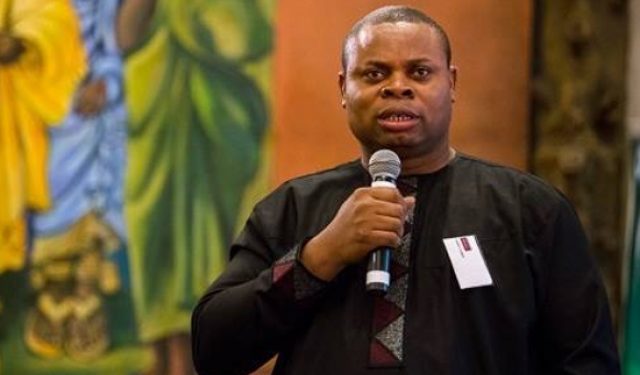
  • Franklin Cudjoe joins calls for scrapping of COVID-19 levy; says its killing Ghanaians

    Franklin Cudjoe joins calls for scrapping of COVID-19 levy; says its killing Ghanaians

    Founder and President of IMANI Africa, Franklin Cudjoe, has criticized the government for maintaining the COVID-19 levy despite widespread appeals from the business community for its removal.

    The government maintains that the levy is essential for managing the ongoing financial repercussions of the pandemic.

    Prior to the mid-year budget review, the business community urged the removal of various redundant taxes, including the COVID-19 levy. Nevertheless, the government has justified its decision to keep the levy in place.

    Abena Osei-Asare, Minister of State at the Finance Ministry, explained to the Public Accounts Committee of Parliament on Wednesday that although the immediate threat of COVID-19 has lessened, the financial impacts continue.

    In an interview with Selom Adonoo on Big Issue on Channel One TV, Mr. Cudjoe emphasized the burden that taxes impose on Ghanaians and called on the Akufo-Addo administration to promptly abolish the COVID-19 levy.

    He also criticized the lack of infrastructure development despite the government collecting numerous taxes.

    “Look at the haemorrhage we have been experiencing in terms of the way taxes received are wasted. So, there’s a certain anomaly to think that it’s only the government that can deliver development to persons and individuals. I’m not too sure that we should be conceptualising the essence of government…

    In the face of the wanton distraction that has happened to COVID-19 money, you recall that there was a special audit done for all COVID-19 received funds.

    “I disagree fundamentally with the purposes of taxation, yes, some amount of taxation should go to the government for driving infrastructural-related purposes. Even then, we should have the private sector being part of it…

    I have a challenge with the COVID-19 tax and I think it is important that even though we are under economic challenges, largely imposed by our own doing. This whole conversation about COVID-19 tax is quite unnerving.”

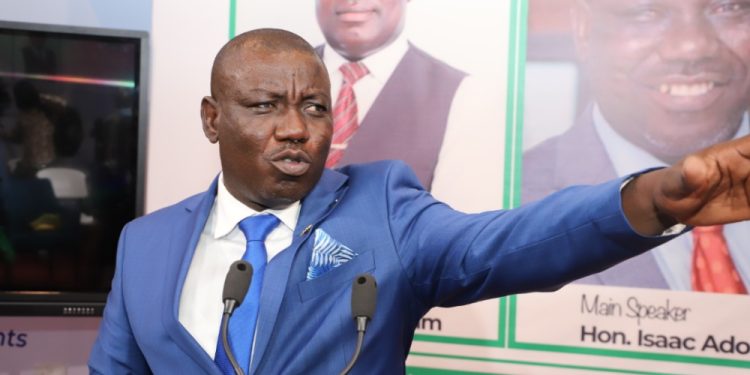
  • Ghana was in a serious fiscal quagmire before COVID-19 – Isaac Adongo

    Ghana was in a serious fiscal quagmire before COVID-19 – Isaac Adongo

    Ranking Member on the Finance Committee, Isaac Adongo, has condemned the government’s attempts to blame the current economic woes on the COVID-19 pandemic.

    He says that fiscal mismanagement was evident long before the health crisis began.

    During the 2024 Mid-Year Budget Review presentation by the Finance Minister, Isaac Adongo voiced the Minority’s concerns.

    He argued that the government should not use the pandemic as a scapegoat for its economic mismanagement.

    “Even before COVID-19, the government of the day had already plunged this country into a serious fiscal quagmire. We were expected to record changes in our net international reserves. Mr. Speaker, we missed it in March and June and we’re looking at September 2024,” Adongo stated.

    Highlighting that the economic troubles were evident well before the pandemic, Adongo pointed to a statement from the Bank of Ghana: “The government has been on our case that it is because of COVID-19 that we’re in this situation. However, the Bank of Ghana issued a statement indicating that at the time we exited the program in May 2019, the government of Ghana, five months later, was struggling with major concerns within the fiscal environment.”

    Adongo firmly stated, “It is not true that our economic problems are solely due to COVID-19.”

    In response, Deputy Finance Minister Abena Osei Asare assured that the government remains committed to fiscal discipline, noting a 2.9% savings achieved in the first half of 2024.

    “Mr. Speaker, in an election year, we have been able to spend within our limits. We budgeted GHC1.48 billion to be spent from January to June 2024, but we have spent GHC1.1 billion. We have made some savings below GHC2.9 billion, below what was actually budgeted for. We’re bent on living within our means, ensuring that we don’t go over and above what has been proposed for us,” she explained.

    Ghana has blamed external factors such as COVID-19, Russia-Ukraine war for the countries economic challenges. Internal factors include the exchange rate, Ghana’s heavy dependence on importation, inflation among others.

  • Even before COVID-19 Ghana was in crisis, stop the blame games – NDC to NPP

    Even before COVID-19 Ghana was in crisis, stop the blame games – NDC to NPP

    The Minority in Parliament has rebuked the government for blaming the Covid-19 pandemic for the nation’s current economic woes.

    They contend that the government’s mishandling of the economy had already led to a fiscal crisis before the pandemic emerged.

    During the 2024 Mid-Year Budget Review, the Ranking Member on the Finance Committee, Isaac Adongo, expressed the Minority’s disapproval and argued that the government should not use the pandemic as a cover for its economic missteps.

    “Even before COVID-19, the government of the day had already plunged this country into serious fiscal quagmire. We were expected to record changes in our net international reserves. Mr. Speaker, we missed it in March and June and we’re looking at September 2024.

    “This government had been on our case that it is because of COVID-19 that is why we’re in this situation that we find ourselves. However, the Bank of Ghana issued a statement indicating that at the time that we exited the programme in May 2019, the government of Ghana five months later was struggling with major concerns within the fiscal environment.

    “Mr Speaker, it is not true that the problems are attributable to COVID-19,” the Ranking Member on the Finance Committee of Parliament said.

    Deputy Finance Minister Abena Osei Asare assured that the government remains dedicated to fiscal discipline in this election year, citing a 2.9% savings achieved in the first half of 2024.

    “Mr Speaker, in an election year, we have been able to spend within our limits, we budgeted a GHC1, 48 billion to be spent from January to June 2024, but we have spent GHC1,1 billion, we have made some savings below GHC2.9, below what was actually budgeted for. We’re bent on living within our means, we’re bent on making sure that we don’t go over and above what has been proposed for us.”

  • Gov’t is still providing you vaccines – Abena Osei justifies payment of COVID-19 Recovery Levy

    Gov’t is still providing you vaccines – Abena Osei justifies payment of COVID-19 Recovery Levy

    The government will persist in collecting the COVID-19 recovery levy to address the ongoing impacts of the pandemic, according to Minister of State at the Finance Ministry, Abena Osei Asare.

    This stance comes in response to growing calls from the Minority in Parliament and various public sectors to eliminate taxes like the COVID levy and e-levy to ease the financial burdens on Ghanaians, who are grappling with a high cost of living.

    During a Public Accounts Committee hearing on Wednesday, July 24, Osei Asare highlighted the necessity of the levy, despite the official end of the pandemic.

    She stressed the continuing need for funding to maintain the country’s supply of COVID-19 vaccines, which are crucial for building citizens’ immunity.

    COVID is no more, but we still feel the impact of COVID. There are many things that we did during COVID-19 that we are now having to take care of,” Osei Asare explained.

    When asked about a potential end date for the COVID levy, she could not provide a specific timeline but noted that its introduction in Parliament came with the agreement that it would be subject to review after a certain period.

    “What I know is that COVID-19 vaccines are still in the system and, Mr. Chairman, they are not for free. We still have to service the 10 million bond loans we took from the Bank of Ghana,” she added.

    Meanwhile, Allan Kyerematen, leader of the Movement for Change, has also called for the abolition of the COVID-19 levy and the Ghana Health Service disinfection fee during the launch of his Great Transformation Agenda. He questioned the relevance of these fees in 2024, asking, “How can we be collecting COVID fees and disinfection fees in 2024?”

    Kyerematen further outlined plans to phase out taxes and charges on imported spare parts within two years if his administration is established under a government of National Unity.

    The ongoing debate over the COVID-19 levy reflects broader concerns about the financial pressures on Ghanaians and the government’s strategy for economic recovery in the post-pandemic era.

  • GHS to deliver 500K COVID-19 vaccine doses to adults aged 18 and above

    GHS to deliver 500K COVID-19 vaccine doses to adults aged 18 and above

    The Ghana Health Service (GHS) has initiated a nationwide COVID-19 vaccination campaign scheduled throughout July 2024, commencing from July 3rd.

    During this campaign, the GHS aims to administer a minimum of 500,000 doses of COVID-19 vaccines to all individuals aged 18 years and above, intensifying efforts to bolster vaccination rates.

    Vaccination teams will operate at hospitals, clinics, and health centers, ensuring accessibility to COVID-19 vaccines.

    Additionally, teams will conduct outreach activities at residences, markets, places of worship, workplaces, and other venues to facilitate widespread access.

    According to GHS, COVID-19 vaccination is now a routine for adults, available at all vaccination sites nationwide. Despite progress, significant portions of the population remain either partially vaccinated or unvaccinated, posing ongoing vulnerability to the disease.

    Children under 15 years, not eligible for COVID-19 vaccination under national policy, rely on adult vaccination to indirectly safeguard them through achieving herd immunity.

    Director-General of GHS, Dr. Patrick Kumah Aboagye, highlighted, “As of June 28, 2024, a total of 29,191,110 doses of COVID-19 vaccines had been administered to the population, and about 56% of the target population had completed the primary series.

    “As the country strives to increase population immunity and break the transmission of the disease, within the context of a gradual increase in cases, it is imperative that all unvaccinated and partially vaccinated individuals are reached to prevent any potential surge in disease incidence and associated ill health and/or death,” a statement signed by Dr. Patrick Kumah Aboagye, the Director-General of the Ghana Health Service.

    “In the recent past (early April – May 2024), the increased number of COVID-19 cases in Ghana is ample evidence that the disease is not over. We are, therefore, calling on all stakeholders to support this effort by making sure that all eligible persons avail themselves to be vaccinated with the primary series and the boosters to ensure maximum protection. Protect yourself, protect your family, get vaccinated.”

  • Ghana reaches preliminary deal with bondholders to adjust $13bn debt

    Ghana reaches preliminary deal with bondholders to adjust $13bn debt

    Ghana has reached a preliminary agreement with its bondholders to restructure $13 billion of international debt, according to three sources briefed by Reuters on Thursday, June 20.

    This agreement follows a recent deal with official creditors.

    Under the terms of the deal, bondholders will accept a haircut on principal of up to 37% and extend the maturity of the bonds, as reported by two of the sources.

    In 2022, Ghana defaulted on most of its $30 billion external debt due to the COVID-19 pandemic, the Ukraine conflict, higher global interest rates, and escalating debt levels.

    Similar to Zambia, Ghana opted for debt restructuring under the G20 Common Framework, which includes China as a major bilateral lender.

    For Ghana, “things are pretty close. We can expect an announcement by next week,” said one of the sources, who requested anonymity due to media constraints.

    The other two sources suggested that the announcement could come as early as Friday.

    At the time of reporting, Ghana’s finance ministry and the Paris Club, an association of creditor nations, were not available for immediate comment.

    Formal negotiations commenced in mid-March with two groups of bondholders, comprising Western asset managers, hedge funds, and regional African banks. Discussions hit a snag in April when the proposed terms did not align with the IMF’s criteria for debt sustainability, prompting a reassessment.

    According to the sources, the revised IMF debt framework for Ghana, shared with bondholders earlier, facilitated the recent preliminary agreement.

    Earlier this month, Ghana finalized an agreement with its official creditors committee, paving the way for an IMF executive board meeting on June 28. The meeting will review Ghana’s $3 billion, three-year loan package, including the potential disbursement of a $360 million tranche.

  • COVID-19 was a financial bonanza for govt – Economist

    COVID-19 was a financial bonanza for govt – Economist

    A respected economist, Dr. Nii Moi Thompson, has voiced criticism against the Akufo-Addo administration, alleging mismanagement of COVID-19 funds.

    He pointed out that during the COVID-19 pandemic, the government unexpectedly experienced a boost in its financial standing, with Ghana seeing significant financial gains.

    Dr. Thompson highlighted that Ghana received a $1 billion grant from the International Monetary Fund (IMF) without conditions due to the pandemic.

    During an interview with Channel One TV on Wednesday, June 19, Dr. Thompson noted that Ghana obtained an additional $1 billion from the IMF in 2021. This amount, however, was conspicuously absent from the Auditor General’s report on COVID-19 expenditures, suggesting a potential oversight.

    Additionally, Dr. Moi Thompson disclosed that Ghana received a total of GHC27 billion in COVID-19-related funds.

    Nevertheless, he criticized the government for allocating only 42% of this amount for direct COVID-19 expenses, leaving a significant portion unaccounted for.

    “We turn to look at COVID-19 purely in economic terms, but it was a financial bonanza for the government. You may recall that they actually even said that they exceeded the revenue targets in 2020, despite what everyone else thinks. Even though, revenue went down in certain sectors… the ICT, the telcos and others, they boomed.”

    “But, as a result of COVID-19, the IMF also gave us a billion dollars in cash in 2020, pretty much, no conditions attached. The significance of that is that in 2015 when we went to the IMF, they pledged, I think, $940 million spread over three years,” he said.

  • E/R: Over 900k fully vaccinated against COVID-19

    E/R: Over 900k fully vaccinated against COVID-19

    Deputy Director of Public Health and Incident Manager for COVID-19 at the Eastern Regional Ghana Health Service (GES), Dr. John Ekow Otoo, has reported that 904,696 individuals in the Eastern Region have completed their COVID-19 vaccination.

    This number corresponds to 46.2 percent of the target population of 1.9 million individuals aged 15 and above in the region.

    Dr. Otoo shared these details with the Ghana News Agency during an interview to update on the region’s COVID-19 vaccination progress and the status of COVID-19 cases as of May 26, 2024, and June 9, 2024.

    He indicated that 1,227,526 people, constituting 62.6 percent of the targeted population, have received at least one dose of the COVID-19 vaccine.

    Among those fully vaccinated, 420,770 have received a booster dose to enhance protection against COVID-19.

    The Eastern Regional Health Directorate received and distributed 1,704,400 doses of AstraZeneca, 1,065,150 doses of Pfizer-BioNTech, 807,900 doses of the COVID-19 Vaccine Janssen, and 122,640 doses of the Moderna COVID-19 Vaccine to health centers.

    Dr. Otoo reported that a total of 2,238,459 vaccine doses were administered, with 171 individuals experiencing Adverse Events Following Immunization (AEFI), including 165 severe cases and 6 mild cases.

    AEFI refers to unintended medical reactions caused by vaccination, which can range from mild to severe.

    Of the reported AEFI cases, 56 percent were females and 44 percent were males, with symptoms including headaches, abscesses, severe local reactions, fevers above 38 degrees Celsius, vomiting, diarrhea, painful ribs, nausea, loss of appetite, malaise, anaphylaxis, general body pains, and muscle pains as of March 31, 2024.

    As of June 9, 2024, the region recorded 65 COVID-19 cases, with three active cases in the New Juaben South Municipality.

    Dr. Otoo acknowledged challenges such as misinformation and myths about COVID-19 vaccines hindering vaccination efforts but urged those eligible to get vaccinated to protect themselves against the virus, which remains a threat.

    He emphasized that immunization is crucial for preventing and reducing illness and death across societies and countries.

  • COVID-19 treatment center built four years ago by Akufo-Addo/Bawumia gov’t left to rot

    COVID-19 treatment center built four years ago by Akufo-Addo/Bawumia gov’t left to rot

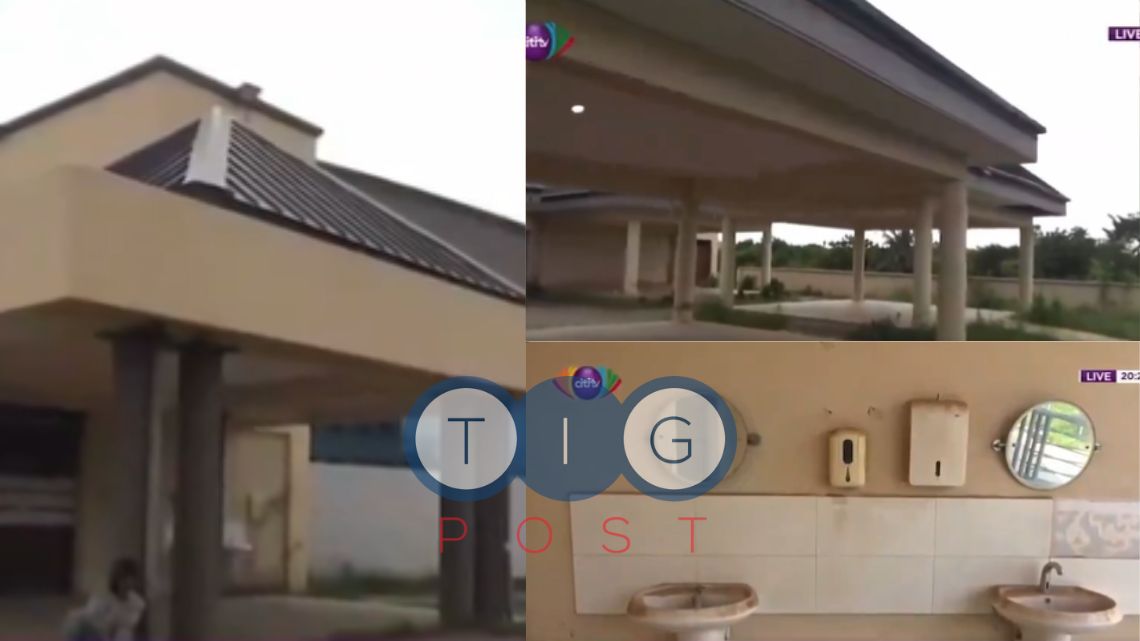
    A video captured by Citi TV has caught the attention of netizens, revealing the deteriorating state of a once-promising COVID-19 treatment center in Pantang, Accra.

    Constructed to serve as a facility for treating COVID-19 cases, the well-built edifice now stands neglected and decaying years after its inception.

    A report by Citi FM’s Fred Duhoe details the current state of the center, showcasing its deplorable condition.

    The abandoned building is overrun with weeds, filled with dirt, and facilities destroyed beyond recognition.

    A local resident expressed deep disappointment, highlighting the government’s waste of taxpayers money on a project now left to rot.

    Watch video below:

  • Ghana’s Tourism industry made 3.8bn dollars in 2023; a recovery from the pandemic?

    Ghana’s Tourism industry made 3.8bn dollars in 2023; a recovery from the pandemic?

    Ghana’s tourism industry has experienced a remarkable resurgence indicating a recovery from the dire impact suffered by the industry following the global COVID-19 pandemic.

    Chief Director of the Ministry, John Yao Agbeko during a breakfast meeting at the GIPC Quarter Two CEOs 2024 Breakfast Meeting in Accra, revealed that the Ministry in 2023 generated a substantial $3.8 billion by the end of 2023 from international arrivals.

    This marks a significant increase from the previous year’s $2.5 billion, signaling a robust recovery from the challenges posed by the pandemic.


    He cited Ghana’s impressive recovery in international arrivals, with 914,882 visitors in 2022 and 1,148,002 in 2023, resulting in significant receipts of $2.5 billion and $3.8 billion, respectively.


    The Ministry has pledged to foster an enabling environment for sustainable growth and development in tourism, arts, and culture given the critical contribution of the sector to Ghana’s GDP


    “In Africa, the tourism industry showed considerable strength in coping with 75% of each pandemic receipt. Ghana, however, recovered a total international arrival of nine hundred and fourteen thousand, eight hundred and eighty-two in 2022 and One million, one hundred and forty-eight thousand and two in 2023 giving a receipt of $2.5 billion and $3.8 billion respectively.


    These are just the international arrivals. The Ministry of Tourism exists to create a conducive environment for sustainable growth and development of Tourism, Arts, and Culture to contribute enormously to GDP through effective and efficient use of appropriate policies, plans, programmes and projects” he noted.


    Deputy Finance Minister , Dr. Stephen Amoah has called on stakeholders within the tourism sector to give precedence to domestic tourism as a means to stabilize the depreciating cedi.

    He underscored the importance of implementing home-grown policy measures tailored to address Ghana’s unique requirements, urging both patrons and industry players to contribute to local economic development.


    “One thing I’ve seen about Africa is that we have a lot of ideas but sometimes the global modules control us too much. We need to build home-grown policy tools that specifically address our needs.


    “Let’s begin to show the high level of patronage and keep the money here. I think as a country we have everything at our disposal to develop tourism because God has endowed us” he added.

  • Ghana’s economic growth has become more robust than ever anticipated – Finance Minister

    Ghana’s economic growth has become more robust than ever anticipated – Finance Minister

    Ghana’s Minister of Finance, Dr. Mohammed Amin Adam, has voiced his satisfaction with the significant economic recovery the country is experiencing.

    Speaking at the Health Sector Annual Summit 2024, Dr. Adam shared his optimism about the nation’s economic trajectory post-COVID-19.

    The minister highlighted a notable decrease in inflation over recent months, signaling a robust path to economic recovery.

    As the special guest of honor at the summit, Dr. Adam expressed confidence that inflation would continue its downward trend and reach significantly lower levels by the year’s end.

    “The economy is rebounding strongly, and I can tell you as manager of the economy that our recovery is really strong. We face serious challenges, but the future is looking brighter and brighter.

    “As a result of the policies we have implemented, economic growth has become more robust than ever anticipated. Projected to grow at 1.5% last year [2023], we grew at 2.9%.

    “The signs of growth we’re seeing from the data also show that this year will be strong, and so, when I say the economy is strong, I mean it. Inflation has also been on the decline, from a peak of 54% at the end of 2022, and 12 months later, it came down to 25%.

    “We are working to ensure inflation reaches 15% by the end of this year. And by the end of 2027, inflation comes with a single digit.”

    He further elaborated on the positive indicators, stating, “This Thursday, the Controller is transferring GH¢177 million to the Ministry of Health to pay the nursing training allowances. So I have also alerted Dr. Okoe-Boye to be on standby when the money hits the Ministry of Health account, they should move it quickly to the accounts of the nursing trainees so that they will have their alawa. It will drop.”

    In related news, Vice President Dr. Mahamudu Bawumia announced that the government has secured financial clearance to settle arrears owed to trainee nurses nationwide.

    A sum of one hundred and seventy-seven million Ghana cedis has been approved by the Ministry of Finance for disbursement to trainee nurses.

    During a meeting with nurses and midwives in Accra, Dr. Bawumia assured that the funds would be transferred promptly, stating, “This Thursday, GH¢177 million will be transferred to the Ministry of Health to pay nursing training allowances. We are ensuring swift disbursement to ensure our nursing trainees receive their allowances without delay.”

  • You imposed the vaccines on us, now find solutions to the side effects – Kwesi Pratt fumes

    You imposed the vaccines on us, now find solutions to the side effects – Kwesi Pratt fumes

    Managing Editor of the Insight newspaper, Kwesi Pratt Jnr, has voiced criticism against Dr. Patrick Kuma-Aboagye, the Director-General of the Ghana Health Service, regarding his remarks concerning the withdrawal of the AstraZeneca COVID-19 vaccine.

    Pratt argued that the health ministry should prioritise transparency with the Ghanaian populace, clarifying that the vaccine’s withdrawal stems from identified side effects rather than commercial motives.

    He stressed the importance of Dr. Kuma-Aboagye and his team addressing strategies to alleviate the side effects experienced by vaccinated individuals instead of offering unnecessary justifications.

    During an appearance on Peace FM’s Kokrokoo Morning Show, the veteran journalist openly rebuked the health ministry’s handling of the vaccine withdrawal issue.

    “Those of us compelled to get vaccinated now face a medical risk. The ministry should be informing us about countermeasures for the side effects to prevent fatalities.

    The claim that the withdrawal is for commercial, not medical, reasons is unacceptable.

    “A superior vaccine constitutes a medical rationale. They must provide us with credible information, or we will be justifiably upset. They forced the whole population to take the vaccine; now they’re giving us irrelevant explanations,” he fumed.

    These remarks come in response to the Ghana Health Service’s (GHS) explanation for the removal of the AstraZeneca COVID-19 vaccine, citing commercial rather than medical reasons.

    During a press conference held as part of the COVID-19 Vaccination and Child Health Promotion Week/African Vaccination Week Campaign in Accra’s Ga East Municipality, Dr. Kuma-Aboagye clarified that the decision was driven by commercial factors.

    He highlighted the presence of superior vaccines on the market, rendering AstraZeneca non-competitive.

    “They are withdrawing for commercial reasons in the sense that there are superior vaccines on the market, and so if you are in a market and you will not be able to compete, why produce something when others will go for some other brand?” citinewsroom.com reported him as having said:

  • COVID-19 vaccines do not make men impotent and women infertile – Health official

    COVID-19 vaccines do not make men impotent and women infertile – Health official

    The Regional Director of Health Services,Dr. Fred Adomako Boateng, has dismissed rumors suggesting that COVID-19 vaccines could lead to impotence in men and infertility in women, stressing that such claims lack scientific credibility.

    He emphasized the importance of dispelling myths surrounding the vaccines and encouraged those who have not yet been vaccinated to do so.

    Dr. Boateng announced plans to streamline the vaccination process, allowing eligible individuals to receive their shots at any health facility.

    This initiative aims to bolster immunity against COVID-19, particularly with 40% of the targeted population still awaiting full vaccination.

    Expressing concern over the relatively low vaccination rate in the region, Dr. Boateng urged residents to embrace the vaccines and discard misconceptions, emphasizing their life-saving potential.

    He cited data indicating a significant decline in COVID-19 cases from 18 in 2023 to just two in 2024, detected through surveillance efforts.

    The primary goal, Dr. Boateng emphasized, is to encourage unvaccinated individuals to avail themselves of vaccination services at their convenience.

    He cited examples of vaccinated Ghanaians who did not experience the alleged side effects of infertility or impotence, urging others to follow suit.

    Furthermore, Dr. Boateng highlighted the significance of African Vaccination Week, observed annually during the last week of April, in conjunction with World Immunization Week.

    This event aims to prioritize immunization on national and regional agendas through advocacy and collaborative partnerships, facilitating the delivery of vital lifesaving interventions alongside vaccination efforts.

  • Ghana’s aviation sector is back on track – Akufo-Addo

    Ghana’s aviation sector is back on track – Akufo-Addo

    President Akufo-Addo has pointed out that Ghana’s aviation sector has made a strong comeback after the disruptions caused by COVID-19.

    He attributes this rebound to the surge in air passenger traffic for both domestic and international flights.

    Speaking at the inauguration of the Nana Agyemang Prempeh I International Airport in Kumasi on Friday, May 10, 2024, he highlighted the significant growth in air passenger numbers.

    President Akufo-Addo emphasized the importance of collaboration among all stakeholders to position Ghana as a key aviation hub in the region and beyond.

    He urged concerted efforts from everyone involved to sustain this positive momentum in the sector.

    “Ghana has experienced a considerable overall growth in air passenger traffic onboard domestic and international routes. At the end of 2023, international passenger traffic comprised 2,914,661 persons compared to the 2019 through port of 2,328,758 persons representing a 25% increase. Domestic passenger traffic on its part increased from 690,314 persons in 2019 to 775,662 persons at the end of 2023,” he said.

    “This data means that the aviation sector has recovered fully from the impact of the COVID-19 pandemic and is back on track for growth. My government will continue to pay the needed attention to enable the sector to compete fairly with our neighbouring countries in the West African region and beyond.”

    “It is therefore important that all stakeholders come onboard and play their respective roles towards making Ghana an aviation hub in the region.” President Akufo-Addo added.

  • Adverse effects of COVID-19 have been reduced due to vaccination efforts – Disease Control Officer

    Adverse effects of COVID-19 have been reduced due to vaccination efforts – Disease Control Officer

    The Disease Control Officer at the Tema Metropolitan Health Directorate, Ms. Linda Adjapong, has advocated for COVID-19 vaccination among residents, emphasizing the significant role it plays in mitigating the adverse impacts of the disease.

    Speaking to the Ghana News Agency (GNA), she underscored the ongoing relevance of vaccination efforts, noting the endemic nature of the disease with new cases persisting throughout the year.

    Despite a current absence of severe cases, Ms. Adjapong highlighted that Tema had reported instances of COVID-19 this year, emphasizing the importance of vaccination as a crucial component of the national strategy to minimize the spread of the virus.

    “Currently, there are no severe or critically ill people, but we still have cases. Tema has recorded some cases this year,” she said.

    She mentioned that while some individuals had received their initial vaccine dose, many were yet to complete the vaccination schedule, prompting the continuation of the ongoing vaccination campaign.

    Updating on vaccination progress within the Tema metropolis, Ms. Adjapong revealed that approximately 76% of the local population had received at least one dose since the campaign’s inception in March 2021.

    The campaign primarily targets individuals aged 18 and above who haven’t received any COVID-19 vaccine, including those awaiting their second dose of AstraZeneca, as well as individuals eligible for booster shots.

    To ensure widespread coverage, vaccination teams are employing a multifaceted approach, including house-to-house visits and outreach at various community hubs such as markets, lorry parks, schools, and organized gatherings.

    Vaccination centers have been established at key locations like the Tema General Hospital, Tema Health Centre at Community One, and the Manhean Polyclinic for easy access.

    Ms. Adjapong highlighted the diverse methods employed to raise awareness about the campaign, ranging from radio discussions to social mobilization efforts and targeted engagements at marketplaces.

    She also assured individuals experiencing any adverse reactions within 28 days of vaccination of free care at public health facilities and offered assistance for replacing lost or damaged vaccination cards through the Tema Metro Disease Control Unit at the Health Directorate.

  • No cause for worries over AstraZeneca vaccine withdrawal- GHS

    No cause for worries over AstraZeneca vaccine withdrawal- GHS

    The Ghana Health Service (GHS) has moved to reassure the public regarding concerns over the withdrawal of AstraZeneca’s COVID-19 vaccines following a global recall by the pharmaceutical giant.

    AstraZeneca, known for its pivotal role in vaccine production during the peak of the COVID-19 pandemic, has initiated a recall worldwide due to the identification of a rare side effect called Thrombosis with Thrombocytopenia Syndrome (TTS).

    This syndrome is characterized by the formation of blood clots that can obstruct veins or arteries, potentially causing symptoms like leg pain and swelling, chest discomfort, or numbness on one side of the body.

    The associated health risks such as strokes or heart attacks are deemed serious and potentially life-threatening.

    The recall, attributed to an excess of updated vaccines post-pandemic, does not signal immediate health concerns, according to Dr. Kwame Amponsa-Achiano, Manager of the Expanded Programme on Immunisation at the GHS.

    In an interview with Selorm Adonoo on Citi FM’s Eyewitness News, Dr. Amponsa-Achiano emphasized that the withdrawal of AstraZeneca’s COVID-19 vaccine was primarily due to commercial reasons.

    He urged the public to remain calm, stressing that there is no cause for alarm as currently, only the J&J COVID-19 vaccine is available.

    Dr. Amponsa-Achiano noted that market authorization holders opted not to pursue AstraZeneca vaccines for commercial considerations, leaving J&J as the sole vaccine in use in Ghana.

    “We believe that there is no cause for alarm…incidentally, if you’ve been following us we don’t have AstraZeneca because it was not eventually authorised for use. The market authorization holders did not pursue that for commercial reasons.”

    “Ghana is a very small market, So the only vaccine we have which we are using now is J&J. There is no cause for alarm,” he stated.

  • COVID-19 is not over yet – GHS

    COVID-19 is not over yet – GHS

    The Ghana Health Service (GHS) has clarified that reports of COVID-19 being declared over as inaccurate, citing 31 new cases recorded last week.

    Programmes Manager at the Expanded Programme on Immunization, Dr. Kwame Amponsah-Achiano emphasized the ongoing need for public vigilance and vaccination.

    Dr. Amponsah-Achiano stated, “COVID is not gone, so we should not think that COVID is a thing of the past. We keep hearing that the pandemic was declared over but the pandemic has never been declared over.”

    He highlighted the shift from emergency management to ongoing COVID control, including vaccinations and mask-wearing in enclosed spaces.

    He added, “We will still encourage that people keep on wearing masks and make hand hygiene and hand washing with soap and running water a household thing for everybody until COVID is declared over.”

  •  31 new cases of COVID-19 recorded by Ghana Health Service

     31 new cases of COVID-19 recorded by Ghana Health Service


    In the previous week, the (GHS) has documented 31 fresh cases of COVID-19 within the nation.

    Dr. Kwame Amponsah-Achiano, the Programs Manager at the Expanded Programme on Immunization within the Ghana Health Service, clarified that these recent cases do not pose severe threats.

    During a media session in Accra, Dr. Amponsah-Achiano disclosed that the Ghana Health Service will launch a vaccination campaign on Sunday, May 5, as a proactive measure to contain the virus’s transmission.

    “In the past week or so, we were recording some significant numbers up to about 30 or 31 or so. But this is not unexpected. As we have already been saying, COVID has come to stay with us.”

    “It is part of us. And so from time to time and that is why we also haven’t given up on vaccination and so if you are aware, from 5th to 9th May, we are going to do another exercise of COVID vaccination.

    “So we are doing the national COVID-19 vaccination exercise as part of our strategies to reduce COVID to the barest minimum.”

  • Surge in COVID-19 due incomplete vaccine uptake – Experts

    Surge in COVID-19 due incomplete vaccine uptake – Experts

    Health experts attribute the recent surge in COVID-19 cases to the incomplete vaccination status of most Ghanaians.

    The full vaccination regimen, consisting of two jabs and a booster shot as recommended by the World Health Organization (WHO), is crucial for maximum protection against severe illness and death from the virus.

    Dr. Bernard Okoe-Boye, the Minister Designate for Health, highlighted this during a visit to the Korle-Bu Teaching Hospital in his capacity as the President’s Representative at the Ministry of Health.

    Dr. Okoe-Boye emphasized that while vaccination significantly reduces the risk of severe outcomes, the prevalence of only one dose among many Ghanaians may have contributed to the recent uptick in cases.

    According to the Ghana Health Service (GHS), 18 new active COVID-19 cases have been recorded, with the potential for further increases.

    As of December 2023, a total of 28,515,854 individuals had been vaccinated. Among them, 14,867,012 have received at least one dose, 11,782,609 are fully vaccinated, and 6,691,825 have received their booster dose.

    Dr. Okoe-Boye underscored that COVID-19 remains a threat and urged those yet to complete their vaccination to do so promptly to mitigate the spread of the virus.

    The GHS plans to conduct vaccination campaigns in May, June, July, and August to boost immunization coverage. Additionally, the public is urged to adhere to COVID-19 safety protocols to help curb the surge in cases.

  • COVID-19 vaccination campaign to kick off May 4

    COVID-19 vaccination campaign to kick off May 4

    The Ghana Health Service (GHS) has unveiled a nationwide COVID-19 vaccination drive in light of escalating infections across healthcare facilities.

    Scheduled from May 4 to May 10, 2024, the campaign aims to curb the surge in cases, particularly in the Greater Accra Region, where infection rates are highest.

    Underlining the virus’s rapid transmission, the GHS stressed the crucial role of adhering to safety protocols.

    Dr. Franklin Asiedu-Bekoe, Director of Public Health at GHS, underscored the significance of widespread vaccination in containing the outbreak. During a press briefing, he urged all Ghanaians to participate in the campaign.

    “We are getting a few cases reported in parts of Accra and a few other regions. And it brings to bear the fact that Ghanaians need to be vaccinated and so on the 4th to the 10th of May, we are going to do a nationwide COVID-19 vaccination campaign and we want to urge all Ghanaians to be part of the exercise.

    “We plan to do about four or five before the end of the year. The thinking is that we need to get the necessary population immunity that will help us minimize the risk of getting infections in the country,” he stressed.

  • GHS records 21 new COVID-19 cases

    GHS records 21 new COVID-19 cases

    The Director-General of the Ghana Health Service (GHS), Dr Patrick Kuma Aboagye, has noted that the country has started recording new cases of the COVID-19 virus.

    Engaging the media, Dr Aboagye noted that 21 new cases have been recorded. He noted that although the head of the UN World Health Organization (WHO) in May 2023 declared COVID-19 no longer a global health emergency, the virus remains.

    He urged Ghanaians who are not vaccinated to take advantage of the GHS’s upcoming vaccination exercise.

    The Ghana Health Service (GHS) has declared a nationwide COVID-19 vaccination initiative in response to escalating infections across healthcare facilities.

    Scheduled from May 4 to May 10, 2024, the campaign aims to curb the surge in cases, particularly in the Greater Accra Region, where the highest numbers have been recorded.

    Highlighting the virus’s high transmissibility, the GHS emphasized the criticality of adhering to safety protocols.

    Dr. Franklin Asiedu-Bekoe, Director of Public Health at GHS, underscored the pivotal role of widespread vaccination in containing the spread. He urged all Ghanaians to actively engage in the campaign, as shared during a media briefing.

    “We are getting a few cases reported in parts of Accra and a few other regions. And it brings to bear the fact that Ghanaians need to be vaccinated and so on the 4th to the 10th of May, we are going to do a nationwide COVID-19 vaccination campaign and we want to urge all Ghanaians to be part of the exercise.

    “We plan to do about four or five before the end of the year. The thinking is that we need to get the necessary population immunity that will help us minimize the risk of getting infections in the country,” he stressed.

  • GHS set to begin COVID-19 vaccination exercise from May 4 onwards

    GHS set to begin COVID-19 vaccination exercise from May 4 onwards

    Ghana Health Service (GHS) has declared a nationwide COVID-19 vaccination initiative in response to escalating infections across healthcare facilities.

    Scheduled from May 4 to May 10, 2024, the campaign aims to curb the surge in cases, particularly in the Greater Accra Region, where the highest numbers have been recorded.

    Highlighting the virus’s high transmissibility, the GHS emphasized the criticality of adhering to safety protocols.

    Dr. Franklin Asiedu-Bekoe, Director of Public Health at GHS, underscored the pivotal role of widespread vaccination in containing the spread. He urged all Ghanaians to actively engage in the campaign, as shared during a media briefing.

    “We are getting a few cases reported in parts of Accra and a few other regions. And it brings to bear the fact that Ghanaians need to be vaccinated and so on the 4th to the 10th of May, we are going to do a nationwide COVID-19 vaccination campaign and we want to urge all Ghanaians to be part of the exercise.

    “We plan to do about four or five before the end of the year. The thinking is that we need to get the necessary population immunity that will help us minimize the risk of getting infections in the country,” he stressed.

  • UNICEF is yet to deliver $81.8m worth of COVID-19 drugs to Ghana – Dafeamekpor

    UNICEF is yet to deliver $81.8m worth of COVID-19 drugs to Ghana – Dafeamekpor

    The Member of Parliament for South Dayi, Rockson-Nelson Dafeamekpor, has accused UNICEF of failing to deliver COVID-19 medications, leaving Ghana with a substantial debt of US$81,870,379.80.

    Speaking to the media, Mr Dafeamekpor expressed frustration at the apparent loss of funds and the failure to hold UNICEF accountable.

    According to him, the Ministry of Health paid US$120,192,379.80 to UNICEF for COVID-19 vaccines, but only a fraction of the ordered vaccines were delivered, leaving a substantial outstanding amount.

    “That is why people like me don’t attend any programmes organized by UNICEF. I cannot understand why UNICEF would take our money with the intention of supplying us with COVID-19 drugs, yet they are unable to supply the entire order and retain the rest of the funds. We’ve organized several press conferences, but nothing has come out of it. We need to hold multinational agencies like UNICEF accountable. This behaviour is unacceptable.”

    He cited paragraph 76 of an audit report, which highlighted the discrepancy between the funds paid and the vaccines delivered.

    “Reading from Page 21, paragraph 76 of the audit report we noted that the Ministry of Health, on behalf of the Government of Ghana, paid US$120,192,379.80 to UNICEF/AVAT for the supply of 16,025,650 vaccines under the agreement. However, only 5,109,600.00 doses of vaccines valued at US$38,322,000.00 were supplied to the National Cold Room, resulting in an outstanding amount of US$81,870,379.80 with UNICEF/AVAT.’”

    Further details from paragraphs 77 to 80 of the audit report stated the following.

    1. This discrepancy could lead to financial loss if the contract is not renegotiated to recover the outstanding amount.
    2. The Chief Director of the Ministry of Health explained that the payment was made in anticipation of receiving all the vaccines within a short timeframe for vaccination in the country. However, unexpected vaccine donations, limited vaccine storage capacity, and slow uptake by Ghanaians for vaccination made it impossible to receive the Janssen vaccines that had been paid for.
    3. We recommended that the Chief Director of the Ministry of Health renegotiate with UNICEF/AVAT to recover the outstanding amount.
    4. Management responded that the Ministry has initiated its own renegotiation process with the World Bank. A meeting has been held between the Minister and the Bank, followed by a letter to the Bank to commence the renegotiation process.

    “What should Parliament do? We have summoned the Minister several times. His responds are neither here nor there. It is the government that must demand its money back. When I say government, I mean the executives who made the payment. They must seek a refund from the UNICEF headquarters.”

    The audit report recommended renegotiating with UNICEF to recover the outstanding amount, acknowledging the risk of financial loss if not addressed.

    Mr Dafeamekpor criticized the government’s handling of the situation, expressing disappointment at the lack of concrete action to recover the funds.

    He emphasized the need for accountability and urged the government to demand a refund from UNICEF headquarters.

    Regarding parliamentary action, Dafeamekpor questioned the effectiveness of summoning the Minister and suggested that it is ultimately the government’s responsibility to seek reimbursement.

  • Accra Circuit Court convicts herbalist for producing unregistered COVID-19 medications

    Accra Circuit Court convicts herbalist for producing unregistered COVID-19 medications

    47-year-old herbalist, Abdallah Awal, was convicted by the Circuit Court in Accra for producing unregistered and unauthorized medicine purported to cure COVID-19.

    The fine imposed on him amounted to 7,500 penalty units, equivalent to GH¢90,000.

    Should he fail to pay the fine, he would face a 15-year custodial sentence, as decreed by the court presided over by Her Honour Afia Owusua Appiah. The prosecution, led by Chief Inspector Amoah Richard from the Legal and Prosecution Unit at the CID Headquarters, successfully demonstrated Awal’s guilt.

    Awal, the first of the two individuals arraigned, was found guilty on multiple charges, including manufacturing herbal medicinal products without authorization, producing unregistered herbal medicinal products, attempting to sell unregistered herbal medicinal products, manufacturing herbal medicine in unregistered premises, and storing herbal medicine in unregistered premises, all violations of Section 130(1) and 142 of the Public Health Act 2012, Act 851.

    On the other hand, Bin Musah Abdallah, aged 27 and reportedly unemployed, was acquitted and discharged as the second accused. He was cleared of charges related to abetment and attempting to sell unregistered herbal medicinal products, contravening Section 18(1) of Act 20/60 and Sections 118(1) and 129 of the Public Health Act 2012, Act 851.

    Brief facts

    Per the brief facts of the case as narrated by Chief Inspector Amoah Richard, the complainants are officials of the Food and Drug Administration (FDA).

    According to him, Abdallah Awal, age 47 (1st accused), is a herbalist and resides at Kojo Ashong near Amasaman.

    Bin Musah Abdallah, age 27, (2nd accused), is unemployed and resides in Akim Oda old town.

    Chief Amoah told the Court that, on June 2, 2020, at about 02:40 p.m., joint police and officials of the FDA gathered that someone was manufacturing herbal medicinal products and selling them to an unsuspecting public as a cure for COVID-19 at Kojo Ashong near Amasaman.

    He said the team proceeded to the area and arrested Awal and Bin Musah in a house with 181 bottles of herbal medicine in brown plastic bottles labelled ‘Dr. Abdallah herbal clinic COVID-CURE (1).’

    Additionally, he said, 90 similar products labelled ‘Dr. Abdallah Herbal Clinic COVID-CURE (2),’ six small containers containing ointments labelled ‘Dr. Abdallah herbal original ointment,’ 82 bottles of unlabeled brown plastic bottles of concoction, 72 unlabeled plain plastic bottles, 67 brown empty bottles, 102 labels of ‘Dr. Abdallah Herbal Clinic COVID-CURE (1)’, and 41 plastic bottle covers were retrieved from the accused person’s room.

    Chief Inspector Amoah Richard told the Court that Awal, in his investigation caution statement, claimed ownership of all the exhibits and stated that Bin Musah was his errand boy who assisted him in advertising his product on social media, Facebook, and the market and also printed the product labels.

    The Prosecutor said, during investigations, it was detected that ‘Al’ had not registered the products with the Food and Drugs Authority.

    He said it was also revealed that the house that Awal used for the production had not been registered by the authority.

    Bin Musah, in his investigation caution statement, admitted that he assisted Awal in printing the labels and also advertised the products on social media.

  • Chief Justice reopens Court of Appeal across the nation

    Chief Justice reopens Court of Appeal across the nation

    Chief Justice, Justice Gertrude Sackey Torkornoo, has reopened the Court of Appeal in other parts of the country.

    Previously, apart from Accra, the Court of Appeal used to sit in Kumasi, Tamale, Ho, Koforidua and Cape Coast to deliver justice pertaining to other parts of the country, but such arrangements were put on hold when the COVID-19 pandemic struck.

    With the reopening, apart from Accra, the Court of Appeal will sit in Kumasi in the Ashanti Region, Koforidua in the Eastern Region and Sekondi in the Western Region.

    Justice Torkornoo announced this during an interaction with the Judicial Press Corps at the Law Court Complex in Accra last Thursday.

    Commencement

    The Chief Justice said administrative procedures had been put in place to ensure that the reopened courts commenced operations during the latter part of this month.

    “A lot of consultation has gone into all these decisions. We have spoken with Parliament, the Bar and other stakeholders to arrive at this,” she said.

    Justice Torkornoo further explained that the reopening of the Court of Appeal was part of continuous efforts by the judiciary to bring justice closer to people.

    “Justice is a product of people of Ghana. Law is made by the people of Ghana; it is only administered by the judiciary, and therefore, we must take all steps to bring justice closer to people,” she said.

    The Chief Justice announced that the Court of Appeal in Kumasi will cater to the legal needs of the Ashanti, Bono, Bono East, Ahafo, and Western North regions. Additionally, virtual court sessions will be conducted for the six northern regions.

    “The Court of Appeal for the northern regions will be reopened by a satellite registry in Tamale, and cases will be heard virtually from Kumasi,” she said.

    Justice Torkornoo elaborated that due to the deteriorating condition of the Cape Coast court complex, the Court of Appeal in Cape Coast has been relocated to Sekondi. Meanwhile, the Court of Appeal in Koforidua will now handle cases for the Eastern, Oti, and Volta regions.

    Regarding the new Court Shift System (CSS) being piloted in Accra, Justice Torkornoo clarified that its purpose is to alleviate the caseload in courts and improve justice delivery. Under this system, selected courts will operate morning and afternoon sessions, from 8:30 a.m. to 1:30 p.m. and from 2:00 p.m. to 6:30 p.m. respectively.

    The courts participating in the CSS include the two High Courts at Adentan, Amasaman High Court One, Circuit Court at Weija, District Court at La, District Court at Teshie, two District Courts at Madina, and Nsawam High Court.

    Justice Torkornoo highlighted that the CSS was introduced to address the imbalance in caseloads, with some courts burdened with up to 1,000 cases while others had fewer than 30 cases.

    “Those judges with few cases are hardly doing any work, not because they do not want to work but because the people in their jurisdictions are not bringing many disputes to court,” she said.

  • A battle fought and won; posterity shall remember -Akufo-Addo on journey through COVID-19

    A battle fought and won; posterity shall remember -Akufo-Addo on journey through COVID-19

    President Nana Addo Dankwa Akufo-Addo expressed that the nation’s unwavering determination and resilience during the COVID-19 pandemic would be a lasting legacy for future generations.

    “Let us remember the lessons we have learned and the progress we have made. Together, there is no challenge that we cannot overcome, no obstacle we cannot surmount,” the president noted.

    He was speaking at the launch of a book titled “Fellow Ghanaians: Telling Ghana’s COVID-19 Story: A Journey of Fear, Facts, Faith, and Fortune” in Accra.

    The book, authored by the Health Minister-designate, Dr. Bernard Okoe Boye, highlights the unity of purpose and collaborative spirit that defined the country’s response to the pandemic.

    It gives a perspective on the strategies, stakeholder engagement, challenges, and success stories in the campaign.

    The Ghana Health Service estimated that some 171,889 confirmed cases of COVID-19 were recorded in the country as of December 2023.

    This resulted in 1,462 deaths.

    Ghana has administered a total of 27,959,283 COVID-19 vaccine doses, which include vaccines from AstraZeneca, Sputnik-V, Moderna, and Pfizer-BioNTech.

    The international community, including the World Health Organization, commended Ghana for its effective management of the COVID-19 spread, particularly during the peak of the pandemic, which wreaked havoc on the global economy.

    Despite these efforts, the psychological impact of the pandemic, marked by numerous deaths, job losses, social isolation, and economic challenges, continues to linger in societies worldwide.

    “Fellow Ghanaians’ is not just a title; it is a powerful reminder of the bond that unites us as a people, transcending tribe, religion, or political affiliation.

    “It is a call for us to act, urging us to stand together in the face of the adversity of COVID-19 and to work tirelessly to win the fight against the pandemic,” Nana Akufo-Addo said.

    He lauded Ghanaians for their patience, collaboration, and varied support for the government amidst those difficult moments.

    “You listened to me; you cooperated with the government and with the health experts. You adhered to the enhanced hygiene and mask-wearing protocols, and a considerable number of you took the vaccine This book, he said, held a special place in his heart

    “Not only because it resonates deeply with the way I acted during some of the nation’s difficult moments, it embodies the spirit of unity and solidarity that define us as Ghanaians

    “I stand before you today with a profound feeling of gratitude as we gather to celebrate the launch of the book titled ‘Fellow Ghanaians’,” the President stated.

    Dr. Okoe Boye, who was the Deputy Health Minister when the country recorded its first confirmed case of the pandemic in March 2020, lauded the Nana Akufo-Addo-led administration for the courage demonstrated throughout those difficult moments.

    He explained that the book goes beyond just documenting history; it narrates the Ghanaian people’s resilience in challenging times. It explores both the emotional and strategic aspects of Ghana’s response to the global crisis, highlighting the positive results achieved.

  • I’ve seen no returns on my investments – CEO of Fantasy Dome

    I’ve seen no returns on my investments – CEO of Fantasy Dome

    The Founder and CEO of Fantasy Dome, Leslie Quaynor, disclosed that he has yet to recover any of his investments from the venue since its establishment in 2018, now demolished.

    During an interview on Daybreak Hitz with Andy Dosty on Tuesday, March 19, 2024, Mr Quaynor explained that since the inception of Fantasy Dome five years ago, it has faced operational challenges, primarily due to the impact of COVID-19 and other factors.

    He further highlighted the terms of his lease agreement, noting that the Trade Fair Company was obligated to provide a six-month notice and alternative space within the Trade Fair for relocation.

    “Just when I started business in 2019, COVID came the next year. So for the next 2 and half years, I couldn’t work. And then right after COVID, around 2021 and 2022, they said they were going to do redevelopment. Then they started digging holes, which didn’t make it a medium to do business.”

    “So technically not only have I not worked, I haven’t even recouped any of my investments,” he added.

    Mr Quaynor emphasized the exorbitant costs associated with relocating the dome, particularly due to the condition of the Trade Fair grounds.

    Despite efforts to negotiate with CEO of Ghana Trade Fair Company Limited, Dr. Agnes Adu, for an alternative arrangement, Quaynor’s requests were unsuccessful, ultimately preventing Fantasy Dome from operating.

    “They came back and said they are going to do re-rolling, so you have to move. But within the lease I had, they had to give me six months’ notice to relocate me within the trade fair for the balance of my term,” he said.

    “The toughest part is that the trade fair is filled with clay so you would have to excavate all of it and fill it. And that alone was two million dollars,” he said.

    “Unfortunately when she [Dr. Agnes Adu, CEO of Ghana Trade Fair Company Limited] came and said we would make space for you at the other side of the Trade Fair, I said to her, ‘Does that make sense? It’s only a year left to the end of my lease, you want me to spend 4 million dollars to do just a platform, for me to leave in a year,’ he added.

  • Ghana would have still been in a mess without COVID-19, Russia-Ukraine war – NPP MP

    Ghana would have still been in a mess without COVID-19, Russia-Ukraine war – NPP MP

    Chairman of Parliament’s Finance Committee, Kwaku Agyemang Kwarteng, has dismissed the notion that Ghana’s current economic crisis is solely attributable to the ongoing Russia-Ukraine war and the COVID-19 pandemic.

    He emphasized that the crisis largely stems from decades of imprudent expenditure and mismanagement of economic resources.

    “I am not with the school of thought that we were not going to experience a financial crisis but for these [Covid-19 and Russia-Ukraine War].

    “The country was always going to have some financial crisis. It might have been delayed a little bit if Covid-19 and the Russia-Ukraine war had not happened but the fact remains that with the path we were walking, we were definitely going to get here,” the New Patriotic Party (NPP) Member of Parliament for Obuasi West told Joynews in an interview.

    Mr Kwarteng explained that while these global events might have postponed the crisis to some extent, Ghana was inevitably heading towards this situation due to its historical trajectory.

    He highlighted a prevailing culture of overspending and a lack of fiscal discipline in Ghana’s economic management.

    Attributing the crisis to a culmination of poor political and economic decisions over the years, Kwarteng stressed the need for a fundamental shift in mindset and a renewed commitment to fiscal responsibility.

    He warned that without such changes, Ghana risks sliding towards failure as a state.

  • COVID-19 was a demonstration, not a global health emergency – Dr Bhakti Hansoti

    COVID-19 was a demonstration, not a global health emergency – Dr Bhakti Hansoti

    Director of the Centre for Global Emergency Care at Johns Hopkins University, Dr. Bhakti Hansoti, has underscored the crucial role of preparedness and health system investment in enhancing both local and global health security.

    She emphasized that the COVID-19 pandemic highlighted the interconnectedness of global health and the necessity for resilient health systems.

    During her lecture titled “The Global Health Security: Implications for LMICs” at the Kumasi Center for Collaborative Research in Tropical Medicine, Dr. Hansoti stressed the importance of building resilient health systems informed by determinants of health to strengthen defenses against future threats.

    Global health security, as defined by the U.S. Department of Health and Human Services, involves countries possessing robust public health systems capable of preventing, detecting, and responding to infectious disease threats globally.

    “Was not just a global health emergency, but a demonstration that there is no health security without a resilient health system”.

    “If we build resilient health systems and a health system that is informed by these determinants of health, we can be strengthened against future threats,” she added.

    Dr. Hansoti points out contemporary global health security risks such as the emergence of infectious diseases, the globalization of travel and trade, drug-resistant pathogens, and potential threats from the accidental release or misuse of dangerous pathogens.

    The lecture emphasizes the need for collaborative efforts, ethical responses, and robust global health security measures to address current and future challenges.

    Dr. Hansoti advocated for intersectoral collaboration, communication, and investment, urging countries to actively participate in shaping future response activities and treaties like the pandemic treaty.

    Reflecting on past experiences, such as Ebola, COVID-19, and HIV, Dr. Hansoti encourages learning from successes, challenges, and community engagement.

    Head of the Global Health Department, Dr. John Amuasi, applauded the importance of the lecture in broadening students’ perspectives on global health security.

    Students express gratitude for the insights gained, recognizing the critical link between health security and resilient health systems.

    Dr. Joseph Bonney, president of the African Federation for Emergency Medicine, highlights the significance of building capacity in hospitals and training programs to contribute to a robust ecosystem for global health security.

  • When you’re broke don’t you borrow? – KT Hammond justifies Ghana’s going to IMF

    When you’re broke don’t you borrow? – KT Hammond justifies Ghana’s going to IMF

    Member of Parliament for Adansi Asokwa, KT Hammond, has justified Ghana’s decision to seek assistance from the International Monetary Fund (IMF).

    Addressing Ghanaians in Parliament after President Akufo-Addo delivered the 2024 State of the Nation Address, he noted that the move was necessary given the country’s economic challenges resulting from the COVID-19 pandemic. 

    Ghana’s engagement with the IMF has been a subject of debate, with proponents arguing that it is a necessary step to stabilize the economy and implement crucial reforms, while critics express reservations about the potential implications for national sovereignty and economic independence.

    Despite various promises made by President Akufo-Addo not to resort to IMF assistance during his tenure, Ghana ultimately found itself in a position where seeking external financial support became inevitable. 

    The decision sparked debates and raised questions about the government’s economic management strategies and its ability to fulfill electoral promises.

    However, KT Hammond is responding to such criticisms, arguing that going to the IMF was the responsible course of action to address Ghana’s economic challenges and ensure the country’s financial stability in the long term.

    “When you’re broke, don’t you borrow?” he asked. 

    He further acknowledged the economic hardships currently being experienced by Ghanaians under the current administration. However, he noted that these challenges largely resulted from the COVID-19 pandemic.

  • All of us would have been dead by now if Mahama was president during the COVID era – KT Hammond

    All of us would have been dead by now if Mahama was president during the COVID era – KT Hammond

    Member of Parliament for Adansi Asokwa, KT Hammond, has launched a scathing attack on former President John Dramani Mahama, suggesting that Ghana would have faced dire consequences if Mahama were in power during the COVID-19 pandemic.

    Hammond’s comments were made in praise of President Nana Akufo-Addo‘s handling of the COVID-19 crisis during a recent interview. 

    Speaking in Parliament on February 27, 2024, after President Akufo-Addo delivered the 2024 State of the Nation Address, Mr Hammond noted that but for President Akufo-Addo’s leadership and decisive actions during the COVID-19 era, all Ghanaians would have been dead by now. 

    “All of us would have been dead by now if Mahama was president during the COVID era,” Hammond asserted, taking a swipe at Mahama while commending Akufo-Addo for his efforts.

    The COVID-19 pandemic has posed significant challenges globally, affecting countries’ healthcare systems, economies, and social structures. 
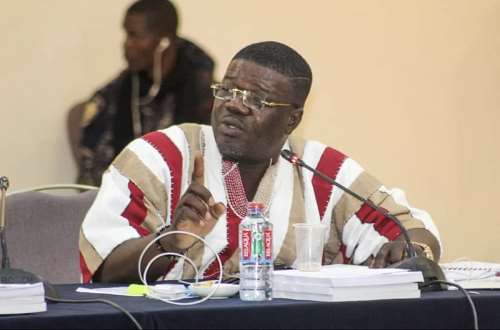
    In Ghana, efforts to combat the virus included measures such as lockdowns, testing and contact tracing, vaccination campaigns and exercises, and public health awareness initiatives.

    Ghana recorded 171,653 Coronavirus Cases since the epidemic began and reported 1,456 Coronavirus deaths at the end of the pandemic, according to data from the World Health Organisations (WHO). 

    KT Hammond believes that the situation could have been worse if the pandemic hit the country during Mr Mahama’s administration.

  • Banking sector clean-up mitigated impact of COVID-19, economic crisis – GAB

    Banking sector clean-up mitigated impact of COVID-19, economic crisis – GAB

    Chief Executive Officer of the Ghana Association of Banks, John Awuah, has underscored the vital role of the banking sector’s clean-up in confronting the challenges of the COVID-19 pandemic and subsequent economic turmoil.

    Speaking on JoyNews’ PM Express, he asserted that the clean-up was a proactive measure to ensure stability and functionality in the financial industry.

    Mr Awuah highlights the sector’s significant contribution to Ghana’s successful negotiation of an IMF-assisted program, attributing this achievement to its resilience.

    He notes that the 2017 clean-up acted as a critical shock absorber, mitigating adverse impacts and enabling the industry to navigate the economic downturn and pandemic complexities.

    “The banking sector clean-up provided a shock absorber for the industry, and that perhaps is the key enabling force that helped the banks to come through these difficult periods that we’ve had,” he said.
    Former Finance Minister Ken Ofori-Atta oversaw the banking sector clean-up from mid-2017 to January 2020, aiming to restore confidence in the banking and specialized deposit-taking sector. The government cited this action as one of the contributing factors to the country’s high debt stock.

    The clean-up resulted in the reduction of banks from 34 to 23, with 347 microfinance institutions, 15 savings and loans companies, and eight finance houses having their licenses revoked. Some commercial banks were merged to form the Consolidated Bank Ghana Limited, while state-owned GCB absorbed others. The Securities and Exchange Commission (SEC) also revoked the licenses of 53 Fund Management Companies due to corporate governance lapses.

    The total estimated cost of the state’s fiscal intervention, excluding interest payments, from 2017 to 2019 was GH¢16.4 billion. Vice President Dr. Mahamudu Bawumia claimed in 2020 that the government spent about GH¢21 billion on the banking clean-up exercise.

    However, the clean-up faced significant criticism, with the opposition party suggesting that the closure of some banks was politically motivated and led to massive job losses. Critics argued that the government could have spent less by saving the banks instead of closing them down. Some affected financial institutions also sued the government over the action.

  • Effiduase MP is sabotaging COVID-19 expenditure probe – Ato Forson

    Effiduase MP is sabotaging COVID-19 expenditure probe – Ato Forson

    During parliamentary proceedings on Wednesday, February 21, Dr. Cassiel Ato Forson, the Minority Leader in Parliament, accused Dr. Ayew Afriyie, Chairman of Parliament’s Health Committee, of deliberately obstructing an inquiry into the government’s COVID-19 expenditure.

    Dr. Forson, who represents Ajumako Enyan Essiam, alleged that Dr. Ayew Afriyie, the MP for Effiduase/Asokore, was impeding the investigation.

    He claimed that certain actions by Dr. Ayew Afriyie were intentionally aimed at frustrating the assignment.

    “The chairman of the joint committee, Ayew Afriyie, has not called a meeting to sit on the matter. The ranking member cannot obviously call a meeting, and it is only the chairman who can call the meeting. So we are sensing some form of sabotage.

    “There was a subcommittee that the joint-committee formed and developed a guideline, and submitted it to the joint committee, which it accepted and as we speak, this matter has been delayed for almost eight months, and we cannot continue like this.”

    Speaker Alban Bagbin has instructed the Finance and Health committees to promptly investigate the use of COVID-19 funds, following concerns about potential irregularities.

  • Chairman of the Health Committee is obstructing Covid-19 expenditure investigation – Minority

    Chairman of the Health Committee is obstructing Covid-19 expenditure investigation – Minority

    The Minority in Parliament has alleged that Dr. Ayew Afriyie, the chair of the Health Committee, is intentionally impeding a parliamentary investigation into the government’s COVID-19 expenditure.

    Alban Bagbin, the Speaker of Parliament, assigned the Finance and Health Committees the responsibility of promptly examining the use of COVID-19 funds. This directive was issued in response to perceived irregularities in the management of COVID-19 funds, as highlighted by the Finance Minister on June 22, 2022.

    On February 21, the Minority Leader, Dr. Cassiel Ato Forson, expressed concerns on the floor of Parliament, accusing the MP for Effiduase/Asokore of obstructing the investigation. According to Dr. Forson, the chairman of the joint committee, Ayew Afriyie, has not convened a meeting to address the matter, creating a sense of sabotage.

    Dr. Forson stated, “The chairman of the joint committee, Ayew Afriyie, has not called a meeting to sit on the matter. The ranking member cannot obviously call a meeting and it is only the chairman who can call the meeting. So we are sensing some form of sabotage.

    “There was a sub-committee that the joint committee formed and developed a guideline, and submitted it to the joint committee, which it accepted and as we speak, this matter has been delayed for almost eight months, and we cannot continue like this.”

  • Dr Okoe Boye set to launch COVID-19 book

    Dr Okoe Boye set to launch COVID-19 book

    Minister-designate for Health and outgoing Chief Executive of the National Health Insurance Scheme, Dr. Bernard Okoe Boye, has suggested the possibility of launching a book on Ghana’s efforts in combating the COVID-19 pandemic.

    He made this known during a visit to the new Chief of Defence Staff, Lieutenant Colonel Thomas Oppong-Peprah.

    “As a member of the COVID-19 task force, I remember the key role that was played by the army. In fact, I remember those dark nights when logistics had to be flown to the north. I remember coming to the Air Force base to fly with your men to go and distribute some of the items. They were frontline workers taking the risk and confronting the virus, and because I was part of the whole battle, by the grace of God, I went through some challenging assignments to put together all our experiences as a country during the two to three years that the virus roamed within our borders. Finally, a book is ready.”

    He also reiterated the National Health Insurance Authority’s (NHIA) commitment to supporting all military health establishments.

    Chief of Defence Staff, Lt. Gen. Thomas Oppong-Peprah, expressed appreciation for the ongoing collaboration between the military and the NHIA. He emphasized the importance of readiness for future pandemics and underscored the need to establish a biomedical unit.

    “There is a need for us to look at establishing a biomedical unit to immediately respond to such outbreaks so that we are not caught unprepared. This is something that we are gradually developing, so at some point in time, we will be calling on your office for advice and guidance and also for us to have effective collaboration in doing this.

    “The Armed Forces are also there for disaster management, and as part of that, there is a need for us to build that capacity. So, this idea of establishing a biomedical unit specifically for the outbreak of pandemics is something that I am going to pursue as Chief of Defence Staff.”

  • 5 records Ofori-Atta has broken as Finance Minister

    5 records Ofori-Atta has broken as Finance Minister

    Finance Minister of Ghana, Ken Ofori-Atta, was relieved of his duties by President Nana Akufo-Addo on Wednesday, February 14, 2024. While Ofori-Atta’s tenure saw significant economic challenges and achievements, it also sparked debate and scrutiny over his management of the country’s finances.

    During his tenure, Ofori-Atta navigated Ghana through major global events, including the COVID-19 pandemic and the Russia-Ukraine War. However, these events, coupled with domestic factors, contributed to economic lows, including a record inflation rate of 54.1% in December 2022 and a significant depreciation of the country’s currency.

    Ofori-Atta’s tenure, spanning approximately seven years, marked him as the longest-serving Finance Minister in Ghana’s Fourth Republic. He assumed office in January 2017 and was retained for a second term until his recent dismissal.

    One of the notable milestones of Ofori-Atta’s tenure was leading Ghana out of an International Monetary Fund (IMF) bailout program in March 2019. However, his subsequent request for another $3 billion IMF bailout program in 2023 drew criticism and raised concerns about the country’s debt accumulation under his leadership.

    During his tenure, Ghana’s public debt reportedly increased by approximately GH¢480 billion, reaching nearly GH¢600 billion as of March 2023. Ofori-Atta’s administration also acquired significant debts from various sources, including the Paris Club, Chinese government, Eurobond market, and multilateral lenders, making him the finance minister responsible for the most debt accumulation in Ghana’s history.

    Additionally, Ofori-Atta oversaw the issuance of numerous Eurobonds, with 11 bonds signed during his tenure, extending beyond the usual 10-year maturity period.

    Another contentious issue was Ghana’s default in the payment of its international and domestic debts under Ofori-Atta’s watch. This marked the first time in the country’s history that such default occurred, prompting the government to implement a Domestic Debt Exchange Programme and restructure its international debts.

    Despite these challenges, Ofori-Atta’s tenure also witnessed significant achievements, including leading Ghana through global economic crises and initiating efforts to address the country’s economic challenges.

    Here are five records the Finance Minister has broken

    The longest serving finance minister in the 4th Republic:

    Ken Ofori-Atta left his role at his bank, DataBank, to become Ghana’s finance minister on January 27, 2017.

    After successfully completing the first term (4 years) of President Nana Addo Dankwa Akufo-Addo’s tenure, Ofori-Atta was again retained as finance minister in the second term of the government until his sacking on February 14, 2024.

    This brings Ofori-Atta’s reign as finance minister to about 7 years, making the longest-serving finance minister Ghana has had in the 4th republic.

    Until Ofori-Atta, no finance minister in Ghana’s 4th republic has been in office for more than one term (4 years).

    The only minister who has taken Ghana out and into an IMF program

    Ofori-Atta’s reign as finance minister began with Ghana already implementing an International Monetary Fund (IMF) programme started by the John Dramani Mahama government.

    In March 2019, Ofori-Atta led Ghana out of the ‘shackles’ of the IMF after the successful completion of the bailout programme, which was marked by a kenkey party at the inner court of the Ministry of Finance on March 22, 2019.

    Having vowed that Ghana’s 16th visit to the IMF was going to be its last, and that another visit would never happen under his watch, Ofori-Atta requested for a $3 billion IMF bailout programme on May 17, 2023, after an order by President Akufo-Addo.

    This makes Ofori-Atta the only finance minister in Ghana’s history to lead Ghana out of an IMF bailout programme and subsequently into another one.

    The finance minister who accumulated the most debts in Ghana’s history

    Under Ofori-Atta’s leadership as finance minister, Ghana added about GH¢480 billion to its nearly GH¢600 billion public debts as of March 2023.

    The national debt Ofori-Atta inherited as finance minister was about GH¢120 billion.

    This means that the Akufo-Addo government has borrowed more money than all of the governments Ghana has had since independence put together.

    Here is a list of some of the debts accrued by Ofori-Atta

    1. Paris Club – $2 billion

    2. Chinese government – $1.9 billion

    3. Non-Paris Club members – $3.8 billion

    4. Chapmenten – $2.5 billion

    5. $8.8 billion to the IMF

    6. $14.9 billion to the Eurobond market

    7. $8.8 billion in multilateral debts (the highest in Africa).

    The finance minister who has gone for the most Eurobonds in Ghana’s history

    In the history of the 4th republic of Ghana, Ghana has gone for 17 Eurobonds, with 4 of these bonds being acquired in 16 years by 4 governments.

    Ofori-Atta alone has led Ghana to sign 11 of these Eurobonds with maturity dates beyond the usual 10 years.

    The first Eurobond was also celebrated during the Kenkey party in 2019.

    Below is a list of Eurobonds Ofori-Atta has signed for Ghana:

    1. Eurobond in May 2018 – 30-year maturity period, bond expires in 20248

    2. Eurobond in 2019 – 31 years maturity period

    3. Eurobond in 2020, matures in 2061 – 41 years maturity period

    4. Eurobond in March 2021, matures in 2041 – 20 years maturity period

    The first finance minister to default in the payment of the country’s debt:

    Lastly, Ken Ofori-Atta is the only finance minister under whose watch the government of Ghana has defaulted in the payment of its international and domestic debts.

    In all the previous 16 visits to the IMF, none of the governments defaulted in the payment of its debts.

    On December 5, 2022, the finance ministry announced a Domestic Debt Exchange Programme (DDEP) to restructure its domestic debts as part of efforts to get the $3 billion IMF bailout.

    The government also went into agreement with countries and multi-national organisations to restructure its international debts.