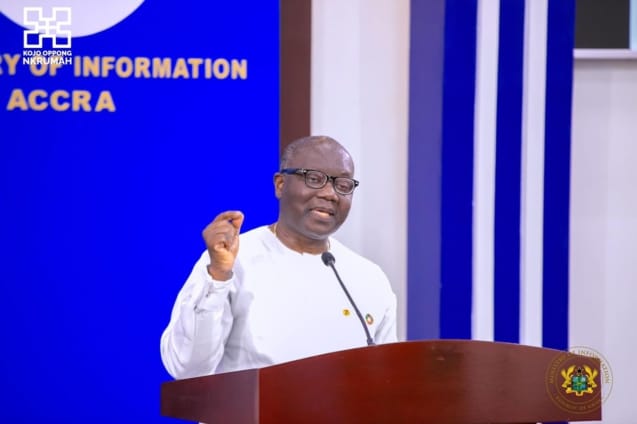
Vice president, Dr Mahamudu Bawumia, has stated that during the height of the global health crisis, posed by the COVID-19 pandemic the government implemented a comprehensive plan to support citizens, offering free water and free electricity to all households for an entire year.
Addressing the nation on Wednesday, February 7, 2023, he added that life line consumers benefited from free electricity, while others enjoyed a substantial 50% discount, providing much-needed financial relief to families and businesses.
According to him, Despite the economic strain posed by COVID-19, the government prioritized ensuring essential services remained accessible to all citizens.
“Provided free water to all households for a whole year during COVID-19 We provided free electricity to life line consumers and a 50% discount to other consumers for a whole year during COVID-19. It is important to note that between 2009 and 2016, the average annual increase in end user electricity tariffs was 50% per year!
“Between 2017 and 2023 on the other hand, the average annual increase was 11.1%. This is the lowest annual average increase in electricity tariffs for any government since 1992. We abolished or reduced 21 separate taxes in our first term (before the global crisis). We also reduced import duties by 50% between 2019 and 2021 even though traders did not reduce prices for consumers as they promised to do,” he added.
Vice President Bawumia also shed light on the government’s commitment to economic reforms, citing the abolition or reduction of 21 separate taxes during the first term, preceding the global crisis.
Import duties were also reduced by 50% between 2019 and 2021, demonstrating the government’s dedication to fostering economic resilience.
“Between 2009 and 2016, the average annual increase in end-user electricity tariffs skyrocketed to 50% per year. In a marked departure from this trend, from 2017 to 2023, the average annual increase was significantly reduced to 11.1%, representing the lowest annual average increase in electricity tariffs for any government since 1992,” he added.
Vice President Dr Mahamudu Bawumia commended the Bank of Ghana (BoG) for its prudent measures rolled out in efforts to stabilize the Ghanaian economy during the COVID-19 pandemic.
Delivering an address to Ghanaians on February 7, 2024, the Vice President noted that BoG was very instrumental in bringing the economy back on track after the pandemic hit the shores of the country.
He noted that the institution had been unfairly criticized despite its pivotal role in pulling the economy back from the brink.
“I must at this stage salute and give particular recognition to the Bank of Ghana which has come under unfair criticism for taking the necessary measures which helped pull the economy back from the brink,” he said.
Dr. Bawumia particularly lauded the BoG for prioritizing the interests of Ghanaian citizens and providing necessary financing to the government during critical moments.
“BoG provided needed financing to the government at that critical moment. What the BoG did was very responsible in putting the interest of the good citizens of Ghana first,” he added.
Dr. Bawumia emphasized that the data available clearly demonstrates the temporary nature of the financing provided by the BoG to the government, with zero financing recorded in five out of the last seven years, including 2017, 2018, 2019, 2021, and 2023.
Highlighting the context behind the BoG’s financing of the government during specific periods, Dr Bawumia pointed to domestic and global crises, such as the COVID-19 pandemic in 2020 and the liquidity crisis in 2022.
These challenges, coupled with underperforming revenue and limited access to international capital markets, necessitated support from the BoG to sustain the economy during turbulent times.
“The data which is available shows that the financing provided to the government by the Bank of Ghana was temporary. The Bank of Ghana has provided zero financing in five out of the last 7 years. Zero financing in 2017, 2018, 2019, 2012 and 2023.
“The BoG financing of the government in the COVID-19 year of 2029 and the liquidity crisis year of 2022 was because of the domestic and global crisis with underperforming revenue and no access to international capital markets. Ladies and gentlemen, the good news is that the data shows that the economy is recovering from the crisis we faced,” he added.
Director in charge of the Global Neglected Tropical Diseases (NTDs) Programme at the World Health Organization (WHO), Dr Ibrahima Socé Fall, has emphasized the need for nations grappling with NTDs to address the diseases as a developmental issue.
Dr. Fall contends that NTDs are directly linked to development problems, primarily affecting vulnerable populations living in impoverished conditions with limited access to clean water and sanitation facilities.
NTDs encompass a diverse group of conditions caused by various pathogens, leading to severe health, social, and economic consequences. These diseases predominantly afflict impoverished communities in tropical areas, impacting over one billion people, with 1.6 billion requiring interventions, both preventive and curative. Some examples of NTDs include Buruli ulcer, dengue, Guinea-worm disease, leprosy, lymphatic filariasis, rabies, schistosomiasis, and yaws.
In an interview facilitated by Speak Up Africa, Dr. Socé Fall expressed concern that NTDs have historically been overlooked in terms of diagnosis and treatment due to their disproportionate impact on developing countries. He highlighted the global community’s lack of significant investment in eliminating NTDs, attributing it to their limited effect on developed nations’ healthcare systems.
Dr Socé Fall drew parallels with global responses to diseases like COVID-19 and Ebola, emphasizing that diseases primarily affecting poorer populations in developing countries receive less attention until they pose a threat to more affluent nations. He underscored the need for increased funding and investment in NTD interventions and called on world leaders to prioritize these diseases to eliminate them effectively.
The WHO expert urged countries grappling with NTDs to take charge of their own diagnosis and treatment efforts by demonstrating leadership and political will. He emphasized that addressing NTDs is essential for achieving meaningful milestones in socio-economic development.
Dr. Socé Fall outlined key actions required to combat NTDs, including improving healthcare infrastructure, securing more funding for medication development, and creating resilient healthcare systems. He emphasized the importance of advocacy, political commitment, and community engagement in raising awareness about NTDs and implementing effective interventions.
Commending countries for their efforts in controlling NTDs, Dr. Socé Fall highlighted ongoing progress and expressed optimism that, by 2030, at least 100 countries will eliminate one NTD. He acknowledged the critical role of partnerships and called for continued investment in NTDs to achieve global health coverage and ensure that no community is left behind.
The “No to NTD Movement,” launched to combat NTDs in Africa, plays a crucial role in increasing awareness, prioritization, and national commitment to accelerating the control and elimination of NTDs on the continent. The movement engages with governments, the private sector, youth movements, and civil society, fostering efficient domestic resources and strengthening the capacities of national NTD programs and civil society organizations for sustainable strategies.
Former Railways Minister, Joe Ghartey, has attributed the challenges faced by the government in advancing the controversial Sky Train project to the repercussions of the COVID-19 pandemic.
He mentioned that pivotal investors for the project withdrew due to the pandemic, resulting in delays that subsequently impacted the project’s implementation.
In an interview with Accra-based Joy News, the Member of Parliament for Essikado Ketan disclosed that South African investors for the project detailed their decision in a letter addressed to him.
“The South Africans pulled out after COVID… What they wrote to me was that because of COVID, things have changed, they can’t come. That is what they wrote to me, that we have to wait,” he recounted.
When asked whether the government should make plans to resume the Sky Train project, Joe Ghartey indicated that it is “up to them [government].”
“It depends on how much money you have, it [also] depends on whether the people are prepared to do it,” he added.
In 2018, the Ghana Sky Train Limited was established by Africa Investor Holdings Limited seeking to incorporate a Special Purpose Vehicle (SPV) in Mauritius for the Accra Sky Train Project’s development through a Design, Build, Finance, and Operate arrangement.
The Ghana Infrastructure Investment Fund (GIIF) is said to have made a $2 million payment to acquire 10 ordinary shares in the SPV for the project.
The project was later fraught with delays and subsequently hit a snag. In 2021, the Auditor General’s report labeled the transaction as a net liability.
Findings from the UK Ghana Chamber of Commerce (UKGCC) 2023 Ghana Business Environment and Competitiveness Survey indicates that significant majority of firms in Ghana, amounting to 72%, have expressed their perception that the nation’s business environment falls behind its global counterparts,
The report indicated that a notable 72% of firms believed that Ghana’s business environment witnessed a decline in 2023, in contrast to the 47% who expressed a similar sentiment in 2022.
Additionally, there is a widespread perception that other countries in the sub-region are navigating the aftermath of COVID-19, the Russian-Ukraine war, and the resulting supply chain disruptions more effectively than Ghana.
Furthermore, an overwhelming 75% of the respondents continued to view corruption as an ongoing obstacle to business operations, despite a decline in corruption trends compared to 2022.
It was also observed that the cost of labor, both unskilled and skilled, remains affordable for most businesses.
Moreover, the government’s support for international trade and the presence of high-quality transport infrastructure – two crucial components for the country’s economic partnership and international trade and investment objectives – were ranked second and third, respectively, on the list of least favorable business components.
The survey also analyzed the business components that have witnessed the most significant deterioration over the years, along with identifying the most expensive business costs.
A third of respondents flagged cost of capital as the most deteriorated business component over the last five years, with cost of land being the most expensive business cost.
Over a third of respondents reported though that they are not exploiting the opportunity platform inherent in the African Continental Free Trade Area (AfCFTA) despite having the requisite capacity.
Respondents suggested reforms such as the government’s lowering of perceptions of corruption and improving transparency, as well as assuring the safety and security of investments, tax cuts, accessible infrastructure, and government incentives would promote ease of doing business in Ghana.
Regarding favourable business components assessed, the respondents favourably highlighted the availability of telecom facilities as one of the advantageous aspects of the Ghanaian business environment. It was the perception that telecom facilities and advanced technology have persistently seen the greatest improvements. It was also perceived that cost of labour—unskilled and skilled—remains affordable to most businesses that participated in the 2023 survey.
Report presents clear roadmap for action – UKGCC
Anthony Pile MBE, UKGCC Executive Council Chairman, remarked that “this report presents a clear roadmap for action. Lowering corruption, prioritising infrastructure upgrades, addressing regulatory burdens, and investing in skills development are not just numbers on a page – they are the keys to unlocking a brighter future for Ghanaian businesses”.
He urged “the government to embrace these reforms and work hand-in-hand with the private sector to build a competitive and prosperous nation.”
Commenting on the report, Vish Ashiagbor, Country Senior Partner of PwC, a UKGCC Platinum member company and consultants/advisors for the report, noted that “Ghana is in a difficult place. Over the past three years, our economy has been buffeted by events, some of which are external and beyond the control of Government and businesses alike—COVID-19, global financial crisis, and the Russian-Ukraine war which spawned global supply chain hiccups that amplified the economic and business difficulties already triggered by the global financial crisis.
There is no doubt that Government is aware of the role that business plays in its quest to bring about socio-economic development. Indeed, the introduction of the Mutual Prosperity Dialogue is testament to this awareness and acknowledgement. We hope that, in the spirit of transparency, this report is considered objectively by Government, and working with UKGCC, considers what interventions can be implemented in the medium-to-long term to help improve the business environment.”
Over 690 businesses, including UK Ghana Chamber of Commerce members and non-member companies from 16 industries, ranging from small to large companies, participated in the survey.
Founder and Leader of #TheNewForce Movement, has highlighted what he believes are formidable challenges that have hampered the progress of the Akufo-Addo led administration.
In an interview on Ekosisen on Asempa FM, Cheddar he stated that COVID-19 and the Russia Ukraine war are among key factors that has affected the progress of the current administration.
“Looking at Akufo-Addo it’s not like we are saying the economy under his tenure is bad. But I also think he’s a president that’s really good at promotion. He’s really promoted Ghana but it’s just that certain things did not go well during his regime,” he said.
Cheddar further commended the government on its initiatives like ‘The Year of Return’ and ‘Beyond the Return’ which he said has helped in promoting the country.
“My favorite President in the 4th Republic is John Kufuor. Nana Akufo-Addo has also done well in terms of promoting Ghana. He would have done more but for COVID”. — Nana Kwame Bediako (Cheddar) pic.twitter.com/EXJoI6MrlW
“During his time, there was COVID, there was the lockdown, the wars but when you look at the Beyond the Return project, it brought the diaspora into the country. December is a good year for Ghana since the NPP came to power,” he stated.
Founder and Leader of #TheNewForce Movement, Nana Kwame Bediako, popularly known as Cheddar, has provided a nuanced perspective on President Akufo-Addo’s performance, attributing certain challenges to the impact of the COVID-19 pandemic.
In an interview on Asempa FM, Cheddar contended that the current administration could have performed better but for the COVID-19 pandemic that struck in 2020, and the Russia-Ukraine war which affected Ghana’s economy.
“Looking at Akufo-Addo it’s not like we are saying the economy under his tenure is bad. But I also think he’s a president that’s really good at promotion. He’s really promoted Ghana but it’s just that certain things did not go well during his regime,” he said.
Cheddar further commended the government on its initiatives like ‘The Year of Return’ and ‘Beyond the Return’ which he said has helped in promoting the country.
“My favorite President in the 4th Republic is John Kufuor. Nana Akufo-Addo has also done well in terms of promoting Ghana. He would have done more but for COVID”. — Nana Kwame Bediako (Cheddar) pic.twitter.com/EXJoI6MrlW
“During his time, there was COVID, there was the lockdown, the wars but when you look at the Beyond the Return project, it brought the diaspora into the country. December is a good year for Ghana since the NPP came to power,” he stated.
Member of Parliament for North Tongu, Samuel Ablakwa, recently took to Facebook to express concerns about the spending habits of the Akufo-Addo/Bawumia government during the 2020 election campaign.
Ablakwa claims to have obtained documents revealing what he describes as a “profligate and vulgar spending spree on fantasy projects.”
One notable example highlighted by Ablakwa is the construction of a 50-bed guest house in Tamale during the peak of the COVID-19 pandemic.
Ablakwa alleges that the Bank of Ghana, led by Dr. Addison, prioritized this project over other pressing concerns, such as monetary policy interventions to address the economic impact of COVID-19.
According to the documents in Ablakwa’s possession, the guest house project was awarded through a single-source procurement method to De Simone Limited at a staggering cost of GHS139.9 million. Ablakwa expresses concern over what he perceives as an “appetite for single-source and restricted tendering” under Dr. Addison’s leadership, emphasizing that none of the procurements during his tenure has been competitive.
All this, according to Ablakwa, happened at a time when Ghana was facing multiple challenges due to the COVID-19 pandemic, which had claimed over 1,400 lives and infected over 90,000 people in the country.
Managing the impact of the pandemic had affected Ghana significantly, leading to the worst economic setback in decades. The government had to resort to reliefs from both domestic and external sources.
The pandemic also exposed the inadequacies of the health system, suffering from a lack of infrastructure, equipment, personnel, and funding. Many health workers complained of inadequate protective gear, low salaries, and poor working conditions.
The pandemic worsened social and educational challenges in the country, such as poverty, inequality, and unemployment. Many people lost their livelihoods, and students faced disruptions and difficulties in accessing online learning.
Ablakwa also accused the Akufo-Addo/Bawumia government of hypocrisy, noting that in opposition, they condemned single-source procurements, considering them conduits for corruption. He pointed out that they have now become champions of such procurement methods.
The MP drew attention to other controversial projects, including the US$450 million National Cathedral and the US$222.7 million Bank of Ghana Head Office, both of which, according to him, initiated payments during the 2020 election campaign.
Ablakwa then cautioned Ghanaians against potential similar spending schemes ahead of the December 7 elections, urging citizens to be vigilant and prevent what he terms as “lootocratic” schemes.
The Member of Parliament (MP) for the Akim Abuakwa South constituency, Samuel Atta Akyea, has voiced criticism against President Akufo-Addo for not sufficiently promoting the free Senior High School (SHS) policy.
Questioning the President’s approach, Atta Akyea expressed bewilderment as to why, despite substantial investments in the educational policy, there was a lack of significant publicity surrounding it.
In a Face to Face interview on Citi TV on Tuesday, Atta Akyea characterized the President as a ‘bad storyteller,’ pointing out his failure to communicate the narrative behind the free SHS policy to the Ghanaian people.
Observing the long-term impact of the policy, Atta Akyea acknowledged the challenges but emphasized that President Akufo-Addo had laid the foundation for the next two decades.
He stated, “Even if it’s not perfect, he has given the foundation for this nation to take off. In terms of serious brain power in the next 20 years.”
Atta Akyea also dismissed claims that the President had underperformed during his eight-year rule. He attributed challenges faced by the government to external factors such as the COVID-19 pandemic and the Russia-Ukraine war.
“I think President Akufo-Addo has been a bad storyteller too. There’s no president in this realm called Ghana, who said people should go to secondary school for free. Do you think it’s cheap?
“I do not think he [Akufo-Addo] has underperformed. What I believe is that he has had a lot of trouble. People underrate the power of the COVID-19. President Osagyefo Nkrumah never faced that. The Russian-Ukraine war, in which the evidence is conclusive. The cold fact that economies contracted, because of these situations.
Governor of the Bank of Ghana, Dr Ernest Addison, has highlighted the steadfast fiscal approach adopted during his administration. Despite the legal provision allowing up to 5% of the previous year’s tax revenue to finance the budget, Dr. Addison confirmed that there was no budget financing from 2017 to 2019 and 2021. This assertion underscores the commitment to a responsible fiscal strategy during the specified years.
Dr Ernest Addison emphasized that the adherence to a prudent fiscal approach has yielded positive outcomes, contributing to the lowering of inflation, reduction of the policy rate, and fostering growth during the initial three years of his term.
This strategic financial management has played a pivotal role in shaping the economic landscape under Dr. Addison’s leadership at the Bank of Ghana.
Highlighting the impact of the COVID-19 crisis, Dr. Ernest Addison acknowledged the challenges it posed, particularly the escalation of debt levels and the necessity for restructuring. This recognition underscores the complexities faced by financial institutions during the global pandemic and emphasizes the need for adaptive measures.
Dr. Ernest Addison discloses a significant shift in strategy, indicating that the Bank of Ghana opted for monetary financing for the first time. This decision aligns with the approach adopted by numerous central banks globally, reflecting the unprecedented challenges presented by the circumstances, particularly the impact of the COVID-19 crisis.
He said this was a difficult decision, but it was necessary to support the government’s COVID expenditures.
“We had some good discussions going into it. The Finance Minister [Ken Ofori-Atta] went to Parliament and requested for a suspension of the Fiscal Responsibility Act due to the pandemic. This enabled us to trigger emergency provisions in the Bank of Ghana Act to provide exceptional financing for the government budget. And that’s what we did.”
“For me, it was a big reawakening, because I did not foresee that the Central Bank would be drawn into budget financing. But, given global developments, especially with central banks in advanced economies, it seemed like monetary accommodation of fiscal policy to meet COVID expenditures had become part of the norm.”, he noted.
Dr Ernest Addison also added that the International Monetary Fund also gave additional SDRs, which are central bank assets, to help governments cope with the pandemic.
He explained this meant the Bank of Ghana had to lend these resources to the government, along with invoking the emergency provisions in the Bank of Ghana Act.
The Governor admitted this was hard for him, but it was eased by the government’s successful issuance of nearly $3 billion in debt in 2021.
“Even in 2021, the government was able to successfully issue nearly $3 billion in debt. That helped to ensure the central bank didn’t have to provide financing,” he said.
The government has been urged to eliminate the COVID-19 and special import levies from the 2024 budget by the Ghana Union of Traders Association (GUTA).
Speaking on JoyNews from Accra, Association President Dr. Joseph Obeng also demanded a review of Value Added Tax (VAT) collection.
According to him, businesses would become more productive if operating expenses were reduced.
“We are talking about the 1% COVID-19 levy to be removed. We also talk about the special import levy of 2% that has been imposed on us since the previous administration, we also are talking about the VAT, the complex nature of VAT,” Dr Obeng stated.
The government imposed a levy on supplies of goods and services under the Standard Rate and VAT Flat Rate Schemes in 2021, known as the COVID-19 Health Recovery Levy.
Ghanaians, particularly companies, have urged the government to abolish the tax since it serves no purpose in the post-COVID-19 era.
In the meantime, the 2024 budget will be presented to parliament in November of this year by Finance Minister Ken Ofori-Atta.
The Ghana Union of Traders Association (GUTA) has urged for the elimination of the COVID-19 Levy and the Special Import Levy from the 2024 budget.
President of GUTA, Dr. Joseph Obeng, clarified that reducing the cost of doing business would boost productivity and enable the government to meet its revenue targets more effectively.
“We are talking about the 1% COVID-19 levy to be removed. We also talk about the special import levy of 2% that has been imposed on us since the previous administration, we also are talking about the VAT, the complex nature of VAT,” he said.
In 2021, the government introduced the COVID-19 Health Recovery Levy as a distinct tax, applied to the total value of taxable supplies of goods and services under the Standard Rate and VAT Flat Rate Schemes.
As the World Health Organization (WHO) declared the end of the COVID-19 pandemic as a public health emergency, various voices have called for the discontinuation of this one percent tax.
The Finance Minister, Ken Ofori-Atta, has engaged with interest groups like GUTA in preparation for presenting the 2024 budget to Parliament in November.
He has acknowledged the concerns raised by these groups about the high tax rates in the country and indicated that these concerns will be taken into consideration during the budget presentation.
“Over this period, we’ve met with AGI, GUTA, Chamber of Commerce, all of that to take in the views and predominantly it is a multiplicity of taxes that they have raised as a major concern that we have to look at. So looking at the taxes, looking at access to capital, and the price of capital, I think they will be key issues to address for the private sector,” he assured.
Despite receiving assurances from the Finance Ministry that some taxes will be reduced, the Ghana Union of Traders Association (GUTA) maintains that both the COVID-19 Levy and the Special Import Levy, in particular, must be completely eliminated.
Lecturer at the University of Education Winneba’s Kumasi campus, Aaron Kuma, has stated that the COVID-19 pandemic and the Russia-Ukraine conflict are not the root reason of Ghana’s current economic problems.
A university lecturer claims that the 2017 banking sector crisis significantly affected Ghana’s economy and was a major factor in the financial situation of the nation about six years later.
“It is not COVID and the Ukraine war that has got as to this point as a nation. The banking crisis is one of the major critical issues because a whooping amount of close to about 27 billion was used for bailout,” he stated on Kumasi-based Hello FM.
He pointed out that the Bank of Ghana, which had the last say over how to clean up the banking industry in 2020, had failed to adequately address the problem by forcing the closure of multiple banks without carefully examining each one individually.
“If I was the finance minister or the governor of the Bank of Ghana, I am not sure that is how I would have handled it. I would’ve done it on a case-by-case basis,” he noted.
Tax expert and consultant, Abdallah Ali-Nakyea, has cautioned the government against discontinuing the collection of the COVID-19 levy, emphasizing that ending such taxes without an alternative revenue source may result in the introduction of additional taxes, thereby increasing the financial burden on citizens.
Speaking at the recent Vodafone Business Runway in Accra, Ali-Nakyea expressed his belief that scrapping the COVID-19 levy might not be the best approach, citing the previous elimination of 16 tax types that was followed by the introduction of new taxes.
“I have always held that it is not a tax I wish should be scrapped, reason is that remember when the government came into power, we all celebrated the scrapping of 16 tax types, today imagine the number of taxes coming back, so it shows it wasn’t the right approach in the first place,” he added.
He recommended a gradual phasing out of the levy, addressing challenges in the health sector, and changing its name to reflect broader healthcare needs.
Ali-Nakyea stated that if the COVID-19 Levy were scrapped, it might necessitate the introduction of specific levies for healthcare services, like a dialysis levy to address the challenges faced by hospitals like Korle Bu Teaching Hospital.
“We could have scrapped two, the following year two, gradually and so we would have been able to find other means. The reason I am saying this is that supposing we scrap COVID-19 Levy, today the challenges Korle Bu Teaching Hospital is having with dialysis, are we going to introduce dialysis levy?” he said.
He added, “So, I think the name given to it might have been the cause of the problem, we really have a lot of problems in the health sector, any revenue should be channeled to solve them.”
The COVID-19 levy, set at 1%, was implemented by the government during the height of the pandemic to offer financial support for combating the virus and its repercussions.
A potential flagbearer candidate of the New Patriotic Party (NPP), Kennedy Agyapong, has indicated that he contributed over $1 million worth of Personal Protective Equipment (PPE) to support Ghana’s COVID-19 response efforts.
In a tweet shared on Friday, October 13, 2023, Ken Agyapong announced his donation of PPE to major healthcare facilities throughout the nation, including the 37 Military Hospital.
“During the COVID-19 pandemic, I donated PPEs worth over $1 million to major medical centres in Ghana including the 37 military Hospitals,” he tweeted.
The tweet was accompanied by a video showing the Member of Parliament (MP) for Assin Central donating various PPE items, including face masks, during the peak of the COVID-19 pandemic at the 37 Military Hospital.
In an interview following the donation, he expressed his intention to extend his contributions to prominent hospitals in Kumasi, Ho, Accra, and other regions in the near future.
In a related development, Frontier Healthcare Services Limited, the company responsible for conducting COVID-19 testing at Kotoka International Airport (KIA) on behalf of the government of Ghana, reportedly earned significantly more than the government.
According to a report by JoyNews, data obtained through a Right to Information request revealed that Frontier Healthcare Services received $87.5 million from its testing services at the airport, comprising $84 million from arrival testing and $3.5 million from departure testing.
In contrast, the government of Ghana earned $6 million from arrival testing and $180,000 from departure testing during the same period.
The data from the Airport Company indicated that Frontier Healthcare Services claimed the majority of revenue from COVID-19 testing, comprising 92% of income from arrival testing and 94% of income from departure testing, while the government’s share represented less than 10% of the total revenue, with 7% from arrival testing and 6% from departure testing.
During the COVID-19 pandemic, I donated PPEs worth over $1million dollars to major medical centers in Ghana including the 37 miliary Hospitals#showworkingpic.twitter.com/vxuxzpgTZ4— Hon. Ken Ohene Agyapong (@honkenagy) October 13, 2023
A disclosed data from the Ghana Airports Company Limited (GACL), indicates that, the controversial entity, , Frontiers Healthcare Services Limited, garnered a staggering $84 million from COVID-19-related arrival testing at the Kotoka International Airport (KIA).
Additionally, the company generated an extra $3.5 million (equivalent to GH¢29 million) from departure testing at KIA during the same period.
This disclosure follows a year-long legal dispute between Accra-based JoyNews and the GACL. The media organization had employed the Right to Information Act to investigate the revenue generated by Frontiers, which had been awarded a contract at KIA under somewhat opaque circumstances.
Initially, the GACL claimed it could not provide the requested information, citing that “passengers paid directly to Frontiers Healthcare, providers of the service.”
Subsequent revelations indicate that Ghana received under $6 million from COVID-19 arrival testing and $180,000 (equivalent to GH¢1.5 million) from departure testing during the same period.
This stark disparity in revenue distribution demonstrates that Frontiers earned over 90 percent of the total revenue and retained 92 percent of the income generated from arrival testing at KIA. Frontiers also earned 94 percent of the revenue from departure testing within the period of its contract with the GACL.
Consequently, Ghana’s share of the contract earnings represents less than 10 percent of the total revenue, with the country receiving just 7 percent from arrival testing and 6 percent from departure testing.
Despite these revelations, senior government officials, including Foreign Affairs Minister Shirley Ayorkor Botchwey and Health Minister Kwaku Agyeman-Manu, disclaim any knowledge of how Frontiers Health Services obtained the contract for COVID-19 testing at the airport.
North Tongu MP Samuel Okudzeto Ablakwa has called for an impartial audit of the COVID-19 testing agreement between Frontiers Health Services and the Ghana Airports Company Limited.
Following a year-long legal battle triggered by JoyNews using the Right to Information Act, the extent of the revenue disparity in favor of Frontiers Healthcare Services has been disclosed.
Initially, in response to JoyNews’ inquiry about the revenue distribution between the involved parties, the airport company cited that they couldn’t provide the information, stating that “passengers paid directly to Frontiers Healthcare, providers of the service.”
However, the Ghana Airport Company Limited (GACL) has now furnished JoyNews with data, revealing that Frontiers received a substantial $84 million from arrival testing and an additional GHS 29 million ($3.5 million) from departure testing.
In stark contrast, Ghana itself received a meager amount of under $6 million from arrival testing and GHS 1.5 million ($180,000) from departure testing over the same period.
This substantial imbalance in revenue allocation highlights that Frontiers claimed over 90% of the earnings, with a retention of 92% of income from arrival testing and a notable 94% from departure testing.
In stark contrast, Ghana’s portion was minimal, representing less than 10% of the overall revenue, with a mere 7% stemming from arrival testing and a mere 6% from departure testing.
The significant revenue disparity has ignited public outcry, prompting Samuel Okudzeto Ablakwa, the ranking member on the foreign affairs committee of parliament, to present a motion in the legislature. The motion calls for an impartial audit of the contentious testing agreement between Ghana Airports Company Limited (GACL) and Frontiers.
Critics argue that Ghana’s meager share signifies missed opportunities to allocate resources that could have bolstered the nation’s response to the pandemic, especially considering the economic hardships brought about by COVID-19.
Member of Parliament for North Tongu, Samuel Okudzeto Ablakwa, has exposed what he describes as the “corrupt frontiers cover-up” in the country.
According to him, the ” irredeemably corrupt” Akufo-Addo/Bawumia government believes it has successfully blocked access to all information on its “criminal” Frontiers COVID-19 Airport Testing deal.
He revealed that not even a directive and a GHS200,000.00 fine imposed by the RTI Commission following a Joy News petition has been helpful in compelling Akufo-Addo’s appointees at the Ghana Airport Company Limited and the “larger Akufo-Addo/Bawumia administration to disclose the requested information on the Frontiers contract in the interest of transparency and accountability”.
However, he expressed “bad news for this buccaneer government”. He explained that in the supreme national interest, he has by the “Grace of God intercepted all the relevant documents on this dubious Frontiers heist, notwithstanding government’s desperate efforts at a shameless cover-up”.
“SOA Oversight shall ensure that this grand Frontiers create, loot and share; together with all those who FRONTED for FRONTIERS are duly exposed and sanctioned for God and Country…”
Expanding on his revelation, Mr. Ablakwa emphasized that his focus would be on the “explosive” offer letter dated August 31, 2020, from the Ghana Airport Company Limited to Frontiers Healthcare Services Limited. This letter, he pointed out, was signed by the former Managing Director, Mr. Yaw Kwakwa.
He highlighted that this letter exposes how Frontiers was selected in what he termed an “opaque sweetheart deal” after secretive discussions. He asserted that Ghana’s procurement regulations were openly disregarded and suspended in this process.
Furthermore, he clarified that it was not a competitive procedure, as reputable institutions like the Noguchi Memorial Institute for Medical Research, Kumasi Centre for Collaborative Research, Korle Bu Central Laboratory, and others, which played significant roles in COVID containment, were sidelined while the government chose the “suspiciously hastily incorporated” Frontiers.
Expanding on his disclosure, Mr. Ablakwa emphasized that his investigation will shine a spotlight on a significant “bombshell” – the offer letter issued by the Ghana Airport Company Limited to Frontiers Healthcare Services Limited. This letter, dated August 31, 2020, and signed by the former Managing Director, Mr. Yaw Kwakwa, serves as a pivotal piece of evidence.
He pointed out that this letter unveils the non-competitive nature of Frontiers’ selection, emphasizing that it was a result of a secretive and non-transparent arrangement, characterized as an “opaque sweetheart deal.” Mr. Ablakwa underscored that Ghana’s procurement laws were openly flouted and set aside during this process.
Furthermore, he highlighted that the selection did not involve a competitive bidding process.
He expressed concern that reputable institutions such as the Noguchi Memorial Institute for Medical Research, Kumasi Centre for Collaborative Research, Korle Bu Central Laboratory, and others, which played a crucial role in COVID containment, were deliberately excluded.
Instead, the government chose to engage with the hastily incorporated Frontiers, which raised suspicions.
“This letter incredibly reveals how an offer was made to Frontiers on 31st August, 2020 and how actual testing magically commenced the next day, September 1, 2020. Something to soon feature in Guinness World Records. In a total rip off, the government per the offer letter asked for a fixed share of a measly and wickedly unpatriotic $10 per test as Frontiers keeps $140 per test considering that Frontiers was charging each passenger $150…”
Furthermore, Mr Ablakwa indicated that Frontiers was asked according to the offer letter to make a “paltry and insulting” payment of only $97,109.00 as proof of acceptance of the offer for an exclusive control of the Upper Arrival, Terminal 3, KIA.
He noted that this was made regardless of the fact that Frontiers stood to make and has indeed made profits worth hundreds of millions of dollars.
Despite the “outrageous giveaway”, Mr Ablakwa explained that Frontiers was exempted from paying water bills.
“The offer letter did not provide technical specifications; standards and the specific amount of investment Frontiers was obliged to make in setting up the testing facility which actually exposes how everything was skewed by government officials to collude with Frontiers in raping Ghanaians.”
Frontiers deal unpacked
Furthermore, the Member of Parliament for North Tongu emphasized that the offer letter did not include any requirement for mandatory authorization from the Health Facilities Regulatory Authority (HeFRA) as a prerequisite.
He pointed out that this omission clarifies why Frontiers began its operations several months before submitting an application to HeFRA for licensing, a fact he previously revealed in his initial exposé.
“From the intercepted offer letter, Frontiers was granted an unfathomable long duration of 2 years to loot, create and share; and that was regardless of whether Covid is defeated in a few weeks or not. This also explains why Ghana was basically the only country still testing at the airport many months after airport authorities in many other jurisdictions had stopped and dismantled their testing systems.”
Characterizing the evidence as overwhelming, Mr. Ablakwa asserted that the Frontiers deal represented a significant collaboration between what he described as a “buccaneer government” and profit-driven entrepreneurs, all while a devastating pandemic was causing casualties and hospitalizations.
He highlighted that a conservative analysis of passenger traffic data available on the Ghana Airport Company’s website revealed that during Frontiers’ two-year fraudulent operations, approximately one million arrivals occurred at Kotoka International Airport (KIA).
Considering the subsequent reduction in fees from $150 to $50, specifically for ECOWAS nationals, Mr. Ablakwa estimated that Frontiers and its associates, who acted as intermediaries, would have amassed profits of no less than $130 million in what he referred to as “killer” gains. In response, he pledged to release additional documents related to this “unconscionable killer” Frontiers scandal in forthcoming publications.
Furthermore, Mr. Ablakwa called upon all Ghanaians who have grown weary of what he described as “blatant stealing, impunity, lawlessness, fraudulent deals” to participate in the minority’s #OccupyBoGProtest scheduled for Tuesday.
Ghana Network of Persons Living with HIV (NAP+ Ghana) has officially reported a critical shortage of anti-retroviral medication, specifically the Abacavir Lamivudine regimen, for Persons Living with HIV (PLHIV) throughout the country.
In a statement issued by the organization on October 5, 2023, they revealed that this issue has been ongoing since August of this year.
During this time, members of the association have been consistently reporting the scarcity of the crucial medication required on a daily basis to assist patients in achieving viral suppression.
“Our members across Ghana reported a shortage of the adult dose of ABACAVIR LAMIVUDINE in August this year,” the group said.
The group revealed that a sufficient number of anti-retroviral drugs purchased with donor funding have been detained at the port over tax clearance issues.
“The anti-retroviral medication had been bought with donor funds, at no cost to the country, and should not attract tax. Meanwhile, they are being held until AU TAX, ECOWAS TAX and COVID-19 TAX are paid before we can access our medication,” NAP+ Ghana said.
“Of utmost concern is that some persons who are put on Abacavir/Lamivudine, which is stuck at the harbour, are persons who had kidney and liver problems while on the TLD regimen. One of our members has not been on medication for 4 months due to a shortage of Abacavir/Lamivudine in her facility.
“Our investigations revealed that in some facilities, prescribers give Abacavir/Lamivudine medication meant for children to adults. Therefore, instead of one tablet a day, they have to take five tablets in the morning and five tablets in the evening, depending on the children’s dose,” the group added.
NAP+ Ghana has issued a warning, stating that the prolonged delay of the drugs at the port could potentially lead to the development of drug resistance in the disease against the anti-retroviral medication.
This, in turn, could result in more complications for patients.
The Irish economy is not growing as fast as it was before the Covid-19 pandemic, according to a respected organization that studies economic issues.
The Economic and Social Research Institute (ESRI) has changed its prediction for how much the economy will grow this year. They originally thought it would grow by 3. 5%, but now they think it will only grow by 1. 8%
It means that the economy is not doing well because of inflation, higher interest rates, and less people wanting to buy certain exports.
But the ESRI said that the economy is still running at full capacity.
It means that there won’t be many people without jobs for a long time.
The ESRI said that despite the usual activity happening within the country and the decrease in international trade, the Irish economy is currently working to its full potential.
Specifically, when talking about industries that require a lot of workers, such as construction, it stated. The prediction is made before the Irish government’s budget, which will be announced next week on 10 October.
The budget will have €5. 2bn (£44bn) more money for important things and also some extra money to help with energy costs.
Irish Finance Minister Michael McGrath said that there are four main areas that are most important in the budget: the cost of living, housing, competitiveness, and long-term financial planning.
Ireland will have extra money in its budget in the future because it will receive a lot of additional tax money from big international businesses.
Even though the economy is doing well, the group in charge is having a hard time winning support from the public. This is because housing prices are high and public services are stretched thin, causing many people to feel like they are not benefiting from the country’s success.
The job market is doing really well and unemployment has stayed around 4% for the past year. This means that the economy is almost completely providing jobs for everyone who wants one.
The amount of things produced in Ireland is calculated using something called Modified Domestic Demand (MDD).
MDD is a measure that removes the effects of multinational companies from the calculation of Gross Domestic Product (GDP).
Normally, GDP says the Irish economy is growing more than it actually is, but the ESRI said that’s not true right now.
“At this moment, we think that modified domestic demand, which is a better measure of activity within our country, is increasing by 1. 8% in 2023 However, we expect GDP to decrease by 1. 6%”
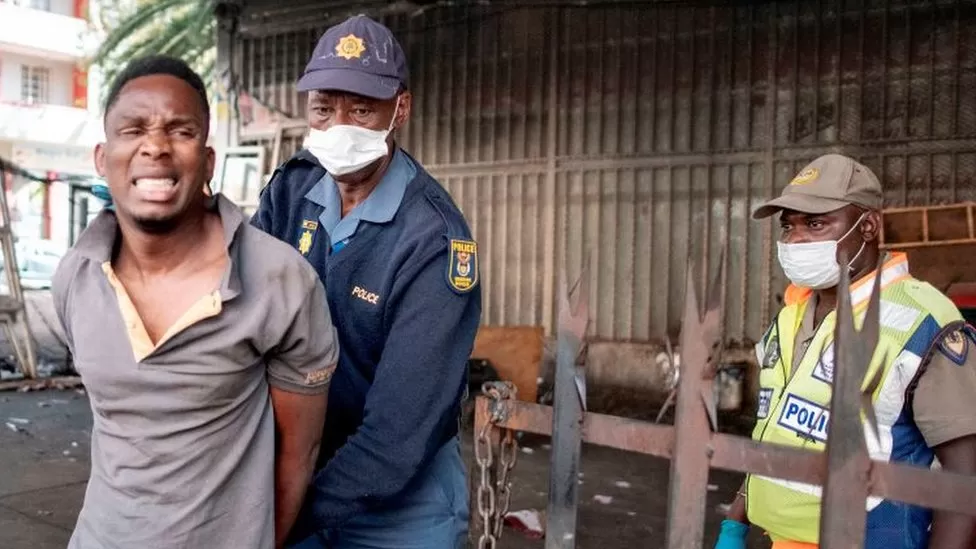
South Africa had very strict rules which led to over 400,000 people getting arrested. These arrests were for things like not wearing masks, drinking alcohol, and breaking curfew.
People who admitted they did something wrong and paid money as a punishment will no longer have any official records of that wrongdoing.
This text means that the approval of the National Council of Provinces and the signature of President Cyril Ramaphosa are required for it to become law. However, it is highly likely that it will become law.
The bill to make changes to the legal system received widespread political backing during discussions in parliament.
The African Christian Democratic Party (ACDP), which was in favor of the bill, pointed out how having a criminal record made it hard for some people to get jobs.
ACDP MP Steven Swart expressed his hope that we will not have any more unreasonable rules that were made without involvement or supervision from Parliament.
In April 2021, the police minister, Bheki Cele, stated that 411,309 individuals were taken into custody for breaking the rules during the lockdown.
It’s not known how many of the people who were arrested were eventually found guilty.
But, some MPs did not vote for the bill to become a law.
The EFF, a left-wing political party, liked some parts of the bill but couldn’t support the entire bill.
EFF MP Veronica Mente said that during the pandemic, the regulations from the Disaster Management Act led to prosecutions and persecutions. This showed how the judiciary system could be used to severely restrict people’s rights.
“May the law never be used for bad intentions like what happened during the Covid-19 pandemic. ”
Ghana is currently in negotiations with its official creditors to establish cut-off dates for the exclusion of new loans from the restructuring of the country’s foreign debt, according to two sources with knowledge of the matter who preferred to remain anonymous due to the confidential nature of the discussions.
Recent meetings of the official creditor committee, co-chaired by France and China, have considered December 2022 and March 2020 as potential cut-off dates. These dates are significant as Ghana is undergoing debt restructuring within the framework of the G20 Common Framework platform after defaulting in early 2022 following a series of credit rating downgrades. The country faced rising borrowing costs and debt servicing expenses, exacerbating an economic crisis characterized by currency devaluation and soaring inflation.
While December 31, 2022, aligns closely with Ghana’s default date, March 24, 2020, is also under consideration as a cut-off date. This is because it corresponds with the introduction of the G20 Debt Service Suspension Initiative (DSSI), designed to assist the world’s poorest countries in coping with the impact of the COVID-19 crisis. However, Ghana did not apply for the DSSI, which was utilized by 48 countries and had the support of the International Monetary Fund (IMF) and the World Bank.
The sources revealed that there is no definitive decision yet, with Ghana and the IMF favoring December 2022 due to the Debt Sustainability Analysis (DSA) being based on that date.
If a March 2020 cut-off date is chosen, it could result in the exclusion of loans such as Afreximbank’s $750 million commercial loan due in July 2022.
The sources did not provide specific estimates for the different debt relief scenarios related to the cut-off dates.
In discussions with bilateral creditors, Ghana has presented a “priority list of projects” that it wishes to exclude from the restructuring. However, the source did not disclose the details or the value of these projects. Removing these projects would align with the March 2020 cut-off date since most of them were signed after that time.
Ghana is in the process of restructuring both its domestic and external debt following a $3 billion bailout from the IMF secured in May. The country is aiming for $10.5 billion in external debt service relief from 2023 to 2026 as it negotiates the restructuring of $20 billion of its foreign debt with bilateral creditors, including China, Paris Club members, and overseas bondholders.
Ghana is in the process of restructuring both its domestic and external debt following a $3 billion bailout from the IMF secured in May. The country is aiming for $10.5 billion in external debt service relief from 2023 to 2026 as it negotiates the restructuring of $20 billion of its foreign debt with bilateral creditors, including China, Paris Club members, and overseas bondholders.
The COVID-19 Trust Fund established to mobilise support to complement the government’s efforts in the fight against the pandemic has completed its work and paid the remaining GHC7.4 million into the Consolidated Fund.
During its operational period of three and a half years, the fund garnered a combined total of GHC65,467,911.71, which encompassed both monetary contributions and in-kind donations. Out of this sum, GHC58,020,508.91 was allocated and utilized for significant projects, programs, activities, and interventions.
The Chairperson of the fund, Justice Sophia A.B.Akuffo,who made this known to journalists at the offices of the fund within Jubilee House in Accra, said the payment was in accordance with Section 23 of Act 1013 establishing the fund.
The seven-member Board of Trustees inaugurated by President Nana Addo Dankwa Akufo-Addo on April 8,2020, was charged with the responsibility to manage the contributions received, both in cash and in kind.
It was also to support those who were directly engaged in the combat of the pandemic,and those infected with or afflicted by the COVID-19 disease, particularly the socially needy and vulnerable.
Justice Akuffo explained that the trust contracted the Ghana AntiCorruption Coalition (GACC) to conduct a study on the governance structure, sources of funding and legal regime at a cost of GH¢150,600.00.
That,she explained,was to ensure that a future institution could function on a broader basis as a conduit for receiving and managing resources to support the management or combat of any future medical emergency similar to the COVID– 19 pandemic.
Public Records
She added that an amount of GHC27.7 million had been paid to the Public Records and Archives Administration Department (PRAAD) to keep and all the relevant records of the Trust Fund for future referencing by any member of the public who desired to conduct research into the Trust Fund.
“The Fund has also made an additional contribution of GHC361,693.45,as a top-up (arising from price escalations) to the initial amount given to Cape Coast Teaching Hospital to ensure the completion of the rehabilitation of their Isolation Centre,” she added.
Furthermore,the Noguchi Memorial Institute for Medical Research (NMIMR) and the Veterinary Services Directorate of the Ministry of Agriculture were supported with a total amount of GHC7.5 million to purchase reagents through the Ministry of Health to enhance testing for the virus during the heat of the pandemic.
Support
Justice Akuffo announced that the fund provided various support towards construction,rehabilitation and equipping of COVID-19 care management centres,isolation centres, hospitals and other medical facilities to the tune of GHC8,637,280.56.
The beneficiaries,she stated,were the National Infectious Disease Centre in Ga East,Pantang Hospital,Cape Coast Teaching Hospital and the Greater Accra Regional Hospital.
She commended Ghanaians for their generosity.
She explained that 85 per cent of all contributions to the fund came within the first three months of its establishment.
Justice Akuffo said the fund acquired and distributed PPE to a cumulative total value of GH¢22.1 million to 56 regional,municipal and district hospitals; COVID-19 Care Management Centres,Isolation Centres; eight Testing Centres; and about 226 CHPS compounds across the length and breadth of the country.
She also included the support given to the School Reopening Committee to procure PPE for distribution to students in tertiary institutions.
Kuwait Airways (KA.UL) has unveiled plans to lease a total of eight Airbus passenger jets over a span of ten years, as disclosed by Chairman Ali Aldokhan on Sunday.
The government-owned airline is currently evaluating offers from leasing companies. According to Aldokhan’s statements during a press briefing, the lease duration for these aircraft, all of which are Airbus 321 neo models, will range between eight and ten years.
This prospective leasing initiative is in addition to Kuwait Airways’ significant deal with Airbus in 2022, which involved the purchase of 31 planes. Of this total, 18 aircraft have already been received by the airline.
Despite the substantial impact of the COVID-19 pandemic on airlines globally, several Gulf carriers have witnessed a rapid rebound in demand. They play a pivotal role in their respective governments’ endeavors to diversify their economies, focusing on sectors like tourism.
Aldokhan noted that Kuwait Airways has encountered a year-on-year increase of 38% in jet fuel costs since the commencement of 2023.
Concurrently, Kuwait Airways is engaged in discussions with Kuwait Petroleum Corporation to establish a discount mechanism aimed at reducing the airline’s expenditure on jet fuel. CEO Maen Razouqi conveyed this during the same press conference.
Reporting was conducted by Ahmed Hagagy, with writing contributions by Adam Makary and Tala Ramadan. The editing process involved David Goodman and Susan Fenton.
Researchers from the Global Health and Infectious Disease and the Kumasi Collaborative Centre for Research in Tropical Medicine (KCCR) have contributed by donating two ventilators valued at $30,000 and 13 boxes of medical supplies to the Komfo Anokye Teaching Hospital (KATH) in Kumasi.
These hospital consumables will aid the Emergency Medicine Unit of KATH in offering care to critically ill patients who seek treatment at the facility.
The team leader, Dr. John A. Amuasi, presented the items to KATH’s management. He mentioned that their team was part of the Anti-Cov Project that focused on COVID-19 research in Africa, with Ghana playing a central role.
Dr. Amuasi explained that although the ventilators were initially meant for research but went unused, they decided to donate them to KATH to support patient care.
The KATH facility had provided the highest number of participants for the research, which had over 200 patients benefiting from the studies.
The Chief Executive Officer of KATH, Prof. Otchere Addai-Mensah, expressed gratitude for the donation, which will help the hospital save funds for essential equipment. He also emphasized the importance of research collaborations for enhancing relationships and fostering more research projects.
Dr. Chris Oppong, Head of the Emergency Medicine Unit at KATH, thanked the team for the timely donation, as it will greatly assist in patient care.
The research, which delved into the immunological response to COVID-19, was deemed highly successful, involving Epidemiological studies with 160 and 274 participants respectively.
Director of Local Government Services at the Office of the President, Dennis Miracles Aboagye, has disclosed that the government’s outreach to the Bank of Ghana (BoG) for assistance was confined to the years 2020 and 2022.
Speaking in an interview, he noted that this move represented a strategic approach to addressing specific financial challenges during those periods, until COVID-19 hit the shores of the country.
“Whatever is happening today stems from issues arising from 2020 till date as earlier stated by the government.
“Government did not borrow from the bank in 2017, 2018, 2019, it was in 2020 during COVID that the government sought assistance from the Apex Bank. In 2021, the government did not go there but in 2022, the government went there.
He further stressed that this confirms the government’s claim that Ghana’s economy was doing well until COVID-19 struck.
“And this basically comes to confirm the long standing position of the government that Ghana’s Economy was doing very very well and was on a growth path between 2017 and 2019 until COVID arrived,” he added.
Director of Local Government Services at the Office of the President, Dennis Miracles Aboagye, has asserted that President Akufo-Addo’s legacy will be etched into the consciousness of Ghanaians due to his handling of the COVID-19 pandemic during his tenure.
He said despite various negative tags labeled against the President especially by the opposition National Democratic Congress (NDC), Ghanaians will forever be grateful to him for his remarkable feat in combatting the pandemic.
“The President said that we didn’t have resources for that situation so he admitted at one point that we needed help, we needed resources, and that he didn’t consider how much the nation would lose in terms of finances, because if he did, many people may die from the pandemic.
“He even stated that we know how to revive the economy and we don’t know how to revive a dead person and he knew very well that Ghana did not have a budget and resources for such emergency occurrences but he improvised and salvaged the situation in 2020,” Mr Aboagye noted.
He added that has earned an enviable reputation globally as one of the countries that effectively managed the COVID-19 pandemic due to the comprehensive measures implemented by Akufo-Addo to tackle the situation.
“Today the disease has been brought under control and so all of a sudden some people want to pretend as though nothing happened but the good news is that the Ghanaians that went through the situation know and they have not forgotten. So they can do all the politics and partisanship but Ghanaians who experienced the situation know that this government did well in managing COVID,” he added.
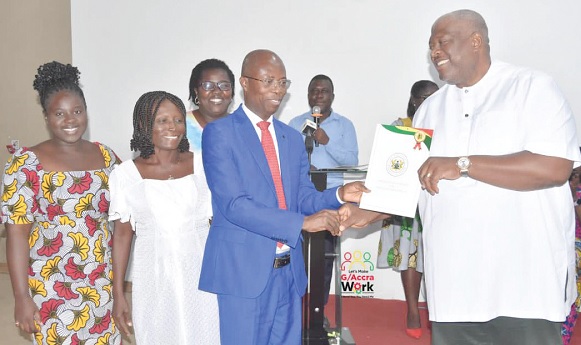
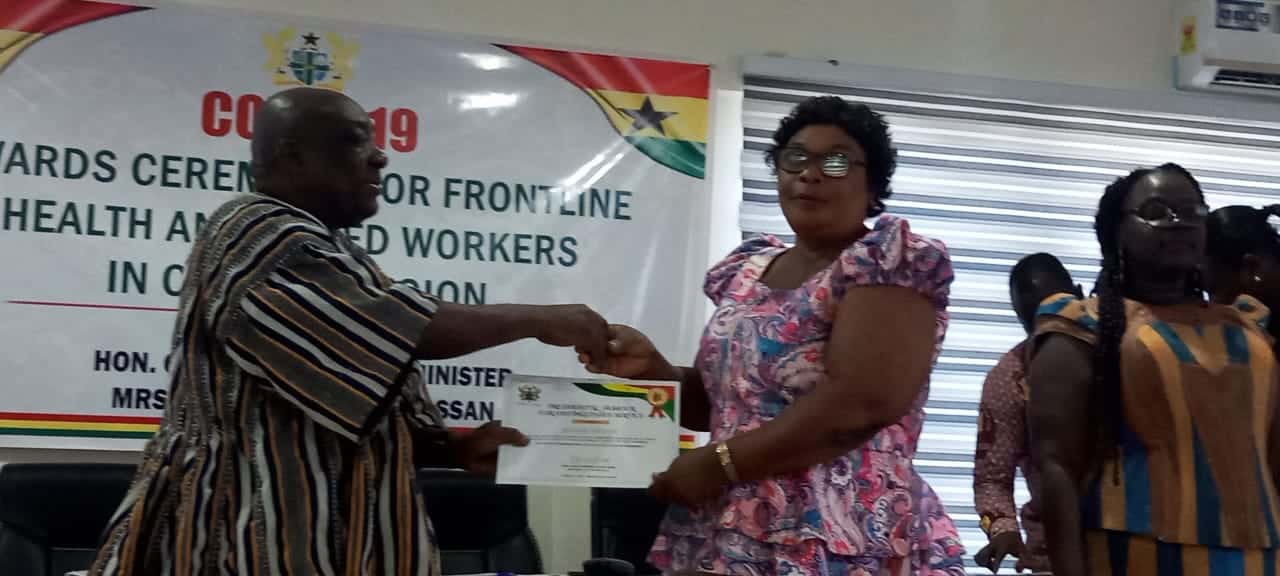
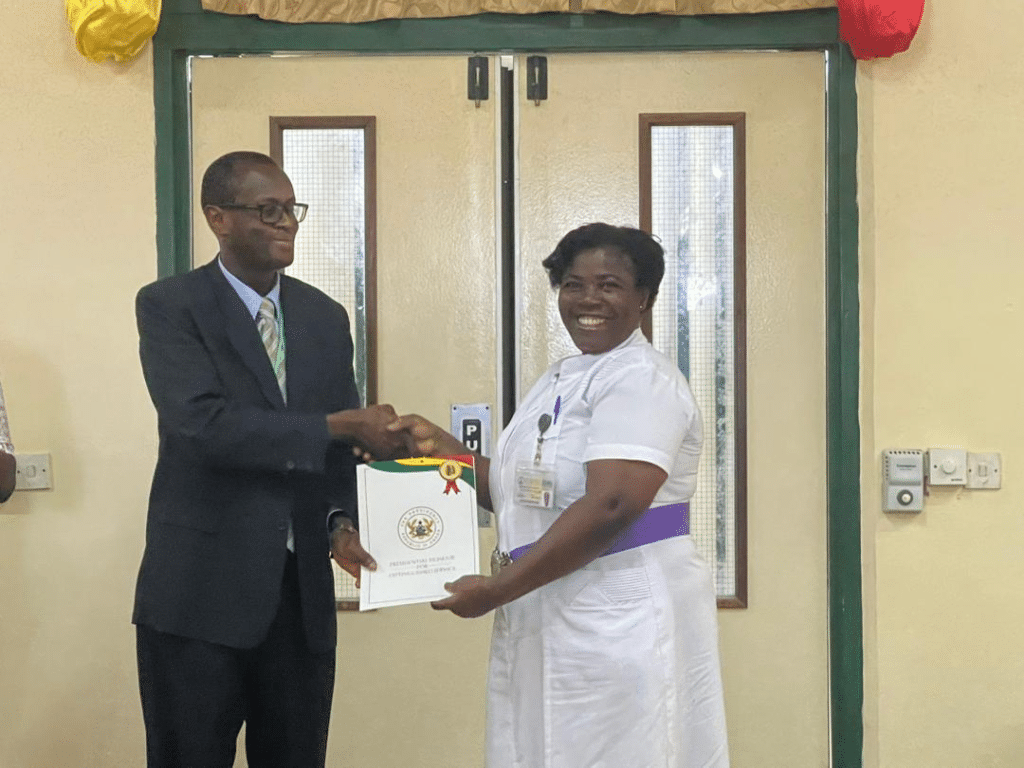
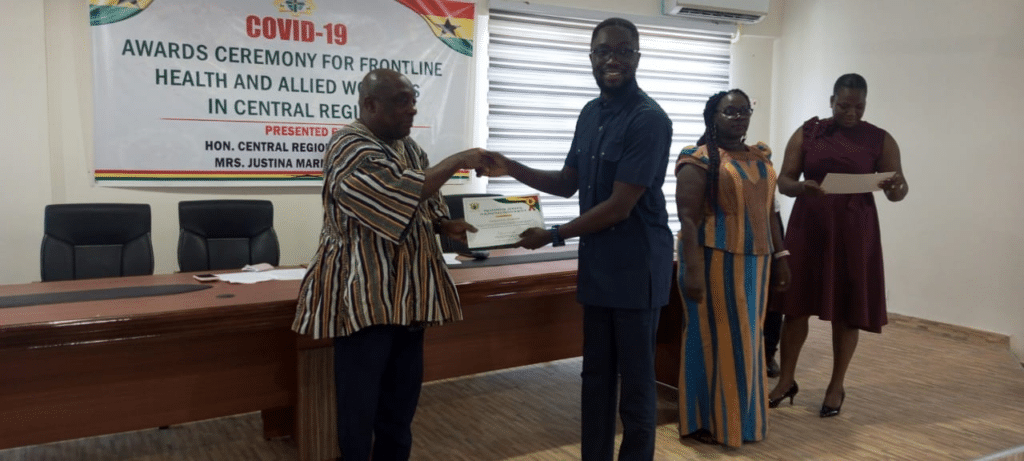
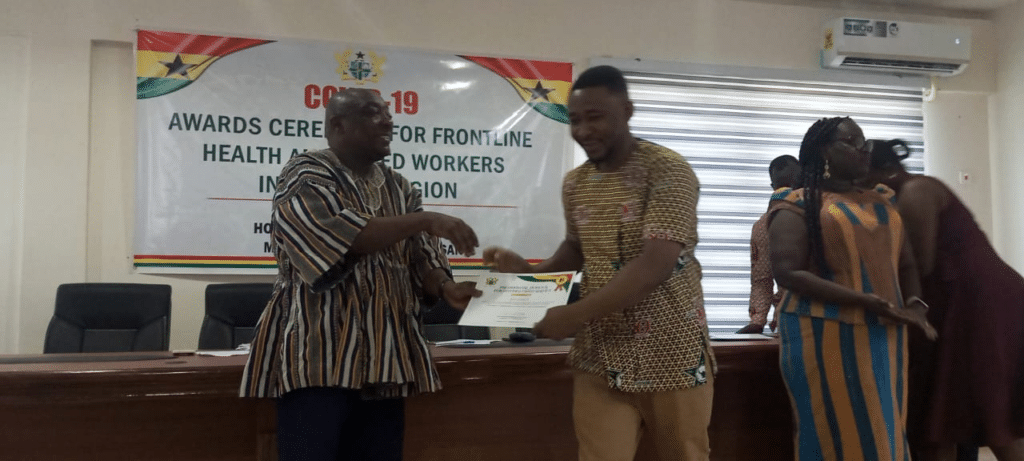
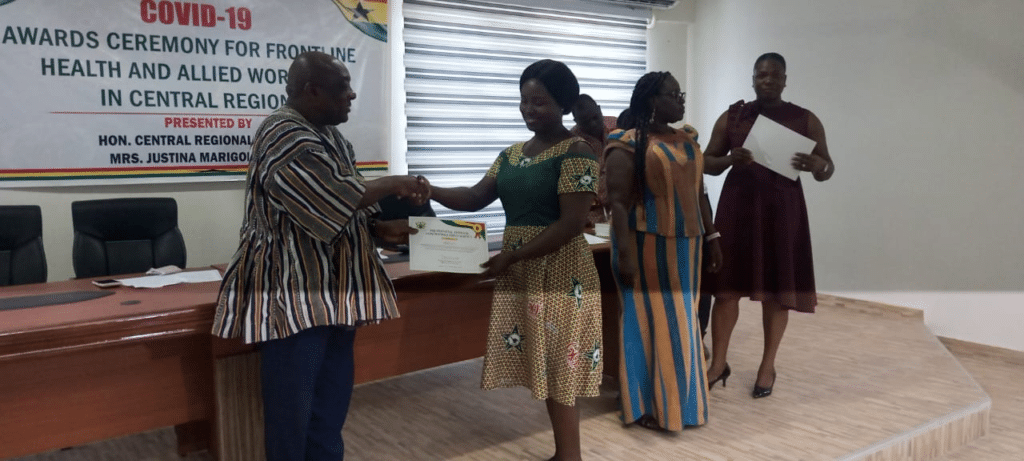
The Greater Accra Regional Coordinating Council (GA/RCC) has acknowledged and honored 5,904 frontline healthcare workers for their significant contributions to combatting the COVID-19 pandemic within the region.
During a presentation event in Accra held yesterday, Henry Quartey, the Greater Accra Regional Minister, praised these workers for their unwavering dedication and unwavering commitment, both of which played a pivotal role in the successful implementation of measures aimed at containing the spread of the virus.
The objective behind the awards is to formally recognize and celebrate the endeavors of these workers during the pandemic. This recognition serves as an incentive for not only healthcare personnel, but also those in various sectors, by conveying that their diligent efforts are genuinely valued.
Among the honorees are individuals who served as contact tracers, drivers, researchers, disease control and surveillance teams, laboratory technicians, nurses, doctors, pharmacists, and buriers.
These individuals represented a diverse array of health and other institutions entrusted with spearheading the pandemic response efforts.
Reflecting on the region’s encounter with COVID-19, Mr. Quartey highlighted that it emerged as the primary hub of the pandemic within the nation, accounting for over 50% of all reported cases.
Consequently, this situation exerted excessive strain on healthcare facilities and staff, resulting in certain personnel exceeding their regular duties and stretching their capabilities to manage the pandemic effectively.
In response, the Regional Minister commended healthcare personnel and fellow citizens for their resourcefulness, innovation, and entrepreneurial spirit, which complemented the government’s efforts to contain the disease’s propagation.
“The period saw the invention and reinvention of tools, materials and processes to support the fight.
It also showed how together, we are able to achieve plenty.
“Our facilities were tested, our personnel were tested and our nation was tested, but we showed tenacity and resilience.
“At our worst, when some of the suburbs of Accra were locked down, notwithstanding the usual Ghanaian nature of flouting every rule, we survived the heat and men and women of the health profession were all out ensuring we overcame the pandemic,” Mr Quartey said.
He expressed gratitude to health professionals who contracted the virus and those who lost their lives in the line of duty and service to the nation, saying that they would be remembered forever.
“Through your hard work and dedication, and the commitment of the government, Ghana was among the first nations that received lots of commendation for the measures put in place to contain the virus and was thus part of the first countries to be declared best fighters against COVID-19. We are here today because of you.
The nation honours you today as a recognition of your unwavering fight to the pandemic,” Mr Quartey stated.
Director-General of the Ghana Health Service (GHS), Dr. Patrick Kuma-Aboagye, has revealed that collaborative efforts are being undertaken with various agencies to establish strategies that will better prepare the country for potential future outbreaks.
These strategies encompass bolstering infection prevention and control measures, ensuring the availability of essential medications, refining early warning systems, and enhancing overall public health responses.
Acknowledging the government’s recognition, Rev. Dr. Ebenezer Asiamah, the Chairman of the Greater Accra Regional Directors of Health, expressed gratitude while underscoring the lack of an insurance policy for healthcare workers. He emphasized that this absence serves as a demotivating factor for health workers, who face diverse risks while delivering their services.
Rev. Dr. Asiamah urged the government to integrate health workers’ perspectives into the formulation of national policies and create an environment that encourages health professionals to willingly serve in rural areas.
The oxygen any economy could have relied on before COVID-19 struck the country, according to Ghanaian economist Dr. Nii Moi Thompson, was destroyed by Finance Minister Ken Ofori-Atta.
He claims that before the epidemic, important economic sectors of Ghana, including as the financial industry, which is the lifeblood of any country, were not properly established.
“He blames Covid and the Ukraine war for his mess, but the facts say otherwise. Long before Covid, in November 2019, when he presented the 2020 budget to Parliament, he prophesied a steady decline in GDP growth from 7.0% in 2019 to as low as 4.6% in 2022, followed by a weak recovery to 6.5% in 2023.”
“This grim outlook reflected the consequences of his vindictive and ruinous policies since 2017, including the wanton destruction of the financial sector – the source of oxygen for any economy – which shrank by an average of nearly 12% per year, and the very dynamic construction sector, which declined by 6.5% by the end of 2019, fuelling unemployment. Growth in other sectors either slowed or also declined. The economy was heading for the doghouse long before the world heard of Covid,” Mr. Thompson has said in a statement.
In response to the mid-year budget review presented in Parliament by the Finance Minister, critics of the economic policies expressed their dissatisfaction, stating that the Minister has turned the exercise into a comical display of incoherent biblical quotations.
“And whilst Covid did stagger the economy and put a strain on government finances for most of 2020, it also became a financial bonanza for the government, which raised nearly GH¢28 billion (not the GH¢21.8 billion in the Auditor-General’s report) to fight the pandemic. (The report omitted the GH¢5.8 billion, or US$1 billion, that the IMF gave the government in 2021, in addition to the US$1 billion (GH¢5.6 billion) given in 2020). (Combined tax revenue shortfall in 2020 and 2021 was GH¢5 billion).
“Of the GH¢28 billion, nearly GH¢12 billion (about 43%) “was spent on Covid-related activities”, according to the report, with the remainder going to the nebulously named “budget support,” which could mean anything.
“The positive impact on the economy – and the budget – of all that money is yet to be felt. Rather, the government has followed the IMF’s crazy advice and imposed more taxes and raised the rates for others, ostensibly to “revitalise” the economy and “mobilise revenue”. The woman roasting plantain by the roadside would tell you this is madness, and it is, as reflected in the minister’s gloomy economic prophecy for 2023.”
Finance Minister Ken Ofori-Atta has revealed that the government’s efforts to address the effects of COVID-19 and the prevailing economic difficulties have successfully stabilised exchange rates, moderated inflation, and reduced interest rates.
During his presentation, the Finance Minister attributed the accomplishments to the government’s ongoing fiscal adjustments.
He indicated that these fiscal adjustments have significantly improved the ailing economy.
“Mr. Speaker, the implementation of ongoing fiscal adjustments and sustained investments in our people have contributed immensely to the stabilisation we are seeing in the economy. Exchange rate has stabilised, inflation has softened, and interest rates have declined since December 2022, and private investments have been announced due to increased investor confidence in our economy.”
He intimated that he and the government remain committed to working to sustain the improvement in the economy to ensure that prices of goods and services are within the budget of citizens.
“Ordinarily, Mr. Speaker, these positive trends should ease the burden on our pockets. As a Finance Minister and a family man myself, I will continue to work hard to build and sustain a favourable macroeconomic environment, and remain confident that the prices of goods and services would reflect the trend for all of us – for our families and enterprises.”
Mr. Ofori-Atta further hailed the government’s domestic debt exchange programme which he said provided “the government with increased fiscal flexibility and addressed cash and other liquidity constraints. Once again, we are grateful to all investors who participated in this exchange.”
A man who claims to be the first to have been to every nation on earth without taking a single flight or turning around to go home has finished his journey.
In his native Denmark’s harbour city of Aarhus, 44-year-old Torbjorn “Thor” Pedersen says he has just completed a 10-year voyage around the world that was totally completed by rail, bus, boat, and foot.
“I’ve been dreaming about coming back home and having it over with and done,” he said, describing his arrival as “bittersweet.” The day is over, then. I’m concerned about the future at the same time.
He said, “There are many things in the air and the unknown, mixed emotions.”
On October 10, 2013, Mr. Pedersen, who had previously worked in shipping and for the UN as a peacekeeper, left.
Had the pandemic not kept him in Hong Kong for two years, his voyage may have taken less time.
I figured it would take a total of no more than four years, maybe three and a half if I went a little quick, he added.
Le Gjerum, who flew out to see him and travel with him about 30 times during his journey, and he also kept up a long-distance romance.
Due to COVID-19, Ms. Gjerum, who is now his wife, said she admired her husband’s resilience but was looking forward to starting a “daily life together.”
According to the Guinness Book of World Records, Graham Hughes, a British citizen, was the first person to travel to every nation without using an aeroplane; however, unlike Mr Pedersen, Mr Hughes made two home visits while on his journey.
Not all records have been broken this year, though.
Heidi Crowter, a resident of Coventry in the West Midlands, set a Guinness World Record earlier in June by recalling the birth dates of 70 celebrities in less than 180 seconds.
The Down’s syndrome-afflicted 27-year-old said: “I am feeling very proud of myself.” I have been writing a birthday list and practising a lot because I love to share my delight of birthdays with other people.
The oldest living dog in the world, Bobi, celebrated his 31st birthday with 100 guests a month earlier at his owner’s property in Portugal.
For the second time in 13 years, a woman in the US broke the record for the largest natural afro in April.
A state-of-the-art medical waste treatment facility has been officially commissioned at Akrofu-Agorve near Ho in the Volta Region.
This facility, the second of its kind in the country, has been established to collect and treat hazardous healthcare waste, including used syringes, blood-stained materials, pathological waste, COVID-19-related waste, and vaccination waste.
Realized through a Public Private Partnership (PPP), the multimillion-dollar plant is equipped with a cutting-edge microwave treatment component capable of processing 10,000 kilograms of medical waste daily.
The facility’s advanced technology allows for the recycling of the waste, adding value to the process.
Importantly, the treatment method employed is non-incineration, ensuring that no atmospheric pollutants are released during the process, thus promoting environmental safety.
Additionally, the facility boasts a cold room for proper waste storage and specialized waste trucks for transporting medical waste from various healthcare facilities in the region to the treatment site.
Addressing attendees at a durbar prior to the official opening ceremony, the Regional Minister, Dr. Archibald Yao Letsa, emphasized that the establishment of the treatment plant reflects the government’s strong commitment to achieving the third and 17th Sustainable Development Goals (SDGs) which focus on health and well-being, and partnership, respectively.
He urged all medical and health facilities generating medical waste to utilize the facility and also expressed confidence in the proper management of the facility by the subsidiary of Jospong Group of Companies responsible for its operations.
The Executive Director of Environment and Sanitation Group (Processing Cluster) of Jospong Group of Companies, Haida Said, highlighted that the plant would create 200 direct and indirect employment opportunities for the local community.
Utilizing advanced technology, recycling capabilities, and adherence to environmental and safety standards, the facility is making significant contributions to both national and international sustainability goals.
The Ho Municipal Chief Executive, Divine Bosson, added that the establishment of the facility further enhances Ho’s reputation as the ‘Oxygen City of Ghana.’
The Paramount Queen of the Akrofu Traditional Area, Mama Nyabor VII, expressed pride in the waste treatment plant, stating that it has elevated the status of the community. She called for prompt attention to fixing the roads to Akrofu to ensure the smooth and effective functioning of the plant.
Among the dignitaries present at the commissioning ceremony was the Deputy Minister of Health, Mahama Asei Seini.
The facility is set to play a crucial role in safe and eco-friendly medical waste management, contributing to public health and environmental sustainability in the region and the country as a whole.
Head of the Expanded Programme on Immunisation (EPI), Dr Kwame Amponsah-Achiano, has stated that there is an urgent necessity for increased awareness about COVID-19 at this time.
According to him, this is because the pandemic remains prevalent in society, contrary to the widespread belief that it has been completely eradicated.
Speaking in a video clip shared by UTV Ghana on Twitter, Dr. Amponsah-Achiano said that there is the need for people to still be cognisant of the preventive measures for the disease.
“COVID is not a disease that is gone. It has come to stay and that is something we must accept but rather protect ourselves from it. And I keep saying that it is when there is no sickness or disease that its protection is most important,” he said.
There is an ongoing COVID-19 vaccination exercise for citizens of the country.
It was earlier reported that the Ghana Health Service had announced that it will begin its 7th National COVID-19 Vaccination Exercise from Wednesday, July 19, 2023.
The exercise is expected to end on Sunday, July 23, 2023.
According to a tweet by UTV, this exercise is aimed at immunising about one million persons.
So far, 10 million people out of the more than 30 million population in the country have fully received the vaccines.
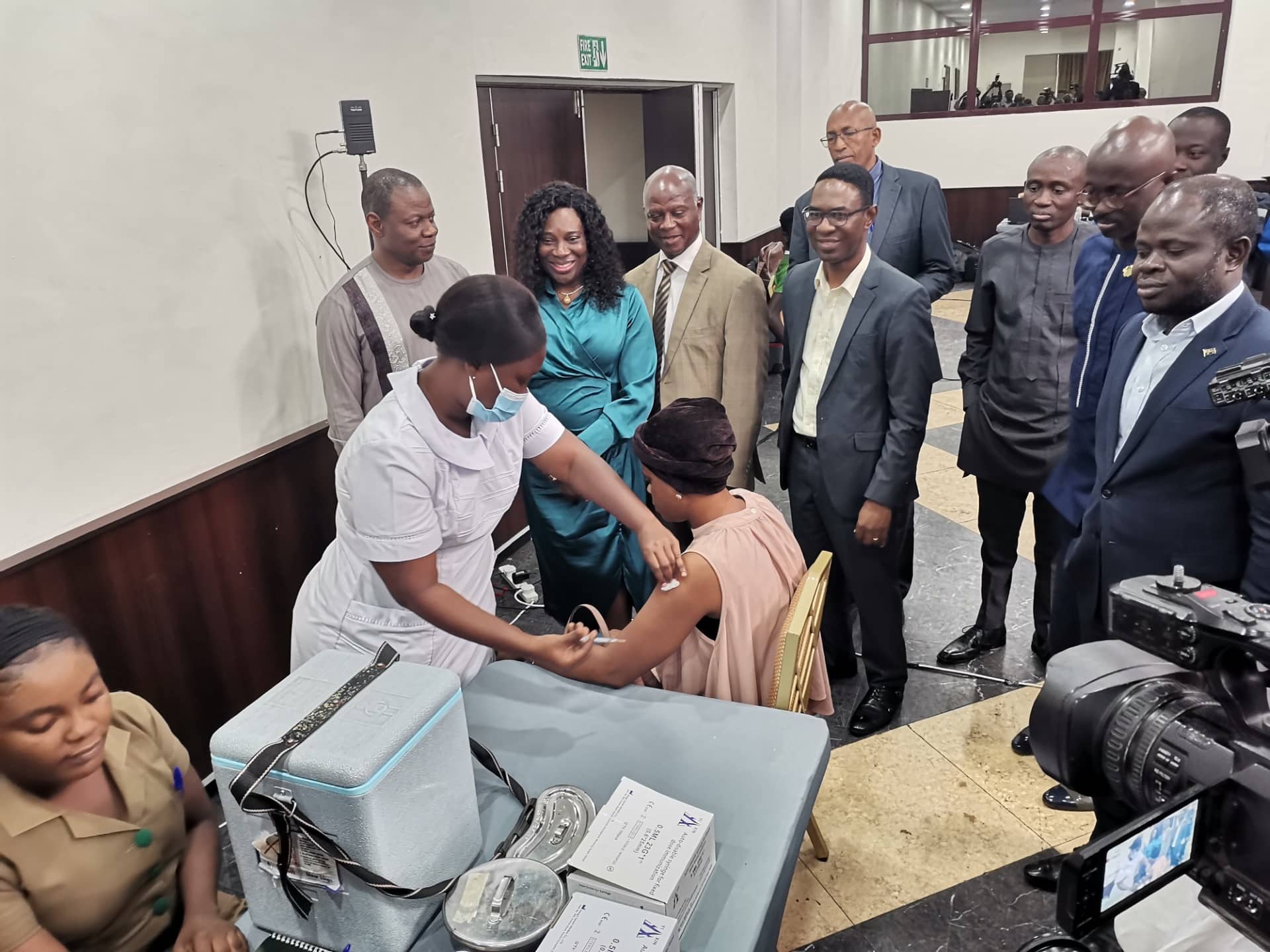
The Ghana Health Service (GHS) initiated a five-day vaccination campaign on Tuesday aimed at boosting the uptake of COVID-19 vaccines throughout the country.
The campaign, spanning from Wednesday, July 19 to Sunday, July 23, 2023, aims to ensure that Ghana achieves the required vaccination target to safeguard the well-being of its citizens.
Additionally, the objective is to incorporate this vaccination effort into the country’s routine immunization program.
During the launch of the 7th National COVID-19 vaccination campaign, Dr. Patrick Kuma-Aboagye, the Director General of the GHS, highlighted the importance of vaccinating the population despite the World Health Organization’s declaration that the pandemic no longer posed a public emergency concern.
Dr. Kuma-Aboagye emphasized that the disease still prevails, emphasizing the need to administer vaccines to protect the population.
“This declaration does not mean that the COVID-19 pandemic is over, what it means is that under the International Health Regulations, the management of the pandemic is taking a different approach, integrating COVID-19 into existing health delivery mechanisms,” he said.
“The WHO, therefore, recommends that countries maintain efforts to increase COVID-19 vaccination coverage for all persons to maintain the gains made in our fight against the disease,” he added.
Dr. Kuma-Aboagye acknowledged the positive outcomes of the national vaccination campaign that commenced on March 1, 2021. However, he emphasized the importance of further efforts to increase the number of vaccinated individuals in order to attain herd immunity.
Expressing concern, Dr. Kuma-Aboagye highlighted that nearly 70 percent of the Ghanaian population remained unvaccinated. He emphasized that until every Ghanaian received the COVID-19 vaccine, the entire population would still be at risk. This warning underscores the imperative of ensuring widespread vaccination coverage to safeguard the health and well-being of all citizens.
“As of yesterday, nearly 26 million doses of COVID-19 vaccines had reached almost 14 million persons, out of which 10 million persons are fully vaccinated,” he said, noting that though the figure represented about 59 per cent of the target, “the county was still far from achieving its national target.”
“This means the whole population still stands a risk of a likely event of new variants as COVID-19 remains extremely unpredictable.”
Professor Francis Kasolo, the WHO Country Director, highlighted the uncertain trajectory of the pandemic and the ongoing transmission of the Omicron variant, posing a risk to vulnerable populations such as the elderly, individuals with underlying medical conditions, healthcare workers, and pregnant women.
He stressed the importance of prioritizing population immunity through vaccination, particularly among high-priority groups as recommended by the strategic advisory Group of Experts.
Dr. Kwame Amposa-Achiano, a public health physician, emphasized the unpredictable nature of the virus and the necessity of continuous campaigns and effective communication to emphasize the importance of vaccination.
He disclosed that the Johnson & Johnson vaccine would be available for the campaign, and individuals aged 18 and above were eligible to receive the vaccine. Each vaccination team member was expected to administer a minimum of 40 doses during the campaign.
Dr. Amposa-Achiano underscored the need for the vaccination campaign to be accompanied by the continuation of COVID-19 safety protocols. He called upon stakeholders, partners, traditional leaders, and the media to support and contribute to the success of the campaign.
Approximately 76 percent of the target population has received at least one dose of the vaccine, with 59 percent having completed the primary vaccination series. The objective of the seventh vaccination campaign is to administer one million doses within a span of five days.
Nearly 53,000 health workers and volunteers have been deployed nationwide for the campaign, comprising 5,000 vaccination teams and over 1,000 supervisors operating at the national, regional, and district levels.
The Ghana Health Service (GHS) has announced that the 7th National COVID-19 Vaccination Days (NaCVAD-7) will take place from tomorrow, Wednesday, July 19 to Sunday, July 23, with the goal of immunizing a million individuals.
According to the Service, 10 million people out of the country’s more than 30 million inhabitants have fully got the immunizations, with the remainder yet to be vaccinated or undergo complete vaccination.
Dr. Patrick Kuma-Aboagye, Director-General of the Ghana Health Service, stated at a news conference to kick off the statewide exercise that the virus exists despite rumors to the contrary.
“As you may recall on the 5th May 2023 the WHO Director-General through the advice of the international health regulatory emergency committee determined that COVID-19 was now an established and ongoing health issue and which will no longer constitute a public health emergency of international concern. He did not say that COVID-19 is no more,” he said.
Meanwhile, the World Health Organization (WHO) country representative, Dr. Argata Guracha Guyo, pledged to assist Ghana in achieving herd immunity against COVID-19.
African leaders has initiated the mid-year African Union summit, focusing on economic integration and urging international financial system reforms.
Deputy Secretary-General of the United Nations, Amina Mohamed, highlighted Africa’s disproportionate suffering amidst the ongoing global crises caused by the COVID-19 pandemic.
“Unmet commitments by the international community to financing climate action and inadequate humanitarian responses, have further aggravated the obstacles to the efforts made by Africa and its leaders, to implement Agenda 2063,” she said.
Amina Mohamed stated that the UN supports African leaders’ plea for more resources allocated to their economies through the International Monetary Fund (IMF), an institution criticized by various African leaders.
Kenyan President, William Ruto, alongside other leaders, called for reforms within the World Bank and IMF. He emphasized the unfairness of the global debt system, which burdens African countries with payment obligations eight times higher than wealthier nations due to perceived risks.
”We are not asking for charity. We must have equality in the international system,” Ruto said.
Babies born during the COVID-19 lockdown period are experiencing a setback in their communication skills due to limited social interactions, according to a recent study. The findings shed light on the potential long-term impact of pandemic-related restrictions on early childhood development, raising concerns about the developmental consequences faced by this generation of infants.
A recent investigation by the Royal College of Surgeons in Ireland (RCSI) has explored the experiences of infants born during the pandemic and their subsequent health and developmental implications. The study has found that two-year-old babies born during the COVID-19 era exhibit comparable behavior and developmental patterns to those born prior to the pandemic’s onset.
It indicated that the pandemic born babies had certain communication skills lagging compared to babies born before the lockdown.
The research team led by Susan Byrne, Senior Lecturer at the RCSI, and Jonathan Hourihane, the RCSI’s professor of paediatrics indicated that, the research focused on babies born in the first three months of lockdown and compared with a similar group of babies born before the pandemic. A total of 354 families and their babies were involved in the study.
“We wanted to understand what life was like for babies born during the pandemic, and what it might mean for their general health and development,” Byrne told the Observer.
The research discovered that these babies of six months, had limited interaction with relatives and family friends, with an average of only three individuals, including their parents, having kissed them.
Additionally, a quarter of the babies had not met another child their age by their first birthday.
Parents, when asked about raising children during the lockdown, Byrne, indicated that most of them described it as a feeling of loneliness and isolation.
However, the study also revealed that family time and bonding increased during this period.
Babies born during the pandemic probably heard fewer words because they were not getting out of their houses, and this may have led to their slightly lower communication scores compared with those of children born earlier.
Nevertheless, the study showed no overall decline in other developmental aspects such as motor skills and problem-solving abilities. Questionnaires filled out by parents indicated no differences in their children’s behaviour regarding sleep problems, anxiety, or social withdrawal.
“Covid restrictions ended quite a while ago, and babies have been out and about doing normal activities, meeting other people, going to play groups. And you’d hope that the findings would settle by the age of five – but we need to find out conclusively if that is really the case,” Bryan indicated
The research team plans to extend the study, following the babies until they reach school age at five years old. This will provide further insights into the long-term effects of the pandemic on their development.
Interestingly, the relatively encouraging conclusions of this Irish study contrast with the academic performances of older children. Recent data from England revealed that primary school pupils continue to perform below pre-pandemic standards in mathematics, writing, and reading.
Standard assessment tests (Sats) taken at the end of primary school indicated a slight improvement compared to the previous year, but the results remained significantly behind those from 2019. The figures showed that less than three-fifths of pupils are reaching the expected standard in reading, writing, and math, falling short of the government’s target of 90% by 2030.
The challenges faced by children during the pandemic, including limited social interaction and disrupted education, have had a lasting impact. The need for adequate support and resources to facilitate educational recovery becomes increasingly apparent.
Individual stories, such as that of Alex Thomas, whose children have faced speech and language challenges, highlight the personal struggles experienced by families. Access to appropriate therapies and support services remains crucial in addressing these issues.
Understanding the long-term effects of the pandemic on child development is of paramount importance. Continued research and comprehensive support will be essential in helping children overcome any setbacks and thrive as they grow older.
President Akufo-Addo has honored 400 frontline healthcare professionals at the Cape Coast Teaching Hospital (CCTH) for their exceptional dedication and hard work during the COVID-19 pandemic in Ghana.
The awards serve as a token of appreciation for their tireless efforts in battling the outbreak. Among the recipients were healthcare workers from different departments of the hospital, including non-medical staff.
They received a certificate each with citations signed by President Akufo-Addo which read in part, “Your fervent and remarkable sacrifices will always be remembered.”
At a short ceremony to award the workers, the Medical Director of CCTH, Dr Stephen Laryea applauded the health workers for the good job done and encouraged them to do more to improve healthcare delivery.
He underscored the challenges, lessons and successes chalked as a teaching hospital during the pandemic and congratulated all awardees for their commitment.
Dr Laryea urged all health workers to put in their best in executing their duties and ensure that patients’ wellbeing was their priority.
Despite the emergence of COVID-19 as a significant public health issue, the hospital was fortunate to have a newly constructed infectious disease center, which is currently at approximately 85 percent completion.
Dr. Salifu Bawa, the District Director of Health for Twifo Hemang Lower Denkyira (THLD), who was among the awardees, expressed deep gratitude to President Nana Akufo-Addo for acknowledging and appreciating their collective efforts during these challenging times.
He appreciated the management of CCTH for their support towards improving healthcare in Central Region and beyond.
Dr Bawa advised young and vibrant health workers to be motivated by the awards and work hard to fulfill their mandate to the Ghana Health Service and humanity.
All awardees expressed gratitude to the President and pledged their commitment to ensuring quality healthcare delivery in the country.
400 frontline health workers at the Cape Coast Teaching Hospital (CCTH) has been honored by President Akufo Addo for their exceptional service during the COVID-19 pandemic.
The awarded health workers, from diverse departments, including non-medical staff, recognized for their exceptional leadership, passion, commitment, and sacrifice in saving lives during the pandemic.
During a brief ceremony, President Akufo-Addo presented each health worker with a certificate, featuring a citation expressing gratitude for their enduring and noteworthy sacrifices. The citation, signed by the President, acknowledged their unwavering commitment and stated, “Your fervent and remarkable sacrifices will always be remembered.”
Dr. Stephen Laryea, the Medical Director of CCTH, commended the health workers for their outstanding work and urged them to continue striving for excellence in healthcare delivery.
Dr. Stephen Laryea emphasized the difficulties, valuable experiences, and achievements that the teaching hospital encountered during the pandemic. He extended his congratulations to all the awardees for their unwavering dedication.
Furthermore, Dr. Laryea urged all health workers to remain devoted to their duties and prioritize the well-being of their patients. He encouraged them to give their utmost in delivering quality healthcare services.
Despite the challenges posed by the COVID-19 pandemic, the hospital was fortunate to have a newly constructed infectious disease center, which is nearly 85 percent complete. This facility has greatly supported the hospital’s response to the public health crisis.
Dr. Salifu Bawa, the District Director of Health for Twifo Hemang Lower Denkyira (THLD) and one of the awardees, expressed gratitude to President Akufo-Addo for acknowledging and appreciating their efforts. He also acknowledged the management of CCTH for their continuous support in enhancing healthcare not only in the Central Region but also beyond.
Dr. Bawa advised young and enthusiastic health workers to be inspired by the recognition and strive to fulfill their responsibilities to the Ghana Health Service and the well-being of the people they serve.
All the awardees expressed their appreciation to the President and pledged their unwavering commitment to ensuring the delivery of high-quality healthcare services in the country.
Based on recent study, maternal mortality rates in the US have doubled over the past 20 years, with black moms experiencing the greatest rates of death.
According to a research published in JAMA, American Indian and Alaska Native women experienced the most increases.
The study indicated that among all racial and ethnic groupings, maternal death rates were higher in southern states.
Maternal mortality is defined as passing away during pregnancy or up to a year later.
In 1999, there were an estimated 12.7 deaths per 100,000 live births and in 2019 that figure rose to 32.2 deaths per 100,000 live births in 2019, according to the research, which did not study data from the pandemic years.
Unlike other studies, this one examined disparities within states instead of measuring rates at the national level, and it monitored five racial and ethnic groups.
Dr Allison Bryant, one of the study’s authors, said the findings were a call to action “to understand that some of it is about health care and access to health care, but a lot of it is about structural racism”.
She said some current policies and procedures “may keep people from being healthy”.
Black women had the highest median maternal death rate per 100,000 live births, which had tripled in some north-eastern states over 20 years, the research found.
“Often, states in the south are called out as having the worst maternal mortality rates in the nation, whereas California and Massachusetts have the best. But that doesn’t tell the whole story,” Dr Bryant said.
“It’s essential to look at the disparities between populations that exist even in the ‘best’ states.”
While southern states had the highest maternal mortality rates for any demographic, figures showed they were especially high for black women.
The study found Midwest and Great Plains states had the highest death rates for American Indian and Alaskan Native women.
Missouri Governor Mike Parson recently signed a budget bill that includes $4.4m (£3.47m) for a maternal mortality prevention plan.
Maternal mortality rates for black women have long been an issue across the socioeconomic spectrum.
US Olympic champion sprinter Tori Bowie died in May from childbirth complications at the age of 32, her agent said.
Common causes of death within a year of pregnancy include mental health conditions, excessive bleeding, cardiac conditions, pregnancy-related high blood pressure, infections and blood clots, according to the US Centers for Disease Control and Prevention.
The JAMA study had some limitations – the researchers did not always have access to the cause of maternal death information and the way maternal deaths are recorded on death certificates changed in the US during the course of this study.
Dr Bryant said that if they were to study the years after 2019, during Covid-19, there would be a “continued increase in the risk of maternal mortality across all populations”.
Since 2017, the Ghanaian government has allocated over GH¢800 million to bolster and foster the growth of the micro, small, and medium enterprise (MSME) sector, as disclosed by the Chief Executive Officer (CEO) of the Ghana Enterprises Agency (GEA), Kosi Yankey-Ayeh.
This significant investment has positively impacted more than 900,000 MSMEs nationwide, playing a vital role in driving the country’s economic progress and prosperity, especially during the challenging times of the global economic downturn triggered by the COVID-19 pandemic and the Russia-Ukraine conflict.
“Beneficiaries have seen their businesses develop and their communities benefit from the positive impact they have had. These successes mean that we cannot rest on our oars; we must work harder to make many more dreams come to life,” Mrs. Yankey-Ayeh said.
She mentioned this at the 2023 MSME Day, which was under the theme ‘Building resilient and sustainable MSMEs to create one million jobs’.
Commenting on the theme, Mrs. Yankey-Ayeh assured that GEA will not relent in its quest to strengthen the capacity and competitiveness of MSMEs and maximise their contributions to the country’s economicand social development.
“As the apex government Agency mandated to promote and develop the MSME sector, we are proud of the role we play in supporting the MSME sector to grow; and we take pride in the fact that businesses are embracing and utilising all the support services we churn out for their continuous improvement and growth,” she stated.
“Your relentless efforts, entrepreneurial spirit and unwavering dedication have played a crucial role in driving Ghana’s economic growth and prosperity; and we ought to recognise and celebrate the immense contributions made by you, our MSMEs, in shaping our nation’s economic landscape,” Yankey-Ayeh added.
Over the years, the Agency through government has embarked on a number of initiatives with the objective of fostering an enabling environment for MSMEs to thrive. She stated that training and capacity-building programmes, business advisory and financial assistance have equipped MSMEs with the right tools to put them on a trajectory of growth.
“We will continue to do so to help them succeed long-term,” Yankey-Ayeh assured.
Thanks to partnerships with institutions including the Food and Drugs Authority and other regulatory bodies, the GEA said it has streamlined bureaucratic processes and reduced the constraints MSMEs face in mainstreaming and formalising their operations.
“We have always believed in helping MSMEs to thrive,” Mrs. Yankey-Ayeh said. “We understand the essence of providing them with access to financing, mentorship, training and networking opportunities. These are the building blocks of President Akufo-Addo’s entrepreneurial vision, and we believe by making these our guiding policies we will be able to help many entrepreneurs move from ideas to thriving businesses,” she added.
After entering a not guilty plea to accusations of cheating campaign contributors and squandering COVID-19 relief funds, embattled New York lawmaker and alleged fraudster George Santos appeared in court once more.
Indignant demonstrators who called him a “dog killer” met the humiliated lawmaker when he went to court on Friday.
Santos, a Republican who represents portions of Queens and Long Island in the House of Representatives, rose to fame after it was discovered that he had made up a significant portion of his biography and past.
In May, federal prosecutors charged Santos with seven counts of counts of wire fraud, three counts of money laundering, one count of theft of public funds, and two counts of lying to congress.
‘The allegations in the indictment charge Santos with relying on repeated dishonesty and deception to ascend to the halls of Congress and enrich himself,’ said Breon Peace, the US Attorney for the Eastern District of New York.
Santos pleaded not guilty to all charges, and called the investigation into his finances a ‘witch hunt.’
On Friday, he returned to court for another hearing for his trial’s discovery phase.
As he walked from his car into the courthouse, one protester shouted ‘dog killer!’ at the congressman.
The protester is believed to be Rich Osthoff, a disabled veteran who previously accused Santos of stealing money raised for his service dog’s veterinary care.
In the courtroom, Santos’s lawyers revealed they turned over more than 80,000 pages of documents during the discovery process.
Santos sat silently through the court proceedings. As he left the courtroom, he wished his prosecutors a ‘happy Fourth of July.’
The New York congressman is scheduled to return to court on September 7, just days before the next session of Congress begins.
Santos left the courthouse flanked by attorneys, carrying a miniature American flag. Osthoff could be heard in the distance again screaming: ‘You killed Sapphire George! You killed my dog!’
Santos did not acknowledge any of the protesters. He has not made any public statements since his appearance on Friday.
Santos continues to remain out of jail on bail.
He was released after his indictment when another party cosigned his $500,000 bond. Last week, the court publicly released his benefactors’ identities: his father, Gercino Dos Santos, and his aunt, Elma Santos Preven.
Three members of the Christ Embassy Church in Accra who were on trial for violating COVID-19 restrictions during a youth concert in 2021 have been acquitted and discharged by the Accra Circuit Court.
The court reached this decision after considering the Supreme Court’s ruling declaring the Imposition of Restrictions Act, 2020 (Act 1012), which formed the basis of the charges against them, as unconstitutional on April 30, 2021.
The accused individuals, namely Alex Asomani, Wilson Delali Agyemang, and Kumi Nutifafa, were arrested by the police and charged with conspiracy to disregard restrictions imposed on large religious gatherings and failure to comply with restrictions on religious bodies, including a maximum duration of two hours for services.
Amidst hearing of the case, a seven-member panel of the Supreme Court on May 31, 2023, unanimously declared Act 1012, as basis for them being charged as unconstitutional.
The court held that the said Act contravened the constitution as it allowed the President to declare a state of emergency and impose restrictions without the laid down procedure as stipulated by Article 31 of the 1992 Constitution.
“We hold that Act 1012 is inconsistent with Articles 21 and 31 in so far as it deals with matters that are ,more qualified for a declaration of a state of emergency , without recourse to Article 31. Article 31 is the gateway for dealing with public emergencies with such magnitude such as the COVID-19 pandemic.
“To the extent that Act 1012 contravenes Article 21, 31, 32, 58 (2) and 93(2) of the 1992 Constitution, we strike down Act 1012 as unconstitutional and therefore null and void,” the court held.
Following this, the counsel of the accused, Nanabanyin Ackon, filed an application arguing that since the apex had found Act 1012 as unconstitutional, it would be unlawful for his clients to be detained and charged on an nonexistent law.
“A nullified enactment is legally void and has no substance. It had no recognition or life under the law and that nothing can be founded on it, same shall collapse and no legal effect shall be given to it,” Mr Ackon submitted.
The Accra Circuit Court concurred with the counsel of the accused, thereby acquitting and discharging Alex Asomani, Wilson Delali Agyemang, and Kumi Nutifafa.
Matt Hancock, a former health secretary, has expressed his “profound regret” for each death brought on by Covid-19.
At the height of the pandemic, the UK was recording tens of thousands of deaths every day.
An investigation on how the government handled the pandemic and what may be learned from it is currently under progress.
Mr. Hancock expressed his regret for each tragedy that occurred when testifying today, saying, “I am profoundly sorry for the impact that it had.”
‘And I also understand why, for some, it will be hard to take that apology from me. I understand that, I get it.
‘But it is honest and heartfelt, and I’m not very good at talking about my emotions and how I feel. But that is honest and true.
‘And all I can do is ensure that this inquiry gets to the bottom of it, and that for the future, we learn the right lessons, so that we stop a pandemic in its tracks much, much earlier.
‘And that we have the systems in place ready to do that, because I’m worried that they’re being dismantled as we speak.’
For the families gathered outside the Inquiry – many who held photos of loved ones lost – Mr Hancock’s comments were deemed ‘disingenuous.’
Jean Adamson’s father Aldrick Adamson died of Covid-19 aged 98 in a care home in April 2020.
Ms Adamson, 59, said of the former health secretary: ‘He just hasn’t taken any responsibility whatsoever for his actions. It’s just essentially a self-serving exercise from him trying to save his own skin.’
Asked about Mr Hancock’s apology for those who died during the pandemic, she said: ‘He’s only sorry that he got caught. He happened to be the one in charge at the time, and he’s now being held accountable.
‘I felt it was disingenuous.’
The MP, who has sat as an independent since having the whip removed in November 2022, was directly rebuffed by one of the relatives outside the Inquiry when he approached them on his way out.
He walked up to Amanda Herring Murrell and started to tell her: ‘I just wanted to say I’m sorry’, before she cut him off and turned her back, saying: ‘Go away! Get your face out of it.’
Charles Persinger, who lost both his mother and wife to coronavirus one month apart in 2021, dressed as the Grim Reaper for the event and sarcastically shouted after Mr Hancock: ‘I’m a big fan of your work.’
During his questioning, Mr Hancock seemed to divert some blame to a lack of preparation done by those who came before him.
Doctrinal failures had ‘consequences’ in areas such as ‘stockpiles, testing, antivirals, contact tracing, and much more widely’ when Covid-19 struck.
He said that, instead of focusing on preventative measures like large-scale testing and contact tracing, the ‘attitude, the doctrine of the UK was to plan for the consequences of a disaster’.
Giving examples, he added: ‘Can we buy enough body bags?
‘Where are we going to bury the dead?
‘And that was completely wrong.’
He added: ‘The problem with the UK plan was that once we got to community transmission, it was wrongly assumed it wasn’t possible to stop the spread.’
Mr Hancock argued that the country needed to be prepared to lockdown early in future to stop a virus spreading, adding that to accept it will just pass between people is ‘implicitly an assumption and a decision that those most vulnerable to it will be hardest hit’.
He said there are ‘costs of lockdown’ and ‘you’ve got to work out whether the impact of the virus is going to be worse than the cost of lockdown, and if it is going to be worse, as was the case with Covid-19, you’ve got to hit it hard and very, very early.’
The Government’s ‘VIP Queue’ for personal protective equipment (PPE) contracts dominated headlines in early 2022.
Mr Hancock added that distinguishing between a flu pandemic and coronavirus pandemic was ‘second order’ when it came to stockpiling PPE.
He also said he asked for more information on pandemic preparedness – in particular vaccine manufacturing in the UK – when he started his role at the Department of Health and Social Care.
Examining a ‘day one high-level briefing’, he said he recalled asking for more detail on emergency preparedness.
Mr Hancock said: ‘I wanted to know about the department’s preparation and its planning processes,’ he told the public inquiry.
‘And I recall receiving a note, I think it was in August 2018, and continued to ask questions.
‘For instance, one of the areas that I pushed hard on was the lack of UK domestic vaccine manufacturing given the importance of a vaccine to responding to any pandemic.
‘And that was an area that I worked on intensively up until the pandemic struck and, obviously then, thereafter, so this was a programme of work for me, on which I iterated with the with the team.’
The UK Covid-19 Inquiry has been set up to examine the UK’s response to and impact of the pandemic, and learn lessons for the future.
Mr Hancock also admitted there was a ‘colossal scale of failure’ in the assumption that the spread of disease cannot be stopped.
He told the Covid inquiry: ‘There’s an irony there as well which is that we were dealing with a live ebola epidemic, with the potential threat that would come to this country as a pandemic.
‘And yet at the same time the paperwork was all focused on a flu pandemic.
‘So the theory written down in these strategies was actually not what was playing out in the day-to-day practice of infectious disease management that we were undertaking as a department and the PHE was undertaking.’
Hugo Keith KC, lead counsel to the inquiry, replied: ‘But Mr Hancock, it’s not just a question of irony, is it? These failings materially hampered the United Kingdom’s ability to prevent death.’
Mr Hancock said: ‘The central failing that hampered the UK’s response common with the rest of the Western world, was the refusal and the explicit decision that it would not be possible to halt the spread of a new pandemic – that is wrong and that is at the centre of the failure of preparation.
“I know that because I was the person responsible, as the category one responder, when this pandemic struck, and all of the other considerations are, are small, important but small compared to the colossal scale of failure in the assumption that it will not be possible, and the lack of ambition, in the assumption that you can’t stop the spread of a disease. We can.’
In order to stabilise the economy, the government has promised that the structural and financial reforms it has planned won’t result in job losses.
TheInternational Monetary Fund has approved the government’s Post-COVID-19 Plan for Economic Growth (PC-PEG), which includes changes to jump-start the economy.
Finance Minister Ken Ofori-Atta said during a press conference on Sunday, June 18, that the reforms are not intended to result in job losses but rather to enhance the economy.
“We expect multilateral support of about US$2.0 billion for 2023 and US$6.2 billion between 2023 and 2026.
We expect the World Bank to provide a total support of US$1.6 billion whilst the AfDB provides a total support of US$200 million over the programme period.
In addition, we expect to mobilize catalytic funding of US$30 million in 2023 and US$330 million between 2023 and 2026 from bilateral creditors.”
“Government intends to invest these resources to advance macroeconomic stability and shared economic growth.
Government is very intentional in ensuring that growth and job creation are not sacrificed in the process of restoring macroeconomic stability and debt sustainability.
Specific interventions to support the economic recovery process include: improving the business environment, reducing the cost of doing business and enhancing export competitiveness,”Mr. Ofori-Atta added.
The Minister further stated that the government is poised to collaborate with its external partners and other government agencies to attract significant private capital to complement its efforts.
“While aggressively mobilising domestic revenue, we remain focused on mobilising complementary sustainable external resources for our recovery and reform efforts to build the resilience that will promote shared prosperity for our people, while protecting and improving the lives of our more vulnerable population.
A special collaborative effort between the Ministry of Finance, Ministry of Trade, Ministry of Agriculture and GIPC will be part of the programme on the thematic working group on growth to attract significant private capital.”
President Akufo-Addohas presented letters of commission to six new envoys, instructing them to promote investments for Ghana’s economic recovery agenda.
The six, all career diplomats, include the immediate past Director of State Protocol, Mr Samuel Yao Kumah, High Commissioner to Australia, Ms Doris Adzo Denyo Brese, Ambassador to the Czech Republic, and Mr Mohammed Habib Iddris, Ambassador to Kuwait.
The others were Mr Kingsford Amoako, Ambassador to Liberia, Mr Mark Michael Entsie, Ambassador to Libya and Mr Alex Wiredu Adu, Ambassador to Niger.
At a ceremony at the Jubilee House, Accra, President Akufo-Addo, after administering the Oaths of Allegiance, Secrecy, and the official oath, congratulated the envoys on their well-deserved appointments.
With their over two decades of experience in the foreign service, he said he was confident that they would make Ghana proud.
The President told the envoys that their appointments had come at a particularly important moment, where all countries, including Ghana, are working to return themselves to a state of normalcy, following the devastating impact of the COVID-19 pandemic, whose effects were worsened by the Russian invasion of Ukraine.
He said the two events had brought to the fore the need for nations to strengthen and deepen alliances and cooperation because “no country can afford to go it alone…we either succeed together or perish together.”
“And this is where your work as High Commissioner and ambassadors would be needed most,” he stressed.
President Akufo-Addo saidGhana had begun the process of reviving its economy with the three-billion-dollar facility secured from the International Monetary Fund, to repair the country’s public finances that had taken a severe hit in very recent times.
“Whilst we continue to work on the medium to long-term structural changes that are the heart of our goal of creating a Ghana Beyond Aid, I am confident that with determination, hard work, unity and the proverbial Ghanaian sense of enterprise, we would succeed, we would make it and indeed, this too shall pass.
The President told the envoys that his administration’s unprecedented flagship initiative, the GH¢100 billion post-COVID-19 Ghana CARES Obaatanpa Programme geared to stabilise, revitalise and transform Ghana’s economy, must be the pivot around which they engaged the rest of the world.
They should, therefore, familiarise themselves with the objectives of the Programme, because they represented “our surest way out of the pandemic and would thrust Ghana back onto the path of progress and prosperity.”
“Each one of you must help and contribute to the success of the programme by facilitating amongst other things, as much foreign investment into the country as you can,” he implored.
President Akufo-Addo asked them to work with their host governments and multilateral stakeholders in the fight against armed conflicts, terrorism and violent extremism, the threats of climate change, and the illicit flow of funds from Africa.
He urged them to always promote the image of Ghana, whose reputation amongst the comity of nations continued to be high.
“You represent a country that as a result of the commendable conduct of the Ghanaian people, is regarded as one of the most stable on the African continent. It is a functioning democracy, governed by the rule of law, and respect for individual liberties, human rights, and the principles of democratic accountability.
“We are regarded as a beacon of democracy in Africa, you are the most visible symbol of our country out there. In all your actions, you must jealously guard our country’s image… I am confident this is a charge you would keep,” he said.
High Commissioner Kumah on behalf of his colleagues thanked the President for the opportunity to serve the country and for the confidence reposed in them.
“President Nana Addo Dankwa Akufo Addo has found it worthy and pleasing to appoint us as High Commissioner and Ambassadors. We are, therefore, deeply grateful to him for the appointment to serve this great nation.
“We pledge to do the utmost that merits the trust and confidence that the President of the Republic has reposed in us. In so doing, we will be guided by our core mandate to promote and protect the interest of Ghana and her nationals abroad to the best of our abilities so help us God,” he pledged.
Ghanaian politician and businessman, Kojo Bonsu, has revealed that he is considering to shutdown his businesses as a result of the country’s economic woes.
According to him, Ghana’s current economic climate is the most challenging he has witnessed in his lifetime.
“My businesses are struggling. I just had a meeting and I’m even going to close down,” he said.
Kojo Bonsu also urged the Akufo-Addo-Bawumia-led administration to desist from constantly blaming COVID-19 and the Russia-Ukraine War for Ghana’s impoverished state.
He said that he believes that the country’s economy was already in ruins before the aforementioned misfortunes struck.
“The most challenging? Yes. If you talk about Ukraine and COVID, before COVID, we had a lot of business problems. So, I wouldn’t see why government always talks about COVID and the Russia-Ukraine War.
“It’s the way they’ve handled things. They haven’t put their mouth where it fits. They haven’t cut their coat according to their size. Unnecessary expenditure has brought Ghana into this situation. They waste money, so, definitely, the citizens of this country may have problems,” he added.
The number of marriages in China last year was the lowest since public statistics have been kept, adding to a roughly 10-year downturn in matrimony that has corresponded with declining birth rates and sparked government worry about a demographic crisis.
According to information made public on Friday by China’s Ministry of Civil Affairs, there will be 6.83 million weddings in 2022. According to official media, it represents a record-low since 1986, when the ministry started disclosing figures, and is down roughly 10.5% from the 7.63 million marriage registrations in 2021.
The data reflects marriage during a year that was exceptionally difficult for Chinese citizens because to the government’s rigorous Covid-19 controls, which resulted in the closure of numerous cities and districts nationwide and numerous restrictions on daily life.
But it also extends what has been a steady decline in people choosing to enter into marriages since a 2013 peak, when more than 13 million couples tied the knot – nearly double the 2022 nuptials.
Falling numbers of marriages – and a marked decline in births – have garnered significant attention from authorities in Beijing amid expert predictions of a severe economic impact from a shrinking workforce and aging population.
China’s population shrankin 2022 for the first time in more than 60 years, with just 6.77 births per 1,000 people – the lowest level since the founding of Communist China in 1949. The country is now the world’s second most populous with its 1.4 billion people falling behind India, according to the United Nations.
Chinese officials see a direct link between fewer marriages and falling births in the country, where social norms and government regulations make it challenging for unmarried couples to have children.
Authorities have taken steps to try and reverse the decline, which comes amid financial pressures impacting China’s young adults, including high unemployment and the rising cost of living.
A sweeping crackdown by the ruling Communist Party on private industries from tech to education, as well as zero-Covid controls during the pandemic, have amplified these challenges.
The party’s stringent response to Covid-19 also crystallized simmering political frustrations among some young people, with the catchphrase, “We are the last generation” – a refusal to bear children into the rigidly controlled Chinese state – becoming a rallying cry during Shanghai’s punishing two-month lockdown last spring.
Changing gender norms and expanding career opportunities for women, as in other places in the world, are also widely seen as driving the marriage age higher and impacting attitudes about the institution.
That attitude shift is especially apparent among younger women, some of whom are growing disillusioned with marriage for its role in entrenching gender inequality, experts say.
A report on the new statistics in the state-run Global Times on Monday pointed to the rising marriage age, declining number of young people overall in China and the country’s gender imbalance as factors contributing to the latest decline, citing independent demographer He Yafu.
The average marriage age for first marriages was 28.67 years old in 2020, up from 24.89 years old a decade prior, according to census data.
Efforts from Chinese officials in recent years to reverse trends of falling marriages and births have yet to see results amid the looming economic and social issues at play.
Measures have included relaxing the sweeping policy that for decades controlled the number of children married couples could have, as well as attempting to find ways to incentivize childbirth and marriage.
When it comes to marriage, these have ranged from mass blind dating events held by the Communist Youth League – the party’s youth branch – to officials seeking to reduce the value of “bride price,” the amount paid to a prospective partner’s family that the government has suggested could be a barrier to marriage in rural China, where it’s more common.
Last month, the government-affiliated China Family Planning Association extended a 2022 pilot program advocating “a new concept of marriage and childbearing.”
The program – which was rolled out to 20 cities or municipal-level districts last year, with another 20 localities added this year – focuses on motivating young people to get married at a “proper age” and encouraging couples to share child-rearing responsibilities, officials have said.
The Ministry of Civil Affairs’ recent data release also showed a slight fall in divorce registrations, with 2.1 million couples divorced in 2022, down from 2.13 million couples the previous year.
China has mandated a 30-day “cooling-off” period for people filing for divorce since 2021, despite criticism that it could make it harder for women to leave broken or even abusive marriages.
China isn’t the only country facing the problem of falling birth rates and shrinking populations. In recent years, Japan and South Korea have also introduced measures to encourage births – such as financial incentives, cash vouchers, housing subsidies and more child care support – with limited success.
On Sunday night, Ugandan President Yoweri Museveni took to Twitter to confirm that he was still self-isolating, countering rumors circulating that he had succumbed to COVID-19.
After testing positive for the virus on June 7, President Museveni announced on the following day that he would be taking a period of “forced leave” to focus on his recovery.
“Greetings. It is now day five of my corona-status. Last night, I slept very well up to the 10th hour of the night (saa kumi za usiku – what the Europeans call 4am)”, the Ugandan leader said in a long Twitter post.
In an effort to combat the ongoing COVID-19 pandemic, President Yoweri Museveni urged the people of Uganda, particularly the elderly, to get vaccinated against the virus and also consider receiving booster shots.
Ugandans and, especially the Bazzukulu.
Greetings. It is now day 5 of my corona-status. Last night, I slept very well up to the 10th hour of the night (saa kumi za usiku –what the Europeans call 4am). This time, the dull headache was not there, nor was the mild throbbing… pic.twitter.com/Zikr4WjBbm
However, rumors circulating on Twitter in recent days falsely claimed that President Museveni had been moved to intensive care and subsequently passed away due to complications from COVID-19. These rumors are unfounded and should be disregarded.
While the World Health Organization (WHO) recently declared that COVID-19 no longer posed a global health emergency, it cautioned that the virus would continue to undergo mutations.
This emphasizes the importance of continued vigilance and adherence to preventive measures, including vaccination, to mitigate the spread and impact of the virus.
Ugandan President Yoweri Museveni has announced that he has tested positive for COVID-19 after one of three tests conducted on him came back positive.
The President revealed during a state of the nation address on Wednesday that he had developed mild cold symptoms, leading him to undergo testing.
Diana Atwine, the permanent secretary at the health ministry, stated that President Museveni had experienced flu-like symptoms but was in overall good health and would continue to carry out his duties.
She assured that he would adhere to the standard operating procedures for COVID-19 cases while fulfilling his responsibilities.
During the peak of the pandemic, Uganda implemented stringent measures to contain the virus, including lengthy curfews and the closure of schools and businesses. However, the country fully reopened in February 2022.


 D
D