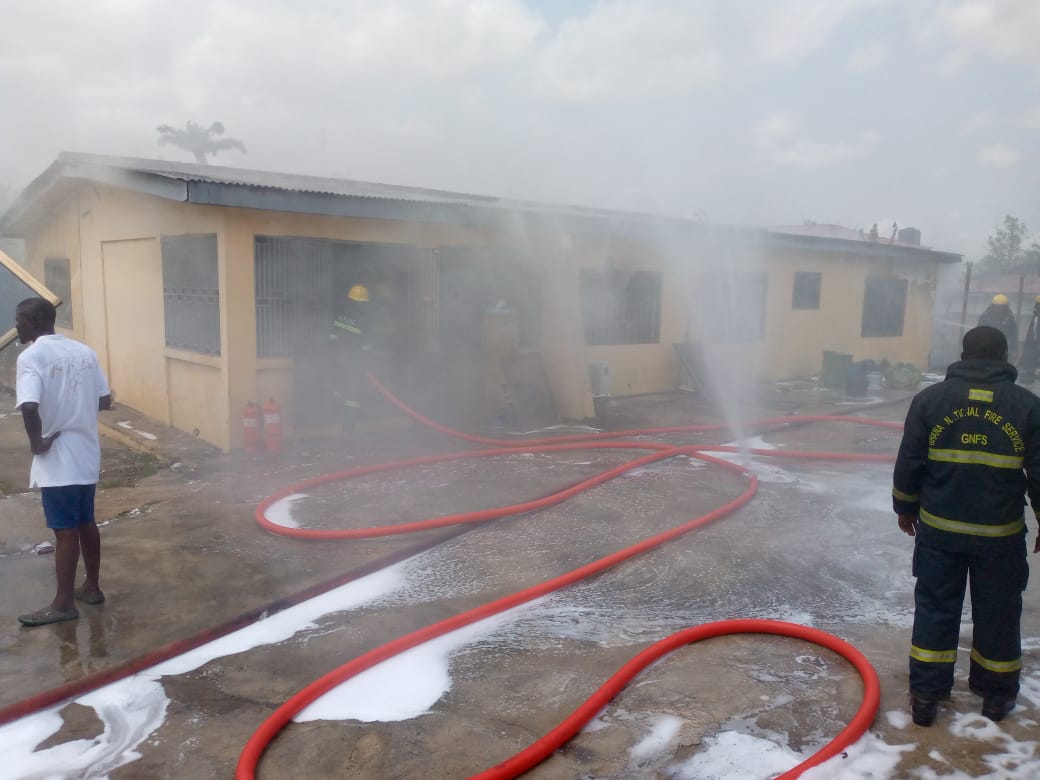
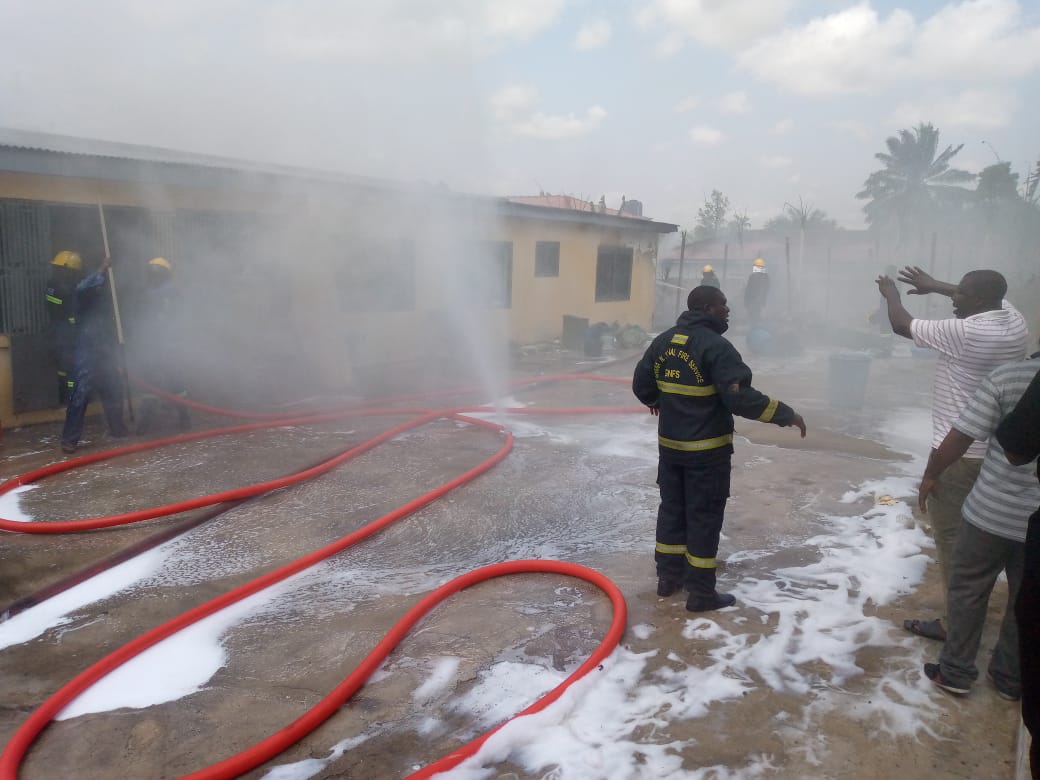
A warehouse structure at KardoIf Junction inTesano, close to the Caza Maza restaurant, has been destroyed by fire.
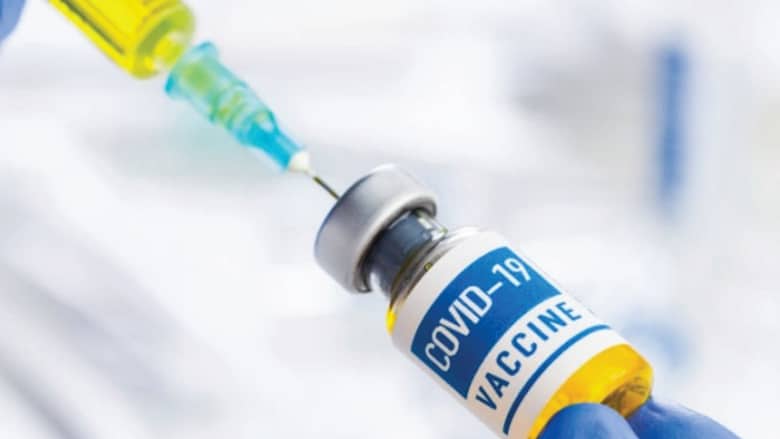
According to reports, the fire damaged several medicinal supplies intended to control the spread ofCOVID-19.
Although the exact cause of the fire is still unknown, eyewitness accounts indicate that it started at 1pm, accompanied by an explosion.
They added that, the fire started when two trees fell on an electricity distribution line close to the building.
Firefighters and the police are currently at the scene to douse the fire and maintain security respectively.
An eyewitness told Citi News “I do not know the actual cause of the fire. We immediately called on the Fire Service, we had to wait for a while before they came. When they came, some of us were complaining over the delay, and one of them asked us if we are the ones to teach them their job.”
“But all in all, it is great the fire has finally been put out and no one was harmed.”
Meanwhile, ADO2 Alex King Nartey with the Public Relations Department of the Ghana National Fire Service (GNFS) indicated they initially had a challenge locating the venue however, they were able to get to the scene on time.
The Minority inParliamentfinds it regrettable that President Akufo-Addo has denied allegations that the government deliberately misappropriated monies allocated for the nation’s fight against COVID-19.
According to the Auditor General’s 2020 report on the government’s COVID-19 expenses, just 25% (GH5.5 million) of the US$ 2.5 billion mobilized for the battle against the pandemic was spent on health.
According to violations cited in the audit report by the Auditor General, the Information Ministry improperly compensated its employees GH¢151,500 for COVID-19 insurance while failing to deliver $81 million worth of government-paid vaccines.
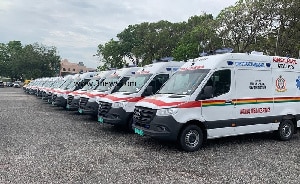
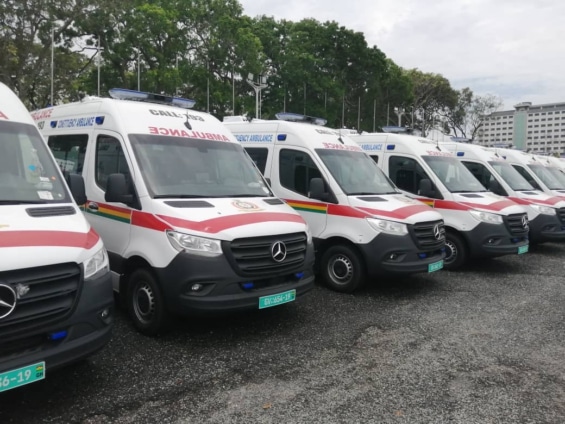
The state among other things is said to have spent US$607,419.02 out of US$4,049,460.12 for the acquisition of 26 ambulances, but the vehicles were never delivered.
According to the report, the remainder of the monies was spent on government programmes such as Free SHS, LEAP among others.
But President Akufo-Addo presenting the State of Nation Address on March 8, 2023, noted that the COVID funds were not misused.
“The economic consequences of the pandemic have been devastating. It is precisely because the economic fallout from the pandemic was so widespread and long-lasting that it is important to show clearly that the COVID funds were not misused. It is critical that we do not lose the confidence of the people that a crisis that they were led to believe we were all in together was abused for personal gain,” the President said.
Reacting to the matter, Minority Chief Whip, Kwame Governs Agbodza said the President’s comment on the issue came to them as a surprise.
“I’m somehow extremely disappointed in the President who sought once again to even clear members of his government who are suspected of doing wrong things in the COVID-19 expenditure.
“It doesn’t lie in the mouth of the President to decide to become an auditor of his own government by pretending that nothing went wrong with the COVID expenditure. Mr. President you are not an auditor, leave that to the professionals to do,” Minority Chief Whip said.
Contrary of reports of misused funds, President Akufo-Addo has emphatically stated that the COVID-19 funds were not misused.
President Akufo-Addo’s comment comes in reaction to the Auditor General’s report which pointed out a number of financial malfeasance in the disbursement of funds to combat the deadly virus.
Fighting off claims during the 2023 State of the Nation’s address, the President maintained that “nothing dishonourable was done with the COVID-19 funds.”
“It is important to show clearly that the COVID-19 funds were not misused. It is critical that we don’t lose the confidence in the people that the crisis that they were led to believe we were all in together was used for personal gain,” he said.
In May last year, then Minority Leader, Haruna Iddrisu had accused the government of abusing the COVID-19 funds after the release of the Audito General’s report.
He categorically stated that he was aware COVID-19 resources secured by government was misused nonetheless he called on the government to provide an update on what the funds were used for.
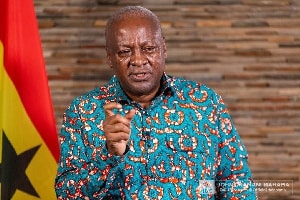
Former President John Mahama also accused government of using COVID resources to win the 2020 polls.
Subsequently, the Minority petitioned the Auditor-General to conduct an audit into the funds and what they were used for. The audit was eventually conducted.
Speaking on the audit, the President indicated that the findings in the report is testament to his claim that the funds were not misused.
“It was government that aked for the COVID-19 funds to be audited. And I can assure this house that nothing dishonorable was done with the COVID-19 funds. The responses from the Ministries for Health and Finance on January 23 and 25 2023, respectively have sufficiently laid to rest the findings from the Auditor-General’s reports and I believe any objective scrutiny of these statements of the said ministries will justify this conclusion,” he added.
He further extended profound appreciation to all persons who contributed to the funds.
“I was and I’m grateful that the people of Ghana Rose to the occasion and together we went through the crisis and came out well by defying the doomsday’s predictions about the unavailability if dead bodies on our streets. I’m grateful that we saw the wisdom in helping each other and I thank those who contributed their time and energy to the fight against the virus and those who contributed to the COVID-19 fund,” he added.
President Akufo-Addo has pledged to revive theeconomy before leaving office.
He made this known when speaking at the 66th Independence Dap Parade at Adaklu-Tserefe near Ho on March 6, 2023.
According to him, the country saw significant economic growth prior to COVID-19 and the Russia-Ukraine War, which is why it is currently experiencing difficulties.
Despite this, he reaffirmed his commitment to making reforms throughout his short time in office.
“The next 22 months of my mandate will be focused on restoring the economy we had beforeCOVID-19 and the Russian invasion of Ukraine to the period of rapid growth. It is a solemn pledge I am making to you my fellow Ghanaians, and one which I am determined to fulfil,” he stated.
Speaking on the theme for this years celebration, “Our Unity, Our purpose, Our Purpose” the president said that the nation had not fully realised the potential, dreams, and aspirations of its forebears, who fought for its independence.
John Dramani Mahama has pledged to investigate how public funds were expended under the Akufo-Addo-led government if given the nod again.
He said this includes the COVID-19 Audit and the findings from the Auditor-General’s reports over years.
According to Mr Mahama, the time has come for Ghanaians to receive proper accountability from those they elect to political office.
This accountability, he said, can only be achieved by a new party in government.
“We must clean the Augean stables and rid them of the filth and corruption. The anti-corruption [agencies] will be given unfettered space to do their work. The days of the infamous ‘clearing agent’ will be well and truly over,” Mr said at his campaign launch in the Volta Region today, Thursday, 2 March 2023, adding that “But to ensure efficiency and professionalism at this endeavor, institutions of state would be empowered to be independent in their work.”
Mr Mahama noted that as President, state-owned enterprises will not be a gravy train for political apparatchiks.
He said he would re-introduce the hallmark of his previous administration – tolerance for criticism and the creation of a conducive atmosphere for the media to do its work without the fear of threats, harassment, and possible assassination.
Responding to calls from his party supporters that the next NDC government must also exact its pound of flesh on the NPP, Mr Mahama said “I daresay, there is no use fighting for political power, if it is only to come and repeat the same mistakes of the NPP administration that have brought our dear nation to this sorry state. We must, therefore, engage our grassroots to work together with us to build the Ghana we want.”
To be able to achieve all the above, Mr Mahama said “we must see different personalities and backgrounds. We must not see NDC and NPP. We must not see Ga, or Ewe or Akan or Dagomba. We must not look to religious differences. We must look to ourselves. We must look to Ghana. One united people. You and I, hand in hand and working together.”
He added “In Building The Ghana We Want Together, it will take grit, It will take determination, but we have what we did not have before – the benefit of hindsight and reflection from afar, and the benefit of experience – to improve upon our successes and avoid our mistakes.”
Mr Mahama has promised to engage the public and various interest groups to tap into their views on how to fashion “the Ghana we want” as he begins his campaign.
Rapid diagnostic testing for everyone residing within 100 meters of newly confirmed cases helped break transmission chains and greatly increased the uptake of COVID-19 vaccinations through reactive immunization as Liberia battled escalating COVID-19 cases in 2022.
The community-based testing strategy to decentralize COVID-19 response allowed health workers to conduct door-to-door community sensitization to tackle COVID-19 misinformation, including myths about vaccination. The approach helped the country reach 81% vaccination coverage of the population by the end of 2022.
With financial and technical support from World Health Organization (WHO), mobile health teams administered tens of thousands of rapid tests in Nimba, Margibi and Montserrado counties, which are home to nearly half of Liberia’s total population.
With polymerase chain reaction (PCR) tests mostly no longer mandatory for cross-border travellers, the community-based response initiative enabled surveillance and monitoring of epidemiological trends to augment virus control measures.
The initiative, which uses rapid tests to counter the challenge of identifying COVID-19 cases outside health facilities, was launched in Liberia in July 2022. By the end of last year, 74 000 rapid tests had been administered.
“Expanding testing in communities using the antigen tests is helping provide a better way for the country to respond to the pandemic,” says Chea Sanford Wesseh, Assistant Minister for Vital Statistics in Liberia’s Ministry of Health, adding that there are plans to broaden their use beyond the three counties.
In practice, the mobile teams target everyone living within a 100-metre radius of new confirmed COVID-19 cases, administering rapid tests to identify other potential cases. The technology is simple, making it suitable for use in all settings.
Anyone who tests positive and requires treatment is linked to their nearest health facility. In cases where patients are either experiencing mild symptoms or asymptomatic, they are managed under home- based isolation and care, receiving infection prevention and control materials, including information on COVID-19 risk factors and prevention measures such as vaccination and handwashing.
“With testing in communities, we are reaching both the asymptomatic and symptomatic cases. That way we are undertaking timely isolation of confirmed cases leading to a break in the chain of transmission,” explains Dr Monday Julius, the WHO team lead for health emergencies in Liberia.
The positive impact on vaccination uptake saw Liberia join Mauritius, Rwanda and Seychelles as the only fourAfricancountries to achieve the 70% global vaccination coverage target by December 2022.
Victoria Dekpah, a student at Nimba University in Liberia, was among those convinced to get vaccinated against COVID-19 when health workers visited her community.
“I didn’t think it was important to test. Many people were afraid of knowing their status and what would happen to them. But after listening to the health worker, I volunteered to take the test and it turned out positive. I isolated myself at home and the health worker visited me regularly until I tested negative again. I also got vaccinated thereafter,” she says.
Isaac Cole, County Surveillance Officer in Nimba, blames rampant misinformation surrounding COVID-19 for the reluctance among Liberians to accept testing and vaccination. But working with local leaders who are trusted by their communities, he says, is changing attitudes.
“The people now know that once they are tested and found to be positive, they will be taken care of either at the health facility or through the home-based care approach. When we go to communities, health workers also lead by example by being vaccinated first, as one of the ways of dispelling myths about vaccination and its effect on the body,” he adds.
WHO is supporting 18 other African countries to implement community-based COVID-19 response, with more than 400 000 rapid tests carried out to date. Across these countries, rapid testing currently accounts for at least 60% of all COVID-19 testing.
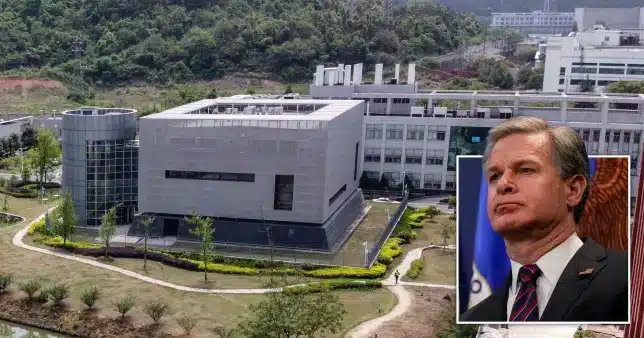
According to the FBI’s director, the Covid-19 virus “most likely” came from a Wuhan laboratory.
According to Christopher Wray, who spoke to Fox News, “the FBI has judged that the origins of the pandemic are most likely a probable lab mishap in Wuhan for quite some time now.”
On Tuesday, China rejected the claim once more, claiming it had been “open and transparent” in its investigation into the origins of the virus.
Mr Wray said he couldn’t share many details of the agency’s assessment because they were classified.
He accused the Chinese government of ‘doing its best to try to thwart and obfuscate’ efforts by the United States and others to learn more about the pandemic’s origins.
While some scientists are open to the lab-leak theory, others continue to believe the virus came from animals, mutated, and jumped into people — as has happened in the past with others.
Experts say the true origin of the pandemic may not be known for many years — if ever.
Virologist Shi Zheng-li, left, works with her colleague in the P4 lab of Wuhan Institute of Virology (Picture: Barcroft Media via Getty Images)
Mr Wray’s comments follow a Wall Street Journal report on Sunday that the US Energy Department (DOE) assessed with low confidence the pandemic resulted from an unintended lab leak in China.
Four other agencies, along with a national intelligence panel, still judge that the pandemic was likely the result of a natural transmission, and two are undecided, the Journal reported.
White House national security spokesman John Kirby said on Monday the US government has not reached a definitive conclusion and consensus on the pandemic’s origins.
‘There is not a consensus right now in the U.S. government about exactly how Covid started,’ he said. ‘There is just not an intelligence community consensus.’
China’s foreign ministry, asked to comment on the Wall Street Journal report, which was confirmed by other US media, referred to a WHO-China report that pointed toward a natural origin for the pandemic, rather than a lab leak.
Alina Chan, a molecular biologist at the Broad Institute of Massachusetts Institute of Technology and Harvard, said she isn’t sure what new intelligence the agencies had, but ‘it’s reasonable to infer’ it relates to activities at the Wuhan Institute of Virology in China.
She said a 2018 research proposal co-authored by scientists there and their US collaborators ‘essentially described a blueprint for Covid-like viruses’.
‘Less than two years later, such a virus was causing an outbreak in the city,’ she said.
The Wuhan institute had been studying coronaviruses for years, in part because of widespread concerns — tracing back to SARS — that coronaviruses could be the source of the next pandemic.
No intelligence agency has said they believe the coronavirus that caused Covid-19 was released intentionally.
The unclassified 2021 summary was clear on this point, saying: ‘We judge the virus was not developed as a biological weapon.’
Ms Chan, who co-authored a book about the search for Covid-19’s origins said: ‘Lab accidents happen at a surprising frequency. A lot of people don’t really hear about lab accidents because they’re not talked about publicly.’
Such accidents ‘underscore a need to make work with highly dangerous pathogens more transparent and more accountable’.
Last year, the WHO recommended a deeper probe into a possible lab accident. Ms Chan said she hopes the latest report sparks more investigation in the United States.
China has called the suggestion that Covid-19 came from a Chinese laboratory ‘baseless’.
A tricycle-mounted “fold-out health clinic,” the first of its kind in the UK, will be used by doctors to treat homeless people as they cycle around London.
The “Find and Treat” team at University College London Hospital aims to screen thousands of the capital’s most at-risk, homeless, and high-risk individuals each year for diseases like tuberculosis, HIV,and COVID-19.
As a result of their inability to access a GP because of a lack of documentation, many homeless people are forced to go to A&E for treatment or endure lifelong illnesses that are incapacitating.
According to King Charles III, Queen Camilla is making progress following a COVID diagnosis.
The King, 74, made a fleeting remark about the condition of his wife while attending Milton Keynes’ celebration of becoming a city on Thursday. Wisher Tazmin Farringto visited Church of Christ the Cornerstone while out and about.
“After suffering the symptoms of a cold, Her Majesty The Queen Consort has tested positive for the Covid virus,” the palace said in a statement on Monday. “With regret, she has therefore cancelled all her public engagements for this week and sends her sincere apologies to those who had been due to attend them.”
The news came nearly a year to the day Camilla’s first COVID diagnosis was announced.
n asked the King how Camilla, 75, was doing.
“She’s getting better,” the sovereign said, according to Hello!.
Charles’ outing came three days after Buckingham Palace announced that the Queen Consort tested positive for the viral disease and would be canceling her week’s planned public engagements.
On Feb. 14, 2022, a spokesman at Clarence House said, “Her Royal Highness The Duchess of Cornwall has tested positive for COVID-19 and is self-isolating. We continue to follow government guidelines.” The palace added at the time that Camilla was tripled-vaccinated.
The Queen Consort had planned to join her husband in Milton Keynes before her latest COVID diagnosis. There, Charles ignored protestors holding “Not My King” signs when he arrived at Church of Christ the Cornerstone.
Royals correspondent Richard Palmer of the Daily Express tweeted that there were about 20 demonstrators. The effort was organized by the anti-monarchy group Republic, which plans to protest King Charles’ coronation on May 6.
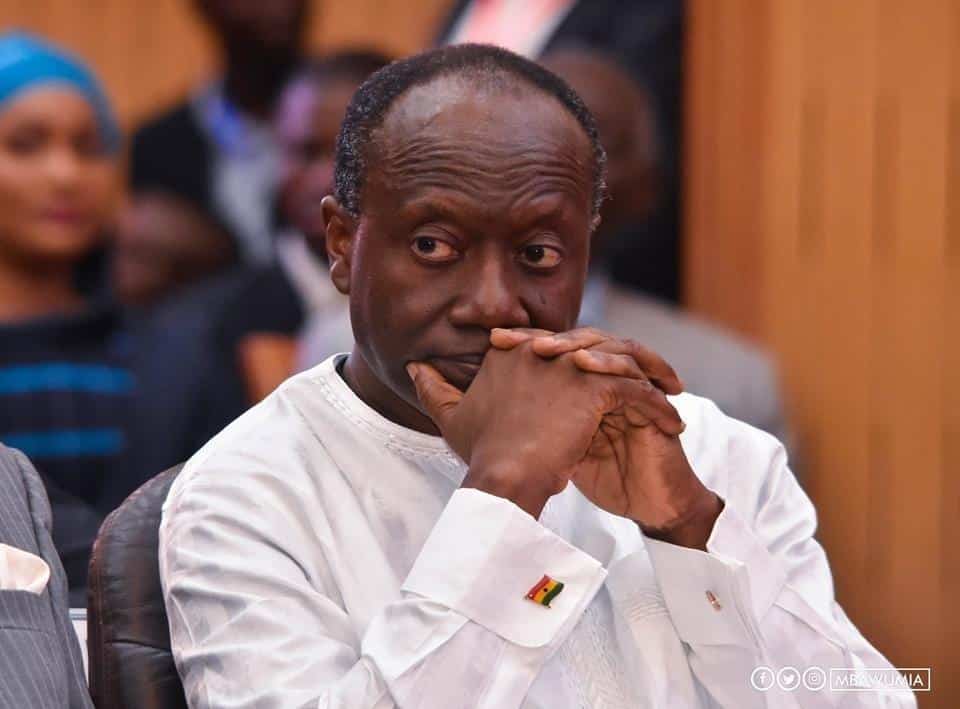
Finance Minister, Ken Ofori Atta, has reiterated that the current state of Ghana’s debt is due to the lingering effects of the Covid-19 pandemic and the Russia–Ukraine war.
This, he said, has been exacerbated by the high macroeconomic instability experienced in 2022, occasioned by downgrades by rating agencies as well as the consequential pressures on government finances due to the actions of non-resident investors and the delayed passage of our revenue bills.
Addressing Parliament today on the status of the Domestic Debt Exchange, the Finance Minister said “this situation is further compounded by the comparatively low levels of domestic revenue collected by government. In 2022, tax to GDP was just about 12.6%; woefully below the SSA average of 18% and insufficient enough to meet pressures on the public purse”.
Following the inception of negotiations with the International Monetary Fund, Mr. Ofori-Atta, said t was agreed that Ghana would have to address its economic challenges on three fronts – embark on fiscal consolidation, undertake debt operations and secure financing assurances from development partners.
He continued that “as I have indicated earlier, the domestic debt exchange programme was to alleviate the debt burden while minimising its impact on investors and the financial sector. Participation in the programme has always been “Voluntary”. The details of the domestic debt exchange are outlined in the Exchange Memorandum, and the subsequent amendments have been publicly available”
The coverage of the Exchange includes all locally issued bonds and notes of government as well as ESLA Plc and Daakye Plc bonds. Based on the results of the audit of the public debt, government excluded Treasury-bills and Pension Funds from the exchange.
Out of the total ¢97,749,624,691 eligible bonds were tendered, ¢82,994,510,128 was successfully tendered.
This accounted for about 85% of outstanding eligible amounts and met the target of 80% as expressed in the Memorandum of Exchange.
“Government is however mindful that the Gh¢82,994,510,128 bonds that were successfully tendered represents 64% of the outstanding debt stock of Gh¢130billion at the end of December, 2022”, Mr. Ofori-Atta.
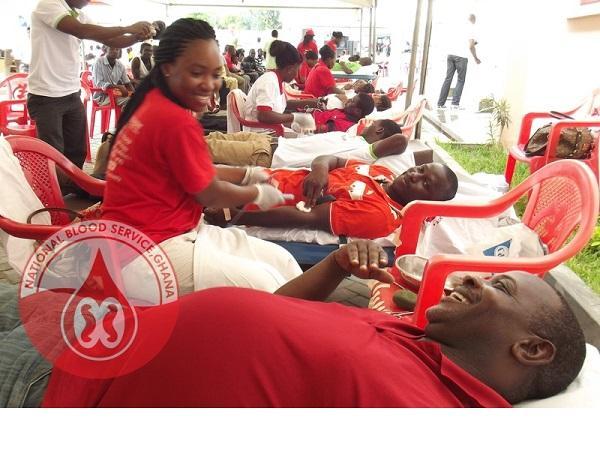
Blood Donor RecruitmentOfficer of the Ghana National Blood Service, Mr Felix Appertey, has disclosed that Ghana’s blood demand is estimated to be 350,000 units per year.
He indicated that due to insufficient blood, many health procedures that required blood transfusions were either halted or postponed in various health facilities.
Mr Appertey was speaking at a blood donation and COVID-19 test event organized on Valentine’s Day by the Southern Zone Research Staff Association (RSA) of the Council for Scientific and Industrial Research (CSIR).
About 100 people attended the event, which aimed to promote preventive health care through COVID-19 testing and encourage blood donation to save lives. The participants included students from Labone Senior High School (SHS), staff of the CSIR, members of the RSA, and the media.
Mr Appertey said Ghana managed to get access to a total of 170,000 units of blood, consisting of both voluntary blood and family replacement donors in 2022.
“Every morning, cars are packed in our facility waiting for blood to be sent to their facility for their transfusion, but they don’t get it. So, what we do is that when you need 10, we give you five or two,” he said.
He indicated that blood donors benefit greatly because donating blood allows excess blood to be released, preventing blood clotting, which can lead to a variety of illnesses, including cancer.
When a donor gives blood, the hemoglobin reproduces fresh blood in the body system within 24 hours, and a donor card is given to the donor to ensure that the donor has access to blood in the future.
Professor Paul Bosu, Director-General of the CSIR, noted that the blood donation and COVID-19 test events were not a coincidence and that Valentine’s Day was set aside to show love to one another, but it has since turned into a romantic way of expressing love.
“As I wanted to understand the romantic love, I found that apart from the Agape love that is from God, there is also the Philia. It is called brotherly love as in the city of Philadelphia,” he noted.
He highlighted the significance of love, saying that a touch of the philia love promoted good health, lower blood pressure, fewer doctor visits, shorter hospital stays, less pain, and more positive emotions.
As a result, as a way of expressing his philia, he encouraged citizens to donate blood to save the lives of people who could be friends or relatives. “The blood you give today will also save a life tomorrow. So, as we donate blood today, we might not know exactly who is going to receive it, but we know that whoever receives our blood becomes part of our family. Blood is thicker than water,” he said.
The Ghana National Blood Service is the Ministry of Health agency tasked with ensuring an effective and coordinated national approach to the provision of safe, adequate, and efficacious blood and blood products in the country.
Director of Advocacy and Policy Engagement, CDD-Ghana, Dr. Kojo Pumpuni Asante, has vowed to resist any attempt by the Attorney-General to amend the Audit Service Act.
This follows the Attorney-General, Godfred Yeboah Dame, describing the publication of the COVID-19 audit report as premature and unconstitutional.
He argues that the report should have been discussed by parliament or a committee of it before being released to the general public.
He had thus advised the Auditor-General, Johnson Akuamoah to unpublish the document.
In reaction, civil society organisations had described the A-G’s advice as tantamount to interference in the work of the Auditor-General and further stated that his interpretation of the law is egregious and inimical to holding the executive accountable.
Speaking on JoyNews’ PM Express, the Deputy Attorney General, Alfred Tuah-Yeboah noted that the Office of the Attorney General is convinced the Audit Service Act – which permits the Auditor-General to publish reports immediately after presenting it to the Speaker – is inconsistent with the provision of the 1992 constitution and thus an amendment will be in the right direction.
“We will be looking at it and take the necessary steps. If you take that provision, you may have to look at all the other laws, look at the constitutional provision and see how best it could be…because if you look at that section, it’s not saying it cannot be published but it should be published after parliament so there’s the need for an amendment in fact, just to make sure that it’s in tune with the constitutional provision,” he said.
However, reacting to this, Dr. Pumpuni Asante noted that if that is the case, then CDD Ghana will resist the move with all it has got.
“We will equally resist it with everything that we can to resist it because the more we get into the challenges that we have gotten into, we have to work very hard to strengthen accountability systems. This is not a welcome intervention, and if the Attorney General insists that he wants to go this way then we’ll all work very hard to resist it,” he said.
A New Patriotic Party (NPP) presidential candidate hopeful, Alan John Kwadwo Kyerematen, has appealed to Ghanaians to vote to maintain his party in power in 2024.
According to him, this would contribute to maximize gains of the “solid foundation” laid by the Akufo-Addo government within the last 6 years.
Speaking at a media engagement in Ho during his tour of the Volta Region, Mr. Kyeremanteng said maintaining the NPP in power would ensure continuity of governance and a smooth administration of the state.
He said that policies and programs introduced by the government transcended into the growth of the economy before the COVID-19 pandemic struck.
He disclosed that his Great Transformational Plan (GTP) is engineered to diversify the country’s economy by introducing 10 new sectors among other practicable initiatives to restore the economy,
Mr. Kyeremanteng asserted that only he can lead the NPP to victory in 2024 because he is capable of transforming the economy and his name resonates with the electorates in every nook and cranny of the country.
He said the establishment of about 6 new automobile assembling factories in Ghana, and the success of the 1 District 1 factory policy, among others indicates he is capable of leading “Ghana to rise again”.
He further indicated that the NPP must select a candidate who can increase its electoral fortunes in the Ashanti Region and reduce votes of the National Democratic Party (NDC) in the Volta Region to win the general elections.
“If we want to win this very important and difficult election ahead of us, we need a leader of our party who has the capacity to consolidate our gains in our stronghold.
“We need a leader who can win at least 80% of the votes in the Ashanti Region. For me, Alan is our best choice to do that.
“We also need a leader who can reduce the difference of our opponents in their stronghold, again to do that, Alan is the candidate”, he said.
He lamented the NPP’s inability to rake in a substantial percentage of total votes in the Volta Region in previous general elections.
“As I have said, people of the Volta Region have taken me as their son, as their friend, as their brother.
All that the people of the Volta Region are saying to the NPP is that if you bring Alan, we will vote for him”, he stressed.
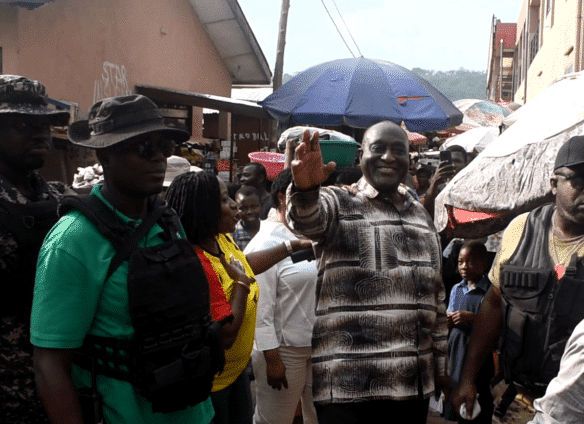
He earlier held a closed-door meeting with NPP Executives in the region, and later took a tour of the Ho Central Market where he interacted with traders.
Outspoken Political Scientist Professor Ransford Gyampo suspects the directive by the Attorney-General to the Auditor-General to ‘unpublish’ it’s report on the expenditure of COVID-19 funds is an attempt to cover up on expenditure used to mitigate the pandemic.
Prof Gyampo asserted that if the COVID-19 funds had been used well by the Government the audited report on it should have been leaked.
The Attorney General has directed the Auditor General to withdraw its audited report on the use of COVID-19 funds for failing to have document scrutinized by Parliament prior to its publication.
The Attorney General has directed the Auditor General to withdraw its audited report on the use of COVID-19 funds for failing to have document scrutinized by Parliament prior to its publication.
“Godfred Dame, telling the Auditor-General not to publish its report on the use of Covid-19 funds is an unnecessary assault on transparency and cover up. If the funds were used well, then you should actually be leaking the audited report,” he noted.
The audited report has detailed widespread misuse of the huge amounts that was raised to combat the pandemic.
Following prolonged tensions between the two countries over COVID, Seoul decided to remove visa requirements for Chinese visitors.
In light of China’s improved COVID-19 situation, South Korea has decided to resume issuing short-term visas to visitors from China.
The government made the decision to resume regular short-term visa application procedures at its consulates in China on Saturday after a Friday anti-virus meeting.
However, officials warned that depending on how the virus evolved, the testing requirements might later be relaxed.
The move marks the end of a long COVID-related restriction that had sparked tensions with Beijing.
Seoul and Beijing at loggerheads
In December, China abruptly ended its stringent “zero-COVID” policy, leading to a wave of infections.
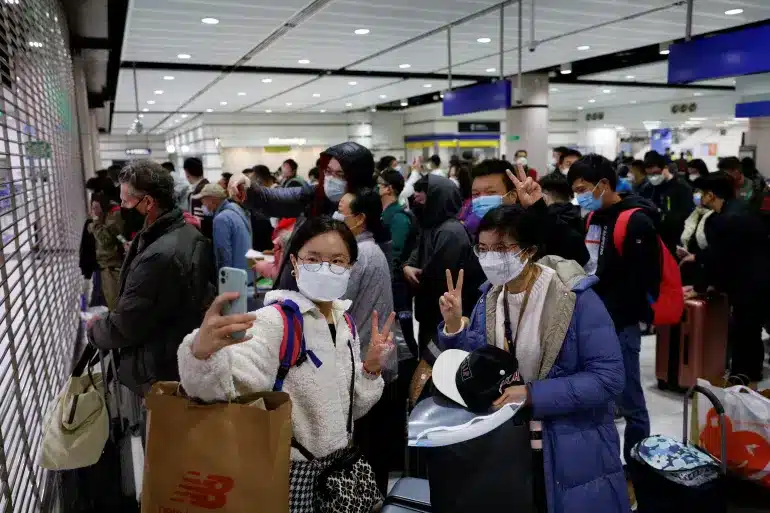
This raised the prospect of millions of Chinese travellers making their way abroad for the first time in three years.
In January, while China battled a surge of COVID infection cases, Seoul stopped issuing most short-term visas.
Travelers rush to take advantage of China reopening
This raised business concerns, as South Korea depends heavily on exports to China.
Seoul defended their actions, saying that the spread of thevirus in China was creating concern over the possible emergence of new variants.
It also accused the Chinese authorities of not being transparent with their COVID data.
South Korea’s Vice Interior Minister Kim Sung-ho, who is in charge of disaster and safety management, said the move to lift restrictions came after the number of infections among Chinese arrivals dropped significantly.
When the curbs were first introduced in January, 20% of Chinese travelers to South Korea had tested positive.
Last week only 1.4% of Chinese travelers tested positive on arrival.
Other restrictions, including testing requirements continue to remain in place.
Travelers from China have to produce a negative test before departure and undergo a PCR test upon arrival in South Korea.
Those who test positive are to stay quarantined for a week.
The Auditor-office General’s has been asked to remove the recently released audit report on the government’s COVID-19 expenditures by the Attorney General and Minister for Justice, Godfred Yeboah Dame.
In a letter addressed to Auditor-General Johnson Akuamoah Asiedu, Mr Dame raised issues of constitutionality about the processes leading to the publication of the report which uncovered various financial infractions.
“I advise a withdrawal of the report on the Government COVID-19 transactions from your website before same has been debated by Parliament and considered by the appropriate committee of Parliament,” the Attorney General said.
Grounding his request on Articles 187(5) and 187(6) of the 1992 Constitution, Mr Dame noted that the A-G’s office failed to submit the report to parliament for scrutiny as directed by the law.
“It is only after satisfying the constitutional requirement of submitting the auditor general’s report to Parliament, the subsequent debate by Parliament thereon and conclusion of work by the appropriate committee of Parliament, that the report of the Auditor-General may be considered final and relevant action may be taken thereon,” the Attorney General said.
“I observe that the report of the special audit on the Government’s COVID-19 transactions has been published on the website of the Audit Service. In light of the constitutional provisions pertaining to the duty of the Auditor-General after the preparation of audit reports, I consider a publication of the COVID-19 audit report or indeed any audit report particularly when same has not been either considered by Parliament or referred to a committee of Parliament, premature,” he added,
The report on Government of Ghana’s Covid-19 transactions for the period March 2020 to June 2022, uncovered several infractions relative to expenditures in the fight against the global pandemic.
The report published on the website of the Auditor General has generated controversy with calls being made for a full-scale parliamentary probe to be made into the uncovered infractions.
Read the full letter by the Attorney General below:
RE: AUDIT OF PUBLIC ACCOUNTS OF GHANA
I refer to various discussions between your good self and me regarding the effective implementation of reports of the Auditor-General on audits into the public accounts of Ghana, particularly with regard to the issuance of disallowances and surcharges.
The matters discussed have become more pertinent in view of the intense controversy generated by the publication of the report on the special audit of the Government of Ghana’s Covid-19 transactions for the period March 2020 to June 2022 on the website of the Ghana Audit Service http://www.audit.gov.gh. I find it compelling to lay out a few points which I hope will guide action to be taken after the preparation of your reports.
1. Article 187(5) of the Constitution mandates the Auditor-General to submit his report to Parliament and in that report, draw attention to any irregularities in the accounts audited. Section 16 of the Audit Service Act, 2000 (Act 584) clearly indicates that reports on special audits and reviews, as the one conducted in respect of the COVID-19 transactions, are subject to the requirement for the Auditor-General to submit the reports to Parliament.
2. Article 187(6) of the Constitution requires Parliament to debate the report of the Auditor-General and appoint, where necessary and in the public interest, a committee to deal with any matters arising from it. This is repeated in section 21 of Act 584. Over the years, the Public Accounts Committee of Parliament (PAC) seems to be the committee designated by Parliament to interrogate issues arising out of the Auditor-General’s reports. It is only after satisfying the constitutional requirement of submitting the auditor general’s report to Parliament, the subsequent debate by
Parliament thereon and conclusion of work by the appropriate committee of Parliament, that the report of the Auditor-General may be considered final and relevant action may be taken thereon.
3. I observe that the report of the special audit on the Government’s COVID-19 transactions has been published on the website of the Audit Service. In light of the constitutional provisions pertaining to the duty of the Auditor-General after the preparation of audit reports, I consider a publication of the COVID-19 audit report or indeed any audit report particularly when same has not been either considered by Parliament or referred to a committee of Parliament, premature.
4. I am mindful of the provision in section 23 of Act 584 which seems to mandate a publication of the reports as soon as they have been presented to the Speaker to be laid before Parliament. However, the laws governing the functions of the Auditor-General ought to be construed as a whole. The constitutional duty of the Auditor-General to submit his reports to Parliament and Parliament’s consequential obligation to debate and scrutinise same, will be grossly prejudiced by a prior publication of the report.
The proceedings of the PAC provide an opportunity for irregularities raised by the Auditor-General to be interrogated and queried. Persons and institutions affected by the report receive a further hearing on the findings of the Auditor-General’s reports at the proceedings of the PAC in Parliament. A prior publication of the Auditor-General’s report completely undermines the purport and meaning of article 187(5) and (6) and should not be encouraged. Consequently, I advise a withdrawal of the report on the Government COVID-19 transactions from your website before same has been debated by Parliament and considered by the appropriate committee of Parliament.
5. Further, as pointed out in previous letters by the Attorney-General to your office over the years, there has been a glaring omission to indicate in the notices served on the Office of the Attorney-General and Ministry of Justice, satisfaction by the Auditor-General of the mandatory procedure enjoined by section 17 of Act 584, in order to be able to execute a disallowance and surcharge.
6. As you would recall, I have, in previous communication with you, indicated that in accordance with section 17 of Act 584, certain steps ought to be complied with by the Audit Service after an audit report has been subjected to the scrutiny of the PAC. These steps border on the issuance of disallowances and surcharges by the Auditor-General.
i. the relevant head of department or institution to whom the amounts stated in the notice of surcharge or disallowance are due, must be notified of the surcharge or disallowance, the reasons for the surcharge or disallowance as well as when this was done. Please see section 17(1) of Act 584
(ii) notices served on the Attorney-General must indicate whether the affected individuals and institutions have been served with the notice of surcharge or disallowance and, if so, when this was done. Please see section 17(2) of Act 584.
iii. Information confirming compliance with the statutory steps and when same was done is crucial for the Attorney-General to institute legal action against specified defaulters.
7. By letters dated 21st December 2017, 14th December 2018 and 21st January 2019, the Attorney-General informed the then Auditor-General about lapses in the notices of disallowance and surcharge served on the Attorney-General in order for him to remedy same. Unfortunately, to date, some have not been remedied.
8. It is only through due process, particularly the observance of the processes stated above, that we can realise the true import and effect of article 187 of the Constitution. There ought to be enhanced cooperation between the Audit Service and the Office of the Attorney-General and the Ministry of Justice. These two institutions are at the forefront of the quest for public accountability, probity, the rule of law and the rooting out of corruption and malpractices in Ghana, and therefore are left with no option but to collaborate. In this regard, I have set up a special team in my Ministry, jointly headed by the Solicitor-General and the Director of Public Prosecutions, specifically charged with coordinating with your outfit in order to promptly act, in accordance with law, on established irregularities contained in the Auditor-General’s reports.
I would appreciate if you could set up a similar team to work with my office. Please accept the assurances of my highest consideration.
For almost three years, borders have been closed, dividing families and disrupting tourism and other industries.
After nearly three years of closure, China has announced that it will completely reopen its borders with the territories ofHong Kong and Macau, eliminating COVID-19 testing requirements and daily quotas.
The Hong Kong and Macao Affairs Office of the State Council announced on Friday that all remaining restrictions would be lifted at midnight on February 6 and that group tours would be permitted to resume.
After Beijing abandoned the “zero COVID” strategy, which had divided families, cut off tourism, and choked businesses, limited border crossings between Hong Kong and the mainland resumed in January.
Hong Kong leader John Lee said on Friday that partial reopening had been “orderly, safe and smooth”.
Hong Kong has been largely sealed off for much of the past three years as its government sought to follow Beijing’s pandemic policies with mandatory quarantine of up to three weeks for arrivals, as well as intensive testing and screening.
The former British colony began to unwind some of its rules in the middle of 2022, and Lee announced that the territory would now scrap the longstanding requirement for all visitors to be vaccinated against COVID-19.
People from the mainland have long made up the vast majority of visitors to Hong Kong, with about 51 million arrivals in 2018, nearly seven times the city’s population.
The prolonged pandemic restrictions are estimated to have cost the territory about $27bn and local officials are hoping an influx of visitors will revitalise the once-vibrant tourism and retail industries.
The full opening of the borders comes a day after Lee rolled out a rebranding campaign to woo overseas tourists, pledging more than half a million free flights and “no isolation, no quarantine and no restriction.
Outdoor masking remains compulsory in Hong Kong, although Lee has said the policy could be scrapped once cases of flu ease.
People need food. Instead, they’re being fed nationalism by an authoritarian government that misreads the public’s mood.
There are reasons why half a million people are on strike in Britain. The reasons are low wages, poor working conditions, poverty and stress.
During the COVID-19 pandemic, public sector workers, particularly health service and local government, worked incredibly hard in often very difficult conditions in order to deliver a health service, and were applauded by everybody.
They are now being told: “We can’t afford to pay you properly. We’re going to continue underfunding all those services. And you are now officially an enemy of what the government is trying to achieve.”
Well, people do not like that. And people are very angry about that.
It is an unhappy, unsettled and divided country being fed a diet of excessive nationalism and excessive patriotism. This needs fixing as a society — not by individual endeavours and sharp elbows.
You go to people’s homes, and there is hardly any food in the house. They cannot afford to keep the lights on; cannot afford to heat the house. Children go to school hungry. There is a real issue of injustice and inequality. There is no shortage of food in the country. There is a shortage of the ability of public services to ensure that people can survive. And it all basically comes down to the level of wages that we have.
We are obsessed, as this government is, with the privatisation of public services, with disempowerment of working-class communities and the promotion of the individual at the expense of the collective. They have tried to turn Britain into an individualistic society rather than the post-war consensus, which was much more of a communal society.
Parliament has passed a bill that gives the government the power to enforce people to go to work, even though they are exercising the rights that they have to take industrial action. That to me is a threat to the rights and liberties of people.
The government has completely misjudged the public mood and many people who themselves are either unemployed or not in a union feel that the union leaderships are acting for them.
The government’s retreat into authoritarian legislation rather than negotiation is one of the big problems.
DISCLAIMER: Independentghana.com will not be liable for any inaccuracies contained in this article. The views expressed in the article are solely those of the author’s, and do not reflect those of The Independent Ghana
Apple sales decreased at the end of 2022 as consumers made less purchases due to the pressure of the rising cost of living.
In the three months leading up to December, sales at the industry giant for the iPhone decreased by 5% from the corresponding time in 2021.
The fall was worse than anticipated and the largest since 2019.
The announcement of the update coincided with widespread warnings from businesses of a sudden slowdown in the economy, particularly in the computer industry, which experienced a boom during the pandemic.
Apple boss Tim Cook said the firm was navigating a “challenging environment”.
“As the world continues to face unprecedented circumstances … we know Apple is not immune to it,” he said on a conference call with investors.
Apple said the sales declines occurred throughout the world and hit most of its products.
Sales of its popular iPhones were down more than eight per cent, and sales of Mac computers dropped 29 per cent.
The declines hit the firm’s profits, which fell 13 per cent to $30bn (£24bn).
Paolo Pescatore, analyst at PP Foresight, said the firm, like many electronics makers, is struggling to make the case that users should upgrade given “what is perceived to be incremental improvements on previous models”.
“More so when everyone is tightening their belts,” he added.
Globally the number of smartphones shipped sank 12 per cent last year, according to market analysis firm Canalys.
Apple executives said they expected their services business, which includes Apple Pay and Apple News, to continue to drive growth, noting that there are now more than 2 billion active Apple devices around the world.
“When we look at the behaviour of our installed base, we think it’s very promising,” said chief financial officer Luca Maestri, while warning investors that the firm was expecting sales to continue to decline in the months ahead.
Other big tech companies also said they were feeling pressure in updates to investors.
Amazon, which has been struggling to re-ignite its e-commerce business, said sales at its online stores dropped 2% in the final three months of 2022, compared with a year earlier.
Overall, Amazon’s sales in the three month period rose nine per cent to $149.2bn (£121bn), lifted by stronger growth in its cloud computing business.
But its profits dropped sharply, falling to near zero from $14.3bn (£11bn) a year ago, a change that chief financial officer Brian Olsavsky warned investors was likely to continue in coming months.
At Alphabet, parent company of Google and YouTube, sales were up just one per cent in the three months to December, compared with 2021, as firms cut back on advertising – the company’s main source of revenue – in the face of economic uncertainty.
It was worse than anticipated and represented the biggest decline since 2019.
The update came as numerous businesses issued warnings about a sudden slowdown in the economy, particularly in the tech sector, which experienced a boom during the pandemic.
Apple boss Tim Cook said the firm was navigating a “challenging environment”.
He blamed the sales decline on supply shortages due to Covid-19 disruption in China – where its phones are manufactured – and a strong dollar, as well as wider economic weakness stemming from rising prices, the war in Ukraine and lingering effects from the pandemic.
“As the world continues to face unprecedented circumstances … we know Apple is not immune to it,” he said on a conference call with investors.
Apple said the sales declines occurred throughout the world and hit most of its products.
Sales of its popular iPhones were down more than 8%, and sales of Mac computers dropped 29%.
The declines hit the firm’s profits, which fell 13% to $30bn (£24bn).
Paolo Pescatore, an analyst at PP Foresight, said the firm, like many electronics makers, is struggling to make the case that users should upgrade given “what is perceived to be incremental improvements on previous models.”
“More so when everyone is tightening their belts,” he added.
Globally the number of smartphones shipped sank 12% last year, according to market analysis firm Canalys.
Apple executives said they expected their services business, which includes Apple Pay and Apple News, to continue to drive growth, noting that there are now more than 2 billion active Apple devices around the world.
“When we look at the behaviour of our installed base, we think it’s very promising,” said chief financial officer Luca Maestri, while warning investors that the firm was expecting sales to continue to decline in the months ahead.
Other big tech companies also said they were feeling pressure in updates to investors.
Amazon, which has been struggling to re-ignite its e-commerce business, said sales at its online stores dropped 2% in the final three months of 2022, compared with a year earlier.
Overall, Amazon’s sales in the three month period rose 9% to $149.2bn (£121bn), lifted by stronger growth in its cloud computing business.
But its profits dropped sharply, falling to near zero from $14.3bn (£11bn) a year ago, a change that chief financial officer Brian Olsavsky warned investors was likely to continue in coming months.
The activists and politicians were apprehended in a dawn raid two years ago, and they are accused of organising an unofficial primary ahead of a legislative election that was later postponed.
On Monday, Hong Kong’s largest national security trial began with 47 pro-democracy activists and politicians accused of “conspiring to commit subversion” by holding an unofficial public vote in 2020, just days after a new, stringent security law was put into place.
16 people are anticipated to enter not guilty pleas, though that number may change by Monday as defendants consider their options in light of possible sentences.
Those charged include prominent activists “Long Hair” Leung Kwok-hung and Gordon Ng Ching-hang, who faces potential life imprisonment as one of five people accused of being a “major organiser” of a poll conceived as a way for the democratic camp to choose their strongest candidates for a Legislative Council election that was later postponed.
Defendants who plead guilty will be sentenced after the trial has concluded and include internationally-known activists like Joshua Wong, who has already been convicted on other charges, and Claudia Mo, a former journalist turned legislator. Together, the 47 account for much of what remains of Hong Kong’s pro-democracy leadership after mass protests calling for political reform in 2019 came to an inconclusiveend with the arrival of COVID-19, and the national security law pushed many into exile.
Unofficially on trial is the future of Hong Kong’s democracy movement, said Eric Lai, a non-resident fellow at Georgetown Center for Asian Law, as “pro-democracy activities and participating in the legislature” could be seen as threats to national security in the future.
“The majority of public opinion in the city, the pro-democracy camp, has received more than 60 percent of the vote in the previous decade’s elections and now the government chose to arrest and criminalise all the major leaders in Hong Kong,” Lai told Al Jazeera.
“In a way, it’s a trial for these leaders but also for their supports.”
Only a few of the 47 arrested have secured bail, including former legislator Helena Wong Pik-wan. The prosecutor’s appeal against the decision was rejected [File: Lam Yik/Reuters]
Under the security law, which took effect on June 30, 2020, the defendants face up to three years in prison for conspiracy to commit subversive activities, between three and 10 years imprisonment for “active participation” in the conspiracy, and between 10 years and life imprisonment if they are deemed “principal offenders”.
The latter charge applies only to Ng and four other defendants: former university professor Benny Tai, former legislator Au Nok-hin, and former district councillors Andrew Hiu Ka-yin and Chung Kam-lun.
Tai and Au face some of the most serious charges, according to court documents, for their “clear attempt to subvert the State power, paralyse the operation of the [Hong Kong] Government”, according to prosecutors. Prosecutors also allege the defendants hoped a crackdown on their activities would garner international support and lead to the imposition of sanctions on Hong Kong and Chinese officials.
Media ban
Held in July 2020, the vote was intended as an unofficial “primary” for pro-democracy candidates running in the planned September 2020 Legislative Council election.
Candidates hoped to secure a victory for the democracy camp and use the electoral majority to bring about democratic change in Hong Kong.
Some of the platform echoed demands from the city’s mass protests in 2014 and 2019, including the resignation of then-Chief Executive Carrie Lam, an independent inquiry into allegations of police brutality during the protests and political reform with the aim of introducing universal suffrage for the territory.
Under Hong Kong’s current political system, its leader is chosen by a group of people selected by Beijing and only a portion of its legislative seats are decided by the popular vote.
The July 2020 election drew more than 600,000 voters, many of whom waited in line for hours to take part, but the results were de facto voided when the government announced the legislative election would be delayed for a year due to COVID-19.
Following the poll, as Hong Kong locked down, police swooped on the 47 defendants and six other individuals in a dawn round-up of a kind typically reserved for organised crime groups.
The vast majority of the 47 have been kept in prison since their arrest in January 2021, with bail granted to just 13 people. Due to strict COVID-19 regulations, detained activists were unable to see their families and lawyers, or receive mail, for months.
Some defendants have reportedly been unable to access Statements of Facts detailing the charges levelled against them, so their lawyers have been forced to proceed blindly through the legal system. The case was subject to a media ban that was only lifted in August last year.
William Nee, a researcher and advocacy coordinator atChinese Human Rights Defenders, likens the trial to a “pre-emptive strike” against an entire generation of democracy activists and former legislators who range in age from 24 to 66.
“The charges are absolutely absurd from an international law point of view. People have the right to run for office. Once elected, they have the right to vote how they want. Clearly, Beijing is saying the mere fact you might want to run and cast votes that go against our wishes is a conspiracy to commit subversion is absolutely against international laws and standards,” Nee said.
“That’s what’s in many ways so egregious about this case. It’s a naked assault on democracy in Hong Kong.”
Unpredictable
Under Hong Kong’s common law system, criminal defendants can typically receive a reduction in their sentence of as much as 25 percent for pleading guilty on the first day of trial, but this does not apply to national security trials. Neither does the jury system, with this trial to be heard by a panel of three judges hand-picked by the city’s chief executive.
The trial is expected to last about 90 days with some defendants facing a life term for alleged ‘subversion’ [File: Isaac Lawrence/AFP]
Maya Wang, a senior China researcher at Human Rights Watch describes the national security system as a “Frankenstein” parallel system carved into Hong Kong’s once respected legal system.
The trial is expected to last about 90 days. It is possible that at the end of it, the accused will receive a reprieve of “time served” for their pre-trial detention but most face a minimum sentence of three years imprisonment.
“Everything is going to be quite unpredictable as we go along. I think what is quite clear is that Beijing is using fairly elaborate legalese to dismantle Hong Kong’s pro-democracy movement,” Wang told Al Jazeera.
“Seeing them on trial and being detained is such a cognitive dissonancefor so many people in Hong Kong. It really is a visual representation of repression.”
Two distinct big shocks to the food supply chains have negatively impacted the world economy during the previous three years.
The first came about from the outbreak and spread of the first-ever global pandemic, COVID-19, which effectively suspended most international trade on agricultural produce as countries across every continent of the world, locked themselves down to curb the spread of the virus in their respective jurisdictions.
Then, just as the world began recovering from this, with supply chains re-opening, war broke out between Russia and Ukraine, two of the most important agricultural producers in the world, with Africa among the worst affected.
One of the most unfortunate effects of all this has been the distortions it has imposed on the perceived outcomes of one of the most ambitious and potentially transformative agricultural production initiatives ever embarked on by Ghana – the Planting for Food and Jobs (PFJ) programme.
Since food inflation set off the ongoing inflationary surge in Ghana, late last year, the widely acclaimed successes of the PFJ programme have been largely subsumed by worries over rising food prices.
However, it is instructive that those rising prices had nothing to do with supply shortfalls; rather it was the result of inefficiencies in the local supply chain for foodstuffs, which created the opportunity for profiteering by operators along that supply chain, wholesalers, transporters and retailer all-inclusive.
Supply chain
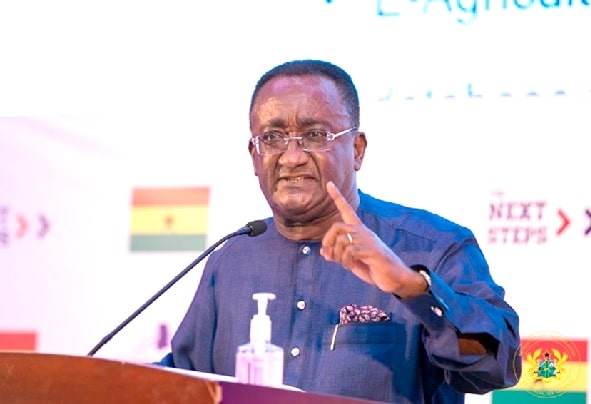
Critics have used the global supply shortfalls to dampen the acclamation deservedly generated by PFJ, a move it regards as particularly important since the former Food and Agriculture Minister, Dr Owusu Afriyie Akoto, (who recently resigned to pursue his political ambitions), has been generating crucial political capital for the current government, with his words and deeds since 2017.
However, the data shows that PFJ has been an eminent success, even with the severe headwinds that have confronted it and indeed provides a good model for efforts at enhancing agricultural production in Ghana going forward.
The most instructive statistic in this regard is that the agricultural sector in Ghana recorded its fastest growth in 30 years in both 2020 and 2021, at 7.3 per cent and 8.4 per cent respectively.
Indeed, the only other time the sector recorded growth of over seven per cent was the 7.3 per cent achieved back in 2009.
Instructively, before PFJ was introduced in 2017, Ghana‘s agricultural sector was customarily growing at less than three per cent a year, indeed bottoming out at 0.9 per cent in 2014.
In 2020, as the effects of the PFJ initiative began to reach their full potential, Ghana’s agricultural growth rate became the highest among the three broad economic sectors (the others being industry and services respectively) for the first time since 2009, when its 7.3 per cent growth exceeded industry’s 3.8 per cent and services 6.7 per cent.
In 2020, agriculture’s 7.3 per cent growth easily exceeded the services sector’s 0.75 as the industry contracted by 2.5 per cent.
Ghana’s overall Gross Domestic Product (GDP) growth of 0.5 per cent for that year – during which Ghana suffered its first economic recession in nearly four decades because of the effects of COVID-19 was only made possible by the continent’s leading growth performance of its agricultural sector.
The next year proved this was not a fluke.
With COVID-19 receding and as the Russia-Ukraine was yet to start, Ghana’s agricultural sector growth climbed to a historical high of 8.4 per cent, not far behind the 9.4 per cent growth achieved by the services sector and helping to negate the 0.8 per cent contraction in the industrial sector.
Thus again, the agricultural sector was a key contributor to Ghana’s solid economic rebound in 2021 to 5.4 per cent.
Simply put, the data provides undisputed evidence that PFJ has enhanced Ghana’s agricultural production in a sustained way.
It is only the second time in the past four decades that the sector has grown by over seven per cent for two consecutive years, the latest two-year growth spurt significantly outstrips what was achieved in 2008 and 2009.
Consecutive growth
Even more instructively, the earlier two-year consecutive growth saw the second of the two years experiencing a decline in the growth rate (heralding further declines in the following years) whereas this time around, the second year’s growth was higher than the first year, creating the prospect of further acceleration in the sector’s growth rate going forward.
But growth in agricultural production, as crucial as that is, is not the only landmark benefit that PFJ has given the country and the other is equally important – job creation.
The initiative has not only attracted more Ghanaians than ever before into the agricultural sector but has also attracted a more diverse demography for the industry than ever before too, with regard to the urban/rural split, age, gender and educational background.
Available data reveals that there are now 3,037,381 people engaged in agricultural activity, translating to nearly one in every 10 Ghanaians. This number is fairly evenly divided: 1,999,229 males and 1,038,152 females.
Urban agric
Even more pleasantly surprising is the increase in urban agricultural activity arising out of the encouragement provided by PFJ for urban agriculture.
The latest data reveals that there are now 710,358 urban dwellers now engaging in some form of agricultural activity or the other, which is nearly a third of the 2,327,023 rural dwellers.
The increased number of urbanites engaged in the sector has naturally raised the level of formal education being deployed, a crucial driver of increased sector productivity.
Literate people engaged in agriculture for the first time outnumber illiterates – 1,612,937 versus 1,424,444, with nearly twice as many literates than illiterates in the urban centres.
Indeed, the literate farming community now includes 136,598 graduates of tertiary institutions and another 268,131 who have finished secondary school.
Although the traditional forms of agriculture still attract most people – there are 2,360,402 people farming arable crops and 1,192,990 cultivating tree crops, newer forms of agriculture are now catching on.
For instance, there are 2,015 people engaged in aquaculture, in addition to the 59,548 engaged in traditional fishing.
All the data suggests that a more geographically diversified – and better-educated agricultural labour force, engaged in a wider scope of activity than ever before– isa driving record-high agriculture growth rates which indeed are powering Ghana’s strong economic growth despite its huge fiscal challenges.
Indeed, while criticism of the government’s public expenditure profiles may attract justified criticism, the expenditure on PFJ has proved to have given real value for money, no matter how the programme’s critics try to paper over the unprecedented gains.
The Strategic Thinkers Network Africa (Stranek-Africa) has petitioned the Office of the Special Prosecutor to commence criminal prosecutions against institutions and individuals implicated in the Auditor-General’s COVID-19 Expenditure Report.
According to the group, the infractions uncovered by the Auditor General fall within the ambit of the Special Prosecutor, and necessary action must therefore be taken by the office.
“We at STRANEK-Africa petition your office to begin forthwith criminal prosecutions relating the expenditure of COVID-19 for the period of March 2022. As unravelled through a thorough audit of Ministries, Departments and Agencies, it is astonishing how the malfeasance, malpractice and negligence are replete,” the group said in a statement signed by its Executive Director, Nii Tettey Tetteh.
The special audit undertaken by the Office of Auditor General uncovered several infractions relating to government expenditure during the height of the COVID-19 pandemic.
The release of the report has attracted various reactions, with critics calling on the government to see to the prosecution of implicated individuals.
The Member of Parliament (MP) for North Tongu, Samuel Okudzeto Ablakwa, has described the issue surrounding the change in the leadership of the minority caucus as a needless distraction.
According to him, the focus of the National Democratic Congress and its MPs should be on helping find solutions to the numerous challenges the people of Ghana are facing.
Ablakwa said that the issue surrounding the change in the minority leadership has overshadowed important national issues including the debt exchange programme and corruption allegations in the government’s COVID-19 expenditure, as well as the construction of the National Cathedral of Ghana.
“If you look at the current situation in our country, we are in a very turbulent chaotic time. We are really in crisis and we see what is happening with the Domestic Debt Exchange Programme, where so many people have been forced to take haircuts… we have an avalanche of corruption reports, look at the Auditor Generals’ Report on COVID-19, look at our own exposé.
“The Ghanaian people expect us to be focused on those matters, to offer leadership, to be their voice because that is why they sent us to Parliament.
“So, the point I am making is that, this is a needless distraction,” the MP said in a JoyNews interview monitored by GhanaWeb, on Tuesday, January 31, 2023.
Ablakwa, therefore, called on his colleague National Democratic Congress MPs to finalize the matter on their leadership and move on to national issues.
“So, some of us have been urging colleagues that we have to quickly close ranks, deal with this matter expeditiously and move on to the national issues,” he added.
The change in the leadership of the minority caucus of Parliament has led to some confusion in the NDC, with some members of the party, including some Members of Parliament, saying that the party’s parliamentarians should have been consulted before the move.
The NDC leadership has appointed the former Deputy Minister of Finance, Dr. Cassiel Ato Forson, as the minority leader in the 8th Parliament of Ghana’s Fourth Republic. He replaced the MP for Tamale South, Haruna Iddrisu.
According to the NDC, Kofi Armah Buah, MP for Ellembele, will take over as the Deputy Minority Leader.
While Kwame Governs Agbodza, MP for Adaklu, will replace Asawase MP Muntaka Mohammed as the Chief Whip.
Ahmed Ibrahim, MP for Banda, has been maintained as the First Deputy Minority Whip, while Comfort Doyo Cudjoe-Ghansah, MP for Ada, is the Second Deputy Minority Whip.
Some MPs of the party have petitioned its National Executive Committee (NEC) to suspend the appointment of the new leadership of the party in Parliament.
The NDC MPs, including Mohammed Mubarak Muntaka (MP for Asawase), Dominic Ayine (MP for Bolgatanga East), and Cletus Avoka (MP for Zebilla), who are calling for the suspension, argue that the appointment was not made by any of the party’s decision-making structures but was imposed by just a few people.
When Bolivia struck an agreement with Canadian manufacturer Biolyse Pharma to provide it with COVID-19 vaccines for its people, the Canadian government did not take the necessary measures needed to greenlight the export.
When Uganda was trying to purchase doses of the AstraZeneca vaccine, it was charged triple per dose that richer European countries paid.
When India and South Africa led an alliance of most countries on Earth at the World Trade Organization to change its rules and allow COVID-19 vaccines to be produced wherever they could be, a small band of rich countries, led by the United States, the European Union and the United Kingdom, blocked them.
When the COVAX initiative was set up by rich countries and international organisations, it promised to purchase and distribute COVID-19 vaccines equitably across the globe, but it didn’t. Some wealthy countries, like the UK, received significant vaccine supplies from COVAX, while poorer countries were left waiting or had to rely on vaccine donations, which, too often, were of doses nearing expiry.
Today, the coronavirus pandemic may have subsided, but the real enemy of health has survived: a patent system that keeps medicine recipes secret, a trade system that allows corporations to price medicines out of reach, and a global governance system that keeps the power to change any of this from poor countries.
If we want a better international health system, we are going to have to build it ourselves. With Luiz Inácio Lula da Silva’s victory in Brazil and the rise of new progressive governments across the region, Latin America is well-poised to begin this urgent work.
In my previous roles as Ecuador’s health minister and director of the Health Institute at the Union of South American Nations (UNASUR), I have seen possibilities take shape when countries work together under the principles of equity and social justice, bound by a common vision, and with the power to bring that vision to life.
To break the current system’s power and forge a new one, we need to challenge it at four levels: transparency, knowledge, industry and governance.
First, we need collective pricing and purchasing. The primary reason companies get away with arbitrary pricing of drugs is secrecy in trade deals.
We can turn the tables by creating a Medicine Price Bank and begin to collectively purchase medicines. We launched such a bank in 2016 when I was director of health for UNASUR. It was a simple database of drug prices, made up of an initial list of 34 medicines. The 12 participating countries shared the prices they were offered by pharmaceutical companies – to, in turn, see the prices offered to others.
Armed with comparative stats, governments successfully drove down prices at the negotiating table, enhancing access to medicines for everyone in the region while challenging the secrecy built into big pharma contracts. At the time, UNASUR estimated that if all 12 countries bought necessary quantities of the 34 medicines listed at the lowest price in the region, total savings would amount to about $1bn per year.
We could relaunch this price bank and take it further. Once we have the price information in place, we could negotiate for collective purchasing, further driving down prices with our bulk ordering. Through collective purchasing, we can squeeze the inflated profit margins of big pharma and instead turn that into healthier lives for our peoples.
Second, we need shared capacities. Regulating new drugs and vaccines is not easy. Regulatory infrastructure takes years to establish, from training skilled technicians to building laboratories and setting up information sharing with regulatory agencies around the world. Where one country has a greater capacity to regulate vaccines and treatments, they can lend these capacities to countries that do not – a simple system of solidarity that speeds up access.
This is already happening in the region. During the pandemic, Mexico’s drug regulatory authority (COFEPRIS) supported the Paraguayan health agency to evaluate India’s Covaxin for emergency use approval, even though Mexico had no plans to use it. We can build on this and set up a region-wide mechanism.
Third, we need to establish and expand national production. Within months of scientists developing vaccines for COVID-19, rich countries bought up almost all available and future doses, leaving little for the rest of us.
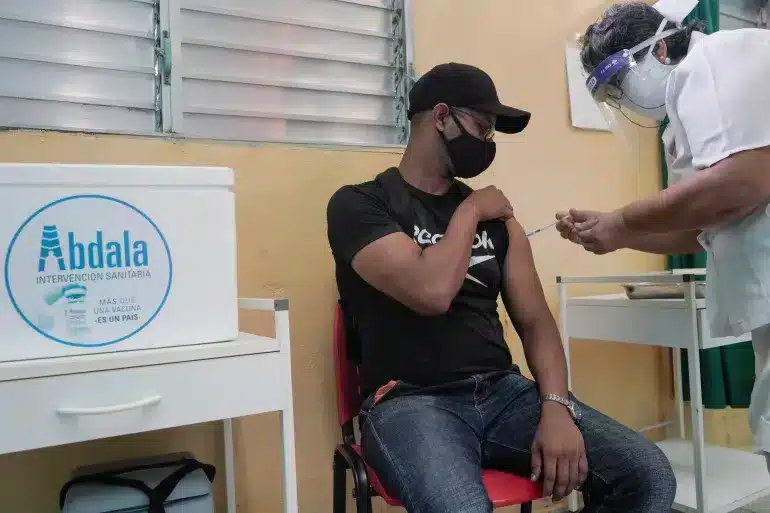
Cuba was insulated from this failed system. It benefitted from decades of investment in public healthcare and domestic pharmaceutical production, which meant that it was able to develop two homegrown vaccines — with efficacy rates of over 90 percent – and swiftly start immunising its population. It sent its vaccines to other embargoed nations like Iran, Venezuela and Nicaragua, and signed agreements to collaborate on vaccine production with countries like Vietnam and Argentina.
Domestic pharmaceutical production in Latin America is expanding. Argentina has a significant manufacturing capacity with 190 factories and 40 public laboratories. Mexico plans to produce the country’s own COVID-19 vaccine candidate, Patria in its national pharmaceutical company Birmex. Brazil has a notable production capacity and Colombia, too, is looking to expand.
By nationalising production and developing our own industries, countries of the Global South can coordinate production and distribution, making sure health emergencies are tackled with the interests of our people in mind, not Global North corporations.
Finally, we also need coordinated action on the international stage. From pushing for international trade reform to co-sponsoring resolutions, and filing complaints together – we can be more effective by coordinating our actions.
When I was leading the Health Institute at UNASUR, we carved out a space for new forms of collective action within the region, renegotiating the terms of existing health policies at the World Health Assembly of the WHO. Between 2010 and 2016, 35 joint interventions were carried out at the WHA on behalf of UNASUR countries, on issues such as access to medicines, health as a fundamental human right, WHO reform, sustainable development goals, and others.
Similarly, when tobacco company Philip Morris attempted to sue Uruguay for initiating anti-smoking legislation, the Southern Common Market (MERCOSUR) managed to act as a bloc before the International Centre for Settlement of Investment Disputes (ICSID) to show their regional support. ICSID eventually ruled in Uruguay’s favour.
Acting as a bloc could support other efforts to secure compulsory licences to produce COVID-19 vaccines and medicines in Chile, Colombia, Bolivia and the Dominican Republic. Such licences, permitted within WTO rules, allow governments to start alternative production or importation of a generic version of a patented medical product without the prior consent of the permit holder. This is what Bolivia needs from the Canadian government so it can import 15 million doses of vaccine produced by Biolyse.
A progressive health bloc with collective purchasing, regulatory capacities, drug production and distribution capacities, could exert pressure to jointly achieve the right to produce life-saving medicines.
These ideas for building a new global health system from below could be put in place quickly and start improving the lives of our people.
Now is the time to bring together progressive governments, in Latin America and further afield, to end big pharma monopolies, democratise pharmaceutical production, reduce drug prices, build robust health systems that expand the public provision of health services, strengthen regulatory capacity and uphold the right to health for all.
We know what needs to be done, now we need to bring together the collective power to make it happen.
DISCLAIMER: Independentghana.com will not be liable for any inaccuracies contained in this article. The views expressed in the article are solely those of the author’s, and do not reflect those of The Independent Ghana
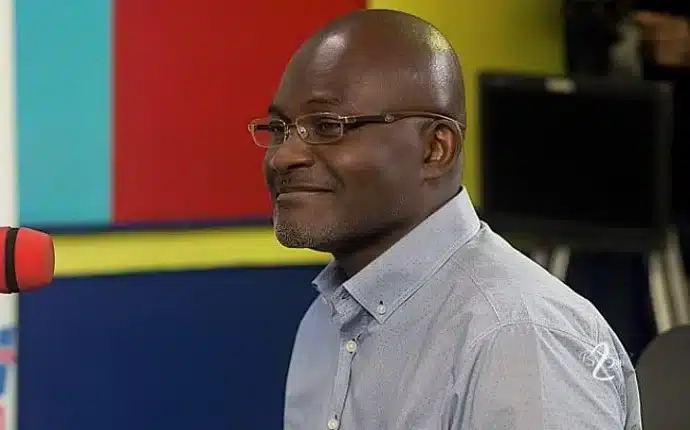
Member of Parliament for Assin Central, Kennedy Agyapong, has again justified his decision to become President of the republic.
He says he doesn’t want to go to his grave with his vision for the country.
“I don’t want to die with my vision and the only way to let Ghanaians know that a Ghanaian can also do it is to vie for this presidency,” he said in an interview on Good Evening Ghana.
During his interaction with host, Paul Adom Otchere, the Assin Central MP painfully revealed that he has on various occasions proposed innovative solutions to the country’s many woes in the various sectors of the economy. However, all these suggestions have been ignored. He, thus, believes that the only way to make these solutions materialise, is to become the President of the country.
“I’ve always thought that I could effect change in people’s lives without necessarily being President but I’ve come to realise that, especially with the COVID and Russia-Ukraine war; I feel whatever pragmatic approach I have towards development, I should only be President so that my vision will come through and I’ll be able to change the fortunes of this country.
“I have tried it in business fields, I employ a lot of young people but there are still many young people that are not working which clearly indicates to me that being only a businessman, I cannot help this youth enough but indeed if I become president, I can express my views and vision to everyone and bring the whole country together to move this country,” he said.
Despite an initial claim he made in 2021 on the Good Evening Ghana show to the effect that he had no presidential ambition, the legislator made a sudden u-turn and disclosed his intentions to run for presidency.
Touching on this, he noted that: “Indeed previously I wasn’t interested but now I am because successive governments have done their part when it comes to education for instance, most structures in the educational sector are just theory; we need abstract thinkers and pragmatic solutions to our problems.”
The world’s largest humanitarian network says strong preparedness systems are ‘severely lacking’ despite three years of theCOVID-19 pandemic.
All countries remain “dangerously unprepared” for the next pandemic, the International Federation of the Red Cross and Red Crescent Societies (IFRC) has warned, saying future health crises could also collide with increasingly likely climate-related disasters.
Despite three “brutal” years of the COVID-19 pandemic, strong preparedness systems are “severely lacking”, the IFRC said in its World Disasters Report 2022, published on Monday. It called on countries to update their preparedness plans by year’s end.
The world’s largest humanitarian network said building trust, equity and local action networks were vital to get ready for the next crisis.
The recommendations were released on the third anniversary of the World Health Organization declaring COVID-19 an international public health emergency.
“The next pandemic could be just around the corner,” said Jagan Chapagain, secretary general of the IFRC, the world’s largest disaster response network. “If the experience of COVID-19 won’t quicken our steps toward preparedness, what will?”
The report said countries need to be prepared for “multiple hazards, not just one”, adding that societies only became truly resilient through planning for different types of disasters because they can occur simultaneously.
The IFRC cited the rise in climate-related disasters and waves of disease outbreaks this century, of which COVID-19 was just one.
It said extreme weather events are growing more frequent and intense “and our ability to merely respond to them is limited”.
The report said major hazards harm those who are already the most vulnerable. It called leaving the poorest exposed “self-defeating”.
The report also said countries should review their legislation to ensure it is in line with their pandemic preparedness plans by the end of 2023 and adopt a new treaty and revised international health regulations by next year that would invest more in the readiness of local communities.
As pressure over his tax affairs grew, Nadhim Zahawi was removed from office.
The investigation into Mr. Zahawi’s financial affairs, according to theprime minister, revealed a “serious breach of the ministerial code,” according to the prime minister.
After learning that Mr. Zahawi had paid a penalty to HMRC for previously unpaid tax while serving as chancellor, Rishi Sunak ordered the investigation.
According to Mr. Zahawi, HRMC acknowledged that the error was “careless and not intentional.”
In a letter to Mr Zahawi, Mr Sunak said the MP could be “extremely proud of your wide-ranging achievements in government over the last five years”.
He specifically cited Mr Zahawi’s work overseeing the Covid vaccine, saying it was “critical to ensuring our country came through this crisis and saved many lives”.
Mr Zahawi had come under increased scrutiny after he confirmed he had made a payment to settle a dispute with HM Revenue & Customs (HMRC).
The BBC understands the dispute was resolved between July and September last year, when he was chancellor and in charge of the tax system.
The total amount paid was in the region of about £5m, including a penalty, the BBC understands.
On Monday, Mr Sunak had asked his independent ethics adviser, Sir Laurie Magnus, to look into the disclosures about Mr Zahawi’s tax affairs, saying there were “questions that need answering”.
In his findings, sent to Mr Sunak on Sunday morning, Sir Laurie said Mr Zahawi had shown “insufficient regard for the principles of the general principles of the ministerial code and the requirements in particular under the seven Principles of Public Life, to be honest, open and an exemplary leader through his own behaviour”.
“I also fully appreciate the pressures faced by ministers as they address the complex issues of government and the difficulties they encounter in balancing the demands of their personal lives and their ministerial responsibilities.
“These factors, however, cannot mitigate my overall judgement that Mr Zahawi’s conduct as a minister has fallen below the high standards that, as prime minister, you rightly expect from those who serve in your government.”
Nadhim Zahawi’s tax affairs have been a headache for the government for the past 10 days.
Rishi Sunak has argued that due process is important. But he’s faced accusations he was weak for not acting earlier to get rid of Mr Zahawi.
The PM got the report from his ethics adviser early this morning. He spoke to Mr Zahawi to tell him he was being sacked, then it was confirmed publicly.
The report from Sir Laurie Magnus left little room for any other conclusion than Mr Zahawi’s departure.
Former Auditor General, Daniel Yao Domelevo, has said that he is not surprised about the level of corruption and infractions that are recorded in audit reports on the government finances.
Speaking in a Joy News interview on Thursday, January 26, 2023, Domelevo posited that the level of corruption and infractions are so high because the government, which is supposed to be preventing them breaches the financial laws of the country more than any entity.
“I get sad, especially when you borrow money from people saying, that I don’t have money to take care of a pandemic and then you use the money to pay SSNIT, you use some to pay NABCO, etc. Are those all part of the pandemic?
“So, you see the government itself is at the forefront of misbehaviour or breaching laws or not respecting the financial roles.
“So are you surprised that we have this level of embezzlement and infractions in the Auditor General’s report when even the Ministry of Finance and the government which should be at the forefront and ensuring that the finance rules are complied with are misbehaving? What will others do?” he questioned.
He also said that the government does not take audit reports on its finances earnestly, which is why finance infractions by government agencies continue.
The former Auditor General made these remarks while reacting to an audit report on Ghana’s COVID-19 expenditure which showed that nearly 50 per cent of the money the state mobilised to mitigate the impact of the COVID-19 pandemic in the country was used for budget support and not issues related to the outbreak.
The report, which was prepared by the Auditor General Department, indicated that the government raised nearly GH¢22 billion, as of June 2022, to fight COVID-19 in Ghana through the Contingency Fund, the World Bank Group, the International Monetary Fund (IMF), the African Development Bank (AfDB) and the European Union (EU).
However, out of the total amount raised to fight COVID-19, only about GH¢12 billion (a little over 50 percent of the total funds raised) was used for activities geared toward fighting the spread of the virus and its impact in Ghana.
It outlined that, “issues relating to COVID-19 continue to impact research into internet adoption, so actual internet user figures may be higher than the published numbers suggest”.
Meanwhile, on the social media front, Ghanaian user activity reached 8.80 million in January 2022.
This was equivalent 27.4 percent of the total population at the beginning of 2022.
The Digital 2023 Global Overview Report however noted that the figure for social media users may not necessarily represent unique individuals that use various platforms.
The biggest luxury brandin the world reported healthy sales fueled by the holiday shopping season.
LVMH claimed that despite geopolitical unrest and a high cost of living, they had a second consecutive record year for revenue and profits.
In the last three months of the year, sales increased by 9% to almost $25 billion (£19.9 billion).
Strong growth experienced by the company in the US, Europe, and Japan offset losses incurred in China as a result of COVID lockdowns.
In Asia, LVMH did experience a 20% drop in growth in the first nine months as the world’s second largest economy doubled down on its zero-COVID policy.
However, LVMH chairman and chief executive Bernard Arnault said he felt cautiously optimistic about “green shoots” in China.
“We have every reason to be confident, indeed optimistic about China,” Mr Arnault said at the group’s earnings presentation.
He pointed to their Macau stores as a sign of what could come. “Business is back, the Chinese are buying,” he said.
LVMH brands include Tiffany’s, Christian Dior, Sephora, Hennessey and Moët.
Its designer label Louis Vuitton did exceptionally well. Its revenue surpassed $21.7bn for the first time. The label recently launched a new collaboration with Japanese contemporary artist Yayoi Kusama, who is known for her art made of colourful dots.
LVMH’s earnings are viewed by analysts as a bellwether in the luxury market.
Bain and Company said they see a boost in spending on personal luxury goods overall.
“The personal luxury market is projected to see further growth of at least 3-8% next year, even given a downturn in global economic conditions,” according to a report from the consulting company.
Earlier this month, LVMH made changes to its leadership staff. Mr Arnault, one of the world’s richest men, appointed his daughter as the head of the fashion house Dior. Delphine Arnault, 47, replaced Pietro Beccari – who took over as chief executive of Louis Vuitton.
All five of Mr Arnault’s children hold management positions at brands in the group.
Ghana’s internet penetration rate stood at 53.0% of the total population at the start of 2022, as 16.99 million internet users were recorded in January 2022.
According to the Digital 2023 Global Overview Report, internet users in Ghana increased by 350,000 (+2.1 percent) between 2021 and 2022.
The report further revealed that 15.07 million people in Ghana did not use the internet at the start of 2022, meaning that 47.0% of the population remained offline at the beginning of the year.
Ghana’s total population stood at 32.06 million in January 2022.
The report, however, said “issues relating to COVID-19 continue to impact research into internet adoption, so actual internet user figures may be higher than the published numbers suggest”.
Social media users stood at 8.80m in January 2022
Meanwhile, the report stated that there were 8.80 million social media users in Ghana in January 2022.
The number of social media users in Ghana at the start of 2022 was equivalent to 27.4% of the total population.
But the report said it’s important to note that social media users may not represent unique individuals.
Minority Leader, Dr. Cassiel Ato Forson has announced a public hearing on the audit of the Covid-19 expenditure effective February 07, 2023.
Addressing a Press Conference on Wednesday the new minority leader reiterated “At that point, we’ll pay due diligence to the duties given to us as the people of Ghana.”
The decision comes after engagement with the Finance and the Health Committees of parliament, he disclosed.
Subsequently, the new leadership of the minority caucus has also planned to embark on a roadshow to “galvanize the people of Ghana and educate them” on the impact of the current economic crisis.
The two programmes will ostensibly form his initial action after his elevation as minority leader of Ghana’s largest opposition in parliament.
He’s yet to set out how he plans to bring together a party riven into factions after the upset in the leadership of the minority caucus following the reshuffle.
But the new minority leader has urged for calm among the rank and file of the NDC saying the new leadership has a good handle on the affairs of parliament and will do a great job in the larger interest of the party and the nation.
“…I’ll appeal to the rank and file of our great NDC party to keep calm, members of parliament are in good hands, we’ll work with them with due diligence. Obviously, we’re not new in this House. I have been in this House for 14 years. I know the capabilities of all our colleagues, some I met, some came to meet me. I have worked closely with most of our colleagues and I can assure you that together we shall succeed,” he told Journalists in parliament.
The Ministry of Health has responded to the Auditor-General’s latest report on the government’s COVID-19 expenditure.
In the report, the Auditor General noted that the Ministry of Health on behalf of the Government of Ghana paid an amount of $120,192,379.80 to UNICEF/VAT for the supply of vaccines, “However, 5,109,600.00 doses of vaccines valued at $38,322,000.00 were supplied to the National Cold Room leaving a difference of US$81,870,379.00 with UNICEF/AVAT.
The Auditor-General thus recommended to the Chief Director of the Health Ministry to renegotiate and recover the outstanding balance.
This, according to the Auditor General must be done immediately to ensure the amount is recovered to the state.
While acknowledging the delay in receiving the vaccines, the Ministry of Health in a statement, explained that government was yet to take hold of the products because of unexpected hesitancy, cold chain storage challenges, spontaneous donations, as well as manufacturer’s storage difficulties.
“Due to the unexpected hesitancy, cold chain storage challenges, spontaneous donations, as well as manufacturer’s storage difficulties, the Ministry in June 2022, was compelled to agree on a delivery schedule for the remaining 11,052 million doses to be delivered from June to December 2022. According to the schedule, 1.6 million doses were to be delivered from June to December 2022 to complete the allocation. However, this process was delayed because of the aforementioned challenges.”
The Ministry in the statement however assured that efforts are in place to review the contract.
“Currently, the Ministry requested and has received the June allocation which was delivered in January 2023. In the meantime, the Ministry continues to work with the AVAT for a possible review of the contract and would want to assure the public of our commitment to work in the supreme interest of the public.”
The ambulances, worth US$4,049,460.12, were supposed to be delivered by January 15, 2022, however they were delayed because of various technical issues.
“We took note of the Ministry’s entry into a contract for the supply of 26 Toyota Hiace Deluxe Ambulances valued at US$4,049,460.12 signed on December 15, 2021, of which US$607,419 was paid via PV No. IPF 22-007 dated September 2, 2022, and is due to be delivered on January 15, 2022. The ambulances, however, were still undeliverable as of November 28, 2022, according to the report on the audit of COVID-19 government expenditure for the months of March 2020 to June 2022.
It added also that “The Chief Director explained that the supplier applied for an extension to meet some technical specifications.”
“Under the current economic difficulties, the supplier could apply for price variation to unduly increase the cost of the contract which could have been avoided if the ambulances had been supplied as scheduled,” it added.
However, the contract has been extended to March 2023. “Management has indicated that upon technical inspection by the World Bank, additional specifications have been recommended and the contract has, therefore, been extended to March 2023,” the report indicated.
The A-G recommended that the Chief Director should ensure that the ambulances are delivered no further than the extended date of March 2023.
The minority in the House of Representatives has intimated that when the Parliament reconvenes in February, there will be further, embarrassing discoveries about how the government used COVID-19 funds.
It comes on the back of revelations in the Auditor General’s Special Report on Ghana’s COVID-19 expenditure which revealed serious procurement breaches and financial misappropriation.
According to the report, the Ministry of Health paid over 10 million cedis in insurance premiums to cover 10,000 frontline health workers and allied health professionals without a life insurance policy document.
But Ranking Member on the Health Committee of Parliament, Kwabena Mintah Akandoh said this is the tip of the iceberg, adding that more damning revelations will come out when Parliament reconvenes.
“Nothing in this report is surprising, I think that there’s more to it than we are hearing or seeing at the moment. For me, it doesn’t come as a surprise at all. Let people get this clear, it is not as though the Auditor-General set out himself to uncover certain rot or to audit COVID expenditure. This is something we on the Minority side have fought for all this while. If you’ll recall there was a point in time when the Deputy Speaker was presiding and a motion in that regard was thrown out.
“We on the Minority side have control over what we can do to contribute to the development of this country. I can assure you on that note that we’ll do our best, very soon, the five-member bi-partisan committee will start sitting in public. We are inviting memoranda and we’ll do what we think must be done as a Parliament.”
The Ministry of Health rented a building for 25 years for more than GH $15 million, according to the Auditor-General’s report on Ghana’s COVID-19 expenditures.
The report also stated that the ministry used over GH¢20 million to refurbish the building which was to serve as a COVID-19 isolation centre but was never used.
“The Ministry of Health entered into a 25-year Finance Lease Agreement at a total lease value of GH¢15,265,000.00 in 2020 to be used as a holding and isolation centre in Adaklu in the Volta Region.
“The works, we noted, include remodelling the existing buildings to be used as holding, treatment and isolation centres but could not use the facility for the intended purpose which resulted in an additional cost of GH¢20,382,247.70,” parts of the report read.
The A-G indicated that because of the huge amount of money spent on the building, it impressed the ministry to buy it.
“We recommended to the Chief Director to consider outright acquisition of the building,” it said.
The audit report also showed that nearly 50 percent of the money the state mobilised to mitigate the impact of the COVID-19 pandemic in the country was used for budget support and not issues related to the outbreak.
The report, which was prepared by the Auditor-General department, indicated that the government raised nearly GH¢22 billion, as of June 2022, to fight COVID-19 in Ghana through the Contingency Fund, the World Bank Group, the International Monetary Fund (IMF), the African Development Bank (AfDB) and the European Union (EU).
However, out of the total amount raised to fight COVID-19 only about GH¢12 billion (a little over 50 per cent of the total funds raised) was used for activities geared toward fighting the spread of the virus and its impact in Ghana.
Domelevo disclosed in a TV interview (January 23) that he was about to start auditing the COVID expenditure in line with the Constitutional provision as contained in the COVID-19 Act, Act 1013; before he left office.
“I was going to actually audit the COVID funds in 2020 before leaving office. This is because the novel coronavirus Act, Act 1013 requires the Auditor-General to audit the financial statement relating to their revenue and expenditure and report on it within six months after the end of the financial year,” he told Joy News.
“I must say that it is sad that we are seeing this level of wastage at a time where there is no fiscal space as a result of which even people who lent money to government cannot be paid.
“We should be doing more, there should be consequences for these infractions. If we do 1000 audits and there are no consequences people will continue with this impunity,” he lamented.
Auditor-General’s report on COVID-19 spending
The Auditor-General released a report on government’s expenditure during the COVID-19 pandemic covering the period between March 2020 to June 2022.
The special audit report has been prepared under Section 16 of the Audit Service Act, 2000 (Act 584) for submission to Parliament.
It detailed the various expenditure made by Ministries, Departments, and Agencies during the aforementioned period.
The report noted that records on COVID-19 funds at the Ministry of Finance, Controller and Accountant-General and Ministry of Health indicated that, the Ministry of Finance mobilised a total amount of GH¢19,112,318,205.12 in 2020 to mitigate the impact of the COVID-19 pandemic.
The records showed that an amount of GH¢1,978,551,137.46 was mobilised in 2021 and GH¢753,319,842.66 (up to June 2022) to finance the Coronavirus Alleviation Programme and the implementation of the Ghana COVID-19 Emergency Prep000aredness and Response Plan.
In all, a total amount of GH¢21,844,189,185.24 was mobilised to mitigate the impact of COVID-19 pandemic in Ghana.
There have been some shocking revelations following an audit of COVID-19 expenditures by the Auditor General.
An audit report on the Government of Ghana’s COVID-19 expenditure has shown that nearly 50 percent of the money the state mobilised to mitigate the impact of the COVID-19 pandemic in the country was used for budget support and not for issues related to the pandemic.
A portion of the report, which covers the period of March 2020 to June 2022, revealed that the Ministry of Health entered into a 25-year finance lease agreement in 2020 at a total lease value of GHC 15,265,000 for a building to be used as a holding and isolation centre in Adaklu in the Volta Region.
Another portion of the Auditor General’s report said the management of the Information Ministry and its support staff, who are not health workers, paid themselves an amount of GHC 151,500 as risk allowance for going to work in the wake of COVID-19.
The Auditor General believes these monies need to be refunded by the management and staff of the Information Ministry, who were beneficiaries.
The report, which was prepared by the Auditor General Department, indicated that the government raised nearly GHC 22 billion, as of June 2022, to fight COVID-19 in Ghana through the Contingency Fund, the World Bank Group, the International Monetary Fund (IMF), the African Development Bank (AfDB), and the European Union (EU).
However, out of the total amount raised to fight COVID-19, only about GHC 12 billion (a little over 50 percent of the total funds raised) was used for activities geared toward fighting the spread of the virus and its impact in Ghana.
Following this development, Ghanaians have been reacting on social media with the hash tag NPPGrandCovidTheft which is topping trends.
Many have criticised government for looting COVID-19 funds.
“Bawumia and his NPP supervised the payment of GHC5,000,000.00 to Dredge Masters Limited for the removal of plastic waste and other foreign materials/debris from storm drains in Accra without certificate of work completed. #NPPGrandCovidTheft,” a user tweeted.
“Put all of these together, and it’s not even up to 10% the damage you have done to us with Covid 19 alone” another user added.
The Auditor-General’s report on Covid-19 has disclosed that the Ministry of Health agreed to buy 26 Toyota Hiace Deluxe ambulances for US$4,049,460.12 in December 2021, but the ambulances were never delivered.
The report on expenditures for Covid-19 between March 2020 to June 2022, indicated that a total of US$607,419.02 out of US$4,049,460.12 was paid for the ambulances to be delivered by January 15, 2022.
According to details of the report, as of November 28, 2022, no ambulance had been delivered.
In the report, the Chief Director explained that the supplier for the ambulances applied for an extension of delivery date to meet some technical specifications.
The Auditor-General opined that, “under the current economic difficulties, the supplier could apply for price variation to unduly increase the cost of the contract which could have been avoided if the ambulances had been supplied as scheduled.”
Excerpts from the A-G’s report
The contract has since been extended to March 2023 after a technical inspection by the World Bank and a recommendation for additional specifications.
The Auditor-General has thus recommended that “the Chief Director should ensure that the ambulances are delivered no further than the extended date of March 2023.”
The A-G also reported that $80m worth of vaccines paid for by government has not been delivered.
According to the A-G, government paid over $120m to the United Nations Children’s Fund (UNICEF) and African Vaccine Acquisition Trust (AVAT) but only $38m worth was delivered.
The Auditor-General has thus recommended to the Chief Director of the Health Ministry to renegotiate and recover the outstanding balance.
A recently released Auditor General’s report said the amount spent by government was GH¢10 billion out of the GH¢21,844,189,185.24 mobilised by the State to combat the pandemic.
The report noted that only GH¢11,750,683,059.11 was spent by government to tackle the virus while the remaining amount, according to its records went toward supporting the budget.
“Out of GH¢21,844,189,185.24 mobilised, ¢11,750,683,059.11 was spent on Covid-19 activities and the rest on budget support. On Covid-19 activities, we noted that GH¢8,658,496,124.96 was spent in 2020, GH¢3,084,311,725.45 in 2021, and GH¢7,875,208.70 in 2022 to mitigate the impact of coronavirus (Covid-19) pandemic in Ghana,” portions of the report read.
Meanwhile, the A-G report also uncovered that the Government of Ghana paid during the period of March 2020 and June 2022 paid an amount of $80 million for the purchase of COVID-19 vaccines.
However, the vaccines have since not been delivered to the country.
Economist Prof. Godfred Bokpin has explained how election-related expenses in 2020 is also to blame for current economic woes the country is facing.
He holds that government took advantage of COVID-19 funds to overspend. hence ballooning the fiscal deficit of Ghana in 2020.
He was responding to issues around the Auditor-General’s report on how COVID funds were expended by government.
In citing some reasons for the damning audit revelations, Prof Bokpin said: “Lack of value for money, COVID vaccines that have been paid for that were not delivered and some COVID related inflows that were rather channelled into general budget support and the rest of them.
“Why was that so, because COVID also happened in the year of elections, so government was abusing public finance in the name of COVID-19,” he stressed.
According to him, government “took advantage of the COVID and overspent and our fiscal deficit… in fact Ghana’s fiscal deficit was the highest in the sub-region.” He explained that whiles neighbours were hovering around sub 8%, Ghana in 2020 did more than 15% of GDP.
“So, the current crisis we have here, you can also trace it to the election-related excesses of 2020 that government blamed on COVID,” he stressed.
Auditor-General’s report on COVID-19 spending
The Auditor-General released a report on government’s expenditure during the COVID-19 pandemic covering the period between March 2020 to June 2022.
The special audit report has been prepared under Section 16 of the Audit Service Act, 2000 (Act 584) for submission to Parliament.
It detailed the various expenditure made by Ministries, Departments, and Agencies during the aforementioned period.
The report noted that records on COVID-19 funds at the Ministry of Finance, Controller and Accountant-General and Ministry of Health indicated that, the Ministry of Finance mobilised a total amount of GH¢19,112,318,205.12 in 2020 to mitigate the impact of the COVID-19 pandemic.
The records showed that an amount of GH¢1,978,551,137.46 was mobilised in 2021 and GH¢753,319,842.66 (up to June 2022) to finance the Coronavirus Alleviation Programme and the implementation of the Ghana COVID-19 Emergency Preparedness and Response Plan.
In all, a total amount of GH¢21,844,189,185.24 was mobilised to mitigate the impact of COVID-19 pandemic in Ghana.
According to him, the administration overspent using COVID-19 funding. Consequently, Ghana’s fiscal deficit will soar in 2020.
He was addressing concerns on the Auditor General’s report on the government’s use of COVID funds.
Prof. Bokpin gave several explanations for the scathing audit findings, including “lack of value for money, COVID vaccines that were paid for but not provided, and some COVID-related inflows that were instead channeled into general budget support, among others.
“Why was that so, because COVID also happened in the year of elections, so government was abusing public finance in the name of COVID-19,” he stressed.
“So, the current crisis we have here, you can also trace it to the election-related excesses of 2020 that government blamed on COVID,” he stressed.
Auditor-General’s report on COVID-19 spending
The Auditor-General released a report on government’s expenditure during the COVID-19 pandemic covering the period between March 2020 to June 2022.
The special audit report has been prepared under Section 16 of the Audit Service Act, 2000 (Act 584) for submission to Parliament.
It detailed the various expenditure made by Ministries, Departments, and Agencies during the aforementioned period.
The report noted that records on COVID-19 funds at the Ministry of Finance, Controller and Accountant-General and Ministry of Health indicated that, the Ministry of Finance mobilised a total amount of GH¢19,112,318,205.12 in 2020 to mitigate the impact of the COVID-19 pandemic.
The records showed that an amount of GH¢1,978,551,137.46 was mobilised in 2021 and GH¢753,319,842.66 (up to June 2022) to finance the Coronavirus Alleviation Programme and the implementation of the Ghana COVID-19 Emergency Preparedness and Response Plan.
In all, a total amount of GH¢21,844,189,185.24 was mobilised to mitigate the impact of COVID-19 pandemic in Ghana.
A Research Fellow at the Ghana Centre for Democratic Development (CDD-Ghana), Dr Kwame Asiedu Sarpong, is accusing government of siphoning funds in the guise of Covid-19.
According to the pharmacist, the huge sums of money government received in donations should have been enough to forestall the debt problem the country is currently facing.
A total amount of GH¢21.8 billion was mobilised to mitigate the impact of the pandemic in Ghana.
However, government is currently at the doors of the International Monetary Fund (IMF) for a $3 billion bailout.
While government conducts a controversial Domestic Debt Exchange programme, the Auditor-General has released its report on Covid-19 expenditure between May 2020 and June 2022.
The CDD fellow insists that infractions detailed in the said report make it difficult to accept the government’s use of the pandemic’s response measures as justification for the financial crisis.
“In actual fact, Covid gave us a bounty based on what the Auditor-General has said. We are at the IMF and our economy is in shambles because we used Covid as a facade to do bad things. Very bad things. Extremely bad and diabolical things. We used Covid to plunder the state,” he said on Monday.
Dr Sarpong made these comments on Joy FM‘s Super Morning Show on Monday.
He called for a “spirited campaign to get the monies retrieved.”
The pharmacist was however not too confident that this will be possible on precedence.
“How much of Woyome’s money have we been able to retrieve anyway?” he quizzed.
The Auditor-General’s report also disclosed that the government spent GH¢10 billion of the GH¢21.8 billion mobilised for Covid-19 activities on budget support.
According to the A-G, a total of GH¢21,844,189,185.24 was mobilised for the fight against the pandemic.
However, out of this amount, only GH¢11,750,683,059.11 was spent on curbing the spread of the virus.
The National Chairman of the opposition National Democratic Congress (NDC), Johnson Asiedu Nketiah has called on Ghanaians not to sit aloof on the bad governance by this current administration.
His comment comes on the back of damning revelations from the 2022 Auditor General’s Report on COVID-19.
According to the A-G, a total of ¢21,844,189,185.24 was mobilised for the fight against the pandemic.
However, out of this amount, only ¢11,750,683,059.11 was spent on curbing the spread of the virus.
Commenting on the development, the National Chairman of the NDC indicated that Ghanaians will learn a more bitter lesson if they do not voice out on Akufo-Addo’s bad regime.
“The hardships and corruption emanating from the disastrous economic, social, political and developmental policy choices of the Akufo-Addo and Bawumia NPP administration provides useful lessons and insights that must improve our governance systems and practices for the benefit of the future generation.
“Particularly these bitter lessons make a solid case for active citizen awareness and participation in the choice and/or implementation of policies,” Mr. Nketiah stated in a Facebook post on January 23, 2023.
He continued: “If citizens opt to sit on the sidelines, or pursue narrow political agendas, they ultimately bear the consequences of bad governance, as is currently with the dubious debt exchange programme and as revealed by the audit report on the COVID-19 expenditures of the government.
“Citizens must be interested, vocal, and insistent on how they prefer to be governed. It’s their country and their future that is more at stake with every government action.”
Following the announcement of the 6th National COVID-19 Vaccination Days, the Ghana Health Service (GHS) reports that it has barely reached 10% of its target.
The Service designated January 20, 2023, through January 24, 2023, as immunization days due to an increase in COVID-19 infections in some countries, notably China.
The service regrets that the attendance has not been very spectacular.
However, Dr. Kwame Amponsa-Achiano, the Service’s programme manager for the Expanded Programme on Immunization, expressed optimism that turnout will increase in an interview with Citi News.
“So far, it’s been fine, not exactly as we expected, but at least it made some inroads. We are happy that some people are taking some vaccines. It’s early days yet, we have data for only day one… If you look at data for day one, we are doing about 10% of our target.”
“That is data from only thirteen regions, we haven’t had the reports from the other three regions yet, so we are still expecting,” Dr. Kwame Amponsa-Achiano stated.
The Community Water and Sanitation Agency (CWSA) has been requested to take prompt action to review an anticipated unvalidated payment of GH14.7 million in Covid-19 spending.
Government at the height of the coronavirus pandemic provided free water between April and December 2020.
Some non-governmental organisations (NGOs) and private water providers were paid GH¢22,819,862.42 to settle the cost of water for 2020 and 2021.
But the Auditor-General is raising questions about a GH¢37,609,791.71 bill provided as the cost of free water supplied by the NGOs and private water operators.
The said payment leaves a balance of ¢14,789,929.29 left to settle the suppliers.
This was revealed in the audit of Covid-19 transactions for the period March 2020 to June 2022.
The Auditor General says its assessment of the situation revealed that “there were no actual water bills generated and submitted to the Agency by the NGOs and Private Individual Water providers to support their claims.”
According to the report, the entities involved arrived at the amount by using “the maximum pumping capacities of the machines and the estimated population of the communities involved.”
He does not find this as a feasible measuring modality for the water consumption within the said period and wants answers.
It recommended that the outstanding amount of ¢14 million be paid based on actual bills and not estimated bills.
In response, management justified the payments by explaining that some of the private water providers had water meters which they used to prepare their own water bills based on water consumption and that those bills were vetted by the District Assemblies and CWSA Regional Offices.
The Community Water and Sanitation Agency claimed that the non-payment of the balance will impede the Agency’s relationship with the suppliers, hence hurting future activities when their services and possibly litigation.
However, the A-G insists that “we did not see water bills submitted by the NGOs and other private water service providers to the headquarters and therefore could not confirm the information provided by management.”
The Auditor-General of Ghana, has in its recent report revealed that the government spent a colossal amount of $81 million on COVID-19 vaccines but failed to have them delivered.
The African Vaccine Acquisition Trust (AVAT) and the United Nations Children’s Fund (UNICEF) received over $120 million in government funding, but only $38 million of that was really delivered, according to the A-G.
The Chief Director of the Health Ministry has been advised by the Auditor-General to renegotiate and pay the remaining balance.
According to the A-G, this needs to be rectified with immediate effect in order to guarantee that the state gets its money back.
“We noted that the Ministry of Health on behalf of the government of Ghana paid an amount of $120,192,379.80 to UNICEF/AVAT for the supply of vaccines.
“However, 5,109,600.00 doses of vaccines valued at $38,322,000.00 were supplied to the National Cold Room leaving a difference of US$81,870,379.00 with UNICEF/ AVAT.
“We recommend that the Chief Director of the Ministry of Health should renegotiate with UNICEF/AVAT recover the outstanding amount,” the report read.
Again, the Auditor-General’s report discovered that only 25% (or $5.5) of the US$2.5 billion in funds raised for the fight against Covid-19 were allocated for health.
The remaining funds, per the report, were used for government initiatives like LEAP and Free SHS, among others.
As Jo Wang, an event planner in Beijing, watched her family members fall ill with Covid-19 one by one late last month she had a single goal: find antiviral pills to protect her elderly grandfather when his turn came.
After three days of trying and failing to purchase a box of Pfizer’s Paxlovid on an e-commerce platform, she got lucky, scoring the Covid treatment via an official channel on the fourth day and receiving it by mail on the sixth. But Wang, who was breaking the rules by seeking the prescription proactively – before her grandfather fell ill – was also wracked with guilt.
“I felt really bad at that time … you don’t know how many days it will take to buy this medicine, it is completely unknown. And you don’t know how long the people in your family can hold on,” she said, stressing her fear that if she waited until the 92-year-old fell ill, it would be too late to get the pills, which are most effective early in the illness. “It’s a very desperate situation.”
Wang is not the only resident scrambling to secure Western medications as a wave of Covid-19 overwhelms China, driving up demand for treatment – especially for the country’s large undervaccinated elderly population.
In recent weeks, many have turned to the black market where hawkers claim to sell Covid treatments ranging from illegal imports of Indian-made generics of Pfizer’s Paxlovid and Merck’s molnupiravir to the bonafide product –up to nearly eight times the market price.
Rising frustration over the shortages wascompounded by an announcement Sunday that the government had failed to reach an agreement with Pfizer to include Paxlovid under its national insurance plan, with officials saying the price asked was too high. That decision could mean that after March 31, the drug will only be available to those who can afford to pay full price, with current rates reportedly around 1,900 yuan ($280) per course.
Paxlovid has been shown to reduce the risk of death and hospitalization in high risk patients when used soon afterthe onset of symptoms. Last February, the drug, widely used in developed countries, became the first oral pill specifically for Covid to be authorized in China.
China did agree to cover two other treatments used for Covid-19 in the latest talks – the traditional Chinese medicine Qingfei Paidu and the homegrown antiviral pill Azvudine. There is limited data on how well Azvudine protects against severe disease.
The pricing pitfall and shortages, nearly a year after the pill was first authorized and months after Pfizer tapped a domestic drugmaker for local production, showthe challenges facing China as its governmentgrapples with demand for treatments for its population of 1.4 billion after abruptly dropping its Covid controls last month.
Currently, Pfizer’s imported pill is available in community hospitals in some cities, including Beijing, Shanghai, Tianjin and Guangzhou, according to state media. It is also sold on several e-commerce platforms, where there is some suggestion in local reports that supply constraints are easing.
But there are questions about how broadly the pills will be distributed across China and if there is sufficient medical resources to prescribe them – an urgent issue as the outbreak shifts from urban hubs to smaller cities and rural China. Experts say procurement appears to be decentralized, with the pills more readily available at hospitals in better resourced major cities and tougher to find elsewhere.
On Monday, Pfizer’s CEO Albert Bourla said the company had ramped up exports, sending millions of courses of Paxlovid to China in the past couple weeks, and was working with its domestic partner Zhejiang Huahai to manufacture Chinese-made Paxlovid in the first half of this year, according to Reuters.
But Bourla, speaking at a conference in San Francisco, also quashed hopes the company might reach a deal with China for domestic drugmakers to produce a generic version of the drug to be sold in-country – denying a January 6 Reuters report that such an arrangement was being discussed.
US-based Merck, known as MSD internationally, on Wednesday said on its WeChat account that it would take legal action against some manufacturers that are supplying unauthorized versions of its Covid drug. The company said it would also partner with domestic firm Sinopharm to supply China with its pill, which is sold under the brand name Lagevrio. Neither Western firm currently holds a patent for the drugs in China, according to a WHO-affiliated database, though both have filed for one.
But as the immediate shortages – and issues of cost – play out in one of the world’s largest generic drug-producing countries, they also throw the spotlight on global issues related to intellectual property rights, according to experts who examine access to medicines.
Two Chinese companies slated to manufacture generic versions of Paxlovid have already submitted their products for evaluation by the World Health Organization (WHO), according to the WHO-affiliated Medicines Patent Pool (MPP) – a signal that they are ready to begin producing the medicine.
Those companies, Zhejiang Huahai and Apeloa Pharmaceutical, along with two others in China, were granted sublicenses in 2022 to make the full generic pill to supply 95 lower and middle income markets – not including China – under an earlier deal between Pfizer and the MPP, an organization that facilitates access to treatments for people in poorer countries.
“At the scale of the health crisis taking place (in China), the most logical next step (would be) that these licenses are expanded to include allowing domestic supply in China, including from other producers (in the region),” said Ellen ‘t Hoen, a former executive director of the MPP and current head of the Medicines Law & Policy project.
However, if the drug developer was unwilling to take that step – as Bourla indicated Pfizer was on Monday – there are measures China could take, such as pledging to protect companies that make generic supplies or importing generics from elsewhere, using legal measures allowed under the World Trade Organization rules during health emergencies, ‘t Hoen said.
That potential has been discussed in public forums in China. Commentators there point out the country has no track record of using these flexibilities, which are often employed with caution by countries, given their potential to irk foreign pharmaceutical companies and the countries where they are based.
In China’s case, concerns about impacting the local economy – in which foreign pharmaceutical firms are major employers – was likely a key reason for the government’s reticence to use such measures, said Yanzhong Huang, a senior fellow for global health at the Council on Foreign Relations in New York.
Beijing this month called on authorities to enhance oversight of online sales of drugs and crack down on price gouging, false advertising and the infringement of intellectual property.
China may be hoping that more domestic antiviral pills in development are able to fill the void. Throughout the pandemic, its regulators have largely opted for homegrown tools to confront the virus – with Beijing yet to approve a foreign Covid vaccine.
Health officials have recently sought to assure the public about affordable access to treatments and downplay the potential impact of the government’s failure to include Paxlovid in its national insurance scheme. A top health official on Wednesday said that hundreds of pills to alleviate Covid symptoms were already covered by insurance and new viral treatments were in the pipeline.
State-run nationalist tabloid Global Times on Monday ran an opinion piece blaming “US capital forces” for China’s inability to cut a deal with Pfizer to include the pills in the national insurance.
“During the past days, a growing number of US politicians and media outlets have been making shrill ‘warnings’ about the epidemic in China … If they do care about it, why don’t Pfizer drop some pursuit of the profit, and cooperate with China with a little more sincerity?” said the article.
Bourlaon Monday said talks broke off after China had asked for a lower price than Pfizer is charging for most lower middle income countries.
In a separate statement to CNN, Pfizer declined to comment on what price it had offered, but said: the company “will continue to collaborate with the Chinese government and all relevant stakeholders to secure an adequate supply of Paxlovid in China” and remained “committed to fulfilling the Covid-19 treatment needs of Chinese patients.”
But for those who have been grappling with the immediate problems of gaining access to medicines for themselves and their families, like Wang in Beijing, there is a feeling – for now anyway – that the system isn’t working.
“It’s cruel … no matter how we feel, there’s nothing we can do,” she said. “It’s not the case that your effort or expectation can make the situation better.”
According to the report, the virus is present in 64% of the nation’s population.
The provinces with the highest infection rates are Gansu (91%), Yunnan (84%), and Qinghai (80%), in that order.
A leading Chinese epidemiologist has also issued a warning that cases will rise during the lunar new year in rural China.
The peak of China’s Covid wave is expected to last two to three months, added Zeng Guang, ex-head of the Chinese Center for Disease Control.
Hundreds of millions of Chinese are travelling to their hometowns – many for the first time since the pandemic began – ahead of the lunar new year on 23 January.
China has stopped providing daily Covid statistics since abandoning zero-Covid.
But hospitals in big cities – where healthcare facilities are better and more easily accessible – have become crowded with Covid patients as the virus has spread through the country.
Speaking at an event earlier this month, Mr Zeng said it was “time to focus on the rural areas”, in remarks reported in the Caixin news outlet.
Many elderly, sick and disabled in the countryside were already being left behind in terms of Covid treatment, he added.
China’s central Henan province is the only province to have given details of infection rates – earlier this month a health official there said nearly 90% of the population had had Covid, with similar rates seen in urban and rural areas.
However government officials say many provinces and cities have passed the peak of infections.
Some two billion trips are expected to be made in total, and tens of millions of people have already traveled.
Last month, China abruptly abandoned its zero Covid policies. It also reopened its borders on Sunday.
Official data shows five or fewer deaths a day over the past month, numbers which are inconsistent with the long queues seen at funeral homes and reports of deaths on social media.
In December Chinese officials said they planned to issue monthly rather than daily updates on the Covid situation in the country.
The World Health Organisation (WHO) said China, which stopped reporting COVID fatalities on Tuesday, was heavily underreporting Covid deaths.
In response, Foreign Ministry spokesman Wang Wenbin stressed again at a regular press briefing on Thursday that Beijing has been sharing Covid data in “a timely, open and transparent manner in accordance with the law”, having held technical exchanges with the WHO over the past month.
International health experts have predicted at least a million COVID-related deaths in China this year. Beijing has officially reported just over 5,000 deaths since the pandemic began, one of the lowest death rates in the world.