Tag: Dead

  • 22-year-old Ghanaian man dies after fire guys Apartment in New York

    22-year-old Ghanaian man dies after fire guys Apartment in New York

    An apartment fire in the Soundview neighbourhood of the Bronx, New York, on Thursday, November 19 has claimed the life of a 22-year-old Ghanaian man, identified as Zaidan Harun.

    The fire was contained shortly after 1 p.m., with fire marshals now investigating its cause.

    According to reports by News 12 Westchester, the fire started on the second floor of a residential building on Metcalf Avenue shortly after 12:20 p.m., before spreading to the floor above.

    Last week, a 21-year-old Ghanaian man, identified as Thomas Oduro, was died after being stabbed in north London.

    The incident happened on Friday, November 13, on Lordship Lane in Haringey. Police received a report of the stabbing at about 6:07 p.m.

    Emergency services rushed to the scene and tried to save his life, but he was pronounced dead at the scene.

    Detective Chief Inspector Phil Clarke, who is in charge of the investigation, expressed his sympathy to Thomas’s family. He said specially trained officers were providing support to them during this difficult time.

    Police say investigations are still ongoing as they work to find out exactly what happened. Officers are also expected to increase their presence in the area in the coming days.

    Police are appealing to anyone who was around Lordship Recreation Ground at about 6 p.m. on Friday or has information about the incident to come forward.

    Anyone with information can contact the police on 101 quoting CAD 5439/13 NOV 26.

    Information can also be given anonymously to Crimestoppers on 0800555111.

  • Missing three-year-old girl found dead inside parked vehicle in Ejura

    Missing three-year-old girl found dead inside parked vehicle in Ejura

    A three-year-old girl has been found dead in a parked vehicle at Ejura Zongo in the Ashanti Region. The deceased, Salamatu Abdulrazark, was reported missing three days before she was found dead. The full circumstances surrounding her death are yet to be established. However, authorities have launched investigations into the incident.

    This development comes a month after the lifeless bodies of three children were found in the boot of a vehicle at Koblimahagu Zoo in the Tamale Metropolis.

    The deceased children have been identified as three-year-old Dauda Abdul Aziz, five-year-old Saani Alsharaf, and seven-year-old Dauda Fadilan.

    Police investigations have disclosed that the trio left their homes at about 8:00 a.m. on Sunday, October 4, to attend Islamic classes but did not return. Attempts by community members to find them proved futile.

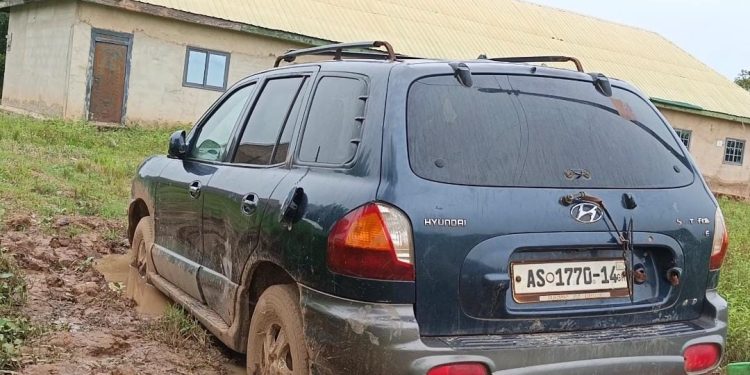
    Their bodies were discovered in the boot of a black Hyundai Tucson with registration number AS 1770-14 on Monday, October 5.

    In a related incident, a 28-year-old woman, Monica Mawuse Bosso, has been found dead at her family’s compound in Peace Town, a suburb of Kasoa in the Awutu Senya East Municipality. Monica Mawuse Bosso was found with a headgear around her neck, tied to a lower branch of a mango tree.

    The circumstances surrounding her death are yet to be made public; however, preliminary investigations by the Central East Regional Police Command suggest that she was raped and murdered.

    According to the police, the deceased’s skirt and underwear, forcefully ripped by the perpetrators alongside her mobile phone, were reportedly found by Crime scene experts. Additionally, GH¢2,000 was withdrawn from the deceased’s Mobile Money account around the time of the incident.

    Meanwhile, the family of the deceased has appealed to the police to conduct a swift and thorough investigation into the incident and bring the perpetrators to book. This unfortunate incident comes weeks after the kidnapping and murder of 33-year-old Nana Yaw Kyere, a phone dealer at the Kwame Nkrumah Circle in Accra.

    Nana Yaw Kyere was reported missing on September 22 after leaving his residence at Kokomlemle in Accra on September 19 in his Honda Civic to visit Sarah Osei Adams.

    His disappearance prompted the police to launch investigations into his whereabouts. However, his partially burnt body was discovered at Community 18 on September 21.

    Police investigations reveal that Sarah Osei Adams lured the victim to the residence of Philip Tefe at Teshie Agbleza. However, Philip Dzifa Kofi Tefe, Sarah Osei Adams, and Josiah Obodai are standing trial for their involvement in the kidnapping and murder of the phone dealer.

    According to a police statement, both suspects, Philip Dzifa Kofi Tefe and Sarah Osei Adams, confessed to their involvement and indicated that suspect Philip Tefe attacked the victim during a confrontation and hit him with a metallic object, causing him to sustain injuries.

    The victim was then moved to another room where he was left unattended and later died.

    Part of the statement further read, “the victim’s body was conveyed in a Kia Morning vehicle to a location near the motorway on 20th September 2026, where it was dumped in a bush and set ablaze”.

    A similar incident occurred last year when the lifeless body of an immigration officer was discovered in a drainage system near GBC Satellite, opposite Comet Estate in Accra, on Wednesday, July 9. The deceased went missing five days before his tragic death.

    Providing more details about the tragic incident, the police noted that the murderer(s) of the 38-year-old also set his body on fire.

  • NDC Greater Accra Deputy Youth Organiser passes on

    NDC Greater Accra Deputy Youth Organiser passes on

    The National Democratic Congress (NDC) Deputy Greater Accra Regional Youth Organiser, Eric Atsu Afeme, popularly known as “Agabus”, has passed away after a short illness. This was contained in a statement issued by the party’s Greater Accra Regional Secretariat on Thursday, November 19.

    The party acknowledged his dedication to grassroots mobilisation during his tenure as Trobu Constituency Youth Organiser, a position he held before joining the Greater Accra Regional Executive.

    His death comes days after the party held its regional executive elections on Saturday, November 14, 2026, with some regions completing their voting over the weekend of November 14–15. 

    The elections were conducted across all 16 regions as part of the party’s internal reorganisation ahead of the 2028 general elections.

    In its tribute, the party described Afeme as a dedicated servant of the NDC and Ghana, highlighting his courage, discipline and commitment to mobilising support at the grassroots level.

    The statement, signed by Regional Secretary Amorse Amos Blessing, Esq., also conveyed the party’s sympathy to the Greater Accra Regional Youth Wing, the Trobu Constituency, his family, friends and associates.

    The NDC further prayed for comfort and strength for all those mourning his death and called for his soul to find eternal rest.

  • A/R: Four dead as violence breaks out during NAIMOS-related operation

    A/R: Four dead as violence breaks out during NAIMOS-related operation

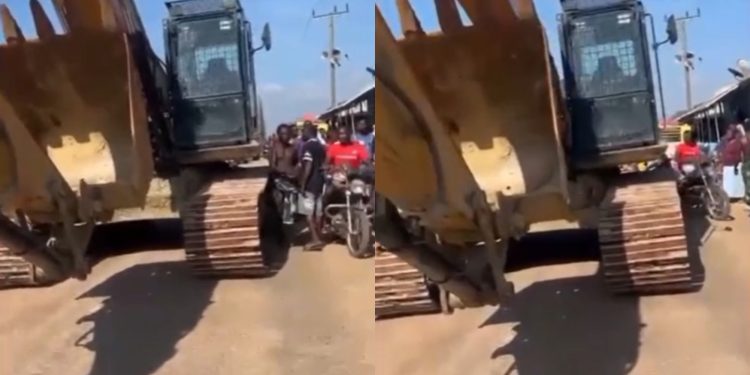
    A clash involving residents of Manso Keniago in the Amansie South District of the Ashanti Region and personnel of the National Anti-Illegal Mining Operations Secretariat (NAIMOS) has resulted in the deaths of four people and injuries to 15 others.

    According to earlier reports by NAIMOS two of its personnel sustained gunshot wounds during a confrontation with an armed group. The officers came under attack while escorting excavators seized during an operation against illegal mining to a designated site for safekeeping.

    But addressing the media on Wednesday, November 11, the area’s Assembly Member, Charles Oduro, disclosed that he had not personally witnessed any cases of NAIMOS personnel being injured.

    “Some are from there, and others from Keniago, and others from different communities.Even the police came to intervene, to let the NAIMOS people calm down, so that they take the right turn to convey the excavator. But even one police officer was hit by one of the NAIMOS,” he said.

    The latest incident comes amid previous reports of attacks on NAIMOS personnel during anti-illegal mining operations. Last year, officials of the National Anti-Illegal Mining Operations Secretariat narrowly escaped death in a mob assault at Hwediem in the Ahafo Region.


    The officials came under violent attack while carrying out their day-to-day activities as part of efforts to crack down on illegal mining in the Ahafo Region.

    The operation resulted in the arrest of several miners, including a Burkinabe national. Locals were seen in a video that has since gone viral confronting the anti-mining task force and calling for the release of those arrested during the operation.


    Speaking to the media, NAIMOS spokesperson, Paa Kwesi Schandorf, described the attack as “extremely and profoundly disappointing,” adding, “It was a huge surprise that the locals became agitated, demanding the release of those arrested, and then began attacking the NAIMOS team.”


    According to him, the officials “survived clearly by the mercy of God. If you look at how they were charged, the rest of the team could have lost their lives.”


    Meanwhile, the Member of Parliament (MP) for Asutifi North, Ebenezer Kwaku Addo, has been accused of inciting the mob against the NAIMOS team.


    Last month, NAIMOS stormed the Offin Shelterbelt Forest Reserve in the Ashanti Region, where it targeted and destroyed makeshift camps set up in the forest. Recently, the task force also carried out several raids in the Apemkro and Anwiafutu areas, pulling down mining camps that were damaging the forest in the hunt for gold.


    In their latest mission at Ataso, the team seized two excavators and destroyed water pumps and other tools used for illegal mining activities. Unfortunately, the illegal miners managed to flee the area before their arrest.


    NAIMOS has also destroyed a well-known illegal mining base at Aboso in the Western Region, referred to as ‘Gunway.’ ‘Gunway’ is a neighbourhood known for harboring hardened illegal miners. It was raided through an intense intelligence-led operation on Monday, October 5, 2025.


    The operation resulted in the demolition of several makeshift structures that served as drug dens and hideouts within the crime-infested enclave at Aboso in the Prestea-Huni Valley District.


    Beyond the demolition, the task force confiscated multiple pieces of mining equipment used for illicit operations that have been destroying the environment.


    During the raid, some residents engaged in illegal mining, gambling, drug use, and narcotics trading surrendered to NAIMOS officers on site. Authorities also recovered quantities of hard drugs from the suspects, including seven parcels of Indian hemp.


  • Third-year KNUST student drowns in swimming pool

    Third-year KNUST student drowns in swimming pool

    A third-year Chemical Engineering student of the Kwame Nkrumah University of Science and Technology (KNUST) has lost his life after drowning in the university’s swimming pool.

    The incident occurred at about 5:10 p.m. on Saturday, November 7, has left the school in morning. Agyapong is said to be an experienced swimmer who regularly used the university’s swimming facility.
    
    According to reports, the deceased failed to resurface after entered the water from one of the pool’s upper diving boards.
    
    Meanwhile, the KNUST Police have commenced investigations into the circumstances surrounding the incident. 

  • Principal suspect in Sakumono double killing arrested

    Principal suspect in Sakumono double killing arrested

    The principal suspect, Samuel Osei Anto Christopher, in the killing of two persons at NTHC Estate in Sakumono. He was nabbed by the Ghana Police Service following a search a search. This information was contained by the Ghana Police Service X on Sunday, November 1.


    Part of the statement read, “The key suspect in the Sakumono murder case, Samuel Osei Anto Christopher, who was on the run, has been arrested from his hideout. Full details will be communicated”.

    On Saturday, a man and his niece were allegedly killed by the suspect following over a GH¢500,000 debt dispute.


    In a statement shared by the police, the deceased persons, identified as 47-year-old Irene Atubiga and 57-year-old George Atubiga, died at NTHC Estate in Sakumono, at their residence on Friday, October 30.


    Preliminary investigations indicate the incident stemmed from a financial dispute involving George Atubiga, who allegedly borrowed GH¢500,000 from the suspect but failed to repay it.


    The suspect reportedly visited the residence of the deceased man to demand payment of his money. A misunderstanding between them led to the fatal shooting by Mr Osei Anto.


    According to the Police, the suspect was accompanied by a woman identified as Beatrice Mumuni.


    Both victims were quickly transported to the nearest hospital, where a medical officer pronounced them dead. Their bodies have since been deposited at the Police Hospital Mortuary for preservation and autopsy.


    The Baatsona Divisional Police Command is investigating the incident, while the Accra Regional Police Command says it is working to apprehend the suspect.
    The Police have appealed to anyone with relevant information to assist with the investigation.

  • Akuse-Akosombo Highway crash kills one, leaves 14 seriously injured

    Akuse-Akosombo Highway crash kills one, leaves 14 seriously injured

    A road accident involving a Toyota Hiace and a Peugeot saloon car on the Akuse–Akosombo Highway in the Eastern Region has claimed the life of one person, while 14 others have sustained serious injuries on Monday, October 26. The cause of the crash is yet to be made known by the public.

    However, the body of the deceased was taken to St. Martin de Porres Hospital for preservation, while the injured victims were transported to the same hospital for medical attention.

    Ghana continues to record road fatalities almost daily. Last week, a fatal accident at Aboabo in the Asokore Mampong Municipality of the Ashanti Region claimed the lives of four eight-year-old schoolchildren and left three others injured.

    The four deceased have been identified as Juraid Mohammed, Anisah Ibrahim, Fati Muniru and Raiyan Faisal. They were pronounced dead on arrival at the Manhyia District Hospital.

    The unfortunate incident occurred on Tuesday, October 20, when the seven pupils of the School of Islamic Studies at Akotosu were knocked down by a Hyundai van that had veered off the road as they attempted to cross after classes.

    According to eyewitness accounts, the vehicle was travelling from the Aboabo Post Office area towards the Airport Roundabout when the driver reportedly lost control while descending a slope, hitting the seven children who were on the pavement waiting to cross the road.

    Meanwhile, two of the injured children, 12-year-old Laila Muniru and five-year-old Bushira Musapha, are in critical condition and are expected to be transferred to the Komfo Anokye Teaching Hospital for further treatment.

    The third injured pupil, six-year-old Saisa Bila, is stable and receiving treatment at the Manhyia District Hospital.

  • Tamale: Man dies by electrocution in attempt  to steal from NEDCo Substation

    Tamale: Man dies by electrocution in attempt to steal from NEDCo Substation

    A man believed to be in his 30s has died after being electrocuted inside a Northern Electricity Distribution Company (NEDCo) substation in Tamale in what is suspected to be an attempted theft of metal components.

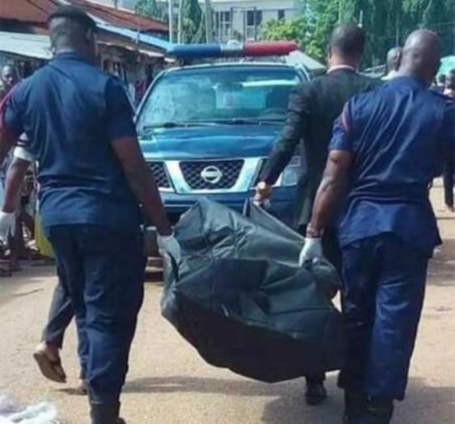
    The body has been conveyed by police, while NEDCo has cautioned the public to desist from tampering with its installations.

    The incident which occurred on Saturday, October 24, disrupted electricity supply to parts of the central business district, with NEDCo working to restore power.

    NEDCo is a wholly-owned subsidiary of the Volta River Authority headquartered in Tamale that serves as the sole electricity distributor for over 64% of Ghana’s land area covering the five northern regions, Bono, Bono East, Ahafo and parts of Ashanti, Oti and Volta.

  • Walewale crash: Two feared dead after truck, Voxy collide

    Walewale crash: Two feared dead after truck, Voxy collide

    A road accident involving an articulated truck carrying cement, a Toyota Voxy, and several motorbikes on the Walewale Road on Sunday, October 18, has left two people battling for their lives and several others injured.

    The cause of the accident has not yet been established, as reports differ on which vehicle first lost control. 

    This adds to the numerous road crashes recorded in the country this year. According to the Director of Education, Research and Training at the Motor Traffic and Transport Department (MTTD), ACP Alexander Kwaku Obeng, road crashes in Ghana decreased by 9.48% in September. 


    He attributed the decline to intensified police enforcement measures, including the increased issuance of electronic violation and caution notices to motorists from September 10 to discourage speeding.

    “I can report that in September, there were reductions of 9%, 9.48%, almost 10%. Vehicles that were involved for the first time reduced by 12.19%, and motorcycle, it has never seen any reduction, reduced by 7.14%, injuries have reduced by 15%, it has never happened and those who are killed reduced by 7.82%.”

    According to him, the measures contributed to a decline in crashes involving vehicles and motorcycles, as well as injuries and fatalities recorded during the month.

    Police data cited by him showed that reported road crashes decreased by 9.48% in September, while the number of vehicles involved in crashes fell by 12.19%.

    Motorcycle-related crashes also declined by 7.14%, while road injuries decreased by 15% and fatalities fell by 7.82% during the month. Meanwhile, the National Road Safety Authority’s (NSRA) automated traffic law enforcement programme, TRAFFITECH-GH, which will be launched on Sunday, November 1.

    The programme has been designed to assist the Motor Traffic and Transport Department (MTTD) to detect traffic offences on the country’s roads through cameras and Personal Data Assistant (PDA) devices.

    Vehicle owners or drivers will be auctioned after their offences are reviewed by the Electronic Notices of Violation (ENV).The system forms part of the National Road Safety Authority’s efforts to curb vehicular accidents and road traffic offences.

    According to the Director of Education, Research and Training at the MTTD, ACP Alexander Kwaku Obeng, the introduction of a technology-driven traffic enforcement system, TraffiTech-GH, will not replace police presence on the roads.

    Addressing the media on Wednesday, August 26, ACP Obeng, disclosed that the system has rather been designed to assist the police. He added that, “It doesn’t necessarily mean that police physical presence will not be there.”

    “Visibility will be there, first of all, even in the case that there are certain instances that we need police to be controlling the traffic”.

    Meanwhile, the NRSA has warned that abandoned vehicles on roads that are not promptly towed will be auctioned by the government.

    As part of the initiative, vehicle owners will be required to subscribe to a towing service or obtain an insurance policy that includes towing cover.

    According to NSRA, owners will be given even days’ notice before the auction takes place after the vehicle has been abandoned for 21 days.

    Addressing the media, the Director of Registration, Inspection and Compliance at the NRSA, Kwame Koduah Attuahene, noted that the upcoming system would not exclude motorists, adding that vehicles must be towed immediately.

    “The law is that every vehicle owner will be required to subscribe to a towing service company or buy an insurance policy that has a towing service tied to it. Once your vehicle breaks down, the law now requires that you immediately have it towed. In the old law, it gave you a 30-minute or one-hour grace period, but now the law is that as soon as you break down, you must have your vehicle towed.

    “Once your vehicle breaks down, the law now requires that you immediately have it towed. In the old law, it gave you a 30-minute or one-hour grace period, but now the law is that as soon as you break down, you must have your vehicle towed.

    “After 21 days, you will be auctioned. You have seven days’ notice before the sale. And where the sale is unsuccessful, the state will confiscate the vehicle and possibly scrap it,” he said.

  • Two critically injured as V8 collides with motorcycle in Koforidua

    Two critically injured as V8 collides with motorcycle in Koforidua

    An accident on the Koforidua road near the China Mall traffic intersection has left two individuals critically injured. The vehicle was travelling from the Koforidua Technical University stretch when it rammed into the motorcycle.

    Speaking to the media, an eyewitness said the accident occurred after a speeding Nissan Patrol V8 collided with a motorcycle. The incident adds up to the many incidents recorded this year, Ghana continues to record fatalities and casualties due to road accidents, with road crashes remaining a major public safety concern.

    Few weeks ago, a road crash on the Hwideim-Acherensua Highway in the Ahafo Region claimed seven lives and injured 21 others on Tuesday, September 8.

    According to the Ghana National Fire Service (GNFS) in a Facebook post on Friday, September 11, the crash involved a Mercedes-Benz Sprinter bus, registration number GT-9931-09, and a Kia Picanto, registration number BA-731-20.


    The post said the Sprinter suffered a tyre burst while travelling on the highway, causing the driver to lose control of the vehicle. The bus subsequently somersaulted before colliding with the Kia Picanto.
    1,009 individuals lost their lives in road crashes between January and April 2026, while 181 pedestrian deaths were recorded during the first four months of the year, according to the National Road Safety Authority (NRSA).


    Despite this alarming trend, on Thursday, August 13, a tipper truck collided with a Sprinter bus at the Ofankor Barrier on the Accra–Kumasi Highway, leaving several people fighting for their lives.


    Although the exact number of casualties remains unclear, initial reports indicate that between eight and ten people may have died, while several others sustained injuries in the crash.


    The impact left the Sprinter bus badly wrecked, with some passengers trapped inside the vehicle and requiring urgent assistance from emergency responders.


    Personnel of the Ghana National Fire Service (GNFS) were deployed to the scene to rescue the trapped victims and provide support to those injured.


    According to ADO1 Alex King Nartey of the GNFS, rescue teams were working to remove victims from the mangled bus and convey those with serious injuries to nearby health facilities.


    Among those rescued was a woman whose legs were reportedly severed in the crash. She was transported from the scene by ambulance for medical attention.


    The GNFS said the situation remained volatile as its personnel continued with the rescue operation, adding that the final number of casualties was yet to be confirmed.


    The crash has also disrupted traffic on the Accra–Kumasi Highway, with part of the road restricted to allow emergency personnel to carry out rescue and clearance operations.


    Motorists travelling from Pokuase and Amasaman towards Ofankor and Accra have been advised to use the outer lane, drive cautiously and give way to emergency responders working at the scene.

  • Three children found dead in vehicle boot in Tamale

    Three children found dead in vehicle boot in Tamale

    The lifeless bodies of three children have been found in the boot of a vehicle at Koblimahagu Zoo in the Tamale Metropolis.

    The deceased children have been identified as three-year-old Dauda Abdul Aziz, five-year-old Saani Alsharaf, and seven-year-old Dauda Fadilan.

    Police investigations have disclosed that the trio left their homes at about 8:00 a.m. on Sunday, October 4, to attend Islamic classes but did not return. Attempts by community members to find them proved futile.

    Their bodies were discovered in the boot of a black Hyundai Tucson with registration number AS 1770-14 on Monday, October 5.

    In a related incident, A 28-year-old woman, Monica Mawuse Bosso, has been found dead at her family’s compound in Peace Town, a suburb of Kasoa in the Awutu Senya East Municipality. Monica Mawuse Bosso was found with a headgear around her neck, tied to a lower branch of a mango tree.


    The circumstances surrounding her death is yet to be made public, however, preliminary investigations by the Central East Regional Police Command suggest that she was raped and murdered.


    According to the police, the deceased’s skirt and underwear, forcefully ripped by the perpetrators alongside her mobile phone, were reportedly found by Crime scene experts. Additionally, GH¢2,000 was withdrawn from the deceased’s Mobile Money account around the time of the incident.


    Meanwhile, the family of the deceased has appealed to the police to conduct a swift and thorough investigation into the incident and bring the perpetrators to book. This unfortunate incident comes weeks after the kidnapping and murder of 33-year-old Nana Yaw Kyere, a phone dealer at the Kwame Nkrumah Circle in Accra.


    Nana Yaw Kyere was reported missing on September 22 after leaving his residence at Kokomlemle in Accra on September 19 in his Honda Civic to visit Sarah Osei Adams.

    His disappearance prompted the police to launch investigations into his whereabouts. However, his partially burnt body was discovered at Community 18 on September 21.


    Police investigations reveal that Sarah Osei Adams lured the victim to the residence of Philip Tefe at Teshie Agbleza. However, Philip Dzifa Kofi Tefe, Sarah Osei Adams, and Josiah Obodai are standing trial for their involvement in the kidnapping and muder of the phone dealer.


    According to a police statement, both suspects, Philip Dzifa Kofi Tefe and Sarah Osei Adams, confessed to their involvement and indicated that suspect Philip Tefe attacked the victim during a confrontation and hit him with a metallic object, causing him to sustain injuries.


    The victim was then moved to another room where he was left unattended and later died.


    Part of the statement further read, “the victim’s body was conveyed in a Kia Morning vehicle to a location near the motorway on 20th September 2026, where it was dumped in a bush and set ablaze”.


    A similar incident occurred last year when the lifeless body of an immigration officer was discovered in a drainage system near GBC Satellite, opposite Comet Estate in Accra, on Wednesday, July 9.
    The deceased went missing five days before his tragic death.

    Providing more details about the tragic incident, the police noted that the murderer(s) of the 38-year-old also set his body on fire.

  • Avenor fire incident: Several feared dead

    Avenor fire incident: Several feared dead

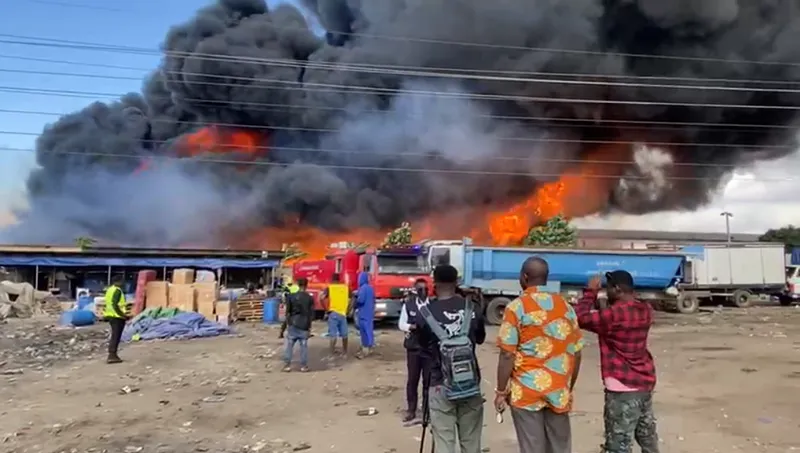
    Several individuals are feared dead following an ongoing fire outbreak in parts of the Industrial Area at Avenor, Accra.

    While some residents managed to escape the devastating fire, which broke out in the early hours of Thursday, October 1, others are feared to have been trapped inside the affected buildings.

    Speaking to the media, an eyewitness recounted how a mother has been left distressed as she waits to know the fate of her young child, whom she had left inside before the fire broke out.

    The eyewitness said the affected area, known as Kofikrom, is occupied by several people, some of whom were on night duty when the fire started.

    “The place is called Kofikrom and people live there. Some are on night duty. Some had to climb the wall, some couldn’t come out. They were screaming, but it was too late

    According to the eyewitness, the mother was outside when the fire started and was unable to return inside to rescue her child.

    “There are about 7 people in there. A lady there told us. She was screaming, and we asked her the problem, and she said her little child is inside and we couldn’t enter. She was outside when the fire started, so she couldn’t go inside to take her child,” the eyewitness said.

    Residents and bystanders remain concerned as the Ghana National Fire Service works to contain the fire. The situation has raised fears that more people could be trapped inside the affected area as the fire continues to spread. Dark smoke can be seen billowing from the area in videos and images circulating on social media, while people have reportedly sustained burns in the incident.

    Meanwhile, the cause of the fire is yet to be established at the time of reporting. The extent of the damage and the number of casualties have also not been officially confirmed.

    The incident adds to a number of fire outbreaks recorded in Ghana in recent times, raising concerns about fire safety, particularly in densely populated areas.

  • Accident on Kpetoe-Sarakope road kills two, 14 rescued

    Accident on Kpetoe-Sarakope road kills two, 14 rescued

    A road crash involving a Hyundai H100 bus and a Ford tractor on the Kpetoe-Sarakope stretch of the Accra-Aflao Highway on Saturday, September 26, claimed the lives of two people.

    The Hyundai H100 carried 12 passengers, while the Ford tractor carried two occupants. Firefighters from the Kpetoe Fire Station rescued all 14 occupants involved in the crash.

    Ghana continues to record fatalities and casualties due to road accidents, with road crashes remaining a major public safety concern. 

    Few weeks ago, a road crash on the Hwideim-Acherensua Highway in the Ahafo Region claimed seven lives and injured 21 others on Tuesday, September 8. According to the Ghana National Fire Service (GNFS) in a Facebook post on Friday, September 11, the crash involved a Mercedes-Benz Sprinter bus, registration number GT-9931-09, and a Kia Picanto, registration number BA-731-20.

    The post said the Sprinter suffered a tyre burst while travelling on the highway, causing the driver to lose control of the vehicle. The bus subsequently somersaulted before colliding with the Kia Picanto.

    1,009 individuals lost their lives in road crashes between January and April 2026, while 181 pedestrian deaths were recorded during the first four months of the year, according to the National Road Safety Authority (NRSA).

    Despite this alarming trend, on Thursday, August 13, a tipper truck collided with a Sprinter bus at the Ofankor Barrier on the Accra–Kumasi Highway, leaving several people fighting for their lives.

    Although the exact number of casualties remains unclear, initial reports indicate that between eight and ten people may have died, while several others sustained injuries in the crash.

    The impact left the Sprinter bus badly wrecked, with some passengers trapped inside the vehicle and requiring urgent assistance from emergency responders.

    Personnel of the Ghana National Fire Service (GNFS) were deployed to the scene to rescue the trapped victims and provide support to those injured.

    According to ADO1 Alex King Nartey of the GNFS, rescue teams were working to remove victims from the mangled bus and convey those with serious injuries to nearby health facilities.

    Among those rescued was a woman whose legs were reportedly severed in the crash. She was transported from the scene by ambulance for medical attention.

    The GNFS said the situation remained volatile as its personnel continued with the rescue operation, adding that the final number of casualties was yet to be confirmed.

    The crash has also disrupted traffic on the Accra–Kumasi Highway, with part of the road restricted to allow emergency personnel to carry out rescue and clearance operations.

    Motorists travelling from Pokuase and Amasaman towards Ofankor and Accra have been advised to use the outer lane, drive cautiously and give way to emergency responders working at the scene.

  • Former Barclays Ghana MD and Hollard CEO Patience Akyianu is dead – Report

    Former Barclays Ghana MD and Hollard CEO Patience Akyianu is dead – Report

    Reports circulating suggest that the former Managing Director of Barclays Bank Ghana and Group Chief Executive Officer (CEO) of Hollard Ghana, Patience Enyonam Akyianu, has passed away.

    This information was contained in a press statement by the CEO Network Ghana. Part of the statement read, “Her passing is a deeply painful loss to the business community and to all of us who knew and cherished her. We extend our heartfelt condolences to her family, colleagues, friends and loved ones. May God grant them strength and comfort during this difficult time. Further details will be shared as received from the family. May her gentle soul rest in perfect peace”.

    The cause of her death is yet to be disclosed. Mrs Akyianu’s death leaves a void in Ghana’s banking and insurance industries.

    Mrs Akyianu spent much of her professional career in the banking sector, where she held several senior financial and executive roles before rising to become Managing Director of Barclays Bank Ghana.

    She first served as the bank’s Finance Director before taking over as Managing Director, a position she held for five years.

    A profile published by the Ghana Stock Exchange stated that she had more than 26 years of experience in banking and finance. This included 17 years in the banking industry before she moved into the insurance sector in 2018.

    She held an MBA in Finance and a Bachelor of Science degree in Business Administration, with a specialisation in Accounting, both from the University of Ghana Business School.

    Mrs Akyianu was also a certified professional accountant and a member of the Institute of Chartered Accountants, Ghana.

    Mrs Akyianu became the Chief Executive Officer of Hollard Ghana Holdings in October 2018 after leaving Barclays Bank Ghana.

  • Brutality against journalists is a No-No: Ghana must protect the fourth estate

    Brutality against journalists is a No-No: Ghana must protect the fourth estate

    Journalism is not a crime, and no journalist should have to endure physical assault simply for performing their professional duties.

    The recently reported beating of Philip Abutiate of Bullet TV while filming a demolition exercise at Kpeshie on Tuesday, September 15, is a disturbing reminder of the growing concerns surrounding the safety of journalists in Ghana.

    A journalist holding a camera is not an enemy of the state, nor is the act of documenting public events an offence that warrants violence.

    Journalists have a responsibility to inform the public, hold power to account, and bring issues of public interest to the attention of society.

    Any attempt to silence them through intimidation, assault or threats is an attack on the very foundation of democratic accountability.

    The reported incident involving Abutiate must therefore not be treated as an isolated matter. It raises serious questions about the safety of journalists covering sensitive public exercises, particularly demolitions, evictions and other operations involving state authorities or powerful interests.

    Journalism Under Threat

    The media remains one of the essential pillars of Ghana’s democracy. Through our work, and as trained journalists, we provide citizens with information, scrutinise public institutions and serve as a watchdog over successive governments, regardless of political affiliation.

    Yet, when journalists are attacked for carrying out their duties, the consequences extend far beyond the individual victim. Such acts undermine press freedom, discourage investigative reporting, and create an atmosphere in which journalists may become afraid to report on matters of public interest.

    It is particularly concerning that some members of the public appear to regard journalism as an inconvenience rather than a profession that serves the collective interest.

    The presence of a journalist at a demolition site should not provoke hostility. Instead, it should be recognised as an opportunity for transparency, accountability and the accurate documentation of events.

    A society that intimidates its journalists risks depriving its citizens of the information they need to make informed decisions.

    The Ghana Journalists Association Must Go Beyond Condemnation

    The Ghana Journalists Association (GJA), as the mother body of journalists in Ghana, has a critical responsibility to protect the interests, welfare, and professional dignity of its members.

    While public condemnation of attacks on journalists is necessary, it is not sufficient. Condemnation alone cannot bring perpetrators to book, prevent future assaults, or guarantee the safety of journalists in the field.

    The GJA must act with swiftness and determination to ensure that the reported assault on Philip Abutiate receives the necessary attention from the relevant authorities.

    The Association should engage the Ghana Police Service, monitor the investigation and insist on accountability through the appropriate legal processes.

    It must also provide the necessary institutional support to the affected journalist and work towards practical measures that will protect journalists covering potentially volatile assignments.

    The Association’s response to this incident should demonstrate that attacks on journalists will not be allowed to pass without serious scrutiny and appropriate action.

    A Call on the Minister for the Interior and Relevant Authorities

    The Minister for the Interior, the Ghana Police Service and all relevant ministries and state institutions must take the safety of journalists seriously.

    The Ministry of the Interior has an important role in ensuring that law enforcement agencies respond appropriately to reports of violence against journalists.

    The police must investigate the reported assault (if it has been reported) impartially, identify those responsible where the evidence supports doing so, and ensure that due process is followed.

    The relevant authorities must also establish clear measures to protect media practitioners covering demolition exercises and other sensitive public operations. Journalists should be able to perform their duties without fear of assault, unlawful obstruction or intimidation.

    Where public officials, security personnel or private individuals are found to have assaulted journalists, appropriate disciplinary or legal action must follow, depending on the evidence and applicable law.

    Accountability in such cases is not about granting journalists special treatment. It is about ensuring that the law protects everyone and that no individual or institution is permitted to use violence to obstruct legitimate journalistic work.

    DISCLAIMER: Independentghana.com will not be liable for any inaccuracies contained in this article. The views expressed in the article are solely those of the author and do not reflect those of The Independent Ghana

  • Bawku: Lecturer dies after alleged military assault

    Bawku: Lecturer dies after alleged military assault

    A lecturer at Gbewa College of Education, Issaka Abdulai, has lost his life after he was reportedly assaulted by the military in Bawku. According to reports, the deceased, a lecturer in the Science Department, was assaulted by the police after he was allegedly caught outside during curfew hours.

    The Colleges of Education Teachers’ Association of Ghana (CETAG) made this known in a statement issued on Monday, September 14. “Being outside during curfew hours, irrespective of the circumstances, can never justify the beating of a person to death,” the Association said.

    The Association has called on the government, the Ghana Armed Forces, the Ghana Police Service, the Commission on Human Rights and Administrative Justice (CHRAJ) and other relevant state institutions to look into the matter and let justice prevail.

    Part of the statement read “No person irrespective of position, uniform, or authority should be above the law”.

    In recent years, Ghana has recorded several assaults by security personnel, particularly those affiliated with the military. Earlier this month, residents of Bawku in the Upper East Region recounted terrifying encounters with military personnel, accusing them of using guns, stones, and metal objects to assault civilians during a late-night operation.
    On the night of Tuesday, March 18, heavily armed soldiers reportedly stormed homes in Bawku, conducting forced searches and physically assaulting residents. This military action is said to have been triggered by the fatal shooting of a Ghana Armed Forces officer on Monday, March 17. Reports indicate that the officer was ambushed and killed by unidentified gunmen while walking on foot.
    In July, the statue of the Bawku Naba, Naba Asigri Abugrago Azoka II, was allegedly destroyed by some members of the Ghana Armed Forces (GAF) during a confrontation with locals in Bawku, Upper East Region.
    The statue, which was erected in 2024 in honour of the Zugraan (Overlord) of the Kusaug Traditional Area, Asigri Abugrago Azoka II—a culturally revered figure in Bawku—served as a strong emblem of tradition and communal pride.
    The reconstruction of the statue is expected to begin in the coming days following a directive from His Excellency, President John Dramani Mahama. Then Minister of Defence, Dr. Edward Omane Boamah, in collaboration with other security agencies, was tasked with overseeing the process as well as restoring calm in the area.
    This information was made known by the then Minister of Defence, Dr. Edward Omane Boamah, at a durbar with all ranks of the Ghana Armed Forces (GAF) at the Burma Camp on Wednesday, July 17.
    “To assure that His Excellency President John Dramani Mahama, the Commander-in-Chief of the Ghana Armed Forces (GAF), remains committed to bringing an end to decades-old conflict.
    “To address the recent happenings, the National Security Coordinator, myself, the Minister for the Interior, the Chief of the Defence Staff, and the IGP have all been tasked to play coordinated but differentiated roles to ensure that peace and calm are restored immediately, and this includes the restoration of the statue of the Zugraan of the Kusasis Traditional Area,” he added.
    The recent altercation in Bawku has reportedly led to the deaths of five locals. On Tuesday, July 15, some Members of Parliament in the Upper East area called for the prosecution of the soldiers involved and compensation for the victims.

  • Ghanaian Gospel musician Bernice Offei passes away at 63

    Ghanaian Gospel musician Bernice Offei passes away at 63

    Veteran gospel musician, Bernice Offei has been confirmed dead. She died at the age of 63 on Saturday, September, 12.

    Her cause of death is yet to be made public. She died just days after being found safe after being reported missing.

    For decades, Bernice Offei stood as a respected pillar of Ghanaian gospel music, famed for inspirational hits including Hold On and Life Is So Short.

  • Five-year-old dead after falling into open manhole in Winneba

    Five-year-old dead after falling into open manhole in Winneba

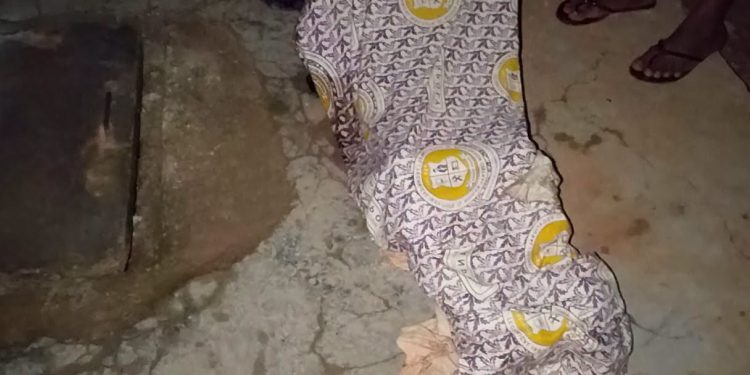
    A five-year-old girl has lost her life after she fell into an uncovered, water-filled manhole at Ansaful, near the Christ Apostolic Church in Winneba on Thursday, September 3.

    According to the Ghana National Fire Service (GNFS), in a Facebook post on Sunday, September 6, the manhole was approximately 12 feet deep. However, the events that led to the drowning have yet to be disclosed by the GNFS.

    Ghana has recorded a number of child drowning incidents over the years, highlighting persistent concerns about the safety of uncovered manholes, drains and other water-filled structures. 

    The recent incident comes months after a similar tragedy in the Greater Accra Region. In July, the body of an 11-year-old boy was found at Adenta Aviation following a search and recovery operation led by personnel from the Adenta Fire Station.

    Last year, a six-year-old boy, Godfred Aboagye, in Kasoa Wallantu, tragically lost his life after he drowned in an open-water storage tank in a desperate effort to retrieve his football. The incident, which occurred on Monday, December 29, 2025, has left the Kasoa community in grief.

    In a statement, the Ghana National Fire Service disclosed that a specialised rescue team was immediately dispatched to the scene after receiving a distress call at 5:03 p.m.

    According to the statement, signed by Divisional Officer Grade II (DO II) Abdul Wasiu Hudu, the Central Regional PRO of the GNFS, the unfortunate incident could have been prevented if the open pits tank was covered.

    “GNFS strongly cautions parents, guardians, and property owners to ensure that all water storage facilities, tanks, wells, and pits are securely covered, particularly in homes where children are present,” the statement read.

    While Ghana has some drowning prevention initiatives, such as regional lifejacket policies, critical measures like water safety education in schools and community rescue training remain limited.

    The lack of flood risk management strategies further exacerbates the issue. Globally, drowning remains a significant public health issue. The first-ever Global Status Report on Drowning Prevention by the World Health Organization (WHO) details progress made in addressing drowning fatalities worldwide.

    The report notes that the global drowning death rate declined by 38 percent between 2000 and 2021. However, more than 300,000 fatalities were still recorded in 2021, underscoring the severity of the problem.

    In June this year, some seven students from Lawra Senior High School (SHS) lost their lives after the boat they were travelling on capsized on the Black Volta River at Dikpe.

    The unfortunate incident that claimed the lives of five girls and two boys occurred on Saturday, June 14, during a routine morning jogging exercise.Per reports, the group of 10, part of the school’s cadet corps, was attempting to cross in an overloaded boat.

    Three other students were rescued and provided medical care as well as psychological support. According to reports, early morning jogging is a regular activity for the cadet team; however, the rationale behind the group’s attempt to cross the river remains unclear.

  • Seven dead after illegal mining pit collapses at Manso Kaneago

    Seven dead after illegal mining pit collapses at Manso Kaneago

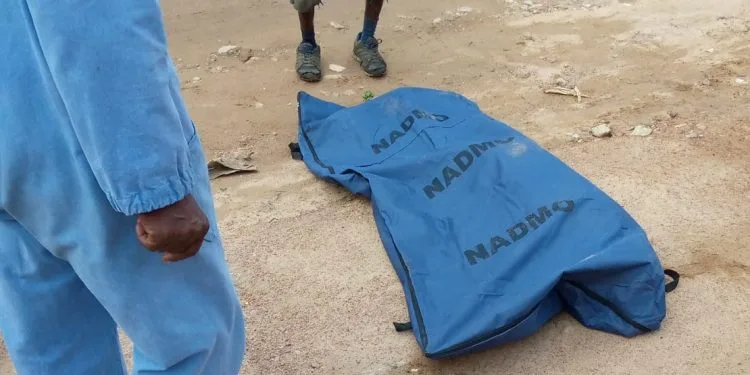
    Rescuers have retrieved the bodies of seven (7) illegal miners who died after a mining pit collapsed at Manso Kaneago in the Amansie South Municipality of the Ashanti Region on Friday, September 4. 

    Efforts are still ongoing by officials of the National Disaster Management Organisation (NADMO), together with the District Security Council (DISEC) and the Police to rescue one person who remains trapped underground. 

    About 12 miners were operating at the site when the incident occurred, however, four of them managed to escape, according to officials. Meanwhile, a search is still ongoing to rescue one person who remains trapped underground.

    Ghana, in recent times, has recorded several deaths following the collapse of pits at illegal mining sites.

    On Saturday, August 29, seven individuals were confirmed dead after a mining pit collapse at Asaman Tamfoe in the Atewa East District.

    In April, a 42-year-old mother and her three children were confirmed dead after drowning in a water-filled galamsey pit at Wassa Dunkwa in the Amenfi West Municipality of the Western Region on Saturday, February 28.

    The family of four had gone near the abandoned illegal mining site in search of firewood. The eldest child, aged 14, reportedly led his younger siblings into the water-filled pit.

    The boys became trapped and were unable to escape. In an attempt to rescue her children, the 42-year-old mother also entered the pit but tragically drowned.

    The bodies of the four family members have been deposited at the Catholic Hospital morgue. Abandoned illegal mining pits have claimed the lives of Ghanaians in recent times.

    A galamsey pit collapse at Atta Ne Atta in Asutifi South has claimed the lives of nine individuals, with four others currently receiving treatment at St. Elizabeth Catholic Hospital in Hwidiem following the incident, which occurred on Monday, March 2.

    Recently, a 20-year-old student, Evans Allotey, of Okomfo Anokye Senior High School (SHS), died after falling into an abandoned mining pit on Tuesday, February 17, 2026, at Manso Akwesiso, Amansie South District of the Ashanti Region.

    The unfortunate incident reportedly occurred while he was attempting to flee military personnel who had visited the site to crack down on illegal mining activities. In reaction to the unfortunate incident, residents staged a protest to express their dissatisfaction.

    In 2025, a pit collapse at an illegal mining site at Kasotie in the Atwima Mponua District of the Ashanti Region claimed the lives of seven illegal miners who were trapped underground.

    The pit collapse, which occurred on Wednesday night, October 1, also left four injured, while several miners were trapped.For years, the country’s efforts to nip the canker in the bud have not yielded the needed results. Among recent measures taken to protect water bodies from illegal miners is the deployment of the National Anti-Illegal Mining Operations Secretariat (NAIMOS).

    The Secretariat includes the Ghana Armed Forces, the Ghana Police Service, the Ghana Immigration Service, the National Intelligence Bureau (NIB), the Narcotics Control Commission, and the National Security Secretariat.

  • Fatal crash on Sege-Tema highway kills 13, injures 5

    Fatal crash on Sege-Tema highway kills 13, injures 5

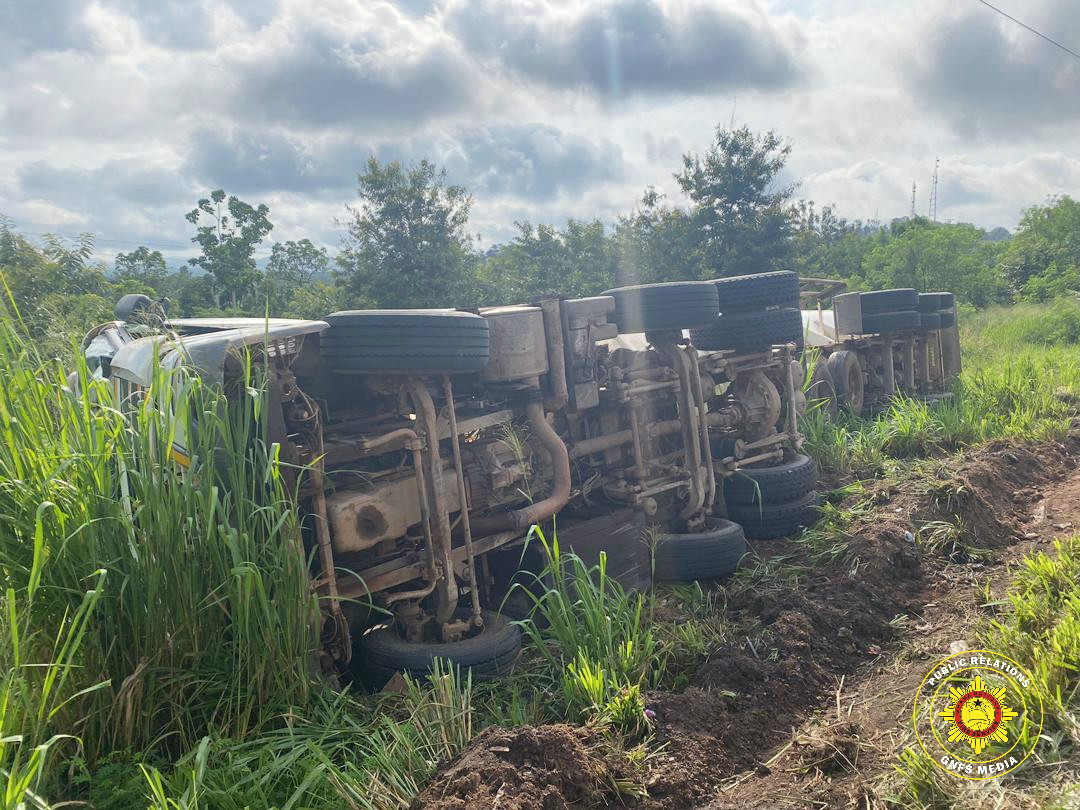
    A fatal road traffic accident on the Sege-Tema Highway in the Greater Accra Region on Wednesday, September 2, involving a Ford Transit and a Toyota Hiace, has left 13 people dead and five others injured.

    In a Facebook post, Assistant Divisional Officer at the Ghana National Fire Service, Alex King Nartey, said a total of 18 casualties were recorded. Unfortunately, 13 of the victims died, while the five injured victims were rushed to the Sege Polyclinic for medical attention.

    The number of deaths Ghana records from road crashes is becoming alarming, raising fresh concerns over road safety and the urgent need for authorities to take decisive action.

    As part of efforts to curb vehicular accidents and road traffic offences, the National Road Safety Authority (NRSA) has announced it will introduce an automated traffic enforcement system in the coming days.
    The system will be designed to issue fines to individuals who violate road traffic regulations, effective in 2027. According to him, the system will replace the human factor, in which police officers manually identify traffic offenders and issue fines.


    “We are going to be using technology to regulate road traffic. We will permanently mount cameras on our roads, and some of the cameras will be on tripods and vehicles, and this will take away the human factor that extorts money and also serve as a check on drivers who engage in reckless driving.


    “There are more than sixteen offences that the camera will be capturing. So if you are overspeeding or driving recklessly, you are captured, and you receive a text message to pay a fine, and if you fail to pay within fourteen days, it compounds, and your licence will be taken, and you won’t be able to drive again.”


    The NSRA’s Director-General, Abraham Amaliba, disclosed while speaking to the media on Thursday, August 13.


    Ghana continues to record fatalities and casualties due to road accidents, with road crashes remaining a major public safety concern.


    On Thursday, August 14, eleven (11) individuals have lost their lives, and thirteen (13) others have been injured in a multiple-vehicle crash on the Ofankor-Pokuase stretch.


    The crash involved two tipper trucks, two Sprinter buses, two saloon cars and a tricycle. DO1 Emmanuel Bonnie made this known during an interview with the media on Thursday, August 14.


    The crash also disrupted traffic on the Accra–Kumasi Highway, with part of the road restricted to allow emergency personnel to carry out rescue and clearance operations.


    Motorists travelling from Pokuase and Amasaman towards Ofankor and Accra have been advised to use the outer lane, drive cautiously and give way to emergency responders working at the scene.

    Meanwhile, the exact circumstances that led to the collision is yet to be disclosed by authorities.
    Ghana continues to record fatalities and casualties due to road accidents, with road crashes remaining a major public safety concern.


    1,009 individuals lost their lives in road crashes between January and April 2026, while 181 pedestrian deaths were recorded during the first four months of the year, according to the National Road Safety Authority (NRSA).


    In 2025, provisional data released by the National Road Safety Authority in collaboration with the Police Motor Traffic and Transport Department (MTTD), noted that a total of 7,289 road crashes were recorded between January and June during that period.

    Per the data, a total of twelve thousand three hundred and fifty-four (12,354) vehicles were involved in these crashes.


    As a result of these incidents, eight thousand three hundred (8,300) individuals sustained injuries. Additionally, one thousand three hundred and one (1,301) pedestrians were knocked down across the country.

    According to recent data provided by the National Road Safety Authority, on average, eight (8) lives are lost every day due to road crashes.


    Each day, forty (40) road crashes are recorded, and forty-six (46) individuals sustain injuries. Daily, sixty-nine (69) vehicles and motorcycles are involved in road crashes.

    To help combat the rising number of road crashes, the National Road Safety Authority has called for stricter enforcement of traffic regulations and increased public education.


    The NRSA has emphasized the need for stronger enforcement to curb the alarming trend. The Road Traffic Act 2004, an Act to consolidate and revise the Road Traffic Ordinance, 1952 (No. 55), provides for more comprehensive regulation of road traffic and road use to ensure road safety and address related matters.


    A person who drives a motor vehicle dangerously on a road commits an offence and is liable on summary conviction:(a) where (i) a bodily injury does not occur, or (ii) a minor bodily injury occurs to a person other than the driver, to a fine of not less than one hundred penalty units and not exceeding two hundred penalty units, or to a term of imprisonment not exceeding nine months, or to both;


    (b) where bodily injury of an aggravated nature occurs to a person other than the driver, to a minimum fine of two hundred penalty units and not exceeding five hundred penalty units, or to a term of imprisonment of not less than twelve months and not exceeding two years, or to both;(c) where death occurs, to a term of imprisonment of not less than three years;


    (d) where there is damage to state property, to a fine of not less than one hundred penalty units and payment for the damage caused in an amount determined by the Court.


    The Court may, upon conviction of a person under subsection (1), (a) order the payment of appropriate compensation to an injured person or to the estate of that person, or (b) order the withdrawal of the driver’s license for a period of not less than three years and not more than five years.


    A person who drives a motor vehicle on a road without due care and attention, or without reasonable consideration for other persons using the road, commits an offence and is liable on summary conviction to a fine not exceeding two thousand penalty units or to a term of imprisonment not exceeding five years, or to both.


    A person commits an offence if, without lawful authority or reasonable excuse, that person:


    (a) causes anything to be on or over a road;(b) interferes with a motor vehicle, trailer, or cycle; or(c) interferes, directly or indirectly, with traffic equipment, where it would be obvious to a reasonable person that doing so would be dangerous.


    A person who commits an offence under subsection (1) is liable on summary conviction to a fine not exceeding two hundred and fifty penalty units or to a term of imprisonment not exceeding twelve months, or to both.

  • 7 in police custody over shooting incident at New Winneba

    7 in police custody over shooting incident at New Winneba

    Seven individuals have been arrested for their alleged involvement in a shooting incident at New Winneba in the Central Region on Tuesday, September 1. The incident was triggered by a misunderstanding over land between residents of Gomoa Oguaakrom and New Winneba.

    According to a police report, three people have been confirmed dead, while about 15 others sustained injuries in the clashes. Earlier reports indicated that seven people, including a police officer, had been injured.

    Background

    A group of individuals from Gomoa Oguaakrom, claiming ownership of land in New Winneba, allegedly stormed the community and opened fire on residents on Tuesday, September 1.

    The situation escalated after the group reportedly attempted to lock up some shops in the area, prompting residents of New Winneba to resist and resulting in a confrontation that later turned into a gun battle.

    Following the incident, the police arrived at the scene to contain the situation, restore calm, and prevent further destruction.

    Similar incidents

    In a similar development, violent clashes between residents and herdsmen in Gbeniyiri and surrounding communities in the Sawla-Tuna-Kalba District of the Savannah Region claimed the lives of four individuals and left five others injured.

    The injured were receiving treatment at various health facilities in the area. The violence erupted after a resident was killed during a robbery attack. In retaliation, some relatives of the deceased launched an attack on herdsmen suspected to be behind the crime.

    Last year, several properties were destroyed, with more than 50,000 individuals displaced due to tensions in the area. The conflict in Gbeniyiri stemmed from a land dispute between a resident and the chief’s son, which began on Saturday, August 23.

    The unresolved conflict spread to Kalba and other parts of the district. Despite the deployment of 400 police personnel to the area to maintain law and order, clashes between the rival groups persisted.

    Unknown assailants shot a middle-aged man to death near Kalba, a suburb of the Sawla-Tuna-Kalba District in the Savannah Region, on Sunday, September 7.

    The gunmen ambushed the deceased and opened fire as he rode his motorcycle. According to the police, the deceased, whose identity was yet to be revealed, had travelled from his community, Uro, to Kalba to charge his mobile phone due to the lack of electricity in his area.

    The body of the deceased was later deposited at St. Anne’s Catholic Hospital in Damongo by the Ghana Police Service. The incident occurred amid the protracted conflict in Gbeniyiri, which had claimed multiple lives. The latest death brought the official toll from the conflict to 32.

    Residents, however, expressed fear over the security situation. Speaking to the media, a resident noted, “With this killing, who do you think will trust the system again? Some of us suspected this to happen because the guys are still around in Kalba town, and if you deceive yourself and go there, they will just end your life like this farmer. To me, this reaffirms the fears and mistrust in the system. The authorities need to do more than just talk and go”.

    Meanwhile, a seven-member mediation committee was established by the Interior Ministry in response to the ongoing land conflict in Gbeniyiri in the Savannah Region.

    The committee was tasked with a one-month mandate to assist the government in finding a lasting solution to the tensions in the area. During the inauguration ceremony at the Interior Ministry in Accra, the sector Minister, Mubarak Mohammed Muntaka, noted that the establishment of the committee was a recommendation from the National Security Council.

    The Inspector General of Police (IGP), Christian Tetteh Yohunu, alongside senior officials from the Armed Forces, Prisons Service, and Immigration Service, had already visited Kalba, Sawla, and other affected communities in efforts to restore calm in the area.

    In a related development, President John Mahama initiated steps to restore peace in the Sawla-Bole area of the Savannah Region following renewed tensions between the Gonja and Brifor communities.

  • New Winneba: Three dead, 15 injured over land dispute

    New Winneba: Three dead, 15 injured over land dispute

    A fresh development has emerged following the violent clashes that rocked New Winneba in the Central Region on Tuesday, September 1, over a land dispute.

    According to a police report, three people have been confirmed dead, while about 15 others sustained injuries in the clashes. Earlier reports indicated that seven people, including a police officer, had been injured.

    Background

    A group of individuals from Gomoa Oguaakrom, claiming ownership of land in New Winneba, allegedly stormed the community and opened fire on residents.

    The situation escalated after the group reportedly attempted to lock up some shops in the area, prompting residents of New Winneba to resist and resulting in a confrontation that later turned into a gun battle.

    Following the incident, the police arrived at the scene to contain the situation, restore calm, and prevent further destruction.

    In a similar development, violent clashes between residents and herdsmen in Gbeniyiri and surrounding communities in the Sawla-Tuna-Kalba District of the Savannah Region claimed the lives of four individuals and left five others injured.

    The injured were receiving treatment at various health facilities in the area. The violence erupted after a resident was killed during a robbery attack. In retaliation, some relatives of the deceased launched an attack on herdsmen suspected to be behind the crime.

    Last year, several properties were destroyed, with more than 50,000 individuals displaced due to tensions in the area. The conflict in Gbeniyiri stemmed from a land dispute between a resident and the chief’s son, which began on Saturday, August 23.

    The unresolved conflict spread to Kalba and other parts of the district. Despite the deployment of 400 police personnel to the area to maintain law and order, clashes between the rival groups persisted.

    Unknown assailants shot a middle-aged man to death near Kalba, a suburb of the Sawla-Tuna-Kalba District in the Savannah Region, on Sunday, September 7.

    The gunmen ambushed the deceased and opened fire as he rode his motorcycle. According to the police, the deceased, whose identity was yet to be revealed, had travelled from his community, Uro, to Kalba to charge his mobile phone due to the lack of electricity in his area.

    The body of the deceased was later deposited at St. Anne’s Catholic Hospital in Damongo by the Ghana Police Service. The incident occurred amid the protracted conflict in Gbeniyiri, which had claimed multiple lives.The latest death brought the official toll from the conflict to 32.

    Residents, however, expressed fear over the security situation. Speaking to the media, a resident noted, “With this killing, who do you think will trust the system again? Some of us suspected this to happen because the guys are still around in Kalba town, and if you deceive yourself and go there, they will just end your life like this farmer. To me, this reaffirms the fears and mistrust in the system. The authorities need to do more than just talk and go”.

    Meanwhile, a seven-member mediation committee was established by the Interior Ministry in response to the ongoing land conflict in Gbeniyiri in the Savannah Region.

    The committee was tasked with a one-month mandate to assist the government in finding a lasting solution to the tensions in the area.During the inauguration ceremony at the Interior Ministry in Accra, the sector Minister, Mubarak Mohammed Muntaka, noted that the establishment of the committee was a recommendation from the National Security Council.

    The Inspector General of Police (IGP), Christian Tetteh Yohunu, alongside senior officials from the Armed Forces, Prisons Service, and Immigration Service, had already visited Kalba, Sawla, and other affected communities in efforts to restore calm in the area.

    In a related development, President John Mahama initiated steps to restore peace in the Sawla-Bole area of the Savannah Region following renewed tensions between the Gonja and Brifor communities.

  • C/R: Police officer among 7 injured over land dispute at New Winneba

    C/R: Police officer among 7 injured over land dispute at New Winneba

    A shooting incident involving residents of Gomoa Oguaakrom and New Winneba in the Central Region, reportedly linked to a land dispute, has left seven people injured, including a police officer.


    In the early hours of Tuesday, September 1, a group of individuals from Gomoa Oguaakrom, claiming ownership of land in New Winneba, allegedly stormed the community and opened fire on residents.

    The situation escalated after the group reportedly attempted to lock up some shops in the area, prompting residents of New Winneba to resist and resulting in a confrontation that later turned into a gun battle.

    Following the incident, the police arrived at the scene to contain the situation, restore calm, and prevent further destruction.


    In a similar development, violent clashes between residents and herdsmen in Gbeniyiri and surrounding communities in the Sawla-Tuna-Kalba District of the Savannah Region claimed the lives of four individuals and left five others injured.


    The injured were receiving treatment at various health facilities in the area. The violence erupted after a resident was killed during a robbery attack. In retaliation, some relatives of the deceased launched an attack on herdsmen suspected to be behind the crime.


    Last year, several properties were destroyed, with more than 50,000 individuals displaced due to tensions in the area. The conflict in Gbeniyiri stemmed from a land dispute between a resident and the chief’s son, which began on Saturday, August 23.


    The unresolved conflict spread to Kalba and other parts of the district. Despite the deployment of 400 police personnel to the area to maintain law and order, clashes between the rival groups persisted.


    Unknown assailants shot a middle-aged man to death near Kalba, a suburb of the Sawla-Tuna-Kalba District in the Savannah Region, on Sunday, September 7.


    The gunmen ambushed the deceased and opened fire as he rode his motorcycle. According to the police, the deceased, whose identity was yet to be revealed, had travelled from his community, Uro, to Kalba to charge his mobile phone due to the lack of electricity in his area.


    The body of the deceased was later deposited at St. Anne’s Catholic Hospital in Damongo by the Ghana Police Service. The incident occurred amid the protracted conflict in Gbeniyiri, which had claimed multiple lives.
    The latest death brought the official toll from the conflict to 32.

    Residents, however, expressed fear over the security situation. Speaking to the media, a resident noted, “With this killing, who do you think will trust the system again? Some of us suspected this to happen because the guys are still around in Kalba town, and if you deceive yourself and go there, they will just end your life like this farmer. To me, this reaffirms the fears and mistrust in the system. The authorities need to do more than just talk and go”.


    Meanwhile, a seven-member mediation committee was established by the Interior Ministry in response to the ongoing land conflict in Gbeniyiri in the Savannah Region.


    The committee was tasked with a one-month mandate to assist the government in finding a lasting solution to the tensions in the area.
    During the inauguration ceremony at the Interior Ministry in Accra, the sector Minister, Mubarak Mohammed Muntaka, noted that the establishment of the committee was a recommendation from the National Security Council.


    The Inspector General of Police (IGP), Christian Tetteh Yohunu, alongside senior officials from the Armed Forces, Prisons Service, and Immigration Service, had already visited Kalba, Sawla, and other affected communities in efforts to restore calm in the area.


    In a related development, President John Mahama initiated steps to restore peace in the Sawla-Bole area of the Savannah Region following renewed tensions between the Gonja and Brifor communities.

  • E/R: 7 dead, 4 trapped as illegal mining pit caves in at Asaman Tamfoe

    E/R: 7 dead, 4 trapped as illegal mining pit caves in at Asaman Tamfoe

    A mining pit collapse at Asaman Tamfoe in the Atewa East District has claimed seven lives. The unfortunate incident, which occurred on Saturday, August 29, has also left four others still feared trapped underground.

    This development comes at a time when the Ashanti Regional Minister, Dr Frank Amoakohene, has disclosed that at least 23 individuals, including 11 children, have died after falling into abandoned illegal mining pits.

    Speaking at the commissioning of the new ultramodern office complex of the Minerals Commission in Kumasi on Monday, August 24, he stated that four people are still trapped underground, while 19 bodies have so far been retrieved from the pits.

    According to him, most of the victims met their untimely deaths by falling into uncovered mining pits while using routes leading to their farms.

    “Twenty-three lives have been lost only because they were on their way to their farms and fell into pits that were left uncovered by miners within the various areas. Only 19 have been recovered from the pits; the remaining four we have not been able to recover.

    “Eleven of them are children whose future has been cut short because someone, in his quest for money, left a pit uncovered within some of these areas that lead to farmlands,” he added.

    Ghana, in recent times, has recorded several deaths following the collapse of pits at illegal mining sites.

    In April, a 42-year-old mother and her three children were confirmed dead after drowning in a water-filled galamsey pit at Wassa Dunkwa in the Amenfi West Municipality of the Western Region on Saturday, February 28.

    The family of four had gone near the abandoned illegal mining site in search of firewood. The eldest child, aged 14, reportedly led his younger siblings into the water-filled pit.

    The boys became trapped and were unable to escape. In an attempt to rescue her children, the 42-year-old mother also entered the pit but tragically drowned.

    The bodies of the four family members have been deposited at the Catholic Hospital morgue. Abandoned illegal mining pits have claimed the lives of Ghanaians in recent times.

    A galamsey pit collapse at Atta Ne Atta in Asutifi South has claimed the lives of nine individuals, with four others currently receiving treatment at St. Elizabeth Catholic Hospital in Hwidiem following the incident, which occurred on Monday, March 2.

    Recently, a 20-year-old student, Evans Allotey, of Okomfo Anokye Senior High School (SHS), died after falling into an abandoned mining pit on Tuesday, February 17, 2026, at Manso Akwesiso, Amansie South District of the Ashanti Region.

    The unfortunate incident reportedly occurred while he was attempting to flee military personnel who had visited the site to crack down on illegal mining activities. In reaction to the unfortunate incident, residents staged a protest to express their dissatisfaction.

    In 2025, a pit collapse at an illegal mining site at Kasotie in the Atwima Mponua District of the Ashanti Region claimed the lives of seven illegal miners who were trapped underground.

    The pit collapse, which occurred on Wednesday night, October 1, also left four injured, while several miners were trapped.For years, the country’s efforts to nip the canker in the bud have not yielded the needed results. Among recent measures taken to protect water bodies from illegal miners is the deployment of the National Anti-Illegal Mining Operations Secretariat (NAIMOS).

    The Secretariat includes the Ghana Armed Forces, the Ghana Police Service, the Ghana Immigration Service, the National Intelligence Bureau (NIB), the Narcotics Control Commission, and the National Security Secretariat.


  • 11 children amongst 23 who lost their lives due to abandoned galamsey pits in Ashanti Region – Amoakohene

    11 children amongst 23 who lost their lives due to abandoned galamsey pits in Ashanti Region – Amoakohene

    At least 23 individuals, including 11 children, have died after falling into abandoned illegal mining pits popularly known as galamsey pits in the region, the Ashanti Regional Minister, Dr Frank Amoakohene, has disclosed.

    Speaking at the commissioning of the new ultramodern office complex of the Minerals Commission in Kumasi on Monday, August 24, he stated that four people are still trapped underground, while 19 bodies have so far been retrieved from the pits.

    According to him, most of the victims met their untimely deaths by falling into uncovered mining pits while using routes leading to their farms.

    “Twenty-three lives have been lost only because they were on their way to their farms and fell into pits that were left uncovered by miners within the various areas. Only 19 have been recovered from the pits; the remaining four we have not been able to recover.

    “Eleven of them are children whose future has been cut short because someone, in his quest for money, left a pit uncovered within some of these areas that lead to farmlands,” he added.

    Ghana, in recent times, has recorded several deaths following the collapse of pits at illegal mining sites.

    In April, a 42-year-old mother and her three children were confirmed dead after drowning in a water-filled galamsey pit at Wassa Dunkwa in the Amenfi West Municipality of the Western Region on Saturday, February 28.

    The family of four had gone near the abandoned illegal mining site in search of firewood. The eldest child, aged 14, reportedly led his younger siblings into the water-filled pit.

    The boys became trapped and were unable to escape. In an attempt to rescue her children, the 42-year-old mother also entered the pit but tragically drowned.

    The bodies of the four family members have been deposited at the Catholic Hospital morgue. Abandoned illegal mining pits have claimed the lives of Ghanaians in recent times.

    A galamsey pit collapse at Atta Ne Atta in Asutifi South has claimed the lives of nine individuals, with four others currently receiving treatment at St. Elizabeth Catholic Hospital in Hwidiem following the incident, which occurred on Monday, March 2.

    Recently, a 20-year-old student, Evans Allotey, of Okomfo Anokye Senior High School (SHS), died after falling into an abandoned mining pit on Tuesday, February 17, 2026, at Manso Akwesiso, Amansie South District of the Ashanti Region.

    The unfortunate incident reportedly occurred while he was attempting to flee military personnel who had visited the site to crack down on illegal mining activities. In reaction to the unfortunate incident, residents staged a protest to express their dissatisfaction.

    In 2025, a pit collapse at an illegal mining site at Kasotie in the Atwima Mponua District of the Ashanti Region claimed the lives of seven illegal miners who were trapped underground.

    The pit collapse, which occurred on Wednesday night, October 1, also left four injured, while several miners were trapped.For years, the country’s efforts to nip the canker in the bud have not yielded the needed results. Among recent measures taken to protect water bodies from illegal miners is the deployment of the National Anti-Illegal Mining Operations Secretariat (NAIMOS).

    The Secretariat includes the Ghana Armed Forces, the Ghana Police Service, the Ghana Immigration Service, the National Intelligence Bureau (NIB), the Narcotics Control Commission, and the National Security Secretariat.

    Addressing the security forces, the Minister for Lands and Natural Resources, Emmanuel Amarh Kofi-Buah, directed the team to ruthlessly counter the activities of galamsey operators as they are the enemies of the state.

    “Any recalcitrant entering into these zones is not merely a trespasser. They are an enemy of the state. You are to be firm. You are to be resolute. You are to be ruthless.

    “And please, take it from me, you will take no obstructionist instruction from any big man. Remember, the biggest man in Ghana is the President of the Republic, and he’s the one who has sent you,” Mr Kofi-Buah charged.

    Government deployed soldiers to permanently guard 44 galamsey hotspots, including waterbodies and areas threatened by galamsey activities.

    Speaking to the media on Tuesday, September 16, the Minister of State in charge of Government Communications, Felix Kwakye Ofosu, noted, “All the 44 areas that are threatened by galamsey, there is going to be a permanent military presence”.

    According to statistics from the Lands Minister, 1,400 persons have been arrested from January to August this year in the government’s efforts to crack down on galamsey.

    According to him, the achievement was attained through the government’s renewed efforts. He noted that the government has seized 440 excavators and more than 800 changfans.

    “We have seized 440 excavators and more than 800 changfans. We have mobilised Blue Water Guards in key regions, and they are making a difference,” Mr. Buah stated.

    The government’s move is a response to mounting calls to declare a state of emergency over galamsey. The river guards are selected from communities most affected by illegal mining, ensuring they have a deep understanding of the local landscape and challenges.

    The government has issued an official order requiring all machinery used in mining operations to be registered with the Driver and Vehicle Licensing Authority (DVLA) by August 1st.

    A statement issued by the Ministry of the Interior on Tuesday, July 15, states that the state will proceed with confiscating unregistered mining equipment after the deadline.

    “The Government, as part of efforts to reform the mining sector in the country, requires that all machinery used in mining activities must be registered with the Driver and Vehicle Licensing Authority (DVLA) by 1st August 2025. Equipment that remains unregistered after this deadline will be confiscated by the State,” the Ministry stated on its website.

    Mr Mubarak has empowered the Ghana Police Service and DVLA to begin strict enforcement of the new rule from August 2. “The Ghana Police Service and DVLA have been directed to enforce this directive from 2nd August 2025 onward rigorously. The general public, especially those who use mining machinery, is advised to take note and comply with the directive,” he wrote.

    The Ministry reiterates its resolve to maintain national peace through effective internal security and law enforcement. Meanwhile, a similar directive came in months ago, where excavator owners and operators were asked to register their machines with the Driver and Vehicle Licensing Authority (DVLA) within two weeks or risk losing them to the state, as the government intensifies efforts to clamp down on illegal mining activities.


  • What is wrong with us: We can find money to bury the dead, but not to keep the living well

    What is wrong with us: We can find money to bury the dead, but not to keep the living well

    African families can mobilise remarkable resources for a funeral. The uncomfortable question is why so few of us mobilise the same devotion for the fruit bowl, the health screening, or the walk that might have postponed it.

    The Funeral Is Not the Problem, Our Priorities Might Be

    There are few occasions in African communal life as emotionally powerful as a funeral. When death visits, families gather from considerable distances, friends contribute without being asked, and communities organise with a discipline that would impress any project manager. Food is prepared, chairs appear in their hundreds, and grief is transformed into collective remembrance. African funerals rightly remind us that no human being should disappear as though they never mattered.

    The argument here is not against funerals. It is against an uncomfortable contradiction, captured in a NyansaKasa (words of wisdom) reflection: in many African homes, there is always money for funerals but too little for fruit and vegetables.

    The line is deliberately provocative, since healthy food can genuinely be unaffordable or inaccessible, and the World Health Organisation estimates that around three billion people globally cannot access safe, nutritious and sufficient food.

    But beneath the exaggeration sits a serious question. Why are human beings sometimes better at mobilising resources after preventable illness and death than before them? As NyansaKasa (words of wisdom) puts it, there is dignity in honouring the dead, but perhaps even greater wisdom in investing early enough to postpone the funeral. That is not disrespect. It is simply love translated into prevention.

    The Statistics Are Already Knocking

    Africa is undergoing a profound health transition. In the year two thousand, noncommunicable diseases such as cardiovascular disease, cancer, diabetes and chronic respiratory illness accounted for roughly a quarter of deaths across the World Health Organisation’s African Region. By 2019, that figure had climbed to thirty-seven per cent.

    In Ghana, the warning is more immediate still, with the World Health Organisation reporting in 2025 that noncommunicable diseases are now responsible for nearly half of all deaths in the country. These are not abstract numbers.

    They are fathers, mothers, teachers, traders and executives, increasingly dying earlier than they should. Globally, noncommunicable diseases now account for nearly three quarters of all deaths, with low- and middle-income countries bearing a disproportionate share of that burden.

    Diet is only one part of this picture, alongside genetics, tobacco, alcohol, air pollution and inactivity, yet it remains a significant and modifiable risk factor.

    The World Health Organisation recommends that adults and children over ten consume at least four hundred grams of fruit and vegetables daily, and has estimated that inadequate fruit and vegetable consumption was associated with roughly three point nine million deaths worldwide in 2017. Suddenly, the fruit bowl looks considerably less decorative than we once assumed.

    We Have Become Experts at Responding After the Fact

    Perhaps our deeper challenge is that we are often more responsive than preventive. Someone becomes seriously ill, and money is mobilised within hours. A hospital bill arrives, and family WhatsApp groups awaken with impressive efficiency, reuniting relatives who have not spoken since the last family disagreement.

    Then, tragically, if treatment fails, another round of mobilisation begins, this time for the funeral. There is a certain gentle humour in our capacity to assemble ourselves magnificently only once circumstances have become irreversible, and the family meeting that could never agree on funding an annual medical screening can become astonishingly united when choosing funeral cloth. One may smile at that. One should then become rather quiet.

    As NyansaKasa (words of wisdom) reminds us, we should not become so organised around mourning that we remain disorganised around prevention. This pattern is not uniquely African.

    Human beings everywhere discount distant risks and react more strongly to immediate events, and prevention is psychologically difficult precisely because its greatest success is something that never happens.

    Nobody throws a party because hypertension was detected early, and no newspaper announces that a daily walk quietly added years to somebody’s life. Prevention, in this sense, suffers from its own success. It is invisible.

    Poverty Cannot Be Lectured Away

    It would be profoundly unfair, however, to tell a low-income household to buy more vegetables while ignoring the economics surrounding food. Healthy eating is not merely a matter of personal discipline, and the World Health Organisation recognises that nutritious diets can be inaccessible, particularly in food-insecure communities.

    Rapid urbanisation, alongside the aggressive marketing of highly processed foods, has shifted diets towards products heavy in salt, sugar and unhealthy fats.

    The mother choosing inexpensive, calorie-dense food to feed several children is therefore not necessarily uninformed. She may instead be making a rational economic decision within a system that has made the unhealthy plate cheaper than the healthy one.

    This changes the policy conversation considerably. If African governments want healthier citizens, they must help build healthier food systems, since agriculture cannot be separated from healthcare, and school feeding cannot be separated from long-term public health.

    What we grow, process, transport, advertise and sell forms one enormous health supply chain. As NyansaKasa (words of wisdom) cautions, we should not lecture the household about the healthy plate while designing an economy that makes the unhealthy plate cheaper. Individual responsibility must meet institutional responsibility somewhere in the middle, and at present, it rarely does.

    A Continent That Grows Food Should Not Struggle to Eat Well

    Here lies another contradiction. Africa possesses considerable agricultural potential, from Ghana’s pineapples, tomatoes and leafy vegetables to the substantial agricultural capability found across Côte d’Ivoire, Kenya, Ethiopia and South Africa.

    Yet post-harvest losses, inadequate cold chains and fragmented logistics routinely make nutritious food unnecessarily expensive or altogether unavailable. This is not merely an agricultural failure. It is a public health failure wearing an agricultural disguise.

    Imagine treating investment in cold storage as preventive healthcare, or municipalities deliberately protecting fresh food markets the way they protect hospitals. Imagine schools teaching children to grow vegetables alongside mathematics, and agricultural policy measuring not only tonnes produced but whether citizens can actually afford a nutritious diet.

    Japan has long embedded diet and health awareness into everyday culture, and Nordic countries use school meals as public health policy. Africa need not copy either, but we might usefully borrow the underlying principle that health is produced long before anybody enters a hospital.

    The Home Is the First Ministry of Health

    Government cannot do everything, and the most consequential public health institution may in fact be the household. Children learn at home what to eat, whether water or sugary drinks are normal, and whether physical activity is naturally part of life.

    The World Health Organisation notes that dietary behaviours established during childhood frequently continue into adulthood, which should change how parents view the family table. A child who grows up seeing fruit as ordinary rather than occasional is receiving preventive healthcare without ever knowing it.

    As NyansaKasa (words of wisdom) observes, the home is the first hospital, the kitchen its first pharmacy, and daily habits often write prescriptions years before any doctor does.

    This is not a claim that food replaces medicine, for it plainly does not. Instead, it is a reminder that lifestyle is itself a part of health, quietly accumulating for decades before any diagnosis names it.

    What If We Invested in Life as Generously as We Invest in Farewell

    Picture a modest cultural shift, not towards smaller love for the dead, but towards greater investment in the living. Family associations that already mobilise magnificently during funerals could just as easily encourage annual health screening.

    Churches, mosques, traditional authorities and community organisations could make prevention part of their social responsibility, while employers strengthen workplace wellness and schools normalise nutrition literacy.

    Governments can use regulation, labelling and carefully designed fiscal measures to make the healthier choice the easier one, tools the World Health Organisation itself recommends. Agricultural policy should encourage diversified, nutritious local production, and health systems must expand early detection of hypertension, diabetes and related risks.

    Households with the means might reasonably consider preventive health expenditure as seriously as they already consider ceremony. The objective is not immortality, since every life ends. The objective is simply avoiding the deaths that arrive unnecessarily early.

    What Is Wrong With Us?

    Perhaps the answer lies partly in what we make visible. Funerals are public, while prevention is private. A magnificent funeral is seen by hundreds, while a plate of vegetables receives no applause whatsoever.

    A beautiful coffin is visible, while controlled blood pressure is not; a convoy attracts attention in a way that twenty years of quietly added healthier choices never could. We may simply have confused visibility with value.

    This is not an argument for abandoning tradition, for African societies should rightly preserve the solidarity and dignity that surround death. It is an invitation to transfer some of that same extraordinary solidarity towards life: checking on relatives before they become patients, and contributing to screening before contributing to hospital bills.

    Consider celebrating a seventy-fifth birthday with even greater enthusiasm than the funeral that might otherwise have arrived at fifty-five. That would be cultural progress without any cultural abandonment.

    As NyansaKasa (words of wisdom) reflects, tradition becomes stronger, not weaker, when wisdom allows it to protect tomorrow as beautifully as it honours yesterday. Healthcare does not begin when illness arrives.

    It begins with food systems, education, sanitation, screening and household choices made quietly, years in advance. Africa cannot hospitalise its way out of every preventable disease, and no family should have to mourn what earlier intervention might have delayed or prevented.

    So let us honour our dead, gather, remember, and comfort families as we always have. But while we are together, perhaps we might also ask whether the greatest tribute to those who have gone is helping those still here to live rather longer. The funeral will eventually come for every one of us. There is no need, out of habit or neglect, to send it an early invitation.

    About the Author

    Ing. Professor Douglas K. Boateng is a strategist in governance, industrialisation and supply chains, and serves as a professional chairperson, an international Chartered Director (UK) and a Chartered Engineer (UK).

    A Pan-Africanist and social entrepreneur at heart, he has spent his career working across public institutions, corporate boards and industrial policy, in Africa and beyond, guided by the conviction that strong institutions are built one honest decision at a time.

    His contributions to industry and academia have earned him more than six lifetime achievement awards throughout his career. He is the founder of NyansaKasa, Words of Wisdom, a collection of daily aphorisms he has written and shared since late 2019, distilling decades of experience advising governments, boards, and enterprises on governance, accountability, and institutional resilience into words meant to challenge and endure.

    He convenes the Boardroom Governance Summit, Africa’s largest boardroom-focused summit, and writes a widely read op-ed series titled “Inconvenient Truth” and “What Is Wrong With Us,” featured on some of the region’s leading digital media platforms. Professor Boateng can be reached via LinkedIn or at info@panavest.com.

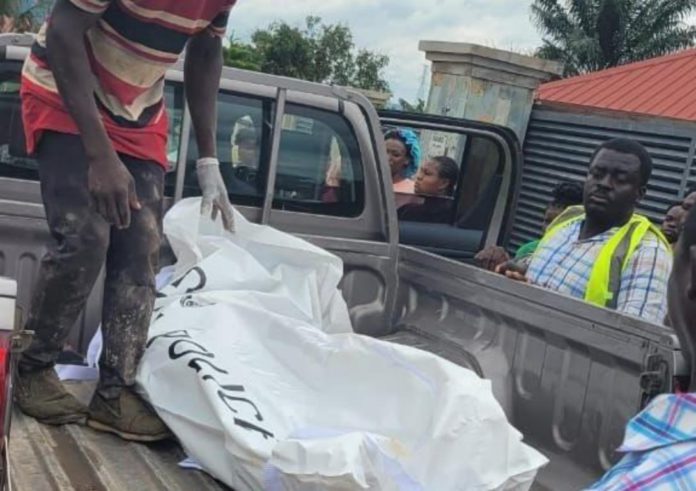
  • VIP Bus catches fire on Kumasi- Sunyani road; passengers escape unhurt

    VIP Bus catches fire on Kumasi- Sunyani road; passengers escape unhurt

    A VIP bus has been completely destroyed by fire at Abuakwa in the Atwima Nwabiagya South Municipality of the Ashanti Region. The bus was enroute to Sunyani from Kumasi when it caught fire, fortunately passengers escaped unhurt.

    Although authorities are yet to determine the cause of the incident, an eyewitness who was speaking to the media disclosed that the bus began emitting smoke shortly after setting off from the Kumasi station.

    “When the vehicle started smoking, within less than five minutes, the whole bus was engulfed in flames,” he said.

    Ghana recorded another bus fire incident in July. A Yutong passenger bus was destroyed after it caught fire on the Mankessim–Accra highway in the Central Region on Wednesday, July 8.

    The fire, which broke out at about 4:34 a.m., was brought under control and completely extinguished by the Ghana National Fire Service (GNFS) at 7:12 a.m.

    Although the passengers lost their belongings and commercial goods, they managed to escape before the bus was engulfed in flames. The incident was confirmed by the Ghana National Fire Service in a Facebook post.

    Last month a fire that swept through six self-contained apartments in a compound house at Aboabo in the Asokore Mampong Municipality of the Ashanti Region left 15 homeless.

    The blaze was already well-developed by the time the Ghana National Fire Service (GNFS) arrived. However, the occupants managed to escape unhurt before the flames engulfed the apartments.

    Speaking to the media, the Ashanti Regional Fire Commander, ACFO II Peter Tetteh, stated that preliminary assessments indicate the fire started in one of the rooms and quickly spread to adjoining apartments.

    The incident is the latest in a series of fire outbreaks that have caused significant losses across the country. In a similar incident, several goods were destroyed and businesses disrupted after a fire swept through parts of Tudu near the police station in Accra’s Central Business District (CBD) on Wednesday evening, June 3.

    The blaze left traders distressed and stranded, prompting calls for swift government intervention. Meanwhile, Alex King Nartey, an officer of the Ghana National Fire Service, has stated that preliminary investigations suggest an electrical fault may have caused the fire.

    Last year, two shops on the fourth floor of a commercial building at Tudu were gutted by fire. In response the GNFS promptly deployed three fire tenders, successfully bringing the blaze under control and preventing further damage.

    Divisional Officer I (DOI) Alex King Nartey, from the GNFS Public Relations Department, confirmed that while the fire has been successfully controlled, investigations are underway to establish what triggered it.“Due to the timely intervention of our fire tenders here, this whole building has been salvaged from the fire,” he stated.

    No casualties have been reported, but authorities are working to assess the extent of the damage and identify the source of the fire. On Monday night, May 11, at about 11:20 p.m, the intervention of the Ghana National Fire Service saved parts of the Nima Market following a fire outbreak.

    In a brief update shared on its official Facebook page on Tuesday, May 12, the Service noted that the fire destroyed goods and properties belonging to traders.

    The latest incident has once again amplified concerns about the recurring market fires in parts of Accra, with traders repeatedly suffering heavy financial losses.

    Earlier in January, a large fire swept through sections of the Madina Market in Accra, triggering a swift response from the Ghana National Fire Service as efforts continue to contain the blaze.

    The GNFS, in a Facebook update, said fire appliances from the Madina and Legon stations were dispatched to the market shortly after the incident was reported.

    Fire officers are working under difficult conditions to control the flames, with heavy smoke spreading across the busy trading area.While the exact scale of destruction has not yet been determined, early indications point to damage to several stalls and their merchandise.

    In response, traders and nearby residents have been moved away from the affected areas, as security personnel restrict access to parts of the market to enable firefighters to carry out their operations.

    Authorities have not yet established the cause of the fire and will begin investigations once the situation is fully under control. In the same area, an inferno destroyed several makeshift wooden and metal structures used for both commercial and residential purposes at Madina Washing Bay near Redco Flat on Sunday evening, August 3.

    The blaze destroyed utility poles, traders’ wares, personal belongings, and an unspecified number of structures worth several thousand cedis, according to the Ghana National Fire Service. In a Facebook post, the Fire Service noted that while battling the inferno, one of its firefighters sustained a minor leg injury.

    The Ghana National Fire Service noted that it received the distress call at 12:36 hours and responded swiftly, with the first crew from Madina Fire Station arriving within 4 minutes at 12:40 hours to confront the fully developed fire.

    Also, four (4) fire engines from Legon, Abelempke, and GNFS Headquarters joined the operation to contain the blaze.According to the GNFS, thanks to the timely and coordinated efforts, the fire was confined at 13:42 hours and fully brought under control at 13:54 hours.

    Overhaul operations continued until 20:50 hours, with firefighters salvaging multiple adjoining structures and their contents. Investigation into the cause of the fire is currently underway, according to the Ghana National Fire Service.

    Last month, a fire outbreak occurred at Madina Ritz Junction. It was earlier reported that a 2-month-old baby died as a result of the fire incident. However, GNFS, in a Facebook post on July 17, said that after engaging with some victims, particularly women, they confirmed that no lives were lost.

    “A verification team was dispatched to the scene this morning, and after engaging affected residents, particularly the women, and a Unit Committee Member of the area, the Service can confirm that no lives were lost.”

    “The Fire Service has thus entreated the public and media outlets to “disregard any reports suggesting otherwise, as they are inaccurate and misleading,” adding that it remains firmly committed to public safety, emergency responsiveness, and transparent communication.”

    The fire began after a gas explosion in one of the shops and quickly spread to adjacent containers, consuming everything in its path.

    The incident, which involved multiple wooden structures used for both residential and commercial purposes, was fully contained through the swift and professional response of firefighters from the Madina, Legon, and Abelemkpe Fire Stations.

    An investigation by the Service was launched to ascertain the cause of the fire, which destroyed several properties. It is yet to be reported the cause of the fire.In April this year, a raging fire ripped through the Madina Redco Flats area, reducing more than 150 structures to ashes and claiming the life of a young Nigerian woman.

    The inferno, which began around 11:15 p.m., rapidly spread across 140 wooden kiosks and 20 metal containers that served as homes and business outlets. Though firefighters from the Madina Fire Station arrived on the scene within two minutes, the blaze had already intensified.

    One fatality was recorded—a Nigerian woman affectionately known in the area as Beauty. Believed to be in her early twenties, she was trapped in her room and could not escape. Her charred remains were retrieved and handed over to the Madina Police for preservation and further investigation.

    Last year, about 50 stalls were burnt to ashes after the Madina Market in Accra caught fire. Deputy Director of Operations at the Ghana National Fire Service, D.O.1. Kofi Forson, who engaged the media, recounted the challenges the firefighters faced in quenching the flame.

    “It was not easy for us and there was a lack of access to where the fire was spreading and because it happened in the night, the shops were closed and we had to break through and that made it tedious,” he said.

    In the first half of the year, the Ghana National Fire Service has reported a marginal increase in fire outbreaks. A comparison of data from January to June last year and that of this year’s first six months indicates that Ghana recorded 3,595 fire cases.

    According to the Ghana National Fire Service, that is about 19 more cases than the 3,576 cases recorded during the same time in 2024, a sharp increase in cases representing a 0.53% rise.

    The monthly breakdown of fire cases reported this year is as follows: January (964), February (678), March (619), April (483), May (457), and June (394).

    The Greater Accra Region recorded the highest number of fire incidents, with 628 cases, followed by the Ashanti Region with 581 cases and the Central Region with 408. The North East Region reported the lowest number of incidents—just 10.

    Head of Public Relations at the Ghana National Fire Service (GNFS), Desmond Ackah, revealed that due to their improved and swift response to fire cases, they were able to save over GH¢203 million worth of properties.Fire outbreaks across the country in the first half of 2025 led to the destruction of properties valued at over GH¢188 million.

    Top causes of fire incidents, according to the Ghana National Fire Service, include electrical faults through illegal connections, poor wiring, and overloading of circuits; improper use of electrical appliances, such as overused extension cords and unattended devices.

    Also, unattended cooking, especially with gas, electric, or coal-based stoves. Careless use of naked flames like candles, mosquito coils, lighters, and matches, gas leakages, and poor handling of LPG cylinders are also responsible for fire incidents in the country.


  • Fatal crash on Accra-Kumasi Highway leaves 1 dead, 14 injured

    Fatal crash on Accra-Kumasi Highway leaves 1 dead, 14 injured

    A fatal road crash on the Accra–Kumasi Highway near Paradise Restaurant has claimed one life and left 14 others injured on Wednesday, August 12.

    The accident involved a MAN Diesel truck with registration number AS 4765-11 and a Toyota Hiace. According to an was travelling towards Accra when the incident occurred.

    The eyewitness’ account, the accident occurred when the truck which was traveling from Accra attempted to give way to a Toyota Vitz that was allegedly overtaking improperly.

    Ghana continues to record fatalities and casualties due to road accidents, with road crashes remaining a major public safety concern.

    As part of efforts to curb vehicular accidents and road traffic offences, the National Road Safety Authority (NRSA) will introduce an automated traffic enforcement system in the coming days.

    The system will be designed to issue fines to individuals who violate road traffic regulations, effective in 2027. According to him, the system will replace the human factor, in which police officers manually identify traffic offenders and issue fines.

    “We are going to be using technology to regulate road traffic. We will permanently mount cameras on our roads, and some of the cameras will be on tripods and vehicles, and this will take away the human factor that extorts money and also serve as a check on drivers who engage in reckless driving.

    “There are more than sixteen offences that the camera will be capturing. So if you are overspeeding or driving recklessly, you are captured, and you receive a text message to pay a fine, and if you fail to pay within fourteen days, it compounds, and your licence will be taken, and you won’t be able to drive again.”

    The NSRA’s Director-General, Abraham Amaliba, disclosed while speaking to the media on Thursday, August 13.

    On Thursday, August 14, twelve (12) individuals lost their lives, and at least twenty-two (22) others got injured in a multiple-vehicle crash on the Ofankor-Pokuase stretch.

    The crash involved two tipper trucks, two Sprinter buses, two saloon cars and a tricycle. DO1 Emmanuel Bonnie made this known during an interview with the media on Thursday, August 14.

    The crash also disrupted traffic on the Accra–Kumasi Highway, with part of the road restricted to allow emergency personnel to carry out rescue and clearance operations.

    Motorists travelling from Pokuase and Amasaman towards Ofankor and Accra have been advised to use the outer lane, drive cautiously and give way to emergency responders working at the scene. Meanwhile, the exact circumstances that led to the collision is yet to be disclosed by authorities.

    Ghana continues to record fatalities and casualties due to road accidents, with road crashes remaining a major public safety concern.

    1,009 individuals lost their lives in road crashes between January and April 2026, while 181 pedestrian deaths were recorded during the first four months of the year, according to the National Road Safety Authority (NRSA).

    In 2025, a provisional data released by the National Road Safety Authority in collaboration with the Police Motor Traffic and Transport Department (MTTD), noted that a total of 7,289 road crashes were recorded between January and June during that period. Per the data, a total of twelve thousand three hundred and fifty-four (12,354) vehicles were involved in these crashes.

    As a result of these incidents, eight thousand three hundred (8,300) individuals sustained injuries. Additionally, one thousand three hundred and one (1,301) pedestrians were knocked down across the country.According to recent data provided by the National Road Safety Authority, on average, eight (8) lives are lost every day due to road crashes.

    Each day, forty (40) road crashes are recorded, and forty-six (46) individuals sustain injuries. Daily, sixty-nine (69) vehicles and motorcycles are involved in road crashes.To help combat the rising number of road crashes, the National Road Safety Authority has called for stricter enforcement of traffic regulations and increased public education.

    The NRSA has emphasized the need for stronger enforcement to curb the alarming trend. The Road Traffic Act 2004, an Act to consolidate and revise the Road Traffic Ordinance, 1952 (No. 55), provides for more comprehensive regulation of road traffic and road use to ensure road safety and address related matters.

    A person who drives a motor vehicle dangerously on a road commits an offence and is liable on summary conviction:(a) where (i) a bodily injury does not occur, or (ii) a minor bodily injury occurs to a person other than the driver, to a fine of not less than one hundred penalty units and not exceeding two hundred penalty units, or to a term of imprisonment not exceeding nine months, or to both;

    (b) where bodily injury of an aggravated nature occurs to a person other than the driver, to a minimum fine of two hundred penalty units and not exceeding five hundred penalty units, or to a term of imprisonment of not less than twelve months and not exceeding two years, or to both;(c) where death occurs, to a term of imprisonment of not less than three years;

    (d) where there is damage to state property, to a fine of not less than one hundred penalty units and payment for the damage caused in an amount determined by the Court.

    The Court may, upon conviction of a person under subsection (1), (a) order the payment of appropriate compensation to an injured person or to the estate of that person, or (b) order the withdrawal of the driver’s license for a period of not less than three years and not more than five years.

    A person who drives a motor vehicle on a road without due care and attention, or without reasonable consideration for other persons using the road, commits an offence and is liable on summary conviction to a fine not exceeding two thousand penalty units or to a term of imprisonment not exceeding five years, or to both.

    A person commits an offence if, without lawful authority or reasonable excuse, that person:

    (a) causes anything to be on or over a road;(b) interferes with a motor vehicle, trailer, or cycle; or(c) interferes, directly or indirectly, with traffic equipment, where it would be obvious to a reasonable person that doing so would be dangerous.

    A person who commits an offence under subsection (1) is liable on summary conviction to a fine not exceeding two hundred and fifty penalty units or to a term of imprisonment not exceeding twelve months, or to both.

    Meanwhile, over one-third of emergency cases at the Komfo Anokye Teaching Hospital (KATH) have been linked to road crashes, according to the facility’s statistics.

    Speaking to the media, Deputy Medical Director of KATH, Dr. Yaw Opare Larbi, noted that road crash victims brought to the emergency unit often do not survive because their injuries are very severe.

    “A little over 30 per cent of the cases that come to this facility, this Accident and Emergency Unit, are due to accidents, and most of the accidents, a few are domestic, but the majority of them are road traffic accidents.

    “Now in Ghana, we know that our statistics, a lot of our road accidents are from errors, driver errors, pedestrian errors. And then we know that we have some percentage that is attributable to maybe things like faulty vehicles or maybe road conditions, but a lot of the accidents are preventable,” he stated.

  • Three miners dead after pit collapses at Odumase-Santenso

    Three miners dead after pit collapses at Odumase-Santenso

    A mining pit collapse at Odumase-Santenso in the Asante Akyem Central Municipality of the Ashanti Region has claimed the lives of three. Speaking to the media, the Assembly Member for the Bomeriso Electoral Area, Isaac Kyei Andoh, disclosed that the unfortunate incident occurred on Friday, August 7.

    According to him, “I got a call around 4 pm two days ago about the pit collapse. We mobilised a vehicle to release the bodies from the pit. The chiefs performed some rites before the three bodies were sent to the mortuary. The deceased include two women and a man, aged between 21 and 25 years. The pit caved in and killed them”.

    In April, a 42-year-old mother and her three children have been confirmed dead after drowning in a water-filled galamsey pit at Wassa Dunkwa in the Amenfi West Municipality of the Western Region on Saturday, February 28.


    The family of four had gone near the abandoned illegal mining site in search of firewood. The eldest child, aged 14, reportedly led his younger siblings into the water-filled pit.


    The boys became trapped and were unable to escape. In an attempt to rescue her children, the 42-year-old mother also entered the pit but tragically drowned.


    The bodies of the four family members have been deposited at the Catholic Hospital morgue. Abandoned illegal mining pits have claimed the lives of Ghanaians in recent times.


    Galamsey pit collapse at Atta Ne Atta in Asutifi South has claimed the lives of nine individuals, with four others currently receiving treatment at St. Elizabeth Catholic Hospital in Hwidiem following the incident, which occurred on Monday, March 2.


    Recently, a 20-year-old student, Evans Allotey, of Okomfo Anokye Senior High School (SHS), died after falling into an abandoned mining pit on Tuesday, February 17, 2026, at Manso Akwesiso, Amansie South District of the Ashanti Region.


    The unfortunate incident reportedly occurred while he was attempting to flee military personnel who had visited the site to crack down on illegal mining activities. In reaction to the unfortunate incident, residents staged a protest to express their dissatisfaction.


    In 2025, a pit collapse at an illegal mining site at Kasotie in the Atwima Mponua District of the Ashanti Region claimed the lives of seven illegal miners who were trapped underground.


    The pit collapse, which occurred on Wednesday night, October 1, also left four injured, while several miners were trapped.


    For years, the country’s efforts to nip the canker in the bud have not yielded the needed results. Among recent measures taken to protect water bodies from illegal miners is the deployment of the National Anti-Illegal Mining Operations Secretariat (NAIMOS).


    The Secretariat includes the Ghana Armed Forces, the Ghana Police Service, the Ghana Immigration Service, the National Intelligence Bureau (NIB), the Narcotics Control Commission, and the National Security Secretariat.


    Addressing the security forces, the Minister for Lands and Natural Resources, Emmanuel Amarh Kofi-Buah, directed the team to ruthlessly counter the activities of galamsey operators as they are the enemies of the state.


    “Any recalcitrant entering into these zones is not merely a trespasser. They are an enemy of the state. You are to be firm. You are to be resolute. You are to be ruthless.


    “And please, take it from me, you will take no obstructionist instruction from any big man. Remember, the biggest man in Ghana is the President of the Republic, and he’s the one who has sent you,” Mr Kofi-Buah charged.


    Government deployed soldiers to permanently guard 44 galamsey hotspots, including waterbodies and areas threatened by galamsey activities.


    Speaking to the media on Tuesday, September 16, the Minister of State in charge of Government Communications, Felix Kwakye Ofosu, noted, “All the 44 areas that are threatened by galamsey, there is going to be a permanent military presence”.


    According to statistics from the Lands Minister, 1,400 persons have been arrested from January to August this year in the government’s efforts to crack down on galamsey.


    According to him, the achievement was attained through the government’s renewed efforts. He noted that the government has seized 440 excavators and more than 800 changfans.


    “We have seized 440 excavators and more than 800 changfans. We have mobilised Blue Water Guards in key regions, and they are making a difference,” Mr. Buah stated.


    The government’s move is a response to mounting calls to declare a state of emergency over galamsey. The river guards are selected from communities most affected by illegal mining, ensuring they have a deep understanding of the local landscape and challenges.


    The government has issued an official order requiring all machinery used in mining operations to be registered with the Driver and Vehicle Licensing Authority (DVLA) by August 1st.


    A statement issued by the Ministry of the Interior on Tuesday, July 15, states that the state will proceed with confiscating unregistered mining equipment after the deadline.


    “The Government, as part of efforts to reform the mining sector in the country, requires that all machinery used in mining activities must be registered with the Driver and Vehicle Licensing Authority (DVLA) by 1st August 2025. Equipment that remains unregistered after this deadline will be confiscated by the State,” the Ministry stated on its website.


    Mr Mubarak has empowered the Ghana Police Service and DVLA to begin strict enforcement of the new rule from August 2. “The Ghana Police Service and DVLA have been directed to enforce this directive from 2nd August 2025 onward rigorously. The general public, especially those who use mining machinery, is advised to take note and comply with the directive,” he wrote.


    The Ministry reiterates its resolve to maintain national peace through effective internal security and law enforcement.

    Meanwhile, a similar directive came in months ago, where excavator owners and operators were asked to register their machines with the Driver and Vehicle Licensing Authority (DVLA) within two weeks or risk losing them to the state, as the government intensifies efforts to clamp down on illegal mining activities

  • Accident at Asafo leaves 5 in critical condition

    Accident at Asafo leaves 5 in critical condition

    A Kia Rhino truck carrying plantain which collided with a commercial vehicle at the Asafo Labour Roundabout in Kumasi has left atleast five persons critically injured.

    The unfortunate incident occurred after the truck veered off the road was descending from the Amakom direction when the driver lost control.

    The crash left five people, including some security personnel, with critical injuries. They were rushed to the Komfo Anokye Teaching Hospital for emergency treatment. In a related development, Ghana has recorded yet another tragedy after a vehicle plowed into pedestrians at Bukom Junction in the Ga Mashie community, adding to the growing number of road fatalities.

    The recent incident which occurred on Monday, July 27, has left several people dead including a pregnant woman and a child.

    Weeks ago a road crash involving two cargo trucks at Asuboi on the Accra–Kumasi Highway in the Eastern Region has claimed two lives and left two others injured.

    The crash involved a Hyundai truck with registration number GX 7359-14 and a KIA Rhino with registration number GX 857-16.

    In a related incident, weeks ago, thirteen people were feared dead and several others injured last week after a collision involving three vehicles at Odumase, near Konongo, on the Kumasi-Accra Highway in the Ashanti Region. The vehicles involved were a tomato-laden cargo truck, a passenger bus, and a fuel tanker.

    According to eyewitnesses, the collision occurred after one of the vehicles attempted to overturn. Meanwhile, the injured have subsequently been transported to nearby health facilities for medical attention.

    A fatal road accident involving a Toyota Voxy on the Sefwi Wiawso – Asawinso Highway in the Western North Region has left one person dead and several others have sustained critical injuries on Thursday, July 9.

    According to eyewitnesses, the accident occurred after the commercial Toyota Voxy attempted to swerve potholes on the highway. Ghana has reported a surge in the number of fatalities resulting from road crashes this year.

    In June, six people were confirmed dead and 34 others injured in multiple road traffic accidents across the Volta Region on Sunday, June 21.

    The first set of incidents occurred along the Todome stretch near Kpeve on the Peki–Kpeve Road and involved two simultaneous crashes; one of the crashes involved a MAN Diesel TGS truck with registration number GT 9993-18 and a Toyota Camry with registration number GE 735-14.

    The second which occurred involved a Metro Mass Transit bus with registration number AS 4984-09 was travelling from Accra to Dambai. A few weeks ago, a road crash on the Peki–Asikuma Highway in the Volta Region claimed 15 lives and left 25 others injured on Tuesday, June 2.

    The two commercial vehicles, which were carrying a total of 40 passengers, collided, resulting in multiple fatalities and injuries.“When they got there, they realised that the two vehicles had been involved in a head-on collision. Preliminary investigations at the scene suggest that there were 40 occupants in the two vehicles,” he told Citi News.

    Earlier in May, an accident on the Buipe-Tamale road claimed the lives of four individuals. The fatal crash involved a Sprinter Benz bus traveling from Buipe to Kumasi and a trailer truck at Sawaba No. 2.

    The deceased included two females and two males, two of whom died on the spot. According to the GNFS, the trailer truck fled the scene, leaving behind the victims and wreckage as emergency responders rushed in to manage the situation.

    Meanwhile, 19 passengers are receiving medical attention at the Buipe Government Hospital. Weeks ago, a head-on collision on the Accra-Kumasi Highway claimed the life of an individual on Saturday, March 7. The deceased male, reportedly the owner of a Toyota Voxy, crashed into a parked MAN Diesel truck at Teacher Mantey.

    Detailing the incident on Facebook on Sunday, March 8, the Ghana National Fire Service (GNFS) stated that the Toyota Voxy had badly crashed into the stationary truck prior to the arrival of the rescue team.Weeks ago, eleven (11) persons sustained injuries following a head-on collision at Eduadjei on the Cape Coast-Takoradi Highway.

    The victims, eight males and two females, are receiving medical attention at the Elmina Polyclinic. Per the Central Regional Fire Service’s account, the two vehicles, an Opel Astra (WR 4860-13) traveling from Cape Coast towards Komenda, collided head-on with a Nissan mini bus (CR 1414-23) heading from Takoradi to Cape Coast.

    Meanwhile, officials have yet to ascertain the cause of the accident. The National Road Safety Authority (NRSA) recorded one thousand five hundred and four (1,504) deaths, compared to one thousand two hundred and thirty-seven (1,237) fatalities reported in the same period in 2024, representing a 21.58 percent increase in the first half of 2025.

    According to provisional data released by the National Road Safety Authority in collaboration with the Police Motor Traffic and Transport Department (MTTD), a total of 7,289 road crashes were recorded between January and June this year.

    Per the data, a total of twelve thousand three hundred and fifty-four (12,354) vehicles were involved in these crashes.As a result of these incidents, eight thousand three hundred (8,300) individuals sustained injuries.

    Additionally, one thousand three hundred and one (1,301) pedestrians were knocked down across the country.According to recent data provided by the National Road Safety Authority, on average, eight (8) lives are lost every day due to road crashes.

    Each day, forty (40) road crashes are recorded, and forty-six (46) individuals sustain injuries. Daily, sixty-nine (69) vehicles and motorcycles are involved in road crashes.

    To help combat the rising number of road crashes, the National Road Safety Authority has called for stricter enforcement of traffic regulations and increased public education.

    The NRSA has emphasized the need for stronger enforcement to curb the alarming trend. The Road Traffic Act 2004, an Act to consolidate and revise the Road Traffic Ordinance, 1952 (No. 55), provides for more comprehensive regulation of road traffic and road use to ensure road safety and address related matters.

    A person who drives a motor vehicle dangerously on a road commits an offence and is liable on summary conviction:(a) where (i) a bodily injury does not occur, or (ii) a minor bodily injury occurs to a person other than the driver, to a fine of not less than one hundred penalty units and not exceeding two hundred penalty units, or to a term of imprisonment not exceeding nine months, or to both;

    (b) where bodily injury of an aggravated nature occurs to a person other than the driver, to a minimum fine of two hundred penalty units and not exceeding five hundred penalty units, or to a term of imprisonment of not less than twelve months and not exceeding two years, or to both;(c) where death occurs, to a term of imprisonment of not less than three years;

    (d) where there is damage to state property, to a fine of not less than one hundred penalty units and payment for the damage caused in an amount determined by the Court.

    The Court may, upon conviction of a person under subsection (1), (a) order the payment of appropriate compensation to an injured person or to the estate of that person, or (b) order the withdrawal of the driver’s license for a period of not less than three years and not more than five years.

    A person who drives a motor vehicle on a road without due care and attention, or without reasonable consideration for other persons using the road, commits an offence and is liable on summary conviction to a fine not exceeding two thousand penalty units or to a term of imprisonment not exceeding five years, or to both.

    A person commits an offence if, without lawful authority or reasonable excuse, that person:

    (a) causes anything to be on or over a road;(b) interferes with a motor vehicle, trailer, or cycle; or(c) interferes, directly or indirectly, with traffic equipment, where it would be obvious to a reasonable person that doing so would be dangerous.

    A person who commits an offence under subsection (1) is liable on summary conviction to a fine not exceeding two hundred and fifty penalty units or to a term of imprisonment not exceeding twelve months, or to both.

    Meanwhile, over one-third of emergency cases at the Komfo Anokye Teaching Hospital (KATH) have been linked to road crashes, according to the facility’s statistics.

    Speaking to the media, Deputy Medical Director of KATH, Dr. Yaw Opare Larbi, noted that road crash victims brought to the emergency unit often do not survive because their injuries are very severe.“A little over 30 per cent of the cases that come to this facility, this Accident and Emergency Unit, are due to accidents, and most of the accidents, a few are domestic, but the majority of them are road traffic accidents.

    “Now in Ghana, we know that our statistics, a lot of our road accidents are from errors, driver errors, pedestrian errors. And then we know that we have some percentage that is attributable to maybe things like faulty vehicles or maybe road conditions, but a lot of the accidents are preventable,” he stated.

  • Agona Mankrong: Mobile Money vendor shot in robbery attack

    Agona Mankrong: Mobile Money vendor shot in robbery attack

    A robbery attack at Agona Mankron Junction in the Agona East District of the Central Region has left a mobile money (MoMo) vendor in critical condition. Speaking to the media, an eyewitness, Kojo Assan noted that the incident occurred after six heavily armed men stormed the community and carried out a series of coordinated robberies, targeting mobile money vendors, shops, drivers and commuters.

    Months ago, the Tema Regional Operations Team has shot dead two armed robbers while attempting to foil a robbery attack on a Mobile Money female vendor at Community 5 in Accra on Monday morning, April 13.

    A police statement signed by ASP Dede Dzakpasu, Head of Public Affairs for the Tema Regional Police Command indicates that “The suspects were transported to the Police Hospital for medical attention but were pronounced dead on arrival by a medical officer”.

    The police noted that the robbers shot the female MoMo vendor as she tried to protect her money and resist the attack. According to the police, one suspect approached the victim under the guise of performing a “cash-out” transaction, while his accomplices waited for him on a motorbike.

    The suspect pulled a pistol and demanded her bag of cash as the victim reached for her phone.

    The pillion rider shot the victim in the leg in the heat of the scuffle and later fled the scene with the bag.

    However, following the swift intervention of the police, a total of GH¢11,390.00 is suspected to have been stolen. The police also retrieved one black 9mm Luger pistol loaded with four rounds of ammunition, three Android phones, assorted SIM cards, a talisman, and a Ghana Card belonging to the robbery victim.

    Meanwhile, the female MoMo vendor is receiving treatment at a medical facility for her leg injury. In March, a police shootout in Atebubu left a suspected armed robber, Osman Amadu, popularly known as Manu, dead.

    The police have been on the lookout for Osman Amadu, who has been on the run since March 14 due to his alleged involvement in a robbery incident along the Atebubu-Ejura highway.

    However, on March 18, the Police through an intelligence gathering stormed Osman’s hideout in Ejura.

    According to the police, in an attempt to flee the scene, Osman allegedly opened fire at them. In defence, the police discharged their weapons, resulting in his death.

    Last year, a shootout between suspected armed robbers and the Ghana Police Service at Atebubu in the Bono East region on July 30 led to the demise of two suspects.

    On that fateful day, a team of police officers who were on patrol duty, according to the Ghana Police Service, came across a robbery attack on some commuters along the Atebubu Highway.

    The suspects started firing towards the police officers upon sighting them. The suspects who got hit during the shootout were rushed to a hospital but were pronounced dead upon arrival.

    The other suspects are currently at large after escaping into some nearby bushes. A search at the scene led to the retrieval of a shotgun loaded with two live cartridges, four spent cartridges, and a machete.

    Intensive efforts are underway to apprehend the remaining suspects, the Ghana Police Service has assured.

    An intelligence-led operation by the Police Intelligence Directorate (PID) foiled a robbery attempt by five armed men en route to rob a foreign national at Cantonments on July 15.

    In a statement, the Police noted that they received credible intelligence that the five armed men were lodging at a hotel in Labadi.

    While en route to the location in a Toyota Yaris vehicle, the suspects opened fire on a police team after detecting police surveillance. An officer got shot. A shootout ensued, and two of the suspects succumbed to gunshot wounds after being rushed to the Ghana Police Hospital.

    The officer who sustained gunshot wounds to his arm and legs has been hospitalised and is responding to treatment, according to the Police. The Police retrieved from the scene two pump-action guns loaded with ammunition, live cartridges, three mobile phones, talismans, and other items.

    Meanwhile, a manhunt is underway to arrest the remaining three suspects currently at large. This incident preceded a shootout between officers of the Tema Regional Police Command and a group of 10 suspected robbers during a robbery incident at the Tema Industrial Area that led to the demise of three suspects.

    The incident occurred on July 21 when the police patrol team responded to a distress call and exchanged gunfire upon arrival at the scene during a confrontation with the suspects.

    Three of the suspected robbers succumbed to gunshot wounds, but seven others, some of whom are believed to have been wounded, managed to evade arrest. The police are on a manhunt for these suspected robbers. The remains of the three suspected robbers have been deposited at the Police Hospital Morgue for identification, preservation, and autopsy.

    Exhibits recovered from the scene include a Bruni mod foreign pistol, a double-barrelled locally manufactured pistol with 2 rounds of ammunition and 11 live BB ammunition. The Ghana Police Service has commended its officers at the Kpone District Command for their efforts in managing the robbery incident.

    What the law says about robbery and stealing

    Section 149 of the Criminal Offences states that a person who commits robbery commits a first-degree felony. Per Section 150, “a person who steals a thing commits robbery (a) if in, and for the purpose of stealing the thing, that person uses force or causes harm to any other person, or (b) if that person uses a threat or criminal assault or harm to any other person, with intent to prevent or overcome the resistance of the other person to the stealing of the thing.”

    Section 124 of the Criminal Offences Act indicates that a person who steals commits a second-degree felony. Where the court that finds a person guilty of stealing is satisfied that on not less than two previous occasions the accused was found guilty of stealing, the court shall order that the whole or a part of a term of imprisonment imposed by it shall be spent in productive hard labour.

    A person in respect of whom the court makes an order under subsection (2) is disqualified for election to Parliament or to a District Assembly within the meaning of the Local Government Act, 1993 (Act 462), for a period not exceeding five years.

    Productive hard labour means labour in a state farm or state factory or any other public co-operative or collective enterprise specified by the Minister.

    Police efforts in combating robbery

    In recent years, the Ghana Police Service has made some strides in curtailing the activities of robbers as well as seeing to the prosecution of those arrested during their line of work. The police this month managed to secure a conviction for an armed robbery incident that occurred in Atonsu Kuwait, Kumasi, four years ago.

    The Kumasi Circuit Court sentenced two individuals to 15 years imprisonment for the violent armed robbery incident. The convicted persons are Abass Kasim (26) and Daniel Morro, a.k.a. “China” (25).

    They were part of a group of five that attacked a resident at his Atonsu Kuwait, Kumasi home on July 31, 2021, at about 2:30 am. The gang, wielding a pistol and cutlasses, shot the victim in the abdomen, inflicted multiple cutlass wounds, and robbed him of personal effects.

    Items stolen during the attack included one iPhone 11 mobile phone valued at GHS 5,500, one Samsung phone valued at GHS 500, two Apple Watches valued at GHS 3,000, and two M.K. ladies’ handbags.

    An unspecified quantity of jewelry, $600, and an unspecified amount of Ghana cedis were also stolen. Following police investigations, Abass Kasim was arrested on August 12, 2021, and during interrogation, he admitted his involvement and subsequently led officers to the arrest of Daniel Morro, and a pistol used in the attack was later retrieved.

    On Thursday, August 19, 2021, they were arraigned before Kumasi Circuit Court 4, where they were initially remanded into custody after pleading not guilty. The two reappeared in court on Wednesday, July 9, 2025, and were convicted and sentenced to 15 years imprisonment on each count.

    This included conspiracy to commit robbery, robbery, and unlawful entry. Abetment of crime and possession of firearms without authority. All sentences are to run concurrently.

    The convicts have since been transferred to the Central Prisons in Kumasi to begin serving their prison sentence. Meanwhile, the three accomplices are currently at large, and the police have intensified efforts to locate them.

    The police reported another victory after an armed robber, Paul Avortide, was jailed for 19 years with hard labour for robbery. The 25-year-old convict, on May 21, at about 4:00 am, at Tsikpota near New Housing, Ho, with a machete in his hand, threatened a pregnant woman by the name of Ogechi Chidiebere, a Nigerian resident in Ho.

    Paul Avortide robbed the victim of her Gh¢ 3,000 and her Tecno Spark 30c mobile phone valued at Gh¢2,500 when she was on her way to attend antenatal care at the Ho Municipal Hospital.

    On June 19, at about 6:00 pm, the Regional Police Intelligence team arrested Harmony Nbonu at the Ho Main Market, who was in possession of the stolen phone. During interrogations, he mentioned Paul Avortide as the one who sold the phone to him at the cost of Gh¢ 850.00.

    Coordinated efforts between the Police and the suspect, Hormony Nbonu, led to the arrest of the convict, Paul Avortide, at Matse, a suburb of Ho, when he was running away from Ho Township. After police investigations, Paul Avortide was charged with the offence of robbery contrary to Section 149 of the Criminal Offences Act, 1960 (Act 29), as amended by the Criminal Offences (Amendment) ACT, 2003 (ACT 646).

    Harmony Nbonu, on the other hand, was charged with the offence of Dishonestly Receiving Contrary to Section 146 of the Criminal Offences Act, 1960 (Act 29). The two were arraigned before Ho Circuit Court presided over by His Honour, Osman Abdul Hakeem, Esq., on Tuesday, July 1.

    The first accused person (A1), Paul Avortide, pleaded guilty to the charge of robbery and was convicted on his own plea and sentenced to a prison term of 19 years in hard labor. The second accused person, (A2), Harmony Nbonu, was acquitted and discharged. The convict has since been handed over to the Ho Regional Prison authorities to begin to serve his prison term.

  • Fire destroys House Master’s apartment at Leklebi SHS, 6 students injured

    Fire destroys House Master’s apartment at Leklebi SHS, 6 students injured

     A fire that engulfed a House Master’s apartment at Leklebi Senior High School in the Volta Region, has left six students sustaining injuries.However, the intervention of personnel from the Ghana National Fire Service (GNFS) stop the blaze from spreading to other parts of the school.

    This information was disclosed by the Ghana National Fire Service (GNFS) has said.

    Ghana has recorded a series of fire incidents this year. Last month a fire that swept through six self-contained apartments in a compound house at Aboabo in the Asokore Mampong Municipality of the Ashanti Region left 15 homeless.

    The blaze was already well-developed by the time the Ghana National Fire Service (GNFS) arrived. However, the occupants managed to escape unhurt before the flames engulfed the apartments.

    Speaking to the media, the Ashanti Regional Fire Commander, ACFO II Peter Tetteh, stated that preliminary assessments indicate the fire started in one of the rooms and quickly spread to adjoining apartments.

    The incident is the latest in a series of fire outbreaks that have caused significant losses across the country. In a similar incident, several goods were destroyed and businesses disrupted after a fire swept through parts of Tudu near the police station in Accra’s Central Business District (CBD) on Wednesday evening, June 3.

    The blaze left traders distressed and stranded, prompting calls for swift government intervention. Meanwhile, Alex King Nartey, an officer of the Ghana National Fire Service, has stated that preliminary investigations suggest an electrical fault may have caused the fire.

    Last year, two shops on the fourth floor of a commercial building at Tudu were gutted by fire. In response the GNFS promptly deployed three fire tenders, successfully bringing the blaze under control and preventing further damage.

    Divisional Officer I (DOI) Alex King Nartey, from the GNFS Public Relations Department, confirmed that while the fire has been successfully controlled, investigations are underway to establish what triggered it.“Due to the timely intervention of our fire tenders here, this whole building has been salvaged from the fire,” he stated.

    No casualties have been reported, but authorities are working to assess the extent of the damage and identify the source of the fire. On Monday night, May 11, at about 11:20 p.m, the intervention of the Ghana National Fire Service saved parts of the Nima Market following a fire outbreak.

    In a brief update shared on its official Facebook page on Tuesday, May 12, the Service noted that the fire destroyed goods and properties belonging to traders.

    The latest incident has once again amplified concerns about the recurring market fires in parts of Accra, with traders repeatedly suffering heavy financial losses.

    Earlier in January, a large fire swept through sections of the Madina Market in Accra, triggering a swift response from the Ghana National Fire Service as efforts continue to contain the blaze.

    The GNFS, in a Facebook update, said fire appliances from the Madina and Legon stations were dispatched to the market shortly after the incident was reported.

    Fire officers are working under difficult conditions to control the flames, with heavy smoke spreading across the busy trading area.While the exact scale of destruction has not yet been determined, early indications point to damage to several stalls and their merchandise.

    In response, traders and nearby residents have been moved away from the affected areas, as security personnel restrict access to parts of the market to enable firefighters to carry out their operations.

    Authorities have not yet established the cause of the fire and will begin investigations once the situation is fully under control. In the same area, an inferno destroyed several makeshift wooden and metal structures used for both commercial and residential purposes at Madina Washing Bay near Redco Flat on Sunday evening, August 3.

    The blaze destroyed utility poles, traders’ wares, personal belongings, and an unspecified number of structures worth several thousand cedis, according to the Ghana National Fire Service. In a Facebook post, the Fire Service noted that while battling the inferno, one of its firefighters sustained a minor leg injury.

    The Ghana National Fire Service noted that it received the distress call at 12:36 hours and responded swiftly, with the first crew from Madina Fire Station arriving within 4 minutes at 12:40 hours to confront the fully developed fire.

    Also, four (4) fire engines from Legon, Abelempke, and GNFS Headquarters joined the operation to contain the blaze.According to the GNFS, thanks to the timely and coordinated efforts, the fire was confined at 13:42 hours and fully brought under control at 13:54 hours.

    Overhaul operations continued until 20:50 hours, with firefighters salvaging multiple adjoining structures and their contents. Investigation into the cause of the fire is currently underway, according to the Ghana National Fire Service.

    Last month, a fire outbreak occurred at Madina Ritz Junction. It was earlier reported that a 2-month-old baby died as a result of the fire incident. However, GNFS, in a Facebook post on July 17, said that after engaging with some victims, particularly women, they confirmed that no lives were lost.

    “A verification team was dispatched to the scene this morning, and after engaging affected residents, particularly the women, and a Unit Committee Member of the area, the Service can confirm that no lives were lost.”

    “The Fire Service has thus entreated the public and media outlets to “disregard any reports suggesting otherwise, as they are inaccurate and misleading,” adding that it remains firmly committed to public safety, emergency responsiveness, and transparent communication.”

    The fire began after a gas explosion in one of the shops and quickly spread to adjacent containers, consuming everything in its path.

    The incident, which involved multiple wooden structures used for both residential and commercial purposes, was fully contained through the swift and professional response of firefighters from the Madina, Legon, and Abelemkpe Fire Stations.

    An investigation by the Service was launched to ascertain the cause of the fire, which destroyed several properties. It is yet to be reported the cause of the fire.In April this year, a raging fire ripped through the Madina Redco Flats area, reducing more than 150 structures to ashes and claiming the life of a young Nigerian woman.

    The inferno, which began around 11:15 p.m., rapidly spread across 140 wooden kiosks and 20 metal containers that served as homes and business outlets. Though firefighters from the Madina Fire Station arrived on the scene within two minutes, the blaze had already intensified.

    One fatality was recorded—a Nigerian woman affectionately known in the area as Beauty. Believed to be in her early twenties, she was trapped in her room and could not escape. Her charred remains were retrieved and handed over to the Madina Police for preservation and further investigation.

    Last year, about 50 stalls were burnt to ashes after the Madina Market in Accra caught fire. Deputy Director of Operations at the Ghana National Fire Service, D.O.1. Kofi Forson, who engaged the media, recounted the challenges the firefighters faced in quenching the flame.

    “It was not easy for us and there was a lack of access to where the fire was spreading and because it happened in the night, the shops were closed and we had to break through and that made it tedious,” he said.

    In the first half of the year, the Ghana National Fire Service has reported a marginal increase in fire outbreaks. A comparison of data from January to June last year and that of this year’s first six months indicates that Ghana recorded 3,595 fire cases.

    According to the Ghana National Fire Service, that is about 19 more cases than the 3,576 cases recorded during the same time in 2024, a sharp increase in cases representing a 0.53% rise.

    The monthly breakdown of fire cases reported this year is as follows: January (964), February (678), March (619), April (483), May (457), and June (394).

    The Greater Accra Region recorded the highest number of fire incidents, with 628 cases, followed by the Ashanti Region with 581 cases and the Central Region with 408. The North East Region reported the lowest number of incidents—just 10.

    Head of Public Relations at the Ghana National Fire Service (GNFS), Desmond Ackah, revealed that due to their improved and swift response to fire cases, they were able to save over GH¢203 million worth of properties.Fire outbreaks across the country in the first half of 2025 led to the destruction of properties valued at over GH¢188 million.

    Top causes of fire incidents, according to the Ghana National Fire Service, include electrical faults through illegal connections, poor wiring, and overloading of circuits; improper use of electrical appliances, such as overused extension cords and unattended devices.

    Also, unattended cooking, especially with gas, electric, or coal-based stoves. Careless use of naked flames like candles, mosquito coils, lighters, and matches, gas leakages, and poor handling of LPG cylinders are also responsible for fire incidents in the country.

  • Fatal accident on Asuboi Highway leaves 2 dead, 2 injured

    Fatal accident on Asuboi Highway leaves 2 dead, 2 injured

    A road crash involving two cargo trucks at Asuboi on the Accra–Kumasi Highway in the Eastern Region has claimed two lives and left two others injured.

    The crash involved a Hyundai truck with registration number GX 7359-14 and a KIA Rhino with registration number GX 857-16.

    In a related incident, last week, thirteen people were feared dead and several others injured last week after a collision involving three vehicles at Odumase, near Konongo, on the Kumasi-Accra Highway in the Ashanti Region. The vehicles involved were a tomato-laden cargo truck, a passenger bus, and a fuel tanker.

    According to eyewitnesses, the collision occurred after one of the vehicles attempted to overturn. Meanwhile, the injured have subsequently been transported to nearby health facilities for medical attention.

    A fatal road accident involving a Toyota Voxy on the Sefwi Wiawso – Asawinso Highway in the Western North Region has left one person dead and several others have sustained critical injuries on Thursday, July 9.

    According to eyewitnesses, the accident occurred after the commercial Toyota Voxy attempted to swerve potholes on the highway. Ghana has reported a surge in the number of fatalities resulting from road crashes this year.

    In June, six people were confirmed dead and 34 others injured in multiple road traffic accidents across the Volta Region on Sunday, June 21.

    The first set of incidents occurred along the Todome stretch near Kpeve on the Peki–Kpeve Road and involved two simultaneous crashes; one of the crashes involved a MAN Diesel TGS truck with registration number GT 9993-18 and a Toyota Camry with registration number GE 735-14.

    The second which occurred involved a Metro Mass Transit bus with registration number AS 4984-09 was travelling from Accra to Dambai. A few weeks ago, a road crash on the Peki–Asikuma Highway in the Volta Region claimed 15 lives and left 25 others injured on Tuesday, June 2.

    The two commercial vehicles, which were carrying a total of 40 passengers, collided, resulting in multiple fatalities and injuries.“When they got there, they realised that the two vehicles had been involved in a head-on collision. Preliminary investigations at the scene suggest that there were 40 occupants in the two vehicles,” he told Citi News.

    Earlier in May, an accident on the Buipe-Tamale road claimed the lives of four individuals. The fatal crash involved a Sprinter Benz bus traveling from Buipe to Kumasi and a trailer truck at Sawaba No. 2.

    The deceased included two females and two males, two of whom died on the spot. According to the GNFS, the trailer truck fled the scene, leaving behind the victims and wreckage as emergency responders rushed in to manage the situation.

    Meanwhile, 19 passengers are receiving medical attention at the Buipe Government Hospital. Weeks ago, a head-on collision on the Accra-Kumasi Highway claimed the life of an individual on Saturday, March 7. The deceased male, reportedly the owner of a Toyota Voxy, crashed into a parked MAN Diesel truck at Teacher Mantey.

    Detailing the incident on Facebook on Sunday, March 8, the Ghana National Fire Service (GNFS) stated that the Toyota Voxy had badly crashed into the stationary truck prior to the arrival of the rescue team.Weeks ago, eleven (11) persons sustained injuries following a head-on collision at Eduadjei on the Cape Coast-Takoradi Highway.

    The victims, eight males and two females, are receiving medical attention at the Elmina Polyclinic. Per the Central Regional Fire Service’s account, the two vehicles, an Opel Astra (WR 4860-13) traveling from Cape Coast towards Komenda, collided head-on with a Nissan mini bus (CR 1414-23) heading from Takoradi to Cape Coast.

    Meanwhile, officials have yet to ascertain the cause of the accident. The National Road Safety Authority (NRSA) recorded one thousand five hundred and four (1,504) deaths, compared to one thousand two hundred and thirty-seven (1,237) fatalities reported in the same period in 2024, representing a 21.58 percent increase in the first half of 2025.

    According to provisional data released by the National Road Safety Authority in collaboration with the Police Motor Traffic and Transport Department (MTTD), a total of 7,289 road crashes were recorded between January and June this year.

    Per the data, a total of twelve thousand three hundred and fifty-four (12,354) vehicles were involved in these crashes.As a result of these incidents, eight thousand three hundred (8,300) individuals sustained injuries.

    Additionally, one thousand three hundred and one (1,301) pedestrians were knocked down across the country.According to recent data provided by the National Road Safety Authority, on average, eight (8) lives are lost every day due to road crashes.

    Each day, forty (40) road crashes are recorded, and forty-six (46) individuals sustain injuries. Daily, sixty-nine (69) vehicles and motorcycles are involved in road crashes.

    To help combat the rising number of road crashes, the National Road Safety Authority has called for stricter enforcement of traffic regulations and increased public education.

    The NRSA has emphasized the need for stronger enforcement to curb the alarming trend. The Road Traffic Act 2004, an Act to consolidate and revise the Road Traffic Ordinance, 1952 (No. 55), provides for more comprehensive regulation of road traffic and road use to ensure road safety and address related matters.

    A person who drives a motor vehicle dangerously on a road commits an offence and is liable on summary conviction:(a) where (i) a bodily injury does not occur, or (ii) a minor bodily injury occurs to a person other than the driver, to a fine of not less than one hundred penalty units and not exceeding two hundred penalty units, or to a term of imprisonment not exceeding nine months, or to both;

    (b) where bodily injury of an aggravated nature occurs to a person other than the driver, to a minimum fine of two hundred penalty units and not exceeding five hundred penalty units, or to a term of imprisonment of not less than twelve months and not exceeding two years, or to both;(c) where death occurs, to a term of imprisonment of not less than three years;

    (d) where there is damage to state property, to a fine of not less than one hundred penalty units and payment for the damage caused in an amount determined by the Court.

    The Court may, upon conviction of a person under subsection (1), (a) order the payment of appropriate compensation to an injured person or to the estate of that person, or (b) order the withdrawal of the driver’s license for a period of not less than three years and not more than five years.

    A person who drives a motor vehicle on a road without due care and attention, or without reasonable consideration for other persons using the road, commits an offence and is liable on summary conviction to a fine not exceeding two thousand penalty units or to a term of imprisonment not exceeding five years, or to both.

    A person commits an offence if, without lawful authority or reasonable excuse, that person:

    (a) causes anything to be on or over a road;(b) interferes with a motor vehicle, trailer, or cycle; or(c) interferes, directly or indirectly, with traffic equipment, where it would be obvious to a reasonable person that doing so would be dangerous.

    A person who commits an offence under subsection (1) is liable on summary conviction to a fine not exceeding two hundred and fifty penalty units or to a term of imprisonment not exceeding twelve months, or to both.

    Meanwhile, over one-third of emergency cases at the Komfo Anokye Teaching Hospital (KATH) have been linked to road crashes, according to the facility’s statistics.

    Speaking to the media, Deputy Medical Director of KATH, Dr. Yaw Opare Larbi, noted that road crash victims brought to the emergency unit often do not survive because their injuries are very severe.“A little over 30 per cent of the cases that come to this facility, this Accident and Emergency Unit, are due to accidents, and most of the accidents, a few are domestic, but the majority of them are road traffic accidents.

    “Now in Ghana, we know that our statistics, a lot of our road accidents are from errors, driver errors, pedestrian errors. And then we know that we have some percentage that is attributable to maybe things like faulty vehicles or maybe road conditions, but a lot of the accidents are preventable,” he stated.

  • Dagbon Overlord Ya-Na Abukari II passes on at age 87

    Dagbon Overlord Ya-Na Abukari II passes on at age 87

    The Overlord of the Dagbon Kingdom, Ya-Na Abukari II, has died at the age of eighty-seven (87) years. The Head of the Dagbon Kingmakers, Kuga Naa Adam Abdulai II announced the passing of the revered traditional ruler on Monday, July 13.

    Meanwhile, details surrounding his passing have not yet been officially disclosed. Yaa Naa Mahama Abukari II was the son of Yaa Naa Mahama II, who ruled Dagbon from 1938 until his death on February 6, 1948. Yaa Naa Mahama Abukari II ‘s mother, Ayishetu, was a princess from Kulunkpegu, near Chaazaadaanyili in the Northern Region. Yaa Naa Mahama Abukari II who was born Bukali in Mion restored the Yendi throne after a 16-year chieftaincy dispute.

    Yaa Naa Mahama Abukari II, on Sunday, February 16, paid his first-ever visit to the Jakpa Palace, home of the King and Overlord of Gonja, Yagbonwura Bii-Kunuto Jewu Soale I.

    The historic visit underscored the deep-rooted ties between the Dagbon and Gonja kingdoms, reinforcing the spirit of solidarity and cooperation among traditional rulers in northern Ghana. Yaa Naa Mahama Abukari II lauded the role of the Yagbon Kingdom in promoting peace and stability in Dagbon, highlighting the importance of such collaborations in preserving harmony.

    “The Yagbon Kingdom has played a crucial role in mediating peace within Dagbon,” he stated, emphasizing the strong historical and cultural connections between the two royal houses.

    Beyond traditional matters, Yaa Naa Mahama Abukari II also extended his full support to President John Dramani Mahama, acknowledging his dedication to steering the country towards progress and inclusivity.

    Yagbonwura Bii-Kunuto Jewu Soale I, in his remarks, pointed out the persistent challenges surrounding chieftaincy succession in Ghana, particularly in the northern regions.

    “Chieftaincy succession remains a significant source of conflict in Ghana, particularly in the five regions of the north,” he noted, stressing the need for continued dialogue and institutional reforms to address these disputes.

    Echoing the significance of the visit, Savannah Regional Minister, Salisu Be-Awuribe, described it as a remarkable demonstration of goodwill between the two kingdoms.

    “The move by Yagbonwura Bii-Kunuto Jewu Soale I has ignited that strong passion, and Yaa Naa Mahama Abukari II has reciprocated that move to show significant peace and unity among both kingdoms,” he stated.

    The visit was intended to strengthen relations between the Dagbon and Gonja states, fostering closer collaboration in addressing regional development and peacebuilding efforts.

  • Why Accra’s current flood strategy may not be future-proof for the city of 2035

    Why Accra’s current flood strategy may not be future-proof for the city of 2035

    Accra’s flood challenge is no longer simply a problem of blocked drains or inadequate culverts. It is becoming a structural consequence of rapid urbanisation, population growth, uncontrolled land conversion, increasing solid waste generation, and the gradual loss of the natural systems that historically protected the city from flooding. 

    The behaviour and discipline of citizens through responsible waste disposal, compliance with land-use regulations, and maintenance of private drainage, amongst others, cannot be overlooked.

    Whilst not a prime contributor in isolation, such behaviours help keep drainage systems functional and reduce the pressures placed on urban flood management infrastructure.

    By 2035, Greater Accra’s population is projected to rise from approximately 5.6 million today to about 6.5 million people, an increase of roughly 900,000 additional residents within a decade. 

    This growth will place enormous pressure on land, housing, infrastructure, and waste management systems. 

    At the same time, daily solid waste generation could rise towards 4,000 tonnes per day, increasing the risks of drain obstruction, pollution of waterways, and reduced effectiveness of existing flood infrastructure.

    Against this background, the current flood mitigation approach, including the Greater Accra Resilient and Integrated Development (GARID) Project and wetland demolition exercises, must be examined against the scale of the future challenge.

    Construction& Maintenance

    1. Demolition of structures on wetlands does not automatically restore flood protection

    It has been reported by the anti-flood task force that thousands of structures have been constructed on wetlands, waterways, and Ramsar-designated areas. One response has been the removal of buildings from these environmentally sensitive locations.

    However, demolition alone does not restore the original flood protection function of these ecosystems.

    In many cases, wetlands and waterways have already been altered before construction takes place. Land is filled, raised, compacted, and reclaimed before buildings are constructed. When structures are demolished, the following may remain:

    • imported fill material;
    • foundations and concrete slabs;
    • altered soil profiles;
    • blocked natural drainage pathways;
    • reduced water storage capacity.

    Therefore, demolition may remove the visible structure but not necessarily restore the land’s ability to absorb, retain, and slowly release stormwater.

    A wetland that has been physically transformed into urban land cannot simply return to its original condition through demolition alone. Restoration requires engineering, ecological rehabilitation, removal of illegal fill material where feasible, reopening of drainage channels, and long-term protection.

    2. The time gap between demolition and restoration creates a future vulnerability

    Flood restoration projects are often slow because they require significant financial resources, technical studies, land management, and sustained political commitment.

    This creates a major vulnerability.

    If restoration takes several years while Accra’s population continues to grow by approximately 900,000 people over the next decade, pressure on available land will intensify. The same economic and housing pressures that encouraged development on wetlands in the first place will remain.

    Without permanent protection mechanisms, reclaimed flood-prone land may again become attractive for settlement, commercial development, or political intervention.

    3. Weak enforcement creates a risk of repeating the same cycle

    Accra’s flooding problem has historically been worsened by inconsistent enforcement of planning regulations. A demolition programme may initially receive public support, but its long-term success depends on whether future administrations maintain the same commitment.

    Political transitions create risks:

    • enforcement priorities may change;
    • illegal developments may gradually return;
    • communities may wait for political conditions to change before reoccupying restricted areas.

    This creates a cycle where enforcement becomes reactive rather than preventive: demolish after disasters occur, rebuild after attention fades, and repeat the process after the next flood.

    A sustainable flood strategy must therefore move beyond periodic demolition and establish permanent systems of land protection, monitoring, and enforcement.

    4. GARID addresses important problems but may not match the scale of Accra’s future growth

    GARID is a necessary intervention because it improves drainage infrastructure, flood management capacity, solid waste management and resilience in vulnerable communities. However, the projected growth trajectory suggests that it cannot be viewed as a complete solution.

    The challenge is that flood risk is increasing from several directions simultaneously:

    • more people producing more waste;
    • more impermeable surfaces from urban development;
    • greater stormwater runoff;
    • loss of wetlands and natural retention areas;
    • increasing pressure on existing drainage systems.

    A drainage improvement project can increase capacity, but it cannot fully compensate for the continued loss of natural flood buffers or unlimited urban expansion.

    The city could therefore find itself in a situation where upgraded drainage infrastructure is repeatedly overwhelmed because the underlying causes of flooding continue expanding.

    5. Accra needs a metropolitan-scale flood engineering strategy

    The future protection of Accra requires moving from a project-based approach to a comprehensive metropolitan flood management system.

    This should include:

    • restoration and permanent protection of wetlands and waterways;
    • aggressive waste reduction, recycling, and collection expansion;
    • strict land-use controls;
    • expanded stormwater infrastructure;
    • flood forecasting and early warning systems;
    • climate-resilient urban design.

    However, given Accra’s level of urbanisation and limited remaining natural drainage capacity, conventional drainage improvements may not be sufficient on their own.

    Large-scale engineering solutions should therefore be investigated, including underground stormwater conveyance systems, tunnels, retention infrastructure, and other forms of major flood-control engineering used in highly urbanised cities worldwide.

    The principle is simple: as Accra becomes denser, it has less space to manage water naturally above ground. The city may increasingly require engineered systems capable of moving large volumes of stormwater rapidly away from vulnerable urban areas.

    Conclusion

    Accra’s flood problem cannot be solved through demolition alone, nor through drainage upgrades alone. By 2035, the City will be larger, denser, and generating significantly more waste than it does today.

    A strategy based mainly on removing buildings after wetlands have already been reclaimed risks treating the symptoms rather than the causes. Likewise, drainage improvements without addressing urban growth, waste generation, and land-use failures will provide only temporary relief.

    The future flood resilience of Accra requires an integrated approach: protecting the city’s remaining natural flood systems, restoring degraded wetlands where possible, permanently enforcing land-use regulations, expanding waste management capacity, and investing in major engineering solutions capable of managing the runoff generated by a metropolis of 6.5 million.

    The central policy question is therefore not simply “How does Accra remove buildings from flood-prone areas?” 

    “How does Accra redesign itself to safely manage water in a rapidly growing megacity where natural flood protection is declining, and urban pressures are increasing?”

  • One killed, several hurt after vehicle crashes on Wiawso–Asawinso Highway

    One killed, several hurt after vehicle crashes on Wiawso–Asawinso Highway

    A fatal road accident involving a Toyota Voxy on the Sefwi Wiawso – Asawinso Highway in the Western North Region has left one person dead and several others have sustained critical injuries on Thursday, July 9.

    According to eyewitnesses, the accident occurred after the commercial Toyota Voxy attempted to swerve potholes on the highway. Ghana has reported a surge in the number of fatalities resulting from road crashes this year.

    In June, six people have been confirmed dead and 34 others injured in multiple road traffic accidents across the Volta Region on Sunday, June 21.

    The first set of incidents occurred along the Todome stretch near Kpeve on the Peki–Kpeve Road and involved two simultaneous crashes; one of the crashes involved a MAN Diesel TGS truck with registration number GT 9993-18 and a Toyota Camry with registration number GE 735-14.


    The second which occurred involved a Metro Mass Transit bus with registration number AS 4984-09 was travelling from Accra to Dambai. A few weeks ago, a road crash on the Peki–Asikuma Highway in the Volta Region claimed 15 lives and left 25 others injured on Tuesday, June 2.


    The two commercial vehicles, which were carrying a total of 40 passengers, collided, resulting in multiple fatalities and injuries.“When they got there, they realised that the two vehicles had been involved in a head-on collision. Preliminary investigations at the scene suggest that there were 40 occupants in the two vehicles,” he told Citi News.


    Earlier in May, an accident on the Buipe-Tamale road claimed the lives of four individuals. The fatal crash involved a Sprinter Benz bus traveling from Buipe to Kumasi and a trailer truck at Sawaba No. 2.


    The deceased included two females and two males, two of whom died on the spot. According to the GNFS, the trailer truck fled the scene, leaving behind the victims and wreckage as emergency responders rushed in to manage the situation.


    Meanwhile, 19 passengers are receiving medical attention at the Buipe Government Hospital. Weeks ago, a head-on collision on the Accra-Kumasi Highway claimed the life of an individual on Saturday, March 7. The deceased male, reportedly the owner of a Toyota Voxy, crashed into a parked MAN Diesel truck at Teacher Mantey.


    Detailing the incident on Facebook on Sunday, March 8, the Ghana National Fire Service (GNFS) stated that the Toyota Voxy had badly crashed into the stationary truck prior to the arrival of the rescue team.Weeks ago, eleven (11) persons sustained injuries following a head-on collision at Eduadjei on the Cape Coast-Takoradi Highway.


    The victims, eight males and two females, are receiving medical attention at the Elmina Polyclinic. Per the Central Regional Fire Service’s account, the two vehicles, an Opel Astra (WR 4860-13) traveling from Cape Coast towards Komenda, collided head-on with a Nissan mini bus (CR 1414-23) heading from Takoradi to Cape Coast.


    Meanwhile, officials have yet to ascertain the cause of the accident. The National Road Safety Authority (NRSA) recorded one thousand five hundred and four (1,504) deaths, compared to one thousand two hundred and thirty-seven (1,237) fatalities reported in the same period in 2024, representing a 21.58 percent increase in the first half of 2025.


    According to provisional data released by the National Road Safety Authority in collaboration with the Police Motor Traffic and Transport Department (MTTD), a total of 7,289 road crashes were recorded between January and June this year.

    Per the data, a total of twelve thousand three hundred and fifty-four (12,354) vehicles were involved in these crashes.
    As a result of these incidents, eight thousand three hundred (8,300) individuals sustained injuries.

    Additionally, one thousand three hundred and one (1,301) pedestrians were knocked down across the country.According to recent data provided by the National Road Safety Authority, on average, eight (8) lives are lost every day due to road crashes.


    Each day, forty (40) road crashes are recorded, and forty-six (46) individuals sustain injuries. Daily, sixty-nine (69) vehicles and motorcycles are involved in road crashes.

    To help combat the rising number of road crashes, the National Road Safety Authority has called for stricter enforcement of traffic regulations and increased public education.


    The NRSA has emphasized the need for stronger enforcement to curb the alarming trend. The Road Traffic Act 2004, an Act to consolidate and revise the Road Traffic Ordinance, 1952 (No. 55), provides for more comprehensive regulation of road traffic and road use to ensure road safety and address related matters.


    A person who drives a motor vehicle dangerously on a road commits an offence and is liable on summary conviction:(a) where (i) a bodily injury does not occur, or (ii) a minor bodily injury occurs to a person other than the driver, to a fine of not less than one hundred penalty units and not exceeding two hundred penalty units, or to a term of imprisonment not exceeding nine months, or to both;


    (b) where bodily injury of an aggravated nature occurs to a person other than the driver, to a minimum fine of two hundred penalty units and not exceeding five hundred penalty units, or to a term of imprisonment of not less than twelve months and not exceeding two years, or to both;(c) where death occurs, to a term of imprisonment of not less than three years;


    (d) where there is damage to state property, to a fine of not less than one hundred penalty units and payment for the damage caused in an amount determined by the Court.


    The Court may, upon conviction of a person under subsection (1), (a) order the payment of appropriate compensation to an injured person or to the estate of that person, or (b) order the withdrawal of the driver’s license for a period of not less than three years and not more than five years.


    A person who drives a motor vehicle on a road without due care and attention, or without reasonable consideration for other persons using the road, commits an offence and is liable on summary conviction to a fine not exceeding two thousand penalty units or to a term of imprisonment not exceeding five years, or to both.


    A person commits an offence if, without lawful authority or reasonable excuse, that person:


    (a) causes anything to be on or over a road;(b) interferes with a motor vehicle, trailer, or cycle; or(c) interferes, directly or indirectly, with traffic equipment, where it would be obvious to a reasonable person that doing so would be dangerous.


    A person who commits an offence under subsection (1) is liable on summary conviction to a fine not exceeding two hundred and fifty penalty units or to a term of imprisonment not exceeding twelve months, or to both.


    Meanwhile, over one-third of emergency cases at the Komfo Anokye Teaching Hospital (KATH) have been linked to road crashes, according to the facility’s statistics.


    Speaking to the media, Deputy Medical Director of KATH, Dr. Yaw Opare Larbi, noted that road crash victims brought to the emergency unit often do not survive because their injuries are very severe.
    “A little over 30 per cent of the cases that come to this facility, this Accident and Emergency Unit, are due to accidents, and most of the accidents, a few are domestic, but the majority of them are road traffic accidents.


    “Now in Ghana, we know that our statistics, a lot of our road accidents are from errors, driver errors, pedestrian errors. And then we know that we have some percentage that is attributable to maybe things like faulty vehicles or maybe road conditions, but a lot of the accidents are preventable,” he stated.

  • Flood prevention failing due to political interference – GARID

    Flood prevention failing due to political interference – GARID

    The Coordinator of the Greater Accra Resilient and Integrated Development (GARID) Project, Dr. Ohene Sarfoh, says Ghana is failing to achieve zero flooding in Accra due to political interference.

    Speaking to the media on Tuesday, June 30, he noted that, he explained that influential individuals often prevent enforcement agencies from consistently applying Ghana’s physical planning and development laws to shield offenders.

    “We should get away from this patronage system where one person gets into a problem and then an uncle, a father, a mother or somebody intervenes, thereby undermining the law,” he said.

    According to him, it’s about time the right thing is done, thus persons found guilty of undermining efforts to protect waterways and prevent illegal developments must face the law.

    “We also have to do development control. We need to keep development away from certain areas. Perhaps there should be more emphasis on prevention than demolition.”

    His comments are a reaction to the recent heavy rains that have left parts of Ghana’s capital flooded.

    Ghana has recorded more than 9 deaths following Monday’s, June 29, devastating floods that swept across large parts of the Greater Accra Region.

    This information was made known by the Ghana National Fire Service (GNFS) on Tuesday, June 30. Addressing the media, a member of the Public Relations Department of the Ghana National Fire Service, Alex King Nartey, said the Service has been leading rescue efforts in some of the worst-hit communities.

    “So at this time now, the confirmable or confirmed figures that I have, the only case is in the case of about nine people,” he stated.

    parts of Accra have submerged following heavy rains that started late on Sunday, June 28, and continued into the morning of Monday, June 29, 2026. This has caused commuters stranded and traffic flow at a standstill.

    Affected areas include parts of the N1 Highway, Apenkwa towards Tesano, the Accra–Kasoa stretch, Weija, Mallam, Achimota, Spintex, Atomic in Madina, Kaneshie, Darkuman Junction, portions of the Kwame Nkrumah Interchange, and other surrounding communities, according to residents and road users.

    Weeks ago, several commuters were left stranded following a heavy downpour in Accra on June 3. The incident disrupted traffic flow as a result of flooding from the rain.

    Commuters using routes from Ashaiman to neighbouring communities including Sakumono, Kaneshe, and Adjei Kojo were left stranded for hours as floodwaters submerged key sections of the road.

    Last year, some parts of the country’s capital, Accra, were flooded following a four-hour heavy rainfall on Sunday, May 18.

    The downpour disrupted traffic and daily activities. Weija, Kaneshie, Adabraka, Tema, and Adentan-Dodowa are a few of the areas that have been affected.

    Over the years, the country has been battling severe flooding whenever there are heavy rains, particularly in Accra.

    According to NADMO, the canker results from poor hygiene practices and poor drainage infrastructure.

    “Most of the problems we have observed are that there is a lack of drainage in some communities, some of the areas are filled with filth…In some of the areas, we also have engineering defects,” he explained.

    Gov’t’s move to end perennial flooding

    President John Dramani Mahama has reaffirmed his commitment to tackling Ghana’s persistent flooding challenges by ordering the demolition of illegally constructed buildings blocking waterways.

    Speaking at the 2025 National Eid-ul-Fitr celebration at Black Star Square, he blamed the increasing flood disasters on poor urban planning and unauthorized developments in wetlands, waterways, and Ramsar sites.

    The President made it clear that his administration would take drastic action against encroachers, stressing that all structures obstructing natural drainage systems would be removed to prevent further destruction.

    Minister for Works, Housing and Water Resources, Hon. Kenneth Gilbert Adjei, has also revealed that approximately six billion dollars would be required to implement a comprehensive national flood control programme.

    He cited both natural and human-induced factors as contributing causes to flooding.

    In his address, the minister described flooding as one of Ghana’s most persistent and destructive hazards, often resulting in the loss of lives, displacement of families, damaged infrastructure, and broader economic disruption.

    He pointed to several regions that have been hit by recent floods, including Greater Accra, Ashanti, Western, Northern, and Volta. “The floods were triggered by intense rainfall, in some cases exceeding historical averages,” he said.

    As part of the government’s immediate response, the minister said the Ministry is focused on improving drainage systems and strengthening community preparedness.

    He also announced that the ministry is working with private sector partners to implement green and nature-based solutions, including wetland protection, afforestation, rainwater harvesting, and the use of permeable pavements. Pilot projects are being initiated in selected river catchments to serve as models for future interventions.

    He highlighted the ongoing Greater Accra Resilient and Integrated Development (GARID) project, which is supported by the World Bank. The project aims to reduce flood risk and improve solid waste management in the Odaw Basin and surrounding communities.

    He, however, called for the support of Parliament, stakeholders, and the general public in building sustainable and inclusive infrastructure while protecting the environment.

    Member of Parliament for Ahafo Ano North and former Director General of the National Disaster Management Organization (NADMO), Hon. Eric Nana Agyemang-Prempeh, urged government to release funds to enable the dredging of flood-prone areas.

    He also called for action on the ongoing tidal wave challenges affecting parts of the Volta Region.

    Member of Parliament for Builsa North, Hon. James Agalga, added that the Ministry of Finance should expedite the release of funds to NADMO to support its response efforts.

    Several downpour incidents in the country so far this year have led to the destruction of lives and property—as encountered in previous years.

    Flooding that was caused by a downpour on Sunday, May 18, claimed the lives of five individuals.

    Many citizens believe that the successive governments have paid lip service to addressing the canker.

    But the incumbent has insisted that it will work to address the challenges associated with flooding.

  • Death toll from Accra floods rises to 9 – GNFS

    Death toll from Accra floods rises to 9 – GNFS

    Ghana has recorded 9 deaths following Monday’s, June 29, devastating floods that swept across large parts of the Greater Accra Region.

    This information was made known by the Ghana National Fire Service (GNFS) on Tuesday, June 30. Addressing the media, a member of the Public Relations Department of the Ghana National Fire Service, Alex King Nartey, said the Service has been leading rescue efforts in some of the worst-hit communities.

    “So at this time now, the confirmable or confirmed figures that I have, the only case is in the case of about nine people,” he stated.

    Parts of Accra have submerged following heavy rains that started late on Sunday, June 28, and continued into the morning of Monday, June 29, 2026. This has caused commuters stranded and traffic flow at a standstill.

    Affected areas include parts of the N1 Highway, Apenkwa towards Tesano, the Accra–Kasoa stretch, Weija, Mallam, Achimota, Spintex, Atomic in Madina, Kaneshie, Darkuman Junction, portions of the Kwame Nkrumah Interchange, and other surrounding communities, according to residents and road users.

    Weeks ago, several commuters were left stranded following a heavy downpour in Accra on June 3. The incident disrupted traffic flow as a result of flooding from the rain.

    Commuters using routes from Ashaiman to neighbouring communities including Sakumono, Kaneshe, and Adjei Kojo were left stranded for hours as floodwaters submerged key sections of the road.

    Last year, some parts of the country’s capital, Accra, were flooded following a four-hour heavy rainfall on Sunday, May 18.

    The downpour disrupted traffic and daily activities. Weija, Kaneshie, Adabraka, Tema, and Adentan-Dodowa are a few of the areas that have been affected.

    Over the years, the country has been battling severe flooding whenever there are heavy rains, particularly in Accra.

    According to NADMO, the canker results from poor hygiene practices and poor drainage infrastructure.

    “Most of the problems we have observed are that there is a lack of drainage in some communities, some of the areas are filled with filth…In some of the areas, we also have engineering defects,” he explained.

    Gov’t’s move to end perennial flooding

    President John Dramani Mahama has reaffirmed his commitment to tackling Ghana’s persistent flooding challenges by ordering the demolition of illegally constructed buildings blocking waterways.

    Speaking at the 2025 National Eid-ul-Fitr celebration at Black Star Square, he blamed the increasing flood disasters on poor urban planning and unauthorized developments in wetlands, waterways, and Ramsar sites.

    The President made it clear that his administration would take drastic action against encroachers, stressing that all structures obstructing natural drainage systems would be removed to prevent further destruction.

    Minister for Works, Housing and Water Resources, Hon. Kenneth Gilbert Adjei, has also revealed that approximately six billion dollars would be required to implement a comprehensive national flood control programme.

    He cited both natural and human-induced factors as contributing causes to flooding.

    In his address, the minister described flooding as one of Ghana’s most persistent and destructive hazards, often resulting in the loss of lives, displacement of families, damaged infrastructure, and broader economic disruption.

    He pointed to several regions that have been hit by recent floods, including Greater Accra, Ashanti, Western, Northern, and Volta. “The floods were triggered by intense rainfall, in some cases exceeding historical averages,” he said.

    As part of the government’s immediate response, the minister said the Ministry is focused on improving drainage systems and strengthening community preparedness.

    He also announced that the ministry is working with private sector partners to implement green and nature-based solutions, including wetland protection, afforestation, rainwater harvesting, and the use of permeable pavements. Pilot projects are being initiated in selected river catchments to serve as models for future interventions.

    He highlighted the ongoing Greater Accra Resilient and Integrated Development (GARID) project, which is supported by the World Bank. The project aims to reduce flood risk and improve solid waste management in the Odaw Basin and surrounding communities.

    He, however, called for the support of Parliament, stakeholders, and the general public in building sustainable and inclusive infrastructure while protecting the environment.

    Member of Parliament for Ahafo Ano North and former Director General of the National Disaster Management Organization (NADMO), Hon. Eric Nana Agyemang-Prempeh, urged government to release funds to enable the dredging of flood-prone areas.

    He also called for action on the ongoing tidal wave challenges affecting parts of the Volta Region.

    Member of Parliament for Builsa North, Hon. James Agalga, added that the Ministry of Finance should expedite the release of funds to NADMO to support its response efforts.

    Several downpour incidents in the country so far this year have led to the destruction of lives and property—as encountered in previous years.

    Flooding that was caused by a downpour on Sunday, May 18, claimed the lives of five individuals.

    Many citizens believe that the successive governments have paid lip service to addressing the canker.

    But the incumbent has insisted that it will work to address the challenges associated with flooding.


  • Three separate accidents in Volta Region leave six dead

    Three separate accidents in Volta Region leave six dead

    Six people have been confirmed dead and 34 others injured in multiple road traffic accidents across the Volta Region on Sunday, June 21. The first set of incidents occurred along the Todome stretch near Kpeve on the Peki–Kpeve Road and involved two simultaneous crashes; one of the crashes involved a MAN Diesel TGS truck with registration number GT 9993-18 and a Toyota Camry with registration number GE 735-14.

    The second which occurred involved a Metro Mass Transit bus with registration number AS 4984-09 was travelling from Accra to Dambai. A few weeks ago, a road crash on the Peki–Asikuma Highway in the Volta Region claimed 15 lives and left 25 others injured on Tuesday, June 2.

    The two commercial vehicles, which were carrying a total of 40 passengers, collided, resulting in multiple fatalities and injuries.
    “When they got there, they realised that the two vehicles had been involved in a head-on collision. Preliminary investigations at the scene suggest that there were 40 occupants in the two vehicles,” he told Citi News.


    Earlier in May, an accident on the Buipe-Tamale road claimed the lives of four individuals. The fatal crash involved a Sprinter Benz bus traveling from Buipe to Kumasi and a trailer truck at Sawaba No. 2.


    The deceased included two females and two males, two of whom died on the spot. According to the GNFS, the trailer truck fled the scene, leaving behind the victims and wreckage as emergency responders rushed in to manage the situation.


    Meanwhile, 19 passengers are receiving medical attention at the Buipe Government Hospital. Weeks ago, a head-on collision on the Accra-Kumasi Highway claimed the life of an individual on Saturday, March 7. The deceased male, reportedly the owner of a Toyota Voxy, crashed into a parked MAN Diesel truck at Teacher Mantey.

    Detailing the incident on Facebook on Sunday, March 8, the Ghana National Fire Service (GNFS) stated that the Toyota Voxy had badly crashed into the stationary truck prior to the arrival of the rescue team.Weeks ago, eleven (11) persons sustained injuries following a head-on collision at Eduadjei on the Cape Coast-Takoradi Highway.


    The victims, eight males and two females, are receiving medical attention at the Elmina Polyclinic. Per the Central Regional Fire Service’s account, the two vehicles, an Opel Astra (WR 4860-13) traveling from Cape Coast towards Komenda, collided head-on with a Nissan mini bus (CR 1414-23) heading from Takoradi to Cape Coast.

    Meanwhile, officials have yet to ascertain the cause of the accident.
    The National Road Safety Authority (NRSA) recorded one thousand five hundred and four (1,504) deaths, compared to one thousand two hundred and thirty-seven (1,237) fatalities reported in the same period in 2024, representing a 21.58 percent increase in the first half of 2025.


    According to provisional data released by the National Road Safety Authority in collaboration with the Police Motor Traffic and Transport Department (MTTD), a total of 7,289 road crashes were recorded between January and June this year. Per the data, a total of twelve thousand three hundred and fifty-four (12,354) vehicles were involved in these crashes.


    As a result of these incidents, eight thousand three hundred (8,300) individuals sustained injuries. Additionally, one thousand three hundred and one (1,301) pedestrians were knocked down across the country.
    According to recent data provided by the National Road Safety Authority, on average, eight (8) lives are lost every day due to road crashes.

    Each day, forty (40) road crashes are recorded, and forty-six (46) individuals sustain injuries. Daily, sixty-nine (69) vehicles and motorcycles are involved in road crashes.

    To help combat the rising number of road crashes, the National Road Safety Authority has called for stricter enforcement of traffic regulations and increased public education.


    The NRSA has emphasized the need for stronger enforcement to curb the alarming trend. The Road Traffic Act 2004, an Act to consolidate and revise the Road Traffic Ordinance, 1952 (No. 55), provides for more comprehensive regulation of road traffic and road use to ensure road safety and address related matters.


    A person who drives a motor vehicle dangerously on a road commits an offence and is liable on summary conviction:(a) where (i) a bodily injury does not occur, or (ii) a minor bodily injury occurs to a person other than the driver, to a fine of not less than one hundred penalty units and not exceeding two hundred penalty units, or to a term of imprisonment not exceeding nine months, or to both;


    (b) where bodily injury of an aggravated nature occurs to a person other than the driver, to a minimum fine of two hundred penalty units and not exceeding five hundred penalty units, or to a term of imprisonment of not less than twelve months and not exceeding two years, or to both;(c) where death occurs, to a term of imprisonment of not less than three years;


    (d) where there is damage to state property, to a fine of not less than one hundred penalty units and payment for the damage caused in an amount determined by the Court.


    The Court may, upon conviction of a person under subsection (1), (a) order the payment of appropriate compensation to an injured person or to the estate of that person, or (b) order the withdrawal of the driver’s license for a period of not less than three years and not more than five years.


    A person who drives a motor vehicle on a road without due care and attention, or without reasonable consideration for other persons using the road, commits an offence and is liable on summary conviction to a fine not exceeding two thousand penalty units or to a term of imprisonment not exceeding five years, or to both.


    A person commits an offence if, without lawful authority or reasonable excuse, that person:


    (a) causes anything to be on or over a road;(b) interferes with a motor vehicle, trailer, or cycle; or(c) interferes, directly or indirectly, with traffic equipment, where it would be obvious to a reasonable person that doing so would be dangerous.


    A person who commits an offence under subsection (1) is liable on summary conviction to a fine not exceeding two hundred and fifty penalty units or to a term of imprisonment not exceeding twelve months, or to both.


    Meanwhile, over one-third of emergency cases at the Komfo Anokye Teaching Hospital (KATH) have been linked to road crashes, according to the facility’s statistics.


    Speaking to the media, Deputy Medical Director of KATH, Dr. Yaw Opare Larbi, noted that road crash victims brought to the emergency unit often do not survive because their injuries are very severe.


    “A little over 30 per cent of the cases that come to this facility, this Accident and Emergency Unit, are due to accidents, and most of the accidents, a few are domestic, but the majority of them are road traffic accidents.


    “Now in Ghana, we know that our statistics, a lot of our road accidents are from errors, driver errors, pedestrian errors. And then we know that we have some percentage that is attributable to maybe things like faulty vehicles or maybe road conditions, but a lot of the accidents are preventable,” he stated.

  • Fmr Dome-Kwabenya MP Adwoa Safo hospitalized after shooting incident

    Fmr Dome-Kwabenya MP Adwoa Safo hospitalized after shooting incident

    The former Member of Parliament (MP) Dome-Kwabenya, Sarah Adwoa Safo, has sustained injuries following an alleged shooting incident on Sunday, June 21.

    According to reports, the incident took place at the residence of her younger brother, Israel Kwadwo Safo. She is currently receiving medical treatment at the hospital.

    CitiNews report indicates that, armed individuals opened fire during a gathering reportedly organised in support of efforts to install Nana Kwadwo Safo Akofena as successor to the late founder. Unfortunately, one of the bullets grazed Adwoa Safo near the neck.

    Apostle Kwadwo Safo’s death has triggered tensions among Kristo Asafo members regarding the installation of a successor.

    Ghana’s renowned technological innovator, Apostle Dr. Kwadwo Safo, popularly known as “Kantanka,” died in 2025, at age 77.

    The late philanthropist died at the age of seventy-seven (77) years. The agriculturist and industrialist was the biological father of New Patriotic Party (NPP) member Sarah Adwoa Safo, the former Member of Parliament (MP) for Dome Kwabenya Constituency.

    In the press release signed by Adwoa Safo, the family disclosed that Apostle Safo died peacefully on Thursday, September 11.

    “With profound sorrow and deepest grief, the Safo Family and the Kristo Asafo Church announce the peaceful passing of Ghana’s beloved man of God, the greatest technological icon, philanthropist, agriculturist, and industrialist popularly referred to as ‘Kantanka, the African Star.’

    “Our dearest Father passed away peacefully on Thursday, September 11, 2025. Romans 14:8 states: ‘For if we live, we live to the Lord and if we die, we die to the Lord,’” a portion of the statement read.

    Apostle Kantanka was described as a “gallant son,” a true genius, a beacon of hope for many, and a father to the fatherless. According to the family, “Ghana has indeed lost a gallant son and a true legend.”

    In the meantime, the family has noted that details of the late Apostle Kantanka’s burial will be announced in due course, while requesting privacy as they mourn their loss.

    Born on August 26, 1948, in Bom (near Kensere) in the Ashanti Region, Apostle Prof. Dr. Ing. Kwadwo Safo Kantanka was a revered man of God. His parents were Opanin Yaw Safo and Obaapanin Yaa Amoanimaa. He died at the age of 77.

    His son, Kwadwo Safo Kantanka Jr., is the CEO of Kantanka Group, a pilot, and an entrepreneur. His daughter, Sarah Adwoa Safo, is a politician, lawyer, and former MP and Gender Minister. His other children include Joche Safo (lawyer), Monarch Safo, among others.

    Apostle Kantanka gained recognition as a practical, self-taught innovator in electronics and mechanics. He studied engineering at the Ghana Technical Works Institute, now the Kumasi Technical University. At VALCO and West African Metals, he trained as a welder for three years. He also received honorary academic titles, including an Honorary Professorship (Emeritus) from Alfred Nobel University, Ukraine, in 2019, and an Honorary Doctor of Laws from the University of Ghana in 1999.

    He went on to establish Ghana’s largest indigenous technology conglomerate, spanning automotive manufacturing, electronics, agriculture, and pharmaceuticals. In 1994, he founded a Ghanaian-based automotive company that designs, manufactures, assembles, and sells luxury cars. The company produces vehicles tailored to African conditions, such as the Onantefo and pickups like the Omama. Some of his vehicles feature voice-activated systems and remote ignition.

    Beyond automobiles, he built impressive futuristic machines, many of which were exhibited at the Apostle Safo Technology Research Centre in Gomoa Mpota. He also established a religious movement, Kristo Asafo, an independent church, which began as a prayer group in 1969 and was transformed into a Church on 3rd February 1971.

    The church is a member of the Sabbath Association of Ghana. Within the church, both members and non-members have acquired diverse skills across different professions and trades, including carpentry, welding, and mechanics.


  • Two dead following police shootout with armed robbers in Kumasi

    Two dead following police shootout with armed robbers in Kumasi

    Two suspected armed robbers have lost their lives following a shootout with the Ashanti Regional Command of the Ghana Police Service. The deceased William Opoku, alias Shangu Spirit and Long Story gave up the ghost on arrival at the Bekwai Municipal Hospital for medical attention.

    The incident occurred after the police attempted to foil an armed robbery operation on June 16 and 17.

    This information was contained in a press statement from the Regional Headquarters at Bekwai in the Ashanti South Region.

    According to the statement, the group is known for snatching vehicles and violent robberies around Anwiankwanta, Ahwia and parts of Kumasi.

    The statement added that, “the first operation, which took place on 16th June, 2026 at Ahwia, near Kumasi led to the arrest of the gang leader, William Opoku, alias Father Blessing. The suspect, on seeing the police, attempted to escape, but he was given a hot chase by the police, and was successfully apprehended”.

    He was subjected to a thorough interrogation where he admitted to having led his gang in, and committed a number of robberies.

    He revealed that they snatched a police officer’s Toyota Corolla saloon car at Pankrono. They also snatched a white Toyota Corolla saloon car at Anloga Junction, Kumasi from an individual.

    They also attacked a police inspector of Kumasi on 5th July, 2025 at Kronum Brokutu, during which the officer’s AK47 Assault rifle and ammunition were snatched from him.

    Father Blessing mentioned his accomplices as Prince, alias Killer Wooah; Sulley, alias Shangu Spirit; Bonkro; Aki and Yaw Antwi. He added that the Toyota Corolla stolen at Anwiankwanta and the snatched AK47 Assault rifle were in the custody of Sulley.

    During the second operation executed on 17th June, 2026 suspects Sulley, alias Shangu Spirit, Bonkro, alias Okoronko and another, identified as Long Story, in their attempt to escape arrest sped off on a motorbike and ran into one of the arresting officers, landing him into a culvert.

    The suspects executed their escape attempt amidst firing of gunshots. This was returned by the police leading to Shangu Spirit and Long Story sustaining gunshot wounds, and Okoronko managing to escape.


  • Unidentified gunmen storm Nkwanta South; kills three, injure nine

    Unidentified gunmen storm Nkwanta South; kills three, injure nine

    Odomi, a community in the Nkwanta South Municipality of the Oti Region, came under attack by unidentified gunmen on Thursday, June 18. The incident left three people dead and nine others injured. Nkwanta South has witnessed reoccurring violence in recent times.

    In May,four houses at Keri, a farming community were destroyed over conflict. The m conflict in the area is said to have been triggered by the death of a 25-year-old food vendor, Richmond Benye, on Saturday.

    The food vendor was reportedly shot. The ongoing conflict has also left another victim, 25-year-old Bright Nkpah, sustaining gunshot wounds on Monday, May 4.

    Last year, properties were destroyed, with more than 50,000 individuals displaced due to the tension in Gbeniyiri, a community in the Sawla-Tuna-Kalba District in Savannah Region. The conflict in Gbenyiri stems from a land dispute between a Gbenyiri resident and the chief’s son, which began on Saturday, August 23.

    The unresolved conflict is spread to Kalba and other parts of the district. Despite the deployment of 400 police personnel to the area to ensure law and order, clashes between the rival groups persisted.

    Unknown assailants shot a middle-aged man to death near Kalba, a suburb of the Sawla-Tuna-Kalba District in the Savannah Region, on Sunday, September 7. The gunmen ambushed the deceased person and opened fire as he rode his motorcycle.

    According to the police, the deceased, whose identity is yet to be revealed traveled from his community, Uro to Kalba to charge his mobile phone due to the lack of power in his area.

    The body of the deceased has since been deposited at the St. Anne’s Catholic Hospital in Damongo by the Ghana Police Service. The incident is amid the ongoing protracted conflict in Gbenyiri, which has claimed multiple lives. The latest death brings the official toll from the conflict to 32.

    Residents have, however, expressed fear over the security situation. Speaking to the media a resident noted “With this killing, who do you think will trust the system again? Some of us suspected this to happen because the guys are still around in Kalba town, and if you deceive yourself and go there, they will just end your life like this farmer.To me, this reaffirms the fears and mistrust in the system. The authorities need to do more than just talk and go”.

    Meanwhile, a seven-member mediation committee has been established by the Interior Ministry in response to the ongoing land conflict in Gbenyiri in the Savannah Region.

    The committee has been tasked with a one-month mandate to assist the government in finding a lasting solution to the tension in the area. During the inauguration ceremony at the Interior Ministry in Accra, the sector Minister, Mubarak Mohammed Muntaka, noted that the establishment of the committee was a recommendation from the National Security Council.

    The Inspector General of Police (IGP), Christian Tetteh Yohunu, alongside senior officials from the Armed Forces, Prisons Service, and Immigration Service, have already visited Kalba, Sawla, and other affected communities in efforts to bring calm to the area.

    In a related development, President John Mahama has initiated steps to restore peace in the Sawla-Bole area of the Savannah Region following renewed tensions between the Gonja and Brifor communities.

    Upon his return from a state visit to Singapore, the President received a full briefing from the National Security Coordinator and the Minister for the Interior on the latest developments in the conflict.

    While abroad, Mr. Mahama held a telephone conversation with the King of Gonja, Yagbonwura Jira Bikunuto Jewu Soale I, during which they discussed measures to end the clashes and foster lasting peace in the area.

    As part of efforts to de-escalate the situation, the President has dispatched a government delegation led by the Minister for the Interior, Hon. Muntaka Mohamed-Mubarak, to engage the Yagbonwura and other key stakeholders.

    Meanwhile, security has been reinforced with the deployment of additional police and military personnel to the conflict zone. President Mahama has urged all parties to support the peace initiatives being rolled out, stressing the importance of dialogue in resolving outstanding disputes.

    He has further directed the government delegation to work closely with the Regional Security Council, traditional authorities, and community leaders to ensure calm is restored and law and order upheld.

    Minister for the Interior, Muntaka Mohammed-Mubarak, has assured the Overlord of Gonja, Yagbonwura Bii-Kunuto Jewu Soale I, that the government will take every necessary step to restore peace in the Sawla-Bole area.

    “We have taken note of all the concerns, and we have also assured him that we will do everything humanly possible to ensure that peace will be restored. But we need his cooperation and the cooperation of all others. Surely, what talking can solve, dance cannot solve”.

    “Surely, what talking can solve, dance cannot solve, so we are hoping that after all the lengthy discussion and the conclusion that we have come to, we will go and implement our part; we are hopeful that they will also listen to us and also adhere to whatever agreement that we’ve had,” he noted.

    Less than a week ago, the sector minister imposed a curfew on the Sawla-Tuna-Kalba township and its surrounding communities in the Savannah Region. The curfew is in effect from 6:00 p.m. to 6:00 a.m., commencing on Wednesday, August 27, 2025, and remains in place until further notice.

    This measure was taken in response to the recent outbreak of conflict in the area. In addition to the curfew, there is a total ban on the possession of firearms, ammunition, or any offensive weapons.

    Any individual found with such items will be arrested and prosecuted.Furthermore, no two or more persons are permitted to ride on motorbikes throughout the day, and the wearing of war regalia has also been prohibited.

    Last year, intense security measures were implemented in the Bole and Sawla districts of the Savannah Region due to the chieftaincy dispute between the Bolewura and the Jahori clan.

    This heightened security response followed a ruling by the Tamale High Court concerning the dispute between the Jahori and Bolewura factions.

    In response to the court ruling, youths from Bole set fire to houses belonging to members of the Jahori community residing in both Bole and Sawla districts.

    The devastating fires resulted in significant property losses for the affected individuals, leaving many tenants in despair and tears. In recent years, the country has witnessed several casualties and destruction of property arising from chieftaincy disputes.

    The Minister for the Interior, Muntaka Mubarak, has also reviewed the earlier curfew hours imposed on Bawku and Nalerigu townships following recent attacks. The previous curfew, which ran from 6 a.m. to 2 p.m., has been revised to 6 p.m. to 6 a.m. The minister took this decision after receiving advice from the National Security Council.

    The Bawku Municipality in the Upper East Region and the East Mamprusi Municipality in the North East Region are affected by the new directive.

    The curfew has created an environment conducive for the evacuation of students from educational institutions in the affected areas, some of whom had unfortunately been targeted during the conflict.

    In a statement issued on July 27, the government announced that it is stepping up its approach from peacekeeping to peace enforcement in Bawku and other affected areas due to the recent escalation of violence, which threatens to derail the peace-building process.

    These heightened tensions and conflicts have had an impact on the country’s global peace ranking. Ghana has been ranked 61st out of 163 countries in the 2025 Global Peace Index (GPI), marking a continued decline in its standing on peacefulness.

    The latest ranking follows a downward trajectory from 55th in 2024, 51st in 2023, and 40th in 2022.Despite the decline, Ghana still ranks ahead of several of its West African neighbors, including Senegal (69th), Liberia (70th), and Nigeria (148th).

    The Global Peace Index, compiled annually by the Institute for Economics and Peace (IEP), measures the peacefulness of nations based on 23 indicators across three broad domains: societal safety and security, ongoing domestic and international conflict, and militarization.


  • A/R: High-tension power lines electrocute two tipper truck operators to death at Atwima Nwabiagya

    A/R: High-tension power lines electrocute two tipper truck operators to death at Atwima Nwabiagya

    A fatal incident involving a high-tension electricity line claimed the lives of two people on Wednesday, June 10.

    The incident occurred at Bokankye in the Atwima Nwabiagya North District of the Ashanti Region when their sand-winning truck with registration number GR 483-24 bucket came into contact with a high-tension electricity cable, resulting in the electrocution of the two victims, the driver and his mate.


    This information was revealed by the assembly member for Owabi Electoral Area, Osei Kwame Malik.

    In a separate incident, last year, a man suspected of attempting to steal an electrical cable at the Electricity Company of Ghana (ECG) substation in Adoato, a suburb of Kumasi, was electrocuted to death in the early hours of Saturday, April 19, 2025.

    The deceased, believed to be in his late 30s, reportedly tried to cut an earth wire at the facility located near the Metro Mass Transit Station in Greater Kumasi.

    His actions resulted in a fatal shock that claimed his life on the spot and triggered a major power outage affecting parts of Greater Kumasi and beyond.

    Confirming the incident, the Public Relations Officer for ECG Ashanti West, Benjamin Obeng Antwi, raised concerns over the increasing trend of vandalism targeting critical ECG installations in the region.

    “Lately, vandalising of ECG transformers, cables, protective equipment and other installations needed for stable power supply has been on the rise in the Ashanti Region with recent acts at the same Adoato Substation, Adum Central Business District among others,” he said.

    The ECG has issued a strong warning to individuals engaged in such illegal acts, stressing that tampering with power infrastructure not only disrupts electricity supply but also poses severe risks to human life.

    “We humbly appeal to the general public and all stakeholders to help us protect ECG installations by reporting any suspicious activity to the nearest police station, our Contact Center on 0302611611, the nearest ECG office, lodge a complaint on the ECG PowerApp or reach us on our social media handles @ECGghOfficial,” the PRO added.

    Meanwhile, the Ashanti Regional Police Command has been called in to convey the body of the deceased to the morgue as investigations continue.

  • Adenta building collapse: Stop-work orders were disregarded by developers – Report

    Adenta building collapse: Stop-work orders were disregarded by developers – Report

    A revelation has emerged regarding the three-storey building that collapsed at Adenta in the Greater Accra Region on Wednesday, June 3. The building collapse claimed the life of a Ghanaian woman, Margaret Kpeli.

    The victim, who was in her late 30s, was handed over to the Adenta District Police for preservation and further investigation. Five occupants, comprising three adults and two children, were also trapped beneath the rubble.

    According to a report from the Joint Technical Investigative Committee, which investigated the incident noted that, the project did not undergo necessary regulatory approvals before construction began. 

    The report, which was issued by members of the committee on Monday, June 8, further indicated that regulatory authorities followed up with stop-work directives, but these proved futile because the developer of the project paid no heed to them. 

    “The project was undertaken without the requisite statutory approvals, including approved architectural and structural engineering drawings, building permits, and other mandatory technical documentation. 

    “The investigation further revealed that official stop-work directives issued by the Municipal Assembly were disregarded, and construction activities continued despite regulatory interventions,” part of the findings contained in a joint statement read.

    The committee was made up of structural engineering specialists and representatives from the Ghana Institution of Engineering (GhIE), the Institution of Engineering and Technology, Ghana (IET-Gh), and the Architecture Registration Council (ARC).

    Ghana has witnessed multiple fatalities and severe injuries resulting from devastating building collapses. These incidents have raised significant concerns among professionals in the built environment about construction standards, prompting calls for immediate action.

    Recently, residents of Awutu Papaase Number 1 in the Awutu Senya West District were in a state of despair after a building collapse left a four-year-old boy, Godsway Nuchuga, dead, and his 35-year-old elder brother, Seth Nuchuga, in critical condition on Tuesday, April 14.

    According to reports, a heavy downpour caused the collapse of the building in which the victims were trapped. Meanwhile, Seth Nuchuga is receiving treatment at the Winneba Trauma and Specialist Hospital.

    On Sunday, March 29, the collapse of an uncompleted four-storey building near the Experimental D/A School in Accra Newtown, claimed the lives of three.

    A total of 20 were rescued after being trapped.The victims were part of a group of worshipers who had gathered inside the structure for service. Unfortunately, the collapse occurred while the service was ongoing, trapping several individuals beneath the rubble.

    According to reports, 23 individuals, comprising 15 females and 8 males, including three minors were caught in the collapse. In 2024, four individuals lost their lives after a three-storey building at Kasoa New Market in the Awutu Senya East Municipality in the Central Region collapsed.

    Eyewitnesses described the tragic event, noting that the victims included young workers and trainees. “The sad incident happened at Kasoa. This three-storey building collapsed, and four people have died; may their souls rest in peace. This is so sad. Some are young girls learning a trade as well as workers. This happened at the Kasoa New Market.”

    According to eyewitnesses, the three-storey building caved in while workers were on the second floor. Among the deceased was a carpenter who died on the spot. The other deceased persons lost their lives while being transported to the hospital.

    A mason in his early forties lost his life on July 17, 2024, while working on a two-storey building in Sewua in the Ashanti Region. The deceased, Kwaku Gyemfi, was the lead constructor at the site. Witnesses reported that Gyemfi was attempting to reinforce collapsing pillars when the structure failed.

    His assistant had warned him of the impending collapse, but he was trapped before he could escape.

    A school building in Adeiso in the Upper West Akim District of the Eastern Region collapsed on February 15, 2024, during a rainstorm. The collapse injured 10 out of 50 students present, with four suffering severe injuries.

    Despite ongoing concerns about the building’s deteriorating condition, no preventive measures were taken. The incident occurred as students and teachers sought shelter during a sports event.

    In West Legon, Accra, a two-storey shop complex collapsed during a fire incident, injuring four firefighters from the Legon Fire Station. The fire service had responded to a distress call about a blaze at the location.

    The collapse occurred as they were working to extinguish the fire. Two of the injured firefighters were treated at the University of Ghana Medical Centre for their critical conditions.

    Earlier this year, the Ghana National Fire Service (GNFS) spent more than two hours rescuing a construction worker trapped under a collapsed building at the Kasoa New Market in the Central Region. The old residential structure was reportedly undergoing renovation by masons hired by the building’s owner.

    In a similar development, a pit collapse at an illegal mining site at Kasotie in the Atwima Mponua District of the Ashanti Region on Wednesday night, October 1, claimed the lives of seven illegal miners who were trapped underground.

    According to reports, the pit collapse, which occurred on Wednesday night, October 1, also left four injured, while several miners were feared trapped. Meanwhile, rescue efforts were carried out by the National Disaster Management Organization (NADMO) in collaboration with emergency services and local volunteers.

    For years, the country’s efforts to nip the canker in the bud have not yielded the needed results. Among recent measures taken to protect water bodies from illegal miners is the deployment of the National Anti-Illegal Mining Operations Secretariat (NAIMOS).

    The Secretariat includes the Ghana Armed Forces, the Ghana Police Service, the Ghana Immigration Service, the National Intelligence Bureau (NIB), the Narcotics Control Commission, and the National Security Secretariat.

    Addressing the security forces, the Minister for Lands and Natural Resources, Emmanuel Amarh Kofi-Buah, directed the team to ruthlessly counter the activities of galamsey operators as they are the enemies of the state.

    “Any recalcitrant entering into these zones is not merely a trespasser. They are an enemy of the state. You are to be firm. You are to be resolute. You are to be ruthless.

    “And please, take it from me, you will take no obstructionist instruction from any big man. Remember, the biggest man in Ghana is the President of the Republic, and he’s the one who has sent you,” Mr. Kofi-Buah charged.

  • One in critical condition, others trapped after building collapses at  Avenor

    One in critical condition, others trapped after building collapses at Avenor

    One person has been left in critical condition and others are feared trapped beneath the rubble at Avenor in North Kaneshie, opposite the Ashfoam showroom and adjacent to Melcom Plus, on Sunday, June 7.

    According to preliminary reports, the building was still under construction at the time of the collapse.

    The collapse of a two-storey apartment building near Da Yesu Ase Supermarket at Adenta New Site during a heavy downpour on Wednesday evening, June 3, has claimed the life of a Ghanaian woman, Margaret Kpeli.

    The victim, who was in her late 30s was handed over to the Adenta District Police for preservation and further investigation.

    Five occupants, comprising three adults and two children, were also trapped beneath the rubble.

    They include Fred Atagba, believed to be in his late 30s; Solomon; Seyeram Dzigda (child); and David Dzigda (child). Meanwhile, the cause of the fire is yet to be known.

    Ghana has witnessed multiple fatalities and severe injuries resulting from devastating building collapses.

    These incidents have raised significant concerns among professionals in the built environment about construction standards, prompting calls for immediate action.

    Recently, residents of Awutu Papaase Number 1 in the Awutu Senya West District were in a state of despair after a building collapse left a four-year-old boy, Godsway Nuchuga, dead, and his 35-year-old elder brother, Seth Nuchuga, in critical condition on Tuesday, April 14.

    According to reports, a heavy downpour caused the collapse of the building in which the victims were trapped. Meanwhile, Seth Nuchuga is receiving treatment at the Winneba Trauma and Specialist Hospital.

    On Sunday, March 29, the collapse of an uncompleted four-storey building near the Experimental D/A School in Accra Newtown, claimed the lives of three.

    A total of 20 were rescued after being trapped.The victims were part of a group of worshipers who had gathered inside the structure for service. Unfortunately, the collapse occurred while the service was ongoing, trapping several individuals beneath the rubble.

    According to reports, 23 individuals, comprising 15 females and 8 males, including three minors were caught in the collapse. In 2024, four individuals lost their lives after a three-storey building at Kasoa New Market in the Awutu Senya East Municipality in the Central Region collapsed.

    Eyewitnesses described the tragic event, noting that the victims included young workers and trainees. “The sad incident happened at Kasoa. This three-storey building collapsed, and four people have died; may their souls rest in peace. This is so sad. Some are young girls learning a trade as well as workers. This happened at the Kasoa New Market.”

    According to eyewitnesses, the three-storey building caved in while workers were on the second floor. Among the deceased was a carpenter who died on the spot. The other deceased persons lost their lives while being transported to the hospital.

    A mason in his early forties lost his life on July 17, 2024, while working on a two-storey building in Sewua in the Ashanti Region. The deceased, Kwaku Gyemfi, was the lead constructor at the site. Witnesses reported that Gyemfi was attempting to reinforce collapsing pillars when the structure failed.

    His assistant had warned him of the impending collapse, but he was trapped before he could escape.

    A school building in Adeiso in the Upper West Akim District of the Eastern Region collapsed on February 15, 2024, during a rainstorm. The collapse injured 10 out of 50 students present, with four suffering severe injuries.

    Despite ongoing concerns about the building’s deteriorating condition, no preventive measures were taken. The incident occurred as students and teachers sought shelter during a sports event.

    In West Legon, Accra, a two-storey shop complex collapsed during a fire incident, injuring four firefighters from the Legon Fire Station. The fire service had responded to a distress call about a blaze at the location.

    The collapse occurred as they were working to extinguish the fire. Two of the injured firefighters were treated at the University of Ghana Medical Centre for their critical conditions.

    Earlier this year, the Ghana National Fire Service (GNFS) spent more than two hours rescuing a construction worker trapped under a collapsed building at the Kasoa New Market in the Central Region. The old residential structure was reportedly undergoing renovation by masons hired by the building’s owner.

    In a similar development, a pit collapse at an illegal mining site at Kasotie in the Atwima Mponua District of the Ashanti Region on Wednesday night, October 1, claimed the lives of seven illegal miners who were trapped underground.

    According to reports, the pit collapse, which occurred on Wednesday night, October 1, also left four injured, while several miners were feared trapped. Meanwhile, rescue efforts were carried out by the National Disaster Management Organization (NADMO) in collaboration with emergency services and local volunteers.

    For years, the country’s efforts to nip the canker in the bud have not yielded the needed results. Among recent measures taken to protect water bodies from illegal miners is the deployment of the National Anti-Illegal Mining Operations Secretariat (NAIMOS).

    The Secretariat includes the Ghana Armed Forces, the Ghana Police Service, the Ghana Immigration Service, the National Intelligence Bureau (NIB), the Narcotics Control Commission, and the National Security Secretariat.

    Addressing the security forces, the Minister for Lands and Natural Resources, Emmanuel Amarh Kofi-Buah, directed the team to ruthlessly counter the activities of galamsey operators as they are the enemies of the state.

    “Any recalcitrant entering into these zones is not merely a trespasser. They are an enemy of the state. You are to be firm. You are to be resolute. You are to be ruthless.

    “And please, take it from me, you will take no obstructionist instruction from any big man. Remember, the biggest man in Ghana is the President of the Republic, and he’s the one who has sent you,” Mr. Kofi-Buah charged.

  • A/R: Fuel tanker explosion at Adubinsu claims two lives

    A/R: Fuel tanker explosion at Adubinsu claims two lives

    A fuel tanker explosion at Adubinsu in the Afigya Kwabre South District of the Ashanti Region has left two individuals dead. The deceased persons include the tanker driver and mate.

    Giving details about the unfortunate incident that occurred on Thursday, June 4, an eyewitness attributed the explosion to brake failure in the fuel tanker.

    He added that the tanker somersaulted and exploded, destroying six container shops and a nearby house. Meanwhile, authorities are yet to ascertain the cause of the explosion.

    Months ago, over fifteen (15) vehicles were reduced to ashes after a fuel tanker carrying 54,000 litres of petrol crashed into a garage at Ridge, near Plux 2 Pub, in the Kumasi Metropolis of the Ashanti Region. The incident, which occurred on Thursday, April 16, has left the garage owner counting his losses.

    In March, Nearby houses around Potsin Junction on the Kasoa–Winneba Highway were thrown into turmoil after a fuel tanker overturned and exploded on Tuesday, March 17. The tanker reportedly fell on its side, triggering a fire.

    Last month, the Ghana National Fire Service (GNFS) confirmed that the fire outbreak on the Accra-Nsawam Highway near Okanta in the early hours of Saturday, February 14 claimed the lives of six people and injured seven others.

    The deceased persons include, three (3) victims including two males and one female.

    According to the Service a total of fifteen (15) casualties were recorded following the incident, comprising eleven (11) males and four (4) females.

    In a press statement the Ghana National Fire Service added that “A total of 15 casualties were recorded (11 males and 4 females). Three (3) victims (two males, one female) tragically died at the scene, and their badly charred bodies were handed over to the Police for preservation and further investigation”.

    In the early hours of Saturday, February 14, a fuel tanker explosion destroyed multiple vehicles along the Nsawam-Accra highway, causing heavy traffic congestion on the busy stretch.

    Preliminary reports indicate that the explosion occurred after the tanker was involved in a collision, which caused the vehicle to catch fire.

    Thick black smoke was seen rising from the scene, sparking fear among motorists and residents in nearby communities.

    Personnel from the Ghana National Fire Service responded promptly and are working to bring the blaze under control and prevent it from spreading to other vehicles and properties.

    Emergency responders have since cordoned off the affected section of the road as firefighting operations continue.No casualties have been confirmed so far.

    However, emergency teams are still assessing the situation and searching the area to ensure that no victims are trapped.

    The incident has caused significant traffic disruption along the Nsawam-Accra route, which serves as a major link between the Eastern Region and Accra.

    Motorists have been advised to exercise caution when approaching the area and to use alternative routes while firefighting and vehicle recovery operations continue. Police personnel are also at the scene managing traffic and ensuring the safety of road users.

    Meanwhile, Eastern South Regional Police Commander, DCOP George Ohene Bossman Boadi, has warned the public against stealing fuel from tankers involved in road accidents.

    The warning comes after a fatal fuel tanker explosion was reported at Ntoaso on the Accra–Nsawam Highway in the Eastern Region, which killed three people and damaged property.

    According to a report by 3News.com, Suhum Fire Service Public Relations Officer ADO1 Akonoh Opare Ohene Daniel explained that the blast occurred when residents tried to steal fuel from the overturned tanker.

    “The residents in this area were siphoning the fuel, leading to the explosion. Traffic had already built up, and a female motorist who was trapped behind was burnt too.This is wrong. Residents along highways must stop engaging in such illegal activities,” he stated.

    He therefore urged the public to refrain from such dangerous and illegal acts and allow experts to manage accident scenes at all times.

    The 3News.com report added that Eyewitnesses revealed that the incident happened around 5:00 a.m. on Saturday, when a fuel tanker heading toward Kumasi reportedly overturned along the shoulder of the busy highway.

    Several residents and motorcycle riders rushed to the scene to steal fuel from the overturned vehicle.

    The situation quickly turned deadly when the tanker ignited, causing an explosion that claimed the lives of two men and one woman.

    The blast also destroyed around five vehicles caught in traffic, including motorcycles believed to belong to the victims. Passengers and bystanders fled as flames spread across the area.

    Personnel from the Ghana National Fire Service, Ghana Police Service, National Disaster Management Organisation (NADMO), and National Ambulance Service responded swiftly.

    Several individuals who sustained life-threatening injuries were rescued and taken to Nsawam Government Hospital, where they are receiving treatment. The bodies of the deceased have been taken to the Suhum Government Hospital morgue.

    Eastern South Regional Police Commander DCOP George Ohene Bossman Boadi stated that police officers would remain at the scene to manage traffic while Fire Service personnel continue efforts to extinguish the flames.

  • C/R:Two pupils confirmed dead after school bus overturned on Assin Kwafokrom road

    C/R:Two pupils confirmed dead after school bus overturned on Assin Kwafokrom road

    Two pupils of a preparatory school at Assin Edubiase in the Assin South District of the Central Region, Alice Elites Academy, have been confirmed dead after a school bus carrying them crashed on the Assin Kwafokrom–Homaho road. 

    According to the information gathered The deceased, a boy and a girl, ages ranging between 3 and 5, were among more than 40 pupils travelling in a Mercedes-Benz Sprinter bus with registration number AS 2218-20. Meanwhile, the school’s authorities are yet to issue any formal communication on the incident. Ghana continues to record a surge in road fatalities. a recent accident on the Peki–Asikuma Highway in the Volta Region claiming the lives of 15 people and leaving 25 others injured on Tuesday, June 2 at about 1:00 a.m.

    According to the Volta Regional Public Relations Officer of the Ghana National Fire Service, ADO1 Hope Bedzrah, the two commercial vehicles, which were carrying a total of 40 passengers, collided, resulting in multiple fatalities and injuries.

    “When they got there, they realised that the two vehicles had been involved in a head-on collision. Preliminary investigations at the scene suggest that there were 40 occupants in the two vehicles,” he told Citi News.

    Earlier in May, an accident on the Buipe-Tamale road claimed the lives of four individuals. The fatal crash involved a Sprinter Benz bus traveling from Buipe to Kumasi and a trailer truck at Sawaba No. 2.

    The deceased included two females and two males, two of whom died on the spot. According to the GNFS, the trailer truck fled the scene, leaving behind the victims and wreckage as emergency responders rushed in to manage the situation.

    Meanwhile, 19 passengers are receiving medical attention at the Buipe Government Hospital. Weeks ago, a head-on collision on the Accra-Kumasi Highway claimed the life of an individual on Saturday, March 7. The deceased male, reportedly the owner of a Toyota Voxy, crashed into a parked MAN Diesel truck at Teacher Mantey.

    Detailing the incident on Facebook on Sunday, March 8, the Ghana National Fire Service (GNFS) stated that the Toyota Voxy had badly crashed into the stationary truck prior to the arrival of the rescue team.Weeks ago, eleven (11) persons sustained injuries following a head-on collision at Eduadjei on the Cape Coast-Takoradi Highway.

    The victims, eight males and two females, are receiving medical attention at the Elmina Polyclinic. Per the Central Regional Fire Service’s account, the two vehicles, an Opel Astra (WR 4860-13) traveling from Cape Coast towards Komenda, collided head-on with a Nissan mini bus (CR 1414-23) heading from Takoradi to Cape Coast. Meanwhile, officials have yet to ascertain the cause of the accident.

    The National Road Safety Authority (NRSA) recorded one thousand five hundred and four (1,504) deaths, compared to one thousand two hundred and thirty-seven (1,237) fatalities reported in the same period in 2024, representing a 21.58 percent increase in the first half of 2025.

    According to provisional data released by the National Road Safety Authority in collaboration with the Police Motor Traffic and Transport Department (MTTD), a total of 7,289 road crashes were recorded between January and June this year. Per the data, a total of twelve thousand three hundred and fifty-four (12,354) vehicles were involved in these crashes.

    As a result of these incidents, eight thousand three hundred (8,300) individuals sustained injuries. Additionally, one thousand three hundred and one (1,301) pedestrians were knocked down across the country.

    According to recent data provided by the National Road Safety Authority, on average, eight (8) lives are lost every day due to road crashes. Each day, forty (40) road crashes are recorded, and forty-six (46) individuals sustain injuries. Daily, sixty-nine (69) vehicles and motorcycles are involved in road crashes.

    To help combat the rising number of road crashes, the National Road Safety Authority has called for stricter enforcement of traffic regulations and increased public education.

    The NRSA has emphasized the need for stronger enforcement to curb the alarming trend. The Road Traffic Act 2004, an Act to consolidate and revise the Road Traffic Ordinance, 1952 (No. 55), provides for more comprehensive regulation of road traffic and road use to ensure road safety and address related matters.

    A person who drives a motor vehicle dangerously on a road commits an offence and is liable on summary conviction:(a) where (i) a bodily injury does not occur, or (ii) a minor bodily injury occurs to a person other than the driver, to a fine of not less than one hundred penalty units and not exceeding two hundred penalty units, or to a term of imprisonment not exceeding nine months, or to both;

    (b) where bodily injury of an aggravated nature occurs to a person other than the driver, to a minimum fine of two hundred penalty units and not exceeding five hundred penalty units, or to a term of imprisonment of not less than twelve months and not exceeding two years, or to both;(c) where death occurs, to a term of imprisonment of not less than three years;

    (d) where there is damage to state property, to a fine of not less than one hundred penalty units and payment for the damage caused in an amount determined by the Court.

    The Court may, upon conviction of a person under subsection (1), (a) order the payment of appropriate compensation to an injured person or to the estate of that person, or (b) order the withdrawal of the driver’s license for a period of not less than three years and not more than five years.

    A person who drives a motor vehicle on a road without due care and attention, or without reasonable consideration for other persons using the road, commits an offence and is liable on summary conviction to a fine not exceeding two thousand penalty units or to a term of imprisonment not exceeding five years, or to both.

    A person commits an offence if, without lawful authority or reasonable excuse, that person:

    (a) causes anything to be on or over a road;(b) interferes with a motor vehicle, trailer, or cycle; or(c) interferes, directly or indirectly, with traffic equipment, where it would be obvious to a reasonable person that doing so would be dangerous.

    A person who commits an offence under subsection (1) is liable on summary conviction to a fine not exceeding two hundred and fifty penalty units or to a term of imprisonment not exceeding twelve months, or to both.

    Meanwhile, over one-third of emergency cases at the Komfo Anokye Teaching Hospital (KATH) have been linked to road crashes, according to the facility’s statistics.

    Speaking to the media, Deputy Medical Director of KATH, Dr. Yaw Opare Larbi, noted that road crash victims brought to the emergency unit often do not survive because their injuries are very severe.

    “A little over 30 per cent of the cases that come to this facility, this Accident and Emergency Unit, are due to accidents, and most of the accidents, a few are domestic, but the majority of them are road traffic accidents.

    “Now in Ghana, we know that our statistics, a lot of our road accidents are from errors, driver errors, pedestrian errors. And then we know that we have some percentage that is attributable to maybe things like faulty vehicles or maybe road conditions, but a lot of the accidents are preventable,” he stated.

  • Two confirmed dead after illegal mining pit collapse in Assin North, one in critical condition

    Two confirmed dead after illegal mining pit collapse in Assin North, one in critical condition

    An illegal mining pit collapse at Dansame in the Assin North District of the Central Region has claimed the lives of two people and left another in critical condition on Thursday, April 23.

    The miners, who were part of a group of eight, were trapped when the walls of the pit collapsed.

    In a related development, the lifeless body of a 23-year-old man, Kwabena Agyei has been found dead at Akontanim in the Dormaa East District of the Bono Region on Monday, April 13.

    According to a police report released on Tuesday, April 14, by the Bono Regional Police Command, the deceased, allegedly involved in illegal mining activities, was found at the Akontanim chief’s palace in a supine position and wrapped with a white bedsheet.

    The police report release added that Kwabena Agyei’s body had signs of assault on his chest and back.

    A 42-year-old mother and her three children have been confirmed dead after drowning in a water-filled galamsey pit at Wassa Dunkwa in the Amenfi West Municipality of the Western Region on Saturday, February 28.

    The family of four had gone near the abandoned illegal mining site in search of firewood. The eldest child, aged 14, reportedly led his younger siblings into the water-filled pit.

    The boys became trapped and were unable to escape. In an attempt to rescue her children, the 42-year-old mother also entered the pit but tragically drowned.

    The bodies of the four family members have been deposited at the Catholic Hospital morgue. Abandoned illegal mining pits have claimed the lives of Ghanaians in recent times.

    A galamsey pit collapse at Atta Ne Atta in Asutifi South has claimed the lives of nine individuals, with four others currently receiving treatment at St. Elizabeth Catholic Hospital in Hwidiem following the incident, which occurred on Monday, March 2.

    Recently, a 20-year-old student, Evans Allotey, of Okomfo Anokye Senior High School (SHS), died after falling into an abandoned mining pit on Tuesday, February 17, 2026, at Manso Akwesiso, Amansie South District of the Ashanti Region.

    The unfortunate incident reportedly occurred while he was attempting to flee military personnel who had visited the site to crack down on illegal mining activities. In reaction to the unfortunate incident, residents staged a protest to express their dissatisfaction.

    In 2025, a pit collapse at an illegal mining site at Kasotie in the Atwima Mponua District of the Ashanti Region claimed the lives of seven illegal miners who were trapped underground.

    The pit collapse, which occurred on Wednesday night, October 1, also left four injured, while several miners were trapped.

    For years, the country’s efforts to nip the canker in the bud have not yielded the needed results. Among recent measures taken to protect water bodies from illegal miners is the deployment of the National Anti-Illegal Mining Operations Secretariat (NAIMOS).

    The Secretariat includes the Ghana Armed Forces, the Ghana Police Service, the Ghana Immigration Service, the National Intelligence Bureau (NIB), the Narcotics Control Commission, and the National Security Secretariat.

    Addressing the security forces, the Minister for Lands and Natural Resources, Emmanuel Amarh Kofi-Buah, directed the team to ruthlessly counter the activities of galamsey operators as they are the enemies of the state.

    “Any recalcitrant entering into these zones is not merely a trespasser. They are an enemy of the state. You are to be firm. You are to be resolute. You are to be ruthless.

    “And please, take it from me, you will take no obstructionist instruction from any big man. Remember, the biggest man in Ghana is the President of the Republic, and he’s the one who has sent you,” Mr Kofi-Buah charged.

    Government deployed soldiers to permanently guard 44 galamsey hotspots, including waterbodies and areas threatened by galamsey activities.

    Speaking to the media on Tuesday, September 16, the Minister of State in charge of Government Communications, Felix Kwakye Ofosu, noted, “All the 44 areas that are threatened by galamsey, there is going to be a permanent military presence”.

    According to statistics from the Lands Minister, 1,400 persons have been arrested from January to August this year in the government’s efforts to crack down on galamsey.

    According to him, the achievement was attained through the government’s renewed efforts. He noted that the government has seized 440 excavators and more than 800 changfans.

    “We have seized 440 excavators and more than 800 changfans. We have mobilised Blue Water Guards in key regions, and they are making a difference,” Mr. Buah stated.

    The government’s move is a response to mounting calls to declare a state of emergency over galamsey. The river guards are selected from communities most affected by illegal mining, ensuring they have a deep understanding of the local landscape and challenges.

    The government has issued an official order requiring all machinery used in mining operations to be registered with the Driver and Vehicle Licensing Authority (DVLA) by August 1st.

    A statement issued by the Ministry of the Interior on Tuesday, July 15, states that the state will proceed with confiscating unregistered mining equipment after the deadline.

    “The Government, as part of efforts to reform the mining sector in the country, requires that all machinery used in mining activities must be registered with the Driver and Vehicle Licensing Authority (DVLA) by 1st August 2025. Equipment that remains unregistered after this deadline will be confiscated by the State,” the Ministry stated on its website.

    Mr Mubarak has empowered the Ghana Police Service and DVLA to begin strict enforcement of the new rule from August 2. “The Ghana Police Service and DVLA have been directed to enforce this directive from 2nd August 2025 onward rigorously. The general public, especially those who use mining machinery, is advised to take note and comply with the directive,” he wrote.

    The Ministry reiterates its resolve to maintain national peace through effective internal security and law enforcement. Meanwhile, a similar directive came in months ago, where excavator owners and operators were asked to register their machines with the Driver and Vehicle Licensing Authority (DVLA) within two weeks or risk losing them to the state, as the government intensifies efforts to clamp down on illegal mining activities.


  • One dies in tragic accident at Apam Junction

    One dies in tragic accident at Apam Junction

    One person has lost his life following a vehicular accident that occurred at Gomoa Ankamu (Apam Junction) in the Central Region, the Ghana National Fire Service has reported. The deceased was pronounced dead

    The accident occurred on Saturday, April 18, when a Hyundai Rhino with registration number GJ 823-21, heading towards Winneba, collided with a KIA Picanto with registration number GW 8314-21, which was also heading towards Cape Coast.

    Ghana has reported a surge in the number of fatalities resulting from road crashes this year. Earlier this month, an accident on the Buipe-Tamale road claimed the lives of four individuals.


    The fatal crash involved a Sprinter Benz bus traveling from Buipe to Kumasi, and a trailer truck at Sawaba No. 2. The deceased included two females and two males, two of whom died on the spot.


    According to the GNFS, the trailer truck fled the scene, leaving behind the victims and wreckage as emergency responders rushed in to manage the situation. Meanwhile, 19 passengers are receiving medical attention at the Buipe Government Hospital.


    Weeks ago, a head-on collision on the Accra-Kumasi Highway claimed the life of an individual on Saturday, March 7. The deceased male, reportedly the owner of a Toyota Voxy, crashed into a parked MAN Diesel truck at Teacher Mantey.


    Detailing the incident on Facebook on Sunday, March 8, the Ghana National Fire Service (GNFS) stated that the Toyota Voxy had badly crashed into the stationary truck prior to the arrival of the rescue team.


    Weeks ago, eleven (11) persons sustained injuries following a head-on collision at Eduadjei on the Cape Coast-Takoradi Highway. The victims, eight males and two females, are receiving medical attention at the Elmina Polyclinic.


    Per the Central Regional Fire Service’s account, the two vehicles, an Opel Astra (WR 4860-13) traveling from Cape Coast towards Komenda, collided head-on with a Nissan mini bus (CR 1414-23) heading from Takoradi to Cape Coast. Meanwhile, officials have yet to ascertain the cause of the accident.

    The National Road Safety Authority (NRSA) recorded one thousand five hundred and four (1,504) deaths, compared to one thousand two hundred and thirty-seven (1,237) fatalities reported in the same period in 2024, representing a 21.58 percent increase in the first half of 2025.


    According to provisional data released by the National Road Safety Authority in collaboration with the Police Motor Traffic and Transport Department (MTTD), a total of 7,289 road crashes were recorded between January and June this year. Per the data, a total of twelve thousand three hundred and fifty-four (12,354) vehicles were involved in these crashes.


    As a result of these incidents, eight thousand three hundred (8,300) individuals sustained injuries. Additionally, one thousand three hundred and one (1,301) pedestrians were knocked down across the country.


    According to recent data provided by the National Road Safety Authority, on average, eight (8) lives are lost every day due to road crashes. Each day, forty (40) road crashes are recorded, and forty-six (46) individuals sustain injuries. Daily, sixty-nine (69) vehicles and motorcycles are involved in road crashes.


    To help combat the rising number of road crashes, the National Road Safety Authority has called for stricter enforcement of traffic regulations and increased public education.


    The NRSA has emphasized the need for stronger enforcement to curb the alarming trend. The Road Traffic Act 2004, an Act to consolidate and revise the Road Traffic Ordinance, 1952 (No. 55), provides for more comprehensive regulation of road traffic and road use to ensure road safety and address related matters.


    A person who drives a motor vehicle dangerously on a road commits an offence and is liable on summary conviction:


    (a) where (i) a bodily injury does not occur, or (ii) a minor bodily injury occurs to a person other than the driver, to a fine of not less than one hundred penalty units and not exceeding two hundred penalty units, or to a term of imprisonment not exceeding nine months, or to both;

    (b) where bodily injury of an aggravated nature occurs to a person other than the driver, to a minimum fine of two hundred penalty units and not exceeding five hundred penalty units, or to a term of imprisonment of not less than twelve months and not exceeding two years, or to both;(c) where death occurs, to a term of imprisonment of not less than three years;


    (d) where there is damage to state property, to a fine of not less than one hundred penalty units and payment for the damage caused in an amount determined by the Court.


    The Court may, upon conviction of a person under subsection (1), (a) order the payment of appropriate compensation to an injured person or to the estate of that person, or (b) order the withdrawal of the driver’s license for a period of not less than three years and not more than five years.


    A person who drives a motor vehicle on a road without due care and attention, or without reasonable consideration for other persons using the road, commits an offence and is liable on summary conviction to a fine not exceeding two thousand penalty units or to a term of imprisonment not exceeding five years, or to both.


    A person commits an offence if, without lawful authority or reasonable excuse, that person:


    (a) causes anything to be on or over a road;(b) interferes with a motor vehicle, trailer, or cycle; or(c) interferes, directly or indirectly, with traffic equipment, where it would be obvious to a reasonable person that doing so would be dangerous.

    A person who commits an offence under subsection (1) is liable on summary conviction to a fine not exceeding two hundred and fifty penalty units or to a term of imprisonment not exceeding twelve months, or to both.


    Meanwhile, over one-third of emergency cases at the Komfo Anokye Teaching Hospital (KATH) have been linked to road crashes, according to the facility’s statistics.


    Speaking to the media, Deputy Medical Director of KATH, Dr. Yaw Opare Larbi, noted that road crash victims brought to the emergency unit often do not survive because their injuries are very severe.


    “A little over 30 per cent of the cases that come to this facility, this Accident and Emergency Unit, are due to accidents, and most of the accidents, a few are domestic, but the majority of them are road traffic accidents.


    “Now in Ghana, we know that our statistics, a lot of our road accidents are from errors, driver errors, pedestrian errors. And then we know that we have some percentage that is attributable to maybe things like faulty vehicles or maybe road conditions, but a lot of the accidents are preventable,” he stated.

  • Three suspects wanted in killing of Berekum Chelsea’s Dominic Frimpong

    Three suspects wanted in killing of Berekum Chelsea’s Dominic Frimpong

    Last month, three suspects, namely Dauda, Huefe and A.T., were declared wanted for their alleged deadly robbery attack on the Ahyiresu–Kwame Dwumor Sreso (KDS) road that led to the death of in the death of a Berekum Chelsea footballer.

    The victim, Dominic Frimpong, died while receiving treatment at the Bibiani Government Hospital after sustaining gunshot injuries during the attack.

    The suspects are believed to be part of a six-member armed gang that attacked a VIP bus with registration number AM 9334-20, which was carrying about 30 players and officials of Berekum Chelsea from Samreboi to Berekum.

    The robbers ambushed the team’s bus along the Ahyiresu–Kwame Dwumor Sreso (KDS) road in the Nyanihin District, where they opened fire on the vehicle.

    A statement issued by the Police has also revealed that the perpetrators made away with GHS 4,500.00 belonging to another victim, George Owusu Afriyie. Meanwhile, the police is on a manhunt for the other suspects.

    On Wednesday, April 15, an intelligence-led operation carried out by the Ghana Police Service led to the arrest of two suspects Mohammed Ahmed, also known as “I Can Do,” believed to be the gang leader, and Bawa Gideon.

    Meanwhile, a combined team of officers from the Ghana Police Service, including personnel from the Police Intelligence Directorate Headquarters, the Anti-Robbery Unit, the CID Headquarters, as well as the Ashanti South and Ashanti Regional Police Commands, is working together to ensure that the perpetrators are brought to justice.

    Ghana has recorded a drop in highway robbery cases. According to recent data from the Interior Minister, Muntaka Mohammed-Mubarak, the reduction in highway robbery incidents is largely attributed to intensified and targeted security operations along major transport corridors, which have helped deter criminal activities and protect commuters.

    He noted that the progress reflects the effectiveness of strategic policing and intelligence-led operations deployed by the CID to tackle violent crime across the country.

    Mr. Mohammed-Mubarak further encouraged personnel of the CID to sustain the momentum and build on the gains achieved, stressing the need for continued vigilance and innovation in crime-fighting efforts.

    He also reaffirmed the government’s commitment to equipping security agencies with the necessary logistics and support to enhance their operational capacity and ensure the safety of all citizens.

    Meanwhile, the Ghana Police Service has announced its readiness to face any criminal network and criminal activities with rigour after the boost that comes with the government handing over forty armoured vehicles.

    President Mahama handed over the vehicles yesterday, Thursday, December 4, in a handing-over ceremony held at the Ghana Police Headquarters in Accra, and in response to this, the IGP, Christian Tetteh Yohunu, in an acceptance speech, sent a word of caution to all who seek to disrupt national security and peace that his outfit will relentlessly pursue and apprehend anyone involved in criminal activities.

    “Let me use this opportunity to send a strong word of caution to persons who have decided to threaten the security of this country: we are coming for you. You can run all you want and hide wherever you wish, but we will surely get you,” taunting the police service’s achievements so far under his leadership.

    “We have made several breakthroughs. In addition to numerous robbery attempts that have been foiled through sustained intelligence operations, we have successfully arrested suspects who operated under the illusion that they could get away with crime.

    “These include the suspect behind the rural bank robberies, the robbery of the Radiance Filling Station, the robbery at Enfasatia, attacks on mobile vendors, the Wire and Bullet serial murders, vehicle theft syndicates, and perpetrators behind fake online food-delivery platforms,” he mentioned.

    The IGP, also assured that the vehicles would be strategically deployed and properly maintained to achieve their intended objectives, commending the government for its intervention.

    “We wish to sincerely express our profound gratitude to the government for thinking about us and prioritising our welfare. Our assurance to you is that the vehicles will be well-maintained and strategically deployed to achieve the intended objectives,” he said.

    He also assured the president that with vehicles, his outfit will tear down any criminal syndicate and launch a “robust and targeted operation throughout the country”.

    “Your Excellency, these vehicles are going to completely change the face and dynamics of police operations. With these vehicles, we are going to launch very bold, robust, and targeted operations throughout the country. We will dismantle any existing criminal networks, most of whom have gone into hiding due to our intensified activities against them”, he noted.

    President Mahama, in his speech, commended the police for their hard work and efforts in bringing criminals to book, citing their resolve in tackling several cases of murder, armed robberies and other crimes in the country.

    He said, “And you have dealt with them, people who robbed banks and attacked people’s residences.
    You have chalked up many victories in bringing them to justice. Let me commend the CID, too. In the past, there were many unsolved murders. I’m happy to note that recently, many of the murders that occurred have been resolved. With good police intelligence, you’ve been able to bring the suspects to book”.

    He noted that the 40 armoured vehicles given to the Service are only the first of many his government will hand over to the law enforcement agency, adding that two tow trucks and patrol pickups will also be supplied to police districts.

    “These 40 vehicles are just the first batch of what you will be receiving. By the end of this month, you will receive two tow trucks so that anytime any of these vehicles becomes immobilised anywhere, you can pick it up and bring it back to base. You will also get 10 covert operational vehicles, which I have been cautioned not to talk about. It is only you who will know you have them. In addition, we want to give every police district a normal pickup for patrol duties”, the President said.

    The event also saw the presence of Interior Minister Muntaka Mubarak and numerous senior police officers, highlighting the government’s commitment to supporting law enforcement agencies.

    The Interior Minister, speaking at the commissioning, also mentioned that the enhanced security capacity of security services in the country should block all chances of criminal networks from operating and doing so effectively.

    “Your time is up. The state is prepared. The police are prepared. The tools are ready. The intelligence is improving. And the public is increasingly vigilant.”

    He said that security agencies will deal decisively with those involved in violent and organised crime. “Whether it is armed robbery, banditry, illegal mining, violence, trafficking, kidnapping, gang activities or terrorism, know that we will find you, we will stop you, and you will face the full force of the law”, adding that Ghana, being described as a peaceful country, doesn’t mean it is defenceless.

    “Ghana is a peaceful nation, but we are not defenceless.”The Minister explained that the new armoured vehicles would be deployed based on crime data and operational needs. He said the Interior Ministry will work closely with the Police Administration to ensure the vehicles are used effectively.

    “Some will support high crime zones, others will reinforce highway patrol, others will be integrated into rapid response teams and special operations. Deployment will be guided by intelligence, operational need and proper chain of command,” he said.

    He also highlighted the shift towards a more technology-driven policing model, supported by a new real-time crime centre being developed under the Inspector-General of Police.

    “We are moving towards a policing model that is predictive, data-driven, and technology-enabled. In this new era, crime will be confronted not only with courage, but with smart intelligence and modern tools.”