President John Dramani Mahama has defended the scrapping of the Electronic Transaction Levy (E-levy), describing it as a strategic move aimed at enhancing digital financial services in Ghana.
Speaking at the Czech-Ghana Business Cooperation Seminar held at the Mövenpick Hotel on Wednesday, April 8, President Mahama highlighted the broader vision behind the repeal.
“In financial and digital services, Ghana is undergoing a rapid digital transformation. The recent repeal of the e-levy on electronic transactions, among other taxes, promises further growth and inclusion in our financial sector,” he stated.
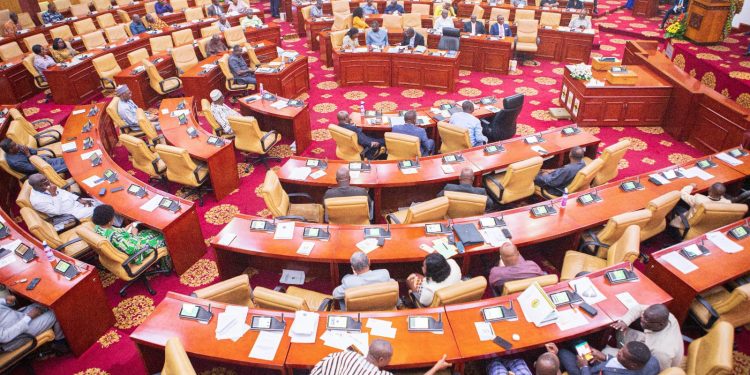
The E-levy, which imposed a 1% tax on transactions conducted through electronic or digital platforms, was officially abolished on April 2, 2025, following Parliament’s approval of the repeal bill.
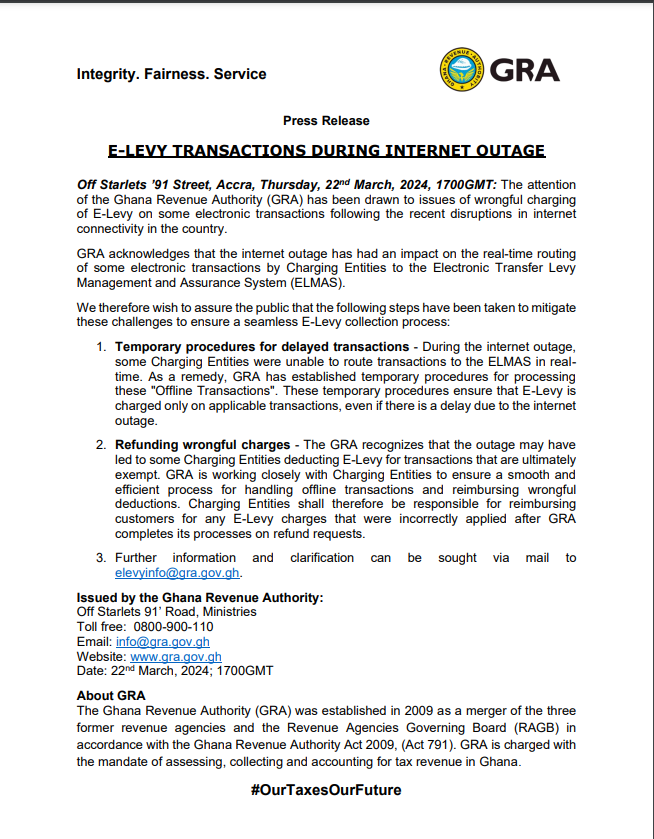
Subsequently, the Ghana Revenue Authority (GRA) directed all financial institutions and payment platforms to immediately cease the application of the levy.
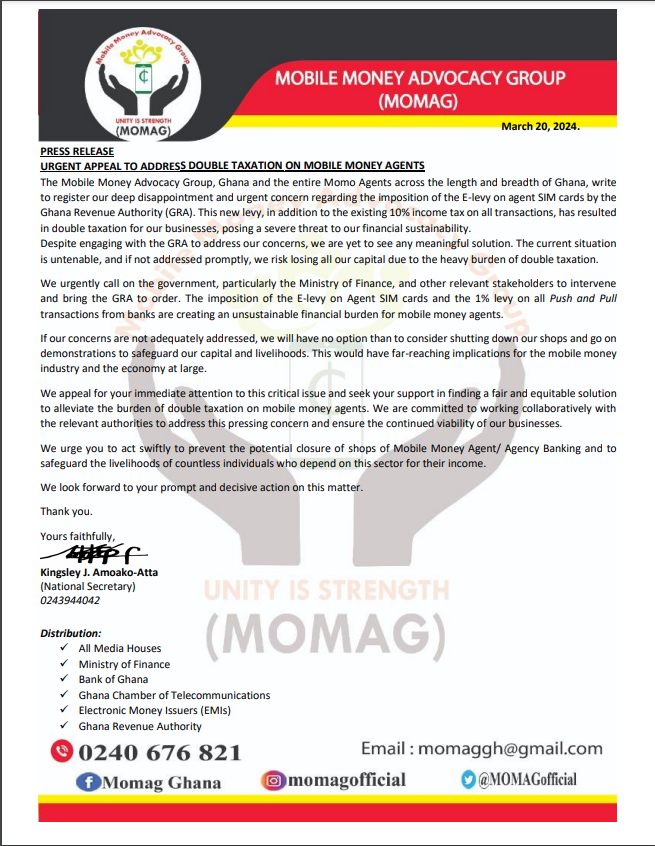
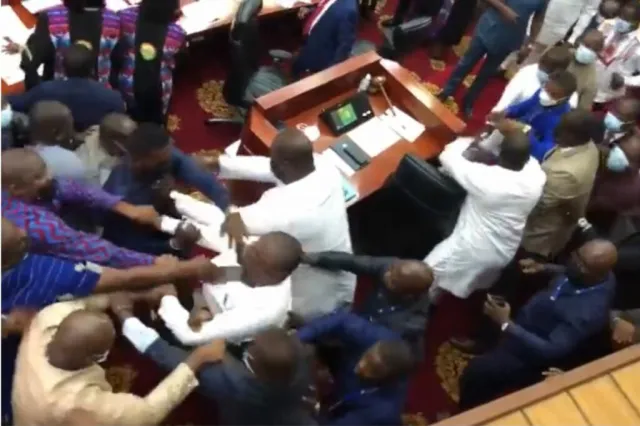
While the decision has sparked mixed reactions—particularly among critics who argued that the levy had become a significant source of government revenue.
To enforce compliance, the GRA has announced that it will conduct regular inspections across all financial institutions and payment platforms.
“Failure to comply with the above directives constitutes an offence, and sanctions will be imposed as prescribed by law,” the statement cautioned.
Moreover, institutions must retain electronic transfer records for at least six years, in line with Section 27(3) of the Revenue Administration Act, 2016 (Act 915).
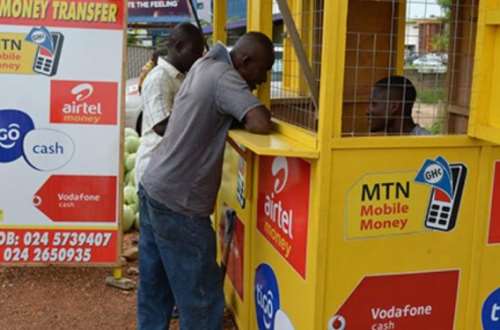
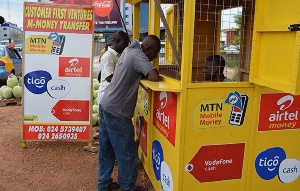
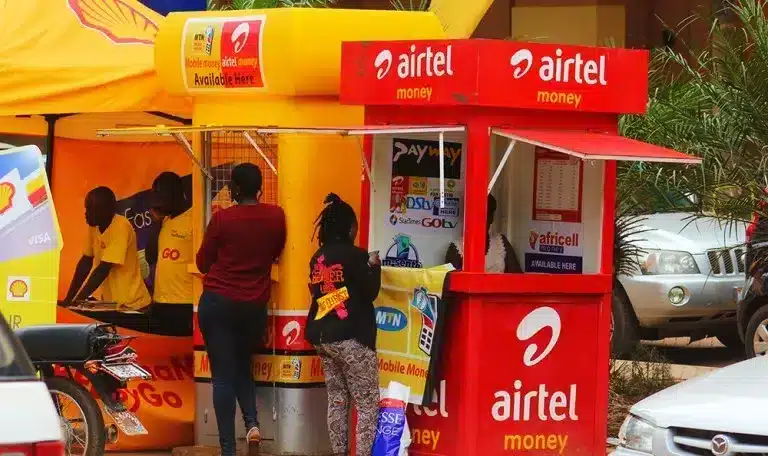
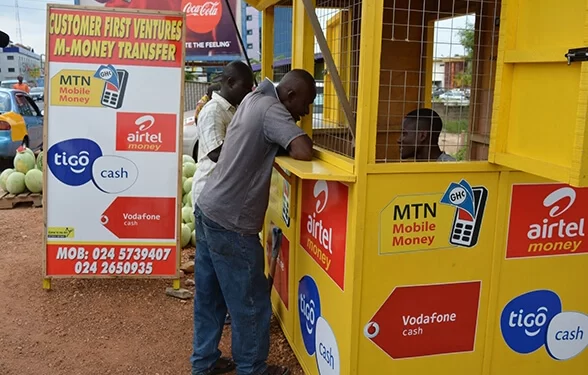
The abolition of the E-Levy is expected to reinvigorate digital transactions in Ghana, particularly mobile money transfers, which saw a decline when the tax was first introduced. Analysts believe the decision will promote financial inclusion and drive digital payments, aligning with Ghana’s broader economic strategy.