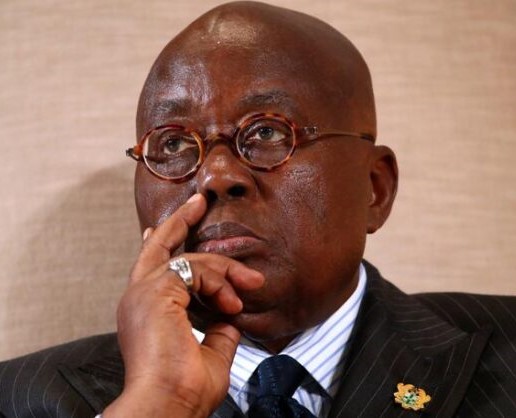
The President of the Republic, Nana Addo Dankwa Akufo-Addo, has urged members of the ECOWAS Parliament to address the emerging challenges threatening democracy in the region.
He highlighted three significant threats: the re-militarization of governance, the manipulation of constitutional rules by elites to seize power, and the destructive ambitions of terrorist groups and armed criminal gangs.
President Akufo-Addo emphasized the perilous state of democracy in West Africa, calling for intensified efforts to uphold democratic accountability among citizens.
He decried the subversion of democracy by elites who manipulate constitutional rules to retain power, the re-emergence of the military in politics without a mandate from the people, and the threat posed by terrorist groups and armed criminal gangs seeking to establish lawless zones.
Drawing upon Winston Churchill’s famous quote that “democracy is the worst form of governance, except for all the others,” President Akufo-Addo highlighted the resilience of democracy in the face of tyranny and oppression. He acknowledged the region’s challenging economic, political, social, and security situation, noting a decline in democratic credentials.
Speaking at the 2nd ECOWAS Parliamentary Seminar with the theme “Challenges Relating to Unconstitutional Changes of Government and Presidential Term Limits in West Africa – Role of the ECOWAS Parliament,” President Akufo-Addo expressed concern over military governments in four ECOWAS Member States due to coups, leading to anxiety and regional instability.
He condemned the culture of violence and disputes during elections.
He emphasized the importance of leaders obtaining legitimacy through free, fair, and transparent elections, warning against manipulation of democratic rules for partisan gains, which erodes legitimacy and creates social tensions. President Akufo-Addo called for a focus on achieving free government, shared prosperity, equitable justice, and lasting peace through democratic governance.
He urged ECOWAS legislators to analyze the root causes of democratic regression and political instability in the region, advocate against the extension of presidential term limits used to consolidate power, and prevent discontent that could be exploited by military interventions.
President Akufo-Addo emphasized that regional stability relies on legality and legitimacy combined to ensure the wellbeing of citizens.
President Akufo-Addo has urged the members of the ECOWAS Parliament to vocalize their opposition to the practice of leaders extending presidential term limits as a means to consolidate their authority.
According to President Akufo-Addo, “these actions tend to result in discontent amongst the populace, which create fertile grounds on which military interventions disingenuously feed.”
Adherence to this, he said, will ensure that we don’t “give up when it comes to guaranteeing the democratic integrity of our respective countries, where we should have governance systems based on the separation of powers, which are free from corruption and are respectful of the rule of law, individual liberties, human rights, the principles of democratic accountability and social justice.”
President Akufo-Addo delivered his speech at the 2nd ECOWAS Parliamentary Seminar held in Winneba on Friday, September 29, 2023. The seminar revolved around the theme, “Challenges Relating to Unconstitutional Changes of Government and Presidential Term Limits in West Africa – Role of the ECOWAS Parliament.”
Based on the theme, the President charged them to “propose measures to ensure the anchoring of democratic and republican values, both at the level of political elites and citizens of the Community. This would help towards preserving the peace and stability of the region.”
He suggested that “any attempt at the manipulation of opinion and of the rules of the democratic game for partisan political ends always leads to a loss of legitimacy, which is reflected in the social tensions it creates.”
Continuing, he stated that, “the attempted confiscation of democracy by elites, who engage, through legal antics, in the manipulation of constitutional rules and the subjugation of the institutions of the Republic with the sole aim of remaining in power.”
He opined further that, “it is also important to remind us that democracy is not, as some would have us believe, a western concept, but, rather, a universal concept of general application.”
He asked the August house to ensure there is “no backsliding in support for democratic values anchored on the promotion of the rule of law and respect for human rights.
“And when the coups do happen, we must insist on the shortest period of the transition process, especially in the Sahel, where the military, having tasted power, appear reluctant to restore democratic rule.”
“The history of the world, including that of Africa, testifies that the process of electing and installing leaders in democratic circumstances provides the best form of governance.
“The great British wartime leader, Winston Spencer Churchill, it was who said “democracy is the worst form of governance, except for all the others”.
“Modern history has taught us that tyranny, oppression, and totalitarian government do not last long. No matter how a people apparently reject democracy and civil liberty, circumstances would always force them back to embrace them,” he added.
Concluding, he said, “Out of duty towards our children and grandchildren, we must not give up when it comes to guaranteeing the democratic integrity of our respective countries, where we should have governance systems based on the separation of powers, which are free from corruption and are respectful of the rule of law, individual liberties, human rights, the principles of democratic accountability and social justice.”
A legal case was filed in court on Monday asking for Mr. Bazoum to be freed and made president again. This is because he was arrested without reason and his freedom to move was taken away after the coup in July. His lawyer, Seydou Diagne, said all this.
“We are asking for. ” According to the AFP news agency, someone said that because political rights were violated, Niger should be told to give power to President Bazoum right away. President Bazoum should keep using the power until his term is over.
The military junta is holding his wife and son, and their names are mentioned in the application, according to the Associated Press.
Ecowas said they might use military force if talking doesn’t work to help Mr. Bazoum become the leader again.
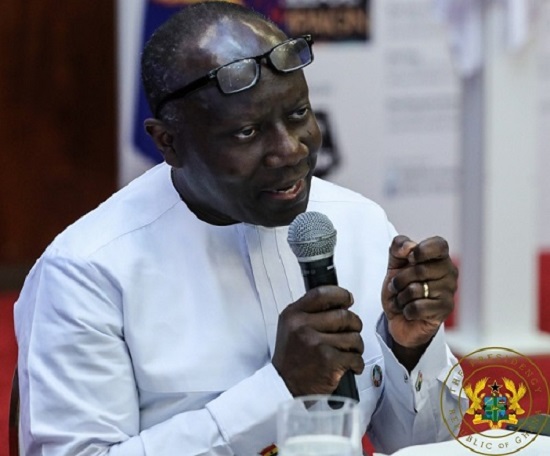
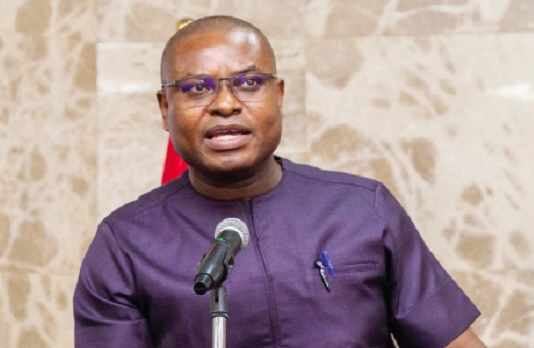
Minister for Finance, Ken Ofori-Atta has emphasized the importance of West African leaders to intensify their efforts to steer their economies toward a path of recovery.
During the 50th Meeting of the Convergence Council of Ministers and Governors of the Central Banks of the Member States of the West African Monetary Zone,he asserted, was a crucial step in the realization of the proposed single currency for the region.
‘’it has become imperative for Member States to continue to implement prudent fiscal, monetary and exchange rate policies and adopt policy measures aimed at enhancing domestic revenue mobilization and diversification of our economies’’ he said.
The Economic Community of West African States (ECOWAS) adopted a roadmap for launching a common currency, Eco, in June 2021.
In his view, a single currency programme, and more broadly, the economic integration agenda, had been a long journey, but he hoped the meeting would intensify achievable commitments towards this program.
‘’Given the challenging macroeconomic environment facing ECOWAS the dream to a single currency may seem distant, perhaps even utopian, to some…, but we cannot relent’’ Mr Ofori-Atta assured.
The Minister highlighted a series of significant factors that have played a substantial role in contributing to the macroeconomic imbalances within the sub-region, including the disruptive impact of the Covid-19 pandemic, the Russia-Ukraine War, persistent terrorist threats, instances of military coups, regional fragility, and various other security challenges.
These complexities, he argued, should not be viewed as insurmountable obstacles, especially as the set date for the introduction of the single currency in 2027 approaches.
Mr. Ofori-Atta stressed the imperative of maintaining a steadfast commitment to regional integration while avoiding the adoption of excessively short-term policies in response to the current challenges.
In this regard, he called for the implementation of medium to long-term solutions that would effectively address the adverse economic conditions and lay the necessary foundations for sustainable and inclusive economic growth.
Among the strategies discussed, the Minister highlighted the importance of capitalizing on the progress achieved in trade integration and financial integration, while also charting a clearer and more definitive path toward the realization of the ECO currency for the region.
This approach, he asserted, would be instrumental in overcoming the existing economic imbalances and fostering greater economic stability and prosperity within West Africa.
National Democratic Congress (NDC) , the largest opposition party in Ghana, has called upon the Economic Community of West African States (ECOWAS) to intervene and take action regarding the Electoral Commission of Ghana (EC).
The NDC alleges that the Electoral Commissioner, Jean Adukwei Mensah, is involved in voter suppression by conducting the current Limited Voter Registration Exercise solely at its District Offices across the nation.
During a press conference, Johnson Aseidu Nketiah, the National Chairman of the NDC, stressed the importance of ECOWAS taking proactive measures to protect Ghana’s democracy.
Additionally, he asserted that the ongoing limited voter registration exercise, which began on September 12, 2023, has been marred by numerous irregularities, particularly in areas where the NDC enjoys strong support.
“This irresponsible and unconscionable decision of the commission confirms the NDC’s long-held view that the Jean Mensah-led EC is determined to rig the 2024 elections through voter suppression. But she will fail because we are ready for them.
Aside from its potential to suppress registration and voting, the EC’s decision to restrict voter registration to its district offices can promote and facilitate gerrymandering as agents of political parties will find it difficult to challenge persons who may be bused from one constituency to another to register.
He continued: “Ladies and gentlemen, in addition to theNDC, there are four other political partiesthat are plaintiffs in the instant case at the Supreme Court. And as already indicated, the PNC has also thrown its weight behind the suit.”
On Monday, Niger’s military-appointed prime minister expressed optimism about reaching a deal with the West African bloc Ecowas in the “coming days.” Ecowas has threatened to employ force to restore civilian rule in Niger following a coup in July. The prime minister also mentioned ongoing discussions about a swift withdrawal of French forces from Niger, a move that follows deteriorating relations between Niger and France after the military takeover.
“We have not stopped contacts with Ecowas, we are continuing contacts. We have good hopes of reaching an agreement in the coming days,” said Prime Minister Ali Mahaman Lamine Zeine during a press conference in Niamey.
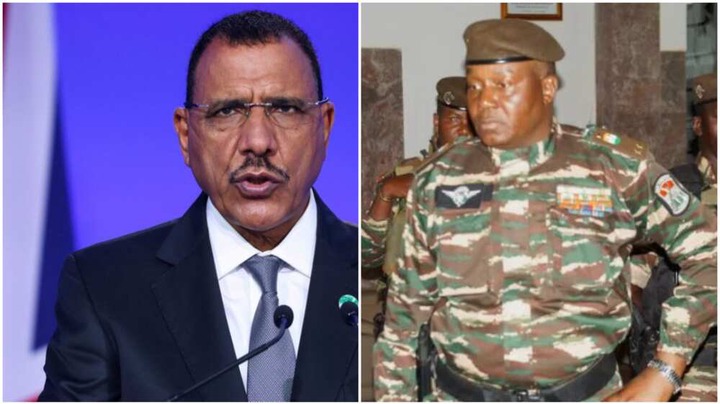
Ecowas, the Economic Community of West African States, imposed significant sanctions on Niger after rebel soldiers overthrew the democratically elected president, Mohamed Bazoum, on July 26. Ecowas has also repeatedly warned of military intervention to reinstate Bazoum if diplomatic efforts fail.
The crisis revolves around the timeline for returning to civilian rule. Nigerian President Bola Tinubu, the current chairman of Ecowas, suggested a nine-month transition, similar to Nigeria’s experience in the late 1990s. Algeria, Niger’s influential northern neighbor, has proposed a six-month transition, while the military rulers had previously mentioned a three-year handover period.
Ecowas has taken a firm stance on Niger following a series of coups in the region since 2020, including Mali, Burkina Faso, and Guinea.
In addition, Prime Minister Zeine mentioned ongoing “contacts” to facilitate the rapid withdrawal of French forces from Niger, although he emphasized the desire to maintain cooperation with France despite recent tensions. France has around 1,500 troops in Niger, and tensions escalated after France backed the ousted President Bazoum and refused to acknowledge the coup leaders as the legitimate government. France has also ignored announcements canceling military agreements and threats to expel the French ambassador.
The post-coup government renounced military accords with France on August 3, claiming that French troops in Niger were now in an “illegal” position.
Meanwhile, Niger reopened its airspace on Monday after imposing a flight ban on August 6 in response to Ecowas’ threat.
China has also expressed its intent to play a “mediating role” in the political crisis, stating that it supports African countries in resolving their problems in an African manner. China is a significant economic partner for Niger, particularly in the energy sector.
On Monday, Niger’s military-appointed prime minister, Ali Mahaman Lamine Zeine, expressed optimism about the possibility of reaching an agreement with the West African bloc ECOWAS.
ECOWAS has previously threatened to use force to reinstate civilian rule following a coup in July.
“We have not stopped contacts with ECOWAS, we are continuing contacts. We have good hopes of reaching an agreement in the coming days,” Prime Minister Ali Mahaman Lamine Zeine told a press conference in Niamey.
The Economic Community of West African States (ECOWAS), has imposed significant sanctions on Niger following the coup on July 26 that ousted President Mohamed Bazoum, who had been democratically elected.
Additionally, ECOWAS has issued multiple warnings about the potential use of military intervention to restore Bazoum to power, but only as a last resort if peaceful efforts to resolve the crisis prove unsuccessful.
“We are bracing to be attacked at any time. Every preparation has been taken. It would be an unjust war. We are determined to defend ourselves if there is an attack,” Zeine told reporters.
A crucial issue in the crisis revolves around the timeframe for the restoration of civilian rule.
Nigerian President Bola Tinubu, who currently chairs ECOWAS, proposed last Thursday a nine-month period similar to the transition Nigeria experienced in the late 1990s.
“The president sees no reason why such cannot be replicated in Niger, if Niger’s military authorities are sincere,” the Nigerian presidency said in a statement.
Algeria, Niger’s influential northern neighbor, has suggested a six-month transition period. However, the military authorities have not yet responded to these proposals, having previously indicated a three-year transition period.
ECOWAS has adopted a tough stance towards Niger, following a series of coups in the region since 2020. Military takeovers occurred in Mali and Burkina Faso, where, like Niger, armed forces have suffered significant losses due to a prolonged jihadist insurgency.
Additionally, a coup took place in Guinea in 2021 after the country’s octogenarian president, Alpha Conde, sought a third term in office, a move that opponents argued violated constitutional limits.
Chief of the Naval Staff, Rear Admiral Issah Adam Yakubu, has stated that an effective maritime environment is fostered through good governance, poverty reduction, and societal inclusion.
He characterised the maritime security issues in the Gulf of Guinea as having multiple facets and being intricate in nature.
Rear Admiral Yakubu was addressing the opening session of a maritime security conference in Accra yesterday.
The two-day conference is on the theme: “Maritime security in the Gulf of Guinea: Fostering a comprehensive approach to a complex problem.”
It is being jointly organised by the Royal Danish Defence College; the Stellenbosch University’s Security Institute for Governance and Leadership in Africa, and the Kofi Annan International Peacekeeping Training Centre (KAIPTC).
The conference, which is a build-up to the maiden edition held in 2022, has seasoned maritime security practitioners from around the world as participants.
Among issues being discussed are how to address maritime security challenges in the Gulf of Guinea (GoG) maritime domain.
Cost of freight
Rear Admiral Yakubu said that the high cost of freight in the Gulf of Guinea maritime domain resulting from increased insurance premiums for ships operating in the region was negatively impacting the cost of living in many countries.
He also mentioned the lack of trust, inadequate information sharing, interoperability, boundary delimitation and language barrier as some of the drawbacks to maritime security in the region.
Others include poverty, weak governance and environmental degradation, drug and human trafficking, illegal, unreported and unregulated (IUU) fishing, maritime terrorism and pollution.
“The sea’s seamless nature and the shipping industry’s multinational character require countries to cooperate to address maritime security issues,” Admiral Yakubu said.
Concerns
An Associate Professor of the Royal Danish Defence College, Thomas Mandrup, expressed worry over the rising spate of military takeovers in some landlocked countries within the ECOWAS sub-region, which he said posed serious security threats to coastal states’ ability to effectively address maritime security challenges.
Prof. Mandrup also said that coup d’etats allowed local crimes and insurgencies to fester, causing enormous spillovers on neighbouring states.
The Vice Dean of the Faculty of Military Science at Stellenbosch University, Dr Michelle Nel, urged players in the maritime sector to build capacity to enable them to monitor and secure their waters.
“It is not just about preventing threats, but also about fostering a culture of maritime responsibility to the benefit of all stakeholders,” he added.
The Commandant of the KAIPTC, Major General Richard Addo Gyane, said whereas efforts of both regional and international partners had drastically reduced, piracy activities within the GoG were increasing and, therefore, required a comprehensive and coordinated approach to tackle the menace.
He mentioned that his team from Ecowas has begun discussing with the military junta leader Gen Abdourahmane Tchiani and is hopeful for a peaceful solution.
Gen Tchiani made a plan that would take three years to complete. However, Ecowas did not agree with this plan.
West Africa is still in a tense situation because the leader of the military group is not backing down even though there is a risk of other countries’ militaries getting involved.
While Ecowas says they are considering all possibilities, the junta’s plan to rule for three years before returning power to civilians has left regional leaders uncertain about how to react.
But General Abubakar said in an interview with the BBC that his recent trip to Niger has created an opportunity for talking and negotiating.
He said that they will do everything necessary to make sure that Niger returns to following the constitution using force if needed. It doesn’t always result in going to war, but no one is planning or wanting to go to war because there’s no way to predict the outcome of a war.
The president expressed dissatisfaction with how he has been treated. It has been confirmed that they have stopped the electricity in his place and are keeping him under supervision.
“He felt very angry about how he was treated and he believes he is being trapped without any valid reason. ”
The previous leader of Nigeria said that the penalties imposed by Ecowas were seriously affecting Niger and causing strong anger towards the group of West African countries.
The Ghana Revenue Authority (GRA) aims to generate an additional GH¢455 million in revenue by the year’s end through the taxation of recently introduced excisable goods, including electronic cigarettes, electronic liquids (shisha), and other tobacco-related items.
The list of taxable products also encompasses a range of items such as beverages, fruit juices, spirits, and wines.
Shisha, commonly referred to as a waterpipe or hookah, is a smoking apparatus. The World Health Organisation has stated that the smoke inhaled during a typical shisha session, lasting about an hour, is equivalent to smoking between 100 and 200 cigarettes.
The GRA has clarified that the imposed levy on the production, sale, and utilization of these goods aligns with the ECOWAS protocol on health taxes, which Ghana is a signatory to.
Edward Gyambrah, the Commissioner of the Domestic Tax Revenue Division at GRA, informed the B&FT publication that the execution of this initiative, which is anticipated to influence revenue streams and consumer behavior, adheres to the new Excise Duty (Amendment) Act, 2023 (Act 1093).
He emphasized that a key facet of the ECOWAS directive mandates that excise duty on tobacco products should incorporate both ad valorem and specific duties.
Timeline:
Starting from September 1 of this year, manufacturers and importers of the affected products must begin adhering to the tax directive. Enforcement at entry points will commence on October 1, 2023. Full implementation of enforcement at the point of sale to consumers, however, is scheduled to commence on January 2, 2024.
Commissioner Gyambrah clarified, “This policy, along with the 10 percent tax on lottery winnings and the implementation of textile tax stamps, holds significant importance for the country’s revenue performance.”
Other tax handles:
The GRA is actively rolling out several tax policy initiatives to enhance domestic revenue mobilization. These initiatives encompass Electronic VAT, Electronic Tax Clearance Certificates, upfront payments for imported goods, excise tax stamps, and the reinstatement of vehicle income tax payments, among others.
Further strategies to bolster and refine revenue mobilization efforts include the ongoing e-VAT invigilation exercise, as well as test purchase and mystery shopping operations conducted by the authority.
Target for the year:
For the year 2023, the GRA has established a revenue goal of GH¢106 billion, with the Customs Division anticipated to contribute approximately GH¢28.5 billion.
Furthermore, the GRA has identified around 93 businesses located within the capital as focal points for enforcement and compliance efforts throughout this year.
Former Communications Minister, Dr Edward Omane Boamah, has provided insight into his perspective on the underlying reason for Ghana’s economic challenges.
Dr. Boamah’s comments coincide with a period of financial turmoil in the nation, while simultaneously endorsing Ghana’s support for the Economic Community of West African States (ECOWAS) decision to deploy troops to counter the junta in Niger.
He believes that the present government’s misaligned priorities are exacerbating the economic difficulties experienced by the people of Ghana.
“Broke country beating war drums! This should tell Ghanaians our suffering is due to poor priorities; and that the government can find the money if…” he said in a tweet.
It can be recalled that the deputy minister for Information, Fatimatu Abubakar, said that if the government decided to contribute troops to support the ECOWAS to deal with the coup situation in Niger, it will do so based on its capacity to fund the deployment.
She stated that no country can give what it does not have hence Ghana’s contribution will depend on its capacity.
The Foundation for Security Development in Africa (FOSDA) has cautioned that the economic consequences of an ECOWAS intervention in Niger to reinstate constitutional governance could be severe.
This concern arises as ECOWAS member nations contemplate the possibility of military action against the junta in Niger.
Ambassador Abdul Musah, the Commissioner of Political Affairs, Peace, and Security at ECOWAS, has clarified that while the organization is presently prioritizing diplomatic engagement with Niger’s military leadership, any further defiance from the junta could prompt a response aimed at safeguarding the principles of the regional bloc.
In response to these developments, Theodora W. Anti, the Executive Director of FOSDA, has urged ECOWAS to remain steadfast in its pursuit of diplomatic solutions to the Niger crisis.
“When you look at the economic implications and the current economic situation we find ourselves in now, it’s dire. You look at the economic implication and even the military implication you will definitely record some casualties, bloodshed and we don’t want an ECOWAS that does such things against its own people.
“Whether it be military or civilian, I think ECOWAS should listen to the people and pursue diplomacy to the end. Diplomacy should be consistently persisted with this Niger issue,” madam Anti stated in an interview with Starrfm.com.gh.
She continued: “The junta has indicated that they are ready to talk and as the ECOWAS Commissioner has said all cards are on the table. And from my internal sources in ECOWAS they are actually pushing diplomacy more. It is just that somehow the media amplifies the military option more. So they should continue to intensify diplomatic intervention more. So that we come to a win solution to this.
In the meantime, on Saturday, August 19, 2023, a multitude of individuals formed queues outside the primary stadium in Niamey, Niger, in response to the appeal for civilian volunteers to back the armed forces.
The organizer of the event emphasized that the junta had no direct association with this effort, despite being informed about its occurrence.
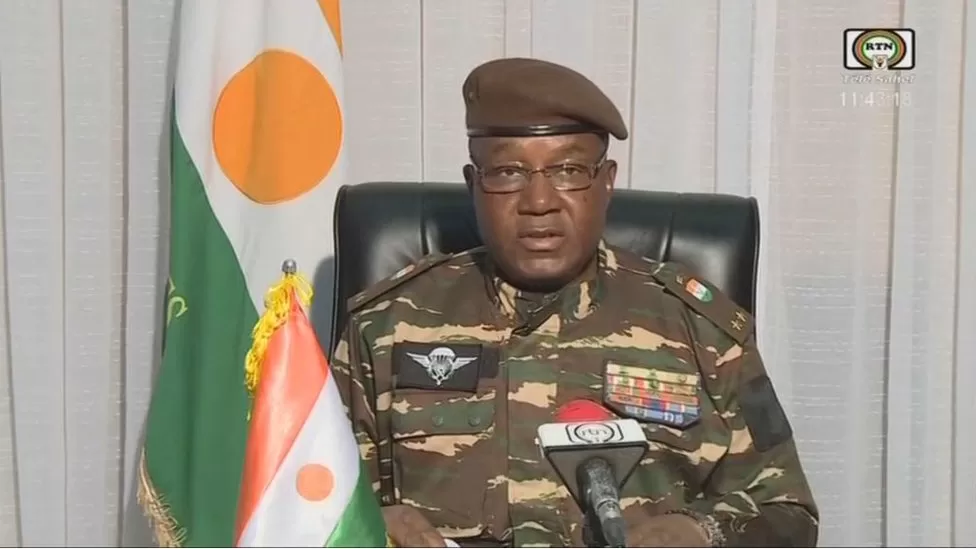
General Abdourahamane Tchiani, who orchestrated a coup to overthrow President Mohamed Bazoum and assumed control of Niger’s government, has put forth a proposal to restore democracy within a span of three years.
The junta head said that Niger did not want a war but would defend itself against any foreign intervention.
“If an attack were to be undertaken against us, it will not be the walk in the park some people seem to think,” he warned in his televised address on Saturday evening.
Gen Tchiani reaffirmed his condemnation of the sanctions imposed by Ecowas, which he characterized as “illegitimate and inhumane.” These sanctions have included measures such as electricity cuts, leading to power outages in Niamey and other major urban centers, as well as the disruption of vital imports.
As a consequence, truck drivers have been stranded for weeks, unable to deliver essential supplies, causing a surge in food prices.
The Economic Community of West African States (ECOWAS) has warned of the possibility of military intervention if diplomatic negotiations prove unsuccessful in reversing the coup that occurred last month, resulting in the ousting of President Mohamed Bazoum.
Regional initiatives aimed at overturning the coup have garnered support from the United States and France, both of which maintain military bases in Niger. These bases are instrumental in the joint efforts to combat jihadist organizations across the broader Sahel region.
The leader of the junta, who previously headed the presidential guard before assuming power on July 26th, cautioned that military intervention might exacerbate the ongoing Islamist insurgencies associated with groups like al-Qaeda and the Islamic State.
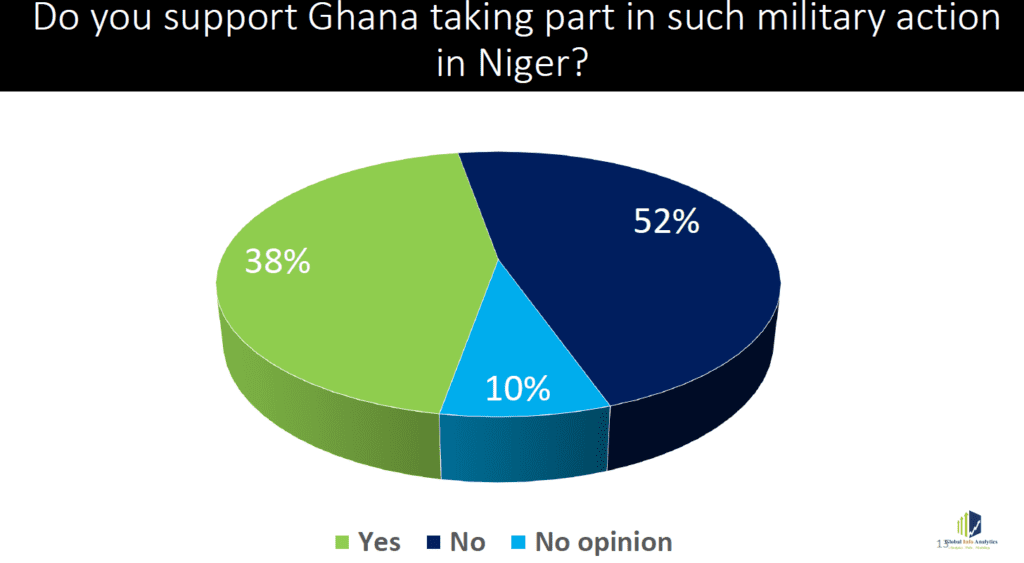
A two-day poll conducted by Global InfoAnalytics on August 18 and 19, approximately indicates that 52% of the Ghanaian population opposes Ghana’s participation in a military intervention aimed at restoring democracy in Niger.
This poll surveyed 1,618 respondents spanning all sixteen regions of Ghana. Among its findings, it revealed that nearly 76% of Ghanaians believe that coups in African countries stem from poor governance. Conversely, 17% do not share this perspective, and 7% expressed no opinion.
Furthermore, 49% of Ghanaians hold the view that coups do not provide a lasting solution to addressing governance issues, while 43% disagree, and 8% do not have a definite opinion on the matter.
The backdrop for this discussion is the recent ousting of Niger’s President, Mohamed Bazoum, leading the Economic Community of West African States (ECOWAS) to order the deployment of its standby force on August 10 to reinstate constitutional order in Niger.
The declaration was made by ECOWAS President Omar Alieu Touray during the ECOWAS Extraordinary meeting in Abuja.
Meanwhile, Commissioner of Political Affairs, Peace and Security for the Economic Community of West African State (ECOWAS), Abdel-Fatau Musah, has contested assertions that the bloc would require 50,000 troops in Niger for a potential deployment to remove the military junta.
He pointed out that Niger’s military has approximately 13,000 personnel, and if ECOWAS were to deploy its standby army to restore the ousted president, Mohamed Bazoum, it wouldn’t necessitate 50,000 troops to confront them.
The question of troop numbers was initially raised by Samuel Okudzeto Ablakwa, the Member of Parliament for North Tongu, who cited credible sources to support his claims.
During his appearance on JoyNews’ Newsfile on Saturday, August 19, he further revealed that, regrettably, only four countries within the bloc were likely to contribute troops to this mission.
“If you really look at ECOWAS today, it’s Nigeria, Ghana, Senegal and Ivory Coast. Nigeria is already stretched with Boko Haram. Tinubu [Nigeria’s President] doesn’t have support. Ivory Coast says they can do 1,000 [soldiers].
“Senegal, I know has received a juicy offer from America to send their troops to Haiti to support the American intervention there because Haiti is totally getting out of control. They are likely to accept that. We’re left with Ghana, how are we going to get those numbers?” he quizzed.
Commissioner of Political Affairs, Peace and Security for the Economic Community of West African State (ECOWAS), Abdel-Fatau Musah, has contested assertions that the bloc would require 50,000 troops in Niger for a potential deployment to remove the military junta.
He pointed out that Niger’s military has approximately 13,000 personnel, and if ECOWAS were to deploy its standby army to restore the ousted president, Mohamed Bazoum, it wouldn’t necessitate 50,000 troops to confront them.
The question of troop numbers was initially raised by Samuel Okudzeto Ablakwa, the Member of Parliament for North Tongu, who cited credible sources to support his claims.
“That is speculation. We have our concrete figure but I won’t disclose it. It is far far less than what is being said. Niger force strength is about 13,000.
“We don’t need up to 50,000 troops to go and confront 13,000,” he said on Newsfile on Saturday.
Mr. Ablakwa has cited credible sources indicating that ECOWAS would need a substantial force comprising at least 50,000 troops to effectively address the situation in the West African country.
During his appearance on the August 19th edition of Newsfile on Joy FM, he further revealed that, regrettably, only four countries within the bloc were likely to contribute troops to this mission.
“If you really look at ECOWAS today, it’s Nigeria, Ghana, Senegal and Ivory Coast. Nigeria is already stretched with Boko Haram. Tinubu [Nigeria’s President] doesn’t have support. Ivory Coast says they can do 1,000 [soldiers].
“Senegal, I know has received a juicy offer from America to send their troops to Haiti to support the American intervention there because Haiti is totally getting out of control. They are likely to accept that. We’re left with Ghana, how are we going to get those numbers?” he claimed.
Member of Parliament for North Tongu, Samuel Okudzeto Ablakwa, has emphasized the significant logistical hurdles that the Economic Community of West African States (ECOWAS) would encounter if it were to deploy troops to Niger.
Credible sources indicate that ECOWAS would need a substantial force of at least 50,000 troops to effectively address the security concerns in the West African nation.
However, the current commitments from member states fall far short of this requirement, according to Mr Ablakwa.
Presently, only a modest pledge of 800 to 1000 troops has been made by Ivory Coast, leaving ECOWAS facing a substantial gap in its security deployment plans, he said on JoyNews on Saturday, August 19.
“If you really look at ECOWAS today, it’s Nigeria, Ghana, Senegal, and Ivory Coast. Nigeria is already stretched with Boko Haram. Tinubu [Nigeria’s President] doesn’t have support. Ivory Coast says they can do 1,000 [soldiers].
“Senegal, I know has received a juicy offer from America to send their troops to Haiti to support the American intervention there because Haiti is totally getting out of control. They are likely to accept that. We’re left with Ghana, how are we going to get those numbers?” he said on JoyNews’ Newsfile on Saturday.
Recounting when the regional bloc introduced an initiative to combat extremism in the area, Mr Ablakwa said it was only Ghana and Nigeria who made a financial commitment.
“Only two countries contributed, Nigeria; $20 million and Ghana; $5 million. The rest said we should give them time,” he said.
Mr. Ablakwa, citing ECOWAS member states’ historical reluctance to fully participate, expresses skepticism about achieving the required number of troops for the mission in Niger.
In the meantime, ECOWAS has clarified that the potential deployment of military forces to restore democracy in Niger is a last resort after exhausting all other options. Abdel-Fatau Musah, the ECOWAS Commissioner for Political Affairs, Peace, and Security, emphasized that the intention is not to initiate a war against Niger.
Abdel-Fatau Musah also acknowledged that ECOWAS is prepared to initiate fresh negotiations in Niger in pursuit of a peaceful resolution on Saturday, August 19th. He reiterated that ECOWAS is open to engaging with the junta to find a diplomatic solution to the crisis.
West African military leaders have demanded the immediate and unconditional release of President Mohammed Bazoum of Niger, who is currently detained.
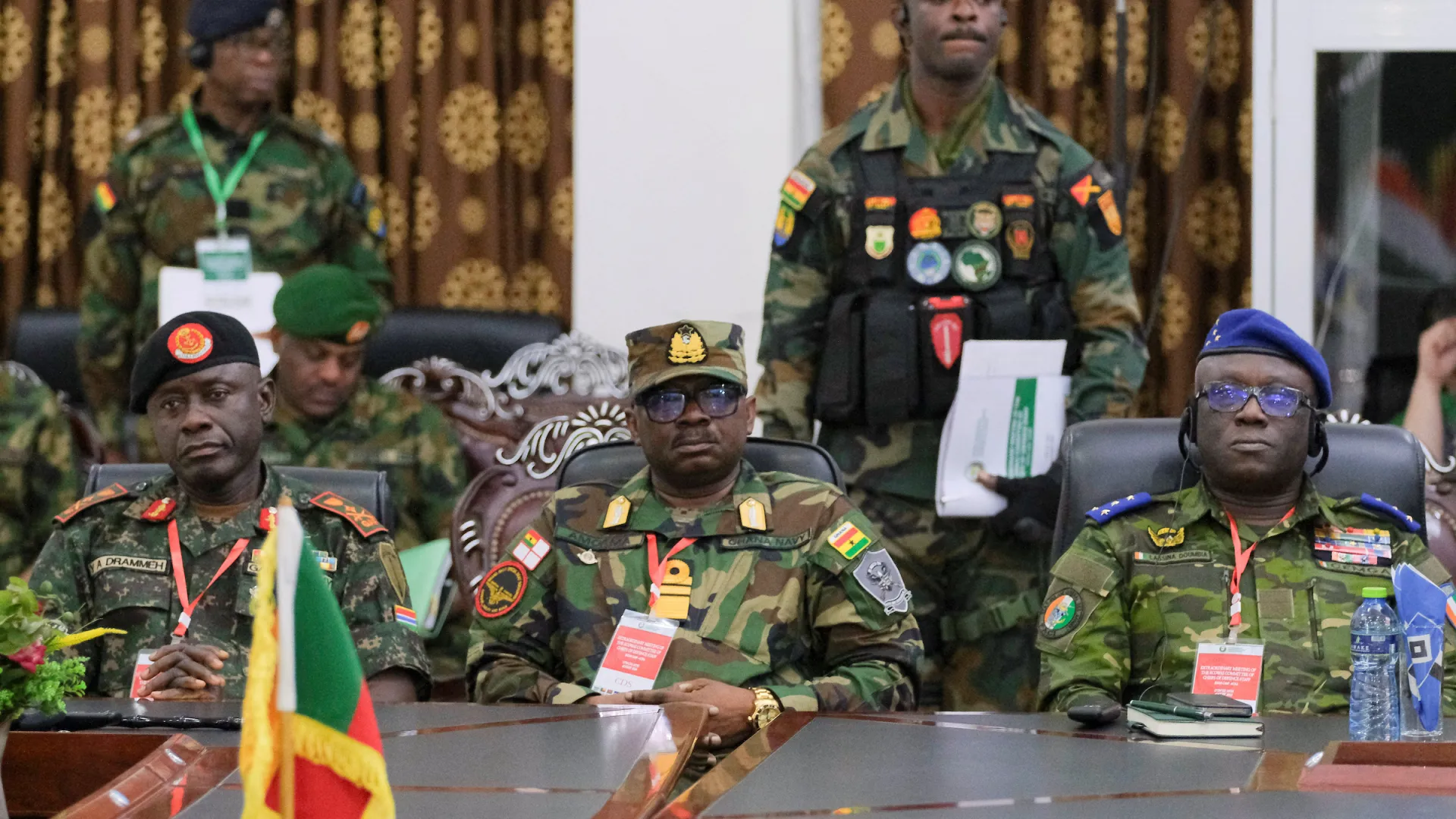
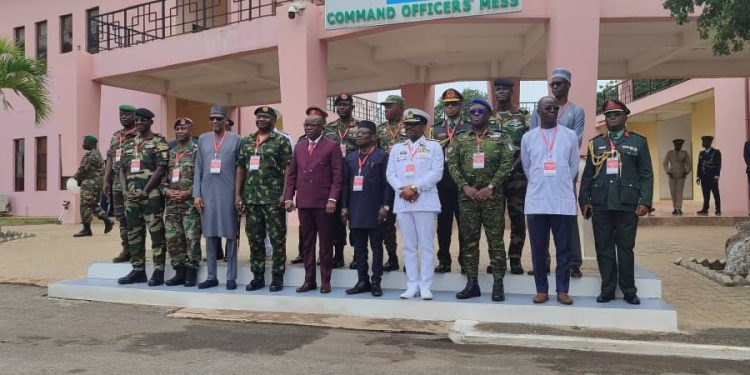
This appeal was made during the recently concluded two-day 48th Extraordinary Meeting of the Economic Community of West African States (ECOWAS) Committee of Chiefs of Defence Staff, held in Accra.
The ECOWAS Committee of Chiefs of Defence Staff also advocated for the liberation of President Bazoum’s family and the detained members of his cabinet.
Since Monday, July 26, the military junta in Niger has been holding President Bazoum, along with his family and several cabinet members, in detention.
Ambassador Abdel-Fatau Musah, Commissioner for Political Affairs, Peace and Security, ECOWAS, who made the call in Accra said: “ECOWAS was ready to go to Niger anytime the order is given.”
“The troops across the region are ready to respond to the call of duty. “Operational troops are not disclosed but they are ready equipment-wise, with political will and resources,” he said.
According to Ambassador Musa, ECOWAS was not against the Republic of Niger, however, it was working on Niger coming back to a constitutional rule.
“We have not shut any door, sanctions are on the table, ready to accept dialogue but not any fruitless one.
“We are doing it ourselves. The coup in Niger is one coup too many for the region and we are putting a stop to it,” he said.
The second and final CDS meeting before to the ECOWAS standby force’s deployment in the Republic of Niger, according to Ambassador Musa.
Military leaders from ECOWAS nations used the two-day Meeting as a forum to plan a potential military intervention in Niger.
The military seizure represents the ninth coup or attempted power acquisition within a span of slightly over three years in West and Central Africa. These regions had previously been striving to distance themselves from their image as a “coup belt.”
Just last week, leaders of the Economic Community of West African States (ECOWAS) decided to activate a standby force for potential intervention in response to the junta’s takeover.
The Military Chiefs, among their responsibilities, are anticipated to formulate a tactical structure and a plan of action for potential intervention in Niger, contingent on approval from ECOWAS leaders.
Meanwhile, ECOWAS has directed its standby force to reinstate constitutional order in Niger, a directive voiced by Mr. Omar Alieu Touray, the President of ECOWAS. This proclamation was made while reading ECOWAS’ resolution on the Niger coup during the ECOWAS Extraordinary Meeting held on Thursday, August 10, 2023, in Abuja.
Mr. Touray further urged the African Union (AU), partner nations, and institutions to back the resolution endorsed by the sub-regional organization.
He noted that all attempts to engage in dialogue with the Nigerien military junta had been met with obstinate rejection from the coup leaders.
Coups are bad and there is no justification whatsoever for it. In the view of Plato, soldiers have no business governing a country.
They must remain guardians and allow the Philosopher King alone to govern. But many times, there are no Philosopher Kings in Africa and so, coups happen. When they occur, they require a very serious thinking process and analysis to handle them. Sometimes, a military response may be the way to deal with them. At other times, pure diplomacy may be required.
The Niger situation is quite different from the Gambian situation and in my honest opinion, would require a more tactful diplomacy than military response. In Gambia, the international community was ad idem that Yahaya Jammeh had to leave and there were virtually no foreign military bases that had special interests in his country. His soldiers were no longer loyal to him and hence he had to flee when ECOWAS troops moved in on him.
The situation in Niger is however quite different. The military junta there are ready to fight. Russia has an interest in providing para-military services to ward off terrorist in Niger for a fee. They are in full support of the current military junta.
The Americans want their company Chevron to pass gas pipelines from Nigeria through Niger to Algeria for European consumption, a move to diversify European dependence on Russia gas.
In fact, because of this plan ‘Nordstrom’ or ‘Nordstream’ pipeline from Russia to Europe was blown up in the ocean through sabotage with the Americans being prime suspects. So for Russia, they will support the Niger junta especially when the latter even made it clear that they’re halting exportation of uranium to France.
France has an interest in the uranium of Niger and is willing to fight in defence of the ousted leader. So, France and America would be against the military junta while Russia will fight on the side of the junta. Burkina Faso has also declared her intentions to fight any country or group that attacks Niger militarily and Nigeria may be unable to provide troops as its parliament has voted against a military response to what is happening in Niger.
How will ECOWAS troops fare? We must be careful not to be caught in a crossfire of a potential proxy war, where soldiers may be innocently massacred. Given that there is no unanimity on the use of military force in handling the crisis in Niger even among ECOWAS countries, we must interrogate the resolve to use soldiers rather than diplomacy critically, and with some trepidation.
I know that some African leaders who have governed poorly, are pushing for the deployment of military force to handle the Niger crisis, as a way of ensuring that no one dreams about coups. Yes no one must dream about coups, but the best antidote to coups isn’t the use of military force, it is good governance. African leaders who are scared of military coups now have an excellent opportunity to govern well in addressing basic human needs of the ordinary people as a sure way to make the idea of coups unpopular.
If all the countries that are teaming up to ally with Niger decide to do so, ECOWAS forces may not succeed, and when there is massacre of forces of African descent, it potentially can infuriate soldiers to react against their governments that deployed their colleagues.
We must never support any coup anywhere in the world. But when they occur, we must strategise appropriately to deal with them. Not all coups can be responded to with military force. Some, especially in the Niger case would require a more nuanced and tactful diplomacy.
Yaw Gyampo
A31 Prabiw
PAV Ansah Street
Saltpond
&
Suro Nipa House
Behind Old Post Office
Larteh Akuapim
Disclaimer: Independentghana.com will not be liable for any inaccuracies in this article. The views expressed in the article are solely those of the author’s and do not reflect those of The Independent Ghana.
Chief Executive of the policy think-tank IMANI-Africa, Franklin Cudjoe, has remarked that the attention surrounding the ECOWAS court’s decision, where certain civil society organizations lodged a complaint against the government’s controversial Agyapa Royalties deal, is merely “noise.”
In July 2023, the regional court dismissed a legal action against the Agyapa deal, filed by the Ghana Integrity Initiative and Transparency International Ghana.
The verdict from the ECOWAS Court of Justice essentially indicated that there was no valid basis for the plaintiffs’ plea to halt the sale of the nation’s gold royalties through the Agyapa deal.
However, Cudjoe pointed out that there were economically grounded arguments that were not presented in court, which he deemed as technically sound. He further noted that these arguments have remained unanswered, even three years after the fact, without any response from the government.
He wrote on his Facebook page: “Ignore the noise over some ECOWAS court ruling over Agyapa. Here are technically sound economic arguments advanced by CSOs against Agyapa. None were before the ECOWAS court and none has been adequately responded to by promoters of the deal 3 years on!”
Here are the ‘technically sound’ economic arguments the CSOs made in 2020.
A more intensive treatment of these issues are found in the briefing document used during our consultative forum (available here: ).
1. The government arrived at the valuation of the deal by assuming that the average annual production volume of gold across the 48 lease areas shall be 2.9 million ounces during the term of the agreement. This is woefully undervalued. A careful review of the 2019 data submitted by the Ministry of Finance to the CSOs to back this position reveals alarming omissions, missing numbers, and a poor appreciation of the fact that since 1990, gold production in Ghana has grown at an average of about 7% per year.
More careful analysis show that gold production in the 48 lease areas is already heading towards the 4.2 million ounces mark in the near-term. Over the 21-year conservative life of the agreement (the agreement has no definite term as any renewal of the leases covering the relevant areas automatically extends the tenure), output shall average 4.9 million ounces a year using a conservative growth figure of 4% a year over the next two decades.
2. The government conveniently argues that the agreement will terminate when the last of the 48 mining leases expire. This betrays a weak understanding of the mining sector in Ghana, where extant agreements are crafted to enable continuous renewal so long as gold is being discovered and commercially mined. Anglogold’s Obuasi operations have leases that have been effectively active for over 100 years.
The Government is thus seriously underestimating the amount of gold that can be found in the vast tracts of land that makes up these leases. Until recently, AngloGold’s lease areas exceeded 400 square kilometers. Some of the leaseholders are currently only impacting less than 10% of their concessions. As the price of gold increases, they shall aggressively a) expand development of deposits and b) start mining lower grade deposits. The government’s low “reserve life” estimates are based on a misunderstanding of how pricing helps convert mere “measured resources” into new reserves.
3. Some of the reserve estimation work is completely confused. Take AngloGold, for instance. The government limited its calculation of output in terms of 2019 reserves and duration of the output of 15 years, forgetting that it was the same government that went to Parliament in 2018 to seek considerable reliefs for the mining giant on the basis that the company shall be extending mine life by an additional 22 years, and that after 10 years the company expects to hit much higher grades of ore. The reliefs granted to Anglogold were premised on lower output today and higher production beyond 10 years. The government’s calculations are clearly muddled.
4. The Government’s use of $1300 as the average price of gold over the long-term is quite frankly reckless. Gold has moved from $393 in January 2001 to over $1900 today. Between that period, its trajectory has been mostly upwards except for a few retreats. The long-term picture of gold has thus been generally upwards. Every analyst worth its salt is predicting a long-term average above a new support of $1800. When you combine this fact with the proper treatment of the production forecasts available in the mining company’s own disclosures, you arrive at a present value calculation of more than $3 billion. The attempt to dump this valuable resource for $1 billion is unconscionable.
5. The government is misguided on multiple fronts when it says that “it is the market that shall value” the royalties it is giving away. There are two levels of analysis here. First, government is investing Ghana’s future gold earnings into a company. Second, it is trying to sell half of that company for cash upfront today through an IPO. There must thus be an initial valuation of how much exactly Ghana is investing before we talk about anything else. Only then can the returns: upfront cash and shares that entitles Ghana to future dividends be valued.
Ghana is investing a total of at least 5 million ounces of gold over a 21-year period (or more gold over a longer period). How much is this gold worth for how much return exactly? Government wants $500 million upfront for 2.5 million ounces of this quantity. These numbers are fixed in the agreement and have nothing to do with any “market”. The CSOs believe that by selling forward less than 1 million ounces, Ghana can get more than $500 million. The government’s current structuring means that it is selling Ghana’s gold forward at a price of $200 an ounce, when current prices are at $1900 and similar sell-forward deals have recently priced gold at $500 on average (taking time value of money into account).
It is the next stage of the analysis that involves valuing the shares in the company in which Ghana intends to invest another $100 million (as working capital) and an extra 2.5 million ounces of gold (minimum) over a 21 year period in exchange for 51% of shares. The price of these shares has already been decided by the underwriters that government has been working with for more than 2 years and set at $500 million. That is the whole point of a bookbuilding IPO. The bookrunners set a final price and offer the shares to the market. There is no planned auction for the “general market” to decide, and Government cannot make any gains on the secondary market because it must hold the 51% of shares for the long haul.
6. The government is confused about the short-term price rises that will follow the debut of the stock on the public market. These do not translate into capital gains unless government sells a big chunk of the 51% stake in a few days following the debut. Government is barred from doing this by market rules and its own policy. The people who will thus cash in are the underwriters, the investors they allocate some of the shares during bookbuilding to, and the brokers/dealers. We expect a cool $350 million could easily be made by these people due to the deliberate underpricing of the asset. After the price surge in the first few days, the stock will return to its mean. All this is on top of the massive fees they shall be earning (about 10% of total funds raise, making this method of raising upfront cash far more expensive than any debt government has raised in the last decade on the international markets).
7. Government’s expectation of 50% of retained earnings being paid out as dividends is founded on nothing. This is a company that is starting life with just $100 million of working capital, a lack of experienced management, and a non-existent operating history; and is furthermore seeking to invest in the heavily capital-intensive gold mining sector. It will need to borrow massive amounts of money at relatively high-interest rates to be competitive, and invest all the Ghana gold royalties it receives. It will have no latitude to be handing large dividends to anyone for a long time. So, future governments are being “robbed” of the highly reliable royalty income stream, which accounts for more than 90% of mineral revenues (besides oil) that government can use to support the budget. In fact, a low initial valuation means a weak starting balance sheet which more or less guarantees this outcome.
8. More worryingly, because the government also agreed to hand over effective control of the company to the minority shareholders and their appointed independent directors, it cannot dictate a dividend policy or push the company to even invest in Ghana. The government was happy to agree to this as part of the process of admission to the standard listing of the Main Market of the London Stock Exchange despite there being an option for the company to list as a “sovereign controlled commercial company”, which would have allowed government to retain significant control.
The strategy at work here is the same one that was used to push Ghana to abandon its golden share in what became AngloGold on the basis that this will unlock more value. In 1994, before the listing of the then Ashanti Goldfields, Ghana had a 55% stake in the entity worth $880 million as share of bullion. Today, it owns 0.01% (having given up even the standard 10% it owns in all local gold companies) worth a paltry $110 million in equity value. Actual earnings come just from royalties, a measly $22 million, whereas in 1996, dividends and royalties together amounted to $115 million. Poor “internationalisation” strategies have never served Ghana’s sovereign commodity interests well.
9. The government, on top of selling gold going for $1900/oz today at $200 an ounce, then added a highly valuable option to the package. Agyapa has right of first refusal to any future royalties deal Ghana enters into. A simple rule of basic finance is that options are always valuable and must be priced. Ghana gave away this powerful bargaining chip for FREE.
10. The argument that the listed vehicle (Agyapa Royalties) had to be incorporated in the tax haven of Jersey to mirror the tax efficiency rules in the MIIF Act is untenable. Whilst returns to the SPV itself need not be taxed, investors who profit from buying shares in the SPV during the book-building period need to be KNOWN and TAXED. Even if we must go the IPO route, many jurisdictions with far better transparency standards exist, some of which have double-taxation treaties with Ghana. The same tax-efficient outcome could have been reached by using a BEPS strategy in one of these other places.
By incorporating in Jersey, where the laws permit notoriously impenetrable trusts, it has become all too easy for the underwriters to underprice the vehicle (and by implication, Ghana’s gold royalties), allot the shares to investors hiding behind trusts, and when the stock debuts, join these crony investors to pocket hundreds of millions of dollars without any of us being any wiser since such trusts would usually be “trusts of trusts”, and effectively impossible to unveil. Regardless of the government’s protestations, they have no tool to stop the underwriters from doing this. Can Ghana tolerate this risk?
Commissioner for Political Affairs, Peace, and Security at the Economic Community of West African States (ECOWAS), Abdel-Fatau Musah, has reaffirmed the cohesive stance of all chiefs of defence staff from member states in relation to discussions on interventions in Niger.
These discussions took place during a two-day meeting held at Burma Camp in Accra, attended by military chiefs of staff from all member states except those under military rule and Cape Verde.
The purpose was to determine the course of action following the ousting of President Mohammed Bazhoum.
In an interview after the second day of deliberations, Mr Abdel-Fatau Musah conveyed a resolute sense of unity within the Western African Bloc and confidence in the decisions reached during the meeting.
He dispelled the notion of potential dissent among the member states in good standing, stating, “It is beyond our expectation. All the member states have committed something very concretely. All of them. And yesterday we had the arrival of Guinea-Bissau to join us. And so everybody is here and everybody has committed something for the mission. We are very pleased with it.”
Contrary to assumptions that military intervention might be imminent, Mr Musah clarified that it was not the primary option, but rather a contingency that had been thoughtfully considered.
He emphasised the commitment to exploring peaceful avenues for resolving the crisis, while ensuring the restoration of constitutional order.
Mr Musah explained, “This is a plan B. We are ready, but we still give peace a chance. We want them to come forward with very concrete proposals, for a peaceful resolution of the crisis. And that begins by them receiving a mission from ECOWAS. All we want is to make sure that the right thing is done, constitutional order is restored. We do not want to go the military route, and so we are giving every opportunity for the peaceful option to work.”
Since the coup on July 26th, the military junta in Niger has refrained from engaging with ECOWAS or its representatives.
They even issued a warning that the safety of any ECOWAS representative visiting the country could not be guaranteed.
Addressing this stance, Abdel-Fatau Musah conveyed a positive shift, stating, “Over the last couple of days, we have already received assurances that they are ready to receive a mission, and so we will take them at their word. They are ready to engage, and we will oblige them.”
Concerned about misinformation circulating regarding a potential ECOWAS military intervention, Abdel-Fatau Musah urged caution among the media and the public.
He appealed for reliance on official information issued by the ECOWAS commission and advised against being swayed by unverified reports on social media.
“What I would say is that there is so much orchestrated and organized resistance and everybody is focused on the military option, military option. This is not the preferred option of ECOWAS. And so I would appeal to the media and all people who actually love the region to wait for official information from the ECOWAS commission and not to be tempted by social media,” he stated.
So far, ECOWAS has;
Condemned the coup and demanded the immediate and unconditional release of President Mohamed Bazoum and other detained officials.
Suspended Niger from all its decision-making bodies and imposed sanctions on the coup leaders and their collaborators, including travel bans, asset freezes, and suspension of financial flows.
Activated its standby force with all its elements, for a possible deployment to Niger to restore constitutional order, while also giving a chance for peaceful dialogue with the junta.
Commissioner for Political Affairs, Peace, and Security at the Economic Community of West African States (ECOWAS), Abdel-Fatau Musah, has conveyed that ECOWAS is deploying its resources to Niger and is open to collaboration with any willing organizations to provide assistance.
“The request for Chapter VII is often done in order to secure resources, access contributions from the UN coffers. The Heads of State are saying we are going to Niger with our resources. Anybody who wants to help us, fair enough,” he said.
Mr. Musah made these remarks during the ongoing 48th Extraordinary Meeting of the ECOWAS Committee of Chiefs of Defence Staff (CDS) in Accra.
This two-day gathering serves as a platform for the CDS to devise strategies for potential military intervention in Niger.
The powers outlined in Chapter VII of the United Nations Charter empower the UN Security Council to uphold global peace. It grants the Council authority to assess threats to peace, breaches of peace, or acts of aggression and to take both military and non-military measures to reestablish international peace and security.
Since Monday, July 26, the Military Junta of Niger Republic has detained President Mohamed Bazoum, his family, and members of his Cabinet.
The military coup in Niger marks the fifth occurrence of such an event in just over three years within the West African sub-region. Other countries experiencing coup d’états include Mali, Burkina Faso, Guinea, and Guinea-Bissau.
Following the junta’s takeover, ECOWAS leaders recently decided to activate a standby force for potential intervention. The military chiefs’ responsibilities include preparing an action plan for Niger contingent upon approval from ECOWAS leaders.
General Christopher Gwabin Musa, Chief of Defence Staff for the Federal Republic of Nigeria, offered reassurance that the group would undertake appropriate actions.
“We must confront them head-on, dwell upon our shared experiences, wisdom and the strength of our collective resolve. Our decisions will be a strong message about our commitment to democracy, our intolerance for unconstitutional changes of government and our dedication to regional stability,” he said.
The path that lay before ECOWAS was not an easy one, but it ought to strive to restore democracy and sovereignty to the Republic of Niger, General Musa said.
“We must not allow the people of Niger to suffer. Our resolve is to protect the integrity of our states and protect ECOWAS citizens.”
Mr Dominic Nitiwul, the Minister of Defence, said the meeting was to restore constitutional order in the Community and a platform for the CDS to put in plans to meet ECOWAS directives to restore peace.
“Members are united in carrying out directives and measures of ECOWAS for democracy restoration in Niger,” he said.
He urged the CDS to continue to be loyal to their heads of state, ECOWAS and defend their nations and territorial interpretations of their nations with the right tools.
“You have the right that your people choose their leaders in a free and fair manner.”
“Let us stay united, loyal and committed to the decisions of our various Heads of State and governments and replicate what the past military leaders of ECOWAS did in countries like Liberia, Sierra Leone, the Gambia and Guinea Bissau,” Mr Nitiwulu, also the New Patriotic Party Member of Parliament for Bimbila, said.
In a connected development, ECOWAS issued an order last week for its standby force to reinstate constitutional order in the Niger Republic.
Mr. Omar Alieu Touray, the President of ECOWAS, formally declared this resolution during the Extraordinary Meeting held in Abuja on Thursday, August 10, 2023.
Mr. Touray urged the African Union (AU), collaborating nations, and institutions to endorse the resolution adopted by the sub-regional entity.
He conveyed that all attempts to engage in dialogue with the military junta in Niger Republic had been met with defiance by the coup leaders. This stance was taken in the face of the persistent detention of President Mohamed Bazoum and his family.
Member of Parliament (MP) for the Kwadaso constituency, Dr Kingsley Nyarko, has emerged as a vocal critic of the Niger junta’s actions, boldly labeling the coup as “needless.”
The coup, which saw the military wrest control of the West African nation, has ignited a firestorm of debate both domestically and internationally.
And at the center of this discourse stands the Economic Community of West African States ECOWAS which is deploying means to restore power to Niger. The outspoken MP also in his reaction to the development minced no words in condemning what he perceives as an unjustifiable power grab.
He, thus, pleaded with the coup leaders to heed the ECOWAS call and restore democratic rule in the country.
On the ECOWAS threat of military invasion, the MP advised the African leaders to resort to dialogue in resolving the conflict saying “I support negotiations that will cause them to go back to democratic rule.”
Lecturer with the Department of Management and Public Administration at Central University, Dr Benjamin Otchere Ankrah, has stated that the Economic Community of West African States (ECOWAS) is no longer useful.
He made the remarks on Peace FM’s Kokrokoo morning show following the Coup in Niger and the ECOWAS response to the coup.
Dr Otchere’s concern stems from failure of ECOWAS to address what he believes are pertinent issues bothering the West African bloc, which are also likely to cause instability in the bloc.
One of the key issues he raised is failure of ECOWAS to address the issue of power-hungry politicians clinging to power for extended periods on the African continent, and said these unaddressed issues contribute to the recent uprising on the West African Bloc.
“ECOWAS is not just weak. They are not useful. There are leaders who have been in power for over 30 years and ECOWAS has been silent on that and these are all fertile grounds for such activities [coup],” he said and entreated ECOWAS to up its game.
“The problems of ECOWAS in 1991 are still the same. So let’s look at how to govern the subregion properly and put the ego aside,” he added.
Commissioner Political Affairs, Peace & Security of the Economic Community of West African State (ECOWAS), Ambassador Abdel-Fatau Musah, has noted that the Niger junta will be hit by the presence of the bloc’s military when they least expect it.
The Economic Community of West African States (ECOWAS) has indicated that a significant number of its member nations are prepared to engage in a standby force, which could potentially intervene in Niger following a coup that transpired there at the end of the previous month.
In view of this, top military leaders from the Economic Community of West African States, (ECOWAS) began a two-day strategic meeting in Accra on Thursday, which ends on Friday, August 18.
In an interview with JoyNews on Thursday, Ambassador Abdel-Fatau Musah noted that the meeting was just to enable the bloc refine its plans.
“They are just putting final touches to their operational plans and then get our troops ready. This is more or less like a pledging meeting because the concept of operation is already ready. All the factors have been taken into account, what are the potential obstacles, how to overcome them, all these were taken into account in the planning session.
“So this meeting is just to refine what we have, while preparing for possible intervention. My interaction with the Chief of Defence Staff of all the Member states shows that they are all determined to go,” he stated.
When exactly the possible invasion would occur, Ambassador Abdel-Fatau Musah withheld information.
He argued that disclosing such information will give the Niger junta the needed time to prepare for ECOWAS’ military intervention.
“When, I’m not going to tell you because that’s an operational secret. When you tell them we are going to start marching tomorrow, then you give them advance notice to defend. So we know when the military could go in and up till now, there are diplomatic overtures,” he explained.
Commissioner Political Affairs, Peace & Security of the Economic Community of West African State (ECOWAS), Ambassador Abdel-Fatau Musah, has condemned reports suggesting that the bloc is working on the orders of foreign influence in its handling of the Niger coup.
Ambassador Abdel-Fatau Musah noted that there has been no external force compelling ECOWAS to take a stance on the matter.
The Economic Community of West African States (ECOWAS) has indicated that a significant number of its member nations are prepared to engage in a standby force, which could potentially intervene in Niger following a coup that transpired there at the end of the previous month.
There have been reports that the United States, France and Russia are meddling in the ECOWAS-Niger coup brouhaha, but nothing substantial has been provided.
According to Ambassador Abdel-Fatau Musah, such news is “fake”.
“Did the France or US or anybody script our protocol for us? We have the capacity to go in,” he said.
He noted that “those who are talking about ECOWAS being teleguided by the West are those who are promoting Russia. The same people are those who see Russians as saviors.”
He therefore quizzed “when will Africa find saviours among themselves?”
Ambassador Abdel-Fatau Musah indicated that Africa cannot always look for external partners, either China, America, Russia and others.
“When are we going to project our own agency. That’s the problem. Since the 19960s, Africa has always been an arena for proxy war between the soveigt union, China on one side and the West. Today, we are in multipolar environment and we are running around from the frying pan to the fire.
“All those who have Africa at heart should try to generate internal resistance to all these and not to oppose one and be welcoming,” he encouraged.
US Secretary of State Antony Blinken has conveyed to the BBC that Russia’s Wagner mercenary group is capitalizing on the prevailing instability in Niger. He noted that the junta has taken control of the country after the removal of President Mohamed Bazoum nearly a fortnight ago.
Amid circulating speculations that the coup leaders sought assistance from the Wagner group, which is known to be active in nearby Mali, Blinken emphasized that he doesn’t believe Russia or Wagner initiated the coup in Niger.
Nonetheless, he expressed concern about the potential emergence of the Wagner group in various parts of the Sahel region, emphasizing that the United States is closely monitoring the situation.
“I think what happened, and what continues to happen in Niger was not instigated by Russia or by Wagner, but… they tried to take advantage of it.
“Every single place that this Wagner group has gone, death, destruction and exploitation have followed,” said Mr Blinken.
“Insecurity has gone up, not down”.
He added that there was a “repeat of what’s happened in other countries, where they brought nothing but bad things in their wake”.
Commissioner Political Affairs, Peace & Security of the Economic Community of West African State (ECOWAS), Ambassador Abdel-Fatau Musah, has dismissed reports that the African Union is not in support of the measures being put in place to restore democratic governance in Niger.
The Economic Community of West African States (ECOWAS) has indicated that a significant number of its member nations are prepared to engage in a standby force, which could potentially intervene in Niger following a coup that transpired there at the end of the previous month.
This measure, according to reports, has been condemned by the African Union.
But engaging JoyNews on the sidelines of a strategic meeting organised by the sub-regional body ECOWAS in Accra on Thursday, Ambassador Abdel-Fatau Musah noted that the African Union has given its backing to ECOWAS.
According to him, a communiqué to that effect is yet to be made public by the Union.
“Has anybody read the communiqué of the African Union Peace and Security Council. I was there. I participated. Of course, when you have a situation like this, you are going to have different opinions. What matters is what comes out of the communiqué. So everybody should wait for the communiqué, and you’d realize that the African Union Peace and Security Council supports all the measures being taken by ECOWAS to restore constitutional order.”
“They have condemned it, and many of them are even calling for the suspension of Niger,” he added.
The Peace & Security Council
The Peace and Security Council (PSC) is the standing decision-making organ of the AU for the prevention, management and resolution of conflicts. It is a collective security and early warning arrangement intended to facilitate timely and efficient responses to conflict and crisis situations in Africa. It is also the key pillar of the African Peace and Security Architecture (APSA), which is the framework for promoting peace, security and stability in Africa.
The Protocol Relating to the Establishment of the Peace and Security Council was adopted on 9 July 2002 in Durban, South Africa, and entered into force in December 2003. The PSC became fully operational in early 2004. The PSC Protocol, together with the PSC Rules of Procedure, the AU Constitutive Act and the conclusions of various PSC retreats, provide operational guidance to PSC activities.
The powers of the PSC, in conjunction with the Chairperson of the AU Commission, include to:
Anticipate and prevent disputes and conflicts, as well as policies, which may lead to genocide and crimes against humanity
Undertake peace-making and peacebuilding functions to resolve conflicts where they have occurred
Authorise the mounting and deployment of peace support missions, and lay down general guidelines for the conduct of such missions including the mandate
Recommend to the Assembly, pursuant to article 4(h) of the AU Constitutive Act, intervention, on behalf of the Union, in a Member State in respect of grave circumstances, namely, war crimes, genocide and crimes against humanity as defined in relevant international instruments
Institute sanctions whenever an unconstitutional change of government takes place in a Member State
Implement the AU’s common defence policy
Ensure implementation of key conventions and instruments to combat international terrorism
Promote harmonisation and coordination of efforts between the regional mechanisms and the AU in the promotion of peace, security and stability in Africa
Follow-up promotion of democratic practices, good governance, the rule of law, protection of human rights and fundamental freedoms, and respect for the sanctity of human life and international humanitarian law
Promote and encourage the implementation of conventions and treaties on arms control and disarmament
Examine and take action in situations where the national independence and sovereignty of a Member State is threatened by acts of aggression, including by mercenaries
Support and facilitate humanitarian action in situations of armed conflicts or major natural disasters.
The Economic Community of West African States (ECOWAS) has reiterated its commitment to ensuring that democratic governance is restored in Niger.
Speaking at the ECOWAS military chiefs meeting held in Accra on Thursday, August 17, 2023, the Commissioner for political affairs, peace and security, Abdel-Fatau Musah, said ECOWAS is steadfastly committed to ensuring the restoration of constitutional governance.
“The fundamental issue is that ECOWAS is protecting its protocols. When ECOWAS deployed a standby force to the Gambia to make sure that a president who had lost elections vacated the presidency nobody made noise. Today, they are saying why are you intervening in Niger?
ECOWAS Commissioner for political, peace and security, Ambassador Abdel Fatau Musa says constitutional rule will be restored at all cost in Niger.
His remarks follow the Niger coup and subsequent reactions to the coup, especially from the ECOWAS.
ECOWAS has threatened to resort to force if Niger refuses to release the detained Nigerien President, Mohamed Bazoum.
He noted that concerns have been raised with regards where the Community will get resources to embark on the move and said these concerns though genuine have already been addressed.
“So serious interests are at stake here but that is not going to divert ECOWAS attention. We just want to inform them about the results of the ECOWAS heads of States and Governments to make sure that by all means available constitutional order will be restored in the country. And this meeting today, bears testimony to that,” he stressed.
“People are telling us where are we going to get the resources from? ECOWAS is being teleguided by the West, it is being teleguided by France and by anybody but what they forget is that ECOWAS is a rules based organization. We have our protocols, we have our norms and we are ready to protect them. If push comes to shove we are going into Niger with our own contingent owned equipment,” he noted.
Executive Director of the Africa Center for Security and Counterterrorism, Emmanuel Kotin, has voiced his apprehensions regarding ECOWAS‘ inability to achieve its intended objectives.
Mr Kotin made these comments during an interview on the “Epa Hoa Daben” talk show on Happy 98.9 FM. His remarks coincide with the current political circumstances in Niger, marked by the military junta assuming power.
He recounted significant situations as he drew attention to the issue of electricity supply and its impact on regional relationships.
He pointed out a striking example involving Nigeria and Niger, where the decision to cut the electricity supply from Nigeria to Niger has raised questions about the effectiveness of ECOWAS in fostering cooperation.
“Electricity supply to Nigeria is what destroyed river Niger. There was a pre-agreement for Niger not to put up its dam because it will prevent the waters from flowing to Nigeria. Then why would Nigeria cut electricity to Niger. They have no moral right to do that and they’ve broken a part of Niger,” he said.
“So if today the Niger military leaders are able to hold on to gov’t and they have decided to build their own dam then Nigeria will be in darkness and is that going to help us as a sub region,” he quizzed.
The security expert also highlighted a similar scenario between Ghana and Burkina Faso, where disagreements over electricity tariffs led Burkina Faso to construct its own dam. The consequences of this decision, as he noted, have negatively impacted the North-Eastern region of Ghana, causing damage to agricultural lands whenever the dam is opened.
He further argued that interfering with the Niger junta void of diplomatic alternatives while having neglected these instances of unilateral decision-making by member states undermines the foundational principles of ECOWAS.
The sub-regional organization was established to promote cooperation, stability, and shared development among West African nations. Mr. Kotin expressed concern that such actions could lead to a breakdown of trust and hinder progress in the region.
It’s a Lannister?, no it’s a Stark, no it’s Targaryen maybe a dragon, no it’s the ECOWAS senior military officers in Accra.
Echoes of the legendary theme song for the popular fantasy television series ‘Game of Thrones’ reverberated in Accra on August 17, 2023, as the ECOWAS senior military officers converged in Accra for a meeting.
It was not a meeting to strategise for the ‘Battle of Winterfell,’ rather, it was an assembly aimed at devising strategies for the sub region to exert pressure on Niger to restore power to the democratically elected President. However, the theme music of HBO’s fantasy television series Game of Thrones was prominently featured when the ECOWAS military chiefs met.
Nigerien President Mohamed Bazoum was detained in Niamey on Wednesday, July 26, 2023, by the presidential guard after “talks” which failed and the army issued “an ultimatum” to the guard, AFP learned from a source close to the presidency.
The junta has faced international pressure to release and reinstate Bazoum. Immediately after the coup, the West African regional bloc ECOWAS gave the regime seven days to return him to power and threatened to use military force if that did not happen. The deadline came and went with no action from either side.
ECOWAS later condemned the junta’s treason charges against Bazoum, calling them provocative and contradictory to reported willingness to peacefully restore constitutional order.
The regional bloc has threatened to impose sanctions on the military government in Niger and to “use military force in Niger if necessary” if power was not returned to the democratically elected government.
It is against this background that the meeting was held in Accra on August 17 and will continue on August 18.
Defence Chiefs from the 15 countries within the Economic Community of West African States (ECOWAS) have affirmed their willingness to join a standby force aimed at reinstating democratic governance in Niger Republic.
This move follows a military coup carried out by the Presidential Guards in Niger, resulting in the overthrow of President Mohamed Bazoum.
In response, ECOWAS issued a seven-day ultimatum for the military junta to restore power or face potential sanctions, including the use of force.
Despite the junta’s dismissal of ECOWAS‘ threat and their commitment to resist international intervention, the regional body called upon Defence Chiefs of member states to activate the standby force and facilitate the restoration of democracy in Niger.
During a meeting in Accra, Ghana, on August 17, the Defence Chiefs, excluding those from military-controlled states and Cape Verde, expressed their readiness to support the reestablishment of civilian rule in Niger.
The Chief of Defence Staff of Nigeria, General Christopher Gwabin Musa, also emphasized their stance against the coup plotters.
The Defence Chiefs of the 15 countries under the Economic Community of West African States (ECOWAS) have expressed their readiness to be part of the standby force that could restore democratic rule in the Niger Republic.
Following the military coup orchestrated by the Presidential Guards in the Niger Republic and the seizure of power from President Mohamed Bazoum, the West African bloc issued a seven-day ultimatum to the military junta to restore power or risk sanctions, including the use of force.
According to Aljazeera, the Niger military junta, however, rejected the ECOWAS’s ultimatum and promised to oppose any international intervention.
In response, the ECOWAS requested that its standby force be activated by the defense chiefs of its member states to make sure that democracy was restored in the nation.
During their convened gathering in Accra, the capital of Ghana, on Thursday, August 17, the Chiefs of Defence affirmed their preparedness to reinstate civilian governance in neighboring Niger.
As outlined in the report, all member states, with the exception of those currently under military rule and Cape Verde, have committed to joining the standby force.
Abdel-Fatau Musah, the ECOWAS commissioner, was noted as making remarks in response.
Furthermore, the report featured a statement from General Christopher Gwabin Musa, Nigeria’s Chief of Defence Staff, articulating their stance against the individuals orchestrating the coup.
He conveyed: “Democracy is what we stand for, and it’s what we encourage.” “The focus of our gathering is not simply to react to events, but to proactively chart a course that results in peace and promote stability.”
Former Commanding Officer, 1st Senegalese Air Force Squad, General Mansour Seck, has noted that the Economic Community of West African States (ECOWAS) would need to amass about 3,000 to 4,000 soldiers to move to Niger and return democratic governance.
In the event that diplomatic efforts prove unsuccessful, military leaders from West Africa have affirmed their readiness to employ force in order to reinstate democracy in Niger after last month’s coup.
According to the Commissioner for Peace and Security in ECOWAS, Abdel-Fatau Musah, nearly all member states have shown dedication to providing troops and are prepared to take action in Niger if necessary.
Senegal, Benin, Nigeria, and Côte d’Ivoire have expressed their readiness to deploy troops, although they are encountering internal criticism and encountering reluctance from other nations in the West African region.
The prospect of such intervention has sparked concerns about the potential escalation of conflict, given that the military administrations in Mali and Burkina Faso have declared their alignment with their counterparts in Niger.
President Bazoum in 2022 stated that the Nigerien army comprises approximately 30,000 personnel, with around 11,000 of them actively deployed in the theater of operations.
Germany’s Ministry of Foreign Affairs has lent its support to the European Union’s imposition of sanctions against the military junta in Niger.
EU foreign ministers are scheduled to address the Niger situation, including the implementation of sanctions, during a meeting in Toledo, Spain, on August 31, 2023.
As one of the major aid contributors to Niger, the EU had previously announced the suspension of security collaboration and financial assistance amounting to EUR 503 million for the period of 2021-2024. This support was intended to enhance governance and education within the country.
In remarks shared on the X platform, previously known as Twitter, the foreign ministry communicated that its Minister Annalena Baerbock had engaged in discussions with Moussa Mahamat, the Chair of the African Union, U.S. Secretary of State Antony Blinken, and other pertinent stakeholders, regarding the coup in Niger.
The ministry’s tweet noted that these talks were focused on the objective of restoring constitutional order in Niger.
During a visit to Abuja, the German Minister for Development, Svenja Schulze, also engaged with representatives from the West African regional bloc ECOWAS, as highlighted by the ministry.
“After the suspension of development cooperation and security cooperation, we in the EU now want to introduce sanctions against the putschists,” it added.
President Mohamed Bazoum was overthrown by military officials in Niger on July 26. Since then, they have rejected requests from the UN, ECOWAS, and Western countries to restore him, prompting the assembly of the standby force by the leaders of West African nations.
They emphasized that the nation also has cultural and religious values that governed, informed, and ensured the survival, harmony, and cohesion of its people and that they did not plan to compromise those values for LGBTQI+ investors.
Sam George, a member of parliament for Ningo-Prampram, has meanwhile asked Ghana’s parliament to be unwavering and not heed the concerns made by Virginia Palmer, the US ambassador to Ghana, about the passage of the anti-LGBTQ Bill.
“Let no one be in doubt that if everything else fails, the valiant forces of West Africa…are ready to answer to the call of duty,” ECOWAS Commissioner for Political Affairs, Peace and Security Abdel-Fatau Musah said.
“By all means available, constitutional order will be restored in the country,” he told assembled defence chiefs from member countries, listing past ECOWAS deployments in Gambia, Liberia and elsewhere as examples of readiness.
Niger’s significance extends beyond West Africa due to its strategic position as a center for foreign military forces engaged in combating Islamist militants in the Sahel region, coupled with its substantial reserves of uranium and oil.
Western nations are concerned that the junta could emulate the actions of its neighbor, Mali, where the military ousted French troops and instead enlisted the assistance of mercenaries from the Russian Wagner group. This particular move was supported by the Wagner group and was well-received in light of the coup in Niger.
Amid protests against the Economic Community of West African States (ECOWAS) and in support of the coup leaders in Niger’s capital, Niamey, the local population rejected the notion of external intervention aimed at reinstating the democratically elected president and civilian government. Large crowds have participated in these demonstrations, reflecting the sentiments of the residents.
“I’m not afraid because I know our armed forces are well prepared to deal with any eventuality,” said radio technician Omar Yaye.
“ECOWAS is manipulated by foreign powers. When we see the reactions of France since the coup and especially the harshness of ECOWASI can only think that these are coordinated actions between France and ECOWAS,” he said, echoing anti-French rhetoric used by the junta since the coup.
‘CAT AND MOUSE’
Former colonial power France has refuted claims made by the junta that it violated Niger’s airspace or was trying to destabilize the nation. It has declared its support for ECOWAS’s efforts to reinstate the rule of law.
As part of global efforts to defeat the Islamist rebels who have killed thousands of people and driven millions from their homes over the past ten years, French troops are stationed in Niger alongside American, German, Italian, and German forces.
Musah denied that France or any other foreign power was trying to influence ECOWAS.
“What they forget is that ECOWAS is a rules-based organisation. We have our protocols, we have our norms and we are ready to protect them,” he said.
“That’s why the heads of state are saying if push comes to shove we are going into Niger with our own contingents, own equipment and our own resources to make sure we restore constitutional order. If other democracy-loving partners want to support us they are welcome,” he said.
Musah accused the Niger coup leaders of “playing cat-and-mouse” with ECOWAS by refusing to meet with its envoys and seeking justifications for their takeover of power.
He said most of the bloc’s 15 member states were prepared to participate in the standby force that could intervene in Niger. The exceptions were those also under military rule – Mali, Burkina Faso and Guinea – and tiny Cape Verde.
Musah criticised the junta’s announcement that it had elements to put Bazoum, who is being detained, on trial for treason. The United Nations, European Union and ECOWAS have all expressed concerns over the conditions of his detention.
“The irony of it is that somebody who is in a hostage situation himself…is being charged with treason. When did he commit that high treason is everybody’s guess,” Musah said.
Additional reporting by Francis Kokoroko, Media Coulibaly, Anait Miridzhanian and Edward McAllister; Writing by Estelle Shirbon; Editing by Angus MacSwan
The ECOWAS Commissioner for Political Affairs, Peace, and Security, Abdel-Fatau Musah, has staunchly upheld the regional organization’s position regarding military intervention in Niger.
In response to appeals calling for a reconsideration of the decision for military action, Musah characterized such entreaties as lacking justification.
During his address at the Extraordinary Meeting of the ECOWAS Committee of Chiefs of Defence Staff convened in Accra, Ambassador Musah underscored the severity of the situation unfolding in Niger.
The purpose of this meeting is to strategically formulate an intervention plan for Niger, pending approval from ECOWAS leaders.
Ambassador Musah unequivocally stated that if ongoing diplomatic discussions fail to yield desired outcomes, the standby force is prepared to take resolute action. He further affirmed the steadfast commitment of the regional body to preserving peace and stability within Niger.
With a strong emphasis on the paramount significance of democratic governance, Ambassador Musah highlighted the comprehensive utilization of all available strategies to facilitate Niger’s restoration to its rightful democratic trajectory.
“Let no one be in doubt that if everything fails, the valiant forces of West Africa, both the Military and Civilian components are ready to answer the call of duty. Your valiance has been demonstrated time and time again,” Ambassador Musah said.
He added that “by all means available constitutional order will be restored in the country.”
He claims that ECOWAS’ involvement demonstrates a commitment to sustaining democratic standards and preserving the political environment in the area.
Abdul-Fatau Musah also outlined the powerful tools ECOWAS has at its disposal to deal with the circumstance.
He revealed that the regional organization has plenty of resources and capacities to deal with and counter the disruption caused by the Niger junta and strive toward the restoration of democratic government in the nation.
Commissioner for Political Affairs for the Economic Community of West African States (ECOWAS), Abdel-Fatau Musah, has stated that ECOWAS does not need the express permission of the United Nations before taking any decision or embarking on any action.
On the sidelines of the first day of the ECOWAS military chiefs meeting convened in Accra on August 17, 2023, he stated that the community intends to intervene in Niger with its own resources, and did not require permission from any external organization.
“We are going to Niger with our own resources. Anybody who wants to help us, fair enough,” he said and further refuted claims that the Peace and Security Council of the African Union has dissociated themselves from the move. He labeled such news as “fake.”
“Why is it in Africa that people start asking why don’t you go to the Security Council? Did the Russians go to the Security Council before going to Ukraine, and those pumping weapons into Ukraine, are they asking the Security Council? When Libya was attacked, was it a security sector authorisation?” he asked.
Additionally, he asserted that the suggested intervention aims to prevent the recurrence of such activities across the continent.
“There’s a time you have to draw the line in the sand. There have been 3 successful coups and no muscular approach was applied and this doesn’t mean that we should allow the domino to continue,” he said.
Also, he stated that ECOWAS has the full support of the UN, though clarifying that this doesn’t necessarily equate to an endorsement from the Security Council.
“The UN has condemned the coup, they are supporting the actions of the ECOWAS. When the UN supports, it doesn’t mean it is like an approval from the Security Council. The UN Secretariat has supported us and we are constantly working with the special representative for the Secretary General for West Africa which also shows their support to what we are doing,” he said.
As a follow-up to the directive of the ECOWAS Authority of Heads of State and Government at its Extraordinary Summit on the political situation in the Republic of Niger held on 10th August 2023 in Abuja, Nigeria, the ECOWAS Committee of Chiefs of Defence Staff (CCDC) has commenced the activation of the ECOWAS Standby Force for the restoration of constitutional order in the Republic of Niger.
To this end, the ECOWAS Committee of Chiefs of Defence Staff will be having an extraordinary meeting in Accra, Ghana from 17th to 18th August 2023 to finalise plans for the deployment of the Standby Force.
Addressing the gathering on the first day of the meeting, Minister of Defence of Ghana Dominic Nitiwul mentioned that some countries including Mali, Guinea, etc., were not present.
“Four of our member states [Mali, Burkina Faso, Guinea and Niger] are now facing sanctions for resorting to unconstitutional change of government which contradicts the ECOWAS protocol on good governance and democracy,” he explained.
Commissioner for Political Affairs for the Economic Community of West African States (ECOWAS), Abdel-Fatau Musah, has expressed his astonishment and concern over the questions raised regarding ECOWAS not seeking permission from the UN Security Council before considering the use of force in Niger in response to the coup.
Speaking in an interview on the sidelines of an ECOWAS military chiefs meeting held in Accra on Thursday, August 17, 2023, he emphatically stated that ECOWAS does not need consult the UN before it takes any decision or embarks on any move that will ensure the peace and stability of the West African bloc.
“Why is it in Africa that people start asking why don’t you go to the Security Council? Did the Russians go to the Security Council before going to Ukraine, and those pumping weapons into Ukraine, are they asking the Security Council? When Libya was attacked, was it a security sector authorisation?” he asked.
Notwithstanding, he said ECOWAS has the full support of the UN, though clarifying that this doesn’t necessarily equate to an endorsement from the Security Council.
“The UN has condemned the coup, they are supporting the actions of the ECOWAS. When the UN supports, it doesn’t mean it is like an approval from the Security Council. The UN Secretariat has supported us and we are constantly working with the special representative for the Secretary General for West Africa which also shows their support to what we are doing,” he said.
As a follow-up to the directive of the ECOWAS Authority of Heads of State and Government at its Extraordinary Summit on the political situation in the Republic of Niger held on 10th August 2023 in Abuja, Nigeria, the ECOWAS Committee of Chiefs of Defence Staff (CCDC) has commenced the activation of the ECOWAS Standby Force for the restoration of constitutional order in the Republic of Niger.
To this end, the ECOWAS Committee of Chiefs of Defence Staff will be having an extraordinary meeting in Accra, Ghana from 17th to 18th August 2023 to finalise plans for the deployment of the Standby Force.
Addressing the gathering on the first day of the meeting, Minister of Defence of Ghana Dominic Nitiwul mentioned that some countries including Mali, Guinea, etc., were not present.
“Four of our member states [Mali, Burkina Faso, Guinea and Niger] are now facing sanctions for resorting to unconstitutional change of government which contradicts the ECOWAS protocol on good governance and democracy,” he explained.
ECOWAS Commissioner for Political Affairs, Peace, and Security, Abdel-Fatau Musah, has defended the regional organization’s stance on military intervention in Niger, describing calls for the decision to be reversed as unjustified.
Speaking at the Extraordinary Meeting of the ECOWAS Committee of Chiefs of Defence Staff held in Accra, Ambassador Musah highlighted the severity of the situation in Niger.
The purpose of the meeting was to strategically outline an intervention plan for Niger, pending approval from ECOWAS leaders.
Ambassador Musah affirmed that if ongoing diplomatic efforts fail, the standby force is prepared to take resolute action.
He emphasized ECOWAS’s unwavering commitment to ensuring peace and stability within Niger.
Underlining the significance of democratic governance, Ambassador Musah stressed the utilization of all available means to guide Niger back to its rightful democratic trajectory.
“In case of all other options proving futile, the brave West African forces—both military and civilian—are ready to fulfill their duty. Your bravery has been consistently demonstrated,” Ambassador Musah conveyed.
He further stated, “We will ensure the restoration of constitutional order in the country through every means at our disposal.”
Ambassador Musah reiterated that ECOWAS’s dedication mirrors its commitment to preserving democratic principles and safeguarding the political landscape of the region.
Abdul-Fatau Musah also unveiled the substantial resources and capabilities that ECOWAS possesses to tackle the situation.
He disclosed that the regional body has the necessary assets to effectively address and counter the disruptions caused by the Niger junta, working towards reestablishing democratic governance in the nation.
Some member states of the Economic Community of West African States ( ECOWAS) did not attend the ECOWAS military chiefs meeting held in Accra, which started on Thursday, August 16, 2023.
The meeting was a follow-up to the directive of the ECOWAS Authority of Heads of State and Government at its Extraordinary Summit on the political situation in Niger held on August 10, 2023 in Abuja, Nigeria. The ECOWAS Committee of Chiefs of Defence Staff (CCDS) was tasked to activate the ECOWAS Standby Force for the restoration of constitutional order in Niger.
The CCDS had an extraordinary meeting in Accra, Ghana from August 17 to 18, 2023 to finalise plans for the deployment of the Standby Force.
Addressing the gathering on the first day of the meeting, Minister of Defence of Ghana Dominic Nitiwul explained that some countries, including Mali, Niger, Burkina Faso and Guinea, were absent due to the sanctions imposed on them.
“Four of our member states [Mali, Niger, Burkina Faso and Guinea] are now facing sanctions for resorting to unconstitutional change of government which contradicts the ECOWAS protocol on good governance and democracy,” he said.
According to ECOWAS, these countries have been suspended from its bodies and have faced economic and financial sanctions after their respective military coups that ousted their elected leaders. Mali underwent two coups in August 2020 and May 2021, followed by Guinea in September 2021 and Burkina Faso in January 2023.
ECOWAS has been keen to limit political instability in the region and has urged the military juntas to shorten their transition periods and return to civilian rule.
Also, Guinea Bissau and Cape Verde were also present. According to the Minister, they had “genuine reasons” for their absence.
The Economic Community of West African States (ECOWAS) has affirmed its dedication to sending its standby military unit to Niger for addressing the military junta responsible for the ousting of President Mohamed Bazoum in the previous month.
Despite widespread appeals for diplomatic resolution, the coalition is proceeding with the military course of action.
In a statement dated August 16 and posted on ECOWAS’ Twitter handle, the bloc said a two-day meeting of army chiefs from across the region will finalize plans for the deployment of the force.
ECOWAS CHIEFS OF DEFENCE STAFF MEET IN ACCRA ON THE DEPLOYMENT OF THE ECOWAS STANDBY FORCE TO THE REPUBLIC OF NIGER
As a follow-up to the directive of the ECOWAS Authority of Heads of State and Government at its Extraordinary Summit on the political situation in the Republic of Niger held on 10th August 2023 in Abuja, Nigeria, the ECOWAS Committee of Chiefs of Defence Staff (CCDC) has commenced the activation of the ECOWAS Standby Force for the restoration of constitutional order in the Republic of Niger.
To this end, the ECOWAS Committee of Chiefs of Defence Staff will be having an extraordinary meeting in Accra, Ghana from 17th to 18th August 2023 to finalise plans for the deployment of the Standby Force.
The ECOWAS Community Court of Justice (CCJ) has explained that there is no evidence of any corrupt scheme to misuse Ghana’s gold to the detriment of its people using the Gold Royalties Monetisation Transaction arrangement, commonly referred to as the Agyapa Deal.
According to the CCJ, the applicants of the suit who challenged the propriety of the Agyapa Deal failed to prove that the government was seeking to misappropriate Ghana’s commonwealth through the deal.
The court reasoned that the applicants’ pieces of evidence, Transparency International, Ghana Integrity Initiative (GII), and Ghana Anti-Corruption Coalition (GACC), which included a corruption risk assessment on the Agyapa Deal by a former Special Prosecutor, Martin Alamisi Amidu, would not be sufficient in legal terms because they could not demonstrate any attempt to syphon Ghana’s wealth.
On July 10, this year, the court dismissed the lawsuit, but yesterday it released its full judgement and justification.
The ruling New Patriotic Party (NPP) has praised the CCJ’s ruling, calling it a vindication of the administration.
“As a party and government, we are happy, particularly that it was an ECOWAS Community Court of Justice that adjudicated the issue and arrived at the conclusion that there was no wrongdoing with the spirited move by the government to leverage our mineral incomes to accelerate development,” the Director of Communications of the NPP, Richard Ahiagbah, said in a statement.
According to the ruling, the sub-regional court’s three-member panel determined that the evidence they considered demonstrated that the Agyapa Deal had successfully completed all necessary steps, including receiving the approval of the Ghanaian Parliament.
“What this court has before it is in fact evidence of processes that flow from democratic institutions and have gained approval from the people’s representatives, that is Parliament.
“There is no evidence before this court pointing to the actual misappropriation of the commonwealth of the people of Ghana that has deprived the people from benefiting from it,” the court held.
The court, therefore, dismissed reliefs of the plaintiffs, including the cardinal one which was that the Agyapa deal was a violation of Article 21(1) of the African Charter on Human and People’s Rights, which stipulates that natural resources of African countries would be utilised in the interest of citizens of such countries.
The three-member panel of the court which sat on the case in Abuja included Justice Dupe Atoki from Nigeria, Justice Sengu Mohammed Koroma from Sierra Leone and Justice Ricardo Claudio Monteiro Goncalves from Cape Verde.
Vindication
The NPP Director of Communications said at the heart of the matter was the establishment of Agyapa Royalties Limited, a Special Purpose Vehicle (SPV) owned solely by the government through the Minerals Income Investment Fund.
He explained that the entity aimed to publicly list up to 49 per cent of its shares on the London Stock Exchange, sparking extensive debates and accusations in the lead-up to the 2020 general election.
Mr Ahiagba praised the ECOWAS Court’s ruling, emphasising that it solidified the government’s steadfast commitment to transparent and legitimate practices.
He also commended the GII and the GACC for utilising their right to seek legal recourse and stated that the court’s verdict had comprehensively addressed their concerns.
“The ruling serves as a testament to the rule of law and the importance of civil society’s role in ensuring accountability,” Mr Ahiagba stated.
The NPP Communications Director also referenced President Nana Addo Dankwa Akufo-Addo’s call for active citizenship, citing the civil society groups’ actions as a manifestation of that principle.
Mr Ahiagba said CSOs played an integral role in holding the government accountable, acknowledging that constructive criticism and concerns were vital in the democratic process.
He encouraged a continued dialogue between the government and those organisations for the betterment of the nation.
The NPP’s Director of Communications said the ruling was expected to bring closure to a contentious chapter and reaffirm the rule of law as a cornerstone of democratic governance in the country.
Background
Parliament passed the Minerals Income Investment Fund Act, 2018 (MIIF Act 978) with the key objective of maximising the county’s mineral wealth for the benefit of Ghanaians, while ensuring that receiving royalties from gold mining companies was sustainable.
The law was amended to enable it to incorporate subsidiaries and to use it as a special purpose vehicle to do business across the world.
The main subsidiary of the MIIF and holding company, Agyapa Royalties Investment Ltd, will be listed on the LSE, while its subsidiary, ARG Royalties Ltd, will be quoted on the Ghana Stock Exchange, both through initial public offerings.
The company will be responsible for managing 75.6 per cent of the country’s royalty inflow from the 12 gold mining companies that currently operate in Ghana, with four more expected to come on stream.
The Economic Community of West African States (ECOWAS) has stated that countries in the West African sub-region are suffering the most from the political unrest in the area.
The union said that between 2021 and 2023, there had been five coup d’etats in the four ECOWAS member states, which had led to an unmanageable rise in the price of market goods such onions and tomatoes, which are both heavily produced in Niger and Burkina Faso, respectively.
“As a result of insecurity and instability, economic activities in the region have been disrupted”, Ambassador Mrs. Perpetua O. Dufu, the Coordinating Director, Multilateral and International Organisation of the Ministry of Foreign Affairs and Regional Integration stated.
She addressed the inaugural session of a one-day awareness workshop about ECOWAS protocols on Monday in Sunyani.
Ambassador Dufu also highlighted the troubling humanitarian situation, expressing concern about the potential increase in refugees entering the country and the disruption of travel by both land and air throughout the region.
The Ministry of Foreign Affairs and Regional Integration, in collaboration with Media Response, a non-governmental organization dedicated to promoting regional integration in the sub-region, coordinated the workshop.
Its purpose was to educate governmental and non-governmental entities on the ECOWAS protocols and their advantages.
Ambassador Dufu emphasized that without peace and stability, economic prosperity couldn’t be achieved or maintained in the sub-region due to widespread conflict and instability. She noted that regional integration was closely connected to maintaining peace.
She noted that the region was currently facing significant challenges, with many states experiencing insecurity, conflict, violent extremism, and even unconstitutional changes of government, leading to political instability in some areas.
The Niger coup on July 26, 2023, further highlighted the necessity of protecting democracy and upholding democratic principles within the sub-region.
Madam Justina Owusu-Banahene, the Bono Regional Minister, remarked that the ECOWAS protocols offered a roadmap for addressing issues like border security and terrorism in the region.
“By collaborating with agencies of neighbouring countries, in our case La Cote d’Ivoire and regional partners, we can enhance intelligence-sharing, joint patrols and coordinated efforts to counteract potential threats,” she said.
The Regional Minister instructed the members of the Municipal and District Security Councils (MUSECs/DISECs), the Regional Security Council (REGSEC), and the Regional Security Committee to familiarize themselves with the protocols in order to help identify and prevent security threats in the region.
The Member of Parliament (MP) representing Ningo-Prampram in the Greater Accra region, Samuel Nartey George, has expressed apprehensions regarding the potential repercussions of employing the military to mediate in Niger’s leadership turmoil.
He voiced his concerns about President Akufo-Addo’s failure to adequately equip and strengthen the Ghana Armed Forces (GFA), despite the unwavering dedication and professionalism exhibited by its officers.
President Akufo-Addo has announced Ghana’s commitment to providing troops for a regional standby force aimed at reinstating the deposed president, Mohamed Bazoum, and his government in Niger.
This initiative would involve engaging Niger’s soldiers who were responsible for the ousting and currently hold control.
“Focus our scarce resources on improving the living conditions of Ghanaians and stop poking your nose in other Country’s matters. Dzi wo fie asem Mr President,” he said.
On August 16, Sam George posted a message urging President Akufo-Addo to allocate the nation’s limited resources towards improving the well-being of Ghanaian citizens, rather than involving the country in external conflicts.
He additionally implored President Akufo-Addo to refrain from making decisions that could result in unnecessary loss of life and untimely confrontations.
“Direct our scarce resources towards enhancing the lives of Ghanaians and abstain from interfering in the internal affairs of other nations. Attend to your own concerns, Mr. President,” he commented.
The MP referred to Article 2(4) of the United Nations Charter, arguing that this provision restricts the use of military interventions, a path being contemplated by “you [President Akufo-Addo] and your associates in ECOWAS.”
He questioned the validity of using Article 42 as justification and asked whether there existed a United Nations Security Council resolution sanctioning such an intervention. He pointed out that the necessary three criteria for invoking the Responsibility to Protect (R2P) principle were not clearly evident, underscoring the importance of respecting Niger’s sovereignty.
Mr. George further urged the president to adopt a thoughtful and judicious approach for resolving the crisis in Niger, rather than pursuing military intervention that might align with the interests of external powers.
He emphasized that any decision to commit Ghana Armed Forces personnel to a futile and unnecessary conflict should require the approval of Parliament, a demand he put forth.
The phrase ‘Dzi wo fie asem,’ which translates to “mind your own business,” gained prominence in politics when the late President John Evans Atta Mills, faced with pressure from political adversaries to interfere in the turmoil of Cote d’Ivoire at the time, asserted that he preferred to concentrate on domestic matters rather than meddle in the affairs of other sovereign nations.
Member of Parliament for Assin Central Constituency and Chairman of the Defence and Interior Committee, Kennedy Ohene Agyapong, has expressed his support for the deployment of Ghanaian troops to Niger if the Economic Community of West African States (ECOWAS) decides on a military intervention.
ECOWAS has urged member states to establish a standby force as a potential solution to the crisis in Niger.
The regional body aims to secure the release of President Mohamed Bazoum from house arrest and reinstate him as the constitutionally-elected head of state.
Scheduled for August 17, ECOWAS’ Committee of Chiefs of Defence Staff will meet in Accra to determine the best course of action for restoring constitutional order in Niger.
In an interview with the media, Agyapong, a former member of the ECOWAS Parliament, asserted that a combined West African military effort would act as a deterrent to other states in the sub-region.
“We have an obligation as Ecowas countries and you cannot run away from it,” he said.
He highlighted that ECOWAS member countries have a responsibility to address such situations and prevent coup attempts. Agyapong emphasized that the situation in Niger should be used as an example to discourage future coup d’état attempts, considering the increasing frequency of such incidents in the region.
“should serve as a deterrent because coups d’etat is becoming rampant in Ecowas so we should use Niger to serve as a deterrent and say anybody who tries again, Ecowas will come after them and this is not the first time”.
Recognizing Ghana’s vital contribution to the force, he labeled Ghana as the second most significant country in West Africa and stressed the nation’s importance within ECOWAS.
“In fact, the second most important country in West Africa is Ghana. I’ve been an Ecowas member [of Parliament] before so it is an obligation.”
Agyapong asserted that allowing coups to occur within the sub-region could have serious consequences for political stability, leading to arrests, dissolution of parliaments, and curbs on press freedom.
“If we make a mistake and we allow coups d’etat all over West Africa, tomorrow it will be me and you and the first thing is that the two of us will go to jail first before anybody.
“They will dissolve Parliament, they will arrest journalists, check all the coups. So, the security of this county is very very important and no matter the amount of money prevention is better than cure. Prevention will not cost you as much as you are curing it,” he added.
He emphasized the significance of prioritizing security and prevention measures to avoid costly remedies.
Parliament has reportedly summoned top military officials and heads of various security agencies within the country to address President Akufo-Addo‘s decision to deploy Ghanaian troops to Niger.
This deployment is part of the ECOWAS standby force’s effort to remove the newly established military leadership in Niger.
As per a report from JoyNews, the Defence and Interior Committee of parliament called upon the leaders of the Ghana Armed Forces and other security bodies to provide insights into the president’s alleged directive.
The meeting involved representatives from the Ghana Armed Forces, National Security, the Ministers of Defence and Interior, and leaders of the Ghana Police Service, among others.
The report highlighted that several issues were discussed, focusing on the constitutionality of Akufo-Addo’s choice to contribute troops to the ECOWAS standby force. It was also noted that Article 40 of the 1992 Constitution was a significant point of discussion during the meeting.
Article 40 outlines that the government shall, in its interactions with other nations:
(a) promote and safeguard the interests of Ghana; (b) pursue the establishment of a just and fair international economic and social order; (c) encourage respect for international law, treaty obligations, and the peaceful resolution of international conflicts; (d) uphold the principles of the Charter of the United Nations, the Charter of the Organization of African Unity, the Commonwealth, the Treaty of the Economic Community of West African States, and any other international organization of which Ghana is a member.
Samuel Okudzeto Ablakwa, a member of the Defence and Interior Committee and also the Member of Parliament for North Tongu, spoke with JoyNews after the meeting. He stated that specific details of the gathering would not be disclosed, but he indicated that the meeting was successful and part of a series of discussions.
Background: The Economic Community of West African States (ECOWAS) ordered the deployment of a standby force to Niger. This decision was made by ECOWAS leaders during an Extraordinary Session in Abuja, Nigeria on August 10, 2023. The summit was convened due to the alleged illegal detention of President Mohamed Bazoum by the Presidential Guard of Niger on July 26, 2023.
The communique issued by the ECOWAS Authority reiterated their strong condemnation of the attempted coup d’état and the ongoing unlawful detention of President Mohammed Bazoum, his family, and members of his government.
However, military leadership in Burkina Faso and Mali responded by warning that any forcible attempt to reinstate President Mohamed Bazoum in neighboring Niger would be viewed as a declaration of war against them.
Numerous security experts have cautioned against the potential disastrous consequences of proceeding with the decision to deploy troops to Niger within the ECOWAS framework.
In July of 2023, a lawsuit against the Agyapa Royalties deal filed by the Ghana Integrity Initiative and Transparency International Ghana was rejected by a regional court.
The verdict issued by the Economic Community of West African States’ (ECOWAS) Court of Justice indicated that the plaintiffs’ request for Ghana to halt the sale of its gold royalties through the Agyapa deal lacked a valid foundation.
During a virtual hearing held on July 11, 2023, the court dismissed all claims made by the plaintiffs, which included Transparency International and its subsidiary, the Ghana Integrity Initiative.
The Ghanaian government was taken to the ECOWAS court by Transparency International, Ghana Integrity Initiative, and Ghana Anti-Corruption Coalition over concerns related to the Agyapa deal.
The Agyapa Royalties deal
In the year 2020, the Ghanaian government put forth a proposition aimed at generating funds through the issuance of shares from a company named Agyapa Royalties Limited on the London Stock Exchange.
However, this proposal was met with substantial backlash from both civil society organizations and the opposition. They contended that the deal was veiled in secrecy and tainted by corruption, alleging that it would permit politicians to amass wealth to the detriment of the nation.
Later within that same year, veteran journalist Kweku Baako confirmed that Gabby’s company had fulfilled the role of transaction advisors to the government in the unsuccessful deal.
Baako went on to clarify that a law firm based in the UK served as the primary advisors for the deal, and Africa Legal Associates operated on behalf of this law firm.
“It is not true that Gabby’s firm got US$2 million from the deal. It is not true that his firm is a beneficiary of US$2 million. It’s not even up to US$105,000. It is the main transaction advisor that paid Gabby. It is about US$103,000. It is not US$2 million”.
One major issue that has emanated from the brouhaha surrounding the deal is the role of Osafo-Maafo’s son and Gabby Otchere-Darko.
Top military leaders from the member countries of the West African economic and political coalition, ECOWAS, have rearranged their plans to convene in Accra sometime during the upcoming week.
As per a report by the BBC, the meeting is said to be focused on deliberations regarding a potential intervention in Niger, where a military junta seized power through a coup just last month.
Before an extraordinary session led by Heads of State, their previous assembly took place two weeks ago in the Nigerian capital, Abuja. During that meeting, diplomatic resolutions with the junta were highlighted, although the possibility of a military approach remained under consideration.
The following meeting of the army chiefs had earlier been delayed due to technical reasons.
Strong resistance against a military intervention in Niger has emerged, particularly in northern Nigeria and within the political sphere of Ghana.
During the weekend, a glimmer of hope for a diplomatic resolution to the Niger crisis emerged after a meeting between the leader of the junta, Gen Abdourahmane Tchiani, and a delegation of influential Islamic clerics, as reported by the BBC.
Earlier this week, the junta announced its intention to accuse democratically-elected President Mohamed Bazoum of treason, asserting that they possess substantial evidence to support his prosecution.
The move has been condemned by Ecowas and the UN.
The leader of Mali’s interim military government, from a neighboring nation, disclosed a phone conversation with President Vladimir Putin, wherein Putin emphasized the significance of achieving a peaceful resolution to the Niger crisis to enhance stability across the Sahel region.
An alarming situation is emerging as a result of recent developments arising from the Niger coup, including the shutting down of borders by countries sharing territories with Niger.
Reports reveal that a staggering amount of approximately GHC 45 million worth of onions remain stranded and rotting at the border. This is due to the fact that over 100 trucks carrying bags of the commodity have all been locked up in Malanville, the border town between Benin and Niger.
It started with the ruling National Council for the Protection of the Country (Conseil national pour la sauvegarde de la patrie, CNSP) announcing the closure of Niger’s airspace to all aircraft until further notice on Aug. 6, 2023, citing the threat of military intervention from neighboring countries.
The move came amid the expiration of a deadline imposed by the Economic Community of West African States (ECOWAS) that demanded that the country’s junta step down and release and reappoint deposed President Mohamed Bazoum.
While ECOWAS had reportedly considered military intervention in Niger if the CNSP did not comply with their demands by the Aug. 6 deadline, the regional bloc’s next planned steps were not immediately clear following the deadline’s expiration.
Before the Aug. 6 declaration, the coup leaders had announced the reopening of land and air borders with Algeria, Burkina Faso, Libya, Mali, and Chad from Aug. 1; the borders with Benin and Nigeria have remained officially closed.
Over a week ago, leaders of ECOWAS, a 15-member regional bloc, and the West African Economic and Monetary Union (UEMOA) decided to impose economic and financial sanctions to Niger in response to the unconstitutional power change.
Benin has insisted that diplomacy is the preferred solution to managing the crisis caused by the military coup in Niger.
The country’s foreign minister, Olushegun Adjadi Bakari, told reporters his country was demanding the immediate release and reinstatement of President Bazoum.
Bakari also pledged his full support for efforts by the west African bloc ECOWAS to resolve the ongoing crisis, as result, Benin has also initiated a border closer to Niger.
The blockade has been going on for over a week, with Benin having closed its border with Niger in accordance with one of the decisions taken by the Economic Community of West African States (ECOWAS).
This development has largely impacted various activities, especially trade activities on the bloc. Countries are reporting huge losses and businesses are crying out as the disruptions in supply chains and trade channels reverberate across the global economic landscape. Transporters in the border town are also lamenting that they have been hard hit.
One of the traders confessed to selling a bag of onion which on a usual day would be sold at GHC1,500, for GHC200.
“We can’t do anything. If nothing is done about the situation, we will lose our capital and we will have to go in for a loan,” he lamented.
The traders are therefore appealing to ECOWAS to rescind their decision and reopen the border.
According to reports, the meeting is to talk about a potential intervention in Niger, where a junta staged a coup last month.
For technical reasons, this meeting had already been postponed.
Currently, regional democracies are open to discussing military intervention in Niger, which critics warn might destabilise a region that is already unstable.
After a meeting between the leader of the junta, Gen. Abdourahmane Tchiani, and a number of powerful Islamic clerics over the weekend, there was some optimism for a diplomatic settlement to the problem in Niger.
The coup’s planners changed their tone the following day, alleging that democratically elected President Mohamed Bazoum had committed crimes of treason and asserting that they had sufficient evidence to bring charges against him.
The UN and ECOWAS both criticised the action.
A more stable Sahel would result from a peaceful settlement to the conflict in Niger, according to the leader of neighbouring Mali’s interim military administration. Mr. Putin stressed the importance of this to him during their phone conversation.