Tag: Education

  • Bawa-Rock Ltd donates GHS250k to support education, healthcare in Obuasi

    Bawa-Rock Ltd donates GHS250k to support education, healthcare in Obuasi

    A gold trading and mining company based in Obuasi, Bawa-Rock Ltd, owned by Alhaji Rasheed Bawa Namoro, has made a series of donations totaling GH¢250,000 to improve education and healthcare in the municipality.

    The donations made on Wednesday, 15th October 2025, reaffirm the company’s long-standing commitment to the development of Obuasi and its surrounding communities.

    As part of the initiative, Bawa-Rock Ltd donated GH¢100,000 to the Galaxy Foundation to support its ongoing free surgical operations for underprivileged patients in Obuasi and nearby areas. The Executive Director of the Foundation, Mr. David Hagan, expressed profound gratitude to the company, describing the donation as “a life-saving intervention that will restore hope to hundreds of underprivileged individuals in need of critical medical attention.”

    Bawa-Rock Ltd supports education and healthcare in Obuasi with GHS250k

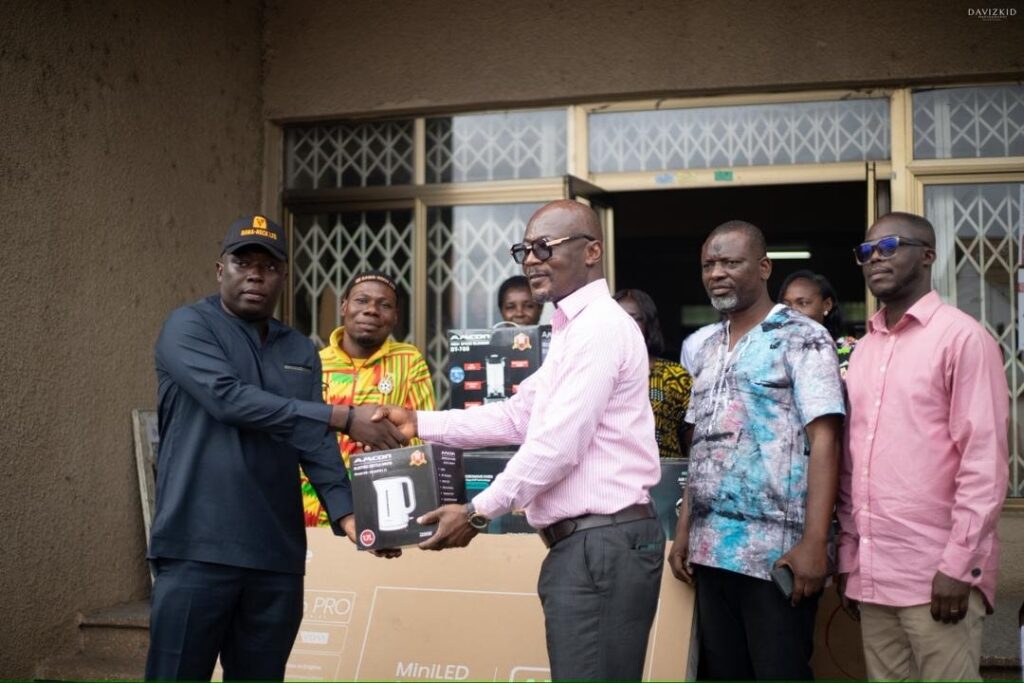
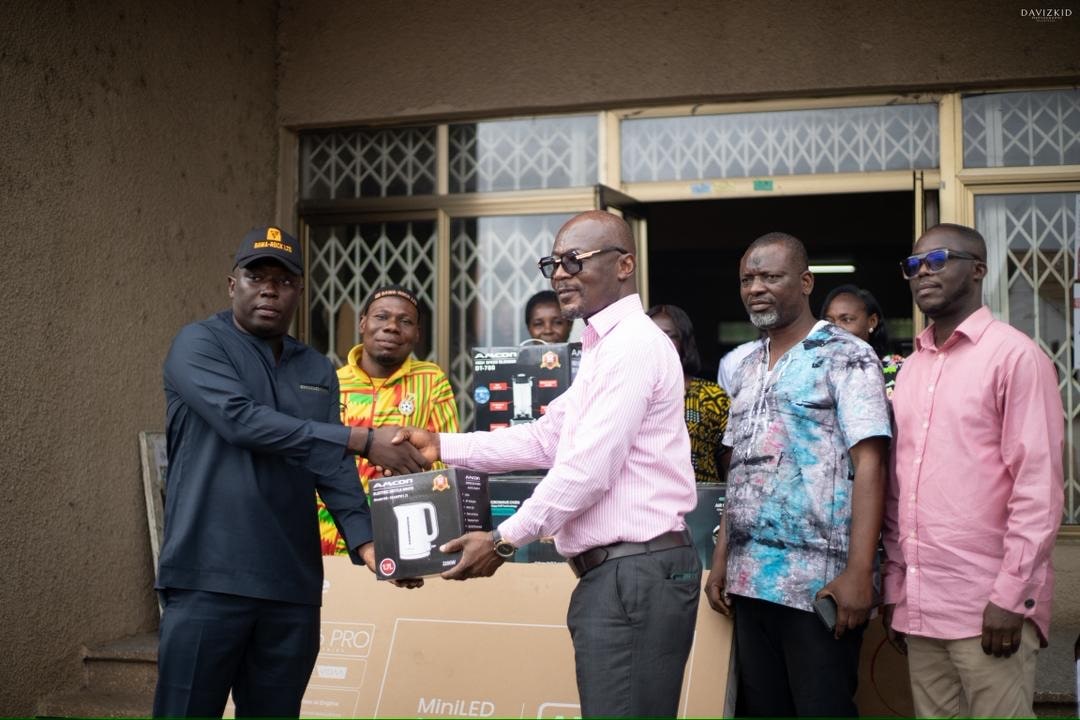
    In the area of education, the company presented various items valued at GH¢30,000 to the Obuasi Municipal Education Directorate to support the 2025 Best Teacher Awards. The items included a 65-inch television, gas cooker with oven, deep fryers, juicers, blender, microwave, and electric kettle — all aimed at recognizing and rewarding outstanding teachers in the municipality.

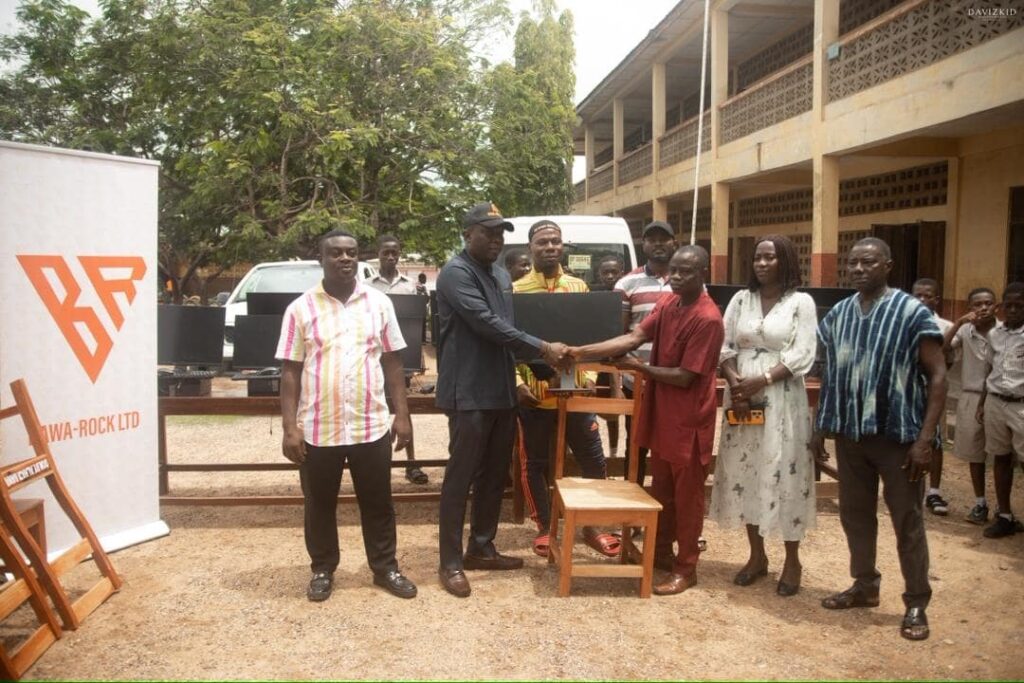
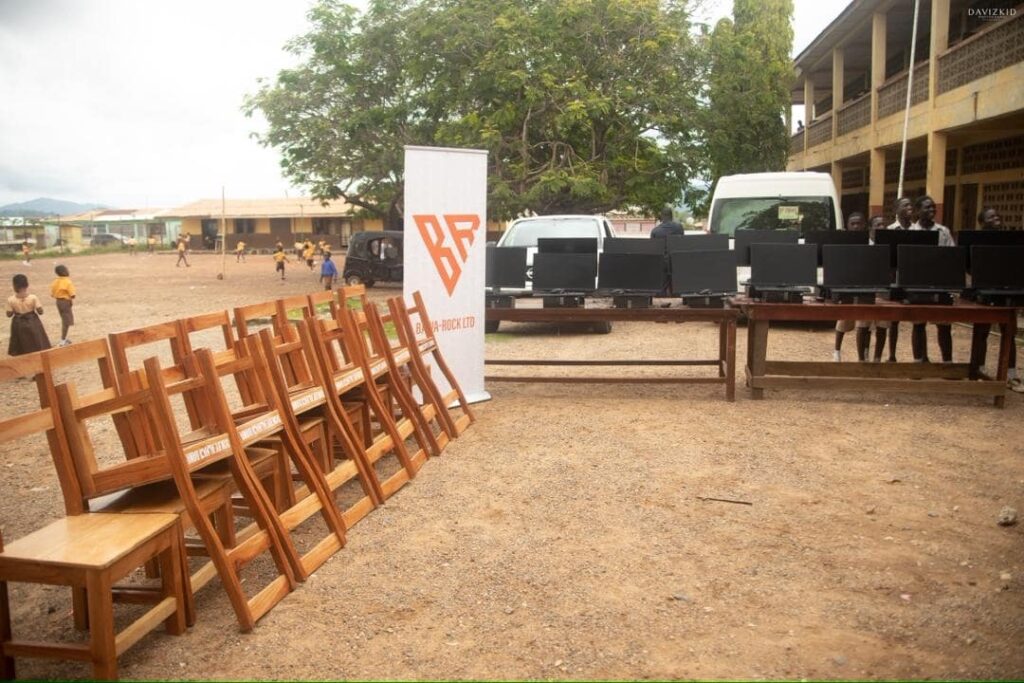
    Additionally, Bawa-Rock Ltd refurbished the computer laboratory at Boete M/A JHS ‘B’ in the Obuasi East Municipality and supplied it with 15 brand-new desktop computers and new furniture to enhance ICT teaching and learning.

    The headmaster of Boete M/A JHS ‘B’, Mr. Emmanuel Karikari, thanked the company for its timely intervention, noting that the school had been struggling to provide students with practical computer lessons due to a lack of equipment.

    “This gesture will go a long way to improve ICT education in our school and prepare our students for the digital age,” he said.

    The Obuasi Municipal Director of Education, Mr. Alfred Koomson, also expressed appreciation to Bawa-Rock Ltd, commending the company for its continuous support for education in the area. He urged other corporate organizations operating in Obuasi to emulate their example by investing in the development of the communities in which they operate.

    The presentations were made on behalf of the company by Mr. Eric Addae Boateng, the Business Development and Sustainability Lead at Bawa-Rock Ltd. He reiterated the company’s commitment to contributing to social and community development as part of its core business operations.

    “Bawa-Rock Ltd believes in giving back to the community that hosts us. Education and healthcare are two key pillars that drive our corporate social responsibility agenda, and we will continue to support initiatives that improve the lives of the people of Obuasi,” he stated.

    The series of donations further cements Bawa-Rock Ltd’s reputation as a socially responsible company committed to promoting sustainable development through partnerships and direct community impact — setting a strong example for responsible corporate citizenship within Ghana’s mining sector.

  • GES releases funds to cover materials for 2025 WASSCE practical exams

    GES releases funds to cover materials for 2025 WASSCE practical exams

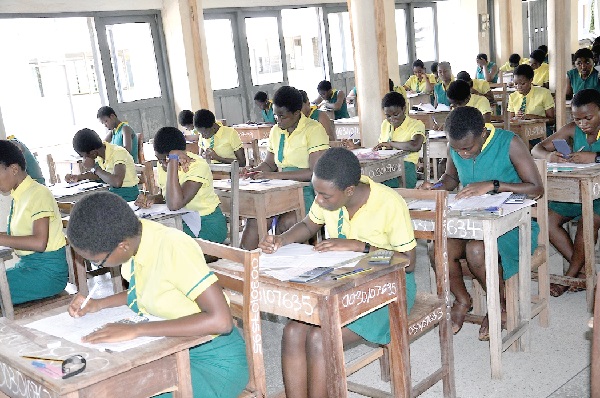
    The Ghana Education Service (GES) has released funds to cater for the 2025 WASSCE practical examinations for all Senior High Schools (SHSs) and Senior High Technical Schools (SHTSs) across the country.

    An amount of GH¢15,849,920 has been released, according to reports.

    According to GES, in a statement issued on Saturday, July 27, and signed by the Head of Public Relations, Daniel Fenyi, the funds are expected to provide all necessary materials and supplies for their practical exams.

    “ The Managaement of the Ghana Education Service (GES) announces that funds have been released to all Senior High Schools (SHS) and Senior High Technical Schools (SHTS) across the country to cover the fees for the 2025 WASSCE practicals.

    “This payment ensures that all practical examinations scheduled for the 2025 WASSCE are fully supported, including the provision of the required materials and other essential resources,” the Service noted.

    Additionally, the Service explained that the move is intended to shield guardians as well as parents from extra cost and also create a conducive environment in ensuring that students excel in the upcoming exams.


    “With the release of the funds, GES seeks to facilitate a smooth and well-cordinated examination process that enables students to focus on their academic work, while relieving parents and guardians of any such financial burden,” it stated.

    The GES cautioned school authorities against diverting the funds from its intended purpose, warning that any misappropriation will attract strict sanctions in accordance with existing financial regulations and disciplinary procedures.


    “Regional, district and school authorities are, therefore, strongly urged to ensure the due application of the funds for their intended purpose to guarantee efficiency and accountability. Management will continue to monitor the utilisation processes to ensure compliance and to maintain high standards in the administration of the examination.

    “The Ghana Education Service appreciates the cooperation of all stakeholders in advancing quality education and remains dedicated to creating an enabling environment for the success of all students,” part of the release read.

    The 2025 WASSCE is scheduled to take place from August 4 to September 19.

    Meanwhile, a leading public policy and consumer advocacy think tank, CUTS International, Accra, has opposed the system where Basic Education Certificate Examination (BECE) and West African Senior School Certificate Examination (WASSCE) candidates pay to access their results.

    Per a statement released in Accra on Monday, July 7, the West Africa Regional Director of CUTS, Mr. Appiah Kusi Adomako, described the practice as unfair and costly.

    He has therefore called on the Education Ministry to shoulder the cost of providing candidates with access to their results.

    “In many parts of the world, exam bodies do not charge students to access their results. In our local universities, student can access their results free of charge, as is the case in every jurisdiction. This is a basic right that should not come at a cost to students or their families,” Mr. Adomako said.

    Initially, the West African Examinations Council (WAEC) printed and distributed physical results slips to schools; however, it adapted to the digital platform to make the process seamless.

    Candidates now pay between GHS 15 and GHS 25 to view their results.

    But according to the West Africa Regional Director of CUTS, the Ministry must learn from other African countries that do not charge for results.

    “Going digital was supposed to make things easier and more affordable. But instead, candidates are now forced to pay out of pocket for a service that should be free. In countries like South Africa, Egypt, Tunisia, Morocco, Kenya, and Zambia, students access their results online without paying any fee. Why should Ghana be different?.

    “WAEC is not the only body that runs examinations. Students who sit for ACCA, SAT, TOEFL, GRE, IELTS, and even our own national service postings access their results or placements online for free. The same should apply here,” Mr. Adomako stressed.

    Mr. Appiah Kusi Adomako also criticised the requirement for students to pay to access their Senior High School placement results through the Computerised School Selection and Placement System (CSSPS), describing it as an added financial burden.

    According to him, “Accessing exam results or computerised placement into SHS should not be a luxury or a source of revenue. It should be a basic service as it pertains in other jurisdictions.

    While the GES continues its efforts to alleviate financial pressures on students and parents nationwide, other challenges, particularly in conflict-prone areas, pose serious threats to access to education and student safety.

    Currently, Nkwanta and its surrounding towns are experiencing a protracted conflict involving the Akyode, Adele, and Chala communities.

    The conflict has escalated in recent years, resulting in the loss of lives and the destruction of property. A curfew was placed on the area by the government.

    The violent incidents that were recorded on June 26 and 27 affected three students.

    Two female students of Nkwanta Senior High School (SHS) were recently hit by gunshots while en route to school.

    A male student was also killed by a stray bullet while seated in his classroom during mock examinations.

    SHS schools in Nkwanta South have been shut down until further notice.

    In response, the police service has captured some eight individuals for their roles in recent clashes in Nkwanta that have taken the lives of students.

    Currently, there is a total ban on all persons in the Nkwanta Township and its environs in the Nkwanta South Municipality of the Oti Region from carrying arms, ammunition, or any offensive weapons.

    Any person found with any arms or ammunition will be arrested and prosecuted.

    The government continues to urge chiefs, opinion leaders, youth, and people of the area to exercise restraint in the face of the challenges confronting them and to use non-violent means to channel their energies into ensuring peace in the area.

    But the GES has insisted that final-year Senior High School (SHS) students in the Nkwanta South Municipality of the Oti Region will participate in the 2025 West African Senior School Certificate Examination (WASSCE) despite chaos in the area.

    Speaking to the media on Monday, June 30, the Head of Public Relations at GES, Daniel Fenyi, indicated that the Service is in discussions with stakeholders to ensure candidates are not affected regardless of the risk.

    “Three Senior High Schools (SHS) will be writing the WASSCE, but definitely, if the conflict persists, that means they wouldn’t be able to write in Nkwanta township. So meetings are ongoing, and we hope to finalize our discussions as soon as possible to come out with the modalities on when, how, and where our children can write the WASSCE.”

    According to him, one of the measures is to ensure students write the exams in the safest environment possible.

    “But the assurance they can get from us is that they won’t miss the WASSCE. We are putting in place every measure to ensure they write the WASSCE with their colleagues.”

    “The assurance they can get from us as the Ghana Education Service is that they won’t miss the WASSCE. We are putting in place every measure to ensure that they write the WASSCE with their colleagues all across the country, and we are making sure that the conflict goes beyond them so they can’t be punished for what they didn’t cause. So I can assure them that they will not miss this examination,” he said.
  • “No fees Stress” affirms education as right for all, not luxury for priviledged – President Mahama

    “No fees Stress” affirms education as right for all, not luxury for priviledged – President Mahama

    President John Dramani Mahama has stated that the No Fees Stress Policy initiated by his administration is a demonstration of his belief that education is a right for all and not a luxury for the privileged.

    He officially launched the policy in Koforidua on July 4, marking a pivotal moment in the government’s drive to improve access to tertiary education.

    Speaking at the launch, he said, “This policy is not about welfare. It is about fairness. It is about restoring dignity to the Ghanaian student. It is about affirming that the right to education is not a privilege for the wealthy, but a shared national inheritance.”

    The President has emphasized that the goal of the policy, is to eliminate the financial roadblocks that have hindered many gifted students from entering universities and training colleges.

    Thus, financial hardship will no longer stand between Ghanaian students and a university education.

    “Let it be known across this land that, from today, no Ghanaian child will be denied tertiary education simply because they cannot afford the academic fees,” President Mahama indicated.

    He has announced that 15,000 students had received the alerts for payment under the government’s flagship initiative, No Fees Stress policy, launched on Friday, July 4 at Koforidua.

    “This is just the begining and today, with our student educators, parents and development partners. I am pleased to declare the No Fees Stress policy officially launched,” the president declared.

    During the launch, President Mahama said he had been reliably informed that 150.000 students have so far accessed the portal, urging other students yet to access the portal to do so with immediate effect.

    He further stated that, “Out of this, 34,500.00 have been validated and are awaiting payment. And out of that number as at yesterday,(July 3,) 15,000 students had received the alerts for payment.”

    The “No-Fee Stress” initiative was a major campaign promise by then-presidential candidate John Dramani Mahama, who pledged to absorb academic fees for all Level 100 students within the first 120 days of his administration.

    To support the rollout of the “No-Fee Stress” policy, GH¢499.8 million has been allocated under the 2025 national budget, which was presented to Parliament by Finance Minister Dr. Cassiel Ato Forson on Tuesday, March 11.

    Meanwhile, 35,608 tertiary students across 130 public and private institutions nationwide have received financial support from the Students Loan Trust Fund (SLTF) for the 2024/2025 academic year.

    The SLTF, conversely, has reiterated its resolve to release funds on time to allow students to gain admission into their preferred tertiary institutions without financial hindrance.

    Earlier this year, the Fund approved financial aid for 9,433 students enrolled in 62 public and private tertiary institutions nationwide.

    The Ministry of Education has made accessible a registration portal to help first-year students at public tertiary institutions in Ghana apply for financial assistance under the government’s new No-Fees-Stress Policy.

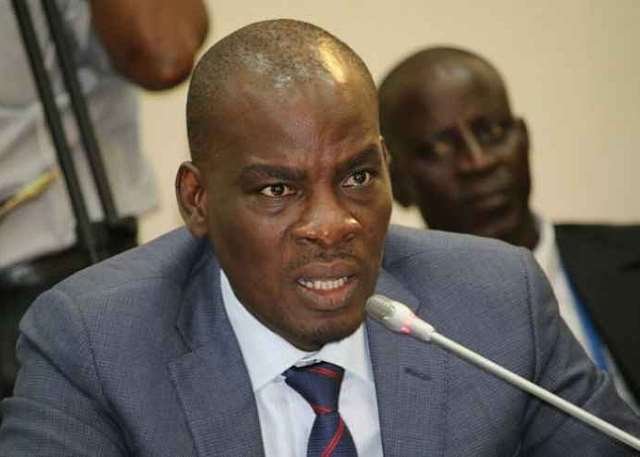
    Launching the portal on Monday, April 29, Education Minister Hon. Haruna Iddrisu described the policy as a bold and strategic move by the government to improve access to tertiary education and invest in the country’s future workforce.

    The SLTF explained that the new system will make it easier for eligible students to register, submit their details, and be assessed for financial support.

  • UAE companies to visit Ghana next few weeks to invest in renewable energy, AI, education, health, other sectors

    UAE companies to visit Ghana next few weeks to invest in renewable energy, AI, education, health, other sectors

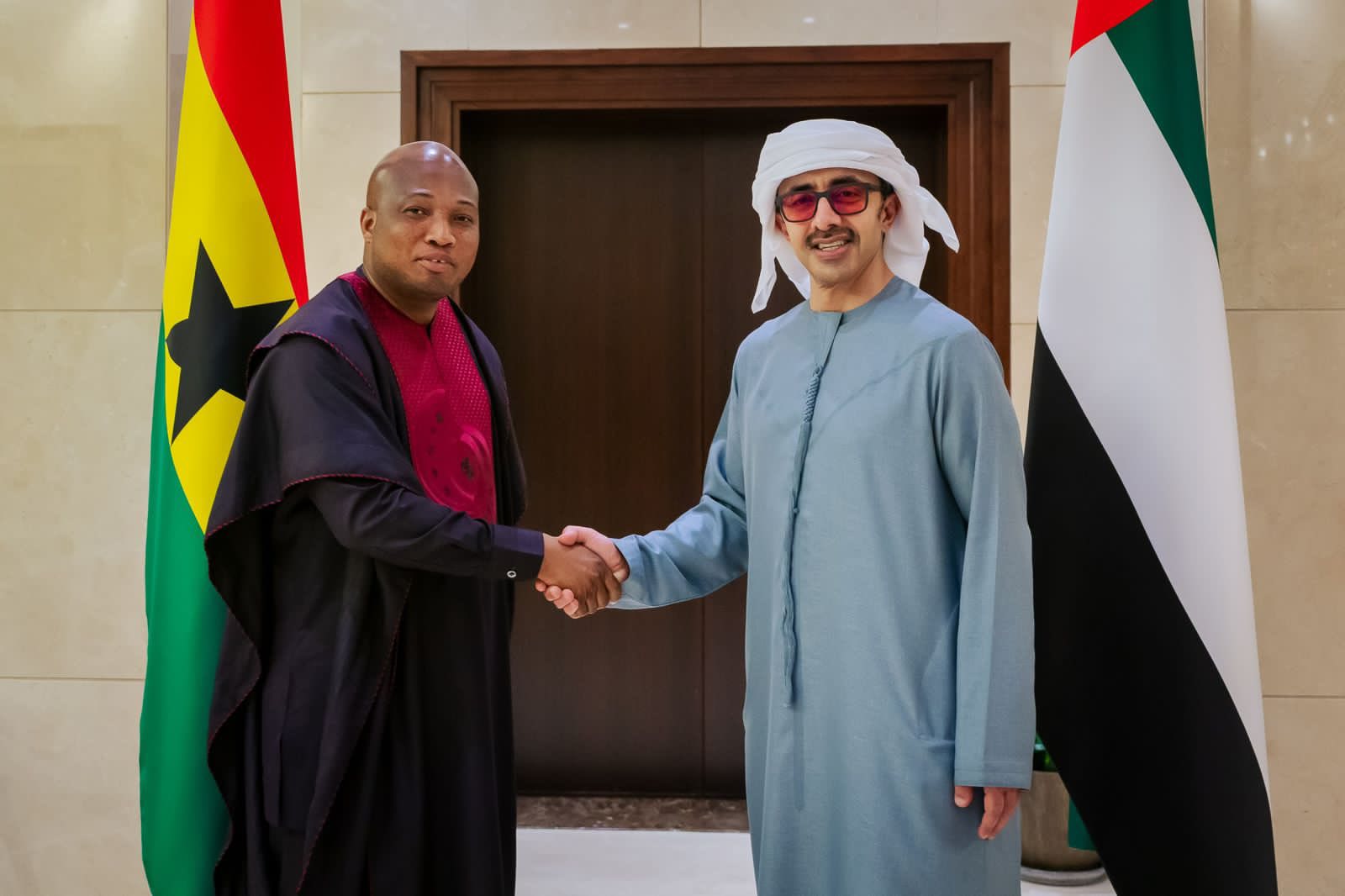
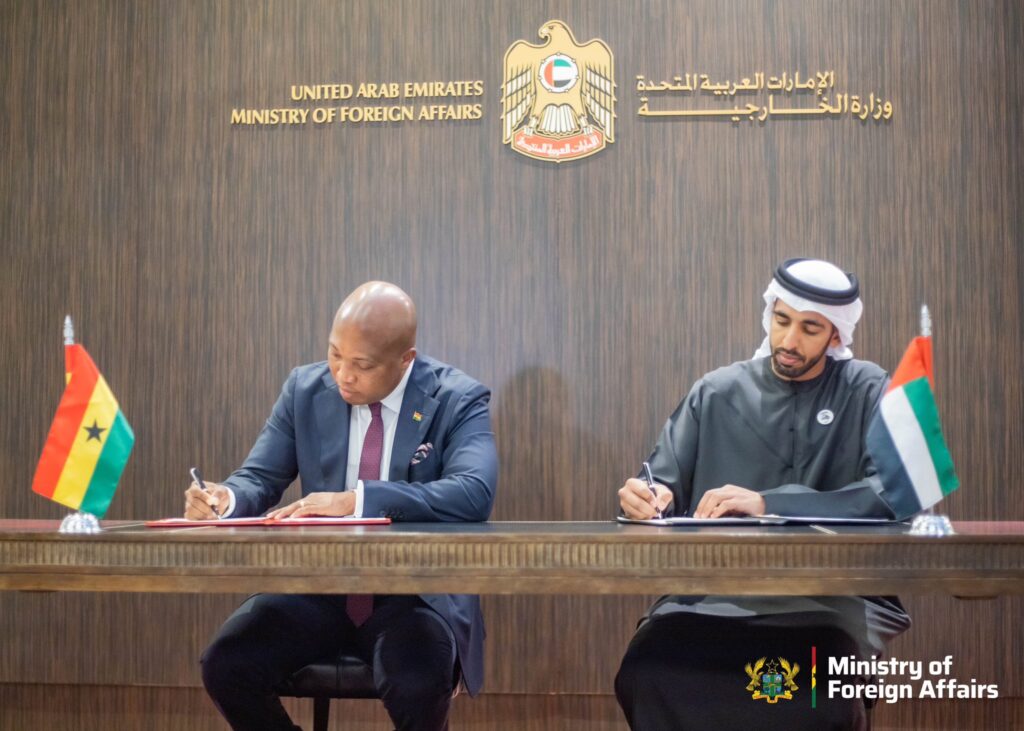
    United Arab Emirates companies will be arriving in Ghana over the next few weeks to invest in sectors such as renewable energy, AI, education, health, aviation, and defense, according to Foreign Affairs Minister, Samuel Okudzeto Ablakwa.

    The sector minister revealed that information on May 13 following the signing of an agreement to commence the first-ever high-level political consultations in the strategic interest of both countries.

    This was made possible after Mr Ablakwa responded positively to a special invitation from the government of the United Arab Emirates to pay a two-day official visit to the country.

    He was received by His Highness Sheikh Abdullah bin Zayed Al Nahyan, Deputy Prime Minister of UAE who also serves as Minister for Foreign Affairs.

    During his two-day visit, he held constructive meetings with Sheikh Shakhboot bin Nahyan Al Nahyan, Minister of State, Lana Nusseibeh, Assistant Minister for Political Affairs, the ministers of Foreign Trade, Investment, and captains of industry.

    Discussions also focused on labour export for Ghanaian youth to the UAE and technical support for a new national airline.

    The Foreign Minister has noted that massive job openings in the United Arab Emirates (UAE) will soon be announced for the Ghanaian youth when both countries finalize the Comprehensive Economic Partnership Agreement (CEPA) negotiations.

    In appreciation, the minister, in a Facebook post, wrote:

    “Both sides confirmed that the bilateral engagements on Sunday and Monday have not only been exceptionally successful but historic.

    I thank our diplomats at the Foreign Ministry and members of the Foreign Affairs Committee of Parliament for the collective accomplishments.

    Long live our irrepressible Ghana 🇬🇭 UAE 🇦🇪 bilateral relations.”

  • Ensure guns, knives, other violent tools aren’t found in our schools – Education Minister to GES

    Ensure guns, knives, other violent tools aren’t found in our schools – Education Minister to GES

    Minister for Education, Haruna Iddrisu, has directed the Ghana Education Service (GES) to take urgent steps to restore discipline in senior high schools across the country.

    Expressing deep concern over what he described as a worrying breakdown of discipline in educational institutions, the Minister emphasized the need for immediate action to safeguard the learning environment for students.

    Speaking during a meeting with heads of schools in Sunyani, in the Bono Region, Mr. Iddrisu highlighted a recent shooting incident at the SDA Senior High School in Kumasi as a glaring example of the growing indiscipline among students.

    He stressed that the rising cases of violence, misconduct, and disregard for authority within schools threaten not only academic excellence but also the future of the nation.

    According to the Minister, maintaining strict discipline is critical to instilling the right values in young people.

    Mr. Iddrisu charged the GES to work closely with school administrators, parents, and other stakeholders to implement stringent measures aimed at reversing the trend.

    He further urged school heads to enforce existing rules and regulations without fear or favor, ensuring that students are held accountable for their actions.

    “He has our full policy support to enforce those directives. So, the ‘unGhanaian’ development of shooting in Kumasi, the Director General of the GES has the full support of the government for you to strengthen your inspection in order that guns, knives, and other violent tools are not found in our schools,” he stated.

    The Minister assured that the government would support the education sector with the necessary resources and policies to maintain order and protect the sanctity of the country’s educational institutions.

  • Education challenges demand swift and objective solutions – Minister

    Education challenges demand swift and objective solutions – Minister

    Upper East Regional Minister, Mr. Donatus Akamugri Atanga, has emphasized the need for a swift and objective approach to tackling Ghana’s educational challenges.

    According to him, education serves as the foundation of national development, yet in recent years, the sector has faced significant setbacks that require urgent intervention.

    Speaking at the zonal National Education Forum for the Upper East and North East Regions, themed “Transforming Education for a Sustainable Future,” he highlighted the importance of setting strategic priorities to revitalize the system.

    The forum brought together key stakeholders, including representatives from teacher unions, university administrators, lecturers, traditional and religious leaders, education directors, parents, and students, to assess the state of education and propose solutions.

    As a professional teacher, Mr. Atanga stressed the need for collective efforts in reforming curricula, improving infrastructure, and implementing policies that enhance access to quality education.

    He further noted that the forum’s theme aligns with the government’s broader vision of national renewal, emphasizing that sustainability must be integrated into all educational policies and reforms.

    “This forum is, therefore, an opportunity to engage in open and constructive discussions to explore concise and actionable recommendations that will form the basis for a comprehensive reform agenda in building an inclusive, equitable, and transformative educational system for Ghana and the benefit of all Ghanaians.

    “Together, we can deepen partnerships and transform our educational system into one that is inclusive and innovative to shape a sustainable future for generations to come,” Mr. Atanga told participants at the forum.

  • Mahama to set up National Education Reform Committee for educational sector review

    Mahama to set up National Education Reform Committee for educational sector review

    President John Dramani Mahama has announced the establishment of a National Education Reform Committee aimed at conducting a comprehensive review of Ghana’s educational system.

    The committee will assess all levels of education, from kindergarten to tertiary institutions, focusing on strengthening the sector and addressing evolving challenges. This initiative forms part of the government’s efforts to improve the quality and accessibility of education across the nation.

    Speaking at the National Convention of the Ahmadiyya Muslim Mission Ghana in Winneba on Thursday, January 9, President Mahama highlighted the necessity of the reforms to ensure a holistic approach to education development.

    “I will set up a planning committee to start working on the National Education Review Conference that I promised. This conference will review our educational system right from kindergarten through the basic to secondary to tertiary to technical, vocational education and identify what the hindrances to quality education are at each level of our educational system,” the President stated.

    The President’s announcement reflects his administration’s commitment to fostering inclusive and quality education, emphasizing the importance of technical and vocational education as part of the broader national development agenda.

  • Free SHS bill requires broader consensus – EduWatch to Parliament

    Free SHS bill requires broader consensus – EduWatch to Parliament

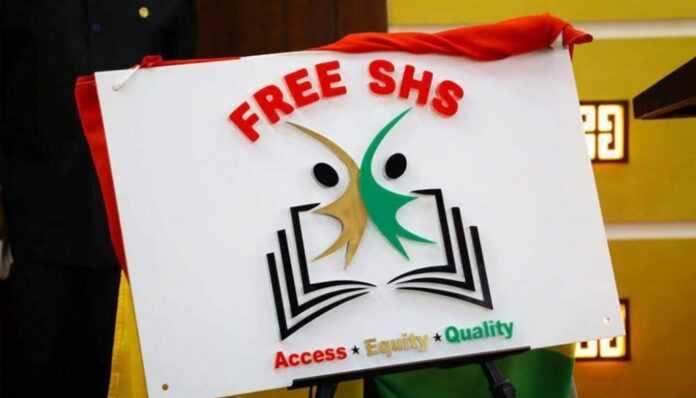
    The education think tank, Africa Education Watch (EduWatch), has called on Parliament to postpone the introduction of the Free Senior High School (Free SHS) Bill until comprehensive consultations with key stakeholders are completed.

    In a statement released on December 13, EduWatch expressed concerns over the government’s intention to present the Bill to Parliament on December 16 without adequately involving relevant parties in discussions.

    The organization emphasized the need for a broad, inclusive dialogue, urging the Education Minister, Dr. Yaw Osei Adutwum, to engage with education experts, civil society groups, parents, and teachers to ensure the Bill addresses the needs of all parties affected.

    EduWatch believes that these consultations are critical to addressing any potential shortcomings in the policy and to building national support for the Free SHS initiative.

    “We call on Parliament to defer deliberations on the Bill until consultations are held. In the spirit of inclusive policy governance, we urge the Minister of Education to convene stakeholder consultative meetings and engage education Civil Society Organisations, Development Partners, parents, and teachers, on the Bill.”
    The Free Senior High School Bill, drafted by the Ministry of Education, aims to provide a legal framework to make Senior High School education both free and compulsory in Ghana.

  • UG secures 5th position in West Africa in 2024 Times Higher Education rankings

    UG secures 5th position in West Africa in 2024 Times Higher Education rankings

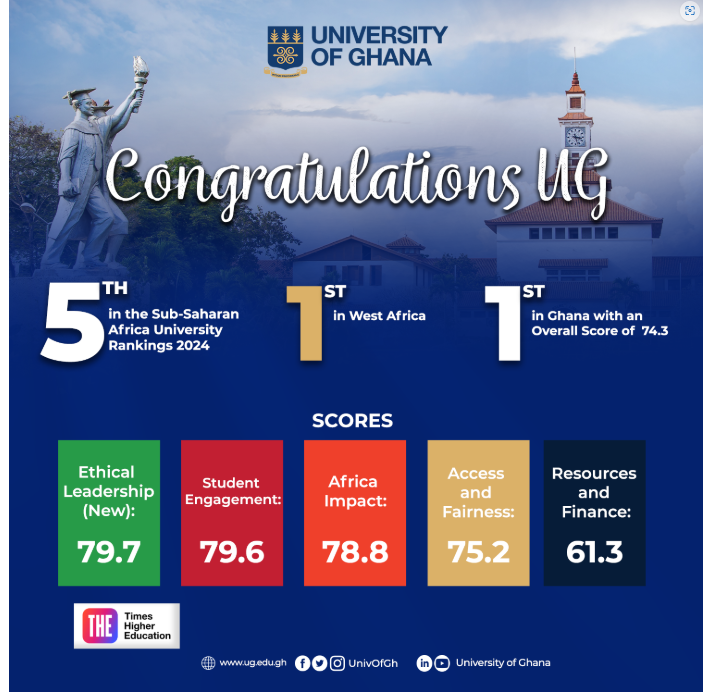
    The University of Ghana (UG) has reached a significant achievement by claiming the top spot in Ghana and securing fifth place in West Africa in the 2024 Times Higher Education Sub-Saharan Africa University Rankings.

    This esteemed recognition highlights UG’s unwavering dedication to excellence in education, research, and its positive influence on society.

    With an outstanding overall score of 74.3, UG has made notable advancements across various key performance indicators.

    The University of Ghana demonstrated excellence in ethical leadership, achieving an impressive score of 79.7, which reflects its commitment to developing responsible leaders who emphasize integrity and social accountability. Moreover, UG’s student engagement score of 79.6 highlights its dedication to fostering an inclusive and dynamic academic atmosphere.

    With an Africa impact score of 78.8, UG’s role in tackling critical regional challenges through innovative research and community outreach is clearly evident.

    The university’s focus on providing equitable access to education is reinforced by its 75.2 score for access and fairness, underscoring its efforts to offer opportunities for students from diverse backgrounds.

    Despite facing financial challenges, UG achieved a score of 61.3 in the resources and finance pillar, showcasing its ability to manage resources efficiently.

  • Your contribution to education is unparalleled – Paramount chiefs, Queenmothers to Akufo-Addo

    Your contribution to education is unparalleled – Paramount chiefs, Queenmothers to Akufo-Addo

    President Akufo-Addo’s contributions to education have been hailed as unmatched by the Paramount Chiefs and Queenmothers of the Ashanti Region during his three-day tour of the area.

    The traditional leaders warmly welcomed the President, affectionately referring to him as their “Precious President.” They expressed gratitude for his efforts in advancing the region’s development throughout his tenure.
    “‘Nana, you have done a lot. Nana, you have done well.’ Your contribution to education is unparalleled. The number of children who have had the chance to get secondary education. How can we forget. We know that it’s constitutional for you to leave, otherwise we would have wanted you to stay in office,” one chief said, lauding the Free Senior High School initiative and its transformative impact.

    Highlighting other achievements, the traditional leaders also praised the President for improving infrastructure in the region.

    “Let’s talk about roads. The long travel distances that we would travel have been cut short. Otherwise, the body pains we experienced were tough,” a chief remarked, acknowledging the government’s road projects.

    The chiefs and queenmothers further commended the President for overseeing the completion of 18 hospitals in the region, some of which have already been commissioned and are operational.

    “We thank you for 18 hospitals out of which you have completed some and you have been commissioning already and people are already in it working,” another leader noted.

    President Akufo-Addo, in response, expressed his heartfelt appreciation for the traditional leaders’ support. Speaking on Tuesday, November 26, he recognized their partnership as a key factor in the success of his administration.

    The President also acknowledged the contributions of his appointees from the Ashanti Region, emphasizing their dedication to serving the nation.

    The chiefs and queenmothers, in turn, praised the strategic appointments of individuals from the region to key government positions, crediting their work for furthering the development of Asanteman.

  • Over 3,000 educational projects completed in 8 years – Govt

    Over 3,000 educational projects completed in 8 years – Govt

    The government has announced the completion of over 3,000 educational projects across Ghana since 2017, underscoring its commitment to improving infrastructure and ensuring access to quality education for all citizens.

    In a statement by the Ghana Education Trust Fund (GETFund), the projects were highlighted as key achievements in addressing the nation’s educational needs. The completed initiatives include the construction of new classroom blocks, the renovation of existing facilities, and the establishment of modern science laboratories, libraries, and ICT centers.

    According to the Ministry of Education, these projects span all levels of education, from basic and senior high schools to technical institutions. The government’s focus on STEM education has also led to the creation of specialised facilities for science, technology, engineering, and mathematics to equip students with skills for future careers.

    Some parents, teachers, and local communities have lauded the progress, noting significant improvements in students’ academic performance and overall school experience.

    The government has pledged to sustain these efforts, with plans for additional projects to meet the growing demands of the educational sector.

  • Ghana places 7th in ranking of countries with most educated politicians – Report

    Ghana places 7th in ranking of countries with most educated politicians – Report

    Ghana ranks seventh among countries with the most educated politicians, according to a report published by The Economist.

    The ranking is based on findings from two comprehensive studies that analyzed education levels among legislators in 56 countries with populations exceeding two million, using data from 2015, 2017, and 2023.

    Topping the list is Ukraine, followed by Poland, Czech Republic, Taiwan, and South Korea in second, third, fourth, and fifth positions, respectively. The United States placed sixth, with Ghana taking the seventh spot and Slovenia ranking eighth.

    The studies revealed that globally, an average of 78% of parliamentarians held at least a bachelor’s degree, while 40% had postgraduate qualifications. This is significantly higher than the global average education level among the general population, which stands at 35% in wealthy countries and 15% in poorer nations.

    Ukraine emerged as the leader in the rankings, with nearly a quarter of its legislators holding doctoral degrees during the study period. In contrast, countries like Italy, Norway, and the United Kingdom were noted for having a considerable proportion of lawmakers with only secondary education.

    The research highlights that while having highly educated legislators is becoming more common worldwide, there is little empirical evidence to suggest a direct correlation between academic qualifications and superior legislative performance.

    Despite this, the trend of filling parliaments with highly credentialed individuals continues to grow, potentially making national legislatures less representative of the populations they serve.

  • Ghana has the second highest education quality in Africa – Bawumia

    Ghana has the second highest education quality in Africa – Bawumia

    Dr. Mahamudu Bawumia, flagbearer of the New Patriotic Party (NPP), has proudly declared that Ghana now ranks as having the second highest education quality in Africa.

    Speaking at the Ghana CEO Presidential Gala on Thursday, 7 November, at the Movenpick Hotel, Bawumia highlighted the NPP government’s policy innovations, particularly in the education sector, which he believes have significantly contributed to this achievement.

    “In education for example, we implemented a free senior high school and free TVET policy despite the odds. The records show that Ghana has the second highest education quality in Africa.”

    Bawumia emphasized the government’s commitment to tackling the country’s most pressing challenges through modern, innovative solutions, including digitalisation, infrastructure development, and economic growth.

    He pointed to initiatives such as the free senior high school and free TVET policies, which have helped transform the educational landscape despite various challenges. According to Bawumia, these efforts have propelled Ghana to a top position in Africa in terms of education quality, with the country now ranked second in the continent.

    “This is why I am proposing to upgrade Ghana through innovative BOLD SOLUTIONS. It is important to note that the NPP government has demonstrated policy innovation in tackling some of the most challenging issues in our country in the last few years.

    Reiterating his vision for the country’s future, Bawumia expressed his readiness to further leverage digital tools and innovation to advance sectors such as education, healthcare, and finance, ensuring sustainable growth and improved livelihoods for all Ghanaians.

    He emphasized that his administration would continue to focus on digitalisation and innovation as critical components of Ghana’s development strategy, positioning the nation as a competitive force on the global stage.

  • We’re laying a strong foundation; I want to be remembered as the Education President – Akufo-Addo

    President Akufo-Addo has expressed his delight over the progress Ghana is making in education, emphasizing his desire to be remembered as the “Education President.”

    This declaration was made during the 31st Congregation and Third Special Congregation of Valley View University (VVU) in Accra, where he was honored with an Honorary Doctorate Degree for his significant contributions to public service, justice, and national development.

    In addition to President Akufo-Addo, the University conferred Honorary Doctorate Degrees on Mr. Thomas Svaniker, an automotive industry leader and business strategist, and Kwame Osei-Prempeh, a former Deputy Attorney-General and Minister of Justice.

    Both were recognized for their exemplary leadership and significant contributions to their respective fields, enhancing humanity’s cause.

    The University’s citation for President Akufo-Addo highlighted his pivotal role in advocating for peace in sub-Saharan Africa, regional stability, media freedom, and significant legal and foreign policy reforms.

    “Your illustrious career has been marked by an unwavering commitment to the rule of law, justice, and democracy,” the citation noted.

    It also praised his Administration’s educational policies, particularly the flagship ‘Free Senior High School (SHS)’ Programme, which has expanded educational opportunities for many Ghanaian youth.

    President Akufo-Addo, in his speech, noted the historic student enrolment of 503,000 for 2024 at the SHS level, the highest in the nation’s history.

    Since its inception in 2017, the Free SHS Programme has benefited over four million children, with the Government investing over 12 billion Ghana Cedis. The President asserted that this programme has been crucial in training the human resources necessary for Ghana’s future development.

    The Government’s focus also includes expanding technical and vocational training, as well as Science, Technology, Engineering, and Mathematics (STEM) education.

    “We aim to equip the youth with the knowledge, expertise, and skills needed for their survival under the Fourth Industrial Revolution,” he stated.

    To ensure quality education, President Akufo-Addo assured continued investment in teacher training, infrastructural development, and the provision of necessary teaching and learning materials.

    “We are laying a strong foundation for the future of our nation,” he emphasized.

    Furthermore, the President revealed plans to establish four new universities in Asante-Mampong, Akrodie, Bunso, and Kintampo, aimed at increasing access to higher education.

    The Government is also working on paying the required research allowances to university lecturers to promote quality research and foster innovative ideas crucial for national growth.

  • Employment opportunities and education pressing factors influencing voter choices – Survey

    Employment opportunities and education pressing factors influencing voter choices – Survey

    A recent survey conducted by the Data Insight Group | JOB Group Limited and Chartered Media Consult has unveiled a notable shift in voter priorities as the December 2024 General Elections approach.

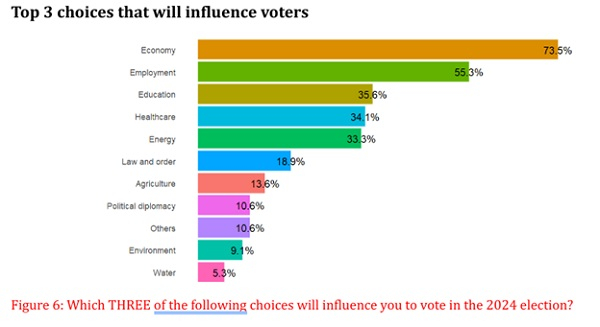
    The study, involving 134 participants, indicated that the economy, employment opportunities, and education have emerged as the most critical factors influencing voter decisions, displacing healthcare from its previous top position.

    Survey results revealed that 73.5 percent of respondents identified the economy as their primary concern, reflecting widespread anxiety and interest in economic stability and growth.

    The economy has dominated everyday discourse, with sovereign credit ratings reflecting unsustainable public debt. This situation has led to soaring inflation, currency depreciation, exorbitant interest rates, and a domestic debt exchange, all contributing to a cost-of-living crisis.

    Inflation stood at 54.1 percent at the end of 2022 but receded to 23.2 percent a year later. However, a comparative analysis of a product priced at GH¢100 in December 2021 showed a significant increase to GH¢154.10 by December 2022 and further to GH¢189.55 by December 2023, indicating a substantial erosion of purchasing power over the past two years.

    In other words, to purchase the same basket of goods and services in early 2024 as in early 2022, one would need approximately 90 percent more currency. This translates to a required salary increase from GH¢1,000 in early 2022 to around GH¢1,900 in early 2024 to maintain a comparable standard of living, underscoring the significant impact of inflation on purchasing power.

    While ‘less essential’ goods like cars and electronics have tripled in price between 2020 and 2024, the most basic commodity – food – has been the hardest hit.


    For instance, data from the Kenkey Index report released in September 2023 presents a worrisome scenario. It indicates a notable decline of 32 percent in the quantity of kenkey obtainable for a fixed price compared to the previous year. Conversely, the price of kenkey for a specified weight has surged by a significant 51.8 percent. This pattern correlates with the national food inflation rate of 51.9 percent reported by the Ghana Statistical Service at the close of 2023.

    In essence, consumers are not only shelling out more money for kenkey but are also receiving a substantially smaller portion of their money’s worth.

    Following closely behind is employment, with 55.3 percent of voters expressing significant apprehension about job opportunities and labor market dynamics.

    This focus on employment, as revealed by the study, mirrors the broader societal ramifications of economic conditions, as voters prioritize policies that foster job creation, reduce unemployment rates, and ensure equitable labor practices.

    According to the Ghana Statistical Service (GSS) in its Annual Household Income and Expenditure Survey Quarter Three Labor Bulletin, the country’s unemployment rate surged to 14.7 percent for the initial three quarters of 2023. This figure reflects a spike in unemployment.

    During this period, the number of unemployed youth aged 15 to 35 also increased, rising from approximately 1.2 million to over 1.3 million. The report additionally indicated that unemployment rates consistently skewed higher for females compared to males.

    Moreover, education has emerged as a pivotal factor for many voters, with 35.6 percent stressing the significance of educational reforms, access to quality education, and opportunities for lifelong learning.

    The effectiveness of recent educational policies, notably the flagship Free Senior High School (SHS) program, remains a subject of debate, particularly concerning the quality of academic and non-academic aspects.

    “Majority of voters view the economy, employment and education as very critical. Other factors – such as energy, agriculture, diplomacy, water and environment – also play remarkable roles. It is a complex issue with multiple influencing factors and it is, therefore, important to note that these factors can change over time and differ across regions and demographics,” a portion of a communiqué following the study read.

    Healthcare

    Universal health coverage (UHC) is viewed as an essential human entitlement, rather than a commodity distributed through market mechanisms. Nevertheless, achieving and guaranteeing comprehensive UHC on a global scale is intricate and encounters various obstacles.

    Before 2003, all individuals in the nation, irrespective of their economic status, were required to personally finance their healthcare expenses. This situation underwent a transformation with the introduction of the National Health Insurance Scheme (NHIS) in 2003, which witnessed swift expansion nationwide. The NHIS provides fair access and financial protection for essential healthcare services.

    “Technically, supply and demand of healthcare remain unlimited and the supply-side is not necessarily an issue potentially due to the growing role of the private sector in the industry. However, the growing cost of medical care characterised by the three economic agents – including patients, insurers and providers -should push voters to demand for clearly defined vision and policies in campaign messages,” Ebenezer Obeng-Nyarkoh, Lead Analyst, Data Insight Group | JOB Group Limited, noted.

    The transition in voter preferences away from healthcare, traditionally a focal point in political discussions, indicates a nuanced progression in societal interests.

    Although healthcare retains its significance in public policy, experts suggest that the present focus on the economy, employment, and education mirrors the broader aspirations and hurdles confronting the electorate.

  • 11-year-old author builds e-library for Methodist school in Ghana

    11-year-old author builds e-library for Methodist school in Ghana

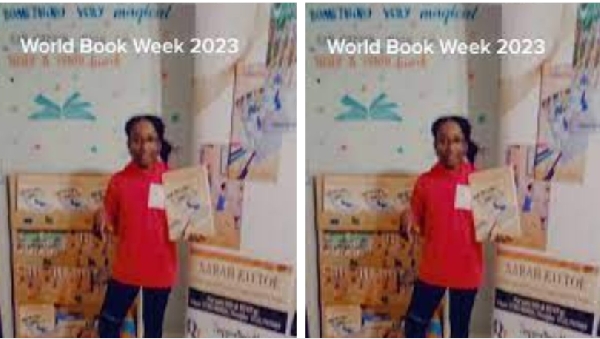
    Sarah Afua Kittoe, an 11-year-old British-Ghanaian author, has recently fulfilled a promise she made months ago to build a library for a school in Ghana.

    During her inaugural visit to Ghana at the age of ten, she pledged her support to Saint Paul’s Methodist Preparatory School in Tema. Sarah has now completed a full e-library and computer lab for the school, with plans in progress for a physical book library.

    Sarah’s philanthropic journey began early, as she had already authored and published three books by the age of nine. These books include “The Friendship Club”, “Lindsey and the Blue Fox”, and “Sarah Kittoe’s Colouring Book” for toddlers.

    Her fourth book, “Ama and the Lost Key”, which features a Ghanaian theme, is set to be launched on Saturday, April 6, 2024, at Croydon Library in London. Sarah donates all proceeds from her book sales to charity, supporting Centrepoint, a charity chaired by Prince William, and the Wednesday Club at West Croydon Methodist Church.

    Sarah’s commitment to Saint Paul’s Methodist Preparatory School in Tema was sparked by the poor condition of the school library. Determined to make a difference, she donated copies of her books to the school and embarked on creating a modern library.

    In just six months, she completed the e-library project, equipping the school with 20 new HP Desktop Computers preinstalled with Jemdroid Learning Apps. Sarah also provided new desks and chairs for the library and shipped 13 large boxes of books to Ghana, setting the stage for the physical library project.

    In London, Sarah initiated a successful fundraiser, receiving donations of books and funds from generous individuals and institutions to support her cause. With the release of “Ama and the Lost Key,” Sarah announced that proceeds from its sales would also be directed towards charitable causes.

    Her latest book takes readers beneath Ghana’s dusty sands, where a radiant key lies lost. The story follows Ama, a young girl on a quest to unlock the secrets guarded by this enigmatic key. While the key promises unimaginable wealth and life-altering potential, Ama’s journey unfolds with lessons on unity within Ghana’s golden land.

  • Use oil revenue to fund educational projects in your countries – Akufo-Addo charges African leaders

    Use oil revenue to fund educational projects in your countries – Akufo-Addo charges African leaders

    President Akufo-Addo has called on African leaders to allocate revenues from oil exploration and other extractive sector activities to fund education in their countries.

    He believes this is essential for closing the continent’s education funding gap and achieving Sustainable Development Goal (SDG) 4 targets.

    Africa needs approximately $80 billion annually to bridge the education gap, a task that cannot rely solely on external resources.

    President Akufo-Addo stressed the importance of using internal resources, especially from the extractive industry, to address this challenge.

    “We are funding our education budget largely through our oil receipts, and we intend to continue down that road for the foreseeable future. I don’t know if the $80 billion [education funding gap] the moderator is talking about can be found in oil receipts across the rest of the continent.

    “But I believe that the earnings we receive from our extractive industries and mineral resources are best employed if we invest them in education. Looking into the future, Ghana remains steadfast in our commitment to education as a strategic investment for our nation’s prosperity,” President Akufo-Addo remarked.

    “We recognise that education is the key to unlocking our nation’s full potential in building a brighter future for generations to come. As we gather here today under the banner of the ‘Year of Education’, let us reaffirm our commitment to making education the top priority on the continent,” he said.

    Investing in education is crucial for meeting immediate educational needs and fostering long-term economic growth and sustainability.

    Globally, education has been a powerful catalyst for economic development, leading to increased productivity and creating more prosperous societies.

    Experts suggest that investing in education in Africa could yield significant returns, with projections indicating a substantial increase in per capita income by 2050 and 2100.

    President Akufo-Addo advocates for prioritizing education as a strategic investment for Africa’s future prosperity and self-sustainability.

  • I sold ‘kontomire’ to finance my education – Osofo Kyiri Abosom

    I sold ‘kontomire’ to finance my education – Osofo Kyiri Abosom

    The Ghanaian pastor and leader of the Ghana Union Movement (GUM), Osofo Kyiri Abosom, shared his inspiring journey of financing his Senior High School (SHS) education.

    Struggling for funds as a young man, he approached the school’s matron with a proposal to supply her with cocoyam leaves (Kontomire) as a means to raise money for his school fees.

    Facing the financial hardships, Osofo Kyiri Abosom discussed his situation with the matron, who, understanding his predicament, agreed to the proposal.

    “The first day I got to the school I didn’t have a caretaker so I went to see the matron about the situation. I made her aware I come from a village so I can supply her cocoyam leaves (kontomire) to raise money to fund my education which she agreed,” he explained.

    “So I supplied her [matron] with three sacks of cocoyam leaves every Wednesday and Thursday for five years till I completed school,” he said in an interview on Accra-based Kingdom FM..

    Reflecting on his initial days at school, he recalled not having a caretaker, so he approached the matron to present his plan.

    He explained that, being from a village, he could supply her with cocoyam leaves to generate the needed funds for his education, and the matron agreed.

    Throughout his academic journey, the pastor relied on the consistent sale of cocoyam leaves for five years. Diligently, he supplied the matron with three sacks of cocoyam leaves every Wednesday and Thursday, sustaining this effort until he completed school.

    In an interview on Accra-based Kingdom FM, Osofo Kyiri Abosom shared that despite the financial challenges, he excelled academically and eventually earned a scholarship.

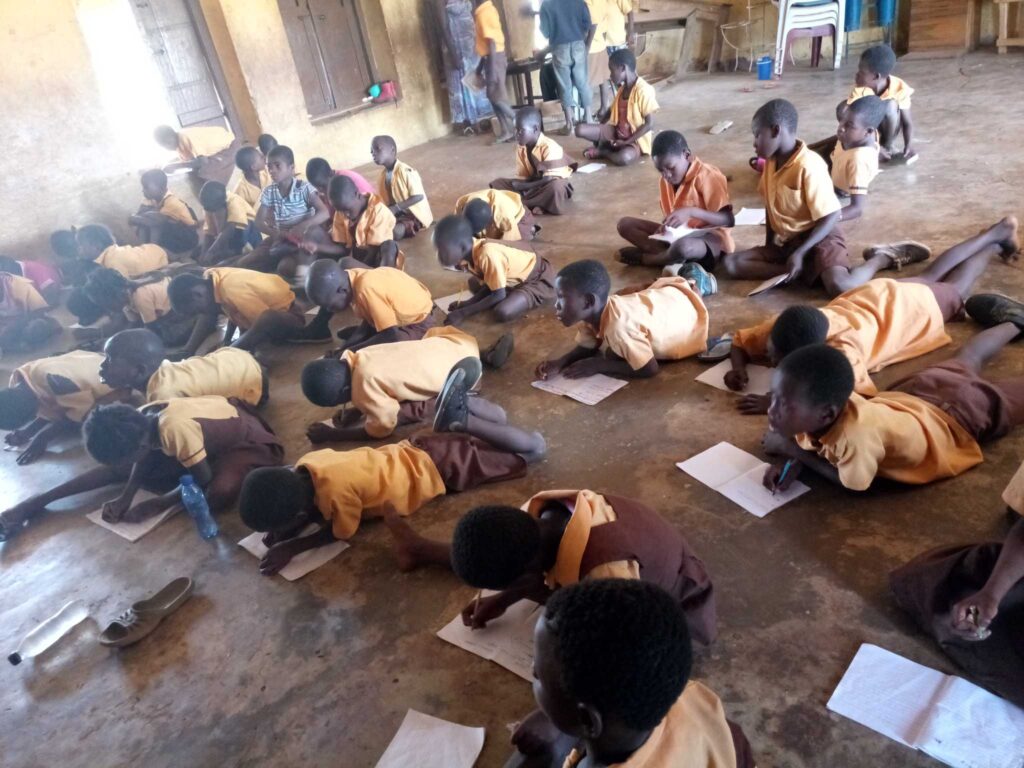
  • There is nothing wrong with students sitting on the floor to learn – Old Tafo MP

    There is nothing wrong with students sitting on the floor to learn – Old Tafo MP

    Member of Parliament for the Old Tafo constituency, Vincent Ekow Assafuah, has emphasized his belief that it is better for students to study under trees without the necessary infrastructure than to go without formal education.

    This statement was made as he strongly defended the Free Senior High School (SHS) policy, asserting that it should not be subjected to a review. Mr Assafuah expressed this viewpoint during an interview on CitiTV’s Eyewitness News with Umaru Sanda Amadu.

    “For me, it is better for a young person to sit on the floor without a desk to learn rather than not being educated. It is better for a young person to go to school without a slipper and be educated than not being educated at all,” he said.

    This statement comes in response to recent calls for a review of the Free SHS policy. Dr. Yaw Osei Adutwum, the Minister of Education, has also opposed these calls, asserting that the policy does not require any revision.

    Mr Assafuah acknowledged challenges in the education sector but maintained that reviewing the policy is not the solution. He emphasized the need for collective leadership support for the policy, underscoring that despite challenges, students are receiving education, which he deems crucial.

    Assafuah stressed the importance of providing education for the future generation and urged all Ghanaians to collaborate in addressing challenges instead of advocating for a review of the Free SHS policy.

    Ghana has for years been battling with providing quality education. Students in primary schools in most parts of the country lack the needed infrastructure for teaching and learning to take place. In some communities, the way out has been establishing schools under trees.

    Executive Director of Africa Education Watch, Kofi Asare, has disclosed that the government needs to build an additional 5,000 additional school blocks to achieve parity in the provision of educational infrastructure for basic education in the country.

    Speaking on The Big Issue on Citi TV and Citi FM, the education advocate said the lack of infrastructure is encouraging parents to take their children to the farm instead of sending them to school. He further stated that the government is doing too little to resolve this challenge.

  • Highly educated men have multiple sexual partners – GSS Report

    Highly educated men have multiple sexual partners – GSS Report

    A recently released Ghana Statistical Service’s Ghana Demographic and Health Survey report has uncovered a fascinating correlation between education levels and sexual behavior, particularly among men. 

    The findings suggest that as men ascend the academic ladder, the likelihood of having multiple sexual partners increases.

    Among men without formal education, 14.5% reported having more than two partners, and 18.6% engaged in sexual relations with someone other than their wife or cohabitant. 

    The percentages rise progressively with each educational level attained, with 15.1% of secondary school graduates and 15.4% of men with tertiary education reporting having more than two partners.

    In a remarkable contrast, the survey reveals a reverse trend for women. As their education levels increase, the reported number of sexual partners decreases. For uneducated women, only 1.0% had more than two partners, compared to 2.8% for those with basic (primary level) education, 2.4% for secondary school graduates, and 1.5% for women with tertiary education.

    The data also sheds light on the percentage of women engaging in sexual activities outside of marriage or cohabitation. Among uneducated women, 6.9% reported such instances, which dropped to 21.5% for those with basic education, 27.3% for secondary school graduates, and 25.2% for women with tertiary education.

    These findings open a window into the complex interplay between education and sexual behavior in Ghanaian society. While men with higher education appear more likely to have multiple partners, women with advanced education levels tend to report fewer sexual partners.

    As debates on the relationship between education and societal norms continue, this report provides valuable insights into the diverse dynamics that shape intimate relationships and behaviors in contemporary Ghana.

  • Criticizing 2023 WASSCE success for  political motives appalling – Ministry of Education to Mahama

    Criticizing 2023 WASSCE success for political motives appalling – Ministry of Education to Mahama


    The Ministry of Education has rejected recent assertions by former President John Dramani Mahama regarding alleged lax supervision and collusion in the West Africa Senior Schools Certificate Examination (WASSCE).

    In a statement issued last Friday, the Ministry characterized Mahama’s remarks as a “deliberate effort to diminish the significant progress achieved by the Ministry in enhancing learning outcomes in the country.”

    Highlighting the notable advancements in WASSCE results, the Ministry pointed to a substantial improvement from a 28.7 percent score (A1-C6) in Integrated Science in 2015 to an impressive 66.80 percent achieved by WASSCE candidates in 2023 under President Nana Akuffo Addo.

    “We have achieved remarkable progress, and in recent years, WAEC has implemented various measures to combat exam malpractices during the BECE and WASSCE test administrations,” the Ministry asserted.

    They emphasized the stringent supervision measures put in place by WAEC in collaboration with the Ghana Education Service to ensure the integrity of the examinations.

    The statement clarified that severe consequences awaited candidates caught engaging in cheating, with subject papers or entire exams being canceled depending on the nature of the malpractice.

    Invigilators and supervisors involved in malpractices were reported to law enforcement agencies and subjected to disciplinary proceedings, often resulting in termination from the Ghana Education Service.

    The Ministry defended Ghana’s exceptional performance in the WASSCE, citing the highest-ever 8 A1s recorded in 2020 and consistent improvement over the past six years.

    They attributed this progress to interventions such as the Free SHS policy, which grants students access to better-prepared teachers, core textbooks, remedial packages, and increased teaching hours.

    “The Ministry of Education assures our students, parents, guardians, and the general public that the quality of education and examinations at all levels, including the WASSCE, was not and will not be compromised,” the statement concluded. It urged stakeholders to dismiss any information suggesting Ghana’s withdrawal from the WAEC exams for WASSCE.

  • Ghana’s youngest female mechanic defies the odds at age 11

    Ghana’s youngest female mechanic defies the odds at age 11

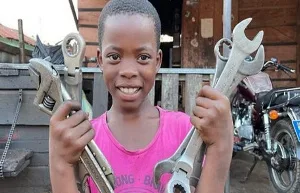
    At the tender age of 11, Susanna Adjakie-Apekor, a talented Ghanaian, has already proven herself as a skilled mechanic, specializing in motorcycle repair.

    Introduced to the world of motorcycle mechanics at the age of six by her father, Amudu, a seasoned mechanic in their community, Adjakie-Apekor’s initial motivation was to spend time with her father.

    However, her fascination with the intricacies of motorcycle repair soon led her to delve into the field.

    Despite the traditionally male-dominated nature of mechanics, she adapted quickly, surprising even her father, who initially had reservations about her comprehension of the trade.

    Displaying extraordinary talent, she successfully repaired her first motorcycle at the age of six, and now, at eleven, she has honed her skills as a proficient motorcycle mechanic.

    With ambitions beyond motorbikes, Susanna aspires to open her own repair shop, extending her expertise to vehicles, boats, and even airplanes.

    She envisions herself as a versatile mechanic, mastering various modes of transportation.

    While acknowledging that she has more to learn, especially regarding the electrical aspects of motorcycle repair, the confident 11-year-old is determined to broaden her skill set.

    Balancing her passion with education, Susanna attends school during the day and assists her father in the workshop after school hours.

    In an era that champions diversity and equality, this young trailblazer exemplifies the progress made in encouraging young women to participate in traditionally male-dominated professions.

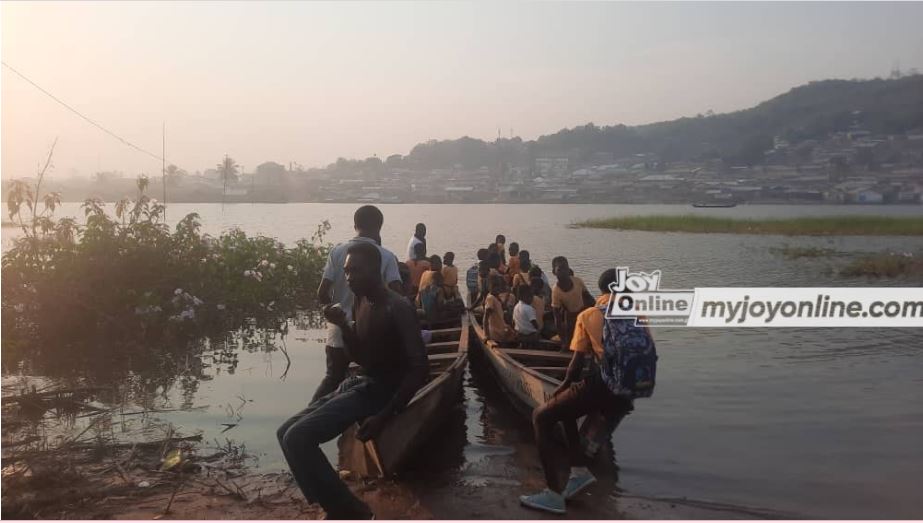
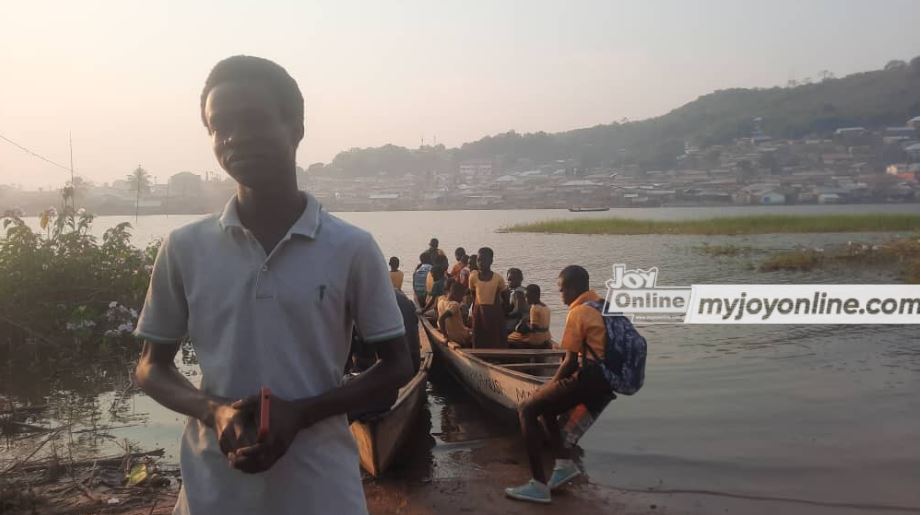
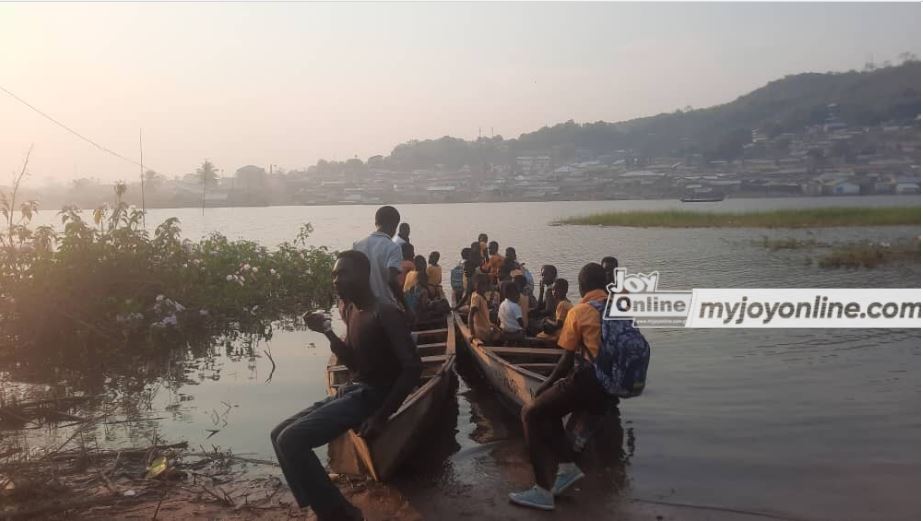
  • Dam spillage: Measures must be put in place to mitigate impact of disaster on children and their education – NAGRAT

    Dam spillage: Measures must be put in place to mitigate impact of disaster on children and their education – NAGRAT

    The National Association of Graduate Teachers (NAGRAT) has urged the Ministry of Education to develop and put into action strategies to mitigate the consequences of the flood disaster in the Lower Volta Basin on the education and welfare of school children.

    In a press statement, NAGRAT emphasized that the flooding caused by the Akosombo Dam’s release of water has disrupted the lives and educational pursuits of numerous children.

    Therefore, it is essential to establish a stable and safe environment for both students and their families.

    “We call upon the Ministry of Education and other relevant bodies to put in place measures to mitigate the impact of this disaster on the education of affected children. NAGRAT and its members are ever ready to offer the needed support.

    “NAGRAT emphasizes the need for a concerted effort from all stakeholders to respond to this disaster with the needed expertise, compassion, and urgency. Our thoughts are with the affected communities and we stand in solidarity with them during this challenging period,” parts of the statement read.

    NAGRAT has appealed to the government and relevant authorities to make the well-being of those affected a top priority and to proactively implement measures to prevent such incidents from recurring.

    “We will continue to monitor the situation closely and offer our assistance in any way possible to ensure a swift and effective response to this crisis,” the Association added.

    The Volta River Authority initiated the spillage of excess water on September 15, mainly due to the rising water levels in the Akosombo and Kpong hydro dams. In the weeks following the commencement of the spillage, numerous residents living along the Lower Volta Basin have experienced the loss of their homes and farmlands due to flooding caused by this release of water. Presently, nine districts are grappling with the impact of this overwhelming situation, resulting in a severe humanitarian crisis.

    This heartbreaking situation particularly affects the South, Central, and North Tongu districts within the Volta Region, where the devastation is extensive. Vibrant communities like Battor, Tefle, Mepe, Sogakope, Adidome, and Anlo now find themselves submerged, with their very existence nearly consumed by the relentless waters.

    Numerous residents have taken the initiative to evacuate themselves from the affected areas, and the National Disaster Management Organization (NADMO) and other relevant agencies have actively participated in rescue operations. Furthermore, various institutions and individuals have generously provided relief supplies to the affected residents.

    Meanwhile, NAGRAT has expressed its appreciation to the government for establishing an Inter-Ministerial Committee. This committee is tasked with investigating the underlying causes of this disaster and formulating preventative measures to minimize the potential for similar incidents in the future.

    “Furthermore, NAGRAT encourages the government and all stakeholders to engage in transparent communication with the affected communities and to provide them with timely and accurate information regarding the ongoing response and recovery efforts. In times of crisis, clear and open lines of communication are vital to fostering trust and cooperation among all parties involved.”

  • 70-year-old Nigerian illiterate constructs fuel less generator, receives an honorary degree

    70-year-old Nigerian illiterate constructs fuel less generator, receives an honorary degree

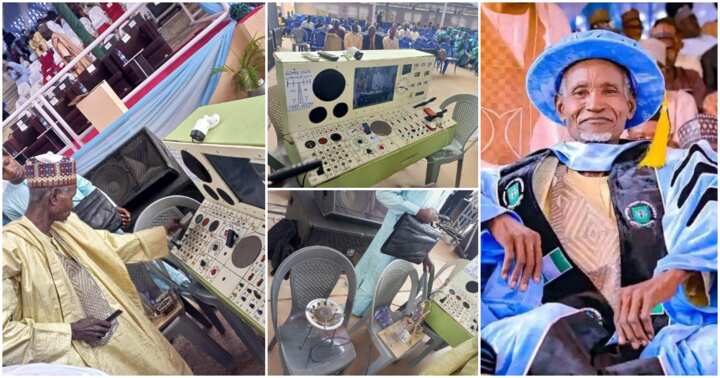
    An accomplished Nigerian inventor, Hadi Usman, who did not receive formal education, has been bestowed with an honorary doctorate degree.

    At the age of 70, this remarkable individual has designed a fuelless generator, a water-powered stove, and even a Vespa engine helicopter.

    His remarkable achievements have garnered widespread praise on social media, with many emphasizing the importance of wealthy and philanthropic individuals taking an interest in his work.

    Usman has been honored with an honorary Doctorate degree in Science by Gombe State University. Safianu Danladi Mairiga, the Senior Special Assistant on Media to the Governor of Gombe State, announced this achievement.

    The award was presented to Usman during the recent combined convocation of the 10th, 11th, 12th, and 13th convocation ceremonies of Gombe State University.

    According to a report by Legit.ng, Usman’s remarkable inventions include a water-powered stove, a radio station, a radio transmitter, a Vespa engine helicopter, and even a telephone handset.

    Notably, he created a generator that operates without the need for fuel, all while lacking any formal education.

    Danladi also shared that Usman, originally from Jekadafari Ward in Gombe LGA, Gombe State, achieved the remarkable feat of memorizing the Holy Qur’an at the age of 12. He shared a picture of Usman donning an academic robe during the ceremony.

    @YusufNasir_Ahmd said: “Actually, that water generator and water stove will never reach the market. “A free energy innovation will never reach the market.”

    @Dammyjah2040 said: “Guess what he doesn’t flaunt nu.des or six packs… Big company won’t invest in him.”

    @gboladeogundele said: “Very amazing. Wow. “I hope the concerned government MDAs can improve on it and produce it on larger scale for sale in Nigeria and export. Of course, the trademark should be for the inventor.

  • KNUST Vice-Chancellor vows to bridge the gap between theory and practice in education

    KNUST Vice-Chancellor vows to bridge the gap between theory and practice in education

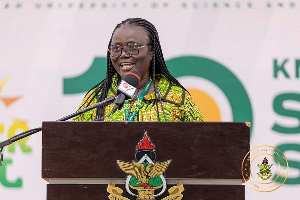
    Vice-Chancellor of Kwame Nkrumah University of Science and Technology (KNUST), Professor Rita Akosua Dickson, has underscored the university’s dedication to narrowing the divide between academic knowledge and its real-world application within the nation.

    Prof. Rita Akosua Dickson has noted that the existing curriculum at the university promotes a robust and collaborative partnership between the institution and various industries.

    She disclosed that KNUST has continually enhanced collaborative engagement between its diverse faculties and the industrial sector over the years. This concerted effort aims to improve learning outcomes, ensuring the education provided equips graduates to contribute effectively to economic development.

    “With the evolving needs of the 21st-century workplace, it has become imperative for academics to align its research, teaching, and learning approaches with industry expectations, and that is exactly what we are doing at KNUST,” she said.

    Speaking at the 10th Summer School event on Tuesday, October 3, 2023, which was held at the campus of KNUST under the theme, “Academia-Industry Partnership for National Development”, Professor Akosua Dickson said the University continues to improve and sustain the quality of teaching and learning, something that has to enable graduates from KNUST to meet the standards of the fourth industrial revolution.

    “At KNUST, one thing we are mindful of is that our teaching and learning process must have the objective of being fit for purpose, especially from the perspective of the industry for national development.

    “I am of the firm belief that this year’s Summer School will once again offer us an opportunity to deliberate extensively on pragmatic issues that, will help enhance the readiness of our graduates for the industry and reduce the gap between academic knowledge and practical application,” she said.

  • GES partners CENDLOS to introduce learning passport for basic school students

    GES partners CENDLOS to introduce learning passport for basic school students

    Young Ghanaian pupils from Basic 1 to 3 can now have the opportunity to upgrade their way of studying in and out of their classroom through a platform known as the Learning Passport.

    Learning Passport was launched by the Minister of Education, Dr. Yaw Osei Adutsum with some student representations who are already making use of the service.

    This initiative by is giving children the opportunity to study all their syllabus online with the aid of their teachers while parents monitor progress in every step of their learning endeavour.

    Ahead of the launch, Senior lecturer and Doctor of Philosophy from the University of Ghana, Dr. Kofi Sarpong Adu-Manu explained that the learning passport is Ghana’s first digital initiative tailored to suit pupils at the basic level as they grow up.

    “You believe that in our homes, the 2 and 3-year-olds are chasing after phones because their cartoons are resting on our digital infrastructure. So they are already having the feeling for digital technologies. So we can take them out. We want to introduce them, and get them to play with it and then they grow up with it,” he said.

    He proceeded to guide the audience to sign up to the website to familiarize with how the initiative works.

    “Go to Google now and type, Ghana.learningpassport.org. So on your top right, you will see a sign up button. You will see the register. Click on it. We will take your basic information because we want to make sure it is runned by the children with parental control.”

    “We want you to know whatever your ward is learning on that platform. So your name, phone number, email address is required. We proceed to authenticate your email address to have accessibility to track the performance of these young people. We want you to see the analytics and know whether or not your wards are doing well,” the website’s consultant explained.

    The Minister of Education was now invited to officially launch the the initiative where he stated that “this is a great opportunity afford us by UNICEF“.

    He invited a student from the Haatso Presby basic school to join him launch the program as they were given the privilege to experience how the platform works.

    The student named Tracy said, “I am very happy to be here today for launching of the learning passport. Learning passport has really helped me and i recommend it to you.”

    The minister added his voice to say, “what a better way to launch this program with recommendation from a student, the end user. Today I am excited to join Tracy in launching the Learning passport. Consider it duely launched by Tracy and the Minister for Education,”

    The Minister of Education has a bold agenda to transform Education in Ghana using robust and innovative Edtech solutions.

    Education Minister, Dr Yaw Osei Adutwum has urged headteachers to take advantage of technology to strengthen student learning practices and their cognitive skills.

    According to him, this will help create a generation of critical thinkers who are able to do more than recall information.

    The Minister launched the initiative in collaboration with the Centre for National Distance Learning and Open Schooling (CENDLOS).

    An initiative previously known as The President’s Special Initiative on Distance Learning (PSI-DL), established in 2002 to blend ICT with Ghana’s system of education.

    Meanwhile the Learning Passport was invented by the United Nations International Children’s Emergency Fund (UNICEF) propelled by Dr Yaw Osei Adutwum’s vision to impact Ghana’s education with technology.

    Source: The Independent Ghana | Amanda Cartey

  • 1.5m of Ghana’s youth population are jobless

    1.5m of Ghana’s youth population are jobless

    A report by Ghana Statistical Service (GSS), has shown that during the third quarter of 2022, 24.2% of young individuals aged between 15 and 24 years were not involved in education, employment, or training. This percentage translates to approximately 1.5 million individuals within that age group.

    This information is detailed in a statement released by the GSS as part of the Annual Household Income and Expenditure Survey 2022 Third Quarter Labour Statistics Report, which was provided to the Ghana News Agency.

    “More than half of the youth NEET are in the Greater Accra (312,394), Ashanti (300,161), Eastern (131,341), and Central (129,182) regions.

    ” In 13 out of the 16 regions, more than 20 per cent of young persons, 15 to 24 years were not in education, employment, or training.  

    “Eastern Region (30.0 per cent) has the highest proportion of youth, with a figure about twice that of Bono Region (14.5 per cent) which has the lowest proportion,” the report said.  

    According to the 2021 Population and Housing Census, approximately 11.1% of individuals aged 15 to 24 years, amounting to 1.4 million young people, have never attended school.

    The report highlights that a slightly higher percentage of females (12.0%) in this age group have never attended school compared to males (10.2%). The regions with the highest percentages of young people who have never attended school are Savannah (43.4%), North East (36.8%), Northern (33.3%), Upper West (20.9%), and Oti (20.7%). Combined, these five regions account for nearly half (665,508) of the young individuals who have never attended school.

    The census data also reveals an unemployment rate of 32.8% for individuals aged 15 to 24 years, with females experiencing a higher rate of 36.7% compared to males at 29.3%. The unemployment rate for this age group exceeds 30% in 12 out of the 16 regions, with the Upper West Region (39.0%) and Western North (38.4%) having the highest rates.

    This statement coincides with the celebration of World Youth Skills Day, observed annually on July 15th, which highlights the importance of equipping young people with skills for employment, decent work, and entrepreneurship.

  • ‘Outrageous’ costs for Pent hostel causing social media uproar

    ‘Outrageous’ costs for Pent hostel causing social media uproar

    On social media, there have been conflicting reactions to the recently announced dorm housing costs for the 2023–2024 academic year at Ghana Hostels Limited, also known as Pent Hall, a part of the University of Ghana.

    Many people on social media are voicing their outrage over what they called extortionate costs established for students who want to live in the hall.

    The upcoming academic year’s fees have been announced by the hostel administration, and most students have found them to be extremely excessive and out of their price range.

    From four thousand nine hundred twenty-eight Ghana cedis (GH4,928.00) for a shared room with four occupants to thirty-five thousand three hundred twenty Ghana cedis (GH35,320.00) for a single room reserved for international students, prices range.

    Twitter in particular has been inundated with comments expressing anger about the high rates.

    One user exclaimed, “The hostel prices are crazy in Legon herrrrhhh.” Another user expressed frustration with the situation, blaming the leadership, stating, “You want students who aren’t working to pay such amounts? The evil is from our leaders. We are only seeing the ripple effect around.”

    The issue has also prompted discussions about the affordability of education in Ghana, with some users vowing to avoid sending his children to any overpriced universities in the country. “Sia money wey somebro go fi take do masters den dey post for here like that. Legon Pent and that KNUST brunei, all demma owners are wicked.”

    “Pure definition of ‘de wo lane mu.’ Eii Legon, how much is even a two-bedroom rent in East Legon?”

    Another user asked, “Moagyimi anaa Na school fees kraa be how much” (Does education itself cost this much?).

  • Ghana’s Basic Education teeters on the brink of collapse – Dr Apaak warns

    Ghana’s Basic Education teeters on the brink of collapse – Dr Apaak warns

    Dr. Clement Apaak, the Member of Parliament for Builsa South, has expressed deep concerns about the potential collapse of basic education in Ghana.

    Clement Apaak identified several factors contributing to this alarming situation, including the government’s failure to pay caterers under the school feeding program and its inability to adequately increase the funding allocated for providing meals to students.

    Highlighting the gravity of the issue, Dr. Apaak emphasized that the current allocation of 97 pesewas per student for meals is grossly insufficient.

    He went as far as stating that this amount is inadequate even to feed a cat, considering the high cost of basic food items such as eggs.

    Speaking in an interview on the point of view show on Citi TV ohe said; “If you want my honest opinion, Ghana’s public basic education system is at the verge of collapsing. Seriously. Yes, it is that bad. And I think that parents who are listening, have some basic schools across the country who are listening. And if not, they will confirm what I’m saying.

    ”First of all, we all know that the basic sector is the foundation and if you have to get it right, the foundation must be solid. I mean, you can compare it or in terms of analogy.

    ”As you know, currently it is just 97 pesewas. That is worse as in the current state of affairs and the economy is woefully inadequate. I’ve said before and I’ll say again, that what is of interest to us is not even sufficient to feed a pet cut. As we speak now even an egg cost more than 97 pesewas with the cost of food items, food inflation, you know, going up, you cannot expect these women to prepare what the program itself describes as a nutritious, hot meal a day to feed our walls in the various public schools across the country”, he said.

    Dr. Apaak stressed the critical importance of a solid foundation in basic education, stating that any challenges in this foundation will inevitably impact the higher levels of education, such as senior high school.

    He called for urgent action to address the deficiencies in the provision of meals to students, as this issue directly impacts their health, nutrition, and overall educational experience.

    “The collapse of basic education, if left unaddressed, could have severe long-term consequences for the country. It undermines the government’s efforts to provide quality education to all Ghanaian children and jeopardizes the future prospects of the nation’s youth.”

  • KNUST ranked world best in quality education by Times Higher Education Impact Ranking

    KNUST ranked world best in quality education by Times Higher Education Impact Ranking

    The Kwame Nkrumah University of Science and Technology (KNUST) has been recognised as the best university in the world for providing quality education under the Sustainable Development Goal 4.

    The university gained the recognition in the 2023 Times Higher Education Impact Rankings on Thursday.

    The 2023 Impact Rankings, in its fifth edition, encompassed a total of 1,591 universities from 112 countries/regions.

    The Times Higher Education (THE) Impact Rankings are the sole global performance tables that evaluates universities based on the United Nations’ Sustainable Development Goals (SDGs).

    Employing carefully selected indicators, THE provides comprehensive comparisons across four key areas: research, stewardship, outreach, and teaching.

    Demonstrating unparalleled excellence, the KNUST secured the top position globally with an outstanding score of 93.1, surpassing all other universities worldwide.

    The SDG 4 – Quality Education category evaluates universities’ contributions to early years and lifelong learning, research, and their dedication to inclusive education.

    This year, an impressive 1,304 universities from 109 countries/regions participated in the category.

    The 2023 feat is a massive improvement over the 2022 rankings which placed the University at number one (1) in Africa and 14th globally in terms of SDG-4.

    In response to the latest ranking, Vice-Chancellor of the university, Prof. (Mrs.) Rita Akosua Dickson, said the achievement reflects the substantial and strategic investments made by the university’s management over the years.

    She praised the past and current administrations for the investments in infrastructure, ICT, and e-learning resources, which have significantly enhanced the educational experience at KNUST.

    The school has over the last few years commenced the Support One Needy Student with One Laptop (SONSOL) programme initiated by Professor Mrs Rita Akosua Dickson to support brilliant but needy students.

    The initiative is aimed at bridging the digital divide.

    The school has provided various scholarships covering accommodation, food, clothing, and special vehicles to enhance mobility of persons with disabilities.

    These accomplishments reflect KNUST’s commitment to inclusivity.

    University Relations Officer, Dr. Daniel Norris Bekoe, commended the university’s administration for their proactive implementation of policies pertaining to gender, anti-sexual harassment, mentorship, quality assurance, teaching and learning, research, and professional evaluation of teaching and disability.  

    “These policies serve the important purpose of guaranteeing high-quality service provision and safeguarding the welfare of vulnerable members within the university community. The university is committed to consistently making strategic decisions and investments aimed at enhancing the quality of education,” he said.

    He also highlighted that the institution is assisting emerging researchers through financial support and facilitating the pursuit of impactful research initiatives with transformative implications for the university.

    Dr. Bekoe further emphasised the need for all staff and students to sustain the diligence and perseverance spirit.

    “This steadfast dedication is driven by the overarching goal of nurturing students who possess not only a profound understanding of their subjects but also exemplary character traits. By steadfastly adhering to this principle, KNUST aspires to equip its students with the necessary skills and knowledge to excel not only within Ghana but also on a global scale,” he said.

    This significant achievement stands as a testament to the collective efforts and unwavering commitment exhibited by the entire KNUST community.

    For more info. on THE rankings visit: https://www.timeshighereducation.com/rankings/impact/2023/quality-education.

  • DR Congo Education Minister allegedly impregnates his deputy

    DR Congo Education Minister allegedly impregnates his deputy


    Tony Mwaba Kazadi, the Minister of Education for the Democratic Republic of Congo (DRC), has been accused of impregnating his Deputy Minister, Aminata Namasia.

    Kazadi has defended himself by claiming that the pregnancy was unplanned.

    According to The Heritage Times, both ministers are married and were allegedly engaged in an extramarital affair with each other.

    The affair came to public attention when a journalist named Lungila John shared the details on Twitter. The revelation of the affair and the subsequent pregnancy has caused a scandal in the DRC, quickly spreading across various social media platforms.

    However, it is worth noting that earlier this month, Namasia refuted the allegations made against her.

    “Beyond my official and public duties, I have a personal life that deserves respect from everyone. It is a right guaranteed to all Congolese citizens by our Constitution. Tarnishing my reputation should not be tolerated. In fact, it could not only harm my own commitments but also the reputation of my married male colleagues and their families,” Namasia was quoted as saying by Fox Times.

    “As we approach the upcoming elections scheduled for December this year, political critics are welcome to challenge my political opinions and actions instead of resorting to tactics that aim to defame me.”

    The future remains uncertain for Kazadi and Namasia as they have not made any public statements regarding the recent allegations. The DRC government has yet to address the situation, leaving open the possibility of their dismissal from their positions.

    Namasia was appointed as the Minister of Education by Prime Minister Sama Lukonde on April 12, 2021, joining Tony Mwaba Kazadi, who had been appointed two months earlier in February.

    However, the current circumstances surrounding their alleged affair and pregnancy may impact their tenure in their respective roles.

  • Majority of South African children struggle with reading skills by age 10

    Majority of South African children struggle with reading skills by age 10

    Eight out of 10 South African school children struggle to read by the age of ten, an international study has found.

    South Africa ranked last out of 57 countries assessed in the Progress in International Reading Literacy Study, which tested the reading ability of 400,000 students globally in 2021.

    Illiteracy among South African children rose from 78% in 2016 to 81%.

    The country’s education minister blamed the results on school closures during the Covid-19 pandemic.

    Describing the results as “disappointingly low”, Angie Motshekga also said the country’s education system was faced with significant historical challenges, including poverty, inequality and inadequate infrastructure.

    In many primary schools “reading instruction often focuses solely on oral performance, neglecting reading comprehension and making sense of written words”, she added.

    Eight in 10 South African children struggle to read by age of 10
    South Africa’s education minister said the disappointing results were a result of school closures during the Covid-19 pandemic

    The study showed that 81% of South African children could not read for comprehension in any of the country’s 11 official languages.

    Alongside Morocco and Egypt, South Africa was one of only three African countries which participated in the assessments to monitor trends in literacy and reading comprehension of nine- and 10-year-olds.

    Based on tests taken every five years at the end of the school year, the new study places countries in a global education league table.

    Singapore secured top spot in the rankings with an average score of 587, while South Africa ranked last on 288 points – below second-last Egypt’s average of 378. The scores are benchmarked against an international average of 500.

    The study also showed that overall, girls were ahead of boys in their reading achievement in nearly all of the assessed countries, but the gender gap has narrowed in the most recent testing round.

    South Africa’s struggles with its education system are longstanding, with significant inequality between black and white students a consequence of the segregation of children under apartheid.

    Education is one the single biggest budget expenses for the government, which can lead to disappointment over poor performance in studies like this.

    A lack of suitable reading materials and inadequate infrastructure in schools, often things like toilets, have contributed to the crisis.

  • Does the name ‘Busia’ truly mean ‘Best University Scholar in Africa’?

    Does the name ‘Busia’ truly mean ‘Best University Scholar in Africa’?

    The surname of Dr. Kofi Abrefa Busia, who served as prime minister of Ghana from 1969 to 1972, has been scrutinized due to its true meaning or nomenclature, according to tales and occasionally what others have asserted to be facts.

    While the actual meaning of the name Busia cannot be independently stated by GhanaWeb, some people believed the name was rather an abbreviation.

    According to a report published by OnuaOnline.com, it is claimed that Busia was a name that was accorded to Ghana’s second prime minister by the colonial masters.

    The details of the report have it that Nicholas Osei, popularly known as Prophet Kumchacha, founder and leader of Heaven’s Gate Ministries, claimed this during a radio interview.

    He is said to have stated that he believes that Busia was the “truest brilliant scholar he has ever heard of,” while adding that even the composition of his name was an abbreviation.Interestingly, he claimed the name “BUSIA” is the acronym for “Best University Scholar in Africa.

    “The claim, however, has been challenged by a scholar with close ties to the former prime minister.Actually, this scholar, Kofi Abrefa Busia, –a man named after Dr. Busia who teaches history and social studies at the Seventh Day Adventist at Bekwai, said that this assertion is wrong.

    Dr. Kofi Busia stated that his father was a personal secretary to Prime Minister Busia in the 1960s and that the original name was Bosea (gravels), and not Busia as known now, the report added.”The name Busia is of a typical Wenchi origin.

    The name was Bosea, which is gravel, meaning ‘many’.”He was called Bosea because he had charisma and could draw a lot of people around him wherever he goes. So just as gravels are many, he was associated with it considering the number of people he could garner within his circus wherever he would be found.

    But it was adulterated by the white teachers during his (Dr. Busia’s) primary education, and Bosea became Busia.”Modern scholars have tried to give another meaning to the name because of his wonderful academic performance, thus “Best University Scholar in Africa.”

    The name came before the acronym,” he told OnuaOnline.He further explained the relationship his father had with Dr. Kofi Abrefa Busia and how he came to understand the true meaning of the name.”My father is from Wenchi.

    He was a politician and personal secretary to Dr. Busia in the 1960s. So he named me after him. About 20 years ago, I went to Wenchi, the hometown of Dr Busia, and paid a courtesy call to the queen mother, where I got the opportunity to ask for the origin and the meaning of the name “Busia”, and she gave me that explanation,” the report added.

    About Dr. Kofi Abrefa Busia:Kofi Abrefa Busia (July 11, 1913 – August 28, 1978) was a Ghanaian political leader and academic who was Prime Minister of Ghana from 1969 to 1972. As a nationalist leader and prime minister, he helped restore civilian government to the country following military rule.Busia was born a Bono prince in the traditional kingdom of Wenchi, in the then Brong Ahafo region of Ghana.

    He was educated at Methodist School, Wenchi, Mfantsipim School, Cape Coast, and then at Wesley College, Kumasi, from 1931 to 1932. He taught at Wesley College and left to study at Achimota College in 1935 and taught there.

    He gained his first degree with Honours in Medieval and Modern History from the University of London through correspondence during this period. He then went on to study at University College, Oxford, where he was the college’s first African student.He returned to the Gold Coast in 1942.

    He took a BA (Hons) in Philosophy, Politics, and Economics (1941, MA 1946) and a DPhil in Social Anthropology in 1947 at Nuffield College, Oxford, with a thesis entitled “The position of the chief in the modern political system of Ashanti: a study of the influence of contemporary social changes on Ashanti political institutions”.

    He was a Fulbright scholar in 1954.Busia served as a district commissioner from 1942 to 1949 and was appointed the first lecturer in African Studies. He became the first African to occupy a chair at the University College of the Gold Coast (now the University of Ghana). In 1951, he was elected by the Ashanti Confederacy to the Legislative Council.

    In 1952, he was the leader of the Ghana Congress Party, which later merged with the other opposition parties to form the United Party (UP).As leader of the opposition against Kwame Nkrumah, he fled the country on the grounds that his life was under threat.

    In 1959, Busia became a professor of sociology and culture of Africa at the University of Leiden near the Hague, Netherlands. From 1962 until 1969, he was a Fellow of St. Antony’s College, Oxford.

    He returned to Ghana in March 1966, after Nkrumah’s government was overthrown by the military, to serve on the National Liberation Council (NLC) of General Joseph Ankrah, the military head of state, and was appointed as the Chairman of the National Advisory Committee of the NLC.

    In 1967/68, Busia served as the Chairman of the Centre for Civic Education.He used this opportunity to promote himself as the next leader. He also was a Member of the Constitutional Review Committee. When the NLC lifted the ban on politics, Busia, together with Lawyer Sylvester Kofi Williams and friends in the defunct UP formed the Progress Party (PP).

    In 1969, the PP won the parliamentary elections with 105 of the 140 seats. This paved the way for him to become the next Prime Minister. Busia continued with NLC’s anti-Nkrumaist stance and adopted a liberalised economic system.

    There was a mass deportation of half a million Nigerian citizens from Ghana, and a 44 percent devaluation of the cedi in 1971, which met with a lot of resistance from the public.While he was in Britain for a medical check-up, the army under Colonel Ignatius Kutu Acheampong overthrew his government on January 13 1972.

    Busia remained in exile in England and returned to Oxford University, where he died from a heart attack in August 1978.Busia’s name is associated with Ghana’s political right, along with J. B. Danquah and S. D. Dombo.

  • 5-year-old discovered studying under streetlights due to lack of electricity

    5-year-old discovered studying under streetlights due to lack of electricity

    A video of a young boy sitting on a stone by the roadside somewhere in Accra with his books displayed on a lawn behind a wall close to a drain, has warmed the hearts of many.

    The place is Westlands, a suburb of the capital and the boy is 5-year-old Abraham. He confirms he is in class five and is there in the evening because he needs lights to copy his notes before school the following day.

    When a Twitter user with the handle @teikoszn was driving by, his curiosity piqued and he decided to engage the boy.

    Abraham lives with his parents nearby but because of the unavailability of electricity at home means he sits under the streetlights to study daily.

    Since the video was posted on Twitter, a lot of tweeps have expressed solidarity with the boy and a number of them have pledged to support the family to ease the struggle Abraham goes through to study.

    In follow-up tweets, Teiko wrote: “a lot of people reaching out to support already but i’m trying to get the right channel to get everything to them directly. i’m opened to advice and ideas on how to do that.

    “For now any form of support can be sent to 0203773217 – Teiko Yartey. Hopefully by morning I’ll pay the parents of Abraham a visit to get the necessary details, needs and also inform them about the support from everyone. i didn’t expect this much support for the little boy but the good Lord had a bigger plan.”

    Below is the exchange he had with @teikoszn

    Teiko: Who do you live with, how are you?

    Boy: Please I am fine.

    Teiko: So, why do you study here?

    Boy: Please, we don’t have light.

    Teiko: Is it light off or you don’t have light at all?

    Boy: (We don’t have light) At all.

    Teiko: So, every night you learn like this, everyday?

    Boy: Please yes.

    Teiko: So, what are you doing now?

    Boy: I am copying my notes

    Teiko: Which class?

    Boy: Class 5

    Teiko: So, who do you live with here?

    Boy: My mother and my father.

    Teiko: So, they know you are learning here?

    Boy: Yes please

    Teiko: Learn hard, never give up in life.

  • Heavy rain destroys a part of Huni-Valley SHS

    Heavy rain destroys a part of Huni-Valley SHS

    The roof of the science block at the Huni-Valley Senior High School in the Western Region has been ripped off by a heavy rain that began at 3:40 pm on Tuesday, March 28, 2023.

    The block houses the school’s Biology, Chemistry, and Physics laboratories.

    The rainfall severely impacted the science block, which also houses five classrooms used by SHS 3 students.

    The incident occurred at a time when final-year students are eagerly awaiting the start of their first mock exams on Thursday, March 30.

    A source told Citi News, learning materials in laboratories and classrooms have been exposed to rain, while electricity poles in the school have been impacted.

    Some surrounding communities have been left in the dark.

    The violent rainstorm wreaked havoc on nearby communities such as Amoanda in the Prestea-Huni-Valley Municipality, as well as individual homes.

    https://youtube.com/watch?v=FBX_lI822P4
  • UCC insists Police promotional exam questions did not leak

    UCC insists Police promotional exam questions did not leak

    The Department of Forensic Sciences at the University of Cape Coast (UCC) has denied reports that exam questions for its police promotion exam were leaked before its conduction.

    According to a statement from the school dated February, 27, the exams were written under the watchful supervision of the University’s skilled invigilators.

    “The attention of Management of the University of Cape Coast (UCC) has been drawn to a news item aired on ADOM TV, Badwam show, on Wednesday 22nd February 2023, purporting that the questions for the Police Promotional Examination organised by the Department of Forensic Sciences of the University, leaked before the Exams were written.

    “No part of the Ghana Police Promotional examination questions written on the 13th of February 2023, were leaked to any candidate,” parts of the statement read.

    Additionally, the University denied claims that certain senior police officers acted as exam supervisors during the exams. The institution argued that it is unacceptable that there are reports circulating that some candidates are demanding their scripts be remarked, when the scripts have not yet been marked.


    “The Examinations were written under the strict supervision of the University’s experienced Invigilators. The allegation that the exams were invigilated by some Senior Officers from the Police Service is false and should be treated with the contempt it deserves.

    “The claim by the Host of the show that some candidates were calling for remarking of their scripts is not tenable because the results have not been released. The allegation of the supposed leakage, therefore, begs the question,” it said.

    The Authorities further urged stakeholders and the general public to ignore the malicious publication as it could ruin the school’s reputation.

    “The University of Cape Coast is an internationally acclaimed university with competent and credible professionals who have been in the business of conducting examinations since time immemorial.

    “Management wishes to assure its cherished stakeholders and the general public that the University holds dear to its acclaimed brand as an excellent academic institution and for that matter, would not do anything untoward to tarnish it hard-won reputation,” it added.

    The Police promotional exam measures one’s potential aptitudes for police related jobs. Individuals who pass the exams demonstrate that they are well-equipped to handle their new
    positions.

  • 160 KG blocks completed, 190 under construction – Akufo-Addo reveals

    160 KG blocks completed, 190 under construction – Akufo-Addo reveals

    The Government has completed 160 kindergarten (KG) blocks out of the 350 under construction, President Nana Addo Dankwa Akufo-Addo has disclosed. 

    He said several dilapidated KG blocks, meant to expand the base of early childhood education, had also been rehabilitated. 

    President Nana Akufo-Addo made this known at the inauguration and handing-over of the Kwabenya Atomic Model Kindergarten (KG), Ghana’s first play-based ICT-empowered KG, at Dome-Kwabenya, in the Ga-East Municipality of the Greater Accra Region. 

    The project, executed by Messrs. BSW International, was funded by the Ghana Education Trust (GET) Fund. 

    The President indicated that improving educational infrastructure was critical to creating access for the Ghanaian youth to be educated to an appreciable standard. 

    Therefore, the Government was determined to inject the needed resources to achieve the desired educational goals to enhance the nation’s human resource base, he noted. 

    President Nana Akufo-Addo said promoting quality and inclusive early education helped to build the cognitive abilities of the child. 

    This was also needed to promote the core competencies of Ghanaian children, as well as language and physical development, he said. 

    He hinted that the country was reviewing its educational curriculum from an objective-based to standard-based, saying this was being implemented to nurture a generation of critical-thinkers. 

    This was required to bring Ghana’s educational development in tune with the demands of the 21st Century, he said. 

    President Nana Akufo-Addo was optimistic the Kwabenya Atomic Model KG would provide a world class early childhood education. 

    Source: GNA 

  • Children in Tapa Abotoase risk their lives daily to get to school

    Children in Tapa Abotoase risk their lives daily to get to school

    Lack of educational facilities remains a challenge in many part of the country.

    On January 24, 2023, eight students who were among 20 students crossing one part of the Volta Lake to another in order to get to school drowned.

    School children in Tapa Abotoase and its surrounding communities in the Biakoye District also risk their lives daily by crossing the river to access education in the bigger communities.

    This is due to the lack of schools in some of the communities. The situation becomes risky because of the unavailability of a bridge across the river.

    School children are on daily basis packed in the canoes like sardines because according to them, they are not supposed to pay for the canoe.

    This sometimes makes the canoe capsize due to the large number of children that are loaded on board to save cost and time for the boat owners.

    Danger looms as school children around Tapa Abotoase risk their lives for education 

    Many school children have lost their lives due to the practice of overcrowding on the canoes and boats used in transporting the school children, a situation which has put a lot of pressure on the parents of the children and some concerned citizens in the area.

    The school children wish that the situation is changed by the authorities in order to help them have easy access to education without having to always risk their lives by crossing the river on daily basis.

    The school children who have high hopes and ambitions of becoming responsible adults in the future, have appealed to the government to help construct at least a bridge across the river and also construct schools in the various communities to help them become great leaders.

    “We also want to become responsible and great leaders in the future and we can only do this by having access to good education in a sound environment, but right now, we are hapless as we  always have to cross this river to school,“ a student lamented. 

    Danger looms as school children around Tapa Abotoase risk their lives for education 

    A philanthropist, Mr Vincent Kaledzi who has over the years given help to the residents through his foundation, Xornametor Foundation noted that there is an urgent need for the government to be swift in addressing the situation in the area.

    Mr Vincent Kaledzi with a stool name, Torgbui Xornametor lamented how the children have to endure harsh conditions in crossing the river, thereby always risking their lives in pursuit of quality education. 

    Mr Kaledzi wants the situation to be addressed urgently to improve education in the area.

    “There is the urgent need for government to consider paying more attention to the educational needs of the people in these deprived communities,” Mr Vincent Kaledzi said.

    Parents and residents in the area lamented having to watch their children go to school in an overcrowded canoe every day, a situation they say is alarming and they fear losing their children as has happened to other parents in the past.

    The residents want action from the appropriate authorities as soon as possible to avoid more calamities in the communities and also avoid children becoming dropouts in the most populated fishing communities.

    The Assemblyman for the area, David Kotoka bemoaned how many lives have been lost as a result of the crossing, especially without life jackets and congestion on the canoe.

    Danger looms as school children around Tapa Abotoase risk their lives for education 

     David Kotoka noted that there were many times the residents called him to help rescue people from drowning and the most terrifying one is when they have to remove bodies drowned in the river – a situation which has been a big worry to them.

    He has however appealed to the authorities to do something about the situation.

    The Biakoye District Chief Executive, Millicent Kabuki Carboo in an interview reiterated government’s commitment to making sure that the educational needs of the people are met. 

    Millicent Kabuki Carboo said something is being done about the situation. 

    Source: Ghanaweb

  • UNIMAC merger: GIJ threatens withdrawal over displeasure with management

    UNIMAC merger: GIJ threatens withdrawal over displeasure with management

    After what was supposed to be a merger that should benefit all the institutions of higher learning involved in it, there is already an intense agitation by the largest of these three bodies.

    The University of Media, Arts, and Communications (UniMAC), the first public university established by an Act of Parliament (Act 1059), is a merger of three specialised institutions: the Ghana Institute of Journalism, the Ghana Institute of Languages, and the National Film and Television Institute (NAFTI).

    However, the Ghana Institute of Journalism (GIJ) has stated that it is dissatisfied with management issues following the UniMAC merger and has threatened to withdraw from the merger.

    GhanaWeb sources indicate that lecturers appear to be unhappy with the management of UniMAC.

    “We are convinced that the merger cannot proceed without the statute, hence, we resolve to mount pressure on the interim council to attach much more seriousness to the enactment of the statute, to forestall the impending confusion and anxiety on our campuses, as a result of the excesses of the UniMAC management.

    “Failure to act swiftly on the statutes will give us no option than to protest for GIJ’s withdrawal from the merger,” the source said.

    The source also added that UTAG-GIJ members are of the view that the merger is needless because it involves three unequal institutions.

    He explained that among the institutions involved in the merger, only GIJ is a fully-fledged university, and it would have been thought that the government would allow GIJ to absorb GIL and NAFTI.

    “That did not happen. We suspect the merger is a move by government to silence GIJ and make it easier for government to control the university. For this reason, we are saying that for the merger to be operational, the government should amend the Act that establishes UniMAC, and make GIJ acquire the other two institutions. GIJ commands more resources than the other two combined. If this request is not granted, we will withdraw and be on our own,” he stated.

    In the meantime, the lecturers at GIJ have resolved to wear red armbands from Monday, January 30, 2023, through Friday, February 3, 2023, as a way of pressing home their demands.

    Source: Ghanaweb

  • EduWatch marks International Day of Education

    EduWatch marks International Day of Education

    The African Education Watch has joined the global community to commemorate the 2023 International Day of Education with a call on the government to invest in quality education.

    In a statement, it said the quality delivery of education remained a challenge where about 87 per cent of children aged 10 years could not read and understand age-appropriate sentences in 2018.

    The statement said although Ghana had made significant strides over the years to promote access to education for many children, there remain one million who are out of school, covering nine per cent of children ages four to 16 years.

    Ghana’s government has expressed commitment to transforming education and this requires adequate and equitable financing, however, the recent 40 per cent budgetary cut to basic education does not support the transformation agenda of the government, it stated.

    The statement said the government must increase the current 12 per cent allocation of the national education budget to 23 per cent to be in line with the President’s commitment at the 2022 United Nations Transforming Education Summit.

    It added that at least ten per cent of the goods and services and 33 per cent of the infrastructure budget of the education sector must be committed to basic schools.

    “If investments are made adequately to build new schools in replacing the 5,000 schools that are currently under trees and sheds and provide education for the one million out-of-school children.

    “There is no better day to recommit to adequate and equitable financing of education than the International Day of Education 2023. The government of Ghana must walk the talk,” it noted.

    The statement said this year’s celebration of International Day of Education marked the mid-point of the journey to achieve sustainable development goals by 2030.

    Source: Myjoyonline

  • Aggrieved students should seek redress through established structures – UG

    Aggrieved students should seek redress through established structures – UG

    Assistant Registrar for the Public Affairs Directorate (ARPAD) of the University of Ghana, Pascaline Songsore, has indicated that the security of the students is paramount to the University. However, aggrieved students can seek redress on issues through appropriate institutions established by the institution.

    Speaking on GTV’S Breakfast Show via Zoom in rebuttal to some allegations raised by some alumina of the school on the recent happenings at the University of Ghana, she explained that the University is governed by statutes, and they will not take any decision without going through the obligatory process.

    Commenting on the recent actions by the students, she said the actions of the two Traditional Halls (Commonwealth and Mensah Sarbah Hall) of the University of Ghana in recent times have brought nothing, but chaos to the University and cost so far as the time and resources are concerned.

    She explained that management has not refused anyone who follows the residency process correctly.

    ”The University only gives admission, and students are later allowed to go online to look for residency, even with that residential board is doing everything best to assist students in their endeavours”, she noted.

    Going further, she stated that the University has the right to amend its constitution. And New Policies passed are to facilitate teaching and learning which is part if not the most important aspect of the University’s curriculum.

    Therefore, aggrieved students must follow procedures for redress.

    Source: Ghanaweb

  • Kpedze SHS old students honour school’s Energy Commission’s Renewable Energy Champions

    Old students of Kpedze Senior High school have honoured the students who represented the school and emerged as national champions of the Energy Commission’s Senior High Schools’ Renewable Energy Challenge, 2022.

    The team’s prototype solar dehydrator designed to preserve vegetables and fruits to address post-harvest losses beat competition from 5 schools top-including Yaa Asantewaa Girls SHS, Kumasi, to win the ultimate. 

    The participant presented a mechanism which employs the use of a parabolic trough collector to generate heat from the sun, which is used to dehydrate slices of fruits and vegetables on trays in a drying chamber.

    They secured ¢10,000, a 5kW solar PV complete system, 25 solar wall light pieces and 30 streetlights for the school, with each of the 6 team members receiving ¢3,000, a laptop, two pieces of solar lamps and a solar fan. 

    Due to the splendid performance of the contestants, the school got nominated in the best off-grid energy solution category at the 6th Ghana Energy Awards but missed out on it. 

    The contestants, three male students and a female student were presented with citations by the KPESCO Past Students Association for their performance in the competition right from the regional, through the zonal to the national stage.

    Speaking at the ceremony, the Headmaster, Yram Kwame Gagotor, commended the team for putting up an excellent performance knowing how handicapped the school is in offering science education. 

    He detailed the triumph of the school was a result of a well-thought-through vision of making the school “an all-round centre of learning” some three years ago.

    He commented the old students for their continuous support of the physical development of the school and appealed for more towards pivoting the school to attain its vision. 

    He disclosed that the school would benefit from a facelift of its kitchen as a result of the performance of the contestants. 

    The President of the KPESCO Past Students Association, George Ofori, believes the stride chalked would “inspire the school to work harder for greater laurels”.

    “For our gallant team of 8, we salute you and celebrate you as the great Energy Champions of KPESCO and Ghana. Putting up such a wonderful performance in raising high the flag of KPESCO in Volta Region and Ghana as a whole. 

    “Ayekoo to you all for making KPESCO great and strong again indeed. We are all proud of you. Congratulations gallant Energy Champions of Ghana and Africa”, he said. 

    Source: myjoyonline

  • Former Law School president Wonder Kutor elected to NDC NEC

    Former President of the Students Representative Council (SRC) of the Ghana School of Law, Wonder Victor Kutor has been elected as one of the five members to serve on the National Executive Committee of the National Democratic Congress (NDC) at the just-ended National Delegates Congress.

    At 31, Wonder Kutor’s election makes him one of the youngest persons to have assumed that high-level position in the party in view of the fact that it is a position normally vied and occupied by older members of the party.

    Not only did he make history by being elected as one of the youngest but he secured the highest votes amongst the aspirants.

    He went into the contest against 18 other aspirants for the position out of which, he together and four others got the nod.

    He polled 1596 votes to be the first in the contest which also saw stalwarts like Araba Tagoe garnering 1017, Cecilia Asaga getting 845, Victoria Kumah-Mintah with 716 and Ephraim Nii Tan Sackey making 506 of the votes and elected in that order for the NEC membership positions.

    Commenting on his election, Wonder Kutor told Journalists the delegates bought into his message which is to work hard to get the NDC elected and be in power for at least 16 years.

    “I am expressing gratitude to all the delegates who welcomed me across the country and in some cases met me late in the night and in vehicles.

    “I also congratulate my colleagues and most importantly, the newly elected Chairman, Johnson Asiedu Nketia.

    Source: myjoyonline

  • Ghana School of Law inducts new Director of Legal Education

    Barima Yaw Kodie Oppong, Manwerehene of Akyem Abuakwa Traditional Area has been inducted as the new Director of Legal Education and also the Director of the Ghana School of Law.

    The induction ceremony is the first since the establishment of the Ghana School of Law in 1958.

    Ghana School of Law inducts new Director of Legal Education

    The new Director of Legal Education, Barima Yaw Kodie Oppong took over from Kwasi Prempeh-Eck.

    The ceremony saw family, well-wishers and Justices of the Supreme Court, as well as students of the GSL in attendance.

    Ghana School of Law inducts new Director of Legal Education

    Key among them were Justices Jones Victor Mawulorm Dotse, Paul Baffoe-Bonnie, Emmanuel Yonny Kulendi, all Justices of the Supreme Court, and the leadership of the Ghana Bar Association, led by its President, Yaw Acheampong Boafo; the Judicial Secretary, Justice Cynthia Pamela Addo; the Attorney-General and Minister of Justice, Godfred Yeboah Dame.

    Ghana School of Law inducts new Director of Legal Education

    The Chief Justice led the Director of Legal Education to take the Oath of Office and Oath of Secrecy.

    Source: Myjoyonline

  • Harvard University elects first Black President Claudine Gay

    Harvard University has elected its first Black president.

    As reported by CNN, Claudine Gay has been appointed as the school’s 30th president, and will start the role in July 2023. She is not only the first Black president but the first woman and person of color to hold the position. Her predecessor is Lawrence S. Bacow, who was president for five years.

    Claudine Gay attended Harvard herself and has maintained a presence at the school. According to the Harvard Gazette, in 1999 she got her Ph.D in government from the university and won the Toppan Prize for best dissertation in political science. In 2018, she began her role as Dean of the Faculty of Arts and Sciences. She is also a political scientist who specializes in political behavior and race issues in America, and is the founding chair of Harvard’s Inequality in America Initiative.


    View this post on Instagram


    A post shared by Harvard University (@harvard)

    “Today, we are in a moment of remarkable and accelerating change—socially, politically, economically, and technologically,” Gay said, per the Gazette. “So many fundamental assumptions about how the world works and how we should relate to one another are being tested.”

    She continued, “There is an urgency for Harvard to be engaged with the world and to bring bold, brave, pioneering thinking to our greatest challenges. As I start my tenure, there’s so much more for me to discover about this institution that I love, and I’m looking forward to doing just that, with our whole community.”

    Source:Complex.com

  • Eduwatch petitions Parliament against 2023 GETFund allocation

    Africa Education Watch (otherwise known as Eduwatch) is unhappy about the budget allocation for the GETFund. It thus has petitioned Parliament to reject the allocation of ₵1.8 billion made to the Ghana Education Trust Fund (GETFund).

    According to Eduwatch the allocation of ₵1.8 billion raises serious concern about the formula used in capping the GETFund in the 2023 budget, and whether it is in accordance with the Earmarked Funds Capping and Realignment Law.

    The ₵1.8 billion GETFund allocation forms only 39% of the GETFund levy accruals which are meant to be used to finance education projects and activities.

    This a sharp decline from the previous year’s 81% allocation.

    “Going by the 25% capping under the Earmarked Funds Capping and Realignment Act, 2017 (Act 947) and the history of allocations in line with same, we estimate that, at least ₵2.7billion, representing 60% of the total 2022 GETFund Levy accruals of ₵4.6billion should be allocated to the GETFund for 2023,” Eduwatch said in a statement to Parliament.

    They added that the continuous decline in the allocation to GETFund, amidst consistent increment in the GETFund Levy, has remained a significant issue of worry for stakeholders concerned about the widening infrastructure gap in the education sector, particularly at the basic education level.

    Source: Myjoyonline

  • Government to build €‎175 million STEM campus at Nsoatre

    The government is to establish a 175 million Euros new campus to promote Science, Technology, Engineering and Mathematics (STEM) education at the University of Energy and Natural Resources (UENR) Nsoatre site at Sunyani West Municipality of the Bono Region.

    Ms. Gifty Twum-Ampofo, a Deputy Minister in-charge of Technical, Vocational Education and Training (TVET) made the announcement in an address at a durbar to climax a week-long educational festival and celebration of the 5th anniversary of Obrempong Professor Kyem-Amponsah II as the chief of Fiapre in the Sunyani West Municipality.

    It was on the theme “Promoting and Sustaining Quality Education, the Legacy of a Progressive Chief”.

    The project, she said was being funded by the Standard Chartered Bank of the United Kingdom, saying “we are at the stage of value for money audit, because we have already gone through Parliament and the Ministry of Finance”.

    Ms. Twum-Ampofo explained the project would comprise laboratories, information, communication and technology (ICT) centres, lecture rooms and hostel facilities, saying it would be completed in 28 months to motivate and create access for more students to acquire STEM education.

    Barima Minta Afari II, the Chief of Chiraa and the Benkumhene (chief of the left-wing division) of the Dormaa Traditional Area who presided said provision of formal and quality education was a collective responsibility that required the support of all stakeholders to achieve the desired results.

    He therefore commended Obrempong Prof. Kyem-Amponsah for his effort in promoting education in the area, particularly with the establishment of the education endowment fund to finance the provision of educational facilities like a library complex and an ICT centre for the benefit of pupils and students.

    Source: Myjoyonline

  • Education Ministry partners 3 NGOs to bring 70,000 out-of-school children back to school

    The Education Ministry (MOE) is partnering three NGOs to send over 70,000 school dropouts back to school.

    On Wednesday, the Ministry through the Ghana Education Outcomes Project (GEOP) signed a contract with three Service Providers (educational advocacy Non-Governmental Organizations) to bring 70,000 out-of-school children back to school.

    The three service providers; Street Child UK, Plan International and School for Life Education Outcomes Project, are being funded by the Education Ministry in collaboration with its development partners with a grant facility of US 25.5 million from the Global Partnership for Results-Based Approaches (GPRBA) as additional funding for the Ghana Accountability for Learning Outcomes Project (GALOP).

    Mr Divine Ayidzoe, Acting Chief Director, signed on behalf of the Education Ministry while the leadership of the three service providers signed for their institutions.

    The tenets of the contract expect the service providers to help bring improvement in the quality of education in low-performing basic schools in the country, build the human capital index (amount of capital knowledge children have by the age of 18) of children by letting them acquire basic numeracy and literacy skills.

    Again, the contract requires the service providers to put to help improve learning outcomes for the targeted population by re-integrating out-of-school children (OOSC) into mainstream beneficiary schools, strengthening the use of resources efficiently, introducing new capacity-building systems for teachers or facilitators in beneficiary schools and improving retention in the beneficiary schools over a period of two years.

    MOE signs contract with 3 NGOs to bring 70,000 out-of-school children back to school

    The Ag. Chief Director indicated that the project which is additional funding for the Ghana Accountability for Learning Outcomes Project has the theme, “Getting all children educated through support to schools and communities”.

    He was upbeat that with good collaboration among the Ministry, the service providers and other stakeholders, many children, especially those who are out of school would go back to school to benefit from education for their own good as well as shape their dreams so they contribute towards the development of the nation.

    The Ag. Chief Director pledged to create an enabling environment for the service providers and any other stakeholder in the education space to contribute towards improving education in the country.

    He urged the service providers to bring all their expertise to bear to help bring improvement into the education sector as well as improve enrollment in schools through various innovations.

    Project aim
    The GEOP is aimed at helping improve the quality of education in selected low-performing basic schools and strengthen education sector equity and accountability in Ghana.

    The project has two broad components namely the Rural Component and the Urban Component with the Rural Component targeting 60,000 out-of-school children (OOSC) in rural Ghana, specifically from selected districts in the Northern, North East, Savannah, Bono, and Oti Regions with a high prevalence of OOSC.

    The Urban Component on the other hand targets 10,000 out-of-school children (OOSC) and street children in the Greater Accra and Kumasi Metropolitan Areas.

    Under this component, OOSC will be trained using the nine months of Complementary Basic Education, CBE modules to help learners acquire foundational skills in literacy and numeracy.

    After the nine months of CBE training, OOSC will have two options which are to either choose to be re-integrated into the mainstream schools or they will be enrolled into informal skill sets training by certified master craftsmen leading to the acquisition of the National Proficiency 1 & 11 Certificates.

    Service Providers role
    The service providers are expected to pre-finance the project by using their experiences and innovation in dealing with out-of-school children to bring them back to school after which KPMG, a consulting firm tasked to evaluate the project would validate the state of the results from the service providers before they are paid.

    Using the Results-Based Approach would ensure that any service provider who does not get the needed results would lose his investment since the institution would not be paid for whatever job it has done.

    This approach would compel them to use the best strategies and innovative approaches towards getting the best outcomes for the project.

    Mr Zakaria Sulemana, Ghana Country Representative, Street Child UK, pledged to work hard with all stakeholders towards attaining the target of the project and called on all stakeholders to come together towards achieving the goals set by the project.

    Source: Myjoyonline

  • KNUST students develop smart farming system

    Farming improves on food security and also stimulates economic growth.

    However, lack of time and resource to go to the farm site to monitor the conditions of the farm and motivation to manually irrigate the farm deter many from partaking in this venture.

    Fortunately, two computer science students at the Kwame Nkrumah University of Science and Technology, Isaac Junior Ampah and Blaise Ayindingo have developed a smart farming system to curtail these problems.

    The smart farming system uses sensors to determine the moisture content in the soil and activates the irrigation system when the soil moisture is very low.

    It checks for the amount of water left in the reserve tank and tops up if the tank is low on water.

    Live Monitoring: This system provides the climatic and soil conditions of the farm to the farmer through a mobile app.

    Intelligent Fire Prevention System: This system uses sensors to determine if smoke is present on the farm and automatically activates the irrigation system till the smoke dissipates from the farm.

    To learn more about the App and join the waitlist for its release, partners, stakeholders, or investors can visit https://csapps.knust.edu.gh.

  • COVID-19: Three institutions partner to produce ventilator

    The Academic City University College on Monday held a medical technology fair to provide updates to stakeholders on the progress of a local ventilator developed by the school.

    The development of the ventilator is being funded by the German Federal Ministry of Economic Cooperation and Development.

    The fair, which was attended by medical device manufacturers, researchers, academia, students, health practitioners, policymakers, health service providers, regulators, and vendors, was supported by iSTEAM Academy Limited and the Deutsche Gesellschaft für Internationale Zusammenarbeit (GIZ).

    It was on the theme “Building Local Capacity in Medical Technology,” and provided a platform for the exhibition of products and services offered by the healthcare industry while highlighting Ghana’s innovation in medical technology.

    Prof. Fred McBagonluri, Founding President of Academic City University College and Co-Founder of iSTEAM, said ventilators became an essential commodity when the COVID-19 pandemic ravaged the world.

    “Ventilators became an essential commodity that saved many lives. Unfortunately, Ghana did not have enough of these lifesavers because, while some were available, they were prohibitively expensive,” he said.

    Prof McBagonluri said the situation necessitated him to collaborate with GIZ and to secure funding to develop a low-cost ventilator in Ghana.

    “The plan was for Ghana and Africa to develop their own version of low-cost ventilators tailored to its terrain, using off-the-shelf and locally available material under a project dubbed Locovent4Africa,” he said.

    The project, he said, aims to develop, manufacture, and distribute low-cost ventilators using locally available and off-the-shelf materials in developing countries to assist healthcare professionals in treating patients suffering from acute respiratory diseases because of COVID-19, as well as other respiratory infections.

    Prof McBagonluri said iSTEAM, an innovative STEAM-based education enterprise undertook the task to establish local production capabilities for the low-cost, locally adaptive, and non-invasive medical ventilator to serve, treat and save patients’ lives.

    Stakeholders who attended the fair stressed the need to scale up local inventions to meet the healthcare needs of the public.

    Source: Myjoyonline