Tag: Food

  • FDA cracks down on 16 unlicensed eateries in Accra

    FDA cracks down on 16 unlicensed eateries in Accra

    Sixteen (16) food service establishments operating without valid hygiene permits in the Greater Accra Region have been closed by the Food and Drugs Authority (FDA) on Wednesday, February 18.

    Cheesecake House, Dolce Frizzante, Onda, and Alora Beach Resort, among others, are the affected facilities.

    They have been shut down for failing to meet regulatory requirements. Before the exercise FDA issued a two-week public notice to all food service establishments operating, instructing them to acquire a valid Food Hygiene Permit effective February 1, 2026.

    The FDA has consistently warned against the sale, distribution, and consumption of unregistered and unapproved products on the Ghanaian market, particularly drugs, herbal medicines, cosmetics, and food items that have not undergone proper safety and quality checks.

    In 2025, FDA shut down the Famude Catering Services in the Ashanti Region and revoked its license for illegally producing two alcoholic drinks – Kings Orange Flavoured Liquer and Jupiter 1990.

    These drinks are unregistered and have been found to contain marijuana (cannabis) extracts, according to the FDA.

    The matter has been referred to the Suntresu District Police for investigation and prosecution.

    Background

    Kings Orange Flavoured Liquer was originally registered with the FDA in 2022. However, in July 2023, during routine market checks and lab tests, it was found to contain traces of marijuana.

    Since then, the FDA, in collaboration with the Drug Law Enforcement Unit (DLEU) of the Ghana Police Service and the Narcotics Control Commission (NACOC), monitored the situation to prevent further violations.

    However, in April 2025, the FDA received intelligence that Kings Orange Flavoured Liquer was still being sold in Koforidua.

    Investigations led the team to a new unlicensed site. On April 30, a joint team from the FDA, NACOC, and the DLEU raided this illegal site at Jachie Abidjan Nkwanta.

    They found bags and parcels of dried marijuana, labels of Kings Orange Flavoured Liqueur, and another unregistered drink called Jupiter 1990.

    Samples of both products tested positive for marijuana extracts. All seized items were handed over to the DLEU of the Central Police Command in Kumasi to support ongoing investigations.

    FDA’s directive to wholesalers

    Retailers and wholesalers have been directed to immediately stop selling these drinks and return all stock to the nearest FDA office.

    Consumers have also been advised to avoid buying or drinking these products.

    “Consuming such unsafe alcoholic drinks can seriously harm your health, including causing permanent damage to organs like the liver and kidneys,” the FDA noted in a statement.

    The FDA assured its commitment to protecting public health by ensuring that all regulated products, including alcoholic beverages, are safe, of good quality, and properly produced.

    Meanwhile, a new joint research by the United Nations Children’s Fund (UNICEF) and the Food and Drugs Authority has revealed disturbing levels of lead contamination in many products used daily by Ghanaians, posing serious health threats, particularly to children and pregnant women.


    The report, according to Class Fm explains that lead, a toxic heavy metal, can cause lasting harm to a child’s health and development even in small quantities.


    Prolonged exposure, it said, may lead to brain damage, poor growth, learning difficulties, and a reduction in intelligence quotient (IQ).


    The study, which covered all sixteen regions of Ghana, found multiple sources of lead exposure in common household materials.

    It discovered that 80 percent of traditional eyeliners, locally referred to as kaji kaji or kholi, contained extremely high levels of lead. It also revealed that 25 percent of white baked clay, known as shire, ayilor, or farinkasa and commonly eaten by pregnant women, were contaminated. In addition, 42 percent of turmeric powder and 4 percent of corn-based “Tom Brown” samples contained traces of the toxic metal.


    The research further identified outdated plumbing systems and certain cooking utensils as potential contributors to the problem. In some cases, lead was found to leach into drinking water or be released during food preparation.


    UNICEF emphasized that lead poisoning is completely preventable and called for collective national action to protect children and families. The agency urged the government to intensify public education, strengthen product safety regulations, and promote widespread screening to enable early detection and treatment.


    “Every child deserves a healthy start in life,” UNICEF stated, reaffirming its commitment to collaborate with the Government of Ghana, the FDA, and other partners to eliminate lead exposure and safeguard public health.


    The findings serve as a wake-up call for stronger regulatory enforcement, increased consumer awareness, and urgent measures to reduce the presence of lead in homes and the environment across Ghana.


    Research conducted by the Environmental Protection Agency (EPA), in 2024 indicates that a significant number of fish and water bodies in the country have been contaminated with mercury due to its use in gold refining by illegal miners.
    Dr. Jackson Adiyiah Nyantakyi, the Ashanti Regional Director of the EPA and a researcher, stated, “Mercury has infiltrated a considerable number of fish in our water bodies,” emphasizing that this poses a serious public health risk.


    He urged everyone to support the government in curbing illegal mining practices before the situation escalates.


    In addition to its environmental implications, Dr. Nyantakyi highlighted in an interview with the Ghana News Agency (GNA) in Sunyani that mercury remains a poisonous chemical harmful to human health and well-being.


    He pointed out that abnormal skin rashes, body discoloration, rough skin, and other physical defects in infants could be linked to the effects of mercury absorption in the body.


    Dr. Nyantakyi warned that research has indicated widespread mercury contamination in many water bodies, leading to the poisoning of numerous fish, and expressed concerns that the situation could deteriorate further if illegal mining activities (galamsey) are not effectively controlled in the country.


    “My fears are that many Ghanaians eat lot of kenkey and fishes and who might tell if the fish you are eating is contaminated and so it is imperative for everybody to contribute his or her quota towards fighting illegal mining in the country”, he explained.
    In Ghana, Dr. Nyantakyi explained that gold refiners primarily use either Cyanidation (cyanide) or Amalgamation (mercury). Since the use of cyanide is illegal, illegal miners predominantly use large quantities of mercury for gold refining purposes.


    He said because their activities were illegal, the miners “use mercury anyhow and thereby pollute our environment and water bodies which is a serious public health concern that threatens human existence.”


    He emphasized that combating illegal mining was not solely the government’s responsibility, urging everyone, particularly those in mining communities—assembly members, traditional authorities, youth groups, and associations—to stay vigilant and assist in combating the problem.


    Dr. Nyantakyi explained that mercury, being a toxic chemical, can enter the human bloodstream through skin absorption, inhalation into the lungs and digestive system, and uptake by fish and microorganisms.


    He noted that sources of mercury emissions include volcanic activity, rock weathering, movement of water bodies, forest fires, biological processes, and deliberate use of the chemical.


    “Mercury easily infiltrates water bodies, the sediment and fishes and that is why we must all contribute to the national fight against illegal mining”, Dr Nyantakyi stated.

  • Qatar announces $1.5bn investment to aid agricultural production in Ghana

    Qatar announces $1.5bn investment to aid agricultural production in Ghana

    Qatar has expressed interest in a deal with the Government of Ghana to support agricultural production. Addressing the media on Friday, August 29, the Minister for Food and Agriculture, Eric Opoku, revealed that Qatar plans to commit $1.5 billion to the agricultural sector by November.

    As part of the agreement, Qatar is expected to obtain and irrigate Ghanaian farmlands and assign them to local farmers for crop cultivation. The produce will then be purchased by Qatar and exported to feed its population.

    According to the Agriculture Minister, the project aligns with President John Dramani Mahama’s Reset Agenda, which seeks to reduce the unemployment rate in the country. He noted that over two thousand five hundred (2,500) Ghanaians are expected to be employed and gain technical skills once the project is launched.

    “$1.5 billion is going into food production. You know Qatar does not have the land to produce the food to feed its population. Now what they want to do with us is that they will make the funds available, they will secure land, irrigate the land, allocate the land to the farmers to produce the food and then they will buy the food and export to Qatar.

    “Under that arrangement agriculture will be agribusiness. It will be a money-making venture and everybody will be interested in doing that. In fact, we are done with them and the assurance is that their German technical people will be in the country to start with the implementation right from November to December.

    “In fact we are done with them, the assurance is that their German technical people will be in the country to start with the implementation right from November, December. So we are hopeful that as soon as that is put in place, we will create direct jobs of over 2,500 and it will contribute significantly to the development of our economy because it is going to reduce the importation of fertilizer into this country,” he noted.

    Ghana has recorded a decline in its poverty rate from 26.4 percent in 2023 to 25.9 percent in 2024, according to the International Monetary Fund (IMF). The IMF reported that the Ghanaian population living in extreme poverty is measured at the international poverty line of $2.15 per day.

    The improved growth recorded last year, particularly in services and agriculture, together with continued efforts to expand the country’s social protection programmes, contributed to the drop in poverty. This included the four highly targeted initiatives covered by programme conditionality: the Livelihood Empowerment Against Poverty (LEAP), the Ghana School Feeding Programme (GSFP), the Capitation Grant, and the National Health Insurance Scheme (NHIS).

    The Fund, in its 4th Review Under the Economic Credit Facility Arrangement with Ghana, stated that government is redoubling efforts to expand social spending and shorten delays in releasing budgeted funds to beneficiaries.

    According to the IMF, going forward, “staying the course of macroeconomic policy adjustment and reforms is essential to fully and durably restore macroeconomic stability and debt sustainability, while fostering a sustainable increase in economic growth and poverty reduction.”

    In April, President Mahama launched the ‘Feed Ghana Programme’ as a key component of his plan to strengthen Ghana’s economy through farming. At the launch in Techiman on Saturday, April 12, the President emphasized that making farming central to Ghana’s progress can only be achieved through stringent agricultural policies.

    “Mr. Chairman, the time has come for bold and decisive actions. We must no longer treat agriculture as an afterthought. Agriculture must be placed at the center of our national economic transformation,” he stated.

    He explained that the Feed Ghana Programme is only the beginning of a broader plan called the Agriculture for Economic Transformation Agenda (AETA). This initiative seeks to modernize farming, create jobs, reduce food prices, and ensure consistent food security.

    President Mahama added that the programme would serve as the main framework guiding all agricultural projects and initiatives. He said it focuses on boosting food production, encouraging modern farming methods, improving farm infrastructure, and developing agro-industrial areas nationwide. According to him, the Feed Ghana Programme demonstrates his government’s seriousness about prioritizing farming and investing in it.

    “It represents a bold commitment to put our resources where our ambitions lie,” he concluded.

    Earlier in August, Ghanaian entrepreneur and investor Richard Nii Amarh Quaye launched the RNAQ Food Bank initiative, the flagship project of the RNAQ Foundation. The initiative is aimed at combating food insecurity and empowering vulnerable communities across Ghana.

    According to the foundation, the RNAQ Food Bank will partner with local food vendors to establish accessible food distribution hubs across the country. During the launch event on Friday, August 1, at the La Palm Royal Beach Hotel, the founder, Richard Nii Amarh Quaye, shared a heartfelt reflection on the inspiration behind the project in his keynote address.

    “I stand before you as a man who remembers what it feels like to be hungry, not just for food, but for hope, for dignity, and for change. Today, we launched the RNAQ Food Bank. But this is not just about food. This is about justice. It’s about dignity. It’s about telling every Ghanaian… that you also matter.”

    He further mentioned that the initiative would begin with five food bank locations in Greater Accra — Korle-Gonno, Kasoa, Ashaiman, Odorkor, and Madina — with plans to expand nationwide.

    “These food banks will open every single day, and through them, thousands of people will be fed daily. This is not charity. This is nation-building. This is how we create the Ghana we’ve all been dreaming of, one plate at a time,” he added.

    This vision has earned Richard Nii Amarh Quaye applause and strong support from the government. Chief Executive Officer of the National Youth Authority (NYA), Osman Abdulai Ayariga, commended the initiative, describing it as a much-needed response to the growing food challenges facing young people and children.

    “This food bank offers relief and hope. It is not just charity; it is impactful, and it will touch generations. In Ghana alone, 3.6 million students, about 11.7% of our population, struggle with access to sufficient food, with risk levels exceeding 30% in many northern districts,” Mr. Ayariga said.

  • Gaza’s food crisis worsens as Israel shuts supply routes

    Gaza’s food crisis worsens as Israel shuts supply routes

    The humanitarian crisis in Gaza is deepening as soaring prices worsen the hardships faced by Palestinians following Israel’s decision to halt food and essential supplies to the region.

    Aid agencies warn that this restriction threatens to undo the progress made during the six-week ceasefire in preventing widespread famine.

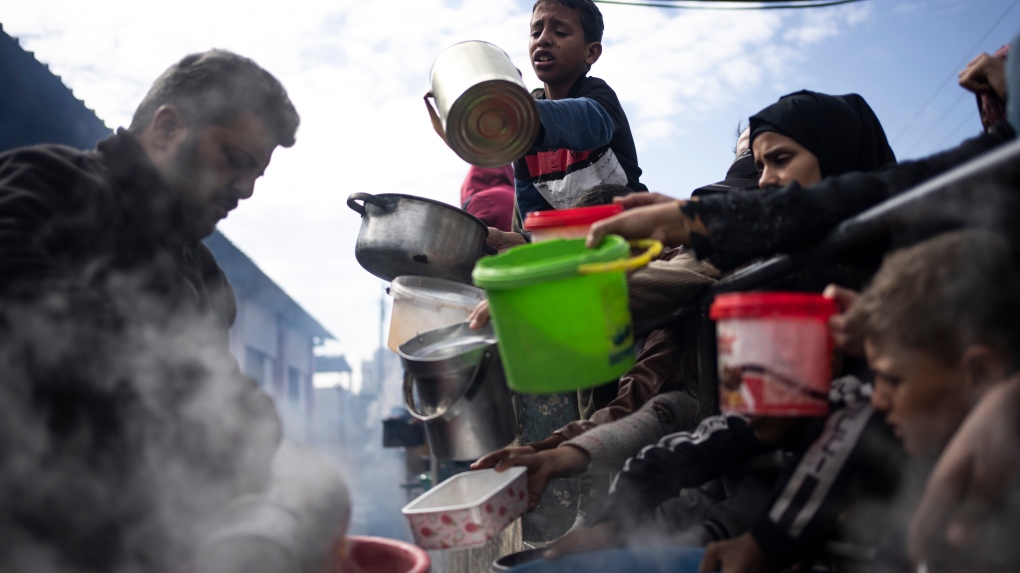
    With conditions deteriorating, long lines have formed outside aid distribution centers as residents struggle to access assistance.

    The World Food Programme recently disclosed that its food reserves in Gaza are depleted, as all available supplies were distributed during the first phase of the truce to feed the hungry.

    Humanitarian groups are now working to prioritize the most vulnerable as dwindling resources make it harder for people to obtain necessities. In Khan Younis, access to basic items like bread has become increasingly difficult.

    Bushra Abu Akar, a resident, shared that the last aid she received was just one bag of flour, which does not meet her family’s needs.

    “For those who have children, it is not enough to feed them. We need more than that. The situation is very difficult. No one is working. There is no money, there is nothing,” she said.

    After more than 16 months of war, the people of Gaza rely entirely on humanitarian convoys for food and other necessities.

    According to Khan Younis resident Fares al-Qeisi, conditions had slightly improved under the 42-day ceasefire, but before that, the situation was dire.

    “It was famine. You couldn’t satisfy your hunger. You couldn’t find bread. Children would cry in the morning, saying they wanted a piece of bread,” he said.

  • Go into farming to feed struggling members – Agric Minister urges churches

    Go into farming to feed struggling members – Agric Minister urges churches

    The Minister for Food and Agriculture, Eric Opoku, has encouraged churches to engage in farming to support their members and contribute to the nation’s food security goals.

    Opoku highlighted the importance of churches mobilizing their congregants to utilize the country’s fertile land for food production. He emphasized that without food, churchgoers cannot fully focus on spiritual matters, and therefore, farming could significantly aid in meeting their needs.

    Speaking at a media session on February 14, Opoku stated, ‘‘And then we are also saying that all the churches here, if the people don’t have food to eat, how can they come to church and listen to the Word of God? So we are urging the churches to also go into farming. Some of the churches are already into farming. Others can also join. We have what it takes to produce food to feed our country and the rest of West Africa. We can do it. ”

    The Minister also advocated for all Ghanaians to participate in farming, no matter how small the effort, to contribute to food security. He believes that churches’ participation in this cause would have a substantial impact on the government’s Feed Ghana initiative.

    Several churches, especially the orthodox ones, are already involved in agricultural activities across various regions. A notable example is the Presbyterian Agricultural Station in Langbensi, located in northern Ghana, which was established by the Presbyterian Church of Ghana in collaboration with Dutch missionaries to support food and income security efforts in the region.

    The Methodist Church’s development branch also emphasizes the importance of food security, clean water provision, and sustainable livelihoods for local communities.

  • Pwalugu Dam contract to be terminated by govt – Agriculture Minister

    Pwalugu Dam contract to be terminated by govt – Agriculture Minister

    The Minister for Food and Agriculture, Eric Opoku, has hinted that government has plans to terminate the contract for the Pwalugu Dam project which was initiated by the New Patriotic Party (NPP).

    During an interaction with journalists after a three-day tour of various departments and agencies under his ministry, the minister indicated that a new plan is required to guarantee the successful execution of the initiative.

    “What we will do is to terminate that contract immediately. We’ll terminate the Pwalugu contract, look for a contractor, look for funding, and then immediately ensure execution of the contract,” he stated.

    In response to questions about possible judgment debt consequences, the minister assured that proper due diligence would be conducted.

    “Before we terminate, we’ll refer it to the Attorney General’s department for advice. But we are prepared to make sure that the Pwalugu project is executed. And I can assure you that it is going to be John Mahama’s signature project in the North,” he added.

    The Pwalugu multipurpose dam project was launched by the previous administration in 2019 with a $993 million contract. It was designed as a hybrid system, combining 60 MW of hydropower and 50 MW of solar power.

    In addition, the project was expected to manage overflow from the Bagre Dam, reducing recurring floods in northern Ghana and improving irrigation capabilities.

    Although the project was initially planned for completion by 2024, the Ghana Irrigation Development Authority (GIDA) recently disclosed that $12 million has been spent on initial preparations and site development, but actual construction has yet to begin.


  • Those diverting students’ food will face the law – Dr. Apaak warns

    Those diverting students’ food will face the law – Dr. Apaak warns

    Dr.The Member of Parliament for Builsa South, Clement Apaak, has delivered a resolute message to individuals contemplating the misappropriation of food designated for students.

    He firmly declared that such actions would no longer be permitted, warning that perpetrators would face stringent repercussions.

    Dr. Apaak reiterated that resources meant for students must serve their intended purpose and stressed that any effort to redirect or deprive students of these provisions would attract the harshest legal penalties.

    “Let those who have been fleecing the system know that henceforth such conduct will be severely punished. Food meant to feed our wards must be fed to our wards. Anyone caught diverting food or trying to shortchange our students in any way will face the full weight of the law,” he added.

    A viral video captured by an eyewitness has prompted the arrest of a taxi driver allegedly involved in offloading diverted supplies.

    In swift response, the Ghana Education Service (GES) has suspended three officers from Tsito Senior High Technical School in the Volta Region to allow for an in-depth investigation.

    The individuals implicated include Rev. Joy Kafui Akpebu, the Headmaster, Sylvanus Awunyo, the Storekeeper, and Samuel Kwame Ampeh, the Driver. They stand accused of misappropriating 100 cartons of tinned tomatoes intended for student meals.

    This disciplinary action is consistent with Section 8, Clauses (i-v) of the GES Code of Conduct, which permits the service to suspend staff suspected of obstructing investigative efforts.

  • Stop purchasing vegetables from food vendors – WRCC directs public amid rising cholera cases

    Stop purchasing vegetables from food vendors – WRCC directs public amid rising cholera cases

    The Western Regional Co-ordinating Council (WRCC) has issued a public advisory urging residents to refrain from purchasing vegetables from food vendors.


    In a press release the Council also recommended thoroughly cleaning any vegetables intended for home use before consumption.


    The directive comes in response to the alarming rise in cholera cases across the region.

    “The Western Regional Coordinating Council (WRCC) has announced urgent measures to address the escalating cholera outbreak, which has reached critical levels in the region,” parts of the statement read.


    The WRCC has warned that anyone caught violating the ban on vegetable sales by food vendors will face legal action under the Public Health Act, 2012 (Act 851). The Council stressed the importance of following this directive to prevent the further spread of the disease.

    Ghana is grappling with a cholera outbreak, raising urgent concern among health officials and communities across the nation.


    As of December 7, 2024, health officials have recorded 789 suspected cholera cases, 8 deaths, and over 60 new cases each day. Sekondi-Takoradi and Effia Kwesimintsim Municipal areas account for about 95% of the infections.


    Research indicates that 96% of cholera cases are linked to food vendors, particularly those selling contaminated vegetables like leafy greens, salads, and peppers.


    Meanwhile, the Ghana Health Service (GHS) is urging the public to resume COVID-19 hygiene practices to help curb the spread of the disease.Dr.Dennis Laryea, Deputy Director of Disease Surveillance at the GHS, stressed that early medical intervention can prevent fatalities, noting that some patients delayed seeking care, resulting in avoidable deaths.

  • Food given to voters was not pre-planned – Lydia Alhassan

    Food given to voters was not pre-planned – Lydia Alhassan

    The Member of Parliament for Ayawaso West Wuogon, Lydia Seyram Alhassan, has responded to criticism following a video that showed her and her constituency’s women’s organizer distributing food to voters during the Special Voting exercise on Monday, December 2, 2024.

    The incident, recorded at the Legon Police Station polling center, has raised questions about electoral ethics and voter influence, as the MP was seen providing food packages to individuals in the voting queue.

    “I thought that there were some people who would need food after I have served my people, and so I decided to give it [the food] to them [the people in queue]. Did you see me giving out food to the people in the queue? The lady with me received a request for water, and in her attempt to give it to the person who requested it, she ended up giving it to two other people who also needed water.”

    Her political opponent, John Dumelo, and other critics questioned whether her actions might be seen as an effort to sway voters.

    In response, Lydia Alhassan dismissed these assertions, clarifying that her presence at the polling station was solely in her role as a stakeholder to oversee the process and ensure it proceeded without issues.

    “As a stakeholder, I had to be there to oversee the process. We sent food specifically for our agents and also served the media personnel present. The idea was to ensure that everyone involved in facilitating the voting process was adequately taken care of,” she explained.

    Lydia Alhassan explained that she had already left the polling station before any later incidents took place.

    She dismissed accusations suggesting she was present when John Dumelo addressed the food-sharing issue.

    “As a stakeholder, I had to be there, and so I was there to monitor the process, and we sent food to be given to our agents, and we even served the media.

    “After I left, I was told that there was an incident and I was not there, and so when I was asked about the incident, I said I was not near there and so didn’t know anything about the incident, and it was later on that I saw a video of my opponents calling me names.”

  • Ghana to emerge as key player in global food market – BoG

    Ghana to emerge as key player in global food market – BoG

    Governor of the Bank of Ghana (BoG), Dr. Ernest Addison, has expressed optimism about Ghana’s potential to emerge as a major food exporter, attributing this to the country’s growing agricultural sector.

    During the 5th anniversary of the Ghana Incentive-Based Risk Sharing System for Agricultural Lending (GIRSAL), Dr. Addison emphasized the vital role agriculture plays in Ghana’s economy, particularly in creating jobs and ensuring food security.

    He pointed out that food items constitute 43.7% of the consumer basket in Ghana, underscoring the sector’s importance to the country’s overall food security.

    Dr. Addison also addressed Ghana’s heavy dependence on food imports, which account for around 10% of total imports, valued at $1.5 billion. He urged efforts to reduce these imports to help conserve foreign exchange reserves.

    Furthermore, he noted that focusing on export-driven agriculture could significantly boost Ghana’s foreign exchange earnings, positioning the nation as a key player in the global food trade.

    “Agriculture Financing is a critical strategy to Ghana’s development strategy due to the important role agriculture plays in the economy, particularly in employment and food security. From the Macroeconomic perspective, agriculture contributes about 24% of the GDP and employs an estimated 40% of the workforce.”

    “Development within the agricultural sector is critical for the economy given the weight of food items in the consumer basket which accounts for 43.7 % and therefore a major driver of headline inflation in this country.

    “It’s also instructive to know that on average, food imports nearly account for 10% of total imports, translating to about 1.5 billion in terms of import values.”

    “The agricultural sector also holds a huge potential to help boost our country’s foreign exchange reserve. First, as an import substitution strategy, sufficient food production locally, will the food import bill [be enough] to prevent hard-earned forest exchange reserves.

    “Secondly, through the export promotion strategy, Ghana could become a major food exporter which would improve the sector’s foreign exchange earnings.”

  • There will be no more food if galamsey persists – Peasant Farmers Association warns

    There will be no more food if galamsey persists – Peasant Farmers Association warns

    The Peasant Farmers Association of Ghana (PFAG) has issued a grave warning about a potential generational food and nutrition crisis if immediate action is not taken against illegal mining, commonly referred to as ‘galamsey’.

    The Association has called on the government to impose a ban on these activities to safeguard the environment, protect farmers’ livelihoods, and ensure food security.

    In a statement released on Tuesday, September 10, PFAG highlighted the severe impacts of illegal mining on Ghana’s agriculture. Over 1.2 million hectares of farmland have been lost to these activities, while vital water bodies and irrigation facilities have been polluted, complicating efforts to maintain sustainable agricultural production.

    The Association noted that the cocoa sector and food crop production have been particularly hard hit, with farmers struggling to access clean water and fertile soil. PFAG warned that if these issues are not addressed, they could lead to a catastrophic generational food crisis.

    “Failure to act now will have devastating consequences for future generations,” PFAG stressed, adding that they support an immediate ban on illegal mining. They also encouraged farmers to back efforts to end these harmful practices.

    Major rivers, including the Bonsa and Pra, have suffered severe pollution from toxic chemicals used in mining operations. Additionally, forest reserves such as Tano Nimiri have been irreversibly damaged. Health unions, concerned about the widespread environmental degradation, have echoed the call for a ban as a critical measure to prevent further harm.

    Under the Minerals and Mining Act, 2006 (Act 703), the Inspections and Compliance Division of the Minerals Commission is responsible for conducting mine inspections and ensuring adherence to mining laws. The Act also mandates that licensed miners operate within legal parameters.

    However, PFAG pointed out that regulatory institutions have struggled to enforce these laws effectively, with some mining companies continuing operations in violation of regulations. The Environmental Protection Agency (EPA) is tasked with integrating environmental policy and planning to ensure long-term maintenance of environmental quality, but its efforts have not been sufficient to curb illegal mining.

    In a related event, some unions, led by the Ghana Medical Association (GMA) and supported by groups like the Ghana Registered Nurses and Midwives Association (GRNMA) and the Health Services Workers Union of Ghana (TUC), are calling for a ban on small-scale mining, citing serious environmental and public health concerns tied to illegal mining.

  • Ghana’s food insecurity up by 5.77% due to economic challenges – Report

    Ghana’s food insecurity up by 5.77% due to economic challenges – Report

    The July 2024 Food Security Monitor report has highlighted a worrying rise in food insecurity across Ghana, with insufficient food consumption (IFC) increasing by 5.77%.

    This surge is primarily driven by the ongoing cost-of-living crisis, marked by persistently high inflation, a weakening currency, and escalating fuel prices, which have significantly raised the cost of essential staples like maize and rice.

    This development aligns with earlier forecasts from the World Food Programme (WFP) in their February 2024 report.

    The WFP had projected that approximately 1.05 million Ghanaians would face food insecurity between June and August 2024, due to a combination of climate change, low agricultural prices, inadequate infrastructure, and limited access to education.

    Ghana’s reliance on global markets, especially for imported rice, further exacerbates its vulnerability.

    The report also shows that while IFC levels remained stable in most countries between June and July, Ghana, Nigeria, and Uganda experienced increases of 5.77%, 3.98%, and 7.5% respectively. Conversely, Zimbabwe recorded a 5.45% decrease.

    Year-over-year data reveals that most countries have seen a rise in IFC, with the exceptions being Mozambique, Rwanda, South Sudan, Uganda, and Zambia, where current levels are lower than those of the previous year.

    Additionally, the report identifies several countries as food insecurity hotspots, with over half of their populations facing IFC.

    These include Burkina Faso (56.6%), Mali (69.1%), Niger (82.6%), and Nigeria (51.5%).

  • Extended drought sparks concerns of food shortages and price hikes

    Extended drought sparks concerns of food shortages and price hikes

    The absence of rainfall in certain parts of the country for several weeks is impacting farming and raising concerns about potential food shortages and price increases for agricultural products.

    Despite being the farming season, the northern regions and the middle belt have experienced little to no rainfall over the past two months, causing significant damage to crops and leaving farmers deeply troubled.

    In the Bono area, affected farming communities include Techiman, Kintampo, and Nkoranza, while the southern Volta Region and the Greater Accra Region are also facing similar challenges.

    In some of these regions, farmers have been waiting for rain to plant their crops, but the anticipated rainfall has not occurred, while those who have already planted are seeing their crops fail.

    The situation has become so dire that some Imams have turned to prayer, seeking divine intervention for the much-needed rainfall to ensure a successful farming season, which began in April.

    Mahama Sintaro, the Chief Executive Officer of Tibzaa Farms in Sakoya, Northern Region, expressed his frustration in an interview, stating that his maize and rice farms, spanning nearly 2,000 hectares, are drying up due to the lack of rain.

    Another farmer Ayass Gazalle, conveyed worry about repaying his bank loan, saying, “I would be in bad business if we don’t get rain now.”

    An Agriculture Extension Officer from the Tigo community, Laar Emmanuel, described the current situation as unprecedented, citing the unpredictability of rainfall and the drying up of water bodies as key factors.

    In an interview, Dr. Charles Nyaaba, a board member and former Executive Director of the Peasant Farmers Association of Ghana (PFAG), confirmed the concerns expressed by farmers.

    He noted that the drought’s effects in the middle belt are even more severe than in the north, resulting in widespread crop failures and forcing many farmers to either replant or abandon their fields.

    Farmers in the middle belt, who should have been harvesting by now, are facing total losses, with maize crops in the north completely scorched, according to Dr. Nyaaba.

    To address these issues, Dr. Nyaaba recommended adopting water storage and irrigation practices used in other countries, such as building dams and dugouts to store water during irregular rainfall periods.

    He called for immediate government intervention to support affected farmers and stressed the importance of long-term strategies, including sustainable agricultural practices and environmental protection to combat desertification.

    Dr. Nyaaba also warned of potential food security challenges, predicting limited food supplies and rising food inflation, which could increase dependence on imports.

    Anthony Morrison, CEO of the Chamber of Agribusiness, stated that the drought has led to reduced tomato and watermelon yields in the southern Volta Region.

    He predicted that the widespread agricultural losses could lead to increased food imports in the coming years, and the poultry sector might also suffer due to a shortage of grains.

    Morrison called for a strategic response involving government agencies, improved infrastructure, better data management, and the establishment of a National Agricultural Risk Management Agency to handle such emergencies.

    When contacted, Joseph Portuphy, Deputy Director in charge of Synoptic Meteorology and Forecasting at the Ghana Meteorological Authority (GMet), clarified that the current situation is not yet classified as a drought but rather a dry spell affecting the coastal and middle belt regions.

    Portuphy attributed the current weather challenges to “climate variability” rather than long-term climate change, pointing out that local factors like deforestation and river degradation contribute to unpredictable weather patterns.

    He assured that the situation is expected to improve in the coming weeks.

    Attempts to get a response from the sector ministry through the Public Relations Office were unsuccessful. However, sources at the Ministry informed the Ghanaian Times that a critical meeting was held yesterday to address the situation.

  • High inflation on food could become more severe  – Seth Terkper

    High inflation on food could become more severe – Seth Terkper

    The Finance Minister during the Mahama administration, Seth Terkper, has disclosed that the current exorbitant food prices in the market could have been even higher if not for the rains.

    During an interview on Morning Starr with Francis Abban, Terkper mentioned that the favorable weather conditions the country experienced helped alleviate the severe impact on the food supply.

    “The current situation you’re talking about could have been worse if the rains had not been good. Of course, we know that if the rains fail because of heat and all that or drought. Any year the food [supply] has not been good, it has been tough.

    “The May season, for instance, it’s always been tough. It’s only that the economy has been robust to support it,” he observed.

    Terkper emphasized the importance of not viewing food prices in isolation but considering other crucial factors affecting them, such as the cost of fertilizer.

    He elaborated that one strategy to tackle the increasing food prices was to enhance the value of exports, which could be complemented by a robust export support system.

    “Exim Bank in our model was to look outward where Cocobod looks outward for farmers, only this time, it is going to look outward for those exporting already but need export finance. Those who are going to be adding value, so you need to get a loan in cedis and you export and then it is aggregated.”

    Although data from the Ghana Statistical Service indicates that food inflation is at its lowest point in 13 months, these seemingly positive figures do not accurately portray the challenging economic circumstances.

  • SSNIT internal affairs must be important to all Ghanaians – Austin Gamey

    SSNIT internal affairs must be important to all Ghanaians – Austin Gamey

    Labour Expert Austin Gamey has emphasized the importance of all stakeholders actively engaging with the operations of the Social Security and National Insurance Trust (SSNIT), particularly in light of recent developments.

    Gamey urged organized labor to express their concerns regarding the sale of SSNIT-owned hotels, emphasizing the need for transparency and accountability in such matters.

    His remarks come as President Akufo-Addo instructed the Minister for Employment and Labour Relations to meet with organized labor to discuss the proposed sale of SSNIT’s stake in four hotels to Bryan Acheampong, Minister for Food and Agriculture.

    The President’s directive followed a meeting with organized labor on the issue.

    Labor unions and civil society organizations have strongly opposed the deal between SSNIT and Rock City Hotel Limited, owned by Bryan Acheampong, after allegations of conflict of interest, misuse of authority, and procurement violations surfaced.

    MP for North Tongu, Samuel Okudzeto Ablakwa, filed a petition with the Commission on Human Rights and Administrative Justice (CHRAJ) to investigate and halt the sale.

    Mr Ablakwa also notified the Ghana Police Service of plans for a demonstration against SSNIT’s actions, citing intercepted documents that purportedly show the trust proceeding with the transaction.

    However, SSNIT’s management refuted the allegations, stating that due processes were followed in diversifying its stake in the hotels.

    SSNIT maintained that Rock City Hotel presented the best offer among bidding companies and that the objective was to increase efficiency, profitability, and shareholder value in the long term.

    “Accordingly, SSNIT went through International Competitive Tendering (ICT) processes as prescribed by the Public Procurement Act, 2003 (ACT 663), as amended by ACT 914, for the selection of a strategic investor.

    “The primary objective of finding a strategic investor is to increase efficiency, profitability, shareholder value, and the long-term sustainability of the SSNIT Pension Scheme.”

    “Based on the criteria set out in the RFP,  Rock City Hotel submitted the best and strongest technical and financial proposal amongst those received. Consequently, it is in negotiation with SSNIT to buy a 60% stake in each of the four (4) hotels ( Labadi Beach Hotel,   La Palm Royal Beach Resort, Ridge Royal Hotel and Elmina Beach Resort),” SSNIT said in its May 19 press statement.

  • Ghana takes lead in promoting African cuisines worldwide

    Ghana takes lead in promoting African cuisines worldwide

    Ghana is at the forefront of promoting the finest cuisines from the continent on a global scale.

    The Vice President of the Chefs Association of Ghana, Michael Quainoo, highlights that the marketing of African dishes internationally spurred the inception of the West Africa Food Festival (WAFFEST) in 2018.

    This annual extravaganza draws chefs and culinary aficionados from various nations, including Benin, Liberia, Nigeria, Togo, South Africa, and Azerbaijan.

    It stands as the largest regional food festival in the West Africa sub-region, where culinary professionals, governments, and policymakers convene to discuss the future of gastronomy in the area.

    During an interview with Joy Prime’s Lois Shola Adeyemi at the 6th edition of WAFFEST in Togo, Chef Quainoo anticipates intense competition among participating countries and a tantalizing showcase of Africa’s finest dishes.

    The festival transcends boundaries, acting as a melting pot of cultures, flavors, and traditions from across the region.

    Chef Quainoo underscores the importance of unity in promoting Africa’s diverse culinary heritage on the global stage. He emphasizes collaboration over competition to elevate African cuisines to international acclaim.

    Reflecting on the festival’s vision, Chef Quainoo expresses satisfaction in witnessing chefs from Nigeria, Togo, Benin, and Cote d’Ivoire uniting to promote African culinary excellence.

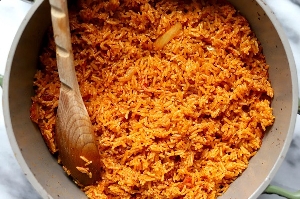
    Throughout the festival, attendees immerse themselves in the richness of West African gastronomy, savoring dishes like jollof rice and grilled tilapia, each narrating a tale of tradition and innovation spanning centuries.

    As Ghana leads the charge in championing Africa’s culinary identity, WAFFEST symbolizes hope and unity, inviting the world to relish the continent’s flavors.

    Through collaboration and cooperation, the Chefs Association of Ghana charts a course toward a future where African cuisines shine brightly on the global culinary stage.

  • 35-year-old serial killer exposes food vendor who contracted him to kill victims for GHC500 each

    35-year-old serial killer exposes food vendor who contracted him to kill victims for GHC500 each

    A self-confessed killer has revealed how he carried out the murder of three individuals at the behest of a chop bar operator.

    A video circulating on social media, purportedly showing Richard Tetteh, being interrogated, depicts him seated in an office, handcuffed, clad in worn-out shorts and a T-shirt, fielding questions.

    He admits, “Someone said she wanted body fluids of dead bodies for something, fluids from the mouth and vaginal area,” he is heard confessing. “She is a woman who operates a chop bar presently”.

    “If she wants more, when I am passing by she draws my attention. She paid me 500 Ghana cedis for each operation”.

    His purported crime scene is believed to be in the Odumase Krobo region, where several murder cases have occurred.

    One such incident, in February 2024, involved the discovery of a woman’s body, believed to be in her 30s, near the Otorkporlu Bridge off the Odumase-Asesewa Highway.

    Reports suggest the victim was found partially unclothed, with signs of severe violence, including the removal of her tongue and genitals.

  • Report reveals 43% spike in cost of jollof rice preparation for 5 over last 6 months

    Report reveals 43% spike in cost of jollof rice preparation for 5 over last 6 months

    A research and communications consulting firm, SBM Intelligence, has drawn attention to a notable uptick in the expenses associated with preparing jollof rice for a family of five in Ghana.

    According to the SBM Jollof Index report, spanning from September 2023 to February 2024, the cost of jollof rice ingredients for a family of five surged from GH₵277.75 to GH₵397.25, marking a 43% increase.

    Titled ‘Crisis at the Table,’ the report meticulously outlines this price escalation, highlighting October 2023 as the month with the most substantial month-on-month increase, reaching 25.7%.

    Despite a minor decline in November, prices swiftly resumed their upward trajectory, peaking in February 2024.

    The report attributes this surge to various factors, including currency fluctuations, heightened input expenses, and supply-demand imbalances.

    “The price surge persisted in February 2024, with the cost of jollof rice ingredients reaching GH₵397.25, a further 3.8% increase from January. This marks the highest price point in the last six months and underscores the growing affordability challenges Ghanaian households face,” the report highlighted.

    In February 2024, the cost of Jollof rice ingredients further rose to GH₵397.25, a 3.8% increase from January, marking the highest price point in six months and accentuating the affordability challenges faced by Ghanaian households.

    “This quarter’s data shows a departure from the previous quarter’s trend, indicating a significant increase in food costs and a subsequent upward trajectory. Notably, Kumasi experienced a more rapid increase than Accra, with the gap between the two cities narrowing over six months,” the report added.

    A comparison between Accra and Kumasi revealed that while both cities experienced price hikes, Kumasi witnessed a more pronounced increase in Jollof rice costs, narrowing the gap between the two cities over six months.

    Despite a reduction in Ghana’s food inflation from 44.8% in October 2023 to 29.6% in March 2024, the persistent issue of escalating food expenses remains a significant concern for the country.

    SBM Intelligence, renowned for its expertise in African geopolitical research and strategic communications, focuses on delivering crucial political, social, economic, and market insights.

  • PFJ a political tactic employed to deceive Ghanaians – Edem Agbana

    PFJ a political tactic employed to deceive Ghanaians – Edem Agbana

    The National Democratic Congress (NDC) Parliamentary Candidate for Ketu North, Edem Agbana, has lambasted the ruling New Patriotic Party’s (NPP) Planting for Food and Jobs (PFJ) initiative, dismissing it as a hollow political catchphrase devoid of tangible outcomes.

    The PFJ, touted as a flagship program of the NPP government, was introduced with the aim of catalyzing agricultural transformation and fostering job creation.

    Launched in 2017, the PFJ encompassed various elements such as subsidized inputs, enhanced extension services, marketing assistance, infrastructural development, investment in farmers’ organizations, and the adoption of modern agricultural technologies.

    The overarching goal of the policy was to engender sustainable employment opportunities for the citizens of Ghana.

    However, according to the NDC Parliamentary Candidate for Ketu North, Edem Agbana, the PFJ was nothing more than a rhetorical device used for political expediency.

    In an interview with Umaru Sanda Amadu on Citi FM’s Eyewitness News, Agbana asserted, “PFJ was nothing but a political slogan with no real-time solutions.”

    “I have been farming for years now. The PFJ produced no results. And I am ready to debate this anywhere anytime. It was a political slogan meant to deceive the people.”

  • FLASHBACK: ‘Wee’ could surpass cocoa and oil as Ghana’s top foreign exchange earner – Ras Mubarak

    FLASHBACK: ‘Wee’ could surpass cocoa and oil as Ghana’s top foreign exchange earner – Ras Mubarak

    Former Member of Parliament (MP) for Kumbungu Constituency, Ras Mubarak, expressed on April 9, 2021, his belief that the cultivation and commercialization of marijuana could elevate Ghana to become the leading foreign exchange earner.

    “In Ghana, we have large tracts of land which support the growth of marijuana and promise higher yields. It will also create jobs for our farmers who after harvesting their food crops have to wait till another planting season, leaving their lands fallow. But if we can plant marijuana during that fallow period, it’ll be a huge source of revenue to the country”, he said.

    Ras Mubarak, the former Member of Parliament (MP) for the Kumbungu Constituency, advocates for Ghana to recognize the significant economic potential of marijuana instead of persisting in categorizing it as an illicit substance. He contends that legalizing and regulating the substance for commercial purposes could potentially elevate it to surpass cocoa and oil, emerging as the country’s primary foreign exchange earner.

    Drawing parallels with Canada and the United States of America, where the commercialization of marijuana generates billions of dollars annually, he urges Ghana to consider a similar approach.

    “We need to dissuade the minds of people. We’ve depended so much on cocoa and soon we will have to stop relying on oil too and we will not be gaining any revenue from that. So we need to look at generating revenue from our other resources”, he stated.

    He believes Ghana has arable farmland to produce and compete if not surpass the multi-billion dollar marijuana industry of Canada and the US. “In Ghana, we have large tracts of land which support the growth of marijuana and promise higher yields. It will also create jobs for our farmers who after harvesting their food crops have to wait till another planting season, leaving their lands fallow. But if we can plant marijuana during that fallow period, it’ll be a huge source of revenue to the country”, he mentioned.

    Ras Mubarak appeared on the Happy Morning Show, hosted by Raymond Nyamador and broadcasted on e.TV Ghana and Happy98.9FM.

    Amidst the challenges posed by COVID-19 and the country’s economic struggles, the politician expressed his belief that Ghana would benefit from legalizing the use and sale of marijuana exclusively for industrial and medicinal purposes.

    Although he asserts he has never intentionally consumed marijuana, Mubarak acknowledged using products such as eye drops and hair creams derived from the substance.

    “The closest I have ever come to taking marijuana was when someone gave me ice cream which I did not know was made from weed”.

    In recent times, there has been a growing push to legalize marijuana in Ghana, spearheaded by celebrities, Members of Parliament, and other advocates.

    However, in March 2020, the Ghanaian Parliament passed the Narcotics Control Commission Bill, which permits the use and cultivation of marijuana for medical and industrial purposes. It’s important to note that this legislation only allows for the cultivation of hemp, a specific variety of marijuana.

    Under the new law, there are strict regulations regarding the allowable concentration of tetrahydrocannabinol (THC), the psychoactive component of marijuana. The permitted THC concentration in the plants is limited to not more than 0.3%.

    Recreational Marijuana use remains illegal in Ghana.

  •  I have a food and clothing business, I am not a ‘runs’ girl – Salma Mumin

     I have a food and clothing business, I am not a ‘runs’ girl – Salma Mumin

    Actress Salma Mumin has strongly denied accusations suggesting that her extravagant lifestyle is financed through illicit channels.

    She asserts that her success stems from her entrepreneurial endeavors.

    During an interview on the most recent episode of the Delay Show, Salma dismissed assertions that she depends on affluent individuals to support her lifestyle, emphasizing that her businesses are the primary source of funding for her lavish way of living.

    In contrast to widespread misconceptions, the Seduction actress revealed that her clothing and food ventures have played a pivotal role in financing her opulent lifestyle.

     “Yes, my clothing business and food ventures sponsor my trips. I am a very beautiful woman, but my success is a result of hard work and entrepreneurship, not just appearances,” she confidently said.

    Speaking about the changing meanings attached to the term “slay queen,” she expressed regret over its transformation from symbolizing women of elegance and wealth to those linked with transactional connections.

    “When slay queen started, it was women who could dress well and live a good life, but with time, the definition changed to girls who were into runs, so I just had to refrain from it,” she explained.

    The actress also revealed that she’s been blessed with beauty that attracts wealthy men who favour her in many ways.

    “I am a beautiful woman and I’m lucky when it comes to wealthy men. I’m not even attracted to men who are not rich,” she said.

  • 783m people experience chronic hunger despite the fact that 19% of world’s food go waste – UN

    783m people experience chronic hunger despite the fact that 19% of world’s food go waste – UN

    The world threw away about 1. 05 billion tons of food in 2022, which is about 19% of all the food made. This information comes from a new United Nations report.

    The UN Environment Programme’s Food Waste Index Report measures how well countries are doing in cutting their food waste in half by 2030.

    The UN said that almost twice as many countries reported for the index compared to the first report in 2021. The 2021 report said that 17% of the food made in the world in 2019, which is 931 million metric tons, was thrown away. But the authors said it’s hard to compare because not all countries have enough data.

    The report is written by UNEP and an international charity called Waste and Resources Action Programme (WRAP).

    Experts studied information from different countries about how people buy food and where they buy it from. They discovered that each person throws away about 79 kilograms (about 174 pounds) of food every year, which is the same as at least 1 billion meals wasted every day around the world.

    60 per cent of the waste came from homes. About 28 out of 100 came from restaurants, and about 12 out of 100 came from stores.

    “It’s a terrible thing,” said co-author Clementine O’Connor, who focuses on food waste at UNEP. “This problem is tough and hard to understand, but if we work together and take action, we can solve it. ”

    The report is released when 783 million people in the world are always hungry and many places are having serious food problems. The fighting between Israel and Hamas and the violence in Haiti have made the crisis even worse. Experts are saying that hunger is likely to happen soon in northern Gaza and is getting closer in Haiti.

    Throwing away food is a big problem for the whole world. It takes a lot of land and water to grow food, and this harms the environment. It also creates greenhouse gases, like methane, which contribute to global warming.

    Losing and throwing away food makes 8 to 10 percent of the gases that make the earth’s temperature hotter. If it was a country, it would be the third biggest one after China and the US.

    Fadila Jumare is a project associate at Busara Center for Behavioral Economics in Nigeria. She has looked at how to stop food from being wasted in Kenya and Nigeria. She said this problem makes things even harder for people who already don’t have enough food and can’t buy healthy food.

    Jumare said that when people waste food, it means there is less food for the poor. Jumare was not part of the report.

    Brian Roe, a researcher who studies food waste at Ohio State University, said the index is important for addressing food waste. He was not part of the report.

    Roe said that if we waste less food, it can bring many good things like saving resources, less harm to the environment, more food security, and more land for other uses. He wasn’t part of the report.

    The report said that there has been a big increase in the amount of attention given to food waste in poorer countries. They said that rich countries may need to take the lead in working together with other countries to make rules to reduce food waste.

    The report said lots of governments, communities and businesses are working together to reduce food waste and its impact on the environment and water supply. Governments and cities work with food companies to reduce waste by measuring how much food is thrown away.

    The report said that giving extra food to food banks and charities is helpful in reducing wasted food from stores.

    Food Banking Kenya is a charity that collects extra food from farms, markets, supermarkets, and packing houses. They then give it to schoolchildren and people who are in need. In Kenya, a lot of food is thrown away each year, about 4. 45 million metric tons. This is a big problem that is getting worse.

    John Mukuhi, who helps run the group, said, “We help the community by giving them healthy food and also help the environment by polluting less. ”

    The people who wrote the report found that there was not a big difference in the amount of wasted food per person in rich and poor countries.

    Richard Swannel, who works at WRAP, said that food waste is not just a problem in wealthy countries. “It’s a problem all around the world. ”

    “The data clearly shows that there is a problem worldwide that we could all work on tomorrow to save money and help the environment,” he said.

  • Accessing food in Gaza now a privilege – 22-year-old medical student and volunteer doctor

    Accessing food in Gaza now a privilege – 22-year-old medical student and volunteer doctor

    Nagham Atef Mezied, a 22-year-old medical student and volunteer doctor based in Deir el-Balah, recounts her morning routine and mealtime struggles:

    At 9 am, I sit down to my breakfast, a meal that I used to have much earlier at 6 am. However, we’ve adjusted our schedule to delay breakfast in an effort to limit ourselves to one meal per day.

    My breakfast consists of mankouche, a type of bread topped with cheese, herbs, pepper, and olive oil.

    This simple fare sustains me until the evening, if we’re fortunate enough to have another meal. Otherwise, it’s all we have until the next day.

    Despite our challenges, we consider ourselves fortunate compared to our brethren in the north who lack any food at all.

    In the past, our breakfast table was laden with a variety of dishes like potatoes, salad, eggs, falafel, and beans. However, due to skyrocketing prices, many families, including ours, now rely solely on bread for survival. Affording even the most basic necessities has become increasingly difficult, making a decent meal of meat or chicken a luxury.

    1. image of breakfast of cheese, bread and herbs
  • Children in Gaza hunt for food to keep families alive

    Children in Gaza hunt for food to keep families alive

    In some places and times, just being alive is an accomplishment for a boy. It’s even harder for him to go out every day and find food for his family to eat.

    Every morning, 11-year-old Mohammed Zo’rab goes out into the southern Gaza city of Rafah to do something important.

    He brings a large plastic bowl to schools and makeshift camps where people who are like his own family are suffering. He hopes to find food for the children of strangers in these places.

    Mohammed also goes to hospitals where people who are hurt come at all times, and anywhere else there might be a pot cooking on a fire.

    He said, “When I bring this food to my family, they are happy and we eat together. ”

    “Sometimes I don’t have anything with me and it makes me feel unhappy. ”

    Mohammed is the oldest of four kids and lives with his mom, dad, and brothers and sisters in a weak shelter made of plastic and tarp.

    Khaled’s dad walks around Rafah to find small jobs to make five shekels (about $1. 38; £108) to buy diapers for their two-month-old daughter, Howaida.

    Mohammed is one of many kids who have to find food for their families.

    “I am good at moving through big crowds without causing trouble. Once, there were nearly 100 people in line in front of me, but I managed to squeeze my way through,” he explains.

    At home, he gives the bowl of baked beans to his mom, Samar. She gives the food to the other kids. She looks thin and hardly eats.

    “I have bone cancer,” she says. I am 31 years old, but people often think I look 60. I am unable to walk.

    “When I walk, I feel really exhausted. ” “My whole body hurts and I need medical care and good food. ”

    Samar and her family moved to Rafah from their home in Khan Younis because the Israel Defense Forces (IDF) said it would be a safe place to go. That happened three months ago.

    Since then, the war has been getting closer to Rafah. Over 70 people died a little over two weeks ago when Israel attacked to free two hostages held by Hamas.

    The Zo’rab family’s house is leaking and the floor is getting wet from the rain. Sometimes, baby Howaida doesn’t have new diapers.

    Every day, a lot of people are living in a small area next to the Egyptian border, and they face a lot of problems.

    85% of people in Gaza have had to leave their homes. The help that is being sent to Gaza is not enough to meet the needs of the people there.

    The UN says we need 500 trucks of help every day. On average, it has been ninety each day.

    The situation in northern Gaza is very difficult.

    Israel believes that the United Nations is not giving out aid properly in the northern area. They also say that there are a lot of aid supplies that need to be picked up on the Gaza side of the border.

    The organization stopped sending food to northern Gaza because it’s not safe for the truck drivers. They have been attacked by criminals and people are stealing the food.

    A truck was hit by a shell from an Israeli boat, according to the UN.

    Also, the police in charge in Gaza don’t want to protect food trucks anymore because they are scared of getting shot by the IDF.


    “Return our people to us” .

    In Israel, most people still support the military’s conduct of the war.

    No one seems to agree on helping the people in Gaza more. A survey found that 68% of Jewish people don’t want to send aid to Gaza as long as Hamas is holding Israeli hostages.

    On the other hand, Arab Israelis were 85% in favor of aid.

    Zvika Mor, whose oldest son, Eitan, is being held captive in Gaza, talks about how much he and his family miss Eitan, who was the first to call him “Daddy. ” He also mentioned how Eitan’s absence has affected their family of seven other children.

    Eitan was working as a security guard at the Nova music festival. Unfortunately, Hamas killed about 360 people at the festival. Eitan did not have a weapon to protect himself or others.

    MrMor leads a small group of families of hostages who want their loved ones to be returned before talking to Hamas about anything. They don’t want the government to make a deal unless there is a ceasefire, more help for people in Gaza, and the release of Palestinian prisoners.

    Israel is causing a big problem for the people in Gaza. Mor says that we want to set our people free.

    “We want our people back. Before anything else, give us our people back. ”

    He said it might seem harsh, but we have to think about the babies, women, and older people in Gaza.

    “It’s really easy. ” If you bring us our friends, we will give you food and medicine. That’s really easy.

    In Gaza, charities are giving the little food they have left to help people.

    Mahmoud Al-Quishawi from the charity Pious Projects of America was near the hot pots of beans where Mohammed got food for his family.

    “We work hard every day to help these people and let them know that we are here for them and will support them,” said Mr Al-Quishawi.

    The charity doesn’t have any more bottled gas to cook food, so volunteers are gathering wood and making fires to cook instead.

    “He says the air feels sad. ” “The situation is really bad. ”

    In northern Gaza, children are getting sick and dying because they don’t have enough food. The British charity Action Aid said a doctor in northern Gaza found that many children had died.

    DrHussam Abu Safiya, who is in charge of children’s health at Kamal Adwan Hospital, said that many children are not getting enough food and are getting sick with stomach problems.

    Action Aid found that out of every six young children who were checked at shelters and health centers for displaced people in January, one was very malnourished.

    The charity says that there has been a big drop in the amount of food people have in just three months, which is a very unusual thing all around the world.

    Another doctor at Al-Shifa Medical Complex in northern Gaza said he helped a two-month-old boy named Mahmoud Fatouh, but unfortunately, the baby died shortly after reaching the hospital.

    “This baby couldn’t get milk. “Amjad Aliwa said that his mother didn’t have enough food to breastfeed him.

    “He was very dehydrated and was hardly breathing when he arrived. ”

    In Gaza, the people are stuck because of war and hunger.

  • 21-year-old driver’s mate remanded over robbery and assault

    21-year-old driver’s mate remanded over robbery and assault


    A 21-year-old driver’s mate, Jeffery Johnson, has been brought before an Accra Circuit Court on charges of robbery and causing harm.

    Johnson, along with accomplices who are currently at large, is accused of robbing two individuals of their mobile phones.

    During the robbery, Johnson allegedly stabbed Ebenezer Dapaah, the first complainant, on his right hand before stealing his phone and that of the second complainant, Rosemary Akorli. Johnson pleaded not guilty to the charges.

    Presiding over the case, Judge Afia Owusua Appiah remanded Johnson into Police custody until March 7, 2024. Chief Inspector Wisdom Alorwu led the prosecution, stating that the complainants, Ebenezer Dapaah and Rosemary Akorli, both worked at Papaya Food Company.

    According to Chief Inspector Alorwu, the incident occurred on February 17, 2024, between 1:00 am and 1:30 am, when Johnson and his accomplices arrived at the complainants’ house in Teshie.

    Johnson allegedly stabbed Dapaah and robbed both complainants of their phones valued at GH¢4,200.

    Despite the complainants raising an alarm, Johnson’s accomplices managed to flee with the motorbike while Johnson was apprehended by locals and handed over to the Teshie Police patrol team.

    Upon searching Johnson, the police found one of the stolen phones and the pair of scissors used in the robbery.

  • 1.96m Ghanaians experience severe food, malnutrition challenges – World Bank report

    1.96m Ghanaians experience severe food, malnutrition challenges – World Bank report


    Approximately 1.96 million Ghanaians face severe food insecurity, as reported by the latest World Bank Food Security Update.

    Ghana ranks 9th in West and Central Africa for the highest population experiencing food and nutrition insecurity.

    The report reveals that 34.7 million people in the region, representing 7.8% of the total population, are affected by acute food insecurity.

    Sierra Leone tops the list with 15.2%, followed by Chad with 12.1%, and Cameroon with 10.6%.

    Projections indicate a worsening situation during the upcoming lean season, with around 47 million people experiencing food insecurity, including 2.2 million in Ghana.

    Additionally, Burkina Faso, Mali, and Niger’s withdrawal from the Economic Community of West African States may impact intraregional trade and commerce, though the consequences remain uncertain.

  • Prioritize local farmers by restricting food imports – Akoto Afriyie to parliament

    Prioritize local farmers by restricting food imports – Akoto Afriyie to parliament


    Former Minister of Food and Agriculture, Dr. Owusu Afriyie Akoto, has called on parliament to reconsider and promptly approve the Legislative Instrument (L.I.) that seeks to restrict food imports into the country.

    He specifically emphasizes the need for lawmakers to review the L.I. introduced by the Minister of Trade and Industry, K. T. Hammond, which aimed to limit 22 items, including 12 food products but was initially rejected.

    Dr. Afriyie Akoto asserts that Parliament should prioritize safeguarding local farmers and industries by acknowledging the importance of the Legislative Instrument.

    He points out that the absence of such an instrument negatively affects local farmers, particularly those involved in poultry, rice, and palm oil production.

    Highlighting ongoing farmer protests in parts of Europe, particularly in France, the Netherlands, Germany, and Poland, where farmers are expressing dissatisfaction with their governments over rising fertilizer prices and declining farm incomes, Dr. Afriyie Akoto urged Parliament to promptly take action to protect the interests of local farmers.

    These remarks were made by Dr. Afriyie Akoto during his public address on Tuesday, February 13, 2024, where he served as the Distinguished Guest Speaker at the launch of the 70th Anniversary Celebration of the Faculty of Agriculture, Kwame Nkrumah University of Science and Technology (KNUST).

  • Eating ‘gob3’ on New Year’s day brings success, chicken comes with bad luck 

    On December 29, 2023, I saw something on CNN that got me interested. The health titbits report that eating traditional beans ensures good luck in the New Year.

    I was surprised. Since everyone looks towards the New Year with hope for good health, happiness, and good luck, especially after the past couple of years we’ve had, I decided to write to inform you about good luck foods for this new year.


    I notice that every food has a spiritual background but I never knew beans were linked to success in the new year.

    Helyn Trickey, CNN.com Interactivity Editor(2000) also revealed that if you bear a grudge against someone, sip a soup. If you want to banish hunger from your home, throw a cake at your door. Chocolate, too, is rumored to be a sign of richness, and is consumed to ensure wealth in the coming year, says food historian and cookbook author Ruth Adams Bronz.

    But, if it is good sex you seek — nothing beats an oyster.
    “A good oyster is like a poached egg, you just warm it, but you don’t cook it all the way,” says Bronz as she recalls her grandmother’s Oyster Pie.

    This delicacy is generally reserved for the first day of the year and is eaten to ensure an active libido in the year to come.


    There seem to be certain foods that have taken on cross-cultural symbolism. Let’s take a look at some traditional foods that bring good luck and how you can spice them up!

    Black-Eyed Peas

    Black-eyed peas are a very common side dish for a New Year’s Day meal thanks to their long history with good fortune. It is believed that African Americans celebrated the 1863 Emancipation Proclamation by feasting on dishes that included black-eyed peas.

    It is also said that in Ancient Egypt, black-eyed peas were eaten as a way to show humility to the gods, therefore bringing good luck to those who ate them.

    Beans represent luck and greens represent money. Typically, collard greens and black-eyed peas are served as sides but, in Charleston, a rice and bean dish called Hoppin’ John is popular.


    It is also believed that beans and other legumes are eaten because their shape resembles a coin, and they are said to bring wealth and prosperity in the coming year.

    In Italy, Brazil, and much of Europe, residents eat lentils – with rice, in soups, or mixed with sausage.

    Lentils have added good luck because they swell when cooked, adding the imagery of growing wealth. Sweet black beans called kuromame are usually on the menu in Japan.


    This means that Gobe is a New Year’s meal. Besides, you can also eat the beans alone or with a few rice.

    Greens

    In parts of Europe and the southern US, cooked greens resemble cash, and are eaten on January 1st to bring wealth. From Sauerkraut in Germany to kale in northern Europe, to collard greens in the American south, people eat plenty of greens hoping for a financially prosperous year – and the added health benefits surely can’t hurt!

    Pork

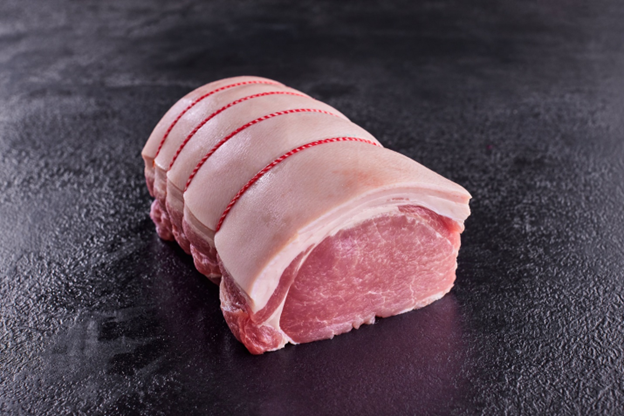
    Pork is known to bring good luck for a very interesting reason– the way that pigs behave. Animal theorists say that while most animals scratch backward, pigs bury their snout in the ground and move forward– the same way we want to go into the New Year. Per German and Eastern European traditions, pork is often eaten on New Year’s Day with cabbage. For example, sausage and sauerkraut is a popular New Year’s Day meal.

    Noodles

    In Japan, long soba noodles are eaten to ensure longevity. Because only unbroken noodles are said to bring long life, they are cooked in a soup and then slurped.

    Fish

    Germans and Scandinavians eat pickled herring at midnight. Their abundance in parts of Europe is hoped to bring abundance in the New Year, and their silvery color is reminiscent of silver coins. In China, eating a steamed fish cooked whole for the Lunar New Year (different from our January 1st New Year) is thought to bring a long, healthy life.

    Fruit
    In the Philippines, it is common to celebrate New Year’s Eve with fruit. Filipinos use twelve different types of fruit to symbolize each month of the year. These typically include round fruits, but can sometimes also include mangoes and watermelons.
    In Mexico, they celebrate the New Year by eating grapes at midnight. This stems from a Spanish tradition known as Las Doce Uvas de la Suerte, or “the Twelve Grapes of Luck”. When the clock strikes midnight, you eat one grape for each stroke of the clock for prosperity and good luck.

    Rice Pudding

    Rice pudding is served in Sweden and Finland with an almond hidden somewhere inside. The lucky finder of the nut is said to be guaranteed a lucky new year — and some families even give them a prize, according to Global Table Adventure.

    What Not to Eat

    Chicken! Interestingly, in Ghana, we eat chicken. However, it has been reported that because chicken and other poultry scratch backward, they are considered bad luck to eat on New Year’s Day in most parts of the world. Eating chicken would mean moving backward in the upcoming year – something no one wants to do.

    The writer is a Professor of Naturopathic Healthcare, a Medical Journalist, an author, and a science writer. E. mail: professor40naturopathy@gmail.com. For more about me, Visit: profnyarkotey.com

    Source: Prof. Raphael Nyarkotey Obu

  • Regulatory measures needed to ensure fair food prices – CAC tells government

    Regulatory measures needed to ensure fair food prices – CAC tells government

    The Consumer Advocacy Centre (CAC) at Laweh University College is urging the government to enact legislation safeguarding consumers from the impact of market actors exploiting high and unjust food prices.

    This call is rooted in initial findings from a study revealing that inadequate competition in the food supply market and the dominance of certain market players, such as Market queens and food aggregators, significantly contribute to unfair food pricing in the Ghanaian market.

    Professor Goski Alabi, President of CAC, shared insights from the study, highlighting that consumers between January 2022 and July 2023 experienced the burden of rising production costs, leading to a disproportionate increase in retail prices compared to wholesale prices for various food items.

    For instance, the retail price of onions surged by 42.4%, while the wholesale price increased by only 18.1% during the same period.

    “The retail price of onions increased by 42.4 per cent while the wholesale price rose by just 18.1 per cent in the same period.

    “The retail price of gari grew by 77 per cent compared to a 63 per cent rise in wholesale price and an increase of just 46.4 per cent in the whole sale price of cassava, the basic ingredient for gari,” she said.

    Professor Alabi emphasized the role of the ‘Fair Price Monitor,’ a tool deployed in partnership with Consumers International, in exploring potential reasons for this phenomenon.

    Factors such as rising fuel costs and a weakening exchange rate were acknowledged, but the lack of standardization in weight and measurement systems in the country was identified as a significant contributor to unfair pricing.

    Wisdom Aborchie, a study enumerator in the Volta region, revealed that aggregators and wholesalers determined retail prices based on factors like color and size, deviating from the actual farmgate price.

    Executive Director of Peasant Farmers Association of Ghana, Dr. Charles Nyaba, highlighted the vulnerability of small-scale farmers and consumers to market actors like aggregators and market queens, who wield influence over pricing and market availability.

    The General Secretary of the General Agriculture Workers Union (GAWU), Edward Kareweh, emphasized the need for consumer protection and market fairness, suggesting that the current system lacks sufficient safeguards despite rejecting the idea of a price control regime.

  • Salary of Kuami Eugene’s former house help was GHS2,500 if she considers the other benefits – Obofour

    Salary of Kuami Eugene’s former house help was GHS2,500 if she considers the other benefits – Obofour

    In response to Mary, Kuami Eugene’s former house help, who claimed her GH¢400 monthly salary was insufficient, Rev. Isaac Obofour has advised her to take into account the value of the free food, accommodation, and various other benefits she received while working in the highlife musician’s house.

    The founder of the Anointed Palace Chapel expressed displeasure at the situation and accused Mary of making deliberate attempts to tarnish Kuami Eugene’s reputation.

    Obofour suggested that when factoring in all the additional benefits, Mary’s overall compensation would exceed GH¢2,500.

    “The maid is out, spewing all sorts of disparaging comments about him. She has seen that her master is making strides so she wants to pull him down. She said she was paid a meagre amount of salary. She said she was receiving 400 cedis.

    “Did she add the free food she had been eating? The air-conditioned rooms she was enjoying? The fame? If she had added all these things and more, she’ll realize the salary would shoot up to about GH¢2,500 cedis,” he stated during a church service.

    On the other hand, Obofour mentioned stewardship principles and added that being in such a position typically opens doors to more opportunities.

    “You learn from working with someone. It is that experience you gather, that helps you to establish your own business. Even if you worked as a slave, these experiences propel you to become a master. This musician hyped his maid to the extent that everyone knows how they relate on social media and all over the internet.

    “He usually records videos with his maid and plays with her a lot. He now has a song, Monica, which is making waves all over social media and at this same time, the maid is trying very hard to bring him down,” he added.

  • Akufo-Addo orders Food and Agric Ministry to maintain low food cost

    Akufo-Addo orders Food and Agric Ministry to maintain low food cost

    Minister of Information Kojo Oppong Nkrumah has announced that President Nana Addo Dankwa Akufo-Addo has instructed the Ministry of Food and Agriculture to implement measures aimed at keeping food prices affordable.

    He also highlighted that efforts would be made to reduce the transportation costs associated with delivering food to various markets, with the goal of curbing the rising food prices that consumers are currently grappling with.

    During an interview with the Daily Graphic, Oppong Nkrumah stated that these actions were intended to lower the inflation rate, thus contributing to a more robust local economy.

    In September 2023, Ghana’s inflation rate decreased from 40.1% in August to 38.1%, indicating a decline in the general price level compared to the previous month, which had increased the cost of living for Ghanaians.

    Data from the Ghana Statistical Service reveals that both food and non-food inflation rates decreased in September.

    Food inflation dropped from 51.9% in August 2023 to 49.4%, while non-food inflation decreased from 30.9% in August 2023 to 29.3%. Locally produced items had an estimated inflation rate of 37.3%, while imported products stood at 39.9% while that of imported products was 39.9%.

  • These are the four categories of individuals who should not fast

    These are the four categories of individuals who should not fast

    Fasting entails abstaining from both food and water for a specified duration.

    This practice can have diverse physical and medical consequences, and it may not be advisable for everyone.

    Below, we outline four categories of individuals who should typically refrain from fasting or exercise caution when considering it:

    Pregnant or breastfeeding women: Women who are pregnant or breastfeeding have elevated nutritional needs to ensure the well-being of both themselves and the healthy growth and development of their infants.

    Engaging in fasting while pregnant or breastfeeding can lead to a deficiency of vital nutrients, which could potentially harm both the mother and the baby.

    It is of utmost importance for expectant and nursing mothers to uphold a well-balanced and nutrient-rich diet.

    Children and adolescents: Adequate nutrient intake is crucial for the healthy growth and development of children and adolescents. Fasting can disrupt their nutritional requirements, potentially causing deficiencies in vital vitamins and minerals.

    In most cases, it is advisable for children and teenagers to avoid extended fasting without appropriate medical oversight. 

    Individuals with certain medical conditions:Individuals with certain medical conditions should exercise caution when considering fasting, and in some cases, it may be necessary to completely abstain from it. These conditions may encompass:

    · Diabetes: Fasting can affect blood glucose levels, making it risky for individuals with diabetes. They should consult their healthcare provider before attempting any fasting regimen.

    · Eating disorders: Fasting can exacerbate eating disorders like anorexia nervosa or bulimia. Individuals with a history of eating disorders should not engage in fasting without guidance from a mental health professional.

    · Heart conditions: People with heart problems or a history of heart disease may need a specialized approach to fasting, as it can affect blood pressure and cardiovascular function.

    Consultation with a cardiologist is essential in such cases.

    4. Elderly individuals: Older adults may have specific nutritional requirements and health concerns that make fasting potentially risky.

    Malnutrition and muscle loss can be more pronounced in elderly individuals, and fasting could exacerbate these issues.

    Before attempting any fasting regimen, older adults should discuss it with their healthcare provider.

  • First phase of Planting for Food and Jobs cost GHS2.9 billion – Minority

    First phase of Planting for Food and Jobs cost GHS2.9 billion – Minority

    Minority MPs estimate that since Planting for Food and Jobs (PFJ) was launched in 2017, the government has spent a total of GH2.9 billion on the program.

    According to a breakdown of program spending, the government invested GH400 million in 2018, GH380 million in 2019, and GH400 million or so in 2020. In addition, the program received GH 439 million in 2021, GH 614 million in 2022, and GH 660 million in 2023.

    The sector’s growth rate has regrettably stayed low at around 0.7 percent, they claimed, despite the enormous sums spent, as the nation struggles with soaring food inflation not seen in decades.

    “Having inherited an agricultural sector with a growth rate of 2.7 percent in 2016, and after expending millions of cedis on PFJ for six years, agriculture growth currently stands at a disastrous 0.7 percent,” the deputy Ranking Member, Committee on Food, Agriculture and Cocoa Affairs, Dr. Godfred Seidu Jasaw, said in a press statement.

    Launched in 2017, the Planting for Food and Jobs (PFJ) initiative aimed to modernize agriculture, enhance production, and attain food security and profitability for farmers. The initial phase of PFJ, which focused on crops, sought to bolster food security, ensure the immediate availability of select food crops in the market, and generate employment opportunities.

    However, it’s worth noting that headline inflation surged to a staggering 54.1 percent in December 2022 and currently stands at 43.1 percent. In light of these economic challenges, the program has been deemed a significant failure with limited tangible outcomes.

    The minority has also expressed reservations regarding the allocation of GH¢660 million to PFJ in 2023, despite the government’s announcement that the first phase of PFJ concluded in December 2022. Consequently, they have called for transparency and demanded clarification regarding the purpose of the 2023 allocation.

    Meanwhile, President Nana Akufo-Addo introduced the second phase of PFJ last month, which signifies a shift in policy direction from input subsidies in the initial phase to an input credit guarantee system.

    “Why has government failed to support food-crop farmers in Ghana since January 2023? Private agro-dealers and aggregators have been implementing various forms of input credit support schemes to farmers for many years now; what exactly will this new PFJ input credit do differently?

    “We still cannot account for the so-called increased production figures that were being churned out by the Minister for Agriculture. Where is the maize? Where is the rice? Where are the soybeans? One would have reasonably expected to have a food glut in Ghana by now, which would have driven down prices,” he stated.
    The statement outlined several recognized limitations within the initial phase of the program. These included imposing a significant budgetary burden on the government, adopting the value chain approach, restricted access to agricultural credit, a low prioritization of the national strategic stock, and insufficient attention to the requirements of commercial small, medium, and large-scale farmers.

    Furthermore, the minority member pointed out that the government rebranded PFJ from its original initiative, which was initially introduced during the tenure of former President Mahama and the NDC administration. The original program, known as the ‘Modernisation of Agricultural Productivity to the Local Economy’ (MAPLE), was intended to receive funding from the Canadian government, with an allocation of C$125 million, equivalent to US$120 million.

    Dr. Seidu Jasaw asserted that a thorough examination of the PFJ Phase 2 program document revealed that it lacked substantial novelty and was unlikely to make a significant contribution to enhancing the country’s food security.

    “We contend that the objective of this new scheme is to erase the mess from the programme’s failed first phase, and create a face-saving platform to continue the dissipation of our scarce resources through establishments by ‘this family and friends’ government,” the statement captured.

    The government was also questioned about how it would safeguard smallholder farmers from the profit-driven practices and market risks that input dealers engage in, as well as how it would achieve import substitution for essential goods like rice, maize, and poultry since there are no policies in place to lower input/production costs.

    Dr. Seidu Jasaw pointed out that the economy is unable to finance an input subsidy scheme under the IMF program.

  • NAFCo to construct food warehouses nationwide

    NAFCo to construct food warehouses nationwide

    The National Food Buffer Stock Company (NAFCo) is collaborating with the Ministry of Food and Agriculture to establish additional warehouses nationwide.

    This initiative aims to stockpile more grains, preventing potential food shortages, particularly in secondary schools.

    NAFCo’s CEO, Hanan Abdul-Wahab, stated in Accra that new warehouses, including silos for extended storage, are essential for the expected surplus grain harvest from the government’s Planting for Food and Jobs program’s second phase.

    “As part of Food and Jobs phase two, we’re enhancing our storage capacity with both warehouses and silos. Our teams are assessing disused silos across the nation in preparation for the substantial grain yield.”

    Over the last two months, NAFCo and the National Food Suppliers Association have engaged in a dispute concerning GH¢200 million in outstanding payments to members for supplies to secondary schools.

    Around 85% of this sum has been settled, with the remaining 15% pending.

    During their protest at NAFCo’s premises, two association members fell ill in July before receiving their payments.

    In a recent conversation, the spokesperson for the aggrieved members, Kwaku Amedume, disclosed that the government still owes the association more than GH¢300 million for food provision in 2023.

  • Food suppliers call on NAFCo to settle overdue arrears

    Food suppliers call on NAFCo to settle overdue arrears

    A group of dissatisfied food suppliers have converged at the premises of the National Food Buffer Stock Company (NAFCo), seeking payment for overdue arrears connected to food deliveries to senior high schools nationwide over the past two years.

    Starting their protest in July, the suppliers engaged in several days of picketing at the Buffer Stock site after their appeals to the government for owed payments went unanswered, affecting their ability to sustain their businesses.

    Their disappointment grew when they received only a partial settlement for their arrears, despite Minister for Food and Agriculture, Bryan Acheampong, assuring them of full payment by July 17.

    Subsequently, the suppliers discovered that the Buffer Stock Company had actually received funds from the Ministry of Finance on the aforementioned date, but only a portion of the owed sum was disbursed.

    With the promise of the remaining payment by August 17, the suppliers decided to gather at the NAFCo premises, demanding the resolution of the matter.

    The suppliers underscored their financial challenges amid the current economic climate and emphasized the importance of the outstanding payments to sustain their businesses. They are urging the government to uphold its commitment and expedite the full payment process.

  • Political unrest in ECOWAS sub-region causing food increase in food prices

    The Economic Community of West African States (ECOWAS) has stated that countries in the West African sub-region are suffering the most from the political unrest in the area.

    The union said that between 2021 and 2023, there had been five coup d’etats in the four ECOWAS member states, which had led to an unmanageable rise in the price of market goods such onions and tomatoes, which are both heavily produced in Niger and Burkina Faso, respectively.

    “As a result of insecurity and instability, economic activities in the region have been disrupted”, Ambassador Mrs. Perpetua O. Dufu, the Coordinating Director, Multilateral and International Organisation of the Ministry of Foreign Affairs and Regional Integration stated.

    She addressed the inaugural session of a one-day awareness workshop about ECOWAS protocols on Monday in Sunyani.

    Ambassador Dufu also highlighted the troubling humanitarian situation, expressing concern about the potential increase in refugees entering the country and the disruption of travel by both land and air throughout the region.

    The Ministry of Foreign Affairs and Regional Integration, in collaboration with Media Response, a non-governmental organization dedicated to promoting regional integration in the sub-region, coordinated the workshop.

    Its purpose was to educate governmental and non-governmental entities on the ECOWAS protocols and their advantages.

    Ambassador Dufu emphasized that without peace and stability, economic prosperity couldn’t be achieved or maintained in the sub-region due to widespread conflict and instability. She noted that regional integration was closely connected to maintaining peace.

    She noted that the region was currently facing significant challenges, with many states experiencing insecurity, conflict, violent extremism, and even unconstitutional changes of government, leading to political instability in some areas.

    The Niger coup on July 26, 2023, further highlighted the necessity of protecting democracy and upholding democratic principles within the sub-region.

    Madam Justina Owusu-Banahene, the Bono Regional Minister, remarked that the ECOWAS protocols offered a roadmap for addressing issues like border security and terrorism in the region.

    “By collaborating with agencies of neighbouring countries, in our case La Cote d’Ivoire and regional partners, we can enhance intelligence-sharing, joint patrols and coordinated efforts to counteract potential threats,” she said.

    The Regional Minister instructed the members of the Municipal and District Security Councils (MUSECs/DISECs), the Regional Security Council (REGSEC), and the Regional Security Committee to familiarize themselves with the protocols in order to help identify and prevent security threats in the region.

  • Old Landlady allegedly pours urine in student’s food during argument

    Old Landlady allegedly pours urine in student’s food during argument

    A university student has recounted a chilling ordeal of how his landlady poured urine into his meal. 

    Recalling the incident, the student of the Akenten Appiah-Menka University of Skills Training and Entrepreneurial Development (AAMUSTED), identified as just Louis, said he rented an apartment at Opokukrom, in Ahafo-Ano, Ashanti, Ghana.

    “I was given a place to cook and that was my kitchen for some time but it got to the point, the landlady asked me to stop using my assigned kitchen and cook outside,” he said. 

    Displeased by the directive, he decided to ignore it and continued using the kitchen. He said he was issued a few warnings after his failure to adhere to the order but he disregarded the warnings as well. 

    “This resulted in a confrontation with one of the children of the woman and during that incident she came in and poured urine into my food,” he said on Sompa Nkomo.

    Watch full video here: 

  • Curfew imposed in Nigeria’s Anamara state over looting of food

    Curfew imposed in Nigeria’s Anamara state over looting of food

    In response to the looting of food stores and warehouses in the state capital, Yola, the governor of Nigeria’s north-eastern Adamawa state, Ahmadu Umaru Fintiri, has declared a 24-hour curfew. Numerous individuals were captured on video breaking into the warehouses and making away with sacks of grain, cartons of pasta, and other household items.

    Governor Fintiri has ordered the deployment of security personnel to enforce the curfew.

    The situation has been exacerbated by Nigeria’s decision to end a fuel subsidy regime, leading to a significant increase in food and petrol prices. The economy is also facing challenges from recession and the ongoing impacts of the Covid pandemic.

  • Experts call for action to combat skyrocketing food prices in Mid-year budget review

    Experts call for action to combat skyrocketing food prices in Mid-year budget review

    Economic, governance, and agricultural experts are urging the government to formulate a comprehensive plan to support agriculture in order to tackle the soaring food prices in the country.

    Such a plan, they argue, would not only address the growing hardships caused by increasing food prices but also help reduce borrowing and tackle the infrastructure deficit hindering the country’s development.

    According to data from the Ghana Statistical Service, food inflation reached 54.2 per cent in June 2023, the highest rate in several years.

    In light of this situation, Dr. John Kwakye, the Director of Research at the Institute of Economic Affairs, Dr. Kojo Pumpuni Asante, the Director of Advocacy and Policy Engagement at the Ghana Centre for Democratic Development (CDD-Ghana), and Dr. Charles Nyaba, the Executive Director of the Peasant Farmers Association of Ghana, have shared their expectations for the 2023 Mid-year budget review.

    They are calling on Finance Minister, Mr. Ken Ofori-Atta, to present measures aimed at improving revenue mobilization, controlling the growing public debt, increasing investment in capital expenditure, and reducing corruption.

    Finance Minister Ken Ofori-Atta is scheduled to present the Mid-year Budget Review to Parliament, as required by Section (28) of the Public Financial Management Act, 2016 (PFMA) Act 921. This review will be the first one since the government sought a three-year Extended Credit Facility with the IMF for $3 billion in 2022, with the goal of restoring macroeconomic stability and ensuring debt sustainability.

    Dr. Kwakye emphasizes the need for concrete strategies to boost revenue mobilization in order to reduce the government’s reliance on borrowing to meet its revenue requirements.

    “Plugging the tax loopholes, paying attention to property tax, addressing under declaration by importers and tackling tax evasion, cutting the size of the government can help raise the tax envelope much higher,” he stated, adding that government could also raise much revenue from the extractive sector.

    The Director of Research at IEA proposed that in the Mid-year budget, the Finance Minister should present plans to support food processing and preservation to tackle post-harvest losses. Additionally, he recommended offering incentives to aid the transportation of food items from food-producing areas to cities.

    Dr. Asante emphasized the need for the Finance Minister to outline specific policies and plans that the government intends to implement to address food inflation. He pointed out that citizens have been expressing general concerns about the rising food prices, but there has been no clear indication of the government’s actions to tackle this challenge.

    According to Dr. Charles Nyaba, the surge in food prices is due to the high cost of production, with food production expenses increasing by over 100 percent due to the withdrawal of subsidies on inputs like fertilizers and farm machinery.

    The data from the Ghana Statistical Service for June 2023 indicates that food price inflation led the inflation basket at 54 percent, making it one of the highest inflation rates in Ghana in recent times.

    Dr. Nyaba recommended that in the Mid-year budget review, the government should consider reintroducing the withdrawn subsidies and providing tax waivers on the importation of farm inputs.

  • Sanctuary animals stolen and killed for food in Sudan

    Sanctuary animals stolen and killed for food in Sudan

    The founder of Sudan Animal Rescue has told the BBC that fighters from the Rapid Support Forces (RSF) were responsible for stealing a camel and three gazelles from the refuge and killing them for sustenance.

    In Sudan’s ongoing civil war, the RSF represents one side.

    The rescue center reported that one camel and four gazelles were shot on three consecutive occasions.

    The sanctuary claimed that the RSF fighters have threatened to come back and steal additional animals.

    It has been impossible for the BBC to independently confirm these instances.

    The founder and director of the center referred to the actions as “savage” in a statement to the BBC Africa live page team.

    “These acts of violence are putting our animals and our staff in danger. We have been working tirelessly for years protecting these wild animals and during this difficult time of war,” Osman Salih said.

    Mr Salih added that warring sides should not bomb the sanctuary because the wild animals pose a potential “risk” to the public if they break out.

    The sanctuary also houses lions.

  • Villagers in Mozambique: “Jihadists are gone, but we have no food”

    Villagers in Mozambique: “Jihadists are gone, but we have no food”

    Families who were compelled to flee their homes in northern Mozambique due to the violence caused by Islamist militants are now facing a dire food shortage upon returning.

    Having been unable to cultivate their land in the Nangade district, these families lament the lack of assistance provided by both the government and humanitarian organizations.

    As a result, residents have resorted to subsisting on wild yams known as mingõko and are constructing their own huts by cutting grass.

    The Nangade district, situated in the resource-rich province of Cabo Delgado, has become an attractive target for jihadists who seek to exploit its valuable natural resources.

    Since 2017, these militants have been engaged in conflict with the government, resulting in the deaths of over 4,000 individuals and the displacement of 800,000 people from their homes within the province.

    In Nangade, families have been able to return to their villages after Mozambican security forces and international allies successfully expelled the militants.

  • Energy drink abuse poses major health risk – Dietitian

    Energy drink abuse poses major health risk – Dietitian

    The Trust Hospital’s Head of Dietetics, Wise Chukwudi Letsa, has warned the public against abusing energy drinks, which has major health consequences.

    He claimed that it was especially dangerous for individuals who had such beverages in the morning instead of eating actual food.

    He cautioned that if such practices continued, the number of cases of health problems such as kidney disease, hypertension, and cancer would rise.

    “Energy drinks, which are also known as sports drinks, are meant for people who are sportsmen and sportswomen because they burn energy.

     “For the majority of the population, energy drinks are not required.

    We get energy from our food and that should be enough.

    “If people continue to substitute food with energy drinks as is being done, the cases of kidney, hypertension and cancer would be so many,” Mr Letsa added.

    The Trust Hospital head of Dietetics gave the caution at the launch of the hospital’s oncology services in Accra.
  • Government advised to review rising food prices as June’s inflation rises slightly to 42.5%

    Government advised to review rising food prices as June’s inflation rises slightly to 42.5%

    Government statistician, Prof. Samuel Kobina Annim, has counseled decision-makers to critically examine the issues causing the rise in food inflation.

    He emphasized that compared to non-food inflation, food inflation has regularly increased by around 20 percentage points.

    Speaking to journalists after revealing that June’s inflation rate jumped slightly to 42.5 percent from 42.2 percent in May, Prof. Annim stated that prices for everyday staple foods like vegetables and seafood have been rising over the past few months.

     “At the minimum we see a widening of the gap between food and non-food inflation. We need to focus on why we see food inflation going up.

    We have seen about a 20 percentage point change between food inflation and non-food inflation”, he said.

    He mentioned that the price of food had risen by 54.2 percent more than the national average, with imports rising by 43.8 percent and domestically produced goods rising by 36.2 percent.

  • Eating junk food after working out is harmful – Physician Specialist

    Eating junk food after working out is harmful – Physician Specialist

    Processed meats, fast food, fries, salty snacks, and sugary beverages should not be consumed after exercising, according to Dr. Zuleila Fuseini, a physician specialist at the International Maritime Hospital (IMaH) in Tema.

    Dr. Fuseini emphasized that the goal of exercising for health was to burn calories, which needed to be matched with an appropriate amount of food and a healthy diet to maintain a healthy body.

    She recommended the preservation of the idea of fitness centers as a way to maintain physical health and lose weight, highlighting the need of forgoing junk food afterwards.

    Her comment came during the weekly “Your Health! Our Collective Responsibility! program by the media aimed at encouraging health-related communication and creating a forum for the transmission of health information to impact individuals’ personal health decisions through better health literacy.

    Many of the negative effects of fast food were not noticed until it was too late, according to Dr. Fuseini. Inflammatory and blood pressure issues, which are frequently found in hospitals, have been linked to belly obesity, which is fueled by junk food and sugary beverages.

    Dr. Fuseini highlighted the negative health consequences of consuming such diets, including an increased risk of heart disease, diabetes, and obesity.

    The IMaH Physician Specialist recommended a reverse eating plan, which involves consuming heavier meals earlier in the day and reducing food intake as the day progresses.

    During her talk on “Diabetes Mellitus,” Dr. Fuseini emphasized that diabetes is a chronic metabolic disease characterized by elevated levels of blood glucose (or blood sugar), resulting in significant damage to the heart, blood vessels, eyes, kidneys, and nerves over time.

    She noted that the most prevalent form of diabetes is type 2 diabetes, which occurs when the body becomes resistant to insulin or fails to produce enough insulin.

    Over the past three decades, the prevalence of type 2 diabetes has rapidly increased in countries across all income levels.

    According to the IMaH Physician Specialist, type one diabetes, commonly referred to as juvenile diabetes or insulin-dependent diabetes, is a chronic condition in which the pancreas produces little to no insulin on its own.

    “Access to affordable treatment, including insulin, is critical for people living with diabetes.” “By 2025, there will be a global agreement to halt the rise in diabetes and obesity,” she stated.

    She continued by mentioning preventative measures like healthy diets, regular exercise, abstaining from alcohol, stopping smoking, and maintaining weight, with the ideal Body Mass Index (BMI) range being between 18 and 25.

    While type one was common among children and type two was prominent among adults, type two was also becoming more popular among youngsters, which worried Dr. Fuseini.

  • Parliament summons Adutwum, Bryan, Ofori-Atta

    Parliament summons Adutwum, Bryan, Ofori-Atta

    The Speaker of Parliament, Alban Bagbin, has summoned the Ministers of Education, Agriculture, and Finance; Dr. Yaw Osei Adutwum, Bryan Acheampong, and Ken Ofori-Atta.

    They are required to appear before the House and provide an explanation regarding the government’s indebtedness to the National Food Suppliers Association (NAFSA).

    This directive comes in response to a plea made by Samuel Okudzeto Ablakwa, the Member of Parliament for North Tongu.

    Ablakwa urged the House to invite the ministers to brief them on the government’s plans for settling a debt of over GH¢270 million owed to the food suppliers.

    In light of the situation, the food suppliers have resorted to picketing outside the office of the Buffer Stock Company, demanding payment for their services.

    “As the leader of this House, it is important that I keep drawing your attention as the representatives of the people so that you can properly represent the interests of your constituents,” Bagbin said.

    “Now this is where we are. So I agree that the Business Committee should schedule for the three ministers to appear before the House. The three ministers are the Ministers of Finance, Food and Agriculture, and Education. They will tell us why the challenge,” Bagbin said.

    The Speaker said this would enable the House to assist the Executive in addressing such challenges, adding that “that is why we are establishing a committee on ways and means.”

  • FDA raises concerns over advertisement, sale of electronic nicotine vapes

    FDA raises concerns over advertisement, sale of electronic nicotine vapes

    The Food and Drugs Authority (FDA) has cautioned against the selling, promoting, and the use of Electronic Delivery Systems (ENDS) like vapes and other non-nicotine tobacco products for recreational purposes.

    In a statement dated July 5, the FDA expressed concerns about the misuse of these products and emphasized the potential health risks, such as cancer, lung disease, infertility, heart disease, and diabetes.

    The statement also mentions the possibility of registering ENDS as prescription-only medicine for cessation therapy.

    In a statement dated July 5, the FDA expressed concerns about the misuse of these products and emphasized the potential health risks, such as cancer, lung disease, infertility, heart disease, and diabetes.

    The statement also mentions the possibility of registering ENDS as prescription-only medicine for cessation therapy.

    The FDA in its statement mentioned that ENDS can be registered as a prescription-only medicine for the purposes of cessation therapy.

    “The Food and Drugs Authority (FDA) has noted with concern the sale, advertisement and recreational use of electronic nicotine delivery system (ENDS) such as Vapes and other non-nicotine tobacco products by the public. ENDS can be registered as a prescription-only medicine for the purposes of cessation therapy. ENDS can be registered as a prescription-only medicine for the purposes of cessation therapy,” the FDA noted in its statement.

    The FDA further warned that the sale and advertisement of vapes, and non-nicotine products are in violation of the Public Health Act, 2012 (ACT 851), as well as Regulation 16 of the Tobacco Control Regulations 2016 (L.I. 2247).

    “Section 61 (2): A person shall not sell, display for sale, supply, advertise a non-tobacco product or service that contains, either on the product, or in an advertisement of the product, a writing, a picture, an image, graphics, message, or other matter that is commonly identified or associated with or is likely or intended or associated with a tobacco product, brand or manufacturer”.

    The FDA issued a caution to manufacturers, importers, wholesalers, and retailers, instructing them to immediately remove all advertisements of ENDS from social media, billboards, and neon signs. Additionally, they are urged to refrain from importing such products.

    “Manufacturers, importers, wholesalers and retailers are therefore cautioned to pull down all advertisements on social media, billboards, neon signs etc with immediate effect and desist from the importation of illicit tobacco products into the country. Failure to adhere to the above sections and/or the tobacco control laws constitutes an offence for which sanctions may be imposed based on the Public Health Act, 2012 (ACT 851).

    Vapes are electronic devices, often powered by batteries, that allow users to inhale a vaporized liquid or solid substance through the mouth. Electronic cigarettes, in particular, typically consist of a small reservoir containing a liquid nicotine solution that is heated and vaporized, creating an aerosol mist for inhalation.

  • Residents of Sudan face shortage of food and medicine

    Residents of Sudan face shortage of food and medicine

    People in Omdurman, the city adjacent to Sudan’s capital, Khartoum, have told the BBC that conditions are dire after two days of intense clashes between rival military factions.

    “In the neighbourhood where I dwell, al-Thawra, there is a single hospital that is still operating and providing services to the sick and injured, but it suffers from a major shortage of medical supplies and a lack of the working staff,” one resident told the BBC’s Sudan Lifeline programme.

    Another person explained how they were struggling to find bread.

    “A number of neighbourhood groceries and markets have been out of service for a long period of time and many merchants have abstained from selling their goods because of continued shelling and gunfire, which threaten their lives.”

    A vicious power struggle between the army and the paramilitary Rapid Support Forces (RSF) erupted in mid-April causing a major humanitarian crisis and forcing nearly three million people from their homes.

  • Ghana’s inflation on the rise

    The Ghana Statistical Service (GSS) has published its first report on the variations in food prices across the 16 regions for the month of May 2023, which shows an inflation rate of 42.2%, up 1% from the previous month’s rate of 41.2%.

    Food price inflation also climbed from 48.7% to 51.8%.

    However, non-food inflation dropped from 35.4% in April to 34.6% in the month of May 2023, inflation on locally produced items reduced from 38.2% in April to 36.2% in May 2023 while inflation on imported items also increased from 43.1% to 43.8%. This means year on year inflation for May 2023 is 42.2%.

    However, month on month inflation for May 2023 stood at 4.8% as against 2.4% rate recorded in April 2023.

     Food inflation recorded for the month was 4.3% while the month of May recorded 6.2%.

    Non-food inflation also rises from 0.7% to 3.5%

    Presenting the highlights from the report, Government statistician, Prof. Samuel Kobina Annim, indicated that price variations across regions are commodity specifics as the pattern observed differ from the selected food items.

    He said, the findings from the report paint the need for strategies to address regional food price disparities “effects at driving down inflation may be hastened with the engagement of sub-national governmental agencies”.

    The key finding from the report was that food price variation within regions is generally larger than price variation across regions: eight out of the ten items had higher within regional variation than between regions.

    Also there is less variation across regions for commodities with standard packaging such as milk and tomato paste that have multiple regions recording the same median price.

    Items without standard packaging such as cassava and plantain show substantial variations across regions.

    Based on the selected food items, Greater Accra Region recorded the highest median price in April 2023 followed by the Western North than Ahafo regions.

    Western region North and Ahafo who had the highest median price for three items each were the only regions to have the highest median price for more than one item.

    The report was launched by the government statistician and the representative of the Vice-Chancellor of the Kumasi Technical University (KsTU), Ing. Prof. Osei-Wusu Achaw.

    The programme was held at KsTU following the release of the monthly consumer price index (CPI) and inflation for May 2023 on 14th June 2023.

  • If we don’t find anything else to do, we’re all going to die – School Feeding Caterer

    If we don’t find anything else to do, we’re all going to die – School Feeding Caterer

    The One Cedi and Twenty Pesewas (GHS 1.20p) per student offered by the government, according to the School Feeding Caterers, is insufficient to prepare nutrient-balanced meals for students in basic schools.

    A leader of the caterers, Dorothy Ofori Sarpong speaking to the media revealed that the government took a unilateral decision to pay the paltry sum of One cedi and twenty pesewas, which shows the government’s blatant disrespect for the caterers and lack of value for their service.

    “The minister never engaged anybody ever since we started this fight. Nobody has engaged us so she shouldn’t say so. Because we said that this Wednesday we are going to embark on a naked demonstration to the presidency and that is why I also believe that the World Bank country director also threatened that they are going to withdraw their grant because there is no transparency in the school feeding payment. That is why she rushed to come and say that thing’ she lamented.

    Madam Ofori Sarpong emphasised that the one cedi and twenty pesewas per student is inadequate and will not be possible to cook a well-balanced diet for the students.

    “You just propose one cedi twenty pesewas without consulting the caterers. How are we going to use one cedi twenty pesewas to cook a good meal for the children? It can’t be possible. We are just waiting for them (Ministry of Gender, Children and Social Protection) to come. They don’t respect us, they just want to push things on us. This one cedi twenty pesewas? We cannot cook with it” she stressed.

    The leader of the caterers told 3FM that some of their members are battling with debt to the extent that they have fled their homes because they are being chased by their creditors.

    “It is sad. It is collapsing homes. I have one woman around me, she has gone blind because she couldn’t get any money to buy medicine. Another woman has died because of the pressure. With this school feeding thing if we don’t find something else doing, we will all die” he bemoaned.

    Meanwhile, the caterers who had initially requested the government to increase the fee from GH¢1 (97 pesewas) to Three Cedis and Fifty Pesewas (GH¢3.50) per student have mentioned that they are willing to manage with Two Cedis for the sake of the school children, but the delayed payment should cease.

  • Free SHS: We are fed up with unfulfilled promises, give us our money – National Food Suppliers to govt

    Free SHS: We are fed up with unfulfilled promises, give us our money – National Food Suppliers to govt

    The National Food Suppliers Association has served notice that its members will continue to protest until their demands are met by government.

    This comes after they met with the Minister of Education over the demands, of which NAFCO has indicated that plans are underway to get the Finance Ministry to release funds to pay them.

    Speaking to the media, the spokesperson for the National Food Suppliers Association, Kwaku Amedume said they will not be moved by empty promises.

    Mr. Amedume indicated that the respective agencies responsible for paying their arrears have been giving members of the Association consistent empty promises so much so that they can no longer put up with such promises.

    “That has always been the story we have been hearing for the past two years; we are organising some money, we are going to release some funding, we should bring our names, we should meet at 10 o’clock. We have gone through all these processes and promises, and we are still where we are for the past two years. So I don’t think it is enough to just conclude that we are satisfied. Until we have our money in our hands, we don’t trust that this money will be paid to us”.

    “Mind you, day-in-day-out, the value of the money with Buffer Stock keeps reducing, and so we are more than interested in getting our money than any promise, we want action, not promises.”

    The Association on AU Day, May 25, issued a 14-day ultimatum to the National Food Buffer Stock Company to pay the eighteen months’ arrears owed members else they will picket at the Buffer Stock’s premises until they are paid.

  • Zimbabwe seeks to decrease food cost by eliminating duties

    Zimbabwe seeks to decrease food cost by eliminating duties

    In an effort to lower the price of food amid a new cost-of-living crisis, Zimbabwe has eliminated taxes and the requirement for import licenses for basic food items.

    The measures followed the setting up of a government taskforce to investigate spiralling food prices.

    According to the Famine Early Warning Systems Network (Fews Net), a global network of partners reporting on food insecurity, bread, sugar, and wheat flour prices increased by about 40% in Zimbabwe between February and April.

    It said maize meal prices shot up by nearly 60% and rice and vegetable oil prices increased by about 20%.

    Using the official exchange rate, the Zimbabwe dollar has dropped 32% in value against the US dollar since the beginning of April, however on the black market it’s fallen by almost double that.

    The government blames businesses for using the black market rate to price their goods.