The school feeding program’s caterers have stated they won’t submit to threats to restart work.
For about three weeks, the caterers have withdrawn their services in demand for payment of arrears and an increase of the cooking grant per child from 97 pesewas to three cedis.
They want leadership of the programme to desist from issuing threats in addressing their challenges.
About a week before the group withdrew their services, they received the first term payment of the same year, an amount they say does not cover the full term.
Most caterers say they are being chased by their suppliers and banks where they secured loans for the contract.
They are unwilling to return to cooking for the pupils.
Many of the caterers were contracted to serve hot meals in schools in the wake of the COVID-19 pandemic.
Some of the caterers are still owed by the government.
Meanwhile, the caterers are pointing to some anomalies in the school feeding programme and have called for an audit.
Executive director of the UN’s World Food Programme, Cindy McCain, has indicated that she is “appalled and heartbroken” by the murder of three workers in the Darfur region of Sudan.
In a statement, she says two other WFP employees were injured in the same incident.
“We have informed the families of these dedicated team members and stand with them and our entire WFP family at this time of catastrophe,” she says.
“Any loss of life in humanitarian service is unacceptable and I demand immediate steps to guarantee the safety of those who remain.”
Aid workers are neutral and should never be a target. Threats to our teams make it impossible to operate safely and effectively in the country and carry out WFP’s critical work.Cindy McCainWFP Executive Director
Foodis unquestionably one of the most important parts of culture as it represents a way of life.
It goes beyond just how something tastes or is consumed; it also considers what the meal means and how it affects those who consume it.
Eliminate Etor from many celebrations, and you’ll notice that there is a vacuum or a missing component.
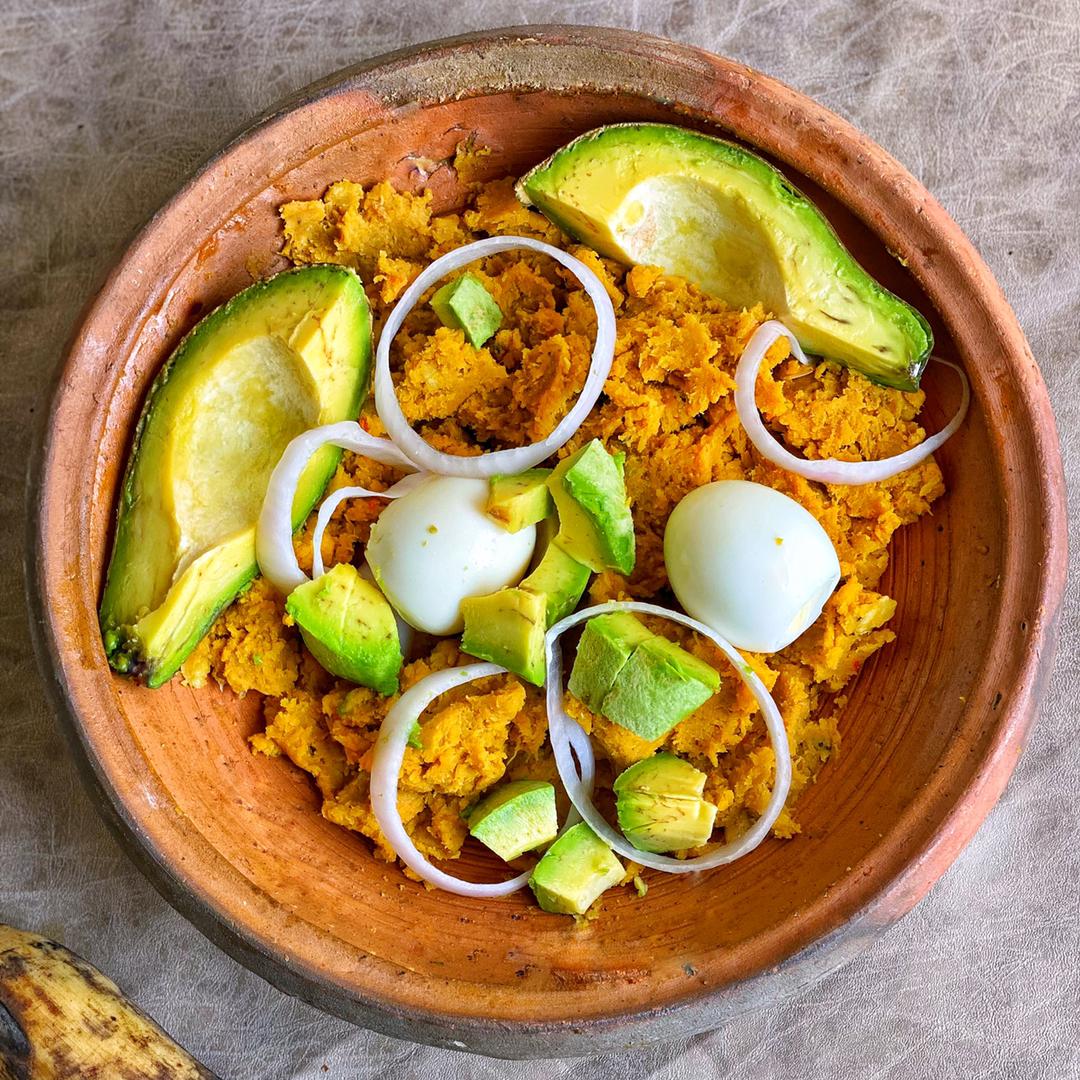
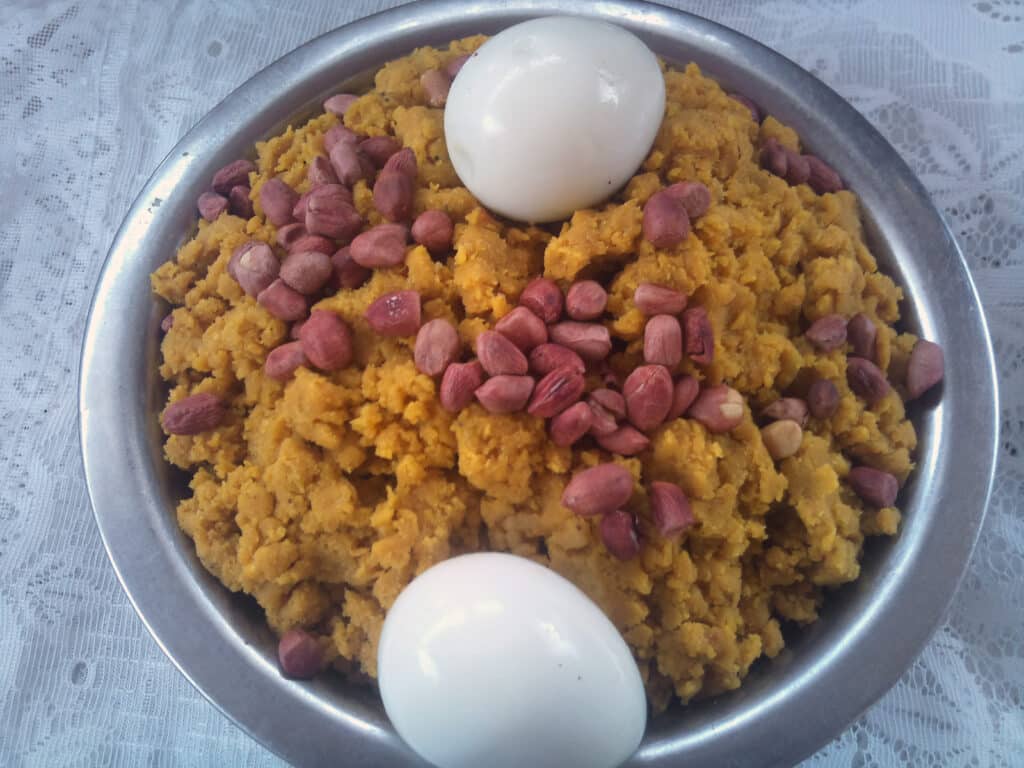
The Akan and Ga people refer to this dish as “etor” or “otor,” which is made from palm oil and other ingredients combined with mashed plantains or yams.
Both children and adults love this highly healthy dinner.
It is served with groundnuts, hard-boiled eggs, and occasionally pear or avocado.
It is crushed in a native bowl known to the Asante and Ga peoples as an ayewa or Asanka, accordingly.
They are very important in Ghanaian traditional ceremonies such naming ceremonies, wedding ceremonies, festivals, and puberty rites.
Many Ghanaian communities regard etor/otor as a sacred dish.
For instance, etor/otor is offered to the gods in Ghana at several festivals as a form of gratitude and pacification.
Etor is also administered to brides on their wedding day because it is thought that it discourages frequent bathroom visits.
Ingredients for etor Preparations o 4 fingers of plantain: 2 unripe. 2 medium ripe o Salted fish (momone) o 5 tablespoon palm oil o 2 large onions (one chopped and one thinly sliced) o 4 pieces of pepper o 4 eggs o Avocado o Groundnut paste o Roasted groundnut method o Put plantains on fire and add pepper and eggs o Cook for about 30 mins o Grind boiled pepper with chopped onions and add salted fish o Set aside and start mashing plantain in an asanka with palm oil o Add ground pepper to mashed plantain o Add groundnut paste/peanut butter to the mashed plantain o Add salt to taste o Garnish with eggs, avocado, and roasted groundnut
Hard-boiled eggs, groundnuts, and avocado are typically served with otor/etor in an asanka.
You can go above and beyond by adding some smoked fish, salted fish, and some palm oil that has been sautéed with onions (momone).
Although it can be consumed on a plate, every fan of etor will tell you that they prefer it in an asanka or ayewa.
Among the Ga communities, yam-based etor is more common, but plantain-based etor is more common in Asante groups.
Etor provides a lot of nutritional advantages, for instance, the plantains or yams used in making it are sources of carbohydrates, the body’s primary fuel.
Carbohydrates contain fiber, which helps with digestion, makes you feel full after eating, and lowers blood cholesterol levels.
On your list of Ghanaian meals to try, etor is undoubtedly the ideal cultural and nutritious dish.
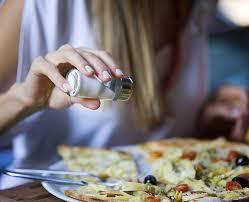
One of the most important elements to prepare a dish is salt. It enhances the flavor of everything.
The majority of us are guilty of oversalting the dishes we prepare while cooking or getting carried away or using the wrong figures.
This post is for you if you’ve ever been in a situation like this and couldn’t figure out how to get out of it. This scenario can be fixed while maintaining its flavor. Here are some suggestions for adjusting salty meals.
Add more water
If you’ve added excess salt to your rice, soup, or stew, adding more water will significantly help. Adding water might make your dish a bit watery, but it becomes thicker when it stays on fire and reduces the saltiness. Doing this makes you get the desired consistency and still correct the taste.
Fight it with sugar
Adding sugar or other sugary content to your salty meals helps to complement or counter their saltiness. You can add honey or brown sugar to also help maintain its flavour.
Increase the ingredients
If you have ever found yourself over-seasoning your food and still have extra ingredients on the ground, the best solution is to increase the portion size of your meal. Make a new meal from scratch, then add salty food to get your desired flavour.
Add acidic content
The acidic content refers to lemon, orange, vinegar, or citric acid. Adding acid to your dish moderately helps to balance the saltiness of a meal. You need to ensure that you add only a little content to avoid your meals’ sour taste.
Use creamy ingredients
These creamy ingredients are fats that might not reduce the saltiness, but it performs the role of a bud taste barrier by coating the tongue to make the salty flavour impotent. These creamy ingredients can be dairy products like milk. To replace dairy products, you can add mashed avocados. This will help to hide the salt and also add richness.
Rinse with water
You can reduce the salt content from your meal by rinsing it repeatedly. However, there are exceptions to this hack. You can only rinse foods that wouldn’t dissolve in water immediately, like rice, yam, and potatoes. Meat can also be rinsed or added to your stew without adding any seasoning when it is being cooked.
The government has confirmed that single-use items such as plastic cutlery, plates, and trays will be banned in England.
It is unclear when the ban will take effect, but it follows similar measures taken by Scotland and Wales.
Thérèse Coffey, theEnvironment Secretary, said the move would help protect the environment for future generations.
Campaigners applauded the ban but called for a more comprehensive plastic reduction strategy.
Government figures suggest that 1.1 billion single-use plates and more than four billion pieces of plastic cutlery are used in England every year.
Plastic waste often does not decompose and can last in landfill for many years.
Although it might be useful in terms of food hygiene, it can also end up as litter, in turn polluting soil and water.
The confirmation of the move from the Department for Environment, Food, and Rural Affairs (Defra) follows a long consultation, which will be published on Saturday, January 14.
Each person in England uses an average of 18 single-use plastic plates and 37 items of plastic cutlery every year, according to Defra, while just 10% of those are recycled.
Ms Coffey is set to ban a range of single-use plastic items mainly relating to takeaway food and drink.
“I am determined to drive action forward to tackle this issue head on. We’ve already taken major steps in recent years, but we know there is more to do, and we have again listened to the public’s calls,” she said.
“This new ban will have a huge impact on stopping the pollution of billions of pieces of plastic and helping to protect the natural environment for future generations.”
Similar bans have already been made in Scotland, while single-use plastic straws, stirrers and cotton buds were already banned in England in 2020.
Scotland introduced a ban on businesses using a range of single-use plastic goods in June last year. Laws for a similar ban in Wales were approved in December and will come into force later in 2023.
This latest measure does not, however, cover items found in supermarkets or shops. The government said it would address those by other means.
Megan Randles, a political campaigner for Greenpeace UK, said that the organization welcomed the ban but that further action was needed.
She said: “We’re dealing with a plastic flood, and this is like reaching for a mop instead of turning off the tap.”
She called on the government to deliver a “meaningful” strategy on how to reduce plastic use, which would also include stringent targets and “a proper reuse and refill scheme.”
Some foods and the vitamins, minerals, and other nutrients found in them may raise or lower cancer risk. Researchers have been studying how the foods, nutrients, and eating patterns listed below are related to cancer.
Plant-based foods. These foods contain naturally-occurring substances called phytonutrients. Examples include:
Carotenoids, or carotenes, found in red, orange, yellow, and some dark-green vegetables
Polyphenols, found in herbs, spices, vegetables, tea, coffee, chocolate, nuts, apples, onions, berries, and other plants
Allium compounds, found in chives, garlic, leeks, and onions
Antioxidants. Examples include beta carotene, selenium, and vitamins C and E. Antioxidants protect against oxidants, which are substances that can lead to cell damage. Oxidants can be naturally occurring, created by normal cell processes. Or they can be environmental, such as pollution or cigarette smoke.
Other vitamins and minerals. These include calcium, iodine, vitamins A, D, K, and the B vitamins.
Dietary fiber. Fiber helps add bulk to stool. It moves food more quickly through the digestive system. Fiber helps nourish a healthy community of microbes living in the digestive tract. This community is called a microbiome. A healthy microbiome has been linked with a lower cancer risk.
Foods that have fiber include:
Whole grains and seeds, including barley, oats, kamut, spelt, bulgur, corn, psyllium, and rye
Whole grain bread and pasta
Legumes and pulses, including beans, lentils, and split peas
Vegetables and fruits
Protein. These are the major sources of animal protein in most diets:
Meat
Fish
Poultry
Shellfish
Dairy products
Eggs
Of these, red and processed meats raise the most concern in terms of cancer risk. Red meat includes pork, beef, veal, and lamb. Processed meat includes bacon, ham, lunch meats, meat jerky, hot dogs, salami, and other cured meat products. Any amount of processed meat and more than around 18 ounces of fresh meat per week are most strongly linked with a higher risk of cancer.
Alcoholic beverages. Drinking alcohol increases the risk of developing certain types of cancer. Learn more about alcohol and cancer risk.
Connections between food and cancer
It is challenging to find specific links between a food or nutrient and cancer because:
Foods contain many substances that may either increase or lower cancer risk.
Most people eat and drink a variety of foods. This creates interactions that are hard to study.
The effects of a food or nutrient can vary depending on how much of it you eat.
Some research shows that how a food is prepared may influence its risk or benefits.
Plant-based foods
Fruits and vegetables likely lower risk of several types of cancer, including:
Head and neck cancers
Esophageal cancer
Stomach cancer
Lung cancer
Pancreatic cancer
Prostate cancer
These findings come from the Continuous Update Project and the Third Expert Report on Diet, Nutrition, Physical Activity and Cancer: a Global Perspective. These reports are funded by the American Institute of Cancer Research (AICR) and World Cancer Research Fund (WCRF).
Phytonutrients found in fruits and vegetables most likely work together to lower cancer risk, rather than a particular food component affecting risk. Some help regulate hormones, such as estrogen. Others slow cancer cell growth or block inflammation. Many lower the risk of damage caused by oxidants.
Plant-based foods researchers have studied for cancer prevention are:
Cruciferous vegetables. These foods include broccoli, cauliflower, cabbage, Brussels sprouts, bok choy, and kale. Frequently eating these foods is associated with a lower cancer risk.
Studies show cruciferous vegetables protect against:
Head and neck cancers
Esophageal cancer
Stomach cancer
Several laboratory studies suggest cruciferous vegetables help regulate enzymes that defend against cancer. Studies also show that cruciferous vegetables may stop cancer cell growth in other ways. But these effects may differ between cells and animals used in the lab and people.
Lycopene. This carotenoid is found in tomato products. Other important sources of lycopene include pink grapefruit, watermelon, and apricots.
Studies show that lycopene may protect against cancers of the:
Lung
Stomach
Prostate
Colon
Mouth and throat (oral cavity)
Esophagus
But researchers have not yet demonstrated a direct link between lycopene and reduced cancer risk in controlled clinical trials.
Soy. Soy contains unique phytonutrients. Laboratory studies suggest that these substances help protect against some types of cancer. Clinical trials are more clearly defining the role of soy in cancer prevention.
The relationship between soy and breast cancer risk is especially complex. Current studies suggest eating up to 3 servings of whole soy foods, such as edamame, tofu, soy milk, and miso, is safe and may reduce breast cancer risk. But guidelines do not specifically recommend adding soy foods into the diet to reduce breast cancer risk. Doctors do recommend avoiding concentrated isoflavone pills and powders.
Vitamins, minerals, and antioxidants
Your body needs vitamins and minerals. They help the body:
Perform essential functions
Grow and develop
Repair itself
Some vitamins, minerals, and other nutrients are antioxidants. Research on their role in cancer prevention continues because studies show mixed results.
A review of clinical trials in people shows the following:
Beta carotene. High-dose beta carotene supplements do not seem to prevent cancer. Two large clinical trials have found that people at high risk for lung cancer, including smokers, former smokers, and people exposed to asbestos, have a higher risk of lung cancer if they take high-dose beta carotene supplements.
Calcium and vitamin D. The Women’s Health Initiative (WHI) was a large study of women who had been through menopause and were generally well nourished. Researchers studied the effects of supplemental calcium and vitamin D. They found that supplements did not affect colorectal cancer risk.
Folate. Folate is a type of B vitamin found in:
Leafy, green vegetables
Fruits and fruit juices
Dried beans and peas
One form, folic acid, is made in the laboratory and found in dietary supplements. Enriched, white flour is fortified with it. This means that foods made with flour, including breads and cereals, contain folic acid.
Studies show a link between folate and cancer risk. People with low folate levels have a higher risk of:
Breast cancer
Colon cancer
Pancreatic cancer
But clinical studies have not yet shown a relationship between taking extra folic acid and cancer prevention.
Multivitamins. Currently, there is no strong enough evidence that multivitamins reduce cancer risk. But 1 study showed a potential benefit. People who took multivitamins for more than 10 years had reduced colon polyp formation. Some polyps can develop into colorectal cancer if not removed during colonoscopy cancer screening. By reducing polyps, the study suggests multivitamins might also lower colorectal cancer risk. But this research can be difficult to interpret. Usually, the healthiest people get regular cancer screening. And those people also commonly take multivitamins.
Selenium. One study evaluated whether selenium prevents cancer. Supplements did not prevent people with skin cancer from getting a second one. But it did reduce new cases of:
Prostate cancer
Lung cancer
Colorectal cancer
Some studies link selenium to a higher risk of diabetes. So use caution when considering supplements that contain selenium.
Vitamin C. Some studies show diets with higher amounts of vitamin C can lower stomach cancer risk. But results have been inconsistent.
Vitamin E. A large clinical trial called the Selenium and Vitamin E Cancer Prevention Trial (SELECT) found that participants who took vitamin E had a higher risk of prostate cancer.
High-dose vitamin C and E supplements have been shown to raise the risk of a head and neck cancer recurrence. A recurrence is when the cancer comes back after treatment.
Dietary fiber
The AICR/WCRF study discussed above found connections between fiber-rich foods and reduced cancer risk. This relationship is strongest for colorectal cancer.
Protein
Most studies suggest a link between red meat and a higher risk of colorectal cancer. But avoiding processed meats is even more important. This includes bacon, ham, lunch meats, meat jerky, hot dogs, salami, and other cured meat products. The AICR/WCRF study found these meats increase colorectal cancer risk. The study also found that people can eat up to 18 ounces (510 grams) of unprocessed red meat a week without raising cancer risk.
Obesity
Eating more calories than your body needs can cause weight gain. Many people eat too much food with added sugar and fat. The following foods add extra calories that can contribute to obesity:
Sugar sweetened beverages, including soda and fruit-flavored drinks. Sugary drinks can be hot or cold.
Full-fat dairy products, such as whole milk cheese
High-fat meats, including fried chicken with skin, duck, hamburgers, bacon, ham, sausage, hot dogs, and many deli meats
Obesity is linked to a higher risk of many cancers. Talk with your health care team about whether your weight is affecting your health and cancer risk.
Director of Business Operations at Dalex Finance, Joe Jackson, says the 2023 Budget has woefully failed to tackle the situation that landed the country’s economy in the trenches.
According to him, the government should have used the opportunity of the budget statement to propose policy measures that would tackle the debt issue head-on to prevent further loss of investor confidence, however, it failed to do so.
He noted that a great policy measure would have entailed the government making significant cuts to its expenditure budget.
Instead, Joe Jackson has noted that government is still indulging in its profligate ways while imposing austerity on the rest of Ghanaians.
Speaking on JoyNews’ PM Express, he said, “The cedi tanked because foreign investors lost confidence. And the foreign investors lost confidence because they could tell from our numbers that we’re unable to pay our debts.
“We’ve now confirmed, the Deputy Minister has confirmed that if there was ever any doubt that we can’t pay. Borrowing 61billion cedis is not what you do when you can’t pay. You take an axe to your expenditure.”
He stated that after perusing the budget statement he realized government’s failure to apply sound judgement when it came to the distribution of funds.
According to him, key ministries capable of championing an economic recovery were being starved of funds while certain agencies whose usefulness in the government machinery have recently been questioned were being furnished with disproportionate amount of funds.
“I’ll be honest just this evening I got what I thought was a reliable version of the tables and I started looking through, some of the numbers just don’t make sense to me. Why is there 80billion still there for the Cathedral? Forgive me, I don’t know. Why is there a contingency vote of 1.4 billion?
“The office of government machinery, I don’t care where you came from, why is it at 1.4billion? Guess what? Ministry of Food and Agric, do you know how much we’re giving them? 1.2billion. Do you know how much we’re spending on free SHS? 2.9billion. The Council of State is receiving more money than the Food and Agric Ministry,” he said.
Joe Jackson has opined that the 2023 budget was a missed opportunity for the government to bridge the trust gap between the citizenry and the government and the market, both local and international.
“The point is this, we want reassurance, we want to believe that this government can even carry the rest of the country with the austerity budget it has to impose. We want to believe somebody is trying to bridge the trust gap between the government and the public. That can be done when you trim down and all of us feel that you’re taking the pain as much as we have to take the pain,” he said.
The Ranking Member on the Food, Agriculture and Cocoa Affairs Committee of Parliament has berated the minister for Food and Agriculture for creating the impression plantain was part of the crop list for the Planting for Food and Jobs (PFJ).
According to the Ranking Member, plantain production was not part of the budget nor the crop list for PFJ.
“I was amazed seeing the minister parading plantain as the success story of PFJ,” he said.
Mr Eric Opoku took issues with the minister’s purported impression that it was the Planting for Food and Jobs that led to the glut in the production of plantain production.
He noted that plantain is a seasonal crop and it has always been available at this time of the year.
“So it is not as a result of the PFJ that there is the availability of plantain on the market,” he added.
The National Democratic Congress (NDC) Member of Parliament (MP) for Asunafo South Constituency in the Bono Region was speaking in an interview with the host of the Ghana Yensom morning show, Emmanuel Quarshie (The Hitman) on Accra 100.5 FM on Monday, November 28, 2022.
He challenged the sector minister to parade the crops from the work of the PFJ.
He was quick to say PFJ has not been able to ensure food security in the country.
“It is important to note that PFJ has failed because the government has cut investment in the country’s agriculture sector,” he said.
He further said the reason imported rice is relatively cheap in the country is because of the investments made in the production from the country of origin.
He said fertilisers among other inputs from where the rice is imported are catered for by the government.
“In Ghana, this (NPP) government pays a 15 per cent subsidy on fertiliser for the ordinary farmer to pay 85 per cent,” he complained and added that in 2016, the NDC government imported tractors from Brazil and subsidised them by 60 per cent for the farmer to pay 40 per cent.
Under the current government, however, the farmers are bearing the full cost, he added.
He said the NPP government has refused to make investments in Agriculture, adding that now Ghana imports 730,800 metric tons of fish annually to augment its consumption levels of one million metric tons all because premix fuel is unavailable.
The World Food Programme (WFP) says the first food aid trucks to enter Ethiopia’s northern Tigray region since the signing of a peace deal earlier this month are rolling into the region.
“Critical food assistance will now be delivered to communities in coming days. More food, nutrition, medical cargo will follow,” WFP tweeted, along with a video of the aid trucks driving.
In #Ethiopia@WFP trucks are rolling into #Tigray with critical food assistance—this is the first movement since the peace agreement was signed.
Critical food assistance will now be delivered to communities in coming days. More food, nutrition, medical cargo will follow. pic.twitter.com/NiFrUESM9Q
On 2 November the warring sides – Ethiopia’s government and Tigrayan fighters – agreed, in a surprise move, to halt their two-year conflict which led to thousands of deaths and warnings of a famine.
Half of Tigray’s 5.5 million people need food aid, with many of them starving.
Chief Executive of the Accra Metropolitan Assembly(AMA), Elizabeth Kwatsoe Tawiah Sackey has cautioned food vendors and handlers in Accra to abide by the high standards of food safety and hygiene to protect human health and avoid prosecution.
The Mayor of Accra said this on Friday in an address at the launch of a new branch of Nyonyo Canteen, a food service firm founded by Chichi Yakubu, a former HR professional at TNS, at the premises of the AMA Head Office named NyoNyo Kpatashi.
According to her, practicing good hygiene such as hand-washing, safer food handling, and food preparation methods, as well as keeping the cooking area cleaner would go a long way to protect the community against communicable food-borne diseases.
Th AMA from the beginning of the year had prosecuted over 50 food vendors for selling food under unhygienic conditions without adhering to high standards of hygiene and without health certificates to help reduce the high incidence and consequences of foodborne diseases in the city and ensure the best practices for the production and serving of wholesome food.
Hon Elizabeth KT Sackey disclosed that as part of efforts to ensure that food patronised and consumed in the city was safe, the Public Health Department of the AMA had made conscious efforts to create public awareness on the effects of unsafe food, screened food vendors, embarked on several inspections as well as enforcement exercises to ensure food safety within the Metropolis.
She also noted that the newly opened AMA branch would serve a variety of local dishes to customers in the city adding that customers would have the option to either dine in, take away or order to be delivered.
Founder of Nyonyo, Chichi Yakubu, in a remark expressed commitment to continue living up to standards of excellence and quality service delivery at all levels and promised the best culinary experience.
“For a restaurant to succeed, these five essential elements must be present: Ingredients, menu, atmosphere, Reputation, and service. By expertly fusing these components to create the ultimate eating experience, you can achieve the last one, but it depends on how effectively you execute the others. As a result, we promise you the best culinary experience on behalf of my staff. Although challenging, we’ll do our absolute best to execute it effectively, ” she said.
“To succeed in any industry, it truly needs tenacity and effort. And honestly, with the hikes in prices and cost of doing business, the food and catering industry is now an extreme spot especially if you aim to not only provide great food for your clients but to also give others employment opportunities and contribute to economic growth.
Due to our exceptional service over the years, we have earned the title of people’s “favourite neighbourhood restaurant” because of our reputation for offering soulful meals and top-notch customer service.
“We at Nyonyo don’t take the communities we work in nor the customers we serve for granted because we understand the consequences of that. So, to consistently achieve customer satisfaction, we take care to deliver on our promise to provide excellent catering services wrapped in quality service, professionalism, customer care, and precision in ensuring that all of our customers’ nutritional needs are met under safe and strictly hygienic conditions, ” she added.
The World Health Organization says no food or medicine has reached the Ethiopian region of Tigray despite the signing of a ceasefire last week.
The United Nations has accused Ethiopia of using starvation as a weapon of war in Tigray, where it says a humanitarian blockade put 90% of the population at risk.
“Nothing is moving,” said WHO head Dr Tedros Adhanom Ghebreyesus.
“I was expecting food and medicine to start flowing immediately after the ceasefire. That’s not happening.”
He said people were dying from starvation and treatable diseases.
Dr Tedros, who comes from Tigray, called for the restoration of telecom, banking and other basic services.
He said six million people had been shut off from the rest of the world for two years as if they didn’t exist.
An Ethiopian official said Dr Tedros was trying to undermine the peace agreement – and that food and medicine were reaching Tigray.
He said electricity and telecom services had been restored in some areas.
As part of the efforts to control prices of foodstuff, the Ministry of Food and Agriculture is set to begin selling foodstuff within its premises to serve people in Accra.
The products will be brought from the farms to the ministry and sold to consumers at a cheaper price.
Speaking at a meeting with farmers in Sefwi Wiaso in the Western North Region, sector Minister, Dr. Owusu Akoto Afriyie said; “the ministry itself is going to take its own initiative.”
“We are going to link up with the farm gate so that we make all the arrangements to ensure that we put up kiosks on our compounds at the ministry, specifically for food from here [Sefwi Wiaso] and we are going to give it a lot of publicity,” the minister said.
Ghana is recognized as the nation with the biggest increases in food prices by the World Bank. With a 122% increase in food prices, the nation has achieved the toughest achievement in sub-Saharan Africa. Food costs have risen significantly since the beginning of the year in a number of nations throughout the world, primarily as a result of the conflict between Russia and Ukraine.
According to the World Bank, Ghana is the nation in Africa with the highest food prices. According to the World Bank’s October 2022 Africa Pulse report, Ghana is the sub-Saharan African nation with the highest rate of food inflation.
Actor, politician and farmer John Dumelo has called for value addition in Ghana’s agric sector.
In his view, that is the way to go in order to make the local farmer competitive.
Speaking during the 3business agribusiness dialogue on Wednesday, October 26, he said “We have to look at adding value to our produce and also post-harvest losses.
“Most cocoa farmers haven’t tasted chocolate before yet we are the net exporter of cocoa.”
During the event, the 2018 National Best Farmer, James Boateng said Ghana needs to scale up its agricultural production.
He said there was a need to apply technology to scale up production.
He said “we are not even applying the little technology that we have.
“I don’t know why we can’t grow tomatoes and onions in Ghana to the extent that we buy from Burkina Faso. We have issues with logistics.”
He added “We need to look at our inputs. Ghana 2019 did quite well in terms of the provision of inputs and in turn, our maize production increased.”
For its part, former Managing Director of the Stanbic Bank, Naa Alhassan Andani observed that the agric sector of the Ghanaian economy and other parts of Africa has been exposed by global happenings.
He indicated that Ghanaians consume more than they produce locally. This means a lot more foreign exchange earnings is required to bring in additional food supplies to feed the people.
When the exchange rate is affected, he said, it means food supply is heavily affected thereby creating difficulties for Ghanaians.
“This event could not be happening at a better time and I hope our panellist will elevate the conversation to the level of state and to the level of global coordination.
“Agriculture is probably one gifted industry to Ghana, to Africa, not all of Africa, Ghana, . When the fundamentals are weak the exchange rate will expose you.
“On this one in agriculture the fundamentals are that everything we consume in this country, we consume more of our agricultural product in this country than we produce. Therefore for the surplus that you consume you have to bring from outside.
“What do you need? You need foreign exchange and when the foreign exchange is not there the fundamentals will expose you. So I think today’s Ghana and the world economy has exposed us in terms of the way we are organized in our agricultural sector.”
Former Managing Director of Stanbic Bank, Naa Alhassan Andani has called for the consumption of locally produced foods.
He further explained to be able to produce sufficient foods locally, the government needs to put in place the right infrastructure in the agric sector.
The infrastructure he said, should include storage facilities and water systems to ensure year-long farming
“solid infrastructure, storage system, water system, all of it have to be there. when I talk about infrastructure, I am not just talking about physical but scientific and market infrastructure,” he said.
He further indicated that “let us consume what we produce, that is number defender.”
He further observed that the agric sector of the Ghanaian economy and other parts of Africa has been exposed by global happenings.
He indicated that Ghanaians consume more than they produce locally. This means a lot more foreign exchange earnings are required to bring in additional food supplies to feed the people.
When the exchange rate is affected, he said, it means food supply is heavily affected thereby creating difficulties for Ghanaians.
“This event could not be happening at a better time and I hope our panelists will elevate the conversation to the level of state and to the level of global coordination.
“Agriculture is probably one gifted industry to Ghana, to Africa, not all of Africa, Ghana, When the fundamentals are weak the exchange rate will expose you.
“On this one in agriculture the fundamentals are that everything we consume in this country, we consume more of our agricultural product in this country than we produce. Therefore for the surplus that you consume you have to bring from outside.
“What do you need? You need foreign exchange and when the foreign exchange is not there the fundamentals will expose you. So I think today’s Ghana and the world economy has exposed us in terms of the way we are organized in our agricultural sector.”
Abraham Odoom, a former deputy local government minister has said the country needs to depoliticise food production.
Odoom said the country will suffer greatly if it messes up its food economy.
Speaking on the Asaase Breakfast Show on Tuesday (25 October) he said, “For me, if there is one thing that should be depoliticised, it is food production … we mess up our food economy, we will all suffer for it.“
He added, “Food security for me has an essential basis in producing what you eat and eating that which you produce. If we can ensure this, it will benefit us for generations.”
“Ghana must start doing something unusual if we want to kick start a renaissance in terms of our taste for foreign goods adding that “Nigeria is a typical example … They eat their rice above all else”.
He said the country needs to be innovative and revisit the School Feeding Programme.
“School Feeding is something that we need to revisit … We can use the School Feeding Programme to re-engineer the local economy for our farmers. The biggest issue we face is a lack of innovation.”
“Change our mindset”
The former deputy minister said the current global challenges present a good opportunity for Ghanaians to appreciate and consume local food products.
“The mind is the greatest asset that we have … When the mindset of the people towards their own products changes then drastic gains will be made.”
“We talk about [changing our] taste on end to no avail. But this current global crisis has brought to the fore the need to have a national conversation on changing our taste to conform with what we have,” he added.
Odoom said policymakers need to take every opportunity they are proffered with to focus on local food production.
“This crisis presents an opportunity for Ghanaians to change our taste in the face of global food inflation,” he said.
Ghana is ranked 1st by the World Bank with the highest food prices in Sub-Saharan Africa in 2022.
According to the Bretton Wood institution’s October 2022 Africa Pulse Report, food prices have since January 1, 2022, gone up by 122 per cent.
Since the start of 2022, food prices have increased sharply in many countries, largely due to the Russian/Ukraine war.
According to the Food Price Index in Countries in Sub-Saharan Africa, Ghana has recorded very sharp prices in food on the African continent.
Food inflation in Ghana has been high, recording a year-on-year inflation of 34.4 per cent in August 2022, the Ghana Statistical Service disclosed.
On month-on-month basis, inflation was even higher.
The drivers of food inflation in Ghana are oils and fats (67 per cent); fish and other seafood (42.9 per cent); water (42 per cent); cereal products (40 per cent); milk, dairy products and eggs (39.7 per cent), fruits and vegetable juices (37.7 per cent) and live animals and meat (34.5 per cent). All of the items recorded inflation rates higher than the national average of 33.9 per cent.
Overall, the World Bank said inflation breached the ceiling of the central bank target bands for all countries with an explicit nominal anchor.
In Nigeria, headline inflation started the year above the central bank limit of 9.0 per cent and accelerated to 20.5 per cent in August 2022 – the highest since September 2005. Food and fuel prices were the key factors behind the rally in inflation.
Meanwhile, Senegal followed Ghana closely with food price increases of 110 per cent
Uganda is 2nd with 107 per cent increase in food prices.
A forensic pathologist and Head of KNUST School of Medicine and Dentistry, Dr. Paul Ossei Sampene is concerned about the recorded cases of newborn babies with deformities in mining communities.
Speaking to GHOne News, the pathologist observed that illegal mining activities which continue to contaminate food crops and river bodies have far-reaching consequences on human health, which is partly why the country’s health facilities are overwhelmed by strange diseases and defects in births.
He stressed the heavy concentration of metallic substances found in river bodies is worrying.
“We need to appreciate the fact that cumulatively if these patients get even 0.005% of heavy metal, and assuming the person stays there all his life you can imagine the sort of concentration that you can get in a year or in a month, and that is what we should consider. When you live there permanently, that is your place of abode and consume whatever is produced there, you drink the water there and eat the food there, cumulatively it can affect your life. And we need to take action. If care is not taken in the near future we need to import food.”
Irresponsible small-scale mining activities across mining communities in Ghana continue to have adverse impacts on lands and water resources and threaten human survival in mining areas.
Newborn babies with deformities, and kidney failure, among others, are on the rise as a result of the intake of polluted water and consumption of food crops in mining areas, the pathologist observed.
“Per my particular examinations of people that have passed on at certain areas seem to be telling me that there is a lot of heavy metal pollution in our food chain which has found its way into the body of the human.
“The gastrointestinal tract which we call GIT per our medical term is one of the things that is affected when you consume these heavy metals.
“I did one work by using placenta and looking at it I think is alarming. Even though I haven’t been able to do more of these things nationwide, but I think that if we allow it to continue, we will be in a position where in the near future we’ll get a lot of babies with deformities.
“Some of them fortunately the deformities are not compatible with life and so some of them just die immediately after birth. But if you’re not careful and you survive it, you might have somebody with an internal organ deformity.”
In the olden days at Suhum-Amrahia, I used to see my grandparents wrapping food, especially banku, in plantain leaves. On the farm, we had no bowls, and therefore had to eat on the plantain leaves.
At that time, however, nothing prompted me to ask if there was any science attached to this tradition of eating on plantain or banana leaves.
Sometimes, the leaves were also used in steaming foods. I didn’t know that eating on fresh plantain leaves was both therapeutic and eco-friendly.
I also did not know that plantain or banana leaf bath is the best natural medicine available, as it can take care of skin disorders and other health problems.
The plantain leaf (Plantago major) is a green, weedy plant native to North America, Europe and Asia. Cultures around the world have used the plantain leaf to help relieve health ailments for millennia.
Margaret L. Ahlborn (ND) asserts that the plant is one of nine sacred herbs mentioned in the ancient Lacnunga (Remedies), a collection of Anglo-Saxon medical texts. During the 1500s and 1600s, it was used by Europeans for everything from dog bites and boils to fevers and the flu.
The major components of plantain are iridoid glycosides (particularly aucubin), mucilage and tannins.
Blument (1998) agrees that they are believed to reduce irritation, quell harmful organisms and exhibit expectorant actions.
Clinical studies
Modern science is just beginning to study the effects of plantain leaves, and studies are confirming some of these traditional uses. A recent retrospective study by Dharmashamvardhini, (2020) which involved 40 insomnia subjects examining the effectiveness and therapeutic effects of the plantain leaf bath showed significant improvement in blood pressure.
The post-intervention data showed significant improvement in cardiovascular health. The author concluded that the incorporation of naturopathy mediated therapy involving plantain leaf bath significantly improved cardiovascular and sleep quality.
According to Wegener and Kraft (1999), the German Commission, which is similar to the United States’ FDA, but which regulates herbs and their medical use, approved the internal use of plantain leaves to ease coughs and irritation of the mucous membrane, which are associated with upper respiratory tract infections.
They found that experimental research confirmed its beneficial properties, which can help reduce the irritation of lung tissues that cause discomfort. It can also help to stimulate the immune system. They recommend the plantain plant for moderate chronic irritative cough, especially for children.
Previous studies
Two previous clinical trials by Kiochev (2012) in Bulgaria documented the plantain plants’ efficacy for chronic bronchitis. It acts as a demulcent, such as pectin and glycerin, which are common ingredients in cough syrups and throat drops.
Demulcents relieve minor discomfort and irritation by forming a soothing film over the affected mucous membrane. This property can also make the plantain leaf an effective relief for coughs caused by the flu, cold and irritation. Since demulcents can cause more mucus production in the lungs, they are more often used to relieve dry coughs.
Plantain leaf bath Balms
Sari-Kundali et al. (2010) explains that in Bosnia and Herzegovina, plantain leaf is found in balms called mehlems for “urogenital tract disorders, respiratory system disorders, gastrointestinal tract disorders, skin ailments, blood system disorders, nervous system disorders, cardiovascular system disorders, and rheumatism.”
Andrade-Cetto (2008) also notes that people in Colombia use plantain leaf to promote good health. The gastrointestinal category dominates its use in Mexico.
These are just a few of many examples of how plantain is used across the globe. Due to its long history of use across the globe, and recent confirmation of some of its therapeutic properties, plantain leaf is now used primarily as an herbal remedy for upper respiratory tract health.
Plantain leaf also aids in facilitating the movement of green rays present in the sun, directly into the body. These rays are found to serve as a good antiseptic agent and have excellent healing properties. This process is regarded as one of the detoxification processes which involves profuse sweating.
The treatment involves covering the affected with plantain leaves or banana leaves. These banana leaves convert the harmful ultraviolet sun rays into healthy rays.
It could be due to the presence of polyphenol, Epigallocatechin Gallate (EGCG – a very beneficial ingredient in the skin rejuvenation treatment) in its leaf.
The writer has strict sourcing guidelines and relies on peer-reviewed studies, academic research institutions, and medical associations to justify his write-ups. His articles are for educational purposes aimed at educating the public about evidence-based scientific Naturopathic Therapies and do not serve as medical advice for treatment.
He is a Professor of Naturopathic Healthcare/President of Nyarkotey College of Holistic Medicine & Technology (NUCHMT)/African Naturopathic Foundation. E-mail: This email address is being protected from spambots. You need JavaScript enabled to view it..
You’ve surely heard the expression about one bad apple spoiling the whole bunch. While it’s a metaphor for someone whose behavior makes a whole group look bad, it might also literally refer to the actual fruits and vegetables in your fridge. When you find one rotten grape in a pack or moldy bell pepper in your crisper drawer, is the produce touching these items still safe to eat? Or should you throw everything away?
“While one rotten apple can spoil the bunch, it takes time to do so,” said Matt Regusci, director of growth and public relations at ASI, a company that provides food safety inspections, certifications and consulting. “There’s no need to dump the whole vegetable drawer because of one rotten piece of fruit or veggie—just throw out the produce touching the rotten item.”
It’s also likely safe to eat produce that has touched a moldy item, as long as you wash it first and eat it quickly, he added. But there are many factors to consider. Here’s what you should know about how spoiled produce can affect nearby items and how to decide whether it’s still OK to eat.
Can rotten or moldy produce contaminate other items?
There are hundreds of thousands of species of molds, which are microscopic fungi that live on plant and animal matter, according to the U.S. Department of Agriculture. Mold commonly spreads by releasing spores into the air, said Vanessa Coffman, director of the Alliance to Stop Foodborne Illness. It can also spread via water or insects.
So, mold can easily migrate from one piece of fruit or vegetable to another that’s touching it, said Tamika Sims, senior director of food technology communications at the International Food Information Council.
“It’s best to first throw away the moldy produce and inspect the produce touching it for mold,” she said. “If you see mold, feel mushy skin or see discoloration, this produce must also be discarded.”
And, “clean out and wipe down your fridge regularly,” especially if you’ve had moldy items, Coffman added.
Some molds are OK to eat, like in blue cheeses, Coffman said. Others can cause severe disease. A few molds can produce mycotoxins, which are toxins that make you sick, but most U.S. consumers aren’t usually exposed to these kinds of molds, she added.
Moldy foods may also have bacterial growth. It’s this bacteria, not the mold itself, that usually causes foodborne illness, Coffman said.
Should you throw away fruits and vegetables that have touched a rotten item?
Food waste is a huge problem in the U.S. The average household wastes 32% of the food it purchases, costing consumers $240 billion a year, according to research published in the American Journal of Agricultural Economics.
So, it’s not always necessary to throw away everything in your crisper or an entire package of strawberries just because you spot one moldy piece of produce, Coffman said.
It can take a few days to a couple of weeks for fruits and vegetables to grow mold in the refrigerator or pantry, according to the Ultimate Mold Guide.
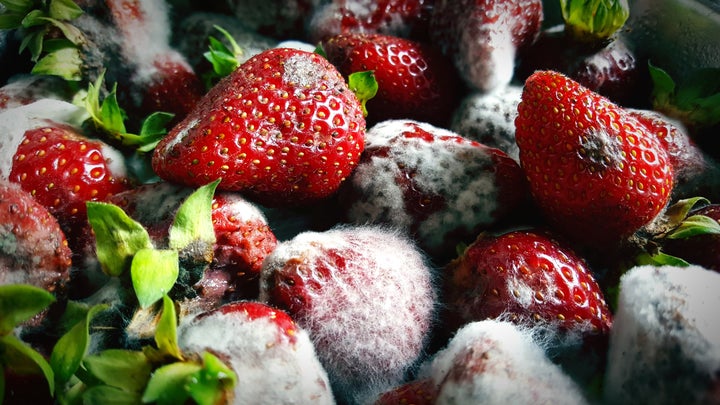
Rok Stritof / EyeEm via Getty Images. These moldy strawberries may be beyond saving.
But if you do see a moldy item, inspect neighboring fruits and vegetables for signs of mold (green or white fuzz) or spoilage (mushy texture or discoloration), Sims said.
“Evolution has given humans amazing instincts to tell if food is safe to eat,” using sight, touch and smell, Regusci said. “First, does it look good? No mold or cracks. Does it smell good? Not funky, unless you have purposely fermented or pickled it. Does it feel right? Not super mushy. Then it should taste right.”
Is it safe to eat produce that’s had a moldy neighbor?
Don’t see mold growing on a fruit or vegetable that’s been hanging out with a moldy item? You can usually wash the produce and eat it later. The USDA recommends washing produce under running tap water and avoiding using soap or detergent.
“The likelihood of getting ill from one of the fresh items that have been touching a rotten one in the U.S. is low, especially if you are a person without underlying health conditions,” Coffman said. People with mold allergies or compromised immune systems could be at risk for illness, though.
The USDA mostly recommends throwing away foods that display mold but suggests that some foods can still be eaten if you remove the mold. For example, on firm fruits and vegetables with low moisture content, like cabbage, bell peppers and carrots, you can cut off at least an inch around and below a small mold spot. Just avoid touching the moldy spot with your knife so you don’t cross-contaminate the produce.
However, soft produce with high moisture content, like tomatoes, peaches and cucumbers, should be thrown away if they show mold.
Coffman said mold on the surface can mean the “mold has also rooted deeply below.” If the food is contaminated with a mycotoxin-producing mold, the toxins spread throughout the item.
Never sniff moldy items, as you could inhale the mold spores, which could cause respiratory illness. People can also get sick from skin contact with moldy foods, Coffman said.
Keep in mind, too, that just because the food looks OK or you’ve removed the moldy bits, it could be unsafe to eat. Pathogens, like e.coli, listeria and salmonella, aren’t visible to the naked eye.
“There isn’t much you can do when inspecting produce at the grocery store to tell if it’s harboring something that might make you sick,” Coffman said. “What you can do is wash your produce, cook it when possible and keep an eye out for recalls and public health notices.”
She also suggested keeping raw meats and other foods from cooked foods, washing your hands frequently while cooking and handling food, and placing a kitchen thermometer in the refrigerator to ensure it’s set at or below 40 degrees Fahrenheit to keep molds and bacteria from growing.
“If you do end up accidentally eating something moldy and have an allergic reaction, seek medical help,” Coffman said. “Symptoms can include a sudden onset of shortness of breath, nausea, fever or diarrhea.”
The Somey Traditional Area in the Ketu South Municipality of the Volta Region has hinted of plans to create a local buffer stock of food to guard against possible food shortage due to the COVID-19 pandemic.
The Traditional Area, in a press release issued by Torgbiga Adamah III, the Makorsor of Somey, said: “Apart from its ultimate deadly implication on all of us, COVID-19 has so far had damaging economic, social and security effects on the lives of our people.â€
It said it could predict food shortages and the resultant price hikes due to the closure of the Ghana-Togo Border and the lockdown in Greater Accra.
The release said, as a result, “a nine-member committee of experienced people has been set up to advice or monitor and coordinate the measures being put in place to create a local buffer stock of food to prepare for any eventuality.”
It appealed to the indigenes of Somey and other philanthropists to voluntarily support the initiative.
The release urged all to follow strictly precautionary measures such as personal hygiene and social distancing, saying; “When we work or fight together as our forefathers did, we will overcome the pandemic.â€
World food prices declined sharply in March, driven mostly by demand-side contractions linked to the effects of the COVID-19 pandemic and the drop in global oil prices due mostly to expectations of economic slowdown as governments roll out restrictions designed to respond to the health crisis.
The FAO Food Price Index, which tracks monthly changes in the international prices of commonly traded food commodities, averaged 172.2 points during the month, down 4.3 percent from February.
“The price drops are largely driven by demand factors, not supply, and the demand factors are influenced by ever-more deteriorating economic prospects,” said FAO Senior Economist Abdolreza Abbassian.
The FAO Sugar Price Index posted the biggest drop, down 19.1 percent from the previous month. Causes include lower demand from out-of-home consumption linked to the confinement measures imposed by many countries, and lower demand from ethanol producers due to the steep fall in crude oil prices.
The FAO Vegetable Oil Price Index declined 12.0 percent in one month, mainly stemming from falling palm oil prices linked to the plunge in crude mineral oil prices and rising uncertainties over the pandemic’s impact on vegetable oil markets worldwide. Soy and rapeseed oil prices followed the trend.
“Oil prices have fallen by more than half during the past month, which catalyzes a large downward impact on biofuels, which are an important source of demand in the markets for sugar and vegetable oils,” said FAO analyst Peter Thoenes.
The FAO Dairy Price Index fell by 3.0 percent, driven by declining quotations and global import demand for skim and whole milk powders, due largely to disruptions in the dairy supply chains because of the containment measures aimed at controlling the spread of COVID-19.
The FAO Cereal Price Index in March declined 1.9 percent from February and stood at nearly its level of March 2019. International wheat prices declined, as the effects of large global supplies and broadly favorable crop prospects outweighed those of increased import demand from North Africa and some small export limitations imposed by the Russian Federation. Maize prices also declined due to both large supplies and much weaker demand from the biofuel sector.
International rice prices, by contrast, rose for the third consecutive month, with Indica quotations buoyed by stockpiling spurred by concerns over the pandemic and reports that Vietnam might introduce export bans – which the government has since downplayed.
FAO Director-General, QU Dongyu told national leaders “to make sure that agricultural trade continues to play its important role in contributing to global food security” and to avoid policies that stymie trade flows that underpin food-supply systems. FAO is closely monitoring prices and logistical issue for food commodities with an eye to alerting countries of emerging problems that could exacerbate potential disruptions during the pandemic.
The FAO Meat Price Index fell by 0.6 percent, led by drops in international quotations for ovine and bovine meats, for which export availabilities are large and trade capacity dampened by logistic bottlenecks. But pig meat quotations rose amid surging global demand and as processing facilities were hampered by the restrictions on the movement of workers.
Comfortable cereal supplies
FAO’s forecast for 2020 world wheat production remains unchanged from the previous month, at the near-record level of last year, which, coupled with ample inventories, will help shield food markets from turmoil during the coronavirus storm.
In this month’s Cereal Supply and Demand Brief, FAO’s hiked its estimate for worldwide cereal output in 2019 to 2 721 million tonnes, a 2.4 percent increase from 2018. By type, FAO’s 2019 estimates now stand at 1 445 million tonnes for coarse grains, 763 million tonnes for wheat and 512 million tonnes for rice (milled basis).
While localized disruptions, mostly due to logistical issues, pose challenges to food supply chains in some markets, their anticipated duration and magnitude are unlikely to have a significant effect on global food markets, FAO said.
FAO’s 2020 forecast for world wheat production is unchanged from last month at 763 million tonnes, with expectations of lower outputs in the European Union, Ukraine and the United States of America compensated by anticipated production gains in the Russian Federation, India and Pakistan – although locust infestations in the latter two countries could temper the foreseen increase.
For maize, the leading coarse grain, bumper harvests are expected in Brazil and Argentina, and South Africa’s maize output is forecast to recover strongly after last year’s drought. Elsewhere, sowing decisions may be influenced by the downturn in international maize prices.
FAO’s forecast for world cereal utilization for 2019/20 has been raised slightly to 2 722 million tonnes, a 1.2 percent annual increase. World cereal stocks at the close of the 2020 seasons are expected to contract by 8 million tonnes from their opening levels, pushing the global cereals stock-to-use ratio down to 30.7 percent, which is still considered a comfortable level. World trade in cereals is forecast to increase by 2.3 percent from the previous year to reach 420 million tonnes.
Management of HortiFresh in consultation with public and private actors in the food safety and certification sector has inaugurated Food Safety Taskforce in Accra.
The Taskforce is to develop strategies and activities to address current and emerging food safety and certification challenges in the horticulture sector.
It is also to develop strategies, programmes and communique to address current and emerging bottlenecks in food safety.
Mr Samuel Asante Mensah, the Hortifresh Advisory Board Chair, speaking at the inauguration, commended the management of Hortifresh for taking up this initiative.
He also commended the members of the taskforce for taking up the voluntary role to help promote safety in the horticulture sector.
The Board Chair tasked them to be dedicated and committed to their various roles and support, to achieve food security for the country.
Mrs. Sheila Assibey Yeboah, the Programme Manager of Hortifresh, said the objectives of the Taskforce was to review the food safety situation in the country and promote both international and domestic standards of fruit and vegetables.
She indicated that the Taskforce would coordinate campaigns and consumer education on food safety, as well as support the enforcement of food safety standards that existed in the country.
“Hortifresh plays a facilitating role to activities of the Taskforce,” she added.
Mr Abdulali Abdul Rahaman, the Policy Officer in charge of Agribusiness at the Netherlands Embassy, said it was important to enhance institutional efforts to improve the food safety situation of fruits and vegetables in Ghana.
He said the Taskforce would push the agency for food safety and consumer confidence.
He expressed appreciation for the initiative to all stakeholders gathered and challenged them to make the horticulture sector more attractive also in the context of youth employment.
Mr Harry Bleppong, Director in Charge of Horticulture, said the safety of the food consumed had been of great concern to all worldwide over time.
He assured the consuming public of the safety of the food they consume, adding that major actors in the food value chain had taken measures such as the stringent production, import and export requirements and regulations crucial.
He said in Ghana ‘we have our peculiar issues with food safety including the use of sewage water in vegetable production, the loading of vegetables with pesticides, the use of banned chemicals in production has been topical issues in the vegetable production.
“We have collaborated as industry players in finding solutions to some of the very difficult issues that has confronted us,” he added.
He expressed the hope that the taskforce would not be different.
He said the Taskforce will be used to facilitate the work of the mandated institutions in finding solutions to challenges facing the fruit and vegetable industry and the concerns of the consuming public.
Mr. Bleppong said it was important to note that the foremost responsibility of the safety of the food we consume was with the consumers, and the safety of food could be compromised at any stage along value and supply chain even to the point of the dining table.
The task force is made up of various stakeholders from research and knowledge institutions, export associations, processors and retailers of fruit and vegetables regulatory authorities and agencies, development partners and agro input dealers.
Two children in Uganda have died and 11 others have been hospitalised after they ate pancakes made with pesticides instead of cooking oil, according to the Daily Monitor newspaper.
All 13 children are from the same family in Budumba, western Uganda.
The newspaper reports that the children made the pancakes themselves – a dish commonly known in Uganda as Kabalagala.
But the Daily Monitor adds that they used the wrong ingredients – mistaking a pesticide, used to grow watermelons and vegetables, for cooking oil.
The children then started vomiting, the news site reports, and were taken to Busolwe hospital where two of them died and the 11 others are being treated:
Two children have died and 11 others admitted to Busolwe General Hospital, Butaleja District after eating suspected poisonous’ pancakes commonly known as kabalagala. All the 13 victims are members of the same family https://t.co/0N3xvJlPY5#MonitorUpdates