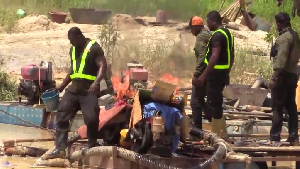
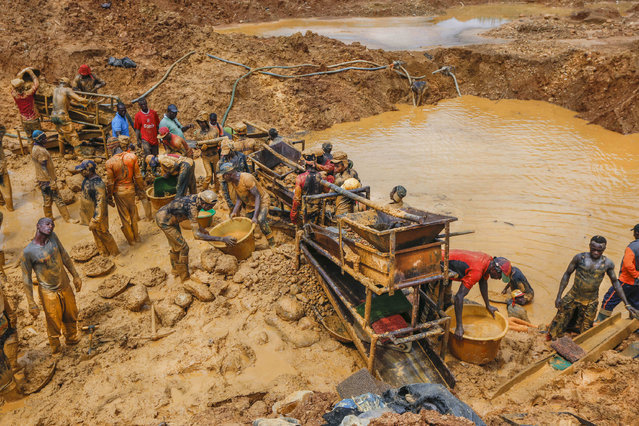
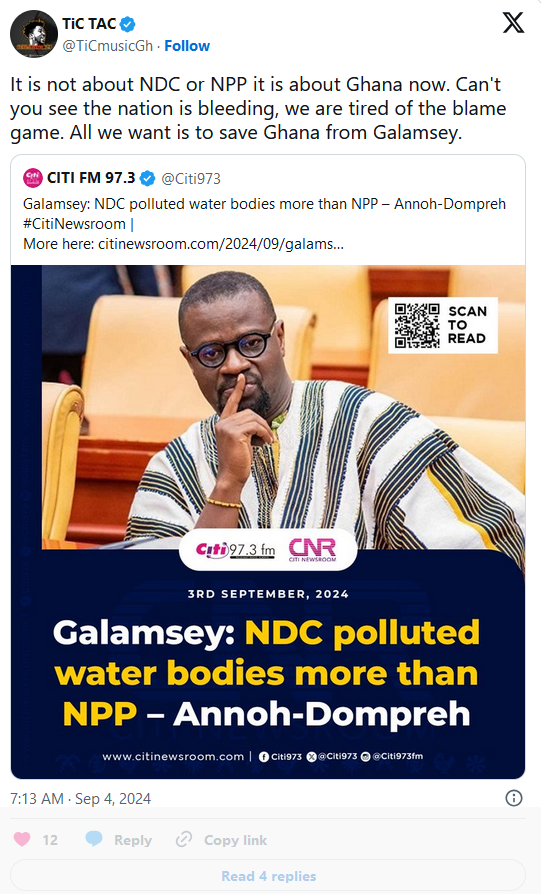
Organised Labour, led by the Trades Union Congress (TUC), has issued a strong ultimatum to the government, threatening to initiate a nationwide strike by the end of September if decisive measures are not taken to tackle the growing crisis of illegal mining, commonly known as galamsey.
The call for action is the latest in a series of demands from various unions and civil society groups, all pushing for urgent intervention to combat the environmental destruction caused by the practice.
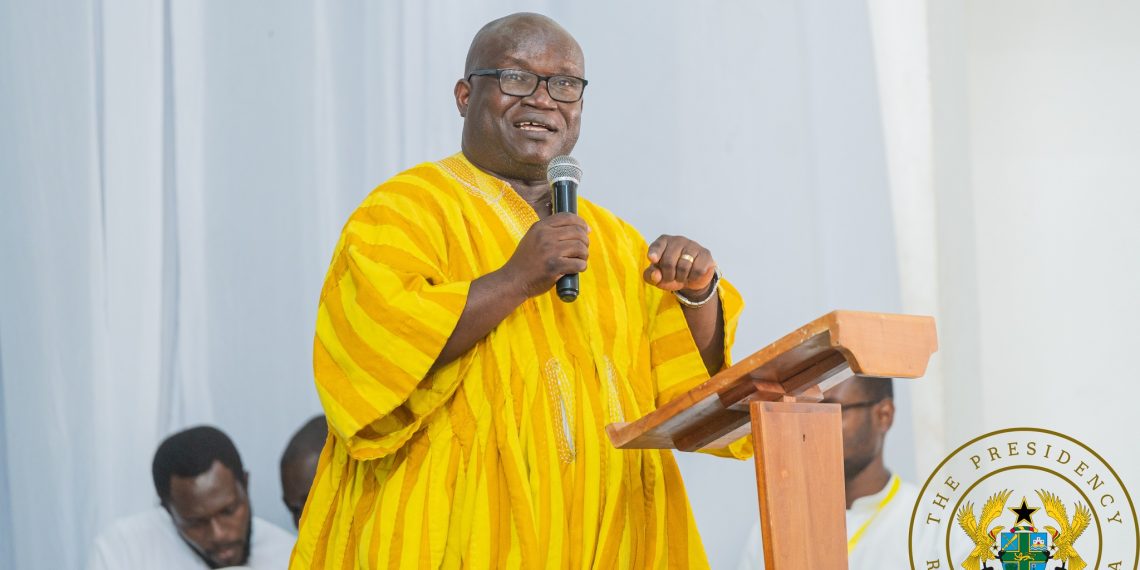
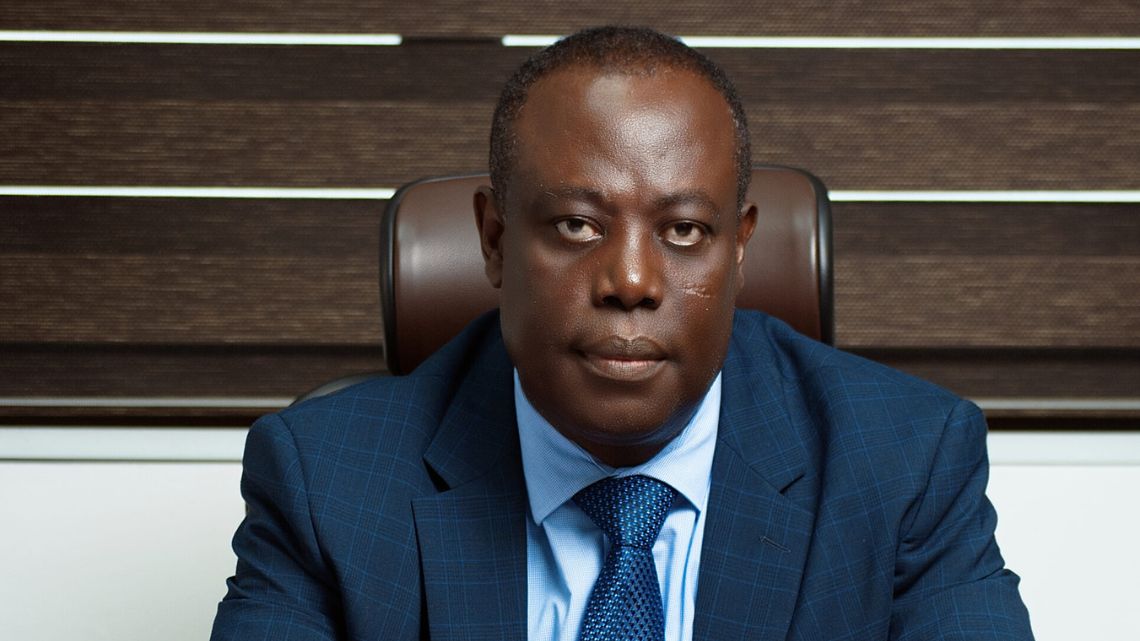
In a statement issued by Joshua Ansah, Secretary General of the TUC, Organised Labour urged the government to declare a state of emergency in all regions affected by galamsey.
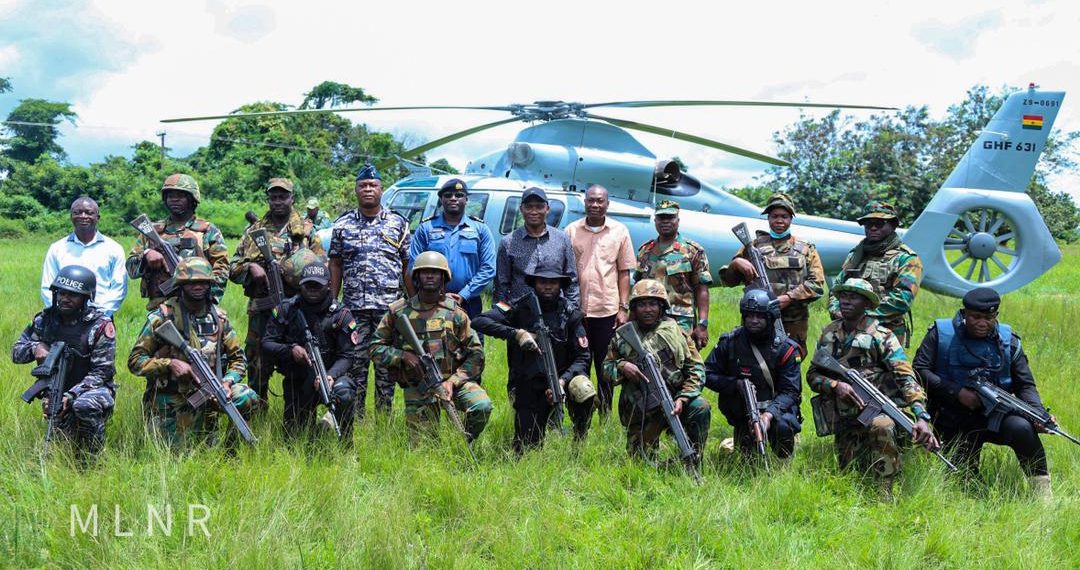
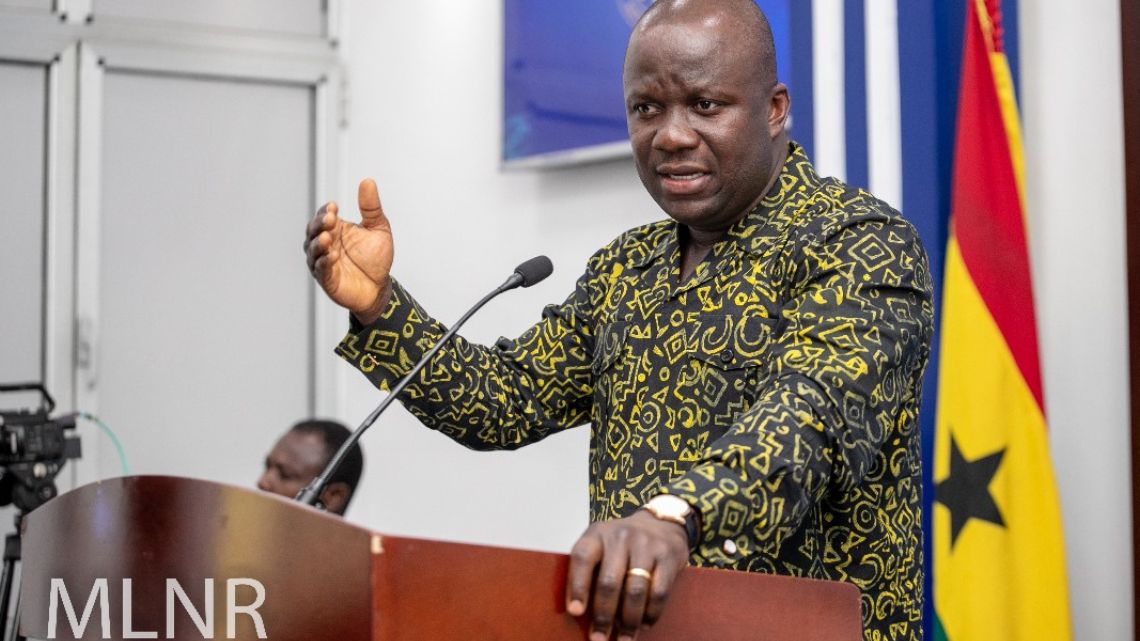
The group also called for the immediate suspension of all mining activities in forest reserves, the establishment of special courts to expedite the prosecution of illegal miners, and the deployment of military forces to dismantle and destroy mining equipment in these regions.
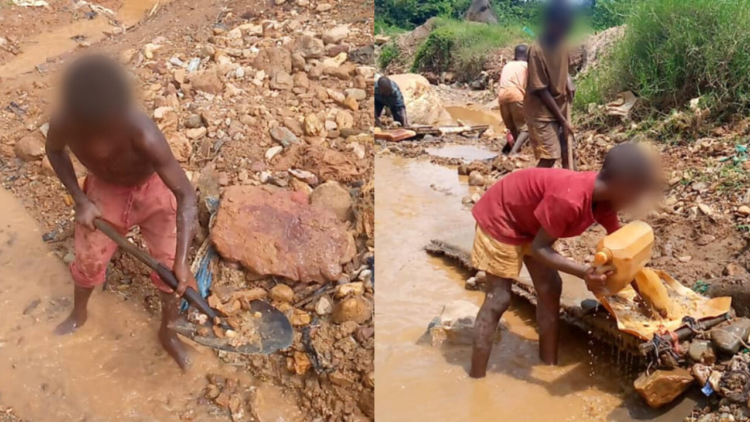
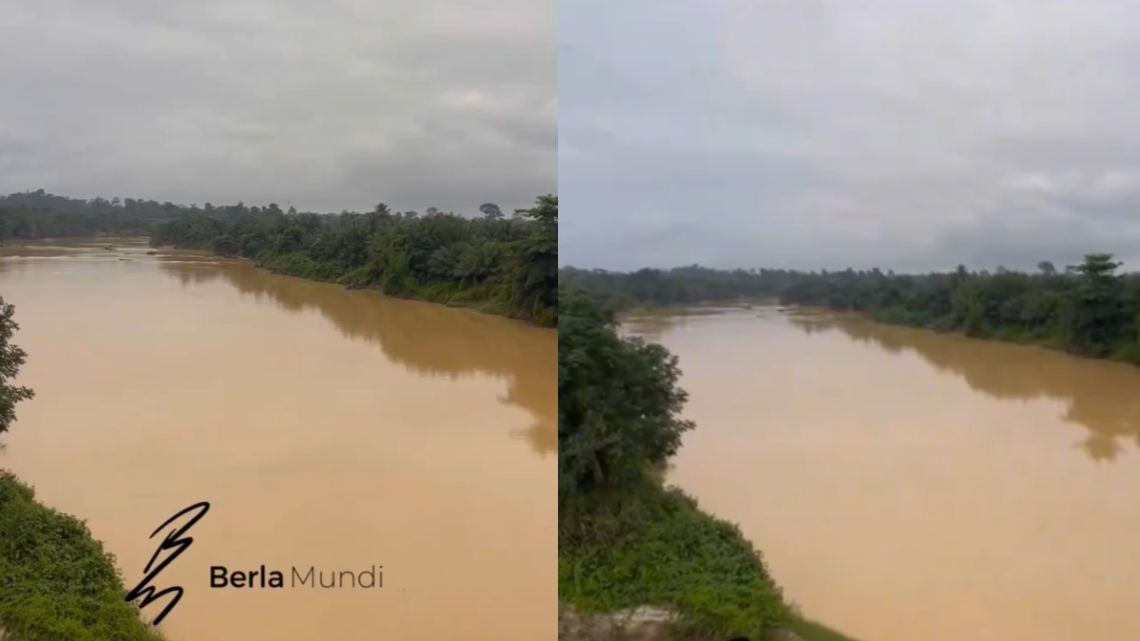
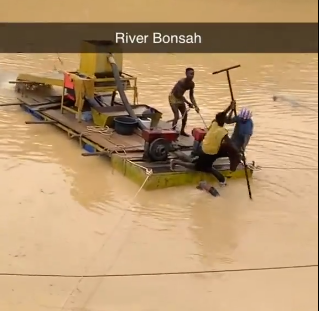
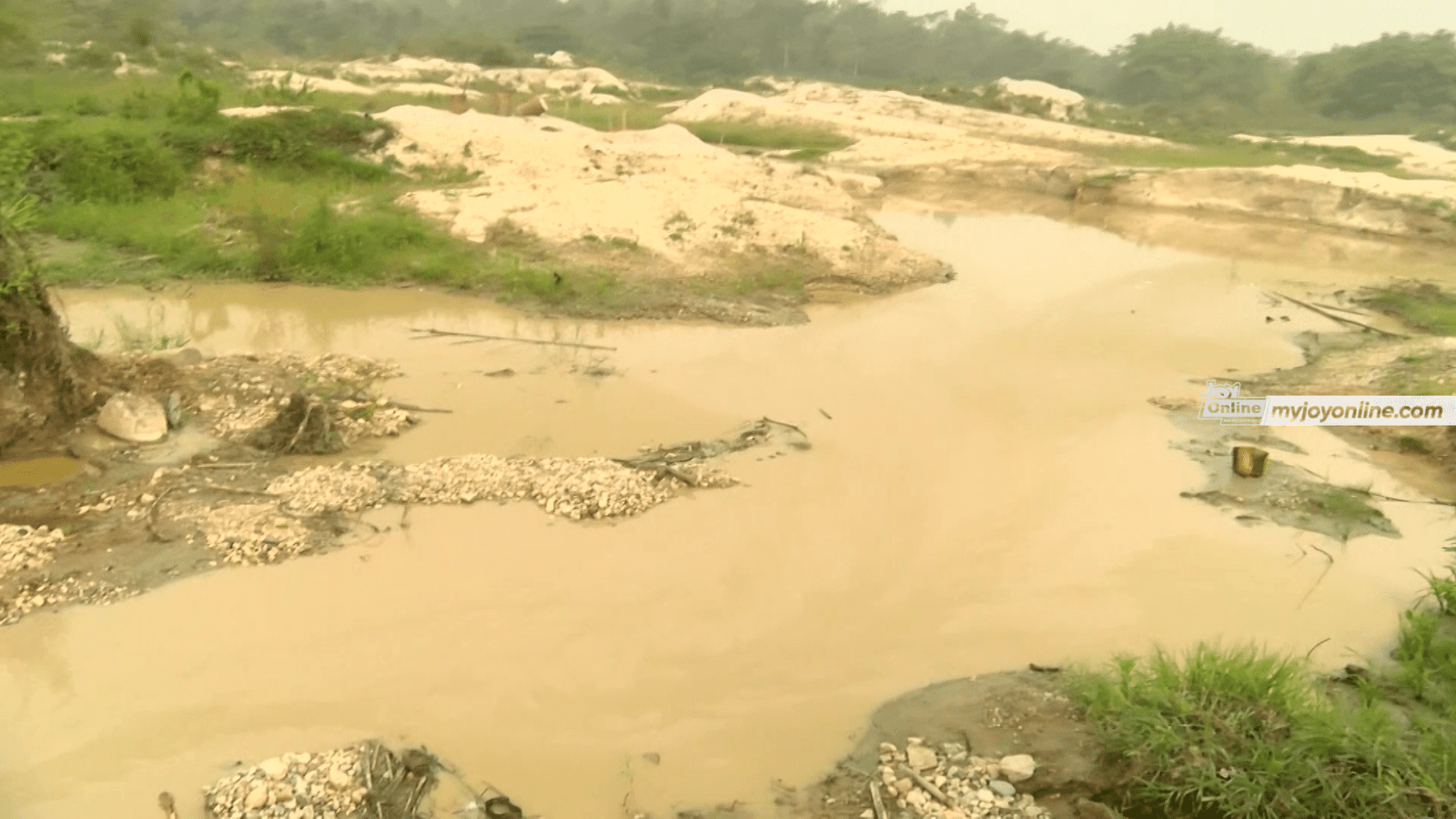
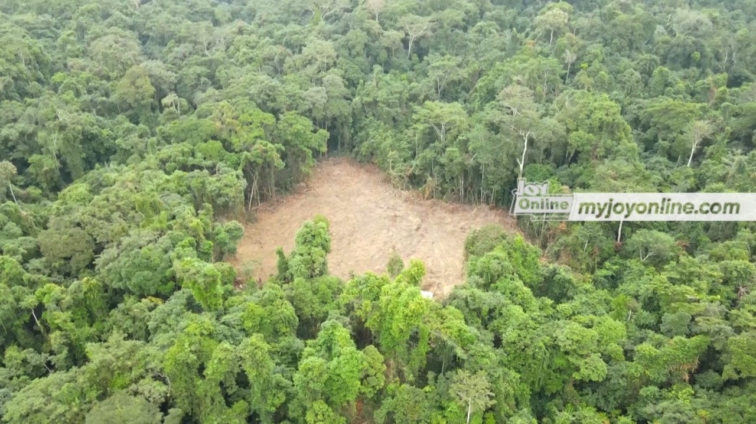
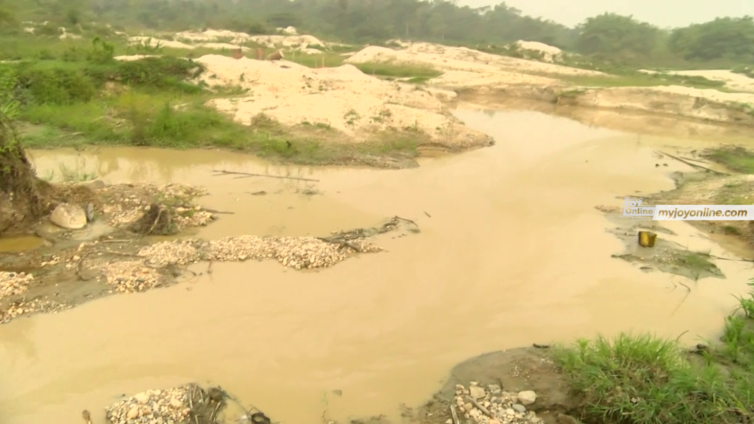
Mr Ansah stressed the catastrophic impact of the government’s inaction on galamsey, which has led to widespread environmental damage, including the destruction of rivers, farmlands, and forest reserves.
“The government’s failure to act swiftly and decisively has caused severe environmental degradation. If no concrete measures are taken by the end of September, we will be left with no choice but to embark on demonstrations and a nationwide strike,” he stated.
This development adds Organised Labour to a growing list of unions and organizations that are mobilizing for mass protests if the government does not address the illegal mining crisis. The University Teachers Association of Ghana (UTAG) and the Chamber of Agribusiness are also preparing for demonstrations, citing the continued devastation of the country’s natural resources.
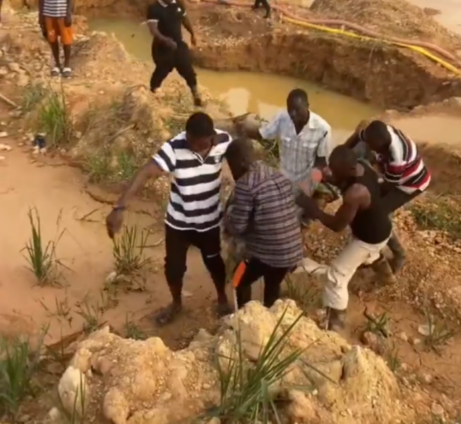
Despite previous government interventions, including the deployment of security forces and the arrest of galamsey operators, illegal mining activities remain rampant. UTAG has announced its intention to launch a nationwide protest unless the government imposes a comprehensive ban on galamsey by September 30.
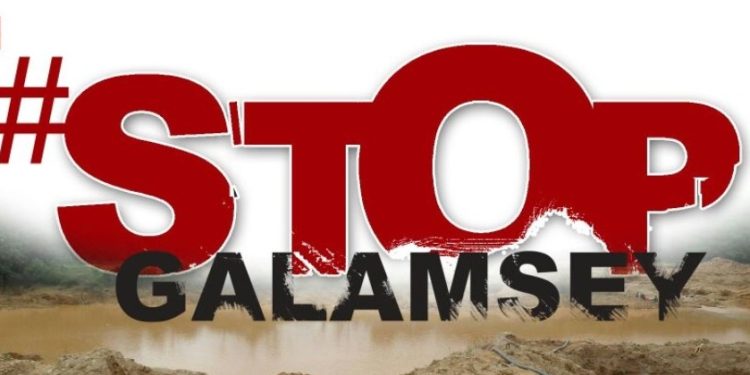
In their statement, UTAG emphasized the need for urgent action, warning that the future of Ghana’s environment is at stake. “UTAG will join all labour unions in Ghana to act decisively to ensure that the right thing is done. If this is not done by the end of September 2024, we will embark on a nationwide industrial action. We have taken this principled stand against galamsey because our lives depend on it. It’s time to #BANgalamsey and ban it for good!” the association declared.
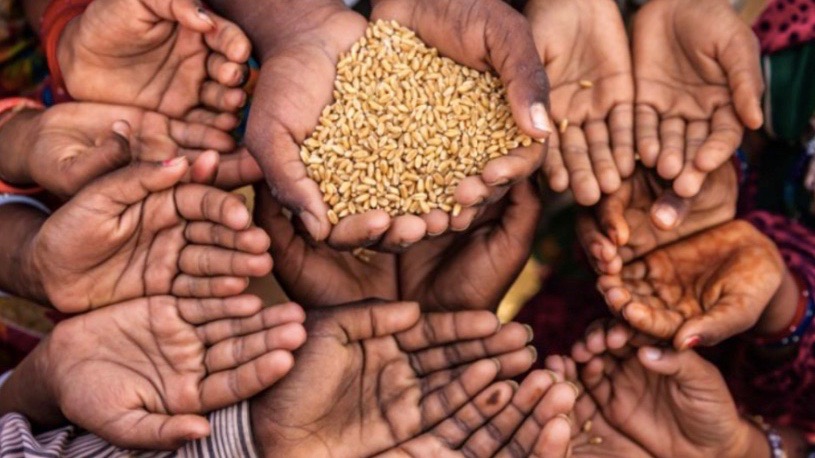
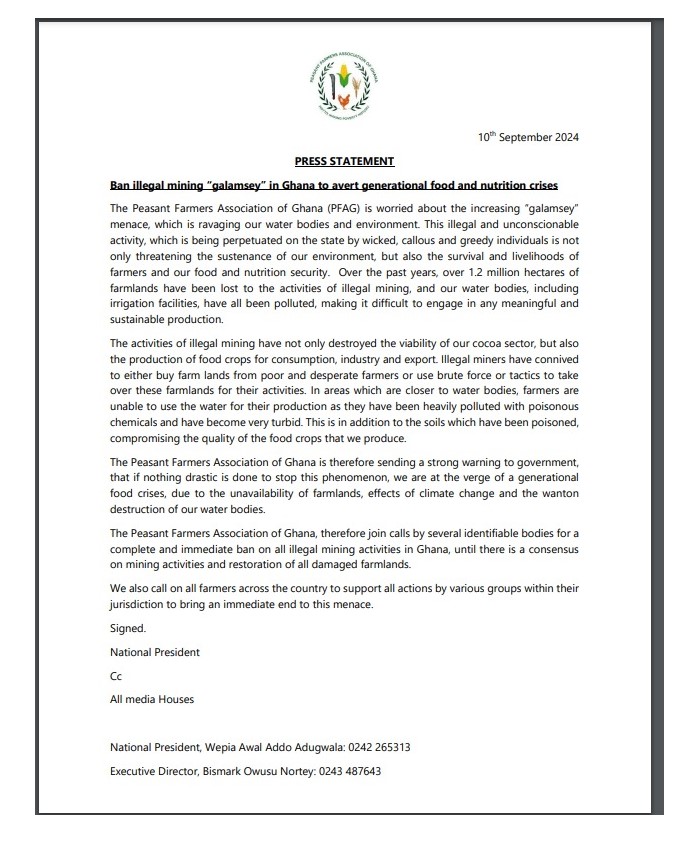
At the same time, the Chamber of Agribusiness is spearheading a campaign to draw attention to the severe impact of illegal mining on agriculture. In collaboration with the Food and Agriculture Organization (FAO) and other international bodies, the Chamber aims to raise awareness of the destruction of over 1.2 million hectares of farmland due to galamsey operations.
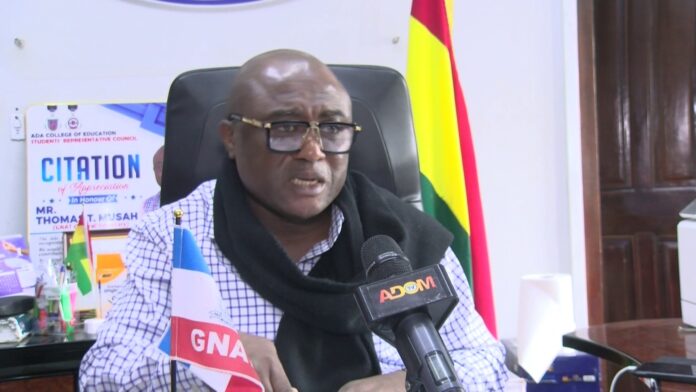
Anthony Morrison, CEO of the Chamber of Agribusiness, expressed frustration over the loss of investments in the agricultural sector, which has suffered significant damage from illegal mining activities. “People’s investments have gone down the drain as a result of the activities of illegal mining and galamsey actors. We intend to follow up with a press release and, subsequently, a demonstration among the farmer and agribusiness communities. We are losing quite a lot,” Morrison noted.
Morrison also criticized President Akufo-Addo for his perceived failure to protect the livelihoods of Ghana’s rural population, which accounts for more than 57% of agricultural workers.
He warned that the continued inaction on galamsey could lead to international sanctions, including possible restrictions on Ghanaian agricultural exports.
“We have lost trust in President Akufo-Addo as he is not safeguarding the livelihood of over 57% of the rural population involved in agriculture. If the issues of galamsey are not resolved immediately, there could be bans on Ghanaian agricultural exports from European countries and other international markets,” Morrison cautioned.
As the galamsey crisis deepens, the calls for government action are intensifying. With Organised Labour, UTAG, and the Chamber of Agribusiness preparing to escalate their protests, the government faces mounting pressure to deliver effective solutions.
The coming weeks are critical, and the failure to act decisively could have lasting consequences for Ghana’s environment and economy.