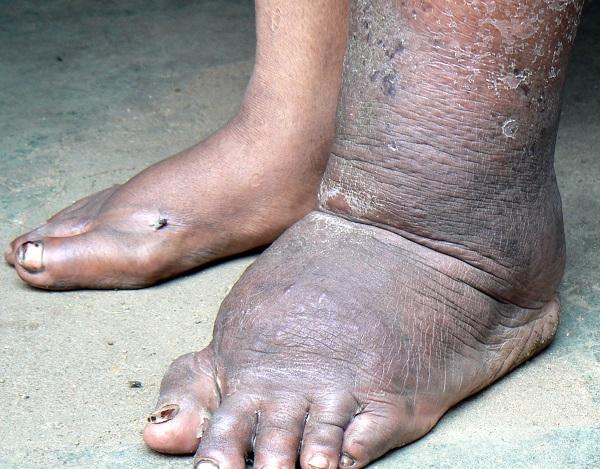
The Ghana Health Service’s (GHS) National Leprosy Central Programme (NLCP) has identified a rise in new leprosy cases among the children in the country.
In an article that appeared in the Ghanaian Times on February 15, 2023, the NLCP said that over the previous five years, at least 200 new cases of leprosy have been reported annually in the nation.
In addition, the NLCP reports that as of September of last year, 221 new cases of leprosy had been reported, seven of which included children.
Leprosy was endemic in all 16 of Ghana’s regions, while the Upper East and Upper West recorded the most new cases each year.
Cited in the article, the Programmes Manager of NLCP, Dr. Benedict OkoeQuao, is quoted as saying that,
“This tells us that transmission is ongoing and we are all at risk. The only luck is that a lot of us have strong immunity and our body naturally fights the organism; else we would have had a huge problem on our hands,” he said.
According to him, the risk of spread among the population has resulted in the revision of the Programme control strategy, which further aligns with the World Health Organization (WHO) vision to ensure that countries all over the world declare “Zero Leprosy” by 2030.
“Therefore, in line with the new NTD roadmap, 2021-2030, the international health organization targets that in the next seven years, there will be zero-leprosy infection, zero disability and zero-stigma and discrimination associated with persons diagnosed with leprosy,” he noted.
While these objectives are achievable, Dr. Quao, admitted that stigma and discrimination against persons diagnosed or suffering from the effects of leprosy could be the greatest hurdle to overcome.
He said a lot of cruelty meted out to patients are based on myths, misconceptions and low public knowledge about the disease.
“For instance, hugging someone cured of leprosy won’t make you get it. Most of the people with disability, especially, the clawed fingers and toes are cured. They don’t have the disease but the claws is a disability and may remain,” he explained.
He, therefore, stressed on the need for extensive public health interventions about the disease, emphasizing that, presently, there is a need for the establishment of the Public Health Emergency Fund (PHEF), which could help provide sustainable investment and funding into leprosy interventions.
“Currently, we have funding to administer rifampicin in only six regions and that is from foreign donor organizations. If you suspect a case now, you need to send in logistics to do tracing, among other investigations. But at whose cost?” he questioned.
He added, “If we have a dedicated fund where the or Ghanaians could contribute to regularly, we could tap into it to implement preventive measures against such public threats.”
In the Sagnerigu municipality, some mothers have beseeched the Ghana Health Service (GHS) to supply measles vaccines and other vaccines as part of the expanded immunization campaign.
According to the mothers, for over a month now, each time they visit the health centre for weighing, they are told there are no vaccines.
One of the mothers told Citi News “we are scared because of the measles outbreak in the region. All attempts to get our children vaccinated have failed. We really need the vaccines to be made available. The lives of our children are at risk.”
The Northern Region is currently facing a measles outbreak that started in October last year.
The Acting Northern Regional Director of Health, Braimah Baba Abubakari has however denied reports of vaccine shortage in the region.
Citi News checks at health facilities in Savelugu, Tamale, and Sagnerigu confirmed the non-availability of vaccines.
The Northern Region has received measles vaccines to vaccinate children living within the area.
According to the directorate, 15 suspected cases have been recorded for 2023 by the Ghana Health Service in that region alone.
As such, the directorate is advising parents to get their children immunized against measles.
Despite the fact that there have been no deaths, the Regional Health Director, Dr. Braimah Baba Abubakari, believes there are enough vaccines to fight the disease and that parents should play a role in combating it.
Speaking to Citi News, Dr. Braimah urged all parents to avail their children for routine vaccination against measles.
“As part of the routine immunization, there are about 13 different vaccines we are giving to the children depending on the age.“
Earlier there were reports of a shortage of measles vaccines in the region after the cases were detected in four districts including, Karaga, Sagnerigu, Tamale and Gushegu.
There were severe cases where children had to be put on oxygen in some health facilities.
General vaccine supply to the Northern Region has been erratic since the middle of 2022.
Checks in the region prior to the latest arrival of vaccines showed that, out of the 13 vaccines for routine immunization, only two, that is Tetanus and Tuberculosis were the only ones in stock.
A release issued by the Regional Health Directorate and addressed to all District Health Directors and sighted by Citi News confirmed cases of measles.
“Given the current season, which presents one of the greatest risks for the transmission of measles, Districts Health Directorates and Facilities (both public and private) are urged to intensify surveillance on measles and other diseases of epidemic potential for prompt action should they occur.
In 2022, the central hospital in Tamale had its Paediatric unit closed down due to an outbreak of measles.
The Neglected Tropical Diseases (NTDs) Programme of the Ghana Health Service (GHS) has called for a sustained financing and cross-sectoral approaches to fight the menace in the country.
The lack of resources, the Programme notes, has become a significant barrier to the control, elimination, and eradication of NTDs in the country.
What are NTDs?
The term NTDs is used to describe a group of 20 communicable diseases that prevail in tropical and subtropical countries and affect more than one billion people globally, according to the statistics by the World Health Organisation (WHO).
The 20 NTDs are: Buruli ulcer; Chagas disease; dengue and chikungunya; dracunculiasis; echinococcosis; foodborne trematodiases; human African trypanosomiasis; leishmaniasis; leprosy; lymphatic filariasis; mycetoma, chromoblastomycosis and other deep mycoses; onchocerciasis; rabies; scabies and other ectoparasitoses; schistosomiasis; soil-transmitted helminthiases; snakebite envenoming; taeniasis/cysticercosis; trachoma; and yaws.
Of the 20 NTDs identified by the WHO, 14 are found in Ghana, prominent among them being Trachoma; Buruli ulcer; Yaws; Leprosy; Human African trypanosomiasis (HAT or sleeping sickness); Leishmaniases; Lymphatic filariasis; Onchocerciasis (river blindness); Schistosomiasis, and Soil-transmitted helminthiases.
NTDs mainly affect populations living in poverty and in close contact with infectious vectors— viruses, bacteria, parasites, fungi and toxins.
The disease cause devastating health, social and economic consequences to those affected by it.
Financing NTDs
Explaining why the Programme is calling for a sustained financing and investment on NTDs, the Deputy Programme Manager, Dr Joseph Kwadwo Larbi Opare, said ending NTDs will make our health systems more resilient and our world a more equitable and safer place.
For him, by bringing renewed attention to NTDs, building political will and mobilising resources, and putting individuals and communities at the centre of the response, “we can collectively generate the attention and resources needed to deliver against the targets outlined in the WHO 2030 NTD road map and SDG3.”
“That is why, together and united, we will make the case for investment, and push for concerted action and financing on World NTD Day 2023,” Dr Opare noted.
He explained that investing in NTD programmes would create a ripple effect in society, adding that “it leads to better education, health, and employment outcomes, and transforms lives and communities.”
In addition, he observed, investing in NTD programmes would equally help to reduce gender inequity, stigma, and preventable mortality and morbidity, pointing out that “the case for investment is clear.”
He further observed that addressing NTDs requires cross-sectoral approaches that span from bringing medicines to the ‘end of the road’ – thus making universal health coverage a reality, relieving the associated mental health burden, and tackling fundamental human rights issues.
Dr Opare said investing in NTDs is a global health and development success story, noting that so far, 46 countries including Ghana have eliminated an NTD, showing that progress is possible towards elimination and eradication of the disease.
Currently, he noted, every district in Ghana has at least two of the NTDs, calling also for a sustained awareness on the disease in order to reduce its impact on people, saying “the disease keep children out of school and parents out of work.”
In addition, he explained, NTDs are endemic in poor communities and promotes poverty and intense stigma.
Action now!
Dr Opare called on all stakeholders, particularly duty bearers to join the fight in their various capacities to help the country to become free from NTDs.
“Everyone has a key role to play,” he noted, saying “This year, we invite you to ask our leaders to act now, act together and invest in neglected tropical diseases.”
World NTDs Day
This year’s World NTD day, which falls today, January 30, 2023, is on the theme “Act now. Act together. Invest in neglected tropical diseases.”
The day is celebrated to raise awareness on the need to address issues on Neglected Tropical Diseases.
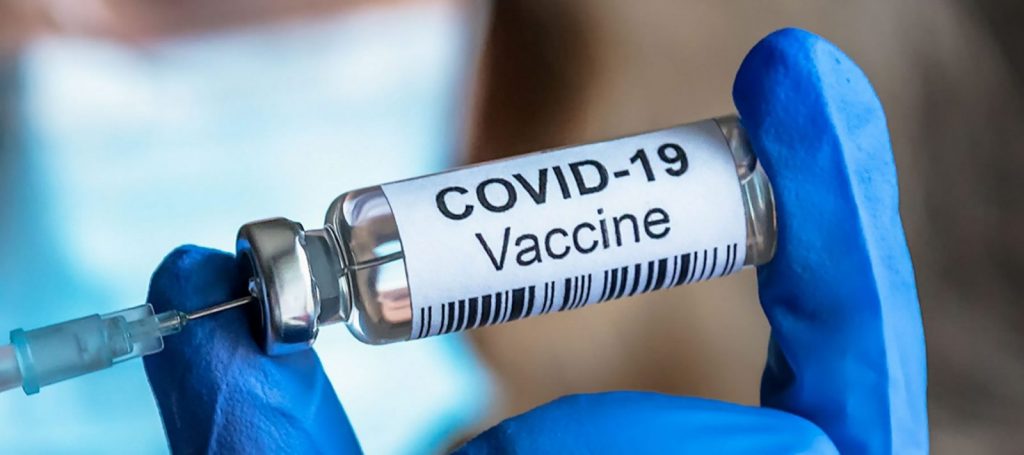
Following the announcement of the 6th National COVID-19 Vaccination Days, the Ghana Health Service (GHS) reports that it has barely reached 10% of its target.
The Service designated January 20, 2023, through January 24, 2023, as immunization days due to an increase in COVID-19 infections in some countries, notably China.
The service regrets that the attendance has not been very spectacular.
However, Dr. Kwame Amponsa-Achiano, the Service’s programme manager for the Expanded Programme on Immunization, expressed optimism that turnout will increase in an interview with Citi News.
“So far, it’s been fine, not exactly as we expected, but at least it made some inroads. We are happy that some people are taking some vaccines. It’s early days yet, we have data for only day one… If you look at data for day one, we are doing about 10% of our target.”
“That is data from only thirteen regions, we haven’t had the reports from the other three regions yet, so we are still expecting,” Dr. Kwame Amponsa-Achiano stated.
The Ghana Health Service (GHS) has asked all district health directorates and facilities in the Bono Region to strengthen surveillance on Cholera and other diseases of epidemic potential.
This follows the recording of a case involving a 10-year-old girl in the Dormaa Municipality.
According to the alert, issued by Bono Regional Director of Health Dr Kofi Amo-Kodieh, all heads of health facilities in the Region have been asked to conduct investigations into all suspected cases and collect specimens for laboratory confirmation.
“You are also to intensify education on the prevention of cholera and other epidemic-prone diseases,” the alert said.
All medical directors have, therefore, been further asked to submit an updated epidermic preparedness plan for cholera to the Regional Health Directorate through the Disease Surveillance Unit by Monday, January 16.
According to the Ghana Health Service (GHS), it has observed the increase in new cases of COVID-19 in China and other countries.
The GHS describes this scenario as risky given the drop and persistent low levels of COVID-19 cases in Ghana during the previous three (3) months.
According to a news release from the Ghana Health Service dated January 1, 2023, Ghana’s comparatively low vaccination rate poses a serious threat to importation and a fresh wave of COVID-19 infection in the nation.
Therefore, the Service is making the necessary preparations to prevent a deterioration of the situation.
“This situation calls for tightening and reviewing of existing measures to avert further outbreaks. Ghana Health Service and the Ministry of Health are critically monitoring the situation in consultation with key stakeholders. We will shortly come out with our country specific measures to address the current threat of COVID-19, especially with respect to importation,” the Director-General of GHS, Dr. Patrick Kumah-Aboagye assured in the release.
The Service encouraged all Ghanaians who have not availed themselves for the COVID-l9 vaccination to do so.
“Those who have taken their first dose are to go for the second dose and those who have taken their second dose are also entreated to go for the booster. Vaccination remains the best protection against COVID-19 infection” the GHS urged.
According to information received, China will lift all travel restrictions to the country on January 8th, 2022, the Union stated in a statement it released on December 29, 2022.
“GUTA has heard that COVID-19 is still prevalent in China hence our call on the Ghana Health Service to examine and evaluate the situation and advice Ghanaian travelers,” GUTA added.
Meanwhile, the resurgence of COVID-19 in China has sparked renewed fears with thousands of persons reported to have contracted a new variant of the virus.
The Ghana Union of Traders Association(GUTA) is seeking the advice of the Ghana Health Service(GHS) in relation to business trips to China following the intended lifting of travel restrictions to the country.
“The Ghana Health Service should evaluate the situation in China and advice Ghanaian travelers accordingly,” GUTA said in a statement issued on Thursday.
Since the outbreak of the Covid-19 pandemic, China placed restrictions on travel to that country.
However, reports say China will effective 8th of January, 2023 remove all restrictions on travel to the country.
GUTA in its statement signed by the President, Dr. Joseph Obeng thus indicated that most Ghanaian businesses will want to resume their business trips to China, however, the prevalence of Covid-19 is still a worry.
“As we all know, China is a major destination of import for many Ghanaian traders, and as a result of the long wait, most Ghanaian businesses will want to resume their business trips to this productive and beautiful country.
“However, we have heard that, the Covid-19, is still prevalent in China hence our call on the Ghana Health Service to examine and evaluate the situation and advice Ghanaian travelers.”
Visitors who have not had the COVID-19 vaccination are now permitted to enter the country, according to Patrick Kumah Aboagye, director general of the Ghana Health Service.
He claims that those who haven’t had their shots will however undergo a ‘PCR’ test on arrival.
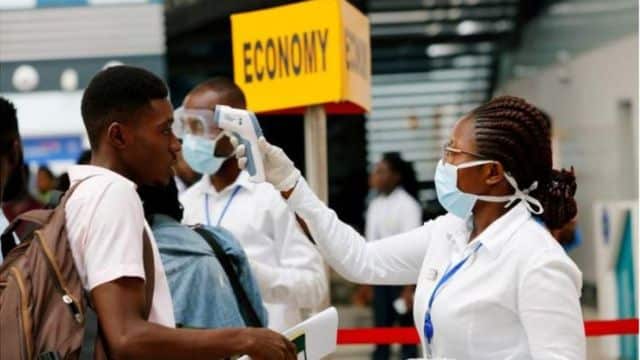
“Previously what we had was that if you are not a Ghanaian and you were not fully vaccinated you cannot come, but now you can come, but if you come in and you’re not vaccinated, whether unvaccinated or partially vaccinated you have to do a ‘PCR’ test 48 hours before you travel to Ghana and upon arrival, we will test you at the airport,” he said.
The Director General further noted that a lot of tourists will be flocking to the nation for the holidays, therefore precautions have been taken to prevent the spread of COVID-19. This was mentioned during a ministry press briefing on Sunday, December 18, 2022.
“A surge in COVID-19 cases among international arrivals is expected largely due to; anticipated increase in the number of arrivals; increase in global travel with the associated risks of disease transmission; similar experience during past Christmas season; possible emergence of new strains of concern; increased activities in-country also likely to contribute to a possible surge.
“The Ministry of Health and the Ghana Health Service will continue to implement the protocols on international travel as currently exists. Increased surveillance and monitoring of new strains and persons returning from countries of concern,” he added.
The Ghana Civil Aviation Authority (GCAA) is cooperating with the security forces in order to improve drone directive enforcement in the nation.
This is to ensure that Ghana’s aerospace is efficiently controlled and kept safe.
The Director-General of the GCAA, Charles Kraikue, told the Daily Graphic on the sidelines of a stakeholders’ breakfast meeting held last Thursday that that had become necessary because while there were rules controlling the flying of drones, they were often overlooked.
“There are rules that control the flying of drones, but these directives are often overlooked by drone operators, a route that needs to be cut short,” he said.
“We are in continuous engagement with the National Security and relevant agencies to enforce the directives on drones. This includes the involvement of the police and the Ghana Air Force in enforcement actions.
“Drones and aircraft fly in the same airspace and if that space is not regulated, it will pose a risk. Additionally, drones use technology, just as aircraft, and so if the airspace is not regulated, it may result in unpleasant stories,” he explained.
Directives
Some of the directives that control drone flying are the need for the flyer to be licensed by the GCAA, that the drones should not be flown within 10 kilometres (six miles) of airports or helipads, drone insurance is required, drones do not fly in restricted areas, among others.
The seminar, on the theme: “Maintaining a healthy partnership with our stakeholders: Key for aviation growth”, was organised by the GCAA purposely to brainstorm with industry players on how to make the sector better.
Some of the topics discussed were partnership benefits, collaborations and teamwork in the face of adversities and the pandemic.
It brought together representatives from the security services, logistics firms, airline operators and aviation enthusiasts.
New technologies
Mr Kraikue further disclosed that the GCAA was working on new technologies that would be drone friendly.
“The drone is also a technology that is useful, so we cannot completely do away with it. We are working on something new which will integrate the use of drones in our airspace, both commercial and non-commercial,” he noted.
Apart from the enforcement and additions, he said, education on safe drone operations would also be intensified.
New radar installations
The GCAA Director-General said there had been some new radar installations, in line with improving the aviation industry.
“The work of the air traffic controller is to communicate with the pilot and the radar system helps you to see to avoid collision of aircraft. Currently, we have one installed in Tamale, the northern sector of our airspace; we have one in Accra, dealing with the southern sector, as well as the oceanic airspace, and then there is one installed as a back-up in Kumasi.
“This will serve both Accra and Tamale, so that our airspace will be safe in terms of communication and surveillance,” he noted.
Touching on the high cost of domestic air fares, Mr Kraikue said talks were ongoing with the various airlines regarding that situation.
High cost of air fares
“We have had complaints about high cost of air fares, so we are discussing with the airlines to bring their cost breakdown, so that we know what it is they deal with. If there is a way in which we can help them reduce it, then we will do so,” he said.
The Ghana Drone Delivery Service was launched on April 24, 2019 to deliver medical supplies within designated areas in Ghana with the use of drones.
The first drone company, Zipline, in partnership with the Ghana Health Service, operates 24 hours a day.
The Ghana Police Service has adopted drone technology to complement the work of officers on the ground. Drone technology will enable the police to detect and combat crime.
By November 2020, five companies had been commissioned to provide drone services in the country — SKT Aeroshutter, Rocketmine Aerial Data Solutions, Zipline International, Rudan Engineering and Axis Drone Surveys.
These were chosen out of 977 applications.
Apart from being known mainly for medical deliveries, drones are also used in the entertainment industry, mainly by photographers for shooting.
The Ghana Health Service (GHS) has said that if proper precautions are not taken during and after the Christmas season , the country could record a new COVID-19 strain.
The Service indicates that, the country is likely to experience a surge in COVID-19 cases given that some countries around the world have seen hikes in cases due to a change in weather conditions.
At a media briefing in Accra, the Director General of the GHS, Dr. Patrick Kuma-Aboagye expressed the Service’s preparedness to contain any upsurge.
“There is also a potential for a new variant just like we had during the last Christmas -the Omicron variant. So, we also have to look at that as a risk factor, and so we need to be alert and make sure that we sustain the gains made so far, so we don’t go back to where we were many months ago.”
He also mentioned that, the mass vaccination campaign re-launched last week ahead of the yuletide has recorded a little over one million people receiving the jab.
Dr. Patrick Kuma-Aboagye urged opinion leaders to continue to entreat their opinion leaders to take the vaccines.
The Ghana Health Service from Wednesday, December 14, commenced the vaccination of citizens who are yet to be vaccinated against Covid-19.
The latest vaccination drive which ends today, Monday, December 19, 2022 was expected to last for five days to prevent a possible surge in cases of Covid-19 before, during and after the Christmas festivities.
Under the theme, Protect Yourself, Protect Your Family, Get Vaccinated Against Covid-19, this edition was expected to vaccinate over 1.4 million people between 14th and 18th December 2023.
The GHS has currently administered a total of 21,179,341 vaccine doses as of November 30.
Existing Covid-19 prevention measures at the airport for visitors have been strengthened to reduce the number of cases which may enter the country.
The Health Services Workers Unionhas issued a stern warning to the government not to touch their pensions as part of a debt-reduction plan.
Finance Minister Ken Ofori-Atta,In his presentation of the 2023 budget statement, proposed a debt restructure for domestic bondholders in terms of interest payments.
As a result, about 94% of Tier 2 payments earmarked for government security are anticipated to be impacted.
However, Franklin Owusu Ansah, General Secretary of the Health Services Workers’ Organization (HSWU), stated during a news conference on Sunday, December 4, that the union will oppose any attempt by the government to interfere with their pensions.
“Workers were made to believe that there will be no haircuts. The President of Ghana reassured and reaffirmed to workers on this…the attempt to touch the pensions in the quest to restructure debts means the government is tampering with the present and the future of workers. Pensions and Investments are being put at risk by the actions of the government.
“We shall resist any attempt by the government to give any kind of haircut whatsoever on pension because our future is at risk. Workers of Ghana cannot continue to suffer to the grave, enough is enough.”
The staff of the Neonatal Intensive Care Unit (NICU) of the Upper East Regional Hospital in Bolgatanga have saved a preterm baby born at 27 weeks of pregnancy.
The said baby recorded a birth weight of 0.9 kilograms (Kg) instead of the normal 2.5 kg but pulled through and survived owing to the professional care and determination exhibited by staff of the unit.
Madam Sheila Nigre, the Manager of the Unit, who disclosed this at the climax of the World Prematurity month celebration of the Unit, attributed the success to the grace of God and the efforts of staff of the Unit.
“It is joyful that by the grace of God and the efforts of staff, we have in our midst one of our preterm babies delivered at 27 weeks of pregnancy with 0.9 kg as birth weight, and come 29th November, 2022, this baby will be one year old,” she said.
The programme brought together management and staff of the Hospital, mothers of preterm babies and other stakeholders to celebrate the successes of the Unit and encourage mothers of preterm babies not to give up on their babies but nurture them to grow.
Annually, November 17, is celebrated as World Prematurity Day, and this year’s celebration was on the theme; “A Parent’s Embrace; A Powerful Therapy.”
The celebration spread across the entire month, with various activities including health education on the need to care for preterm babies delivered by various staff of New-born Care Units across the country.
The celebration is usually intended to raise awareness about preterm deliveries with its tendency to demoralise mothers and families with emphasis that such babies were not evil, but with proper care, they could grow normally just like babies delivered at full-term.
Madam Nigre, who is a Neonatal Nurse Specialist, explained that preterm babies were born before 37 completed weeks of pregnancy, and said preterm birth was a worldwide challenge, with Africa and South Asia having more than 60 per cent of global preterm births.
“Each year, more than one in ten babies are born preterm. It is a risk factor for low birth weight and the leading cause of death under five years. One million out of 15 million preterm babies born annually die as a result of complications,” she said.
Sheila Nigre neonatal nurse specialist at the NICU unit at Bolgatanga Regional
Madam Nigre urged nurses, family members and friends of women who delivered preterm babies to offer the needed support.
The Specialist said preterm birth was the second leading cause of admission in the Unit, and indicated that more resources were needed for positive health outcomes.
Madam Nigre appealed to individuals and Non-Governmental Organizations to support the Unit with incubators, cardiac monitors and radiant warmers for improved quality service delivery.
She further appealed to the Regional Director of the Ghana Health Service to offer more nurses and doctors in the Hospital the opportunity to specialise in diverse fields of health to enhance quality service delivery.
COVID-19 has left a generation scarred in its wake. From the lingering economic effects, such as the disruptions to supply chains across the world to the apprehension whenever an unmasked person sneezes, especially, in an enclosed space, the impact is undeniable.
Ghana’s response to COVID-19 was heralded globally for being swift and comprehensive, and in many ways, it was.
Restrictions on movement in the earliest days, which were characterized by gross uncertainty, the mandatory wearing of masks in public spaces and support for business were all enforced fairly well.
These measures, in part, kept the total number of positive cases to approximately 171,000 – 0.54 percent of the population, using the 2021 Housing and Population Census – and a mortality rate of 0.85 percent (1,460). This compares favourably, for instance, with the 4.03 million cases recorded among South Africa’s 60 million, where, unfortunately, 102,000 persons died from the illness as of August 2022.
Vaccines injection
The most important component of the fight against the virus is undoubtedly the vaccines, which one study found that between December 2020, and December 2021, saved an additional 14.4 to 19.8 million deaths in 185 countries.
Acutely aware that successful deployment could, among other things, improve the mental and emotional well-being of the citizenry, decrease morbidity and mortality, and minimize disruptions to social and economic functions, managers of the pandemic response developed a National Deployment and Vaccination Plan (NDVP).
This was executed by applying the World Health Organization’s (WHO) Strategic Advisory Group of Experts on Immunization (SAGE’s) framework for the allocation and prioritization of vaccination.
Under this framework, the government had to ensure the provision of cold chain equipment (CCEs) across health centres in the country. In addition, vaccination safety protocols, such as infection prevention and waste disposal were adhered to, even as vaccines were administered in phases; targeting the most vulnerable and the most exposed.
On this front, Ghana was again at the fore of its peers, when in February 2021, it made history by becoming the recipient of the first batch of AstraZeneca/Oxford vaccines under the COVID-19 Vaccines Global Access (COVAX) facility.
The initiative bore fruit as the nation has recorded a modest vaccination rate despite instances of hesitancy, mostly spurred by conspiracy theories. Official data indicates that some 14.9 million doses of the vaccines have been administered, meaning, 65 percent of eligible persons have had at least one shot, with 27.6 percent, being fully vaccinated.
SEND Ghana leading social accountability
Considering the far-reaching impact of COVID-19, and how indispensable vaccines are to curbing its spread, there is a need for objective, data-driven monitoring and accountability to ensure satisfactory delivery. SEND Ghana has applied a social accountability framework to ensure this.
With funding support from the Partnership for Transparency Fund (PTF), SEND Ghana through a survey “monitored the compliance for Ghana’s NDVP and citizens’ COVID-19 vaccination experience, with the view to promote equity, transparency and accountability of the COVID-19 NDVP and to inform future vaccination service delivery.” The study surveyed more than 1,000 citizens, health workers and teachers in 25 vaccination centres across eight districts in urban and peri-urban areas equally chosen from Accra and Kumasi, which were characterized by high incidents of COVID-19.
This was done to ascertain the level of uptake, thoughts and experiences around vaccination on the part of the target group and assess the distribution of cold chain equipment (CCEs) and vaccine logistics, among similar themes. An apparent theme of the exercise was the desire of the majority of respondents (52 percent) to get vaccinated with the goal of protecting not only themselves but persons with whom they come on in regular, close contact.
Logistics are required for the successful implementation of any mass inoculation drive and the survey discovered that the distribution of CCEs was “somewhat fair.” The available refrigerator models were considered “quite adequate” and their distribution across health centres in the districts “equitable.”
Gaps with other models, cold boxes and vaccine carriers drew calls for “the Ministry of Health and the Ghana Health Service to adopt steps to increase the availability of vaccine logistics across districts within the country.” This comes to suggest that government needs to adopt necessary measures to ensure the supply of required capacity and the number of CCE and related accessories in districts with gaps.
The health facilities, it noted, observed strict adherence to safety and hygiene protocols, a phenomenon largely attributed to the operators’ deeper understanding of the risks, coupled with, in some instances, first-hand experience of the horrors of being infected. Most vaccination facilities offered discrete waiting spaces for vaccine recipients to rest and be monitored for any immediate negative effects. Hand hygiene amenities like alcohol-based sanitizers were also readily available.
Teachers and health professionals were given priority by the NDVP for the immunization exercise because of their susceptibility to contracting the virus. Despite this high vaccination rate, 1 in 10 medical professionals and 13.5 percent of teachers who had not received the immunizations stated concerns about side effects, a lack of knowledge about the safety and adverse effects of the vaccines, and doubts about their efficacy as justifications.
On account of the above, SEND recommended that the Ghana Health Service organize NDVP refresher training for its employees. Inasmuch as monitoring results indicate compliance was generally good, such a move would improve the NDVP guideline compliance rate. Health Directorates are encouraged to sustain the vaccine promotion efforts/campaigns to contribute to the attainment of the country’s herd immunity target with an emphasis on assuaging concerns over possible side effects and safety, which featured prominently.
Furthermore, building on the concern of respondents for the well-being of their close associates, it was recommended that the COVID-19 vaccination communication messages “should focus on the protection of family members and friends from the disease and possible deaths and less on mandates restricting access to services and employment reasons.” Ultimately, the GHS was urged to commend its staff for exhibiting top-rate professionalism during the vaccination exercise.
Going forward
Whilst it might seem that there is no imminent danger of a full-blown resurgence of the pandemic, there remains the possibility of mutation. Already, two subvariants of the omicron’s BA.5 strand – BQ.1 and BQ.1.1 – which emerged recently have both been described as “dangerous” and “qualities or characteristics that could evade some of the existing interventions,” according to a top US health official, as reported by its media.
Furthermore, the adoption of these recommendations would prove useful in the event of the outbreak of other illnesses. The threat of Ebola, Lassa fever, Marburg, and other severe respiratory diseases hangs over local healthcare systems almost in perpetuity. With the possible socioeconomic disruptions that a resurgence of COVID-19 or a similar pandemic would pose, the guidance provided in SEND GHANA and PTF’s survey must be implemented as a matter of urgency.
The Ghana Health Service (GHS) has signed a framework agreement with the Korea International Cooperation Agency (KOICA) to strengthen healthcare delivery under a Community-Based Primary Healthcare project.
Known as the Record of Discussion (RoD), the $12 million agreement signed in Accra last Monday will enable the parties to build Community-based Health Planning and Services (CHPS) compounds in 15 districts in the Upper East Region and seven districts in the North East Region under the agreement dubbed “CHPS+ Phase II”.
The project to be implemented by the GHS will span five years from 2022 to 2027 as a continuation of the government of Korea’s commitment to helping the country attain Universal Health Coverage (UHC).
The CHPS+ Phase I, which was a $9-million project implemented in the Upper East Region from 2016 to 2021 resulted in the reduction of institutional maternal mortality ratio and a more than 50 per cent reduction in under-five mortality ratio in the region.
Project scope
The project will equip CHPS zones, health centres, district and regional hospitals with various medical equipment while funding the training of doctors and midwives to improve their capacity in delivering the required services for maternal and newborn care and other medical practices.
It is also to enhance and widen the coverage of the community tricycle ambulances which enable community members to transport critical cases such as emergency delivery from their community to the next point of referral using the emergency transport system.
Similarly, the project will support the day-to-day operation of community health officers (CHOs) by providing them with motorbikes for more effective and efficient outreach services.
Ultimately, the project is to improve the delivery of primary health service at the community level through capacity-building of CHOs and nurses.
Expanding project
The Country Director of KOICA Ghana, Mooheon Kong, said following the success of the CHPS+ Project Phase I, it was only appropriate for the two partners to keep the momentum and further scale up their work beyond the Upper East Region.
“We deliberated on various engagements and eventually designed the second phase of the CHPS+ project with a bigger volume, wider geographical coverage and greater scope,” he explained.
He, therefore, reiterated the agency’s commitment to continue supporting the core strategies of the GHS in its primary healthcare delivery through CHPS and the Network of Practice (NoP) system.
“For this is the only way we can save lives and see results,” he added.
Gratitude
The Director-General of the Ghana Health Service, Dr Patrick Kuma-Aboagye, expressed his profound gratitude to KOICA for contributing to the country’s vision of attaining UHC.
He said that the project would not only boost healthcare delivery in that part of the country, but will also address and speak to the direct needs of the people living in the two regions.
“We promise to continue working with you and to be more efficient in the use of these resources to ensure the project achieves its desired results,” Dr Kuma-Aboagye said.
Maternal deaths have declined significantly in the Upper East Region within the first 10-months of 2022.
At the end of October 2022, the region recorded 22 deaths, compared to the 39 deaths recorded within the same period in 2021 and 42 deaths in the whole of 2021.
This is attributed to the many interventions being rolled out at the regional, district and community levels by the authorities of the Ghana Health Service(GHS) and partners in the region.
Dr Josephat Nyuzaghl, the Deputy Regional Director, Ghana Health Service in charge of Public Health, announced this in Bolgatanga at the launch of a STAR-Ghana Gender Rights and Empowerment Project (G-REP) organised by the Rural Initiatives for Self-Empowerment (RISE-Ghana), a Non- Governmental Organisation.
The three-year project with funding support from the Foreign, Commonwealth and Development Office is aimed at strengthening health committees and citizens groups to champion access to quality maternal health in the Talensi and Nabdam Districts.
Dr Nyuzaghl underscored the need for collective and sustained efforts from all stakeholders to consolidate the gains made in reducing maternal deaths.
He, however, said the Eastern corridor of the region, comprising the Bawku enclave had in recent years recorded high maternal deaths and noted that lack of district hospitals to serve as referral facilities and other critical health professionals contributed to that effect.
He expressed the hope that government’s agenda 111 and the move by the Upper East Regional Coordinating Council to task all the Municipal and Districts in the region to take measures to attract medical doctors to their respective areas would contribute to address the problem and improve upon maternal and child health.
“Last year, more than 50 per cent of the deaths came from Bawku, Pusiga, Tempane, Garu, Binduri and Zebilla enclave but a lot of work has gone on at the community level to try to encourage them to report early for antenatal care and get the minimum package for pregnant women,” he added.
Mr Awal Ahmed Kariama, the Executive Director, RISE-Ghana, said apart from the country’s agenda of achieving Universal Health Coverage by 2030, the Sustainable Development Goals called for the need to prioritise and improve healthcare delivery systems, especially at the health facility level for improved maternal health.
To this end, he said, the project sought to mobilise women, girls and citizen groups, including civil society organisations and the media to champion issues of maternal health financing and policy implementation to ensure that the service provided at the healthcare facilities were quality and accessible.
He said as part of the project, the facility health committees in 14 sub-districts and health facilities in the two districts would be strengthened to use the scorecard to help them develop action plans.
“We want to further use these action plans to influence the budget and plans of the local district assemblies in Talensi and Nabdam as well as engage the private sector actors.
“We want to create an enabling environment and local dialogue around increasing financing for maternal health service delivery,” Mr Kariama added.
Breastfeeding is the most perfect gift that every new mother can give to her baby to satisfy thirst and hunger. Most importantly, it is also to ensure the survival and healthy development of the child from birth.
Thus, in the wisdom of God, the initial flow of a mother’s breastmilk after childbirth is enriched with a yellowish substance called colostrum, which contains antibodies produced by her body to serve as the infant’s first vaccine. It is a strategic immune booster, protecting against common childhood illnesses and infant deaths.
Consequently, UNICEF and the World Health Organisation (WHO), recommend early initiation of Exclusive Breastfeeding (EBF) of infants from the first one hour of birth until six months old, and sustaining the practice together with complementary feeding for two years and beyond, as the most effective and least costly life saver ever.
She explains that apart from being nature’s blessing regarding quality food and water for babies, breastfeeding stabilises infants, especially those born pre-term, and further mitigates the mother’s hypertensive heart disease impact. It also prevents the onset of breast and cervical cancers and other stress-related challenges in women.
A study by the Harvard Medical School in 2016, on EBF also shows that for every 597 women who optimally breastfeed one maternal or child death is prevented. Therefore, policies and programmes to increase optimal breastfeeding can result in considerable public health gains.
FALSEHOOD ABOUT COVID-19 JAB AND BREASTFEEDING
Notwithstanding, recent social media misinformation and claims that breastfeeding mothers can be infected through the COVID-19 vaccine and pass on the virus to infants through breastmilk to increase the mortality rates. Thus, the lives and futures of millions of children globally, are being threatened by this falsehood.
Ms Emilia Addy (not her real name), a 31-year-old breastfeeding mother told the Ghana News Agency in Accra, that she refused to take the COVID-19 jab when she was eight month old pregnant, having been influenced by the social media misinformation, that the vaccine can cause foetal deformities and the virus transmitted through breastmilk.
“I was afraid it will harm my baby so I initially refused to take the jab,” she said. Fortunately, her midwife was convincing enough in educating her on the truth about the misleading stories, and the immense benefits of vaccination and breastfeeding.
Emilia says she would have missed a sound opportunity to protect herself, her baby, and others around her from the effect of the pandemic, and also the future prospects of her child.
Dr Patrick Kuma-Aboagye, the Director-General of the GHS, says such falsehood tends to interfere with the benefits and success of these two key activities being EBF practice and the COVID-19 vaccine rollout and uptake.
This is because lactating mothers who are ill-informed and lack the right support, are unlikely to breastfeed or accept the COVID-19 jab due to fear and uncertainty, thus contributing to the vaccine uptake hesitancy gap nationally and globally, he said.
He says the WHO has ample data and documented evidence that the COVID-19 vaccines do not contain the virus, and Coronavirus does not seem to spread to babies through a mother’s breastmilk. “Rather on the good side, the antibodies produced by the mother and passed on to the baby serve as a vaccine for protection”.
Again, the Centre for Disease Control (CDC), also recommends that breastfeeding mothers remain fully vaccinated, as the current COVID-19 vaccines provide strong protection against serious illness and death caused by the Omicron and Delta variants of the virus, and help to reduce the likelihood of new variants emerging.
Dr Kuma-Aboagye explains that immunization as a global health and development success story saves millions of lives annually, and contrary to these false claims, “vaccines reduce risks of getting diseases by working with your body’s natural defenses to build protection.”
The seasoned Health Expert affirms the safety of breastfeeding after COVID-19 vaccination, saying the only occasion that a doctor can advise a mother not to breastfeed is when she is very ill, otherwise with just a cold or flu, she can still perfectly cover her nose with a mask to avoid coughing or sneezing on her baby while breastfeeding, and also adhering to all the hygiene protocols.
BREASTFEEDING PRACTICE
Dr Kuma-Aboagye says public education on the impact of optimal breastfeeding is being enhanced as it is key to achieving sustainable development strategies post-pandemic, food security, and reducing inequalities between and within countries, hence the need to sustain the practice to harness the immense benefits.
The Director-General concedes that support for mothers is important throughout the breastfeeding journey in different arenas including health facilities, homes, workplaces, and communities. This is to ease the physical and mental stress in their efforts to sustain the supply of milk, enduring sleepless nights to feed babies, and missing out on other events like hanging out with friends.
He spoke about the renewed efforts by the government and its partners to enhance the capacities of healthcare workers to provide flexible key support services including home care, to new mothers and vulnerable groups, particularly within deprived communities to ensure a consistent and authentic supply of information.
LEGISLATION
The UN Convention on the Rights of the Child emphasises good nutrition as a fundamental human right of every infant and child and provides a firm base for its promotion such as their right to survival and development.
Ghana’s Breastfeeding Promotion Regulation, (2000), also prohibits the promotion and sale of designated products such as infant formula, feeding bottles, teats, and pacifiers, in and around any healthcare facility, or the distributes free educational materials or supplies to these facilities. This closes all loopholes to outwit the provisions of the International Breastfeeding Code.
STATISTICS
Dr Francis Kasolo, the WHO Country Representative, says although some progress has been made globally, with a 50 percent increase in the exclusive breastfeeding rates over the past 40 year. Yet only 44 percent of babies are exclusively breastfed globally, and under nutrition accounts for 45 per cent of child deaths (WHO, 2022).
The progress has not been uniform across countries because, as some countries have experienced a gradual increase while others. “Currently just about half of the Ghanaian children are initiated to breastfeeding within one hour of birth, and only 43 per cent of infants under six months of age are exclusively breastfed,” he said.
Dr Kasolo says current global emergencies and disease outbreaks including the COVID-19 pandemic, pose a threat to the health of many infants and children, and breastfeeding becomes even more critical for their survival and well-being.
Mr Fiachra McAsey, the UNICEF Representative Officer-in-Charge, says despite the accrued short and long-term benefits of EBF “sadly, millions of children in Ghana are missing out on this opportunity, which negatively affects their nutritional wellbeing, bodies, their brains, and their future as healthy and productive citizens”.
He says without a change in practice, the country is unlikely to meet the World Health Assembly and Sustainable Development Goals (SDGs) to increase EBF rates in Ghana from 43 to 65 percent by 2025.
Dr Kofi Issah, the Director of Family Health, GHS, says “Ghana’s breastfeeding journey has not been without challenges,” stressing that the actions and inactions of a group of individuals surrounding new mothers and their babies can make breastfeeding successful or a failure.
According to him, the country has over the years worked hard, and continues to do so to ensure that its children start off right, citing the ‘Start right, feed right’ campaign as one of the key drives to improve the rates of breastfeeding in general, and EBF for six months in particular.
“The health system will continue to ensure that policies and strategies we pursue inure to the benefit of all our infants,” he said.
Breastfeeding is a shared responsibility and requires massive stakeholder support to mothers, caregivers, and families, and also improved investments for enhancing optimal breastfeeding programmes, to foster the right enabling environment in the long term, especially for the most vulnerable families.
About 230,000 Ghanaians representing 0.74 per cent of the total national population are blind, a national population-based prevalence survey has revealed.
Dr. Hornametor Afake, the Head, Eye Care Unit of the Ghana Health Service(GHS) who disclosed this said the survey was conducted in the country in 2015 for various eye diseases.
This was in a speech read on his behalf by Dr. Louis Oteng-Gyimah, an Ophthalmologist at the Sunyani Seventh Day Adventist (SDA) Hospital at the opening of the 10th Annual General Meeting (AGM) of the Ghana Optometric Association (GOA), underway in Sunyani.
The three-day Meeting is on the theme “Eye Care for All by 2030: Harnessing the Optometry Potential in Ghana”.
In a breakdown, Dr. Afake enumerated the causes of blindness to as 127,000 (54.8 per cent) cataract, 45,000 (19.4 per cent) glaucoma and other causes including posterior segment diseases and corneal opacity.
About 332,000 Ghanaians representing 1.07 per cent of total national population have a severe visual impairment with refractive error 44.4 per cent and 42.2 per cent cataracts, he said.
Dr. Afake explained in 2021, the 74th World Health Assembly adopted two new ambitious eye health targets for 2030 to address the huge unmet eye care needs, adding the targets included achieving 40 per cent increase in effective coverage of refractive error and 30 per cent increase in effective coverage of cataract surgery by 2030.
He emphasised the role of the optometrists remained key to the achievement of the targets, regretting that about 67 per cent of people with vision impairment and about 95 per cent of those who needed glasses in the country did not have access.
Dr. Afake said the National Eye care Unit would continue to work with all eye care professional groups, including the optometric association to deliver comprehensive and quality eye care services to the national population.
“Currently, we have about 506 optometrists in the country and this gives a ratio of 1 optometrist to about 62,000 Ghanaians which is acceptable by WHO standards, but the real issue is the regional distribution”, he said.
Available figures he added indicated that 229 (45 per cent) optometrists were in Greater Accra, 110 (21.7 percent) in the Ashanti, and only 167 (33.3 per cent) were spread across the other 14 regions.
Dr. Afake therefore called on members of the Association to accept postings to all districts in the country to make eye care available, accessible and affordable for everyone.
Dr. Mahama Asei Seini, a Deputy Minister of Health underscored the need for everybody to be conscious and take good care of their eyes, saying the government would also ensure that Ghanaians access quality eye care services as well.
He commended the Association for its efforts in ensuring quality and prompt eye care services in the country, and assured government’s commitment to support the Association in the implementation of policies and programmes to improve on eye care services delivery.
Superintendent Dr. Ninkpe Remi, the out-going President of the Association said the GOA had bounced back onto the international optometry platform in their last four years, saying Ghana was now the Secretary-General of the entire African Optometry Community.
He urged members of the Association to safeguard its reputation and decency on the professional stage, saying “the good people of Ghana will not smile on us if we fail to make them see well but rather neglect their sight needs and concentrate on our parochial professional differences”.
Dr. Remi called on the Ghana Health Service eye care secretariat to do its best in making “this union of inter-professional practice work well for our mutual benefits”.
Infection Prevention and Control (IPC) is a collective responsibility of all healthcare staff, patients and visitors of hospitals, the Commanding Officer (CO) of the 37 Military Hospital, Col Seth Attoh has said.
He explained that Infection Prevention and Control was not an area of interest to only a few trained specialists, but rather it was the role of all stakeholders in the health sector.
Col Attoh said this yesterday in Accra at the launch of the International IPC week which was held on the theme “The future is infection prevention: 50 years of infection prevention.”
International IPC week is an annual event celebrated globally to emphasise the importance of infection prevention and control in healthcare facilities.
It is also to celebrate infection prevention teams all over the world.
He stated that the hospital environment sometimes posed a risk of contracting infections to patients and healthcare staff, adding that “in view of this every effort at infection prevention and control in healthcare facilities should be vigorously pursued.”
According Col Attoh, it had been indicated by a research that up to seven per cent of patients in developed countries and more than 10 per cent in developing countries would acquire at least one health care associated infection.
He said a large percentage of health care associated infections were preventable through effective infection prevention and control measures, stating that IPC was pivotal to quality health care delivery.
He said the World Health Organisation (WHO) required all levels of healthcare facilities to implement infection prevention control programmes and that the relevant guidelines had been provided for all healthcare facilities in the discharge of their duties.
The CO of 37 Military Hospital said Water, Sanitation and Hygiene (WASH) had been added to IPC because studies had shown that effective infection prevention and control could not be practiced without proper WASH.
He said series of activities had been lined up for the week-long celebration which included workshop, competitive inspections for all divisions, departments and wards to assess their level of compliance with IPC and an award ceremony.
The Deputy Director of Quality Assurance at the Ghana Health Service (GHS), Dr Mary Ashinyo, said the service was ready to partner the Ghana Armed Forces to build the capacity of health workers of the hospital.
She said guidelines would be developed to support workers in the discharge of their duties, adding that it was important to understand the transmission of infections and entreated all stakeholders to support in the fight against infectious diseases.
The Chief Nursing Officer, Clinical, Col Patience Owusu Aidoo, said the fight against infectious micro-organisms would never end and that healthcare providers should strive to ensure that healthcare was delivered in a safe environment for all stakeholders.
Over 70 per cent of breast cancer cases diagnosed are in advanced stages, resulting in limited treatment success and high death rates, Dr Winfred Ofosu, Eastern Regional Director, Ghana Health Service, has said.
Dr Ofosu said it was disheartening that many women lost their lives through breast cancer, though they could be saved when detected early.
The Eastern Regional Director of Health Services was speaking at a ceremony to commission a mammogram machine at the Volta River Authority (VRA) Hospital at Akosombo in the Easter region.
It was on the theme: “Early detection of breast cancer saves lives-get screened with a mammogram.”
The commissioning is part of efforts to increase breast cancer awareness as Ghana joins the world this month to create awareness of breast cancer for early detection and treatment.
The mammogram machine will serve the staff of the Authority and all women within the catchment area.
Dr Ofosu said Non-Communicable Diseases (NCD) such as breast cancer, cervical cancer, hypertension and diabetes were now pervasive and a hidden epidemic killing women one at a time, adding that the VRA’s decision to support a mammogram machine was in the right direction.
According to the 2020 Globocan report of the World Health Organisation (WHO), breast cancer is the commonest cancer among all sexes and obviously the commonest among female cancers in Ghana. And every year, over 4,000 cases of breast cancer are diagnosed, out of which almost half die from the disease.
Dr Kwabena Omari Yeboah, Medical Director, VRA Health Service Limited, said statistics indicated that six people died every day in Ghana from breast cancer.
He, therefore, called for the need for self-breast examination and medical screening regularly.
Dr Joyce Aryee, VRA Board Member, described breast cancer as debilitating, hence the acquisition of the mammogram machine to save lives and called on women above the age of 40 to patronise the services.
Dr Joyce Aryee, VRA Board Member
Mr Emmanuel Antwi-Darkwa, Chief Executive, VRA, said the Authority’s decision to acquire the equipment was an affirmation of the resolve to prioritise the health of women and bring the needed changes to communities.
He said: “It is unfortunate that some people are so heavily driven by superstition that they attribute medical conditions like breast cancer to spiritual attacks without seeking medical attention.
“We need all hands on deck to educate our daughters, wives, mothers, sisters and friends to take advantage of the facility to know their status.”
Nana Boafo Ansah Prem IV, Chief of Akosombo, encouraged the locals to make good use of the facility and charged religious bodies to educate their followers on breast cancer.
Ms Eugenia Afflu, a form two student of the E.P.C Mawuko Girls in Ho, has appealed to the government and other relevant authorities across the globe to develop measures that would ensure maximum protection and safety of girls.
She said efforts must be enhanced to build a strong society, where girls were free from discrimination, gender and sexual-based violence, harassment, teenage pregnancy and any other forms of abuse that retarded their holistic development.
Ms Afflu made the appeal when she acted like Dr Archibald Yao Letsa, Volta Regional Minister as part of activities marking this year’s International Day of the Girl Child.
It was under a ‘Take Over Event’ on the theme: “Our Time is Now: Our Rights, Our Future,” and included Inter-Generational Dialogue on challenges confronting girls and how to curtail the problems to grant the opportunities needed for girls to stay safe.
The programme was organised by the Department of Gender in partnership with the Department of Children, Ghana Education Service, Ghana Health Serviceand the Volta Regional Coordinating Council with sponsorship from Plan International Ghana.
Ms Afflu said girls had a lot to offer in the developmental agenda of the country when given the needed support and the enabling environment to explore their potential to the fullest.
She commended Plan International Ghana for its continuous efforts over the years in advancing mechanisms that promoted the safety and well-being of children, especially girls and ensuring that their rights were safeguarded.
Ms Juliet Ahortor, another student from the school, who acted like Dr Senanu Kwesi Djokoto, Acting Volta Regional Director of Health, demonstrated how effective collaboration between management and staff of institutions could result in higher productivity.
Mrs Thywill Eyra Kpe Volta, Regional Director of the Department of Gender said it was important to pave the way for girls to overcome challenges and chart a positive path for the future.
She said The Girls Take-Over Campaign and Inter-Generational Dialogue on Challenges confronting girls provided a unique opportunity for girls to take over key spaces and serve as a mentorship space for their development.
The Director said the International Day of the Girl Child was recognised globally to encourage, empower and amplify commitments in girls to achieving greater heights in society and the need for society to protect them against abuses.
The Day, she said, was designated to eliminate gender-based challenges that girls faced around the globe, including child marriage, adolescent pregnancy, low career progression, discrimination and poor learning outcomes.
Mrs Kpe said it was imperative to build the confidence of girls and support them to take up leadership roles, urging boys to support the girls in their various roles, especially in the household chores to enable them to grow and develop together as partners in development.
Mr Israel Akrobortu, Volta Regional Director of the Department of Children emphasised the need for a concerted effort to address challenges facing children.
He said issues of children must be a priority of the municipal and district assemblies and urged them to allocate funds towards the celebration of the Day in subsequent years for them to showcase their talents.
Mr Akrobortu said the abuse of girls in recent times was worrisome and that it was time to talk drastic measures to deal with the issues to promote the well-being of children and safeguard their children and that of the country.
He commended Plan International Ghana for complementing efforts by the government through its activities to deal with the situation.
He has, therefore, called on Ghanaians to revert attitudes such as excessive drinking, bad sleeping pattern, tobacco use and poor eating habits to reduce the risk of cancers, particularly breast cancer.
Dr Dodor noted that one factor leading to the deaths of many cancer patients was late reporting.
The Director of Clinical Services was speaking at the launch of the Port of Takoradi Breast Cancer Awareness Month in Takoradi in the Western Region.
He mentioned some signs of the disease condition to include lumps, redness, or wrinkles on the breasts, discharge from the nipples or sudden change in nipple colour, sudden change in breast size or shape and swollen lymph nodes.
Madam Sandra Opoku, the Director of the Port of Tema, who was the special guest of honour at the launch, entreated people with the condition to trust in God for healing by pursuing early treatment as God only helped those who first make the right choices.
She recounted her encounter with the condition in 2014 and how she focused on treatment and strict adherence to all clinical procedures that saved her life.
Madam Opoku said, “then, I was the legal services director, but God had a bigger plan for me and see me eight years down the line as Director of the Tema Port…if I had relied on some unfolded belief patterns, societal connotations and attitudes I may not have been alive to see this goodness of God in my life”.
She continued, “of course I prayed and occupied my mind with the word of God, work and treatment, but did not move from prayer camps to another…I want families to know these truths and support people in this condition to take the right decisions for their survival’s sake”.
Ms Daphne Kemmeh, a Deputy Director at the Western Regional Coordinating Council, noted that there was hope for the afflicted and encouraged them to brace for the storm to their survival.
This year’s International Day of Older Persons was on Saturday held in Accra.
The event organised by the Centre for Ageing Studies of the University of Ghana was on the theme “Resilience of Older Persons in a Changing World.”
The over 1000 older persons from all walks of life were offered free medical screening, free food and sensitised on lifestyles that would keep them fit and strong.
They were screened for Ear, Nose and Throat (ENT) infections, Memory stability, cataract, diets and nutrition as well as physical structure and stability.
Dr Frank Dzifa Kpesenu of the Healthy Ageing Programme of the Ghana Health Service (GHS) told the Ghanaian Times that the time had come for the country to have an Ageing Bill to consolidate activities of the aged in the country.
According to him, ageing was not the doing of the individual, but a passage of time that formed part of life, hence the need for a document to serve as a guide for their handling by the state, family, and society.
“The rights of the aged must be consolidated, everything including their social welfare, health, rights and responsibilities, the role of government and the citizenry for the care of the aged must be documented to serve as a guide for future generations,” he added.
The bill, Dr Kpesenu said had been hanging since 2018 and further delays could hamper planned activities of the GHS to address most health care needs of the aged to prolong their lives, through comprehensive health care policies.
The bill, he stated would also serve as a guide for stakeholders and advocates of the aged in order to regulate and streamline their activities to avoid abuses and excesses that could affect the people they were helping, adding that“the bill would make the government take responsibility for certain aspects of care for the aged.”
Rev Prof Akye Essuman of the University of Health and Allied Sciences, urged the aged not to travel long distances to seek medical care in Accra as almost all regional and district hospitals were offering the same services at places closer to them.
He urged them to constantly renew their National Health Insurance Cards in order to benefit from the free medical care offered by the service.
The Executive Director of Samuel AmoTobbin Foundation, Mrs. Harriet Nortinson Asante, said Tobinco Group partnered with the event by offering free medical care for the aged while referrals were also directed to special hospitals free of charge.
She urged the aged to have quality time for themselves, live healthy lifestyles, undertake regular exercises and have enough rest as well as attend checkups every month.
Mrs. Ansah charged the youth to push the country’s law makers to hasten the passage of the Ageing Bill because they would one day become the sole beneficiaries.
Director, Centre of Ageing, Prof Mavis Dako-Gyeke, commended all whose efforts ensured a successful event and urged the aged to take good care of themselves as their health and wellbeing were paramount to the centre and the society.
Over 6.9 million children under five years are expected to be vaccinated in the second round of the National Polio Vaccination Campaign (PVC) from yesterday, October 6 to October 9, 2022.
The round is a follow-up to an earlier exercise that administered the novel oral poliovirus type 2 (nOPV2) vaccine to the targeted children, nationwide.
The Director-General of Ghana Health Service (GHS), Dr. Patrick Kuma-Aboagye at a news conference in Accra on Tuesday said the entire campaign was to halt the local transmission of the circulating vaccine-derived polio virus type 2, (cVDPV2), recorded in parts of the country.
“The vaccination would also maintain high population immunity, strengthen surveillance on polio disease, and prevent further polio outbreaks in the country,” he said.
Dr Kuma-Aboagye explained that, although the first round of the polio vaccination in September yielded impressive results, health authorities were not resting on their oars until all targeted children were vaccinated.
“The initial target for the first round was 6.3 million children but after the vaccination, we realised we had vaccinated nearly 6.6 million children meaning, we had more children than targeted and we must build on this achievement to do more during the upcoming second round of the PVC so that no child is left behind,” he added.
Further, the Director-General advised parents and caregivers to ensure their children complete all vaccinations by age two as well as patronise child welfare clinics dotted across the country in order to fully vaccinate and protect their children against vaccine-preventable diseases.
In a speech read on his behalf, the World Health Organisation (WHO) representative to Ghana, Dr Francis Kasolo underscored the need for enhanced polio surveillance to close the gap of the polio outbreak.
“WHO, the UN System in Ghana and other partners of the Global Polio Eradication Initiative (GPEI) will continue to support the Government of Ghana to respond to public health emergencies and accompany Ghana on the road to achieving universal health coverage,” he said.
The Expanded Programme on Immunisation(EPI) Programme Manager, Dr Kwame Amponsa-Achiano recalled some challenges faced during the first round of the PVC and advised parents and caregivers to make their children available for the vaccines to kick out polio from the country.
“Some children were sent to the farms and couldn’t partake. Other parents also denied their wards because of some religious beliefs and did not see it as necessary while some house markings were washed away by heavy downpours,” he highlighted.
Polio, or poliomyelitis, is a disabling and life-threatening disease caused by the poliovirus and spreads from person to person through faecal routes and may multiply in the intestines from where it subsequently invades the nervous system causing paralysis, most often in the limbs.
The disease affects both children and adults, but children under five years are most at risk.
Some signs and symptoms of polio may include fever, fatigue, headache, vomiting, and stiffness in the neck, pain and weakness in the limbs.
Treatment is mainly supportive and can be prevented through vaccination, improved sanitation and personal hygiene.
The Ghana Health Service (GHS) says more children were vaccinated than targeted during the first round of the 2022 polio immunisation exercise, held in September.
Dr Kwame Amponsa-Achiano, the Manager of Expanded Programme on Immunisation, GHS, said though the Service exceeded its target, a few children could not partake in the exercise.
At a press briefing in Accra, he said the exercise achieved complete coverage in almost all regions, with a few achieving between 80 to 95 per cent depending on certain circumstances encountered.
Polio is a vaccine-preventable disease that causes paralysis and death. The polio virus enters the body through water or food contamination with faeces containing the virus.
The virus affects both children and adults but children under-five years are most at risk.
In all 16 regions, 261 districts were covered with 6,558,459 children under-five years being vaccinated instead of the 6,298,330 targeted, representing 104.1 per cent.
Dr Amponsah-Achiano said the exercise encountered some challenges such as low caregiver awareness of the campaign, fading of finger marking in some of the districts after 24 hours, and heavy rains, which washed away some of the house markings.
He expressed worry over the failure of parents and caregivers in availing their children to be immunised, which would put those children at risk of polio infection, leading to an outbreak.
“The new Polio outbreak started in the West African sub-region in 2016 and Ghana got an outbreak in 2019 with two new cases in 2022,” he added.
Dr Amponsa-Achiano said the GHS would use dialogue and every other means to reach and convince parents, who refuse to avail their children for the exercise.
The second round of the polio vaccination for children under-five years starts from Thursday, October 6, to Sunday, October 9, 2022, targeting an approximately 6.9 million children.
The GHS had improved on its preparations for the second round in social mobilisation, maintaining strategies, while district reorientation was ongoing with jingles in local languages, as well as bulk social media messages for public awareness.
Dr Patrick Kumah Aboagye, the Director-General, GHS, said the objective of the campaign was to stop the local transmission of the polio virus, maintain high population immunity, strengthen surveillance on the disease and prevent further outbreak in the country.
He said despite the achievement, some districts were not equitably covered, hence efforts were geared towards reaching every child.
“Every child must be covered to achieve the full objectives,” he said.
“We must build on the achievement and do more during the upcoming second round of the polio campaign so that no child is left behind.”
Dr Aboagye urged the public to observe personal hygiene and good sanitation practices, including washing hands regularly with soap under running water and using alcohol-based hand sanitizers.
He cautioned the public on the appropriate disposal of human waste, avoiding open defecation, and cleaning toilets and surfaces contaminated with faeces with disinfectants.
The Director-General said Polio had no cure but could be prevented through immunisation, good hygiene and best sanitation practices.
He encouraged parents and caregivers of children under five years to continue attending child welfare clinics to ensure that their children received the necessary vaccines and other packages of interventions that promoted healthy childhood.
“We request parents and caregivers to ensure that their children complete all vaccinations by the time they are two years old to protect them against vaccine preventable diseases,” he added.
The Ghana Health Service (GHS) and the Ghana Red Cross Society (GRCS) are set to vaccinate over six million children below the ages of five against Polio.
This will be done in a four-day National Polio Vaccination Campaign slated for Thursday October 6, to Sunday October 9, 2022.
Mr Kwame Gyimah-Akwafo, President of the Ghana Red Cross Society (GRCS) who launched the vaccination campaign in Accra on Tuesday said the exercise was expected to increase population immunity against the Type 2 Poliovirus and break transmission of the disease.
Polio, according to the World Health Organization (WHO), is a highly infectious disease caused by a virus.
It invades the nervous system and can cause total paralysis in a matter of hours.
The virus is transmitted by person-to-person and spread mainly through the faecal-oral route or contaminated water or food and multiplies in the intestine.
Initial symptoms are fever, fatigue, headache, vomiting, stiffness of the neck and pain in the limbs.
One in 200 infections leads to irreversible paralysis, usually in the legs.
Mr Gyimah-Akwafo said the campaign would target about 60,000 households through door to door interactions in all 16 regions and that the vaccination would be done in all public health facilities.
Mobile teams would also vaccinate children in communities.
He said in effort to improve upon achievements in the first round in September, the GRCS had deployed over 400 trained volunteers nationwide to mobilise communities and create awareness for the second-round polio vaccination,expecially in hard to reach areas.
Mr Gyimah-Akwafo said the GRCS’s partnership with the GHS to vaccinate children was in line with the Red Cross (RC) and International Federation of Red Cross (IFRC) mission to maintain the focus of governments in ensuring that all other diseases were not left behind due to efforts to immunise populations against COVID-19.
He urged Ghanaians to join in the fight against polio and other public health emergencies and called on parents to make thier children avaliable for vaccination.
“We have fought polio for a very long time, it goes, hides and comes back and there is the need to make sure that we protect our under five children,” he said.
The GRCS President said the World Health Organization (WHO) had supported the government with financial, logistical and technical support to reach out and vaccinate all eligible children across the country.
Polio mainly affects children under five years of age. However, anyone of any age, who is unvaccinated can contract the disease.
There is no cure for polio, it can only be prevented.
Polio vaccine, given multiple times, can protect a child for life.
There are two vaccines available – oral polio vaccine and inactivated polio vaccine – both are effective and safe.
The two are used in different combinations worldwide depending on local epidemiological and programmatic circumstances.
This is to ensure the best possible protection to populations.
Every dog must be vaccinated once every one or two years to help Ghana achieve immunity by 2030.
The critical proportion of all dogs that ought to be vaccinated is 70 per cent in order to break the dog-to-dog transmission of rabies.
Dr Franklin Asiedu-Bekoe, Director of Public Health at Ghana Health Service, disclosed these ahead of this year’s World Rabies Day celebration at a press briefing in Accra yesterday.
He said mass vaccination of dogs should be preceded by evidence-based research of the dog ecology, population numbers and transmission in Ghana.
“After this, adequate planning in strategy and logistics informed by policy is needed. All these must be done as quickly as necessary, considering the exigencies of the times. Community engagement and participation is key in assuring success of set targets in mass dog vaccination,” he stated
Dr Bekoe said this year’s celebration would be held on the theme “One Health, Zero Deaths” to coincide with a recent record of cases of human rabies in the Ashanti Region of Ghana, saying “the one health approach is an intersectoral collaboration between institutions concerned with human health, animal health and environment health.”
“Rabies is considered a proxy for One Health because it has the human, animal and environmental components. This year, we want to remind ourselves of the One Health strategies and approaches, the systems, institutions and other resources we will fall on, and what our objectives ought to be from now till the next celebration” he stated.
He said from May 21 to 25, 2018, relevant stakeholders met to develop the current Ghana Rabies Control and Prevention Action Plan (2018-2030) whose goal was to use the ‘One Health Approach’ to control rabies in Ghana.
The plan he said highlighted prevention and control of rabies, data collection and analysis, laboratory diagnosis, dog population management, information, education and communication, intersectoral collaboration and legislation.
Dr Bekoe pleaded with all relevant stakeholders to collaborate to drive progress towards “Zero human deaths from dog-mediated rabies by 2030.”
Dr Patrick Abakeh, Acting Chief Veterinary Officer said human vaccines were expensive and that it was currently estimated to cost USD$4,087,970 annually.
For him, every exposed person who received a PEP vaccine, 50 dogs could have been vaccinated at the same cost, adding that in the hierarchy of importance of control of rabies , vaccinating dogs came first, followed by vaccinating exposed humans.
Dr Abakeh called for the resource of the Veterinary Service Directorate (VSD) to be able to deal with zoonotic diseases as Ghana, together with other countries in the sub region, were endemic to rabies which is a Neglected Tropical Zoonosis.
Dr Guyo Guracha , a representative from World Health Organisation, said his outfit regularly updated and disseminated technical guidance on rabies, for example epidemiology, surveillance, diagnostics, vaccines, safe and cost-effective immunisation , control and prevention strategies for human and animal rabies, operational programme implementation and palliative care for human rabies patients.
Benjamin M.Adjei, Assistant Food and Agriculture Organisation Representative of the United Nations, added that Rabies had a significant impact on lives and livelihoods, particularly in developing countries in Africa, Asia and Latin America and that the poor and marginalised communities were most heavily impacted as they often could not afford treatment or transport for care.
Nurses, doctors, and pharmacists participated in the training, which was thus far organized for healthcare personnel in the lower, middle, and high belts of the nation.
It does so against the backdrop of worries from experts that one of the causes of the delayed treatment of childhood cancers was the inability of medical staff to quickly identify the early warning signs of the disease in children and, as a result, make an immediate referral to the appropriate medical facility.
The Deputy Programme Manager and National Focal Person on childhood cancer at the GHS, Dr Wallace Odiko-Ollennu, who disclosed this in Accra, last Tuesday, explained that the essence of the training was for healthcare workers to be alerted about the disease and quickly refer children who were presented with the signs to the right health facility for treatment to begin early.
Memorial lecture
Dr Odiko-Ollennu said this at the second annual memorial lecture in honour of the former Rector of the Ghana College of Physicians and Surgeons, Dr Jacob Plange-Rhule, who is reported to be very passionate about childhood cancers and for a long time held the hope that childhood cancers were curable, even before there was confirmation of this.
The lecture was on the topic, ‘The Global Initiative of Childhood Cancer (GICC): Through the lens of policy, national response and the service provider,’ and Dr Odiko-Ollennu spoke from the national response angle of GICC.
He explained that they were seeing a lot of cases of childhood cancers being presented late for treatment and that was accounting for the deaths and low cure rate of childhood cancers in the country.
He said it was the main priority of the GHS now to make sure that people in the community, healthcare workers and everybody were made aware of the warning signs of the disease, hence the training.
“The Global Initiative on Childhood Cancer aims for 60 per cent survival rate for children with cancer in Ghana. Our current survival rate is 20 per cent and we need to get 60 per cent. To get there, we need to overcome some obstacles on our path including early warning signs.”
Barriers to childhood cancer treatment
He mentioned other barriers to early childhood cancer treatment in the country as misinformation about the condition, financial constraints and abandonment of treatment to seek spiritual help.
For her part, a Paediatric Oncologist at the Korle Bu Teaching Hospital, Dr Catherine Segbefia, said whether childhood cancers were curable or not, cancer cells were bad and expressed the hope that the country could get to a point where every child with cancer would have the potential for survival.
The immediate past Dean of the University of Ghana Medical School, Prof. Margaret Lartey, stated that as the Ghana Health Service trained the health force, it should also look at building excellent centres and creating good referral systems.
A nephrologist by specialisation, the late Prof. Plange-Rhule, who succumbed to death due to COVID-19 in 2020, was described by his colleagues as one who showed qualities of a leader, a diligent academician and one of the foundation members of the Faculty of Internal Medicine.
Present at the lecture was his wife, Dr Gyikua Plange-Rhule, the President of the Ghana College of Physicians and Surgeons, Dr John Nkrumah Mills, practising medical practitioners and survivors of childhood cancers as well as their parents.
This follows the successful discharge from the hospital, of the only survivor among those who contracted the virus.
The announcement was made by the Director-General of the Ghana Health Service, Dr. Patrick Kuma-Aboagye at a press briefing on Friday, September 16.
“On this day, the 16th day of September 2022, I Dr. Patrick Kuma-Aboagye, Director-General of the Ghana Health Service on behalf of the Minister of Health, Kwaku Agyeman Manu together with our partners do hereby declare the initial outbreak of Marburg virus is over.”
He also said the only survivor has been reunited with his family.
“The only survivor of the three has since recovered from the disease following two negative tests carried out 48 hours apart on the 3rd and 6th of August 2022 respectively, by the Noguchi Memorial Institute for Medical Research (NMIMR). Ghana, therefore, has no case of MVD,” he added.
Ghana recorded its first case of the disease on Monday, July 4.
In all, 198 contacts were identified in four districts (Adansi North and South, Prestea Huni Valley, and Sawla-Tuna-Kalba) of which 118 of them have completed the 21 days of mandatory follow-up and have since been discharged.
In line with World Health Organisation (WHO) guidelines, the outbreak will be declared over 42 days after the last negative test if there are no new cases.
The Ministry of Health(MoH) has announced it is recruiting medical and dental officers who have completed their House Job and have been verified by the Medical and Dental Council under the 25th and 26th list.
The recruitment according to the MoH will commence on Monday, 12 September 2022 at 12 noon.
Qualified applicants have been requested to formally apply on the Ministry of Health online application portal by logging-in onto https://hr.moh.gov.gh and follow the instructions to select the preferred agency under the Ministry.
Applicants who select Ghana Health Service will further be posted by the Director General to regions and facilities where there are vacancies and their services are needed.
Deadline for submission of application is Saturday, 17 September 2022, at 6pm.
The MoH in its statement said it does not charge money for recruitment and postings and, therefore, advised applicants not to make any payment for this recruitment, cautioning that, whoever pays, does so at their own risk.
The Zero Tolerance for Maternal Death campaign is one of several initiatives running in the region to raise awareness of maternal health.
This is in response to the region’s current record of 102 fatalities per 100,000 live births, according to the acting regional director of health, Dr. Senanu Kwesi Djokoto.
In 2021, some 35 women lost their lives to pregnancy or pregnancy-related conditions in hospitals in the Volta region with the region recording 41 deaths in the previous year.
This, according to Dr. Senanu Kwesi Djokoto, is unsatisfactory and falls short of both the regional goal of having no maternal mortality and the international goal of having no more than 70 fatalities per 100,000 live births.
Dr. Djokoto explains that the record of the region is affected by three factors.
“In the Volta region, the causes of maternal mortality mainly go along the three delays -first of all, people taking the decision to seek care when they have to seek care, then usually, when there are emergencies, people moving from their homes to the various facilities is another challenge, then the final challenge is the emergency response in our hospitals; I must quickly add that we have made progress, that is why our maternal mortality has declined significantly.â€
“But we have a target as a region that no woman should die out of maternal mortality. Secondly, if you look at the global efforts towards reducing maternal mortality, the target is that not more than 70 women should lose their lives per 100,000 live births from pregnancy or pregnancy-related conditions,†Dr. Djokoto stressed.
The Zero Tolerance for Maternal Death campaign is, therefore, a multi-stakeholder approach to dealing with the issue.
“There is a whole journey ahead of us -we have to strive hard to be able to reach this point.â€
“So as health service in conjunction with all other governmental agencies, we are looking at a number of strategies; building the appropriate leadership, ensuring that we have the logistics and skilled personnel, ensuring that we put across the appropriate advocacy and also ensuring that everybody else -our religious leaders, our stakeholders are very much involved in our activities and understand it well,†he stated.
Dr. Djokoto also revealed that 40 out of 100 pregnancies in the region are unplanned -a number that indicates that not many people are making use of the various family planning methods available.
Deputy Director, Nutrition, Ghana Health Service, has stated that not breastfeeding a child has dire consequences on the growth of the child.
More than half of all babies denied exclusive breastfeedingfor six months suffer obesity and low intellect in later years
Fifty-seven (57) per cent of babies in the country are at risk of obesity at adolescent stage and also low intelligence scores for not undergoing exclusive breastfeeding, Mrs Veronica Quartey,
Mrs Quartey said that currently, about forty-three (43) per cent of infants under six months were exclusively breastfed.
In an interview with the Ghana News Agency to explain the significance of exclusive breastfeeding, she stated that exclusive breastfeeding provided total nutrition, reduced the risk of obesity in adolescents as well as later in life and also increased intelligence.
On the other hand, Mrs Quartey said that infants under six months who did not undergo exclusive breastfeeding may suffer low intelligence scores, leading to school dropout.
She stressed that children dropping out of school would eventually cause low productivity in the nation if they did not achieve their full potential for education.
The Deputy Director informed that non-exclusive breastfeeding infants might grow into adolescents with non-communicable diseases which could lead to high health costs for families and the nation.
“Non-exclusive breastfeeding may lead to low intelligence scores, may lead to school drop out if children are struggling to learn, and low productivity of a nation if children do not achieve their full potential for education; increase risk of non-communicable diseases which could lead to high health costs for family and nation,†she told GNA.
She was however emphatic that “a child who is exclusively breastfed is more likely to grow and develop better than a child who is not breastfed or given mixed feeding. Children who are not exclusively breastfed often experience poor growth, especially if what is given is not nutritionally adequate or not prepared hygienically.â€
Mrs Quartey insisted that a baby that is not breastfed but given mixed feeding may experience frequent bouts of diarrhoea and other infections and may not grow well.
“Exclusive breasted children are lower risk of becoming ill or being hospitalized or even dying during infancy than the child who is not exclusively breastfed. In the long term, exclusively breastfed children have higher IQ, are less likely to develop overweight, obesity or type 2 diabetes later in lifeâ€, she announced.
Addressing the issue of career women who are unable to exclusively breastfeed as a result of institutional pressures, she recommended to employers and institutions in the country help the staff by enforcing the current provisions for maternity leave and supporting it with annual leave.
“Extend maternity leave with salary adjustments if agreeable with staff,†she further recommended to both institutions and career women.
She again called for paternity leave for the fathers to also have some ample time to support their wives at home, as this would ease the pressure on the breastfeeding mothers to carry out the six-month exclusive breastfeeding.
She appealed to institutions to discuss flexible work times with their staff including coming to work late and closing late or vice versa.
She added that there should be a creation of friendly breastfeeding spaces like breast milk expression rooms, and crèches in institutions to accommodate nursing mothers.
Touching on the resolution to cover 57 per cent of the non-exclusive breastfeeding infants in the country, she suggested that all women, especially nursing mothers be supported throughout the breastfeeding journey, starting from pregnancy with education on the importance of breastfeeding till they finally deliver.
She added that health workers should immediately after delivery support mothers to put the baby to the breast and initiate breastfeeding within the first hour after birth.
“Before mothers are discharged from the hospital, they should be linked to community health workers for continuous support for the mother. Fathers, mothers-in-law and community members should all be educated on the importance of exclusive breastfeeding and the need to support mothers to do it exclusively for six months,†she recommended.
She further charged the authorities to ensure that the law that regulated the marketing of breast milk substitutes was enforced.
According to Ndapewurche Hajia Fuseina Sulemana, the Bole District Director of the Ghana Health Service, “the polio vaccine is effective, safe, and free. It has no side effects, and taking multiple doses actually increases immunity of children against the virus. Therefore, parents must permit the nurses to vaccinate their children when they come to their homes because it poses no risk to the child.”
Ndapewurche Hajia Fuseina said the vaccination is for children under five (5) years and urged parents to open their doors for the volunteers that will be going round to conduct the vaccination and also assured the general public that it has no long term effect on the children.
She made these comments when the Bole District Health Directorate and its partners on 29th August, 2022, held a stakeholders meeting to discuss a campaign on Polio Vaccination.
The Ghana Health Service and its partners will be conducting a two rounds of Polio Vaccination which the round one (1) will be from 1st September to 4th September, 2022 and round two (2) will be from 6th October to 9th October, 2022.
At the meeting, stakeholders were educated on how the Ghana Health Service intend to educate and create awareness of the program within the communities.
The Bole District Health Project Officer, Mr Anderson Nketiah in a presentation said they intend to use three communication strategies to outreach their target audience which are Advocacy, social/community mobilization and Behavior Change Communication.
Some of the key messages they have for the target audience are that; polio vaccine is effective, safe and free, polio causes paralysis, and sometimes death, protect your children, get them vaccinated.
Poliomyelitis (polio) is a highly-infectious viral disease that largely affects children under five years of age.
The virus is transmitted from person-to-person through the faecal-oral route. A person can also contract the disease when he takes in contaminated water or food, which multiplies in the intestines from where it subsequently invades the nervous system, causing paralysis most often in the limbs.
Symptoms of polio may include fever, fatigue, headache, vomiting, stiffness of neck and pains in the limbs.
Treatment is mainly supportive and can be prevented through vaccination, improved sanitation and personal hygiene.
The Ghana Health Service (GHS) has announced that three confirmed cases of the Marburg Virus Disease have been recorded in the country with two persons dying from the illness.
All three cases are related; a father, mother and son.
The GHS release comes a day after the Director-General of the World Health Organization (WHO), Tedros Adhanom Ghebreyesus in a tweet said Ghana had recorded four cases and three deaths.
Two more people with #Marburg identified in #Ghana, family of the first case. One has unfortunately died. Outbreak total now 4 cases and 3 deaths. Extensive field investigation underway, @WHO is on the ground supporting health authorities. More on Marburg: https://t.co/qezGYUqeIP
— Tedros Adhanom Ghebreyesus (@DrTedros) July 27, 2022
However, the GHSsaid repeat test results received from Noguchi Memorial Institute for Medical Research (NMIMR) on one of the suspected cases had confirmed that it was a false positive.
“The Ghana Health Service on Sunday, 24 July, 2022 reported four cases of Marburg Virus Disease (MVD) following test results from the Noguchi Memorial Institute for Medical Research (NMIMR),” the release said.
“The second case, a 51-year-old male with a known chronic disease and not linked to the first case was, however, awaiting re-testing. Repeat test results received from NMIMR on 28 July 2022 were negative for MVD, bringing the total number of confirmed cases to three (3)”.
Cases
The Ghana Health Service in a press release issued on July 28, 2022, said the father, a 26-year-old male, got ill on June 22, 2022, and later bled from the nose and moth and was admitted to a hospital in the Ashanti Region on June 26, 2022 and died 28 hours after admission.
Similarly, the son, a one-year two-month-old got ill and was admitted on July 17, 2022. He died on the third day of admission.
The mother, a 24-year-old female is alive and well and has since Tuesday, July 26, 2022, been in a government-designated isolation centre, and is being managed with full implementation of strict infection prevention and control measures.
The GHS said initially 118 contacts were identified and followed up including the two who later tested positive (Case 2 and Case 3).
The statement added that the remaining 116 contacts have completed the mandatory 21-day follow-up and are all well.
“Sixteen (16) contacts, including healthcare workers, have been randomly tested and are all negative. A new set of 81 contacts for Case 2 and Case 3 are currently under follow up. Efforts are ongoing to identify additional contacts if any,” the statement said.
“It is noteworthy that Ghana, in collaboration with Partners, has demonstrated capacity to respond to public health emergencies. Our resilient health system has been responsible for the early detection of and prompt response to outbreaks including the current MVD. A number of healthcare workers were recently trained on the management of viral haemorrhagic fevers across the country even before the first MVD was detected”.
The Ghana Health Service(GHS) has launched the 2022 World Hepatitis Day campaign to create awareness on the condition.
The Day, which is observed on July 28 annually, highlights the need to accelerate the fight against viral hepatitis and to influence real change.
Hepatitis is an inflammatory condition of the liver and is commonly caused by a viral infection.
The five main viral classifications of hepatitis are hepatitis A, B, C, D, and E with different viruses responsible for each type of viral hepatitis.
Dr Franklin Asiedu-Bekoe, the Director of Public Health, GHS, in representing the Director General at the event, said hepatitis was a global condition and that the World Health Organisation (WHO) was working towards its elimination by 2030.
To that end, there was an ongoing project in Ghana to ascertain the number of pregnant women with the condition to effectively vaccinate them after delivery to bring care closer to the people, he said.
He urged Ghanaians not to wait but get tested for hepatitis to know their status for early treatment.
The Director of Public Health called for partnerships and investments to bring the necessary attention to hepatitis treatment in the country.
“Hepatitis is about investing. Investment here is not just government but also the private sector and that is why all partners must work together to bring the necessary investment to ensure that Ghana achieved the 2030 goal of eliminating the condition”, he said.
The 2022 World Hepatitis Day is on the theme, “Bringing Hepatitis Care Closer to Communities- Hep Can’t Wait.”
Dr Atsu Godwin Seake-Kwaku, Programme Manager, National Viral Hepatitis Control Programme, GHS, giving a presentation on viral hepatitis situation in Ghana, said there was the need to increase interventions to deal with the condition.
He said Ghana in 2015 recorded 12.3 per cent of chronic hepatitis B, 1.5 million new infections per year and a total of 820,000 deaths with 6.6 million on treatment.
In 2019, 3.3 per cent was also recorded for chronic hepatitis C, 1.5 million new infections per year, 299,000 deaths and 9.4 million on treatment, he added.
Dr Seake-Kwaku said it was, therefore, important to increase prevention, testing, link to cure, treatment and chronic care as the cost of medication for treatment was expensive.
Dr Charles Adjei, the Executive Director, Hepatitis Alliance of Ghana, representing Civil Society Organizations, stated that a number of activities had been outlined in the coming days to observe the Day.
He said aside the official launching of the World Hepatitis Day, there would be free hepatitis B and C screening and care in Accra, Cape Coast, Ho and Lawra on July 25-27.
A scientific seminar for midwives on 26, a national stakeholder meeting on July 28, free hepatitis B screening in the Northern Region, and free Hepatitis B and C in Upper West Region, all on 28 respectively.
Dr Adjei said there would also be hepatitis awareness campaigns and testing at Teshie in Accra and on August 2, there would also be hepatitis testing and vaccination in Kumasi and media engagements.
The Medical Superintendent of the Swedru Government Hospital, Dr Julius Abuku, has appealed to government through the council members of the Ghana Health Service (GHS) and corporate agencies to assist in expanding the maternity unit of the hospital.
According to him, the unit was not spacious enough due to the number of cases that come to the unit lately.
He made the appeal when the Regional Director of the GHS and some council members paid a visit to the facility last Monday.
The purpose of the visit was to get fi rst-hand information that confronted the hospital and fi nd favourable ways to address them.
The team took turns to tour the facility and interacted with some medical staff of the hospital, commending them for their invaluable service to the patients and their families.
Dr Abuku stated that the expansion of the maternity block would reduce the congestion at the unit and also allow free fl ow of nurse-to-patient care.\
He said the facility needed a replacement of its old equipment at the theatre and radiology department, stressing that the old ones slowed down work and caused delays in treating patients.
“The facility needs a digital X-ray machine as well to assist the department in delivering quality service to patients,†he stated.
Progress
He said regardless of the challenges, the facility had seen a tremendous improvement over the years.
At the durbar, Dr Abuku stated that the hospital had managed to create a baby unit to allow special care for newborn babies with extreme medical conditions.
He added that the facility had reduced maternal mortality rate by 60 per cent and was hopeful to do more to save lives.
Exposure
A member of the GHS council, William Bonsu Frimpong, congratulated the staff on their selfless effort in providing health care for people.
According to him, the council thought it wise to tour various health facilities to pick up challenges confronting them and see the need to address them.
Grievances
During the staff durbar, there were series of questions and concerns raised by some staff on the issue of staff accommodation, study leave, transfer grant and GHS identification card to access other health facility in a different region for special treatment.
Tackling the issue of study leave, the Regional Director of the GHS, Dr Akosua Agyeiwa Owusu-Sarpong, said most of the nurses pursued courses that were not health related and also some of the study applications were centred on the usual courses which had few slots at the region.
With the issue of transfer grant, she stated that the service lacked resources most of the time, which happened to be a challenge for them to pay such grants on time, and was hopeful that things would get better to be able to provide the grants to the beneficiaries.
The Ghana Health Servicehas confirmed the presence of two cases of Marburg virus disease in Ghana.
The cases were first identified in the Ashanti Region on July 7, 2022.
A statement signed by the Director-General of the Ghana Health Service, Dr. Patrick Kuma-Aboagyesaid the cases were confirmed after testing at the Institute Pasteur in Dakar (IPD), Senegal.
“The test results corroborated the results from Noguchi Memorial Institute for Medical Research. The samples were sent to IPD with the support of the World Health Organization (WHO) for validation in line with standard practice, this being the first time Ghana has confirmed Marburg Virus Disease.â€
GHS said it has so far traced some 98 contacts, including those from Sawla-Tuna-Kalba district in the Savannah Region.
“The persons are currently under quarantine and being monitored by the Ashanti and Savannah Regional Health Directorates of the Ghana Health Service.â€
It further noted that no new cases of MVD have been identified.
The Health Service says it is continuing with response measures to prevent any further cases, while working with all relevant bodies to ensure that no case is missed by the health sector.
“Community activities are being strengthened with the engagement of community-based surveillance volunteers who serve as eyes on the ground for the health system and who will report any unusual occurrences to the Ghana Health Service for further action.â€
“The necessary additional logistics including Personal Protection Equipment have been sent to the affected districts should the need arise. The Ghana Health Service together with partners remains committed to protecting the health of the population and seeks the cooperation of all to ensure that this outbreak is contained effectively,†it added.
Marburg VirusDisease is a rare but severe haemorrhagic fever that affects both humans and non-human primates.
It is caused by the Marburg virus. It is transmitted by infected persons or animals from direct contact with body fluids, blood, and other discharges from the affected person/animal. The incubation period for the disease is two (2) to twenty-one (21) days. Treatment is symptomatic. There is currently no vaccine available.
Prospective cases may present with fever, bloody diarrhoea, bleeding from gums, bleeding into the skin, bleeding into eyes, and, bloody urine.
In 2021, the Ghana Health Service (GHS) directed all its regional offices to be on high alert for the Marburg virus after an outbreak of the disease was recorded in neighboring West African country, Guinea.
The Ghana Health Servicehas asked all health workers, especially Regional and Teaching Hospitals to be on the lookout for the outbreak of the Marburg virus disease following two fatal cases in the Ashanti Region.
Health workers are to “exercise a high index of suspicion for persons who may present with bleeding tendenciesâ€, a statement issued by the GHS, signed by its Director-General, Dr. Patrick Kuma-Aboagye counseled.
The cases were said to have been recorded in the Adansi North District of Ashanti, and while preliminary investigations have yet to establish a link between the two cases, 34 contacts have been identified and are under quarantine being monitored for the maximum incubation period of 21 days.
The statement said no new cases have been reported since the two samples were taken two weeks ago.
The World Health Organization categorises the Marburg virus disease as a highly virulent disease that causes haemorrhagic fever, with a fatality ratio of up to 88%, and is in the same family as the virus that causes the Ebola virus disease.
“Human infection with Marburg virus disease initially results from prolonged exposure to mines or caves inhabited by Rousettus bat colonies. Once an individual is infected with the virus, Marburg can spread through human-to-human transmission via direct contact (through broken skin or mucous membranes) with the blood, secretions, organs or other bodily fluids of infected people, and with surfaces and materials (e.g. bedding, clothing) contaminated with these fluids,†according to the WHO.
Below is the statement by the Ghana Health Service.
Viral news suggesting a possible Ebola outbreak in the northern parts of Ghana is untrue, theindependentghana can confirm.
Reports that made rounds on online news portals and social media platforms had it that Ebola, a deadly virus, had broken out in the northern part of Ghana, but the Ghana Health Service(GHS) refuted those claims.
The Service, in a tweet, urged the general public to disregard such reports.
About Ebola
The Ebola Virus Disease, also known as EVD, is a highly contagious illness that can be fatal in both humans and nonhuman primates.
It was first described in 1976 near the Ebola River in what is now the Democratic Republic of the Congo.
Since then, the virus has emerged periodically and infected people in several African countries.
Symptoms of the virus may appear anywhere from 2 to 21 days after contact with the virus, with an average of 8 to 10 days.
â—ï¸FOR YOUR INFORMATIONâ—ï¸
“There is no confirmed Case of Ebola in Ghana†– Dr. Patrick Kuma- Aboagye, Director-General of Ghana Health Service. pic.twitter.com/72bMm0X722
— Ghana Health Service Official (@_GHSofficial) June 22, 2022
The course of the illness typically progresses from “dry†symptoms initially (such as fever, aches and pains, and fatigue), and then progresses to “wet†symptoms (such as diarrhoea and vomiting) as the person becomes sicker.
Primary signs and symptoms of Ebola often include some or several of the following:
Fever, Aches and pains, such as severe headache and muscle and joint pain, Weakness and fatigue, Sore throat, Loss of appetite, Gastrointestinal symptoms including abdominal pain, diarrhoea, and vomiting, unexplained haemorrhaging, bleeding or bruising.
Ghana’s COVID-19 active case count has risen to 396 from 47 three weeks ago, with eight regions now having active cases.
The surge in active cases comes three weeks after the active case count dropped to 47 with all cases recorded in the Greater Accra region.
Regional breakdown
Per the figures on the Ghana Health Service COVID-19 portal as of June 3, 2022, eight out of the 16 regions have active cases. Greater Accra has 344 cases, Volta region has three cases, the Eastern region has 29 cases, the Western region has 11 cases, Western North has five cases, the Ashanti and the Savannah regions have one case each and the Bono East region has two cases.
However, no new deaths have been recorded within the period with the death toll at 1,445.
Reasons
The Presidential Advisor on Health, Dr Anthony Nsiah Asare has attributed the recent surge to the onset of the rainy season.
“For the past one month or so, there were no active cases in 15 of the 16 regions except Greater Accra Region, but as you are aware, what is happening now is that in every year around July, from now when the rain starts up to July, we have a flu-like respiratory tract infections,†Dr Asare said in an interview on Asaase Radio.
“We have a testing site, the site where we take samples from and Noguchi tests them… so we picked a few increase in influenza infections, and some of them, because influenza and COVID are family, we also tested them for COVID-19 and we had positive cases identified among these COVID-19 cases,†he said.
“But the most important thing is that most of them are mild to moderate cases which are being treated at home,†he said.
The easing of COVID-19 preventive measures including the wearing of facemasks in public places was announced on March 27, 2022, by President Akufo-Addo.
However, Dr Asare wants Ghanaians to make the personal choice to wear facemasks in enclosed, crowded places.
“We are also entreating people to reintroduce the use of nose masks within areas where there are a lot of people who are going to meet, especially in corporate organisations when they are having meetings in air-conditioned rooms which are enclosed.
“We entreat them to wear their masks and in schools because we are having flu-like illness. We also entreat the teachers to allow the children or to ask the children to wear nose masks while they are in class or on the school compound,†Dr Asare said.
The Ghana Health Service (GHS) has refuted the assertion suggesting that the Western Region has recorded its first case of monkeypox.
In a press release signed by the Western Regional Director of Health Services, Dr Yaw Ofori Yeboah noted that an individual in the Ahanta West Municipality reported to a health facility with blisters but was misinterpreted as a monkeypox.
After a thorough probe, he says, the case is not suggestive of the said disease, therefore, the reports of such condition purported should be disregarded.
Dr. Ofori Yeboah further added that GHS is on high alert and will provide updates to the public about further developments.
Meanwhile, the UN Health agency has revealed that Monkeypox is caused by a larger group of viruses known as the Orthopoxviruses Smallpox.
So far about 237 cases have been confirmed in worldwide and assured that plans are ongoing to contain the virus.
The Ghana Health Service (GHS) has confirmed the outbreak of HANZ virus in Ghana.
It is therefore calling on Ghanaians to be on the alert and report symptoms of the virus.
Hanz Virus, also known as H3N2v, is a strain of influenza usually found in pigs, birds, and humans.
The virus is said to spread more easily to humans from pigs than other swine influenza viruses.
According to the GHS, this influenza virus easily mutates with adults usually having stronger immunity. Symptoms of H3N2v include fever with cough and a runny nose.
Other possible symptoms are body aches, nausea, chills, vomiting, or diarrhoea.
The GHS added that the virus could sometimes cause severe diseases like pneumonia, which could lead to hospitalization and at the worst result in death.
All matches involving the Ghana Premier Leagueclub Accra Hearts of Oak have been postponed after the virus was confirmed among the players.
The Game Week 30 fixture involving Hearts of Oak and Eleven Wonders was postponed by the Ghana Football Association (GFA) following the outbreak of the disease.
“Our match against Eleven Wonders has been postponed following advice from the Ghana Health Service. According to the GHS, they are still investigating the cause of the illness that affected the Hearts of Oak team,†the team tweeted.
A former Director General of the Ghana Health Service, Professor Agyeman Badu Akosa, has expressed concern about the over-concentration of everything in the country on politics, pointing out that the country could not only be developed through politics.
Mentioning national cohesion and leadership as some of the ways through which the country could be developed, Prof. Akosa, who is also a board member of the Mobilising Old Students for Educational Support (MOSES) Foundation Ghana, said currently, there was no opportunity to build national leadership.
“The lack of transformational leadership is one of the major banes of our society,†he stated.
Prof. Akosa made the remarks at the inauguration of the board of the MOSES Foundation Ghana, a global old students leadership institute that sought to mobilise old students in building national cohesion for educational development.
The five-member board has the Director-General of the National Development Planning Commission, Dr Kodjo Esseim Mensah-Abrampa, as its Chairman and the other members being Prof. Akosa, the Chief Executive Officer of the Ghana Chamber of Telecommunications, Dr Kenneth Ashigbey; an energy expert and Executive Director of the Kumasi Institute of Technology and Environment, Ishmael Agyekumhene and the President of the foundation, Nyaaba-Aweeba Azongo.
Schools rivalry
Touching on the relevance of the foundation, Prof. Akosa, who was speaking on behalf of the board chairman said, he had always wondered how the rivalry and banter among schools could be used for real national cohesion and support the educational sector.
Citing the National Science and Maths Quiz competition and the Inter-Colleges sporting events for second cycle schools as programmes that old students of various second cycle schools threw their weight behind their alma maters, he said, such energies from the old students could be harnessed for the advancement of the educational sector and also to build national leadership.
“There are rivalry between schools and it will continue for ages. The old student platform is the only platform that whether you are a muslim or christian, your ethnicity or political affiliation did not matter,†he explained.
He commended the MOSES Foundation Ghana for using the old students platform to harness national cohesion and build up support not only for any individual alma mater but for the educational sector in the country.
Explaining what the foundation was about, Mr Azongo said it was established to provide leadership in building national cohesion based on old students solidarity and advocacy in mobilising old students support for sustainable educational development in the country and to inspire global leadership excellence in schools in the country.
About 230,000 people of all ages in the country are blind, many of the cases from conditions that started from infancy.
The blindness prevalence rate in Ghana is 0.74 per cent.
Known in medical terms as Retinoblastoma, the condition is a malignant tumor of the retina that develops during childhood.
It is severer among children, especially those in rural areas, due to either lack of funds for medical care or access to appropriate health facilities to detect the disease early for treatment.
Other causes are abnormalities in chromosomes – thread-like structures located inside human cells that also contain a persons DNA.
To encourage early detection and treatment, the government has given approval to the National Health Insurance Scheme (NHIS) to cover the treatment of Retinoblastoma, a cancer of the eye, which also kills many children.
Event
The Head of Eye Care at the Ghana Health Service (GHS), Dr James Addy, disclosed this when speaking at a Rotary outreach programme in Kumasi last Saturday for the training of midwives and nurses in the Ashanti Region on how to improve the survival rate of children with Retinoblastoma, since it is treatable, manageable and curable when detected early.
He said the Rotary Club of La East, Accra, in partnership with the GHS, the Korle Bu Teaching Hospital and the University of Ghana Medical School (UGMS), had already trained many midwives and community health nurses across the country in the early detection of Retinoblastoma.
The support formed part of Rotary’s contribution to improving eye care in the country, he said.
Dr Addy called for more collaboration between stakeholders and the government to help nip the disease in the bud.
Death rate
An associate professor at the UGMS, who is also a paediatric eye specialist at the Korle Bu Teaching Hospital, Professor Vera Adobea Assumang, said more than half of the children who contracted Retinoblastoma died every year due to lack of support.
“About 60 children contract Retinoblastoma every year and most of them are reported late, which makes it difficult to save sight,†she added.
Prof. Assumang said some of the causes of the disease were preventable and advised parents not to hesitate in reporting such cases to health facilities for early detection and treatment.
The Ghana Health Service (GHS), on Monday organised a stakeholder sensitization meeting in Accra to introduce a new digital platform for sharing information and receiving feedback on Non-Communicable Diseases (NCDs).
The digital platform, which was developed and hosted by the Non-Communicable Disease Control Programme (NCDCP), forms part of the efforts by the GHS to employ technology to leverage on the health care delivery system, to make it more resilient to epidemics.
Dr Efua Commeh, the Acting Programme Manager, Non-Communicable Diseases, GHS, in an address, said NCDs both nationally and globally, were among the top four chronic diseases with high morbidity and mortality rates, and they resulted from a combination of genetic, physiological, environmental and behavioural factors.
She said NCDs included heart disease, hypertension, stroke, cancer, diabetes and chronic lung disease, they often tend to be of long duration, therefore screening was highly important to ensure early detection, prevention and treatment.
Dr Commeh encouraged the public to adopt healthy lifestyles by eating healthy foods, ensuring regular exercising and adequate sleep, avoiding tobacco use, as well as the excessive intake of alcohol, while improving their health care-seeking behaviours through routine medical screening.
Mr Isaac Tandoh, an NCDCP Officer, said the COVID-19 pandemic had shown the importance of connecting clients, patients and the user to service providers remotely, explaining that the NCD digital tool, was all about communication.
He said among the benefits of the tool were the sharing of knowledge and information on all kinds of diseases and receiving feedbacks to questions on chronic diseases such as hypertension, diabetes, cancers and asthma, and encouraged all stakeholders to subscribe to the Application to be able to access these benefits.
Mr Gilbert Mawufemor Komla Ashong, a Consultant for the GHS, gave a demonstration on how the digital platform could be used either by subscribing through the NCDCP website via an internet application, which was available only on smartphones, laptops and computers, saying collaborations were on-going with the Telcos, for extension of access on all other mobile phones sets.
He said the focus of the App. among other objectives was to connect with and develop a biodata on Persons Living with NCDs for constant engagement for a sustainable treatment regime, have a detailed repository of subscribers for NCD information and materials, ensure message development and broadcast on specific NCDs and collect feedback.
He said the digital tool was still in its design stage and would be piloted within the Accra Metro and the Ga Central Districts before the final roll-out nationally and called for further impute from stakeholders for its perfection.
Mr Ashong encouraged all stakeholders especially community volunteers to help expand education on the use of the new digital tool within their respective communities and urged the media to do same to help reduce the rate of NCDs in Ghana.
Dr Esi Turkson Cofie, Director of Metropolitan Health Service, GHS, stated that apart from COVID-19, there were other diseases that affected the population that were not being taken seriously.
He appealed to all stakeholders including traditional leaders to support and intensify education on NCDs and the use of the digital tool within their communities for enhanced service delivery.
The Ghana Health Service has refuted claims by some passengers that Covid-19 test results at the Kotoka International Airport are fake.
According to the Service, the testing procedure meets all international standards and is constantly being monitored by the Foods and Drugs Authority.
The reassurance comes after some disgruntled passengers who tested positive for the virus at the airport claimed that government officials are intentionally exploiting passengers by giving out untrue Covid results so they can be isolated for a fee.
They also alleged that they have been held captive at these isolation centers.
But in a statement by the GHS dated July, 31 to address these allegations, the GHS noted “Ms. Mavis Boateng in the viral video made a lot of allegations including the fact that she presented a negative PCR test from her country of origin and as such, she alma test positive on arrival.â€
“li is worth noting that a person can present a negative PCR test on arrival and still test positive at KIA because he or she may be incubating the virus. Also, your test result status is specifically with reference to the date of doing the test, so any risky activities alloy/anis can change your status.â€
It added “she also made an allegation that test/result at KIA are fake. This is also not true because the test conducted at KIA meets all international standards and is constantly being monitored by the Food and Drugs Authority (FDA).
Since the reopening of schools in January this year, 345 schools have recorded cases of the novel coronavirus, the Ghana Health Service has revealed.
Speaking at a press conference, on Sunday, April 18, 2021, Dr Patrick Kuma-Aboagye, Director-General of the Ghana Health Service, disclosed that 2052 cases have been recorded in 345 schools across the country.
In a further breakdown, Dr Kuma-Aboagye indicated that the Volta Region has recorded the highest number of cases in schools with Oti Region currently having the most number of active cases.
The North East region, he added is yet to record any case of the virus in any of its schools.
“Since we reopened the schools, 345 schools have recorded cases. We have recorded a total of 2,052 cases in schools in the country. Our current active case number is 13,†Director-General of the Ghana Health Service, Dr. Patrick Kuma-Aboagye, told the press on Sunday.
“Volta Region has recorded the highest number with 189 cases. Oti has the highest number of active cases because their cases are quite recent, compared to the other cases. The North East Region is the only region that has recorded no cases,†he explained.
Ghana currently has 1,334 active cases of the virus. There have been 91,709 reported cases in all, with 771 deaths from the virus.
The Greater Accra Region has had the most cases with 50,642, followed by the Ashanti Region with 15,445.
Ghana’s COVID-19 death toll has risen to 457 following the confirmation of eight more deaths by the Ghana Health Service (GHS), the country’s health management body on Sunday.
Additionally, the country has recorded 722 new infections, raising its active cases to 6,352 from a previous 6,095 since the last update on Saturday, February 6, 2021.
The new infections are from tests conducted as of February 03, 2021.
The latest update further disclosed that 457 more people have recovered, bringing the total of clinical recoveries and discharge to 63,959.
Currently, 101 of the active cases, it said, were severe, with 32 in critical condition. These cases are being managed in treatment sites, isolation centres across the country, while some were under home management, the GHS said.
Ghana has so far recorded a total of 70,768 cases of the virus since it confirmed its first two cases in March 2020.
Out of the total confirmed cases, 26,386 were from the General Surveillance; 43,239 cases from the Enhanced Contact Tracing, while 1,143 have been recorded from international travellers disembarking at the Kotoka International Airport since it was reopened on September 1, 2020, the update stated.
A total of 802,153 tests have also been conducted. Out of this, 247,927 are from routine surveillance, 398,573 from contact tracing, and 155,653 from international travellers arriving through the Kotoka International Airport. The positivity rate is 8.8 per cent.
Currently, all sixteen regions have an active case.
The Greater Accra Region remains the hotspot for the virus in the country, accounting for more than 50 per cent (3,443) of active cases and with a cumulative case count of 41,602.
Ashanti Region has 958 active cases while its case count now stands at 12,770, followed by the Western Region with 620 active cases and cumulative cases of 3,844.
Others are: Eastern Region has 206 active cases, cumulative cases is 3,026; Central Region with 217 active case count, total cases now 2,417; Volta Region, 170 active cases, total cases stands at 1,049; Bono East Region with 41 active cases and 845 case count and Northern Region has active case count of 151 active cases and cumulative cases of 802.
The rest are:
Upper East Region 155 active cases, 755 case tally
Western North Region – 25 active cases, 712 cumulative cases
Bono Region – 33 active cases, 680 cumulative cases
Ahafo Region – Eight active cases and 553 cumulative cases
Oti Region – Six active cases and 250 cumulative cases
Upper West Region 63 active cases and 220 cumulative cases
Savannah Region Two active case, 68 cumulative cases
North East Region – Seven active cases, 32 cumulative cases
Also, there are 247 active cases from international travellers (KIA)
Dr Franklin Asiedu Bokoe, Director of Public Health at the Ghana Health Service (GHS) has said the service will support the Noguchi Memorial Institute for Medical Research (NMIMR) to look into the alleged falsification of COVID-19 test results.
He said although he has already contacted the institute to inquire about the issue, the GHS would allow it to carry out its investigations to confirm the validity of the certificate of the COVID-19 test results displayed on social media.
He said the GHS would, however, assist the institute by looking into records at the airport to find out if the name displayed on the certification of the alleged results from NMIMR went through the system and check its initial results.
“From what I know, it will be very difficult to buy such a certificate from Ghana unless you fake it,†he said.
He said the allegation was, however, an eye-opener for the institute to take a look at its system.
The Noguchi Memorial Institute for Medical Research (MIMR) on Sunday said it has begun investigations into alleged falsification of COVID-19 test results at the Institute, following reports on social media alleging breaches of the COVID-19 testing protocols.
The Institute in a statement issued by Professor Abraham Kwabena Anang, Director of NMIMR, assured that the allegation was being treated with “grave seriousness.“
The statement said aside from the Institute’s internal investigations, external investigations would be conducted by National Security, which was in discussion with the Coordinator of the National Network of COVID-19 testing Laboratories.Dr Franklin Asiedu Bokoe, Director of Public Health at the Ghana Health Service (GHS) has said the service will support the Noguchi Memorial Institute for Medical Research (NMIMR) to look into the alleged falsification of COVID-19 test results.
He said although he has already contacted the institute to inquire about the issue, the GHS would allow it to carry out its investigations to confirm the validity of the certificate of the COVID-19 test results displayed on social media.
He said the GHS would, however, assist the institute by looking into records at the airport to find out if the name displayed on the certification of the alleged results from NMIMR went through the system and check its initial results.
“From what I know, it will be very difficult to buy such a certificate from Ghana unless you fake it,†he said.
He said the allegation was, however, an eye-opener for the institute to take a look at its system.
The Noguchi Memorial Institute for Medical Research (MIMR) on Sunday said it has begun investigations into alleged falsification of COVID-19 test results at the Institute, following reports on social media alleging breaches of the COVID-19 testing protocols.
The Institute in a statement issued by Professor Abraham Kwabena Anang, Director of NMIMR, assured that the allegation was being treated with “grave seriousness.“
The statement said aside from the Institute’s internal investigations, external investigations would be conducted by National Security, which was in discussion with the Coordinator of the National Network of COVID-19 testing Laboratories.