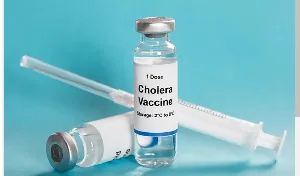
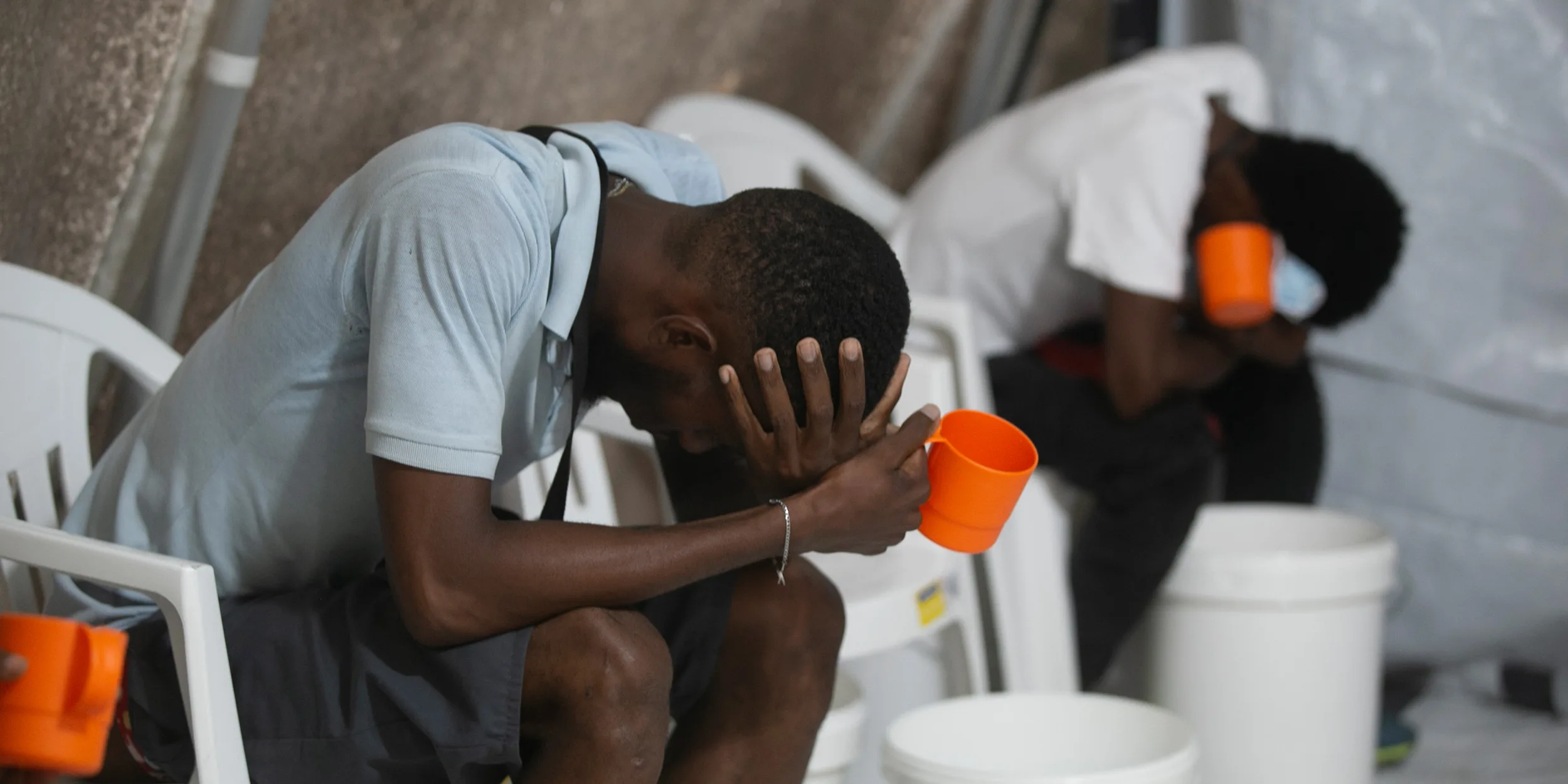
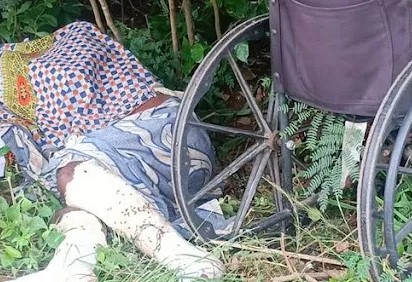
Health officials have warned the public about an imminent cholera outbreak as flooding increases nationwide, particularly in the nation’s capital, Accra.
It is a common practice in Ghana for residents to empty their bins and open sewage and faecal systems during heavy downpours, contaminating drinking water sources with sewage, waste, and faecal matter and creating ideal conditions for the Vibrio cholerae bacterium to spread.
Consequently, the Ministry of Health has warned of a potential cholera outbreak, cautioning that poor sanitation practices during heavy rains could significantly increase the spread of waterborne diseases across affected communities.
Speaking during an interview on the Citi Breakfast Show on Monday, June 29, the Spokesperson for the Health Ministry, Tony Goodman, indicated that ahead of the rains, his outfit began awareness campaigns regarding an imminent outbreak of the disease during rainy seasons like this.
“You know, even before the rain started, we had begun giving this information out, letting the people know that when we are flooded, what follows is cholera,” he said.
He warned that some residents continue to dump waste into water bodies during floods, a practice he described as dangerous and a major driver of disease outbreaks.
“We need to stop throwing garbage into our water bodies. But whenever there is a flood, that is when people think they can empty their dustbins and the rest,” he added.
GHS has already activated its monitoring systems and is preparing health facilities across the country to quickly detect and respond to any cholera cases that may arise due to the flooding.
“We prepare for it. If it’s a wet season, rainy season, we prepare for cholera. We are endemic,” he stated.
The Ministry says it continues to intensify public health messaging as flooding persists in parts of the country.
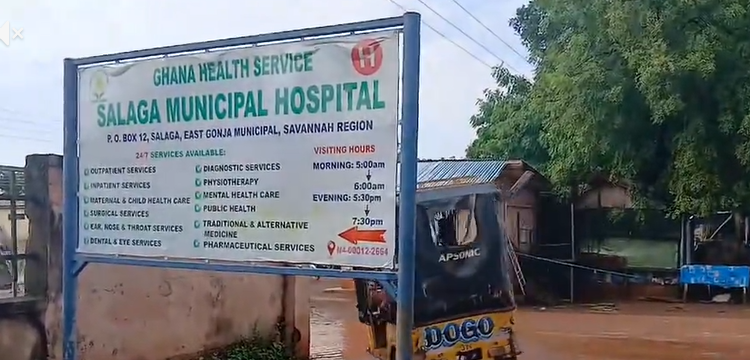
A seven-member committee has been set up the Savannah Regional Health Directorate of the Ghana Health Service (GHS) to investigate the disappearance of a newborn from the East Gonja Municipal Hospital in Salaga.
According to the GHS, the committee was established by the Savannah Regional Director of Health Services, Dr. John Ekow Otoo, to recommend disciplinary action against the perpetrators and implement measures to prevent similar occurrences in the future.
This was made known in a press statement, “The staff responsible for the baby’s care before her disappearance have been arraigned before the Tamale High Court and are currently facing criminal proceedings”.
Background
A newborn baby went missing at the Salaga Municipal Hospital on Wednesday, June 10. The circumstances surrounding the baby’s disappearance have not yet been made public.
Following the incident, several staff members from the two shifts on duty at the time of the incident were questioned by the police.
In a related development, Latifa Iddrisu, a cloth seller in Accra, made headlines for allegedly stealing a newborn baby delivered via cesarean section by the child’s biological mother on Tuesday, February 17.
The incident caused panic among staff and patients at the facility, calling for an intervention by authorities. Fortunately, the facility’s CCTV cameras captured her carrying the infant and leaving the premises with what appeared to be a sack disguised as a nurse.
Following the discovery, the police traced her whereabouts at the Korle Bu Teaching Hospital, where she was found with the baby on Wednesday, February 18.
Many Ghanaians have expressed concern over apparent gaps in hospital security systems. Meanwhile, the Ghana Police Service, Member of Parliament for Ablekuma South, Alfred Okoe Vanderpuije, and the Minister for Gender, Children, and Social Protection, Agnes Naa Momo Lartey, have been lauded for their collective efforts, which led to the baby’s rescue.
A similar incident occurred in Zebilla District Hospital in the Bawku West district of the Upper East Region, where a one-week-old baby was reportedly stolen.
The infant, born to Felicia Dery, was taken in a concerning incident, shedding light on significant gaps in hospital security protocols. Zangina Grace, a midwife on duty, recounted the series of events to Adom News.
According to her, the baby’s mother delivered on May 25, 2024, at the hospital. The mother, having formed a bond with a stranger posing as a patient’s relative, entrusted her baby to the stranger while she bathed. Later, it was discovered that this imposter had a male accomplice.
“When she returned, the man and the lady were not to be found. They left with the baby. So it has been very sad. A mother who came to deliver through a C-section met some strange people who befriended her. She left her baby with them to go and have her bath, and when she returned, they had disappeared,” she added.
Grace also lamented the hospital’s inadequate security measures. She disclosed the lack of CCTV cameras and proper fencing, making it easier for such incidents to go unnoticed.
Furthermore, the midwife advocated for stricter visitor regulations, proposing adherence to visiting hours and limiting visitors to prevent similar occurrences in the future.
The baby’s father also spoke with Adom News, offering additional insights into how the culprits were identified and apprehended.“She left her ID cards, and that was how we were able to identify her. They circulated it, and that was how they caught her. I wanted to see her, but the police didn’t allow me to enter the station,” he explained.
“We had an unforeseen incident where someone was able to outwit a mother and steal her baby. During visiting hours, she gained the mother’s trust, who gave her baby to take her bath. When she returned, the baby was gone. Through timely community intervention, we have apprehended the suspect, and the baby is safe in our custody. The suspect has since been arrested by the police,” Dr. Abdul-Rahaman stated.
In Walewale, North East Region, a 27-year-old woman, Abdulai Zalia, has been arrested by the West Mamprusi Police Command for allegedly stealing a 13-month-old baby.
The suspect took the baby while the mother was asleep, and the baby’s absence was only noticed when the father returned.
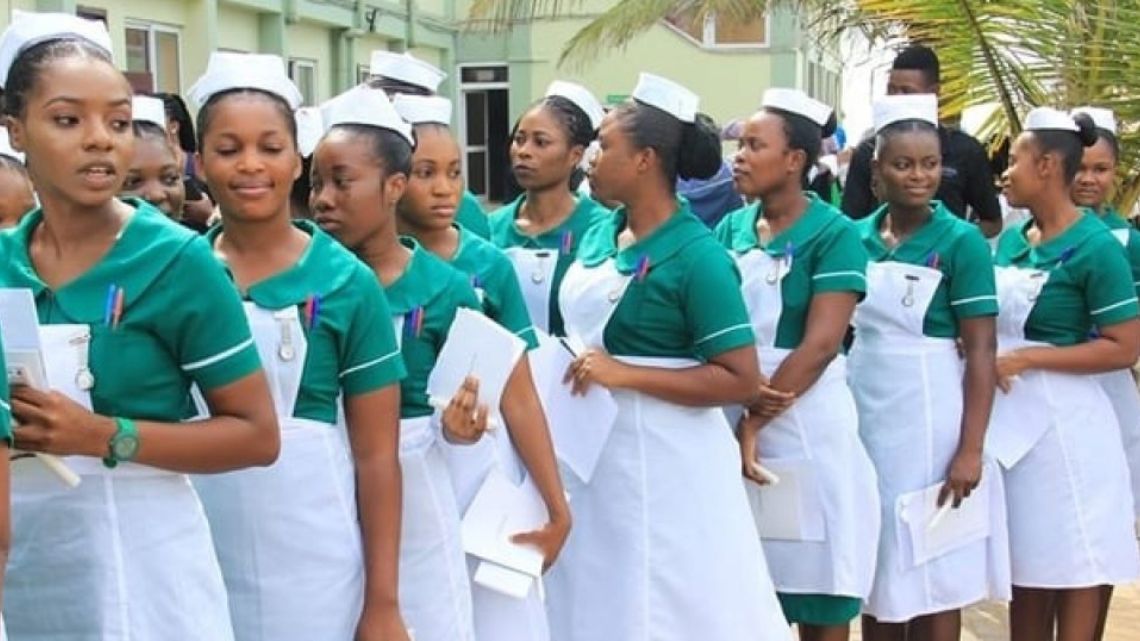
Newly recruited nurses will see some financial relief as government announces payment of two months’ arrears with a pledge to pay the next arrears covering three months, i.e., May to July 2026.
This was formally announced in a statement released today, Wednesday, April 29, by the Ministry of Health. The health authority expressed appreciation to affected nurses, highlighting the government’s commitment to strengthening the healthcare workforce and healthcare delivery nationwide.
“The Ministry of Health is pleased to announce that, in line with its commitment, two-month arrears for newly recruited nurses have been duly paid. The Ministry further wishes to assure all affected personnel that the next payment will be made for 3 months each, from May to July 2026, as announced earlier.
“The Ministry appreciates the patience and cooperation of all stakeholders and remains committed to strengthening the health workforce for improved service delivery,” parts of the statement read.
It continued that “Individuals experiencing any form of challenges or requiring clarification are advised to contact the Human Resource for Health Development Directorate of the Ministry of Health for assistance”.
Also, the Ministry revealed that about 16,000 health workers will be employed by the government as part of the government’s efforts to absorb the majority of the unemployed health workforce in the country. It also indicated that the Finance Ministry has already cleared about half of the intended number that the Ministry intends to absorb.
“ The Ministry of Health wishes to inform the public that, as part of the government’s deliberate effort to absorb trained health professionals, plans are underway to recruit between 16,000 health workers this year. Financial clearance has been secured for about 8,000 so far, with efforts ongoing to obtain the remainder,” the Ministry continued.
To avoid a recurrence of recruiting nurses and later owing them salaries, the Ministry said it will not employ any health worker without prior budget approval, adding that recruitment will be done in phases.
“ No health worker will be engaged without financial provision. These clearances have been distributed across the various health cadres to facilitate the gradual absorption of personnel into the health system,” it noted.
Reiterating its commitment to transparency and fairness, the Ministry said the official recruitment portal remains the only authorised channel for all recruitment processes.It acknowledged that the high number of applicants has placed pressure on the system, with some candidates experiencing difficulties accessing the portal.
“The Ministry emphasises that the recruitment portal remains the sole and official channel for all recruitment processes; this measure is intended to promote transparency, fairness, and accountability.
“Due to the high volume of applicants, while many have successfully accessed the portal, others have experienced challenges, leading to understandable anxiety. The Ministry acknowledges these concerns and is actively working to secure additional clearances to accommodate more qualified applicants”, the Ministry stressed.
About two months ago, the Coalition of Unpaid Nurses and Midwives in Ghana urged the government to immediately investigate and restore salary arrears, which it said had been removed from its members’ payment vouchers without being paid.
In a statement signed by its Convener, Stephen Kwadwo Takyi, the coalition explained that several affected members had their salary arrears validated on the government payroll system each month, yet the monies were not paid.
The group further noted that during the latest validation in February 2026, the accumulated arrears suddenly disappeared from their payment vouchers.
“We call on the Government of Ghana to act swiftly to investigate this anomaly, restore and pay all unlawfully removed arrears without delay to avoid any action from us,” part of the statement read.
The coalition further stated that when the matter was brought into the public domain, the Controller and Accountant-General’s Department denied the claims.
It, however, maintained that its payroll validators and human resource officers across various health facilities have confirmed that the arrears were cleared from the payment vouchers of the affected nurses and midwives without any corresponding payment.
“Our questions are: who authorized the removal of our legitimately earned arrears and on what legal or administrative basis were these arrears cleared?” the coalition queried in the statement.
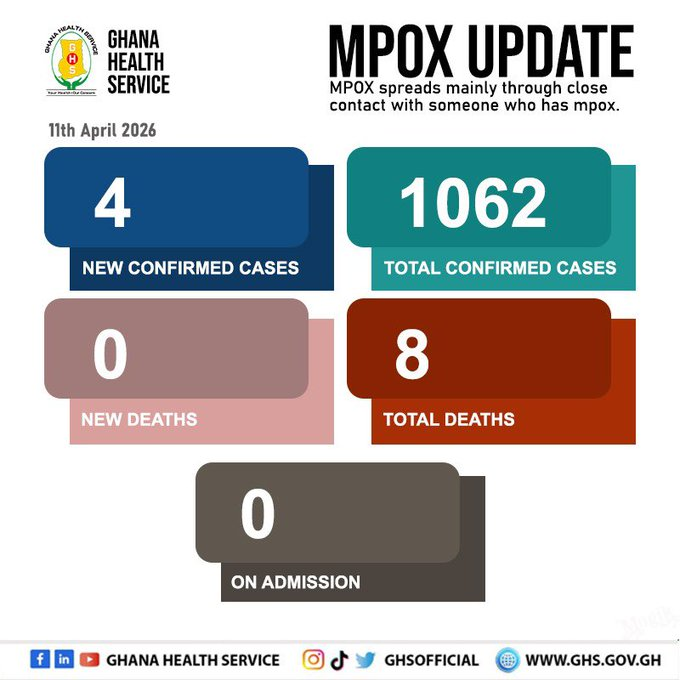
The Ghana Health Service (GHS) has confirmed four new cases of Mpox, bringing the country’s total number of infections to 1,062.
The public health body announced this in a statement on its official X handle on Tuesday, April 14.
According to the GHS, the new cases add to the previously recorded 1,058 infections.
“Four new cases recorded, bringing the total confirmed cases to 1,062,” the statement noted.
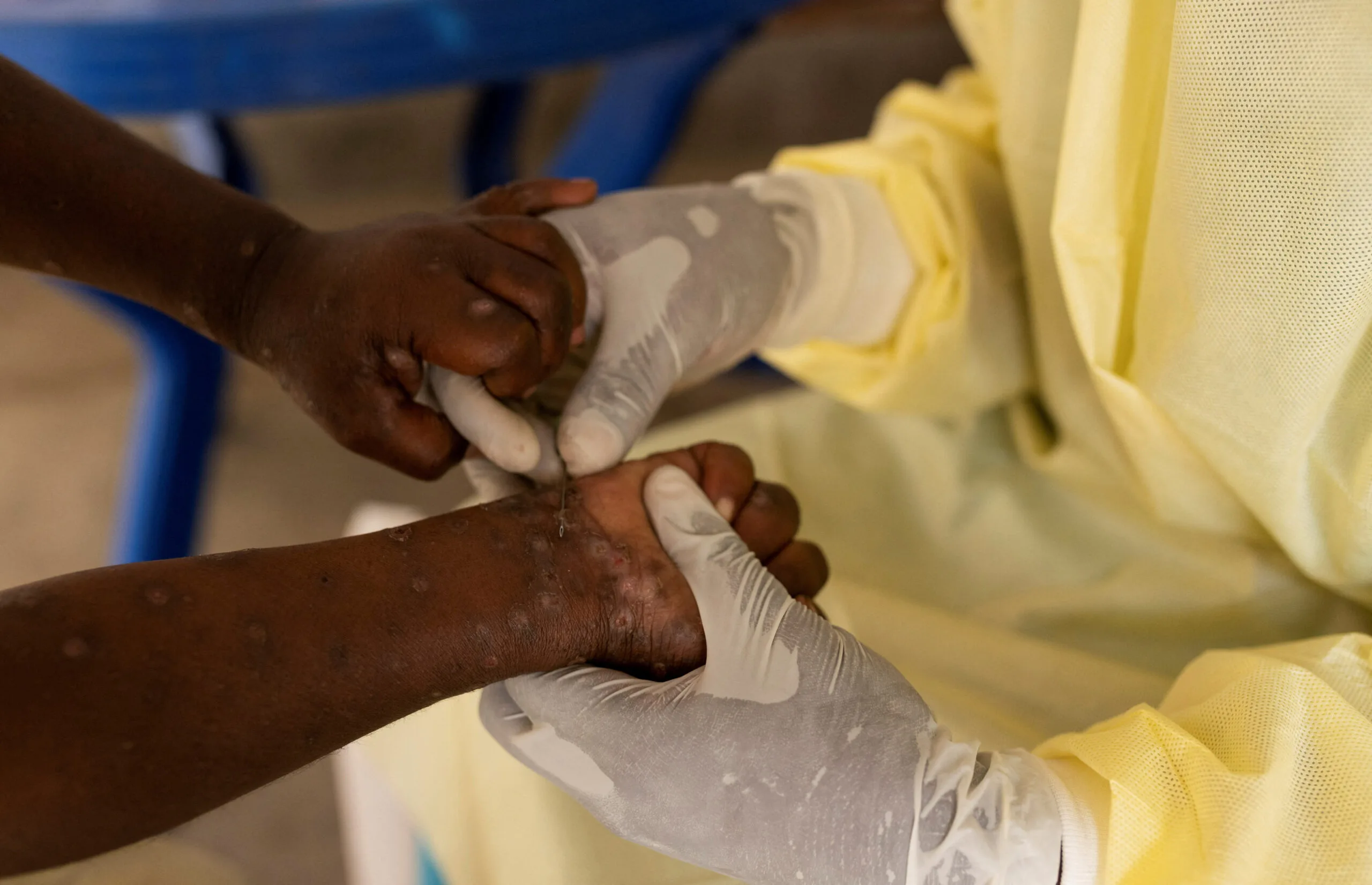
The Service urged the public to protect themselves and others by maintaining good hygiene and promptly reporting symptoms such as fever, rash, headache, muscle aches, swollen lymph nodes, chills, and tiredness.
“If you notice any of these symptoms, visit the nearest health facility immediately,” the statement added.
In a related development, months earlier, the World Health Organization (WHO) supported Ghana’s response to the Mpox outbreak with a donation of essential medical supplies and public health materials to the Ministry of Health.
During a brief ceremony, the WHO Regional Director for Africa, Mohamed Yakub Janabi, reaffirmed the organization’s commitment to supporting Ghana’s public health response and commended the country’s leadership in managing the outbreak.
The donation, valued at $36,700, included personal protective equipment (PPE) for frontline health workers, 780 GeneXpert cartridges to enhance diagnostic capacity, and 9,000 risk communication posters along with 40 pull-up banners to support community sensitization.
The PPE is expected to strengthen infection prevention and control measures, while the GeneXpert cartridges will enable faster and more accurate testing, especially at decentralized levels. The communication materials are aimed at improving public awareness and encouraging behavioural change.
The Minister for Health, Kwabena Mintah Akandoh, who received the items on behalf of the government, expressed gratitude to the WHO for its continued support.
He noted that Ghana is keen to incorporate vaccines into its response strategy and called on the WHO to expedite assistance in that regard.
He also urged the public to maintain good hygiene practices and seek early medical attention if they experience symptoms such as fever, cough, headache, or skin rashes.
Health officials explain that Mpox spreads mainly through direct contact with an infected person. Common symptoms include fever, skin rashes, and swollen lymph nodes.
The GHS has advised the public to avoid close contact with symptomatic individuals, practice regular handwashing, avoid frequent face-touching, and use masks when caring for infected persons.
The Service added that it is actively monitoring the outbreak, conducting contact tracing, and intensifying public education efforts with support from regional health directorates.
Also, to strengthen the response, the WHO has also provided laboratory PCR reagents to boost Ghana’s diagnostic capacity. The supplies were handed over to the GHS at the National Public Health Reference Laboratory.
Receiving the items, Acting Deputy Director-General, Caroline Reindorf Amissah, expressed appreciation for the continued support.
“We will continue to collaborate and actively search for cases to ensure the outbreak is brought under control,” she said.
WHO Country Representative, Fiona Braka, noted that the reagents will support rapid diagnosis and timely public health interventions.
The supplies can test up to 3,400 suspected samples, while additional kits will allow clade determination for 625 confirmed cases.
Historically, Mpox was first identified in 1958 in monkeys used for research in Denmark. The first human case was recorded in 1970 in the Democratic Republic of the Congo.
According to the WHO, the disease has since remained endemic in parts of Central, East, and West Africa, with periodic outbreaks reported globally.
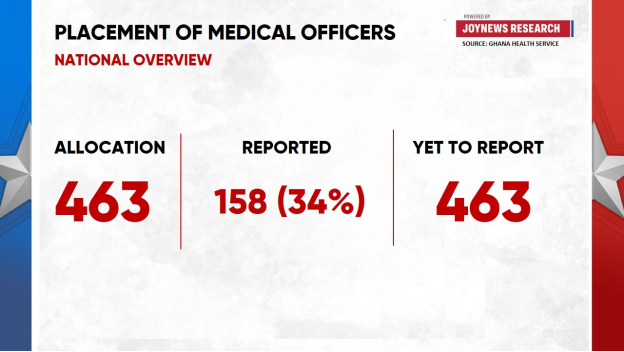
About 70% of newly posted medical officers have yet to report to their designated posts. The latest report released on November 28 by the Ghana Health Service (GHS) shows a low to zero turnout, particularly in the Northern, Upper East and Upper West regions, raising concerns of a looming healthcare staffing crisis and further strain on already underserved facilities.
The report shows that an overwhelming 305 doctors, or 66%, have still not shown up. This means that 7 out of 10 doctors failed to report to their assigned regions.
According to the data, urban facilities in Greater Accra and Kumasi, as well as the Eastern region, are recording the highest turnout, with many doctors reporting to their posts, representing over 60% of the total turnout, to the neglect of rural centres. Several health centres in rural areas still wait in hopes of the appearance of medical officers deployed to their districts.
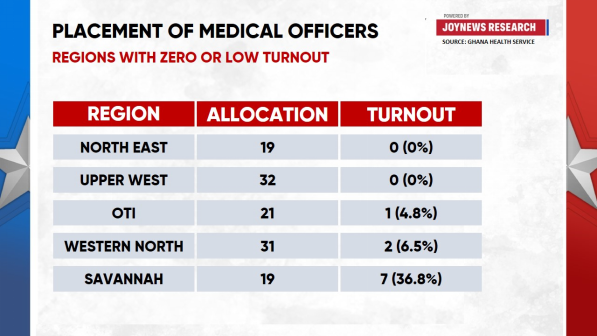
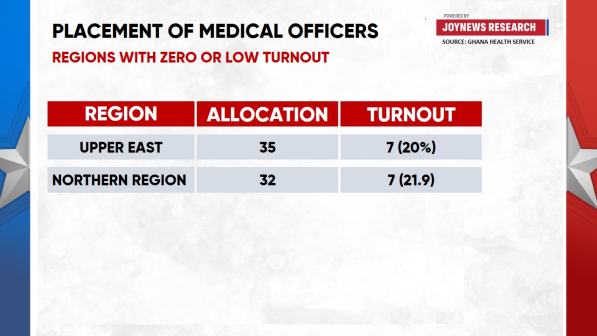
Regions in the North have recorded an abysmal turnout. North East so far has recorded a zero turnout after a 19 medical officers’ allocation. The Upper West Region also had no reporting despite an allocation of 32. Oti, with 21 allocations, saw only one officer reporting (4.8%), Western North recorded two out of 31, representing a 6.5% turnout, and Savannah had seven officers reporting out of 19 allocated, representing a 36.8%. In the other low-performing regions, Upper East recorded seven reports out of 35 allocations, representing a 20% turnout, while the Northern Region saw seven out of 32 officers reporting, representing 21.9% percent.
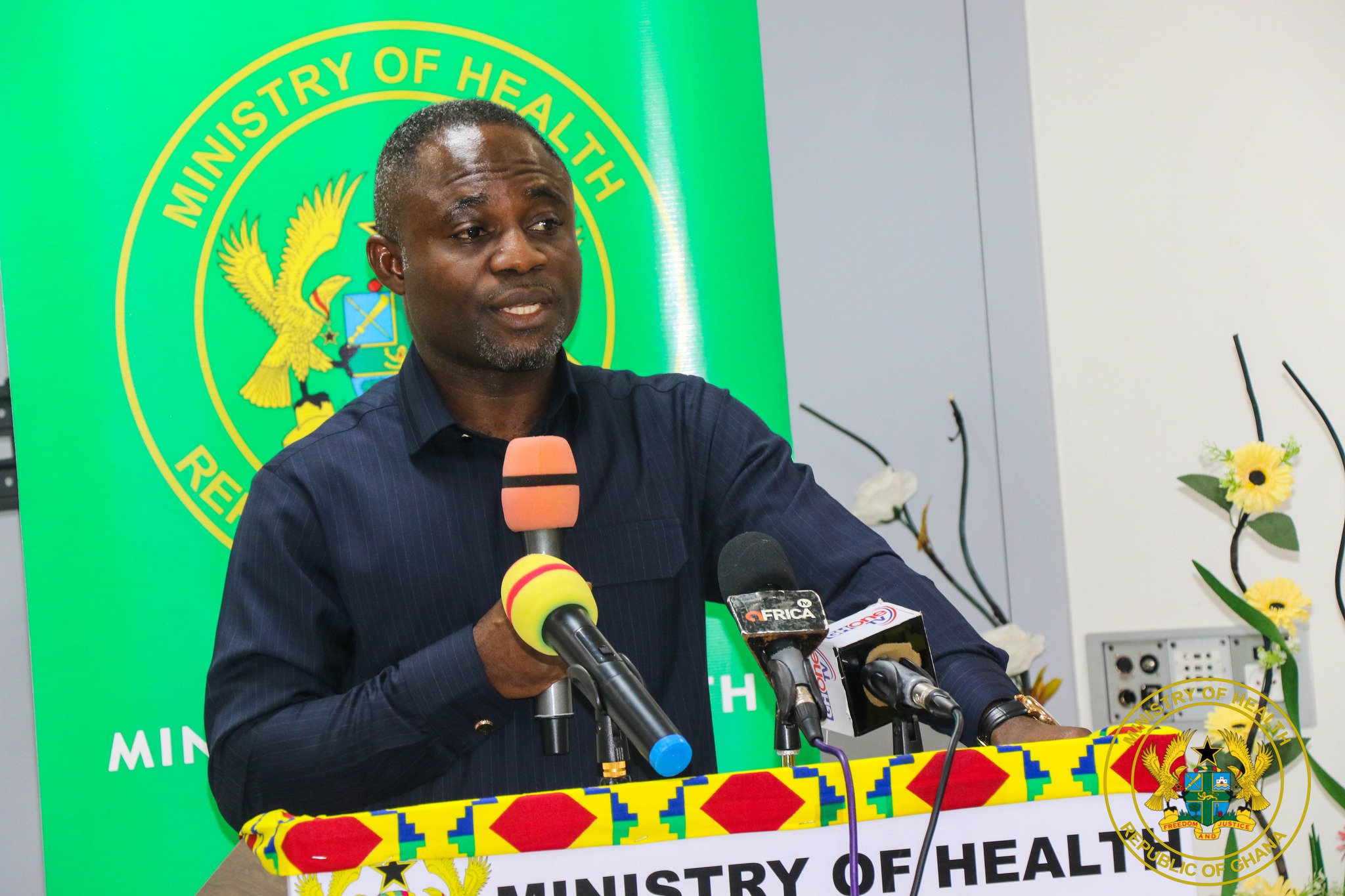
Reacting to this, Health Minister, Mintah Akandoh, in a press briefing yesterday, Tuesday, December 2, noted that postings to these areas were not a punishment but to ensure an equitable distribution of medical officers nationwide.
“The update on the posting of new medical officers across the country is not encouraging. However, I wish to emphasise that the government’s policy of sending officers to the districts should not be misconstrued or perceived as punishment. But it should be seen as an equitable distribution of our health workforce, and we are reporting the medical doctors where they are needed most, and therefore, I’m confident that these newly posted med docs will respond to our call to save and serve mother Ghana.
Have seen from the update that regions Upper West and East were recording zero, and have recorded 0 turnout. We will give them an additional week to appeal to them to report to their various facilities where they have been posted”, the Minister noted.
Most often, it is reported that medical officers posted to rural centres appeal to be reassigned to the cities due to the lack of adequate infrastructure, medical facilities, and equipment, among other challenges that make postings to these areas unattractive to them.
Addressing that, the Minister explicitly stated that this time, no changes will be made to any posting. He said, “After which, we will do what we call validation. Unfortunately, there is no way we can do anything here, unfortunately”.
He continued that discussions are already underway with the respective authorities in their districts to ensure their smooth stay to help them offer excellent medical services to the people.
“And so we will give them 1 more week to report while we are also engaging the stakeholders in their respective districts, DCE, Regional ministers, Chiefs, Members of Parliament (MP), to facilitate their stay in their district to be able to give their best. We’ve started that by engaging them myself. Govt will also look at how we can incentivise them to help them give their best. I believe our doctors will respond to this call”, he mentioned.
The low turnout recorded in Ghana’s rural centres, particularly in the |Northern sectors, is nothing new as it is a long-standing challenge in Ghana’s health sector. Over the years, doctors have refused or delayed postings to rural and deprived areas, mainly due to poor infrastructure, lack of accommodation, and limited career opportunities.
Consequently, President John Dramani Mahama announced in his healthcare manifesto and policy statements, some reforms his government intends to make in the health sector to make postings to these rural areas attractive. Part of these include providing affordable accommodation at health facilities, offering home ownership schemes, and introducing risk exposure insurance for health workers.
The doctor–patient ratio in Ghana is about 1:10,450, with most doctors concentrated in Accra, Kumasi, and other urban centres, while areas like the Upper West and Northern regions have historically faced severe shortages, leaving rural populations underserved.
The posting of these doctors came about a month after the President of the Ghana Medical Association (GMA), Dr Frank Serebour, disclosed that approximately 800 doctors are jobless because they are waiting to be posted to various institutions to commence work.
In early November, the Health Ministry announced the allocation of doctors nationwide, with about 80% of the earmarked for district health facilities.
Fast forward to November 5, Health Minister Kwabena Mintah Akandoh revealed that his outfit was processing about 700 junior medical doctors for posting.
According to the statutes of the Ghana Health Service (GHS), newly posted medical officers are generally expected to report to their assigned health facility within two weeks of receiving their posting letter.
However, a recent report dated November 28 released by the health authority shows that about 70% of the newly posted doctors have yet to report to their new posts.
An overwhelming 305 doctors, or 66%, have still not shown up. This means that 7 out of 10 doctors failed to report to their assigned regions.
According to the data, urban facilities in Greater Accra and Kumasi, as well as the Eastern region, are recording the highest turnout, with many doctors reporting to their posts, representing over 60% of the total turnout, to the neglect of rural centres. Several health centres in rural areas still wait in hopes of the appearance of medical officers deployed to their districts.
Out of the 20 medical officers allocated to Greater Accra, 16 have reported, with only 4 left to show up. representing an 80 percent turnout. In the Ashanti Region, there were 33 allocations, and so far, 25 have reported, representing a 76 percent turnout. Also, the 36 allocations to the Eastern Region had 23, representing a 64 percent turnout.
On the other hand, regions in the North have recorded an abysmal turnout. North East so far has recorded a zero turnout after a 19 medical officers’ allocation. The Upper West Region also had no reporting despite an allocation of 32. Oti, with 21 allocations, saw only one officer reporting (4.8%), Western North recorded two out of 31, representing a 6.5% turnout, and Savannah had seven officers reporting out of 19 allocated, representing a 36.8%. In the other low-performing regions, Upper East recorded seven reports out of 35 allocations, representing a 20% turnout, while the Northern Region saw seven out of 32 officers reporting, representing 21.9% percent.
Following this, GHS have encouraged Regions to intensify engagements with the medical officers to improve the current numbers.
The low turnout recorded in Ghana’s rural centres, particularly in the |Northern sectors, is nothing new as it is a long-standing challenge in Ghana’s health sector. Over the years, doctors have refused or delayed postings to rural and deprived areas, mainly due to poor infrastructure, lack of accommodation, and limited career opportunities.
Consequently, President John Dramani Mahama announced in his healthcare manifesto and policy statements, some reforms his government intends to make in the health sector to make postings to these rural areas attractive. Part of these include providing affordable accommodation at health facilities, offering home ownership schemes, and introducing risk exposure insurance for health workers.
The doctor–patient ratio in Ghana is about 1:10,450, with most doctors concentrated in Accra, Kumasi, and other urban centres, while areas like the Upper West and Northern regions have historically faced severe shortages, leaving rural populations underserved.
The posting of these doctors came about a month after the President of the Ghana Medical Association (GMA), Dr Frank Serebour, disclosed that approximately 800 doctors are jobless because they are waiting to be posted to various institutions to commence work.
Dr Frank Serebour, told Channel One TV in an interview sighted by GhanaWeb on Friday, October 3, 2025, that failure to resolve the situation could compel these yet to be posted doctors to seek opportunities abroad.
“We still have about 800 doctors who are also at home who need to be posted, because if we don’t post them, this is the avenue we create, and then people begin to look for other areas to go.
“If we are not careful before we want to employ them, we won’t find them. So, I think it’s also a call for these doctors to be posted,” he said.
The GMA president appealed to the government to process the salaries of newly posted doctors promptly, emphasising that further delays could worsen their discontent.
“Once you finish school and you start work, everybody knows that you are supposed to be on a salary. So, I believe we will be able to resolve this matter amicably without the nuances of the strike action kicking off,” he added.
Meanwhile, a nationwide withdrawal of services by the Junior Doctors’ Association of Ghana (JDA-GH) was declared on Tuesday, October 7, 2025, over unpaid salaries and stalled postings.
A statement signed by its President, Dr Louisa Afia Nkrumah, and General Secretary, Dr Rhoda Wun-Nam Amadu, disclosed that on Friday, October 10, emergency services will be withdrawn until further notice. It noted that all patients who are currently in the hospital will continue to receive treatment until they are discharged.
Explaining further, the statement said over 200 junior doctors have been left unpaid for 10 to 14 months. The statement added that some medical officers have been suspended without explanation, although they were previously on the government payroll.
“Despite goodwill shown towards the government, no solutions have been offered. The continued exploitation of junior doctors will no longer be tolerated,” the statement read.
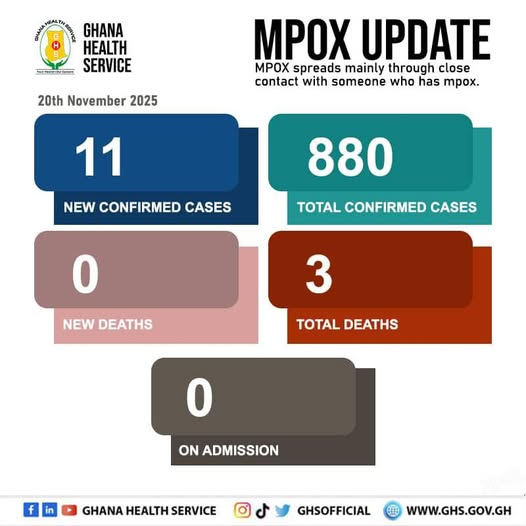
Ghana has recorded 11 new cases of Monkeypox (Mpox) infections, the Ghana Health Service (GHS) has reported in its latest update.
These new cases bring the total number of confirmed cases in Ghana to 880, with no deaths recorded so far since the last three. The health regulator noted this in its report following the previous update on October 14, when 22 new infections were recorded, pushing the total to 735 at the time.
The GHS has intensified its response through workshops on typical Mpox presentations, wound care, home isolation procedures, and psychosocial support in eight selected regions.
These sessions are being held for staff at ART sites, STI clinics, and other facilities to improve detection and case management. Public education has also increased. Weekly social media updates are ongoing, along with a multilingual telephone poll to assess public awareness of Mpox prevention messages.
As of mid-October, more than 14,490 people, representing 73.9 per cent of the target group, had been vaccinated. Most of the vaccinated individuals were between twenty and thirty-nine years old.
On August 28, 21 new cases brought the total to 467, while on August 25, the Service reported 22 cases, which pushed the cumulative figure at the time to 446.
On August 20, 15 new cases were recorded, bringing the number at the time to 424. Currently, there is no patient on admission. As of August 14, 409 total cases had been confirmed after 37 new cases were recorded.
According to earlier reports, 26 new cases of infection were confirmed on August 11, increasing the total to 372, compared to 346 cases reported on August 7. However, the national death toll stands at two.
Unfortunately, all 16 regions have recorded cases of the disease so far. The rising number of cases continues to raise concerns. In the meantime, the country can breathe a sigh of relief as 33,600 vaccines have been secured by the Health Ministry to strengthen Ghana’s fight against the monkeypox (Mpox) virus. “This is another milestone in safeguarding the health and well-being of our citizens,” the ministry said in a Facebook post.
Months ago, the Ministry of Health received a significant boost in its fight against the ongoing Mpox outbreak following the donation of essential medical supplies and public health materials from the World Health Organisation (WHO).
During a brief ceremony held at the Ministry, the WHO Regional Director for Africa, Professor Mohamed Yakub Janabi, reaffirmed the organisation’s commitment to supporting Ghana’s public health response and acknowledged the country’s commendable leadership in managing the outbreak. The donation, valued at USD 36,700, includes personal protective equipment (PPE) for frontline health workers, 780 GeneXpert cartridges to improve diagnostic capacity, and 9,000 risk communication posters along with 40 pull-up banners to support community sensitisation efforts.
The PPE will help strengthen infection prevention and control, while the GeneXpert cartridges are expected to facilitate rapid and accurate testing, particularly at decentralised levels. The risk communication materials are aimed at promoting public awareness and behavioural change.
The Minister for Health, Honourable Kwabena Mintah Akandoh, who received the items on behalf of the government, thanked the WHO for its continued support. He indicated that Ghana is keen to adopt vaccines as part of its response strategy and called on the WHO to expedite assistance in that regard. He also encouraged the public to maintain good hygiene practices and to seek prompt medical attention if they experience symptoms such as fever, cough, headache, or skin rashes.
He noted that the Ministry remains committed to strengthening public health systems and working closely with partners to contain the outbreak and protect the health of all Ghanaians.
Health officials explained that Mpox primarily spreads through direct contact with an infected person. Common symptoms include fever, skin rashes, and swollen lymph nodes. The Ghana Health Service is urging the public to avoid close interactions with symptomatic individuals, maintain regular handwashing with soap and water, avoid touching the face frequently, and use masks when caring for patients.
The Service added that it is closely monitoring the outbreak, conducting contact tracing, and strengthening public education with the support of regional health directorates.
Following the detection of 20 new infections as of Wednesday, July 30, the Ghana Health Service (GHS) on Monday, July 27, reported the unfortunate demise of one of the individuals who had contracted the disease. Since Ghana recorded its first Mpox case in June 2022, with five cases, this marks the first time any infected person has succumbed to the disease.
In its regular updates, the Ghana Health Service noted that as of July 22, 23 new cases were recorded, pushing the total confirmed cases to 257 at the time. Ghana’s confirmed Mpox cases rose to 234 following the detection of 16 new cases as of July 18. The number of cases stood at 218 after 21 new infections were detected as of July 14. The Service reported 197 confirmed cases after 11 new infections were recorded as of July 11.
While revealing this information, the Service described the trend as a gradual yet manageable increase and called for sustained public vigilance. The country has seen a slight uptick in infections; however, health officials maintain that the overall situation remains under control. Although many cases are mild, early medical care is crucial to avoid complications.
In light of the growing Mpox cases, the GHS is boosting nationwide information campaigns to ensure citizens remain aware and cautious. Preventive actions such as avoiding direct contact with sick individuals, practicing proper hygiene, and promptly seeking care when symptoms appear are being emphasised. Officials stress the importance of swift case detection and notification, with field teams and community health workers diligently monitoring developments.
The public is being encouraged to stay alert, adhere to health precautions, and contribute to collective efforts to stop the virus from spreading. The government is also engaging international organisations for assistance in procuring vaccines to help curb the rising number of cases.
The World Health Organization (WHO) in Ghana has provided laboratory PCR reagents to enhance the country’s diagnostic capacity.
Ghana’s Health Minister Kwabena Mintah Akandoh, who also doubles as Juaboso Constituency Member of Parliament, has warned of a looming crisis of unemployment brooding in Ghana’s health sector.
Early this month, a group of nurses and midwives, who identify as the Coalition of Unpaid Nurses and Midwives, took to the streets to protest over unpaid salaries for the last 10 months since their posting in December 2024.
The Health Ministry responded to their request, promising to settle all arrears by next month.
Speaking on the challenges facing employment in Ghana’s health sector, Mr Akandoh, during an appearance on The Point of View on Channel One TV on Wednesday, October 15, revealed that as more health practitioners graduate each year, the unemployment rate within the sector continues to rise.
He said if measures aren’t taken immediately, Ghana could have as many as 180,000 unemployed trained health professionals by the end of 2028.
According to the Minister, the current number of unemployed health workers stands at around 74,000. However, with thousands more graduating each year, the figure is expected to more than double within the next three years.
“By the end of 2026, we will have an additional 23,000. By the end of 2027, we will have an additional 35,000. By the end of 2028, we will have about 47,000. So by the end of 2028, if we don’t employ anybody, this 74,000 is still outstanding — we will have not less than 180,000 trained and they will be at home,” he said.
In light of this, he detailed that the government is working on a recruitment strategy, including collaborations with other international bodies and countries to ship them out in a policy called “managed migration”. Thirteen (13) countries have so far responded; however, most of them prefer to work with specialists.
“So there is a strategy going forward. What we are seeking to do now is that gradually, the government will be employing some of them as we move along,” he said.“We are also looking at what we call managed migration, how we will be able to export some of them. About 13 countries have responded, but the difficulty is that most of these countries that have responded need a specialist,” he added.
He also revealed that Ghana would need not less than GHS6 billion annually to clear the existing backlog of unemployed health professionals.
The comments come amid growing pressure from unemployed nurses and midwives demanding placement, and criticism from the Minority in Parliament over how the government is handling health sector employment.
Ranking Member on the Health Committee speaking during a media engagement, stated that, “there is no need for Cabinet to approve anything. Again, there’s no need for this clearance. The government should come and tell the people the truth.”
The Minority accused the government of taking health workers for granted, saying their patience had run out.
They emphasized that financial clearance for 15,000 health workers was already secured under the previous NPP administration in July 2024.
About 8,000 of those workers were paid, and the remaining 7,000 should have been paid as well , especially since they were posted before the December 2024 handover.
However, Mr Akandoh, during his interview with Channel One’s Bernard Avle, stated that the previous administration led by Akufo-Addo did not make any budget for the over 13,000 nurses they recruited.
The Minister for Employment and Labour Relations, Abdul-Rashid Pelpuo, has stated that the salary delays affecting thousands of nurses, teachers, and junior doctors are due to lapses under the previous New Patriotic Party (NPP) administration.
Speaking to the media on Wednesday, October 8, Dr. Pelpuo blamed the NPP’s poor recruitment practices and fiscal indiscipline for the current plight of nurses and doctors.
“The situation is currently unfair, but it is a culmination of events that took place in the last regime before the current regime took over. People were engaged to work without due process. For you to work and be paid, you need clearance to show that there is money in the account and that your employment has been approved. That didn’t happen in this respect,” he said.
Ghana, in recent times, has witnessed several protests from government employees, specifically, teachers, nurses, and doctors. According to him, the former government handed over a poorly planned budget that didn’t make room to pay nurses, teachers, and doctors.
As such, he called the protesting groups to call for calm as the ruling National Democratic Congress (NDC) administration will work to rectify the situation.
“We are taking it up very seriously, and I can assure the nurses, teachers, and junior doctors who are caught up in the process that we are going to respond to them before the end of the year,” he stated.
On Tuesday, September 30, Newly Posted Teachers group, comprising of graduates from Colleges of Education and universities submitted their petition to the Finance Ministry, which calls on the government to clear debts owed them.
The group initially declared their intention to hit the streets over salaries owed them on Tuesday, September 23. However, speaking to Citi News, the group’s Lead Convener, Simon Kofi Nartey, noted that the Ministry of Education and other relevant authorities are yet to respond to their earlier petitions, thus rescheduling the protest to September 30.
Simon Kofi Nartey called on the government to settle their 12 months and 8 months, respectively, within the given ultimatum. According to him, the group will have no option but to hit the streets if the government does not treat their demands with urgency.
“It is rather unfortunate that, as we speak, nothing has been done about the concerns we raised at our press conference. We have no option but to take to the streets to let Ghanaians know what is happening. We have already met with the Greater Accra Regional Police Command and agreed on September 30 for the demonstration,” he said.
Also on October 3, the Junior Doctors’ Association of Ghana (JDA-GH) declared its intention to withdrawn nationwide over unpaid salaries and alleged untreatment from the government.
However, the group made U-turn over its nationwide strike, which was expected to commence on Tuesday, October 6. The decision to suspend the withdrawal of services follows constructive discussions with the Ministry of Health (MoH) and other key stakeholders.
This was contained in a press statement issued by the Association’s leadership on Monday, October 6.According to the statement, “After careful consideration and following assurances from the Ministry of Health and relevant stakeholders, the Association has decided to suspend its planned industrial action to allow for the full implementation of the agreed resolutions”.
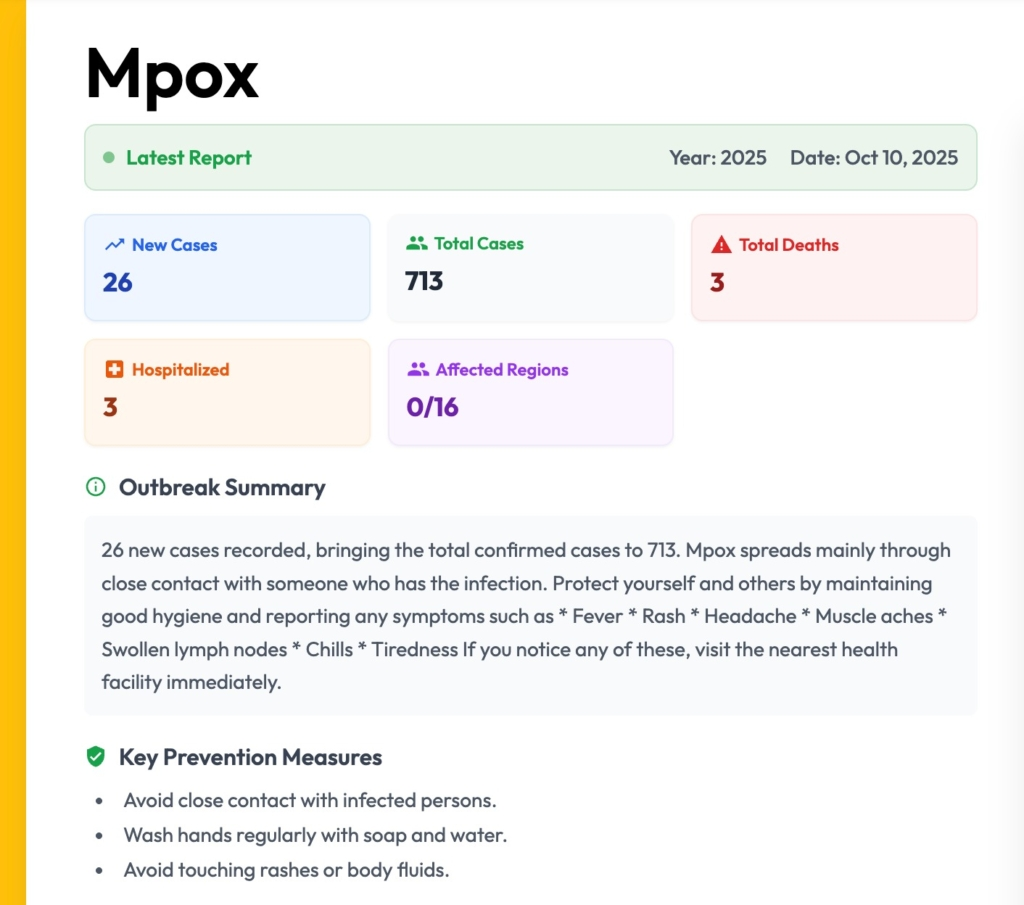
Twenty-six more people have been infected with the monkeypox (Mpox) virus, according to the latest update released by the Ghana Health Service (GHS).
The new cases bring the total number of infections to 713 as of October 10, 2025. No additional deaths have been reported since the last one, keeping the death toll at three. The most recent Mpox-related death occurred on September 18 in the Eastern Region, and the GHS noted that the patient had underlying health conditions.
Currently, three patients are on admission and receiving treatment.
The GHS reminded the public that Mpox spreads mainly through close contact with an infected person. Common symptoms include fever, rash, headache, muscle aches, swollen lymph nodes, chills, and fatigue.
Health authorities urged individuals who experience these symptoms to immediately visit the nearest health facility for examination and treatment.
The Service also advised Ghanaians to maintain good personal hygiene and observe preventive measures to help reduce the spread of infection.
As of Thursday, September 18, the Ghana Health Service had reported ten (10) new Mpox cases, raising the total number of confirmed cases to 565.
However, in a Facebook post on Wednesday, September 24, the Service announced another 18 new cases, bringing the total to 583.
This marked a surge from the 519 confirmed cases reported on Thursday, September 11. At that time, two patients were on admission.
Earlier, on August 28, 21 new cases had been recorded, bringing the total to 467, while on August 25, the Service reported 22 new infections, raising the cumulative figure to 446.
On August 20, 15 new cases were confirmed, bringing the total to 424. At that point, no patient was on admission.
As of August 14, 37 new cases had been reported, raising the total to 409.
According to earlier updates, 26 new cases were confirmed on August 11, increasing the total to 372, compared to 346 cases recorded on August 7.
The national death toll, however, remained at two.
Unfortunately, all 16 regions have now recorded Mpox cases, and the rising number of infections continues to raise concern.
However, the country can breathe a sigh of relief as 33,600 vaccines have been secured by the Ministry of Health to strengthen Ghana’s fight against the Mpox virus.
“This is another milestone in safeguarding the health and well-being of our citizens,” the Ministry said in a Facebook post.
Months ago, the Ministry of Health received a major boost in its fight against the ongoing Mpox outbreak following the donation of essential medical supplies and public health materials from the World Health Organization (WHO).
During a brief ceremony held at the Ministry, the WHO Regional Director for Africa, Professor Mohamed Yakub Janabi, reaffirmed the organisation’s commitment to supporting Ghana’s public health response and commended the country’s leadership in managing the outbreak.
The donation, valued at USD 36,700, included personal protective equipment (PPE) for frontline health workers, 780 GeneXpert cartridges to improve diagnostic capacity, and 9,000 risk communication posters along with 40 pull-up banners to support community sensitisation efforts.
The PPE will help enhance infection prevention and control, while the GeneXpert cartridges are expected to facilitate rapid and accurate testing, especially at decentralised levels.
The risk communication materials aim to promote public awareness and behavioural change.
The Minister for Health, Honourable Kwabena Mintah Akandoh, who received the items on behalf of the government, thanked the WHO for its continued support.
He indicated that Ghana is keen to adopt vaccines as part of its response strategy and called on the WHO to expedite assistance in that regard. He also encouraged the public to maintain good hygiene practices and seek prompt medical attention if they experience symptoms such as fever, cough, headache, or skin rashes.
He noted that the Ministry remains committed to strengthening public health systems and working closely with partners to contain the outbreak and protect the health of all Ghanaians.
Health officials explained that Mpox spreads primarily through direct contact with an infected person. Common symptoms include fever, skin rashes, and swollen lymph nodes.
The Ghana Health Service urged the public to avoid close interactions with symptomatic individuals, wash hands regularly with soap and water, refrain from touching the face frequently, and wear masks when caring for infected persons.
The Service added that it is closely monitoring the outbreak, conducting contact tracing, and intensifying public education with the support of regional health directorates.
Following the detection of 20 new infections as of Wednesday, July 30, the Ghana Health Service announced on Monday, July 27, the death of one of the infected persons.
Since Ghana recorded its first Mpox case in June 2022, with five confirmed cases, this was the first reported death associated with the disease.
In its regular updates, the GHS stated that as of July 22, 23 new cases had been recorded, bringing the total number of confirmed cases to 257 at the time.
By July 18, Ghana’s confirmed Mpox cases had risen to 234 following the detection of 16 new infections, compared to 218 cases after 21 new cases were recorded on July 14.
The Ghana Health Service reported 197 confirmed cases after detecting 11 new infections as of July 11.
The Service described the trend as a gradual yet manageable increase and called for sustained public vigilance.
Although the number of cases continues to rise slightly, health officials maintain that the overall situation remains under control.
While most infections are mild, the GHS emphasised that early medical attention is crucial to avoid complications.
In response to the increase in cases, the Service has intensified information campaigns nationwide to ensure citizens remain alert and cautious. Preventive actions such as avoiding contact with infected individuals, maintaining hygiene, and seeking medical care early are being emphasised.
Officials stressed the importance of swift case detection and reporting, with field teams and community health workers actively monitoring developments.
The public is encouraged to remain vigilant, follow health guidelines, and support national efforts to contain the spread of the virus.
The government continues to engage international organisations to secure more vaccines to combat the rise in infections.
The World Health Organisation (WHO) in Ghana recently provided laboratory PCR reagents to enhance diagnostic capacity. The donation was officially presented to the GHS at the National Public Health Reference Laboratory.
Receiving the supplies on behalf of the GHS, Acting Deputy Director-General Dr Caroline Reindorf Amissah expressed gratitude for WHO’s ongoing logistical and technical support.
“We promise from our end to do our bit, collaborate, go out there, and look for the cases to make sure this is really brought under control,” she said.
WHO Country Representative Dr Fiona Braka emphasised that the organisation hopes the reagents will enable rapid diagnosis and timely public health responses.
The supplies can test approximately 3,400 suspected Mpox samples, while additional kits will allow clade determination for 625 confirmed positive cases.
Background on Mpox
The monkeypox virus was first identified in Denmark in 1958 in monkeys kept for research, according to the World Health Organization (WHO).
The first human case was recorded in 1970 in the Democratic Republic of Congo, involving a nine-month-old boy.
Following the eradication of smallpox in 1980 and the end of smallpox vaccination worldwide, Mpox gradually emerged in central, east, and west Africa.
Since then, Mpox has been reported sporadically in these regions, Clade I (central and east Africa) and Clade II (west Africa).
In 2003, an outbreak in the United States was linked to imported wild animals (Clade II).
Since 2005, thousands of cases have been reported annually in the Democratic Republic of the Congo.
In 2017, Mpox re-emerged in Nigeria and continues to spread among people across the country and in travellers to other destinations, according to the WHO.
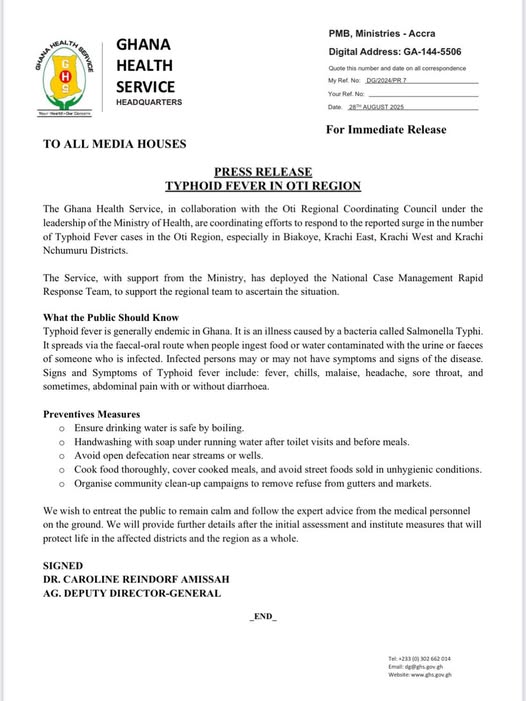
Ghana Health Service (GHS) has deployed the National Case Management Rapid Response Team to the Oti Region in response to the surge in typhoid fever cases. The deployment follows a collaboration with the Oti Regional Coordinating Council (RCC) under the leadership of the Ministry of Health.
This information was contained in a press release issued by the Health Ministry and signed by the Acting Deputy Director-General, Dr. Caroline Reindorf Amissah, on Thursday, August 28. “The Service, with support from the Ministry, has deployed the National Case Management Rapid Response Team to support the regional team to ascertain the situation,” the statement read.
The task force is expected to play a role similar to that of the former town council, whose personnel in the past conducted house-to-house inspections to monitor hygiene standards in homes and communities.
These officers ensured compliance with sanitation bylaws, issuing fines or warnings for poor conditions, among other responsibilities. However, this practice gradually lost popularity in the late 1990s and early 2000s following changes in the local governance structure. Eventually, resource constraints and a lack of personnel to sustain regular inspections led to its phase-out. Authorities in the Oti Region now intend to revive this system.
The region has recorded 10,233 cases of typhoid fever in the first half of 2025. The affected districts include Biakoye, Krachi East, Krachi West, and Krachi Nchumuru. According to Environmental Health Officer Cynthia Sekyere, two out of every twenty people in the region are currently suffering from typhoid fever.
“Just in the first and second quarters of typhoid, we have recorded 10,233 cases of typhoid, which is quite troubling. Deducing from the report of the Ghana Health Service, out of every 20 people selected in the Oti Region, 2 of them have typhoid,” she noted.
Speaking to the media, Oti Regional Director of Health Services, Dr. Bismarck Owusu, attributed the alarming rise in cases to poor sanitation practices such as open defecation, indiscriminate waste disposal, and contaminated water sources. He emphasized that sanitation is not merely an environmental concern but a health emergency requiring urgent action. He commended the formation of the task force, describing it as a “timely intervention” and a “game-changer” in reducing the burden of outbreaks in the region.
Dr. Owusu further called on traditional leaders, assembly members, and youth groups to support the enforcement of sanitation bylaws and champion behavioural change.
Municipal Chief Executive for Krachi West and Dean of MMDCEs in the Oti Region, Prosper Addo, also expressed concern about the outbreak’s impact on vulnerable groups. He pledged that municipal and district assemblies would roll out targeted initiatives to curb the spread while stressing the need for active community participation.
“The outbreak is hitting vulnerable populations the hardest. Community involvement is essential in promoting hygiene practices and supporting efforts to curb this public health challenge. We can only win this fight if communities themselves adopt good sanitation and hygiene practices,” Addo urged.
Typhoid statistics in Oti Region in the last few years
The 2025 typhoid cases represent the highest figures recorded since 2020. Over the last five years, the Oti Region has witnessed a troubling upward trend in typhoid cases, with occasional declines.
In 2020, the region recorded 1,853 confirmed cases of typhoid fever. However, in 2021, the situation escalated sharply, with cases rising to 5,807—an increase of 3,954 cases, representing a staggering 213.4% surge compared to the previous year. This spike was largely attributed to deteriorating sanitation conditions and improved diagnostic capacity across health facilities.
The trend continued into 2022, with 6,242 cases, an increase of 435 over the 2021 figure, representing a 7.49% rise. In 2023, however, some improvement was recorded following the dramatic rise in earlier years, particularly in 2021.
Data from January to June 2023 showed a decline, with 4,935 cases reported in the first half of the year. This represented a reduction of 1,307 cases compared to the total for 2022, amounting to a 20.94% drop.
Yet, after this decline, late 2024 saw another troubling escalation in typhoid cases across the region. While exact figures for that period were not publicly detailed, reports described the situation in Dambai, the regional capital, as “bad” and “scary,” with the disease spreading rapidly and claiming lives, including those of a traditional chief and a former Municipal Chief Executive (MCE).
What is typhoid?
Typhoid fever is a life-threatening bacterial infection caused by Salmonella enterica serovar Typhi, commonly referred to as Salmonella Typhi.
The disease is primarily transmitted through the ingestion of food or water contaminated with the faeces or urine of infected individuals. It is especially prevalent in areas with poor sanitation, unsafe drinking water, and inadequate hygiene practices—conditions particularly common in communities with limited financial, medical, or infrastructural resources.
Symptoms of typhoid typically appear within one to three weeks after exposure. These include high fever, persistent headache, and general fatigue. Patients may also experience gastrointestinal symptoms such as constipation or diarrhoea. In some cases, rose-coloured spots may appear on the chest, and the spleen and liver may become enlarged as the infection progresses.
In severe cases, where the disease is left untreated or poorly treated, complications may occur, potentially leading to death. Even after apparent recovery, approximately 2 to 5 percent of individuals become chronic carriers of the bacteria. These carriers continue to shed Salmonella Typhi in their stool or urine, posing a risk of transmission to others and contributing to the persistence of the disease in affected communities.
Community-based Health Planning and Services (CHPS) compounds and polyclinics will now operate for 24 hours.
This was revealed by the Director-General of the Ghana Health Service (GHS), Dr. Samuel Kaba Akoriyea, on Monday, July 14.
Speaking at a press conference in Accra, he noted that the move is in alignment with the government’s 24-hour economic policy, while strengthening primary healthcare.
“The reason is to align with the 24-Hour Economy Model. The other reason is to take advantage of this opportunity to improve our services. Currently, many CHPS facilities do not run 24-hour operations, and at night, people often struggle to access care,” he said.
His remarks follow a recent update by the government announcing plans to construct approximately 600 new CHPS compounds across all districts.
The project is estimated to be completed by the end of 2025.
According to the Minister of State in Charge of Government Communications, Felix Kwakye Ofosu, each district will receive two new CHPS.
He added that the government plans to build more than 2,000 CHPS before the end of President John Dramani Mahama’s tenure.
“Each district is required to construct two new CHPS compounds this year. Altogether, that amounts to about 600 CHPS compounds in 2025 alone. If we sustain this momentum, we could exceed 2,000 CHPS compounds over the next four years,” he stated.
Earlier in June, a collaboration with the Ghanaian U.S. Embassy and technical support from a nonprofit organization for international health, Jhpiego, resulted in the commissioning of a 10,000-litre capacity oxygen plant at LEKMA Hospital in the Greater Accra Region.
The newly launched plant adds to the ten oxygen plants to be installed in strategic health facilities across the country.
Director of the Health Administration and Support Services Division, Dr. Ebo Hammond, at GHS, who was speaking at the commissioning event, lauded the government for its timely and impactful intervention.
The US Embassy’s Chargé d’affaires, Rolf Olson, also commended the United States Government’s long-standing commitment to enhancing health systems in Ghana, particularly in maternal and neonatal care.
He also revealed the US government’s plans to supply the plant with liquid oxygen for a year to ensure its continued operation.
Also, the Country Director at Jhpiego, Dr. Pearl Nanka Bruce, noted that biomedical engineers and fire service personnel have undergone specialized training to ensure the plant’s proper maintenance.
Recently, the LEKMA Hospital received medical equipment, consumables, and pharmaceuticals from the 14th Chinese Medical Team to Ghana.
The items were donated to support two critical initiatives: the minimally invasive surgery project (laparoscopic surgeries) and the Beautiful World Charity project.
Health Minister Mintah Akandoh urged the leadership of LEKMA Hospital, under the capable direction of Dr. Akua Gyimah Asante, to ensure that this equipment is used effectively, maintained diligently, and serves its intended purpose, providing better health outcomes for the people of Ghana.
This donation represents another tangible demonstration of support from the Chinese government to both the government of Ghana and the Ghanaian people.
The U.S. Embassy has expressed commitment to strengthening health services through collaboration, innovation, and sustained investment in primary healthcare.
As such, the embassy, under its Ghana Integrated Health Program (IHP) donated some 104 motorbikes to the Ghana Health Service (GHS) and the Christian Health Association of Ghana (CHAG).
The donation is meant to strengthen primary healthcare, improve disease surveillance, and enhance maternal and child health outreach by equipping frontline workers with reliable means of transport.
Of the total, 90 bikes were allocated to GHS and 14 to CHAG. Receiving the motorbikes on behalf of the Director-General of the Service, Director for Health Administration and Support Services at GHS, Dr. Ebo Hammond, expressed profound appreciation for the support and described the motorbikes as vital mobility tools that will boost frontline health workers’ ability to reach hard-to-access areas.
Dr. Hammond highlighted that motorbikes form 90% of GHS’s transport fleet, making them especially effective when visiting hard-to-reach areas, and assured the U.S. Embassy of the effective use and maintenance of the donated items.
He commended the US embassy for past interventions, especially during the COVID-19 pandemic. Delivering remarks on behalf of the U.S. Embassy, Ms. Kimberley Rosen emphasized the strong partnership between Ghana and the U.S. in healthcare delivery.
She noted that the handover reflects America’s continued investment in Ghana’s health system, praising healthcare workers for their dedication.
Ghana will soon experience relief in response to the surging cases of monkeypox (Mpox), as the government is engaging international organizations for assistance.
Speaking to the media on Saturday, June 7, Director for Public Health at the Ghana Health Service (GHS), Dr. Franklyn Asiedu Bekoe, disclosed that the country is already in talks with the World Health Organization (WHO) and Africa Centres for Disease Control and Prevention (Africa CDC) to receive MPOX vaccines.
According to him, the GHS has submitted the requirements for the vaccines. He noted that, unlike before, the country’s current trend of infection has given Ghana the room to receive vaccines.
“We’re engaging WHO and the Africa CDC so that we get the vaccines. Somewhere last year, Ghana didn’t have any established human-to-human transmission, so we do not qualify. Now that we have human-to-human transmission. The idea is that we will be able to identify a clear group who will benefit from the vaccine,” he added.
In its recent update, the GHS reported that as of 31st May, 26 new cases had been recorded, bringing the total confirmed cases to 45. It reported that two individuals who contracted the disease are in admission at a health facility.
In a post on Facebook, the Service noted the recent increase in the number of confirmed Mpox cases “is largely due to enhanced surveillance efforts, particularly through active contact tracing, and a heightened level of awareness among the public.”
“These efforts are crucial in our strategy to identify and isolate cases promptly within communities. We remain committed to maintaining this momentum to ensure that all cases are detected early, thereby helping to contain the outbreak effectively,” the Service added.
As of May 29, 10 new cases had been recorded, leading to a total of 19 confirmed cases. Five individuals were admitted to health facilities at the time. Presently, no deaths have been reported.
As of May 21, the GHS in a flier revealed that the country’s confirmed cases had hit nine. The Service earlier noted that as of May 18, the number of cases stood at four.
The cases were identified in the Greater Accra and Western regions. This brings the total number of cases to four.
Ghana recorded the first Mpox case in June 2022, with five cases, and by November 2023, health authorities had confirmed a total of 34 cases. Despite the increase in cases, Ghana has not recorded any Mpox-related deaths.
The Ministry of Health and the GHS have called on all media houses to support public education efforts by using their platforms to raise awareness and provide accurate information on Mpox.
“The Government of Ghana remains committed to safeguarding public health. Drawing on our experience in managing similar outbreaks, we will continue to implement appropriate measures to protect the health and well-being of all residents,” said in its statement dated May 18.
Mpox is a viral illness similar to smallpox. It typically causes fever, swollen lymph nodes, and a rash. The virus spreads through direct contact with an infected person’s skin or bodily fluids, including through sexual contact.
To reduce your risk, avoid close contact with symptomatic individuals, maintain proper hand hygiene, and refrain from sharing personal items.
Symptoms may include fever, rash or lesions, tiredness, headaches, muscle and back pain, and swollen glands.
Across Africa, the disease remains a major concern. As of March 2025, more than 24,200 cases and around 260 deaths have been recorded in 22 countries.
The Ghana Health Service (GHS) has reported that maternal deaths in the Ashanti Region reached 1,000 between 2020 and 2024, highlighting persistent challenges in reducing childbirth-related fatalities despite continuous healthcare interventions.
Addressing the issue at the 2024 Regional Health Forum, Regional Health Director Dr. Frank Adomanko Boateng stressed the urgent need for stronger measures to curb maternal mortality.
He pointed out that authorities are working against time to meet both national and global health targets aimed at reducing maternal deaths.
Dr. Boateng also noted that the region remains behind in achieving the Sustainable Development Goal (SDG) target of reducing maternal mortality to 70 deaths per 100,000 live births by 2030.
With just six years left, he emphasized the importance of intensifying efforts to close the gap and enhance maternal health outcomes.
“Time is not on our side as we wish to achieve the target of 70 maternal deaths per 100,000 live births by 2030. The clock is ticking and we must double our efforts.”
Government, through the Ministry of Health, on Wednesday, March 12 launched the Ghana Medical Care Trust, also known as Mahama Cares, as part of President John Mahama’s campaign promise.
This program is designed to support people with chronic illnesses like kidney failure, diabetes, and other serious health conditions.
At the launch event, Health Minister Kwabena Minta Akandoh said the initiative was long overdue. He pointed to World Health Organization (WHO) data showing that non-communicable diseases cause 42% of all deaths in Ghana.
“Cardiovascular diseases alone make up 90% of these cases, while cancers account for 5%. Many of these deaths could be prevented if people had access to treatment, but the high cost makes it impossible for many,” he said.
The Minister recognized the importance of the National Health Insurance Scheme (NHIS) in providing healthcare but stressed the need to include specialized treatments.
To fill this gap, he stated that Mahama Cares would provide financial support to individuals suffering from chronic illnesses.
Former Director of Health Services, Dr. Koku Awoonor, praised the initiative, saying it would bring relief to many families struggling with medical expenses.
“Non-communicable diseases put a heavy strain on families both psychologically and financially. Today’s event signals a new approach to making treatment more accessible,” he said.
About Mahama Cares
The “Mahama Cares” initiative, officially known as the Ghana Medical Care Trust Fund, was launched by the government to provide financial support for individuals suffering from chronic diseases such as cancer, kidney failure, and heart conditions. This initiative, introduced by President John Dramani Mahama, aims to ease the financial burden of treatment and improve access to healthcare for affected individuals.
The initiative addresses a significant gap in the National Health Insurance Scheme (NHIS), which does not cover many specialized treatments. To guide the fund’s operations, the government has inaugurated the Mahama Cares Technical Taskforce, a team of experts responsible for developing policies, creating a funding structure, and setting eligibility criteria for beneficiaries. The task force is chaired by Reverend Professor Emeritus Seth Aryeetey, a former provost of the College of Health Science
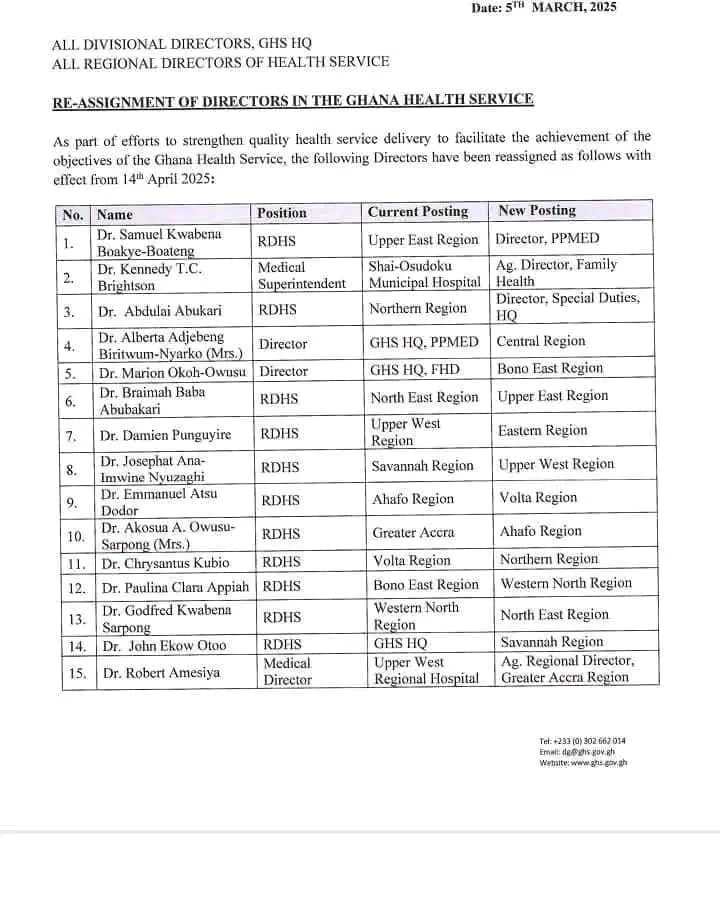
The Ghana Health Service (GHS) has announced a comprehensive reshuffling of its Regional Health Directors, aimed at enhancing healthcare service delivery across the country.
The reassignments, which take effect on April 14, 2025, are part of broader efforts to strengthen leadership within the health sector and align with the GHS’ strategic objectives.
The new appointments will see experienced health professionals taking on new roles across various regions and at the GHS headquarters. Notable among the changes is Dr. Samuel Kwabena Boakye-Boateng, who transitions from his role as Upper East Regional Director of Health Services (RDHS) to serve as the Director of Policy, Planning, Monitoring, and Evaluation Division (PPMED) at the GHS headquarters.
Additionally, Dr. Kennedy T.C. Brightson, formerly the Medical Superintendent at Shai-Osudoku Municipal Hospital, assumes the role of Acting Director of Family Health at the GHS headquarters, while Dr. Abdulai Abukari, previously the Northern Region’s RDHS, takes up a new position as Director of Special Duties at the headquarters.
Several Regional Health Directors have also been reassigned to new regions. Dr. Alberta Adjebeng Biritwum-Nyarko (Mrs.), who previously served at the PPMED division, will now lead as RDHS for the Central Region. Meanwhile, Dr. Marion Okoh-Owusu, formerly with the Family Health Division at the headquarters, has been appointed RDHS for Bono East.
Other notable reassignments include:
Dr. Braimah Baba Abubakari, formerly RDHS for North East, now heading the Upper East Region.
Dr. Damien Punguyire, previously in charge of the Upper West Region, moving to the Eastern Region.
Dr. Josephat Ana-Imwine Nyuzaghi, transitioning from the Savannah Region to Upper West as RDHS.
Dr. Emmanuel Atsu Dodor, shifting from Ahafo to Volta Region as RDHS.
Dr. Akosua A. Owusu-Sarpong (Mrs.), moving from Greater Accra to Ahafo as RDHS.
Dr. Chrysantus Kubio, taking over the Bono East RDHS role after serving in the Volta Region.
Dr. Paulina Clara Appiah, relocating from Bono East to Western North as RDHS.
Dr. Godfred Kwabena Sarpong, moving from Western North to the Northern Region.
Dr. John Ekow Otoo, formerly Medical Director at Upper West Regional Hospital, now RDHS for North East.
Dr. Robert Amesiya, stepping in as Acting Regional Director for Greater Accra after serving as RDHS for Savannah.
The GHS has emphasized that these leadership changes are crucial in ensuring efficient healthcare administration and addressing evolving health challenges nationwide.
The Ghana Health Service (GHS) has instructed all Regional Directors of Health to take immediate steps to enhance disability-friendly healthcare services across the country, with compliance set to be a key factor in performance evaluations.
A directive issued by Acting Director-General, Prof. Samuel Kaba Akoriyea, outlines specific measures aimed at improving accessibility and inclusivity for persons with disabilities in hospitals.
The directive follows discussions with Regional Directors on February 13, 2025, where the need for improved disability-friendly facilities was highlighted.
Following this, GHS engaged with the National Disability Council and the Ghana Federation of Disability Organizations to develop strategies for strengthening rehabilitation services and implementing critical modifications in healthcare facilities.
Citing Section 33 of the Disability Act, the directive underscores the legal obligation of health institutions to provide equal access to healthcare for persons with disabilities. These requirements include making structural adjustments, ensuring priority care for individuals with disabilities, and providing sign language interpreters where necessary.
To drive these reforms, Regional Directors have been instructed to activate and reinforce existing structures in hospitals, ensure functional social welfare offices, update peer review checklists to include inclusivity measures, and reorient disability focal persons at regional and district levels.
Prof. Akoriyea emphasized that adherence to these directives will be closely monitored and reflected in performance assessments, reinforcing GHS’s commitment to ensuring equitable healthcare access for all.
The Ghana Health Service (GHS) is preparing to roll out a nationwide initiative to tackle anemia, with a special focus on pregnant women and children.
The move, aimed at improving maternal and child health, was disclosed at a dissemination meeting on universal nutrition and health coverage held in Kumasi. Health experts are seeking to strengthen sustainable nutrition systems to address the persistent challenge.
Speaking to Adom News, Olivia Timpo, Deputy Director of Nutrition at GHS, raised concerns over the increasing anemia cases, despite ongoing health interventions. She highlighted a worrying trend in declining exclusive breastfeeding rates while anemia remains prevalent.
To curb the situation, she announced that counseling units have been set up in health facilities nationwide to provide guidance on nutrition and anemia prevention.
“This campaign is designed to educate the public on proper nutrition and healthier eating habits to reduce the risk of anemia-related complications, particularly among pregnant women and children,” she stated.
The GHS believes that intensified public education and access to proper nutritional counseling will play a critical role in reversing the trend and promoting better health outcomes for vulnerable groups.
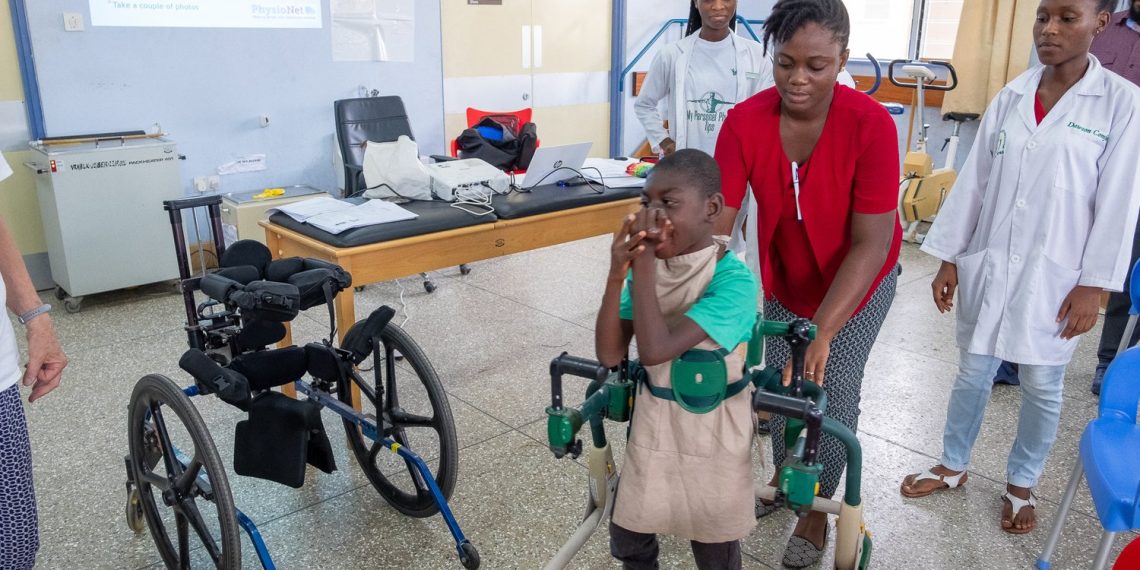
The Ghana Health Service (GHS) has deployed specialized personnel at healthcare facilities nationwide to assist people with disabilities in receiving medical services.
These individuals will provide guidance at every stage of their hospital visit, from arrival through diagnosis, medication collection, and payment processing, ensuring a hassle-free experience while minimizing delays.
This measure is part of a broader effort to improve accessibility and inclusivity within the healthcare system.
Professor Samuel Kaba Akoriyea, the Acting Director-General of GHS, disclosed this initiative during an engagement with leaders from the Ghana Federation of Disability Organizations and other advocacy bodies.
The discussion focused on strengthening cooperation to enhance medical care for persons with disabilities.
“Some of these officers might be able to understand sign language, and as such, they will be able to interpret for persons with hearing impairment.
“One of the important things is not just to help them to go by the queue, but to help them till they leave the hospital, whether they go to the pharmacy, on admission, right till when they are discharged, they will be supported.”, he said.
Health officials overseeing various regions have been tasked with putting the plan into action right away, with a separate group assigned to the GHS headquarters to carry out the same function.
“This is a programme, not a project, and I hope that whoever comes after me will take it up as well.
“We don’t want these things to be like a project, which has a beginning and an end. Disability is not inability, and the disabled people are Ghanaians; they were born by us, and they are family members, so we can’t say we are doing a project, and then after that, it collapses,” he added.
He revealed that the GHS, in partnership with the Korea Foundation for International Healthcare (KOFIH), is preparing to introduce a program focused on supporting children with disabilities to ensure inclusivity in healthcare services.
As part of this initiative, the GHS Health Promotion Department will be responsible for raising awareness about discrimination against persons with disabilities and enforcing measures to hold offenders accountable.
Mr. Alexander Bankole Williams, Technical Coordinating Officer for Legal Affairs at the Ghana Federation of Disability Organizations, praised the GHS for the effort but emphasized the necessity of equipping designated assistants with proper training to provide competent and compassionate support.
He also stressed that medical practitioners should undergo specialized education on interacting with individuals with disabilities and dispensing treatment correctly.
Furthermore, Mr. Williams highlighted the need for increased accessibility in medical supplies, proposing the introduction of Braille-labeled medication and the procurement of hospital equipment such as adjustable beds to accommodate persons with disabilities.
The organization also advocated for improved communication tools for individuals with hearing impairments and called for more employment opportunities for persons with disabilities within the healthcare sector.
Mr. Joseph Atsu Homadzi, President of the Ghana Federation of Disability Organizations, acknowledged the Director-General’s dedication to inclusivity. He suggested categorizing existing issues into short-term and long-term goals to guarantee systematic progress in the coming years.
Mr. Yang Bomin, KOFIH’s Country Representative, provided insight into ongoing projects in Ghana and announced upcoming plans to introduce assistive technology for children with disabilities.
After the meeting, participants visited the National Prosthetics and Orthotics Centre to assess current developments and discuss potential ways to enhance its services.
The Minister of Health, Kwabena Mintah Akandoh, has given an update on the cerebrospinal meningitis (CSM) outbreak in the Upper West region, revealing that more than 129 cases had been reported as of Sunday, February 16.
Regrettably, the outbreak has resulted in 16 fatalities, while 29 individuals are currently receiving care.
CSM is a severe condition that causes inflammation of the membranes surrounding the brain and spinal cord.
It can be caused by bacteria, viruses, fungi, or parasites, and requires immediate medical attention. Symptoms of the disease include headaches, fever, a stiff neck and back, vomiting, muscle and joint pain, drowsiness, light sensitivity, and seizures.
Speaking in Parliament on February 18, Minister Akandoh highlighted the areas most affected, including Wa Municipal, Nanduli, Wa West, Jirapa, and Nandum.
Despite the high number of cases and deaths, he assured the public and Parliament that measures are in place to control the outbreak.
“Mr. Speaker, despite the substantial cases and unfortunate deaths, I wish to assure the House and the good people of Ghana that we have considerable efforts to keep the outbreak under control,” he stated.
In a more positive update, Akandoh pointed out that the situation is improving, with a noticeable reduction in the number of new meningitis cases in the region.
“Our efforts are paying off. Already, a wave of improvement is evident in the Upper West Region where new meningitis cases are decreasing,” he said.
The Minister attributed this improvement to the Ministry’s swift actions, which included deploying experts to assist local teams, making an on-the-ground visit to evaluate the situation, and ensuring free medical treatment for all affected individuals.
“This positive change follows the Ministry of Health’s swift and decisive actions, which included deploying experts to support local teams, conducting a high-level visit to assess the situation, and providing support and ensuring free treatment for all affected individuals,” he explained.
Additionally, the Ministry set up an emergency operations center to coordinate the response and consulted with international experts to effectively address the situation.
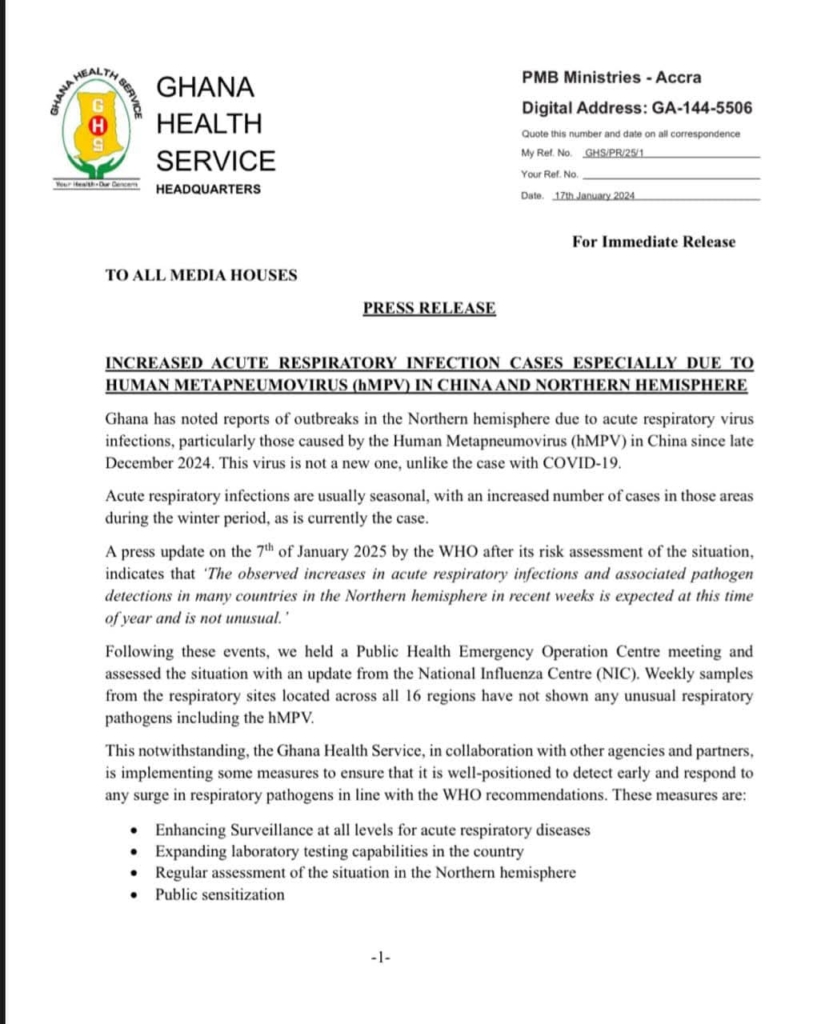
Health Minister, Kwabena Mintah Akandoh has indicated while the country has identified a trace of Human metapneumovirus (HMPV) its impact remains minimal.
Appearing before Parliament on Tuesday, the Health Minister stated that detection became privy after routine surveillance testing for HMPV in January.
According to him, out of a total of ninety (90) samples submitted only one was positive, with the case involving an elderly person.
The Health Minister has noted that the Ghana Health Service (GHS) has implemented measures to limit the further spread of the virus.
“Mr Speaker we have also identified the single case of Human metapneumovirus (HMPV) in the country. In response to the recent increase in respiratory cases in China and some countries in 2024 as part of our routine surveillance we commenced testing for HMPV this year in January 2025. So far a total 90 samples have been submitted for testing and only one positive case has been detected for HMPV. This was detected on an elderly person.
“Mr Speaker I want to assure the house that the risk of HMPV in Ghana remains low. As you can see we have a robust system in place to monitor for respiratory viruses,” he added.
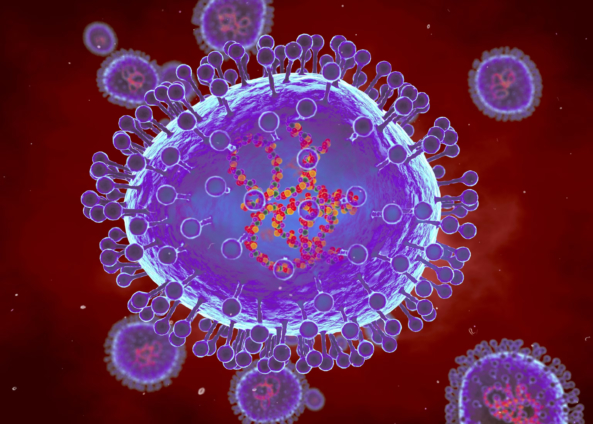
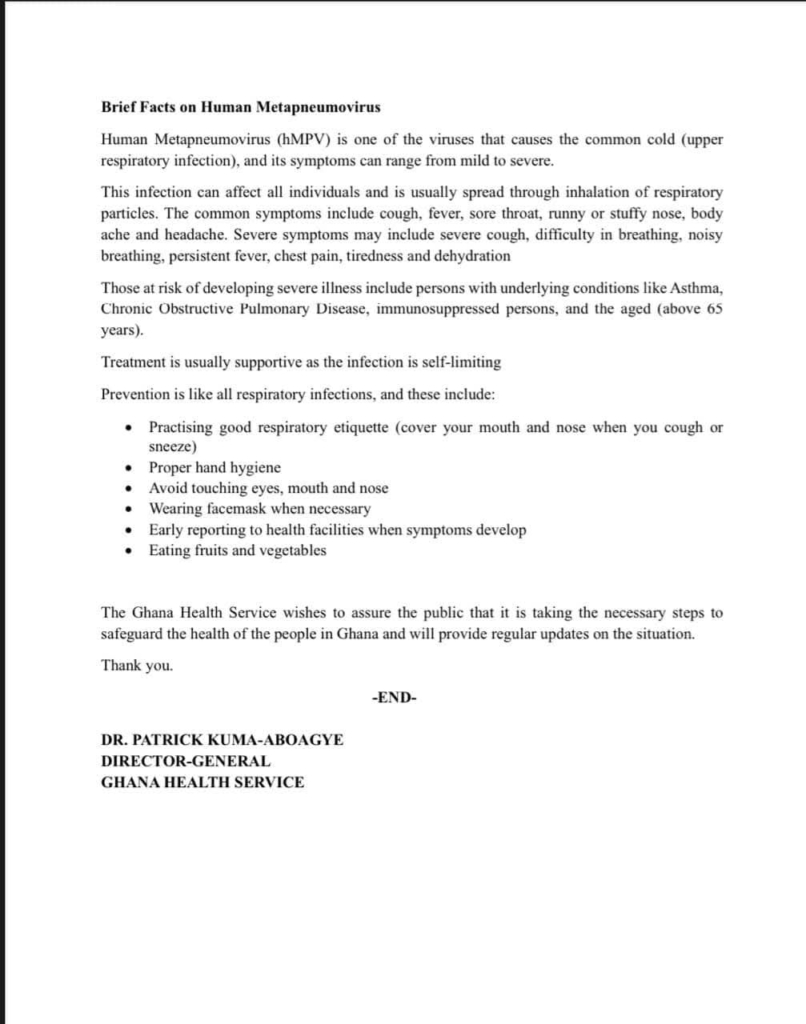
Human metapneumovirus (HMPV) is a respiratory virus that can lead to various respiratory conditions, ranging from mild cold-like symptoms to severe pneumonia.
Though it can affect individuals of any age, it predominantly impacts young children, elderly adults, and those with compromised immune systems.
Ghana is currently battling with Cholera and Cerebrospinal Meningitis (CSM). The cholera outbreak, which began in Ada West, Greater Accra Region, in October 2024, has since spread to multiple regions.
The CSM outbreak in the Upper West Region has led to more than 129 reported cases as of Sunday, February 16. Tragically, 16 individuals have died, while 29 others are undergoing treatment.
The cholera outbreak, which began in Ada West, Greater Accra Region, in October 2024, has since spread to multiple regions.
As of February 13, 2025, there have been 6,145 reported cases, 719 of which are confirmed, and 49 deaths.
To enhance Ghana’s response to meningitis, the World Health Organization (WHO) has delivered a shipment of critical medical supplies to Ghana’s Ministry of Health (MoH) to aid in the ongoing battle against the meningitis outbreak.
During the handover ceremony in Accra, Dr. Frank Lule, WHO Representative to Ghana, reiterated the organization’s dedication to assisting the country’s healthcare efforts.
“We have adequate antibiotics to treat affected individuals, and a response team will be deployed to the northern region to provide further assistance,” he disclosed.
In an effort to combat the rising cholera outbreak, the Ghana Health Service (GHS) has commenced a mass vaccination drive in Accra, targeting over 300,000 residents.
The exercise, which began today [Friday, February 14], is part of a broader initiative to contain the spread of the disease, which has already affected over 4,000 people across five regions, including Greater Accra, Eastern, Central, Ashanti, and Western.
With more than 40 deaths recorded so far, health officials are racing against time to curb further infections and fatalities.
Cholera, a highly infectious disease caused by bacteria, spreads through contaminated food and water, leading to acute diarrhea and severe dehydration. Poor sanitation, unclean drinking water, and unhygienic food handling have been identified as major contributors to the current outbreak.
Experts caution that without immediate intervention, the crisis could escalate. As part of its emergency response, the Ministry of Health, in collaboration with GHS, is administering oral cholera vaccines (OCV) in high-risk areas.
These vaccines offer temporary immunity, serving as a critical measure to protect vulnerable communities, particularly those lacking access to clean water and proper sanitation facilities.
The Minority in Parliament is calling for the Ghana Health Service (GHS) leadership to be summoned over the recurring outbreaks of Cerebrospinal Meningitis in the country.
This appeal follows a statement by Dr. Sebastian Sandaare, MP for Daffiama Bussie Issa, who informed Parliament that 14 deaths have been recorded from 60 suspected cases in the Upper West Region in 2025.
Responding to the report, Minority Chief Whip Frank Annoh-Dompreh decried the fact that such preventable illnesses continue to claim lives and urged the Ghana Health Service to appear before Parliament to outline measures being implemented to curb the outbreak.
“The leadership of the Ghana Health Service should come and tell us why this matter is where it is. In this time and age, we can’t allow such basic aliments to take lives. Interestingly, the Upper East shares a border with the Upper West. And if we’re not careful, it will result in a calamity.
“This is an ailment that is taking the lives of people, innocent Ghanaians. And that part of the world, statistics have shown that poverty is so pronounced so they may not even have the wherewithal to procure the vaccines.”
The First Deputy Speaker, Bernard Ahiafor, meanwhile, suggested various strategies for the Ghana Health Service to implement to contain the spread of the disease.
“The Ministry of Health should take immediate action to create awareness, conduct contact tracing, intensify provision of medical care to the affected victims and consider the establishment of the public health emergency fund.”
The Ghana Health Service (GHS) has called on the public to challenge misconceptions, spread awareness, and promote the inclusion of individuals affected by leprosy in commemoration of World Leprosy Day on January 26.
In a post shared on their X page on Sunday, the GHS urged the general public to “challenge misconceptions, spread awareness, and promote inclusion” in honor of the day. This appeal comes in response to the prevalent misconceptions and stigma surrounding leprosy and those affected by the disease in Ghana.
Many people mistakenly believe that leprosy is highly contagious and untreatable, which has led to discrimination and social exclusion of those affected. In response, healthcare providers have condemned these misconceptions, emphasizing that leprosy is neither highly contagious nor untreatable.
“No one should face discrimination for a disease that can be treated. Leprosy is not a label,” the GHS stated, reinforcing that those living with leprosy have the right to a dignified life, access to available resources, and the opportunity to reach their full potential.
“Everybody has the right to a dignified life and to achieve their full potential. Not just to survive, but to thrive. Persons affected by leprosy are more than their diagnosis,” the GHS added.
Leprosy, also known as Hansen’s Disease, is a chronic infectious disease caused by Mycobacterium leprae. It primarily affects the skin and nerves, leading to disabilities if left untreated. However, with early diagnosis and proper treatment, leprosy is a curable disease, and long-term disabilities can be prevented.
Globally, approximately 200,000 new cases of leprosy are reported annually, with the highest numbers found in Brazil, India, and Indonesia. Notably, 56 countries reported zero new cases in 2023. Efforts by the World Health Organization (WHO) are focused on achieving zero disease, zero disability, and zero discrimination through public education, early diagnosis, prevention programs, and the empowerment of affected individuals.
In Ghana, the National Leprosy Control Programme (NLCP) has been actively working to eliminate leprosy since the 1950s. The program focuses on reducing transmission, managing cases, and preventing disabilities. The Ankaful Leprosy & General Hospital serves as the national referral center, and the Zero Leprosy Action Plan, developed in collaboration with the Global Partnership for Zero Leprosy, aims to achieve zero leprosy by 2030.
Despite the availability of effective treatment, the stigma surrounding leprosy often prevents affected individuals from seeking timely medical care. The GHS has urged the public to support efforts to eliminate discrimination and ensure that all individuals, regardless of their diagnosis, can live dignified lives.
The Ghana Health Service (GHS) has ramped up its monitoring efforts due to a spike in acute respiratory infections, particularly those associated with the Human Metapneumovirus (hMPV), which is currently spreading in China and other parts of the Northern Hemisphere.
In a statement, the GHS clarified that this outbreak is not related to a new virus, such as COVID-19, but rather reflects the usual seasonal uptick in hMPV infections during the colder months.
The GHS called on the public to remain vigilant and take necessary precautions to minimize the risk of exposure.
Dr. Patrick Kuma-Aboagye, Director-General of the Ghana Health Service (GHS), signed a statement highlighting key updates from a recent meeting of the Public Health Emergency Operations Centre (PHEOC).
During this session, the National Influenza Centre (NIC) provided valuable information, noting that routine respiratory samples collected from all 16 regions of Ghana have shown no evidence of unusual respiratory pathogens, including hMPV.
To enhance preparedness, the GHS has implemented a range of measures, working alongside various partners and following World Health Organization (WHO) guidelines.
Cholera deaths in Ghana have risen to 40, with 398 confirmed cases recorded across five regions since the outbreak began in October 2024, according to the Ghana Health Service (GHS).
Data from the GHS indicates that 41 people remain hospitalized as the disease has spread to La Dadekotopon in the Greater Accra Region, increasing the number of affected districts to 48. The current Case Fatality Rate (CFR) stands at 1.2%.
Dr. Dennis Laryea, Head of Disease Surveillance at the GHS, reported that 4,850 suspected cholera cases have been recorded so far in the Greater Accra, Eastern, Central, Ashanti, and Western Regions.
“Deaths are occurring because most of the patients who had cholera tried to self-medicate, some report to the hospital three days after the cholera infection,” Dr. Laryea explained in an interview with the Ghana News Agency.
He further disclosed that 96 new suspected cholera cases, including 29 confirmed infections, were recorded between December 26 and 31, 2024.
A recent Oral Cholera Vaccination campaign targeting four hotspot districts in the Western Region — Sekondi-Takoradi, Effia Kwesimintsim, Shama, and Ahanta West — successfully vaccinated 596,205 people, according to Dr. Laryea.
He identified poor access to clean water, open defecation, and poor hand hygiene as significant contributors to the outbreak, urging the public to improve personal hygiene.
“Frequent hand washing with soap under running water and the use of hand sanitizers where there is no access to clean water can help prevent the spread,” he advised.
Ghana had not experienced a cholera outbreak between 2017 and 2023, apart from a few isolated cases. Dr. Laryea credited improved handwashing practices during the COVID-19 pandemic as an effective measure in curbing such infections during those years.
Cholera, an acute diarrheal disease caused by ingesting food or water contaminated with Vibrio cholerae bacteria, can lead to severe dehydration and death if left untreated. Symptoms include frequent diarrhoea, vomiting, abdominal cramps, fever, headache, dry mouth, fatigue, and reduced urine output.
The World Health Organization (WHO) describes cholera as a global health threat and an indicator of social inequality. Cholera transmission is often linked to poor sanitation, limited access to clean water, and overcrowded living conditions, such as peri-urban slums and camps for displaced persons.
The GHS continues to urge the public to drink safe, treated water, consume properly cooked food, maintain good hygiene, avoid close contact with infected individuals, and seek prompt medical attention if experiencing diarrhoea and vomiting.
A cholera outbreakin parts of Ghana has claimed 37 lives as of December 26, 2024. Confirmed cases have increased from 346 to 359, while suspected cases have surged to 4,618, affecting 91 out of the country’s 276 districts.
The Western Region reported two more fatalities, bringing its total deaths to five. Notably, some victims were brought to healthcare facilities already deceased. Following these developments, the Ghana Health Service (GHS) has begun mortality audits to examine the causes of death and improve response efforts.
Additionally, the number of districts with confirmed cholera cases has grown from 44 to 46, reflecting the outbreak’s spread as of December 24, 2024. The GHS is intensifying efforts to curb the outbreak, including public health education and sanitation measures.
New cholera cases have been reported in Agona East in the Central Region and La Nkwantanang Madina in the Greater Accra Region.
In response, the Ghana Health Service (GHS) has activated multi-sectoral rapid response teams at the national, regional, and district levels. These teams are working to prevent further spread and offer crucial support to the affected communities.
While the number of hospitalizations has decreased from 64 to 46, the Western Region still has the highest number of patients, with 37 people hospitalized. The Greater Accra Region has three hospitalized cases, and the Central Region reports six.
The GHS continues to monitor the situation closely and take necessary measures to control the outbreak.
Efforts to trace contacts have been effective, with 9,667 individuals identified, of which 8,667 have completed the required five-day follow-up period.
The second phase of the Oral Cholera Vaccine (OCV) campaign took place from December 15 to 18, 2024, in areas of the Western Region most affected by the outbreak.
Districts such as Sekondi-Takoradi, Effia Kwesimintsim, Shama, and Ahanta West were covered, and a mop-up operation was carried out on December 19.
The campaign successfully vaccinated 596,205 people, achieving an impressive 92.9% of the target population.
To help prevent further outbreaks, theGhana Health Service (GHS)has also stepped up testing of food vendors and water sources in the affected districts.
The death toll from Ghana’s ongoing cholera outbreak has risen to 37, with confirmed cases climbing to 359 as of December 26, 2024, according to a report by JoyNews.
The Ghana Health Service (GHS) recorded two additional fatalities in the Western Region, prompting a series of mortality audits to assess the situation.
The outbreak has now spread to 46 districts, up from 44, with Agona East in the Central Region and La Nkwantanang Madina in Greater Accra reporting their first confirmed cases.
Cumulatively, 4,618 suspected cases have been documented across 91 of the country’s 276 districts. Meanwhile, hospitalization rates have slightly declined, with 46 patients currently admitted—37 in the Western Region, six in the Central Region, and three in Greater Accra.
Efforts to curb the outbreak include the completion of Phase 2 of the sub-national Oral Cholera Vaccine campaign in four hotspot districts in the Western Region, achieving a 92.9% vaccination rate.
Additionally, GHS has intensified testing of food vendors and water sources in affected areas and deployed rapid response teams at national, regional, and district levels to contain the spread of the disease.
Ghana is set to roll out a nationwide Human Papillomavirus (HPV) vaccination exercise targeting girls aged 9–14 years in 2025, according to the Ghana Health Service (GHS).
HPV is a small, non-enveloped DNA virus that infects skin or mucosal cells, according to the World Health Organization (WHO). The virus is highly transmissible, with most individuals acquiring an infection at some point in their lives, particularly soon after the onset of sexual activity.
The Public Relations Officer (PRO) of the Ghana Health Service, Jacob Acquah Andoh, confirmed that the national exercise will commence next year, with a specific timeline to be announced in due course. He assured that comprehensive plans are being developed to ensure the smooth implementation of the vaccination exercise.
This was revealed during a stakeholder meeting held on Thursday, December 5, supported by UNICEF Ghana. The meeting focused on implementing effective Social and Behavior Change (SBC) strategies to ensure the successful rollout of the HPV vaccine.
Key discussions centered on addressing myths and misconceptions about the vaccine, which have been identified as potential barriers to its acceptance.
Dr. Kwame Amponsa-Achiano, Programme Manager for the Expanded Programme on Immunization (EPI), outlined the history and rollout process of the vaccine in Ghana. He noted that the HPV vaccine was piloted in two phases between 2013 and 2015. The initial phase targeted in-school children, while the second phase included both in-school and out-of-school girls.
Building on lessons learned from these pilots, the national rollout will adopt an age-based strategy focused on girls aged 9–14 years to ensure equitable coverage and protection.
Stakeholders and partners at the meeting pledged their support, including logistical and technical assistance, to ensure the success of the program.
HPV types 16 and 18, classified as “high-risk” genotypes, are responsible for approximately 70% of cervical cancer cases worldwide. Additionally, types 6 and 11, known as “low-risk” genotypes, cause genital warts, a condition that significantly affects quality of life.
Cervical cancer, the most serious clinical consequence of HPV infection, remains a leading cause of cancer-related mortality in women, with approximately 250,000 deaths recorded annually worldwide, according to the National Institute of Health.
To combat this, two prophylactic HPV vaccines—a bivalent and a tetravalent vaccine—have been available since 2006. The rollout of the HPV vaccination program in Ghana represents a critical step toward reducing the burden of cervical cancer and other HPV-related diseases, particularly in developing countries where the prevalence remains high.
A third case of MPOX has been confirmed in Ghana, this time in the Greater Accra Region, bringing the country’s recent total to three cases.
Dr. Dennis Laryea, Deputy Director of Public Health at the Ghana Health Service (GHS), shared that the latest case was detected last week and that investigations in the region have not identified further cases among contacts, though monitoring continues.
The first case of MPOX this year in Ghana was reported in August in the Western Region, with 25 contacts identified. Shortly after, a second case was confirmed involving the mother of the initial patient, raising concerns about the virus’s spread.
MPOX, also known as monkeypox, is an infectious disease caused by the monkeypox virus (MPXV). It is part of the Orthopoxvirus genus in the Poxviridae family, sharing characteristics with other poxviruses like smallpox. Symptoms often include a painful rash, swollen lymph nodes, fever, and muscle aches.
The virus typically spreads through close contact, including skin-to-skin or respiratory droplets, and can also be contracted through contact with contaminated objects or animal scratches and bites.
The GHS has assured the public that necessary preventive measures are being taken to monitor the situation closely. However, individuals are advised to practice caution, particularly in close-contact environments, and to observe hygiene practices to reduce transmission risks.
Ghana is grappling with a cholera outbreak, raising urgent concern among health officials and communities across the nation.
So far, the outbreak has claimed 16 lives, with 116 confirmed cases reported in four regions: Greater Accra, Eastern, Central, and Western.
The Ghana Health Service (GHS) is urging the public to resume COVID-19 hygiene practices to help curb the spread of the disease.
Dr. Dennis Laryea, Deputy Director of Disease Surveillance at the GHS, stressed that early medical intervention can prevent fatalities, noting that some patients delayed seeking care, resulting in avoidable deaths.
“Our concerns have had to do with the death. The numbers yes but quite a number of them were brought in dead, which means they were delayed in seeking care. About seven or eight of them were brought in dead.
“The majority of the others spent less than 12 to 24 hours on admission. That meant that we had little time to make a difference. Their kidneys may have stopped functioning due to dehydration. We have seen some changes in some of the districts. Once you start developing symptoms; vomiting, watery diarrhoea, get to the health facility,” he stated.
Channel One News reported from Osu in the Korley Klottey Municipality, an area affected by the outbreak, where residents voiced concerns over sanitation challenges.
“One critical issue affecting this community is the inconsistent supply of tap water, which has significantly worsened our sanitation problems. We are appealing to the relevant authorities to ensure a steady flow of water to this area to help reduce the spread of cholera,” a resident lamented.
“We don’t have consistent water supply for domestic use, even for basic needs like cleaning our toilets. Additionally, the refuse dumb area is in a deplorable condition, which could breed cholera, especially since children play around and food is exposed to flies. We are appealing to the authorities to address the water supply and improve the sanitation conditions”, another resident appealed.
“The Osu Beach has become a breeding place for mosquitoes. The authorities are doing nothing about it. We are urging the authorities to save the situation,” stated another resident.
“The factors that will drive the outbreak haven’t left us. The personal hygiene and the food handling situation are still there. If people don’t wash their hands with soap and water before eating, wash their fruit and vegetables well with clean water because if the water is dirty, it can result in cholera infection. The bacteria is in the environment so once we are not handling our waste appropriately, then the risk of the disease spreading is high,” Dr. Laryea reiterated.
The Ghana Health Service (GHS) has announced the placement process for the 2020 batch of nurses and midwives.
A total of 6,015 nurses and midwives who applied for postings via the Ministry of Health portal are to report for selection and placement.
All eligible nurses and midwives who opted to work with the Ghana Health Service are required to report to their preferred regions with their certificates and AIN/PIN from the Nursing and Midwifery Council. The placements will occur on different dates based on the cadres, as detailed below:
Placement Schedule
Monday, 18th November 2024 – Tuesday, 19th November 2024: Enrolled Nurses
Wednesday, 20th November 2024: Community Health Nurses, Registered Community Health Nurses, and Public Health Nurses
Thursday, 21st November 2024: Registered General Nurses and Midwives
Friday, 22nd November 2024: Nursing and Midwifery Officers
For more information, nurses and midwives can contact the National Public Relations Office at 0240786263 or reach out to any of the GHS Regional Health Directorates.
Ghana Health Service (GHS) has urged Ghanaians to maintain a clean environment with the surge in cholera cases.
The Director General of the Ghana Health Service (GHS), Dr. Patrick Kumah Aboagye, according to a citinewsroom.com report, called for WASH facilities to be made available in public places such as schools.
“Let’s ensure that we keep a sanitary environment around us. We wash our hands all the time as we were doing in COVID time.
“Schools must ensure that they have WASH facilities and running water to wash their hands with soap, workplaces must have that, and marketplaces must do all the needful to ensure that a sanitary environment is important so that even if someone has it you don’t get it,” he added.
Following a stakeholder meeting in the Kasoa area on Monday, November 4, 2024, Dr. Patrick Kumah Aboagye provided an update on efforts to tackle a recent cholera outbreak.
He announced that the Ghana Health Service (GHS) has implemented an action plan focused on both treating current cases and preventing further spread, particularly from healthcare facilities treating infected patients.
Health service reports indicate a notable increase in cholera cases in Kasoa. Initially, five cases were recorded, but the number has now escalated to 56.
Currently, 46 patients are hospitalised and receiving treatment, with their conditions improving, while the death toll remains at five. Of the recorded cases, 15 are from Kasoa, with the remaining cases coming from Gomoa East and Ga South.
Dr. Aboagye highlighted that there has been progress in Ada,where the outbreak first emerged. He urged all regional health departments to stay vigilant, recommending preventive measures to help control the spread of the disease.
The Ghana Health Service (GHS) has confirmed a cholera outbreak in the Ada East and Ada West districts of the Greater Accra Region, with nine cases recorded as of October 11, 2024.
Cholera is an acute diarrhoeal infection caused by consuming food or water contaminated with the Vibrio cholerae bacterium.
The outbreak, which was first reported on October 4, 2024, involved a patient in Ada West who presented symptoms of vomiting, diarrhoea, and abdominal pain after attending a funeral in Ada East. Soon after, confirmed cases emerged in Ada East as well.
In response, the GHS has activated Public Health Emergency Management Committees (PHEMCs) at the national, regional, and district levels.
According to the GHS, “A joint multi-sectoral Public Health Emergency Rapid Response Team (PHERRT) from the national, regional and district levels, along with representatives from the National Commission for Civic Education (NCCE), Ghana Education Service (GES), National Disaster Management Organisation (NADMO), and Environmental Health Units from the two affected districts has been activated.”
Further measures include ongoing outbreak investigations and environmental assessments. An ‘Alert’ has been issued to all health facilities nationwide, and healthcare workers in the affected areas have been sensitized on cholera case definitions, sample management, and treatment protocols. The GHS also emphasized that “strict Infection Prevention and Control practices in all health facilities have been enforced.”
In the affected districts, the GHS has set up an oral rehydration centre for mild cases and is conducting public education campaigns on cholera prevention, with a focus on promoting safe drinking water, sanitation, and hygiene practices. “Water sampling for microbiology and culture from all affected districts is being conducted,” GHS noted, adding that potable water is being distributed to affected areas.
The Ministry of Health and GHS reassured the public that they are committed to early detection and a swift response to any public health emergency.
Cholera remains a serious global public health concern, often highlighting issues of inequality and underdevelopment.
This disease can lead to death within hours if untreated, as it predominantly affects populations lacking access to clean water and proper sanitation. Factors such as conflict, unplanned urbanization, and climate change further heighten the risk of cholera outbreaks.
Each year, researchers estimate between 1.3 and 4.0 million cases of cholera globally, resulting in 21,000 to 143,000 deaths. Many people infected show either mild or no symptoms and can be treated effectively with oral rehydration solutions. However, severe cases require immediate treatment with intravenous fluids and antibiotics to prevent fatalities.
To prevent and control cholera, access to clean water, proper sanitation, and good hygiene practices are crucial. In high-risk areas, oral cholera vaccines should be used alongside improvements in water and sanitation infrastructure to manage outbreaks and protect vulnerable communities.
In 2017, a global strategy, Ending Cholera: A Global Roadmap to 2030, was launched, aiming to reduce cholera deaths by 90%, marking a significant step toward tackling this preventable disease.
In 2024, the cholera outbreak in the WHO African Region has impacted 14 countries, including Burundi, Cameroon, Comoros, the Democratic Republic of the Congo, Ethiopia, Kenya, Malawi, Mozambique, Nigeria, South Africa, the United Republic of Tanzania, Uganda, Zambia, and Zimbabwe, with Ghana being the most recent country affected.
Since the beginning of the year 2024, the number of cholera cases and deaths reported to the WHO Regional Office for Africa (AFRO) as of 30 April was 82,215 and 1,507 deaths, respectively, with a case fatality ratio of 1.8%.
‼️ Press Release – Cholera Outbreak in Greater Accra‼️
The Service confirms cholera cases in Ada West and Ada East. Public health measures are in place.
The Ghana Health Service (GHS) is urging the public to avoid intimate activities, including kissing and sexual contact, with individuals infected with monkeypox to help curb the spread of the virus.
This advisory is part of efforts to prevent transmission, as the disease is known to spread through close physical interaction.
This comes after a confirmed monkeypox case was reported in the Bia West District in the Western North Region. GHS has also identified 230 suspected cases of monkeypox across 88 districts in Ghana.
The public is encouraged to stay alert and follow safety guidelines to reduce the risk of infection. Anyone displaying symptoms of monkeypox is advised to seek immediate medical care to prevent further spread.
Speaking to OTEC News’ Kwame Agyenim Boateng on Friday, 4 October 2024, Dr. Franklin Asiedu-Bekoe, Director of Public Health at GHS, emphasized the need to avoid contact with contaminated clothing from infected individuals as part of preventive measures.
“Symptoms of mpox include rashes and boils on the body, and the risk of contracting the disease increases with direct physical contact,” Dr. Asiedu-Bekoe explained.
“It is, therefore, advisable to avoid kissing and sexual activity, both of which involve close body contact, with individuals suspected of having the disease,” he added.
Mpox is a contagious disease characterized by symptoms such as a painful rash, swollen lymph nodes, fever, headaches, muscle aches, back pain, and fatigue. While many individuals recover completely, severe cases can occur in some. The disease is caused by the monkeypox virus (MPXV).
Six staff of the Trauma and Specialist Hospital in Winneba,Central Region, have been implicated in a case involving the transfer of a patient in June, which ultimately led to her death.
The Ghana Health Service (GHS) concluded an investigation into the incident, uncovering serious misconduct by hospital staff who failed to handle the transfer to Ojobi properly, resulting in the patient being abandoned and subsequently dying.
In a statement released on Tuesday, the Ministry of Health (MOH) announced that the matter has been referred to the Criminal Investigations Department (CID) of the Ghana Police Service and the Attorney General’s Department for further inquiry and action.
“The Ministry is of the view that in light of the gravity of the issue captured in the report, involving the loss of life, further investigations should be carried out by the Attorney-General and Minister of Justice.
As a result, the Ministry of Health (MOH) has sought the Attorney General’s assistance to investigate the matter and determine the liability of the staff involved, with further actions to be taken as necessary.
The Ministry reaffirmed its commitment to maintaining the highest standards in healthcare and ensuring that such a tragic incident is never repeated.
In the meantime, the Ghana Health Service will impose sanctions on the implicated staff through internal disciplinary measures.
This follows a June 2024 incident in which a patient admitted to the Trauma and Specialist Hospital in Winneba was discharged and later abandoned in a bush.
Reports suggest that an ambulance from the Trauma and Specialist Hospital in Winneba was used to transport and abandon an elderly woman recovering from leg injuries after an accident, near a roadside by a bush.
Photos and videos online showed her lying with casts on both legs and a wheelchair nearby. A passerby provided a cloth when she appeared cold.
The woman, suspected of having dementia, was admitted to the hospital following the accident. She regained consciousness, but could only mention Gomoa Ojobi as her home, leaving hospital staff unable to locate her relatives.
When no family members came forward and her behaviour, including nighttime screaming and violence, became disruptive, hospital staff allegedly decided to search for her relatives.
A Ghana Health Service investigation revealed she was admitted on May 29, 2024, and discharged on June 13, 2024. Contrary to her claim, she was not a native of Gomoa Ojobi, where community members found her injured and brought her to the hospital initially.
Ghana Health Service has announced a nationwide campaign to immunize children against measles, specifically targeting those aged nine months to 59 months.
This immunization initiative will run from Wednesday, October 2, to Sunday, October 6, 2024.
The program aims to protect children from measles and rubella while also offering vital vitamin A supplementation to enhance their overall health and wellness.
During a press briefing in the Upper East Region on Monday, Dr. Samuel Boakye-Boateng, the Regional Health Service Director, emphasized the significance of this initiative.
He noted that the region faced measles outbreaks earlier this year, with reported cases in Bawku West and Garu Districts, as well as additional occurrences in five other districts.
Dr. Boakye-Boateng explained, “It’s a national exercise, a supplemental or supplementary immunisation activity with measles rubella vaccine. It’s integrated because we are also adding vitamin A supplementation.
This year we recorded outbreaks across the whole country and in the Upper East region, two districts recorded outbreaks, that’s three or more cases where that district had about one or two cases a month or two ago.
“When we say outbreak, those that recorded three or more cases, and that happened in Bawku West and Garu. So that’s why we call it an outbreak and how to investigate it.”
Deputy Director of Health Services in the Volta Region, Dr. Senanu Djokoto, has disclosed that approximately 275,465 children aged 9 months and under 5 years have been targeted for the immunization exercise against Measles and Rubella slated for October 2 to 6, 2024.
Engaging the media on September 13, Dr. Senanu Djokoto assured the public of the efficacy and safety of the Measles-Rubella (MR) vaccine that will be used. He emphasized that the required quantity of vaccines for the exercise is adequately supplied.
“We have more than enough vaccines. Vaccines are supplied throughout the year to meet our demands. We are to target 275,465 children (9-59 months), 16% of the total population. But it is not based on unvaccinated children,” Dr. Senanu Djokoto told The Independent Ghana.
Immunization will take place in health centers and at a number of temporary immunization posts set up in schools, markets, bus stations, churches and all communities in the country. Eligible children will be provided Vitamin A supplement during the campaign.
Parents are advised to ensure that their children remain at the place of vaccination for at least 15 minutes after administration of the vaccine.
Eight confirmed measles cases have been recorded so far this year, the Deputy Director of Health Services indicated.
Measles and rubella diseases continue to claim the lives of nearly 164,000 people worldwide every year, hence the need for Ghana to expedite its efforts to protect the health safety of its citizens.
The GHS has advised that anyone who has any previous severe allergies after receiving the MR vaccine, with a weakened immune system (AIDS patient or cancer patient) or anyone seriously sick should not participate in the upcoming exercise.
Some children may react mildly to the MR vaccine. Some of the common reactions include fever, pain at the site of the injection, redness and swelling at the site and rashes.
Rubella
Rubella, also called German measles is caused by rubella virus: it is usually a non-life threatening disease but can be a very dangerous disease in pregnancy. Rubella infection in early pregnancy may result in miscarriage or the birth of an infant with congenital rubella syndrome (CRS). CRS can cause blindness, deafness, mental retardation, heart defects and a range of other conditions from diabetes to autism (a disorder that affects the social, emotional, and behavioural development of children).
An estimated 112,000 babies around the world are born with CRS every year in Ghana. The incubation period of the rubella virus is usually 14 days and begins at the moment of infection and lasts until the appearance of a rash. It is spread through direct contact with an infected person or pregnancy (virus can pass through the placenta into the circulatory system of the unborn child causing deformity to the unborn child).
Measles
Measles is a dangerous disease, which either disables or kills children. It is caused by a small germ, called the measles virus.
Measles is transmitted or passed from person to person when droplets containing the measles virus discharged from a patient’s mouth or nose, when he/she coughs or sneezes, are inhaled (breathed in) by another person. The period from infection to onset of symptoms is usually around 10 -14 days.
Symptoms of these two diseases include inflamed/red eyes (conjunctivitis), fever, skin rash, runny nose, cough, hearing problems.
Ghana Football Association (GFA),in collaboration with the Ghana Health Service, unveiled a new fully equipped ambulance for the Ghanaman Soccer Centre of Excellence (GSCE) on Monday, August 26, 2024.
The ambulance will provide essential emergency services to players, officials, and staff at the technical centre, which serves as the primary base for the nation’s football teams.
The introduction of this ambulance is expected to enhance healthcare delivery at the facility, bolstering safety during training camps and official gatherings.
GFA General Secretary, Prosper Harrison Addo, commended the Ghana Health Service for its instrumental role in acquiring the ambulance, highlighting the importance of the partnership in supporting football development.
“This has been achieved by the kind courtesy of a partnership between the GFA and the Ghana Health Service, which is an agency under the Ministry of Health. We are extremely grateful to them for the immense support.
This ambulance will be put to good use and serve its purpose for football here in Prampram,” stated Addo.
The launch event was attended byGFA President Kurt Okraku, Vice-President Mark Addo, key stakeholders, and members of the media.
The Ghana Health Service (GHS) has ramped up its surveillance efforts following the declaration of a Public Health Emergency of International Concern by the Africa CDC, due to a significant surge in Mpox cases across 15 African countries.
The GHS is taking proactive measures to minimize Ghana’s exposure to the disease, which, though rare, can be fatal.
This move comes as the World Health Organisation (WHO) reported 2,030 cases and 13 deaths so far this year, a sharp increase compared to the 1,145 cases and seven deaths recorded in 2023.
Notably, four countries—Burundi, Kenya, Rwanda, and Uganda—have reported their first-ever Mpox cases since mid-July 2024.
Director of Public Health at GHS, Dr. Franklin Asiedu Bekoe,emphasized the importance of heightened vigilance among Ghanaians, particularly regarding unusual skin rashes.
“We are going to activate our surveillance system. We aim to raise awareness so that people do not mistake Mpox for chickenpox. We will also enhance our coordination efforts,” Dr. Bekoe stressed.
He further clarified that Ghana should not have been listed on the Africa CDC website as one of the 15 African countries with confirmed Mpox cases, noting that the last recorded case in Ghana was in April 2023.
“In Ghana, our last case was in April 2023. Since we have had cases in the past, we are activating our system to manage any potential cases,” he added.
Mpox, which can cause severe lesions across the body, spreads from animals to humans and between people through close contact, including skin-to-skin interaction and respiratory transmission. Symptoms include fever, muscle aches, and body-wide lesions, and the disease can be deadly if left untreated.
Two main strains of the virus exist, with the milder one responsible for the global outbreak in 2022 that spread primarily through sexual contact. The more deadly strain, endemic to Central Africa, is the cause of the recent variant detected in DR Congo.
There are three available vaccines for Mpox, but they are typically reserved for individuals at high risk or those who have been in close contact with an infected person.
Ghana Health Service (GHS)has identified fast food consumption as a key factor behind the rising rates of non-communicable diseases (NCDs) in the country.
According to the GHS, the shift in lifestyles, particularly among younger generations, has led to an increased incorporation of fast food into diets.
At the 47th Annual General & Scientific Meeting of the Ghana Chapter of the West African College of Physicians, Dr. Afua Commey, Deputy Programme Manager for the Non-Communicable Diseases Control Programme at GHS, highlighted the urgency of tackling this problem.
She pointed out that Ghana is witnessing a surge in all NCD risk factors, partly due to the growing preference for fast food.
“In terms of NCD risk factors, we seem to be determined to gallop ahead of our neighboring countries. We are witnessing an escalation of all NCD factors… The risk factors are everywhere.
As Ghanaians, we are increasingly embracing fast foods, possibly due to the lifestyle changes we’re adopting.
“As we adopt these lifestyles, we are also linking some form of reward system for our children, such as promising to take them to fast food places if they do well in school.
Unfortunately, these habits are reflected in our numbers, with the proportion of people diagnosed with hypertension being about 50% of the estimated number,” she explained.
Vice President of the Ghana Chapter of the West African College of Physicians, Dr. Sammy Ohene also highlighted the importance of prioritizing mental health, noting that it is a leading concern amongnon-communicable diseases.
In recognition of World Hepatitis Day on July 28, the Ghana Health Service (GHS) has launched a call to action under the theme “It’s Time for Action.”
The GHS has urged pregnant women to attend antenatal clinics and opt for hospital deliveries to combat hepatitis B and C, which remain a significant health challenge in Ghana.
Dr. Kwame Amponsah-Achiano, Programme Manager for the Expanded Programme on Immunization (EPI), noted the high prevalence of hepatitis B in the country, with about 2.8 million people affected as of 2022.
Despite this, public awareness of the disease is still low, making increased education and preventive efforts essential.
Dr. Amponsah-Achiano highlighted that the introduction of hepatitis B vaccines for children under one year has led to a decrease in new infections.
To further combat the disease, the Ministry of Health, GHS, and their partners are working to introduce a birth dose of the hepatitis B vaccine, which is especially important given the high prevalence among pregnant women.
He urged expectant mothers to deliver in hospitals to ensure their newborns receive this critical vaccine dose, which could significantly lower new infection rates and save lives.
Dr. Amponsah-Achiano also emphasized the importance of testing for hepatitis B to know one’s status, advocating for vaccination as a key preventive measure.
He encouraged those who test positive to seek medical treatment and expressed optimism that collective efforts could eventually eradicate hepatitis B.
The Director of Public Health at the Ghana Health Service (GHS), Dr. Franklin Asiedu Bekoe, has issued a stark warning about the rising cases of Dengue Fever in Ghana, emphasizing the critical importance of early detection and proper treatment.
In a recent interview, Dr. Bekoe cautioned the public against self-medicating if they experience symptoms such as fever, highlighting that Dengue Fever can often be mistaken for malaria.
He urged individuals to seek medical attention promptly instead of assuming their symptoms, stating, “When you have a fever, don’t assume it is malaria and then self-medicate. Come to the hospital, we take your blood – we first find out whether it is malaria and examine the cause of the fever.”
This advisory comes in the wake of a statement by the Ghana Health Service on July 17, confirming 36 cases of Dengue Fever within the Central and Eastern regions over the past 72 hours.
Dr. Bekoe assured the public that most reported cases are non-severe, with patients recovering well under medical care.
The Ghana Health Service has implemented extensive measures to curb the spread of Dengue Fever, including community awareness campaigns through information centers, radio stations, and public announcements.
These efforts aim to educate the public about the Aedes mosquito, which spreads the virus, and promote preventive measures.
Dengue Fever is a viral infection transmitted to humans primarily by the bite of infected Aedes mosquitoes.
According to the World Health Organization (WHO), dengue poses a significant global health threat, with hundreds of millions of infections reported annually worldwide. While many infections result in mild symptoms or are asymptomatic, severe cases can lead to life-threatening complications if not treated promptly.
Symptoms of Dengue Fever include high fever, severe headache, pain behind the eyes, muscle and joint pains, nausea, vomiting, swollen glands, and rash.
There is no specific treatment for Dengue Fever or severe cases (also known as Dengue Hemorrhagic Fever), making early detection and supportive medical care crucial in reducing mortality rates.
The public is advised to take precautions to prevent mosquito bites, especially during the day when Aedes mosquitoes are most active.
These preventive measures include using insect repellents, wearing long-sleeved clothing, and ensuring mosquito nets are properly used.
Dr. Bekoe stressed that vigilance and prompt medical attention are essential in combating Dengue Fever outbreaks and urged the public to cooperate with health authorities to mitigate the spread of the disease.
The reported outbreak of dengue fever is causing concern as it spreads from the Eastern to the Central Region of the country.
As of July 17, the Ghana Health Service (GHS) has recorded a total of 36 cases.
The GHS investigation has noted an increase in malaria-like symptoms in these regions, prompting additional samples to be sent to the Noguchi Memorial Institute for Medical Research (NMIMR) for confirmation.
Out of the reported cases, only one required hospitalization and has since been discharged, with the rest managed at home.
Dengue fever, a viral infection transmitted by mosquitoes, presents symptoms such as sudden high fever, severe headaches (especially in the forehead), muscle and joint pains, nausea, vomiting, and rash.
To prevent contracting the disease, the GHS advises the public to take these preventive measures:
Wear protective clothing to minimize mosquito bites. 2. Use mosquito repellents containing DEET or Picaridin. 3. Ensure water storage containers are covered tightly to prevent mosquitoes from breeding. 4. Empty and clean containers that are not in use to eliminate standing water. 5. Dispose of items that can collect water, such as coconut shells and flower pots. 6. Sleep under mosquito nets treated with insecticide to avoid nighttime mosquito bites.
The Ghana Health Service (GHS) has initiated a nationwide COVID-19 vaccination campaign scheduled throughout July 2024, commencing from July 3rd.
During this campaign, the GHS aims to administer a minimum of 500,000 doses of COVID-19 vaccines to all individuals aged 18 years and above, intensifying efforts to bolster vaccination rates.
Vaccination teams will operate at hospitals, clinics, and health centers, ensuring accessibility to COVID-19 vaccines.
Additionally, teams will conduct outreach activities at residences, markets, places of worship, workplaces, and other venues to facilitate widespread access.
According to GHS, COVID-19 vaccination is now a routine for adults, available at all vaccination sites nationwide. Despite progress, significant portions of the population remain either partially vaccinated or unvaccinated, posing ongoing vulnerability to the disease.
Children under 15 years, not eligible for COVID-19 vaccination under national policy, rely on adult vaccination to indirectly safeguard them through achieving herd immunity.
Director-General of GHS, Dr. Patrick Kumah Aboagye, highlighted, “As of June 28, 2024, a total of 29,191,110 doses of COVID-19 vaccines had been administered to the population, and about 56% of the target population had completed the primary series.
“As the country strives to increase population immunity and break the transmission of the disease, within the context of a gradual increase in cases, it is imperative that all unvaccinated and partially vaccinated individuals are reached to prevent any potential surge in disease incidence and associated ill health and/or death,” a statement signed by Dr. Patrick Kumah Aboagye, the Director-General of the Ghana Health Service.
“In the recent past (early April – May 2024), the increased number of COVID-19 cases in Ghana is ample evidence that the disease is not over. We are, therefore, calling on all stakeholders to support this effort by making sure that all eligible persons avail themselves to be vaccinated with the primary series and the boosters to ensure maximum protection. Protect yourself, protect your family, get vaccinated.”
The Ghana Health Service (GHS) has initiated an investigation following alarming reports that a patient from the Winneba Trauma Hospital was allegedly abandoned in a bush near Gomoa Ojobi.
The patient, who had been receiving treatment for two months after a severe accident, was found dead shortly after the incident.
Reports indicate that the patient, who had sustained two broken legs and was allegedly suffering from mental illness due to the accident, was left in the bush after her family failed to care for her during her hospital stay.
Community members in Ojobi recounted that the woman was transported in the hospital’s ambulance and left in a wheelchair in the bush, claiming it was her hometown.
Eyewitnesses told UTV that they saw the ambulance drop her off on the outskirts of the town but did not intervene, believing her caretakers would soon arrive to take her home.
Days later, the patient was found unresponsive and subsequently passed away, according to unconfirmed reports.
The Ghana Health Service has expressed deep concern over these allegations and has launched a thorough investigation to uncover the facts surrounding the incident.
The Ghana Health Service said “upon receiving this disturbing news, it has initiated investigations into the matter to establish the authenticity or otherwise of the story in line with the existing practices in the public service to enable it to take appropriate actions”.
The GHS emphasized its commitment to ensuring the highest standards of care and accountability within healthcare facilities across the country.
Ghana Health Service (GHS) has initiated an investigation into allegations that a patient from Winneba Trauma Hospital was abandoned in the bush at Gomoa Ojobi in the Central Region.
Reports indicate that the patient had been hospitalised for about two months following an accident, during which she sustained two broken legs and allegedly developed a mental illness.
Despite her condition, her family did not come to care for her.
Community members reported seeing the hospital’s ambulance transport the woman and leave her in a wheelchair in the bush at Ojobi, which she claimed was her hometown.
Tragically, she was later found dead.
Eyewitnesses informed UTV that they observed the ambulance drop her off on the outskirts of the town, assuming she was being left for her caretakers.
However, unconfirmed reports suggest that days after being left there, the woman was found unresponsive and subsequently passed away.
The Ghana Health Service said “upon receiving this disturbing news, it has initiated investigations into the matter to establish the authenticity or otherwise of the story in line with the existing practices in the public service to enable it to take appropriate actions.”
The GHS urged the public to be patient, assuring that anyone found to be connected with this unfortunate incident will be severely dealt with in accordance with provisions of the Service’s Code of Conduct.
The Ghana Health Service (GHS) is stepping up efforts to raise awareness and enhance treatment for Female Genital Schistosomiasis (FGS), a neglected tropical disease affecting a significant portion of the female population.
Dr. Joseph Kwadwo Larbi Opare, the Program Manager for Neglected Tropical Diseases at the Ghana Health Service (GHS), disclosed that FGS prevalence in the country ranges from 10% to 50% among women, while about 1% of men are affected.
This condition can result in severe reproductive health issues, including infertility in women and, albeit less frequently, sterility in men.
Despite its serious consequences, FGS often receives inadequate attention in medical practice. The World Health Organization (WHO) estimates that nearly 56 million girls and women in sub-Saharan Africa are afflicted by FGS, which can lead to pelvic inflammation, fallopian tube obstruction, and other significant morbidities.
FGS is prevalent in rural areas where women engage in activities such as washing clothes in infested waters. Symptoms of FGS include vaginal bleeding, bleeding during intercourse, genital itching or burning, pelvic pain, and pain during intercourse.
Complications can be severe, ranging from infertility to ectopic pregnancies, miscarriages, involuntary urination, genital ulcers, and tumors. Moreover, FGS increases the risk of acquiring other sexually transmitted diseases.
Dr. Joseph Kwadwo Opare emphasized the necessity for extensive education and awareness campaigns among healthcare workers and the general population.
Efforts are underway to integrate FGS education into daily health activities and training curricula for health professionals, with the aim of improving diagnosis and treatment and ultimately reducing the burden of this neglected tropical disease.
Ghana, like many tropical countries, is not immune to Neglected Tropical Diseases (NTDs). Of the 20 NTDs identified by the WHO, 14 are prevalent in Ghana, including trachoma, Buruli ulcer, yaws, leprosy, human African trypanosomiasis (sleeping sickness), leishmaniases, lymphatic filariasis, river blindness (onchocerciasis), schistosomiasis, and soil-transmitted helminthiases.
“It has been proven that we have a prevalence of 10 to 50% of female genital schistosomiases in Ghana. Ultimately this condition can lead to infertility and the male can also be sterile. For the males it is just about 1% so it is not too many,” said Dr. Opare.
He added “FGS is a silent area in medicine and we are trying to do much education on this so at the national level there is a committee overseeing FGS activities. We are trying to make sure that this education is incorporated into our daily activities among health workers and even non-health workers. In addition, go into the curriculum of many training institutions so that when we get this education when they complete school they can leverage on that and practice how to prevent it”.
Eastern Regional Director of GHS, Dr. Winfred Ofosu, highlighted the identification of hundreds of suspected NTD cases in recent years in the region through collaboration with two NGOs.
However, he noted that stigmatization and misconceptions about the diseases attributed to spiritual causes hinder the fight against them, underscoring the need for involvement of traditional leaders in awareness creation.
Inadequate funding has been identified as a major obstacle to Ghana’s efforts to meet the WHO 2030 NTD roadmap and Sustainable Development Goals 3 target.
Ghana’s NTD Ambassador, Rev. Dr. Joyce Aryee, called for a multisectoral approach to support the fight against NTDs, emphasizing their serious implications for health, food security, education, and the economy.
Ghana Health Service (GHS) has provided clarification regarding the withdrawal of the AstraZeneca Covid-19 vaccine, attributing it primarily to commercial reasons.
AstraZeneca, a key vaccine used during the peak of the COVID-19 pandemic, has globally announced the withdrawal of its vaccines.
This decision comes as the pharmaceutical company cited the presence of an uncommon adverse effect known as Thrombosis with Thrombocytopenia Syndrome (TTS).
TTS is characterized by the formation of blood clots that can block veins or arteries, potentially leading to severe complications such as strokes or heart attacks.
Symptoms may manifest as unilateral leg pain and swelling, chest discomfort, or numbness on one side of the body. In response to these risks, AstraZeneca has chosen to remove its vaccines from circulation.
It’s important to note that this withdrawal is not related to any medical concerns regarding the vaccine’s efficacy or safety. Instead, it stems from commercial competition and the availability of updated vaccine alternatives since the onset of the pandemic.
During a tour as part of the COVID-19 Vaccination and Child Health Promotion Week/African Vaccination Week Campaign in various areas of the Ga East Municipality in Accra on Wednesday, May 8, Dr. Patrick Kuma-Aboagye, the Director-General of the Ghana Health Service, emphasized that while the withdrawal may raise questions, it is crucial to understand that it does not reflect any issues with the vaccine itself.
Rather, it is driven by market dynamics and the presence of newer vaccine options.
“They are withdrawing for commercial reasons in the sense that there are superior vaccines in the market.”
“And so if you are in a market and you will not be able to compete, why produce something when others will go for some other brand?” he said.
The Director-General of the Ghana Health Service (GHS), Dr. Patrick Kuma-Aboagye, has announced the recruitment of 220 doctors this month by the GHS in collaboration with the Ministries of Health and Finance.
This initiative aims to address staffing shortages in hospitals nationwide.
“We want to use this opportunity to also let you know that GHS, with the supervision of the Ministry of Health and the Ministry of Finance, we are recruiting another 220 doctors this month so we will be able to replenish the losses in the hospital and other parts of the country,” he said when he accompanied the President’s representative at the Ministry of Health Dr. Bernard Okoe-Boye to pay a working visit to the Tema General Hospital on Thursday, May 2.
Accompanying the President’s representative at the Ministry of Health, Dr. Bernard Okoe-Boye, on a visit to the Tema General Hospital, Dr. Kuma-Aboagye highlighted the importance of replenishing healthcare personnel to meet the needs of communities.
Dr. Okoe-Boye, during the visit, outlined the government’s strategies to enhance healthcare delivery and future plans.
He emphasized the government’s commitment to leveraging modern technology to improve healthcare services, including the implementation of modern information and communication technology and the Surveillance Outbreak Response Management and Analysis System (SORMAS).
Under Dr. Okoe-Boye’s leadership, the Ministry of Health has achieved significant milestones in disease control and outbreak management. The implementation of the LightWave Health Information Management System has facilitated real-time data access for informed decision-making in healthcare delivery.
Dr. Okoe-Boye also highlighted plans to integrate eHealth and telemedicine initiatives into the healthcare system, aiming to pilot telemedicine programs in collaboration with the Ghana Health Service.
Additionally, he praised the Ghana Health Service’s e-learning platform for continuous professional development, ensuring ongoing skill enhancement for healthcare professionals.
Reflecting on Ghana’s response to the COVID-19 pandemic, Dr. Okoe-Boye commended the efficient crisis management and increased vaccination coverage. He noted improvements in malaria-related mortality rates and postnatal care coverage as additional achievements during the pandemic.
The government’s commitment to healthcare infrastructure development was underscored by Dr. Okoe-Boye, with various projects underway across the country.
These include the completion of phase two of the University of Ghana Medical Center, the introduction of urology and kidney transplant services, and the enhancement of regional and district hospitals.
In conclusion, Dr. Okoe-Boye reiterated the government’s dedication to providing quality, accessible, and affordable healthcare. He emphasized ongoing efforts to bridge infrastructure gaps and enhance healthcare delivery nationwide.
The Ghana Health Service (GHS) has unveiled a nationwide COVID-19 vaccination drive in light of escalating infections across healthcare facilities.
Scheduled from May 4 to May 10, 2024, the campaign aims to curb the surge in cases, particularly in the Greater Accra Region, where infection rates are highest.
Underlining the virus’s rapid transmission, the GHS stressed the crucial role of adhering to safety protocols.
Dr. Franklin Asiedu-Bekoe, Director of Public Health at GHS, underscored the significance of widespread vaccination in containing the outbreak. During a press briefing, he urged all Ghanaians to participate in the campaign.
“We are getting a few cases reported in parts of Accra and a few other regions. And it brings to bear the fact that Ghanaians need to be vaccinated and so on the 4th to the 10th of May, we are going to do a nationwide COVID-19 vaccination campaign and we want to urge all Ghanaians to be part of the exercise.
“We plan to do about four or five before the end of the year. The thinking is that we need to get the necessary population immunity that will help us minimize the risk of getting infections in the country,” he stressed.