About 23,000 people are currently living with Human Immunodeficiency Virus (HIV) in the Western Region, with an estimated three new infections recorded every day, the Ghana AIDS Commission has disclosed.
Addressing the media on Thursday, September 3, Ghana needs to use both effective HIV treatment and several prevention methods to bring new infections down further.
He added, “Per the 2025 HIV estimates and projections which were done by the Ghana AIDS Commission and the report came out this year, we can say that for the Western Region, we have roughly 23,000 plus people that we estimate are living with the virus in the region. If you look at the rate of new infections, it has reduced slightly from somewhere around 992 persons newly infected with HIV.
“What this means is that, if you should do a further breakdown, it means that every day we are getting at least three people getting infected in the region.”
Meanwhile, the President of the Ghana HIV and AIDS Network (GHANET), Ernest Amoabeng Ortsin, has disclosed that forty-five (45) people contract HIV every day in Ghana.
Addressing the media on Wednesday, July 15, he explained that women account for approximately 68.5% of new infections, while men make up 31.5%.
“About 45 people contract HIV every day in Ghana, with women accounting for approximately 68.5% of new infections, while men make up 31.5%,” the president of Ortsin, President of the Ghana HIV and AIDS Network (GHANET), shared the figures while emphasizing the continued impact of HIV in Ghana and the need for increased awareness, prevention, and support efforts.
Meanwhile, a total of 1,145 new HIV infections have been recorded in the Bono Region between January and May. Speaking in an interview on Monday, July 13, the Bono, Bono East and Ahafo Regional Technical Coordinator of the GAC, Ahmed Ibrahim Bambilla, disclosed that vulnerable groups among the male and female population were recording a rapid increase in HIV infections.
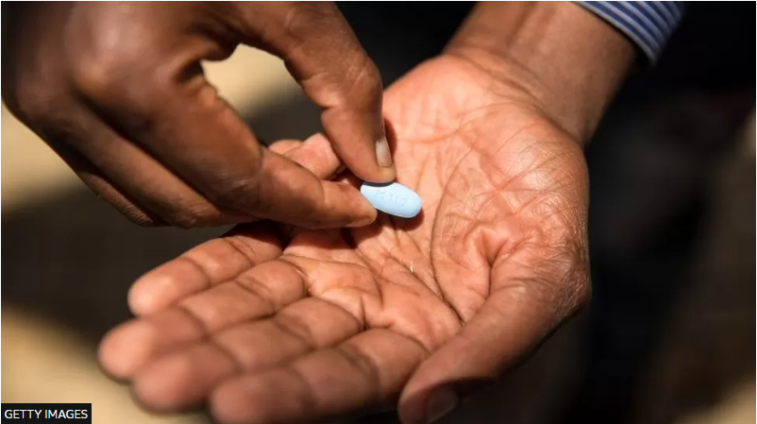
As part of efforts to reduce the spread of HIV, Mr Bambilla said the Commission was distributing Pre-Exposure Prophylaxis (PrEP).
The Sunyani Municipality recorded the highest number of new infections with 222 cases, followed by the Berekum Municipality with 184 cases. The Jaman South Municipality recorded 126 cases, while Wenchi Municipality registered 119 cases.
Other recorded cases included Tain District with 112 infections, Dormaa East District with 95, Dormaa Municipal with 71, Sunyani West Municipal with 65, Jaman North District with 60, Dormaa West District with 57, Berekum West District with 27, and Banda District with seven cases.
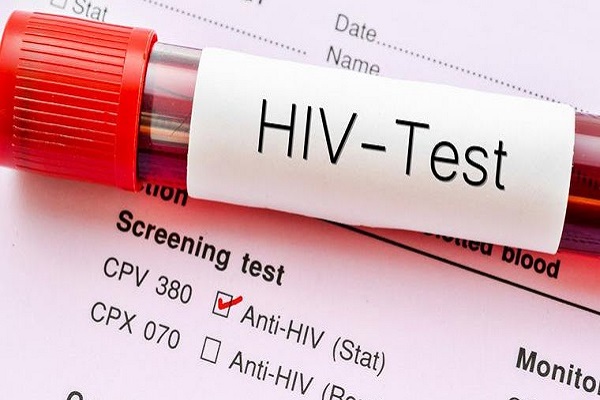
President of the Ghana HIV and AIDS Network (GHANET) has called on stakeholders to step in with urgent measures to avert the possible shortage of essential HIV testing commodities.
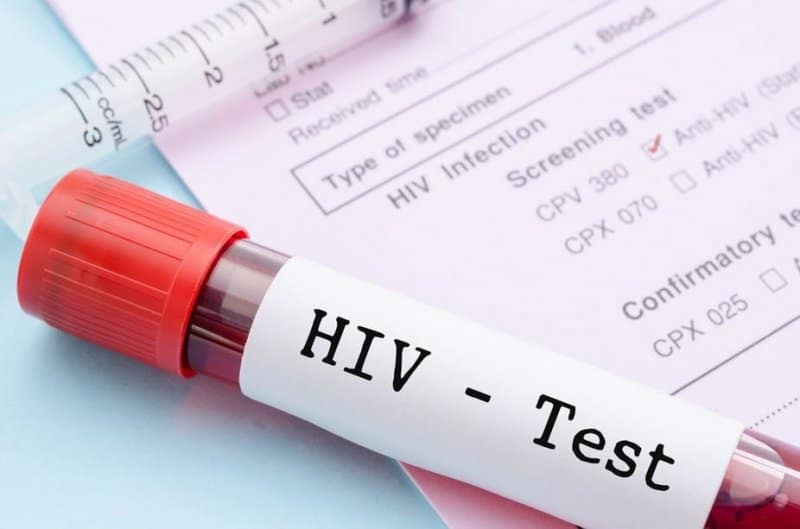
Speaking to the media, Ernest Amoabeng Ortsin warned that Ghana could face a shortage of essential HIV testing commodities, including both oral and blood-based test kits, by the end of July.
According to him, this would undermine the country’s progress toward epidemic control and stall efforts to meet global HIV targets. Thus delaying diagnosis, restrict access to antiretroviral therapy, and increase the risk of new infections. “Shortages mean fewer people can be tested, increasing the risk of undetected HIV infections.” he said.
Global Fund had been supplying both oral and blood testing kits from 2024 to 2026 following an arrangement with the government of Ghana. As part of the contract, Ghana will take over the supplies after 2026.
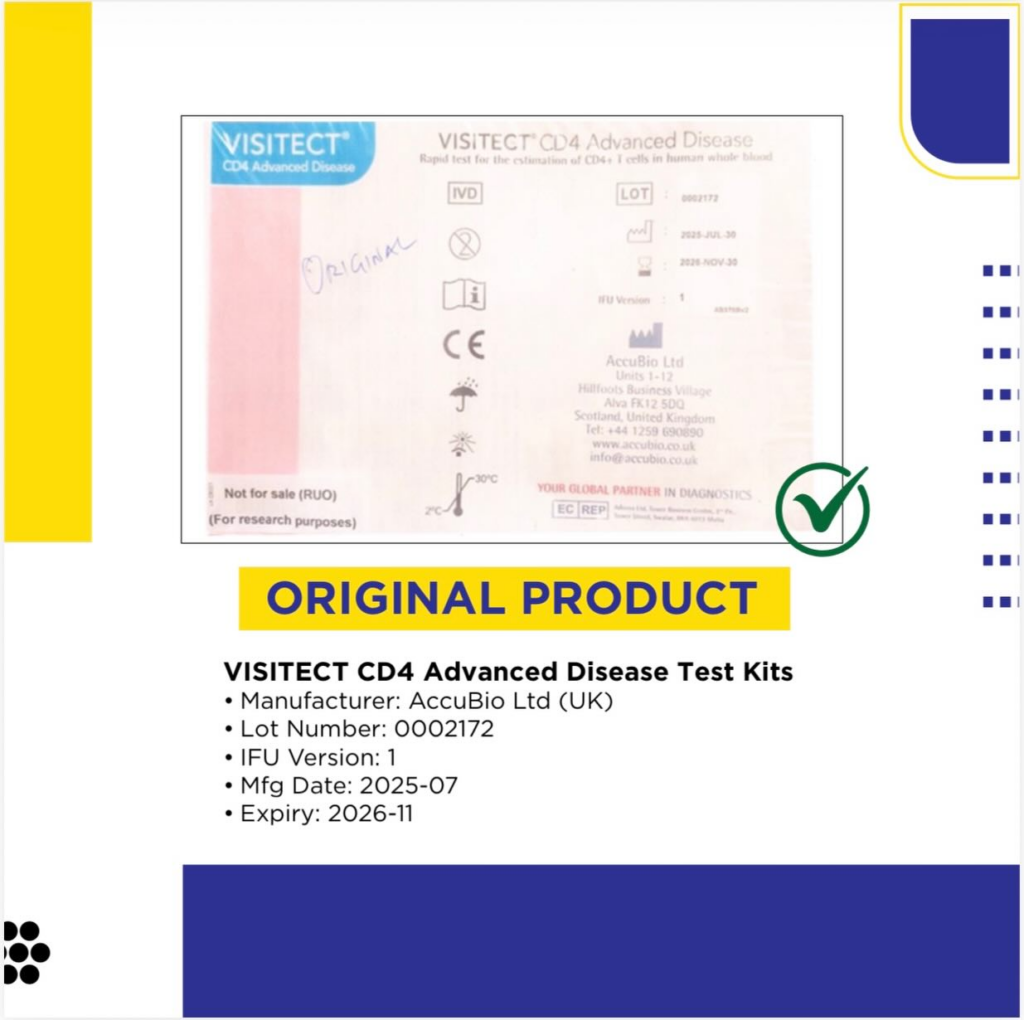
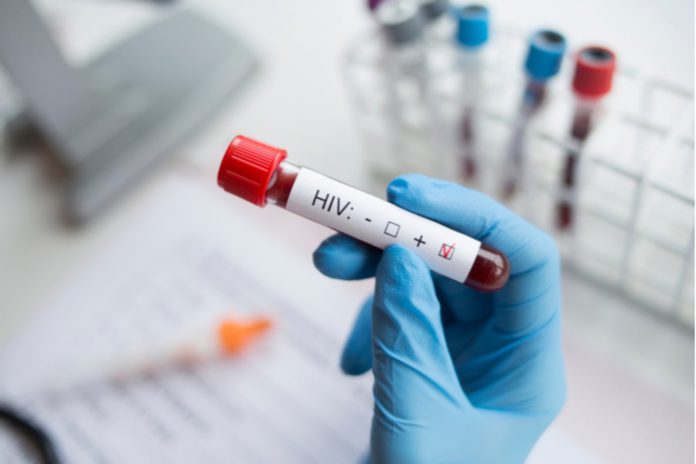
On the other hand, the Food and Drug Authority (FDA), in a statement dated April 2, indicated that it has discovered falsified HIV diagnostic kits being sold in the Ghanaian market, particularly the VISITECT CD4 Advanced Disease test kits used to measure CD4 cell counts in patients with advanced HIV disease.
According to the FDA, there are counterfeit VISITECT CD4 Advanced Disease test kits with lot number 0001586. They do not meet the required safety standards; hence, the public should stay away from them.
How to identify the fake kits
The FDA also pointed out that the counterfeit kits wrongly list Omega Diagnostics Limited as the manufacturer, whereas the genuine VISITECT CD4 kits are produced by AccuBio Limited.
In addition, authentic VISITECT kits have unique lot numbers, unlike the fake kits that show 0002172, and they include proper product details.
The Authority also pointed out clear inconsistencies in the dates printed on the products. It said the falsified kits show incorrect manufacturing dates as well.
“The Food and Drugs Authority has discovered falsified VISITECT CD4 Advanced Disease test kits on the Ghanaian market. These counterfeit products, bearing lot number 0001586 and wrongly listing Omega Diagnostics Limited as the manufacturer, pose a serious threat to public health. The genuine kits are produced by AccuBio Limited with lot number 0002172. The public and healthcare providers are advised to exercise vigilance and report suspicious products immediately,” the statement indicated.
The FDA noted that such differences in manufacturer information and dates should serve as warning signs. It advised healthcare providers to pay close attention to these details when handling medical products.
The FDA warned that the presence of these kits in our markets poses serious risks to public health, consequently warning that wrong results could delay treatment for people living with HIV or cause unnecessary fear for those who receive false-positive outcomes.
“Your health is too important to risk,” the FDA stated, calling for increased vigilance across the health sector.